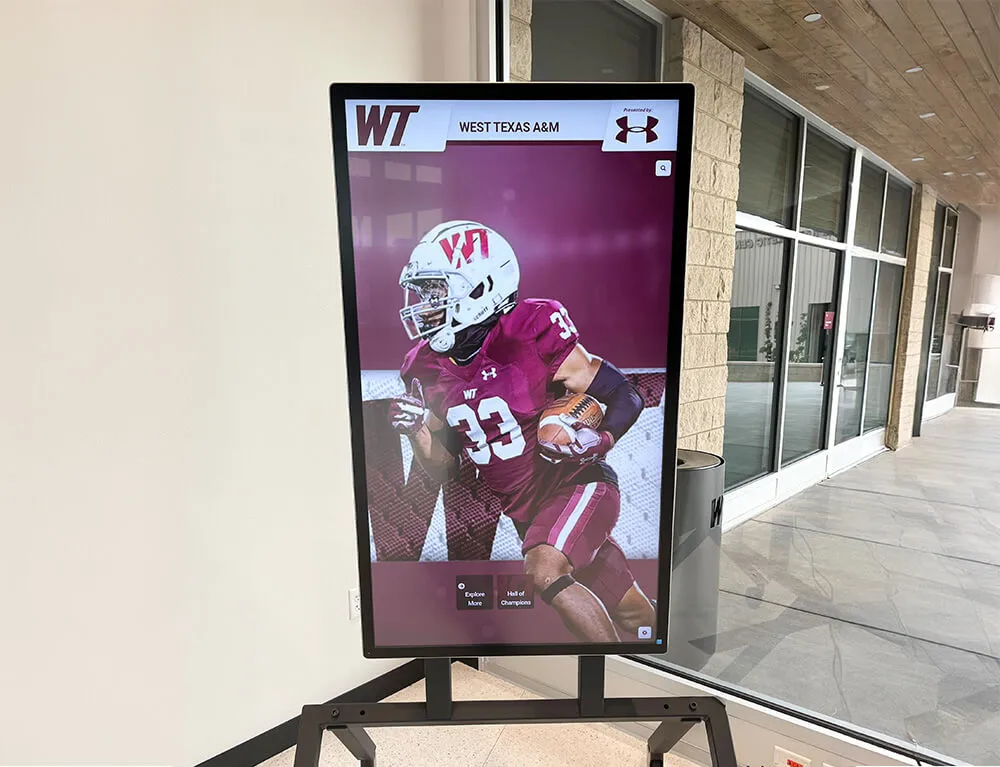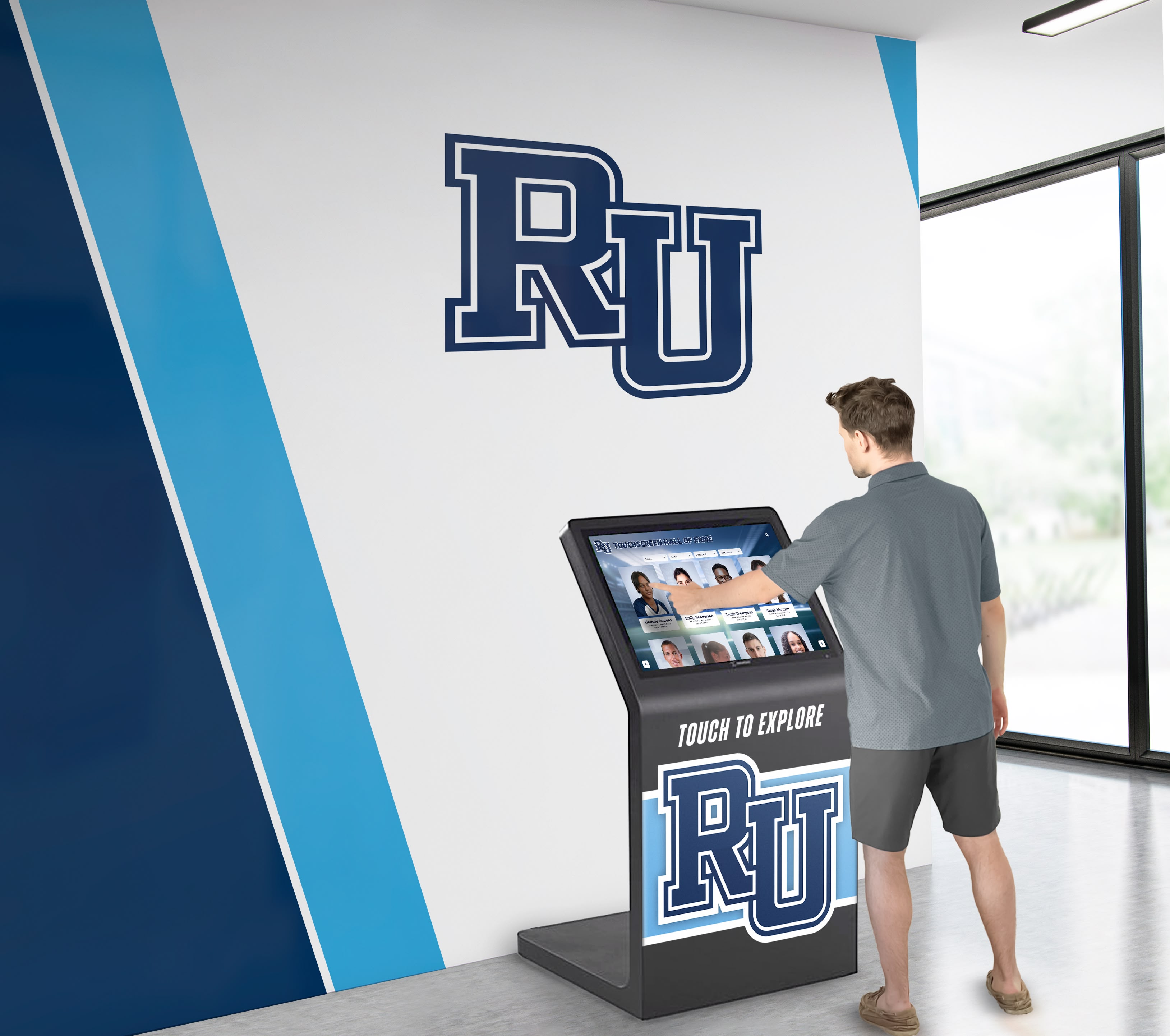




Real estate agencies face intense competition attracting prospective home buyers in markets where consumers research properties online before ever contacting agents. Traditional storefront marketing—printed property listings in windows, static signage, and paper brochures—struggles to capture attention from digitally sophisticated buyers who expect interactive experiences, comprehensive property information, instant access to listings, and engaging visual presentations showcasing homes effectively. As foot traffic past real estate offices declines and online property searches dominate buyer behavior, agencies need innovative solutions bridging physical storefronts with digital expectations consumers bring to property searches.
Interactive touchscreen displays transform how real estate agencies showcase properties, present agent expertise, and engage potential buyers through sophisticated digital kiosks and window displays. These professional systems enable 24/7 property browsing, interactive virtual tours, detailed listing information, agent profile showcases, and engaging visual presentations that capture attention far more effectively than traditional printed listings. Modern real estate agencies implementing interactive displays discover measurable advantages including increased buyer engagement, extended property exposure beyond business hours, enhanced professional image, reduced printing costs, and improved lead generation through technology that meets contemporary buyer expectations.
Why Interactive Displays Matter for Real Estate Agencies
Interactive touchscreen displays serve multiple strategic functions beyond simple property advertising. Modern systems enhance buyer engagement through immersive property presentations that hold attention longer than static listings, provide comprehensive information access enabling buyers to research properties independently at their own pace, extend marketing reach by showcasing listings 24/7 even when offices are closed, strengthen agent positioning by presenting professional credentials and success records prominently, reduce operational costs by eliminating frequent printing and manual listing updates, and generate qualified leads by capturing buyer interest and contact information through engaging interactive experiences. Real estate agencies implementing professional interactive display systems discover that technology investments generate measurable returns through increased buyer inquiries, faster property sales, enhanced market positioning, and operational efficiencies that improve bottom-line profitability while modernizing customer engagement approaches.
Understanding the Evolution of Real Estate Marketing Technology
Real estate marketing has transformed dramatically over recent decades as technology advances and buyer behaviors shift toward digital-first property research. Understanding this evolution helps contextualize why interactive displays represent significant advancement over traditional approaches.
Traditional Real Estate Marketing Limitations
Historically, real estate agencies relied on limited marketing channels including printed property listings posted in storefront windows, newspaper classified advertisements, paper brochures distributed at open houses, yard signs directing buyers to properties, and agent business cards exchanged during personal interactions.
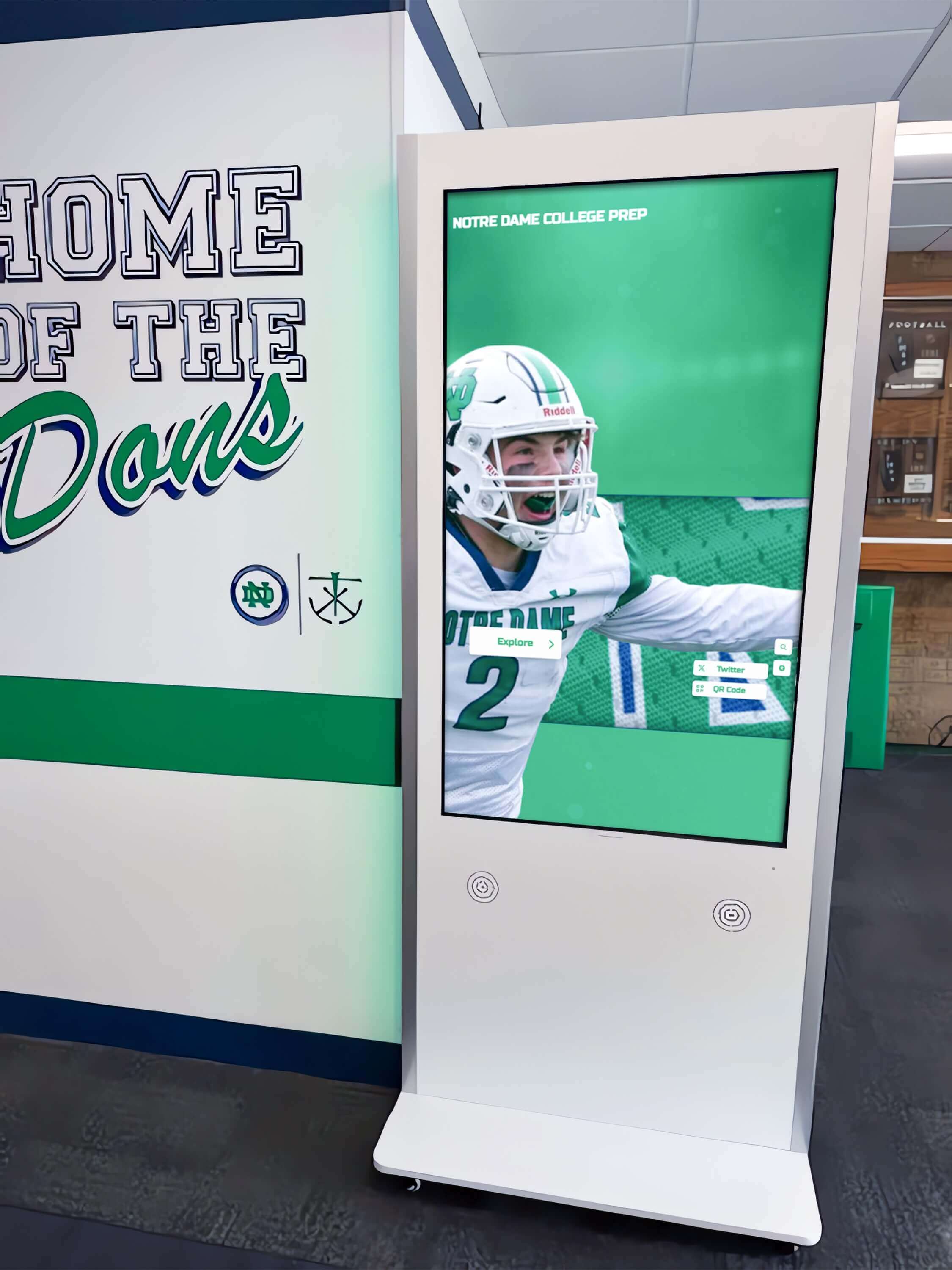
These traditional methods face fundamental limitations reducing marketing effectiveness in contemporary markets. Printed window displays show limited property information constrained by physical space—typically only featured listings with basic details and small photographs that poorly represent properties. Static displays cannot accommodate comprehensive information buyers seek including multiple property photos, detailed descriptions, floor plans, virtual tours, neighborhood information, and financing calculators. Printed materials require frequent manual updates as listings sell or new properties become available, creating administrative burden while risking outdated information that frustrates buyers and damages agency credibility. Physical displays function only during daylight hours when potential buyers can see window postings, missing evening and weekend opportunities when many buyers research properties. Traditional marketing provides no data about which properties generate interest or buyer demographics, preventing agencies from optimizing marketing strategies based on actual engagement patterns.
The Rise of Online Real Estate Platforms
The internet revolutionized real estate marketing starting in the late 1990s when websites like Realtor.com and Zillow enabled online property searches. These platforms provided advantages over traditional marketing including searchable databases allowing buyers to filter properties by location, price, features, and other criteria; unlimited listing capacity showing entire property portfolios rather than select featured homes; comprehensive information including multiple photos, detailed descriptions, and property histories; and convenient access enabling buyers to research properties anytime from anywhere.
However, online platforms created new challenges for local real estate agencies. National aggregators like Zillow dominate search results, making individual agency websites less visible. Buyers research properties online then contact listing agents directly, reducing foot traffic to agency offices and diminishing walk-in buyer opportunities. Online platforms commoditize properties by emphasizing searchable data over agent relationships and local expertise, potentially reducing perceived agent value. Many buyers research extensively online but still appreciate seeing properties showcased by local agencies familiar with neighborhoods and market conditions, creating opportunity for agencies that effectively bridge digital and physical experiences.
Interactive Display Technology Emergence
Interactive touchscreen displays emerged as accessible technology during the 2010s as commercial touchscreen systems became affordable and reliable for continuous operation in public environments. Real estate represents ideal application for interactive displays because property marketing naturally benefits from visual presentations, buyers appreciate self-service information access without sales pressure, and storefront locations provide natural visibility for window-mounted displays attracting passing pedestrians and drivers.
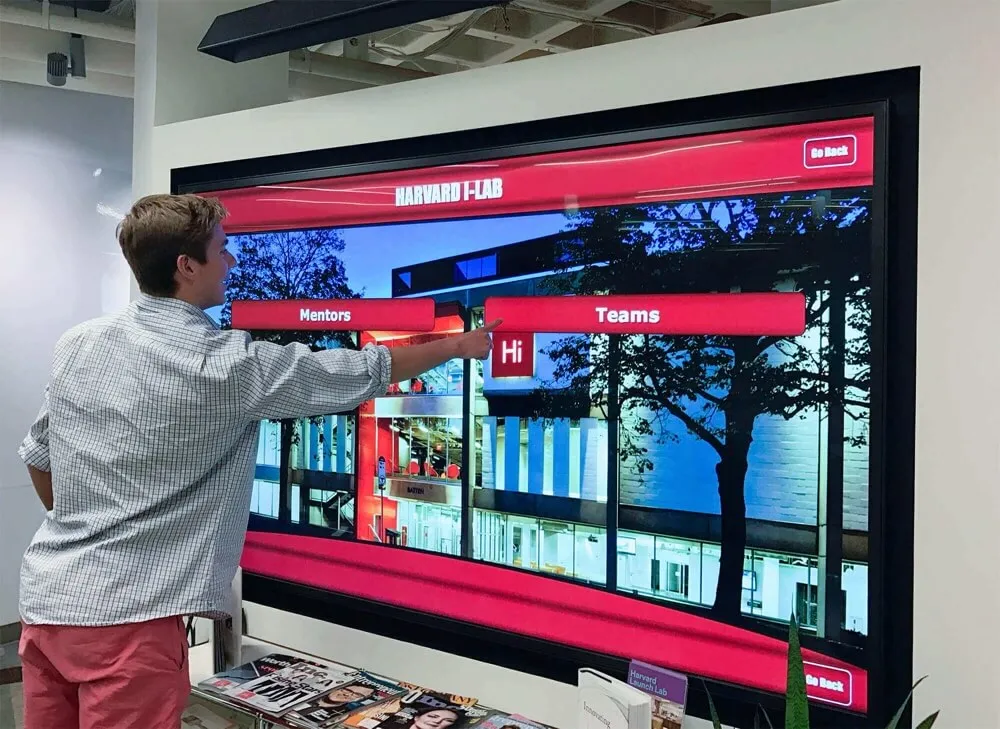
According to industry reports, real estate agencies increasingly adopt interactive kiosks specifically designed for property showcases, with systems enabling detailed property browsing, virtual tour integration, agent profile presentations, and 24/7 storefront displays that extend marketing beyond traditional business hours. These systems leverage capacitive touchscreen technology similar to smartphones providing familiar intuitive interfaces, high-resolution displays showcasing property photography effectively, integration with Multiple Listing Service (MLS) databases providing real-time listing information, and durable commercial-grade construction suitable for continuous operation in storefront environments.
Strategic Benefits of Interactive Displays for Real Estate Agencies
Real estate agencies implementing interactive touchscreen displays discover multiple strategic advantages extending beyond improved property marketing to encompass operational efficiency, competitive positioning, client engagement, and business development goals.
Extending Property Exposure with 24/7 Window Displays
Physical real estate offices operate during limited business hours—typically 9 AM to 5 PM on weekdays with reduced weekend hours. However, potential buyers research properties throughout evenings and weekends when many have free time away from work obligations. Window-mounted interactive displays extend property marketing beyond business hours by showcasing listings continuously.
After-Hours Property Browsing: Interactive displays mounted in storefront windows and visible from sidewalks enable passing pedestrians to browse listings even when offices are closed. Buyers walking dogs, commuting home, or exploring neighborhoods during evenings and weekends encounter engaging property displays rather than dark storefronts, significantly extending exposure opportunities. According to real estate technology providers, window displays generate substantial engagement during non-business hours when traditional offices miss buyer opportunities entirely.
Weather-Resistant Continuous Operation: Professional window display systems feature weather-resistant enclosures protecting electronics from temperature extremes, humidity, and condensation enabling reliable operation in storefront windows exposed to environmental conditions. High-brightness displays remain visible in direct sunlight during daytime while attracting attention through illumination during evening hours. This continuous operation ensures properties receive maximum exposure regardless of weather conditions or time of day.
Neighborhood Visibility and Foot Traffic Capture: Real estate agencies in walkable neighborhoods, downtown districts, or high-traffic commercial areas benefit particularly from window displays that capture attention from substantial pedestrian traffic. Interactive displays attract notice from people passing by who might not specifically seek real estate information but discover appealing properties while walking past engaging visual presentations. This passive exposure generates leads from buyers not actively working with agents, expanding agency reach beyond existing client relationships.
Enhancing Buyer Engagement Through Interactive Property Exploration
Static property listings provide limited information requiring buyers to contact agents for details, creating friction in early research stages when buyers prefer independent exploration without sales pressure. Interactive displays enable comprehensive self-service property research enhancing buyer engagement and satisfaction.
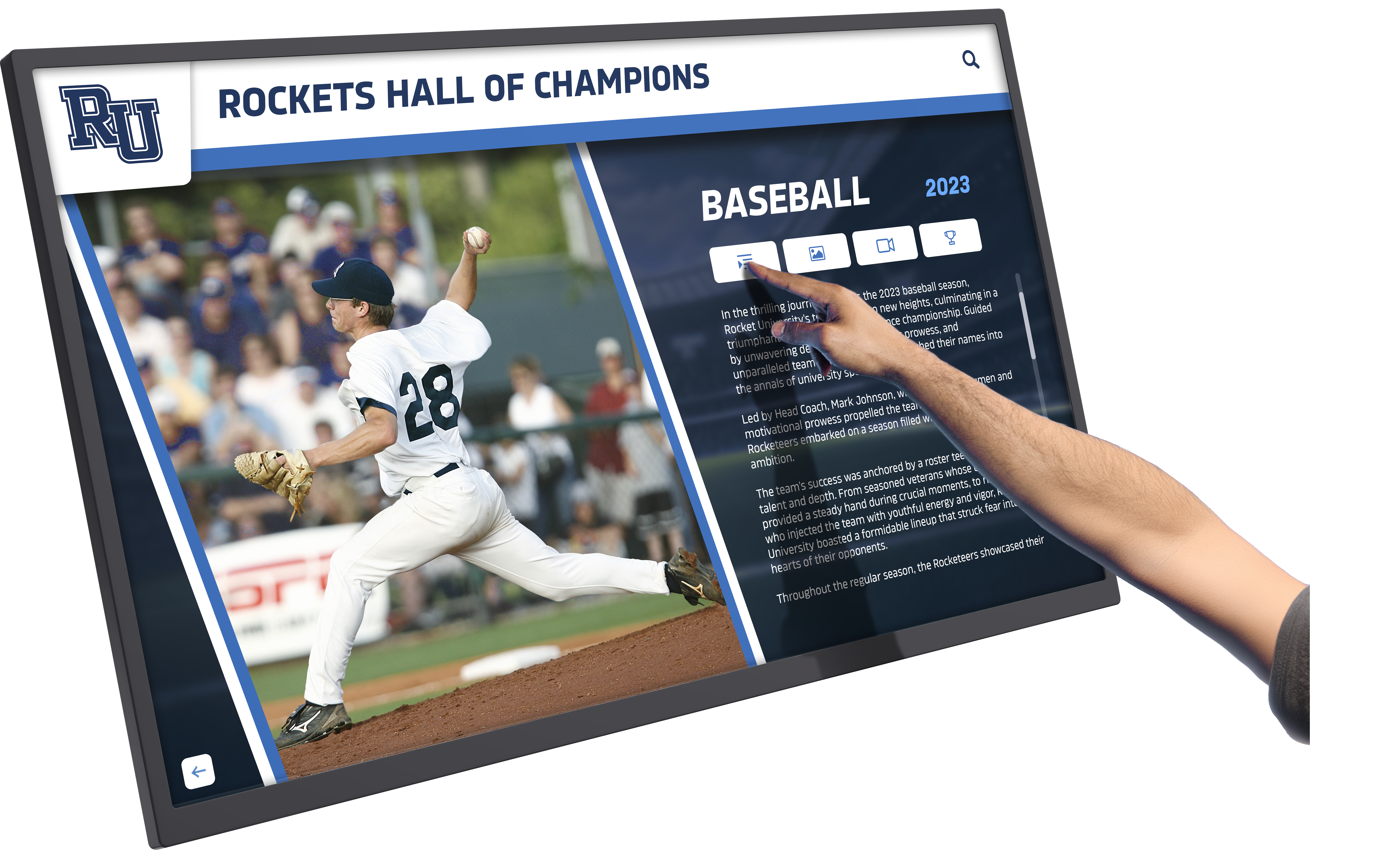
Comprehensive Property Information Access: Interactive systems display extensive property information including multiple high-resolution photographs showing property interiors, exteriors, and key features; detailed written descriptions highlighting unique attributes, recent updates, and neighborhood characteristics; accurate specifications including square footage, bedroom/bathroom counts, lot sizes, and year built; pricing information and historical price changes showing market positioning; and virtual tours enabling 360-degree property exploration from touchscreen interfaces. This comprehensive information satisfies buyer research needs while demonstrating agency thoroughness and professionalism.
Advanced Search and Filter Capabilities: Buyers approach property searches with specific criteria based on budgets, location preferences, property types, and feature requirements. Interactive displays provide sophisticated search functionality enabling buyers to filter listings by price range, property type (single-family, condo, townhouse), number of bedrooms and bathrooms, square footage minimums, lot size requirements, neighborhood or school district, special features like pools or garages, and days on market or recent price reductions. Intuitive filtering helps buyers quickly identify relevant properties rather than browsing irrelevant listings, improving research efficiency while increasing likelihood buyers discover suitable properties in agency portfolios.
Visual Property Comparisons: Buyers typically evaluate multiple properties simultaneously comparing features, prices, and locations. Interactive displays can facilitate direct comparisons enabling buyers to select multiple properties viewing specifications side-by-side, comparing pricing per square foot across similar properties, evaluating neighborhood characteristics for competing homes, and identifying relative advantages of different listings. Comparison functionality helps buyers make informed decisions while keeping them engaged with agency listings rather than immediately turning to competitor properties.
Saved Searches and Favorites: Interactive systems can enable buyers to save favorite properties or search criteria accessing information on personal devices later through QR codes or email links. When buyers discover interesting properties at interactive kiosks, they can immediately save information for follow-up research, schedule agent appointments to view properties, or share listings with family members involved in purchase decisions. This continuity between physical kiosk interactions and mobile access extends engagement beyond brief storefront encounters.
Showcasing Agent Expertise and Building Trust
Real estate transactions involve substantial financial commitments and complex processes where buyers value working with knowledgeable experienced agents who understand local markets. Interactive displays effectively showcase agent credentials and expertise building trust and positioning agencies as market leaders.
Agent Profile Presentations: Interactive systems can feature comprehensive agent profiles including professional photographs presenting polished professional images, biographical information highlighting experience levels, specialties, and credentials, sales records showing transactions completed and average time to sale, client testimonial excerpts sharing positive experiences working with agents, and contact information enabling direct agent outreach. Prominent agent presentations differentiate individual professionals while humanizing agencies beyond corporate brands, helping buyers identify agents matching their needs and preferences.
Market Expertise Demonstrations: Buyers appreciate agents who demonstrate deep neighborhood knowledge and market understanding. Interactive displays can showcase this expertise through neighborhood guides highlighting schools, amenities, transportation, and community characteristics; market trend data showing pricing movements, inventory levels, and sales statistics; local business directories connecting buyers with services needed during moves and home ownership; and community event calendars demonstrating agency involvement in local communities. This information positions agents as trusted local experts rather than transactional salespeople, strengthening buyer confidence in agency guidance throughout purchase processes.
Success Stories and Case Studies: Nothing builds credibility more effectively than demonstrated success helping clients achieve real estate goals. Interactive displays can feature recent sales highlighting properties recently sold with sale prices and time on market, buyer success stories sharing how agents helped clients find ideal homes within budget constraints, seller testimonials explaining how agents achieved optimal sale prices and smooth transactions, and before/after property transformations showing value-add opportunities agents identified. Success stories provide social proof encouraging prospective clients to trust agencies with their own real estate needs.
Improving Operational Efficiency and Reducing Costs
Real estate agencies face significant operational costs maintaining property marketing materials, updating listings, and managing storefront displays. Interactive systems reduce these costs while improving marketing effectiveness through automation and digital management.
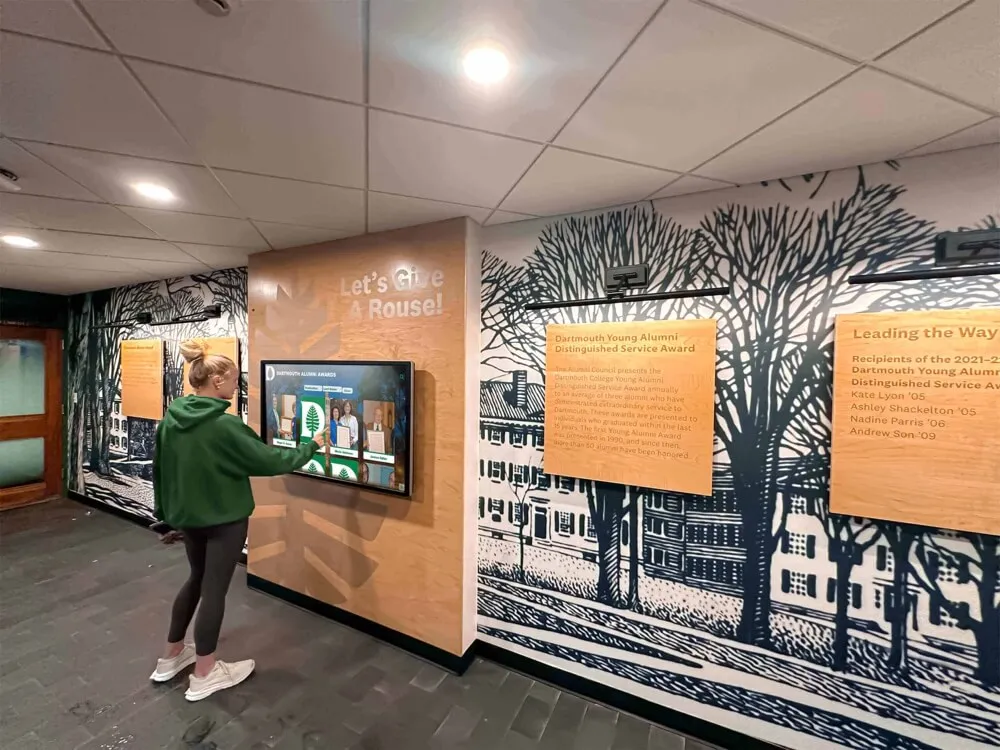
Eliminating Printing and Material Costs: Traditional property marketing requires printing numerous materials including window display posters, property brochures, agent business cards, open house flyers, and neighborhood guides. These printing costs accumulate substantially over time while generating environmental waste. Digital displays eliminate most printing needs by showcasing all property information electronically, enabling instant updates without reprinting, reducing paper waste and environmental impact, and lowering ongoing marketing expenses. While initial display investment requires capital expenditure, operational savings accumulate over time generating positive return on investment typically within 18-24 months based on printing cost reductions alone.
Automated Listing Updates: Manually updating window displays when properties sell or new listings arrive consumes staff time requiring someone to remove sold property posters, print new listing displays, and physically update storefront windows. Interactive displays integrate with agency MLS databases automatically refreshing listing information, removing sold properties immediately, adding new listings as they become available, and updating pricing or description changes instantly. This automation dramatically reduces administrative burden enabling staff to focus on client services and sales activities rather than manual display management.
Data Analytics and Marketing Optimization: Traditional marketing provides minimal insight into which properties generate buyer interest or what demographics engage with marketing materials. Interactive displays with analytics capabilities track which properties receive most views and interaction time, what search filters buyers use most frequently, what times of day systems receive highest usage, and what neighborhood information buyers access most often. These insights enable data-driven marketing optimization focusing promotional efforts on property types and features buyers seek most, adjusting listing prices based on engagement patterns suggesting overpricing, and refining agent training based on actual buyer behaviors and information needs. Solutions like those offered by Rocket Alumni Solutions often include built-in analytics dashboards enabling agencies to monitor performance without requiring separate data analysis expertise.
Strengthening Competitive Positioning and Brand Image
Real estate markets feature intense competition where agencies differentiate through service quality, market knowledge, technology adoption, and professional image. Interactive displays enhance competitive positioning through modern technology adoption signaling innovation.
Technology Leadership Positioning: Buyers—especially younger Millennial and Generation Z purchasers—expect businesses to offer modern digital experiences matching online convenience. Real estate agencies deploying interactive displays demonstrate technology leadership and innovation commitment distinguishing them from competitors relying on traditional marketing approaches. This technological sophistication signals overall business modernity suggesting agencies bring similar innovation to transaction processes, marketing strategies, and client communications throughout buyer and seller relationships.
Enhanced Professional Image: Storefront appearance significantly influences perception of real estate agencies. Window displays featuring interactive touchscreens create polished professional images suggesting successful agencies investing in quality client experiences. This premium positioning attracts buyers seeking professional representation rather than discount services, potentially commanding higher commission rates and attracting quality listings from sellers wanting professional marketing for properties. Premium positioning proves particularly valuable in competitive luxury markets where high-end buyers expect sophisticated marketing matching property caliber.
Differentiated In-Person Experience: While online property searches dominate initial research, many buyers still visit real estate offices seeking personal guidance, neighborhood expertise, and relationship-building opportunities before committing to agents. Interactive displays create memorable office experiences distinguishing agencies through engaging technology rather than generic office environments with outdated bulletin boards. This differentiated experience encourages buyers to remember and return to agencies offering superior in-person engagement complementing online research.
Implementing Interactive Display Systems in Real Estate Agencies
Real estate agencies ready to implement interactive displays face important decisions about technology selection, display placement, content strategy, and management processes determining long-term success and marketing value.
Selecting Appropriate Technology Solutions
Multiple technology approaches enable interactive property displays in real estate environments, each offering different capabilities, cost implications, and implementation requirements.
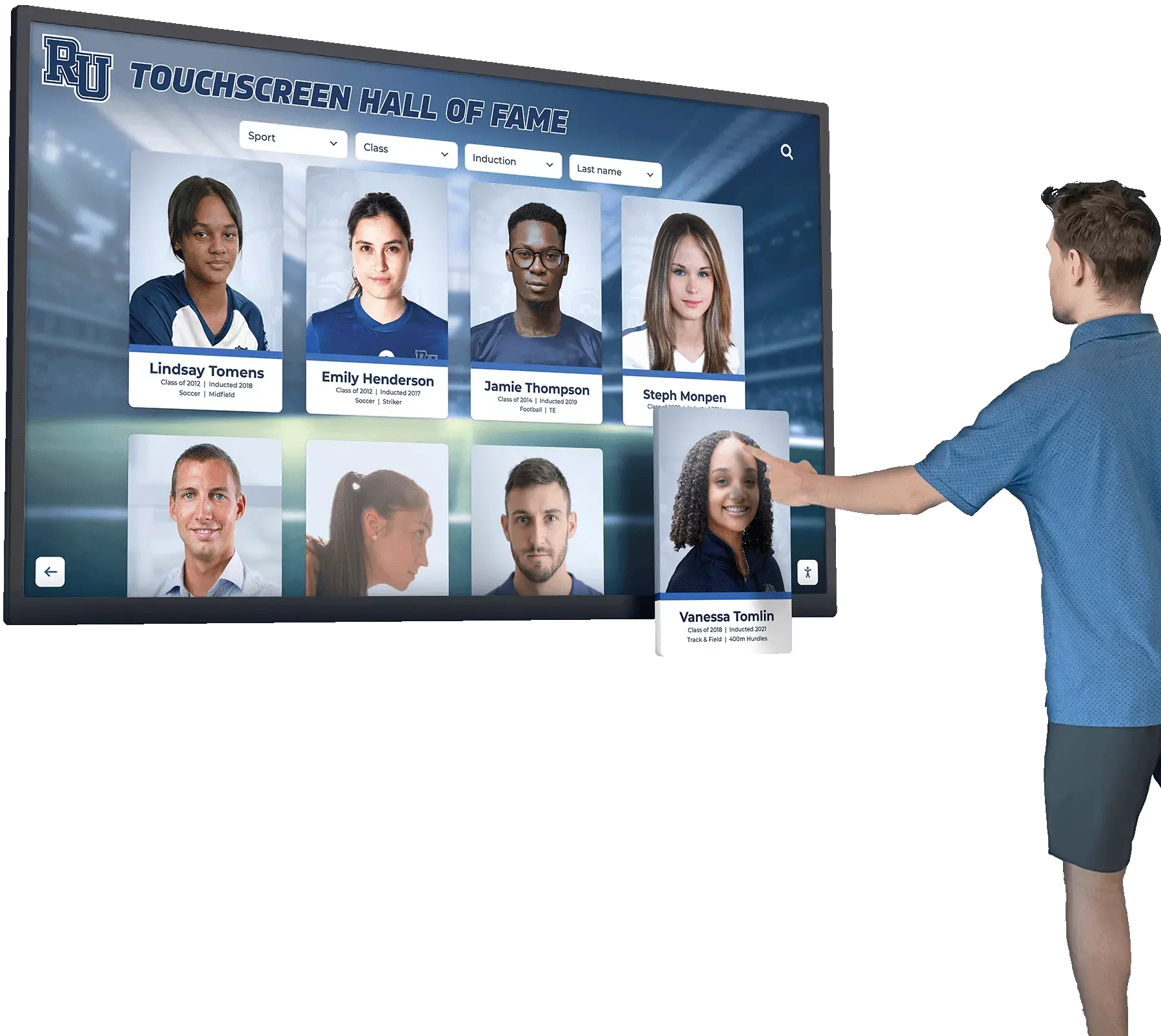
Window-Mounted Interactive Displays: Purpose-built window displays provide the most effective solution for storefront real estate offices seeking 24/7 property exposure. These systems feature high-brightness commercial displays remaining visible in direct sunlight and attracting attention through illumination during evening hours, weather-resistant enclosures protecting electronics from temperature extremes and humidity in window environments, reversed mounting configurations displaying content outward toward sidewalks while touch functionality operates from outside, and ADA-compliant accessibility features enabling interaction from wheelchairs or varying heights. Window displays work particularly well for agencies in walkable neighborhoods, downtown locations, or high-traffic commercial districts where pedestrian visibility maximizes marketing reach. Professional window display technology has been successfully adapted from interactive wayfinding and information systems used in other commercial applications.
Indoor Interactive Kiosks: Freestanding or wall-mounted kiosks positioned inside real estate offices provide engaging property browsing experiences for walk-in clients. These systems feature large-format touchscreens (typically 42-55 inches) providing comfortable viewing and interaction, commercial-grade durability designed for continuous operation and heavy use, integrated computing systems running specialized real estate software, and network connectivity enabling integration with MLS databases and content management platforms. Indoor kiosks work well in agency lobbies, waiting areas, or consultation spaces where buyers naturally congregate while waiting for appointments or meeting with agents.
Tablet-Based Portable Systems: Tablet computers and iPads enable agents to conduct mobile property presentations during client meetings, open houses, or property showings. These portable solutions provide flexibility for agents working remotely or meeting clients at various locations, lower initial investment compared to dedicated kiosk systems, familiar interfaces most buyers readily understand, and easy content updates through standard apps and cloud synchronization. However, tablets lack visibility and presence of larger displays and require agents to initiate property presentations rather than enabling independent buyer browsing.
Hybrid Integrated Approaches: The most effective implementations combine multiple technologies creating comprehensive ecosystems where prominent window displays attract attention and enable after-hours browsing, indoor kiosks provide detailed property research in office environments, tablet systems enable agent-led presentations during consultations, and mobile-responsive websites enable buyers to continue property research on personal devices after initial kiosk encounters through QR codes or saved favorites. This integration ensures consistent property information across touchpoints while accommodating different buyer preferences and interaction contexts.
Strategic Display Placement for Maximum Visibility
Where agencies position interactive displays significantly affects visibility, accessibility, buyer engagement, and overall marketing effectiveness.
Street-Facing Window Displays: Storefront windows facing streets or sidewalks with regular pedestrian or vehicle traffic provide premium locations for interactive displays. Positioning systems prominently in central window areas ensures maximum visibility from multiple angles and distances, attracts attention from both pedestrians walking past and drivers stopped at traffic lights or passing slowly, and communicates agency presence and technological sophistication to entire neighborhoods beyond just buyers actively seeking properties. Window placement works best when displays feature engaging visual content rotating through featured listings that catch attention even when buyers aren’t actively interacting with touchscreens.
Office Entrance and Lobby Areas: For agencies with interior offices beyond street-level visibility, positioning displays near main entrances ensures every visitor encounters systems when entering. Lobby placement provides convenient access for walk-in buyers, captures attention from clients waiting for scheduled appointments, and creates positive first impressions demonstrating technological sophistication. Reception area displays should position screens at comfortable viewing heights for both standing and seated users ensuring accessibility for all visitors.
Dedicated Property Showcase Areas: Some agencies create dedicated spaces highlighting property portfolios through multiple displays, wall murals, neighborhood maps, and comfortable seating encouraging extended browsing. These showcase areas function as experiential marketing spaces where buyers immerse themselves in property research supported by interactive technology. Showcase areas work particularly well for agencies specializing in specific neighborhoods or property types enabling themed presentations that deepen market positioning.
Community Event Presence: Portable displays deployed at community events, farmers markets, neighborhood festivals, or real estate expos extend agency visibility beyond office locations. Mobile kiosks at high-traffic community gatherings capture attention from potential buyers in casual social contexts where they’re open to discovering properties without feeling sales pressure. Event presence demonstrates community engagement while generating leads through interactive property browsing in settings where buyers may not otherwise encounter agency marketing.
Designing Effective Content Strategy and Property Presentations
Technology capabilities matter only if content engages buyers and property presentations showcase homes effectively. Effective interactive display implementations prioritize compelling visual content and intuitive user experience over technical sophistication.

High-Quality Property Photography: Visual quality fundamentally determines whether property presentations capture buyer interest or prompt immediate dismissal. Effective displays feature professional photography showcasing properties in best light with proper staging, lighting, and composition; multiple images showing key rooms, architectural features, and outdoor spaces comprehensively; wide-angle shots demonstrating room sizes and spatial relationships accurately; and detail photography highlighting quality finishes, unique features, and recent renovations. Investment in professional property photography generates measurable returns by attracting more buyer interest and enabling properties to stand out among competing listings shown on same displays. While agencies can use MLS photographs, supplementing with additional professional images enhances presentations substantially.
Virtual Tour Integration: Static photographs convey limited spatial understanding compared to immersive virtual tours enabling buyers to “walk through” properties digitally. Interactive displays should integrate 360-degree panoramic virtual tours allowing buyers to navigate through properties viewing rooms from multiple angles, Matterport 3D tours providing comprehensive property walkthroughs with floor plan navigation, video property tours offering guided presentations with agent narration highlighting key features, and drone footage showcasing property exteriors, lot layouts, and neighborhood contexts. Virtual tours significantly increase buyer engagement time and information retention compared to static images while reducing unnecessary in-person showings for properties that don’t meet buyer needs once explored comprehensively.
Comprehensive Property Information: Beyond visuals, buyers seek detailed information informing purchase decisions. Displays should provide property specifications including accurate square footage, room counts, lot sizes, and year built, detailed written descriptions highlighting unique features, recent updates, architectural styles, and included appliances, pricing information showing current list prices, price history, and property tax estimates, neighborhood information describing schools, parks, shopping, dining, and transportation access, and financing calculators enabling buyers to estimate monthly payments based on different down payment scenarios and interest rates. Comprehensive information demonstrates agency professionalism while enabling buyers to conduct thorough research independently before requesting agent contact.
Intuitive Navigation and Search Functionality: Buyers accustomed to sophisticated online property search platforms expect similar functionality from physical displays. Effective systems feature clear visual hierarchies with prominent buttons and obvious navigation paths, advanced filtering enabling search by location, price range, property type, and key features, map-based browsing showing property locations relative to neighborhoods and landmarks, saved favorites allowing buyers to bookmark properties for later follow-up, and responsive touch interfaces providing immediate feedback confirming selections and system responsiveness. Systems requiring complex navigation or extensive text reading discourage engagement, while intuitive interfaces matching familiar smartphone experiences encourage extended browsing.
Content Management and Listing Integration
Interactive displays provide value only when property listings remain current, accurate, and comprehensive. Establishing efficient content management workflows ensures displays stay relevant without creating excessive administrative burden for agency staff.
MLS Database Integration: The most effective display systems integrate directly with Multiple Listing Service (MLS) databases automatically synchronizing listing information, removing sold properties immediately when transactions close, adding new listings as they become available to agents, and updating pricing or description changes made in MLS platforms. Direct integration eliminates manual data entry and update requirements ensuring displays always reflect current accurate listing portfolios. Professional real estate display providers offer MLS integration capabilities specifically designed for agency needs, similar to how digital recognition systems integrate with existing databases in other industries.
Featured Listing Management: While comprehensive listing portfolios should be available through search functionality, strategically highlighting select featured properties in prominent display positions attracts attention and showcases agency best listings. Agents should be able to designate featured listings rotated through home screen displays, schedule featured property rotations ensuring variety and capturing attention from repeat viewers, customize featured presentations with additional photography or enhanced descriptions, and update featured selections based on seasonal factors or market conditions. Featured listing management balances comprehensive access with strategic marketing emphasis on properties generating highest interest or offering best commission opportunities.
Agent Content Control: Individual agents should be able to contribute content highlighting their listings and expertise through mobile apps or web interfaces enabling listing uploads from smartphones, ability to add supplementary property photography beyond MLS images, profile updates maintaining current contact information and accomplishments, and testimonial submissions sharing recent client success stories. Agent content contribution distributes management responsibility while ensuring individual professionals maintain current information about their specialties and properties. Role-based permissions ensure appropriate oversight while empowering agents to maintain relevant content.
Regular Content Quality Reviews: Even automated systems benefit from human oversight ensuring content quality and marketing effectiveness. Agency leadership should establish review cycles including weekly featured listing rotations ensuring variety and market responsiveness, monthly content audits verifying photography quality and information accuracy, quarterly agent profile updates confirming credentials and accomplishments remain current, and annual strategy reviews assessing overall content effectiveness and identifying improvement opportunities. Consistent quality control prevents display degradation into neglected systems showing outdated information that trains buyers to ignore them.
Content Applications for Real Estate Interactive Displays
Understanding specific content types that provide value helps agencies plan comprehensive information strategies maximizing display utility for diverse buyer needs and agency marketing objectives.
Comprehensive Property Listing Portfolios
The primary function of real estate displays involves showcasing available properties for sale. Comprehensive listing presentations form the foundation of effective display content.
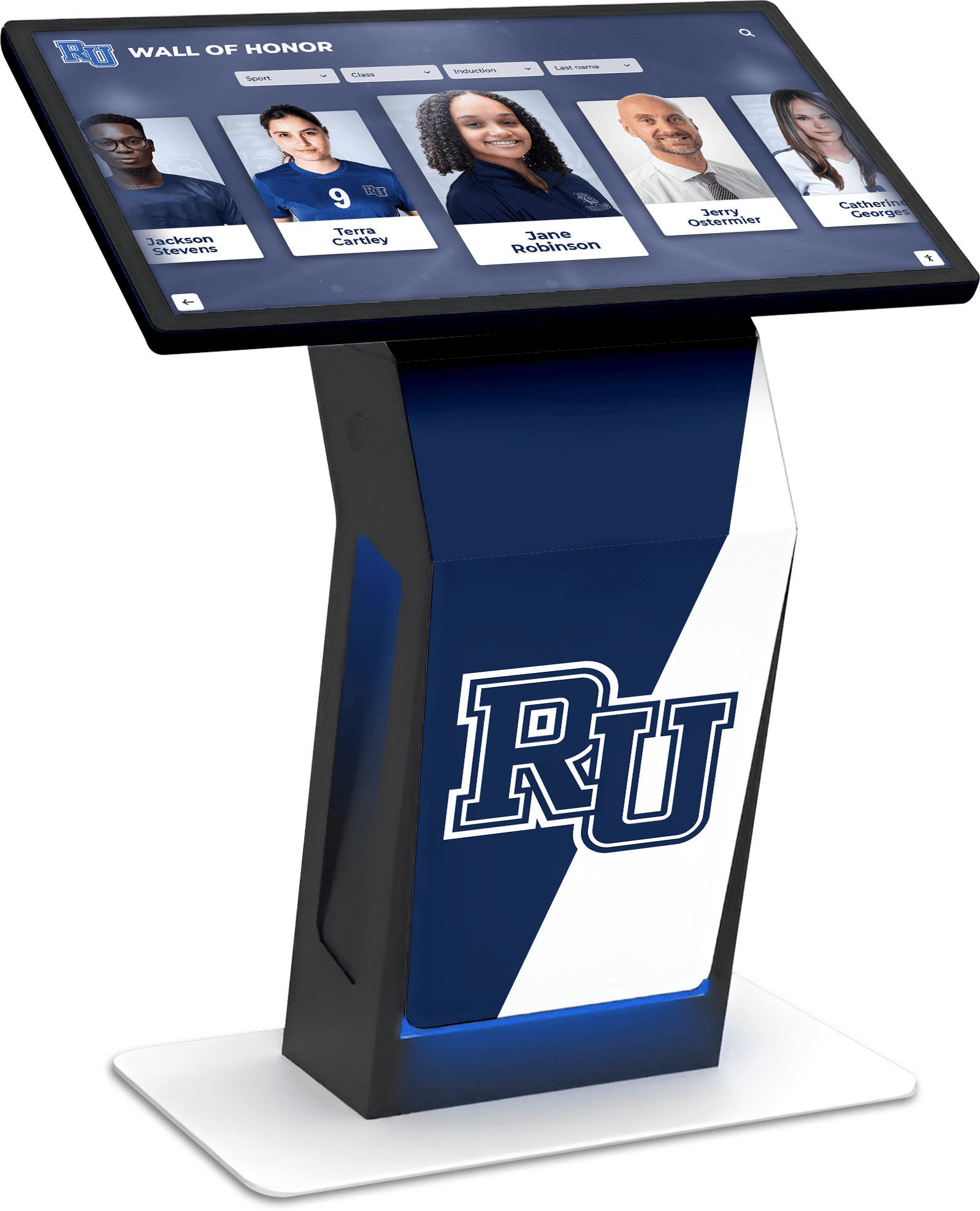
Residential Property Listings: Primary content focuses on residential properties within agency portfolios including single-family homes spanning various price points and neighborhoods, condominiums and townhouses appealing to different buyer demographics, luxury properties requiring premium marketing and sophisticated presentations, investment properties highlighting rental potential and ROI characteristics, and vacation homes emphasizing location amenities and lifestyle benefits. Each property type deserves tailored presentations emphasizing relevant features and benefits matching target buyer interests.
Advanced Filtering and Search Options: Buyers approach property searches with specific criteria. Displays should enable sophisticated filtering by price range (with flexible minimum and maximum inputs), location (neighborhood, zip code, school district, or proximity to landmarks), property type (single-family, condo, townhouse, multi-family), bedrooms and bathrooms (with minimum requirements), square footage (minimum and maximum ranges), lot size (for buyers prioritizing outdoor space), special features (pools, garages, fireplaces, updated kitchens, hardwood floors), and market timing (new listings, price reductions, open house schedules). Comprehensive filtering helps buyers quickly identify relevant properties while demonstrating agency professionalism and technological sophistication.
Detailed Property Pages: When buyers select properties from search results, detailed pages should provide comprehensive information including property photo galleries with 10-20+ high-quality images, property specifications listing all relevant details accurately, written descriptions highlighting unique features and recent updates, virtual tour access enabling immersive property exploration, neighborhood information describing nearby schools, parks, and amenities, pricing history showing original list price and any reductions, property tax information and HOA fees where applicable, and contact options enabling buyers to schedule showings or request additional information. Thorough property pages satisfy buyer research needs while reducing unnecessary follow-up questions.
Agent Profile and Expertise Showcases
Buyers selecting real estate agents consider experience, local knowledge, personality fit, and track records. Agent profiles effectively communicate qualifications while building personal connections.
Comprehensive Agent Biographies: Individual agent profiles should feature professional headshot photography presenting polished professional images, biographical narratives describing backgrounds, experience, and personal approaches, specialization information highlighting expertise in specific property types or neighborhoods, professional credentials including licenses, certifications, and industry awards, and contact information enabling direct agent outreach via phone, email, or appointment scheduling. Personal yet professional agent presentations help buyers identify agents matching their needs and preferences.
Sales Performance Metrics: Quantifiable success metrics build credibility and trust. Agent profiles can highlight properties sold in past year, average days on market demonstrating marketing effectiveness, percentage of list price achieved showing negotiation skills, client satisfaction ratings from post-transaction surveys, and years of experience in real estate and specific markets. Performance data provides objective evidence of agent capabilities beyond subjective claims, helping buyers make informed agent selection decisions.
Client Testimonials and Reviews: Third-party validation proves more persuasive than agent self-promotion. Displays should feature client testimonial excerpts sharing positive experiences, specific success stories explaining how agents helped buyers find ideal homes or sellers achieve optimal sale prices, before/after scenarios demonstrating agent value-add through pricing strategy or property improvements, and external review highlights from Google, Zillow, or other platforms where clients independently share experiences. Testimonial rotation ensures variety while showcasing multiple client perspectives demonstrating consistent quality service.
Neighborhood and Community Information
Buyers purchase not just properties but entire lifestyle packages including neighborhoods, schools, amenities, and community characteristics. Comprehensive neighborhood information positions agents as local experts while helping buyers evaluate locations holistically.
School District Information: For families with children, school quality often determines purchase decisions. Displays should provide school district boundaries and assignment information, school performance ratings from state assessments and third-party sources, extracurricular program information highlighting arts, athletics, and academic opportunities, and proximity information showing distances from properties to assigned schools. Comprehensive school information demonstrates agent understanding of family priorities while providing valuable research data buyers otherwise must gather independently.
Neighborhood Amenities and Lifestyle: Beyond schools, buyers consider broader lifestyle factors when evaluating neighborhoods. Displays can feature parks and recreation facilities with locations and available activities, shopping and dining guides highlighting local businesses and entertainment, public transportation access describing bus routes, train stations, and commute times, healthcare facilities including hospitals, clinics, and urgent care locations, and community events showcasing farmers markets, festivals, and neighborhood gatherings. Neighborhood information helps buyers envision daily life beyond property walls while demonstrating agent local expertise and community engagement.
Market Trend Data and Analytics: Sophisticated buyers appreciate market data informing purchase timing and negotiation strategies. Displays can present neighborhood pricing trends showing median sale prices over time, inventory levels indicating buyer or seller market conditions, average days on market revealing absorption rates and demand, price per square foot metrics enabling value comparisons, and appreciation forecasts based on historical trends and development projects. Market data positions agents as analytical professionals providing strategic guidance rather than just transactional facilitators.
Mortgage and Financing Resources
Property affordability depends significantly on financing terms and structures. Providing accessible financing information helps buyers understand purchase feasibility while positioning agencies as comprehensive resources supporting entire purchase processes.

Interactive Mortgage Calculators: Simple calculators enabling buyers to estimate monthly payments based on purchase price, down payment percentage, interest rate, and loan term, calculate purchasing power based on desired monthly payment and available down payment, compare different financing scenarios evaluating 15-year versus 30-year mortgages or varying down payments, and estimate total ownership costs including property taxes, insurance, and HOA fees. Calculator tools help buyers understand affordability while encouraging them to explore properties matching realistic budget parameters.
Financing Program Information: Many buyers don’t understand available financing options beyond conventional mortgages. Displays can explain first-time homebuyer programs offering down payment assistance or reduced requirements, VA loans available to military veterans and service members, FHA loans enabling lower down payments and flexible credit requirements, USDA rural property loans for qualifying locations, and jumbo loans for luxury properties exceeding conventional loan limits. Financing education expands buyer awareness of purchase possibilities while demonstrating agency commitment to comprehensive buyer support beyond just property selection.
Preferred Lender Partnerships: Real estate agencies often establish preferred relationships with mortgage lenders offering responsive service and competitive terms. Displays can feature preferred lender profiles including contact information and specialties, special program offerings available through agency partnerships, pre-approval process explanations helping buyers understand necessary steps, and success stories showing how lender partnerships helped buyers complete transactions smoothly. While buyers should always compare multiple financing options independently, introducing trusted lenders provides valuable starting points especially for first-time buyers unfamiliar with mortgage processes.
Addressing Common Implementation Challenges
Real estate agencies implementing interactive displays encounter predictable challenges. Anticipating common obstacles enables proactive problem-solving preventing implementation difficulties and maximizing technology value.
Managing Window Display Visibility and Brightness
Storefront window displays face unique environmental challenges affecting visibility and buyer engagement. Addressing visibility factors ensures displays effectively attract attention and enable comfortable interaction.
Sunlight Glare Management: Direct sunlight creates glare on display screens making content difficult to view during daytime hours. High-brightness commercial displays (1000+ nits) specifically designed for outdoor or window applications remain visible even in direct sunlight, anti-glare screen coatings reduce reflection while maintaining touch sensitivity, strategic positioning angles deflecting direct sunlight while maintaining street visibility, and automatic brightness adjustment sensors adapting display brightness to ambient light conditions ensure visibility throughout day and night. While high-brightness displays cost more than standard commercial screens, visibility advantages justify investment by ensuring continuous effective operation regardless of lighting conditions.
Evening and Night Visibility: Window displays must attract attention during evening hours when many potential buyers research properties after work. Adequate display illumination creating beacon effects drawing attention from distances, motion graphics and video content attracting peripheral attention from passing pedestrians and drivers, scheduled content rotations displaying different featured properties throughout evenings, and integration with storefront lighting creating cohesive professional appearance enhance evening visibility. Evening operation proves particularly valuable given that many property researchers browse listings after business hours when they have free time for extended research.
Weather Resistance and Temperature Control: Window environments experience temperature extremes from direct sunlight and outdoor weather exposure. Commercial displays with wide operating temperature ranges (-20°F to 120°F or broader), sealed enclosures protecting electronics from humidity and condensation, ventilation systems preventing heat buildup, and warranty coverage appropriate for window installation conditions ensure reliable continuous operation despite environmental challenges. Agencies should verify equipment specifications match window installation requirements preventing premature failures or maintenance issues.
Ensuring Content Remains Current and Accurate
Interactive displays lose value rapidly when property information becomes outdated, training buyers to distrust system accuracy. Maintaining content quality requires diligent management approaches and reliable integration with listing databases.
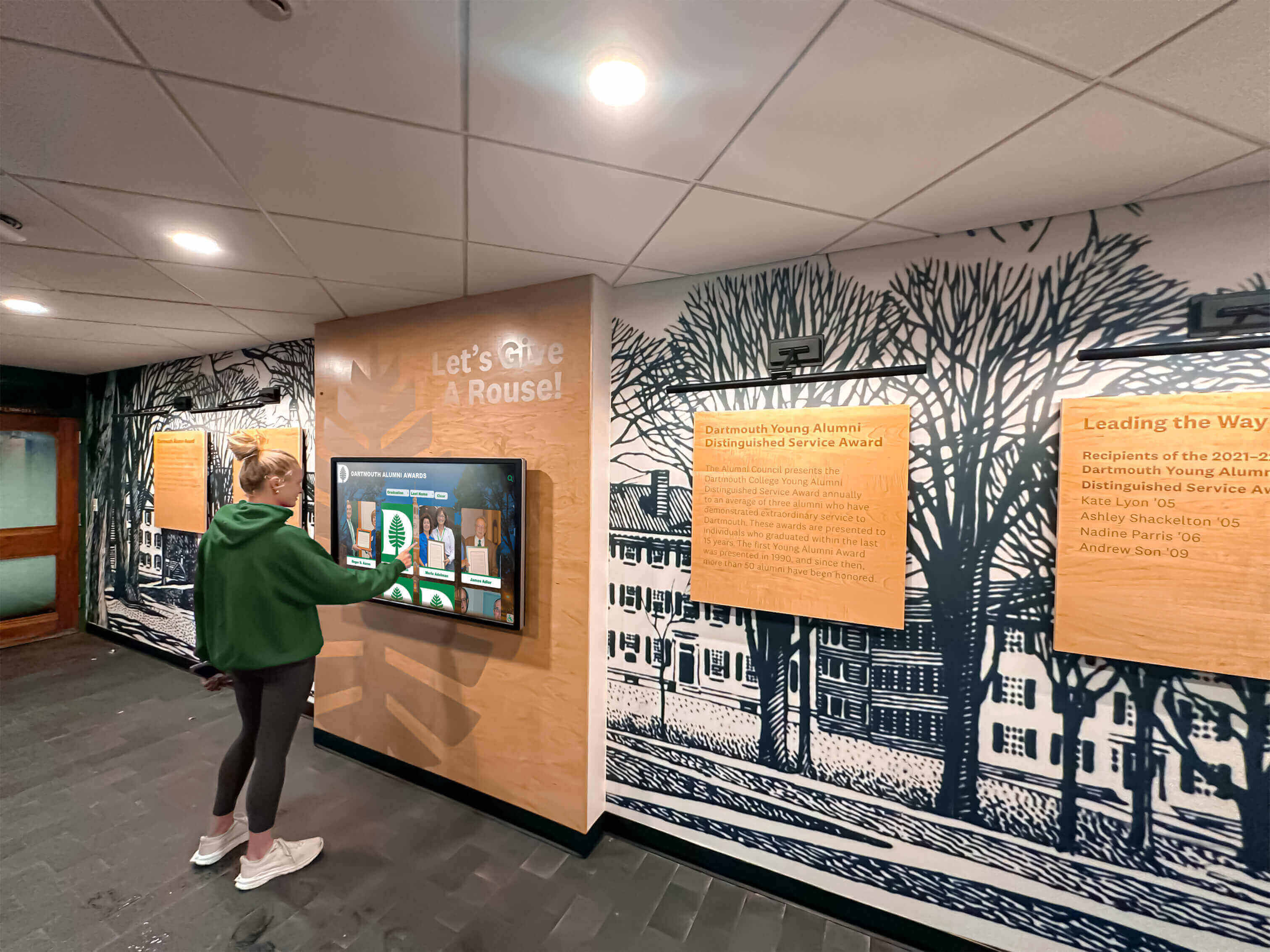
Automated MLS Synchronization: Manual content updates inevitably lag behind actual listing changes creating accuracy problems. Direct MLS integration automatically synchronizing listing data multiple times daily, immediate sold property removal when transactions close in MLS, new listing additions appearing on displays within hours of MLS entry, and price or description updates propagating automatically ensure displays reflect current accurate information without manual intervention. Agencies should prioritize display systems offering robust MLS integration rather than platforms requiring manual content management.
Sold Property Handling: Nothing damages display credibility more than showcasing properties already sold. Automatic sold status updates removing properties from searchable listings immediately, “under contract” status indicators for pending sales maintaining visibility while clarifying availability, sold property archives enabling buyers to view recent sales for market research, and sale notification overlays on featured property rotations prevent buyer frustration from discovering appealing properties no longer available. Proper sold property management maintains system credibility while providing valuable market data showing agency transaction success.
Quality Control Processes: Despite automation, human oversight ensures content quality and marketing effectiveness. Weekly reviews verifying featured listings remain relevant and rotate appropriately, monthly photography audits identifying listings needing updated or supplemental images, quarterly content assessments evaluating user experience and navigation effectiveness, and annual strategy evaluations incorporating buyer feedback and usage analytics maintain system quality over time. Designating specific staff responsible for quality control ensures accountability rather than assuming displays maintain themselves automatically.
Balancing Comprehensive Information with User Experience
Interactive displays can theoretically show unlimited information, but overwhelming buyers with excessive content reduces effectiveness. Finding appropriate balance between comprehensive property data and focused clarity challenges many implementations.
Prioritizing Essential Information: Not all property information deserves equal prominence. Effective displays prioritize content based on buyer research priorities featuring high-quality photography most prominently since visual appeal drives initial interest, pricing and basic specifications providing immediate qualifying information, neighborhood and location details helping buyers evaluate lifestyle fit, and virtual tour access enabling deeper property exploration for seriously interested buyers. Less critical details like property tax histories or prior ownership information should be available through deeper navigation but not clutter primary property presentations.
Progressive Disclosure Design: Rather than displaying all available information simultaneously on single screens, progressive disclosure presents overview information first with options to explore details when desired. Property search results showing thumbnail images with prices and basic specifications, detailed property pages revealing comprehensive information when buyers select specific listings, expandable sections providing neighborhood or financing details only when buyers express interest, and external links enabling deeper research on personal devices continue exploration beyond display capabilities. Layered information architecture prevents overwhelming initial presentations while ensuring comprehensive information remains accessible to interested buyers.
Mobile Continuation Options: Physical display interactions often occur briefly when buyers pass storefronts or wait in offices. Enabling buyers to continue research on personal devices extends engagement beyond physical locations. QR codes displayed on property pages enabling buyers to access listings on smartphones, email functionality sending property details to personal email addresses, favorite property saving allowing buyers to create personal collections accessible through mobile apps or websites, and appointment scheduling enabling buyers to request agent meetings or property showings directly from displays create continuity between physical interactions and ongoing digital research. Solutions provided by Rocket Alumni Solutions often include mobile integration capabilities enabling seamless transitions between display and personal device interactions, similar to capabilities deployed in digital wayfinding and information systems across other industries.
Measuring Success and Demonstrating Value
Real estate agencies implementing interactive displays need metrics demonstrating that technology investments generate meaningful returns justifying initial capital expenditures and ongoing operational costs. Comprehensive evaluation approaches combine quantitative usage data with qualitative buyer feedback and business outcome measurements.
Usage Analytics and Engagement Metrics
Modern interactive display systems provide detailed analytics tracking how buyers engage with systems showing which properties receive most views and interaction time, what search filters buyers use most frequently, what times of day displays receive highest usage, and what agent profiles buyers access most often.
Property View Metrics: Tracking which listings receive most attention provides valuable market intelligence showing buyer preferences, optimal pricing levels, and properties needing enhanced marketing or price adjustments. Specific metrics providing insights include total views per listing indicating overall interest levels, average viewing time per property revealing depth of buyer interest, virtual tour engagement showing how many buyers explore properties comprehensively, and view-to-inquiry conversion rates measuring how many views translate to showing requests or agent contacts. Properties receiving high view counts but low inquiry conversions may indicate overpricing or presentation quality issues requiring adjustment.
Search Pattern Analysis: Understanding how buyers search for properties reveals market trends and buyer priorities. Analytics showing most common price range filters indicate primary market segments, preferred location searches reveal hot neighborhoods experiencing highest demand, feature filters most frequently applied highlight attributes buyers prioritize, and search abandonment patterns identify when buyers fail to find suitable properties suggesting inventory gaps. Search analytics enable agencies to refine property acquisition strategies targeting buyer demand while adjusting marketing emphasis toward property types and locations generating highest interest.
Time-Based Usage Patterns: Tracking when displays receive highest usage helps optimize content scheduling and informs staffing decisions. Analytics revealing peak usage hours (often evenings and weekends for after-hours window displays), seasonal variations in engagement coinciding with traditional real estate buying seasons, day-of-week patterns showing weekend versus weekday usage differences, and holiday period engagement reveal optimal times for featured listing rotations, agent availability for immediate follow-up when buyers express interest, and content refresh scheduling ensuring updates occur before high-traffic periods. Understanding temporal patterns maximizes technology value by aligning content and staffing with actual buyer behavior.
Lead Generation and Conversion Tracking
The ultimate measure of display effectiveness involves business outcomes—specifically, whether displays generate qualified buyer leads ultimately converting to closed transactions and commission revenue.
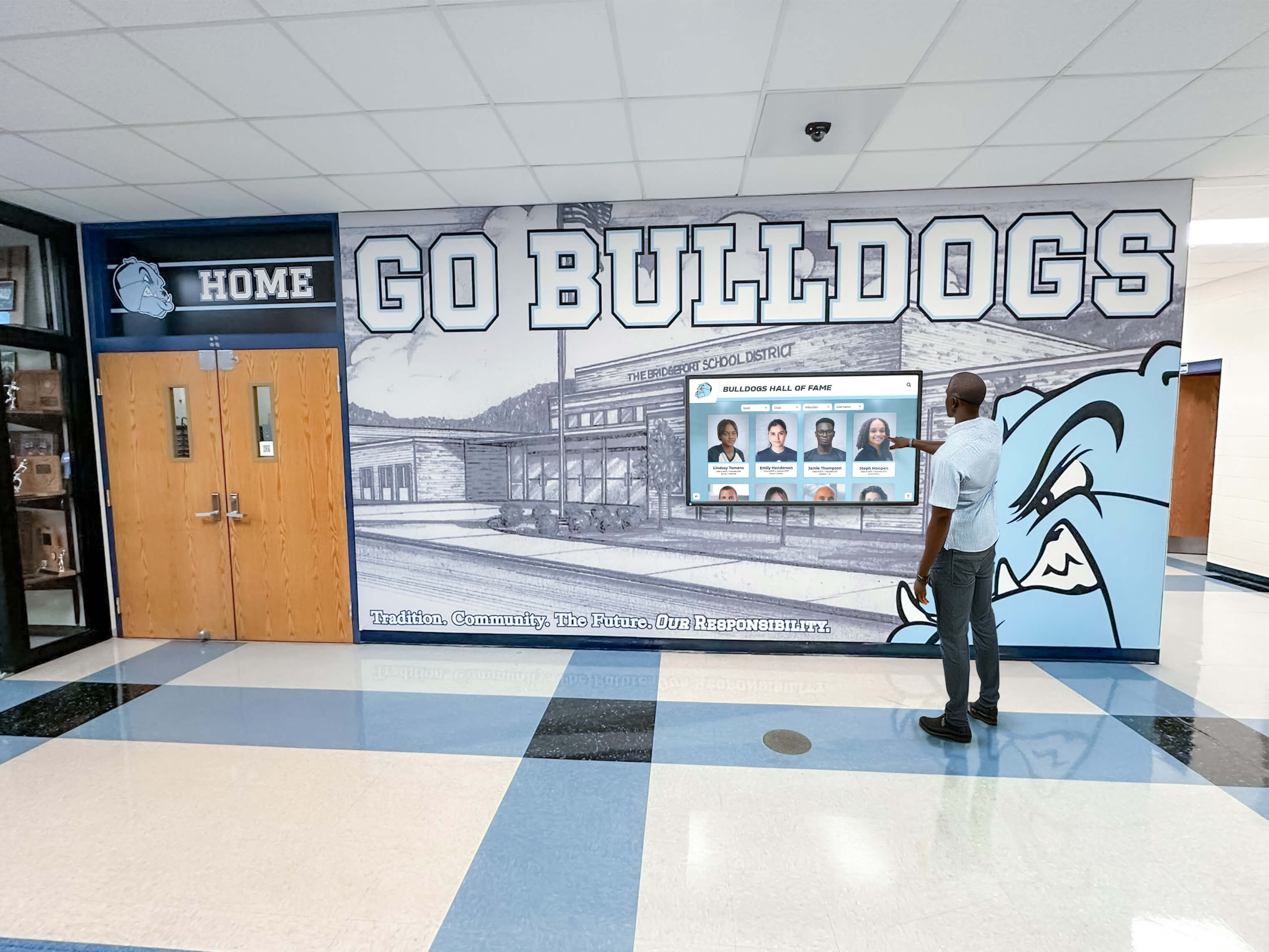
Contact Information Capture: Effective displays include functionality enabling buyers to provide contact information when interested in properties including showing request forms capturing buyer contact details and preferred viewing times, newsletter signup options building agency marketing lists, property alert subscriptions notifying buyers when listings matching criteria become available, and agent appointment scheduling enabling direct calendar booking. Tracking contact capture rates (percentage of display users providing contact information) measures how effectively displays convert passive browsers into actionable leads. Professional systems like those offered by Rocket Alumni Solutions typically integrate contact capture with customer relationship management (CRM) platforms ensuring leads receive immediate follow-up.
Lead Quality Assessment: Not all leads provide equal value—some buyers actively shop for immediate purchases while others casually browse without near-term buying intentions. Tracking lead source attribution showing which leads originate from interactive displays versus other marketing channels, lead-to-showing conversion rates measuring how many display-generated leads result in property tours, showing-to-offer conversion tracking buyers who submit purchase offers after display-initiated contact, and closed transaction attribution identifying completed sales traceable to initial display interactions demonstrate display contribution to actual business outcomes justifying technology investments.
Revenue Attribution: The most compelling ROI metrics connect display investments directly to commission revenue. Agencies should track gross commission income from transactions where buyers initially discovered properties through displays, net revenue after subtracting display costs calculating true profitability, time-to-close metrics showing whether display-generated leads close faster than traditional leads, and repeat client value measuring whether display-engaged buyers become repeat clients for future transactions or refer additional business. Revenue attribution validates investment decisions while building business cases for expanding display deployments to additional agency locations.
Competitive Market Positioning
Beyond direct lead generation and revenue metrics, displays influence competitive positioning and market perception affecting long-term business development.
Brand Awareness and Recall: Market visibility and top-of-mind awareness drive buyer and seller inquiries. Agencies should assess whether displays increase unaided brand awareness in target neighborhoods, improve brand recall when buyers research real estate options, enhance professional reputation through technology adoption, and generate word-of-mouth referrals when satisfied clients mention innovative agency marketing. While challenging to measure precisely, brand impact contributes to sustainable competitive advantages beyond specific transactions.
Market Share Growth: Competitive real estate markets require continuous client acquisition. Tracking whether display implementations correlate with listing inventory growth as sellers choose agencies offering sophisticated marketing, market share gains measured by transaction volume increases in target neighborhoods, recruitment success attracting additional agents desiring association with innovative agencies, and retention improvements keeping existing agents satisfied with provided marketing tools demonstrates broader business impact beyond isolated display-generated transactions.
Seller Attraction: Sellers selecting listing agents evaluate marketing capabilities as primary decision criteria. Displays provide compelling evidence of sophisticated marketing approaches potentially attracting seller listings. Agencies should track whether listing presentations featuring display capabilities improve conversion rates, win rates against competing agents increase after display deployment, listing prices achieved improve through enhanced marketing reach, and time on market decreases as broader exposure generates more buyer interest. Seller-side benefits often exceed buyer-side lead generation justifying display investments primarily through listing acquisition advantages.
Future Trends in Real Estate Interactive Display Technology
Interactive display technology continues evolving alongside advancing capabilities, changing consumer preferences, and developing real estate marketing priorities. Forward-thinking agencies anticipate emerging trends ensuring technology investments remain relevant and effective as buyer expectations evolve.
Artificial Intelligence and Personalization
Emerging AI capabilities will enable increasingly personalized property recommendations and buyer experiences where interactive displays adapt content to individual buyer preferences and behaviors.
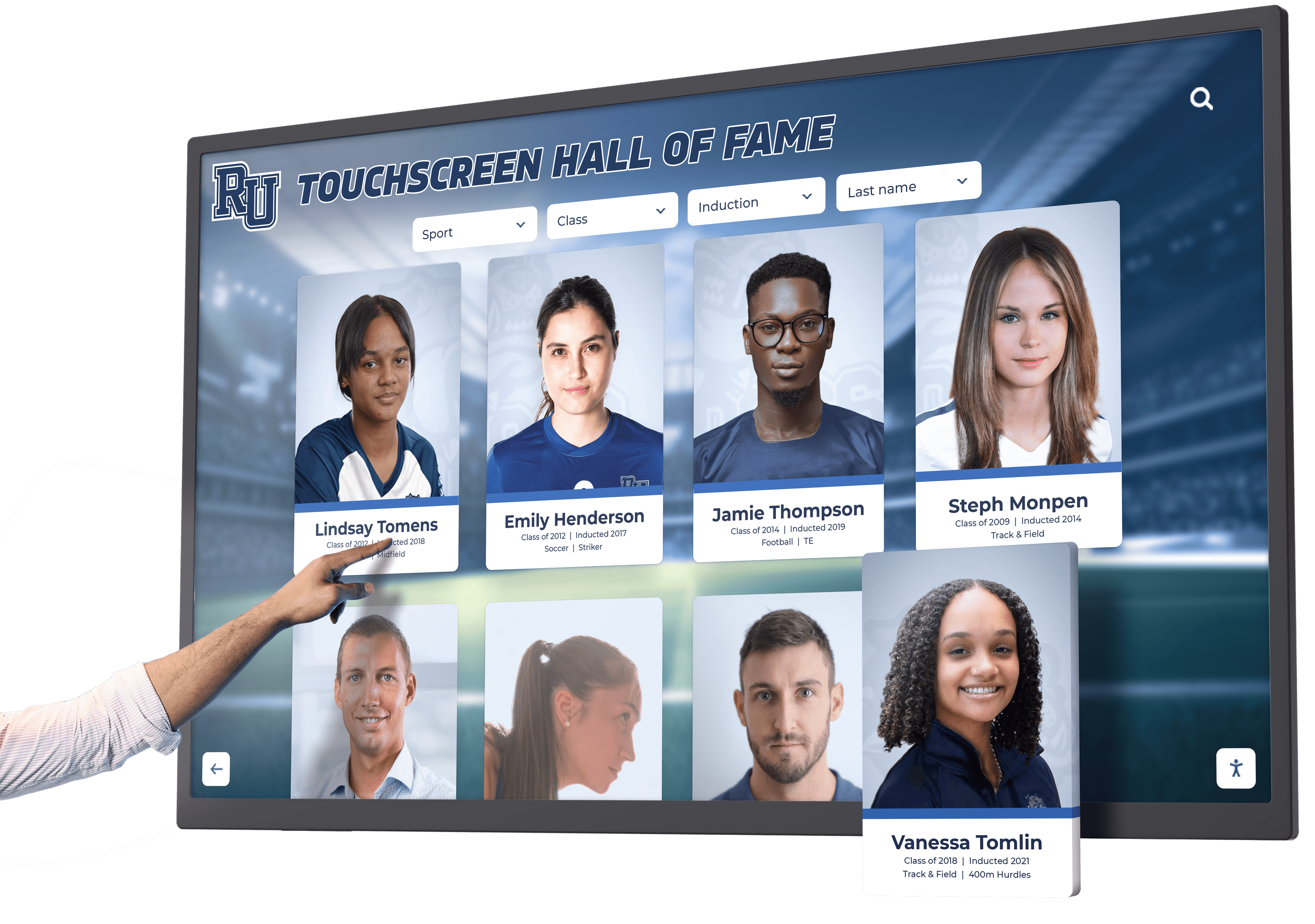
Intelligent Property Recommendations: Future systems may analyze buyer interaction patterns then recommend relevant properties such as suggesting homes similar to properties buyers viewed extensively, highlighting listings in neighborhoods matching demonstrated location preferences, recommending properties within price ranges buyers consistently explore, and identifying homes with features buyers prioritize through filter usage. Personalized recommendations increase likelihood buyers discover suitable properties within agency portfolios while demonstrating technological sophistication matching online property platform capabilities.
Natural Language Search: Voice-enabled interfaces using natural language processing could allow buyers to ask questions conversationally rather than navigating filter menus, similar to interactions with smartphone virtual assistants. Buyers might ask “Show me three-bedroom homes under $400,000 near good schools” or “Which properties have pools and large yards?” receiving immediate relevant results. Natural language interaction reduces barriers for buyers unfamiliar with traditional search interfaces while accommodating accessibility needs for users with mobility limitations preventing comfortable touch interaction.
Predictive Market Analytics: Advanced systems analyzing comprehensive market data might provide predictive insights including appreciation forecasts for specific neighborhoods based on development projects and historical trends, optimal purchase timing recommendations based on seasonal inventory patterns, negotiation leverage indicators showing whether markets favor buyers or sellers, and investment opportunity identification highlighting properties with strong rental income or appreciation potential. Predictive analytics position agencies as sophisticated market advisors providing strategic guidance beyond basic property identification.
Enhanced Virtual and Augmented Reality Integration
Virtual reality (VR) and augmented reality (AR) technologies enable increasingly immersive property experiences transforming how buyers evaluate homes remotely before committing to in-person showings.
VR Headset Integration: Some forward-thinking agencies may offer VR headsets at interactive displays enabling buyers to take fully immersive virtual property tours, experience properties with different furniture arrangements or finishes visualizing personalization possibilities, and explore neighborhoods through 360-degree video captured from street level or aerial perspectives. While VR equipment adds cost and complexity, immersive experiences significantly improve buyer understanding of properties reducing unnecessary showings for homes that don’t meet needs once explored comprehensively.
Augmented Reality Renovation Visualization: AR capabilities enable buyers to visualize renovation possibilities by overlaying digital content on property photographs showing walls removed for open floor plans, kitchens updated with modern finishes, landscaping enhanced with mature plantings, and furniture placed in empty rooms demonstrating space utilization. Renovation visualization helps buyers see potential in properties requiring updates rather than dismissing them due to dated appearances, expanding marketable property portfolios while helping buyers make informed renovation investment decisions.
Virtual Neighborhood Tours: Beyond individual properties, buyers evaluate entire neighborhoods considering commute routes, nearby amenities, and community characteristics. Interactive displays may incorporate virtual neighborhood tours enabling buyers to explore areas through video captured along walking routes, identify nearby schools, parks, shopping, and dining options on interactive maps, view time-lapse footage showing neighborhood activity throughout days and seasons, and access demographic and community data describing resident populations and local culture. Comprehensive neighborhood exploration helps buyers evaluate lifestyle fit beyond property walls.
Blockchain and Transaction Technology Integration
Emerging blockchain technologies may transform real estate transaction processes by streamlining documentation, improving transparency, and reducing closing timeframes.
Smart Contract Integration: Blockchain-based smart contracts automatically executing when conditions are met could transform purchase agreements by enabling digital offer submissions through interactive displays, automated earnest money transfers through cryptocurrency or digital payment systems, transparent transaction tracking showing all parties involved at each stage, and accelerated closing processes reducing typical timelines. While mainstream adoption remains years away, forward-thinking agencies should monitor blockchain developments preparing for eventual industry transformation.
Digital Property Records: Blockchain-based property records provide tamper-proof ownership histories and lien documentation improving title search efficiency. Interactive displays may eventually provide instant access to complete property histories including all prior ownership transfers, documented liens or encumbrances, permit histories for property improvements, and environmental or flood zone information. Comprehensive digital records reduce due diligence requirements while increasing buyer confidence in property disclosures and legal standing.
Fractional Ownership Platforms: Blockchain enables fractional real estate investment allowing multiple investors to purchase shares of individual properties. Interactive displays might showcase fractional investment opportunities alongside traditional property sales enabling buyers to invest in real estate with lower capital requirements, build diversified property portfolios across locations and types, and access institutional-quality properties typically unavailable to individual buyers. Fractional ownership expands addressable markets beyond traditional whole-property buyers creating new business opportunities for innovative agencies.
Conclusion: Transforming Real Estate Marketing Through Interactive Technology
Real estate agencies face unprecedented challenges attracting buyer attention in markets where online property research dominates and traditional storefront marketing generates declining engagement. Static window displays, printed property listings, and conventional marketing approaches struggle to compete with sophisticated online platforms offering comprehensive search functionality, extensive property information, and convenient access from personal devices. However, physical real estate offices retain important advantages including local market expertise, personal relationship building opportunities, and prominent neighborhood presence that online-only competitors cannot match.
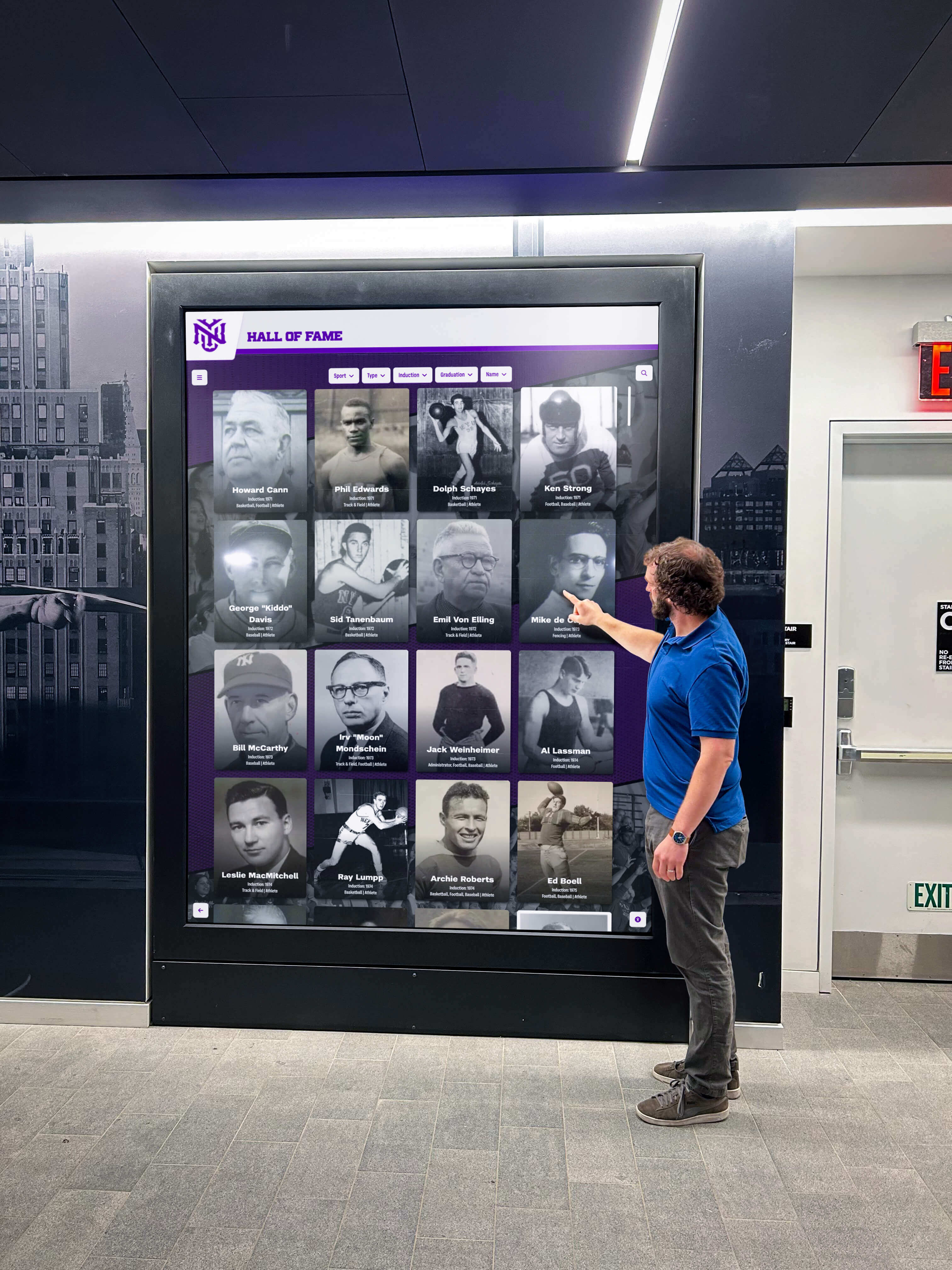
Interactive touchscreen displays effectively bridge physical and digital real estate marketing by extending property exposure 24/7 beyond traditional business hours, enabling comprehensive self-service property research matching online convenience, showcasing agent expertise and local market knowledge, providing engaging visual presentations capturing buyer attention, and generating qualified leads through strategic contact capture functionality. Agencies implementing professional interactive display systems discover measurable advantages including increased buyer inquiries, reduced marketing costs through printing elimination, enhanced competitive positioning through technology leadership, and improved operational efficiency through automated content management.
Successful implementations require thoughtful technology selection matching real estate environments and buyer needs, strategic display placement maximizing visibility in storefront windows and office locations, comprehensive content strategy balancing property listings with agent profiles and neighborhood information, reliable MLS integration maintaining current accurate listing information, and continuous measurement demonstrating value through usage analytics and business outcome tracking. Agencies approaching interactive displays strategically rather than as simple equipment purchases create lasting marketing advantages supporting business growth while modernizing client engagement approaches.
Digital platforms like those offered by Rocket Alumni Solutions provide flexible, professional systems enabling real estate agencies to transform property marketing through engaging touchscreen displays while maintaining year-round relevance through easy content management and multi-purpose utilization supporting both buyer property research and seller marketing presentations. As real estate agencies increasingly incorporate interactive touchscreen technology for property showcases and agent presentations, these systems become essential marketing infrastructure supporting modern real estate business operations in competitive digital-first markets.
Essential Principles for Real Estate Interactive Display Success:
- Begin with clear marketing goals and target buyer analysis
- Select appropriate technology matching storefront environments and visibility requirements
- Position displays strategically in window locations and high-traffic office areas
- Prioritize high-quality property photography and virtual tour integration
- Maintain current accurate listings through automated MLS integration
- Showcase agent expertise and credentials building trust and differentiation
- Provide comprehensive neighborhood information demonstrating local market knowledge
- Enable contact capture and mobile continuation supporting lead generation
- Monitor usage analytics and business outcomes demonstrating investment value
- Anticipate emerging technology trends ensuring long-term relevance
The most successful real estate marketing programs recognize that interactive displays serve broader purposes beyond simple property advertising. These systems strengthen competitive positioning through technology leadership, support comprehensive buyer education throughout decision processes, enhance professional reputation attracting quality listings from sellers, improve operational efficiency eliminating manual marketing tasks, and demonstrate commitment to exceptional client experiences through modern technology infrastructure matching buyer expectations.
For guidance on implementing comprehensive interactive display systems supporting real estate marketing and client engagement, explore resources on touchscreen software solutions, digital recognition and showcase systems, and interactive kiosk implementation strategies that help businesses maximize technology value while creating engaging visual presentations supporting diverse marketing objectives comprehensively.
Ready to transform property marketing and buyer engagement through modern interactive technology? Professional digital display systems provide powerful platforms showcasing listings effectively, demonstrating market expertise, and generating qualified leads while extending marketing reach beyond traditional business hours. Explore how solutions from Rocket Alumni Solutions can help your agency create effective marketing infrastructure supporting business growth while demonstrating commitment to exceptional client experiences through technology matching contemporary buyer expectations.
Sources:
Research for this article included information from: