



When someone who made a lasting impact passes away or retires, finding the right words to honor their legacy feels both important and daunting. Whether you’re recognizing a beloved teacher who shaped generations of students, an alumnus who gave back to the community, or a colleague whose dedication inspired everyone around them, a well-crafted memorial tribute preserves their memory while providing comfort to those who knew them. Schools, universities, and organizations face this responsibility regularly, yet many struggle to create tributes that genuinely capture a person’s spirit and contributions without resorting to generic platitudes or uncomfortable formality.
The challenge isn’t just finding appropriate words—it’s balancing respect with authenticity, celebrating achievements without creating unintentional comparisons, and crafting tributes that resonate with diverse audiences who knew the person in different contexts. Add the logistical considerations of where tributes will be displayed, how long they’ll remain accessible, and whether they’ll reach everyone who should see them, and the task grows more complex.
This comprehensive guide walks through every step of writing memorial tributes that genuinely honor individuals while serving institutional and community needs. From understanding your audience and gathering meaningful information to structuring content that connects emotionally and implementing modern display solutions that ensure tributes remain accessible long after initial ceremonies, these strategies help you create recognition that preserves legacy appropriately while strengthening community bonds during difficult transitions.
The Lasting Impact of Thoughtful Memorial Tributes
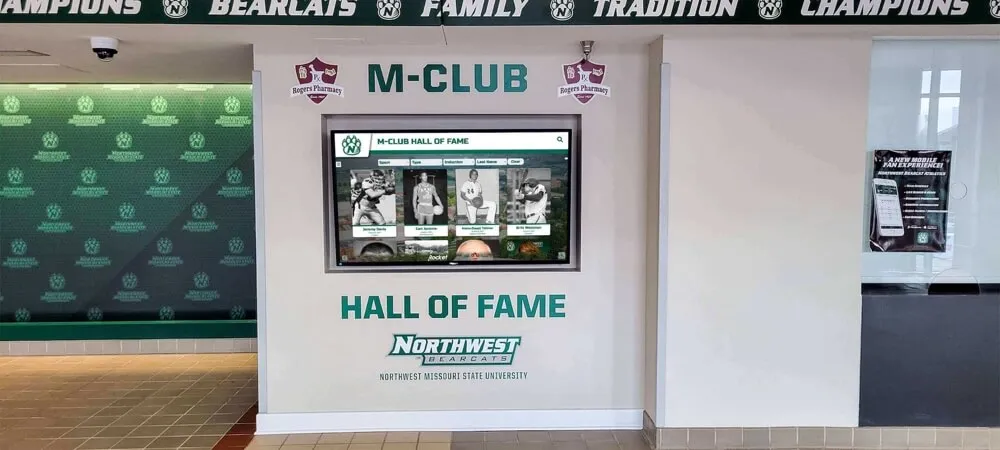
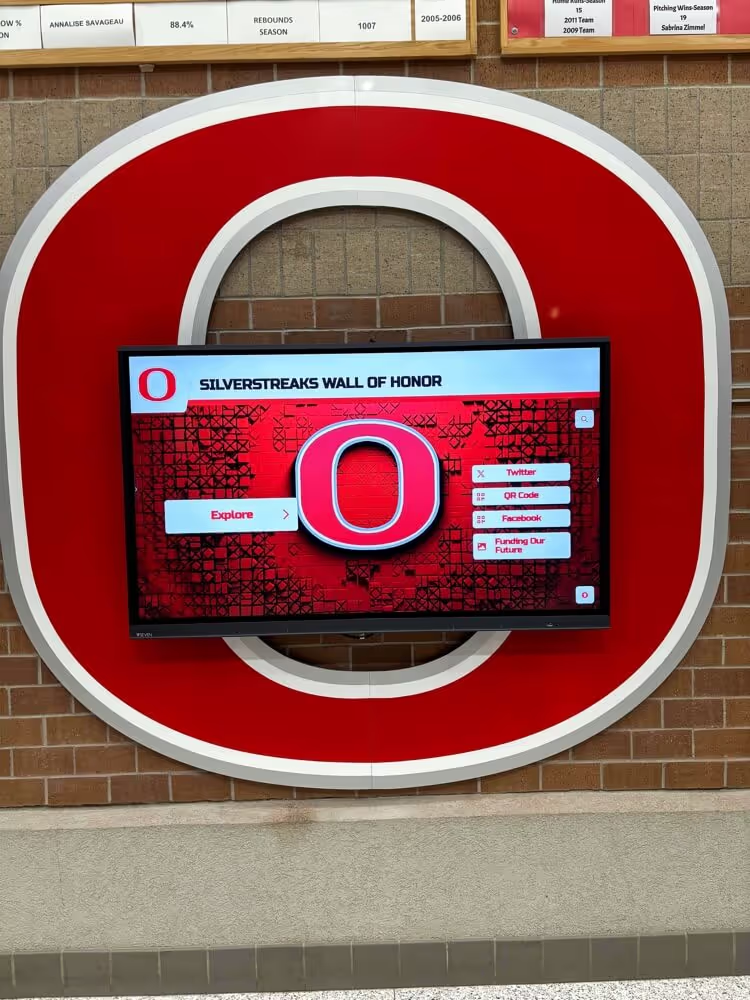
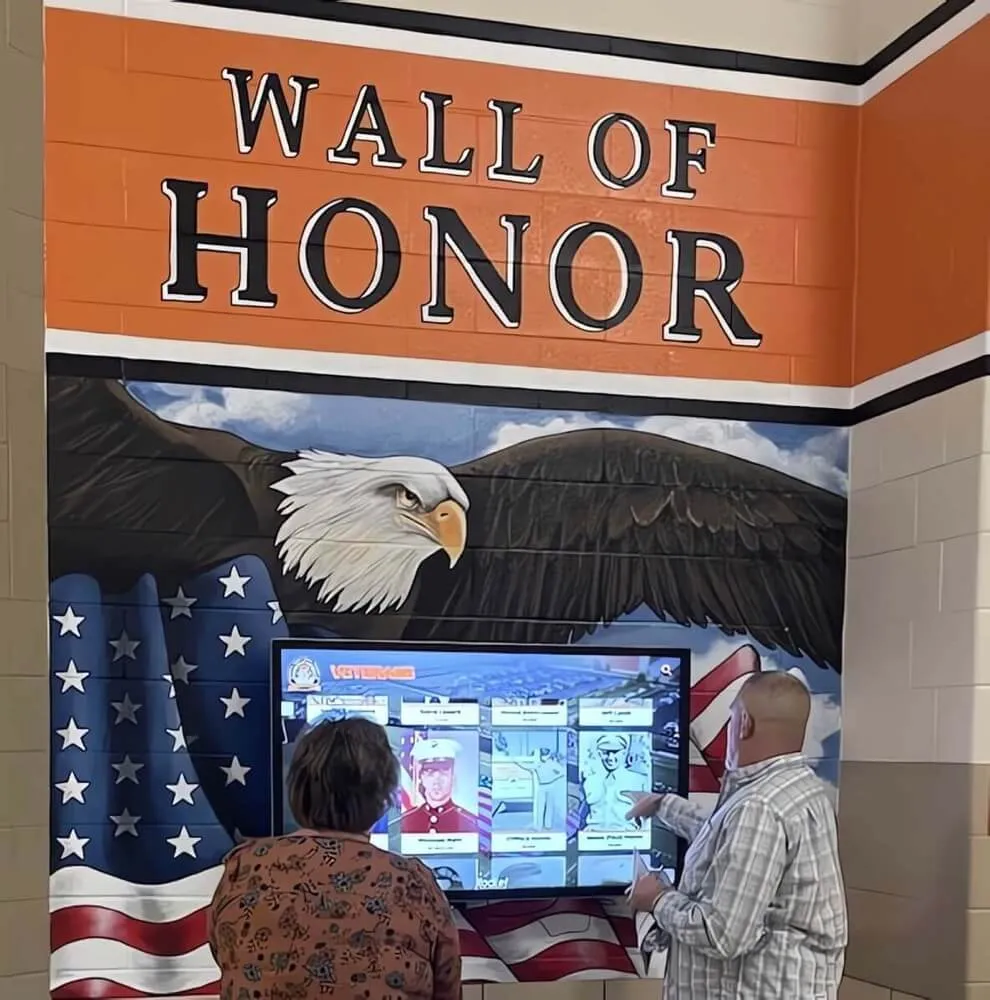
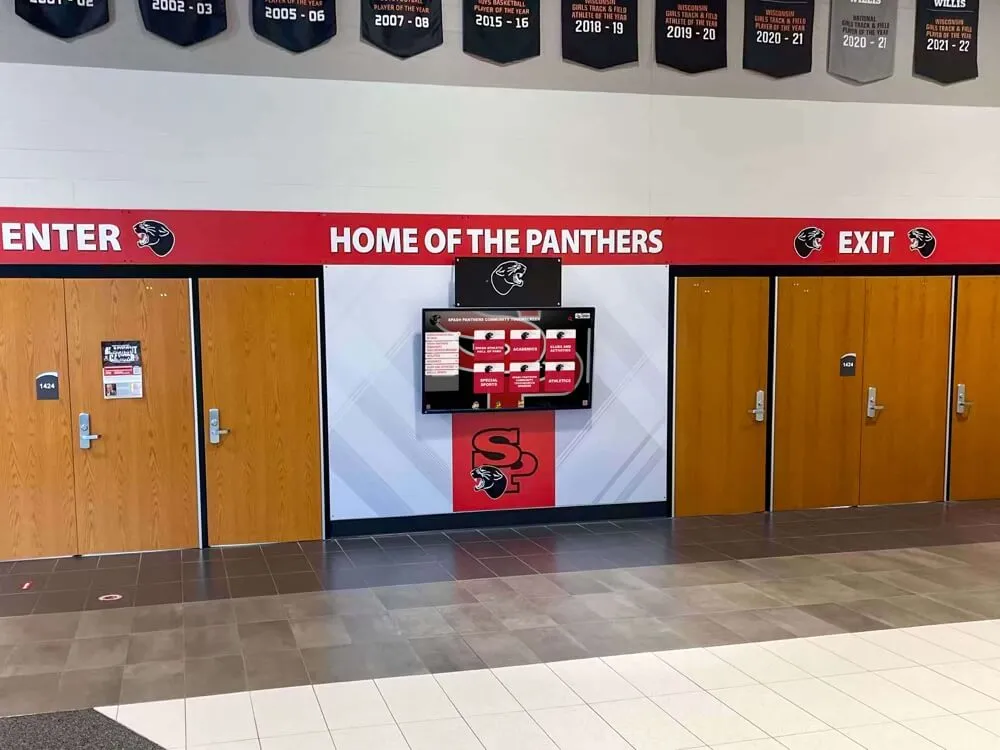
Memorial tributes serve purposes extending beyond immediate recognition. They preserve institutional memory, ensuring contributions don't fade from collective awareness. They provide comfort to grieving families and colleagues by acknowledging loss through community recognition. They inspire current and future community members through examples of lives well-lived and service generously given. And they strengthen institutional culture by demonstrating that contributions are remembered and valued long after individuals move on. Solutions like Rocket Alumni Solutions enable organizations to create permanent digital memorial displays ensuring tributes remain accessible and impactful for decades rather than fading into forgotten archives or inaccessible storage.
Understanding the Purpose and Context of Memorial Tributes
Before putting pen to paper, clarifying why you’re writing the tribute and who will read it shapes every subsequent decision about tone, length, content focus, and presentation format.
Different Types of Memorial Tributes
Funeral and memorial service tributes typically run 3-5 minutes when spoken aloud (roughly 400-800 words written). These tributes address audiences in active grief, requiring sensitivity while celebrating life and contributions. They balance personal memories with broader impact, acknowledge loss while focusing on legacy, and provide comfort through remembrance.
Retirement recognition tributes celebrate transitions rather than mourning loss, emphasizing gratitude for service while looking forward to well-deserved rest. These tributes typically adopt warmer, more personal tones including appropriate humor, specific accomplishments and memorable moments, acknowledgment of impact on individuals and institutions, and expressions of appreciation from colleagues and those served.
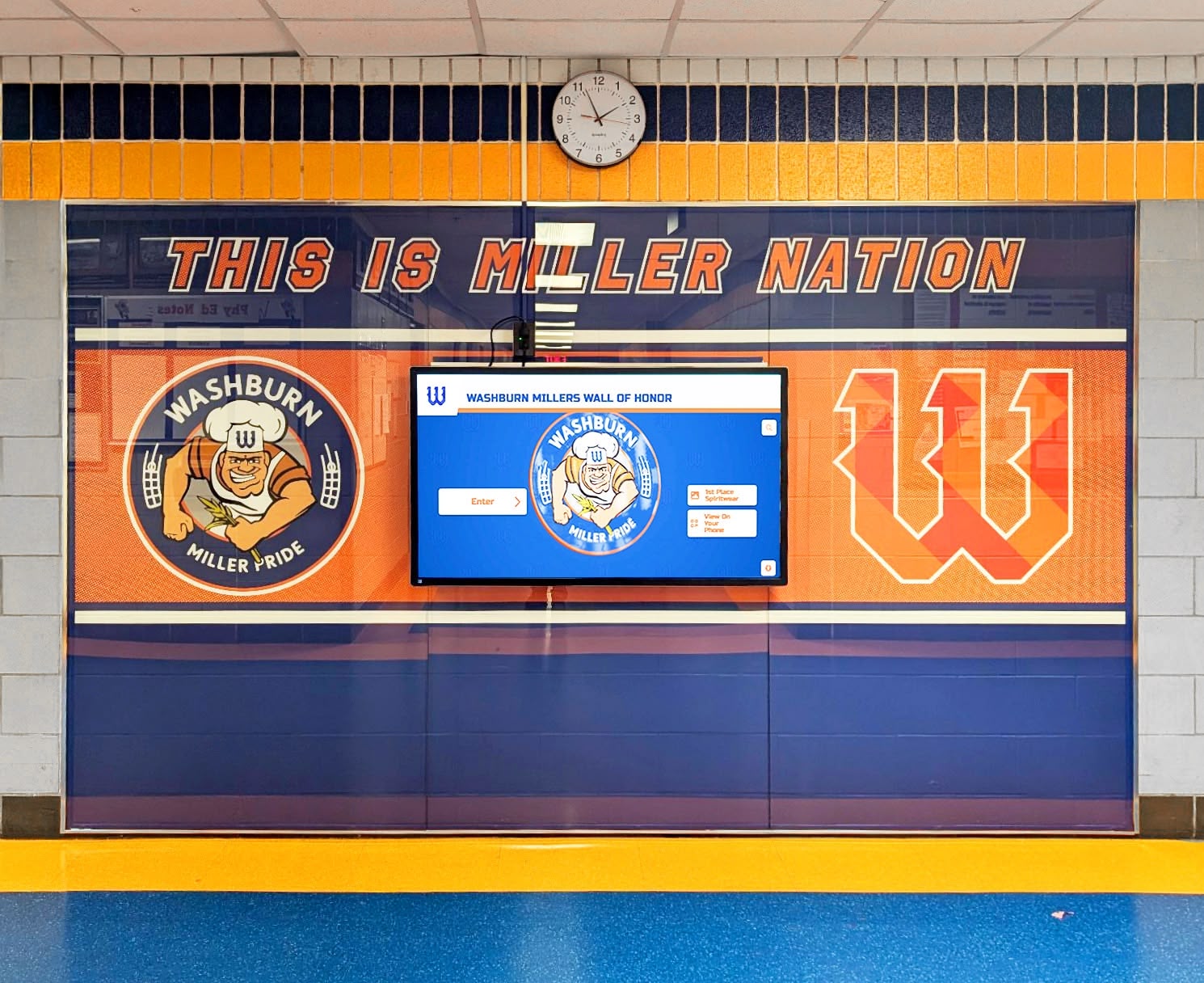
Permanent memorial displays require different approaches than spoken or printed tributes. Digital recognition systems, physical plaques, or memorial walls need concise biographical summaries (150-300 words typically), key dates and milestones, notable achievements and contributions, and information helping future viewers understand historical context and significance.
Newsletter or publication tributes for alumni magazines, school newspapers, or community bulletins balance comprehensive information with readable length (400-600 words typically). These written tributes include biographical background for readers who didn’t know the individual personally, specific accomplishments and recognitions, quotes from colleagues or family when available, and information about memorial funds or continuing legacy initiatives.
Understanding which format you’re creating determines appropriate length, tone, detail level, and structural approach for your tribute.
Identifying Your Audience
Who will encounter this tribute? Family members grieving loss need comfort and acknowledgment. Current colleagues processing transition need recognition of shared experiences and validation of organizational impact. Students and young people need accessible examples of meaningful contribution. Future community members encountering tributes years later need sufficient context to understand why this person mattered.
Audiences shape content decisions in concrete ways. Tributes reaching primarily family and close colleagues can include personal stories and inside references that create intimacy and connection. Tributes reaching broad audiences including people who never met the individual require more contextual information, specific accomplishments with measurable impact, and accessible language avoiding insider terminology.
Schools and organizations implementing memorial wall displays must write tributes serving multiple audiences simultaneously—current community members who knew the person, alumni and visitors with institutional connections but no personal relationship, and future generations discovering history through recognition displays.
Determining Appropriate Tone and Voice
Formal vs. conversational tone depends on institutional culture, relationship with the honored individual, and display context. Academic institutions often favor more formal recognition emphasizing professional accomplishments and scholarly contribution. Community organizations and schools with family-oriented cultures might adopt warmer, more personal approaches including appropriate humor and intimate details.
Most effective tributes balance respect with authenticity. Overly formal language creates emotional distance, making tributes feel impersonal despite intentions to honor. Excessively casual approaches risk seeming disrespectful or trivializing significant contributions. The sweet spot acknowledges loss or transition seriously while celebrating the individual’s authentic personality, unique characteristics, and genuine impact on others’ lives.
Consider your subject’s own communication style. Someone known for formality and professionalism might be best honored through similarly dignified tribute language. Individuals remembered for humor, warmth, or casual approachability deserve tributes reflecting those qualities rather than imposing uncharacteristic stiffness on their memory.
Step-by-Step Process for Writing Memorial Tributes
Effective tributes rarely emerge from single writing sessions. This systematic process ensures comprehensive, thoughtful recognition that genuinely honors individuals while serving institutional needs.
Step 1: Gather Comprehensive Information
Start with basic biographical facts: full name and any nicknames used, birth and death dates (or retirement dates), educational background, career history and key positions, family information appropriate to share, and connection timeline with your institution.
Document specific contributions and achievements: positions held within your organization, programs or initiatives launched, awards and recognitions received, measurable impact (students taught, funds raised, policies changed), innovations or improvements implemented, and mentorship or leadership examples.
Collect personal stories and anecdotes: reach out to colleagues, students, family members, and others who knew the person well. Ask specific questions like “What’s your favorite memory of [name]?”, “What advice or lessons did [name] share with you?”, “How did [name] handle challenges or difficult situations?”, “What made [name] unique or distinctive?”, and “What impact did [name] have on you personally?”
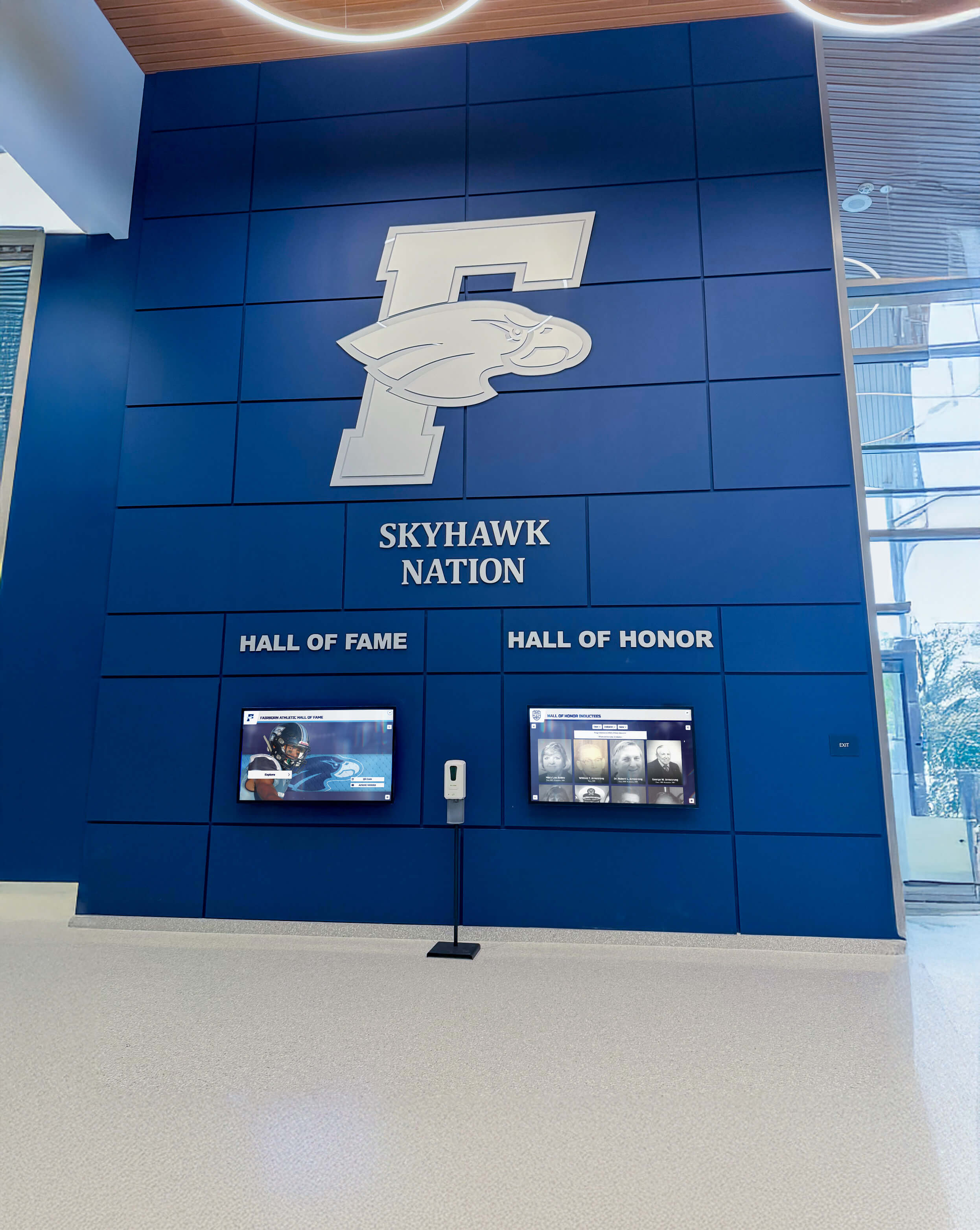
Resources on developing comprehensive recognition programs demonstrate how systematic information gathering creates foundations for meaningful tribute content that captures authentic impact rather than generic recognition.
Verify accuracy of all information: confirm dates, spellings, titles, and accomplishments with reliable sources. Errors in memorial tributes cause lasting embarrassment and disrespect, so thorough fact-checking matters significantly. When information conflicts between sources, investigate further or omit uncertain details rather than risking inaccuracy.
Step 2: Identify Central Themes and Legacy
What defined this person’s impact? Review gathered information looking for patterns, recurring themes, and consistent characteristics that multiple sources mention independently. Common memorial tribute themes include dedication to students or community members, innovation in teaching or professional practice, compassion and personal support for individuals, leadership during challenging transitions, mentorship shaping future leaders, excellence in specific domain or specialty, bridge-building across different groups, and persistence overcoming obstacles.
Most meaningful tributes identify 2-3 central themes rather than attempting comprehensive coverage of everything the person accomplished. Focus creates coherent narrative helping audiences understand the individual’s distinctive contributions and authentic character rather than overwhelming readers with disconnected facts.
Ask yourself: “If someone could remember only three things about this person, what should those be?” Your answer identifies central themes deserving emphasis throughout your tribute.
Step 3: Create a Structural Outline
Effective memorial tributes typically follow this pattern:
Opening (1-2 paragraphs): Introduce the person with basic information and immediate indication of their significance. Establish emotional tone while engaging reader attention through specific detail, meaningful quote, or compelling accomplishment.
Biographical Context (1-2 paragraphs): Provide background helping readers understand the person’s journey—education, career path, how they came to your institution, and significant life experiences shaping their perspective and contributions.
Major Contributions and Impact (2-4 paragraphs): Present the heart of your tribute, organized around the central themes you identified. Include specific examples, measurable accomplishments, and personal stories illustrating impact. This section should comprise roughly 50-60% of total tribute length.
Personal Qualities and Character (1-2 paragraphs): Describe who they were as a person beyond professional accomplishments. Include personality traits, values they embodied, how they treated others, and characteristics making them memorable and beloved.
Lasting Legacy (1 paragraph): Articulate ongoing impact—how their work continues, who carries forward their vision, what changed because they were here, and how they’ll be remembered. This conclusion provides comfort by emphasizing that though the person is gone or moved on, their influence endures.
Closing Acknowledgment (optional): Formal tributes often close with expressions of gratitude or condolence, memorial fund information, or statements about continuing recognition.
This structure provides flexible framework adaptable to different tribute lengths, contexts, and individual circumstances while ensuring comprehensive, coherent recognition.
Step 4: Write the First Draft
Start writing without excessive self-editing. Initial drafts should focus on getting ideas and information onto the page rather than perfecting every sentence. You’ll refine language, adjust tone, and polish phrasing in revision.
Use specific, concrete details rather than generic praise. Compare these examples:
Generic: “John was a dedicated teacher who cared about his students.”
Specific: “John arrived at school by 6:30 every morning to provide extra help to students struggling with calculus, often staying until the custodian locked the building at night.”
Generic: “Maria made significant contributions to our organization.”
Specific: “Maria restructured the alumni mentorship program, increasing participation from 23 to 187 student-mentor pairs and establishing the template now used across five other universities.”
Specific details create authenticity and help readers understand genuine impact rather than simply asserting that someone was important without demonstrating why.
Include direct quotes when possible. Statements from colleagues, students, or family members add authenticity and varied perspective. Format quotes clearly: “She taught me that excellence isn’t about being perfect—it’s about caring enough to keep trying,” remembers Michael Thompson, Class of 2018.
Balance achievements with humanity. Tributes listing only accomplishments feel like resumes rather than celebrations of human lives. Include personal quirks, sense of humor, values demonstrated through actions, how they made others feel, challenges they overcame, and growth they experienced.
Step 5: Revise and Refine
Allow time between drafting and revision. Fresh perspective reveals unclear passages, redundant information, tonal inconsistencies, and missing elements not apparent during initial writing.
Read your tribute aloud. Awkward phrasing, inappropriate length, and tonal issues become obvious when reading aloud that you might miss reading silently. For spoken tributes, reading aloud provides essential practice ensuring natural delivery.
Check for these common issues:
Clichés and overused phrases: “went above and beyond,” “made a difference,” “gave 110%,” “touched countless lives.” Replace generic phrases with specific examples demonstrating what these clichés attempt to convey.
Passive voice overuse: “Many students were taught by Professor Chen” becomes more engaging as “Professor Chen taught over 3,000 students during her career.”
Inconsistent tone: Ensure your tribute maintains appropriate formality level throughout rather than shifting between casual and formal unexpectedly.
Unclear references: Verify that readers unfamiliar with institutional history or context will understand all references, acronyms, and background information.
Appropriate length: Spoken tributes should typically run 3-5 minutes (400-800 words). Written tributes for programs or publications often work best at 400-600 words. Permanent memorial displays typically require concise summaries of 150-300 words.
Seek feedback from others who knew the person. They can identify factual errors, suggest additional stories or accomplishments, confirm that your tribute accurately reflects the person’s character, and verify that tone feels appropriate.
Key Elements of Effective Memorial Tributes
Regardless of format, length, or specific circumstances, strongest tributes incorporate these essential elements that create meaningful, memorable recognition.
Specific Accomplishments and Measurable Impact
Quantify contributions when possible. Numbers provide concrete evidence of impact that general statements cannot match:
- “Coached the debate team to three state championships”
- “Raised $1.2 million for the scholarship fund”
- “Taught 2,847 students over 34 years”
- “Published 47 research papers cited by scholars worldwide”
- “Mentored 23 teachers who went on to leadership positions”
Even when exact numbers aren’t available, specific examples demonstrate impact more effectively than abstract claims: “Led the curriculum redesign that reduced failure rates while increasing college acceptance” communicates more than “improved academic outcomes.”
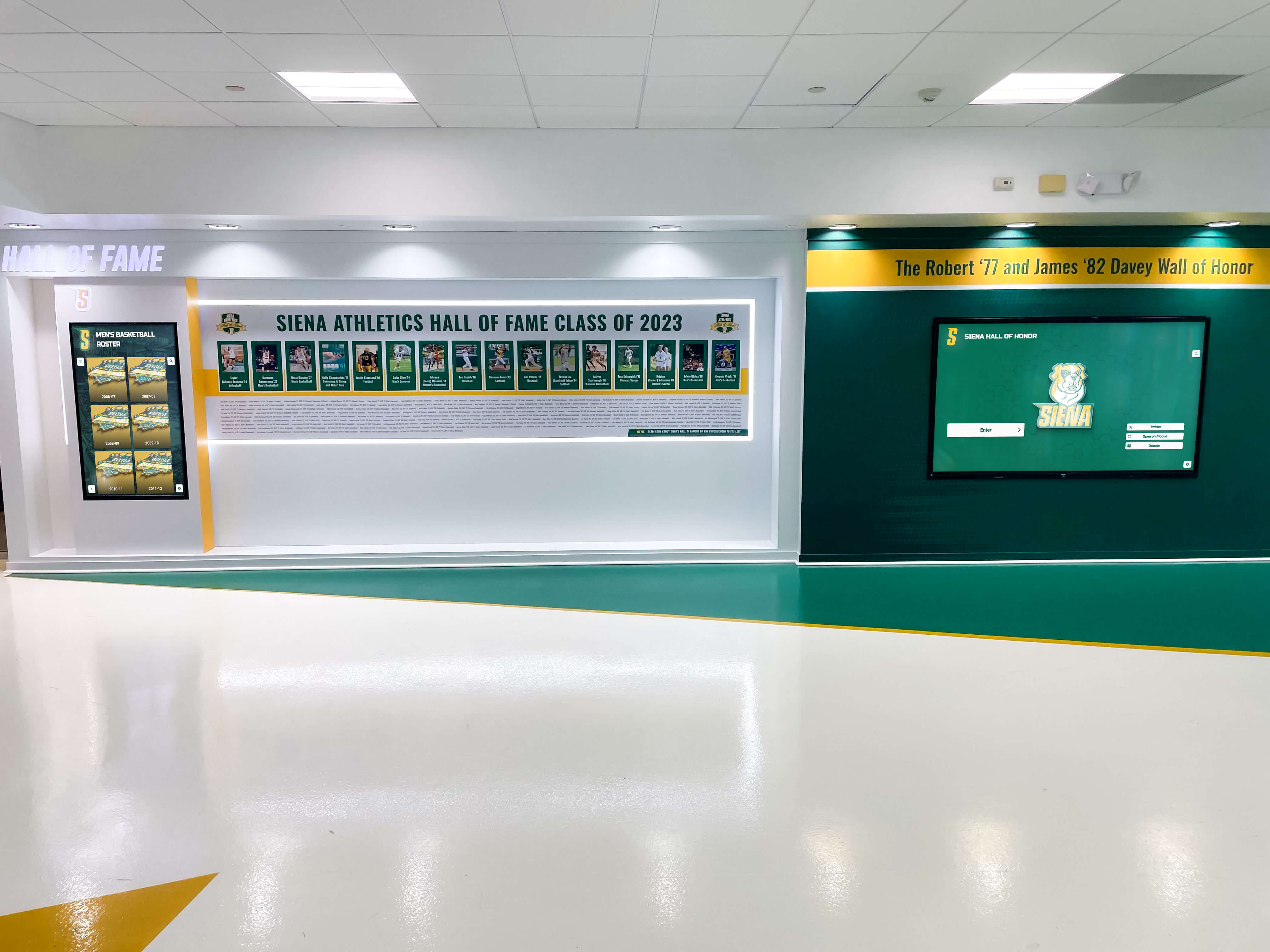
Understanding how schools implement comprehensive recognition systems reveals patterns in how measurable achievements contribute to lasting memorial tributes that document genuine institutional impact.
Personal Stories and Anecdotes
Illustrative stories bring tributes to life. A single well-chosen anecdote often communicates character more effectively than paragraphs of description. Effective stories demonstrate rather than state character qualities, reveal the person’s values through actions, show impact on individual lives, and remain appropriate for the audience and context.
Example of effective storytelling in tributes:
“When budget cuts threatened to eliminate the art program, Ms. Rodriguez didn’t write letters or attend meetings—though she did those too. She spent three months documenting every student art project, photographing the murals students had painted throughout the building, and creating a presentation showing how art education improved academic performance across all subjects. Her research convinced the school board to not only preserve the program but expand it. That was Sarah—when she believed in something, she did the work to prove why it mattered.”
This story demonstrates determination, research skills, belief in arts education, and impact on institutional decisions without simply listing those qualities.
Emotional Resonance Without Melodrama
Authentic tributes acknowledge loss or transition while maintaining dignity. Balance requires recognizing genuine grief and difficulty while avoiding excessive sentimentality that makes audiences uncomfortable or undermines the person’s memory with inflated claims.
Effective emotional language focuses on specific qualities and genuine feelings: “Her absence leaves a profound gap in our community” works better than “We will never recover from this devastating tragedy.”
Acknowledge that loss creates challenges while expressing confidence in continuing legacy: “Though we’ll deeply miss Robert’s daily presence, his influence continues through the countless educators he mentored and the programs he established that will serve students for generations.”
Universal Themes with Individual Specificity
Connect individual stories to broader human experiences. The most resonant tributes help audiences see themselves in the honored person’s story while recognizing what made that individual unique.
Universal themes include dedicating one’s life to helping others grow, persevering through significant obstacles, using privilege or position to lift others, evolving and improving throughout one’s career, balancing professional excellence with personal relationships, and finding joy in service and contribution.
Frame these universal elements through specific details unique to your subject. Everyone can relate to the experience of having a mentor who believed in them—your tribute should illustrate specifically how your subject fulfilled that role for particular individuals in distinctive ways.
Memorial Tribute Examples and Templates
Concrete examples demonstrate how these principles translate into actual tribute writing across different contexts and purposes.
Example 1: Retirement Recognition Tribute (Spoken, 3-4 minutes)
Context: Recognition speech for retiring high school principal
“Thirty-two years ago, Dr. James Mitchell walked into Lincoln High School for his first day as an assistant principal. The building was struggling—test scores declining, teacher morale low, community confidence eroding. Jim looked around that first day and saw something nobody else could see yet: potential.
Those who’ve worked with Jim know that word defined his entire career. When others saw troubled students, Jim saw potential. When others saw budget constraints, Jim saw potential to get creative. When others saw obstacles, Jim consistently saw potential opportunities.
The numbers tell part of Jim’s story. Under his leadership as principal for the past eighteen years, graduation rates increased from 78% to 96%. College acceptance rates doubled. Lincoln went from probation status to recognition as a National Blue Ribbon School. The arts program he fought to preserve has won seventeen state championships. The mentorship program he launched has served over 800 students.
But anyone can read statistics. What numbers can’t capture is how Jim made everyone—teachers, students, staff, parents—feel like they mattered. He knew every student’s name within weeks of school starting. Not just names—he knew their stories, their struggles, their dreams.
Maria Torres, now studying engineering at MIT, tells the story of failing algebra as a freshman. Instead of punishment, Jim arranged for her to tutor middle school students in math—which forced her to truly understand the material herself. ‘He saw potential in me I couldn’t see in myself,’ Maria says.
That happened countless times. The student struggling with attendance whom Jim connected with a teacher who’d overcome similar challenges. The teacher considering leaving education whom Jim convinced to stay by creating a leadership opportunity. The parent skeptical of public schools whom Jim welcomed to observe classes anytime, eventually becoming one of our strongest advocates.
Jim made hard decisions look easy. Budget cuts meant eliminating positions—he restructured rather than laying off staff. Discipline issues required consequences—he implemented restorative justice practices that reduced suspensions while improving outcomes. State mandates seemed impossible—he found ways to meet requirements while preserving what made Lincoln special.
Through it all, Jim maintained his sense of humor and humanity. He dressed as the school mascot for pep rallies. He refereed the annual faculty-student basketball game despite his complete lack of athletic ability. He attended every graduation party he was invited to—and there were many invitations.
Jim used to say, ‘My job is to make myself unnecessary.’ He succeeded. The systems he built, the leaders he developed, the culture he established—all of that continues without him. Which is, of course, exactly what he wanted.
But Jim, you’ll never be unnecessary. You changed this school fundamentally. More importantly, you changed hundreds of lives. We’ll miss your daily presence, your steady leadership, your terrible jokes, and your unwavering belief that every student deserves someone who sees their potential.
Thank you, Jim, for thirty-two years of believing in us. Now go enjoy retirement—though we all know you’ll find ways to keep making a difference. That’s who you are.
Congratulations, Dr. Mitchell.”
Example 2: Memorial Service Tribute (Spoken, 4-5 minutes)
Context: Memorial service for beloved teacher who passed away
“How do you capture thirty-eight years in five minutes? How do you describe someone who touched thousands of lives, who made every single student feel like they were her favorite, who could make Shakespeare accessible to teenagers who’d rather be anywhere else?
If you knew Elizabeth Johnson, you’re already smiling. That’s what Elizabeth did—she made you smile, even when talking about tragic endings in classic literature.
Mrs. Johnson taught English at Riverside High from 1985 until last June. The bare facts: 38 years, approximately 4,200 students, countless plays produced, millions of essays graded, and innumerable lives changed.
But facts don’t capture Elizabeth. Here’s what does: every August, before school started, Elizabeth covered her classroom walls with inspirational quotes. Not the usual motivational posters—handwritten quotes from students’ essays, passages from books they’d discussed, lyrics from songs students loved. She transformed that classroom into a celebration of her students’ words, their thinking, their creativity.
That was Elizabeth—always celebrating others while quietly being extraordinary herself.
Former students describe similar memories. Walking into her classroom after disappointing news and finding a note of encouragement on your desk. The way she made everyone participate in class discussions, but never embarrassed anyone who gave wrong answers. How she’d stay after school helping with college essays—not just reading them, but asking questions that helped students discover what they really wanted to say.
She saw potential in every student. The athlete who thought English was irrelevant until Mrs. Johnson assigned him to write about leadership lessons from Henry V. The quiet student who barely spoke until Mrs. Johnson assigned journal entries instead of class participation—discovering she was an incredible writer. The student struggling with family problems whom Mrs. Johnson simply listened to, without judgment, every day after school for three months.
Elizabeth loved teaching, but she loved her students more. She attended their games, performances, and competitions. She wrote college recommendation letters so detailed and personal that admissions officers commented on them. She invited alumni back to speak to current students about career paths. She created a community, not just a classroom.
Beyond teaching, Elizabeth transformed the drama program. When she arrived, the school had abandoned theatre productions. Elizabeth started small—one-act plays, minimal sets. Thirty years later, Riverside’s spring musical attracted audiences from across the region. Elizabeth wrote grants, recruited community volunteers, and convinced local businesses to sponsor productions. She gave hundreds of students the experience of performing, building sets, managing lights, and discovering confidence through theatre.
She affected colleagues as profoundly as students. New teachers describe how Elizabeth mentored them through difficult first years. Veteran teachers sought her advice on curriculum, difficult students, or just needed someone who understood the challenges. She served on every committee that mattered while somehow never making it seem like work.
Elizabeth’s husband David and daughters Rachel and Natalie were her greatest joy. She spoke about them constantly—David’s latest woodworking project, Rachel’s medical school journey, Natalie’s environmental advocacy. Her family knew they came first, yet Elizabeth had this remarkable gift of making everyone feel prioritized. We don’t know how she did it.
She faced her illness with the same grace she brought to everything else. When she learned her cancer had returned and treatment options were limited, she focused on completing the school year. ‘My students need consistency,’ she said. ‘I’ll finish what I started.’ And she did, teaching through June even as she grew weaker.
In her final weeks, former students visited—some traveling from across the country. They brought their children to meet the teacher who’d changed their lives. They shared stories of careers she’d inspired, confidence she’d built, lessons they still carried. Elizabeth listened to every story, remembering details about their high school years, asking questions about their lives now.
One visitor summed it up: ‘Mrs. Johnson made me believe I could write, which made me believe I could do anything. That belief changed my life.’
That belief changed thousands of lives.
Elizabeth’s legacy lives in those students—now teachers, doctors, lawyers, parents, professionals, artists. It lives in the drama students who found their voice on stage. It lives in colleagues who became better teachers because Elizabeth showed them how. It lives in her family, who shared her with a community that needed her.
We expected many more years with Elizabeth. We expected more plays, more classes, more wisdom. Her loss leaves a gap we cannot fill.
But Elizabeth would tell us—and probably is telling us—to focus on what remains, not what’s lost. What remains is her influence in every student she taught. What remains is her model of dedication, kindness, and excellence. What remains is the standard she set for what education should be.
A scholarship fund established in Elizabeth’s name will support students pursuing teaching careers. It’s fitting—her greatest legacy is the example she provided of what great teaching looks like.
We miss you already, Elizabeth. Thank you for thirty-eight years of believing in students, for making literature come alive, for creating a community where everyone felt valued. Thank you for showing us what dedication looks like, what compassion achieves, what one person’s commitment can accomplish.
We’re better because you were here. We’re heartbroken that you’re gone. We’re grateful beyond words that we knew you.
Rest well, Mrs. Johnson. Your students—all 4,200 of them—will carry you forward.”
Example 3: Permanent Memorial Display Text (150-200 words)
Context: Text for digital memorial wall display
Dr. Robert Chen (1952-2024) Director of Athletics, 1989-2022
Dr. Robert Chen transformed athletic programs at Madison University during 33 years of visionary leadership. Under his direction, Madison added eleven varsity sports, increased female athletic participation by 240%, and achieved unprecedented competitive success with 28 conference championships and 7 national titles.
Beyond wins and championships, Dr. Chen prioritized student-athlete academic achievement, maintaining graduation rates consistently above 92%. He established the Student-Athlete Academic Support Center, created mentorship programs connecting current athletes with alumni, and personally attended over 1,500 competitions across all sports.
Dr. Chen pioneered initiatives that became national models, including comprehensive mental health support for athletes, leading-edge strength and conditioning facilities, and innovative fundraising strategies that built $12 million in athletics endowment.
Colleagues remember his integrity, strategic vision, and unwavering commitment to student development. Athletes remember a leader who knew their names, celebrated their achievements both on and off the field, and believed in their potential long after their competitive careers ended.
Dr. Chen’s legacy continues through the programs he built, the leaders he mentored, and the thousands of students whose lives he impacted.
Template for Retirement Recognition Tribute
Opening (introduce person and context) [Name] [joined/arrived at/began with] [organization] [timeframe], bringing [key qualities or credentials]. During [his/her/their] [years of service], [he/she/they] [primary accomplishment or transformation].
Biographical Context Before [organization], [Name] [brief career background or relevant history]. [He/She/They] brought [experience/perspective/skills] that would prove [important/transformative/valuable].
Major Contributions (2-3 paragraphs organized by theme) [Describe first major area of impact with specific examples, accomplishments, or stories]
[Describe second major area of impact with specific examples, accomplishments, or stories]
[Optional third area of impact]
Personal Qualities Those who worked with [Name] describe [his/her/their] [distinctive qualities]. [Share 2-3 specific anecdotes or examples that illustrate character and values]
Lasting Legacy [Name]’s influence extends far beyond [his/her/their] formal role. [Describe ongoing impact, how work continues, what changed permanently because of their contributions]
Closing Acknowledgment Thank you, [Name], for [number] years of [key contributions summarized]. [Expression of gratitude and well-wishes for retirement]
Common Mistakes to Avoid in Memorial Tributes
Even well-intentioned tribute writers sometimes create content that misses the mark. Awareness of these common pitfalls helps you create more effective recognition.
Generic Language and Clichés
“He touched countless lives.” “She went above and beyond.” “He gave 110%.” “She will be deeply missed.” These phrases communicate nothing specific or memorable. They’re place-holders suggesting you didn’t know the person well enough to describe them authentically.
Instead of generic statements, use specific examples: Don’t write “She cared deeply about students”—write “She spent every lunch period in her classroom so students had a safe place to eat, talk, or work on homework.” Don’t write “He was innovative”—write “He redesigned the entire science curriculum around project-based learning three years before it became standard practice.”
Excessive Length or Insufficient Detail
Finding the right balance proves challenging. Too brief feels dismissive. Too lengthy loses audience attention and dilutes impact.
Spoken tributes should typically run 3-5 minutes (400-800 words). Longer tributes test audience patience, particularly during emotional ceremonies. Shorter tributes may seem to minimize the person’s significance.
Written tributes for programs, newsletters, or publications work best at 400-600 words—long enough to provide substance but short enough to maintain readability.
Permanent display tributes must condense recognition into 150-300 words, requiring ruthless editing to preserve only most essential information.
When you must choose between length and impact, choose impact. A tightly-written 400-word tribute capturing the person’s essence beats a rambling 800-word tribute that loses focus.
Inappropriate Humor or Controversial Content
Humor can be appropriate, especially in retirement tributes or celebrations of life for people known for their sense of humor. But comedy requires careful judgment about what will resonate versus what might offend.
Safe humor focuses on harmless quirks, widely-known personality traits the person embraced, self-deprecating stories the person told about themselves, and lighthearted incidents that reveal character positively.
Avoid humor involving controversial topics or political views, stories that might embarrass family members, inside jokes that exclude most of the audience, and anything that could be perceived as mocking rather than affectionate.
When uncertain whether humor is appropriate, err toward respectful sincerity. A tribute that’s slightly too serious harms nothing. A tribute with misjudged humor can cause lasting offense.
Comparison with Others or Superlative Claims
“The best teacher in school history.” “The most successful administrator we’ve ever had.” “No one will ever match his dedication.” These superlative statements create unnecessary comparisons while putting pressure on future recognition to meet escalating standards.
They also risk offending other deserving individuals or their families who wonder why their loved ones weren’t described in similar terms.
Instead of superlatives, describe specific impact: Not “the best coach ever” but “led the program to heights not achieved in school’s previous 80 years.” Not “the most dedicated teacher” but “arrived at 6:30 AM and stayed until 6:30 PM daily for thirty years, always available to students who needed help.”
Let facts and examples demonstrate excellence without explicit ranking against others.
Neglecting to Verify Facts
Errors in memorial tributes cause lasting embarrassment and disrespect. Misspelled names, incorrect dates, wrong position titles, or inaccurate accomplishments undermine your entire tribute while insulting the person you intended to honor.
Before finalizing any tribute, verify every fact: full legal name spelling and preferred name, all dates (birth, death, employment, milestones), position titles throughout career, educational credentials and institutions, awards and recognitions with correct names and years, and family members’ names if included.
When you cannot verify information with certainty, omit it rather than risk inaccuracy. Better to leave out an uncertain detail than to include an error.
Modern Solutions for Permanent Memorial Recognition
Written tributes serve important purposes, but where and how they’re displayed significantly affects their long-term impact and accessibility. Traditional memorial approaches face practical limitations that modern digital solutions address effectively.
Limitations of Traditional Memorial Displays
Physical plaques and memorial walls remain popular for good reasons—they provide tangible, permanent recognition with gravitas and formality. However, they face several constraints:
Space limitations restrict how many people can be honored. Eventually, walls fill and organizations must make difficult decisions about which memorials remain and which get archived or removed.
Fixed content allows no updates or corrections after installation. If family circumstances change, accomplishments occur after plaque creation, or errors are discovered, traditional displays cannot be modified without expensive replacement.
Limited information fits on plaques. Most contain only names, dates, and perhaps a single sentence—insufficient for conveying meaningful information about individuals’ contributions and impact.
Accessibility challenges affect physical memorials. Only people physically present can view recognition, limiting impact to those who visit specific locations. Alumni, family members living elsewhere, and future generations face barriers accessing memorial content.
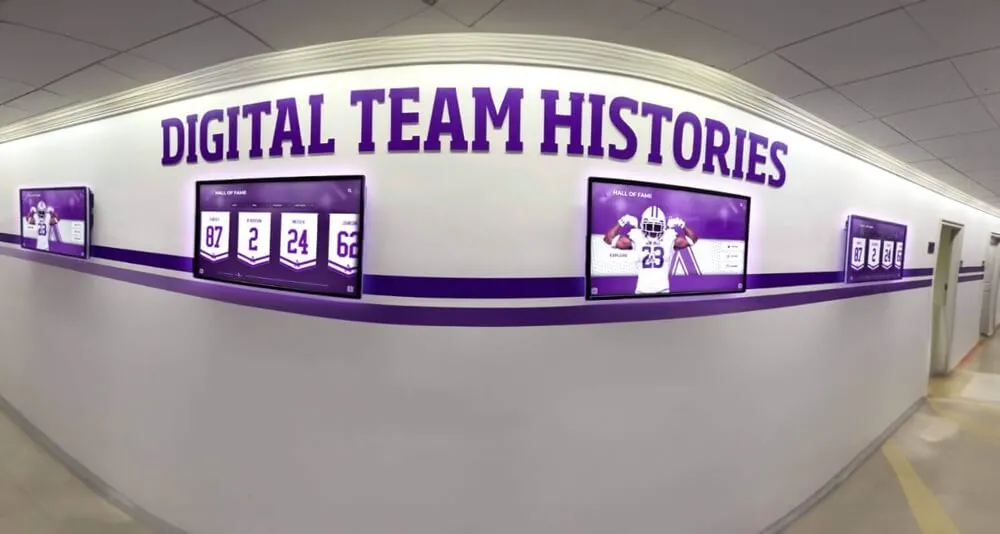
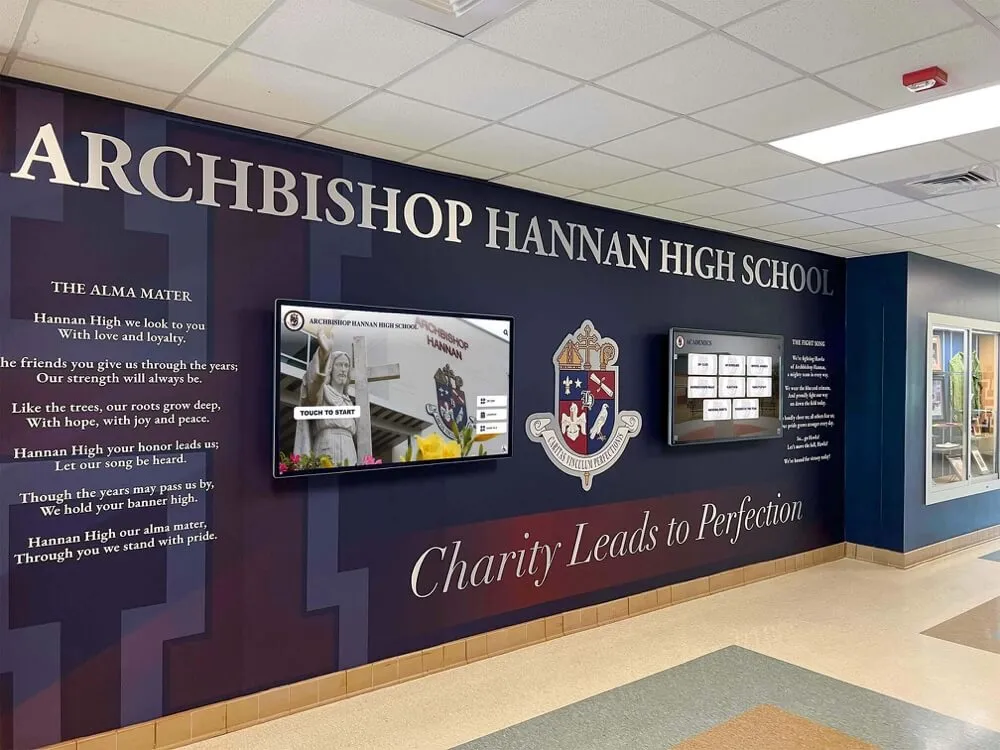
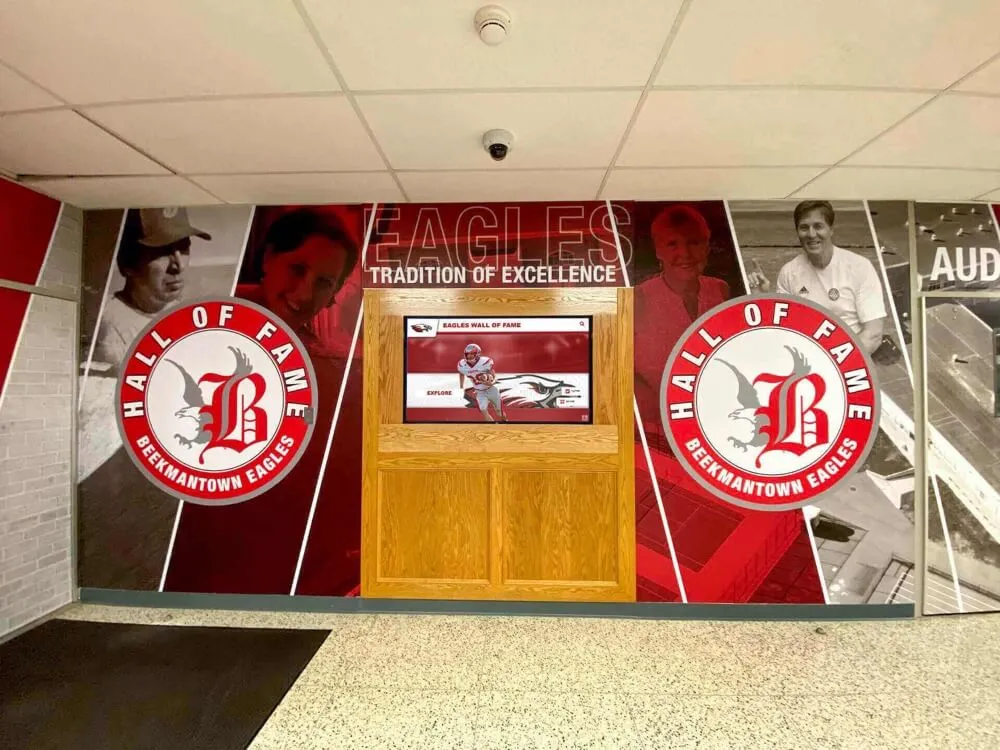
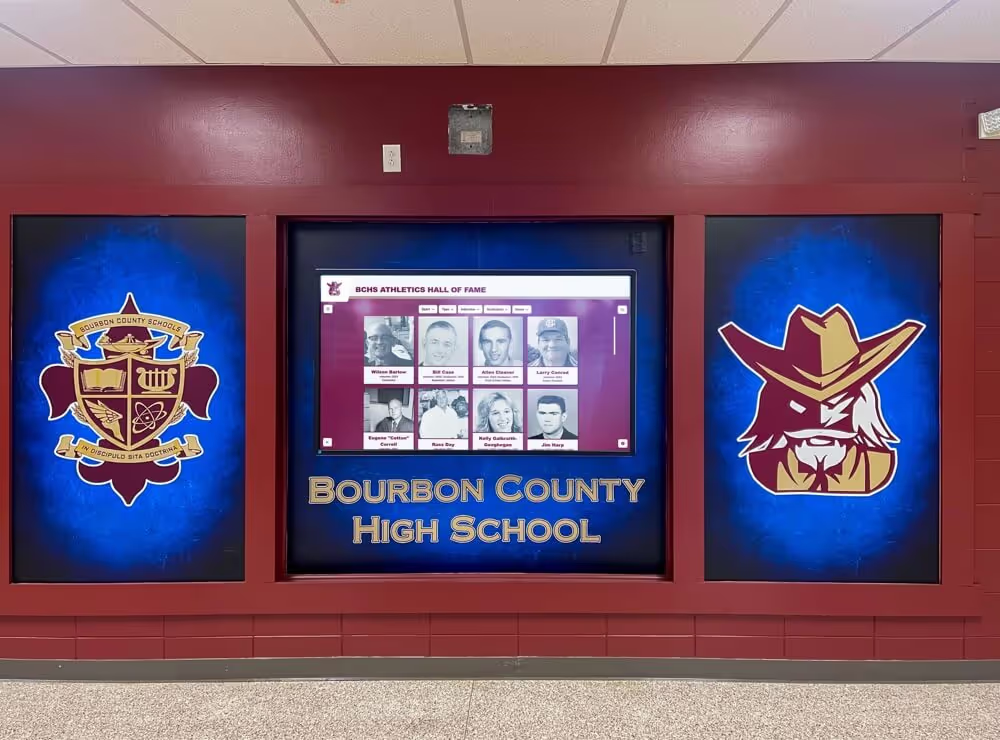
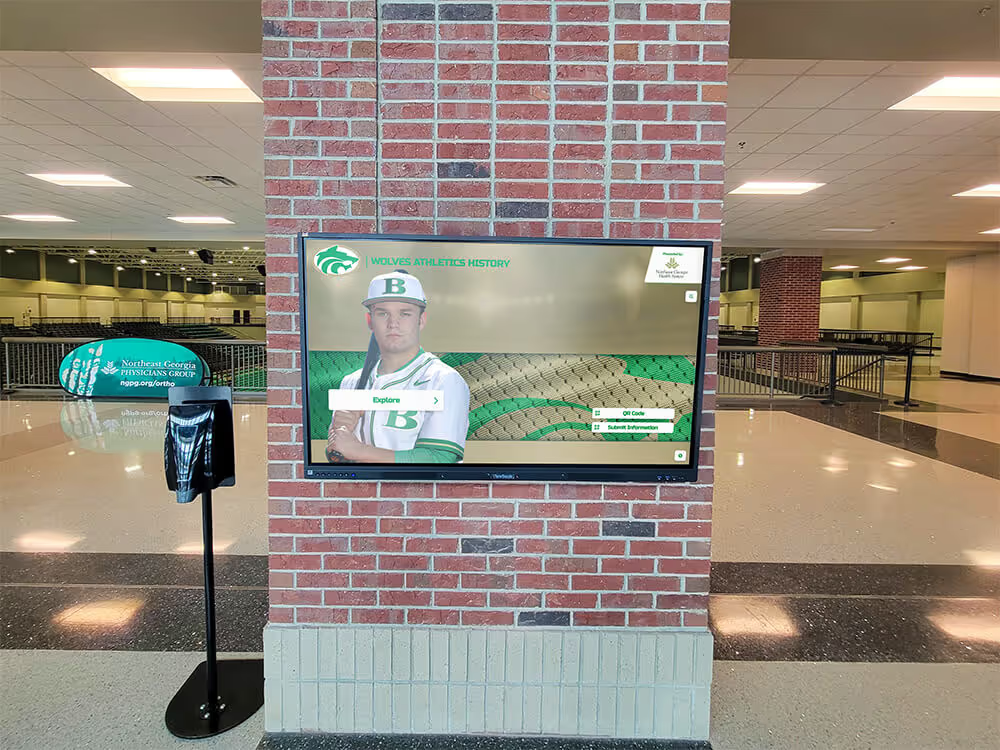
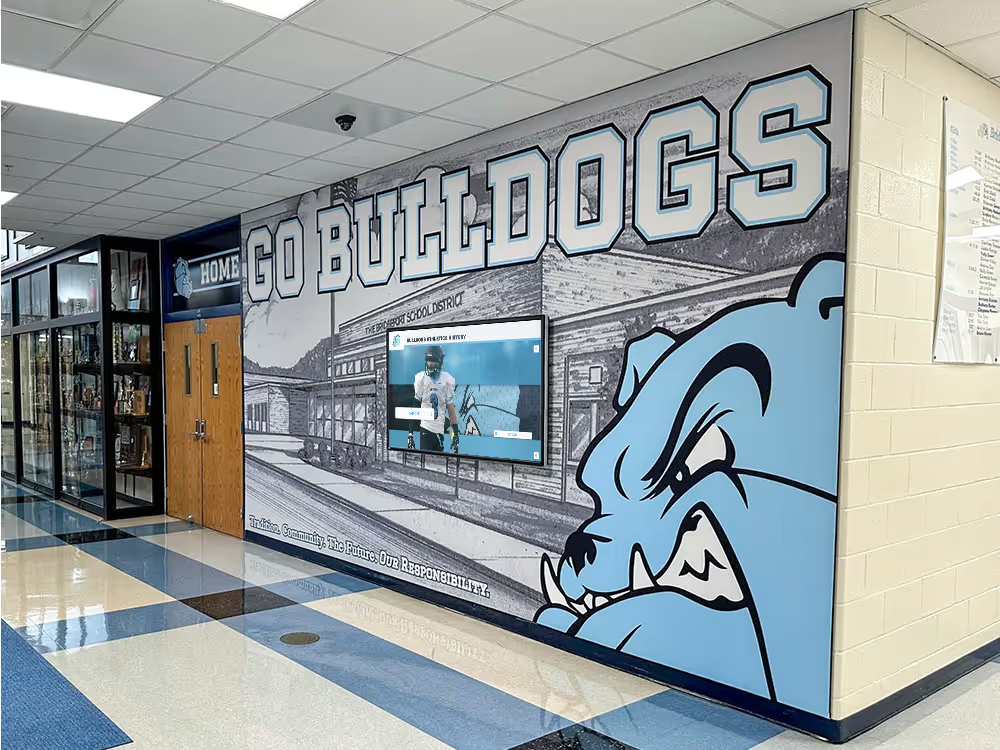
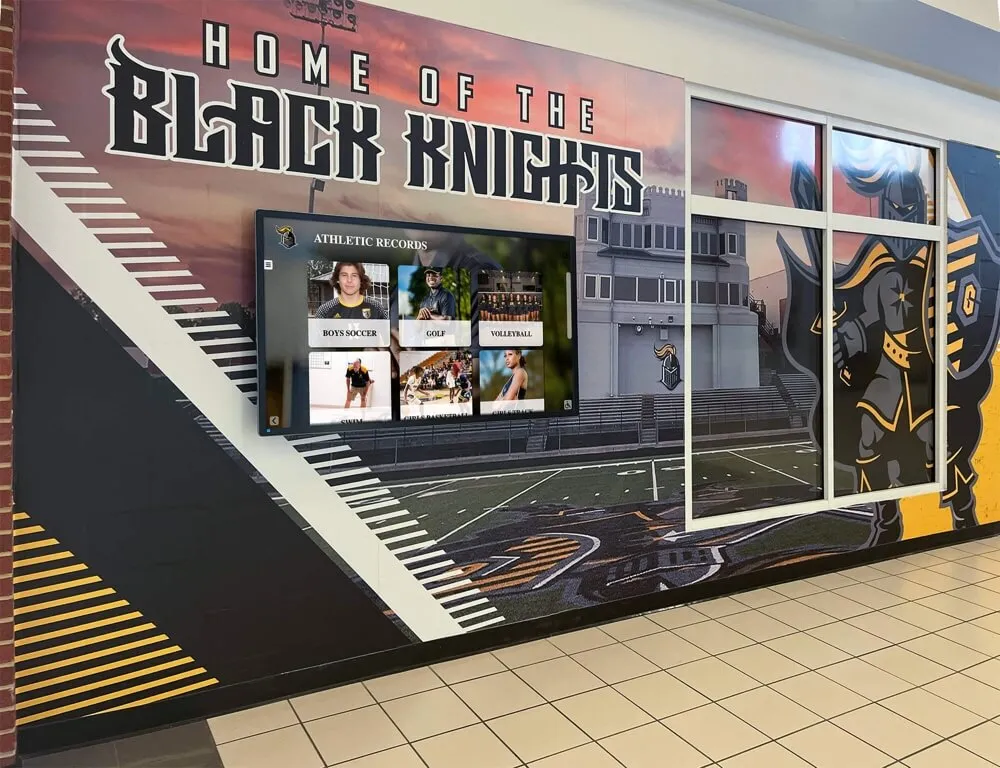
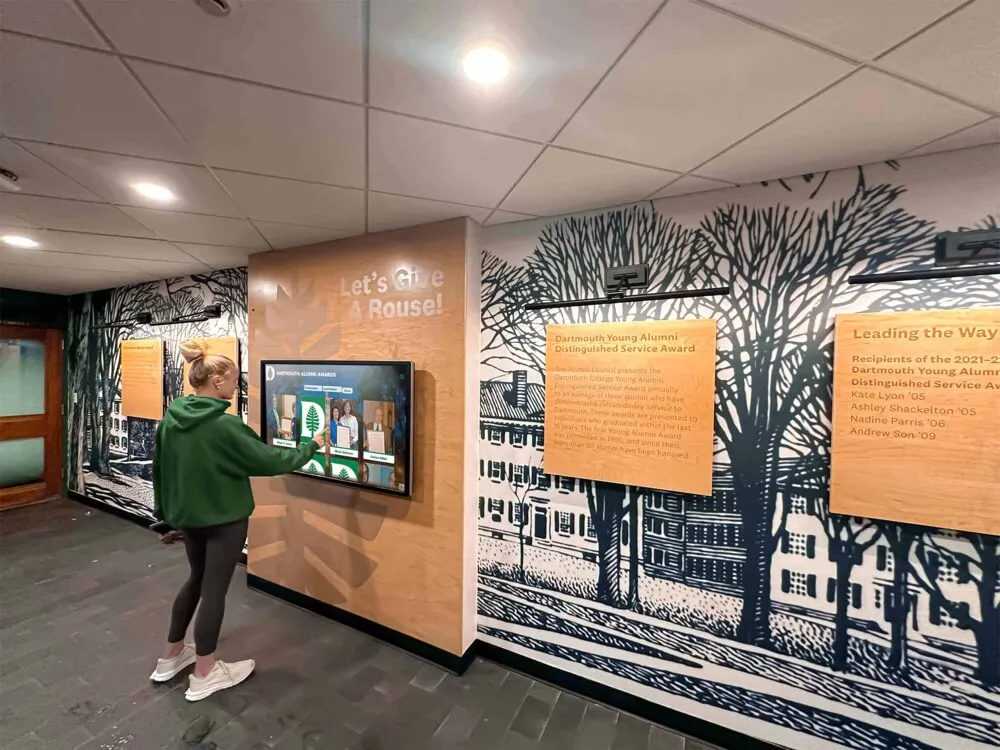
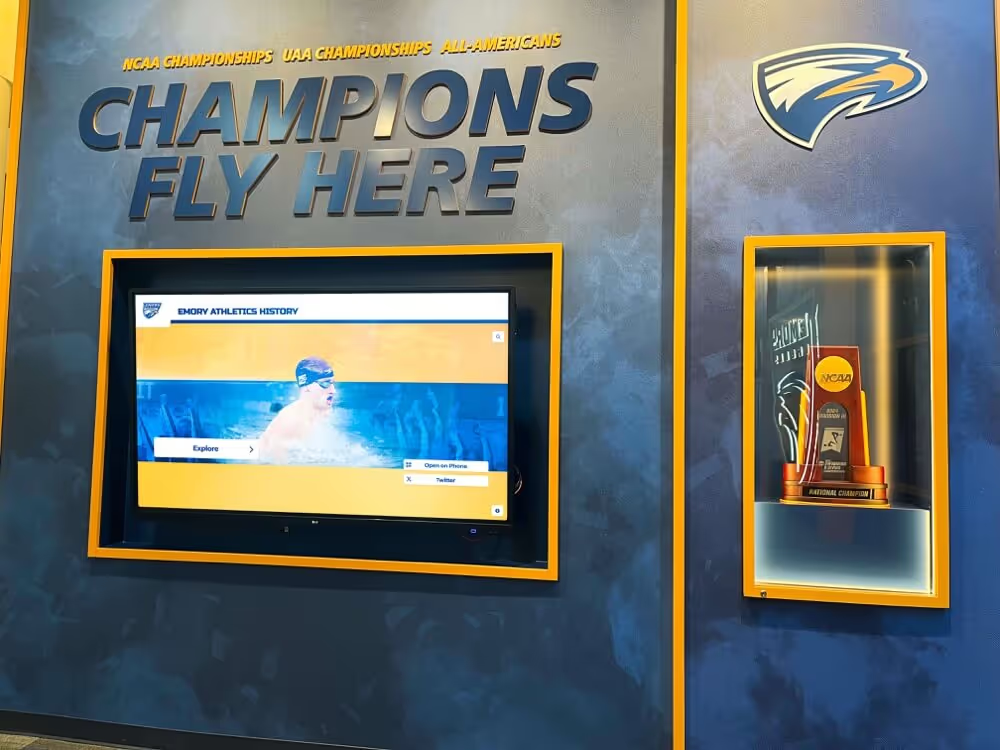
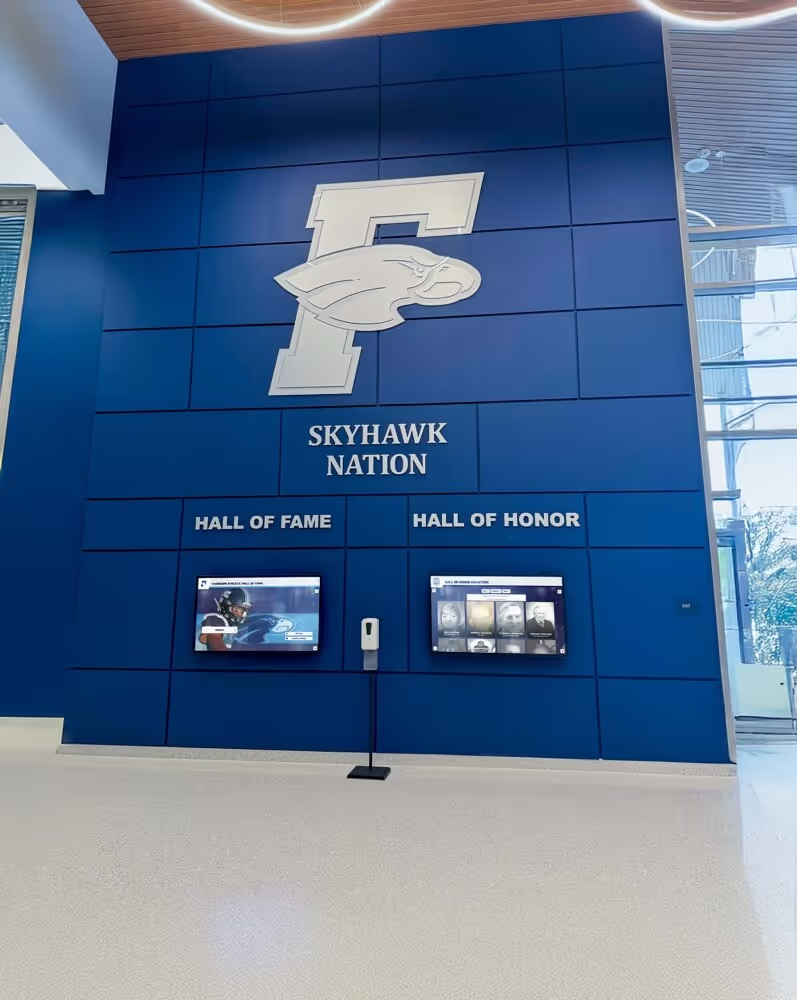
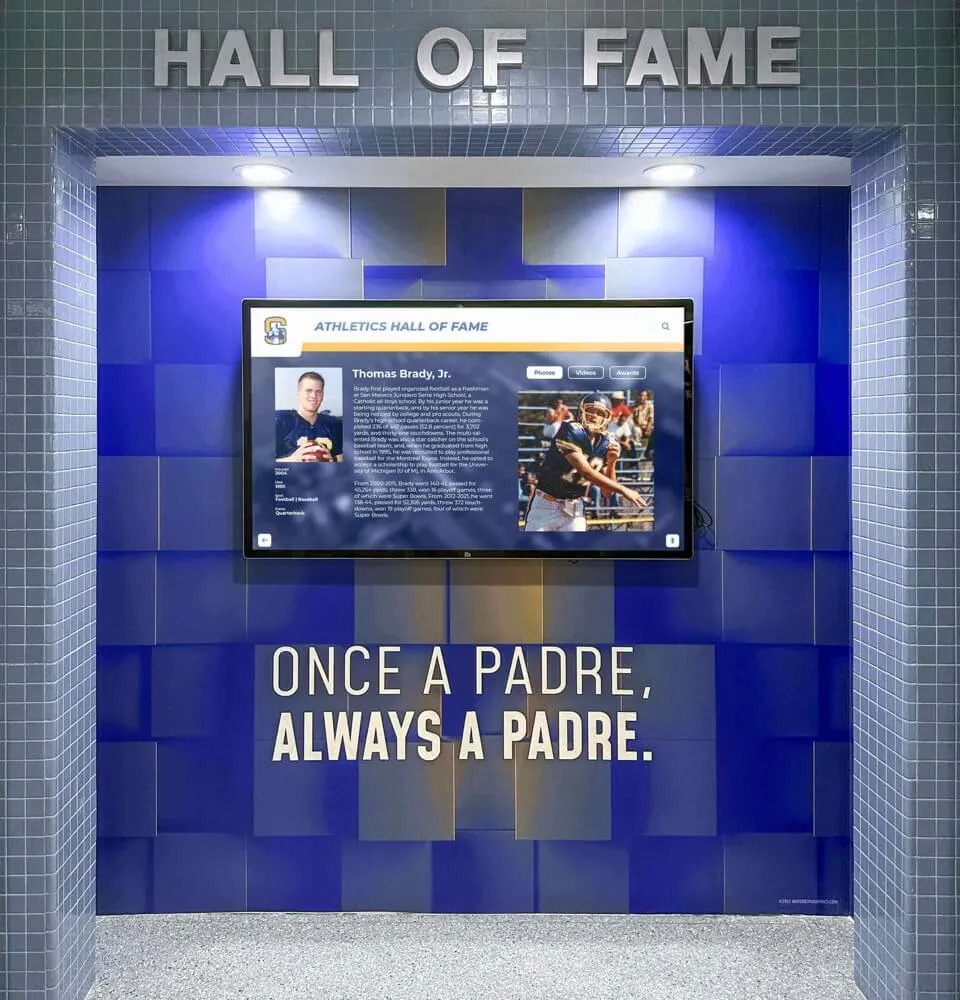
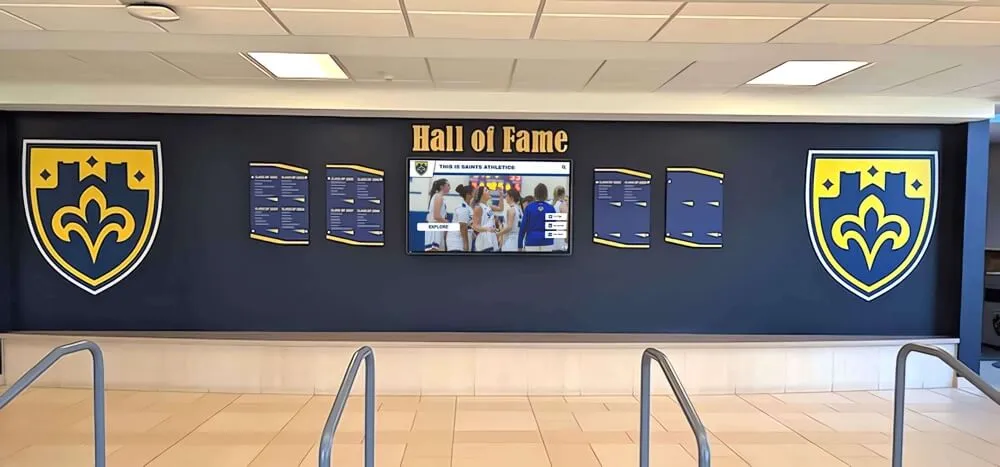
Institutions recognizing these limitations increasingly explore how digital memorial displays enhance permanent recognition while preserving the dignity and permanence that memorial tributes require.
Benefits of Digital Memorial Recognition Systems
Digital memorial platforms provide practical advantages while maintaining appropriate formality and respect:
Unlimited capacity means every deserving person can be honored without space constraints forcing exclusions. Whether recognizing ten individuals or ten thousand, digital displays accommodate all memorial tributes without physical expansion.
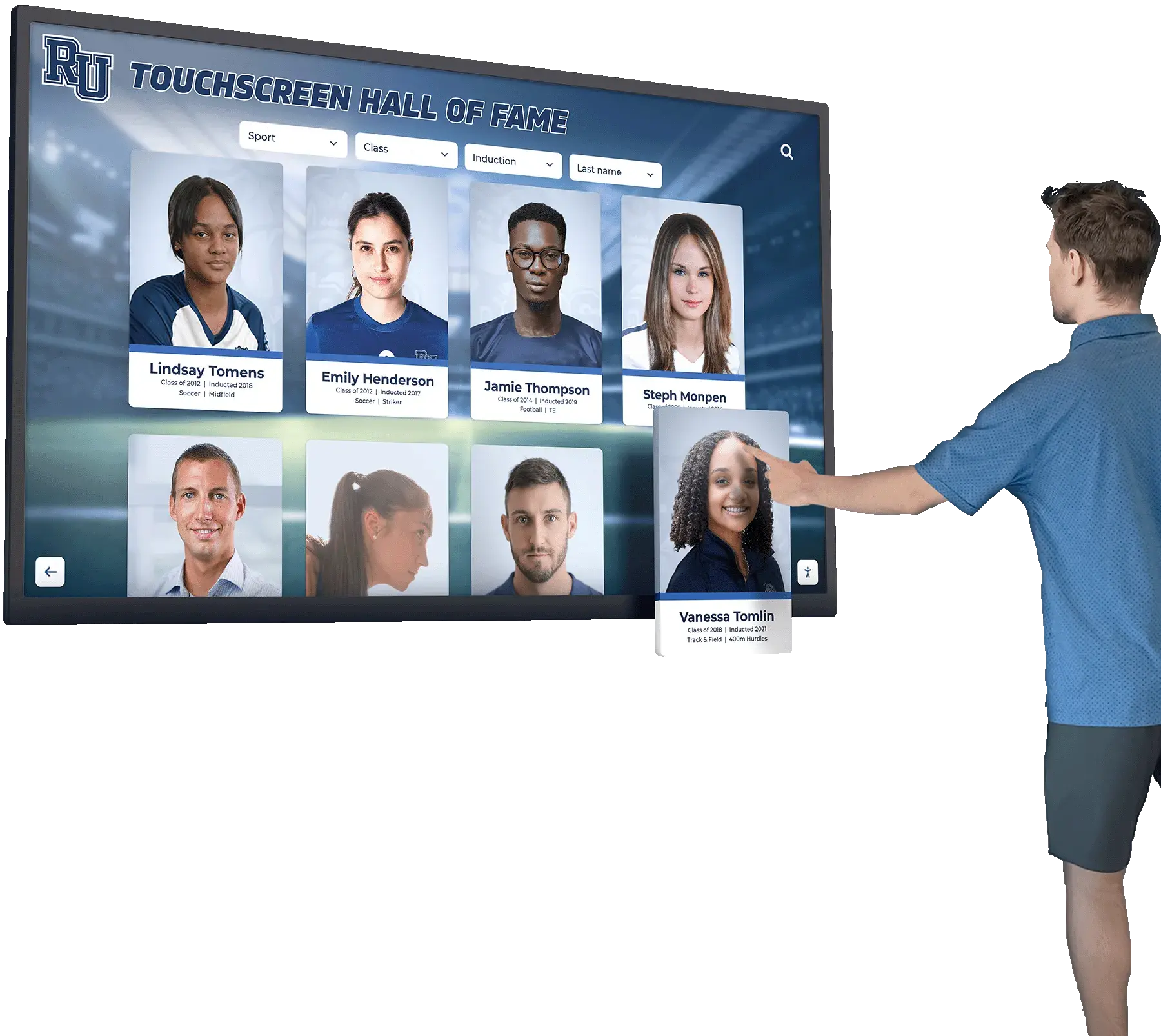
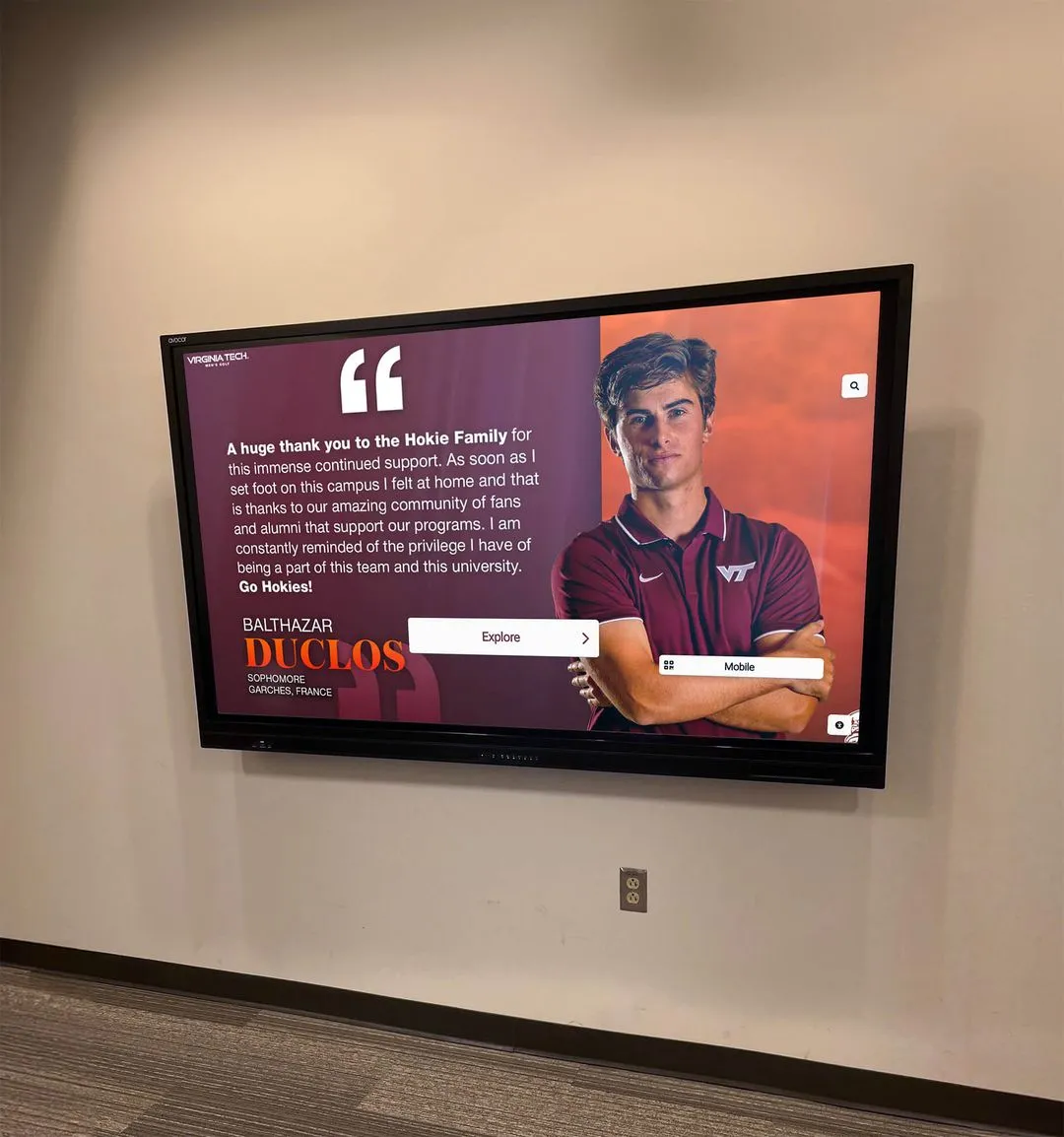
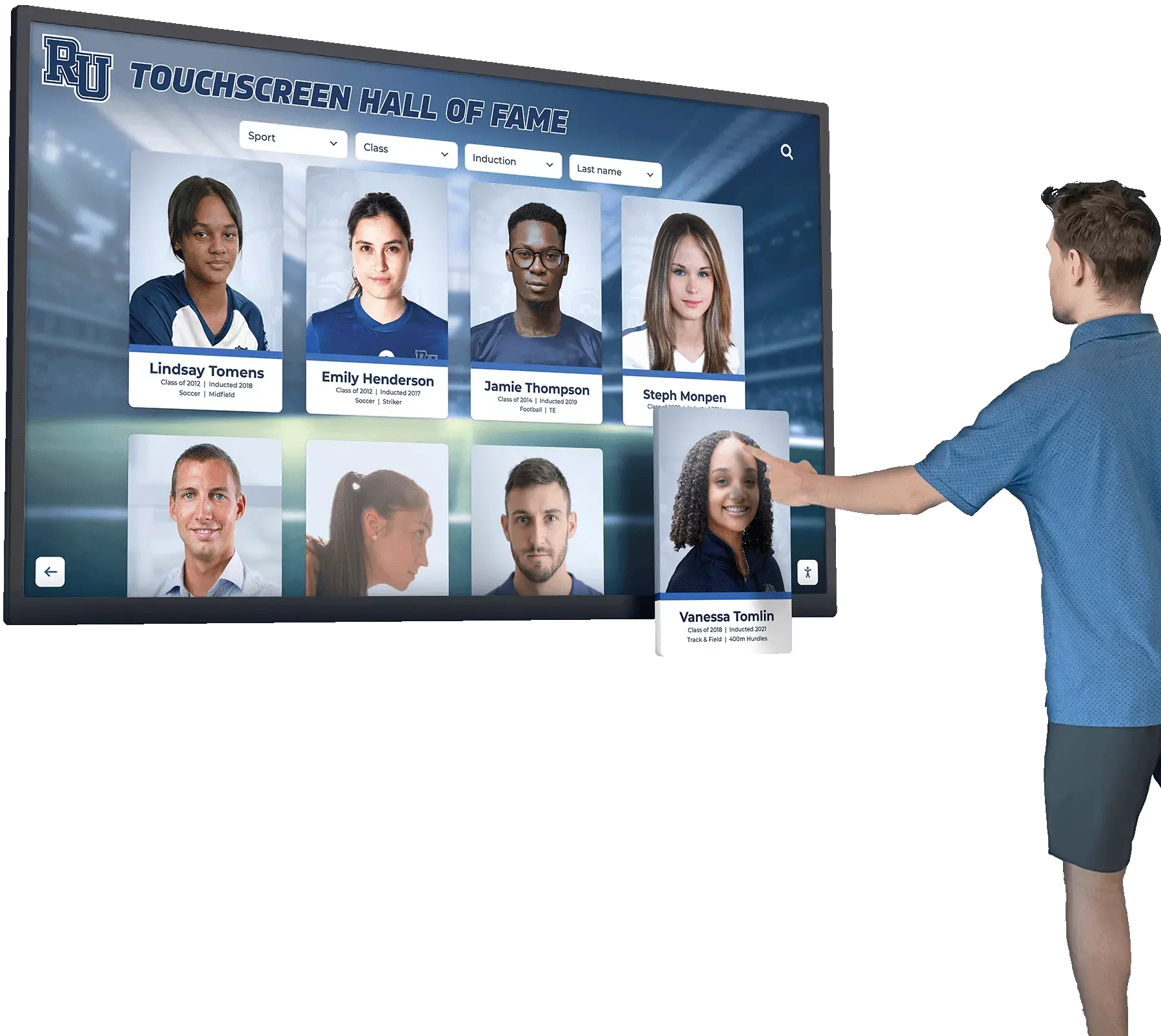
Rich multimedia content transforms simple text into compelling experiences. Instead of name and dates on plaques, digital memorials can include comprehensive biographical information, photo galleries showing different life stages, video tributes preserving voices and personalities, scanned documents and achievements, and testimonials from colleagues, students, or family members.
This content richness helps future visitors understand who people were beyond basic facts, preserving authentic memory rather than reducing individuals to minimal text.
Easy updates and corrections allow memorial content to remain current. When families provide additional information, when posthumous honors occur, or when errors need correction, digital systems update immediately rather than requiring expensive physical replacement.
Global accessibility extends memorial recognition beyond physical locations. Family members across the country, alumni who cannot visit campus, researchers studying institutional history, and future generations all access memorial content remotely, dramatically expanding impact and reach.
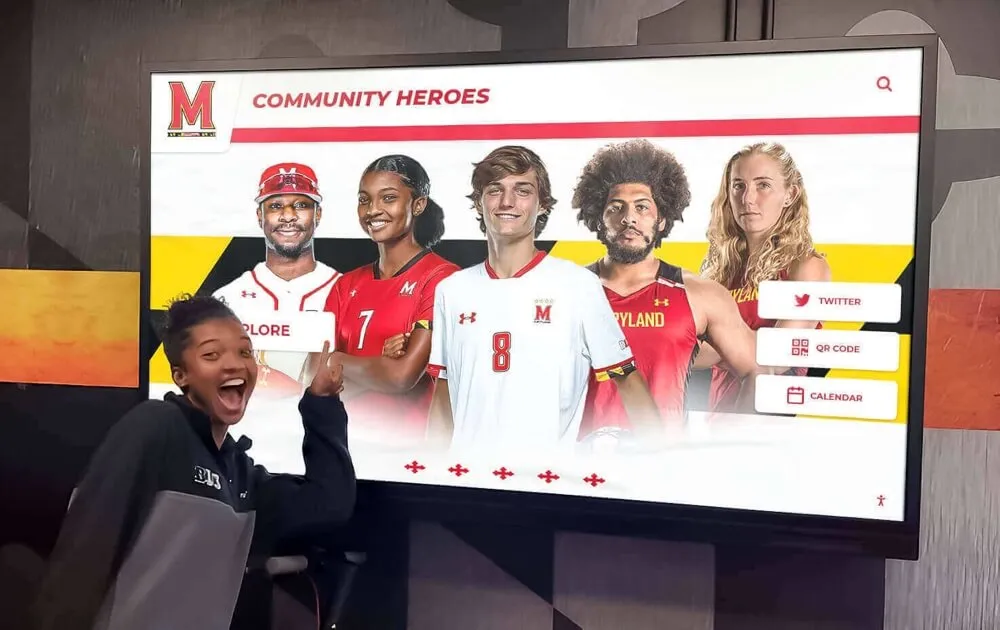
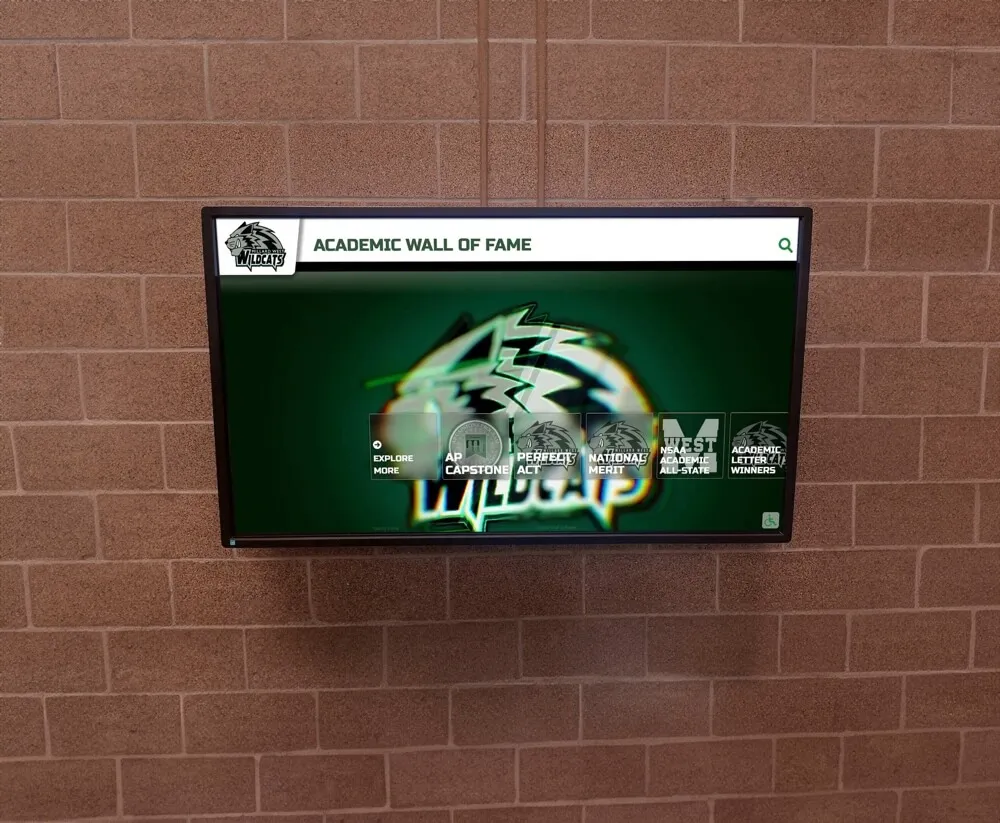
Search and discovery features help visitors locate specific individuals, explore memorials by era or role, filter by contribution type, and discover connections between honorees. These capabilities make memorial content engaging and educational rather than static displays requiring sequential browsing.
Analytics and engagement tracking reveal how memorial tributes are accessed and used, informing continuous improvement while demonstrating institutional stewardship of memorial recognition.
Programs implementing hall of fame selection criteria find that digital platforms enable more comprehensive, equitable recognition while preserving historical context and significance for future audiences.
Hybrid Approaches: Combining Traditional and Digital Recognition
Many institutions implement hybrid strategies preserving valued aspects of traditional recognition while gaining digital advantages:
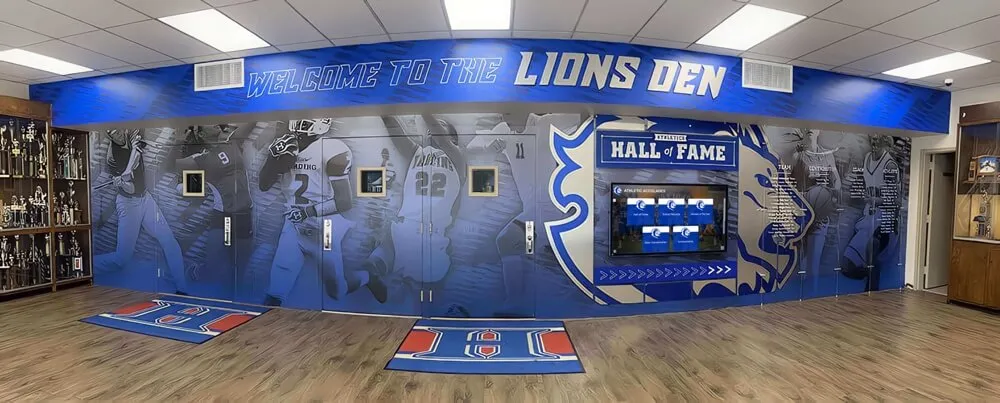
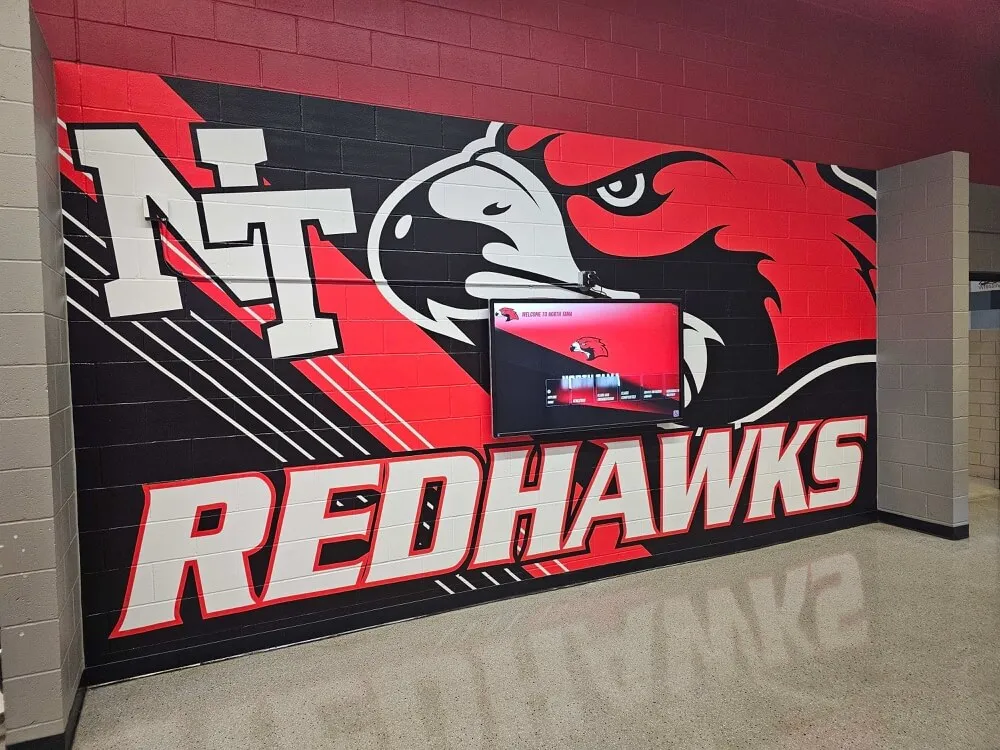
Prominent physical memorials honor most recent or most significant individuals, creating focal points in main lobbies or gathering spaces. These traditional plaques or displays satisfy stakeholders valuing tangible recognition while creating visual landmarks reinforcing institutional values.
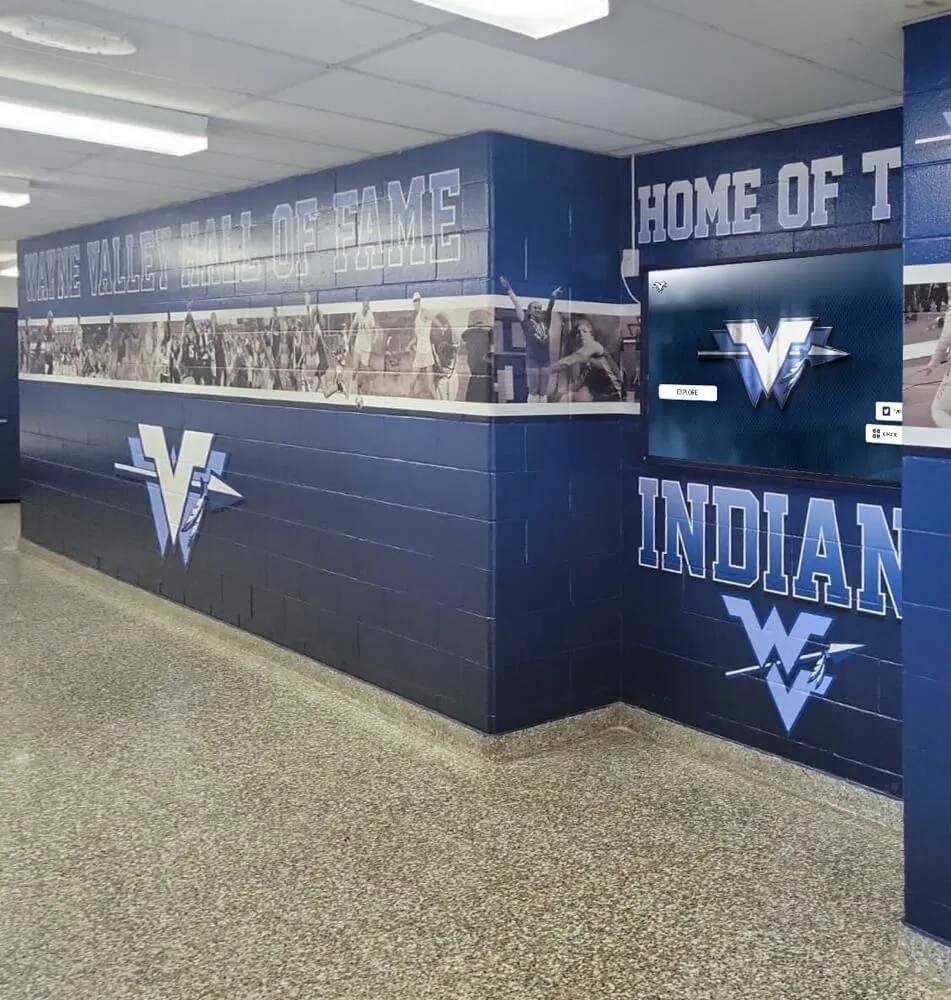
Comprehensive digital systems preserve complete memorial recognition including all historical honorees, individuals whose contributions merit recognition but not physical plaques, and detailed biographical content enhancing understanding beyond what physical displays accommodate.
QR codes on physical memorials link to digital profiles, creating seamless transitions where visitors intrigued by plaque information instantly access comprehensive content, photos, videos, and related materials through their mobile devices.
This balanced approach honors tradition while embracing practical solutions that extend recognition reach, improve accessibility, and ensure memorial tributes remain impactful for decades.
Organizations exploring volunteer appreciation strategies often apply similar hybrid recognition models balancing tangible acknowledgment with comprehensive digital systems documenting contributions that deserve lasting visibility.
Implementing Memorial Tribute Programs Successfully
Beyond writing individual tributes, schools and organizations benefit from establishing systematic processes ensuring consistent, equitable recognition while managing administrative burdens effectively.
Establishing Clear Criteria and Processes
Who merits memorial recognition? Without defined standards, decisions feel arbitrary while creating uncomfortable situations when some individuals receive recognition others expected but didn’t receive.
Criteria typically consider years of service or connection with institution, significance of contributions and impact, community or institutional consensus about recognition, and alignment with organizational values demonstrated through actions.
Document criteria publicly, enabling transparent decision-making while setting appropriate expectations about what memorial recognition honors.
Nomination and approval processes should include clear procedures for proposing memorial recognition, decision-making authority (boards, committees, administrators), timelines from proposal to implementation, and family consultation ensuring proposed recognition aligns with their wishes.
Systematic processes prevent recognition from depending on who happens to advocate for whom, while ensuring thoughtful consideration rather than rushed decisions during grief.
Creating Memorial Content Systematically
Assign clear responsibility for gathering information, writing initial drafts, reviewing for accuracy and tone, securing necessary approvals, and implementing displays or publications.
Without assigned ownership, memorial tributes languish incomplete for months or get rushed through without adequate attention.
Develop templates and guidelines covering appropriate length for different contexts, tone and language standards, required elements (biographical info, contributions, etc.), photo and multimedia specifications, and approval requirements.
Templates ensure consistency across different memorial tributes while reducing workload through reusable frameworks requiring customization rather than creation from scratch.
Build information repositories documenting key facts about community members during their active years—biographical information, major accomplishments, awards and recognitions, and photos and media. Proactive documentation during lifetimes dramatically simplifies memorial tribute creation later, when gathering information proves more difficult.
Maintaining and Updating Memorial Displays
Permanent memorials require ongoing stewardship: reviewing content accuracy periodically, updating information as appropriate, maintaining display technology and physical condition, ensuring accessibility as technologies change, and preserving digital content through format migrations.
Organizations implementing memorial programs must commit to long-term maintenance ensuring recognition remains accessible and functional decades into the future. This stewardship demonstrates respect for those honored by maintaining memorial quality over time.
Solutions like Rocket Alumni Solutions provide purpose-built platforms designed specifically for long-term memorial recognition rather than generic digital signage requiring constant technical maintenance. Purpose-built systems include professional design templates, cloud-based management enabling updates from anywhere, ongoing technical support and platform evolution, automatic content backups and preservation, and compliance with accessibility standards ensuring universal access.
Conclusion: Honoring Legacy Through Thoughtful Tribute Writing
Memorial tributes serve purposes extending beyond immediate recognition. They preserve institutional memory, provide comfort during loss and transition, inspire current and future community members through examples of meaningful contribution, and strengthen organizational culture by demonstrating that individuals’ work and character are remembered and valued long after they move on.
The most impactful tributes balance respect with authenticity, celebrating genuine accomplishments and distinctive qualities rather than relying on generic praise. They include specific details bringing individuals to life rather than reducing people to dates and titles. They acknowledge universal themes while highlighting unique characteristics that made each person memorable. And they focus on lasting legacy—how contributions continue, who carries forward the vision, what changed because this person was here.
Writing effective memorial tributes requires systematic approaches: gathering comprehensive information from multiple sources, identifying central themes that defined the person’s impact, structuring content that engages audiences while conveying essential information, revising carefully to ensure accuracy and appropriate tone, and seeking feedback before finalizing recognition.
The care invested in tribute writing communicates respect for those honored while providing genuine service to grieving or transitioning communities. Thoughtful recognition helps people process loss, remember what mattered about individuals’ lives and contributions, find comfort in collective acknowledgment, and draw inspiration from examples of lives well-lived and service generously given.
Beyond individual tributes, organizations benefit from establishing comprehensive memorial recognition programs with clear criteria and processes, systematic content development approaches, and sustainable display solutions ensuring tributes remain accessible for future generations. Modern digital recognition systems enable schools and institutions to honor every deserving person without space constraints, preserve rich biographical content beyond what traditional plaques accommodate, maintain memorial accuracy through easy updates, and extend recognition globally through web accessibility.
As your institution considers memorial tributes—whether honoring individuals who recently passed, recognizing retirees whose service shaped your community, or implementing comprehensive recognition systems preserving institutional memory—the approaches and strategies explored throughout this guide provide proven frameworks for creating acknowledgment that genuinely honors individuals while serving institutional and community needs.
Ready to transform memorial recognition at your school or organization? Discover how digital recognition solutions create lasting tributes that honor legacy while ensuring contributions are preserved and accessible for generations. Schedule a demonstration to explore how interactive memorial displays can preserve and celebrate the individuals who shaped your community.