



School facilities age. Programs require expansion. Technology needs updating. Athletic complexes demand renovation. Every educational institution eventually faces capital needs exceeding available operating budgets—requiring systematic fundraising campaigns mobilizing community support for transformational projects. Capital campaigns represent the most ambitious fundraising initiatives schools undertake, typically raising millions for facility construction, major renovations, endowment establishment, or comprehensive program enhancements.
Yet many school administrators approach capital campaigns with uncertainty about where to begin, how to structure efforts systematically, what timeline proves realistic, how to cultivate major donors effectively, and what recognition approaches inspire generous commitments. Failed or underperforming campaigns damage institutional credibility while consuming valuable leadership time. Successful campaigns require thorough planning, realistic goal setting, strategic donor cultivation, compelling case development, and recognition systems that honor generosity appropriately.
Capital Campaign Success Through Strategic Recognition
Launching a successful capital campaign demands systematic planning addressing feasibility assessment, leadership engagement, case development, prospect identification, solicitation sequencing, and donor recognition infrastructure. Schools achieving campaign goals share common characteristics including realistic targets grounded in donor capacity analysis, compelling project cases demonstrating urgent need and transformational impact, leadership gift commitments before public launches, strategic solicitation sequencing moving from largest to smallest prospects, and comprehensive recognition systems honoring contributions appropriately. Modern digital recognition solutions like Rocket Alumni Solutions provide purpose-built platforms specifically designed for capital campaign donor recognition, offering unlimited capacity for contributors at every giving level, immediate content updates celebrating new commitments, rich multimedia storytelling demonstrating project impact, and engagement analytics revealing recognition effectiveness—all essential infrastructure for campaigns requiring sustained donor motivation across multi-year fundraising timelines.
Understanding Capital Campaigns: Definition and Strategic Context
Capital campaigns represent intensive fundraising initiatives targeting specific large-scale projects or comprehensive institutional needs requiring contributions beyond annual operating support. Unlike ongoing annual giving programs supporting day-to-day operations, capital campaigns focus on transformational investments in facilities, endowment, major equipment, or program capacity requiring substantial one-time philanthropic investment.
What Distinguishes Capital Campaigns from Annual Fundraising
Capital campaigns differ fundamentally from regular development activities across multiple dimensions:
Financial Scale and Scope
Capital campaigns pursue dramatically larger goals than annual fundraising—typically seeking gifts totaling $5 million to $50 million or more depending on institutional size and project scope. These campaigns target specific identifiable projects like new academic buildings, athletic facility renovations, performing arts center construction, or endowment establishment funding scholarships, faculty positions, or program support permanently.
Concentrated Timeline
While annual giving operates continuously year after year, capital campaigns run for defined periods typically spanning 3-7 years including planning, quiet leadership phase, public campaign, and completion. This concentrated timeline creates urgency motivating donor action while enabling institutional focus on campaign priorities without perpetual major fundraising mode exhausting staff and volunteer leaders.
Leadership and Major Gift Focus
Capital campaigns concentrate heavily on major gifts from relatively few donors. Successful campaigns typically receive 80-90% of total funds from the largest 10-15% of contributors—requiring intensive relationship cultivation with prospective leadership donors capable of transformational commitments. This contrasts with annual giving’s broader base approach soliciting modest gifts from maximum numbers of supporters.
Recognition Infrastructure Requirements
The substantial gift commitments capital campaigns require demand comprehensive donor recognition systems honoring contributions appropriately and inspiring continued campaign momentum. Visible recognition of early leadership gifts creates powerful social proof encouraging subsequent commitments while demonstrating organizational gratitude and stewardship excellence that builds donor confidence in campaign management and project execution.
Common Capital Campaign Objectives for Schools
Educational institutions launch capital campaigns addressing diverse facility, endowment, and program needs:
Facility Construction and Renovation
Physical infrastructure projects represent the most common capital campaign focus:
- New Building Construction: Academic buildings, science facilities, athletics complexes, performing arts centers, libraries, student centers
- Major Renovations: Comprehensive updates to aging facilities including structural systems, accessibility improvements, technology integration
- Expansion Projects: Adding capacity to existing buildings serving growing student populations
- Athletic Facilities: Stadium improvements, field houses, training facilities, outdoor athletic venues
- Campus Infrastructure: Parking, landscaping, utilities, campus-wide technology systems
Facility projects create tangible visible outcomes that donors find compelling—they can literally see their philanthropic investment impact and imagine generations of students benefiting from spaces their generosity created.

Endowment Development
Permanent funds generating ongoing income through investment returns provide perpetual program support:
- Scholarship Endowments: Ensuring financial accessibility for deserving students across generations
- Faculty Positions: Endowed chairs attracting and retaining exceptional educators
- Program Support: Permanent funding for specific academic programs, arts initiatives, or athletic programs
- General Endowment: Flexible reserves supporting overall institutional strength and stability
Endowment campaigns prove more challenging than facility projects because outcomes feel less tangible to many donors—requiring sophisticated case development demonstrating how permanent funds create lasting transformational impact.
Technology and Equipment Investments
Modern educational delivery requires substantial technology infrastructure:
- Campus-Wide Technology: Learning management systems, network infrastructure, cybersecurity systems
- Specialized Equipment: Laboratory instruments, performing arts equipment, athletic training technology
- Innovation Spaces: Maker spaces, simulation labs, collaborative learning environments
- Digital Infrastructure: Interactive displays, donor recognition systems, wayfinding technology
Comprehensive Campaigns
Large institutions often pursue comprehensive campaigns addressing multiple priorities simultaneously—combining facility projects, endowment development, program enhancement, and strategic initiatives into unified campaign structures with overall fundraising goals exceeding individual project totals.
Phase 1: Pre-Campaign Planning and Feasibility Assessment
Successful capital campaigns require extensive groundwork before public launches—thorough planning that determines realistic goals, assesses donor capacity, identifies prospects, and builds leadership commitment essential for campaign success.
Conducting Feasibility Studies
Feasibility studies provide objective assessments of campaign viability through confidential stakeholder interviews revealing community capacity and willingness to support proposed projects:
Study Purposes and Value
Professional feasibility studies serve multiple critical functions:
- Goal Validation: Testing whether proposed fundraising targets align with realistic donor capacity
- Project Prioritization: Identifying which potential campaign components resonate most strongly with donors
- Leadership Identification: Revealing individuals willing to serve campaign leadership roles
- Concern Discovery: Surfacing objections or hesitations requiring address before campaign launch
- Timeline Assessment: Determining appropriate campaign duration based on donor readiness
Studies typically cost $15,000-$40,000 depending on institutional complexity and interview scope—representing essential investment preventing far more costly failed campaigns pursuing unrealistic goals or launching prematurely before adequate donor readiness.
Interview Process and Participants
Experienced consultants conduct confidential one-on-one interviews with 40-80 key stakeholders including current major donors, prospective leadership gift candidates, board members and trustees, volunteer leaders, alumni leadership, community influencers, and foundation representatives. Interview confidentiality proves essential—stakeholders share honest perspectives about campaign readiness, goal appropriateness, and institutional leadership that they’d withhold in less private settings.

Study Findings and Decision Making
Consultants analyze interview responses producing comprehensive reports addressing campaign goal feasibility, recommended fundraising targets potentially adjusting initial proposals, priority project recommendations based on donor enthusiasm, identified campaign leadership candidates, suggested timeline considering donor readiness, recognition program recommendations aligned with donor expectations, and specific concerns requiring address before campaign launch.
Study results sometimes reveal that organizations aren’t ready for campaigns—requiring additional relationship cultivation, leadership development, or case refinement before launch. This discovery before campaign investment prevents far more damaging mid-campaign failures or embarrassing goal shortfalls.
Establishing Campaign Leadership and Governance
Capital campaigns require dedicated volunteer leadership and clear governance structures managing complex multi-year initiatives:
Campaign Committee Structure
Effective campaigns establish specialized committees addressing distinct responsibilities:
- Campaign Steering Committee: Overall strategy, goal setting, major decisions, and accountability
- Major Gifts Committee: Identifying, cultivating, and soliciting leadership gift prospects
- Solicitation Teams: Organized by constituent group, geographic region, or campaign component
- Events Committee: Planning campaign kickoffs, recognition events, and celebration gatherings
- Recognition Committee: Donor acknowledgment policies, naming opportunities, and recognition system oversight
Leadership Selection Criteria
Campaign chairs and committee members should demonstrate:
- Personal Financial Commitment: Leadership volunteers make substantial gifts themselves before soliciting peers
- Community Credibility: Respected individuals whose involvement signals campaign importance
- Network Access: Connections to prospective major donors enabling relationship-based solicitation
- Time Availability: Capacity for regular meetings and active campaign participation
- Campaign Enthusiasm: Genuine excitement about projects creating authentic advocacy
Finding campaign chairs represents one of the most critical early campaign tasks—the right volunteer leader dramatically increases campaign success probability while the wrong selection creates persistent obstacles.
Developing Comprehensive Campaign Budgets
Realistic budget planning ensures adequate resources for campaign execution while demonstrating fiscal responsibility to prospective donors:
Campaign Cost Components
Comprehensive budgets address all campaign-related expenses:
- Development Staff: Campaign director, gift officers, prospect researchers, administrative support
- Consultant Fees: Feasibility studies, ongoing campaign counsel, specialty consultants
- Marketing and Communications: Campaign materials, websites, videos, advertising, public relations
- Events and Cultivation: Donor cultivation events, campaign kickoff, recognition ceremonies
- Recognition Systems: Digital donor walls, physical plaques, naming signage, stewardship materials
- Technology and Systems: CRM enhancements, wealth screening, prospect tracking software
Cost-to-Raise Ratios
Well-managed capital campaigns typically incur costs representing 10-15% of total dollars raised—$1-1.5 million in campaign expenses for a $10 million campaign. Lower-cost campaigns risk inadequate investment in essential cultivation, communications, and recognition infrastructure. Higher costs may indicate inefficiency requiring strategic adjustment.
Planning includes fundraising to cover campaign costs themselves—often through early leadership gifts or dedicated operational support enabling subsequent campaign proceeds to fund projects entirely rather than being reduced by campaign expenses.
Phase 2: Building Your Campaign Case for Support
Compelling cases for support translate institutional needs into emotionally resonant narratives inspiring generous commitments by connecting proposed projects to donor values and community impact.
Articulating Urgent Institutional Needs
Effective cases demonstrate genuine pressing needs requiring philanthropic support:
Facility Condition Documentation
For infrastructure campaigns, comprehensive documentation establishes urgency:
- Age and Deterioration: Buildings or systems reaching end of useful life requiring replacement
- Safety and Code Compliance: Facilities failing to meet current building codes, ADA requirements, or safety standards
- Capacity Constraints: Insufficient space for growing programs or student enrollment
- Competitive Disadvantage: Facilities failing to meet expectations prospective students and families hold
- Deferred Maintenance: Accumulated repair needs creating escalating costs and safety risks
Photos, engineering reports, and consultant assessments provide tangible evidence supporting urgency claims rather than relying solely on verbal assertions.
Program Impact Emphasis
Beyond physical conditions, cases connect facility needs to educational mission:
- Student Experience: How current limitations diminish learning, development, or opportunities
- Faculty Recruitment: Difficulty attracting talented educators without competitive facilities
- Program Innovation: Spaces enabling new teaching methods, technology integration, or collaborative learning
- Community Service: Enhanced capacity for serving broader communities through improved facilities
The most compelling cases emphasize how proposed projects enhance educational outcomes and student development rather than merely describing building specifications or architectural features.
Demonstrating Transformational Impact
Donors commit major gifts expecting meaningful lasting impact—cases must articulate how campaign projects create substantial positive change:
Student Benefit Emphasis
Strong cases center on how students benefit directly:
- Expanded access through increased capacity or enhanced financial aid
- Improved learning environments with modern technology and collaborative spaces
- New program opportunities previously impossible in current facilities
- Enhanced preparation for college, careers, or leadership through upgraded programs
- Lifelong benefits from experiences enabled by campaign-funded improvements
Community and Regional Impact
Beyond direct student benefits, many campaigns demonstrate broader community value:
- Facilities available for community use, programs, or events
- Regional educational capacity strengthening overall area quality of life
- Economic development through construction jobs and ongoing operational employment
- Cultural enrichment through performing arts centers or community gathering spaces
- Athletic facilities serving youth programs and recreational opportunities
Multi-Generational Legacy
Capital projects serve students for decades—creating legacy opportunities that many major donors find compelling. Effective cases help prospective donors envision their grandchildren or future generations benefiting from spaces their current generosity creates, providing meaningful connection between present giving and enduring future impact.
Creating Compelling Visual Campaign Materials
Professional marketing materials communicate campaign cases effectively across diverse audiences:
Essential Campaign Collateral
Comprehensive communication toolkits include:
- Case Statements: Detailed written documents presenting complete campaign rationale and project details
- Executive Summaries: Concise overview documents for quick prospect review
- Architectural Renderings: Visual representations of proposed facilities helping donors envision completed projects
- Video Presentations: Emotional storytelling combining student testimonials, facility tours, and impact demonstration
- Campaign Websites: Comprehensive online resources with project details, recognition opportunities, giving instructions
Resources on planning major fundraising events demonstrate how sophisticated communications support comprehensive advancement initiatives.
Naming Opportunities Documentation
Clear recognition policies establish expectations:
Detailed matrices showing gift levels, corresponding naming opportunities, and recognition terms prevent confusion during solicitation. Typical naming tiers might include entire buildings ($2-10 million), significant wings or floors ($500,000-$2 million), specialized spaces like auditoriums or gymnasiums ($250,000-$1 million), classrooms and offices ($50,000-$250,000), and featured recognition on donor walls ($5,000-$50,000).
Phase 3: The Quiet Phase and Leadership Gift Cultivation
Successful campaigns secure 50-70% of goal totals through leadership gifts during confidential “quiet phase” periods before public campaign announcements—requiring intensive relationship cultivation with top prospects.
Identifying and Qualifying Major Gift Prospects
Systematic prospect research reveals individuals with capacity and connection supporting significant campaign commitments:
Capacity Indicators
Multiple data sources suggest philanthropic capacity:
- Wealth Screening Services: Professional services analyzing property records, business ownership, investment holdings, and philanthropic history
- Real Estate Holdings: Public property records revealing asset values
- Professional Background: Executive positions, business ownership, or professional careers in high-income fields
- Prior Giving History: Previous contributions to your institution or other organizations
- Lifestyle Indicators: Memberships, travel patterns, or consumption suggesting available resources

Connection and Affinity Assessment
Capacity alone proves insufficient—prospects require authentic connection:
- Alumni Status: Graduates maintain emotional connections to institutions shaping their lives
- Current Family Ties: Parents and grandparents of current students invested in quality educational experiences
- Employment History: Faculty, staff, or administrators understanding institutional operations and needs
- Board Service: Trustees and board members demonstrating commitment through volunteer leadership
- Geographic Proximity: Local community members with direct interest in institutional success
- Program Participation: Involvement in specific programs campaign projects will enhance
The strongest prospects combine substantial capacity with deep authentic connection creating both ability and motivation for significant campaign support.
Strategic Cultivation Before Solicitation
Major gift fundraising represents relationship business—requiring patient systematic cultivation building understanding, trust, and enthusiasm before asking:
Cultivation Activity Sequence
Thoughtful engagement progression prepares prospects for eventual solicitation:
- Information Sharing: Campaign materials, architectural plans, project updates keeping prospects informed
- Campus Engagement: Facility tours, program observations, student interactions demonstrating need and impact
- Leadership Involvement: Committee service, planning participation, counsel requesting creating investment
- Peer Connections: Introductions to fellow supporters normalizing major gift consideration
- Recognition Preview: Demonstrations of how significant contributions receive appropriate acknowledgment
This cultivation often spans 12-24 months for leadership prospects—building authentic relationships rather than transactional requests creating donor discomfort.
Solicitation Strategy and Execution
When prospects demonstrate readiness, strategic solicitation maximizes commitment probability:
- Appropriate Solicitor Selection: Peer volunteers often prove more effective than staff for leadership asks
- Specific Project Connection: Linking gifts to specific campaign components matching donor interests
- Naming Opportunity Clarity: Clear explanation of recognition accompanying different commitment levels
- Pledge Flexibility: Multi-year payment schedules making substantial gifts manageable
- Impact Documentation: Evidence demonstrating how gifts create meaningful lasting change
Research suggests that in-person solicitation meetings yield 40-60% higher average commitments than mail, phone, or email requests—making face-to-face solicitation essential for leadership gift cultivation despite requiring substantially more time investment.
Establishing Campaign Momentum Through Early Commitments
Visible early success creates powerful momentum encouraging subsequent gifts:
The 80/20 Rule in Capital Campaigns
Campaign dynamics follow predictable patterns: approximately 80% of campaign totals come from the largest 20% of gifts—with the top 10-15 leadership contributions often representing 60-70% of entire campaign goals. This concentration means that securing early leadership commitments essentially determines campaign outcomes before public phase begins.
Campaigns announcing public launches without at least 50% of goals already secured through quiet phase commitments face substantial completion risk. Public announcements at 60-70% of goals create powerful momentum perception encouraging broader participation.
Recognition Infrastructure During Leadership Phase
Even during quiet confidential campaigns, donor recognition systems serve important cultivation functions. Digital recognition platforms enable private demonstrations showing prospects exactly how their gifts would be acknowledged, creating tangible visualization of recognition benefits accompanying major commitments—often shortening cultivation timelines while increasing pledge confidence.
Phase 4: Public Campaign Launch and Broad-Based Solicitation
After securing leadership commitments, campaigns transition to public phases engaging broader constituencies through systematic solicitation:
Planning Effective Campaign Kickoff Events
Public campaign launches generate awareness and excitement:
Kickoff Event Components
Memorable launches include:
- Campaign Goal Announcement: Revealing total fundraising targets and leadership commitments already secured
- Project Presentations: Architectural renderings, videos, or virtual tours showing proposed improvements
- Student Testimonials: Current students explaining how projects will enhance their educational experiences
- Recognition Unveiling: Introducing donor recognition displays honoring leadership gifts
- Community Celebration: Festive atmosphere creating excitement about institutional advancement
Events often coincide with existing institutional traditions—homecoming weekends, annual galas, or school anniversaries—capitalizing on alumni return and community gathering rather than requiring standalone attendance generation.
Segmented Solicitation Strategies
After kickoff, systematic solicitation engages diverse constituencies:
Alumni and Parent Campaigns
Graduate communities represent primary prospect pools:
- Class-Based Solicitation: Milestone reunion years with class challenge gifts and participation competitions
- Volunteer Networks: Alumni volunteer solicitors contacting classmates through peer relationships
- Phonathons and Direct Mail: Reaching broader alumni bases with smaller gift solicitation
- Digital Campaigns: Email marketing, social media, and online giving platforms engaging younger tech-comfortable donors
Current parents of enrolled students demonstrate high giving likelihood—their children directly benefit from campaign improvements creating immediate tangible impact motivation.
Community and Local Business Engagement
Geographic community members often support local educational institutions:
- Corporate Sponsorships: Business naming opportunities and recognition benefiting company reputation
- Foundation Grants: Approaching family foundations and corporate giving programs with formal proposals
- Service Club Partnerships: Rotary, Kiwanis, and other civic organizations supporting community institutions
- Community Champion Solicitation: Respected local leaders recruiting fellow community members
Special Event Fundraising
While not replacing systematic solicitation, events supplement campaign revenue:
- Annual galas or auctions creating festive giving opportunities
- Athletic events with special admission or VIP experiences
- Facility groundbreakings and dedication ceremonies
- Legacy society gatherings recognizing planned gift commitments
Resources on academic recognition programs demonstrate how comprehensive acknowledgment systems support advancement initiatives.
Phase 5: Recognition, Stewardship, and Campaign Completion
Appropriate donor recognition and careful stewardship throughout campaigns maintain momentum while building relationships supporting future institutional advancement.
Implementing Comprehensive Donor Recognition Systems
Strategic recognition honors generosity while inspiring continued campaign participation:
Multi-Tiered Recognition Structures
Effective recognition programs acknowledge contributions across all levels:
- Transformational Gifts ($1M+): Building naming rights, permanent legacy acknowledgment
- Leadership Gifts ($250K-$999K): Major space naming, prominent recognition placement
- Major Gifts ($50K-$249K): Room naming, featured wall recognition
- Significant Gifts ($10K-$49K): Donor wall inclusion, special society membership
- Supporting Gifts ($1K-$9K): Published donor listings, campaign participation recognition
- All Contributions: Every gift regardless of size receives genuine appreciation
Tiered structures balance proportionate recognition for larger gifts against ensuring all contributors receive meaningful acknowledgment—building inclusive philanthropic culture rather than creating exclusive major-donor focus alienating smaller gift supporters.
Physical and Digital Recognition Approaches
Modern recognition combines traditional and technology-enabled acknowledgment:
Physical Recognition Elements:
- Building entrance plaques identifying major naming gift donors
- Cornerstone or dedication markers documenting campaign completion
- Interior signage identifying named spaces throughout facilities
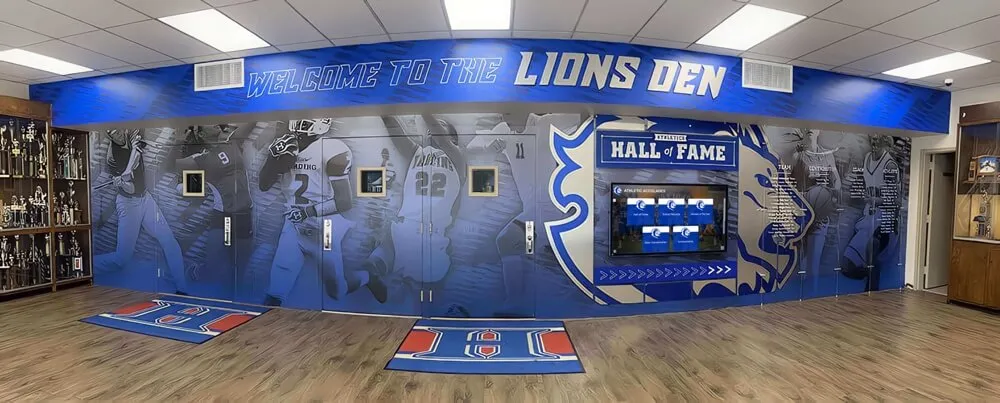
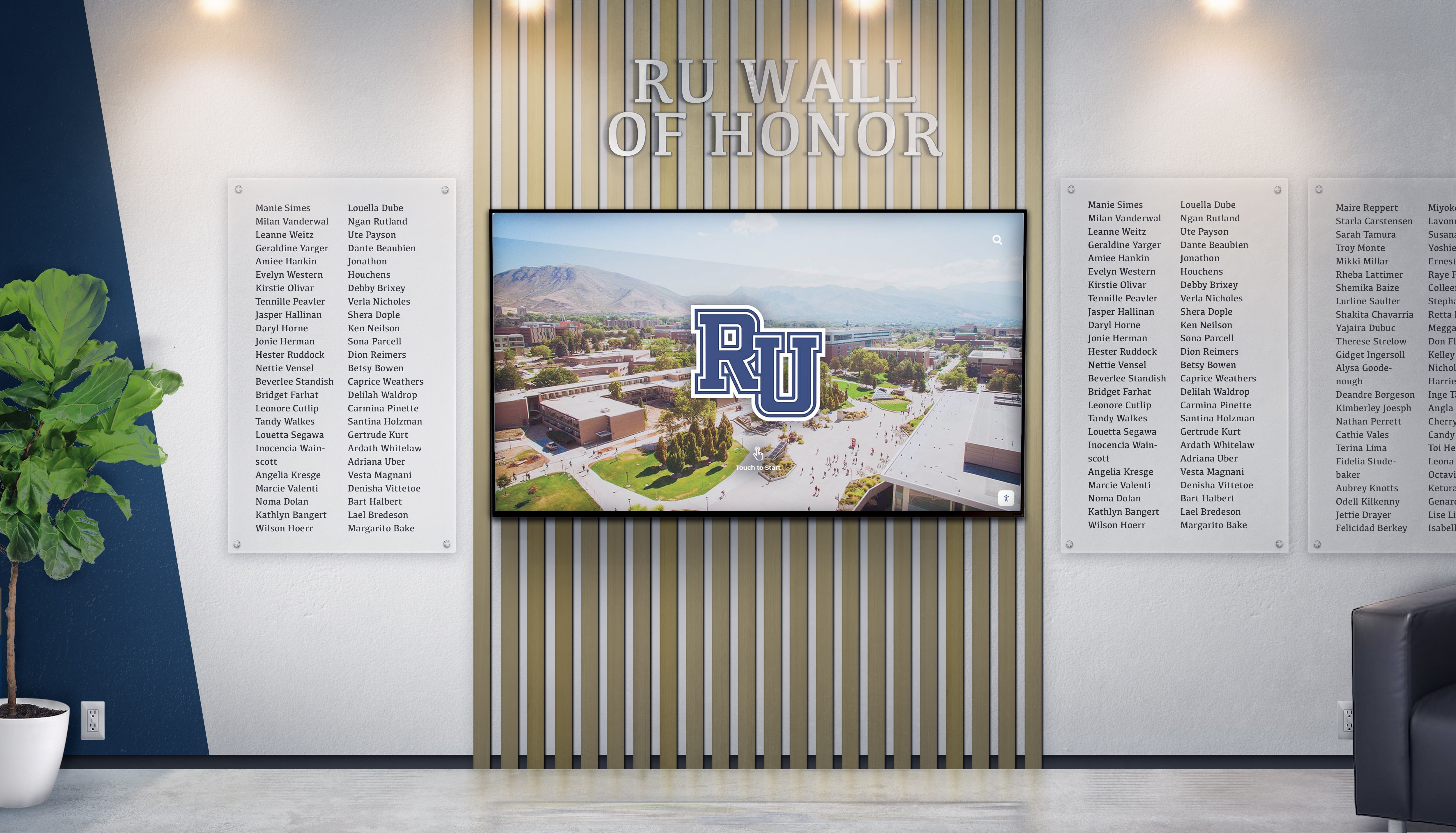
- Donor walls in prominent locations listing campaign contributors by giving level
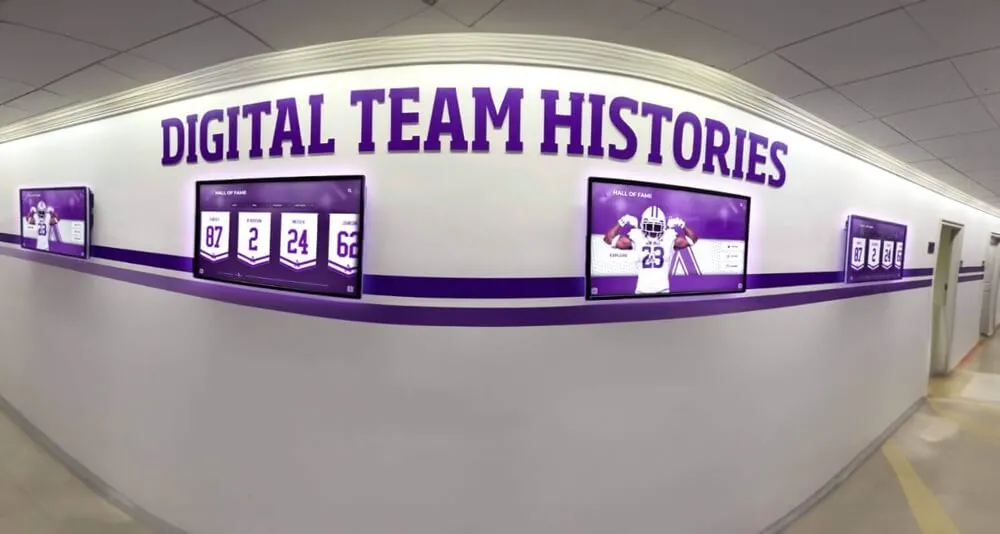
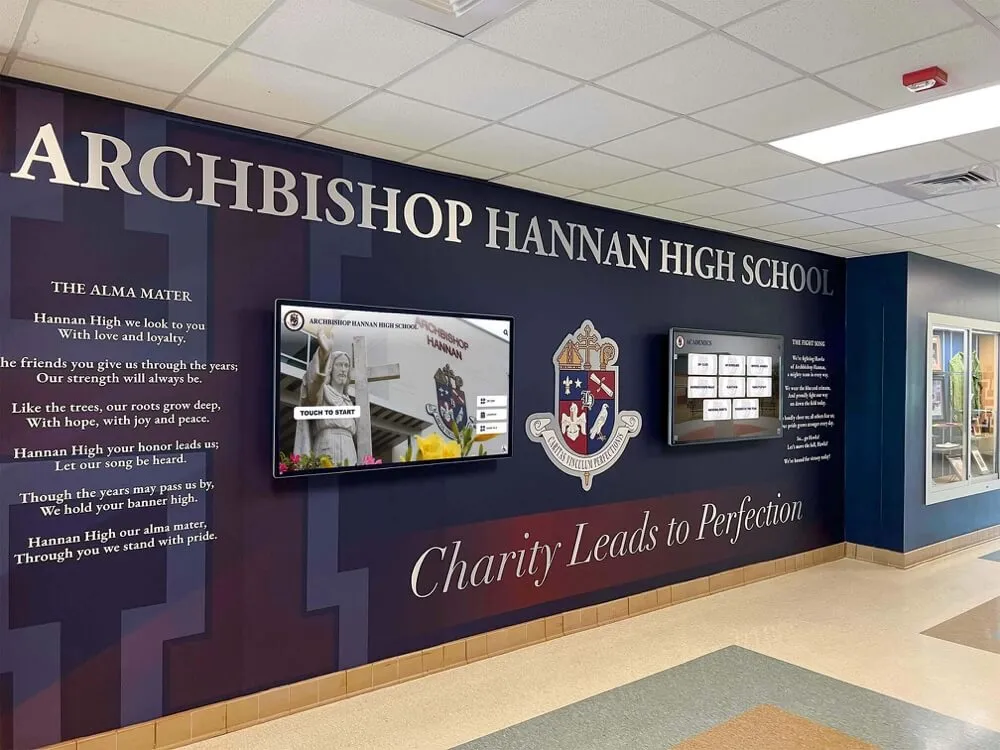
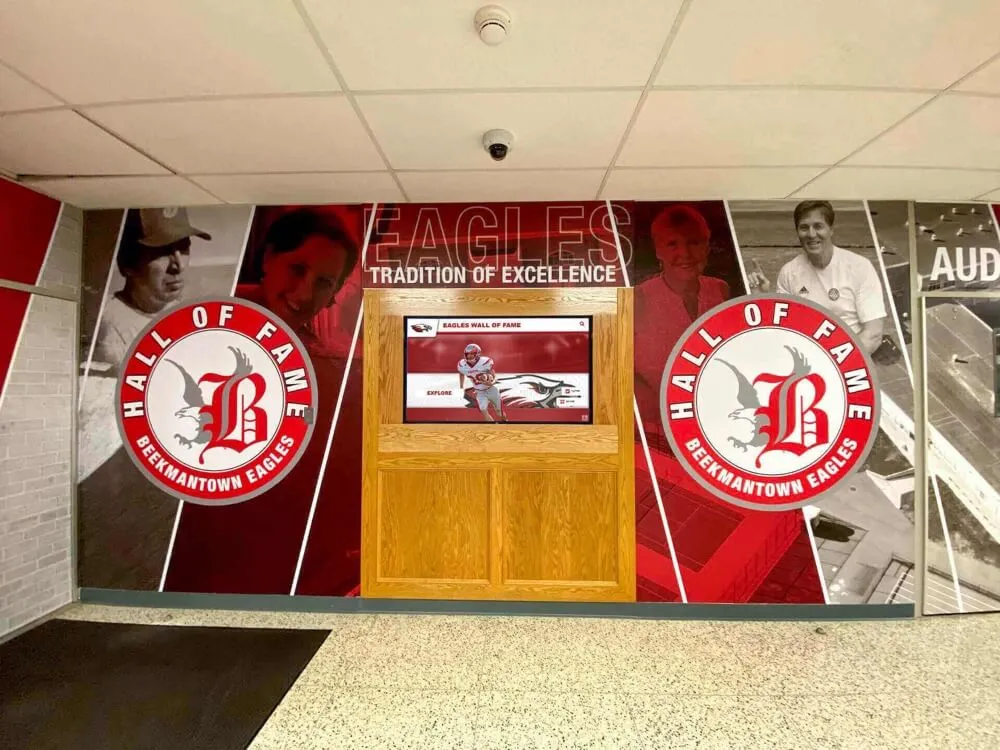
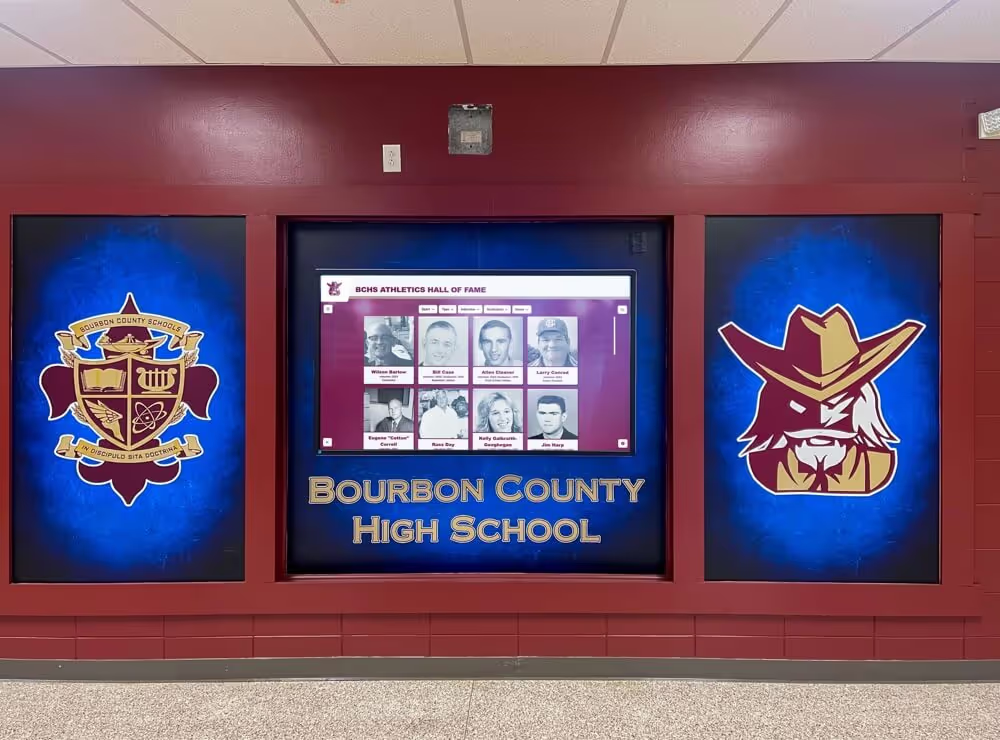
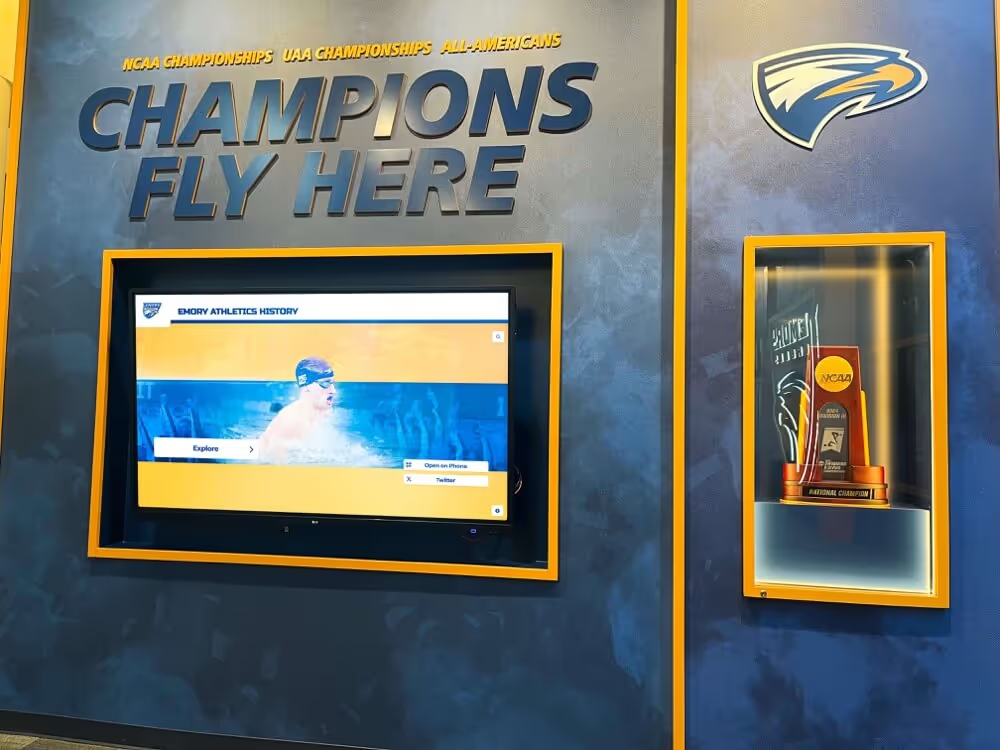
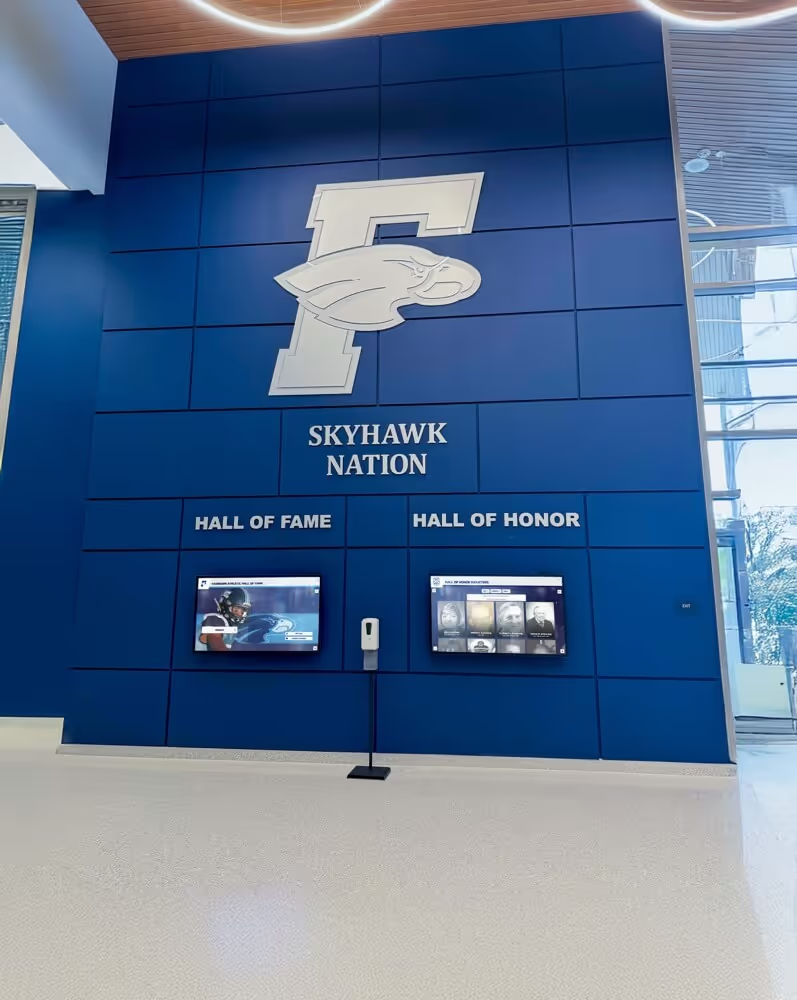
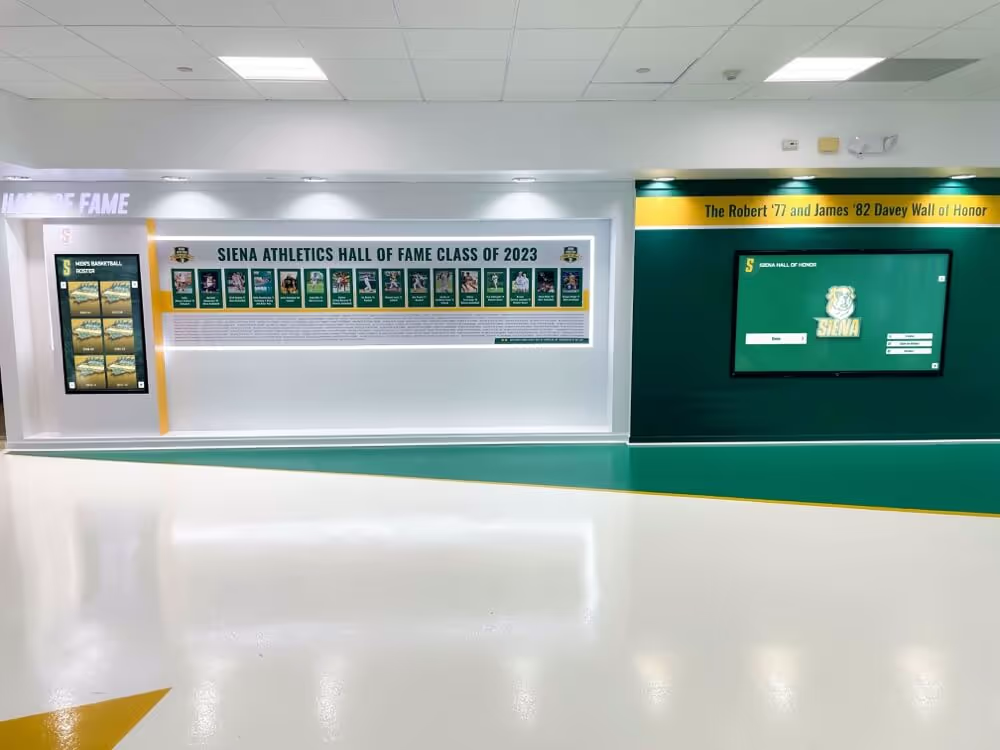
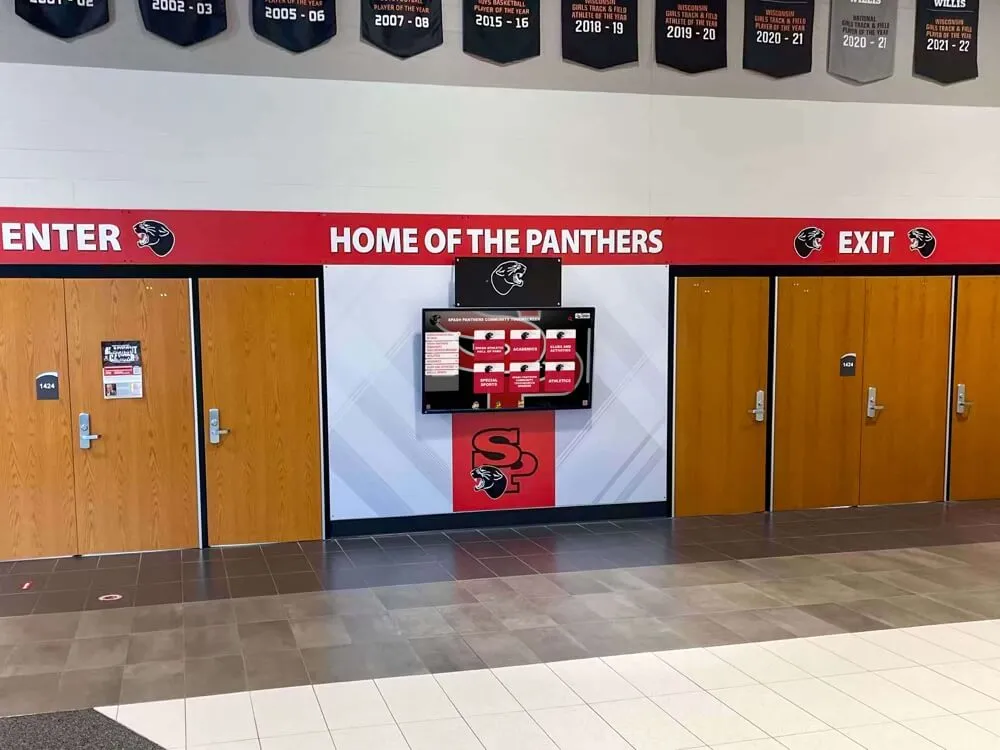
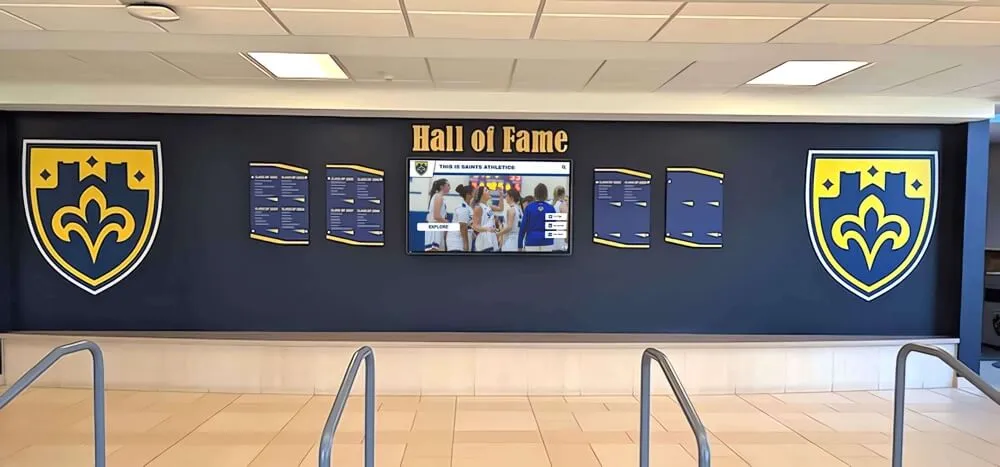
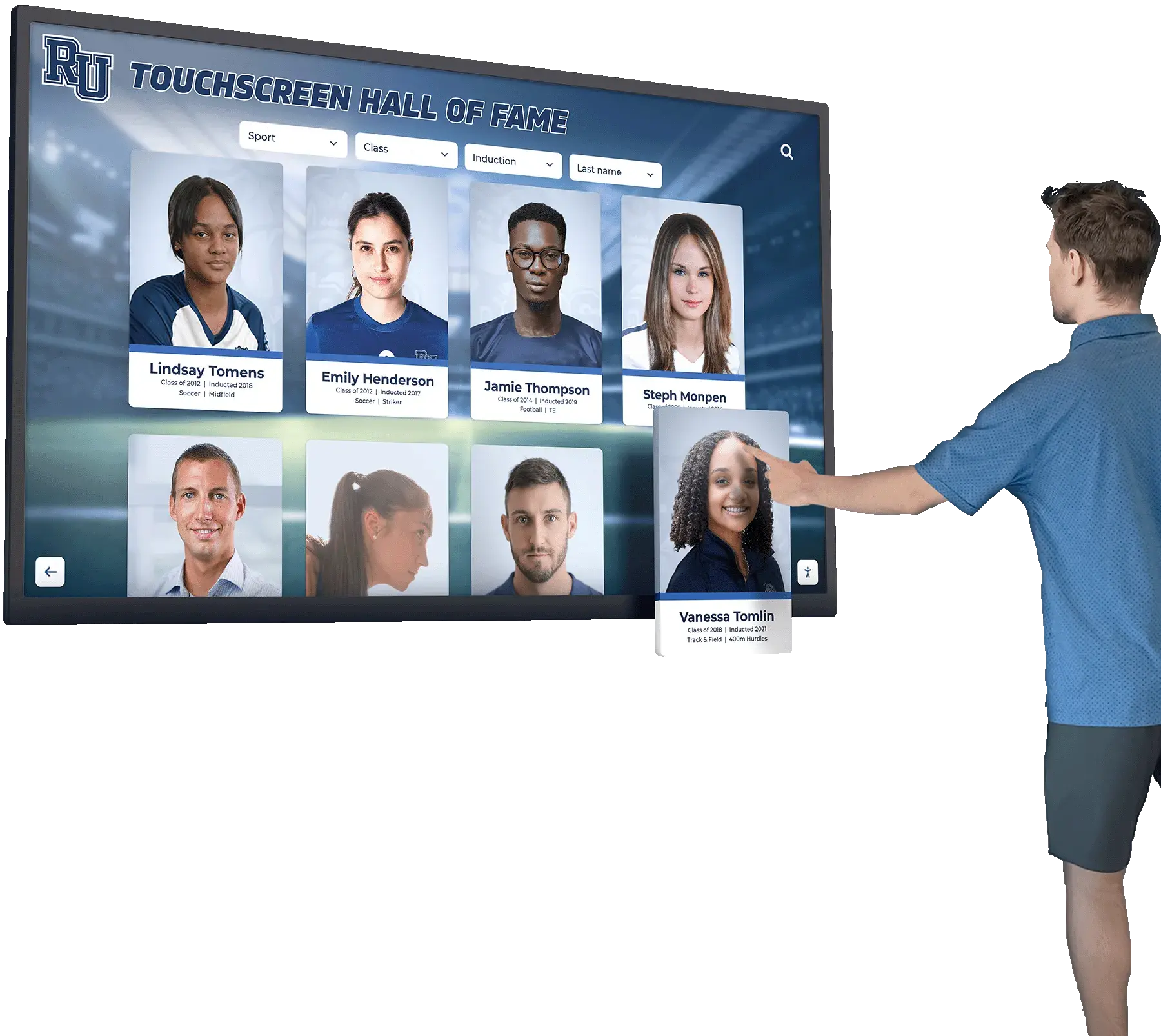
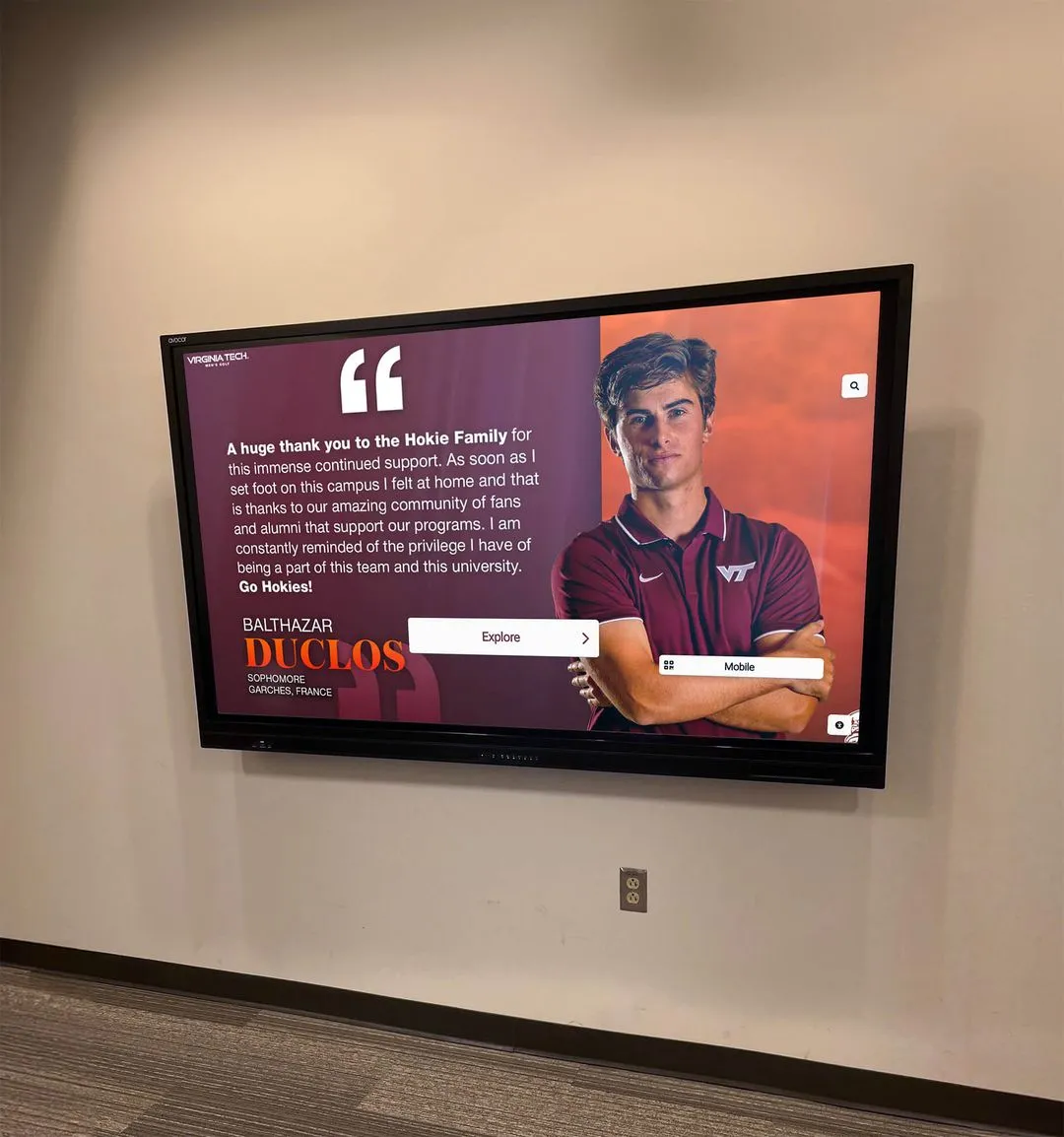
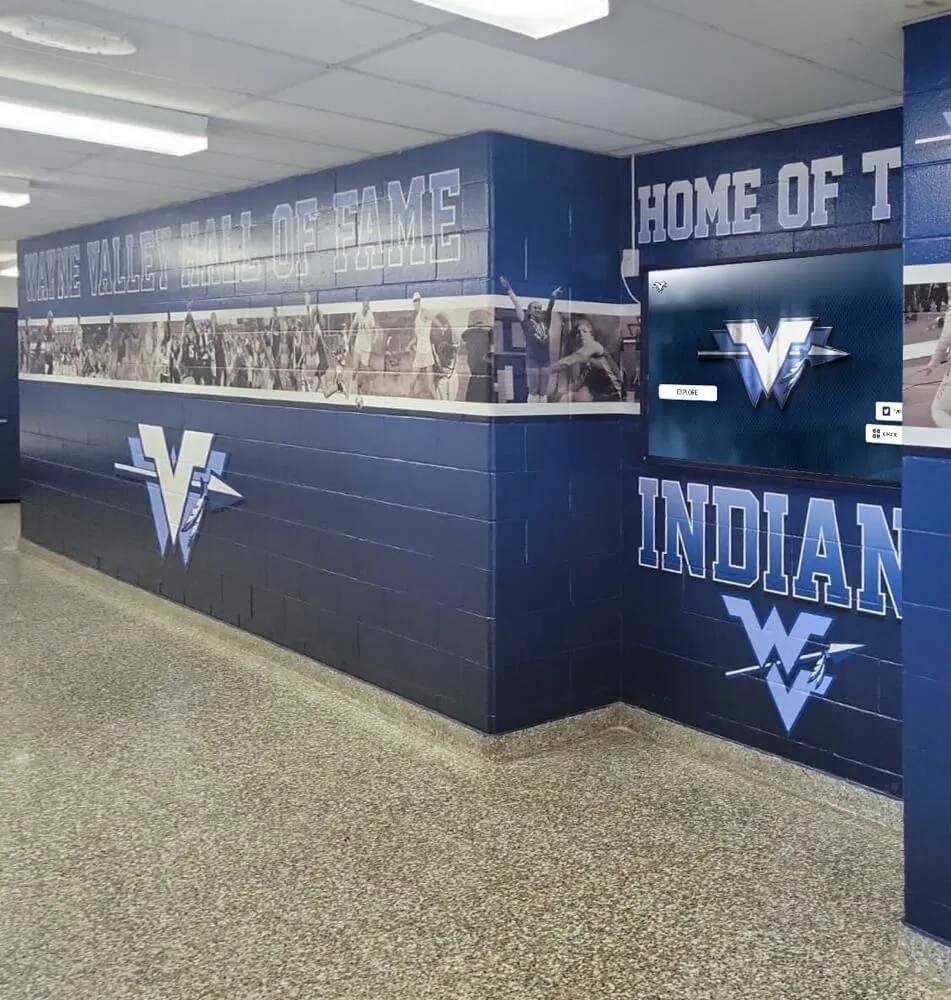
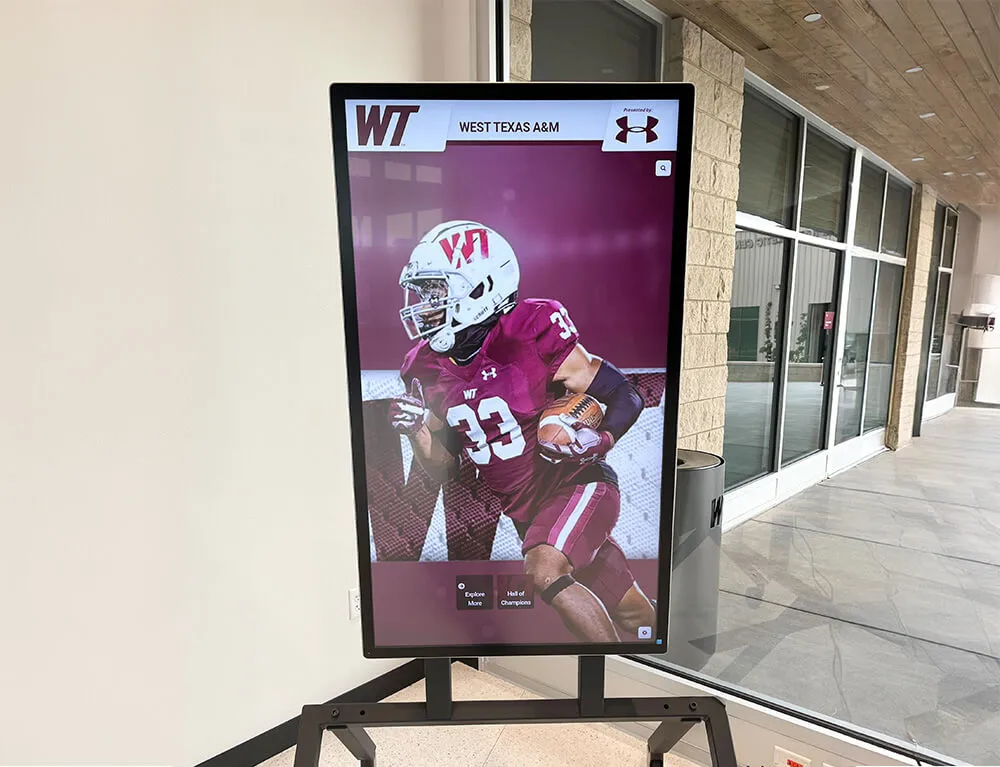
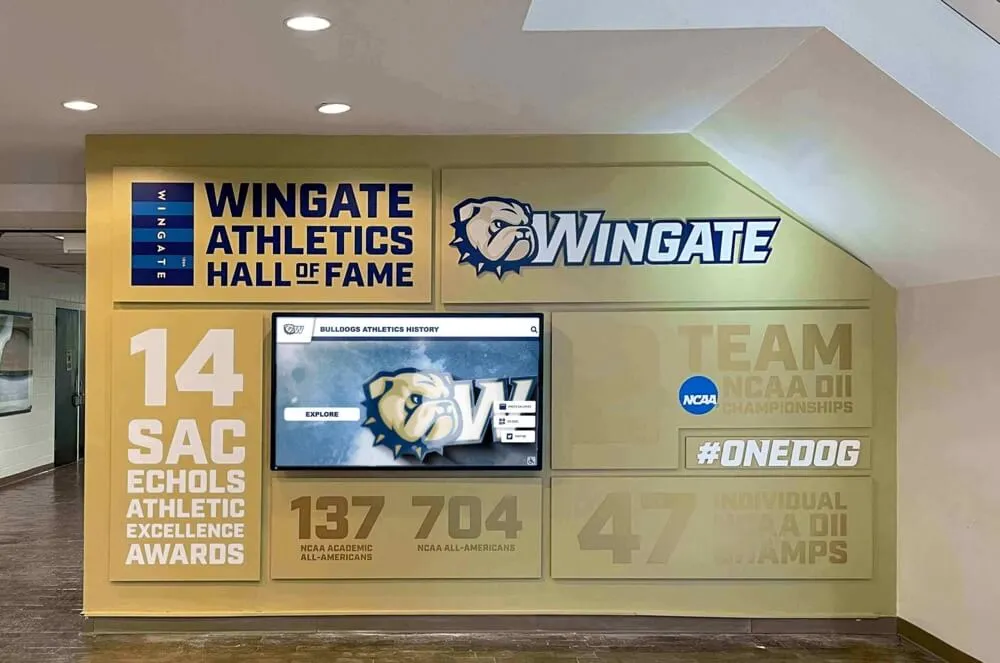
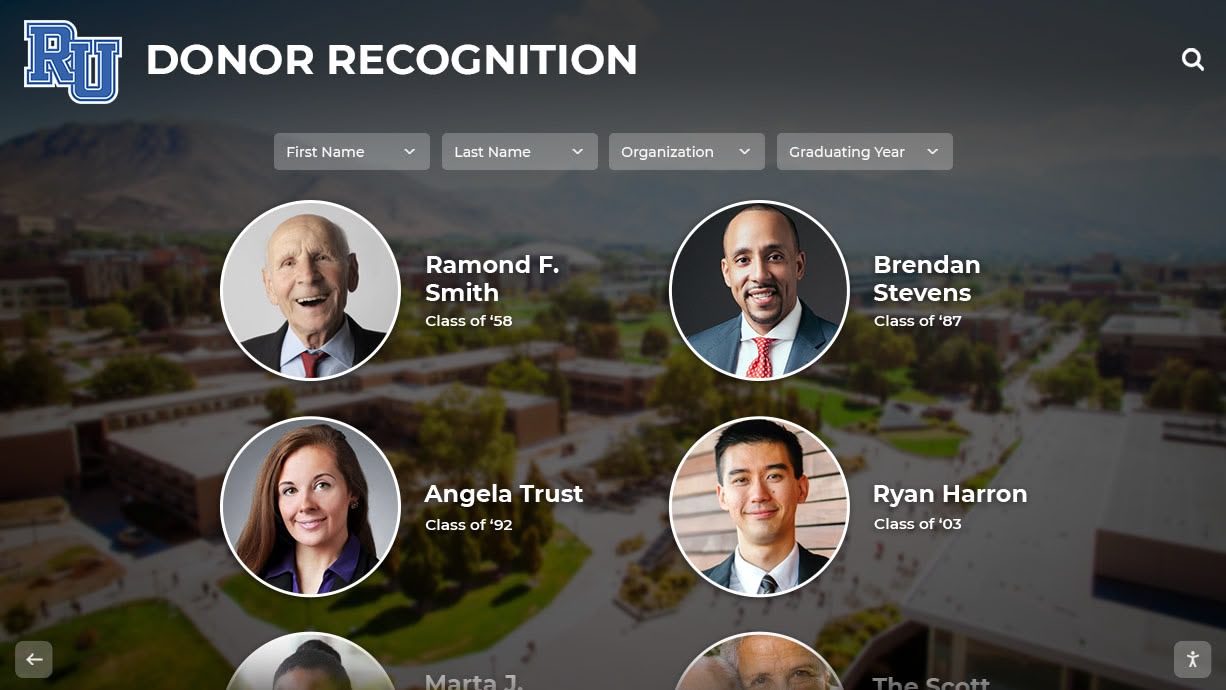
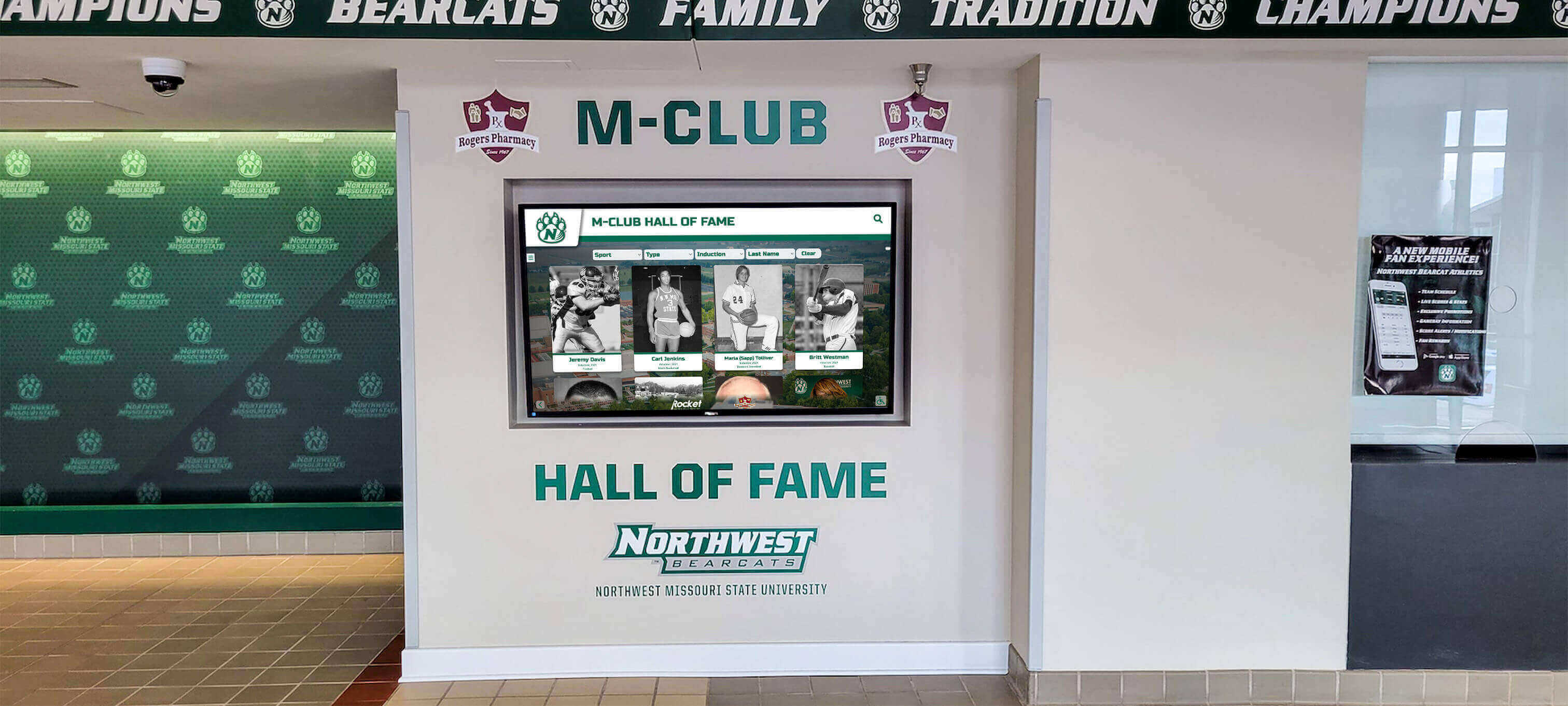
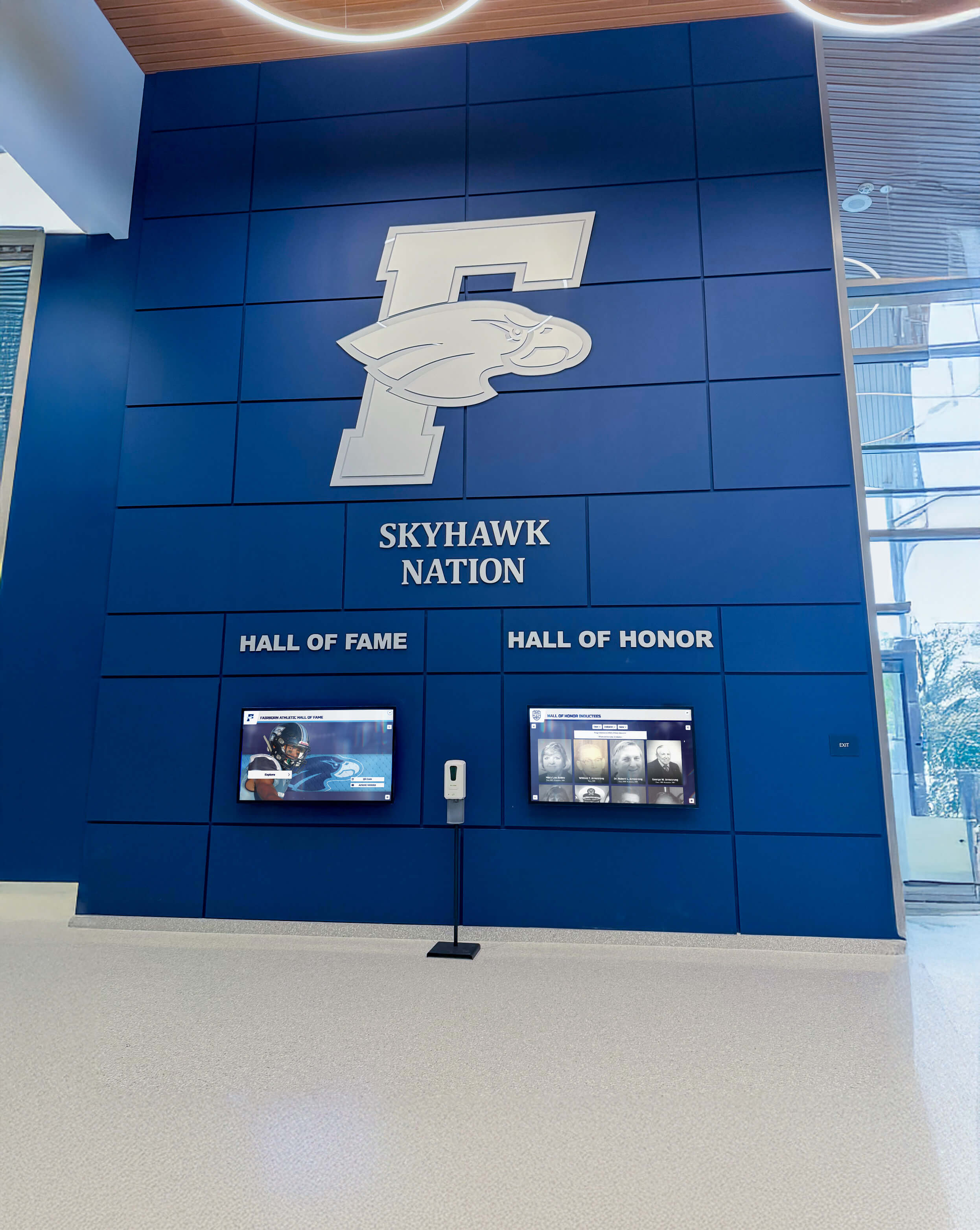
Digital Recognition Platforms: Modern digital systems provide capabilities traditional approaches cannot match—unlimited capacity accommodating every contributor without space constraints, instant updates adding new donors immediately as gifts arrive, rich multimedia profiles featuring photos, videos, and impact stories, powerful search and filtering helping visitors discover relevant donor information, remote web access enabling global recognition visibility, and comprehensive analytics revealing engagement patterns informing stewardship strategies.
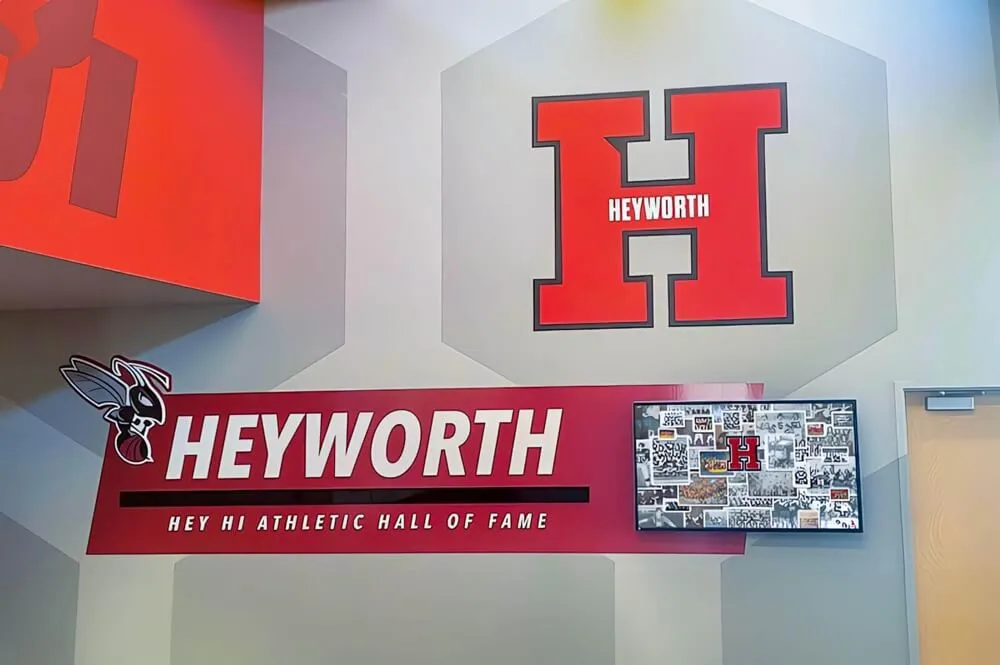
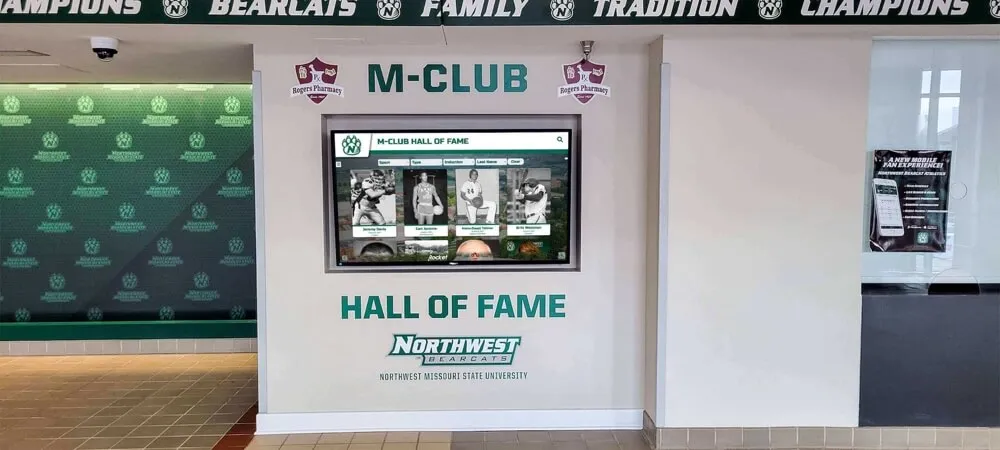
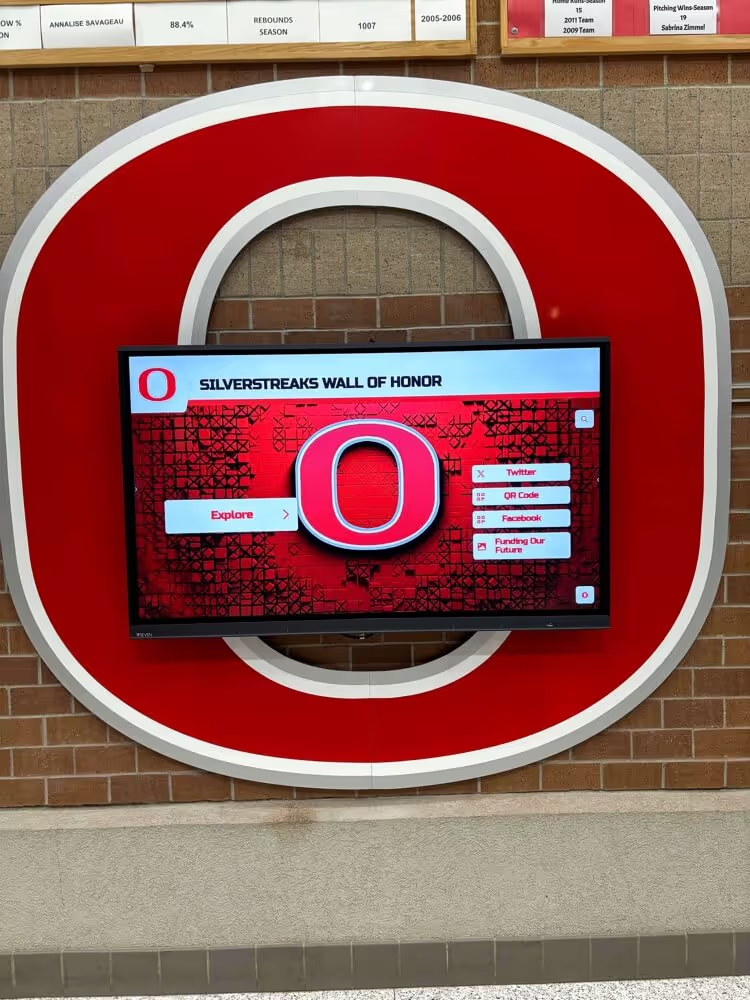
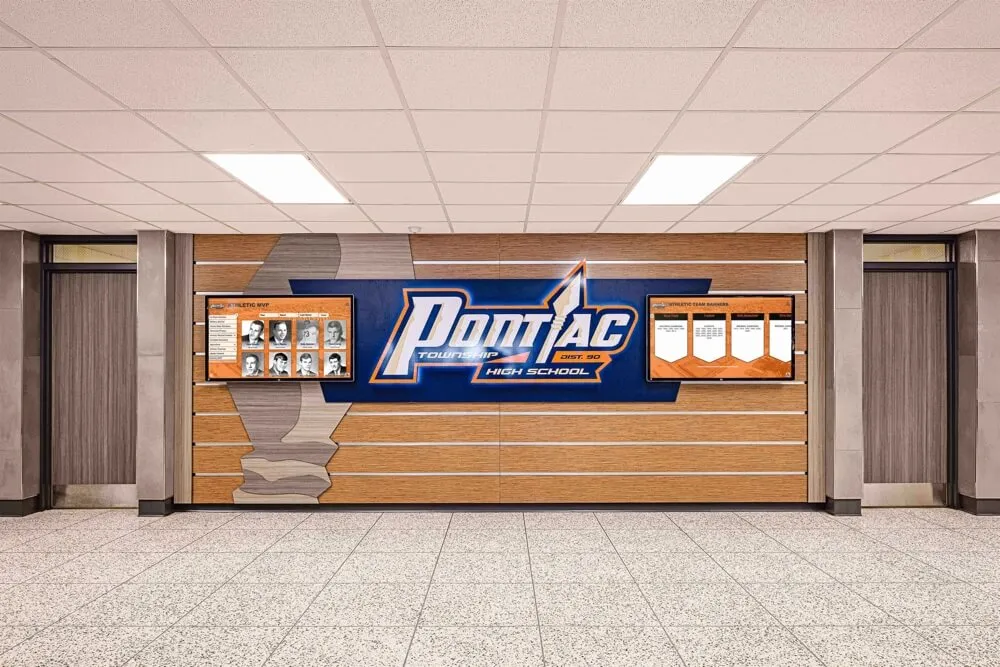
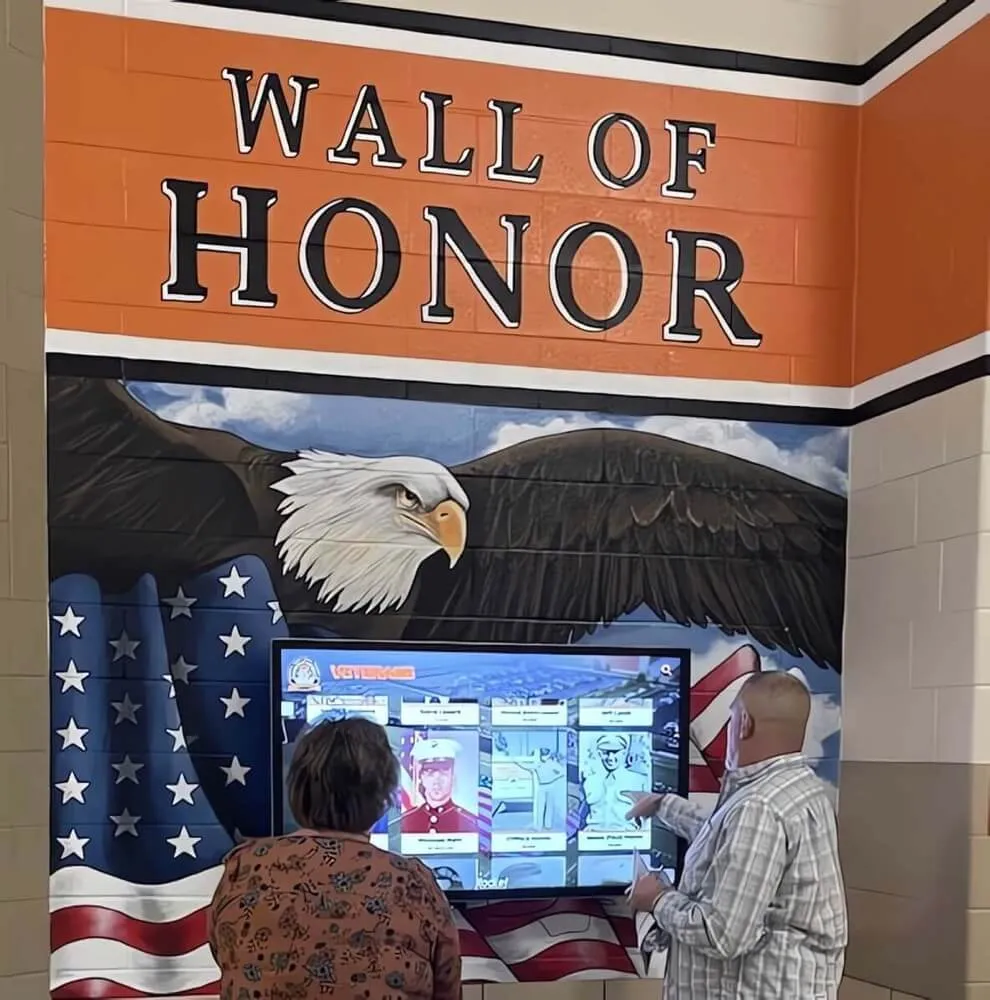
Solutions like Rocket Alumni Solutions deliver purpose-built recognition platforms designed specifically for educational capital campaigns, combining intuitive content management non-technical staff update easily, professional presentation templates ensuring consistent quality across hundreds of donor profiles, flexible categorization supporting multiple campaigns and giving societies simultaneously, and reliable technical infrastructure requiring no IT expertise or ongoing maintenance burden.
Ongoing Donor Stewardship Throughout Campaigns
Recognition alone proves insufficient—authentic relationship building requires continuous communication and engagement:
Regular Campaign Updates
Systematic donor communications maintain engagement and momentum:
- Quarterly Newsletters: Project progress updates, construction photos, fundraising milestones
- Video Updates: Student testimonials, facility tours, leadership messages creating emotional connection
- Personal Updates: Handwritten notes or calls to major donors providing exclusive information
- Social Media: Regular posts celebrating gifts, sharing construction progress, and building excitement
Exclusive Donor Experiences
Special opportunities reward generosity while building relationships:
- Construction Site Tours: Hard-hat facility visits showing project progress firsthand
- Architect Presentations: Behind-the-scenes project planning discussions
- Student Program Demonstrations: Observing how gifts enable enhanced educational experiences
- Recognition Ceremonies: Formal acknowledgment events celebrating campaign milestones
- Dedication Events: Building openings honoring donors whose generosity created facilities
Resources on building school pride through recognition demonstrate how visible acknowledgment strengthens institutional culture.
Campaign Completion and Celebration
Strategic campaign conclusions build momentum for future advancement:
Goal Achievement Documentation
Clear completion metrics demonstrate accountability:
- Final fundraising totals and comparison to stated goals
- Number of donors and participation rates across constituencies
- Timeline documentation showing campaign duration and phases
- Recognition of volunteer leadership contributions enabling success
- Celebration of student and institutional benefits secured through community generosity
Victory Celebrations
Formal campaign completion events:
- Community-Wide Celebrations: Public gatherings honoring collective achievement
- Donor Recognition Ceremonies: Formal acknowledgment of campaign contributors
- Facility Dedications: Building openings celebrating completion of physical projects
- Leadership Appreciation: Thanking volunteer campaign chairs and committee members
- Media Coverage: Press releases and media events demonstrating institutional advancement
Transition to Sustained Advancement
Smart institutions leverage campaign infrastructure for ongoing development:
- Converting campaign donors into annual fund supporters maintaining relationships
- Identifying planned giving prospects from loyal campaign contributors
- Retaining development staff expertise built during campaign years
- Maintaining recognition systems and stewardship practices beyond campaign conclusion
- Building toward future campaigns addressing subsequent institutional priorities
Common Capital Campaign Challenges and Solutions
Experienced administrators anticipate predictable obstacles enabling proactive problem-solving:
Challenge: Leadership Gift Cultivation Timeline Pressure
Campaign timelines often feel urgent while major donor cultivation requires patient relationship building creating tension between speed and thoroughness.
Solutions: Begin cultivation 18-24 months before planned campaign launch. Establish realistic timeline expectations with boards and stakeholders. Invest in prospect research identifying qualified candidates early. Consider extending quiet phases when leadership commitments develop more slowly than anticipated rather than launching publicly prematurely. Remember that one additional six-figure leadership gift justified by longer cultivation exceeds dozens of smaller gifts generated through rushed public launch.
Challenge: Donor Fatigue and Competing Priorities
Communities face multiple worthy causes creating competition for limited philanthropic dollars.
Solutions: Develop compelling distinctive case emphasizing unique institutional value and urgent need. Carefully time campaigns avoiding overlap with other major community initiatives when possible. Emphasize campaign transformational scope distinguishing from ongoing annual giving. Structure multi-year pledges making substantial gifts manageable despite other philanthropic commitments. Demonstrate stewardship excellence building confidence in organizational resource management.
Challenge: Recognition Policy Disputes
Naming opportunity policies and recognition decisions sometimes generate controversy.
Solutions: Establish clear written policies before campaign launch preventing ad hoc decisions appearing arbitrary. Create transparent gift level requirements for naming rights consistently applied. Form recognition committees making decisions collectively rather than individual administrator judgment. Maintain flexibility for unique situations while avoiding perception of favoritism or inconsistent treatment. Document rationale for decisions creating institutional memory beyond individual leadership terms.
Challenge: Sustaining Campaign Momentum Over Years
Multi-year campaigns risk losing energy between initial excitement and eventual completion.
Solutions: Create campaign phase structure with distinct milestones and mini-celebrations maintaining momentum. Provide regular visible progress updates through digital displays, newsletters, and facility signage. Celebrate incremental successes—groundbreakings, 50% of goal achievement, leadership circle formation—rather than waiting for final completion. Maintain volunteer leadership engagement through meaningful involvement preventing burnout. Begin construction when funding permits even before full campaign completion creating tangible visible progress inspiring final gifts.
Technology and Modern Campaign Management
Contemporary tools enhance campaign efficiency and donor engagement:
Campaign Management Software
Specialized platforms streamline complex campaign administration:
- Donor Database Systems: Tracking prospects, cultivation activities, solicitation results, and pledge payments
- Wealth Screening Services: Identifying prospective donors with major gift capacity
- Moves Management: Systematic cultivation tracking ensuring consistent prospect engagement
- Pledge Management: Monitoring multi-year commitments and payment schedules
- Gift Processing: Recording contributions and generating acknowledgment correspondence
Digital Engagement Tools
Technology enables sophisticated donor cultivation:
- Virtual Facility Tours: 3D renderings or virtual reality experiences showing proposed projects
- Online Giving Platforms: Secure donation processing with pledge scheduling options
- Email Marketing: Segmented communication campaigns targeting specific donor constituencies
- Social Media: Campaign awareness building and peer-to-peer fundraising
- Video Conferencing: Virtual meetings with distant prospects reducing travel requirements
Recognition Technology Innovation
Modern recognition extends beyond traditional plaques:
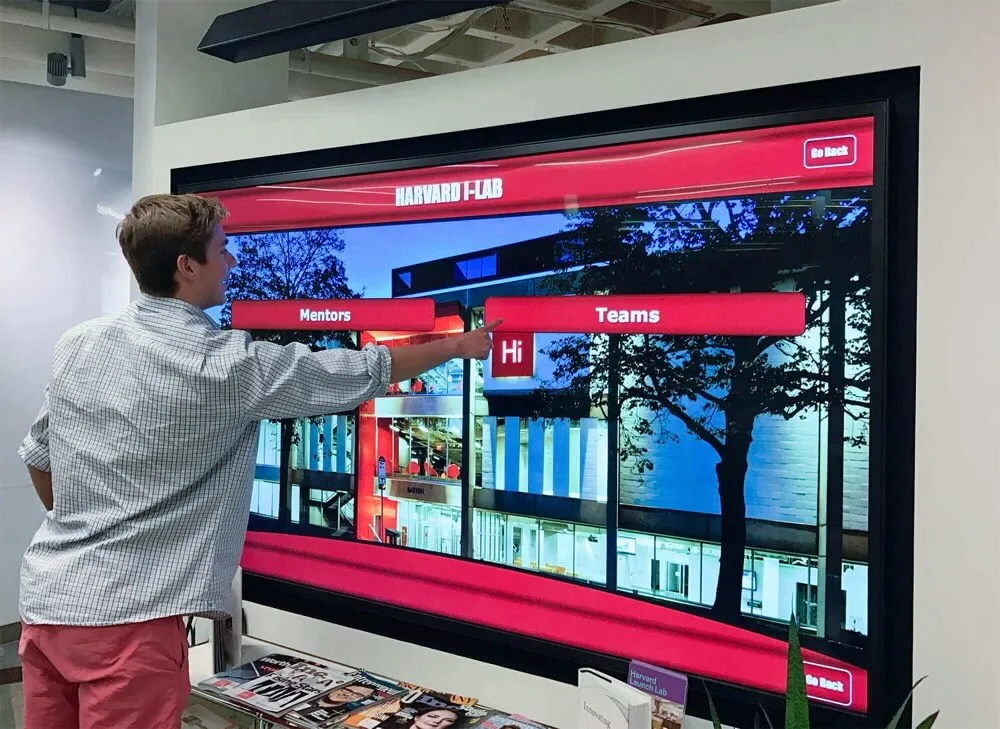
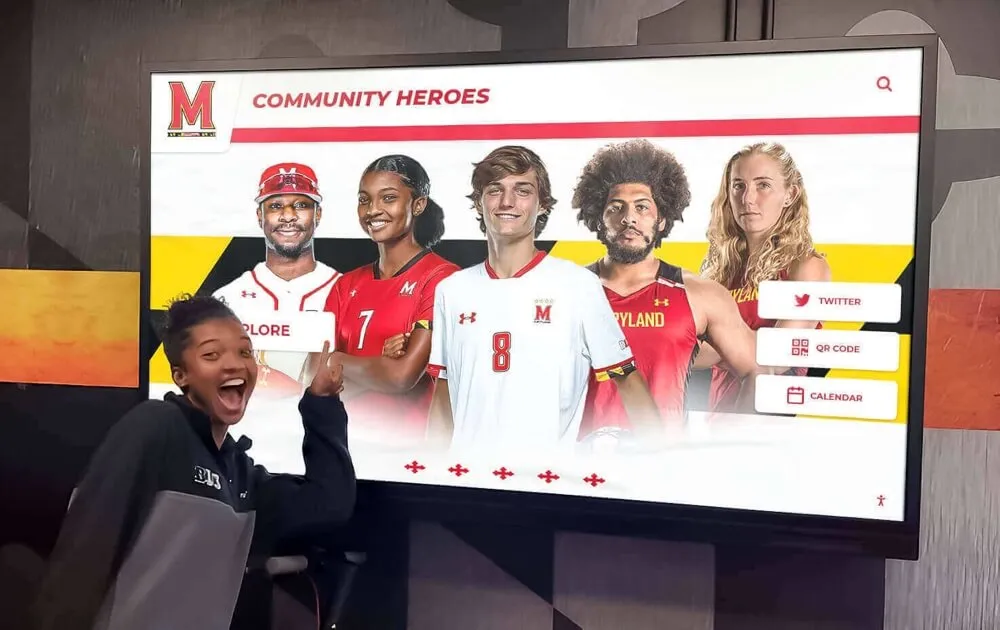
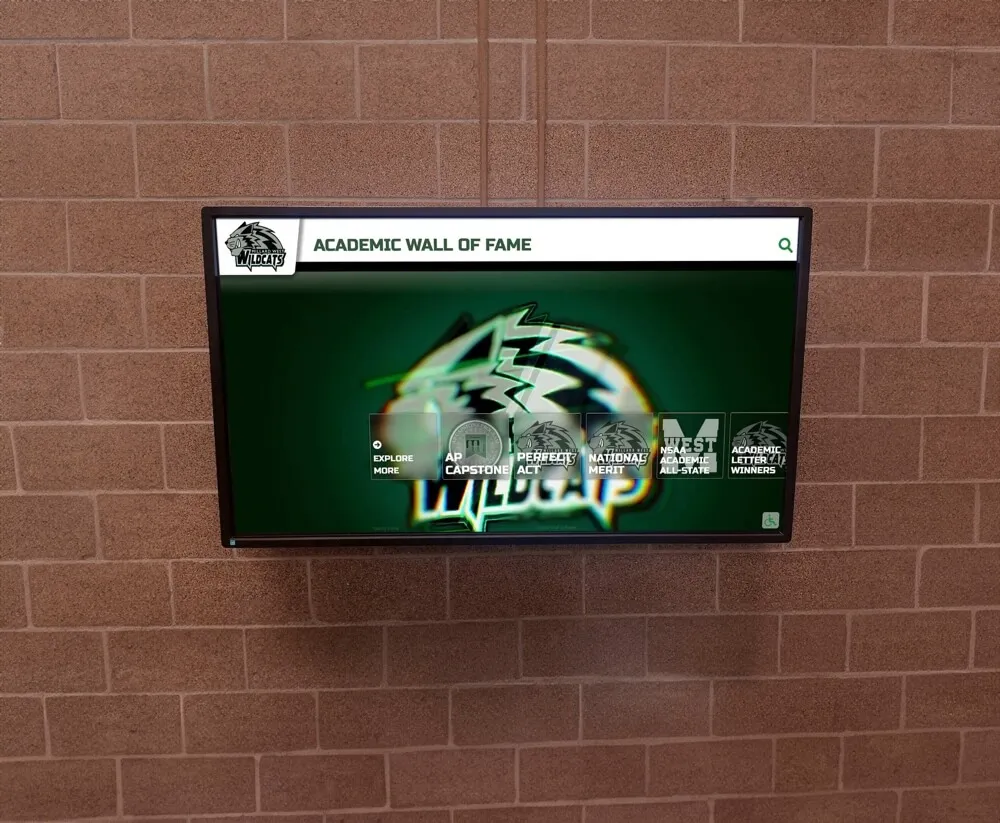
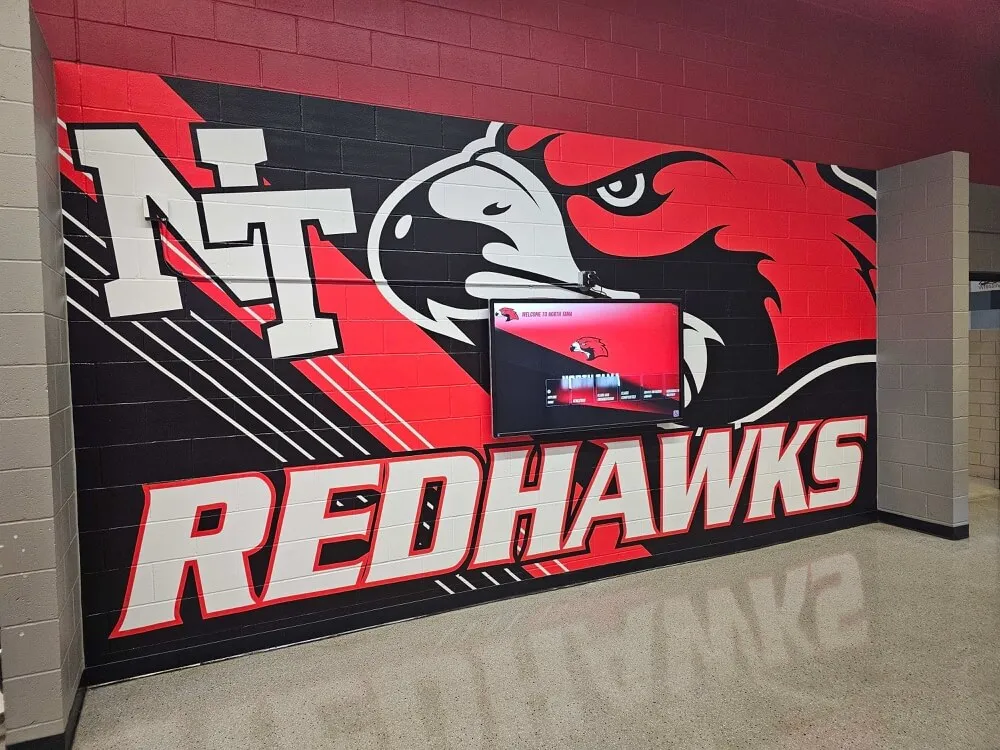
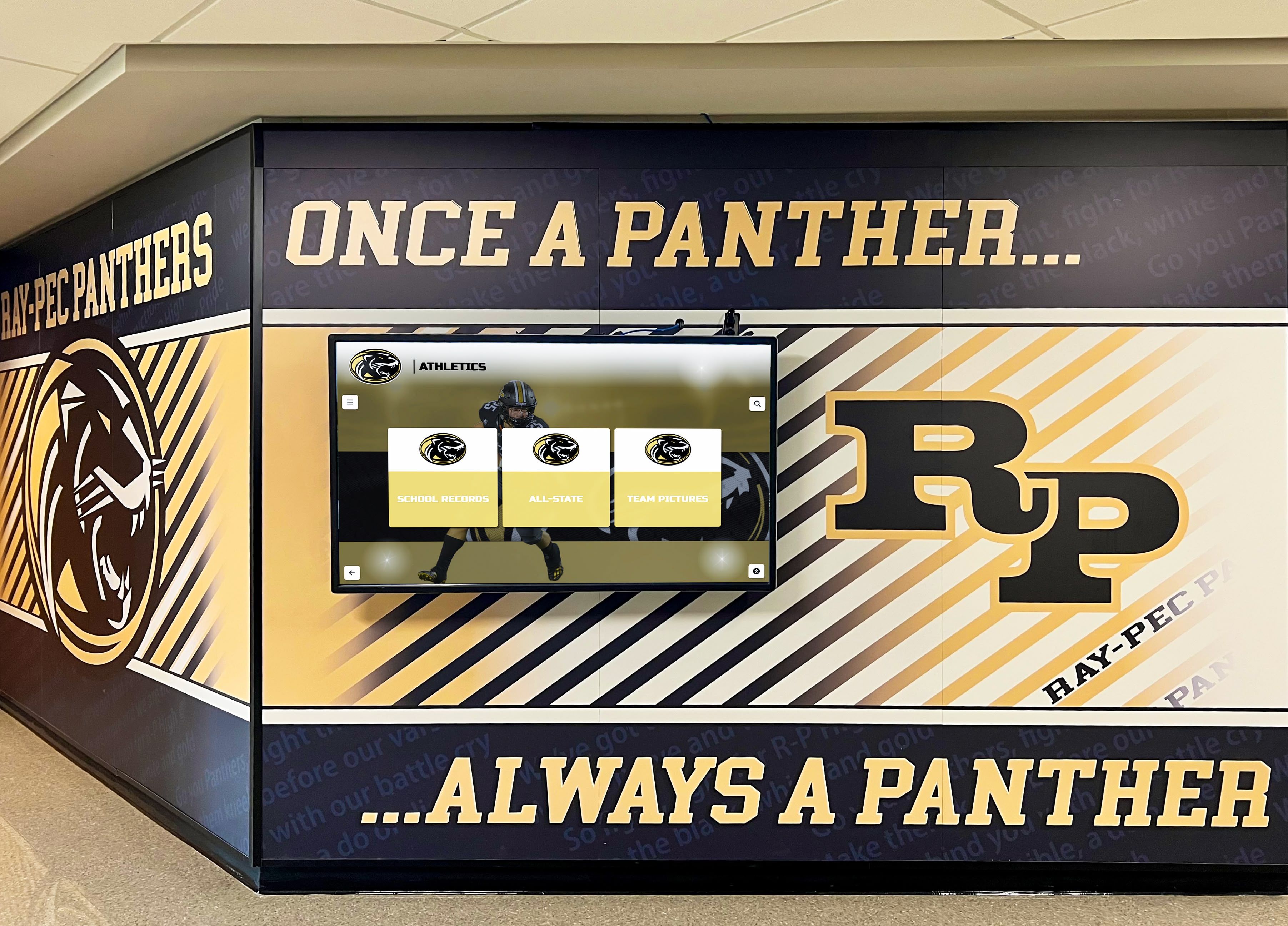
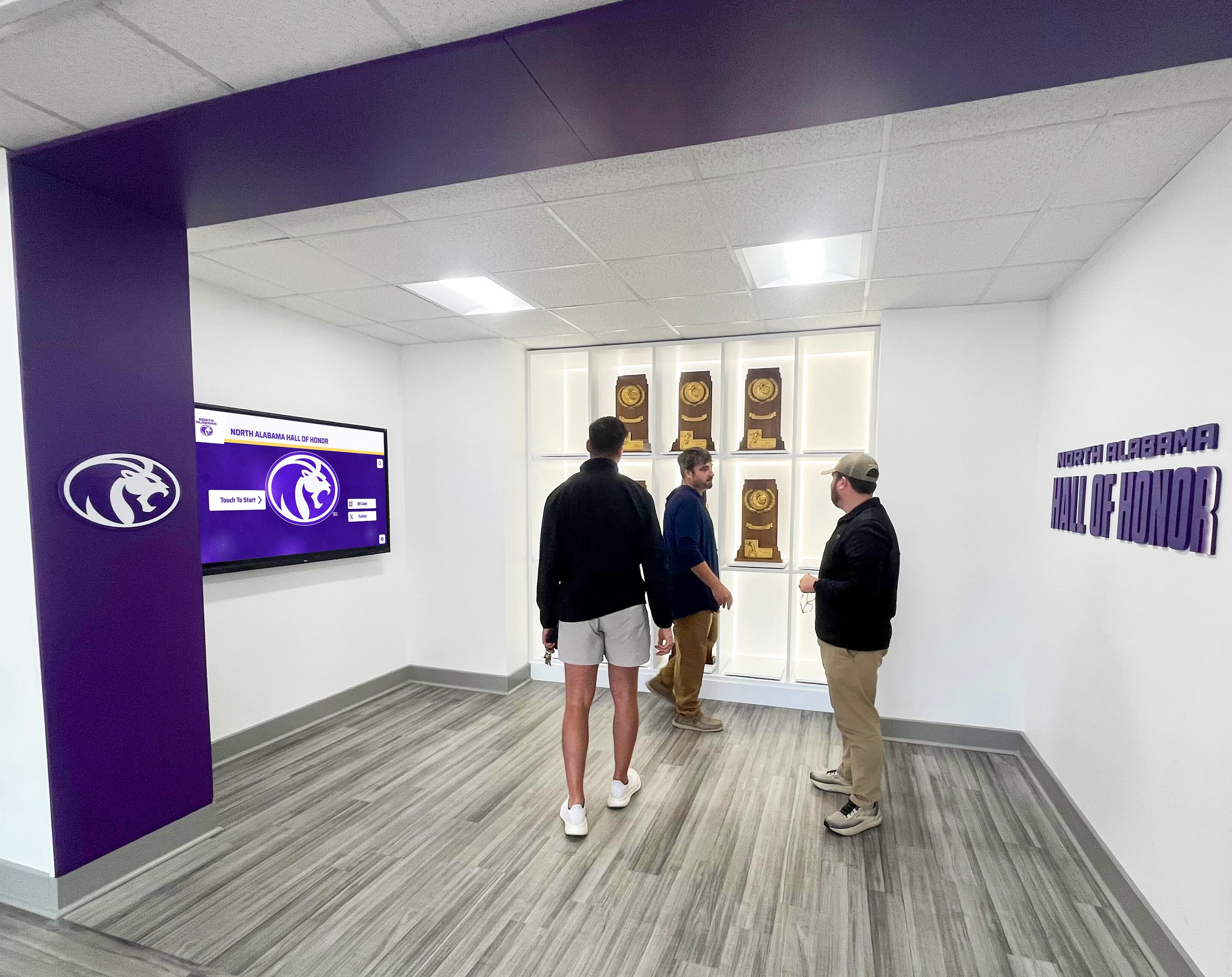
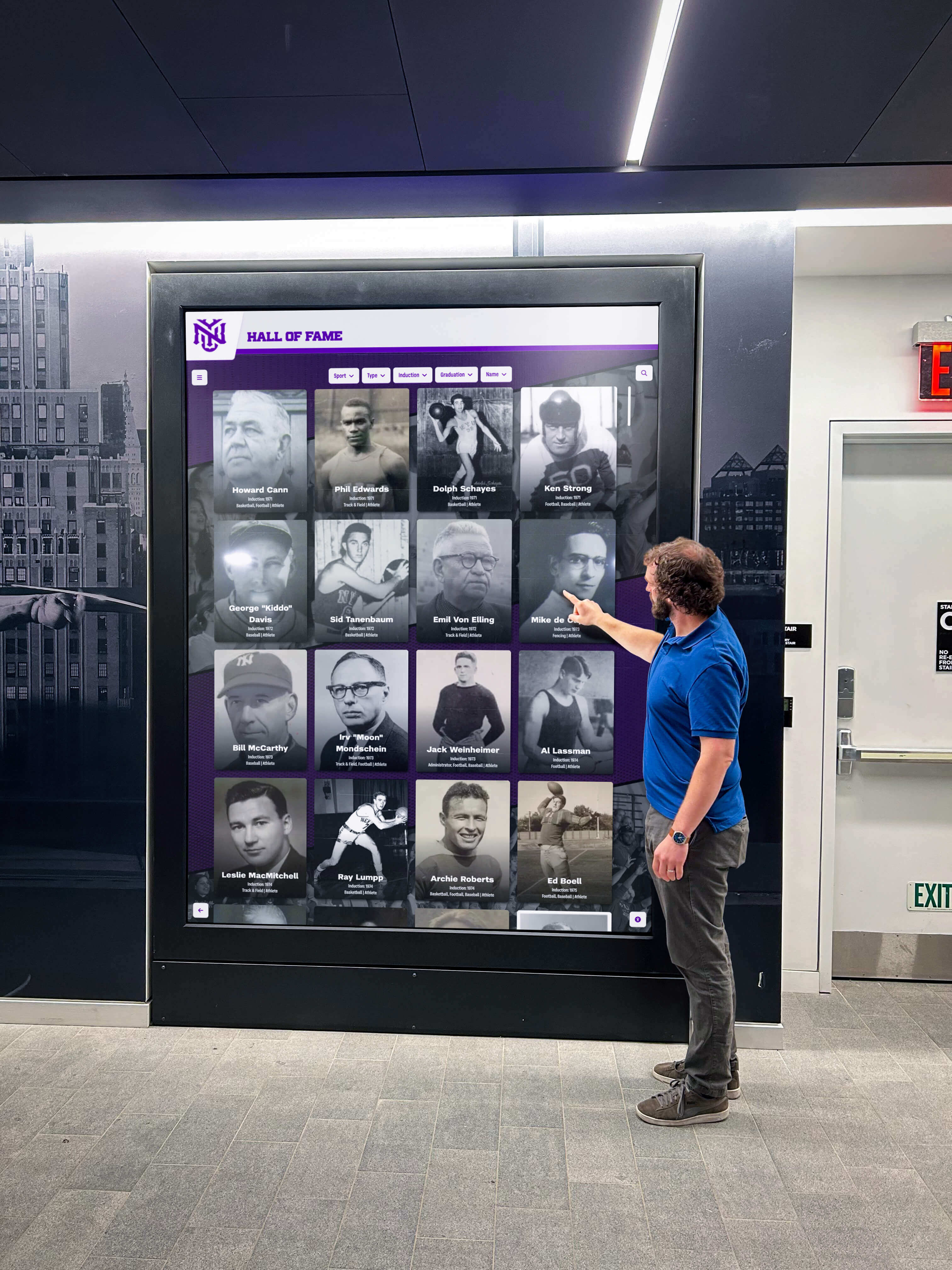
Digital recognition platforms provide dynamic acknowledgment impossible with static physical displays. Schools implement interactive touchscreen systems in prominent facility locations where donors, visitors, and students explore campaign contributor profiles through intuitive search and browsing. Web-based recognition portals enable donors anywhere to view their acknowledgment and share recognition with personal networks. Mobile applications provide campaign updates and donor recognition access on smartphones. QR codes on physical plaques link to expanded digital profiles featuring photos, videos, and impact stories.
These technology-enabled approaches don’t replace traditional recognition but supplement physical acknowledgment with richer more engaging donor appreciation extending visibility beyond physical building locations to global audiences including distant alumni, prospective donors, and supporter families.
Building Toward Your Successful Campaign
Capital campaigns represent the most ambitious undertakings schools pursue—requiring years of planning, intensive volunteer leadership, sophisticated donor cultivation, strategic solicitation sequencing, and comprehensive recognition systems honoring generosity appropriately. Success demands realistic goal setting grounded in thorough feasibility assessment, compelling case development connecting projects to donor values and institutional mission, patient leadership gift cultivation building authentic relationships before solicitation, systematic broad-based engagement mobilizing entire communities, and thoughtful stewardship maintaining donor relationships throughout campaigns and beyond.
Schools achieving campaign goals share common characteristics: thorough preparation addressing feasibility, leadership, and case development before launch; realistic timelines reflecting genuine donor cultivation requirements rather than artificial urgency; substantial leadership phase success securing 50-70% of goals before public announcement; compelling communications bringing projects to life through visual materials and emotional storytelling; comprehensive recognition honoring every contribution appropriately while inspiring continued participation; and sustained stewardship building lasting relationships that support future institutional advancement beyond immediate campaign completion.
The infrastructure schools build during capital campaigns—donor databases, cultivation systems, recognition platforms, volunteer networks—serves institutional advancement for decades beyond single campaign completion. When schools invest systematically in campaign planning and execution, they don’t merely fund specific building projects or endowment goals—they build comprehensive advancement capacity strengthening institutional sustainability permanently.
Ready to launch your capital campaign with recognition systems that inspire generous commitments while honoring donor contributions appropriately? Modern donor recognition platforms purpose-built for educational capital campaigns enable schools to acknowledge unlimited contributors without physical space constraints, update recognition instantly as new gifts arrive maintaining campaign momentum, tell rich multimedia stories demonstrating project impact and donor generosity, provide web-based access extending recognition visibility globally, capture engagement analytics revealing recognition effectiveness, and manage content through intuitive interfaces requiring no technical expertise.
Your school community includes alumni, parents, local businesses, and supporters who value educational excellence and want to contribute to transformational institutional advancement. Strategic capital campaigns with comprehensive donor recognition systems mobilize this philanthropic capacity—funding critical projects that serve students for generations while building lasting relationships that sustain your institution’s mission far into the future.
Explore how Rocket Alumni Solutions delivers comprehensive recognition platforms designed specifically for educational capital campaigns. Transform donor appreciation from basic acknowledgment into strategic advancement infrastructure that inspires generous commitments, celebrates community generosity, and builds institutional culture of philanthropy supporting your school’s mission for decades to come.