



Standing before hundreds of graduates, families, and faculty members, you have approximately seven seconds to capture their attention. That opening moment of your graduation speech determines whether your audience leans forward with interest or settles in for what they assume will be another forgettable commencement address. The difference between a speech that resonates for years and one that fades before the ceremony ends often comes down to those critical first sentences.
For valedictorians, student speakers, administrators, and guest speakers preparing graduation addresses, the opening represents your most powerful tool. It establishes tone, builds connection, and signals whether your message will offer genuine value or recycle tired platitudes. This comprehensive guide explores proven techniques for starting graduation speeches that immediately engage audiences while establishing authentic foundations for meaningful messages that celebrate achievement and inspire future success.
Why Your Opening Lines Matter More Than You Think
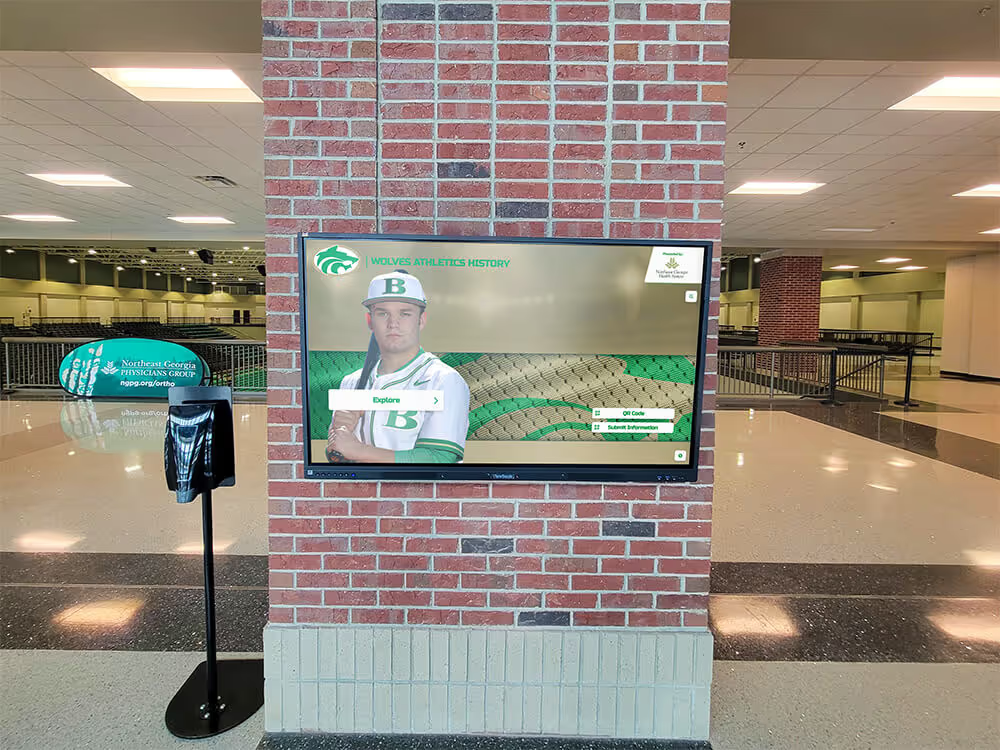
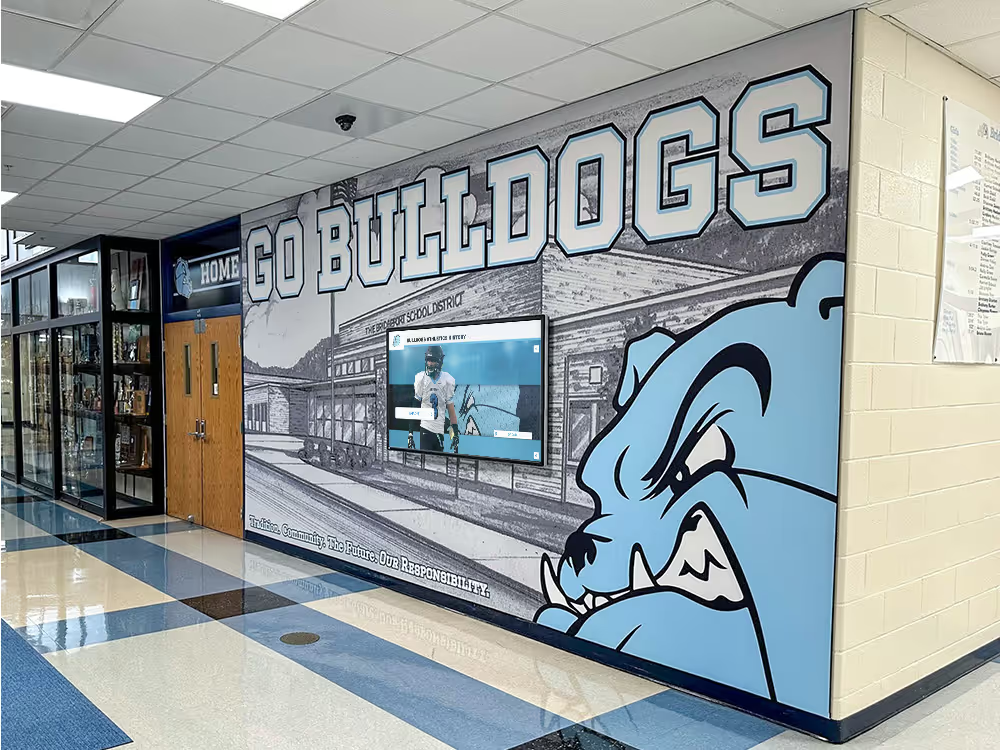
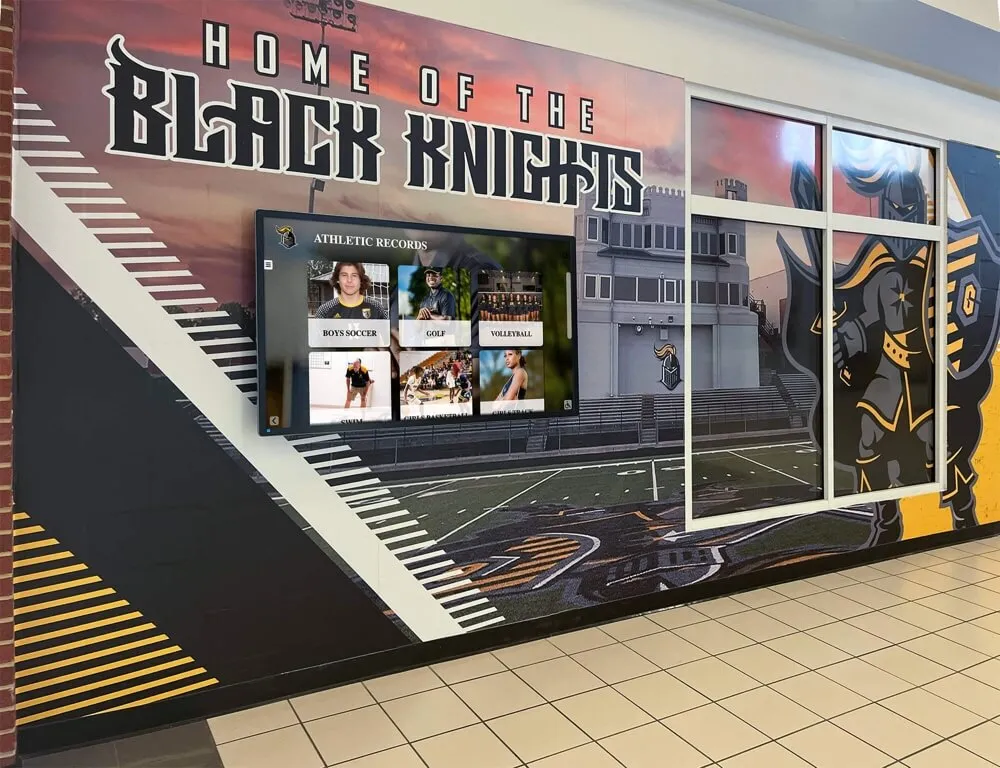
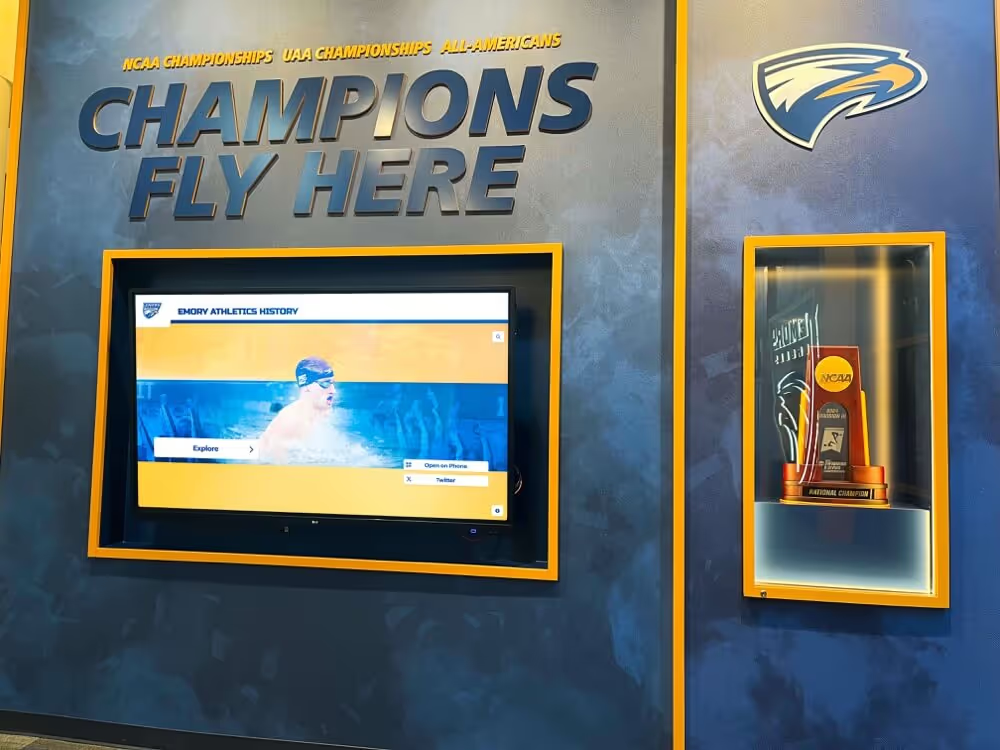
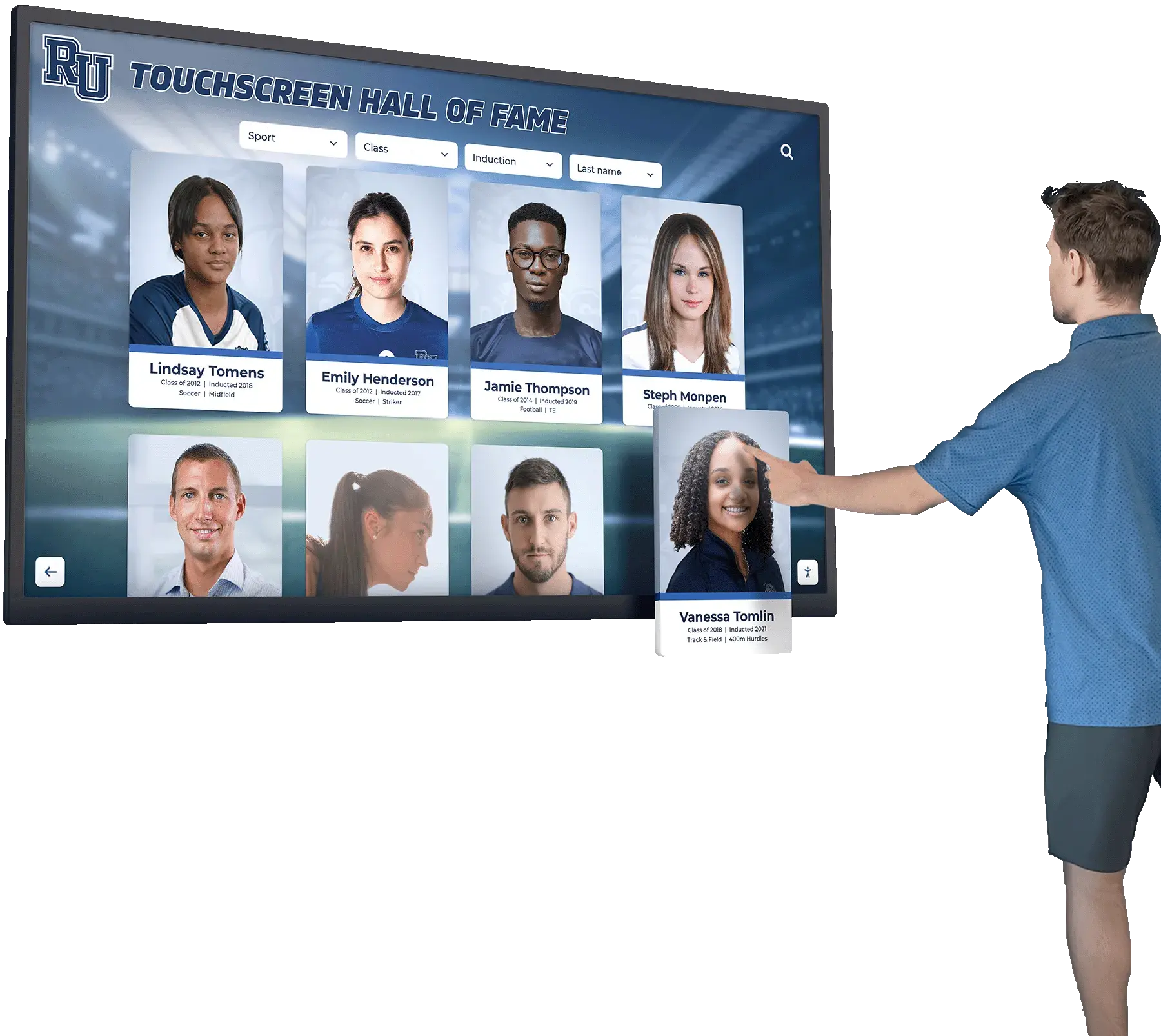
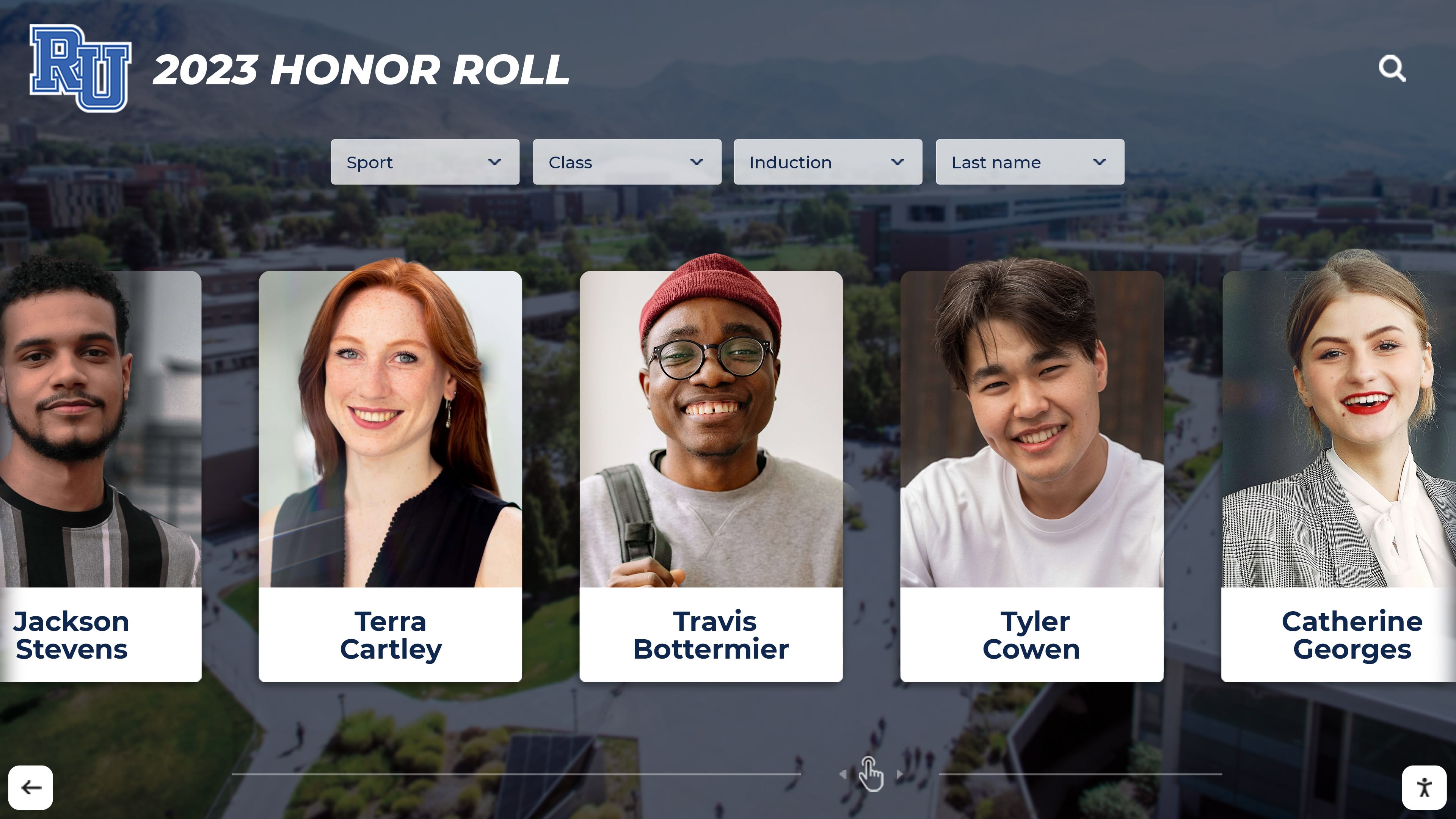
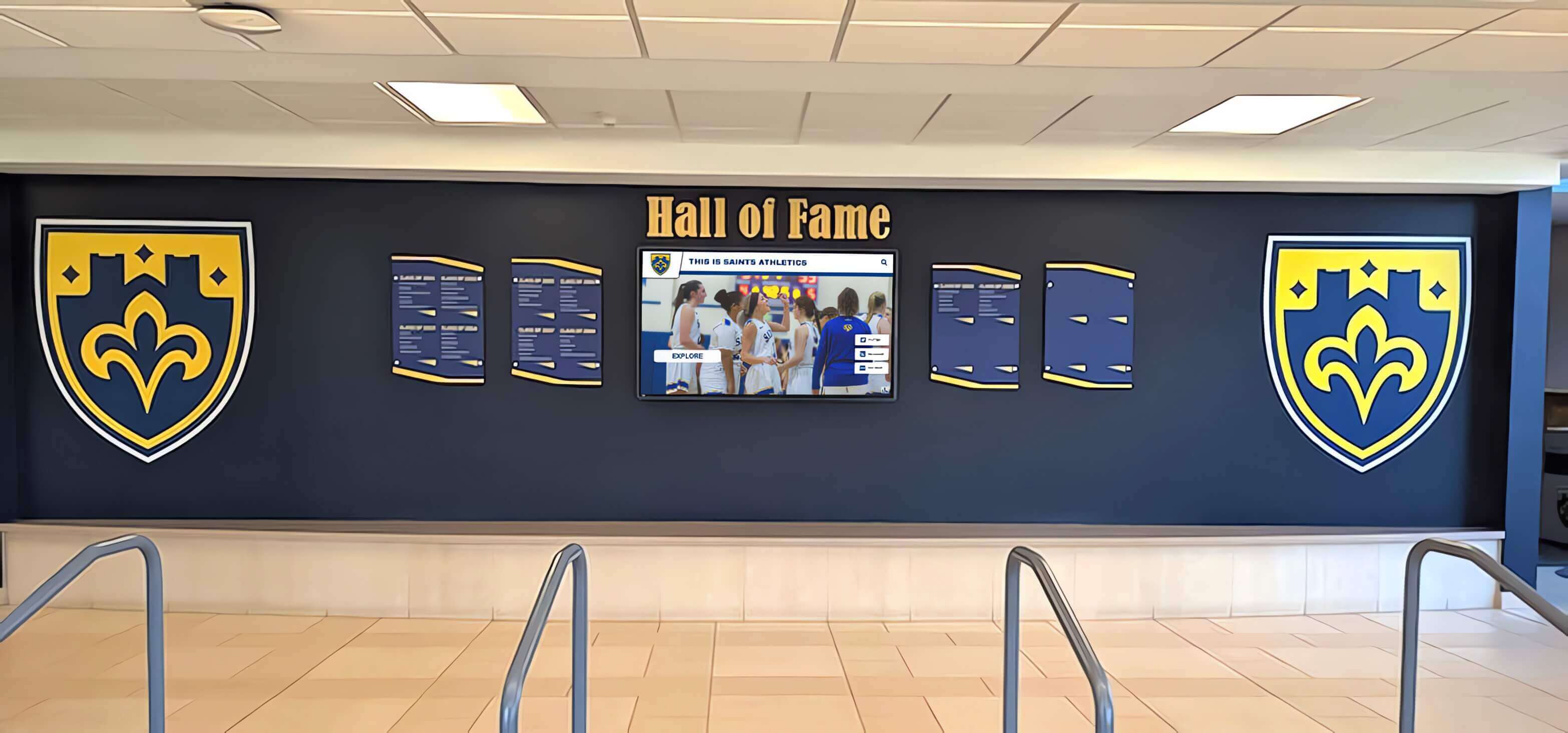
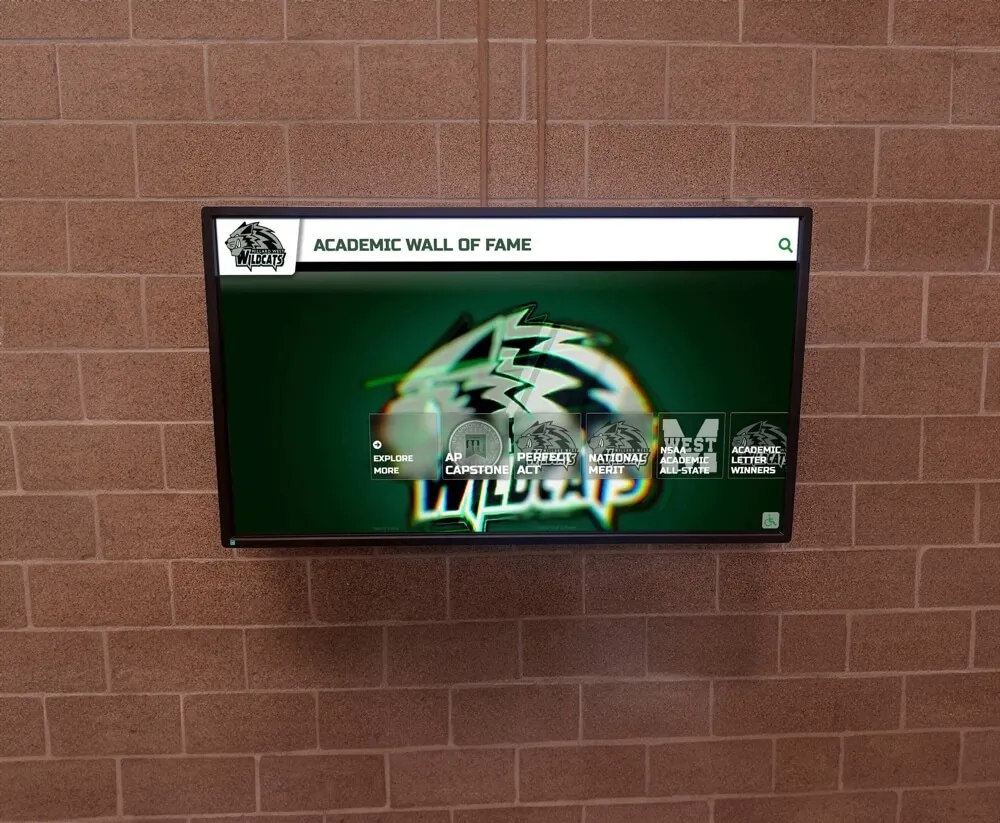
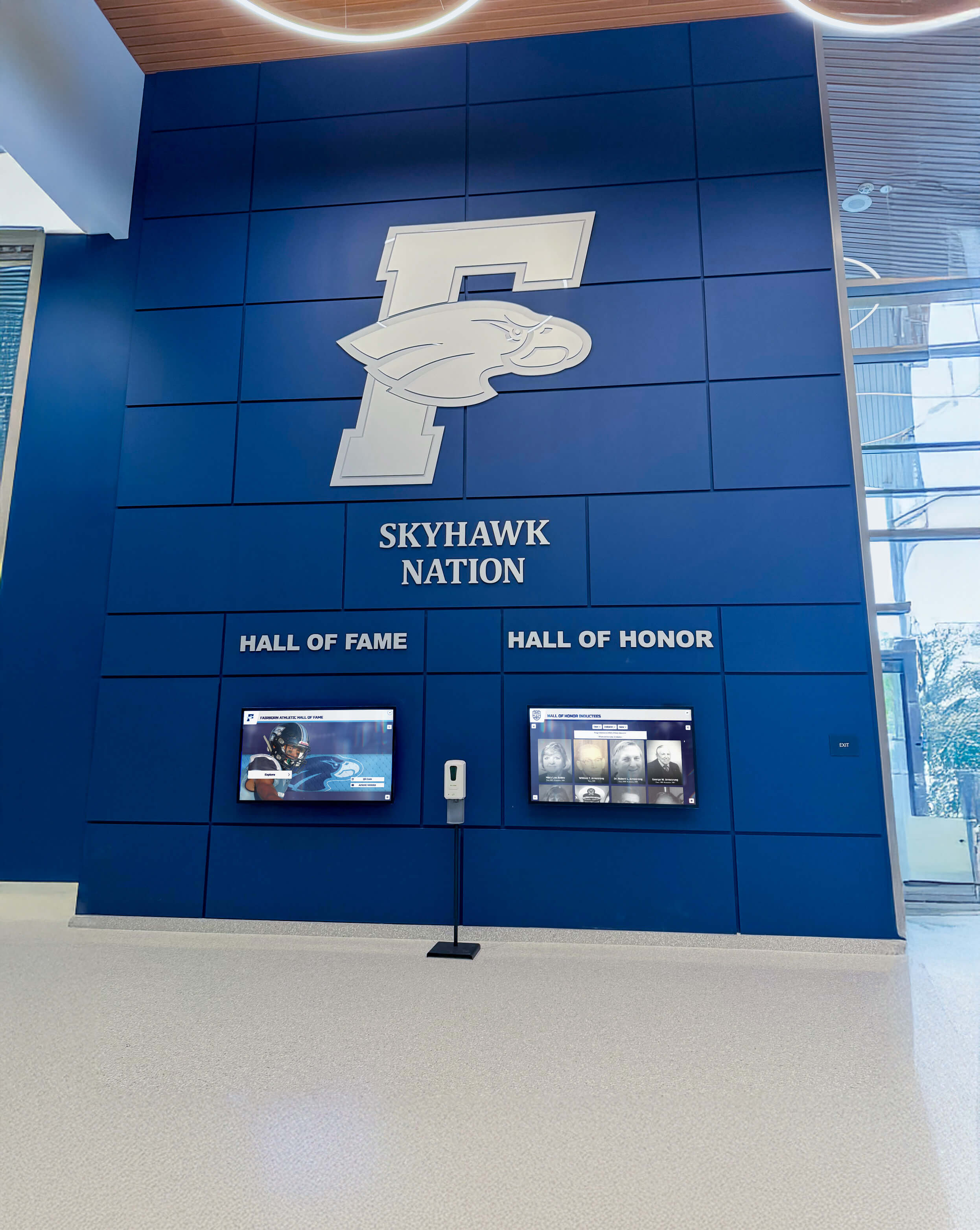
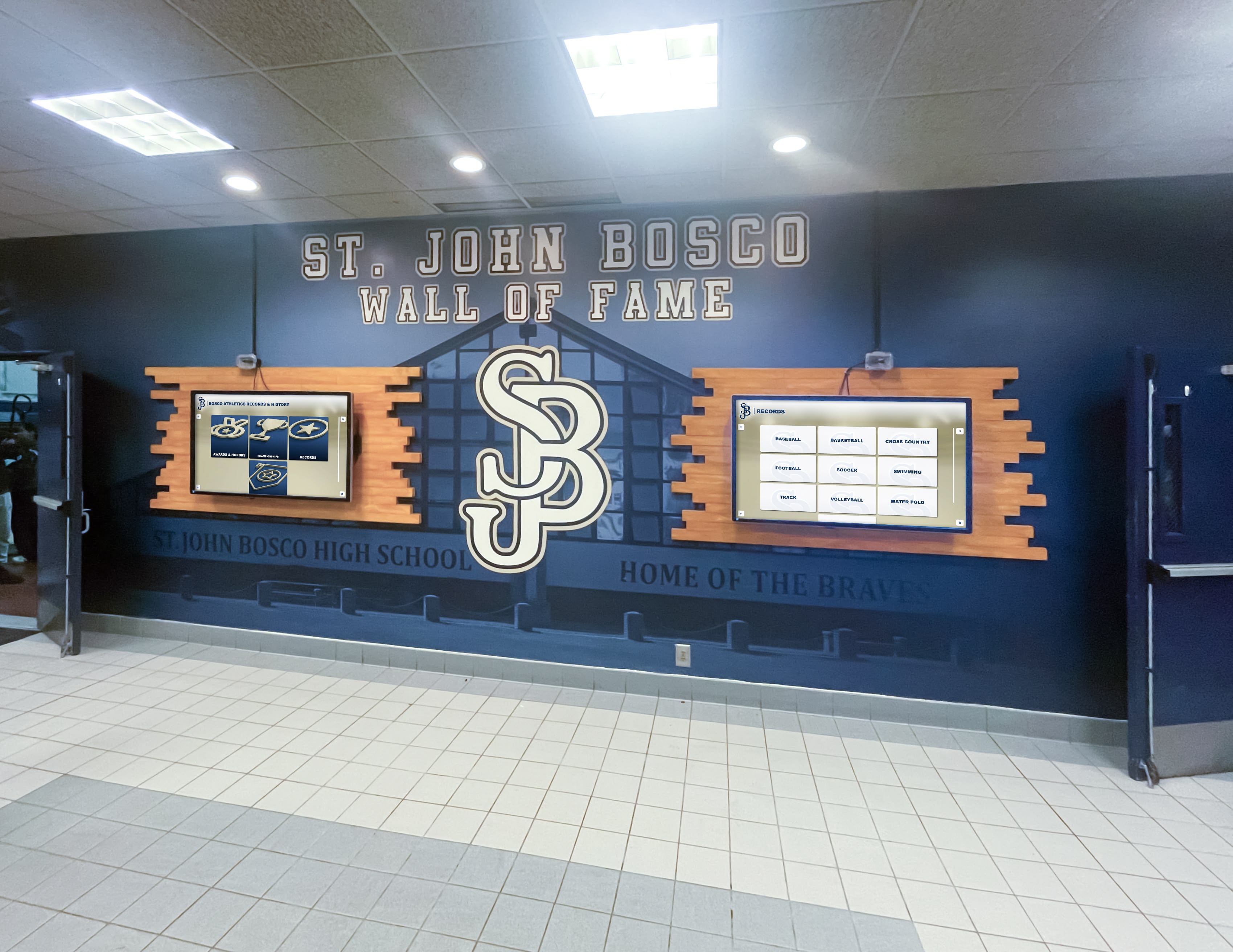
Research on attention spans and public speaking demonstrates that audiences make unconscious judgments about speakers and messages within the first few seconds of delivery. Opening lines that capture attention, establish credibility, and create emotional connection dramatically increase the likelihood that audiences will actively engage with your complete message rather than mentally checking out. For graduation speeches specifically—where audiences range from excited graduates to restless younger siblings—compelling openings transform obligatory attendance into genuine participation. Schools that preserve these memorable moments through digital recognition displays like those from Rocket Alumni Solutions ensure that powerful graduation messages continue inspiring students long after ceremonies conclude.
Understanding Your Graduation Speech Audience
Before crafting opening lines, you must understand who sits in your audience and what they need from your message. Graduation audiences are uniquely diverse, presenting challenges that other speaking contexts don’t require navigating.
The Multi-Generational Challenge
Graduation audiences simultaneously include recent elementary graduates and octogenarian grandparents, first-generation college students and multi-generational alumni families, educators who’ve heard hundreds of commencement addresses and young children attending their first formal ceremony. Your opening must engage this entire spectrum without patronizing any segment or speaking exclusively to narrow demographics.
Effective openings acknowledge this diversity through universal themes—achievement, transition, gratitude, possibility—that resonate across generations while avoiding references that date your speech or alienate audience members unfamiliar with specific cultural touchstones.
Competing Attention Demands
Unlike captive classroom audiences or professional conference attendees who chose to attend specific sessions, graduation audiences arrive with divided attention. Graduates may be preoccupied with what comes next. Parents might be simultaneously photographing the ceremony and watching for their specific student. Younger siblings could be counting down until they can leave. Faculty members might be mentally reviewing post-ceremony responsibilities.
Your opening must be sufficiently compelling to pull scattered attention into focused engagement. This requires combining multiple attention-capturing elements—surprising statements, questions that provoke thought, stories that trigger emotional response, or humor that creates shared experience.
Setting Appropriate Tone Expectations
The opening establishes whether your speech will be formal or conversational, primarily celebratory or thoughtfully reflective, focused on past achievements or oriented toward future possibilities. Audiences adjust their expectations and engagement based on these initial signals, making tonal clarity in your opening essential for maintaining connection throughout your address.
Seven Proven Opening Strategies That Work
1. The Surprising Statistic or Fact
Opening with unexpected data immediately captures attention by challenging assumptions or revealing new perspectives on familiar experiences.
Example Opening: “In precisely 47 minutes, every person in this room will have forgotten 90% of what I say today. But the 10% that remains—the stories, the insights, the moments that resonate personally—those will shape how you remember this day for decades.”
Why It Works: Surprising statistics create cognitive dissonance that demands resolution. Audiences lean in, wanting to understand the significance behind the unexpected number. This opening also cleverly acknowledges the challenge of memorable speeches while promising to deliver the exceptional 10% worth remembering.
Implementation Approach: Research specific statistics related to your graduating class, your institution’s history, or broader graduation trends. Avoid commonly known facts that feel recycled. Connect statistics directly to themes you’ll develop throughout your speech rather than using data purely for shock value.
When choosing statistics, prioritize:
- Numbers specific to your institution or graduating class that feel personal
- Counter-intuitive data that challenges common assumptions
- Statistics that connect to universal experiences your audience shares
- Facts that naturally lead into your core message
Understanding how schools track and celebrate achievement through systems like digital recognition displays can provide compelling institutional statistics that personalize your opening for your specific audience.
2. The Compelling Personal Story
Personal narrative creates immediate emotional connection by revealing vulnerability and authentic experience that audiences can relate to or learn from.
Example Opening: “Four years ago, I walked into this building convinced I didn’t belong here. My hands shook as I opened my locker for the first time. I couldn’t find my first class. And when I finally located the right room, I sat in the wrong seat and spent the entire period too embarrassed to move. That terrified freshman couldn’t have imagined standing here today, but every mistake, every small victory, every moment of growth between then and now brought me to this podium.”
Why It Works: Personal stories immediately humanize speakers, transforming them from distant authorities into relatable individuals. Beginning with vulnerability—especially admitting fear or mistakes—builds trust by showing authenticity. The narrative arc from struggle to success mirrors the graduation journey your audience just completed, creating instant identification.
Implementation Approach: Select stories that illustrate universal experiences rather than niche situations only a few audience members might relate to. Your specific details should serve broader themes. The story should naturally introduce core messages you’ll develop later rather than existing as isolated entertainment.
Effective personal story openings typically:
- Begin with specific sensory details that create vivid mental images
- Reveal genuine emotion without becoming melodramatic
- Include relatable struggles or challenges
- Connect to broader themes relevant to your complete message
- Resolve in ways that suggest growth or transformation
Many schools preserve these powerful student stories through comprehensive digital archives that allow future generations to connect with the authentic experiences of those who came before them.
3. The Thought-Provoking Question
Questions immediately engage audiences by prompting mental participation. Rather than passively receiving information, audiences actively consider responses, creating investment in what follows.
Example Opening: “What’s the one thing you’ll remember about today twenty years from now? Will it be a specific speech? The moment your name was called? The expression on your parents’ faces? Or will it be something completely unexpected—a random conversation with a classmate, the way the sunlight hit the stage, or how you felt sitting in this seat right now, on the edge of everything changing?”
Why It Works: Questions create immediate cognitive engagement. Audiences can’t help but consider answers, pulling their attention away from distractions and into your message. Open-ended questions work particularly well because they lack simple yes/no answers, requiring deeper reflection that maintains attention longer.
Implementation Approach: Craft questions that:
- Address universal experiences shared by your specific audience
- Lack obvious or trivial answers
- Relate directly to themes you’ll explore throughout your speech
- Invite personal reflection rather than testing knowledge
- Feel genuinely curious rather than rhetorical devices
You might open with a single powerful question or a series of related questions that build complexity. If using multiple questions, ensure they create momentum rather than becoming repetitive.
4. The Unexpected Quote (Used Differently)
While opening with quotes is extremely common in graduation speeches—often to the point of cliché—unexpected quote selection or presentation can still capture attention when handled creatively.
Example Opening: “Mark Twain once said, ‘I have never let my schooling interfere with my education.’ Now, standing here having completed twelve years of schooling, I finally understand what he meant. The most valuable lessons I learned happened outside classrooms—in hallway conversations, during activities I almost quit, through failures I didn’t want to face, and from people I initially thought I had nothing in common with. Today we celebrate our schooling. But what I want to talk about is our education.”
Why It Works: This approach transforms a familiar quote opening by immediately challenging or reinterpreting it rather than simply presenting wisdom and moving on. The juxtaposition between “schooling” and “education” creates intellectual tension that audiences want resolved, while the personal commitment to discussing education signals authentic reflection rather than recycled platitudes.
Implementation Approach: If opening with quotes:
- Select lesser-known quotes from unexpected sources rather than overused graduation favorites
- Immediately challenge, reinterpret, or complicate the quote rather than accepting it at face value
- Use quotes as launching points for original thinking, not as substitutes for your own insights
- Ensure quote themes directly connect to your specific graduating class experience
- Consider pairing unlikely quotes that create interesting tensions or connections
For administrators and educators delivering graduation addresses, quotes from unexpected sources—recent research, student work, or contemporary thinkers—often engage audiences more effectively than familiar historical figures everyone expects.
5. The Humor Hook
Appropriate humor immediately relaxes audiences, builds rapport, and signals that your speech won’t be pretentious or overly formal. However, graduation speech humor requires careful calibration to avoid falling flat or alienating audience segments.
Example Opening: “When Principal Martinez asked me to deliver today’s graduation address, my first thought was, ‘Is this punishment for all those times I forgot my hall pass?’ My second thought was slightly more concerning: ‘Do I actually have anything wise to say?’ The answer to that second question is probably no. But what I do have are observations from someone who survived this journey alongside you, made similar mistakes, celebrated similar victories, and is equally uncertain about what comes next. So if you’re looking for profound wisdom, you might be disappointed. But if you’re looking for honest reflection from someone who gets it—I can do that.”
Why It Works: Self-deprecating humor builds likability by showing the speaker doesn’t take themselves too seriously while acknowledging the inherent presumptuousness of giving advice to peers. This opening sets expectations for an authentic, conversational speech while using humor to establish connection.
Implementation Approach: Graduation speech humor should:
- Rely on self-deprecation rather than making others the butt of jokes
- Reference shared experiences your specific audience will recognize
- Avoid inside jokes that exclude significant audience portions
- Feel naturally integrated rather than forced
- Transition smoothly into more substantive content
The safest humor targets universal experiences—nervousness about public speaking, uncertainty about the future, shared institutional quirks everyone recognizes—rather than specific individuals or sensitive topics. Test your opening humor on diverse audience representatives before delivery to ensure it lands as intended.
6. The Vivid Sensory Description
Creating specific sensory imagery transports audiences into moments, making abstract concepts concrete and building emotional resonance through shared imaginative experience.
Example Opening: “Close your eyes for a moment. Feel the weight of this moment—the stiff fabric of your graduation gown against your neck, the rustle of programs, the particular quality of light in this space, the murmur of hundreds of people gathered for this singular purpose. Breathe in. This exact configuration of people, in this specific place, for this precise purpose will never exist again. In an hour, we’ll walk out of here transformed from what we were into what we’re becoming. This is the liminal space—the threshold moment between who we’ve been and who we’ll be next.”
Why It Works: Sensory language activates imagination and emotion more powerfully than abstract concepts. By inviting audiences to notice specific physical sensations, you ground them in the present moment while building awareness of the ceremony’s significance. The explicit acknowledgment that this moment is unrepeatable creates appropriate gravitas.
Implementation Approach: When using sensory openings:
- Select specific, concrete details rather than generic descriptions
- Engage multiple senses when possible
- Connect sensory details to emotional significance
- Use present tense to create immediacy
- Transition from sensory description to thematic meaning
This approach works particularly well for speakers who excel at descriptive language and want to establish contemplative, reflective tones rather than high-energy, motivational approaches.
7. The Unexpected Admission or Confession
Vulnerability creates instant authenticity. Opening with honest admission of uncertainty, fear, or limitation immediately differentiates your speech from performative confidence that feels disconnected from genuine graduate experience.
Example Opening: “I’m going to tell you something that might disqualify everything I’m about to say. I don’t have this figured out. Standing here as your valedictorian, representing academic achievement, speaking about our bright futures—and I’m terrified. I don’t know if I chose the right college. I don’t know what I want to do with my life. I don’t know if I’m ready for what comes next. But here’s what I’ve realized: maybe that uncertainty isn’t a weakness. Maybe admitting ‘I don’t know’ is actually the most honest, most courageous thing we can say as we leave here today.”
Why It Works: Graduation speeches often pressure speakers—especially student speakers—to project confidence they don’t genuinely feel. This opening immediately subverts that expectation, creating powerful authenticity. By acknowledging fears that most graduates share but few articulate publicly, you build instant connection with your audience while reframing uncertainty as normal rather than shameful.
Implementation Approach: Effective confession openings:
- Reveal genuine vulnerability without becoming self-indulgent
- Connect personal uncertainty to broader themes your audience shares
- Move quickly from confession to insight or reframing
- Maintain appropriate boundaries while being authentic
- Lead naturally into messages of hope or possibility
This approach requires confidence to execute—paradoxically, you must be secure enough to admit insecurity. It works best for student speakers addressing peer experiences rather than administrators delivering institutional messages.
Understanding how educational institutions celebrate student achievement and milestones through comprehensive recognition programs helps speakers appreciate the significance of the platform they’ve been given to address their communities.
Technical Elements of Effective Speech Openings
Beyond choosing compelling opening strategies, technical execution significantly impacts how your opening lands with audiences.
Pacing and Pauses
The tempo of your opening establishes the rhythm for your entire speech. Most inexperienced speakers rush their openings due to nerves, undermining powerful content by delivering it too quickly for audiences to absorb.
Strategic Pause Placement: After your very first sentence, pause for a full two-count. This brief silence allows your opening statement to resonate, signals confidence, and creates anticipation for what follows. Audiences interpret pauses as intentional emphasis rather than uncertainty when speakers pause deliberately rather than nervously.
Varying Pace: Mix short, punchy sentences with longer, more complex constructions. This rhythm variation maintains attention through unpredictability. For example:
“We made it. (pause) Four years ago, that outcome wasn’t guaranteed. Some of us doubted we would make it through freshman year, much less to this ceremony celebrating its completion. We faced challenges we couldn’t have anticipated, overcame obstacles we didn’t think we could, and discovered capabilities we didn’t know we possessed.”
The opening two words—“We made it”—stand alone as a complete, powerful thought. The pause that follows allows those words to land before the speaker develops the theme through increasingly complex sentences.
Volume and Vocal Variety
Opening lines delivered in monotone, regardless of content quality, fail to capture attention. Vocal variety signals energy and engagement that draws audiences in.
Volume Modulation: Consider starting slightly softer than your normal speaking volume, requiring audiences to lean in and focus to hear clearly. This counterintuitive approach—quieter rather than louder—creates intimacy and attentiveness. Then, at a key moment in your opening, increase volume for emphasis.
Alternatively, if your opening uses humor or high-energy content, starting with full volume and enthusiasm can work effectively. Match your vocal energy to your opening content and desired tone.
Emphasis Patterns: Identify the 2-3 most important words in your opening sentences and give them vocal emphasis through slight volume increase, slower delivery, or tonal variation. This guides audiences to recognize what matters most in your message.
Body Language and Physical Presence
Your physical presentation begins before you speak your first word. How you approach the podium, your posture, your facial expression, and your eye contact all communicate messages that either reinforce or undermine your verbal opening.
The Approach: Walk to the podium with purposeful confidence. Rushed movement signals anxiety. Overly slow movement can read as arrogance. Arrive at the microphone, pause briefly while making eye contact with different sections of the audience, then begin.
Initial Eye Contact: Before speaking, make direct eye contact with several specific individuals in different audience areas. This establishes connection and demonstrates confidence. Avoid the common mistake of looking down at notes or over the audience’s heads.
Physical Stillness: During your opening lines, minimize unnecessary movement. Fidgeting, swaying, or adjusting your papers distracts from your message. Stillness communicates control and focuses attention on your words.
Strategic Gesture: If you use hand gestures naturally while speaking, incorporate one powerful gesture during your opening to emphasize a key point. A single well-placed gesture is more effective than constant hand movement that becomes visual noise.
What to Avoid in Graduation Speech Openings
Understanding what not to do is equally important as knowing effective strategies. These common opening mistakes undermine speeches before they gain momentum.
Dictionary Definitions
Opening with “Webster’s Dictionary defines graduation as…” immediately signals that your speech will offer nothing original. This overused approach feels lazy and suggests you couldn’t think of more creative ways to begin. Audiences mentally check out the moment they hear dictionary definitions, having suffered through countless speeches employing this tired technique.
If you feel compelled to define terms, do so later in your speech and use original definitions based on your experience rather than dictionary citations: “For me, graduation doesn’t mean ending—it means shedding what no longer fits and stepping into space to grow into whatever comes next.”
Apologizing or Self-Deprecation Without Purpose
Opening with “I’m nervous” or “I’m not good at public speaking” or “I don’t know why they chose me to give this speech” creates uncomfortable dynamic where audiences feel obligated to reassure you rather than engage with your message. While strategic vulnerability can create connection, leading with apologies frames your speech as an ordeal to endure rather than a message worth hearing.
If you acknowledge nervousness or uncertainty, do so purposefully to illustrate larger points rather than simply airing anxiety. The confession opening strategy discussed earlier uses vulnerability strategically, not apologetically.
Generic Platitudes About “Journey” and “Bright Futures”
References to “embarking on life’s journey” or “stepping into bright futures ahead” have been repeated in so many graduation speeches that they trigger automatic mental disengagement. If these concepts are central to your message, find original language that expresses them freshly:
Instead of: “Today we embark on the journey of life…” Try: “Today the training wheels come off. For better or worse, we’re riding without the safety nets we’ve relied on since kindergarten.”
The second version conveys the same concept—transition into independence—but uses specific, unexpected imagery rather than abstract platitudes.
Inside Jokes That Exclude Most Audience Members
Student speakers particularly fall into this trap, opening with references to specific events, people, or experiences that only classmates understand. While these references might generate laughs from graduates, they immediately alienate parents, faculty, younger students, and community members who don’t get the joke.
If you reference specific shared experiences, provide enough context that everyone can follow: “Last year during homecoming week, our class thought it would be hilarious to [explain what happened]. Principal Martinez probably still finds foam in unexpected places. But what started as a prank taught us something important about…” This approach allows everyone to understand the reference while using it to illustrate broader themes.
Overly Long Wind-Up
Some speakers take so long to reach their actual opening point that audiences lose interest before the real message begins. Avoid lengthy preambles thanking everyone individually, explaining how you came to write this speech, or providing extensive background before reaching substantive content.
Thank-yous can come later. Your opening seconds should immediately deliver value—insight, emotion, humor, provocation—that justifies asking for audience attention.
Transitioning From Opening to Body Content
A powerful opening means little if you can’t smoothly transition into your speech’s main content. The bridge between attention-grabbing opening and substantive development requires careful construction.
The Explicit Connection
After your opening hook—whether story, question, statistic, or other strategy—explicitly articulate how it connects to your larger message:
“That question about what you’ll remember isn’t rhetorical. It matters because how we choose to remember this moment shapes how we approach what comes next. Today I want to explore three decisions we can make right now that will influence whether we look back on this day with satisfaction or regret.”
This transition clearly signals that the opening question serves a larger purpose while previewing the speech structure, helping audiences follow your logic.
The Callback Promise
Establish that you’ll return to your opening concept, creating an arc that provides satisfying closure when you reference it again in your conclusion:
“I’ll come back to that terrified freshman at the end, but first, let me tell you about three people I met between that first day and today—three people who transformed how I think about belonging, achievement, and community…”
This transition acknowledges your opening while promising resolution that maintains audience engagement as they anticipate the callback.
The Expansion
Use your opening as a specific example of a broader pattern or theme you’ll explore:
“That statistic about forgetting 90% of what we hear isn’t just interesting trivia—it reveals something profound about how memory, meaning, and impact actually work. The moments that stick aren’t random. They share specific characteristics that we can learn to recognize and create intentionally. Understanding these patterns changes how we approach important transitions like the one we’re experiencing today.”
This expansion moves from specific (the statistic) to general (how memory works) to relevant (how this applies to graduation), creating logical flow while maintaining connection to your opening.
Special Considerations for Different Speaker Types
The most effective opening strategies vary depending on who’s delivering the speech and the expectations audiences bring to different speaker roles.
Valedictorian or Student Speakers
Student speakers navigate unique challenges. Audiences expect authenticity and peer perspective rather than polished authority. Effective student speaker openings typically:
Emphasize Shared Experience: “We” language rather than “you” language establishes that you’re speaking alongside your classmates rather than lecturing them: “We’ve spent 2,340 days together in this building. We’ve taken the same tests, eaten the same cafeteria food, and complained about the same parking situation.”
Acknowledge the Awkwardness: Student speakers often feel self-conscious about suddenly occupying an authoritative platform among peers. Acknowledging this reality can work in your favor: “Standing up here feels weird. Yesterday I was asking to borrow notes from half of you. Today I’m supposed to share wisdom? But maybe that’s the point—we’re all figuring this out together, and speaking from the middle of that uncertainty might be more valuable than pretending I’ve got it all figured out.”
Lead With Questions Rather Than Answers: Student audiences respond better to speakers who explore questions authentically rather than delivering pat answers that feel disconnected from genuine experience.
Schools preserve these authentic student voices through comprehensive digital recognition systems that allow future generations to hear from those who came before them, creating continuity while honoring individual perspectives.
Administrative or Faculty Speakers
Principals, superintendents, and faculty members delivering graduation addresses bring institutional authority that shapes audience expectations. Effective openings for these speakers:
Establish Personal Connection: Administrators risk being perceived as speaking from distant institutional positions rather than personal relationships. Openings that reveal personal investment counter this perception: “I’ve watched this graduating class grow from nervous sixth graders to the confident young adults sitting before me. I remember when [specific early memory of this class], and I’ve treasured the privilege of witnessing your transformation.”
Acknowledge Your Outsider Status: If you’re a guest speaker without history at the institution, acknowledge this directly rather than pretending familiarity you don’t have: “I didn’t share the journey that brought you to this moment. I didn’t experience your freshman orientation, your rivalries with Central High, or your victory at last year’s academic decathlon. But what I do share with you is…”
Lead With Institutional Pride: Administrative speakers can effectively open by contextualizing current graduates within larger institutional legacy: “In 127 years of [School Name] graduations, yours is the [specific distinction]. You’re part of a tradition that includes [notable achievements], and today you add your chapter to that ongoing story.”
Guest Speakers
External speakers—alumni, community leaders, or invited guests—face different opening challenges. Audiences may not know who you are or why you’re qualified to address graduates. Effective guest speaker openings:
Establish Credentials Through Story: Rather than listing your resume, tell a story that demonstrates your relevant experience: “Twenty years ago, I sat exactly where you’re sitting, wearing an identical gown, feeling the same mix of excitement and terror. What I couldn’t see from that seat was…”
Find Universal Ground: If your specific achievements might feel distant from graduate experience, emphasize universal themes that transcend individual circumstances: “The last time I felt as uncertain as you probably feel right now was [relatable moment]. Success, failure, achievement, struggle—these aren’t experiences that separate us by age or circumstance. They’re the common currency of being human.”
Acknowledge Your Temporary Role: Guest speakers who acknowledge that they’re visitors rather than permanent community members often connect more authentically: “I’m honored Principal Chen invited me to speak today, though I recognize my role is temporary. I’ll say my piece and leave. You’ll carry this day with you forever. That responsibility—holding this moment properly—rests with you, not with me. What I can offer is perspective from someone who’s stood where you stand and can report back about what I found on the other side.”
Many institutions leverage digital alumni recognition platforms to maintain connections between guest speakers, alumni, and current students, creating ongoing dialogue that extends beyond single graduation addresses.
Practicing Your Opening for Maximum Impact
Even brilliantly written openings fail when poorly delivered. Effective practice makes the difference between openings that soar and those that fall flat.
Memorize Your Opening Completely
While you might speak from notes for most of your speech, memorize your opening completely. This allows you to deliver your first minute with full eye contact, confident pacing, and natural expression unconstrained by reading. The connection you establish through memorized delivery significantly impacts how receptive audiences are to everything that follows.
Practice in Front of Diverse Test Audiences
Rehearse your opening for people representing different audience segments—someone your age, someone your parents’ age, someone from outside your school community. Their reactions reveal whether your opening works across demographics or only resonates with specific groups.
Record Yourself and Watch Critically
Video recording reveals delivery issues you can’t detect while speaking. Watch for: nervous gestures, rushed pacing, weak eye contact, vocal filler words (um, uh, like), and moments where your energy drops. Practice specifically addressing these issues.
Practice the Full Performance Arc
Don’t just rehearse the words—practice the complete performance including walking to the podium, the pause before speaking, your opening lines, and the transition into your body content. This full rehearsal builds muscle memory that reduces anxiety during actual delivery.
Test Multiple Delivery Approaches
Experiment with different vocal approaches, pacing variations, and emphasis patterns. You might discover that delivering certain lines differently than you originally imagined creates stronger impact.
Preserving Graduation Memories Beyond the Ceremony
While graduation speeches create powerful moments during ceremonies, these messages fade quickly without systems to preserve and share them beyond single events. Forward-thinking schools implement digital recognition solutions that ensure graduation speeches, student achievements, and institutional milestones remain accessible long after ceremonies conclude.
Platforms like Rocket Alumni Solutions enable schools to create comprehensive digital archives featuring graduation speeches, valedictorian addresses, student testimonials, and achievement celebrations. These interactive systems allow current students to explore messages from previous graduating classes, alumni to revisit their graduation experiences, and communities to understand institutional values and traditions through authentic student voices preserved across decades.
Digital preservation transforms graduation speeches from ephemeral performances into lasting institutional resources that continue inspiring students long after original speakers have graduated. Understanding how modern schools leverage digital recognition helps administrators appreciate how powerful graduation messages can serve educational purposes for generations.
Conclusion: Making Your Opening Count
The opening lines of your graduation speech represent your most precious opportunity—seven seconds when every audience member is paying attention, before phones are checked, before minds wander, before predetermined judgments about “just another graduation speech” take hold. What you do with those seven seconds determines whether your message resonates or disappears.
The strategies outlined in this guide—surprising statistics, personal stories, provocative questions, unexpected quotes, strategic humor, vivid descriptions, and authentic admissions—provide proven frameworks for capturing attention. But frameworks mean nothing without genuine thought about your specific audience, authentic reflection on messages that matter to you, and courageous willingness to speak truth rather than recycling comfortable platitudes.
Your graduation speech opening should reflect who you are, honor the significance of the moment, and serve the audience who’s given you their time. Start there—with authentic intention to contribute something meaningful—and technical execution will support rather than substitute for substance.
As you craft your opening, remember that the most memorable graduation speeches share a common characteristic: they speak to universal human experiences through specific, personal lenses that feel simultaneously unique and familiar. Find that intersection between your distinctive perspective and shared truth, deliver it with confident authenticity, and you’ll create an opening that justifies the attention every audience member gives you in those critical first seconds.
For schools seeking to preserve these powerful graduation moments and ensure student voices continue inspiring future generations, explore how interactive digital recognition displays from Rocket Alumni Solutions transform temporary ceremonies into permanent institutional legacy that celebrates achievement and amplifies student voices for years to come.