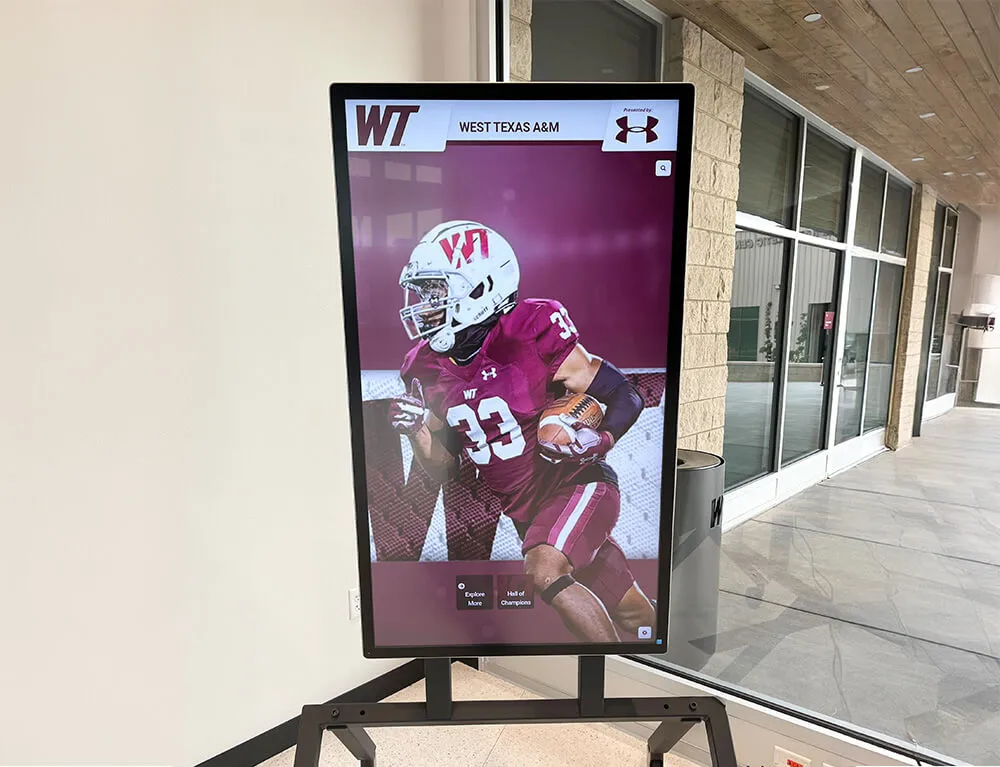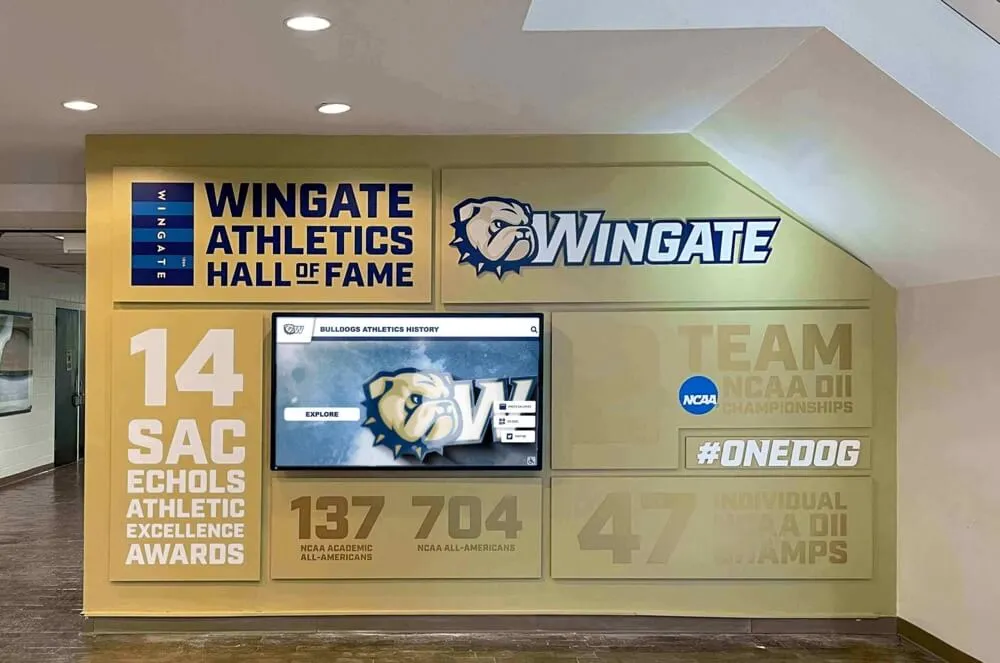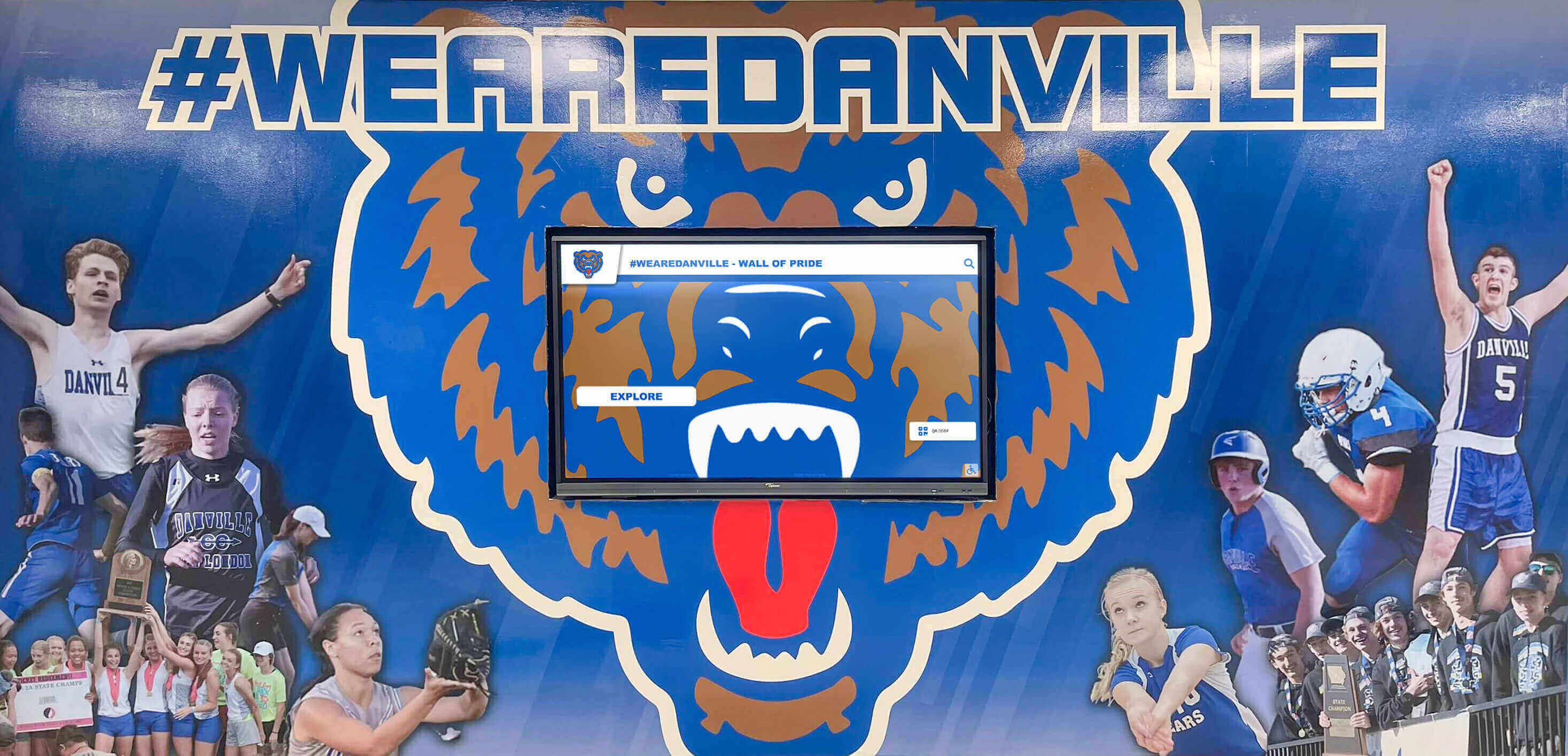




Starting a booster club represents one of the most impactful ways parents and community members can support school athletic programs. These volunteer organizations raise funds that transform athletic departments—purchasing equipment, funding facility improvements, sponsoring team travel, and creating lasting recognition displays that celebrate student achievements for generations. While launching a successful booster club requires careful planning, legal compliance, and organizational structure, thousands of schools across the country benefit from parent-led booster organizations that fill critical funding gaps left by increasingly constrained school budgets.
Athletic directors and coaches rely on booster clubs to provide resources that district budgets cannot cover. From new uniforms and training equipment to championship banners and digital recognition displays, booster-funded initiatives directly impact student athlete experiences and program quality. Yet many motivated parents wonder how to actually start a booster club—what legal steps are required, how to establish effective governance, which fundraising strategies work best, and how to ensure the organization succeeds long-term.
Why Schools Need Booster Clubs
School athletic budgets rarely cover all program needs. Equipment wears out faster than replacement cycles allow, facility improvements require capital investments beyond annual allocations, and special opportunities like tournament travel or recognition displays depend on supplemental funding. Booster clubs bridge these gaps through parent-led fundraising, community engagement, and volunteer support. Well-organized booster clubs fund everything from trophy displays celebrating athletic achievements to team equipment and facility upgrades. When structured properly with clear governance, tax-exempt status, and sustainable fundraising strategies, booster clubs become invaluable partners supporting student athletes and building school pride for decades.
Understanding Booster Clubs and Their Purpose
Before launching a booster club, understanding exactly what these organizations do and how they function within school communities helps ensure proper structure and effective operation.
What Is a Booster Club?
A booster club is a volunteer-led nonprofit organization formed to support specific school programs—most commonly athletic departments but also band, drama, debate, and other extracurricular activities. These parent and community-run groups operate independently from school districts while maintaining close collaborative relationships with the programs they support.
Key Characteristics of Booster Clubs:
Booster clubs function as separate legal entities from school districts, maintaining their own governance structures, bank accounts, and operational procedures. This legal separation protects both schools and booster organizations while allowing flexibility in fundraising and spending decisions. Board members—typically parents of current students—serve as volunteers managing all organizational operations.
The organizations exist exclusively to support designated school programs through fundraising, volunteer coordination, and resource provision. Unlike PTAs that support entire schools or general educational initiatives, booster clubs focus narrowly on specific programs or athletic departments, allowing concentrated impact in defined areas.
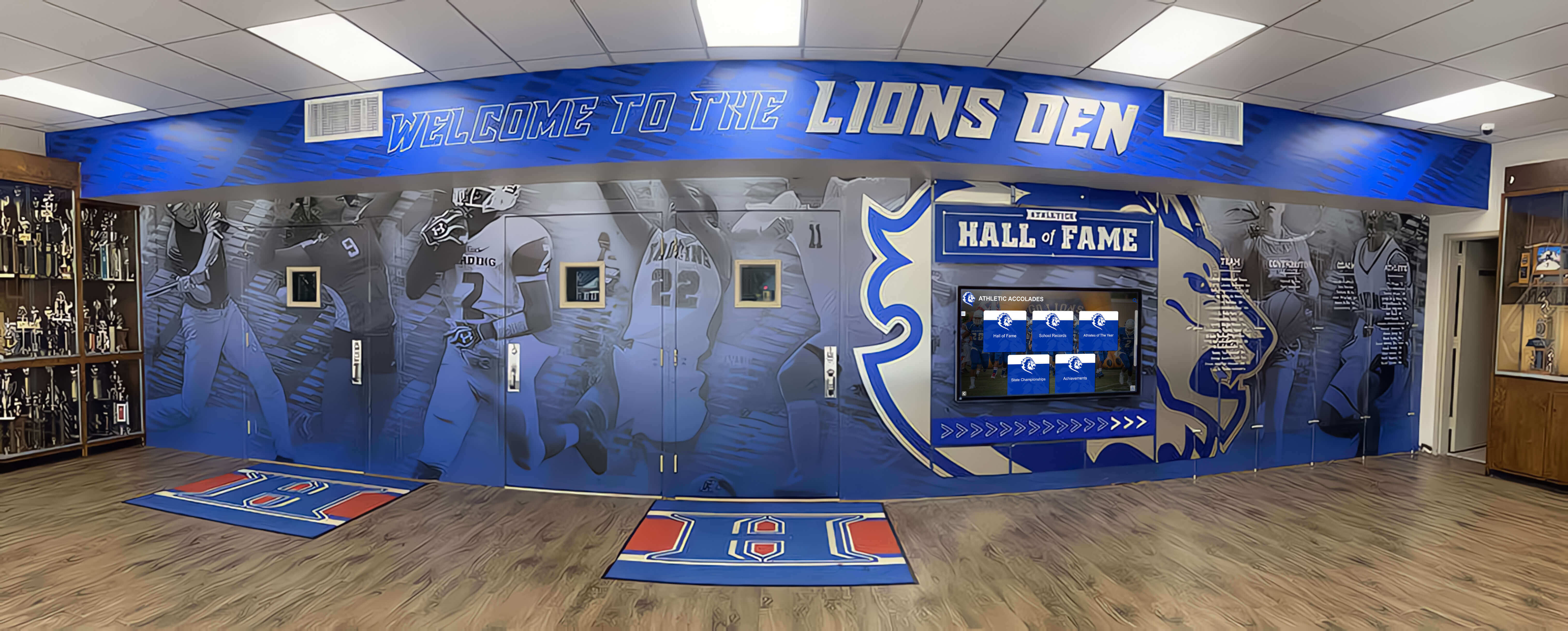
How Booster Clubs Support Athletic Programs:
Booster clubs provide financial resources for equipment purchases including uniforms, protective gear, training equipment, and competition supplies that exceed school budget allocations. They fund facility improvements such as scoreboards, field upgrades, weight room equipment, and permanent recognition displays celebrating program achievements.
Many clubs sponsor team travel to tournaments, playoff competitions, and special competitive opportunities that school budgets cannot accommodate. They also fund athlete recognition through banquet sponsorships, awards programs, and permanent displays honoring individual and team accomplishments.
The Financial Impact Booster Clubs Create
Successful booster clubs generate substantial financial support that meaningfully impacts athletic program quality and student experiences.
Typical Booster Club Funding Levels:
Small school booster clubs might raise $10,000-$25,000 annually, supporting essential equipment needs, modest facility improvements, and basic recognition programs. Medium-sized programs often generate $25,000-$75,000 per year, funding significant equipment purchases, facility projects, and comprehensive athlete recognition systems.
Large, established booster clubs at competitive programs can raise $100,000+ annually, supporting major facility improvements, extensive travel programs, and permanent installations like digital halls of fame showcasing program history.
Where Booster Funds Make the Greatest Difference:
Athletic departments consistently face funding shortfalls in specific areas where booster support creates transformative impact. Recognition and display systems represent one area where districts rarely allocate sufficient budget, yet booster funding enables permanent installations that inspire athletes and preserve program history for generations.
Equipment replacement cycles often lag behind actual need due to budget constraints. Booster clubs can accelerate replacement schedules, ensuring athletes train and compete with quality gear. Facility enhancements including training equipment, field improvements, and technology upgrades typically require capital investments beyond annual school budgets where booster funding enables projects that elevate entire programs.
Step 1: Research and Planning Phase
Launching a successful booster club begins with thorough research and strategic planning before any formal organizational steps occur.
Assess School and Community Readiness
Not every school or community is ready for a booster club launch. Honest assessment prevents frustration and wasted effort on initiatives lacking sufficient foundation.
Key Questions to Answer:
Does your athletic program have clear needs that current school funding doesn’t address? Identify specific gaps—equipment shortages, facility deficiencies, or recognition opportunities—that booster funding could fill. Without defined needs, fundraising lacks purpose and donor motivation suffers.
Is there sufficient parent and community interest to sustain volunteer operations? Successful booster clubs require consistent volunteer participation across multiple years. Assess whether 10-15 committed individuals will actively participate in governance, fundraising, and operations.
Does school administration support booster club formation? Meet with the athletic director, principal, and superintendent to discuss the concept, understand district policies regarding booster organizations, and ensure leadership endorsement. Without administrative support, booster clubs face operational obstacles that undermine effectiveness.
Competitive Analysis:
Research how other schools in your conference or district structure their booster clubs. What legal structures do they use? How do they fundraise? What governance models work effectively? Learning from established organizations prevents common mistakes while identifying proven strategies.
Define Your Booster Club’s Scope and Mission
Clear mission definition ensures organizational focus and prevents scope creep that dilutes impact.
Scope Decisions:
Will your booster club support all sports or focus on specific programs? Many schools operate comprehensive athletic booster clubs supporting every sport, spreading resources across all teams and athletes. Others establish sport-specific clubs—football boosters, basketball boosters, baseball/softball supporters—allowing concentrated fundraising and targeted impact.
Both models succeed when aligned with community dynamics and program needs. Comprehensive clubs simplify governance and prevent competition between sport-specific organizations, but may struggle to address individual program needs adequately. Sport-specific clubs can generate passionate support and targeted funding but require coordination to prevent inequitable resource distribution across athletic departments.
Mission Statement Development:
Draft a clear mission statement articulating organizational purpose. Effective mission statements identify what the organization supports (specific programs or comprehensive athletics), how support is provided (fundraising, volunteer service, community engagement), and the intended impact (enhanced student experiences, program excellence, lasting recognition).
For example: “The [School Name] Athletic Booster Club raises funds and coordinates volunteer support to enhance athletic experiences for all student athletes, provide resources beyond school budget capabilities, and celebrate program achievements through lasting recognition.”
A well-crafted mission statement guides all future decisions about fundraising priorities, spending allocations, and organizational activities.
Establish Initial Leadership and Core Committee
Every booster club needs founding leadership committed to the intensive work of launching and establishing a new organization.
Recruiting Founding Board Members:
Identify 7-12 individuals willing to serve as founding board members during the organizational phase and first operational year. Look for parents with relevant professional skills—accounting, legal, marketing, event planning—that translate to booster club operations.
Ensure leadership includes parents from multiple sports or grade levels, preventing perceptions that the club serves only specific programs or student cohorts. Diverse leadership builds broader community support and ensures equitable resource allocation.
Essential Initial Roles:
Every booster club requires certain leadership positions from inception. The president provides overall leadership, represents the organization to school administration and community, and coordinates board activities. The vice president assists the president and ensures leadership continuity when presidents transition.
A treasurer manages all financial operations including bank accounts, donation processing, expense approval, and financial reporting—arguably the most critical role in booster organizations where financial integrity determines long-term success. The secretary maintains organizational records, documents board meetings, handles correspondence, and manages membership information.
Additional positions can include fundraising coordinator, volunteer coordinator, and communications director, though small clubs may consolidate these responsibilities among core board members initially.
Step 2: Legal and Organizational Structure
Proper legal structure protects both the organization and individual volunteers while enabling tax-deductible donations that maximize fundraising effectiveness.
Choose Your Legal Structure
Booster clubs typically organize as one of several legal entities, each with distinct advantages, requirements, and implications.
501(c)(3) Tax-Exempt Nonprofit Corporation:
The gold standard for booster clubs is establishing as a 501(c)(3) tax-exempt nonprofit corporation. This structure provides maximum benefits including donor tax deductions (donations are tax-deductible, significantly increasing fundraising potential), liability protection (the corporation exists as a separate legal entity, protecting individual board members from personal liability), and organizational credibility (nonprofit status signals legitimacy and proper governance to donors and partners).
Obtaining 501(c)(3) status requires filing articles of incorporation with your state, drafting bylaws establishing governance procedures, applying for federal tax exemption through IRS Form 1023 or 1023-EZ, and maintaining ongoing compliance including annual IRS filings, proper financial records, and adherence to nonprofit regulations.
The process takes 3-6 months and costs $275-$600 in filing fees, but the benefits justify these investments for any booster club intending serious long-term operations.

School District Umbrella Organization:
Some booster clubs operate under the school district’s 501(c)(3) status rather than establishing independent tax exemption. This approach simplifies legal requirements and reduces administrative burden, but creates complications around control, bank accounts, and operational independence.
Operating under district umbrella status means donations flow through district accounts with school board oversight, the organization has less operational flexibility, and the booster club may face restrictions on fundraising or spending that independent organizations avoid.
This model works for very small booster efforts or initial pilot programs, but most established booster clubs benefit from independent 501(c)(3) status providing greater autonomy and operational control.
Draft Comprehensive Bylaws
Bylaws establish organizational governance, operational procedures, and decision-making processes that prevent future conflicts and ensure effective operations.
Essential Bylaw Components:
Comprehensive bylaws must address several critical areas. The organizational purpose and mission section articulates why the organization exists and what it aims to accomplish, directly connecting to IRS tax-exempt purpose requirements.
Board composition and governance provisions specify the number of board members, officer positions and responsibilities, term limits for board service, and procedures for electing or appointing board members. Clear governance structures prevent power concentration and ensure regular leadership transition.
Meeting procedures detail requirements for regular board meetings, special meetings, quorum requirements (minimum attendance for official business), and voting procedures including majority requirements and proxy voting policies if permitted.
Financial management provisions establish fiscal year, check signing authority (typically requiring two signatures), spending approval processes, budget development procedures, and audit or financial review requirements. Many booster clubs face financial controversies that proper financial governance would prevent.
Membership provisions outline who can join the booster club, membership dues if any, member rights and responsibilities, and whether membership includes voting privileges on certain decisions. Some clubs operate with open membership (any interested parent or community member), while others limit membership to parents of current student athletes.
Register With Appropriate Authorities
Beyond IRS tax exemption, booster clubs must register with various state and local authorities to operate legally.
State Corporation Registration:
File articles of incorporation with your state’s secretary of state or corporations division. This registration establishes the booster club as a legal entity separate from individual members, providing liability protection and legal standing.
State filing requirements and fees vary, but typically involve submitting organizational documents, paying filing fees of $50-$200, and designating a registered agent—an individual or service authorized to receive legal documents on behalf of the organization.
State Tax Exemption:
After receiving federal 501(c)(3) status, apply for state tax exemptions to avoid sales tax on purchases and potentially on fundraising activities. Requirements vary significantly by state, with some automatically recognizing federal tax-exempt status while others require separate applications.
Charitable Solicitation Registration:
Many states require charitable organizations conducting fundraising to register with attorney general offices or consumer protection divisions. These registrations ensure organizations comply with charitable solicitation laws protecting donors from fraudulent fundraising schemes.
Registration requirements and fees vary by state, but failure to register can result in substantial penalties and fundraising prohibition. Research your state’s specific requirements—often detailed on the attorney general’s website under “charitable organizations” or “fundraising registration.”
Step 3: Establishing Financial Systems and Controls
Proper financial management prevents the conflicts and scandals that undermine booster organizations while ensuring every dollar raised directly supports student athletes.
Open Dedicated Bank Accounts
Booster clubs need separate bank accounts completely isolated from personal finances and school district accounts, establishing clear financial boundaries and proper record-keeping.
Account Types to Establish:
Open a checking account for operational income and expenses including fundraiser proceeds, donation receipts, and expense payments. This account handles day-to-day financial transactions and should offer online banking, debit card access, and no or low monthly fees for nonprofit organizations.
Consider a savings or money market account for funds designated for major future purchases or emergency reserves. Keeping reserves separate from operational funds prevents accidental spending of amounts earmarked for specific capital projects like recognition displays or facility improvements.
Authorized Signers and Controls:
Require two signatures on all checks above a certain threshold—commonly $500 or $1,000—preventing any single individual from unilaterally spending booster funds. This dual-signature requirement deters fraud while ensuring financial oversight through forced collaboration.
Name 3-4 board members as authorized signers—typically the president, vice president, treasurer, and one additional officer—ensuring operational flexibility when primary signers are unavailable.
Implement Financial Management Policies
Written financial policies establish consistent procedures that all board members and volunteers must follow, preventing misunderstandings and ensuring accountability.
Essential Financial Policies:
Expense approval policies specify who can authorize spending at various levels. For example, the treasurer might approve purchases under $250, the board president approves $250-$1,000, and the full board must approve expenditures over $1,000. Clear approval processes prevent unauthorized spending while maintaining operational efficiency.
Reimbursement procedures establish how volunteers document and receive reimbursement for approved expenses. Require original itemized receipts, completed reimbursement forms, and specific approval before purchases to prevent payment disputes and ensure proper documentation.
Donation handling procedures detail how the organization receives, documents, and acknowledges contributions. Every donation should generate a written receipt for donor records, contributions over certain thresholds (commonly $250) require specific IRS-compliant acknowledgment letters, and all donations should post to financial records within specific timeframes.
Segregation of Duties:
No single individual should control all aspects of financial transactions. Separate responsibilities so that the person collecting money doesn’t also deposit funds and reconcile bank statements, the person writing checks doesn’t also sign them, and the person maintaining financial records doesn’t have unilateral check-signing authority.
This segregation of duties creates checks and balances that detect errors and deter fraud—critical protections for volunteer organizations handling substantial funds.
Establish Accounting and Reporting Systems
Even small booster clubs need proper accounting systems tracking income, expenses, and financial position.
Accounting Method Selection:
Most booster clubs use cash-basis accounting, recording income when received and expenses when paid. This straightforward approach works well for organizations with simple financial operations and limited accrual transactions.
Larger booster clubs or those with significant deferred revenue or pledged donations may benefit from accrual accounting, recording income when earned and expenses when incurred regardless of cash movement. Consult with a CPA experienced with nonprofit organizations to determine the most appropriate method.
Financial Reporting Requirements:
Prepare monthly financial statements including income statements showing all revenue and expenses for the period, balance sheets detailing assets, liabilities, and net assets, and budget variance reports comparing actual results to approved budgets.
Present financial reports at every board meeting, making them available to all members and maintaining transparency about organizational finances. Annual financial reports should go to school administration, all members, and major donors demonstrating accountability and proper stewardship.
Step 4: Building Fundraising Capacity
Successful booster clubs develop diverse fundraising strategies generating consistent revenue while engaging broad community support.
Develop a Comprehensive Fundraising Strategy
Relying on a single fundraising method creates revenue vulnerability. Diversified approaches provide stable funding while accommodating different donor preferences and participation levels.
Annual Membership Dues:
Many booster clubs establish annual membership dues of $25-$100 per family, creating predictable base revenue while encouraging ongoing member engagement. Membership benefits might include newsletters, early access to tickets or apparel, recognition in programs, or voting rights on certain organizational decisions.
Structure dues to be affordable for most families while generating meaningful aggregate revenue. A $50 annual membership across 200 families generates $10,000 in baseline funding before any additional fundraising occurs.
Sponsorship Programs:
Business sponsorships provide substantial revenue—often representing 30-50% of total booster income for established clubs. Develop tiered sponsorship levels with corresponding benefits that provide value to sponsors while funding athletic programs.
For example, a $5,000 “Platinum Sponsor” level might include logo placement on digital recognition displays, website recognition, social media mentions, and event signage. A $1,000 “Gold Sponsor” might receive website listing and program advertising, while $250 “Bronze Sponsors” receive newsletter recognition.
Sponsorship benefits should cost the booster club very little to provide while offering genuine value to businesses—particularly visibility among parents and community members who are potential customers.
Fundraising Events:
Well-executed events generate significant revenue while building community engagement and school spirit. Popular booster club fundraising events include golf tournaments (often the single largest fundraising event for many clubs, generating $10,000-$50,000), dinner auctions and galas, fun runs or walk-a-thons, and youth sports camps or clinics.
When planning events, calculate all costs carefully to ensure net proceeds justify the substantial volunteer effort required. Events with high overhead or minimal margins may generate publicity but disappoint from a fundraising effectiveness perspective.
Direct Donation Campaigns
Many donors prefer simply writing checks rather than participating in events or purchasing products. Make direct giving easy and prominent.
Online Donation Platforms:
Establish online donation capability through platforms like PayPal, Venmo, or specialized nonprofit fundraising services. Modern donors expect digital giving options, and online platforms process donations efficiently while providing automated receipts and record-keeping.
Ensure your donation page clearly explains how funds support student athletes, includes compelling images of program achievements and needs, and offers suggested giving levels with specific impact descriptions. For example, “$250 funds new practice equipment for an entire team” or “$1,000 contributes to permanent recognition displays celebrating athletic excellence.”
Annual Giving Campaigns:
Conduct annual fundraising campaigns encouraging all athletic families to contribute at levels comfortable for their circumstances. Frame these campaigns around specific needs—“Help us purchase new recognition displays for our athletic achievements” or “Support equipment upgrades across all sports programs.”
Many successful campaigns emphasize that every contribution matters regardless of amount, encouraging broad participation rather than focusing exclusively on major gifts. High participation rates demonstrate community support even when individual contribution amounts vary significantly.
Product Sales and Concessions
Traditional booster fundraising through product sales and concessions operations provides steady revenue while engaging volunteers and building visibility.
Spirit Apparel and Merchandise:
School apparel and accessories generate strong sales while increasing athletic program visibility throughout the community. Partner with quality vendors offering online ordering platforms that handle production and fulfillment, minimizing inventory risk and volunteer burden.
Establish an online spirit store through vendors like BSN Sports, Prep Sportswear, or local screen printers offering e-commerce solutions. These platforms allow year-round sales with automatic booster club commission payments—typically 10-20% of gross sales—requiring minimal ongoing management.
Concession Operations:
Many booster clubs operate concession stands at athletic events, generating 15-25% profit margins on food and beverage sales. Successful concession operations require volunteer coordination for staffing, inventory management systems, and compliance with local health department regulations.
While labor-intensive, concession operations provide consistent revenue, opportunities for parent involvement, and valuable services enhancing fan experiences at athletic events. Schools can also celebrate volunteer recognition for dedicated booster members who staff concessions and support programs.
Step 5: Establishing Operational Procedures
Effective operations require clear procedures that guide decision-making, manage volunteers, and ensure consistent execution across leadership transitions.
Create a Booster Club Operating Manual
Document all organizational procedures in a comprehensive operating manual that serves as institutional memory, ensuring continuity when board members transition.
Operating Manual Components:
Include copies of all founding documents—articles of incorporation, bylaws, IRS determination letter, and state registrations. Document all operational procedures including meeting schedules and procedures, financial management processes, fundraising event planning guides, volunteer recruitment and management, and communication protocols.
Create position descriptions for every board role and key volunteer positions, detailing responsibilities, time commitments, and necessary skills. These descriptions help recruit qualified volunteers while setting clear expectations.
Update the operating manual annually, incorporating lessons learned and procedural improvements. Treat this document as the definitive reference for “how we do things,” preventing repeated questions and reducing new board member learning curves.
Develop Communication Systems
Consistent communication with members, school administration, and the broader community builds engagement and support.
Communication Channels:
Establish multiple communication channels serving different purposes. Email newsletters provide regular updates on booster activities, upcoming events, and fundraising progress. Send monthly newsletters keeping members informed and engaged.
Social media accounts on platforms where your school community is active—typically Facebook and Instagram—share real-time updates, event photos, and quick announcements. Social media builds visibility and engagement, particularly among younger parents.
A dedicated website serves as the central information hub where potential members find basic organization information, donors can contribute online, and families access event details and forms. Simple WordPress sites or platforms like Wix provide sufficient functionality for most booster clubs without requiring technical expertise.
School District Coordination:
Maintain regular communication with school administration and athletic department leadership. Schedule quarterly meetings with the athletic director to review booster activities, discuss program needs, and ensure alignment between booster priorities and school goals.
Present annual reports to school boards documenting booster club activities, financial results, and contributions to athletic programs. These presentations build administrative support while demonstrating accountability to district leadership and the broader community.
Plan for Long-Term Sustainability
Many booster clubs falter after initial enthusiasm wanes or founding leaders transition out. Build sustainability through strategic planning and leadership development.
Succession Planning:
Implement term limits preventing indefinite tenure in leadership positions. While institutional knowledge is valuable, leadership rotation brings fresh perspectives, prevents burnout, and ensures the organization doesn’t become overly dependent on specific individuals.
Typical term limits allow 2-3 year terms for officer positions with eligibility for re-election after one year off. This structure maintains continuity while ensuring regular leadership renewal.
Create formal mentoring where outgoing officers work alongside successors during transition periods. A new treasurer should shadow the outgoing treasurer for several months, learning financial systems, bank relationships, and reporting procedures before assuming full responsibility.
Strategic Planning:
Develop three-year strategic plans identifying major funding priorities and organizational goals. These plans might target significant purchases like permanent graduate displays or recognition systems, facility improvement projects, or endowment building.
Strategic plans provide direction beyond immediate needs, helping booster clubs think beyond annual operating cycles to create lasting impact for athletic programs.
Step 6: Implementing Recognition and Celebration Programs
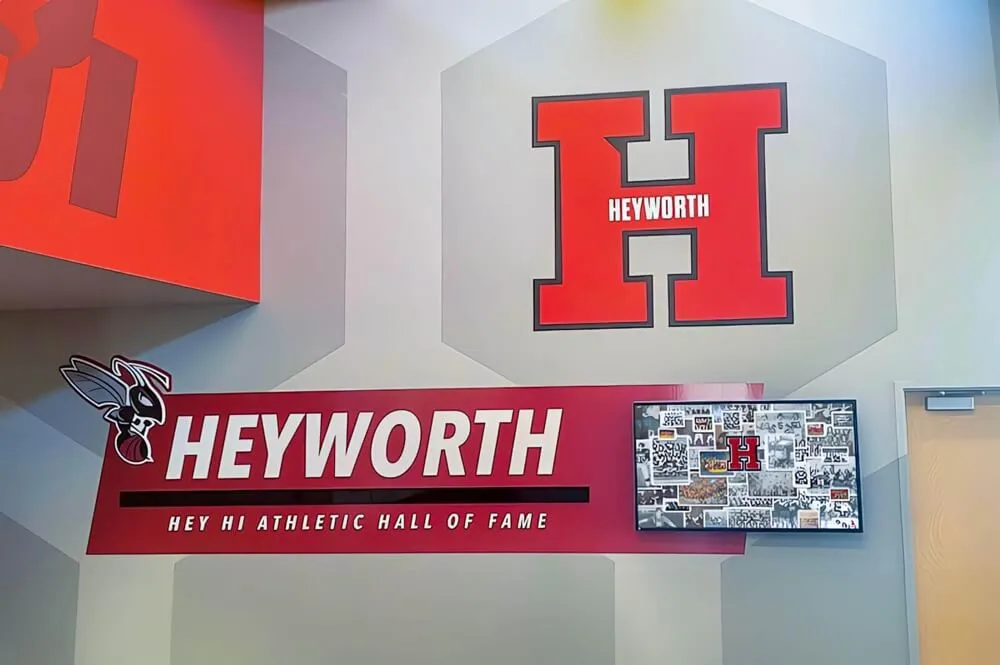
One of the most meaningful ways booster clubs support athletic programs is funding permanent recognition displays that celebrate achievements and inspire future athletes.
Why Athletic Recognition Matters
Student athletes invest countless hours in training, competition, and team commitment. Visible recognition of their achievements validates this dedication while inspiring younger athletes and building program pride.
Traditional recognition methods—plaques, trophy cases, and wall-mounted displays—face significant limitations. Physical trophy cases reach capacity quickly, forcing difficult decisions about which achievements receive permanent display and which are relegated to storage. Static plaques and vinyl graphics require manual updates, making real-time recognition of new achievements challenging and expensive.
Modern Digital Recognition Solutions:
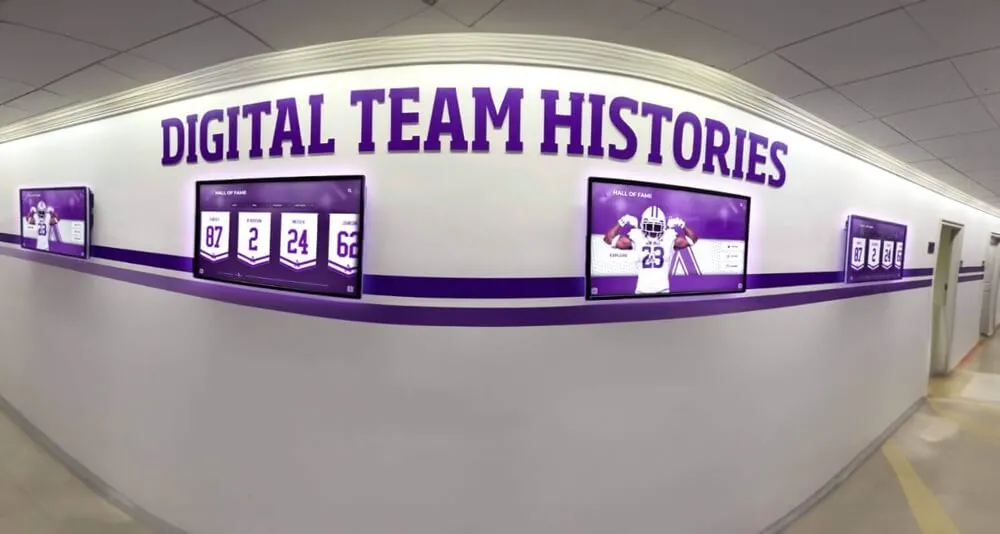
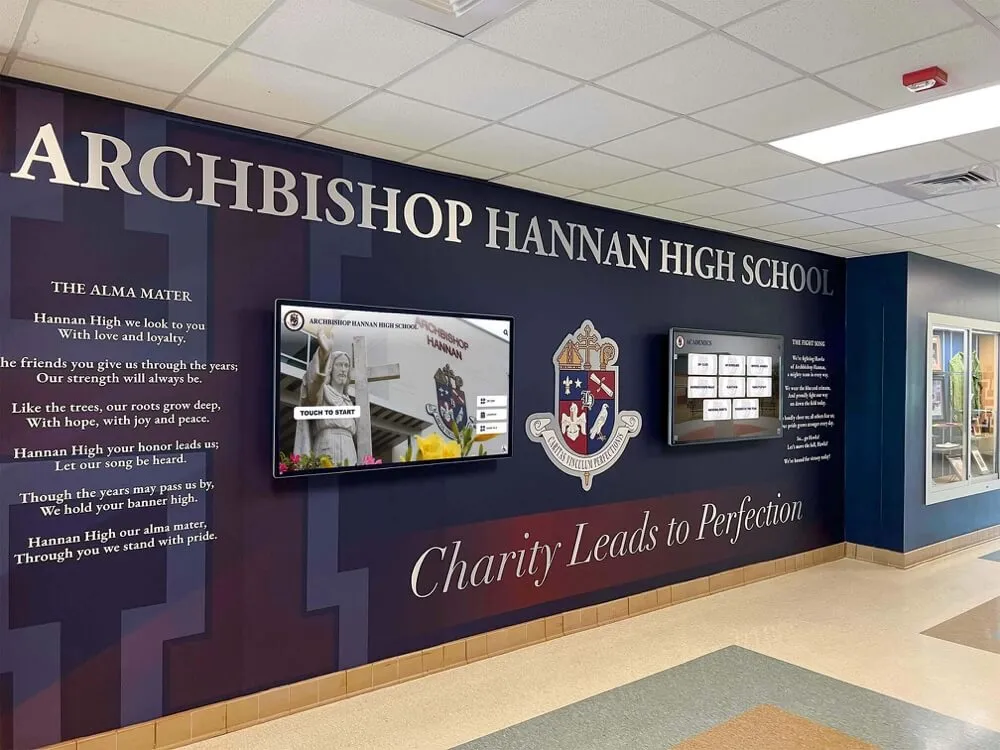
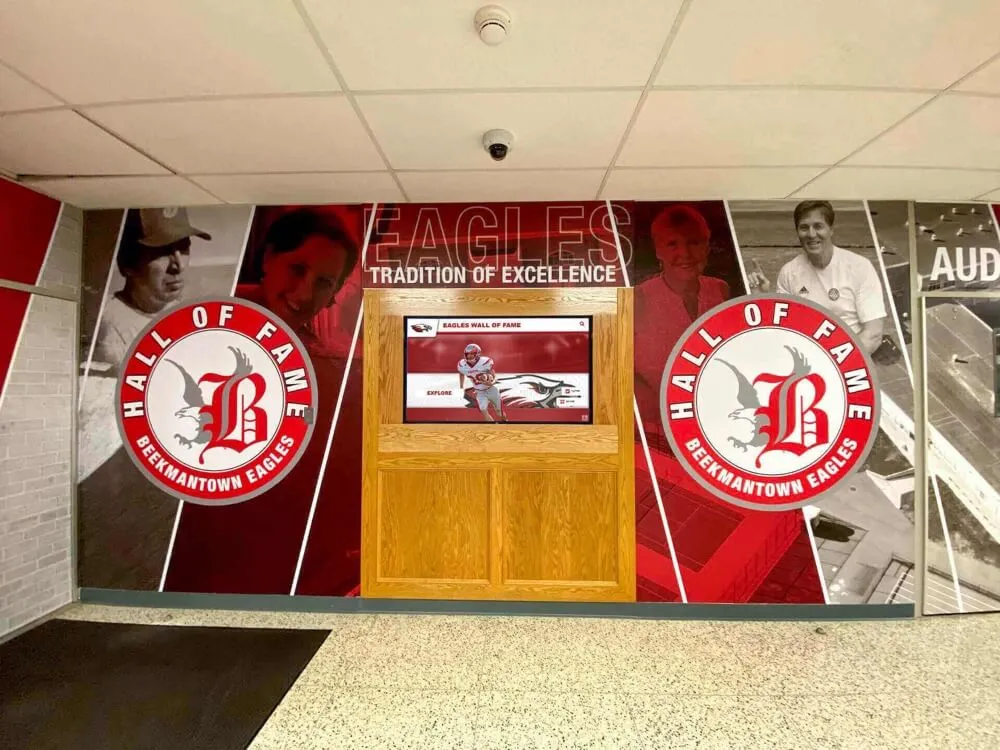
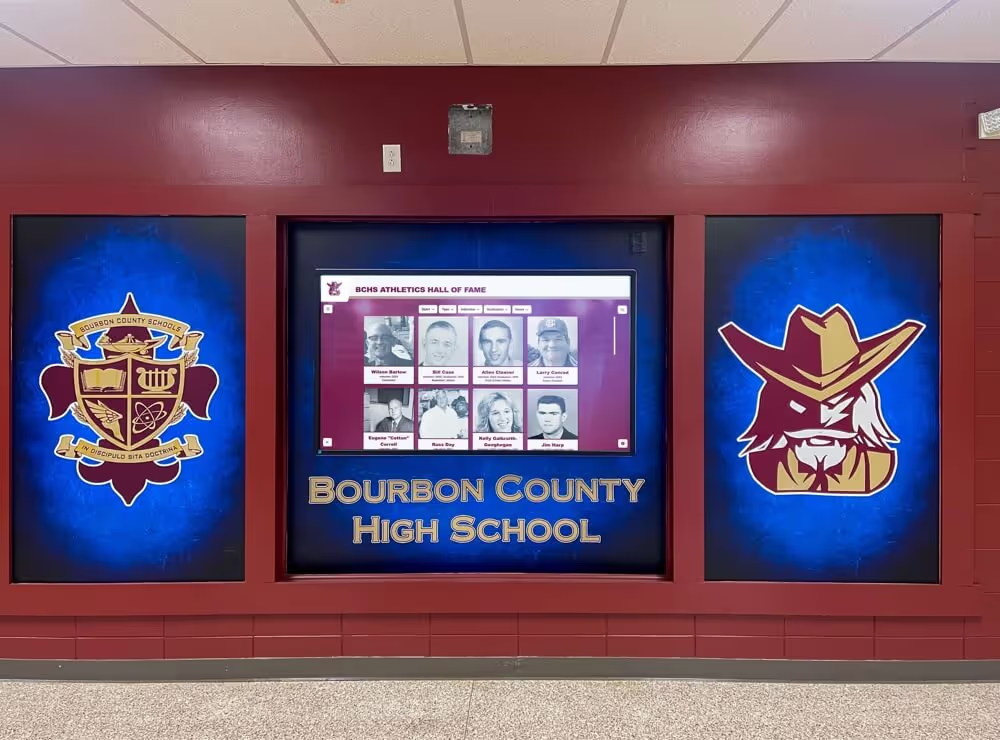
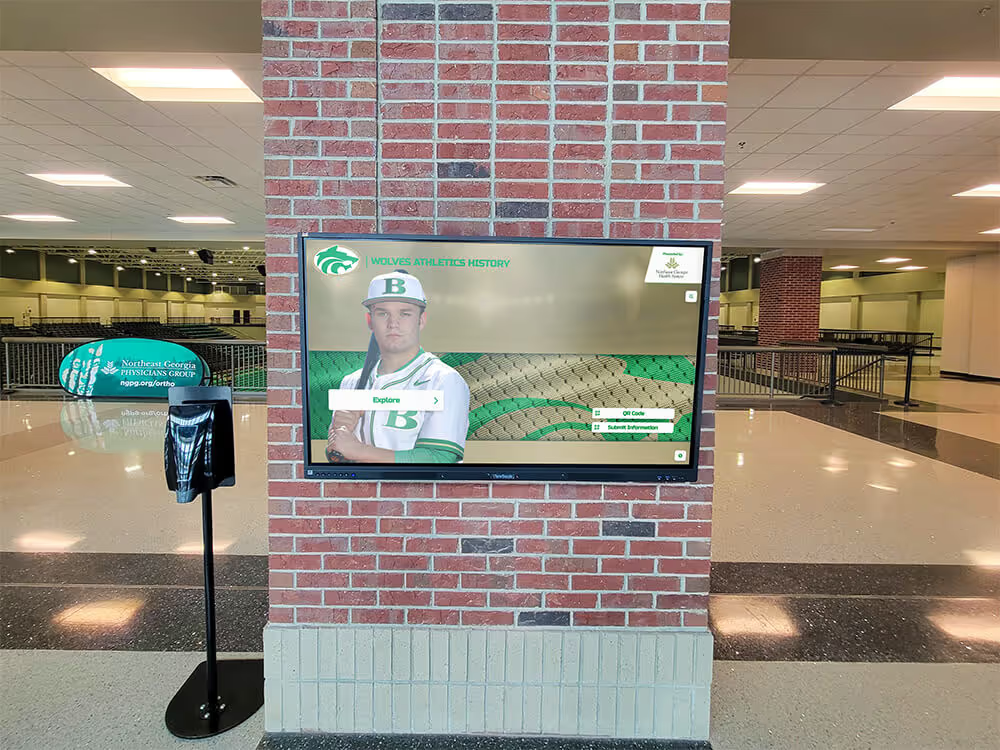
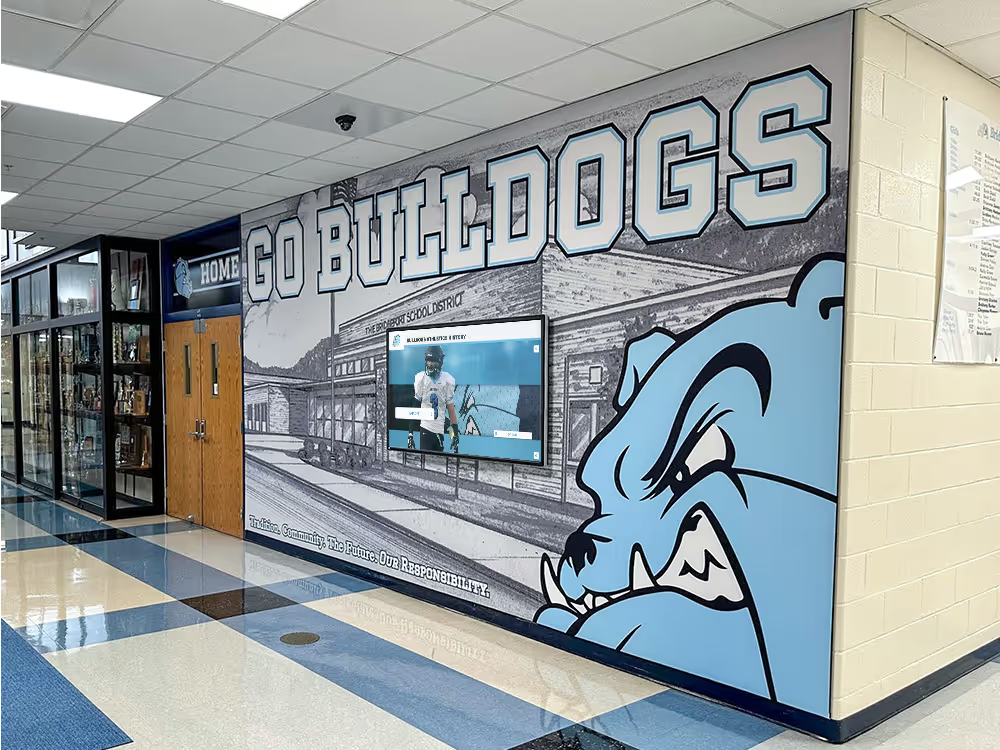
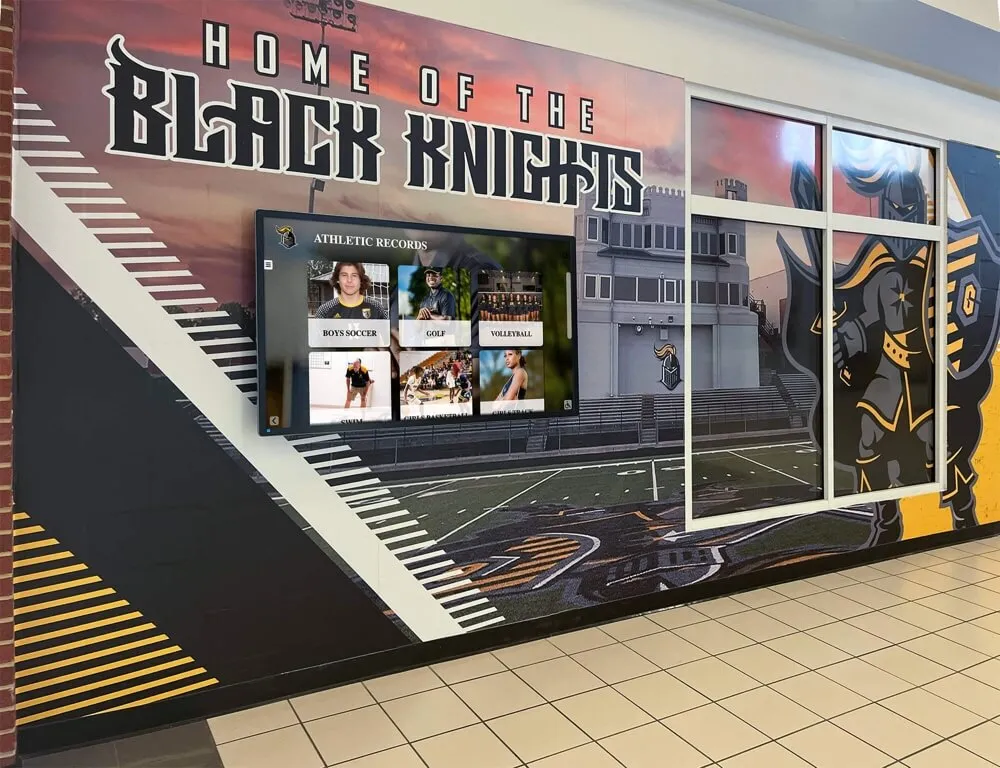
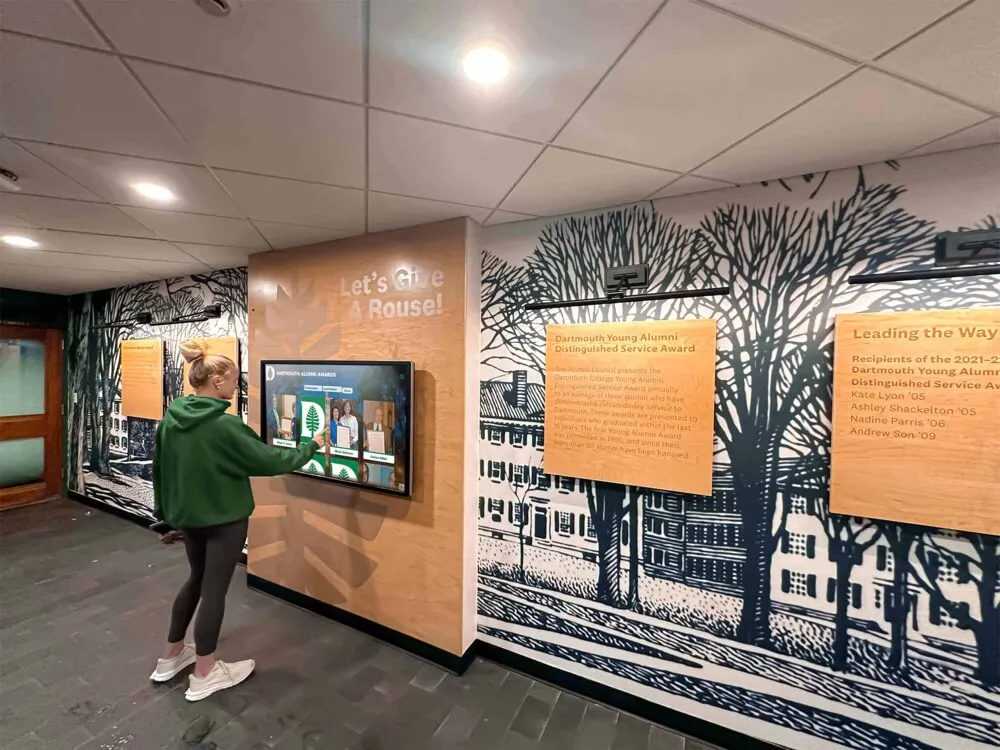
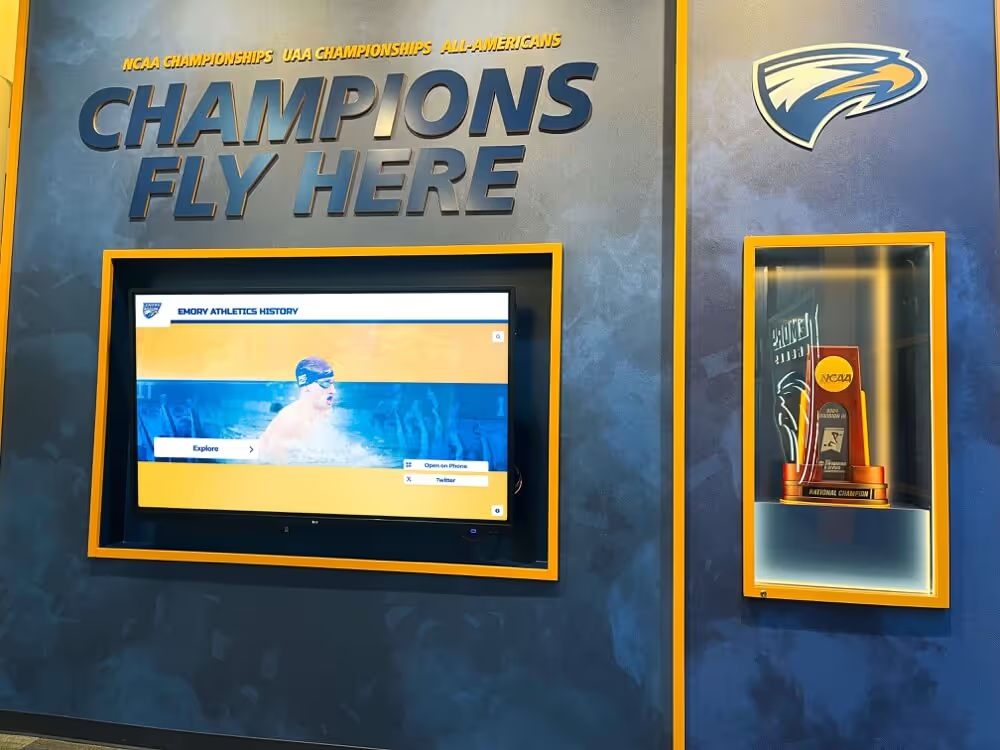
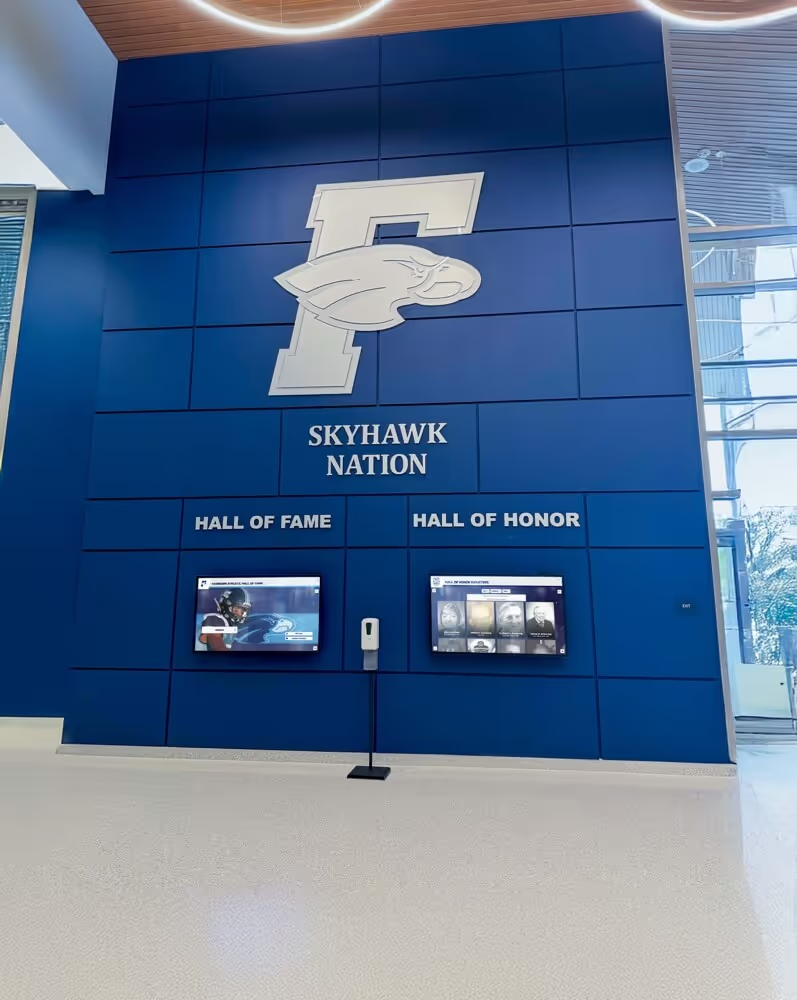
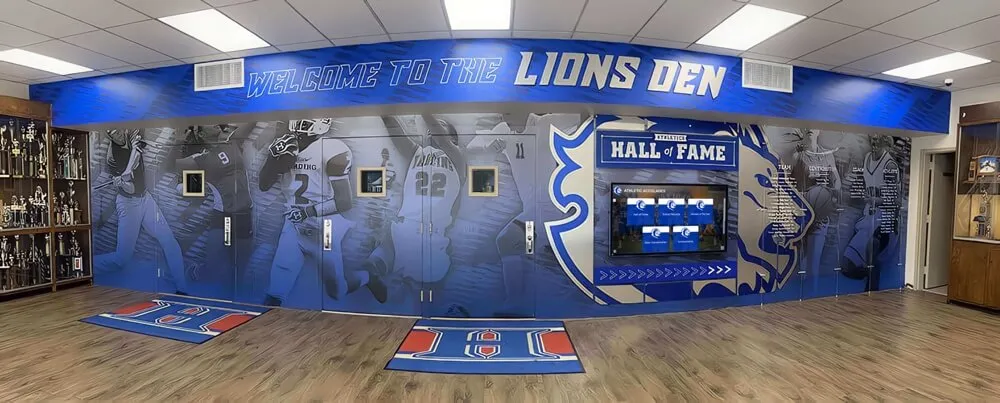
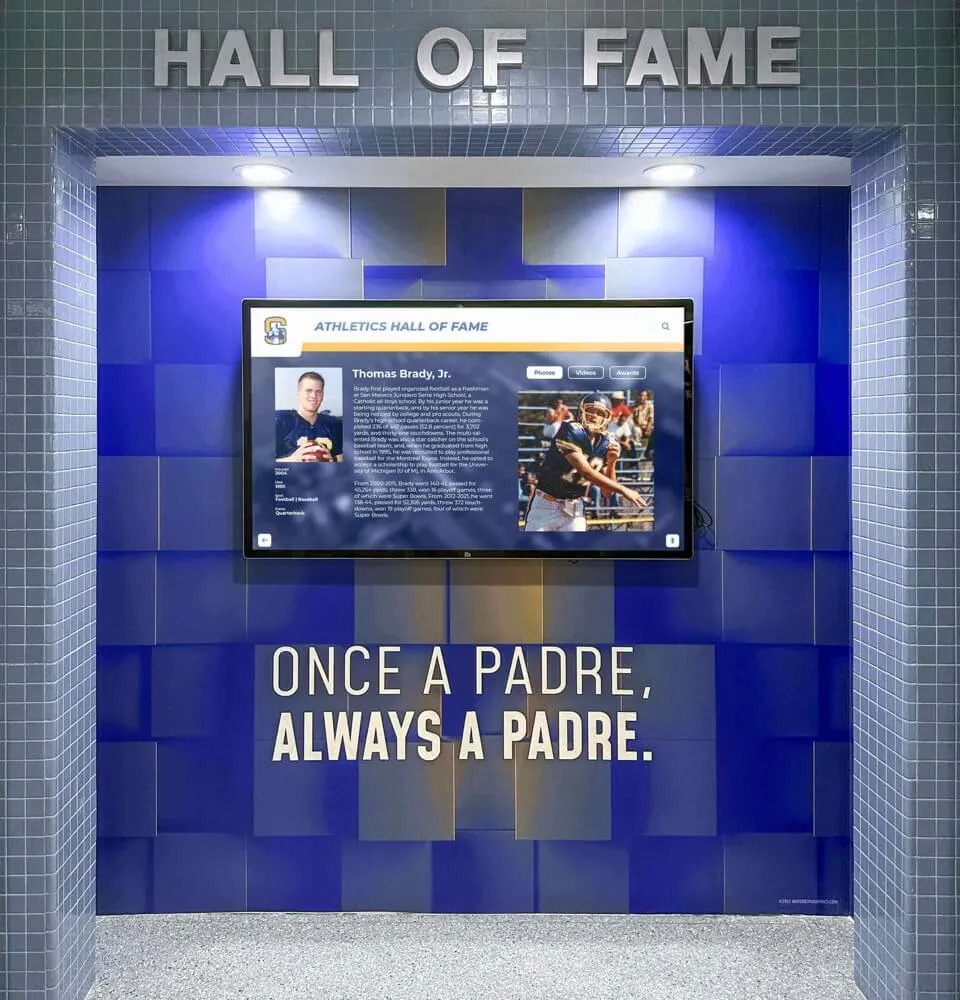
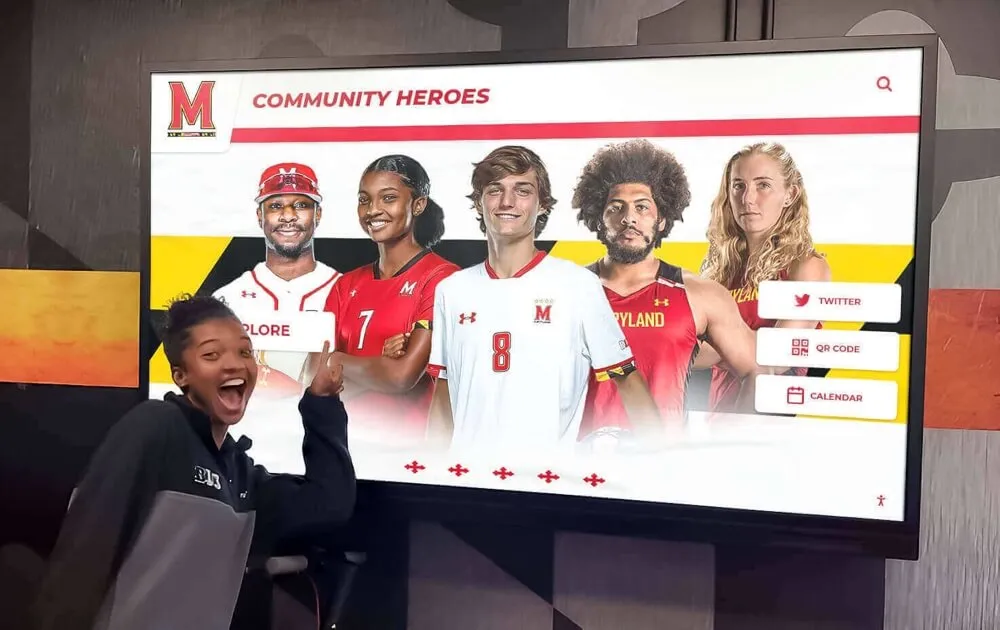
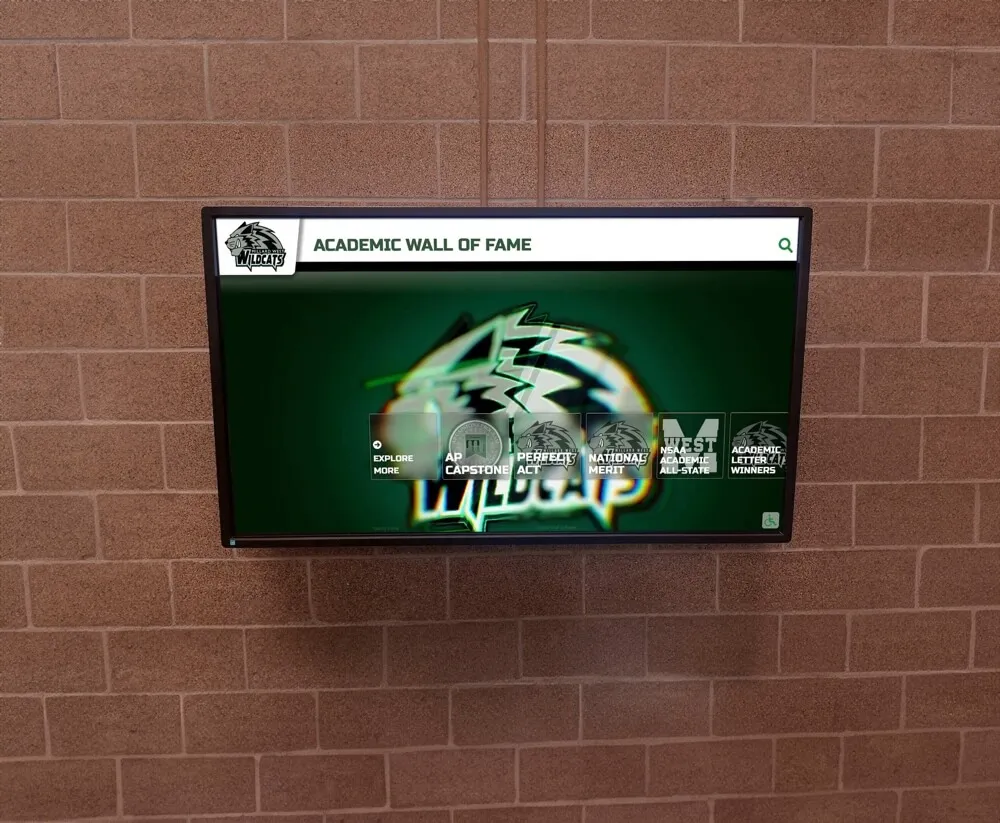
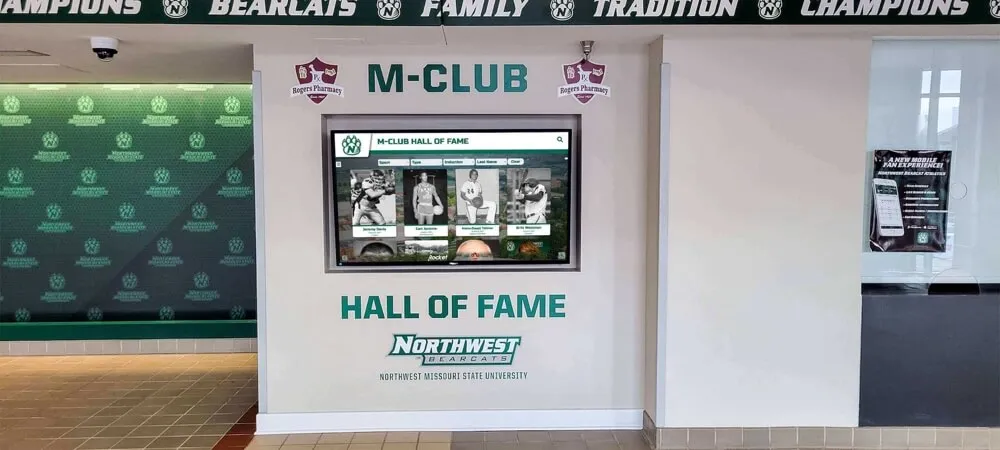
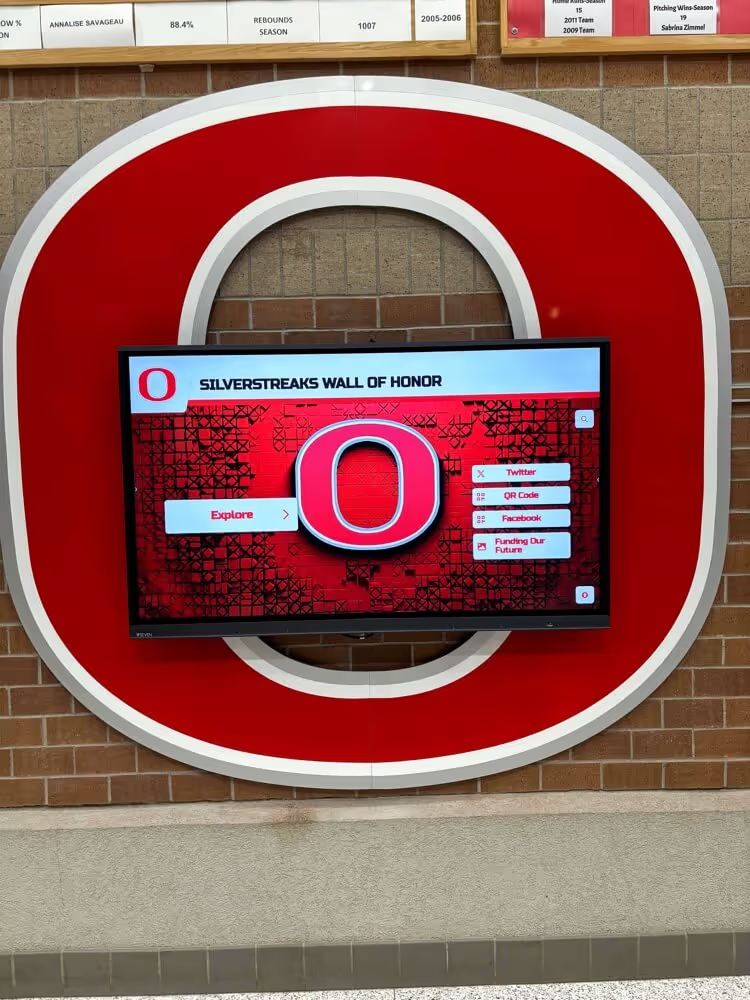
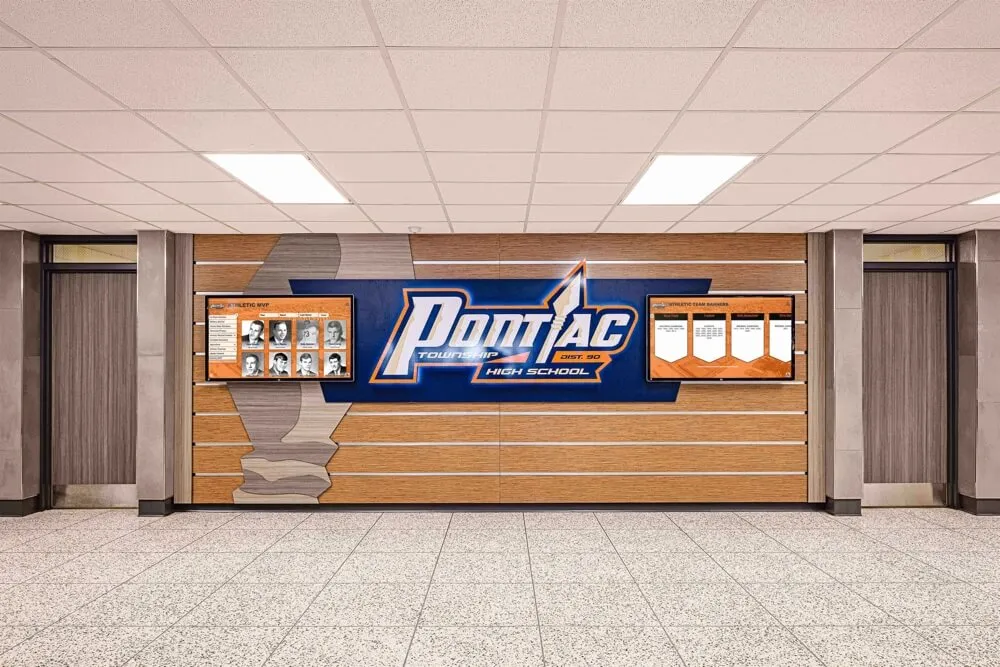
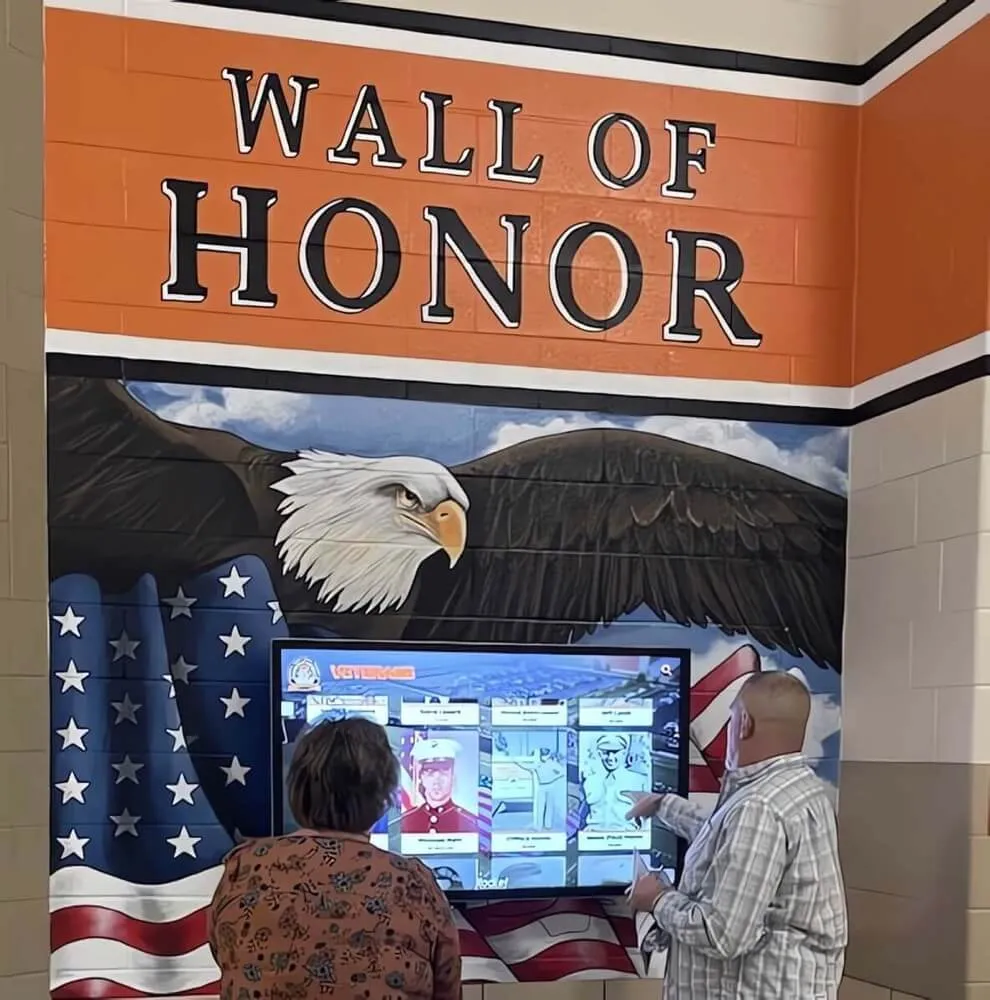
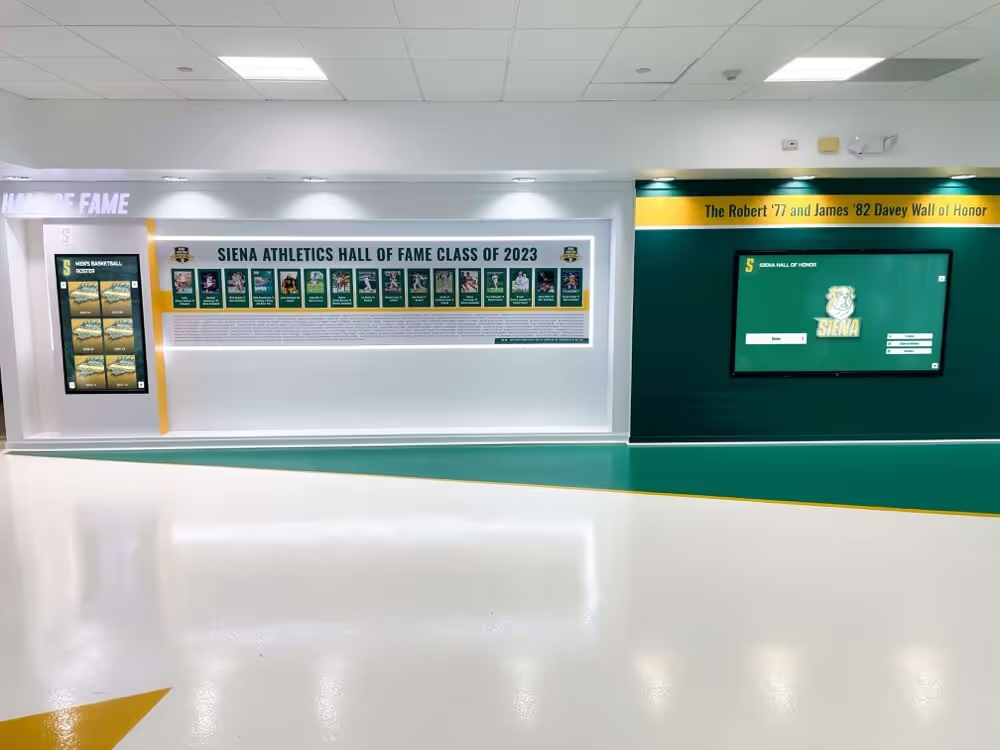
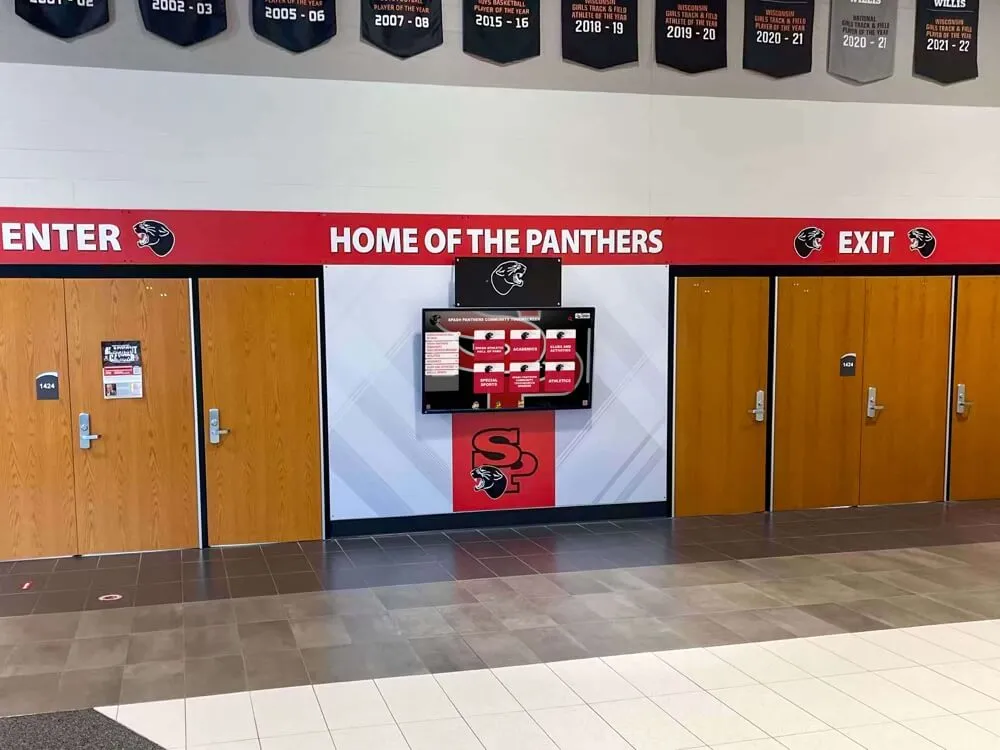
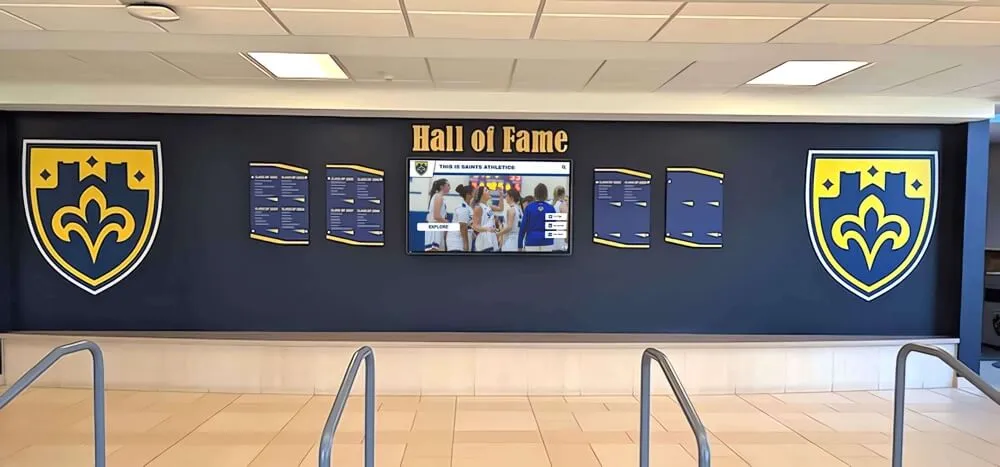
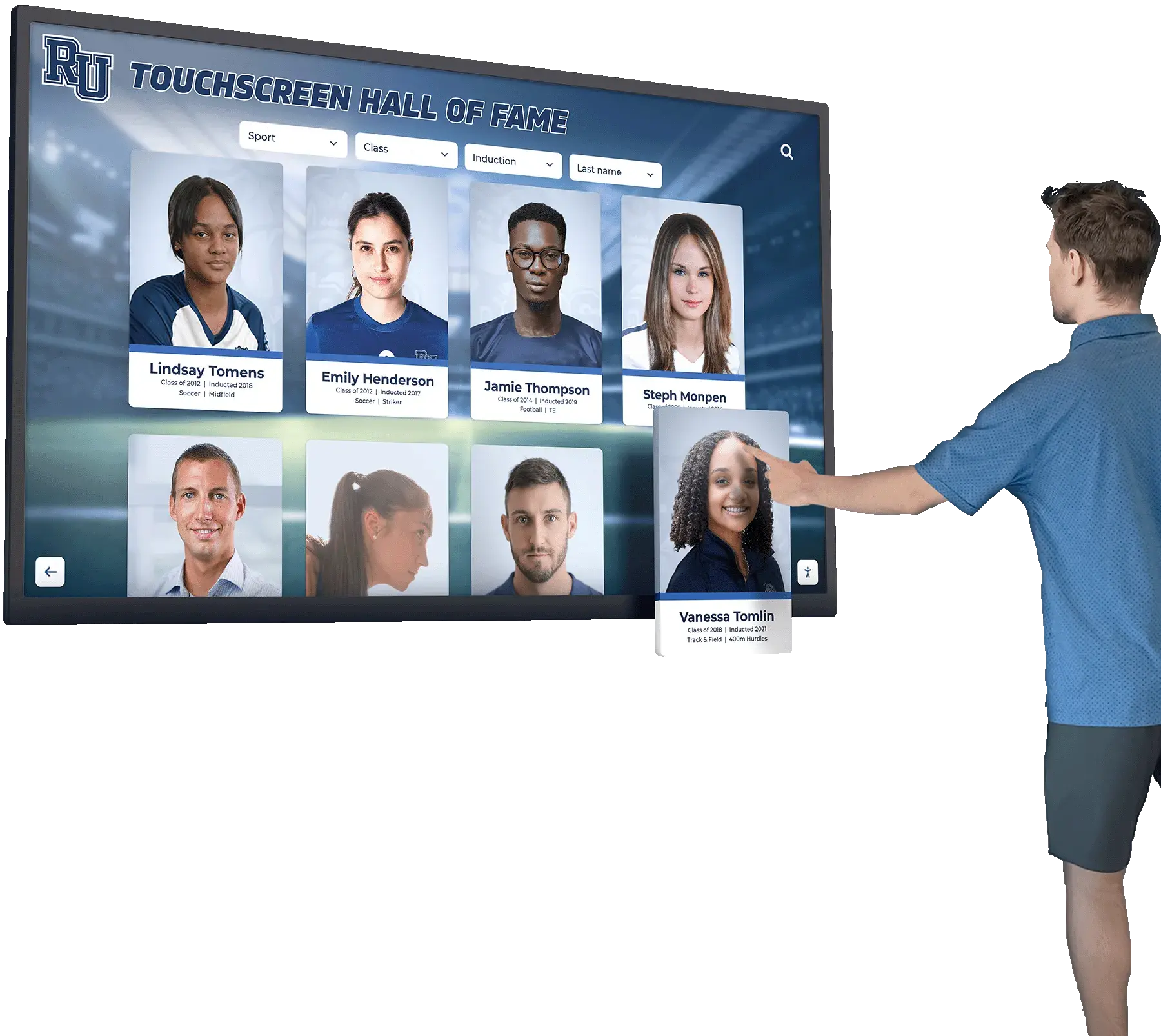
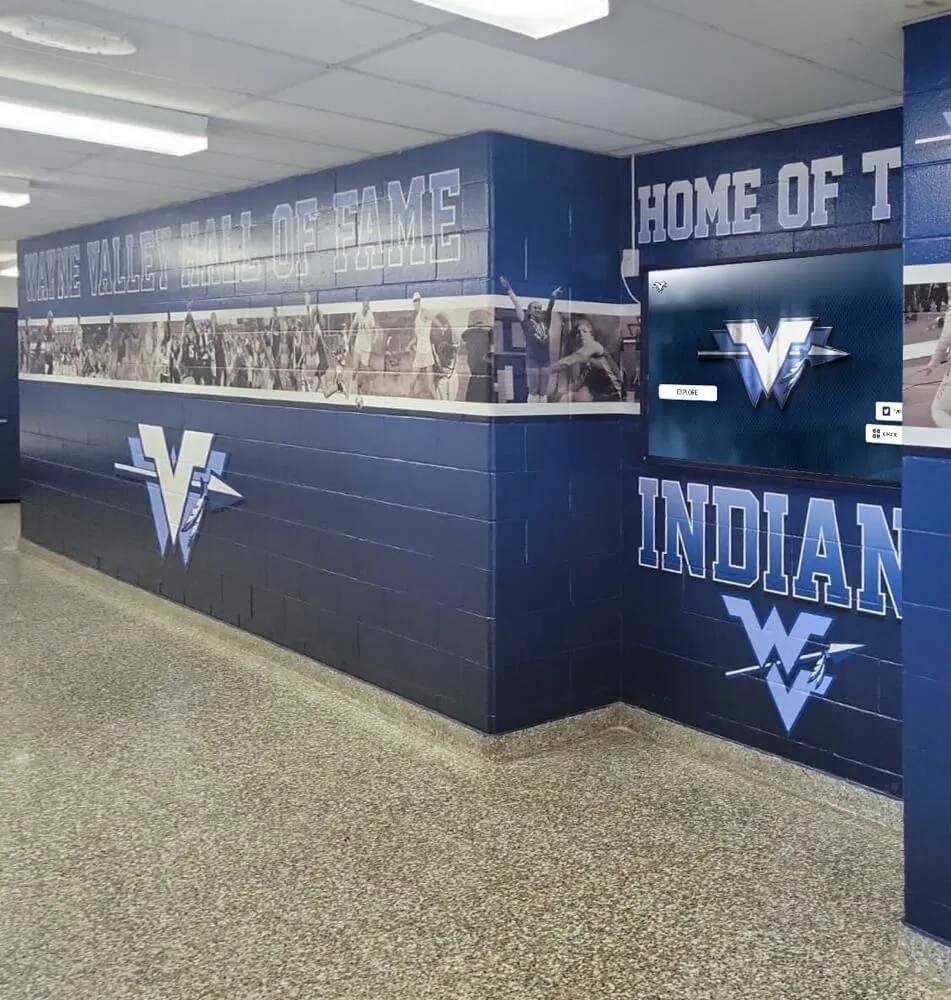
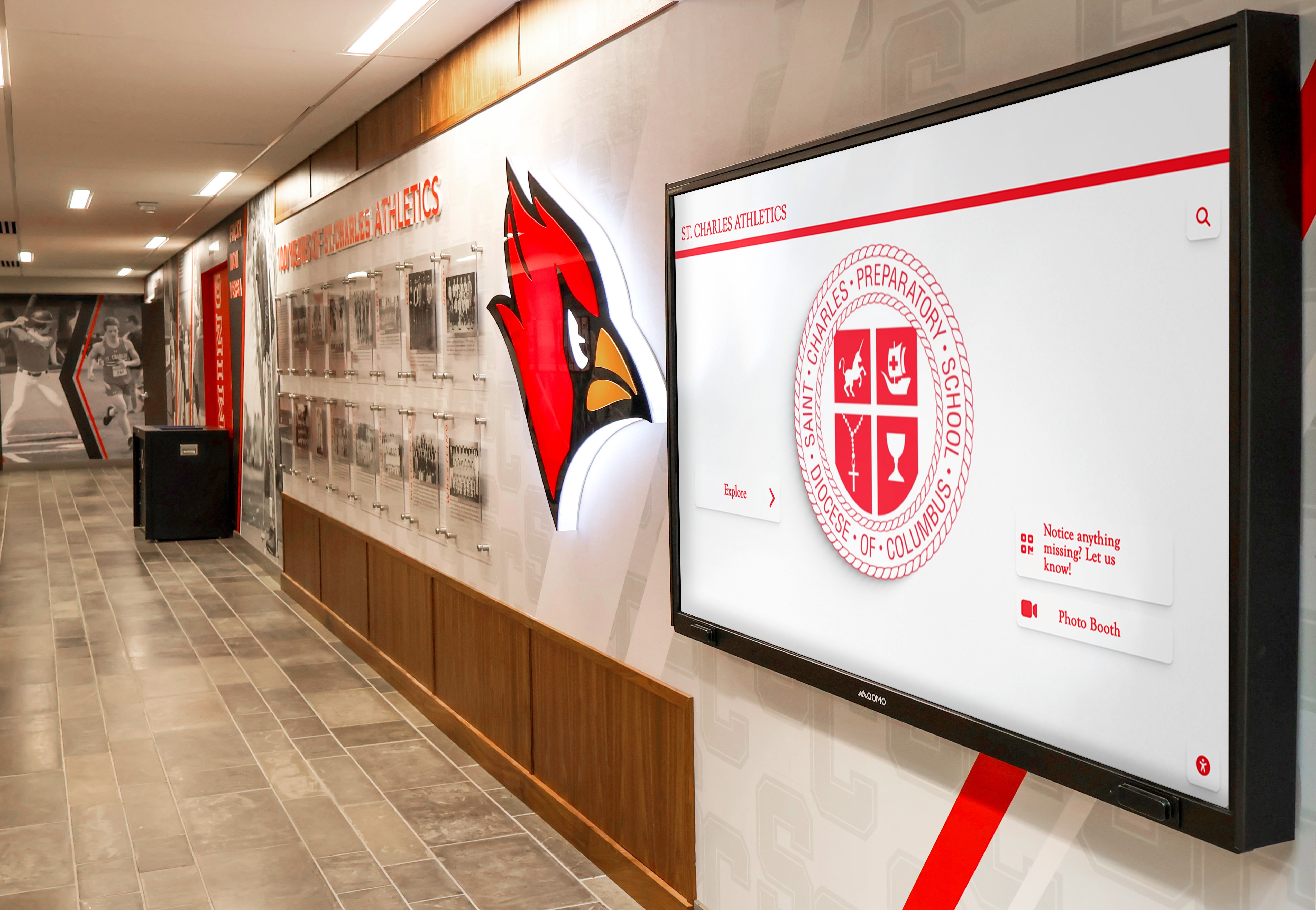
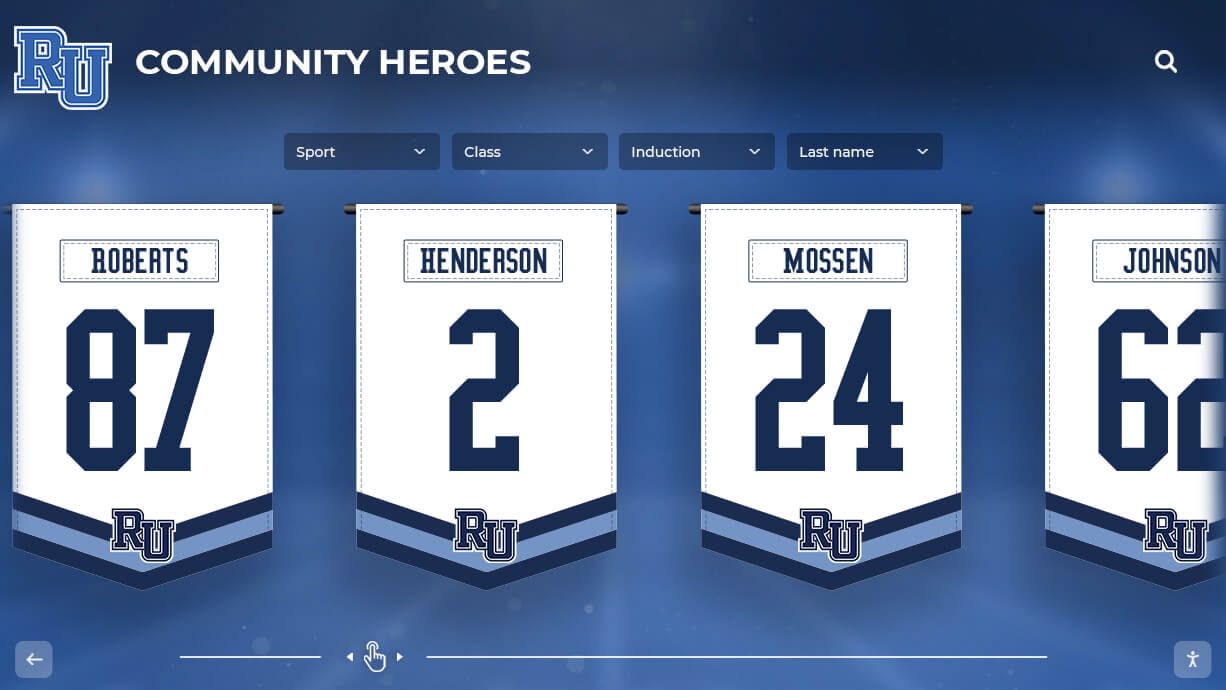
Progressive booster clubs increasingly fund digital athletic recognition systems that overcome traditional limitations while providing dynamic, engaging displays. Digital platforms allow unlimited capacity—every record holder, state qualifier, all-star athlete, and championship team can receive permanent recognition without space constraints.
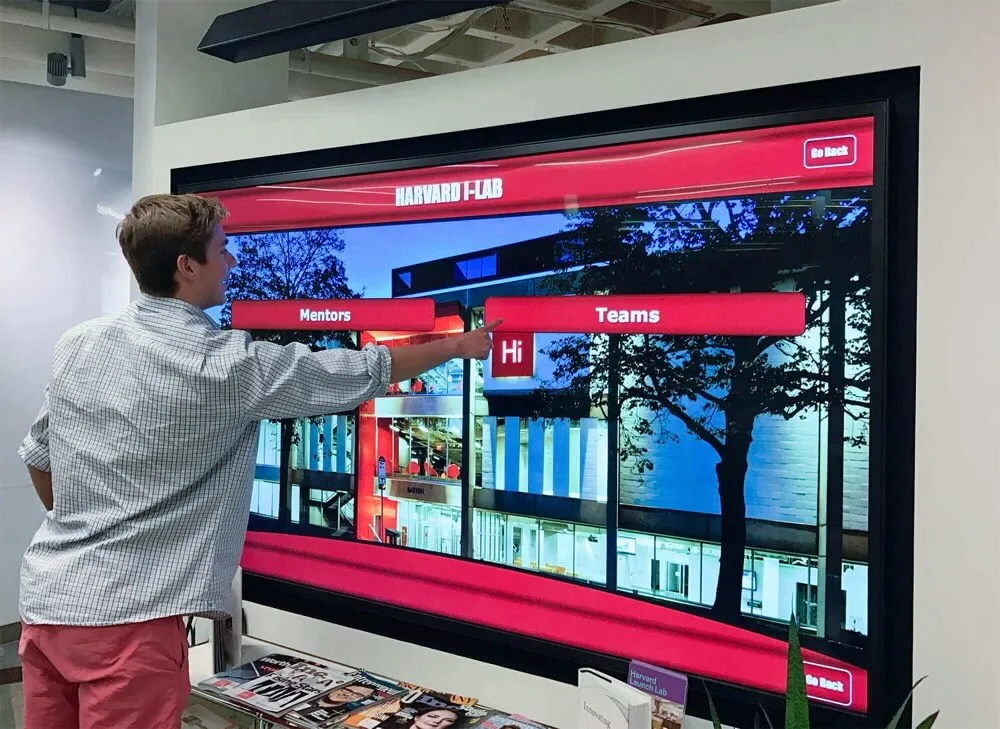
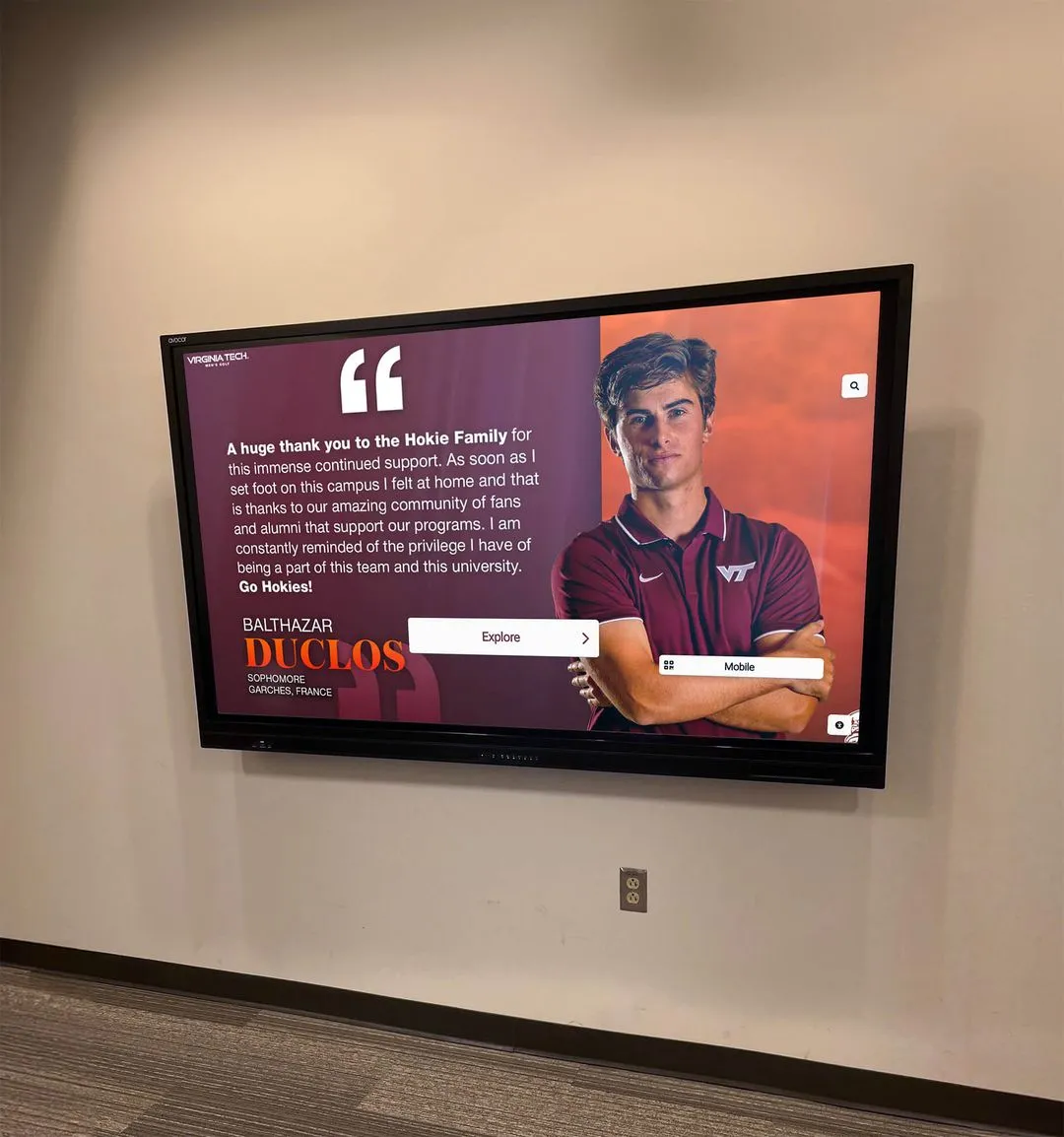
These systems update instantly when new records fall or championships are won, keeping displays current without vinyl replacement costs or manual maintenance. Interactive features let visitors explore detailed athlete profiles, view photos and videos, and filter achievements by sport, year, or achievement type.
Many booster clubs find that funding a comprehensive digital recognition system creates a lasting legacy more impactful than equipment purchases or facility improvements that require eventual replacement. Recognition displays inspire athletes for decades while preserving program history that traditional methods often lose.
Funding Permanent Recognition Displays
Quality digital recognition systems represent significant investments—typically $10,000-$50,000 depending on size, features, and installation complexity. This magnitude makes recognition displays ideal major fundraising goals around which booster clubs can build targeted campaigns.
Campaign Strategies for Recognition Display Funding:
Launch capital campaigns specifically designated for recognition display installation. Targeted campaigns with clear goals and timelines generate strong donor response, particularly when campaigns include naming opportunities or donor recognition features.
For example, a campaign might offer major donors recognition on the display itself, with contribution levels like “$5,000 Founding Patron” or “$10,000 Legacy Sponsor” acknowledged permanently on the installation. These naming opportunities provide lasting recognition for donor families while funding the project.
Seeking corporate sponsors for recognition displays works particularly well, as businesses benefit from association with positive athletic recognition while receiving visibility through logo placement or acknowledgment. Local businesses often respond positively to sponsorship opportunities that visibly support community athletics.
Some booster clubs structure recognition display projects as memorial or honorary gifts, allowing families to contribute in memory of loved ones or honor influential coaches, boosting both fundraising impact and emotional connection to the project.
Selecting Recognition Display Solutions
Booster clubs evaluating digital recognition solutions should assess several factors ensuring investments meet program needs effectively.
Key Selection Criteria:
Content management capabilities determine how easily the booster club or athletic department can update displays as new achievements occur. Look for systems with intuitive interfaces allowing non-technical staff to add records, upload photos, and modify content without requiring vendor support for every change.
Hardware durability and warranty protection matter significantly for installations in high-traffic athletic facilities. Commercial-grade displays designed for continuous operation vastly outlast consumer televisions, while comprehensive warranties protect booster investments.
Professional installation services ensure proper mounting, electrical work, and network connectivity. Amateur installations risk damage, safety issues, and operational problems that undermine display effectiveness.
Content support—whether vendors provide templates, initial data entry assistance, and ongoing content recommendations—significantly impacts how quickly displays become operational and how well they showcase program achievements. Solutions like Rocket Alumni Solutions provide comprehensive support helping schools create professional displays without requiring extensive technical expertise.
Common Challenges and How to Overcome Them
Every booster club faces obstacles that threaten effectiveness or sustainability. Understanding common challenges and proven solutions helps organizations navigate difficulties successfully.
Challenge: Limited Volunteer Participation
Many booster clubs struggle to recruit sufficient volunteers, leaving small groups overwhelmed by operational demands.
Solutions:
Make volunteer opportunities specific and time-limited rather than open-ended. Asking someone to “help with the booster club” feels overwhelming, but requesting “staff the concession stand for one football game” or “coordinate the golf tournament registration table” defines clear, manageable commitments.
Recognize and appreciate volunteers publicly and specifically. Highlight volunteer contributions in newsletters, social media, and at athletic events. People want to feel valued and see that their contributions matter. Schools can leverage ideas about athletic milestones and celebrations to recognize booster volunteers alongside student achievements.
Create a volunteer database tracking individual skills, interests, and availability. When specific needs arise, directly contact people whose profiles match rather than broadcasting general volunteer requests that everyone ignores assuming someone else will respond.
Challenge: Fundraising Fatigue
Communities face constant fundraising requests from schools, youth sports, churches, and civic organizations. Standing out and maintaining donor enthusiasm requires strategic approaches.
Solutions:
Focus fundraising efforts on fewer, higher-quality initiatives rather than constant small campaigns that exhaust donors. One well-executed annual gala or golf tournament generates more revenue with less donor fatigue than monthly minor fundraisers.
Communicate clearly and specifically how funds are used. Donors respond when they understand exactly what their contributions accomplish. Rather than generic “support athletics” messaging, specify “your contribution funded the new recognition displays in our athletic hallway” or “booster funding purchased new equipment for seven sports this year.”
Provide multiple giving options accommodating different donor preferences and financial capacities. Some prefer events, others buy merchandise, many simply want to write checks. Diversified fundraising strategies engage broader donor bases while respecting individual preferences.
Challenge: Balancing Support Across Multiple Sports
Booster clubs supporting comprehensive athletic programs must allocate resources fairly across sports with different needs, costs, and booster participation levels.
Solutions:
Establish clear written policies governing how funds are allocated across sports. Common approaches include equal per-sport allocations, per-athlete funding formulas, or needs-based allocation where sports request funding for specific needs that boards evaluate and approve based on established criteria.
Whatever allocation method is chosen, document it clearly, apply it consistently, and communicate it transparently to all sports parents. Perceptions of favoritism or inequitable treatment undermine booster clubs quickly.
Include representatives from multiple sports on booster boards ensuring diverse perspectives inform decision-making. When boards include only parents of football or basketball players, other sports parents reasonably question whether their athletes receive fair consideration.
Consider separate general and restricted fund accounts. General funds support comprehensive athletic department needs and equitable distribution across sports, while restricted funds designated for specific sports honor donor intent without creating allocation conflicts.
Challenge: Navigating School District Policies
School districts impose policies on booster organizations—sometimes extensive requirements governing operations, fundraising, and spending—that can feel restrictive to volunteers.
Solutions:
Understand that district policies protecting students, maintaining educational priorities, and limiting liability exposure serve legitimate purposes even when they seem bureaucratic. Work cooperatively with administration rather than viewing policies as obstacles.
Maintain open communication with athletic directors and district administration. When booster clubs share plans early, seek input, and incorporate school feedback, administrators become partners rather than gatekeepers.
Review district booster policies annually with board members, ensuring everyone understands requirements and the organization remains compliant. Violations—even unintentional—damage relationships and can result in restrictions on booster operations.
Getting Started: Your First 90 Days
Launching a booster club involves sequential steps that establish proper foundation before major operations begin.
Days 1-30: Organization and Legal Formation
Recruit founding board members committed to the intensive launch work. Establish initial meeting schedule—likely weekly during formation phase. Draft bylaws with input from all board members, consulting attorney review if possible. File articles of incorporation with your state. Apply for EIN from the IRS. Open temporary bank account using EIN while awaiting formal tax exemption.
Days 31-60: Infrastructure and Planning
Submit IRS Form 1023 or 1023-EZ for 501(c)(3) tax exemption. Register with state tax and charitable solicitation authorities. Develop operating manual documenting initial procedures. Create communication channels—website, email list, social media accounts. Meet with school administration to present plans and align on policies. Begin volunteer recruitment for committees and specific positions.
Days 61-90: Initial Operations and Fundraising
Launch membership drive seeking founding members. Execute first fundraising initiative—likely a simple direct donation campaign. Plan first major fundraising event for later in the school year. Begin developing sponsorship materials and corporate outreach. Present booster club to athletic department staff and coaches. Attend athletic events and build visibility for the new organization.
By day 90, your booster club should have legal structure established, initial operations launched, and visible presence in the school community. The remaining first year focuses on refining operations, executing major fundraisers, and demonstrating value to the athletic programs and school community.
The Long-Term Impact of Successful Booster Clubs
Well-run booster clubs create benefits extending far beyond immediate fundraising totals. These organizations build community connections, create volunteer leadership opportunities, and establish sustainable support systems that serve athletic programs for decades.
Booster-funded recognition displays create particularly lasting impact. While equipment wears out and facilities require eventual replacement, quality digital recognition systems celebrate student achievements for decades, inspire future athletes by showcasing what excellence looks like in their programs, and preserve institutional memory that would otherwise fade as staff transitions and years pass.
Parents whose own children have graduated often continue booster involvement because these organizations become valued community connections. This generational continuity—where today’s booster volunteers were yesterday’s recognized athletes—creates powerful organizational sustainability and deep institutional knowledge benefiting programs long-term.
Starting a booster club requires significant effort, careful planning, and sustained commitment. But for parents and community members wanting to meaningfully support student athletes and build school pride, few initiatives offer more rewarding impact than well-run booster organizations that serve programs and communities for generations.
Ready to explore how your booster club can fund lasting recognition displays that celebrate athletic excellence and inspire future champions? Schedule a consultation with Rocket Alumni Solutions to discover how digital recognition systems transform athletic facilities while preserving program history permanently.