



Recording and tracking sports games effectively transforms how athletic programs document achievement, analyze performance, celebrate excellence, and preserve institutional history. Athletic directors and coaches managing multi-sport programs face constant challenges keeping accurate records across dozens of teams, hundreds of athletes, and thousands of individual performances each season. The difference between programs that lose track of records versus those that maintain comprehensive documentation often comes down to implementing systematic tracking approaches that capture game results, individual statistics, milestone achievements, and all-time records without creating unsustainable administrative burdens.
Modern athletic programs increasingly recognize that recording sports games involves more than just writing down final scores—it encompasses video documentation for performance analysis, statistical tracking enabling data-driven coaching decisions, automated record-keeping systems that identify when athletes break school marks, and digital recognition platforms that celebrate achievements permanently rather than letting excellence fade from institutional memory when vinyl boards run out of space.
Why Comprehensive Game Recording Matters
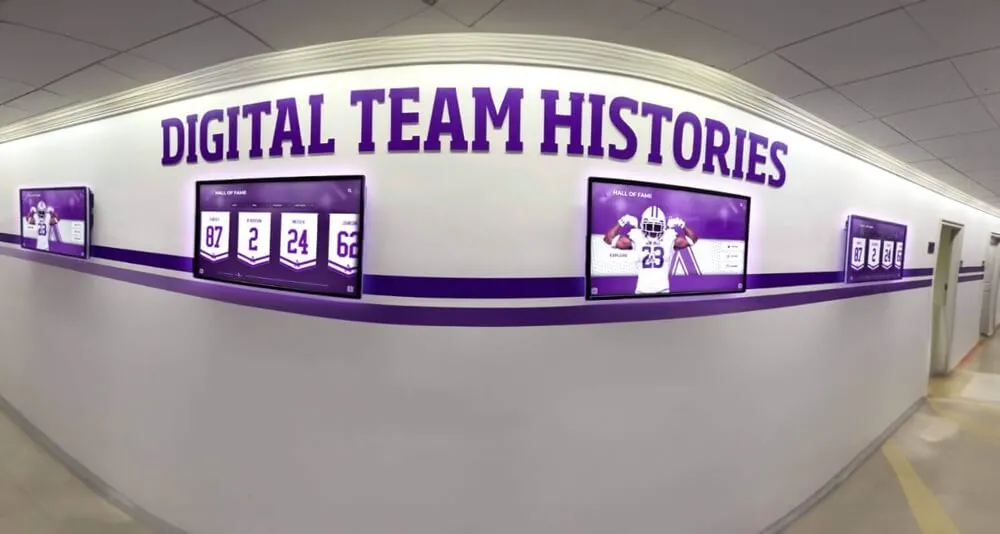
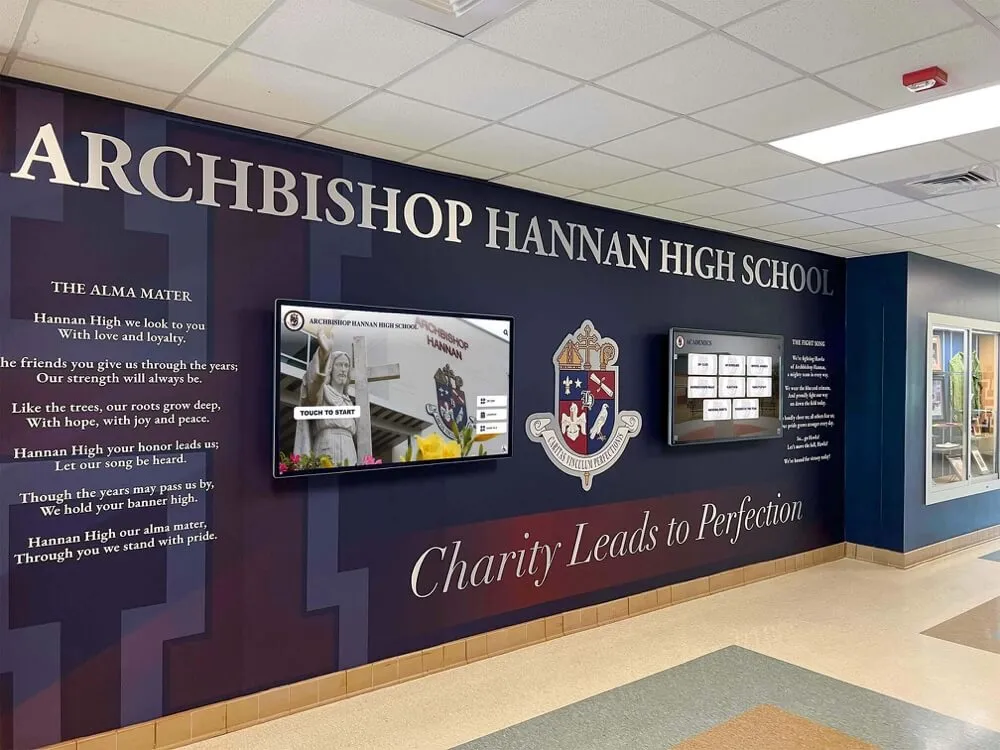
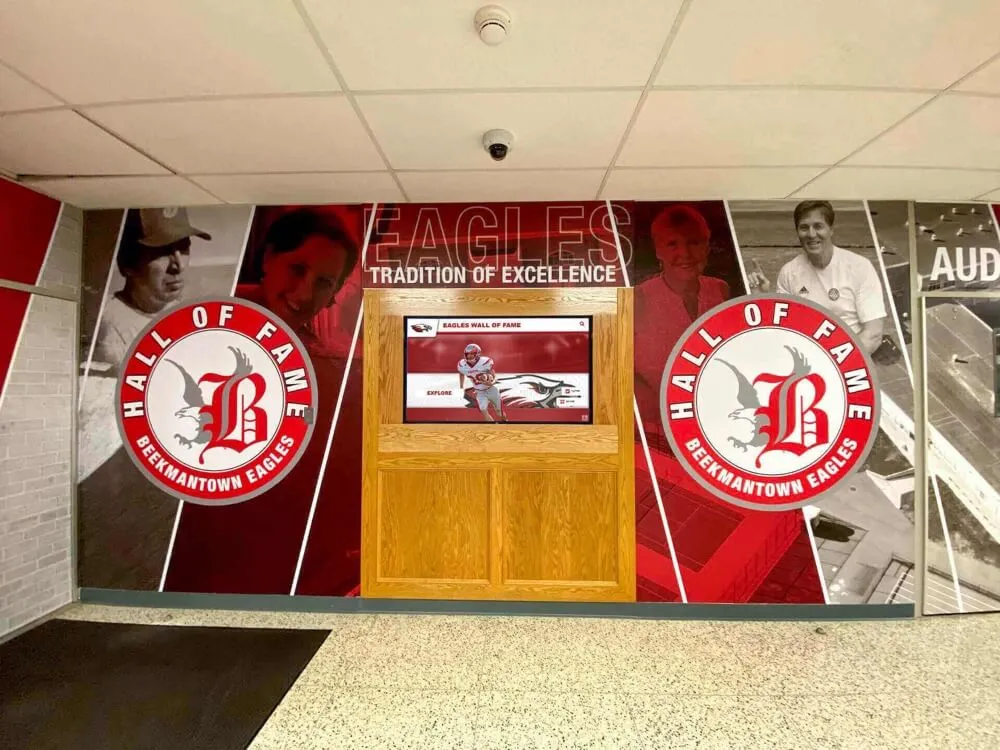
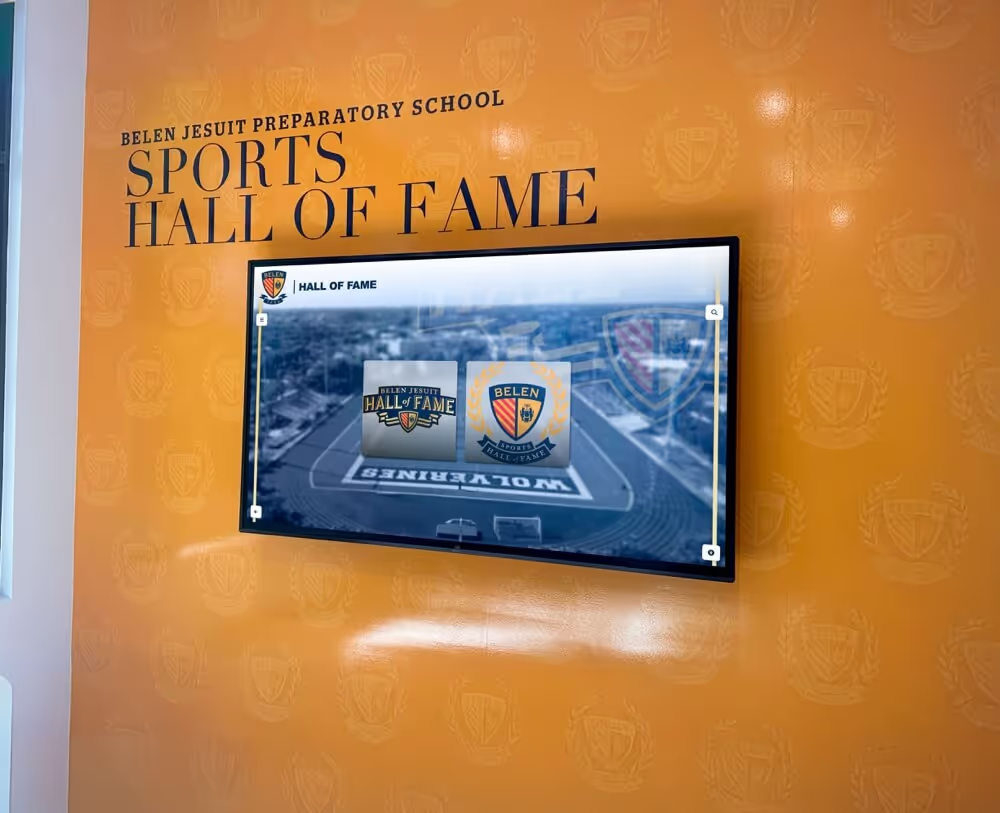
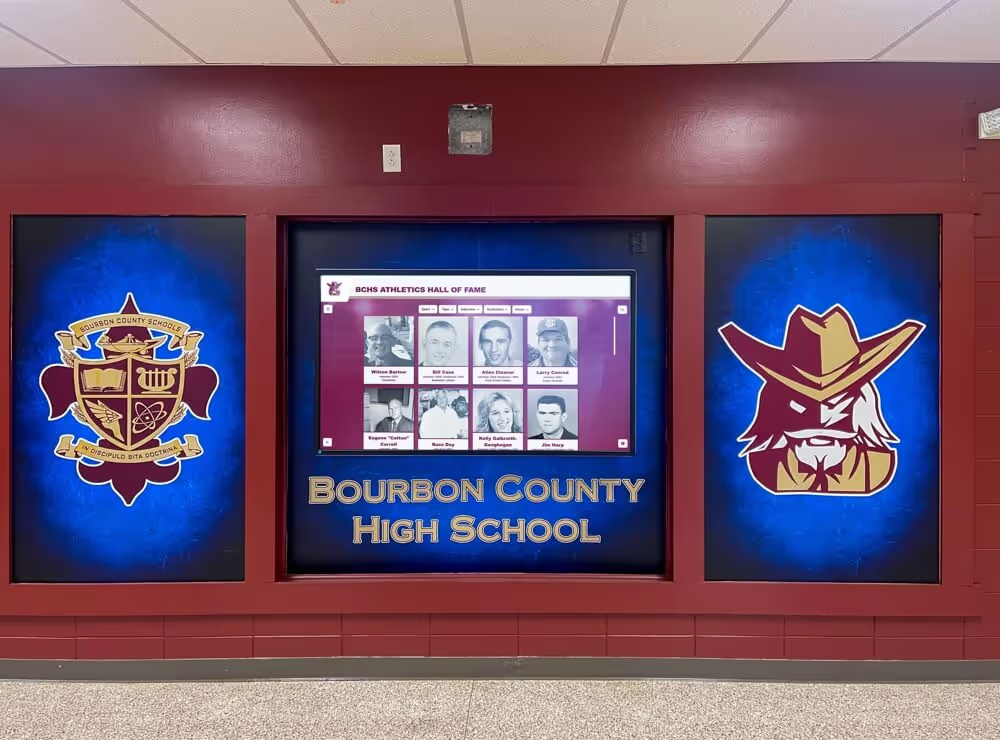
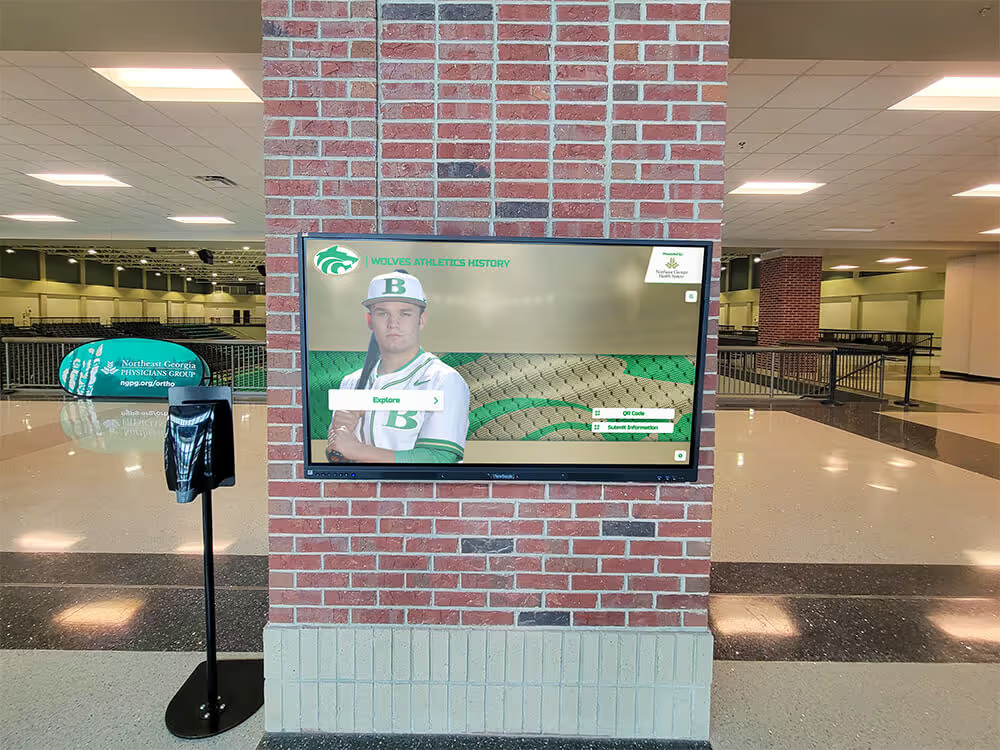
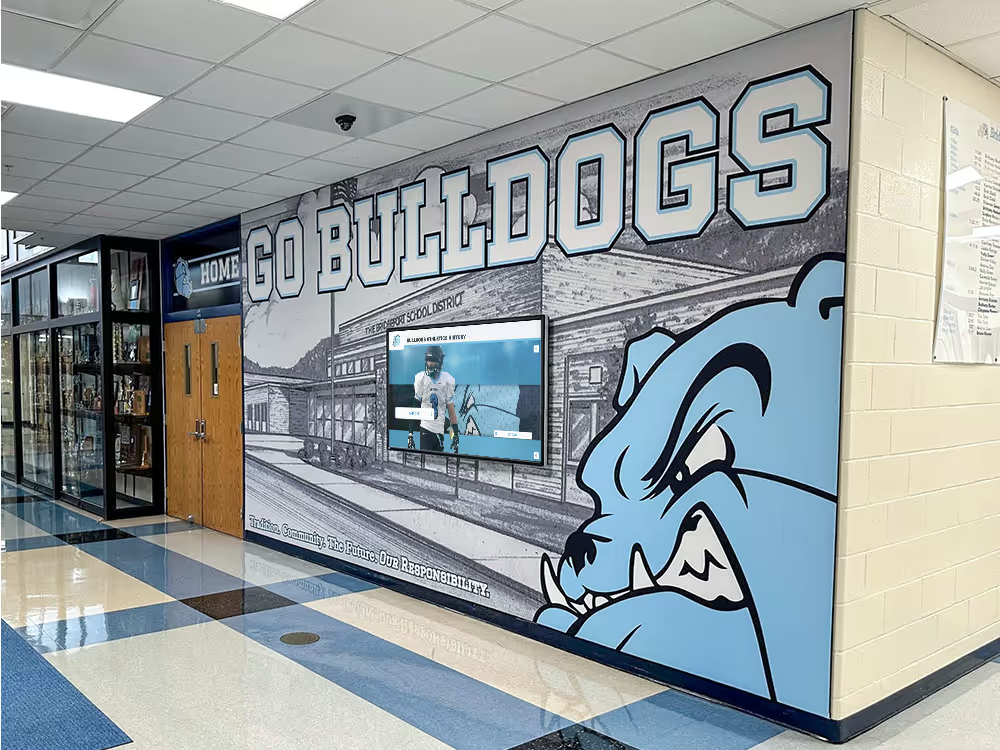
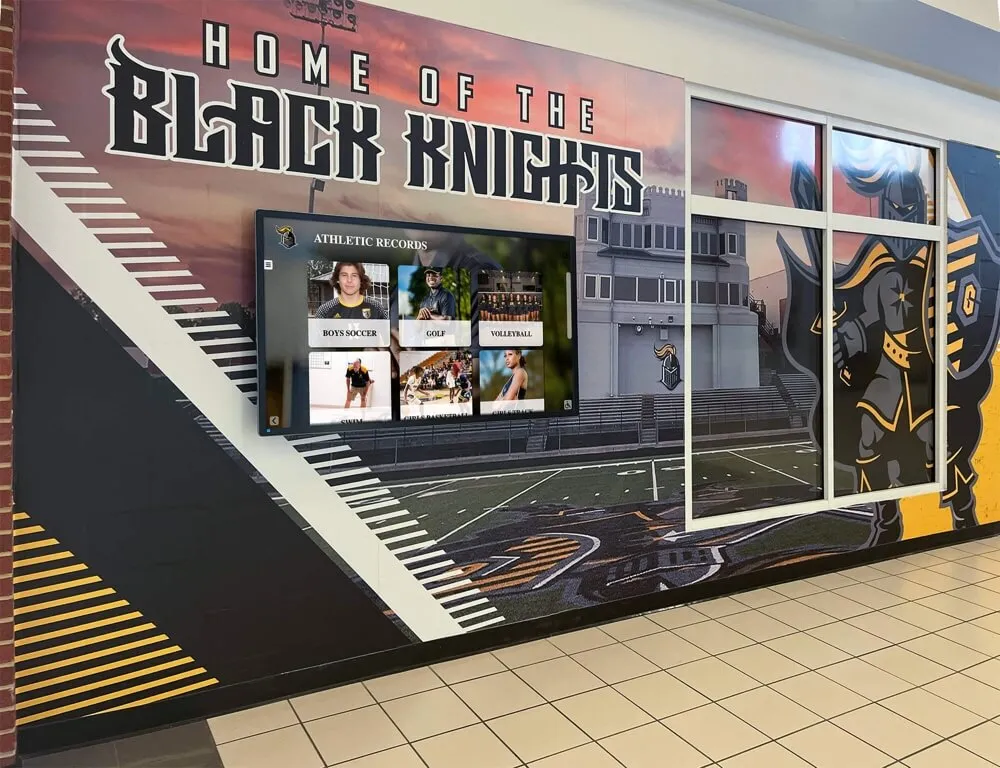
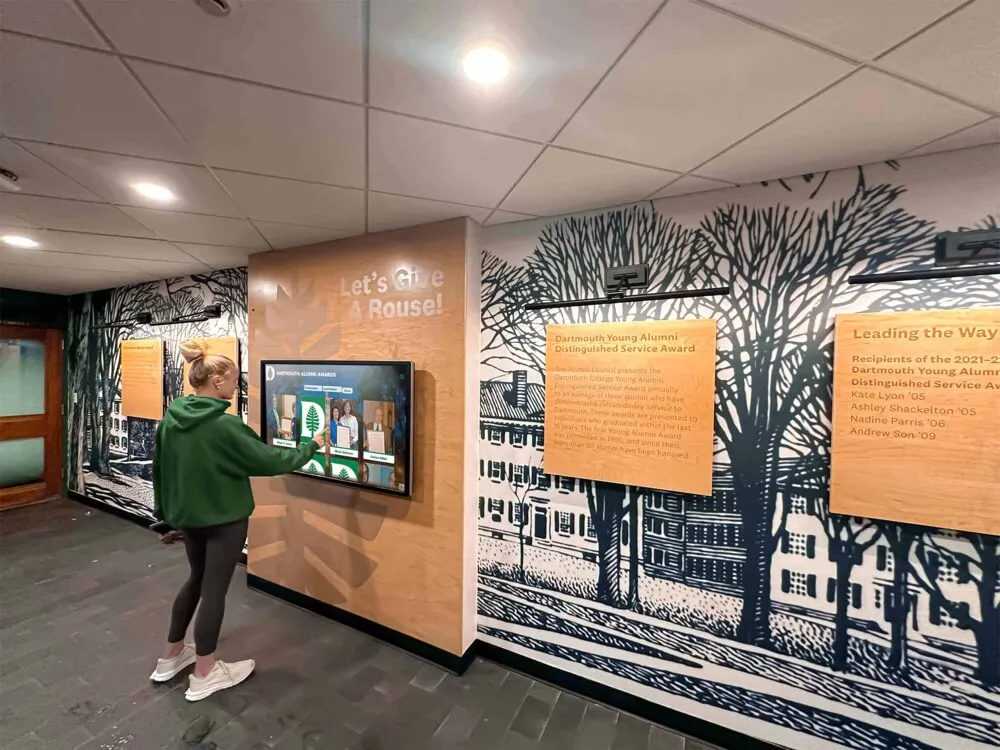
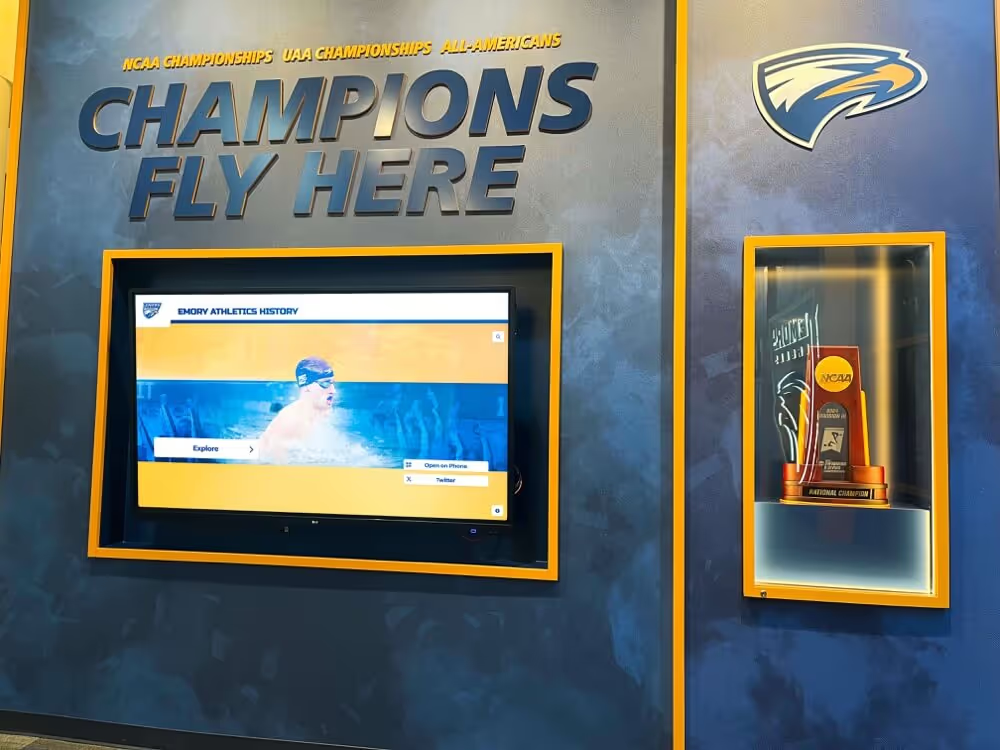
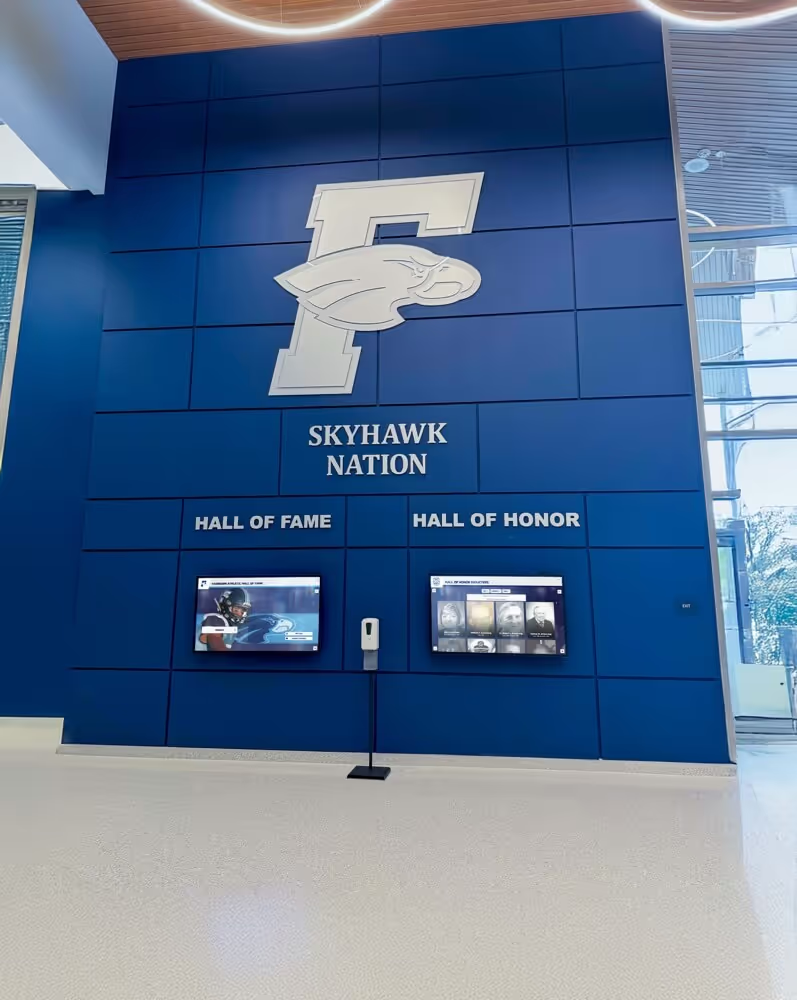
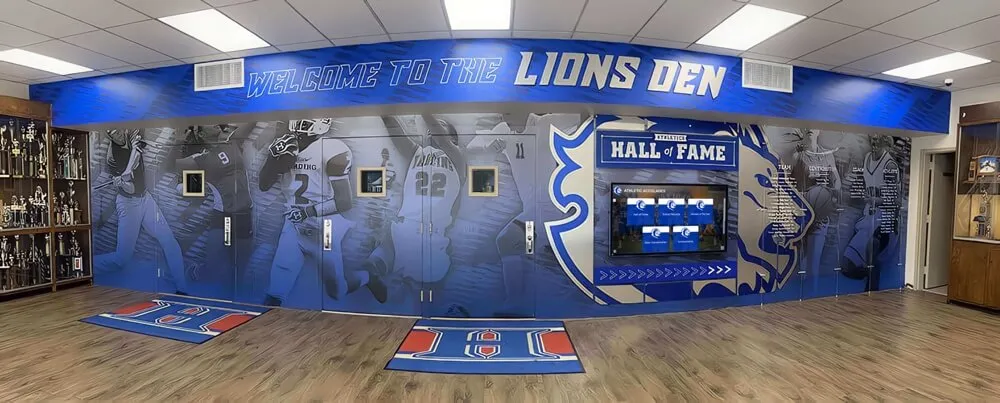
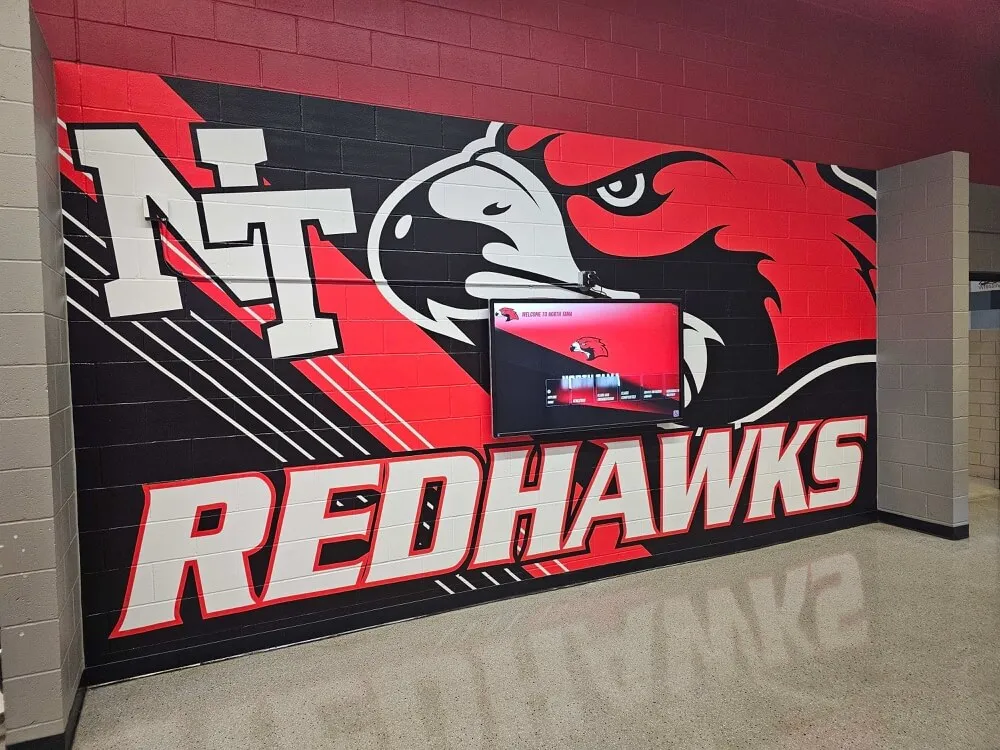
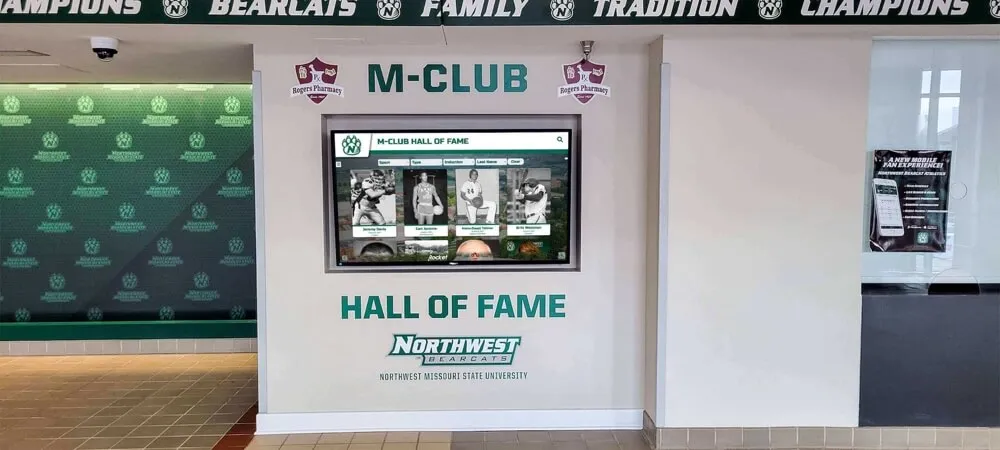
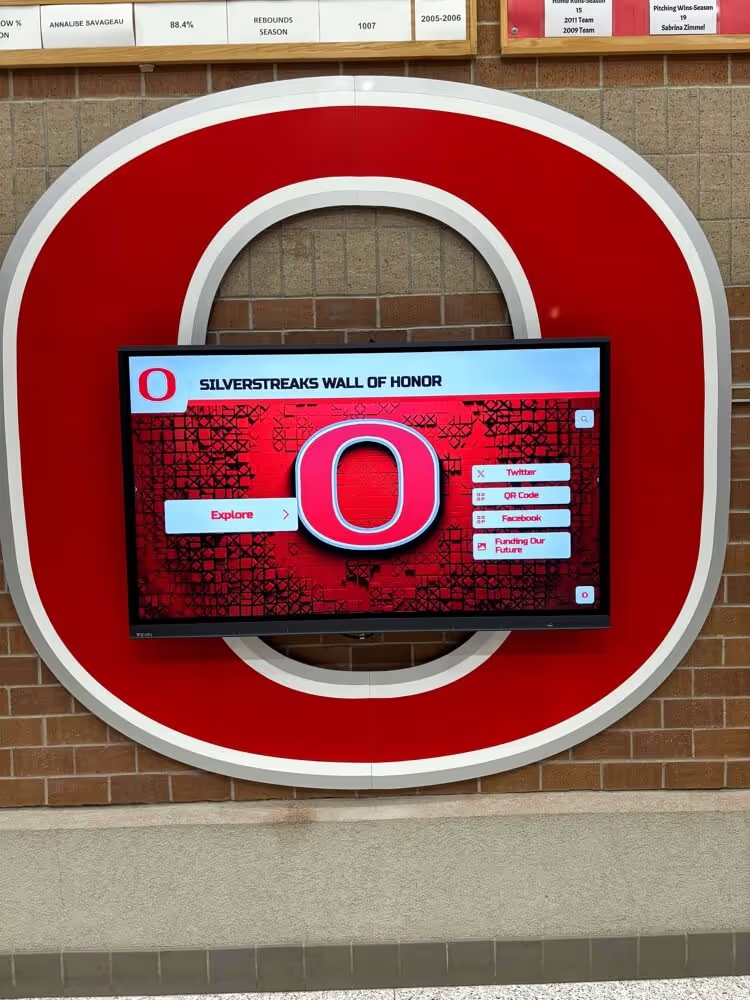
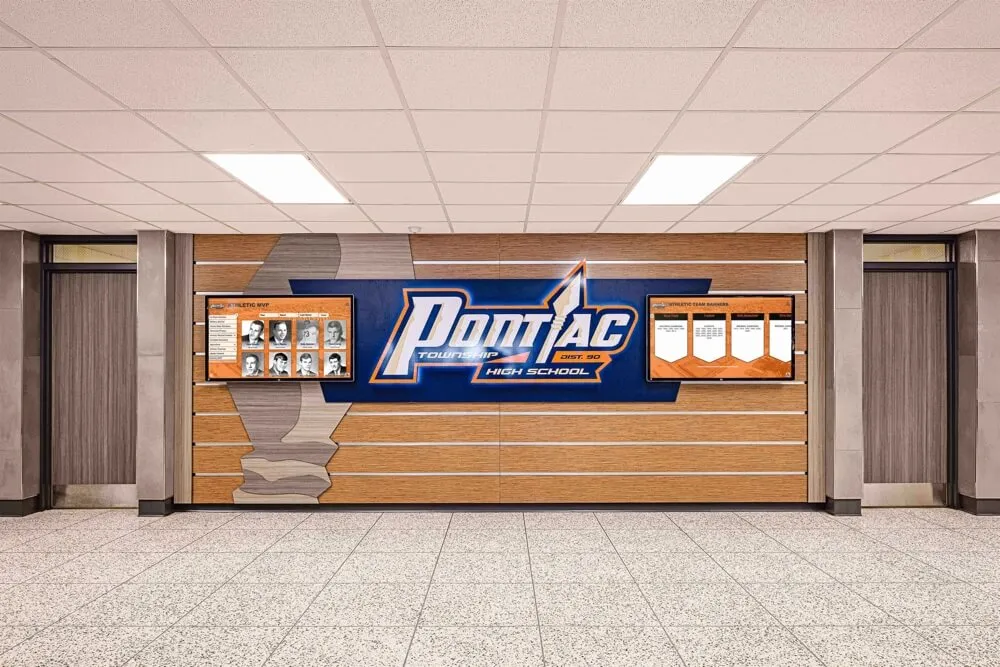
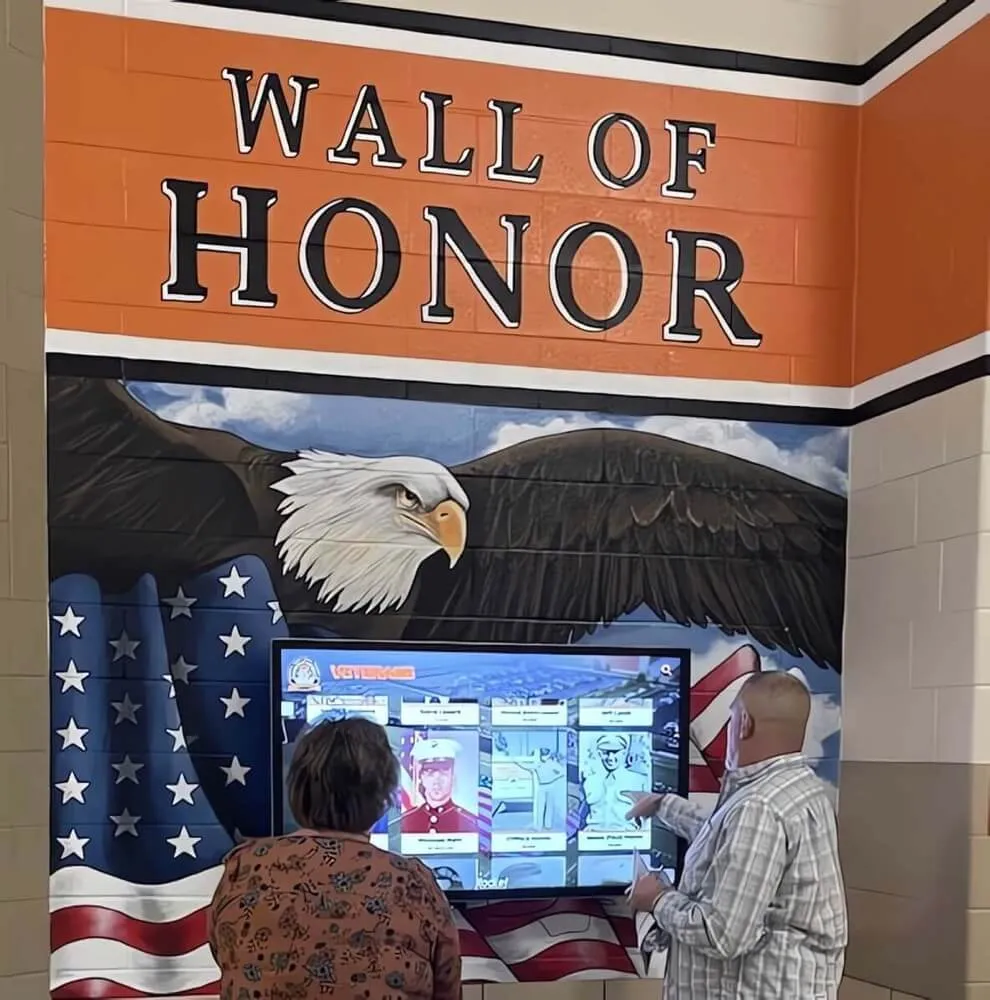
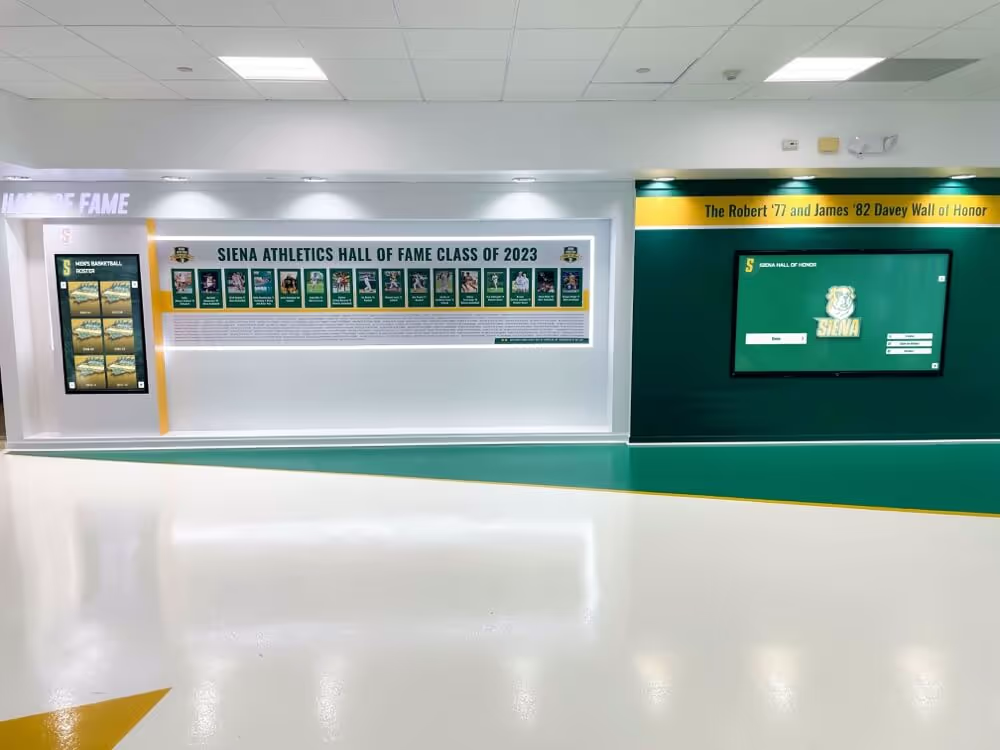
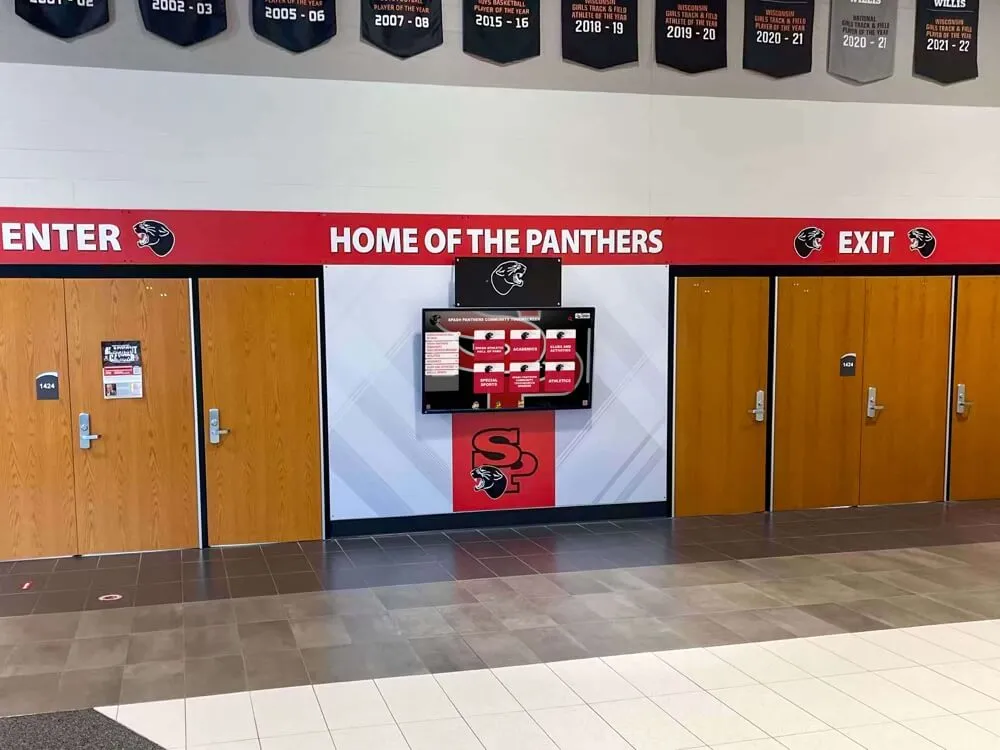
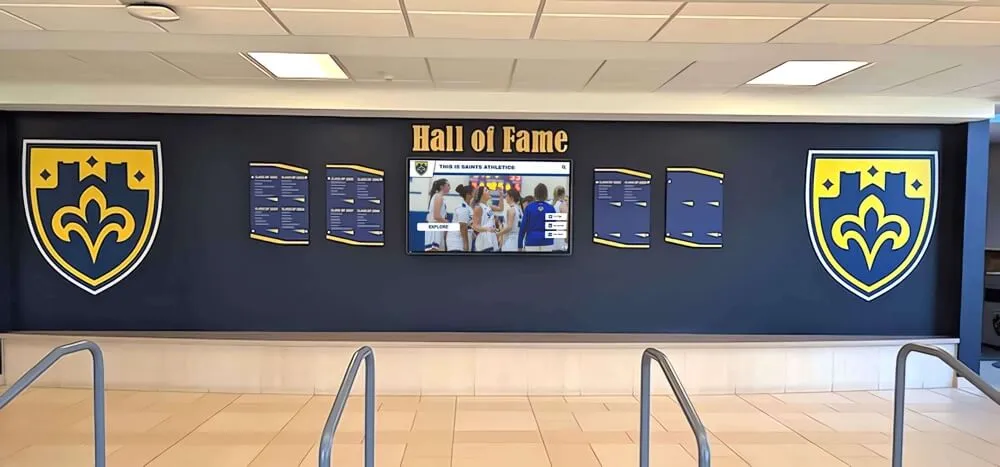
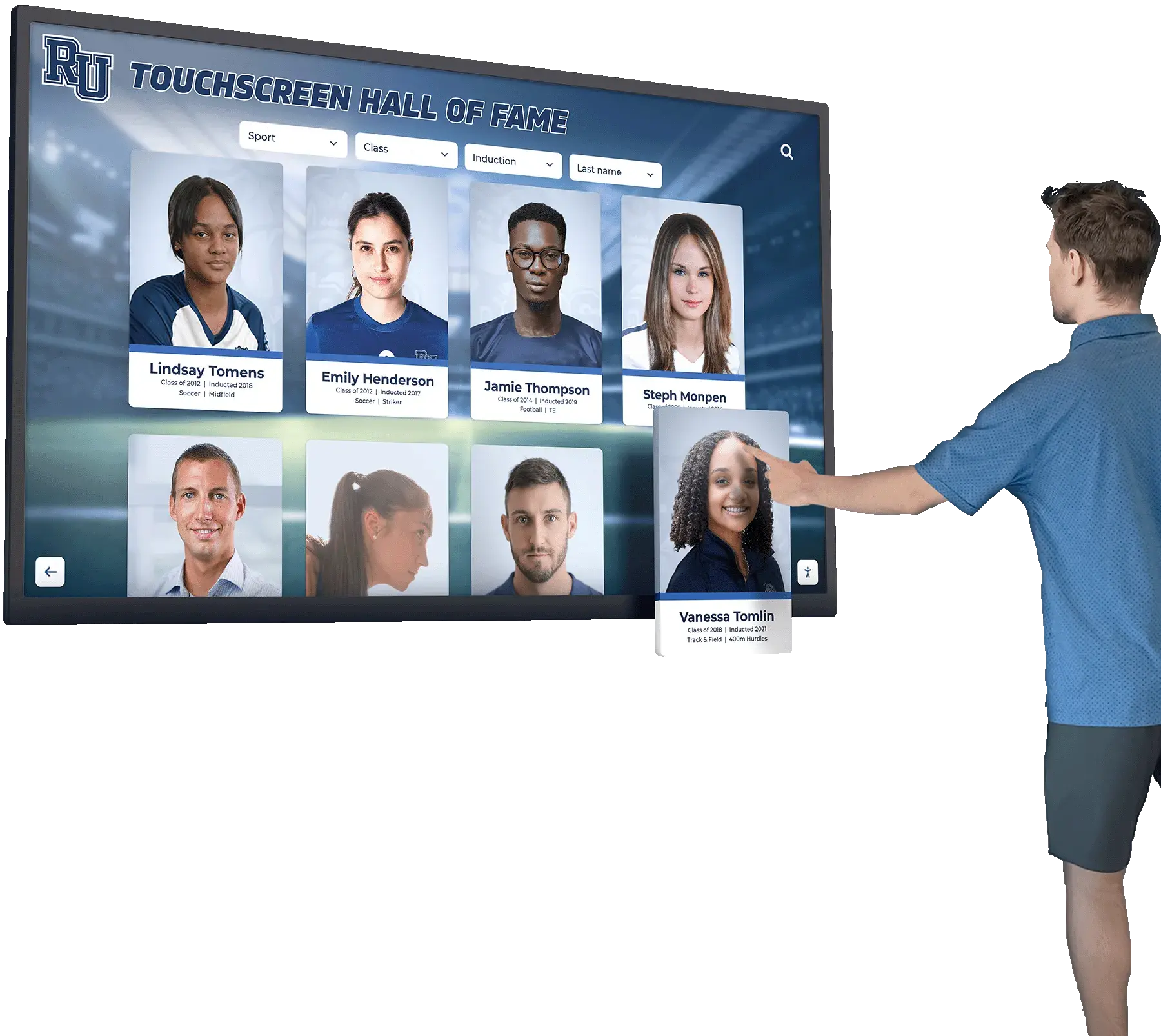
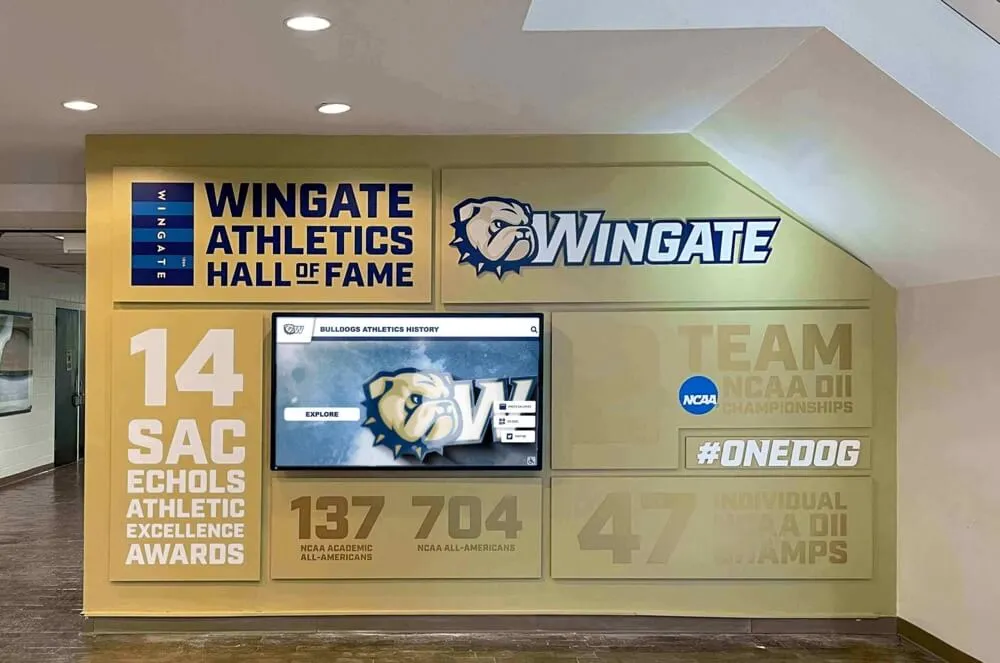
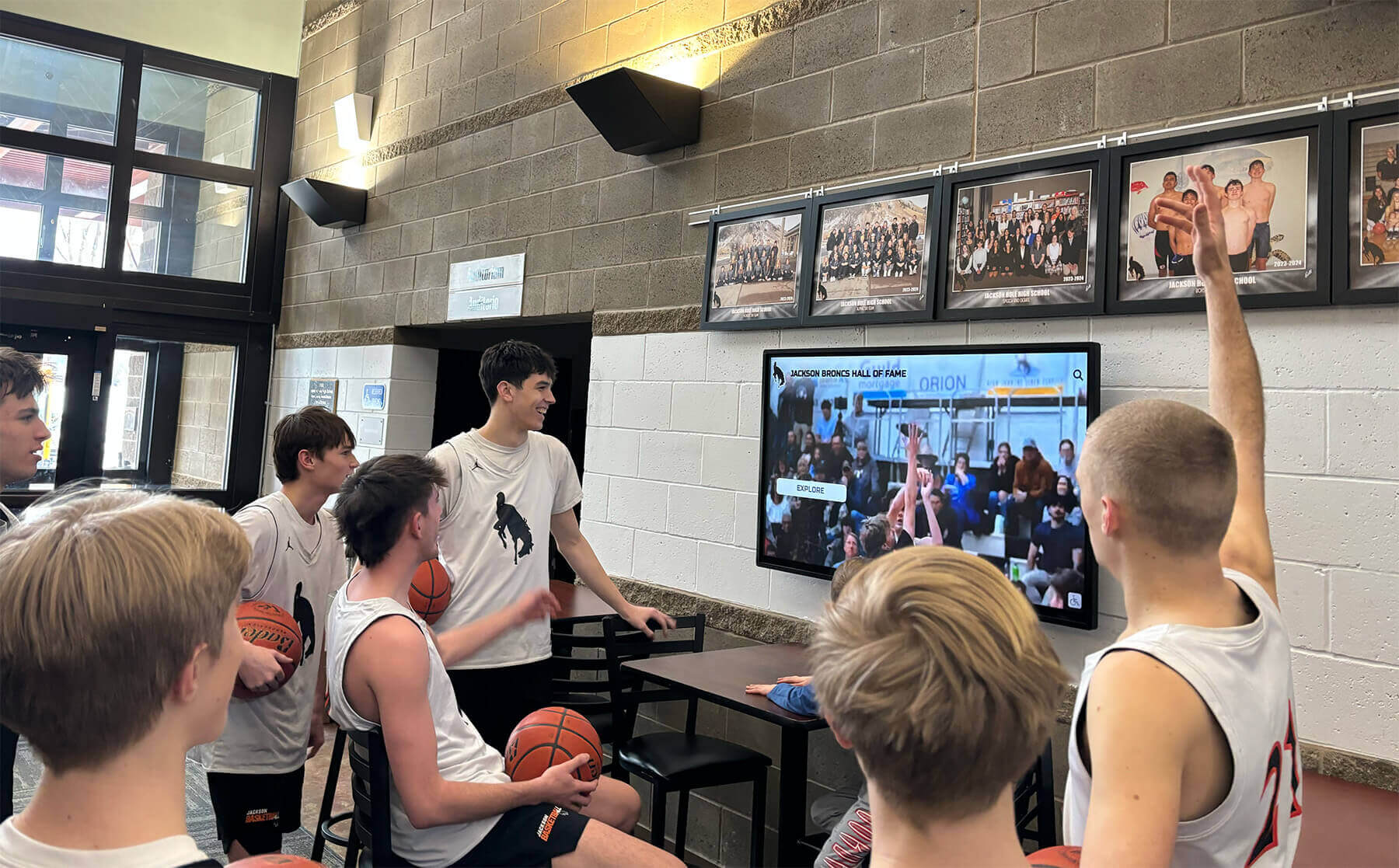
Recording sports games systematically creates multiple layers of value—performance data informing coaching strategy, historical documentation preserving institutional heritage, recognition opportunities celebrating student-athlete achievement, and recruiting assets showcasing program excellence to prospective athletes. Schools implementing robust tracking systems report improved athlete engagement, enhanced coaching effectiveness, stronger community support, and preserved institutional memory spanning generations. Digital record boards like those from Rocket Alumni Solutions automate the recognition component—automatically updating record displays when athletes achieve new milestones, maintaining unlimited historical depth, and creating permanent celebration of excellence that motivates current athletes while honoring past champions.
Understanding Different Types of Sports Game Recording
Effective athletic programs recognize that “recording sports games” encompasses several distinct but complementary tracking approaches, each serving specific purposes within comprehensive athletic administration.
Video Recording for Performance Analysis
Video documentation serves coaching, athlete development, and program promotion purposes that written statistics cannot replicate. Modern video recording ranges from simple parent smartphone footage to sophisticated multi-camera systems with automated tracking.
Basic Video Recording Approaches: Most high school programs start with straightforward video solutions including single-camera setups capturing full-field or full-court action, volunteer parents or students operating cameras during games, and affordable equipment like smartphones, tablets, or consumer camcorders producing adequate quality for basic review.
These basic approaches provide sufficient documentation for post-game review, individual skill assessment, and sharing highlights with athletes and families—without requiring significant equipment investments or technical expertise.

Advanced Video Systems: Larger programs or well-funded athletics departments increasingly adopt sophisticated video solutions offering multi-camera angles capturing different perspectives, automated tracking following the ball or specific players, cloud storage enabling easy access and sharing, and integrated analysis tools allowing coaches to tag plays, create highlight reels, and compare performances.
Services specializing in sports video like Hudl, Pixellot, and Veo provide comprehensive platforms designed specifically for athletic program needs—though these premium solutions require ongoing subscription costs and technical infrastructure.
Statistical Tracking and Scorekeeping
Recording game statistics serves immediate coaching needs during games while creating historical data enabling long-term performance analysis and record identification.
Manual Scorekeeping Methods: Traditional stat tracking relies on dedicated scorekeepers recording relevant data including official scorebooks capturing play-by-play action, specialized stat sheets for each sport tracking relevant metrics, and volunteer parents or students trained in proper scoring procedures.
Manual scorekeeping works reliably when implemented consistently, though it demands trained personnel, creates potential for human error, and requires post-game data entry to make statistics accessible beyond handwritten scorebooks.
Resources on comprehensive athletic achievement tracking explore the full ecosystem of tools athletic administrators use to manage multi-sport programs efficiently.
Digital Stat Tracking Applications: Modern alternatives to paper scorebooks include sport-specific apps like GameChanger (baseball/softball), MaxPreps (multi-sport), and Hudl Assist that enable real-time stat entry on tablets or smartphones, automatically calculate advanced metrics and performance indicators, instantly make statistics accessible to coaches, athletes, and families, and aggregate season and career statistics without manual data compilation.
These digital approaches reduce administrative burden while improving data accuracy and accessibility—though they require devices, cellular/wifi connectivity, and personnel comfortable with technology.
Record Identification and Historical Tracking
Beyond recording individual game results, comprehensive programs systematically track all-time records, career achievements, and milestone performances that deserve recognition and celebration.
Challenge of Traditional Record Tracking: Many athletic programs struggle with record identification because historical records exist only in dusty scorebooks stored in closets, coaches lack time to research whether current performances break existing marks, vinyl record boards become outdated requiring expensive replacement, and limited display space forces difficult decisions about which records to recognize.
This fragmented approach results in lost institutional memory, unrecognized achievements, and missed opportunities to celebrate excellence—creating environments where today’s athletes remain unaware of the traditions they’re contributing to.
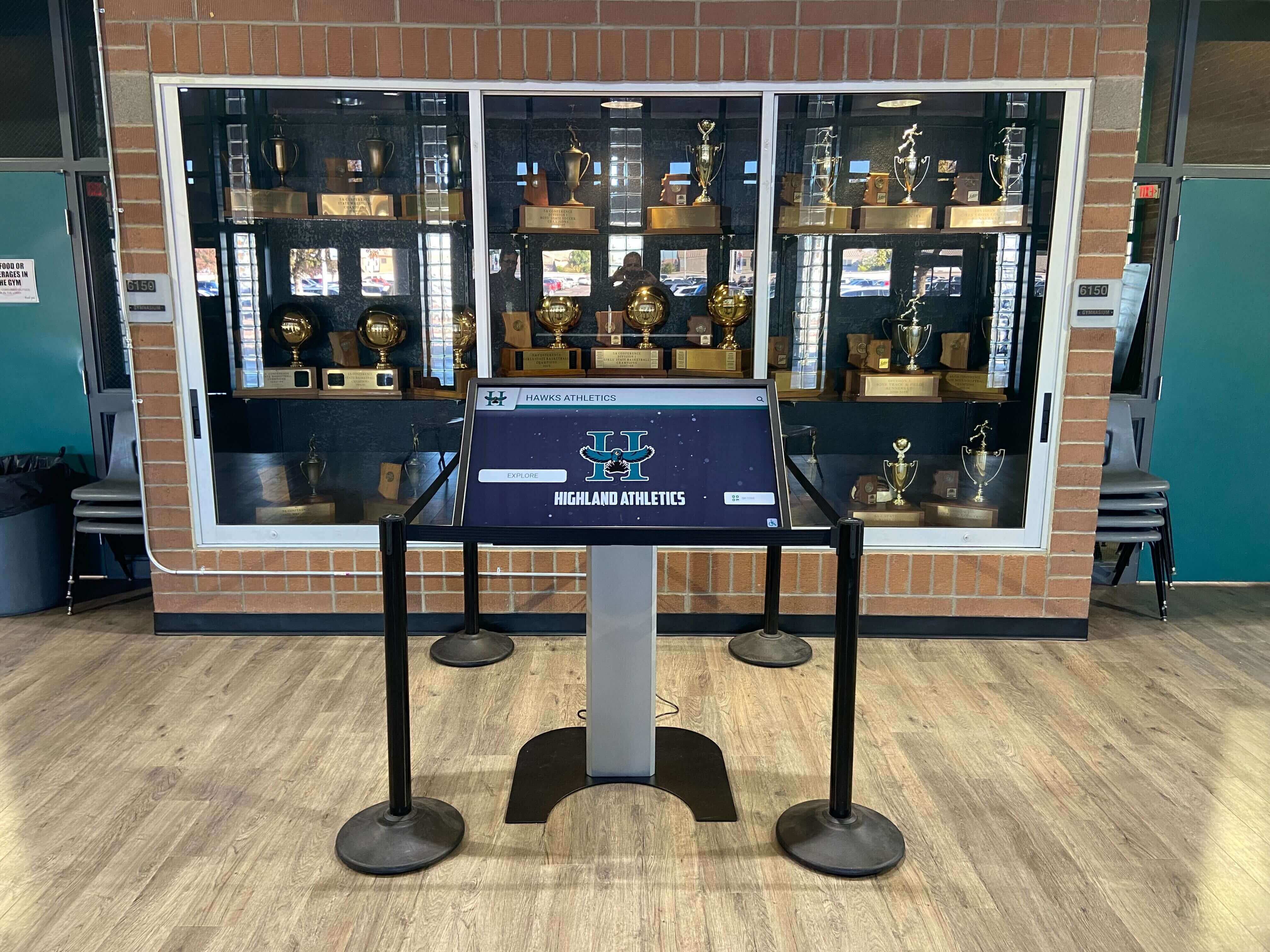
Automated Digital Record Systems: Modern solutions address these challenges through centralized databases maintaining complete statistical histories, automated algorithms identifying when current performances break existing records, unlimited digital display capacity eliminating space constraints, and real-time updates celebrating achievements immediately rather than waiting for vinyl production.
Digital record boards transform record tracking from occasional manual research into continuous automated monitoring—ensuring every record-breaking performance receives immediate recognition while preserving complete historical context.
Implementing Effective Game Recording Systems
Successful implementation requires systematic planning addressing personnel roles, technology selection, data management workflows, and quality control processes ensuring consistency across sports and seasons.
Establishing Clear Roles and Responsibilities
Recording sports games consistently demands clear assignment of responsibilities with adequate training and backup personnel for unavoidable absences.
Key Personnel Positions: Comprehensive game recording typically requires designated videographers for each varsity sport, official scorekeepers trained in sport-specific procedures, statisticians entering data into digital systems, and program coordinators overseeing consistency across all teams.
Many programs rely heavily on volunteer parents, students, or community members—which reduces costs but requires systematic training and clear communication about expectations and procedures.
Training and Quality Standards: Effective programs invest in training personnel on proper recording techniques and equipment operation, sport-specific statistical definitions and scoring rules, data entry procedures and quality checks, and backup protocols ensuring coverage during absences.
Creating written procedures and conducting pre-season training sessions improves consistency while reducing confusion and errors throughout the season.
Information on building comprehensive athletic recognition systems provides broader context on athletic administration best practices that support effective program management.
Selecting Appropriate Technology and Tools
Technology choices should match program needs, available resources, and technical capabilities—avoiding both inadequate tools that create frustration and overly complex systems that never get fully utilized.
Budget-Conscious Solutions: Programs with limited budgets can implement effective recording through smartphone/tablet video recording with basic editing apps, free or low-cost stat tracking apps, cloud storage (Google Drive, Dropbox) for organizing digital files, and volunteer coordination through communication apps.
These approaches require minimal financial investment while providing substantial functionality—though they demand more manual effort and coordination than integrated premium platforms.
Mid-Range Professional Tools: Programs able to invest moderately often adopt sport-specific stat platforms with subscription fees, quality video cameras with tripods and basic stabilization, dedicated tablets for scorekeeping separate from personal devices, and cloud-based storage with adequate capacity for video archives.
This middle tier balances cost with functionality, providing professional-quality tools without premium pricing structures designed for major college programs.
Resources on digital recognition technology for athletic programs explore how modern display systems transform static trophy cases into dynamic recognition platforms.
Premium Integrated Platforms: Well-funded programs sometimes invest in comprehensive systems like complete Hudl packages with video, stats, and analysis tools, automated camera systems requiring minimal operator involvement, integrated digital record boards connecting to statistical databases, and professional support services handling technical issues and training.
While expensive, these premium solutions deliver maximum functionality with minimal ongoing administrative burden—appropriate for programs prioritizing athletics and possessing adequate budgets.
Creating Sustainable Data Management Workflows
Technology alone proves insufficient—effective programs establish clear workflows determining how data flows from initial recording through storage to ultimate accessibility and use.
Game Day Procedures: Systematic workflows address pre-game equipment setup and personnel confirmation, during-game recording and stat entry responsibilities, post-game data verification and quality checks, and immediate backup procedures protecting against device failure or data loss.
Creating checklists and visual guides helps volunteers and students execute procedures consistently even without extensive experience.
Post-Game Processing: After games conclude, effective workflows ensure prompt upload of video to accessible storage locations, entry or verification of statistics in master databases, identification of notable performances or potential records, and communication of results to relevant stakeholders.
Establishing 24-48 hour deadlines for post-game processing prevents backlogs while information remains fresh and easily accessible.
Season-End Archival: At season conclusion, comprehensive programs systematically archive all game videos organized by date and opponent, finalize season statistics and verify accuracy, update all-time record lists identifying new marks, and create season summary reports documenting achievements.
This archival work preserves institutional memory while preparing databases for the following season—preventing the common pattern where records get lost or forgotten when coaches change or years pass.
Sport-Specific Recording Considerations
Different sports require distinct approaches to recording and tracking based on scoring systems, relevant statistics, and game flow characteristics.
Team Sports Tracking (Basketball, Soccer, Volleyball, etc.)
Team sports typically emphasize both individual statistics and collective performance metrics requiring balanced tracking approaches.
Basketball Recording Priorities: Comprehensive basketball tracking captures individual scoring, rebounds, assists, steals, blocks, team shooting percentages and possession statistics, and game flow including scoring runs and momentum shifts.
Video angles that show full-court action prove most valuable, though some programs add baseline cameras for detailed defensive analysis. Stats require real-time tracking since basketball’s continuous flow makes post-game reconstruction difficult.
Soccer/Football Tracking Needs: Soccer presents recording challenges due to large field dimensions and continuous action requiring elevated camera positions for full-field visibility, tracking of individual statistics like goals, assists, shots, saves, tactical analysis examining formations and possession patterns, and identification of key moments that statistics alone don’t capture.
Many soccer programs prioritize video over detailed statistics given the sport’s fluid nature and difficulty tracking comprehensive individual metrics during live play.
Resources on organizing athletic spaces explore how physical environments support athletic excellence and program culture.
Individual Sport Documentation (Track, Swimming, Wrestling)
Individual sports demand different recording approaches focused on personal performance metrics rather than team statistics.
Track and Field Complexity: Track programs manage unique challenges including multiple simultaneous events at meets, accurate timing and measurement requirements, qualification standards for advancement, and comprehensive results across diverse event types from sprints to field events.
Effective track recording typically relies on meet management software capturing full results, video documentation of key performances and school records, and systematic databases tracking seasonal progression toward qualification standards.
Swimming and Diving Record-Keeping: Swimming demands precise timing data down to hundredths of seconds, relay team composition and splits, stroke-specific records across multiple distances, and qualifying time verification for championship meets.
Most swim programs utilize meet management software (HyTek, SwimTopia) that handles timing system integration and maintains comprehensive databases—making swimming one of the more data-rich high school sports.
Information on celebrating swimming achievements demonstrates how programs recognize excellence in individual sports with diverse event types.
Baseball/Softball Statistical Depth
Baseball and softball generate more detailed statistics than most sports, creating both opportunities and challenges for comprehensive recording.
Traditional Baseball Stats: Standard baseball scorekeeping tracks batting statistics (hits, runs, RBIs, batting average), pitching performance (innings, strikeouts, ERA, wins), fielding metrics (errors, putouts, assists), and situational data (runners in scoring position, clutch performance).
Official scorebooks remain standard in baseball given the sport’s traditions and the detailed information they preserve—though digital supplements increasingly complement rather than replace paper scoring.
Advanced Metrics and Analytics: Modern baseball analysis extends beyond traditional statistics to include pitch tracking and velocity data, exit velocity and batted ball metrics, defensive positioning and shift effectiveness, and video analysis examining mechanics and approach.
While advanced metrics typically exceed most high school programs’ capabilities and needs, awareness of modern analytical approaches helps coaches emphasize metrics correlating with success.
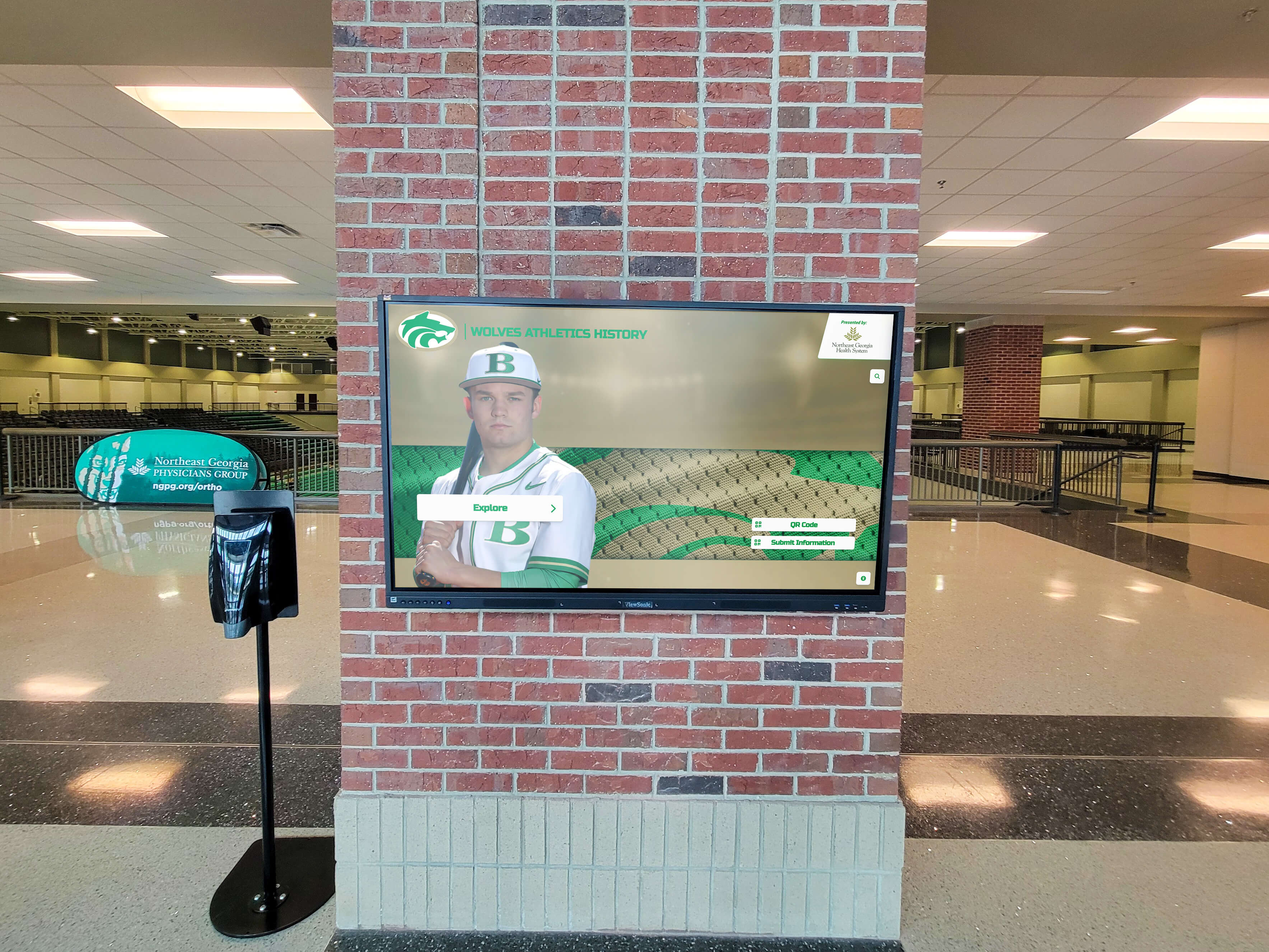
Transforming Records into Recognition
Recording sports games creates value only when the documented achievements translate into meaningful recognition that honors excellence, motivates current athletes, and preserves institutional heritage.
The Recognition Gap in Traditional Systems
Many athletic programs diligently record game results and statistics but fail to effectively celebrate the achievements this data reveals—creating a recognition gap where excellence goes unacknowledged.
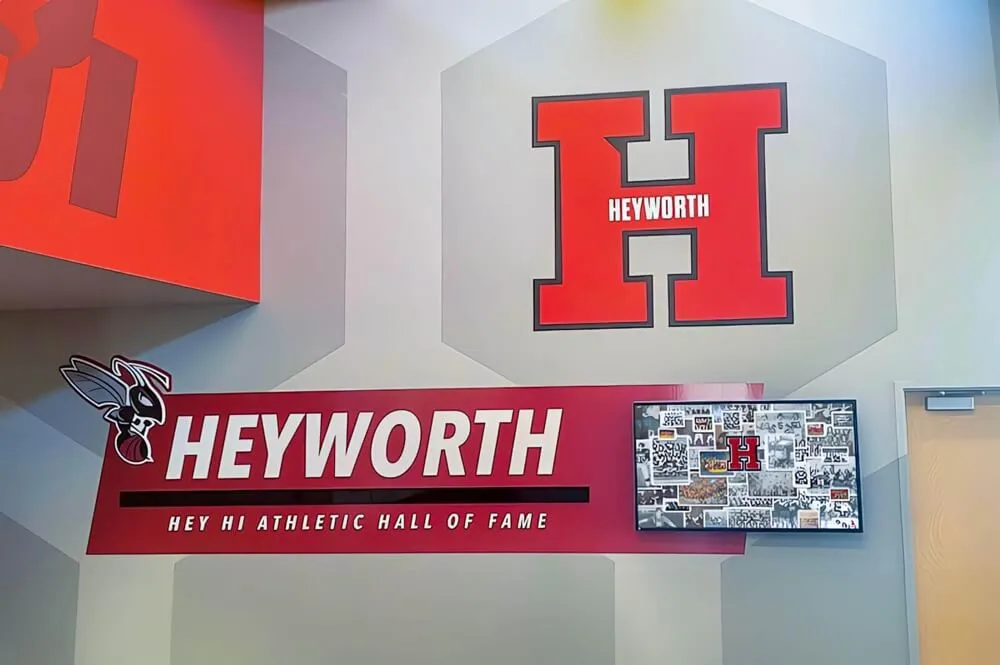
Common Recognition Failures: Typical problems include records broken without public acknowledgment because coaches lack time to research historical marks, vinyl record boards remaining outdated showing information from years ago, limited trophy case space forcing removal of older achievements, and historical records lost when coaches retire or administrative transitions occur.
This recognition gap diminishes achievement value while failing to leverage celebration as a motivational tool for current and future athletes.
Cost and Logistics of Traditional Updates: Physical recognition systems create inherent barriers through expensive vinyl lettering updates requiring professional services, weeks or months lag between achievement and recognition, permanent capacity limits forcing difficult prioritization decisions, and inflexibility preventing updates as careers progress or records fall.
These barriers often result in programs simply not updating recognition displays—letting them become outdated historical snapshots rather than living celebrations of ongoing excellence.
Digital Record Boards as Automated Recognition Systems
Modern digital record board technology eliminates traditional recognition barriers by automating the connection between recorded performance data and public celebration.
Automated Record Identification: Advanced systems integrate with statistical databases and automatically identify when performances break existing school records, generate alerts notifying athletic staff of record-breaking achievements, update digital displays immediately without manual intervention, and maintain complete historical context showing previous record holders and progression over time.
This automation ensures every record-breaking performance receives immediate recognition rather than depending on coaches manually researching and updating displays.
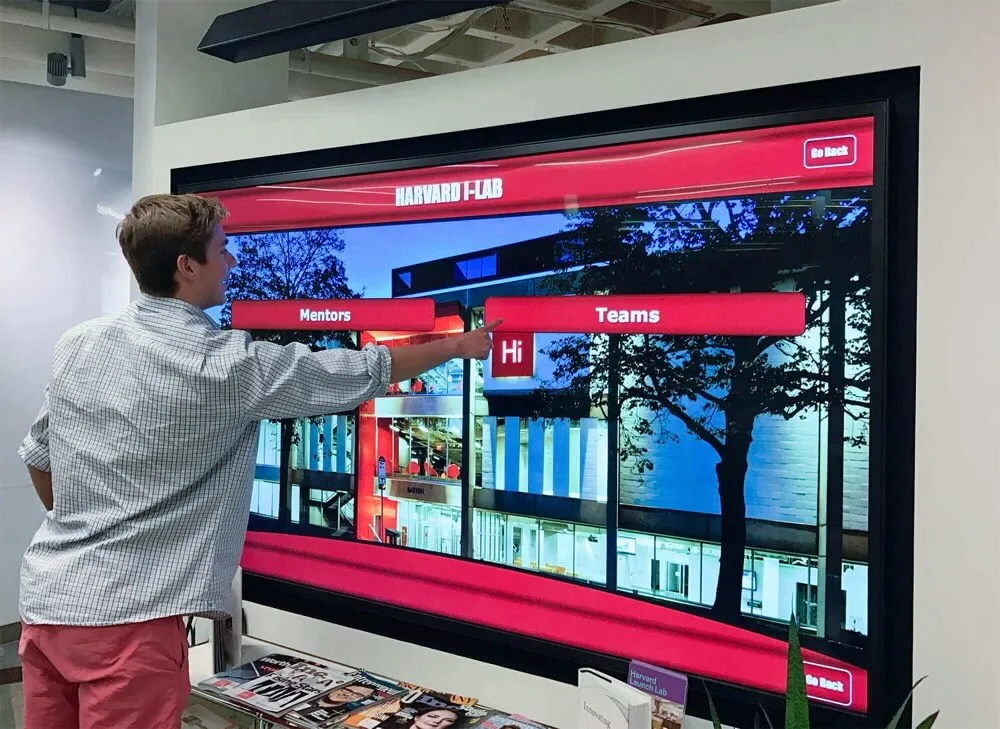
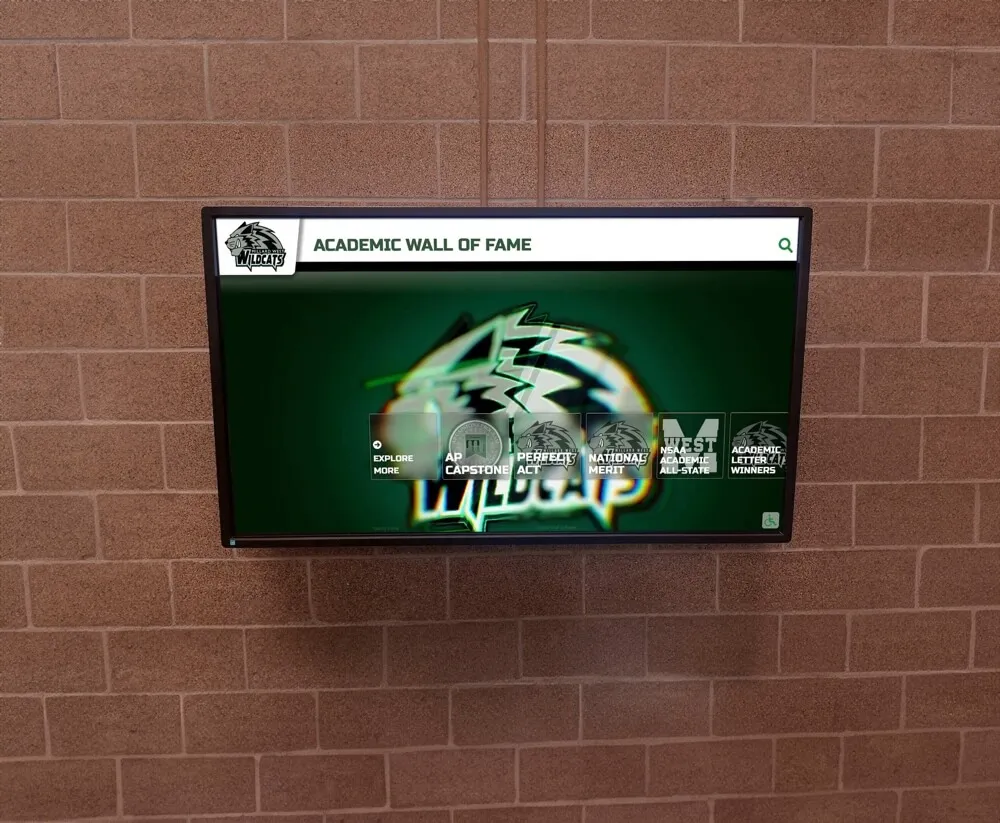
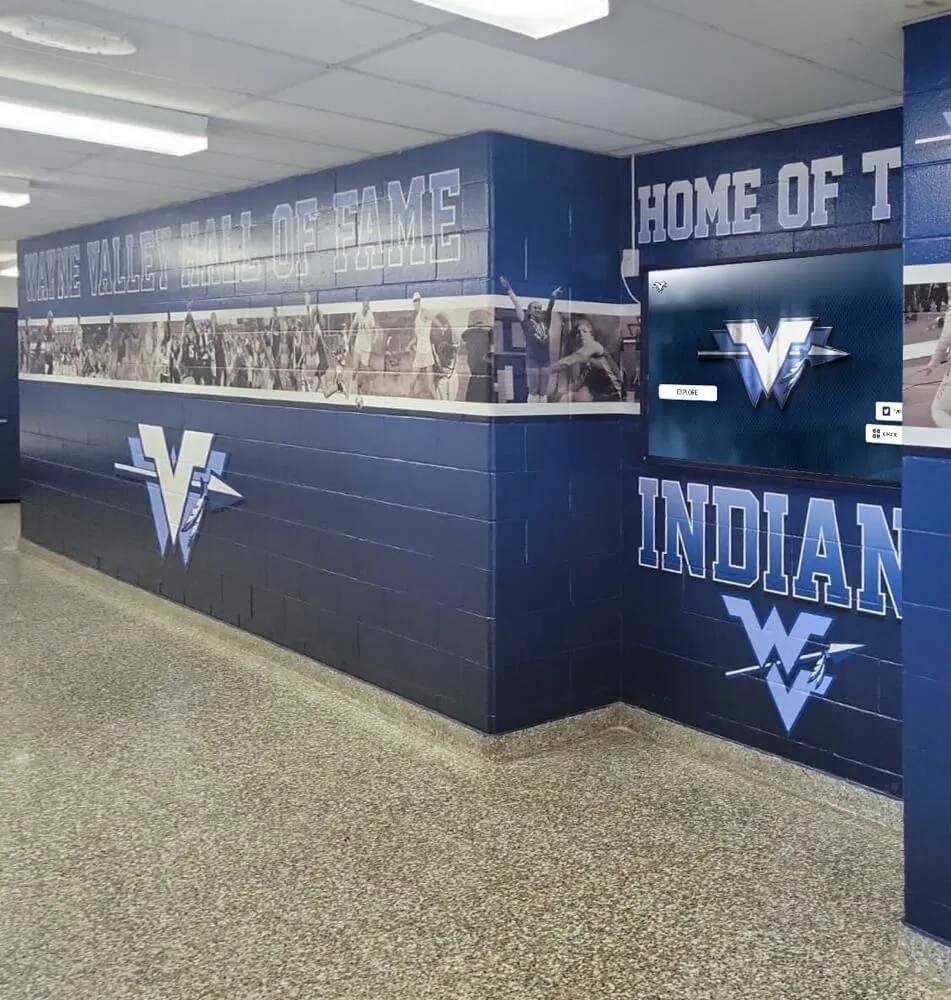
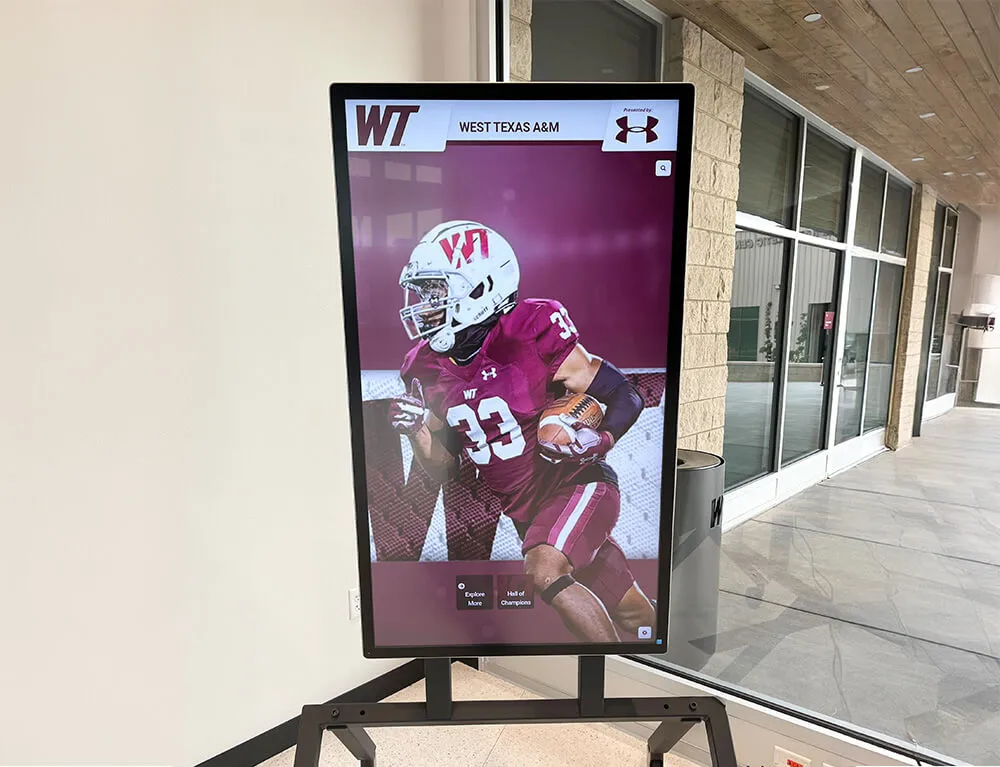
Unlimited Recognition Capacity: Digital systems eliminate physical space constraints by displaying comprehensive records across all sports without prioritization, organizing achievements in searchable databases accessible through touchscreen interfaces, maintaining complete historical depth rather than showing only recent records, and enabling multiple display modes from all-time records to seasonal leaderboards to individual athlete profiles.
Resources on implementing digital recognition platforms provide frameworks for designing systems that appropriately celebrate diverse achievement types.
Dynamic Updates and Current Relevance: Unlike static vinyl boards, digital record systems maintain currency through real-time or daily updates reflecting current season performances, seasonal leaderboards showing active competitions for records, career progression tracking as multi-year athletes advance toward milestones, and post-career updates when alumni achieve college or professional success.
This dynamic nature keeps recognition relevant and engaging rather than becoming historical displays students walk past without noticing.
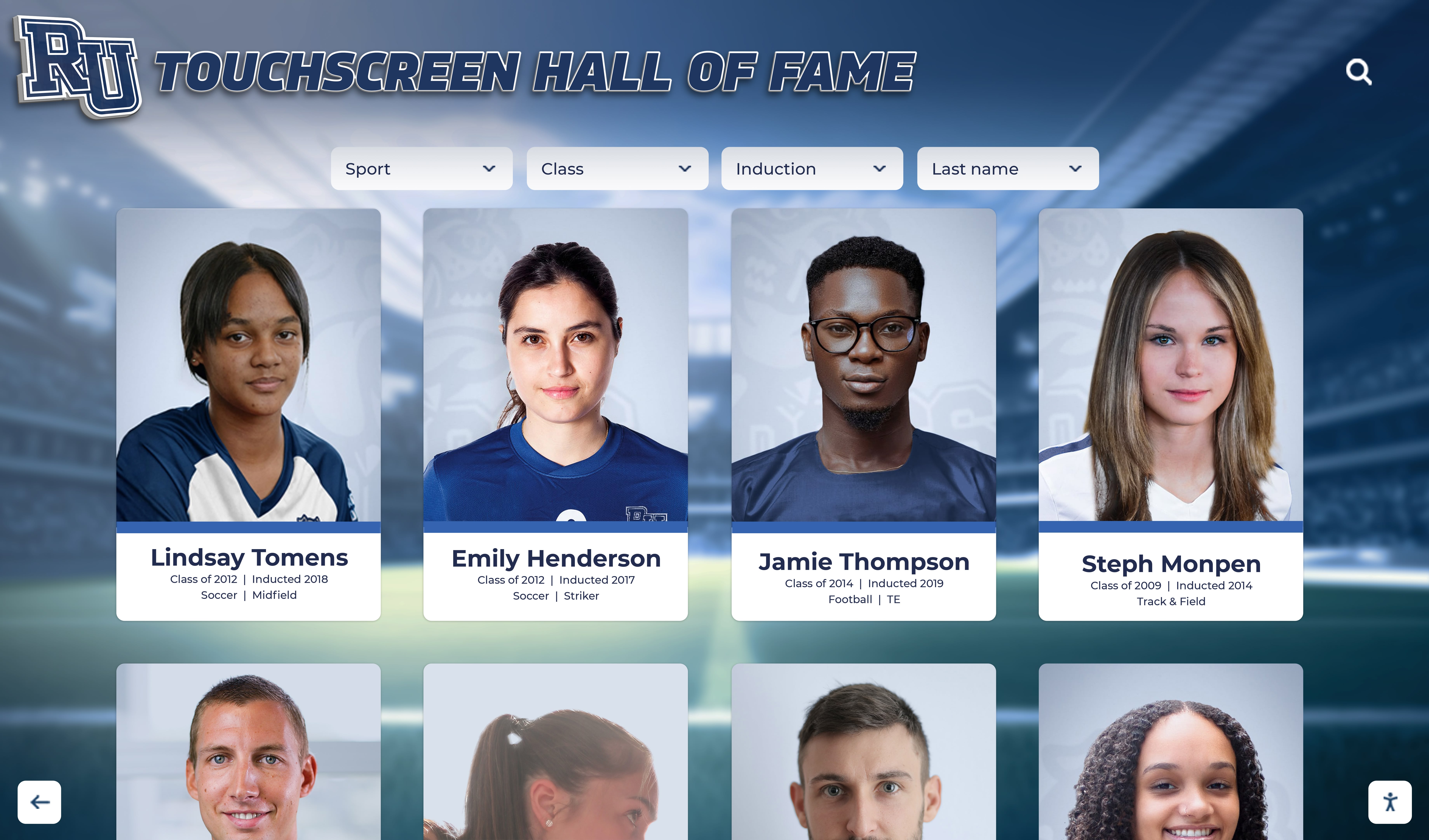
Creating Compelling Recognition Experiences
Beyond simply listing records, effective digital recognition creates engaging experiences that tell complete stories about athletic excellence and institutional tradition.
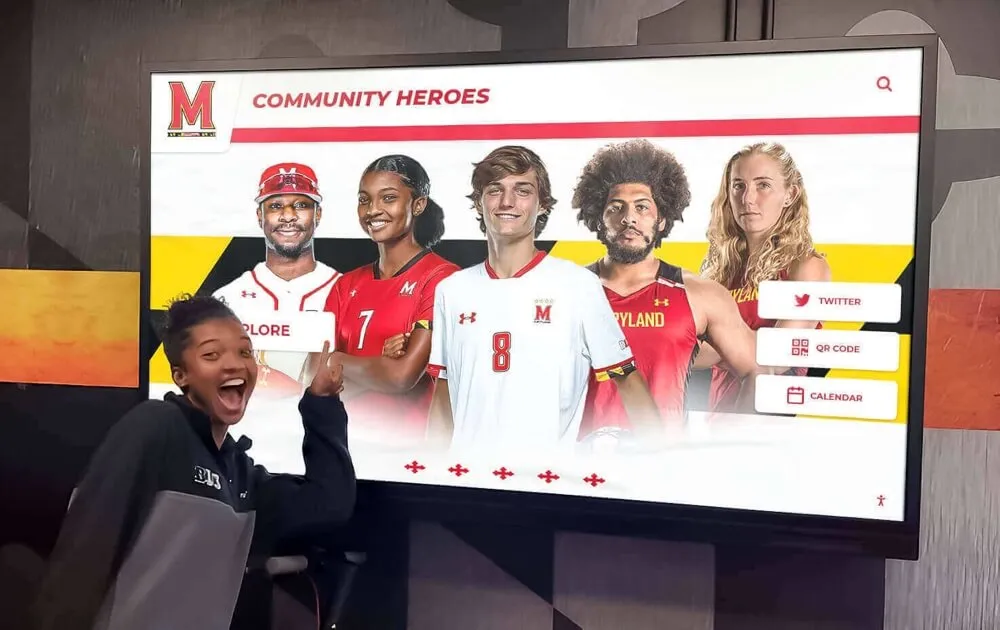
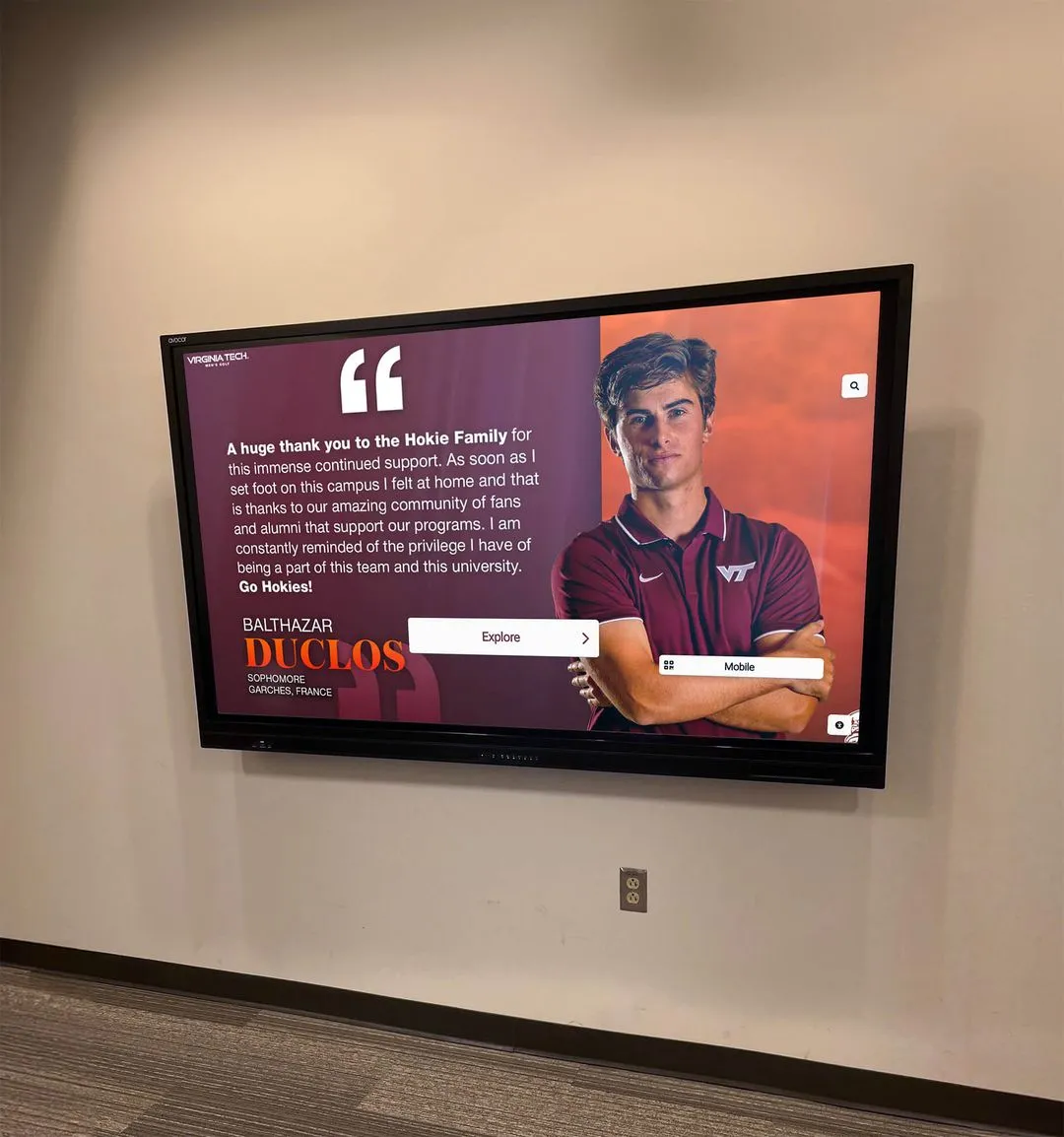
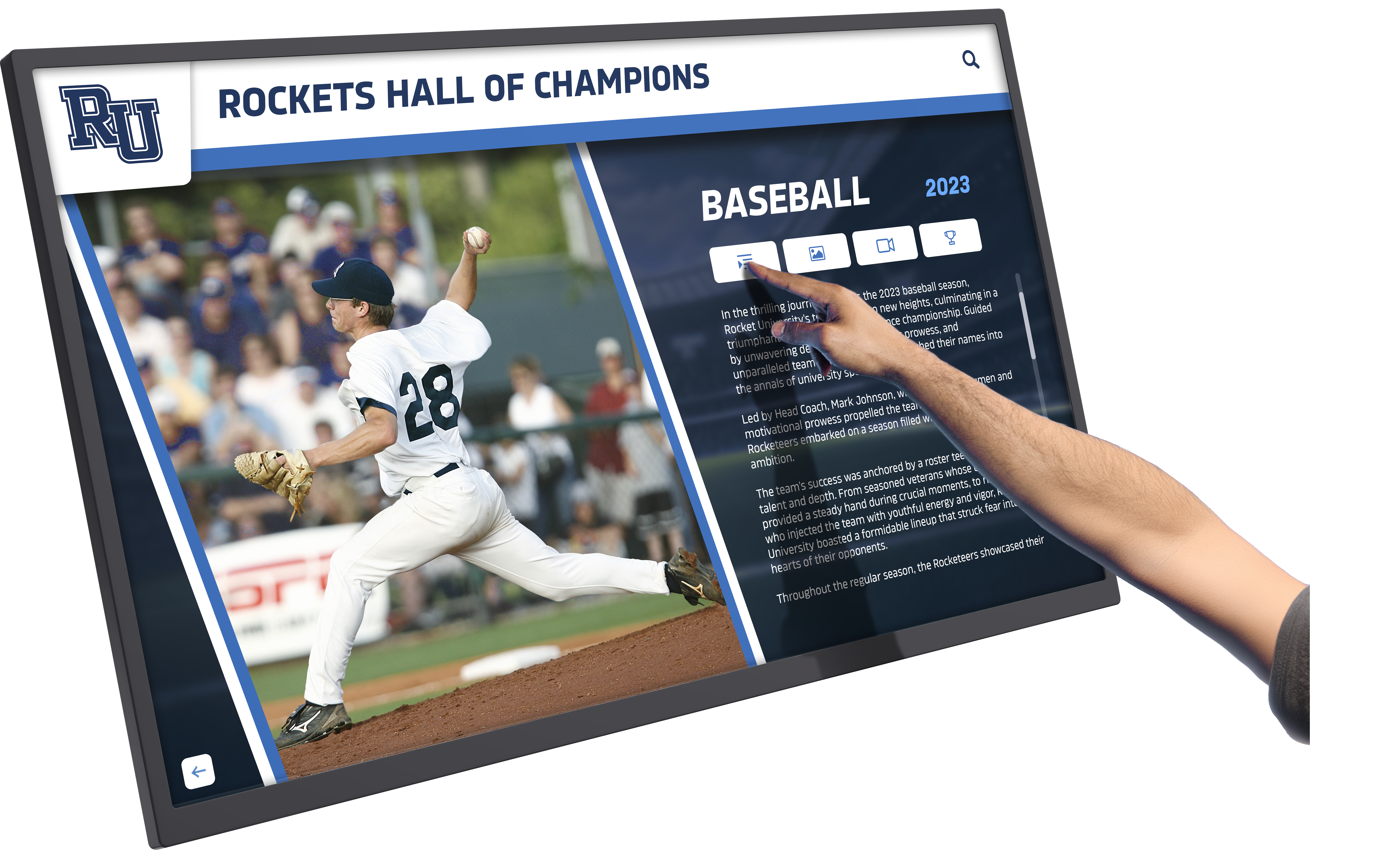
Multimedia Storytelling: Modern platforms enhance statistical achievements with photographs showing record-breaking moments and athlete celebrations, video highlights capturing actual performances, athlete profiles including quotes, backgrounds, and personal stories, and historical context explaining the significance of achievements.
This multimedia approach transforms numbers into narratives—helping students, families, and visitors understand the human stories behind statistical excellence.
Interactive Exploration: Touchscreen interfaces enable visitors to customize their experience by searching for specific athletes, sports, or record types, filtering by year, team, or achievement category, comparing performances across different eras, viewing complete athlete profiles including career progressions, and sharing achievements through social media integration.
Information on creating engaging interactive displays explores how athletic programs leverage recognition systems for program events and community engagement.
Motivational Impact on Current Athletes: Well-designed recognition systems increase motivation by making current season leaderboards visible showing active competitions, displaying proximity to records with “X points away from school record” messaging, celebrating incremental achievements beyond just ultimate records, and connecting current athletes to program traditions and historical excellence.
This motivational dimension transforms recognition from historical commemoration into active performance driver—helping current athletes see themselves as part of ongoing traditions worth contributing to.
Overcoming Common Implementation Challenges
Programs implementing comprehensive game recording and tracking systems encounter predictable obstacles that planning and systematic approaches can address.
Managing Volunteer Coordination and Turnover
Athletic programs relying on volunteers face inevitable challenges as parents graduate with their children and students move through school.
Sustainable Volunteer Models: Effective approaches include recruiting multiple volunteers per sport creating backup capacity, establishing clear role descriptions and expectations, developing written procedures and training materials, and recognizing and appreciating volunteer contributions publicly.
Creating sustainable volunteer programs requires acknowledging that turnover will occur and building systems that continue functioning despite individual changes.
Student Leadership Opportunities: Many programs successfully leverage student interest in sports media and technology by creating student media teams managing recording responsibilities, offering course credit or club participation, providing equipment and training creating real-world skills, and featuring student work publicly building portfolio materials.
Student programs provide more stability than parent volunteers since multiple grade levels participate simultaneously—ensuring experienced students can train newcomers each year.
Resources on building student engagement explore how athletic programs create leadership development opportunities connected to program operations.
Addressing Technical Complexity and Learning Curves
Technology implementation always involves learning curves that can create frustration and resistance if not managed thoughtfully.
Gradual Implementation Approaches: Rather than attempting comprehensive system deployment across all sports simultaneously, successful programs often pilot recording systems with one or two sports before expanding, phase in capabilities gradually starting with basic recording before adding advanced features, provide extensive training and ongoing support during initial implementation, and celebrate early successes building confidence and buy-in.
This gradual approach allows programs to learn, adjust, and build capabilities progressively rather than creating overwhelming change that exceeds organizational capacity.
Choosing User-Friendly Systems: Technology selection should prioritize ease of use, not just feature completeness, including intuitive interfaces requiring minimal training, reliable performance without frequent technical issues, vendor support providing prompt assistance when problems occur, and integration with existing tools schools already use.
The “best” system proves worthless if users find it too complicated to operate consistently—making usability equally important as functionality.
Ensuring Data Quality and Accuracy
Recording systems produce value only when the captured data proves accurate and reliable—requiring quality control processes preventing or catching errors.
Verification Procedures: Effective quality control includes post-game statistical reviews comparing entered data against scorebooks or video, cross-checking unusual performances or potential records before publicizing, involving multiple people in verification for important records or milestones, and establishing clear procedures for correcting identified errors.
Building verification into standard workflows catches most errors before they create embarrassment or undermine system credibility.
Managing Historical Data Migration: Programs implementing new tracking systems often face challenges with incomplete or inconsistent historical records making comprehensive all-time lists difficult, varying statistical definitions across different eras, missing information for certain sports, years, or achievement types, and conflicting sources providing different numbers.
Addressing historical data requires accepting that perfect completeness may prove impossible, documenting known gaps honestly, establishing consistent definitions going forward, and improving historical records gradually through research and compilation over time.
Information on preserving institutional history provides frameworks for documenting and maintaining organizational memory across generations.
Leveraging Recorded Data Beyond Recognition
Comprehensive game recording creates data assets serving multiple purposes beyond public recognition of records and achievements.
Coaching Analysis and Player Development
Video and statistical data enable evidence-based coaching decisions and targeted individual development that intuition alone cannot match.
Performance Pattern Identification: Reviewing recorded games helps coaches identify individual player tendencies and improvement areas, opponent scouting revealing strategic advantages, team patterns showing systemic strengths and weaknesses, and situational performance examining how athletes respond to pressure or specific game states.
This analytical approach supplements coaching experience and intuition with objective evidence—leading to more effective strategy and skill development.
Individual Skill Development: Video recording provides athletes with objective feedback on technical execution, visual proof of improvement over time, comparison models from their own successful performances, and material for recruiting highlight videos.
Many athletes respond more effectively to video evidence than verbal coaching alone—making recording valuable even beyond team-level analysis.
Program Marketing and Recruitment
Recorded game footage and documented achievements serve program promotion helping attract prospective athletes, engage community support, and build institutional pride.
Recruiting Assets: Strong recording systems create highlight videos showcasing program quality and individual athlete skills, statistical documentation demonstrating competitive excellence and development, social media content engaging prospective athletes and families, and historical context showing program traditions and achievement culture.
Resources on athletic recruitment processes explore how documented achievement supports college recruiting journeys.
Community Engagement: Recorded content enables programs to share game highlights through social media and program websites, create recap videos for local media coverage, produce season review materials for banquets and community events, and document program excellence for fundraising and booster support.
This community engagement builds broader support while celebrating athletes publicly beyond just those attending games in person.
Historical Preservation and Institutional Memory
Athletic achievement represents significant institutional history deserving preservation comparable to academic achievements and school milestones.
Preventing Lost History: Systematic recording ensures future generations can explore past achievements and traditions, retiring coaches’ knowledge becomes documented rather than lost, and evolving programs maintain connections to historical foundations.
Many schools discover that athletic history remains poorly documented compared to academic history—making comprehensive recording systems valuable preservation efforts beyond immediate recognition purposes.
Creating Institutional Continuity: Well-maintained athletic records help current athletes understand their place in ongoing traditions, connect alumni to schools through shared athletic heritage, and build institutional identity extending beyond individual seasons or coaching tenures.
Information on digital archival approaches demonstrates how schools preserve various forms of institutional memory through modern technology.
Planning Your Game Recording Implementation
Schools beginning or upgrading game recording systems benefit from systematic planning addressing current capabilities, desired outcomes, available resources, and implementation timelines.
Assessing Current State and Needs
Effective planning starts with honest evaluation of existing practices including what recording currently occurs across different sports, how data gets stored and accessed, what recognition systems exist, and where gaps or problems create frustration.
Understanding current state prevents either underestimating existing capabilities or implementing redundant solutions that duplicate what already works adequately.
Identifying Priority Needs: Different stakeholders value different recording aspects—coaches prioritize video analysis capabilities, athletes care about recognition and recruiting support, administrators focus on historical preservation and community engagement, and families want access to game footage and performance statistics.
Balancing these varied needs requires understanding priorities and making explicit decisions about where to focus limited resources for maximum overall value.
Establishing Realistic Budgets and Resources
Recording system costs span wide ranges depending on sophistication levels and sport coverage scope.
Budget Categories to Consider: Comprehensive planning addresses initial equipment purchases (cameras, tablets, displays), ongoing subscription fees for software platforms, personnel costs whether paid staff or volunteer coordination, storage and infrastructure including cloud services, and maintenance and replacement accounting for equipment lifecycles.
Creating realistic budgets prevents either under-resourcing leading to implementation failure or over-investing in capabilities exceeding actual program needs.
Resources on athletic program budgeting explore funding models and community support mechanisms that enable athletic program investments.
Funding Sources: Many programs fund recording systems through booster clubs and parent organizations, grants from athletic associations or foundations, district athletic department budgets, fundraising events or sponsorship programs, and memorial giving or named recognition opportunities.
Combining multiple funding sources often proves more feasible than relying on single budget allocations—particularly for significant technology investments.
Creating Implementation Timelines
Realistic timelines acknowledge that comprehensive systems require multi-year development rather than instant deployment.
Phased Rollout Approaches: Successful implementation often follows patterns like Year 1: Video recording for priority sports plus basic digital stat tracking, Year 2: Expand video to additional sports, implement centralized statistical database, Year 3: Add digital record board displays connecting to stat database, Year 4: Achieve full implementation across all sports with sustainable operations.
This gradual approach spreads costs over multiple budget cycles, allows learning from early phases before expanding, and builds capabilities matching growing organizational expertise.
Measuring Success and Adjusting: Effective programs establish success metrics including percentage of games recorded with quality standards, volunteer retention and satisfaction levels, timeliness of statistical updates and record identification, athlete and coach satisfaction with available resources, and community engagement measured through social media metrics or attendance.
Regular assessment against these metrics enables adjustment and continuous improvement rather than assuming initial implementation represents final state.
Celebrating Athletic Excellence Through Modern Technology
Schools implementing comprehensive game recording systems discover that documented achievements create opportunities for meaningful recognition that traditional trophy cases and vinyl boards cannot match. Digital record boards transform recorded statistics into engaging displays that automatically update when athletes break records, maintain unlimited historical depth showing complete program heritage, create interactive experiences allowing exploration of achievements across decades, and preserve institutional memory that strengthens program culture and community connection.
Rocket Alumni Solutions provides athletic programs with purpose-built digital record board systems designed specifically for comprehensive sports achievement recognition. These platforms integrate with statistical databases, automatically identify record-breaking performances, display achievements across unlimited sports and categories, and create touchscreen experiences that engage current athletes while honoring historical excellence.
Beyond technology, successful game recording requires systematic planning addressing personnel coordination, workflow development, quality control, and sustainable funding ensuring programs maintain capabilities across coaching changes and administrative transitions. Additional guidance on digital recognition systems, athletic facility design, and comprehensive achievement celebration helps schools develop effective approaches matching their unique needs and resources.
For athletic programs committed to documenting excellence, celebrating achievement, and preserving institutional heritage through modern recording and recognition technology, explore how digital record boards transform how schools honor athletic accomplishment. Schedule a demonstration to see how automated recognition systems eliminate the gap between recording sports games and celebrating the excellence those records reveal.
Building Sustainable Recording Programs
Implementing effective systems for recording sports games requires balancing ambition with realistic capabilities, technology with trained personnel, and initial enthusiasm with long-term sustainability. The most successful programs start with clear understanding of why they’re recording games—whether primarily for coaching analysis, athlete recognition, historical preservation, or community engagement—then build systems matching those priorities.
Technology continues evolving with new platforms, capabilities, and cost structures emerging regularly. Rather than chasing every innovation, effective programs establish solid fundamentals through consistent recording procedures, reliable quality control, systematic data management, and meaningful use of captured information—then selectively adopt new technologies enhancing rather than replacing working systems.
The ultimate measure of recording system success appears not in equipment sophistication or data volume but in whether captured information serves athletes, coaches, and communities effectively. Programs where recorded games improve coaching quality, where broken records receive immediate celebration, where alumni reconnect with their achievements through accessible archives, and where current athletes feel motivated by visible traditions—these programs demonstrate recording systems fulfilling their highest purposes.
Whether implementing first comprehensive recording capabilities, upgrading outdated systems, or optimizing existing platforms, athletic programs investing in systematic game documentation create lasting value extending far beyond individual seasons. By recording sports games thoroughly, tracking achievements accurately, and celebrating excellence meaningfully through modern digital recognition platforms, schools build athletic traditions that honor the past, engage the present, and inspire future generations of student-athletes to contribute their own chapters to ongoing stories of excellence.