



Alumni networks represent one of the most powerful yet underutilized resources available to current students navigating academic programs and preparing for professional careers. These established professionals share your institutional connection, understand your educational experience, and often genuinely want to help students succeed. Yet many students feel uncertain about how to approach alumni networking appropriately, worried about appearing presumptuous or unsure where to begin building these valuable relationships.
The truth is that most alumni remember their own student years—the uncertainty, the questions, the desire for guidance from those who had already navigated similar paths. Many professionals specifically want to give back to their alma maters by supporting current students but need students to take initiative in making those connections. When approached thoughtfully and respectfully, alumni networking creates mutually beneficial relationships where students gain invaluable insights, advice, and opportunities while alumni experience the satisfaction of contributing meaningfully to the next generation.
This comprehensive guide provides practical, actionable strategies for building authentic alumni connections that extend beyond transactional career favors into genuine professional relationships. Whether you’re a freshman exploring possible career paths, a junior preparing for internship searches, or a senior launching your professional journey, these approaches will help you leverage your institutional alumni network effectively and respectfully.
Why Alumni Networking Matters for Student Success
Alumni connections deliver tangible career advantages beyond what traditional recruiting channels provide. Research consistently shows that students with active alumni mentor relationships report significantly higher job placement rates, faster career progression, stronger professional networks, and greater confidence navigating workplace challenges. Alumni can provide industry insights unavailable in classrooms, introduce you to hiring managers before positions post publicly, offer candid advice about career decisions, and serve as living proof that your educational path leads to meaningful professional success. Learning how to network with alumni strategically transforms these institutional connections into career catalysts accelerating your professional development.
Understanding the Value Alumni Networks Provide
Before diving into specific networking tactics, recognizing what alumni connections uniquely offer helps you approach these relationships with appropriate expectations and appreciation for their potential impact on your career trajectory.
Career Insights and Industry Knowledge
Alumni working in your fields of interest possess current, practical knowledge about industries, roles, and career paths that classroom instruction cannot fully capture:
They understand day-to-day realities of various positions beyond glossy job descriptions—the actual skills employers value most, common challenges professionals face, unwritten rules governing workplace success, and honest assessments of work-life balance across different roles and organizations. This insider perspective helps you make informed career decisions based on realistic understanding rather than idealized assumptions.

Alumni can explain how their own educational experiences translated into professional contexts—which courses proved most valuable, what skills they wish they had developed earlier, how their career paths evolved from initial plans, and what advice they would give their student selves knowing what they know now. These reflections provide roadmaps helping you prioritize learning and skill development during remaining academic time.
Industry trend awareness gives you competitive advantages during internship searches and job interviews. Alumni can discuss emerging technologies, evolving skill requirements, growing vs. declining sectors, and strategic career moves positioning professionals for long-term success. This forward-looking perspective helps you prepare for careers as they will be, not as they currently are.
Professional Introductions and Referrals
Alumni connections often provide access to opportunities never publicly advertised:
Many positions fill through referrals and internal recommendations before organizations post openings externally. Alumni can introduce you to hiring managers, recommend you for internships or entry-level roles, and provide credibility-establishing endorsements based on shared institutional connection. These warm introductions dramatically increase your chances of securing interviews compared to cold applications through general recruiting channels.
Professional network expansion occurs naturally through alumni relationships. Meeting one alumnus often leads to introductions to their colleagues, creating geometric networking growth from single initial connections. Each relationship potentially opens doors to entire professional communities otherwise inaccessible to students.
Informational interview opportunities with senior professionals become much easier to secure through alumni connections. Executives who might ignore cold LinkedIn requests often gladly meet with students from their alma mater, providing access to wisdom and advice from accomplished leaders you could not otherwise reach.
Mentorship and Ongoing Career Guidance
Long-term alumni relationships evolve beyond transactional networking into meaningful mentorship providing sustained support throughout your career development:
Trusted advisors who understand your background, interests, and goals can provide personalized guidance as you navigate decisions—choosing between job offers, considering graduate school, evaluating career pivots, or managing workplace challenges. Having experienced professionals invested in your success provides confidence and clarity during uncertain transitions.
Accountability and encouragement from mentors helps you follow through on career development goals. Regular check-ins create structure supporting skill building, networking expansion, application follow-through, and strategic career planning that might otherwise get deprioritized amid academic demands.
Role modeling demonstrates what professional success looks like in practice. Observing how alumni navigate careers, balance priorities, handle setbacks, and continue growing provides templates for your own professional development. You gain realistic understanding of career trajectories including challenges and setbacks, not just polished success stories.
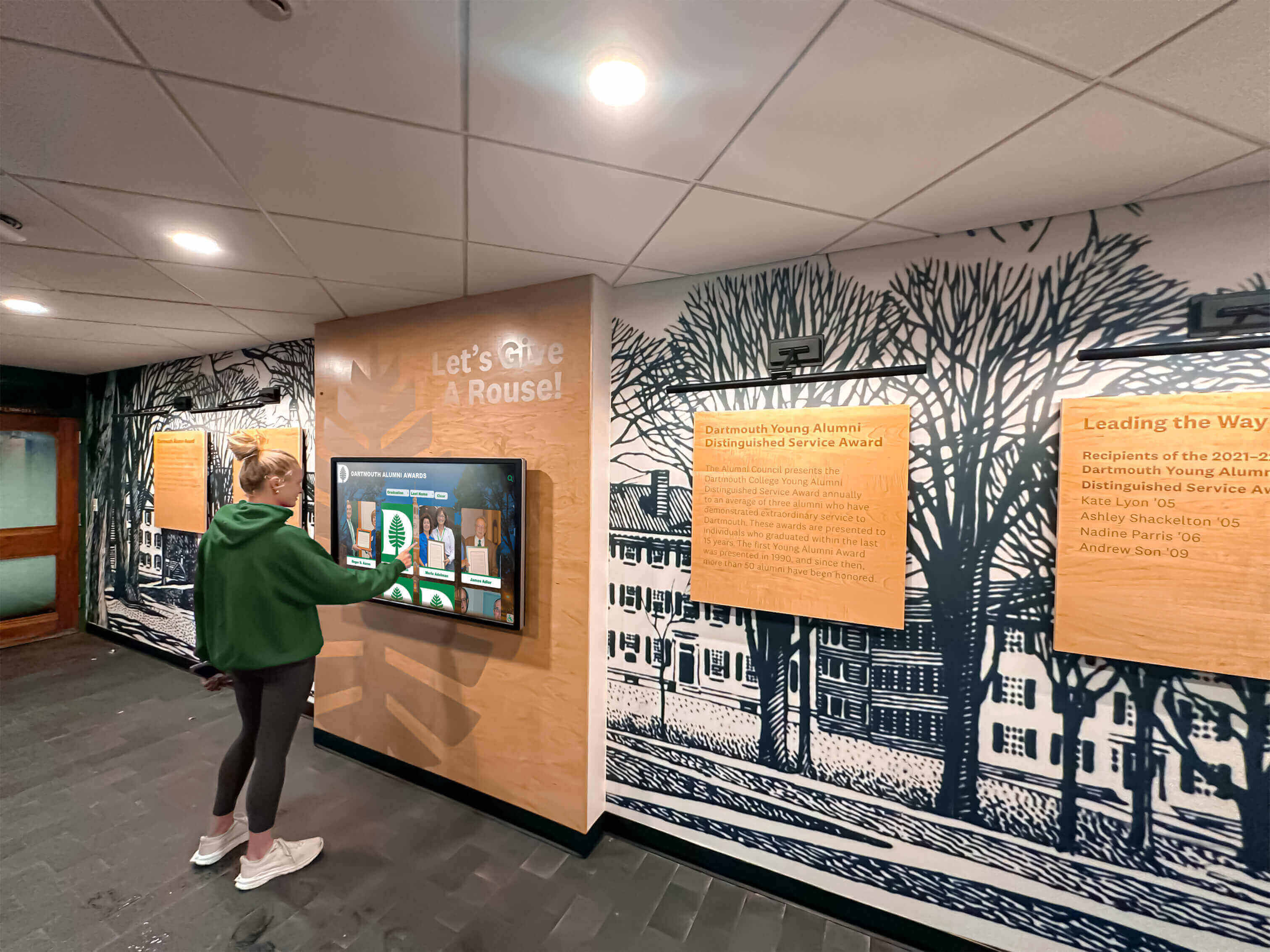
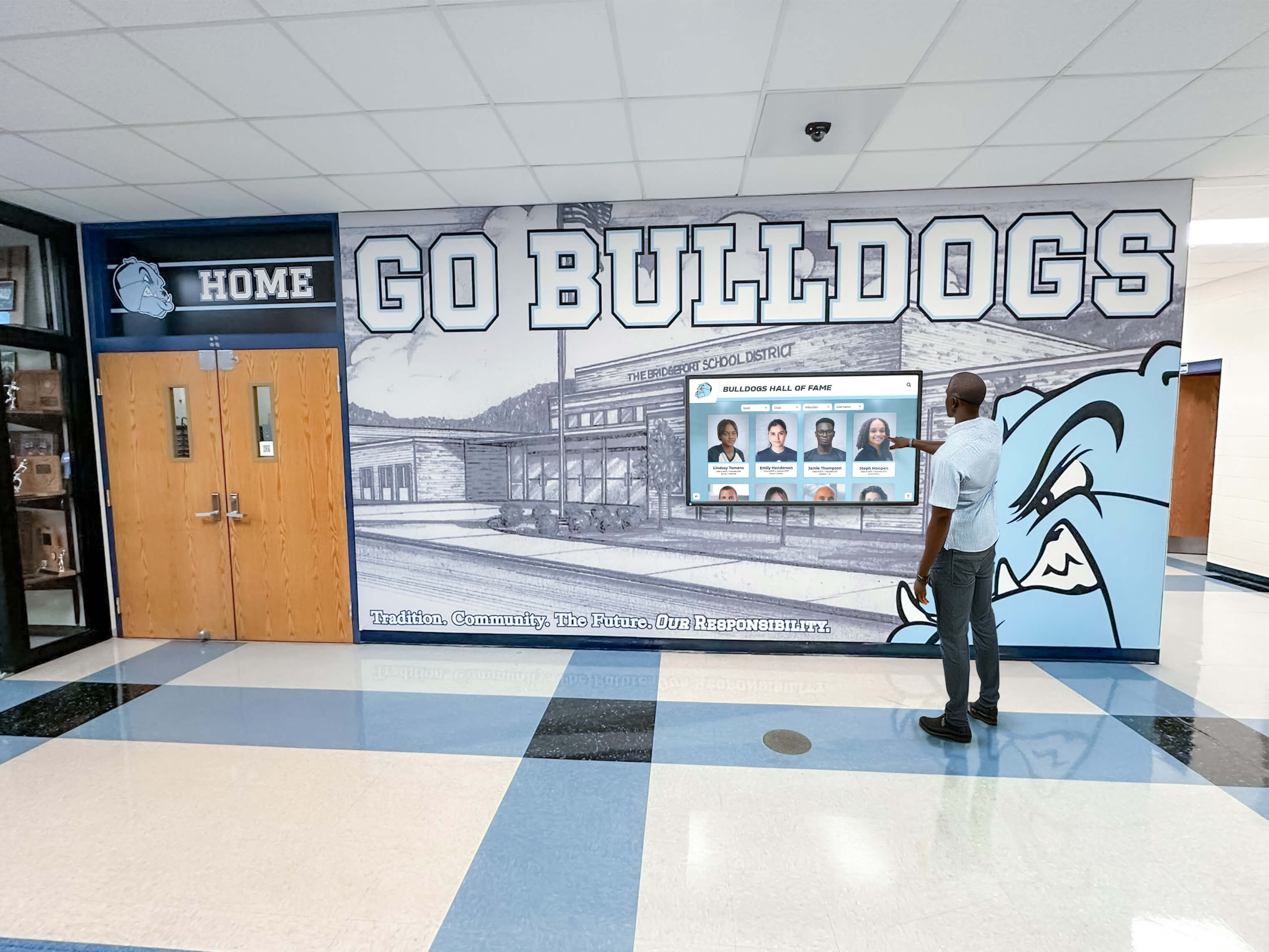
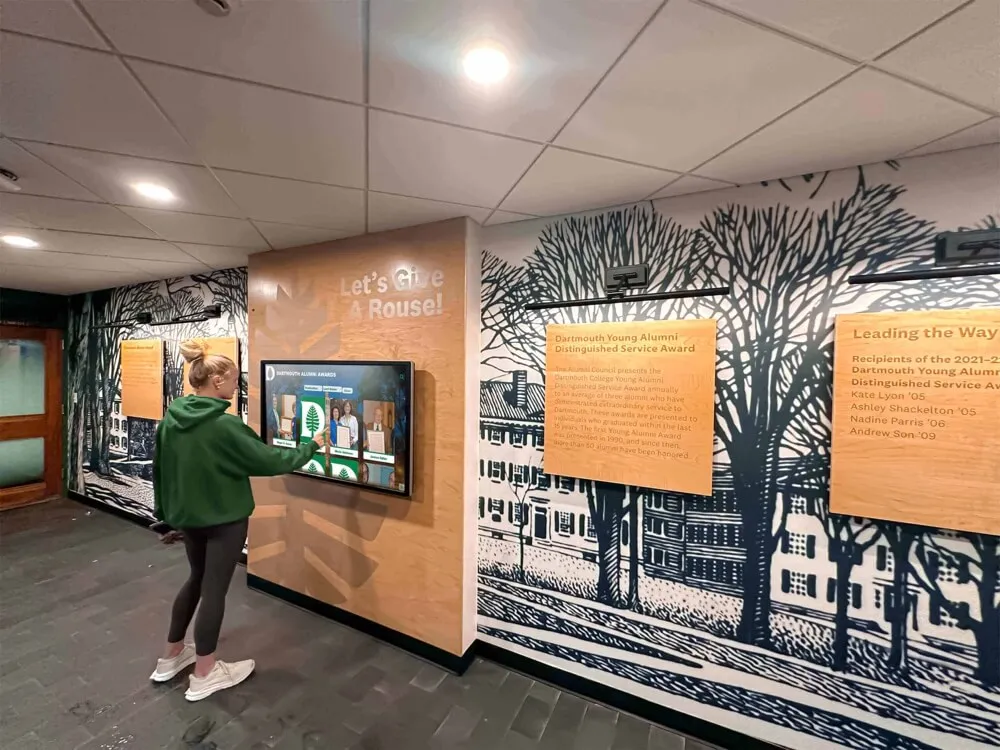
Many institutions provide interactive alumni directory touchscreen displays that help students discover and connect with graduates working in their fields of interest, making it easier to identify potential mentors and networking contacts.
Preparing for Successful Alumni Networking
Effective networking begins before you reach out to your first alumnus. Strategic preparation demonstrates professionalism while maximizing value from every interaction.
Clarifying Your Networking Objectives
Clear goals shape your approach and messaging, ensuring alumni conversations remain focused and productive:
Exploratory Learning: If you’re unsure about career directions, networking objectives might focus on learning about different fields, understanding various roles, discovering what professionals enjoy about their work, and identifying paths that align with your interests and values. Questions emphasize exploration rather than immediate job seeking.
Industry-Specific Research: When you’ve identified target industries but need deeper understanding, objectives shift toward learning sector-specific insights—typical career progressions, essential skills, company culture differences, emerging trends, and strategic positioning advice. Conversations focus on industry expertise rather than general career exploration.
Internship or Job Search Support: Actively seeking positions requires different approach—objectives include learning about hiring processes, gaining application advice, securing referrals or introductions, and potentially discussing specific openings. Explicit job-seeking context sets appropriate expectations while demonstrating purposeful networking.
Skill Development Guidance: Sometimes you need advice about which capabilities to build during remaining academic time—which certifications matter, what technologies to learn, how to demonstrate skills employers value, or what experiences strengthen applications. These targeted conversations yield specific actionable recommendations.
Communicating clear objectives when reaching out helps alumni provide most relevant assistance while respecting their time by enabling focused, productive conversations.
Researching Alumni Before Making Contact
Thoughtful research demonstrates genuine interest while enabling more substantive conversations:
Review professional profiles on LinkedIn, institutional alumni directories, or company websites understanding career progression, current responsibilities, educational background, professional interests, and potential connection points. This background research prevents asking questions easily answered through public information while revealing conversation starting points based on shared interests or experiences.
Identify specific reasons why particular alumni interest you—perhaps they work in your target field, have career paths you find compelling, attended your program, or achieved accomplishments you aspire toward. Articulating genuine connection reasons makes outreach feel personal rather than mass-distributed to any available alumnus.
Note commonalities beyond institutional connection—shared hometowns, similar academic interests, mutual professional organizations, common extracurricular backgrounds, or overlapping networks. These additional connection points provide conversation foundations beyond basic alumni relationship.
Look for recent developments mentioning the alumnus—promotions, awards, publications, speaking engagements, or company news. Congratulating them on recent achievements or asking about current projects shows you’ve done homework while providing timely conversation hooks.
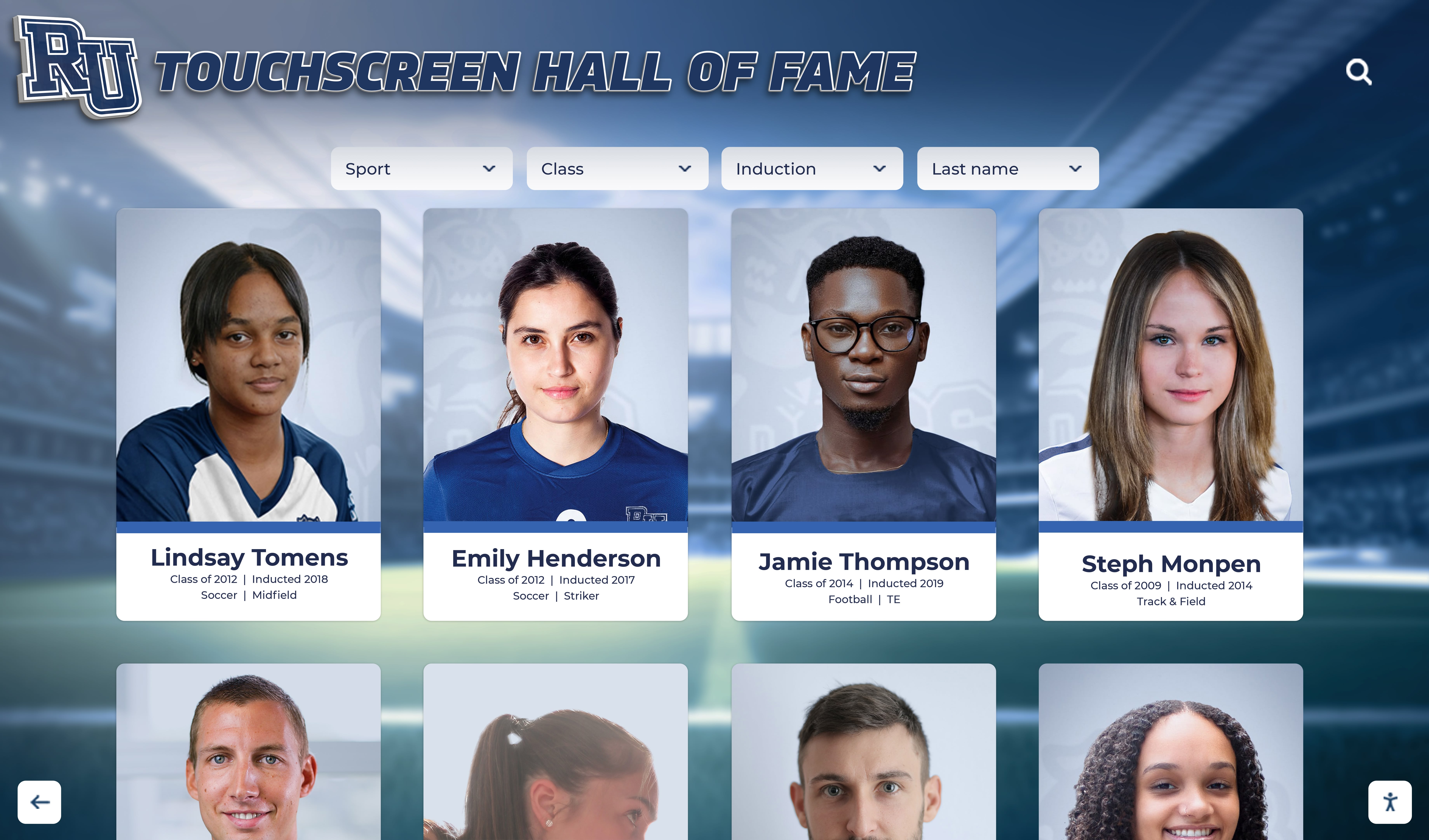
Many schools now feature digital alumni recognition displays showcasing distinguished graduates with comprehensive profiles including career highlights, making it easier to research potential networking contacts and identify alumni whose paths align with your interests.
Developing Your Personal Introduction
Concise, compelling self-presentations help alumni quickly understand who you are and why you’re reaching out:
Craft 2-3 sentence introductions covering your current academic status (year, major), relevant interests or experiences connecting to the alumnus’s field, and what specifically interested you in reaching out to them. Practice delivering this introduction naturally in both written and verbal formats.
Example: “I’m a junior studying economics at [University], particularly interested in sustainable finance and impact investing. I came across your profile while researching alumni working in ESG investment and was impressed by your work leading green energy portfolios at [Company]. I would greatly appreciate the opportunity to learn about your career path and insights about breaking into sustainable finance.”
This introduction establishes context, demonstrates specific interest rather than generic networking, explains the connection to the alumnus, and makes a clear, reasonable request. Adjust formality levels based on communication channel and alumnus’s professional context.
Prepare thoughtful questions demonstrating genuine curiosity and research. Generic questions like “What do you do?” waste opportunities and signal poor preparation. Instead, ask specific questions building on what you learned during research: “I noticed you transitioned from consulting to product management. What motivated that shift and how did you successfully make that pivot?”
Strategies for Finding and Connecting with Alumni
With preparation complete, tactical approaches for identifying and reaching out to alumni maximize your chances of building meaningful connections.
Leveraging Institutional Alumni Resources
Your school’s alumni relations office provides organized resources specifically designed to facilitate student-alumni connections:
Alumni directories and databases maintained by institutions enable searches by industry, company, location, graduation year, or major. These curated resources provide verified contact information and often indicate which alumni have volunteered to mentor students. Start here before attempting cold LinkedIn outreach—alumni self-selecting for student engagement respond much more reliably than random contacts.
Formal mentorship programs match students with alumni volunteers based on interests and fields. These structured programs provide frameworks facilitating connections while ensuring participating alumni expect and welcome student outreach. Take advantage of these organized opportunities requiring minimal cold outreach courage.
Alumni networking events held on campus or in major cities create in-person meeting opportunities in low-pressure social settings. Career panels, industry nights, regional receptions, and homecoming gatherings provide natural contexts for introducing yourself and beginning relationships that continue through follow-up communication.
Career services partnerships with alumni affairs often yield exclusive opportunities—mock interviews with alumni, resume reviews by professionals in your field, informational interview programs, or industry-specific networking sessions. Career centers typically maintain relationships with highly engaged alumni willing to provide substantive student support.
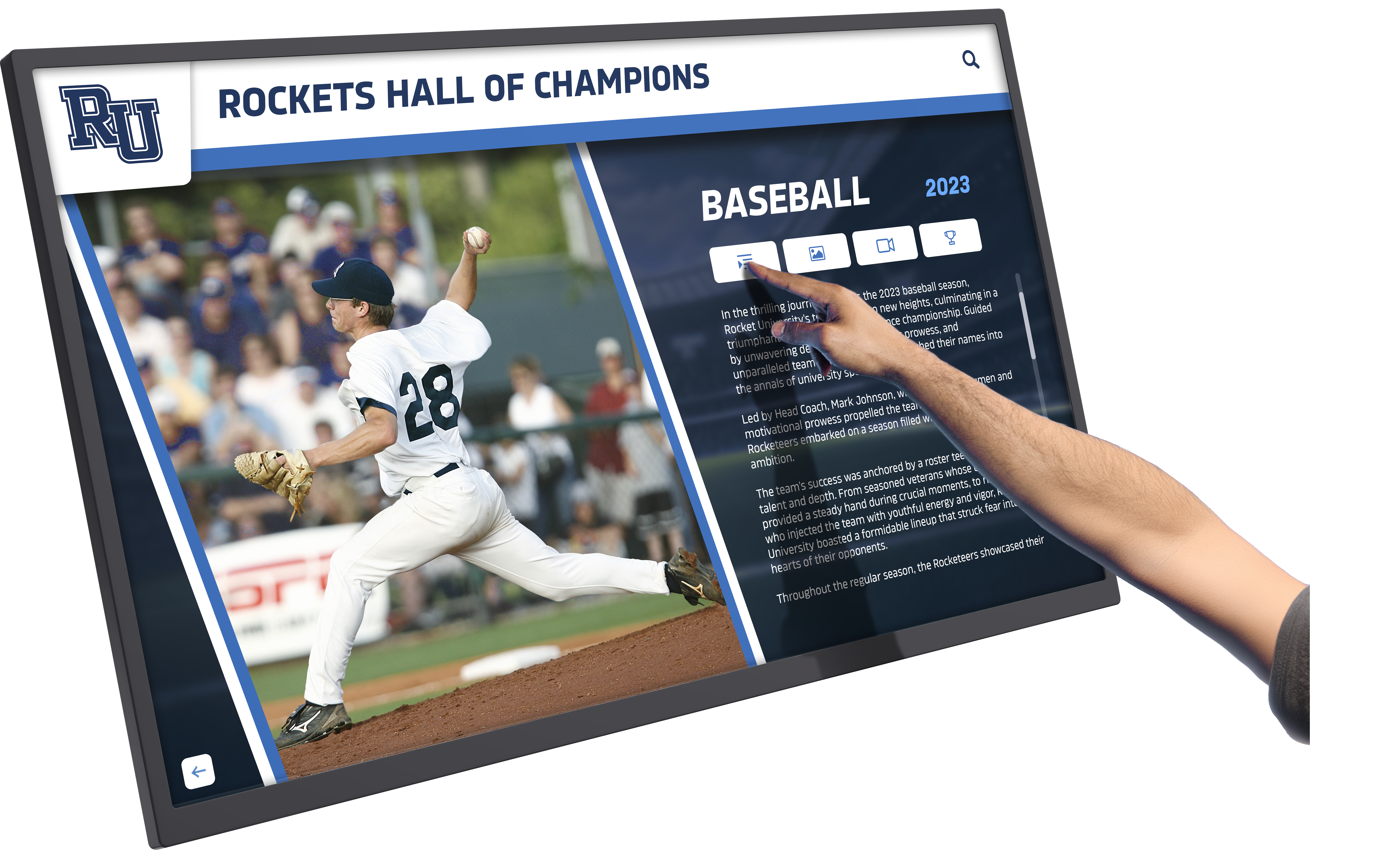
Interactive touchscreen recognition displays increasingly help students discover accomplished alumni working in various fields, providing accessible starting points for identifying potential networking contacts right on campus.
Using LinkedIn Strategically
Professional networking platforms enable direct alumni connections beyond institutional channels:
Alumni search filters on LinkedIn allow you to find graduates from your institution working in target companies, roles, or locations. The shared institutional connection increases likelihood that alumni will accept connection requests and respond to messages compared to cold outreach to non-alumni professionals.
Personalized connection requests dramatically improve acceptance rates compared to generic invitations. Reference specific reasons for connecting—shared institutional background, their career path that interests you, or their expertise in your area of interest. Explain that you’re a current student hoping to learn from their experience. Keep requests brief (LinkedIn limits characters) but specific enough to demonstrate genuine interest.
Alumni group participation within LinkedIn enables visibility to broader alumni networks while providing contexts for engaging with content, asking questions, and demonstrating your professional interests. Active, thoughtful participation in alumni groups can lead to organic networking opportunities as alumni notice your contributions.
Engagement before requests sometimes works effectively—commenting thoughtfully on alumni posts or articles, sharing their content with value-adding commentary, or congratulating them on professional updates. This visibility can make subsequent connection requests feel more natural, as you’re already on their radar as an engaged fellow alumnus.
Attending Alumni Events and Programs
Face-to-face interactions accelerate relationship building compared to digital-only communication:
Career panels and speaker events featuring alumni provide structured opportunities for asking questions publicly and approaching speakers afterward for individual conversations. Prepare thoughtful questions in advance and arrive early or stay late for less crowded conversation opportunities. Follow up after events with LinkedIn connection requests referencing specific topics from their presentation.
Regional alumni chapter gatherings welcome students in many cities, especially during academic breaks or when you’re home. These casual social events create low-pressure networking environments where alumni expect to meet students. Chapters typically publicize events through institutional alumni communications—ask your alumni office about opportunities in your home city or internship locations.
Industry-specific affinity events organized around professional fields, academic departments, or shared interests bring together alumni with common backgrounds. These focused gatherings provide built-in conversation topics and increase relevance of connections for your specific career interests.
Homecoming and reunion weekends attract alumni returning to campus, creating concentrated networking opportunities. Volunteer at events, attend open programs, or simply spend time in common areas where alumni gather. Wearing institutional apparel or carrying visible student materials signals your status, often prompting alumni to initiate conversations with current students.
Some institutions now feature interactive alumni displays at events, allowing students to explore alumni accomplishments and identify potential connections in real-time during gatherings.
Crafting Effective Alumni Outreach Messages
The quality of your initial contact significantly impacts response rates and relationship foundations. Professional, thoughtful communication demonstrates respect for alumni time while clearly conveying what you’re seeking.
Email Outreach Best Practices
Well-crafted emails balance brevity with sufficient context, making it easy for busy alumni to understand your request and respond positively:
Subject lines matter significantly. Generic subjects like “Networking Request” or “Quick Question” often go unread. Instead, reference your shared institutional connection and make your purpose clear: “Current [University] Economics Student Seeking Career Advice” or “[University] Junior Interested in Learning About Sustainable Finance Career Path.”
Opening paragraphs should immediately establish your connection and credibility. Mention that you’re a current student at their alma mater, reference how you found them (alumni directory, LinkedIn, recognition display, professor recommendation), and include a specific detail demonstrating you’ve researched their background.
Middle section briefly explains your situation, interests, and what specifically interests you about their career path. Keep this concise—3-4 sentences maximum—focusing on relevant information that helps them understand why you’re reaching out to them specifically rather than any random professional.
Clear request specifies what you’re asking for. Most effectively, request a brief phone or video call (20-30 minutes) at their convenience for informational conversation. Avoid vague requests like “any advice you can provide” or presumptuous asks like “help me get a job at your company.” The informational interview request is specific, reasonable, and commonly understood in professional contexts.
Closing expresses appreciation, provides easy next steps, and includes complete contact information. Offer flexibility about timing, make it easy to schedule (consider including your availability or suggesting scheduling tools), and thank them in advance for considering your request.
Sample email template:
Subject: [University] Junior Seeking Advice About Career Path in Data Analytics

Dear [Alumnus Name],

I'm a junior at [University] majoring in Statistics with growing interest in data analytics, and I came across your profile in the alumni directory while researching graduates working in analytics roles. Your career progression from [University] to senior analyst at [Company] particularly resonated with me, especially your work on predictive modeling for healthcare applications.

I'm currently exploring career paths in data science and analytics, trying to better understand which technical skills matter most to employers and how to best position myself for analytics roles after graduation. Your background combining statistical training with business applications represents exactly the career direction I'm hoping to pursue.

Would you be willing to speak with me briefly—perhaps a 20-30 minute phone or video call at your convenience? I would greatly value hearing about your career journey, learning what skills and experiences proved most valuable, and getting your perspective on how students can best prepare for analytics careers.

I completely understand if your schedule doesn't permit, but I would genuinely appreciate any insights you could share. I'm happy to work around your availability—mornings, evenings, or weekends all work for me.

Thank you so much for considering this request. Go [University mascot]!

[Your Name]
[Your Phone]
[Your Email]
[LinkedIn Profile URL]
LinkedIn Message Approaches
Platform-specific communication requires adaptation to LinkedIn’s format and context:
Connection requests should always include personalized notes (LinkedIn provides 300 characters). Mention your shared institutional connection immediately, reference one specific aspect of their profile that interested you, and express interest in learning from their experience. Example: “Hi [Name], I’m a current [University] student interested in product management. Your career path from engineering to PM leadership really resonated with me. Would love to connect and learn from your experience.”
InMail messages (available through LinkedIn Premium, often free for students) allow longer communication to alumni outside your network. Structure similarly to email outreach—establish connection, demonstrate research, make clear request, provide flexibility. InMails often receive higher response rates than regular messages but should still be concise and focused.
Message timing and follow-up require professional judgment. After sending connection requests or messages, wait at least 7-10 days before gentle follow-up. If alumni don’t respond to second attempt, respect their silence and move on to other networking opportunities. Everyone’s time and circumstances vary—non-responses usually reflect capacity rather than rudeness.
In-Person Networking Approaches
Face-to-face introductions at events require social confidence but often build rapport more quickly than digital communication:
Preparation involves researching expected attendees when possible, preparing your self-introduction, and developing conversation questions in advance. Bring business cards or prepare to exchange contact information digitally. Dress appropriately—generally business casual unless events specify otherwise.
Starting conversations feels less awkward when you have opening strategies. Approach individuals standing alone rather than interrupting animated group discussions. Simple openers work well: “Hi, I’m [Your Name], a current junior studying [Major]. Are you an alumnus?” follows with “What brings you to the event?” or “What do you do now?” Most alumni expect and welcome student approaches at alumni events.
Active listening matters more than perfectly rehearsed questions. Ask about their career paths, but also listen for unscripted conversation opportunities. React genuinely to what they share, ask authentic follow-up questions based on their responses, and look for ways to add value to conversations beyond extracting advice—perhaps connecting them with resources, other students, or information relevant to topics they mention.
Conversation closing should happen before discussions feel prolonged or forced. After 10-15 minutes, thank them for their time, express specific appreciation for particular insights they shared, and ask about appropriate follow-up: “Would it be okay if I connected with you on LinkedIn to stay in touch?” or “I’d love to continue this conversation—would you be open to a brief call in the next few weeks?” Respect their response either way, and always thank them again as you part.
Immediate follow-up is critical—send LinkedIn connection requests or emails within 24 hours while you’re fresh in their memory. Reference specific conversation topics proving you were actively engaged, thank them again, and proceed with any next steps you discussed.
Conducting Valuable Informational Interviews
Securing alumni conversations represents an important milestone, but conversation quality determines whether these interactions translate into lasting relationships and meaningful value.
Preparing for Informational Interviews
Thorough preparation demonstrates respect for alumni time while ensuring you gain maximum value:
Deep research goes beyond initial outreach preparation. Review the alumnus’s complete professional history, recent company news, industry trends affecting their field, and potential connection points to your interests. Prepare to discuss their work knowledgeably, avoiding questions easily answered through public information.
Question development should yield 8-10 thoughtful questions knowing you likely won’t ask all of them. Mix career story questions (“How did you decide to pursue [field]?” “What did your career path look like from graduation to your current role?”), practical advice questions (“What skills should students develop for [field]?” “What do you wish you’d known when you were in my position?”), and current perspective questions (“How is [industry] changing?” “What excites you most about your current work?”).
Logistical preparation includes testing technology before video calls, having backup phone numbers ready in case of technical issues, preparing note-taking materials, and setting up in quiet environments without interruptions. Professional details matter—dress as you would for interviews, ensure appropriate backgrounds for video calls, and eliminate potential distractions.
Time respect is paramount. Start and end punctually, watch for signals that alumni need to wrap up even if scheduled time remains, and be prepared to end early if you’ve covered your questions efficiently. Better to leave them wanting to talk more than to overstay your welcome.
Making Strong First Impressions
Initial moments set tone for entire conversations:
Prompt, professional joining means being ready 2-3 minutes early for calls or arriving 5 minutes early for in-person meetings. Technical difficulties happen, but testing beforehand minimizes issues. For in-person meetings at offices, check in with reception professionally and wait patiently.
Authentic enthusiasm shows appreciation without excessive formality creating awkwardness. Thank them sincerely for their time, express genuine interest in their career and experiences, and maintain energy throughout conversations. Your enthusiasm makes conversations enjoyable for alumni, increasing likelihood they’ll stay engaged and potentially continue relationships.
Professional presentation balances respect with authenticity. You’re a student, not a seasoned executive—be professional but don’t try to sound artificially corporate. Speak clearly, avoid excessive filler words, and communicate confidently without arrogance. Be yourself while putting your best professional self forward.
Agenda transparency establishes clear expectations. Briefly recap what you hope to learn from the conversation, confirm the time they have available, and offer to adapt if their schedule changed. This structure signals organizational skills while ensuring you cover priority topics.
Conducting the Conversation
Skilled interviewing balances prepared questions with authentic dialogue:
Career journey exploration typically forms conversation foundation. Ask how they discovered their field, what their career progression looked like, key turning points or decisions, and how their education prepared them (or didn’t). These narrative questions often yield rich insights while requiring minimal follow-up prompting.
Present focus shifts to their current role and industry. What does their typical day or week look like? What aspects of their work do they find most rewarding or challenging? How is their field evolving? These questions provide concrete understanding of professional realities beyond generic job descriptions.
Student-specific advice should feel natural within conversation flow rather than forced list-seeking. “What skills or experiences proved most valuable in your career?” “What do you wish you’d known as a student?” “What advice would you give someone hoping to enter your field?” These questions directly address your needs while drawing on their expertise.
Natural dialogue means truly listening and allowing conversations to evolve organically. Your prepared questions provide structure, but best insights often come from unexpected tangents. When alumni mention interesting points, ask follow-up questions exploring those threads. Authentic conversations build stronger connections than rigid interview formats.
Reciprocal value makes conversations more engaging. Share relevant information when appropriate—current campus developments, mutual connections, or interesting perspectives from your student vantage point. While you’re primarily learning from them, genuine two-way conversation feels more natural than one-sided interviewing.
Wrapping Up Effectively
Strong closings leave positive lasting impressions while setting up potential continued relationships:
Explicit thanks expressing specific appreciation for particular insights they shared demonstrates you were actively engaged. “Thank you so much for explaining how you transitioned from engineering to product management—that perspective really clarified my thinking about possible career paths” feels more meaningful than generic thanks.
Next step discussions might include asking if you could follow up with additional questions as they arise, mentioning that you’d love to keep them updated on your progress, or inquiring about other alumni they’d recommend speaking with. Read cues carefully—if they seem genuinely engaged, these requests typically receive positive responses.
Offering value when possible strengthens relationships beyond extractional networking. “I’d be happy to send you that article we discussed” or “Would you like me to connect you with my professor who researches [topic]?” demonstrates you’re thinking about mutual benefit rather than only taking value.
Following Up and Maintaining Alumni Relationships
Initial conversations create foundations, but thoughtful follow-up and relationship maintenance transform one-time interactions into lasting professional connections.
Essential Post-Conversation Follow-Up
Prompt, thoughtful follow-up cements positive impressions while keeping momentum:
Thank you messages should go out within 24 hours of conversations. Email works well for this purpose, allowing more substantive notes than LinkedIn messages. Reference specific topics you discussed, mention particular insights you found valuable, and express genuine appreciation for their time and generosity sharing experiences.
Action items completion demonstrates reliability and professionalism. If you promised to send something, share information, or make connections, follow through quickly. If alumni offered to introduce you to colleagues or share resources, acknowledge these offers specifically and provide any information they need to follow through easily.
Updates on advice implementation show you valued their counsel enough to act on it. If they suggested specific courses, books, skills to develop, or experiences to pursue, send brief updates when you’ve taken their advice: “You suggested I learn Python—I just completed an online course and wanted to thank you again for that recommendation. It’s already proving valuable in my coursework.”
Building Long-Term Relationships
Sustained connections require ongoing thoughtfulness without becoming burdensome:
Periodic updates (every 3-6 months) keep alumni engaged with your progress without over-communicating. Share significant developments—internships secured, relevant coursework completed, career decisions made, or graduation plans. These updates provide conversation hooks for alumni who want to stay engaged while demonstrating you value the relationship enough to maintain it.
Sharing relevant information adds value beyond status updates. When you encounter articles, opportunities, or information relevant to their interests or work, share it with brief notes explaining why you thought of them. This demonstrates you’re thinking about mutual benefit rather than only seeking advice when you need something.
Congratulating professional milestones noticed on LinkedIn or through news maintains relationship warmth with minimal effort. New jobs, promotions, awards, or published work merit brief congratulatory notes. These small touches show you’re paying attention and celebrating their success.
Annual check-ins around holidays or academic milestones (beginning of school years, graduation) provide natural communication timing. Brief messages expressing continued appreciation for their mentorship and updating them on your progress maintain connections even during busy periods when more regular communication proves difficult.
In-person reconnections when possible strengthen digital relationships. If you’re in their city for internships, interviews, or personal travel, respectfully inquire about possibility of brief coffee meetings to reconnect in person. Similarly, invite them to campus events, guest lectures, or programs where their participation might interest them.
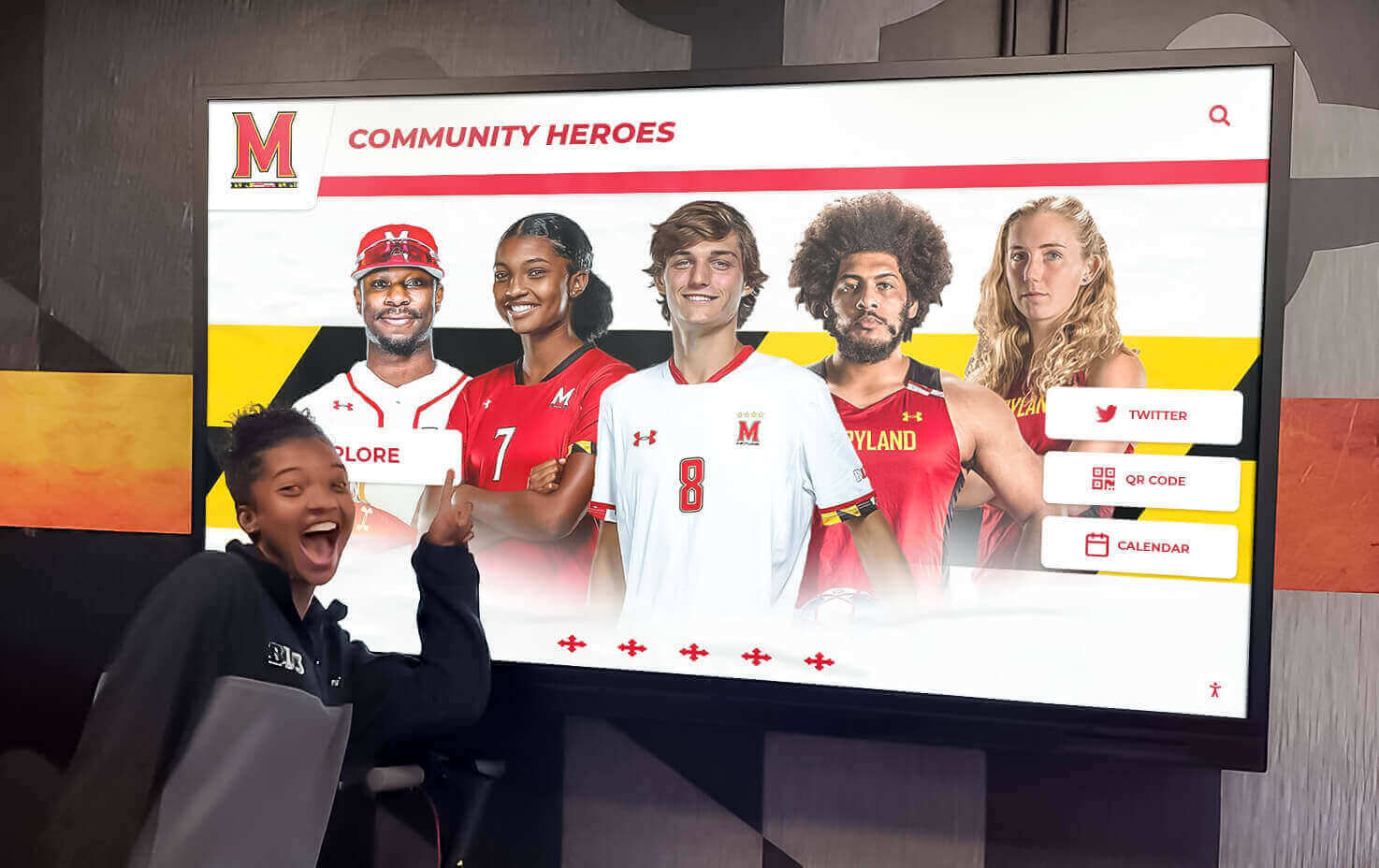
Many schools maintain digital recognition platforms highlighting accomplished alumni, making it easy for students to stay informed about mentor accomplishments and maintain relevant conversations based on alumni updates and achievements.
Converting Networking to Mentorship
Deep, ongoing relationships evolve naturally when mutual interest and compatibility align:
Regular communication rhythms transform sporadic networking into mentorship. Monthly or quarterly calls, email exchanges, or meetings create predictable touchpoints providing consistency and depth impossible through occasional interaction.
Reciprocal value exchange sustains mentorship long-term. While you’re gaining career guidance, consider what you can offer—campus insights, energy and fresh perspectives, connections to other students or faculty, technical skills mentors might need, or simply genuine appreciation and engagement making mentorship rewarding for alumni.
Explicit mentorship requests sometimes make sense after establishing initial relationships. If conversations prove consistently valuable and alumni seem genuinely invested in your success, respectfully inquire whether they’d be open to more formal mentorship relationship: “I’ve found our conversations incredibly valuable, and I’m wondering if you’d be open to staying in touch more regularly as I navigate these next career decisions?”
Institutional mentorship programs sometimes formalize relationships that began organically. If your school offers structured mentorship, suggest to alumni that they consider enrolling—providing framework and institutional support for relationship you’re already building.
Common Alumni Networking Mistakes to Avoid
Understanding pitfalls helps you navigate alumni relationships professionally while avoiding behaviors that undermine networking effectiveness.
Transactional Approaches and Poor Timing
Self-centered networking focused exclusively on what alumni can do for you creates negative impressions:
Immediate job requests in first contact feel presumptuous. “Hi, I’m a student at your alma mater, can you get me a job at your company?” signals you see alumni as job vending machines rather than people worthy of relationship building. Start with learning and relationship development—job opportunities may follow naturally but shouldn’t be lead asks.
One-sided relationships where you only reach out when you need something wear thin quickly. Alumni recognize when they’re being used purely transactionally. Maintain relationships between major requests, share value when possible, and demonstrate interest in them beyond what they can provide you.
Poor timing sensitivity shows lack of professional judgment. Reaching out during obviously busy periods (like holiday weeks), sending follow-up requests immediately after non-responses, or failing to respect stated boundaries (“I can’t take calls, but I’m happy to answer brief questions via email”) demonstrates you prioritize your needs over their capacity.
Unprofessional Communication
Sloppy outreach suggests you don’t value alumni time or take networking seriously:
Generic mass messages obvious to recipients (“Dear Alumnus” or identical messages clearly sent to multiple people) rarely receive responses. Personalization matters—alumni want to feel you’re reaching out to them specifically, not mass-emailing anyone tangentially connected to your field of interest.
Grammatical errors and typos undermine professionalism. Alumni wonder if you’ll be similarly careless in workplace communication. Proofread carefully, use spell-check, read messages aloud before sending, and consider having friends review important outreach before sending.
Inappropriate casual tone in initial communications signals poor professional judgment. While you shouldn’t sound artificially formal, save casual language for after relationships develop. Initial outreach should balance professionalism with authentic enthusiasm.
Overly long messages demonstrate poor communication skills. Alumni have limited time—respect it by keeping initial outreach concise. Save details and lengthy questions for actual conversations rather than putting everything in initial emails.
Research and Preparation Failures
Insufficient homework shows lack of genuine interest:
Asking easily researched questions wastes limited conversation time and signals you couldn’t be bothered to do basic preparation. “What does your company do?” or “What’s your job title?” should be answered through LinkedIn or company websites before conversations.
Wrong name, institution, or field references in outreach immediately disqualify you from serious consideration. Double-check that you’re addressing the right person, referencing their actual alma mater, and discussing their actual field. These mistakes suggest you’re sending template messages without customization.
Demonstrating no knowledge of their background makes alumni wonder why you reached out to them specifically. If you can’t articulate what interested you about their career path or why you’re contacting them rather than other alumni, you haven’t prepared adequately.
Follow-Up Failures
Dropping communication after initial conversations wastes relationship-building opportunities:
Never thanking alumni after they’ve given time and advice feels disrespectful and ensures they won’t make time for you again. Thank you messages are non-negotiable—always send them within 24 hours of conversations.
Failing to implement advice then asking for more guidance suggests you don’t actually value their input. If alumni suggest specific actions and you haven’t attempted them, don’t reach out for additional advice until you’ve demonstrated willingness to act on previous counsel.
Ghosting after landing jobs or opportunities facilitated by alumni connections damages relationships and reflects poorly on your character. Keep alumni updated on outcomes from their assistance, express gratitude for their role in your success, and maintain relationships beyond the point where alumni served your immediate needs.
Leveraging Digital Alumni Recognition Platforms
Modern institutions increasingly provide sophisticated digital tools helping students discover and connect with accomplished alumni, making networking more accessible and strategic.
Interactive Alumni Directories and Recognition Displays
Searchable alumni databases enable targeted networking based on specific criteria:
Many schools now feature interactive touchscreen displays or web platforms showcasing alumni achievements, career paths, and professional backgrounds. These systems allow students to search by industry, company, graduation year, major, location, or interests—helping identify relevant networking contacts matching your specific career goals.
Comprehensive digital alumni displays often include rich multimedia profiles with professional accomplishments, career advice, and sometimes direct contact information or preferences about student outreach. These detailed profiles provide excellent research foundations before reaching out.
Filtering capabilities help you discover alumni connections you might never find through manual searching. Looking for graduates working at specific target companies? Interested in alumni who pursued graduate degrees in your field? Want to connect with professionals in particular cities where you hope to work? Advanced search tools make these targeted discoveries possible.
QR Code and Mobile-Enabled Connections
Technology integration simplifies the process of moving from discovery to actual contact:
Some modern recognition systems include QR codes enabling instant access to alumni profiles, LinkedIn pages, or contact forms directly from your smartphone. This seamless transition from exploration to outreach reduces friction in networking process.
Mobile-optimized platforms allow you to research alumni anywhere—during campus tours showing prospective students successful graduates, while waiting before class, or during career fair planning when identifying which employers have alumni connections you could leverage.
Social sharing features built into recognition platforms sometimes enable you to send alumni profiles to advisors, career counselors, or mentors who might facilitate introductions. This collaborative approach to networking multiplies your connections through trusted intermediaries.
Analytics and Engagement Insights
Smart platforms can help you understand which alumni actively engage with student populations:
Some systems track alumni who regularly update profiles, respond to student messages, or participate in mentorship programs. This engagement data helps you prioritize outreach to alumni who have demonstrated interest in helping students rather than cold-contacting individuals who may never engage.
Recommendation algorithms might suggest relevant alumni based on your profile, interests, or academic path—similar to how streaming services recommend content. These intelligent suggestions help you discover valuable connections you might otherwise miss.
Solutions like Rocket Alumni Solutions provide institutions with comprehensive platforms that not only honor distinguished graduates but also facilitate meaningful student-alumni connections through searchable, interactive experiences that make networking more accessible and strategic for current students.
Special Networking Considerations for Different Student Situations
Your circumstances influence optimal networking approaches—strategies should adapt to your specific context.
First-Generation Students
Students without family professional networks particularly benefit from alumni connections:
Alumni who were themselves first-generation students often especially want to support current students navigating unfamiliar professional terrain. When researching potential contacts, look for this common background—many alumni mention first-generation status in profiles or biographies.
Don’t hesitate to explain your situation openly. “I’m a first-generation student learning to navigate professional networking” demonstrates self-awareness while helping alumni understand your context and potential need for foundational guidance beyond what students with professional family networks might require.
Leverage institutional resources extensively. Career services offices and alumni affairs often maintain lists of alumni specifically committed to supporting first-generation students. Take advantage of these curated resources designed precisely for your circumstances.
International Students
Students from other countries face unique challenges but also possess distinctive networking assets:
Alumni from your home country or region understand cultural adjustments and visa complexities you face. They often prove particularly receptive to outreach from international students from shared backgrounds. Search alumni directories for graduates from your country or region.
Language skills and cultural fluency represent valuable assets you bring to networking relationships. Global organizations increasingly value professionals with international experience and multilingual capabilities—emphasize these strengths when networking.
Practical visa and work authorization advice becomes critical component of career planning. Alumni who navigated similar paths can provide invaluable guidance about employer sponsorship, Optional Practical Training (OPT), H-1B processes, or alternative career pathways available to international students.
Career Changers and Non-Traditional Students
Students pursuing new fields benefit from alumni who made similar transitions:
Look specifically for alumni whose LinkedIn profiles show career pivots—professionals who changed industries, pursued new degrees mid-career, or launched second careers. These individuals understand transition challenges and can provide targeted advice about successfully making field changes.
Your previous experience represents assets, not deficits. Professional skills, life experience, and maturity distinguish you from traditional students—position these as strengths when networking. Alumni often appreciate perspectives from students bringing workplace experience to academic environments.
Age diversity among alumni means many graduated recently while others graduated decades ago. Don’t assume you should only network with alumni near your age—older alumni often provide wisdom and perspective particularly valuable for non-traditional students making thoughtful career decisions.
Underrepresented Students
Students from historically marginalized communities can strategically leverage affinity-based networking:
Alumni sharing aspects of your identity often want to support students from similar backgrounds. Look for affinity group alumni organizations, diversity-focused networking events, or alumni who mention relevant identity aspects in profiles or involvement.
Your unique perspectives and experiences represent valuable assets you bring to professional environments. Position yourself authentically, recognizing that many organizations actively seek diverse talent and that alumni from underrepresented communities frequently prioritize supporting emerging diverse professionals.
Mentorship from alumni who understand navigating professional spaces as underrepresented individuals provides invaluable guidance about succeeding in various organizational cultures, identifying inclusive employers, and advocating effectively for yourself in workplace contexts.
Measuring Your Networking Success
Tracking networking activities and outcomes helps you refine approaches while maintaining accountability for relationship building.
Quantitative Metrics
Numerical tracking provides objective assessment of networking efforts:
Outreach volume matters—track how many alumni you contact monthly or per semester. Successful networking requires consistent effort. Students conducting 5-10 quality outreach attempts monthly typically see much better results than those sporadically sending occasional messages.
Response rates reveal message effectiveness. If less than 30% of alumni respond to initial outreach, reassess your messaging—it may be too generic, too long, lack personalization, or fail to make clear requests. Response rates above 50% suggest effective communication.
Conversation conversions measure how many alumni who respond actually agree to informational interviews or meetings. Low conversion (alumni responding but declining meetings) might indicate you’re not making clear requests or failing to respect their capacity constraints.
Follow-up consistency tracks relationship maintenance. How many alumni have you maintained contact with beyond initial conversations? Building 10 sustained relationships proves more valuable than 50 one-time conversations leading nowhere.
Qualitative Assessment
Quality evaluation complements quantitative metrics:
Insight value assesses whether conversations yield actionable information changing your understanding or decisions. Effective networking should tangibly inform career choices, skill development priorities, or strategic positioning.
Relationship depth considers whether connections feel genuine or purely transactional. Are alumni remembering you, asking about your progress, or proactively offering help? These signals indicate real relationship development versus forgettable brief interactions.
Confidence growth represents important but often overlooked networking outcome. Do you feel more comfortable initiating professional conversations? Has networking reduced career-related anxiety? These soft benefits support long-term professional success.
Opportunity generation tracks tangible outcomes—internship interviews, job referrals, additional valuable introductions, mentorship relationships, or career clarity. While not every networking interaction produces immediate opportunities, sustained efforts should eventually yield concrete results.
Conclusion: Building Your Professional Future Through Alumni Networks
Alumni connections represent among the most accessible yet underutilized career development resources available to students. These accomplished professionals share your institutional bond, remember their own student experiences, and often genuinely want to support the next generation of graduates. Yet value emerges only when students take initiative approaching alumni thoughtfully, respectfully, and strategically.
Effective alumni networking requires moving beyond transactional mentalities focused exclusively on immediate job procurement toward relationship building that creates sustained mutual value. The most successful student networkers recognize that alumni are people worthy of genuine interest, not merely instrumental resources for career advancement. Authentic curiosity, thoughtful research, professional communication, and consistent relationship maintenance transform alumni networks from abstract institutional assets into concrete career catalysts.
The strategies explored throughout this guide—from preparation and outreach through conversation execution and long-term relationship maintenance—provide practical frameworks for networking effectively regardless of your experience level, field of interest, or personal circumstances. Whether you’re a first-year student beginning to explore career possibilities or a graduating senior actively seeking positions, these approaches help you leverage your institutional alumni network strategically while building professional skills that serve you throughout your career.
Technology increasingly facilitates student-alumni connections through interactive recognition displays, searchable databases, and digital platforms making it easier than ever to discover relevant alumni, research their backgrounds, and initiate meaningful conversations. Modern solutions enable institutions to connect students with accomplished graduates in ways impossible with traditional static recognition approaches.
The most important step is simply beginning. Your first alumni outreach might feel uncomfortable, your initial networking conversations may seem awkward, and relationship building requires consistent effort over time. But each interaction builds skills, confidence, and connections that compound throughout your academic journey and professional career. The alumni who become your most valuable mentors and supporters likely begin as strangers you reached out to courageously despite uncertainty.
Your institution’s alumni network represents decades of graduate success across countless industries, roles, and career paths. Within that network exist professionals who faced challenges similar to yours, pursued paths you’re considering, and achieved success demonstrating what’s possible from your educational foundation. Those alumni await your outreach—not to do your work for you, but to guide, advise, and support you as you build your own professional future.
Ready to discover accomplished alumni who can provide valuable career guidance and professional connections? Explore how modern digital recognition platforms help students connect with distinguished graduates, making alumni networking more accessible and strategic through comprehensive, searchable displays highlighting successful alumni across all career fields and industries.































