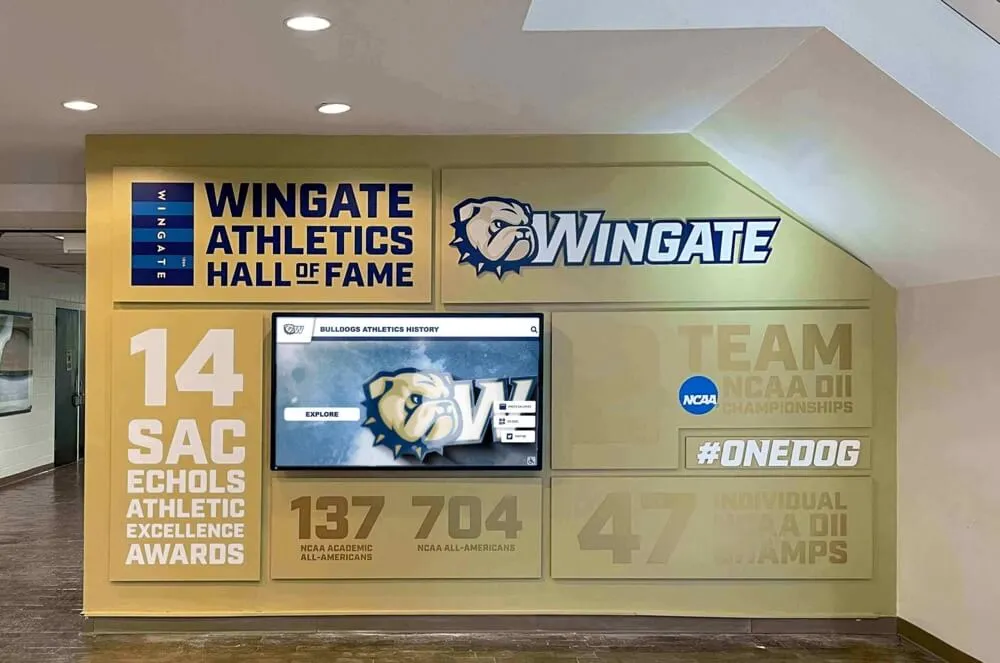




Earning a varsity letter represents one of high school’s most recognizable athletic achievements—a tangible symbol of dedication, skill development, and competitive contribution that athletes wear proudly on letterman jackets and display throughout their lives. Unlike participation trophies or certificates, varsity letters signify legitimate athletic accomplishment validated by coaches, earned through sustained commitment across entire seasons, and limited to athletes meeting specific performance and participation standards established by athletic programs.
High school athletes, parents, and coaches regularly face questions about letterman requirements: What exactly does it take to earn a varsity letter? Do requirements vary by sport? How much playing time is necessary? What happens if you’re on varsity but don’t compete regularly? Do academic standards affect athletic letter eligibility? Understanding these requirements helps athletes set appropriate goals, parents support their students effectively, and programs maintain consistent recognition standards honoring genuine athletic achievement.
Modern Recognition Systems for Varsity Letter Winners
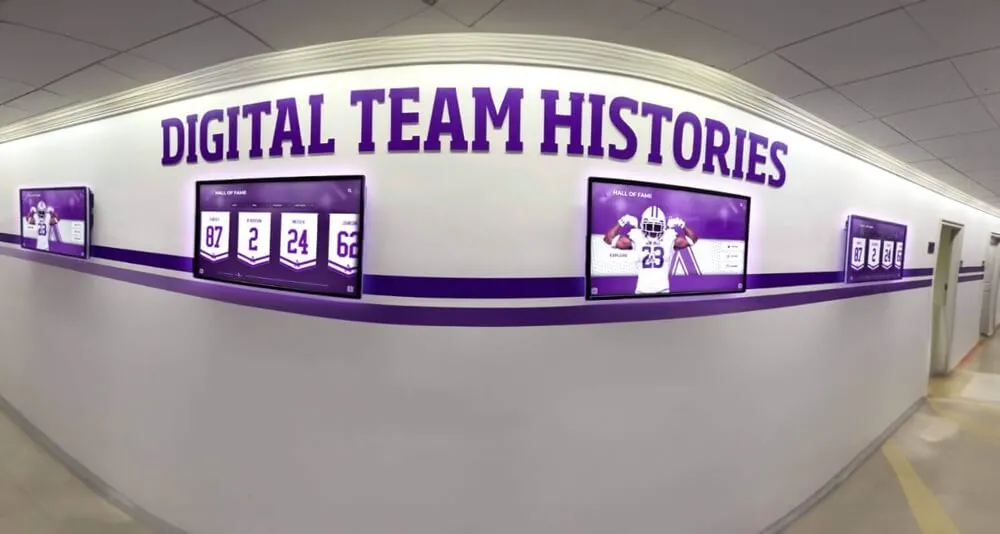
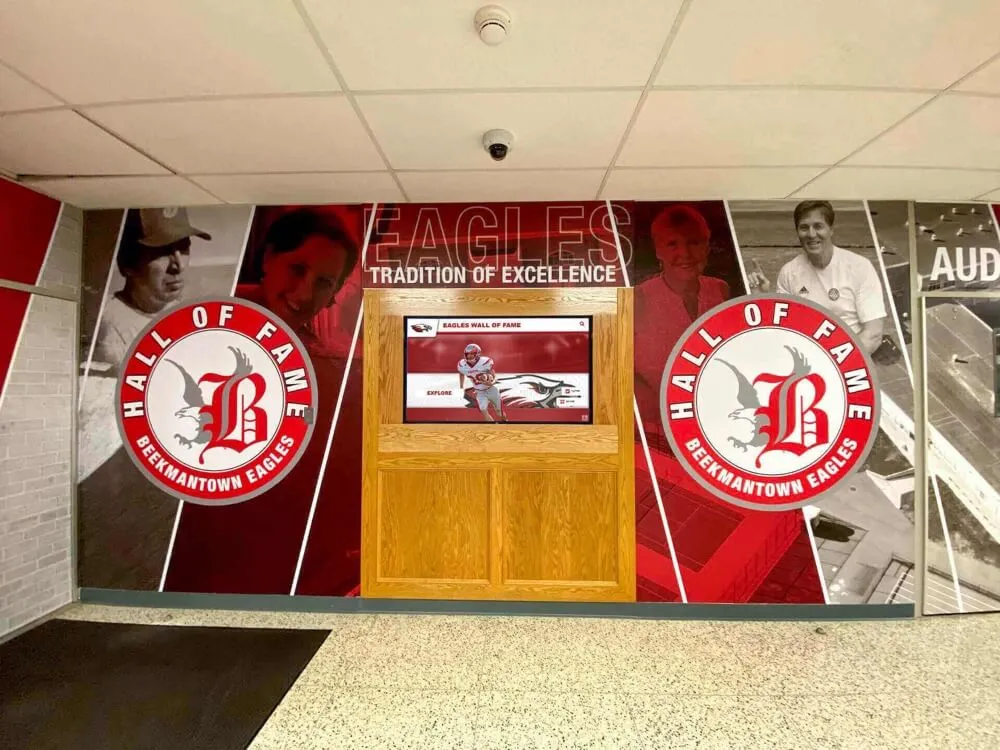
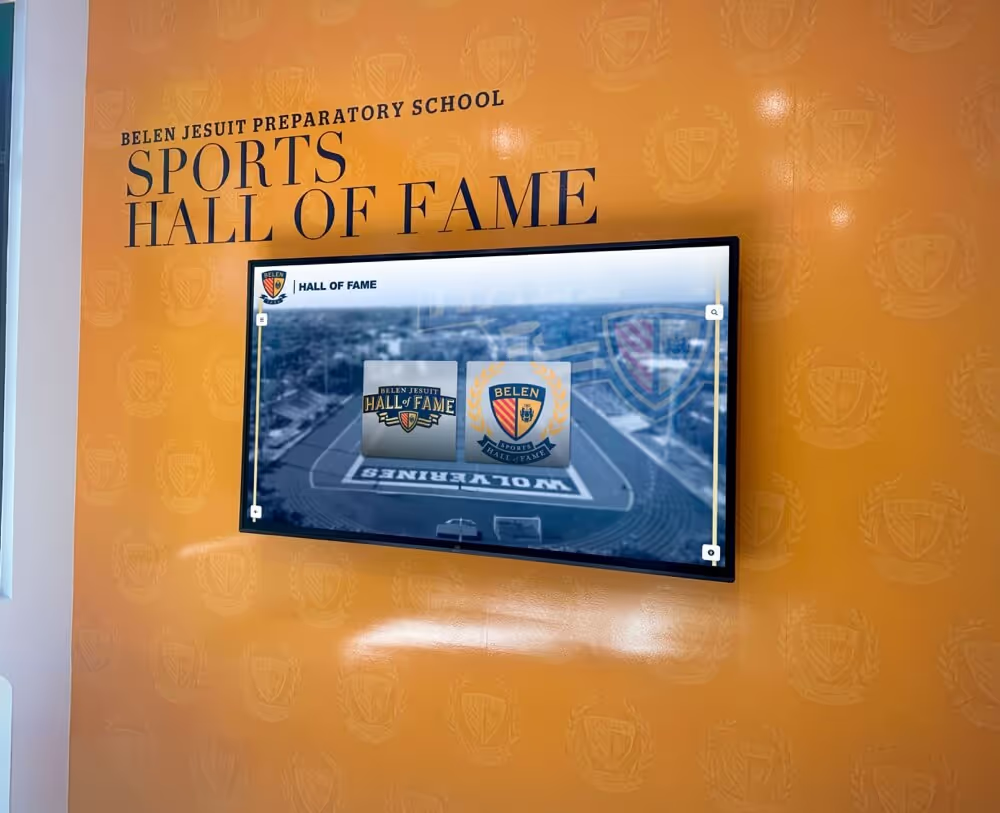
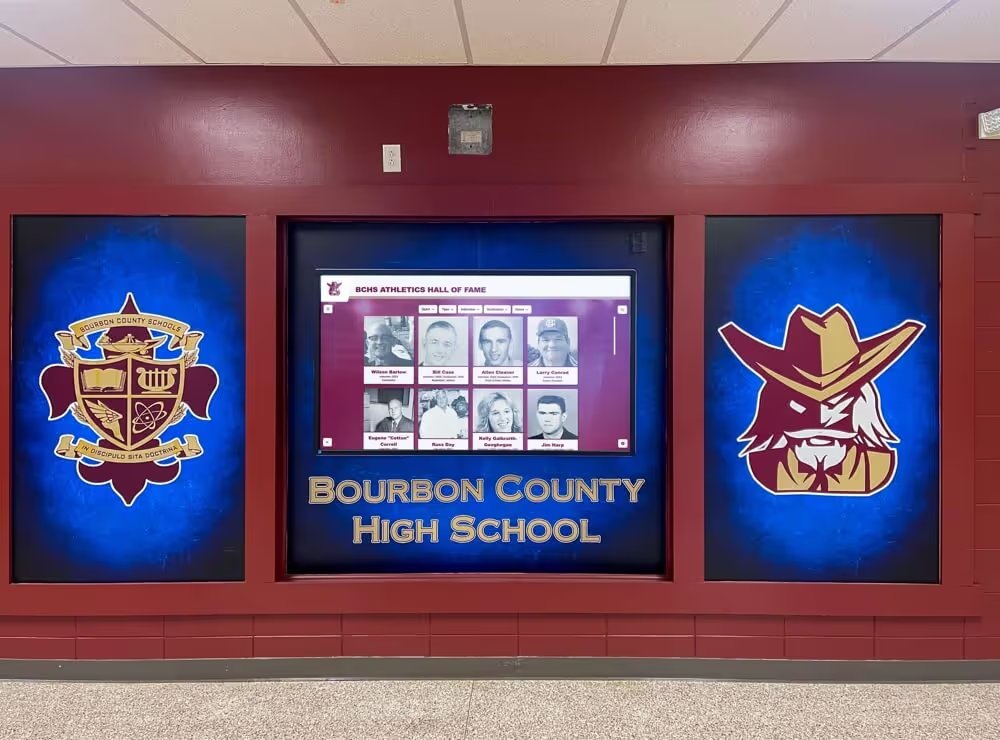
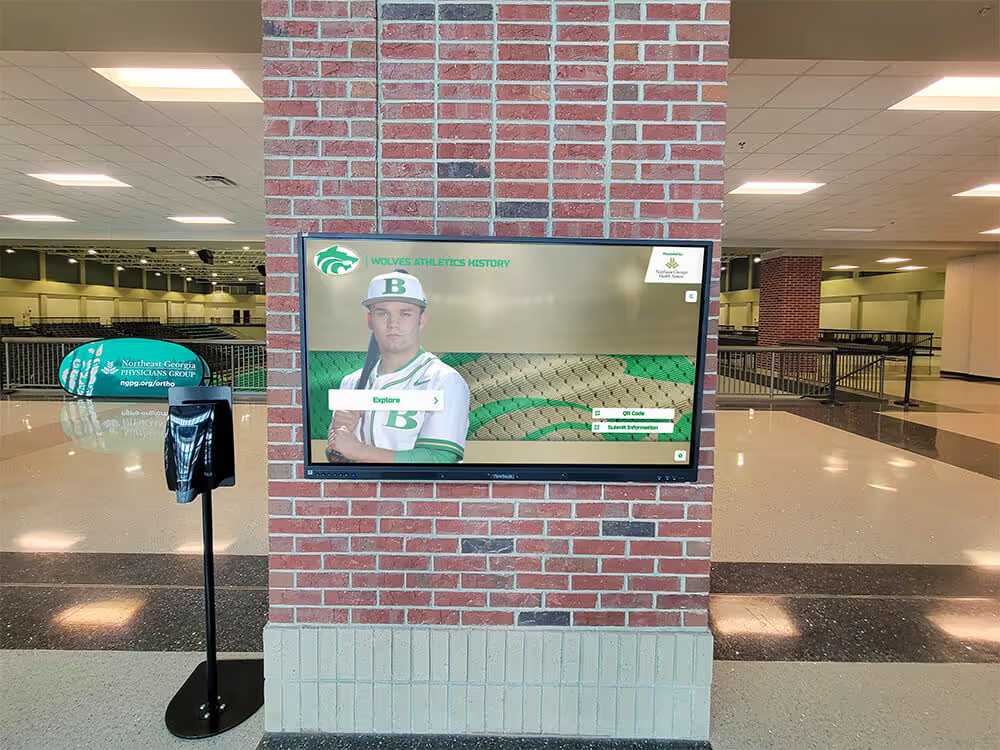
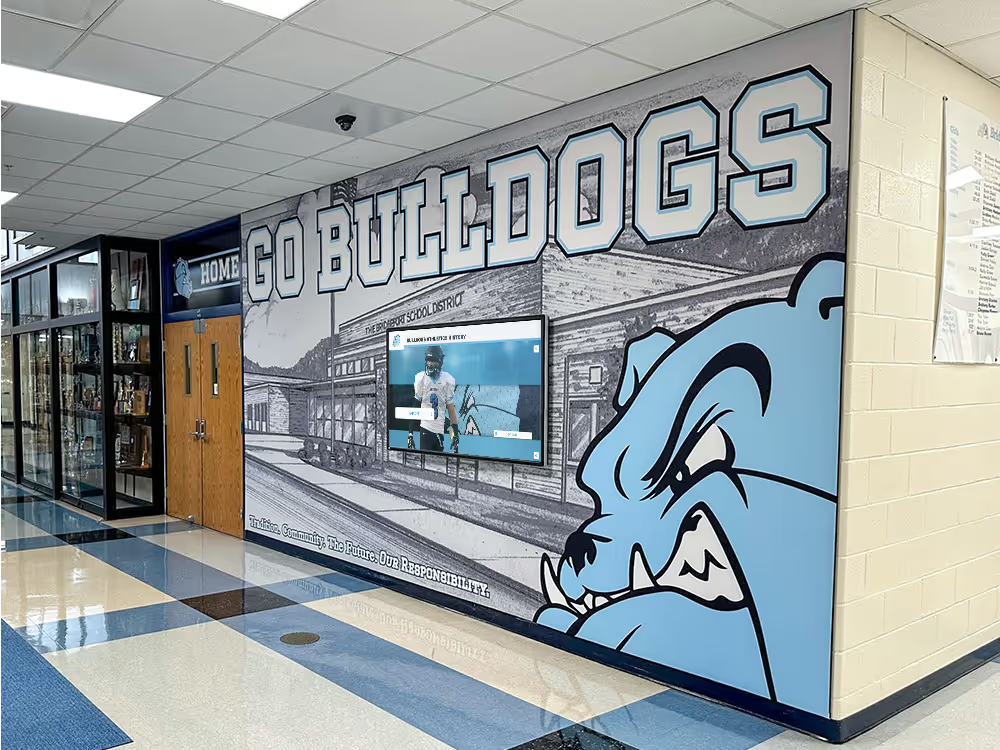
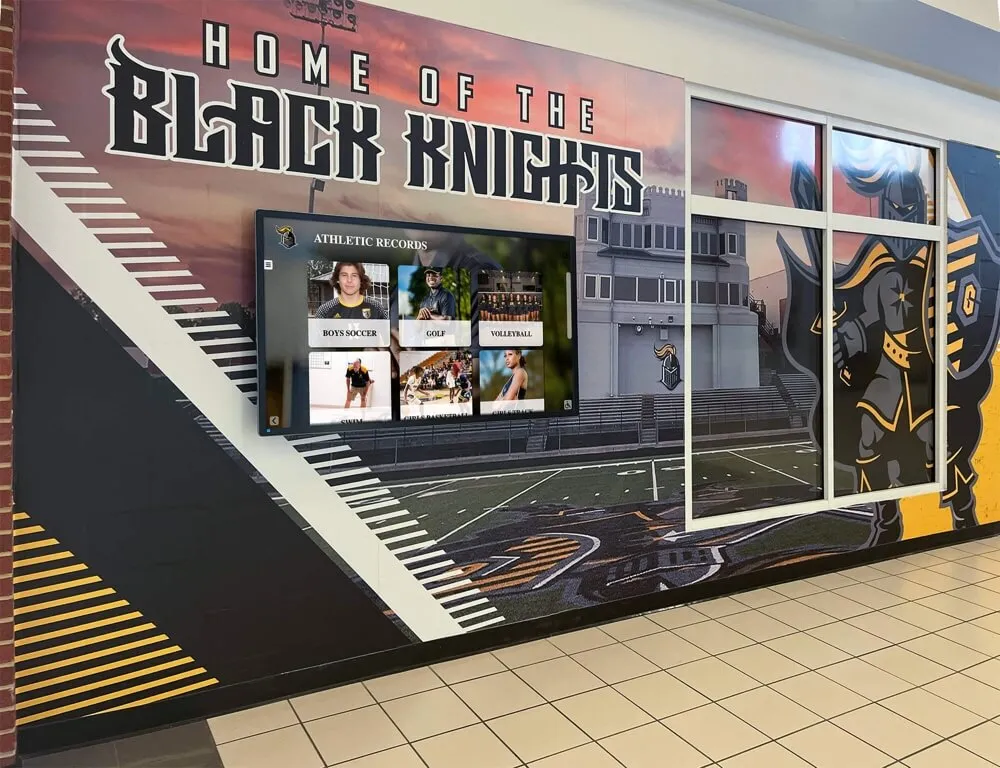
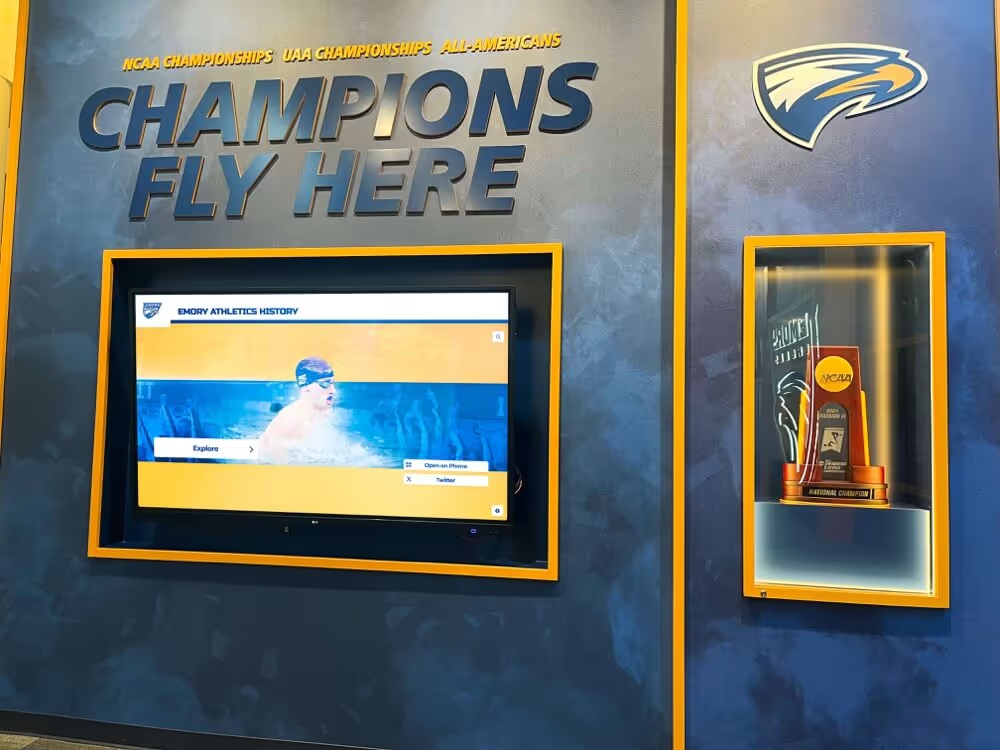
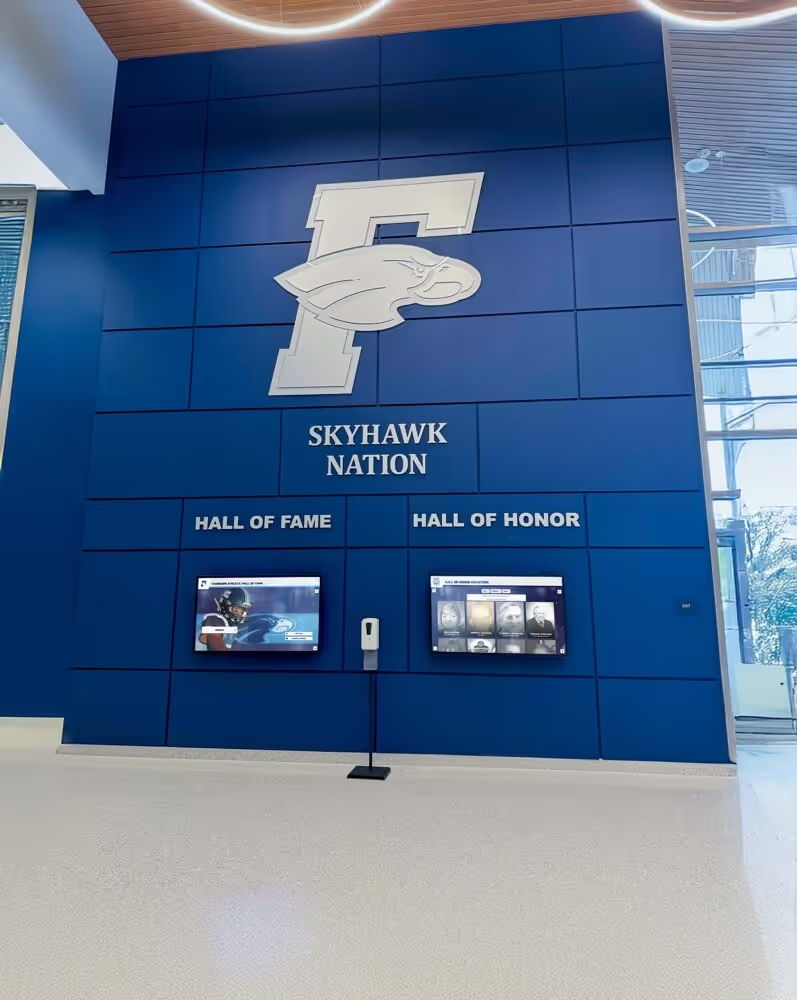
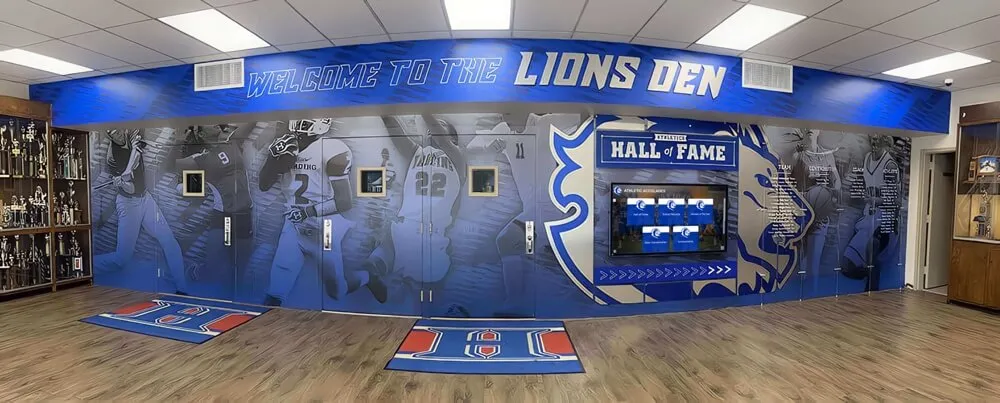
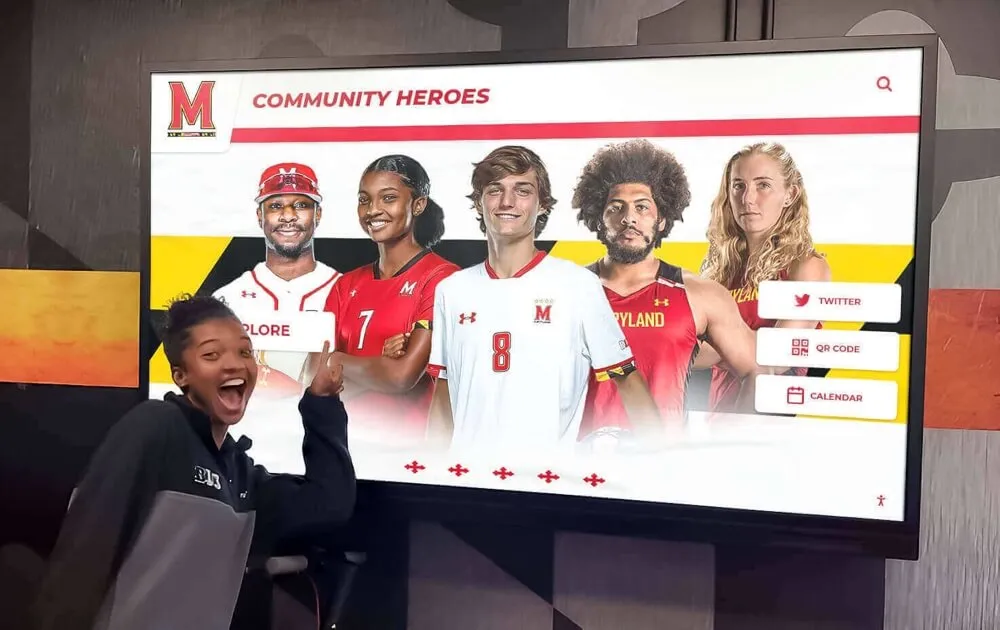
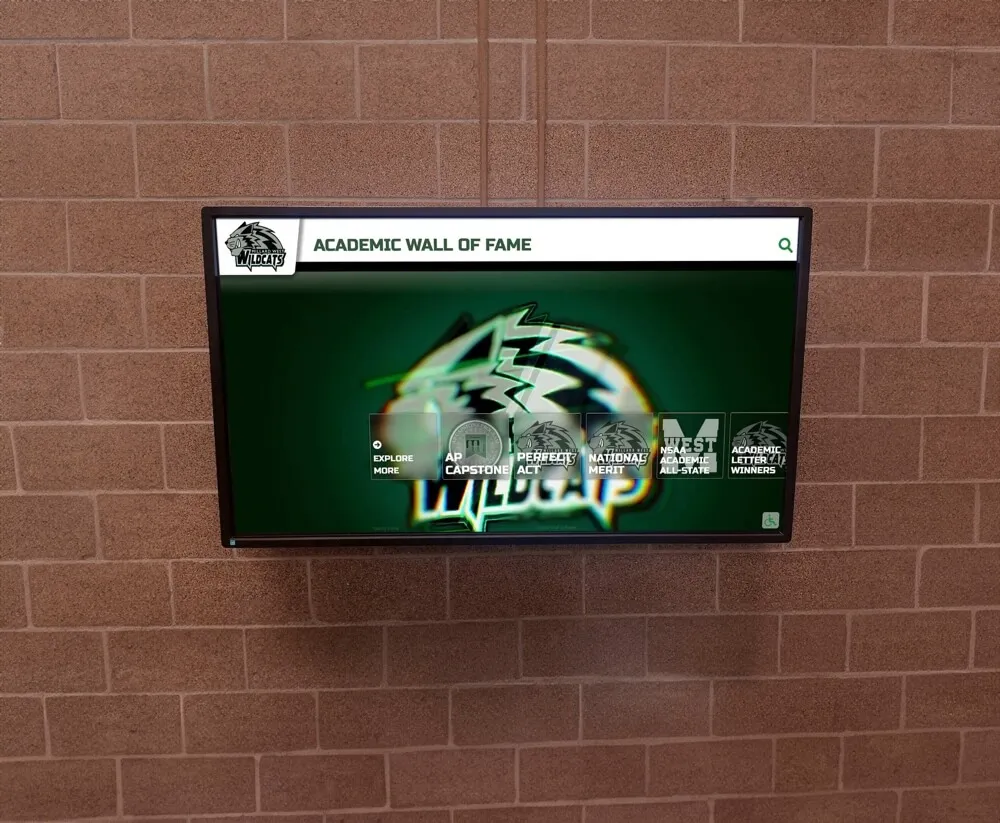
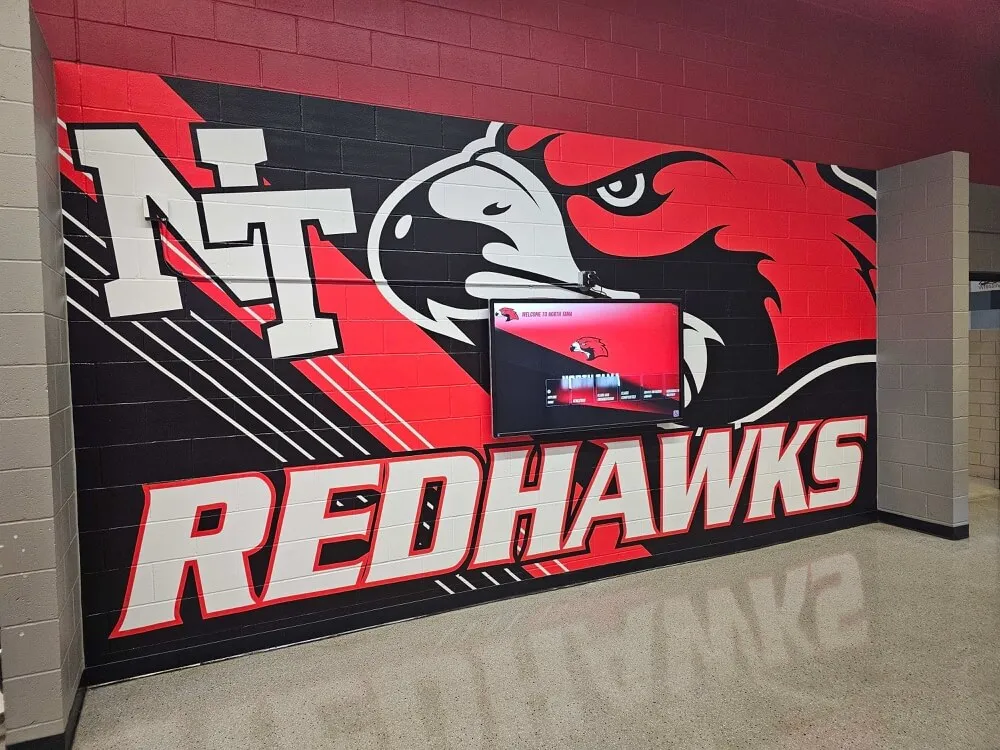
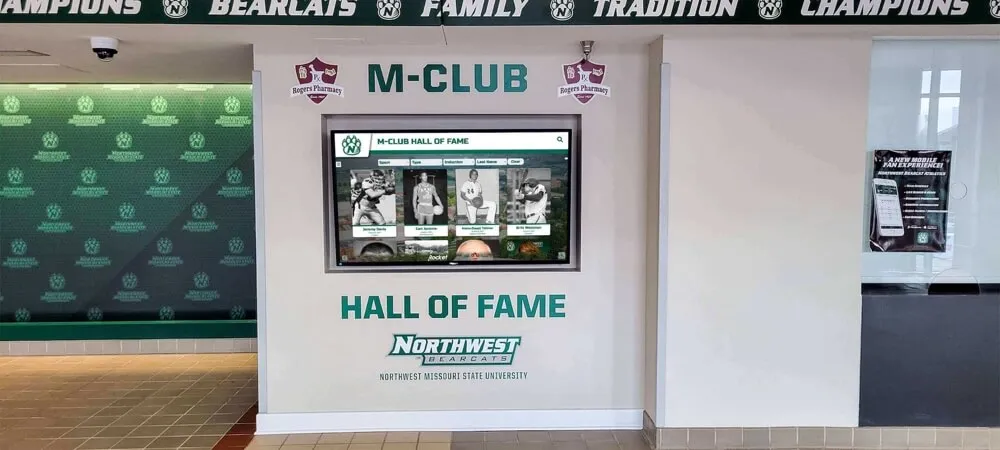
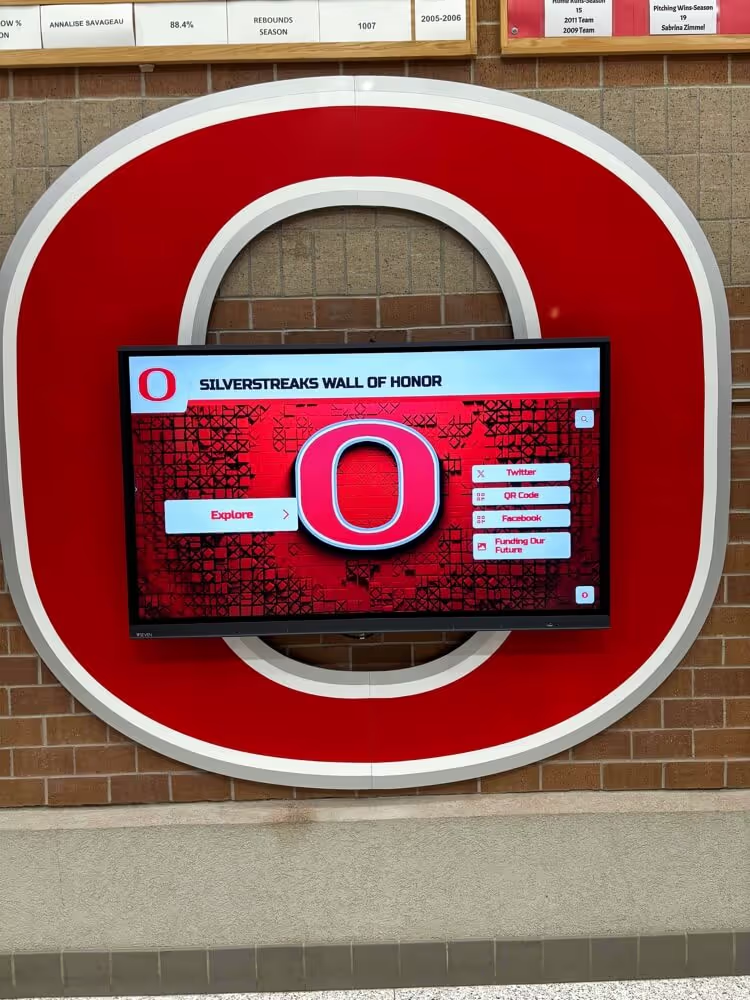
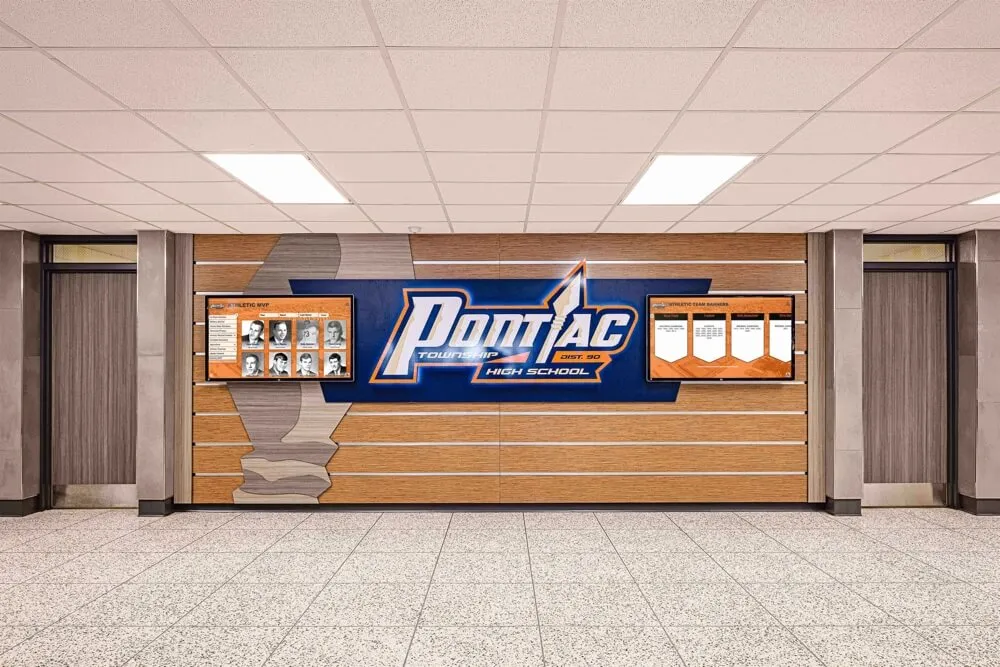
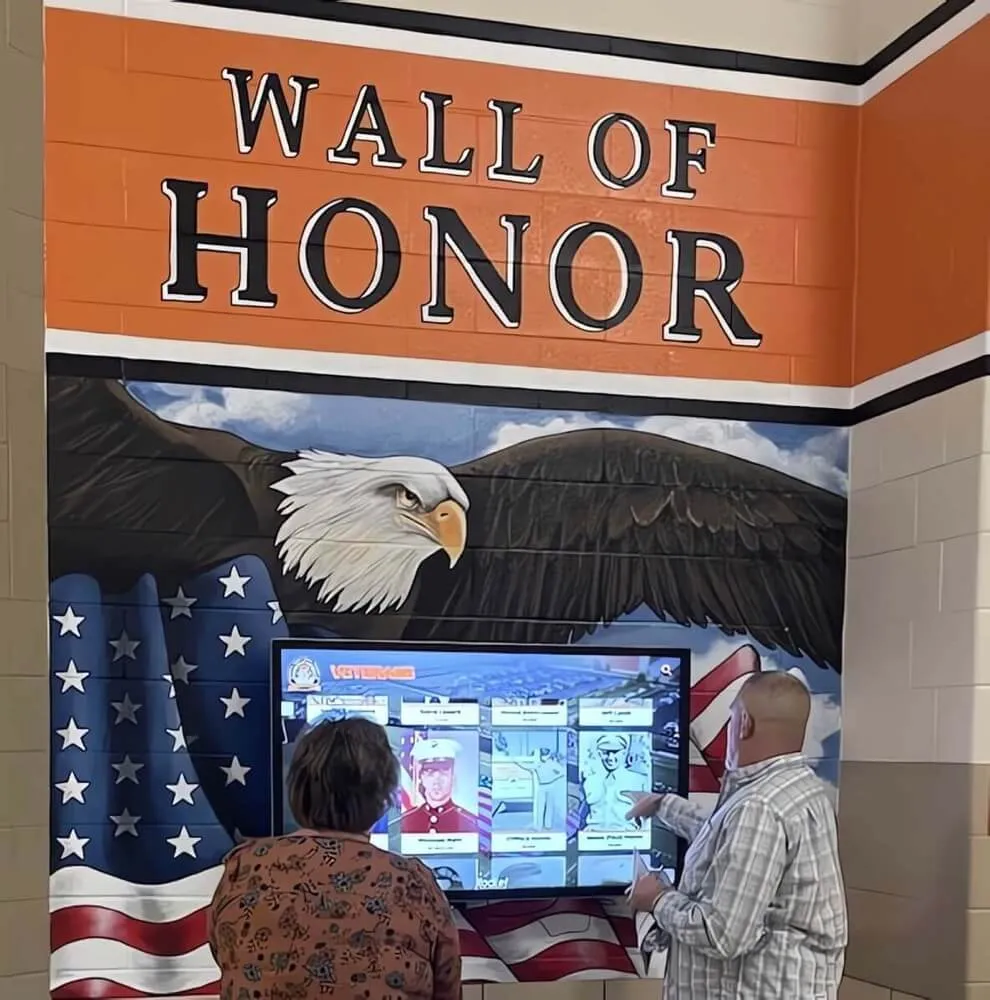
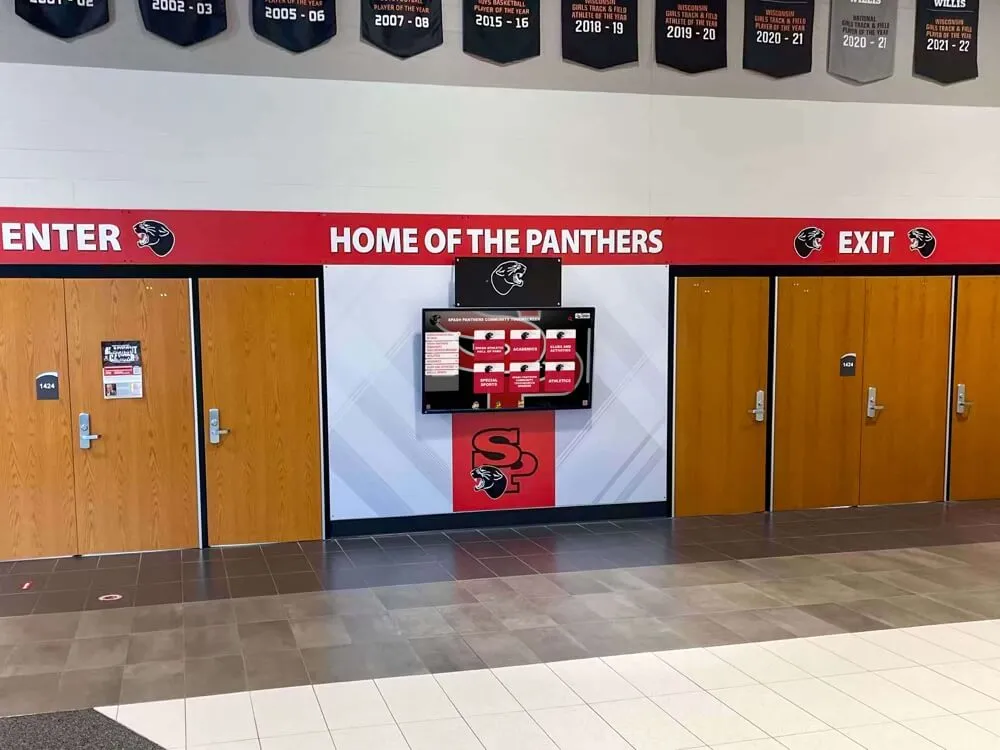
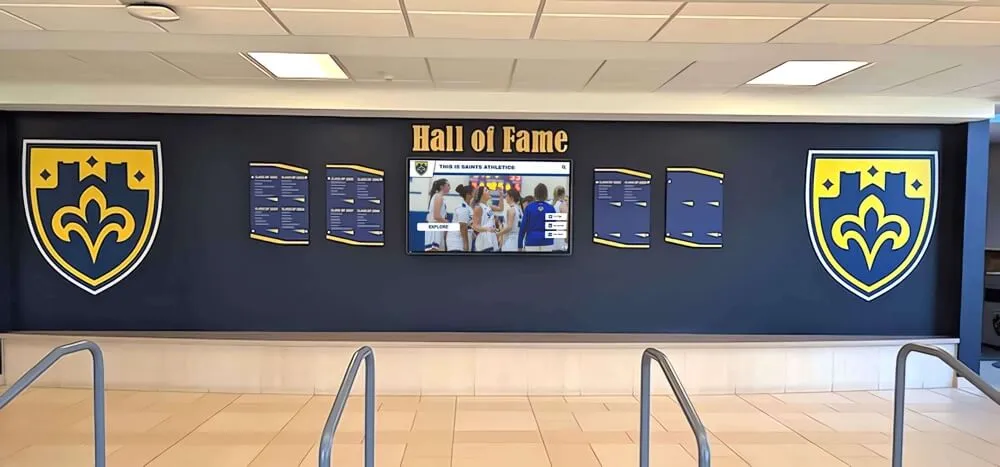
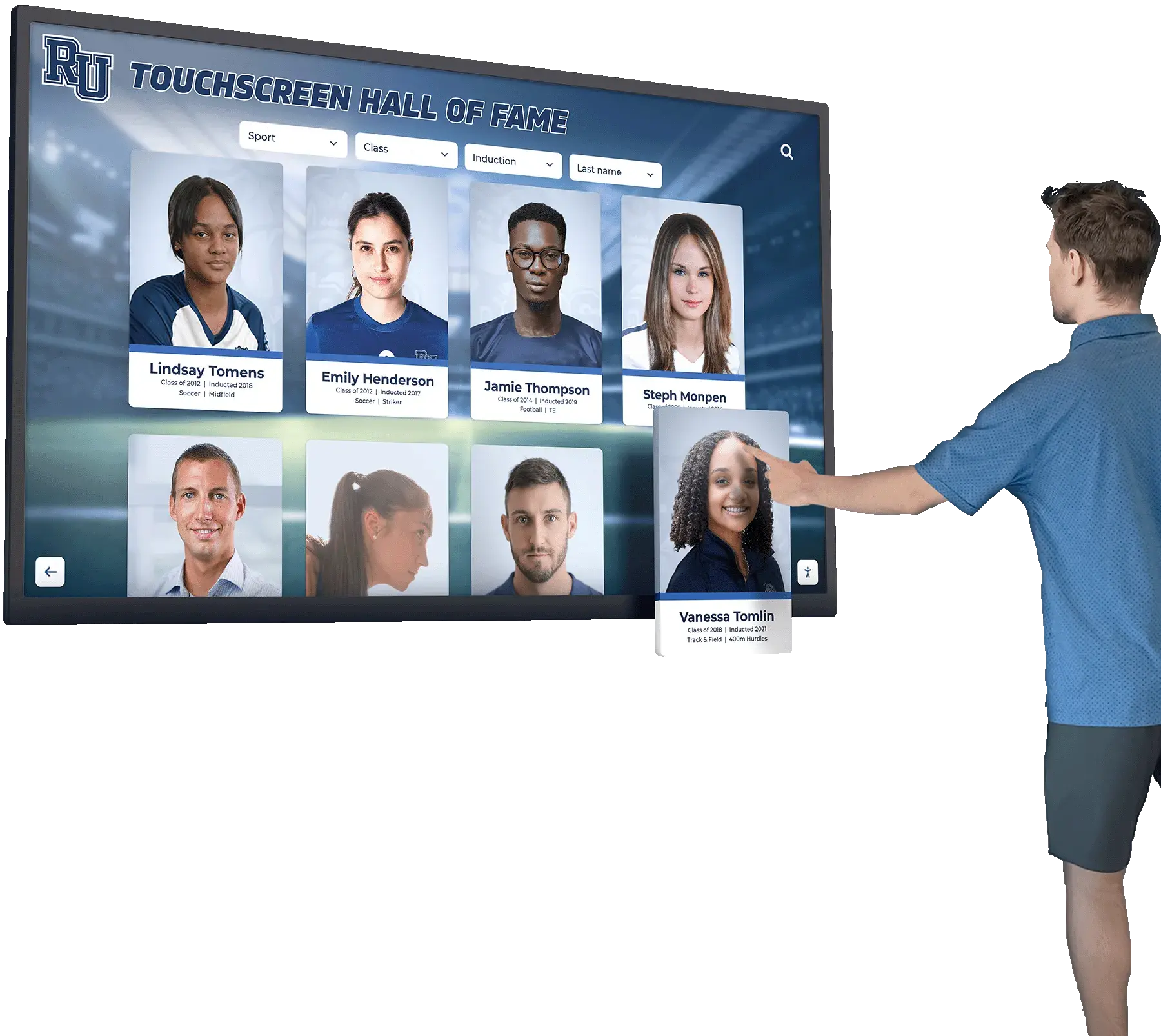
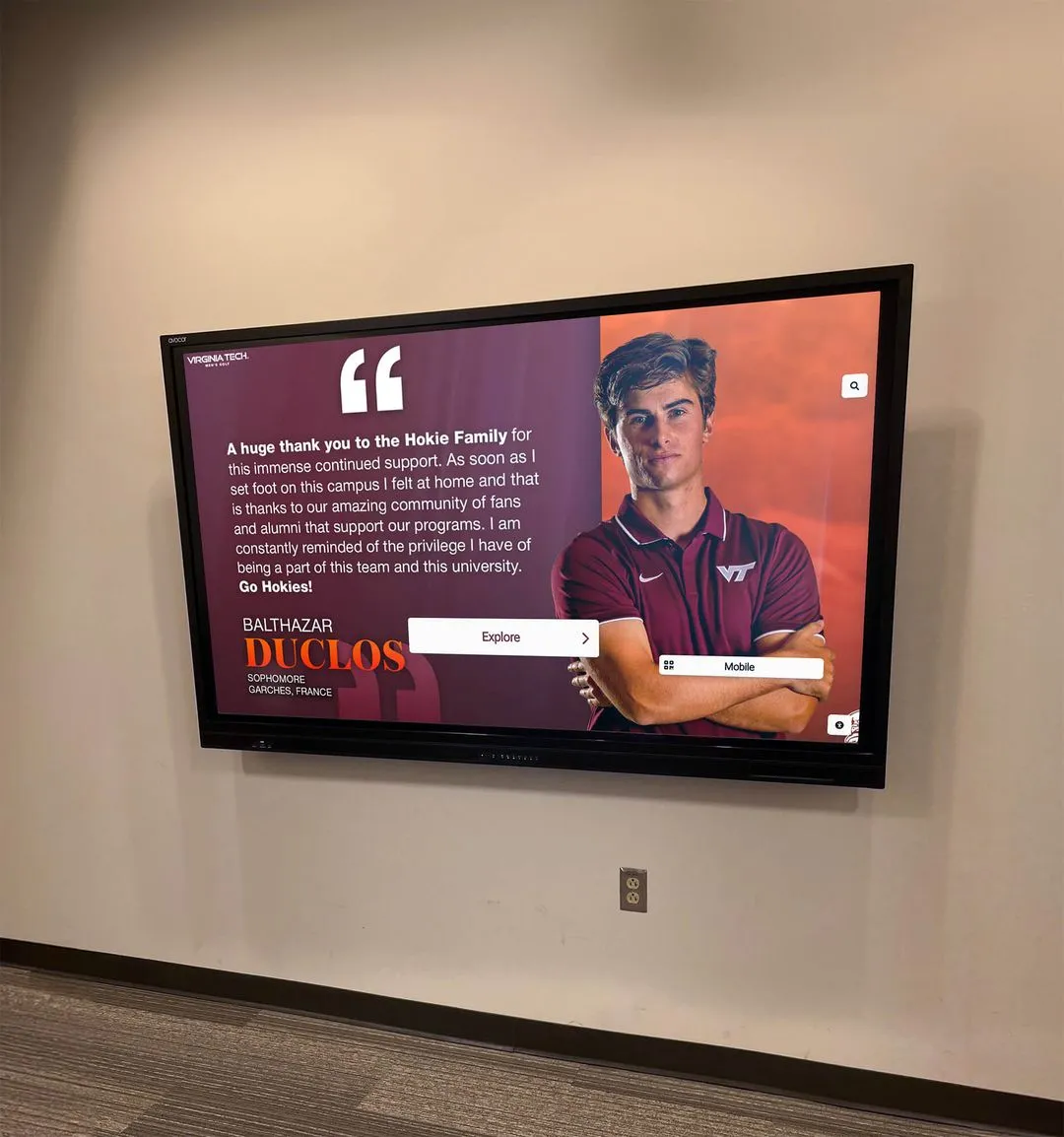
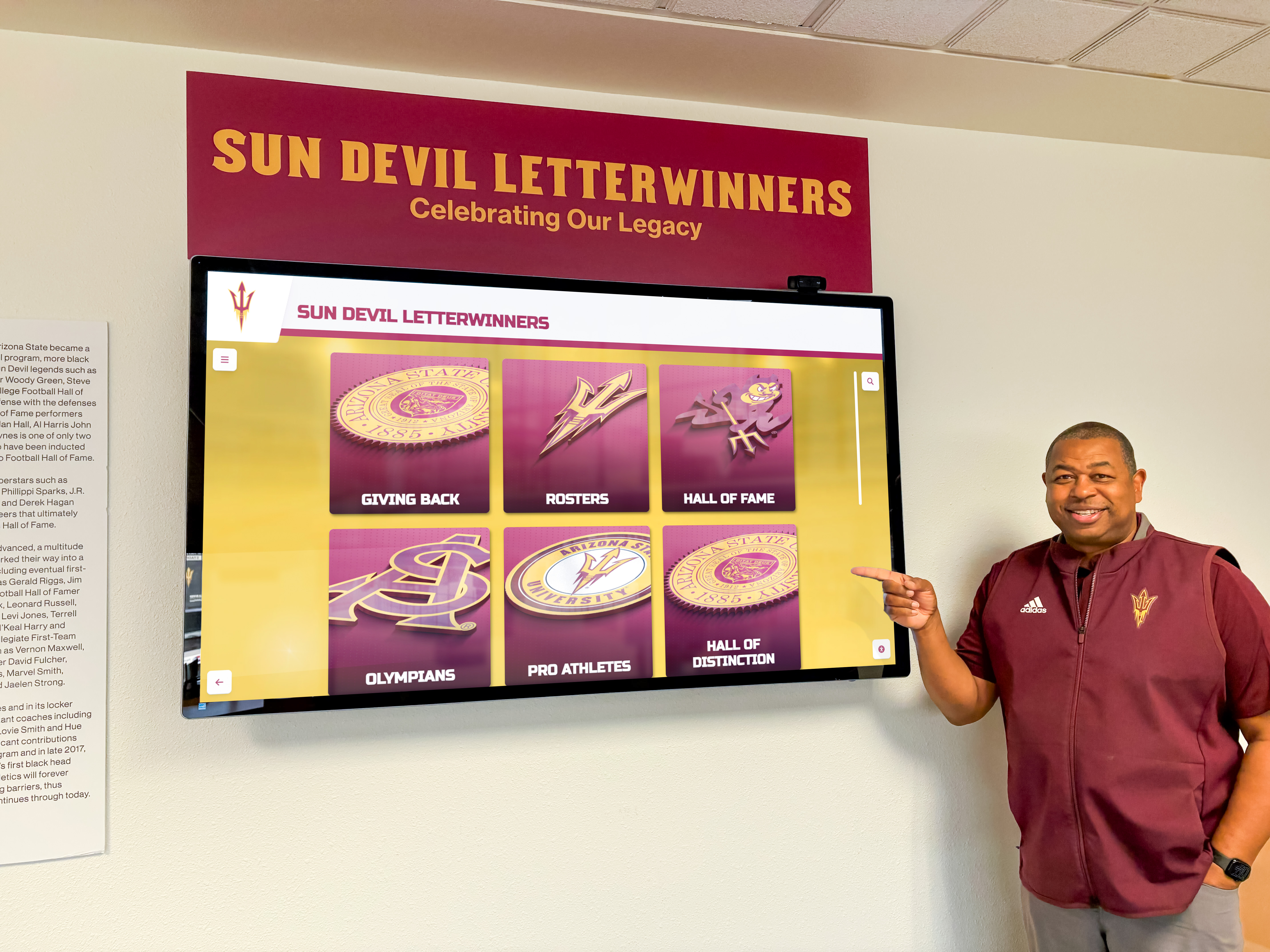
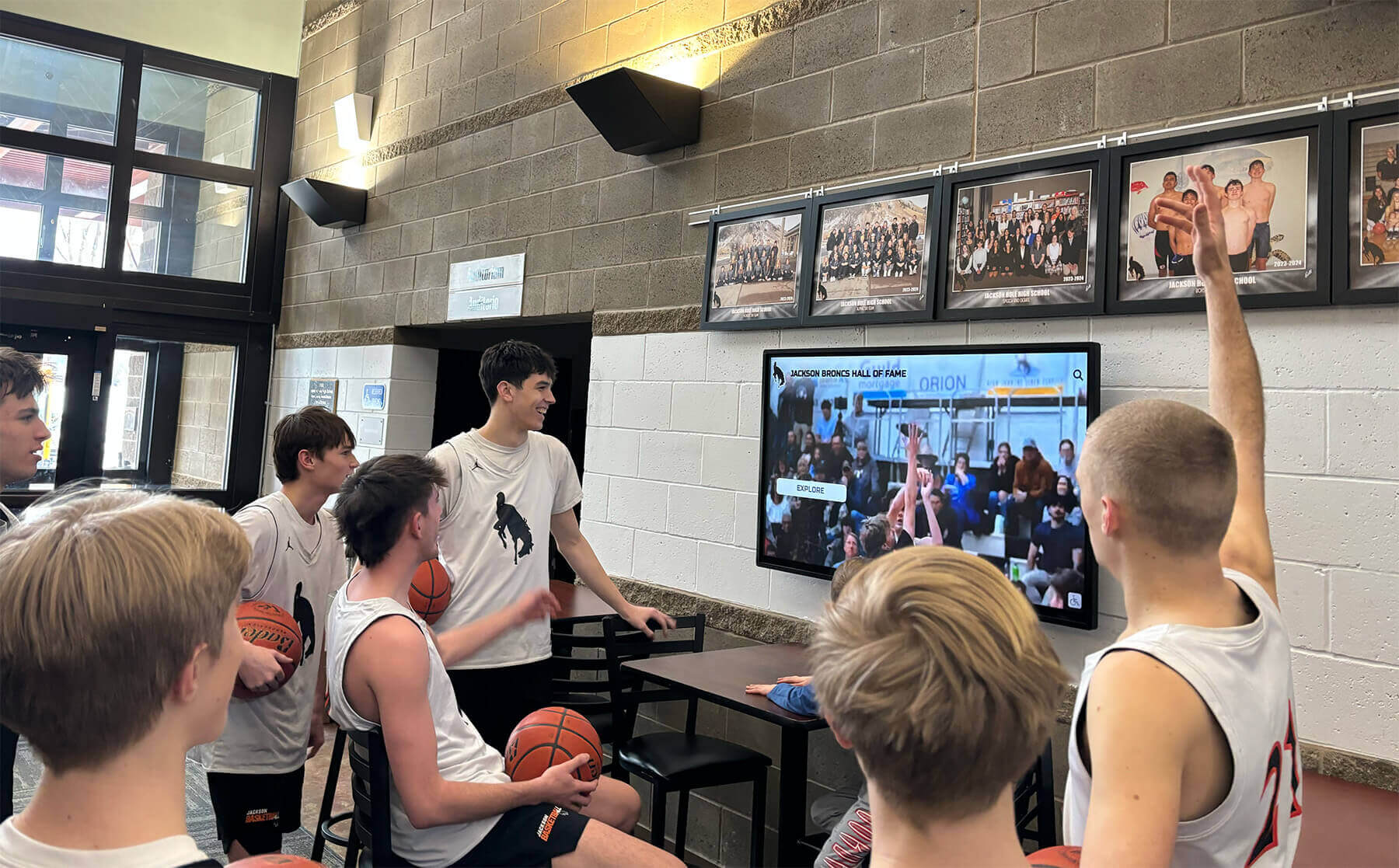
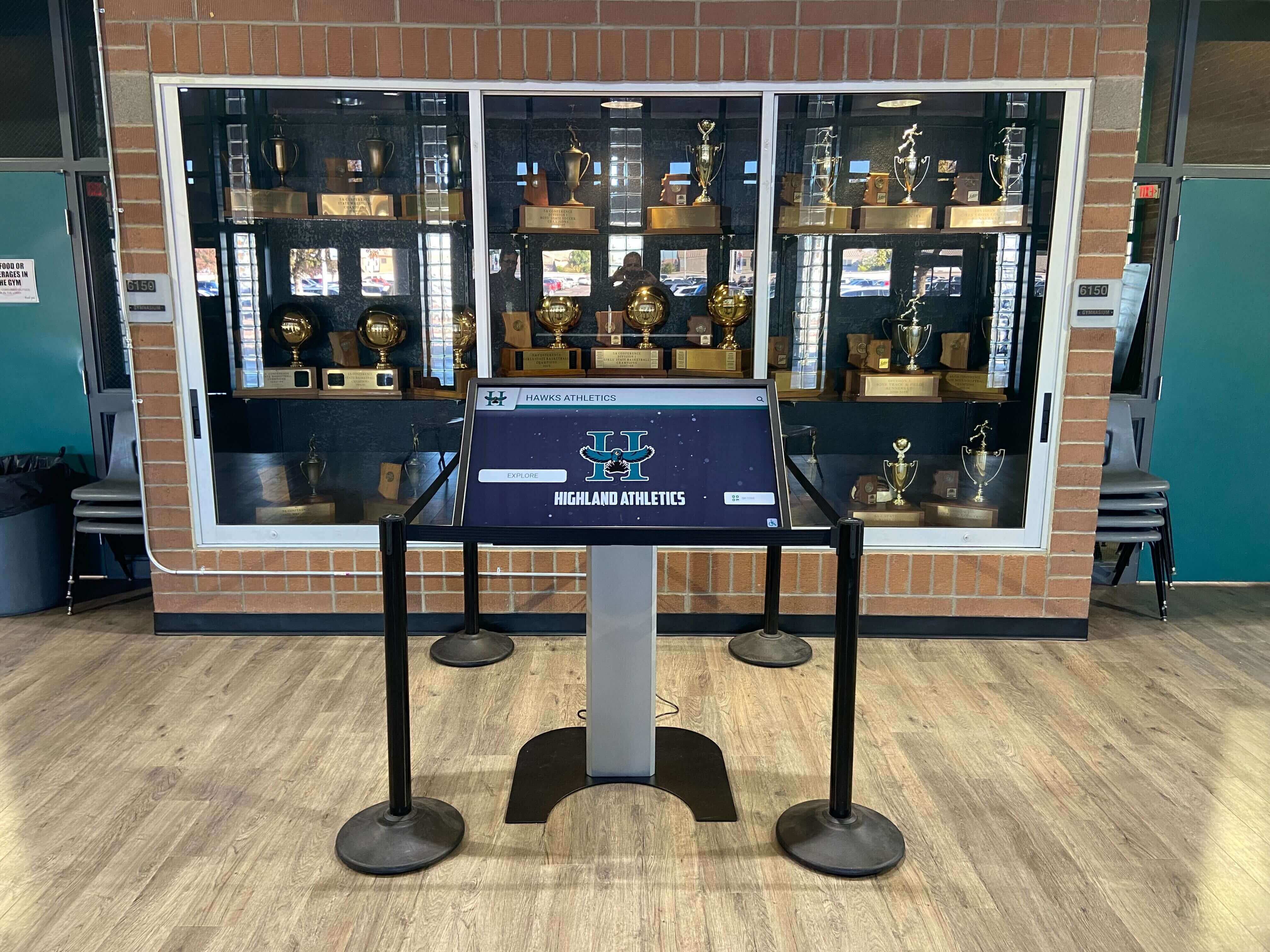
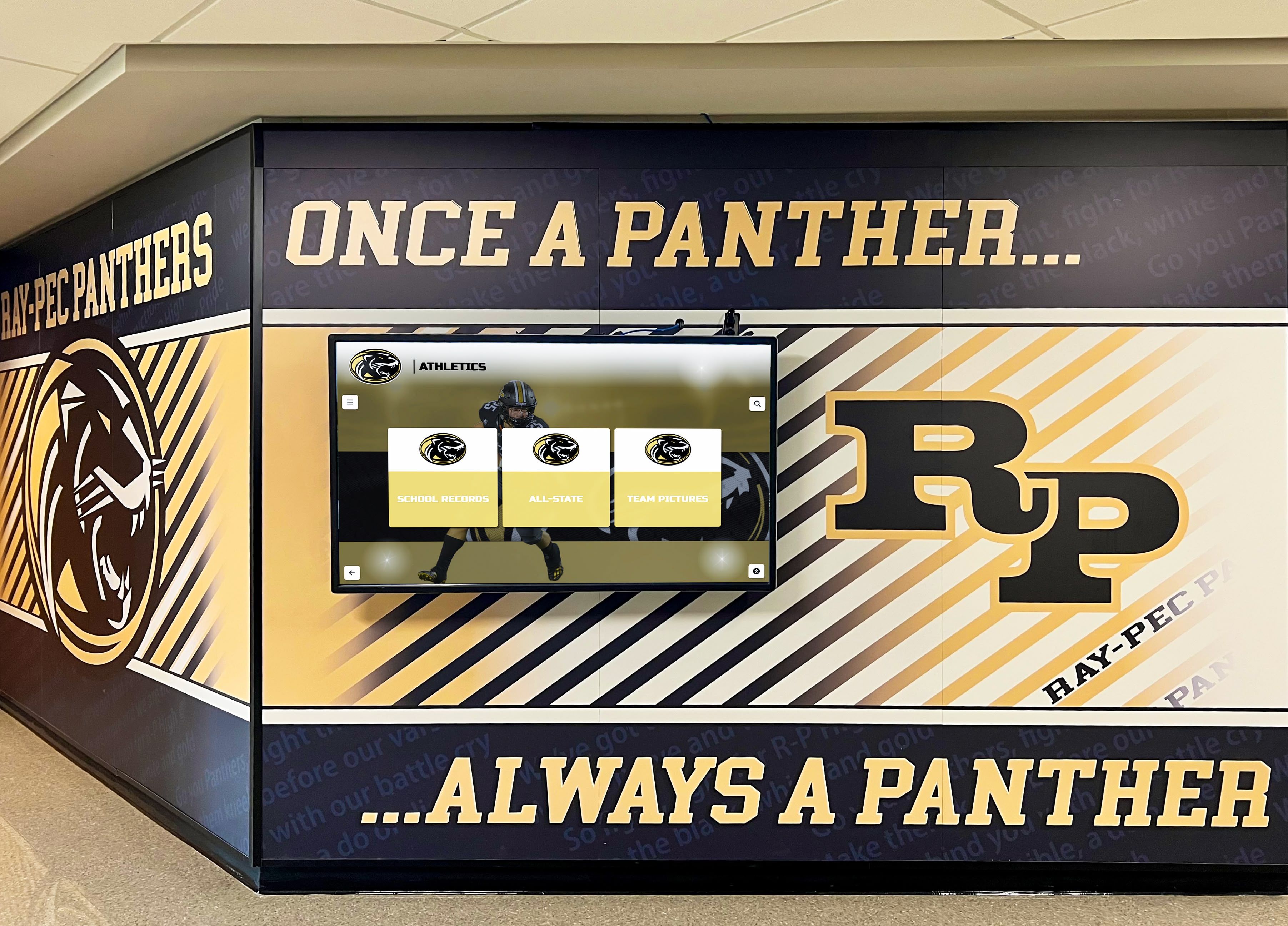
Athletic programs accumulate impressive letterman rosters spanning decades—hundreds or thousands of athletes who earned varsity letters across multiple sports and eras. Traditional plaques listing letterwinners face space limitations, become outdated annually, and often exclude detailed achievement context. Digital athletic recognition systems solve these challenges by maintaining comprehensive letterwinner databases searchable by sport, year, and athlete; displaying complete varsity letter histories automatically updated each season; showcasing individual athlete profiles with photos, statistics, and achievements; and preserving letterman legacy permanently without physical space constraints. Solutions like Rocket Alumni Solutions enable athletic directors to honor every letterwinner across all sports and decades while creating dynamic displays that inspire current athletes and preserve program history for future generations.
Understanding Varsity Letters: What They Represent
Before exploring specific requirements, understanding what varsity letters symbolize helps clarify why programs maintain rigorous standards.
The Significance of Varsity Letters
Varsity letters originated in the 1860s when Harvard University awarded letters to baseball players—creating the first formal recognition system distinguishing varsity athletes from intramural or junior varsity participants. This tradition spread across American high schools during the early 1900s, establishing letterman status as a prestigious achievement marker.
What Varsity Letters Signify
Earning a varsity letter demonstrates several validated accomplishments:
- Competitive Skill Level: Athletes possess abilities warranting varsity team membership competing against other schools’ top players
- Sustained Commitment: Letterwinners complete full seasons meeting attendance, practice, and participation expectations
- Team Contribution: Athletes contribute meaningfully to team performance whether through playing time, practice support, or specific role fulfillment
- Program Standards Compliance: Letterwinners meet behavioral, academic, and citizenship requirements established by programs and schools
Unlike participation awards recognizing mere involvement, varsity letters acknowledge genuine athletic achievement validated by coaches evaluating skill, dedication, and contribution against established criteria.

The Letterman Jacket Tradition
Varsity letters typically appear on letterman jackets—wool-bodied jackets with leather sleeves featuring school colors. Athletes earn the jacket itself upon receiving their first varsity letter, then add sport-specific patches, pins, and additional letters for subsequent seasons or sports. This creates visible recognition distinguishing varsity athletes while building school pride and athletic identity.
Many programs require athletes to purchase their own letterman jackets after earning letters, while some schools provide jackets as part of recognition packages. Athletes who earn letters in multiple sports display this versatility through multiple patches on single jackets, with four-sport letterwinners representing especially rare achievement.
Varsity vs. Junior Varsity vs. Freshman Teams
High school athletic programs typically organize teams into hierarchical levels reflecting skill development and competitive readiness.
Team Level Distinctions
Understanding these levels clarifies why varsity letters carry special significance:
Varsity Teams represent schools’ highest competitive level. These rosters typically include the most skilled athletes regardless of grade level—though upperclassmen generally comprise most varsity rosters as skill develops with experience. Varsity teams compete for conference championships, playoff positions, and state titles while representing schools at the most visible competitive level.
Junior Varsity (JV) Teams provide competitive opportunities for developing athletes not yet ready for varsity competition. JV teams help younger athletes gain experience, develop skills, and prepare for eventual varsity promotion. Some programs offer JV letters recognizing participation at this level, though these carry different significance than varsity letters.
Freshman Teams exist in larger programs to accommodate ninth-grade athletes. These teams introduce high school athletic competition while developing fundamental skills before JV or varsity advancement. Similar to JV, some schools recognize freshman team participation through certificates or freshman letters distinct from varsity recognition.
Athletes may move between levels during seasons based on performance, team needs, or development progression. Being called up to varsity mid-season creates opportunities to earn varsity letters by meeting prorated requirements for partial-season participation.
Standard Varsity Letter Requirements
While specific criteria vary by school, sport, and state athletic association, most programs establish letterman requirements addressing similar fundamental elements.
Participation and Playing Time Standards
The most common varsity letter requirement involves minimum participation levels demonstrating meaningful team contribution.
Playing Time Requirements
Playing time expectations vary significantly by sport type and competitive structure:
Team Sports with Continuous Play (football, basketball, soccer, lacrosse, hockey):
- Athletes typically must participate in a minimum percentage of total quarters or halves across the season
- Common standards require competing in 50-75% of total game quarters/halves
- Some programs specify minimum consecutive game appearances preventing letter qualification through scattered brief appearances
- Starting lineup members generally meet these requirements automatically through regular playing time
Individual Sports with Multiple Events (track and field, swimming, wrestling, cross country):
- Requirements often specify minimum number of competitions entered regardless of placement
- Athletes may need to score team points in a minimum number of meets through top finishes
- Letter criteria might include qualifying for championship meets (conference, sectional, state) as demonstration of competitive achievement
- Some programs combine participation minimums with performance standards requiring specific times, distances, or placement finishes
Match-Based Sports (tennis, golf, volleyball):
- Criteria typically specify minimum number of varsity matches played
- Requirements may differentiate between singles and doubles competition in tennis or individual vs. team events in golf
- Letter eligibility often requires competing at varsity level for specific percentage of total team matches
Alternative Contribution Pathways
Many programs recognize that valuable team members don’t always accumulate significant playing time. Alternative letter criteria may include:
- Team Managers: Dedicated managers completing full seasons may earn letters recognizing essential support contributions
- Practice Squad Contributors: Athletes providing consistent practice support helping starters prepare may qualify after demonstrating sustained commitment
- Injury Exceptions: Coaches may award letters to athletes whose seasons ended prematurely due to injury if they met requirements before injury occurred and maintained team involvement during recovery
- Senior Recognition: Some programs grant letters to seniors who participated throughout their high school careers but never met standard criteria, though this practice varies widely
Athletes should clarify their specific program’s policies rather than assuming participation alone guarantees letters. Coaches typically communicate requirements during pre-season meetings while establishing expectations for the season ahead.
Season Completion Requirements
Beyond playing time, most programs require athletes to complete entire seasons demonstrating sustained commitment rather than brief participation.
Full Season Participation
Complete season requirements typically include:
- Practice Attendance: Athletes must maintain minimum practice attendance percentages—often 90% or higher—with absences only for valid excused reasons
- Competition Availability: Letterwinners must remain eligible and available for competition throughout seasons including playoff periods
- Season Conclusion: Athletes must participate through seasons’ final competitions whether conference championships, playoff games, or end-of-season tournaments
- Post-Season Availability: For sports with playoffs or championships, athletes must remain with teams through conclusion of post-season runs even if individual playing time decreases
Athletes who quit teams before season completion typically forfeit letter eligibility regardless of playing time or skill level before departure. Programs maintain this standard to emphasize commitment’s importance and discourage premature departures affecting team chemistry and depth.
Temporary Absences and Exceptions
Legitimate absences typically don’t disqualify athletes if handled properly:
- Illness or Injury: Medical absences with proper documentation generally don’t count against athletes if they return when medically cleared
- Academic Conflicts: Pre-approved absences for academic competitions, college visits, or required testing may be excused
- Family Emergencies: Documented family situations warranting temporary absence receive appropriate accommodation
- Religious Observances: Absences for religious commitments should be communicated in advance and are typically excused
The key distinction involves communication and legitimacy. Athletes who inform coaches promptly about necessary absences and provide appropriate documentation maintain good standing, while unexplained or excessive absences jeopardize letter eligibility.
Many schools also incorporate senior night celebrations recognizing athletes completing their final seasons including those earning their ultimate varsity letters.
Academic and Behavioral Standards
Athletic eligibility extends beyond on-field performance to include academic achievement and conduct expectations.
Academic Eligibility Requirements
Most states implement academic standards athletes must maintain for athletic participation eligibility:
- Minimum GPA Standards: Common requirements mandate 2.0 GPAs or higher calculated across all courses
- Credit Accumulation: Athletes must earn minimum numbers of credits per semester maintaining progress toward graduation
- Failing Grade Limits: Many schools establish maximum numbers of failing grades (often zero or one F) permissible while maintaining eligibility
- Weekly Eligibility Checks: Some districts implement weekly grade checks temporarily benching athletes falling below standards until grades improve
Failing to maintain academic eligibility during seasons prevents competition participation, which then prevents meeting playing time requirements necessary for letters. Athletes must prioritize academics alongside athletics recognizing that sustained eligibility requires balanced commitment to both.
Resources on academic recognition programs highlight how schools celebrate students excelling in both academic and athletic domains.
Conduct and Citizenship Expectations
Beyond academics, programs typically establish behavioral standards:
- Sportsmanship Requirements: Athletes must demonstrate appropriate conduct during competitions avoiding ejections, excessive penalties, or unsportsmanlike behavior
- School Conduct Codes: Athletic participation often requires clean disciplinary records without serious violations of school rules
- Athletic Code Compliance: Many programs implement specific athletic codes addressing substance use, social media conduct, and community behavior
- Team Rules: Individual programs establish additional expectations regarding punctuality, attitude, effort, and teamwork
Serious conduct violations—fighting, substance violations, academic dishonesty—may result in suspension or dismissal from teams, eliminating letter eligibility regardless of prior participation or skill level. Programs maintain these standards emphasizing that character matters as much as athletic ability.
Sport-Specific Letter Requirements
While general principles apply broadly, individual sports implement specific criteria reflecting their unique competitive structures.
Team Sports Letter Standards
Team sports with defined game structures typically establish clear participation metrics.
Football
Football programs commonly require:
- Playing in minimum percentage of total quarters across regular and post-season games (often 50% of quarters)
- Alternative criteria for special teams players who may not play offensive or defensive quarters but contribute significantly
- Manager and support staff may earn letters after completing full seasons in dedicated roles
- Some programs differentiate requirements for different positions recognizing varying substitution patterns
Given football’s large rosters and limited playing time distribution, athletes should clarify specific requirements early in seasons.
Basketball
Basketball letter requirements often specify:
- Minimum participation in percentage of total quarters or halves (commonly 40-50%)
- Required number of games dressed for varsity competition
- Some programs count practice contributions for athletes who don’t meet playing time minimums but provide essential practice support
- Tournament and playoff participation may carry additional weight in letter decisions
Soccer, Lacrosse, and Field Hockey
These field sports typically require:
- Playing in minimum percentage of total game halves or quarters
- Full season completion including playoff participation
- Goalkeeper positions may have modified requirements reflecting different substitution patterns
- Club-level participation doesn’t count toward school letter requirements
Volleyball
Volleyball programs often establish:
- Minimum number of sets or matches played at varsity level
- Some programs specify minimum percentage of total team matches
- Libero and specialized role players may have modified criteria reflecting position-specific playing time patterns
Individual and Dual Sports Letter Standards
Sports emphasizing individual performance implement criteria reflecting event-based competition.
Track and Field
Track letter requirements commonly include:
- Competing in minimum number of varsity meets (often 8-12 meets)
- Scoring team points in minimum number of competitions through top finishes
- Qualifying for championship meets (conference, sectional, regional, or state)
- Some programs require achieving specific performance standards—time barriers, distance marks, or height/distance achievements
- Field event athletes and runners may have slightly different participation expectations
Cross country programs implement similar structures requiring minimum meet participation, team scoring contributions, or championship qualification.
Swimming and Diving
Swimming letter criteria typically specify:
- Minimum number of varsity meets competed
- Scoring points for team in minimum number of competitions
- Achieving specific time standards in individual events or relays
- Qualifying for championship meets
- Diving programs may have separate requirements reflecting different competition structures
Modern programs often utilize digital recognition displays showcasing swimming and diving achievements including letterwinner recognition across all events and seasons.
Wrestling
Wrestling letter requirements often include:
- Minimum number of varsity matches wrestled across the season
- Winning minimum percentage of varsity matches demonstrating competitive success
- Qualifying for district, regional, or state tournaments
- Accumulating minimum number of team points through victories and bonus points
- Weight class considerations may affect requirements with some programs differentiating expectations
Tennis and Golf
These sports typically require:
- Playing in minimum number of varsity matches or tournaments
- Tennis programs may differentiate between singles and doubles participation
- Golf requirements might include competing in minimum number of tournaments or achieving specific scoring averages
- Some programs require finishing in top positions at conference or invitational competitions
Tips for Successfully Earning Your Varsity Letter
Beyond understanding requirements, athletes can take specific actions maximizing their chances of earning varsity letters.
Demonstrating Commitment and Work Ethic
Coaches award letters to athletes proving themselves valuable team members through sustained dedication.
Maximize Practice Effort and Attendance
Practice performance creates the foundation for earning playing time and coach trust:
- Attend every practice possible treating each session as important as competitions
- Demonstrate maximum effort regardless of drill difficulty or personal energy levels
- Arrive early and stay late showing dedication beyond minimum requirements
- Ask coaches for specific improvement areas and work deliberately on identified weaknesses
- Support teammates during practice creating positive team culture coaches value
Athletes who treat practices as opportunities rather than obligations distinguish themselves as committed competitors deserving letter recognition.
Maintain Positive Attitude and Coachability
Attitude often matters as much as ability in coaches’ letter decisions:
- Accept coaching feedback without defensiveness demonstrating desire to improve
- Support teammates celebrating their successes genuinely
- Maintain effort and engagement even when not receiving desired playing time
- Avoid complaints or negative comments about playing time, positions, or coaching decisions
- Model sportsmanship during competitions regardless of outcomes
Coaches remember athletes who uplift teams through positive attitudes, often awarding letters to committed contributors who may not be the most talented but prove themselves invaluable team members.
Athletes looking to stand out might also explore soccer senior night recognition to understand how programs celebrate dedicated athletes completing their careers.
Developing Skills and Competitive Performance
Athletic ability remains central to earning varsity letters requiring athletes to develop legitimate competitive skills.
Off-Season Training and Development
Year-round commitment separates athletes who earn letters from those who don’t:
- Participate in sport-specific training programs during off-seasons
- Develop strength, speed, and conditioning through structured workout programs
- Attend camps, clinics, and specialized instruction improving technical skills
- Play complementary sports developing overall athleticism and different skill sets
- Study game film and tactical elements deepening sport understanding
Athletes who arrive at tryouts or pre-season training in peak condition having trained consistently during off-seasons immediately position themselves as serious competitors deserving varsity consideration.
Game Preparation and Mental Readiness
Physical skills require mental preparation for effective competition:
- Study opponents understanding their tendencies and strategies
- Visualize successful performance preparing mentally for competition pressure
- Maintain focus during games staying engaged whether on field or bench
- Learn from mistakes reviewing performances honestly to identify improvement areas
- Manage competition pressure through breathing techniques, routines, and positive self-talk
Athletes who demonstrate mental toughness and preparation earn coaches’ trust, increasing playing time and letter eligibility.
Programs increasingly recognize diverse athletic achievements through systems similar to cross country sectional recognition celebrating athletes who excel at high levels.
Understanding and Communicating with Coaches
Clear communication with coaches helps athletes understand exactly what’s needed for letter eligibility.
Clarify Requirements Early
Don’t assume letter requirements—ask coaches directly:
- Request written or clearly communicated letter criteria at season start
- Ask coaches to explain specific playing time expectations for your position
- Understand how coach evaluates “meaningful contribution” beyond basic participation
- Clarify academic and attendance standards that might affect eligibility
- Get coach perspective on what you specifically need to improve for increased playing time
This conversation demonstrates maturity and commitment while eliminating ambiguity about what constitutes letter-worthy performance.
Seek Performance Feedback Regularly
Ongoing communication helps athletes track progress toward letter goals:
- Ask coaches for specific feedback after practices and competitions
- Request clear explanation of what’s keeping you from increased playing time
- Discuss realistic timeline for development and varsity contribution
- Understand position depth charts and what’s needed to move up
- Show coaches you’re receptive to criticism and actively implementing their feedback
Athletes who actively seek improvement guidance and demonstrate they’re acting on coaching feedback position themselves as deserving letter candidates even if current skill levels don’t warrant extensive playing time.
Managing Academic Requirements
Since academic eligibility directly affects athletic participation, maintaining strong academics protects letter eligibility.
Prioritize Academic Performance
Athletic success requires academic eligibility:
- Maintain GPA above minimum standards with margin for occasional difficult courses
- Communicate with teachers early when struggling in courses rather than waiting until grades drop critically
- Utilize study halls, tutoring, and academic support resources schools provide
- Balance practice and competition commitments with sufficient study time
- Understand that losing academic eligibility eliminates chances for athletic letters
Athletes sometimes focus so intensely on athletic development that academics suffer—shortsighted since athletic participation requires academic eligibility.
Communicate Academic Challenges Early
If academic difficulties arise, immediate communication prevents eligibility problems:
- Inform coaches about challenging courses or academic situations requiring extra study time
- Work with academic advisors developing plans to maintain eligibility if grades drop
- Request tutoring or additional support before failing grades occur
- Understand school and state academic eligibility policies and appeal processes if applicable
- Recognize that coaches often can advocate for academic support if informed early about challenges
Coaches prefer athletes who proactively address academic challenges over those who hide struggles until ineligibility occurs.
Recognizing and Displaying Varsity Letter Achievement
After earning varsity letters, athletes and programs celebrate and preserve these achievements through various recognition methods.
Traditional Letter Display: Letterman Jackets and Patches
The classic letterman jacket remains the most recognizable display of varsity letter achievement.
Jacket Purchase and Customization
Most athletes purchase letterman jackets through school-affiliated vendors:
- Jackets typically feature school colors—wool body in one color with leather sleeves in contrasting color
- Athletes select jacket styles including collar types, pocket configurations, and sleeve designs
- Initial varsity letter appears as large chenille patch on jacket’s left chest
- Additional customizations include athlete’s name, graduation year, team patches, achievement pins, and sport-specific emblems
Jacket costs typically range from $200-$400 depending on customizations and quality levels. Some booster clubs or athletic programs subsidize jacket costs for families with financial need ensuring all letterwinners can display their achievements.
Building Multi-Sport and Multi-Year Recognition
Athletes earning letters in multiple sports or across multiple years add elements to jackets:
- Sport patches appear on sleeves or body sections indicating each sport lettered
- Year bars or patches show multiple years lettering in same sport
- Achievement pins recognize specific accomplishments—championships, all-conference selections, record-setters
- Senior year athletes may add senior patches or bars indicating final season completion
Four-sport letterwinners create impressive displays covering jackets with achievement markers representing exceptional athletic versatility and commitment.

School Recognition Programs and Letterwinner Ceremonies
Schools implement formal recognition programs celebrating varsity letter recipients.
Letter Award Ceremonies
Many athletic programs host annual ceremonies honoring letterwinners:
- End-of-season or end-of-year athletic banquets recognizing all sports’ letterwinners
- Individual sport banquets where coaches present letters to qualifying athletes
- School-wide recognition assemblies highlighting athletic achievements including letter awards
- Senior nights honoring graduating athletes receiving final varsity letters
These ceremonies create memorable moments where achievements receive public acknowledgment from coaches, administrators, peers, and families.
Permanent Letterwinner Displays
Athletic programs maintain historical records honoring all letterwinners across decades:
- Traditional plaques listing letterwinners by sport and year displayed in gymnasiums or trophy cases
- Digital recognition systems providing searchable databases of all letterwinners throughout program history
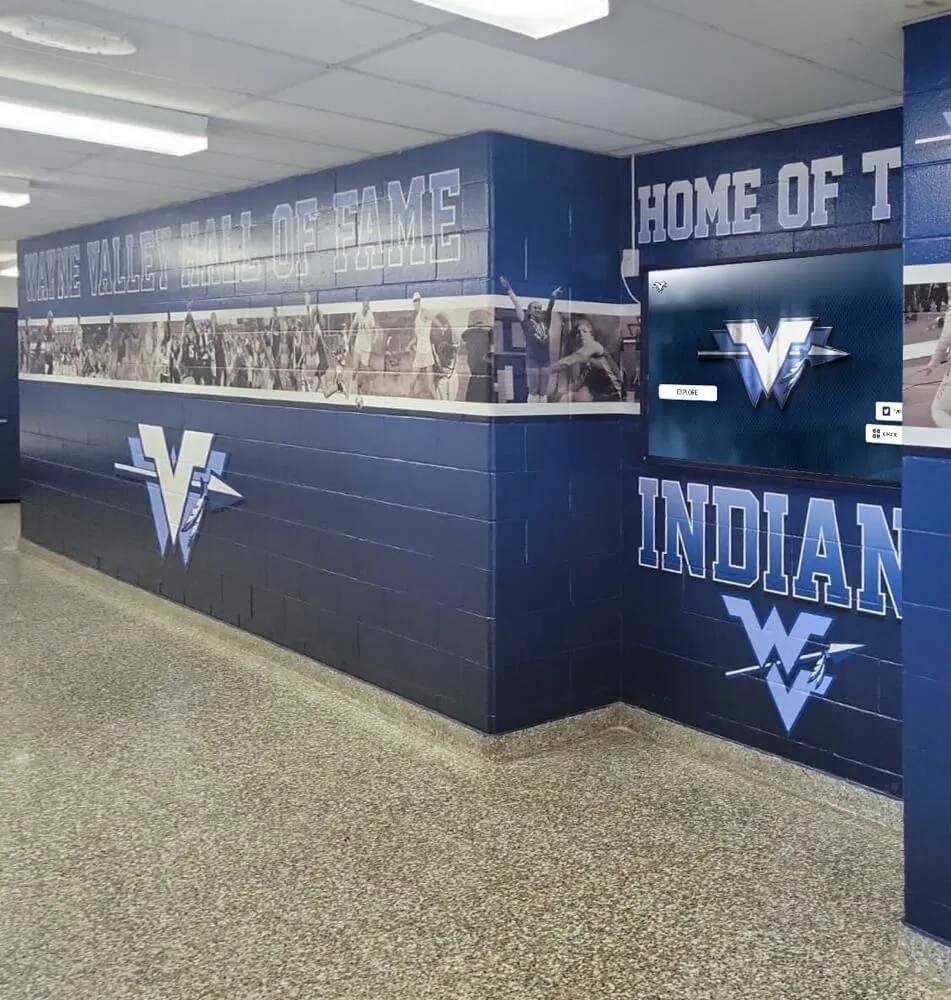
- Hall of fame displays featuring distinguished letterwinners who achieved exceptional success
- Annual programs or media guides listing current season’s letterwinners
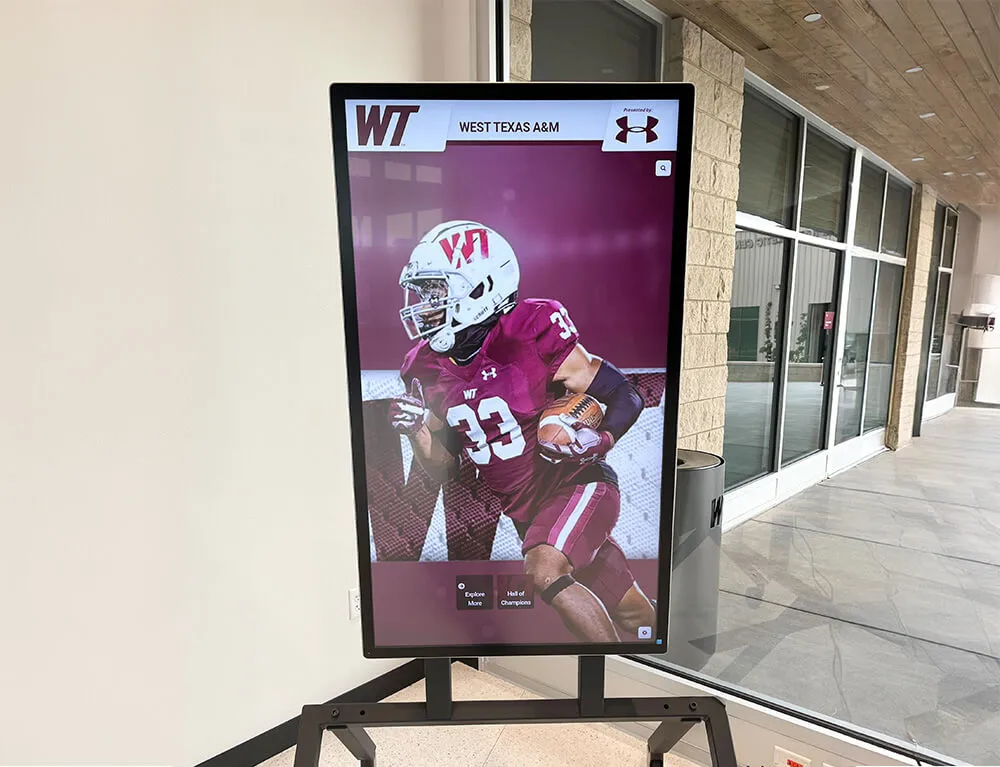
Modern athletic programs increasingly implement comprehensive recognition systems that maintain complete letterwinner histories while providing dynamic displays that inspire current athletes through connection to program legacy and tradition.
Athletic directors seeking comprehensive recognition solutions that honor every letterwinner across all sports and decades should explore modern digital systems designed specifically for preserving and displaying athletic achievement. Rocket Alumni Solutions provides interactive touchscreen displays and comprehensive databases enabling programs to showcase every varsity letter recipient permanently while maintaining professional recognition systems that celebrate athletic excellence and preserve program history for future generations. Schedule a demonstration to see how digital recognition systems can transform how your program honors letterwinners and inspires current athletes through permanent connection to those who came before them.