



Making the honor roll represents a significant academic milestone that students pursue throughout their educational careers. This achievement signals consistent academic performance, dedication to learning, and the work ethic that prepares students for future success. Yet many students and families have questions about what honor roll actually means, how grading criteria work, and what strategies help students achieve this important recognition.
Understanding honor roll requirements and developing effective study approaches transforms this goal from an abstract aspiration into an achievable target. Students who grasp exactly what qualifies for honor roll, how their schools calculate eligibility, and what habits support academic success demonstrate significantly higher achievement rates than peers approaching academics without clear direction or understanding.
Why Honor Roll Achievement Matters
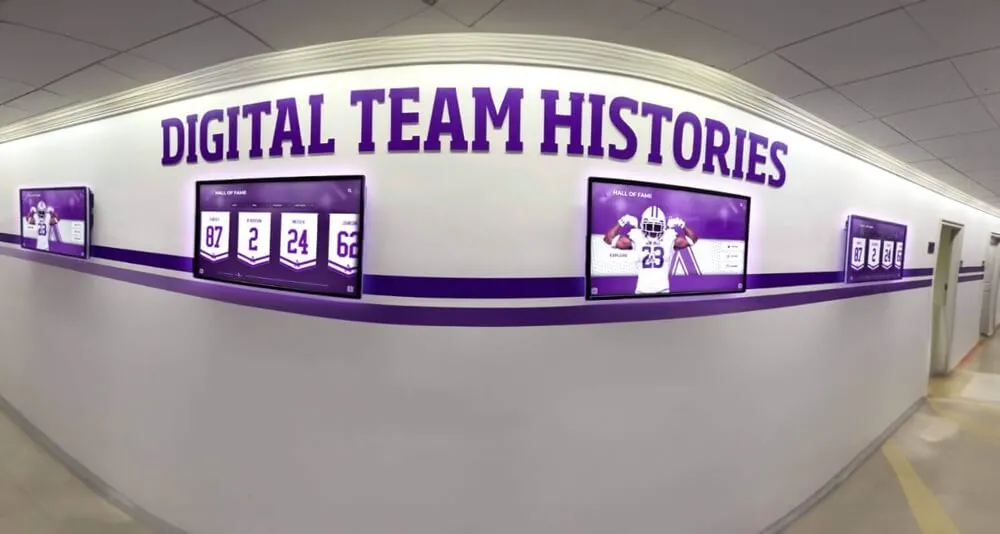
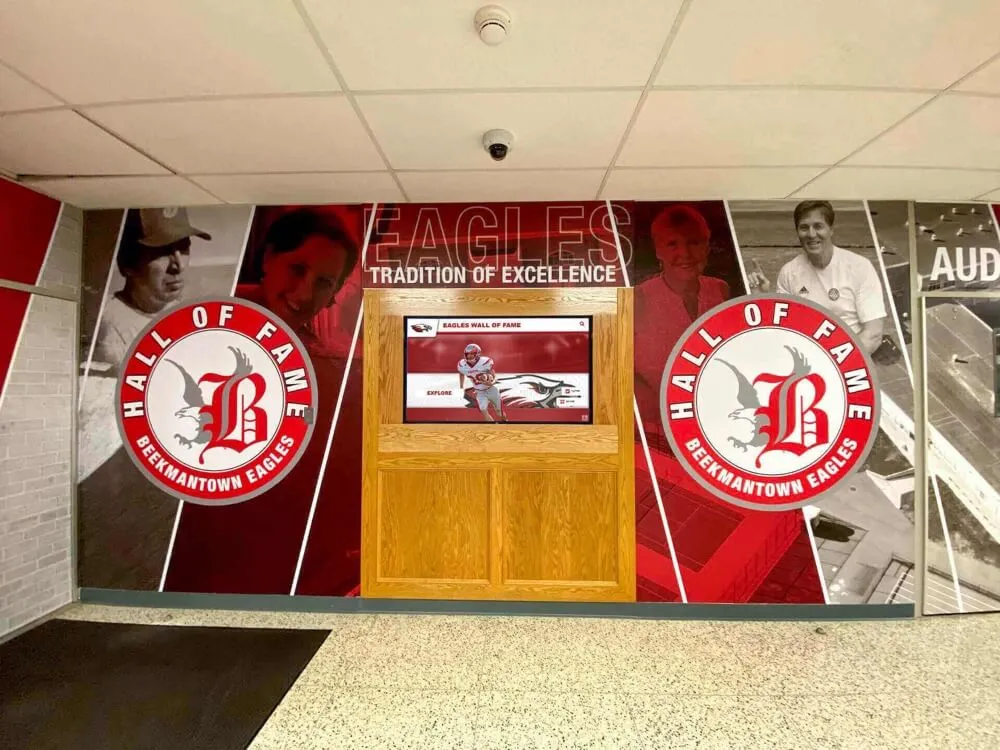
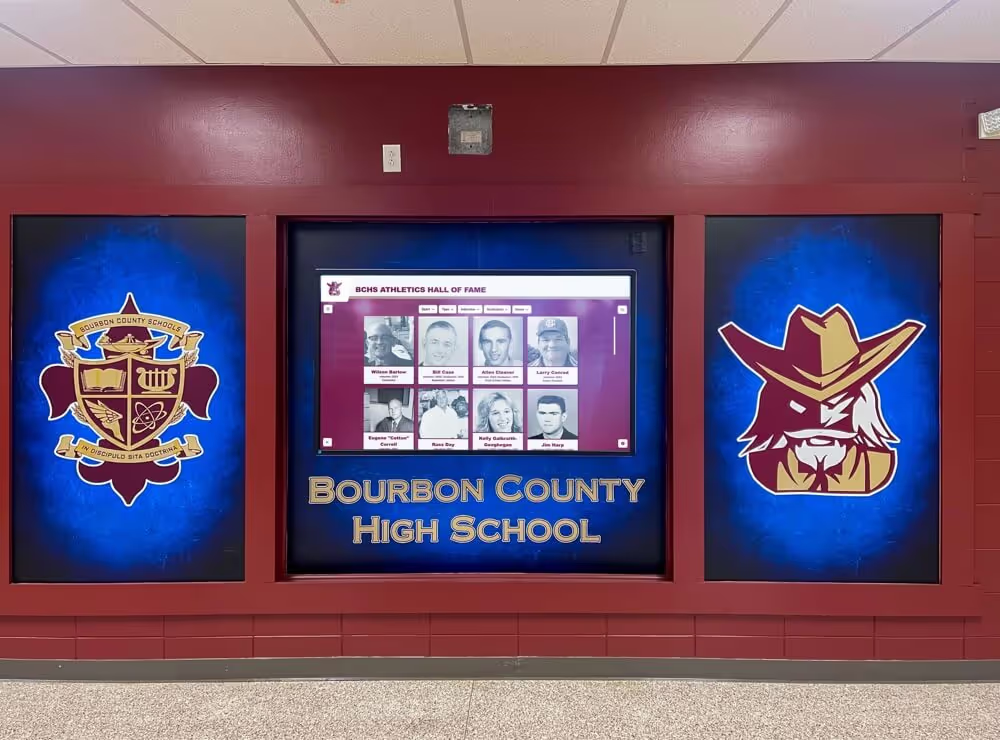
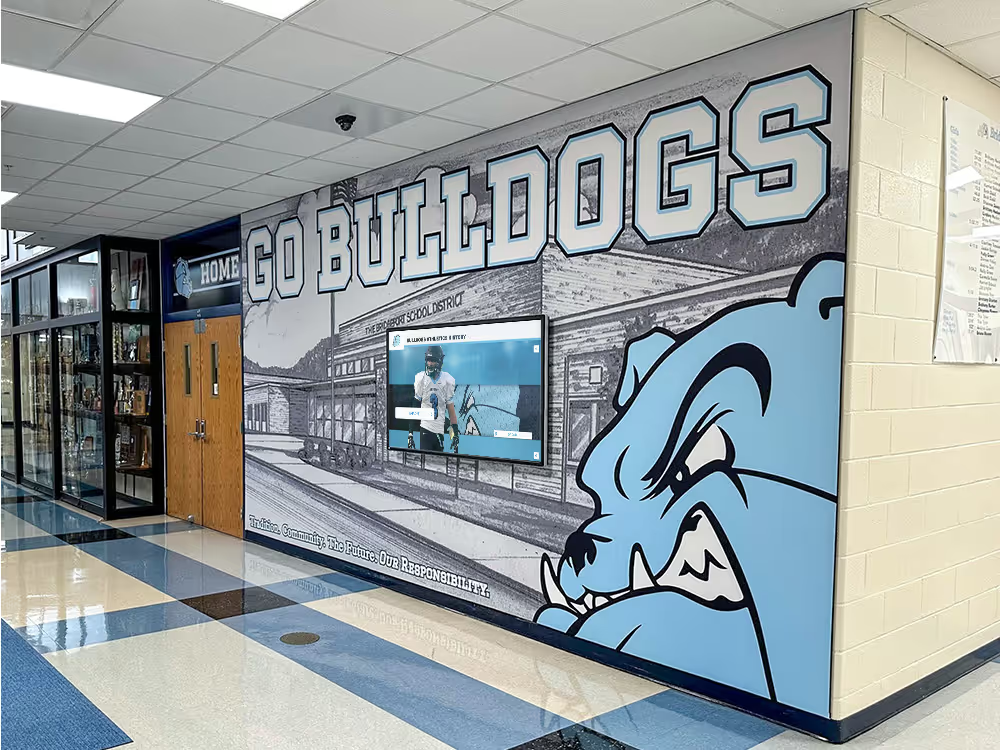
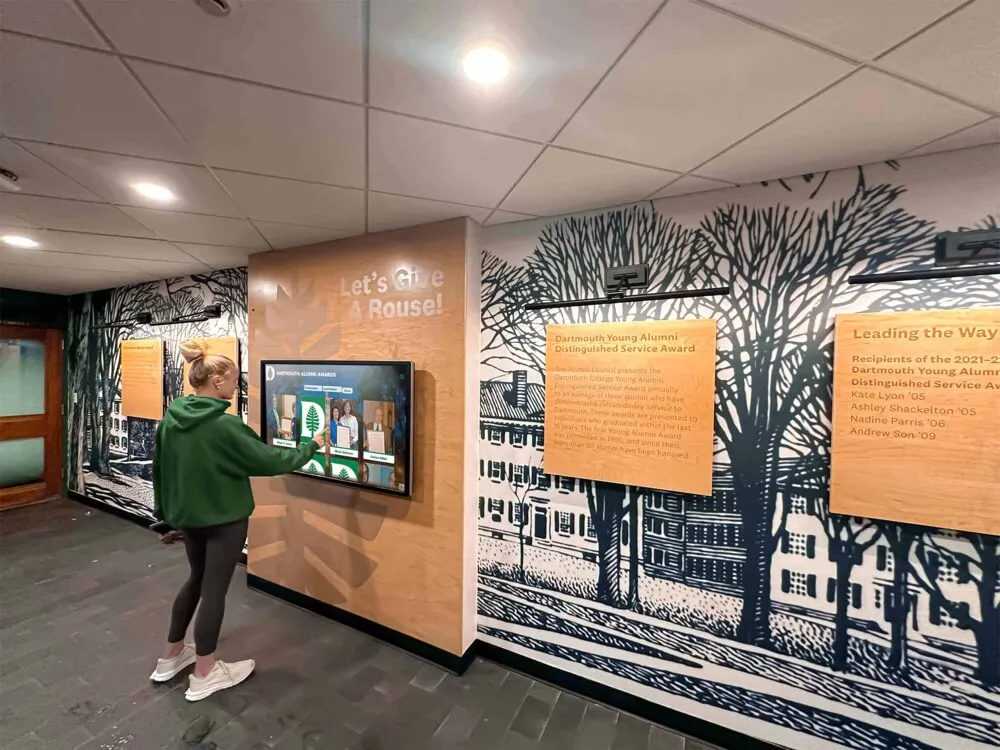
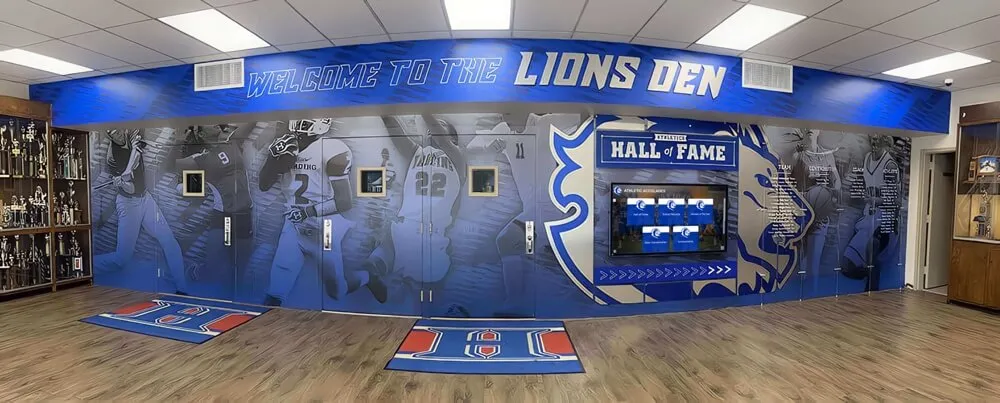
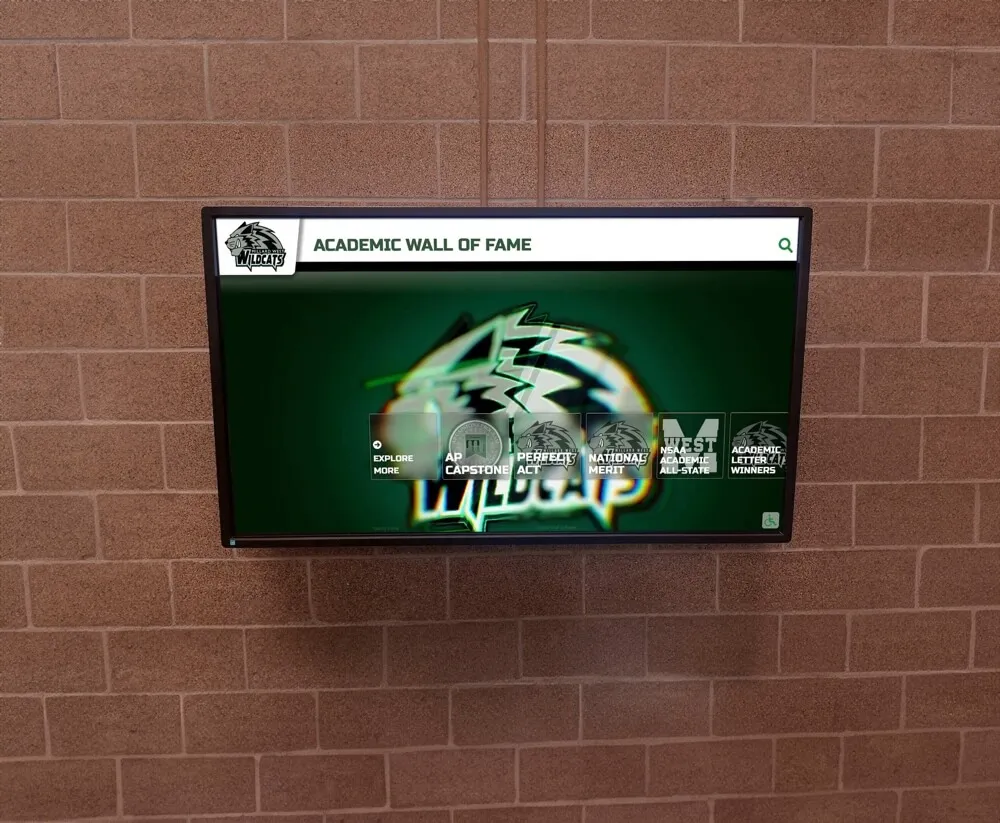
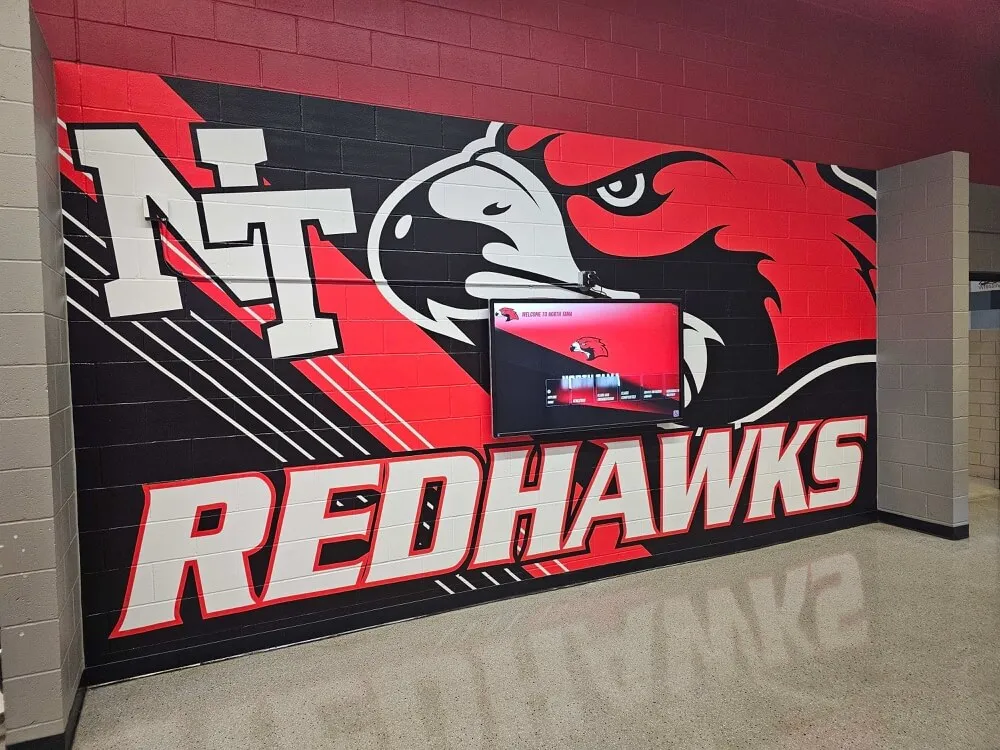
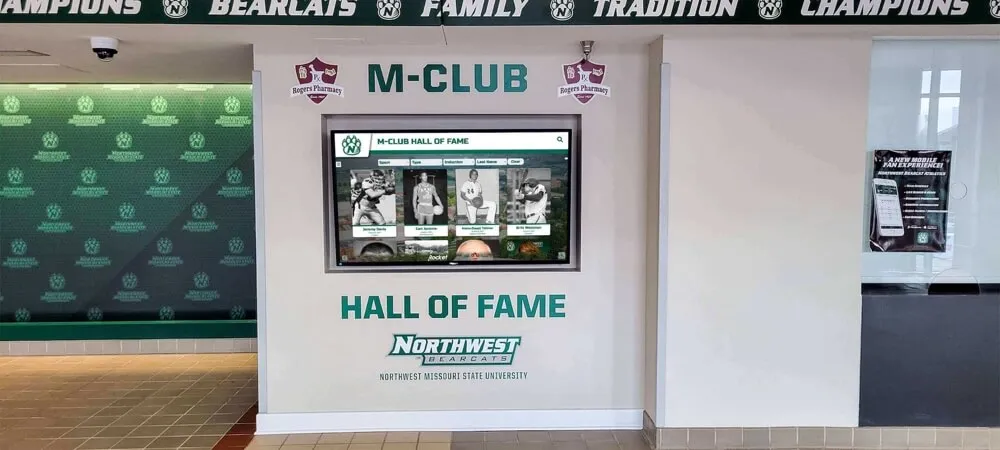
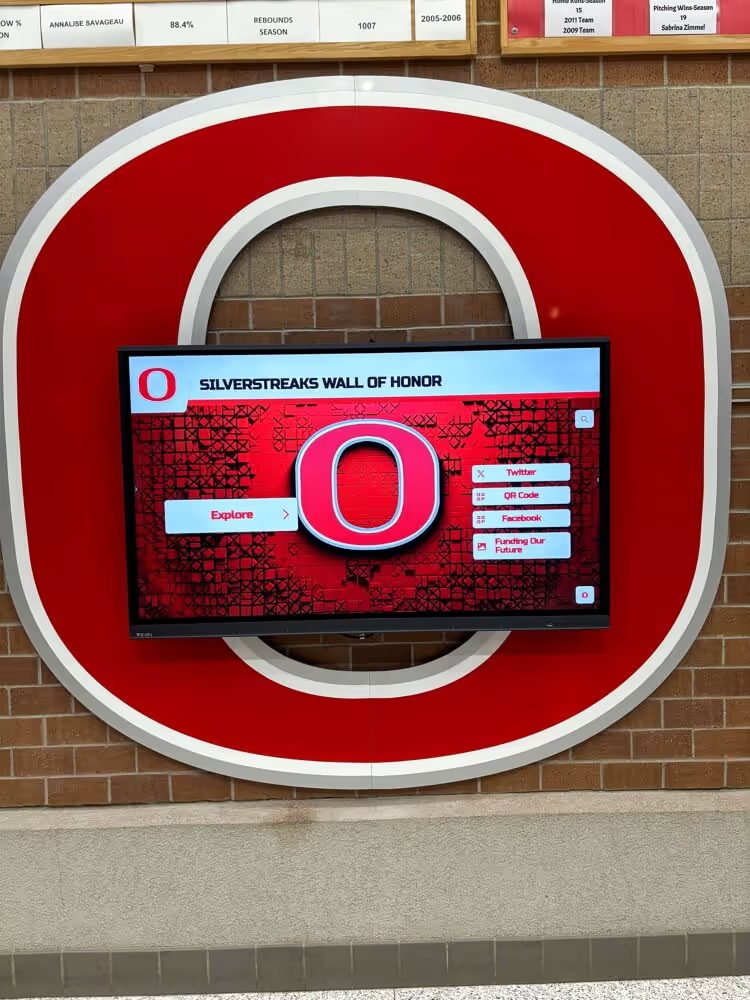
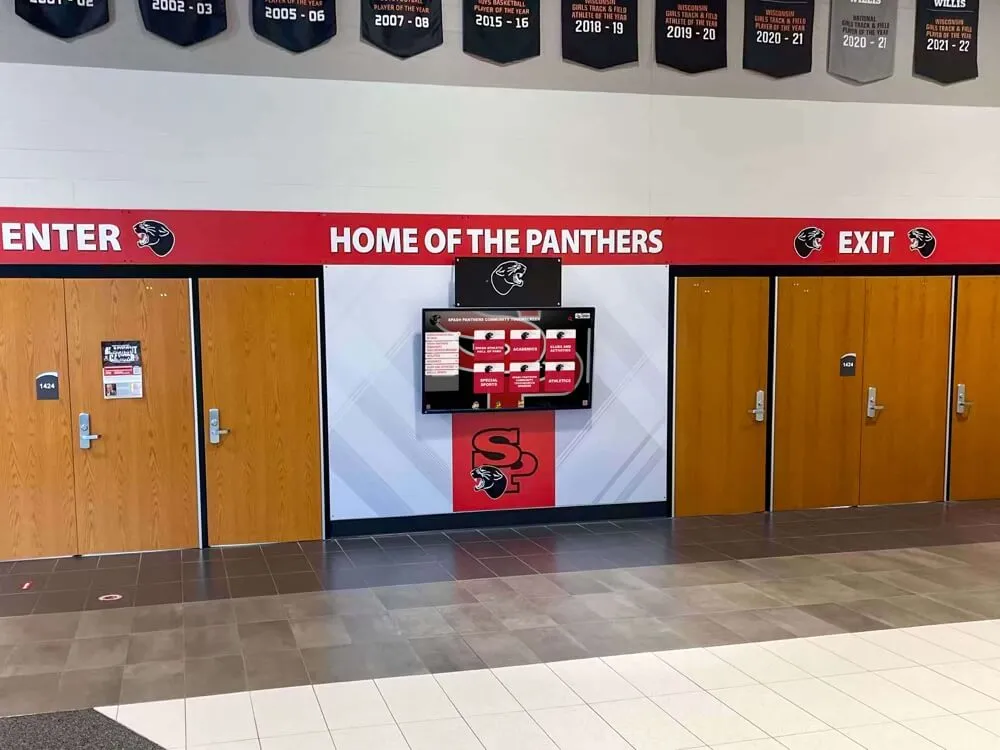
Honor roll recognition validates student effort while building confidence and motivation for continued academic excellence. Modern digital recognition displays enable schools to celebrate these achievements with visibility matching their importance. Solutions like Rocket Alumni Solutions provide purpose-built platforms designed specifically for showcasing honor roll recipients through engaging interactive displays featuring student photos, achievement details, and searchable databases that keep recognition current and accessible throughout entire school communities.
What Does Honor Roll Mean?
Honor roll refers to formal recognition schools grant to students who achieve specified grade point average thresholds demonstrating strong academic performance across subject areas during marking periods, semesters, or academic years. This acknowledgment identifies students who maintain consistent excellence rather than occasional high performance, making honor roll achievement a meaningful indicator of sustained academic engagement.
Schools publish honor roll lists periodically—typically quarterly, by semester, or annually—highlighting students who met established criteria. This public recognition serves multiple purposes: validating student effort and accomplishment, motivating continued academic excellence among recognized students, inspiring peers to pursue similar achievement, demonstrating institutional commitment to celebrating academic success, and providing documentation families can reference for college applications and scholarship opportunities.

The specific meaning of honor roll varies across educational institutions since each school establishes its own criteria, but the fundamental concept remains consistent: honor roll recognition acknowledges students demonstrating strong academic performance worthy of public celebration and institutional acknowledgment.
Historical Context of Honor Roll Recognition
The honor roll tradition emerged in American education during the early 20th century as schools sought systematic approaches to recognizing academic achievement comparable to athletic recognition. As competitive sports gained prominence in educational settings, administrators recognized the need for parallel systems celebrating intellectual accomplishment to maintain balanced institutional values.
Early honor roll programs typically published student names in school newspapers, newsletters, or posted lists displayed on bulletin boards. This public acknowledgment provided important validation during an era when academic achievement received less attention than athletic success in many school communities.
Over decades, honor roll programs evolved to include multiple achievement tiers acknowledging varied performance levels, more frequent recognition cycles matching semester or quarterly grading periods, integration with ceremonies and special events celebrating academic accomplishment, and eventually, digital platforms enabling more comprehensive and engaging recognition than traditional printed lists.
Today’s honor roll programs represent refined versions of these historical approaches, maintaining core recognition purposes while leveraging modern technology to enhance visibility, accessibility, and impact. Schools implementing comprehensive academic recognition programs demonstrate how traditional honor roll concepts combine with contemporary platforms to create meaningful recognition experiences.
Understanding Different Honor Roll Levels
Most schools implement tiered honor roll structures recognizing varied achievement levels rather than single all-or-nothing standards. These multi-level systems enable broader student recognition while maintaining meaningful distinctions that honor exceptional performance.
High Honor Roll (Highest Honors)
The highest honor roll tier—often called High Honor Roll, Highest Honors, Principal’s List, or Distinguished Honor Roll—recognizes exceptional academic excellence through the most stringent GPA requirements.
Typical Criteria:
- GPA requirement: 3.8-4.0 on 4.0 scale, or 95-100% on percentage scale
- Usually requires grades of A or A- in all subjects
- Some schools mandate minimum number of graded courses (typically 5-6 courses)
- May require completion of certain rigor levels like honors or advanced courses
- Generally excludes pass/fail courses from GPA calculation
High honor roll achievement demonstrates mastery across all subject areas. Students earning this recognition show consistent exceptional performance in mathematics, sciences, languages, social studies, and electives—proving intellectual versatility rather than specialized strength in single domains.

According to educational research on academic achievement, consistent high honor roll performance strongly correlates with college readiness, successful transition to postsecondary education, competitive scholarship eligibility, and higher long-term educational attainment. This recognition signals students have developed study skills, time management capabilities, and intellectual discipline supporting advanced academic environments.
Regular Honor Roll (Honors)
The standard honor roll tier—commonly called Honor Roll, Honors, or Merit Roll—recognizes strong consistent academic performance through moderately stringent criteria.
Typical Criteria:
- GPA requirement: 3.5-3.79 on 4.0 scale, or 90-94% on percentage scale
- Generally requires grades of A or B in all subjects
- Minimum course load requirements similar to high honor roll
- May permit one grade slightly below threshold with strong overall average
- Acknowledges excellent academic performance across subject areas
Regular honor roll achievement represents significant accomplishment deserving meaningful recognition. Students earning honors demonstrate sustained effort, effective study strategies, and commitment to academic excellence even when this recognition receives less attention than highest honors.
Many colleges and universities view consistent honor roll achievement as stronger indicators of student capability than isolated high test scores or single-semester excellence, since sustained performance demonstrates reliability and work ethic more predictive of collegiate success.
Honorable Mention (Merit Recognition)
Some schools implement third-tier recognition—often called Honorable Mention, Merit Recognition, or Achievement List—acknowledging solid academic performance.
Typical Criteria:
- GPA requirement: 3.0-3.49 on 4.0 scale, or 85-89% on percentage scale
- Recognizes students earning B average or better
- Acknowledges academic effort and achievement deserving encouragement
- Provides recognition for students working toward higher honor roll tiers
Schools implementing honorable mention create more inclusive recognition systems where students at various achievement levels receive acknowledgment rather than creating systems where students either qualify for high standards or receive nothing. This inclusive approach particularly benefits students demonstrating significant improvement or overcoming challenges, validating their progress even when absolute achievement hasn’t reached highest levels.
Alternative Honor Roll Categories
Beyond GPA-based honor rolls, many schools implement supplementary recognition categories addressing diverse student circumstances and achievement types:
Subject-Specific Honor Rolls: Recognition for exceptional performance in particular academic areas like mathematics, science, language arts, or social studies. These specialized honor rolls enable students to receive acknowledgment for domain-specific excellence even when overall GPAs may not qualify for standard honor roll.
Improvement Honor Roll: Some schools recognize students demonstrating significant GPA growth from baseline performance, validating progress regardless of absolute achievement level. This growth-focused recognition motivates students who may have struggled previously but are making substantial improvement.
Perfect Attendance Honor Roll: When implemented sensitively considering circumstances affecting attendance like illness or family situations, recognizing students maintaining exemplary attendance supports academic success by acknowledging the connection between consistent presence and learning.
Understanding your specific school’s honor roll structure and criteria provides essential foundation for setting appropriate goals and developing achievement strategies. Resources on valedictorian and salutatorian distinctions offer additional context about academic recognition systems.
How Students Can Achieve Honor Roll
Making honor roll requires combining effective study strategies, consistent effort, time management skills, and supportive environments. Students who approach academics systematically using evidence-based practices demonstrate significantly higher success rates than those relying solely on last-minute cramming or inconsistent effort.
Establishing Strong Organizational Foundations
Academic success begins with organization systems that prevent forgotten assignments, missed deadlines, and lost materials that undermine even capable students’ performance.
Essential Organizational Strategies:
Use Planning Systems Consistently: Whether digital calendars, paper planners, or smartphone apps, maintain a single system recording all assignment due dates, test dates, project milestones, and long-term deadlines. Review planning systems daily and update immediately when teachers announce new assignments.
Organize Materials by Subject: Maintain separate notebooks, folders, or binders for each subject with dedicated sections for notes, handouts, assignments, and returned work. This subject-based organization enables quick access to necessary materials while preventing important papers from becoming lost in disorganized backpacks.

Create Assignment Tracking Systems: Beyond recording due dates, track assignment status from assigned to in-progress to completed to submitted. This systematic tracking prevents the common problem of completing work but forgetting to submit it, ensuring effort translates into earned credit.
Establish Dedicated Study Spaces: Designate specific locations for homework and studying featuring adequate lighting, minimal distractions, necessary supplies readily available, and comfort supporting extended focus. Consistent study environments help brains transition into productive learning modes more efficiently than constantly changing locations.
According to educational psychology research, students who maintain strong organizational systems demonstrate 15-20% higher achievement compared to peers with similar intellectual capabilities but weak organization. The cumulative advantage of never missing assignments, always having necessary materials, and meeting every deadline creates substantial GPA differences over marking periods and semesters.
Developing Effective Study Habits
Beyond organization, specific study approaches dramatically influence learning quality and assessment performance.
Active Learning Strategies:
Take Comprehensive Notes: Develop note-taking systems capturing key concepts, important details, and connections between ideas. Review and organize notes shortly after class while material remains fresh, filling gaps and clarifying unclear sections. Well-organized notes become invaluable study resources before assessments.
Practice Retrieval Rather Than Rereading: Instead of passively rereading notes and textbooks, use active recall testing yourself on material without looking at answers. Create flashcards, practice problems, or self-quizzes forcing retrieval from memory. Research consistently shows retrieval practice produces superior long-term learning compared to simple review.
Distribute Study Sessions Over Time: Avoid marathon cramming sessions by distributing study across multiple shorter sessions over days or weeks. This spaced repetition enables information to consolidate into long-term memory more effectively than intensive single-session studying.
Explain Concepts to Others: Teaching material to classmates, family members, or even explaining aloud to yourself reveals gaps in understanding that passive review might miss. The effort required to articulate concepts coherently strengthens your own comprehension while identifying areas needing additional attention.
Connect New Information to Prior Knowledge: Actively link new concepts to things you already understand, creating mental frameworks that make information more memorable and meaningful. These connections transform isolated facts into integrated knowledge networks supporting deeper understanding.
Seek Help When Confused: Address confusion immediately rather than hoping understanding will develop spontaneously. Ask questions during class, visit teacher office hours, form study groups with classmates, or access tutoring resources. Waiting until assessments approach to address fundamental confusion rarely succeeds.
Students implementing these evidence-based study strategies typically achieve 10-20 percentage points higher on assessments compared to similar students using less effective approaches, creating cumulative advantages that elevate semester GPAs into honor roll ranges.
Time Management and Workload Balance
Achieving honor roll requires managing time effectively across multiple subjects, activities, and responsibilities without becoming overwhelmed or sacrificing necessary rest.
Time Management Principles:
Start Assignments Early: Begin work on assignments shortly after they’re assigned rather than waiting until deadlines approach. Early starts enable addressing unexpected difficulties, producing higher-quality work, and reducing stress associated with last-minute completion pressure.
Prioritize Based on Urgency and Importance: When facing multiple demands, complete high-priority tasks first—those with approaching deadlines or significant grade impact. Use systematic prioritization rather than gravitating toward easiest or most enjoyable tasks while critical work remains incomplete.
Break Large Projects into Manageable Steps: Transform intimidating major projects into sequences of smaller tasks with self-imposed interim deadlines. This incremental approach prevents procrastination while making substantial projects feel less overwhelming.
Build in Buffer Time: Don’t schedule every moment. Leave gaps accommodating unexpected demands, assignment extensions, or extra study time if material proves more challenging than anticipated. Tight schedules with no flexibility create stress when inevitable complications arise.

Protect Sleep and Wellbeing: Resist the temptation to sacrifice sleep for additional study time. Research consistently shows that adequate sleep (8-10 hours for adolescents) supports memory consolidation, attention, and cognitive performance more effectively than extra study time gained by sleep reduction. Similarly, maintain physical activity and social connections supporting overall wellbeing that enables sustained academic focus.
Limit Multitasking During Study: Focus on single subjects during study sessions rather than switching rapidly between different courses. This focused approach produces deeper learning more efficiently than fragmented attention across multiple subjects simultaneously.
According to studies on student time use, those who allocate study time systematically across subjects while maintaining life balance demonstrate higher achievement and better stress management than peers studying more total hours but with poor distribution or inadequate attention to wellbeing.
Classroom Engagement Strategies
Academic performance depends heavily on classroom learning quality, making active engagement during class essential for honor roll achievement.
Maximizing Classroom Learning:
Maintain Consistent Attendance: Every absence creates learning gaps requiring extra effort to overcome. Prioritize attendance barring genuine illness or unavoidable circumstances, recognizing that classroom instruction provides efficient learning opportunities difficult to replicate independently.
Participate Actively in Discussions: Ask and answer questions, contribute to discussions, and engage with material during class. This active participation strengthens understanding while demonstrating engagement teachers notice and appreciate.
Focus Attention Throughout Class: Minimize distractions from phones, side conversations, or unrelated activities. Full attention during instruction enables better initial learning, reducing study time required later.
Ask Clarifying Questions: When concepts seem unclear, ask questions during or immediately after class. Addressing confusion early prevents it from compounding as courses progress into more advanced material building on earlier foundations.
Complete All Practice Work: Participate fully in class activities, practice problems, and assignments teachers provide. These activities reinforce learning and prepare students for assessments more effectively than passive observation alone.
Build Positive Teacher Relationships: Demonstrate respect, effort, and genuine interest in course material. Positive teacher relationships create environments where educators invest extra effort supporting student success while potentially providing additional flexibility or support when challenges arise.
Students who maximize classroom learning often find they need less independent study time compared to peers who disengage during instruction then must teach themselves material independently—creating efficiency advantages supporting honor roll achievement across multiple demanding courses.
Test-Taking Skills and Assessment Preparation
Even students with strong knowledge sometimes underperform on assessments due to test-taking difficulties or preparation weaknesses.
Assessment Success Strategies:
Begin Test Preparation Early: Start reviewing material several days or a week before assessments rather than cramming the night before. Distributed preparation enables thorough review, identifies areas needing extra attention, and reduces test anxiety through confidence in preparation quality.
Practice with Similar Question Formats: When possible, complete practice tests, review guide problems, or sample questions matching actual assessment formats. This practice builds familiarity with question styles while revealing content areas requiring additional study.
Develop Pre-Test Routines: Establish consistent routines before assessments including adequate sleep the previous night, nutritious breakfast, arriving early feeling prepared rather than rushed, and brief review of key concepts without intensive last-minute studying creating anxiety.
Read Instructions and Questions Carefully: Many assessment errors result from misreading questions or missing important instruction details rather than not knowing material. Read thoroughly before responding, noting key terms like “except,” “not,” or specific response requirements.
Manage Time During Assessments: Allocate time proportionally across questions or sections, avoiding spending excessive time on difficult items while leaving insufficient time for remaining questions. Answer easier questions first, then return to challenging ones with remaining time.
Review Completed Assessments: When teachers return graded work, review carefully identifying patterns in errors—careless mistakes versus genuine knowledge gaps versus test-taking problems. Use this analysis to adjust preparation approaches for future assessments.
Implementing these test-taking strategies helps ensure that preparation and knowledge translate into assessment performance supporting honor roll achievement. Students who study effectively but struggle on tests should especially prioritize developing these skills.
For additional perspectives on academic achievement and recognition, resources on AP Scholar awards and cum laude distinctions provide helpful context about academic excellence pathways.
Creating Supportive Environments for Academic Success
Individual student effort matters tremendously, but environmental factors significantly influence honor roll achievement likelihood. Families, schools, and students working together create conditions maximizing academic success potential.
Family Support Strategies
Parents and families play crucial roles supporting student academic achievement through structure, encouragement, and partnership with schools.
Effective Family Support Approaches:
Establish Consistent Homework Routines: Create predictable times and places for homework and studying. These routines help students transition into academic focus more efficiently than constantly negotiating when and where work will occur.
Monitor Progress Without Micromanaging: Stay informed about academic performance through regular communication with students and periodic portal checks, but avoid excessive hovering that creates conflict or prevents students from developing self-management capabilities.
Provide Necessary Resources: Ensure students have adequate supplies, appropriate technology and internet access, quiet study spaces, and access to additional support like tutoring when needed.
Maintain Balanced Expectations: Encourage excellence without creating counterproductive pressure that generates anxiety or perfectionism. Celebrate effort and improvement alongside achievement, recognizing that consistent growth matters more than perfect performance.

Model Learning Value: Demonstrate that learning matters by showing interest in what students study, discussing academic topics, and sharing your own learning experiences. Students whose families value education typically internalize these values themselves.
Communicate with Teachers: Attend conferences, respond to teacher communications, and reach out when concerns arise. This family-school partnership enables coordinated support addressing challenges before they significantly impact achievement.
Recognize Achievement Appropriately: Celebrate honor roll achievement through meaningful recognition—special family dinners, privileges, or acknowledgment—without creating systems where love and approval seem contingent on grades.
According to research on factors influencing student achievement, family engagement and support rank among the most powerful predictors of academic success, often exerting greater influence than socioeconomic status or school quality measures.
School-Level Support Systems
Effective schools implement systematic supports helping students achieve honor roll recognition while building inclusive cultures celebrating academic excellence.
Institutional Support Approaches:
Transparent Communication of Criteria: Schools should clearly communicate honor roll requirements through student handbooks, websites, orientation programs, and regular reminders ensuring all students and families understand criteria and eligibility determination.
Regular Progress Monitoring: Implement systems enabling students and families to track progress toward honor roll qualification throughout marking periods rather than learning about near-misses only when final grades arrive.
Academic Support Services: Provide tutoring, study skills instruction, homework help programs, and other support services helping students develop capabilities needed for honor roll achievement.
Mentor and Advisory Programs: Connect students with adult mentors or advisory systems providing guidance, encouragement, and accountability supporting academic goal-setting and achievement.
Timely and Visible Recognition: Celebrate honor roll achievement promptly through assemblies, publications, and permanent displays demonstrating that academic excellence receives recognition comparable to athletic accomplishment.
Modern schools increasingly leverage digital platforms for honor roll recognition, moving beyond simple printed lists to comprehensive systems showcasing student achievement with engaging multimedia content. These digital recognition displays provide unlimited capacity for recognizing diverse academic achievements while maintaining current content that inspires ongoing student motivation.
Peer Support and Study Groups
Students benefit significantly from peer connections supporting academic success through collaboration, mutual encouragement, and shared accountability.
Productive Peer Support Strategies:
Form Effective Study Groups: Organize small groups (3-5 students) with shared commitment to academic excellence. Meet regularly to review material, explain concepts to each other, complete practice problems together, and prepare for assessments collaboratively.
Choose Study Partners Wisely: Select study partners with similar achievement goals and work ethics. Well-matched groups amplify everyone’s learning, while mismatched groups can become social gatherings providing minimal academic value.
Establish Group Norms: Set clear expectations about preparation before sessions, staying focused during meetings, contributing meaningfully rather than freeloading, and maintaining supportive rather than competitive dynamics.
Teach and Learn from Peers: Take turns explaining concepts to each other. Teaching solidifies your own understanding while exposing gaps in knowledge. Asking peers for clarification often feels less intimidating than approaching teachers, creating environments where students freely admit confusion.
Celebrate Collective Success: When study group members achieve honor roll, recognize that collaborative support contributed to everyone’s success. This shared celebration reinforces positive group dynamics while motivating continued collective effort.
Research on collaborative learning consistently demonstrates that students participating in effective study groups achieve higher performance than similar students working independently, while also developing social skills and collaborative capabilities valuable beyond academics.
Common Honor Roll Challenges and Solutions
Students pursuing honor roll frequently encounter obstacles that can derail achievement despite genuine effort and capability. Understanding common challenges and proven solutions helps students persist through difficulties.
Challenge: Weak Performance in Specific Subjects
Some students excel in most areas but struggle in particular subjects that drag down overall GPAs below honor roll thresholds.
Solutions:
Identify Specific Skill Gaps: Rather than accepting that you’re “just not good at math” or whatever subject challenges you, work with teachers to identify specific skill deficiencies you can address systematically.
Seek Additional Help Early: Access tutoring, teacher office hours, or online resources as soon as difficulties emerge rather than waiting until material becomes completely incomprehensible.
Adjust Study Approaches for the Subject: Different subjects often require different learning strategies. Experiment with alternative approaches—perhaps your struggling subject needs more practice problems, different note-taking methods, or visual learning approaches.
Consider Course Selection: If specific courses consistently prevent honor roll achievement despite strong effort, discuss alternatives with counselors. Sometimes different course levels or sequences better match student learning needs while maintaining academic challenge.
Invest Extra Time Proportionally: Allocate additional study time to challenging subjects while maintaining sufficient attention to stronger areas. This targeted approach addresses weaknesses without neglecting strengths.
Challenge: Extracurricular Overcommitment
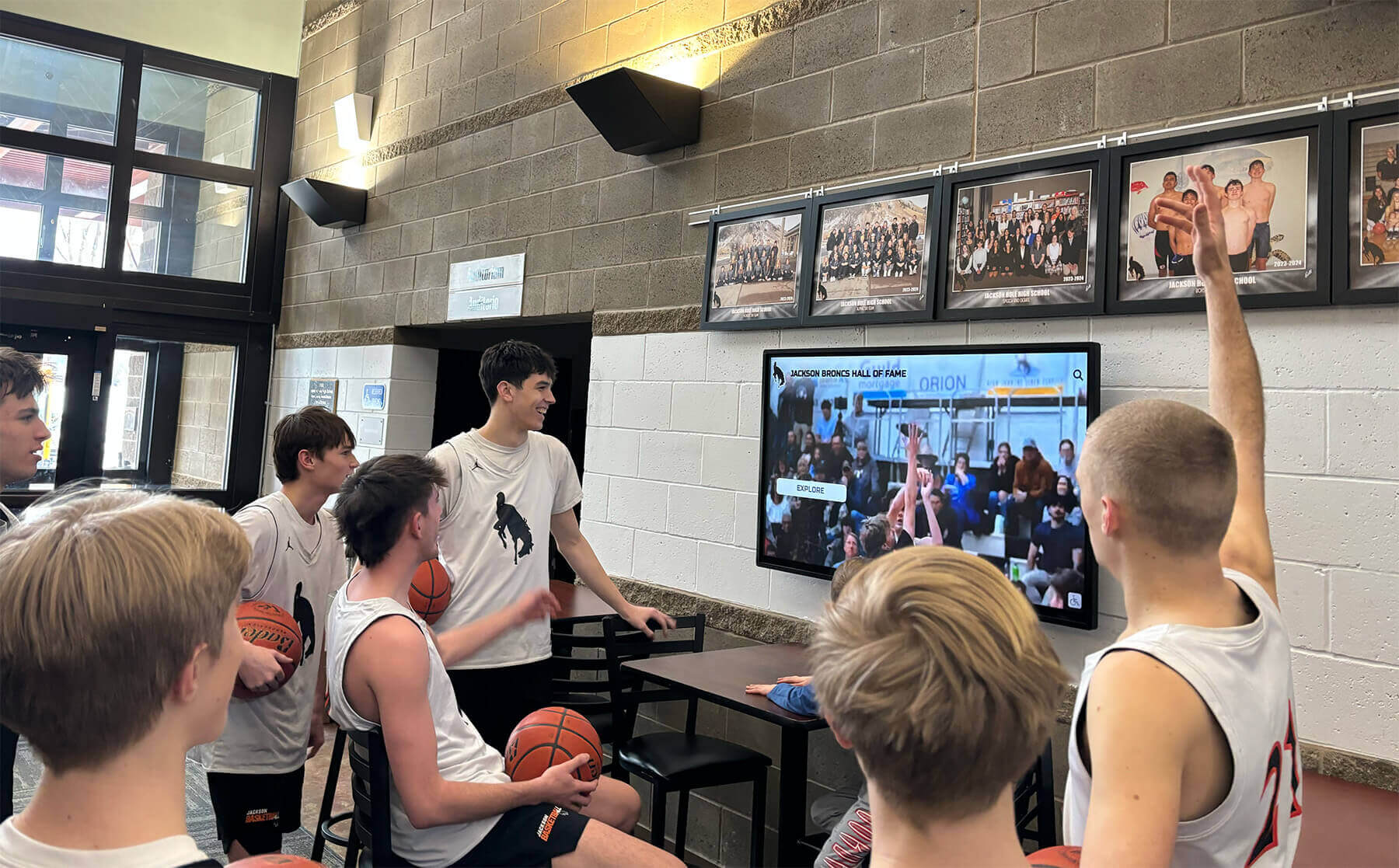
Students involved in extensive athletics, activities, employment, or family responsibilities sometimes struggle balancing demands while maintaining honor roll academics.
Solutions:
Evaluate Commitment Necessity: Honestly assess whether all current commitments serve important purposes or if some represent habits or social pressure rather than genuine priorities. Consider reducing involvement in lower-priority activities.
Improve Time Management: Often the issue isn’t total commitment hours but rather inefficient time use. Implement better planning, eliminate time-wasting activities, and use small time blocks (like bus rides) more productively.
Communicate with Activity Leaders: Coaches, directors, and employers often accommodate academic needs when students communicate proactively. Discuss conflicts before they create crises rather than after academic performance has suffered.
Maximize Efficiency During Available Time: When limited time exists for academics, maximize focus quality during available study time through elimination of distractions, strategic study location choices, and evidence-based learning strategies.
Recognize That Seasons Change: Particularly intense commitment periods (like playoff seasons or peak work periods) may temporarily impact academics. Communicate with teachers, use available flexibility, and prioritize recovery during lighter periods.
Challenge: Test Anxiety and Assessment Performance Issues
Some students understand material well but underperform on tests due to anxiety or test-taking difficulties, preventing honor roll achievement despite genuine knowledge.
Solutions:
Practice Relaxation Techniques: Learn and use deep breathing, progressive muscle relaxation, or mindfulness approaches reducing physical anxiety symptoms before and during assessments.
Develop Positive Self-Talk: Replace catastrophic thinking (“If I fail this test, I’ll never make honor roll”) with realistic, constructive thoughts (“I’ve prepared well and can handle this assessment”).
Build Confidence Through Preparation: Thorough preparation remains the best anxiety remedy. Students confident in their knowledge naturally experience less test anxiety.
Focus on Process Rather Than Stakes: During assessments, concentrate on reading questions carefully and applying knowledge rather than obsessing about potential consequences. This process focus reduces anxiety while improving performance.
Seek Accommodations When Appropriate: Students with diagnosed anxiety disorders or learning differences may qualify for testing accommodations like extended time or separate settings. Discuss concerns with counselors if anxiety significantly impairs performance despite preparation.
Practice Under Test-Like Conditions: Complete practice assessments under conditions simulating actual tests—similar time constraints, quiet environment, no reference materials. This practice builds comfort with assessment experiences while revealing knowledge gaps.
For students dealing with significant anxiety, school counselors can provide additional support or referrals to mental health professionals specializing in performance anxiety issues.
Recognizing and Celebrating Honor Roll Achievement
When students achieve honor roll recognition, appropriate celebration validates effort while motivating continued excellence. Modern recognition approaches create lasting impact extending beyond brief acknowledgment moments.
Individual Recognition Approaches
Personal acknowledgment helps students feel that achievement matters to important adults and communities.
Meaningful Individual Recognition:
Family Celebrations: Parents should mark honor roll achievement with special recognition—perhaps favorite meals, privileges, small gifts, or meaningful conversations acknowledging the effort and discipline achievement required.
Teacher Acknowledgment: Brief personal congratulations from teachers—especially in challenging subjects where students worked particularly hard—provides powerful validation.
Social Sharing: When appropriate for individual students and families, sharing honor roll achievement through social media, extended family communications, or community connections amplifies recognition while potentially opening doors to opportunities.
Documentation for Future Use: Maintain records of honor roll achievement for eventual college applications, scholarship competitions, and other opportunities where documented academic excellence provides advantages.
School-Wide Recognition Programs
Institutional recognition demonstrates that schools genuinely value academic achievement while inspiring other students toward similar excellence.
Comprehensive School Recognition:
Honor Roll Assemblies or Ceremonies: Regular ceremonies celebrating each marking period’s or semester’s honor roll recipients provide important public acknowledgment before peers and families.
Permanent Digital Displays: Moving beyond temporary bulletin boards, modern schools implement interactive digital recognition systems showcasing comprehensive honor roll achievement across years with student photos, achievement details, and searchable databases.
School Communication Features: Highlight honor roll recipients through newsletters, social media, websites, and other school communication channels ensuring achievement receives visibility throughout communities.
Cumulative Recognition: Track and celebrate sustained honor roll achievement across years—students making honor roll every semester throughout high school deserve special recognition for remarkable consistency.

Integration with Other Academic Recognition: Connect honor roll with related programs like National Honor Society, academic competitions, and scholarship opportunities, demonstrating how honor roll serves as foundation for additional recognition.
Schools implementing comprehensive recognition programs report increased student motivation toward academic excellence, improved school cultures celebrating intellectual achievement, and enhanced family engagement with school communities. Digital recognition platforms particularly enable showcasing diverse academic accomplishments with visibility and permanence that traditional approaches cannot match.
The Long-Term Benefits of Honor Roll Achievement
Beyond immediate recognition, consistent honor roll achievement creates advantages that extend throughout educational careers and into professional life.
College Admissions and Scholarship Advantages
College admissions officers and scholarship committees value sustained honor roll achievement as strong indicators of student capability and work ethic.
Admissions Benefits:
Demonstrated Academic Capability: Consistent honor roll performance across years provides compelling evidence of preparedness for collegiate academic demands—often viewed as more reliable than standardized test scores or single-semester excellence.
Work Ethic Indicators: Sustained honor roll achievement signals discipline, time management, and persistence admissions officers seek in candidates likely to succeed in rigorous college environments.
GPA Positioning: Regular honor roll achievement typically produces cumulative GPAs placing students competitively for selective institutions and merit scholarship consideration.
Counselor Recommendations: Students with consistent honor roll achievement enable counselors to write stronger recommendation letters emphasizing sustained academic excellence rather than inconsistent performance.
Scholarship Qualification: Many merit scholarships establish minimum GPA thresholds corresponding to honor roll levels. Students missing these thresholds by small margins lose eligibility for substantial financial awards regardless of other strengths.
According to college admissions research, the single strongest predictor of college acceptance and scholarship offers remains high school GPA—meaning honor roll achievement directly translates into concrete advantages during the college process.
Skill Development Beyond Academics
The habits and capabilities students develop while pursuing honor roll create transferable skills valuable throughout life.
Lifelong Skills from Honor Roll Pursuit:
Time Management and Organization: Systems students build for managing multiple subjects, tracking assignments, and meeting deadlines transfer directly to managing professional responsibilities, personal finances, and complex life demands.
Delayed Gratification Capacity: Choosing study over immediate entertainment or social opportunities develops crucial ability to prioritize long-term goals over short-term impulses—capabilities predicting success across numerous life domains.
Persistence Through Challenges: Overcoming difficult subjects, rebounding from disappointing grades, and maintaining effort when results don’t immediately appear builds resilience supporting achievement in challenging career environments.
Self-Advocacy Skills: Learning to seek help when confused, communicate with teachers, and access resources develops self-advocacy capabilities essential for navigating complex educational, healthcare, and professional systems throughout life.
Goal-Setting and Achievement: Successfully pursuing and achieving honor roll builds confidence in personal ability to set meaningful goals and achieve them through sustained effort—foundational beliefs supporting ambitious goal pursuit throughout life.
These capability advantages often exert greater long-term impact than specific content knowledge acquired during courses, making honor roll pursuit valuable regardless of whether students pursue academic or professional paths directly related to school subjects.
Building Academic Identity and Confidence
Students who consistently achieve honor roll develop positive academic identities—viewing themselves as capable learners who can succeed through effort—that influence educational and career trajectories.
Identity Development Impact:
Students who see themselves as academically capable pursue more challenging coursework, persist through academic difficulties rather than withdrawing, consider broader range of college and career options, and maintain engagement with learning throughout life rather than viewing education as obligation ending at graduation.
This academic identity formation represents perhaps the most significant long-term benefit of sustained honor roll achievement, creating self-concepts supporting ambitious educational and professional goal pursuit long after specific course grades become irrelevant.
Modern Solutions for Honor Roll Recognition
As schools seek more effective approaches to celebrating academic achievement, digital recognition platforms transform how institutions showcase honor roll recipients while inspiring continued student excellence.
Traditional honor roll recognition faces significant limitations: printed lists quickly become outdated and get discarded, bulletin boards accommodate only current semester recipients before requiring complete replacement, space constraints prevent comprehensive historical recognition, and static displays generate minimal engagement from contemporary students expecting interactive experiences.
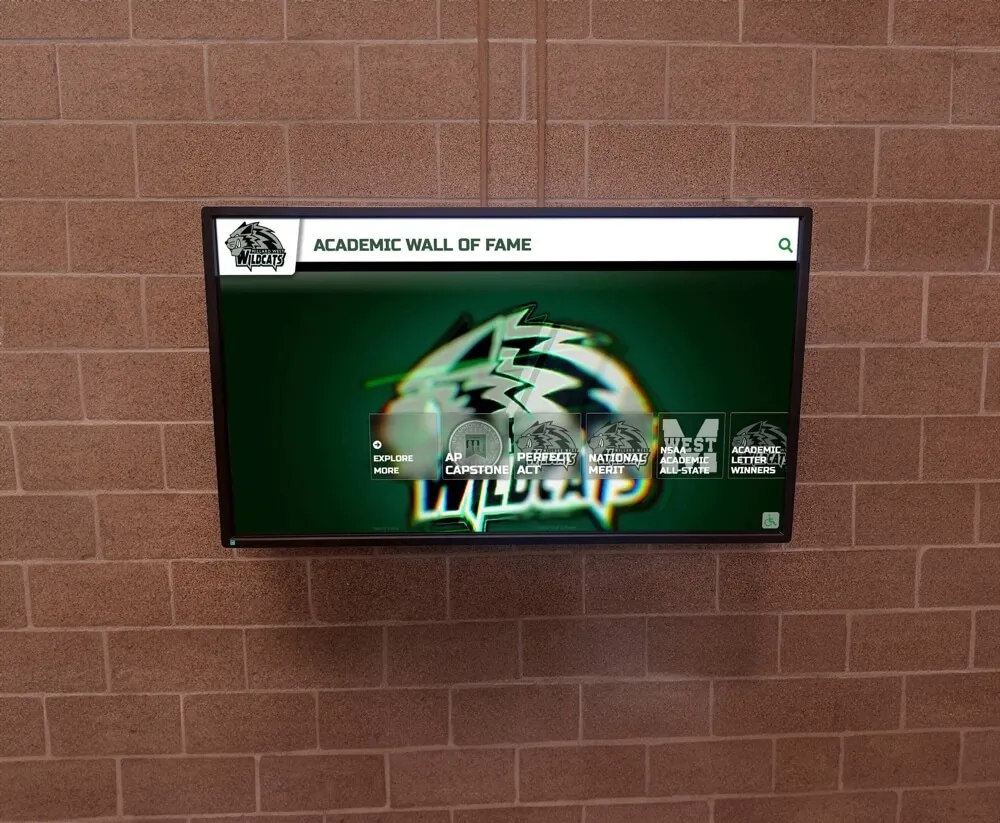
Modern digital recognition solutions address these limitations through comprehensive platforms designed specifically for educational achievement celebration. These systems provide unlimited capacity for recognizing all honor roll recipients across years without space limitations, instant updates enabling timely recognition within days of honor roll publication, rich multimedia profiles featuring student photos and achievement details creating personal connections, searchable databases allowing students to explore recognition by name, year, or achievement level, and permanent accessibility preserving honor roll recognition indefinitely rather than being replaced.
Solutions like Rocket Alumni Solutions provide purpose-built platforms specifically designed for educational recognition, offering intuitive content management requiring no technical expertise, engaging interactive displays creating memorable recognition experiences, proven approaches helping schools build excellence cultures, and ongoing support ensuring successful implementation and sustained program success.
Schools implementing comprehensive digital recognition report increased student motivation toward academic excellence as achievement receives visibility comparable to athletic recognition, improved family engagement as parents and extended family access recognition content remotely, enhanced school culture celebrating diverse forms of achievement, and stronger sense of institutional pride in academic tradition and excellence.
Conclusion: Making Honor Roll Achievement Your Reality
Honor roll achievement represents an attainable goal for students willing to implement effective strategies, maintain consistent effort, and leverage available support systems. Understanding exactly what honor roll means at your school, how eligibility gets determined, and what specific actions support academic success transforms this goal from abstract aspiration into concrete target you can systematically pursue.
The path to honor roll success combines strong organizational foundations preventing forgotten assignments and missed deadlines, evidence-based study strategies maximizing learning efficiency, effective time management balancing academics with other life demands, active classroom engagement making learning more efficient, productive peer relationships providing mutual support and accountability, and family and institutional support creating environments where academic achievement can flourish.
Students facing challenges—whether in specific subjects, due to anxiety, or from competing demands—can address obstacles through targeted strategies, additional support resources, and honest evaluation of priorities. Consistent honor roll achievement isn’t about innate intelligence or perfect circumstances, but rather about developing effective systems and maintaining persistent effort toward clearly defined goals.
The benefits of honor roll pursuit extend far beyond semester recognition, building capabilities supporting lifelong success, strengthening college applications and scholarship opportunities, developing positive academic identities influencing educational trajectories, and creating confidence in personal ability to achieve meaningful goals through sustained effort.
When schools celebrate honor roll achievement through comprehensive recognition programs—particularly modern digital platforms providing engaging, permanent, accessible acknowledgment—they create cultures where academic excellence receives appropriate visibility, inspire students observing peer success to pursue similar achievement, and build lasting institutional memory preserving academic heritage for future generations.
Your honor roll achievement journey begins with understanding requirements, implementing effective strategies, leveraging available support, maintaining persistent effort, and celebrating progress along the way. Whether you’re pursuing honor roll for the first time or aiming to maintain consistent recognition across your entire educational career, the approaches outlined here provide proven pathways toward academic excellence deserving of lasting recognition and celebration.
Ready to implement honor roll recognition programs that inspire academic excellence throughout your school community? Modern recognition solutions ensure every honor roll recipient receives acknowledgment matching their achievement’s significance—creating motivational environments where all students can pursue their highest academic potential.