



Walking through school hallways during awards season, you’ll often see honor roll lists posted on bulletin boards, hear announcements during morning assemblies, and watch students beam with pride as they receive certificates. But what does honor roll truly mean beyond the lists and ceremonies? For millions of students, families, and educators across the country, honor roll represents far more than just good grades—it symbolizes dedication, consistency, intellectual growth, and the pursuit of excellence that shapes young minds and builds lasting academic identities.
Understanding the deeper meaning of honor roll helps schools create more effective recognition programs, enables families to support their students meaningfully, and clarifies for students themselves why this achievement matters beyond simple GPA thresholds. When schools recognize the full significance of honor roll and celebrate it appropriately, they build cultures where academic achievement receives the visibility and validation it deserves.
Why Honor Roll Meaning Matters
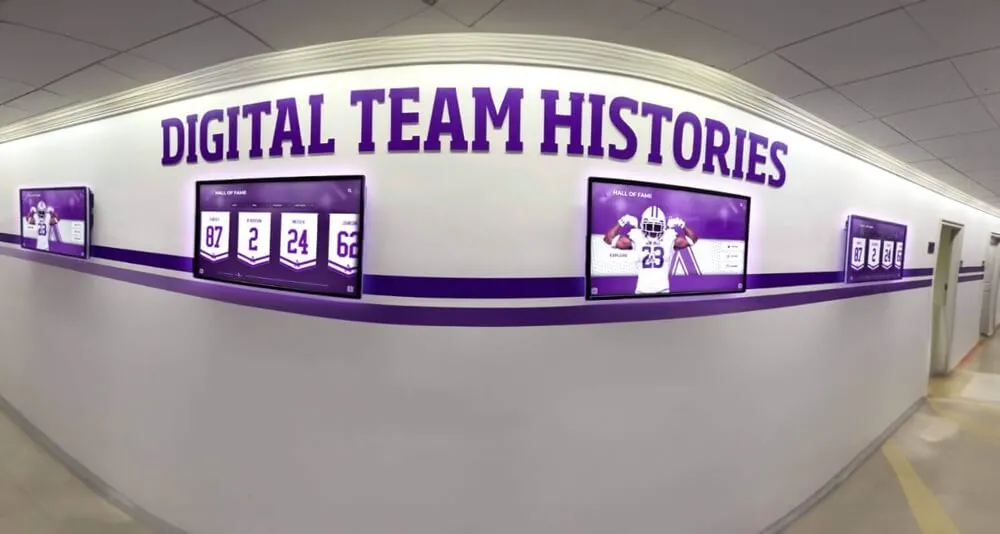
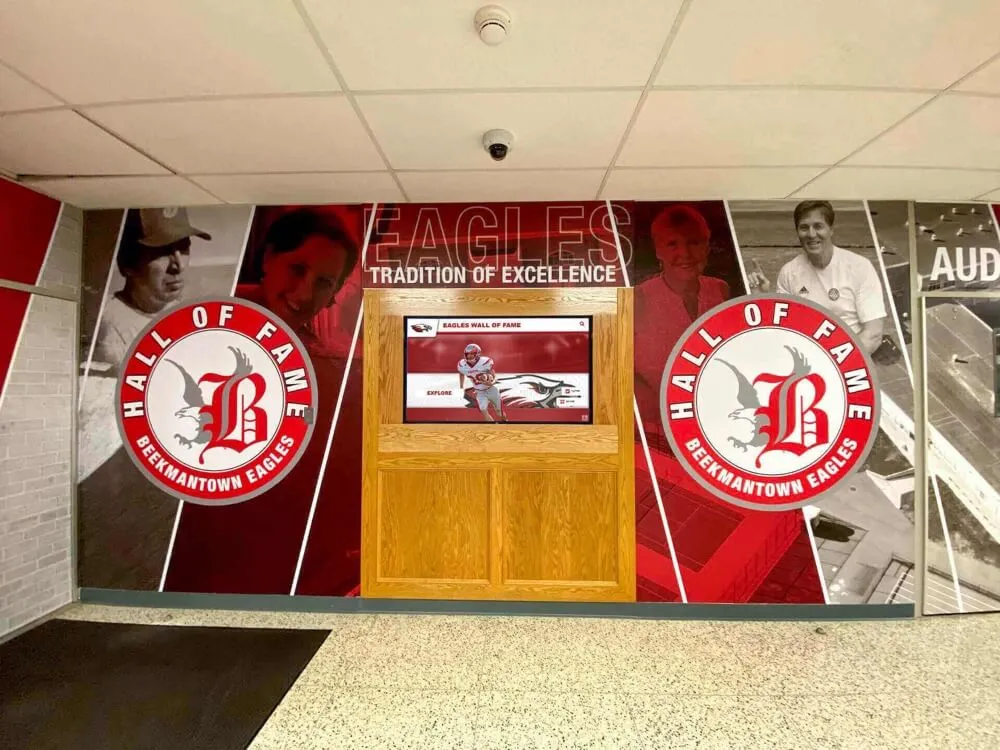
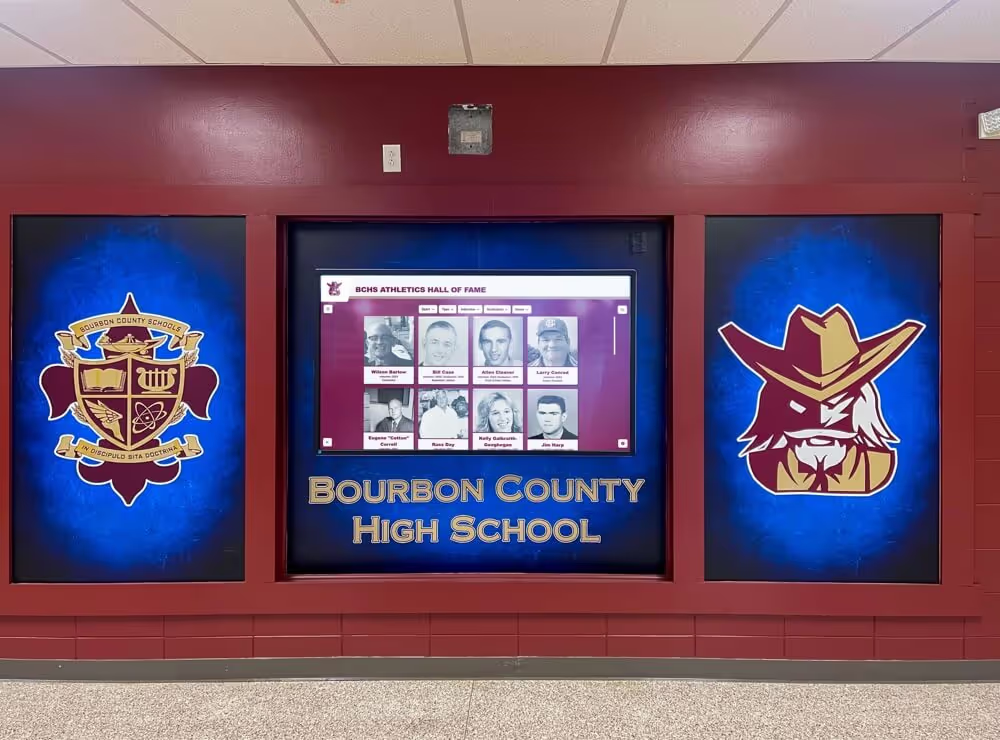
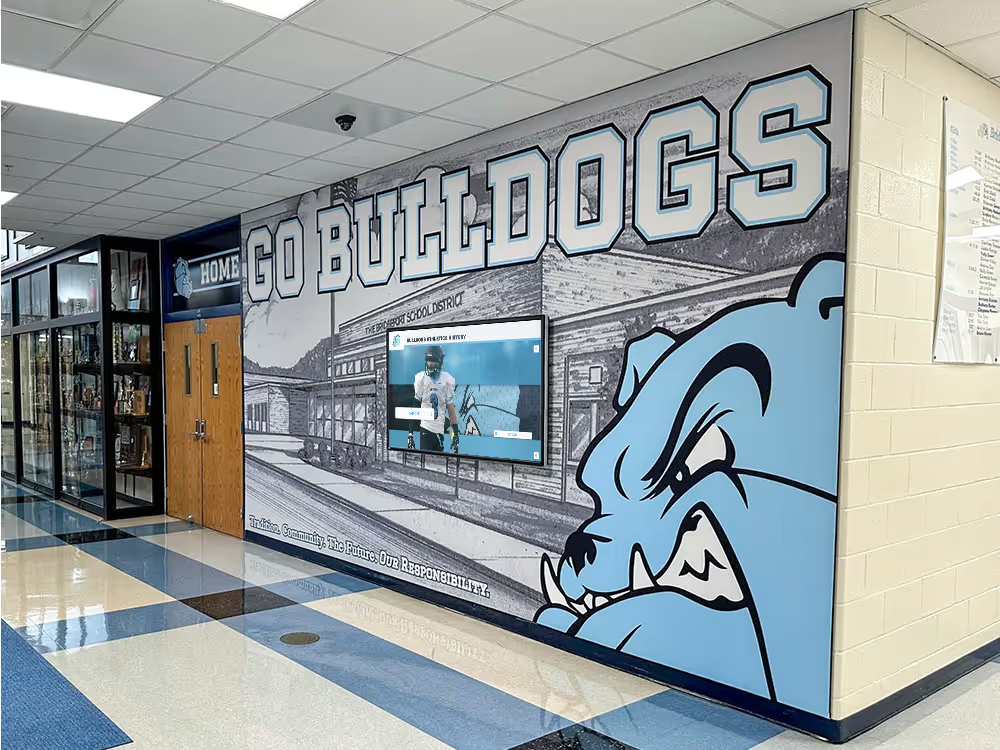
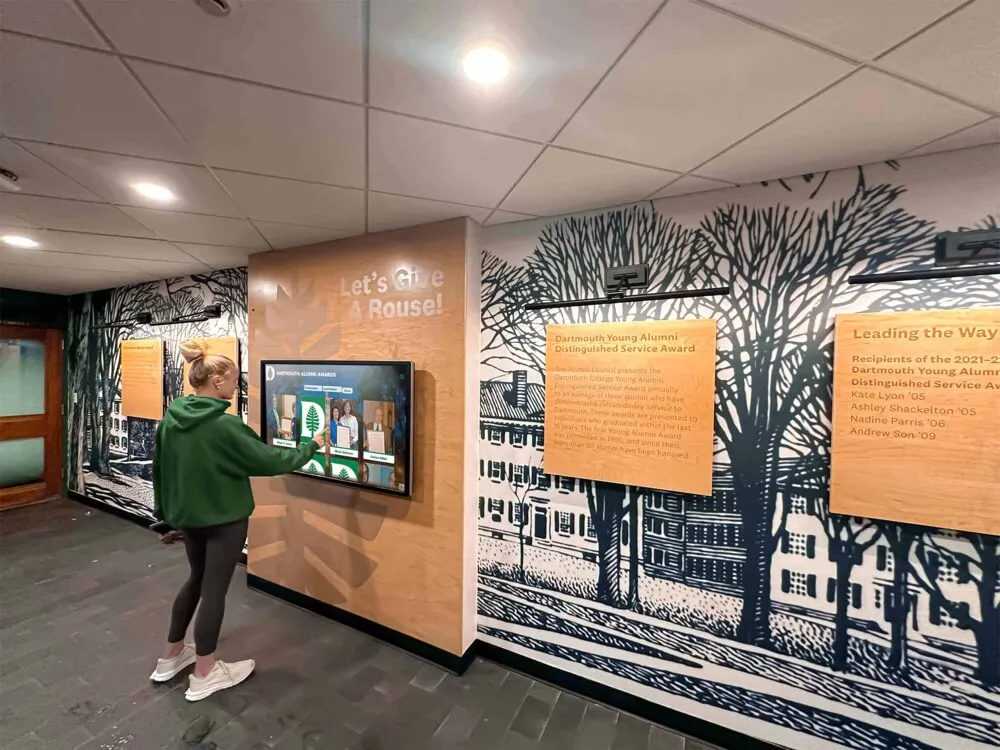
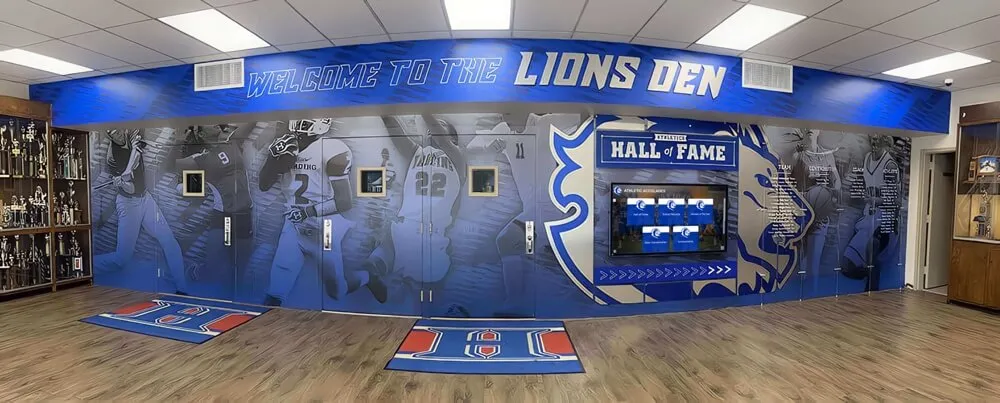
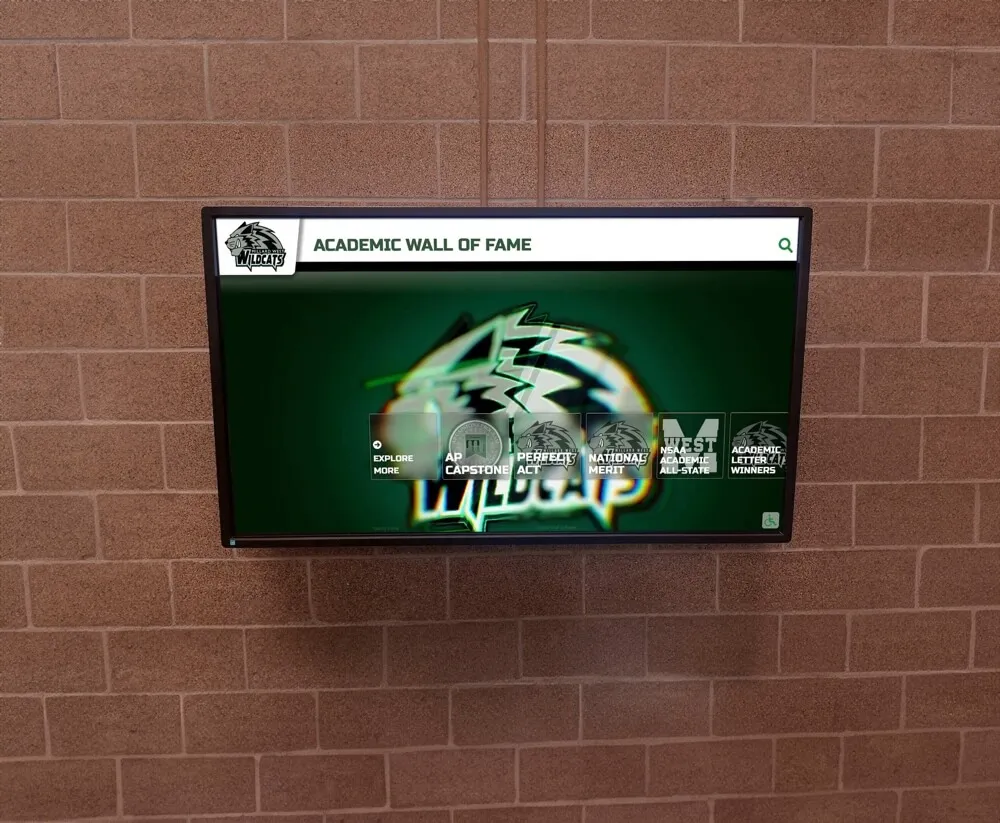
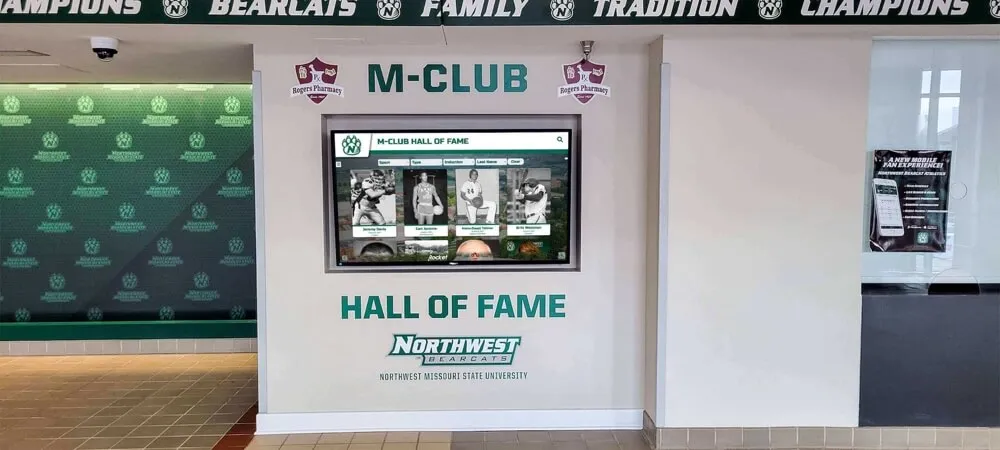
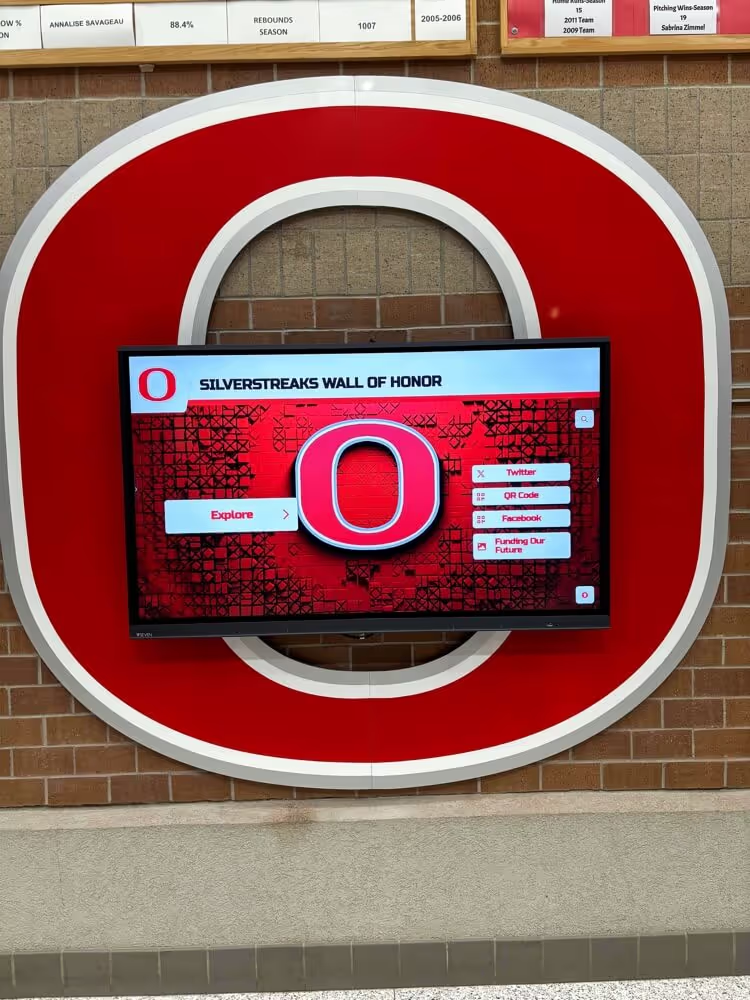
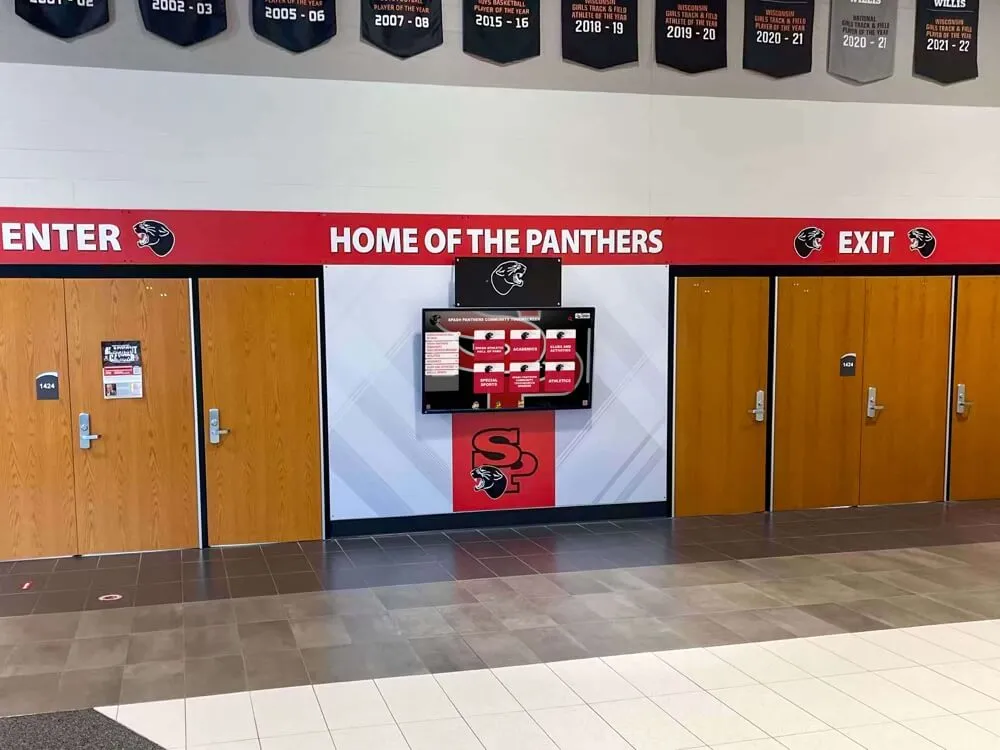
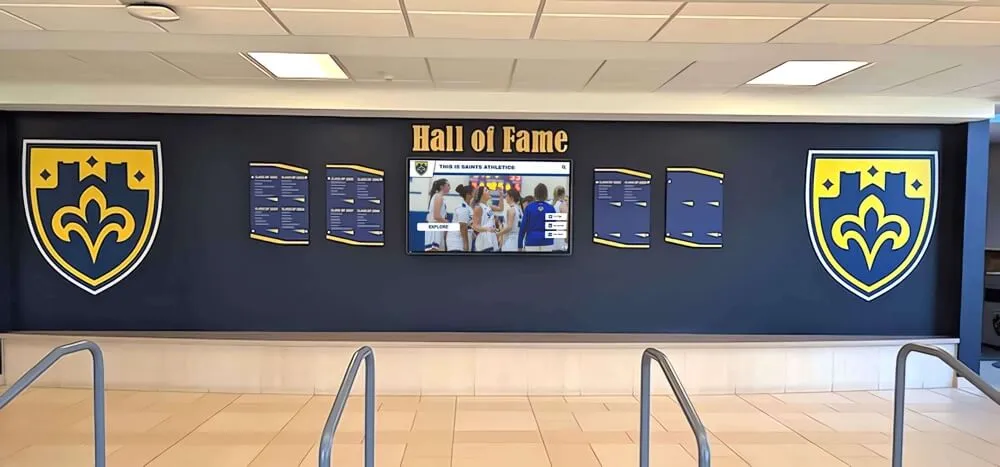
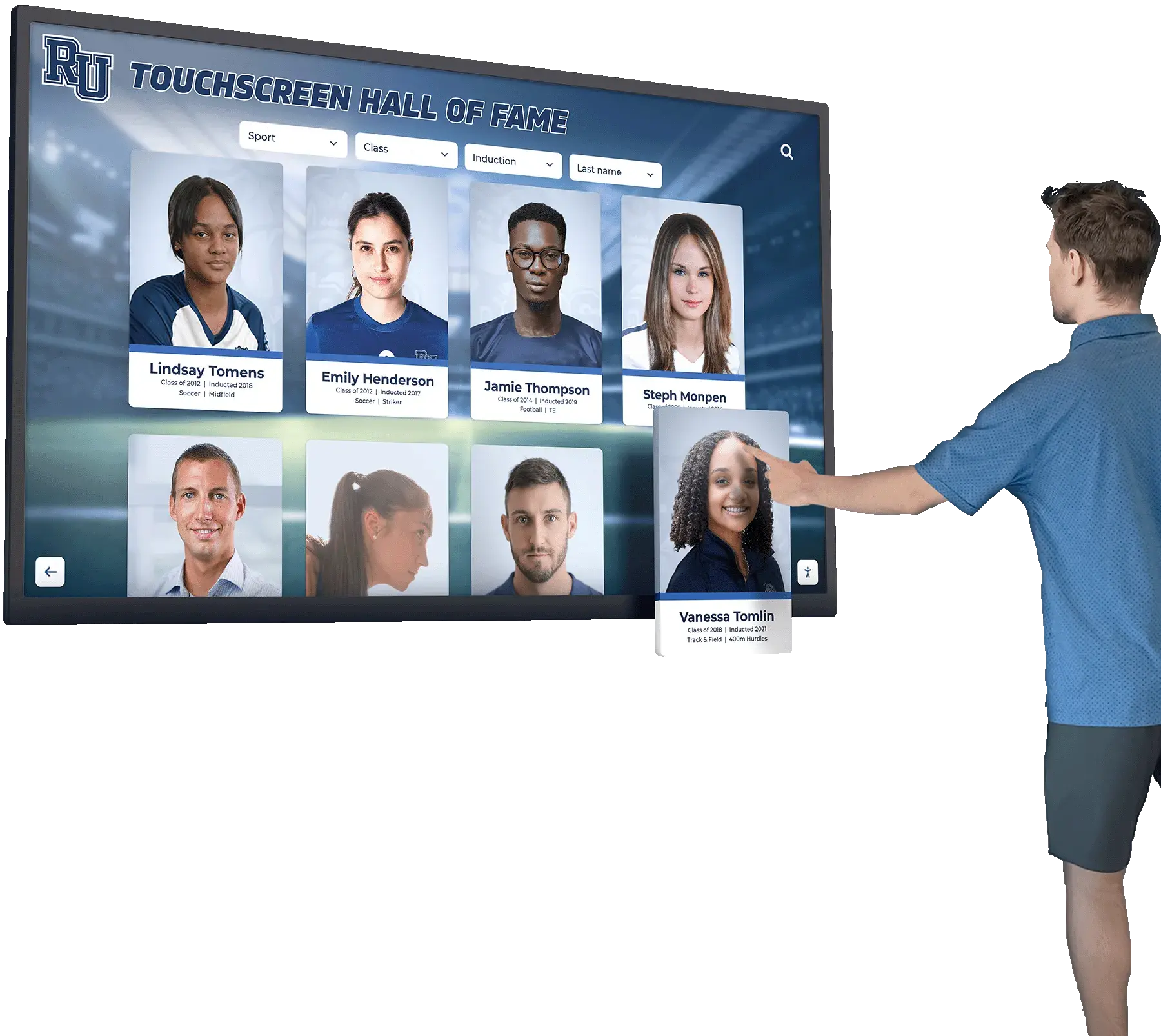
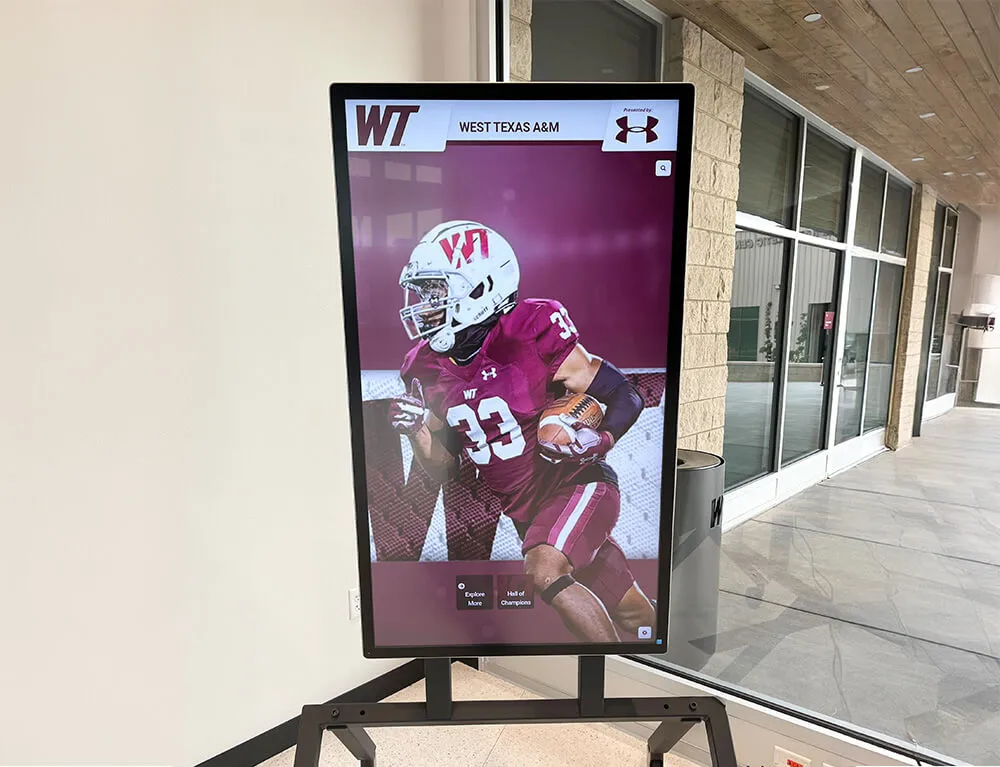
Honor roll recognition represents one of education's most powerful tools for motivating students and reinforcing institutional commitment to academic excellence. Modern digital recognition displays enable schools to celebrate these achievements with permanence and visibility matching their importance. Solutions like Rocket Alumni Solutions provide purpose-built platforms designed specifically for showcasing honor roll recipients through engaging interactive displays featuring student photos, achievement details, and searchable databases that preserve academic heritage while inspiring current and future students.
What Does Honor Roll Mean? The Core Definition
At its most basic level, honor roll refers to formal recognition schools grant to students who achieve specified grade point average thresholds demonstrating strong academic performance across subject areas during defined time periods—typically marking periods, semesters, or academic years. Schools publish honor roll lists periodically to publicly acknowledge students who met established criteria, providing validation for academic effort and accomplishment.
The term “honor roll” itself carries significant meaning. “Honor” signifies respect, distinction, and recognition of merit—not just participation or completion, but achievement worthy of special acknowledgment. “Roll” refers to an official list or register, suggesting that honor roll placement represents documented, institutional recognition rather than informal praise. Together, these words convey that honor roll represents official school recognition of academic achievement deserving public celebration.

But this technical definition only scratches the surface of what honor roll truly means to the students who earn it, families who support them, and educational communities that celebrate academic excellence.
Beyond the GPA: What Honor Roll Really Represents
Honor roll achievement signals far more than simply earning good grades. When students make honor roll, they demonstrate several critical characteristics and capabilities:
Sustained Effort and Consistency
Unlike single-event achievements like winning a competition or scoring well on a single test, honor roll recognition represents sustained performance across entire marking periods or semesters. Students must maintain focus, complete assignments consistently across multiple subjects, manage time effectively amid competing demands, and persist through challenging material over extended timeframes. This consistency indicates reliable work ethic and sustained academic engagement—qualities more predictive of long-term success than isolated high-performance moments.
Intellectual Versatility and Breadth
Honor roll achievement requires strong performance across varied subjects rather than excellence in single areas. Students must engage effectively with mathematics, sciences, languages, social studies, arts, and other disciplines—demonstrating intellectual versatility and well-rounded capability. This breadth differentiates honor roll recognition from subject-specific awards acknowledging specialized talent in particular domains.
Priority Setting and Character
In environments filled with competing demands—athletics, extracurricular activities, social engagement, part-time employment, family responsibilities—honor roll achievement demonstrates students prioritizing academic excellence despite pressures. Students who make honor roll amid full schedules exhibit character strengths including discipline, delayed gratification, goal orientation, and value alignment that extend far beyond academic contexts. These character dimensions merit recognition as much as intellectual capability itself.
Family and Community Partnership
Behind most honor roll recipients stand supportive families providing encouragement, resources, structured home environments conducive to studying, and active partnership in educational processes. Honor roll recognition acknowledges not just individual student achievement but successful family-school collaboration supporting academic success. Modern academic honor roll recognition programs increasingly recognize this collaborative dimension, celebrating partnerships that make academic achievement possible.
Why Honor Roll Recognition Matters: The Deeper Significance
Understanding what honor roll means requires examining why this recognition matters to individuals and educational communities—the purposes it serves and impacts it creates when implemented thoughtfully.
Validation and Academic Identity Formation
For many students, honor roll recognition provides crucial external validation that their academic efforts matter and are noticed by adults and institutions they respect. This validation becomes particularly meaningful during adolescence when students actively construct personal identities and determine which aspects of themselves to emphasize and cultivate.
According to educational psychology research, students who receive consistent recognition for academic achievement develop stronger academic identities—self-concepts centered on being “good students” or “academic achievers.” These academic identities influence countless subsequent decisions including course selection, college aspirations, career interests, peer group choices, and time allocation across competing activities. Students who see themselves as academically successful based on honor roll recognition often pursue more challenging coursework, demonstrate greater persistence through academic difficulties, and maintain higher educational aspirations than equally capable peers who lack this identity-affirming recognition.
The Power of Public Acknowledgment
Private recognition—a teacher’s encouraging note or parent’s praise—provides important validation. But public recognition through honor roll lists, assemblies, and displays creates different, arguably more powerful effects. Public acknowledgment signals that academic achievement matters not just to individuals but to broader communities. When schools publicly celebrate honor roll recipients, they communicate institutional values, establish positive social recognition among peers, create visible examples motivating other students, and demonstrate that academic excellence receives comparable attention to athletic achievements.
Research on motivation and recognition reveals that public acknowledgment generates stronger behavioral reinforcement than private praise, particularly during adolescence when peer recognition and social identity become increasingly salient. Schools leveraging digital recognition displays report enhanced engagement as students actively explore honor roll profiles, show family members their recognition, and feel genuine pride seeing their achievements prominently displayed alongside peers.
Motivation and Goal Setting
Beyond validating past achievement, honor roll recognition creates powerful motivation for future academic effort. Students who barely missed honor roll qualification often become highly motivated to reach that threshold next marking period. Students who achieved basic honor roll frequently pursue higher honor roll tiers. And students observing peers receive honor roll recognition develop aspirations to earn similar acknowledgment themselves.
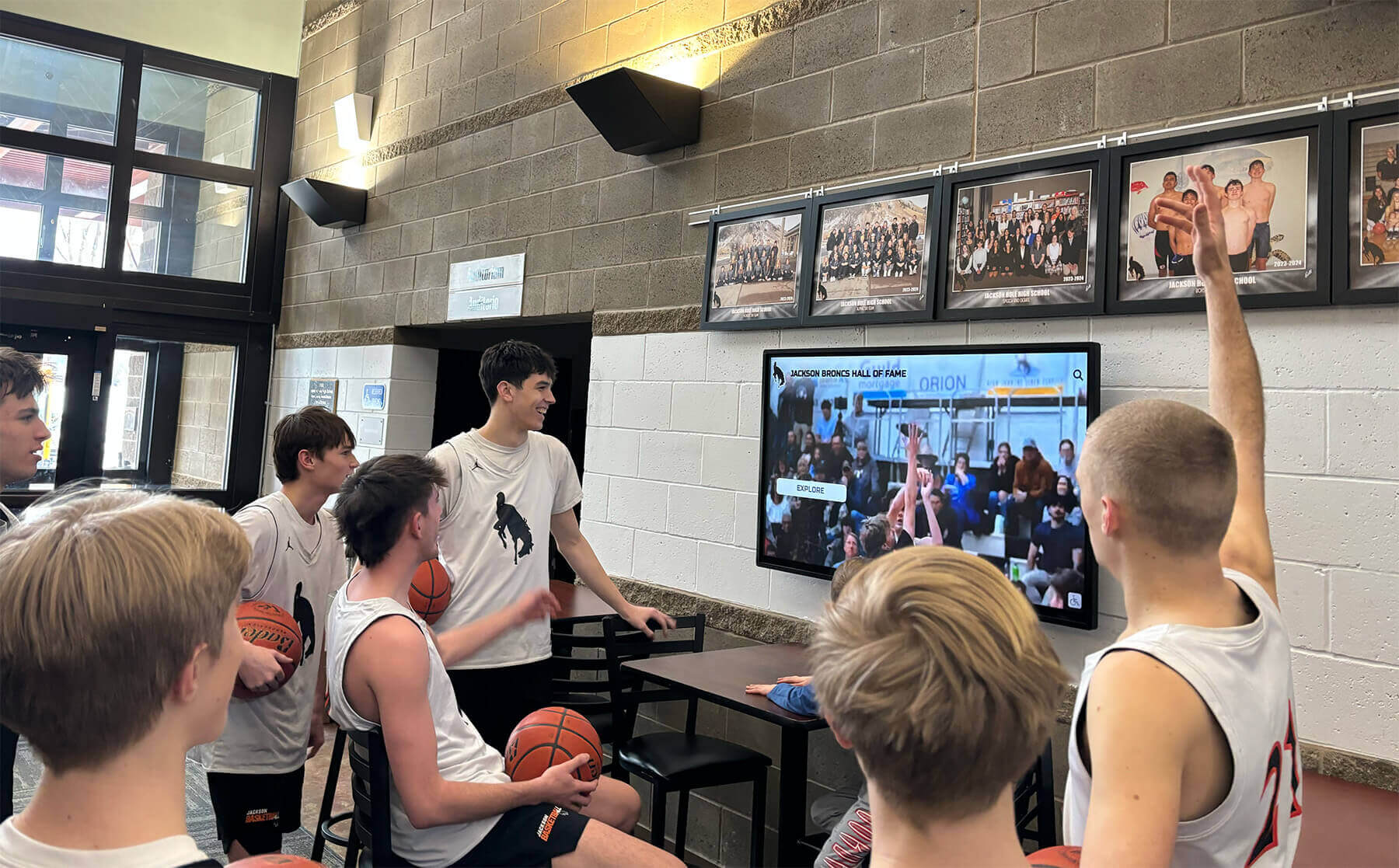
This motivational power becomes particularly strong when honor roll criteria remain clear and achievable. Transparent standards enable students to understand exactly what performance earns recognition, calculate precisely how current grades compare to honor roll thresholds, identify specific areas requiring improvement to reach honor roll, and set concrete goals with measurable progress markers. When recognition feels attainable through genuine effort rather than impossibly distant, it generates sustained motivation rather than discouragement.
Creating Achievable Pathways
The most effective honor roll programs implement multiple achievement tiers—highest honors, honors, and honorable mention or merit recognition—ensuring varied students can experience honor roll achievement rather than creating single thresholds that only exceptional students reach. This tiered approach maintains meaningful distinctions honoring exceptional performance while creating accessible pathways where students at different achievement levels receive appropriate recognition.
Schools implementing inclusive tiered structures report broader student engagement with academic goals and improved overall achievement as more students pursue honor roll qualification. Resources on student achievement tracking and celebration provide frameworks for designing recognition systems that motivate diverse learners effectively.
Institutional Values and Culture Building
The ways schools recognize honor roll achievement—or fail to recognize it adequately—send powerful messages about institutional values and priorities. When honor roll receives prominent visibility through dedicated displays in high-traffic locations, regular announcements and communications, ceremony-based celebration comparable to athletic recognition, and permanent documentation preserving academic heritage, schools communicate genuine commitment to academic excellence as a core institutional priority.
Conversely, when honor roll recognition consists only of temporary paper lists posted briefly on obscure bulletin boards, minimal announcement in overshadowed assemblies, no permanent documentation or historical preservation, and negligible visibility compared to athletic achievements, schools inadvertently signal that academic accomplishment matters less than other achievements—regardless of stated mission statements about educational excellence.
The Recognition Gap: Athletics vs. Academics
Walk through most schools and the recognition imbalance becomes immediately apparent: trophy cases overflow with athletic awards spanning decades, championship banners prominently display team accomplishments, athletic halls of fame feature comprehensive player recognition, and gymnasium walls celebrate athletic history extensively. Meanwhile, academic recognition typically receives minimal permanent space, temporary displays that quickly become outdated, little comparable historical preservation, and far less prominent visibility than athletic achievements.

This visibility gap affects student perceptions and institutional culture profoundly. When recognition patterns consistently emphasize athletics while minimizing academics, students naturally conclude that athletic achievement matters more to their schools and communities than scholarly accomplishment—shaping priorities, effort allocation, and identity formation accordingly. Solutions addressing this recognition imbalance through comprehensive digital recognition platforms enable schools to celebrate academic and athletic achievements with comparable prominence.
Understanding Honor Roll Tiers and Categories
While specific criteria vary across schools, most educational institutions implement structured honor roll systems recognizing different achievement levels. Understanding these distinctions clarifies what each honor roll tier signifies.
High Honor Roll (Highest Honors)
The highest honor roll tier—often called High Honor Roll, Highest Honors, Principal’s List, or Distinguished Honor Roll—recognizes exceptional academic excellence through stringent requirements typically including GPA thresholds of 3.8-4.0 on 4.0 scales or 95-100% on percentage-based systems. This tier generally requires grades of A or A- in all courses with few or no exceptions.
High honor roll achievement represents mastery across all subject areas rather than strength in limited domains. Students earning highest honors demonstrate exceptional performance in mathematics and sciences, languages and humanities, social studies and arts—proving comprehensive intellectual capability rather than specialized excellence. This distinction carries particular significance for college admissions, scholarship applications, and academic program placements recognizing students demonstrating readiness for rigorous academic environments.
Regular Honor Roll (Honors)
Standard honor roll tier—commonly called Honor Roll, Honors, or Merit Roll—recognizes strong consistent academic performance through moderately stringent criteria typically requiring GPAs of 3.5-3.79 on 4.0 scales or 90-94% on percentage systems. This tier generally requires grades of A or B across courses.
Regular honor roll achievement represents significant accomplishment deserving meaningful recognition even when it receives less attention than highest honors. Students earning standard honors demonstrate sustained effort, effective study strategies, and commitment to academic excellence. Many colleges and universities view consistent honor roll achievement as stronger indicators of student capability than isolated high test scores, since sustained performance demonstrates reliability and work ethic predictive of collegiate success.
Honorable Mention and Alternative Recognition
Some schools implement third-tier recognition—often called Honorable Mention, Merit Recognition, or Achievement List—acknowledging solid academic performance typically requiring GPAs of 3.0-3.49 or percentage equivalents of 85-89%. This inclusive tier ensures students working toward higher achievement levels receive encouragement and validation for their efforts.
Beyond GPA-based categories, many schools implement supplementary honor roll types including subject-specific honor rolls recognizing excellence in particular academic areas, improvement honor rolls acknowledging significant GPA growth from baselines, citizenship honor rolls combining academics with character and service, and attendance-based recognition when implemented sensitively considering legitimate attendance challenges.
These varied categories ensure diverse students can experience honor roll recognition for different forms of achievement rather than creating narrow definitions excluding varied learners. Research from academic recognition programs across educational institutions demonstrates that inclusive, multi-category systems generate broader student engagement while maintaining meaningful achievement standards.
How Schools Celebrate Honor Roll: From Paper Lists to Digital Recognition
The methods schools use to display and celebrate honor roll achievement dramatically influence recognition impact, student engagement, and cultural significance. Traditional approaches face inherent limitations that modern technology addresses effectively.
Traditional Honor Roll Recognition Challenges
For generations, schools celebrated honor roll through paper certificates issued to recipients, printed lists posted on bulletin boards, brief mentions during assemblies or morning announcements, and occasional newspaper publication. While these approaches provided basic acknowledgment, they suffer significant limitations in contemporary educational environments.
Space and Permanence Constraints
Traditional recognition approaches require physical space—wall areas for plaques, bulletin boards for lists, storage for certificates. These space constraints force difficult choices about which achievements receive permanent display versus temporary acknowledgment or none at all. Honor roll lists encompassing 200-300 students per semester simply cannot fit on limited bulletin boards, forcing schools to choose between scrolling text too small to read, rotating displays that remove previous recognition, or providing minimal acknowledgment that feels token rather than meaningful.

Physical displays also become immediately outdated. A bulletin board showing fall semester honor roll remains visible through spring, quickly becoming stale and ignored. Maintaining current honor roll recognition requires repeated production of new displays—time and resource burdens many schools cannot sustain consistently, resulting in outdated displays that undermine rather than enhance recognition programs.
Limited Engagement and Inspiration
Paper lists and static displays provide minimal information beyond student names and perhaps achievement levels—offering nothing that brings achievements to life or creates emotional connection. Contemporary students grew up with smartphones, interactive technology, and multimedia experiences delivering rich, engaging content. Recognition through unchanging printed lists feels outdated and disengaging compared to interactive experiences students encounter throughout daily technology use.
Static recognition also provides minimal inspiration or guidance for younger students observing honor roll lists. Simple name lists offer no context about pathways to earning recognition, specific behaviors or strategies leading to success, meaningful stories about overcoming challenges, or connections between honor roll achievement and future opportunities. This missing context limits honor roll’s motivational power for students aspiring to earn similar recognition.
Modern Digital Recognition Transforms Honor Roll Meaning
Purpose-built digital recognition platforms eliminate traditional limitations while enhancing honor roll significance through engaging, permanent, accessible celebration that matches the achievement’s importance.
Unlimited Recognition Capacity
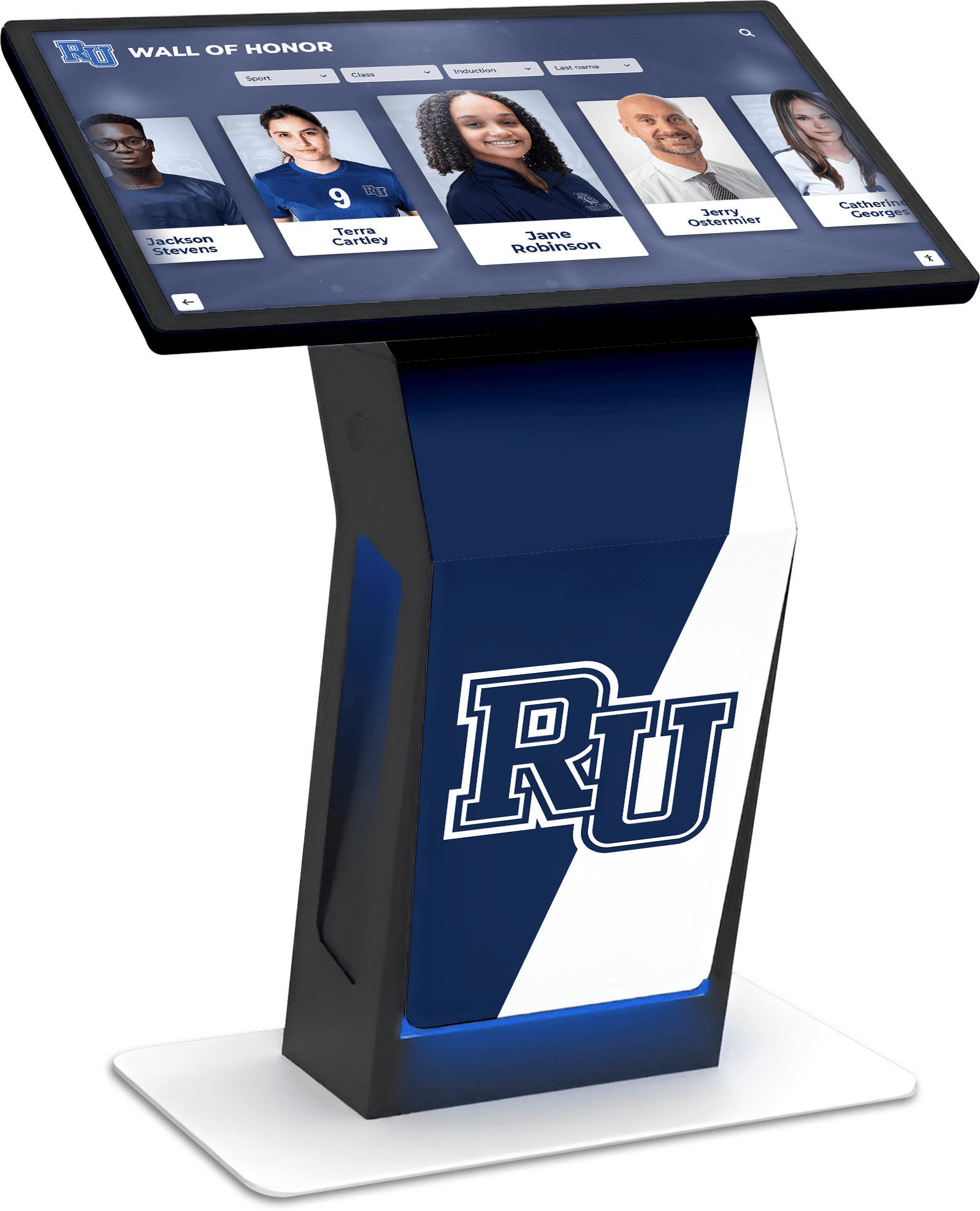
Digital platforms accommodate unlimited honor roll recipients across years without physical space constraints. A single 55-inch interactive touchscreen can showcase comprehensive profiles for thousands of students spanning decades—recognition requiring impossibly large wall space through traditional approaches. This unlimited capacity enables schools to recognize every honor roll recipient at every achievement level across years, creating comprehensive academic archives preserving institutional heritage.
Rich Multimedia Experiences
Digital recognition enables high-resolution student photographs creating personal connection beyond simple names, detailed achievement narratives providing meaningful context, searchable databases allowing exploration by name, year, or achievement level, social sharing capabilities enabling students to distribute recognition, and engagement analytics revealing how communities interact with honor roll content. These rich experiences transform honor roll from boring lists into engaging celebrations that genuinely inspire students while validating achievements appropriately.
Immediate Updates and Permanent Archives
Cloud-based content management enables real-time recognition updates immediately when honor roll lists finalize. Staff can publish new honor roll recognition from any internet-connected device without requiring physical display access—ensuring timely acknowledgment while maintaining complete historical archives. This combination of currency and permanence ensures honor roll recognition remains relevant semester after semester while preserving decades of academic heritage that traditional displays cannot accommodate.
Schools implementing interactive digital honor roll displays report dramatically increased student engagement, stronger family connection to school academic programs, enhanced institutional pride in academic excellence, and measurably improved recognition program sustainability compared to traditional paper-based approaches.
Building Honor Roll Culture: Making Recognition Meaningful
Understanding honor roll meaning extends beyond definitions and display methods to encompass the broader cultural dimensions that make recognition genuinely impactful.
Creating Comprehensive Recognition Ecosystems
Effective honor roll programs integrate multiple recognition touchpoints rather than relying on single ceremonies or displays. Comprehensive approaches combine interactive digital displays in prominent high-traffic locations providing continuous visibility, quarterly or semester-based ceremonies offering personal acknowledgment moments, multi-channel communications through newsletters, social media, and announcements, web-accessible honor roll databases extending recognition beyond physical campuses, and integration with college preparation processes helping students leverage recognition for applications.
This multi-touchpoint approach ensures honor roll achievement receives sustained visibility and validation through multiple channels matching how students and families engage with schools. Single-event recognition ceremonies feel momentous initially but quickly fade from memory. Permanent displays maintaining continuous visibility reinforce recognition daily while preserving institutional academic heritage indefinitely.
Strategic Display Placement and Visibility
Recognition impact depends heavily on placement ensuring honor roll displays receive regular visibility rather than being relegated to obscure locations few students notice. High-impact placement locations include main school entrances where all students, staff, and visitors pass daily; cafeterias and student commons providing extended viewing during breaks; libraries and academic centers where students focus on scholarly activities; counseling office areas where academic planning conversations occur; and administrative reception areas frequented by prospective families and community members.

Multiple distributed displays throughout facilities often prove more effective than single concentrated installations, ensuring honor roll recognition maintains visibility across entire campuses rather than requiring deliberate visits to specific locations. Schools with distributed display networks report higher engagement rates and stronger cultural integration of honor roll recognition compared to single-location installations.
Communicating Why Honor Roll Matters
Beyond displaying honor roll recipients, effective programs actively communicate honor roll meaning to students and families—explaining why this recognition matters and what it signifies about student achievement, character, and readiness for future challenges. This meaning-making transforms honor roll from simple acknowledgment into cultural touchstone reinforcing institutional values and educational purposes.
Communication strategies include orientation programming explaining honor roll significance to new students and families, counselor integration using honor roll goals in academic planning conversations, teacher messaging connecting honor roll achievement to college readiness and future opportunities, family communications highlighting specific student accomplishments and growth, and assembly or ceremony content emphasizing achievement meaning beyond simple GPA thresholds.
When schools invest in helping stakeholders understand honor roll meaning rather than assuming everyone naturally grasps its significance, recognition programs generate substantially stronger motivational impact and cultural resonance. Resources on semester highlights and recognition approaches provide frameworks for effective recognition communication.
Honor Roll Meaning for Different Stakeholders
Different members of educational communities experience and interpret honor roll recognition through varied lenses based on their roles and relationships to students.
For Students: Identity, Validation, and Aspiration
For students who achieve honor roll, the recognition provides external validation that academic efforts matter and are noticed—crucial feedback during identity formation years. Honor roll achievement often becomes part of how students define themselves, influencing self-concept, future goals, and decisions about time allocation and priority setting. Many students cite honor roll recognition as pivotal moments when they began viewing themselves as “academic achievers” or “good students”—identity shifts with lasting implications for educational trajectories.
For students who haven’t yet achieved honor roll, visible recognition of peers creates concrete, relatable examples of achievement—more motivating than abstract discussions of excellence. Seeing classmates with similar backgrounds earn honor roll makes the achievement feel attainable through effort rather than impossibly distant. This peer-based inspiration proves particularly powerful when honor roll displays include diverse students rather than concentrating among limited demographic groups.
For Families: Pride, Partnership, and Progress Documentation
Families experience honor roll recognition as validation for their support, sacrifices, and partnership in educational processes. Parents who maintain structured home environments, enforce homework completion, manage activity schedules, and provide encouragement see honor roll achievement as external acknowledgment that their efforts matter and effectively support student success.
Honor roll recognition also provides families concrete documentation of academic progress useful for college applications, scholarship submissions, and portfolio development. This practical utility adds instrumental value to the intrinsic pride families feel when students earn recognition. Modern digital recognition platforms enabling families to access honor roll profiles online and share achievements through social networks extend recognition visibility and meaning beyond school campuses into broader family circles and communities.
For Educators: Cultural Impact and Mission Fulfillment
Educators view honor roll recognition as reflection of teaching effectiveness, program quality, and institutional success fulfilling educational missions. High honor roll participation rates suggest strong academic programs effectively serving diverse students. Improvement in honor roll numbers over time indicates positive program trends and increasingly effective instruction.
Beyond metrics, honor roll recognition influences daily school culture in ways educators observe directly—including student conversations about academic goals, peer encouragement around achievement, family engagement with academic programming, and alignment between stated institutional values and actual recognition patterns. When honor roll receives prominent celebration comparable to athletic achievements, educators report feeling that academic excellence receives appropriate institutional priority and cultural validation.
The Future of Honor Roll: Evolving Recognition for Modern Education
As education evolves, so too must honor roll recognition—adapting to contemporary needs while preserving core purposes and meaning. Forward-thinking schools recognize that honor roll significance remains constant even as recognition methods advance.
Expanding Recognition Beyond GPA
Traditional GPA-based honor roll will remain foundational, but expanding recognition frameworks acknowledge diverse forms of academic excellence including exceptional performance in challenging coursework (Advanced Placement, International Baccalaureate, dual enrollment), mastery of specific skills or competencies in competency-based education models, significant academic growth or improvement from baselines, applied scholarship through research projects or extended learning experiences, and interdisciplinary achievement combining multiple academic domains.
These expanded frameworks ensure honor roll recognition remains relevant as education shifts toward competency-based assessment, personalized learning pathways, and applied learning experiences that traditional GPA calculations may not fully capture.
Leveraging Technology for Deeper Engagement
Beyond display technology, emerging tools enable deeper honor roll engagement through interactive features allowing students to update achievement profiles with recent accomplishments, commenting or reaction systems enabling peer recognition and encouragement, integration with digital portfolios documenting comprehensive achievement, gamification elements creating friendly academic competition, and data analytics revealing engagement patterns and recognition program effectiveness.
These technological enhancements transform honor roll from static acknowledgment into dynamic recognition ecosystems maintaining continuous relevance and engagement rather than brief attention followed by obsolescence.
Preserving Human Connection Amid Technology
As technology advances honor roll recognition capabilities, maintaining human connection remains crucial. The most effective programs balance technological sophistication with personal elements including teacher nominations and personalized recognition notes, peer acknowledgment and celebration, family involvement in recognition ceremonies and communications, counselor integration in academic planning conversations, and student storytelling sharing achievement journeys in their own voices.
Technology enhances recognition reach, accessibility, and permanence—but cannot replace the human relationships and personal validation that make honor roll meaningful to students. Optimal programs leverage technology’s strengths while preserving interpersonal dimensions that give recognition emotional resonance and lasting impact.
Implementing Meaningful Honor Roll Recognition
Schools seeking to enhance honor roll programs or implement new recognition systems benefit from systematic approaches addressing multiple dimensions simultaneously.
Establishing Clear, Equitable Criteria
Effective honor roll programs begin with transparent criteria that all students and families understand from school entry. Clear standards enable students to set concrete goals, calculate exactly what performance earns recognition, identify specific improvements needed to qualify, and feel confidence that recognition processes operate fairly based on objective measures rather than subjective judgments.
Criteria should balance maintaining meaningful achievement standards with creating accessible pathways for diverse students. Tiered systems with multiple recognition levels typically achieve this balance better than single-threshold approaches excluding most students from any recognition.
Choosing Appropriate Recognition Technology
Digital recognition platforms vary significantly in capabilities, sustainability, and educational appropriateness. Schools should evaluate user-friendliness for staff managing content with varied technical skills, unlimited capacity accommodating comprehensive recognition without artificial constraints, engaging interfaces matching contemporary student technology expectations, proven reliability and technical support ensuring consistent operation, and integration capabilities with existing student information systems and school websites.
Rocket Alumni Solutions provides purpose-built platforms designed specifically for educational recognition, offering intuitive content management requiring minimal technical expertise, unlimited recognition capacity across years and categories, interactive touchscreen displays creating engaging exploration experiences, comprehensive support ensuring successful implementation, and proven approaches helping schools build excellence cultures through effective recognition.
Sustaining Recognition Programs Long-Term
Initial enthusiasm often characterizes new recognition program launches, but sustained impact requires ongoing commitment and manageable administrative processes. Sustainable programs designate specific staff responsibility with adequate time allocation, establish efficient workflows for collecting achievement data and updating displays, create detailed documentation enabling continuity during staff transitions, integrate recognition into broader school cultures rather than treating as isolated initiatives, and regularly assess program effectiveness through engagement metrics and stakeholder feedback.
Programs surviving staff changes, budget pressures, and competing priorities operate systematically through documented processes rather than depending on single champions whose departure might compromise program continuity.
Understanding Honor Roll’s Lasting Impact
When schools embrace honor roll meaning fully—recognizing these achievements as significant milestones deserving celebration matching their importance—the benefits extend far beyond individual student validation to encompass broader cultural transformation.
Schools with strong honor roll recognition programs report enhanced student motivation toward academic excellence and sustained effort, improved school climate and culture celebrating intellectual achievement, increased family engagement and institutional pride in academic programs, stronger academic reputation attracting prospective students, more balanced recognition acknowledging academic and athletic excellence comparably, and most importantly, students developing positive academic identities understanding their intellectual growth matters to caring adults and supportive communities.
Your honor roll recipients achieve remarkable scholarly accomplishments demonstrating dedication, consistency, and intellectual engagement. These achievements deserve recognition matching their significance through comprehensive programs that inspire continued excellence, honor diverse academic talents, validate sustained effort and persistence, create lasting institutional pride, and build school communities where all students feel valued for academic contributions and motivated to pursue their highest intellectual potential.
Ready to transform how your school celebrates honor roll achievement and communicates its true meaning to your community? Schedule a Zoom demo to discover how purpose-built digital recognition platforms enable schools to honor academic excellence with the visibility, permanence, and engagement that these important achievements truly deserve.
Honor roll means far more than good grades—it represents sustained effort, intellectual growth, priority setting, family partnership, and institutional commitment to academic excellence. When schools recognize honor roll meaning fully and celebrate these achievements appropriately through engaging, permanent, accessible recognition, they transform educational culture while inspiring generations of students to pursue academic excellence and discover their full intellectual potential.