



Homecoming traditions represent the heartbeat of school spirit, creating annual celebrations that unite students, alumni, staff, and communities in shared pride and collective memory. These time-honored customs—from spirited pep rallies and elaborate parade floats to crowning ceremonies and competitive football games—transform ordinary school weeks into extraordinary celebrations that students remember for decades. The most successful schools recognize that homecoming traditions aren’t merely events to endure but opportunities to strengthen institutional identity, honor legacy, and create meaningful connections across generations.
Schools that thoughtfully cultivate and celebrate homecoming traditions build deeper student engagement, foster lasting alumni connections, and create distinctive institutional cultures that differentiate them from other educational institutions. These celebrations showcase what makes each school unique while participating in broader traditions connecting secondary education institutions nationwide. When schools invest in preserving, documenting, and displaying their homecoming heritage, they create visible reminders of continuity and community that inspire current students while honoring those who came before.
Preserving Homecoming Traditions Through Digital Recognition
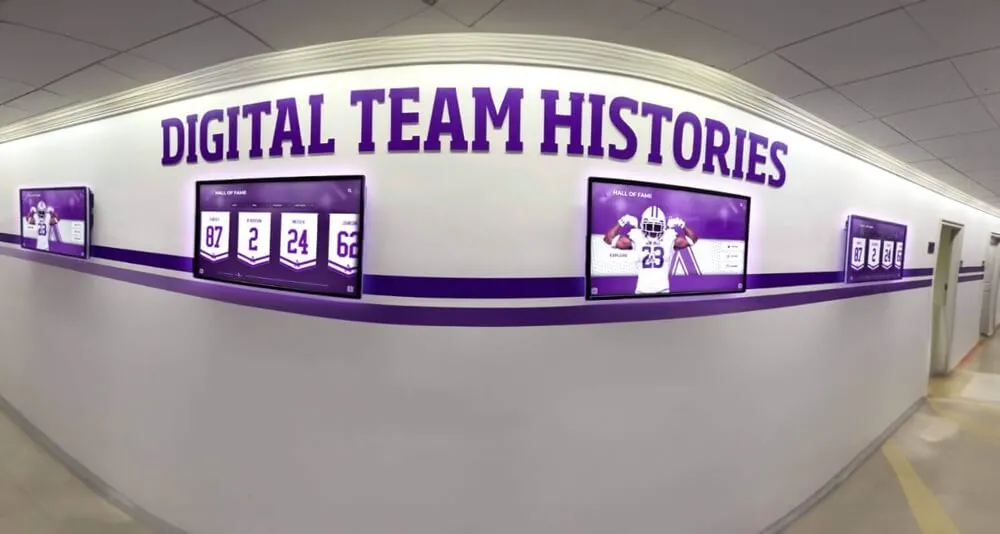
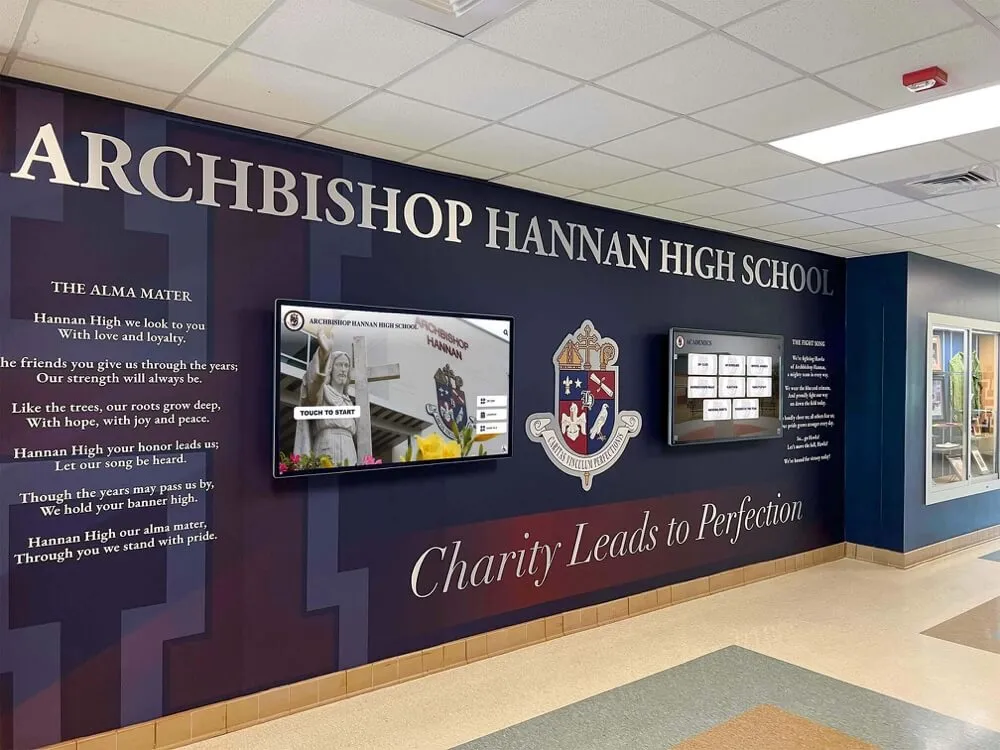
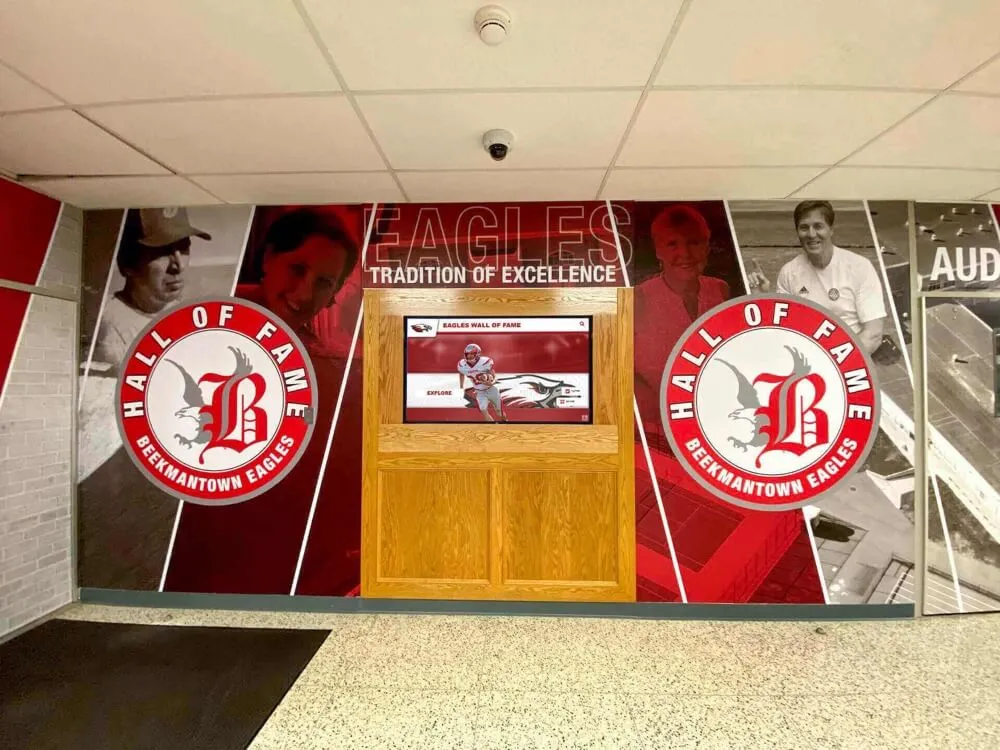
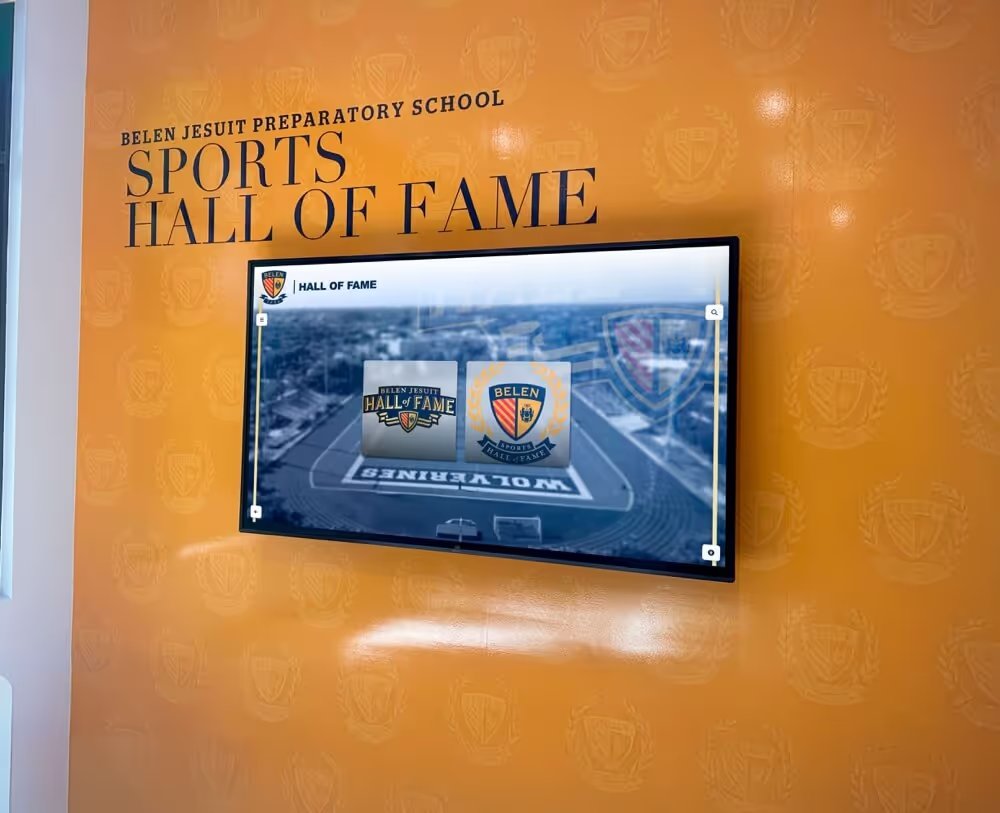
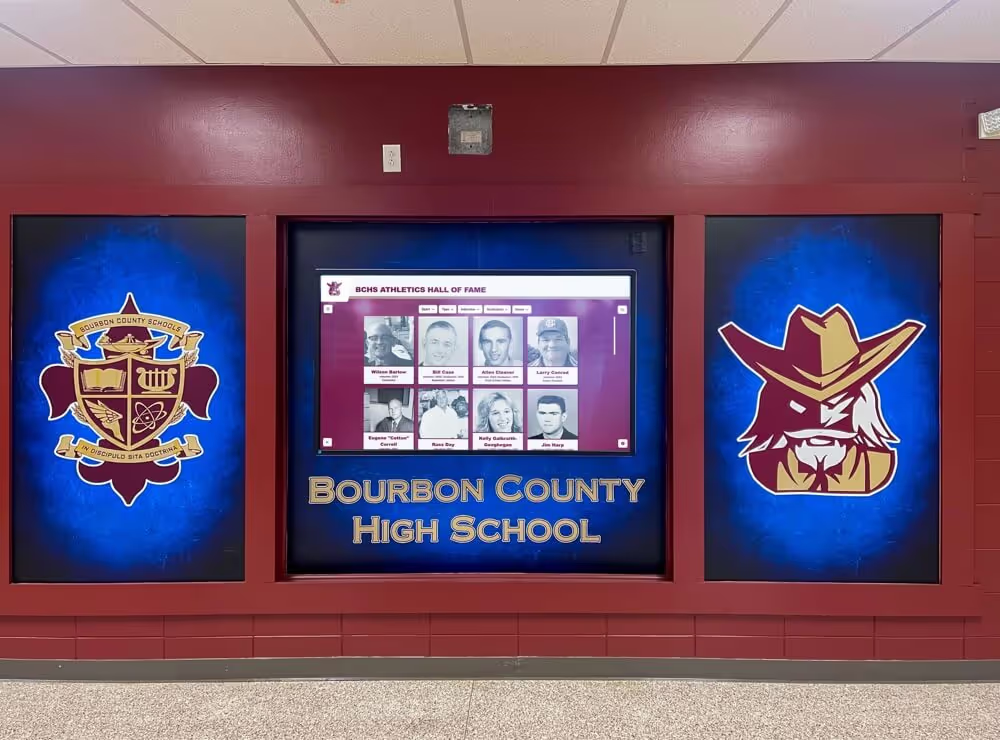
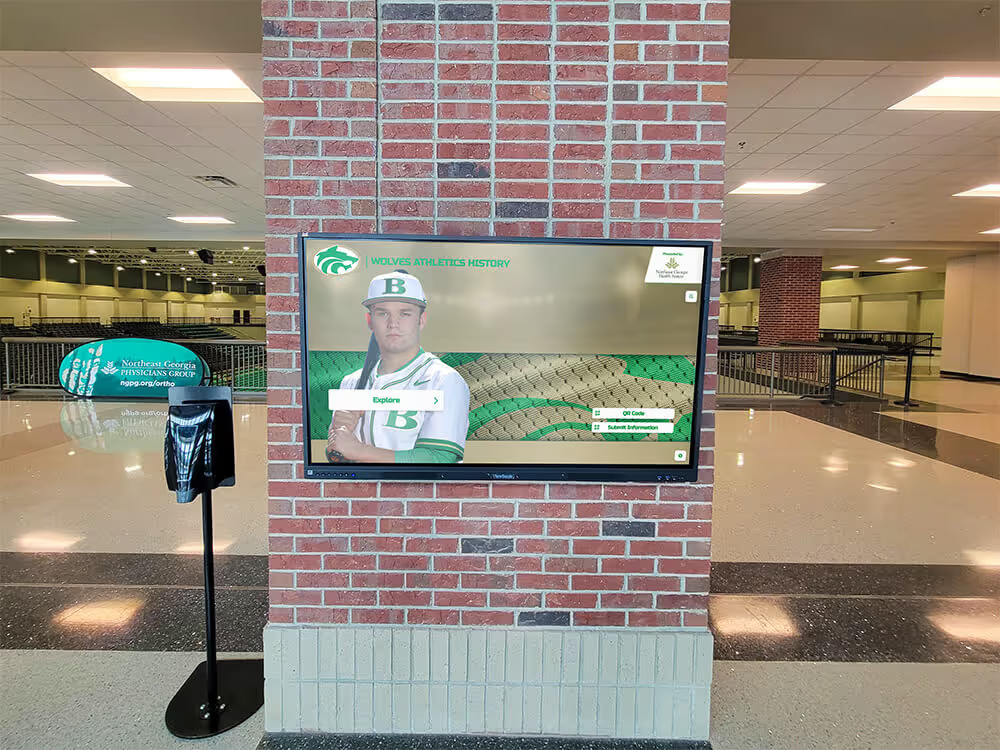
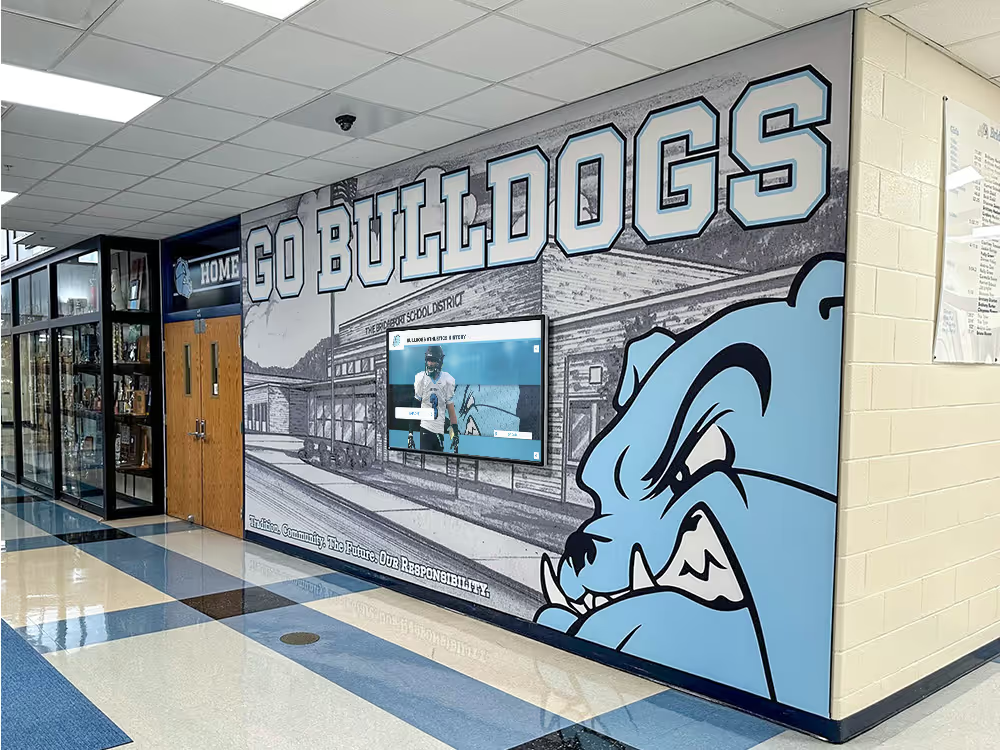
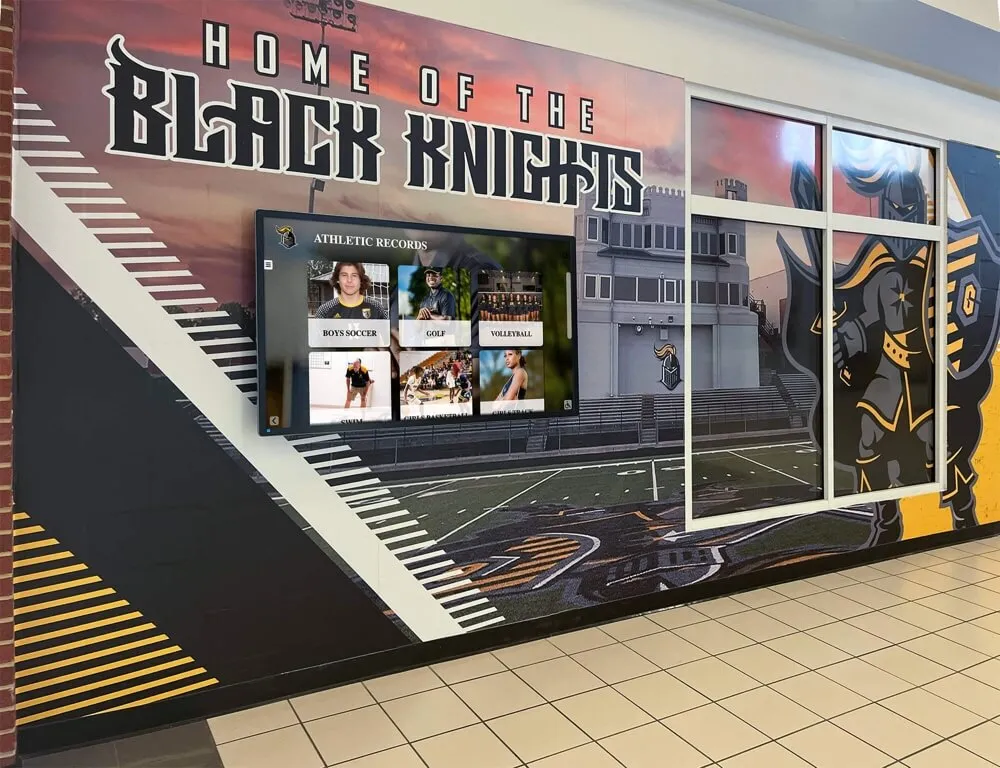
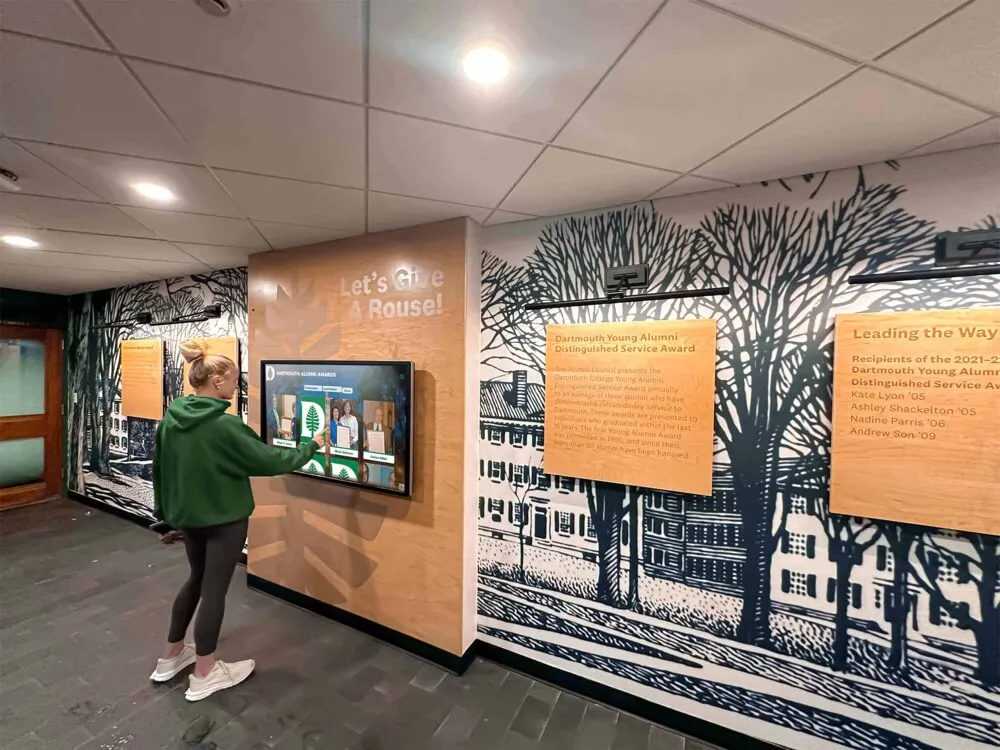
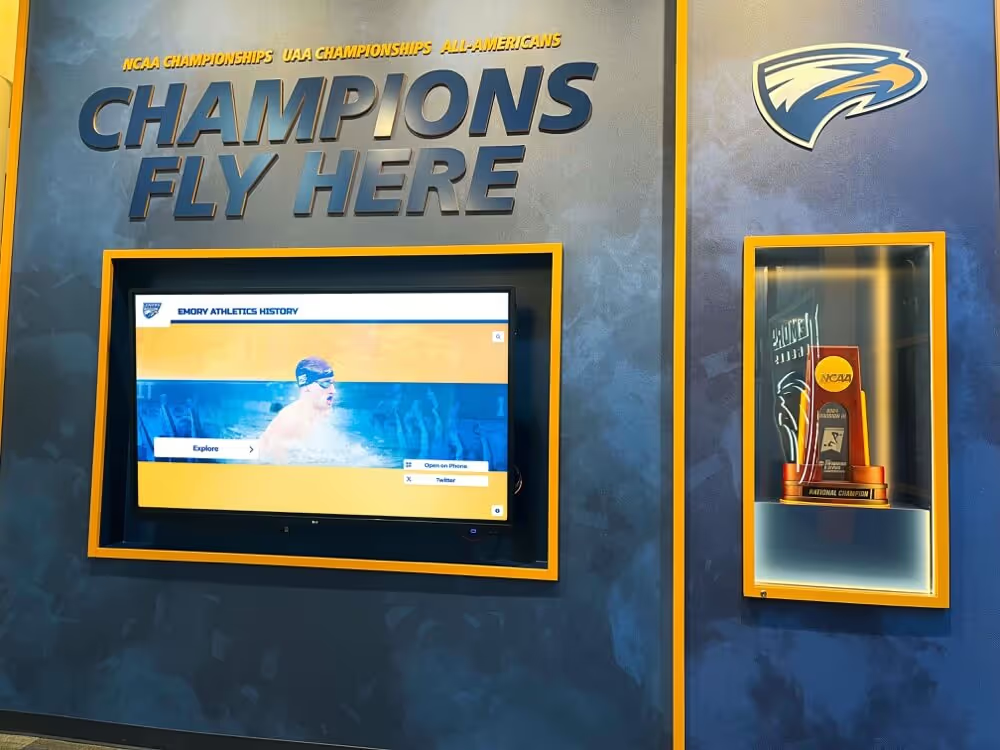
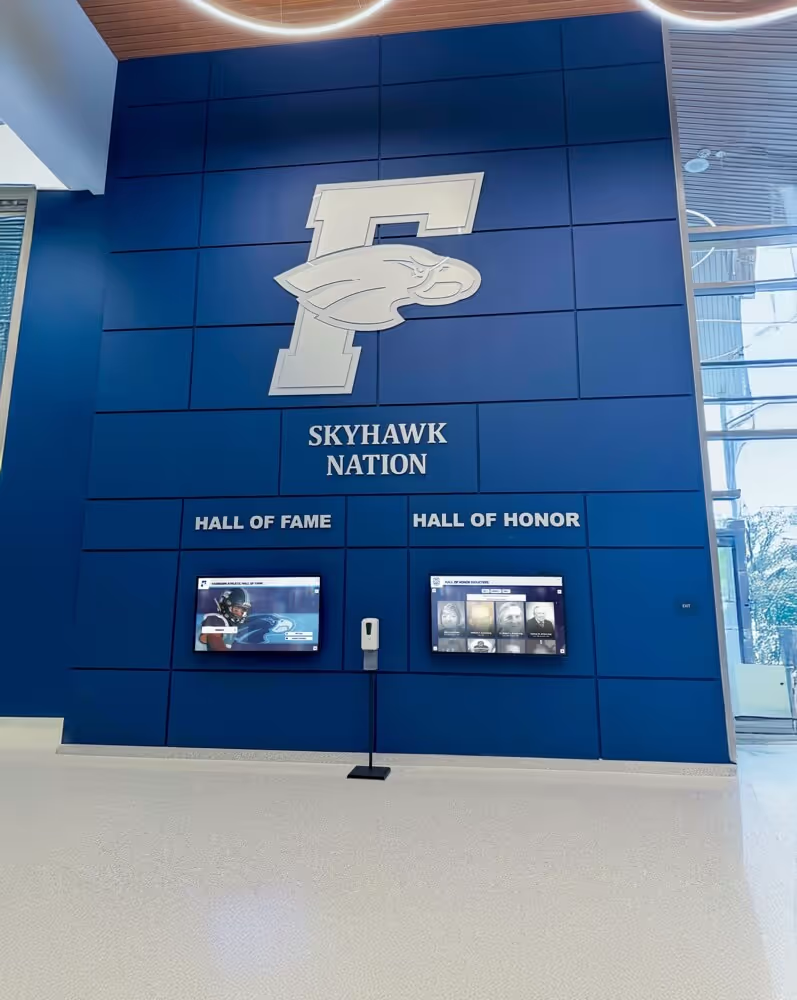
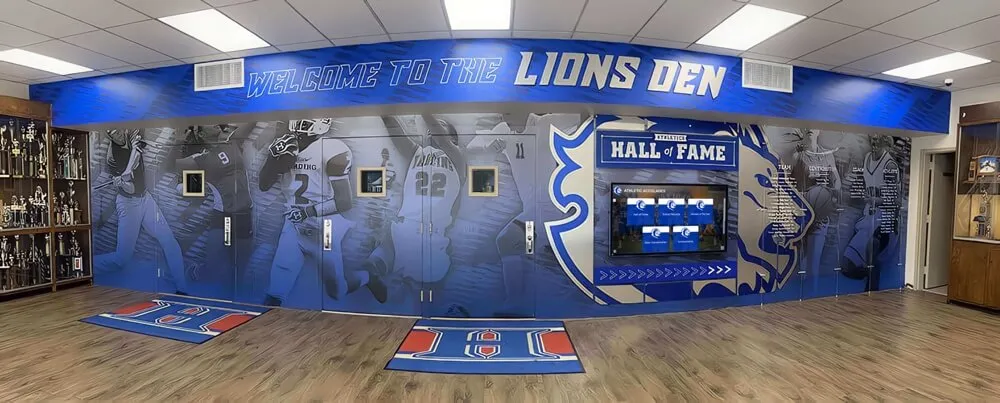
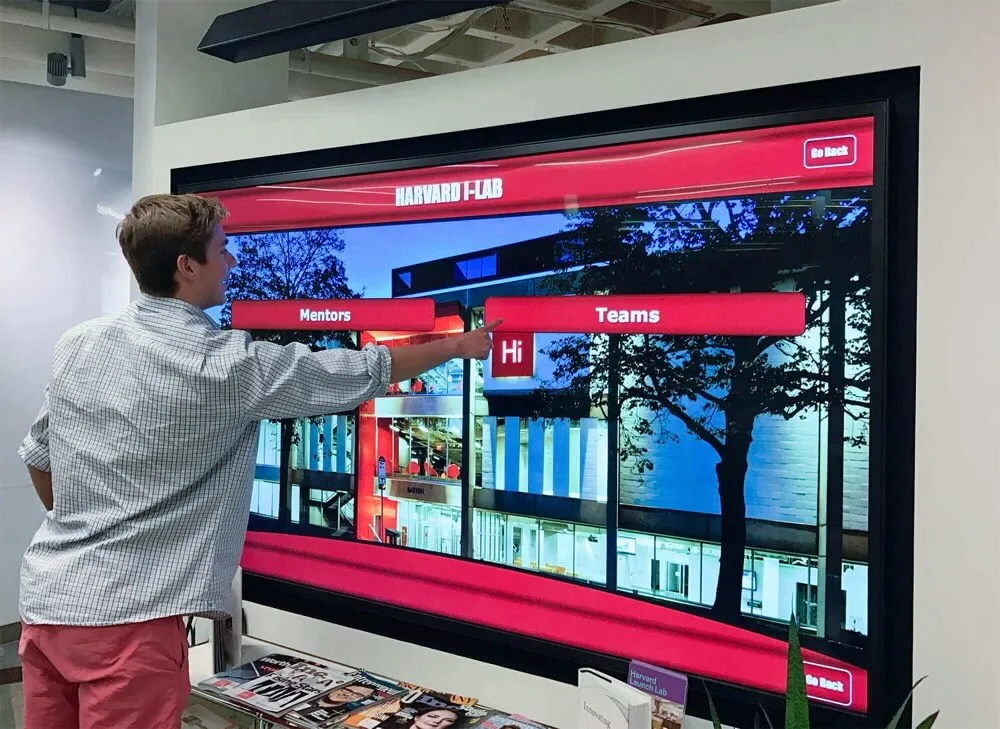
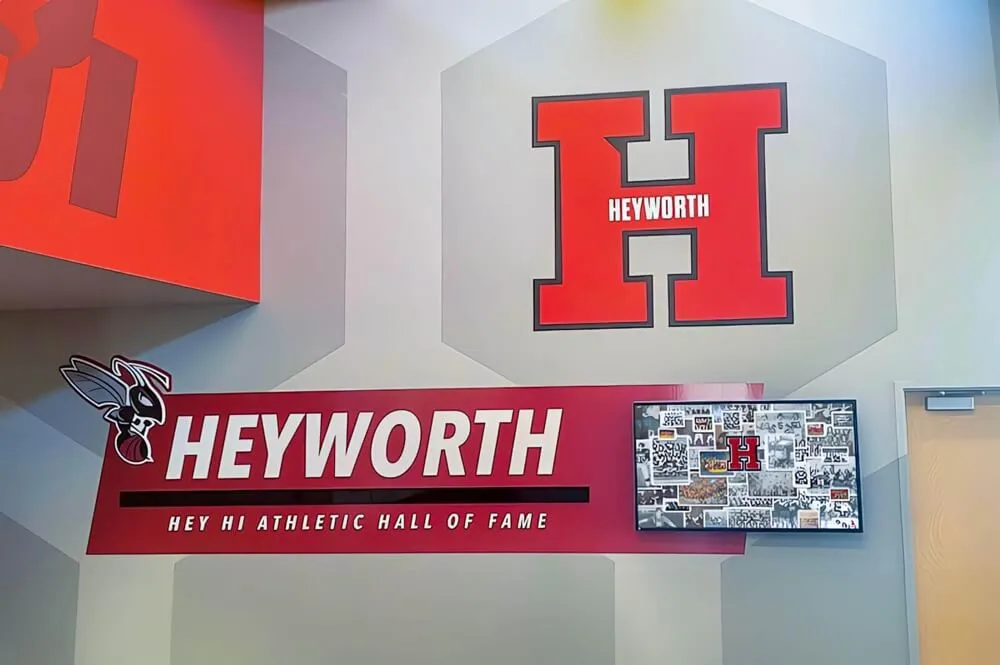
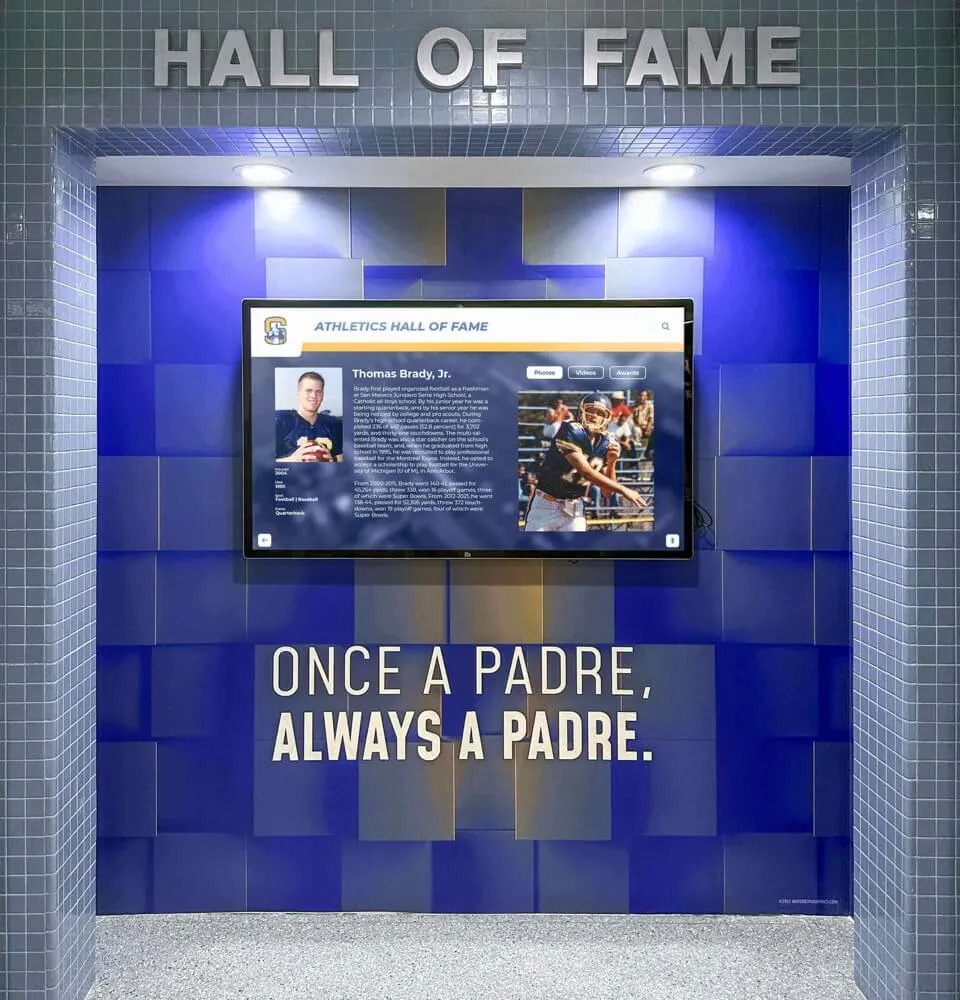
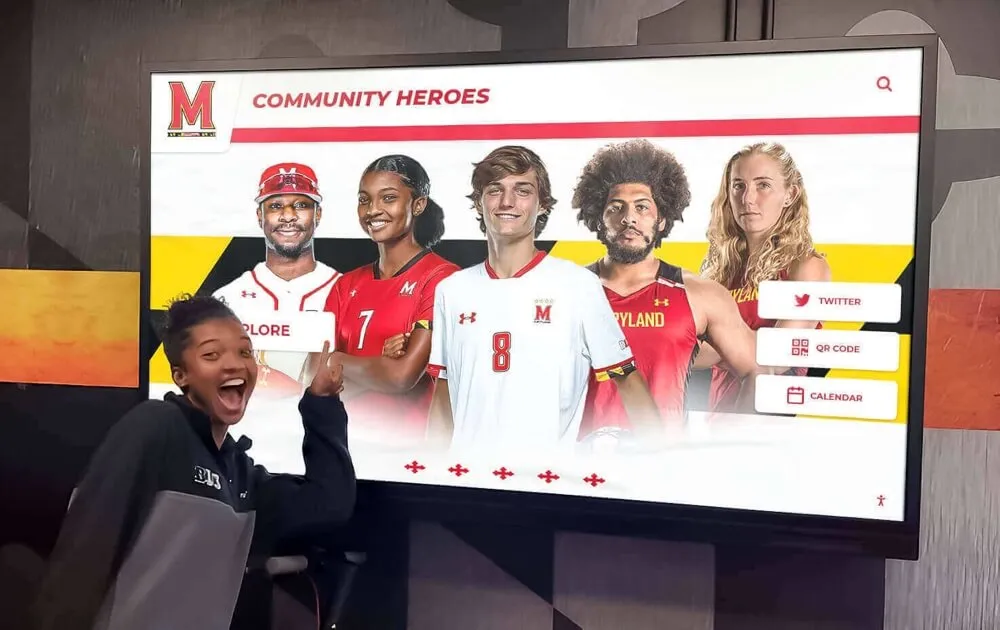
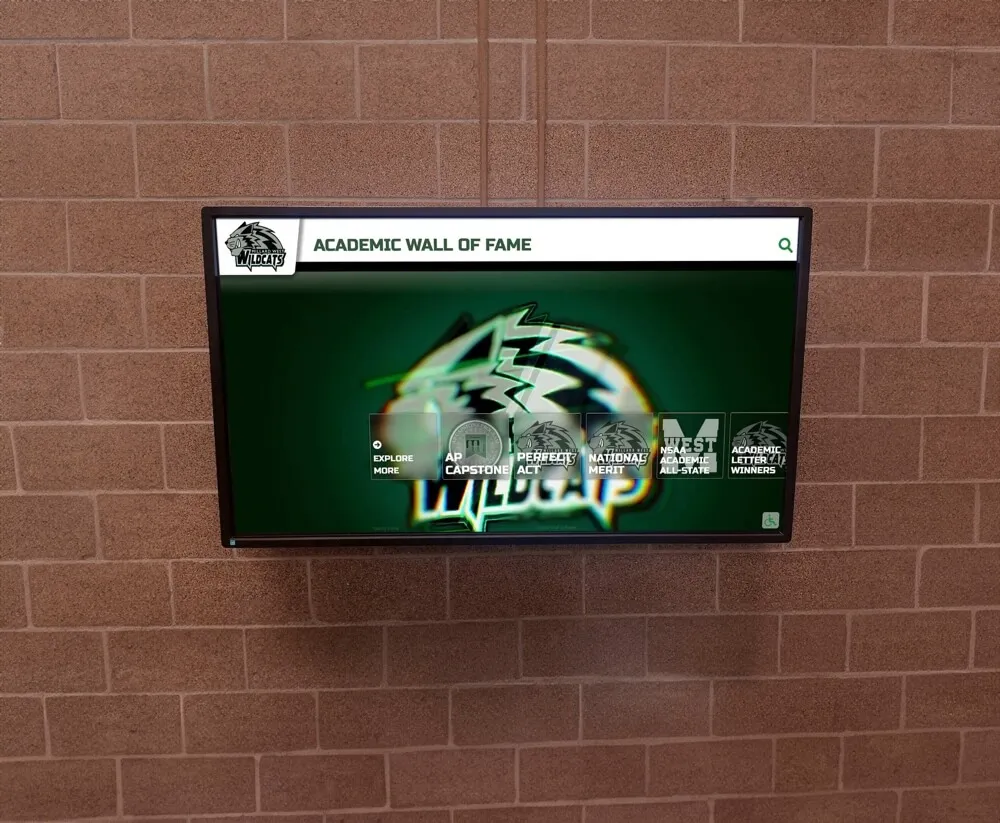
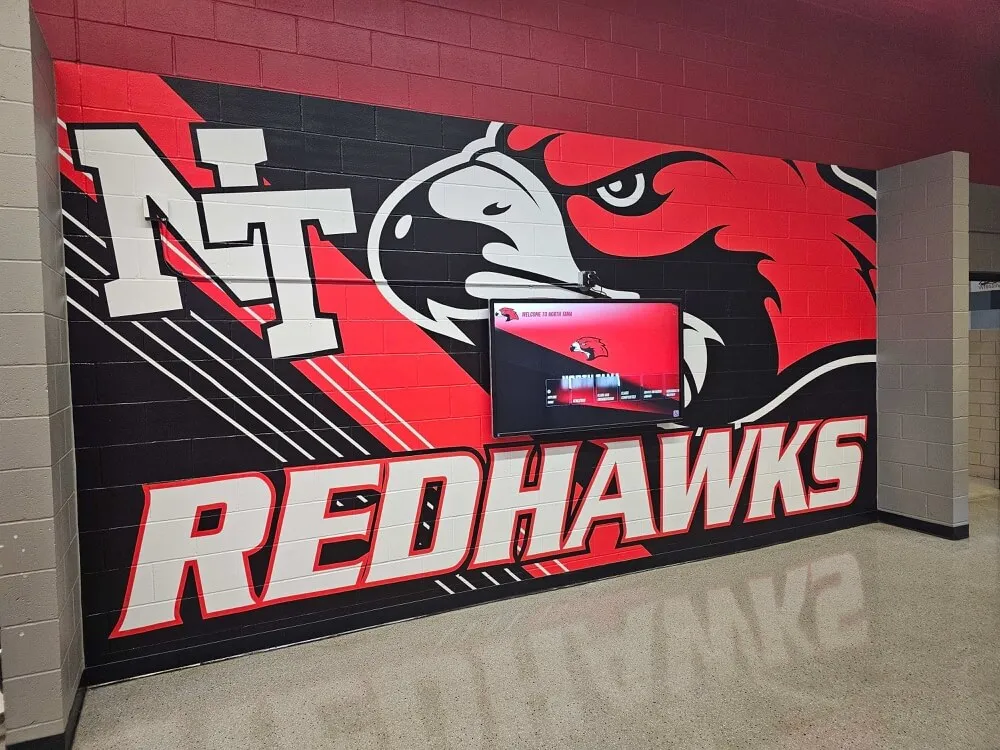
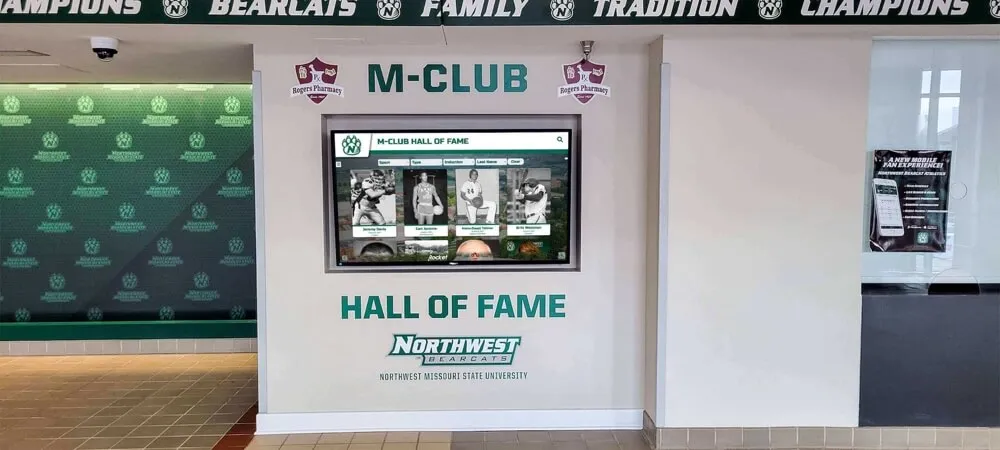
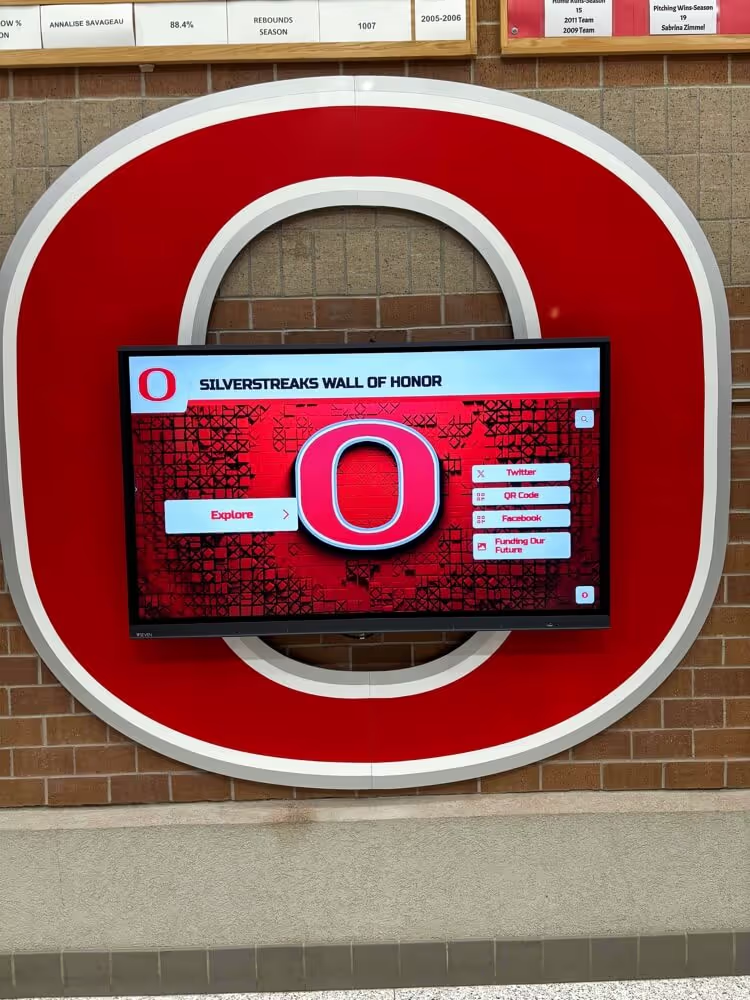
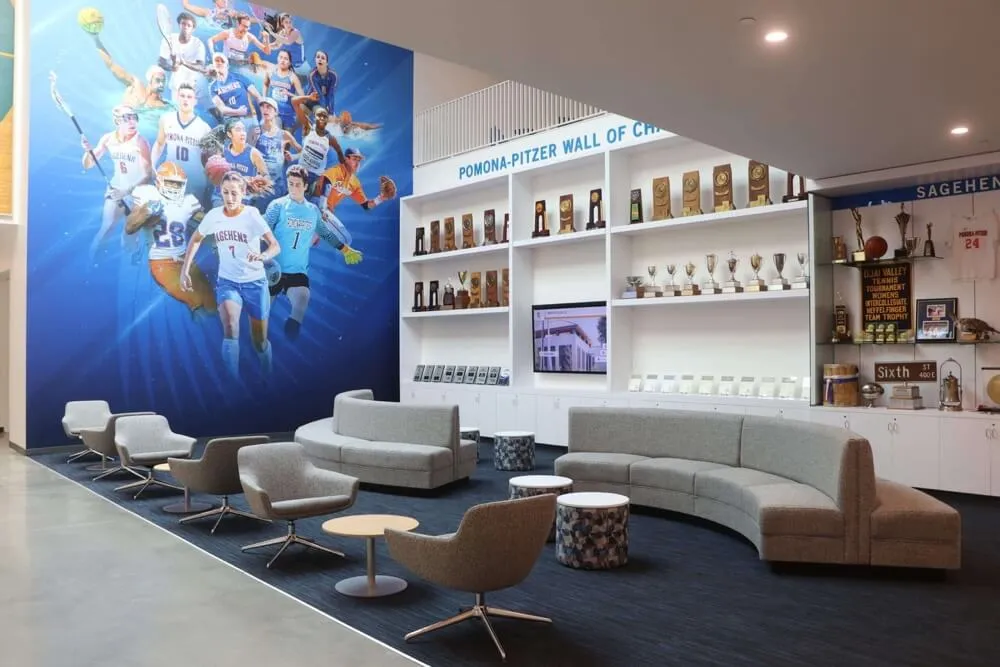
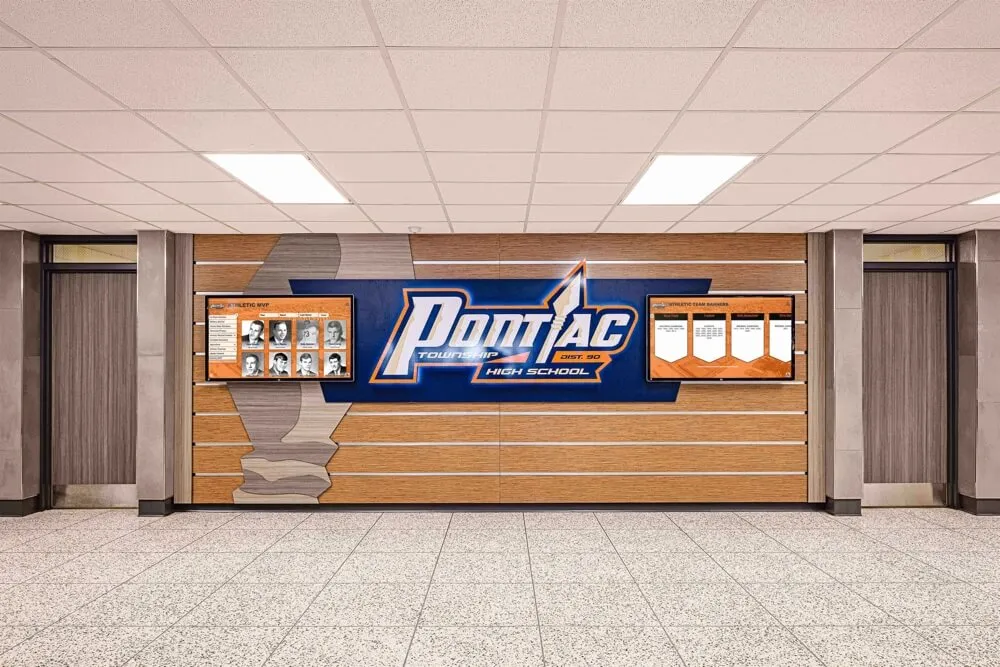
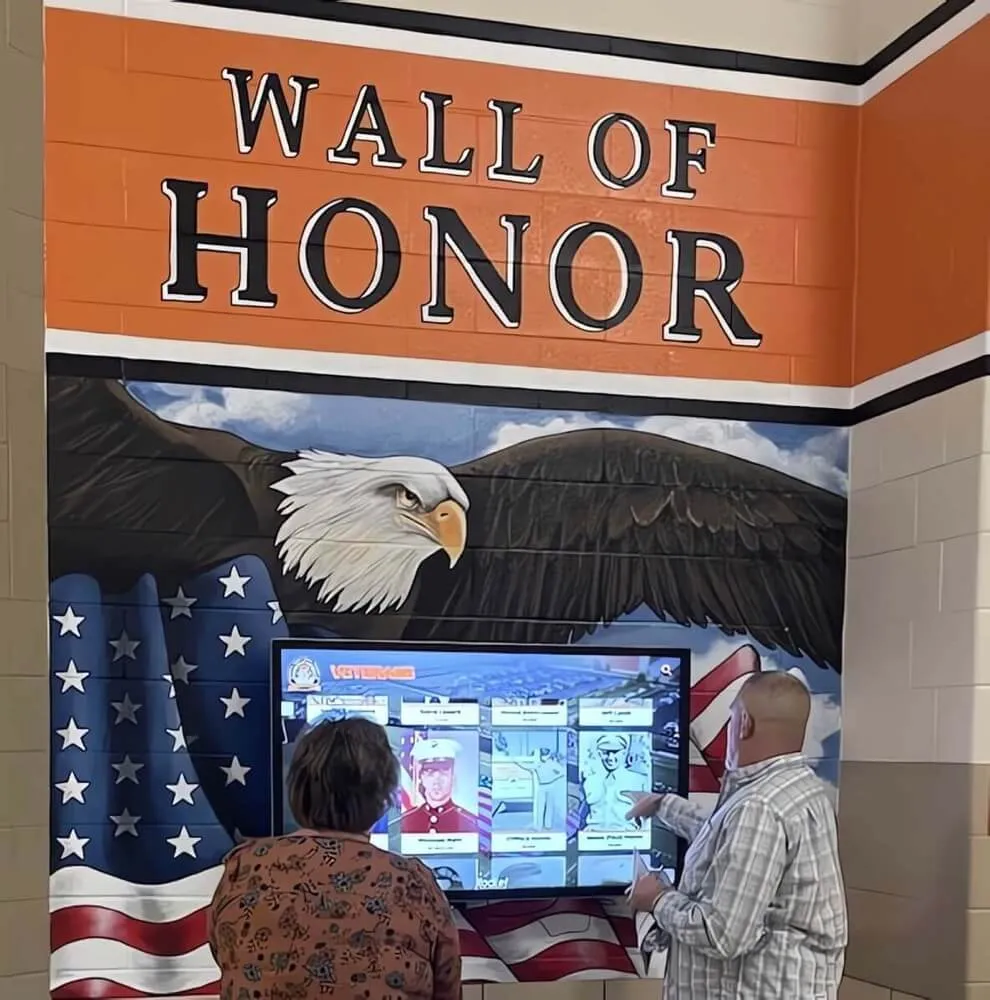
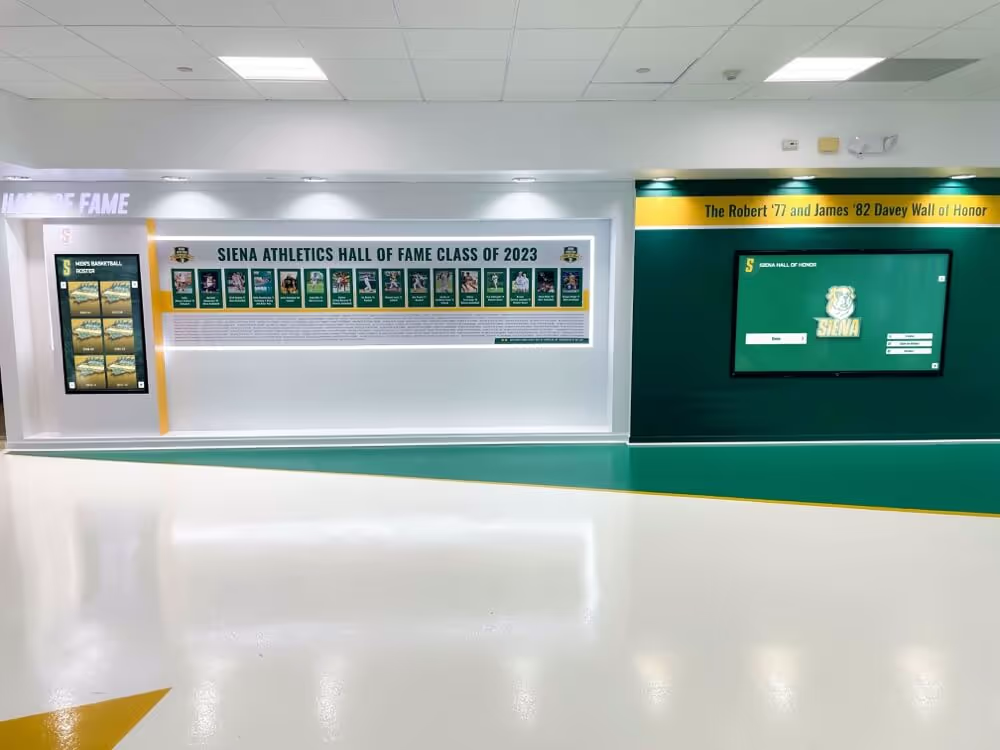
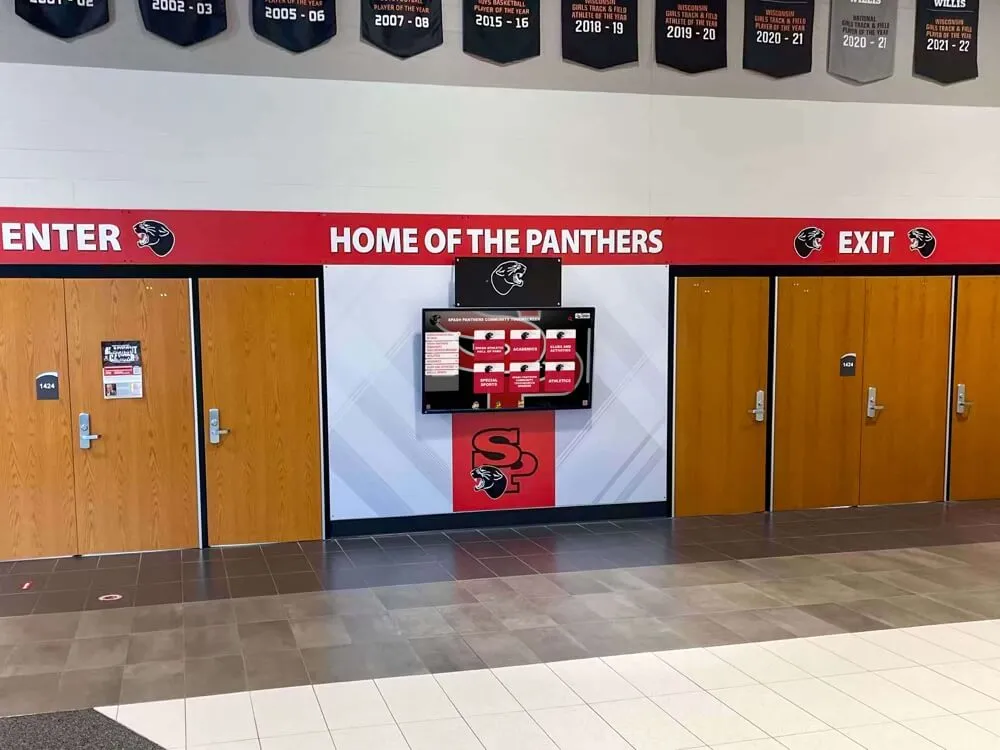
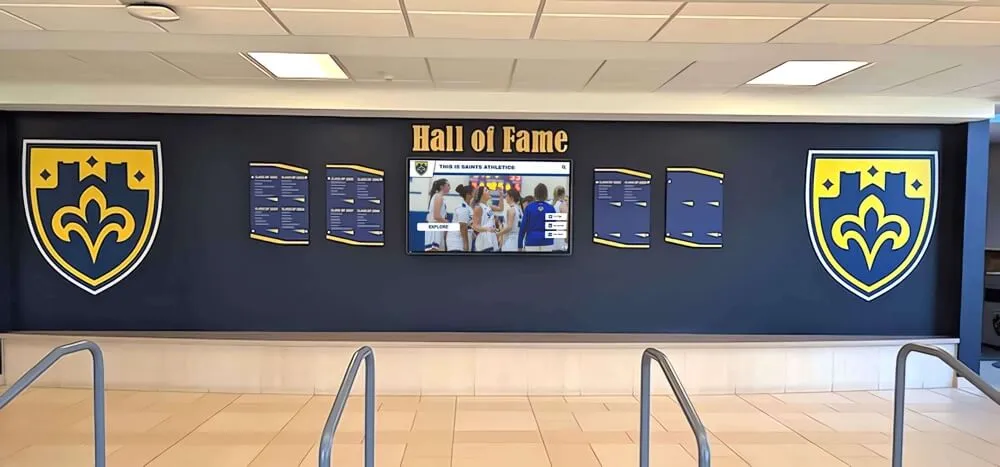
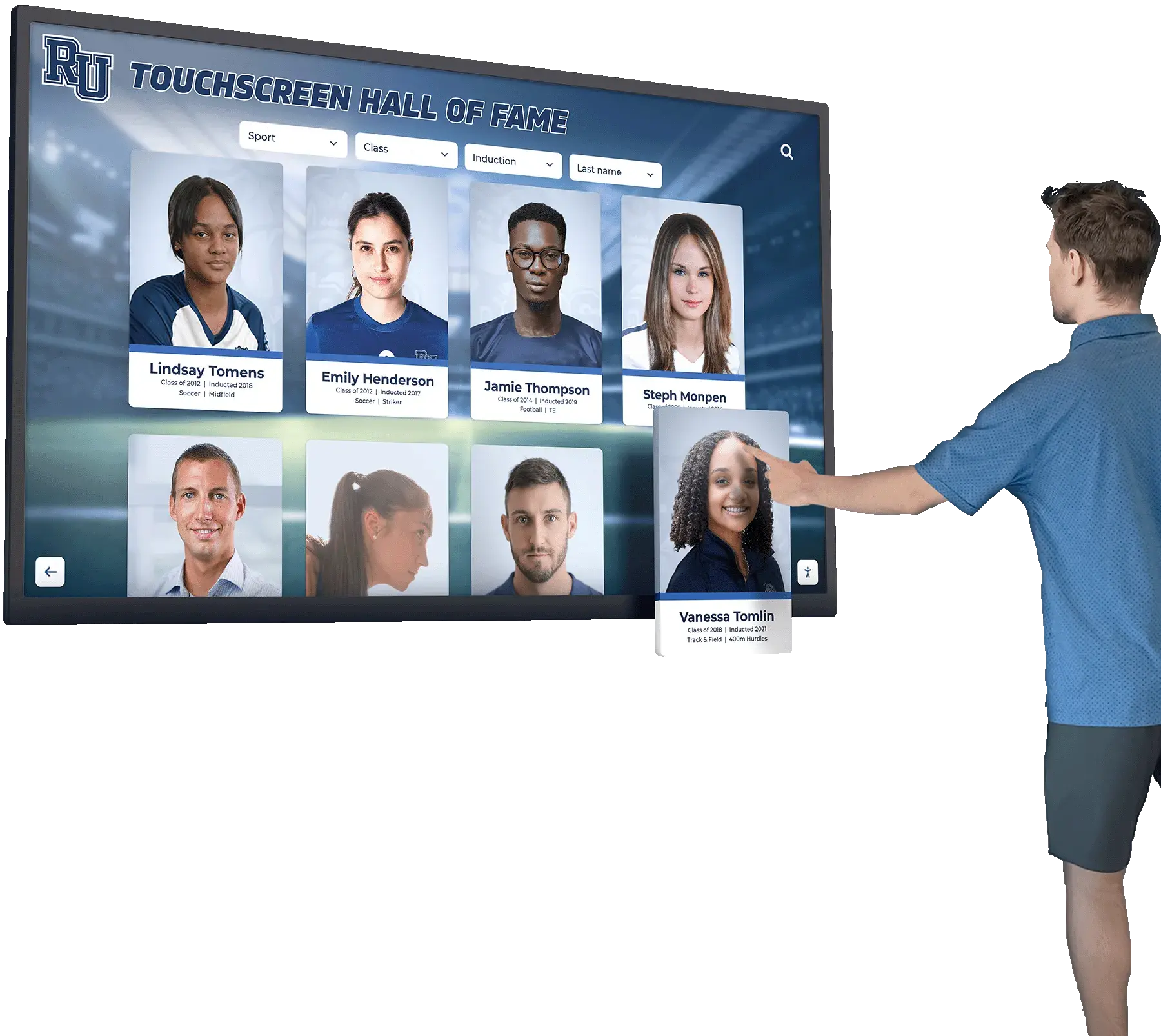
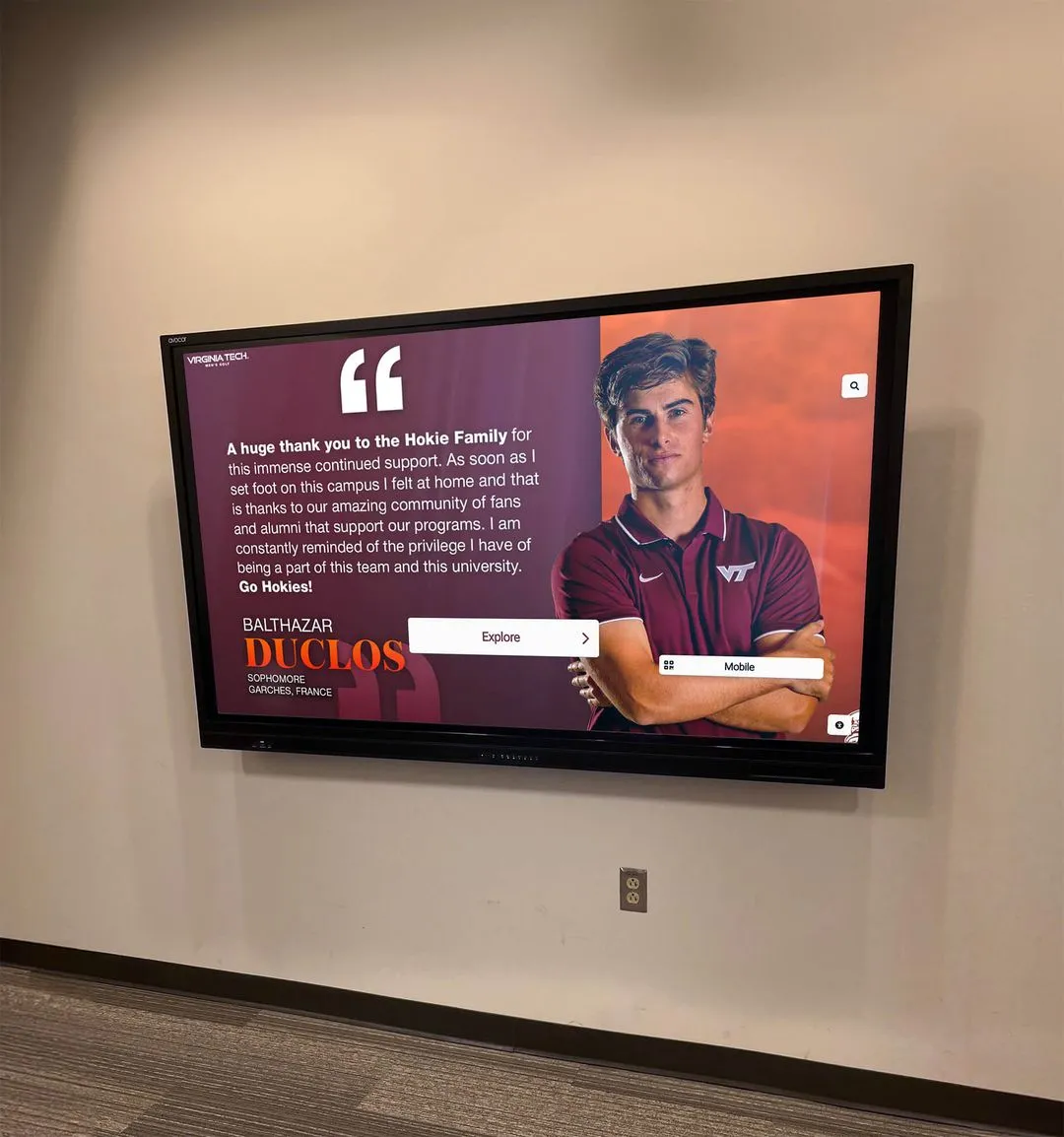
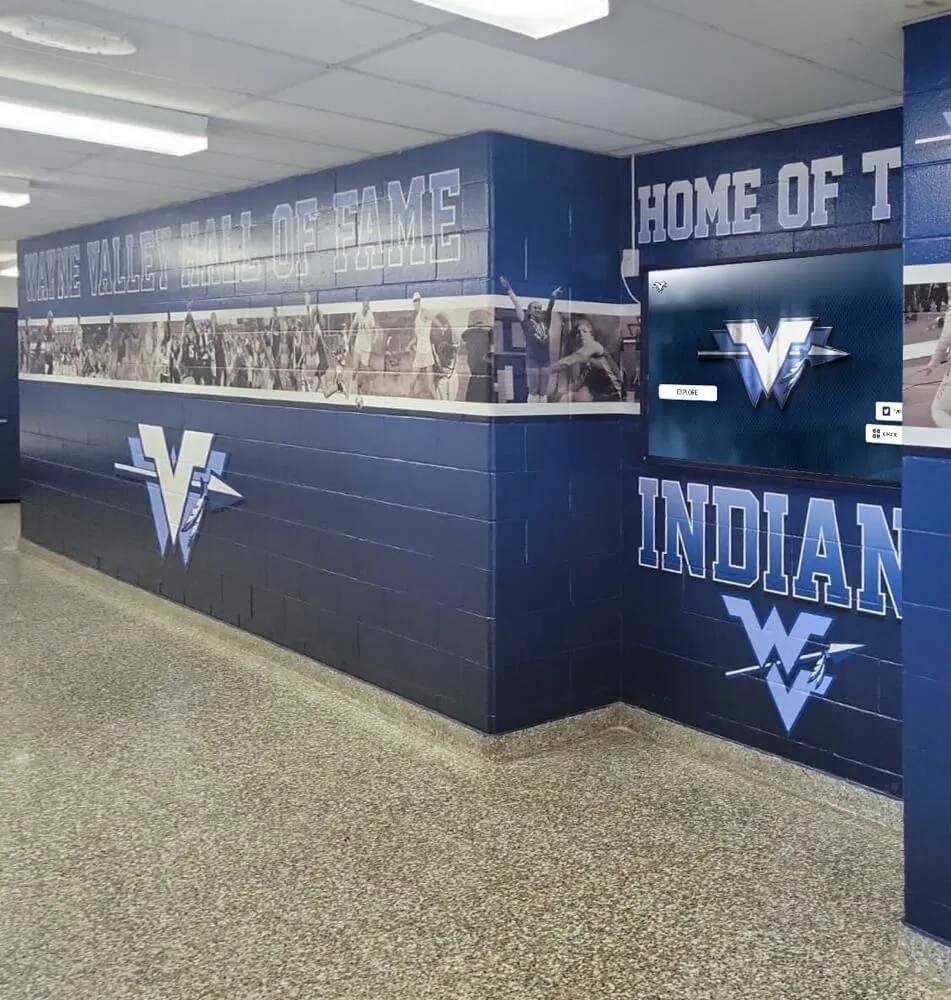
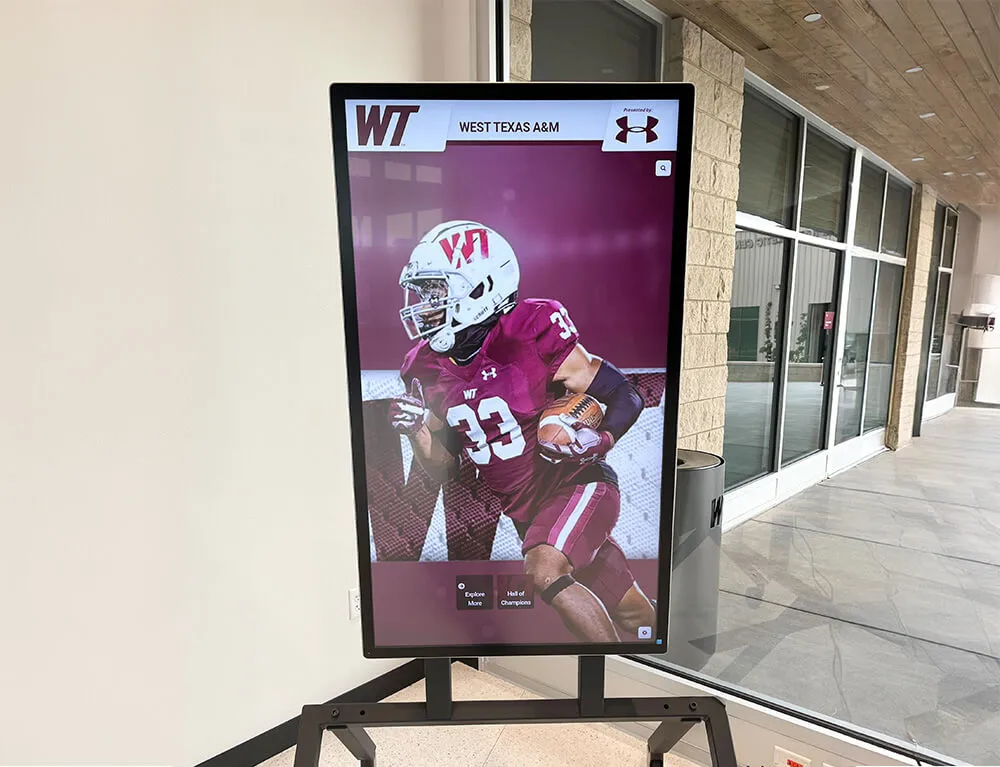
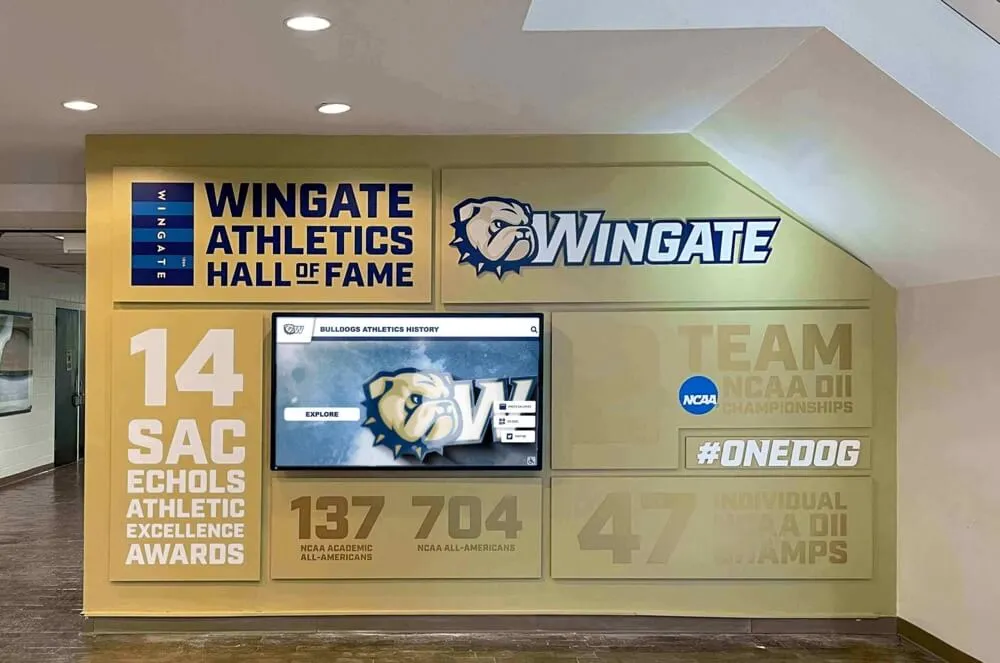
While homecoming creates unforgettable week-long celebrations, forward-thinking schools now preserve these traditions through permanent recognition displays that showcase homecoming courts, document spirit week winners, display parade champions, and celebrate decades of homecoming heritage. Modern interactive digital displays enable schools to honor homecoming traditions year-round, creating engaging touchscreen experiences that let students, alumni, and visitors explore homecoming history, view photos from past celebrations, and connect with the legacy of school spirit that defines institutional identity.
Essential Homecoming Traditions That Define the Week
Understanding core homecoming traditions helps schools evaluate their current celebrations while identifying opportunities to strengthen traditions or thoughtfully introduce new customs that resonate with today’s students.
The Homecoming Parade: Community on Display
The homecoming parade remains the most visible public celebration of school spirit, transforming neighborhoods into showcases of creativity, tradition, and community pride. Successful parades balance established traditions with fresh creativity, allowing each class year to contribute unique interpretations while maintaining recognizable formats that alumni expect.
Traditional parade elements typically include:
Class Float Competition: Students from each grade level collaborate on elaborate floats reflecting annual themes, school mascots, or spirited rivalries. Float building becomes a bonding experience as students invest countless hours designing, constructing, and decorating parade entries. The competitive element drives creativity while the collaborative process builds class unity.
For schools looking for creative homecoming float ideas, exploring thematic approaches that connect to school history, local culture, or contemporary student interests helps generate distinctive concepts that stand out while maintaining broad appeal.
Marching Band Performances: School bands showcase musical talent while energizing parade audiences with fight songs, popular music arrangements, and precision marching routines. Many schools invite feeder middle school bands or alumni musicians to participate, creating multi-generational musical celebrations.
Homecoming Court Presentation: Parade routes provide ideal settings for introducing homecoming court candidates or showcasing newly crowned royalty. Convertible cars, decorated platforms, or specialized floats give court members visibility while allowing community members to celebrate student representatives.
Spirit Organization Participation: Cheerleaders, dance teams, pep squads, student government representatives, and club members march in coordinated uniforms, perform routines, or distribute spirit items to spectators. This participation showcases the breadth of student activities while demonstrating institutional vitality beyond athletics.
Alumni and Community Integration: Forward-thinking schools incorporate local businesses, civic organizations, youth sports teams, and alumni groups into parade lineups. This integration reinforces connections between schools and surrounding communities while demonstrating that homecoming celebrations extend beyond current student populations.
Schools can extend parade impact by documenting float designs, photographing participation, and preserving winning entries through digital recognition displays that showcase homecoming creativity year-round.
Homecoming Court: Celebrating Student Leadership
Homecoming court selection and coronation represents one of the most anticipated and meaningful traditions, recognizing students who embody school values, demonstrate leadership, and represent their classmates with distinction.
Modern approaches to homecoming court increasingly emphasize:
Inclusive Selection Criteria: Progressive schools evaluate court candidates based on leadership, service, character, and school involvement rather than popularity alone. Application processes requiring essays, faculty recommendations, or demonstrated contributions ensure court members represent substantive achievement rather than social status.
Diverse Representation: Thoughtful schools structure court selection ensuring representation across activities, interests, and demographics. Courts that include athletes and artists, honors students and vocational learners, and students from various backgrounds better reflect entire student populations while modeling inclusive community values.
Gender-Neutral Options: Many schools now offer gender-neutral court positions or allow students to self-select titles, ensuring LGBTQ+ students can participate authentically without conforming to traditional binary structures. “Homecoming Royalty” replaces gendered titles while maintaining ceremonial significance.
Multi-Grade Recognition: While senior court members typically receive greatest attention, including representatives from all grade levels creates broader engagement and gives underclassmen meaningful participation opportunities. Freshman through junior representatives build toward senior coronation while creating four years of tradition participation.
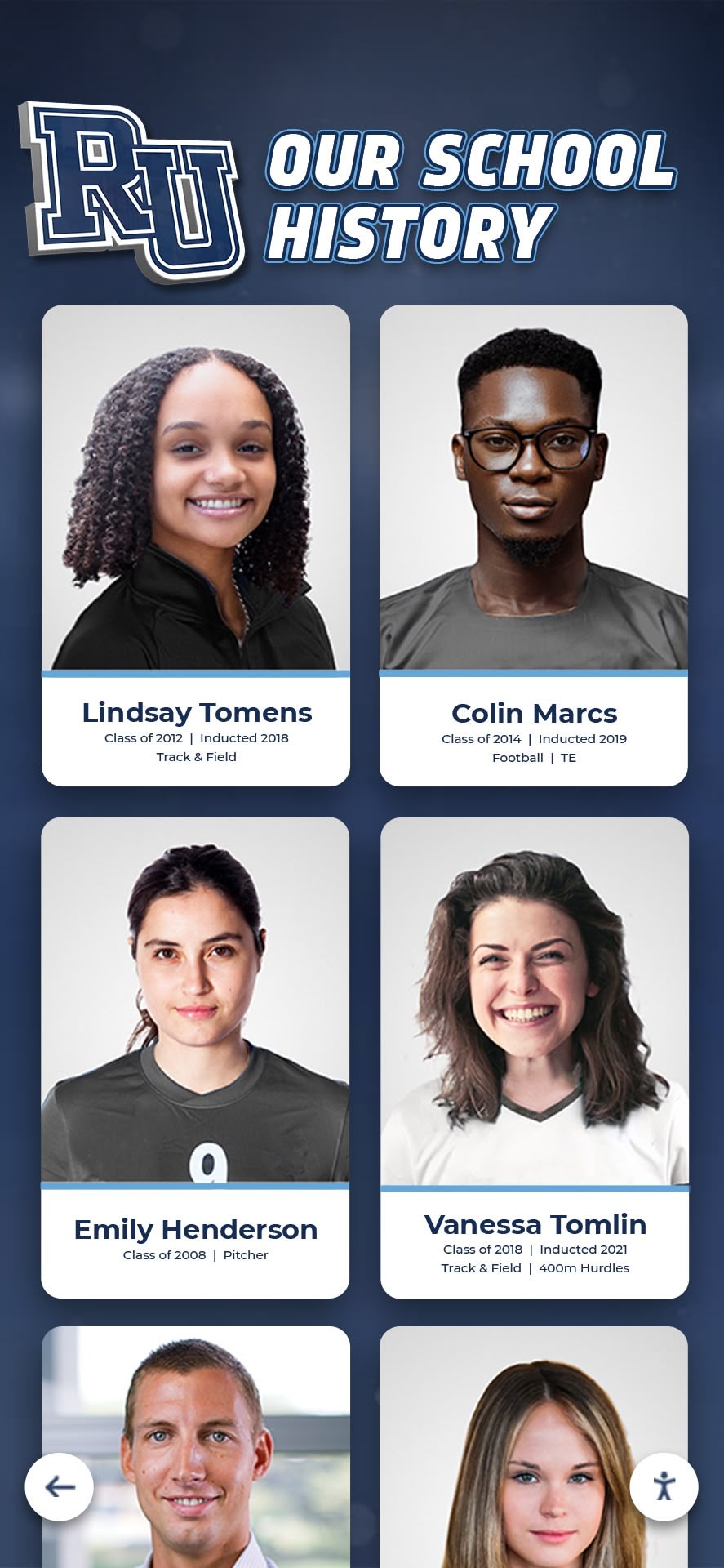
Schools that preserve homecoming court legacy through permanent recognition—whether through traditional hall of fame displays or digital platforms—create visible connections between current students and decades of student leaders who came before them.
The Homecoming Game: Athletic Tradition Meets School Spirit
Friday night football games (or sport-appropriate alternatives) serve as homecoming week centerpieces, combining athletic competition with peak school spirit demonstrations. Even schools without strong football traditions can create meaningful homecoming game experiences through basketball, volleyball, soccer, or other sports that coincide with homecoming celebrations.
Elements that elevate homecoming games beyond regular competitions include:
Halftime Entertainment and Ceremonies: Extended halftime periods accommodate court coronations, special performances, alumni recognitions, or tribute ceremonies. These halftime moments create shared experiences that non-sports enthusiasts attend specifically to witness, broadening game attendance beyond typical athletic supporters.
Alumni Athlete Recognition: Many schools honor distinguished former athletes, championship teams, or hall of fame inductees during homecoming games. These recognitions connect current teams with institutional athletic legacy while giving alumni meaningful reasons to return to campus. Schools with interactive digital displays can showcase historical achievements and current season highlights simultaneously.
Student Section Traditions: Coordinated student section themes, synchronized cheers, creative signs, and spirited demonstrations create electric atmospheres that energize teams while showcasing student engagement. Schools that document these traditions help incoming students understand expectations while preserving creative spirit demonstrations for future reference.
Pre-Game and Post-Game Activities: Tailgate gatherings, pep rallies, post-game dances, and victory celebrations extend homecoming games into all-day experiences rather than isolated two-hour events. This expansion creates multiple participation opportunities for students with varying interests and schedules.
Spirit Week: Daily Celebrations Building Toward Homecoming
Spirit week traditions transform ordinary school days into themed celebrations that build anticipation, encourage participation, and create visible demonstrations of school unity in the days leading to homecoming.
Effective spirit week planning balances:
Accessible Daily Themes: The best spirit days accommodate diverse participation levels and resource access. “Pajama Day” or “School Colors Day” enables universal participation regardless of wardrobe budgets or creative abilities, while “Decade Day” or “Character Day” allows more elaborate expressions for students who enjoy costume creativity.
Progressive Energy Building: Successful spirit weeks sequence themes building energy toward Friday celebrations. Monday might feature subtle spirit expressions like school color accessories, while Thursday embraces full costume themes, and Friday showcases maximum school pride through uniform color coordination or class-specific attire.
Inclusive Activity Planning: Beyond dress-up days, spirit weeks can incorporate lunchtime competitions, hallway decorating contests, charitable initiatives, academic competitions, or creative showcases ensuring students with varied interests find meaningful participation opportunities. Schools that track spirit week participation and rankings through digital platforms create friendly competition while documenting engagement.
Documentation and Recognition: Photographing spirit week participation, announcing daily winners, and recognizing exceptional efforts validates student creativity while creating content for yearbooks, social media, and permanent recognition displays. This documentation transforms temporary celebrations into lasting institutional memory.
The Homecoming Dance: Social Celebration and Memory Making
Homecoming dances provide formal social experiences where students celebrate together in settings distinct from typical school environments. Unlike prom’s end-of-year finality, homecoming dances occur early in academic years, setting positive tones for school communities while creating inclusive celebrations open to all grade levels.
Modern homecoming dance traditions increasingly feature:
Creative Venue Selection: While school gymnasiums remain practical choices, some schools partner with community venues, outdoor spaces, or transformed cafeterias to create distinctive atmospheres. Venue selection impacts ambiance, budget, and attendance, requiring careful consideration of priorities and resources.
Thematic Decoration and Experience Design: Dance themes coordinate with broader homecoming themes or stand independently, providing decoration frameworks and photo opportunity designs. Successful themes balance visual impact with budget constraints while creating Instagram-worthy moments students want to document and share.
Inclusive Music and Entertainment: DJ selections or live band performances should represent diverse musical preferences ensuring varied students find enjoyable moments. Creating request processes, incorporating student playlists, or scheduling varied music blocks helps accommodate different tastes within single events.
Photo Opportunities and Memory Preservation: Professional photographers, photo booth setups, or designated selfie stations create memory capture opportunities students value highly. Schools that integrate these photos into digital yearbook platforms or permanent displays extend single-night celebrations into lasting institutional records.
Modern Homecoming Traditions Schools Are Adopting
Progressive schools complement classic traditions with contemporary customs reflecting current student interests, technological capabilities, and evolving school culture priorities.
Digital Spirit Campaigns and Social Media Engagement
Social media integration transforms homecoming from campus-only celebrations into digitally amplified experiences that engage broader communities while creating shareable content extending tradition visibility.
Effective digital homecoming traditions include:
Hashtag Campaigns: School-specific hashtags aggregate homecoming content across platforms, creating centralized digital records while encouraging student participation through content creation. Monitoring these hashtags helps schools identify highly engaged students, document creative expressions, and curate best content for official channels.
Digital Voting Platforms: Online voting for homecoming court, spirit week winners, or parade champions increases participation while providing transparent results. Digital systems accommodate students who miss in-person voting opportunities while generating engagement data schools can analyze.
Live Streaming Events: Broadcasting parade routes, pep rallies, games, or coronation ceremonies enables alumni, distant family members, or students unable to attend physical events to participate virtually. This technological inclusion extends homecoming’s reach while creating archived content for future viewing.
Virtual Alumni Engagement: Digital platforms enable graduated classes to share homecoming memories, submit historical photos, or participate in concurrent alumni celebrations coordinated with current student events. This multi-generational engagement strengthens the “homecoming” concept of returning graduates while educating current students about institutional traditions.
Service and Community Impact Traditions
Service-oriented homecoming traditions channel school spirit energy toward community benefit, creating meaningful impact while teaching students that celebration can coexist with contribution.
Service traditions gaining popularity include:
Charitable Competitions: Class-level competitions collecting food donations, raising funds for selected causes, or volunteering hours for community organizations turn school spirit into community service. Competitive elements maintain traditional homecoming energy while redirecting focus toward helping others.
Alumni Mentorship Events: Coordinating alumni returns with career panels, mentorship speed-dating, or professional networking sessions creates substantive engagement opportunities beyond nostalgic campus tours. These programs benefit current students while giving alumni meaningful participation beyond attending games or dances.
Community Partner Celebrations: Inviting neighboring elementary schools, senior centers, or community organizations to participate in select homecoming events strengthens neighborhood connections while demonstrating that school communities extend beyond campus boundaries.
Expanded Recognition Categories
Inclusive recognition traditions ensure students across all activities, interests, and contributions receive homecoming celebration, not just traditional court members or athletic standouts.
Progressive recognition approaches include:
Activity-Specific Courts or Awards: Recognizing homecoming representatives from arts programs, academic teams, service clubs, or special interest organizations alongside traditional court members validates diverse paths to student leadership and achievement.
Staff and Faculty Appreciation: Homecoming traditions honoring teachers, administrators, support staff, or community volunteers acknowledge that school spirit extends beyond student populations. These recognitions model gratitude while creating intergenerational celebration.
Milestone Alumni Recognition: Beyond recent graduates, honoring distinguished alumni who achieved notable success, provided significant service, or reached milestone reunion years connects current celebrations to long institutional histories.
Displaying and Preserving Homecoming Traditions
The most meaningful homecoming traditions extend beyond single-week celebrations, becoming visible parts of institutional identity through thoughtful display, documentation, and preservation.
Creating Permanent Homecoming Recognition Displays
Physical and digital displays transform temporary celebrations into year-round reminders of school tradition and community:
Traditional Display Approaches: Dedicated hallway sections, trophy cases, or gymnasium walls can showcase homecoming court photos, parade winning designs, spirit week champions, or historical homecoming programs. These static displays create nostalgic touchpoints while educating students about institutional traditions.
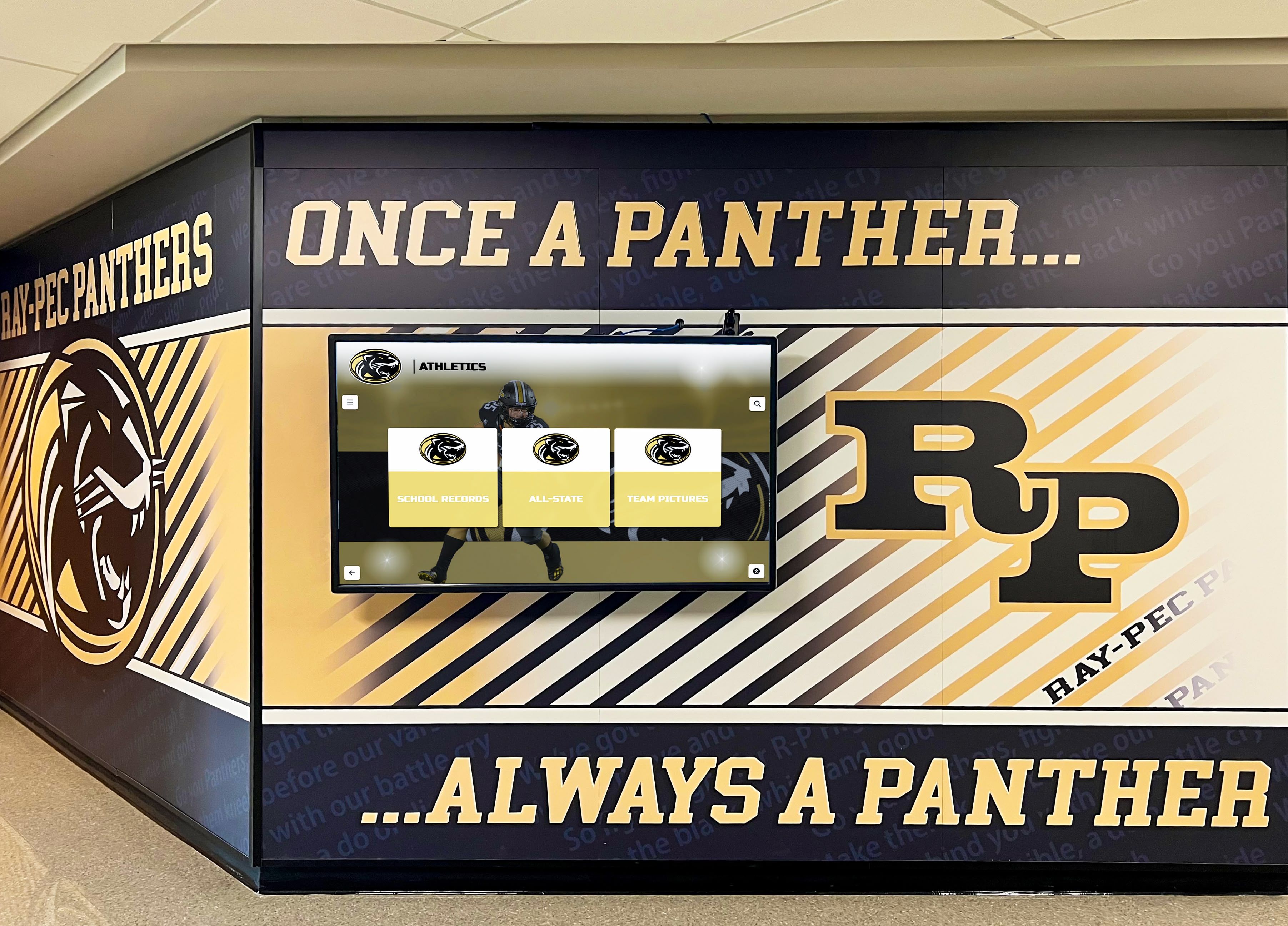
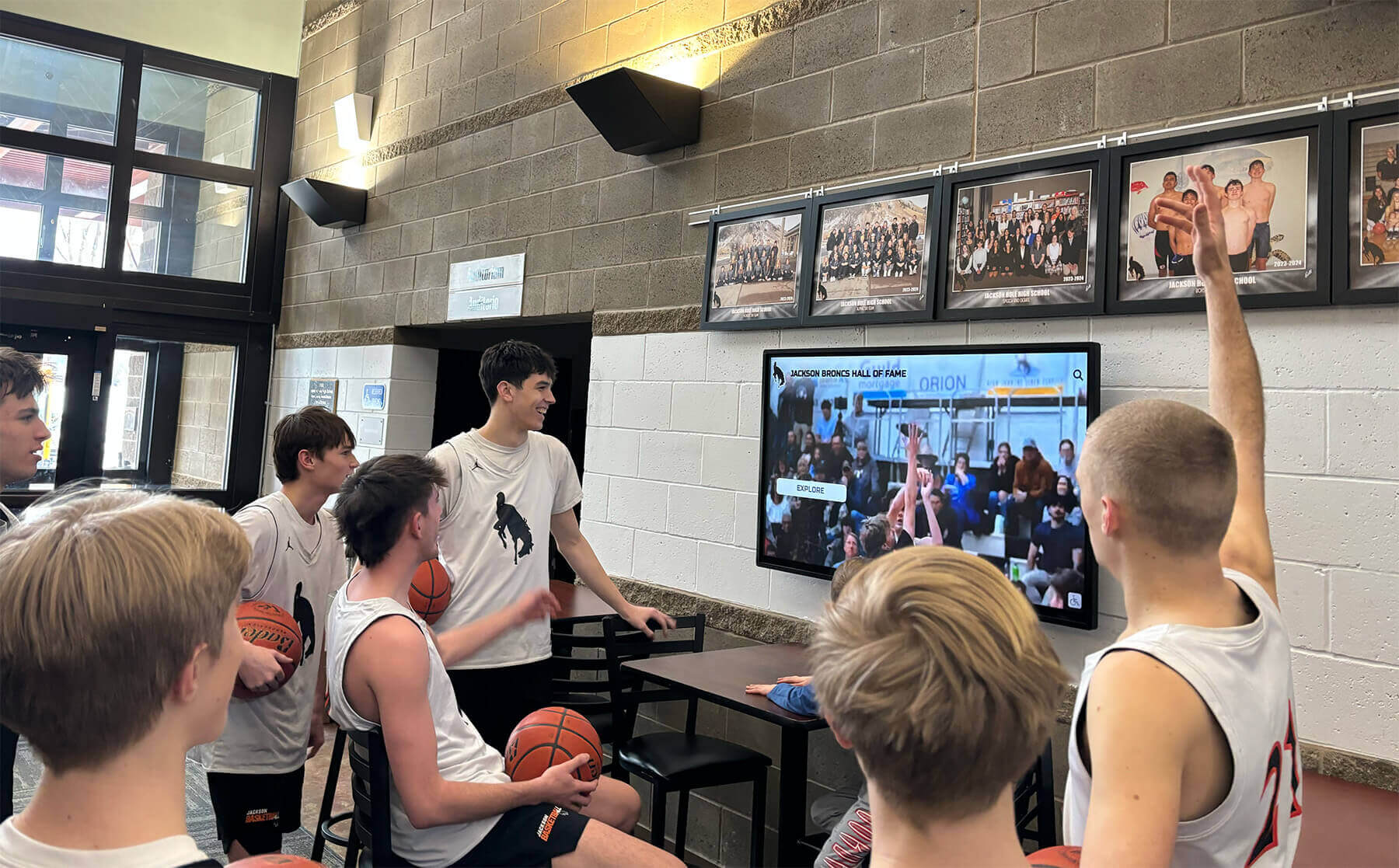
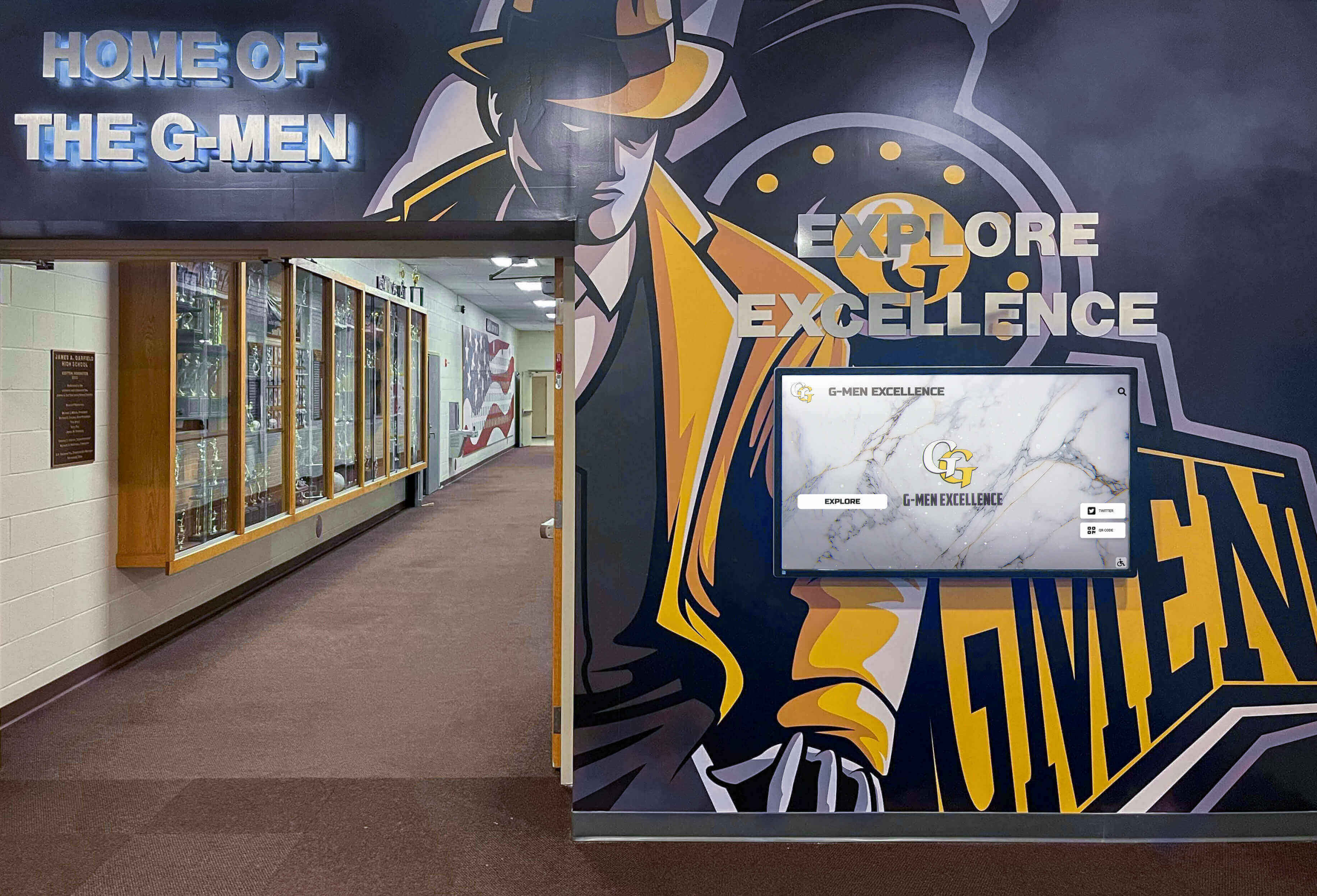
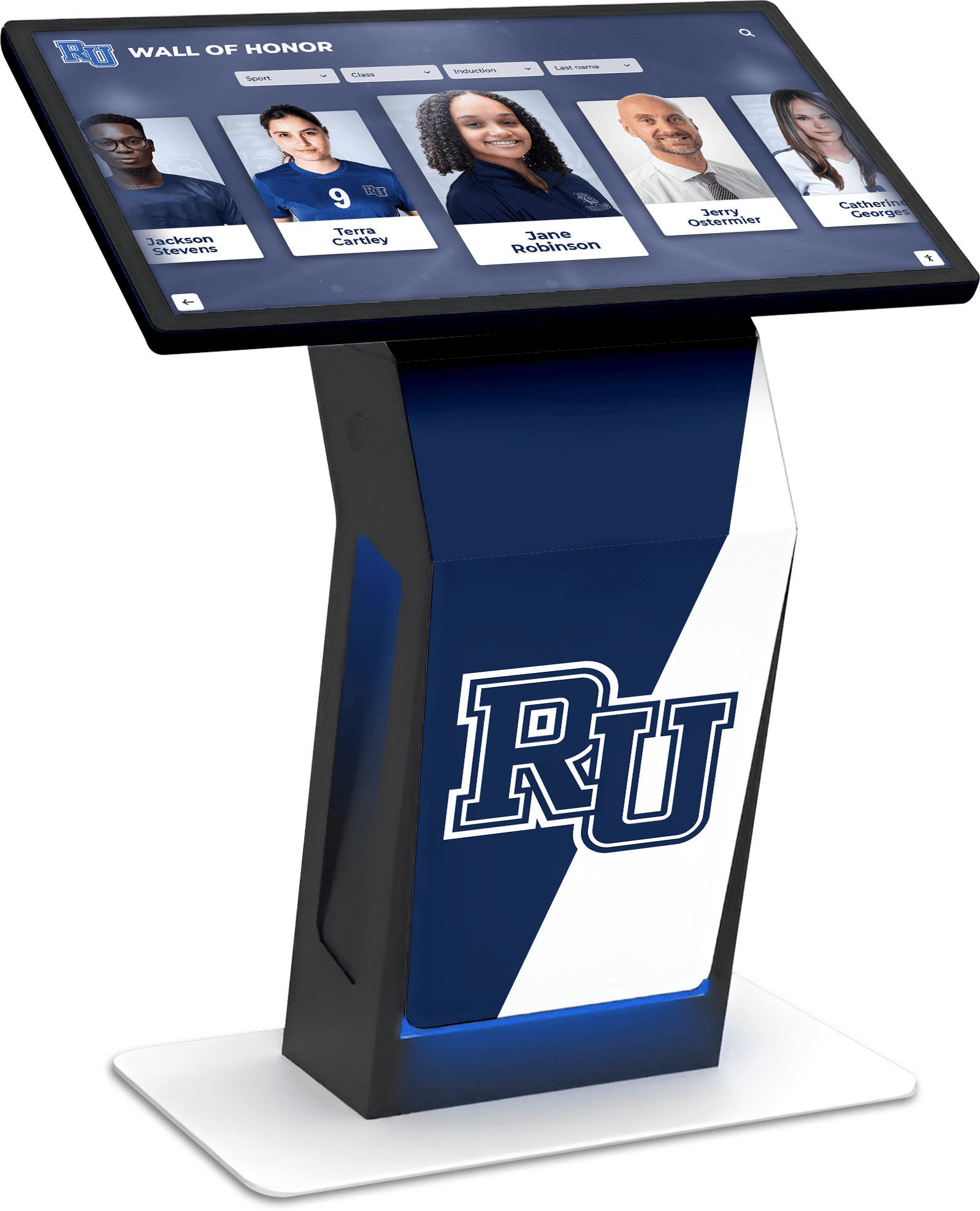
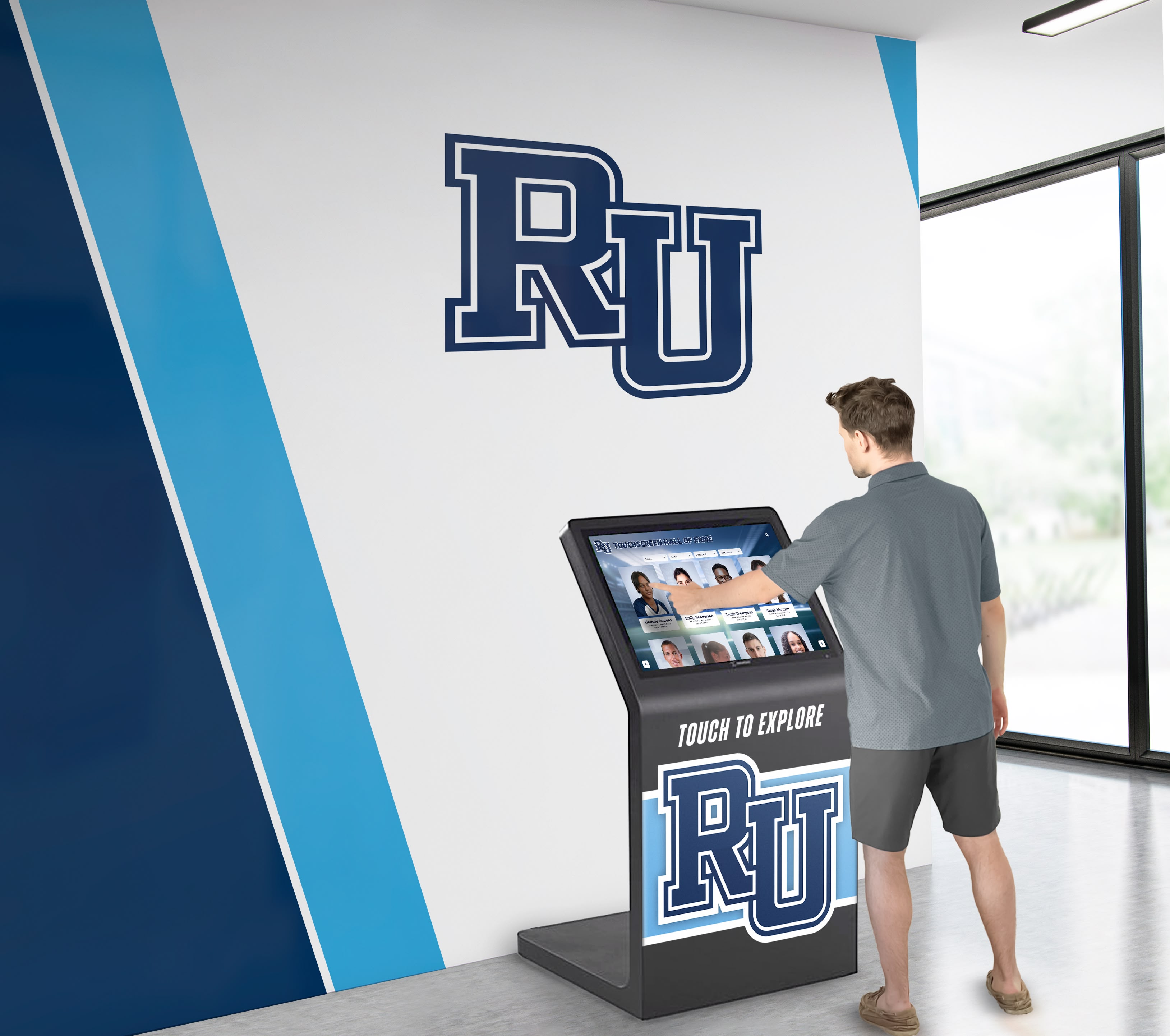
Interactive Digital Platforms: Modern schools increasingly implement touchscreen recognition systems allowing students and visitors to explore decades of homecoming history through searchable databases, photo galleries, video archives, and historical documentation. Digital solutions accommodate unlimited content while providing engaging exploration experiences impossible with static displays.
Multi-Location Integration: Strategic placement of homecoming recognition in school lobby designs, athletic facilities, and alumni welcome areas reinforces tradition importance while ensuring visibility to varied audiences throughout campus.
Documenting Traditions for Future Generations
Systematic documentation ensures homecoming traditions transfer effectively to new student generations while preserving institutional memory:
Comprehensive Photo and Video Archives: Designating official homecoming photographers or coordinating student journalism programs to document all homecoming events creates professional-quality records. These archives serve multiple purposes—yearbook content, social media material, recognition display content, and historical timeline documentation.
Written Tradition Guides: Creating detailed documentation of homecoming planning processes, established traditions, successful strategies, and lessons learned helps future planning committees avoid reinventing processes while maintaining institutional knowledge across student leadership transitions.
Alumni Memory Collection: Proactively gathering homecoming memories, photos, and stories from graduated classes builds historical perspective while creating content for recognition displays. Digital platforms accepting alumni submissions enable ongoing collection rather than one-time documentation efforts.
Connecting Homecoming to Broader Recognition Programs
Integrated recognition strategies position homecoming traditions within comprehensive systems celebrating student achievement across all dimensions:
Athletic Recognition Integration: Homecoming game traditions naturally connect to broader athletic hall of fame programs, enabling schools to showcase homecoming game highlights alongside championship recognition, record-breaking performances, and distinguished athlete honors.
Academic Achievement Connections: Schools can expand homecoming recognition to include academic excellence celebrations, senior class awards, or scholarly achievement showcases running parallel to traditional court selections.
Multi-Celebration Platforms: Digital recognition systems can integrate homecoming traditions alongside senior night celebrations, award ceremony documentation, and other annual traditions, creating comprehensive recognition ecosystems rather than isolated celebration records.
Building Homecoming Traditions That Endure
Sustainable homecoming traditions balance honoring established customs with thoughtfully evolving practices that remain relevant to changing student populations.
Evaluating Current Traditions for Effectiveness
Regular tradition assessment helps schools identify which customs resonate strongly versus which continue merely from inertia:
Student Feedback Collection: Surveying students about favorite traditions, suggested improvements, or desired additions provides direct insight into what current populations value. This feedback prevents planning committees from preserving traditions students find meaningless while identifying opportunities for innovation.
Participation Data Analysis: Tracking attendance numbers, engagement levels, and participation demographics reveals which traditions generate broad excitement versus narrow appeal. Declining participation signals need for refreshing or reimagining specific elements.
Alumni Perspective Integration: Gathering graduated student reflections about which homecoming memories remained meaningful years later helps distinguish truly impactful traditions from momentary entertainments. Traditions alumni remember fondly decades later deserve protection and preservation.
Introducing New Traditions Thoughtfully
Innovation within tradition requires careful balance respecting institutional heritage while meeting contemporary student interests:
Pilot Programs Before Full Implementation: Testing new tradition ideas on limited scales—perhaps with single grade levels or specific events—allows schools to assess reception before committing to permanent additions. Successful pilots can expand gradually while unsuccessful experiments end without damaging broader homecoming experiences.
Student Leadership in Tradition Development: Empowering student councils, spirit committees, or class representatives to propose and design new traditions increases buy-in while ensuring additions reflect actual student interests rather than adult assumptions about student preferences.
Multi-Year Patience for Tradition Establishment: New customs rarely feel like “traditions” immediately. Schools need patience allowing several repetition cycles before new practices gain the familiarity and anticipation characterizing true traditions. Prematurely abandoning promising innovations prevents tradition development.
Documentation and Knowledge Transfer
Institutional memory preservation ensures homecoming traditions survive student leadership transitions and staff changes:
Leadership Transition Planning: Overlapping student leadership—having juniors shadow senior homecoming chairs before assuming responsibility—transfers tactical knowledge, planning wisdom, and tradition understanding person-to-person rather than relying solely on written documentation.
Administrative Continuity: Designating staff advisors who maintain involvement across multiple homecoming cycles provides consistent institutional knowledge even as student leadership rotates annually. These advisors guide planning while ensuring essential traditions don’t disappear through accidental oversight.
Digital Knowledge Management: Maintaining digital archives containing planning timelines, vendor contacts, budget templates, tradition descriptions, and historical documentation creates accessible references for future planning committees.
Maximizing Homecoming’s Impact on School Culture
Strategic homecoming planning extends impact beyond single-week celebrations, influencing broader school culture and community connections.
Building Year-Round Spirit Through Homecoming
Homecoming momentum can sustain school spirit throughout academic years rather than creating isolated September peaks:
Countdown Campaigns: Beginning homecoming promotion weeks or months in advance builds anticipation while maintaining school spirit focus during early academic year periods that might otherwise lack celebratory energy.
Post-Homecoming Recognition: Extending homecoming celebration through photo displays, video recaps, award presentations, or thank-you ceremonies in following weeks reinforces positive experiences while maintaining momentum.
Quarterly Spirit Events: Treating homecoming as the anchor celebration within quarterly spirit programming—fall homecoming, winter celebration, spring festival, senior recognition—creates rhythmic school spirit opportunities maintaining engagement across full academic years.
Strengthening Alumni Connections Through Tradition
Homecoming’s original purpose—welcoming graduated students home—remains valuable for institutions prioritizing alumni engagement:
Targeted Alumni Reunion Coordination: Synchronizing milestone reunion years (10th, 25th, 50th) with homecoming celebrations creates natural return opportunities while introducing reunion attendees to current student traditions.
Multi-Generational Events: Programming specific events bringing alumni and current students together—career panels, tradition comparisons, joint service projects—creates meaningful intergenerational connections rather than parallel celebrations occurring simultaneously without intersection.
Digital Alumni Participation: Virtual engagement opportunities enable distant graduates to participate in homecoming despite geographic barriers. Live streams, digital memory submission, virtual voting, or social media engagement keep alumni connected to evolving traditions.
Creating Distinctive Institutional Identity
Unique homecoming traditions differentiate schools while creating memorable experiences that become part of institutional identity:
School-Specific Customs: Developing traditions tied to local history, geographic context, mascot identity, or institutional values creates distinctiveness commercial homecoming packages can’t replicate. These unique elements become stories students and alumni share when describing their schools to others.
Tradition Documentation and Storytelling: Actively telling stories about homecoming tradition origins, evolution, and significance helps students understand why particular customs matter. Digital storytelling platforms can showcase these narratives alongside visual documentation.
Pride in Tradition Participation: Creating culture where participating in homecoming traditions represents valued school citizenship rather than optional social activities increases engagement while strengthening traditions’ central role in institutional identity.
Conclusion: Celebrating Traditions That Unite School Communities
Homecoming traditions succeed when they create inclusive celebrations honoring institutional heritage while remaining relevant to contemporary student experiences. The most impactful traditions balance time-honored customs providing continuity with thoughtful innovations reflecting evolving school cultures. Whether schools maintain century-old homecoming practices or establish new traditions for growing institutions, the goal remains constant—creating shared experiences that strengthen community bonds, celebrate school pride, and generate memories students carry forward long after graduation.
Schools that invest in preserving and displaying their homecoming traditions through permanent recognition—whether traditional trophy cases or modern digital platforms—extend celebration impact beyond single weeks, creating year-round reminders of the spirit, creativity, and community that define their institutions. These visible recognitions inspire current students while honoring alumni who established traditions, creating powerful connections across generations united by shared experiences and school pride.
By thoughtfully cultivating homecoming traditions that reflect institutional values, accommodate diverse student interests, and create meaningful celebration opportunities, schools build distinctive cultures where students feel genuine connection to their educational communities. These traditions become the stories alumni tell, the experiences that shape school identity, and the celebrations that transform educational institutions into true communities worth coming home to year after year.
Preserve Your Homecoming Traditions with Interactive Digital Displays
Showcase decades of homecoming courts, spirit week champions, and parade winners through engaging touchscreen experiences that let students and alumni explore your school's celebration heritage.
Discover Digital Recognition Solutions