



Homecoming football games represent the pinnacle of school spirit and community celebration, bringing together current students, alumni, families, and local supporters for an evening that transcends the game itself. The Friday night lights shine brighter during homecoming week, illuminating not just athletic competition but decades of tradition, alumni connections, and shared institutional pride. From the crowning of homecoming royalty at halftime to the parade of decorated floats before kickoff, these events weave together athletic excellence, student leadership, alumni nostalgia, and community identity into celebrations that define school culture for generations.
Athletic directors, administrators, and student activity coordinators face the exciting challenge of orchestrating homecoming celebrations that honor tradition while creating fresh experiences for each year’s participants. How do schools balance time-tested ceremonies with evolving student preferences? What recognition strategies ensure alumni feel welcomed and connected? Which activities build authentic school spirit rather than forced participation? How can schools preserve homecoming memories systematically, creating institutional archives that future generations can explore?
Preserving Homecoming Traditions Through Modern Recognition
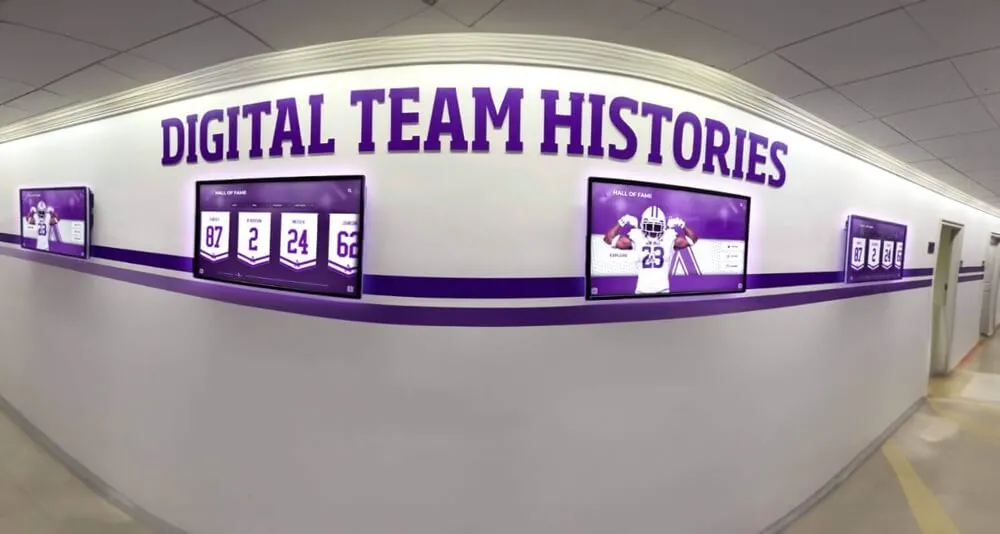
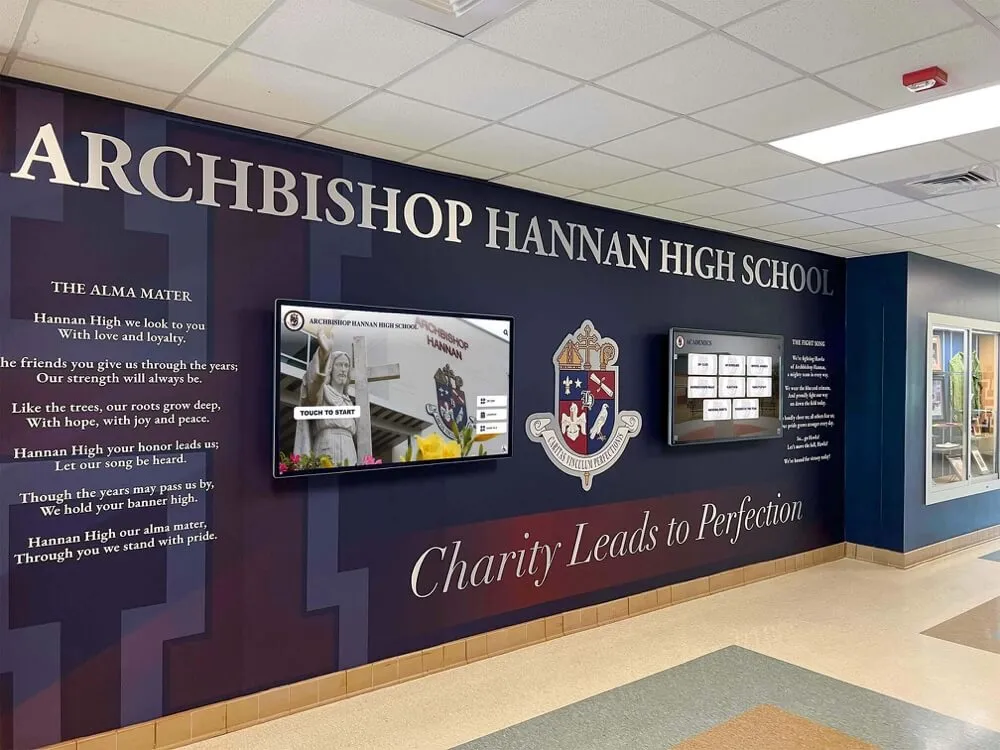
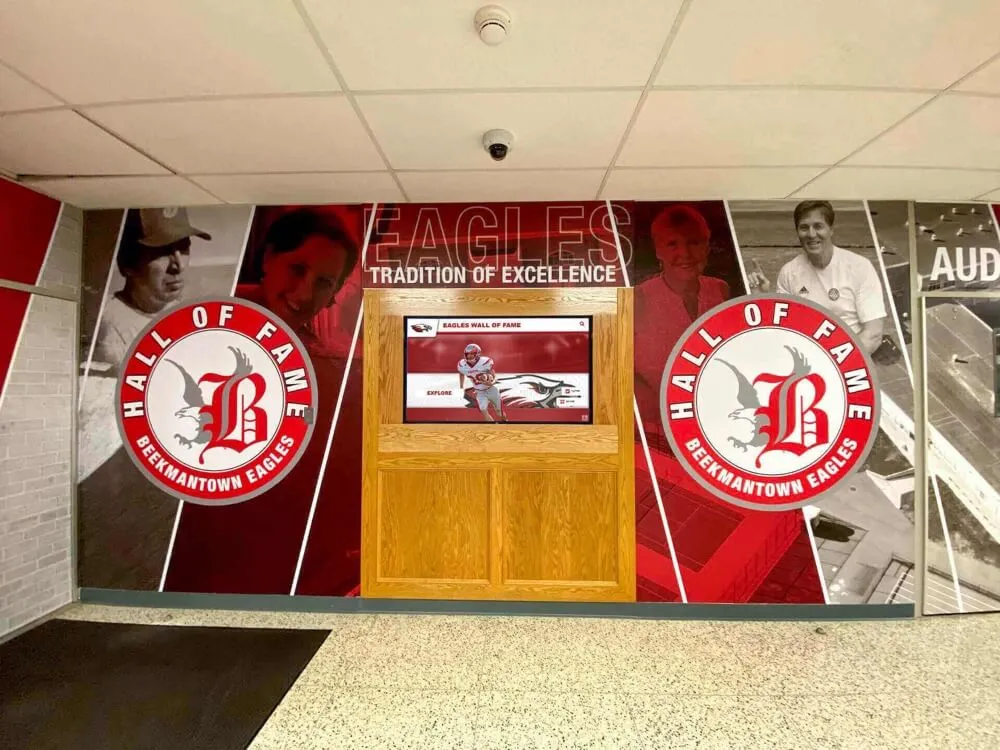
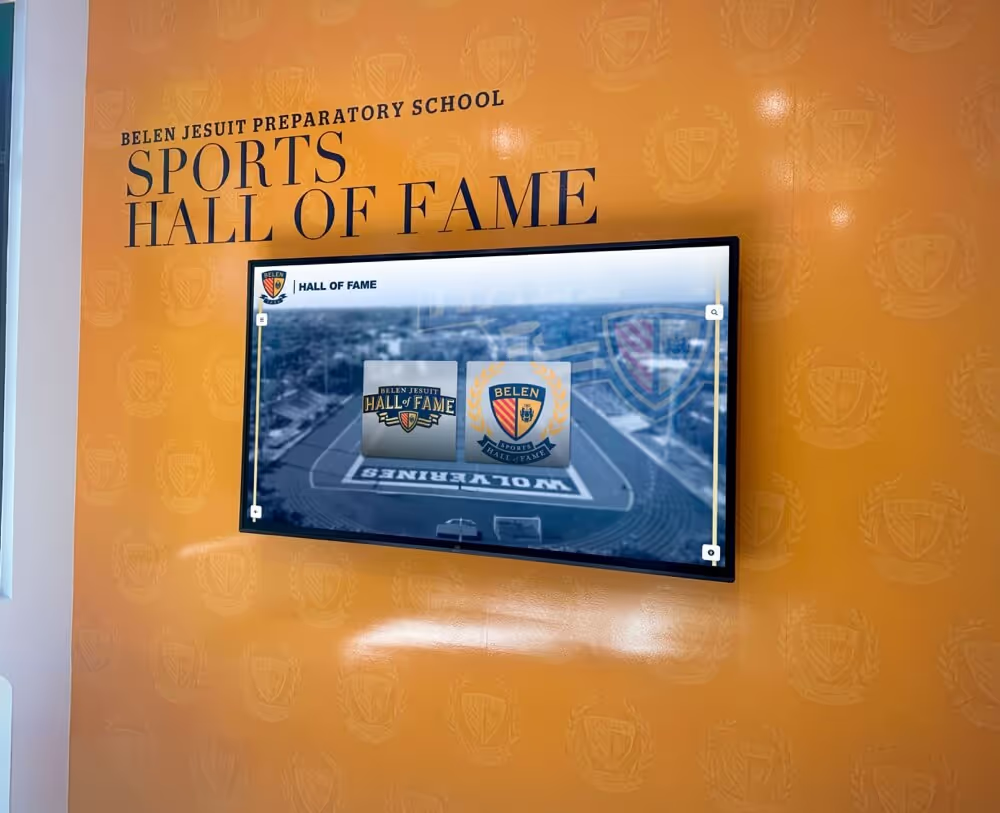
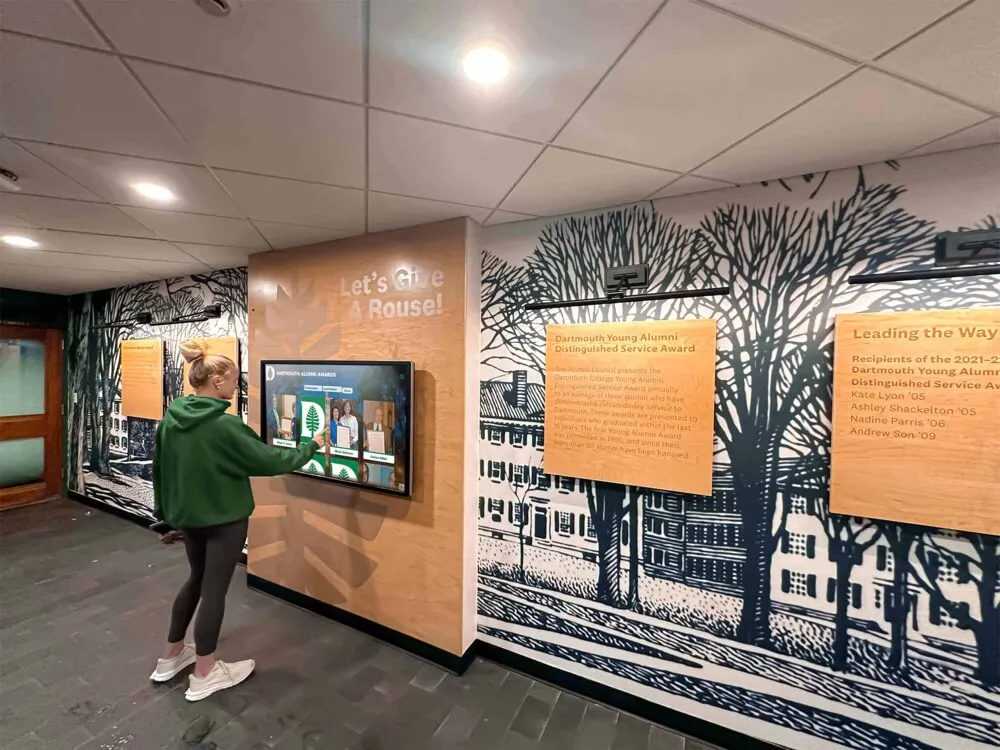
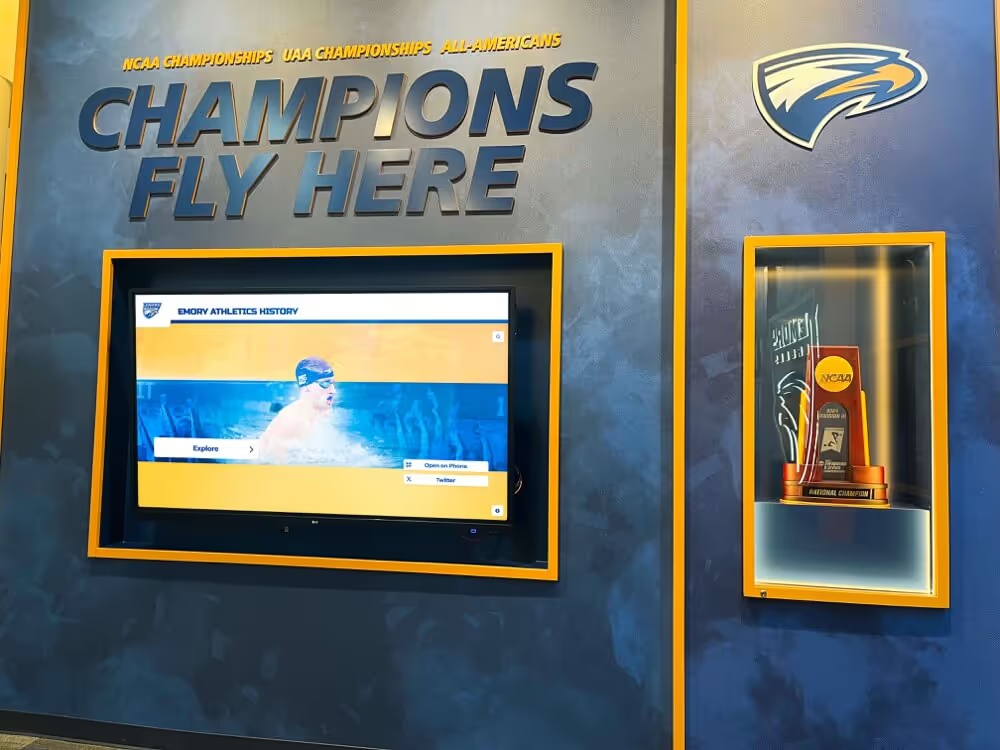
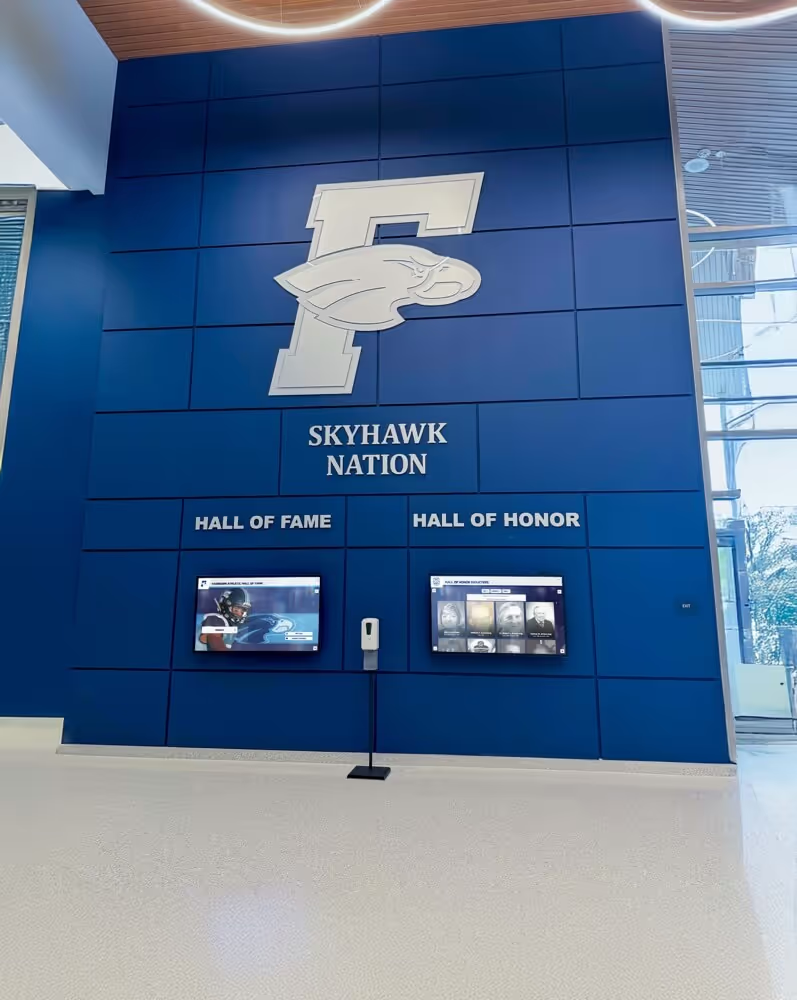
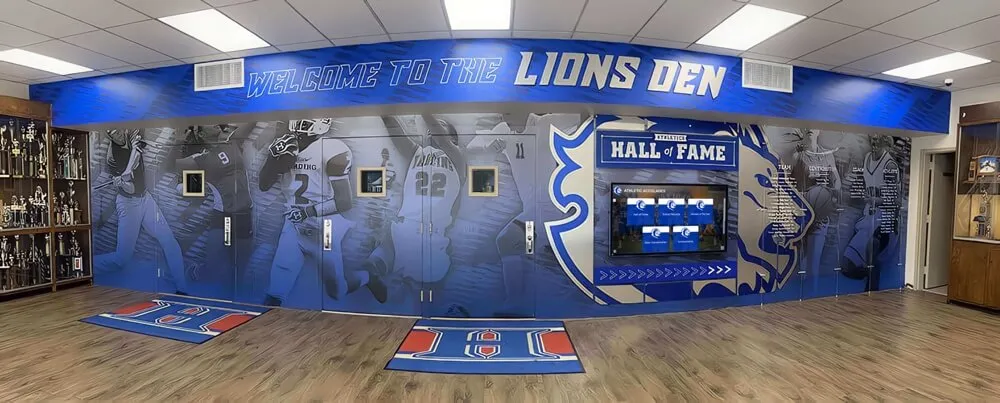
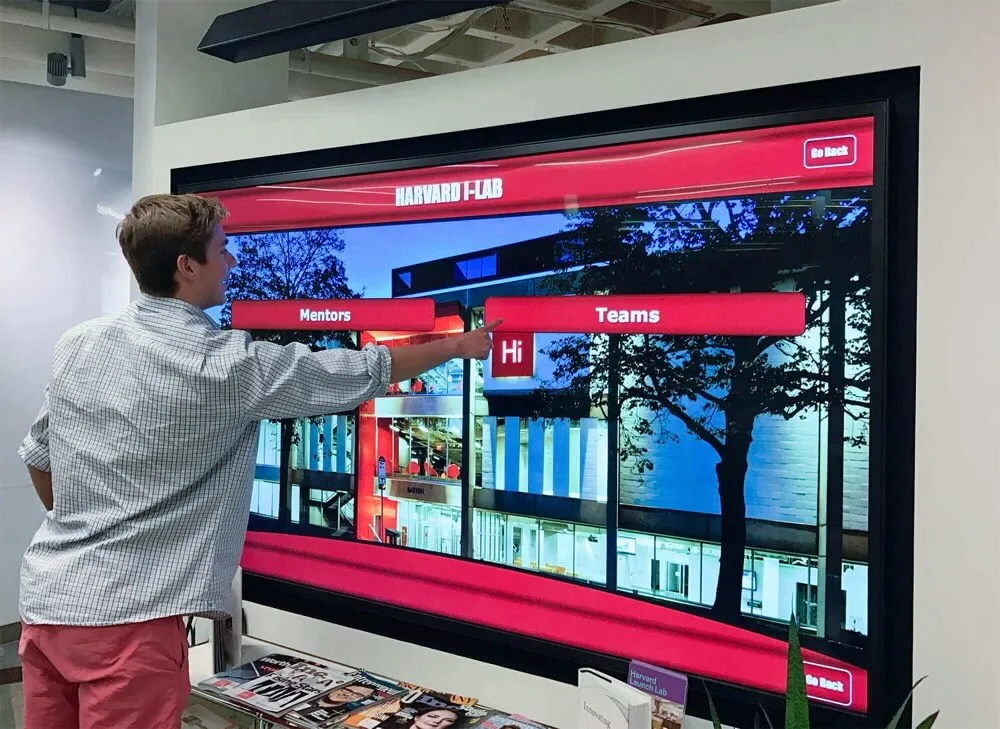
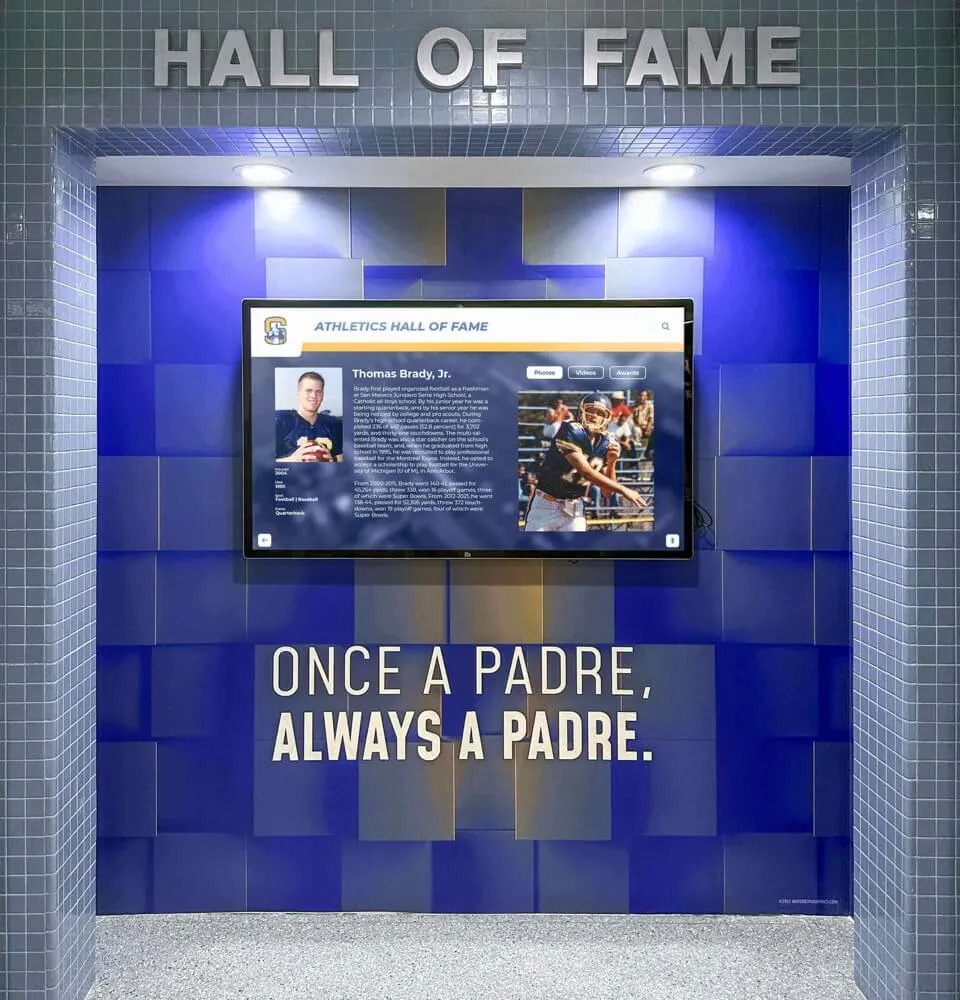
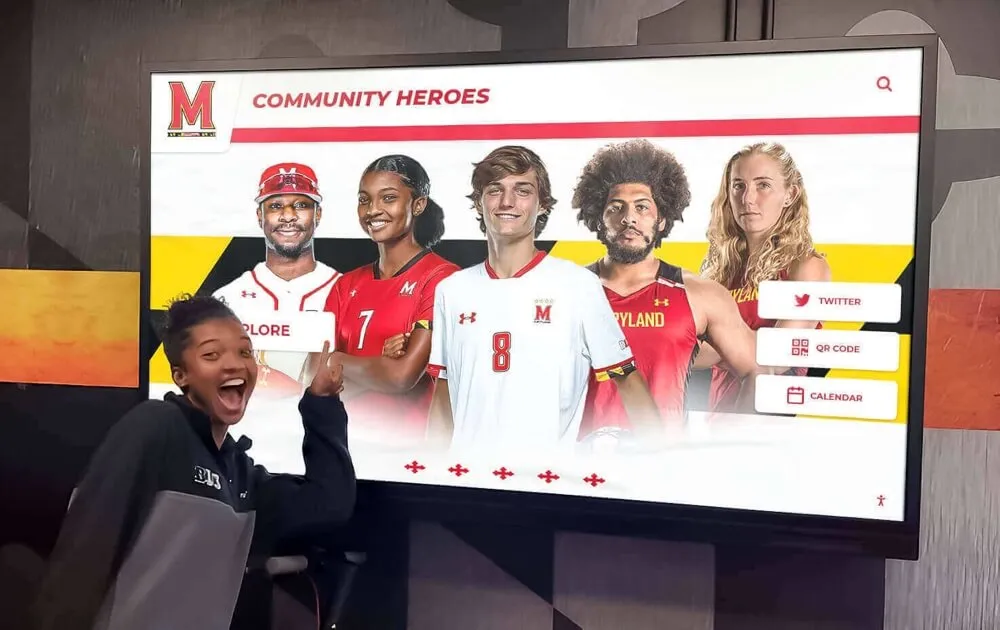
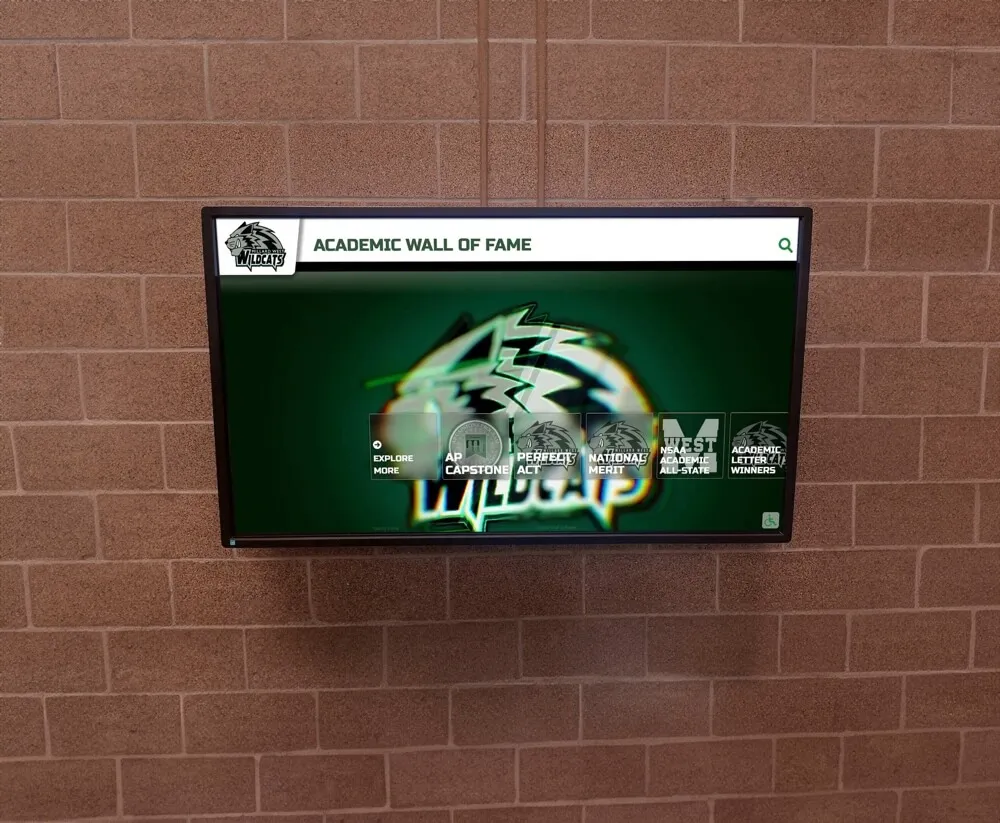
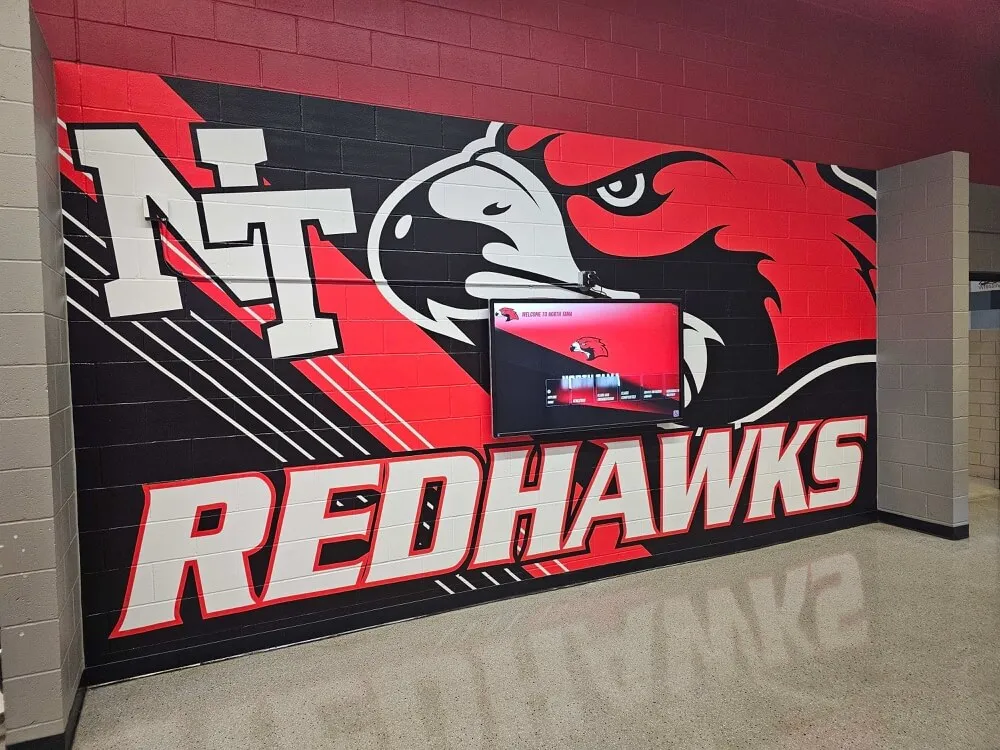
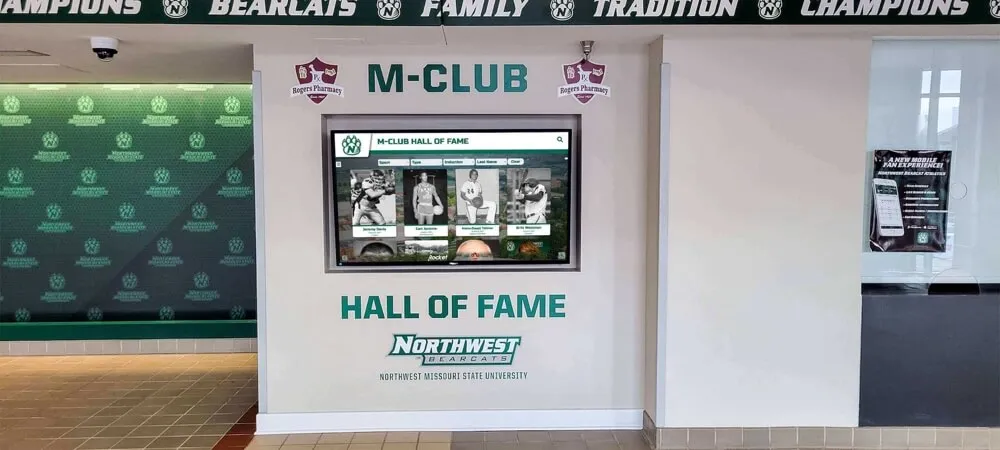
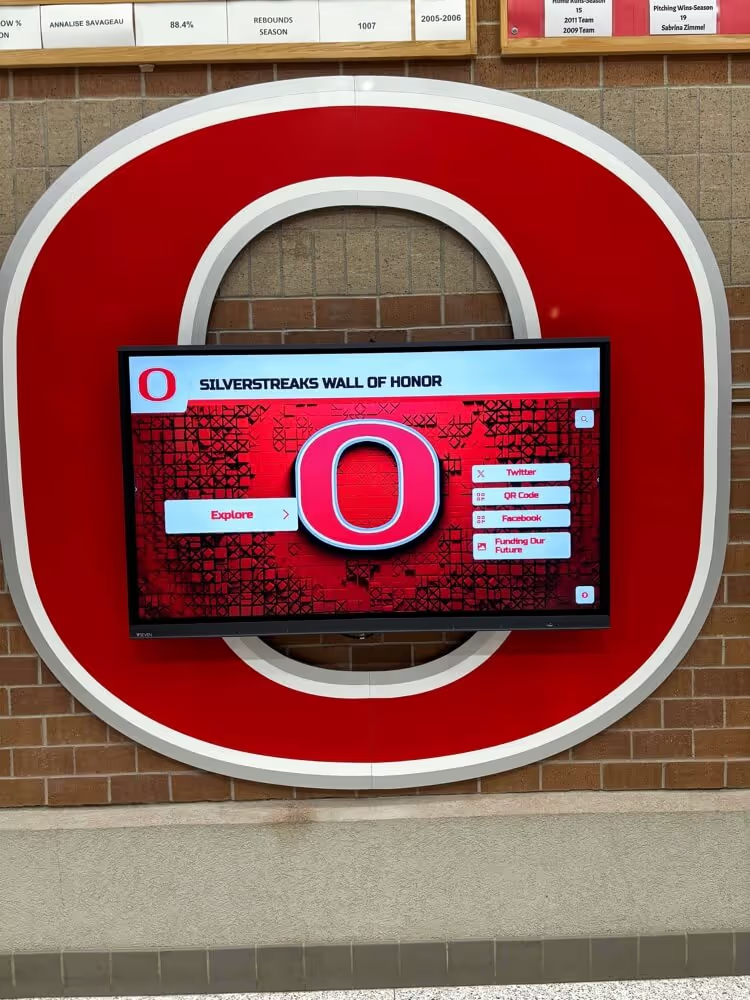
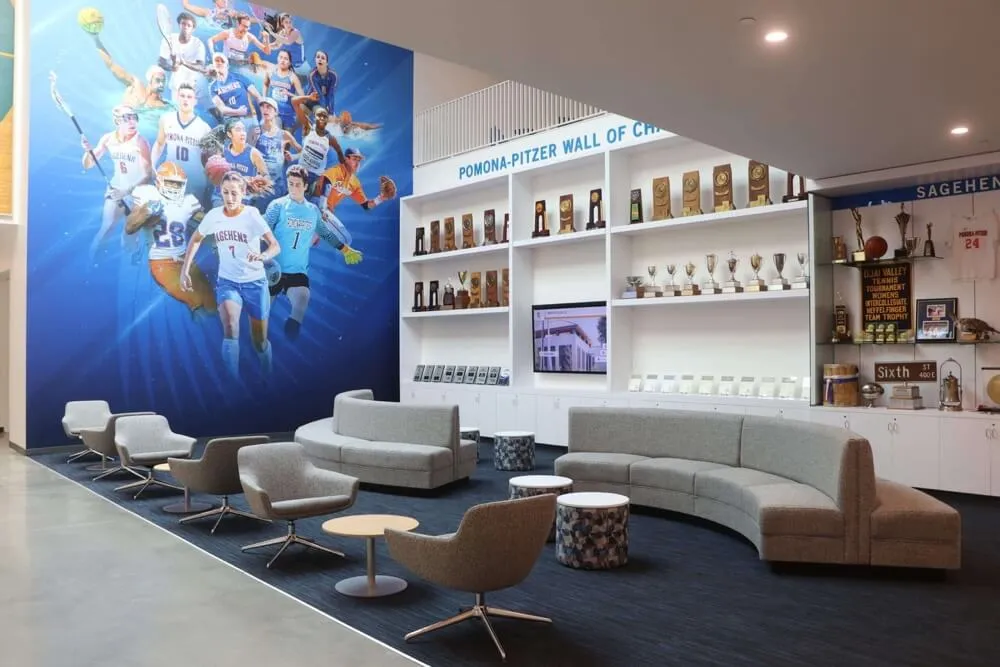
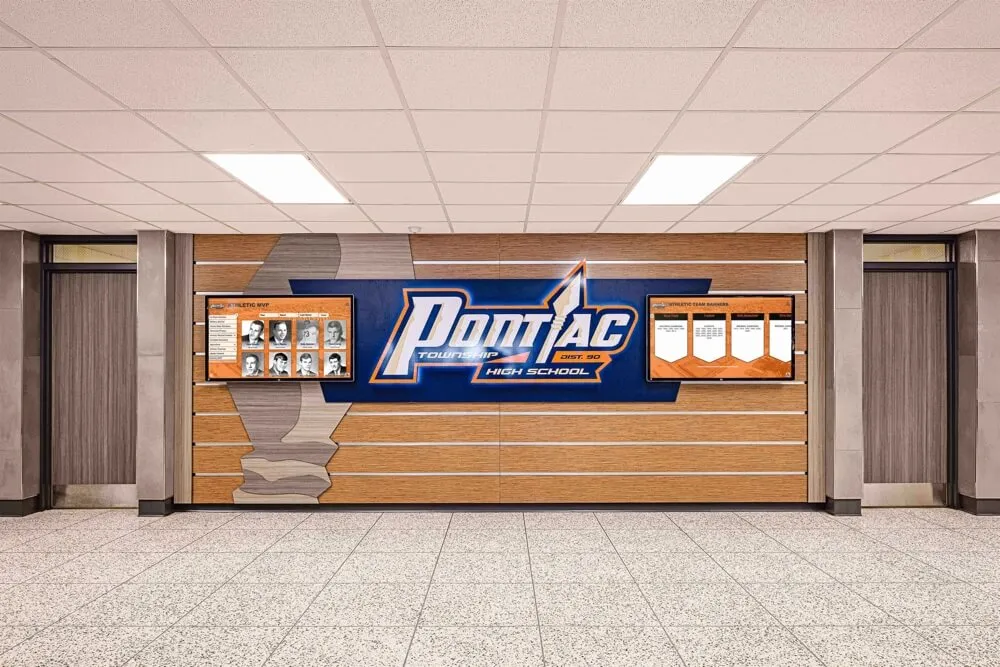
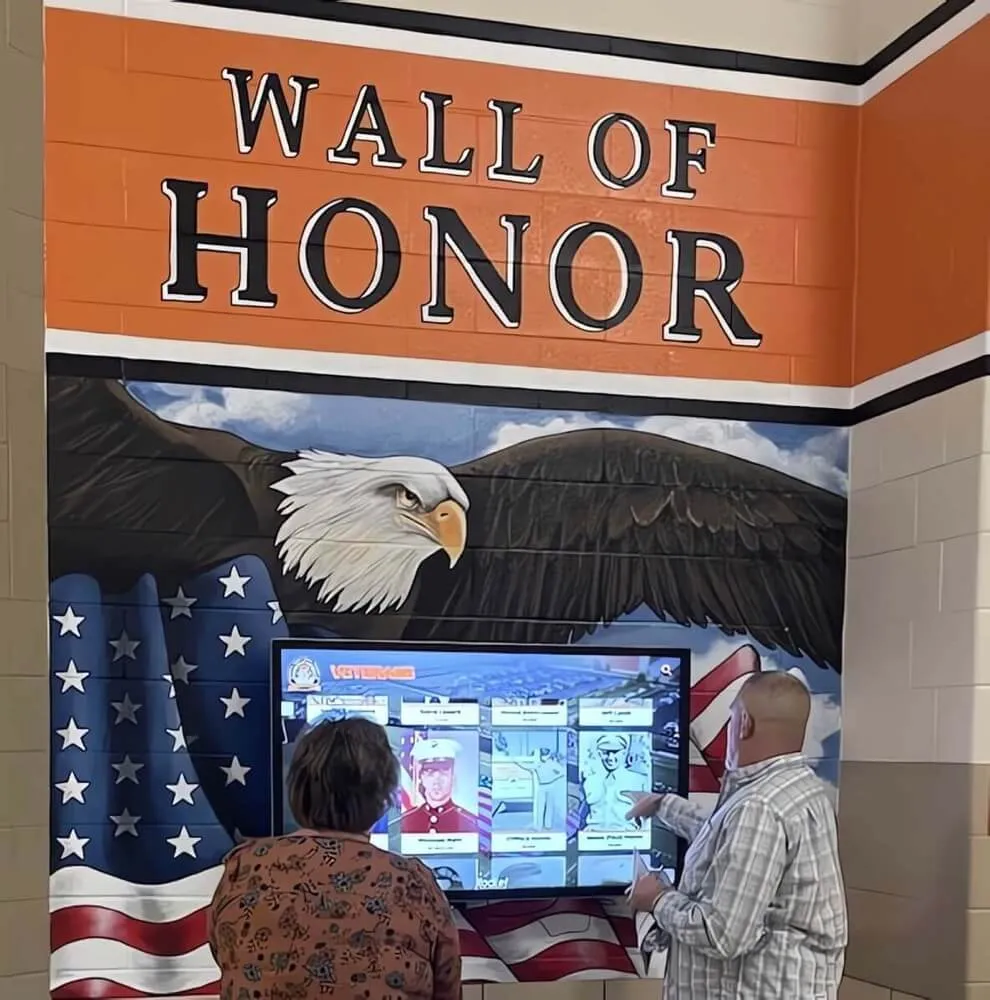
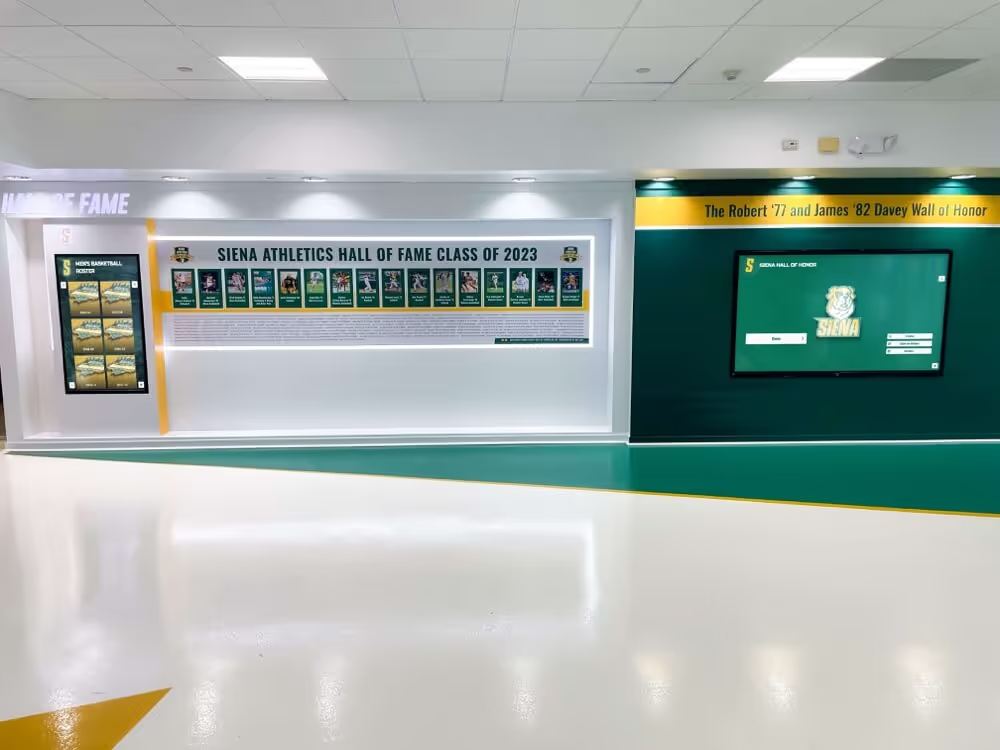
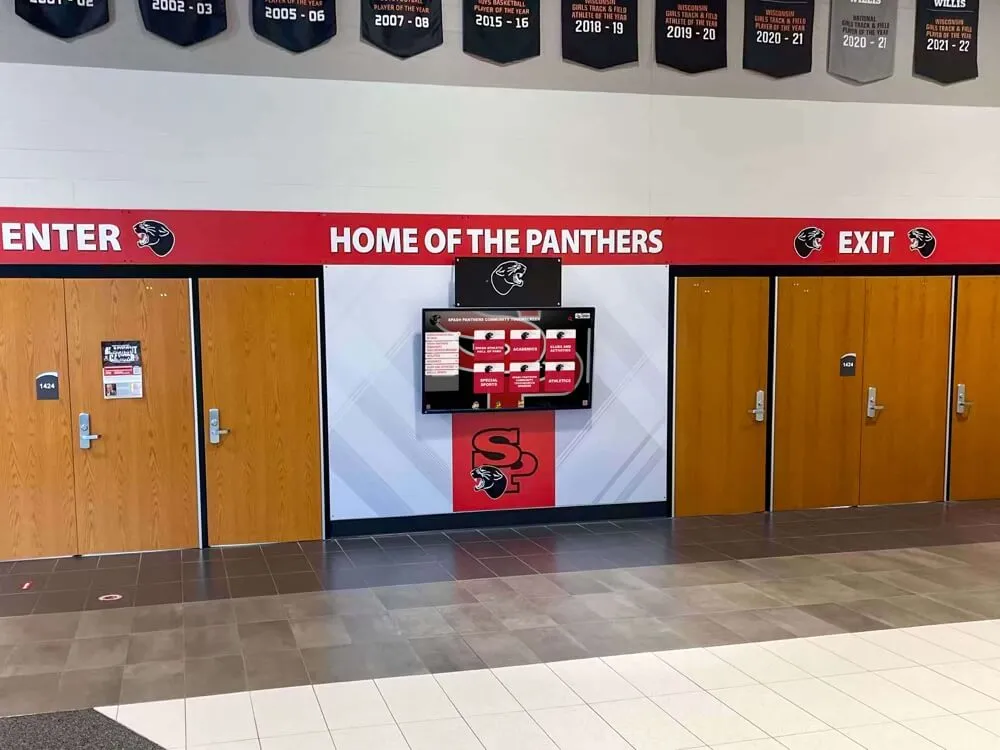
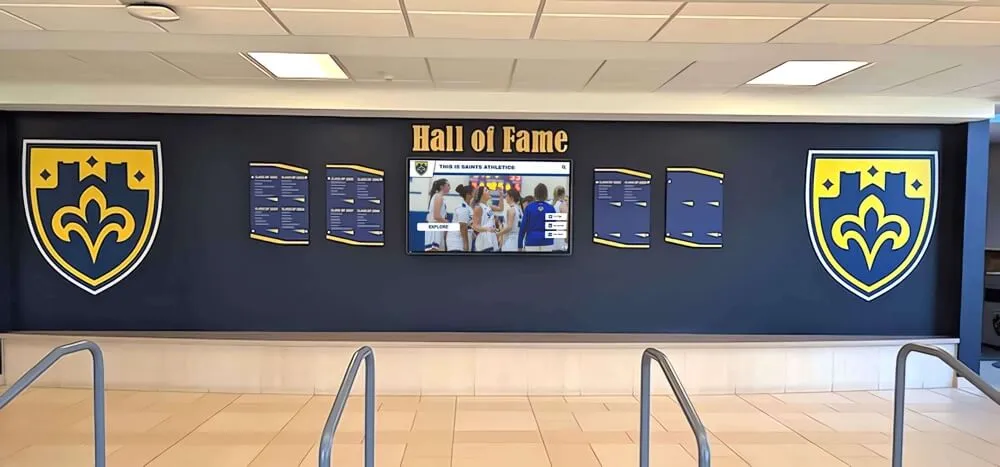
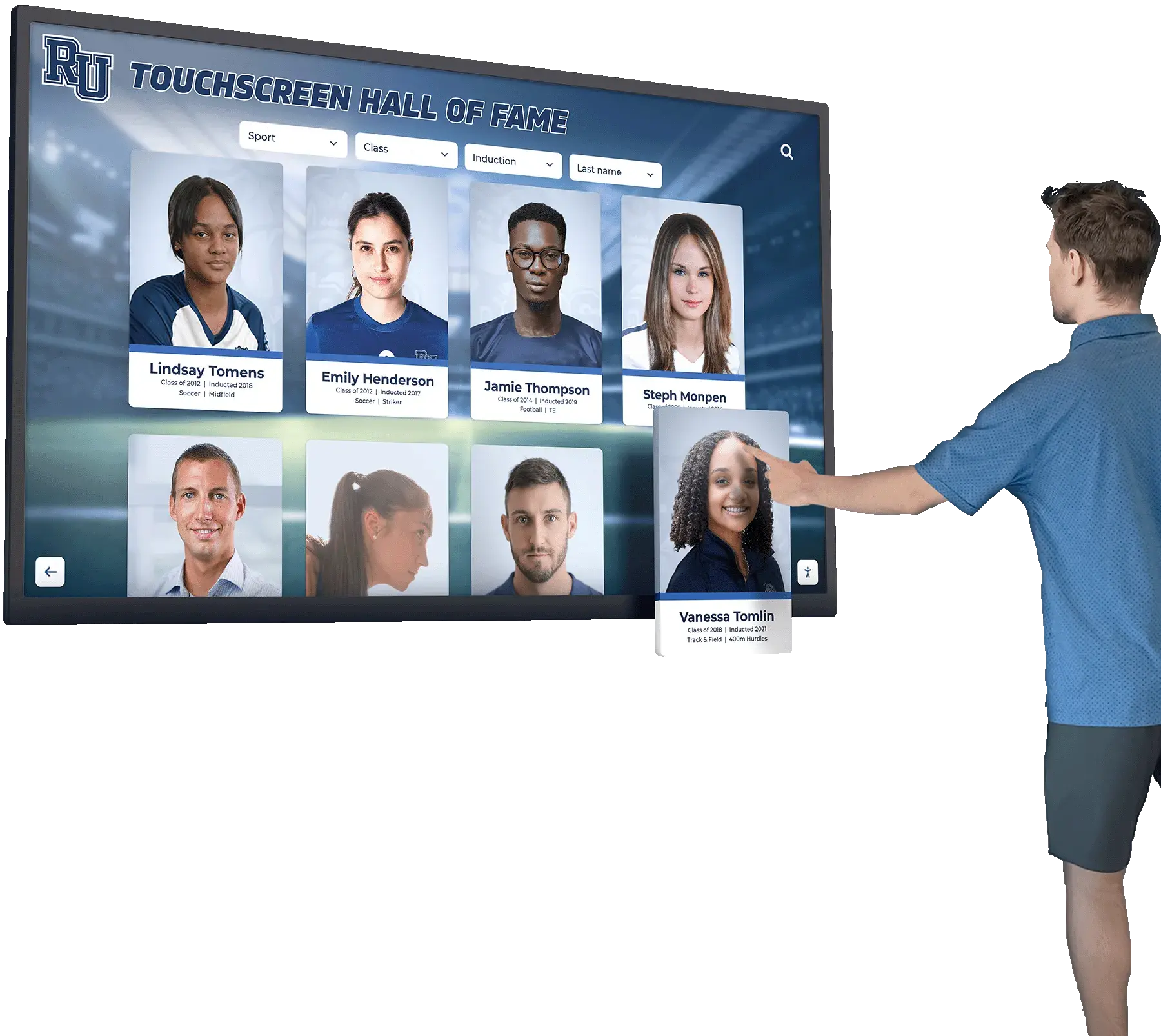
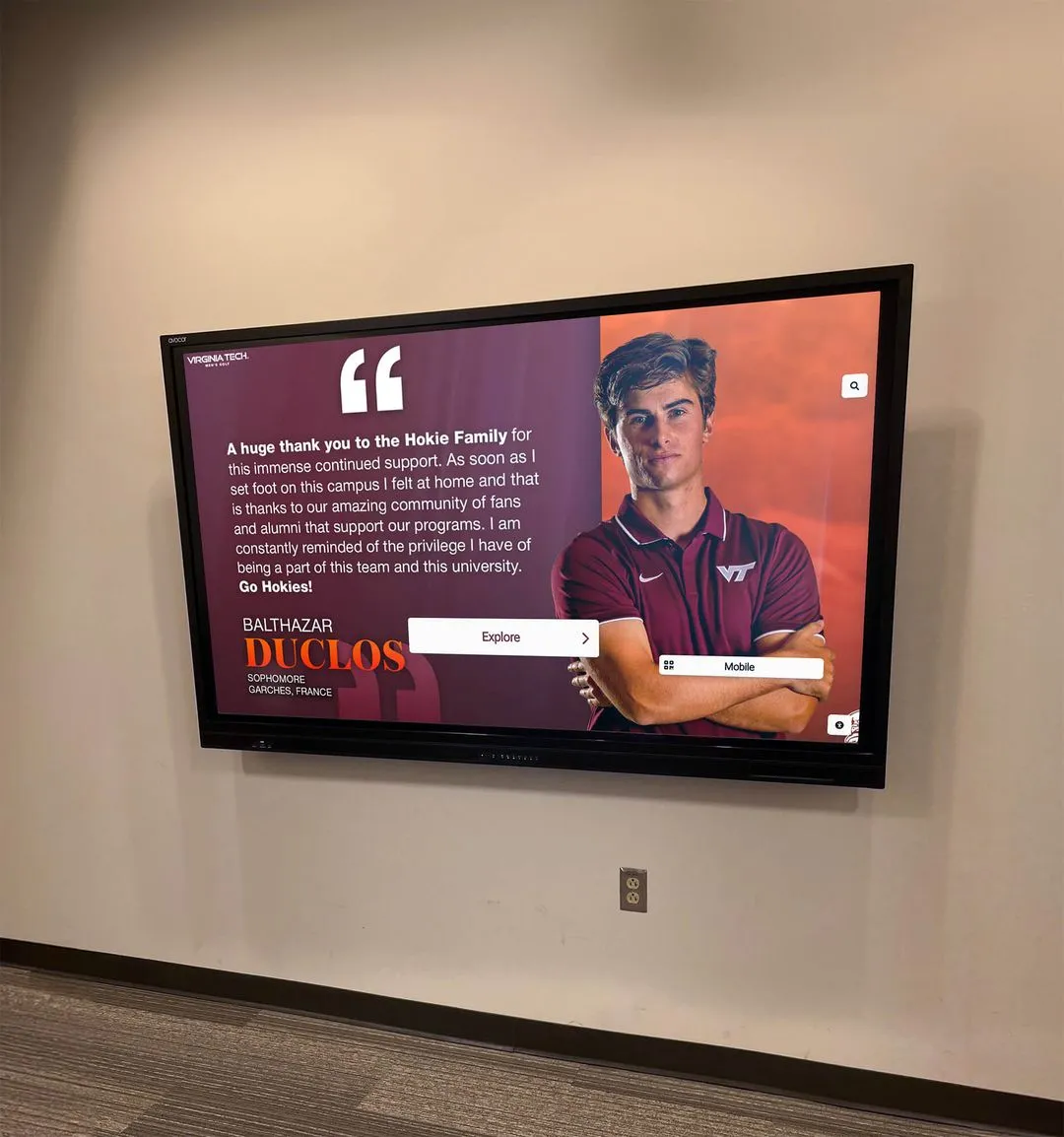
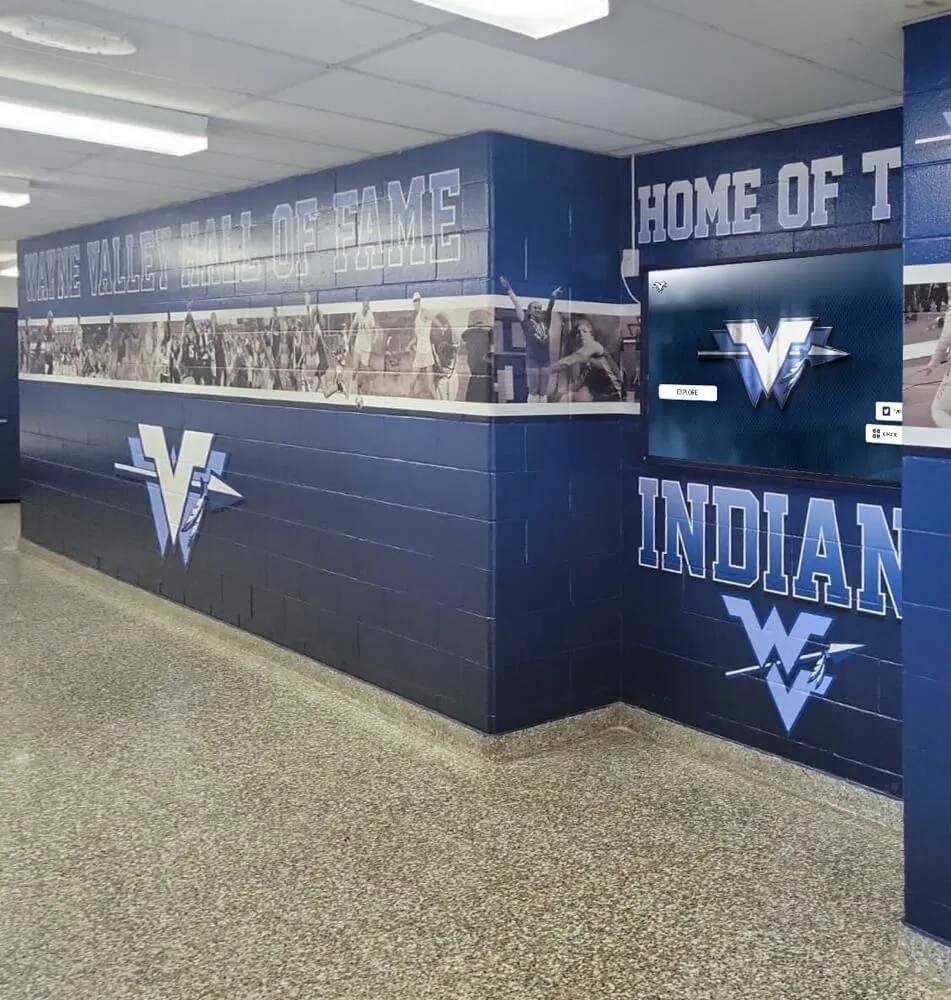
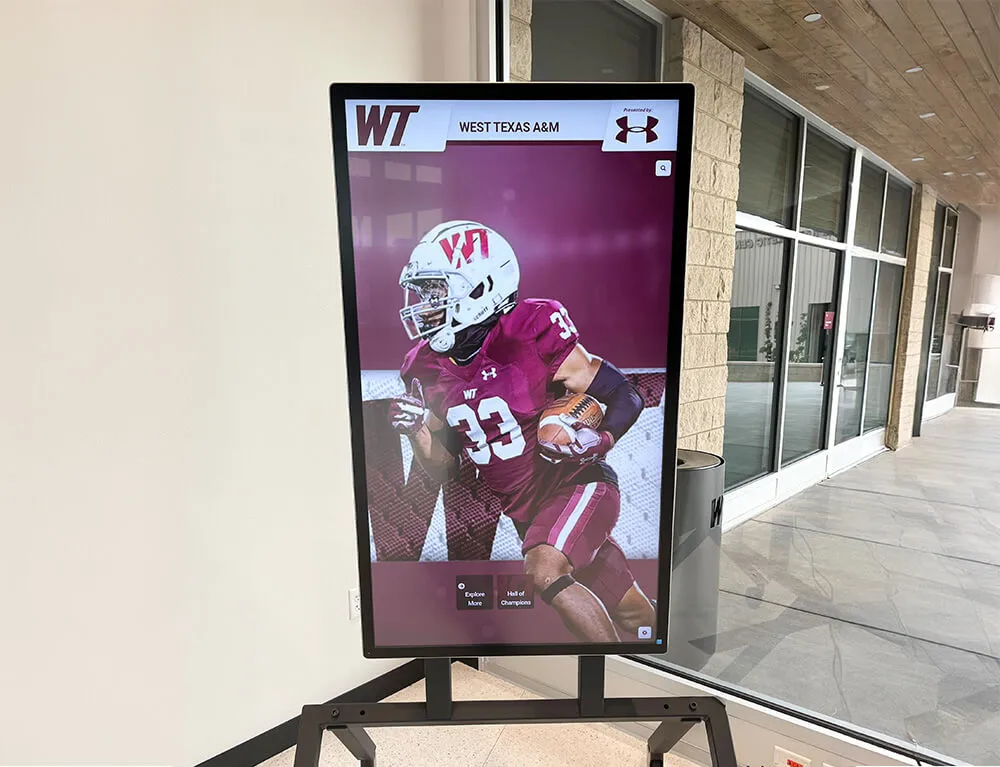
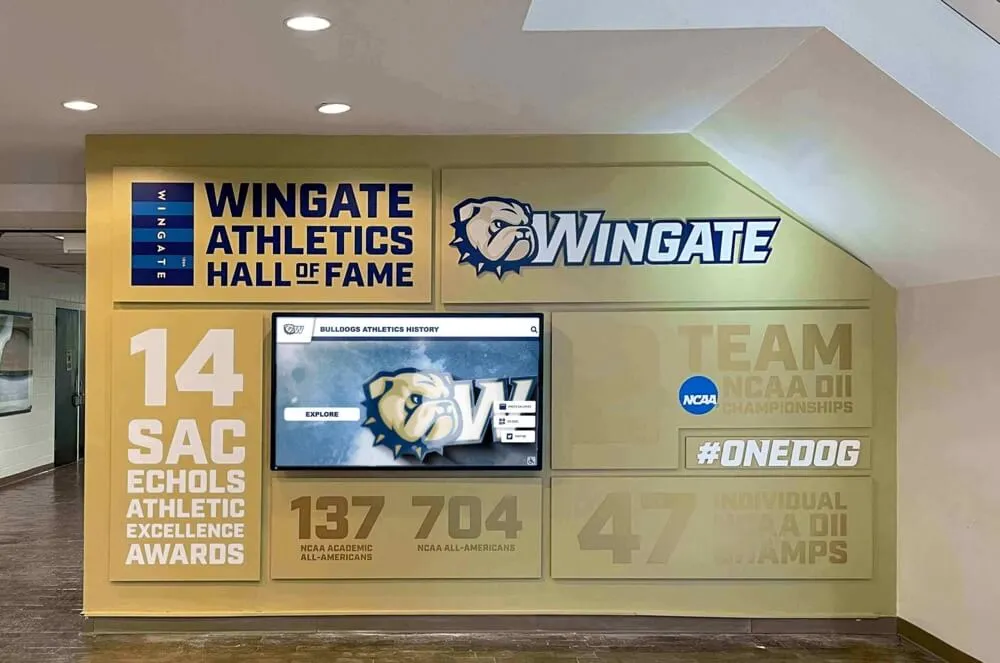
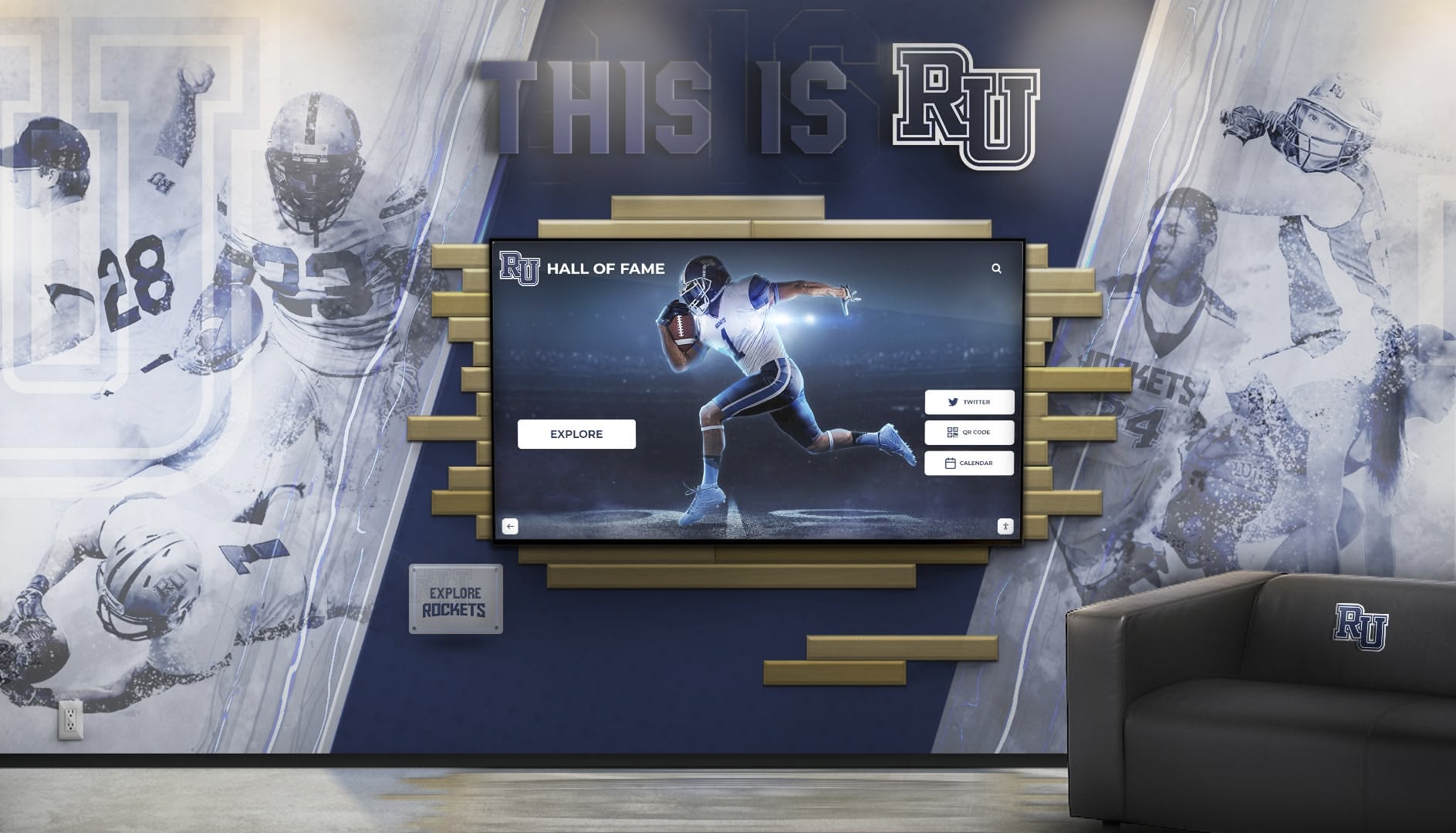
Homecoming celebrations create countless memorable moments—championship performances, royal court coronations, alumni reunions, and community gatherings—that deserve permanent recognition beyond fading photographs and dusty yearbooks. Digital recognition platforms transform how schools preserve and celebrate homecoming traditions by providing unlimited capacity for photos, videos, and stories from every homecoming celebration, instant updates during homecoming week showcasing real-time events and achievements, searchable archives enabling alumni to explore their own homecoming memories decades later, interactive displays in school entrances engaging students and visitors year-round, and web access allowing distant alumni to experience homecoming celebrations virtually. Solutions like Rocket Alumni Solutions enable schools to honor homecoming traditions permanently while building institutional memory systems that strengthen community connections and inspire school pride across generations.
Planning the Homecoming Football Game Experience
Successful homecoming football games require comprehensive planning that coordinates athletics, student activities, alumni engagement, and community participation into seamless celebrations.
Setting the Homecoming Date and Schedule
Strategic scheduling maximizes participation and creates optimal celebration conditions:
Game Timing Considerations
Most schools schedule homecoming football games for Friday evening home games during mid-season, typically late September or October. This timing offers several advantages: weather remains generally favorable for outdoor celebrations without late-season cold, student enthusiasm remains high before academic pressures intensify toward semester’s end, football teams have established identity and momentum creating competitive games, and fall foliage and seasonal atmosphere enhance evening aesthetics.
Schools must coordinate with conference schedules ensuring homecoming games occur at home against appropriate opponents. The ideal homecoming opponent presents competitive but winnable matchups—games expected to be close enough for genuine excitement but not overwhelming favorites that diminish celebration atmosphere. Traditional rivalry matchups during homecoming create electric atmospheres but require careful consideration of potential disappointment if games result in losses overshadowing celebration elements.
Homecoming Week Timeline
Effective homecoming celebrations extend beyond the Friday night game, incorporating week-long activities building anticipation:
- Monday: Homecoming week kickoff assembly, spirit week theme announcement, hallway decoration competitions begin
- Tuesday-Thursday: Daily dress-up themes, lunchtime activities, class competitions, float building sessions
- Thursday Evening: Pep rally featuring athletic team introductions, student performances, tradition ceremonies
- Friday Afternoon: Homecoming parade through community or campus featuring floats, royal court, band performances
- Friday Evening: Pre-game tailgating, alumni reception, football game with halftime coronation ceremony
- Saturday: Post-homecoming dance, alumni breakfast, campus tours for returning graduates
This extended timeline distributes participation across multiple events accommodating different student interests while building cumulative excitement reaching its peak during the Friday evening game.
Pre-Game Ceremonies and Traditions
The hours before kickoff establish homecoming atmosphere and engage diverse participants:
Homecoming Parade
Traditional homecoming parades create visible community celebrations:
Parade routes typically begin at school campus or downtown areas, proceeding through main streets enabling maximum community viewing before concluding at the football stadium. Parade participants include class floats built by student groups competing for recognition, homecoming royal court candidates riding in convertibles, marching band performances showcasing musical excellence, cheerleading and dance team routines energizing crowds, youth football teams representing program continuity, and alumni groups from milestone reunion classes.
Effective parades balance tradition with logistics—maintaining reasonable length preventing excessive delays before kickoff, coordinating with local authorities for street closures and traffic management, establishing safety protocols for participants and spectators, and judging float competitions using clear criteria announced in advance.
Alumni Tailgate and Recognition
Dedicated alumni spaces create welcoming environments for returning graduates:
Schools establish designated alumni tailgate areas near stadium entrances providing informal reunion opportunities before games. These spaces feature school-provided refreshments, tables facilitating conversation, memorabilia displays showcasing historical achievements, and name tag stations helping alumni reconnect with classmates. Athletic directors or alumni coordinators often circulate through these areas personally welcoming distinguished alumni and program supporters.
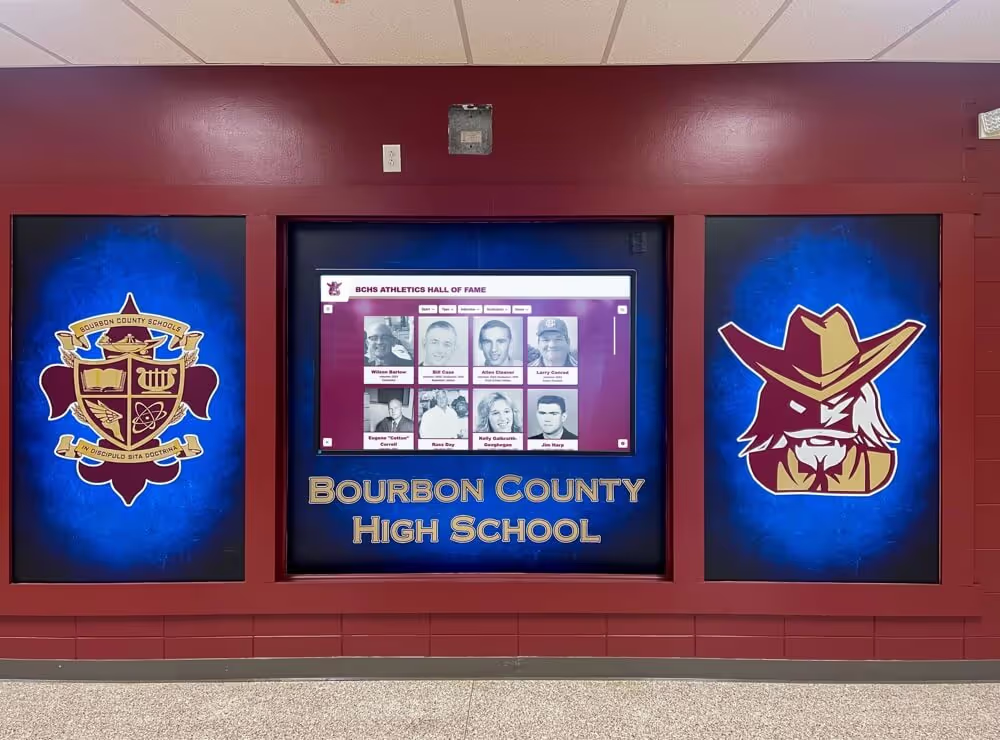
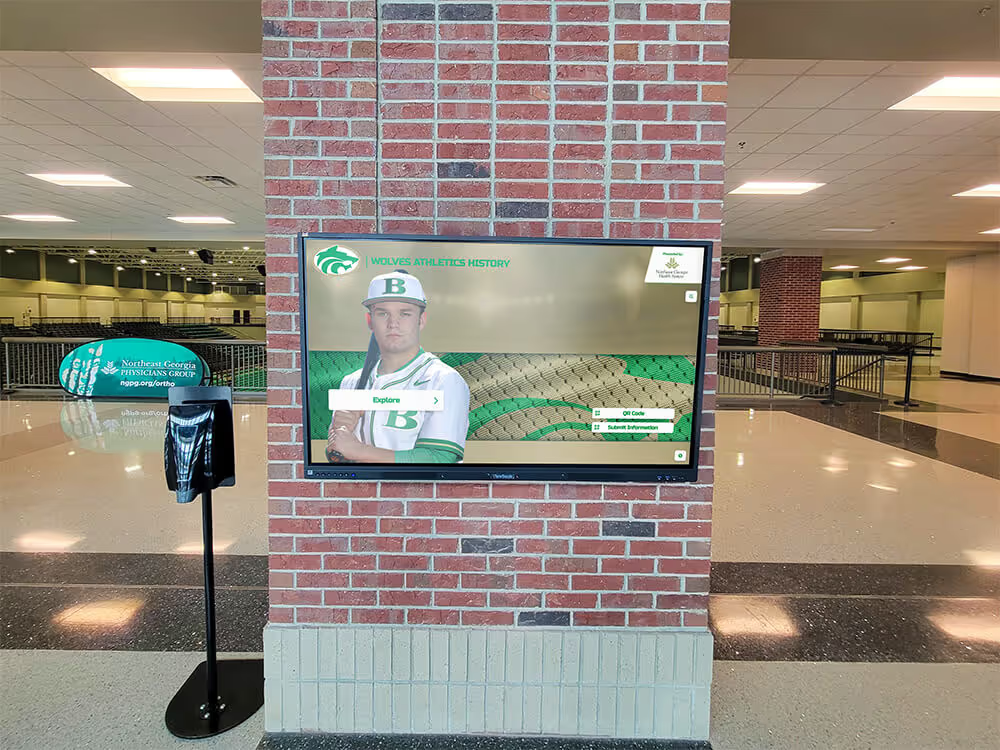
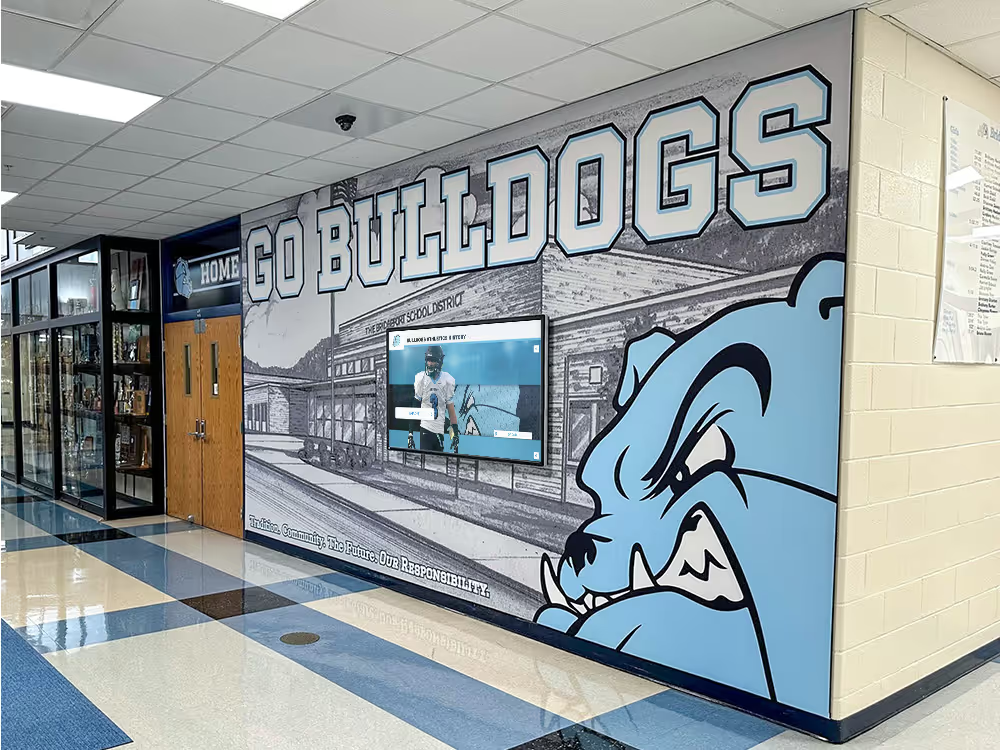
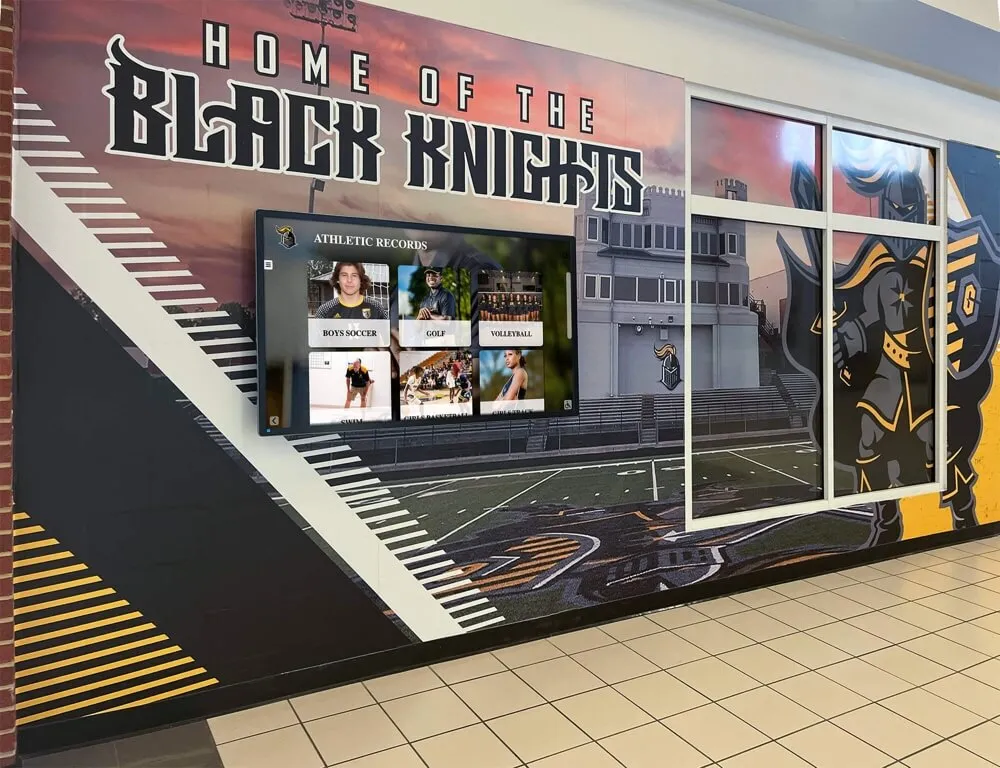
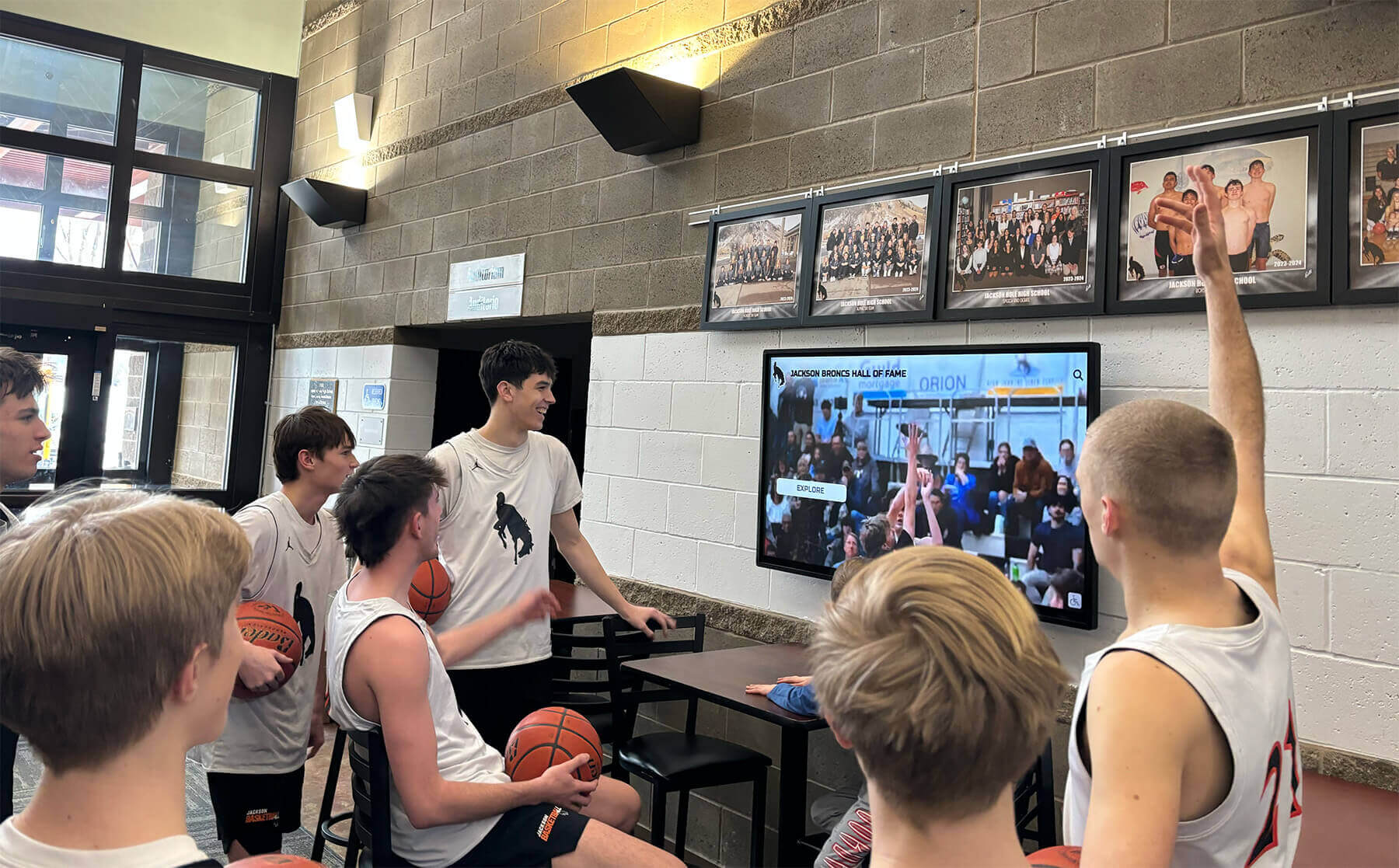
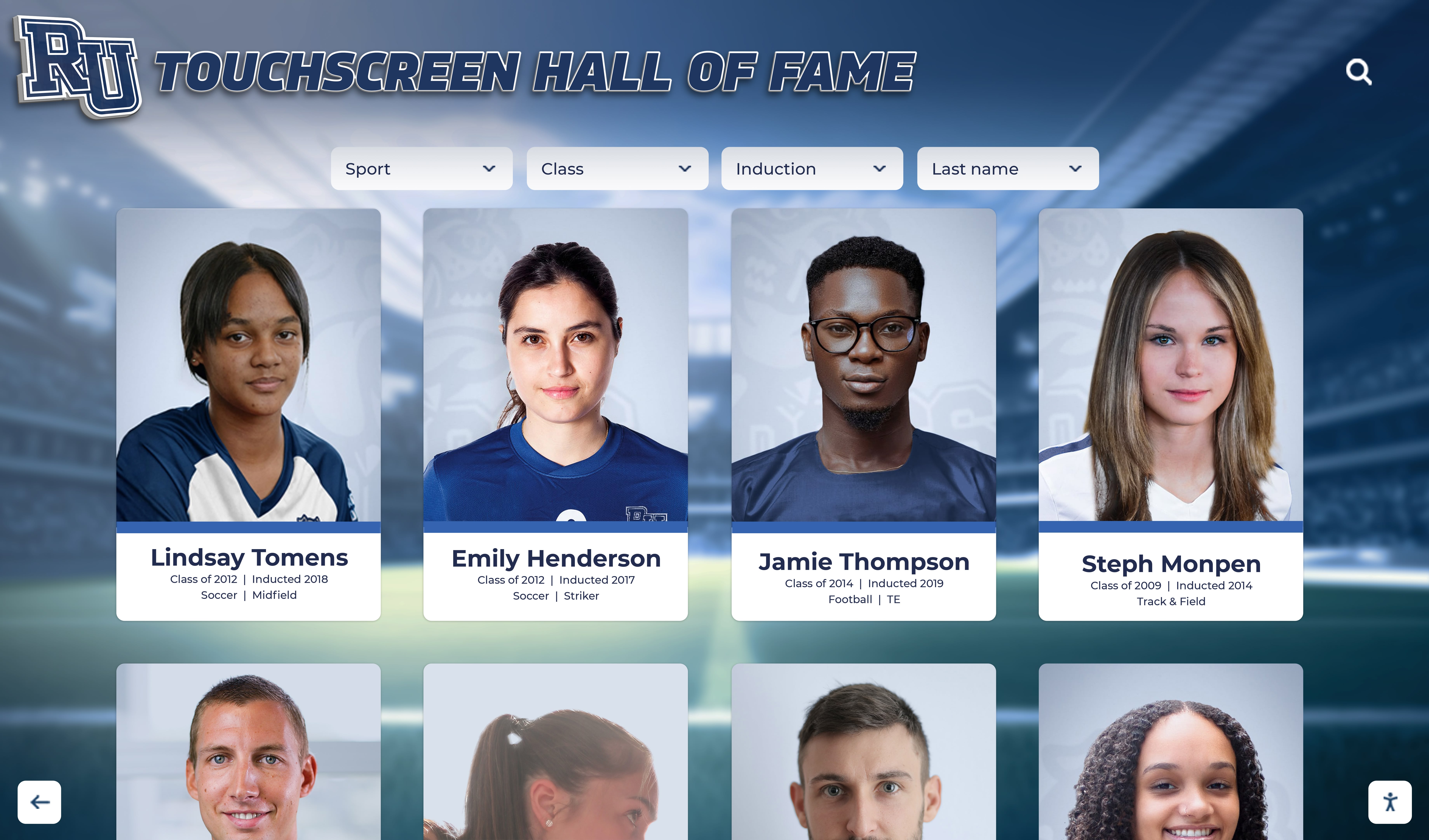
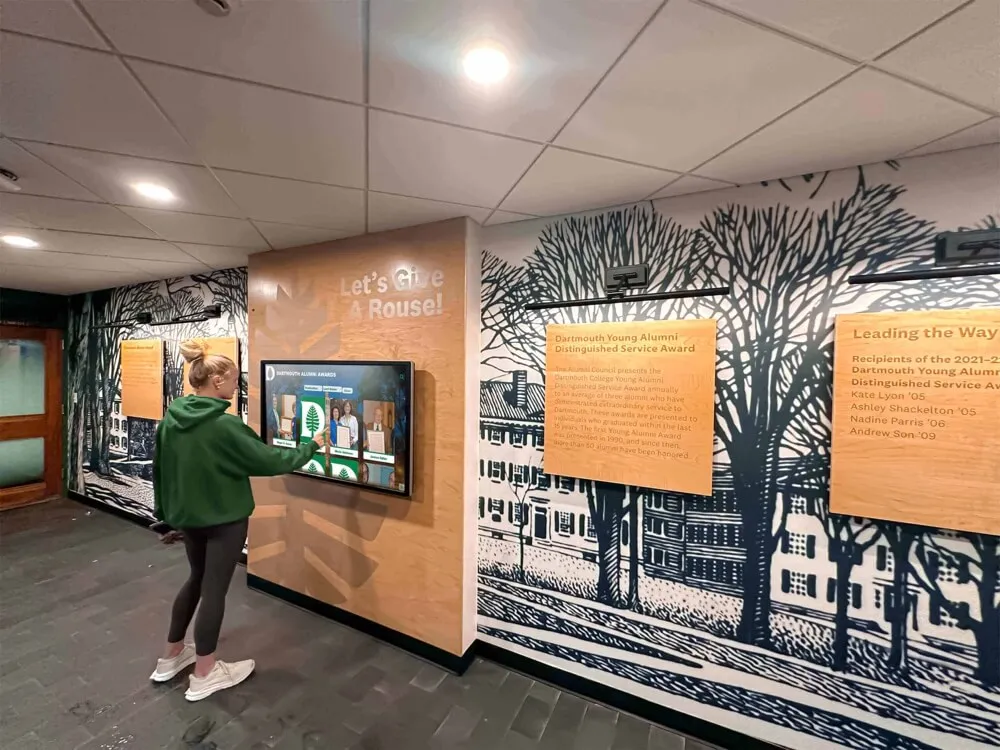
Progressive schools integrate digital recognition displays into pre-game alumni areas, allowing returning graduates to explore their own athletic careers, view historical rosters and team photos, and see how their achievements fit into comprehensive program histories. These interactive experiences create powerful emotional connections as alumni rediscover their own contributions to institutional traditions.
Resources on effective alumni event ideas demonstrate how schools create meaningful reunion experiences that strengthen community bonds.
Pre-Game Stadium Activities
The hour before kickoff provides opportunities for additional recognition and entertainment:
Youth football program participants run through the team banner ahead of varsity players, creating symbolic program continuity. Local youth cheerleading squads perform alongside high school teams, developing pipeline relationships. Former athletes or distinguished alumni serve as honorary captains participating in coin tosses. School administration recognizes significant community contributors or milestone anniversaries during pre-game announcements.
These activities require precise timing coordination ensuring all elements conclude before scheduled kickoff, maintaining game integrity while accommodating celebration components.
Halftime Ceremonies and Homecoming Court Recognition
Halftime provides the ceremonial centerpiece of homecoming celebrations, traditionally featuring royal court coronation and recognition.
Homecoming Court Selection and Presentation
Royal court selection processes vary widely across schools but share common elements:
Selection Methods
Most high schools select homecoming courts through democratic processes where students vote for candidates typically nominated by peers or student activities committees. Court structures commonly include:
- Senior Court: King and queen selected from senior class representing culmination of high school experience
- Grade-Level Representatives: Prince/princess or duke/duchess from each class level ensuring schoolwide participation
- Alternative Titles: Some schools adopt inclusive gender-neutral terminology like “royalty,” “ambassadors,” or “representatives”
- Multi-Sport Recognition: Courts representing various athletic programs beyond football, acknowledging diverse student participation
Selection criteria emphasize leadership, school involvement, academic standing, and peer respect rather than exclusively focusing on popularity or athletic achievement. Clear published standards ensure processes remain fair and transparent, preventing controversy that can undermine celebration spirit.
Halftime Coronation Ceremony
Coronation ceremonies follow established protocols:
The marching band performs processional music as court members enter the field accompanied by parents, guardians, or designated escorts. Announcers introduce each court member with biographical details highlighting academic achievements, extracurricular involvement, and post-graduation plans. Senior court members receive special recognition as final candidates are announced. The crowning moment—when previous year’s royalty pass crowns to new king and queen—represents symbolic leadership transition.
Effective ceremonies balance formality with authenticity, avoiding excessive pageantry that feels uncomfortable for student participants while maintaining sufficient tradition to make moments feel significant. Photography and videography capture ceremony moments families treasure, with many schools now incorporating these images immediately into digital recognition displays creating instant permanent records.
Marching Band Performances and Student Activities
Halftime entertainment extends beyond coronation ceremonies:
Marching Band Shows
Halftime provides marching bands their premier performance platform showcasing months of preparation. Homecoming shows typically feature crowd-pleasing music selections balancing contemporary hits with traditional school fight songs. Complex formations, synchronized movements, and musical excellence demonstrate student dedication while entertaining diverse audiences.
Many bands design special homecoming shows incorporating school-specific themes, paying tribute to institutional history, or acknowledging significant anniversaries. These customized performances create unique memorable experiences distinguishing homecoming from regular season games.
Dance Team and Cheerleading Showcases
Spirit squads present choreographed routines highlighting season preparation and team talent. Homecoming performances often feature expanded routines beyond typical sideline cheers, incorporating creative themes or special musical selections. These performances build school spirit while recognizing student athletic and artistic achievement beyond traditional sports.
Alumni Recognition During Halftime
Progressive schools dedicate halftime segments to alumni acknowledgment:
Schools recognize milestone reunion classes attending homecoming—25-year, 50-year, and other significant anniversary groups receive field introductions and recognition from current administration. Distinguished alumni achieving notable professional success, military service, or community contributions receive special acknowledgment connecting current students to alumni achievement examples.
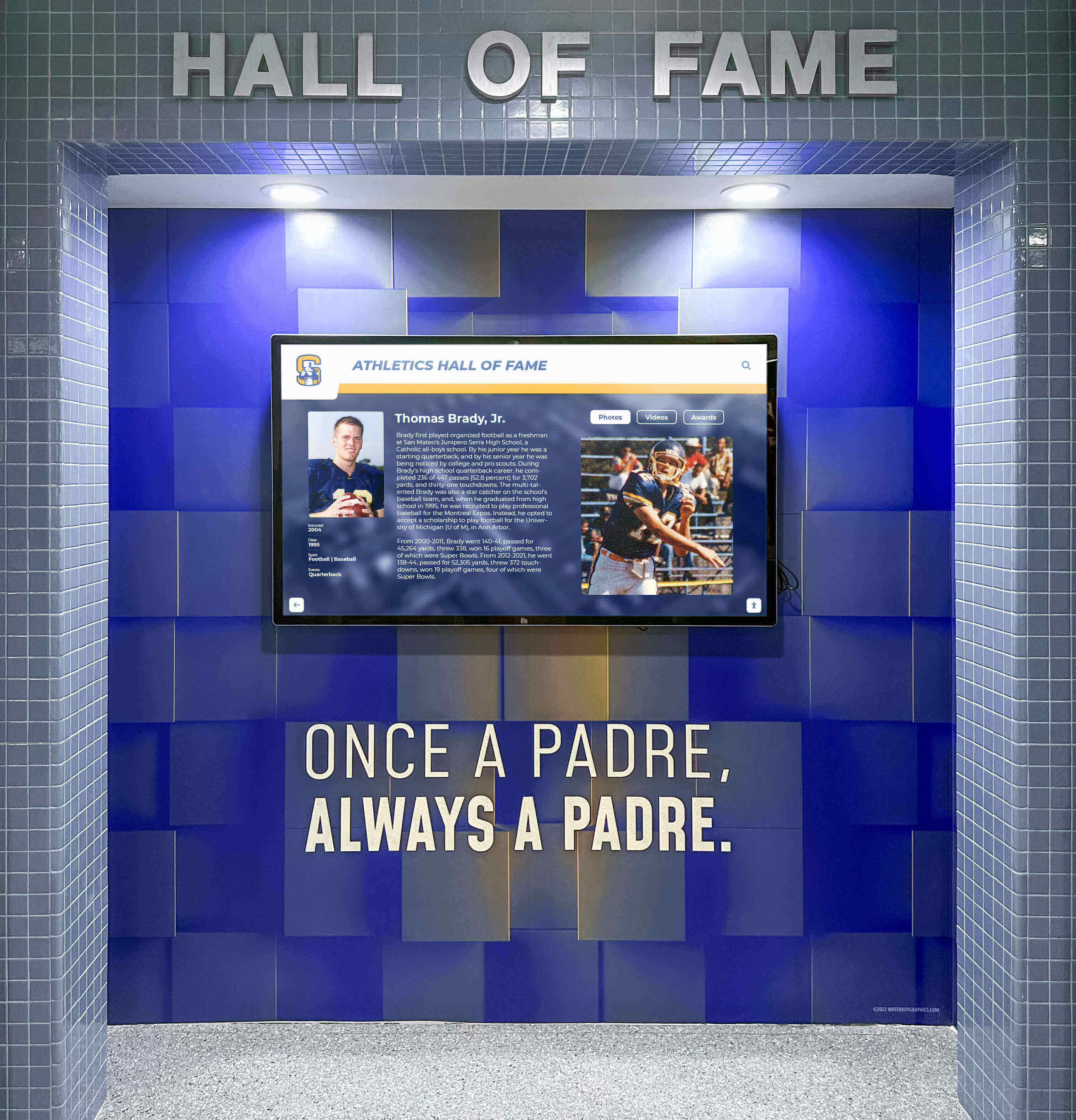
Athletic program halls of fame may conduct induction ceremonies during homecoming halftimes, with new inductees recognized before full stadium audiences. This strategic timing maximizes attendance and visibility while connecting athletic recognition traditions to broader homecoming celebrations.
Insights on senior night ideas translate effectively to homecoming alumni recognition, demonstrating how schools honor achievement across different ceremonial contexts.
Homecoming Week Spirit Activities and Student Engagement
The game itself represents the culmination of week-long activities building anticipation and school unity.
Daily Spirit Themes and Dress-Up Days
Themed dress days create visible participation and fun competition:
Classic Spirit Week Themes
Traditional themes include:
- Decades Day: Students dress representing different historical eras (50s, 60s, 70s, 80s, 90s)
- Twin Day: Partners coordinate identical outfits demonstrating friendship and creativity
- College Spirit Day: Students wear apparel from colleges they hope to attend or family alma maters
- Class Color Day: Each grade level wears designated colors building class identity
- School Spirit Day: Everyone wears school colors and athletic apparel displaying institutional pride
Effective themes balance creativity with accessibility—avoiding themes requiring expensive purchases or making students uncomfortable participating. Clear guidelines prevent inappropriate costumes while allowing creative expression.
Class Competitions and Point Systems
Many schools implement competition frameworks where classes earn points throughout homecoming week:
Daily participation percentages measured by themed dress participation, hallway decoration judging scores, lunchtime activity competition results, pep rally performance evaluations, and parade float rankings accumulate toward overall class championship recognition. These competitive elements motivate participation while building grade-level unity and school-wide enthusiasm.
Hallway Decoration and School Environment
Physical environment transformations create immersive homecoming atmosphere:
Class Hallway Assignments
Schools assign hallway sections to different grade levels for competitive decoration. Classes select themes, design coordinated displays, and create elaborate decorations transforming standard corridors into vibrant celebrations. Faculty advisors supervise decoration processes ensuring safety compliance and appropriate content while allowing student creative control.
Decoration competitions receive formal judging using criteria like creativity, theme execution, construction quality, and school spirit demonstration. Winning classes receive recognition during pep rallies or games, with photos of winning decorations preserved in school archives and digital displays.
Digital Displays and Dynamic Content
Modern schools enhance traditional decorations with digital recognition platforms:
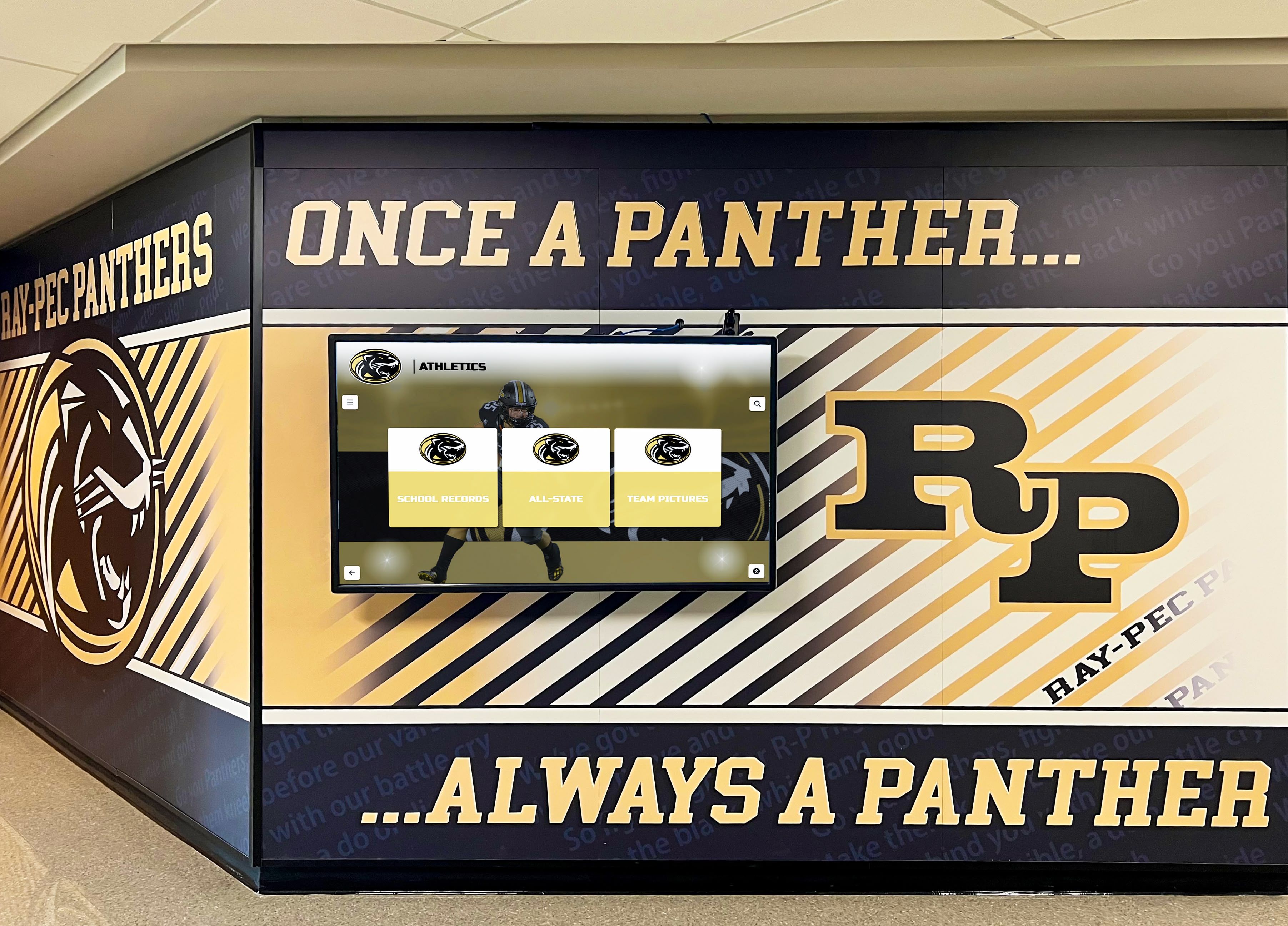
Screens throughout school buildings showcase real-time homecoming week content—photo slideshows from daily activities, video messages from alumni, countdown timers building game anticipation, and updated competition standings maintaining engagement. These displays provide flexible content management enabling instant updates as homecoming week progresses.
Digital platforms overcome limitations of temporary paper decorations by preserving homecoming memories permanently. Students can explore previous years’ celebrations, view their own participation memories years later, and see how homecoming traditions evolve across decades.
Resources on digital hall of fame implementation demonstrate how schools build comprehensive recognition systems that include homecoming traditions alongside academic and athletic achievements.
Pep Rally Programming and School Spirit
Pep rallies serve as emotional preparation for homecoming games:
Pep Rally Components
Effective pep rallies combine multiple elements:
Marching band fanfares create energetic openings setting enthusiastic tone. Student leadership introduces daily agenda and facilitates smooth transitions between activities. Fall athletic team introductions acknowledge all programs—football, volleyball, cross country, soccer, and others—ensuring inclusive recognition rather than exclusively football focus.
Class cheering competitions evaluate spirit demonstration with winning classes receiving recognition and point allocations toward overall homecoming championships. Student performances including dance routines, musical acts, comedy sketches, or video productions showcase talent while building community through shared entertainment.
Special guests—alumni speakers, distinguished community members, or notable former athletes—provide inspirational messages connecting current students to broader institutional legacy. Coach speeches motivate teams while rallying community support behind athletic programs.
Tradition Ceremonies and Rituals
Many schools incorporate unique traditions into pep rallies:
Passing symbolic items—game balls, banners, championship trophies—between senior leaders and underclassmen represents continuity and leadership transition. Lighting ceremonial torches or candles symbolizes school spirit igniting. Singing traditional school songs together creates emotional unity. These ritualized moments, repeated annually, build tradition connecting current students to decades of previous celebrations.
Post-Game Celebrations and Homecoming Dance
Homecoming festivities extend beyond the final whistle:
Immediate Post-Game Activities
The moments after games provide organic celebration opportunities:
Winning homecoming games creates spontaneous field celebrations where students rush to congratulate players, bands perform fight songs repeatedly, and communities bask in victory euphoria. Even close losses during homecoming games often generate pride in competitive performances and respect for player effort.
Many schools organize informal post-game gatherings at local restaurants or community spaces where students, families, and alumni continue celebrations. These unstructured social opportunities often create meaningful connections as different community segments interact informally.
Homecoming Dance Traditions
Saturday evening homecoming dances cap celebration weeks:
Dance Themes and Decoration
Dance committees select themes coordinating with overall homecoming concepts or establishing unique complementary ideas. Decorations transform gymnasiums or event spaces into immersive environments through lighting, props, backdrops, and creative design. Photo booth areas with themed props create shareable memories students treasure.
Inclusive Dance Formats
Modern homecoming dances emphasize inclusive participation over exclusionary date requirements. Many schools actively promote attending with friend groups rather than exclusively couples, ensuring students without romantic relationships feel welcome. Clear behavioral expectations and adequate chaperoning maintain appropriate environments while allowing genuine fun.
Post-Dance Traditions
Some communities organize supervised post-dance activities providing safe structured alternatives to unsupervised parties. Bowling nights, movie screenings, or breakfast gatherings extend homecoming weekends while maintaining appropriate oversight protecting student safety.
Alumni Engagement and Reunion Integration
Homecoming provides natural timing for alumni reunion activities:
Organizing Milestone Reunion Classes
Schools coordinate with reunion classes celebrating significant anniversaries—10, 25, 50 years since graduation—during homecoming weekends:
Pre-Game Reunion Receptions
Dedicated spaces before games enable class-specific gatherings where alumni reconnect with classmates, tour updated facilities, and share life experiences. Schools provide historical materials—yearbooks, newspaper clippings, team photos—prompting memory sharing and storytelling.
Digital recognition platforms create powerful reunion tools enabling alumni to explore their own school years through archived content. Former athletes view their statistics and team rosters. Students find their yearbook photos and activities. Alumni discover how their achievements fit into comprehensive school history narratives.
Recognition During Game Ceremonies
Milestone reunion classes receive field introductions during pregame or halftime ceremonies. Public address announcers acknowledge attendance, provide class details, and invite stadium recognition. These moments create emotional connections as alumni experience current student body acknowledgment while current students witness living examples of institutional continuity.
Post-Game or Saturday Alumni Events
Many schools organize Saturday morning alumni breakfasts, campus tours, or casual gatherings enabling extended reunion time beyond Friday evening game constraints. These additional touchpoints accommodate alumni unable to attend games while providing alternative engagement opportunities.
Resources on recognition program best practices demonstrate systematic approaches to honoring achievement that strengthen community relationships.
Creating Lasting Alumni Connections
Strategic homecoming planning builds sustained alumni engagement beyond single events:
Alumni Directory Updates
Homecoming reunions provide natural opportunities for collecting updated alumni contact information, professional details, and willingness to engage with school programs. These database enhancements enable year-round communication supporting advancement initiatives.
Mentorship and Career Connections
Schools facilitate connections between current students and alumni in career fields of interest. Informal conversations during homecoming events plant seeds for ongoing mentorship relationships, internship opportunities, or professional guidance benefiting students while engaging alumni in meaningful service.
Giving Opportunities
Homecoming celebrations create emotional environments conducive to philanthropic conversations. Alumni experiencing positive reconnection with institutional traditions often demonstrate increased willingness to support schools financially—particularly when giving opportunities connect directly to personal experiences or enable programs benefiting current students.
Preserving Homecoming Memories and Building Tradition
Systematic documentation ensures homecoming celebrations contribute to institutional memory:
Photography and Videography
Professional documentation captures homecoming moments:
Designated photographers cover parade activities, pre-game ceremonies, halftime coronations, crowd reactions, and post-game celebrations creating comprehensive visual records. Video recordings preserve entire ceremonies, performances, and speeches enabling future review and archival preservation.
Many schools now provide real-time social media coverage throughout homecoming weeks, sharing photos and updates creating excitement while documenting events as they unfold. These immediate digital records engage wider communities including distant alumni unable to attend physically.
Digital Recognition and Archive Systems
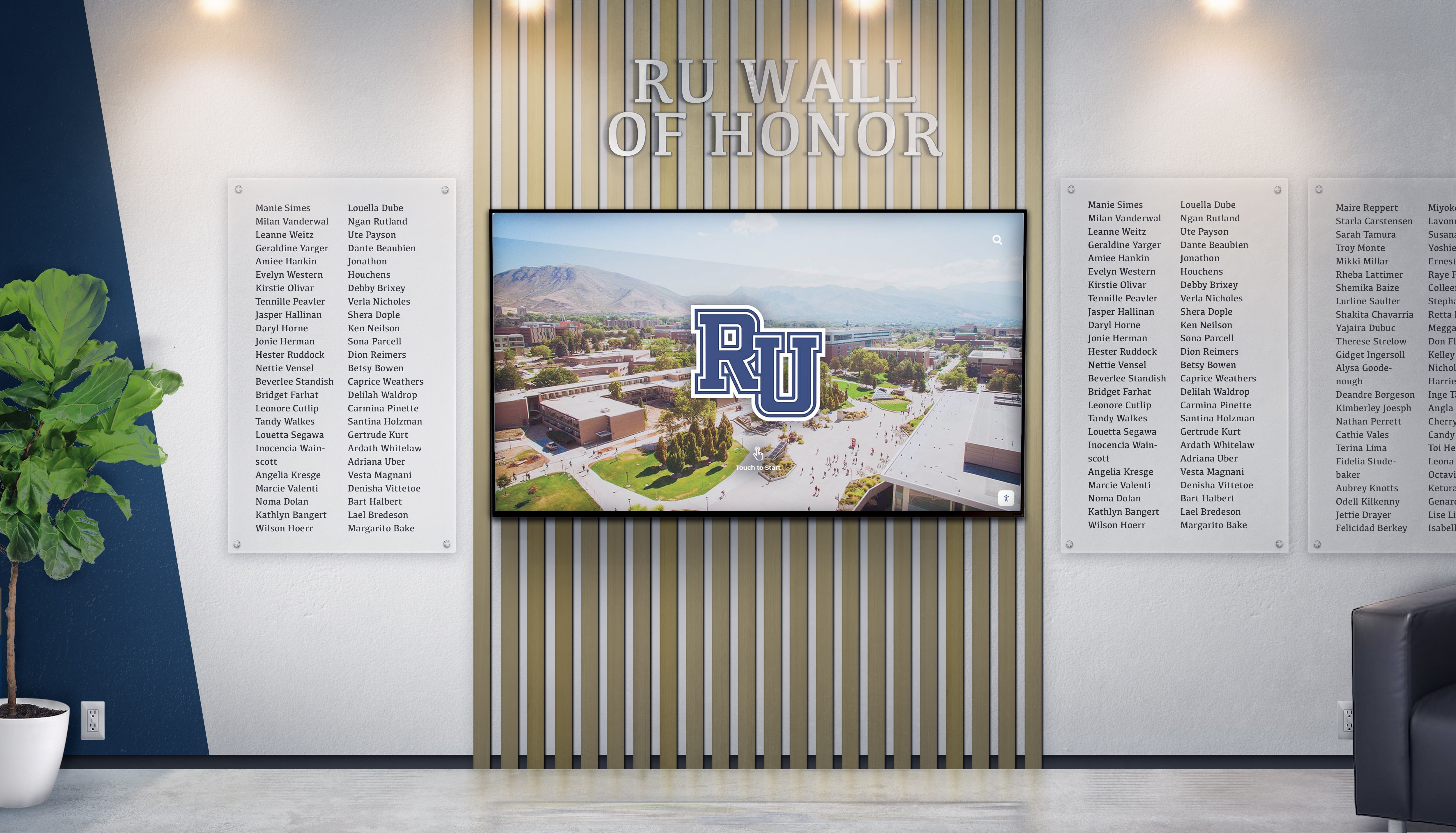
Modern platforms transform temporary celebrations into permanent institutional memory:
Comprehensive Homecoming Archives
Digital systems organize decades of homecoming history—royal court members from every year, parade winners by class, game results and highlights, performance photos and videos, and alumni attendance records. These searchable databases enable current community members to explore institutional traditions while allowing alumni to revisit their own participation decades later.
Unlike physical yearbooks or paper records deteriorating in storage, digital platforms preserve content indefinitely while enabling instant access from anywhere. Alumni living across the country or internationally can explore homecoming traditions virtually, maintaining connections despite geographic distance.
Integration with Broader Recognition Systems
Effective schools connect homecoming recognition to comprehensive recognition platforms acknowledging all forms of achievement. Students honored during homecoming—royal court members, team captains, performance leaders—receive permanent recognition alongside academic honor roll recipients, athletic record holders, and community service award winners.
This integrated approach demonstrates that homecoming recognition represents one element of broader institutional commitment to celebrating excellence across diverse student contributions. Solutions like Rocket Alumni Solutions enable schools to build comprehensive recognition ecosystems where homecoming traditions, athletic achievements, academic excellence, and alumni engagement connect seamlessly.
Resources on high school trophy case design demonstrate how schools modernize recognition displays to include diverse achievements including homecoming traditions.
Modernizing Homecoming Traditions While Honoring History
Balancing innovation with tradition creates celebrations resonating across generations:
Respecting Established Traditions
Long-standing homecoming traditions carry emotional significance for alumni and communities:
Royal court coronations, parade routes, specific halftime ceremonies, and school songs represent continuity connecting current students to decades of institutional history. Administrators considering changes to established traditions must weigh innovation benefits against potential alumni disappointment or community resistance.
Effective approaches preserve tradition cores while updating peripheral elements—maintaining coronation ceremonies while modernizing selection processes for inclusivity, preserving parade traditions while incorporating contemporary music and themes, honoring established school songs while adding contemporary musical performances.
Incorporating Contemporary Elements
Student preferences evolve requiring periodic tradition adaptation:
Current students may prefer different music genres, social media integration, interactive technology elements, or modified ceremonial formats compared to previous generations. Schools successfully balancing tradition with contemporary preferences involve students meaningfully in homecoming planning, gather feedback about celebration elements, pilot new ideas alongside traditional formats, and evaluate innovations systematically before permanent adoption.
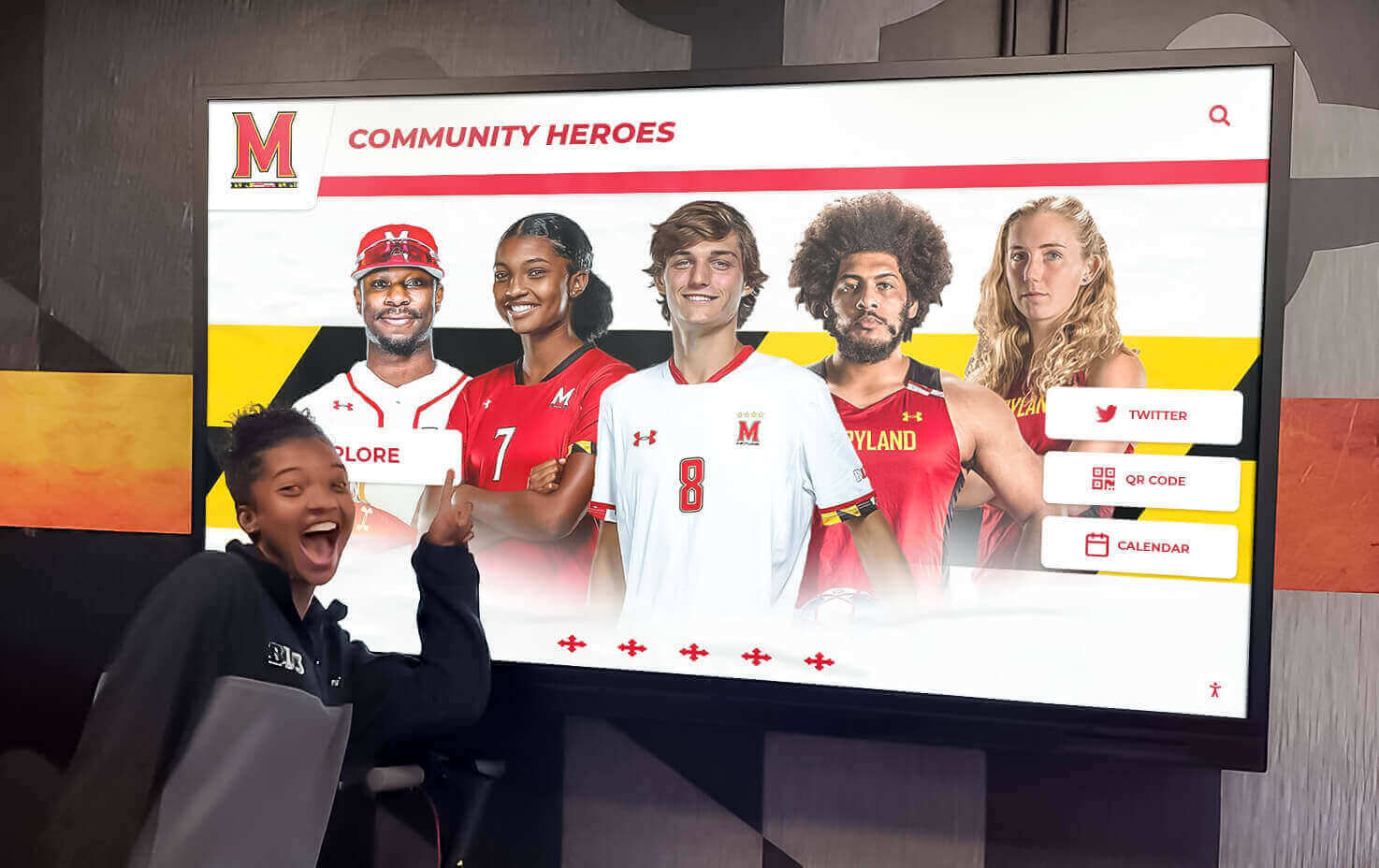
Digital recognition technologies offer natural bridges between tradition and innovation—preserving historical content documenting how homecoming traditions evolved across decades while enabling contemporary celebration documentation using modern tools students prefer. Interactive displays engage digitally native students while simultaneously honoring alumni by preserving their own historical homecoming memories.
Building Inclusive Celebrations
Modern homecoming planning emphasizes broad inclusion:
Traditional homecoming structures sometimes inadvertently excluded students—royal court processes favoring certain student types, ceremonies emphasizing football over other fall sports, activities assuming heteronormative relationship structures, or celebration costs creating accessibility barriers.
Progressive schools address these concerns through intentional inclusive design:
- Expanding royal court selection criteria ensuring diverse student representation
- Recognizing all fall athletic programs equally during ceremonies
- Designing spirit activities accessible regardless of financial resources
- Creating attendance options for students with and without romantic partners
- Incorporating accessibility considerations for students with disabilities
- Acknowledging diverse family structures in parent/guardian involvement
These inclusive approaches don’t diminish homecoming tradition—they strengthen celebrations by ensuring all community members feel welcomed and valued.
Insights on sports banquet awards ideas demonstrate how comprehensive recognition systems honor diverse contributions strengthening overall program culture.
Managing Homecoming Logistics and Safety
Successful celebrations require careful operational planning:
Coordinating Multiple Stakeholders
Homecoming planning involves numerous groups:
Athletic departments schedule games and coordinate team participation. Student activity offices organize spirit week activities, royal court selection, and dance planning. Administrative offices handle facility scheduling, budget approval, and policy oversight. Alumni associations coordinate reunion activities and pre-game receptions. Community groups arrange parade logistics and street permissions.
Effective coordination requires designated leadership—often homecoming committees including representation from all stakeholder groups—meeting regularly throughout planning timelines ensuring clear communication and aligned expectations.
Safety and Risk Management
Large community gatherings require safety planning:
Crowd management protocols ensure safe stadium entry and exit flow preventing bottlenecks or dangerous crowding. Security presence deters inappropriate behavior while responding quickly to emerging issues. Emergency medical services maintain on-site presence prepared for injury response. Clear behavioral expectations communicated in advance establish standards for appropriate conduct.
Parade safety requires street closures, traffic control, spectator management, and participant safety protocols preventing accidents. Dance chaperoning ratios, check-in procedures, and behavior monitoring maintain appropriate environments.
Budget and Resource Allocation
Homecoming celebrations require financial investment:
Budget components include parade permits and logistics, decorations and supplies, awards and recognition items, photography and videography services, security and medical staffing, facility rentals, and food service for receptions. Schools fund homecoming through activity budgets, ticket sales, sponsor contributions, or fundraising efforts.
Clear budgets established early in planning processes prevent overspending while ensuring adequate resources for quality celebrations. Multi-year budget tracking identifies cost trends enabling better future planning.
Evaluating Homecoming Success and Continuous Improvement
Systematic assessment improves future celebrations:
Gathering Stakeholder Feedback
Post-homecoming evaluation captures diverse perspectives:
Student surveys assess satisfaction with spirit activities, ceremony elements, and dance experiences while gathering improvement suggestions. Alumni feedback reveals reunion effectiveness and engagement quality. Staff debriefing identifies logistical successes and operational challenges. Community responses gauge public perception and parade impact.
Digital feedback collection through online surveys or social media monitoring provides efficient assessment mechanisms generating data informing future planning.
Measuring Participation and Engagement
Quantitative metrics complement qualitative feedback:
Spirit week participation rates by grade level, parade attendance estimates, game ticket sales compared to regular season averages, alumni reunion attendance figures, and dance participation numbers provide objective engagement measures.
Digital recognition platform analytics reveal how homecoming content performs—page views of homecoming archives, social media engagement with photos and videos, and search patterns indicating which content resonates most strongly.
Documenting Lessons and Planning Improvements
Institutional memory systems prevent repeated mistakes:
Written post-event reports documenting what worked well, what needs improvement, vendor performance evaluations, timeline assessments, and budget actual-versus-planned comparisons create valuable references for future planning committees.
These systematic evaluations enable continuous improvement—each homecoming celebration building on previous years’ successes while addressing identified weaknesses creating progressively better experiences over time.
Resources on student recognition awards demonstrate assessment frameworks applicable across recognition contexts including homecoming celebrations.
Building Homecoming Traditions That Unite Communities
Effective homecoming celebrations transcend single events becoming cultural touchstones defining institutional identity and community character.
The most successful homecoming traditions share core characteristics: genuine student ownership creating authentic rather than forced enthusiasm, inclusive participation opportunities welcoming all community segments, balanced innovation and tradition honoring history while remaining relevant, systematic organization preventing chaos through careful planning, comprehensive recognition ensuring diverse contributions receive acknowledgment, permanent memory preservation through documentation and archives, and strong community engagement extending celebrations beyond campus boundaries.
When schools invest systematically in homecoming tradition development, benefits multiply across time. Current students experience belonging and school pride through meaningful shared celebrations. Alumni maintain emotional connections to institutions and return regularly for reunion participation. Communities develop pride in local schools and strengthen civic identity. Student leadership skills develop through planning responsibility and execution experience. Institutional culture strengthens around shared traditions connecting generations across decades.
Ready to preserve your homecoming traditions permanently while building recognition systems that honor all forms of school excellence? Digital recognition platforms purpose-built for educational institutions enable schools to create comprehensive systems capturing homecoming celebrations alongside academic achievement, athletic excellence, and alumni engagement. These integrated platforms provide unlimited capacity ensuring no homecoming memory disappears with time, instant updates allowing real-time documentation during homecoming week, searchable archives enabling anyone to explore decades of tradition, web accessibility extending celebration access to distant alumni and community members, and intuitive management requiring no technical expertise.
Your homecoming celebrations create powerful moments defining school experience for students, alumni, and communities. Modern recognition systems ensure these traditions receive permanent preservation inspiring current students toward excellence, maintaining alumni connections across decades, and building institutional memory strengthening your entire educational community.
Homecoming represents more than one week annually—it embodies the spirit, values, and relationships making schools genuine communities rather than merely educational buildings. When celebration traditions honor authentic institutional character through engaging accessible systems managed sustainably across time, schools create environments where belonging flourishes, excellence receives recognition, and every community member’s contribution to tradition becomes part of permanent institutional heritage.
Schedule a demo to discover how modern recognition platforms can transform your homecoming traditions into comprehensive celebrations preserving memories, honoring achievements, and strengthening community connections that inspire school pride for generations to come.