



Hockey programs build legacies through the exceptional players who elevate teams to championships, set scoring records, and exemplify the dedication that defines program excellence. Retiring jerseys represents one of hockey’s most meaningful traditions, permanently honoring athletes whose contributions transcend statistics and create lasting impact on team culture and competitive success. Whether celebrating state championship MVP performances, recognizing 100-goal scorers, or commemorating players who advanced to professional levels, displaying retired jerseys properly preserves program history while inspiring current players to pursue the excellence that earns permanent recognition.
The decision to retire a hockey jersey carries profound significance, yet the display method determines whether this honor maintains its impact across generations or fades into overlooked obscurity. Traditional jersey display cases offer familiar solutions protecting physical jerseys from dust and damage, while modern digital alternatives create dynamic presentations showcasing not just the jersey but the complete story behind the player’s achievements. Understanding available display options, preservation considerations, and strategic placement enables hockey programs to honor legendary players appropriately while creating recognition systems that remain meaningful and accessible to players, families, and community members for decades.
Elevating Hockey Recognition with Digital Innovation
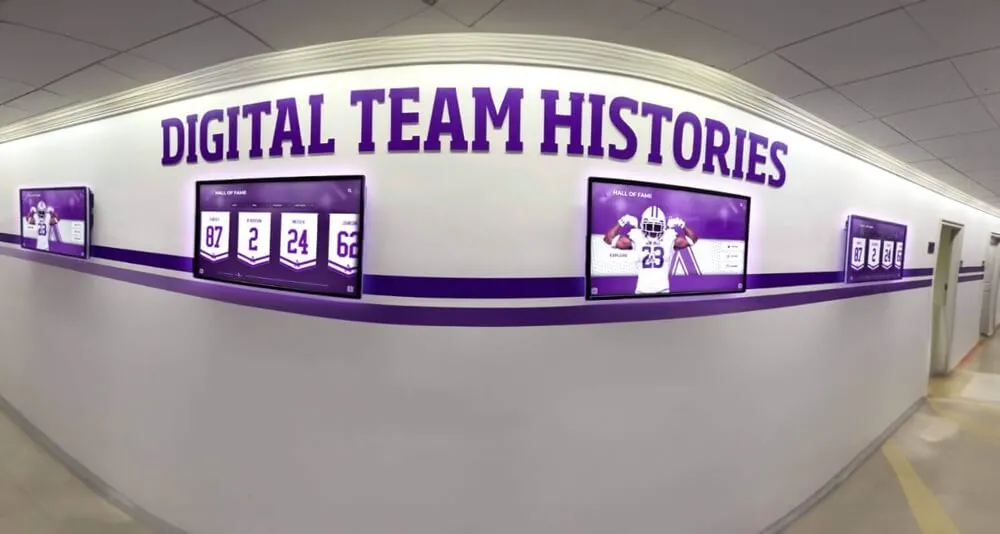
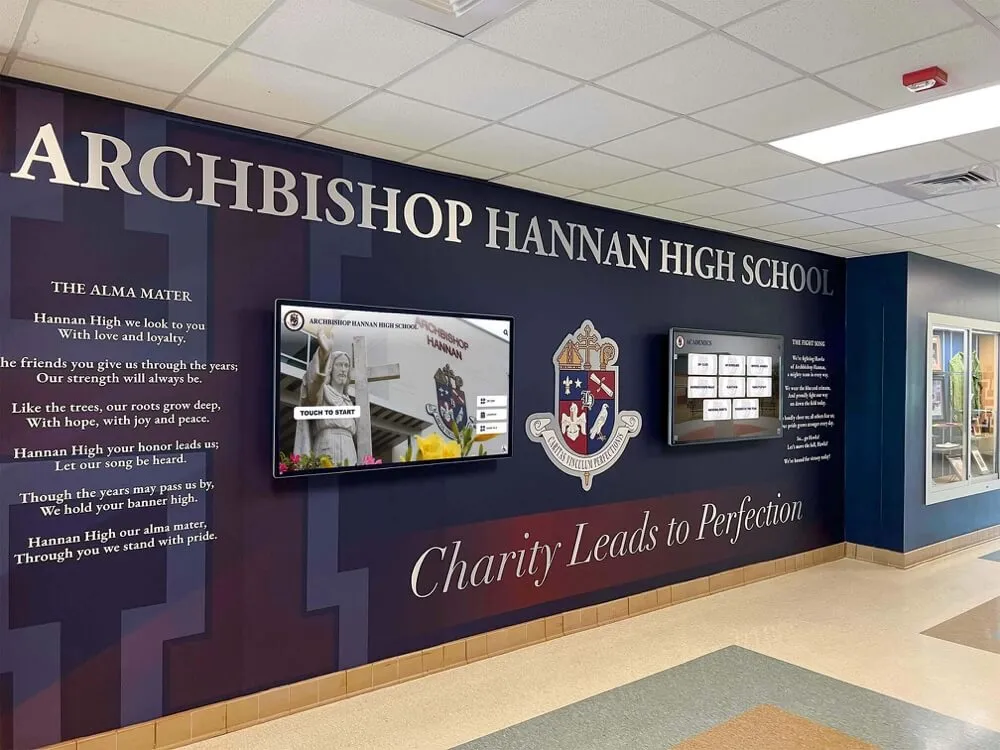
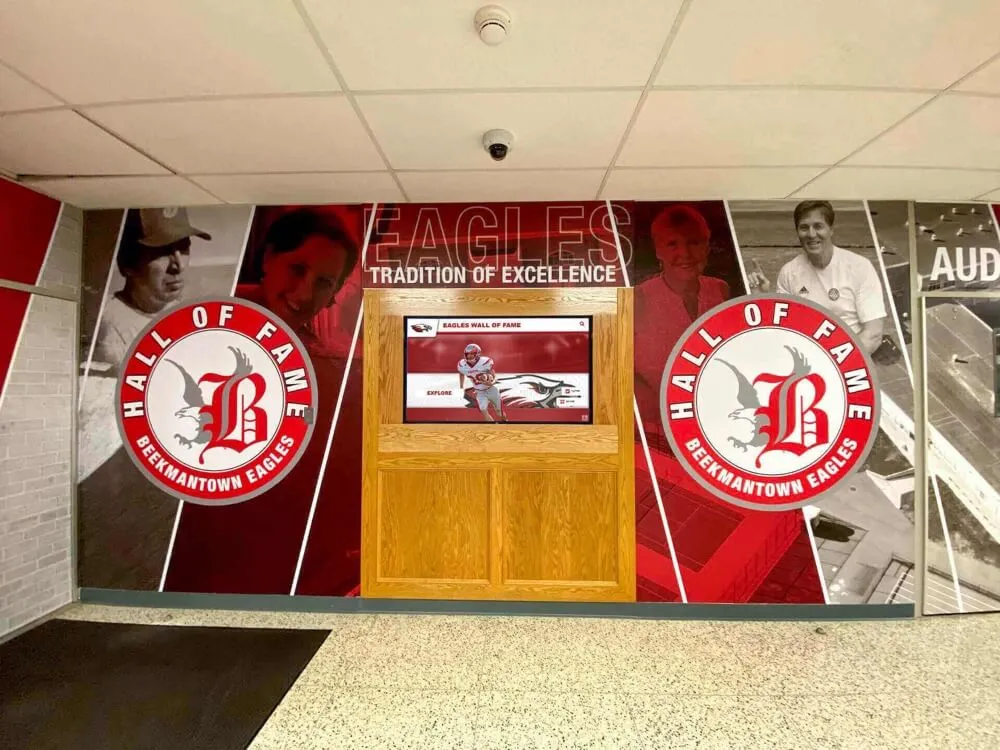
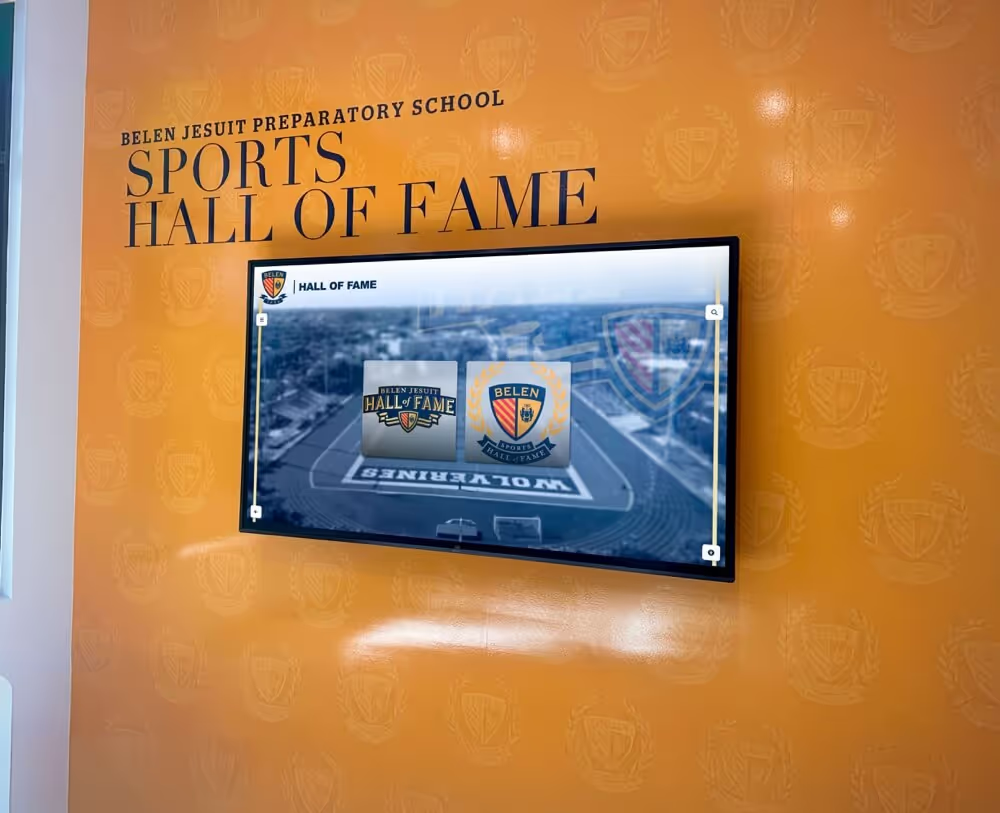
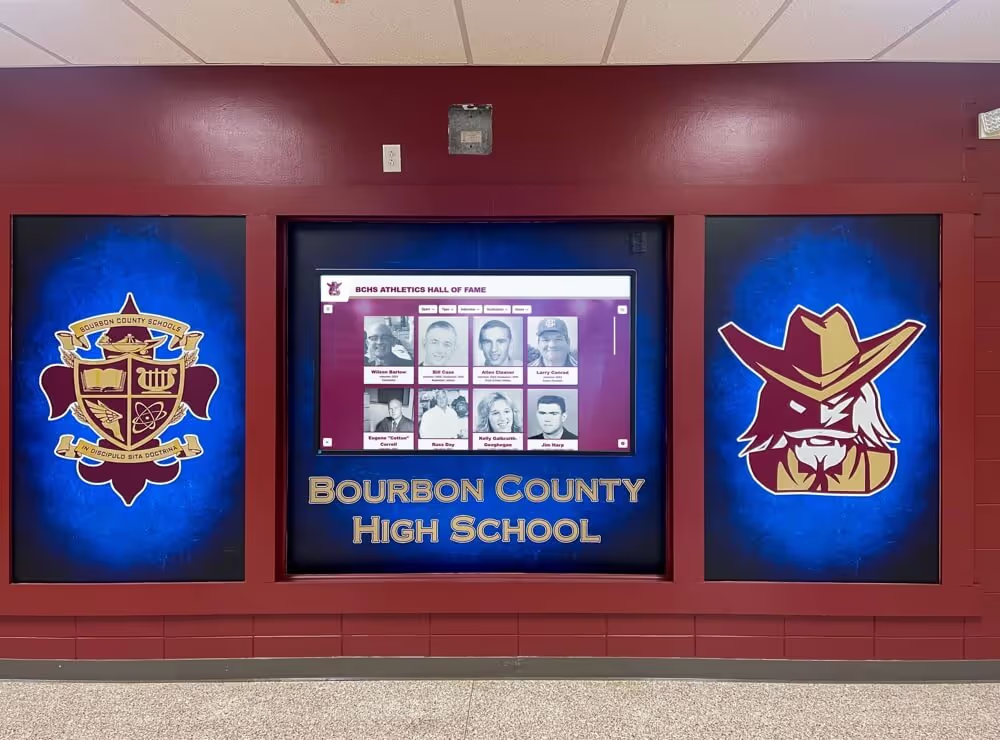
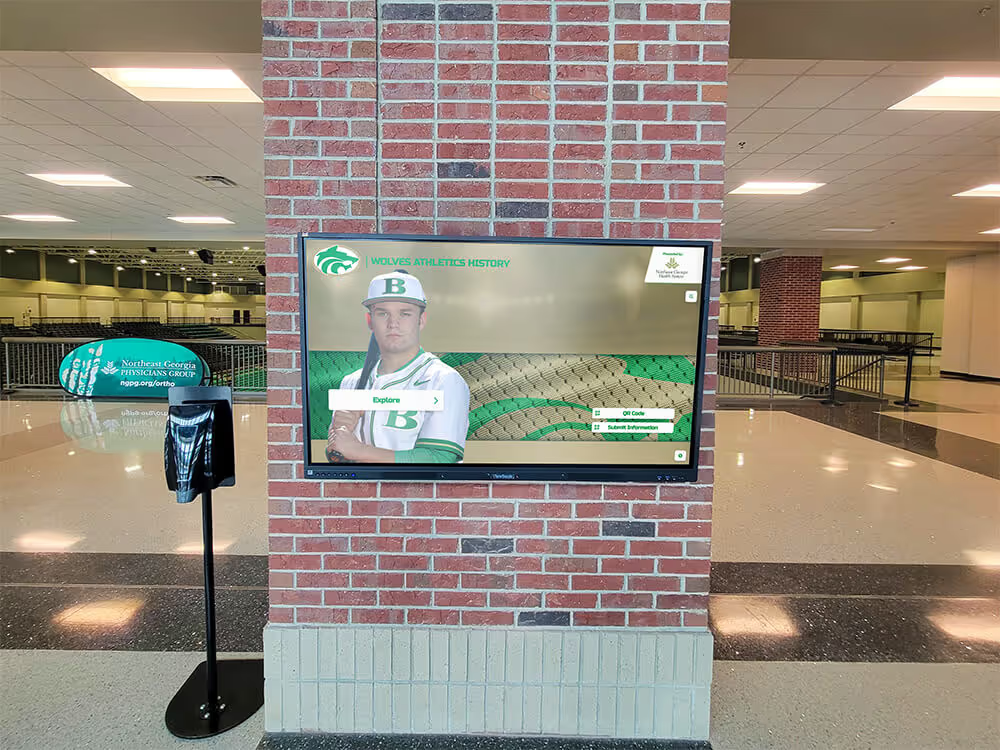
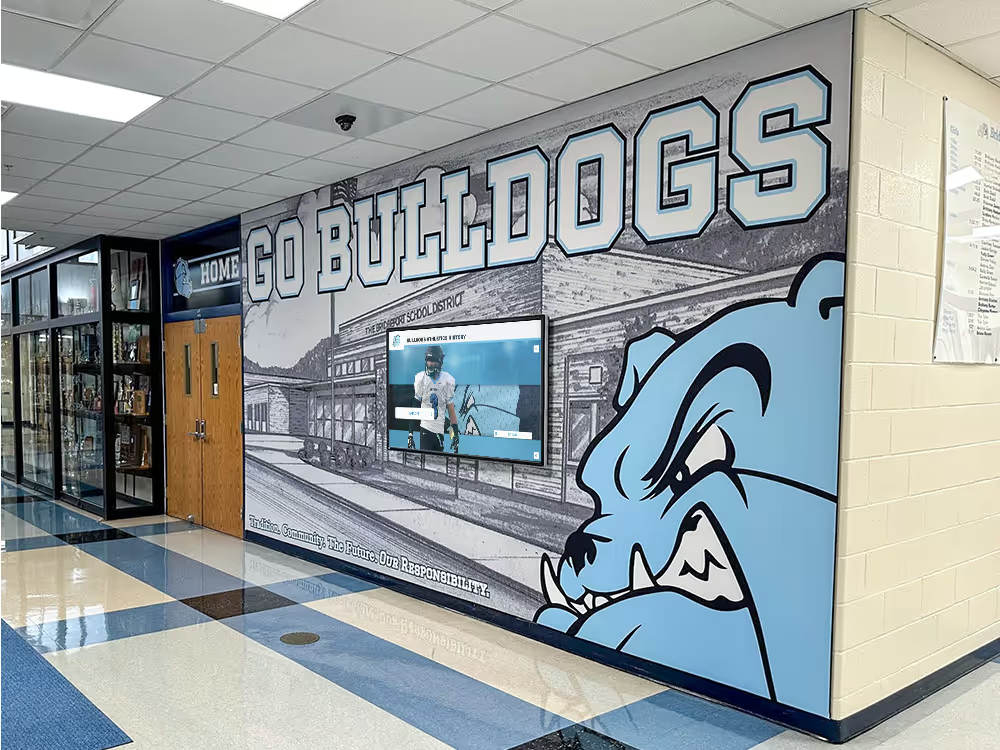
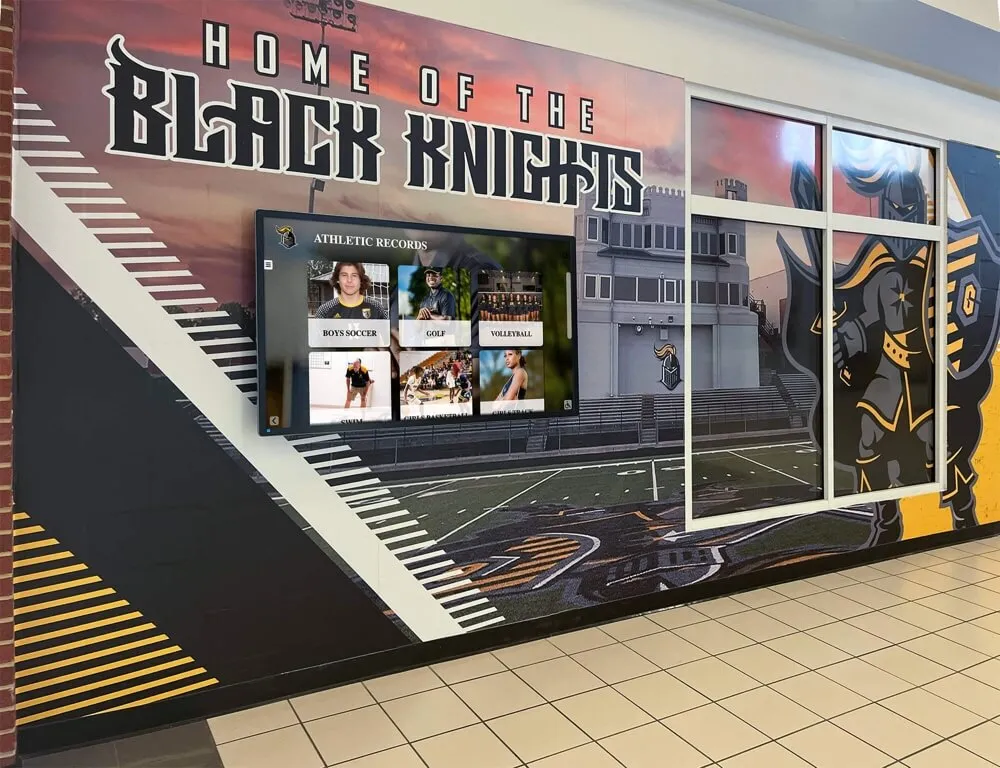
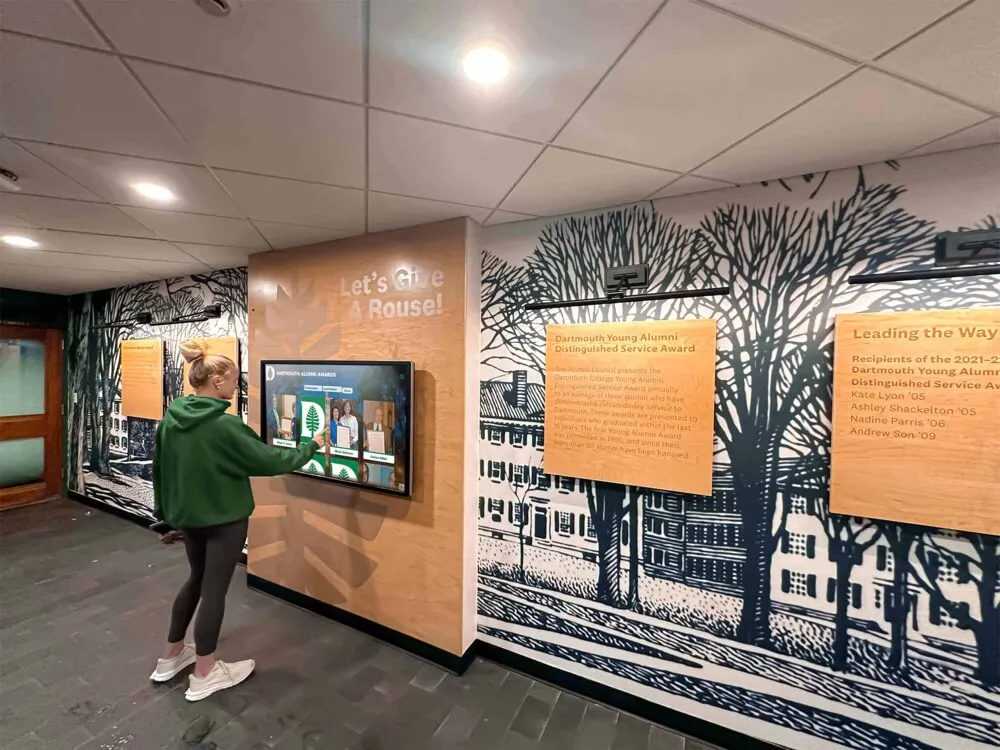
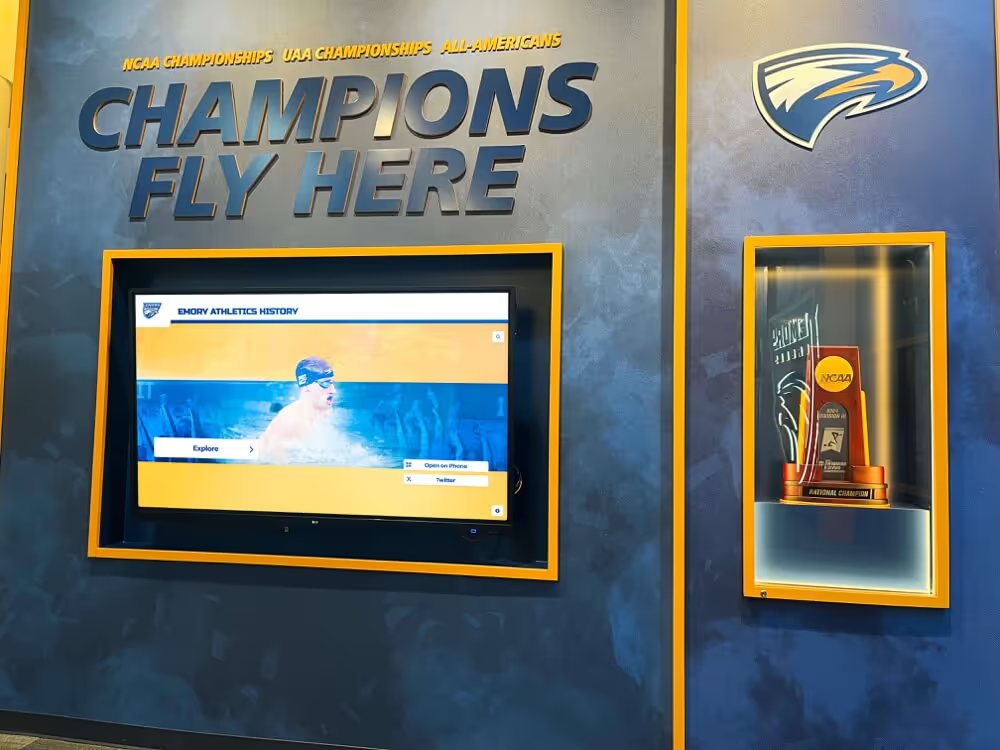
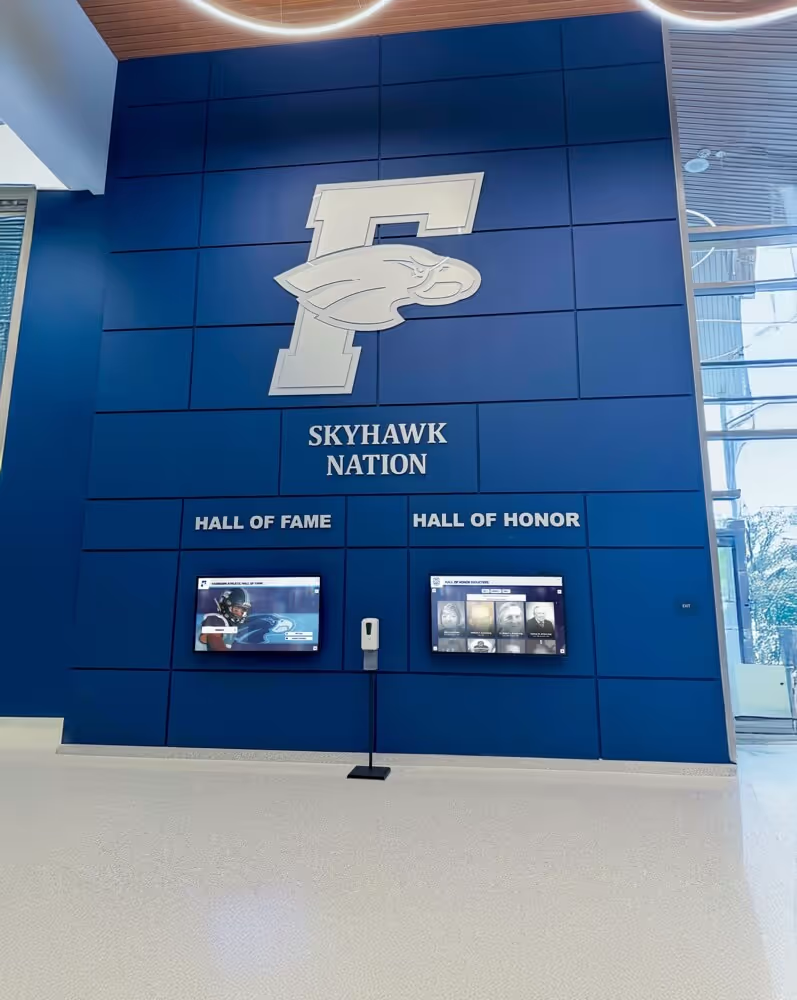
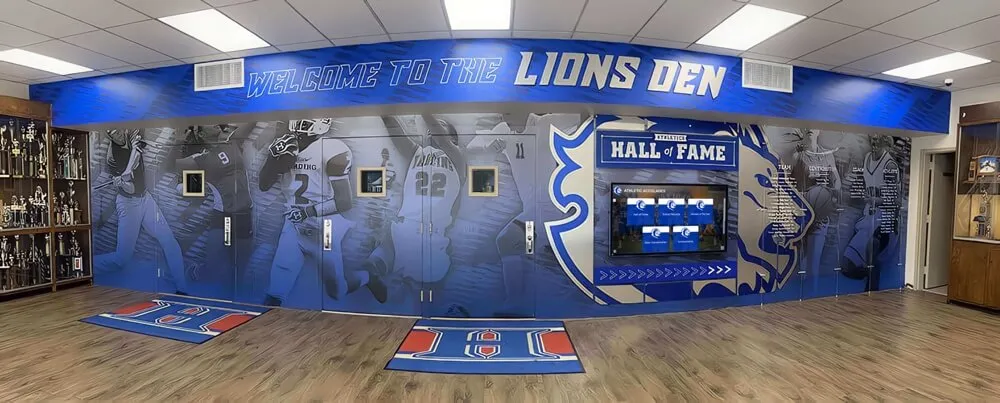
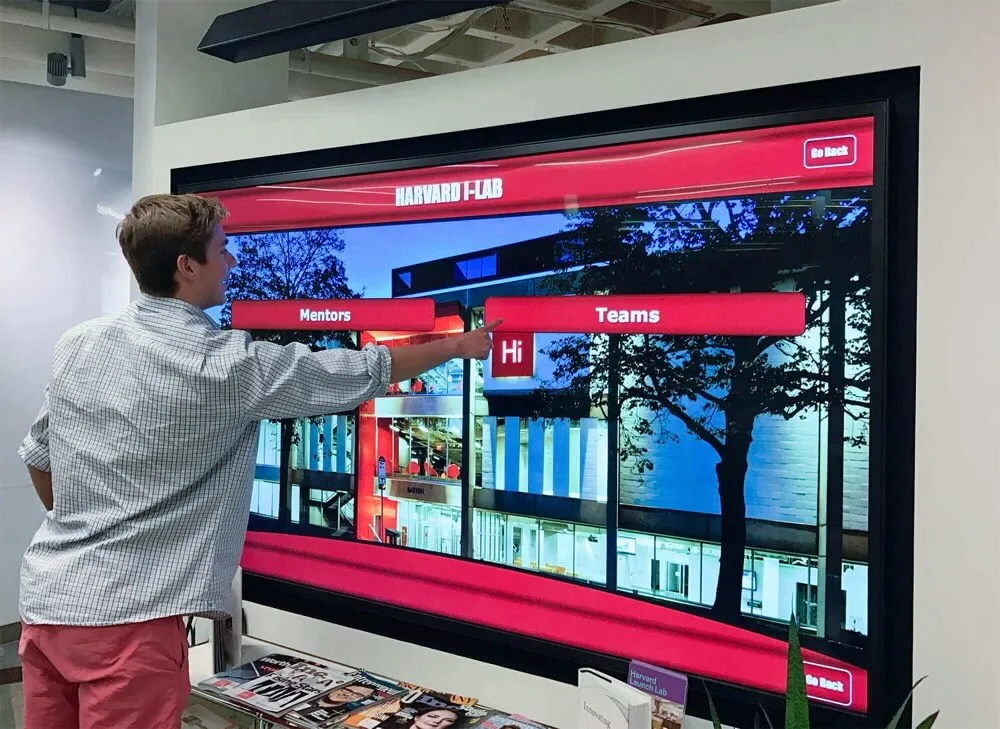
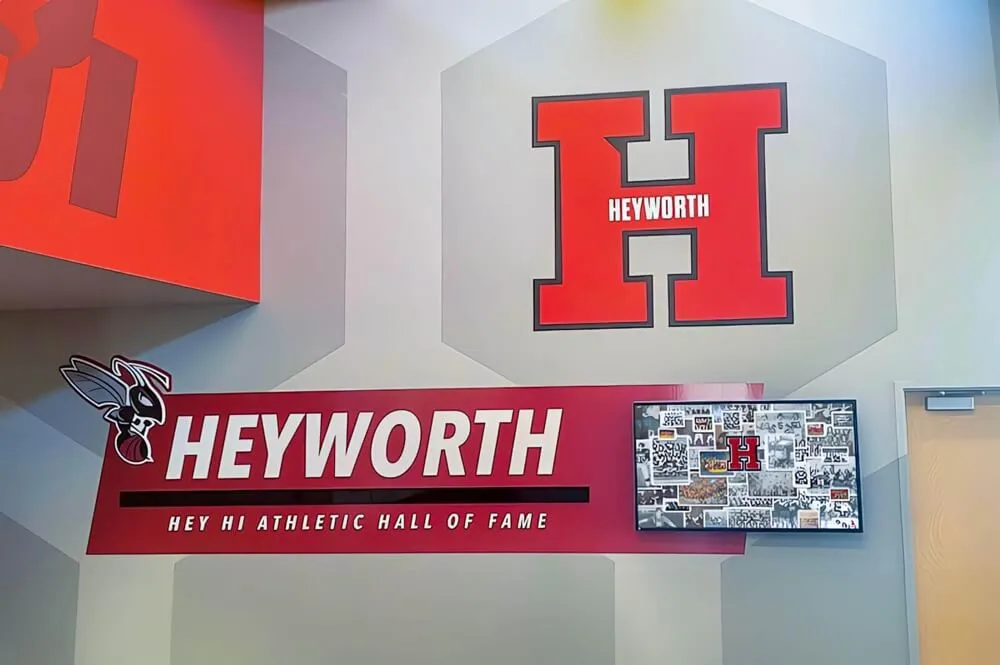
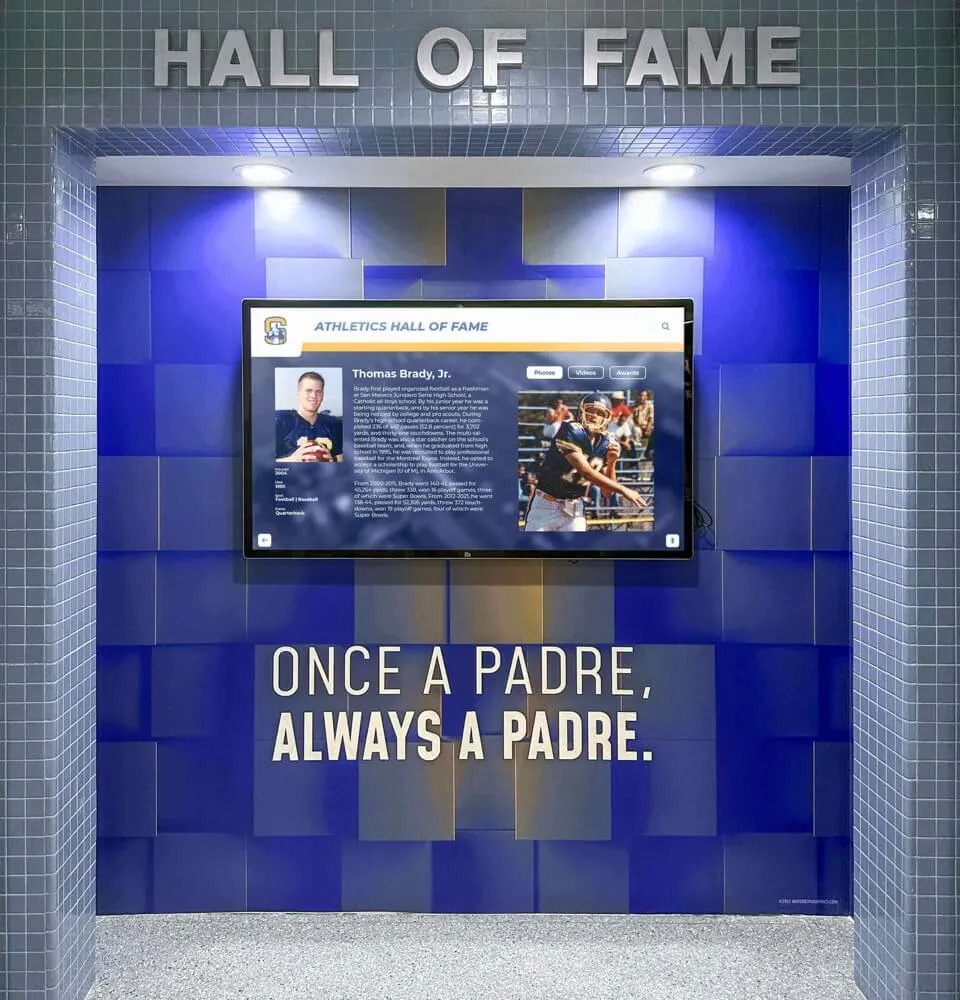
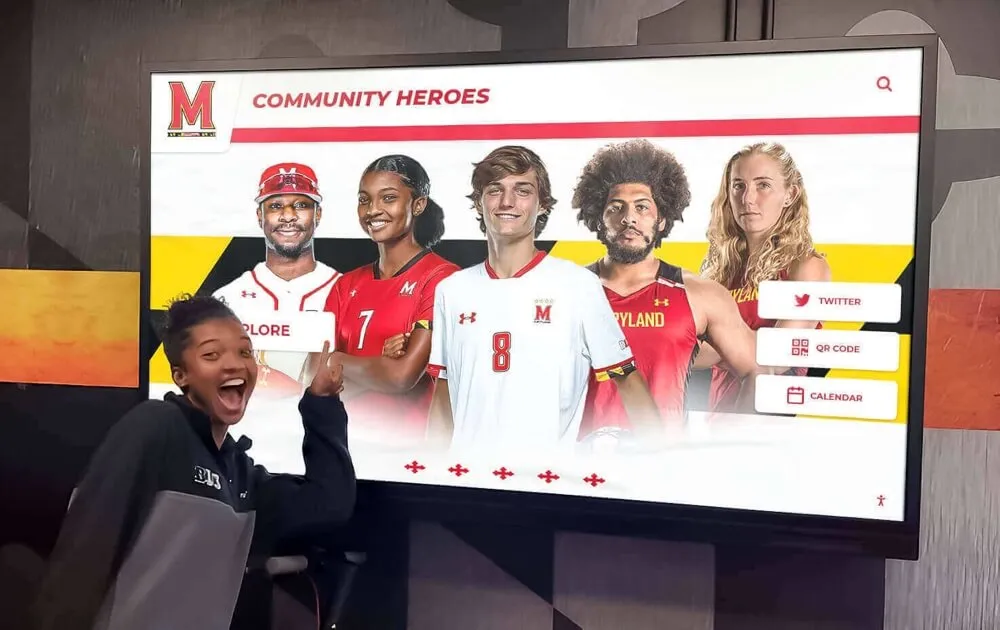
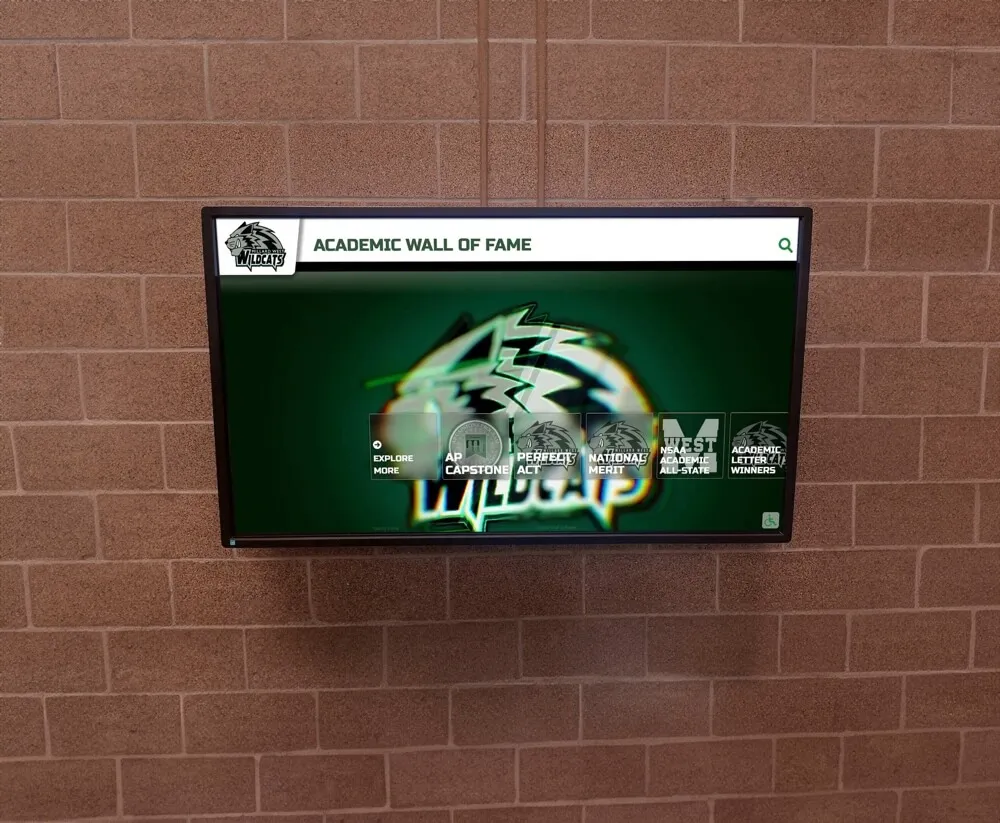
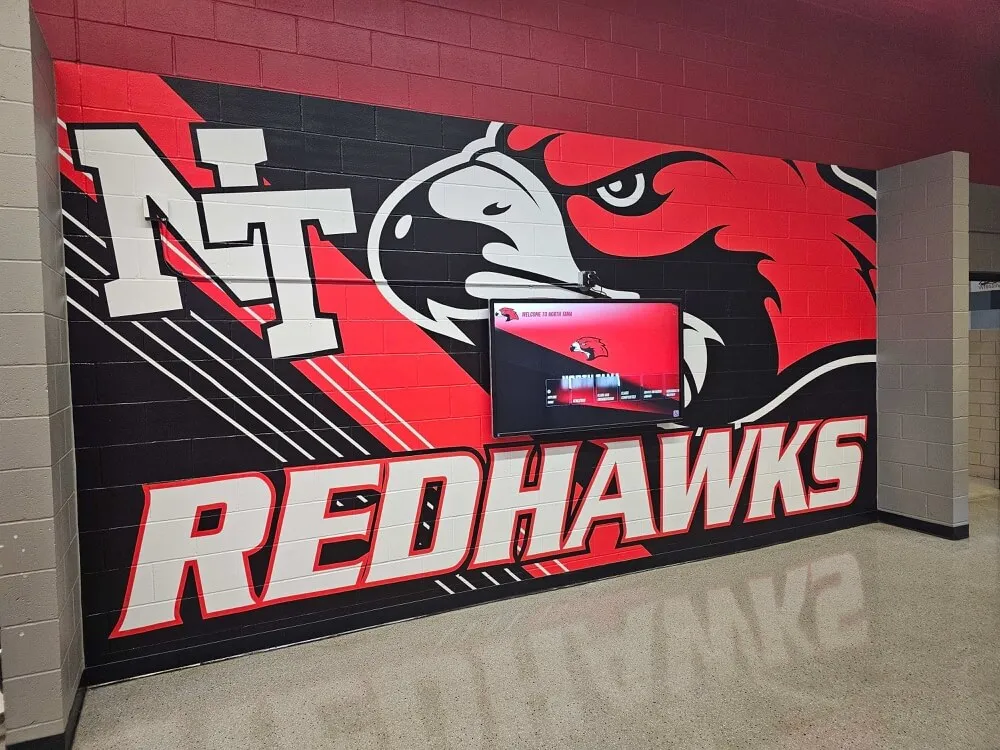
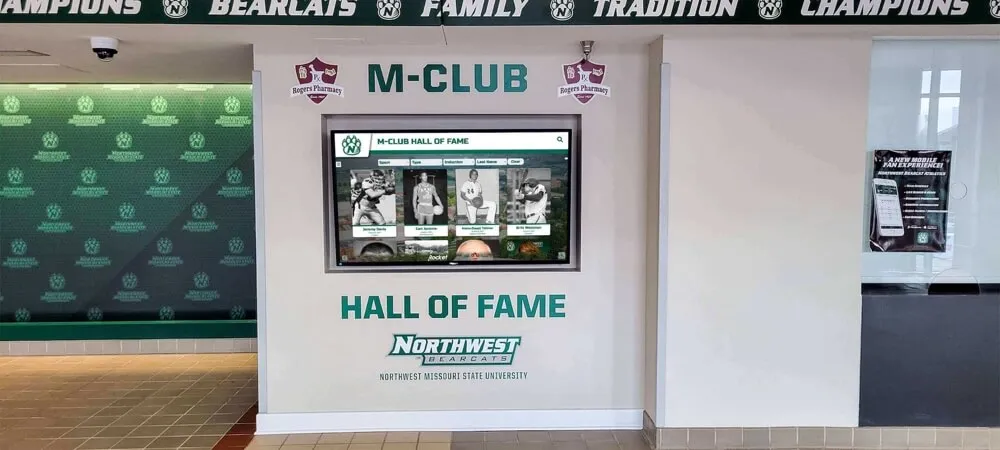
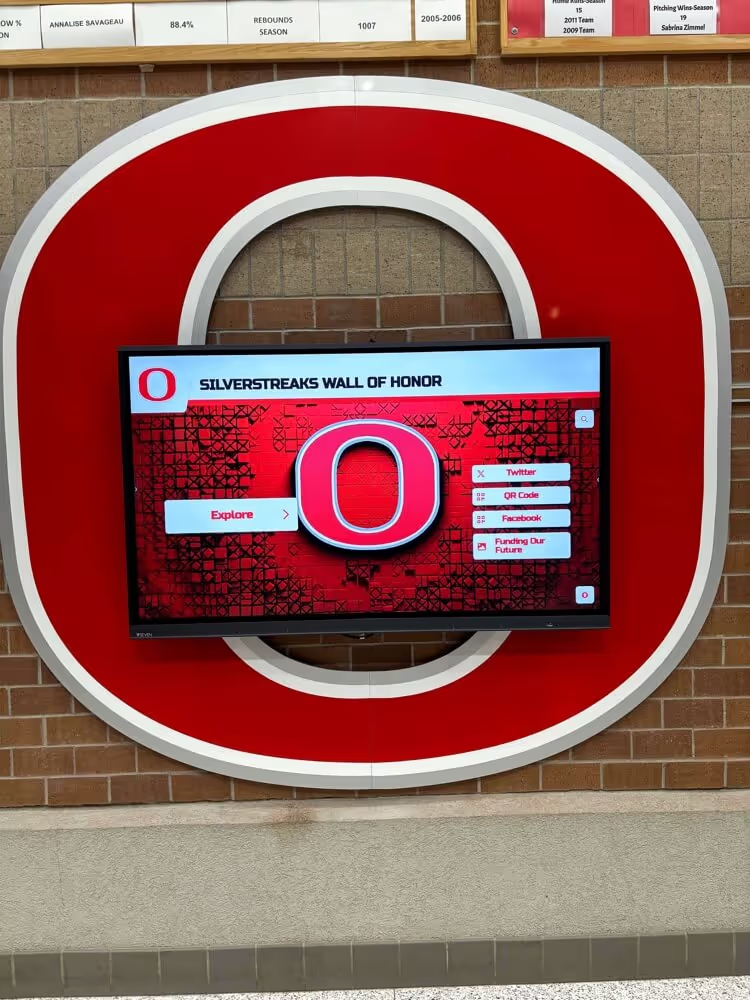
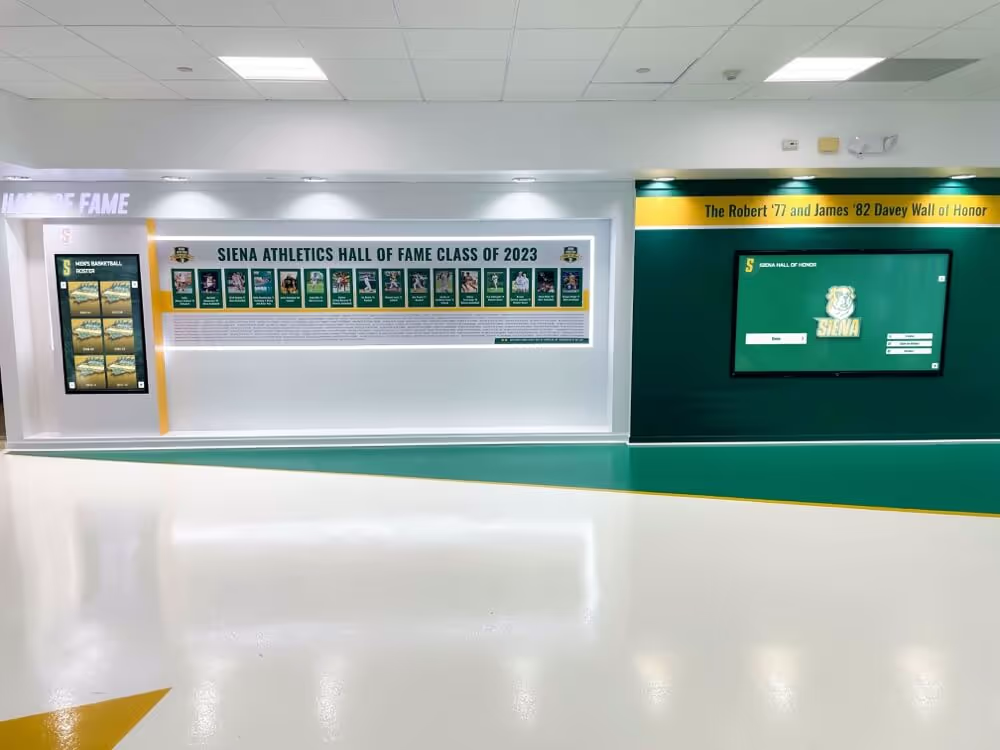
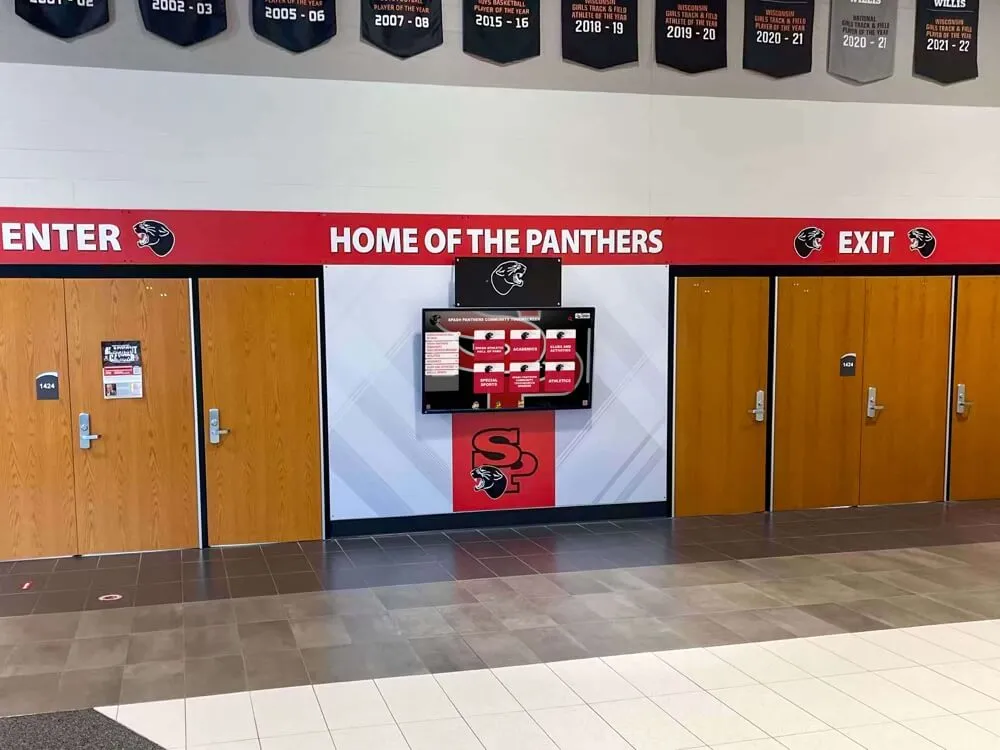
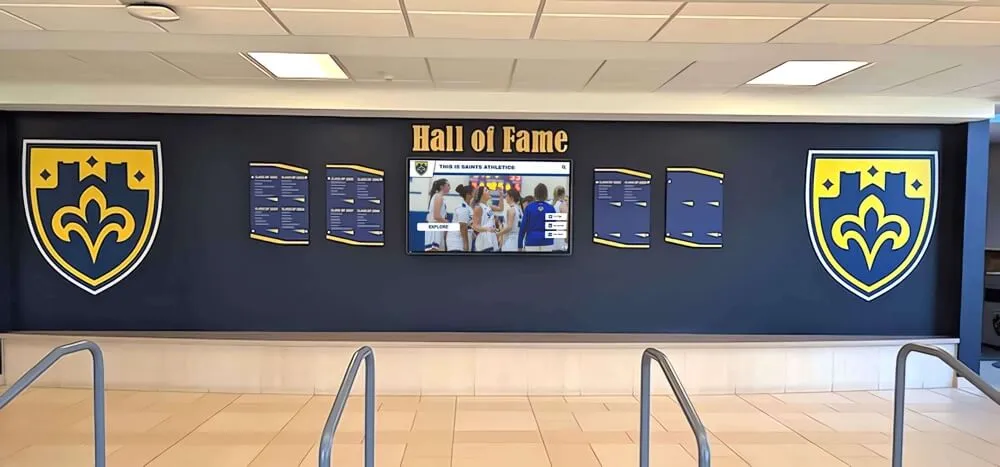
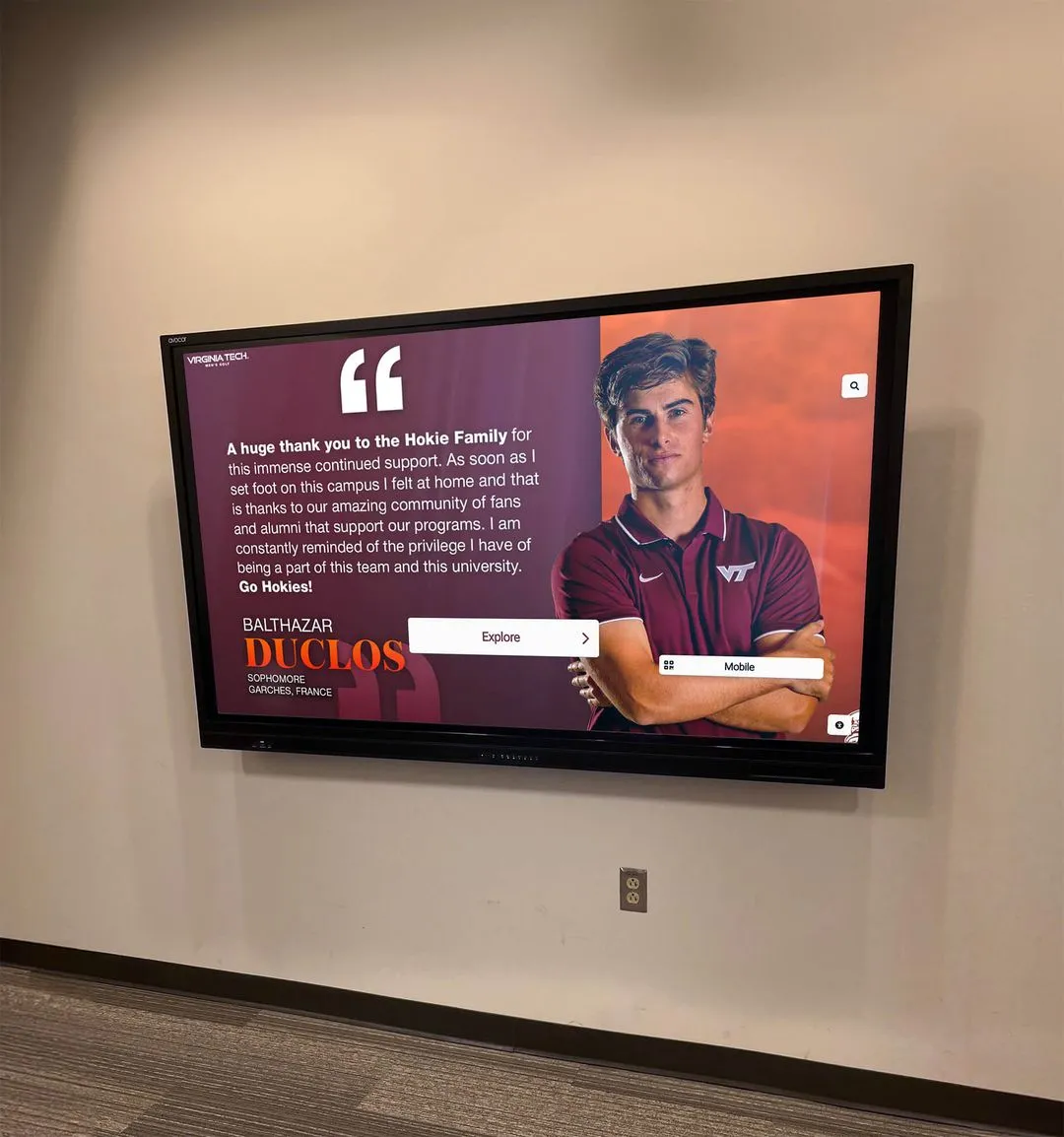
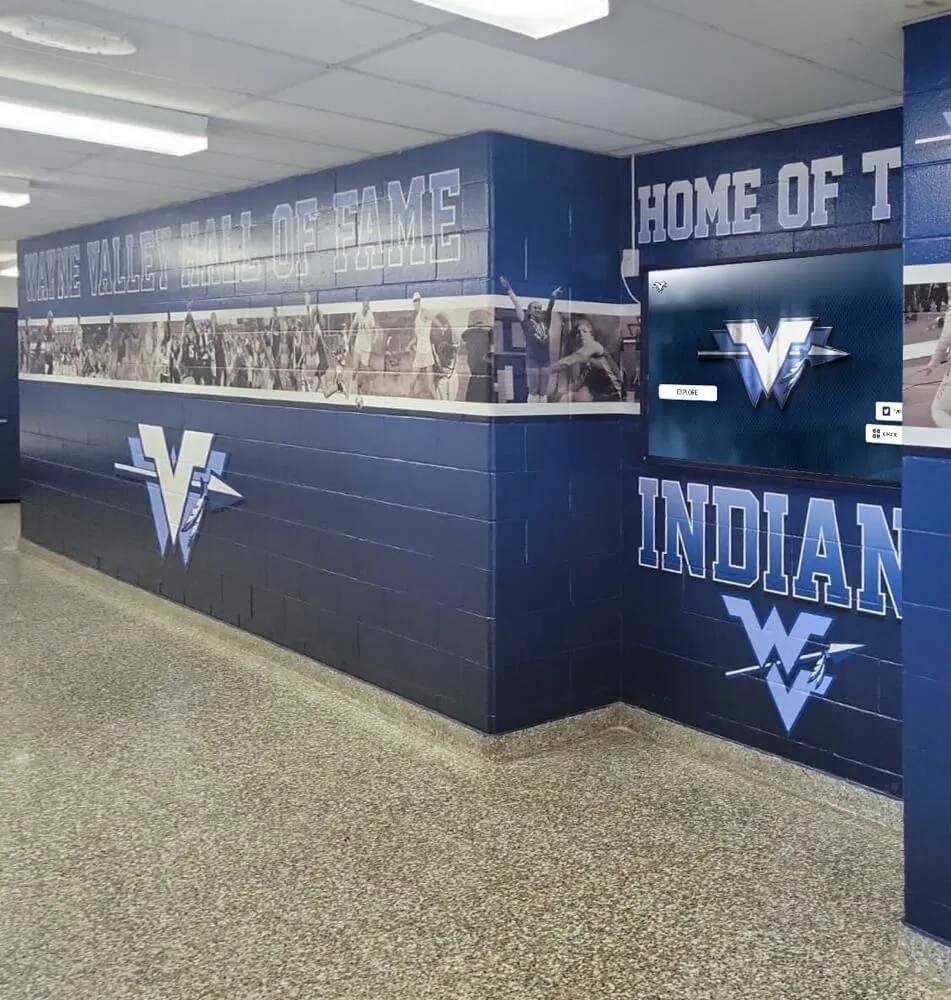
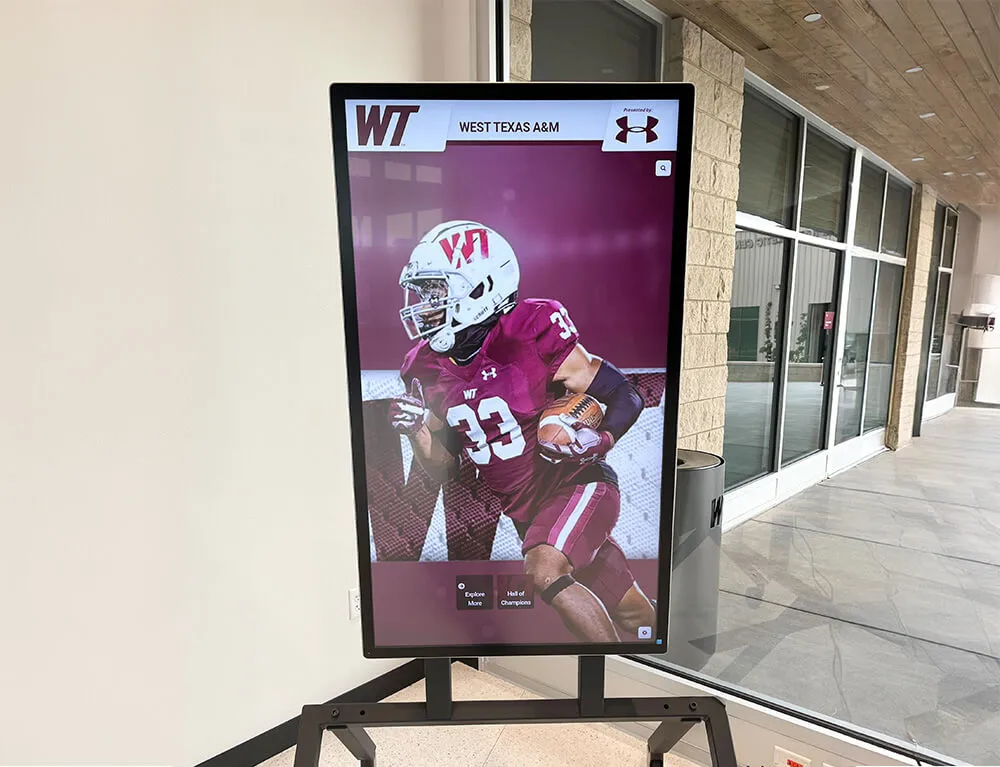
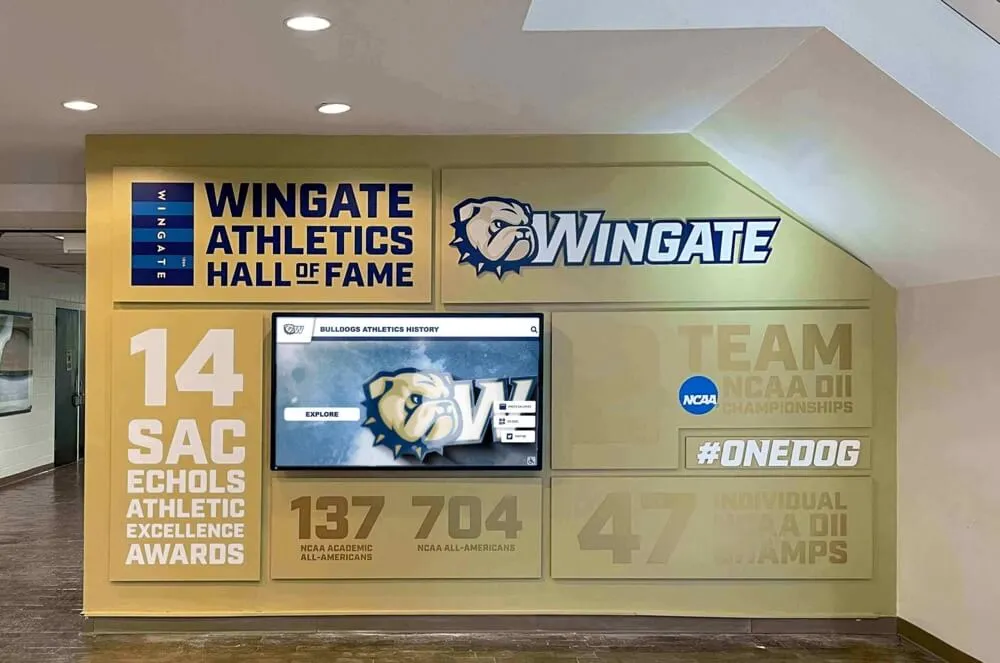
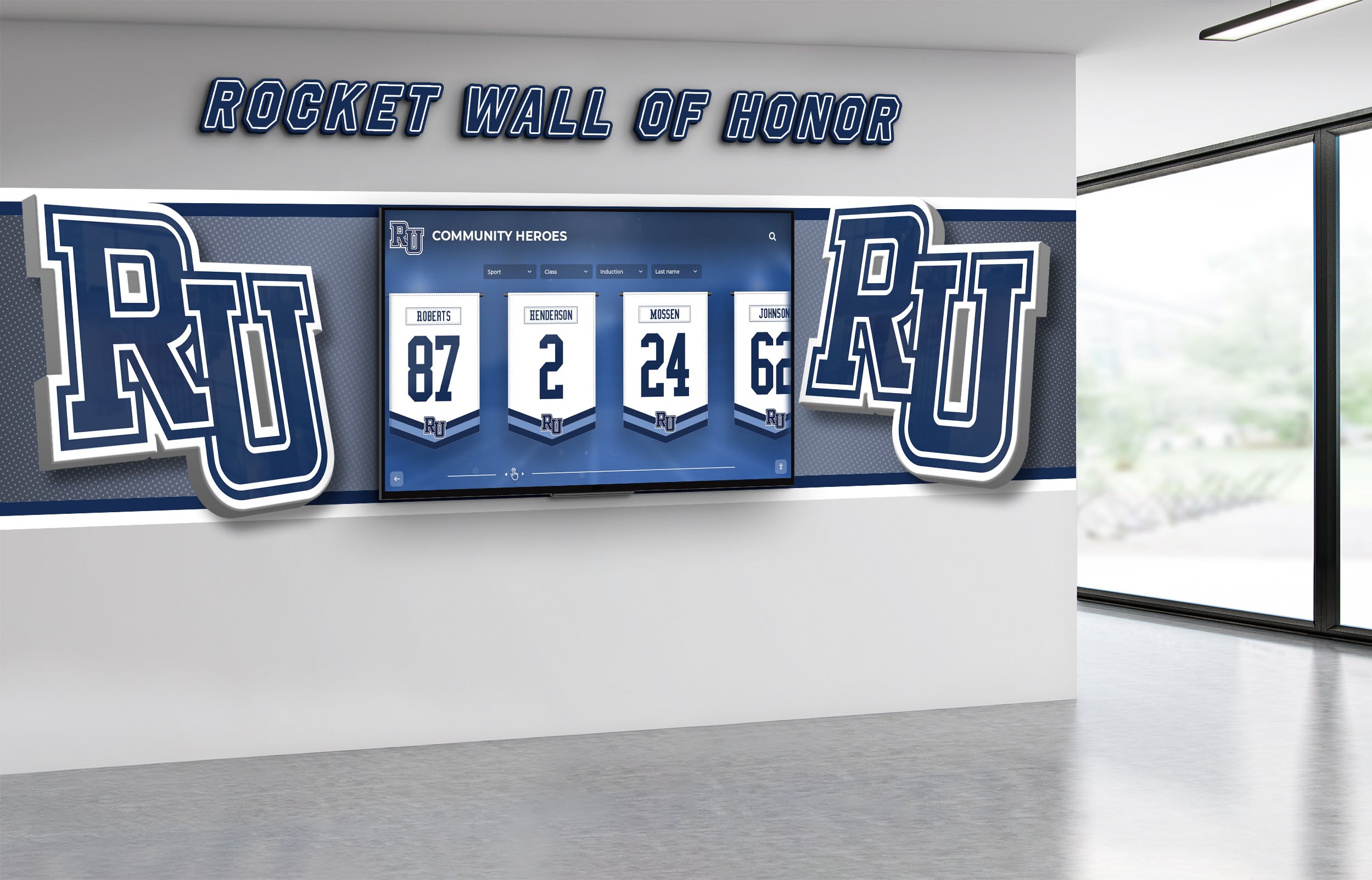
Hockey programs seeking to celebrate retired jerseys alongside comprehensive team history increasingly turn to digital recognition solutions that extend beyond static displays. Rocket Alumni Solutions provides hockey programs with interactive digital platforms that showcase retired jerseys, championship teams, season records, and individual achievements in engaging formats accessible to current players, alumni, and visitors—creating living tributes to program excellence that evolve with each season's accomplishments while preserving decades of hockey tradition.
Why Hockey Programs Retire Jerseys
Jersey retirement represents hockey’s highest individual honor, reserved for players whose impact extends beyond successful careers to shape program identity and competitive culture permanently.
Criteria for Jersey Retirement
Hockey programs typically establish specific standards determining which players earn jersey retirement, though criteria vary based on program size, competitive level, and historical success:
Championship Impact: Players who led teams to state championships, conference titles, or unprecedented tournament success often earn consideration, particularly when their leadership and performance proved decisive in achieving these program milestones.
Statistical Excellence: Reaching significant career thresholds—100 goals, 200 points, single-season scoring records, or goaltending achievements like career shutouts and save percentages—demonstrates sustained excellence meriting permanent recognition.
Professional Achievement: Players advancing to NCAA Division I hockey, junior hockey leagues, or professional levels bring prestige to high school programs and validate coaching quality and competitive standards.
Program Building Contributions: Founding team captains, first-generation players who established competitive cultures, or athletes who elevated program visibility through exceptional dedication sometimes receive jersey retirement honors regardless of statistics.
Character and Leadership: Players exemplifying sportsmanship, team-first attitudes, and positive influence on younger teammates often earn recognition reflecting the understanding that program legacy extends beyond wins and individual statistics.
Many hockey programs reserve jersey retirement for truly exceptional circumstances, creating exclusivity that maintains the honor’s significance. Programs that retire jerseys too frequently risk diminishing the recognition’s value, while overly restrictive criteria might overlook deserving players whose contributions defied conventional measurement.
The Emotional and Cultural Impact
Jersey retirement ceremonies create powerful moments connecting past excellence to current and future program participants. When high school players see jerseys of legendary athletes displayed prominently in arenas or school facilities, these visual reminders communicate program standards, celebrate achievement pathways, and inspire the work ethic required for similar recognition.
For honored players and their families, jersey retirement provides permanent validation that years of early-morning practices, summer skill development, and competitive sacrifice created lasting impact extending beyond their playing careers. These ceremonies often bring together multiple generations of program participants, strengthening alumni connections and reinforcing community identity tied to hockey tradition.
Programs effectively communicating stories behind retired jerseys—not just displaying numbers and names—create deeper engagement with recognition displays. When current players understand the specific achievements, challenges overcome, and character demonstrated by jersey retirement recipients, these honors transform from historical artifacts to motivational examples directly relevant to their own development.
Similar recognition approaches benefit other athletic programs, as seen in basketball hall of fame displays and lacrosse recognition programs that celebrate sport-specific excellence through permanent displays.
Traditional Hockey Jersey Display Case Options
Physical jersey display cases remain the most common recognition method, offering several distinct approaches balancing preservation, aesthetics, and budget considerations.
Wall-Mounted Individual Cases
Wall-mounted cases designed for single jerseys create dedicated presentation spaces highlighting each honored player separately.
Standard Features: These cases typically include:
- UV-protective acrylic or glass fronts preventing fabric fading from sunlight exposure
- Black or colored backing complementing team colors and enhancing jersey visibility
- Depth accommodating folded or flat jersey presentation
- Mounting hardware for secure wall attachment
- Optional interior lighting emphasizing display prominence
Sizing Considerations: Youth and high school hockey jerseys require smaller cases than adult professional replicas. Standard wall-mounted cases measure approximately 24" x 30" x 3" for youth jerseys, while larger 32" x 40" x 4" cases accommodate adult sizes with additional space for nameplates or accompanying text.
Presentation Styles: Jerseys can be folded with number and name visible, hung on interior hangers creating depth, or mounted flat showing full jersey design. Folded presentations maximize wall space and work well for multiple retired jerseys displayed together, while hung jerseys create more dramatic three-dimensional presentations suitable for focal point displays.
Cost Range: Quality wall-mounted jersey cases range from $150-400 per case depending on size, materials, and features like interior lighting or custom engraving. Programs retiring multiple jerseys face significant cumulative costs as recognition programs grow.
Installation Requirements: Proper installation requires secure mounting into wall studs, particularly for heavier hardwood or metal-framed cases. Drywall anchors alone often prove insufficient for long-term security, especially in high-traffic areas where accidental contact might occur.
Floor-Standing Cabinet Display Cases
Larger cabinet-style cases provide options for displaying multiple jerseys together while creating impressive focal points in arena lobbies, school trophy case areas, or athletic department facilities.
Design Configurations: Cabinet cases range from simple rectangular designs with glass fronts to elaborate custom-built units incorporating team logos, championship banners, and integrated lighting systems creating gallery-quality presentations.
Capacity: Standard floor-standing cabinets accommodate 3-6 jerseys displayed side-by-side or in multiple rows, while larger custom installations can showcase entire walls of retired jerseys alongside related memorabilia like hockey sticks, pucks, or photographs.
Material Options: High-quality hardwood construction provides traditional aesthetics matching school facilities, while metal and glass contemporary designs create modern appearances complementing renovated athletic spaces. Custom cabinetry can integrate team colors, incorporate etched glass featuring team logos, or include built-in trophy shelving expanding recognition beyond jerseys alone.
Accessibility and Maintenance: Floor-standing cases require cleaning access, periodic interior updates when adding newly retired jerseys, and protection from accidental damage in high-traffic areas. Locking mechanisms protect displayed jerseys while allowing controlled access for maintenance and additions.
Investment Considerations: Quality floor-standing display cabinets range from $2,000-10,000 depending on size, materials, and customization. Custom installations featuring integrated lighting, climate control, or architectural integration with facility design can exceed $15,000-20,000 for comprehensive systems.
Ceiling-Hung Banner-Style Displays
Some hockey programs adopt banner-style displays suspending jersey replicas from arena ceilings, mirroring professional hockey traditions while maximizing visibility during games and events.
Visibility Advantages: Ceiling-hung jerseys remain visible from throughout arena seating areas, creating constant visual reminders of program excellence that traditional wall cases—often located in lobbies or hallways—cannot match during actual competitions.
Replica vs. Authentic Jerseys: Most ceiling displays use replica jerseys rather than game-worn originals, since elevated positions make detailed inspection impossible and reduce preservation concerns associated with displaying authentic memorabilia. Game-worn jerseys can be preserved separately in climate-controlled storage or displayed in more accessible locations where their authentic nature can be appreciated.
Installation Complexity: Ceiling installations require structural assessment ensuring mounting points can safely support jersey weight over time, proper height placement avoiding interference with overhead lighting or ventilation systems, and professional installation meeting facility safety standards.
Weather and Environmental Factors: Arenas with temperature fluctuations, humidity variations, or inadequate climate control may experience faster jersey deterioration when displayed in ceiling positions compared to controlled display case environments.
Programs seeking to showcase comprehensive athletic achievement often combine jersey displays with modern trophy case designs that create unified recognition systems celebrating multiple achievement categories.
Jersey Preservation Best Practices
Properly preserving hockey jerseys ensures these irreplaceable artifacts maintain their condition for decades, preventing deterioration that diminishes their historical and sentimental value.
Cleaning and Preparation Before Display
Game-worn jerseys often contain sweat, body oils, and dirt requiring professional cleaning before permanent display to prevent long-term fabric damage and discoloration.
Professional Textile Cleaning: Specialized textile conservators or professional dry cleaners experienced with sports memorabilia should handle valuable game-worn jerseys. Standard home washing may damage embroidered numbers, team patches, or specialty fabrics requiring gentle treatment.
Stain Treatment Considerations: Blood stains, equipment marks, and ice residue common on hockey jerseys require targeted pre-treatment. Historical authenticity advocates sometimes prefer maintaining these authentic wear marks documenting actual game use, while others prioritize pristine presentation removing all visible staining.
Drying and Storage Before Mounting: Thoroughly dried jerseys must be stored flat in acid-free tissue paper before display preparation. Folding cleaned jerseys along seams rather than across numbers or names prevents permanent creasing in visible display areas.
Environmental Control
Controlling environmental factors prevents common causes of jersey deterioration including fading, fabric breakdown, and pest damage.
UV Light Protection: Ultraviolet light causes significant fading in jersey colors, especially reds, blues, and blacks common in hockey uniforms. UV-protective display case glass or acrylic blocks 99% of harmful UV rays while maintaining visibility. Facilities with significant natural lighting should position jersey displays away from direct sunlight or install UV-filtering window films.
Temperature and Humidity: Ideal preservation conditions maintain 65-70°F temperatures with 40-50% relative humidity. Excessive humidity promotes mold growth and fabric deterioration, while extremely dry conditions make fabrics brittle. School facilities with inconsistent climate control should consider sealed display cases with silica gel packets managing internal humidity levels.
Air Quality: Airborne pollutants, dust, and chemical vapors from cleaning products or building materials can gradually damage textile fibers. Sealed display cases provide essential protection in facilities where air quality control proves difficult.
Mounting Techniques
How jerseys attach to display backing affects both presentation quality and long-term preservation.
Archival Mounting Methods: Museum-quality mounting uses acid-free foam boards, stainless steel pins placed through seams rather than fabric, or sewn-on supports distributing jersey weight evenly. Avoid adhesives, standard pins that corrode, or mounting techniques creating stress points where fabric tears over time.
Gravity and Support: Hung jerseys require support at shoulders and potentially at waist to prevent fabric stretching. Padded hangers designed for jersey display distribute weight better than wire hangers that create shoulder deformation.
Reversible Mounting: Preservation experts recommend mounting techniques allowing jersey removal without damage should display locations change, lending opportunities arise, or conservation treatment become necessary decades later.
Hockey programs investing in quality facilities recognize that comprehensive recognition systems extend beyond individual jersey displays. Schools developing complete athletic recognition systems create cohesive presentations celebrating multiple achievement categories while maintaining design consistency across facilities.
Digital Alternatives and Hybrid Approaches
Modern technology enables hockey programs to honor retired jerseys through digital displays offering significant advantages over traditional physical cases while creating opportunities for hybrid systems combining both approaches.
Benefits of Digital Jersey Recognition
Digital recognition platforms transform static jersey displays into dynamic, information-rich presentations connecting current players and community members to program history more effectively than traditional cases alone.
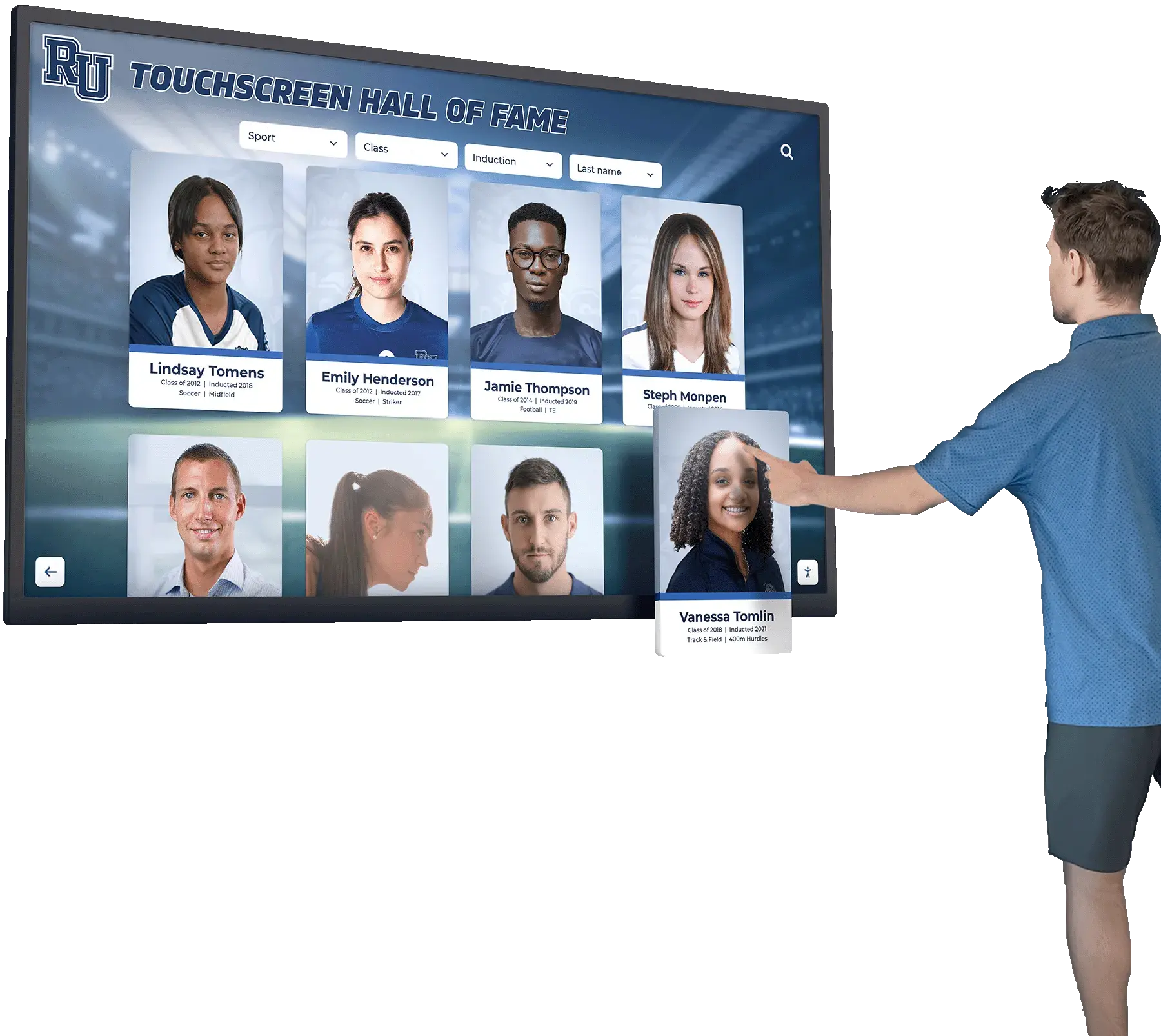
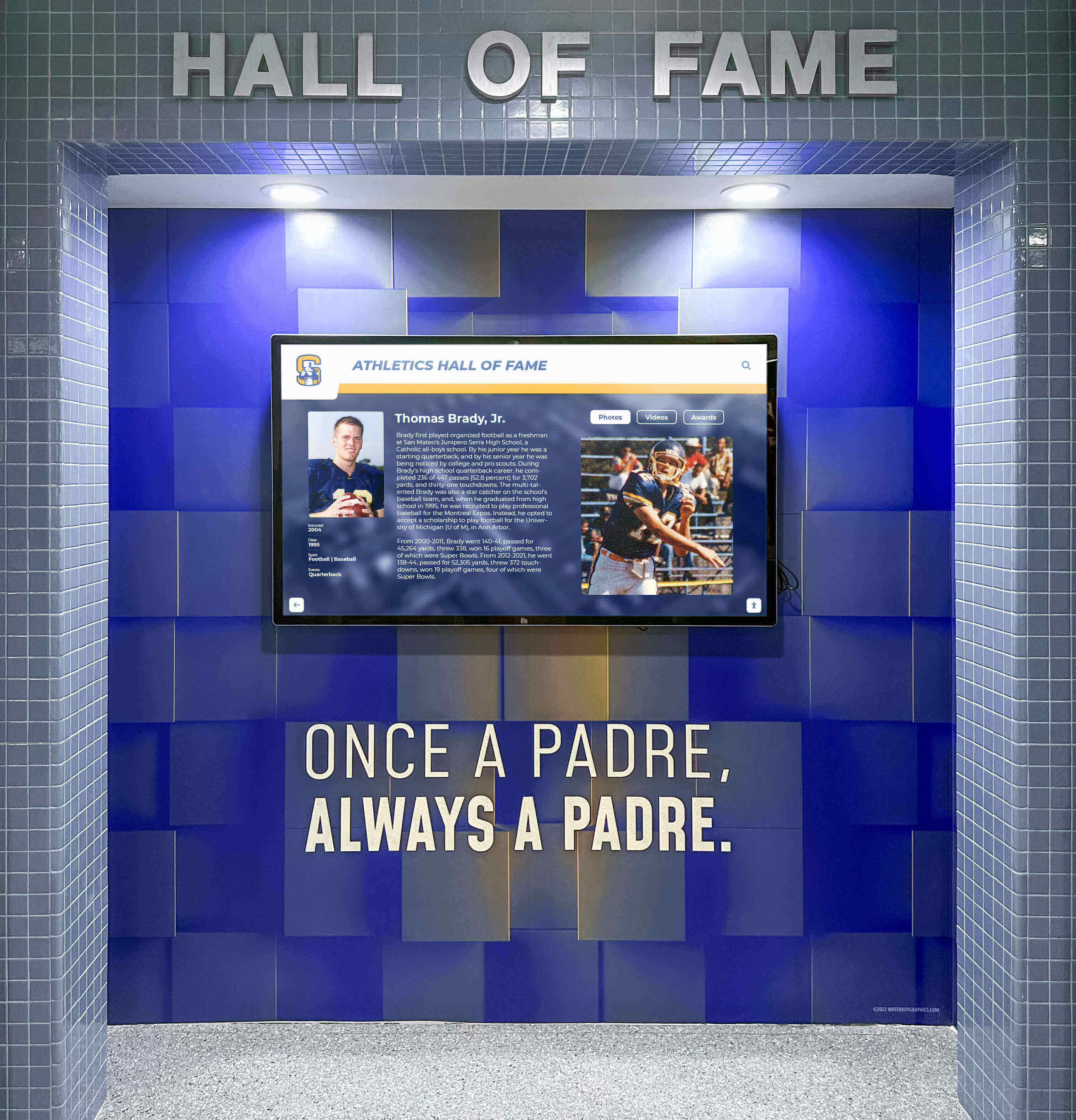
Comprehensive Storytelling: Digital platforms showcase not just jersey numbers and player names but complete career statistics, championship highlights, memorable game performances, and personal stories contextualizing achievements. Current players can explore video highlights, read detailed biographies, and understand the specific path honored players followed earning jersey retirement.
Unlimited Capacity: While physical display space constrains traditional jersey cases—eventually forcing difficult decisions about which honored players receive prominent placement—digital systems accommodate unlimited additions as programs continue recognizing excellence across decades.
Easy Updates and Maintenance: Adding newly retired jerseys to digital displays requires simple content updates rather than purchasing additional physical cases, managing installation logistics, or reorganizing existing displays to accommodate new additions. Statistical corrections, updated player biographies reflecting post-playing careers, or enhanced multimedia content can be incorporated seamlessly.
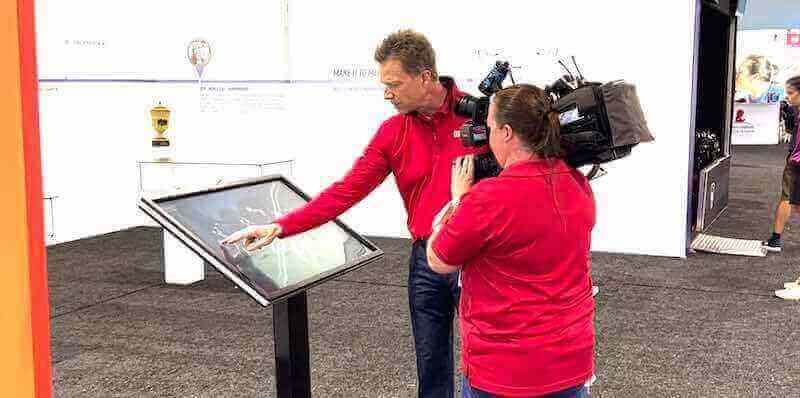
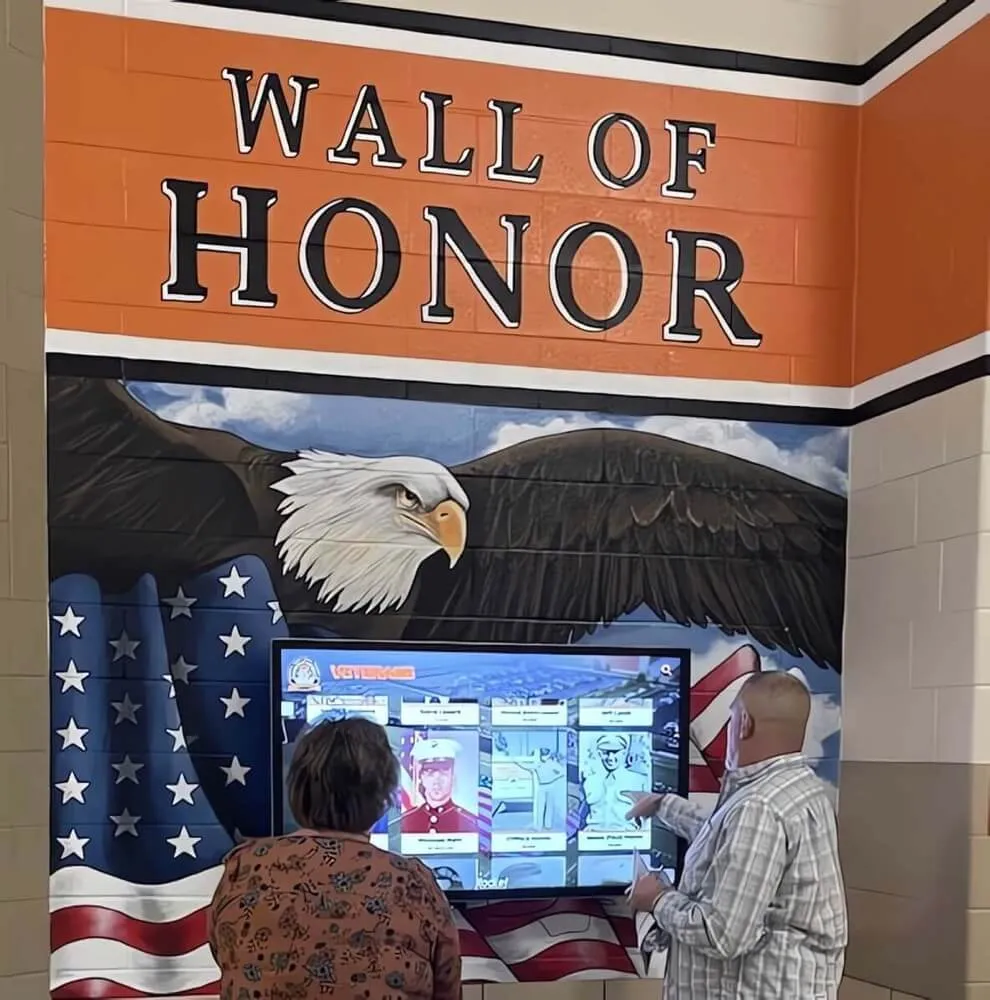
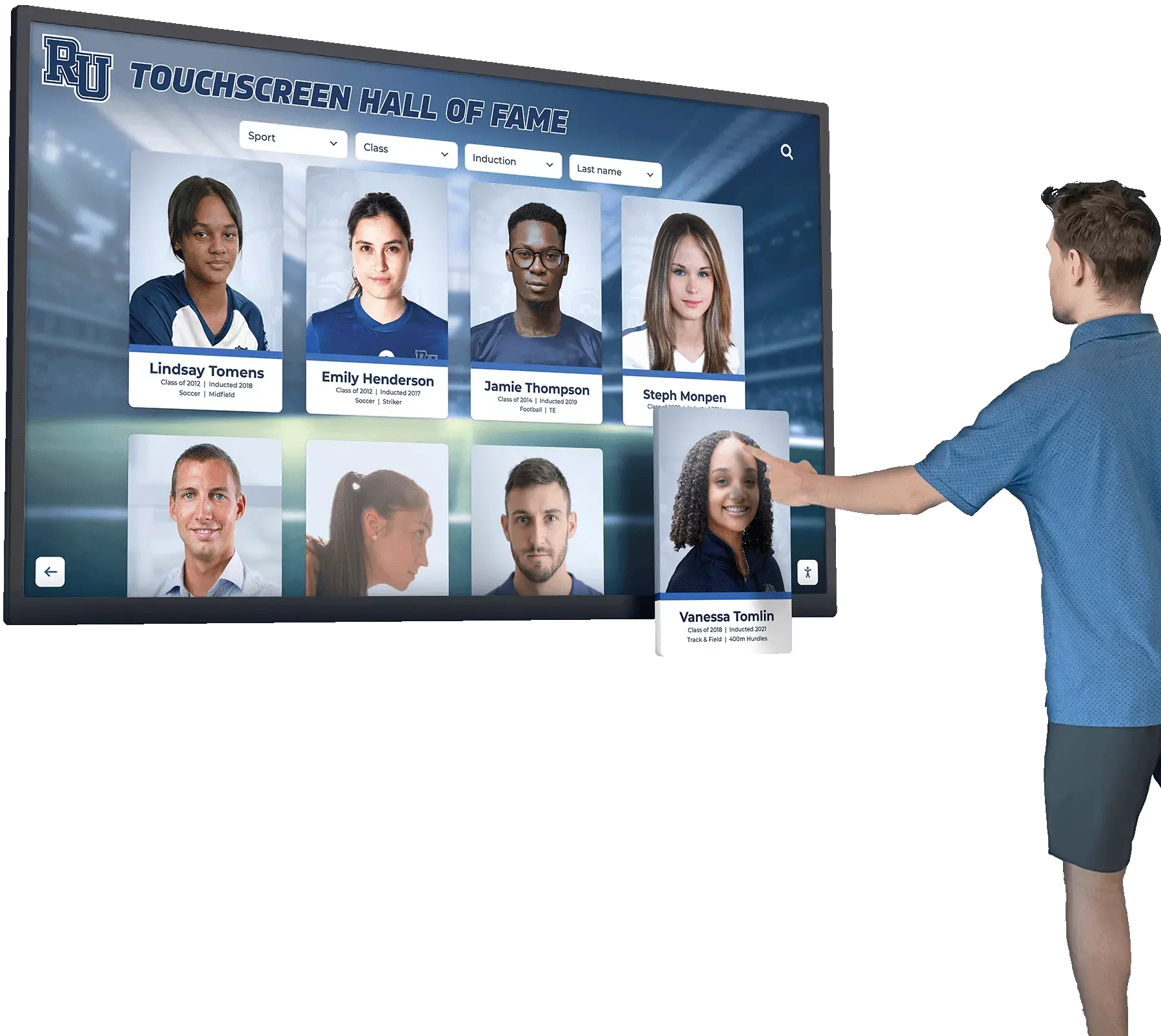
Interactive Engagement: Touchscreen displays enable visitors to explore program history based on personal interests—searching by decade, position, championship teams, or statistical categories. This interactive engagement creates deeper connections than passive viewing of wall-mounted cases, particularly for younger visitors accustomed to digital information access.
Cost Efficiency: While initial digital display installation involves upfront investment, long-term costs prove significantly lower than continually purchasing additional physical cases as programs retire more jerseys over time. Digital systems also eliminate ongoing preservation expenses associated with maintaining physical jerseys.
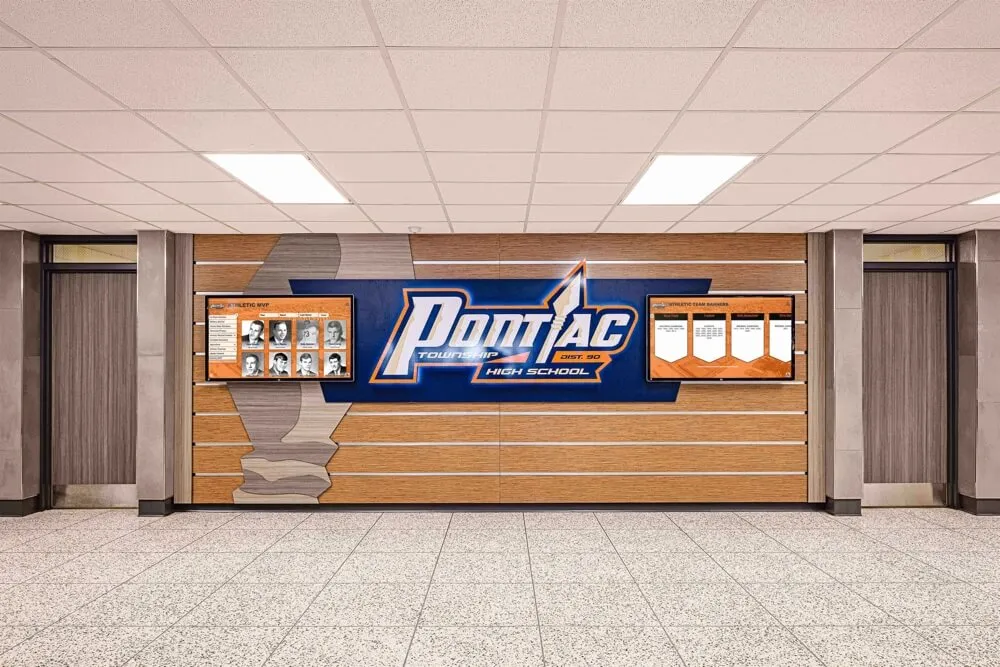
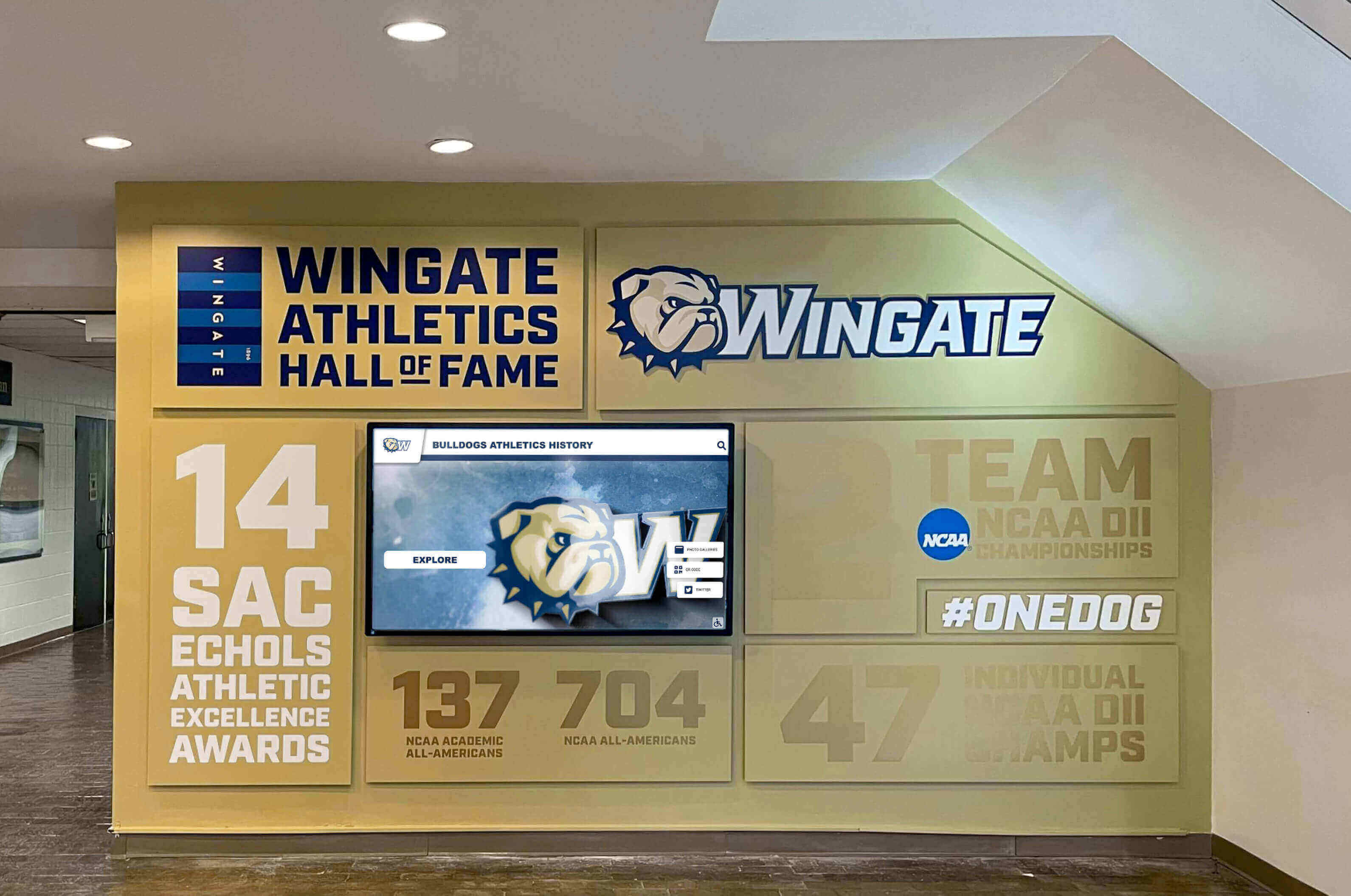
Space Efficiency: Single digital displays occupying minimal wall space can showcase dozens of retired jerseys alongside complete team history, championship rosters, and season records that would require extensive physical space if presented through traditional trophy cases and jersey displays.
Programs implementing digital recognition often discover unexpected benefits like increased alumni engagement. Alumni event coordinators use digital displays as focal points during reunions, allowing former players to explore their own careers and reconnect with program history in interactive formats.
Hybrid Display Systems
Progressive hockey programs increasingly adopt hybrid approaches combining traditional physical jersey displays with digital enhancement creating comprehensive recognition systems leveraging both methods’ strengths.
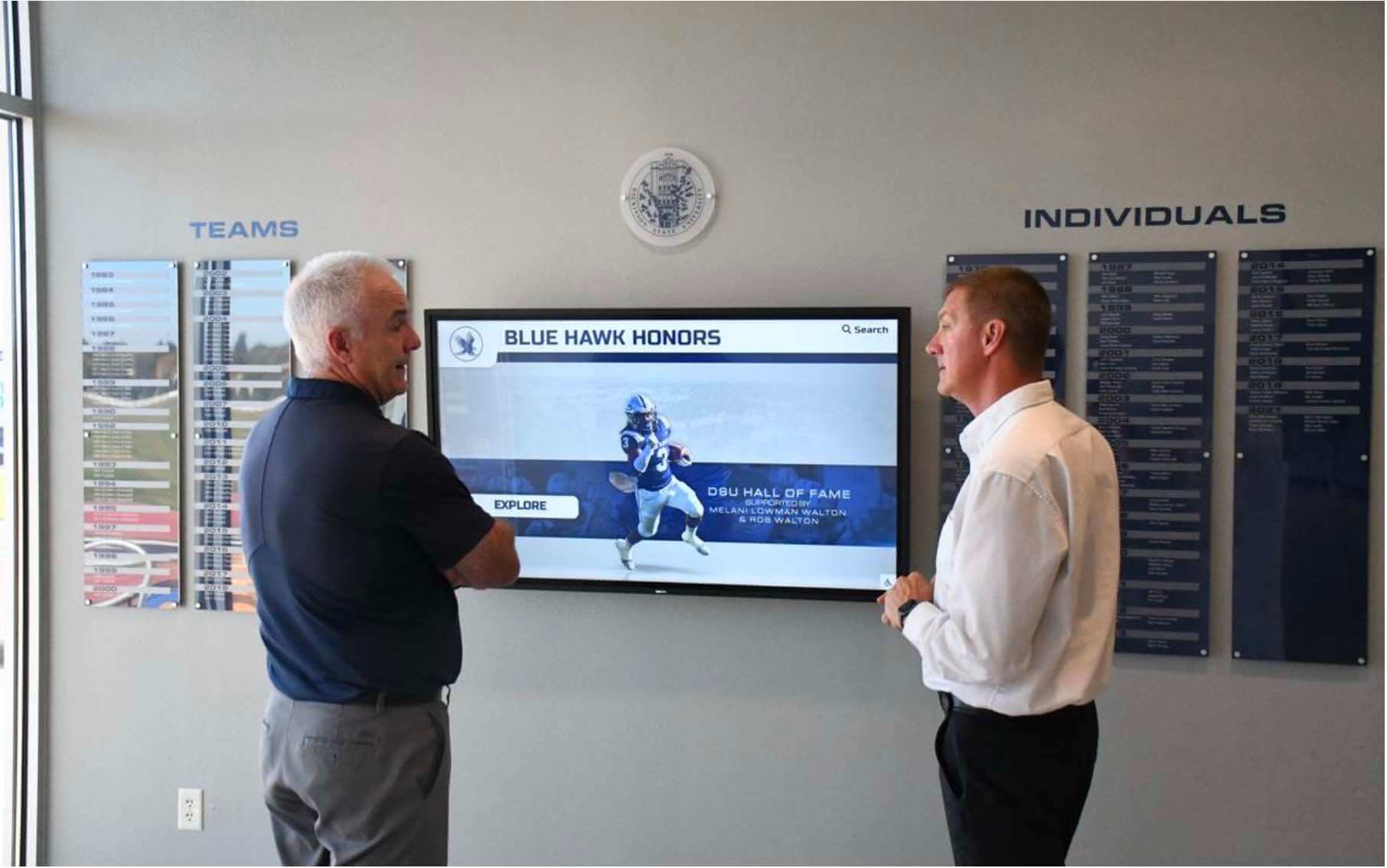
Featured Physical Display with Digital Context: Programs might display 3-5 most recently retired jerseys in premium wall-mounted cases while comprehensive digital displays located nearby provide complete program history including all retired jerseys, detailed statistics, and multimedia content. This approach maintains the visual impact and tradition of physical jersey displays while addressing space limitations and providing deeper information access.
Rotating Physical Displays: Some programs display select jerseys in physical cases on rotating schedules—perhaps highlighting jerseys from championship decades during anniversary years or featuring jerseys corresponding to current season milestones. Digital platforms provide permanent access to complete retired jersey information regardless of which physical jerseys are currently displayed.
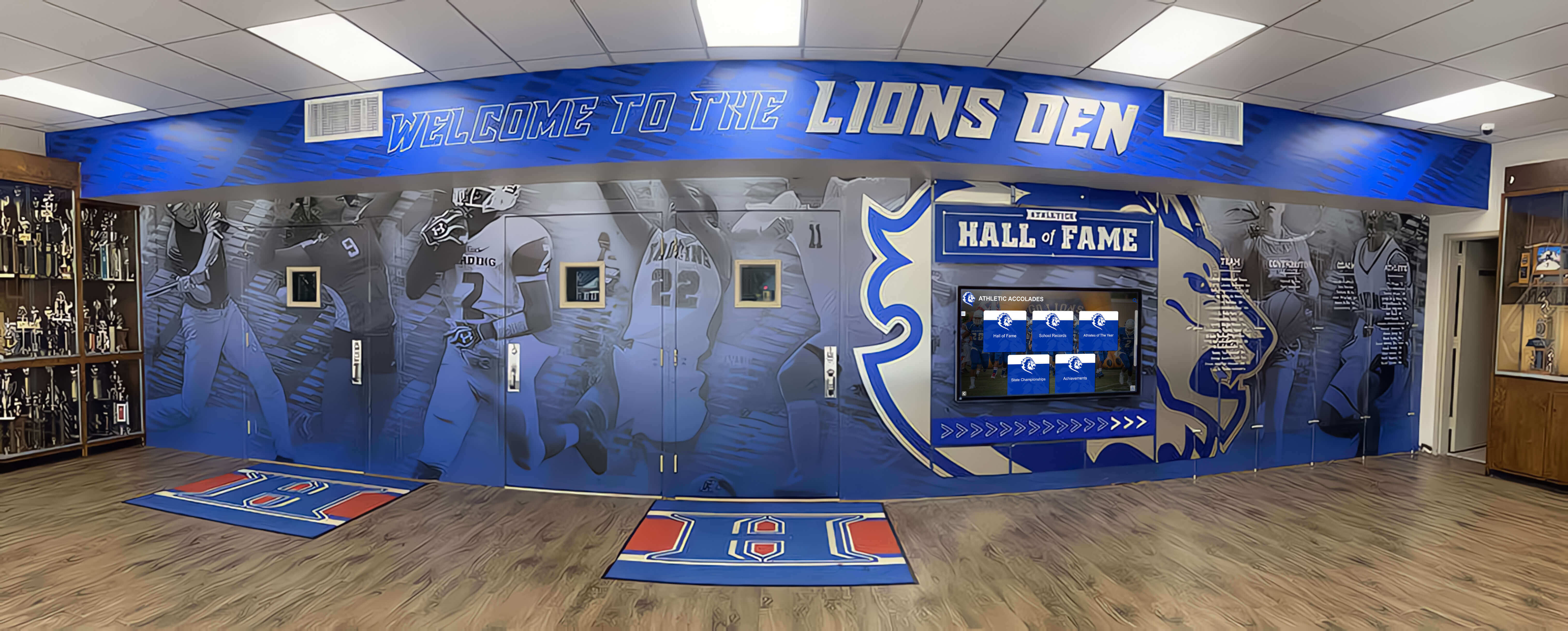
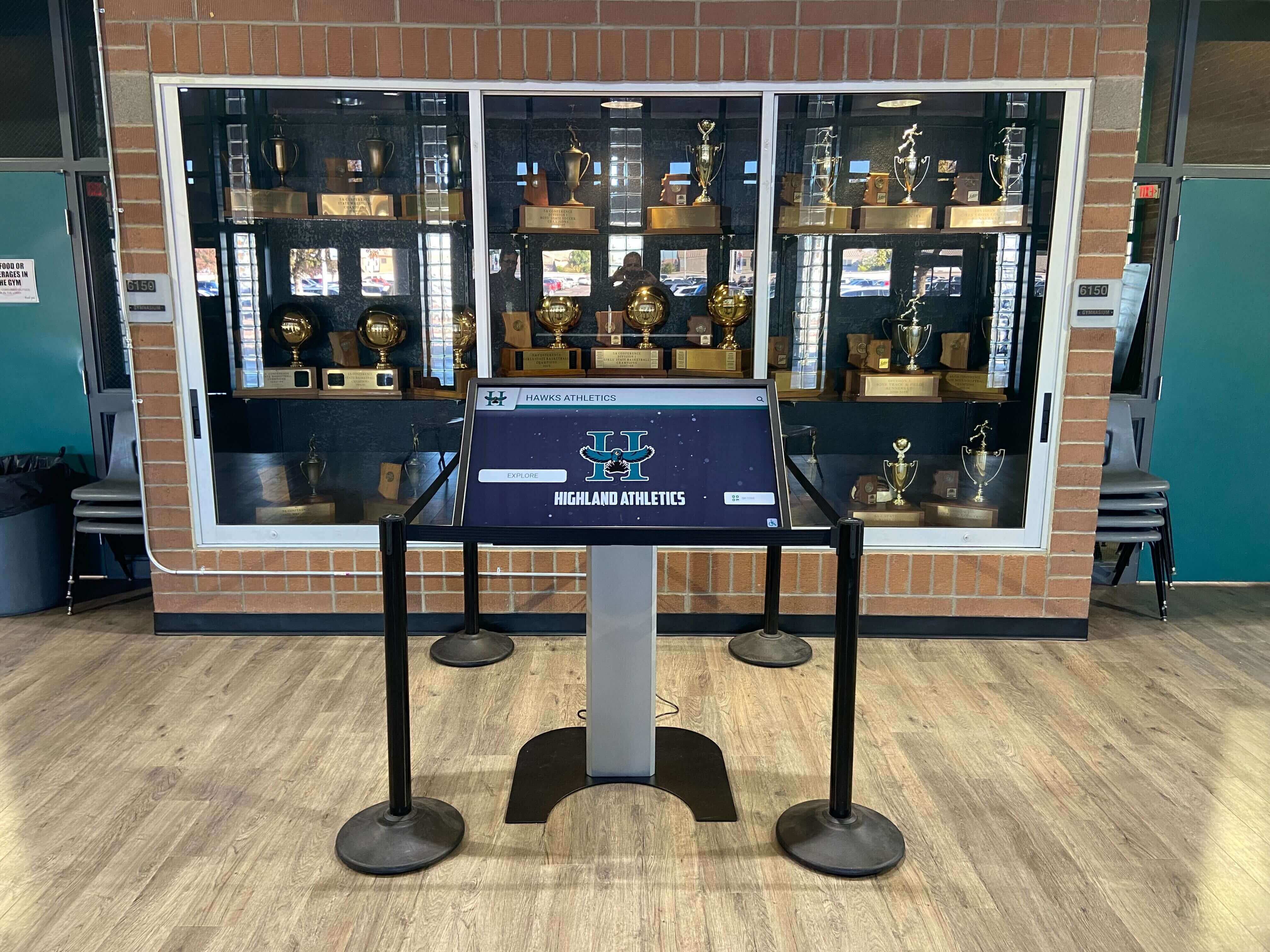
Digital Displays with Physical Artifacts: Touchscreen systems installed within or adjacent to trophy cases create integrated presentations where physical jerseys, championship trophies, and hockey memorabilia complement digital content providing context, statistics, and multimedia enhancement of displayed artifacts.
QR Code Integration: Physical jersey displays can include QR codes linking to digital content with complete player biographies, career highlights, video content, and related program history. This low-cost integration provides information depth without requiring expensive physical display expansion.
Schools implementing comprehensive recognition systems often discover synergies across athletic programs. Digital platforms recognizing hockey excellence can incorporate championship banner designs and celebration of achievements across multiple sports creating unified athletic department recognition.
Strategic Display Placement
Where programs display retired jerseys significantly affects their visibility, impact, and role in program culture.
High-Traffic Visibility Locations
Arena Entrances and Lobbies: Positioning jersey displays in main entrance areas ensures visibility for every person attending games, practices, or arena events. These high-traffic locations maximize exposure while creating immediate impressions communicating program values to visitors, opposing teams, and community members.
Locker Room Areas: Displaying retired jerseys where current players prepare for competition creates daily visual reminders of excellence standards. Players seeing honored jerseys during pre-game preparation understand the legacy they represent and achievements they pursue during their own careers.
Athletic Department Facilities: Schools with dedicated athletic wings, sports hallways, or physical education areas can create concentrated recognition zones celebrating hockey alongside other athletic achievements. These locations reach student-athletes across all sports while building broader athletic culture.
School Main Entrances: Positioning hockey recognition displays in school main entrances rather than limiting placement to athletic facilities communicates that athletic achievement represents important institutional value celebrated alongside academic and arts accomplishments. This placement particularly benefits programs where hockey drives school identity and community connection.
Creating Recognition Destinations
Rather than dispersing individual jersey displays across multiple locations, some programs create dedicated “Hockey Hall of Fame” spaces consolidating retired jerseys, championship trophies, team photos, and program history into single destinations worth visiting specifically to explore program legacy.
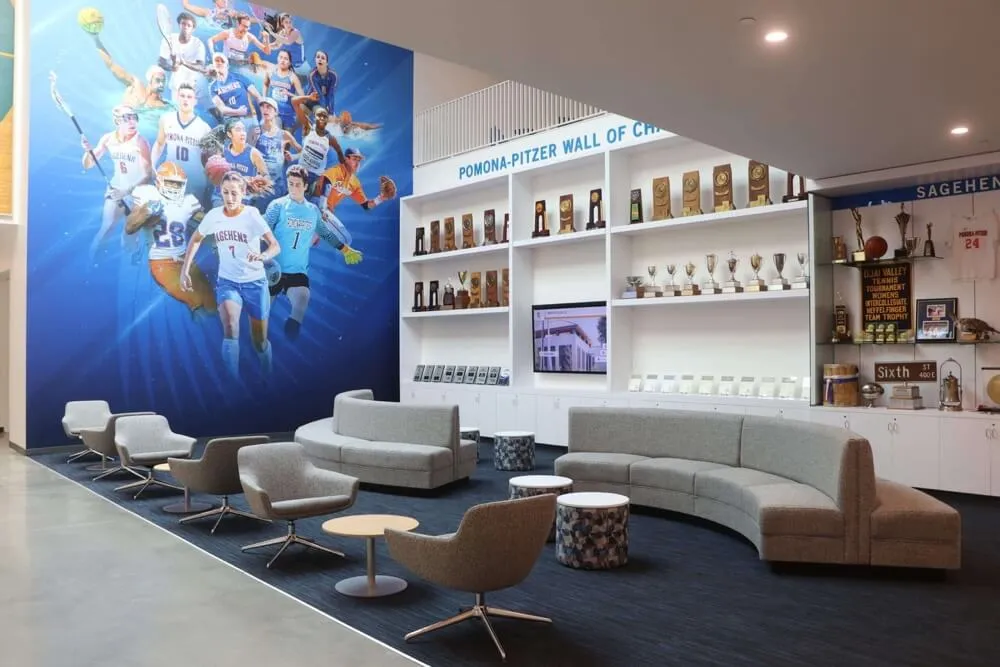
Dedicated Gallery Spaces: Converting underutilized areas into hockey recognition galleries creates destinations for alumni visits, recruiting presentations for prospective players, and orientation programs introducing new team members to program culture. These spaces can incorporate comfortable seating, historical displays, and interactive elements encouraging extended engagement rather than brief viewing while passing through hallways.
Integration with School History: Combining hockey recognition with broader school history displays creates context showing how athletic achievements connect to institutional development, community evolution, and generational traditions extending beyond sports alone. This integration particularly benefits programs celebrating centennial anniversaries or significant institutional milestones.
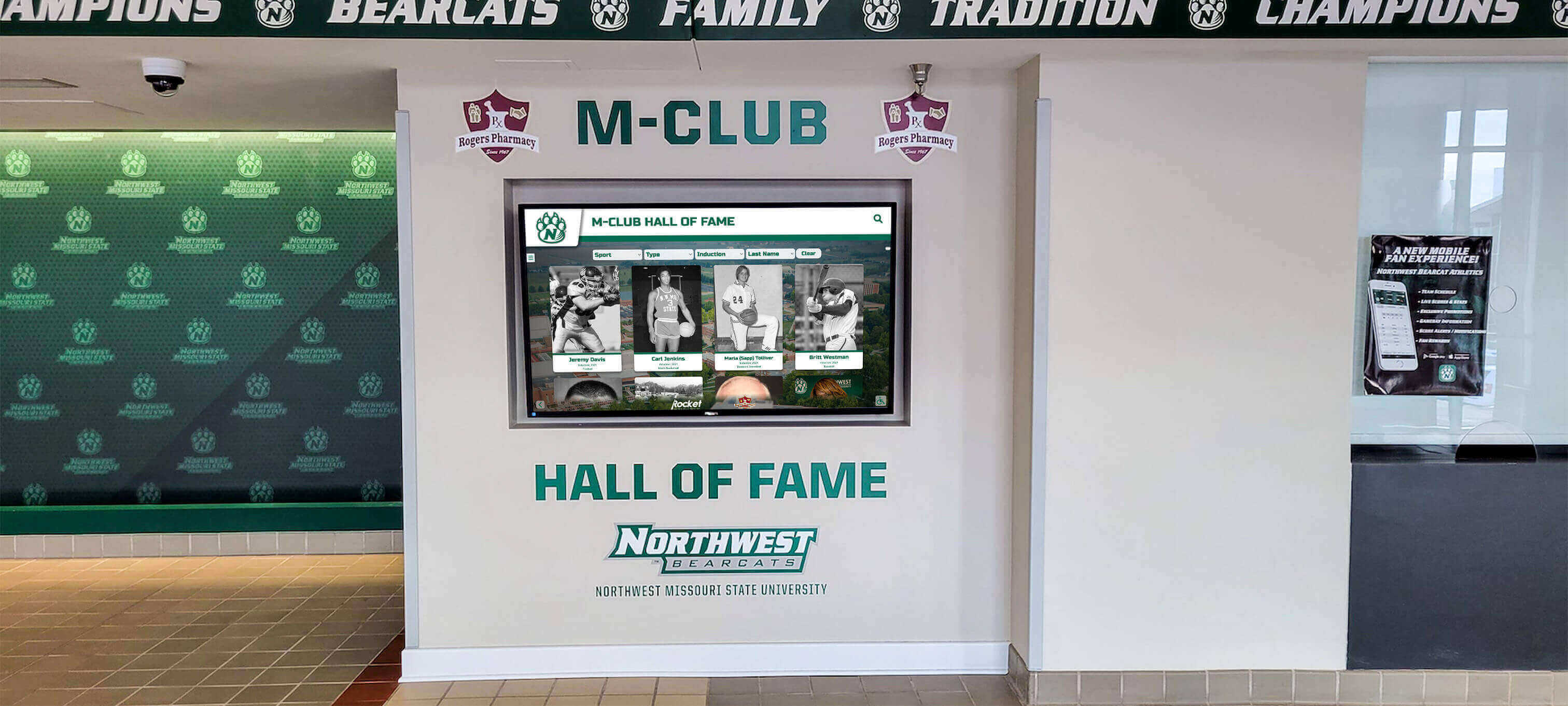
Accessibility Considerations: Regardless of location, jersey displays must maintain ADA accessibility compliance ensuring all community members can view and interact with recognition systems. Touchscreen displays require appropriate height mounting, and physical cases need positioning allowing wheelchair users clear sightlines to displayed jerseys.
Understanding how recognition placement affects program culture extends beyond hockey. Schools developing comprehensive approaches often reference student recognition best practices and apply similar principles across athletic and academic achievement celebration.
Budget Considerations and Funding Approaches
Creating meaningful jersey recognition programs requires financial planning addressing initial installation costs and ongoing maintenance while exploring funding sources beyond strained athletic budgets.
Cost Comparison: Traditional vs. Digital
Traditional Physical Display Costs:
- Individual wall-mounted cases: $150-400 per jersey
- Floor-standing multi-jersey cabinets: $2,000-10,000
- Custom architectural installations: $15,000-50,000+
- Ongoing costs: Additional cases for new retirees, cleaning, repairs, UV-protective upgrades
Digital Recognition Costs:
- Basic touchscreen display installation: $5,000-12,000
- Premium interactive systems: $15,000-25,000
- Enterprise multi-display networks: $30,000-75,000+
- Ongoing costs: Content updates (often provided by vendors), occasional hardware maintenance, software licensing
Break-Even Analysis: Programs planning to retire jerseys regularly find digital systems achieve cost parity with traditional cases after approximately 10-15 jersey retirements, after which digital platforms provide significant cost advantages by eliminating per-jersey case purchases.
Funding Sources and Strategies
Booster Club Support: Hockey booster clubs often fund recognition displays as permanent program investments celebrating achievements their fundraising and volunteer efforts helped make possible. Major display installations can serve as multi-year booster club legacy projects uniting supporters around tangible facility improvements.
Alumni Contributions: Jersey retirement honorees and their families frequently contribute toward display costs celebrating their achievements. Alumni campaigns can fund comprehensive digital recognition systems as class gifts or reunion projects benefiting current and future program participants. Development approaches parallel nonprofit donor recognition strategies identifying supporters willing to fund permanent legacy recognition.
Corporate and Community Sponsorships: Local businesses often sponsor athletic facility improvements receiving appropriate recognition for their support. Recognition display sponsorships can include company logos displayed respectfully alongside program content or dedication plaques acknowledging corporate contributions.
Capital Campaign Integration: Schools conducting broader facility improvements or capital campaigns should include hockey recognition displays as specific campaign components. Donors respond positively to defined projects with clear impacts rather than general facility fund requests.
Memorial Recognition Opportunities: Families seeking meaningful tributes to deceased community members or alumni sometimes fund recognition displays as living memorials celebrating individuals’ connections to hockey programs. These memorial opportunities create funding sources while honoring community members’ legacies through program support.
Schools developing funding strategies benefit from understanding broader recognition program approaches. Resources about digital donor walls provide insights applicable to athletic recognition funding and donor engagement strategies.
Ceremony and Unveiling Best Practices
How programs conduct jersey retirement ceremonies significantly affects the honor’s meaning for recipients while establishing precedents for future recognitions.
Timing and Event Selection
Standalone Ceremonies vs. Game Integration: Programs can conduct jersey retirement ceremonies as standalone events allowing extended time for speeches, video presentations, and celebration, or integrate ceremonies into game days creating larger audiences and energized atmospheres. Standalone ceremonies provide intimacy and flexibility for extensive programs, while game-day retirements leverage existing crowds and connect current competition to historical excellence.
Senior Night Coordination: Retiring jerseys of recently graduated players during their former team’s senior night celebrations creates generational connections while honored players can attend alongside current seniors they may have played with or mentored.
Milestone Anniversaries: Some programs schedule jersey retirements during championship game anniversaries, program centennial celebrations, or homecoming weekends attracting larger alumni attendance and media coverage amplifying recognition impact.
Notification Timeline: Jersey retirement recipients deserve substantial advance notice allowing family coordination, travel planning, and personal preparation for emotional ceremonies. Programs should notify honorees at least 6-8 weeks before planned ceremonies, with 3-4 months notice preferred for events requiring extensive family travel.
Ceremony Elements
Formal Presentations: Effective ceremonies include:
- Program history contextualizing the honoree’s achievements and era
- Specific accomplishments, records, and defining moments highlighting why jersey retirement was earned
- Testimonials from coaches, teammates, or community members providing personal perspectives
- Video presentations incorporating game footage, photographs, and interviews
- Physical presentation of framed jersey, commemorative plaques, or display case dedication
- Family recognition acknowledging support systems enabling player success
Attendee Inclusion: Inviting former teammates, opposing coaches who competed against honorees, and community members who supported honorees’ development creates meaningful gatherings extending beyond immediate family while strengthening broader program connections.
Documentation for Digital Archives: Ceremony photographs, video recordings, and collected tributes should be preserved in digital formats enabling later incorporation into digital recognition displays. This documentation becomes increasingly valuable decades after ceremonies as program history for future generations.
Post-Ceremony Engagement: Following formal ceremonies, reception periods allowing honorees to interact with current players, sign autographs for young fans, and reconnect with program supporters create personal connections that ceremonies alone cannot achieve.
Recognition ceremonies across athletic programs share common elements. Insights from signing day ceremony planning provide relevant approaches to creating memorable athletic recognition events.
Maintaining Recognition Relevance Across Generations
Jersey retirement displays created today must remain meaningful and accessible to players, families, and community members decades into the future as personnel changes, facilities evolve, and technology advances.
Documentation and Institutional Memory
Written Criteria and Procedures: Programs should document jersey retirement criteria, selection processes, and ceremony standards preventing inconsistency as athletic directors, coaches, and administrators change over years. Clear documented standards ensure future decision-makers honor the precedents established by current leadership while maintaining recognition integrity.
Historical Records Management: Comprehensive records of each jersey retirement—including selection rationale, ceremony details, media coverage, and family information—should be maintained in digital formats with backup systems preventing loss through personnel transitions, facility changes, or technology obsolescence.
Succession Planning: Programs should designate responsibilities for maintaining recognition displays, updating content, conducting periodic reviews, and coordinating future jersey retirements. Without clear succession planning, recognition systems deteriorate when key personnel retire or change positions.
Periodic Review and Refresh
Physical Display Maintenance: Traditional jersey cases require periodic cleaning, lighting updates, backing replacement, and condition assessment ensuring continued preservation quality. Programs should schedule annual reviews assessing display condition and addressing emerging maintenance needs before minor issues become significant problems.
Digital Content Updates: Digital recognition platforms benefit from periodic content enhancements incorporating newly discovered photographs, updated honoree biographies reflecting post-playing accomplishments, and improved multimedia presentations as technology capabilities advance.
Facility Integration During Renovations: When schools undergo facility renovations, proactive planning ensures recognition displays are preserved, relocated appropriately, or upgraded rather than removed or damaged during construction. Recognition system stakeholders should participate in renovation planning discussions ensuring program history receives appropriate consideration.
Technology Refresh Cycles: Digital displays require periodic hardware updates as screens age, interactive technology evolves, and software capabilities expand. Planning 7-10 year technology refresh cycles prevents obsolescence while spreading costs across reasonable timeframes.
Schools implementing lasting recognition systems often reference proven approaches. Understanding digital recognition integration during facility renovations helps programs navigate transitions while preserving historical displays.
Beyond Jerseys: Comprehensive Hockey Program Recognition
While retired jerseys represent hockey’s highest individual honor, comprehensive recognition systems celebrate broader achievement categories creating motivation across entire rosters rather than limiting recognition to rare jersey retirement recipients.
Team Achievement Recognition
Championship Teams: Displaying complete rosters, season records, tournament brackets, and memorable moments from championship teams celebrates collective achievement while individual stars and role players alike receive permanent recognition for contributions to program success.
Record-Setting Seasons: Teams achieving program records for wins, goals scored, winning streaks, or defensive achievements merit permanent recognition even without championship trophies, documenting excellence across multiple performance dimensions.
Notable Victories: Signature victories over traditional rivals, upset wins against higher-ranked opponents, or tournament performances exceeding expectations create defining program moments worth preserving alongside championship celebrations.
Individual Statistical Recognition
Career Leaders: Maintaining visible recognition of career statistical leaders (goals, assists, points, saves, shutouts) across program history motivates current players pursuing record-breaking performances while documenting program evolution across decades.
Single-Season Records: Season record holders in various categories demonstrate peak performance excellence achieved during exceptional campaigns. These records often prove harder to break than career records, reflecting remarkable single-season dominance.
All-Conference and All-State Selections: Recognizing players earning external validation from coaches associations, media selections, or state hockey organizations documents achievement breadth across program history rather than limiting recognition to jersey retirement recipients alone.
Specialty Recognition Categories
Academic Excellence: Celebrating academic all-conference selections, scholar-athlete awards, and players balancing hockey commitment with classroom achievement reinforces program values extending beyond ice performance.
Sportsmanship and Leadership: Recognizing team captains, sportsmanship award recipients, and players exemplifying program values communicates that character and leadership matter equally to statistical achievement.
Milestone Achievements: First goals, 100th career points, first shutouts, and personal milestone moments create recognition opportunities celebrating individual growth and development across diverse achievement levels.
Programs implementing comprehensive recognition discover benefits extending across athletic departments. Approaches proven effective in creative team award categories translate effectively to permanent digital recognition displays celebrating diverse contributions.
Conclusion: Creating Lasting Hockey Legacy Through Meaningful Recognition
Hockey jersey retirement represents one of sports’ most meaningful honors, permanently celebrating players whose exceptional achievements and character contributions define program excellence across generations. Whether programs choose traditional display cases preserving physical jerseys, modern digital platforms creating interactive program histories, or hybrid approaches combining both methods, the recognition system selected should reflect program values, available resources, and commitment to maintaining meaningful displays that inspire current players while honoring past excellence.
The most successful recognition systems extend beyond simple jersey displays to tell complete stories—contextualizing achievements, preserving memories, and creating accessible connections between current participants and program history. As technology continues evolving and preservation techniques improve, hockey programs have unprecedented opportunities to celebrate legacy appropriately while building recognition systems that remain relevant, engaging, and inspiring for decades.
Programs investing thoughtfully in jersey retirement recognition create tangible benefits including strengthened alumni connections, enhanced recruiting appeal demonstrating program prestige, and reinforced competitive culture where current players understand exactly what excellence looks like and how permanent recognition is earned. These recognition systems become institutional assets appreciating in value as program history deepens and honored players’ achievements gain historical perspective impossible to fully appreciate during their playing careers.
Honor Your Hockey Legacy with Modern Digital Recognition
Ready to create a comprehensive hockey recognition system that celebrates retired jerseys alongside your complete program history? Rocket Alumni Solutions specializes in interactive digital platforms designed specifically for athletic programs seeking to preserve tradition while embracing modern engagement technology. Our systems enable hockey programs to showcase unlimited retired jerseys, championship teams, statistical leaders, and individual achievements in dynamic formats that inspire current players while connecting alumni to the programs they helped build.
Explore Digital Hockey Recognition Solutions
From small single-display installations to comprehensive multi-screen networks integrating with facility architecture, we provide customized solutions matching your program’s specific needs, budget, and recognition goals. Contact us today to discover how digital recognition can transform your hockey legacy presentation while creating lasting impact for generations of players, families, and community members who make your program exceptional.