



High school yearbook pictures capture irreplaceable moments—graduation portraits, team photos, candid hallway shots, and group pictures documenting friendships, achievements, and daily life during formative years. These images represent more than simple photographs; they preserve memories of who we were, friends we made, teachers who influenced us, and experiences that shaped our futures. Yet too many yearbook pictures remain trapped in deteriorating physical books, inaccessible closets, or forgotten storage boxes, slowly fading from both preservation and memory.
The challenge facing schools, alumni, and families centers on a fundamental question: How do we preserve these irreplaceable images permanently while making them accessible for sharing, reminiscing, and celebrating across generations? Physical yearbooks face inevitable deterioration through aging paper and binding, water damage and environmental exposure, loss through moves and life transitions, and limited accessibility restricted to single physical locations. Meanwhile, technological advances now enable permanent digital preservation, unlimited sharing without quality loss, searchable databases spanning decades, and interactive display solutions making memories constantly visible.
Preserving High School Yearbook Pictures for Future Generations
Whether you're an alumnus seeking to preserve personal yearbook memories, a school administrator protecting institutional archives, or a family member documenting generational connections, modern preservation solutions transform how we save, share, and display high school yearbook pictures. Digital platforms now enable comprehensive preservation while creating engaging ways to celebrate school history. Solutions like Rocket Alumni Solutions help schools digitize complete yearbook collections, creating searchable databases that integrate seamlessly with interactive displays throughout campus, ensuring every student's memories remain accessible forever.
Why High School Yearbook Pictures Matter
High school yearbook pictures document critical life periods when identities form, friendships solidify, and futures begin taking shape. These images capture moments we return to throughout our lives, especially during:
Life Transitions and Milestones
When planning reunions, alumni search yearbook pictures to reconnect with classmates and remember shared experiences. During major life events—weddings, career achievements, or family gatherings—people often revisit yearbook photos reflecting on their journeys from teenagers to adults. Parents show children their high school yearbook pictures, creating cross-generational conversations about growth, change, and family history.
Memory Preservation and Nostalgia
As time passes, specific details fade—teammate names, teacher personalities, daily routines, fashion trends, and cultural moments defining particular eras. Yearbook pictures serve as tangible anchors preventing complete memory loss. A single photograph can trigger floods of recollection about forgotten friends, memorable events, or formative experiences that shaped who we became.
Institutional History and Community Identity
For schools, yearbook pictures represent comprehensive institutional memory documenting facility evolution, demographic changes, program development, athletic championships, academic achievements, and community character across decades. These images tell stories about how schools and communities evolved, creating visible continuity connecting past and present.
Family Heritage and Genealogy
Families with multi-generational school attendance treasure yearbook pictures showing parents, grandparents, and even great-grandparents attending the same institutions. These images become family heirlooms documenting educational legacy and community roots spanning generations.
The Crisis: Yearbook Pictures at Risk
Despite their significance, high school yearbook pictures face serious preservation threats that worsen over time.
Physical Deterioration
Yearbooks printed on standard paper using conventional binding methods deteriorate predictably:
Paper yellows and becomes brittle after 20-30 years. Photographs fade as chemical processes degrade image stability. Binding glue fails, causing pages to loosen or detach completely. Environmental factors accelerate damage—humidity promotes mold growth, temperature fluctuations cause material expansion and contraction, sunlight exposure bleaches colors and images, and air pollutants contribute to acid formation degrading paper.
Many people discover their cherished yearbooks suffering visible damage when attempting to share them with children or reference them for reunions. Once physical deterioration advances significantly, restoration becomes difficult or impossible.
Accessibility Limitations
Even well-preserved physical yearbooks face fundamental accessibility constraints:
Physical yearbooks exist in single locations. Someone in California cannot easily access a yearbook stored in a New York basement without special arrangements, shipping, or travel. Lending yearbooks for scanning or sharing risks loss, damage, or theft. The only way to share specific pictures involves photographing pages—often producing poor-quality, distorted images with glare, shadows, and cropping challenges.
Schools maintaining physical yearbook archives face similar challenges. Alumni requesting copies of their yearbook pictures require staff time locating volumes, accessing pages, scanning or photographing images, and delivering copies. These manual processes prove labor-intensive and inefficient, especially during reunion seasons when requests multiply.
Loss and Damage
Yearbooks face constant risks through everyday life events:
Moves and relocations account for substantial yearbook loss. During transitions, yearbooks get misplaced, accidentally discarded, or left behind. Water damage from flooding, burst pipes, or roof leaks destroys yearbooks in basements, attics, and storage areas. House fires, natural disasters, and accidents eliminate physical yearbooks instantly and permanently. Lending to friends or classmates sometimes results in yearbooks never returned. Divorce, estate settlement, and family disputes occasionally scatter yearbooks, separating them from rightful owners.
Once a physical yearbook disappears, the images it contained become extraordinarily difficult to recover without access to school archives or other sources.
Modern Solutions: Digitizing High School Yearbook Pictures
Digital preservation solves the fundamental challenges threatening yearbook pictures while creating powerful new capabilities impossible with physical books alone.
Benefits of Digitizing Yearbook Pictures
Permanent Preservation
Digital files stored properly never deteriorate. Unlike physical materials that degrade chemically over time, digital images maintain original quality indefinitely. Cloud storage with redundant backups across multiple geographic locations ensures images survive local disasters. Even if original yearbooks suffer damage or loss, digital copies preserve the content permanently.
Universal Accessibility
Digitized yearbook pictures become accessible from anywhere. Alumni living across the country or around the world can view their yearbook photos instantly without physical access to original books. Multiple people can view the same images simultaneously without conflict. Families can share yearbook pictures with relatives through simple links rather than mailing fragile physical books.
Searchability and Organization
Digital systems enable searching by name, year, activity, or keyword—instantly locating specific pictures across decades of yearbooks. This capability transforms research from hours of manual page-turning into seconds of targeted searching. Schools implementing comprehensive yearbook digitization create searchable databases serving entire communities efficiently.
Enhanced Sharing
Digital yearbook pictures share easily via email, social media, text messages, or dedicated platforms. Image quality remains perfect regardless of how many times files get shared or copied. Recipients can download, print, or further share without degrading original quality.
How to Digitize Your High School Yearbook Pictures
Whether digitizing personal yearbooks or comprehensive school archives, systematic approaches ensure quality results.
Individual Yearbook Digitization
Scanning at Home
Modern flatbed scanners produce high-quality yearbook digitization suitable for personal archives:
- Clean yearbook pages gently with a soft, dry cloth removing dust and debris that appear in scans
- Place the yearbook on the scanner with the spine parallel to the scanner edge, opening as flat as possible without damaging binding
- Scan at 300-600 DPI (dots per inch) resolution ensuring text remains readable and photos show clear detail
- Save files in high-quality formats like TIFF for archival masters or high-quality JPEG for sharing copies
- Organize scanned files systematically by yearbook year and page number for easy retrieval
- Create backup copies on external drives and cloud storage protecting against device failure
Professional Scanning Services
For valuable or fragile yearbooks, professional digitization services offer advantages:
- Specialized book scanners handle tight bindings without damage
- Experienced technicians ensure consistent quality and proper lighting
- OCR (Optical Character Recognition) processing creates searchable text
- Color correction and enhancement improve final image quality
- Complete project management handles entire digitization process
Several services specialize specifically in yearbook scanning and digitization, offering packages for individual books or complete school collections.
Smartphone Photography Alternative
While not ideal for archival preservation, smartphone cameras offer quick digitization for immediate sharing:
- Place yearbook on flat surface with even lighting from multiple angles avoiding shadows
- Use tripod or stable position ensuring camera remains level and steady
- Photograph each page straight-on rather than at angles to minimize distortion
- Use highest resolution camera setting available
- Consider dedicated scanning apps that automatically crop, enhance, and organize images
- Review photos immediately for clarity, checking that text remains readable
School-Wide Yearbook Digitization
Schools maintaining complete yearbook collections spanning decades benefit from comprehensive digitization strategies:
Assessment and Planning
Begin with complete inventory of existing yearbooks noting publication years, physical condition, gaps requiring location of missing volumes, and priority years for initial digitization. Establish quality standards specifying minimum resolution, color accuracy requirements, acceptable file formats, and organizational structures.
Scanning Implementation
Schools can pursue DIY digitization using staff or student workers, professional service vendors handling complete projects, or hybrid approaches combining internal and external resources. The framework for digitizing old yearbooks provides detailed guidance for large-scale school archives.
Metadata and Organization
Comprehensive metadata makes digital yearbook collections truly useful:
- Tag individual photos with student names enabling name searches
- Categorize images by activity type (athletics, academics, clubs, candids)
- Note specific events, dates, and locations when known
- Create descriptive captions preserving institutional knowledge
- Link related images across different years showing progression
Platform Selection
Choose appropriate technology for hosting and accessing digitized yearbooks:
- Dedicated yearbook platforms designed specifically for educational institutions
- Digital asset management systems suitable for comprehensive media libraries
- Cloud storage with sharing capabilities for simpler implementations
- Integration with school websites and content management systems
- Compatibility with interactive display systems throughout campus
Sharing High School Yearbook Pictures Effectively
Once digitized, yearbook pictures become shareable in ways impossible with physical books.
Personal Sharing Strategies
Social Media Sharing
Alumni frequently share yearbook pictures on Facebook, Instagram, and other platforms:
- “Throwback Thursday” posts sharing old yearbook photos generate engagement and conversations
- Tagging former classmates reconnects friends and triggers shared memories
- Comparison posts showing “then and now” photos document personal evolution
- Graduation anniversary posts celebrating milestones with yearbook pictures
Best practices include respecting others’ privacy by confirming people feel comfortable being tagged, providing context explaining when and where photos originated, using appropriate hashtags enabling discovery by classmates, and engaging authentically rather than simply posting and forgetting.
Email and Messaging
Direct sharing via email or messaging apps enables more private exchanges:
- Sending yearbook pictures to specific friends referenced in photos
- Sharing with family members showing relatives who also attended the school
- Including pictures in reunion planning communications
- Attaching images to messages reconnecting with old friends
Dedicated Alumni Platforms
Many schools now maintain alumni platforms or class-specific groups where members share yearbook pictures collectively:
- Class Facebook groups or dedicated alumni websites
- Reunion planning platforms where attendees share memories
- School-sponsored digital archives accessible to verified alumni
- Collaborative photo collections where multiple people contribute images
School-Wide Sharing Solutions
Schools implementing comprehensive yearbook digitization can make archives available institution-wide.
Public Online Archives
Some schools publish digitized yearbooks online for unrestricted access:
Benefits include maximum accessibility for all alumni and community members, support for genealogical research and historical documentation, positive public relations demonstrating commitment to preserving history, and elimination of individual access requests requiring staff time.
Considerations include privacy concerns about student images and information, copyright questions about yearbook content ownership, potential need for removal requests when individuals object, and ongoing maintenance keeping systems functional and current.
Password-Protected Alumni Access
Alternative approaches restrict access to verified alumni:
- Email verification systems confirming requester attended the school
- Graduation year-based passwords shared through established channels
- Integration with official alumni association membership databases
- Individual account creation with verification before access approval
Restricted access addresses privacy concerns while maintaining availability for legitimate users.
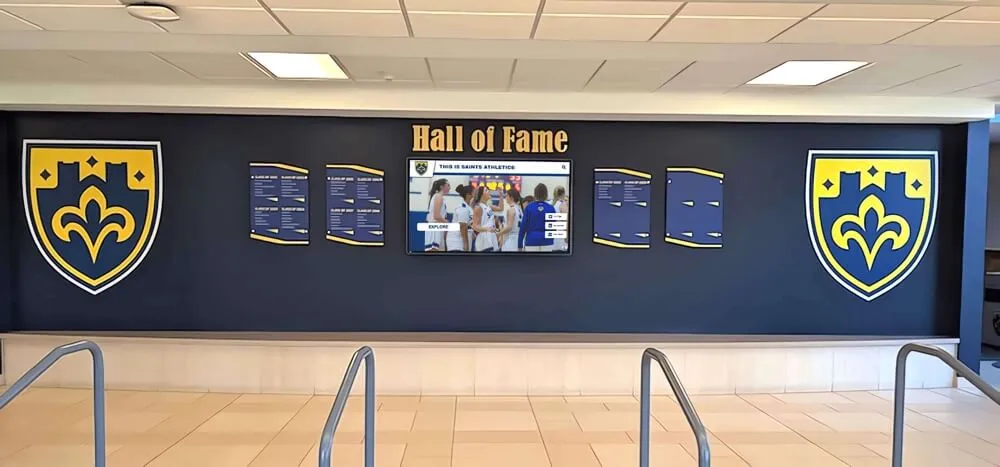
Physical Access Kiosks
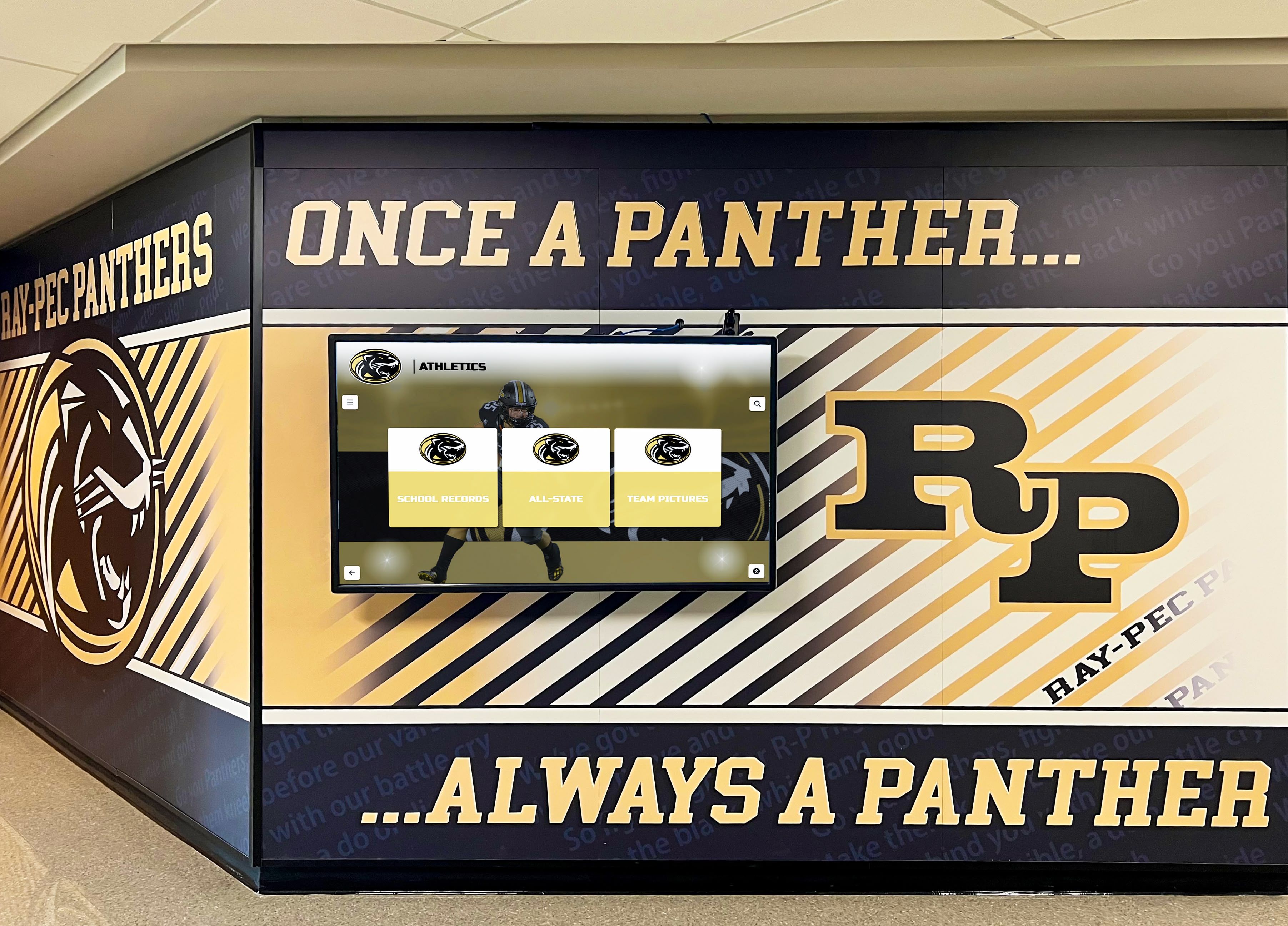
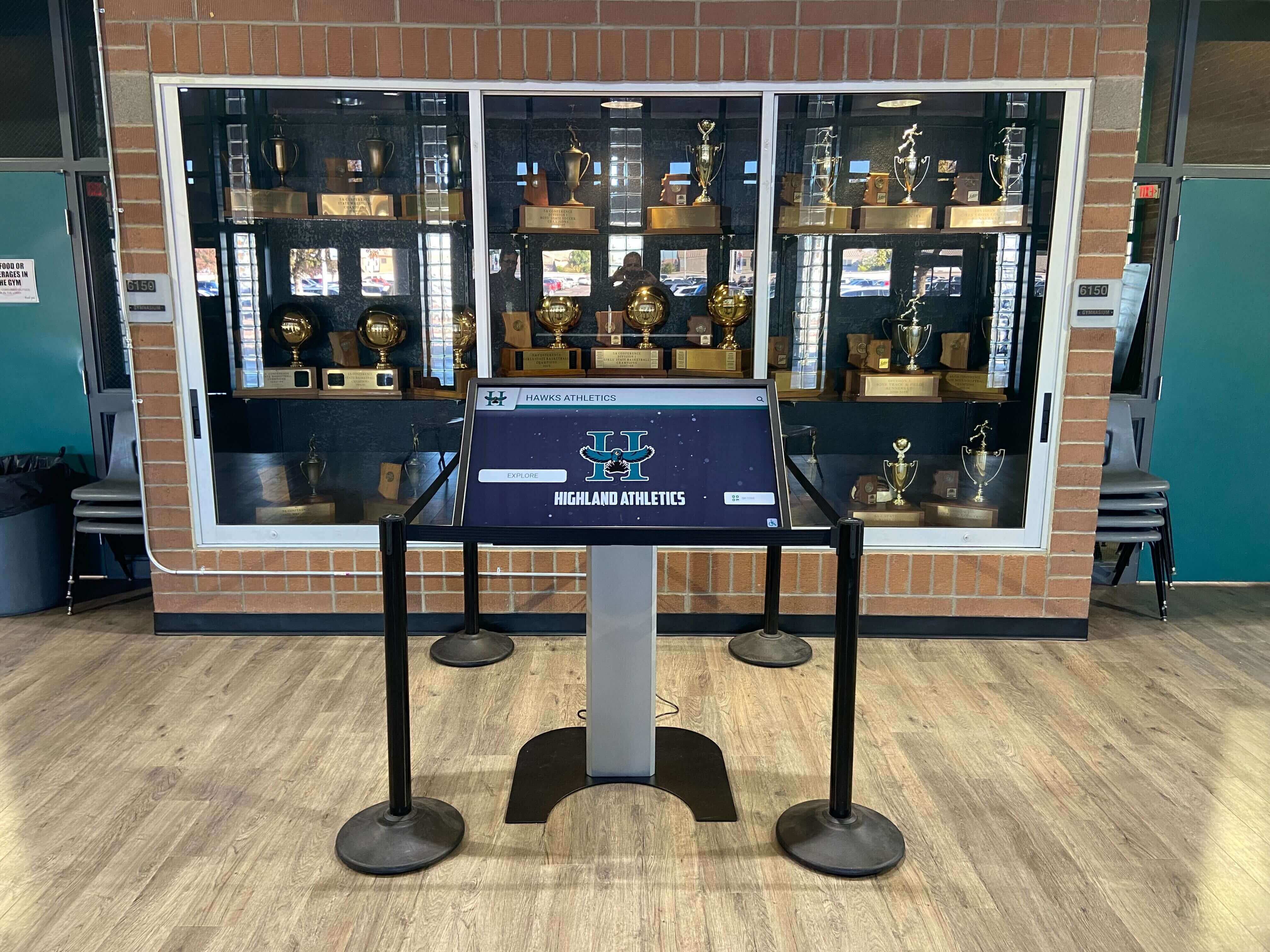
Schools can install touchscreen kiosks in public areas enabling on-campus yearbook browsing:
- Main lobby installations where visitors naturally gather
- Library locations supporting research and historical exploration
- Alumni center displays serving returning graduates
- Athletic facility installations highlighting sports history
Kiosks provide access without requiring online account creation while limiting availability to people physically present on campus.
Displaying High School Yearbook Pictures
Beyond preservation and sharing, modern technology enables dynamic display of yearbook pictures creating constant visibility and engagement.
Traditional Display Methods
Physical Photo Displays
Conventional approaches include framed individual yearbook portraits, photo collages combining multiple yearbook pictures, shadow boxes showcasing yearbook pages with memorabilia, and scrapbooks incorporating yearbook photos with other keepsakes. These work well for personal spaces—homes, offices, and individual areas—but offer limited flexibility and require physical space.
Printed Reproductions
Digital yearbook files enable custom printing:
- Enlarged portraits from yearbook photos for framing
- Photo books combining selected yearbook pictures with captions
- Custom calendars featuring different yearbook pictures monthly
- Canvas prints transforming yearbook photos into wall art
Modern Digital Display Solutions
Technology now enables sophisticated yearbook picture displays impossible with traditional methods.
Interactive Touchscreen Displays
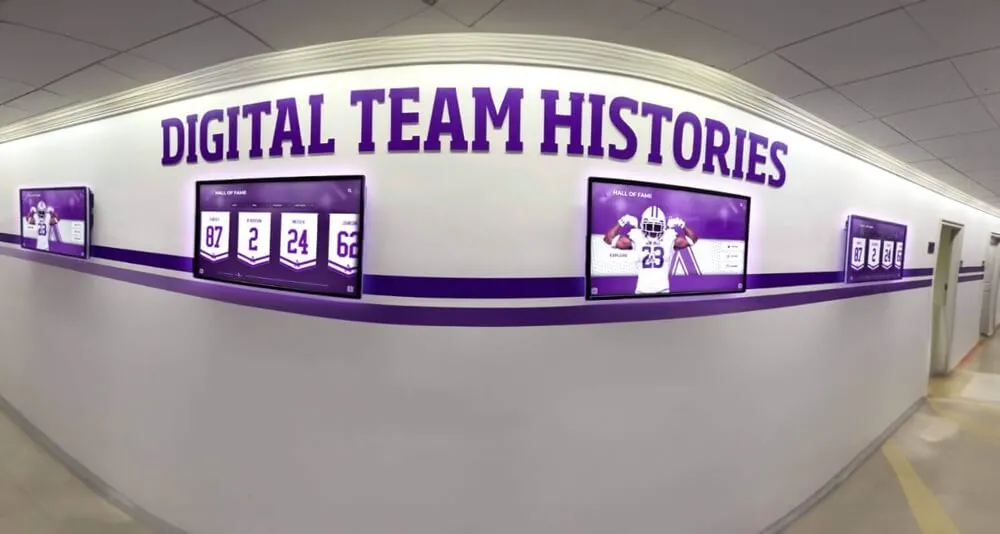
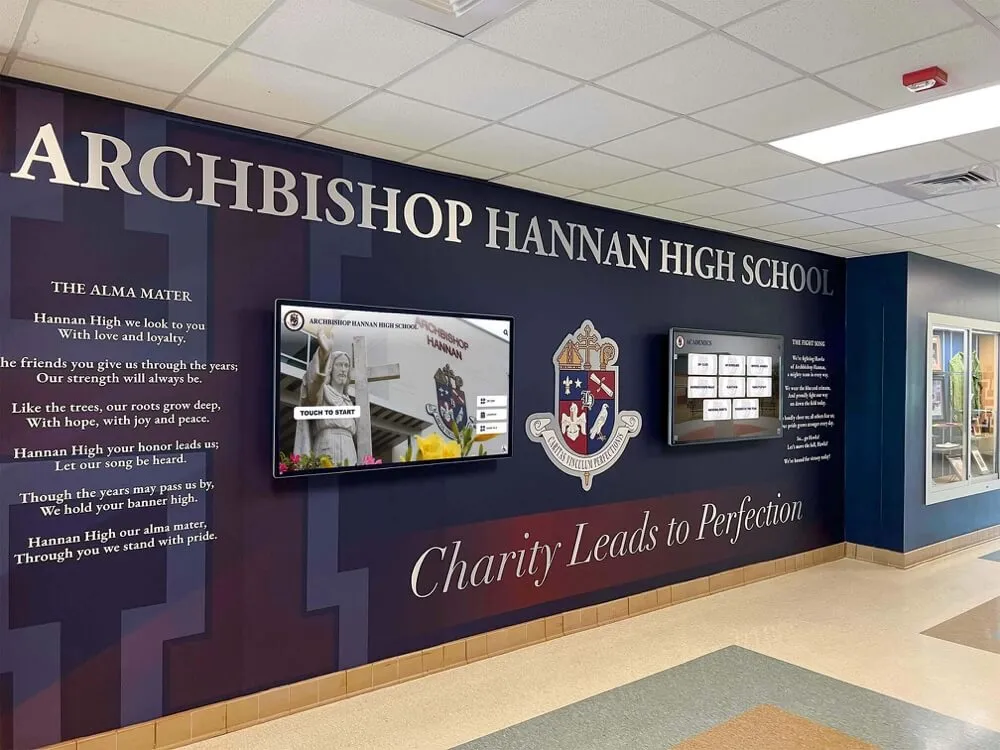
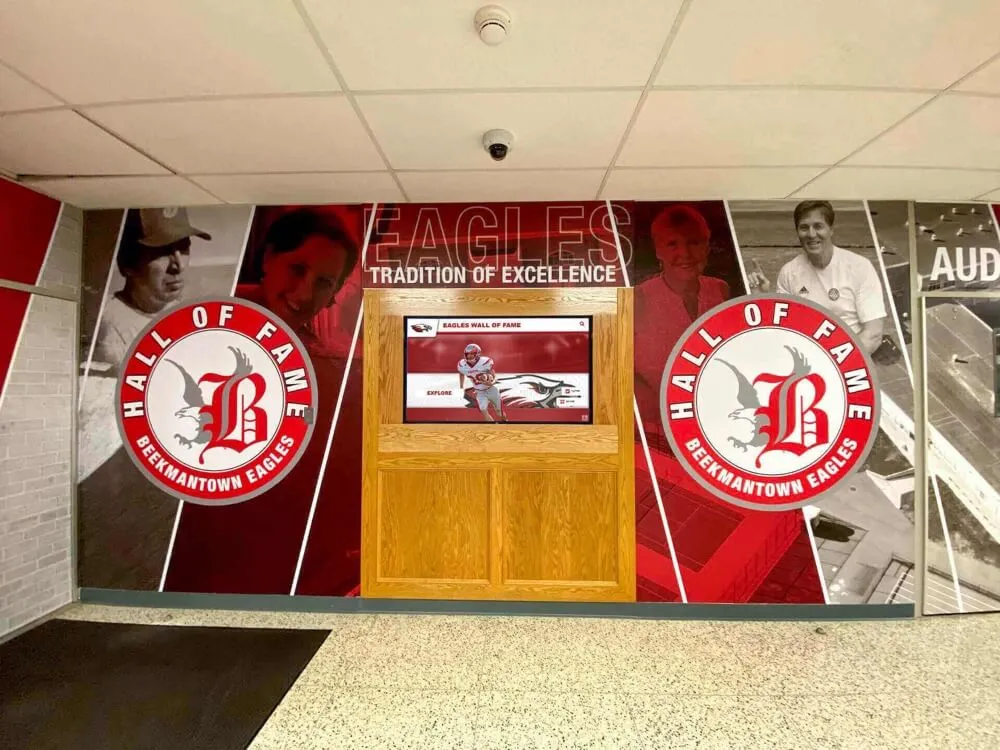
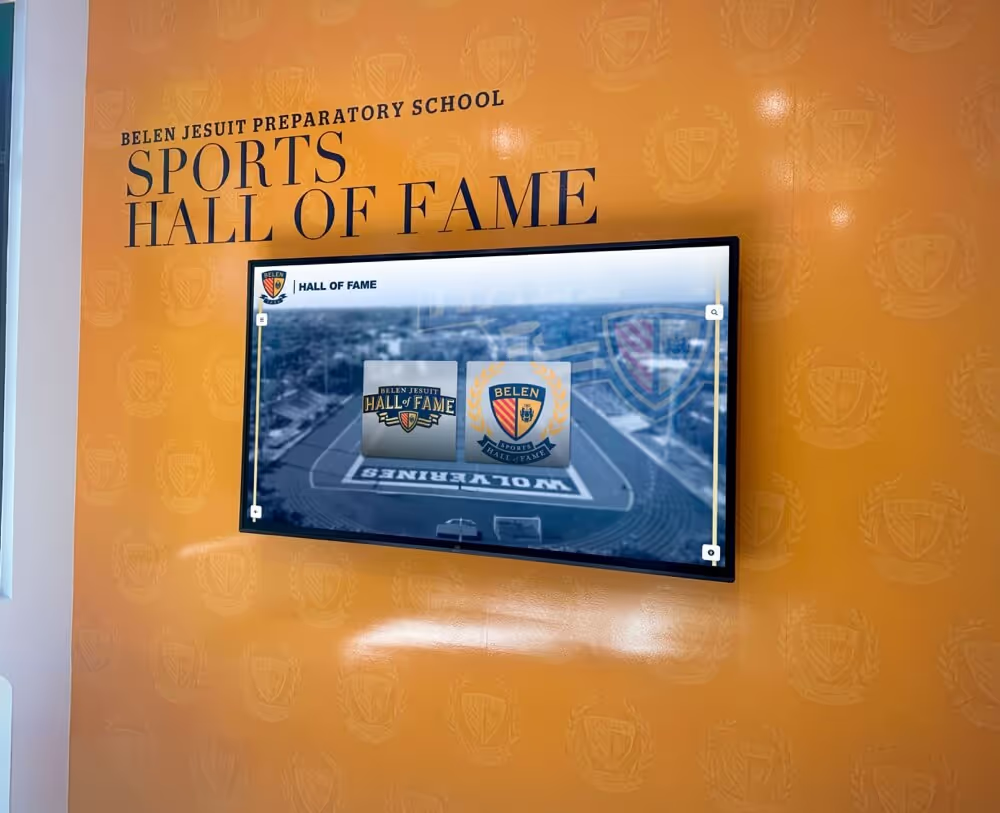
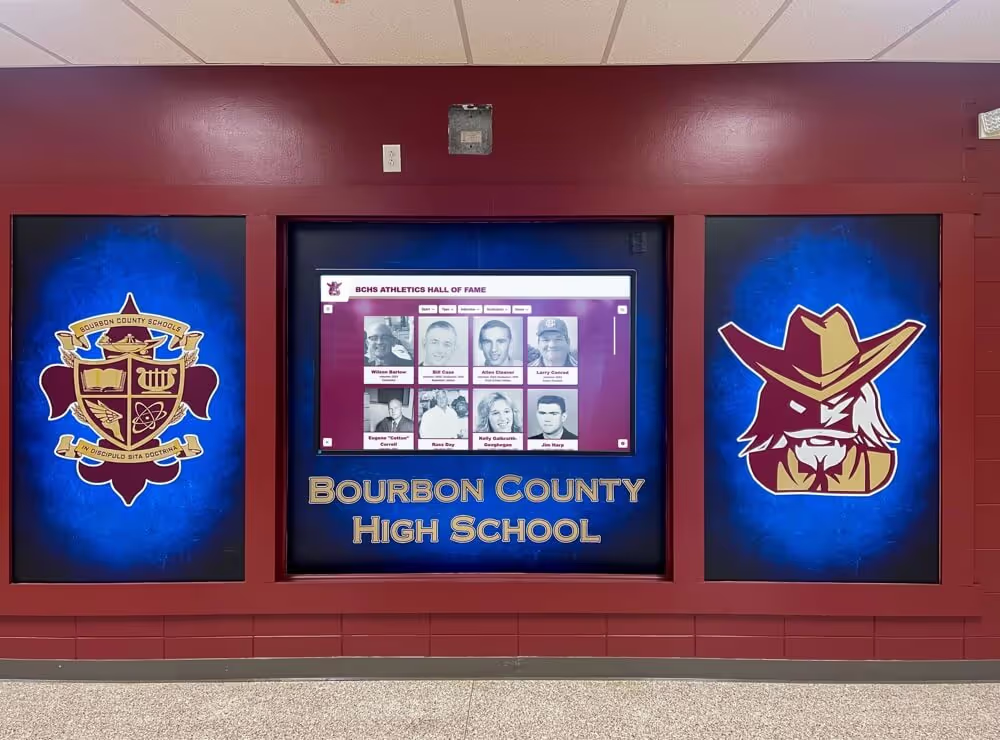
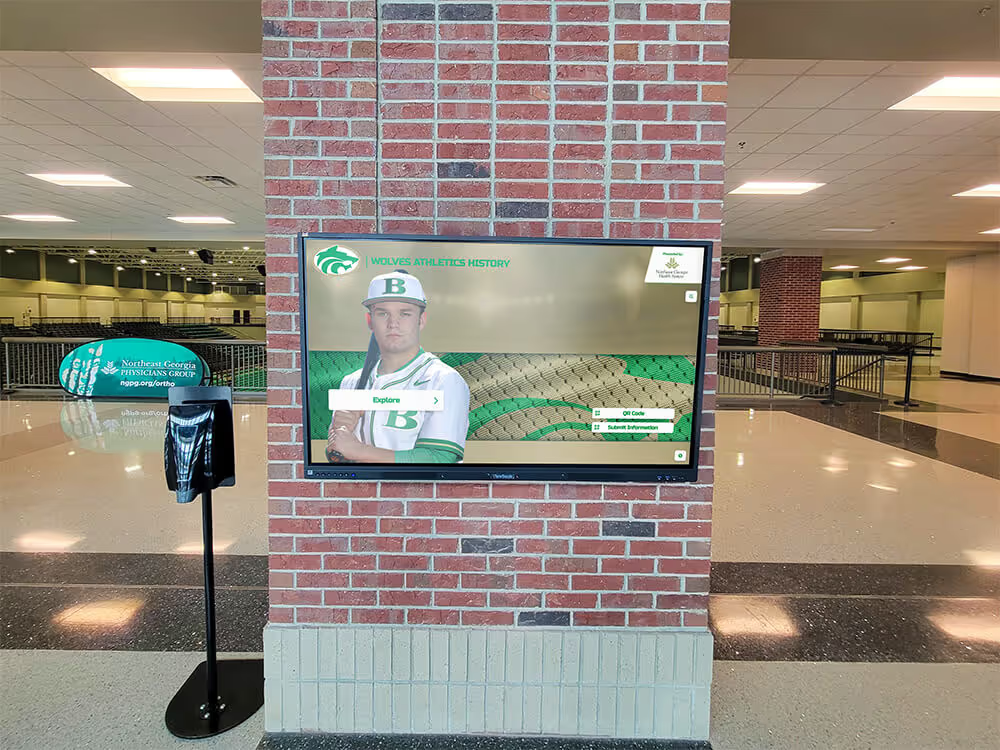
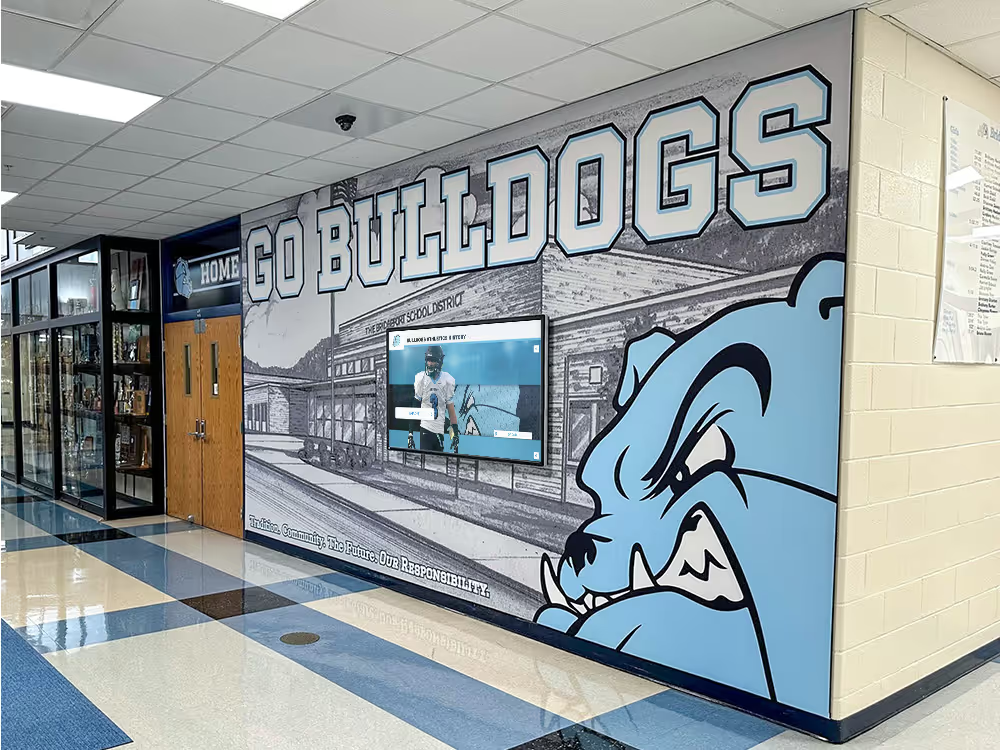
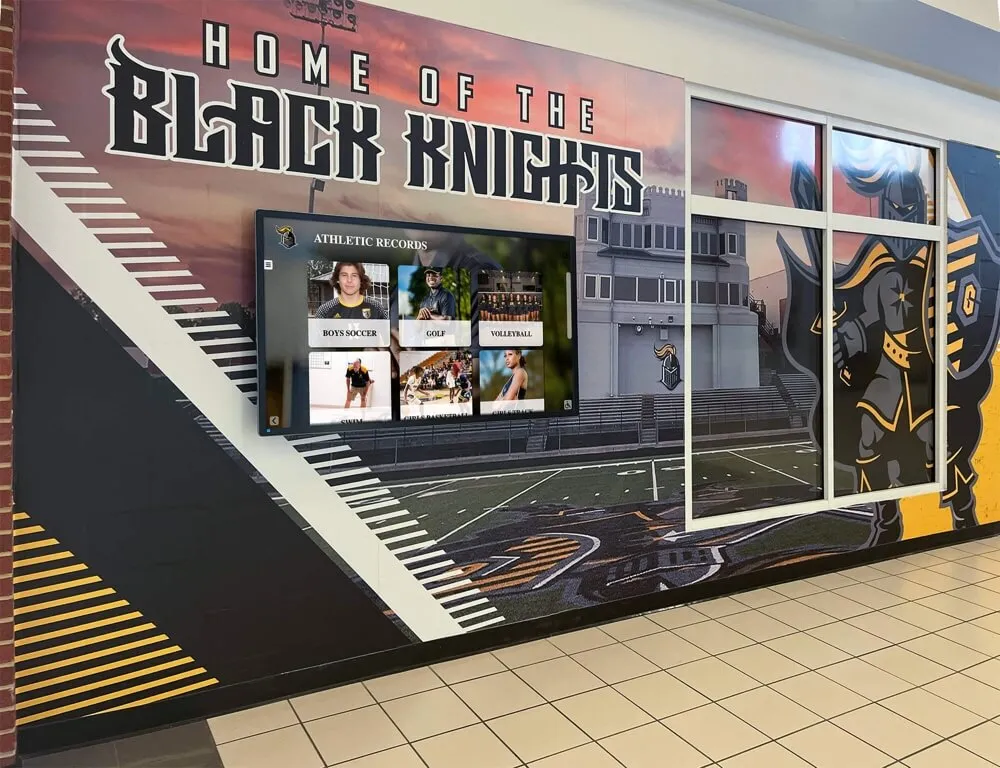
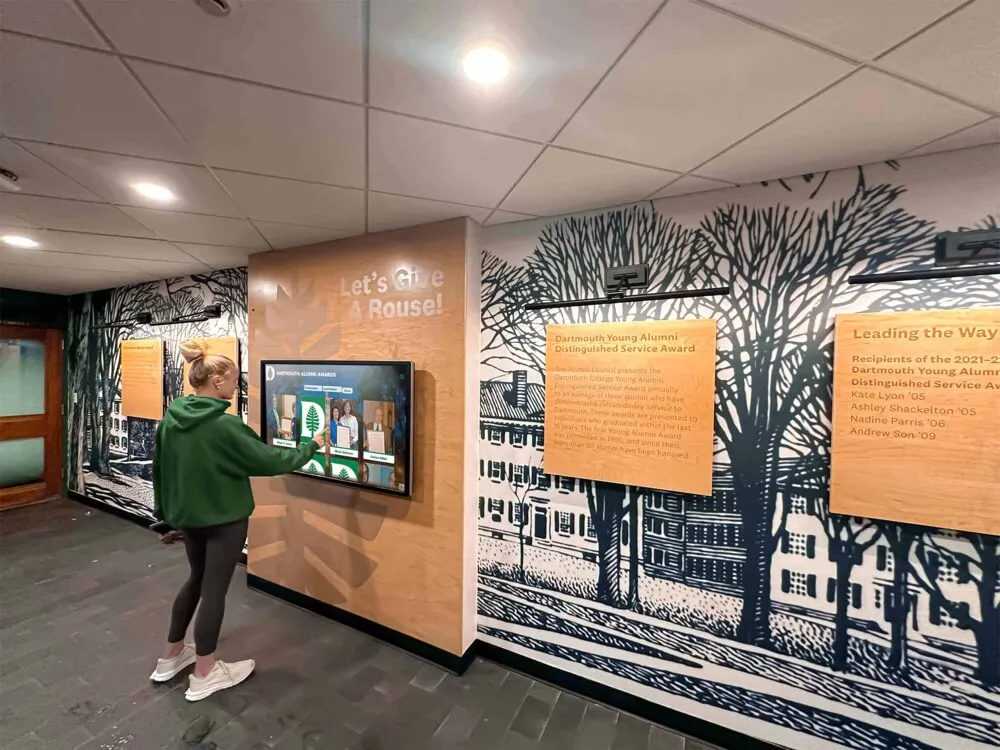
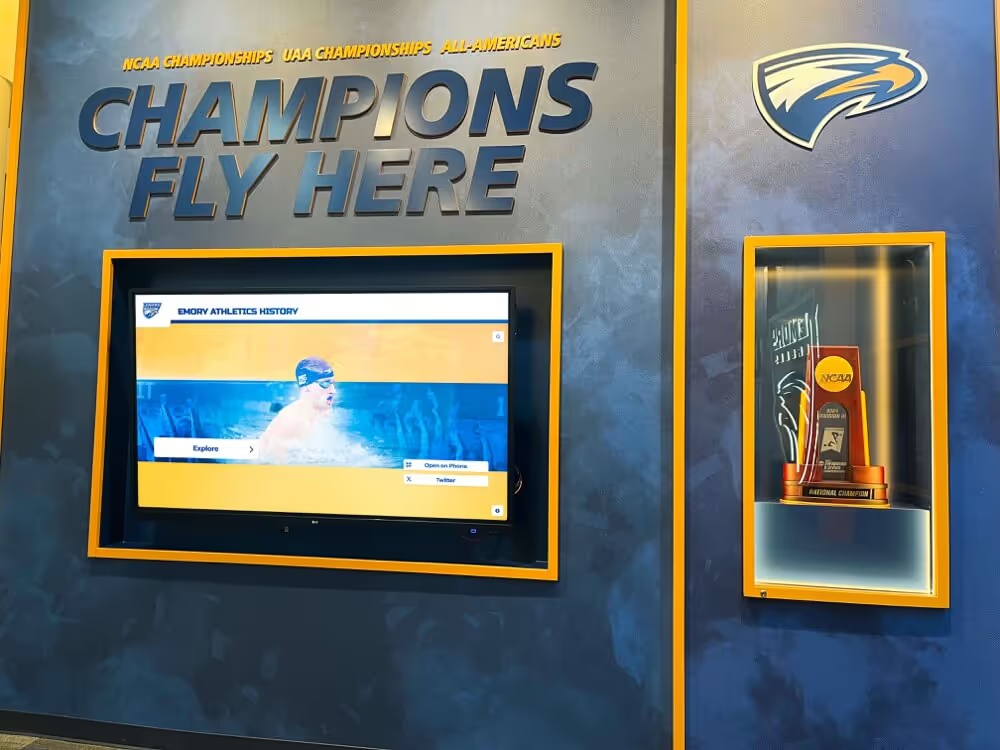
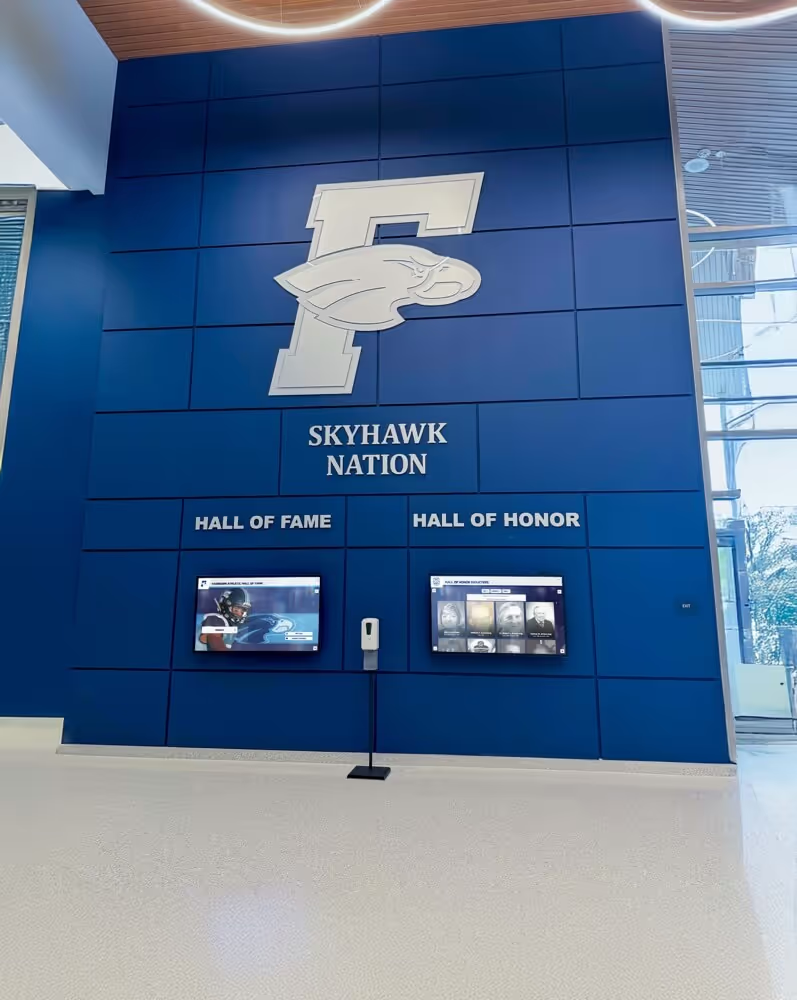
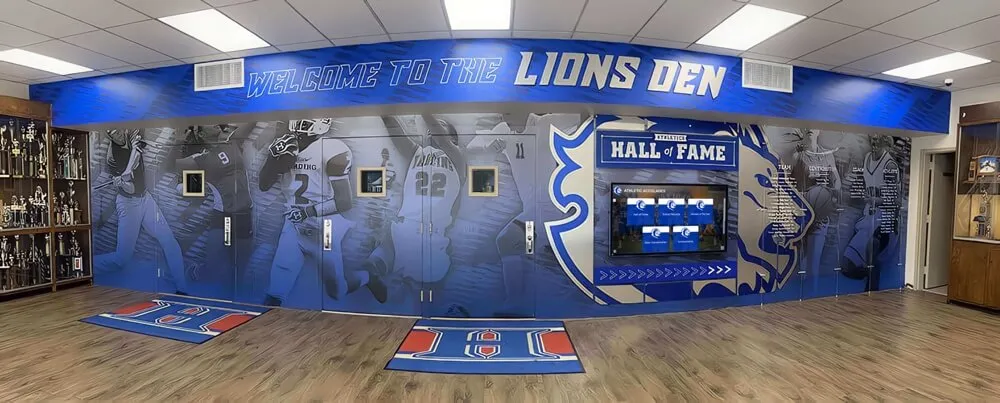
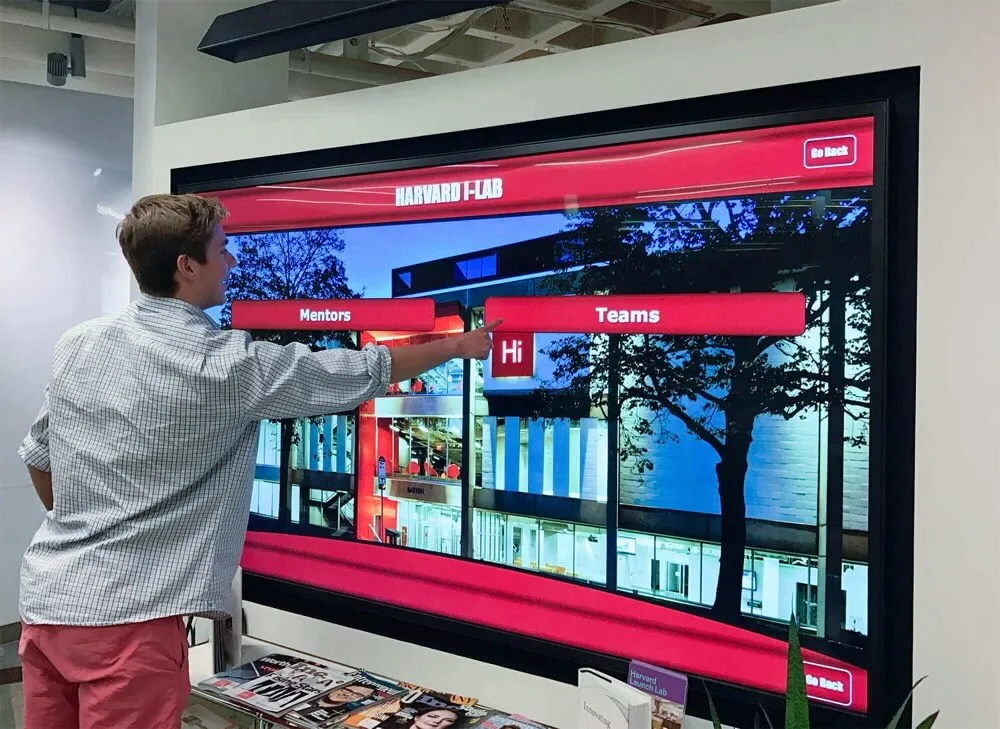
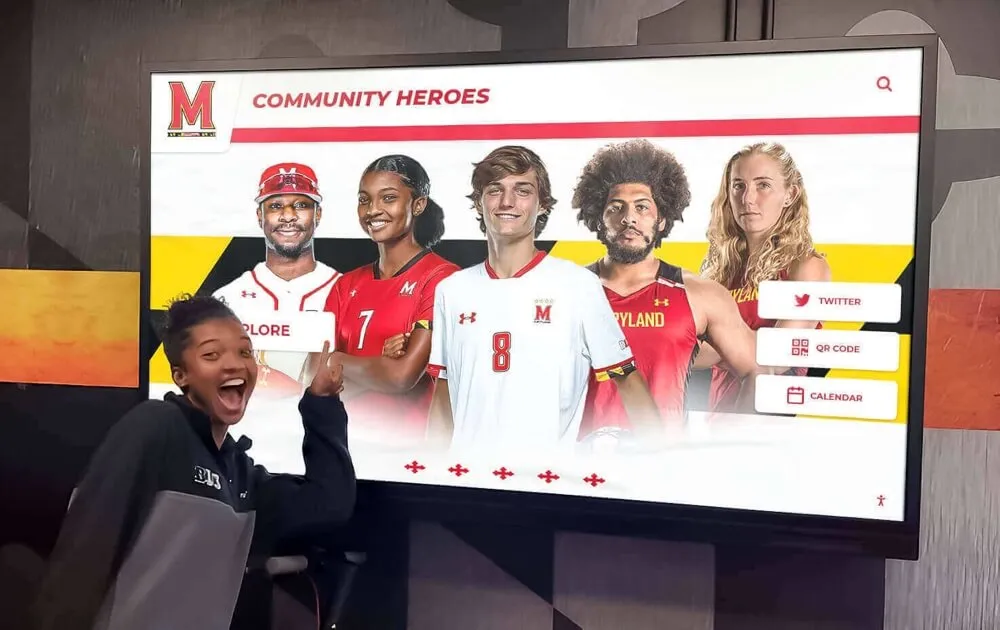
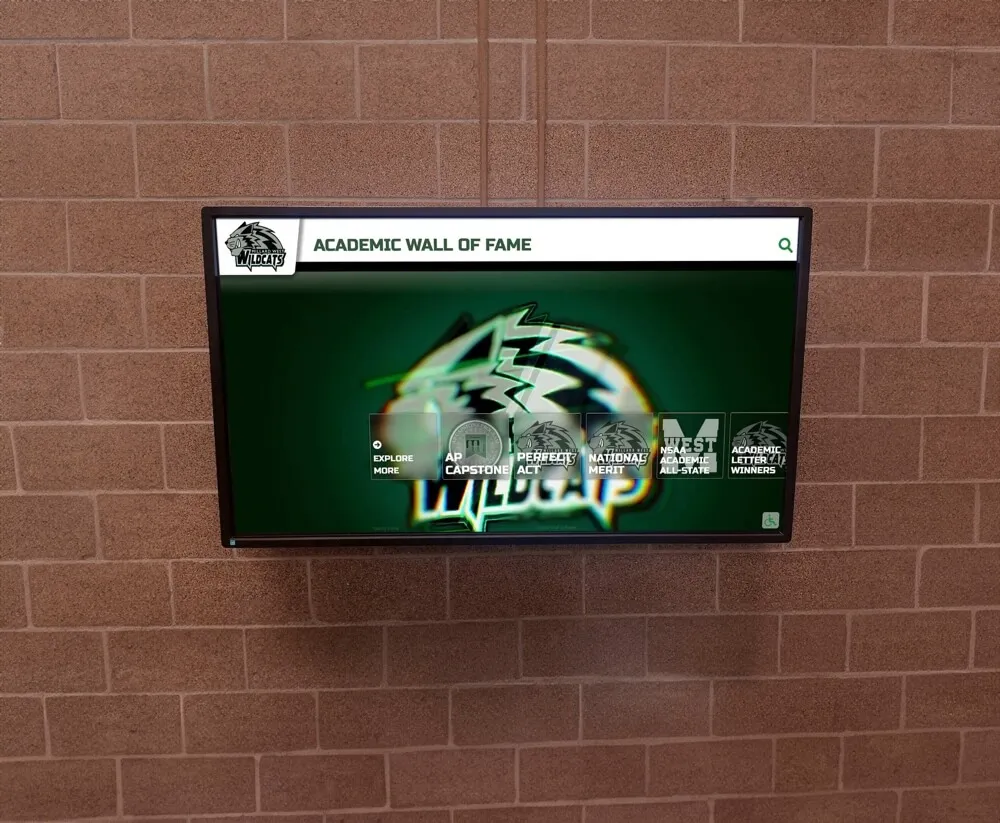
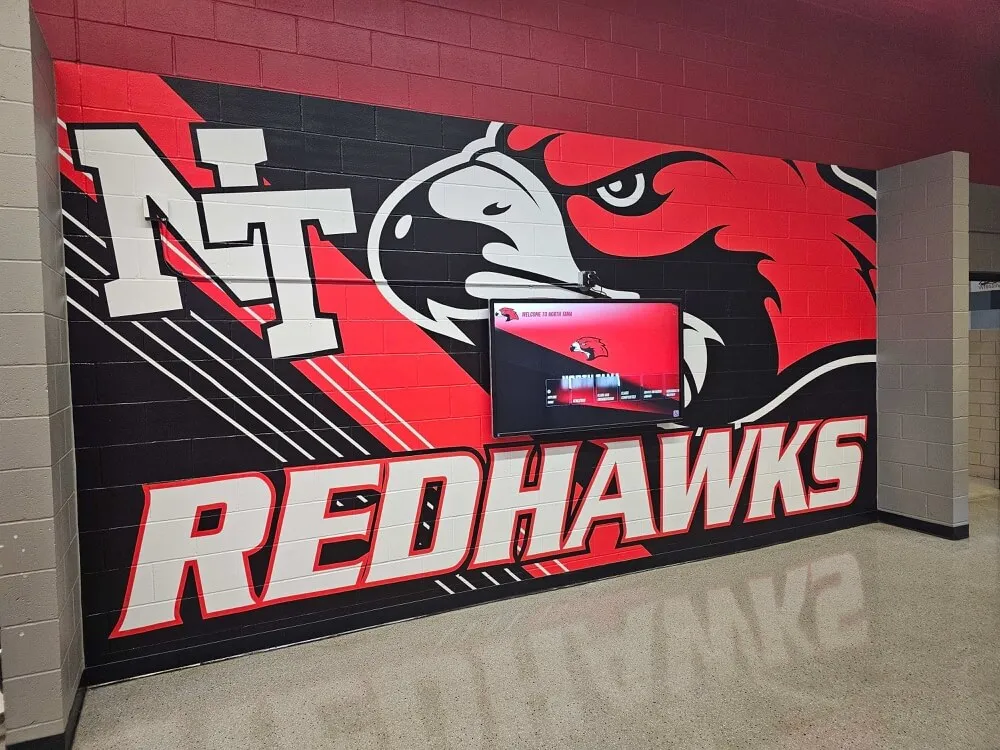
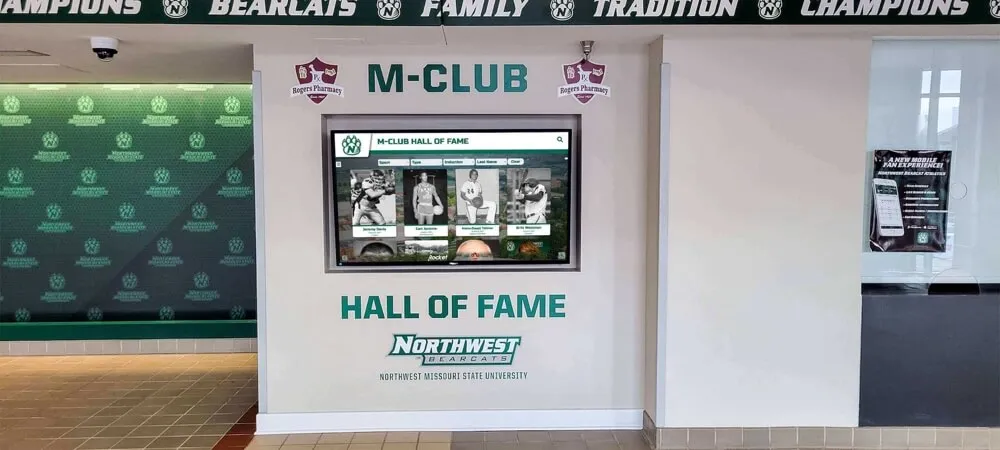
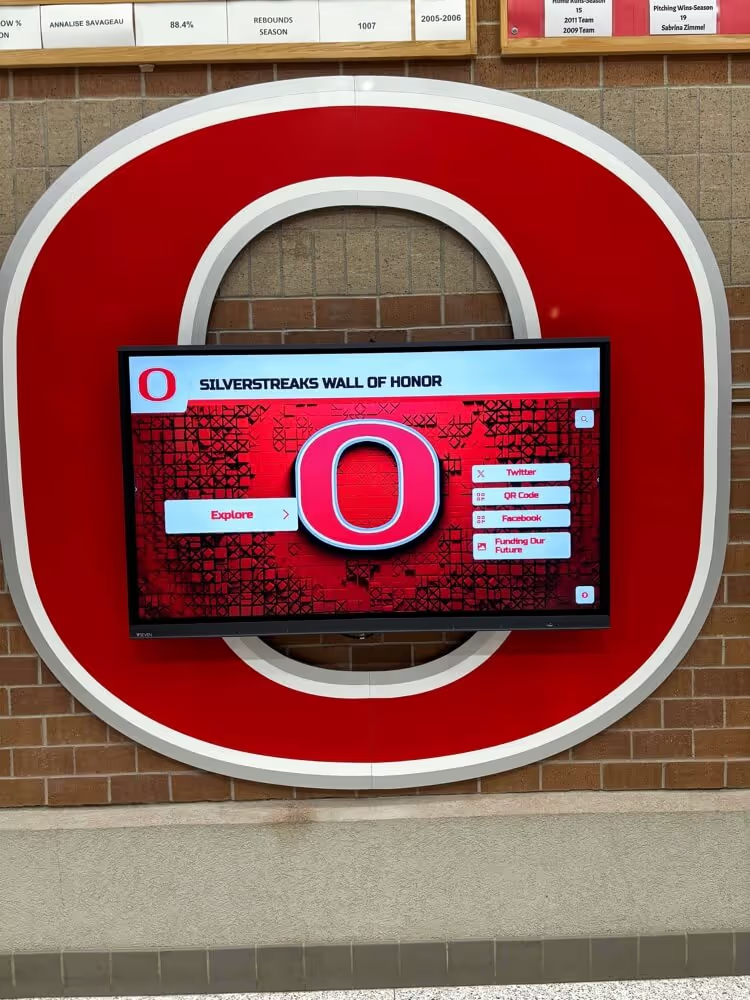
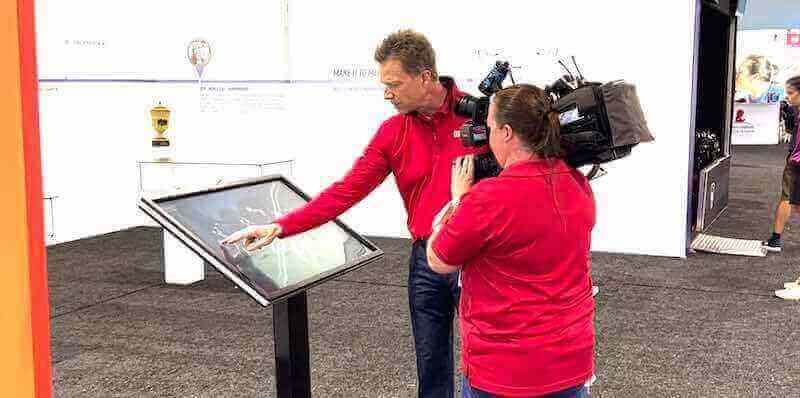
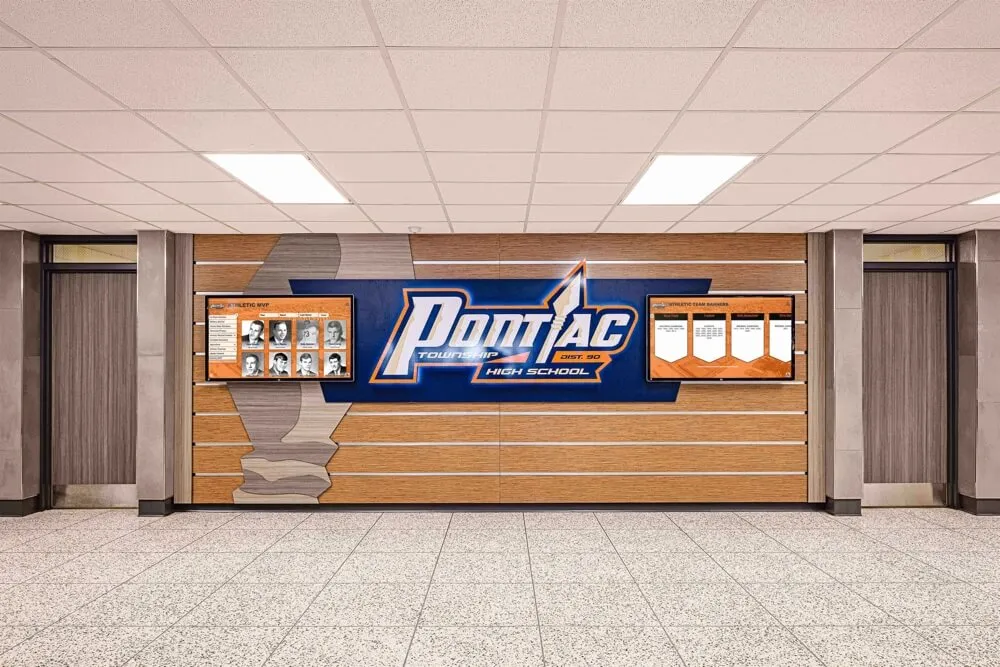
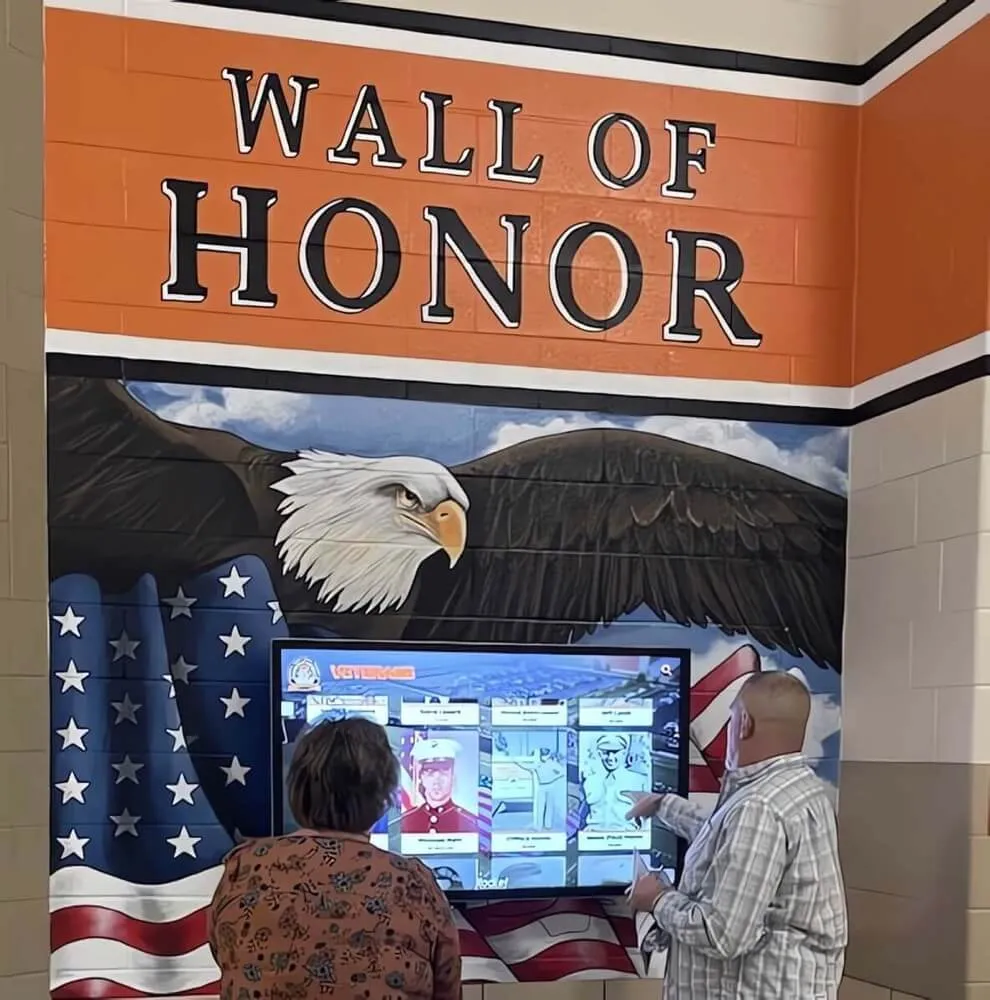
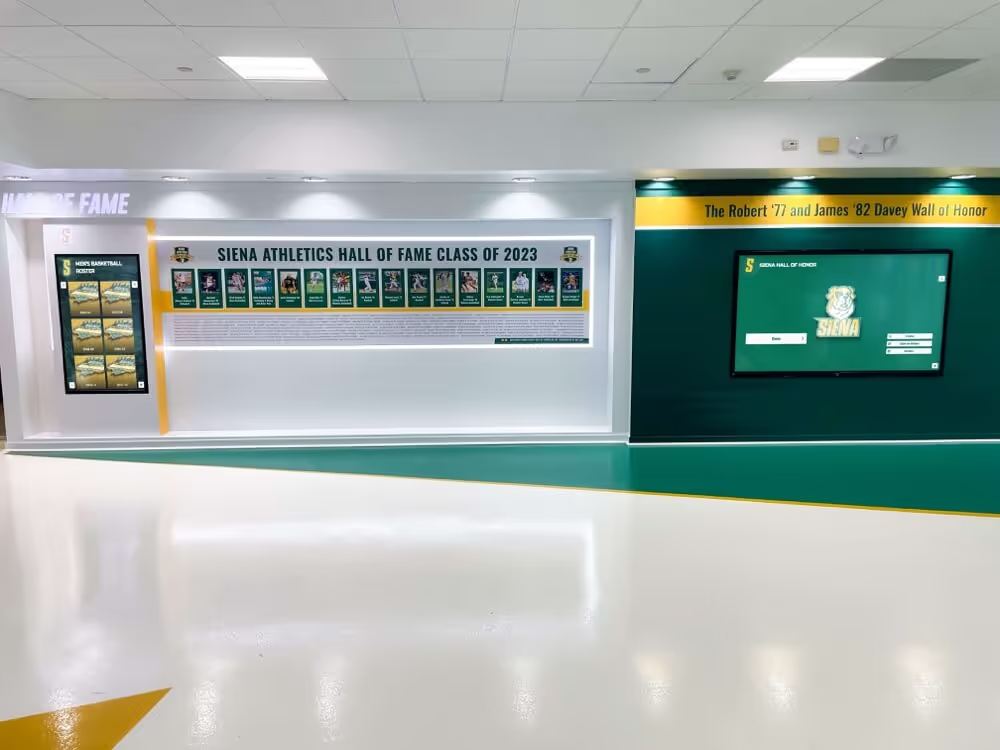
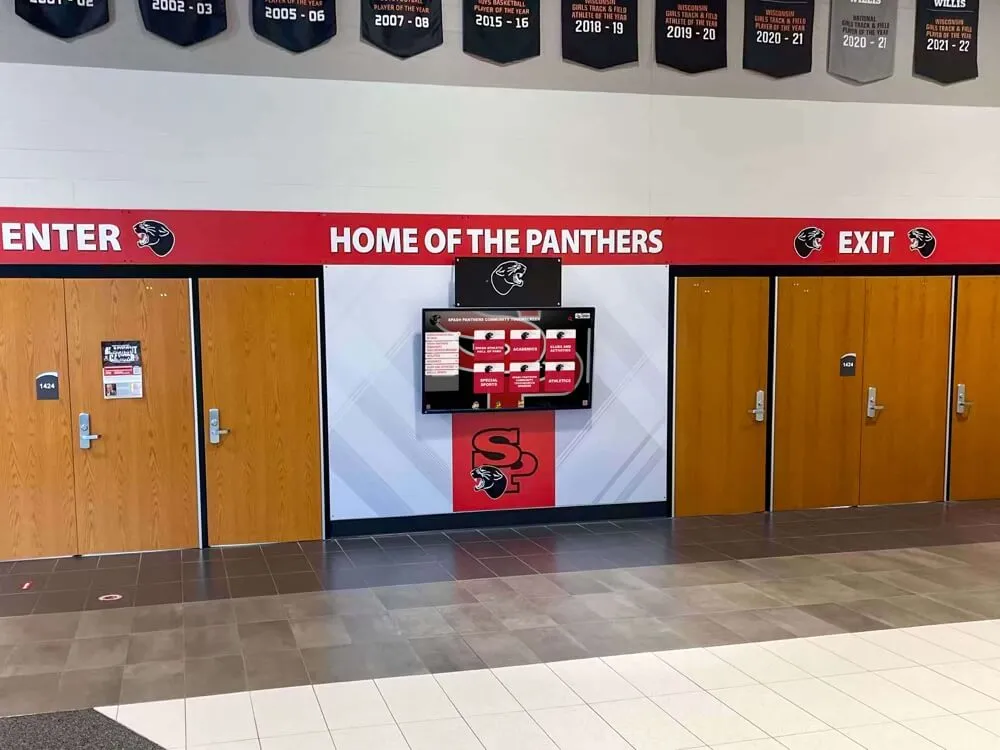
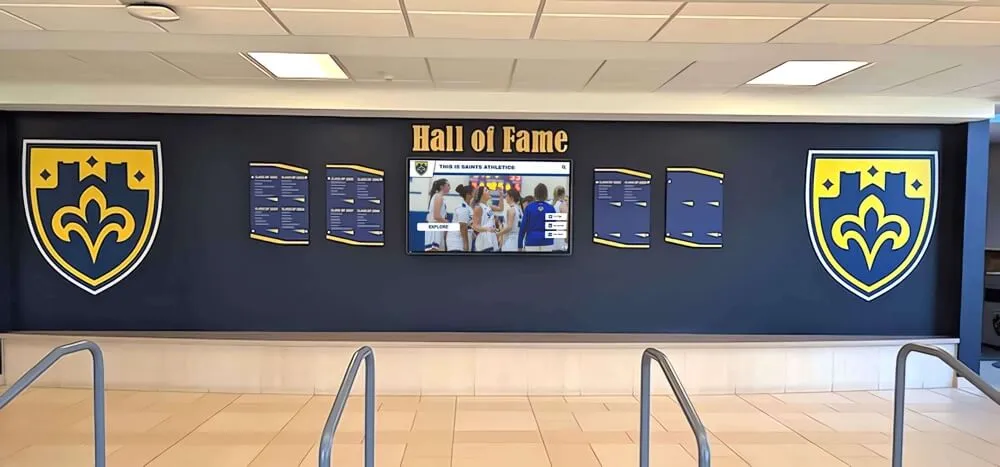
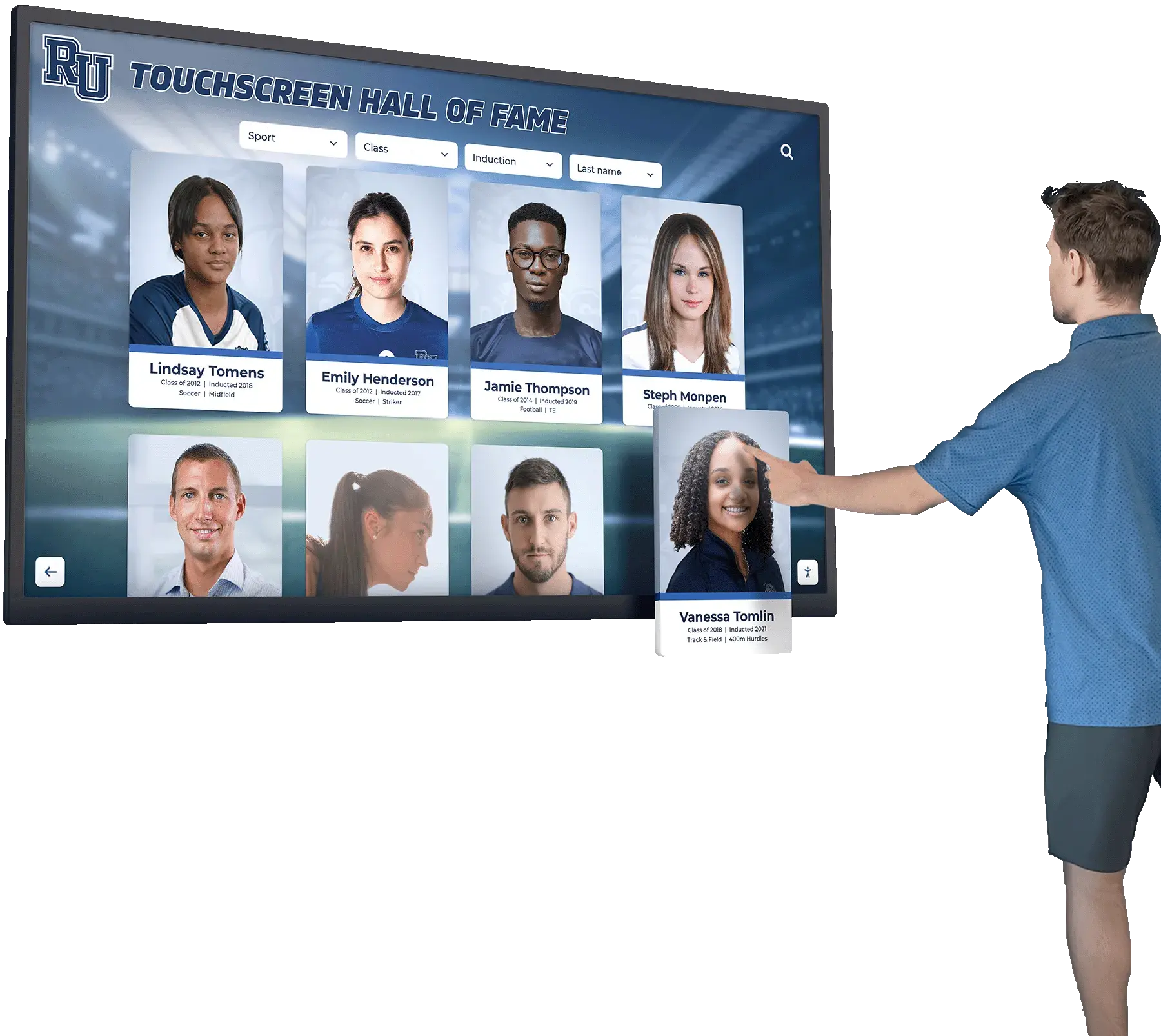
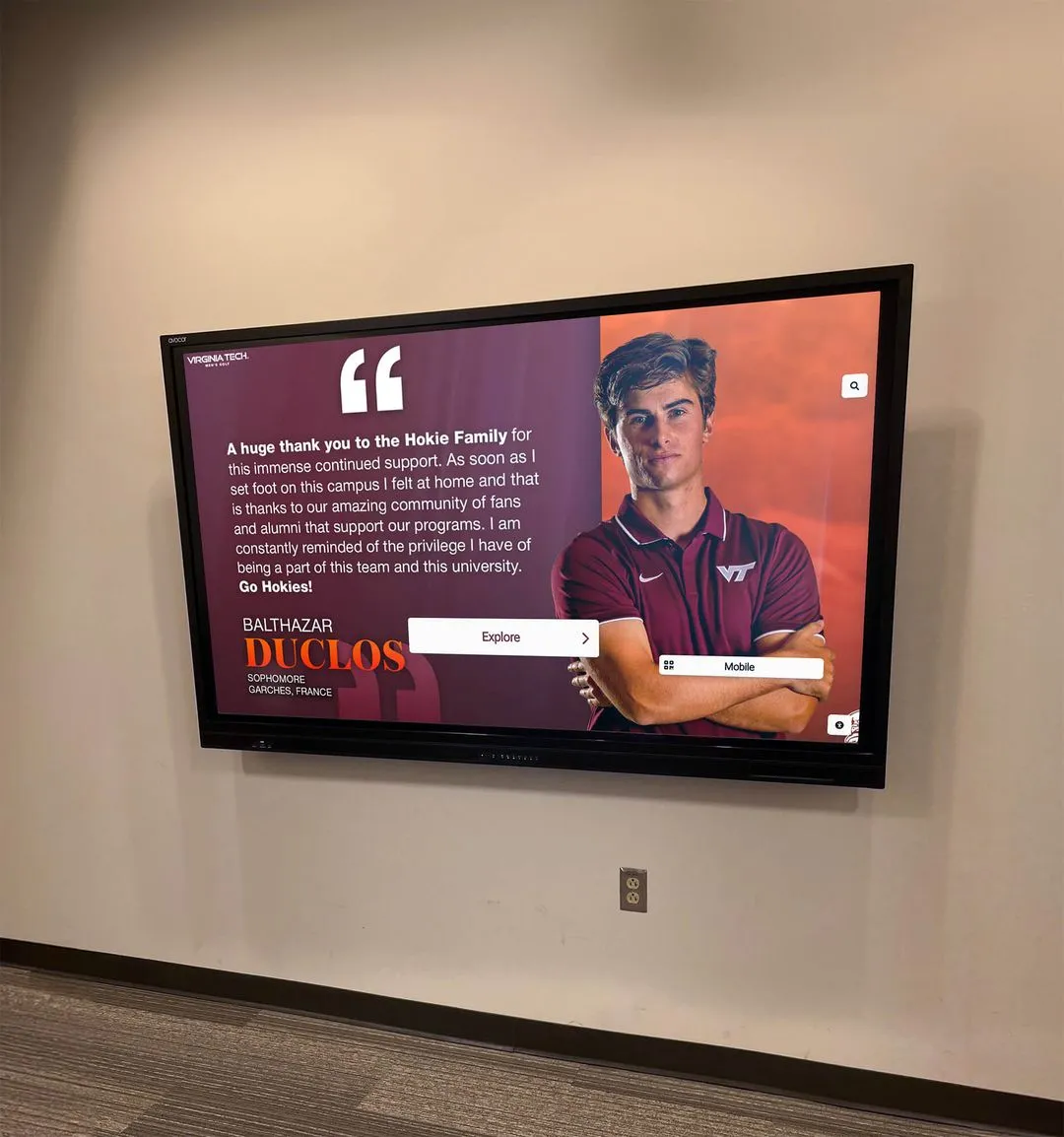
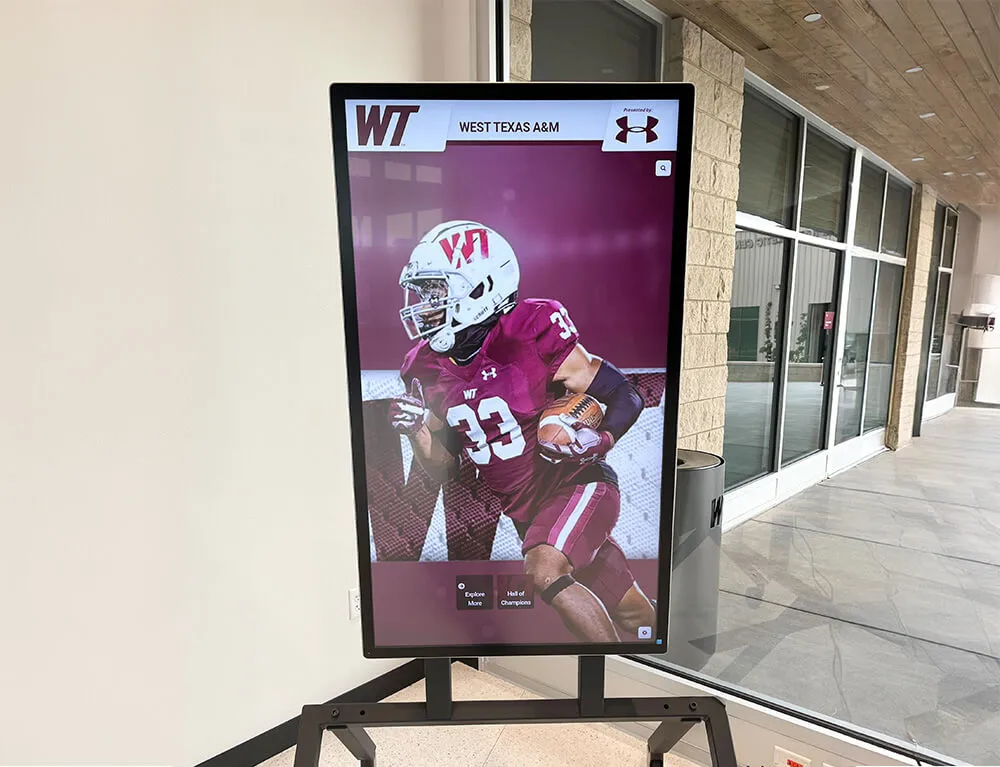
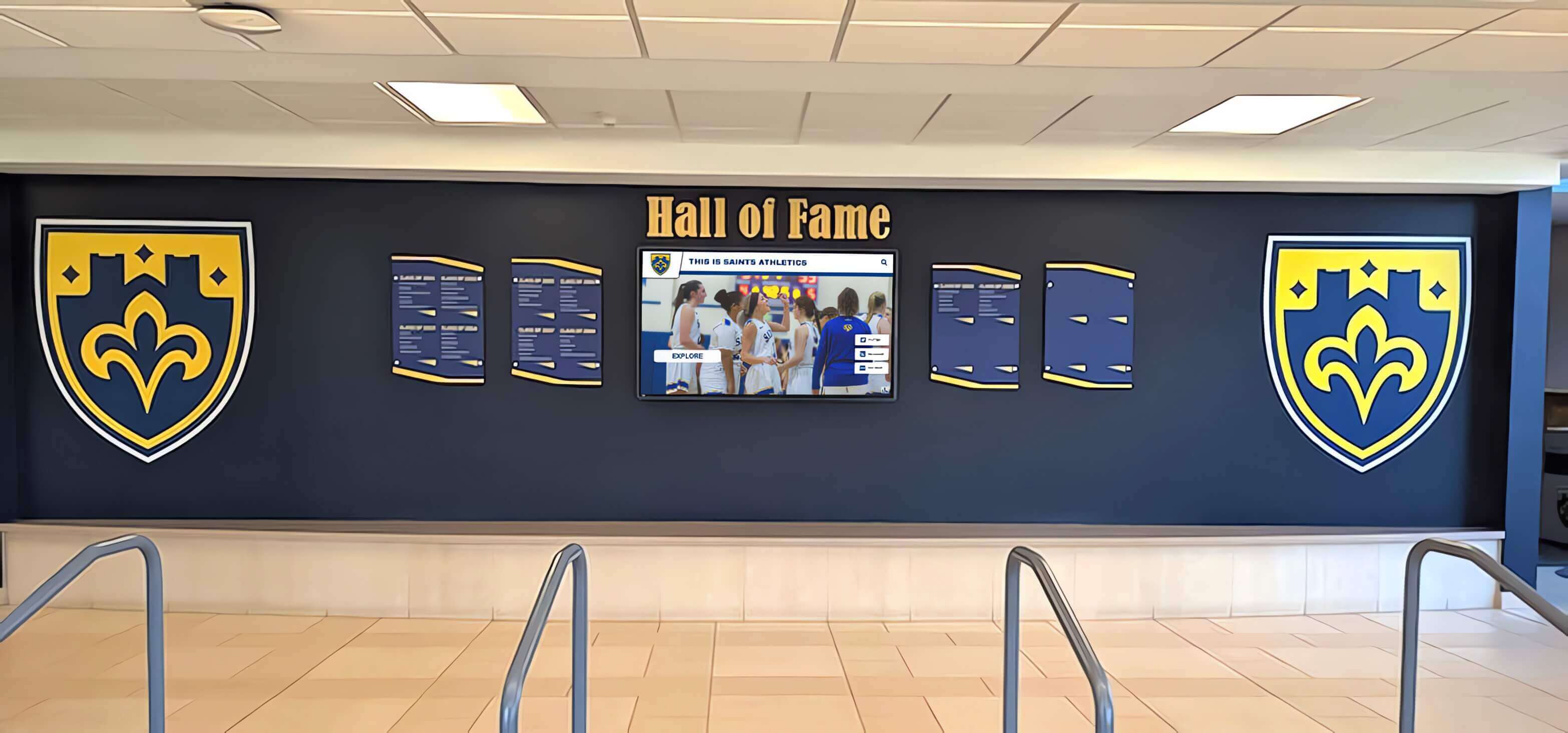
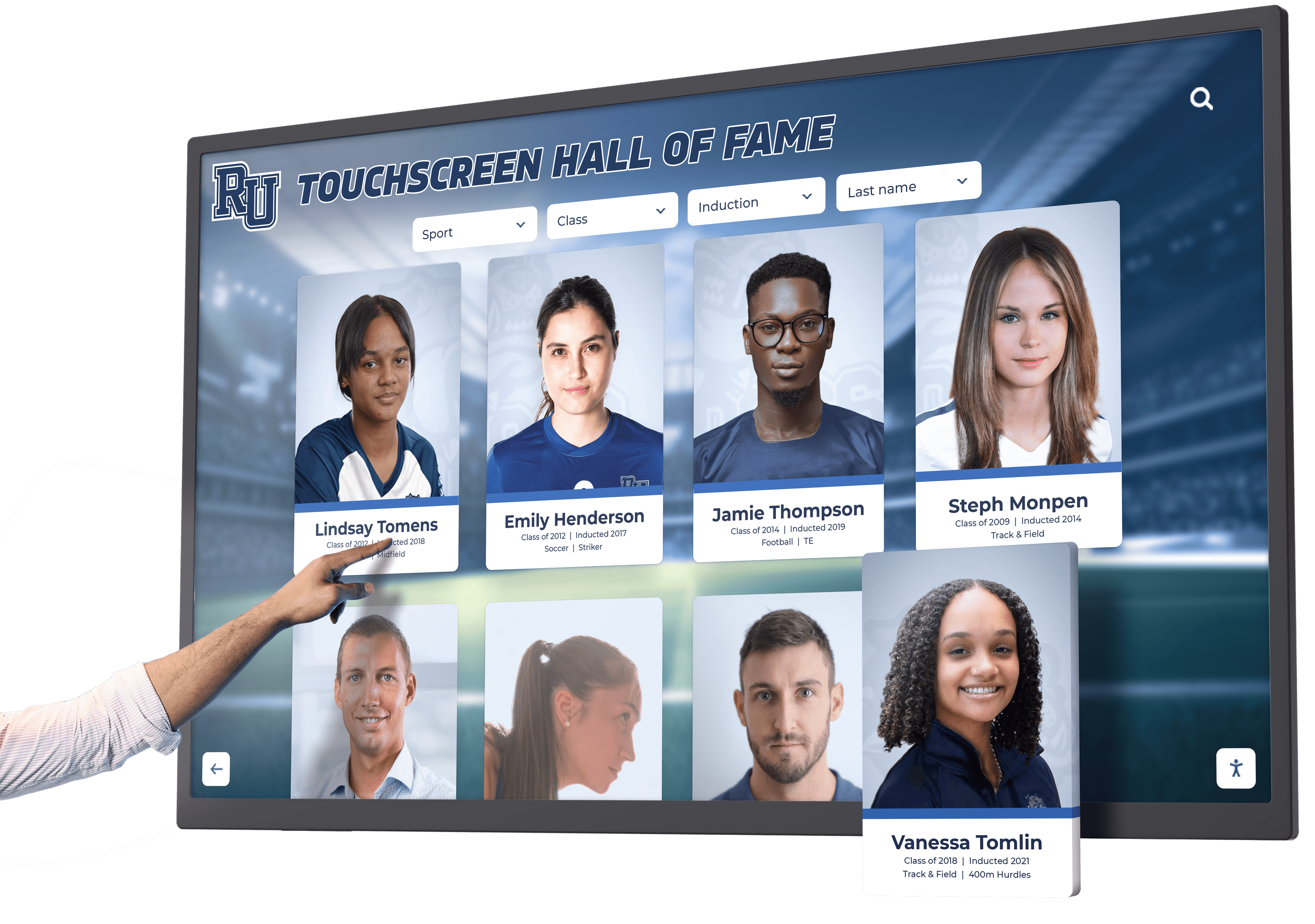
Schools increasingly install interactive digital displays showcasing yearbook pictures and comprehensive achievement records:
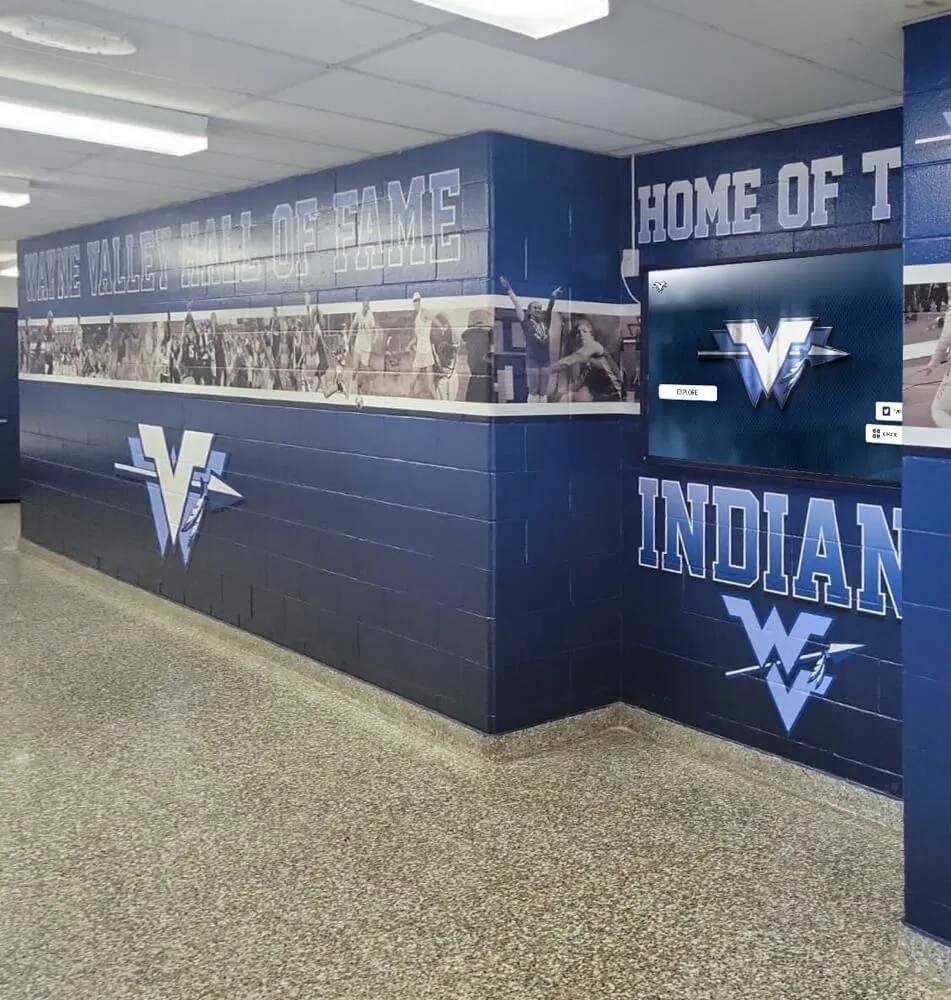
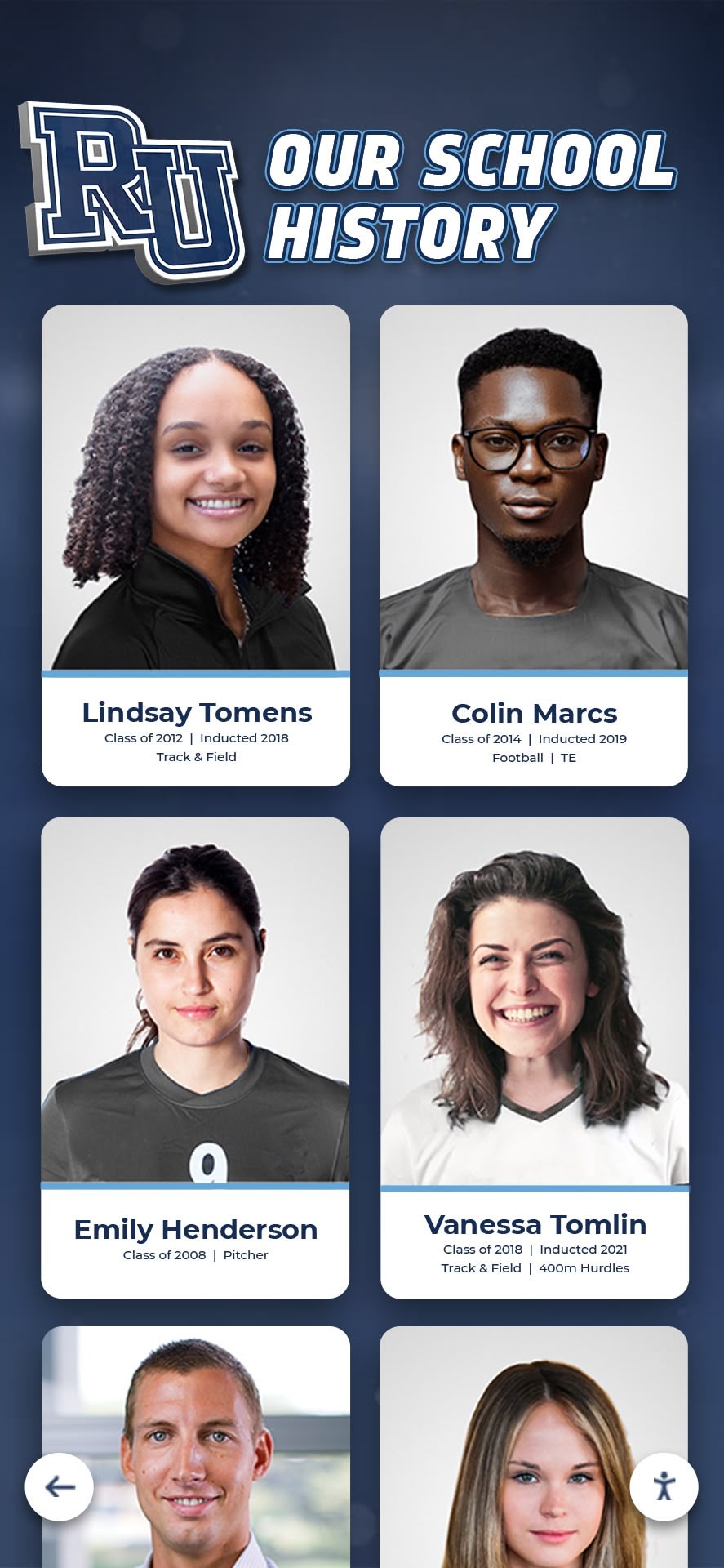
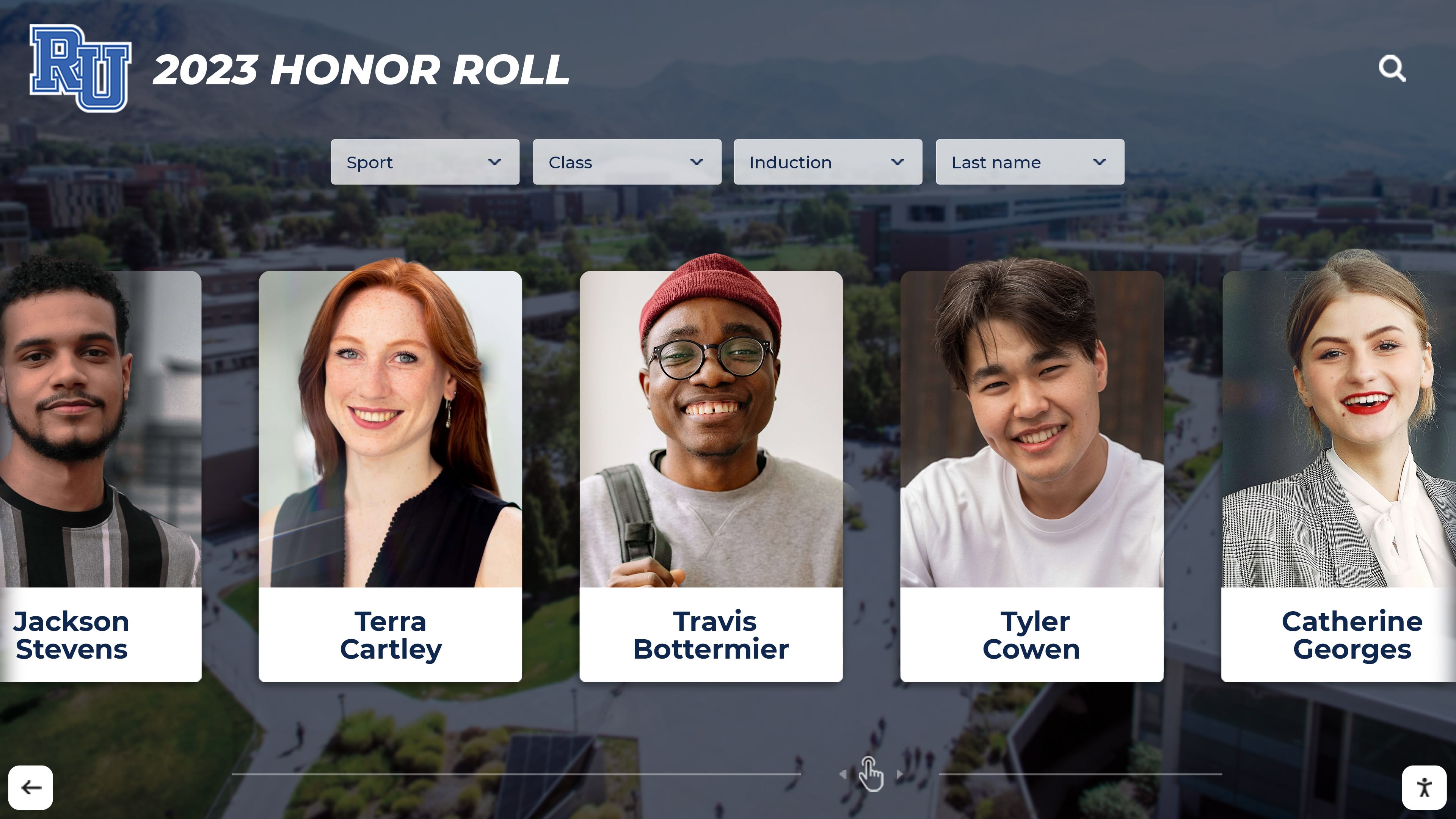
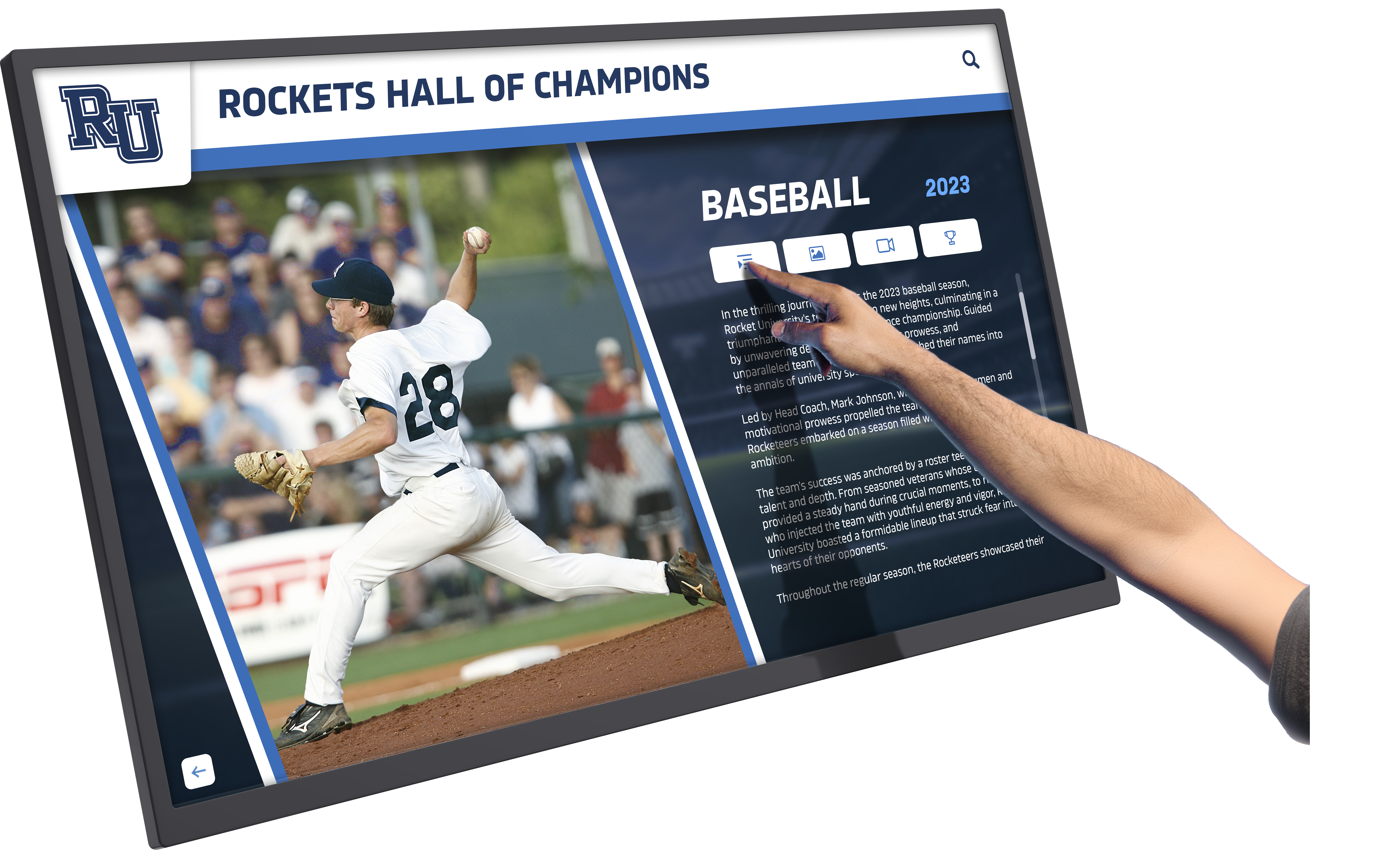
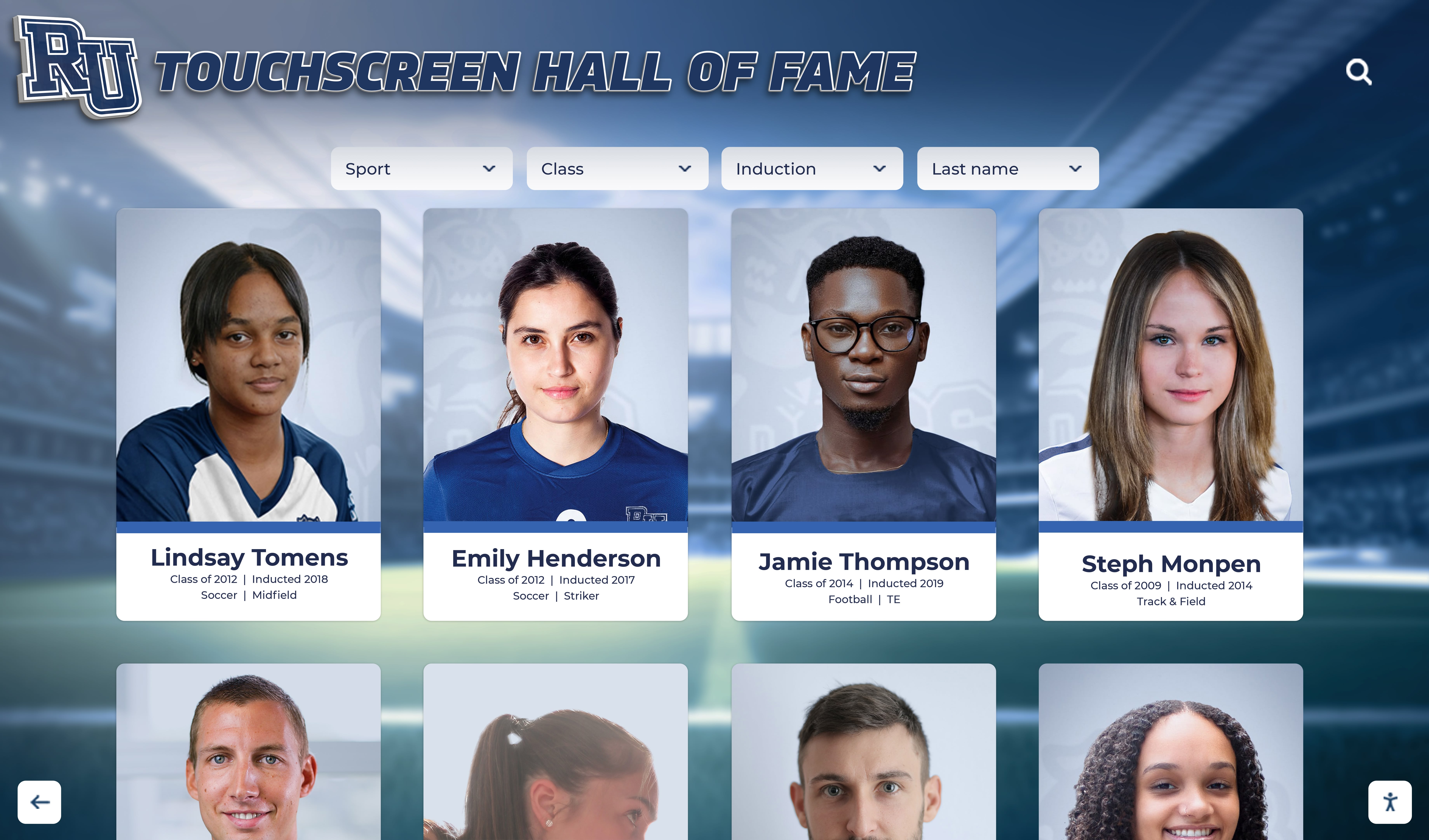
These systems create searchable databases of student photos across decades, enable browsing by year, name, sport, or activity, integrate yearbook pictures with achievement records and statistics, display rotating content highlighting different eras and individuals, and support interactive exploration where visitors actively engage rather than passively viewing.
Implementing interactive digital displays transforms how schools celebrate history while making archives accessible daily rather than stored away.
Digital Photo Frames and Screens
Home and office environments benefit from digital frames displaying rotating yearbook pictures:
- Smart frames connected to cloud storage showing albums remotely
- Slideshow displays cycling through digitized yearbook photos
- Screen savers featuring yearbook pictures on computers or tablets
- Digital picture frames specifically dedicated to school memories
Integrated Recognition Systems
The most comprehensive approaches integrate yearbook pictures into broader recognition programs:
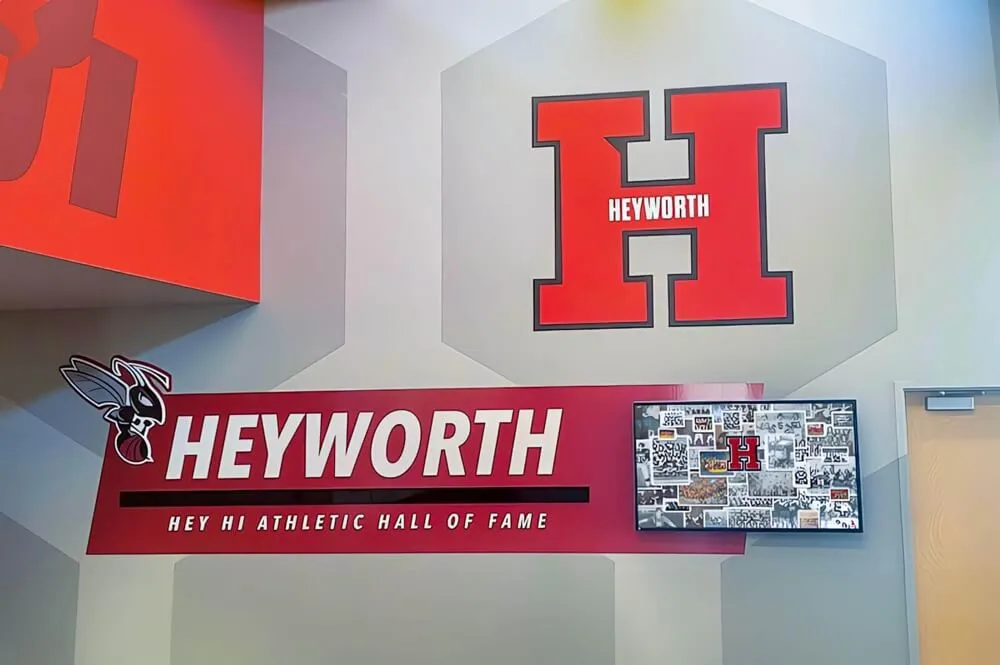
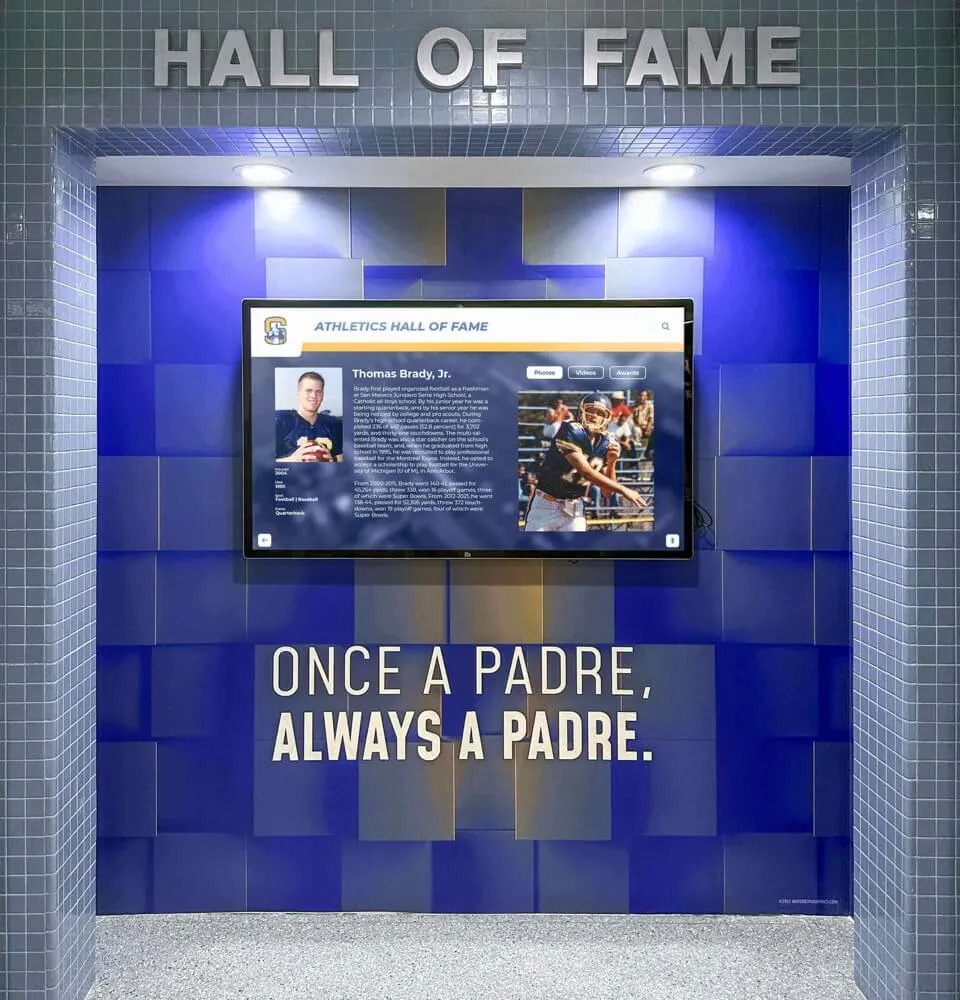
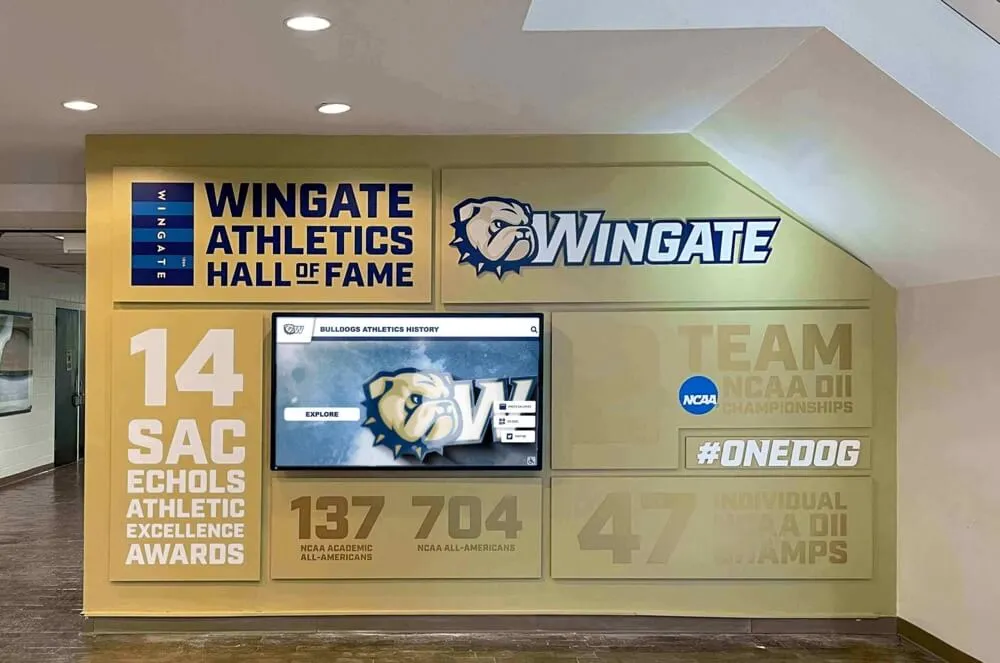
Schools combine yearbook photos with athletic record boards documenting championships and individual achievements, academic honor displays recognizing scholarly excellence across decades, hall of fame installations celebrating exceptional contributions, and historical timeline presentations showing institutional evolution.
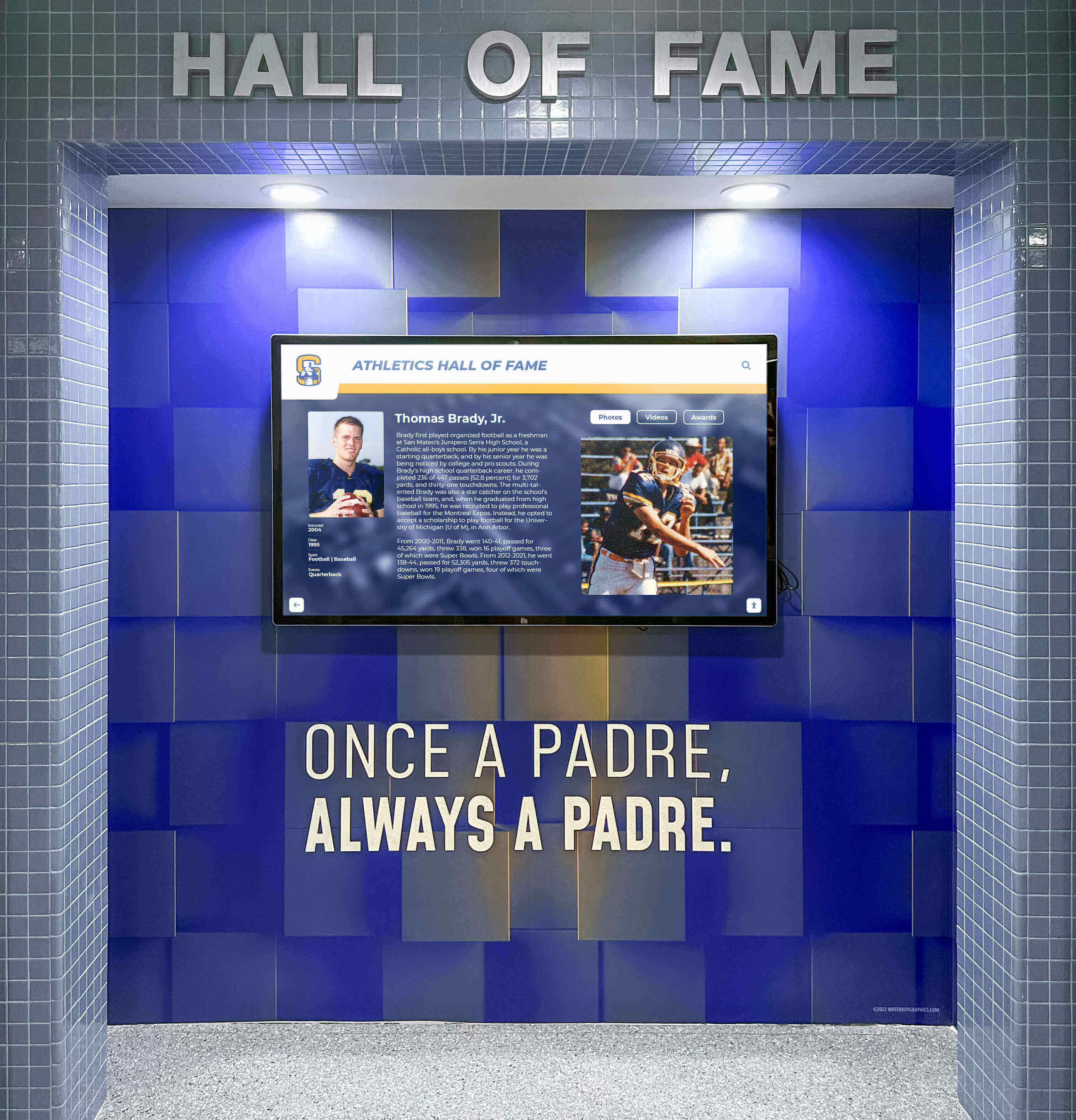
Integration creates cohesive storytelling connecting faces from yearbook pictures to specific achievements, teams, and contributions. Visitors see not just photographs but comprehensive profiles documenting complete student experiences.
Best Practices for Long-Term Yearbook Picture Preservation
Ensuring high school yearbook pictures remain accessible requires attention to both technical preservation and organizational management.
Digital File Management
File Format Selection
Store archival master files in formats supporting long-term preservation:
- TIFF files for maximum quality and future-proofing
- High-quality JPEG for access copies balancing quality and file size
- PDF formats for complete page scans maintaining layout
- Multiple format versions providing flexibility for different uses
Avoid proprietary formats that may become obsolete as software evolves.
Organizational Systems
Develop consistent naming conventions and folder structures:
YearbookArchive/
├── 1980/
│   ├── Masters/
│   │   ├── 1980_Page001.tiff
│   │   └── 1980_Page002.tiff
│   ├── Access/
│   │   ├── 1980_Page001.jpg
│   │   └── 1980_Page002.jpg
│   └── Metadata/
│       └── 1980_index.csv
├── 1981/
└── 1982/
Systematic organization enables efficient retrieval and prevents files from becoming lost in disorganized storage.
Backup Strategies
Implement multiple backup layers protecting against all failure scenarios:
- Local backups on external hard drives stored safely
- Cloud storage with reputable providers offering redundancy
- Multiple cloud services preventing single-provider dependency
- Periodic verification confirming backups remain accessible and uncorrupted
- Documented recovery procedures for restoration when needed
The “3-2-1 rule” provides practical guidance: maintain 3 copies of data, on 2 different media types, with 1 copy off-site.
Privacy and Rights Considerations
Copyright Awareness
Yearbook pictures involve multiple copyright considerations:
Professional photographers typically retain copyright to individual portraits unless explicitly transferred. Yearbook publishers may hold rights to compiled works and overall layouts. Schools often possess rights to use yearbook content for institutional purposes. Students generally have some rights regarding their own images.
Respect copyright by limiting use to personal purposes and authorized institutional applications, securing necessary permissions before commercial or public use, crediting photographers when known, and understanding fair use limitations for educational purposes.
Privacy Respect
Even when technically allowed, consider privacy implications:
- Some individuals prefer their yearbook pictures not appear online publicly
- Establish processes for removal requests from those uncomfortable with exposure
- Consider restricted access rather than completely public archives for sensitive content
- Be thoughtful about sharing pictures of minors even in historical contexts
- Respect that social norms around privacy have evolved since many yearbooks were published
Schools implementing digital yearbook systems should establish clear policies addressing access, use, and removal procedures.
Metadata Preservation
Digital files require descriptive metadata ensuring long-term usability:
Essential Metadata Fields
- School name and location
- Publication year and graduating class
- Page numbers and section identification
- Student names visible in photos
- Activity, team, or event depicted
- Photographer credit when known
- Dates of original photography when different from publication date
Metadata Formats
Embed metadata directly in image files using standard formats like IPTC or XMP, create accompanying database files linking images to detailed information, maintain spreadsheet indices listing all images with key data, and document metadata schemas explaining what information each field contains.
Comprehensive metadata transforms simple image collections into rich, searchable archives supporting research, discovery, and meaningful engagement.
Creative Uses for High School Yearbook Pictures
Beyond basic preservation, yearbook pictures enable creative applications celebrating school history and personal memories.
Reunion Planning and Events
Visual Retrospectives
Reunion committees use yearbook pictures for slideshows comparing then-and-now photos, creating name tags incorporating senior portraits helping attendees recognize classmates, designing programs featuring yearbook photos and quotes, and decorating venues with enlarged yearbook pictures representing different school activities.
Reconnection Tools
Yearbook pictures help locate missing classmates by providing current photos for social media searches, triggering memories helping people recall specific individuals, enabling reverse image search finding people who posted yearbook photos online, and creating visual directories helping reunion planners track down entire classes.
Educational and Historical Applications
School History Projects
Students use yearbook picture archives for historical research comparing student life across decades, demographic studies examining diversity evolution, architectural documentation showing facility changes through background photos, and fashion and cultural analysis tracking style trends.
Schools connect yearbook pictures to ongoing recognition by linking historical honor roll photos to current achievement displays, documenting evolution of academic programs through yearbook evidence, creating inspirational presentations showing past students’ accomplishments, and building multi-year databases tracking individual students’ complete high school journeys.
Family Heritage Projects
Multi-Generational Documentation
Families compile yearbook pictures showing parents, children, and grandchildren who attended the same schools, create visual family trees incorporating yearbook portraits, document family involvement in specific activities across generations, and build heritage presentations for family gatherings and celebrations.
Personal Timelines
Individuals create life story presentations beginning with yearbook pictures, combine yearbook photos with subsequent life achievements in comprehensive biographies, develop retirement tributes incorporating early yearbook images, and prepare legacy documents for children and grandchildren showing family educational history.
Artistic and Creative Projects
Photo Art and Design
Creative applications include photo montages blending yearbook pictures from different eras, digital artwork incorporating yearbook images as elements, video productions using yearbook pictures for storytelling, and social media content celebrating school traditions and culture.
Technology Trends: The Future of Yearbook Pictures
Emerging technologies promise enhanced capabilities for preserving, sharing, and displaying yearbook pictures.
Artificial Intelligence Applications
Automated Tagging and Recognition
AI-powered facial recognition can automatically identify individuals across multiple yearbook photos, tag all appearances of specific people throughout yearbook collections, connect photos of the same person across different years, and generate searchable indexes requiring minimal manual data entry.
Image Enhancement
Machine learning algorithms restore and enhance old yearbook pictures by removing scratches and damage from deteriorated originals, increasing resolution of low-quality scans, correcting color fading and discoloration, and reducing grain and improving clarity.
Augmented and Virtual Reality
Immersive Historical Experiences
Future applications may include virtual reality environments recreating school spaces populated with yearbook pictures, augmented reality features overlaying historical yearbook photos onto current school locations, interactive timelines navigable in three-dimensional spaces, and immersive storytelling experiences combining yearbook pictures with audio narratives.
Advanced Display Technologies
Smart Integration
Next-generation displays will offer voice-activated search finding yearbook pictures through spoken queries, personalized recommendations suggesting relevant pictures based on viewing history, social features enabling visitors to comment and share reactions, and real-time updates immediately incorporating newly digitized yearbook content.
Schools implementing modern digital recognition systems position themselves to adopt these emerging capabilities as technologies mature.
Common Challenges and Solutions
Schools and individuals frequently encounter similar challenges when preserving, sharing, and displaying yearbook pictures.
Challenge: Poor Original Quality
Problem: Some yearbook pictures show low print quality, small sizing, or printing defects making digitization difficult.
Solutions: Scan at highest practical resolution capturing maximum available detail. Use professional enhancement software improving sharpness and clarity. Consider professional restoration services for particularly important but poor-quality images. Accept that some pictures simply have quality limitations determined by original printing.
Challenge: Incomplete Collections
Problem: Missing yearbook volumes create gaps in historical archives.
Solutions: Request copies from alumni who may possess missing years. Check school libraries, local libraries, and historical societies potentially holding duplicate copies. Search online marketplaces and used bookstores where yearbooks occasionally appear. Implement comprehensive archiving programs ensuring current yearbooks get preserved immediately upon publication.
Challenge: Limited Resources
Problem: Schools or individuals lack time, equipment, or expertise for comprehensive yearbook digitization.
Solutions: Start with priority years rather than attempting complete collections immediately. Pursue phased implementations completing portions annually. Recruit volunteers including students, alumni, and community members willing to help. Investigate grant funding for archival preservation projects. Consider professional services offering affordable packages for educational institutions.
Challenge: Technology Confusion
Problem: Non-technical users feel overwhelmed by digitization and digital management complexity.
Solutions: Choose user-friendly platforms requiring minimal technical expertise. Invest in training ensuring staff and volunteers understand systems. Document procedures through clear, step-by-step guides. Partner with solution providers offering ongoing support and guidance. Start simple with basic implementations before pursuing advanced features.
Measuring Impact: The Value of Preserved Yearbook Pictures
Quantifying yearbook picture preservation benefits helps justify investments and demonstrate outcomes.
Usage Metrics
Track concrete engagement indicators including number of people accessing digital yearbook archives, search queries revealing what pictures users seek, time spent browsing collections indicating engagement depth, specific pictures viewed most frequently showing popular content, and sharing activity demonstrating how people use archives.
Community Impact
Beyond numbers, yearbook preservation delivers meaningful community benefits:
Alumni report emotional connections and rekindled memories. Reunion attendance often increases when organizers effectively use yearbook pictures for planning and promotion. Researchers gain access to historical documentation previously unavailable. Current students express interest in school heritage when archives become accessible. Development and fundraising efforts benefit from alumni engagement driven partly by nostalgic connection.
Institutional Benefits
Schools implementing comprehensive yearbook picture preservation and display systems experience strengthened alumni relations and engagement, enhanced fundraising through better donor prospect research and cultivation, improved community connections and local visibility, protected institutional memory against permanent loss, and demonstrated leadership in innovation and accessibility.
Getting Started: Action Steps
Whether you’re an individual alumnus or school administrator, systematic approaches ensure successful yearbook picture preservation.
For Individuals
Immediate Actions
- Locate all yearbooks you currently possess and assess their condition
- Scan or photograph priority pictures for immediate digital backup
- Upload copies to cloud storage for safety
- Share favorite pictures with classmates reconnecting relationships
- Consider professional scanning for valuable or fragile yearbooks
Long-Term Planning
Research professional digitization services if DIY seems overwhelming. Connect with classmates potentially pooling resources for collaborative digitization. Organize digital files systematically from the beginning preventing future chaos. Document people, places, and events while memories remain fresh. Plan how you’ll share and potentially pass down these preserved memories.
For Schools
Phase 1: Assessment (Months 1-2)
Complete inventory of existing yearbook collections noting years, condition, and gaps. Research digitization options comparing DIY, professional, and hybrid approaches. Develop project budgets and secure funding through operating budgets, grants, or alumni fundraising. Establish quality standards and organizational procedures. Form project teams and assign clear responsibilities.
Phase 2: Implementation (Months 3-9)
Begin scanning priority yearbooks following established standards. Conduct OCR processing creating searchable text. Develop metadata schemas and organizational structures. Test platform options and user interfaces. Gather pilot user feedback and refine approaches based on experience.
Phase 3: Launch and Expansion (Months 10-18)
Complete initial collection digitization. Implement chosen digital platform for access. Train staff on content management and system administration. Promote digital yearbook archives to alumni and community. Monitor usage analytics and gather ongoing feedback. Plan integration with physical display systems throughout campus.
Phase 4: Ongoing Operations (Year 2+)
Add new yearbooks immediately upon annual publication. Expand features based on user needs and requests. Integrate with broader recognition and engagement programs. Assess impact through metrics and testimonials. Plan continuous enhancement maintaining relevance and engagement.
Preserving Memories That Matter
High school yearbook pictures document who we were during formative years—our faces younger and uncertain, our fashions reflecting specific eras, our expressions showing excitement, pride, anxiety, and hope about futures still unwritten. These images capture friends we made, teachers who influenced us, teams we played on, clubs we joined, and countless daily moments that collectively defined our high school experiences.
When yearbook pictures deteriorate in forgotten boxes, get lost during moves, or simply remain inaccessible in distant storage, their value diminishes to nearly zero despite containing irreplaceable personal and institutional history. Modern preservation, sharing, and display solutions restore this value by ensuring permanent digital preservation preventing loss, universal accessibility enabling viewing from anywhere, searchable organization supporting easy discovery, unlimited sharing without quality degradation, and engaging display options making memories constantly visible.
Whether you’re preserving personal memories from your own high school years, helping plan class reunions needing historical materials, protecting institutional archives as a school administrator, or documenting multi-generational family school attendance, the fundamental challenge remains the same: transforming static physical images into accessible, shareable, displayable digital assets serving present and future needs.
The transition from vulnerable physical yearbooks to secure digital preservation represents more than technology adoption—it demonstrates commitment to honoring every student’s memories, celebrating every era of school history, and ensuring faces, names, and moments that shaped lives and communities remain visible and valued forever.
Ready to preserve, share, and display your school’s yearbook pictures in ways that create lasting engagement and accessibility? Discover how Rocket Alumni Solutions helps schools digitize complete yearbook collections, create searchable databases serving entire communities, integrate yearbook pictures with interactive campus displays, and build comprehensive recognition systems ensuring every student’s memories and achievements receive the lasting preservation and celebration they deserve. Start preserving memories that matter today—because every yearbook picture tells a story worth saving forever.