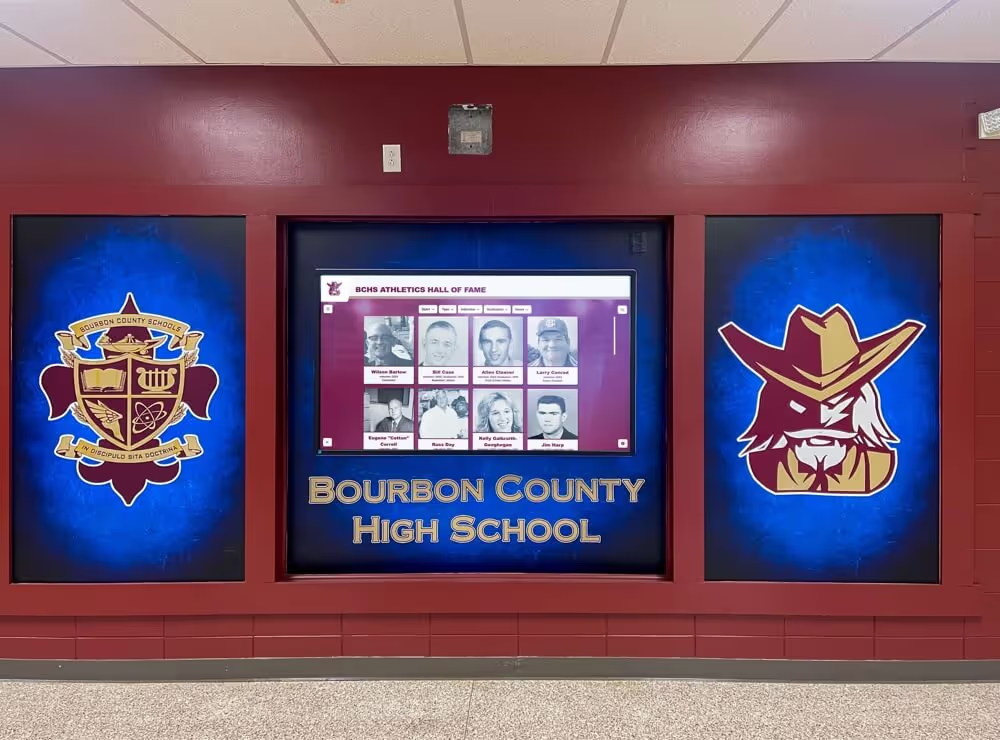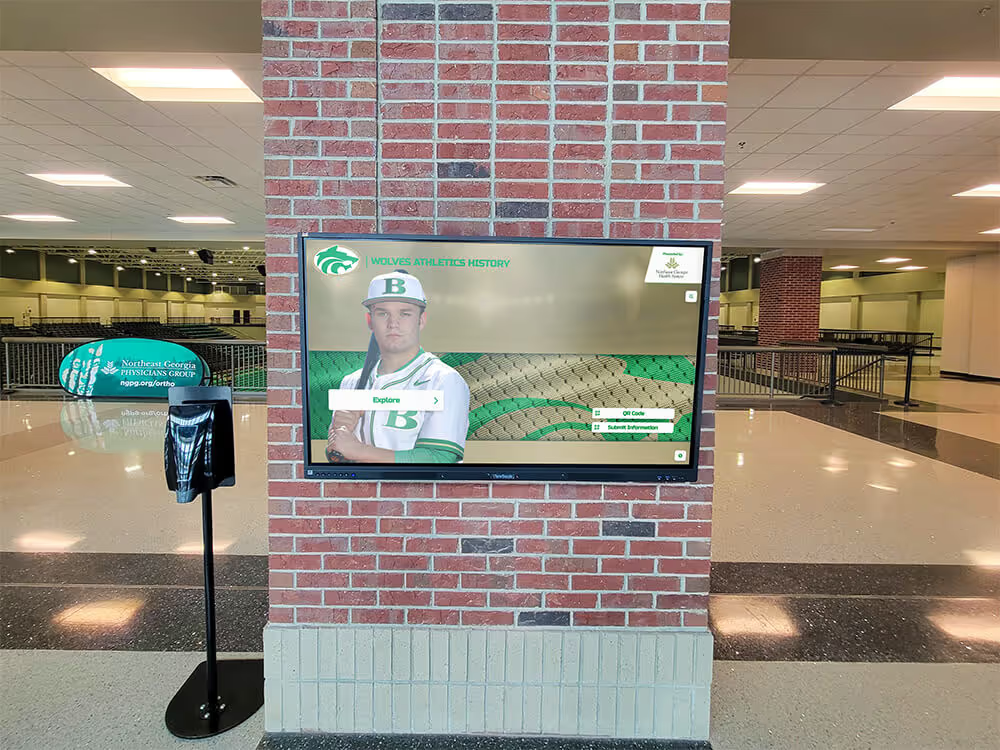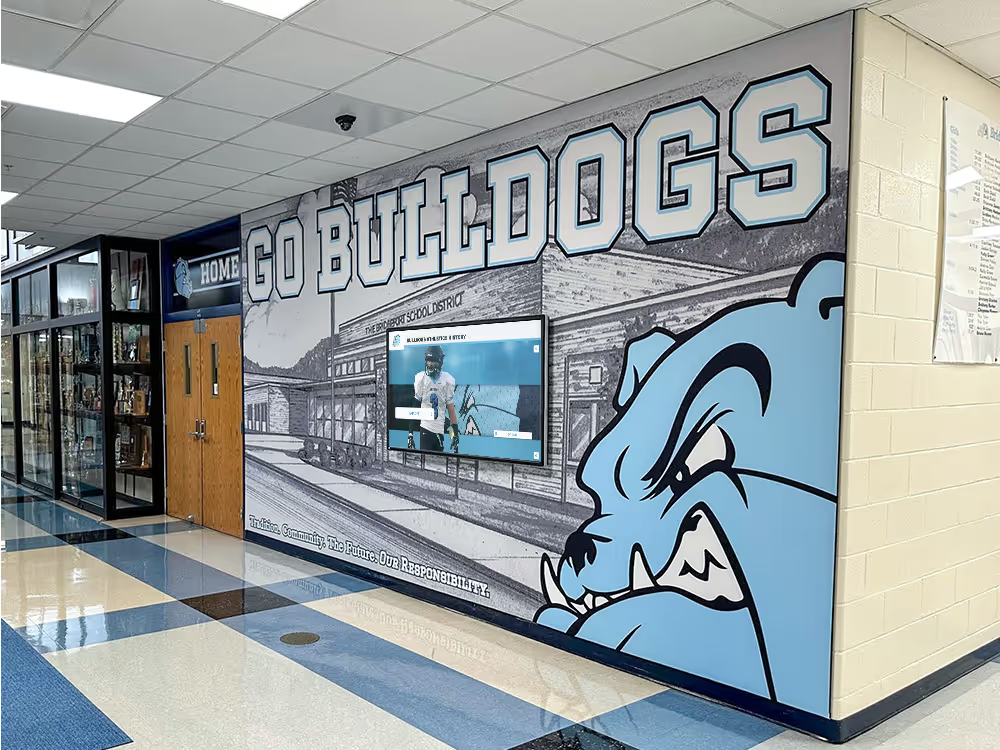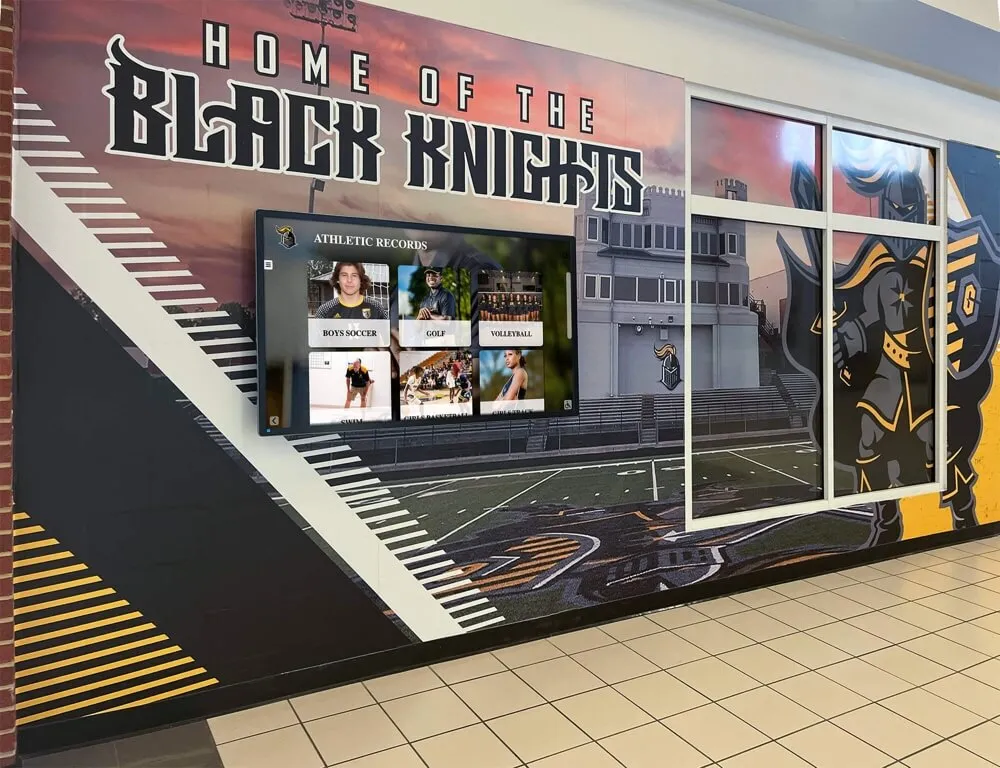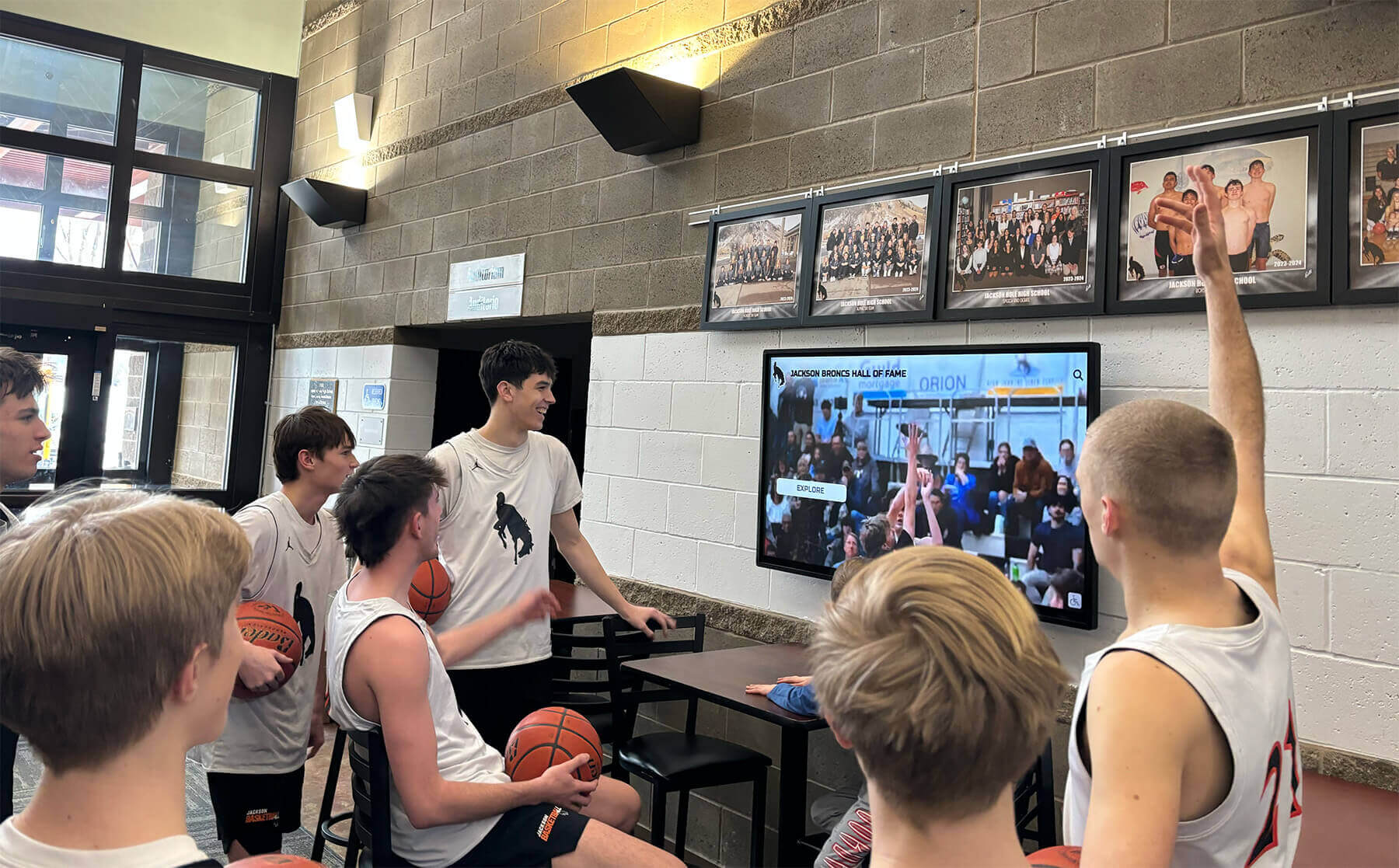




When autumn leaves fall and temperatures drop, high school athletics shift from football fields and soccer pitches to indoor courts, mats, and pools. Winter sports season brings a unique intensity to high school athletic programs—basketball games pack gymnasiums with roaring student sections, wrestlers battle in grueling tournaments, swimmers chase fractions of seconds, hockey players command ice arenas, and indoor track athletes pursue personal records in climate-controlled facilities.
High school winter sports deserve recognition equal to their fall and spring counterparts. From basketball scoring records that stand for decades to wrestling state championships earned through individual determination, from swimming relay teams setting pool records to hockey programs building community traditions, winter athletics generate achievements worth preserving, celebrating, and using to inspire future generations of student-athletes.
The Significance of High School Winter Sports Recognition
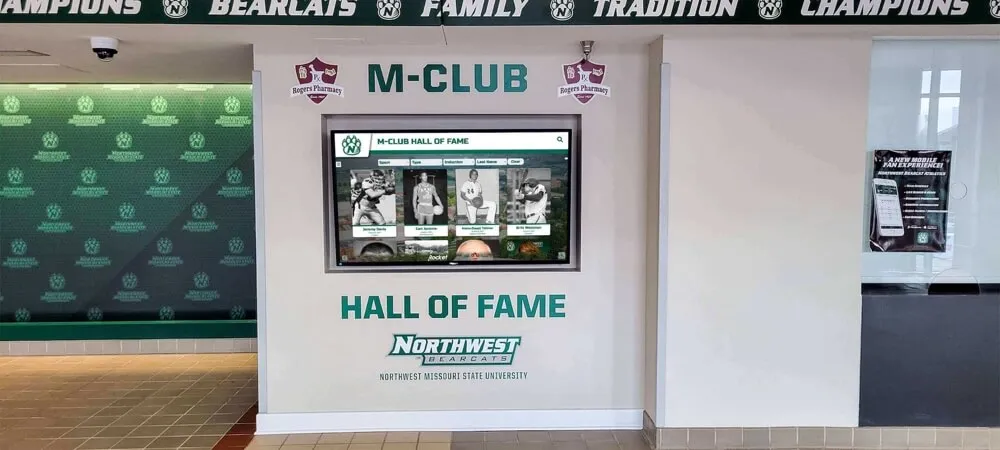
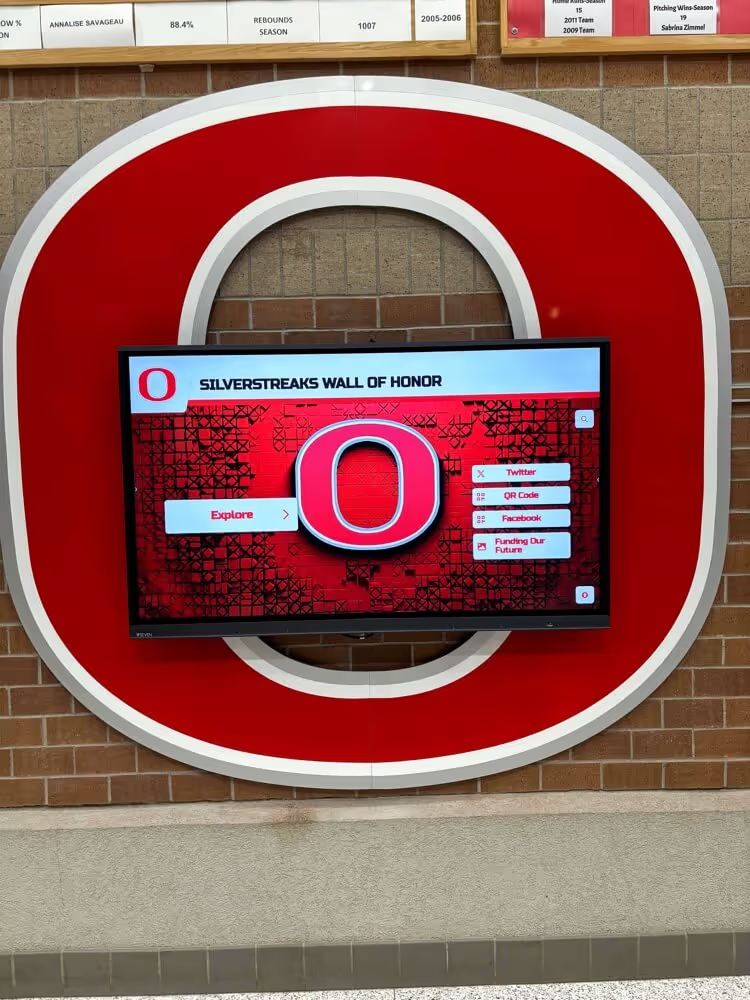
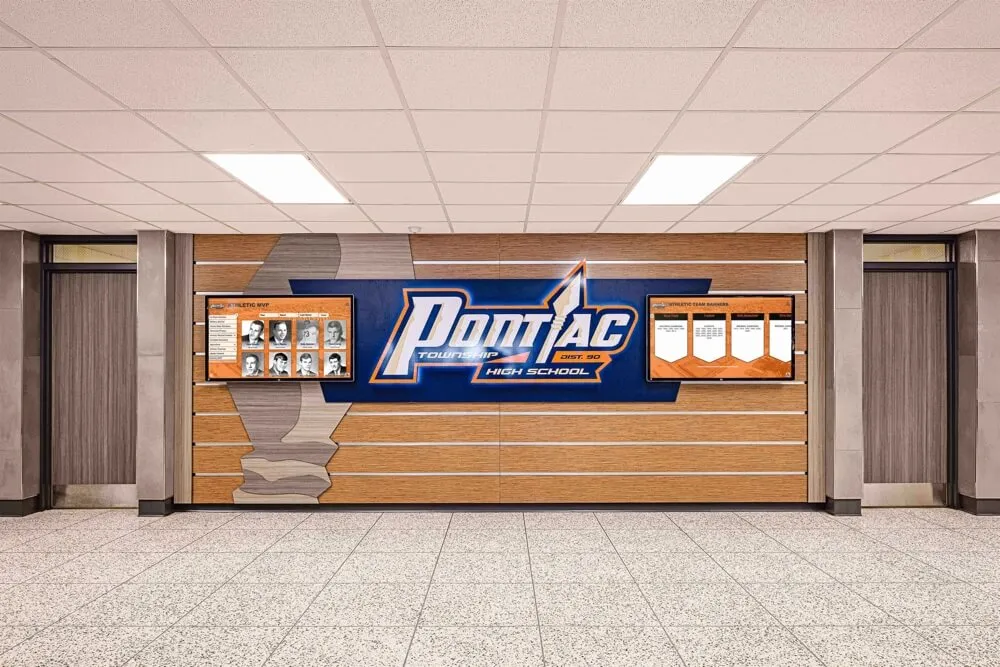
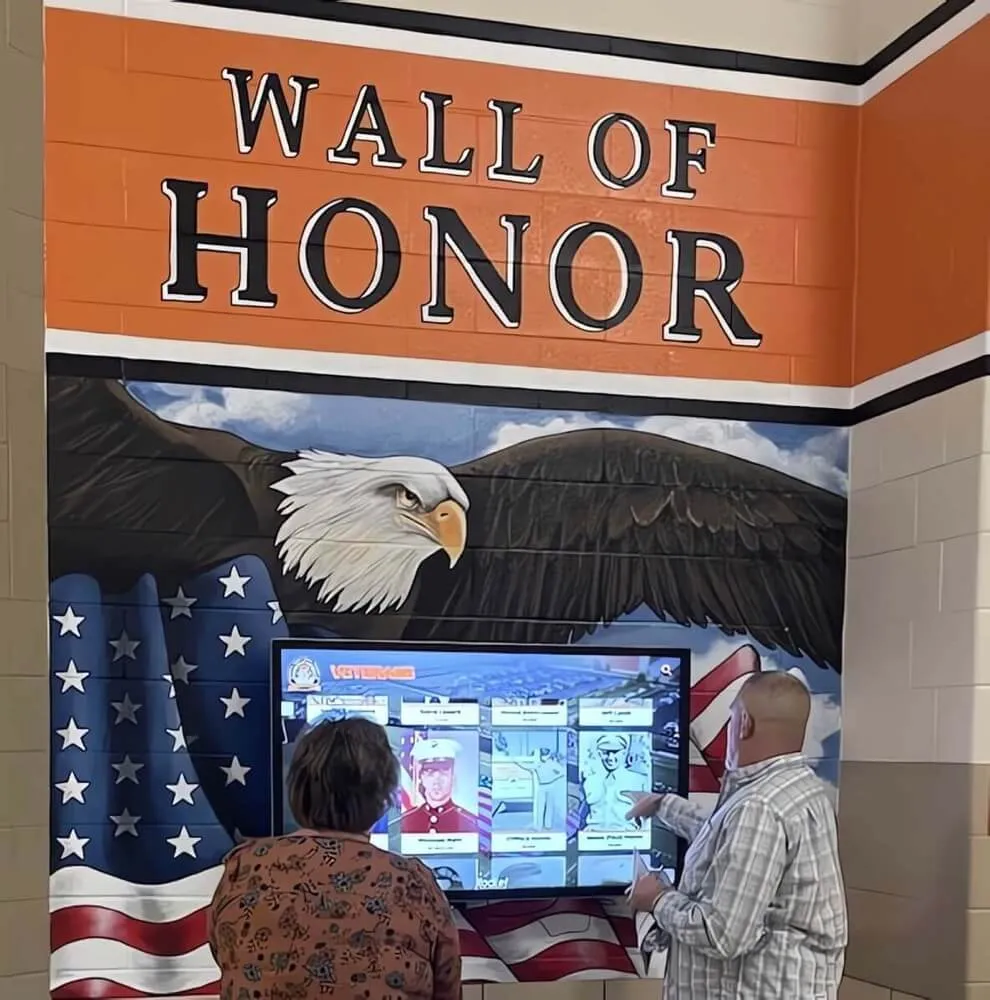
Winter sports programs form the backbone of high school athletics in many communities, particularly in northern regions where indoor facilities enable year-round athletic participation. Proper recognition of winter sports achievements demonstrates institutional commitment to honoring excellence across all athletic seasons while preserving program history that defines school identity. Digital record board solutions like Rocket Alumni Solutions enable schools to create comprehensive displays tracking records, championships, and individual accomplishments across all winter sports through professional, easily updated platforms designed specifically for athletic recognition.
Major High School Winter Sports and Their Unique Recognition Needs
Each winter sport presents distinct achievement categories and recognition opportunities reflecting the specific nature of competition, measurement standards, and program traditions.
Basketball: The Centerpiece of Winter Athletics
Basketball dominates winter sports in most American high schools, with boys’ and girls’ programs generating passionate followings, intense rivalries, and statistical achievements spanning generations. Basketball recognition encompasses multiple dimensions that comprehensive record boards should capture.
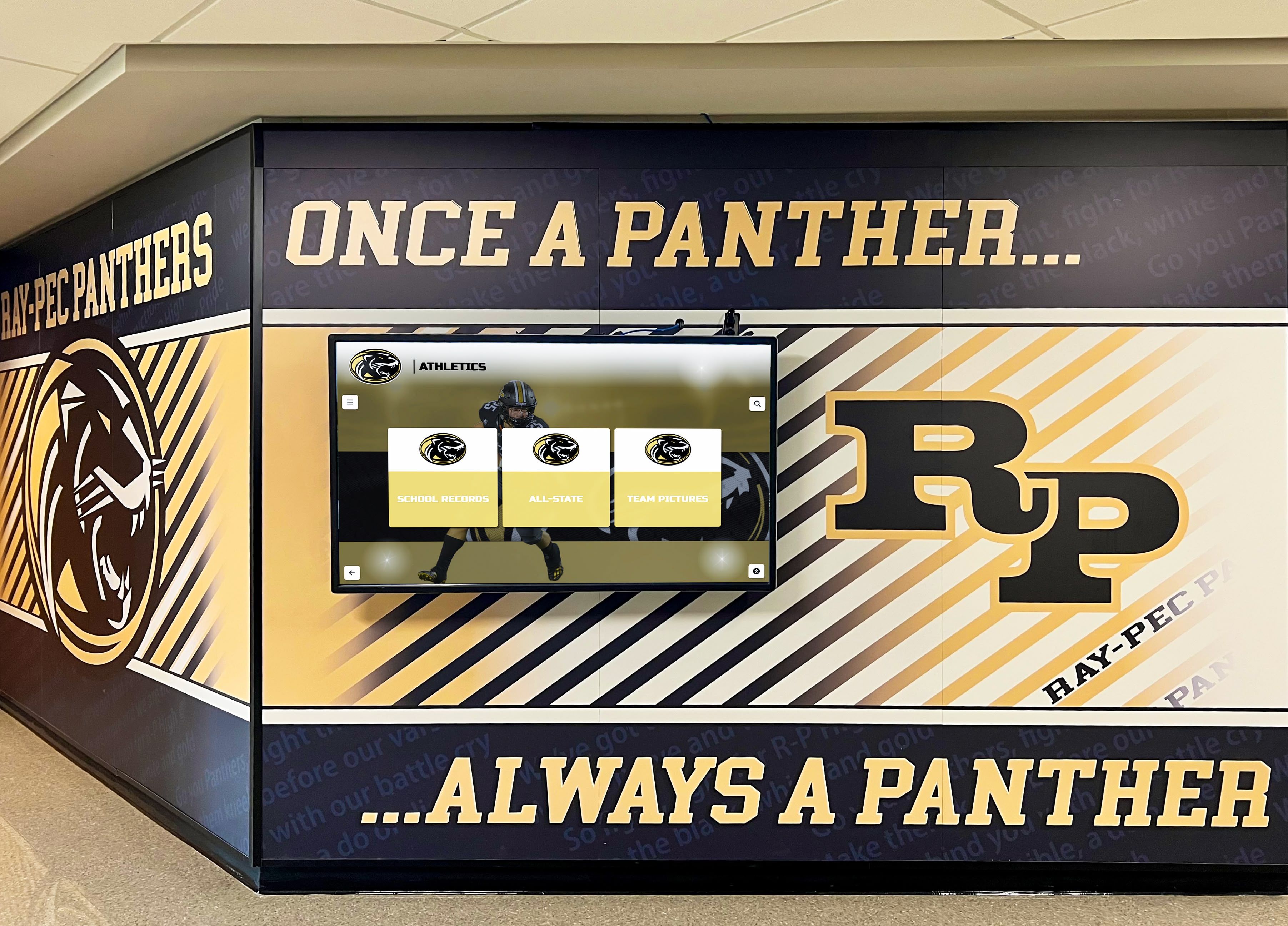
Individual Scoring Records form the heart of basketball recognition. Career point leaders who accumulated thousands of points across four years of varsity competition deserve permanent honor. Single-game scoring explosions where athletes erupted for 40, 50, or more points create legendary performances worth preserving. Season scoring averages, single-season point totals, and milestone achievements like scoring 1,000 career points represent statistical accomplishments that define program excellence.
Schools recognizing 1,000-point scorers understand how these milestones create aspirational targets for current athletes while honoring sustained excellence across complete high school careers.
Team Championships and Tournament Success capture collective achievement beyond individual statistics. Conference championships demonstrate sustained regular-season excellence against local rivals. State tournament appearances and championship victories represent the pinnacle of competitive success, often defining entire generations of program history. District and sectional titles, winning streaks, and undefeated seasons all merit recognition celebrating team achievements that required collective commitment and execution.
All-Conference and All-State Honors recognize excellence validated beyond institutional boundaries. First-team all-conference selections, all-state recognition, regional all-star team membership, and player-of-the-year awards represent peer and coaching recognition of superior performance. These external validations deserve prominent display demonstrating that program athletes achieve distinction at the highest competitive levels.
Statistical Excellence Beyond Scoring includes records for rebounds, assists, steals, blocks, three-point shooting, free throw percentage, and defensive statistics. Modern analytics have expanded how basketball performance is measured and valued, enabling recognition of diverse contributions. Point guards who distributed hundreds of assists, defensive specialists who recorded remarkable steal totals, and centers who controlled games through rebounding and shot-blocking all deserve acknowledgment beyond scoring totals alone.
Resources on high school basketball record tracking provide frameworks for comprehensive documentation of basketball achievements while maintaining historical accuracy across decades of program evolution.
Wrestling: Individual Combat and Mental Toughness
Wrestling represents perhaps the most purely individual of high school winter sports, where success depends entirely on personal preparation, determination, and competitive toughness. Wrestling recognition celebrates achievements that reflect extraordinary dedication and mental strength.
Championship Achievement forms the pinnacle of wrestling recognition. State champions who captured gold medals at state tournaments deserve lifetime recognition for reaching the highest competitive achievement. State place finishers who earned medals demonstrate elite competitive success. Conference championships, sectional and regional titles, and tournament victories at prestigious invitationals all represent significant competitive accomplishments worth permanent honor.

State wrestling programs generate particularly noteworthy traditions and achievements. The New Jersey state wrestling tournament represents one of the nation’s most competitive and prestigious high school wrestling competitions, with championship success there carrying exceptional significance.
Career Win Totals and Records provide objective measures of sustained excellence. Wrestlers who accumulated 100, 150, or 200 career victories demonstrated sustained competitive success across complete high school careers. Exceptional win-loss records, undefeated seasons, and remarkable winning streaks represent statistical dominance worth celebrating. Single-season win totals and tournament records document peak performance periods deserving recognition.
Pin and Technical Fall Statistics highlight decisive competitive dominance. Wrestlers who consistently pinned opponents or won through technical falls (large scoring margins) demonstrated not just victory but superiority. Career pin totals and season pin percentages provide metrics distinguishing dominant competitors from those winning closer matches.
Weight Class Excellence and Versatility can be recognized when wrestlers demonstrated success at particularly challenging weights, competed successfully at multiple weight classes across seasons, or maintained difficult weight requirements while achieving competitive success. The weight class dimension adds complexity to wrestling recognition that other sports don’t face.
Post-High School Success including NCAA Division I, II, or III competition, All-American honors at collegiate levels, or Olympic trials participation demonstrates program development of elite wrestlers. Recognizing alumni who continued wrestling careers validates program quality while inspiring current athletes.
Swimming and Diving: Racing the Clock
Swimming and diving programs measure success through precise timing and technical execution scores, creating unique recognition opportunities based on objective performance metrics.
Individual Event Records for each stroke and distance represent the foundation of swimming recognition. Schools should track and display records for every event contested—freestyle sprints (50, 100, 200 yards), distance freestyle (500, 1000 yards), backstroke, breaststroke, butterfly, and individual medley events at various distances. Diving records for different diving competitions complete comprehensive recognition.
Relay Team Records celebrate collective speed and coordination. The 200 and 400 freestyle relays, 200 medley relay, and 400 medley relay all require four swimmers executing perfect transitions while maintaining maximum speed. Relay records often represent some of programs’ most treasured achievements, as they require depth across multiple swimmers rather than relying on single exceptional athletes.
Championship Meet Performance recognizes swimmers who delivered peak performances when stakes were highest. State meet qualifiers, state finalists, state champions, and record-breaking performances at championship meets deserve special recognition beyond regular-season accomplishments. Conference championship victories and sectional qualifications demonstrate competitive success at critical moments.
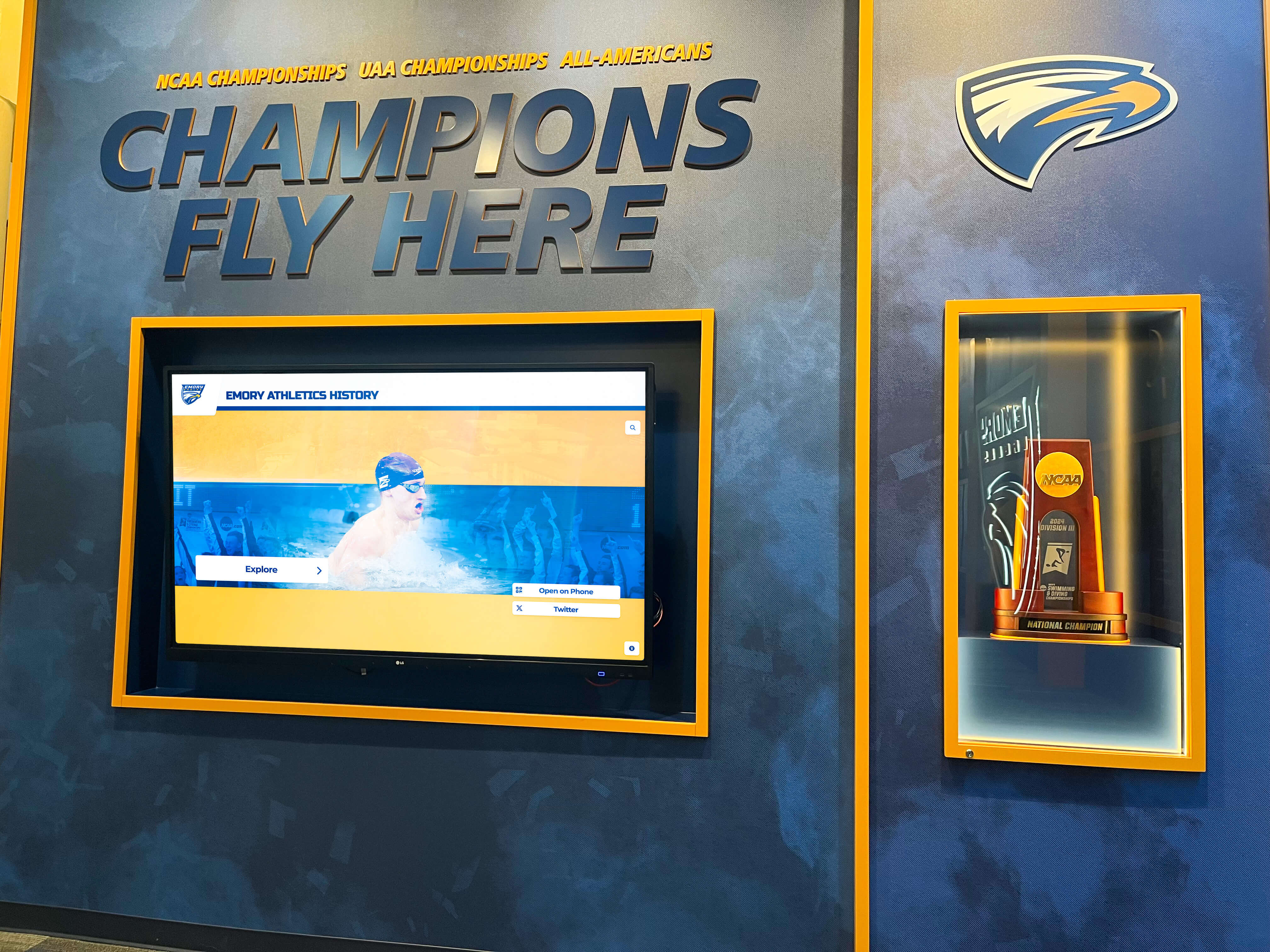
Milestone Recognition includes swimmers who achieved significant time standards or improvement benchmarks. Breaking specific time barriers (like swimming the 100 freestyle under 50 seconds), qualifying for prestigious invitational meets, or achieving dramatic time improvements across seasons all represent achievements worth celebrating beyond top-three placings alone.
Technical Diving Excellence requires different recognition criteria than timed swimming events. Diving scores from district, sectional, and state competitions; qualification for state championships; and improvement from freshman through senior seasons all merit acknowledgment recognizing the distinct technical and artistic demands of competitive diving.
Ice Hockey: Building Community Through Winter Tradition
In hockey markets across northern states, high school hockey defines community identity and creates passionate traditions rivaling college and professional sports in intensity and following.
Scoring and Statistical Leaders track career and season records for goals, assists, total points, plus-minus ratings, and goaltending statistics including save percentages, goals-against averages, shutouts, and wins. Hockey’s statistical complexity enables recognition of diverse contributions—pure scorers, playmaking centers, defensive specialists, and exceptional goaltenders all have measurable achievements deserving honor.
Team Success and Championships including conference championships, sectional titles, state tournament appearances, and state championships represent the highest team achievements. Hockey programs often maintain particularly strong traditions around championship teams, with banners hanging in arenas for decades serving as visible reminders of past glory.
Hockey-rich states develop particularly competitive and prestigious tournaments. Programs recognizing hockey tournament success preserve traditions that define both athletic programs and broader community identity in regions where hockey forms cultural foundations.
All-Star and Honor Team Selections recognize external validation of individual excellence through all-conference teams, all-state selections, all-American recognition, and selection for regional or national development programs. These honors demonstrate that program athletes achieve distinction at highest competitive levels.
Post-High School Hockey Careers merit recognition when alumni advance to junior hockey, college Division I programs, professional leagues, or international competition. Tracking “where they went next” validates program development while inspiring current players through role model examples.
Indoor Track and Field: Precision Performance
Indoor track creates unique competitive opportunities during winter months, with athletes competing in specialized facilities measuring performance through precise electronic timing and standardized measuring equipment.
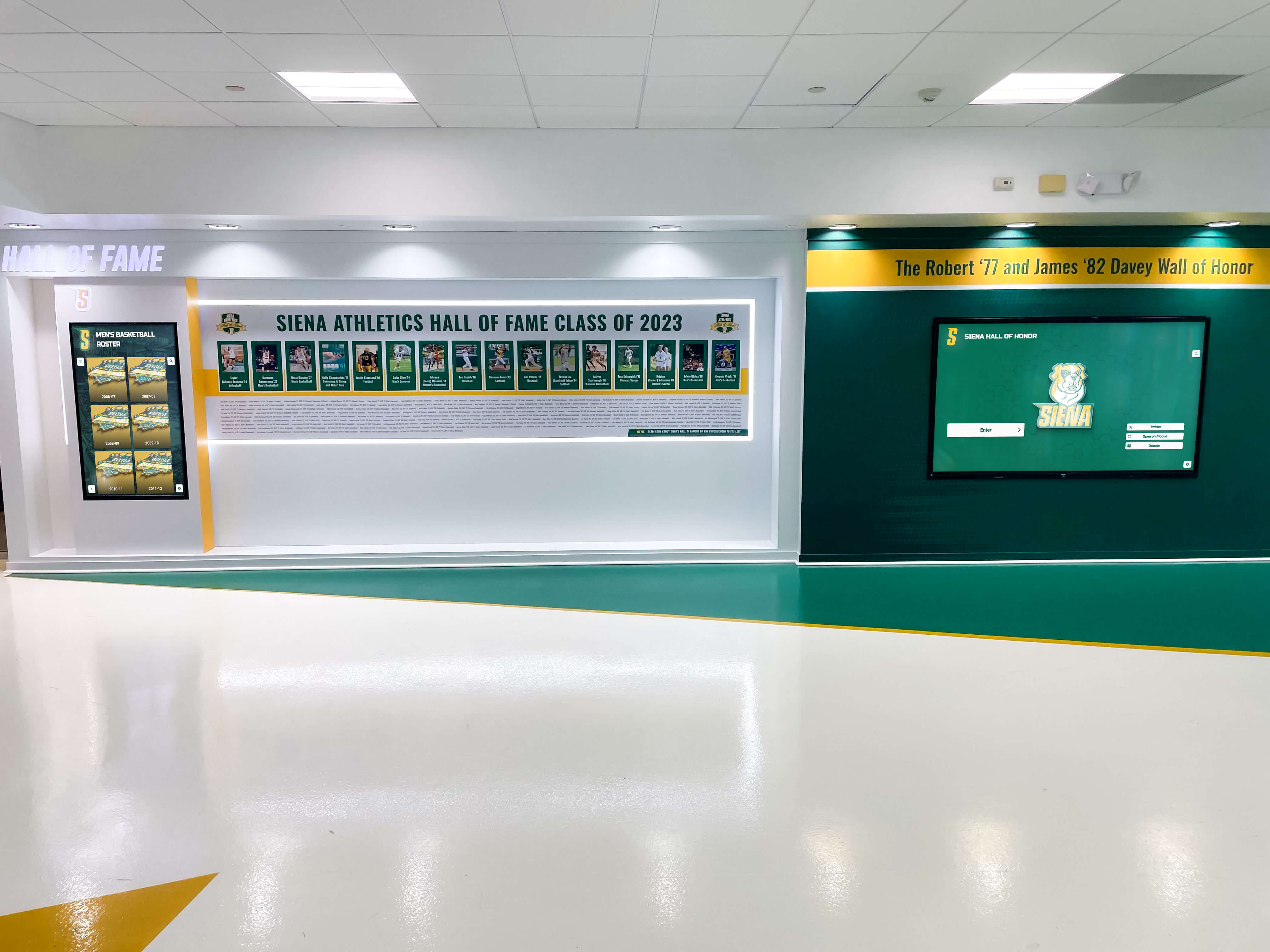
Event-Specific Records should be tracked and displayed for every contested event including sprints (55m, 60m, 200m, 400m), middle distance (800m, 1000m, 1600m, mile), distance (3000m, 3200m, 5000m), hurdles (55m/60m hurdles, 400m hurdles), relays, high jump, long jump, triple jump, pole vault, and shot put. Comprehensive tracking demonstrates program breadth while recognizing excellence across diverse athletic skill sets.
Championship Meet Performances distinguish regular-season achievements from competitive success when stakes rise. State meet qualifiers, state finalists, state champions, and athletes breaking records at championship competitions deserve special recognition beyond regular-season results. Conference championship victories demonstrate consistent excellence within regular competitive contexts.
All-State and National Recognition including all-state team selections, nationally ranked performances, and qualification for national championship meets represent external validation of elite performance. These honors demonstrate athletes achieving distinction beyond local or state boundaries.
Resources on indoor track record recognition provide frameworks for comprehensive documentation ensuring every event receives appropriate recognition while maintaining accurate historical records as performance standards continuously improve.
Additional Winter Sports Deserving Recognition
Comprehensive winter sports programs often include additional activities deserving equal recognition:
Gymnastics programs track apparatus-specific records (vault, bars, beam, floor exercise), all-around scores, team championships, state qualifiers and champions, and all-state selections. Gymnastics scoring complexity requires careful documentation ensuring fair recognition across different competitive eras with evolving scoring systems.
Competitive Cheerleading has evolved into a demanding athletic activity with formal competitions, championships, and measurable performance criteria. Schools increasingly recognize cheerleading achievement through competition placements, championship victories, and individual skill milestones alongside traditional sport recognition.
Bowling programs in some regions compete as varsity sports with league championships, tournament victories, and individual scoring records including high games, high series, and season averages deserving documentation and recognition equal to other winter sports.
Skiing and Snowboarding in mountain regions compete in alpine and Nordic disciplines with state championships, course records, and all-state selections representing significant athletic achievements requiring recognition alongside indoor winter sports.
The Importance of Comprehensive Winter Sports Recognition
Athletic directors and coaches understand that recognition serves multiple vital purposes beyond simply honoring past achievement. Effective recognition programs influence current athletes, strengthen program culture, and build institutional identity in measurable ways.
Motivating Current Athletes Through Visible Standards
Record boards displaying specific, measurable achievements create concrete goals that motivate current athletes more effectively than abstract encouragement to “do your best” or “work hard.” When basketball players see that the career scoring record stands at 1,847 points, they understand exactly what sustained excellence requires. When wrestlers see that the career win record is 152 victories, they comprehend the consistency necessary across four seasons. When swimmers view pool records posted on facility walls, they know precisely what times they’re chasing.
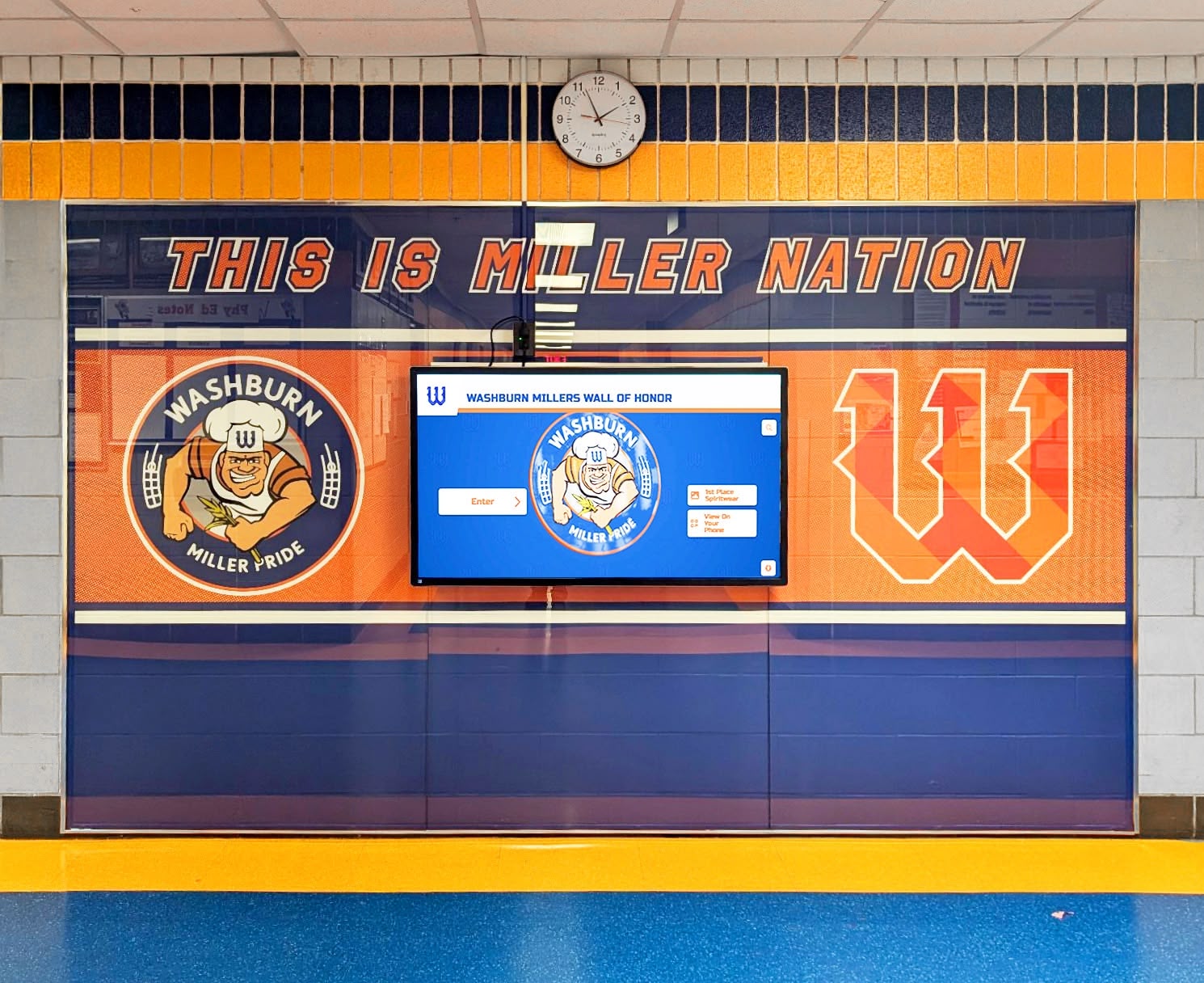
This specificity transforms motivation from vague aspiration to concrete pursuit. Athletes train with clear targets, understanding what improvement is necessary to achieve record status. Coaches reference record boards during training, helping athletes contextualize their current performance relative to program standards and understand realistic paths toward record achievement.
The psychological impact of visible records influences athletes daily. Walking past displays showing program legends creates constant reminders that excellence is possible, that current athletes follow in footsteps of those who achieved greatness before them. This environmental reinforcement complements coaching messages, creating comprehensive motivational ecosystems.
Programs implementing senior night recognition traditions understand how celebration of achievement—both individual and collective—strengthens team culture while honoring dedication that winter sports uniquely demand through long seasons and intensive training.
Preserving Institutional Athletic History
Schools with decades or centuries of athletic tradition accumulate remarkable stories worth preserving—championship teams that captured unlikely titles, individual athletes who achieved state or national prominence, coaches who built programs from modest beginnings to perennial powerhouses, and alumni who leveraged high school athletic experiences into professional or Olympic careers.
Without systematic recognition and preservation, these stories fade from institutional memory. Championship banners deteriorate, trophy cases overflow forcing removal of older awards, and living memory of past athletes disappears as generations graduate and move on. Digital recognition systems solve these preservation challenges by accommodating unlimited achievements without physical space constraints.
Comprehensive historical recognition serves educational purposes, helping current athletes, families, and communities understand program evolution, see how performance standards have improved across decades, recognize names of alumni who became coaches or community leaders, and appreciate institutional commitment to athletic excellence across generations.
Athletic departments implementing solutions for displaying athletic building team records preserve program history while creating engaging displays that transform static trophy cases into interactive experiences connecting past achievement with present aspiration.
Building School Pride and Athletic Culture
Prominent athletic recognition strengthens school pride by demonstrating institutional commitment to celebrating excellence. When students, families, and visitors encounter impressive displays honoring athletic achievement, they understand that the school values excellence, maintains high standards, preserves traditions, and creates lasting recognition for those achieving distinction.
This visible commitment influences school culture beyond athletics. Academic recognition programs, arts achievement displays, and service acknowledgment naturally follow athletic recognition models, creating comprehensive cultures celebrating excellence across all student endeavors.
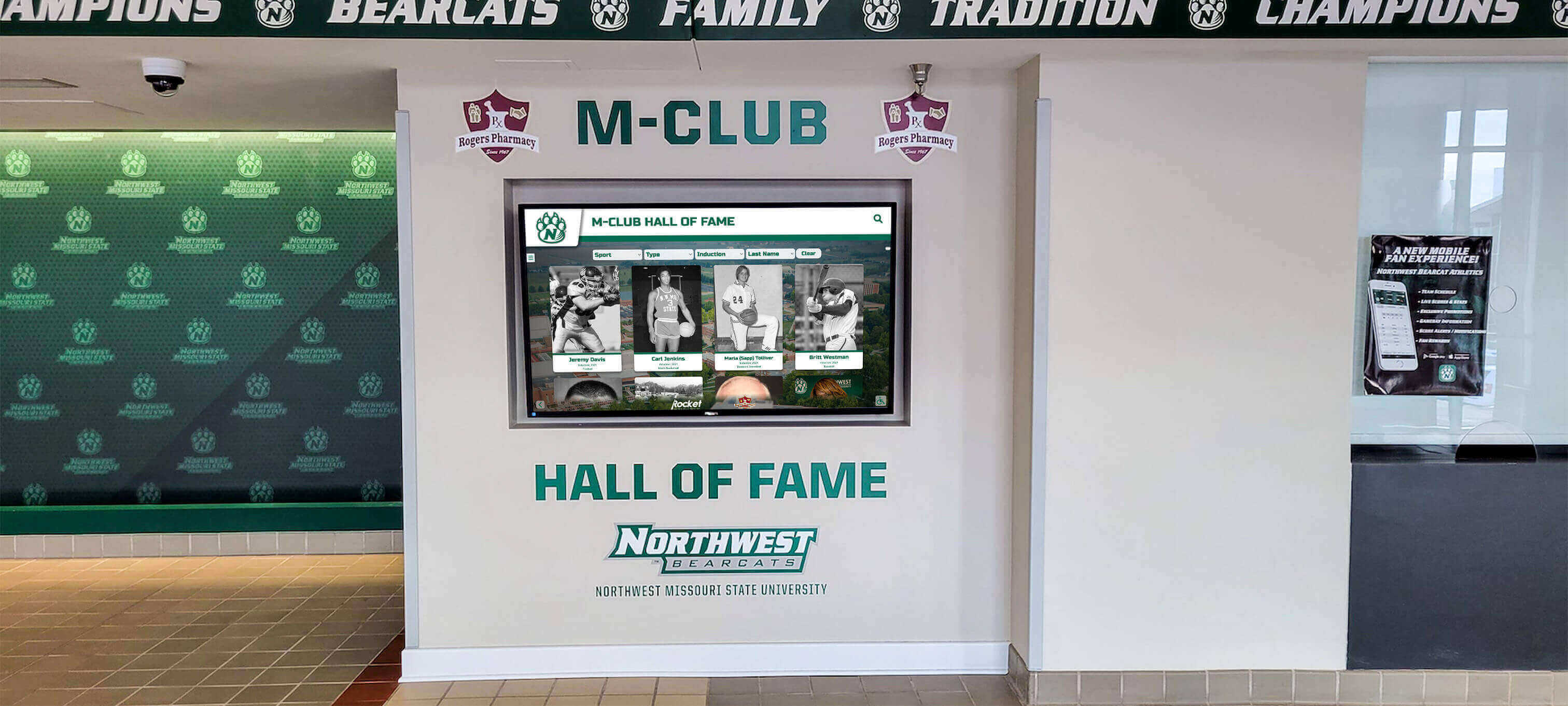
Athletic pride specifically builds through visible recognition in several ways: creating common narratives around shared traditions, establishing aspirational standards for younger athletes, engaging alumni who see their achievements honored appropriately, attracting prospective families valuing strong athletic programs, and strengthening community bonds around successful programs.
The most effective programs integrate athletic recognition with broader efforts building school spirit. Resources on building school pride demonstrate how athletic recognition combines with other initiatives creating comprehensive cultures celebrating student achievement across all dimensions.
Supporting Athletic Recruiting and Program Development
Athletic directors and coaches recognize that prominent displays honoring program achievements serve recruiting purposes by demonstrating program quality and tradition to prospective athletes and families. When talented eighth-graders visit high schools evaluating athletic opportunities, recognition displays communicate program values, competitive success, development track records, and institutional commitment far more effectively than verbal descriptions alone.
Prospective athletes examining record boards understand competitive standards they’ll face while seeing concrete evidence of what they might achieve with proper dedication. Families evaluating program quality assess coaching effectiveness through visible evidence of athlete development and competitive success across multiple seasons and athlete generations.
College recruiters visiting high schools to evaluate prospects gain valuable context about program quality, training environments, and competitive levels when comprehensive recognition displays document historical achievement and current standards. This context influences how recruiters assess individual athlete potential and program development quality.
Beyond external recruiting, recognition systems support internal program development by identifying achievement patterns and performance trends, revealing areas of program strength and relative weakness, tracking improvement across seasons demonstrating coaching effectiveness, and providing objective data informing training emphasis and competitive strategy.
Traditional vs. Digital Recognition: Why Modern Solutions Work Better
Schools maintaining athletic recognition programs face fundamental decisions about display formats—traditional physical approaches or modern digital systems. Understanding advantages and limitations of each approach enables informed decisions aligned with institutional priorities and resource realities.
Limitations of Traditional Physical Recognition
Physical trophy cases remain common in high school athletic facilities, displaying championship trophies, individual awards, game balls, and memorabilia. While trophy cases provide tangible, three-dimensional recognition with undeniable visual impact, they face significant limitations:
Space Constraints eventually force difficult decisions about which achievements receive prominent display and which get relegated to storage. As programs accumulate decades of achievements, trophy cases overflow. Schools face impossible choices: remove older trophies to make room for recent achievements, or maintain packed displays where individual accomplishments become indistinguishable in overcrowded presentations.
Limited Information Capacity prevents telling complete stories. Trophy cases display awards but rarely include detailed context about achievement significance, athlete backgrounds, team narratives, or season circumstances. Viewers see trophies but miss stories that make achievements meaningful.
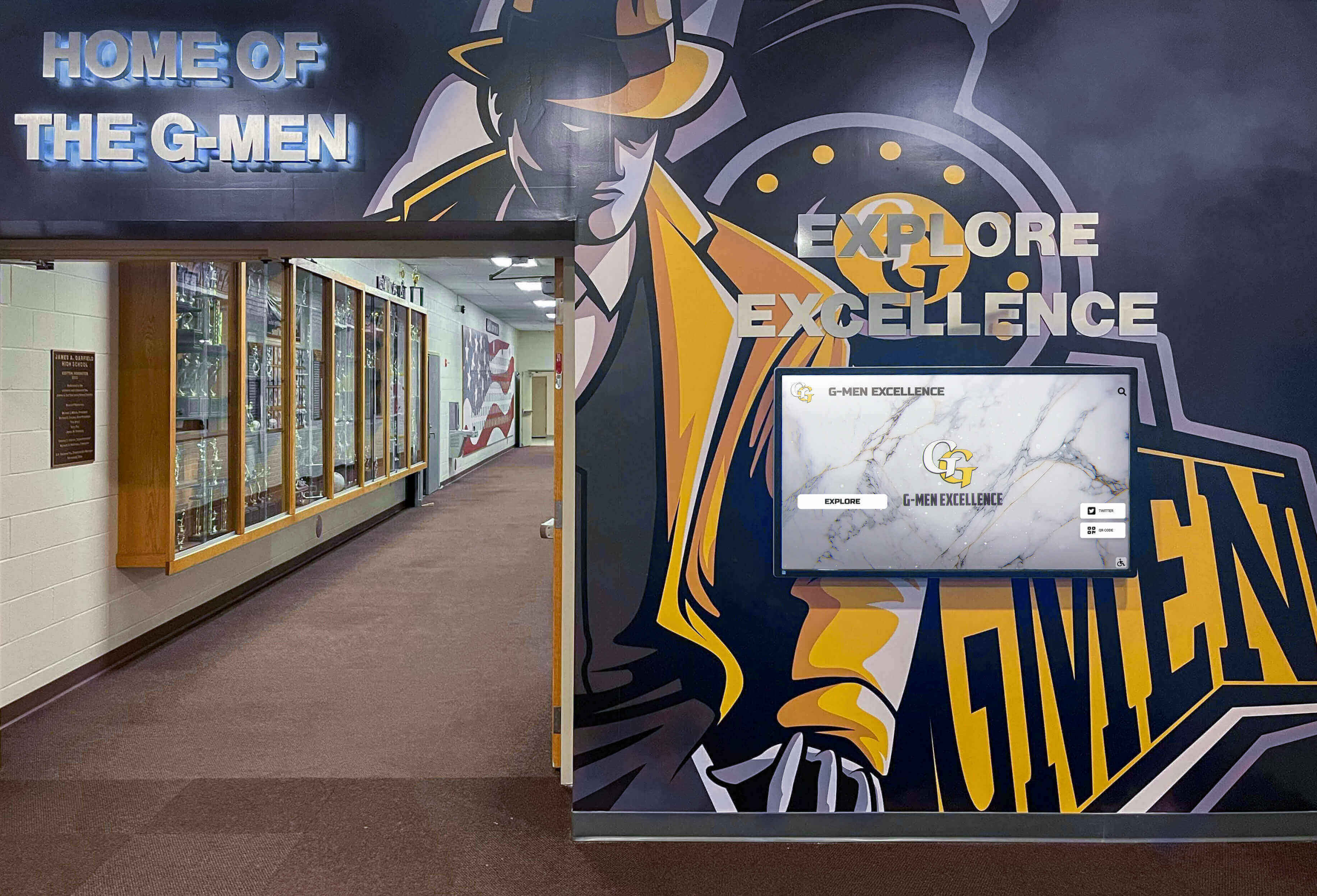
Maintenance and Security Challenges include accumulating dust requiring regular cleaning, deteriorating materials as awards age, theft or vandalism risks, and organizational difficulty as collections grow without systematic cataloging.
Static Presentation means trophy cases appear identical day after day, year after year, reducing engagement as familiarity breeds inattention. Without rotation or updated content, even impressive displays become part of unchanging background rather than destinations warranting attention.
Engraved plaques mounted on walls provide another traditional recognition format, offering permanent, formal acknowledgment with gravitas appropriate for significant achievements. However, plaques share similar limitations including finite wall space forcing eventual expansion or removal, minimal information capacity beyond names and dates, expensive fabrication and installation costs, and inability to incorporate multimedia elements bringing achievements to life.
Schools implementing traditional recognition face a fundamental dilemma: limiting recognition to space available, which means deserving athletes don’t receive proper honor, or continuously expanding physical displays, which becomes costly and eventually exhausts available space.
Advantages of Digital Record Board Systems
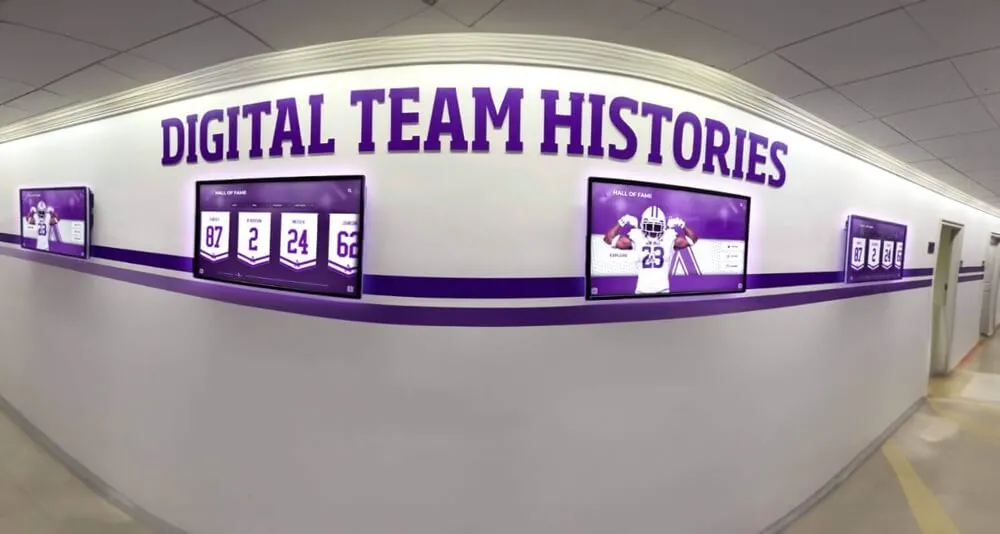
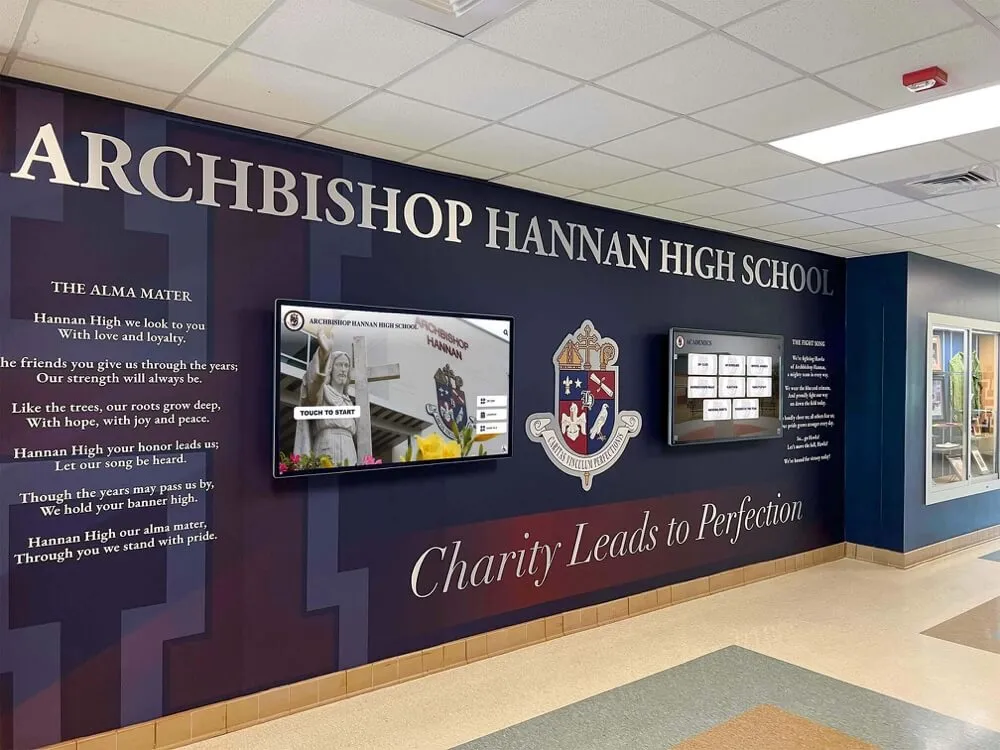
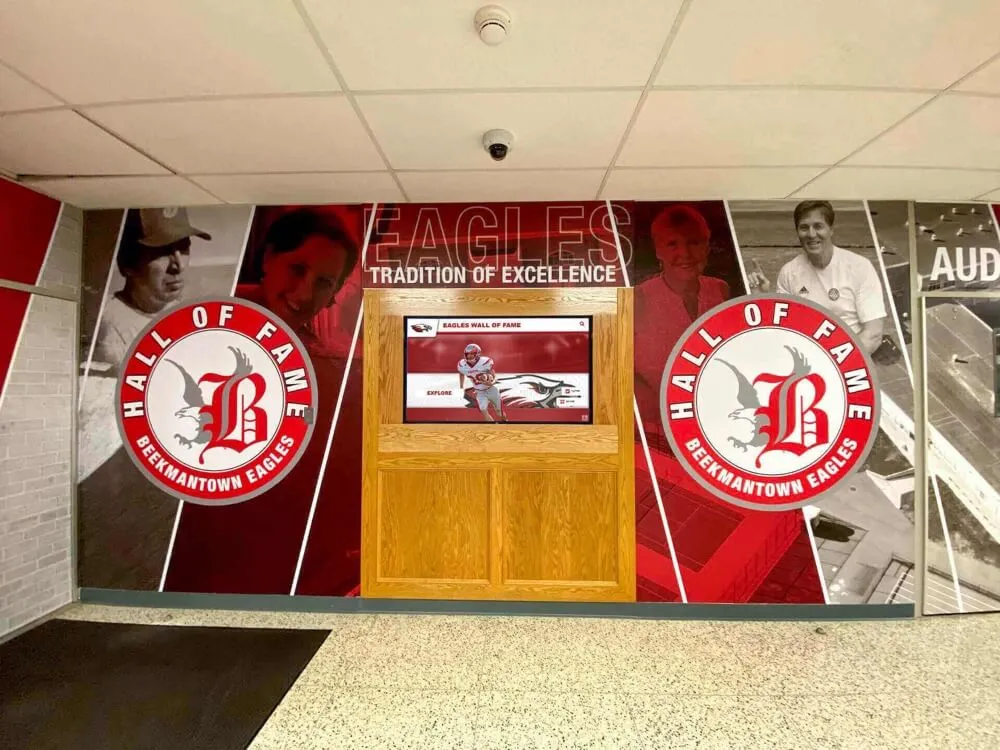
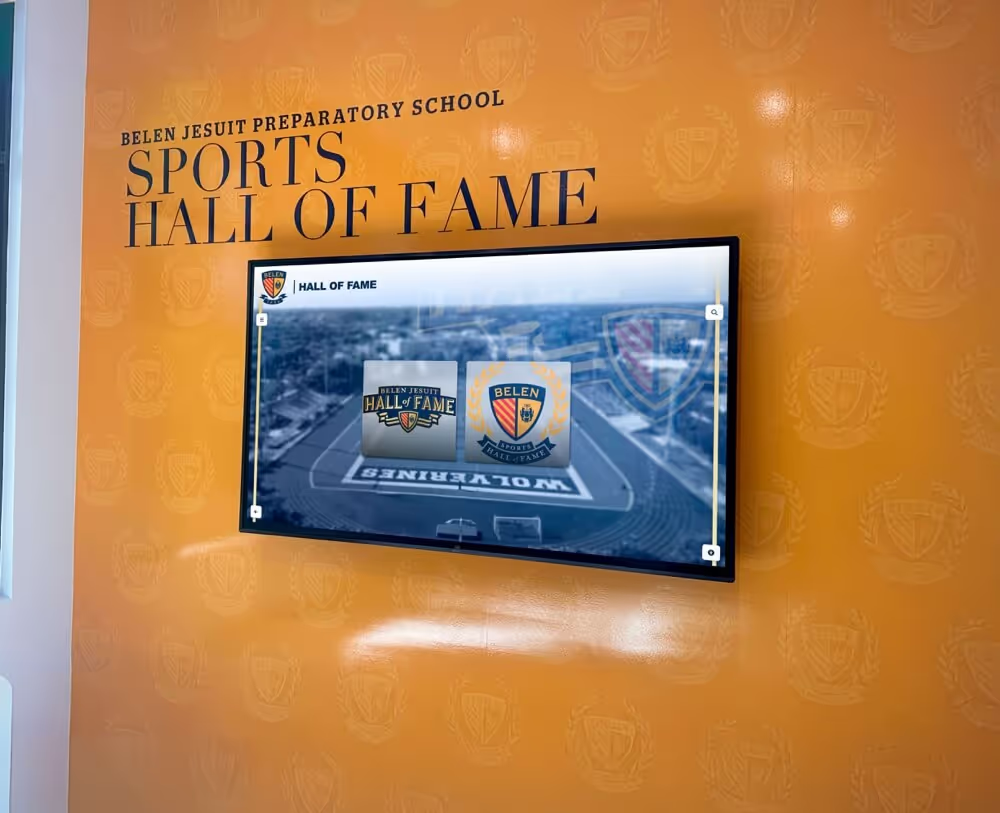
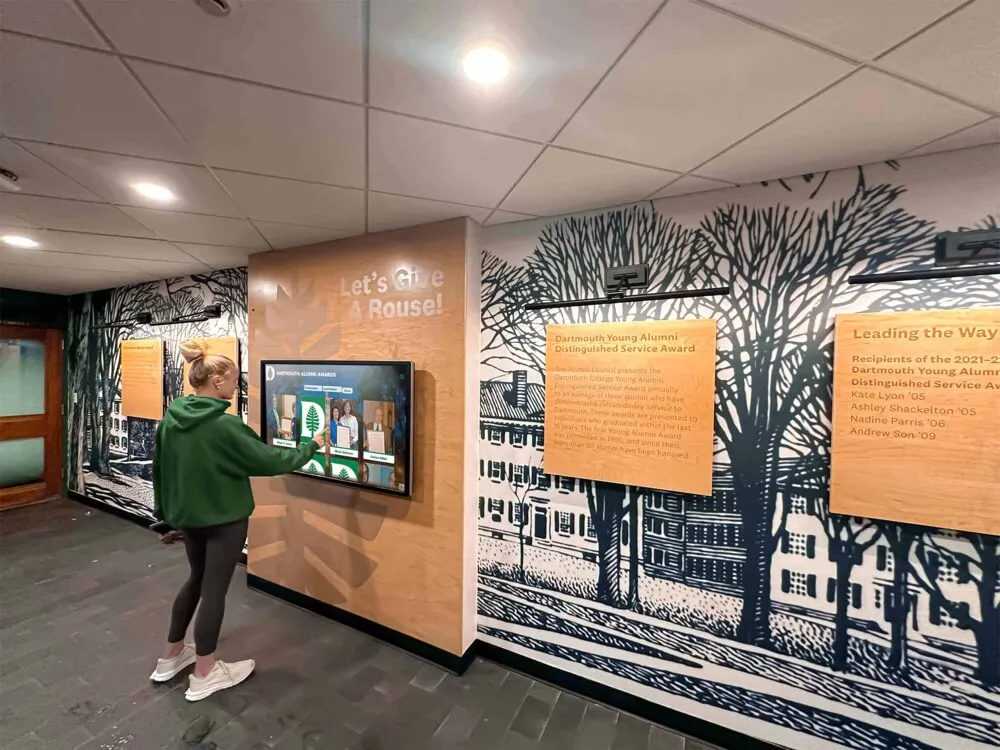
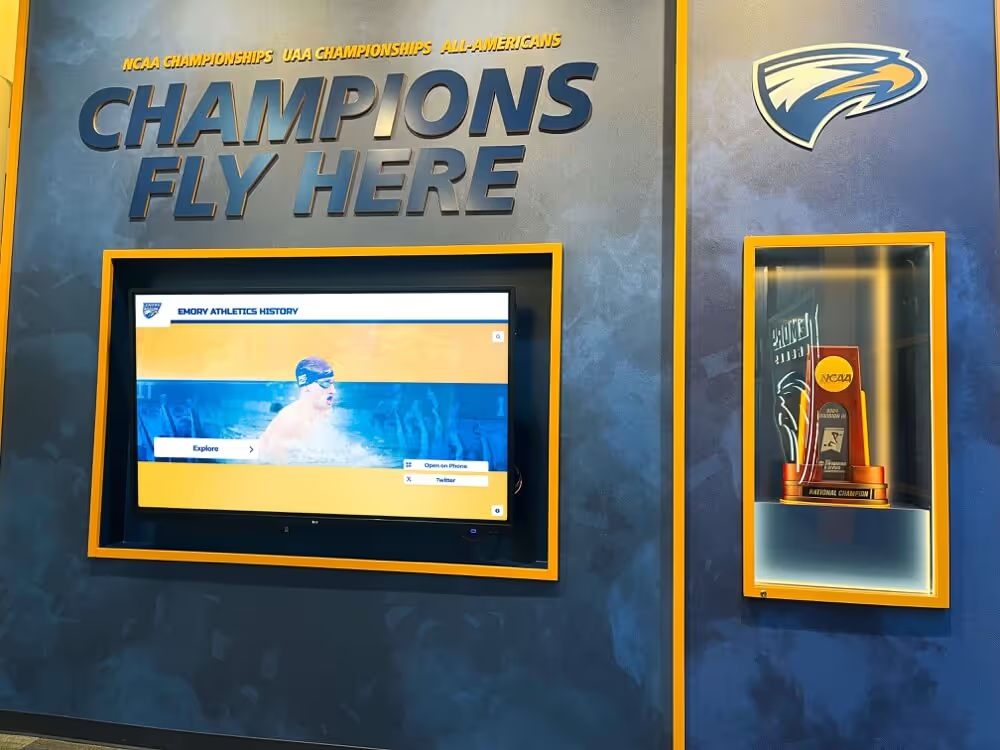
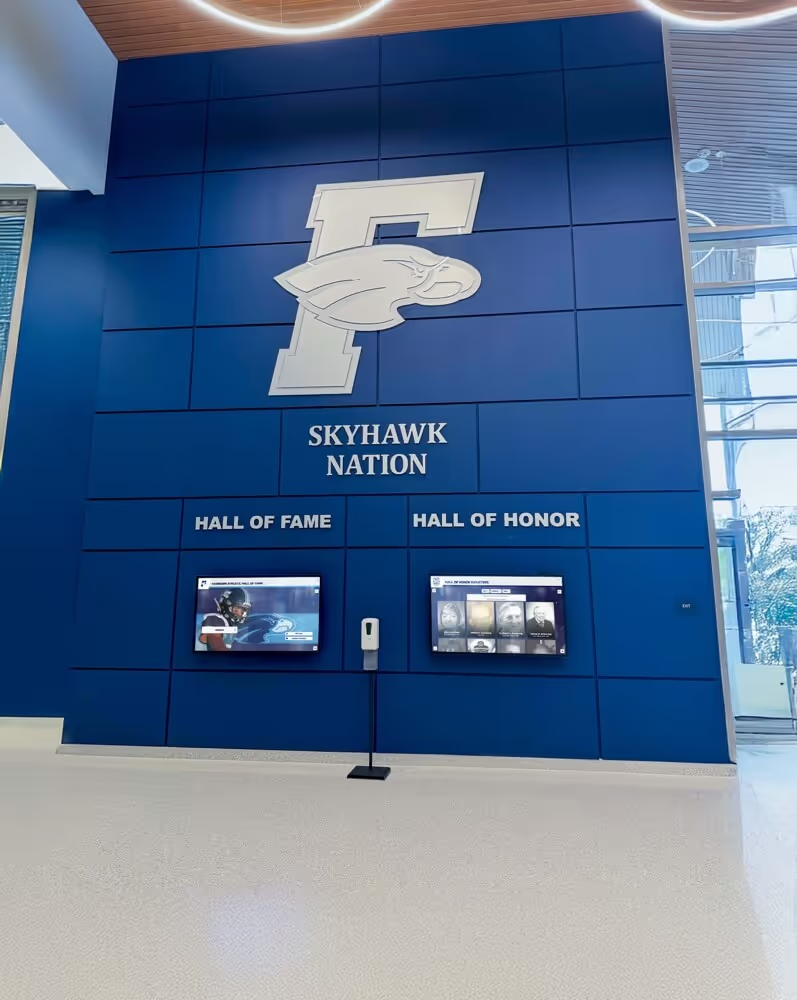
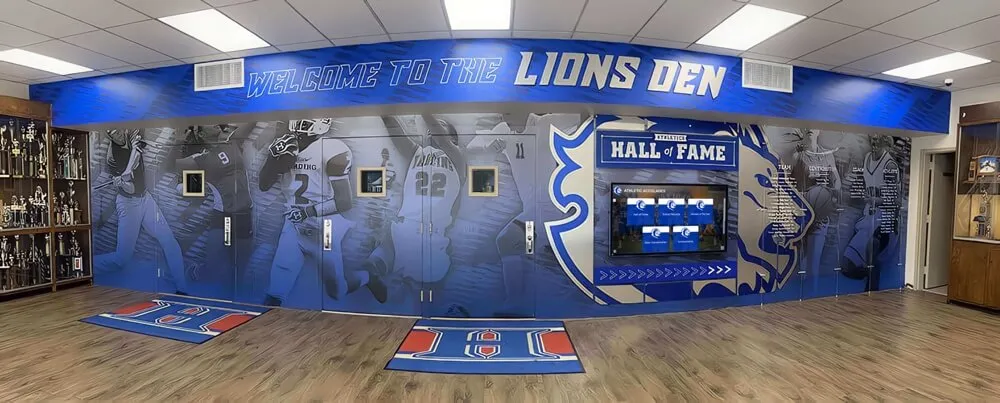
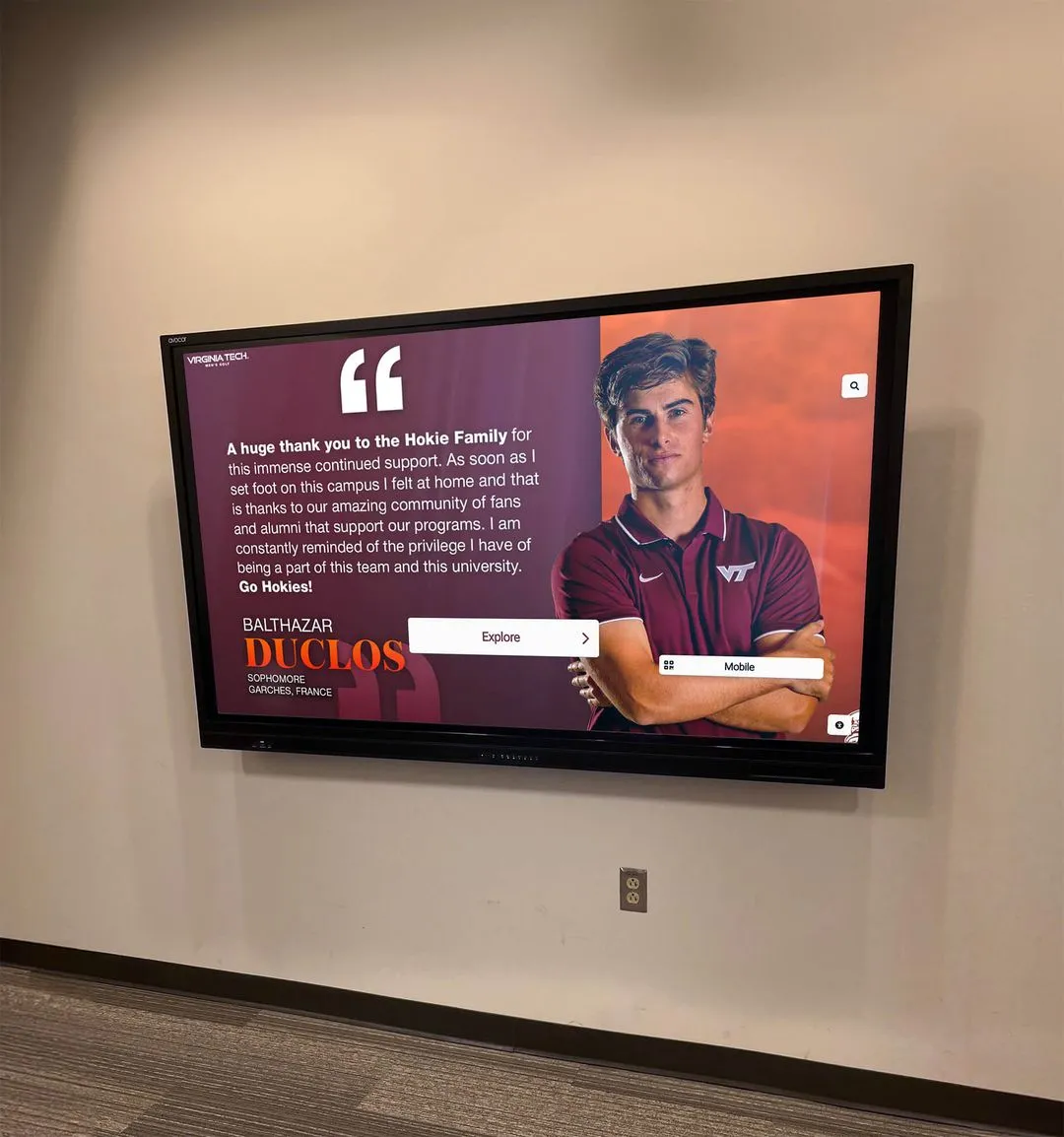
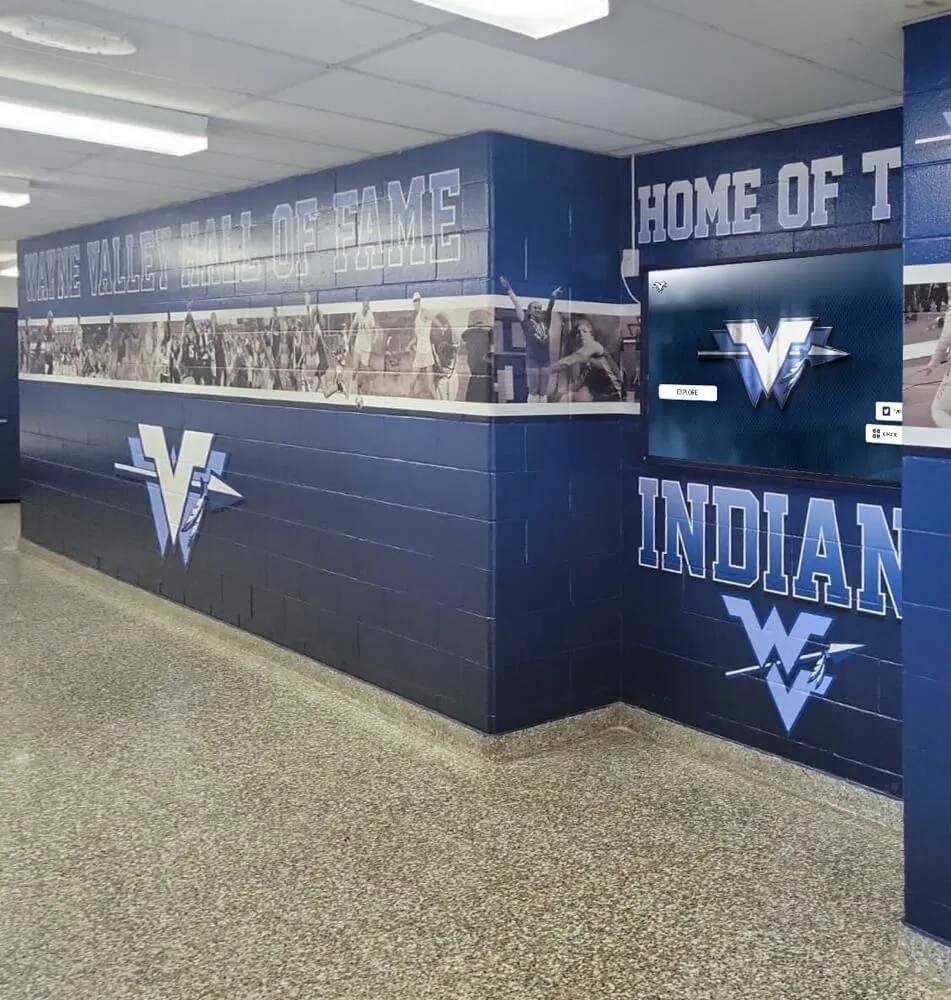
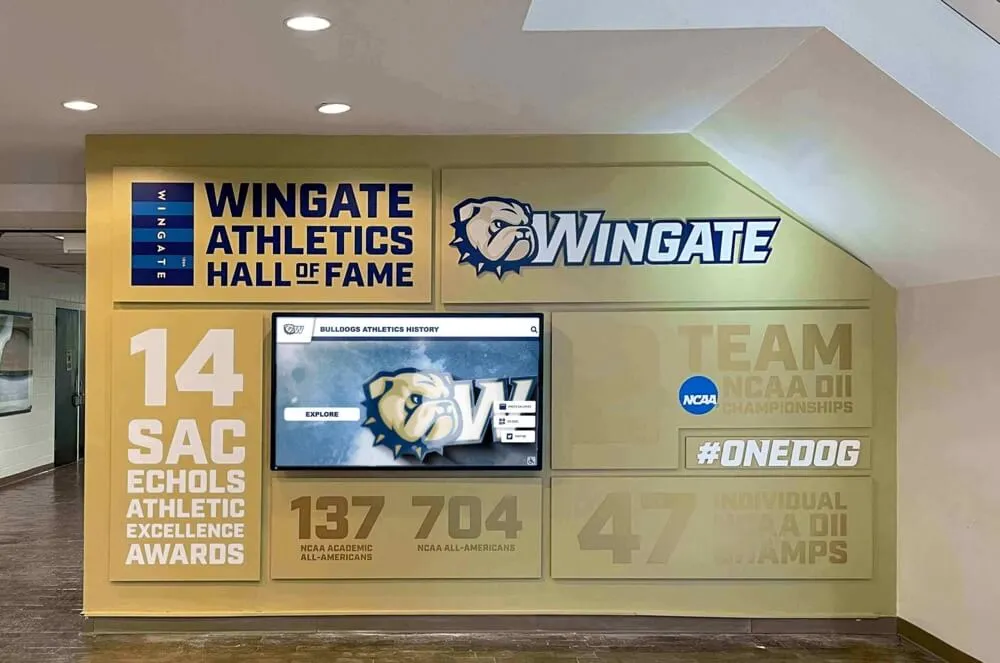
Modern digital recognition systems overcome traditional format limitations while adding capabilities impossible with physical displays. Solutions like Rocket Alumni Solutions’ Digital Record Board specifically address winter sports recognition needs through purpose-built platforms designed for athletic achievement documentation.
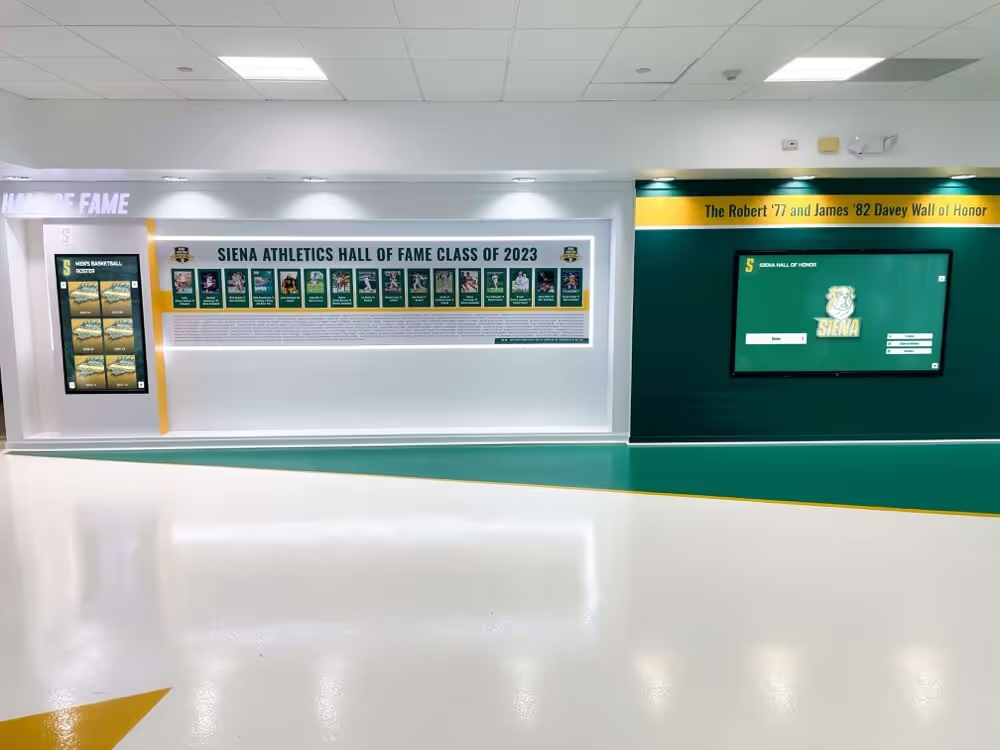
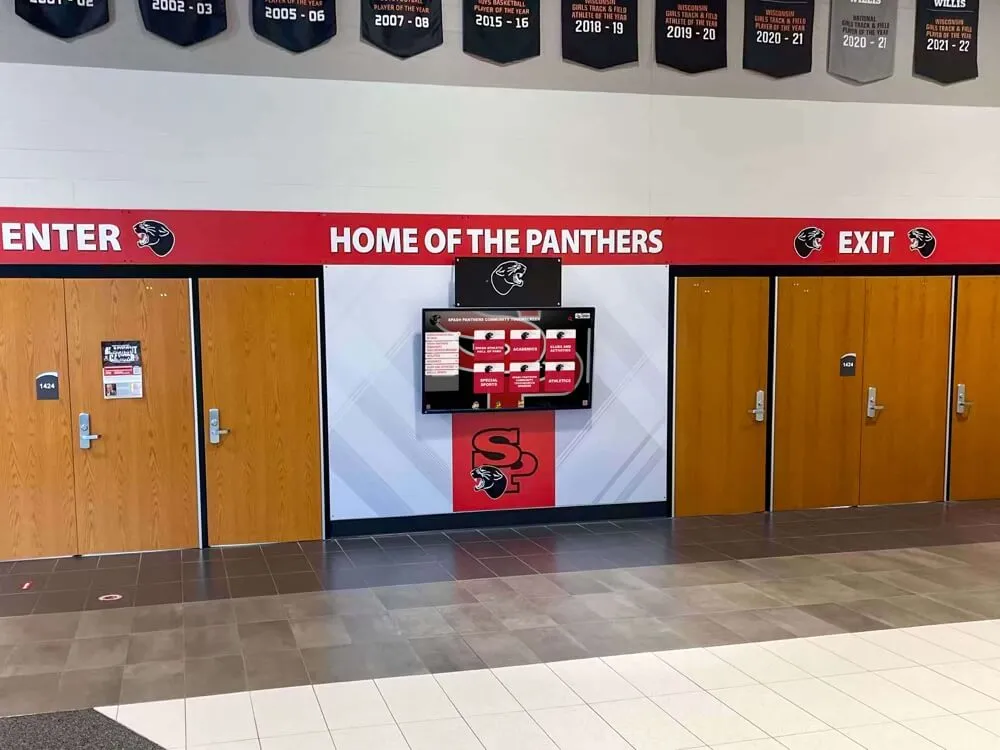
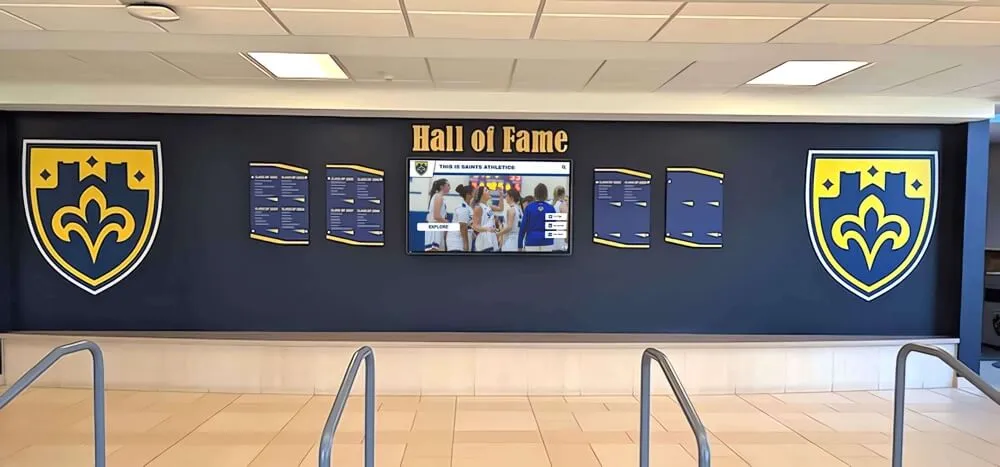
Unlimited Capacity represents perhaps the most significant advantage. Digital systems accommodate unlimited records, achievements, and athlete profiles without physical space constraints. Schools can recognize every all-conference athlete, every sectional qualifier, every career thousand-point scorer, and every championship team member across all winter sports and all competitive eras. As programs continue generating achievements, adding recognition requires content updates rather than physical construction or difficult removal decisions.
Rich Multimedia Content transforms recognition from names and dates into compelling stories. Digital displays incorporate high-resolution photos from athletic competitions, video highlights of record-setting performances, complete statistical breakdowns showing career progression, audio recordings of radio calls from championship games, scanned newspaper articles documenting achievements, and detailed narratives providing context impossible with physical plaques.
A basketball player’s 52-point game isn’t just a number on a record board—it’s a complete presentation including game video highlights, box score details, newspaper coverage, coach commentary, and photos from the performance. This comprehensive storytelling creates engagement impossible with traditional formats.
Real-Time Updates and Accuracy enable immediate recognition of current achievements. When a wrestler breaks the career wins record during the season, the digital record board updates immediately rather than waiting months for plaque fabrication. When swimmers set new pool records at championship meets, recognition happens within hours rather than the following season. This timeliness celebrates achievement when excitement peaks while ensuring displays always reflect current records.
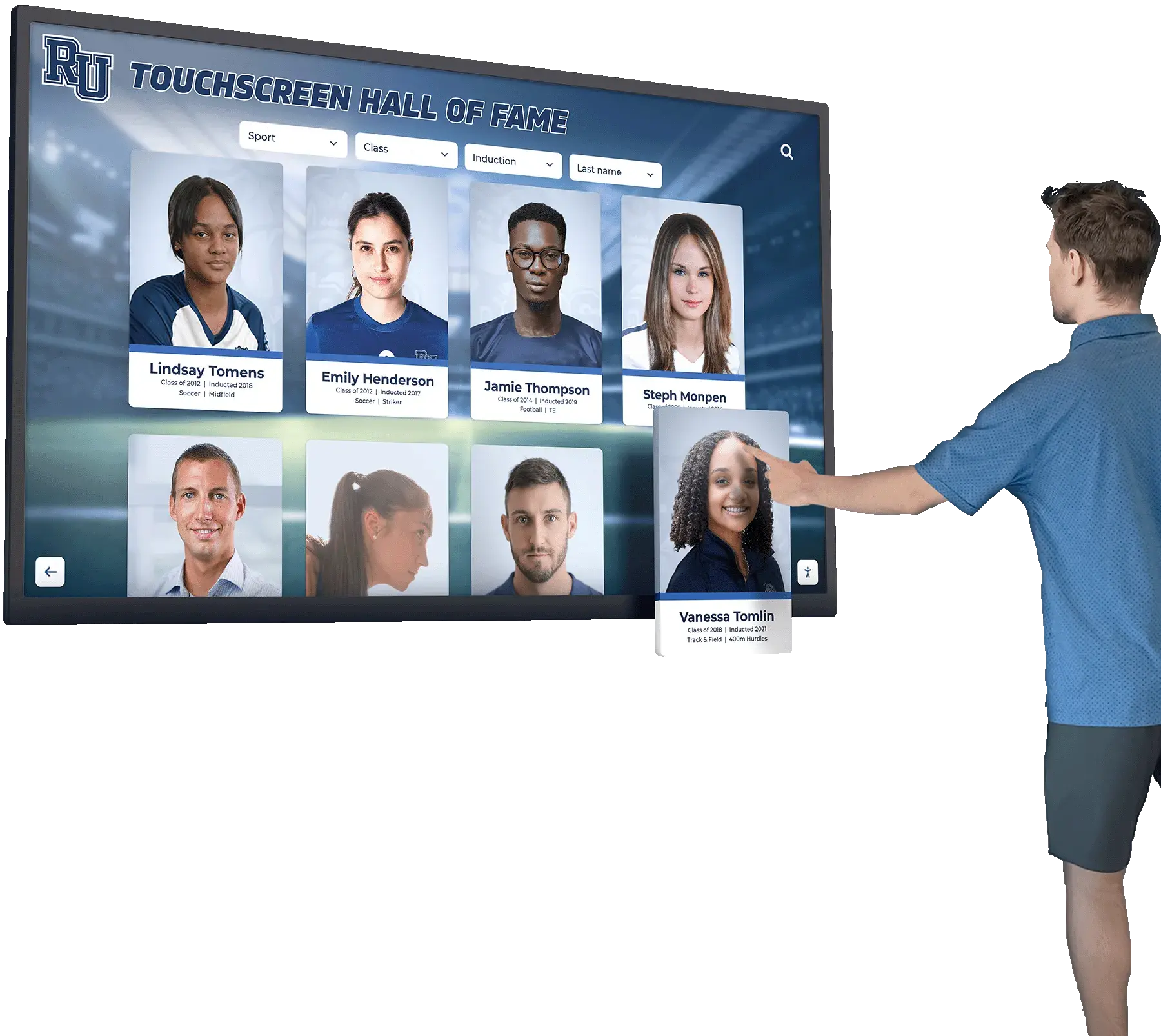
Searchable and Browsable Interfaces enable visitors to explore recognition in multiple ways. Rather than walking past static displays hoping to spot specific names, users can search by athlete name to find complete profiles, browse by sport to see all basketball or wrestling records, filter by decade to explore historical achievements, or view current season achievements highlighting recent excellence. This flexible access serves diverse user interests and research needs.
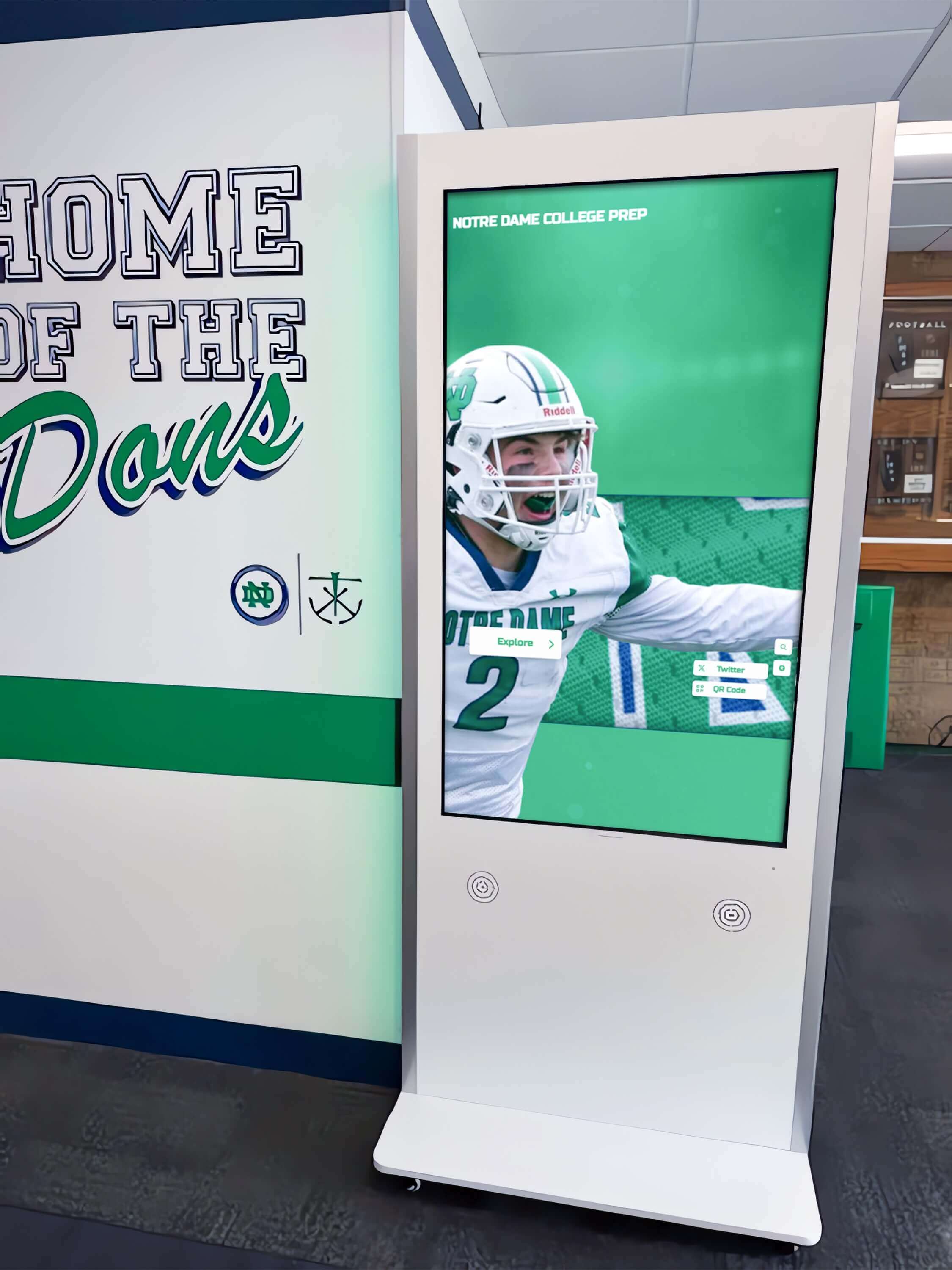
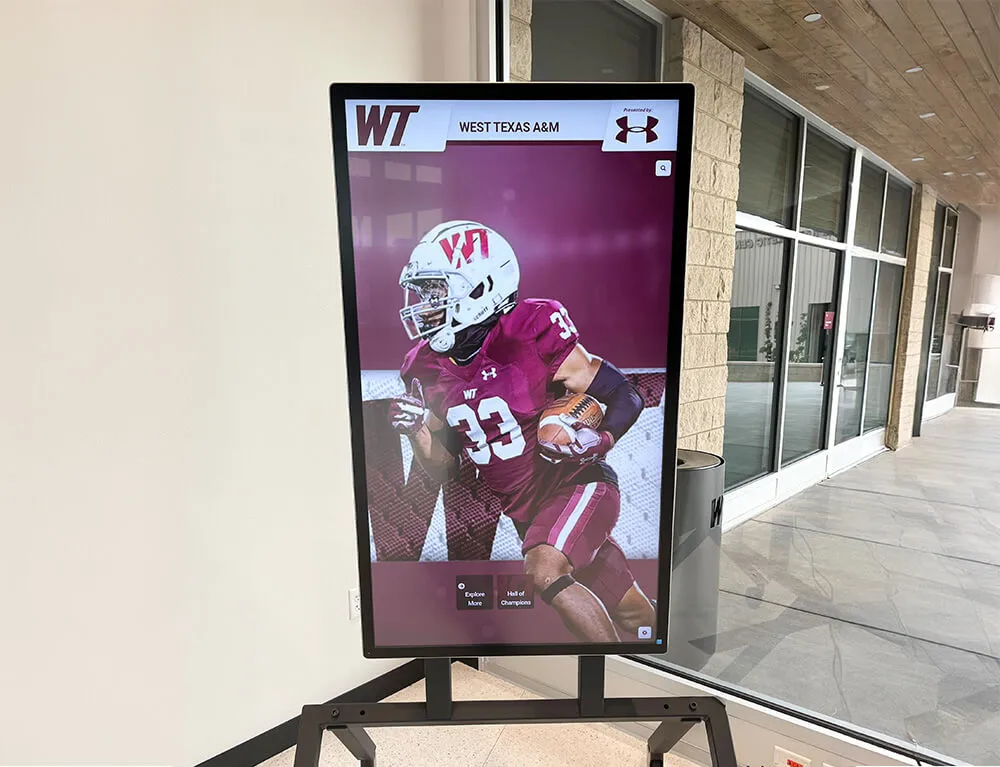
Multi-Location Accessibility extends recognition beyond single physical locations. Primary touchscreen displays might be installed in gymnasium lobbies, wrestling rooms, and pool facilities. Companion web portals enable remote access from home computers and mobile devices. Student athletes can show their families their recognition profiles during visits. Alumni living across the country can browse program history and see their own achievements honored. This accessibility amplifies recognition value while strengthening connections with geographically dispersed stakeholders.
Consistent Professional Presentation across all sports ensures equitable recognition regardless of program size or community profile. Wrestling receives presentations equally impressive as basketball, swimming recognition matches hockey, and less prominent winter sports receive honor equal to high-visibility programs. Pre-built templates designed specifically for athletic recognition ensure professional quality without requiring design expertise.
Cost-Effective Long-Term Value becomes apparent when comparing total costs across timeframes. While initial digital system investments exceed single plaques, lifetime costs favor digital solutions when accounting for: unlimited additions without fabrication costs per achievement, no physical space expansion expenses, simple content updates versus expensive re-engraving, and enhanced functionality impossible with traditional formats. Most schools find digital systems deliver superior value within 3-5 years while providing capabilities physical recognition cannot match.
Programs exploring digital trophy case alternatives discover how modern recognition systems preserve the gravitas and tradition of physical displays while adding engagement capabilities that transform recognition from passive viewing into active exploration.
Implementing Comprehensive Winter Sports Recognition Programs
Athletic directors and coaches ready to implement or upgrade winter sports recognition should follow systematic approaches ensuring successful outcomes and sustainable operations.
Establishing Clear Recognition Standards and Criteria
Credible recognition programs require transparent criteria determining which achievements merit inclusion and how selection decisions occur. Arbitrary or inconsistent recognition undermines program credibility while creating perception of favoritism.
Sport-Specific Achievement Thresholds should acknowledge each winter sport’s unique competitive structure and performance measures. Basketball recognition might include: all-conference first team selections, 1,000 career points, 500 career rebounds, single-game scoring records above 30 points, and starting roles on championship teams. Wrestling criteria could include: state medal winners, 100+ career wins, conference championships, and undefeated seasons. Swimming standards might recognize: pool record holders, state qualifiers, relay team members, and athletes achieving specific time standards.
These thresholds should be documented clearly, applied consistently, and reviewed periodically to ensure they remain appropriate as competitive standards evolve. Criteria that seemed reasonable when established might become too easy or too difficult as athlete performance improves or competitive contexts change.
Team Achievement Recognition including conference championships, sectional titles, state tournament appearances, and championship victories deserves systematic documentation. Team recognition often extends to all roster members, acknowledging that success requires complete squad contributions including athletes who didn’t record impressive individual statistics but filled essential supporting roles.
Multi-Year Excellence Recognition honors sustained commitment across complete high school careers. Four-year varsity contributors, athletes who lettered in winter sports all four years, or multi-sport athletes participating in multiple winter sports deserve acknowledgment beyond single-season achievements. This sustained dedication reflects values worth celebrating.
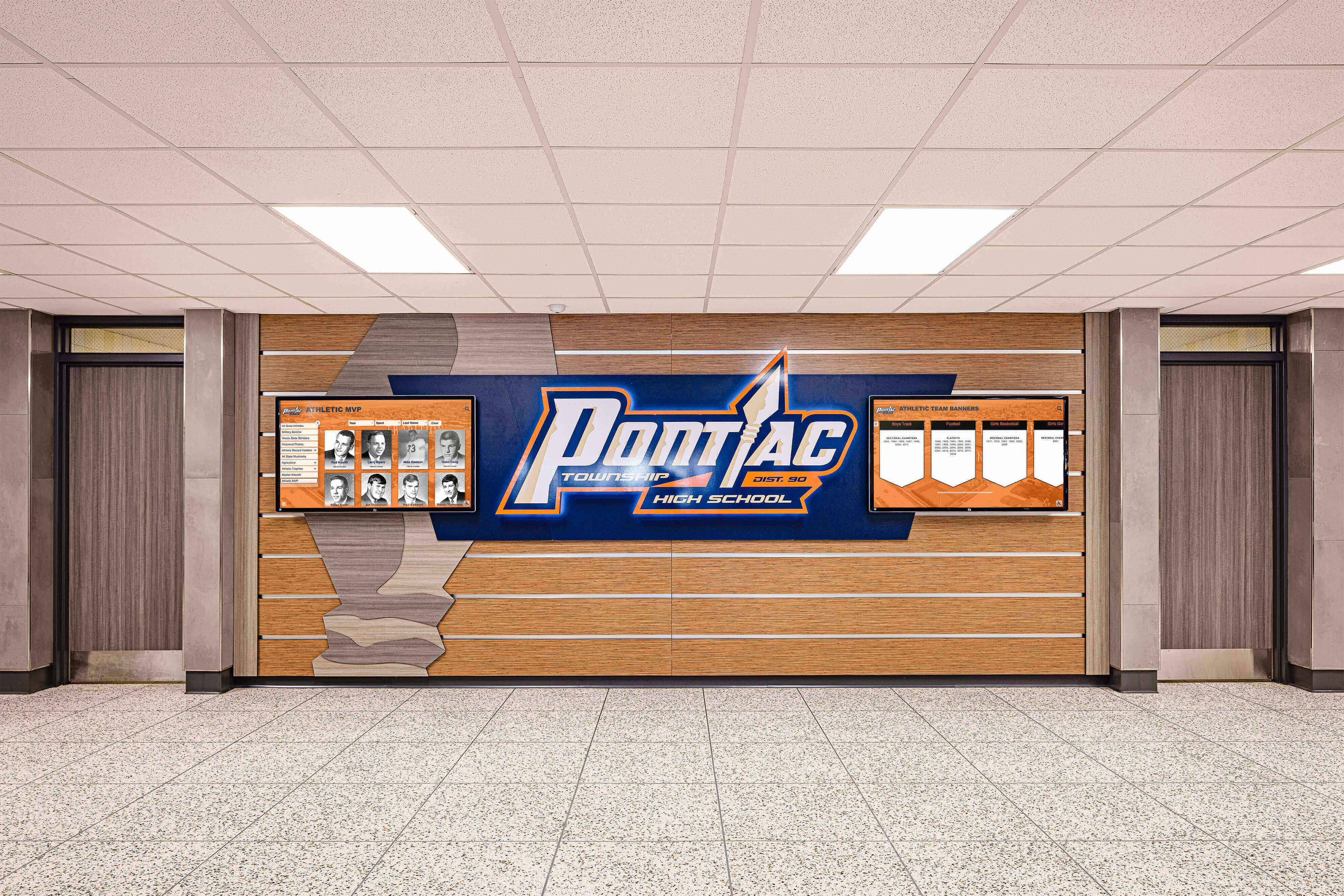
Post-High School Achievement Recognition including athletes who competed collegiately, earned professional opportunities, or achieved Olympic trials qualification validates program development quality while inspiring current athletes through concrete examples of pathways excellence can create.
Schools developing recognition standards benefit from reviewing frameworks for end-of-year sports awards that balance objective achievement metrics with subjective recognition of intangible contributions requiring coach and committee judgment.
Collecting and Organizing Historical Achievement Data
Implementing comprehensive recognition systems requires gathering historical data documenting achievements across decades of program history. This data collection represents significant initial work but creates foundations enabling sustainable recognition operations.
Existing Records Review should begin with examining current athletic records, reviewing media guides and program histories, interviewing long-serving coaches and athletic directors, and consulting archived newspaper coverage in school or local libraries. Many schools discover that partial records exist across multiple locations—coaching offices, athletic director files, yearbook archives, and personal collections maintained by retired coaches or dedicated fans.
Statistical Verification ensures accuracy before publishing records permanently. When possible, verify claimed records through multiple sources including game statistics from official scorebooks, newspaper accounts documenting performances, state association tournament records, and conference or league documentation. Record-breaking achievements deserve verification preventing embarrassing corrections after implementation.
Photo and Media Asset Collection enhances recognition significantly when schools gather historical photos of record holders, championship teams, and significant athletic events; video footage of memorable performances when available; newspaper clippings documenting achievements and providing period context; and yearbook pages showing teams and individual athletes across program history.
Athletic departments often find that alumni possess valuable historical materials—photos from their playing days, saved newspaper clippings, program materials from championship seasons, and personal memorabilia documenting program history. Reaching out to alumni associations and using social media to solicit historical materials often yields surprising results from community members eager to contribute to program preservation.
Organizational Systems should establish consistent data structures including standardized athlete information (full name, graduation year, sport), achievement categories and classifications, date documentation for records and achievements, and associated media linking photos and videos to specific achievements and athletes. Consistent organization during data collection prevents time-consuming restructuring later while ensuring easy content management as systems operate.
Resources on athletic hall of fame development provide comprehensive frameworks for systematic data collection ensuring thorough documentation while managing the scope of work within realistic timeframes.
Choosing Appropriate Display Locations
Strategic placement significantly impacts recognition program visibility, engagement, and effectiveness. Prime locations ensure maximum exposure while creating environments where athletic achievement receives appropriate prominence.
Main Gymnasium Lobbies provide ideal locations for comprehensive winter sports recognition. These high-traffic areas see daily use by athletes during practice, families attending games, students passing through facilities, and community members using spaces for events. Prominent displays in gymnasium entrances communicate immediate messages about program values and achievement standards.
Sport-Specific Facility Placement creates targeted recognition for particular programs. Wrestling rooms, swimming pool facilities, and hockey rinks benefit from displays specifically highlighting records and achievements in those sports. Athletes training in these spaces encounter recognition daily, creating consistent environmental reinforcement of excellence standards and program traditions.
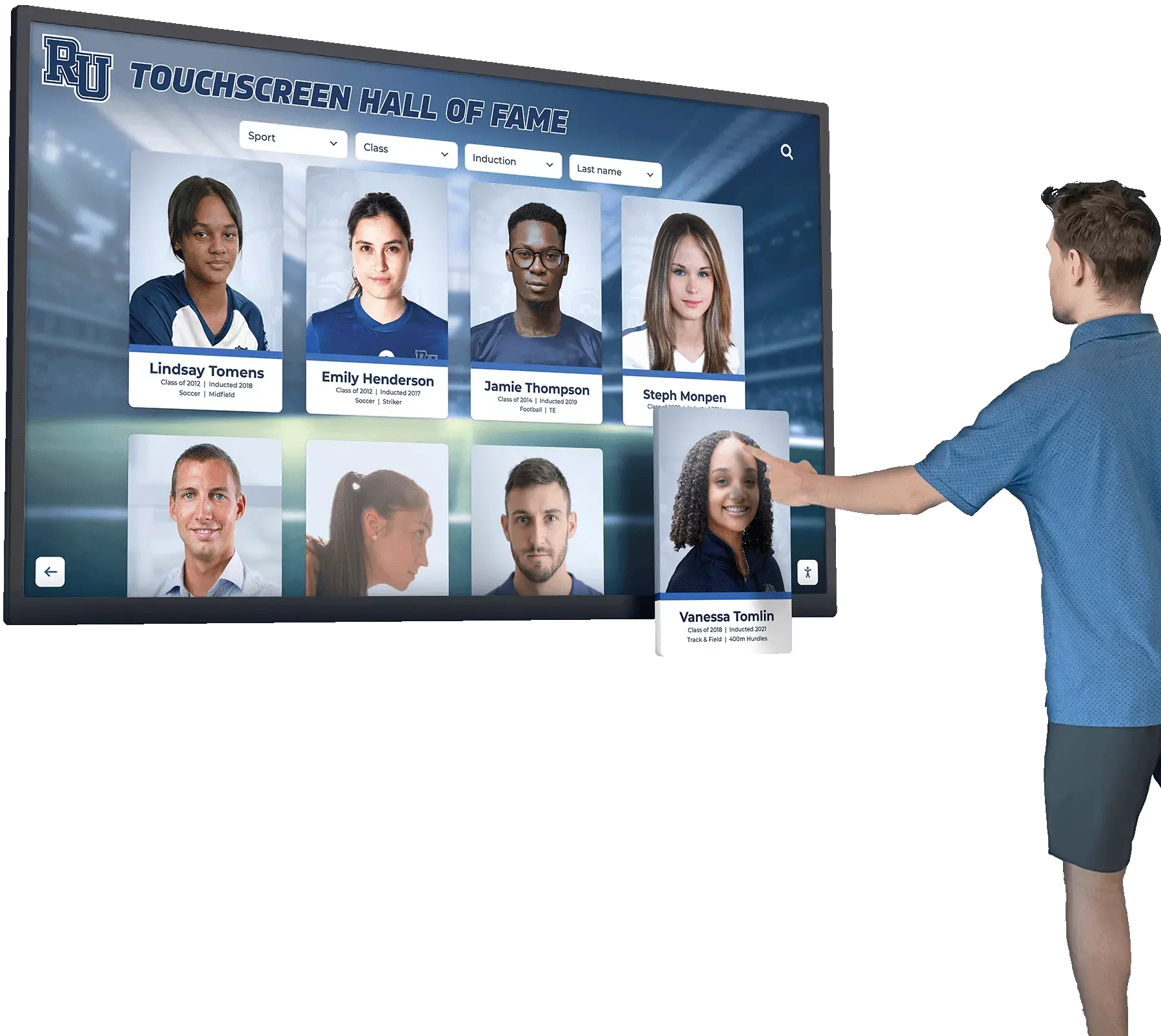
School Main Entrances and High-Traffic Corridors extend recognition beyond athletic facilities to general student and visitor populations. Displays near main entrances communicate to entire school communities—not just athletes—that the institution celebrates excellence, maintains winning traditions, and values athletic achievement alongside academic and artistic accomplishments.
Weight Rooms and Training Facilities where winter sports athletes spend significant time during off-season conditioning benefit from motivational recognition displays. Athletes grinding through demanding training sessions draw inspiration from visible reminders of what excellence requires and what recognition awaits those achieving distinction.
Multiple Display Strategy works effectively when schools install primary comprehensive displays in high-visibility locations like gymnasium lobbies, supplementary sport-specific displays in dedicated facilities, and companion web portals enabling remote access from any device. This multi-location approach maximizes both physical and digital access.
Integration with Broader Athletic Recognition Programs
The most effective recognition systems position winter sports within comprehensive athletic programs celebrating excellence across all sports and seasons rather than treating winter sports in isolation.
Multi-Season Coordination ensures consistent recognition standards and presentation quality across fall, winter, and spring sports. Athletes should encounter similar recognition criteria whether competing in football, basketball, or baseball. Presentation formats should maintain visual consistency while allowing sport-specific content. This coordination demonstrates equitable institutional commitment across all athletic programs.
Multi-Sport Athlete Recognition honors students participating in multiple sports across different seasons. Some schools’ most accomplished athletes compete in fall, winter, and spring sports across four-year careers. Recognition systems should enable searching and filtering to identify multi-sport athletes while celebrating the extraordinary commitment year-round athletic participation requires.
Athletic departments implementing athletic halls of fame often find that comprehensive approaches celebrating achievement across all sports and seasons strengthen program culture while demonstrating institutional commitment to honoring excellence consistently regardless of sport profile or competitive level.
Academic-Athletic Balance Recognition connects athletic achievement with academic success through highlighting scholar-athletes earning academic all-conference honors, showcasing athletes earning college scholarships combining athletic and academic merit, recognizing academic honor students who also achieved athletic distinction, and celebrating athletes whose post-high school success stemmed from lessons learned through athletic participation.
This integrated recognition communicates values emphasizing comprehensive excellence—athletic achievement paired with academic success and strong character development—rather than celebrating athletics isolated from broader educational missions.
Character and Leadership Recognition acknowledges that sports teach life lessons extending beyond wins and statistics. Recognition systems can honor team captains demonstrating leadership, athletes earning sportsmanship awards, players contributing extensive volunteer service, and alumni leveraging athletic lessons into community leadership. These recognition categories celebrate intangible contributions requiring judgment beyond objective statistics but representing essential program values.
Maintaining and Updating Recognition Systems
Implementation represents just the beginning—successful recognition programs require ongoing maintenance ensuring content remains current, accurate, and engaging across years and decades of operation.
Establishing Regular Update Processes
Season-End Updates should occur systematically after each winter sports season concludes. Athletic directors or designated staff should review all winter sports for new records broken during the season, all-conference and all-state selections earned by athletes, championship achievements and tournament successes, and individual milestones reached during competitive seasons.
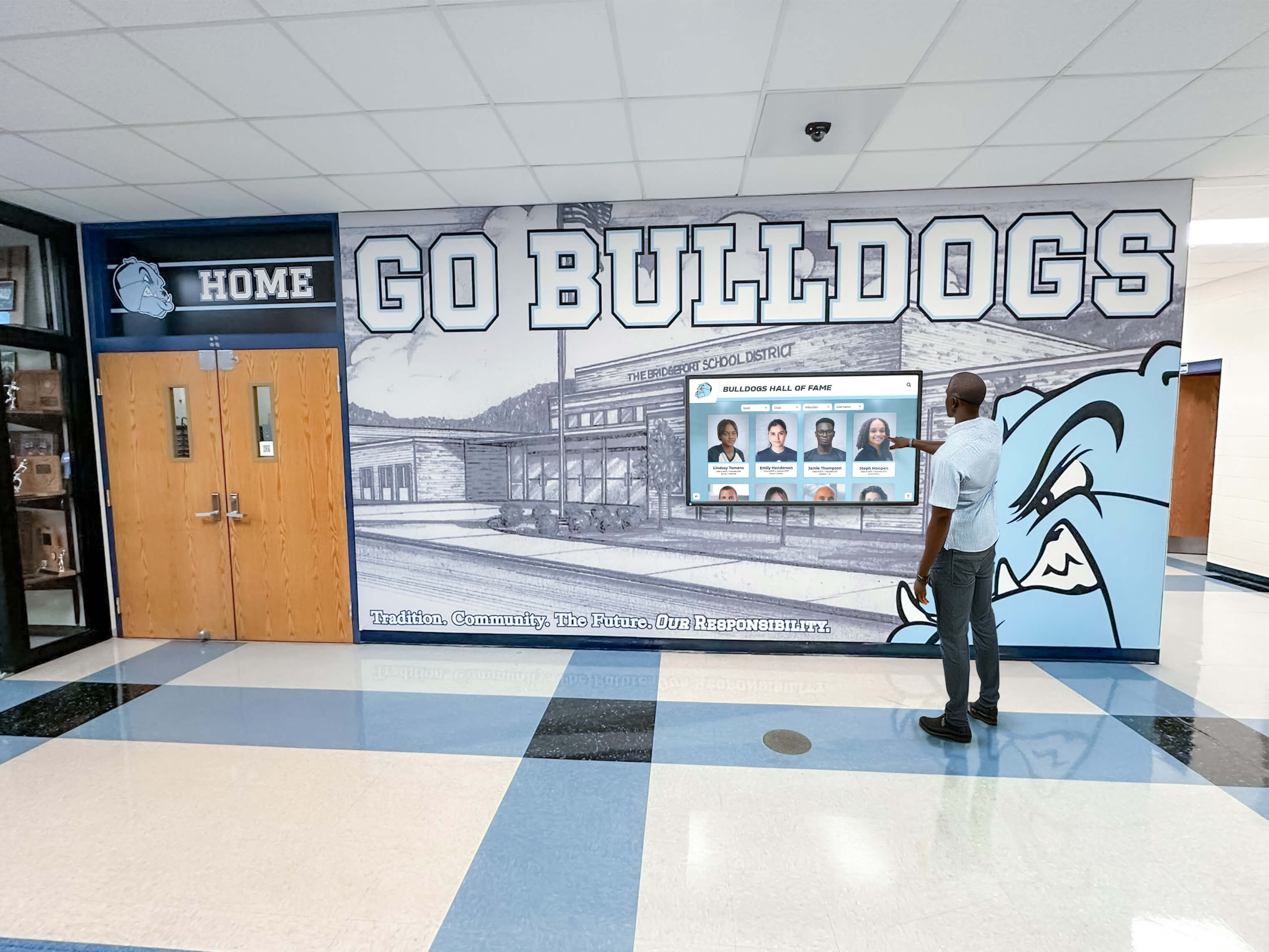
Systematic processes prevent oversights where significant achievements accidentally go unrecognized because no one specifically assumed responsibility for updating recognition systems. Clear assignment of update responsibilities with documented procedures ensures consistent maintenance regardless of staff transitions.
Real-Time In-Season Updates enhance engagement and timeliness when significant achievements occur during seasons. Breaking a long-standing record or achieving a major milestone generates peak excitement immediately after occurrence. Digital systems enable recognition within hours or days rather than waiting until season end or the following year. This responsiveness celebrates achievement when it matters most while demonstrating that the school notices and values current excellence.
Historical Correction and Enhancement should continue as schools discover additional information about past achievements, locate photos or media from historical periods previously lacking documentation, correct errors identified through research or alumni feedback, and add context to existing entries through newly available information.
Recognition systems should be considered living documents that improve continuously rather than static displays frozen after implementation. Alumni reaching out with historical corrections or offering photos from their playing days provide opportunities for continuous improvement.
Content Quality and Consistency Standards
Professional Writing and Editing ensures that all recognition content meets high standards for grammar, spelling, consistency, appropriate tone, and factual accuracy. While comprehensive recognition enables including many athletes and achievements, quality should never be sacrificed for quantity. Poorly written or error-filled content undermines recognition program credibility and diminishes honor athletes receive.
Photo and Video Quality matters significantly for professional presentation. Content should use high-resolution images avoiding pixelation or blur, proper lighting and composition creating visually appealing presentations, consistent aspect ratios and sizing maintaining visual coherence, and appropriate cropping and editing enhancing rather than distracting from subjects. When historical photos have quality limitations, acknowledging their historical nature while including them for completeness often works better than omitting visual documentation entirely.
Statistical Accuracy requires careful verification before publication. Records representing decades of achievement deserve verification ensuring correctness. Athletes whose names appear on record boards deserve confidence that published statistics accurately reflect their accomplishments. Establishing verification processes and maintaining source documentation enables confident publication while providing references for future questions.
Consistent Formatting across all content creates professional cohesive presentations. Athletes should receive similar profile structures regardless of sport or era. Record listings should follow consistent formats. Statistical presentations should use similar layouts. This consistency demonstrates attention to detail while making content easier to browse and understand.
Schools implementing systematic approaches to academic recognition programs discover that lessons learned in athletic recognition translate effectively to academic achievement celebration, enabling comprehensive institutional cultures valuing excellence across all student endeavors.
Engaging Athletes, Families, and Communities with Recognition Programs
Recognition systems deliver maximum value when they actively engage stakeholders rather than existing as passive displays rarely noticed or explored. Athletic departments should implement strategies driving engagement and interaction.
Athletic Banquets and Award Ceremonies
Winter sports banquets provide natural opportunities for recognition program promotion and engagement. Schools can feature recognition displays prominently during banquets, reference displays when presenting individual awards explaining how achievements relate to program records, encourage attendees to explore displays during social periods before or after formal ceremonies, and incorporate display content in presentations showing record progressions or historical context.
Programs implementing comprehensive sports banquet strategies recognize how recognition systems enhance celebration events while ensuring achievements receive appropriate honor extending beyond single ceremony moments.
Individual Award Presentations gain meaning when coaches contextualize honors by showing where current season achievements rank in program history, explaining how individual statistics compare to career records, highlighting whether athletes are positioned to challenge records in future seasons, and connecting current excellence with tradition of past achievement.
Social Media and Digital Communication
Achievement Announcements via social media channels create community awareness and celebration of current excellence. When records fall or significant achievements occur, posts featuring recognition display screenshots with athlete photos and achievement details, video clips of record-breaking performances, historical context comparing new records to previous standards, and congratulatory messages from coaches and administrators generate engagement while celebrating achievement publicly.
Historical Highlights and Throwbacks leverage recognition content for ongoing social media engagement. “Throwback Thursday” posts might feature historical record holders with photos and achievement summaries, championship teams from past decades with roster photos and season narratives, or comparisons showing how performance standards have evolved across generations. This content maintains year-round engagement with athletic programs while celebrating heritage.
Milestone Recognition Campaigns create sustained attention around significant program moments. When basketball programs approach 1,000 total wins, countdown content and historical highlights build anticipation. When career record pursuits develop across seasons, tracking posts create ongoing narrative threads engaging communities in following achievement quests.
Alumni Engagement and Reunion Events
Alumni Game Days and Reunion Events benefit significantly from recognition displays enabling alumni to revisit their own achievements and program memories. Schools should actively promote recognition during alumni events, enable special access to explore complete program history, encourage alumni to share memories triggered by viewing recognition content, and gather additional historical information and photos from alumni attendees.
Letterman Club and Alumni Association Partnerships leverage recognition programs to strengthen alumni connections and support. Recognition systems become shared resources that alumni organizations promote, reference in communications, and celebrate during fundraising campaigns. Alumni take pride in institutional commitment to honoring achievement appropriately.
Generation-Spanning Connections develop when recognition systems document achievements across enough history that parents and children, or even grandparents and grandchildren, appear in same program recognition. These multi-generational connections create powerful family traditions while demonstrating program longevity and sustained excellence.
Schools implementing alumni recognition strategies discover that comprehensive documentation of athletic achievement creates engagement opportunities extending far beyond graduation, maintaining lifelong connections with alumni who value schools remembering and honoring their contributions.
Student Engagement and Educational Applications
Student Research Projects can utilize recognition systems as historical resources for assignments exploring school history, analyzing performance trends across decades, researching biographical information about notable alumni, or investigating how competitive standards have evolved. Recognition systems become educational resources beyond their primary athletic purposes.
Aspiration and Goal Setting occurs naturally when athletes regularly encounter recognition displays showing specific, measurable achievements within reach through sustained commitment and improvement. Coaches should actively use displays during goal-setting meetings, reference specific records when discussing development plans, and celebrate incremental progress toward recognition milestones.
Peer Recognition and Support strengthens when teammates see each other’s achievements honored appropriately. Athletes support teammates chasing records, celebrate when recognition milestones are reached, and develop shared investment in program excellence that extends beyond individual achievement to collective tradition-building.
Budget Considerations and Implementation Planning
Athletic directors and school administrators evaluating recognition system investments understandably scrutinize costs and return on investment. Understanding typical budget requirements and value delivered enables informed decisions.
Investment Components and Typical Costs
Hardware Costs for digital recognition systems include touchscreen displays (typically ranging from $2,000-$5,000 depending on size and specifications), mounting systems and enclosures for secure installation, necessary electrical work and data connections, and backup displays or companion installations in multiple locations.
Schools implementing multiple displays across different athletic facilities should budget accordingly while recognizing that subsequent displays typically cost less than initial installations as infrastructure, content development, and learning curves are already addressed.
Software and Platform Costs include initial setup and configuration, content management system licensing or subscription, ongoing hosting and technical support, and periodic platform updates and feature enhancements. Purpose-built solutions like Rocket Alumni Solutions typically operate on annual subscription models providing predictable costs including ongoing support, updates, and content management capabilities.
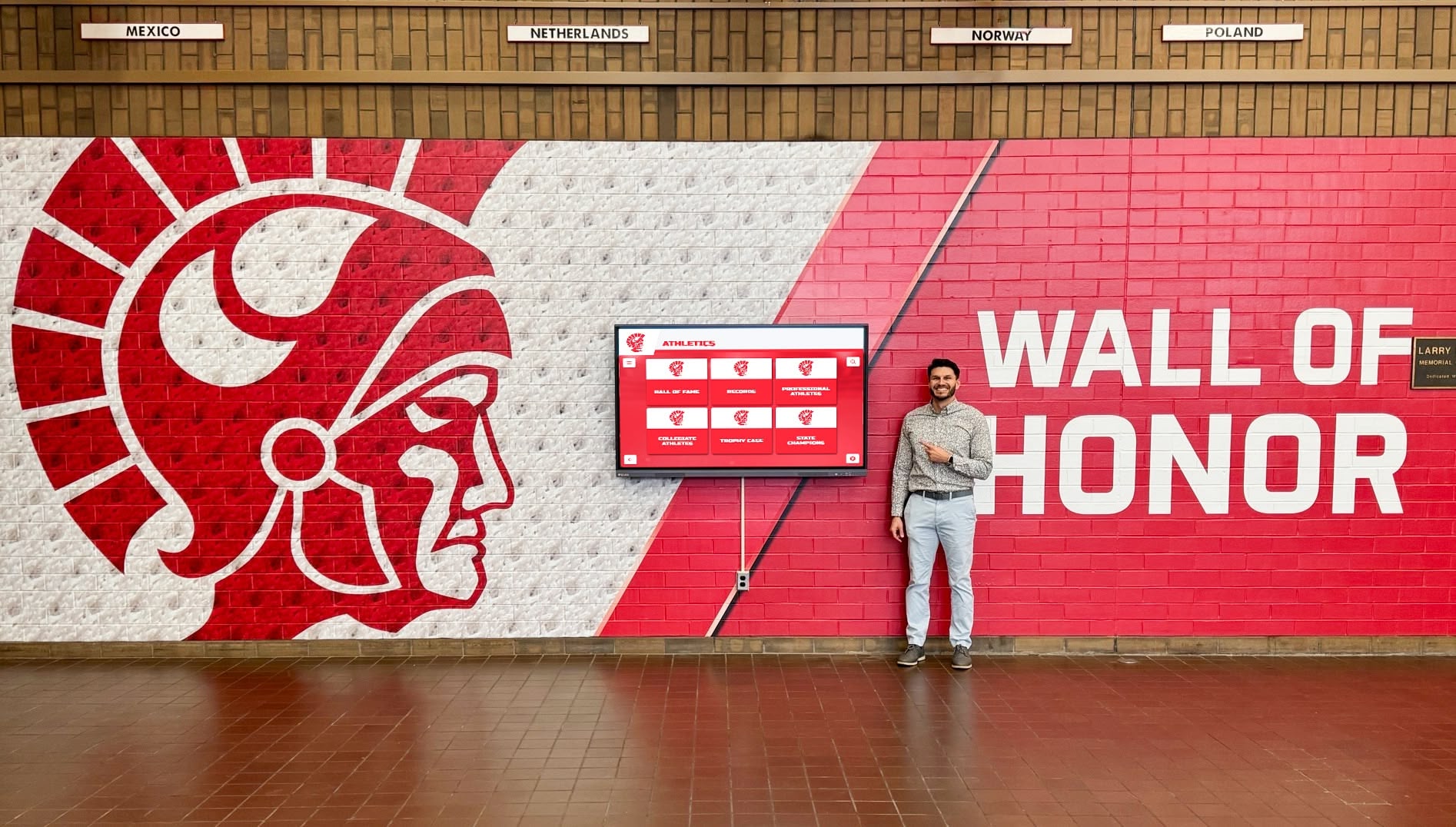
Content Development Costs representing significant initial investment include historical research gathering achievement data, photo scanning and digital asset preparation, writing and editing athlete profiles and achievement narratives, video editing for highlight compilation, and quality assurance ensuring accuracy and consistency.
Schools with extensive historical documentation and organized records face lower content development costs than those requiring comprehensive archival research. Many schools address content development through phased approaches—implementing current rosters and recent achievements initially, then gradually adding historical content over subsequent years as time and resources allow.
Ongoing Operational Costs include annual software subscriptions or licensing, periodic hardware maintenance or replacement, staff time for season-end updates and content additions, and occasional content enhancement updating historical profiles with additional information.
Return on Investment Considerations
Athletic directors must justify recognition system investments by articulating value delivered across multiple dimensions:
Avoided Costs compared to traditional recognition include ongoing plaque fabrication for each new achievement, physical space expansion as recognition needs grow, trophy case maintenance and periodic replacement, and staff time repeatedly searching for misplaced historical information.
Enhanced Capabilities impossible with traditional formats include unlimited capacity accommodating all deserving athletes, rich multimedia storytelling bringing achievements to life, real-time updates celebrating current excellence immediately, searchable access enabling specific information discovery, and remote accessibility extending recognition beyond physical locations.
Program Development Value stems from improved athlete motivation through visible standards and celebrated achievement, enhanced recruiting demonstrating program quality to prospects, strengthened alumni connections through accessible program history, and increased community pride and support resulting from prominent athletic celebration.
Multi-Purpose Functionality enables recognition systems to serve additional uses beyond athletic recognition including academic honor recognition, fine arts achievement celebration, school history and timeline documentation, and special event promotion and documentation. This versatility distributes investment across multiple institutional priorities rather than serving only athletic departments.
Programs evaluating athletic recognition investment decisions should conduct comprehensive analyses weighing lifetime costs against delivered value, comparing traditional and digital approaches fairly, and recognizing that recognition systems generate returns extending far beyond initial installation across years and decades of operation.
Phased Implementation Strategies
Schools facing budget constraints or operational capacity limitations can implement recognition systems through phased approaches delivering immediate value while building toward comprehensive programs over time.
Phase One: Current Achievement Focus might implement displays featuring current season rosters and statistics, recent records broken in past 5-10 years, championship teams and significant achievements from current decade, and framework enabling future historical additions.
This approach delivers immediate engagement with current athletes and families while establishing infrastructure enabling expansion. Initial implementation builds organizational experience and demonstrates value supporting subsequent phases.
Phase Two: Recent Historical Expansion adds achievement documentation from past 20-30 years, profiles of notable recent alumni, comprehensive record progressions showing how current standards developed, and enhanced multimedia content including photos and video from recent decades.
Phase Three: Complete Historical Documentation systematically adds historical content from program inception including historical records and early program achievers, championship teams and significant achievements from earlier eras, and comprehensive documentation creating complete institutional athletic histories.
This phased approach manages workload while delivering value throughout implementation rather than requiring complete historical documentation before launching recognition systems.
Conclusion: Honoring Winter Sports Excellence Through Comprehensive Recognition
High school winter sports athletes demonstrate remarkable dedication training and competing during challenging seasons that span academic years, demand early morning practices and weekend tournaments, and require balancing rigorous athletic commitments with academic responsibilities and personal lives. From basketball players grinding through daily practices and game-heavy schedules to wrestlers pushing physical and mental limits through demanding weight management and individual competition, from swimmers chasing fractional improvements through endless pool training to hockey players embracing brutal practice schedules dictated by ice time availability, winter sports athletes deserve recognition honoring their unique achievements and inspiring future generations.
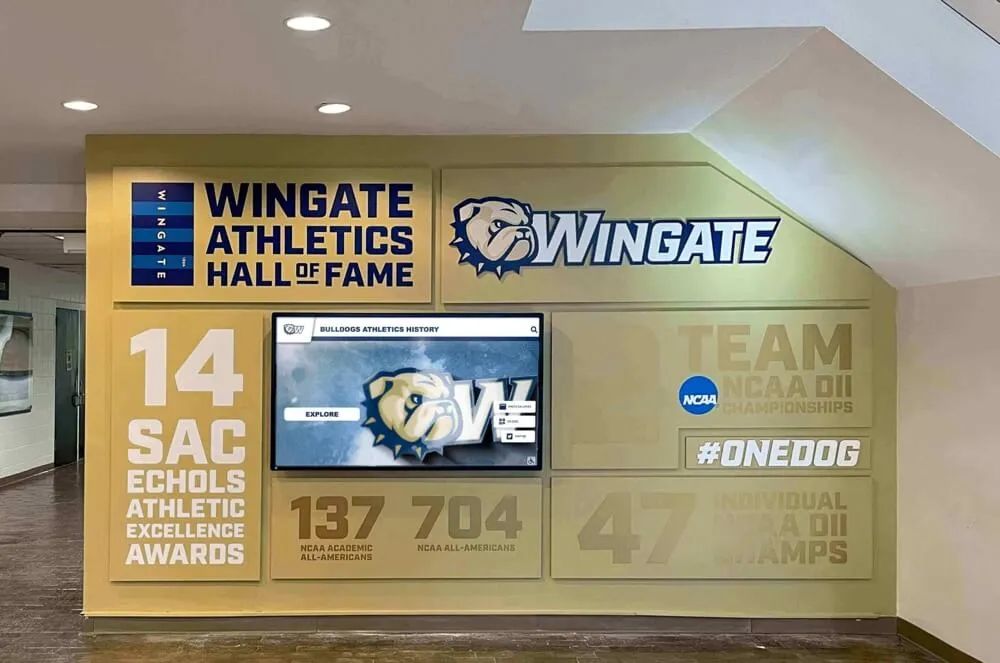
Comprehensive recognition programs celebrating winter sports excellence serve multiple vital purposes—motivating current athletes through visible achievement standards, preserving institutional athletic history documenting decades of program development, building school pride demonstrating commitment to celebrating excellence, supporting athletic recruiting showcasing program quality, and honoring individual athletes whose dedication and accomplishment deserve lasting acknowledgment.
Modern digital recognition systems overcome limitations of traditional trophy cases and engraved plaques through unlimited capacity accommodating every deserving achievement, rich multimedia content transforming names into compelling stories, real-time updates celebrating current excellence immediately, searchable interfaces enabling specific achievement discovery, and multi-location accessibility extending recognition beyond single physical displays.
Implementation success requires establishing clear recognition criteria and achievement standards, collecting and organizing historical achievement data systematically, choosing strategic display locations maximizing visibility and engagement, integrating winter sports within comprehensive athletic programs, and maintaining consistent update processes ensuring currency and accuracy.
Athletic departments ready to transform winter sports recognition should evaluate purpose-built solutions designed specifically for athletic achievement celebration rather than generic digital signage requiring extensive customization. Rocket Alumni Solutions provides comprehensive platforms enabling schools to recognize unlimited athletes and achievements, create engaging multimedia presentations, maintain systems without technical expertise, and deliver professional recognition that honors winter sports excellence appropriately.
The investment in comprehensive winter sports recognition typically returns value many times over through strengthened program culture, enhanced recruiting, motivated athletes, engaged alumni, and demonstrated institutional commitment to celebrating the excellence that winter sports athletes achieve through dedication, determination, and sustained commitment to competitive excellence. Every basket scored, every match won, every pool record broken, and every championship earned deserves recognition that extends beyond the final buzzer into permanent honor celebrating achievement appropriately.
Schools that embrace comprehensive winter sports recognition demonstrate understanding that excellence deserves celebration regardless of season, that institutional memory requires systematic preservation, and that motivated athletes benefit from clear achievement standards and visible honor awaiting those who commit themselves to competitive excellence. The question is not whether winter sports achievement deserves comprehensive recognition—that answer is clearly yes—but whether schools will implement recognition systems ensuring that all deserving athletes receive the honor their accomplishments merit.