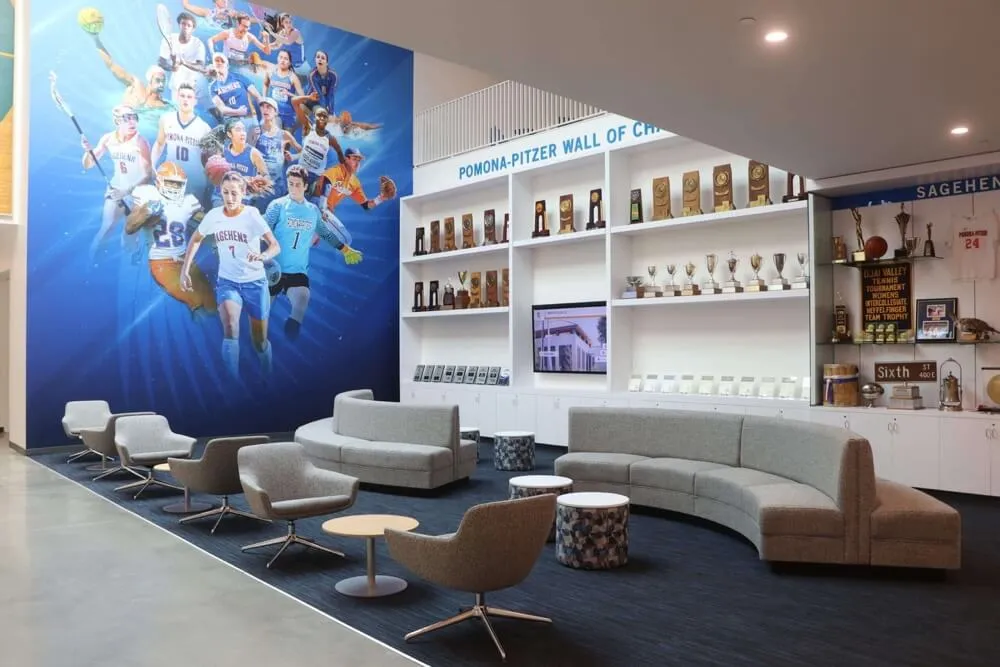




Athletic directors walk past overflowing trophy cases daily. Championship hardware stacks three deep on crowded shelves. State title trophies from the 1980s disappear into storage closets to make room for this season’s regional victories. All-conference plaques lean against walls in athletic offices because display space ran out years ago. The problem isn’t a lack of achievements worth celebrating—it’s recognition systems that can’t scale with program success.
High schools accumulating decades of athletic excellence face a fundamental design challenge: how do you honor comprehensive achievement when physical space imposes artificial limits on what communities remember? Traditional trophy case approaches worked when programs were smaller and competitive success more sporadic. Today’s multi-sport athletic departments generating championships across 15-20 varsity programs need recognition strategies built for growth rather than constrained by square footage.
Modern Trophy Case Design: Capacity Meets Technology
Effective high school trophy case design balances ceremonial impact with practical capacity planning. This guide examines traditional trophy case ideas alongside digital recognition alternatives that eliminate space constraints. Schools implementing solutions like Rocket Alumni Solutions showcase unlimited achievements across all sports while maintaining the visual impact that makes trophy displays powerful recognition tools. We'll cover space planning fundamentals, design strategies maximizing traditional case effectiveness, accessibility requirements, and modern digital approaches transforming how schools preserve athletic heritage.
Strategic Location Planning for Maximum Impact
Trophy case placement determines whether recognition becomes part of daily school culture or exists as background decoration students pass without noticing. Strategic location selection ensures achievements receive visibility proportional to the effort students invested earning them.
High-Traffic Corridor Placement
Main hallways connecting academic wings, cafeterias, and gymnasiums offer prime trophy case real estate. Students traverse these corridors multiple times daily, creating repeated exposure to achievement displays. Morning arrival, class transitions, and dismissal patterns concentrate traffic in predictable patterns—analyze your school’s flow to identify highest-density locations.
Sight Line Considerations: Position trophy cases where natural sight lines intersect with student movement patterns. Cases placed opposite cafeteria entrances capture attention during lunch periods. Displays adjacent to gymnasium doors engage athletes entering practice facilities. Corner placements at hallway intersections create focal points visible from multiple approach angles, maximizing visibility without requiring prime wall space.
Lighting Requirements: Natural daylight enhances trophy visibility but creates glare challenges on glass surfaces. South-facing windows generate excessive heat affecting temperature-sensitive awards. North-facing locations provide consistent diffused light ideal for display visibility. Locations lacking natural light require robust internal lighting—LED strip systems with 3000-4000K color temperature prevent the yellow cast of older fluorescent fixtures while minimizing energy consumption.
Athletic Facility Integration
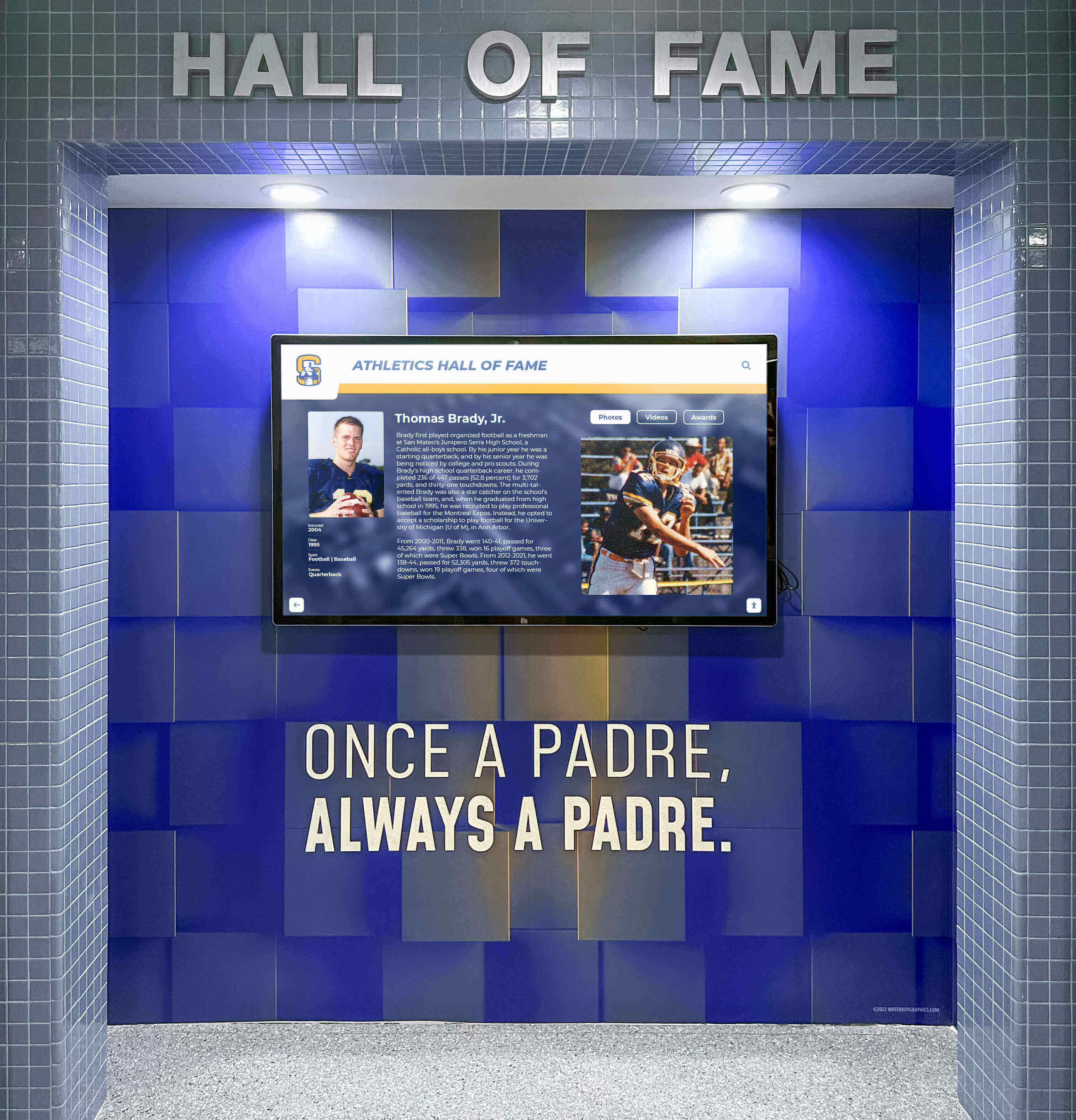
Gymnasiums, field houses, and athletic wings provide thematically appropriate settings for sports recognition. Athletes spending hours daily in these spaces develop stronger connections to program history displayed in training environments rather than isolated in administrative areas.
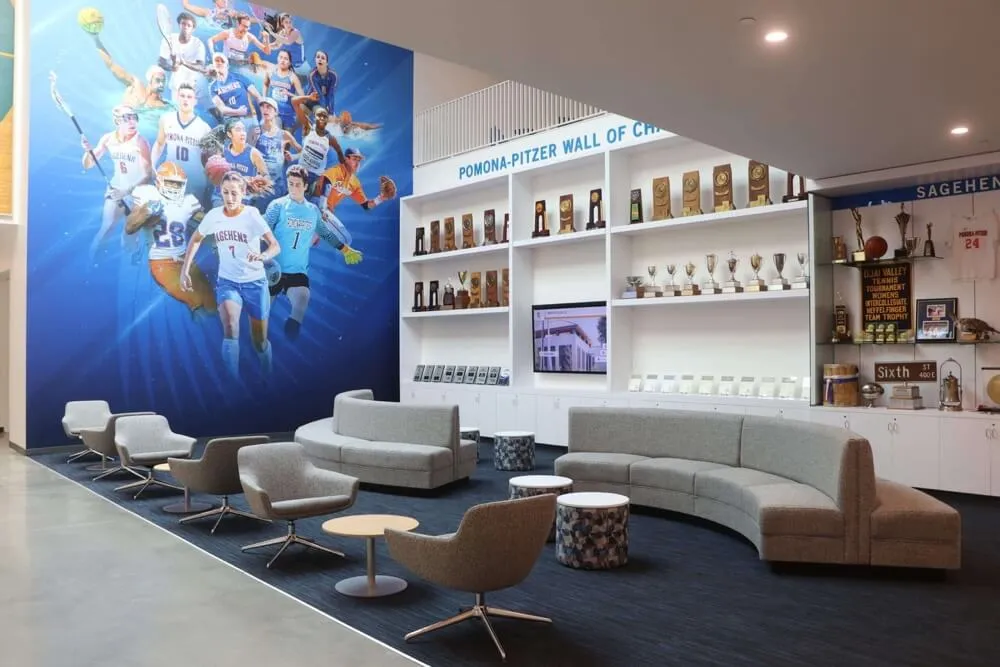
Lobby and Entry Recognition Zones: Athletic facility lobbies create natural gathering spaces before practices, games, and community events. Trophy cases positioned near entry doors welcome visitors while establishing program identity and excellence standards. These locations showcase achievements to opponents, college recruiters, and community members attending competitions—extending recognition impact beyond student audiences.
Weight Room and Training Facility Displays: Athletes training in weight rooms and conditioning spaces form captive audiences for motivational recognition displays. Digital record boards showing real-time performance tracking create direct connections between current training efforts and historical achievement standards. Strength records, conditioning benchmarks, and performance milestones displayed where athletes train provide concrete goals driving daily improvement efforts.
Locker Room Corridor Placement: Hallways connecting locker rooms to competition spaces offer daily immersion in program tradition. Athletes passing achievement displays before every practice and competition absorb program history organically. This repeated exposure strengthens identity connection and reinforces excellence expectations more effectively than occasional recognition references during team meetings.
Accessibility and Universal Design Requirements
Trophy case placement must accommodate all community members regardless of physical abilities. Federal ADA requirements and inclusive design principles ensure recognition serves entire school populations.
Viewing Height Standards: Position primary display content between 15 and 48 inches from floor level ensuring wheelchair users access recognition without strain. Cases extending above this range should place most significant trophies in the accessible zone, using upper areas for overflow or less critical items. Many traditional wall-mounted cases violate these standards by showcasing championship trophies on top shelves visible only to standing viewers.
Approach Space: Maintain 30-by-48-inch clear floor space directly in front of displays allowing wheelchair approach and viewing. Avoid placing cases in narrow corridors where simultaneous passage and viewing prove impossible. Freestanding cases require clearance around all viewable sides—consider 360-degree accessibility when selecting cabinet styles and positioning.
Lighting for Low Vision: High-contrast lighting helps visually impaired visitors engage with trophy displays. Avoid glossy finishes creating glare. Use matte-surface materials for information cards and labels. Ensure text sizes meet minimum legibility standards—generally 14-16 point fonts for primary content, 12 point minimum for supplementary information.
Traditional Trophy Case Design Strategies
Physical trophy cases remain recognition staples when thoughtfully designed and strategically deployed. Modern approaches maximize their effectiveness while acknowledging inherent limitations.
Wall-Mounted Display Case Configurations
Wall-mounted cases preserve floor space while creating prominent recognition focal points. Design choices significantly impact both aesthetic appeal and functional capacity.
Dimensional Planning: Standard wall-mounted trophy cases range from 4 to 8 feet wide and 3 to 5 feet tall. Depth typically spans 8 to 16 inches, though deeper cases accommodate larger trophies and multi-row displays. A 6-foot by 4-foot case with adjustable shelving holds approximately 30-50 trophies depending on individual trophy sizes and shelf configuration. Schools recognizing multiple sports across multiple seasons quickly discover that single cases prove inadequate—plan for expansion from initial installation.
Material Selection: Construction quality determines both longevity and appearance maintenance requirements. Aluminum frame cases with tempered glass offer durability at $1,200-$2,500 installed. Solid hardwood frames with beveled glass create premium aesthetics at $1,800-$4,000 per unit. Budget particle board cases deteriorate within 5-7 years as humidity and handling damage cheap materials. This short lifespan makes apparent savings illusory—invest in quality construction lasting 20+ years.
Interior Configuration: Adjustable shelving provides flexibility as trophy sizes and display needs evolve. Fixed shelves optimize specific trophy types but limit future adaptability. Glass shelves create cleaner aesthetics allowing visibility through multiple levels, while wood or metal shelves provide more robust support for heavy awards. Consider mixed configurations—glass shelves for upper sections displaying lighter trophies, stronger materials for lower sections holding substantial championship hardware.
Lighting Integration: Interior lighting transforms trophy visibility from “barely noticeable” to “impossible to miss.” LED strip lighting adds $200-$600 per case but provides dramatic impact justifying the investment. Position lighting at shelf undersides directing illumination downward onto trophies rather than creating glare on glass doors. Opt for cool-white (3000-4000K) LEDs preserving accurate trophy colors without the yellow cast of warm lighting.
Freestanding Trophy Cabinet Approaches
Freestanding cabinets suit locations where wall mounting proves impractical or where flexible repositioning provides value.
Capacity and Footprint Balance: Freestanding units range from compact 3-foot models holding 20-30 trophies to substantial 8-foot showcase cabinets accommodating 80-100 awards. Remember that floor space consumption includes surrounding clearance for comfortable viewing—typically 2-3 feet on all viewable sides. A 6-foot cabinet effectively claims 100 square feet when properly positioned with adequate circulation space.
Four-Sided vs. Single-Sided Displays: Four-sided glass cabinets provide 360-degree visibility ideal for lobby placements where viewers approach from multiple directions. These configurations require central positioning consuming more floor space but create impressive visual statements. Single-sided cabinets position against walls preserving floor space while offering focused viewing experiences. Choose based on available space and traffic patterns.
Mobility Considerations: Locking casters enable repositioning for facility events, construction, or seasonal display rotations. This flexibility costs $150-$300 but provides substantial value for schools hosting community events requiring space reconfigurations. Ensure caster weight ratings exceed cabinet loaded weight by comfortable margins—overloaded casters fail catastrophically, potentially destroying displays and creating safety hazards.
Security Features: Locking mechanisms protect valuable awards while preventing unauthorized access or trophy rearrangement. Standard keyed locks suffice for most schools. High-traffic locations or areas with vandalism concerns may warrant electronic locks with access logging or alarm system integration adding $300-$800 per case.
Custom Built-In Trophy Display Integration
Schools with architectural vision and adequate budgets commission custom displays integrating with facility aesthetics and school branding.
Architectural Integration: Custom solutions enable perfect color matching with school branding, integration with existing millwork and architectural elements, unusual dimensions fitting specific wall configurations, incorporation of school mascots or historical imagery, and coordinated design across multiple display locations creating cohesive recognition systems. This customization carries premium pricing—typically 40-100% more than comparable standard cases.
Material and Finish Customization: Work with millwork contractors or specialty cabinet manufacturers to select materials matching surrounding finishes. Stained hardwoods coordinate with traditional wood paneling. Powder-coated aluminum matches modern metal accent systems. Glass and steel combinations create contemporary aesthetics appropriate for recently renovated facilities. Ensure material selections balance aesthetic goals with durability requirements—high-traffic school environments demand robust construction.
Timeline and Budget Realities: Custom trophy cases require 8-16 week production timelines from design approval to installation. Complex installations involving structural modifications, electrical work, or specialized mounting systems may extend timelines to 4-6 months requiring coordination between multiple contractors. Budget 40-100% premiums over standard cases—a $2,500 standard wall case becomes $3,500-$5,000 custom equivalent.
Organizing and Curating Trophy Displays
Even beautifully designed trophy cases fail when poor organization creates visual chaos or when curation decisions inadvertently create recognition hierarchies undermining program culture.
Sport-Specific vs. Chronological Organization
Sport-Based Arrangement: Group all basketball trophies together, all volleyball awards in dedicated sections, and all track achievements in unified areas. This organization enables athletes to immediately locate their program’s recognition while creating visual narratives of sport-specific success. Sport-based arrangement works particularly well when different cases or cabinet sections dedicate to specific programs—the basketball trophy case, the volleyball achievement wall, the track and field display.
This approach challenges schools with limited display space because dominant programs with extensive trophy collections overshadow smaller sports earning fewer physical awards. Three shelves of football championships next to one shelf of golf trophies creates unintended hierarchies despite administrators’ best intentions toward recognition equity.
Chronological Organization: Arrange trophies by achievement date creating historical timelines showing program development across all sports simultaneously. Chronological displays tell institutional stories—the growth years when facilities improved and programs expanded, the championship eras when multiple sports peaked simultaneously, the rebuilding periods following coaching changes or demographic shifts.
Chronological arrangement distributes recognition more equitably across all programs by organizing around time rather than sport. However, this approach makes it harder for athletes to find their program’s specific achievements amid comprehensive institutional timelines—requiring more active searching than intuitive sport-based grouping.
Hybrid Approaches: Many schools implement hybrid systems organizing primary display areas by sport while using secondary locations for chronological exhibits. Main gymnasium trophy cases showcase current sport-by-sport achievements while administrative hallway displays present comprehensive historical timelines. This combination provides sport-focused recognition for athletes while offering broader historical perspective to general school populations.
Championship vs. Comprehensive Recognition Philosophy
Schools must decide whether trophy cases showcase exclusively championship-level achievements or include broader recognition acknowledging diverse accomplishment levels.
Championship-Only Displays: Limit physical trophy cases to state championships, regional titles, conference championships, and major tournament victories. This selective approach maintains prestige associated with showcase recognition while preventing visual clutter from excessive trophy density. Championship-only displays work well for programs with moderate success rates where such achievements occur occasionally but not constantly.
The risk: athletes in developing programs may never see their accomplishments showcased. Sports without championship structure—individual competition sports, academic competitions, arts achievements—get excluded despite significant effort and accomplishment.
Comprehensive Achievement Displays: Include conference recognitions, tournament placements, sportsmanship awards, individual honors, academic achievements, and participation milestones alongside championship hardware. Comprehensive approaches demonstrate that schools value effort and improvement, not just ultimate victory. This philosophy particularly suits programs emphasizing broad participation and personal growth over exclusive championship focus.
The challenge: comprehensive recognition requires substantially more display space. Schools attempting comprehensive physical trophy case recognition quickly encounter capacity limitations forcing difficult curation decisions despite philosophical commitments to inclusive recognition.
Managing Trophy Case Capacity Over Time
Even generous initial trophy case installations eventually fill. Systematic capacity management prevents recognition crises when space exhaustion forces difficult choices about which achievements merit continued visibility.
Rotation Schedules: Establish formal rotation systems moving trophies in and out of display cases on regular cycles. Some schools rotate by season—fall sports display during autumn, winter sports take over December through March, spring sports showcase April through June. Others rotate by decade—1990s achievements display for defined periods before 2000s recognition takes over. Rotation prevents permanent storage warehouse relegation while acknowledging that limited physical space cannot simultaneously showcase unlimited historical achievement.
Rotation requires organized storage systems for trophies not currently displayed and disciplined execution of scheduled changes. Many schools implement rotation policies that slowly degrade as staff turnover eliminates institutional memory and logistical barriers discourage systematic execution.
Permanent vs. Rotating Space Allocation: Dedicate specific trophy case sections for permanent display of most prestigious achievements—state championships, national competition successes, historic milestones defining program identity. Reserve other sections for rotating recognition showcasing broader accomplishment types on scheduled cycles. This hybrid approach preserves constant visibility for highest honors while enabling broader achievement representation through managed rotation.
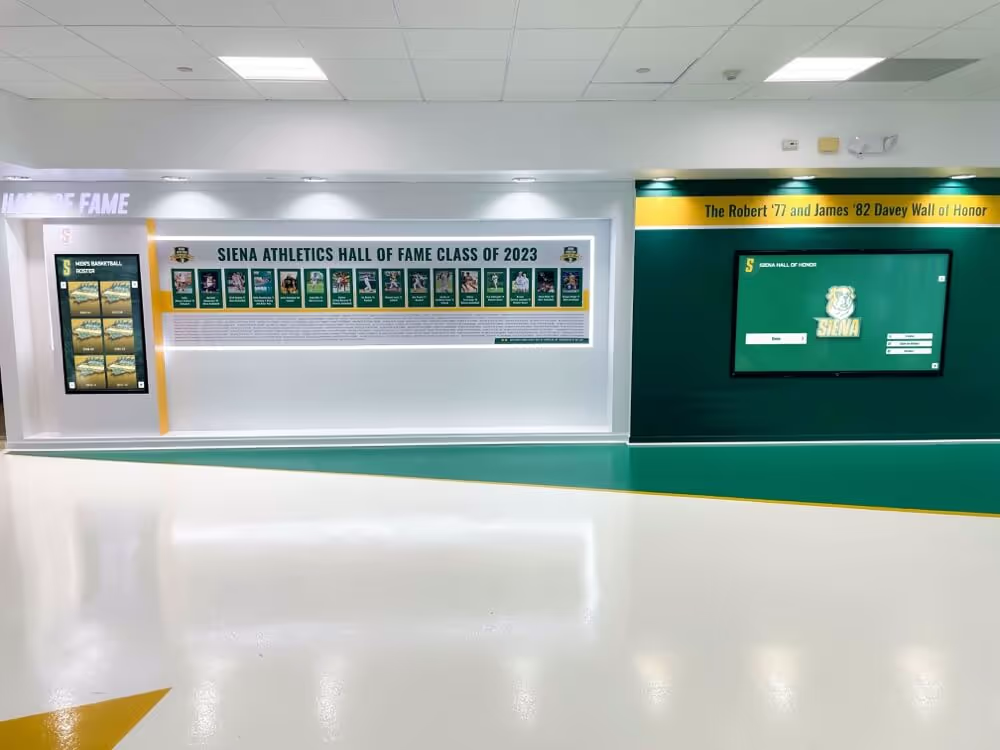
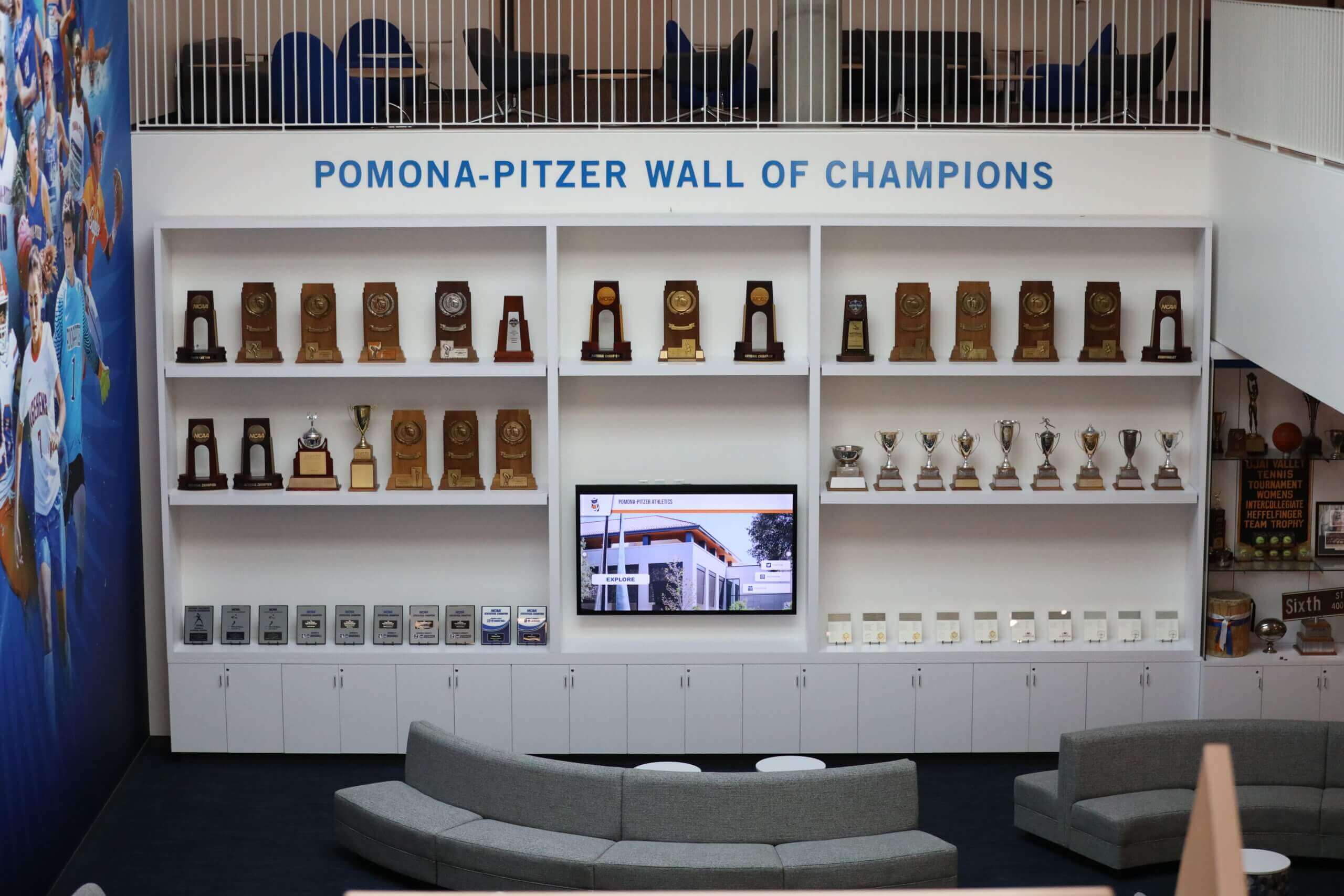
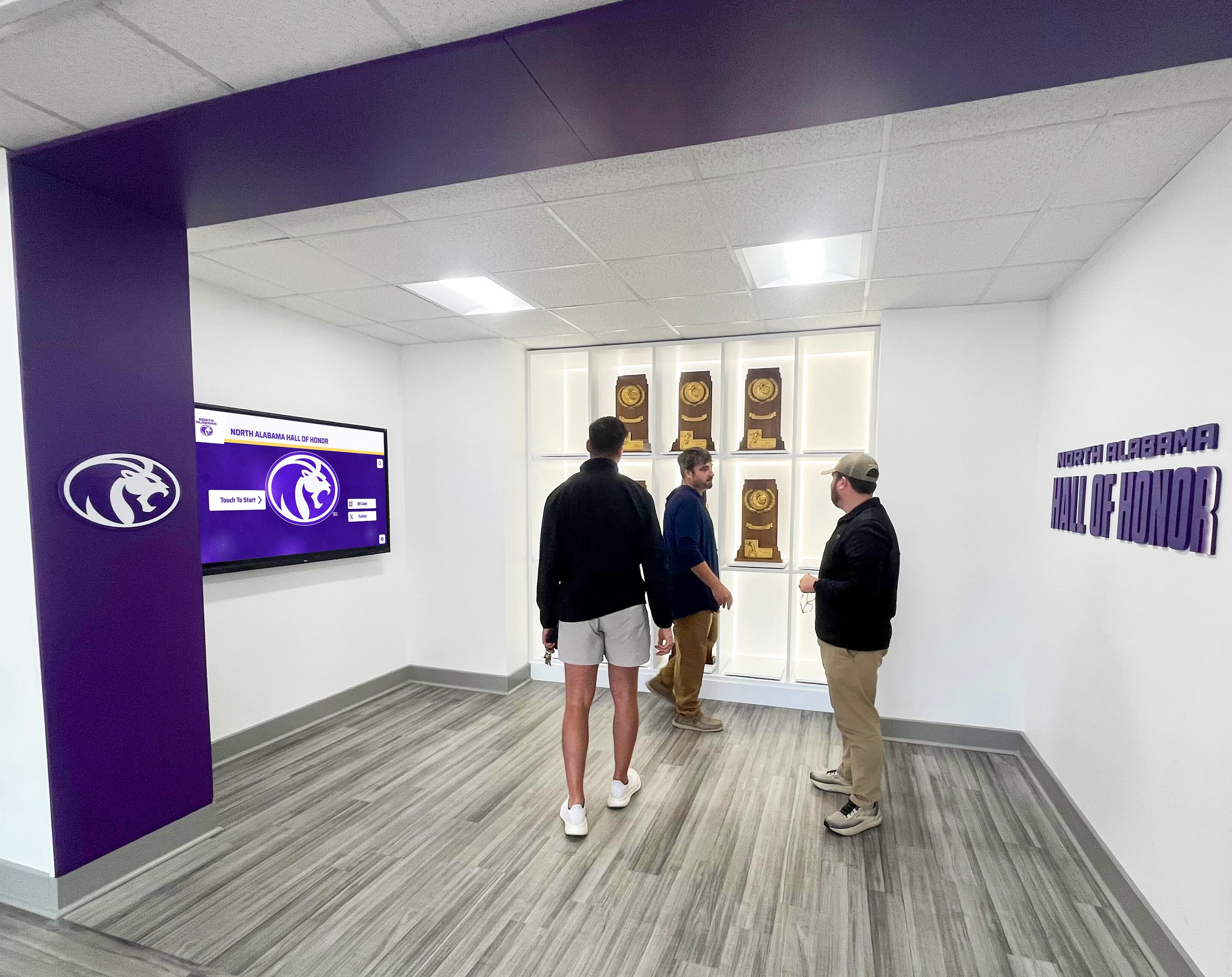
Digital Archive Integration: Connect physical trophy cases with digital recognition systems documenting comprehensive achievement history without physical space limitations. QR codes on trophy case placards link to detailed digital content about displayed championships. Signage directs visitors to digital displays where they can explore complete achievement archives beyond what physical cases accommodate. This integrated approach leverages physical trophy ceremony while solving capacity constraints through unlimited digital capacity.
Modern Digital Trophy Case Alternatives
Traditional trophy cases solve recognition needs until capacity limits force difficult choices. Digital displays eliminate space constraints while expanding what recognition can communicate beyond static hardware.
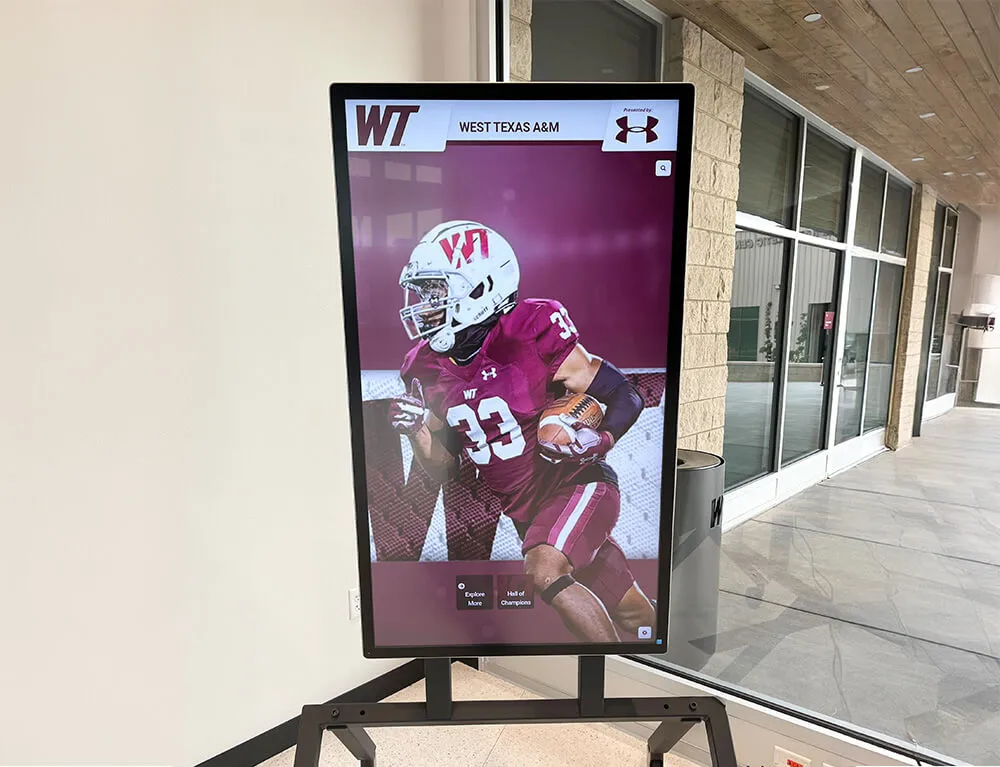
Interactive Touchscreen Recognition Displays
Digital record boards transform athletic recognition from space-constrained physical displays to unlimited-capacity interactive systems preserving comprehensive program history.
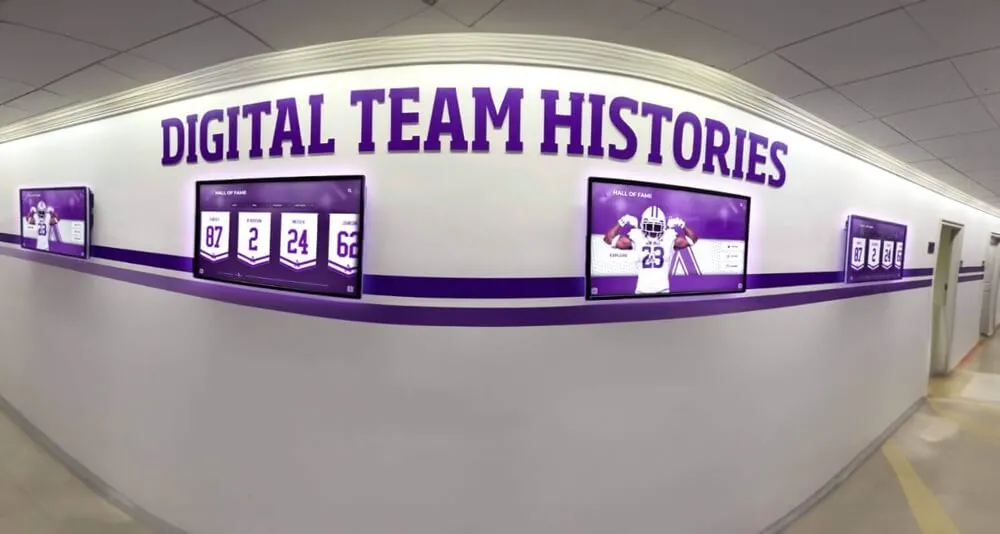
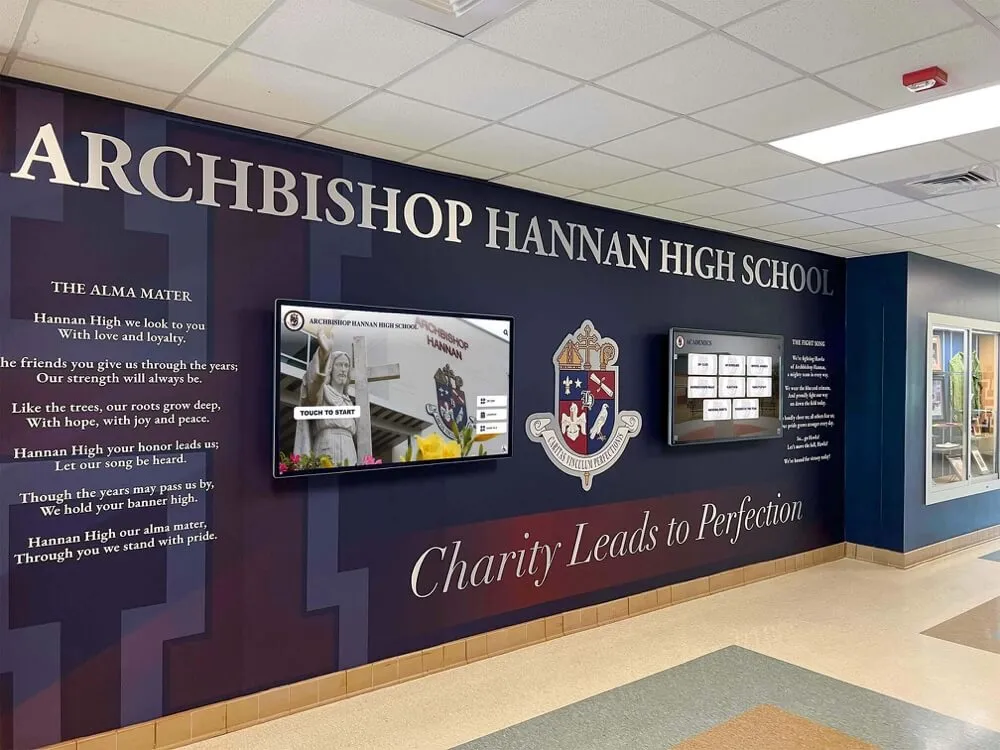
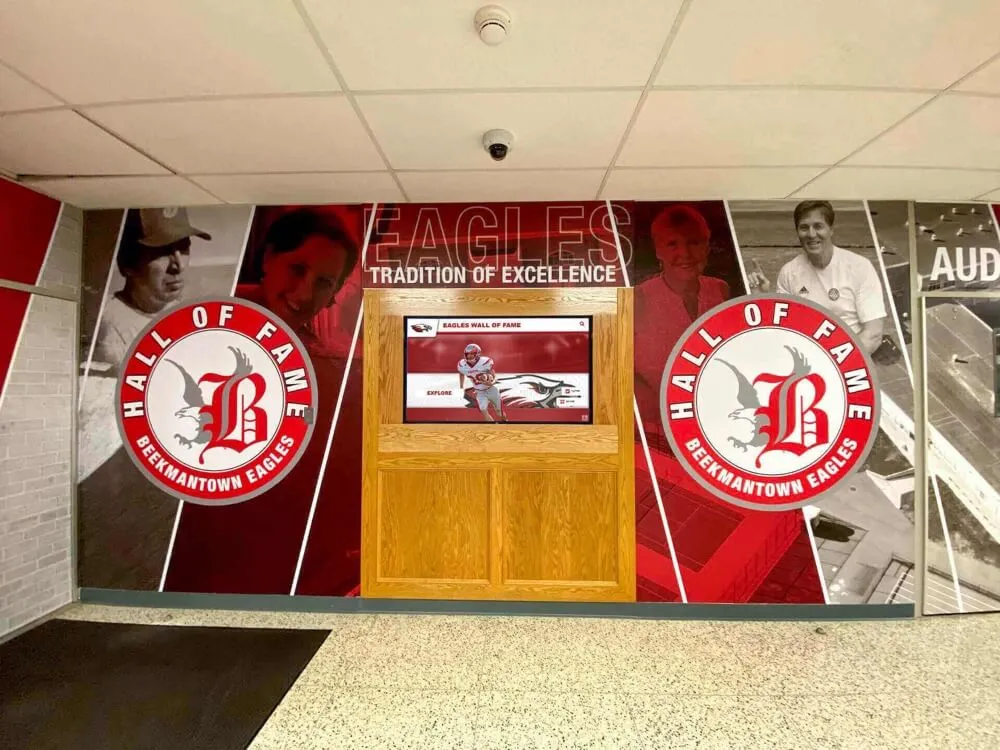
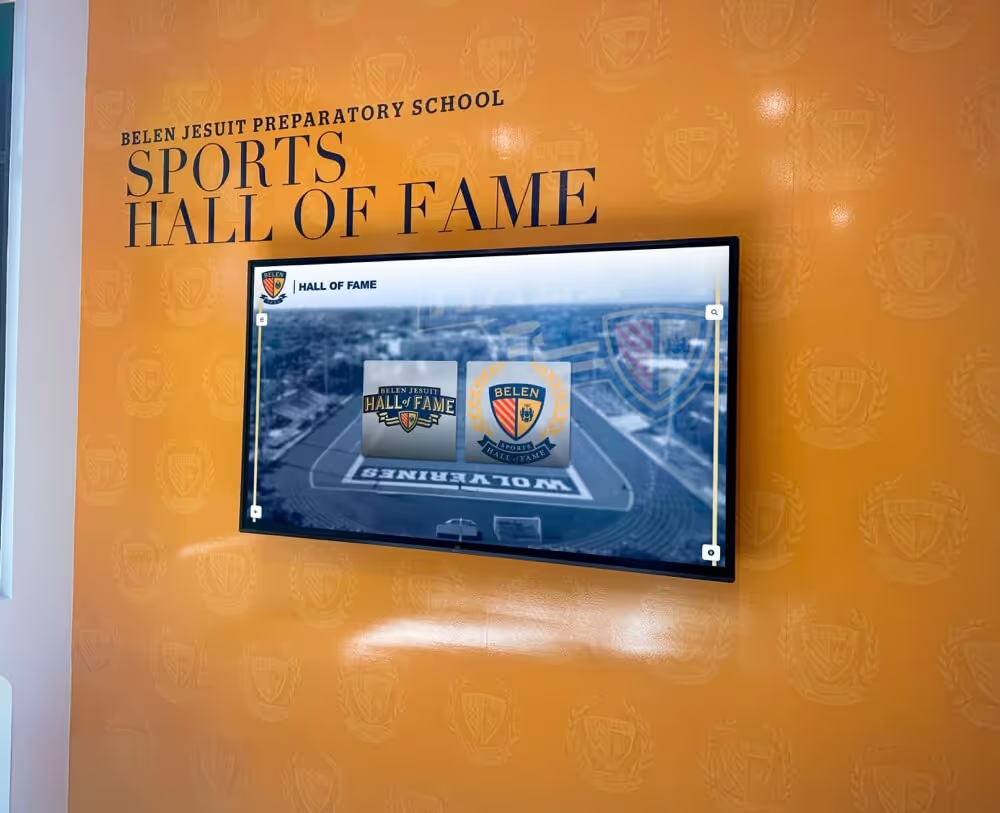
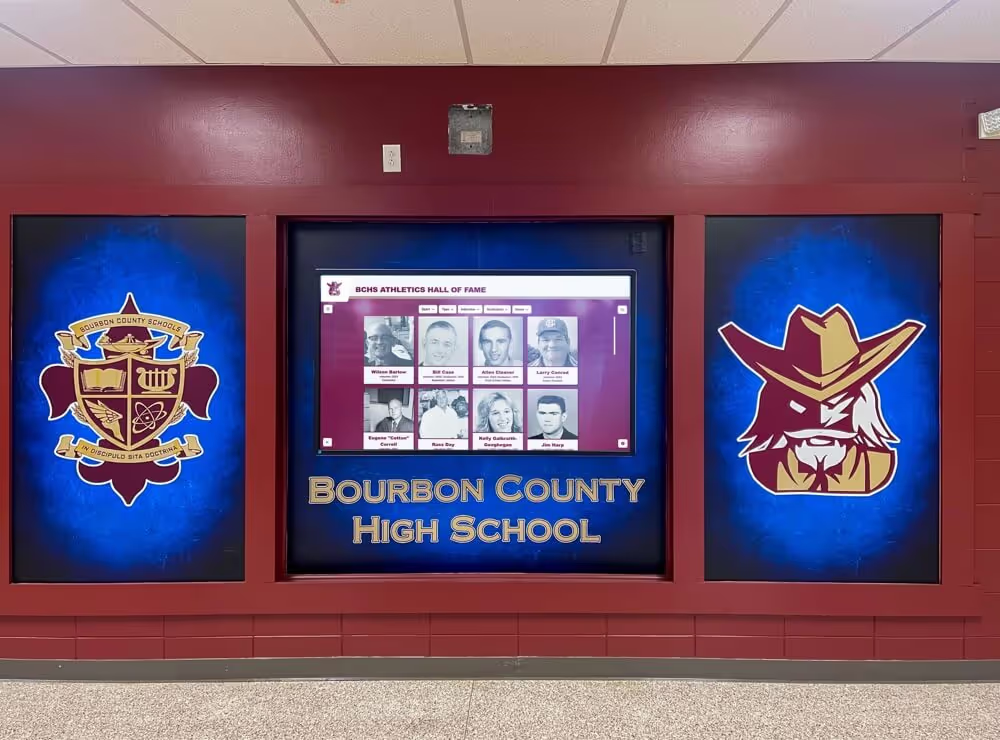
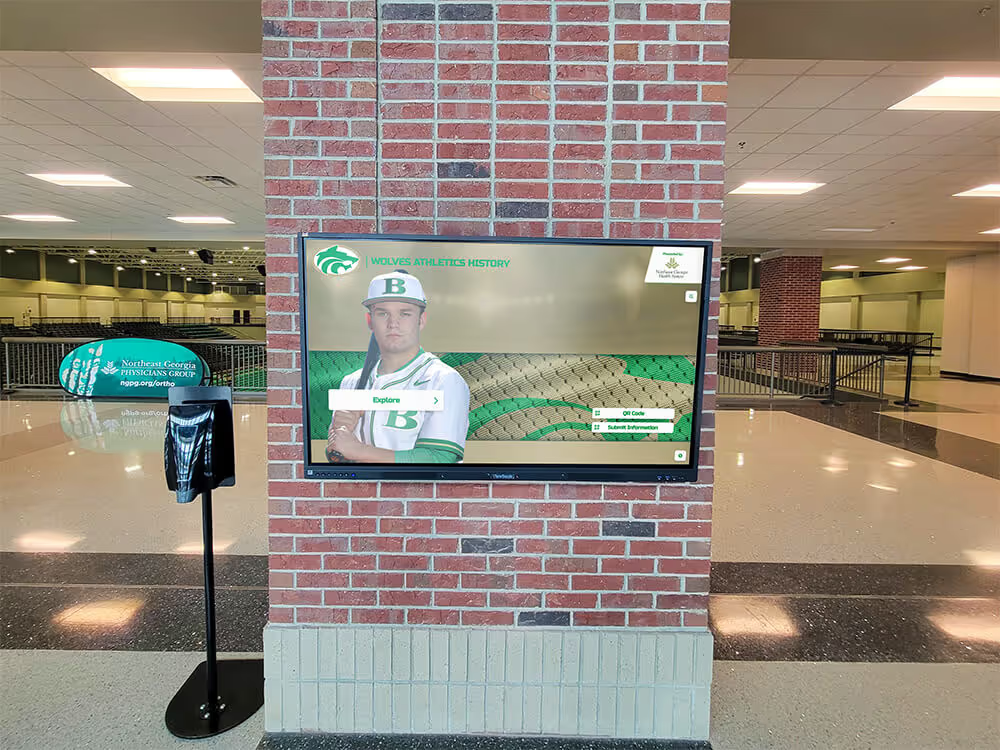
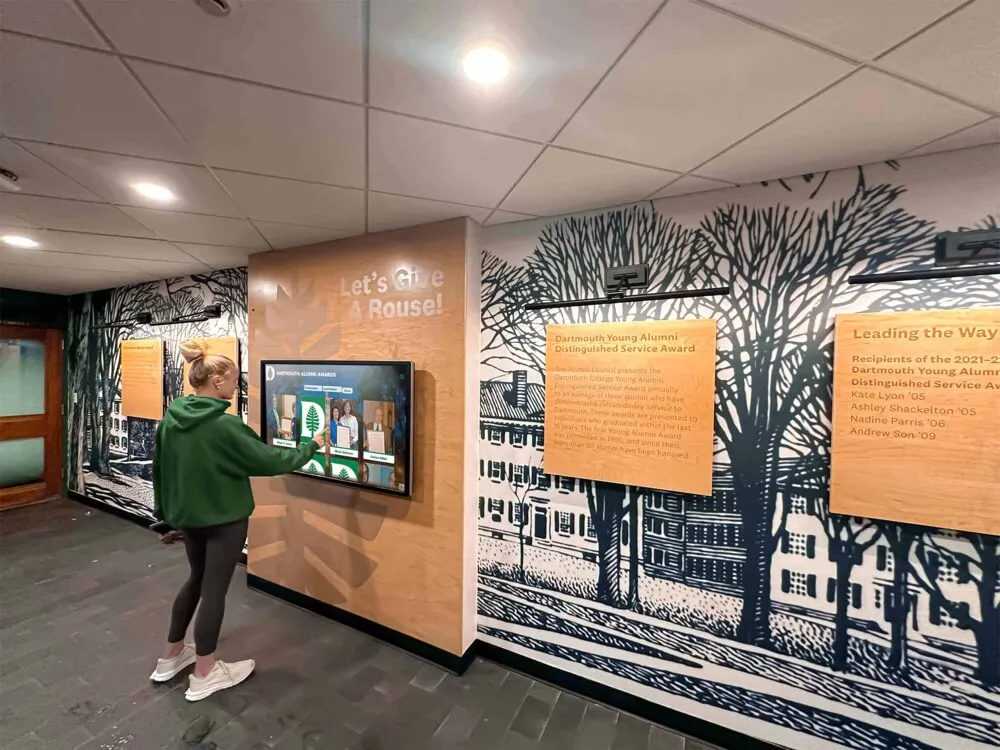
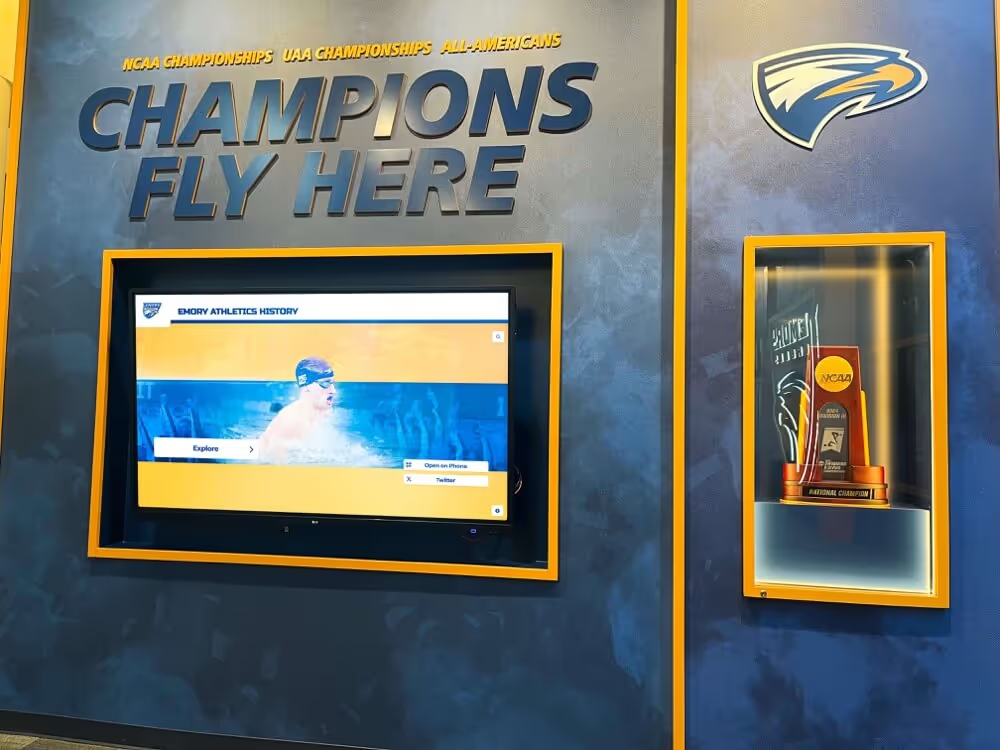
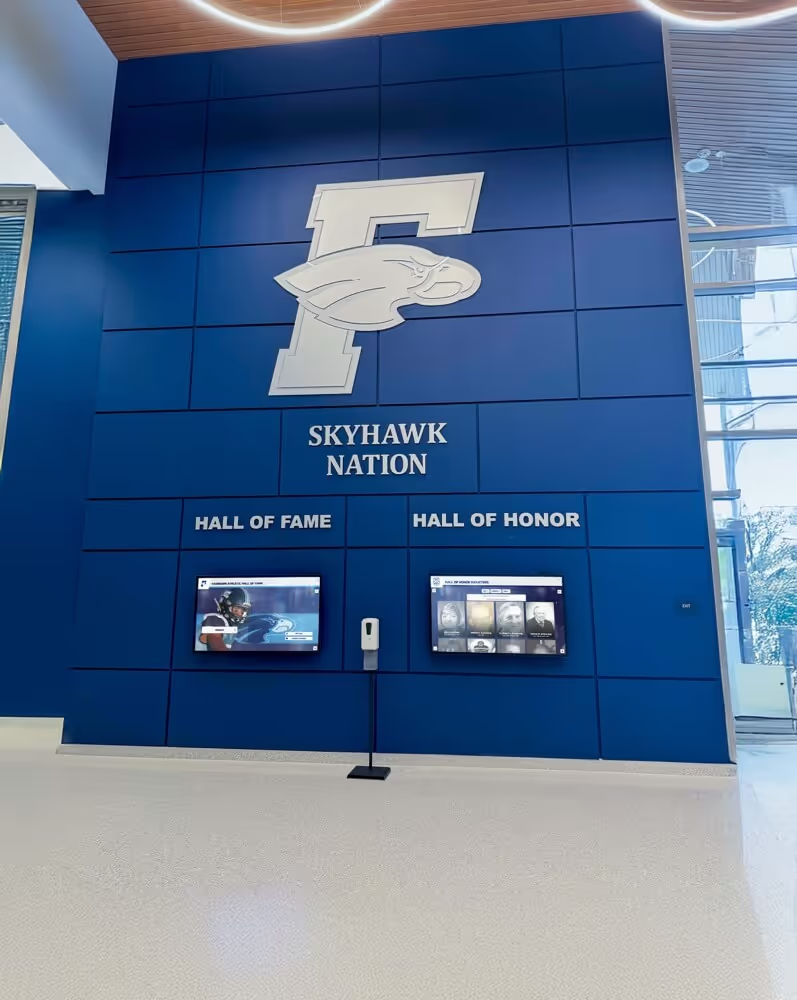
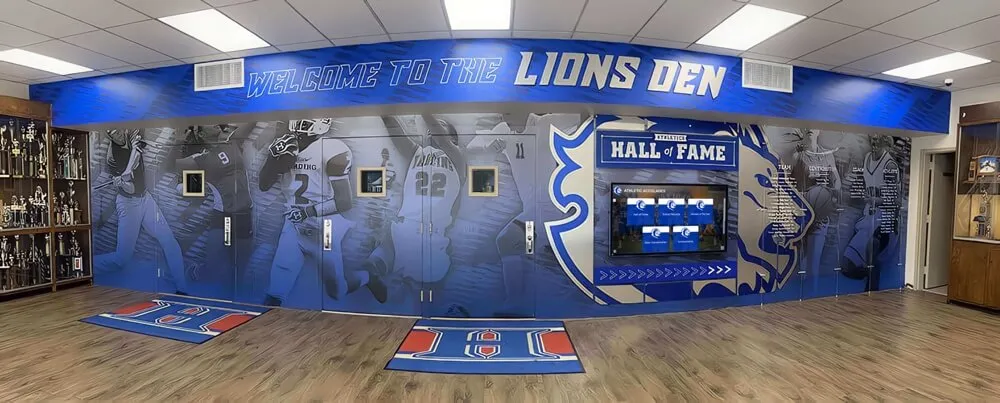
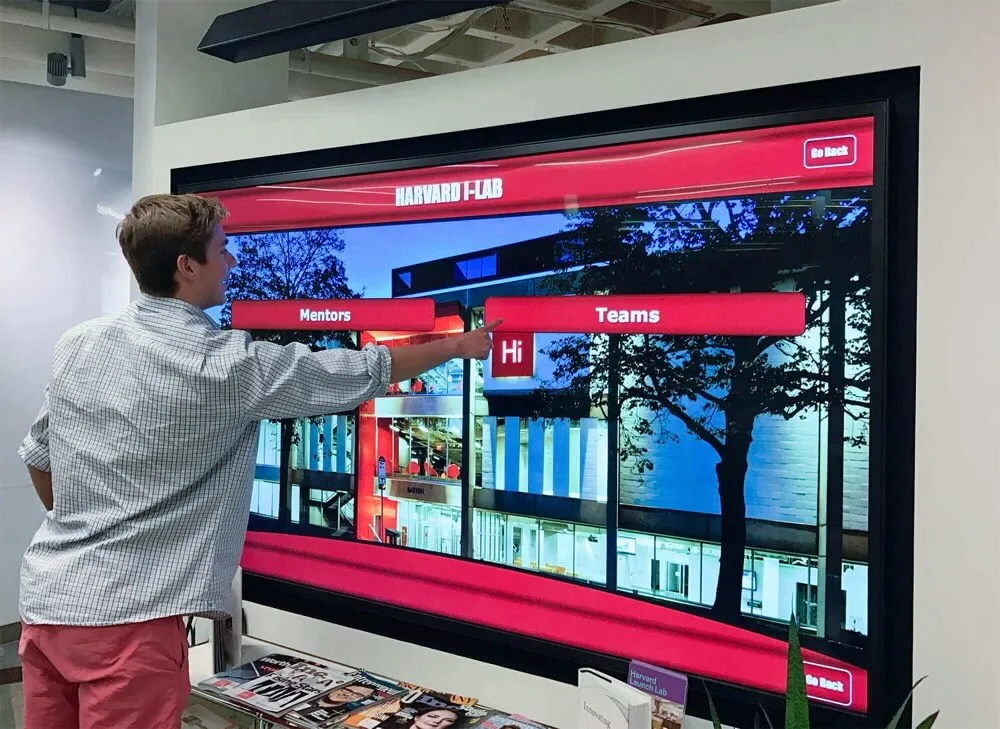
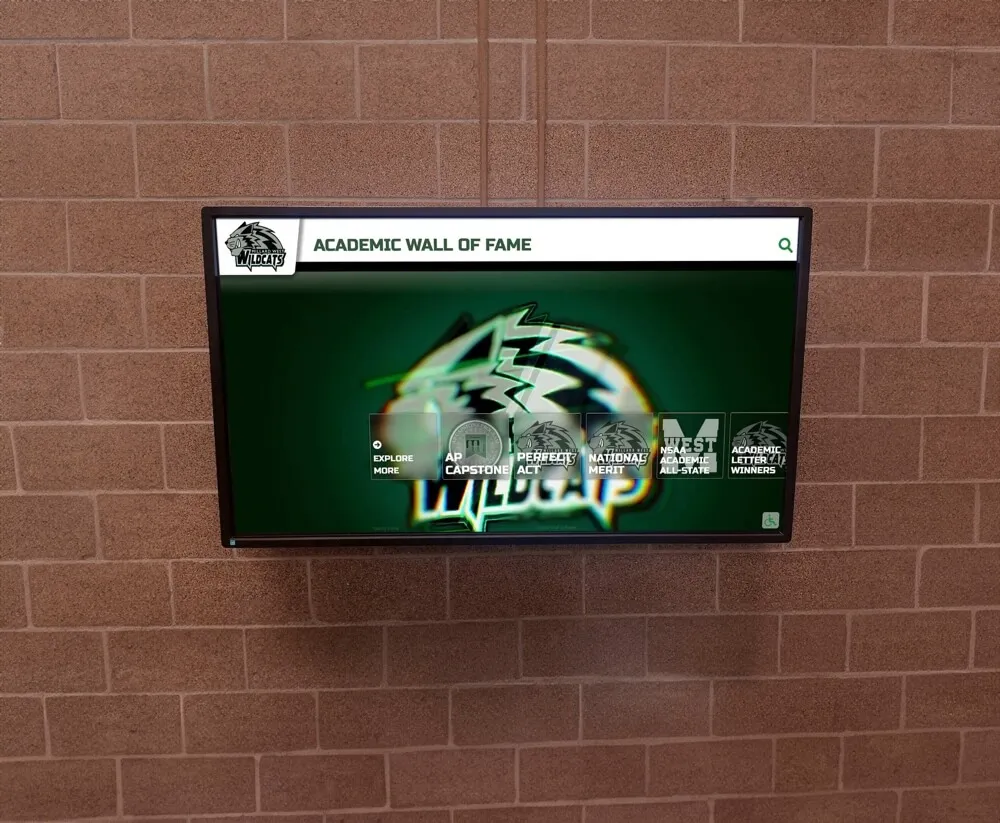
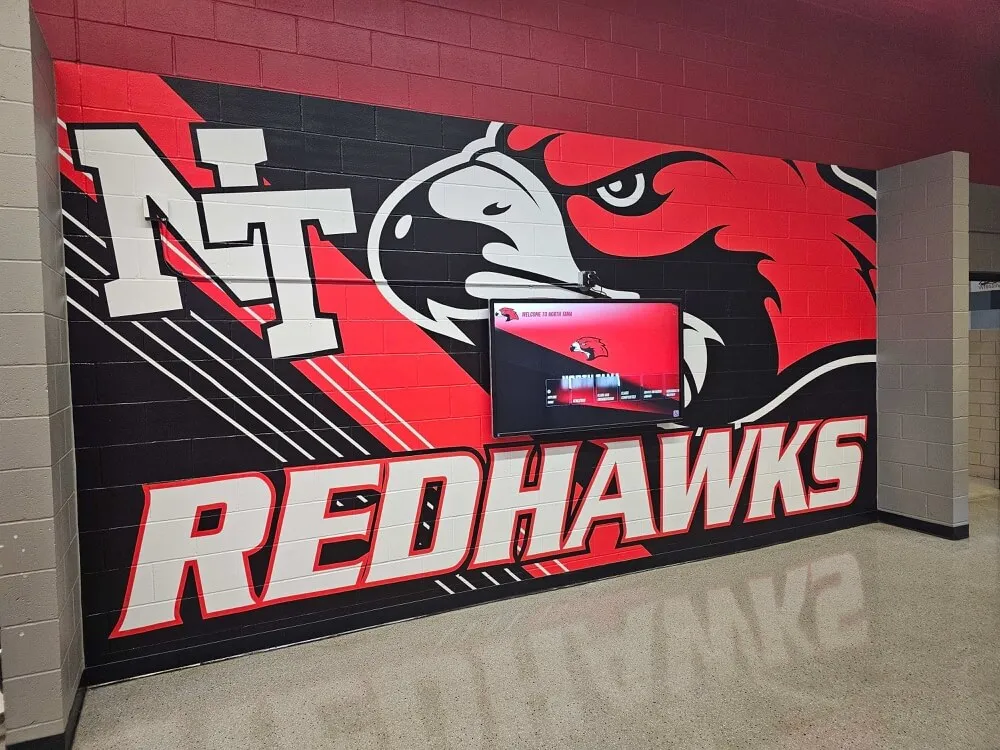
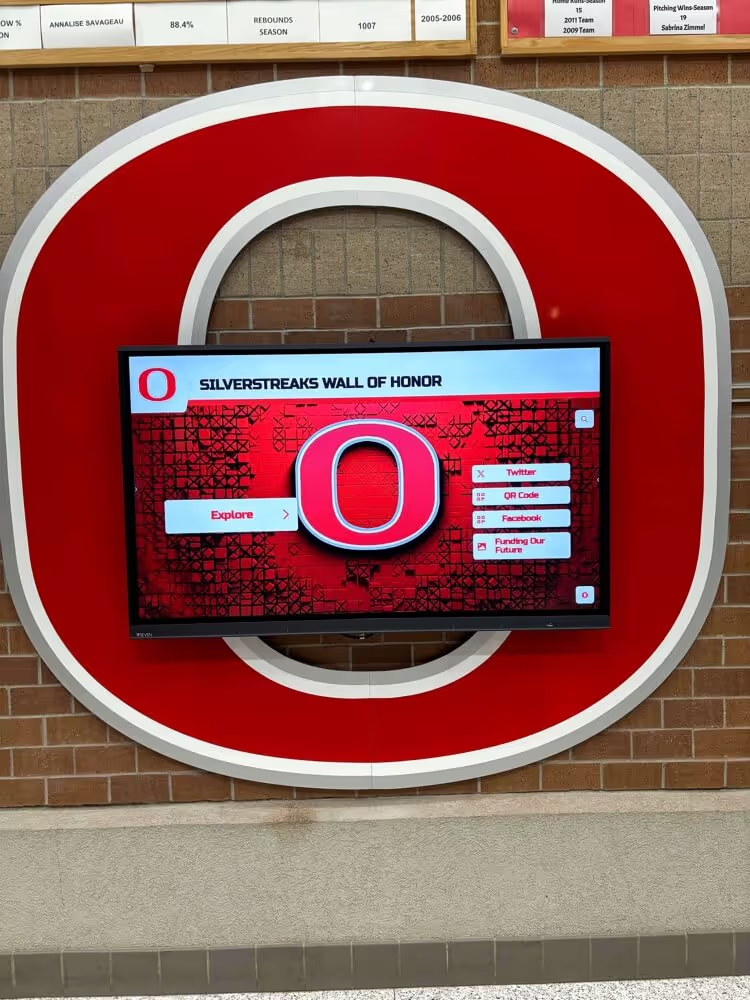
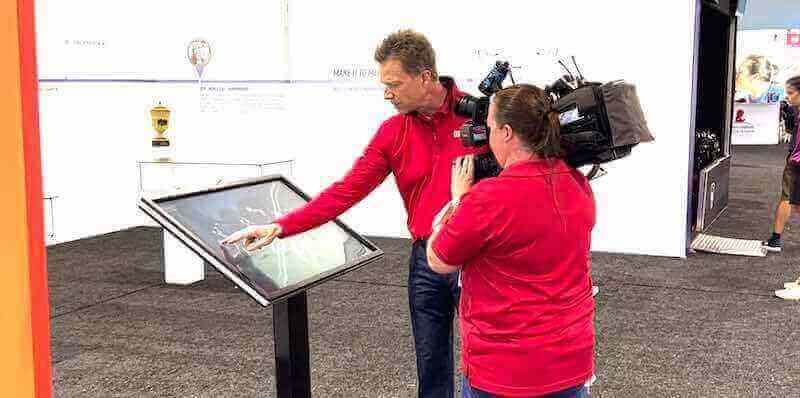
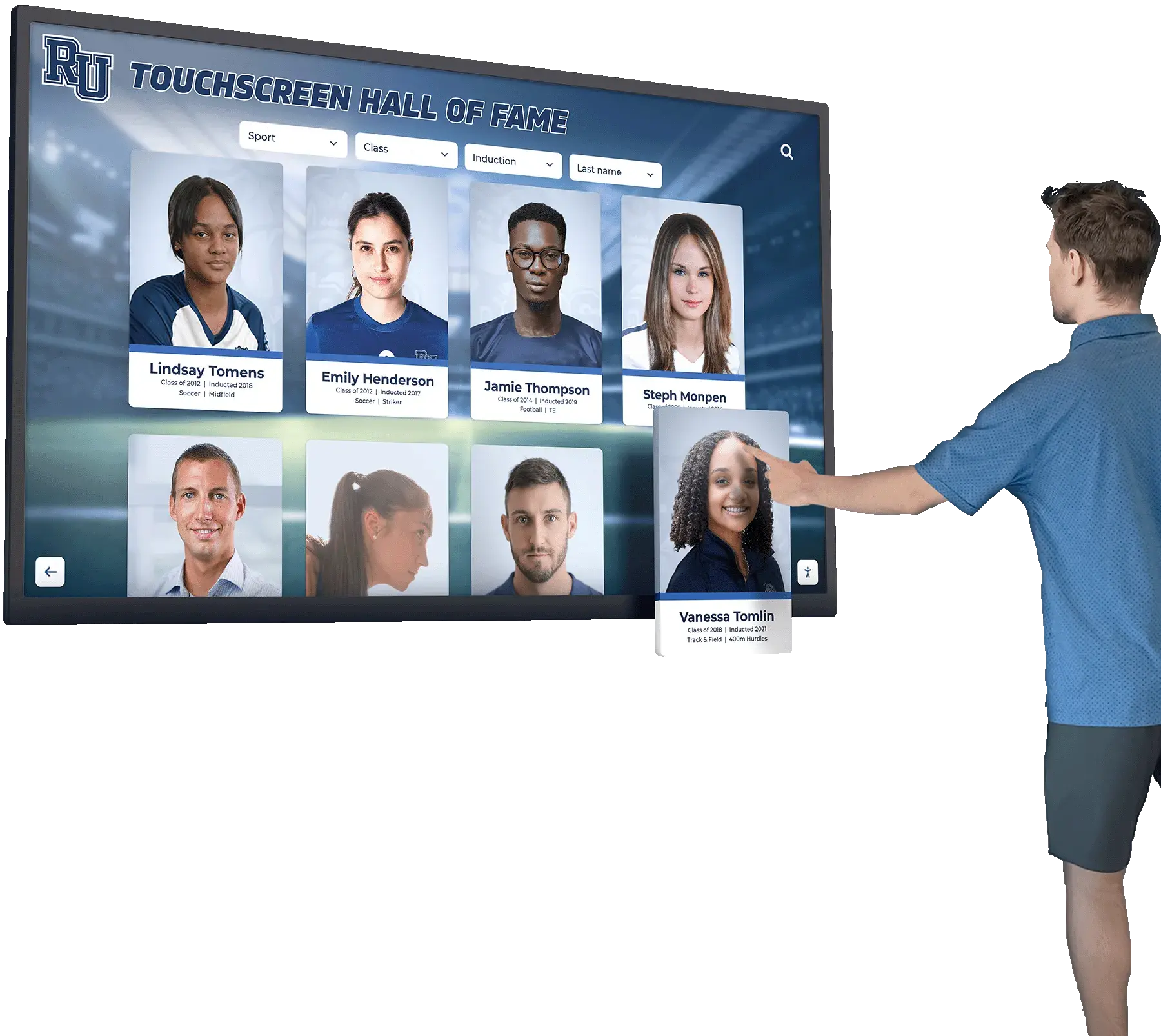
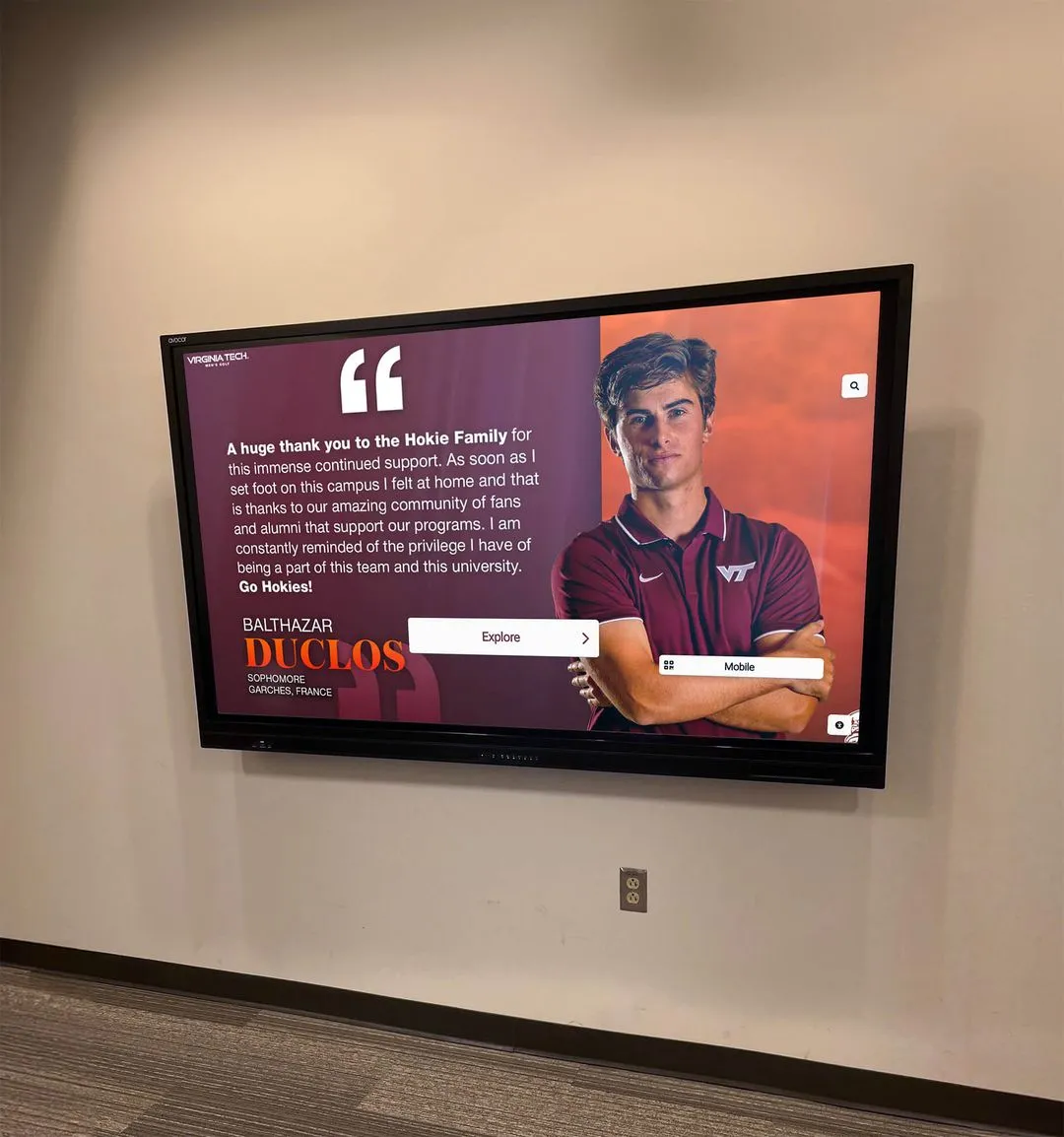
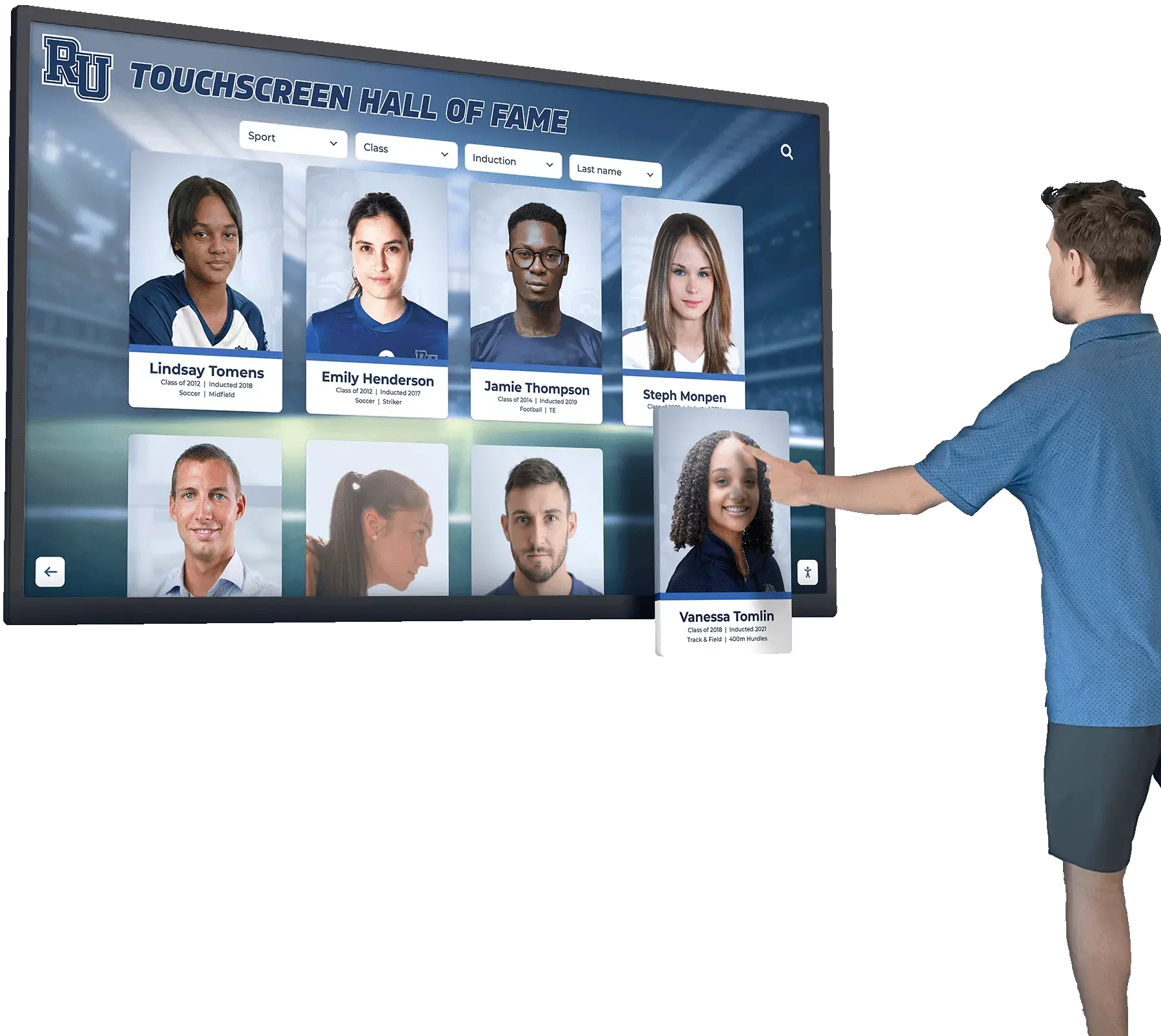
Unlimited Achievement Capacity: A single touchscreen display running digital recognition software accommodates complete documentation of every championship, record, milestone, and significant achievement across decades of program history. Rather than selecting which 50 trophies fit in a case, schools showcase 500 championships, 1,000 individual records, and complete team histories without space limitations determining what communities remember. This capacity transformation proves critical for long-term recognition sustainability—while traditional cases fill within a decade, digital systems grow infinitely.
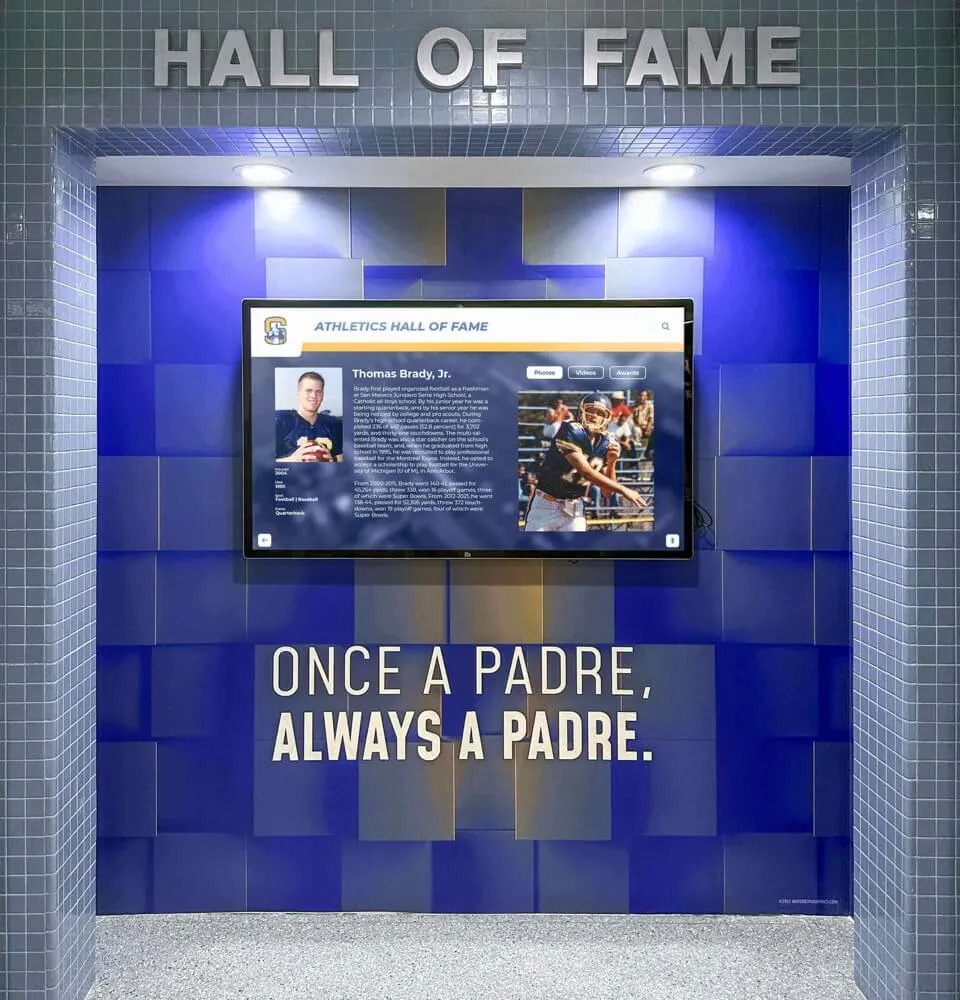
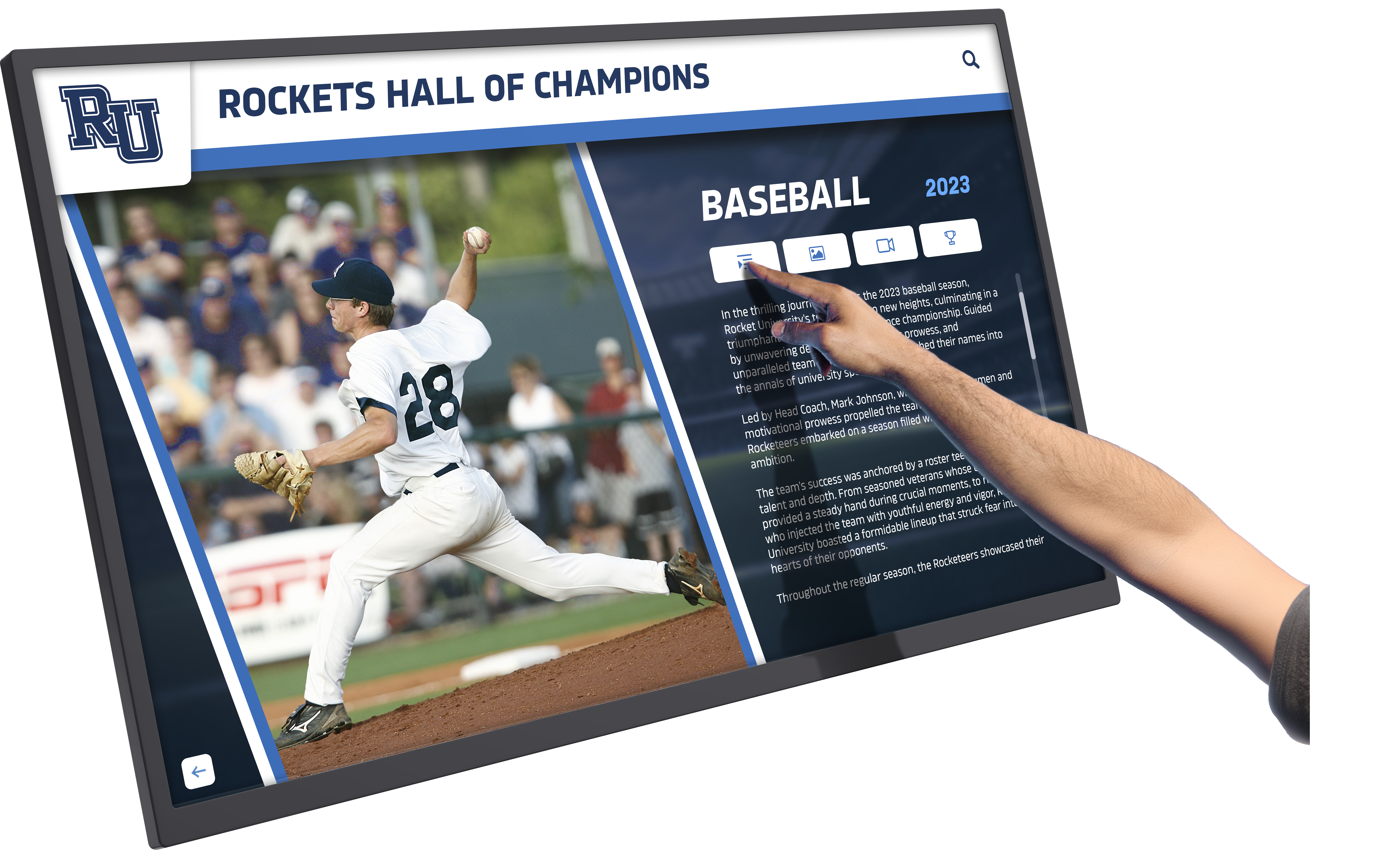
Rich Multimedia Storytelling: Physical trophies communicate that teams won championships—and nothing more. Digital recognition adds comprehensive context including championship game highlight video, team roster with individual photos, season statistics and tournament progression, coach reflections about season significance, newspaper articles covering championship victory, and photo galleries documenting tournament journeys. This depth transforms recognition from simple acknowledgment into rich storytelling preserving experiences and emotions that static trophies cannot capture.
Instant Updates Through Cloud Management: When teams win new championships, athletic directors log into cloud-based content management systems and update recognition within minutes. No waiting for plaque production, no contractor installation scheduling, no facility disruption—just immediate recognition reflecting current achievements. This update speed particularly benefits programs tracking records across seasons. When track athletes break 20-year-old school records, updating digital record boards takes 60 seconds through web interfaces rather than weeks waiting for vinyl replacement or engraved plate production.
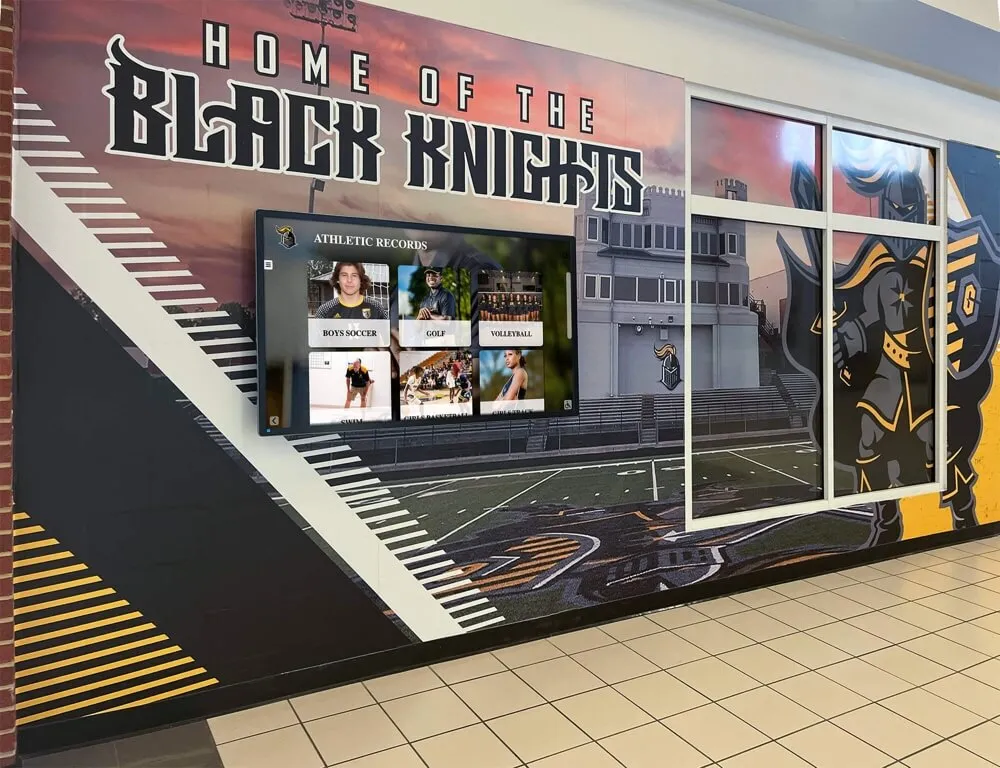
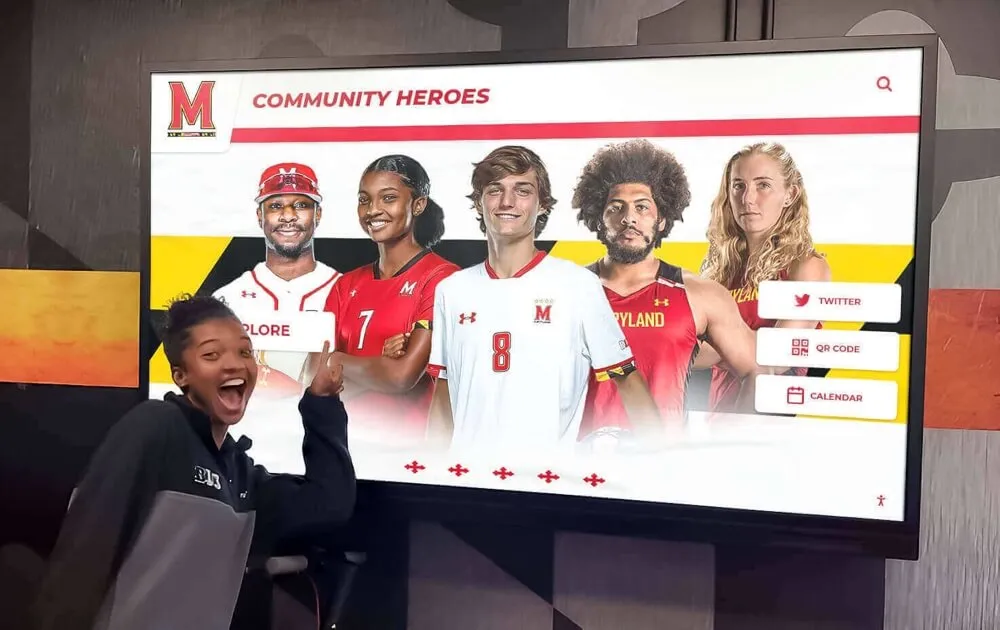
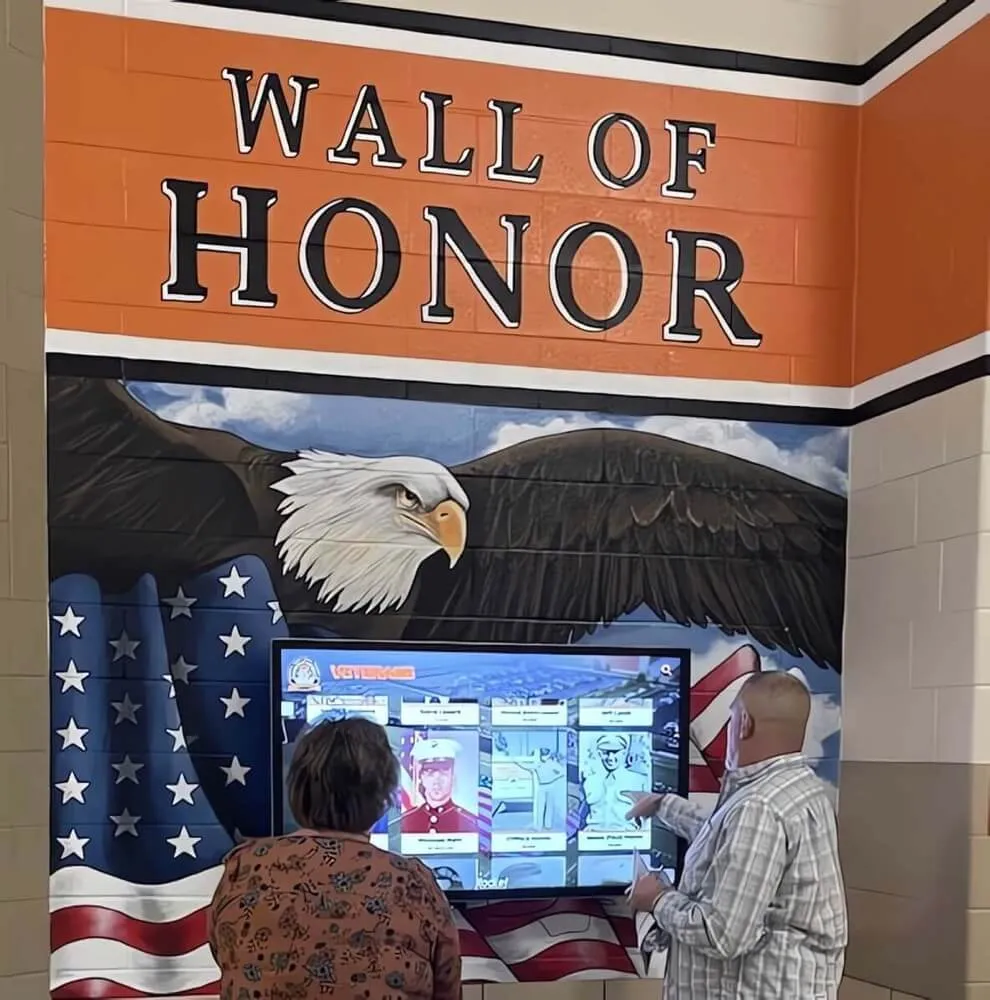
Personalized Discovery and Search: Interactive displays enable visitors to explore recognition matching personal interests. Prospective soccer players instantly filter all soccer championships, view complete team rosters across different eras, and explore individual records relevant to their positions. Alumni returning for reunions search graduation years or teammate names, immediately finding personal connections to school history. These discovery features make comprehensive recognition accessible rather than overwhelming—while physical displays showing 50 years of achievements become cluttered and hard to navigate, digital systems present identical content through intuitive browsing revealing relevance based on individual interest.
Schools implementing interactive touchscreen trophy displays report dramatically increased community engagement compared to traditional static cases students pass without noticing.
Cost Comparison: Traditional vs. Digital Recognition
Understanding total cost of ownership over 10-20 year periods reveals that digital recognition often proves more cost-effective than traditional trophy cases despite higher initial investment.
Traditional Trophy Case Total Costs: Consider a realistic 15-year scenario for comprehensive recognition. Initial installation of three quality wall-mounted cases: $9,000. First expansion adding two cases (Year 6): $5,500. Second expansion adding two more cases (Year 12): $6,000 accounting for inflation. Ongoing maintenance including lighting replacement and glass repair: $1,800. Trophy purchases for all achievements at average $60 per trophy assuming 300 total trophies: $18,000. Total 15-year cost: $40,300 for seven cases displaying approximately 150-200 trophies at any given time with older achievements moved to storage.
Digital Recognition System Total Costs: Professional 55-inch commercial touchscreen with mounting hardware: $3,500. Digital record board software subscription: $2,000-$3,000 annually (total 15-year cost: $30,000-$45,000). Professional installation including electrical and mounting: $1,500. Initial content development for historical achievement digitization: $3,000-$5,000. Total 15-year cost: $38,000-$55,000 for unlimited recognition capacity accommodating comprehensive program history without space constraints.
Digital systems cost slightly more in direct comparison—but capacity differences reveal dramatic value disparities. Digital solutions provide 5-10 times recognition capacity, eliminate ongoing trophy purchase costs for new achievements, enable rich multimedia impossible with physical displays, offer remote web access extending recognition globally, and create searchable archives enabling personalized discovery. Traditional cases create artificial scarcity contradicting recognition goals, while digital systems align capacity with ambition.
Implementation Requirements for Digital Systems
Transitioning from traditional trophy cases to digital recognition requires addressing technical infrastructure, content development, and change management with stakeholders accustomed to physical displays.
Hardware Infrastructure: Commercial-grade touchscreen displays designed for continuous operation prove essential for reliable long-term performance. Consumer televisions fail within 1-3 years under daily institutional use. Professional displays with commercial panel ratings, protective glass preventing screen damage, integrated media players eliminating external hardware, and warranty coverage specifically for commercial applications cost $2,500-$5,000 but deliver 7-10 year operational life.
Screen size matters for viewing distance. 55-inch displays work well for locations where viewers approach within 6-8 feet. 65-inch or larger displays prove necessary for lobby installations where viewing distances exceed 10 feet. Proper sizing ensures text remains legible and photos display with appropriate impact.
Network Connectivity: Digital displays require reliable network connections for content updates and cloud-based management. Wired Ethernet connections provide most reliable performance. Locations without nearby network ports may require wireless connectivity or network cabling installation adding $500-$1,500 to project costs depending on distance to nearest network access point.
Content Development: Transforming decades of athletic achievement into digital recognition requires systematic work including comprehensive achievement research through records review, photography digitization scanning historic team photos, profile writing documenting championship seasons, video digitization converting analog footage, and data entry organizing information in structured formats.
Schools implementing comprehensive digital recognition typically invest 40-80 hours in historical content development. Many choose launching with recent achievements (5-10 years) while systematically adding historical content over 1-2 years, creating manageable implementation timelines rather than requiring complete digitization before launch.
Hybrid Recognition Strategies Combining Physical and Digital
Schools need not choose between traditional trophy cases and digital displays. Hybrid strategies preserve ceremonial significance of physical trophies while leveraging digital capacity and storytelling.
Strategic Physical Display for Highest Honors
Reserve limited physical trophy case space for most prestigious achievements establishing selective recognition hierarchy while documenting broader accomplishments digitally.
Championship-Only Physical Display: Display state championships, regional titles, and historic milestone awards in prominent physical cases while documenting all additional achievements—conference championships, tournament placements, individual records—through comprehensive digital systems. This approach maintains special ceremonial significance for highest achievements while solving capacity problems for broader recognition needs.
Rotating Spotlight Displays: Maintain traditional trophy cases with rotating content showcasing different sports, time periods, or achievement types throughout the year. Football and basketball achievements display during competitive seasons. Historical decade displays celebrate 10, 25, or 50-year anniversaries of significant championships. Current season highlight rotations showcase recent accomplishments maintaining recognition currency.
Digital Displays as Comprehensive Achievement Archives
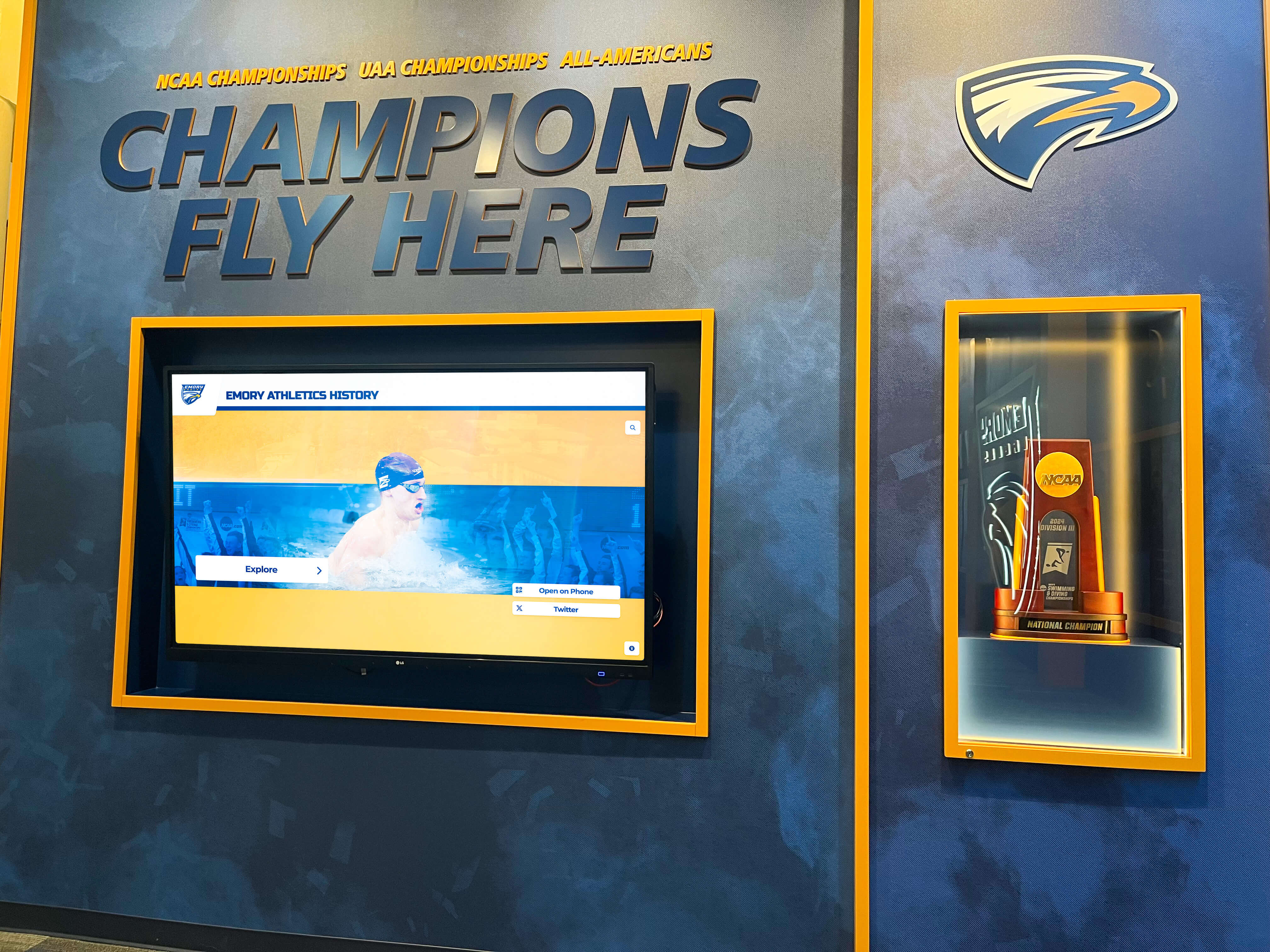
Position digital recognition systems as extensions rather than replacements—“See the championship trophy here, explore complete season history on the digital display.”
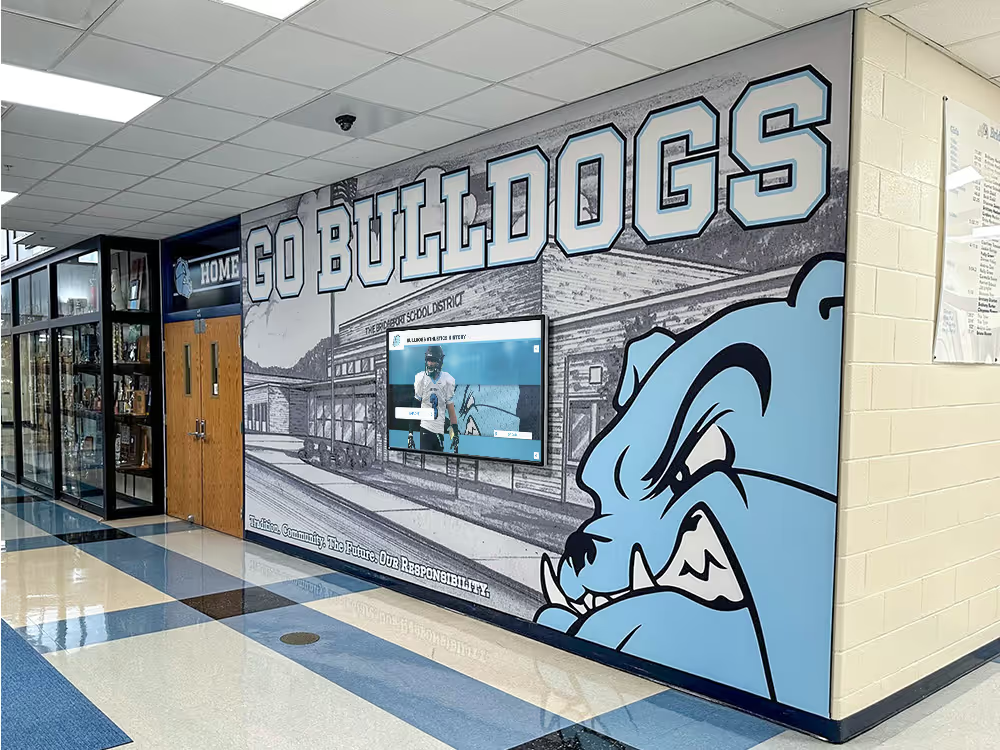
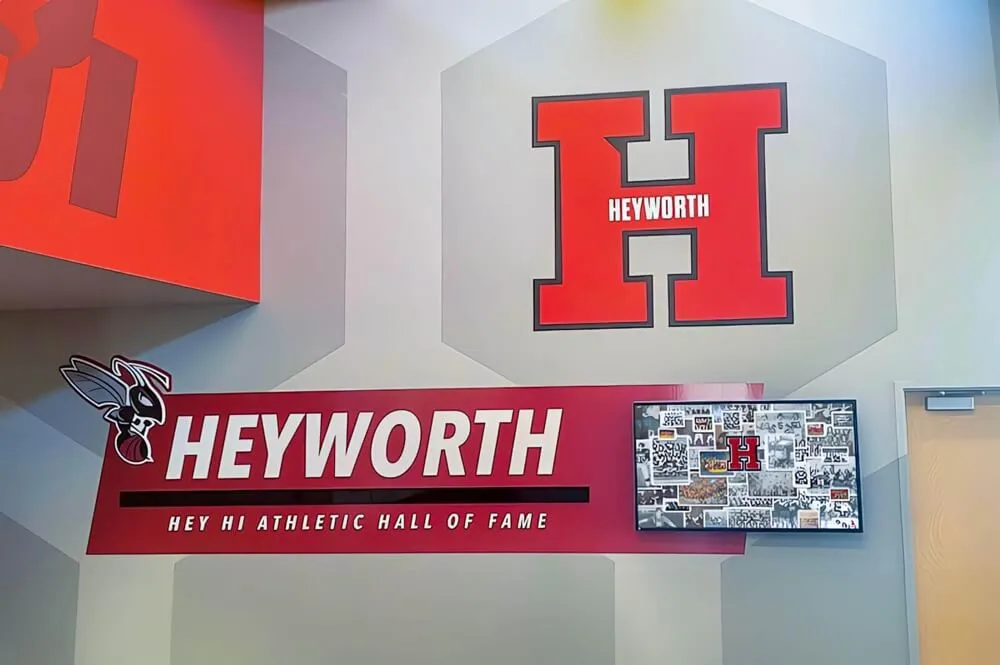
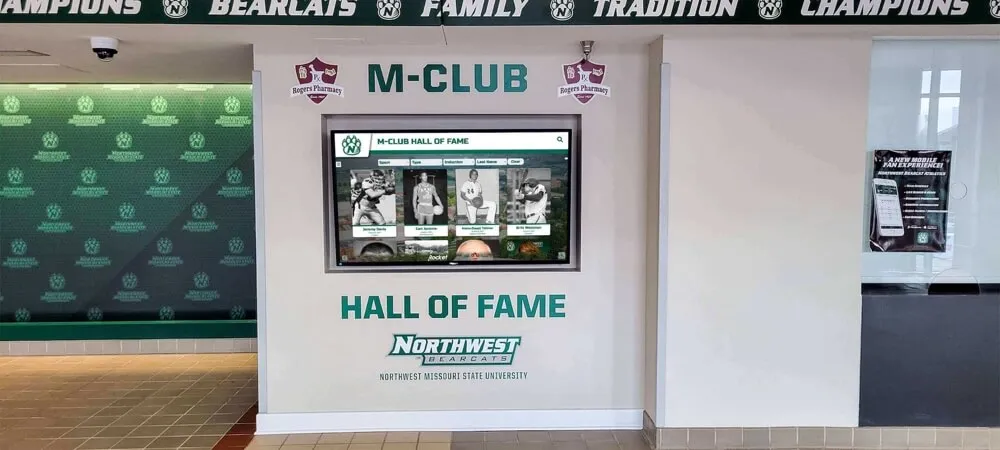
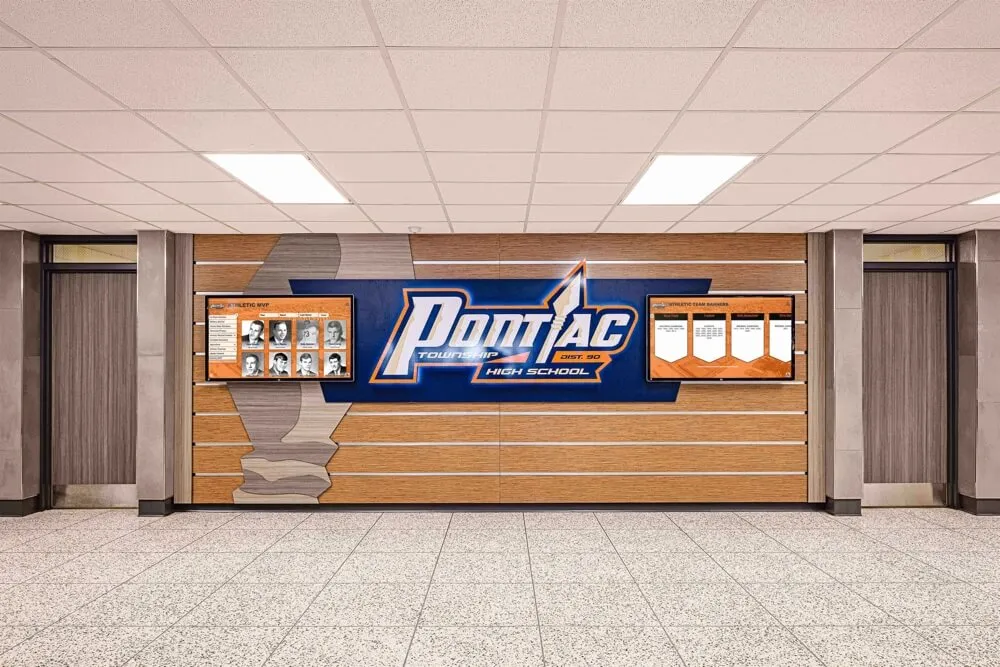
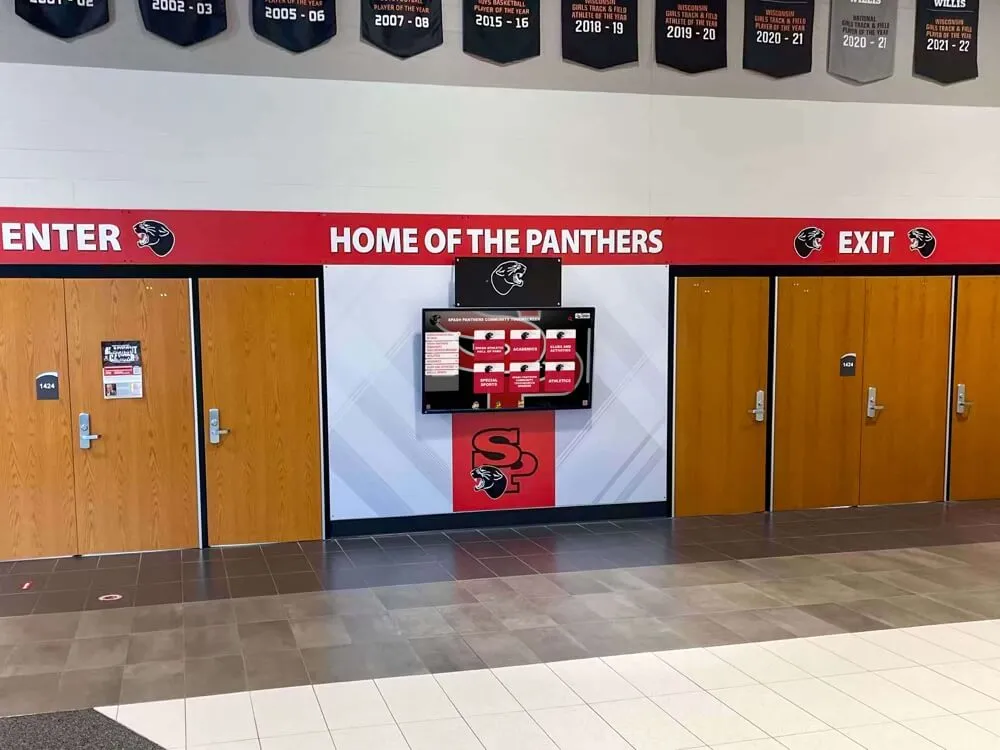
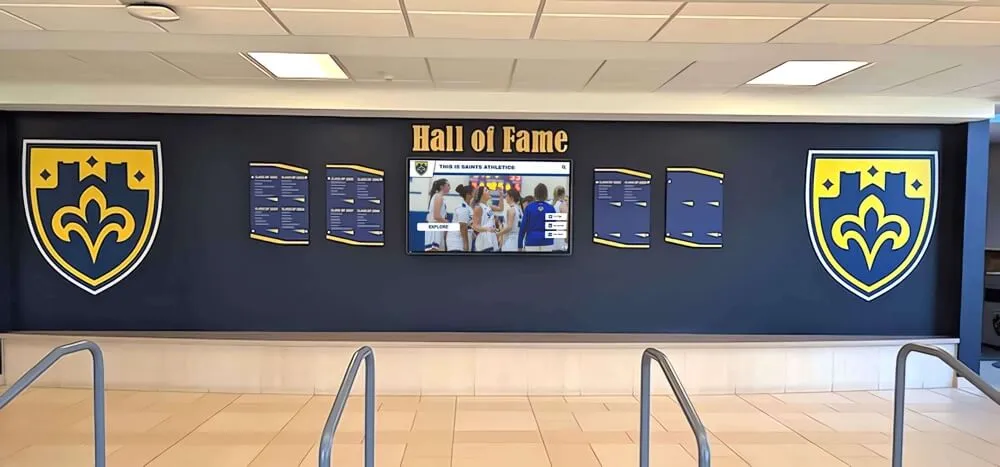
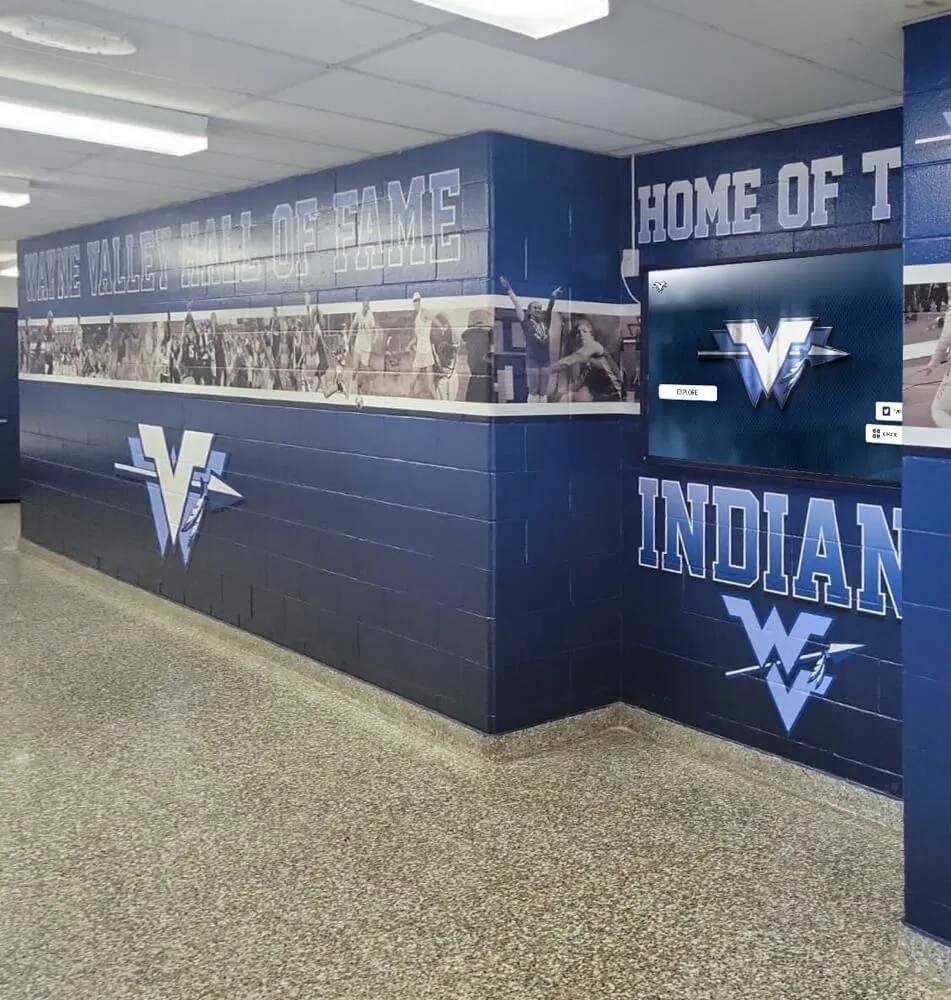
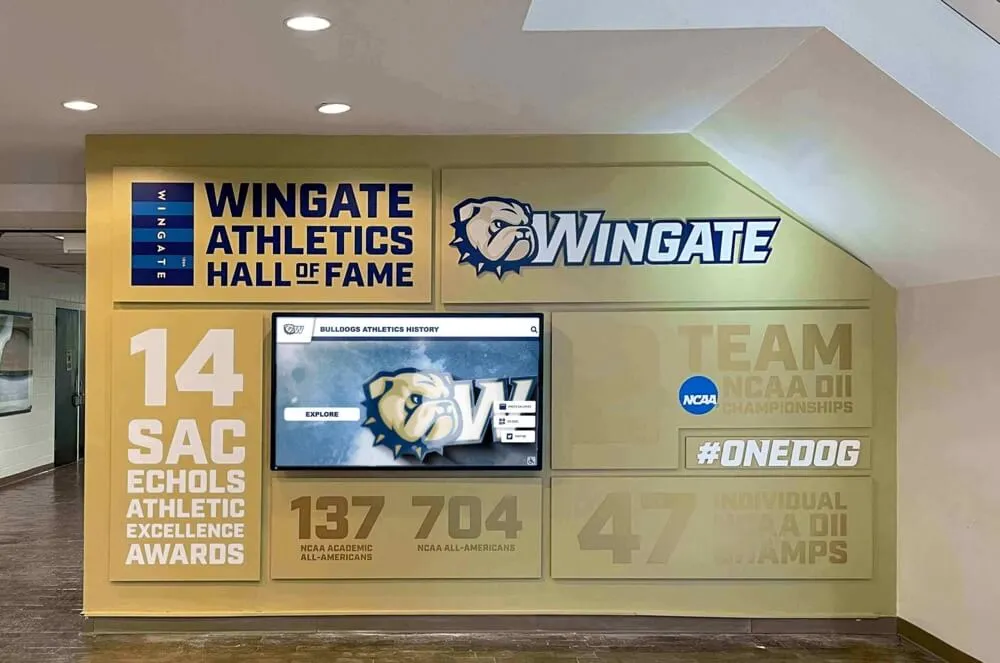
Adjacent Placement Strategy: Install touchscreen displays immediately beside traditional trophy cases creating unified recognition zones. Physical cases showcase current season highlights and championship hardware while adjacent digital displays provide comprehensive historical context, detailed statistics, multimedia stories, and searchable archives. This adjacency creates natural traffic flow where visitors admiring physical trophies naturally extend engagement through digital exploration.
QR Code Integration: Add QR codes to physical trophy case placards linking to detailed digital content about displayed championships. Families photographing students beside championship trophies scan codes accessing team rosters, season highlights, game statistics, and championship game footage. This connection enhances physical display value while directing traffic to comprehensive digital archives.
Web Access Extension: Digital recognition platforms extend beyond physical displays through web access enabling global engagement. Alumni worldwide explore achievements from any device. Prospective families research program traditions during recruitment. College coaches review athlete accomplishments when evaluating recruits. This extended access transforms recognition from exclusively on-campus experiences to globally accessible program marketing.
Resources on creating engaging student recognition displays explore innovative approaches balancing tradition with modern technology.
Maintaining Trophy Displays for Long-Term Impact
Trophy cases—whether traditional or digital—require ongoing maintenance preserving visual appeal and functional effectiveness.
Traditional Trophy Case Maintenance
Regular Cleaning Protocols: Glass surfaces accumulate fingerprints, dust, and smudges requiring weekly cleaning for maintained appearance. Use microfiber cloths with glass cleaners avoiding ammonia-based products that damage wooden frames. Interior dusting prevents trophy tarnishing—access cases monthly removing individual trophies for thorough cleaning rather than surface dusting leaving corners dirty.
Trophy Organization Refreshes: Periodically reorganize trophy arrangements preventing stale displays students stop noticing. Bring historically significant trophies forward during relevant anniversaries. Rotate featured achievements seasonally. Add informational cards providing context about displayed awards—championship game scores, team rosters, historical significance. These refreshes renew interest in familiar displays.
Lighting and Hardware Maintenance: LED lighting lasts 7-10 years but eventually requires replacement. Check bulbs or strips quarterly identifying failures before entire sections go dark. Lubricate locks annually preventing key-stick problems. Tighten mounting hardware checking that wall-mounted cases remain securely attached. Replace damaged glass immediately—cracked panes suggest poor care diminishing recognition significance.
Digital Display Operations
Content Currency: Digital displays showing outdated information quickly lose credibility. Assign specific staff members responsibility for timely updates—new championship additions within 48 hours, record updates same day marks fall, photo uploads within one week of events. Automated reminders help maintain update discipline when busy schedules create competing priorities.
Software Maintenance: Cloud-based platforms handle updates automatically, but verify regular system checks including security patch application, feature enhancement rollout, backup verification ensuring content protection, and analytics review revealing engagement patterns informing content strategy. Schedule quarterly system reviews preventing neglect that allows minor issues becoming major problems.
Hardware Care: Clean touchscreens weekly with appropriate cleaners designed for sensitive electronics—avoid harsh chemicals damaging anti-glare coatings. Monitor for technical issues like touch response degradation, display burn-in on static elements, or network connectivity problems. Budget $300-$500 annually for hardware replacement reserves creating managed refresh cycles preventing sudden large expenses when displays eventually require replacement.
Beyond Athletics: Comprehensive Achievement Recognition
While athletic trophies drive most display case planning, comprehensive school pride requires recognition systems accommodating diverse achievement across academic, artistic, service, and leadership domains.
Academic Competition Recognition
Debate tournaments, math competitions, robotics challenges, science olympiad, quiz bowl championships, and DECA business competitions generate substantial trophies meriting visibility equal to athletic achievements. Separate academic trophy cases create institutional divisions reinforcing athletics/academics dichotomy. Integrated recognition celebrates comprehensive excellence across all domains simultaneously—particularly important for college-preparatory schools where academic distinction equals or exceeds athletic achievement.
Digital platforms eliminate forced competition for limited display space. Athletics, academics, arts, and service all receive comprehensive recognition within unified systems. This integration demonstrates institutional values—schools honor diverse contributions and multiple forms of excellence rather than privileging only competitive achievement producing physical hardware.
Arts and Performing Arts Achievement
Band competitions, choir festivals, theater productions, art exhibitions, and music solo/ensemble events produce rich achievement histories often underrepresented in traditional trophy displays dominated by athletics. Digital platforms excel at arts recognition through performance video preserving actual artistic excellence, photo galleries from productions and exhibitions, program materials documenting performance details, and written reflections from directors and student artists. These multimedia elements communicate artistic achievement more effectively than physical trophies—transforming recognition from generic acknowledgment into rich documentation preserving artistic excellence.
Service and Leadership Recognition
Community service hours, student government leadership, and character awards represent values-driven achievements schools want celebrating—but these accomplishments rarely generate trophies suitable for traditional displays. Digital platforms enable service recognition through documentation of community impact projects, photo galleries showing service activities, statistics quantifying contribution hours, profiles of service leaders and organizational officers, and written reflections about experiences. This recognition communicates institutional values demonstrating schools honor diverse contributions beyond competitive achievement.
Frameworks for comprehensive student award programs provide structures for recognizing achievement across athletic, academic, artistic, and service domains.
Decision Framework: Choosing Your Trophy Display Strategy
Schools evaluating trophy display options benefit from systematic decision frameworks addressing institutional priorities, budget realities, facility constraints, and long-term recognition goals.
Assessment Questions Guiding Selection
What recognition capacity do you need? Calculate realistic 10-year achievement accumulation across all programs deserving visibility. If projections exceed 100-150 significant trophies, traditional cases require multiple units and eventual expansion. Digital systems provide unlimited capacity from initial implementation without future expansion costs.
How important is comprehensive historical preservation? Schools valuing complete program history documentation find digital systems essential—traditional cases force selective recognition while digital platforms accommodate comprehensive achievement archives. Schools comfortable with selective championship-only displays may find traditional cases sufficient for more focused recognition approaches.
What budget model fits institutional reality? Schools with higher upfront capital budgets but limited ongoing operational funds might prefer traditional cases with lower annual costs. Schools with constrained capital budgets but adequate operational support might prefer digital systems with lower initial investment but ongoing subscription costs. Consider total 15-year cost of ownership rather than initial purchase price alone.
What accessibility standards must you meet? Schools requiring strict ADA and WCAG compliance need solutions meeting both physical and digital accessibility requirements. Digital platforms from providers like Rocket Alumni Solutions deliver WCAG 2.2 AA compliant interfaces ensuring equitable access for visitors with disabilities while enabling remote exploration for community members unable to visit physically.
How do stakeholders perceive recognition value? Engage coaches, booster clubs, alumni, and community members about recognition preferences. Some constituencies maintain strong attachment to traditional physical trophies and resist digital alternatives. Others embrace technology appreciating expanded capacity and multimedia features. Understanding stakeholder preferences prevents implementation resistance derailing recognition initiatives.
Creating Trophy Displays That Inspire Excellence
High school trophy case design ultimately serves purposes transcending mere achievement documentation. Effective recognition systems inspire current students pursuing excellence, preserve institutional heritage connecting past achievement to present identity, engage families and communities strengthening institutional support, and communicate values through what schools choose celebrating.
Traditional physical trophy cases deliver undeniable ceremonial power—the weight and presence of championship hardware creates emotional impact that digital representations cannot fully replicate. Yet capacity constraints impose uncomfortable realities. Schools cannot display every deserving achievement when physical space limits recognition. Older accomplishments vanish into storage not because they lost significance but because newer trophies needed space.
Digital recognition platforms solve fundamental capacity problems while expanding what recognition communicates. Unlimited space accommodates comprehensive documentation without forced exclusions. Rich multimedia tells complete stories preserving context physical trophies cannot capture. Instant updates maintain currency reflecting latest achievements within minutes rather than weeks. Universal accessibility through web access extends recognition globally beyond physical campus visitors.
The most effective approaches combine physical and digital recognition strategies leveraging each method’s strengths. Reserve selective physical display space for highest-honor achievements maintaining ceremonial significance through tangible presence. Implement comprehensive digital systems documenting complete program history across all sports, achievement levels, and time periods. Design integrated experiences where physical displays and digital platforms complement rather than compete through adjacent placement, QR code connections, and consistent branding establishing cohesive institutional recognition identity.
The trophy display strategy you implement today determines not just how you honor current achievement but whether you’ll preserve complete program heritage for decades to come. Schools investing in recognition systems built for growth rather than constrained by space create institutional cultures where every deserving achievement receives lasting acknowledgment—inspiring present excellence while preserving past distinction for generations yet to come.
Schedule a Demo of Digital Recognition Systems
Explore how interactive digital displays transform athletic recognition from space-constrained physical cases to unlimited-capacity systems preserving comprehensive program history while creating engaging discovery experiences for students, families, and communities.