



High school sports awards programs face a fundamental challenge: creating recognition systems comprehensive enough to honor diverse contributions while maintaining standards that make awards genuinely meaningful. The best programs move beyond simply crowning statistical leaders to acknowledge the character, effort, leadership, and improvement that define complete athletic excellence. When athletic directors and coaches thoughtfully design award categories, they create cultures where athletes understand that success extends beyond the scoreboard.
This comprehensive guide presents 30 high school sports awards categories that celebrate performance, character, leadership, and contribution across every dimension of athletic participation. Whether planning end-of-season banquets, updating trophy case displays, or implementing year-round recognition systems, these award ideas help athletic programs honor athletes in ways that reinforce program values while creating meaningful acknowledgment every student-athlete can potentially earn.
Why Comprehensive Athletic Recognition Matters in High School Sports
Research consistently demonstrates that recognition programs significantly influence athlete motivation, team cohesion, continued participation, and the development of positive athletic identities. High school athletes who receive acknowledgment for various contributions—not just points scored—develop stronger self-efficacy, demonstrate higher engagement with team culture, and report greater satisfaction with their athletic experience. Modern recognition solutions extend celebration beyond brief banquet moments, creating permanent records of achievement that athletes, families, and communities can access for years.
Performance-Based Achievement Awards
Performance awards form the foundation of high school athletic recognition, celebrating statistical accomplishment, competitive excellence, and measurable achievement that defines athletic success.
1. Most Valuable Player (MVP)
The MVP award recognizes the athlete whose overall performance, leadership, and contribution proved most essential to team success throughout the season. This prestigious recognition typically considers statistical production alongside intangible qualities like leadership, competitiveness, and impact on team culture.
Selection Criteria: Coaches typically evaluate both quantitative performance metrics and qualitative leadership contributions, often combining statistics with teammate and coach voting to identify the season’s most valuable contributor.
2. Offensive Player of the Year
This award honors the athlete demonstrating exceptional offensive production, skill execution, and scoring ability. In team sports like basketball, soccer, or lacrosse, this recognizes consistent scoring production. In baseball or softball, it might acknowledge hitting excellence across batting average, home runs, and RBIs.
3. Defensive Player of the Year
Defensive excellence often receives less public recognition than scoring prowess, making this award particularly meaningful. This category celebrates athletes demonstrating outstanding defensive technique, positioning, communication, and ability to limit opponent success through consistent defensive performance.
4. Team MVP by Position or Role
Rather than selecting a single team MVP, many programs recognize MVPs for specific positions—quarterback, setter, pitcher, goalkeeper, point guard—ensuring excellence across all team roles receives acknowledgment rather than concentrating all major recognition on a few athletes.
5. Statistical Leader Awards
Statistical leader awards recognize athletes achieving the highest totals in specific categories relevant to their sport: leading scorer, most assists, highest batting average, most strikeouts, fastest times, longest distances, most kills, or highest shooting percentages. These objective measurements celebrate measurable excellence.
Many athletic programs showcase statistical leaders through digital record boards that track performance across seasons, allowing current athletes to see historical achievements while establishing measurable goals.
6. Record-Breaker Recognition
Athletes who establish new school, conference, or state records deserve special recognition beyond standard awards. Record-breaker certificates or special trophy designations acknowledge performances that enter program history books, creating legacy recognition that persists long after graduation.
7. All-Conference or All-State Honors
While technically selected by organizations outside your athletic department, publicly celebrating athletes earning all-conference, all-region, or all-state recognition reinforces that individual excellence brings honor to your entire program while validating the development work your coaching staff provides.
8. Championship Team Recognition
When teams win conference championships, state titles, or tournament victories, ensuring every roster member receives appropriate recognition—championship rings, jackets, banners, or plaques—creates tangible reminders of collective achievement that athletes treasure throughout their lives.

Character and Sportsmanship Awards
Character-based awards acknowledge that athletic programs serve educational purposes beyond competitive success. These categories celebrate athletes who embody the values and behavior your program wants to cultivate.
9. Sportsmanship Award
This prestigious recognition honors athletes consistently demonstrating exemplary sportsmanship through respectful competition, gracious winning and losing, respect for officials, positive treatment of opponents, and conduct that reflects well on themselves, their team, and their school.
Implementation Approach: Many programs involve officials, opponents, or tournament staff in identifying sportsmanship award recipients, ensuring selection reflects how athletes conduct themselves when coaches aren’t watching rather than simply rewarding well-behaved team members.
10. Team Captain Award
Formal recognition of team captains—particularly when captains are voted by teammates rather than appointed by coaches—validates leadership contributions and communicates to younger athletes that leadership constitutes a crucial form of athletic contribution worth acknowledging.
11. Coach’s Award
The coach’s award provides flexibility to recognize athletes who may not qualify for performance-based honors but demonstrated qualities coaches particularly value: exceptional coachability, positive attitude, selfless team contribution, or overcoming significant adversity to participate successfully.
12. Teammate of the Year
Peer-selected awards carry special significance because they reflect how athletes are perceived by those who know them best—their teammates. This award celebrates athletes who best exemplify qualities teammates value: encouragement, positivity, reliability, and supportive behavior that strengthens team culture.
13. Leadership Award
Beyond team captains, leadership awards can recognize athletes who demonstrated leadership through vocal encouragement, leading by example, mentoring younger players, organizing team activities, or representing the team positively in school and community settings.
Understanding comprehensive approaches to athletic recognition programs helps athletic directors design systems celebrating diverse contributions while building positive program culture.
14. Unsung Hero Award
Every team includes essential contributors whose contributions don’t appear in box scores: the dependable practice player who elevates everyone’s performance, the reserve who stays positive despite limited playing time, or the athlete who handles unglamorous but essential roles without complaint.

Effort and Dedication Awards
Effort-based recognition ensures athletes demonstrating exceptional commitment receive acknowledgment regardless of natural ability or competitive outcomes, reinforcing that effort constitutes a choice athletes control.
15. Hardest Worker Award
This recognition celebrates athletes consistently demonstrating maximum effort in practices, training sessions, and competitions. Selection typically involves coach evaluation of practice intensity, training commitment, and competitive effort across the entire season.
16. Perfect Attendance Award
Athletes maintaining perfect attendance records at all practices, games, and team functions throughout the season demonstrate commitment deserving recognition. This award reinforces the principle that success requires consistent presence and engagement.
17. Hustle Award
The hustle award recognizes athletes demonstrating relentless effort, aggressive play, and refusal to concede any ball, play, or possession. These athletes dive for loose balls, chase down opponents, and compete with intensity that elevates team energy and effort standards.
18. Iron Person Award
Named for durability and endurance, this award recognizes athletes who played the most minutes, participated in every competition, or demonstrated exceptional physical and mental toughness throughout a demanding season.
19. Off-Season Training Excellence
High school athletes who demonstrate commitment to skill development and conditioning during off-season periods—attending camps, participating in strength training, or engaging in individual skill work—show dedication extending beyond mandatory season requirements.
20. Practice Player of the Year
Athletes whose practice intensity, focus, and commitment set team standards deserve specific recognition. Practice player awards acknowledge that daily preparation creates the foundation for competitive success while validating athletes whose greatest contributions occur outside game situations.
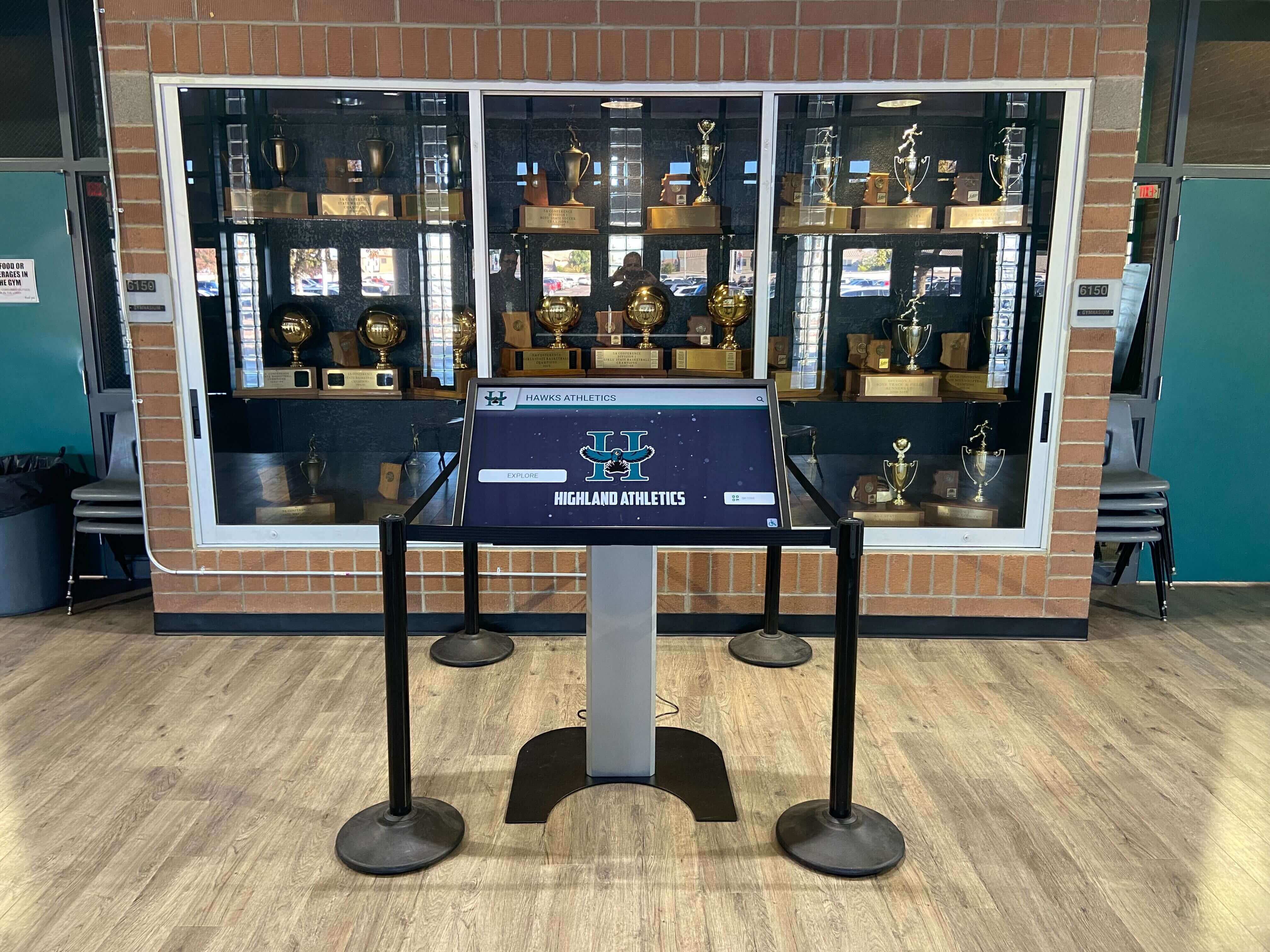
Many successful athletic departments implement digital trophy case displays that showcase award recipients across all categories, creating permanent recognition extending beyond brief banquet acknowledgment.
Improvement and Growth Awards
Improvement awards celebrate athletic development rather than absolute achievement levels, ensuring athletes who grow significantly throughout their careers receive meaningful recognition.
21. Most Improved Player
This classic award acknowledges athletes demonstrating the greatest performance improvement from season start to finish or across multiple years. Most improved recognition validates that growth and development constitute achievements worth celebrating.
Selection Considerations: Base improvement awards on measurable progress—statistical improvement, skill development, or competitive performance enhancement—rather than simply rewarding athletes who began with limited ability, ensuring the award genuinely recognizes growth.
22. Breakthrough Performance Award
Some athletes experience pivotal moments when their performance reaches new levels—a reserve who becomes a starter, an athlete who dramatically improves a specific skill, or someone who delivers unexpected excellence in crucial moments. Breakthrough awards capture these significant development leaps.
23. Comeback Player of the Year
Athletes who overcome injuries, illness, or personal challenges to return to successful competition demonstrate resilience and determination deserving special recognition. Comeback awards acknowledge both the athletic recovery and the character required to persevere through adversity.
24. Rising Star Award
Typically presented to underclassmen showing exceptional promise and potential, rising star awards identify emerging talent while creating positive recognition for athletes who will lead your program in future seasons.
Specialized and Sport-Specific Awards
Different sports offer unique opportunities for specialized recognition reflecting the specific demands, skills, and contributions relevant to each athletic discipline.
25. Clutch Performer Award
This award recognizes athletes who consistently delivered their best performances in the highest-pressure situations—championship games, rivalry contests, or moments when competition outcomes hung in the balance. Clutch awards celebrate athletes whose competitiveness intensifies when stakes increase.
26. Versatility Award
In team sports, versatility awards acknowledge athletes successfully performing multiple positions, roles, or responsibilities. These adaptable competitors provide coaches tactical flexibility while demonstrating breadth of athletic skill and team-first mentality.
27. Captain’s Cup or Player-Coach Award
Some athletes demonstrate such deep understanding of strategy, tactics, and team dynamics that they function as extensions of the coaching staff. This award recognizes athletes who help teach teammates, communicate adjustments, or provide strategic leadership coaches particularly value.
28. Scholar-Athlete Award
Academic achievement deserves celebration within athletic contexts. Scholar-athlete awards recognize students maintaining high GPAs while successfully managing athletic commitments, validating that academic excellence and athletic participation complement rather than compete with each other.
Comprehensive end-of-year student awards programs often integrate athletic recognition with academic honors, celebrating students who excel across multiple dimensions of school engagement.
29. Community Service Award
High school athletic programs serve communities beyond competition. Athletes who contribute significant volunteer hours, organize community service projects, or represent your program positively through community engagement deserve recognition that connects athletics with broader civic responsibility.
30. Four-Year Commitment Award
Athletes who participate in your program throughout their entire high school career demonstrate sustained commitment deserving special recognition. Four-year awards celebrate loyalty, persistence, and the complete athletic journey from freshman to senior year.

Implementing Your High School Sports Awards Program
Creating effective athletic recognition requires more than selecting award categories. Consider these implementation strategies to maximize the meaning and impact of your awards program.
Define Clear, Measurable Selection Criteria
Athletes should understand how awards are determined. Whether selections involve coach decisions, statistical leaders, or teammate voting, transparent criteria ensure awards maintain credibility and significance.
Balance Individual and Team Recognition
While individual awards acknowledge specific achievements, ensure team accomplishments receive equivalent attention. Championship teams, record-setting performances, or historic seasons deserve celebration creating collective pride alongside individual honors.
Create Multi-Year Recognition Traditions
Consider awards that span multiple years, such as career achievement recognition, hall of fame inductions for graduated athletes, or milestone accomplishments (1,000-point scorers, record holders) that create program tradition extending beyond single seasons.
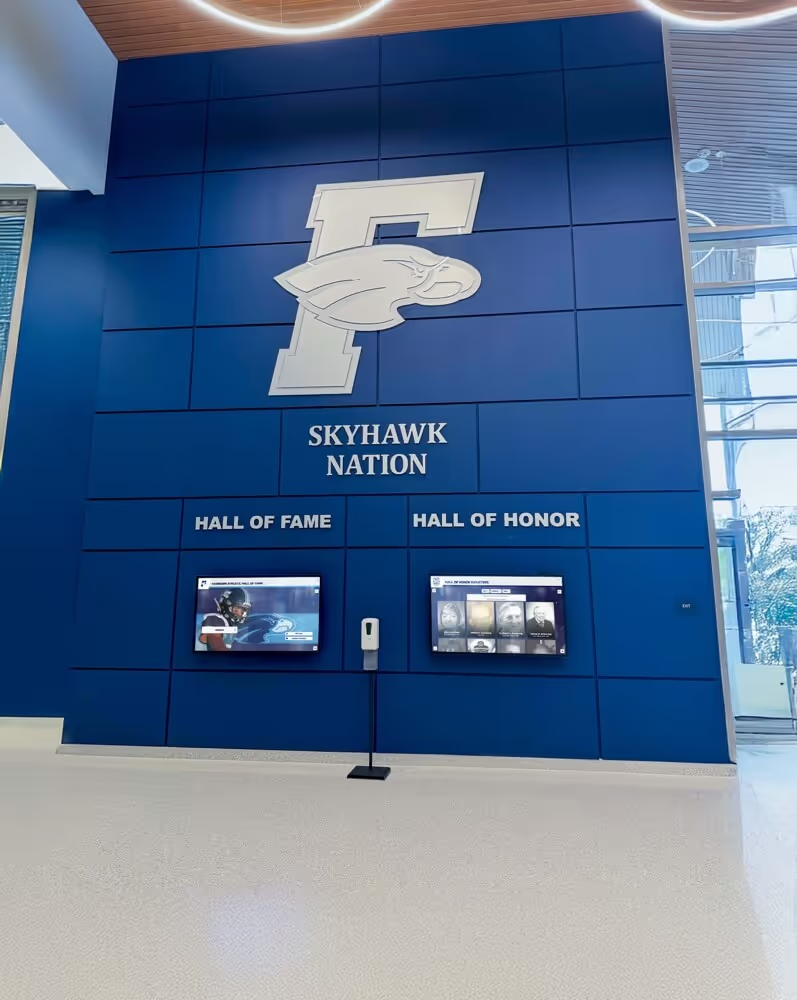
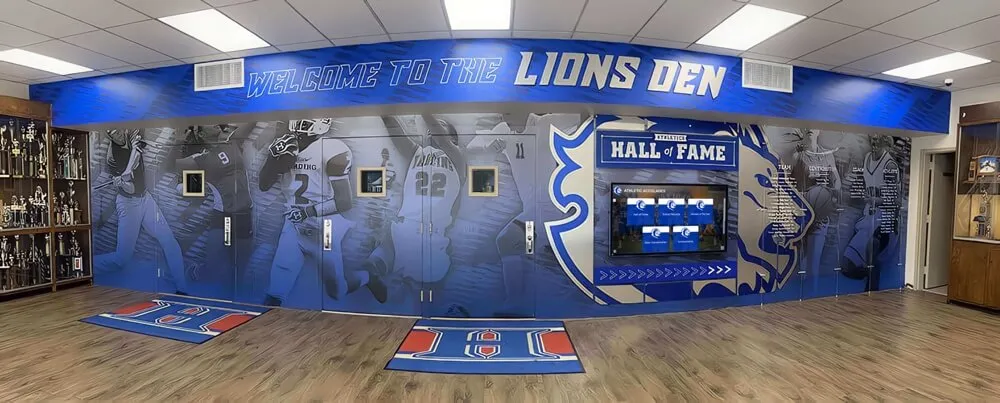
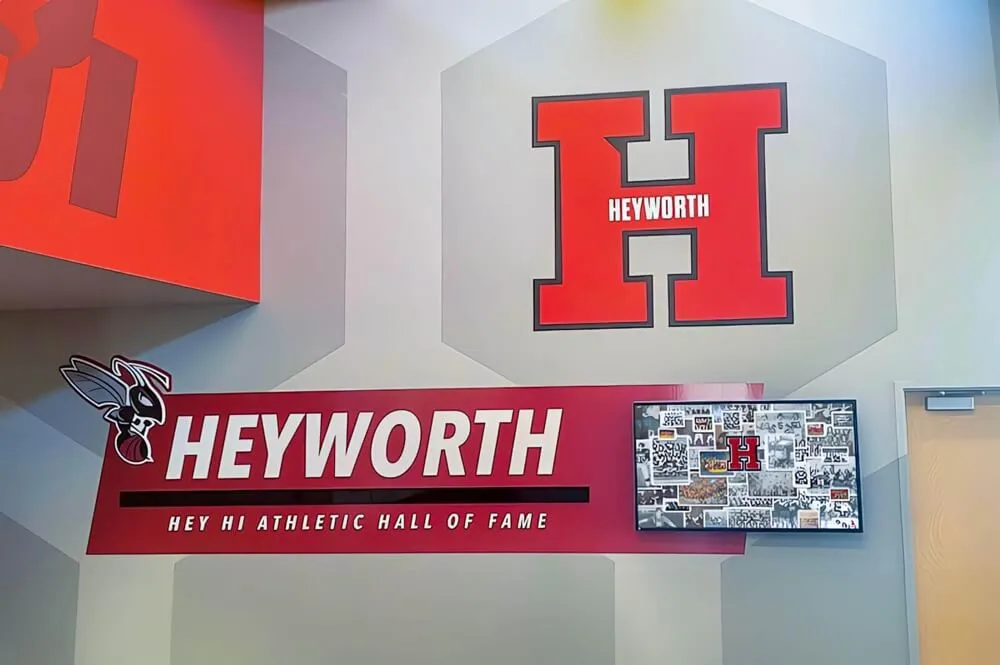
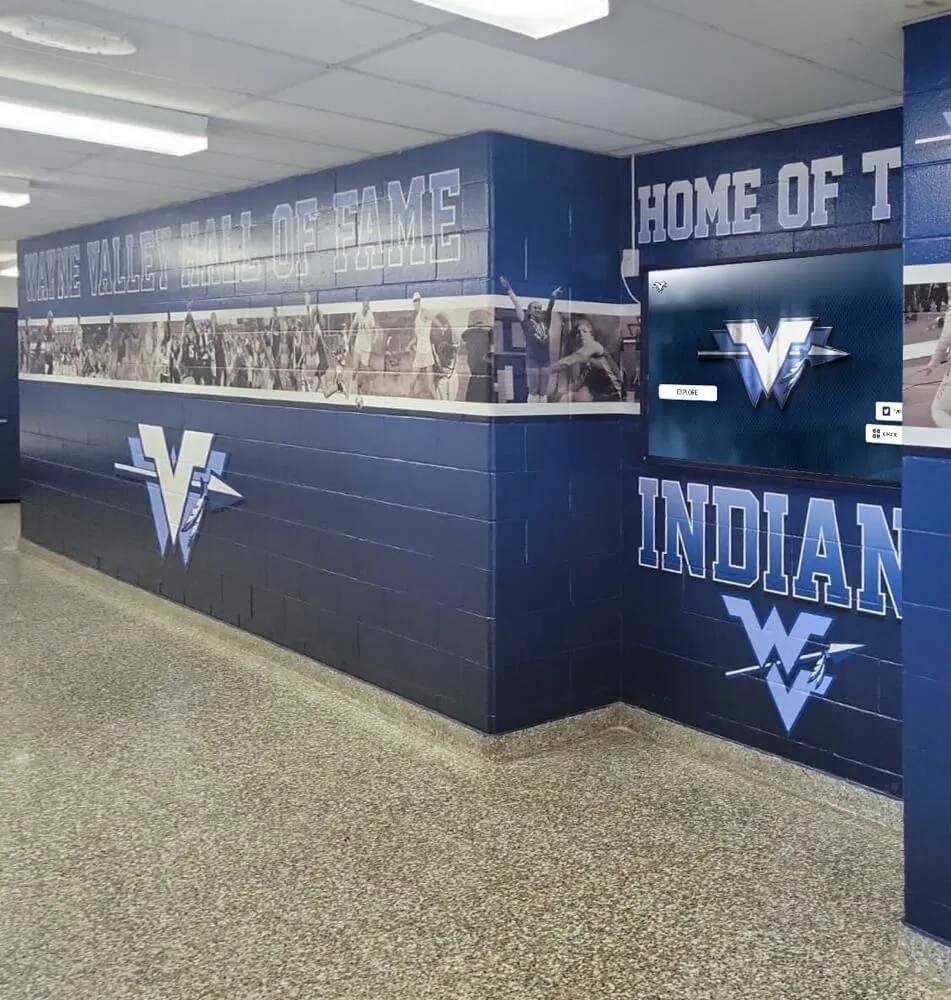
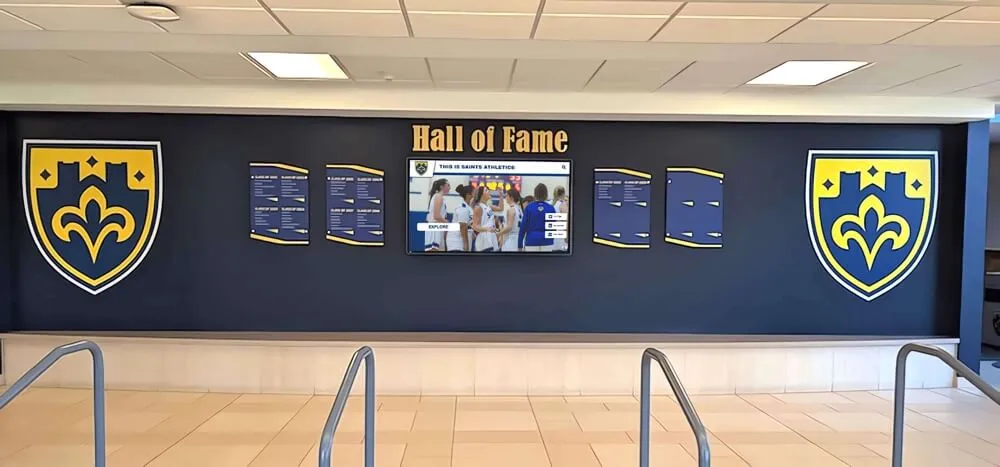
Programs implementing digital hall of fame displays can showcase both current season awards and historical achievement, building recognition systems that honor tradition while celebrating contemporary excellence.
Plan Memorable Presentation Ceremonies
How awards are presented significantly influences their perceived value. End-of-season banquets, senior night ceremonies, or special recognition events create formal contexts demonstrating that awards represent serious acknowledgment rather than perfunctory participation trophies.
Document and Display Award Recipients
Create permanent records of award recipients through plaques in athletic facilities, recognition walls in gymnasiums, or digital displays accessible to athletes, families, and community members. Permanent documentation transforms temporary recognition into lasting program history.
Involve Multiple Stakeholders in Selection
Different awards benefit from different selection approaches. Coach selections work well for effort-based awards, teammate voting adds credibility to sportsmanship recognition, and statistical leader awards rely on objective data. Matching selection methods to award types strengthens legitimacy.
Ensure Equitable Recognition Across Teams
Athletic departments managing multiple sports should ensure recognition systems provide equivalent opportunities across all programs. Basketball, football, soccer, volleyball, track, swimming, tennis, and every other sport deserve comprehensive award structures reflecting their specific competitive contexts.
Successful athletic programs often leverage digital recognition solutions that accommodate unlimited award categories across all sports without physical space constraints limiting recognition opportunities.
Choosing Physical Awards: Trophies, Plaques, and Recognition Options
The physical form awards take influences how recipients and communities perceive their significance. Consider these options when selecting recognition formats.
Traditional Trophies
Classic trophy designs remain popular for major awards like MVP, championship team recognition, or statistical leader categories. Trophies create visually impressive presentations during banquet ceremonies while providing tangible keepsakes athletes can display at home.
Size Considerations: Larger trophies typically signify more prestigious awards. Consider establishing consistent sizing standards—larger trophies for major categories like MVP, medium sizes for specialized awards, smaller versions for broader recognition.
Engraved Plaques
Plaques offer flexibility for permanent facility displays while providing recipients with formal recognition suitable for home display. Many programs create duplicate plaques—one for the athlete to keep and one installed in athletic facilities creating permanent program records.
Medals and Medallions
For programs recognizing numerous athletes or managing budget constraints, medals provide meaningful recognition at lower costs than trophies. Championship medals, all-conference recognition, or participation medals acknowledge achievement while remaining financially sustainable.
Custom Awards and Unique Designs
Sport-specific awards incorporating equipment elements—footballs, basketballs, soccer balls, baseballs, or sport-specific imagery—create distinctive recognition connecting directly to the athletic discipline being honored.
Digital Recognition Displays
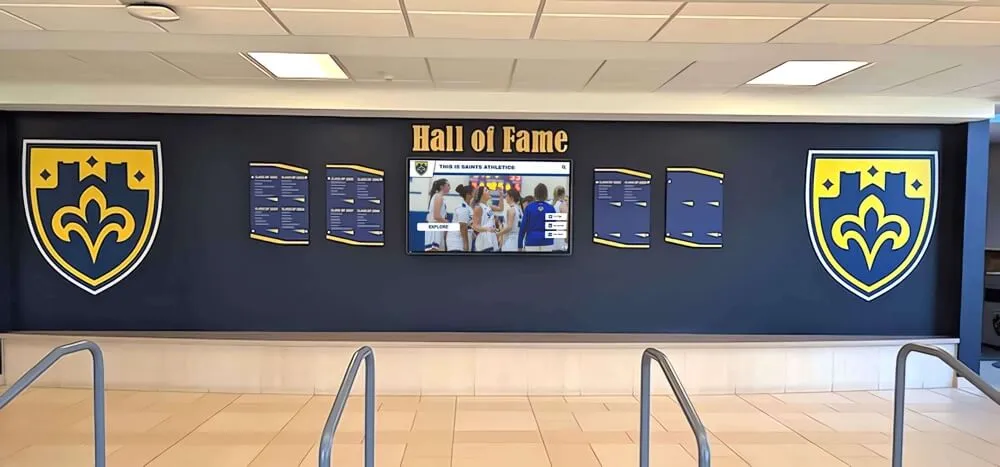
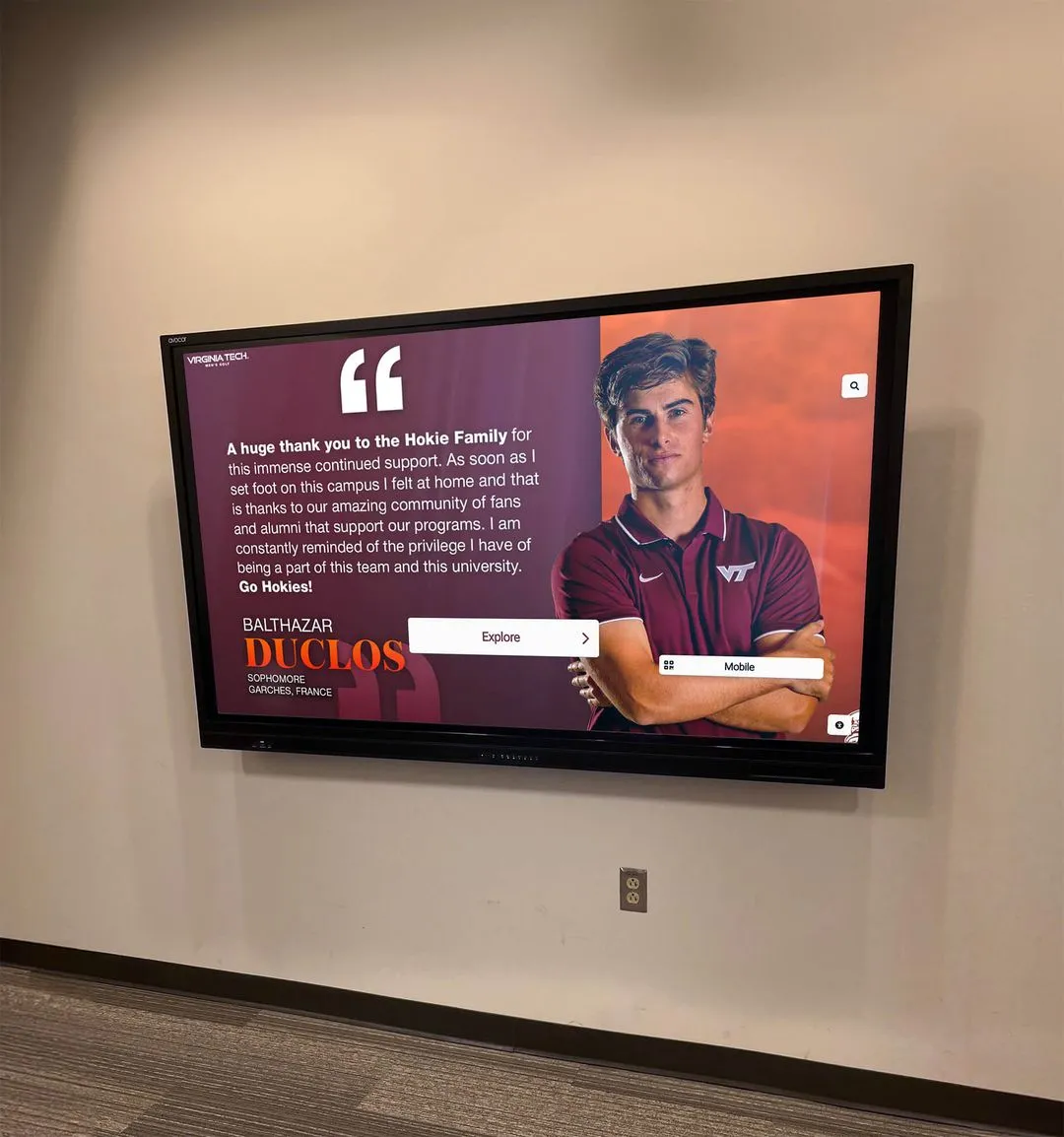
Modern recognition increasingly supplements or replaces physical awards with digital displays offering advantages traditional formats cannot match: unlimited space for comprehensive athlete profiles, multimedia content including photos and videos, easy updates without physical modification, and accessibility extending beyond trophy case operating hours.
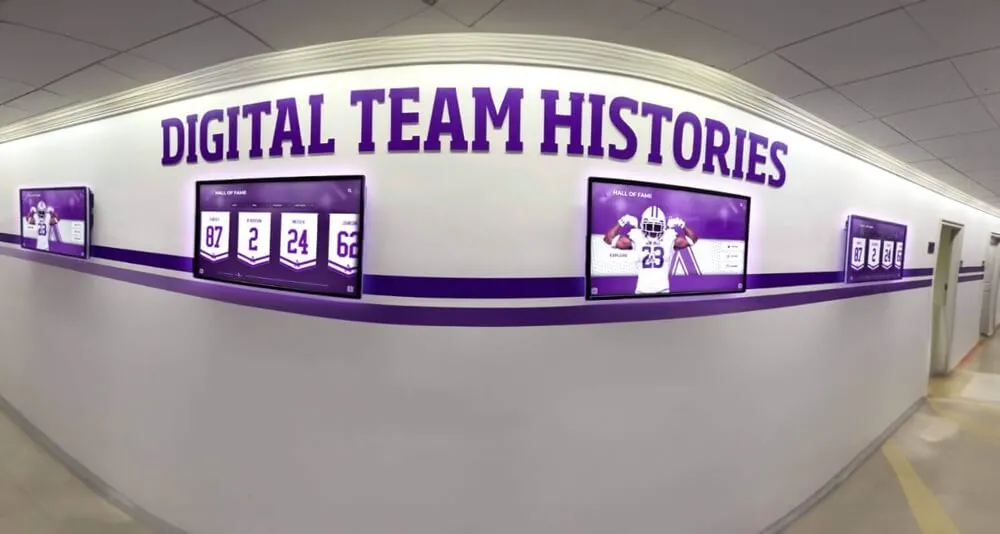
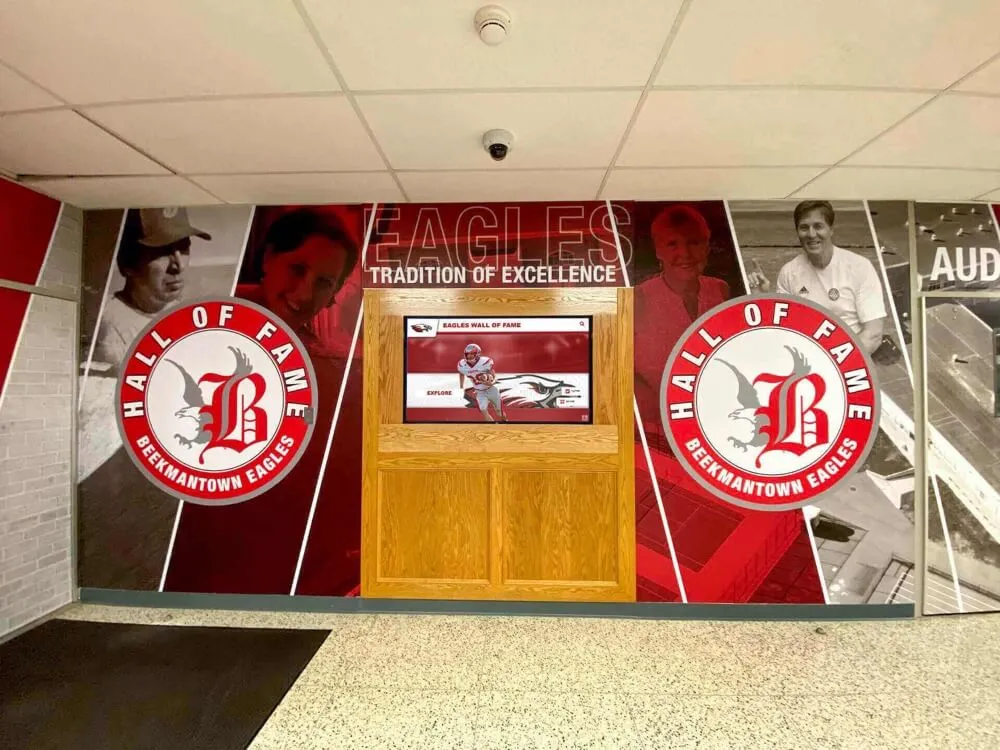
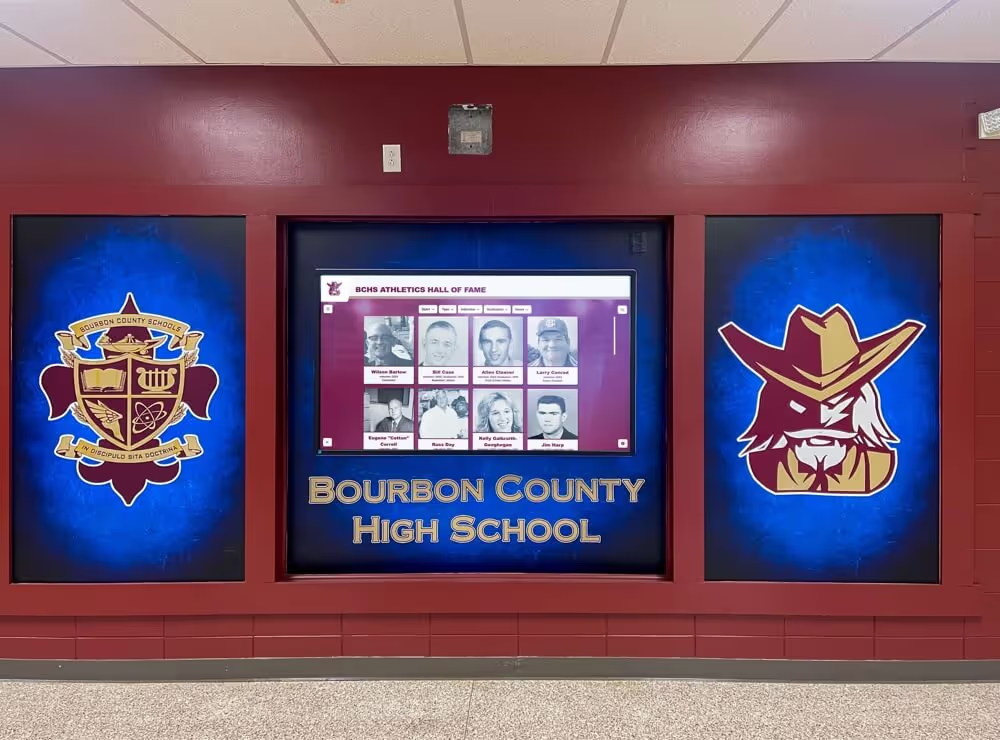
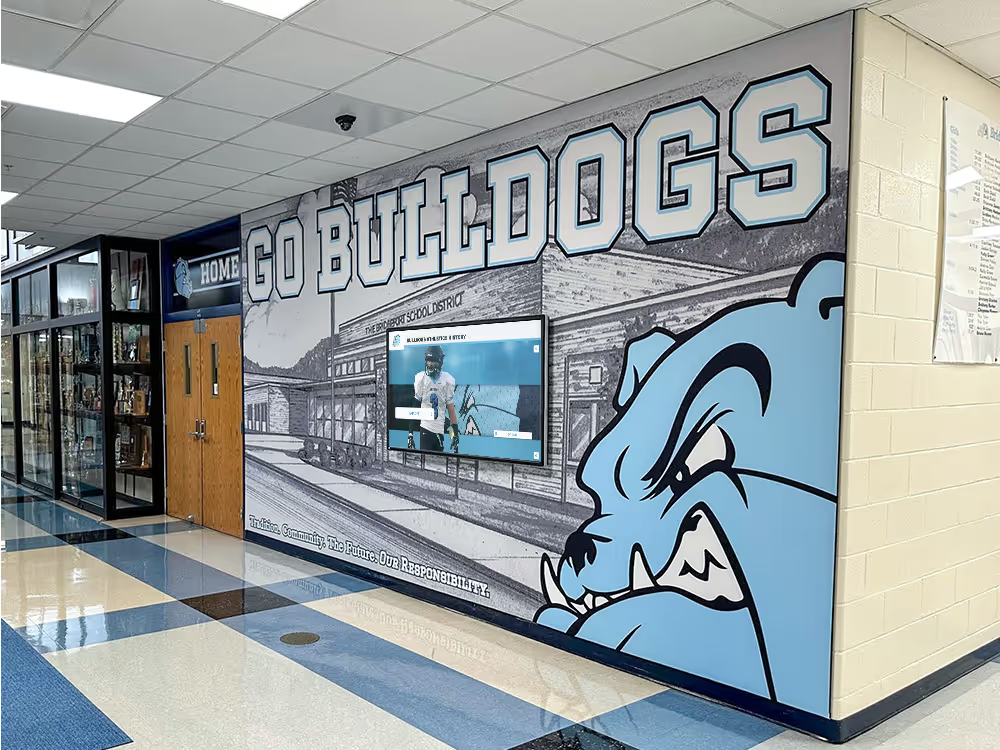
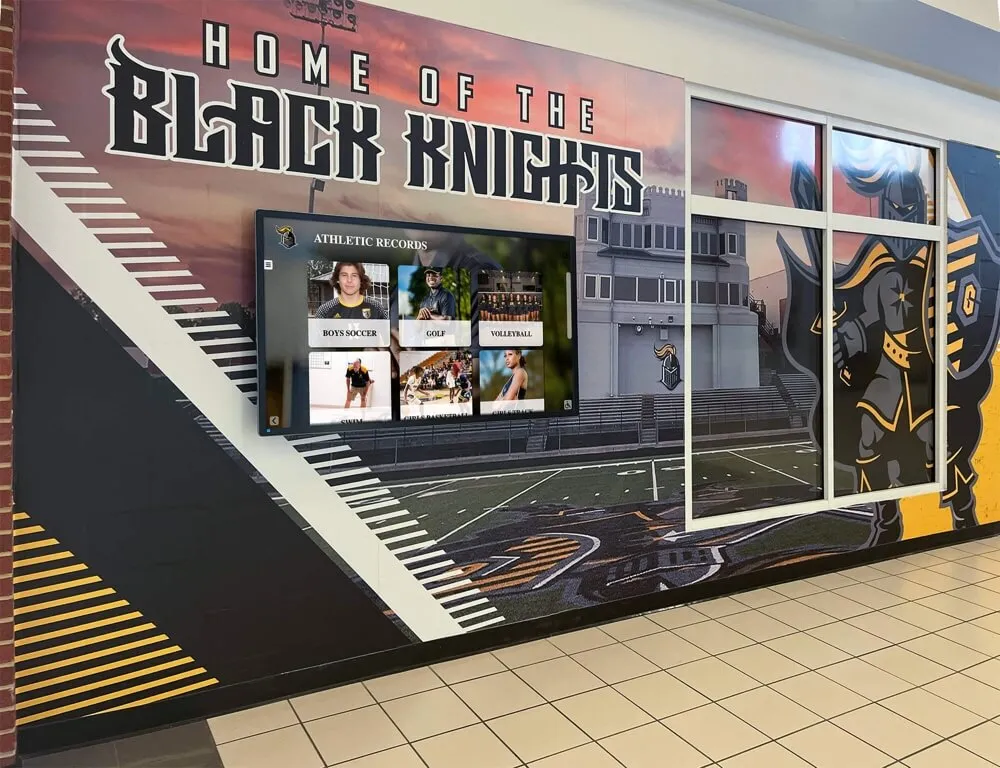
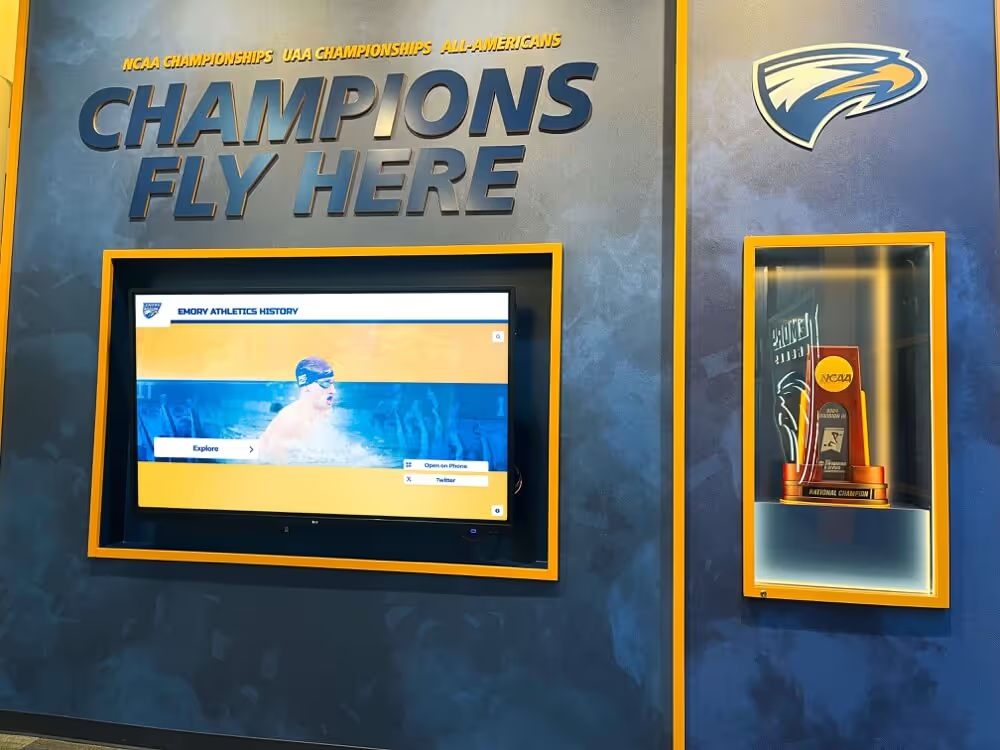
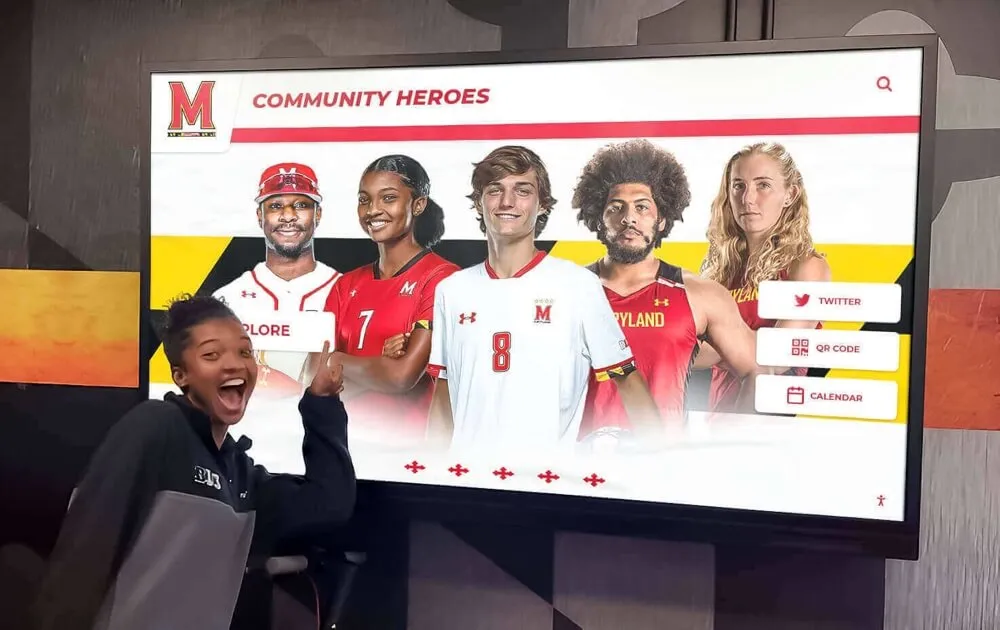
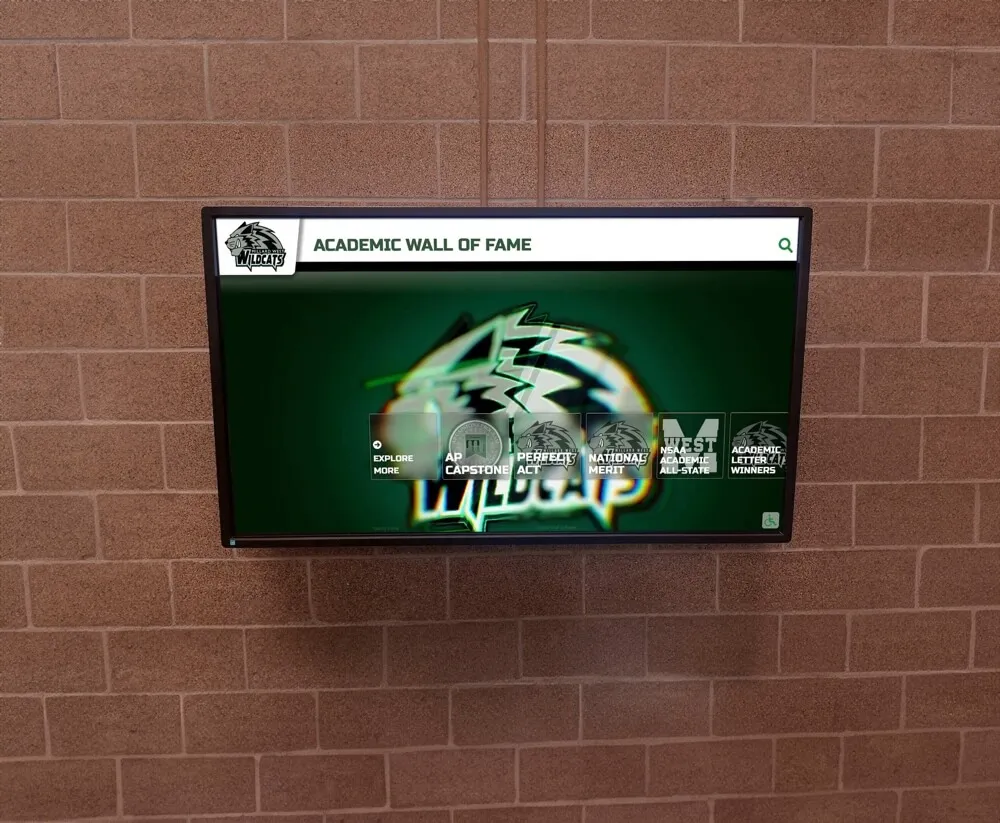
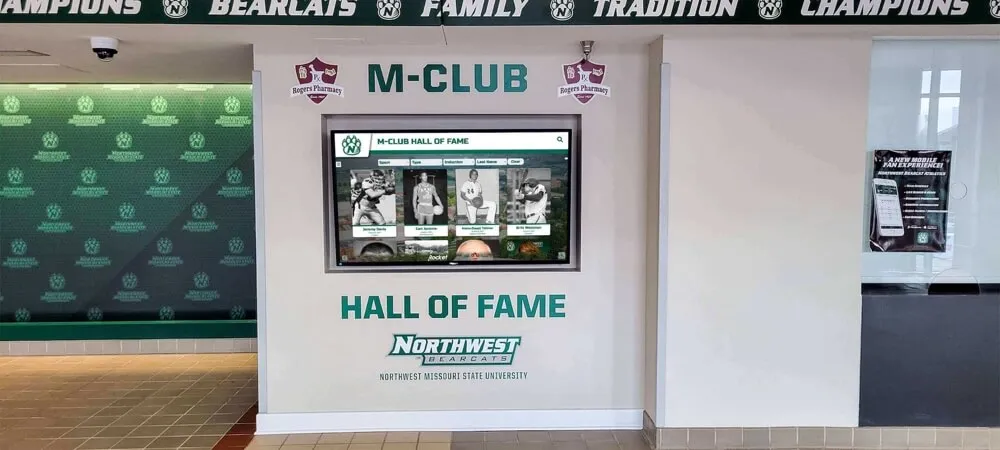
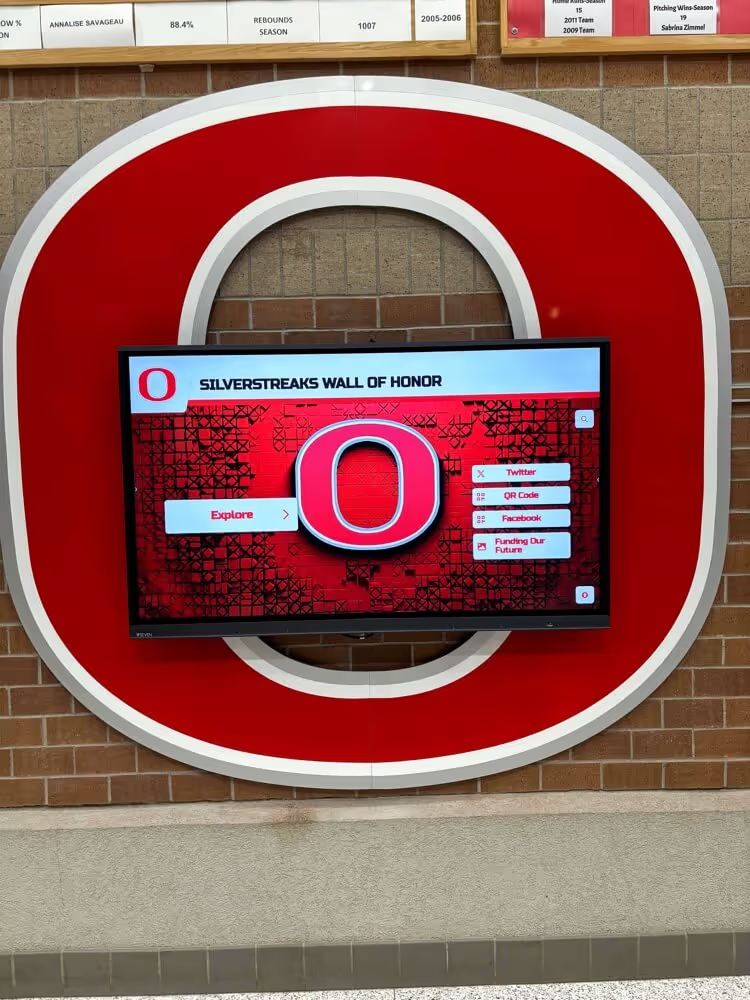
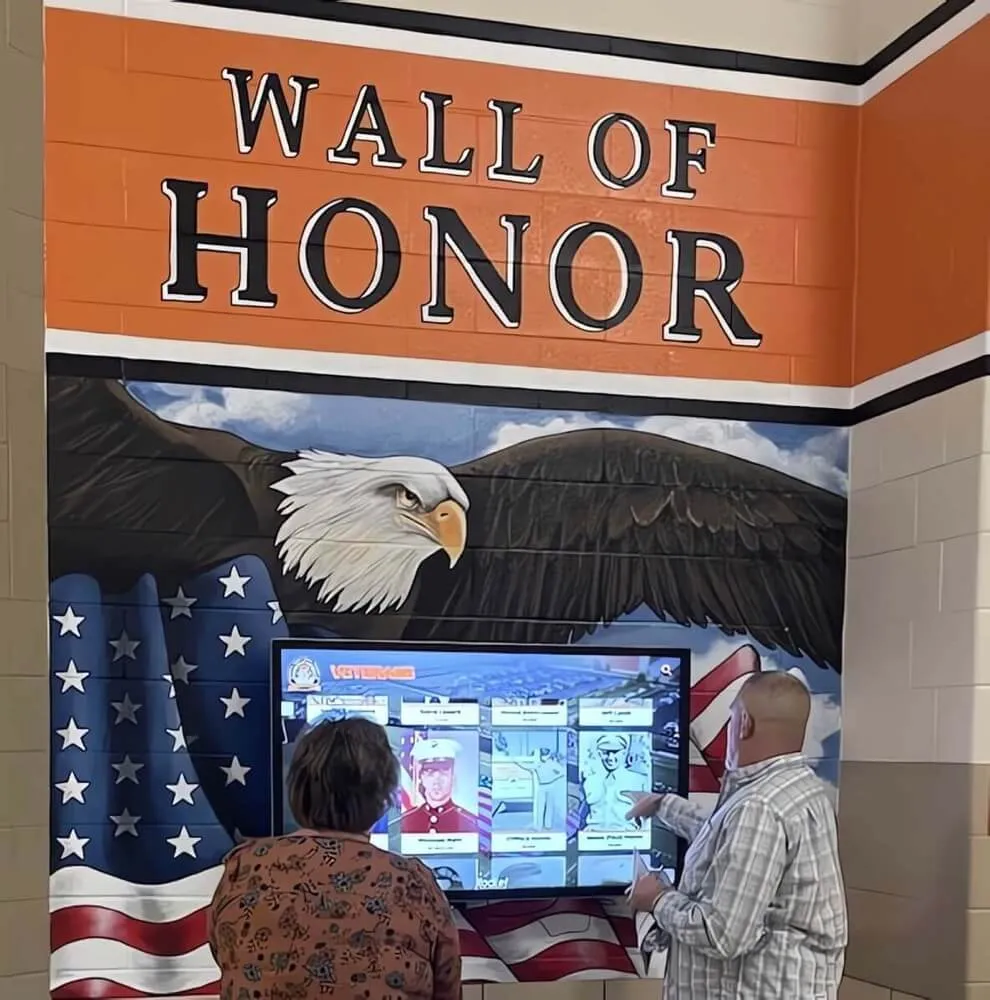
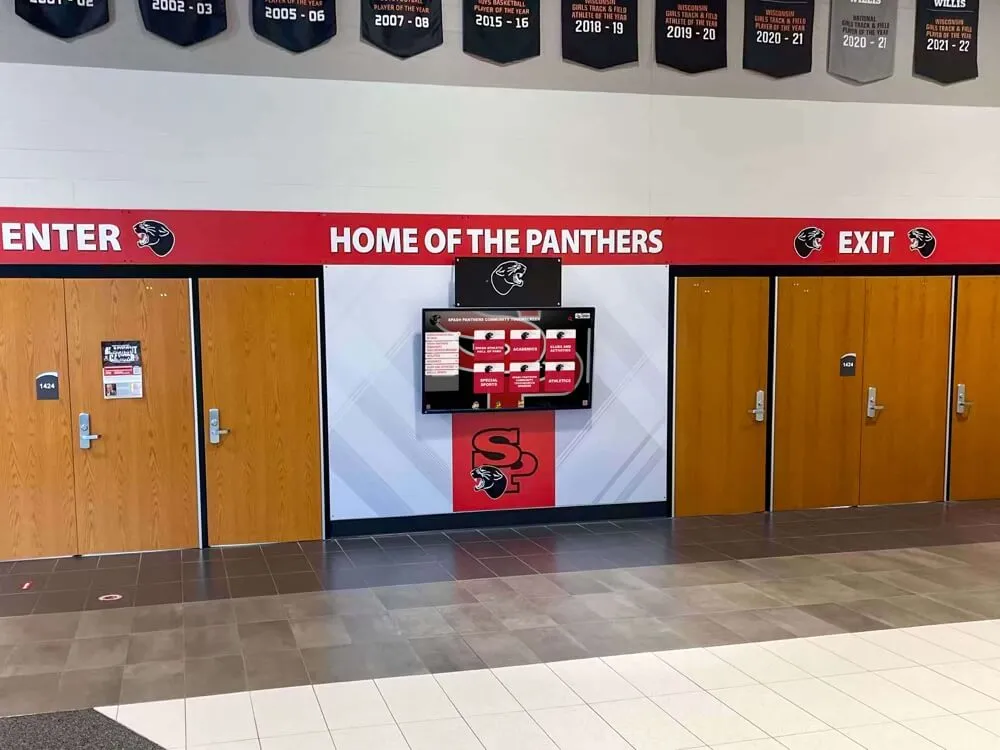
Athletic departments exploring technology-enhanced recognition can implement touchscreen recognition displays that showcase sports awards alongside academic honors, alumni achievements, and donor recognition, creating comprehensive celebration platforms.
Budget Considerations for High School Sports Awards Programs
Athletic department budgets vary dramatically across schools. These strategies help create meaningful recognition programs regardless of financial resources.
Prioritize Major Awards First
If budget constraints limit recognition spending, prioritize the most significant awards—MVP, team championships, senior recognition—ensuring your most important acknowledgment receives appropriate resources before expanding to additional categories.
Leverage Sponsorships and Donations
Local businesses, alumni, or booster clubs often willingly sponsor specific awards, covering costs in exchange for acknowledgment during presentations. “The Smith Family Sportsmanship Award” or “Main Street Motors Most Improved Player” creates community connections while addressing budget limitations.
Create Rotating Perpetual Trophies
Instead of providing individual trophies to each year’s recipient, establish single perpetual trophies that remain in trophy cases with plaques added annually listing each winner. This approach creates impressive displays while reducing per-award costs.
Combine Digital and Physical Recognition
Using digital displays for comprehensive athlete profiles while limiting physical awards to major categories allows programs to provide extensive recognition while managing trophy and plaque costs.
Design In-House Certificates and Programs
Schools with graphic design programs or talented staff can create professional-quality certificates, programs, and presentation materials internally rather than purchasing commercial products, significantly reducing recognition program costs.
Connecting Athletic Recognition to Fundraising and Development
Athletic awards programs create opportunities for development activities that benefit both recognition systems and broader athletic funding needs.
Hall of Fame Induction Events
Establishing athletic hall of fame programs that induct graduated athletes creates prestigious recognition opportunities while generating revenue through ticket sales, sponsorships, and silent auctions at induction ceremonies.
Named Award Endowments
Major donors can endow specific awards in perpetuity, with investment earnings funding annual trophy purchases while the donor’s name remains permanently associated with that recognition category.
Recognition Wall Fundraising
Capital campaigns for enhanced athletic facilities can include recognition walls or digital displays as donor benefits, funding improved recognition infrastructure through development activities.
Programs integrating athletic and donor recognition often use digital donor walls that seamlessly showcase both financial contributors and athletic achievers, acknowledging all forms of program support.
Gender Equity in Athletic Recognition
Title IX requirements and fundamental fairness principles demand equitable recognition across men’s and women’s sports programs. Ensure your awards systems reflect this commitment.
Equivalent Award Categories
Women’s and men’s programs should offer equivalent award categories with equal prestige, presentation quality, and public acknowledgment. If football receives 15 award categories, volleyball deserves comparable recognition breadth.
Equal Presentation Ceremonies
Banquets, ceremonies, and recognition events for women’s sports should receive equivalent resources, venues, attendance promotion, and ceremonial formality as men’s sports programs.
Balanced Facility Recognition Space
Trophy cases, recognition walls, and display areas should allocate equal prominence to women’s and men’s achievements. Prime facility locations shouldn’t disproportionately feature one gender’s accomplishments.
Identical Physical Award Quality
The trophies, plaques, or other physical awards presented to women’s sports recipients should match the quality, size, and perceived value of those given to men’s sports athletes for equivalent achievement levels.
Understanding athletic equity considerations helps athletic directors ensure recognition programs appropriately honor all athletes regardless of sport or gender.
Technology Solutions for Modern Athletic Recognition
Digital technology transforms how schools recognize athletic achievement, offering capabilities traditional trophy cases cannot provide.
Interactive Touchscreen Displays
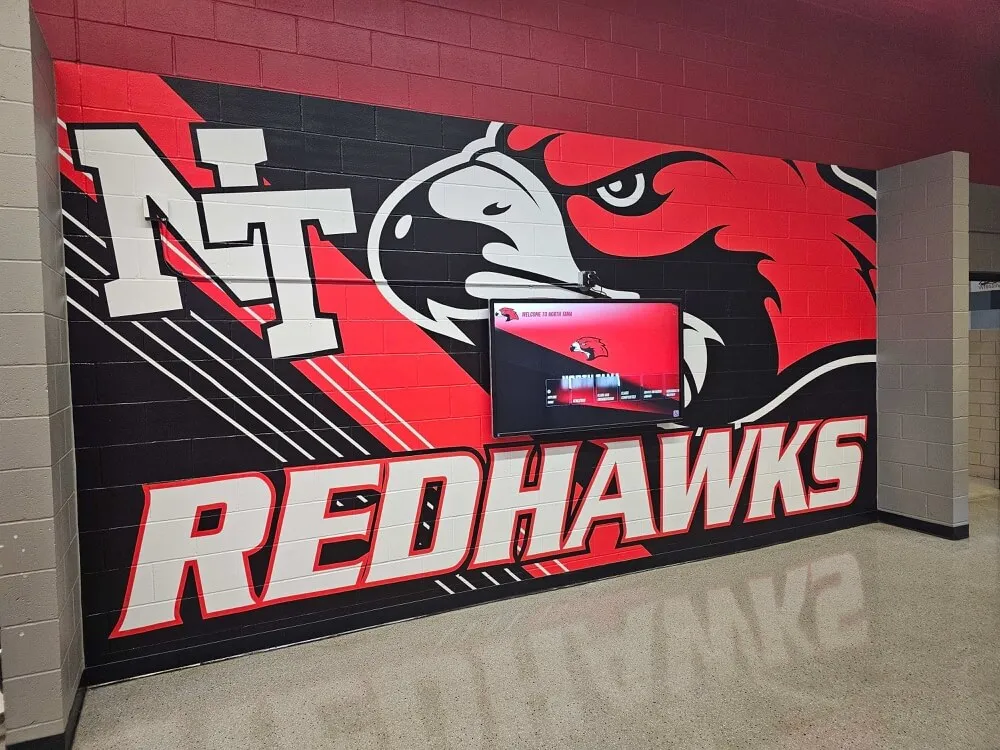
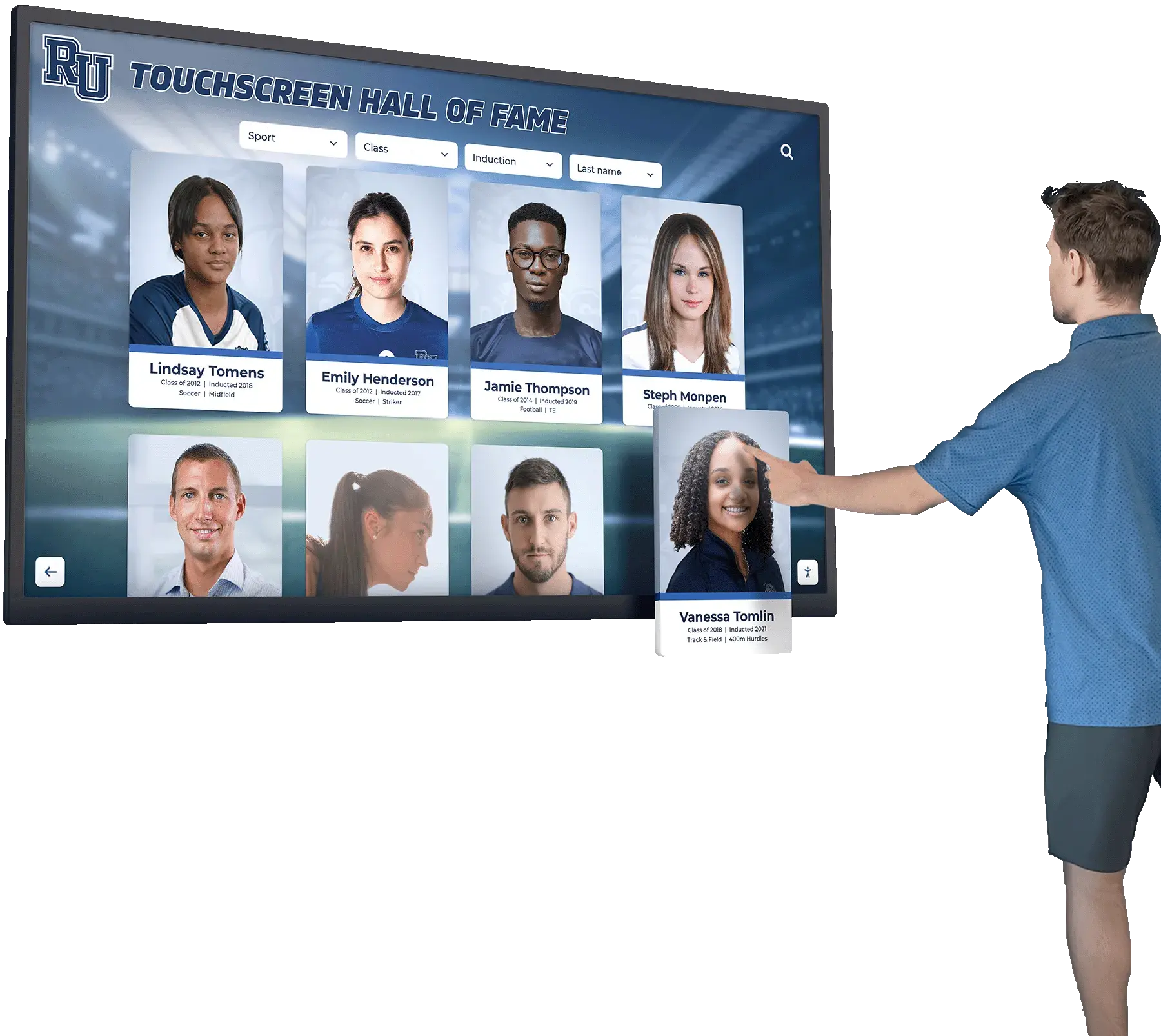
Modern touchscreen systems allow athletes, families, and visitors to explore comprehensive profiles featuring statistics, photos, videos, and achievement records. Users can search by athlete name, sport, year, or award category, making extensive historical data readily accessible.
Cloud-Based Management Systems
Contemporary recognition platforms enable athletic staff to update content remotely without requiring physical access to display hardware. Coaches can submit athlete information, upload photos, and add achievement data from any location with internet connectivity.
Mobile Integration and Sharing
Digital recognition systems with mobile applications or responsive web interfaces allow athletes to access their profiles on smartphones, share achievements on social media, and show family members their recognition regardless of physical location.
Unlimited Recognition Capacity
Physical trophy cases have finite space, forcing difficult decisions about what achievements merit limited display space. Digital systems accommodate unlimited content, ensuring every award recipient, every team achievement, and every milestone receives appropriate recognition.
Multimedia Storytelling
Digital platforms incorporate videos, photo galleries, audio clips, and interactive elements impossible in physical displays, creating richer storytelling that captures the full context of athletic achievement beyond simple statistics.
Creating Year-Round Recognition Culture
Effective athletic recognition extends beyond end-of-season banquets to create continuous acknowledgment reinforcing positive behaviors and achievements throughout the year.
Weekly or Monthly Recognition Programs
Implement regular recognition through social media features, morning announcements, lobby displays, or newsletter highlights celebrating current achievements rather than limiting acknowledgment to season-ending ceremonies.
Real-Time Achievement Updates
Update digital recognition displays immediately when athletes break records, earn milestones, or achieve significant accomplishments, creating timely celebration while achievements remain current and exciting.
Practice and Training Recognition
Don’t limit awards to competitive achievements. Recognize practice performance, training commitment, skill improvement milestones, and off-season development to reinforce that excellence develops through daily dedication.
Academic Integration
Connect athletic and academic recognition by celebrating athlete academic achievements through the same systems showcasing competitive accomplishments, reinforcing the student-athlete identity.
Comprehensive athletic department software tools increasingly include recognition features alongside scheduling, communication, and administrative functions, streamlining program management.
Conclusion: Building Recognition Programs That Matter
High school sports awards serve purposes far beyond distributing trophies at banquets. Thoughtfully designed recognition systems validate diverse contributions, reinforce program values, motivate continued excellence, and create lasting memories connecting athletes to your program long after graduation. The 30 award categories presented in this guide provide frameworks for comprehensive recognition celebrating performance, character, effort, and growth across every dimension of athletic participation.
The most effective programs balance tradition with innovation—honoring time-tested awards like MVP while creating new categories reflecting evolving understanding of athletic excellence. Whether your program relies on traditional trophies displayed in trophy cases or implements modern digital recognition systems, the essential principle remains constant: athletes who feel genuinely valued develop stronger connections to teams, maintain higher engagement, and carry positive athletic experiences throughout their lives.
As you plan your athletic recognition program, remember that awards should reflect your program’s values while celebrating authentic achievement. Create systems comprehensive enough that every athlete can earn meaningful recognition for some form of contribution while maintaining standards ensuring awards represent genuine accomplishment rather than participation tokens. When recognition balances inclusivity with significance, you build cultures where excellence flourishes across every measure of athletic success.
Modern recognition solutions like Rocket Alumni Solutions provide athletic departments with powerful tools for creating comprehensive, accessible, and enduring celebration of athletic achievement. Interactive touchscreen displays accommodate unlimited award categories across all sports, showcase rich multimedia content telling complete athlete stories, and create permanent program records accessible to current athletes, alumni, families, and communities for years to come. When combined with thoughtful award category design and meaningful selection processes, these systems transform recognition from brief ceremony moments into lasting celebration woven throughout your athletic program’s culture.