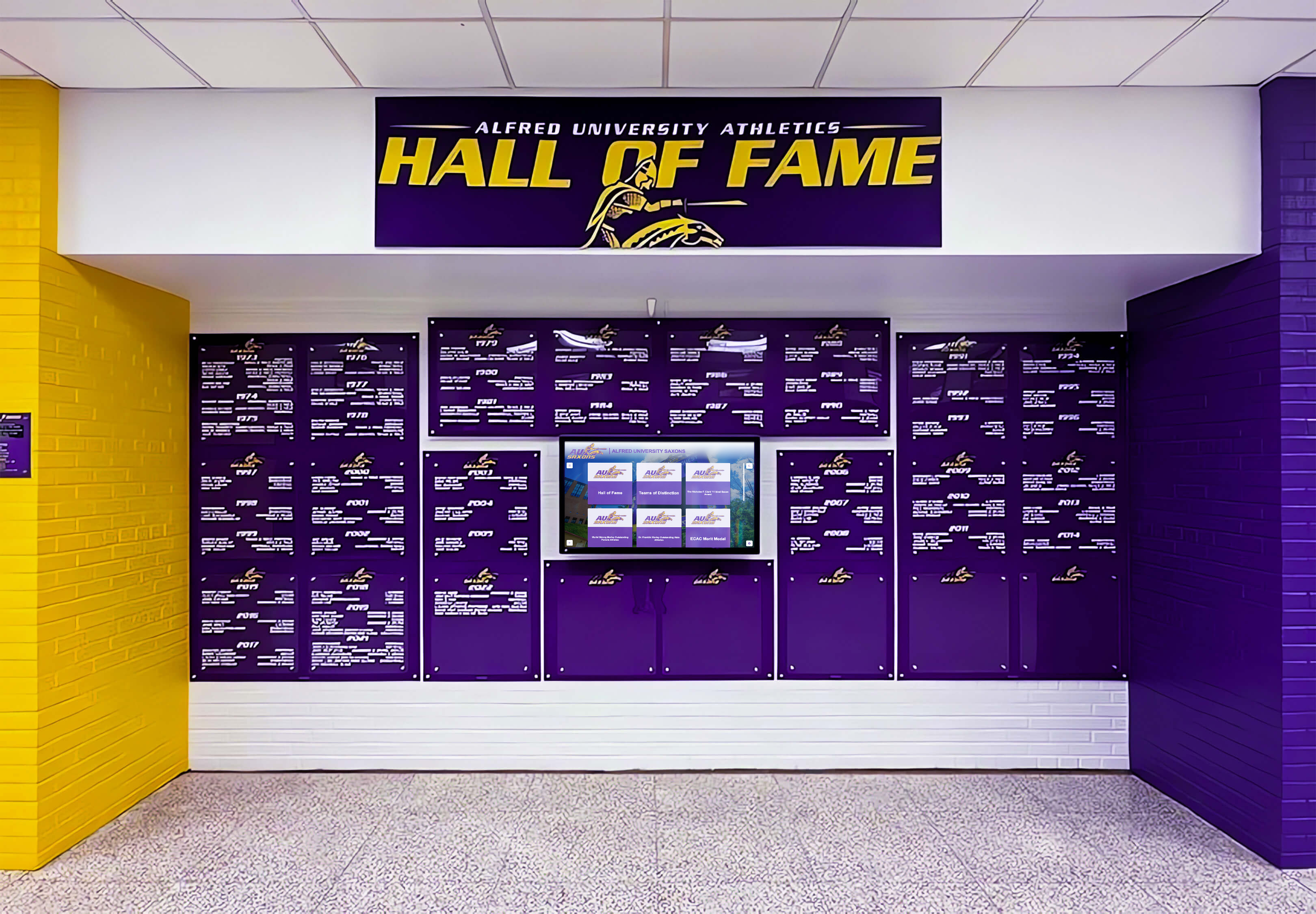




High school reunion activities that skip athletic recognition miss one of the most powerful emotional threads connecting alumni to their school years. Whether someone lettered in three sports, cheered from the stands, or managed the equipment room, athletics shapes a disproportionate share of high school memories—rivalries, championships, heartbreaking losses, and the bonds forged during practices that started before dawn and games that ended under stadium lights.
Planning athletic recognition into your reunion schedule transforms a generic gathering into a celebration that validates what athletes achieved and the culture those achievements created. This guide covers the full range of activities, from low-cost display ideas and formal recognition ceremonies to interactive digital archives that give returning alumni something to explore long after the dinner tables are cleared.
Permanent Athletic Recognition Beyond Reunion Weekend
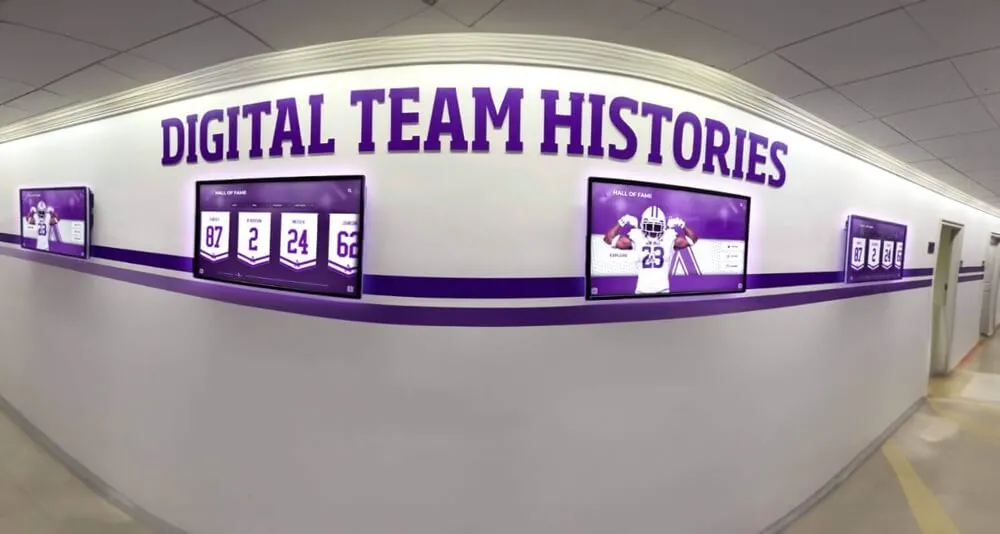
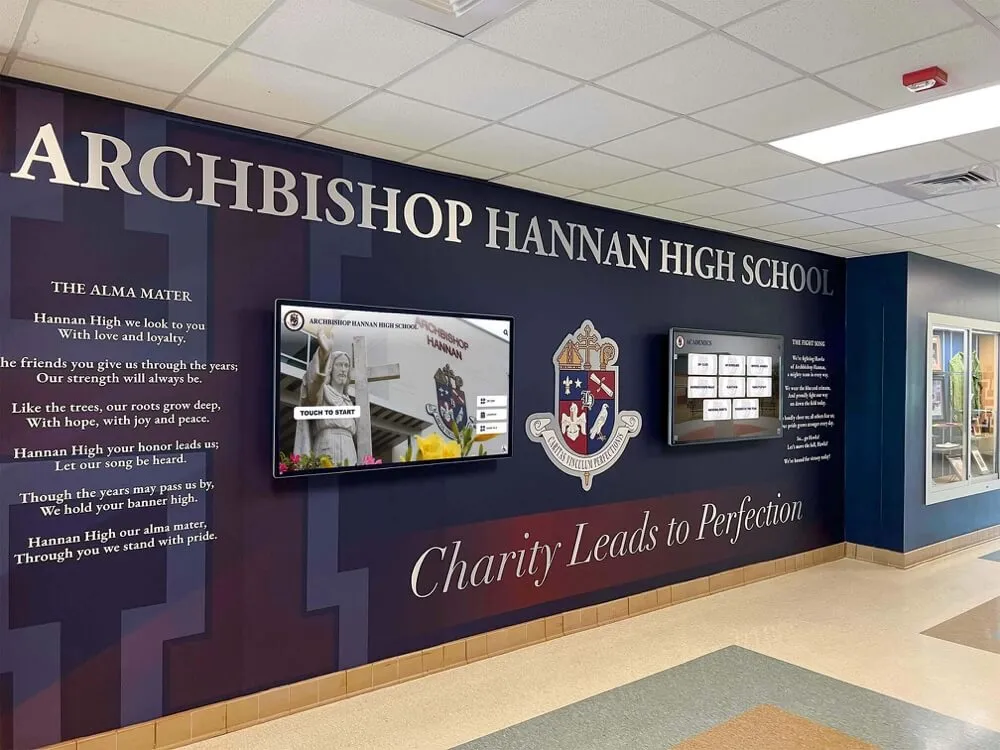
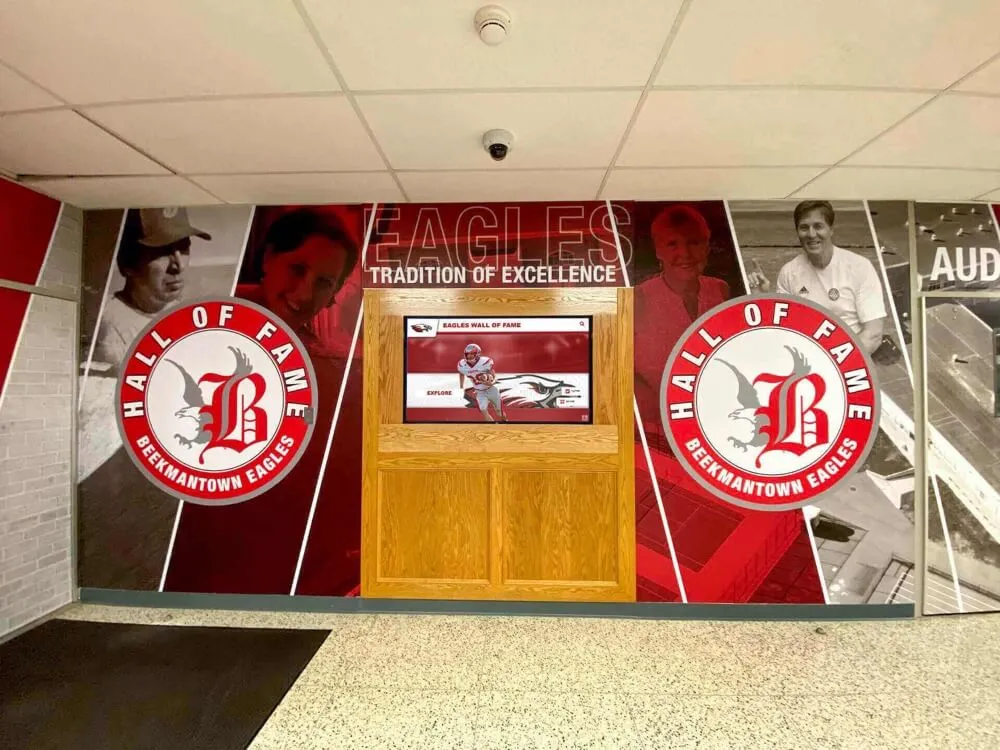
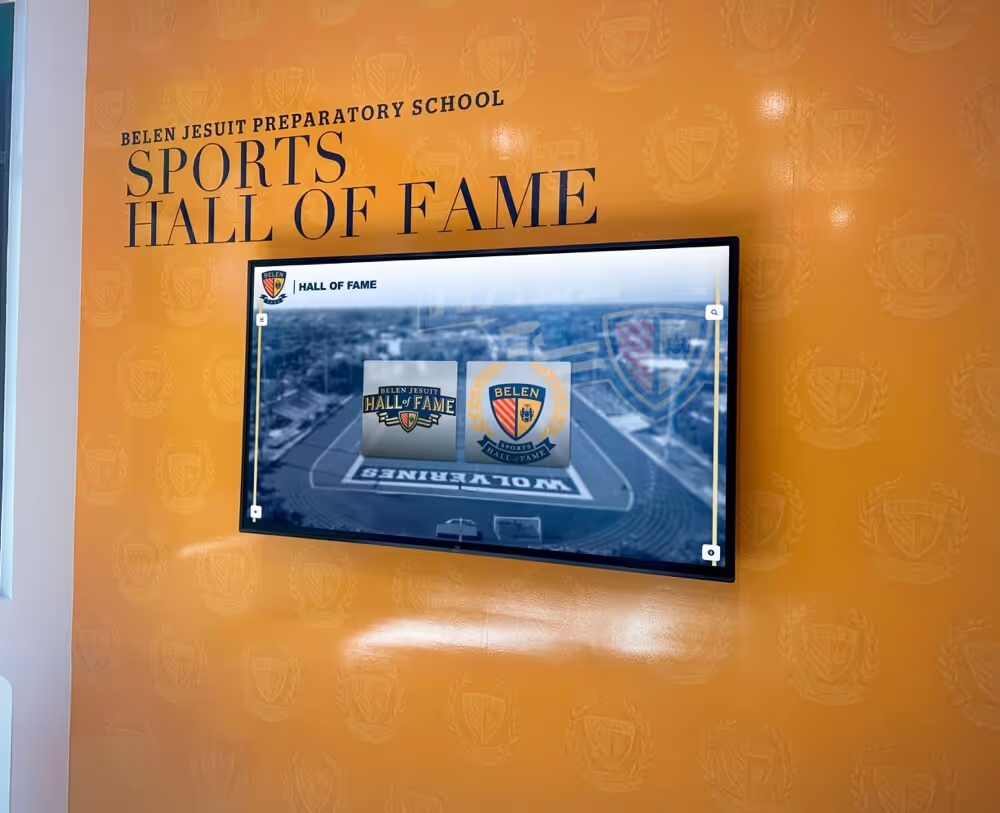
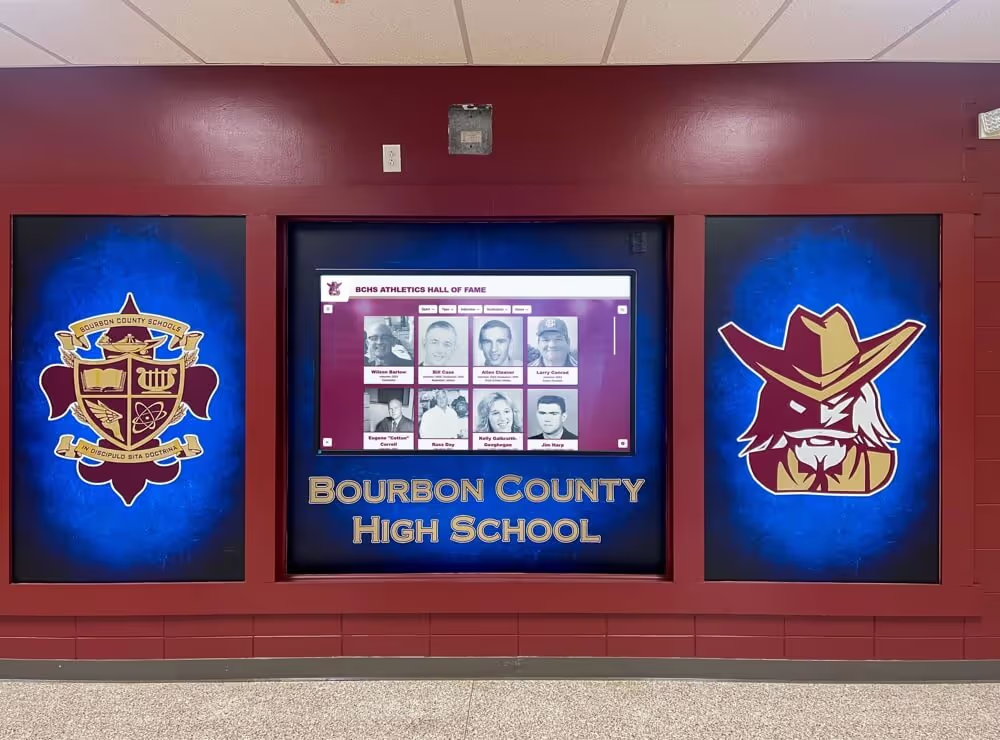
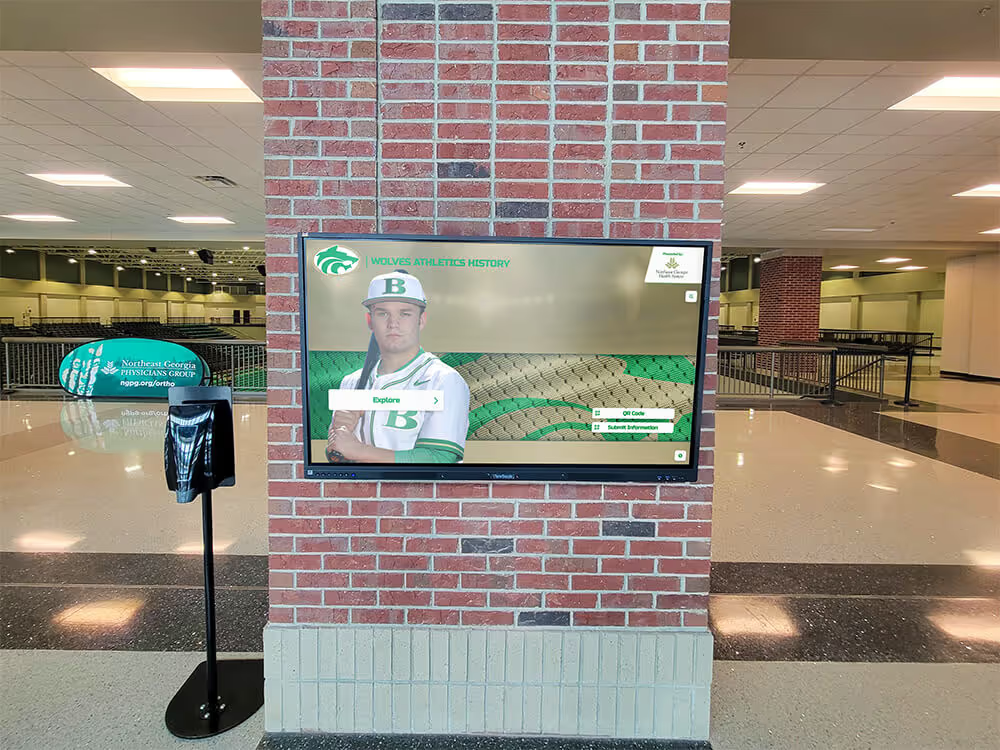
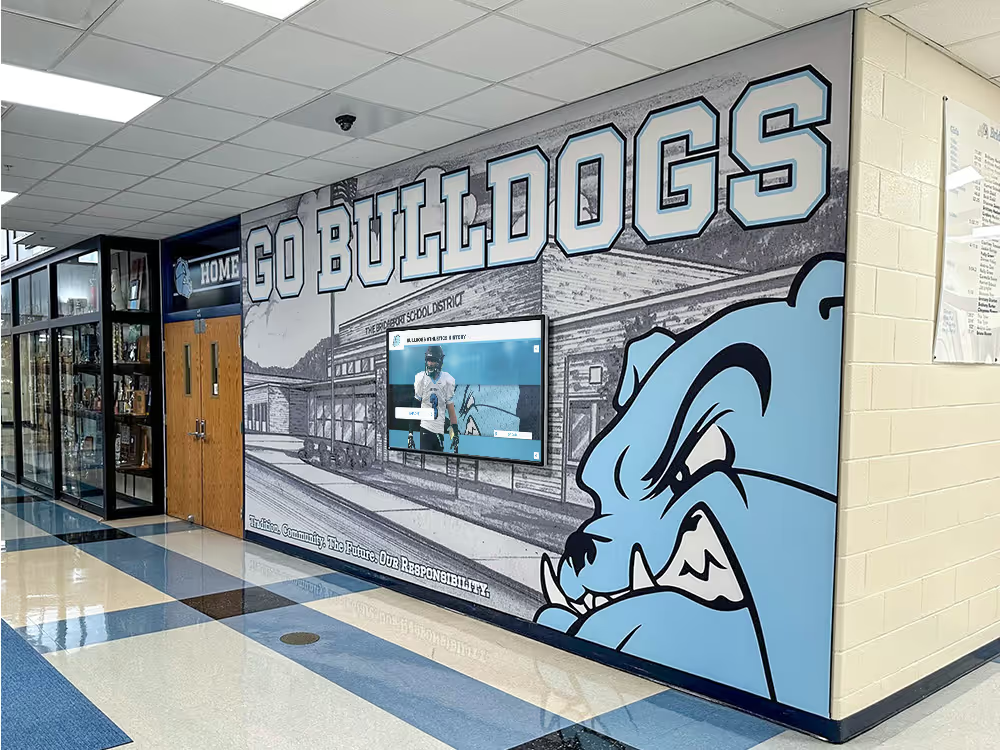
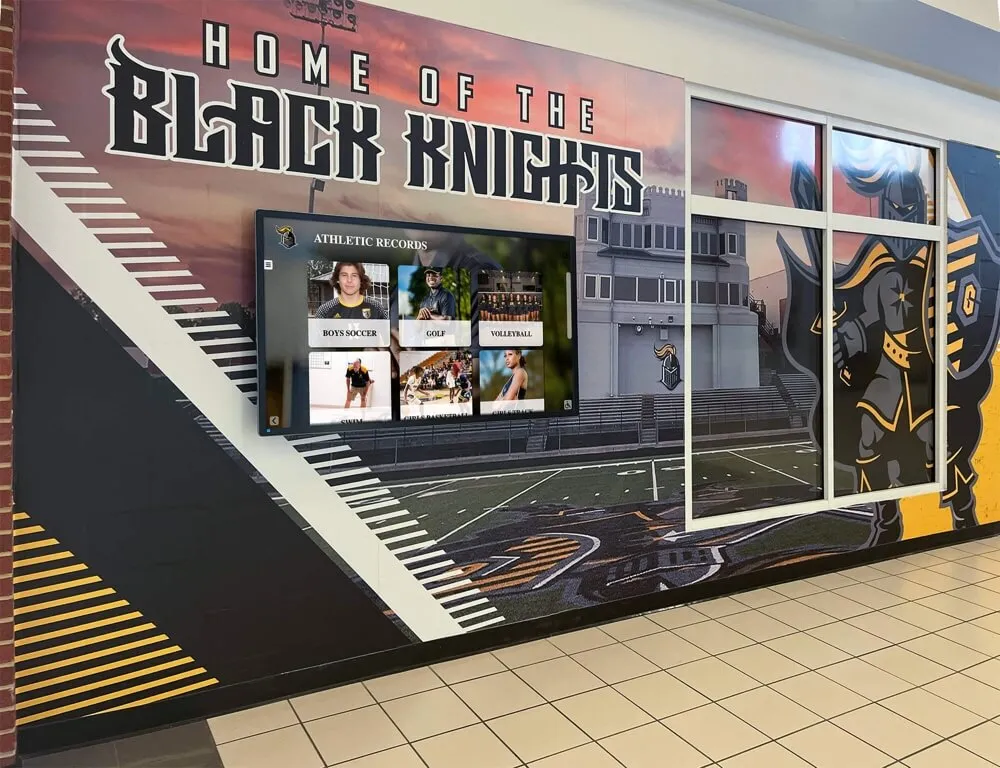
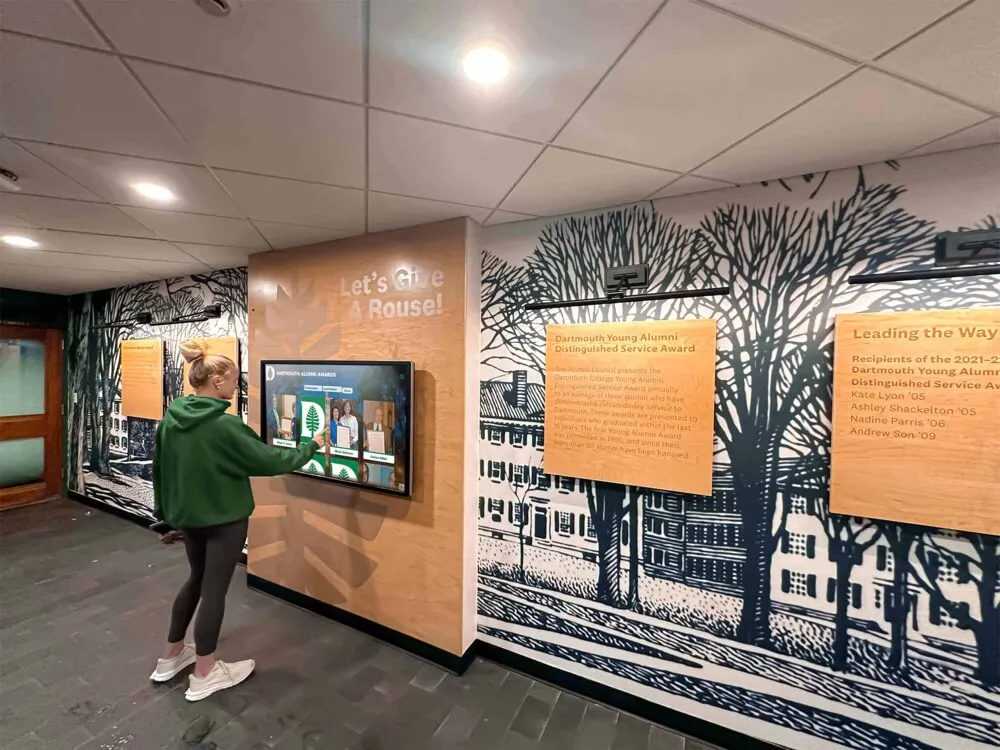
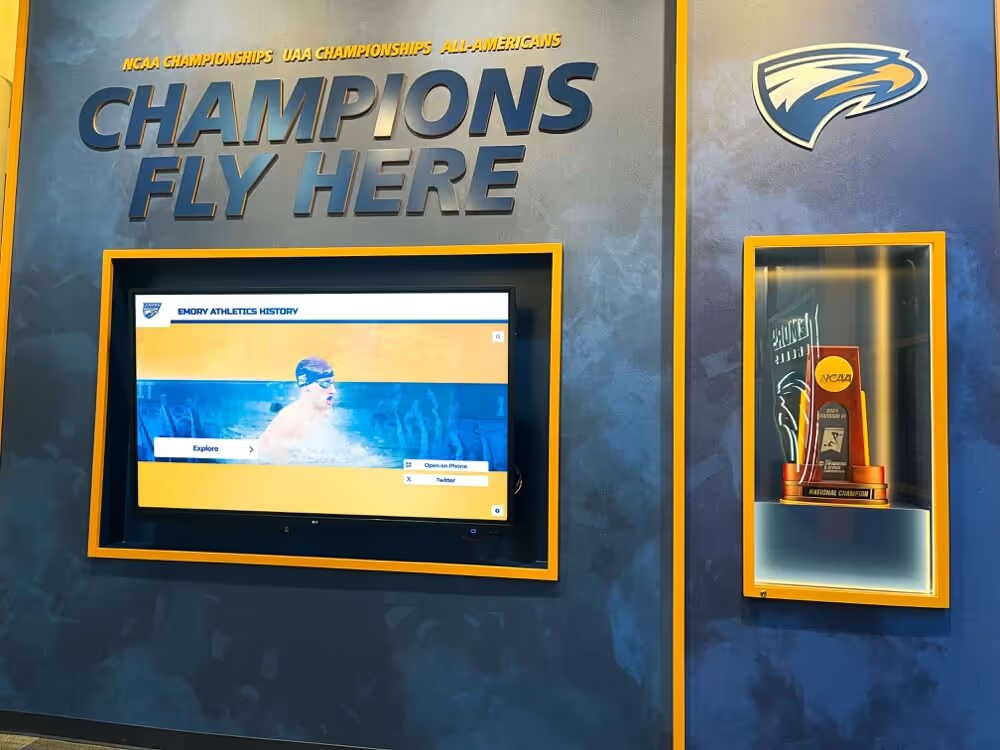
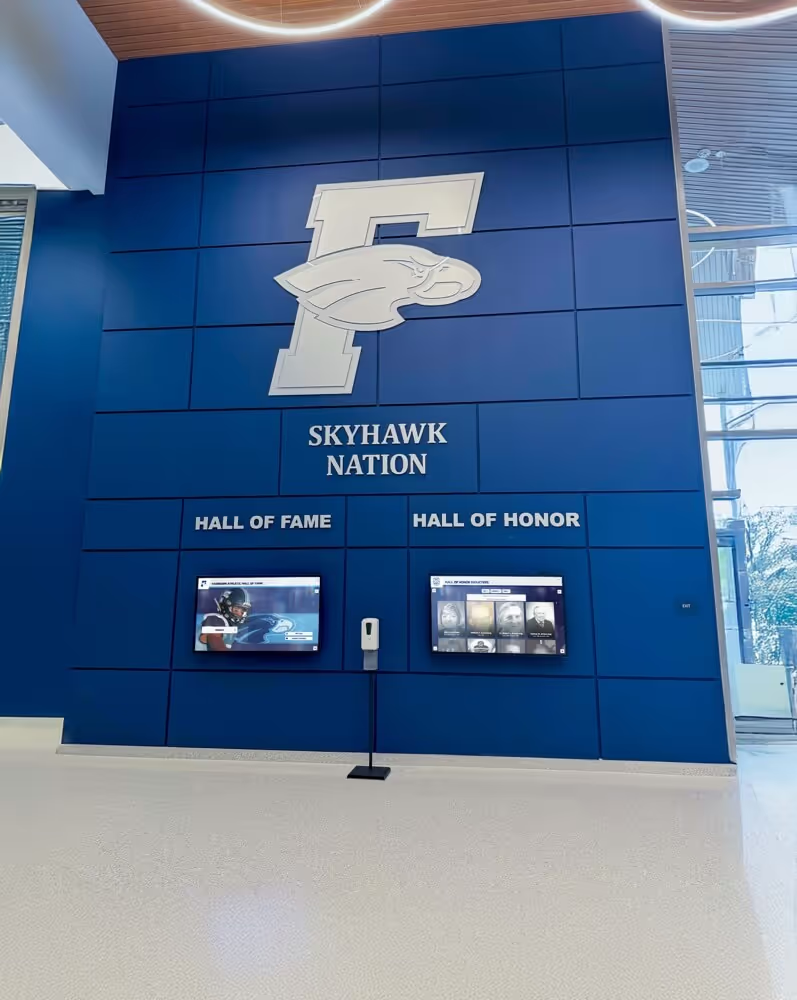
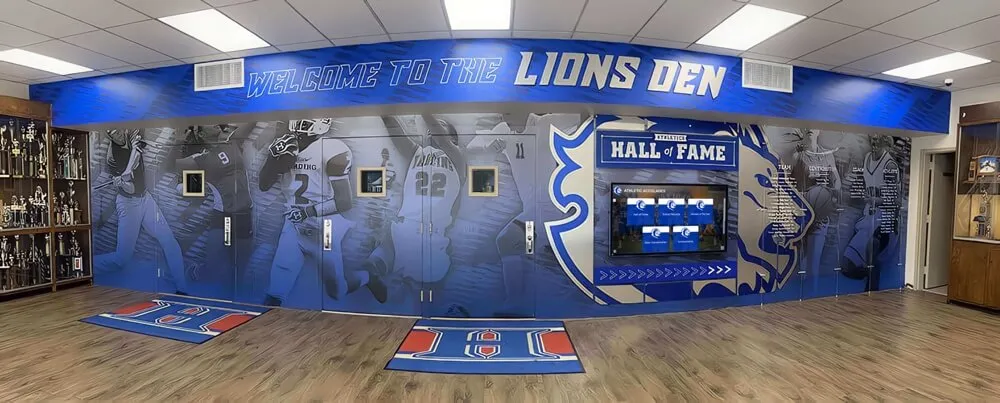
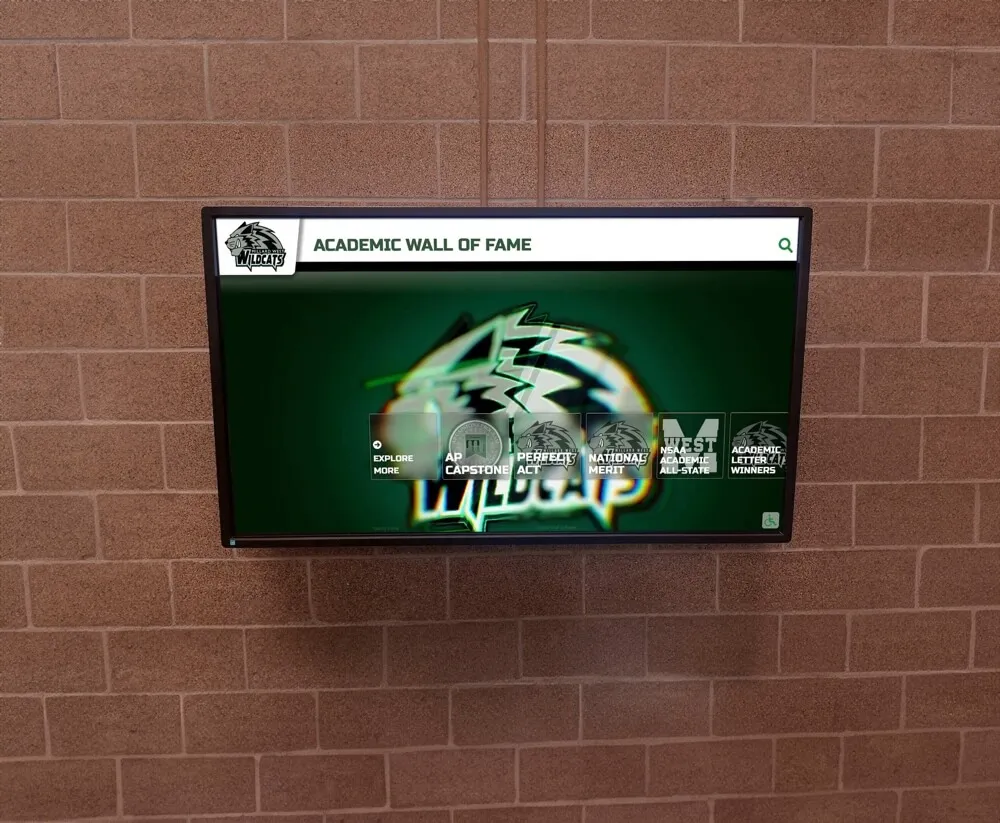
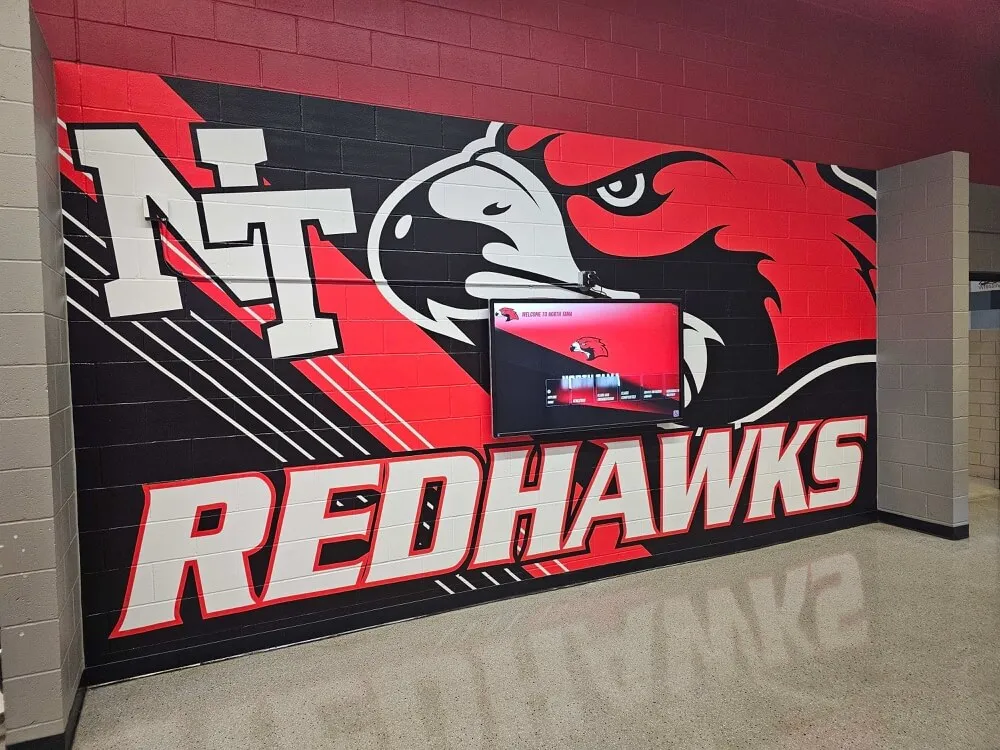
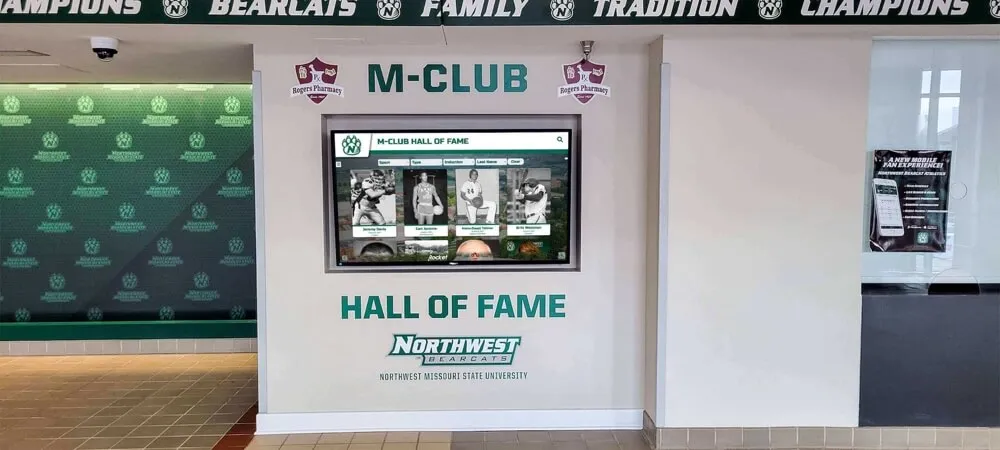
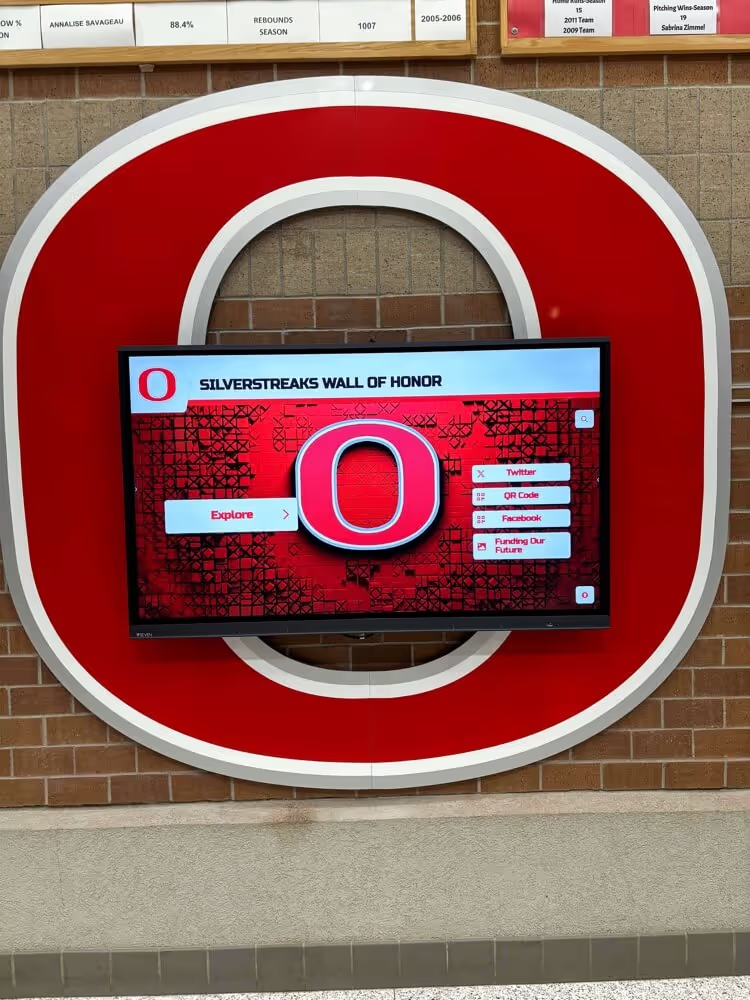
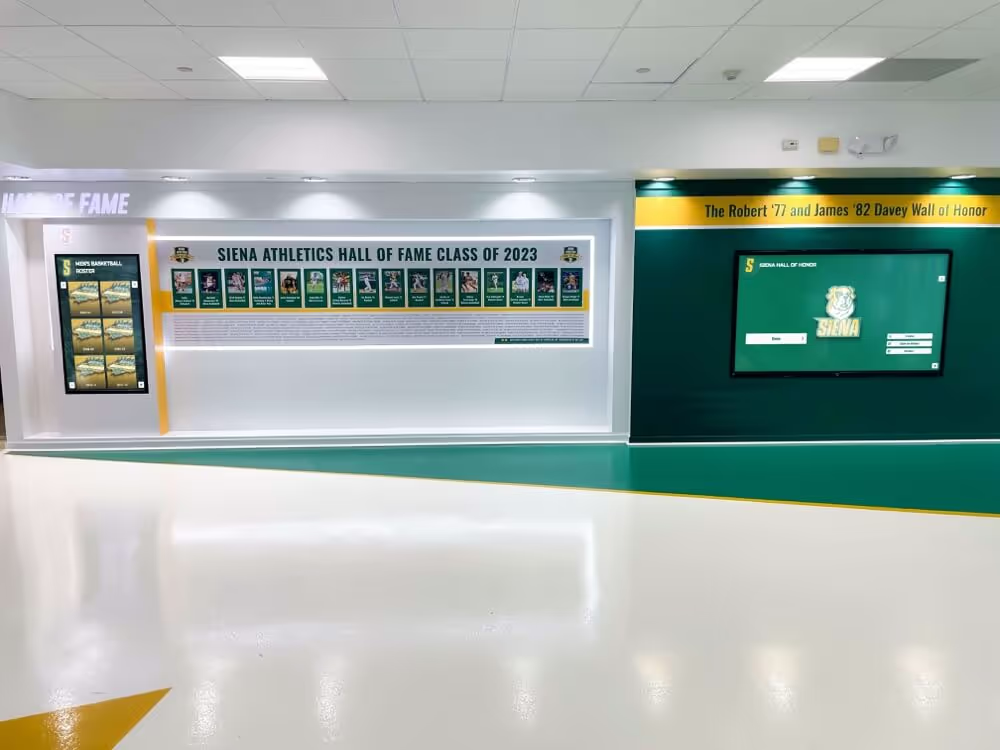
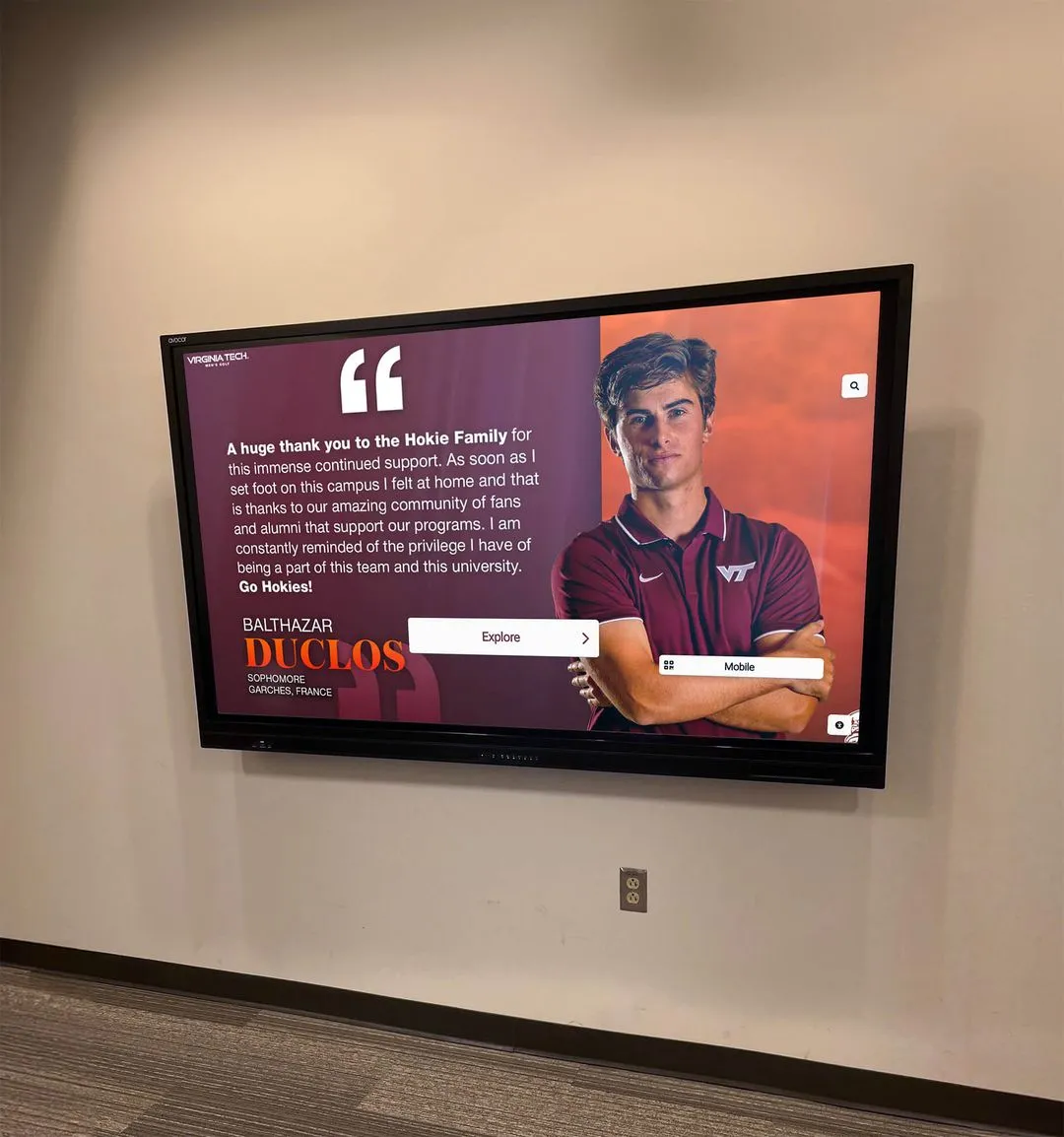
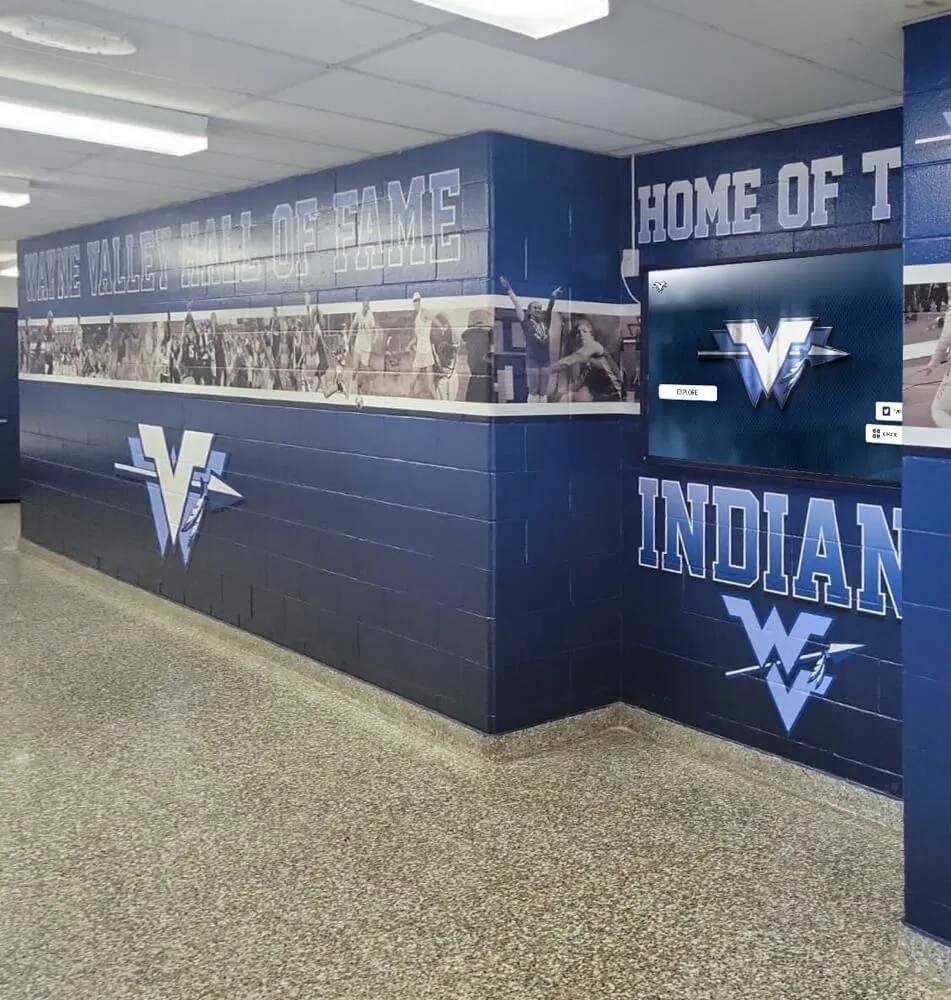
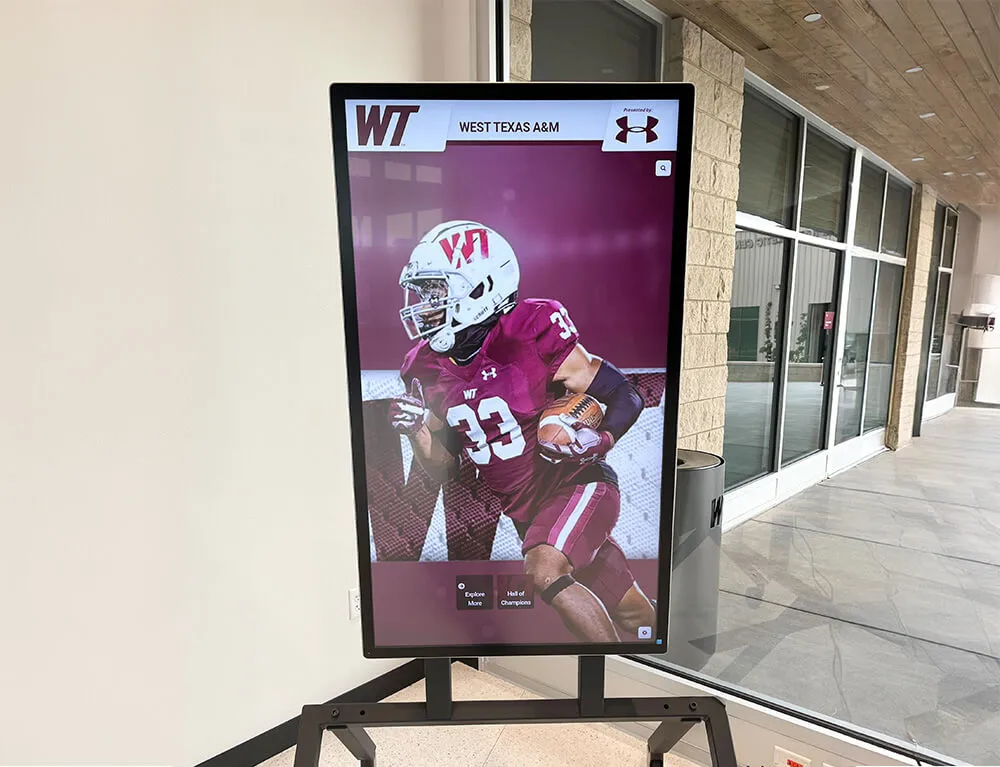
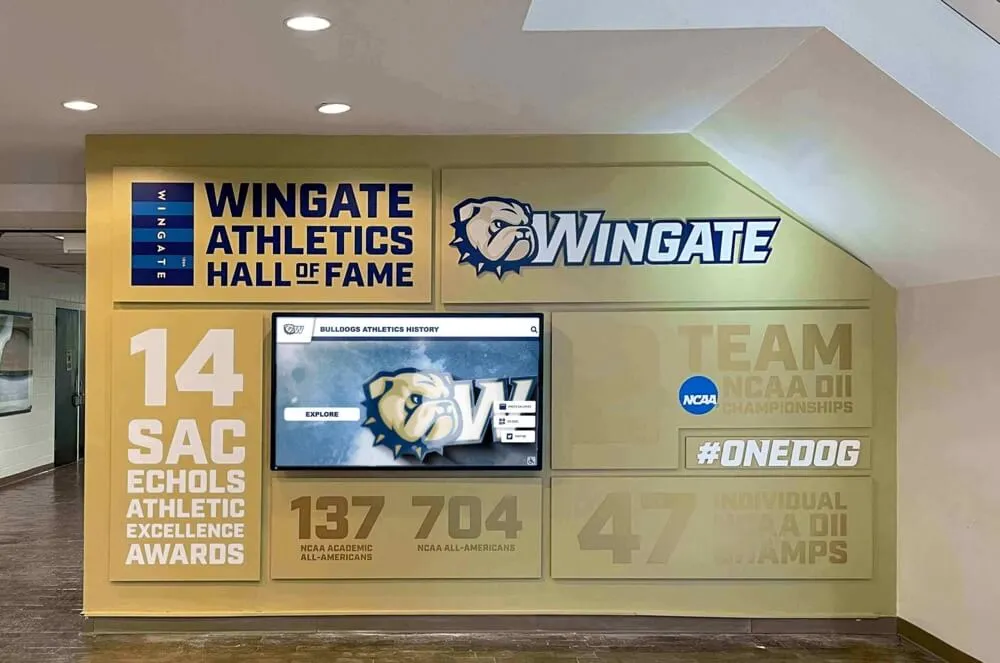
While reunion activities create memorable one-night celebrations, many schools now establish permanent athletic recognition through interactive displays that preserve every record holder, championship team, and all-time leader—accessible to alumni year-round. Modern athletic recognition platforms from Rocket Alumni Solutions enable schools to showcase auto-ranking record boards, searchable hall of fame profiles, and championship archives that make reunion weekend the launch point for recognition that lasts decades.
Why Athletic Recognition Belongs at Every High School Reunion
Athletes make up a significant portion of any graduating class, and their contributions extend well beyond wins and losses. Athletic programs build character, define school culture, and produce memories that alumni carry for life. Yet at many reunions, that entire chapter goes unacknowledged—replaced by generic cocktail hours and photo slideshows that could belong to any class anywhere.
Dedicated athletic recognition activities accomplish several things simultaneously:
- They honor individual achievement — the record holders, award winners, and all-state selections who represented the school with distinction
- They acknowledge team contributions — championship squads, undefeated seasons, and underdog runs that the entire school community rallied around
- They bridge generations — current coaches can share how records set decades ago still motivate today’s athletes
- They surface untold stories — the moments behind the records often exist only in locker room memories
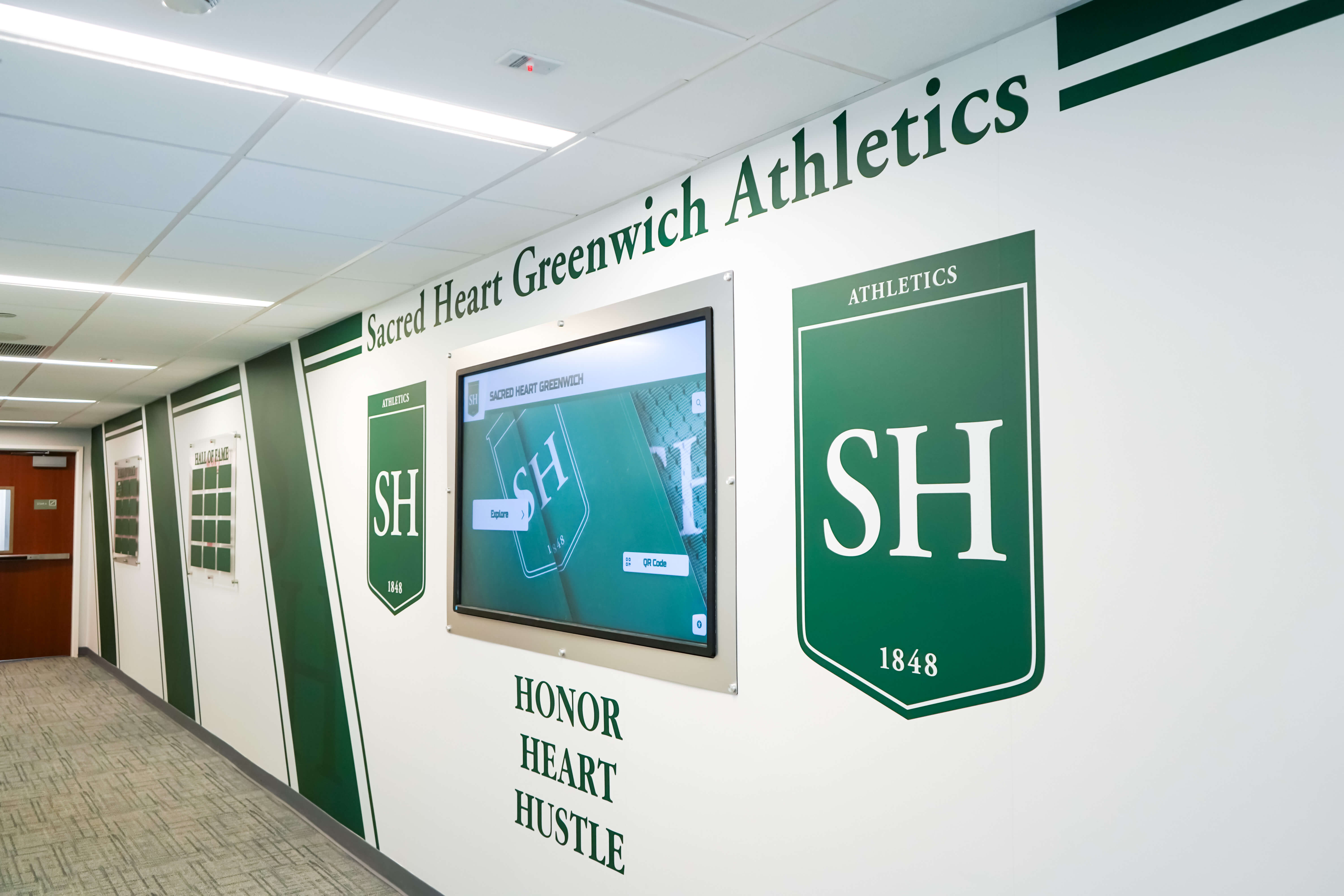
Athletic recognition also provides structure in an environment that can otherwise feel unorganized. When alumni arrive at a reunion and immediately encounter a display featuring their name, their record, or their championship team, the evening takes on meaning before the first conversation starts.
High School Reunion Activity Ideas: Athletic Recognition
1. Athletic Record Board Display
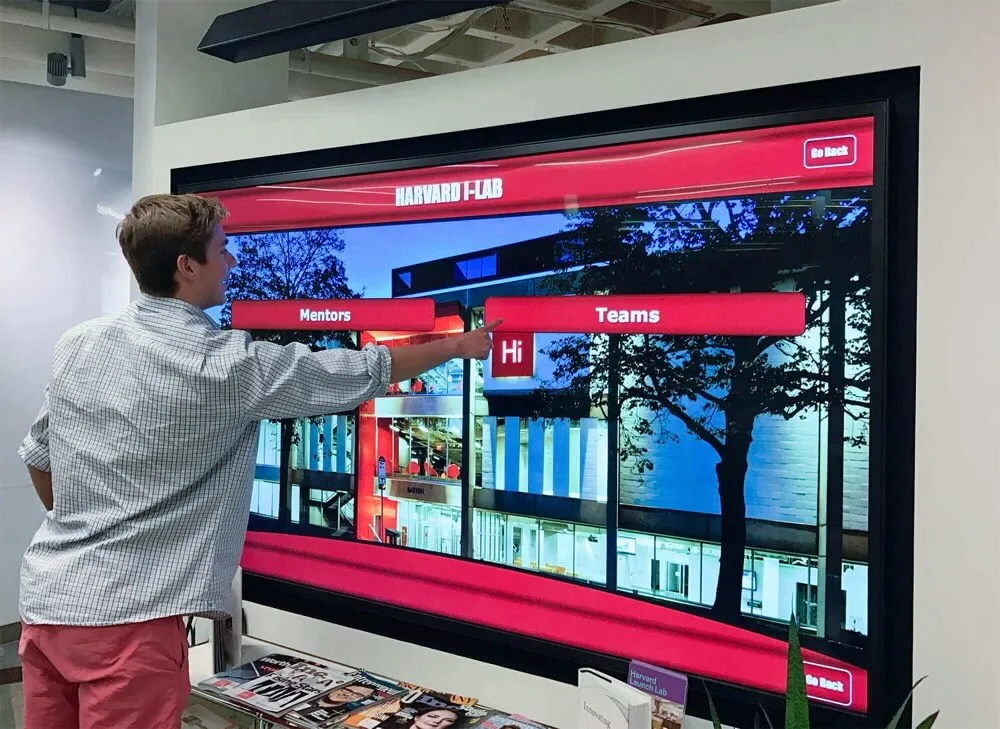
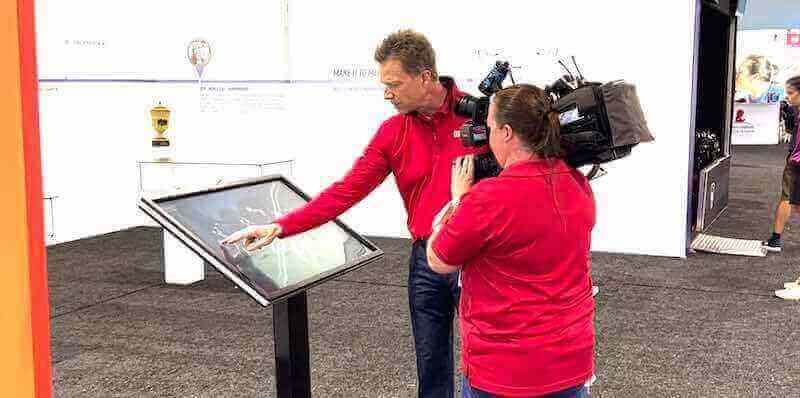
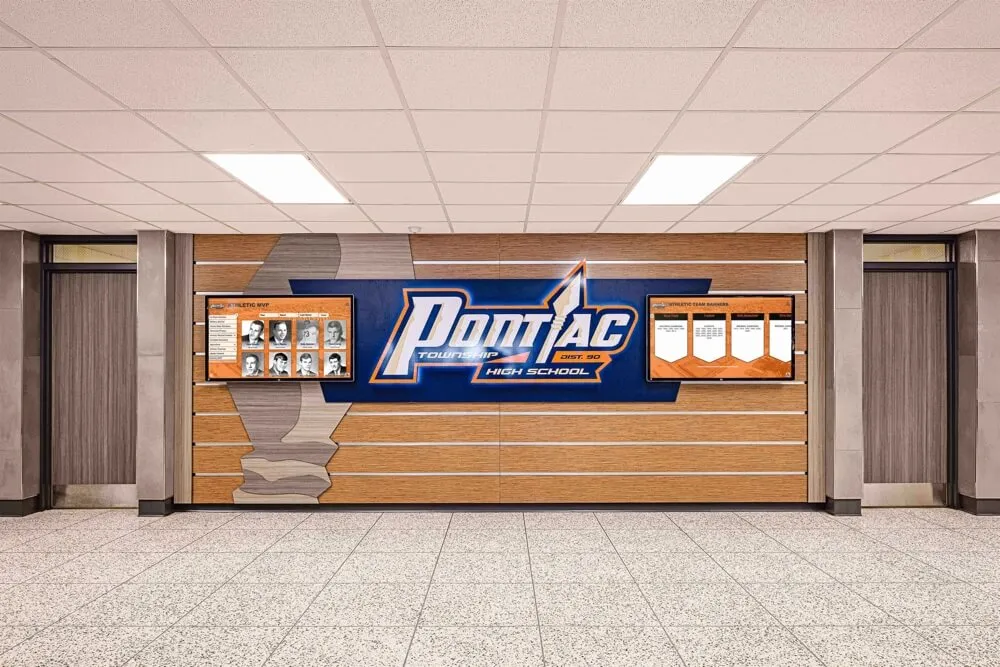
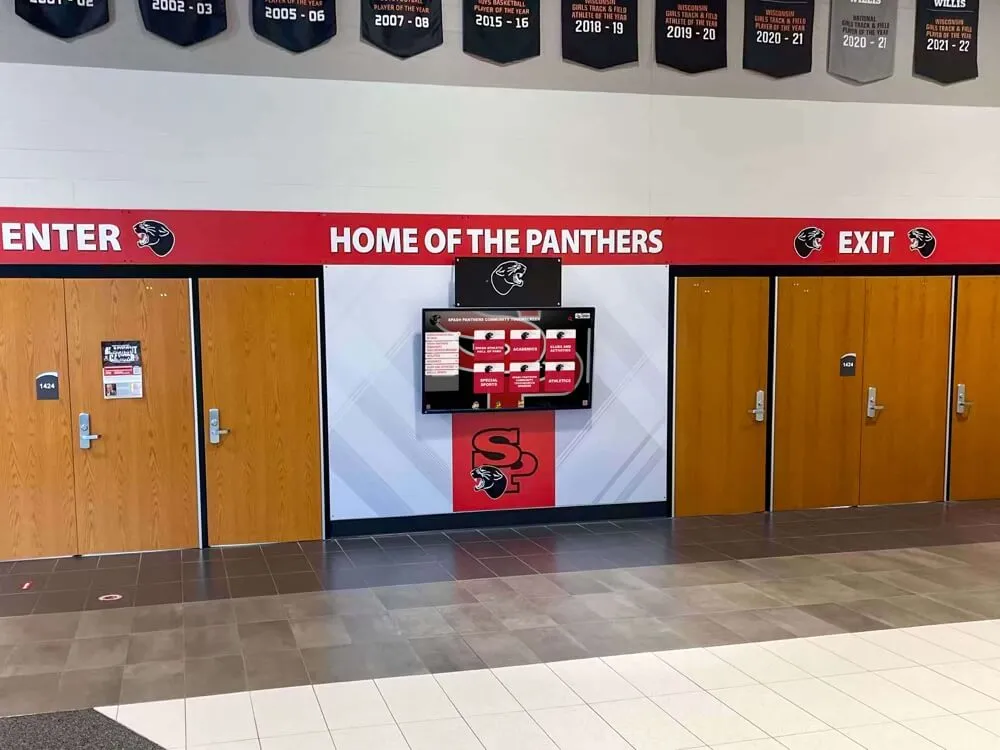
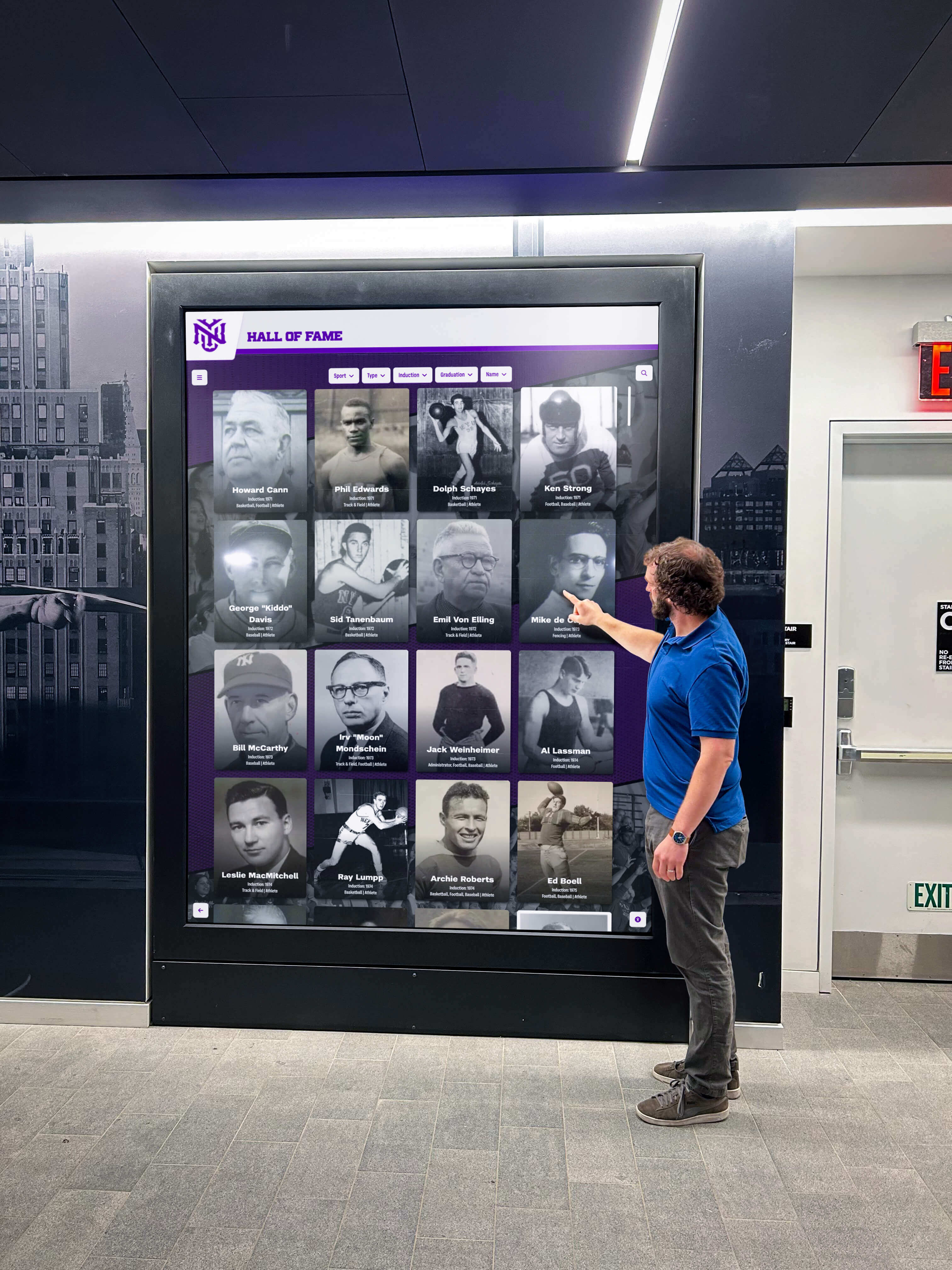
Set up a dedicated athletic record board display as a focal point for the reunion venue. This can be a printed banner showing all-time records across sports, a digital screen rotating through sport categories, or—ideally—a touchscreen system that lets alumni search by sport, year, or name.
Digital record board displays and campus engagement strategies create interactive engagement that printed boards simply cannot match. Alumni who set records years ago can stand beside the current holders of those marks, sparking conversations about training methods, coaching changes, and how the program evolved. Record holders often spend extended time at these displays, becoming natural conversation anchors for other attendees.
For reunion planning purposes, contact the athletic department several months before the event to pull historical records. Most schools maintain some version of all-time records, though they’re often scattered across paper files, old programs, and coaches’ notebooks. The reunion deadline creates productive urgency for compiling and digitizing this history.
2. Hall of Fame Induction Ceremony
A formal hall of fame induction ceremony provides the structured centerpiece that athletic recognition activities benefit from. Select two to four inductees per reunion cycle—former athletes, coaches, or contributors whose impact on the program deserves permanent recognition.
Inductions work best when they follow a clear format:
- A brief video or photo tribute to the inductee
- Remarks from a coach, teammate, or family member
- The inductee’s own speech, kept to a meaningful but manageable length
- Presentation of a physical plaque or digital recognition
- A photo moment that becomes part of the permanent archive
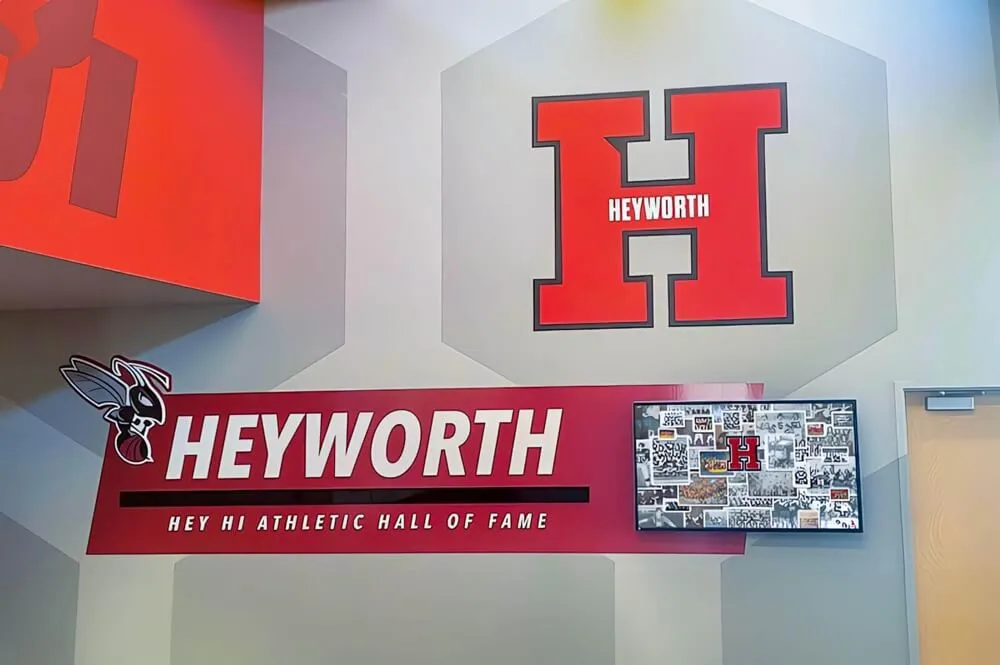
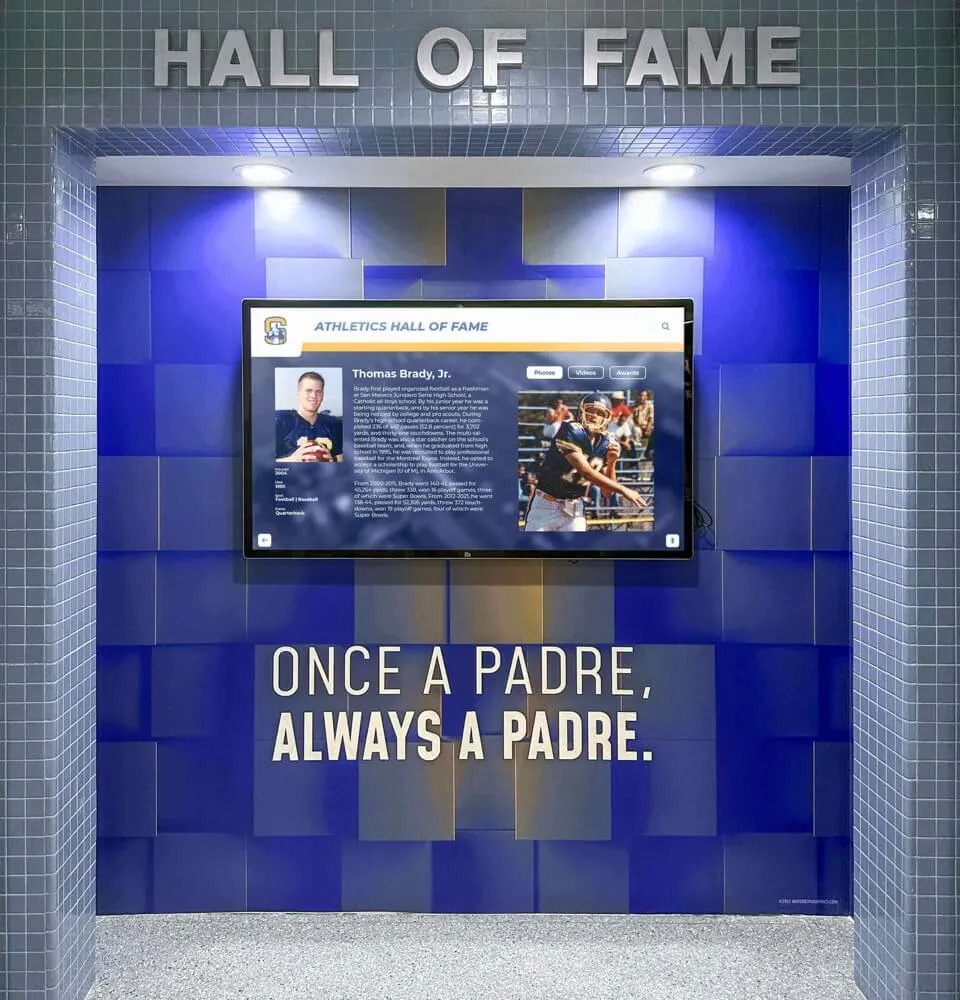
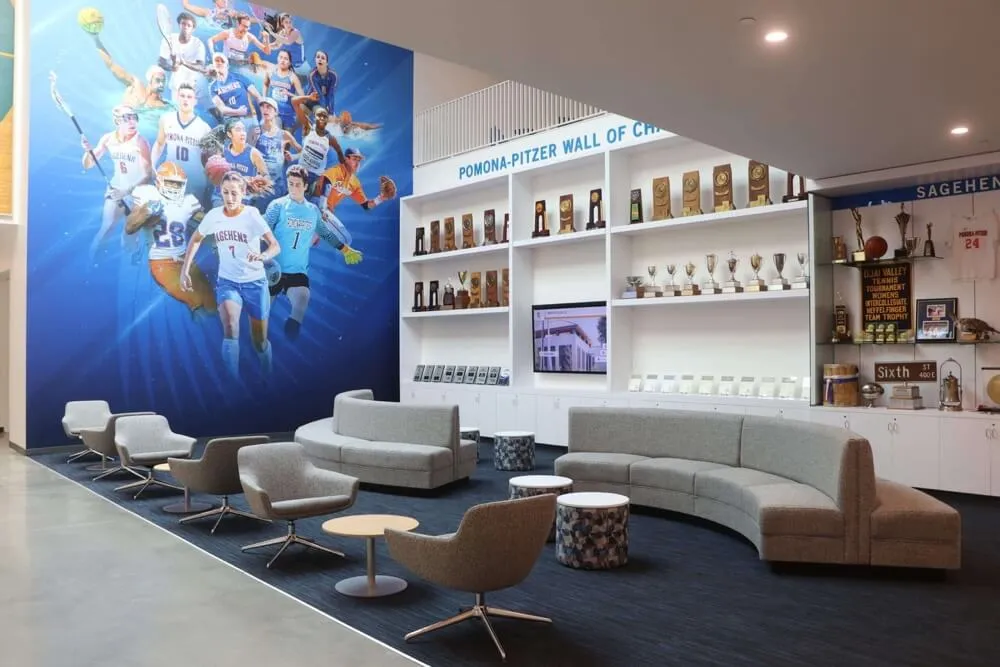
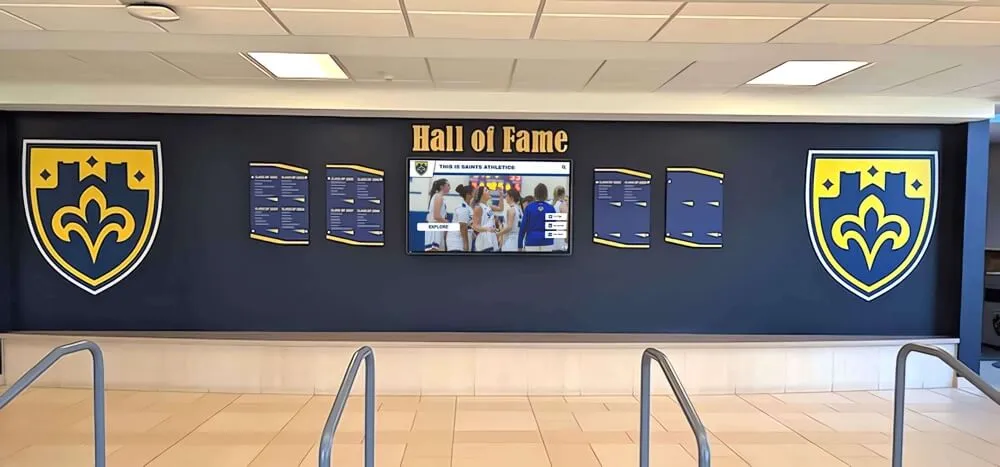
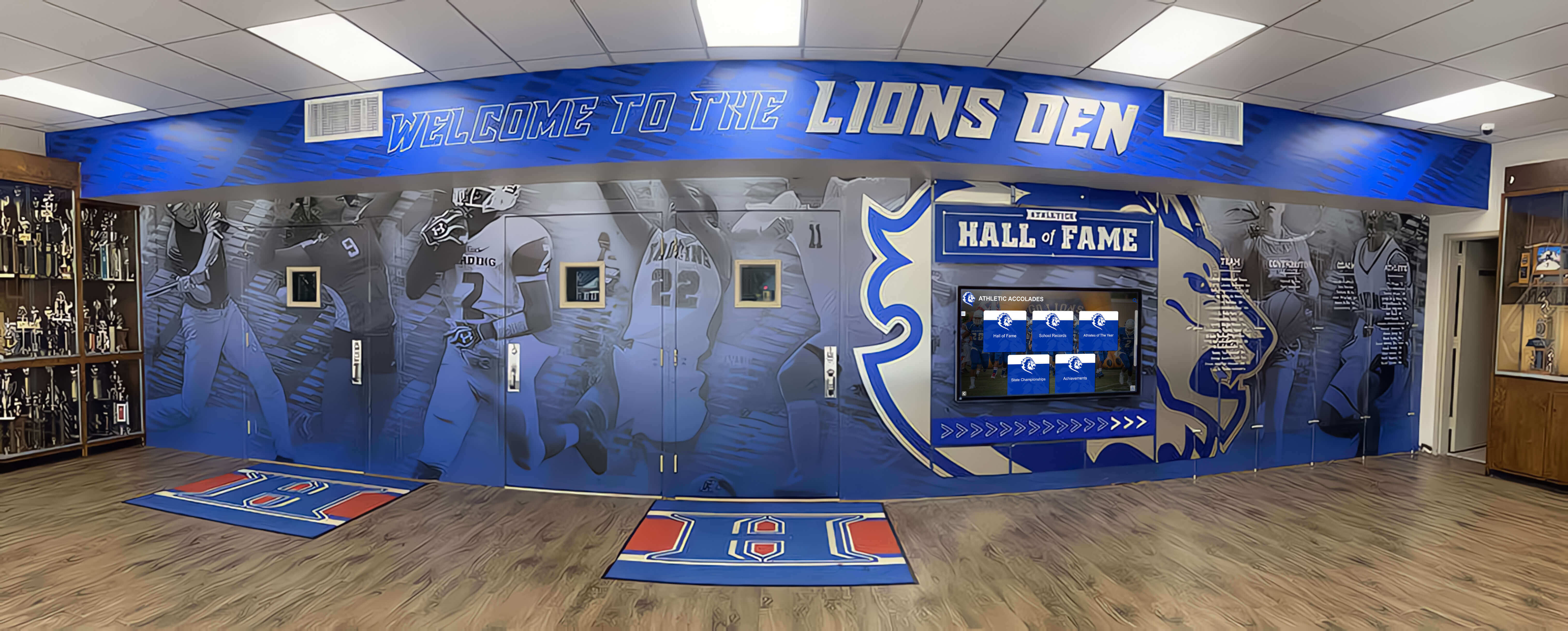
Sports memorabilia display ideas for the hall of fame space can range from jersey shadow boxes and trophy arrangements to digital walls that combine photos, stats, and video clips in a single interactive installation. Schools with the resources to invest in permanent displays find that hall of fame ceremonies during reunions provide the perfect unveiling moment—the inductees are present, the alumni audience is engaged, and the recognition lands with maximum emotional impact.
3. Championship Team Reunions
Milestone anniversaries of championship seasons deserve dedicated recognition. The 25th reunion of a state championship football team, the 30th anniversary of an undefeated basketball season, or the 40th year since a track program won its first regional title—these moments resonate powerfully with participants and with classmates who witnessed them from the stands.
Championship team reunions within the broader class reunion can include:
- A group photo recreation using the original team photo as a reference
- A review of that season’s scores and statistics presented with current context
- Recognition of coaches who built the program during that era
- A dedicated display area featuring memorabilia, photos, and news clippings from the championship season
For teams that achieved high school fall sports championships, the reunion often marks the first time the full team has been in the same room since the final game. Organizing reunion activities around this chemistry produces spontaneous storytelling and authentic celebration that scripted programming rarely achieves.
4. Athletic Achievement Recognition Wall
A temporary recognition wall installed for reunion weekend can honor athletes across categories that don’t fit a traditional hall of fame structure:
- Multi-sport athletes who lettered in three or more sports
- Academic all-athletes who combined athletic excellence with high academic standing
- Record holders still on the books decades after graduation
- Program builders who played during foundational years when rosters were thin and victories were hard-earned
- Senior night honorees from various graduation years, revisiting that tradition as adults
Team recognition ideas that celebrate group athletic achievement work especially well on recognition walls, since group photos and team records can be organized by sport and season without requiring the formal nomination process that hall of fame inductions demand. The wall becomes a browsable archive that draws attention throughout the reunion rather than commanding attention only during a programmed ceremony.
5. Trophy and Award Display
Organize a temporary trophy display drawing from the school’s athletic trophy case as well as personal mementos that alumni bring to the reunion. This can include team trophies, individual plaques, regional and state championship hardware, and awards alumni received during their careers.
Effective trophy displays work best with:
- Clear identification labels showing sport, year, and what the award represents
- Context cards explaining what each award required to earn
- A photo station adjacent to the display where alumni can photograph themselves with relevant hardware
Trophy case ideas that creatively display awards and achievements can transform a static hardware arrangement into a narrative experience. Organize by era rather than sport, and alumni from each graduation decade will gravitate toward their own section before expanding into curiosity about what happened before and after their time.
6. Alumni Athletic Challenge
For reunions with adequate space and willing participants, a friendly athletic challenge between alumni and current athletes—or among alumni from different graduation decades—adds kinetic energy to the evening. Shorter exhibition formats work better than full-game setups:
- Shooting competition in basketball (free throws, three-point contests)
- Putting competition for golf alumni
- Relay race for track and field alumni with mixed-age teams
- Skills competitions in soccer, volleyball, or baseball
Keep the competitive element light and genuinely inclusive. The goal is to reconnect former athletes with the program they once represented, not to produce winners and losers. Film the challenge so participants can share footage—reunion content with athletic character generates significant social media engagement and draws interest from classmates who couldn’t attend in person.
7. Milestone Achievement Recognition Program
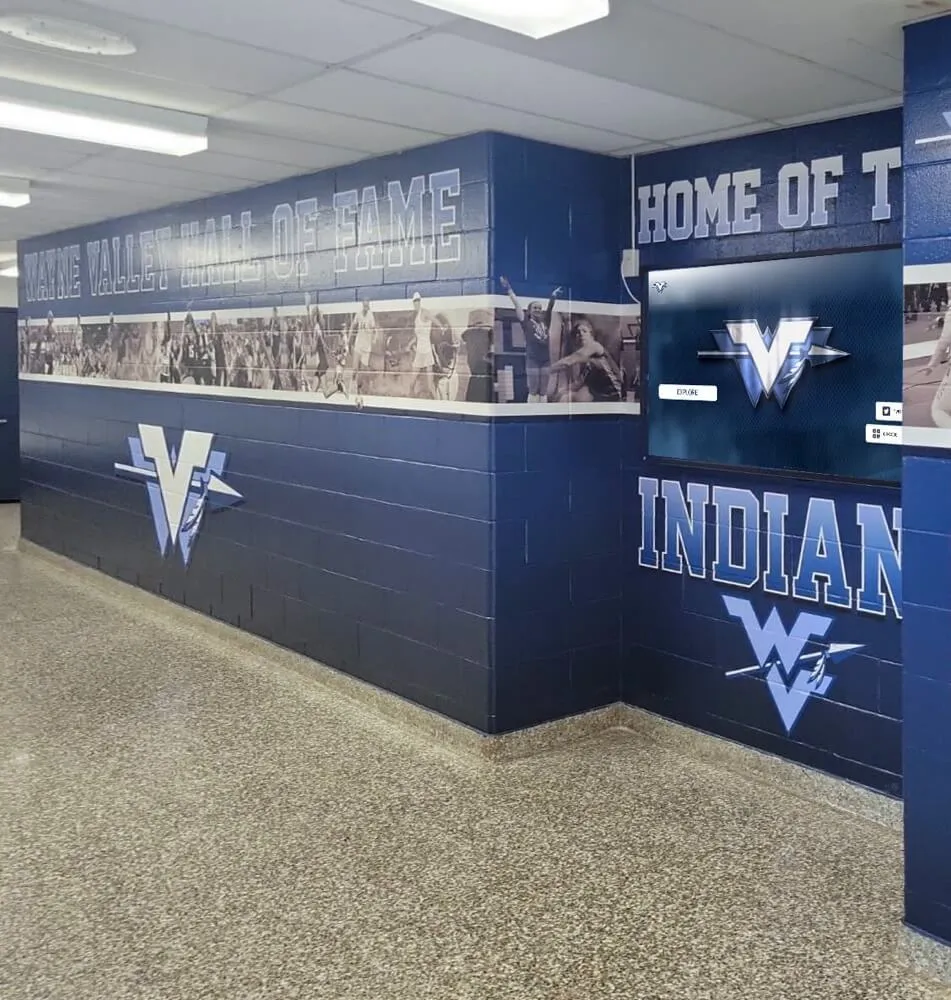
Structure a formal recognition program honoring athletes who reached significant career milestones. These programs work particularly well during the dinner or program portion of the reunion, when the full group is assembled.
Recognition categories might include:
- Athletes who scored 1,000 points, threw for 2,000 yards, or reached other sport-specific statistical thresholds. 1,000-point scorer recognition programs have long traditions in basketball communities, creating immediate recognition for a threshold that carries genuine cultural weight
- Athletes who went on to compete at the collegiate or professional level
- Athletes whose records from decades ago still appear on the school’s current record board
- Coaches who mentored multiple generations of athletes represented in the room
Present each recognition with a brief bio card, a photo, and an opportunity for the honoree to say a few words. Keep individual segments to three or four minutes each so the program maintains energy while covering meaningful ground.
8. Memorial Recognition for Coaches and Athletes
No athletic recognition program is complete without acknowledging those who are no longer present. A brief, dignified memorial section honoring deceased coaches and athletes connects the celebration to a longer history and gives the evening emotional depth that purely celebratory programming cannot provide.
This section works best with:
- A slide display featuring names and photos of those being remembered
- A moment of silence or a brief reading
- An open invitation for attendees to share a short memory if they wish
Memorial recognition should acknowledge loss without dwelling on it—the goal is to honor absent members while celebrating those present. Coaches who dedicated careers to a program often receive spontaneous standing ovations when recognized at reunions, even from athletes who graduated well after that coach retired.
9. Historic Sports Program Exhibit
Collaborate with the school’s athletic department to assemble a historical exhibit covering the athletic program’s full arc. This goes beyond recent achievements to include founding eras, program-turning moments, and the evolution that occurred across multiple coaching generations.
Display elements might include:
- Year-by-year win-loss records by sport
- Photographs spanning the program’s history, organized chronologically
- Team rosters from championship seasons with current locations of players if known
- Newspaper front pages from significant victories
- Uniform evolution across decades showing how program identity changed over time
- Coaching timeline showing who built each era
Digitizing old yearbooks and creating hall of fame preservation archives makes this exhibit far more comprehensive than what’s possible from trophy cases and newspaper files alone. Schools that invest in this digitization work find that reunions become the most visible return on that investment—alumni see their contributions preserved within a full institutional narrative rather than in isolated moments.
10. Digital Athletic Recognition Touchscreen
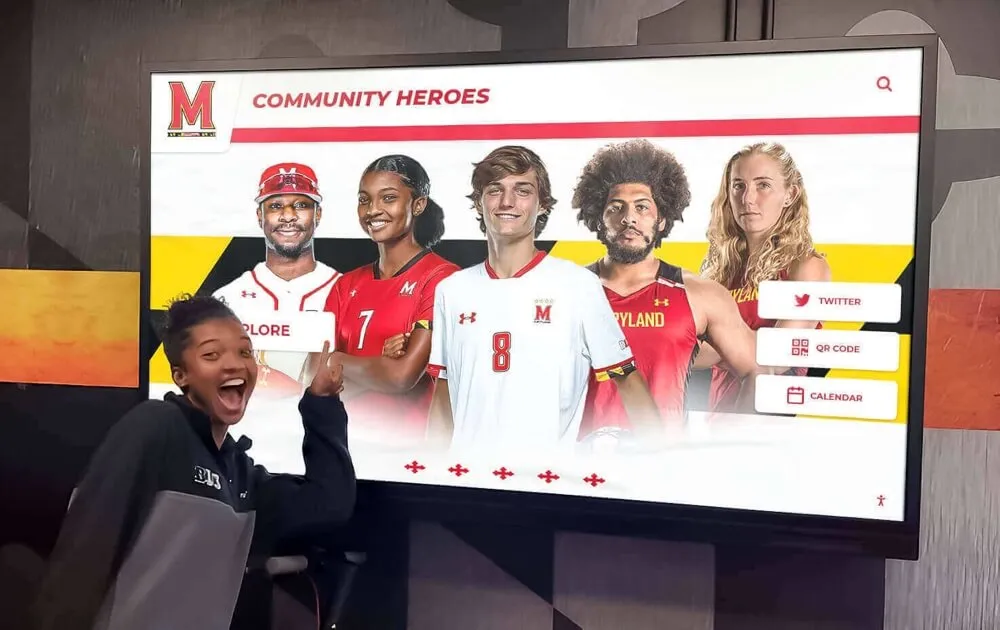
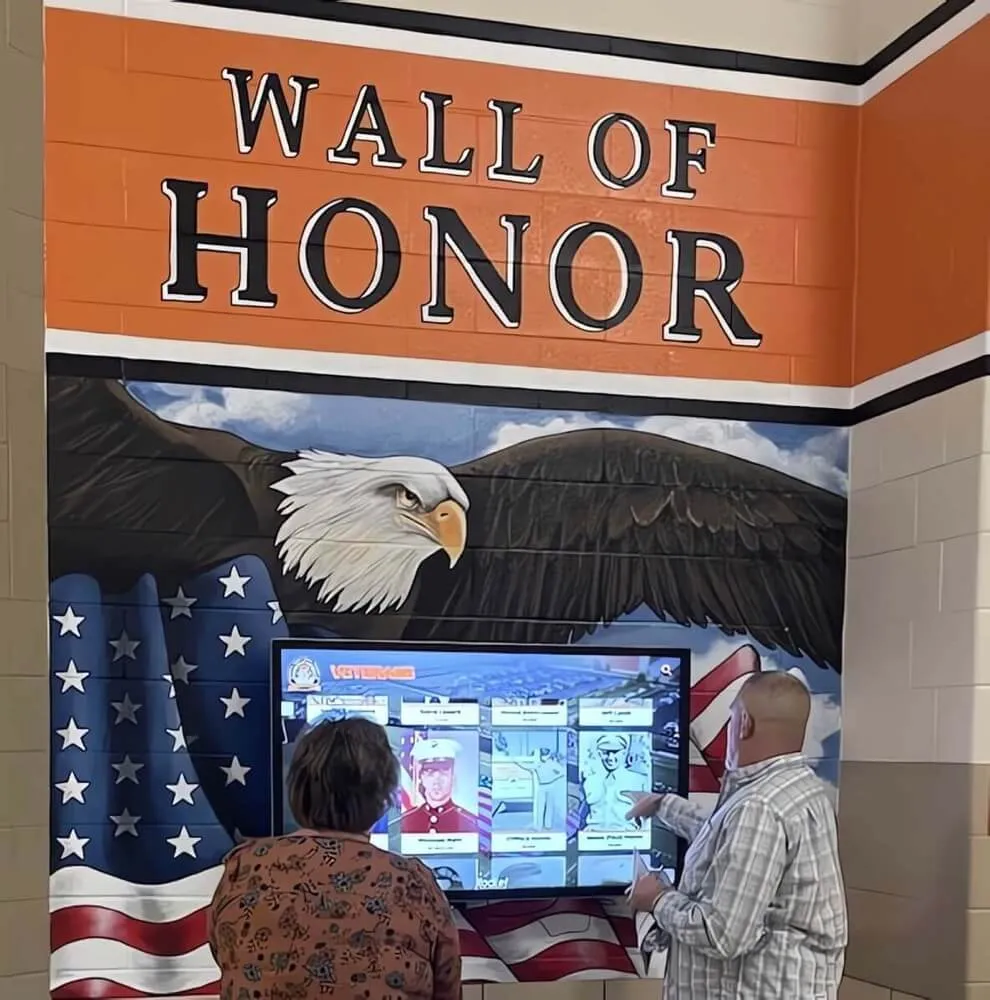
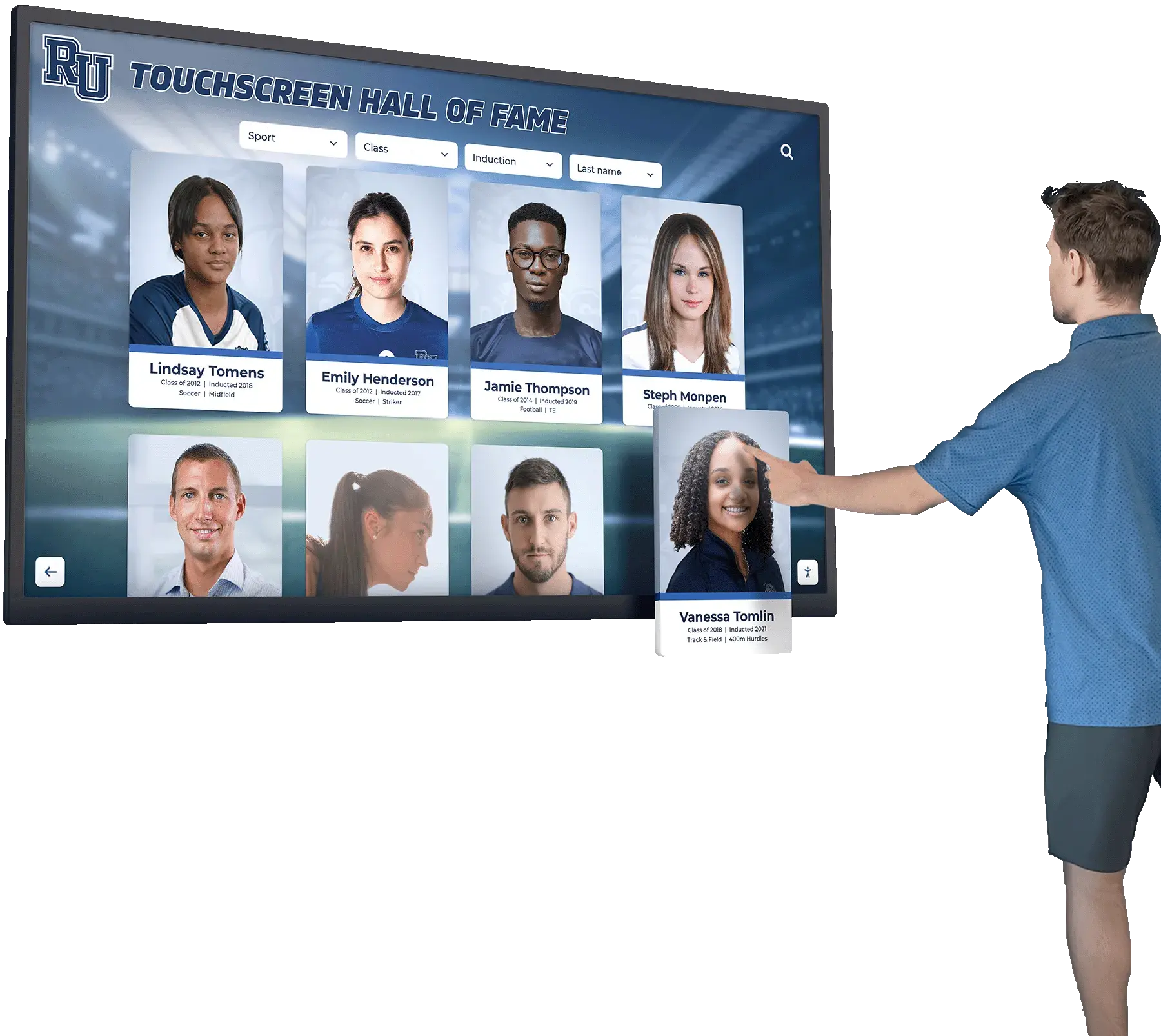
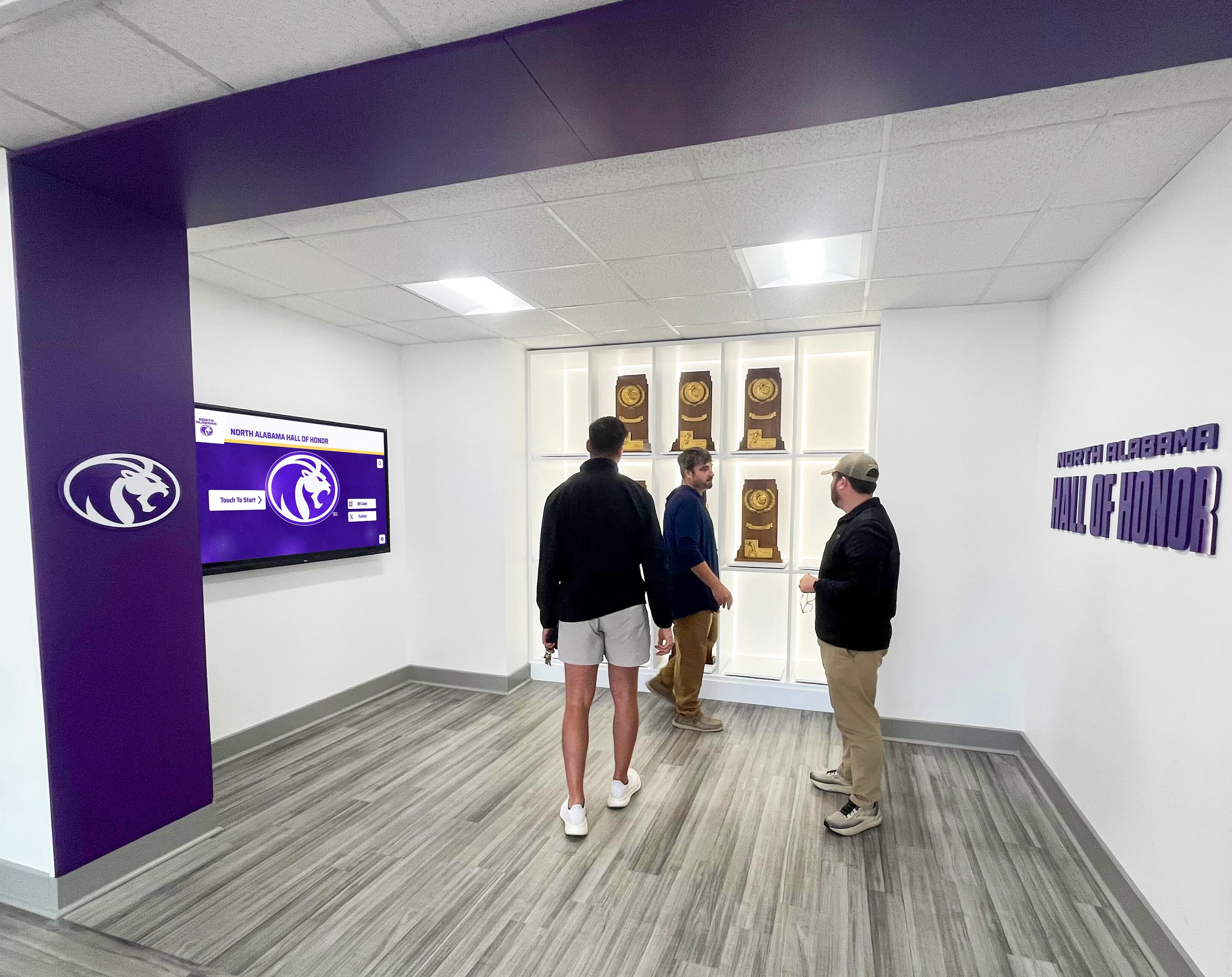
For schools planning to invest in permanent athletic recognition infrastructure, a reunion provides the ideal launch moment for a digital record board or touchscreen display. Position the display prominently during the reunion, have current athletes or staff members available to walk alumni through the interface, and let the technology do the rest.
Touchscreen displays deliver capabilities that printed boards cannot match:
- Searchable databases covering every record holder since the program began
- Team archives with season records, rosters, and championship documentation
- Individual athlete profiles featuring photos, stats, and career highlights
- Video integration for highlight reels and oral history interviews
- QR unlock features enabling alumni to update their profiles remotely after the reunion
Designing a touchscreen experience that drives user engagement at a reunion requires thinking about how alumni will naturally explore the content. Most will search for themselves first, then browse to teammates, then expand to other sports and eras. A well-organized interface encourages that exploration while surfacing records and achievements alumni didn’t know about—creating moments of genuine discovery throughout the evening.
Planning Athletic Recognition Activities: A Practical Approach
Timeline for Pre-Reunion Preparation
Athletic recognition activities require more lead time than most reunion elements because data collection, photo digitization, and inductee nomination processes take months, not weeks.
Six to twelve months out:
- Contact the athletic department and request all-time record data by sport
- Announce hall of fame nomination process to the alumni community
- Identify which championship team anniversaries fall within the reunion year
- Begin digitizing old photos, yearbooks, and athletic programs
Three to six months out:
- Finalize hall of fame inductees and notify them with adequate preparation time
- Compile recognition program content for each honoree and milestone athlete
- Design printed materials: programs, recognition certificates, display signage
- Arrange trophy loans from the school if including physical hardware in displays
One to three months out:
- Complete technical setup for any digital displays
- Rehearse the recognition ceremony with all presenters
- Finalize seating arrangements that keep athletic cohorts together where appropriate
- Confirm memorial section content with families of those being honored
Recognition Program Best Practices
Following recognition program best practices for building effective award systems ensures the athletic recognition activities you plan feel deliberate and meaningful rather than improvised.
Effective athletic recognition programs share several characteristics regardless of scale or budget:
Inclusive criteria: Recognition should reach beyond varsity stars to include athletes who contributed through effort, leadership, and program-building without necessarily accumulating statistics. The manager who kept a team organized for four years, the athlete who overcame injury to return to competition, and the first player from a particular community to compete in a sport all deserve acknowledgment.
Consistent presentation format: Each recognition segment should follow the same structure so the program feels organized and attendees know what to expect. Inconsistency in how honorees are introduced and presented creates the impression of poor planning even when the underlying recognition is genuine.
Advance communication: Honorees and their families need adequate notice to prepare remarks, arrange travel, and invite people who want to witness their recognition. Surprises rarely produce the most meaningful moments when recognition is involved.
Thorough documentation: Photograph and video every recognition segment. This documentation becomes part of the permanent archive and allows those who couldn’t attend to experience the ceremony virtually.
Connecting Reunion Activities to Permanent Athletic Legacy
The most effective high school reunion activities don’t exist only for reunion weekend. They feed into permanent athletic legacy infrastructure that serves the school community long after attendees return home.
When a reunion hall of fame induction ceremony adds profiles to a digital display that will stand in the school lobby for decades, the recognition transcends a single evening. When the record board data collected for a reunion display gets loaded into a touchscreen that auto-updates as current athletes compete, every future graduating class benefits from the historical work initiated by reunion planning.
Schools that approach reunion activities with this long-term perspective find that alumni engagement accelerates. Former athletes who see their records preserved—and who can show their children or grandchildren a searchable database with their achievements—develop deeper connections to the institution. Those connections translate into mentorship, financial support, and community advocacy that strengthens athletic programs for the long term.
National Student Athlete Day programs provide a useful model for how schools can integrate current athletic recognition with alumni recognition—the same infrastructure that honors today’s athletes can be extended to honor the athletes who came before them, creating an unbroken chain of institutional appreciation across generations.
The reunion planning process itself often surfaces historical athletic data that the school didn’t realize it had—coaches’ notebooks, parents’ photo collections, local newspaper archives, and personal memorabilia that alumni are willing to donate when they see evidence of genuine institutional commitment to preservation. Reunion activities focused on athletic recognition become self-reinforcing: the more recognition you create, the more content alumni contribute, and the richer the archive becomes over time.
Make Athletic Recognition the Heart of Your Next Reunion
High school reunion activities built around athletic recognition create emotional anchors that generic socializing cannot provide. Former athletes reconnect with defining moments of their youth. Non-athletes discover histories they witnessed but never fully understood. Coaches see tangible evidence that their work mattered. And current students, if they encounter these displays in their school’s hallways, understand that their own efforts will be remembered and honored when their turn comes.
The activities covered here—from record board displays and hall of fame ceremonies to digital touchscreens and championship team reunions—provide a full menu of options regardless of budget or venue constraints. Start with what your committee can execute well, and build toward permanent recognition infrastructure that makes every future reunion richer than the last.
Ready to give your school’s athletic history the permanent recognition it deserves? Discover how Rocket Alumni Solutions helps schools build interactive record boards, searchable hall of fame archives, and digital recognition walls that transform reunion weekend displays into year-round athletic legacy systems—ensuring every record holder, championship team, and standout athlete receives lasting acknowledgment that inspires the next generation.