



High school recognition awards serve as powerful motivators that shape student behavior, celebrate diverse achievements, and build lasting school culture. Yet many schools struggle with recognition programs that feel outdated, inconsistent in their selection criteria, or limited by physical display constraints that prevent comprehensive celebration of deserving students. The challenge intensifies when trying to balance athletic and academic recognition equitably while ensuring awards maintain credibility through transparent, fair selection processes.
This comprehensive guide explores essential high school recognition award categories spanning both athletic and academic achievement, establishes clear selection criteria ensuring fairness and meaning, and presents modern display solutions that give these accomplishments the visibility they deserve throughout your school community.
Building Recognition Programs That Inspire Achievement
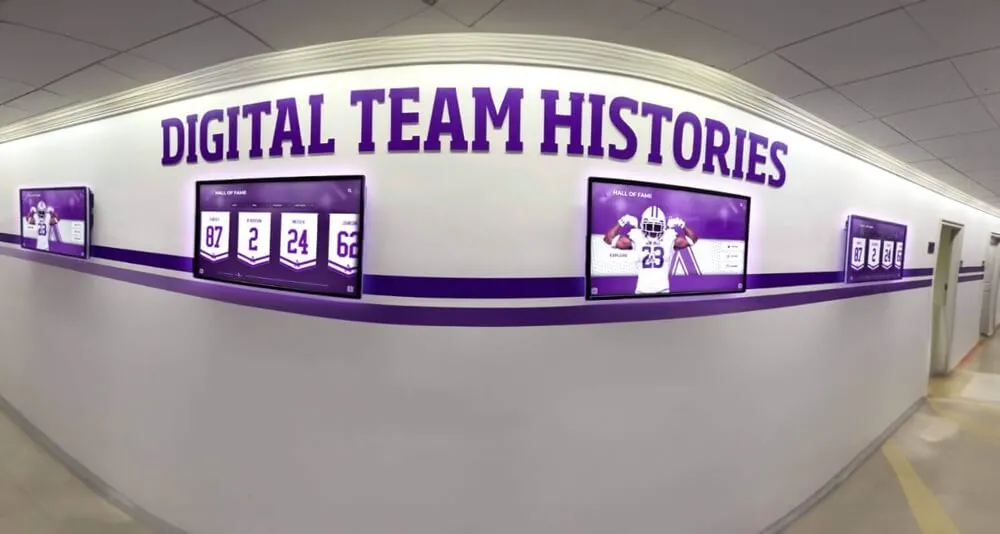
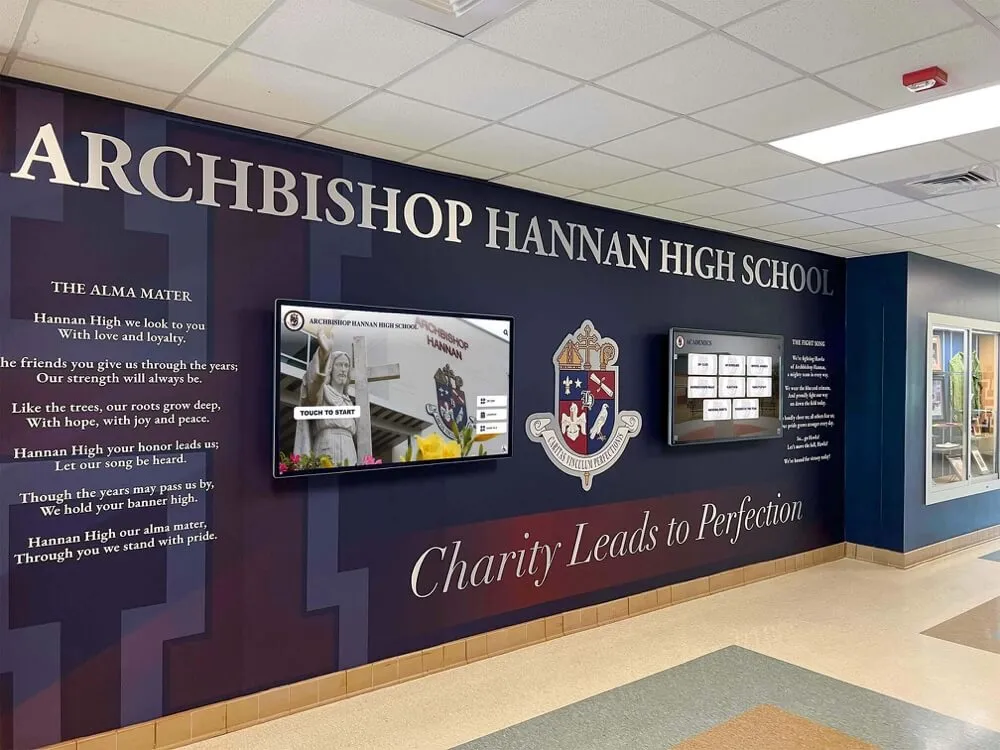
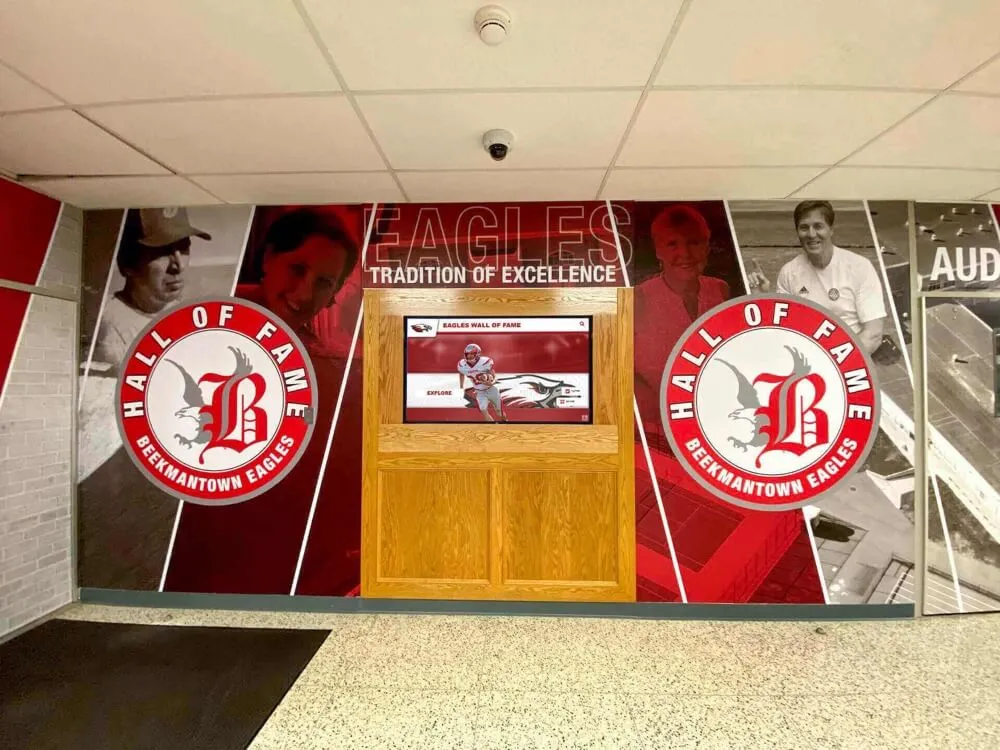
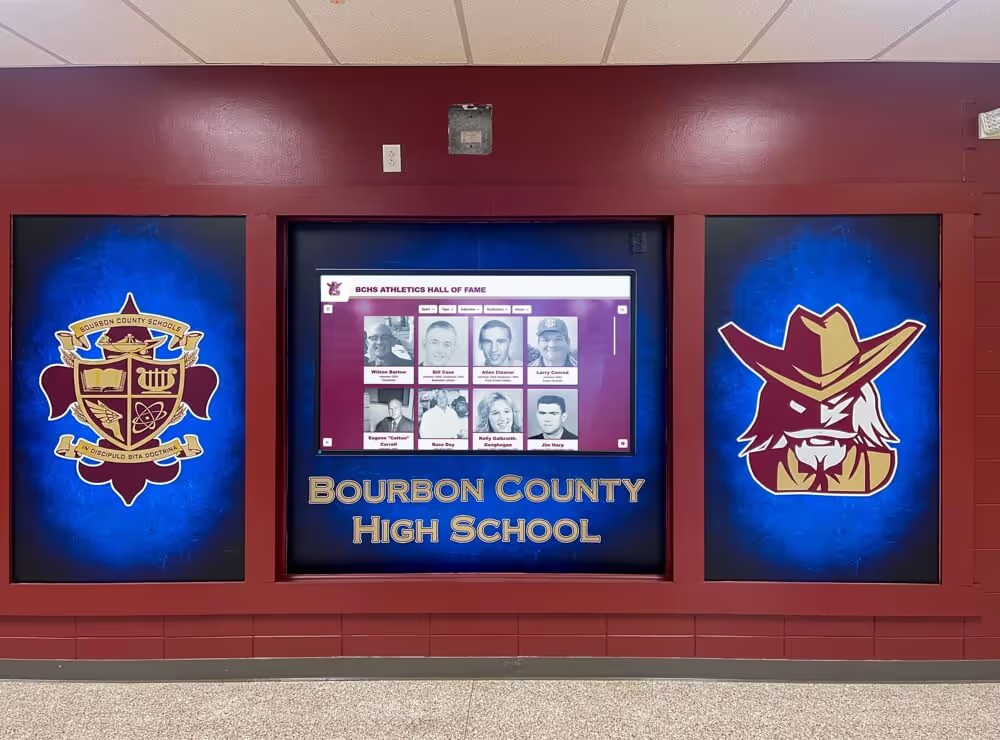
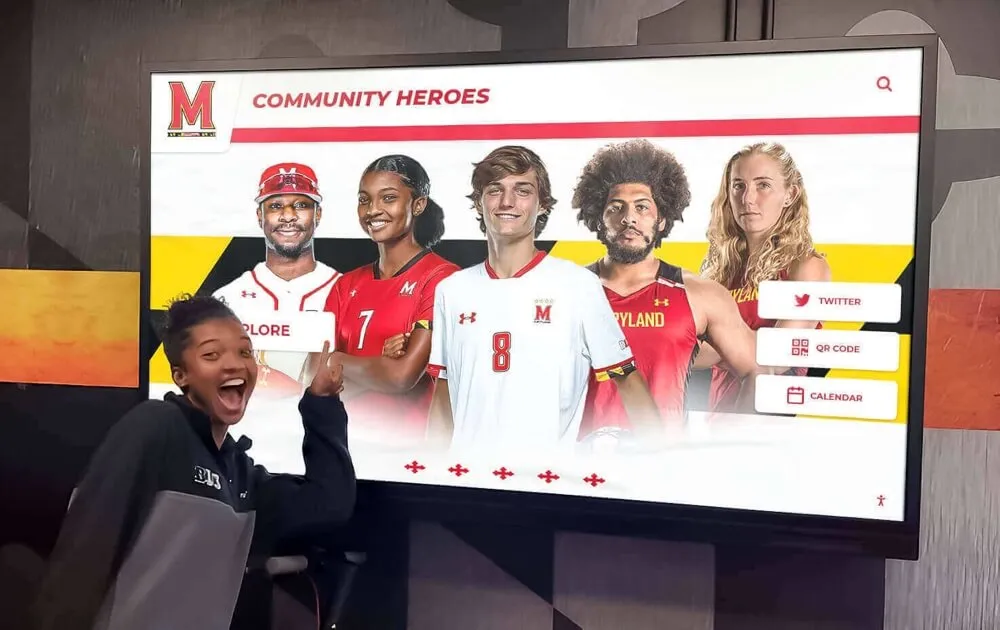
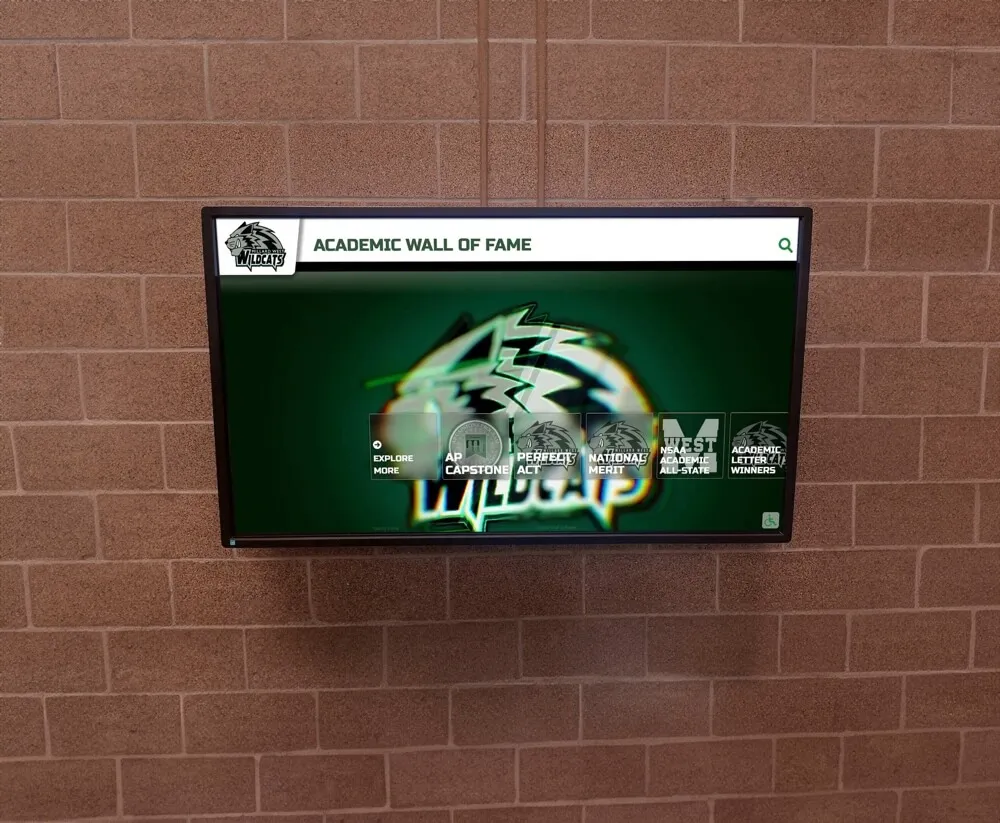
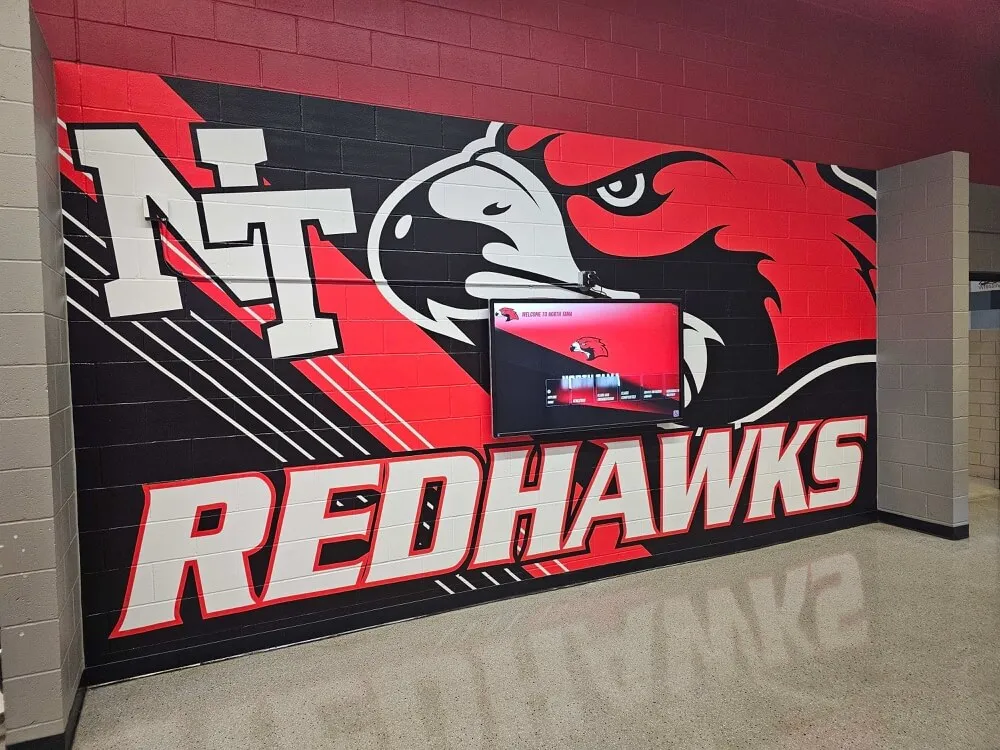
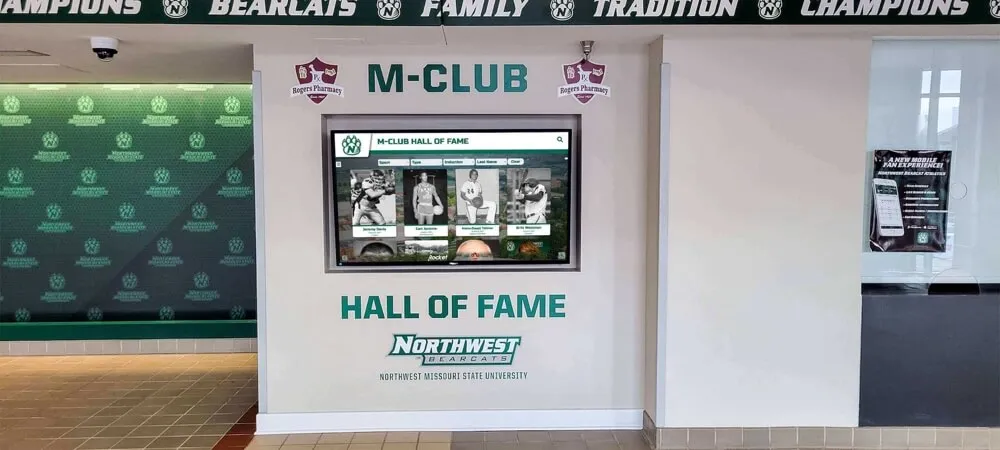
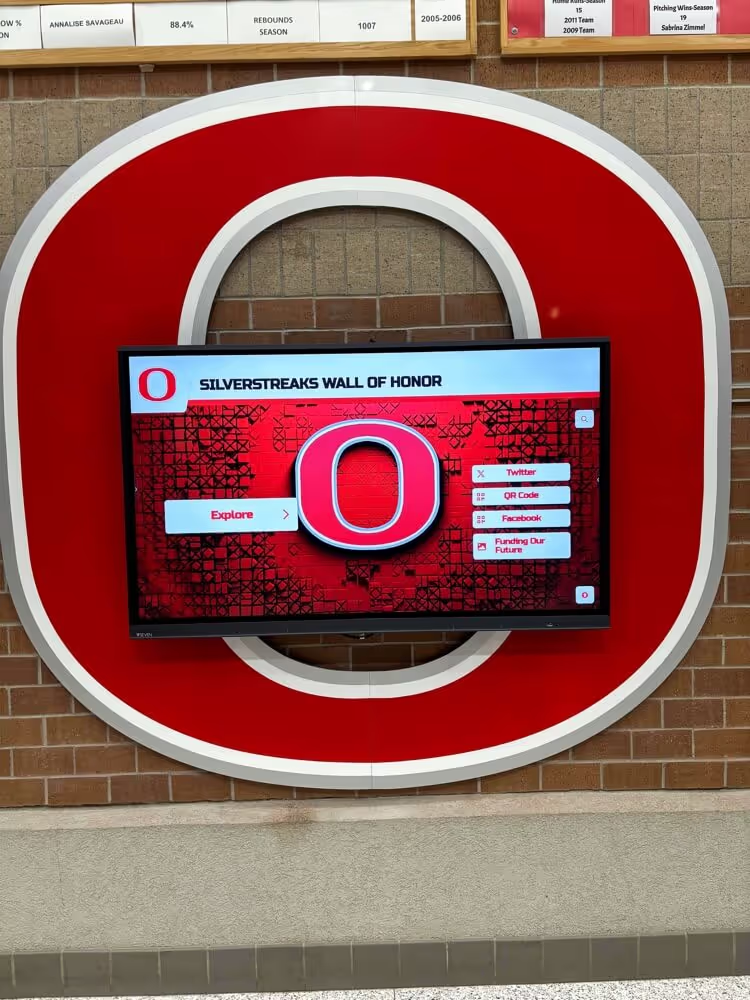
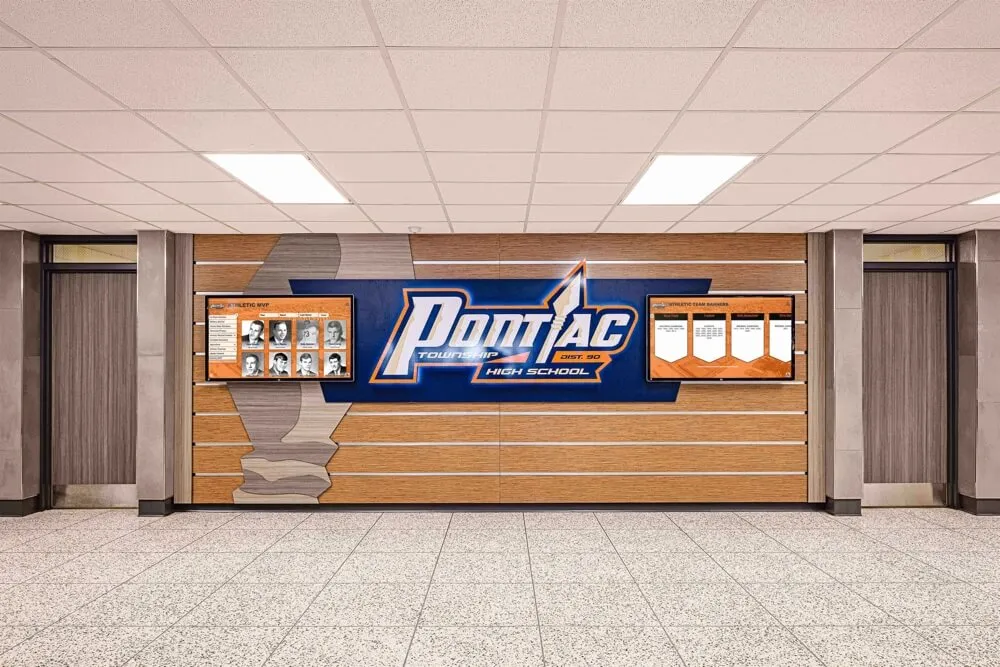
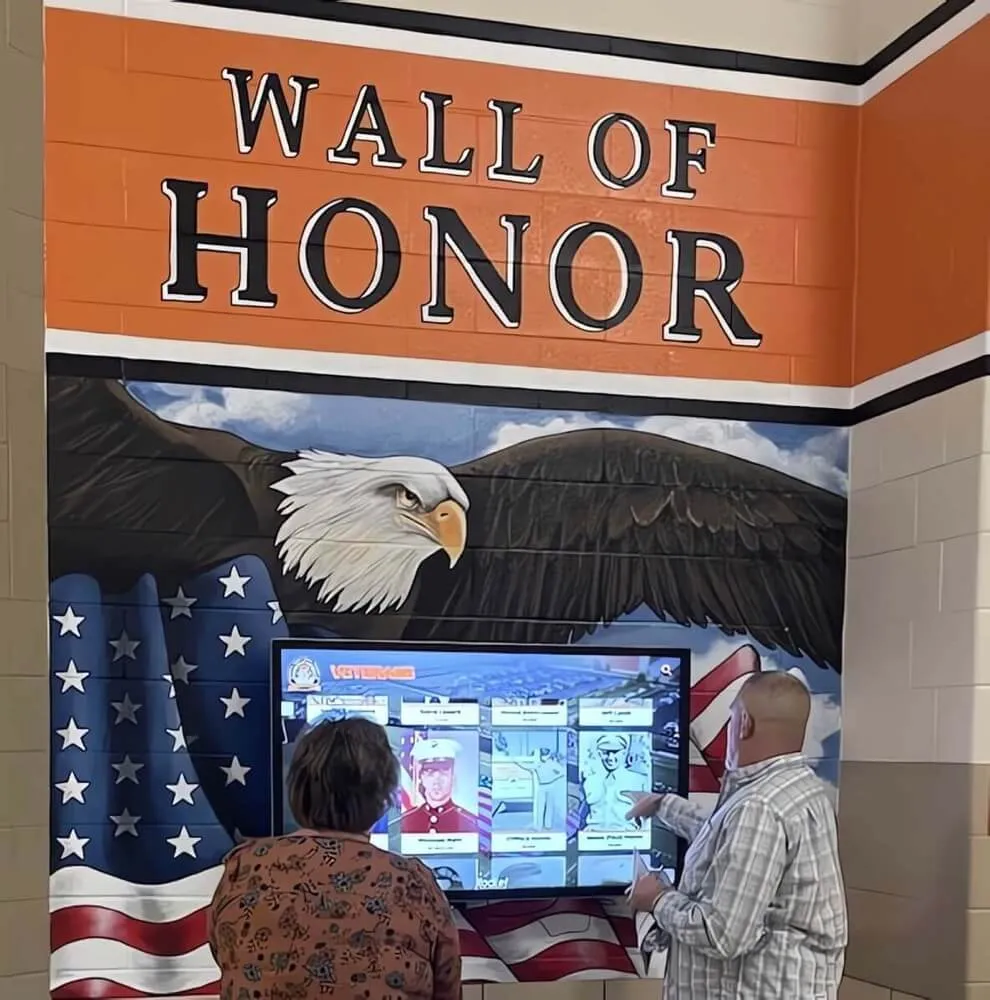
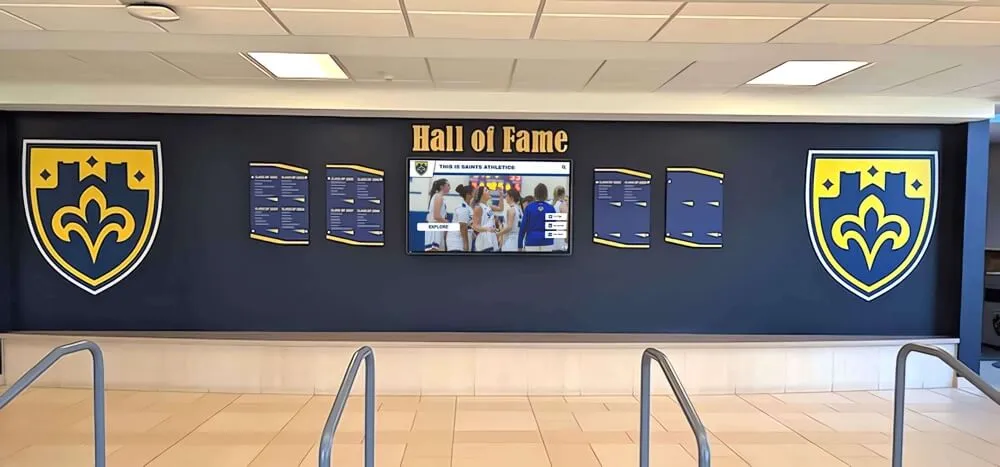
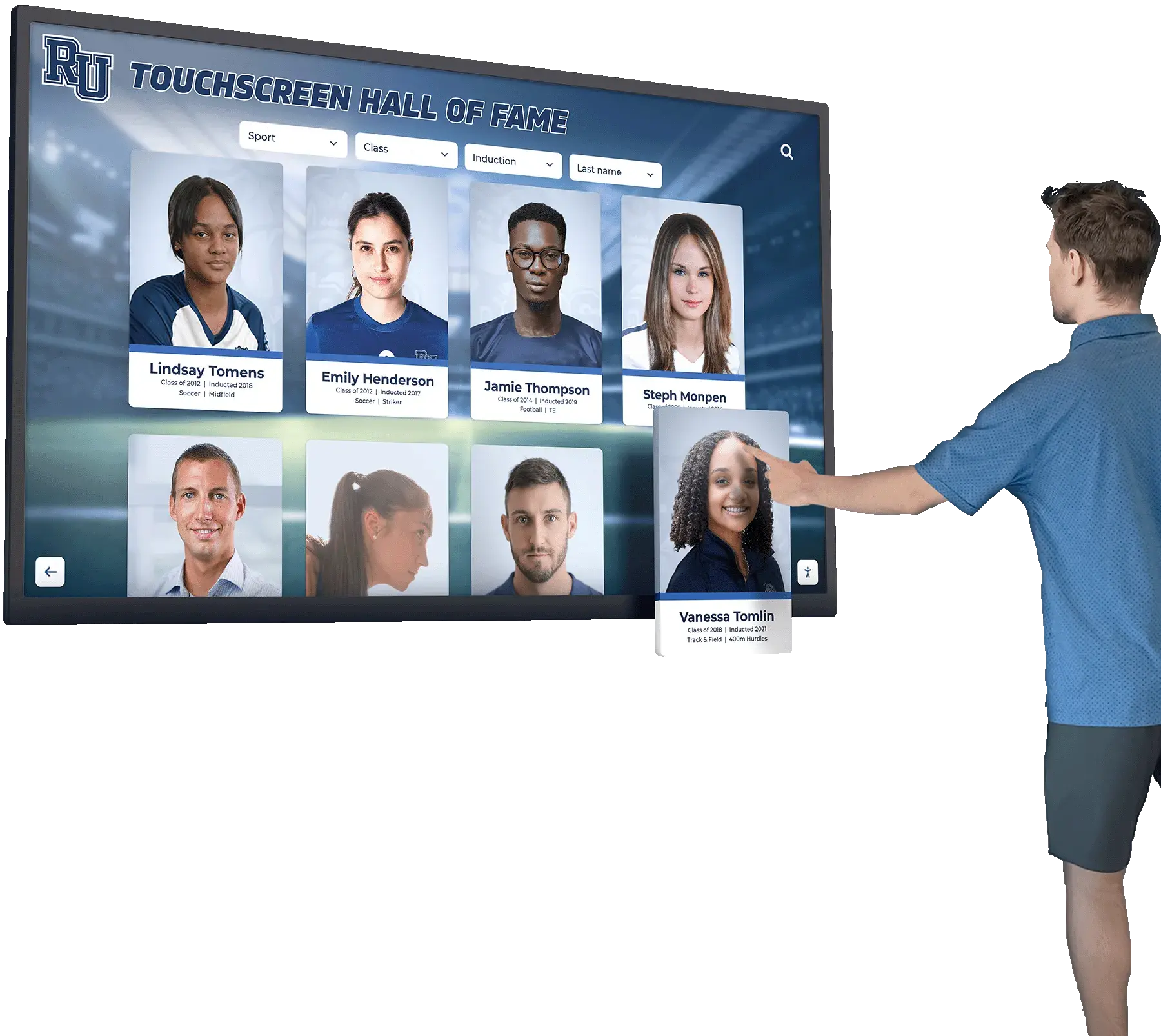
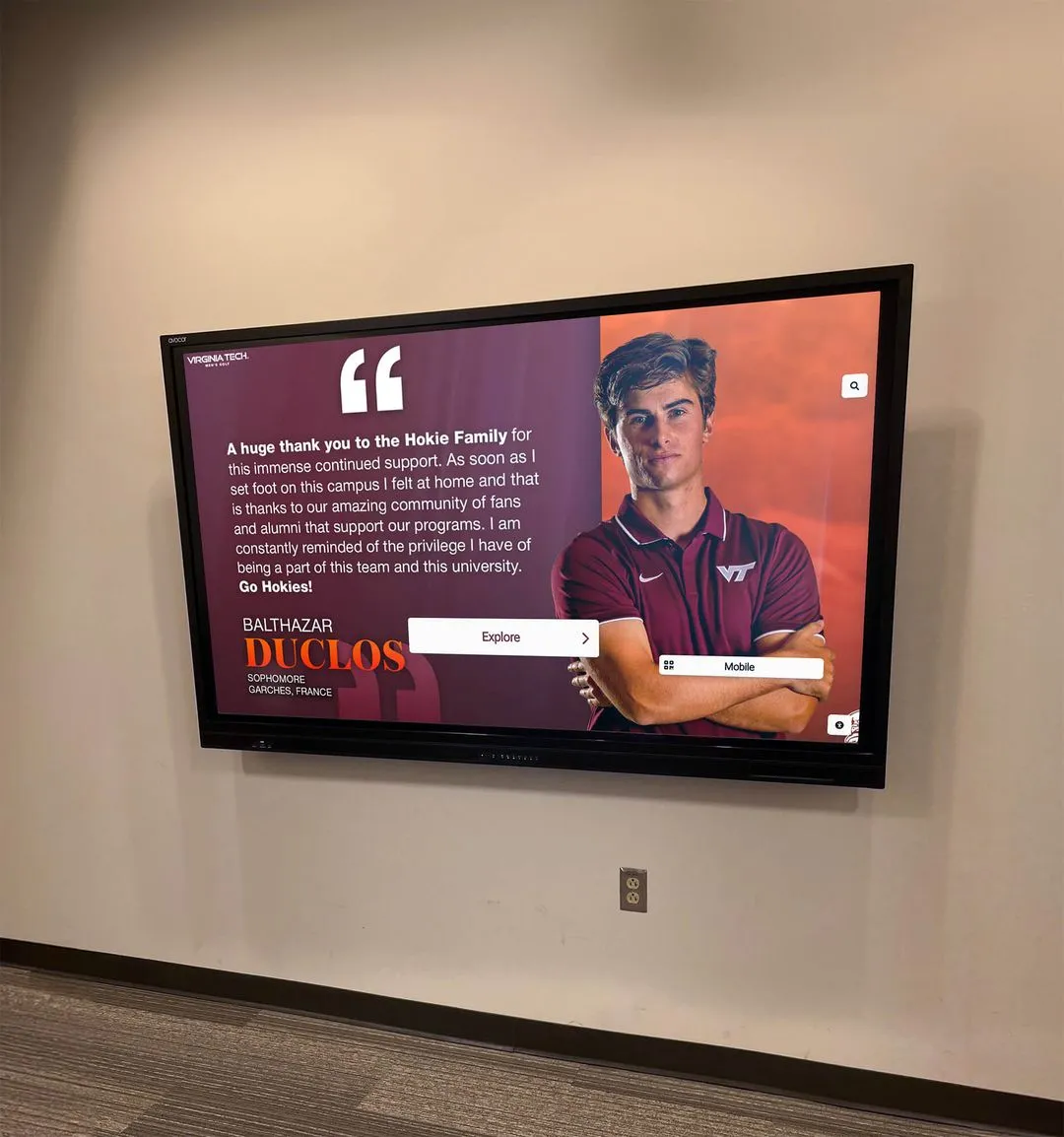
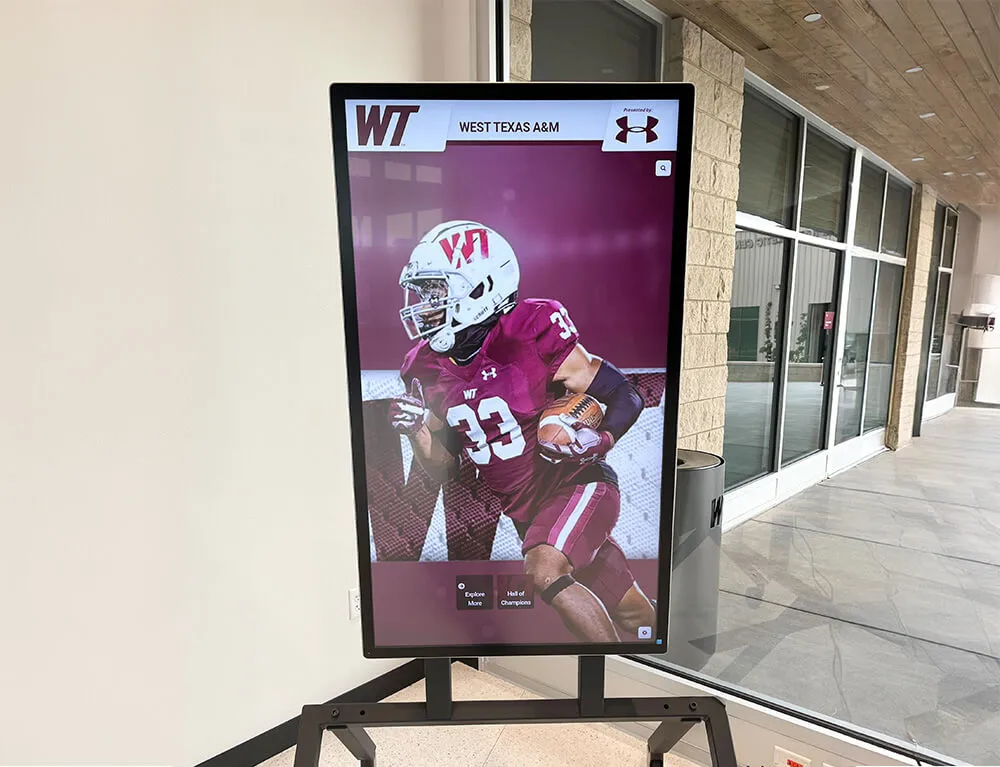
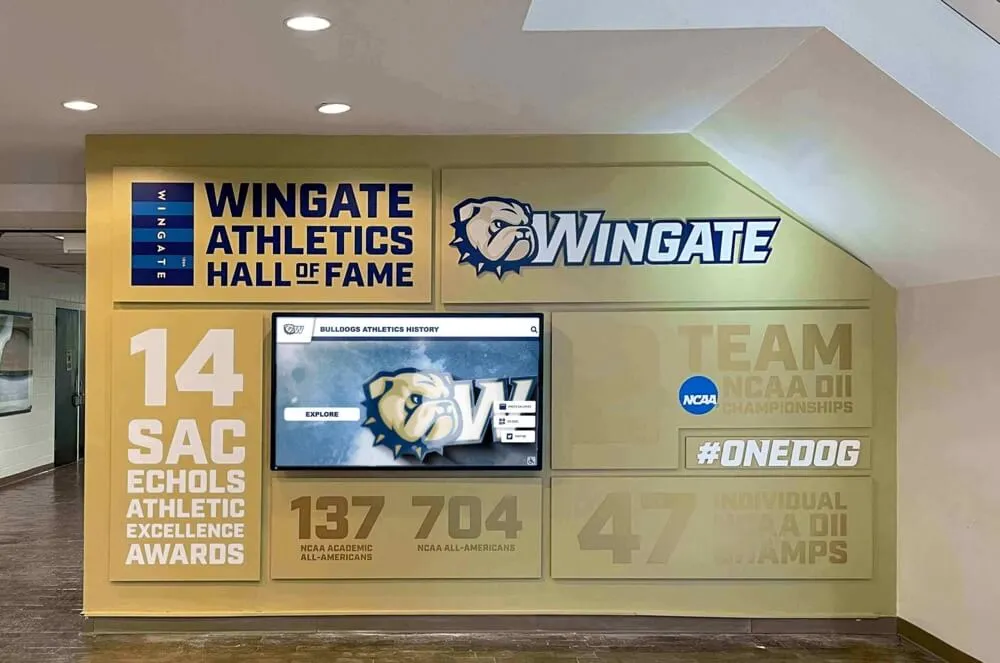
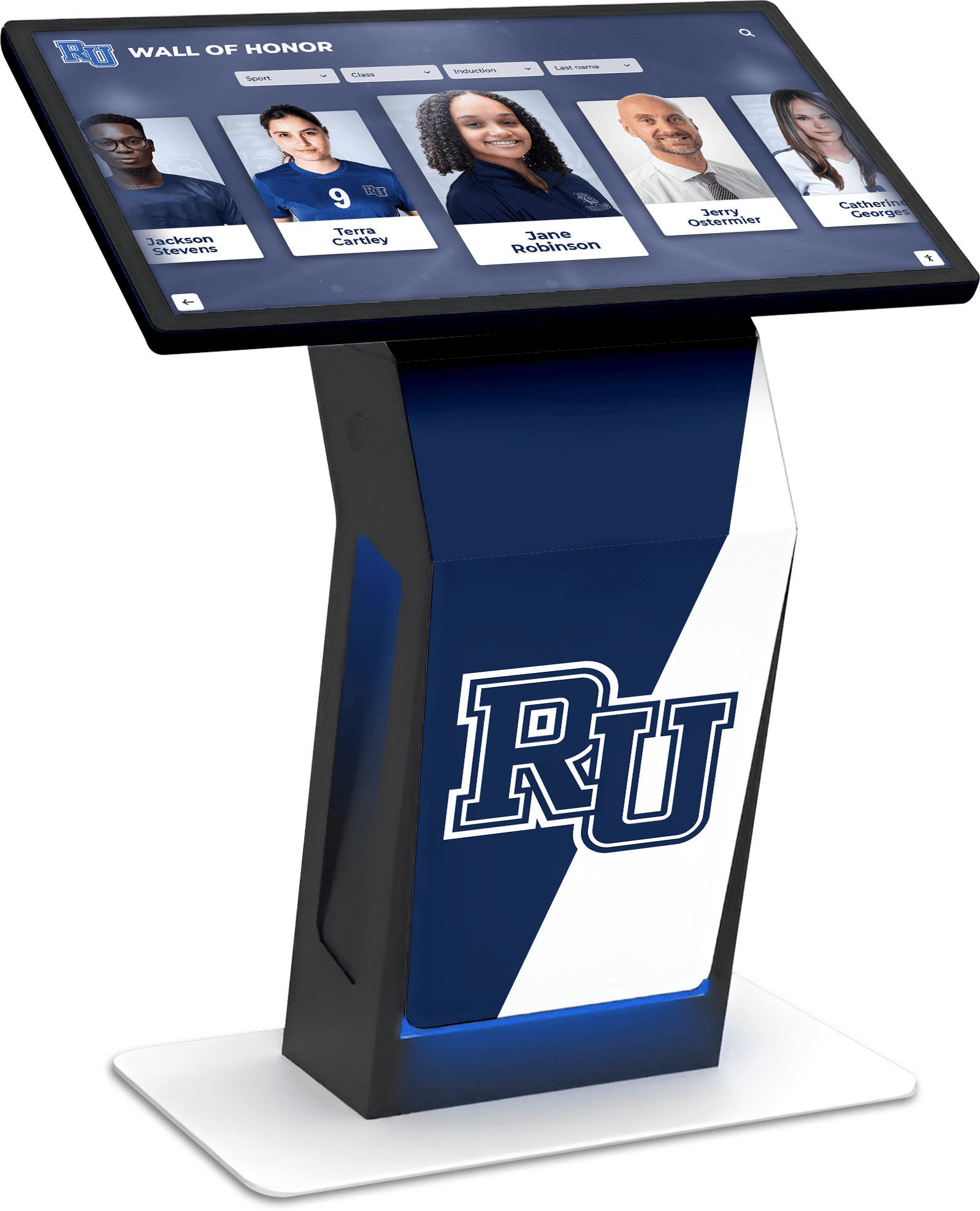
Effective high school recognition awards programs require more than just selecting award winners—they demand thoughtful category design, transparent selection criteria, and display solutions that give achievements lasting visibility. Modern digital recognition platforms enable schools to showcase unlimited award recipients across all achievement categories without space constraints limiting who receives acknowledgment. Solutions like Rocket Alumni Solutions provide comprehensive systems specifically designed for educational recognition, offering interactive displays that celebrate both athletic and academic excellence while maintaining permanent, accessible archives of every award recipient throughout your school's history.
Essential High School Athletic Recognition Award Categories
Comprehensive athletic recognition programs celebrate diverse achievements beyond championship victories, ensuring athletes at all skill levels experience acknowledgment for contributions, growth, and character alongside competitive success.
Performance-Based Athletic Awards
Performance recognition establishes objective standards measuring athletic excellence across various competition and skill dimensions.
Most Valuable Player Awards
The MVP award represents the pinnacle of team recognition, honoring the athlete whose overall contribution proved most valuable to team success. Effective MVP selection criteria balance statistical performance with intangible leadership qualities, game-changing moments, and influence on team culture and success.
Selection considerations should include:
- Statistical performance relative to position requirements
- Impact during critical competitive moments
- Leadership both on-field and in practice environments
- Contribution to team cohesion and culture
- Consistency across the full season rather than isolated peak performances
All-Conference and All-State Recognition
These competitive selections acknowledge athletes performing at elite levels against broader competition pools. Selection typically occurs through coach voting, statistical rankings, or selection committees evaluating performance across conference or state competitors.
Schools should celebrate these external recognitions prominently, as they represent validation from broader athletic communities and indicate exceptional competitive achievement worthy of lasting acknowledgment.

Statistical Achievement Awards
Category-specific statistical awards recognize measurable excellence in particular performance areas:
- Scoring Leaders: Highest point, goal, or run totals across season
- Defensive Excellence: Tackles, blocked shots, saves, or defensive statistics demonstrating protective skill
- Efficiency Awards: Shooting percentage, completion rate, or accuracy metrics showing technical mastery
- Durability Recognition: Consecutive games started or played, acknowledging reliability and commitment
- Record-Breaking Performance: New school records in any statistical category, creating lasting program history
Statistical awards offer objective selection criteria eliminating subjective bias concerns while celebrating measurable athletic achievement.
Championship and Tournament Recognition
Teams achieving championship victories or exceptional tournament performance deserve collective acknowledgment:
- Conference Champions: Team recognition for winning league championships
- State Championship Teams: Celebrating ultimate competitive achievement
- Tournament MVP: Individual recognition for exceptional tournament performance
- Perfect Season Awards: Honoring teams completing undefeated campaigns
These achievement awards carry particular significance, representing competitive goals toward which athletes work entire seasons. Schools should maintain comprehensive archives documenting these accomplishments as central components of athletic program history.
Character and Contribution Athletic Awards
Character-based recognition ensures athletes demonstrating exceptional qualities beyond competitive performance receive meaningful acknowledgment.
Sportsmanship Awards
Outstanding sportsmanship recognition celebrates athletes consistently demonstrating respect for opponents, officials, teammates, and game integrity. Selection criteria should include:
- Respectful conduct toward officials regardless of calls
- Gracious behavior toward opponents in victory and defeat
- Positive example for younger athletes and spectators
- Absence of technical fouls, yellow cards, or conduct violations
- Active intervention preventing unsportsmanlike behavior from teammates
Sportsmanship awards signal institutional values prioritizing character development alongside competitive success.
Coaches’ Awards
Coaches’ awards provide flexibility acknowledging athletes who demonstrate exceptional qualities valued by team leadership but not captured through performance statistics—perhaps unselfish play, practice intensity setting team standards, or positive attitude maintaining team morale during challenging seasons.
These discretionary awards enable coaches to recognize contributions visible primarily within team environments rather than public competition, ensuring comprehensive acknowledgment of qualities enabling team success.
Most Improved Player Recognition
Improvement awards celebrate growth regardless of absolute achievement level, ensuring athletes demonstrating significant skill development receive acknowledgment even if overall performance remains below elite standards. Effective selection criteria measure improvement through:
- Statistical performance changes from season start to finish
- Skill mastery progression observed by coaching staff
- Increased contribution to team success across season
- Overcoming specific technical or performance challenges
- Commitment to extra training driving improvement
Most improved recognition proves particularly valuable for underclassmen or developing athletes, providing motivational reinforcement during skill-building phases preceding peak performance years.
Team Captain and Leadership Awards
Leadership recognition celebrates athletes serving team captain roles or demonstrating exceptional leadership qualities. Selection should consider:
- Positive influence on team culture and work ethic
- Communication effectiveness with teammates and coaches
- Performance modeling desired behaviors and standards
- Conflict mediation and team unity maintenance
- Mentorship of younger or less experienced teammates
Leadership awards acknowledge that athletic success requires not just individual excellence but collective team function enabled by effective leadership.
Resources exploring comprehensive approaches to athletic recognition programs provide frameworks for celebrating diverse athletic accomplishments while building program tradition.
Academic Recognition Award Categories for High Schools
Balanced recognition programs celebrate intellectual achievement with equal prominence to athletic accomplishment, ensuring students pursuing academic excellence receive comparable acknowledgment and visibility.
GPA-Based Academic Recognition
Grade point average provides objective, consistent measurement enabling fair academic recognition across student populations.
Honor Roll Programs
Tiered honor roll systems acknowledge varied achievement levels while maintaining meaningful standards:
- Highest Honors/High Honor Roll: Typically 3.8-4.0 GPA, recognizing exceptional academic excellence
- Honors/Honor Roll: Usually 3.5-3.79 GPA, celebrating strong consistent performance
- Honorable Mention: Sometimes 3.0-3.49 GPA, acknowledging solid academic achievement
Frequency decisions matter significantly—quarterly recognition provides more motivational touchpoints but requires sustained administrative attention, while semester or annual recognition reduces administrative burden but creates longer feedback cycles between achievement and acknowledgment.
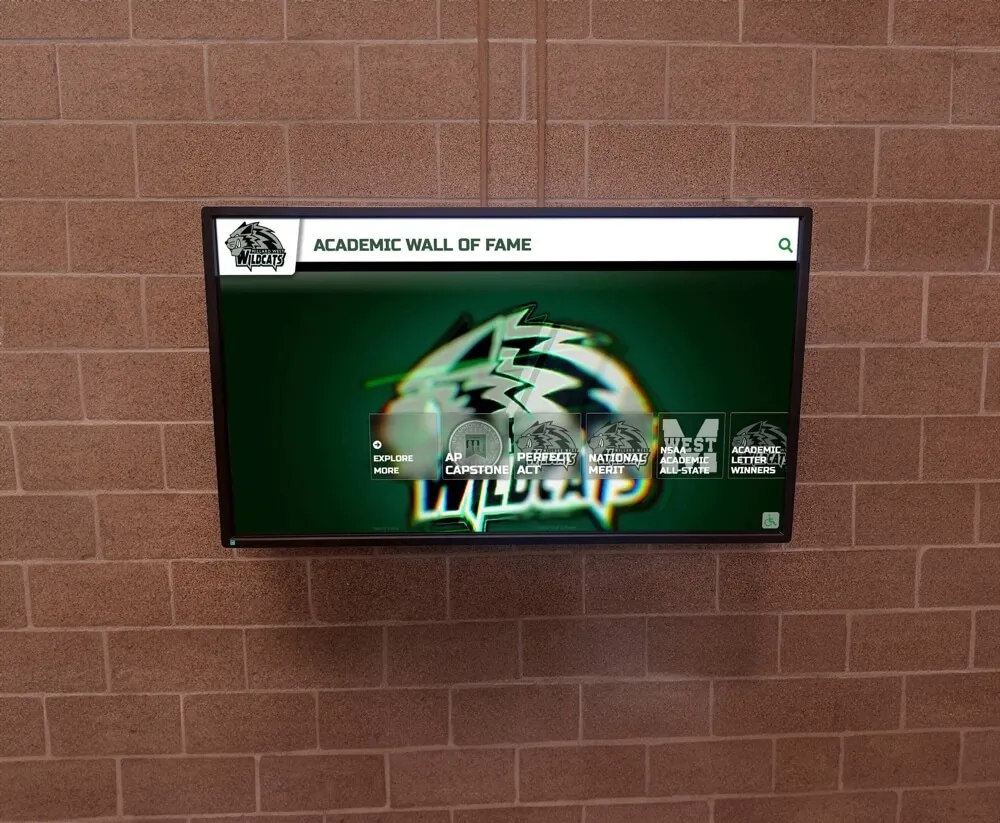
Digital recognition solutions enable schools to publish honor roll updates immediately upon finalization, ensuring timely acknowledgment while maintaining permanent archives preserving all previous recognition periods rather than replacing displays when new lists publish.
Perfect 4.0 GPA Recognition
Students maintaining perfect 4.0 averages across full semesters or academic years deserve special acknowledgment recognizing consistent excellence without any performance lapses. This elite recognition creates aspirational goals while celebrating extraordinary academic commitment.
Cumulative GPA Achievement
Graduating senior recognition based on cumulative high school GPA honors sustained multi-year excellence:
- Summa Cum Laude: Typically 3.9-4.0 cumulative GPA
- Magna Cum Laude: Usually 3.7-3.89 cumulative GPA
- Cum Laude: Often 3.5-3.69 cumulative GPA
These distinctions appear on diplomas, transcripts, and graduation programs, creating lasting documentation of academic achievement affecting college admissions and scholarship opportunities.
Understanding approaches to effectively recognizing academic achievement helps schools design programs celebrating intellectual excellence with appropriate visibility and impact.
Subject-Specific Academic Excellence Awards
Discipline-focused recognition enables students demonstrating particular subject strengths to receive acknowledgment even if overall GPA doesn’t qualify for general honor roll.
Departmental Excellence Awards
Academic departments should establish awards recognizing outstanding achievement in specific disciplines:
- Mathematics Excellence Award: Honoring exceptional mathematics performance and problem-solving ability
- Science Achievement Award: Celebrating excellence in biology, chemistry, physics, or integrated science coursework
- English/Language Arts Distinction: Recognizing outstanding writing, literary analysis, and communication skills
- Social Studies Excellence: Acknowledging achievement in history, government, geography, or social science
- World Language Proficiency: Honoring excellence in foreign language mastery and cultural understanding
- Fine Arts Achievement: Celebrating outstanding performance in music, visual arts, theater, or creative disciplines
Subject-specific awards broaden recognition opportunities beyond GPA-based programs while acknowledging that excellence takes varied forms across different intellectual domains.
Advanced Placement and Honors Course Recognition
Students successfully completing challenging AP, IB, or honors coursework deserve acknowledgment for academic risk-taking and rigorous curriculum engagement:
- AP Scholar Awards: Recognizing specified numbers of AP exams passed with scores of 3 or higher
- AP Scholar with Distinction: Honoring higher AP exam achievement levels
- Honors Course Completion: Acknowledging students completing specified honors course loads
- Dual Enrollment Achievement: Celebrating successful college-level coursework completion during high school
These recognitions validate not just grade achievement but willingness to engage challenging academic experiences requiring greater intellectual effort and risk.
Academic Competition and Achievement Recognition
External academic competition success deserves prominent celebration comparable to athletic competition achievements.
Science Fair and Research Competition Awards
Students earning recognition at district, state, or national science fairs demonstrate research skills, scientific thinking, and intellectual initiative meriting lasting acknowledgment. Schools should celebrate:
- Science fair competition placements and special awards
- Research symposium presentations and publications
- STEM competition success in robotics, engineering, or technology
- Research mentorship program participation and completion
Academic Olympiad and Competition Recognition
Participation and achievement in academic competitions deserves systematic celebration:
- Math Olympiad/Competition: Recognition for mathematics competition participation and achievement
- Science Olympiad: Team and individual awards in multi-event science competitions
- Academic Quiz Bowl/Knowledge Bowl: Celebrating general knowledge competition success
- Debate and Forensics: Honoring achievement in argumentation, public speaking, and competitive speech
- Writing Competitions: Acknowledging success in essay contests, poetry competitions, or journalism awards
External competition validation provides objective third-party recognition of academic excellence that carries particular credibility and deserves prominent display alongside athletic competition achievements.
Standardized Test Excellence
While standardized testing represents just one achievement dimension, exceptional performance merits recognition:
- National Merit Recognition: Celebrating semifinalist, finalist, and scholar designation
- SAT/ACT Achievement: Acknowledging scores in top percentiles or perfect scores
- State Assessment Excellence: Recognizing exceptional performance on state-mandated assessments
Perfect scores or top-percentile achievement in standardized assessments demonstrates mastery worthy of lasting celebration. Resources exploring recognition for perfect ACT scorers provide specific guidance for celebrating these exceptional achievements.
Academic Character and Service Awards
Comprehensive academic recognition extends beyond grades to acknowledge intellectual character, effort, and contribution to school learning community.
Academic Effort and Improvement Awards
Growth and effort deserve recognition alongside absolute achievement:
- Most Improved Academic Performance: Celebrating significant GPA improvement regardless of final achievement level
- Academic Perseverance Award: Honoring students overcoming learning challenges through sustained effort
- Perfect Attendance Recognition: Acknowledging consistent school attendance supporting academic success
These awards ensure students demonstrating exceptional commitment receive acknowledgment even if academic outcomes remain below honor roll thresholds.
National Honor Society and Academic Organization Recognition
Membership in selective academic organizations signals achievement across multiple dimensions:
- National Honor Society: Recognizing students meeting scholarship, service, leadership, and character criteria
- Subject-Specific Honor Societies: Celebrating membership in discipline-focused organizations
- Academic Club Leadership: Acknowledging leadership roles in academic clubs and organizations
These memberships deserve lasting recognition as they represent sustained commitment and multifaceted excellence beyond simple grade achievement. Understanding best practices for National Honor Society recognition helps schools celebrate these important achievements appropriately.
Establishing Fair and Transparent Selection Criteria
Recognition programs maintain credibility and motivational impact only when selection processes feel fair, transparent, and consistent across time and student populations.
Creating Objective Measurement Standards
Whenever possible, establish objective, measurable criteria eliminating subjective bias:
Quantitative Criteria
- Specific GPA thresholds for academic recognition
- Statistical minimums for athletic performance awards
- Required participation levels for eligibility consideration
- Defined achievement standards for competition-based recognition
Objective criteria enable students to understand exactly what achievement recognition requires, providing clear targets driving behavior and effort.
Documentation Requirements
Establish clear documentation supporting award decisions:
- Statistical records substantiating performance claims
- Grade reports verifying academic achievement
- Attendance records supporting perfect attendance awards
- Competition results validating external achievement claims
Documentation creates accountability ensuring awards reflect actual achievement rather than favoritism or unsubstantiated claims.
Handling Subjective Award Categories
Some valuable recognition categories require subjective evaluation—sportsmanship awards, coaches’ awards, character recognition. For these categories, establish processes ensuring fair, considered judgment:
Selection Committee Approaches
Rather than single-person decisions, use selection committees incorporating multiple perspectives:
- Multiple coaches or teachers providing input
- Student peer input for appropriate categories
- Administrative oversight ensuring consistency
- Written nomination processes requiring specific examples
Committee approaches reduce individual bias while generating more comprehensive evaluation of candidate qualifications.
Rubrics and Evaluation Frameworks
Even for subjective categories, establish evaluation rubrics defining what qualities or behaviors deserve recognition:
For sportsmanship awards, criteria might include:
- Respectful conduct toward officials (observable behavior count)
- Positive interaction with opponents (specific examples required)
- Absence of conduct violations (documented record)
- Teammate reports of positive influence (structured input process)
Rubrics transform subjective impression into structured evaluation, improving consistency and fairness while enabling candidates to understand what behaviors earn recognition.
Ensuring Inclusive Recognition Opportunities
Fair recognition programs create acknowledgment opportunities across diverse student populations rather than concentrating awards among small elite groups.
Multiple Category Strategy
Establish sufficient award categories ensuring recognition opportunities exist for:
- Varied achievement dimensions (performance, effort, character, improvement)
- Different skill and ability levels
- Diverse contributions to team or school success
- Both sustained excellence and significant growth
Comprehensive category structures enable more students to experience meaningful recognition while maintaining standards that prevent participation trophy dilution making awards meaningless.
Transparent Communication
Publish clear award criteria, selection processes, and timelines ensuring students understand:
- What awards exist and what each recognizes
- Specific criteria for earning consideration
- Who makes selection decisions and through what process
- When selections occur and how recipients receive notification
- How and where recognition gets displayed
Transparency builds trust in recognition systems while enabling students to actively pursue awards through achievement rather than hoping for opaque selection processes to favor them.
Balancing Athletic and Academic Recognition Equity
Many schools struggle with recognition imbalances where athletic achievements receive prominent, permanent display while academic accomplishments get minimal visibility or temporary acknowledgment quickly replaced.
Equal Visibility Standards
Establish institutional policy ensuring academic recognition receives display prominence and permanence matching athletic achievement:
- Comparable physical display space allocation
- Similar recognition ceremony importance and attendance
- Equal investment in recognition quality and presentation
- Matched archival approaches preserving both achievement types permanently
This equity signals institutional values while ensuring students pursuing different excellence forms receive comparable acknowledgment and motivation.
Combined Recognition Displays
Consider integrated recognition approaches celebrating both athletic and academic excellence together rather than segregating achievement types:
- Combined halls of fame featuring both achievement categories
- Individual student profiles showcasing all accomplishments regardless of type
- Recognition displays organized by graduating class showing comprehensive achievement across all domains
Integrated approaches prevent false academic-versus-athletic dichotomies while celebrating well-rounded excellence and enabling students achieving in both domains to receive comprehensive acknowledgment.
Resources exploring elementary school recognition boards provide foundational frameworks applicable across educational levels.
Modern Display Solutions for Recognition Awards
Traditional recognition approaches create significant limitations—physical space constraints forcing choices about whose achievements receive display, static plaques requiring expensive updates when information changes, and accessibility barriers preventing broader community engagement with recognition.
The Physical Display Challenge
Conventional recognition faces fundamental space mathematics problems. If your school recognizes 200 honor roll students per semester across three marking periods annually, plus athletic award recipients across multiple sports, plus competition achievers, plus character award winners—you’re acknowledging 400+ students annually deserving lasting recognition.
Traditional plaque approaches would require:
- Extensive wall space most schools lack in prominent locations
- Significant annual investment creating new plaques
- Difficult decisions about when to remove previous recognition to accommodate new recipients
- Static displays providing minimal engagement beyond names and dates
These constraints force schools to either limit recognition to small elite groups, create temporary acknowledgment quickly replaced, or abandon comprehensive display attempts entirely.
Digital Recognition Solutions
Modern digital recognition platforms eliminate traditional display constraints while creating more engaging, accessible, and maintainable recognition systems.
Unlimited Capacity
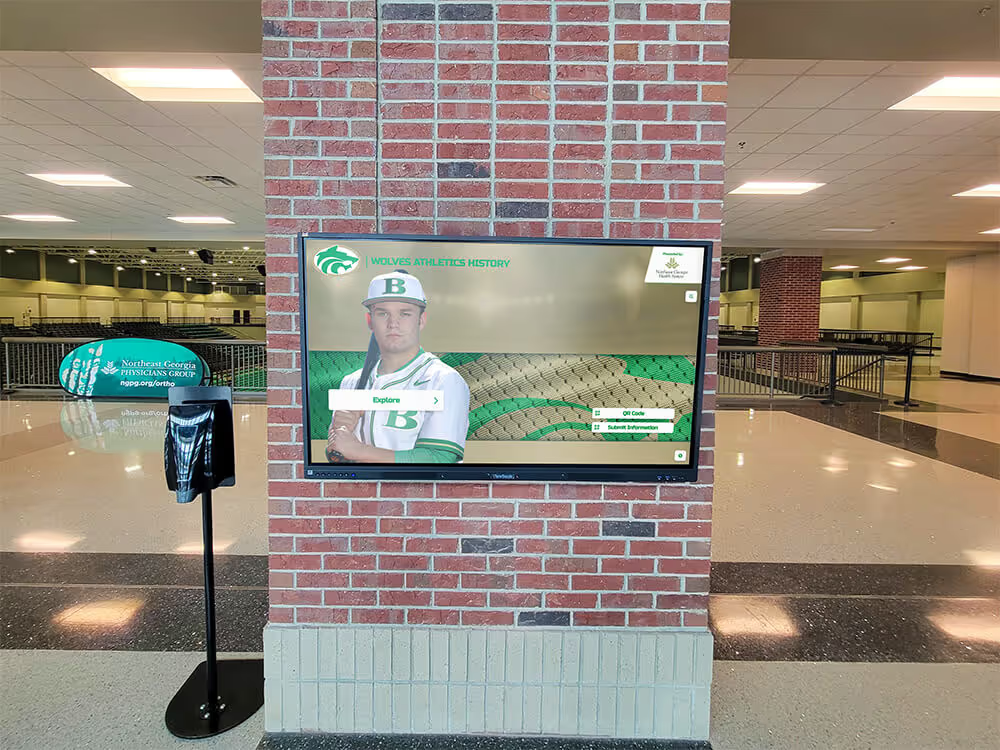
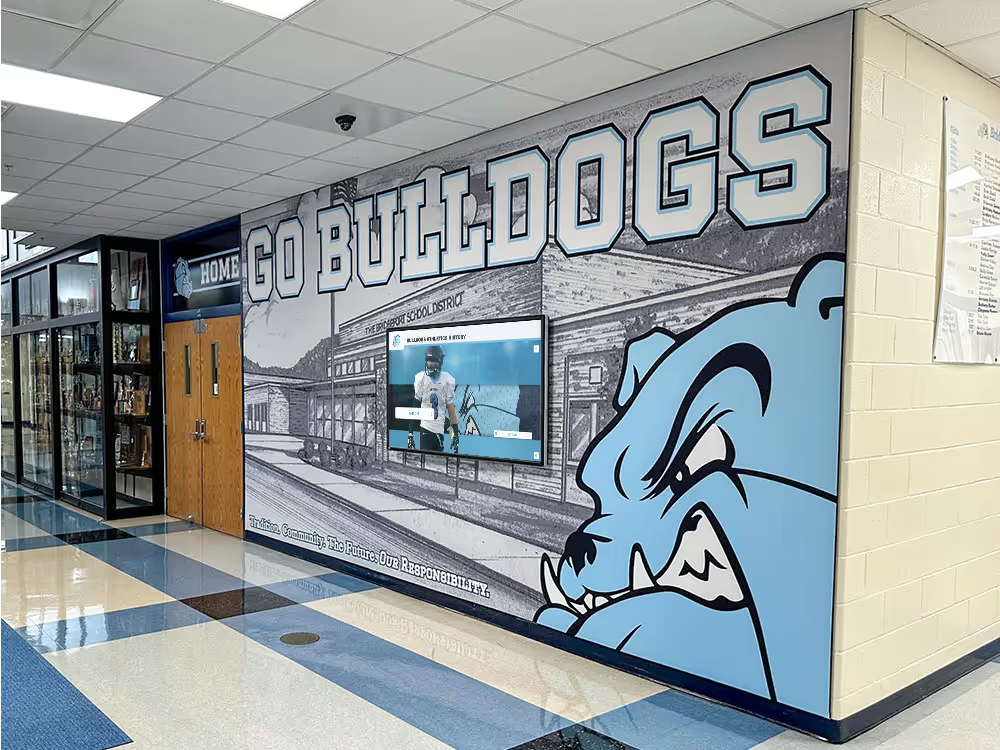
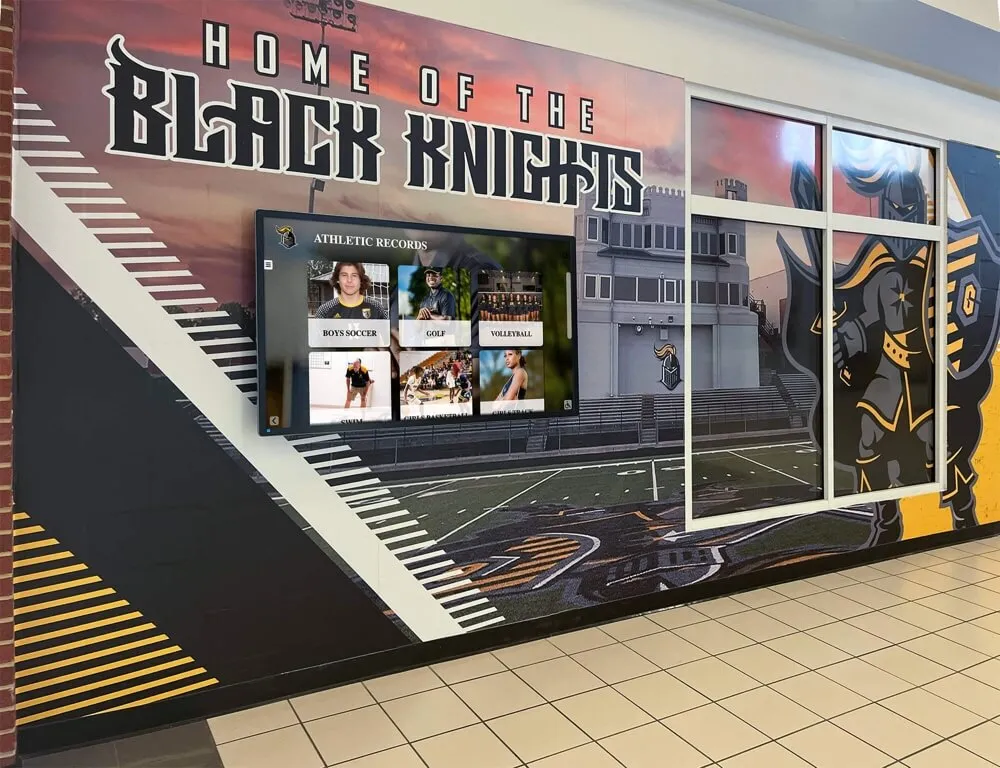
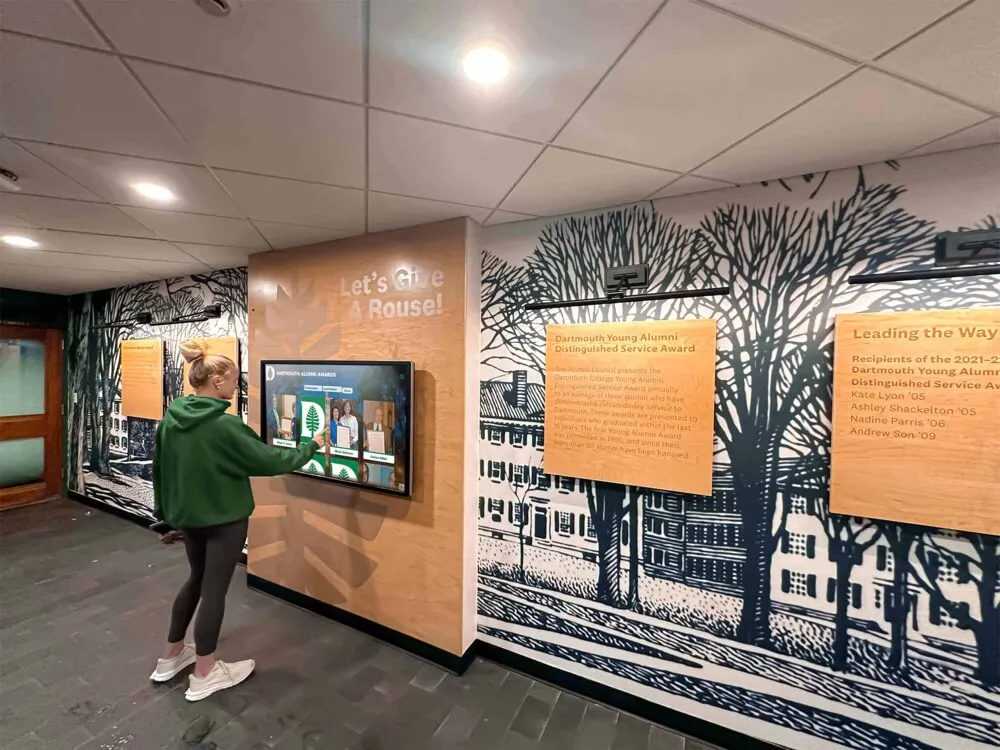
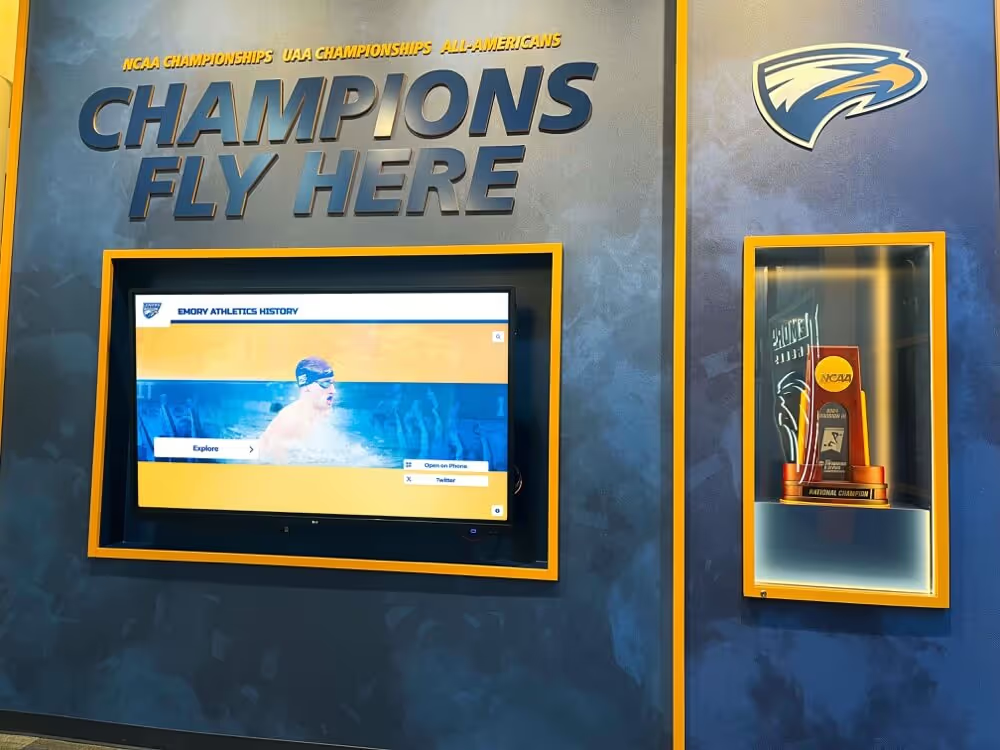
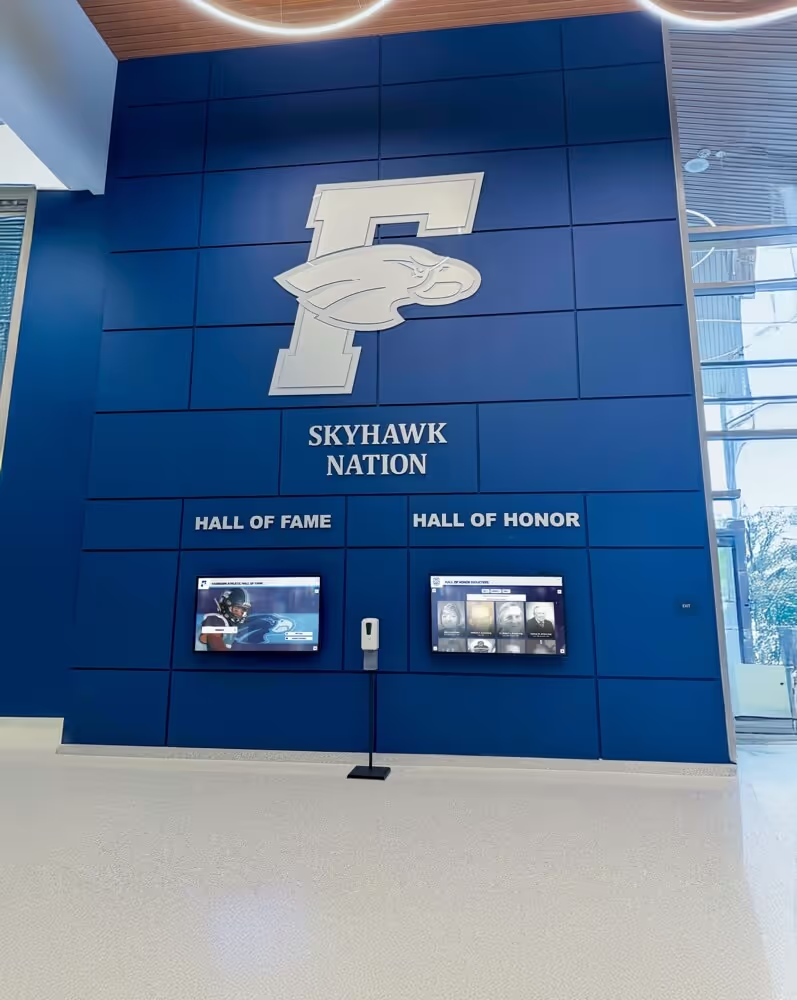
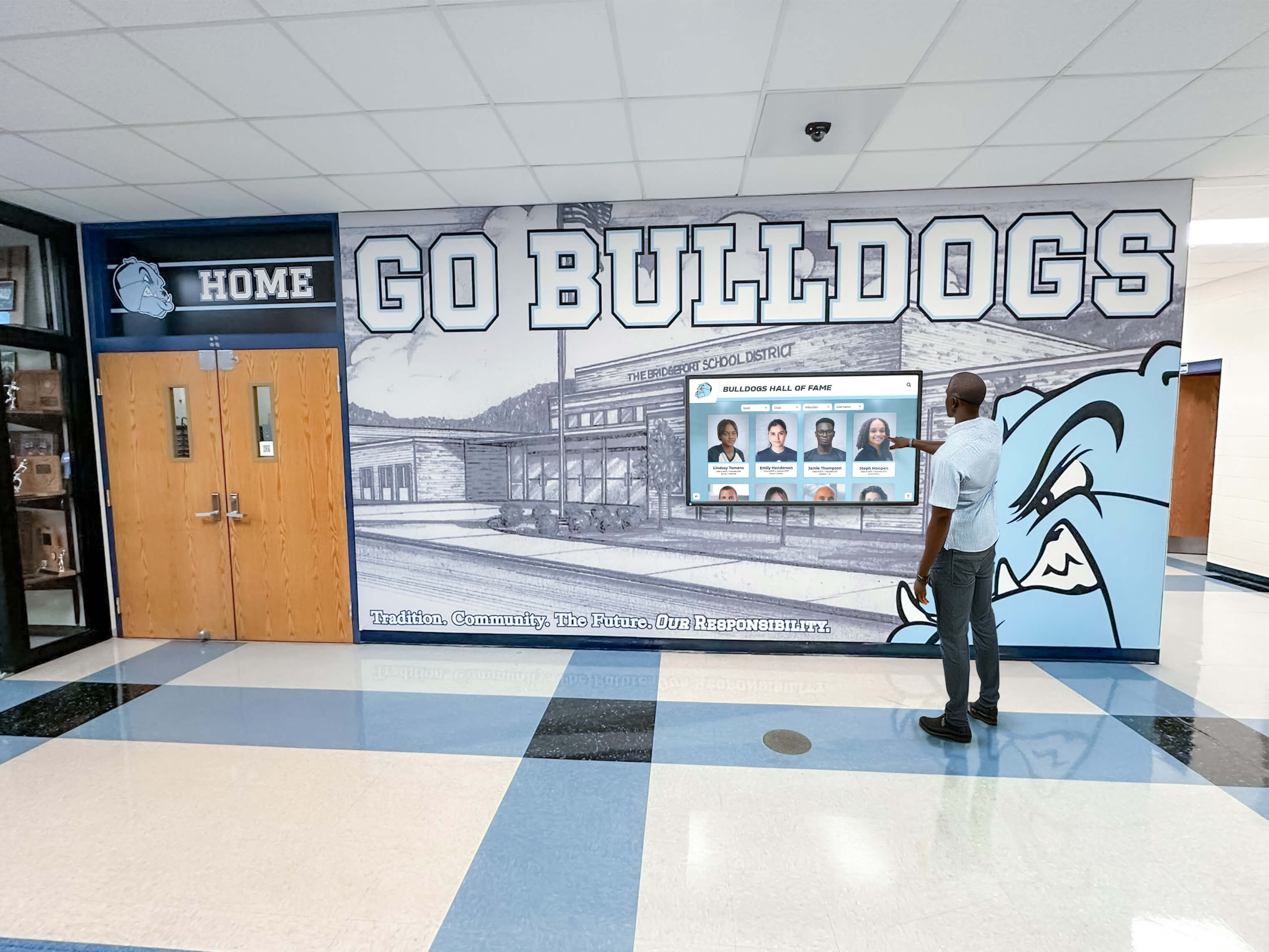

Digital displays accommodate unlimited recognition profiles without requiring additional physical space. A single touchscreen can showcase:
- Thousands of award recipients across decades
- Comprehensive achievement profiles for each recipient
- Multiple award categories without display space conflicts
- Continuously growing archives never requiring removal of previous recognition
This unlimited capacity enables truly comprehensive recognition celebrating every deserving student without space constraints forcing exclusion.
Rich Multimedia Profiles
Digital recognition extends beyond names and dates to create meaningful, memorable celebration:
- Student photos creating personal connection
- Achievement descriptions explaining specific accomplishments
- Multiple awards per student shown comprehensively
- Competition highlights, statistics, or achievement details
- Video content capturing moments of excellence
These rich profiles transform recognition from minimal acknowledgment to meaningful celebration while creating engaging content that attracts repeated community interaction.
Easy Updates and Maintenance
Digital platforms enable simple recognition updates without physical production costs:
- New award recipients added immediately upon selection
- Information corrections made instantly without plaque replacement
- Recognition categories expanded without display reconstruction
- Search and filtering enabling visitors to find specific students quickly
Administrative efficiency improves dramatically while ensuring recognition maintains currency and accuracy.
Enhanced Accessibility
Digital recognition creates engagement opportunities impossible with static displays:
- Searchable databases enabling visitors to find specific recipients
- Filtering by graduation year, award type, or achievement category
- Social sharing enabling recognition to reach broader communities
- Mobile accessibility letting families access recognition from anywhere
- Integration with school websites extending recognition visibility beyond physical locations
These accessibility features amplify recognition impact while ensuring achievements reach audiences extending beyond students physically passing displays in school hallways.
Hybrid Recognition Approaches
Many schools benefit from combining traditional and digital recognition approaches:
- Physical trophy or plaque displays for current year champions or most prestigious awards, creating tangible recognition with ceremonial presentation value
- Comprehensive digital archives documenting all award recipients across all categories and years, ensuring everyone receives permanent acknowledgment
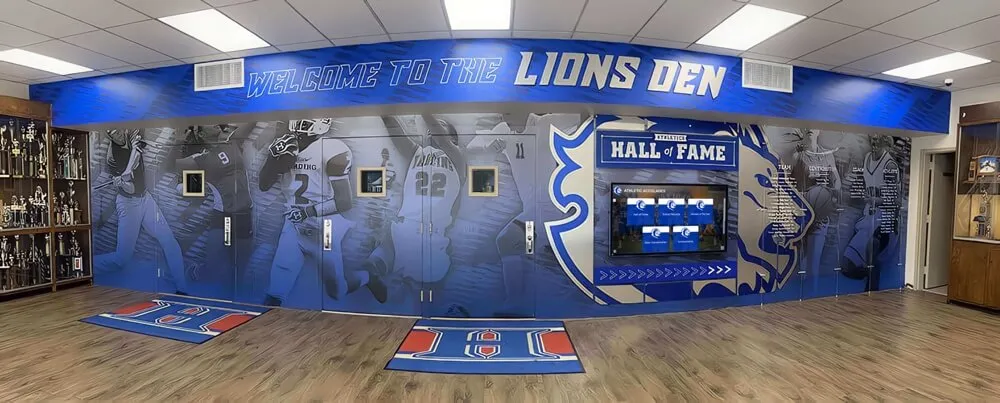
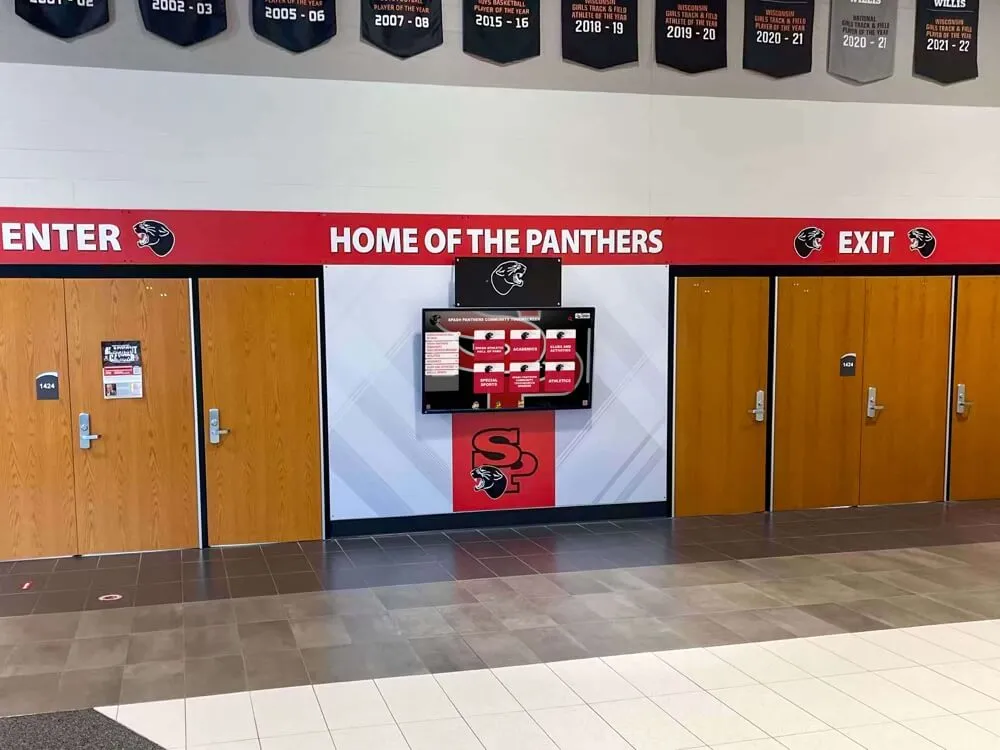
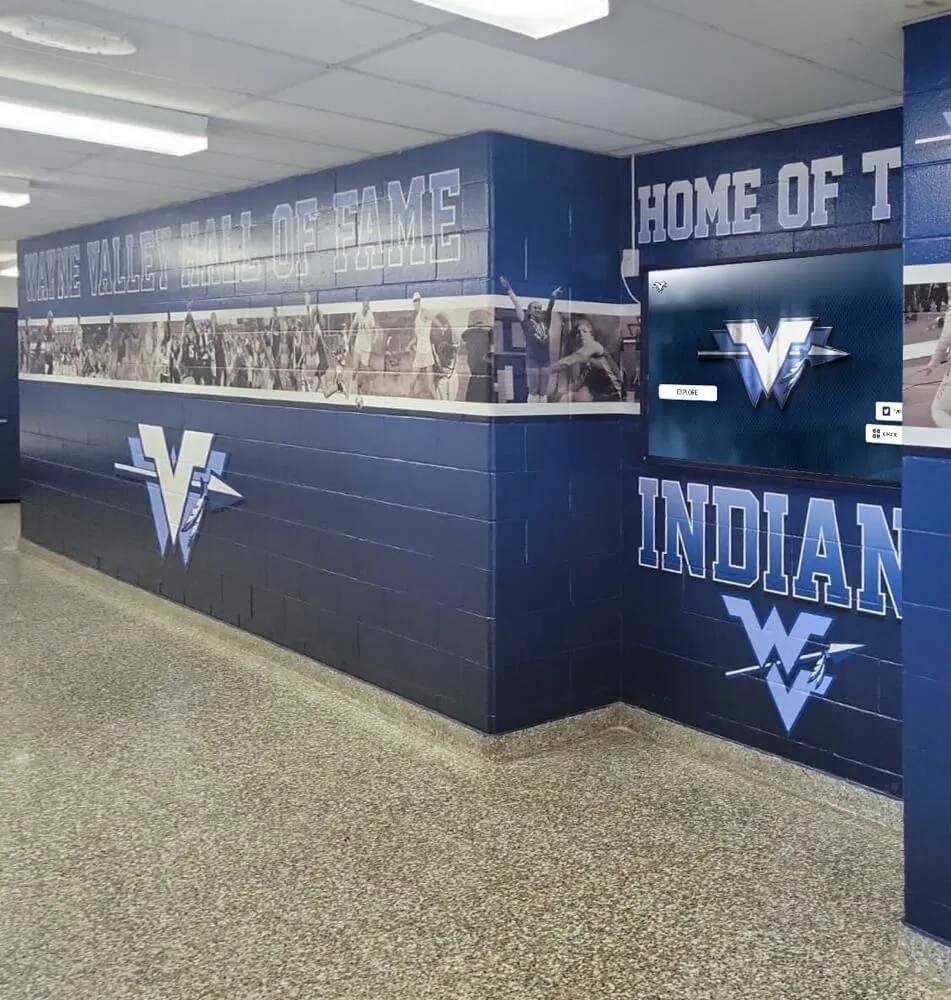
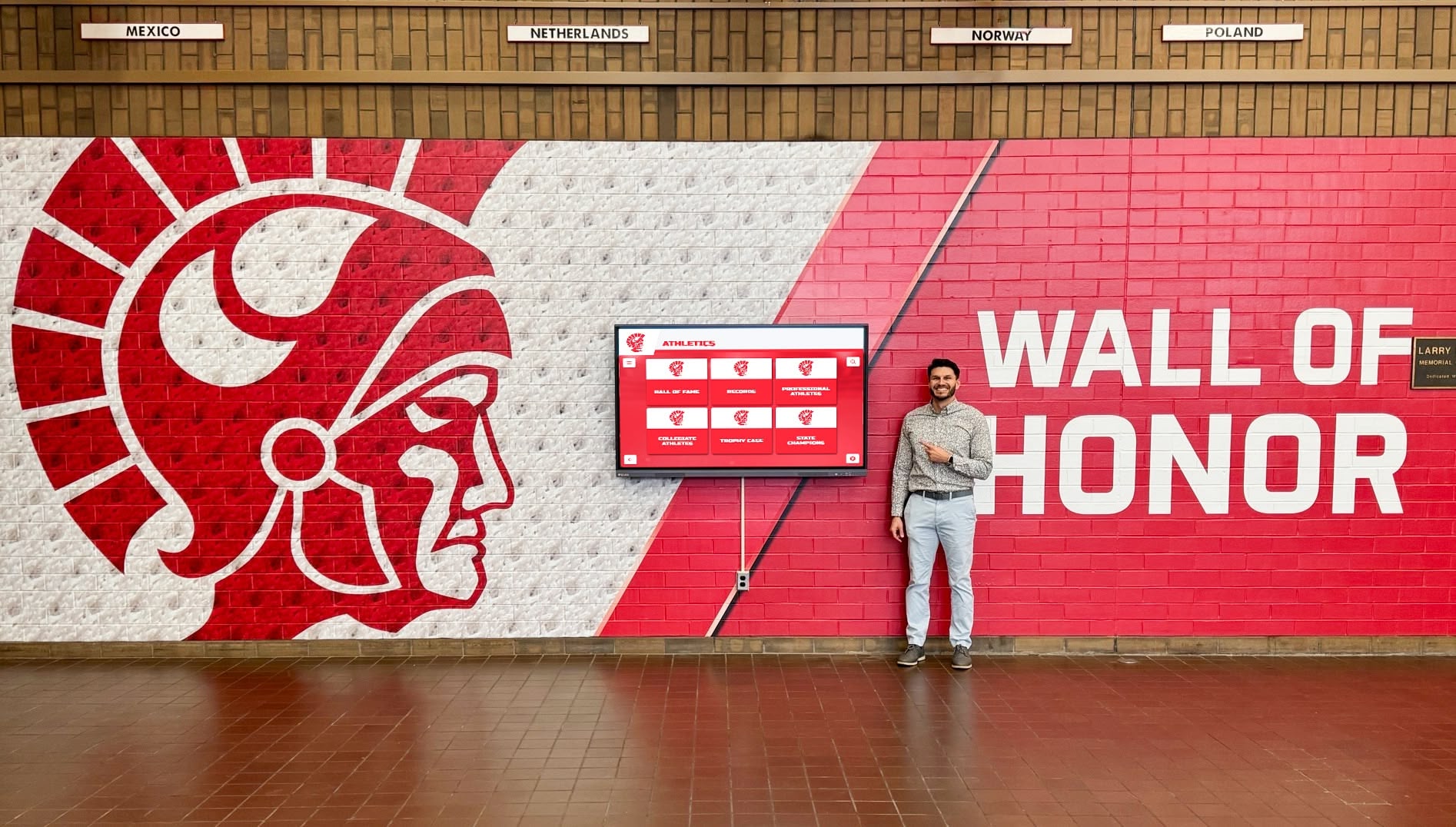
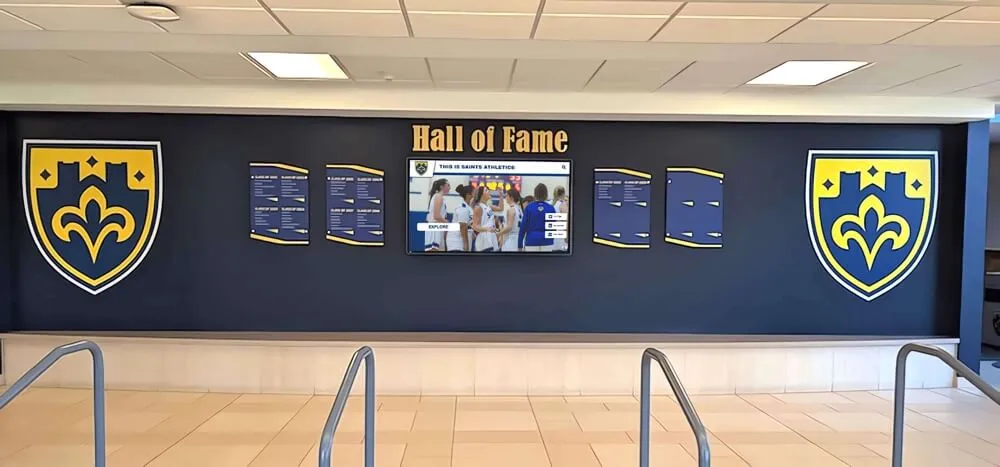
- Integrated displays positioning digital screens alongside traditional trophy cases, creating continuity between recognition approaches
Hybrid approaches preserve traditions and ceremonial elements while eliminating limitations preventing comprehensive recognition.
Understanding approaches to effective display case ideas for schools helps administrators design solutions balancing tradition with modern capabilities.
Implementation Considerations for Digital Recognition
Schools adopting digital recognition platforms should consider:
Location and Prominence
Install recognition displays in high-traffic areas ensuring maximum visibility:
- Main lobbies where students, families, and visitors regularly pass
- Athletic facilities for sports-focused recognition
- Academic wings for scholarship achievement displays
- Multiple locations ensuring comprehensive school coverage
Prominent placement signals institutional commitment to recognition while maximizing community engagement opportunities.
Content Management Systems
Choose platforms offering straightforward content management enabling staff to:
- Add new recipients quickly without technical expertise required
- Upload photos and achievement information easily
- Update existing profiles when corrections needed
- Generate reports showing recognition statistics and trends
User-friendly management prevents administrative burden from undermining recognition program sustainability.
Integration with Existing Systems
Consider how recognition displays integrate with other school technology:
- Student information systems for automated data transfer
- School websites for extended recognition visibility
- Social media for sharing achievement celebrations
- Digital signage networks for coordinated messaging
Integration reduces duplicate data entry while extending recognition impact across multiple platforms and audiences.
Long-Term Sustainability
Evaluate total cost of ownership including:
- Initial platform and hardware investment
- Ongoing subscription or licensing costs
- Maintenance and technical support requirements
- Content management time requirements
- Update and expansion capabilities as programs grow
Sustainable solutions balance initial investment with long-term operational efficiency and adaptability.
Resources exploring creative student award ideas provide inspiration for expanding recognition categories while maintaining meaningful standards.
Building Recognition Programs That Drive Achievement
Effective high school recognition awards programs require more than simply selecting winners and displaying names—they demand thoughtful category design ensuring diverse students experience acknowledgment, transparent selection criteria maintaining credibility and fairness, and display solutions giving achievements the prominence and permanence they deserve.
Schools that invest in comprehensive recognition systems create environments where achievement becomes culturally celebrated, effort receives meaningful acknowledgment, and students across varied excellence domains experience the motivational reinforcement driving continued growth and commitment. Modern digital recognition platforms enable these comprehensive programs by eliminating physical constraints that previously forced schools to choose whose accomplishments received visibility.
By establishing award categories spanning performance, character, effort, and growth—by implementing fair selection processes earning student trust—and by deploying display solutions ensuring lasting, accessible recognition—high schools can build award programs that genuinely inspire achievement while celebrating the diverse ways students contribute to school excellence.
Ready to transform your high school recognition program with comprehensive digital displays that celebrate every achievement category across athletic and academic excellence? Explore how Rocket Alumni Solutions creates engaging, accessible recognition systems designed specifically for schools committed to building cultures where all achievement receives the acknowledgment it deserves.