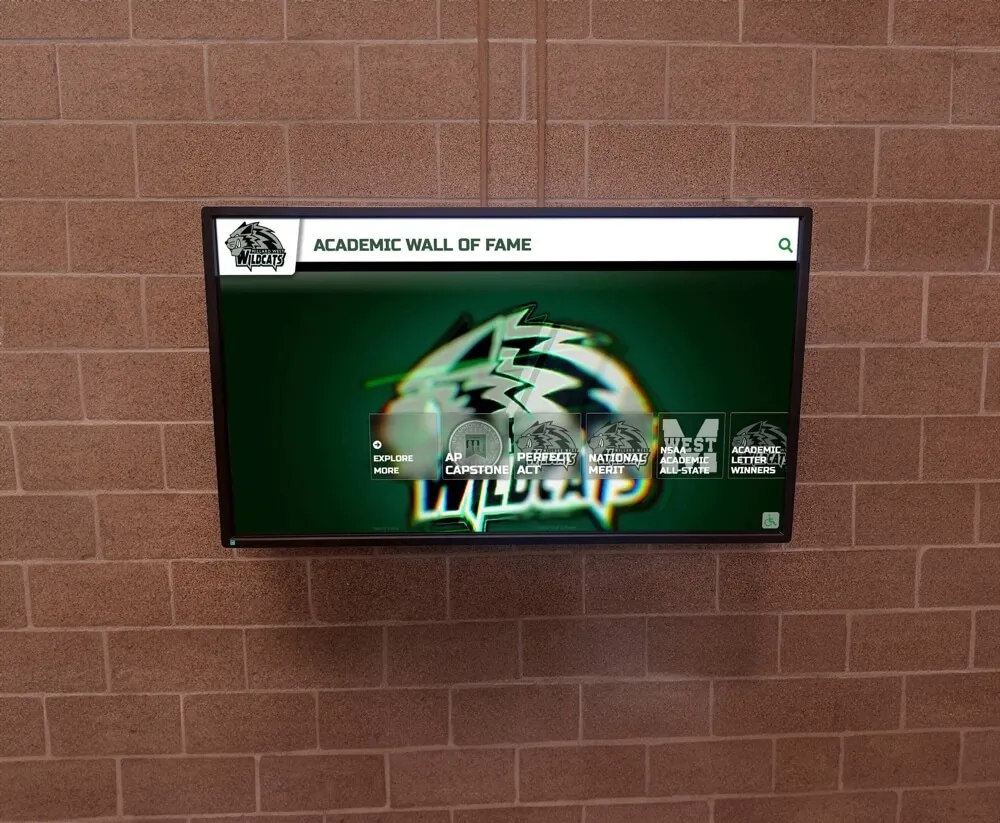




Mock trial programs put students in the role of attorneys, witnesses, and court officers, challenging them to argue legal cases in front of real judges with legal backgrounds. At the high school level, these competitions test research skills, public speaking, analytical thinking, and teamwork in ways that few other extracurricular activities can match. State and national mock trial championships are hard-won achievements—built over months of case preparation, witness coaching, and argument refinement—yet many schools lack systems for permanently honoring those accomplishments. A state championship banner in the gymnasium ceiling is standard for sports teams; the equivalent recognition for mock trial programs often doesn’t exist at all.
Athletic directors and school administrators are increasingly recognizing a genuine equity gap in how academic competition programs get celebrated. A mock trial team that wins a state championship deserves permanent, visible recognition just as much as a football team that wins a regional title. The question isn’t whether to recognize mock trial achievement—it’s how to do it in a way that creates lasting institutional memory, inspires future participants, and gives current competitors the credit they’ve earned.
Digital Recognition for Mock Trial Champions
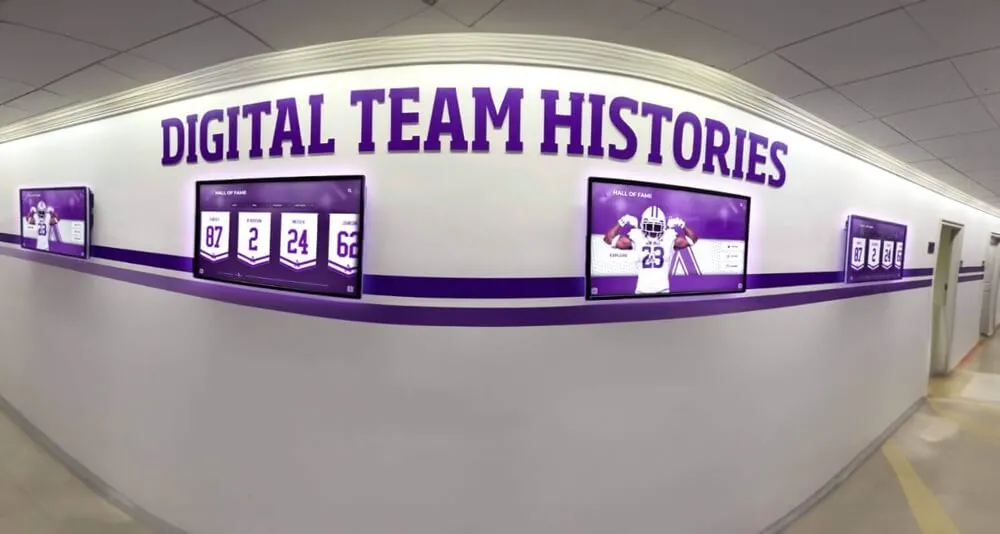
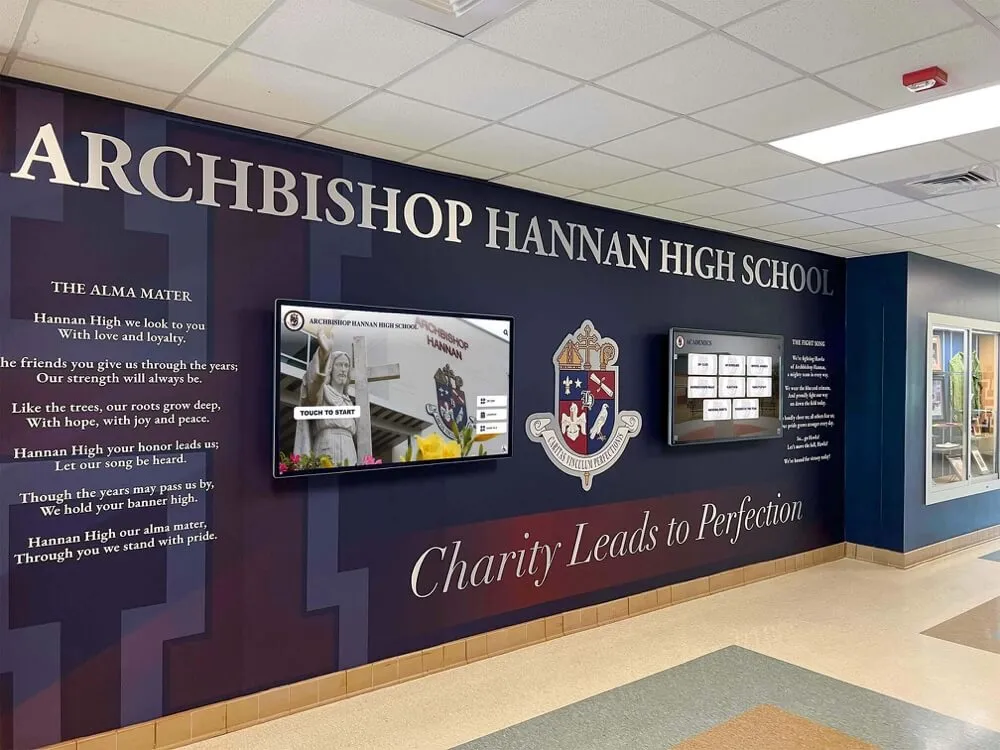
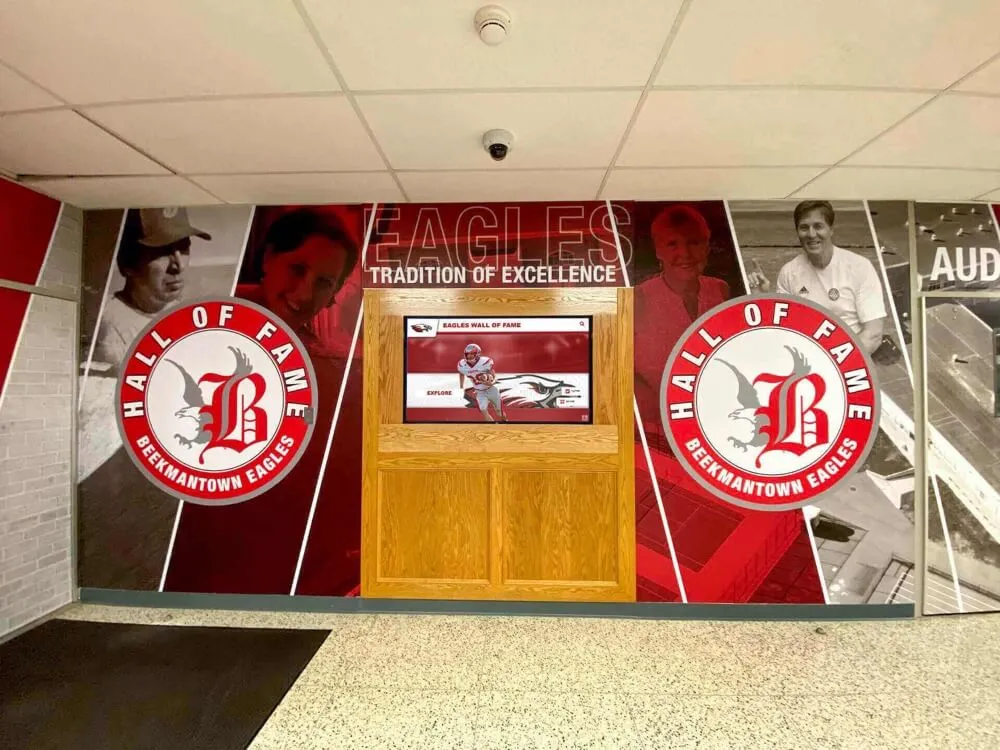
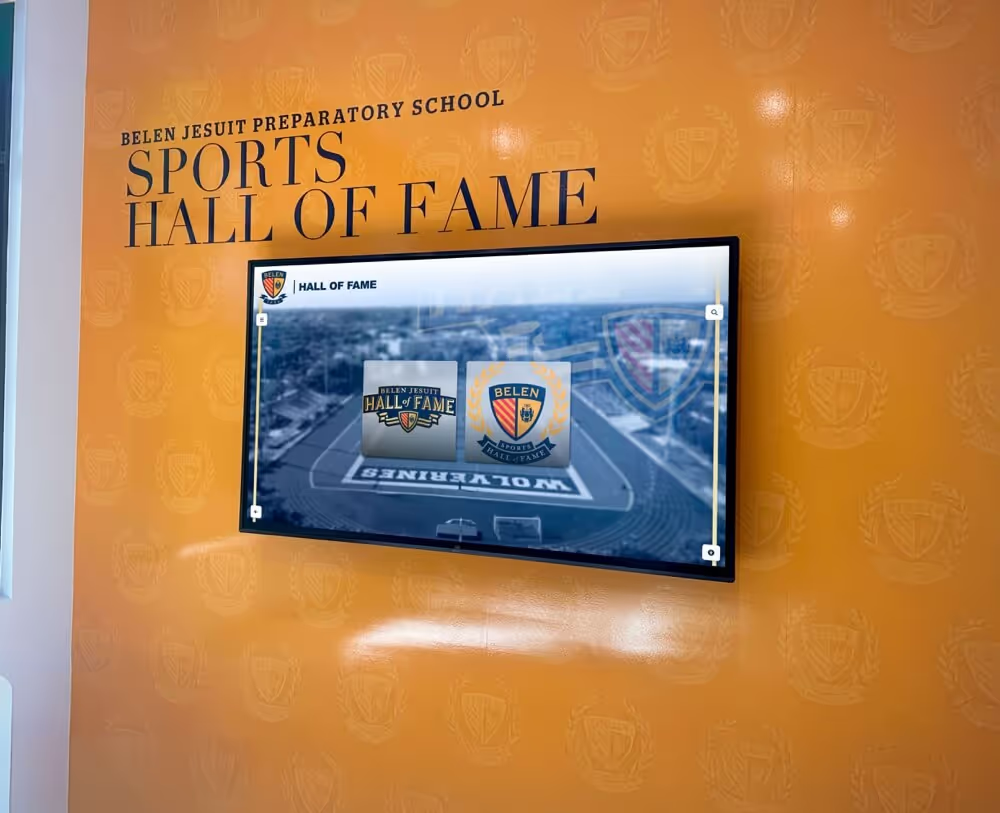
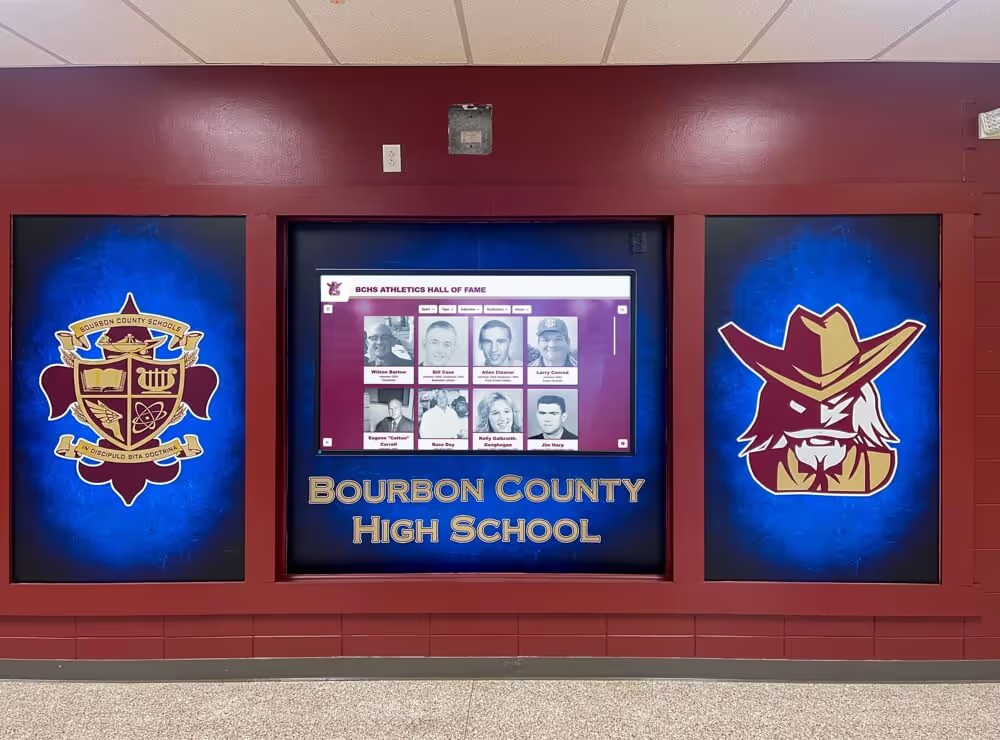
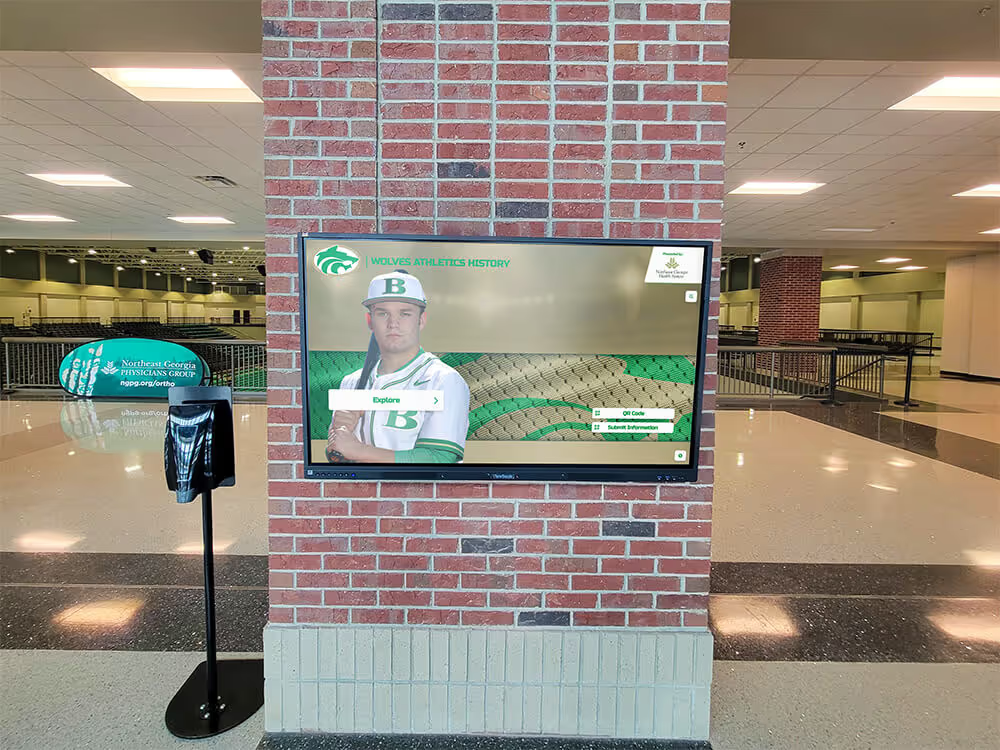
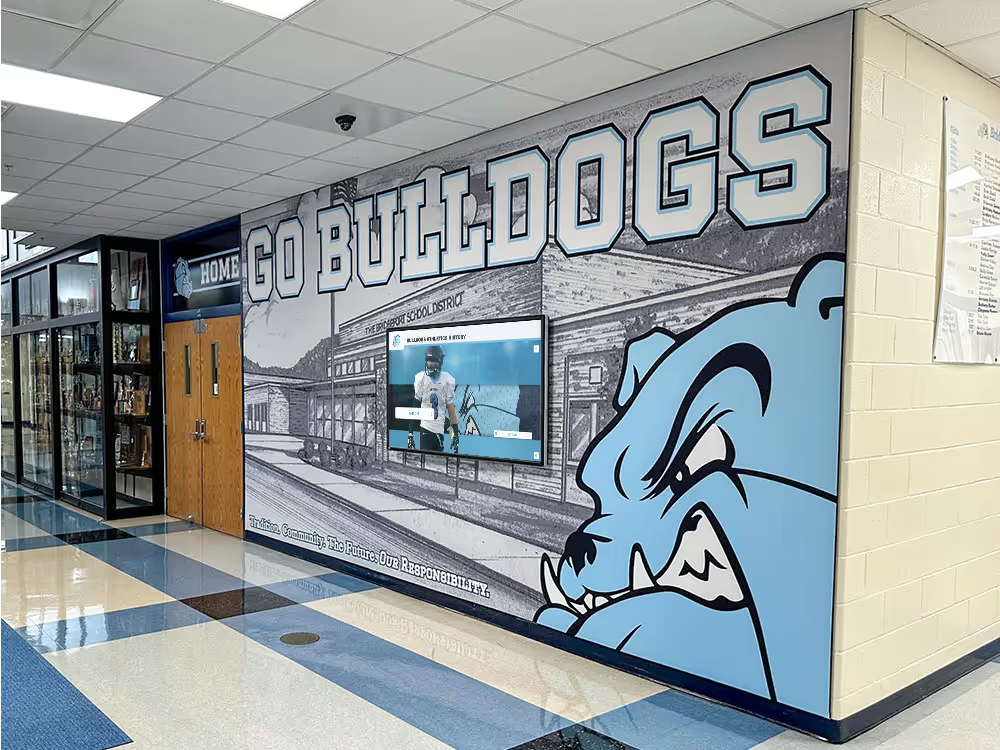
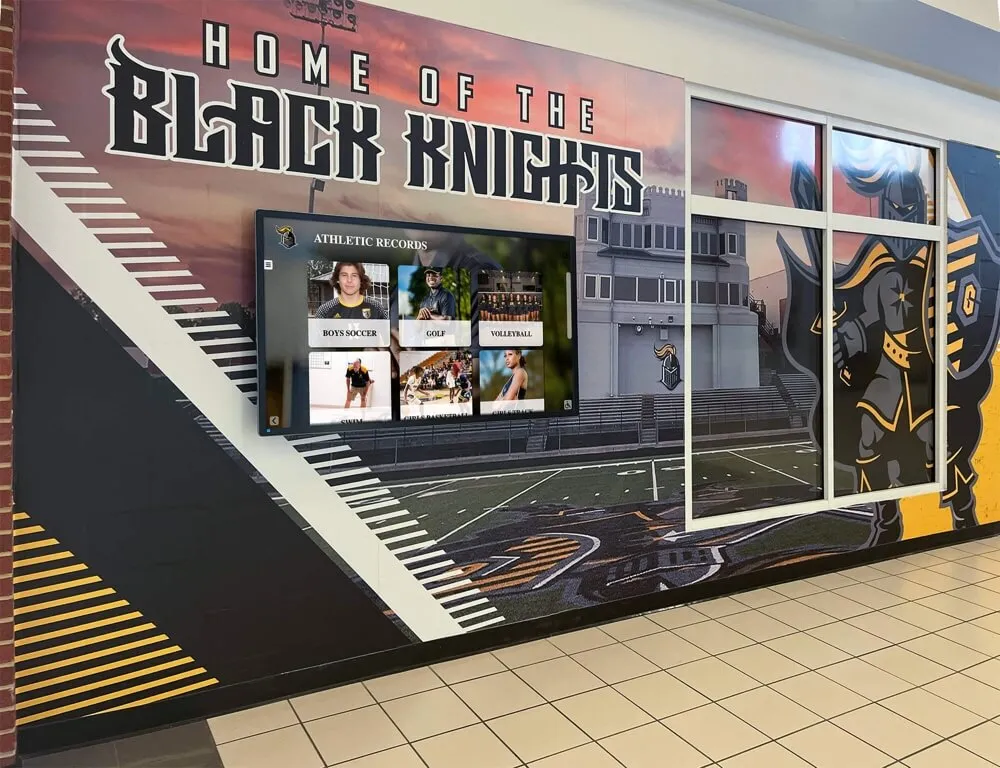
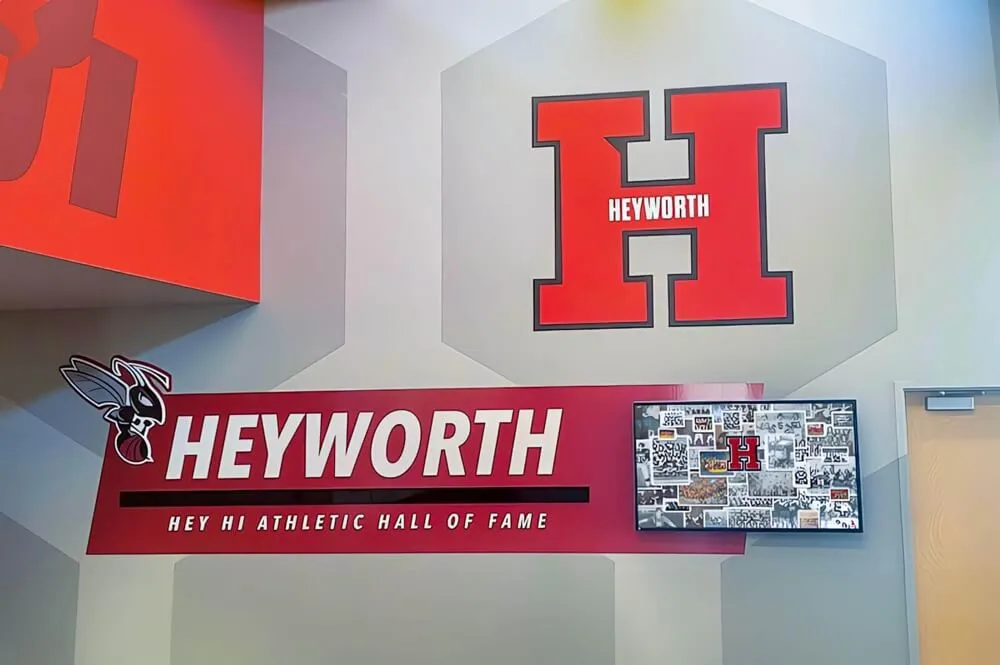
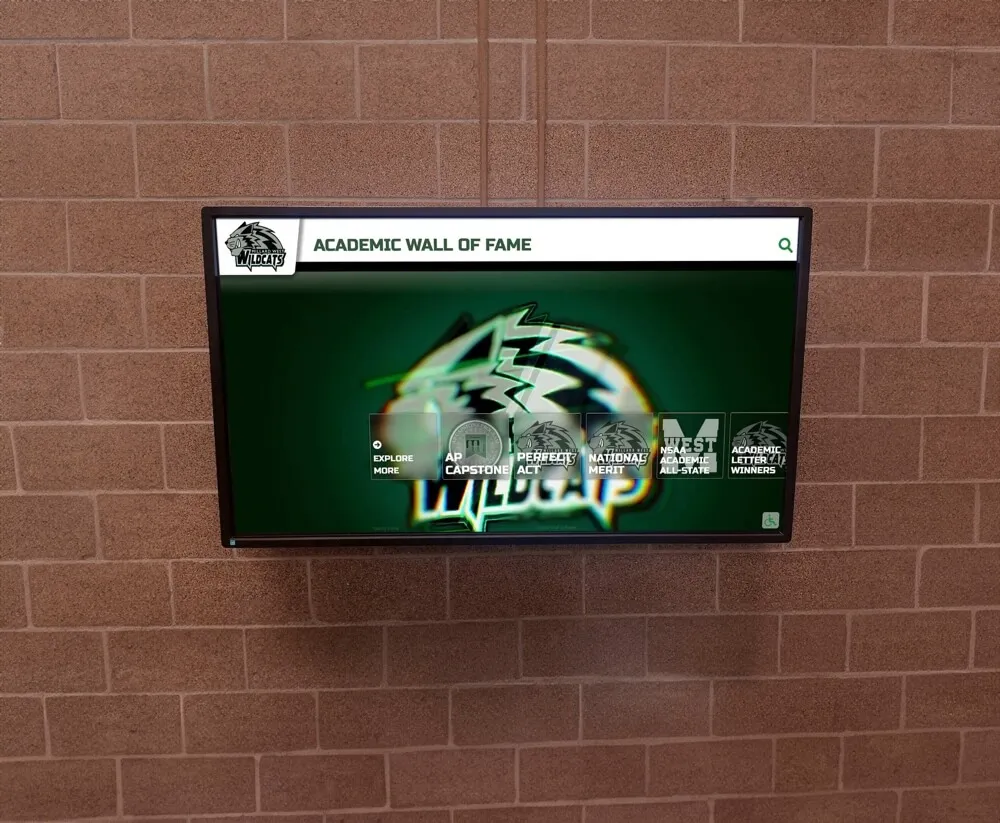
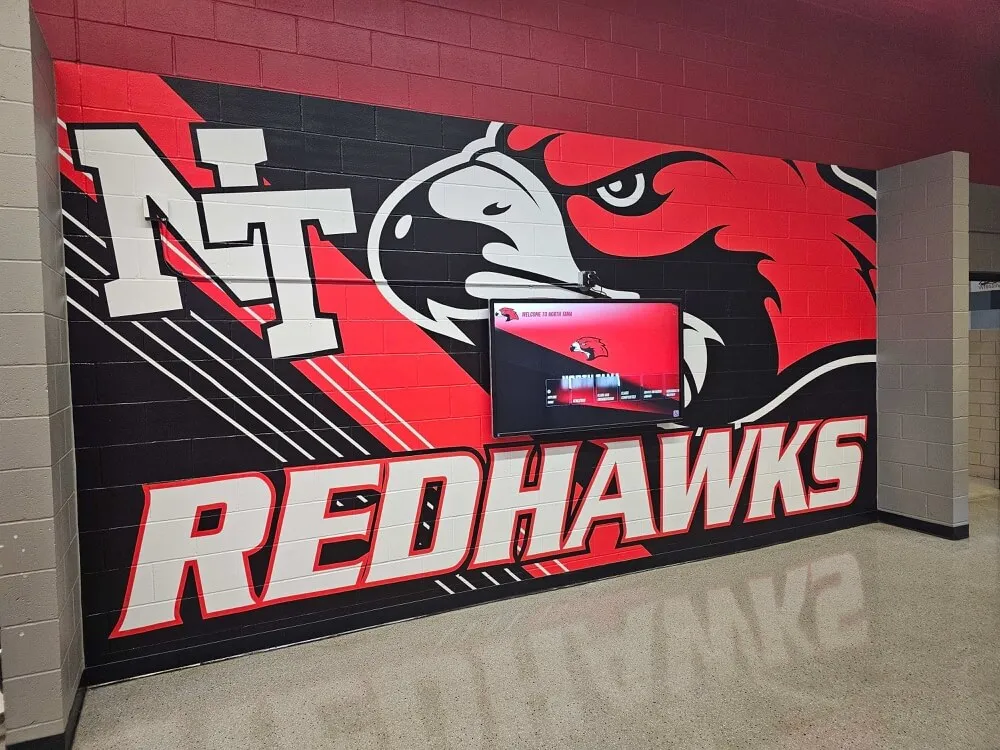
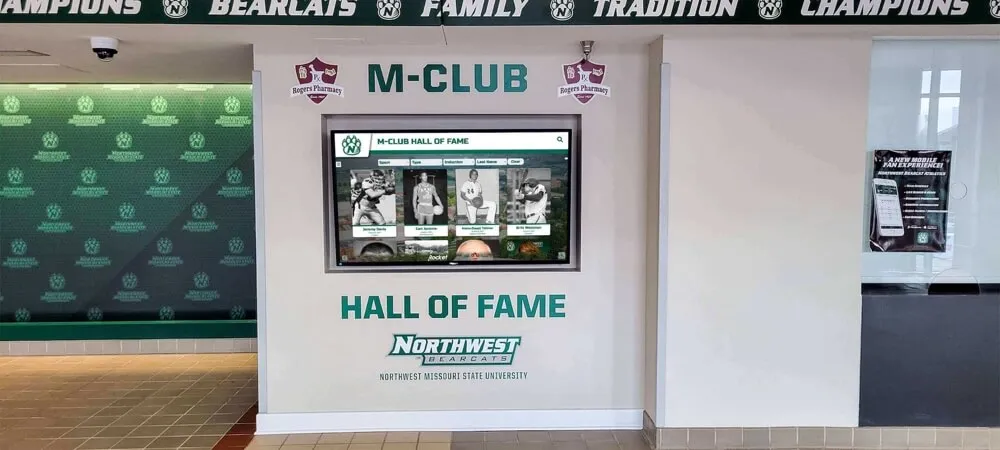
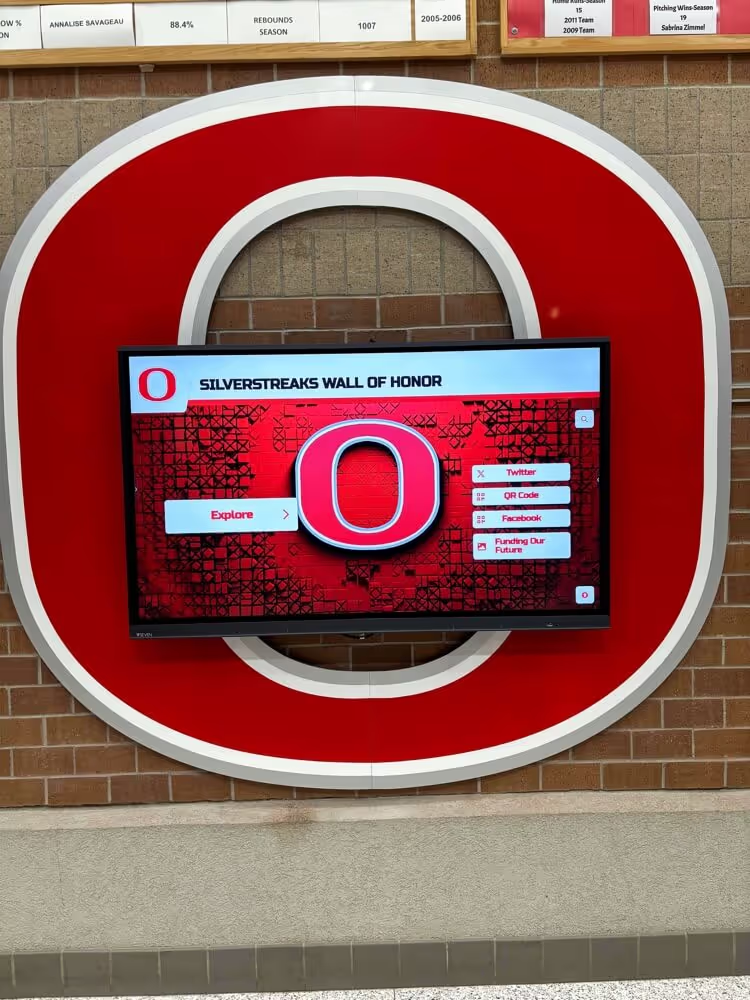
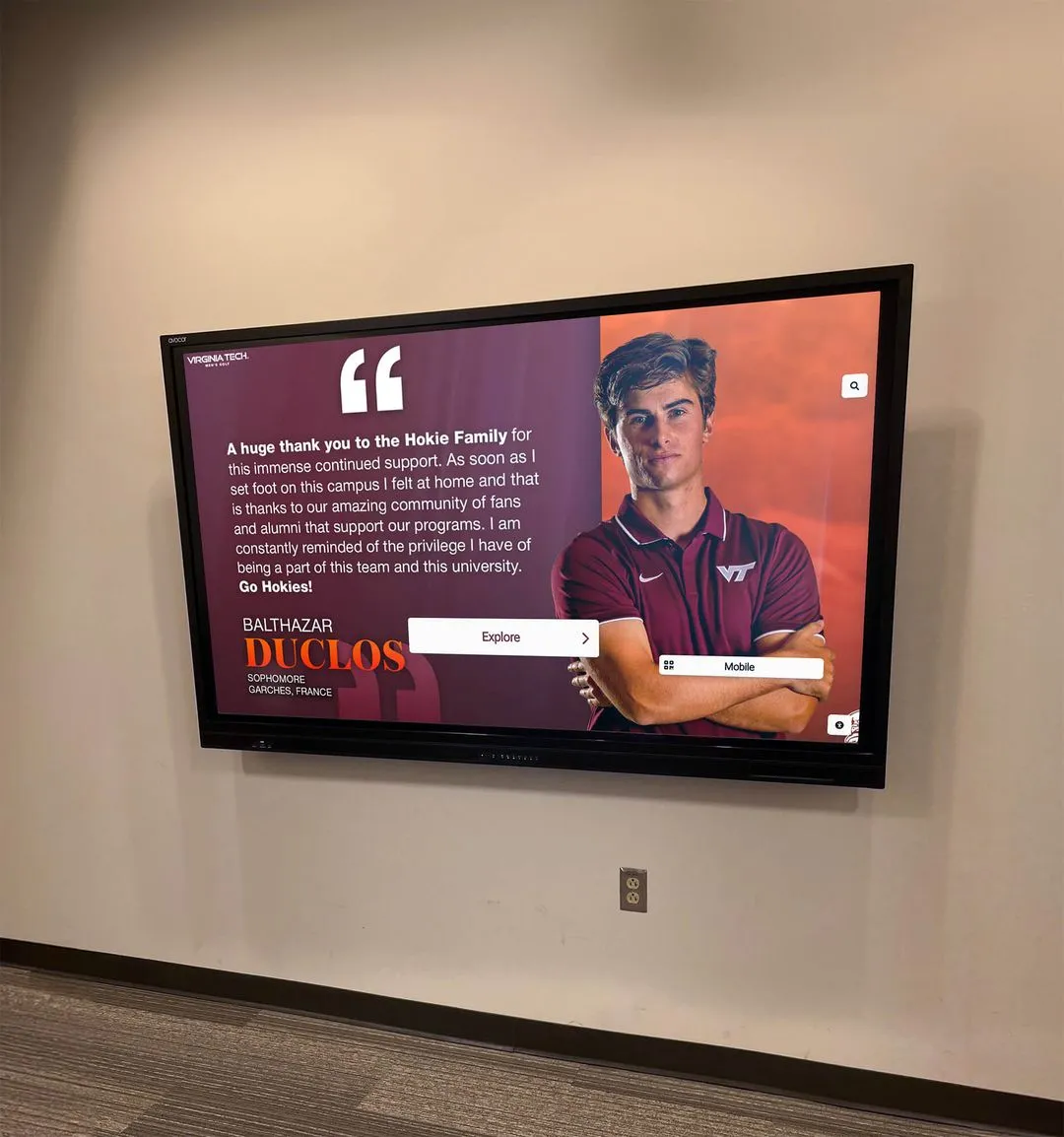
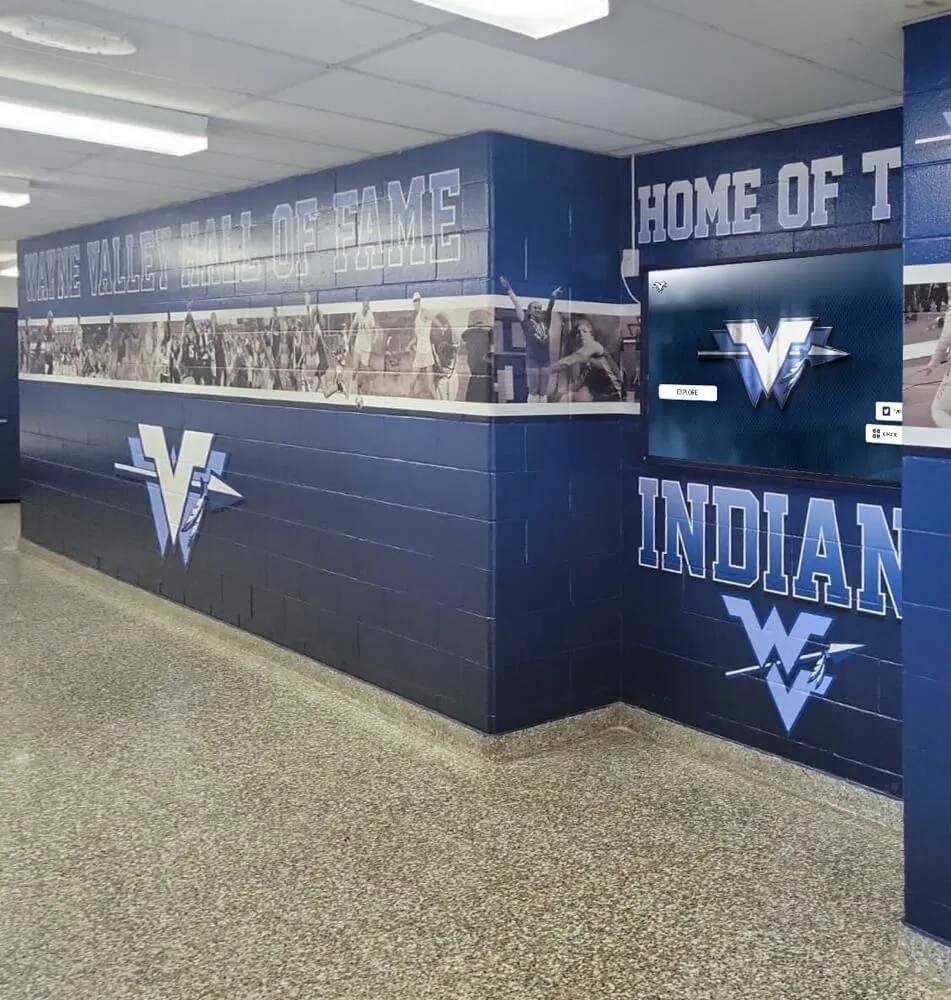
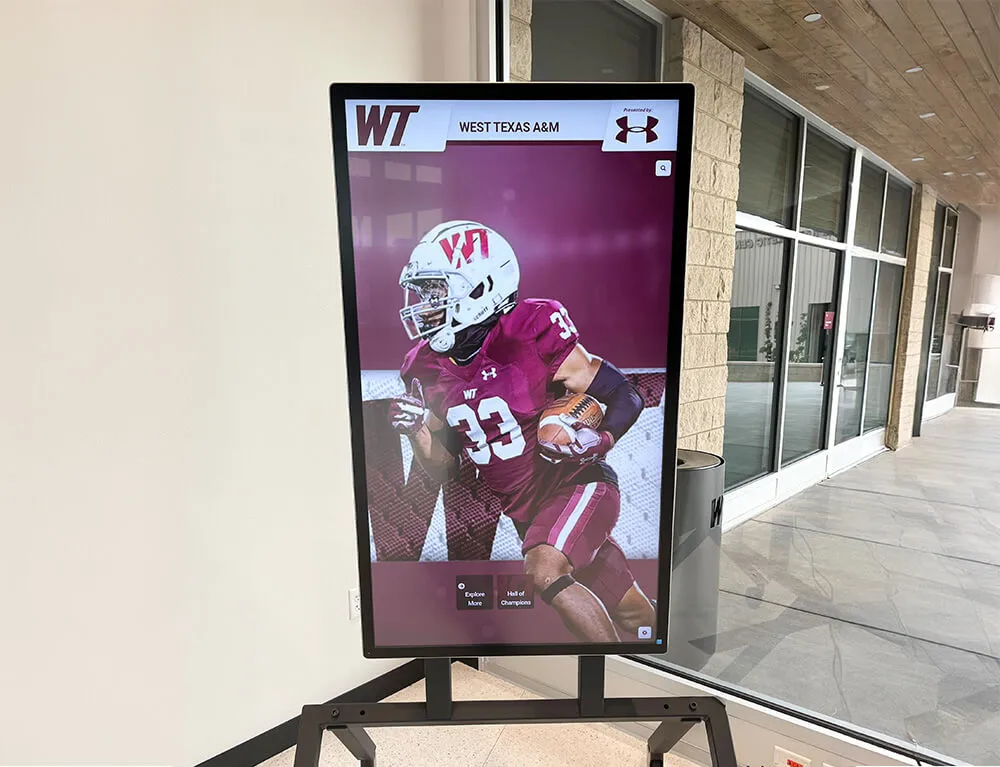
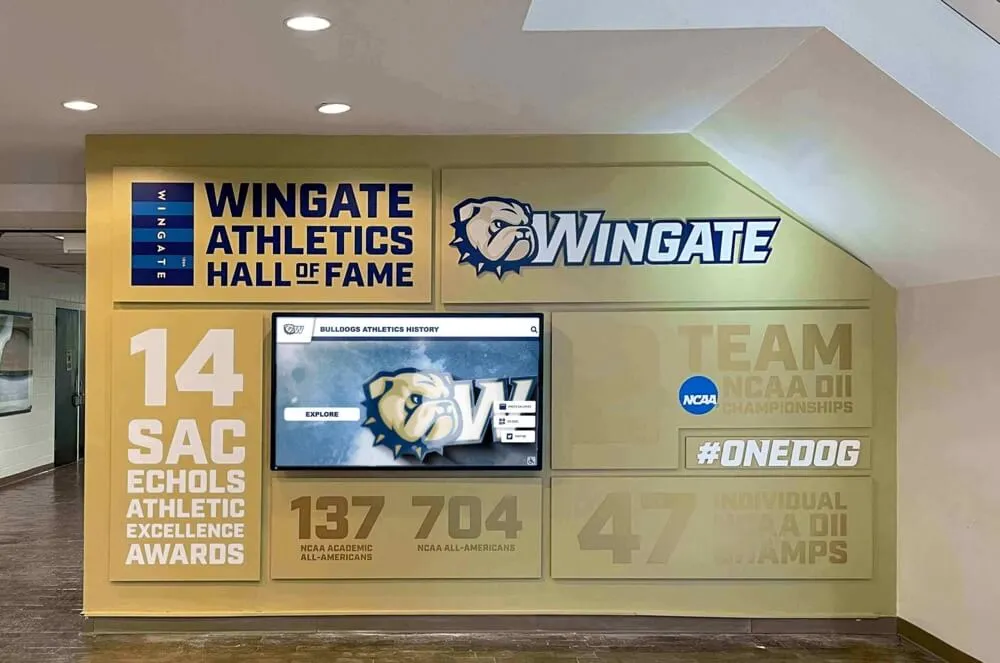
Mock trial programs accumulate significant achievement records over time: state championships, regional titles, individual awards for best attorney and best witness, outstanding advocacy honors, and championship seasons documented only in old binders or filing cabinets. Traditional trophy cases fill up fast and rarely capture individual academic competitor profiles. Digital record boards solve these challenges by providing unlimited display capacity for every team roster, championship year, and individual award winner—complete with team photos, case summaries, and advisor profiles—all updatable remotely without vinyl changes or plaque orders. Solutions like Rocket Alumni Solutions give academic competition programs the same permanent, high-visibility recognition infrastructure that athletic programs have long relied on.
What Is High School Mock Trial?
Mock trial is a competitive academic program in which student teams simulate courtroom proceedings, arguing fictional legal cases before attorney and judge volunteers who score each side on legal reasoning, courtroom procedure, witness examination, and oral advocacy. The competition format mirrors actual trial proceedings—including opening statements, direct examination, cross-examination, objections, closing arguments, and courtroom decorum.
At the high school level, mock trial programs operate through state bar association education foundations, regional organizations, and national bodies such as the Constitutional Rights Foundation, which coordinate competition structures and provide case materials. Students take on specific roles within each team:
- Attorneys deliver opening and closing statements, conduct witness examinations, and make legal arguments before the panel
- Witnesses portray characters from the fictional case, maintaining consistency and credibility under aggressive cross-examination
- Bailiffs and clerks manage courtroom procedure and ensure competition logistics run correctly
Teams typically receive a case packet months before competition season—a fictional scenario involving civil or criminal law. The preparation period involves legal research, character development for witnesses, argument construction, and repeated practice rounds. By the time a team reaches regional or state competition, members have logged hundreds of hours developing the case from every angle.
How the Competition Structure Works
High school mock trial competitions generally follow a tiered bracket structure:
Regional and District Rounds bring together schools from a geographic area. Teams argue both sides of the assigned case—prosecution or plaintiff and defense—in round-robin formats before judges evaluate performance and declare round victors. Top finishers advance based on wins and combined point totals.
State Championships represent the highest level most programs reach. Regional winners compete for a state title before judges drawn from the practicing bar and judiciary. Many states hold state championships over a single weekend, compressing multiple rounds into two or three days of high-pressure performance.
National Championship opportunities exist through programs including the National High School Mock Trial Championship, which brings together state champion teams from across the country to compete at a national venue. Reaching nationals places a school’s program among the elite mock trial programs in the United States.
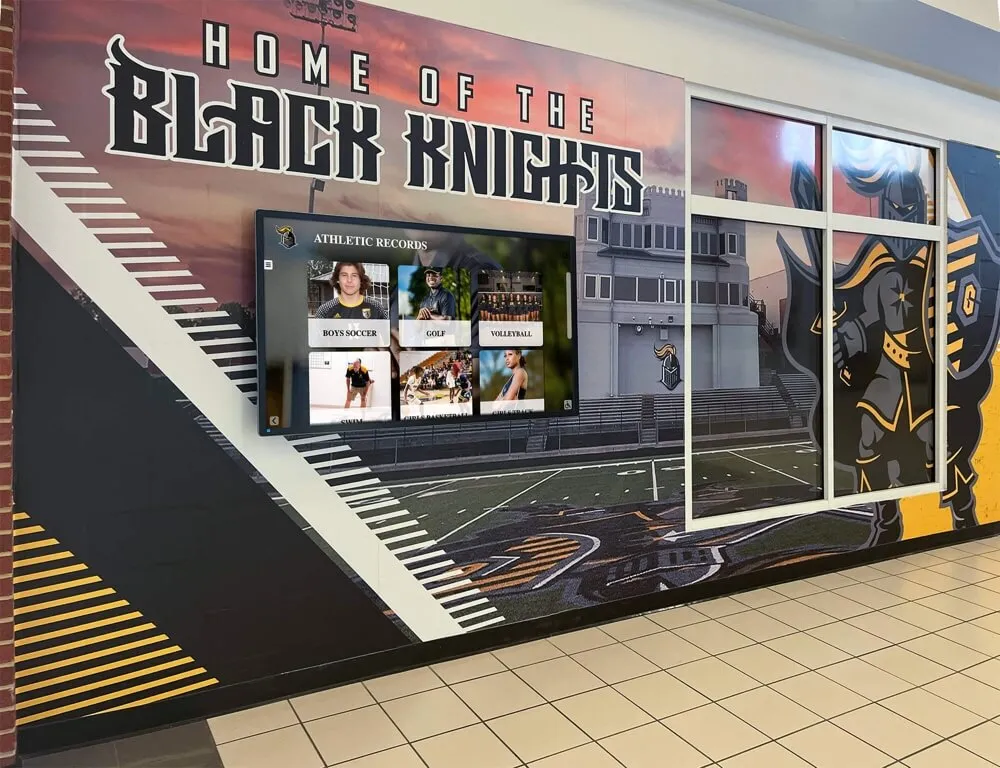
Individual scoring operates alongside team scoring. Judges evaluate each attorney performance and each witness performance independently, awarding individual scores that contribute to team totals. This dual structure—team and individual recognition—means schools need display systems that address both dimensions of the competition, not just the team trophy.
Types of Awards Given in Mock Trial Competition
Understanding what recognition systems need to capture requires knowing what mock trial awards actually exist. Programs award achievement at both the team and individual level, and effective recognition displays need to account for all of it.
Team Championship Awards
State Championship Trophies: The highest team honor, awarded to the winning team at the state competition. These trophies typically bear the state name, year, and school—making them clear markers of peak achievement.
Regional and District Championships: First-round hardware for winning the regional bracket. For programs that compete year after year, regional titles accumulate into a meaningful record of sustained excellence even in seasons that fall short of state.
Runner-Up and Semifinalist Plaques: Many state competitions award recognition for teams finishing in the final four or top eight. These placements represent elite performance deserving acknowledgment even without a championship trophy.
Outstanding Team Awards: Some competitions offer supplemental team recognition for categories like overall sportsmanship, courtroom professionalism, or exceptional preparation quality.
Individual Performer Awards
Best Attorney Awards: Judges select the top-performing attorneys across competition rounds. These individual honors are highly competitive—a best attorney award signals elite oral advocacy skill recognized by practicing legal professionals.
Best Witness Awards: These awards identify the outstanding witness performance in competition. Witnesses who maintain consistency, respond effectively to challenging cross-examinations, and deliver credible character portrayals earn recognition that mirrors an individual athletic performance award.
Outstanding Advocate and Excellence in Examination Awards: Many state competitions offer additional individual categories recognizing specific skills—opening statement delivery, cross-examination technique, legal argument quality, and similar performance dimensions.
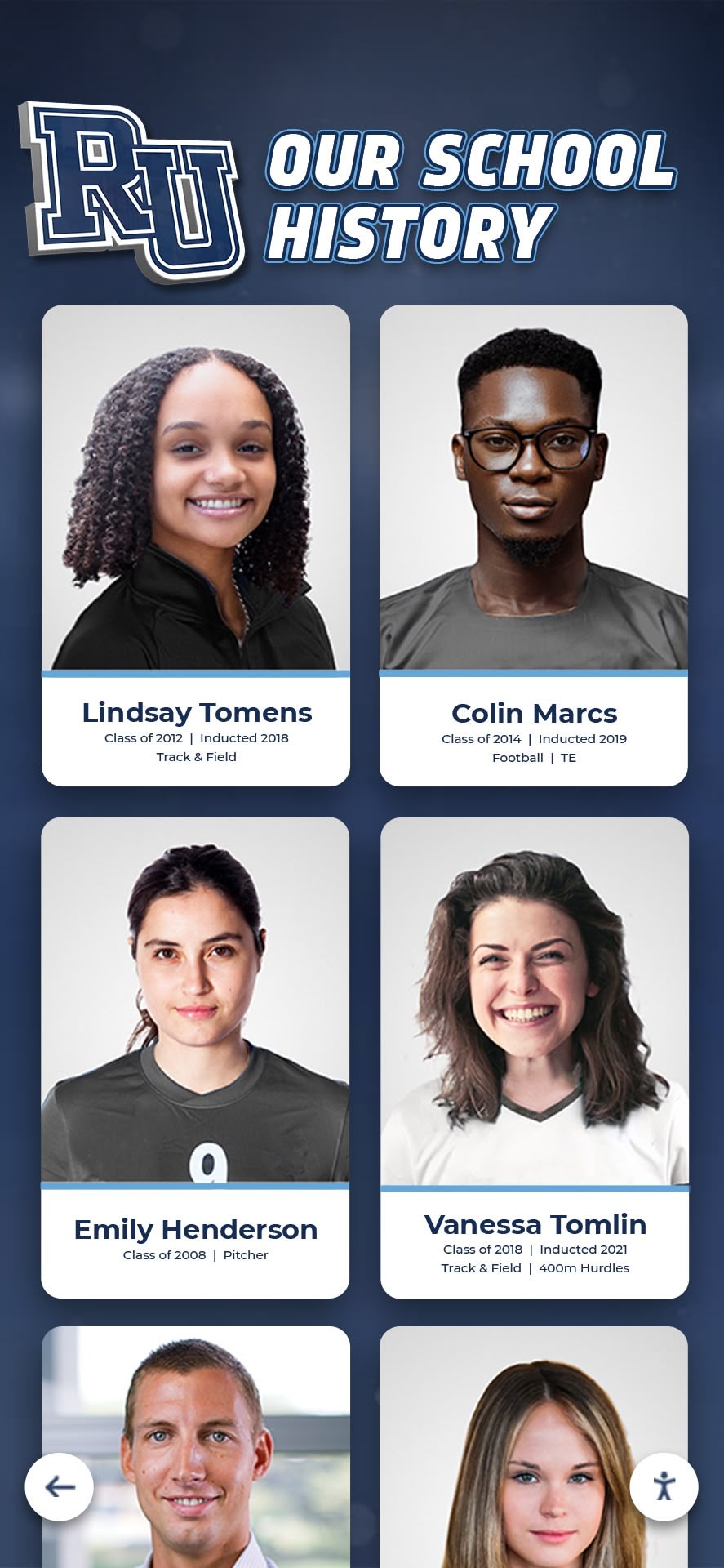
These individual awards create a recognition challenge that physical trophy cases handle poorly. A trophy cabinet might display the state championship trophy, but the student who won best attorney that same year—or the witness who earned top honors—often receives no permanent recognition. Digital record boards configured for academic competitions can maintain individual profiles for every award winner, preserving those achievements with photos, award details, and biographical information that a plaque simply cannot hold.
Programs that recognize academic competition achievement comprehensively build stronger cultures over time. Similar approaches have worked well for other scholastic programs—how coaches plan academic decathlon awards ceremonies shows exactly how that recognition investment pays off in another scholar-athlete environment where individual and team achievement both deserve lasting visibility.
How Schools Traditionally Recognize Mock Trial Success
The most common recognition approaches for mock trial programs include physical trophies in shared display cases, mentions in school announcements, yearbook coverage, and local newspaper stories following state championship runs. These methods share significant limitations.
Trophy Cases and Physical Space Limitations
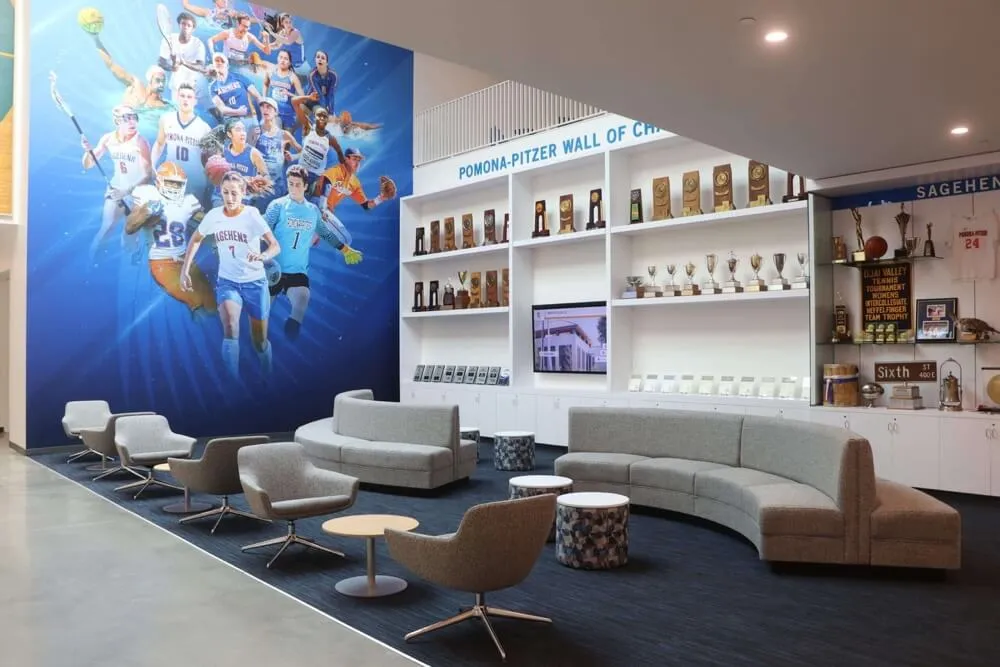
Shared trophy cases—typically found in school main lobbies or near gymnasiums—create visibility competition among programs. Athletic programs with decades of accumulated hardware often consume most available space, leaving academic competition programs with limited shelf room. A mock trial state championship trophy on the bottom shelf of a crowded case is not the recognition that achievement deserves.
Physical displays also fail to capture individual achievements effectively. A trophy represents the team; it doesn’t identify who argued the winning case, which student earned best witness honors, or who advised the team through five rounds of high-pressure competition. The human story behind the achievement goes untold.
Schools that struggle to move beyond traditional case displays often lack clear systems for building a digital trophy display that scales beyond a single crowded shelf. Without those systems, achievements from ten or fifteen years ago tend to disappear from institutional memory entirely.
Banners and Hallway Recognition
Championship banners for mock trial programs are rare but growing. Some schools that take academic competition seriously hang championship banners in main hallways or common areas—positioning mock trial victories alongside athletic titles. This approach solves the visibility problem but does not address the individual recognition gap.
A banner reading “State Mock Trial Champions 2023” communicates a powerful achievement. It does not communicate who was on that team, who won individual awards, or what the program’s record looks like across years. Comprehensive program recognition requires more than a banner—it requires a display system designed for the depth that academic competition achievement actually contains.

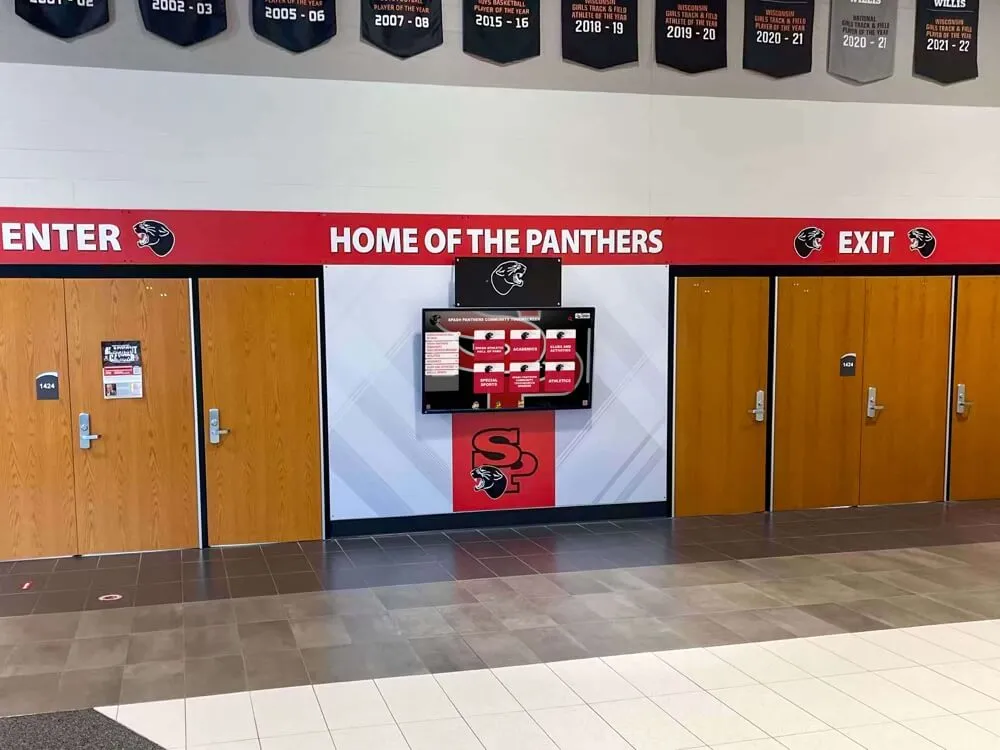
Schools investing in school lobby design ideas that create welcoming first impressions increasingly use digital recognition as a centerpiece—and mock trial programs are a natural fit for that kind of multi-program display approach.
Why Mock Trial Belongs on Your School’s Digital Record Board
Mock trial programs often operate outside the standard recognition infrastructure built around athletic achievement. That gap is not a reflection of the program’s value—it’s a gap in the recognition systems themselves.
Academic Competitors Deserve Equivalent Recognition
Students who dedicate their high school years to a mock trial program—logging hundreds of practice hours, traveling to competitions, performing under genuine pressure in front of legal professionals—are building skills and accomplishments that deserve the same institutional permanence as athletic achievement. Schools that design high school awards ceremonies to create equivalent visibility for academic and athletic achievement report stronger overall student engagement across both categories.
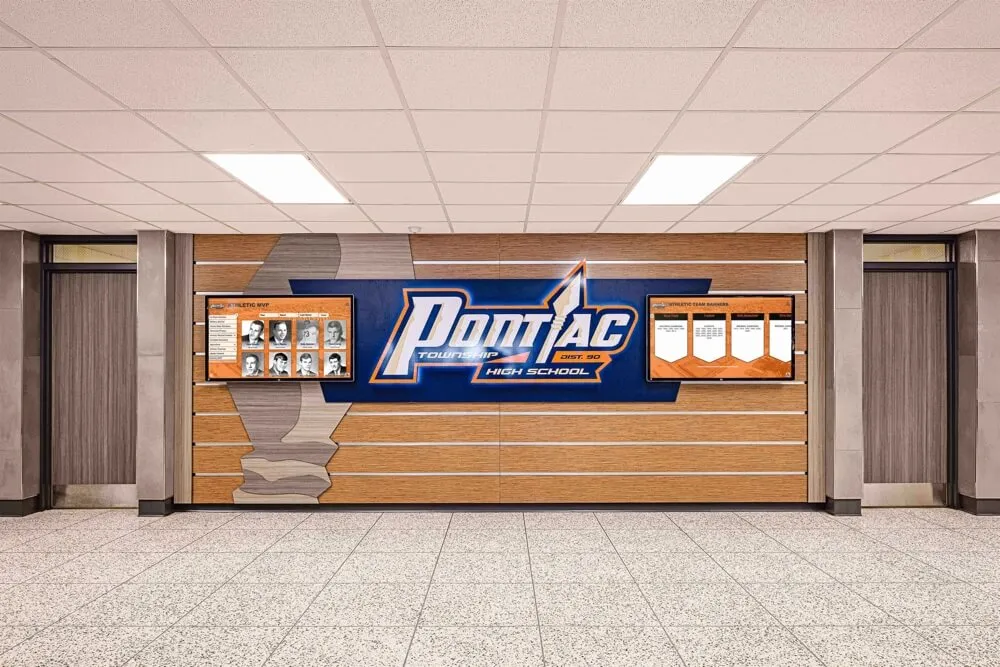
Digital record boards configured for academic competition programs can display:
- Championship season rosters: Every team member from every championship year, searchable by name or year
- Individual award histories: Best attorney, best witness, and other honors with student photos and award details
- Coach and advisor recognition: Faculty advisors who built the program over time deserve named, dated profiles
- Competition record: Win-loss records across seasons, regional titles, state placements, and national appearances
- Case history: Documentation of the legal cases argued in championship years gives context that trophies alone cannot provide
Programs like academic decathlon scholastic challenges demonstrate how academic achievement displays can operate at the same visual quality level as athletic hall of fame installations—with the same institutional weight and permanence.
Building Program Culture and Recruiting Future Participants
New students exploring extracurricular options respond to visible evidence of program excellence. A well-configured mock trial display in a school hallway—showing championship trophies, individual award winners, and team photos across multiple years—communicates that this program produces meaningful achievement and receives genuine institutional support.
Faculty advisors who recruit new team members report that visible recognition infrastructure makes their pitch significantly more effective. When prospective participants can walk up to a display, see previous winners’ profiles, and understand the scope of what the program has accomplished, they engage with the opportunity differently than they would from reading a paragraph in a course catalog.
This dynamic mirrors what happens with athletic programs. A complete guide to digital signage for schools illustrates how visible recognition infrastructure influences participation and performance across all programs—students engage more deeply when they know their achievement will be permanently recorded.
Designing a Mock Trial Recognition Display
Effective mock trial displays require intentional content organization and clear update processes. Schools planning new recognition installations should consider several core design principles.
Content Architecture for Mock Trial Programs
Layer the recognition: Lead with championship achievements (state titles, national appearances) as the primary visual, then build in individual award histories as secondary content, and maintain complete roster archives accessible through touchscreen interaction.
Balance team and individual recognition: Mock trial is simultaneously a team competition and an individual performance evaluation. Displays that feature only team trophies miss half the recognition picture. Individual award winners deserve named, dated profiles with photos—the same depth athletic programs provide for individual record-holders.
Maintain the competition record: Unlike sports programs that document wins and losses systematically, many mock trial programs lack centralized win-loss documentation across seasons. Building this record into a display requires collecting historical data from faculty advisors, alumni, and school archives. That documentation investment pays dividends in program identity for years.
Include the legal context: What case did a championship team argue? What was the legal scenario? These contextual details make mock trial achievements legible to visitors unfamiliar with competition formats—converting a trophy into a story.
Digital vs. Traditional Display Formats
Traditional trophy and plaque installations provide durable, low-maintenance recognition for flagship championships. They work well for displaying the state championship trophy physically, surrounded by year and team identification.
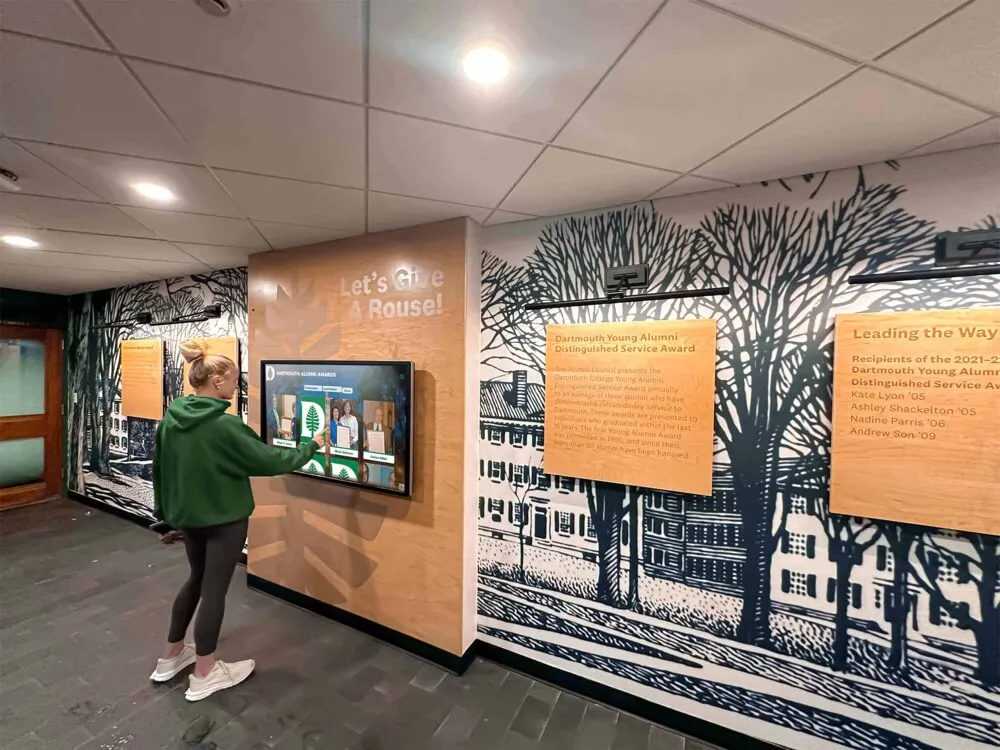
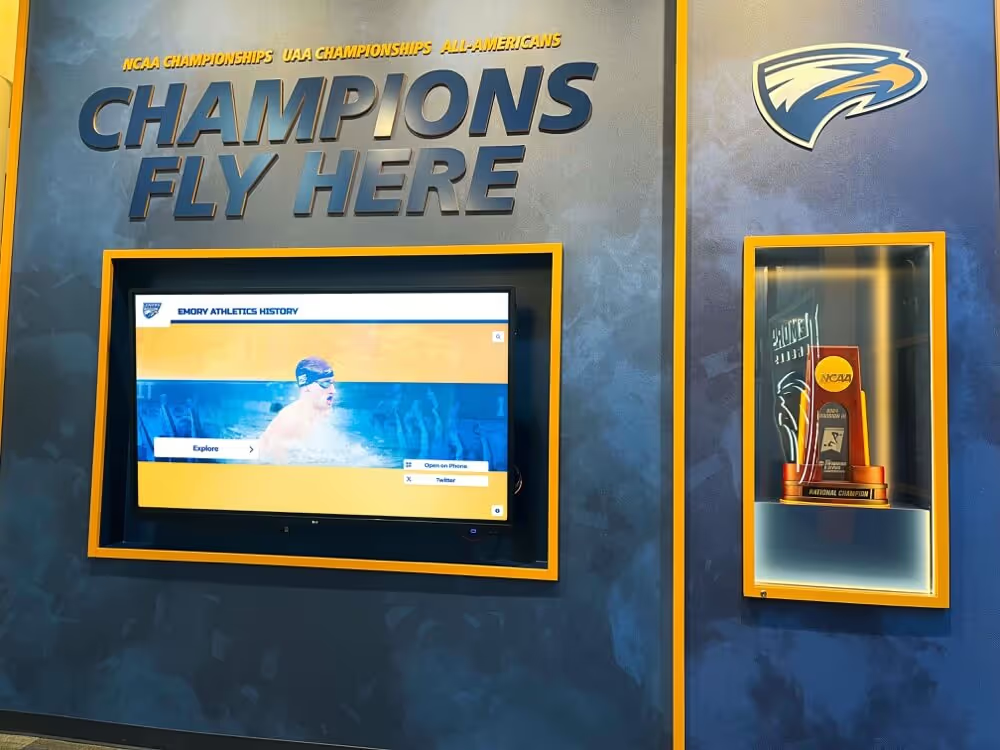
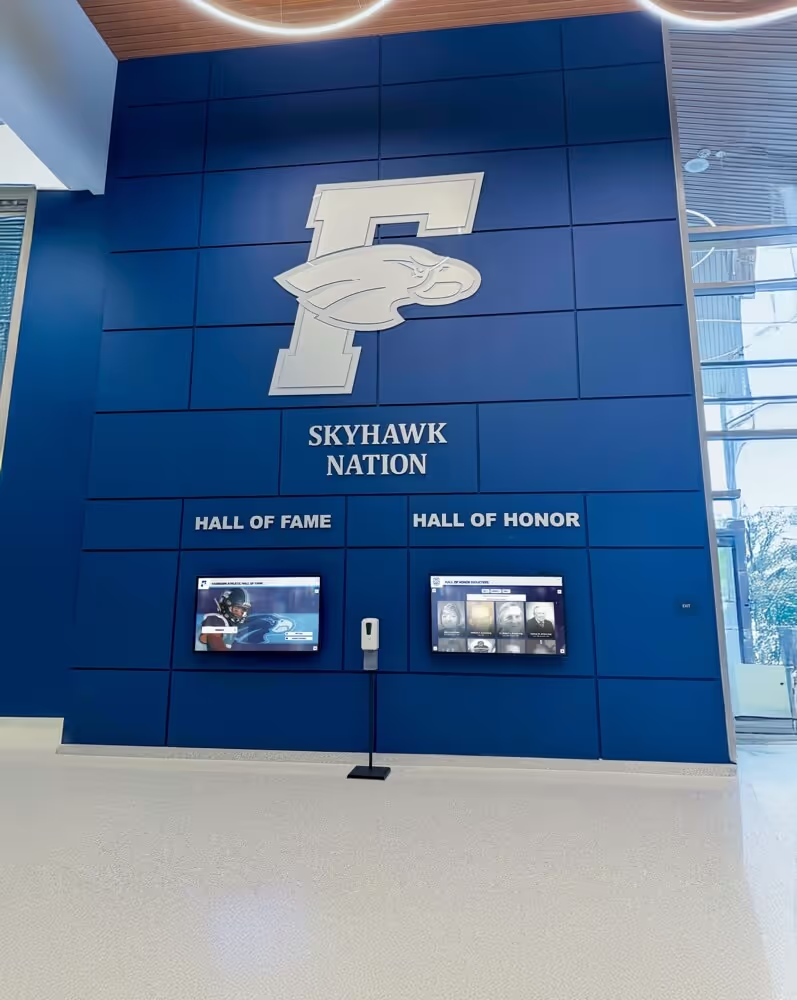
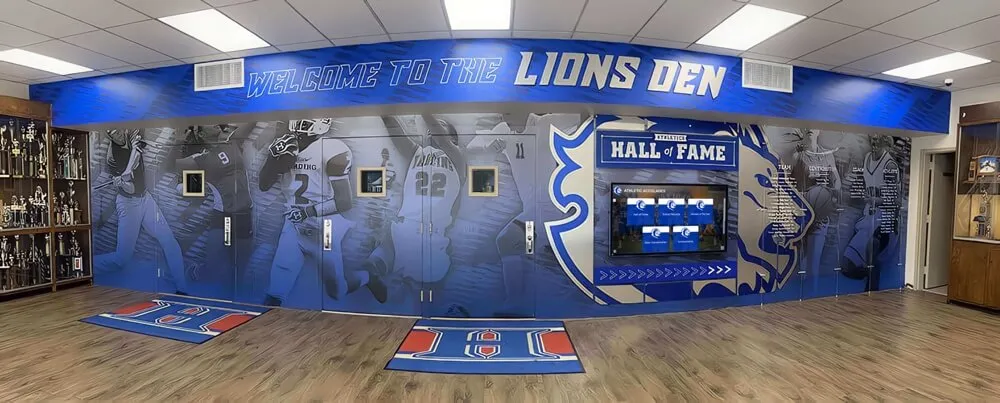
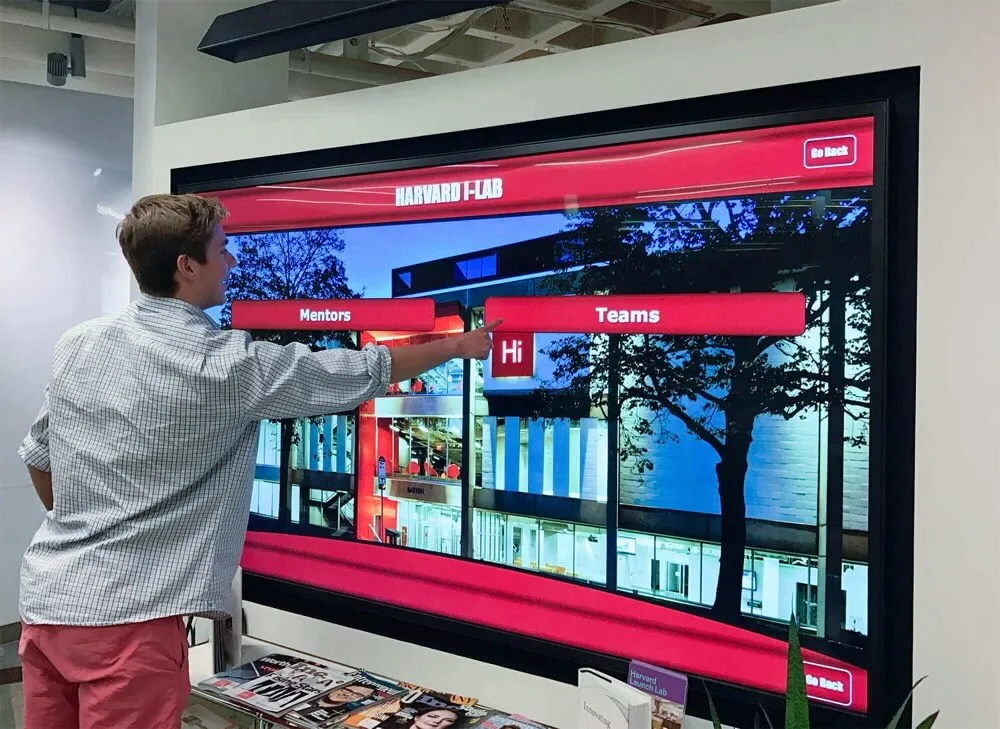
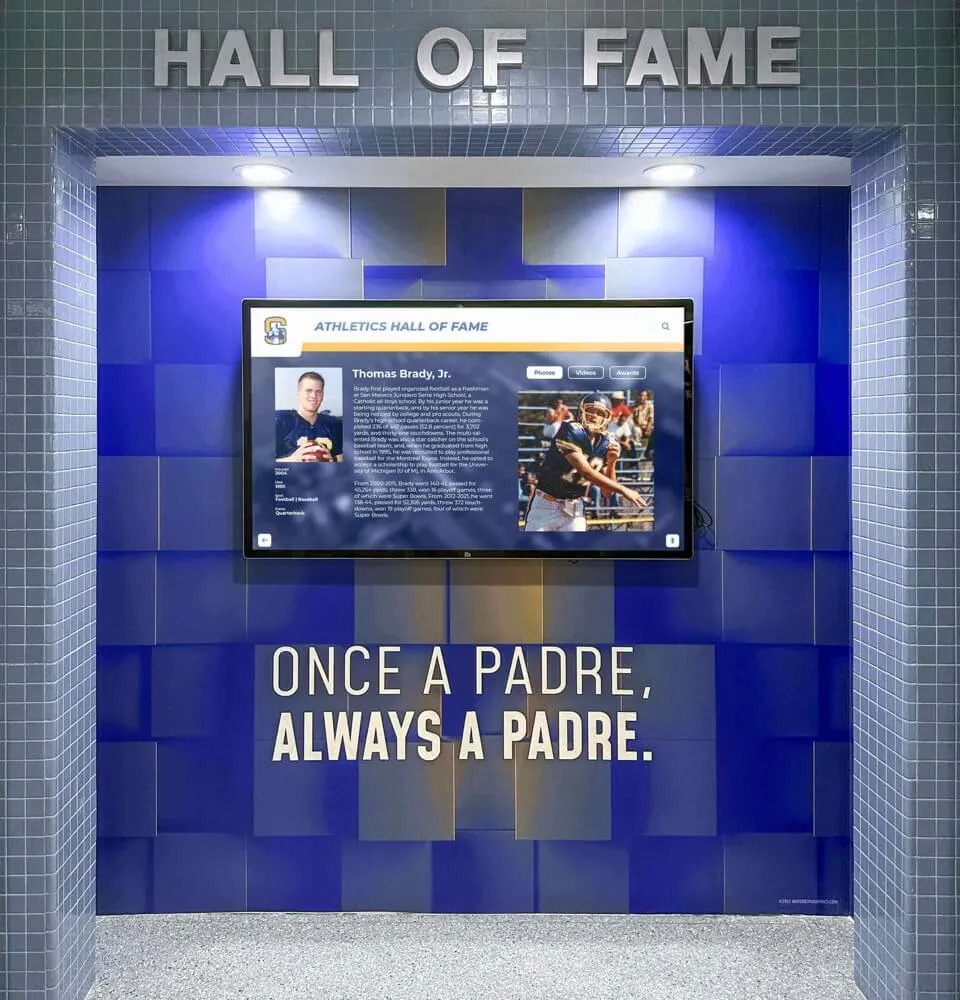
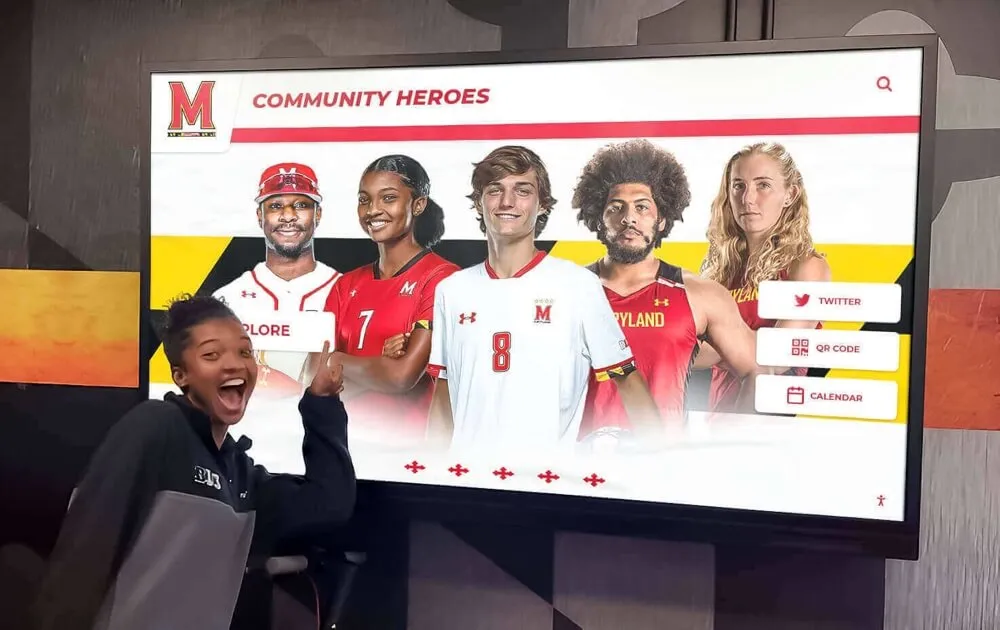
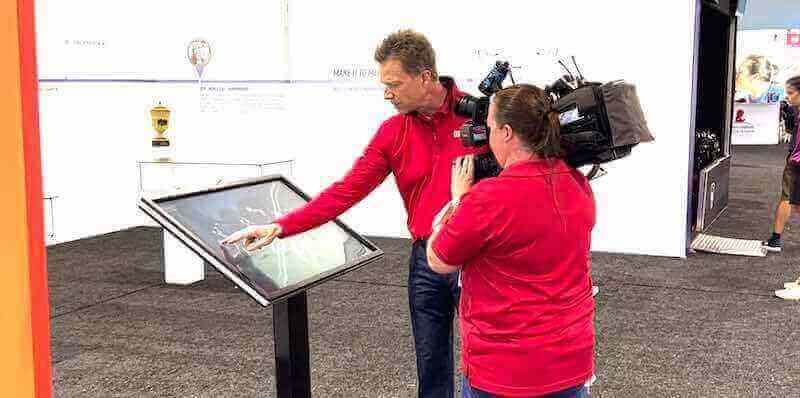
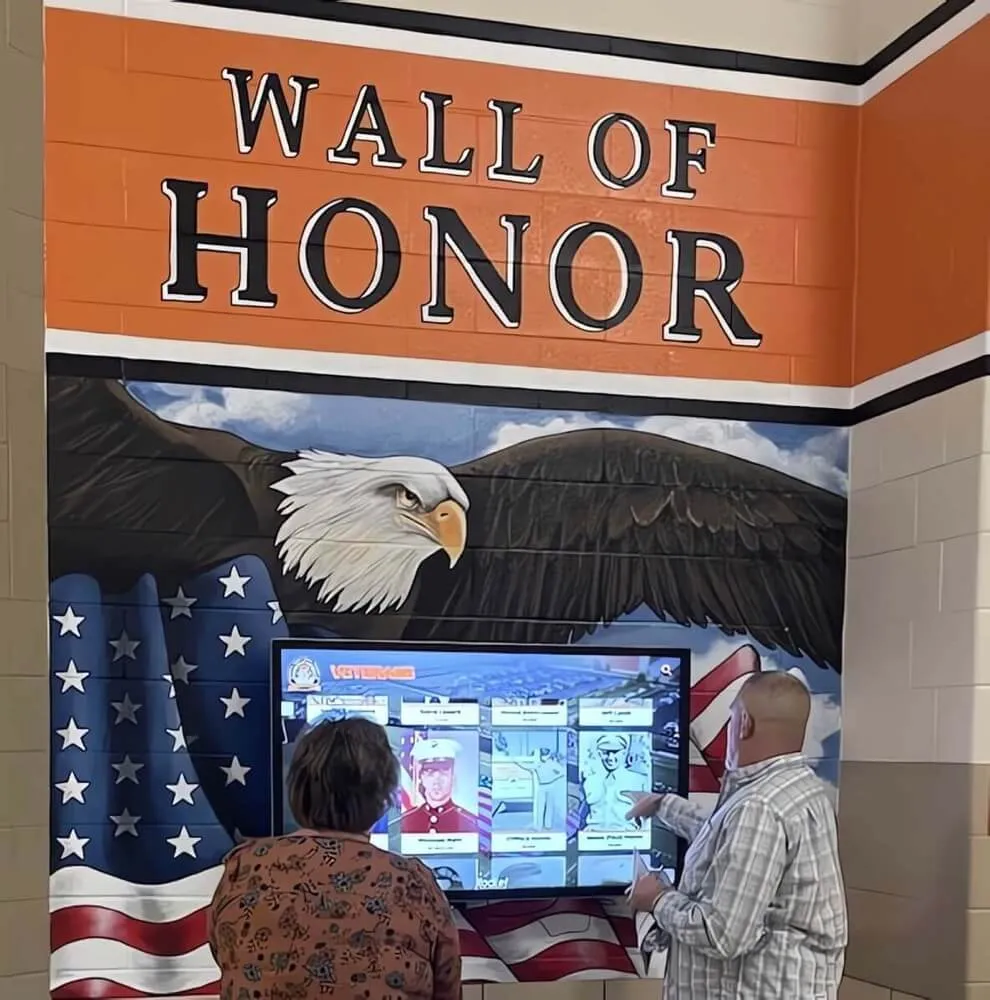
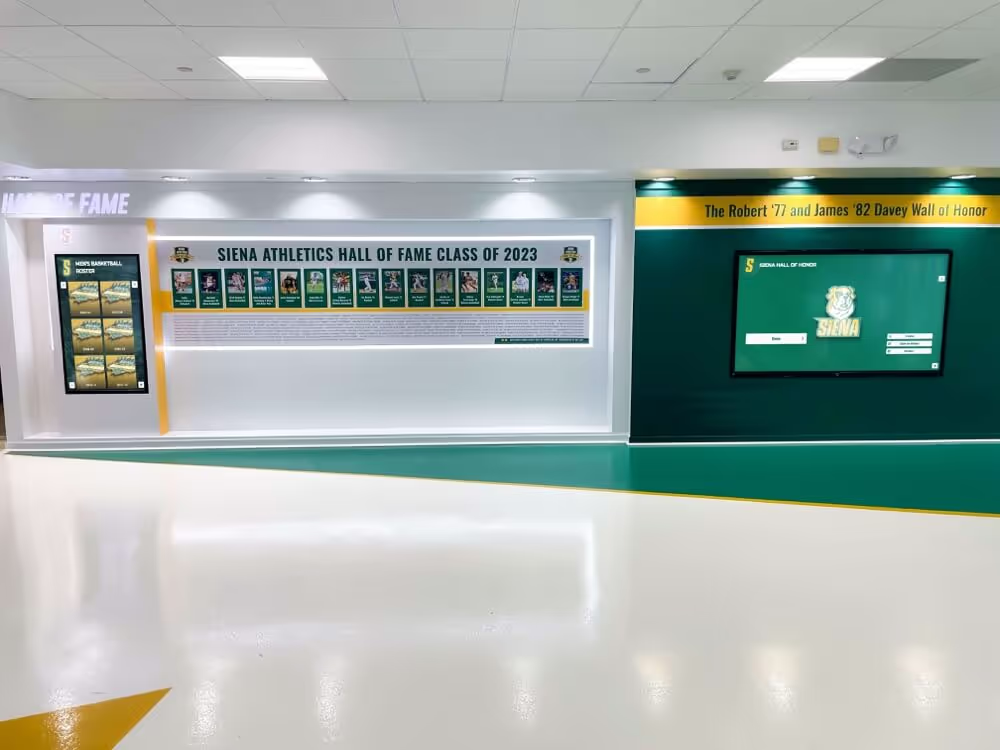
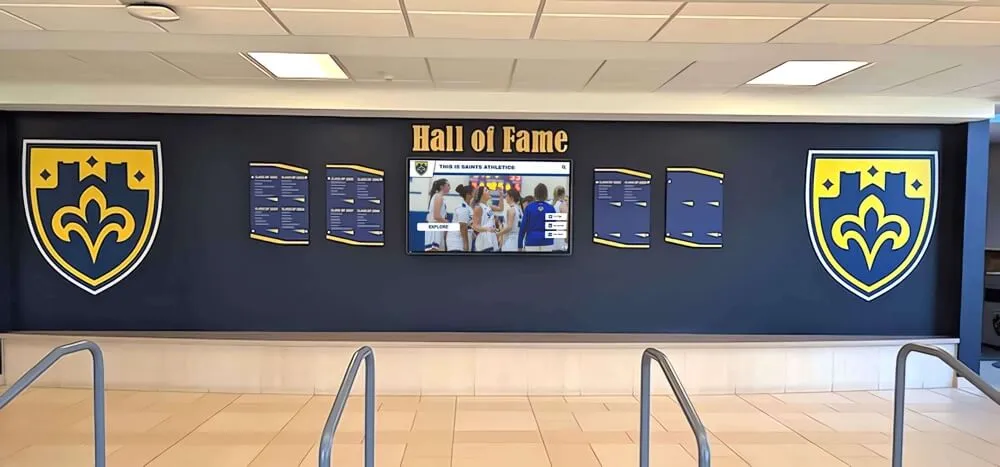
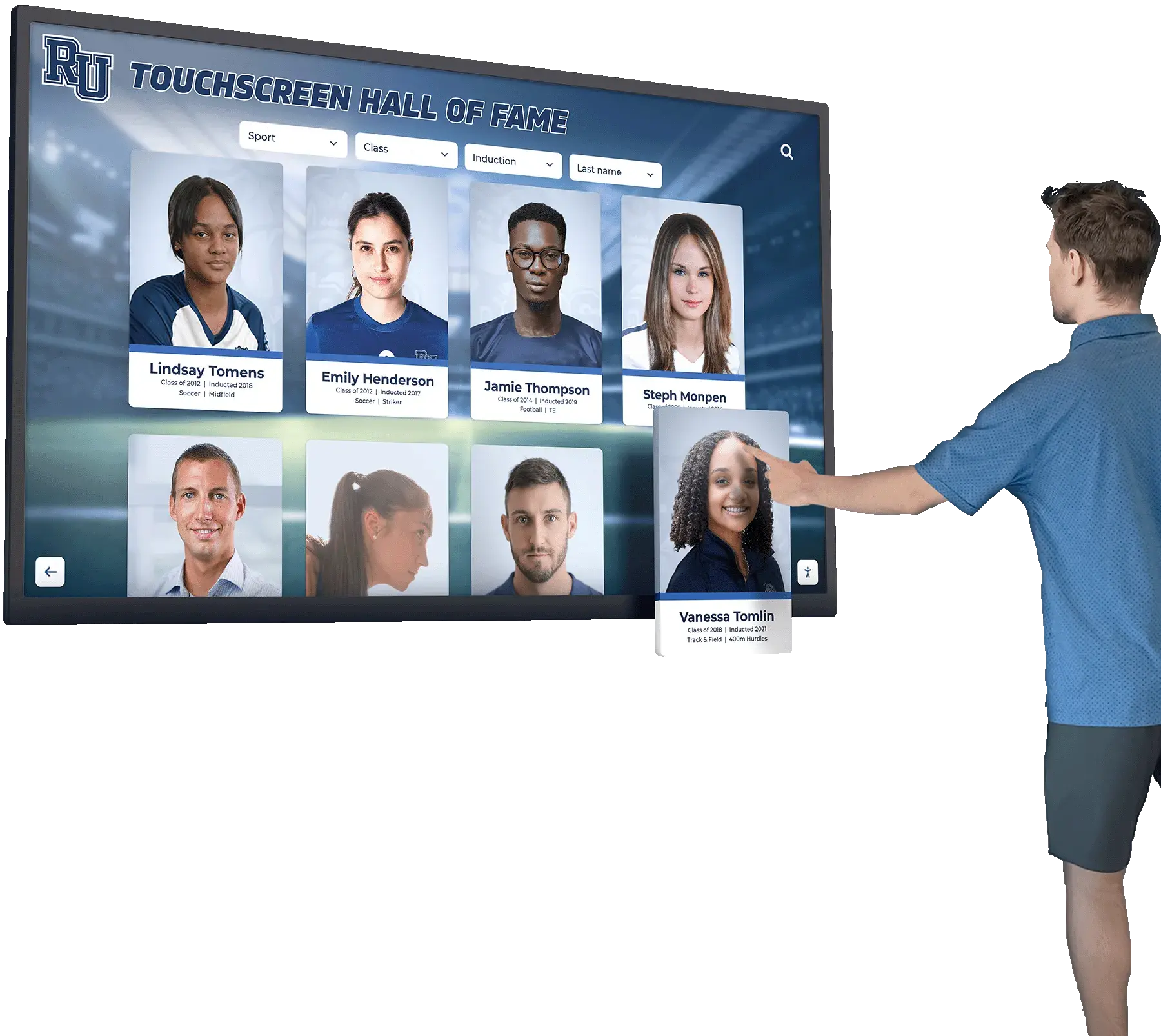
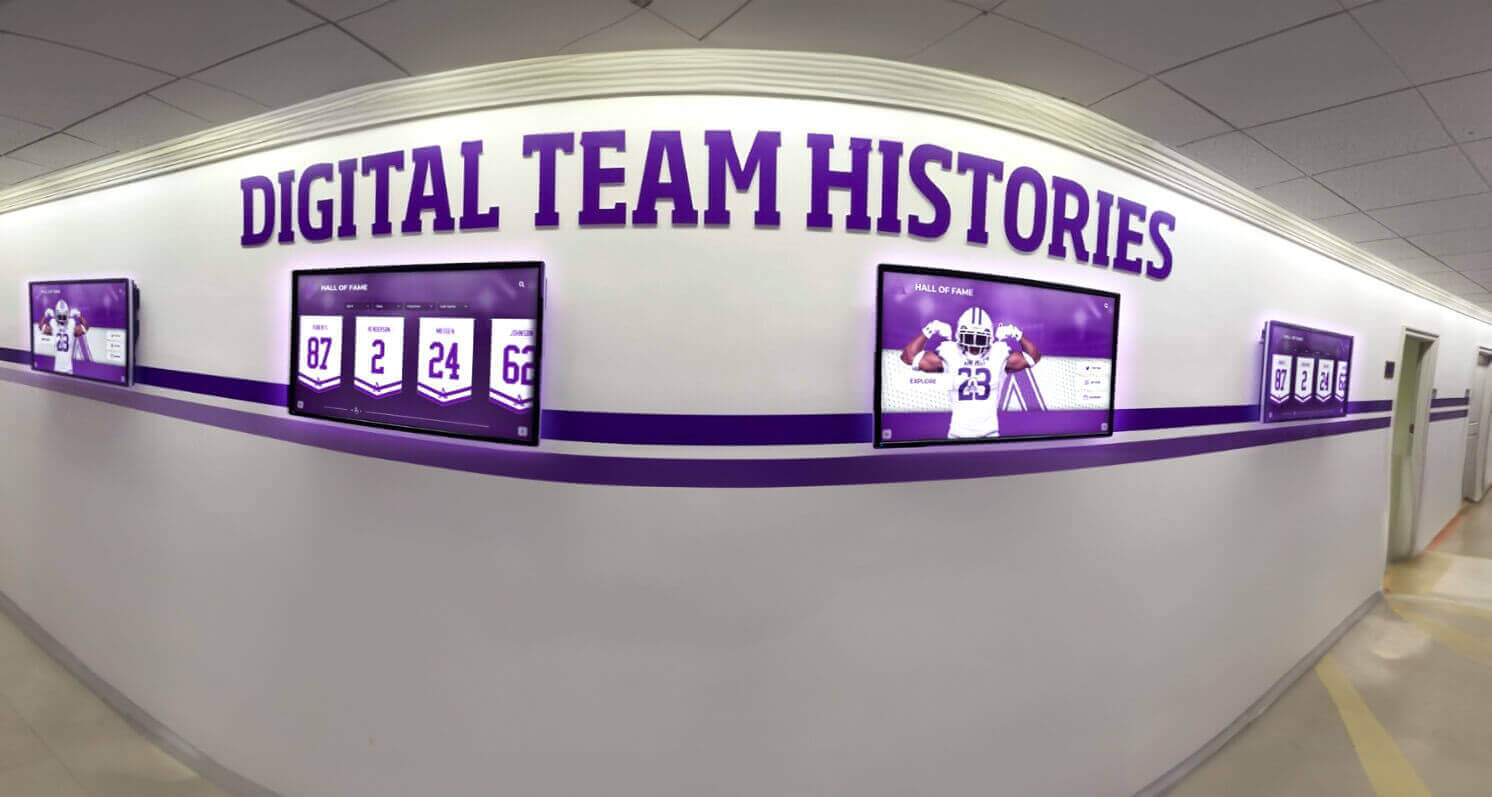
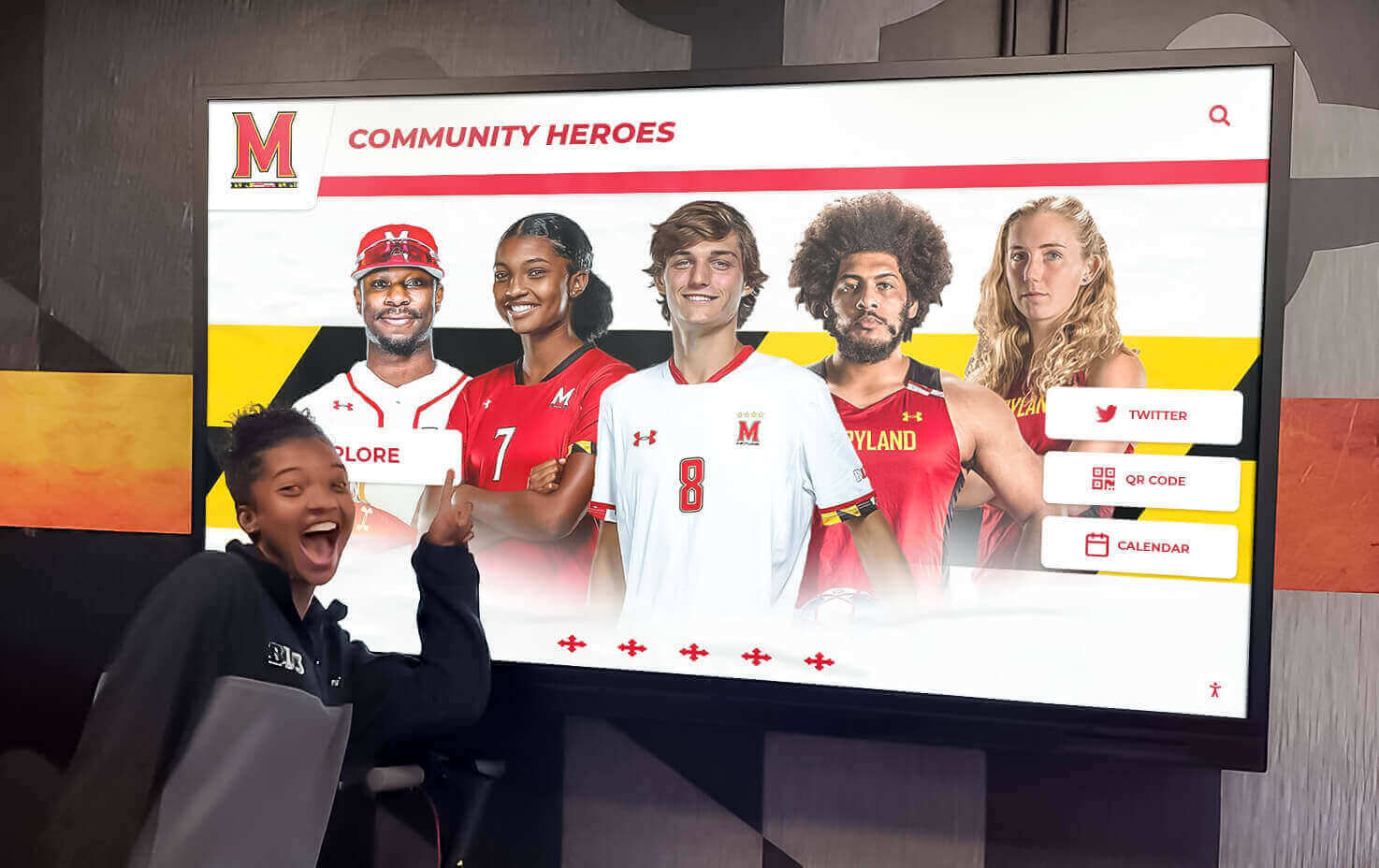
Digital record boards complement physical installations by providing the depth, searchability, and update capability that plaques cannot offer. A touchscreen display adjacent to the physical trophy case can show complete team rosters, individual award histories, video clips from competition rounds where available, and advisor profiles—all updatable remotely as new achievements arrive each season.
Best software for education records digitization shows that high-quality recognition infrastructure doesn’t require building from scratch—existing records can feed directly into display systems. The same platform can serve mock trial, debate, academic decathlon, and other academic competition programs from a single installation point.
The approach closely parallels the strategies explored in large trophy case ideas for showcasing achievements—physical recognition that digital record boards extend and deepen rather than replace.
The Faculty Advisor’s Role in Recognition Infrastructure
Mock trial programs run on the dedication of faculty advisors who typically operate without the institutional support infrastructure available to athletic coaches. Athletic programs have equipment budgets, dedicated practice spaces, and established recognition pathways. Mock trial advisors often work with smaller budgets, share practice spaces, and navigate recognition systems designed primarily around athletic competition models.
Faculty advisors who succeed in building lasting programs take an active role in documentation and recognition—keeping historical rosters, preserving team photos, and advocating for program visibility within school leadership. That advocacy increasingly includes pushing for digital recognition infrastructure that treats academic competition achievement with the same permanence as athletic achievement.
Schools that support faculty advisors in building these recognition systems report stronger program continuity. When recognition infrastructure exists and is actively maintained, program history doesn’t depend on any single advisor’s institutional memory. The achievement record lives in the display system—accessible to future advisors, current students, and alumni who return to see their names still on the wall.
Designing a stunning digital hall of fame touchscreen display shows how academic competition recognition can share infrastructure with other programs—reducing per-program costs while increasing the overall visibility of academic achievement from a single installation.
Given the courtroom context of mock trial, it’s fitting that interactive displays for courtrooms use the same underlying display technology that schools can adapt for honoring the student attorneys and witnesses who represent their programs at state and national competition.
Frequently Asked Questions About High School Mock Trial
What is mock trial in high school? Mock trial is a competitive academic program in which student teams simulate courtroom proceedings, arguing fictional legal cases before volunteer judges with legal backgrounds. Teams include student attorneys who deliver arguments and conduct examinations, and student witnesses who portray case characters under cross-examination. Competition follows real courtroom procedure, with teams evaluated on legal reasoning, argumentation, witness credibility, and courtroom professionalism.
How do high school mock trial competitions work? Most state mock trial programs operate through regional or district rounds, where schools compete in round-robin formats before advancing top teams to a state championship. Teams argue both sides of the assigned case across multiple rounds. Individual attorneys and witnesses receive separate scores alongside team scores. State champions often have the opportunity to compete at national championship events.
What awards are given at mock trial competitions? Mock trial competitions award both team and individual recognition. Team awards include state championship trophies, regional titles, runner-up plaques, and semifinalist recognition. Individual awards include best attorney, best witness, outstanding advocate, and excellence in specific legal skills like cross-examination or opening statement delivery. Individual awards are often determined by aggregated judge scores across multiple rounds.
How should schools display mock trial trophies and achievements? Physical trophy cases work for flagship championship trophies, but they don’t capture individual award histories or complete team rosters. Digital record boards complement physical displays by providing searchable profiles for every award winner, complete championship rosters, season records, and multimedia content—all updatable remotely as new achievements arrive each season.
Can mock trial be included on a digital record board alongside other academic competitions? Yes. Digital record boards designed for schools typically handle multiple programs from a single installation. Mock trial, academic decathlon, debate, Model UN, and other academic competition programs can all be configured within the same display system—allowing schools to build a comprehensive academic achievement record that parallels athletic hall of fame displays in scope and institutional weight.
How do schools recognize individual mock trial performers like best attorney award winners? Recognition for individual mock trial award winners often falls through the gaps in existing systems. The most effective approach combines a named entry in the program’s historical record maintained digitally, individual profile features on a school display system, and inclusion in school-wide academic honors announcements. Digital displays that support individual profiles—with photos, award details, and biographical information—work particularly well for preserving these individual achievements permanently.
What makes digital record boards better than traditional plaques for mock trial recognition? Digital record boards provide unlimited display capacity, remote update capability, individual profile depth, multimedia support, and searchability that physical plaques cannot match. As programs accumulate achievements across years, digital systems scale without physical space constraints—and they capture individual award histories in ways that trophy cases and plaques aren’t designed to do.
Build a Recognition System That Matches Your Program’s Achievement
Mock trial programs produce genuine champions—students who argue cases before legal professionals, earn recognition from practicing attorneys and judges, and represent their schools at state and national competition. Those achievements deserve display infrastructure that communicates their significance to every visitor who walks through your school’s doors.
A digital record board configured for mock trial creates permanent institutional memory for championship seasons, individual award winners, and the faculty advisors who built the program. It gives prospective participants a clear picture of what the program has accomplished, and it gives current competitors the recognition context that motivates continued excellence year after year.
Rocket Alumni Solutions works with schools to design and implement recognition displays for academic competition programs—including mock trial—with all the depth and visual quality that championship achievement deserves. Schedule a live demo to see exactly how a mock trial display can work at your school.