



Walk into any high school gymnasium in America and you’ll immediately know whose territory you’ve entered. Panthers prowl across gymnasium walls in hundreds of communities. Eagles soar on championship banners from coast to coast. Wildcats, Bulldogs, and Tigers dominate scoreboards in every state. These mascots represent far more than creative branding—they embody community identity, athletic heritage, and institutional pride that spans generations.
High school mascots tell stories about the communities they represent. Some honor local history and regional wildlife. Others reflect military heritage or agricultural traditions. Many celebrate qualities communities value—courage, determination, resilience. The choice of mascot becomes part of institutional DNA, shaping everything from uniform design to fundraising campaigns to how alumni describe their school decades after graduation.
Why High School Mascots Matter
Mascots create immediate visual identity that unites students, athletes, alumni, and communities around shared symbols. They appear on athletic records, championship displays, and recognition systems that celebrate team achievements across generations. When schools invest in modern recognition technology like Rocket Alumni Solutions, mascot imagery becomes central to how programs showcase tradition and inspire current athletes through connections to historical excellence. Understanding mascot traditions helps schools celebrate identity authentically while building recognition systems that honor the symbols communities hold sacred.
The Most Popular High School Mascots Across America
National surveys consistently reveal that certain mascots dominate high school athletics, appearing in thousands of schools nationwide despite vast geographic and demographic differences.
The Undisputed Top Five
Research tracking high school mascots across all 50 states identifies clear favorites that transcend regional boundaries and appear everywhere from rural communities to urban districts.
Eagles Lead the Nation: Eagles represent the single most popular high school mascot in America, with thousands of schools claiming this symbol of freedom, vision, and soaring achievement. The eagle’s appeal crosses all regional lines—northeastern prep schools, southern football powerhouses, midwestern basketball programs, and western ski teams all embrace eagle identity with equal enthusiasm.
Eagles offer versatile symbolism working equally well for academic excellence and athletic dominance. They represent American identity through the national bird designation while avoiding aggressive connotations that sometimes accompany predator mascots. Schools appreciate design flexibility—realistic eagles, stylized birds, or fierce cartoon versions all communicate desired identity effectively.
The prevalence of Eagle mascots creates both advantages and challenges. Widespread use means extensive existing design resources, uniform options, and recognition of the symbol. However, schools must work harder to differentiate their specific eagle identity from hundreds of others nationally. Programs often add colors, distinctive styling, or specific eagle species to create unique variations on the common theme.
Tigers Prowl Through Thousands of Schools: Tigers claim second place nationally, representing power, aggression, and competitive excellence. From Princeton High School’s original tiger adoption influencing countless others to modern programs in all 50 states, tigers dominate particularly in football-focused communities valuing fierce competitor imagery.
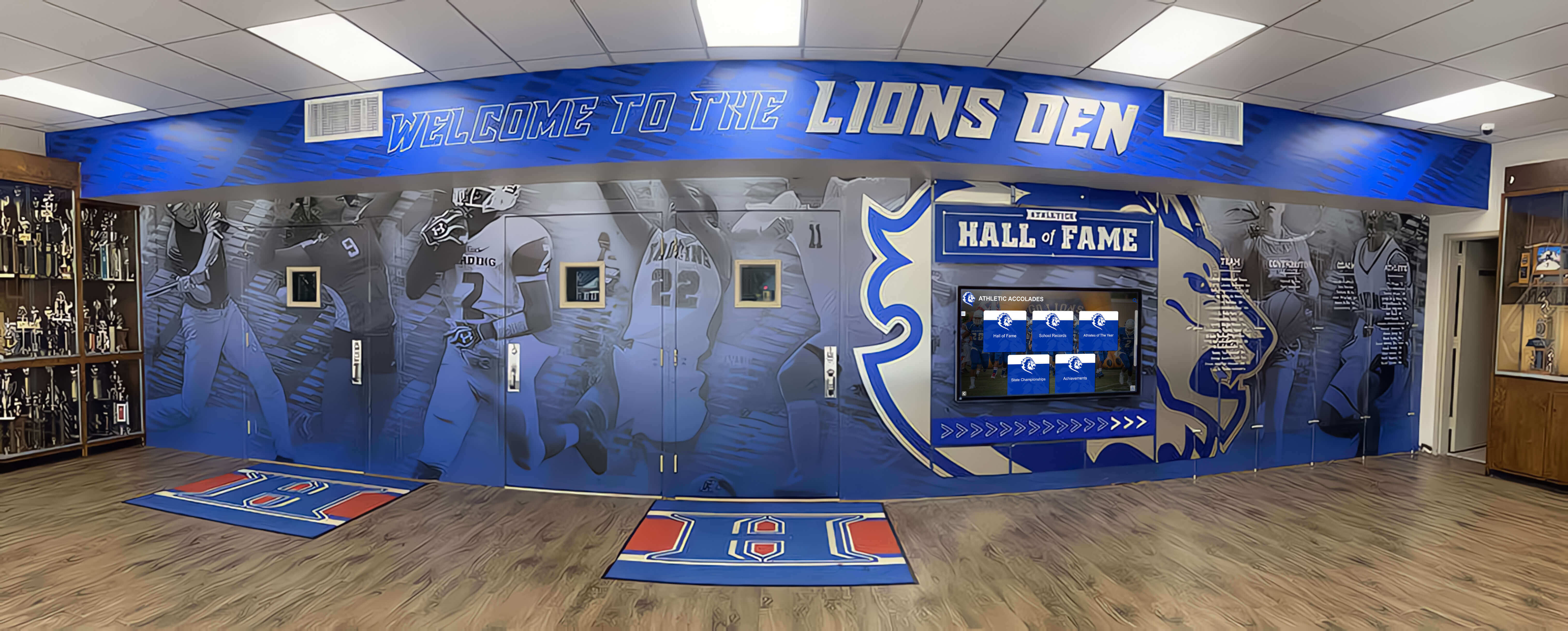
Tiger mascots appear in schools of all sizes and competitive levels, though research suggests slight concentration in southern and midwestern states where Friday night football carries exceptional cultural weight. The orange and black color scheme associated with tigers became so prevalent that many schools adopted these colors automatically with tiger mascots—though creative variations using school-specific colors remain common.
Design versatility makes tigers perpetually popular. Realistic tiger imagery conveys intimidation and power. Cartoon tigers can appear friendly for elementary events while fierce for varsity athletics. The Bengal tiger, Siberian tiger, and generic tiger varieties offer subtle differentiation options for schools seeking distinctive identity within the broader tiger category.
Bulldogs Represent Determination and Tenacity: Bulldogs rank consistently among the top three most popular mascots nationally, symbolizing determination, toughness, and relentless pursuit of goals. Unlike eagles and tigers representing natural majesty or fierce predation, bulldogs embody scrappy determination—the underdog that never quits regardless of obstacles or opponent size.
This symbolism resonates particularly with smaller schools and communities that value perseverance over natural advantages. Bulldog mascots communicate that success comes through work ethic and determination rather than inherent superiority. The mascot choice sends messages about program values—teams might be outmatched in size or talent but never in effort or heart.
Bulldog popularity concentrates somewhat in the South and Midwest, though the mascot appears nationwide. Military influence plays a role—the U.S. Marine Corps bulldog association strengthens appeal in communities with strong military connections. University influence matters too, with schools like Yale, Georgia, and Mississippi State creating bulldog traditions that inspire high school programs in their regions.
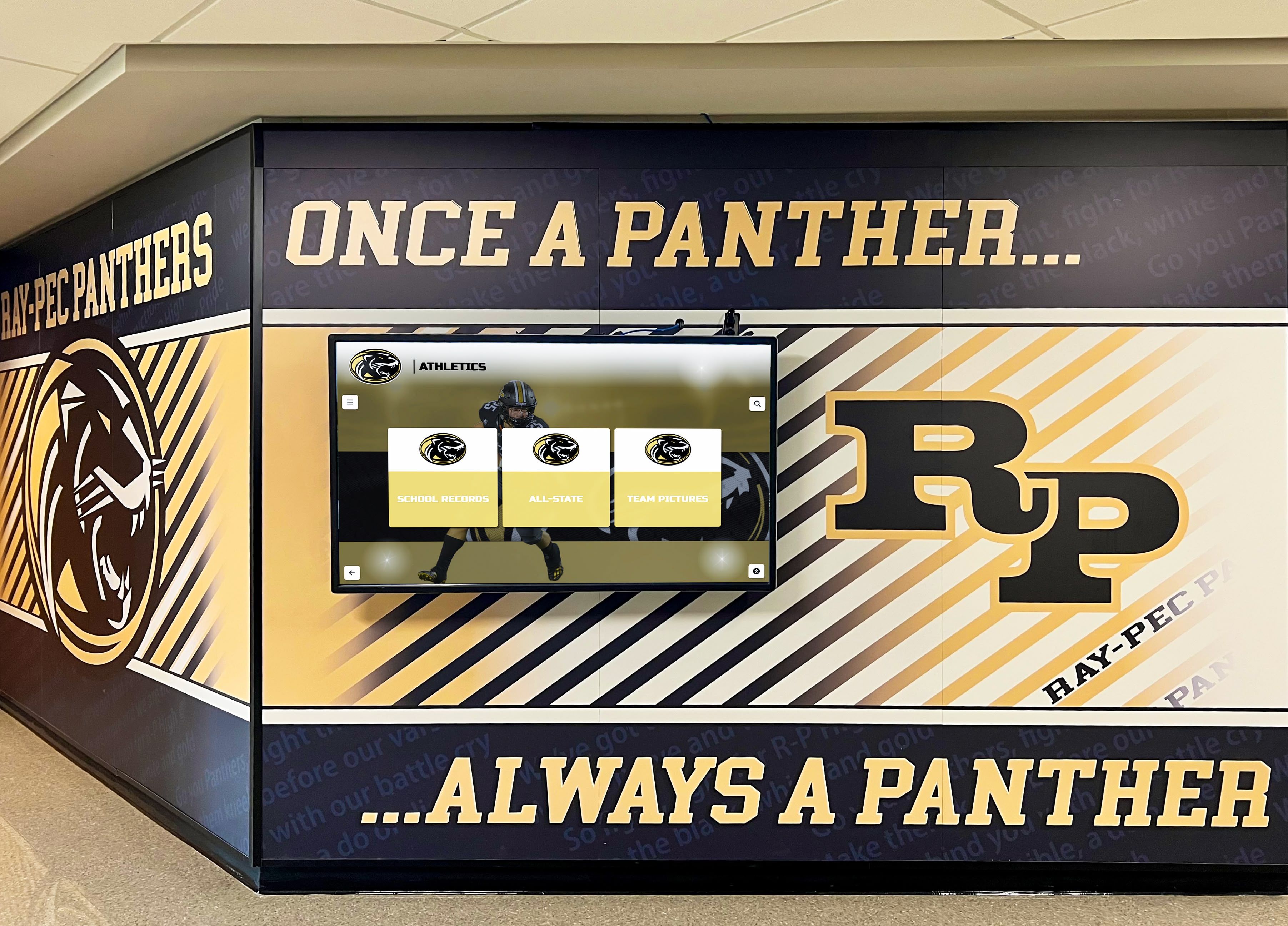
Panthers Provide Sleek, Powerful Identity: Panthers represent fierce athleticism combined with grace and speed, appealing to programs emphasizing quickness, agility, and coordinated team play over brute force. The panther (typically meaning black leopards or jaguars rather than the separate species) provides powerful predator imagery while avoiding the extreme aggression connotations of some alternatives.
Panthers gained particular popularity from the 1960s forward, coinciding with civil rights era symbolism and growing appreciation for panther elegance alongside power. The mascot appears across all regions though research suggests slightly higher concentration in the Southeast where actual panther populations historically existed.
Color schemes vary more with panther mascots than many alternatives. While black naturally dominates, schools pair it with gold, blue, red, or other institutional colors creating distinctive visual identities. This flexibility lets communities maintain panther identity while ensuring color combinations remain unique and recognizable.
Resources on homecoming traditions and recognition show how mascot imagery integrates into major school celebrations, from homecoming court displays to parade float designs celebrating team identity.
Wildcats Round Out the Top Five: Wildcats complete the five most popular mascots, offering another powerful feline option distinguished from tigers and panthers by emphasizing untamed, unpredictable ferocity. The generic “wildcat” classification rather than specific species (bobcat, lynx, etc.) provides maximum flexibility in visual representation and symbolic meaning.

Wildcat mascots appeared frequently in early 20th century athletics and maintained popularity through modern times. University influence matters significantly—Northwestern, Kentucky, Kansas State, and Arizona among others created wildcat traditions inspiring high school programs in their regions. The mascot works equally well for all sports, genders, and competitive levels, contributing to sustained popularity.
The prevalence of these five mascots means most athletic competitions involve at least one and frequently both teams using these symbols. This ubiquity sometimes prompts schools to seek more distinctive alternatives, driving increasing diversity in recent mascot selections even as traditional favorites maintain dominance.
Regional Mascot Variations and Preferences
While the top five mascots appear nationwide, regional patterns emerge when examining broader mascot distributions across different U.S. regions.
Southern States and Military Heritage: Southern high schools show particular affinity for mascots with military associations including Generals, Rebels, Colonels, Patriots, and Cavaliers. This pattern reflects regional history, military base concentrations, and cultural values emphasizing tradition and honor.
Wildlife mascots in southern states often reflect regional fauna—alligators and gators appear almost exclusively in Florida and Louisiana, while cardinals concentrate in states where the bird holds special significance including Kentucky (state bird) and numerous midwest and southern states. Research on sportsmanship award programs reveals how southern programs often integrate mascot symbolism into character recognition, emphasizing values the chosen symbol represents.
Midwestern Agricultural and Industrial Identity: Midwestern mascots frequently reflect agricultural heritage and industrial identity. Cornhuskers, Haymakers, and other farming-related mascots appear in rural areas. Industrial mascots like Steelworkers, Ironmen, and Boilermakers concentrate in areas with manufacturing heritage.
The Midwest also shows strong preference for animal mascots reflecting local wildlife—hawks, falcons, bears, and deer appear frequently. These choices connect schools to geographic identity and regional ecology in ways that resonate with communities whose identity ties closely to land and natural environment.
Western States and Native Connections: Western states display mascot patterns reflecting geographic features and natural phenomena alongside wildlife. Avalanche, Storm, Thunder, and other weather-related mascots appear more frequently in mountain and plains states. Regional wildlife like Mustangs (wild horses), Cougars, and Bears appear prominently.
Historical influence from Native American imagery appeared extensively in western states though many schools have retired these mascots in recent decades due to cultural sensitivity concerns and evolving understanding of appropriate representation. Schools making these transitions often face complex processes balancing tradition with respect, requiring community conversations about identity and values.
Northeastern Prep School Traditions: Northeastern states, particularly New England, show influence from prep school traditions and colonial history. Raiders, Crusaders, Minutemen, and Colonials appear with notable frequency. The region also embraces classical and literary references—Spartans, Trojans, and similar ancient warrior references concentrate in northeastern prep schools and public systems influenced by them.
Maritime heritage appears in coastal communities with Mariners, Sailors, and Clipper ship mascots common near ocean and Great Lakes regions. These localized choices create strong community identification by connecting schools directly to geographic and economic heritage defining regional identity.
How Mascots Shape School Culture and Athletic Identity
Beyond simple symbolism, mascots profoundly influence school culture, athletic program development, and community identity in ways that extend far beyond logo design.
Creating Unified Visual Identity Across Programs
Effective mascot implementation creates cohesive visual identity unifying diverse programs, facilities, and recognition systems under common symbols that instantly communicate institutional belonging.
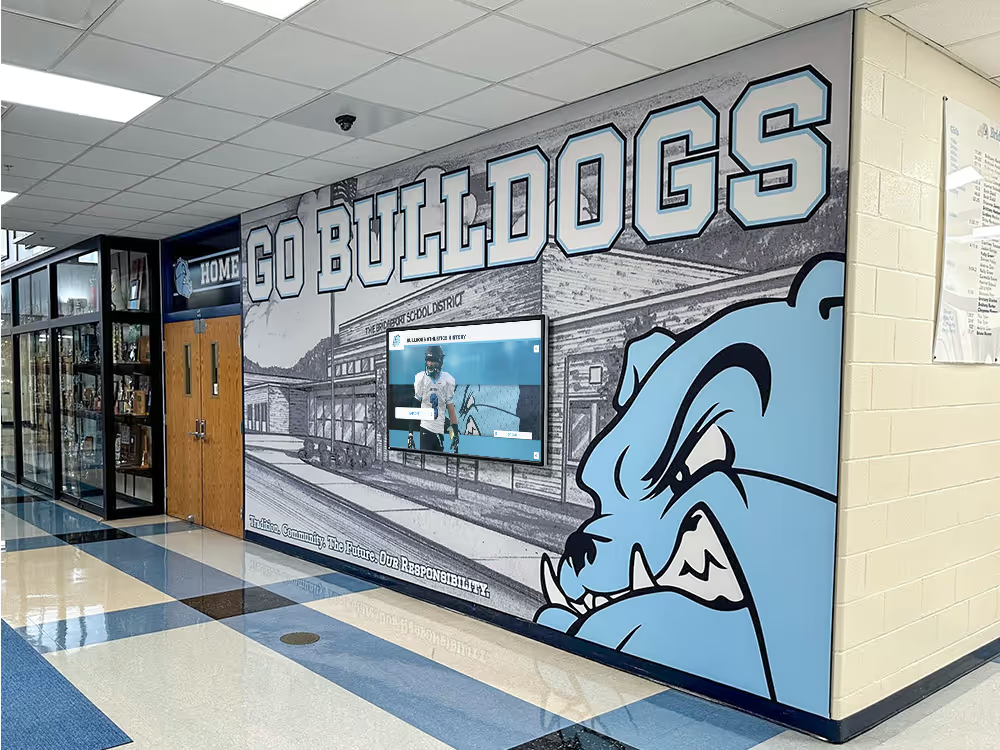
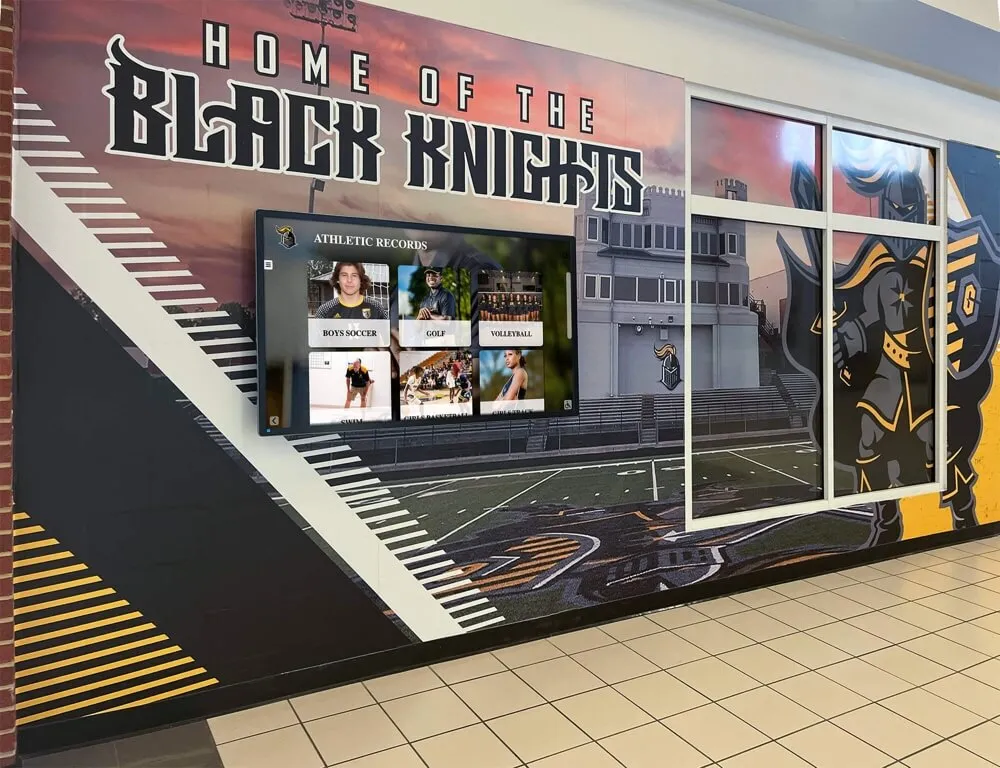
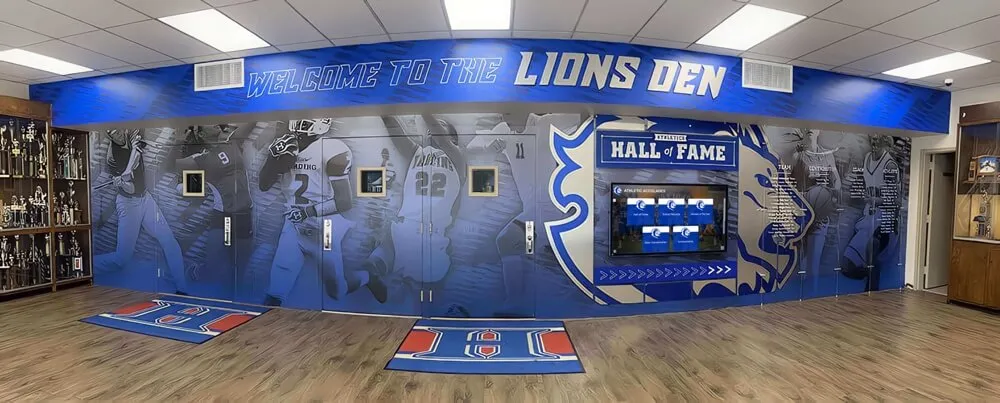
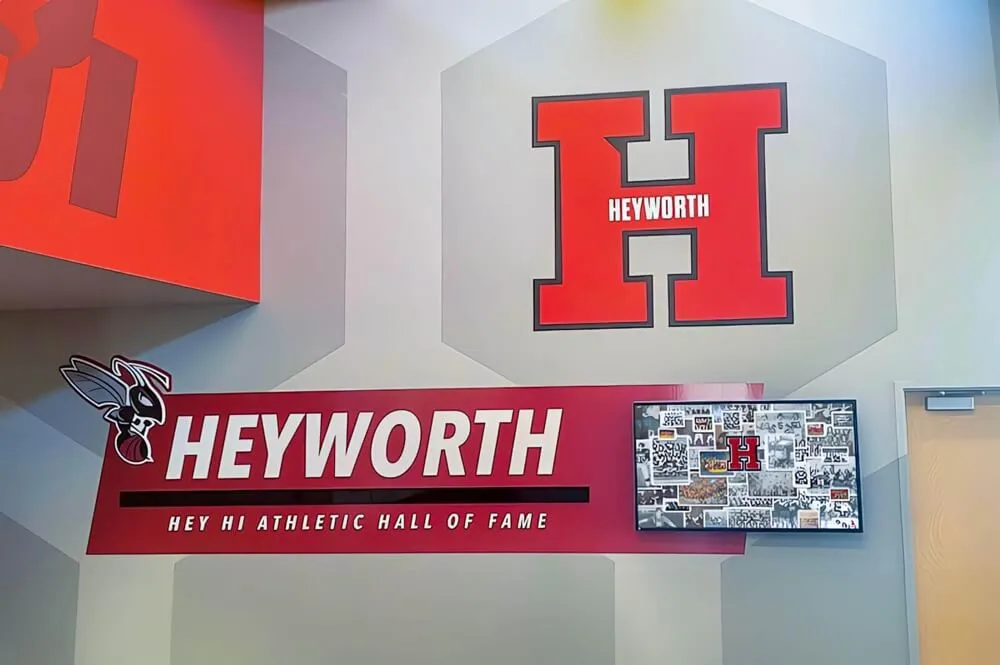
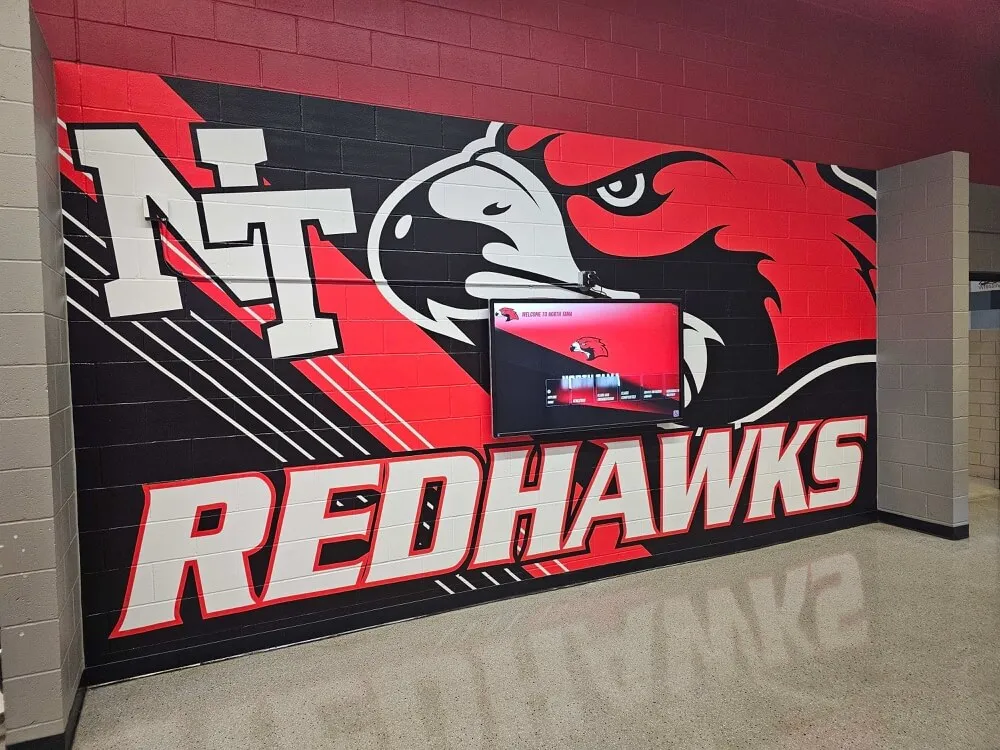
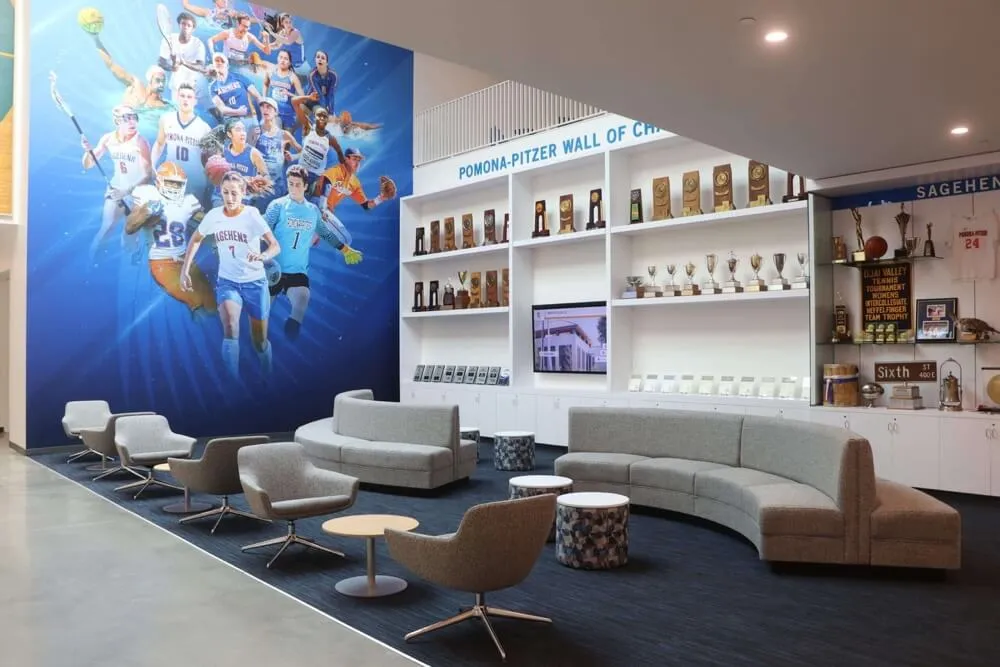
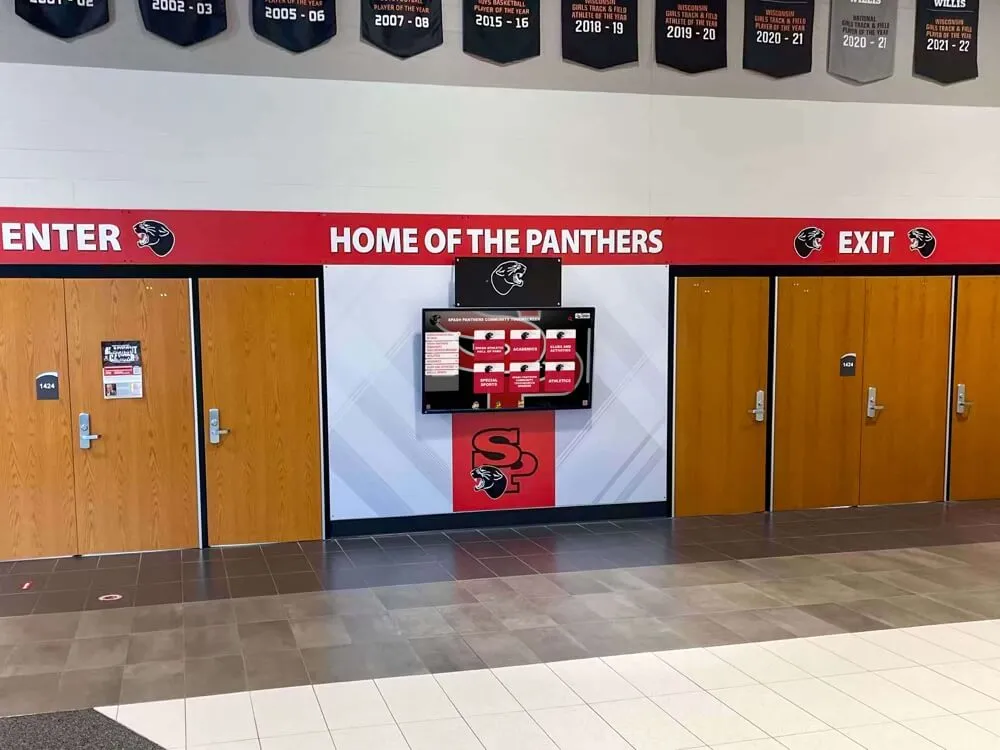
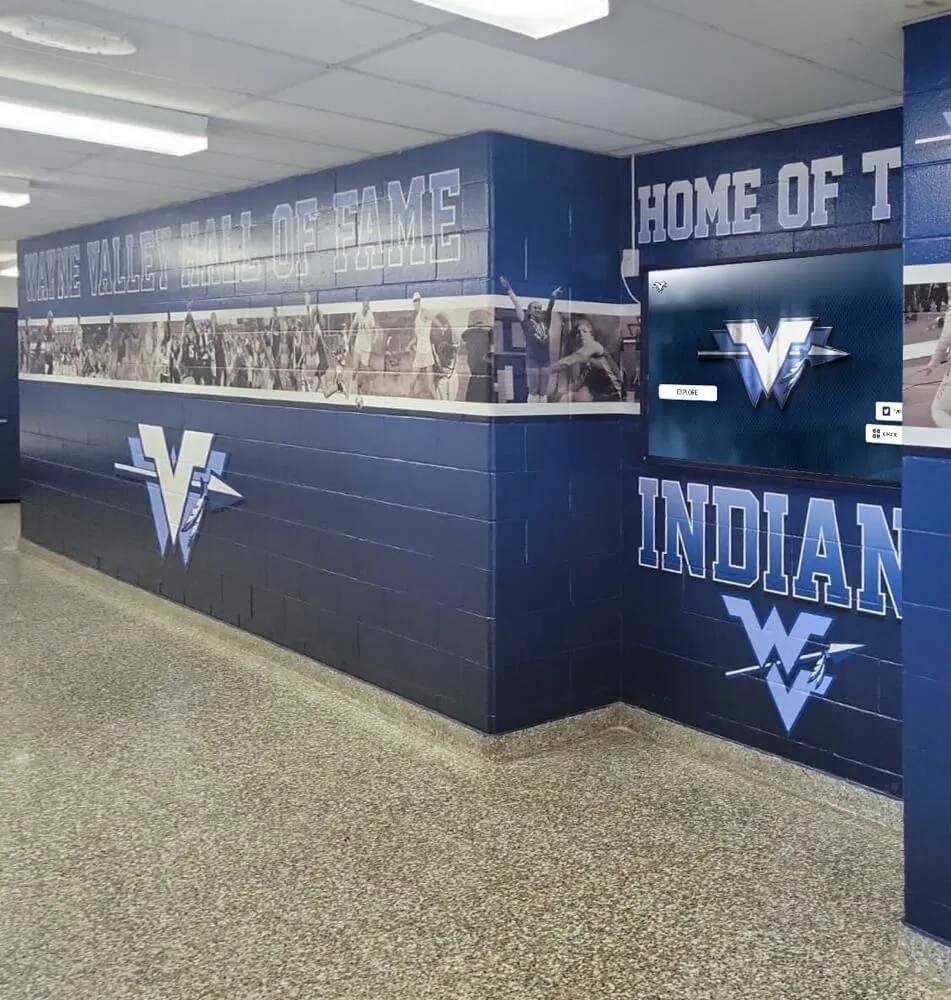
Facility Branding and Environmental Design: Mascots dominate high school facilities from entry murals to gymnasium floor designs. Walking into athletic facilities, visitors immediately recognize mascot identity through large-scale mascot murals welcoming visitors to territories, floor graphics featuring mascot imagery and school colors, signage incorporating mascot symbols directing traffic, and championship banners arranged around mascot centerpieces.
This environmental branding creates powerful home-field advantage—visiting teams enter spaces saturated with opponent identity and pride. Home athletes compete in environments reinforcing their identity every time they glance at walls, floors, or championship displays. The psychological impact of environment on performance, while difficult to quantify precisely, influences athlete confidence and visitor intimidation in ways coaches universally acknowledge.
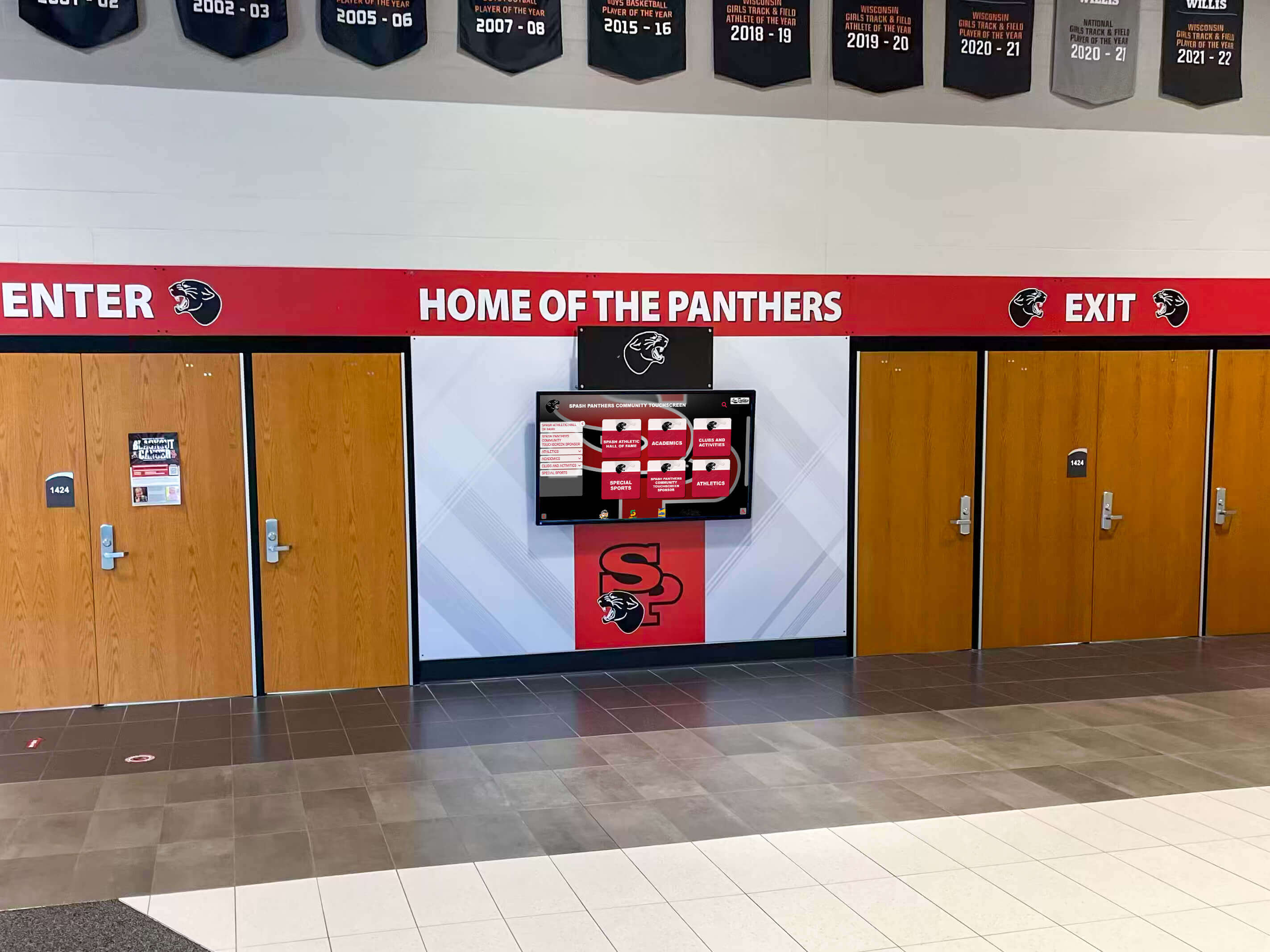
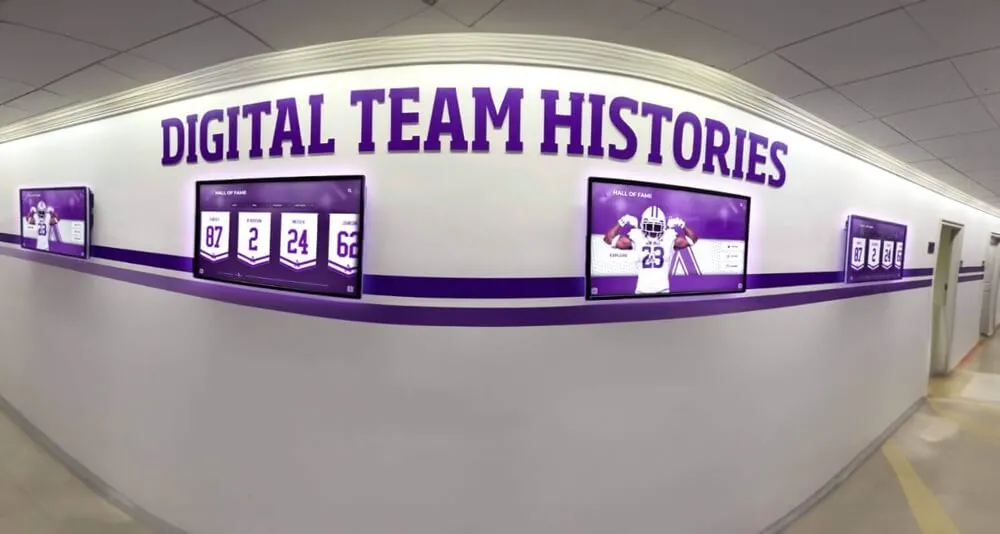
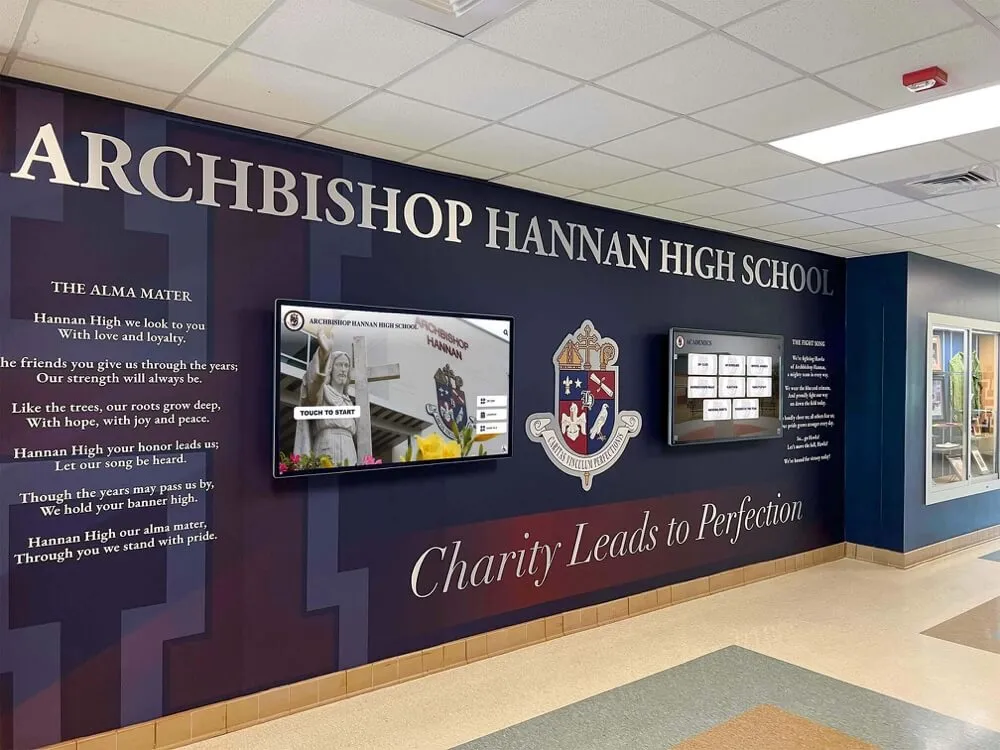
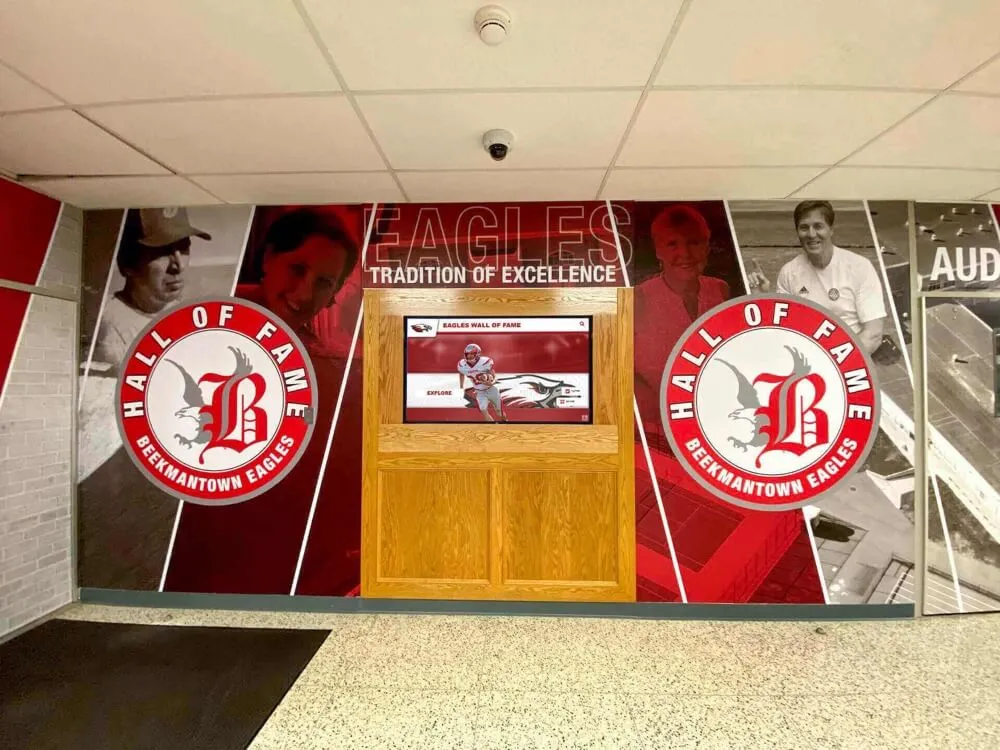
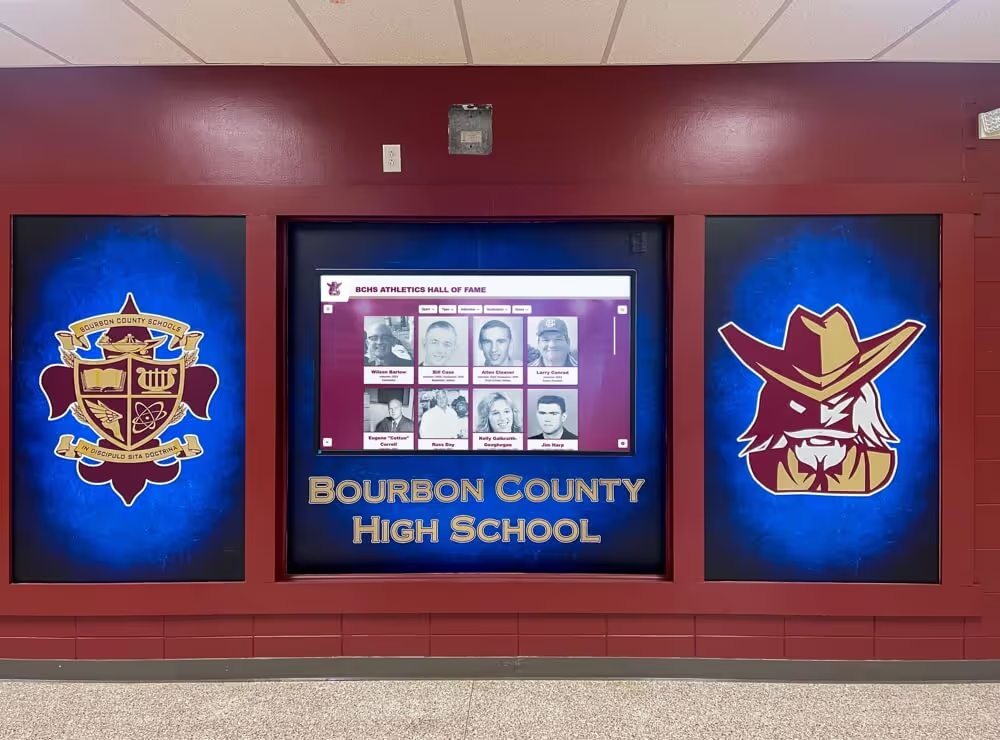
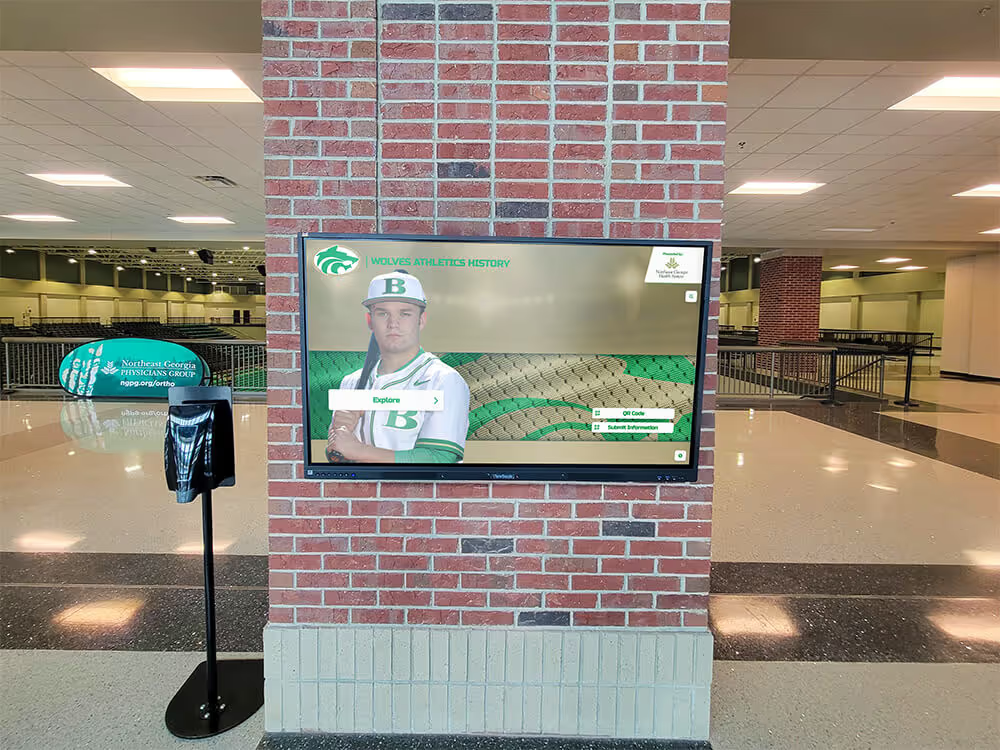
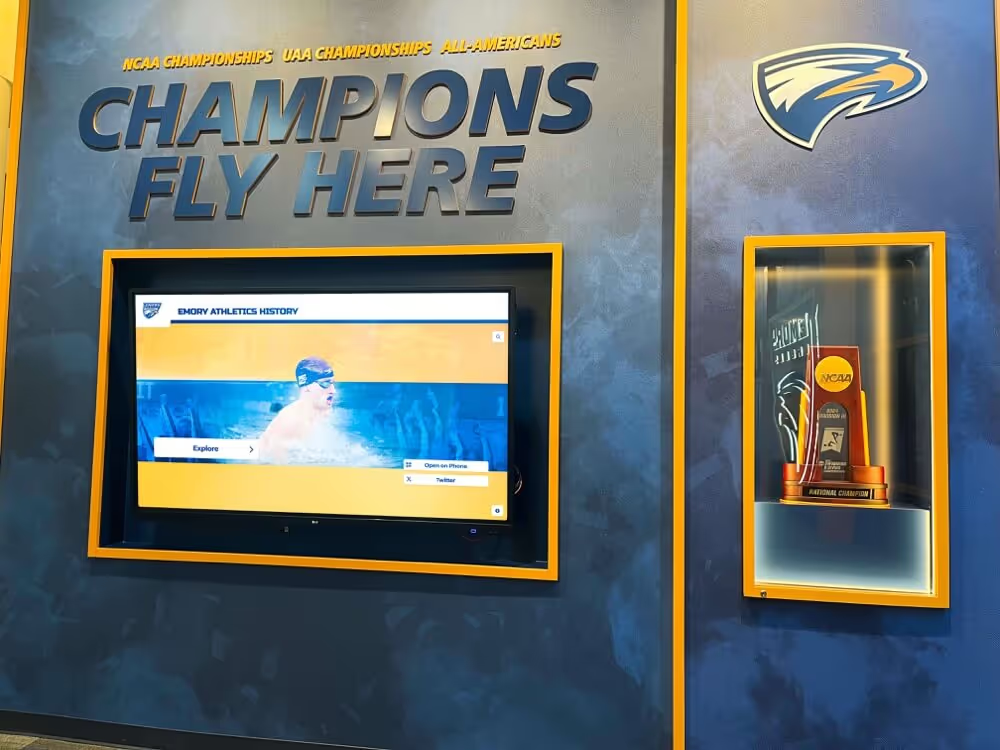
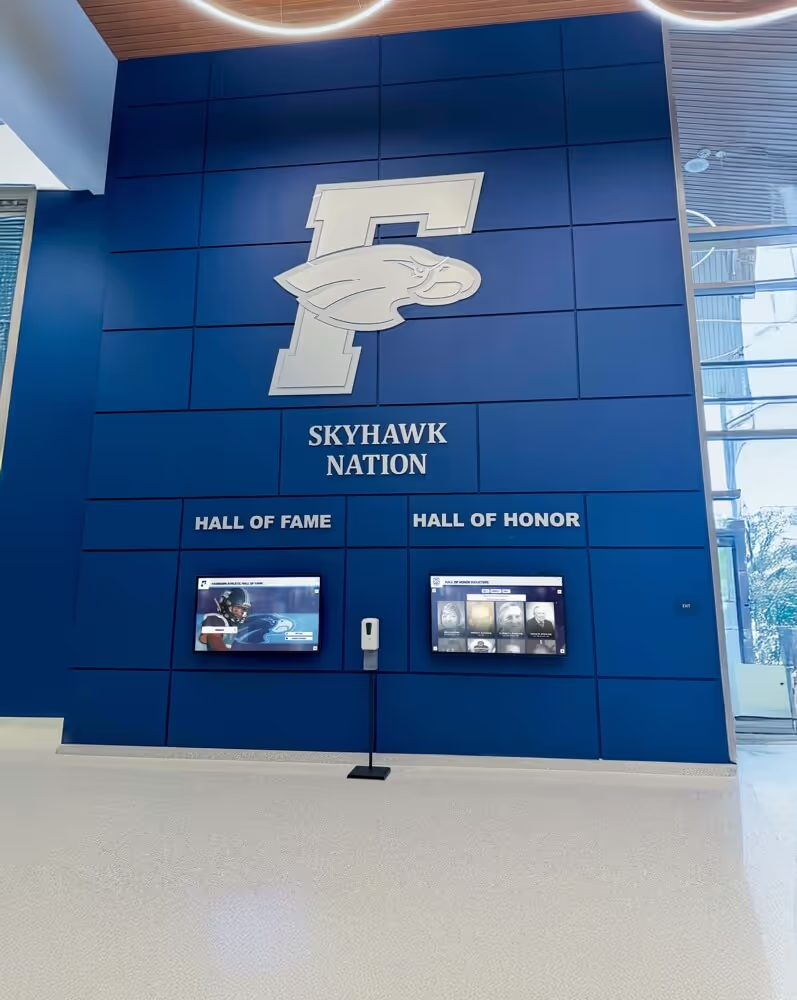
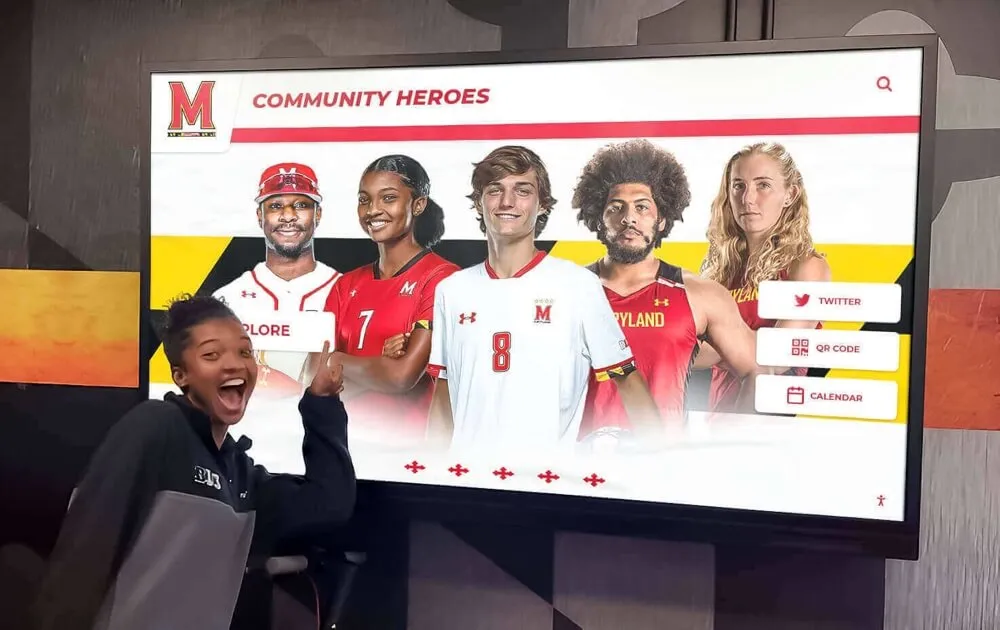
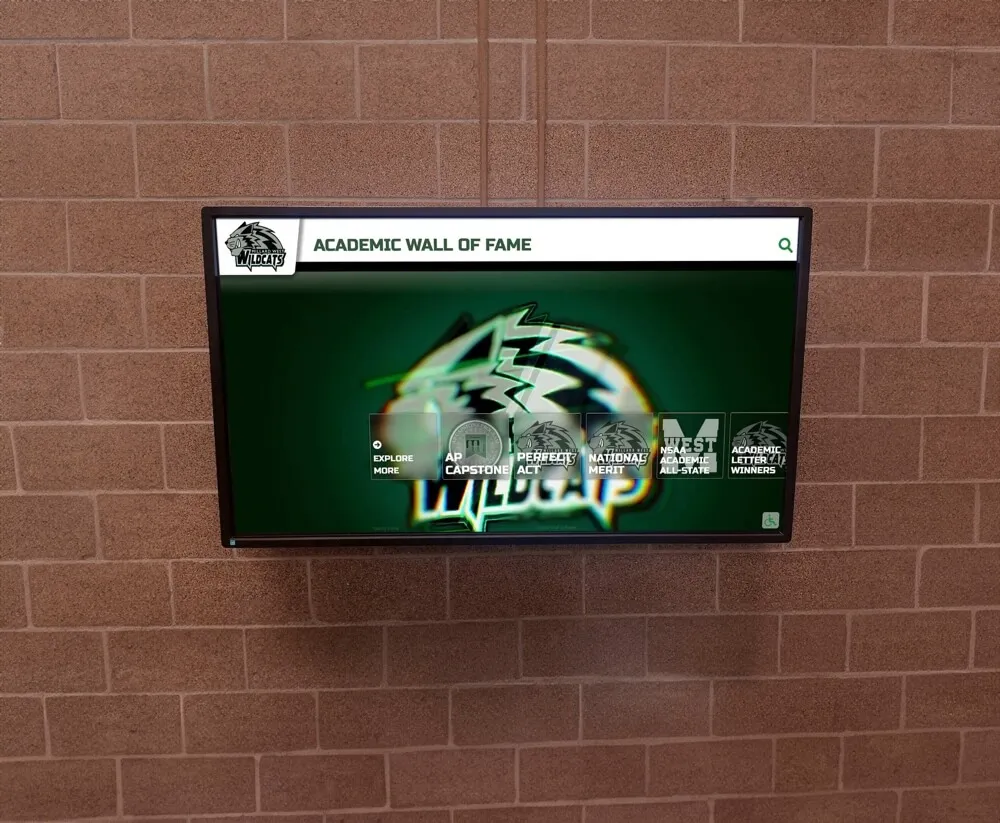
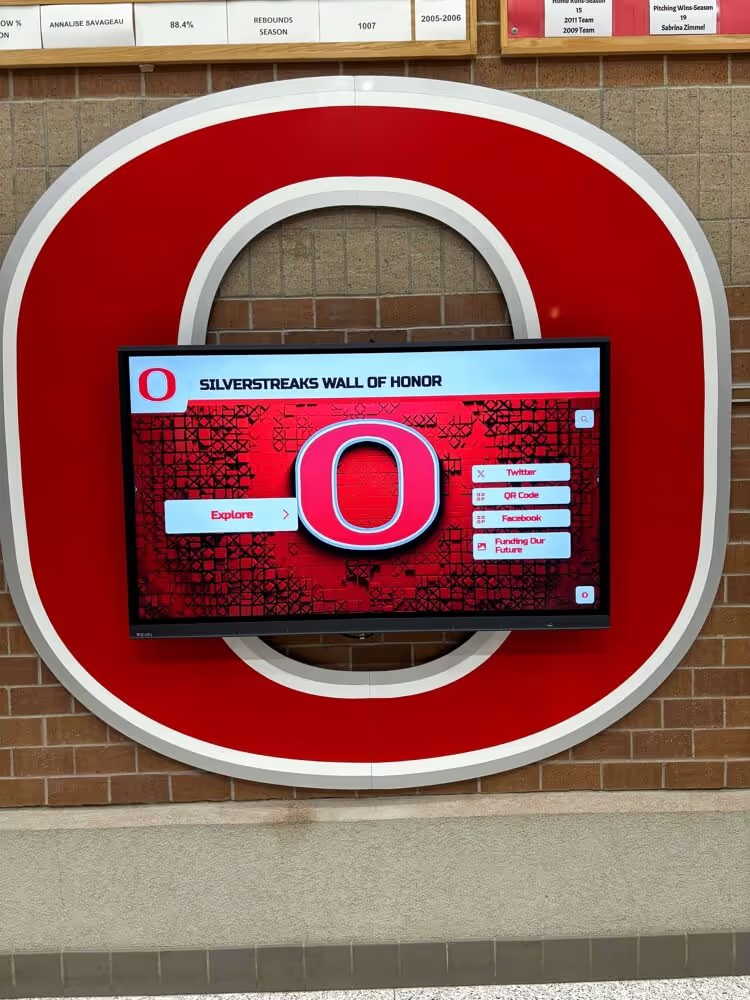
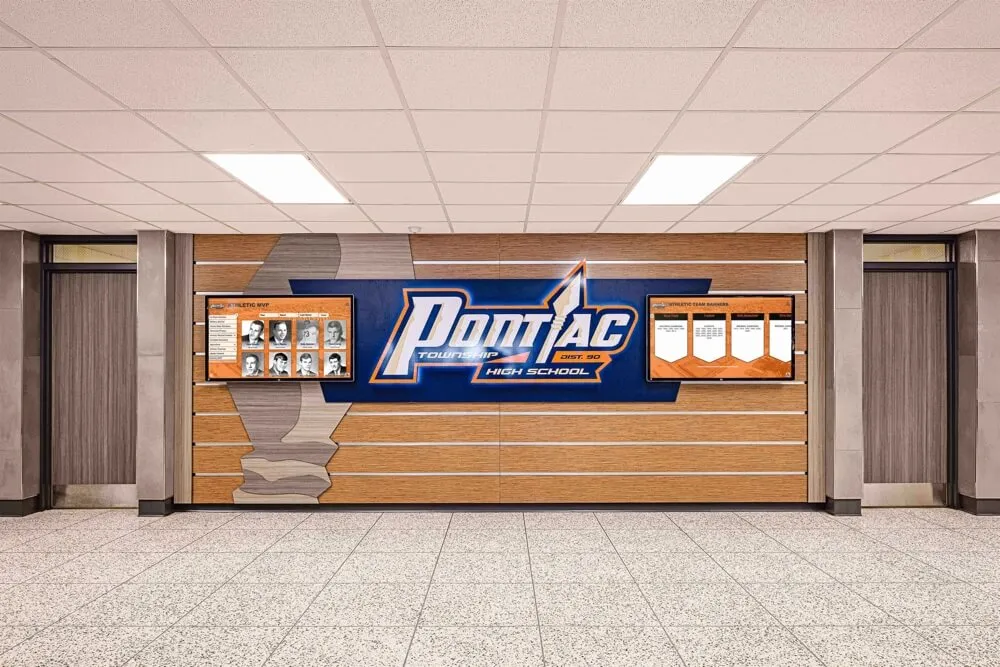
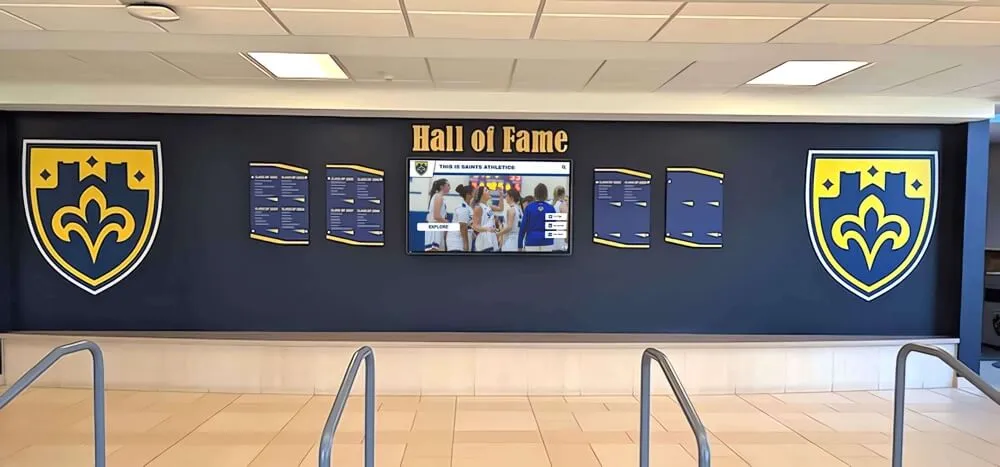
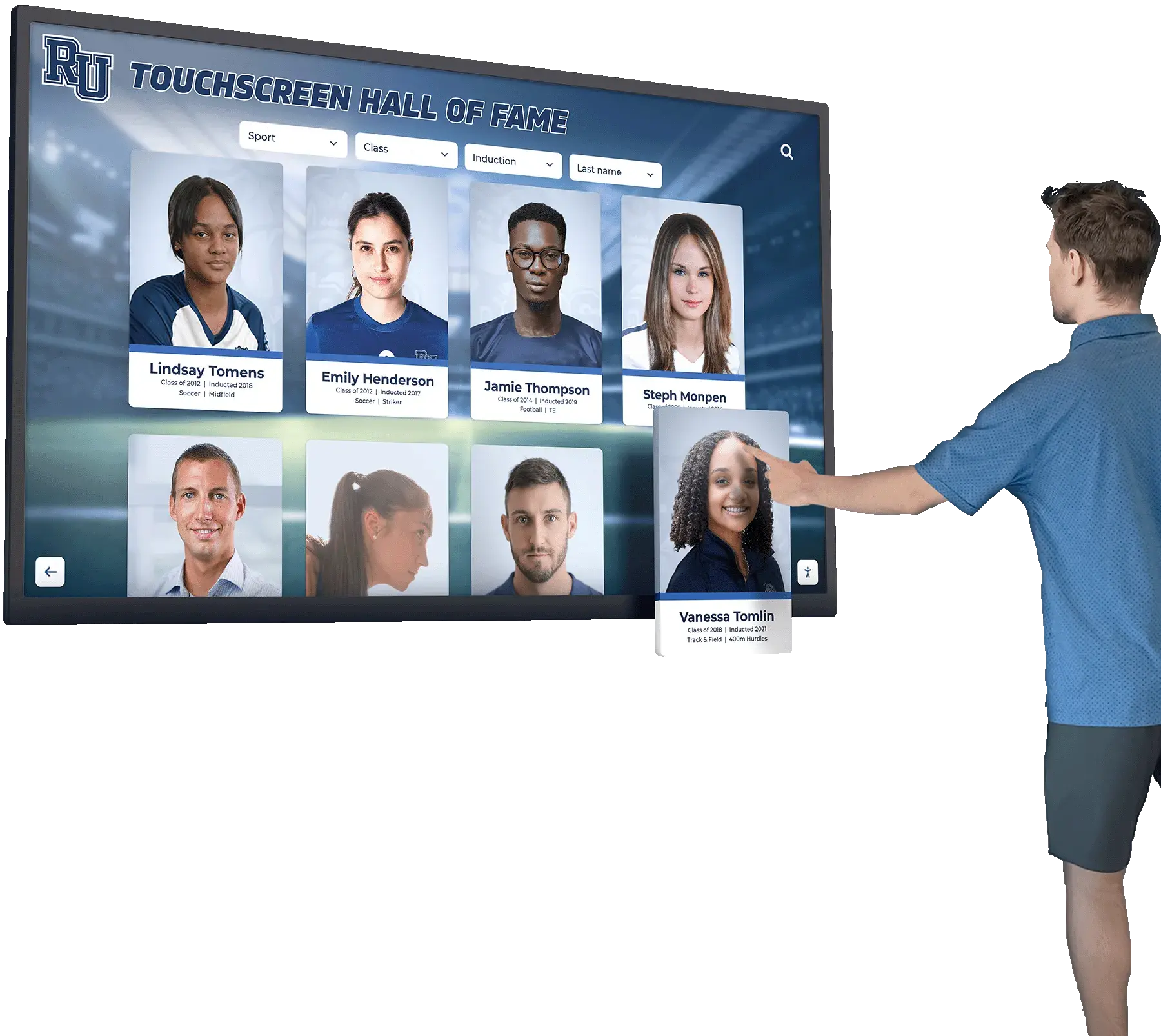
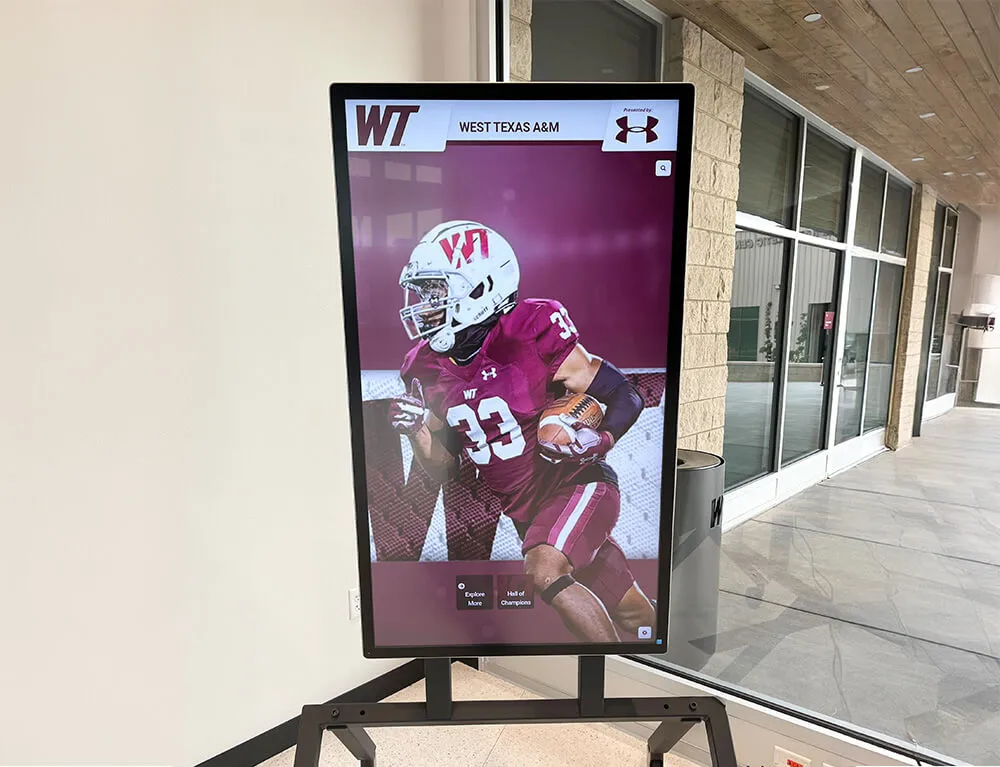
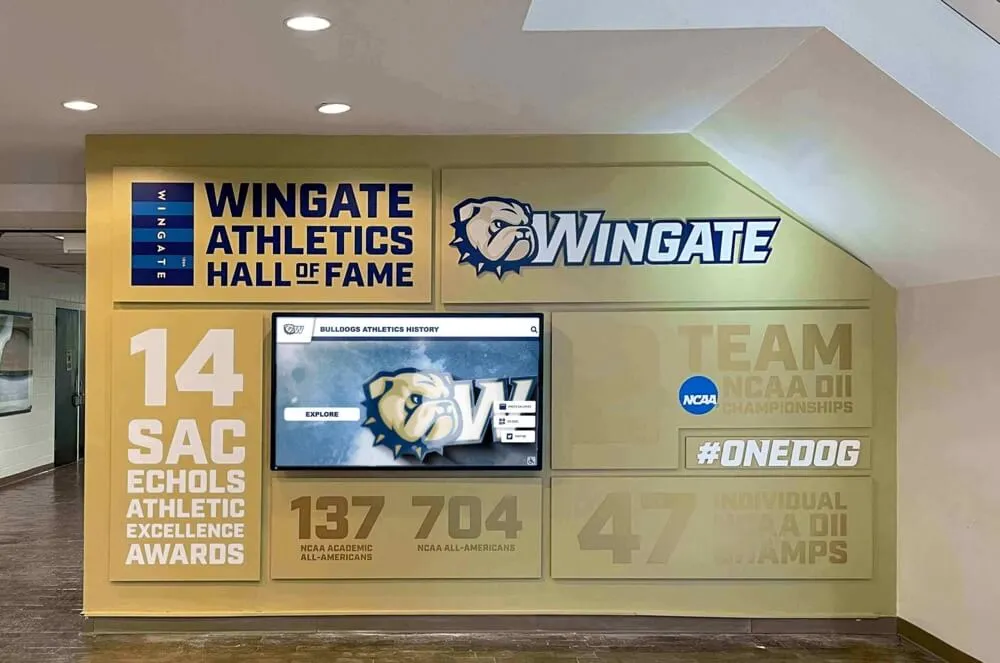
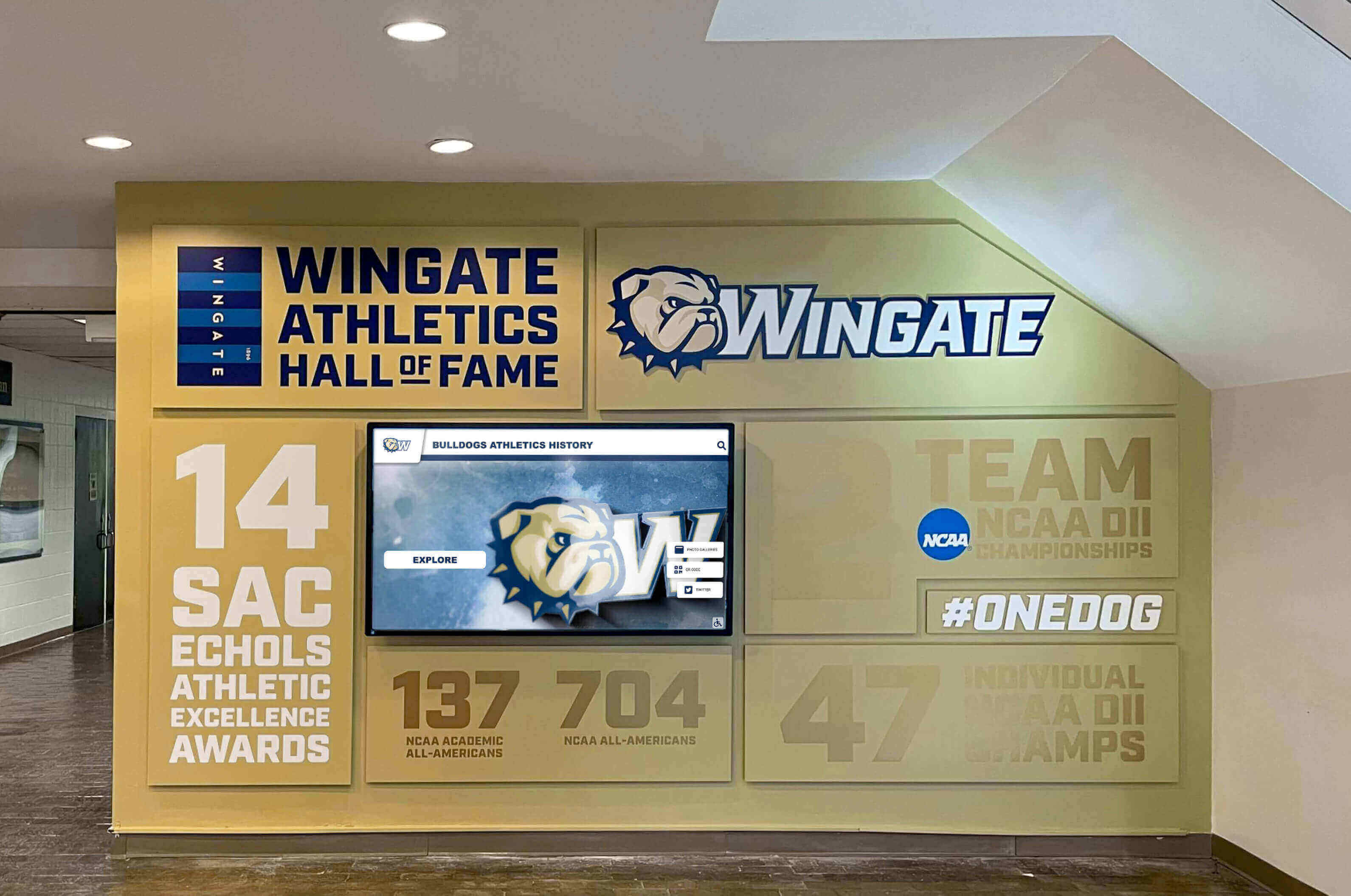
Modern recognition systems integrate mascot imagery throughout digital and physical displays. Digital hall of fame displays incorporate mascot graphics as frames, backgrounds, and navigational elements creating visual consistency between athletic achievement content and institutional identity. This integration ensures recognition systems feel authentically connected to school identity rather than generic templates disconnected from community character.
Uniform Design and Athletic Apparel: Mascot imagery influences uniform design across all sports programs, creating visual consistency that strengthens brand identity beyond individual team contexts. Successful implementation includes mascot incorporation into primary and alternate uniforms, helmet designs featuring mascot imagery (football), warm-up and practice gear displaying mascot graphics, and spirit wear and fan apparel extending mascot presence throughout communities.
Uniform design decisions carry surprising weight in school communities. Athletic directors report that mascot representation on uniforms generates extensive stakeholder input—athletes want fierce, intimidating representations while administrators balance appropriateness and community values. Finding designs that satisfy competitive athletes while meeting institutional standards requires careful navigation.
The rise of custom uniform design services creates opportunities for distinctive mascot interpretation even when schools share common mascot types with competitors. Rather than generic tiger or eagle graphics, schools commission unique artistic renditions creating specific visual identities that become synonymous with their particular programs rather than mascot categories generally.
Digital and Social Media Branding: Mascot imagery dominates school digital presence including social media profile images and graphics, website design incorporating mascot elements, digital announcements featuring mascot backgrounds, and recruiting materials showcasing mascot and program identity.
Athletic programs increasingly recognize that digital brand consistency matters as much as physical facility branding. Prospective athletes explore programs through social media and websites before ever visiting campuses. Strong, consistent mascot representation creates professional impressions suggesting well-organized, prideful programs worth considering seriously.
Resources on school graphics and social media design demonstrate how schools can create professional, mascot-centric content efficiently without extensive graphic design expertise or expensive external services.
Mascots in Athletic Recognition and Record Keeping
High school athletic record boards and recognition systems integrate mascot imagery as essential elements connecting achievement documentation to institutional identity.
Championship and Achievement Displays: When schools celebrate championships and record achievements, mascot integration ensures recognition feels authentically connected to program identity rather than generic success documentation. Effective integration includes mascot imagery framing championship team photos, record boards incorporating mascot graphics in headers and backgrounds, individual achievement plaques featuring subtle mascot elements, and digital recognition systems using mascot-themed templates and color schemes.
This integration transforms recognition from simple documentation into celebration that reinforces what it means to achieve excellence at this particular school. An Eagles football championship display looks and feels different from a Tigers championship despite documenting similar accomplishments—the mascot integration makes achievement celebration specific and personal to particular communities.
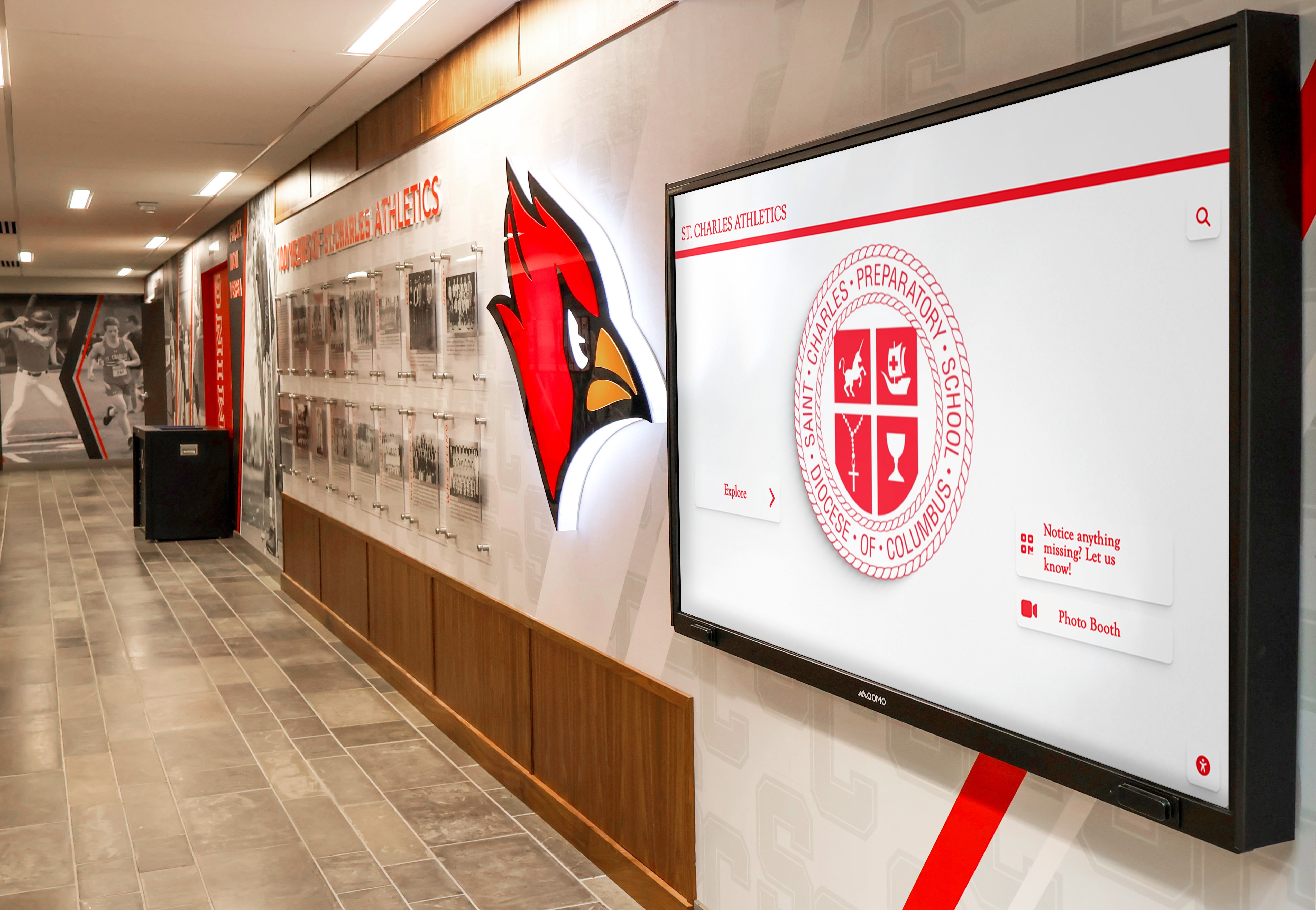
Digital record boards provide sophisticated mascot integration opportunities through animated mascot graphics introducing records and achievements, color schemes matching school colors and mascot associations, searchable databases organized partly by mascot-era team identities, and social sharing featuring mascot imagery strengthening brand consistency.
Modern solutions like Rocket Alumni Solutions enable schools to create mascot-integrated recognition systems without requiring extensive graphic design expertise. Template systems include mascot imagery areas where schools insert their specific graphics, ensuring professional appearance while maintaining authentic institutional identity throughout all recognition content.
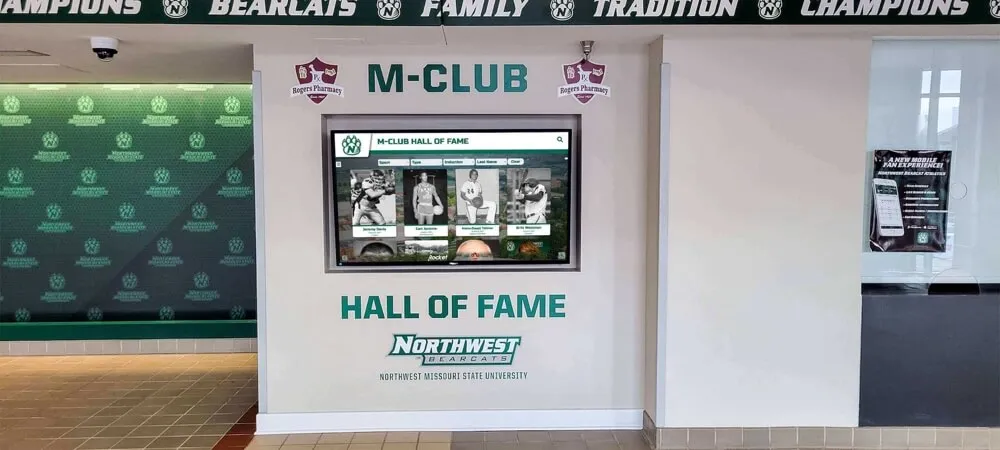
Hall of Fame and Alumni Recognition: Schools honoring distinguished athletes and alumni through hall of fame programs integrate mascot symbolism throughout induction and recognition processes including induction ceremony programs featuring mascot imagery, physical hall of fame plaques incorporating mascot symbols, digital recognition profiles using mascot-themed designs, and alumni reunion materials celebrating mascot identity across graduating class eras.
This mascot integration helps alumni reconnect with school identity regardless of time since graduation. The mascot symbol triggers immediate recognition and emotional connection—alumni might forget specific administrative details or building changes but mascot identity remains constant across decades, providing stable reference point for institutional belonging.
Guidance on trophy case and display design explores how mascot imagery can transform static recognition into dynamic celebration of institutional identity while honoring individual and team achievement comprehensively.
Building Tradition Through Mascot Celebrations
Schools develop rich traditions around mascot identity that strengthen community bonds and create memorable experiences beyond competitive athletics itself.
Mascot Costume Performances and Spirit Leaders: Live mascot performances at athletic events, pep rallies, and community gatherings create visible, energetic manifestations of school identity. Student spirit leaders wearing mascot costumes perform choreographed routines engaging crowds, lead cheers and chants rallying support, entertain during timeouts and breaks maintaining energy, and appear at community events representing school spirit beyond campus.
These performances make abstract mascot concepts tangible and interactive. Young children remember mascot interactions at games, creating early emotional connections to schools they may eventually attend. Alumni feel nostalgia seeing mascot performances continuing traditions they remember from their own student days. The mascot becomes living symbol moving through spaces and interacting with people rather than static image on walls.
Schools report that mascot costume quality matters significantly to performance effectiveness and community perception. Professional-grade mascot costumes ($2,000-$5,000) designed for sustained performance and visual appeal deliver dramatically better results than generic discount options appearing awkward or cheaply made. Communities notice quality differences—professional mascots photograph well, move expressively, and withstand performance demands across full seasons.
Rivalry Traditions and Mascot Interactions: Long-standing athletic rivalries develop extensive traditions around mascot symbolism including rivalry game rituals involving mascot representations, trophy designs incorporating both schools’ mascot imagery, competitive mascot performances during rivalry contests, and community decorations featuring both mascots during rivalry weeks.
These traditions add layers of meaning to rivalry competitions beyond simple win-loss outcomes. Students and alumni describe rivalry games partly through mascot lens—“we’re playing the Tigers Friday” carries different emotional weight and historical context than generic “playing the cross-town rival” despite describing identical competitive situations.
Some rivalry traditions involve mascot representations in potentially controversial ways—capturing or hiding opponent mascot symbols, creating unflattering opponent mascot imagery, or performing symbolic domination during competitions. Schools increasingly scrutinize these traditions ensuring they build competitive spirit without crossing lines into disrespect or creating environments that undermine sportsmanship values.
Research on rivalry game traditions reveals how mascot identity integrates into longstanding competitions creating community meaning extending far beyond individual games or seasons.
State-by-State Mascot Patterns and Notable Examples
Examining mascot distributions across individual states reveals fascinating patterns reflecting regional history, geography, and cultural values.
Southern State Mascot Traditions
Southern states display distinctive mascot patterns shaped by regional history, climate, and cultural traditions that differentiate them from other U.S. regions.
Texas: Size and Intensity in Mascot Selection: Texas high school mascots reflect the state’s larger-than-life approach to high school athletics. While Eagles, Bulldogs, and Tigers appear extensively, Texas shows notable preferences for aggressive, competitive mascot imagery including numerous Longhorn teams (honoring state cattle heritage), extensive Mustang and Bronco programs (emphasizing wild, untamed spirit), Rattler teams (unique regional wildlife), and various military-themed mascots (Generals, Rangers, etc.).
The most interesting Texas mascots often come from small communities where mascot selection reflects specific local identity—the Hamlin Pied Pipers (honoring town founder), the Robstown Cotton Pickers (agricultural heritage), or the Yoakum Bulldogs. These localized choices create distinctive identities impossible to confuse with generic mascot implementations.
Texas Friday night football culture ensures mascot identity receives extraordinary attention and investment. Communities commission elaborate mascot murals, invest in stadium branding, and develop mascot traditions that rival or exceed college programs in other states. This intensity makes Texas high school mascots particularly worthy of examination for schools nationwide seeking inspiration for building strong mascot-centered identity.
Florida: Gators, Panthers, and Coastal Identity: Florida mascots reflect the state’s unique ecology and coastal geography. Gators dominate in ways unmatched anywhere else nationally—hundreds of Florida high schools embrace alligator mascots honoring native wildlife and University of Florida influence. Panthers appear frequently, partly honoring the endangered Florida Panther as state symbol.
Coastal communities embrace maritime mascots including Dolphins, Marlins, Hurricanes, and Sailors reflecting ocean influence on regional identity and economy. Inland agricultural communities more frequently select traditional mascot types—Eagles, Tigers, Wildcats—creating interesting geographic distribution patterns within the state.
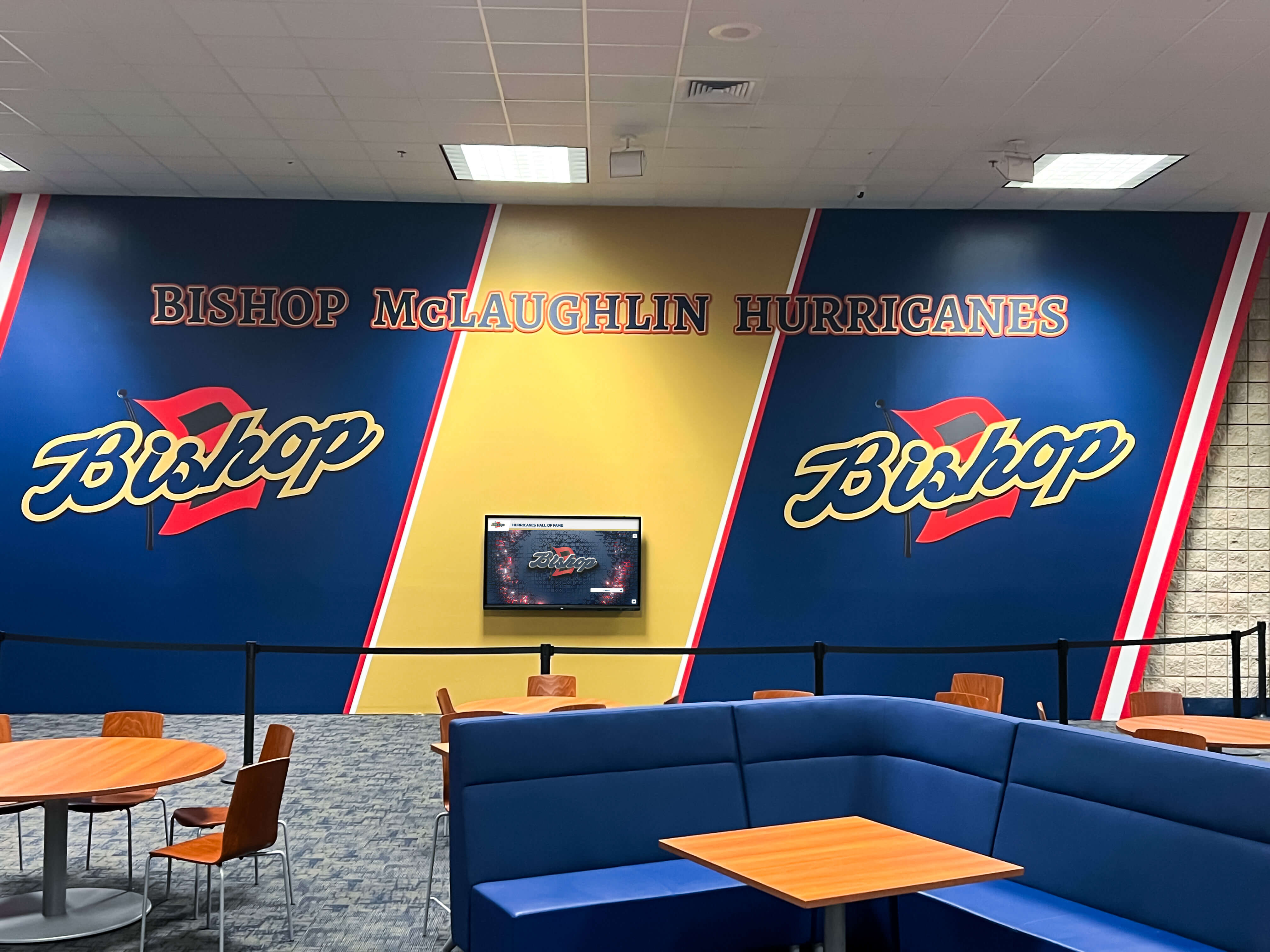
The prevalence of Gator mascots creates interesting challenges and opportunities. Schools must differentiate their specific Gator identity through distinctive colors (beyond the orange and blue owned by University of Florida), unique graphic interpretations, and specific traditions that make their Gators recognizable as distinct from dozens of others in regional competition.
Georgia: Bulldog Dominance and Military Heritage: Georgia shows exceptional Bulldog concentration, influenced heavily by University of Georgia’s beloved Bulldog tradition. The mascot appears in high schools throughout the state, particularly in communities with strong UGA alumni presence and cultural influence.
Military base concentrations in Georgia contribute to extensive use of military-themed mascots—Patriots, Warriors, Generals—particularly in communities near Fort Benning, Fort Stewart, and other significant military installations. These mascots honor military heritage while communicating values around service, discipline, and competitive excellence.
Agricultural heritage appears in more rural Georgia communities with Wildcats, Panthers, and other predator mascots representing protection of livestock and land. Urban and suburban Atlanta communities tend toward more diverse mascot selections reflecting cosmopolitan population and varied cultural influences beyond traditional southern patterns.
Midwest Mascot Heritage
Midwestern states display mascot patterns reflecting agricultural heritage, industrial history, and outdoor traditions defining regional identity.
Ohio: Industrial Heritage and College Influence: Ohio mascots show interesting patterns influenced by the state’s industrial heritage and dominant college programs. Buckeyes appear exclusively in Ohio, derived from the state tree and made famous by Ohio State University. High schools adopting Buckeye mascots demonstrate strong state identity and often strong Ohio State connections.
Industrial heritage manifests in mascot selections particularly in northeastern Ohio rust belt communities—Ironmen, Steelworkers, and similar industrial mascots honor manufacturing heritage defining these communities for generations. As industrial economies declined, some communities retained these mascots as historical memory even as economic bases shifted.
College influence extends beyond Ohio State—communities near other major universities (Cincinnati Bearcats, Toledo Rockets, etc.) sometimes adopt similar mascots creating local connections and recruitment pathways. This pattern appears throughout the Midwest where college athletics carry exceptional cultural weight influencing prep sports extensively.
Wisconsin: Badgers, Vikings, and Regional Wildlife: Wisconsin mascots reflect the state’s outdoor heritage and Scandinavian cultural influences. Badgers appear extensively, honoring the state animal and University of Wisconsin identity. The mascot gained particular cultural prominence through the university’s success, inspiring high schools throughout the state to adopt Badger identity.
Scandinavian heritage influences appear through Viking mascot prevalence exceeding national averages. Communities with particularly strong Norwegian, Swedish, or Danish heritage often embrace Viking mascots honoring cultural ancestry while providing aggressive warrior imagery effective for competitive athletics.
Regional wildlife appears frequently—Bears, Wolves, and Eagles reflecting Wisconsin’s outdoor traditions and natural environment. These mascots resonate particularly in northern Wisconsin communities where wildlife remains prominent in daily life and outdoor recreation defines significant aspects of regional identity and economy.
Illinois: Regional Diversity and Historic Transitions: Illinois demonstrates interesting north-south mascot diversity reflecting the state’s geographic and cultural variations. Northern Illinois, influenced by Chicago metropolitan culture, tends toward diverse, contemporary mascot selections. Southern Illinois shows stronger alignment with southern state patterns including more military and traditional mascots.
The state has seen notable mascot transitions in recent decades as schools retired Native American-themed mascots following state legislation and cultural sensitivity evolution. Communities like Naperville (Redskins to Central), Pekin (Chinks to Dragons), and numerous others navigated complex transitions balancing tradition with contemporary values. These transitions created opportunities for communities to engage in meaningful conversations about identity and values while developing new mascot traditions authentic to community character.
Understanding regional tournament traditions reveals how mascot identity integrates into major competitive events creating memorable experiences tied to institutional symbols and regional pride.
Western State Mascot Patterns
Western states demonstrate unique mascot patterns reflecting geography, wildlife, and cultural heritage distinct from eastern and midwestern traditions.
California: Diversity Reflecting State Demographics: California mascots mirror the state’s exceptional diversity. In the same geographic area, schools might embrace traditional Eagles and Wildcats alongside highly specific local choices like the Oilers (oil industry heritage), the 49ers (gold rush history), or the Conquistadors (Spanish colonial heritage).
Coastal communities select maritime mascots—Dolphins, Sailors, Mariners—while Central Valley agricultural regions embrace Mustangs, Cougars, and other mascots reflecting rural character. Mountain communities in the Sierra Nevada and northern regions select mascots honoring local wildlife and outdoor heritage.
The state’s size and diversity mean that regional mascot patterns within California show as much variation as patterns between some smaller states. Southern California school mascots reflect different influences than Bay Area schools, which differ from Central Valley or far northern California programs—creating fascinating micro-regional patterns within single state boundaries.
Montana and Wyoming: Untamed West and Wildlife: Montana and Wyoming demonstrate strong preference for mascots reflecting wide-open spaces and wildlife defining regional identity. Grizzlies, Broncs, Mustangs, and similar untamed animal mascots appear extensively, honoring the natural environment and frontier heritage that remain central to community self-conception.
These states show lower prevalence of military mascots and higher emphasis on natural world and western heritage. Cowboys and Indians appeared historically, though many schools have transitioned away from Native American mascots while often retaining western and ranching heritage through alternatives like Broncs, Wranglers, or generic Cowboys and Cowgirls.
The small populations in these states mean individual school mascot choices carry more weight in statewide patterns—a single large school’s mascot selection significantly influences state statistics in ways that wouldn’t register in populous states like California, Texas, or Florida.
Colorado: Mountain Identity and Outdoor Heritage: Colorado mascots emphasize mountain geography and outdoor recreation heritage. Eagles and similar high-altitude predators appear frequently. Mountain-specific mascots like Avalanche, Summit, and Peak appear in communities where geographic features define local identity.
Mining heritage influences historical mascot selection in communities like Leadville (Miners) and other towns where mineral extraction drove economic development. As economies shifted toward tourism and technology, some communities retained historical mascots while others developed new identities reflecting contemporary character rather than historical heritage exclusively.
Outdoor recreation culture influences mascot selection in resort communities and areas where skiing, hiking, and mountain sports define local identity and economy. These communities often select mascots emphasizing speed, agility, and natural environment rather than aggressive predator imagery—creating distinctive identities matching community values around environmental appreciation and outdoor excellence.
Mascot Transitions: When and How Schools Change Identity
While most schools maintain consistent mascot identity across many decades, various factors sometimes prompt mascot transitions requiring careful management of complex change processes.
Common Reasons for Mascot Changes
Schools consider mascot changes for diverse reasons ranging from cultural sensitivity to practical rebranding needs.
Cultural Sensitivity and Native American Imagery: The most common driver of recent mascot changes involves retiring Native American-themed mascots due to growing recognition that these representations can perpetuate stereotypes and cause harm to Indigenous communities. Schools across the country—some voluntarily, others responding to state legislation—have retired mascots like Indians, Braves, Warriors (when specifically referencing Native Americans), Redskins, and similar imagery.
These transitions generated significant community controversy in many locations. Supporters of change emphasize respect and contemporary values. Those favoring retention often cite tradition, lack of ill intent, or claims of honoring Native heritage. Successful transitions required extensive community dialogue, Indigenous community consultation, and careful processes ensuring new mascots receive genuine support rather than perpetual comparison to retired symbols.
States including California, Oregon, Maine, and Wisconsin passed legislation restricting or banning Native American mascots in public schools. Other states saw individual school districts implement similar restrictions. These policy changes accelerated transitions that might otherwise have extended across many more years of community debate.
Resources on recognition and school culture explore how mascot transitions create opportunities to redefine institutional identity while maintaining continuity in celebrating achievement across different mascot eras.
School Consolidations and Mergers: When schools consolidate due to declining enrollment or district restructuring, mascot selection for merged institutions creates significant challenges. Neither former school wants to simply adopt the other’s identity, creating apparent victory for one community and defeat for the other. Yet creating entirely new mascots risks alienating both legacy communities.
Successful consolidation mascot selection often involves extensive community input processes where stakeholders from both former schools participate in selection. Some merged schools create hybrid mascots incorporating elements from both predecessors. Others use consolidation as opportunity for fresh starts with completely new identities representing merged community rather than either predecessor exclusively.
Athletic record keeping becomes particularly complex during consolidations. Recognition systems must honor achievements from both predecessor schools while establishing new unified identity. Digital platforms provide advantages here—unlimited capacity allows comprehensive recognition of all legacy achievements while establishing distinct new mascot era sections documenting the merged program moving forward.
Rebranding for Contemporary Appeal: Some schools pursue mascot changes simply because existing mascots feel dated or ineffective at communicating desired identity. A school whose mascot was selected in the 1950s might find that imagery no longer resonates with current students or reflects contemporary community character.
Generic mascots that create identity confusion represent another change driver. Schools named “Warriors” without distinctive qualifiers discovered the mascot’s ubiquity diluted identity rather than strengthening it. Transitions to more specific, distinctive mascots help schools stand out in crowded fields where dozens of nearby competitors share identical mascot types.
Practical considerations sometimes drive changes. Mascots difficult to represent visually, impossible to create effective costume versions of, or challenging to incorporate into facility branding prove problematic despite potentially strong conceptual appeal. Schools occasionally change mascots primarily because new selections offer better practical implementation across diverse applications from uniform design to facility branding to spirit wear.
Managing Mascot Transition Processes
Schools successfully navigating mascot changes follow systematic processes that build community buy-in while managing logistical complexity.
Stakeholder Engagement and Input: Successful transitions begin with broad stakeholder engagement including current student input through surveys and focus groups, alumni perspective through dedicated outreach and consultation, community member involvement through public forums, and faculty and staff engagement throughout selection processes.
This engagement serves multiple purposes beyond simply gathering opinions. The process itself demonstrates institutional respect for community voice. When people feel heard—even if final decisions don’t match their preferences—they’re more likely to accept outcomes as legitimate rather than imposed arbitrarily. Extensive process also educates stakeholders about complexity and competing considerations, building appreciation for why simple solutions prove elusive.
Some schools establish mascot selection committees representing diverse stakeholder groups. These committees review options, narrow choices, and ultimately recommend final selections to school boards for formal approval. Committee composition matters significantly—balanced representation prevents any single group from dominating and ensures diverse perspectives influence decisions.
Balancing Tradition with Progress: The most difficult aspect of mascot transitions involves honoring tradition and heritage while embracing change necessary for contemporary values or practical needs. Successfully managing this balance requires acknowledging what’s being lost, not just what’s being gained, creating opportunities to formally recognize and celebrate retiring mascot heritage, preserving historical mascot imagery in appropriate contexts (historical displays, archives), and framing new mascots as evolution rather than rejection of institutional history.
Athletic record boards and hall of fame displays become important tools for managing this balance. Digital recognition systems can clearly designate historical eras by mascot while ensuring achievements under retired mascots receive permanent honor rather than being hidden or minimized. An athlete who set records as a “Warrior” in 1985 should see their achievement recognized with appropriate historical mascot imagery rather than retroactively represented by new mascots adopted decades after their graduation.
Implementation Logistics and Timelines: Mascot transitions involve extensive practical implementation including facility signage and environmental graphics updates, uniform design and procurement for all sports programs, spirit wear and merchandise development, website and digital presence redesign, stationery and official document updates, and recognition system modifications reflecting new identity.
These changes require significant financial investment—comprehensive facility rebranding can cost $50,000-$200,000 depending on school size and facility complexity. Most schools phase implementation over multiple years, prioritizing most visible changes (primary gymnasium, entrance signage, uniforms for high-profile sports) while addressing lower-priority items gradually as budget permits.
Transition timelines typically span 18-36 months from initial consideration through full implementation. Rushing transitions generates stakeholder resistance and implementation problems. Allowing adequate time ensures thorough community input, careful selection, and professional implementation maintaining quality standards appropriate for symbols that will represent schools for decades.
Understanding legacy preservation during transitions helps schools honor past excellence while building new traditions around evolved institutional identity.
Leveraging Mascot Identity in Modern Recognition Systems
Contemporary recognition technology enables schools to integrate mascot identity throughout achievement celebration in ways traditional physical displays never could.
Digital Displays and Mascot Integration
Modern digital recognition platforms provide sophisticated mascot integration capabilities transforming how schools celebrate achievement while reinforcing institutional identity.
Animated Mascot Graphics and Branding: Digital hall of fame and record board systems incorporate animated mascot graphics that introduce achievement content, transition between sections, frame individual athlete or team profiles, and celebrate records and milestones with dynamic visualizations.
These animations transform static mascot symbols into dynamic elements that move, celebrate, and interact with achievement content. When a visitor searches championship teams, an animated mascot might appear celebrating alongside the results. Record displays might feature mascot graphics reacting to impressive statistics. These dynamic elements create engaging experiences impossible with physical plaques or static digital signage.
Professional implementation ensures animations enhance rather than distract from achievement content. The mascot remains supporting element reinforcing identity without overshadowing the athletes, teams, and accomplishments being honored. Balance matters—too little mascot integration creates generic feel disconnected from institutional identity, while excessive animation becomes gimmicky distraction from recognition purpose.
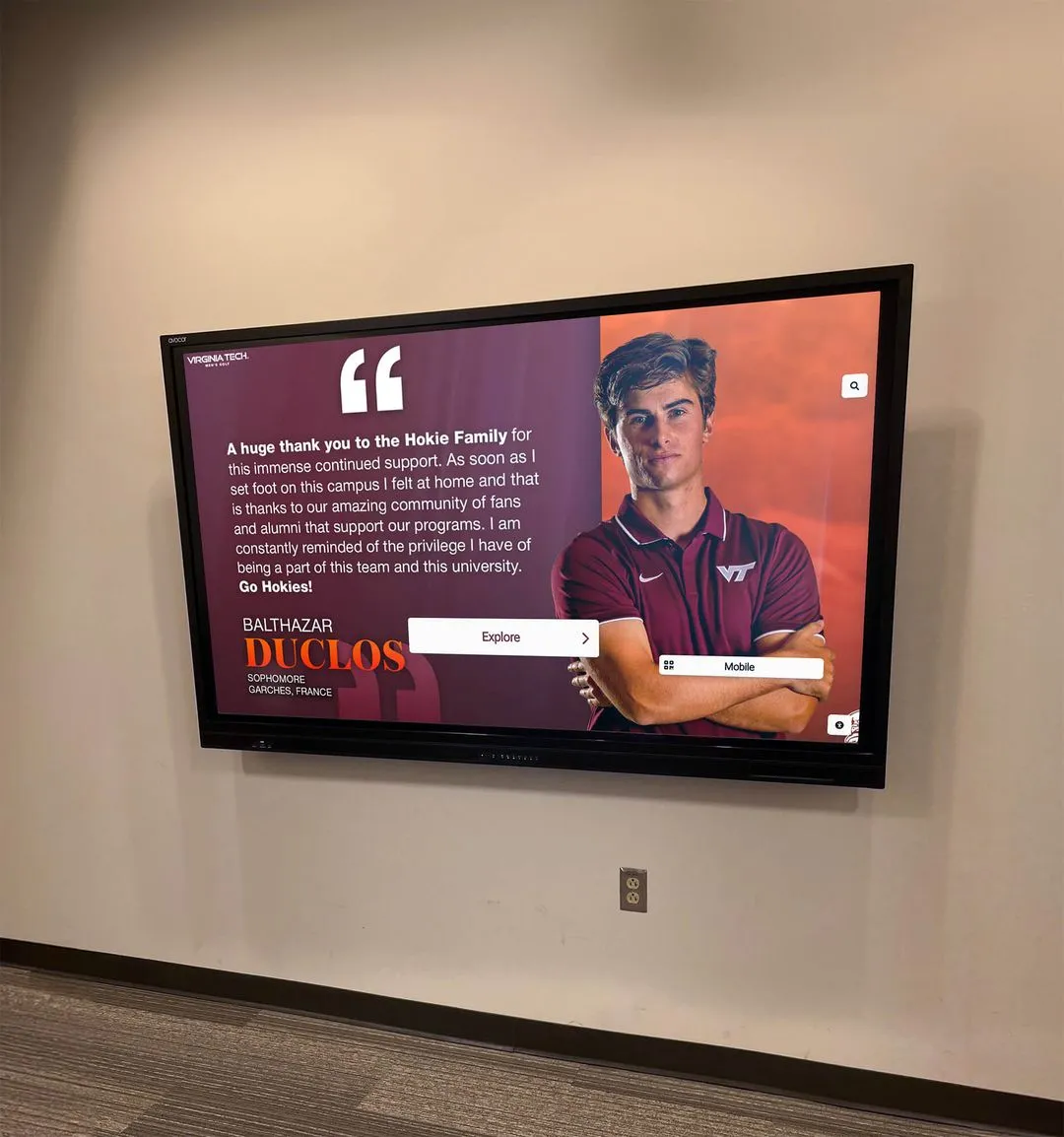
Template Systems and Visual Consistency: Purpose-built recognition platforms like Rocket Alumni Solutions provide template systems incorporating mascot imagery strategically throughout interfaces. Schools upload their specific mascot graphics, which automatically populate into designated areas across all recognition templates, ensuring visual consistency without requiring individual graphic design for every achievement profile or display screen.
This systematic integration creates professional appearance matching university and professional sports standards while remaining achievable for high schools without dedicated graphic design staff. The templates ensure appropriate scale, positioning, and visual hierarchy—mascot elements appear prominently enough to reinforce identity without overwhelming achievement content or creating cluttered, unprofessional appearances.
Color scheme integration accompanies mascot graphics throughout template systems. Schools define institutional color palettes that automatically apply across all recognition displays, creating cohesive visual identity that visitors immediately associate with specific programs. This color consistency extends brand recognition beyond simple logo or mascot imagery to comprehensive visual language communicating institutional identity instantly.
Interactive Mascot History and Evolution: Schools with long histories sometimes saw mascot evolution over time—graphic style updates, minor symbolic changes, or complete mascot transitions. Digital recognition systems can document this evolution through dedicated mascot history sections explaining mascot origins and selection rationale, showcasing graphic evolution across decades, documenting costume designs and spirit traditions, and connecting mascot identity to broader school history and community heritage.
This historical documentation serves multiple purposes. It educates current students about institutional heritage and tradition. It engages alumni by featuring mascot representations from their eras. It demonstrates that current mascot identity emerges from historical evolution rather than arbitrary recent choice—building appreciation for continuity and tradition.
Physical and Digital Integration Strategies
The most effective recognition approaches integrate mascot identity across both physical facility branding and digital recognition systems, creating cohesive environmental experiences.
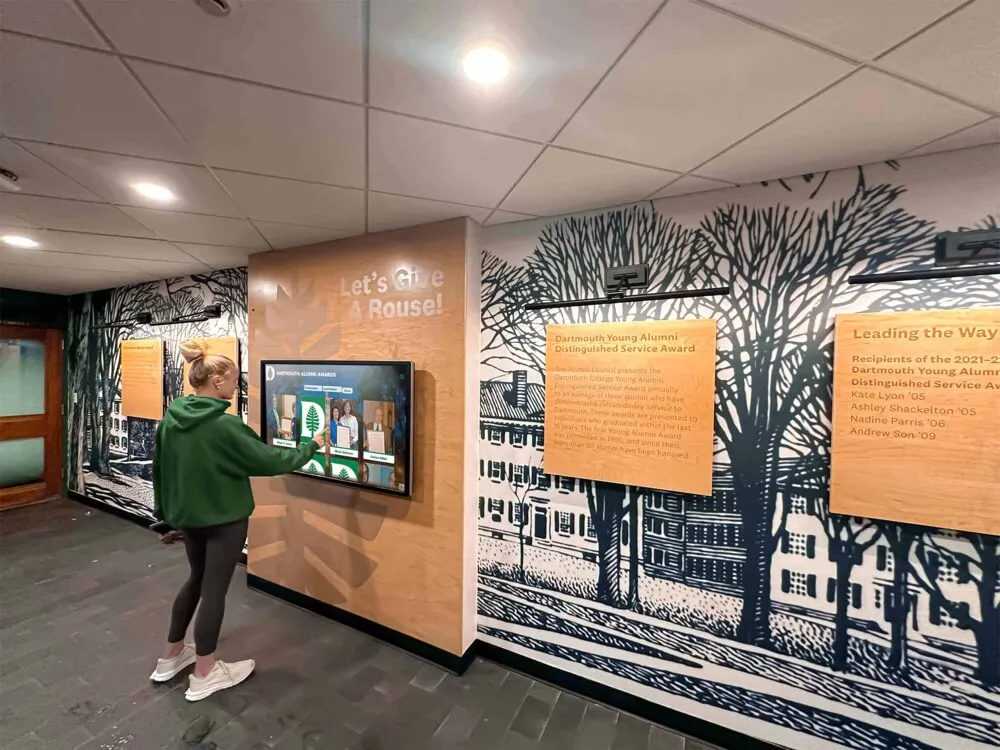
Coordinated Branding Across Modalities: Successful integration requires visual consistency between physical facility elements (murals, floor graphics, signage) and digital recognition systems (touchscreen displays, video boards, web platforms). This consistency includes matching color palettes and visual design language, coordinated mascot graphic styles and representations, complementary physical and digital content placement, and unified messaging about program values and heritage.
When visitors experience consistent mascot representation across all physical and digital touchpoints, the cumulative impact strengthens institutional identity far more than isolated elements could achieve independently. The gymnasium mural, hallway display screens, trophy case arrangements, and digital record boards should feel like coordinated elements of comprehensive identity system rather than unrelated implementations using vaguely similar mascot imagery.
Professional planning helps achieve this integration. Schools benefit from developing comprehensive branding guidelines documenting approved mascot representations, color specifications, typography standards, and design principles. These guidelines ensure consistency across implementations by different vendors, at different times, for different purposes—preventing gradual visual drift that weakens identity coherence.
Mascot Integration in Social Sharing: Digital recognition systems with social sharing capabilities enable students, families, and community members to share achievements through social media and digital communications. Effective systems automatically include mascot branding in shared content including mascot graphics framing shared achievement images, school colors and visual identity in share templates, institutional hashtags and social handles encouraging connection, and consistent design language strengthening brand recognition.
This automatic integration extends mascot visibility far beyond physical facilities to digital spaces where students spend increasing time and attention. When athletes share their recognition profiles on Instagram or Twitter, mascot-branded templates ensure every share becomes promotional content reinforcing institutional identity to wider audiences than school-controlled channels typically reach.
The viral potential of well-designed shareable content shouldn’t be underestimated. A compelling achievement graphic featuring strong mascot integration might reach thousands or tens of thousands of people through organic sharing—creating awareness and positive associations far exceeding what paid advertising or controlled communications could achieve with similar investment.
Resources on team celebration and recognition provide frameworks for integrating mascot identity into achievement celebration across physical ceremonies, digital recognition, and social media amplification.
Conclusion: Mascots as Living Tradition and Shared Identity
High school mascots represent far more than logos or competitive symbols—they embody community identity, institutional heritage, and shared pride connecting generations of students, athletes, families, and community members around common symbols carrying accumulated meaning and tradition. From the thousands of Eagles soaring across gymnasium walls nationwide to highly specific local mascots honoring unique community heritage, these symbols define how schools present themselves, how students identify with institutions, and how alumni maintain connections decades after graduation.
The geographic patterns, regional preferences, and local variations in mascot selection tell stories about American communities—their values, heritage, and self-conception. Southern military mascots reflect regional history and cultural identity. Midwestern agricultural and wildlife mascots honor the land and natural environment defining regional character. Western mascots emphasize frontier heritage and untamed geography. Coastal communities embrace maritime identity while mountain towns select symbols reflecting elevation and outdoor traditions.
Understanding these patterns helps schools appreciate that mascot selection represents meaningful choice communicating institutional values and community identity. The decision deserves careful consideration involving broad stakeholder input and thoughtful analysis of what symbols authentically represent program character and community heritage. Schools fortunate to have well-established, widely embraced mascots should invest in strengthening that identity through comprehensive implementation across facilities, uniforms, digital presence, and recognition systems.
Modern recognition technology transforms how schools integrate mascot identity into achievement celebration. Digital platforms enable sophisticated mascot integration throughout athletic record boards, hall of fame displays, and comprehensive recognition systems honoring all forms of student excellence. These systems incorporate animated mascot graphics, school color schemes, and visual design language creating professional presentations matching university and professional standards while remaining achievable for high schools without extensive design resources.
Physical and digital integration creates powerful environmental experiences where students compete in spaces saturated with institutional identity, visitors immediately recognize program character and pride, alumni reconnect with symbols triggering memories and emotional connections, and community members see visible evidence of values and heritage defining institutional character.
Whether schools embrace traditional mascots shared with thousands of programs nationwide or distinctive symbols unique to specific communities, success depends on comprehensive, consistent implementation creating cohesive identity across all touchpoints from facility murals to uniform designs to digital recognition systems to social media presence. This consistency amplifies impact—each reinforcement strengthens overall identity in ways isolated elements never could achieve.
For schools developing new recognition systems or updating existing displays, solutions like Rocket Alumni Solutions provide purpose-built platforms designed specifically for integrating mascot identity throughout athletic and academic achievement celebration. These systems combine template-based mascot integration, comprehensive color scheme management, professional design standards, and intuitive content management enabling schools to create recognition that honors both individual excellence and institutional identity authentically and comprehensively.
From Panthers prowling hallways in Florida to Eagles soaring in New England gymnasiums, from Bulldogs representing southern determination to Vikings honoring midwestern heritage, high school mascots create shared identity that unites communities around common symbols carrying meaning accumulated across generations. These living traditions deserve celebration through recognition systems that honor their centrality to institutional identity while showcasing the excellence achieved under their symbols by countless students pursuing athletic, academic, and personal excellence worthy of permanent recognition.