



High school gymnastics demands extraordinary physical discipline, mental toughness, and technical precision that few other sports require at such intensity. Student athletes balance academic responsibilities with 15-20 hours of weekly training while mastering skills on four apparatus for women (vault, uneven bars, balance beam, floor exercise) or six events for men (floor exercise, pommel horse, rings, vault, parallel bars, horizontal bar). Parents navigating this journey with their gymnasts face practical questions about program selection, competition requirements, injury prevention, college recruitment pathways, and how schools effectively recognize these exceptional achievements.
Unlike mainstream team sports with clear geographic leagues and standardized schedules, high school gymnastics exists in a complex ecosystem where some states have robust interscholastic programs governed by state athletic associations while others rely primarily on club gymnastics with minimal school involvement. This fragmented structure creates confusion for families unfamiliar with competitive gymnastics who assume high school programs operate like basketball or volleyball. Understanding these distinctions proves essential for making informed decisions supporting young gymnasts’ competitive goals and educational aspirations.
Modern Recognition Systems for Gymnastics Excellence
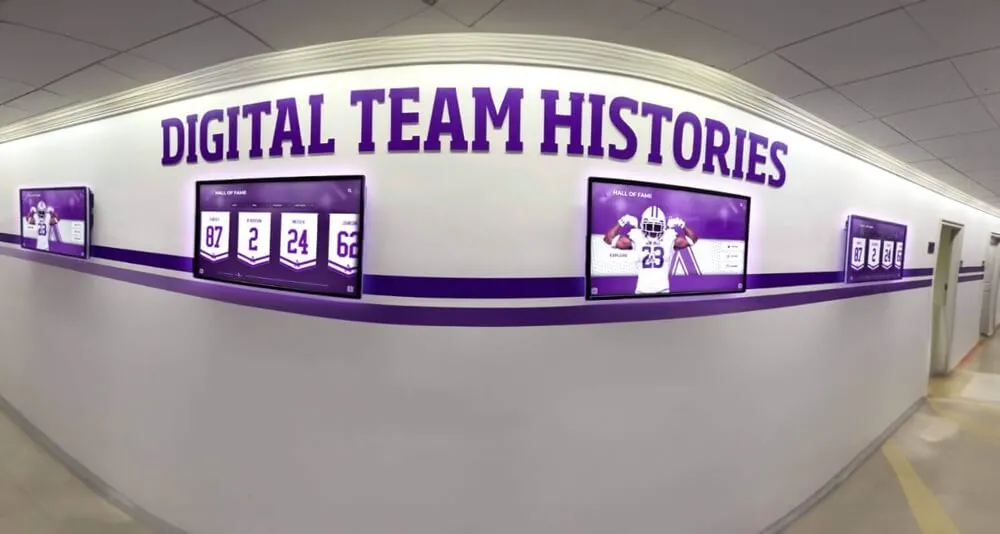
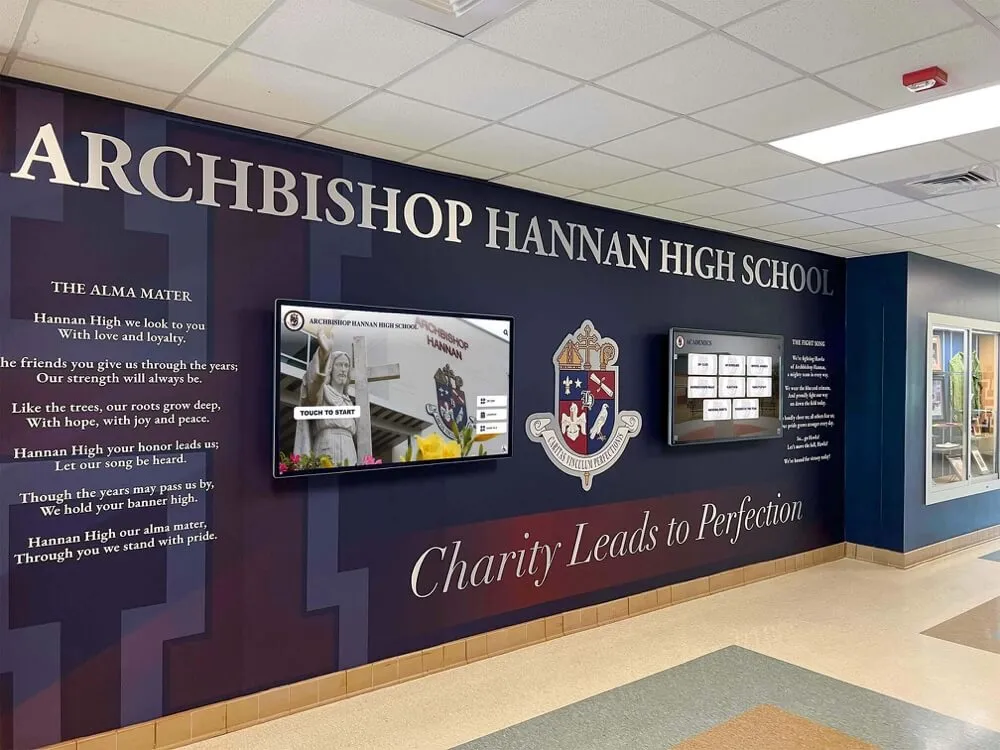
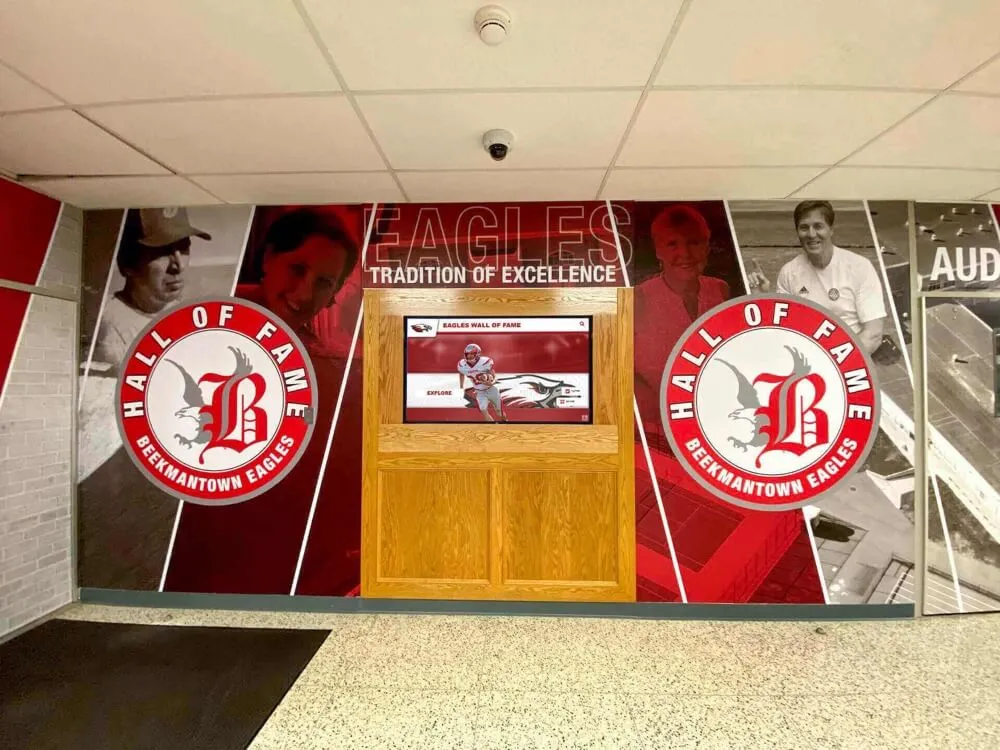
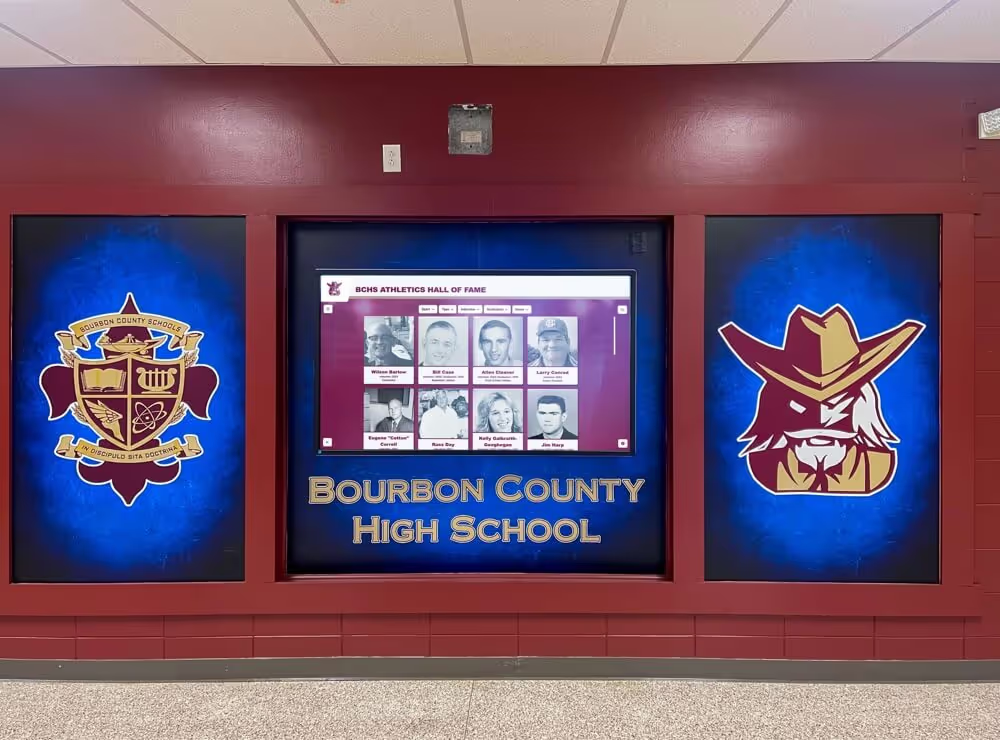
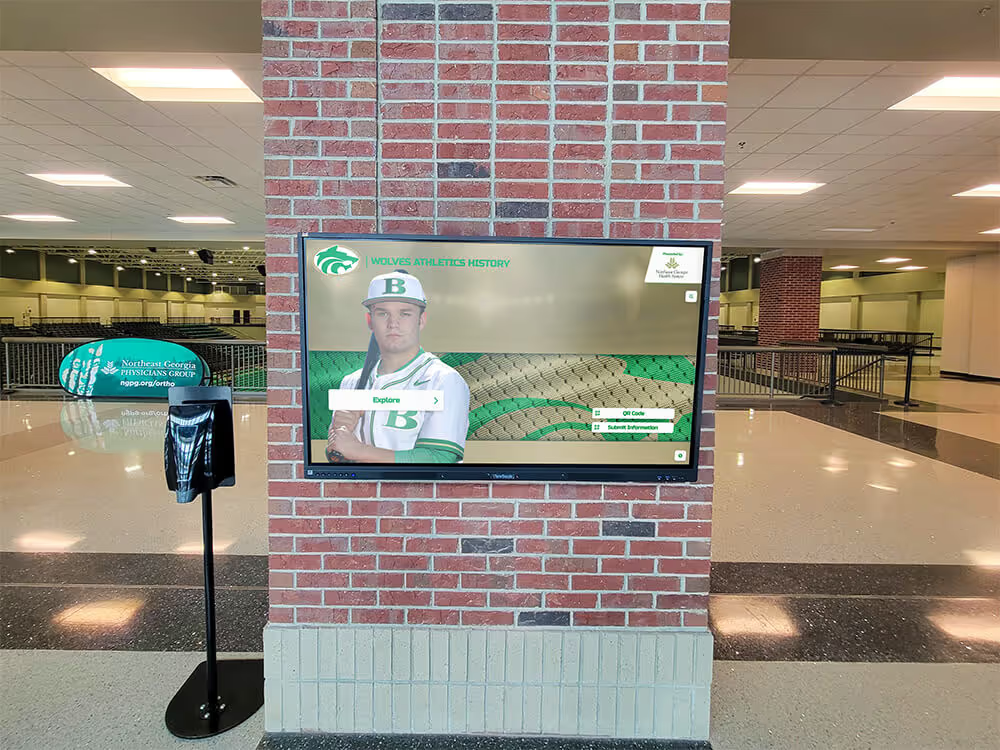
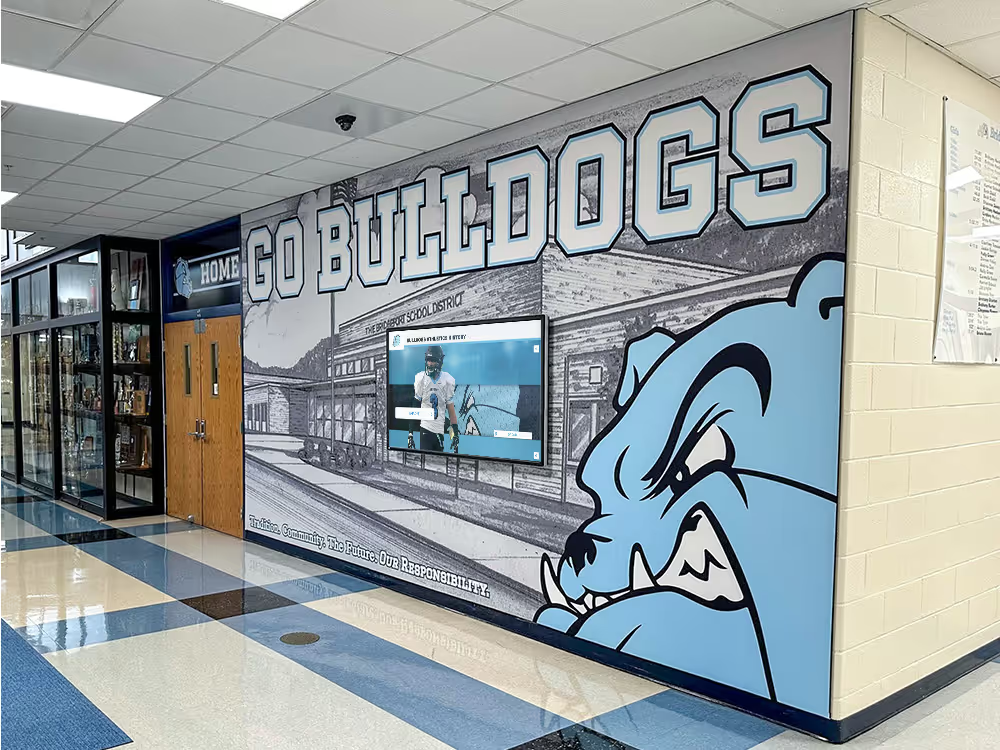
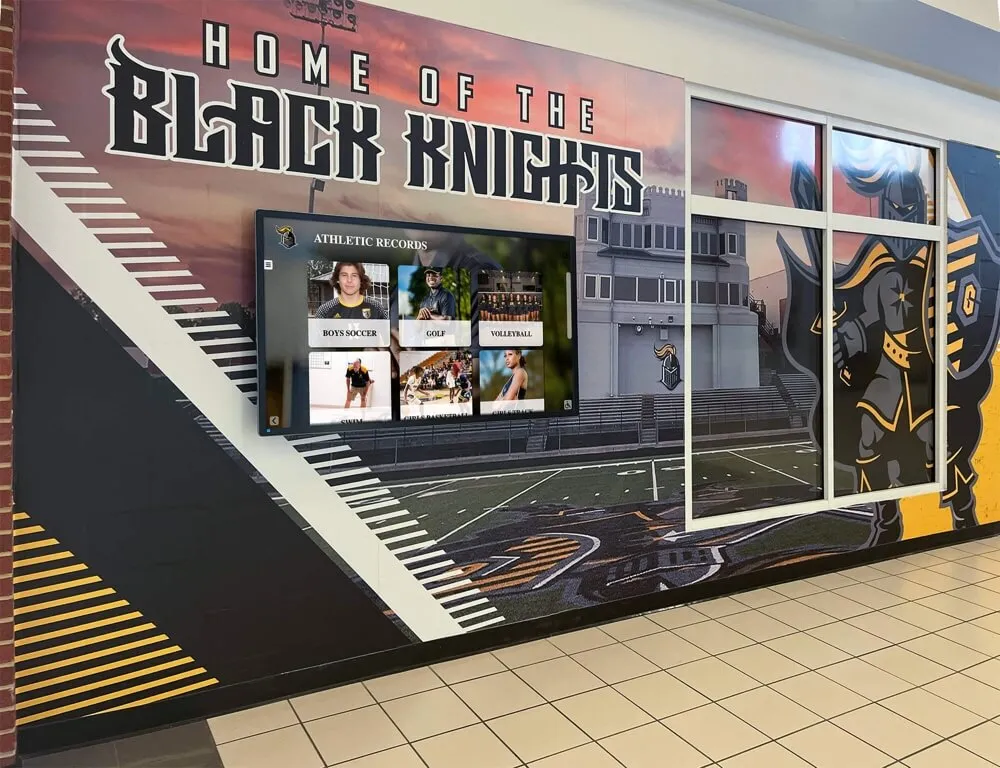
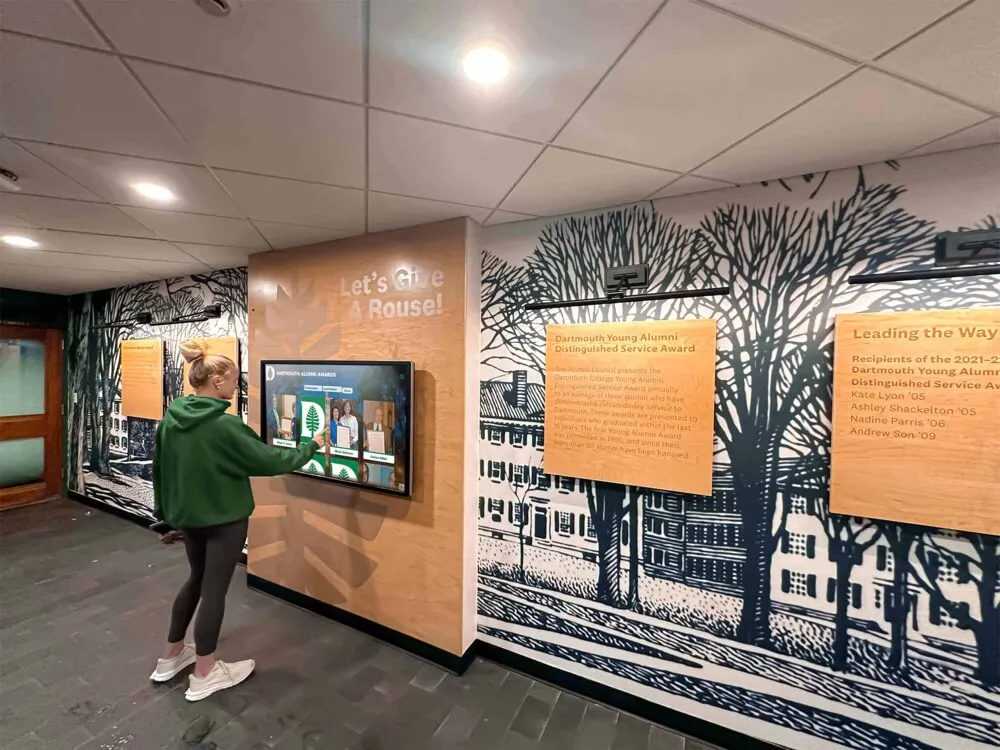
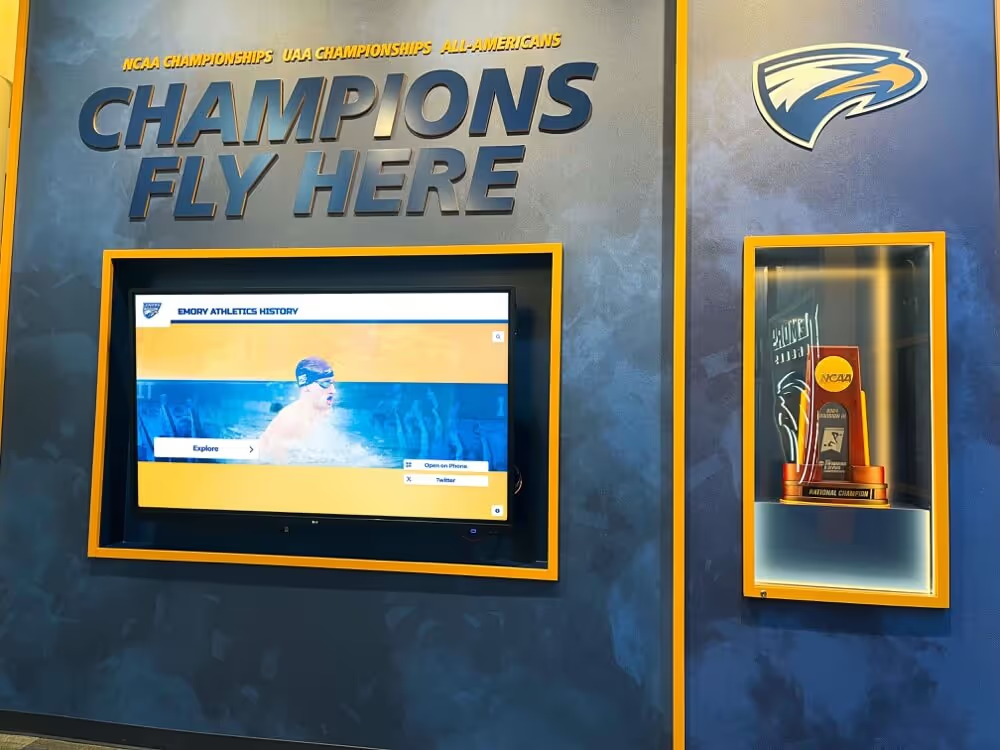
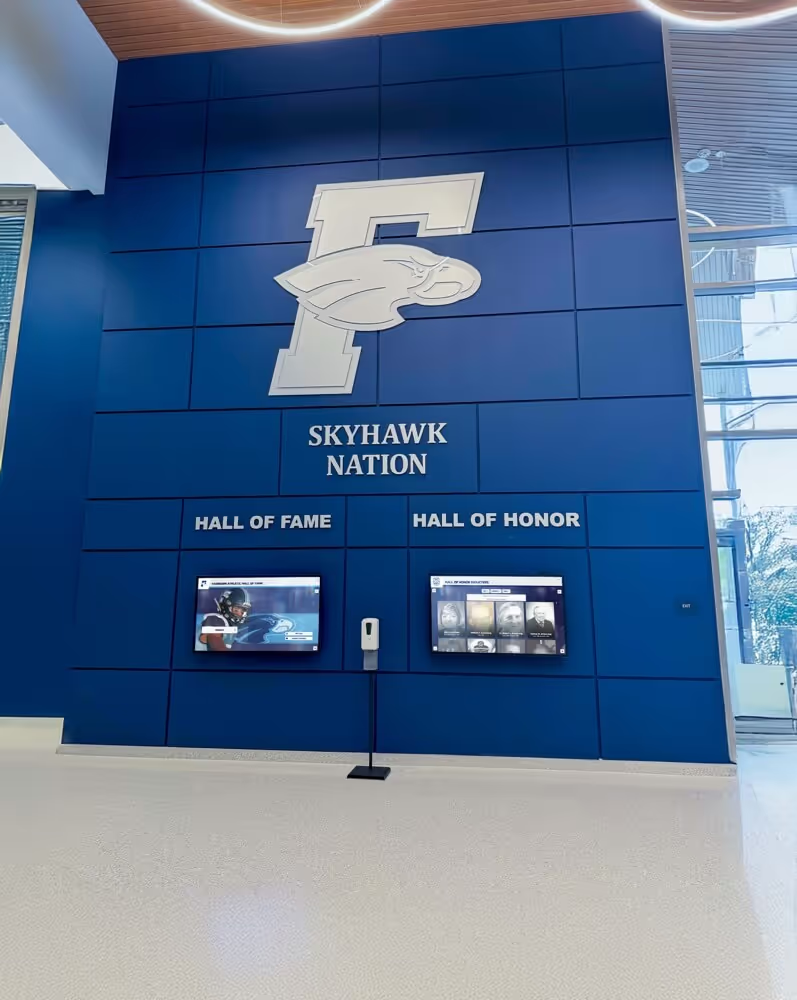
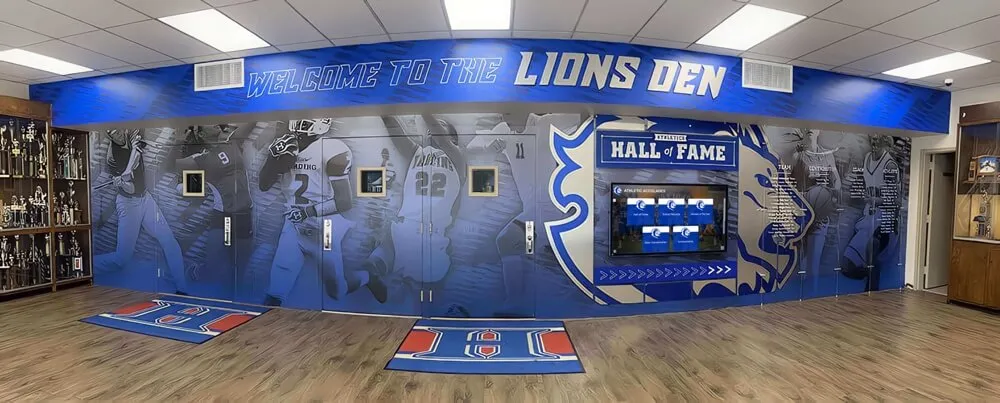
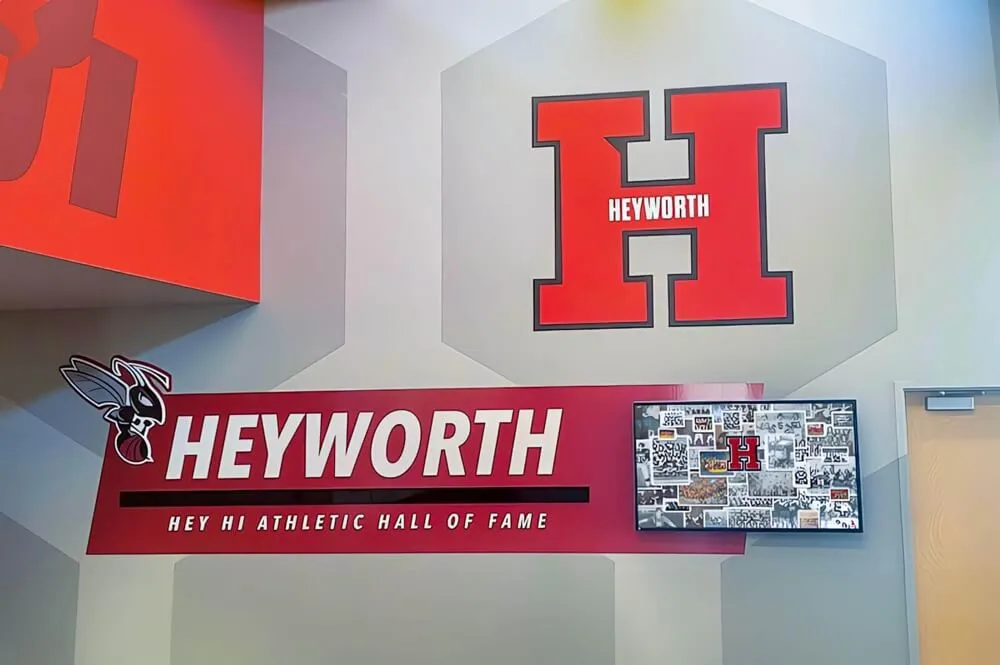
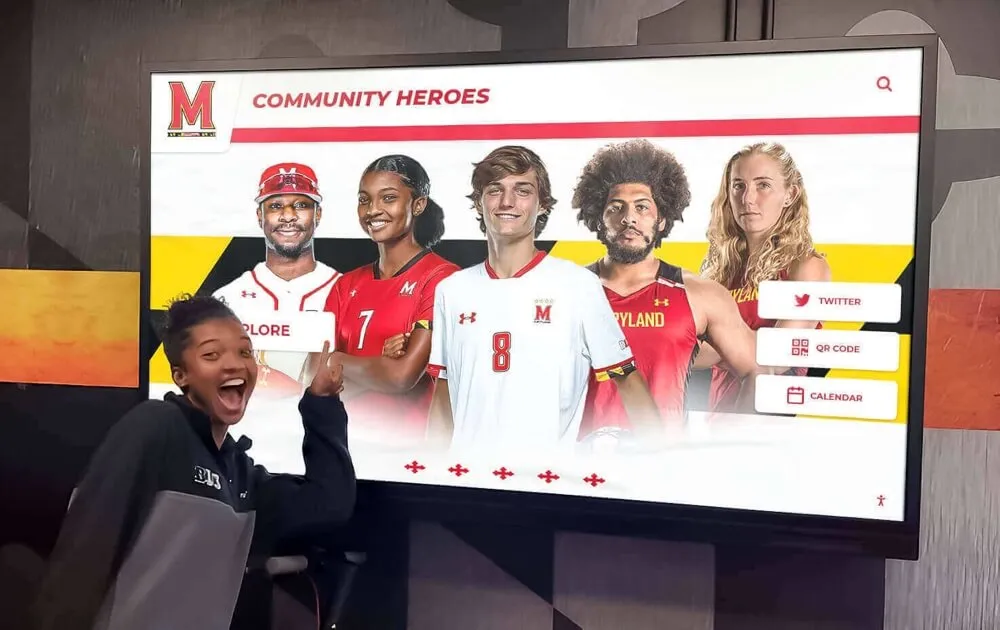
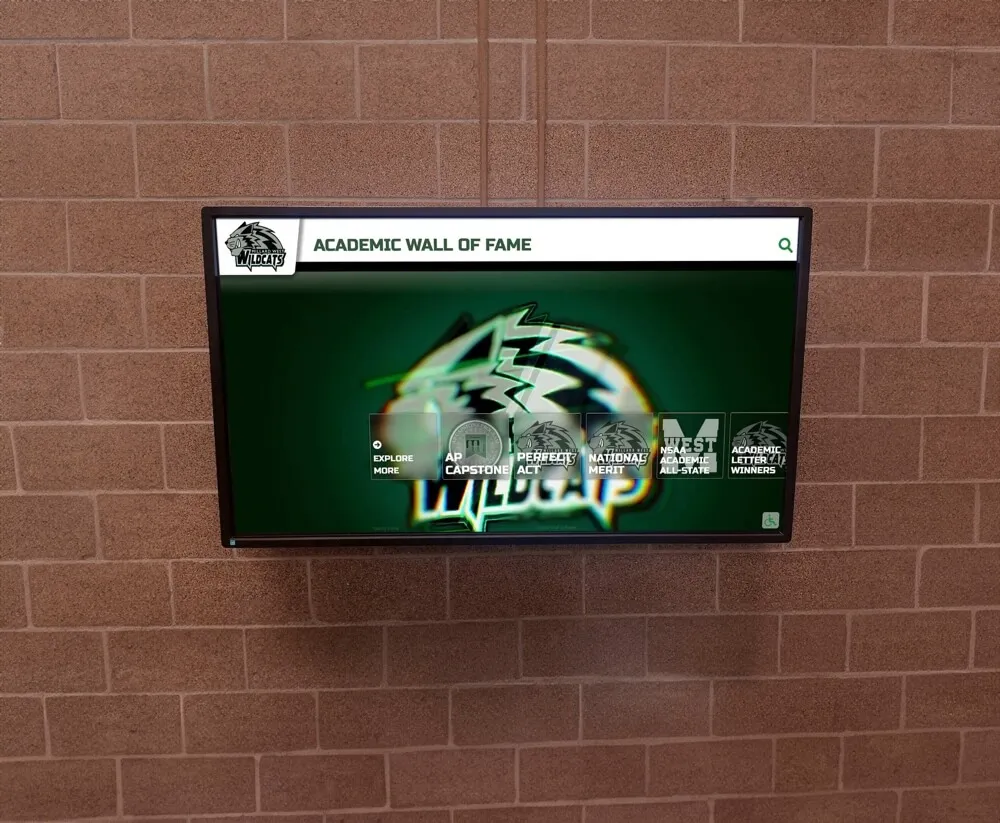
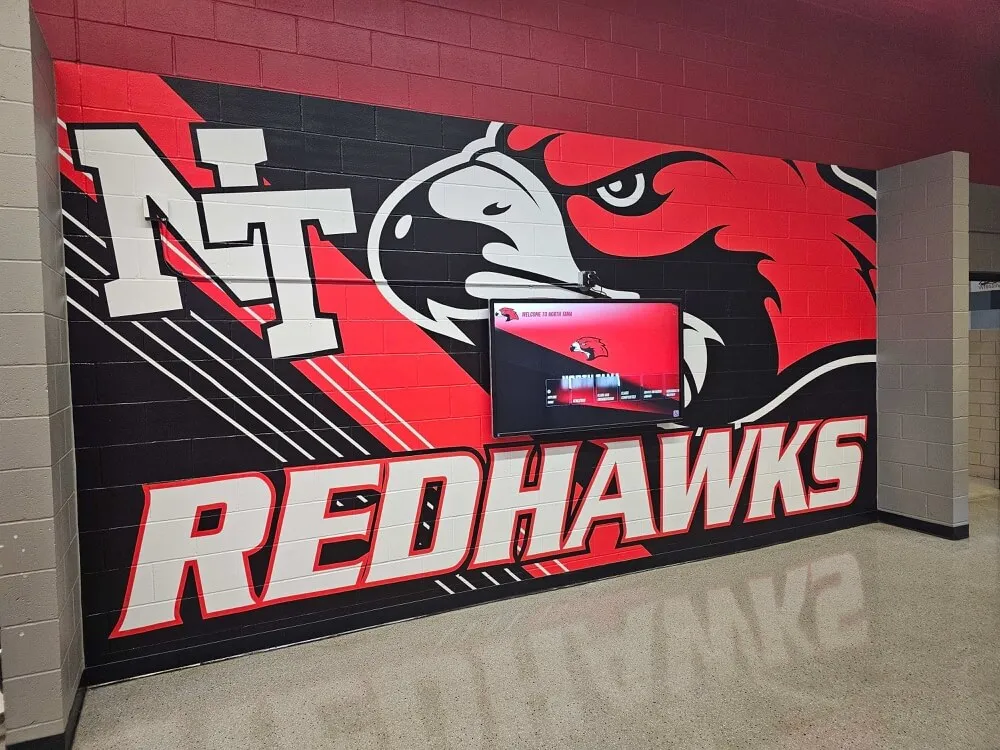
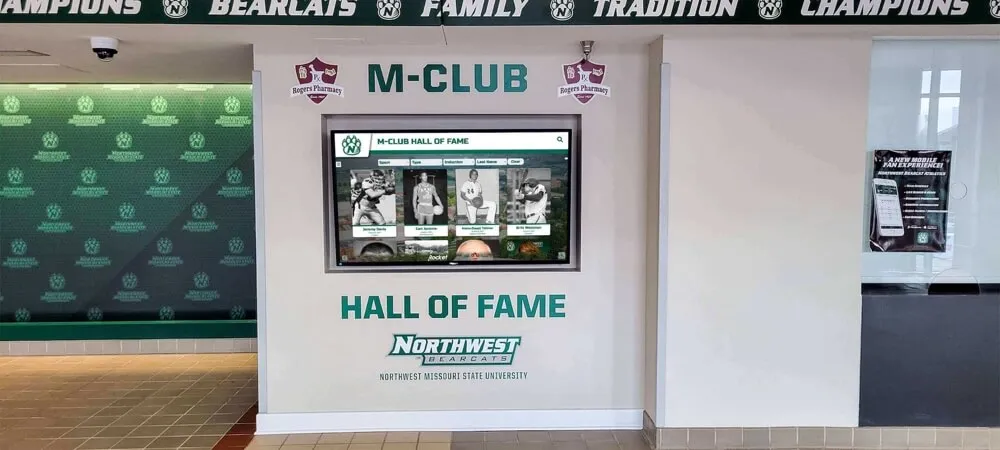
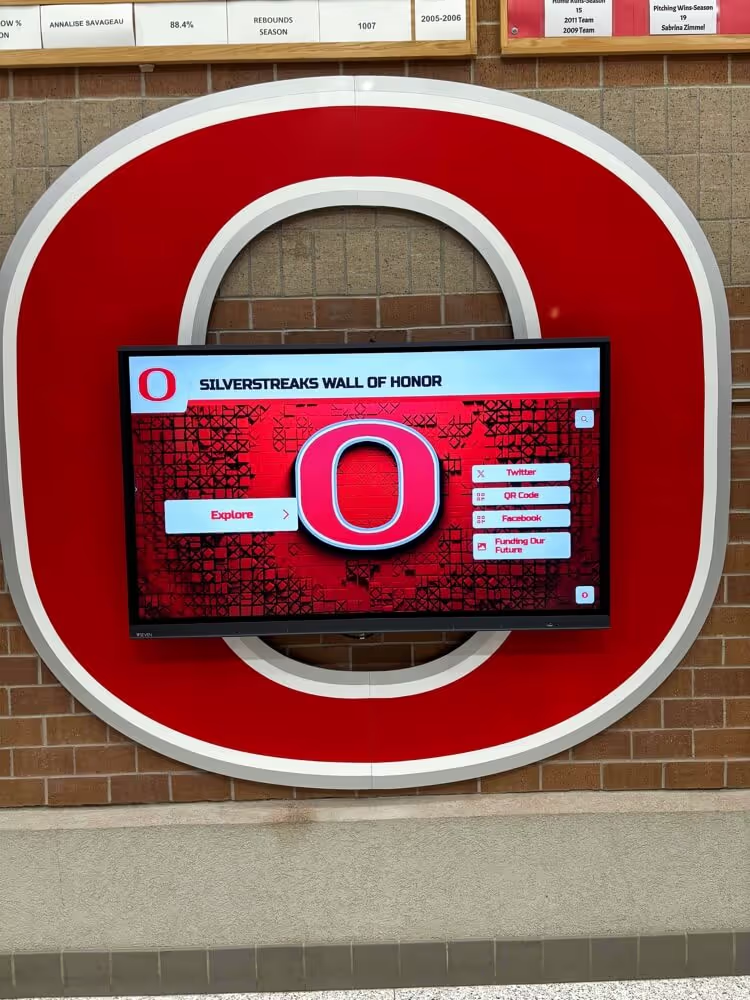
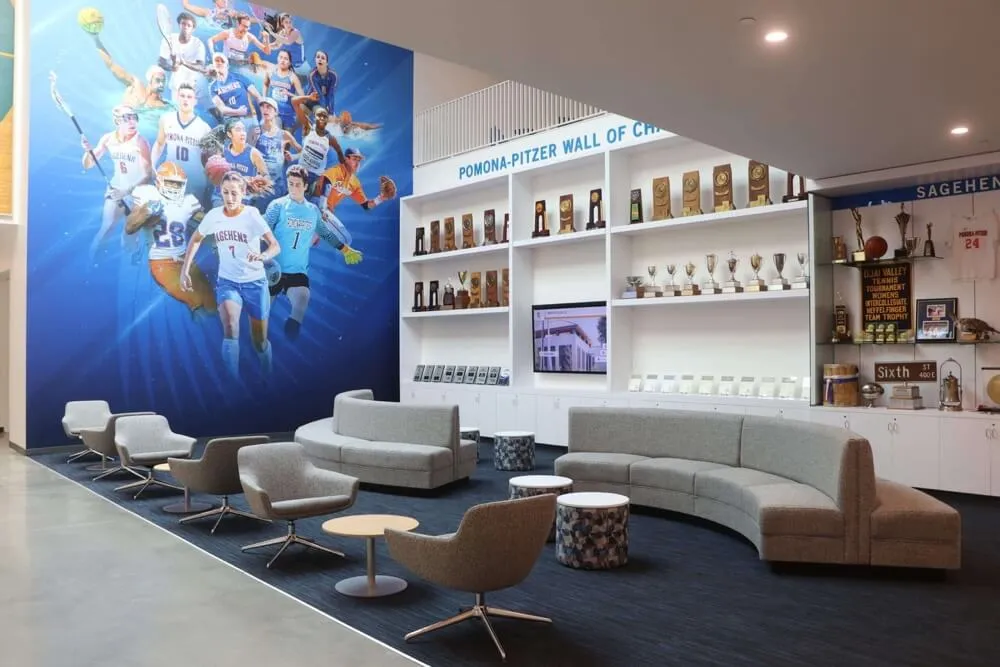
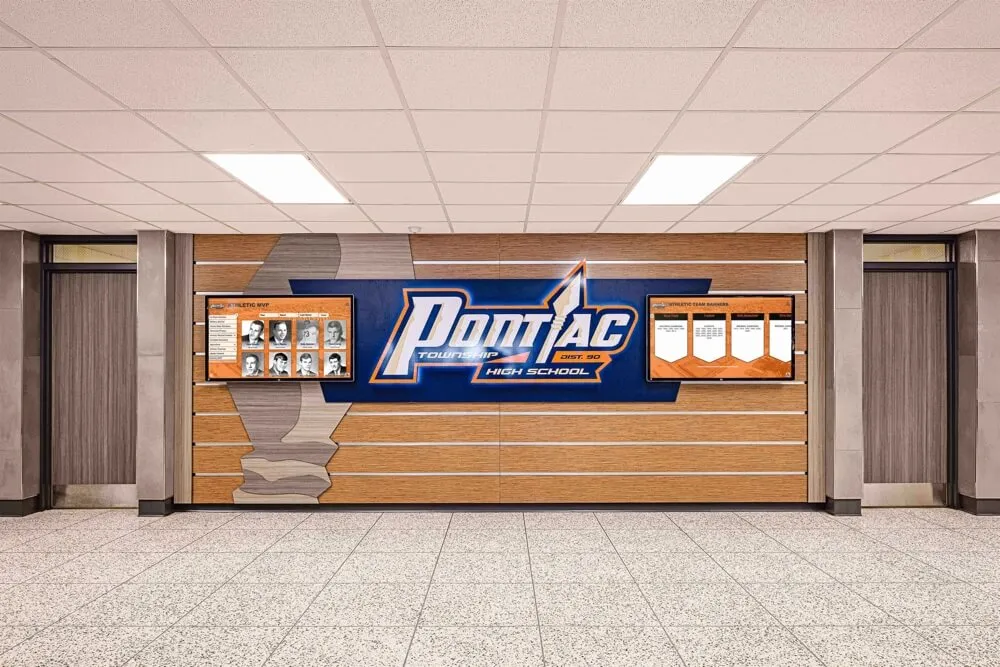
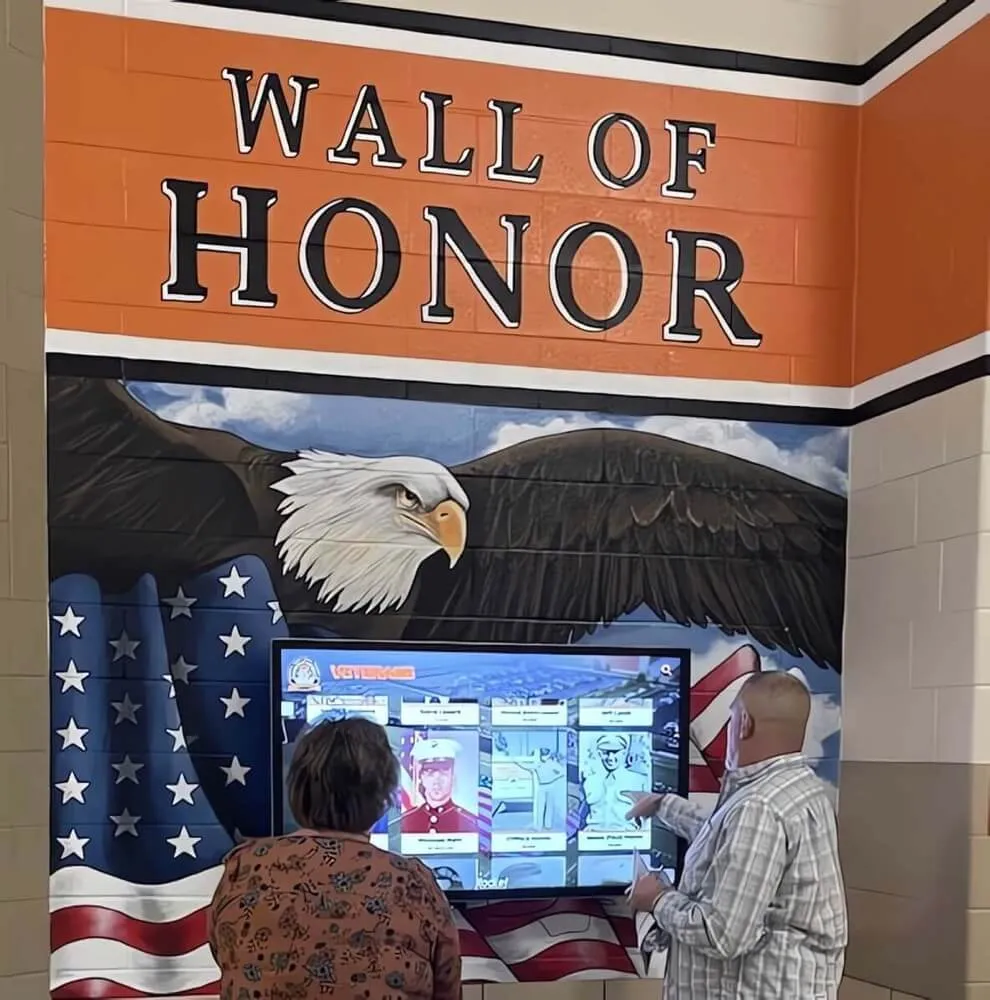
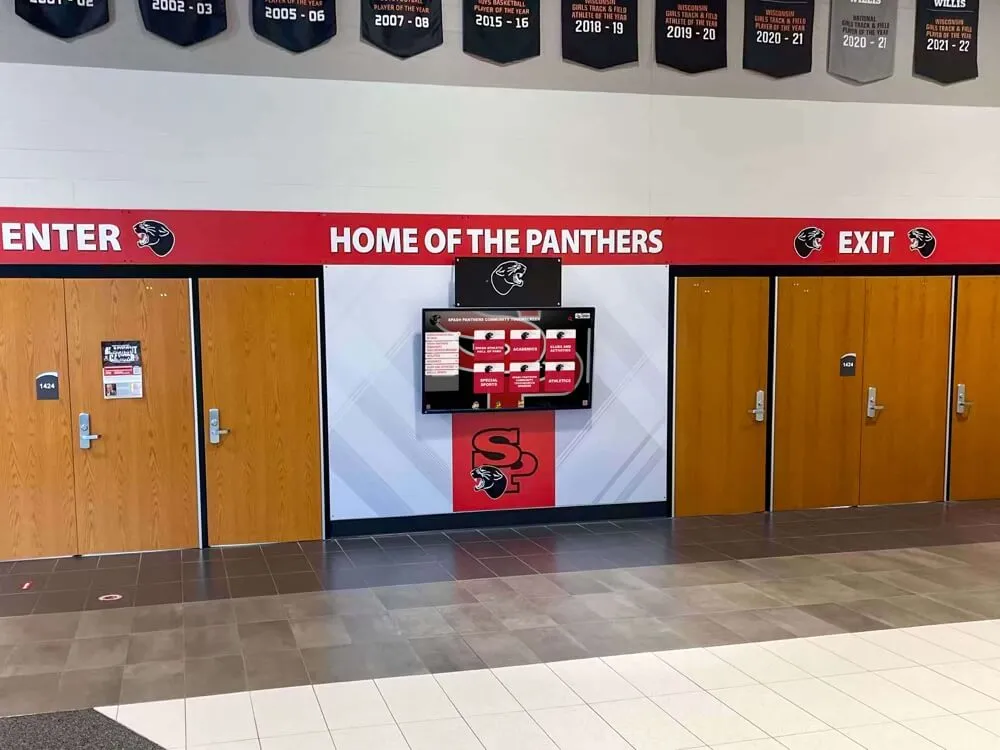
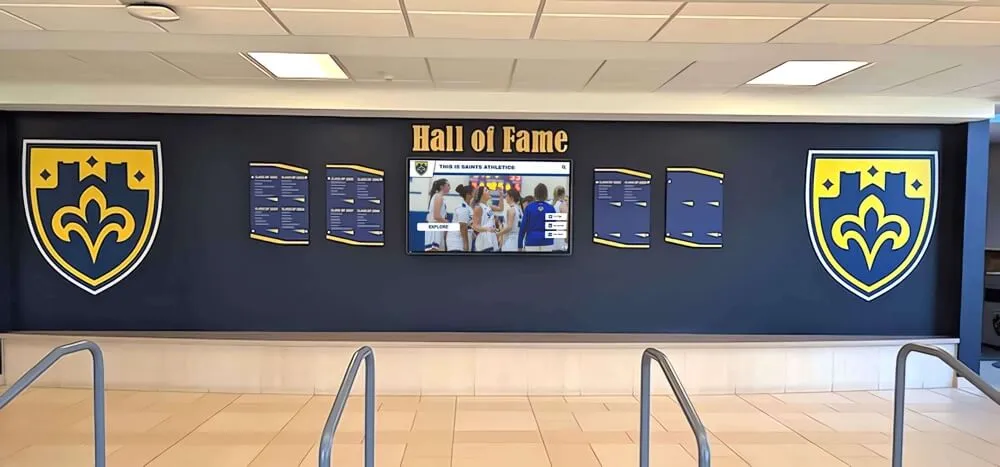
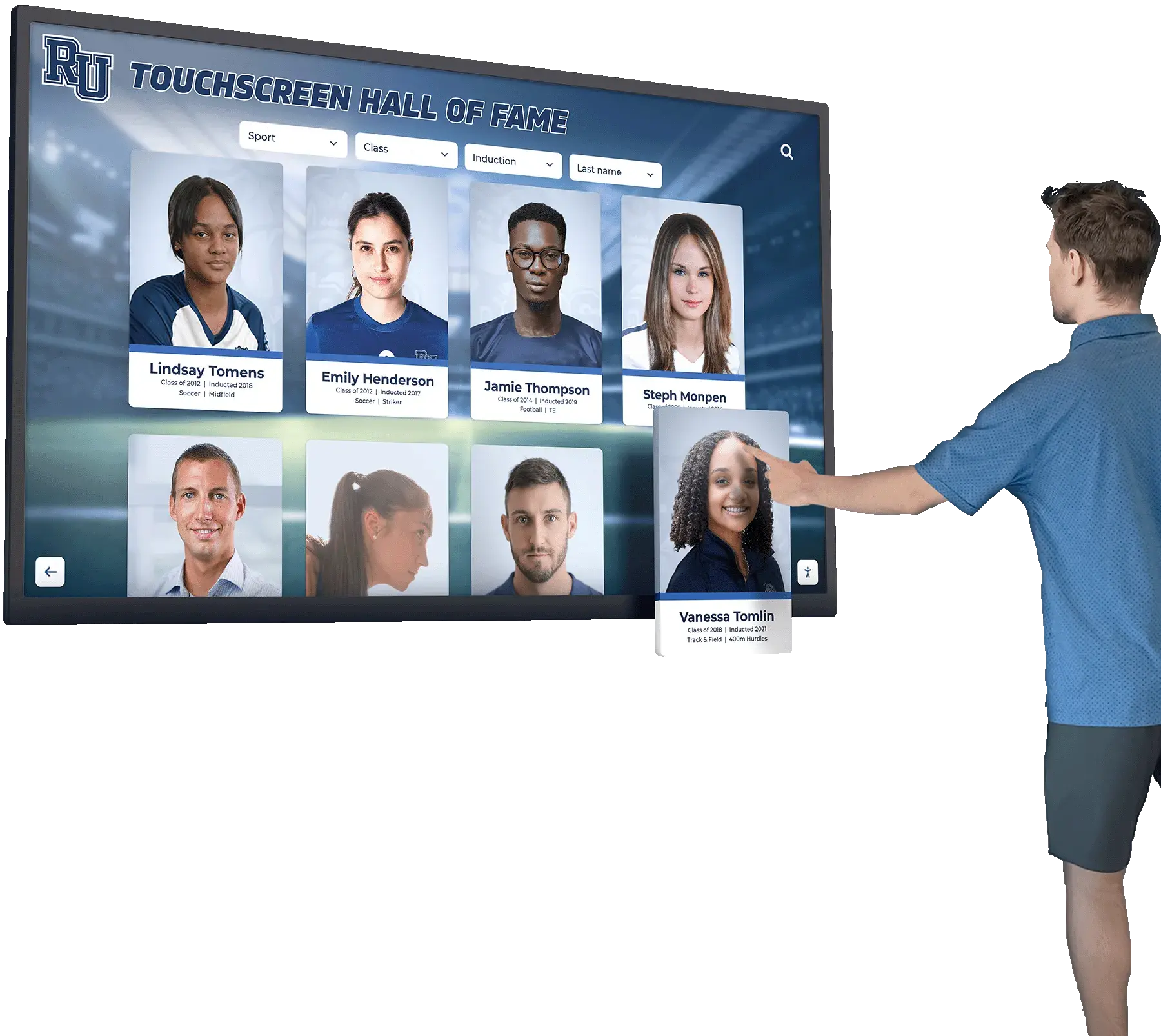
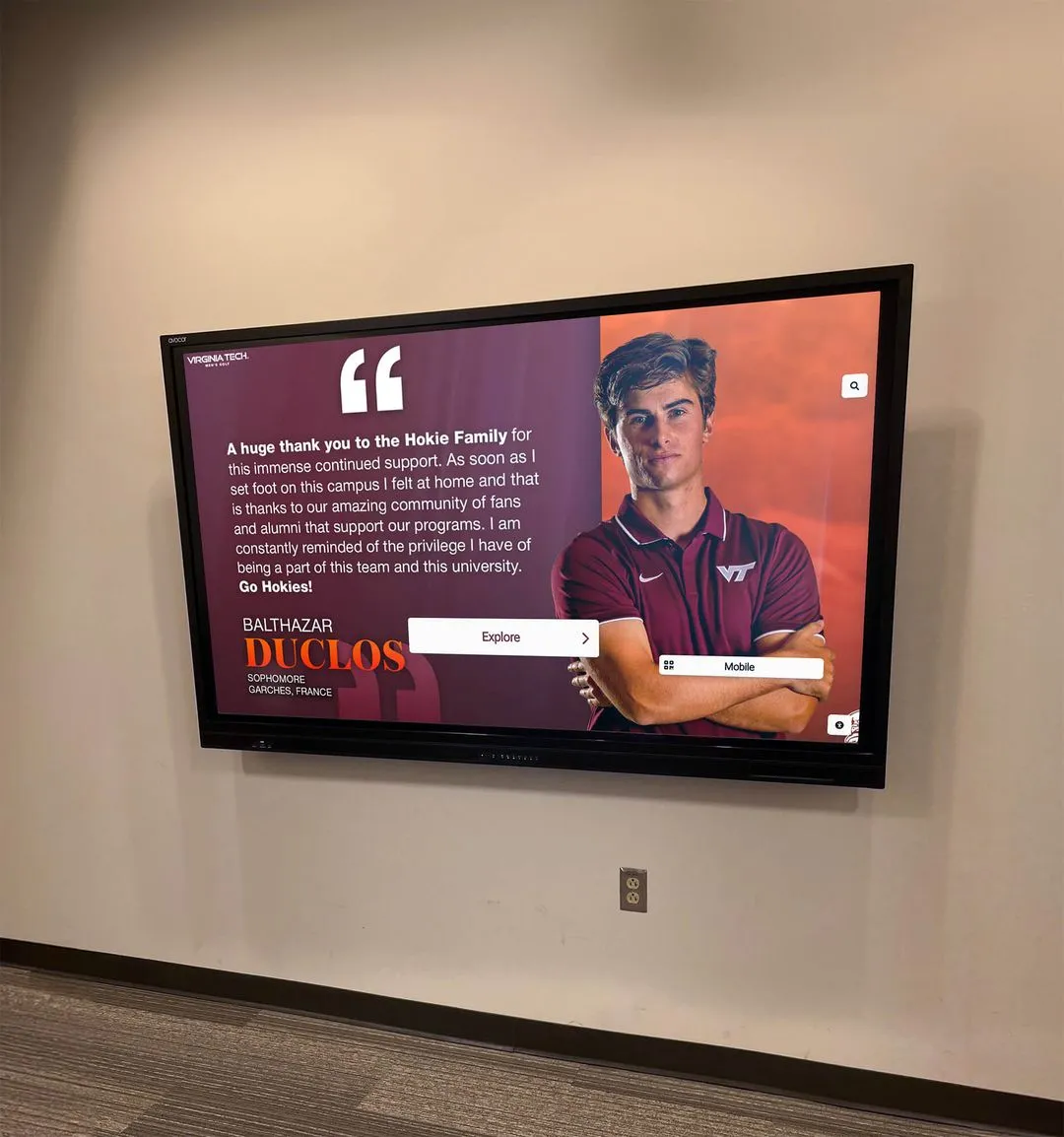
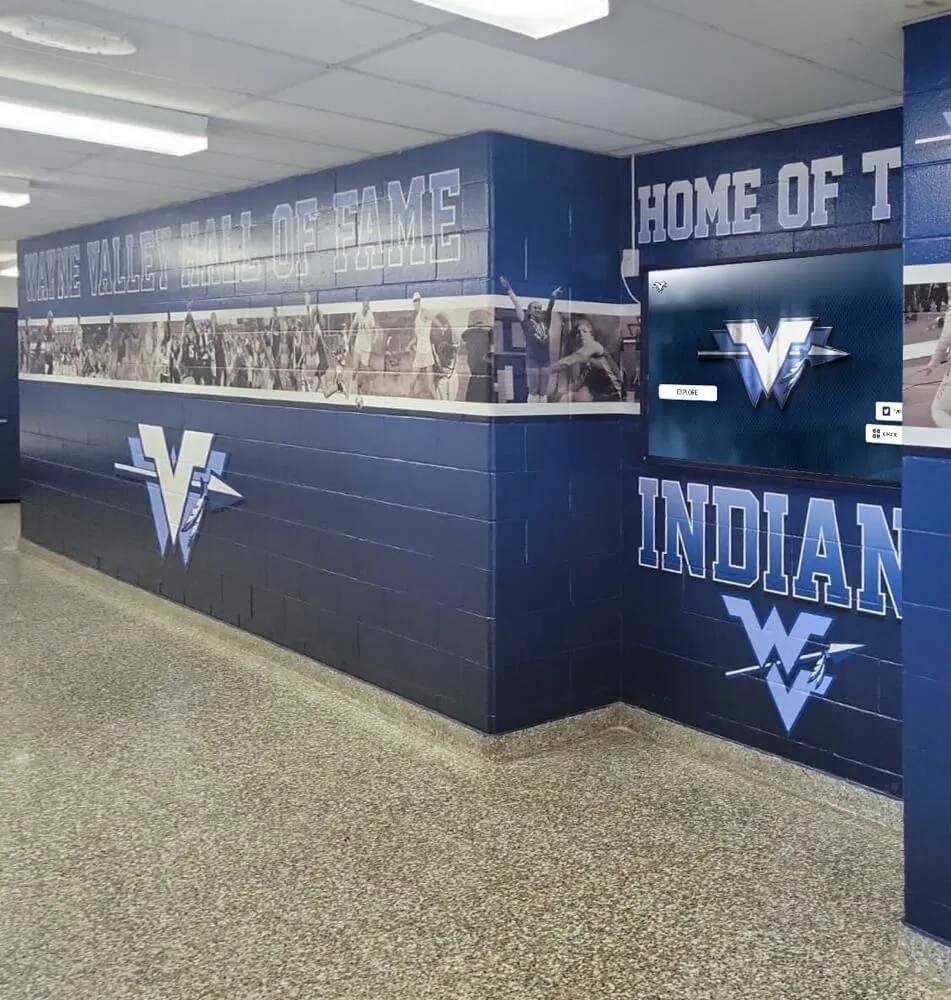
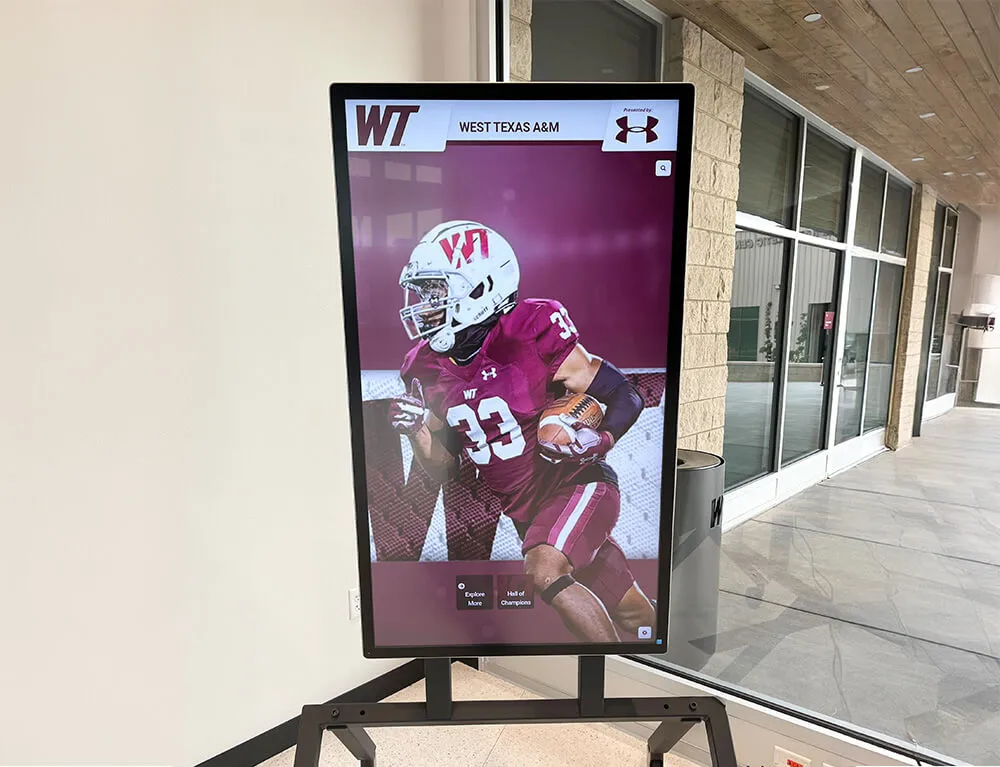
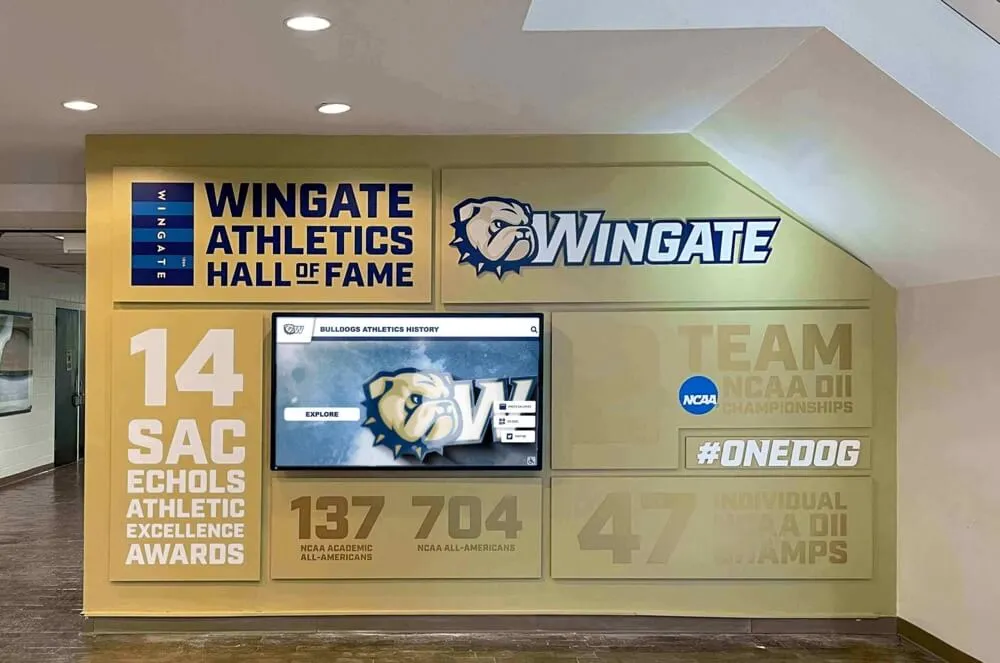
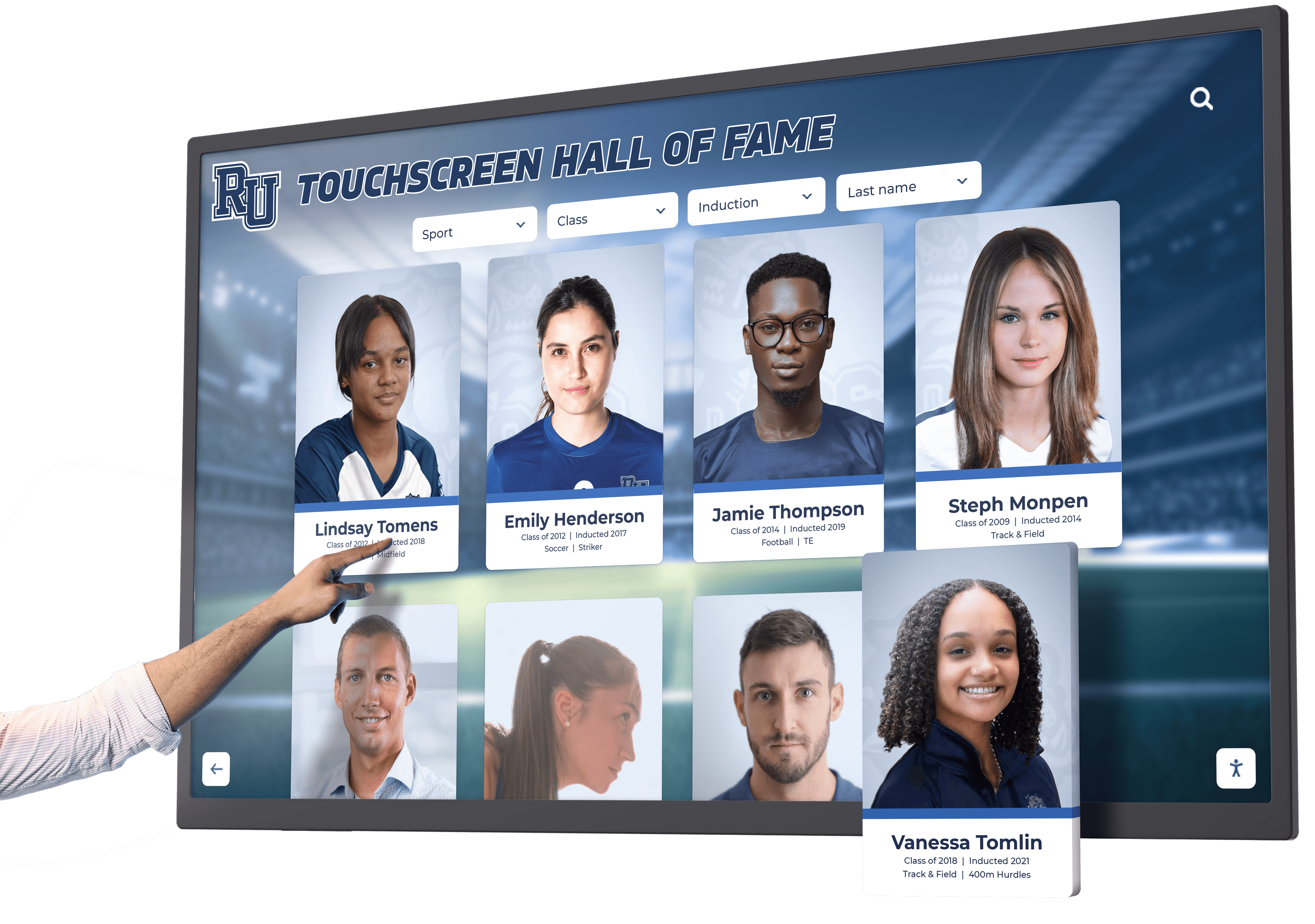
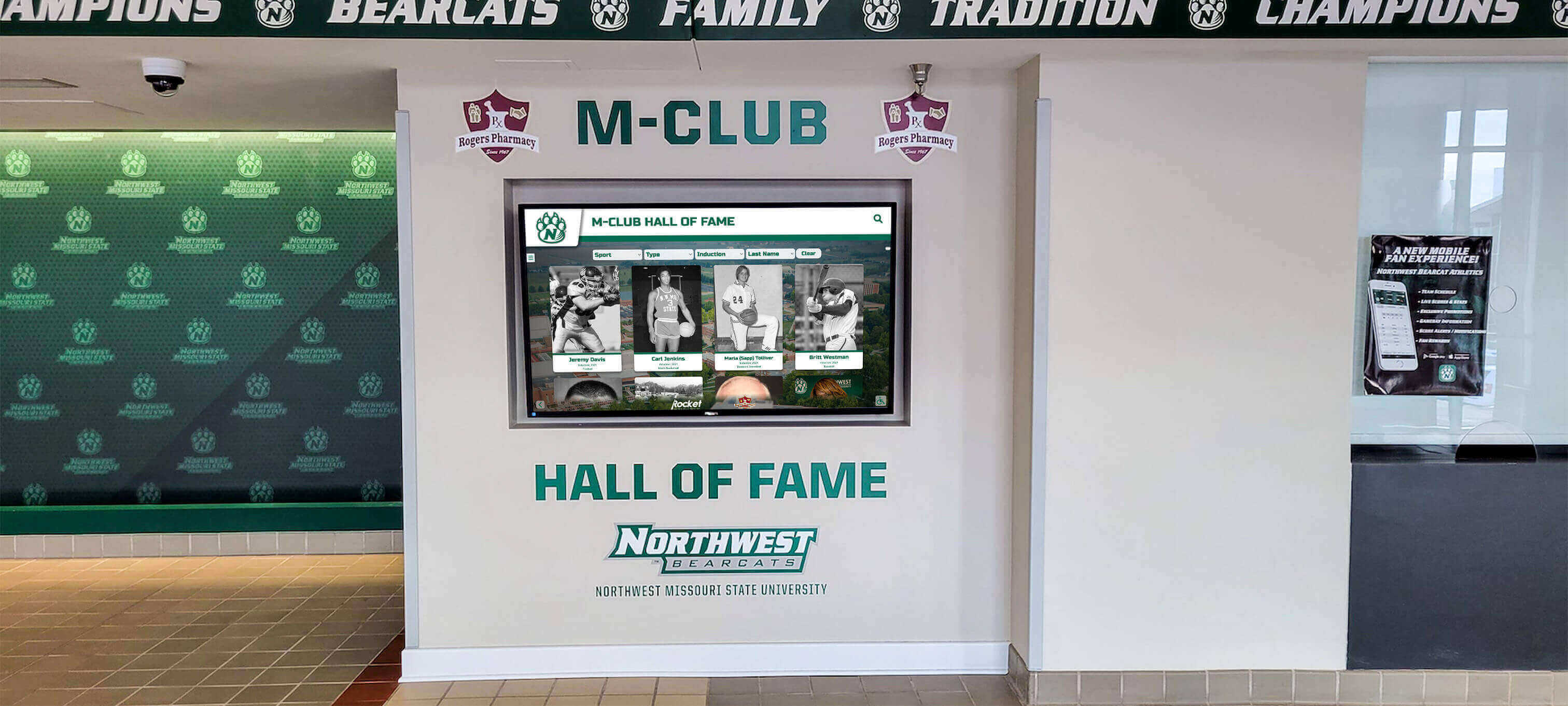
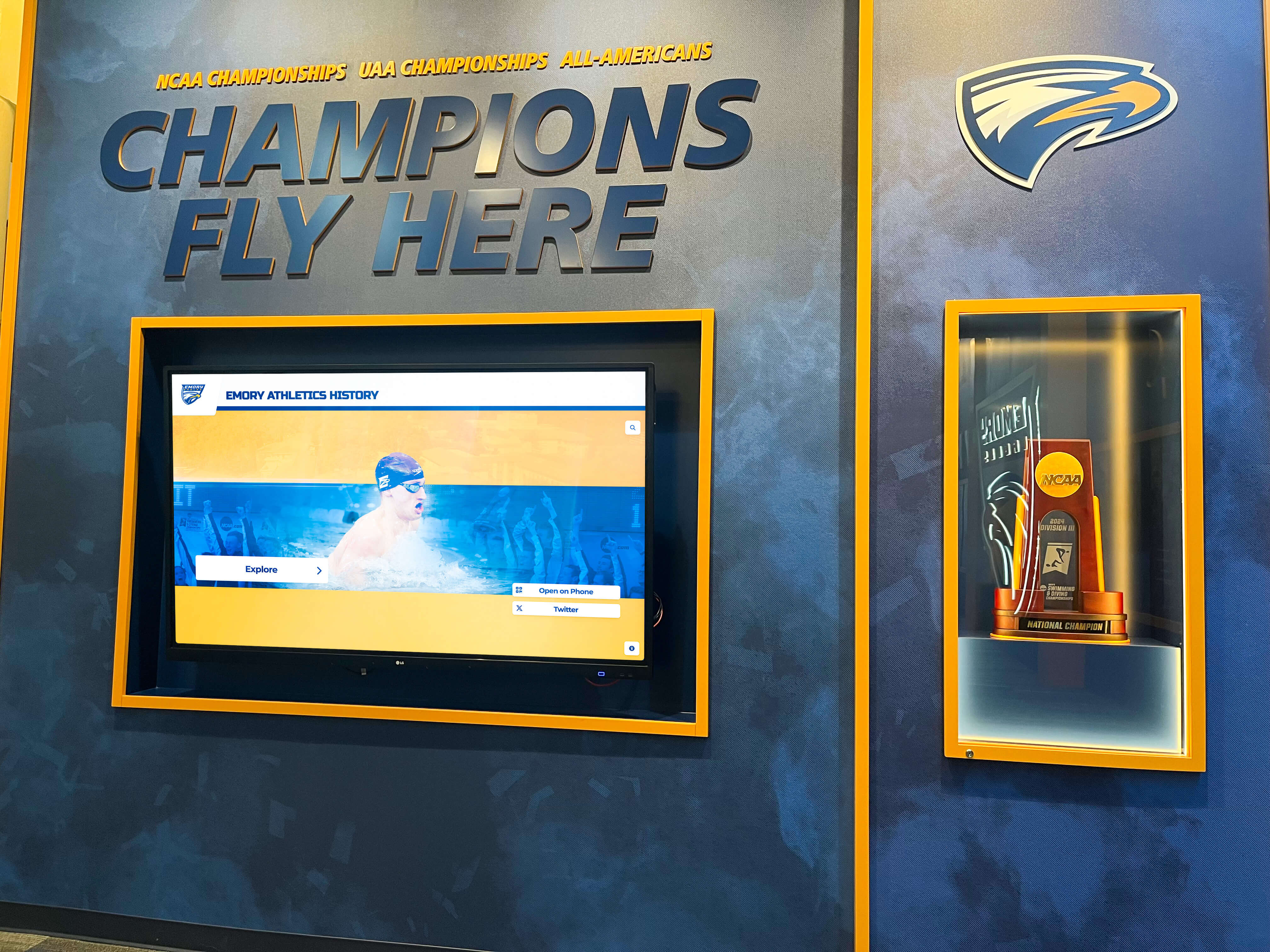
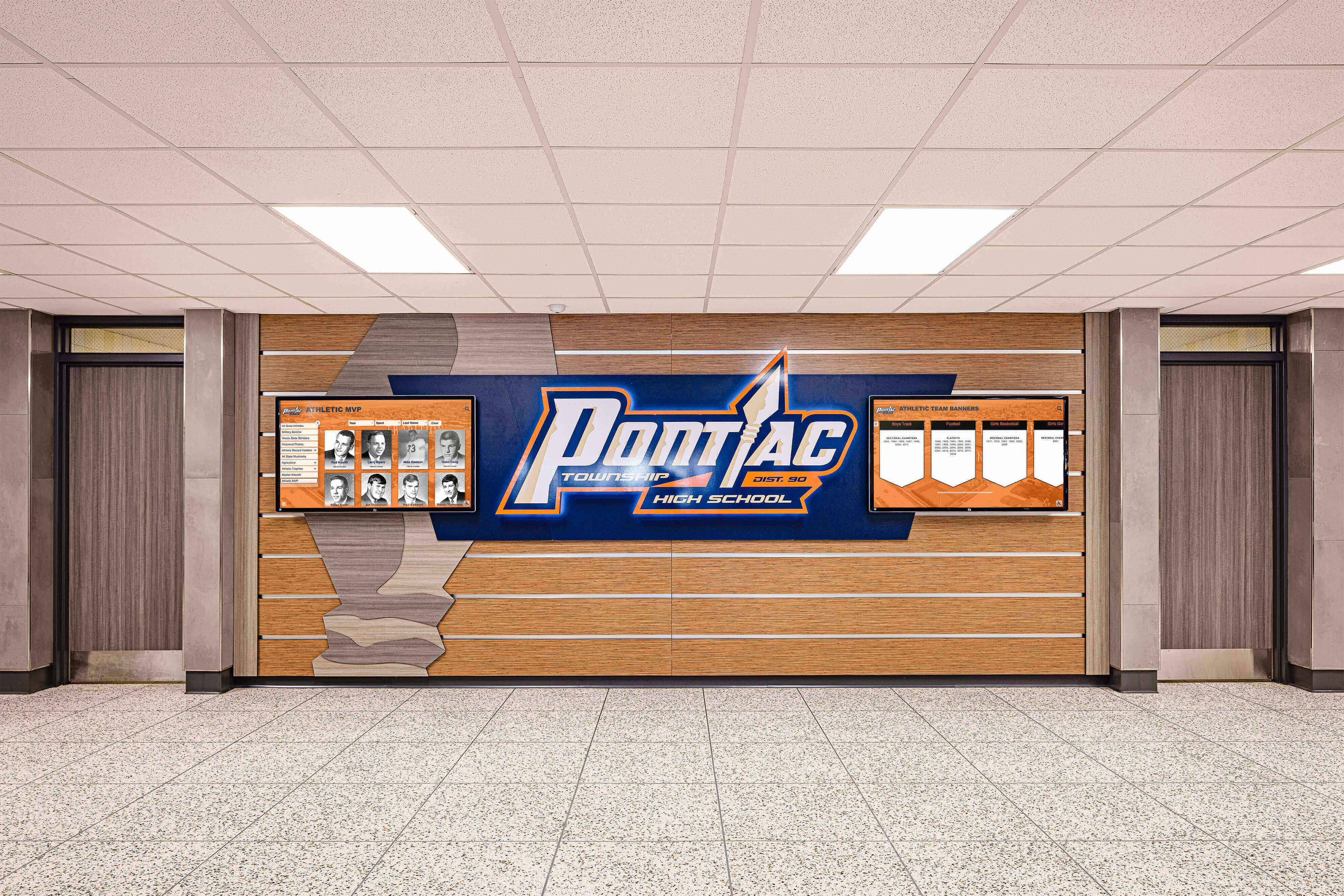
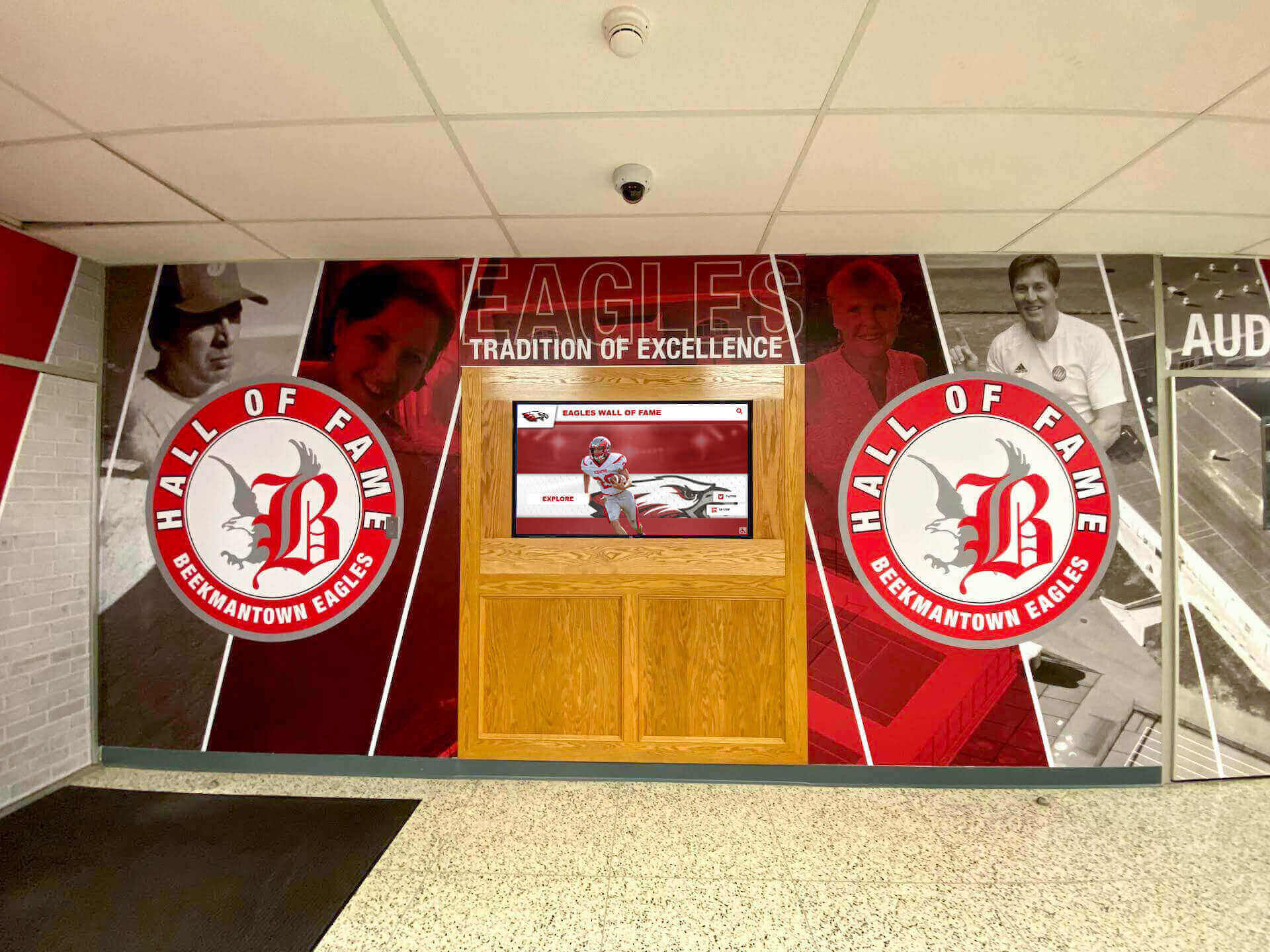
Gymnastics achievements—state championships, All-Around titles, individual event records, Academic All-American honors—deserve permanent recognition celebrating the dedication required to excel in this demanding sport. Traditional trophy cases and static plaques create space limitations that force selective recognition, often relegating gymnastics to minimal visibility compared to higher-profile sports. Digital athletic recognition platforms eliminate these constraints by providing unlimited capacity for gymnast profiles, real-time score updates, multimedia content showcasing routines, and accessible records preserving individual and team accomplishments across generations. Solutions like Rocket Alumni Solutions offer purpose-built systems designed for comprehensive athletic recognition, enabling schools to celebrate gymnastic excellence alongside other sports through engaging displays that inspire current athletes and preserve competitive history permanently.
Understanding High School Gymnastics Program Structures
The first challenge families encounter involves identifying what type of gymnastics program their school offers and how it connects to competitive opportunities.
Interscholastic vs. Club-Based Gymnastics
Interscholastic High School Programs
Some states—particularly those with strong gymnastics traditions like Massachusetts, Minnesota, Wisconsin, Illinois, and California—maintain robust high school gymnastics programs governed by state athletic associations. These programs operate similarly to other high school sports:
- School-Based Teams: Athletes represent their high schools in competitions against other schools
- State Athletic Association Sanctioning: Programs follow state high school league rules and championship systems
- Integrated Athletic Department Structure: Gymnastics receives equal status with basketball, volleyball, and other sponsored sports
- Varsity Letter Opportunities: Gymnasts earn varsity letters, participate in athletic recognition programs, and qualify for school athletic awards
- Coach Employment: Schools hire gymnastics coaches as staff members providing consistent program leadership
Schools with interscholastic programs typically practice at school facilities or partner with local gymnastics clubs for training space when dedicated school gymnasiums lack necessary equipment.

Club Gymnastics with School Affiliation
Many states lack formal interscholastic high school gymnastics programs. Student athletes in these regions train at private gymnastics clubs—USA Gymnastics member gyms offering competitive programming through the Junior Olympic (JO) system. Some schools establish informal relationships where:
- Club Training, School Representation: Athletes train at private clubs but compete representing their high schools when opportunities exist
- Hybrid Competitive Schedules: Gymnasts participate in club competitions (JO meets) and occasional interscholastic invitationals
- Variable Recognition Status: Schools differ in whether club gymnasts qualify for varsity letters or athletic awards
- Parent-Funded Participation: Families pay club membership, coaching fees, and competition expenses without school athletic department support
USA Gymnastics Competitive Levels
Student athletes following the club pathway compete through USA Gymnastics’ Junior Olympic program featuring ten competitive levels:
- Levels 1-3: Compulsory levels with required routines teaching fundamental skills (typically elementary-age gymnasts)
- Levels 4-6: Compulsory levels with increased difficulty preparing athletes for optional competition
- Levels 7-10: Optional levels where gymnasts perform personalized routines choreographed around their strengths
- Xcel Program: Alternative track (Bronze, Silver, Gold, Platinum, Diamond, Sapphire) offering more flexibility for athletes balancing multiple sports or later-start gymnasts
High school-age gymnasts typically compete at Levels 7-10 or Xcel Gold-Sapphire depending on skill development and competitive goals. Level 9-10 athletes often pursue college recruitment while Level 7-8 gymnasts may focus on high school team competition where available.
State Association Variations and Championship Systems
States with interscholastic gymnastics create varied competitive structures:
Team vs. Individual Formats
- Team Competitions: Schools field teams of 4-6 gymnasts whose combined scores determine team standings and state championship qualifications
- Individual Championships: Top all-around and event specialists advance to state finals regardless of team performance
- Dual Meets: Head-to-head competitions between two schools building season records
- Invitational Meets: Multi-school gatherings providing competitive opportunities and championship qualifying scores
Sectional and Regional Progressions
Large states typically use sectional/regional qualifying systems before state championships:
- Athletes compete in district or sectional meets earning qualifying scores
- Top performers advance to regional competitions
- Regional champions and high scorers proceed to state championship finals
- Smaller states may run single-day state championships without preliminary rounds
Scoring and Recognition Categories
Championships recognize multiple achievement types:
- Team Champions: School with highest combined team score across all four/six events
- All-Around Champion: Gymnast with highest combined score across all apparatus
- Event Specialists: Top scorers on individual apparatus (vault, bars, beam, floor)
- Academic All-State: Athletes meeting GPA and competition performance thresholds
- Sportsmanship Awards: Recognition for exemplary conduct and team leadership
Resources on athletic recognition systems provide frameworks for comprehensive celebration of diverse gymnastics achievements.
Training Requirements and Athlete Development
Competitive gymnastics demands year-round training commitment distinguishing it from seasonal high school sports.
Weekly Training Schedules and Time Commitment
Typical High School Gymnast Training Volume
- 15-20 hours weekly: Standard commitment for Level 7-10 competitive gymnasts
- 4-5 training days per week: Most programs run Monday-Friday with optional Saturday sessions
- 3-5 hour practices: Individual sessions typically last 3-4 hours balancing conditioning, skill work, and routine practice
- Year-round training: Brief breaks following major championships but no true off-season like seasonal sports
This volume creates significant scheduling challenges for student athletes managing academic coursework, homework, social activities, and sleep requirements. Many gymnasts complete homework during brief practice breaks or late evenings after returning home from training.
Balancing School and Gymnastics
Successful student athletes develop strategies managing dual demands:
- Advanced Course Planning: Strategic scheduling of challenging academic classes during lighter gymnastics seasons
- Communication with Teachers: Proactive dialogue about competition schedules and travel affecting school attendance
- Time Management Skills: Disciplined homework routines and efficient study habits maximizing limited free time
- Academic Support: Some athletes work with tutors ensuring academic success despite training demands
- School Choice Considerations: Families sometimes select schools with flexible policies accommodating elite athlete schedules
Elite gymnasts pursuing national-level competition or early college recruitment may train 25-30 hours weekly, creating even more intense scheduling pressures requiring extraordinary organizational discipline.
Skill Progression and Safety Considerations
Gymnastics involves controlled risk management where athletes work toward increasingly difficult skills requiring years of progressive development.
Progressive Skill Development
Safe gymnastics instruction follows systematic progressions:
- Foundational Skills: Basic positions, shapes, and movements building body awareness
- Lead-Up Drills: Component skills teaching body positions and movement patterns for complex elements
- Spotting: Manual coach assistance ensuring safe skill learning
- Modified Progressions: Lower apparatus, softer landing surfaces, or skill variations reducing risk during learning
- Skill Mastery: Consistent demonstration before increasing difficulty or removing coaching assistance
Athletes attempting skills beyond their current development level risk serious injury. Responsible coaching prioritizes patient progression over rushed skill advancement driven by competitive pressure.
Common Injury Types and Prevention
Gymnastics produces predictable injury patterns requiring proactive prevention:
- Overuse Injuries: Repetitive impact causes stress fractures, growth plate inflammation, and joint strain
- Acute Injuries: Falls or awkward landings resulting in sprains, fractures, or ligament damage
- Chronic Pain: Persistent wrist, ankle, knee, or back discomfort from cumulative training stress
Prevention strategies include:
- Adequate Rest: Recovery days and reduced-intensity training periods preventing overuse accumulation
- Cross-Training: Supplemental activities building strength and cardiovascular fitness without gymnastics-specific impact
- Proper Nutrition: Adequate caloric intake and hydration supporting growth, recovery, and bone health
- Physical Therapy: Proactive treatment addressing minor issues before they become serious injuries
- Equipment Maintenance: Safe apparatus setup, properly maintained mats, and equipment inspection protocols
Families should ensure programs prioritize safety through certified coaching, appropriate athlete-to-coach ratios, proper equipment, and training environments emphasizing long-term athlete development over short-term competitive results.
Competition Season and Scoring Systems
Understanding gymnastics competition formats and scoring helps families support their athletes effectively.
Competition Structure and Formats
Regular Season Competitions
High school gymnastics seasons typically run:
- Winter Season: Most common timing (November/December through February/March)
- Fall Season: Some states schedule gymnastics in fall months
- Dual Meet Format: Schools compete head-to-head in home and away competitions
- Multi-Team Invitationals: Larger gatherings featuring 4-10+ teams in single-day competitions
- Scoring Competitions: All meets contribute to season records and championship qualification
Championship Progressions
Post-season advancement follows structured pathways:
- Conference/League Championships: Athletes compete for league titles and team recognition
- Sectional/Regional Qualifiers: Performance-based advancement to next championship level
- State Championships: Season culmination determining individual and team state champions
- Multi-State/National Invitationals: Elite competition opportunities for top performers (less common at high school level)
Meet Day Procedures
Competition days follow predictable patterns:
- Warm-Up Periods: Timed rotation allowing athletes to prepare on competition apparatus
- Team Introduction: Public announcement of competing teams and athletes
- Rotation Competition: Athletes compete on assigned apparatus in timed rotations (4 events for women, 6 for men)
- Awards Ceremonies: Recognition of top individual and team performers
- Score Posting: Final results displayed and distributed to teams and families
Understanding Gymnastics Scoring
Modern gymnastics uses a two-score system evaluating both difficulty and execution.
Difficulty Score (D-Score)
Judges evaluate routine difficulty based on:
- Skill Values: Each skill assigned difficulty value (A=0.1, B=0.2, C=0.3, D=0.4, E=0.5, F=0.6, G=0.7, etc.)
- Connection Bonuses: Additional credit for specific skill combinations
- Composition Requirements: Mandatory elements ensuring well-rounded routines
At high school levels, D-scores typically range from 3.0-5.5 depending on competitive level and individual athlete skill development.
Execution Score (E-Score)
Separate judge panel evaluates performance quality:
- Starting from 10.0: Athletes begin with perfect score; deductions assess errors
- Form Deductions: Body position, pointed toes, straight legs, extension quality
- Landing Deductions: Foot placement, balance, steps, or falls
- Technique Deductions: Rhythm, amplitude, confidence, and skill control
Execution scores typically range from 6.0-9.5 depending on performance quality and routine difficulty.
Final Score Calculation
Total score combines D-Score and E-Score (minus neutral deductions for time violations or out-of-bounds). Example:
- Difficulty Score: 4.8
- Execution Score: 8.7
- Final Score: 13.5
High school level routines typically score 11.0-14.5 depending on athlete skill level and competitive division.
All-Around Competition
Athletes competing in all four events (women) or six events (men) receive combined All-Around scores determining overall champion. Top all-around performers often earn significant recognition and college recruitment attention.
Resources on sport-specific recognition displays demonstrate effective ways schools celebrate gymnastics excellence alongside other athletic achievements.
College Recruitment and Scholarship Opportunities
Many high school gymnasts pursue college competition creating important recruitment considerations.
NCAA Gymnastics Overview
College gymnastics exists at multiple competitive levels:
Division I Gymnastics
- Approximately 60 women’s programs: Top competitive tier featuring full scholarship opportunities
- Approximately 15 men’s programs: Significantly fewer opportunities requiring elite skill level
- Full Scholarships: Division I programs offer full athletic scholarships (12 per women’s team, 6.3 per men’s team divided among athletes)
- High Competitive Standards: Athletes typically require Level 10 experience and specific skill difficulty minimums
Division II and III Gymnastics
- Limited Programs: Fewer than 10 combined Division II/III programs nationwide
- Partial or No Athletics Scholarships: Division II offers limited aid; Division III provides no athletic scholarships
- Academic Emphasis: Strong focus on student-athlete balance and academic achievement
NAIA and Junior College Options
- Small Program Numbers: Handful of NAIA and junior college programs offering gymnastics
- Pathway Programs: Junior colleges sometimes serve as stepping stones toward four-year college opportunities
- Scholarship Variability: Financial aid ranges widely based on institutional resources
Recruitment Timeline and Process
College gymnastics recruitment follows structured patterns:
Sophomore and Junior Year Preparation
- Skill Development: Athletes work toward Level 9-10 proficiency demonstrating college-ready abilities
- Competition Results: Strong performances at regional and national competitions attracting coach attention
- Video Compilation: Professional videos documenting skills and routines distributed to college coaches
- Initial Contact: Athletes and families reach out to college programs expressing recruitment interest
- Unofficial Visits: Athletes tour campuses, observe practices, and meet team members and coaches
Senior Year Commitments
- Official Visits: NCAA-regulated campus visits hosted by college programs (limited to 5 official visits)
- Scholarship Offers: Programs extend verbal commitments and scholarship agreements
- National Letter of Intent: Athletes sign binding agreements committing to specific colleges
- Academic Qualifications: Athletes must meet NCAA eligibility center academic and amateurism requirements
Key Recruitment Factors
College coaches evaluate multiple athlete characteristics:
- Skill Difficulty: Current ability levels and potential for continued development
- Consistency: Performance reliability across competitions and apparatus
- Physical Attributes: Body type, flexibility, strength, and injury history
- Academic Achievement: GPA, test scores, and demonstrated student success
- Character and Work Ethic: Coach references, team contributions, and coachability
Families should understand that recruitment opportunities remain limited—approximately 1,500 total roster spots exist across women’s Division I gymnastics serving thousands of competitive club and high school gymnasts nationwide.
Resources on college recruitment recognition programs show how schools celebrate athletes’ college commitments.
Team Dynamics and Culture in High School Gymnastics
While gymnastics appears individual, high school programs build strong team culture differentiating interscholastic experience from club training.
Individual Sport Within Team Context
High school gymnastics creates unique team dynamics:
Individual Performance, Team Scoring
Athletes compete individually but contribute to team totals:
- Team Score Composition: Top 4-6 individual scores per event combine for team total
- Individual Pressure: Each athlete’s performance directly affects team success
- Mutual Support: Teammates encourage and support each other despite individual scoring
- Shared Preparation: Team practices build collective skills and competitive readiness
Leadership Development Opportunities
Team settings create leadership roles:
- Team Captains: Senior athletes providing guidance and setting training standards
- Event Specialists: Gymnasts modeling excellence in specific apparatus
- Peer Mentoring: Experienced athletes helping younger gymnasts develop skills
- Team Traditions: Rituals, cheers, and bonding activities building program culture
Building Positive Team Culture
Effective high school gymnastics programs prioritize healthy team environments:
Inclusive Recognition Practices
- Multi-Level Acknowledgment: Celebrating improvement and personal bests alongside top competitive results
- Effort Recognition: Honoring work ethic, attitude, and team contribution beyond pure performance
- Academic Achievements: Acknowledging student success paralleling athletic accomplishments
- Character Awards: Recognition for sportsmanship, leadership, and exemplifying program values
Avoiding Toxic Comparison Culture
Gymnastics’ objective scoring creates risk of unhealthy athlete comparison:
- Individual Goal Setting: Athletes establish personal development objectives independent of teammates
- Progress Focus: Emphasis on individual improvement versus constant peer comparison
- Diverse Success Definitions: Acknowledging multiple forms of achievement and contribution
- Mental Health Awareness: Recognition that constant comparison damages athlete wellbeing
Resources on student athlete recognition provide frameworks for equitable celebration of athletic excellence across all sports and participation levels.
Recognizing and Celebrating Gymnastics Achievement
Effective recognition systems honor gymnasts’ exceptional dedication while inspiring continued athletic excellence.
Traditional Recognition Approaches
Schools use various methods acknowledging gymnastics accomplishments:
Physical Recognition Displays
- Gymnasium Record Boards: Posting school records for each apparatus and all-around competition
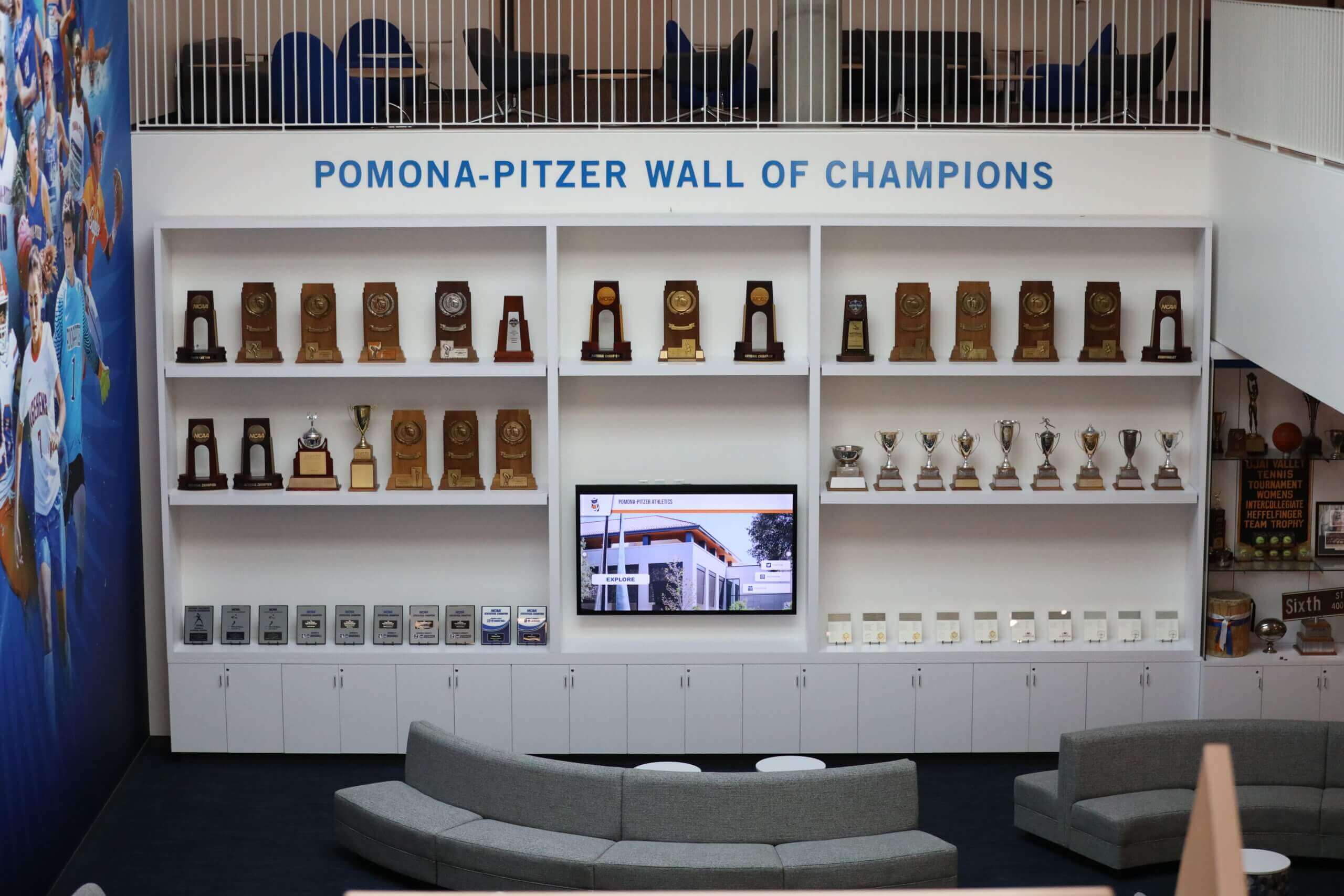
- Trophy Cases: Housing team and individual championship trophies and awards
- Plaques and Banners: Wall-mounted recognition of state qualifiers, champions, and record holders
- Letter Jackets and Certificates: Traditional athletic recognition provided to qualifying varsity gymnasts
Team Recognition Events
- End-of-Season Banquets: Formal gatherings celebrating team achievements and distributing awards
- Senior Night Ceremonies: Honoring graduating gymnasts during final home competitions
- Pep Rally Recognition: Including gymnastics in school-wide athletic recognition events
- Social Media Highlights: Sharing meet results, accomplishment recognition, and athlete spotlights
Limitations of Traditional Methods
Physical recognition creates practical constraints:
- Space Limitations: Finite wall and display case capacity eventually fills requiring difficult decisions
- Update Challenges: Adding new accomplishments requires physical installation and expense
- Limited Information: Space constraints permit only basic names and achievements without comprehensive context
- Accessibility Barriers: Physical displays exist only at school facilities inaccessible to distant alumni and community
Modern Digital Recognition Advantages
Digital recognition platforms eliminate traditional limitations while providing enhanced capabilities:
Comprehensive Achievement Documentation
Modern systems showcase gymnastics excellence thoroughly:

- Individual Athlete Profiles: Detailed biographies, competitive histories, and personal achievement timelines
- Multimedia Content: Photos from competitions, routine videos, and championship documentation
- Complete Statistics: Season-by-season scores, personal bests, apparatus specializations, and progression records
- Team Histories: Year-by-year team rosters, season results, and championship achievements
Unlimited Recognition Capacity
Digital platforms accommodate all deserving gymnasts without space constraints:
- Every Varsity Athlete: Recognition for all team members regardless of performance level
- Multi-Year Documentation: Athletes remain visible throughout high school careers and beyond
- Equal Visibility: Every profile receives equivalent display space and presentation quality
- Historical Preservation: Permanent records spanning decades without physical space concerns
Enhanced Accessibility and Engagement
Web-based recognition extends far beyond physical school locations:
- Global Access: Alumni, family members, and community members explore achievements from anywhere
- Recruitment Support: College coaches research athlete backgrounds without facility visits
- Social Sharing: Easy content distribution through social media increasing visibility
- Search Functionality: Visitors find specific athletes, years, or achievements instantly
Real-Time Updates
Administrators manage content efficiently:
- Immediate Updates: Add new achievements, scores, and recognition instantly without installation delays
- Error Corrections: Fix mistakes or update information in minutes rather than requiring physical replacement
- Seasonal Content: Update current season results maintaining fresh relevant content
- Remote Management: Content updates from any location without physical facility access
Solutions like Rocket Alumni Solutions provide purpose-built platforms enabling schools to create comprehensive recognition systems celebrating gymnastic excellence alongside other athletic achievements through intuitive management requiring no technical expertise.
Supporting Your High School Gymnast
Parents play crucial roles supporting student athletes navigating demanding gymnastics programs.
Practical Support Strategies
Communication and Advocacy
- Program Understanding: Learn gymnastics scoring, competition formats, and skill progressions
- School Coordination: Maintain dialogue with coaches, athletic directors, and teachers regarding scheduling
- Realistic Expectations: Understand competitive landscape and achievement possibilities based on athlete skill level
- Mental Health Monitoring: Watch for signs of burnout, anxiety, or disordered eating common in aesthetic sports
Financial Planning
Gymnastics participation involves significant expenses:
- Club Membership Fees: Annual gym membership costs ($2,000-5,000+ annually)
- Competition Fees: Entry costs for invitational meets and championship competitions
- Equipment and Apparel: Leotards, warm-ups, grips, athletic tape, and training gear
- Travel Expenses: Hotel, meals, and transportation for away competitions
- Medical Costs: Physical therapy, injury treatment, and preventive sports medicine care
Some high school programs cover competition costs through athletic department budgets, but many require parent-funded participation especially for club-affiliated athletes.
Academic Support and Planning
Course Selection Strategy
- Balanced Schedules: Avoid overloading with maximum-difficulty courses during peak competition seasons
- Flexible Options: Consider online or hybrid learning for elite athletes with extensive travel requirements
- College Preparation: Maintain challenging coursework demonstrating academic rigor for college admissions
- Study Halls and Resources: Utilize school academic support services maximizing limited study time
College Planning Considerations
- Recruitment Realities: Understand limited college gymnastics opportunities preventing guaranteed pathways
- Academic Priorities: Ensure strong academics providing college options independent of athletic recruitment
- Financial Aid Strategy: Research academic scholarships, need-based aid, and merit awards supplementing or replacing athletic scholarships
- Post-Gymnastics Identity: Support development of interests and skills beyond gymnastics preparing for eventual sport retirement
Building Sustainable High School Gymnastics Programs
Athletic directors and coaches face unique challenges establishing and maintaining quality gymnastics programs.
Program Development Essentials
Facility Requirements
Gymnastics demands specialized equipment and space:
- Minimum Space: 10,000+ square feet accommodating four women’s apparatus or six men’s events
- Equipment Investment: $50,000-200,000+ for competition-quality apparatus, landing mats, and safety equipment
- Facility Partnerships: Collaboration with local gymnastics clubs providing training space when school facilities inadequate
- Maintenance and Safety: Regular equipment inspection, mat replacement, and facility upkeep
Coaching Qualifications
Quality programs require properly credentialed coaching:
- USA Gymnastics Certification: Coaches should maintain appropriate safety and professional development credentials
- State Requirements: Compliance with state coaching licensure and background check mandates
- Experience and Expertise: Coaching background demonstrating technical knowledge and athlete development capacity
- Safety Training: Current CPR, first aid, and concussion recognition certification
Budget Considerations
Gymnastics programs require sustainable funding:
- Operational Costs: Equipment maintenance, meet fees, official expenses, and supplies
- Coaching Compensation: Adequate coaching salaries attracting and retaining qualified professionals
- Competition Expenses: Entry fees, transportation, and hosting costs for home competitions
- Recognition and Awards: Budgets for end-of-season banquets, awards, and athlete recognition programs
Resources on athletic program development provide funding strategies supporting comprehensive athletic offerings.
Creating Equitable Recognition
Gymnastics deserves equal visibility alongside mainstream sports:
Integrated Athletic Recognition
- Shared Display Spaces: Gymnastics achievements included in multi-sport recognition systems
- Equal Publicity: Competition results and athlete spotlights receiving equivalent promotion
- Athletic Department Communications: Regular inclusion in athletic newsletters, social media, and school announcements
- School-Wide Events: Gymnastics team and individual recognition during pep rallies and athletic celebrations
Addressing Recognition Disparities
Many schools inadvertently minimize gymnastics compared to higher-profile sports:
- Audit Current Recognition: Evaluate whether gymnastics receives proportional visibility and celebration
- Stakeholder Input: Gather gymnast and parent feedback about recognition experiences
- Policy Development: Create formal recognition standards ensuring equitable treatment across all sports
- Digital Solutions: Implement comprehensive platforms preventing space constraints that disadvantage smaller programs
Resources on equitable athletic recognition demonstrate how schools build inclusive athletic cultures celebrating diverse sport participation.
Conclusion: Celebrating Excellence in High School Gymnastics
High school gymnastics represents one of the most demanding athletic pursuits available to student athletes—requiring extraordinary physical abilities, countless training hours, mental toughness navigating pressure and setbacks, academic discipline balancing rigorous coursework with training demands, and personal sacrifice choosing athletic commitment over typical adolescent social activities.
Student athletes who compete in high school gymnastics develop character traits extending far beyond athletic achievement: discipline managing complex schedules and competing demands, resilience overcoming falls, missed skills, and disappointing performances, perfectionism pursuing technically precise execution across multiple apparatus, time management balancing school, training, and personal life effectively, and teamwork supporting peers while competing individually.
These accomplishments deserve recognition systems that honor gymnasts’ dedication comprehensively, inspire younger athletes pursuing gymnastics excellence, preserve competitive history documenting team and individual achievements across generations, engage alumni maintaining connection to programs that shaped their development, and demonstrate institutional commitment to celebrating athletic excellence equitably across all sports.
When schools invest systematically in gymnastics recognition, the benefits extend throughout athletic departments and broader school communities. Current gymnasts witness visible appreciation of their sport creating stronger program pride and motivation. Prospective students discover welcoming programs valuing gymnastics seriously. Alumni remain connected to schools that preserved their competitive accomplishments. Athletic departments build cultures celebrating diverse athletic excellence beyond mainstream revenue sports.
Ready to create comprehensive recognition systems celebrating gymnastics excellence? Digital recognition platforms designed specifically for educational athletic programs enable schools to showcase unlimited gymnast achievements through engaging multimedia displays, manage recognition content efficiently through intuitive platforms requiring no technical expertise, provide accessible records that gymnasts, families, and alumni can explore from anywhere, demonstrate equitable commitment to recognizing excellence across all athletic programs, and preserve gymnastics history permanently inspiring current and future generations.
Your gymnasts dedicate thousands of hours to athletic excellence requiring exceptional discipline and sacrifice. Modern recognition systems ensure these achievements receive the permanent visibility and celebration they genuinely deserve while inspiring continued athletic excellence throughout your entire school community.
Discover how digital recognition platforms can transform your school’s gymnastics recognition, preserving athlete accomplishments while building athletic department culture that celebrates excellence equitably across every sport your institution sponsors.