



High school graduation represents one of life’s most significant milestones. After four years of academic challenges, extracurricular commitments, and personal growth, graduates deserve celebrations that honor their achievements while creating lasting memories. For parents, family members, and school administrators planning graduation parties, the goal extends beyond simple celebration—you’re creating experiences that recognize accomplishment, bring communities together, and mark the transition from high school to whatever comes next.
This comprehensive guide explores creative, practical, and memorable high school graduation party ideas that work across different budgets, venues, and family situations. Whether planning intimate family gatherings or large community celebrations, these strategies help you design graduation parties your graduates will remember for years while managing logistics, engaging guests, and creating meaningful recognition moments.
Why Graduation Parties Matter Beyond the Ceremony
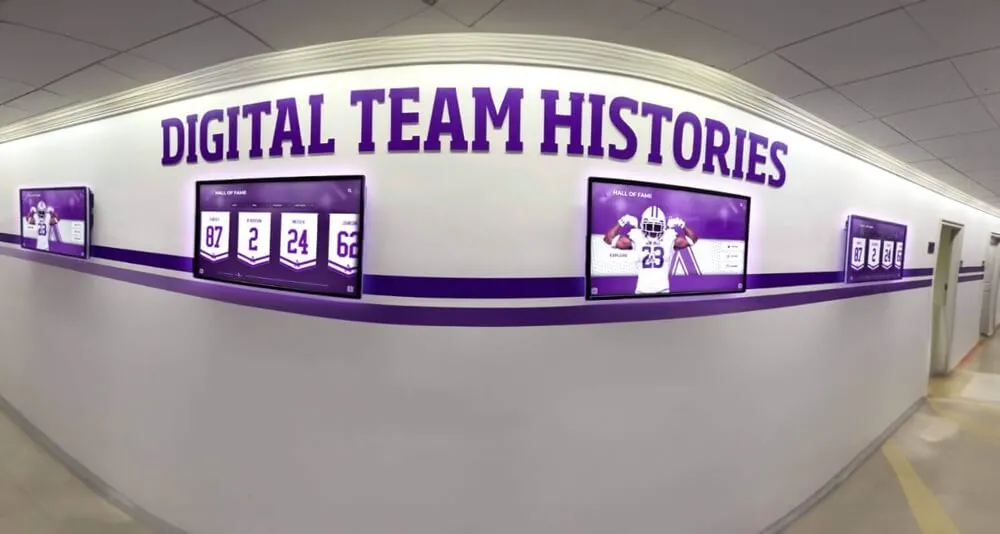
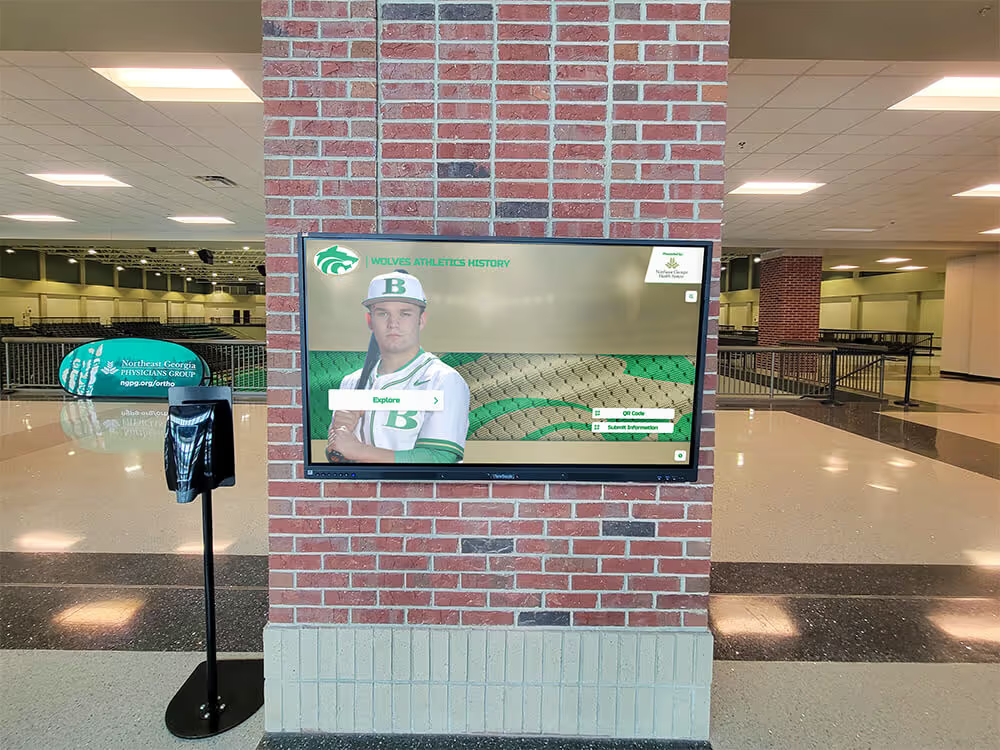
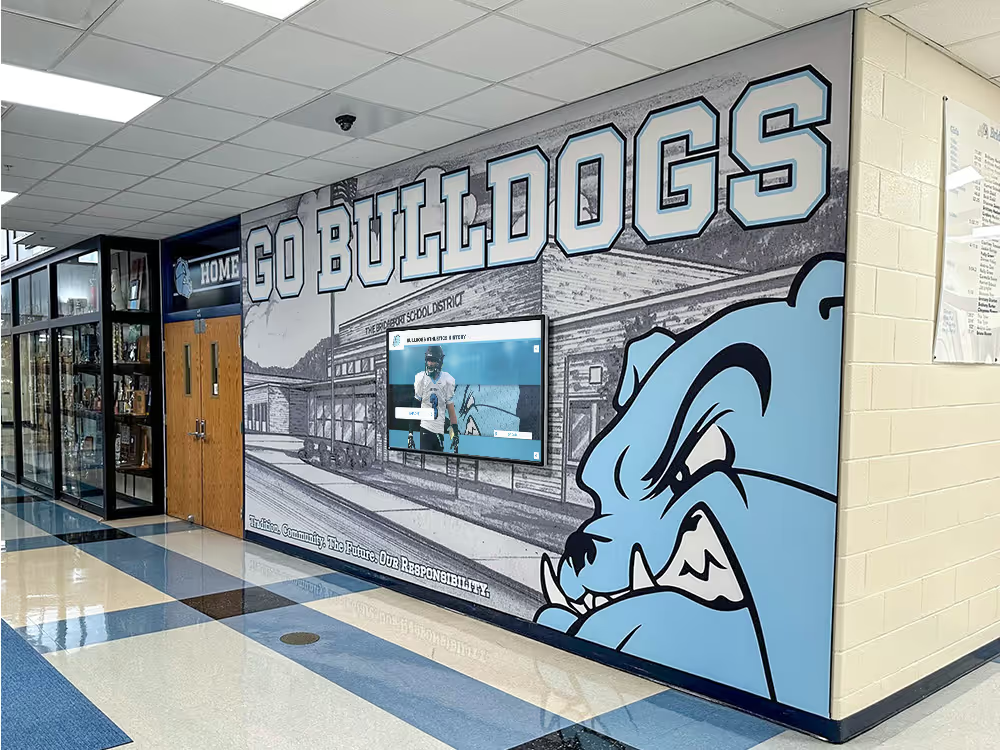
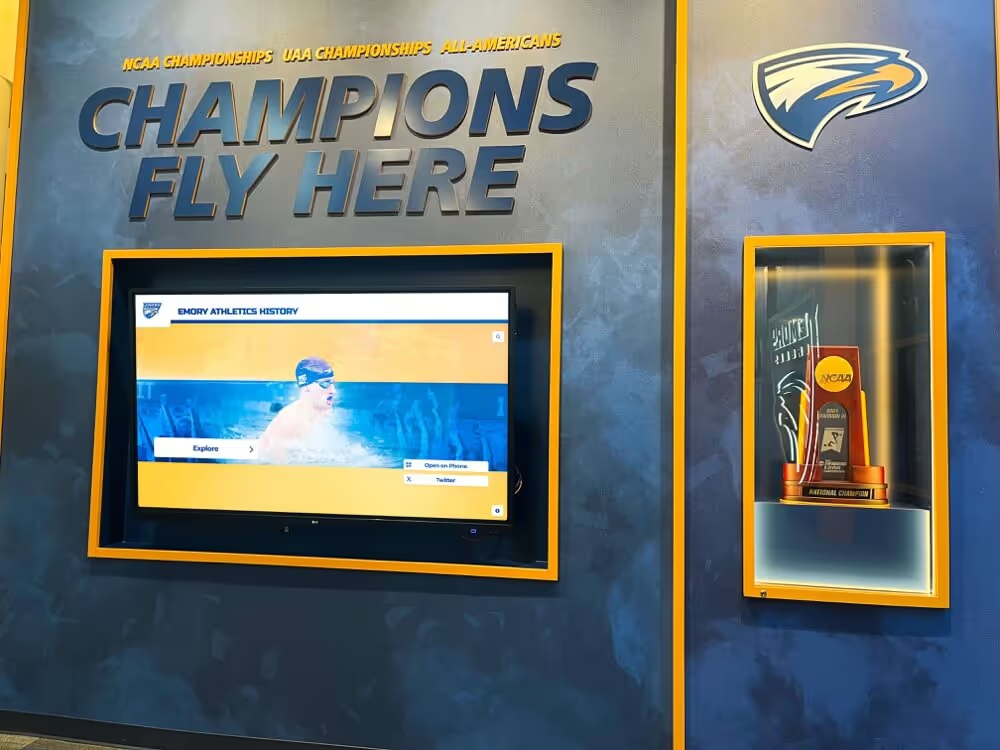
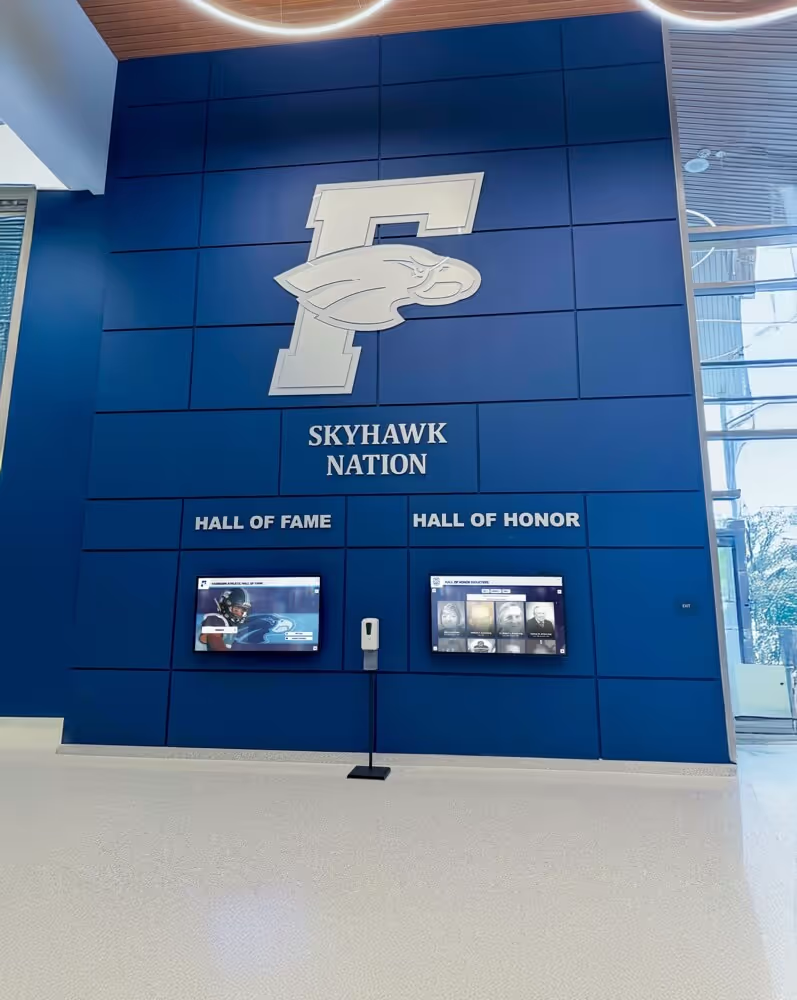
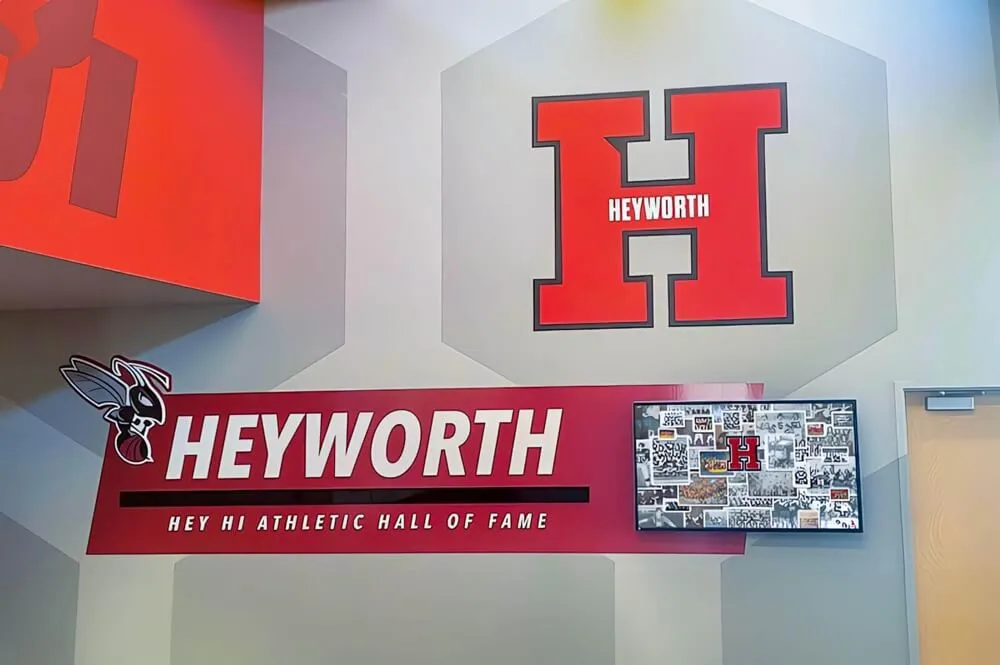
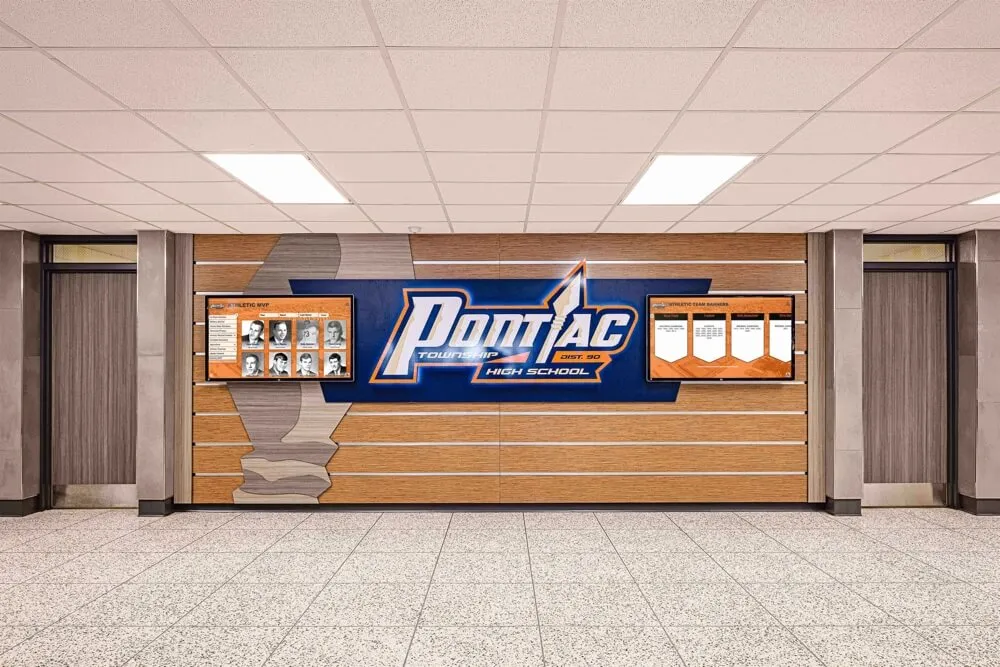
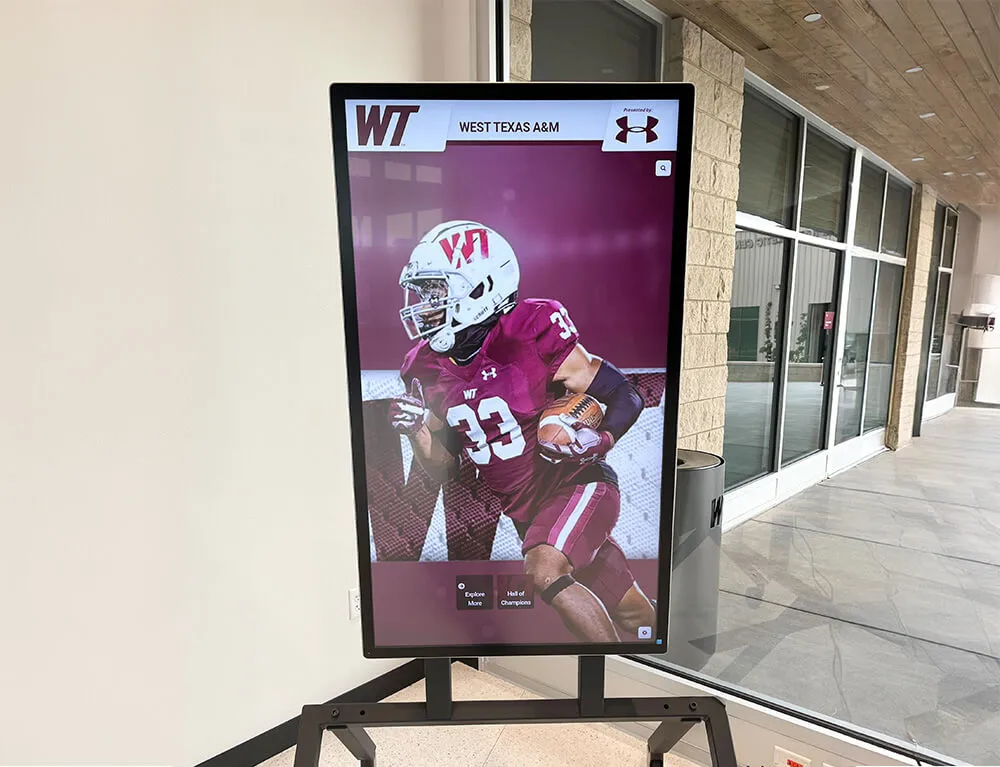
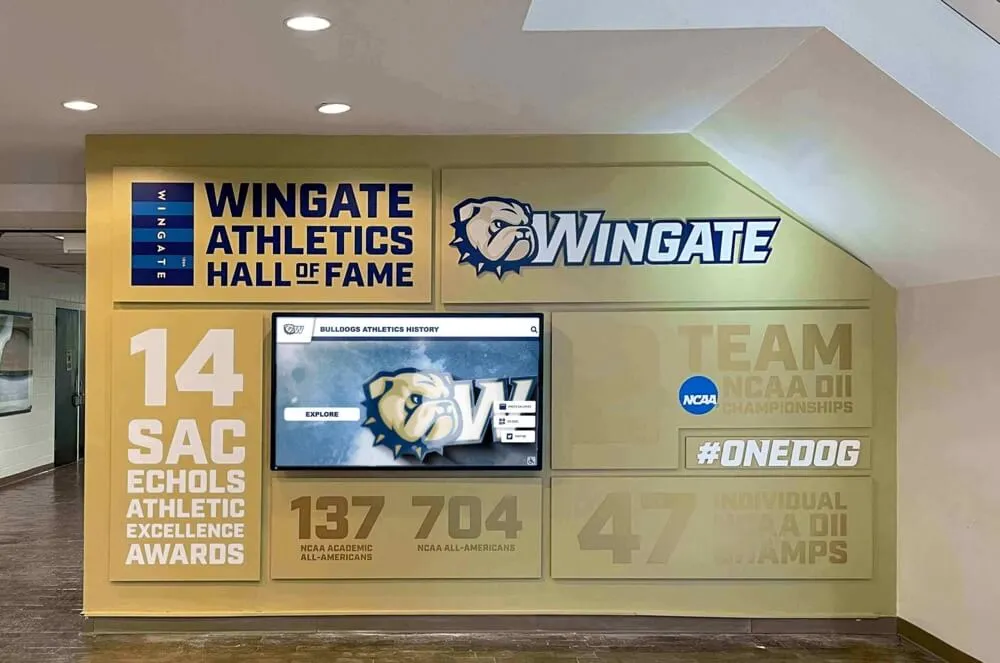
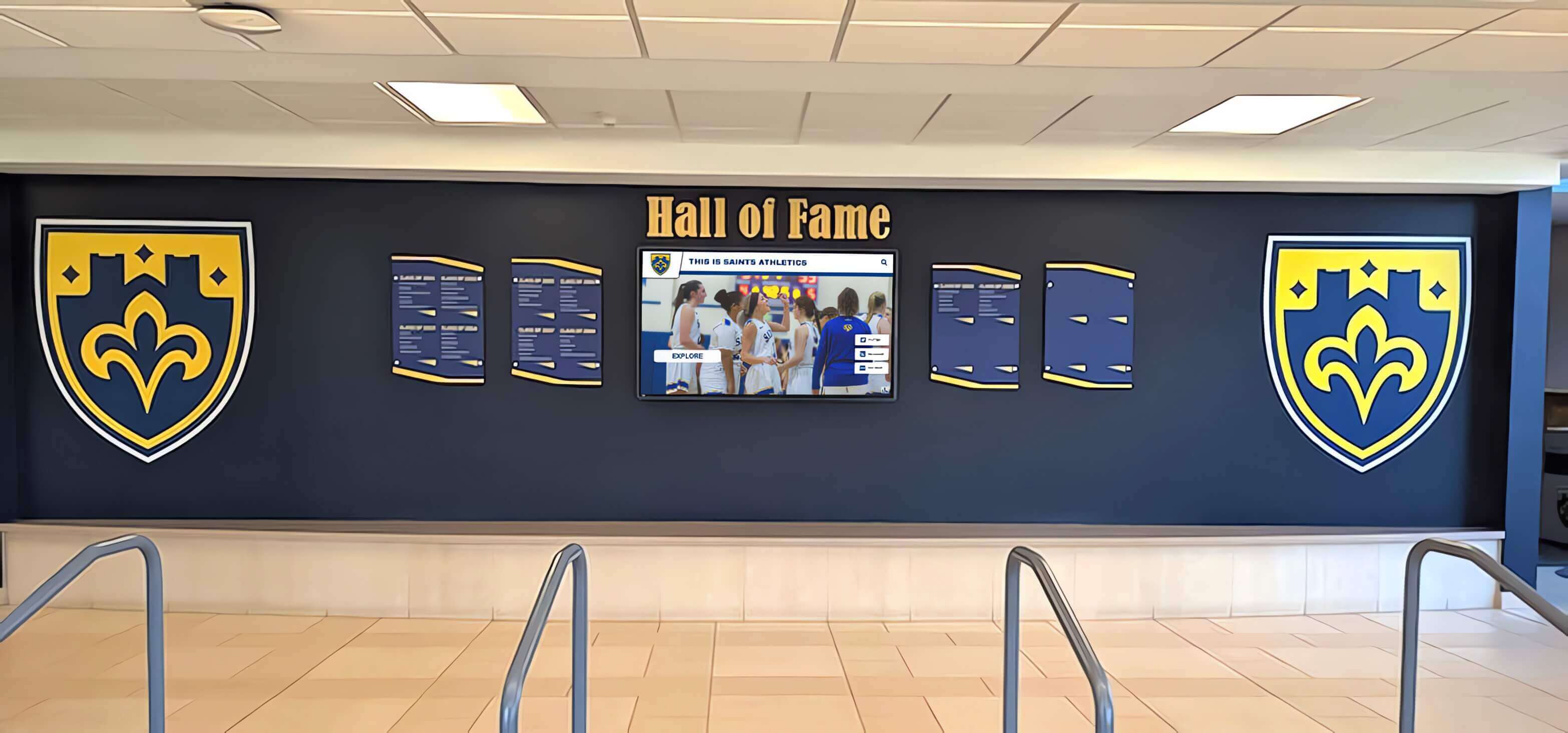
While graduation ceremonies provide formal recognition of academic achievement, graduation parties serve different but equally important purposes. These celebrations create space for personal connection that formal ceremonies cannot accommodate, allow extended family and community members to participate in honoring graduates, provide opportunities to share graduate stories and future plans in intimate settings, and create informal environments where graduates can celebrate with peers before paths diverge. Schools increasingly recognize that graduation recognition extends beyond single ceremony moments—permanent digital displays like those from Rocket Alumni Solutions enable institutions to celebrate graduating classes continuously rather than limiting acknowledgment to brief annual events.
Planning Timeline: When to Start and What to Prioritize
Successful graduation parties require planning that begins months before graduation day. This timeline ensures you secure venues, coordinate with other families, and manage details without last-minute stress.
3-4 Months Before Graduation
Establish Budget and Guest List: Determine how much you can realistically invest in the celebration and create preliminary guest lists including family, friends, teachers, coaches, and community members who influenced your graduate’s journey. Budget decisions drive subsequent choices about venue, catering, decorations, and entertainment.
Select Date and Venue: Coordinate with school graduation calendars and check with other families to avoid scheduling conflicts. Many communities experience graduation party saturation on graduation day itself—consider hosting celebrations the weekend before or after to reduce competition for guest attendance and vendor availability.
Popular venue options include:
- Home celebrations utilizing indoor and outdoor spaces
- Community centers or recreation facilities
- Park pavilions or outdoor gathering spaces
- Restaurant party rooms or banquet halls
- School facilities if available for private rentals
Book Key Vendors: Secure caterers, rental companies (tables, chairs, tents), photographers, and entertainment providers early, especially if graduating during peak season when vendors book quickly.
6-8 Weeks Before Graduation
Finalize Theme and Decorations: Select party themes that reflect your graduate’s personality, interests, or future plans. Popular graduation party themes include college or university themes featuring school colors of where graduate will attend, career or major themes reflecting intended fields of study, travel themes for graduates planning gap years or study abroad, nostalgia themes featuring photos and memories from childhood through senior year, and color schemes using school colors or graduate’s favorite colors.
Order Invitations or Create Digital Invites: Design invitations incorporating graduate photos, school colors, and celebration details. Digital invitation platforms simplify RSVP tracking and reduce printing costs while physical invitations create keepsakes families preserve.
Plan Menu and Dietary Accommodations: Develop catering plans accommodating various dietary restrictions, preferences, and budget constraints. Options range from full catered meals to potluck-style celebrations where family and friends contribute dishes.
3-4 Weeks Before
Create Recognition Displays: Compile photos, achievements, awards, and memorabilia showcasing your graduate’s high school journey. Display ideas include:
- Photo timeline walls showing progression from freshman through senior year
- Award and achievement displays featuring certificates, medals, trophies, and recognition items
- Memory boards where guests write congratulatory messages
- Digital photo slideshows playing throughout celebration
- College commitment displays showing where graduate will attend
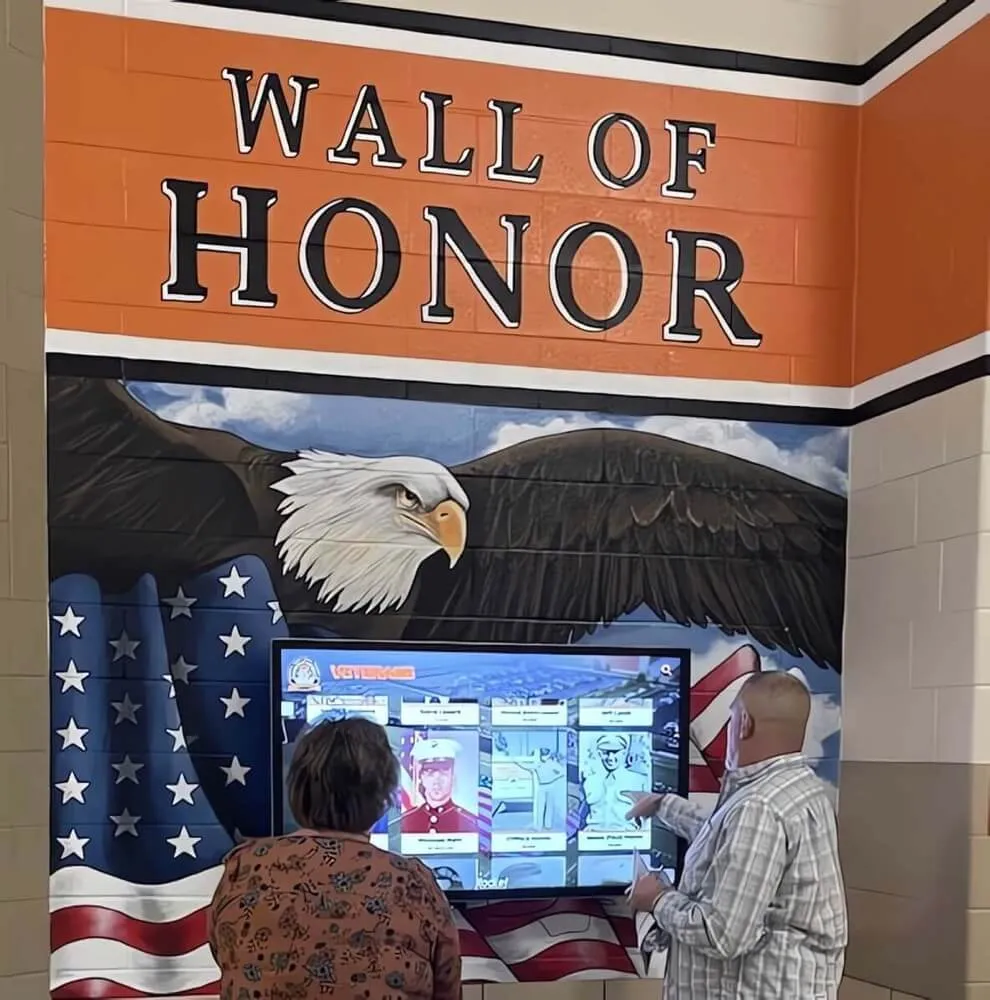
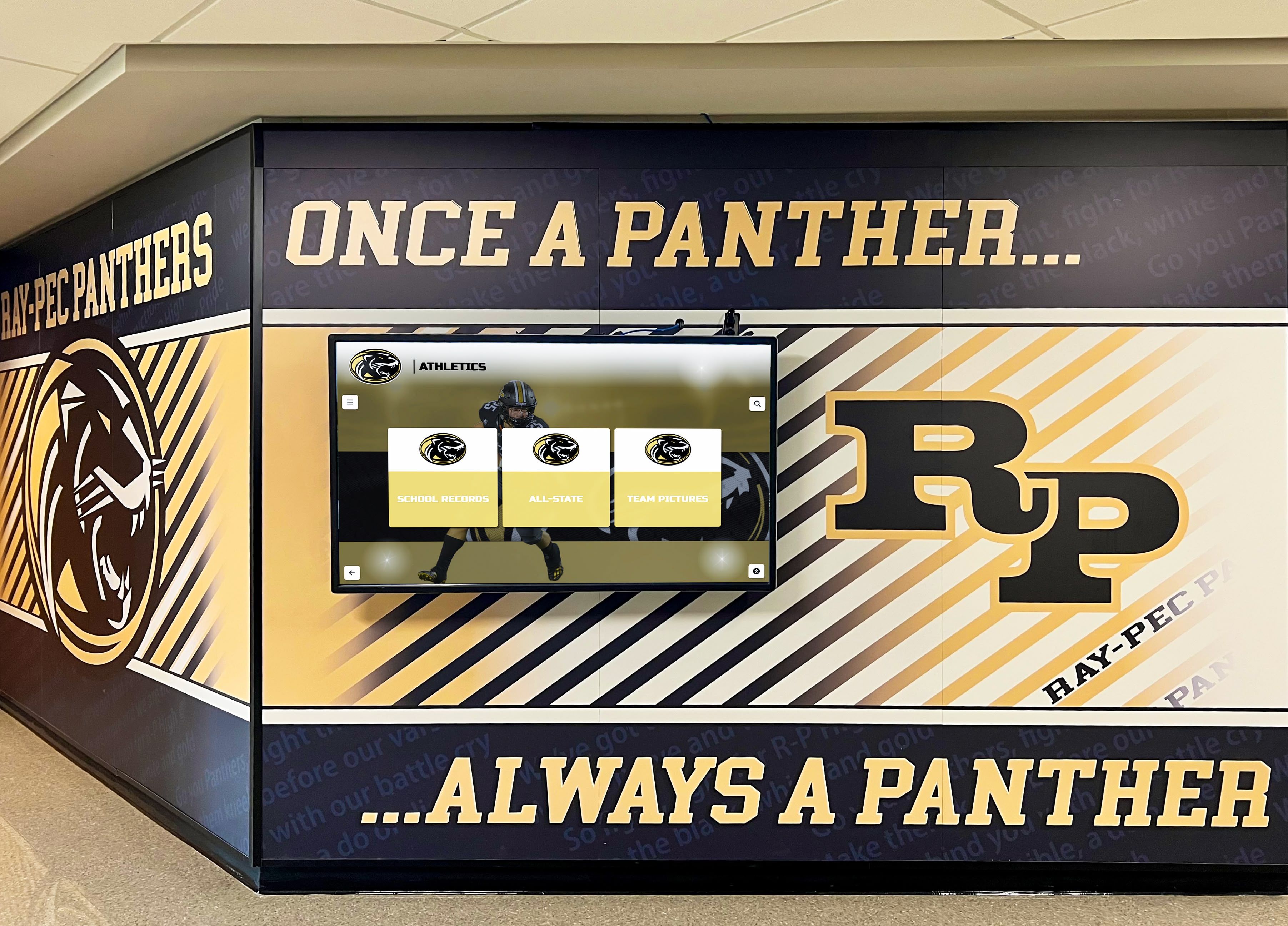
Schools implementing interactive recognition displays create lasting graduate recognition extending beyond individual parties, building permanent digital archives celebrating every graduating class.
Finalize Entertainment and Activities: Plan age-appropriate entertainment keeping guests engaged throughout celebration. Consider yard games for outdoor parties, photo booths with props and backdrops, video montages featuring graduate highlights, music playlists reflecting graduate preferences, and interactive elements where guests participate in recognizing the graduate.
Order Graduation Party Supplies: Purchase or order party supplies including decorations, tableware, serving items, graduation-themed elements (caps, diplomas, banners), and any special materials needed for planned activities.
Final Week
Confirm All Details: Reconfirm vendor arrangements, finalize headcounts with caterers based on RSVPs, complete shopping for any remaining supplies, prepare recognition displays and decoration materials, and create day-of timeline and task assignments for family members helping with setup.
Prepare Graduate Recognition Elements: Finalize speeches or toasts honoring the graduate, compile thank you gifts for guests (optional but appreciated), prepare memory books for guests to sign, and organize any surprise elements planned for the celebration.
Creative Graduation Party Themes and Decorations
The right theme creates cohesive visual identity for your celebration while reflecting your graduate’s personality and achievements.
College-Bound Theme
For graduates heading to college, incorporate their future school’s branding throughout the party:
Decorations: Use college colors for balloons, streamers, tablecloths, and banners. Display college logo prominently, feature pennants or flags representing the university, create centerpieces using school colors and mascot themes, and design directional signs mimicking campus landmarks.
Food and Drinks: Serve foods associated with the college’s region or state, create custom labels for drinks featuring college logos, design cake incorporating school colors and mascot, and offer snacks in containers decorated with college branding.
Activities: Create trivia games about the college’s history and traditions, display maps showing where graduate will live and study, feature virtual tour videos of campus playing in background, and invite guests to share advice for college success in a memory book.
Understanding how schools showcase college commitments through digital displays shows how institutions celebrate students’ future plans while building pride in college placement success.
Memory Lane Theme
Nostalgia-focused celebrations take guests through the graduate’s journey from childhood to graduation:
Decorations: Create photo timeline spanning graduate’s life from baby pictures through senior year, display school photos from each grade level, feature artwork or school projects from different ages, showcase jerseys, costumes, or items from various activities throughout the years, and organize memory stations dedicated to different life chapters.
Activities: Set up stations where guests share favorite memories, create video compilation featuring friends and family reminiscing, display yearbooks from elementary through high school, organize trivia games about graduate’s childhood and school years, and invite guests to contribute to “predictions for the future” board.
Recognition Elements: Feature academic achievement displays celebrating honor roll, awards, and scholarly accomplishments, highlight athletic achievements through photos and memorabilia, recognize extracurricular participation and leadership roles, and showcase community service contributions and volunteer work.
Career and Future Focus Theme
Center celebrations around graduate’s intended career path or field of study:
Decorations: Incorporate symbols and imagery representing chosen career field, use industry-related colors and design elements, display quotes from notable figures in the intended profession, create vision boards showing career aspirations and goals, and feature informational displays about the chosen field.
Educational Elements: Invite professionals from the field to attend and network with graduate, organize brief talks or Q&A sessions about career paths, create display explaining why graduate chose this field, and showcase relevant coursework, projects, or experiences preparing graduate for this career.
Travel and Adventure Theme
Perfect for graduates planning gap years, study abroad, or simply adventure-focused futures:
Decorations: Feature maps showing places graduate plans to visit or study, incorporate suitcases, globes, and travel-themed décor, use international flags or regional decorations, create passport-style invitations and guestbooks, and display photos of previous family travels or graduate’s travel experiences.
Interactive Elements: Set up stations where guests mark places they’ve been on large world maps, create “bucket list” boards where graduate and guests share travel aspirations, organize international food stations representing different cultures, and feature trivia games about world geography and cultures.
Venue Selection and Space Planning
Choosing the right venue dramatically impacts party atmosphere, guest experience, and budget requirements.
Home Celebrations
Hosting at home offers maximum flexibility and cost savings but requires significant preparation:
Advantages: Complete control over timing and setup, lower overall costs, intimate family atmosphere, ability to customize every detail, and no venue time restrictions.
Preparation Requirements: Deep cleaning and decluttering weeks before, outdoor space preparation including lawn care and landscaping, rental of tables, chairs, and tents if needed, weather contingency plans for outdoor elements, parking solutions for larger guest lists, and bathroom facilities adequate for guest count.
Space Optimization: Designate specific areas for different activities (food, seating, games, displays), create traffic flow patterns preventing congestion, set up food service areas away from high-traffic zones, establish clear entrance and coat storage areas, and maximize outdoor space for larger guest capacity.
Community Venues
Parks, recreation centers, and community facilities provide affordable alternatives with built-in amenities:
Selection Factors: Capacity matching your expected guest count, availability of indoor backup for weather concerns, kitchen facilities if you’re providing food, tables and chairs included or requiring rental, parking adequacy for your guest list, accessibility for guests with mobility challenges, and rental policies regarding decorations, catering, and cleanup.
Reservation Tips: Book 3-4 months in advance especially during peak graduation season, clarify exactly what’s included with rental fees, understand setup and breakdown time allowances, confirm electrical outlets for equipment needs, and verify alcohol policies if relevant to your plans.
Restaurant and Banquet Facilities
Full-service venues simplify planning by providing integrated catering and event services:
Benefits: Professional catering included, minimal setup and cleanup responsibilities, climate-controlled indoor environment, established service staff managing guest needs, and professional atmosphere for more formal celebrations.
Considerations: Higher per-person costs than home celebrations, menu limitations based on venue offerings, less flexibility for personalization and decorations, potential time restrictions based on venue scheduling, and advance booking requirements with deposits.
Food and Beverage Planning
Graduation party menus should accommodate diverse preferences while fitting your budget and party style.
Catering Options and Styles
Full-Service Catering: Professional caterers provide complete meal service including setup, serving, and cleanup. Best for larger parties (50+ guests) or when hosts prefer minimal involvement in food preparation. Costs typically range from $15-50+ per person depending on menu complexity and service style.
Buffet Style: Self-serve buffets allow guests to select portions and return for seconds while requiring less service staff than plated meals. Works well for casual celebrations and diverse menu options accommodating various dietary preferences.
Food Stations: Create multiple stations featuring different food types—taco bars, pasta stations, carving stations, or international cuisine areas. Stations encourage mingling while managing traffic flow better than single buffet lines.
Appetizer and Dessert Receptions: Lighter celebrations featuring passed or stationary hors d’oeuvres with dessert displays work well for afternoon or evening parties where full meals aren’t expected. More budget-friendly while still providing substantial food options.
Potluck Contributions: Family-style celebrations where relatives and friends contribute dishes significantly reduce costs while adding personal touches. Coordinate through shared spreadsheets ensuring variety across main dishes, sides, salads, and desserts.
Menu Development
Dietary Accommodations: Survey guests or include RSVP questions about dietary restrictions including vegetarian, vegan, gluten-free, nut allergies, and religious dietary requirements. Plan menus naturally accommodating most restrictions while having clearly labeled options for guests with specific needs.
Seasonal and Temperature Considerations: Summer outdoor parties require foods that withstand heat without refrigeration. Winter celebrations can feature heavier, warm comfort foods. Consider how foods will be stored, served, and maintained at safe temperatures throughout celebrations.
Graduate Favorites: Incorporate your graduate’s favorite foods, even if non-traditional for parties. Celebrations personalizing menus make graduates feel truly honored while providing conversation starters about graduate’s preferences and traditions.
Beverage Planning: Provide diverse beverage options including water stations, soft drinks and juices, coffee and tea service, and age-appropriate specialty drinks. Calculate approximately 2-3 beverages per person for multi-hour celebrations.
Graduation Cake and Desserts
The graduation cake serves as visual centerpiece and must-have photo opportunity:
Cake Design Ideas: Traditional sheet cakes decorated with graduation caps, diplomas, and school colors, tiered cakes featuring school and college colors combined, photo cakes printed with graduate’s picture, themed cakes reflecting hobbies or interests, and cupcake towers providing individual servings with variety.
Alternative Dessert Options: Dessert bars with cookies, brownies, and specialty treats, ice cream sundae stations with toppings bars, donut walls or displays, candy buffets with graduate’s favorite sweets, and dessert charcuterie boards featuring fruits, chocolates, and treats.
Budget Considerations: Order sheet cakes from grocery bakeries for affordable options ($30-60), work with local specialty bakers for custom designs ($100-300+), consider combination approaches with smaller custom cake for display plus sheet cakes for serving, or organize family members to prepare homemade dessert options.
Recognition Displays and Memory Creation
Graduation parties should celebrate the graduate’s journey through thoughtful displays and interactive elements.
Photo Display Ideas
Timeline Walls: Create chronological displays showing graduate’s growth from childhood through senior year. Include school photos from each grade, milestone moments (birthdays, first days of school, special events), family vacations and adventures, and achievement moments (awards, performances, competitions).
Achievement Galleries: Showcase certificates, medals, ribbons, and awards earned throughout high school. Display athletic accomplishments and team photos, academic honors and recognition, extracurricular achievements in arts, music, or clubs, community service recognition, and leadership positions and responsibilities.
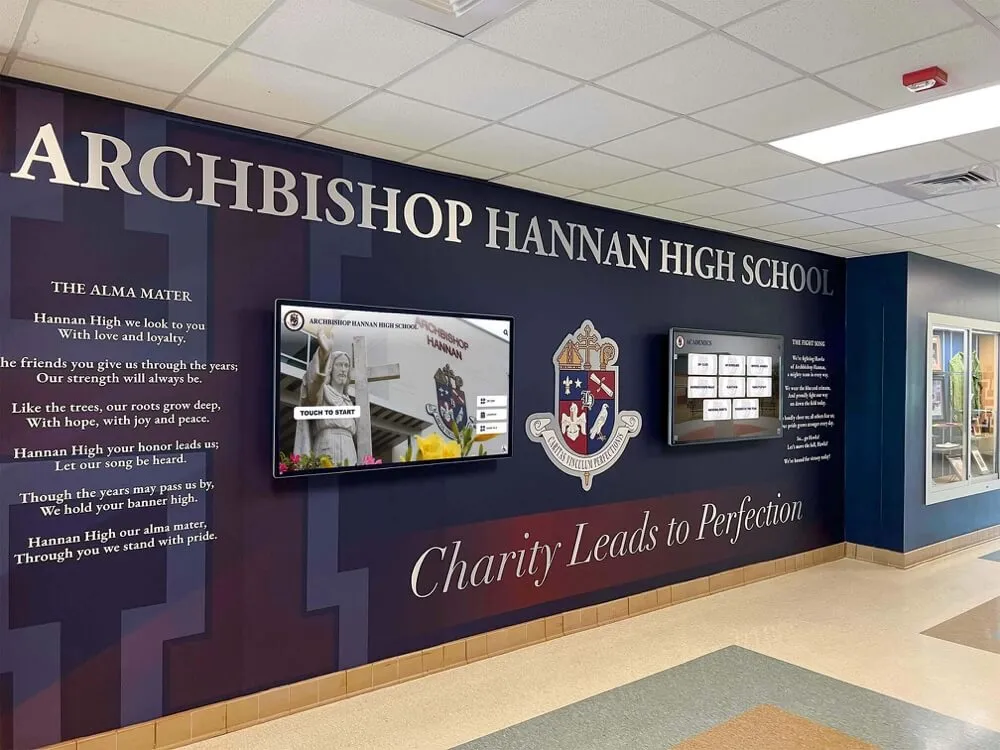
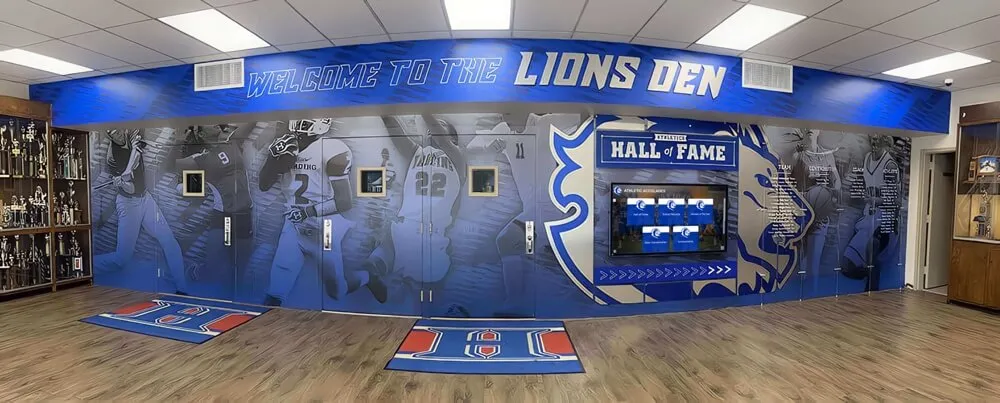
Schools implementing digital recognition solutions demonstrate how permanent displays celebrate student achievement beyond individual parties, creating lasting institutional recognition.
Activity-Specific Displays: Dedicate areas to different aspects of graduate’s high school experience including sports sections with uniforms, equipment, and team photos, fine arts areas featuring artwork, performance photos, or musical achievements, academic displays highlighting favorite subjects or projects, and club and organization sections representing memberships and contributions.
Interactive Memory Elements
Guest Books: Provide creative alternatives to traditional guest books where attendees share messages, advice, and well-wishes. Options include photo guest books where guests sign around graduate pictures, advice books where guests offer life guidance, prediction books where guests forecast graduate’s future, memory journals where guests share favorite stories about the graduate, and message boards using different formats (cards, notes, video messages).
Video Message Stations: Set up dedicated spaces with cameras or tablets where guests record congratulatory messages, advice, or favorite memories. Compile recordings into video montages graduate can revisit throughout life.
Time Capsule Creation: Invite guests to contribute items, letters, or predictions to sealed time capsules graduate opens at future milestones (college graduation, wedding, 30th birthday). Include current newspapers, popular music lists, trend documentation, guest predictions about graduate’s future, and graduate’s current letter to future self.
Photo Opportunities: Create designated photo areas with professional or DIY backdrops where guests take pictures with the graduate. Include graduation-themed props (caps, diplomas, signs), photo booth setups with instant printing, backdrop designs reflecting party themes or school colors, and sharing options through event hashtags or digital albums.
Digital Slideshows and Video Presentations
Continuous visual presentations keep guests entertained while celebrating the graduate:
Content Elements: Chronological photo progression from birth through graduation, video clips from significant moments and events, messages from friends who couldn’t attend, interview clips with family members sharing favorite memories, highlight reels from performances, games, or competitions, and behind-the-scenes moments showing graduate’s personality.
Technical Setup: Large screens or projectors for visibility throughout party space, background music complementing visuals without overwhelming conversation, looping presentations running throughout celebration, and compilation lengths appropriate for multi-viewing (15-20 minutes works well for loops).
Production Tips: Start collecting content 2-3 months before party, request photos from extended family and friends, digitize old photographs using scanning services or apps, edit professionally using video software or hire student filmmakers, and test complete presentation before party day to resolve technical issues.
Entertainment and Activities
Engaging entertainment keeps guests of all ages enjoying the celebration while creating interactive experiences.
Music and Entertainment Options
DJ or Live Music: Professional entertainment provides continuous music, manages sound system needs, can serve as MC making announcements, engages guests through appropriate song selection, and creates energetic celebration atmosphere. Expect costs ranging from $300-1,500 depending on experience and hours needed.
Curated Playlists: Self-managed music through streaming services offers budget-friendly alternatives when professional entertainment isn’t feasible. Create playlists featuring graduate’s favorite music, songs from different life stages, popular music from graduation year, and variety accommodating multi-generational guests.
Performance Opportunities: If graduate or talented family members perform, brief live performances add personal touches including graduate musical performances, sibling or friend tribute performances, family members sharing songs or toasts, and community group performances if graduate participated.
Games and Activities
Interactive activities keep guests engaged between mingling and eating:
Outdoor Games (for yard or park celebrations):
- Cornhole or beanbag toss decorated with graduation themes
- Giant Jenga or Connect Four
- Volleyball or badminton nets for casual play
- Croquet or lawn bowling
- Water balloon tosses (warm weather)
- Frisbee or casual catch areas
Indoor Activities:
- Trivia games about the graduate’s life and interests
- “Guess the year” games matching photos to ages or grades
- Mad Libs featuring graduate’s future or stories
- Advice cards where guests share wisdom
- Prediction games about graduate’s future
All-Ages Options: Plan activities engaging both younger siblings and older relatives including craft stations making cards for graduate, photo scavenger hunts around party space, memory-sharing circles where guests take turns sharing stories, and board game stations for casual play.
Special Presentations and Recognition
Structure opportunities for family and friends to formally recognize the graduate:
Toasts and Speeches: Organize brief speaking opportunities for parents, siblings, grandparents, and close family friends to share congratulations, memories, and advice. Keep presentations under 3-5 minutes each to maintain guest attention.
Award Presentations: Create humorous or heartfelt custom awards celebrating graduate’s unique qualities—“Most Likely to Sleep Through Alarm,” “Future Nobel Prize Winner,” “Family’s Best Cook,” or “Always Has Perfect Comeback.”
Senior Year Highlights: If multiple family members graduated, dedicate time to reviewing major moments from their senior year including athletic seasons and championships, school performances and showcases, academic competitions and awards, significant school events and dances, and memorable moments with friends and classmates.
Exploring how schools recognize senior achievements through permanent displays shows innovative approaches to celebrating graduating classes that extend beyond individual celebrations.
Budget Management and Cost-Saving Strategies
Meaningful graduation celebrations don’t require enormous budgets. Strategic planning helps control costs while creating memorable experiences.
Budget Allocation Guidelines
Typical graduation party budgets allocate expenses across categories:
Venue and Rentals (25-30% of budget): Space rental fees, table and chair rentals, tent or canopy rentals for weather protection, and decoration materials and supplies.
Food and Beverages (40-50% of budget): Catering or food purchase costs, beverage supplies, graduation cake and desserts, and serving ware and disposables.
Decorations and Displays (10-15% of budget): Themed decoration elements, photo printing and display materials, balloons, banners, and centerpieces, and memory book and interactive activity supplies.
Entertainment and Activities (10-15% of budget): DJ, musician, or entertainment costs, game and activity supplies, photo booth or photography services, and video production or slideshow creation.
Invitations and Party Favors (5-10% of budget): Invitation printing or digital services, thank you gifts for guests, and graduation announcements if separate from invitations.
Cost-Saving Strategies
Timing Flexibility: Host celebrations on non-graduation weekend dates when vendor rates may be lower and venue availability increases. Morning or early afternoon parties typically cost less than evening celebrations requiring full meal service.
DIY Elements: Handle decoration creation, photo display assembly, playlist curation instead of hiring DJs, and homemade or family-contributed food options personally to significantly reduce costs while adding personal touches.
Combined Celebrations: Partner with other families hosting graduation parties to share venue costs, split catering minimums, bulk-purchase decorations and supplies, combine entertainment expenses, and expand guest lists while managing individual costs.
Community Resources: Utilize free or low-cost community spaces, borrow items from friends and family (tables, decorations, serving pieces), recruit volunteer help from extended family for setup and service, and leverage personal networks for entertainment talent.
Prioritize Spending: Identify which elements matter most to your graduate and allocate larger portions of budget there while minimizing less important aspects. If food matters most, splurge on catering while simplifying decorations. If photography is priority, hire professionals while handling other elements yourself.
Graduation Party Etiquette and Guest Considerations
Thoughtful planning considers guest experience and follows social etiquette standards.
Invitation Timing and Content
When to Send: Mail or email invitations 4-6 weeks before celebration date providing sufficient notice for guests to plan attendance while not so early that details get forgotten.
Essential Information: Include graduate’s full name, graduation date and school, celebration date, time, and location, RSVP instructions and deadline, dress code if applicable, and gift preferences or registry information if comfortable including.
Digital vs. Physical: Digital invitations through email or event platforms cost less, simplify RSVP tracking, allow easy information updates, and provide eco-friendly options. Physical invitations create keepsakes families preserve, feel more formal for traditional celebrations, and reach relatives less comfortable with digital communication.
Gift Considerations
Graduation parties inevitably involve guests bringing gifts recognizing the milestone:
Registry Options: While less common than wedding registries, some families create registries helping guests select useful gifts for college or future plans. Options include dorm room essentials, kitchen supplies for apartments, professional wardrobe items, and technology needed for college success.
Gift Alternatives: Some families request alternatives to physical gifts including contributions to college funds or 529 plans, donations to causes graduate cares about, books with personal inscriptions and recommendations, or experiences like gift cards for future adventures.
Thank You Practices: Graduates should send personalized thank you notes within 2-3 weeks after celebration to every guest who attended or sent gifts, specifically mentioning gifts received or memories shared, expressing genuine appreciation for support and presence, and sharing updates about college or future plans.
Managing Multiple Parties
Many graduates attend multiple celebrations for family, friends, and combined groups:
Family Party: Intimate celebrations with close family members, extended relatives, and family friends focus on personal connections, family traditions, multi-generational gathering, and sharing family stories and memories.
Friend Parties: Graduate-hosted or peer-organized celebrations with classmates and friend groups emphasize social celebration with peers, casual, age-appropriate atmosphere, grad-focused entertainment and activities, and transitions from high school to future phases.
Combined Community Celebrations: Neighborhoods or friend groups sometimes organize shared celebrations featuring multiple graduates, reduced individual hosting responsibilities, opportunities for graduates to celebrate together, and cost-sharing among participating families.
Understanding how schools approach student recognition programs provides insights into creating meaningful acknowledgment that extends beyond individual parties.
Special Considerations for Different Graduate Situations
Not every graduate follows traditional paths—thoughtful planning accommodates diverse circumstances.
Virtual or Hybrid Celebrations
Distance, health concerns, or logistical challenges sometimes necessitate virtual celebration elements:
Technology Setup: Use video conferencing platforms accommodating your guest count, test equipment and connections well before party, ensure adequate internet bandwidth for video streaming, and position cameras capturing key celebration areas and moments.
Hybrid Approaches: Combine in-person gatherings with virtual participation through main party livestreamed for remote guests, scheduled video calls during celebrations for remote family to join specific moments, recorded messages from those who cannot attend played during party, and post-party video compilations shared with all guests.
Fully Virtual Parties: When in-person gathering isn’t possible, create meaningful virtual experiences including watch parties where guests join video calls while celebrating from homes, digital photo sharing and memory creation through online platforms, virtual games and activities using online platforms, and mailed party packages with treats guests enjoy during virtual celebration.
Non-Traditional Graduate Paths
Graduates pursuing alternatives to four-year colleges deserve equal celebration:
Military Service: Recognize graduates entering military service through displays explaining their service branch and role, patriotic themes honoring their commitment, invitations to recruiting officers or service members, and focus on courage, service, and dedication.
Trade Schools and Certifications: Celebrate career-focused education through themes reflecting chosen trades or certifications, recognition of hands-on learning paths, displays explaining career opportunities in chosen fields, and emphasis on practical skills and immediate career entry.
Gap Year Plans: Honor graduates taking intentional breaks through travel-themed celebrations, displays of gap year plans and goals, recognition of international service or work plans, and emphasis on personal growth and exploration.
Direct Workforce Entry: Recognize graduates beginning careers immediately through career-focused themes and recognition, displays of job achievements or opportunities, celebration of work ethic and independence, and acknowledgment of diverse success paths.
Students with Special Circumstances
Thoughtful accommodation ensures all graduates feel celebrated:
Graduates with Disabilities: Ensure venue accessibility for mobility needs, plan activities accommodating various abilities, communicate with graduate about preferred recognition approaches, and celebrate achievements while respecting graduate’s comfort levels.
First-Generation College Students: Recognize the significance of being first in family to attend college through special acknowledgment of this achievement, inclusion of information about college support resources, celebration of family sacrifice and support, and recognition of breaking new ground for family.
Teen Parents: Honor graduates managing parenting alongside academics through childcare provisions during celebrations, recognition of balancing multiple responsibilities, inclusion of graduate’s children in celebrations appropriately, and acknowledgment of extra determination and dedication.
Extending Recognition Beyond the Party
The most meaningful graduation recognition extends beyond single party celebrations.
Preserving Party Memories
Professional Photography: Hire photographers or designate skilled family photographers to document celebrations comprehensively including formal portraits of graduate, candid guest interactions, detail shots of decorations and displays, activity and entertainment moments, and group photos with various family configurations.
Video Documentation: Record party highlights creating lasting memories through complete event recording capturing speeches and presentations, guest interview clips sharing congratulations, activity and entertainment footage, and reaction moments when graduate sees displays or receives gifts.
Photo Sharing: Create centralized digital albums where guests can contribute and access photos including shared albums through Google Photos or similar platforms, event hashtags for social media photo collection, photo-sharing stations during party for immediate uploads, and post-party compilation albums sent to all guests.
Building Lasting Graduate Recognition
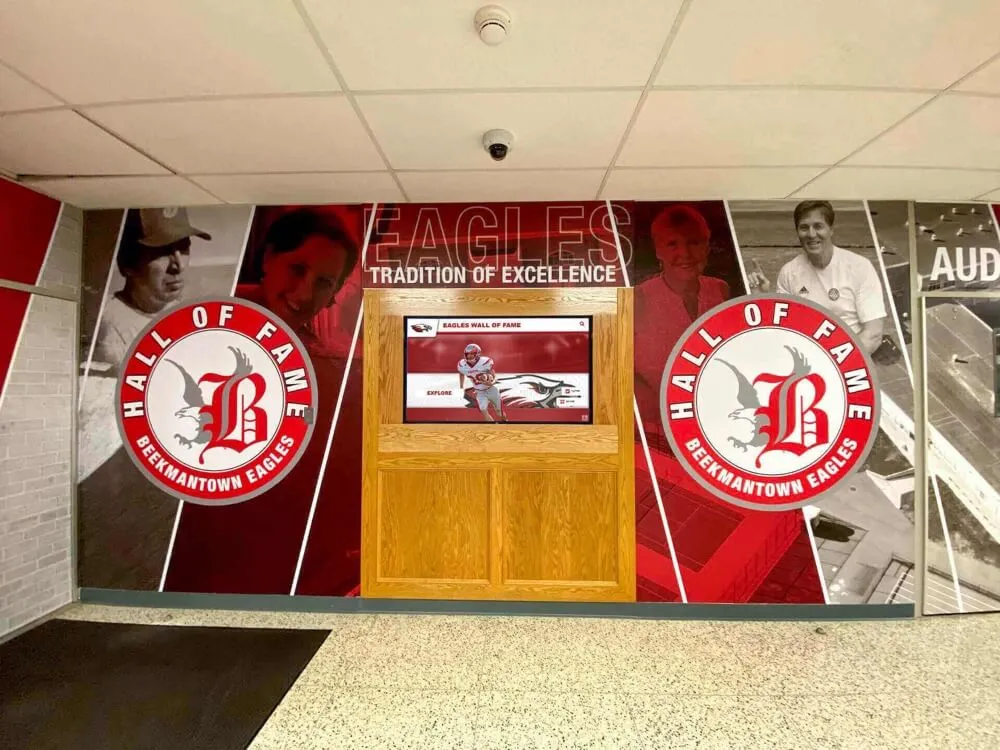
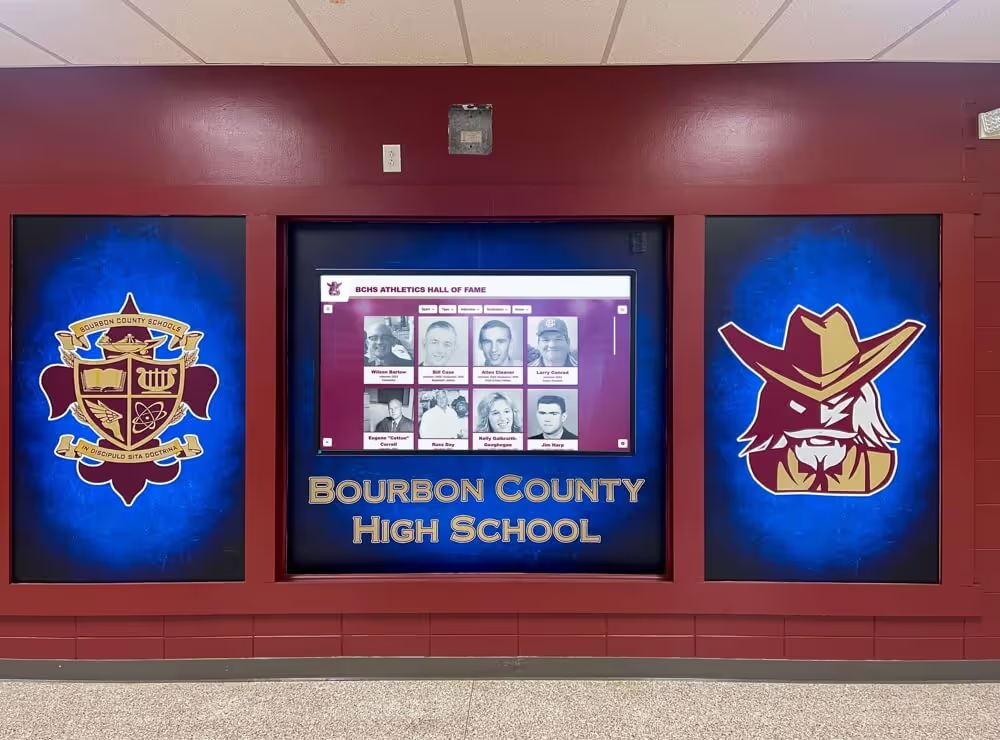
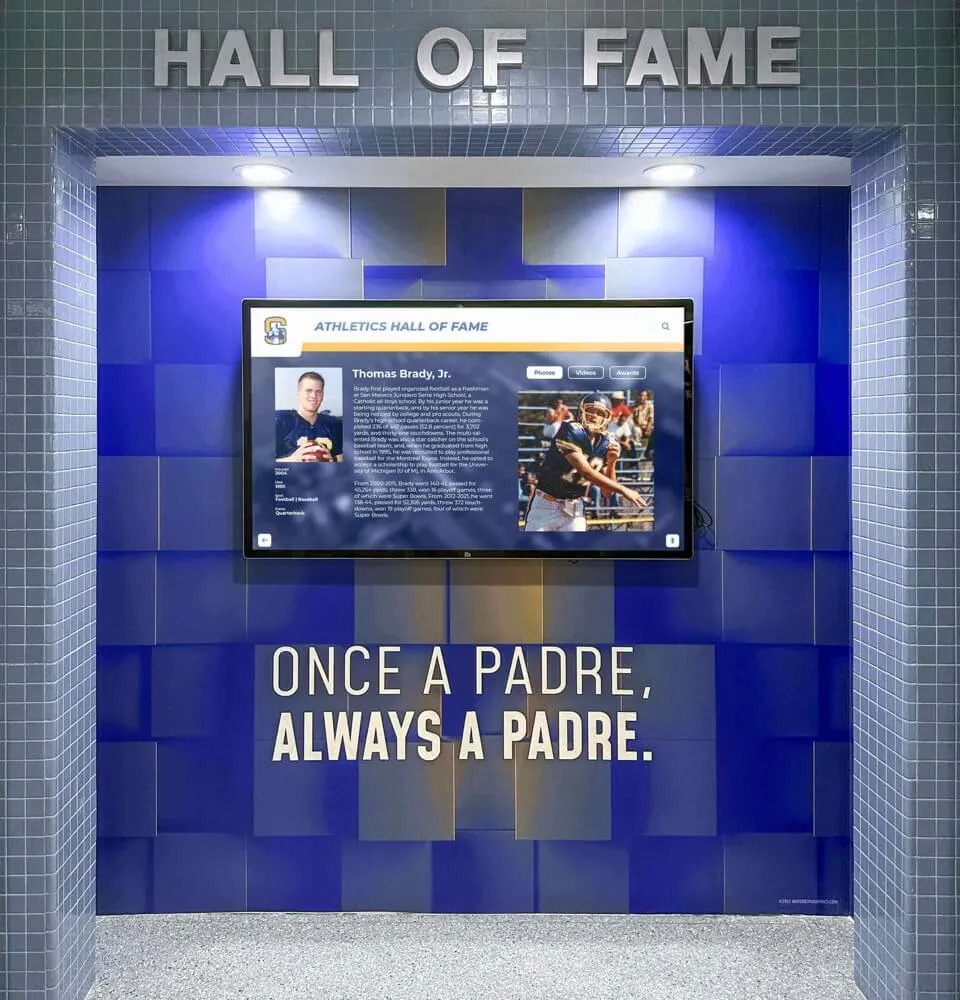
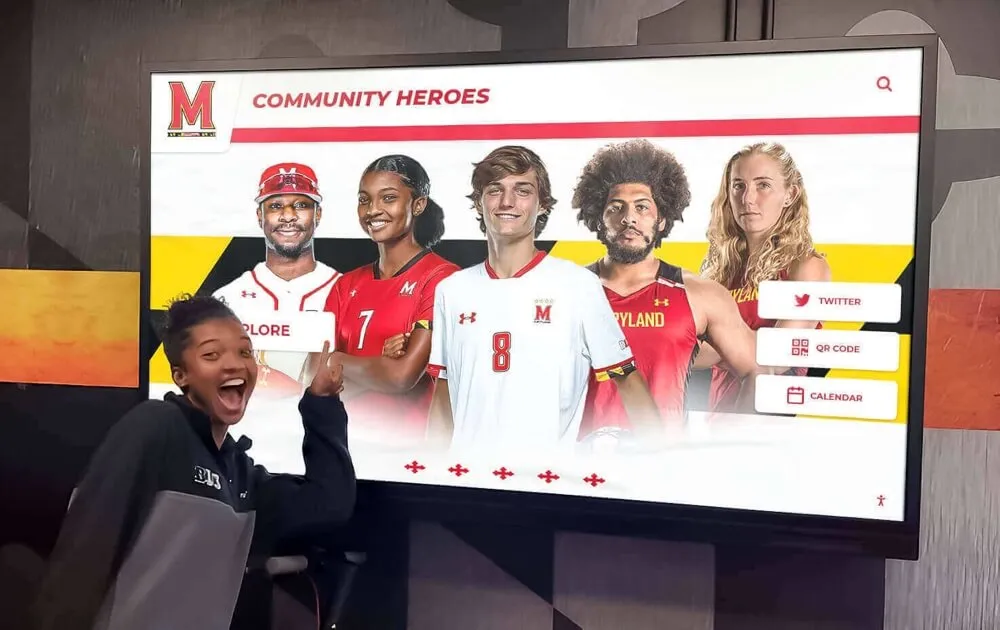
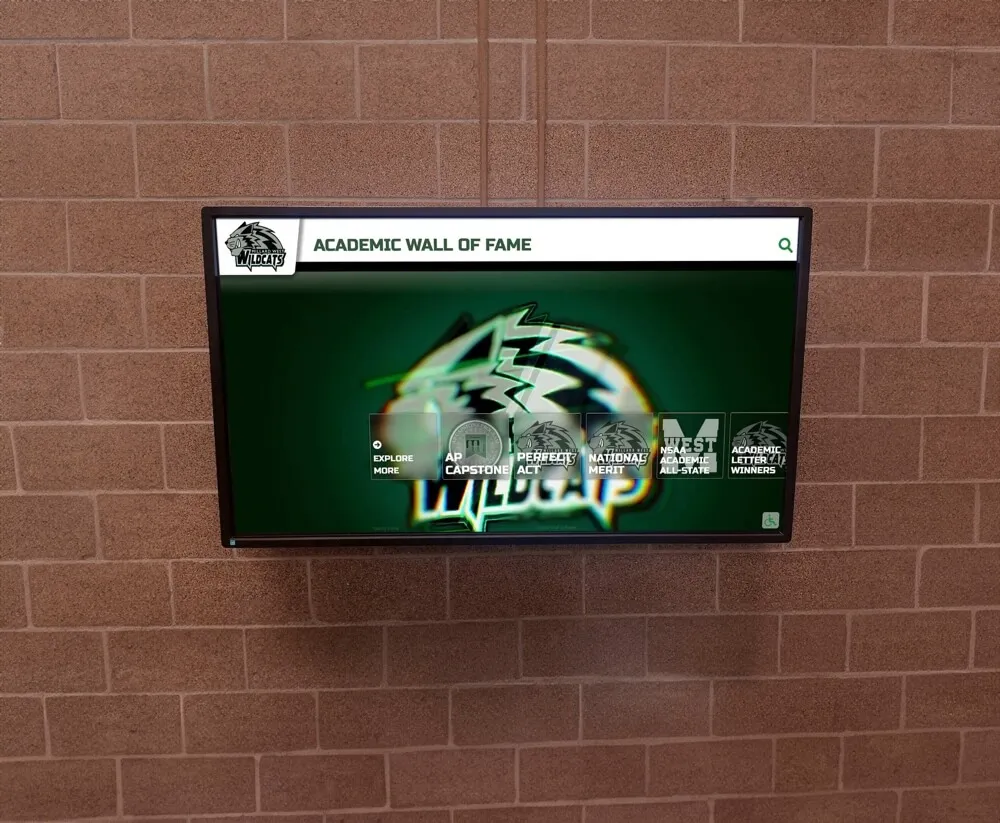
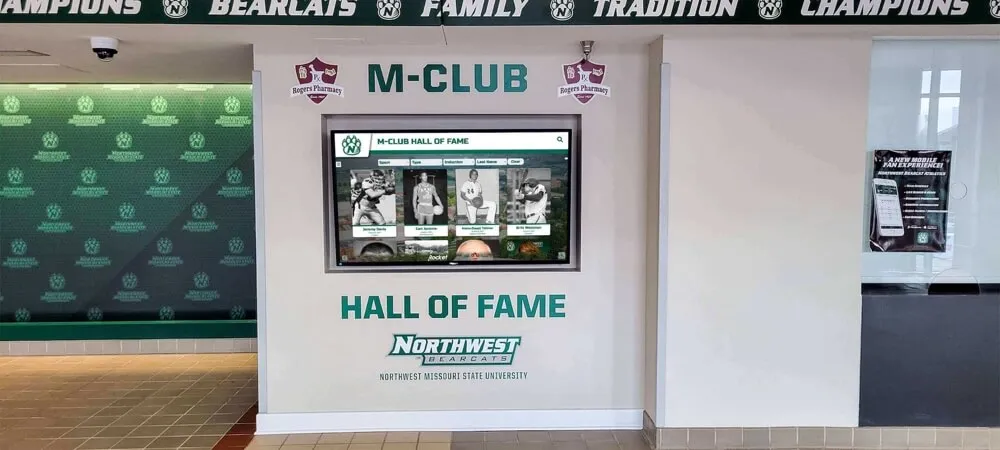
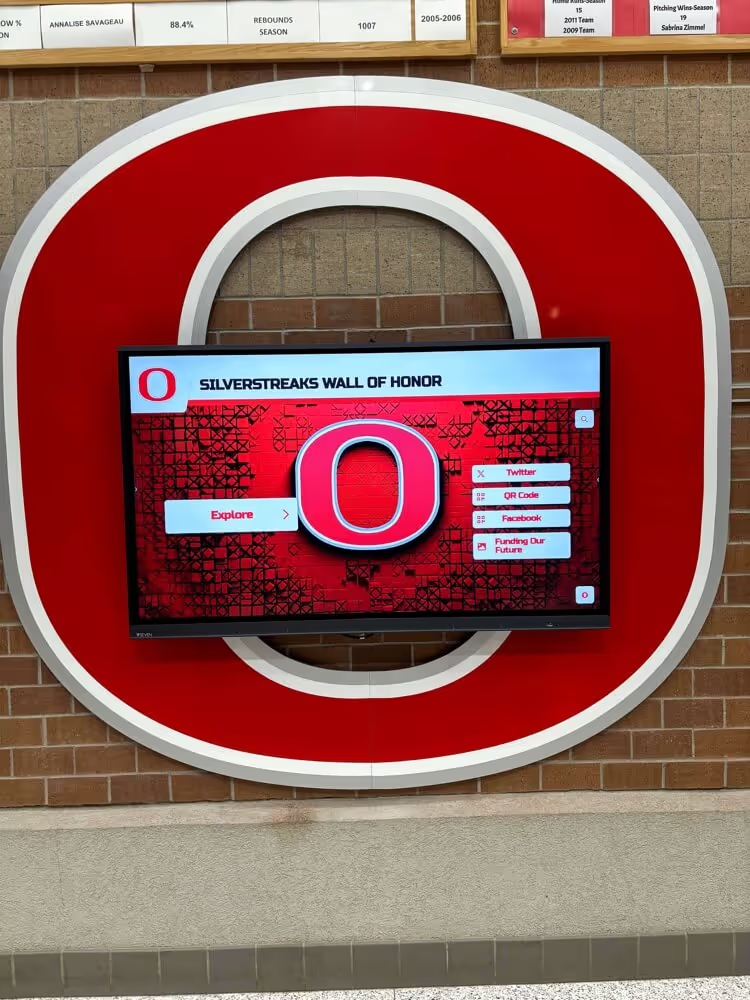
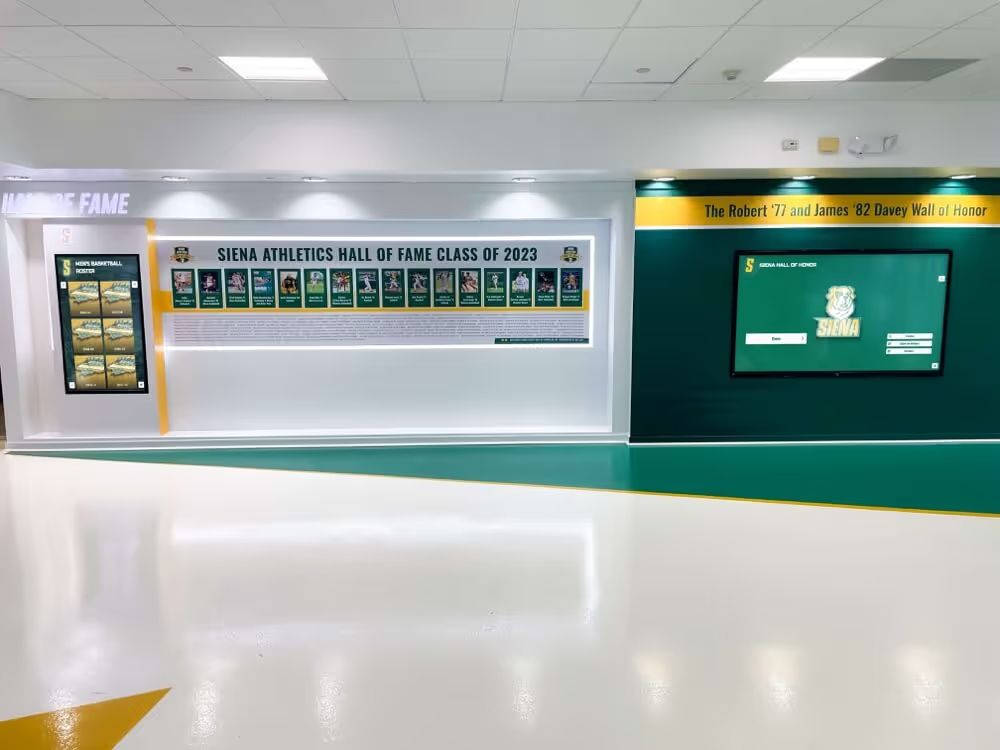
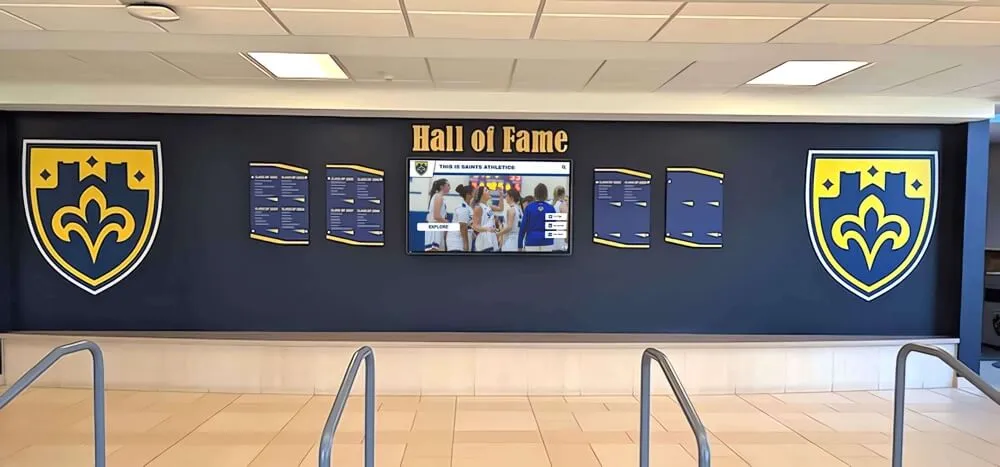
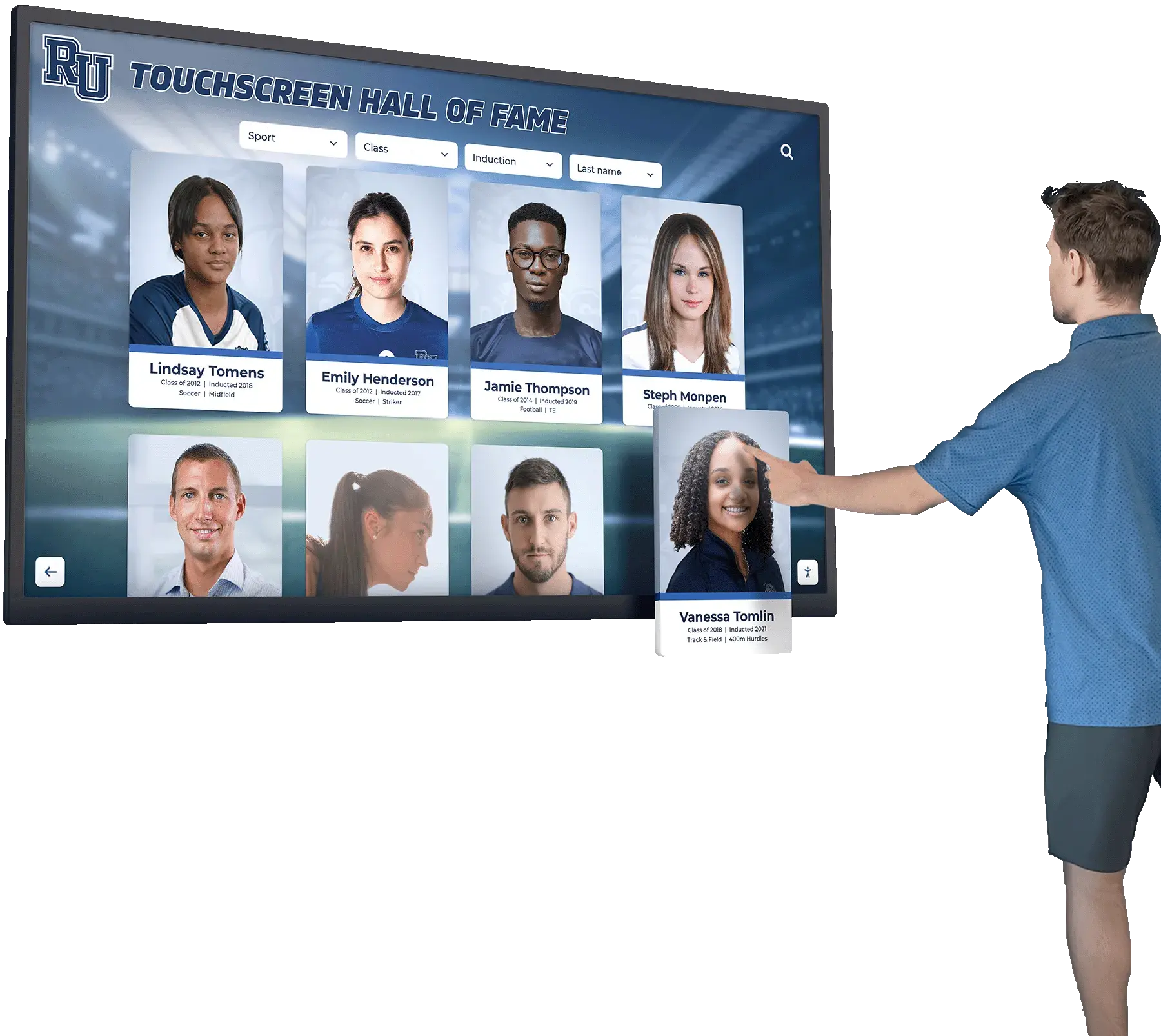
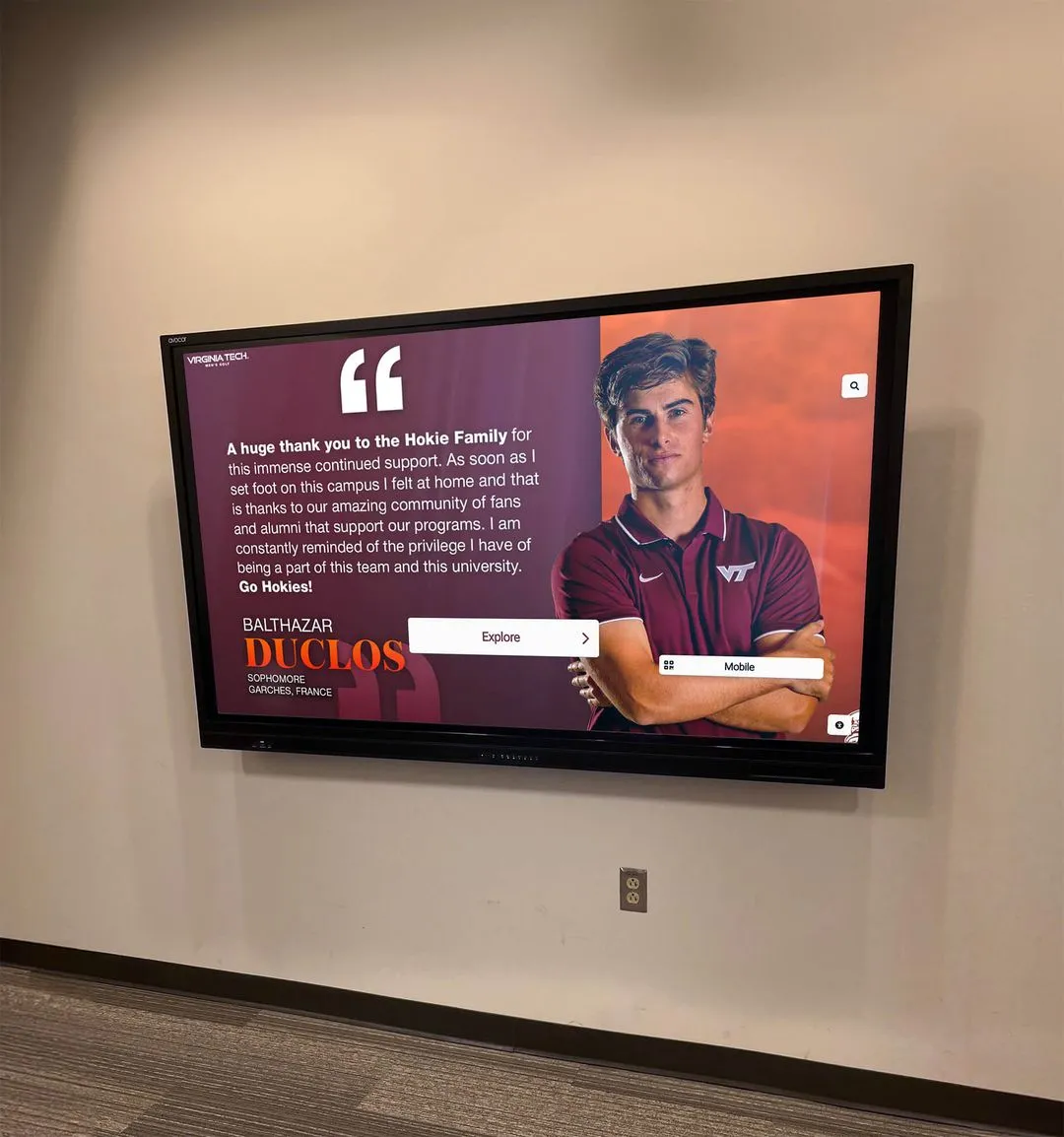
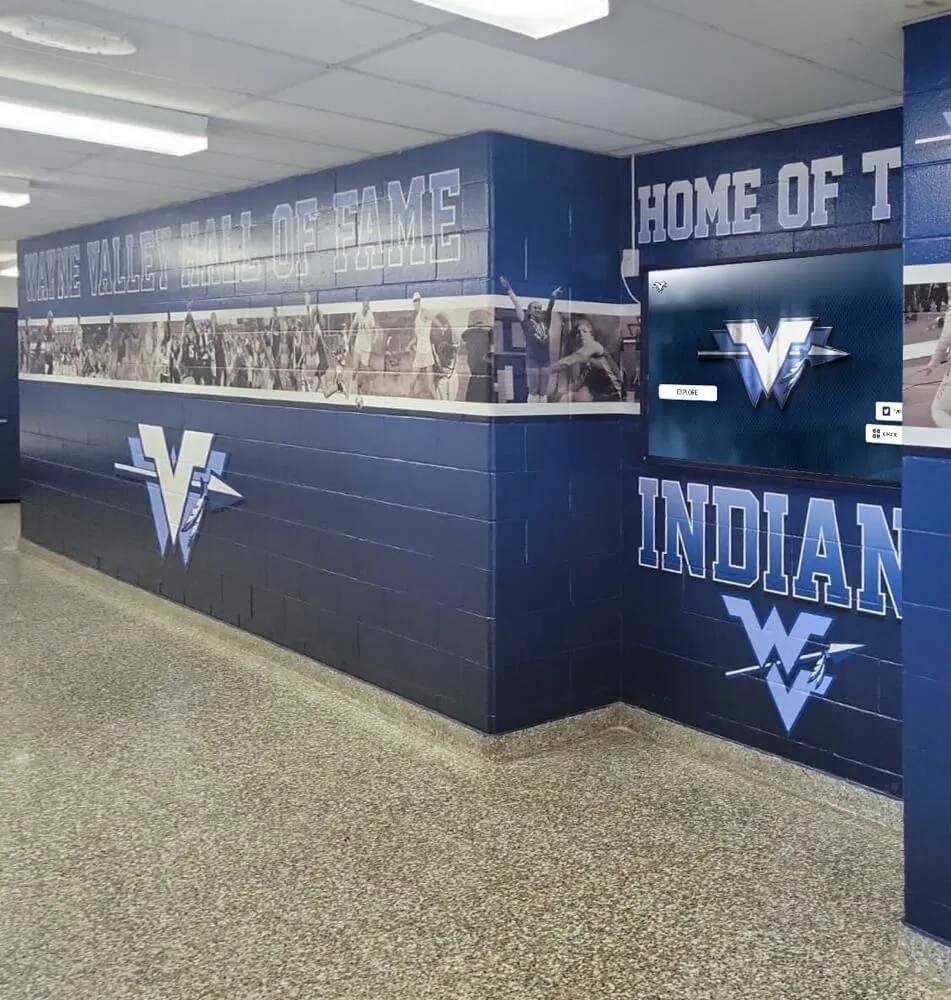
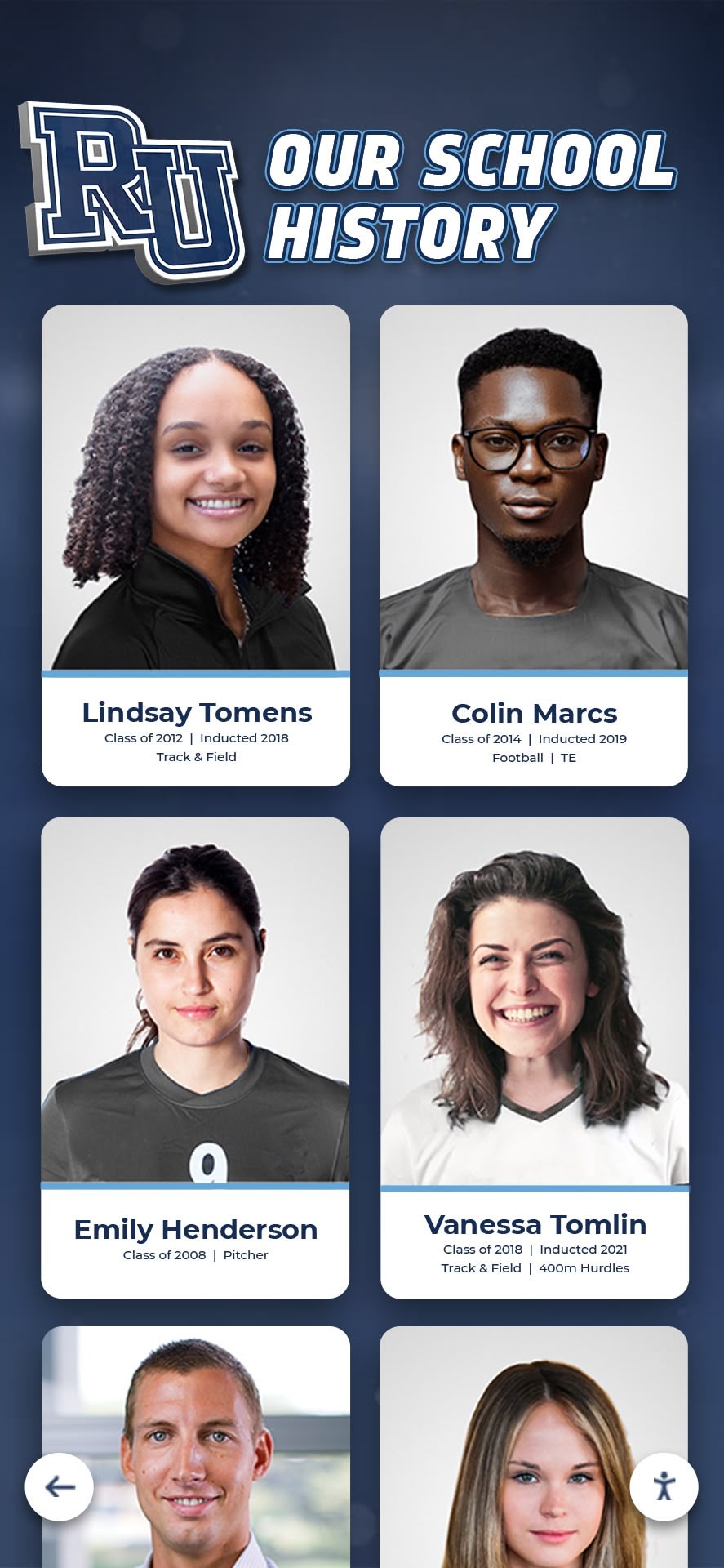
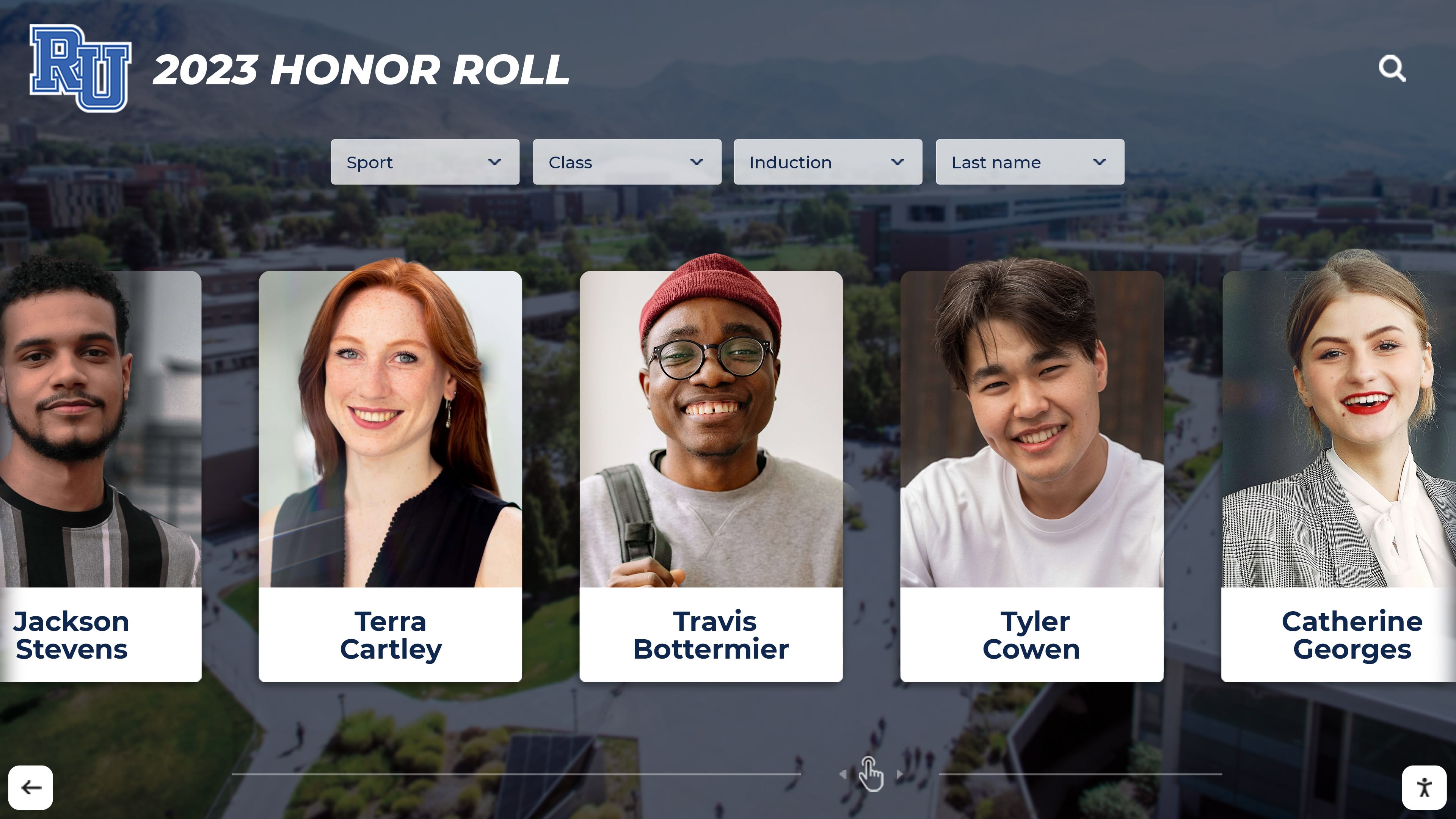
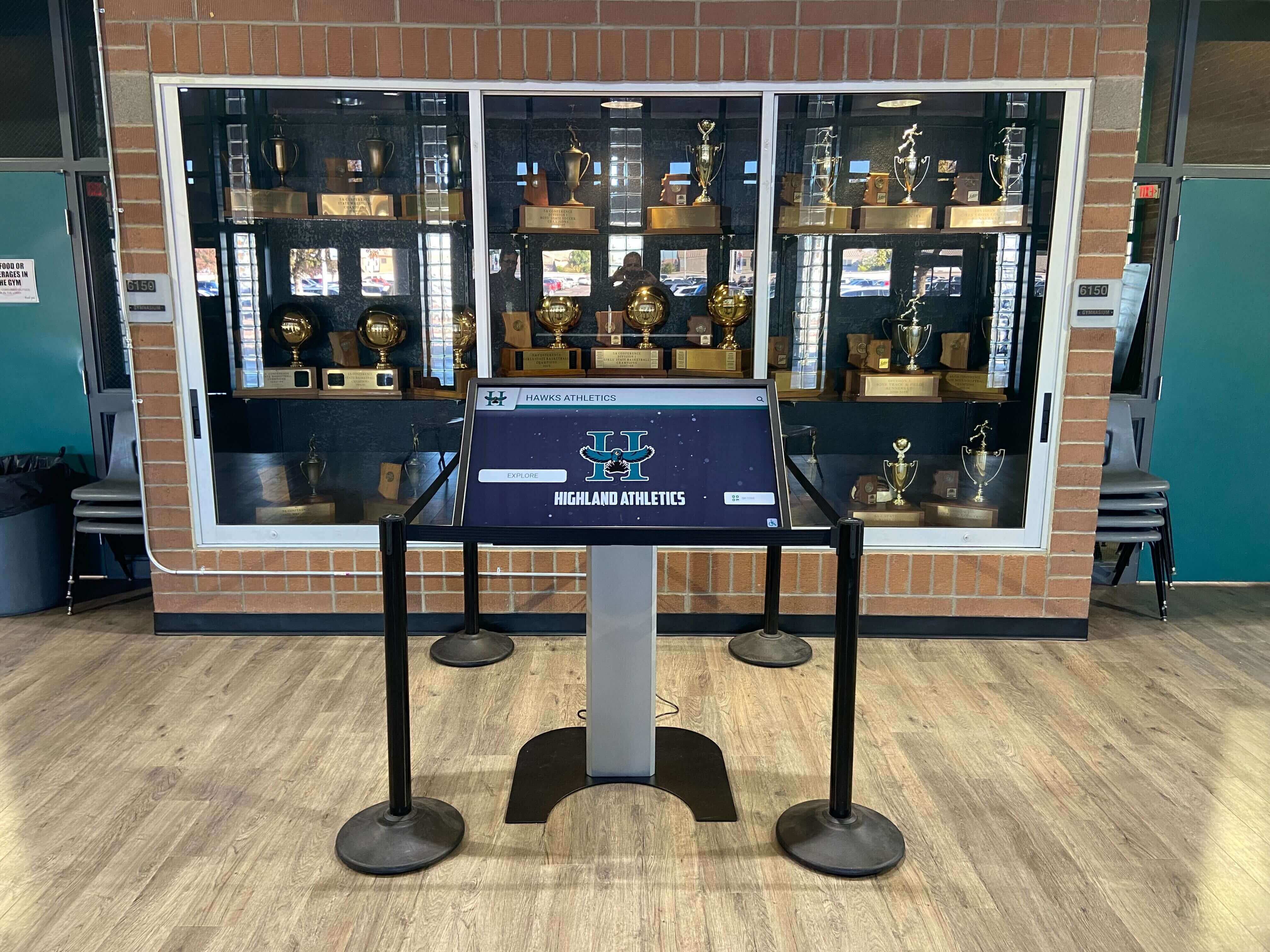
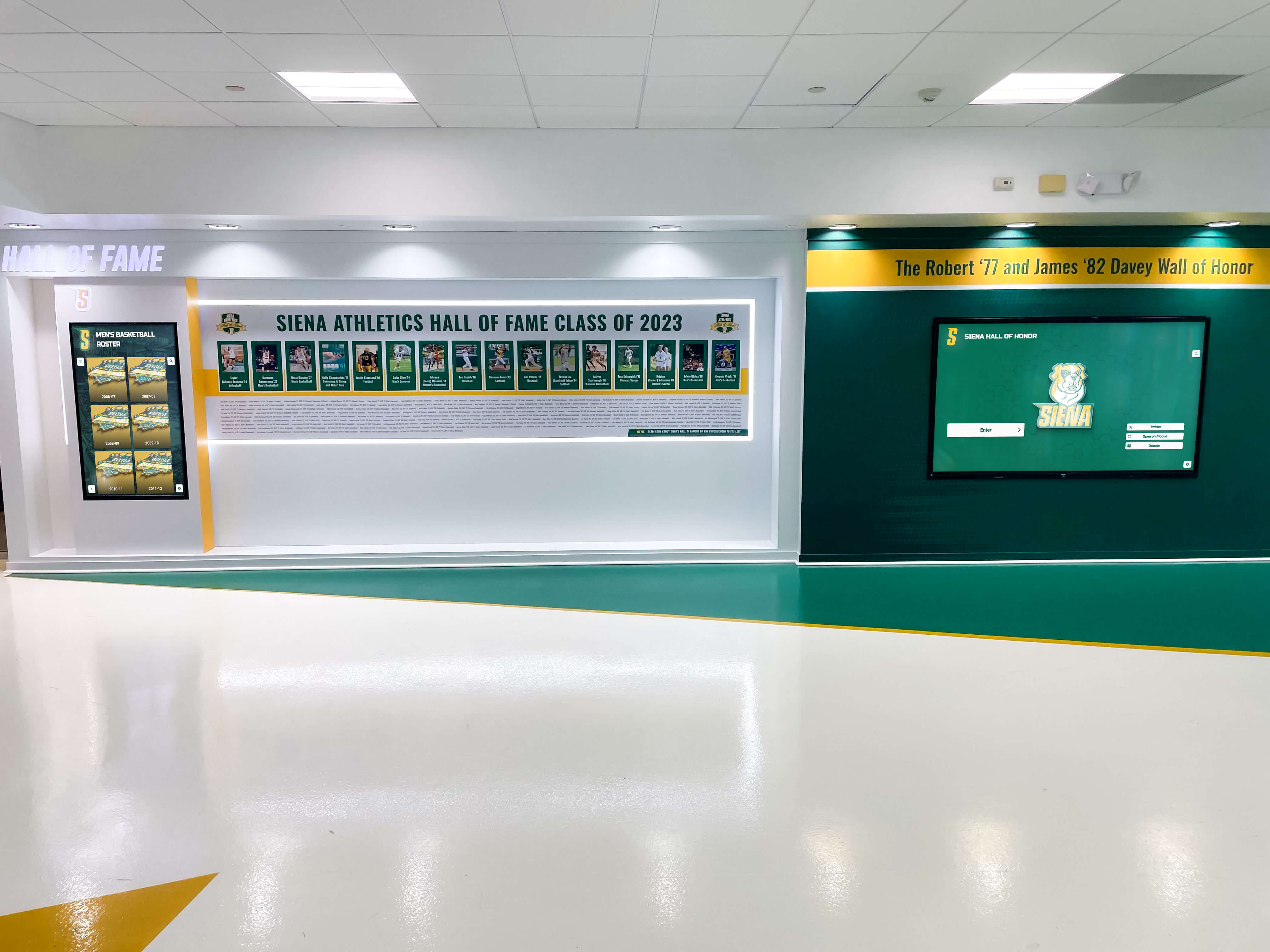
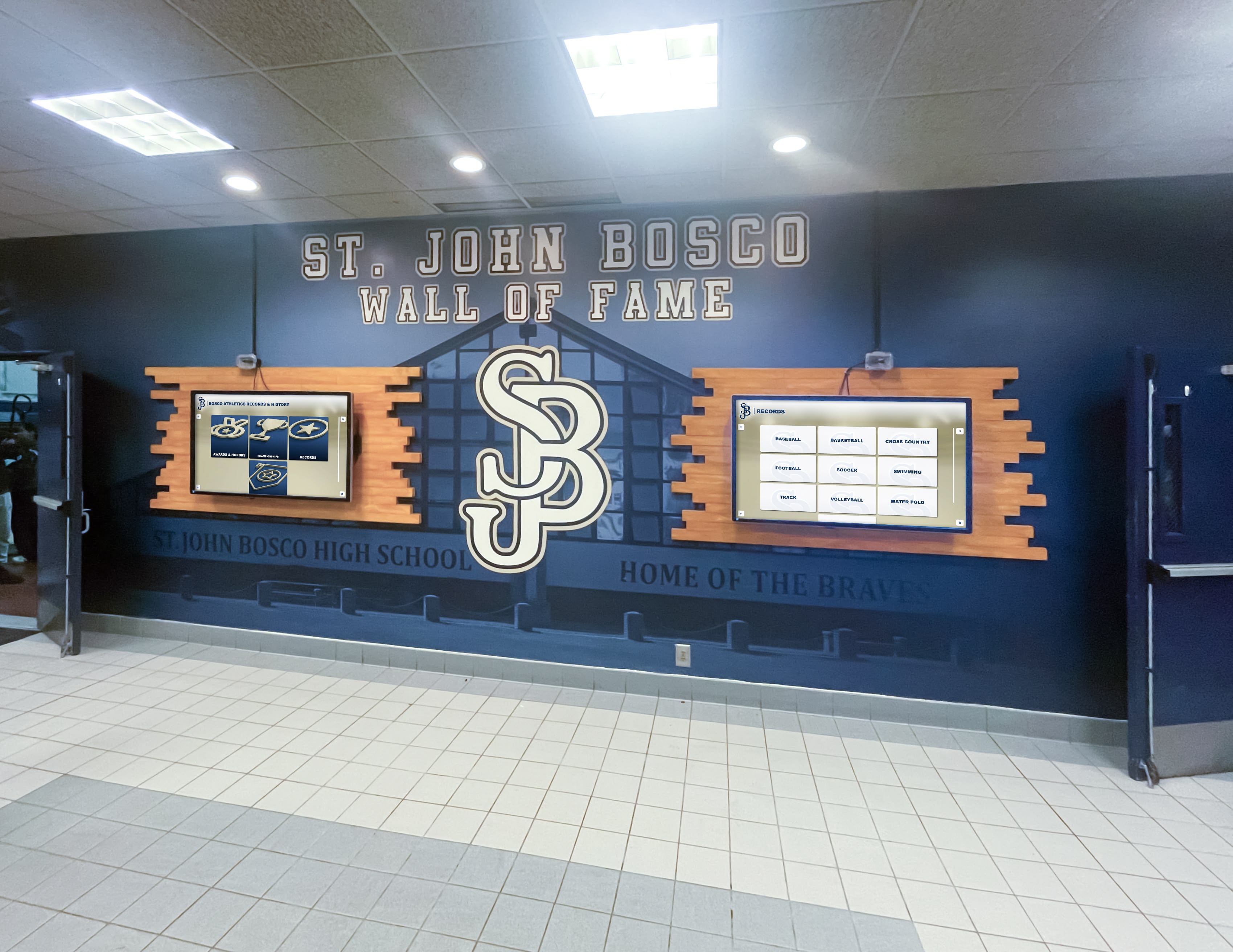
Schools and communities increasingly implement permanent recognition systems celebrating graduating classes beyond individual parties. Digital recognition displays enable institutions to create comprehensive graduating class profiles featuring student photos and achievements, career and college destination information, searchable databases visitors explore interactively, and continuous celebration of alumni accomplishments.
These permanent systems serve multiple purposes: current students see themselves as part of ongoing institutional legacy, alumni returning to campus locate their graduating class information and reconnect with memories, families explore graduate achievements during school visits and events, and communities recognize the ongoing impact of graduating students.
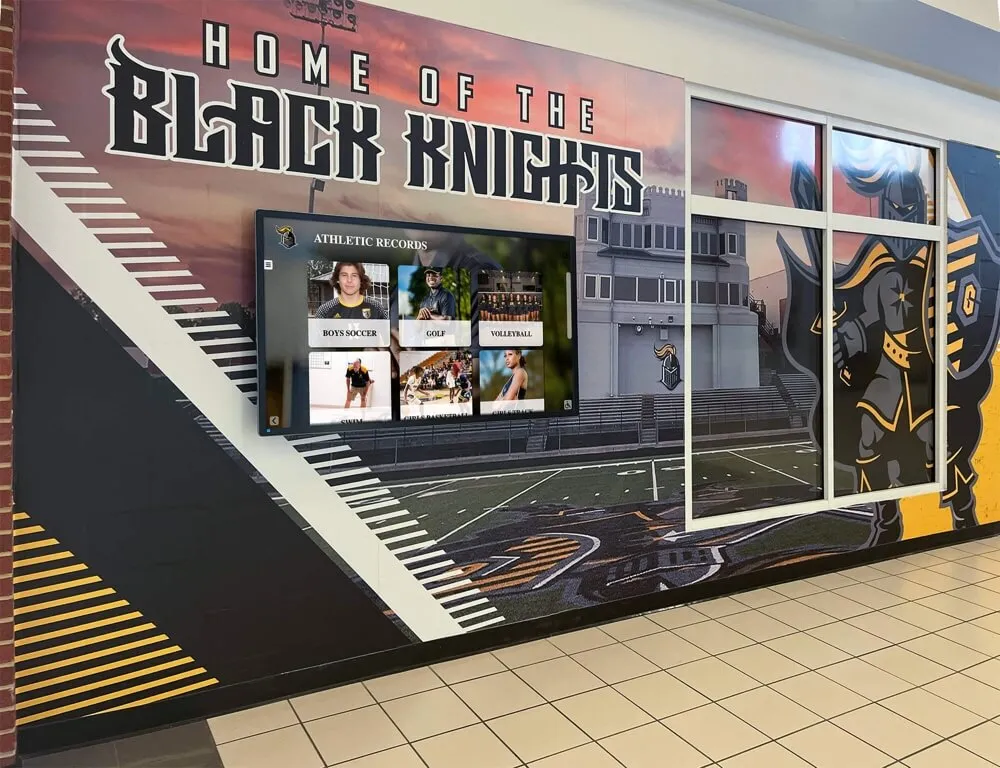
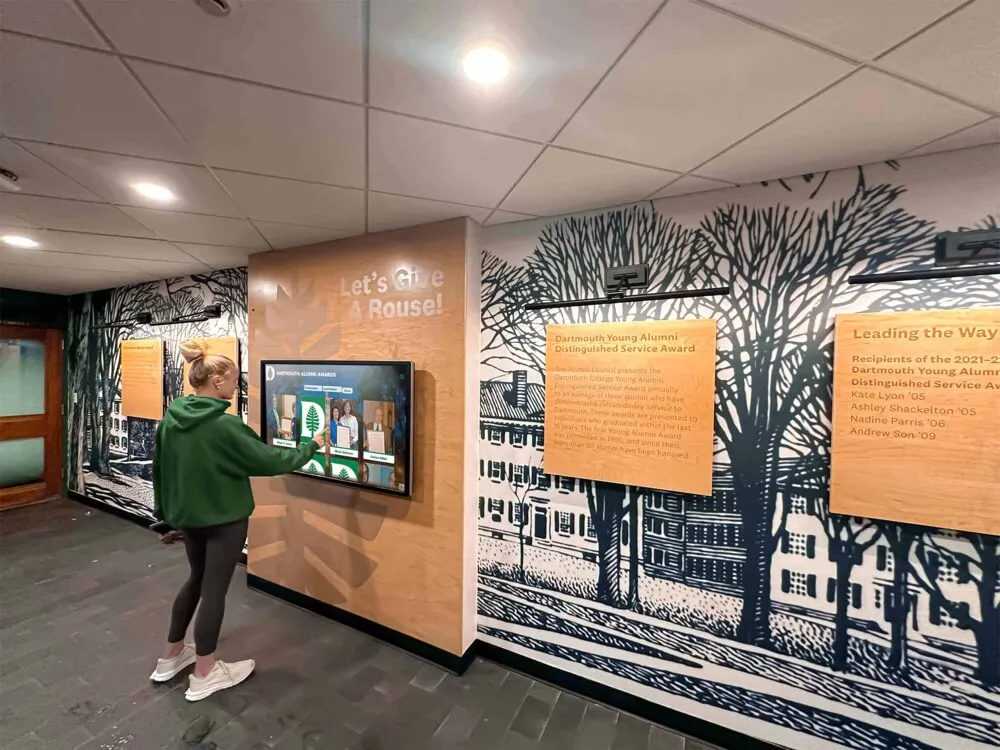
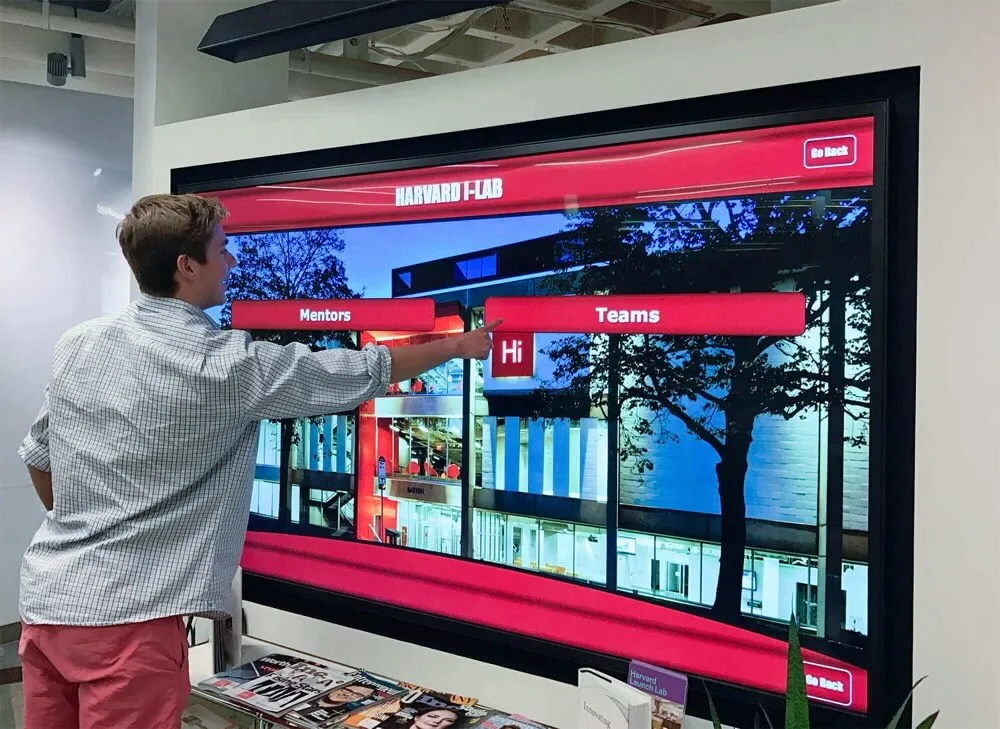
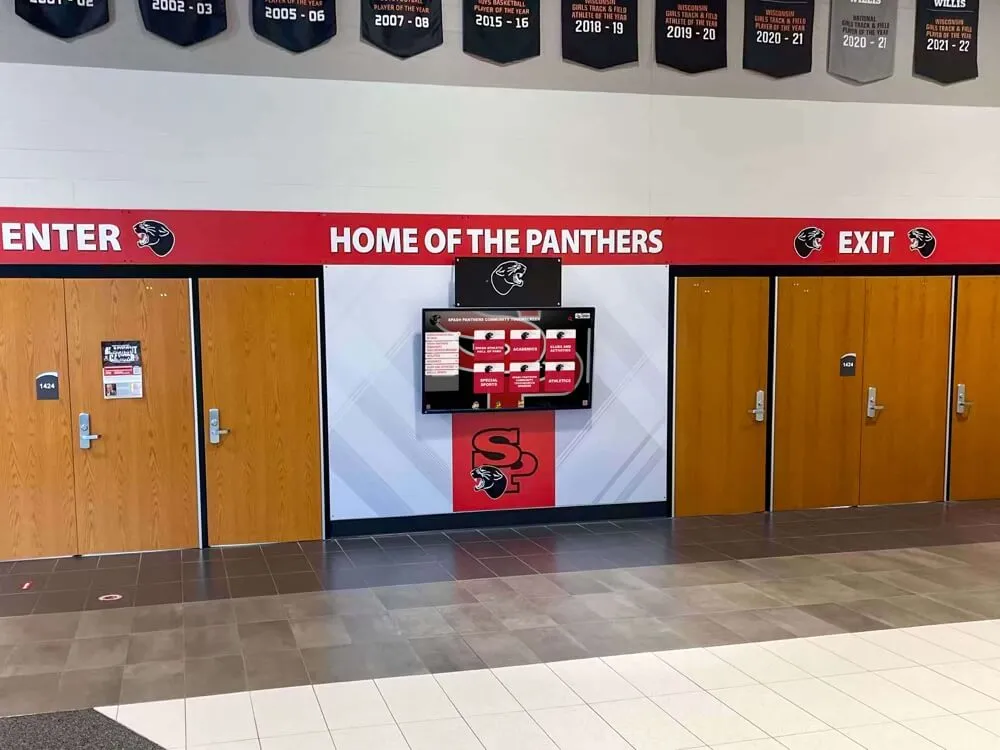
Rocket Alumni Solutions specializes in permanent digital recognition platforms transforming how schools celebrate graduating classes. These systems provide unlimited graduate profile capacity regardless of class size, professional design templates requiring minimal technical expertise, cloud-based management enabling updates from anywhere, interactive touchscreen displays engaging visitors in exploration, and integration with school websites and communication systems.
Schools implementing comprehensive recognition displays report increased alumni engagement as graduates maintain connection with institutions, enhanced school pride among current students who envision their future graduation, recruitment advantages as prospective families observe commitment to honoring all students, and fundraising opportunities as alumni contribute to institutions maintaining meaningful connections.
Supporting Graduate Transitions
Graduation parties mark endings and beginnings—thoughtful hosts consider how to support graduates’ next steps:
Resource Sharing: Compile helpful resources for graduate’s next phase including college preparation checklists and timelines, budgeting guidance for independent living, career networking contacts and opportunities, and local alumni groups or support networks.
Ongoing Connection: Establish systems maintaining relationships beyond graduation through regular communication about graduate’s experiences, alumni networks connecting graduates with mentors, invitations to return for school events or reunions, and ongoing celebration of future achievements and milestones.
Paying It Forward: Encourage graduates to maintain connection with institutions and communities through mentorship of younger students, participation in school alumni activities, contribution to scholarship funds when able, and sharing of college or career experiences helping future graduates.
Understanding how alumni networks strengthen school communities demonstrates the lasting value of maintaining graduate connections beyond individual celebrations.
Day-of-Party Execution Checklist
Ensure smooth party execution by following this comprehensive day-of timeline:
Morning of Party (8+ Hours Before)
- Begin setup starting with large items (tables, tents, seating)
- Complete all decoration installation and display arrangement
- Set up food service areas and beverage stations
- Test audio/visual equipment for slideshows or presentations
- Arrange parking areas and directional signage
- Set up guest book stations and activity areas
- Complete final cleaning of party spaces
2-3 Hours Before
- Begin food preparation or receive catering deliveries
- Set up buffet or food station arrangements
- Fill beverage stations with ice and drinks
- Do final decoration touches and adjustments
- Brief family members on hosting responsibilities
- Complete graduate’s designated getting-ready time
- Take pre-party photos of setup and decorations
During Party
- Greet guests warmly as they arrive
- Encourage guest book signing or memory creation
- Manage food service maintaining fresh supplies
- Coordinate scheduled activities and presentations
- Ensure photographer captures key moments
- Monitor guest experience addressing any issues
- Thank guests personally as they depart
Post-Party
- Begin cleanup while guests help if offered
- Properly store food and dispose of waste
- Return rental items according to agreements
- Compile gifts and cards safely
- Share initial photos with guests
- Begin thank you note process
- Reflect on celebration highlights and memories created
Conclusion: Celebrating Transitions That Matter
High school graduation represents profound transition—the end of childhood education and the beginning of adult independence. Graduation parties that honor this significance create more than festive gatherings; they create memory markers graduates carry throughout life, provide formal recognition of academic achievement and personal growth, strengthen community bonds through shared celebration, and establish launching points for next life chapters.
The most meaningful graduation celebrations balance tradition with personalization, accommodate diverse budgets while creating authentic experiences, engage guests of all ages in meaningful recognition, and extend beyond single events to create lasting legacies through permanent displays and ongoing connections.
Whether planning intimate family gatherings or large community celebrations, thoughtful hosts create graduation parties graduates remember positively for decades. By starting early, prioritizing elements meaningful to your graduate, managing budgets strategically, creating engaging experiences for guests, and considering how recognition extends beyond party day, you design celebrations worthy of the milestone they honor.
As you plan graduation celebrations, consider how permanent recognition solutions extend acknowledgment beyond individual parties. Solutions like Rocket Alumni Solutions enable schools and communities to build lasting digital archives celebrating every graduating class, ensuring recognition continues far beyond graduation season. These systems transform how institutions honor graduates, creating permanent legacies that celebrate achievement while strengthening connections between past, present, and future students.
Your graduate spent four years earning this celebration. Make it memorable, meaningful, and reflective of the unique individual they’ve become. The effort invested in thoughtful graduation party planning creates experiences and memories lasting far longer than the celebration itself—providing recognition, building connection, and honoring the significant milestone of high school completion.