



Friday nights under stadium lights carry a soundtrack known by heart. Student sections erupt with familiar melodies. Alumni in the stands join voices with current students. Parents who graduated decades earlier sing lyrics they never forgot. Fight songs create these moments—musical threads connecting generations through shared tradition and institutional pride.
High school fight songs serve purposes extending far beyond pre-game entertainment. These anthems embody school identity, crystallize institutional values, unite diverse communities around common purpose, and preserve cultural heritage across decades. Schools with strong fight song traditions demonstrate measurably higher student engagement, enhanced athletic performance, improved alumni connection, and elevated community support for educational programs.
Preserving Musical Traditions Through Modern Recognition
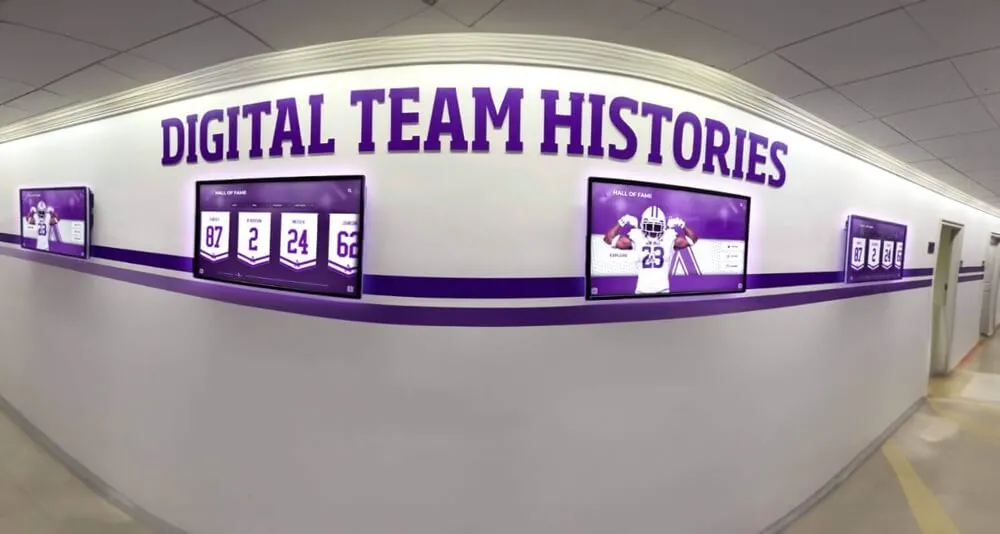
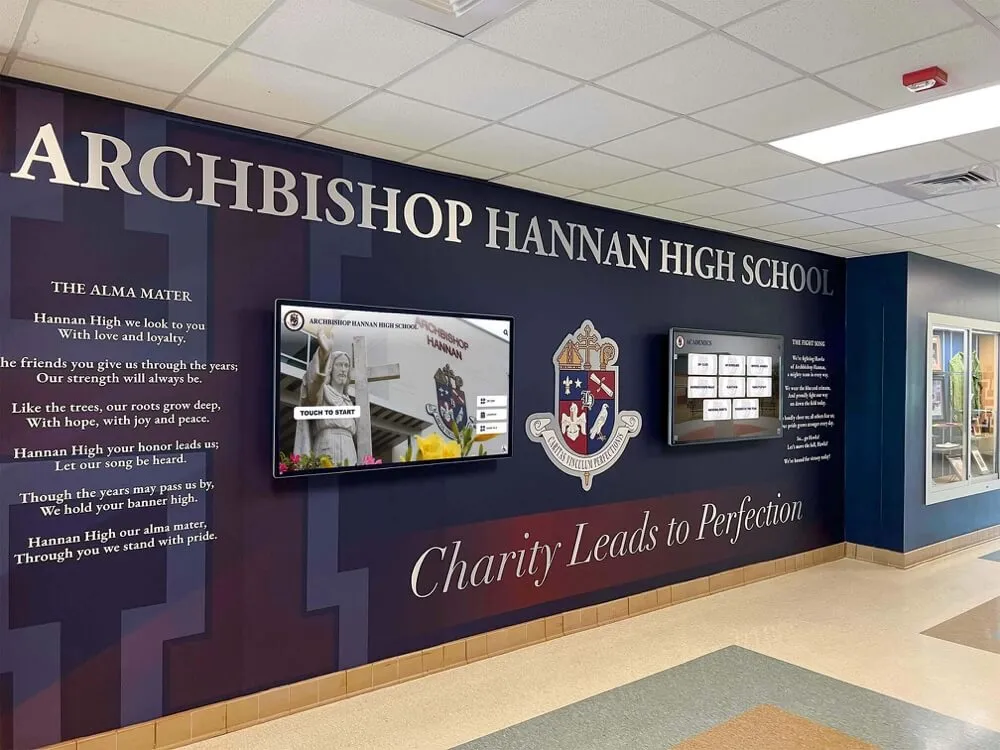
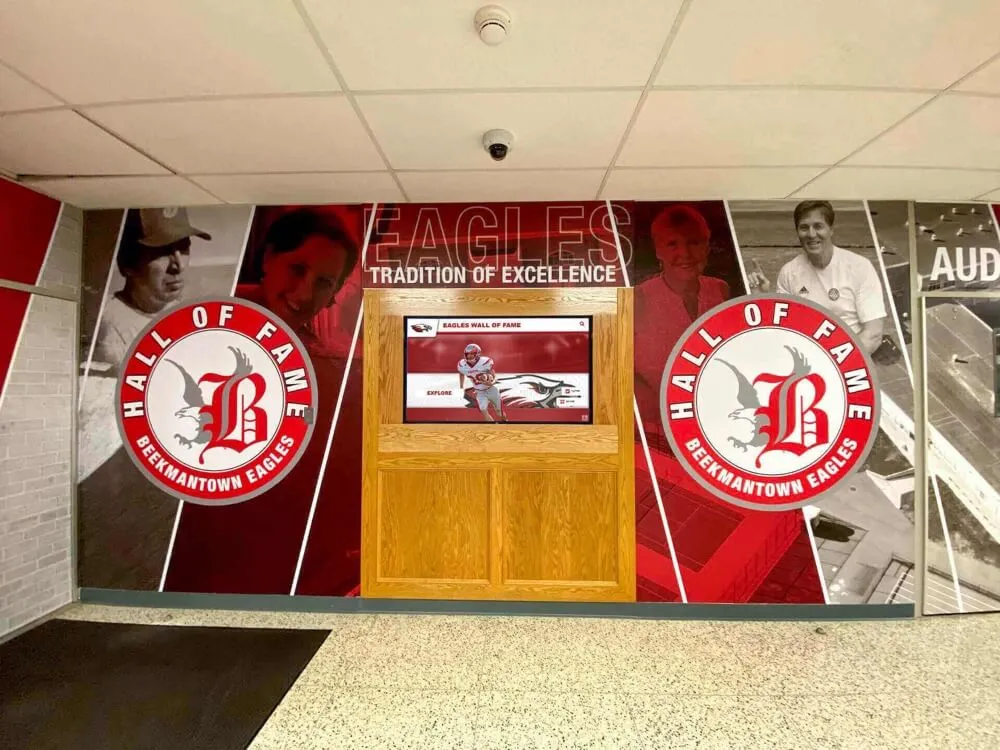
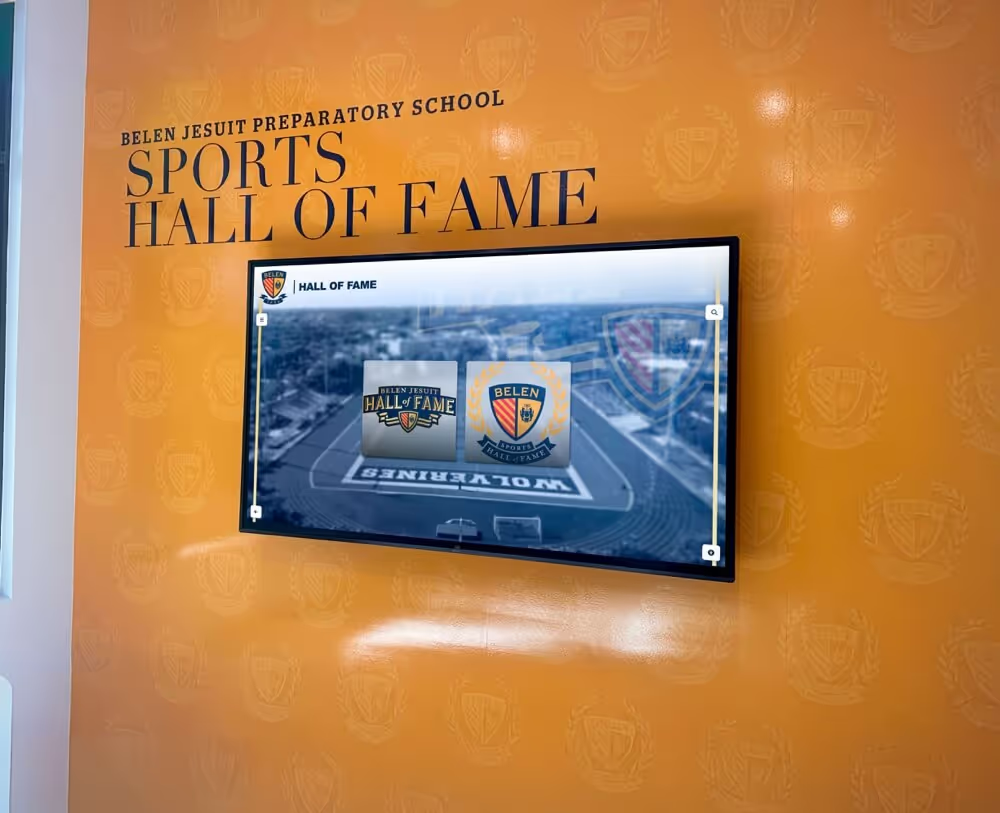
Fight songs represent institutional memory carried forward through sound. Yet many schools struggle to document and celebrate musical traditions comprehensively. Digital recognition platforms solve this challenge by preserving complete fight song histories including original scores, lyric evolution, historical recordings, and performer profiles. Solutions like Rocket Alumni Solutions enable schools to create interactive displays showcasing fight song heritage through multimedia content, audio recordings, historical photos, and marching band recognition—building engagement with traditions that define institutional character while inspiring current students to maintain musical excellence.
The History and Evolution of Fight Songs
Fight songs emerged from American collegiate culture during the late 19th century, spreading rapidly to high schools throughout the early 20th century as athletic competition became central to school identity.
Origins in College Athletics
The first recognized fight song, “For Boston” at Boston College, appeared in 1885. Universities including Yale, Princeton, and Michigan soon developed distinctive anthems performed by student bands at football games. These songs served practical purposes beyond entertainment—coordinating crowd responses, intimidating opponents, and building cohesive institutional identity among students from diverse backgrounds.
Early fight songs borrowed melodies from military marches, popular songs, and traditional folk music, adding school-specific lyrics celebrating mascots, colors, and competitive prowess. The martial character reflected broader cultural contexts linking education with discipline, character development, and preparation for civic responsibility.
By the 1920s, nearly every major university maintained original fight songs performed at athletic events. High schools observed this trend, recognizing how musical traditions enhanced school spirit and community engagement. Smaller institutions often adapted collegiate fight songs to local contexts, while larger high schools commissioned original compositions from music teachers or local musicians.
The Golden Age of School Fight Songs (1930s-1960s)
Fight songs reached peak cultural prominence during mid-20th century decades when high school athletics served as primary community entertainment before television saturation. Friday night football games drew entire towns. Basketball tournaments filled gymnasiums beyond capacity. Schools invested substantially in marching bands, pep bands, and musical programs supporting athletic traditions.
Music educators composed fight songs specifically designed for student performance capabilities. Arrangements accommodated typical high school instrumentation while creating memorable melodies students could sing without musical training. Lyrics emphasized local pride, mascot characteristics, and competitive determination through simple rhyme schemes and repetitive structures enabling easy memorization.
This era established fight song performance contexts extending beyond athletic events. Schools incorporated anthems into pep rallies, school assemblies, graduation ceremonies, and community celebrations. Fight songs became omnipresent institutional identifiers—musical logos instantly recognizable to anyone associated with schools.
Documentation from this period proves incomplete for many institutions. Original scores were lost. Composers’ names were forgotten. Lyric variations emerged organically as students adapted verses over generations. Digital recognition systems help schools recover and preserve these historical fragments before remaining knowledge disappears entirely.
Resources on building school pride through tradition demonstrate how comprehensive recognition programs strengthen institutional culture.
Modern Fight Song Revival and Adaptation
Fight songs experienced decline during the 1970s-1990s as changing entertainment preferences, budget pressures on music programs, and shifting educational priorities reduced emphasis on traditional school spirit activities. Many schools maintained fight songs nominally while actual performance and student engagement diminished significantly.
Recent decades show renewed interest in fight song traditions. Schools recognize how these anthems provide rare opportunities for genuine intergenerational connection in increasingly fragmented communities. Alumni return for homecoming and remember every word despite decades away. Current students discover authentic tradition in an era of manufactured viral trends. Parents witness continuity linking their own school experiences with their children’s education.
Modern technology enables fight song revival through accessibility previously impossible. Digital audio recording allows professional-quality preservation of student performances. Video documentation captures marching band formations and student section choreography. Social media extends fight song reach beyond physical event attendance, enabling alumni worldwide to participate virtually in traditional experiences.
Schools updating fight songs for contemporary contexts face delicate balance between preservation and evolution. Some modernize arrangements adding contemporary musical elements while maintaining traditional melodies and lyrics. Others create entirely new compositions while honoring original spirit. Successful approaches involve alumni, students, music staff, and community members ensuring broad ownership of resulting traditions.
The Psychology of Fight Songs and School Identity
Fight songs function through multiple psychological mechanisms building institutional attachment and community cohesion.
Musical Memory and Emotional Connection
Human brains process music differently than other information, storing melodies and associated emotions in memory systems highly resistant to degradation. This explains why alumni decades removed from high school immediately recall complete fight song lyrics despite forgetting countless other school experiences.
Neuroscience research demonstrates music activates brain regions associated with emotion, memory, and social bonding simultaneously. When students sing fight songs together, they experience synchronized emotional and physiological responses creating powerful group cohesion. Heart rates synchronize. Breathing patterns align. Neurochemical releases associated with social bonding intensify.
These effects prove particularly significant during adolescence when identity formation and social belonging drive psychological development. Participating in mass musical performances provides teenagers with experiences of connection transcending typical peer group boundaries. Athletes, artists, academic achievers, and students across all social categories unite in common musical expression. Fight songs become sonic anchors for positive school associations carried throughout life.
Schools leveraging this psychology create systematic opportunities for fight song engagement extending beyond athletic events. Incorporating anthems into academic ceremonies, performing during community service events, and including music in alumni gatherings maintains emotional connections supporting long-term institutional loyalty.
Ritual and Tradition in Adolescent Development
Adolescents seek meaningful rituals providing structure and significance during developmental transitions. Fight songs offer exactly this—predictable, meaningful, communal rituals connecting individuals to purposes larger than themselves.
Performing fight songs at predictable moments creates ritualistic structure students anticipate and value. Post-touchdown celebrations, pre-game rallies, and end-of-game alma mater performances establish rhythms giving athletic seasons narrative arc and emotional cadence. These rituals mark time, celebrate achievement, and provide comfort during disappointing outcomes.
Traditional practices gain authenticity through historical continuity. When students learn fight songs performed identically by parents and grandparents, they connect to institutional narratives transcending individual experience. Current students become temporary custodians of traditions they’ll eventually pass to successors. This generational continuity provides adolescents with meaningful roles within larger stories—psychologically significant during developmental stages focused on identity and purpose.
Schools explicitly teaching fight song history amplify these benefits. When students understand their anthem’s origins, evolution, and significance within institutional culture, they develop deeper appreciation for participation. Historical context transforms mechanical performance into meaningful tradition worthy of pride and protection.
Resources on pep rally ideas and school spirit activities provide frameworks for maximizing fight song engagement.
Identity Signals and Community Boundaries
Fight songs function as identity signals immediately distinguishing community insiders from outsiders. Students attending rival schools instantly recognize unfamiliar fight songs as “other”—musical markers of competing identity and loyalty.
This boundary-marking serves important psychological functions for adolescents developing distinct identity separate from family and childhood communities. School affiliation provides socially acceptable basis for strong group identification complete with symbols, rituals, and traditions. Fight songs become auditory emblems of chosen group membership—musical equivalents to school colors, mascots, and logos.
The emotional intensity surrounding fight songs reflects their identity significance. Students feel genuine pride hearing their anthem performed well and authentic embarrassment when performances disappoint. These emotions confirm deep psychological investment in musical traditions serving as proxy for broader institutional identification.
Schools managing fight song traditions sensitively navigate competitive rivalry without encouraging inappropriate behavior. Healthy school spirit celebrates institutional excellence without denigrating opponents. Fight songs emphasizing school pride, achievement, and character reflect values worth preserving, while lyrics mocking opponents or promoting superiority undermine educational purposes these traditions should serve.
Components of Effective Fight Songs
Successful fight songs share musical and lyrical characteristics enabling broad participation and emotional resonance.
Musical Structure and Accessibility
Fight songs typically feature simple melodic structures students without musical training can sing confidently. Stepwise melodic motion without large interval jumps accommodates limited vocal ranges. Repetitive phrases and predictable patterns enable quick memorization. Moderate tempos balance energetic excitement against comprehensible performance by amateur musicians.
Rhythmic structures emphasize downbeats and simple patterns coordinating easily with clapping, stomping, and synchronized physical movements. This rhythmic clarity enables student sections to perform coordinated choreography enhancing visual spectacle accompanying musical performance.
Instrumentation for school fight songs accommodates typical high school band capabilities. Brass sections carry primary melodic responsibilities while percussion provides rhythmic foundation. Woodwinds add harmonic depth and melodic embellishment. Arrangements avoid requiring instruments uncommon in high school contexts or demanding advanced technical capabilities beyond typical student proficiency.
Dynamic contrast creates musical interest maintaining attention across multiple repetitions. Verses might feature reduced instrumentation highlighting vocals, while choruses incorporate full ensemble creating dramatic crescendo effects. These contrasts prevent monotony during extended performances at lengthy athletic events.
Lyrical Content and Themes
Fight song lyrics balance universal school spirit themes with specific institutional references creating local authenticity. Common lyrical elements include school name and mascot repetition reinforcing institutional identity, color references connecting to visual brand elements, geographic location mentions building local pride, competitive language emphasizing determination and excellence, and character values reflecting educational mission.
Effective lyrics avoid dated slang or cultural references limiting longevity and inclusion. Successful fight songs remain comprehensible and appropriate across decades without requiring constant revision. Timeless language focused on permanent institutional characteristics rather than temporary trends ensures sustained relevance.
Rhyme schemes and metrical patterns facilitate memorization and enthusiastic group performance. Simple AABB or ABAB patterns prove most accessible. Regular meter with clear accents coordinates with musical rhythm enabling confident singing even by students uncertain of melody.
Length represents critical consideration. Fight songs must be short enough for complete performance during time-limited game situations—typically 30-60 seconds. This constraint requires lyrical efficiency communicating maximum meaning through minimal text.
Some schools maintain multiple verses for different contexts—short versions for repetitive game situations, extended versions for formal ceremonies, and alternate verses commemorating specific achievements or traditions. This flexibility enables appropriate fight song deployment across diverse settings while maintaining core musical identity.
Performance Contexts and Traditions
Fight songs derive meaning partly from specific performance contexts and associated rituals. Predictable deployment patterns create anticipation and emotional preparation enhancing impact.
Athletic events provide primary fight song settings. Performance moments include pre-game warmup creating energetic atmosphere, post-score celebrations marking successful plays, momentum shifts rallying support during challenging situations, halftime performances showcasing musical programs, and post-game alma mater performances providing closure and community connection regardless of competitive outcome.
Beyond athletics, fight songs appear at school-wide assemblies reinforcing institutional identity, pep rallies building excitement before competitions, graduation ceremonies marking transitions and celebrating completion, homecoming events connecting alumni with current communities, and community celebrations representing schools at civic occasions.
Associated choreography and physical movements amplify fight song impact. Student sections develop synchronized motions performed during specific musical passages. These movements might include directional arm motions following melodic contours, jumping or stomping emphasizing rhythmic accents, mascot gestures celebrating school symbols, or class-specific actions creating visual layers within broader student section unity.
Schools documenting performance traditions preserve institutional knowledge vulnerable to loss during leadership transitions. Video archives showing historical fight song performances, written documentation of associated choreography and rituals, and interviews with long-serving music directors and spirit coordinators capture valuable context enriching future generations’ understanding and appreciation.
Marching Bands and Musical Excellence
Marching bands serve as primary fight song custodians, requiring recognition for preserving and performing these institutional traditions.
The Marching Band’s Role in School Culture
Marching bands represent unique educational programs combining rigorous musical training, athletic discipline, and cultural stewardship. Band students master instrumental performance, memorize complex drill patterns, develop physical endurance for extended performances, and maintain academic standards qualifying for activity participation.
Beyond technical skills, marching band membership develops character qualities valuable throughout life. Students learn cooperation essential for ensemble performance where individual mistakes affect group success. They experience leadership through section responsibilities and student leadership positions. They develop resilience managing performance anxiety and recovering from mistakes. They practice commitment attending rehearsals, performances, and competitions demanding substantial time investment.
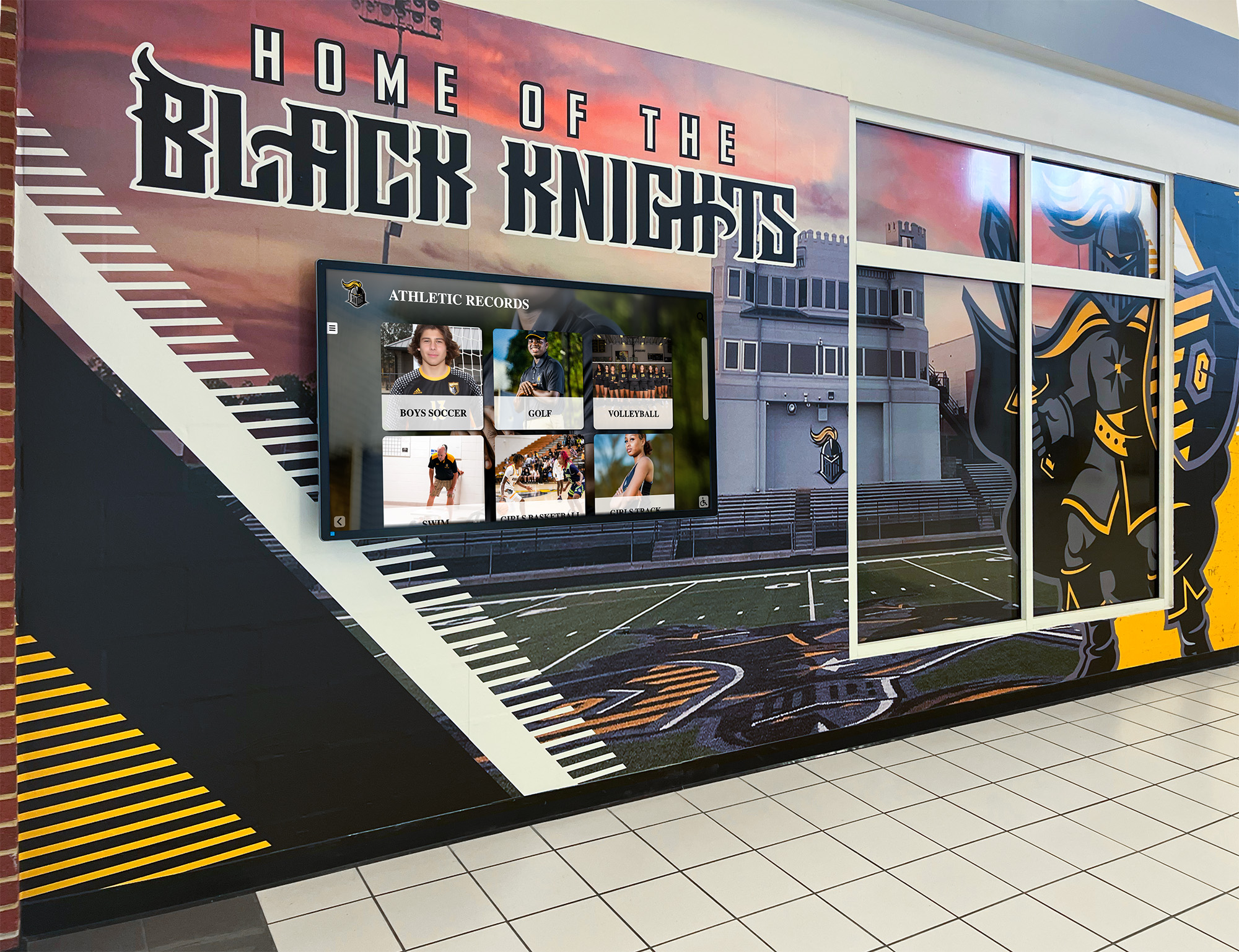
Marching bands also bridge academic and athletic cultures often segregated in high school social structures. Band members attend all athletic events regardless of personal interest in sports, supporting school teams and building cross-program relationships. Athletes recognize band contributions to competitive atmosphere affecting game outcomes. This mutual respect strengthens overall school culture benefiting all students.
Fight song performance represents band members’ most visible contribution. While halftime shows showcase technical excellence and creative arrangements, fight song repetitions throughout games demonstrate bands’ service role supporting broader school spirit rather than purely self-focused performance. This orientation toward community service distinguishes marching bands from many extracurricular activities emphasizing individual achievement.
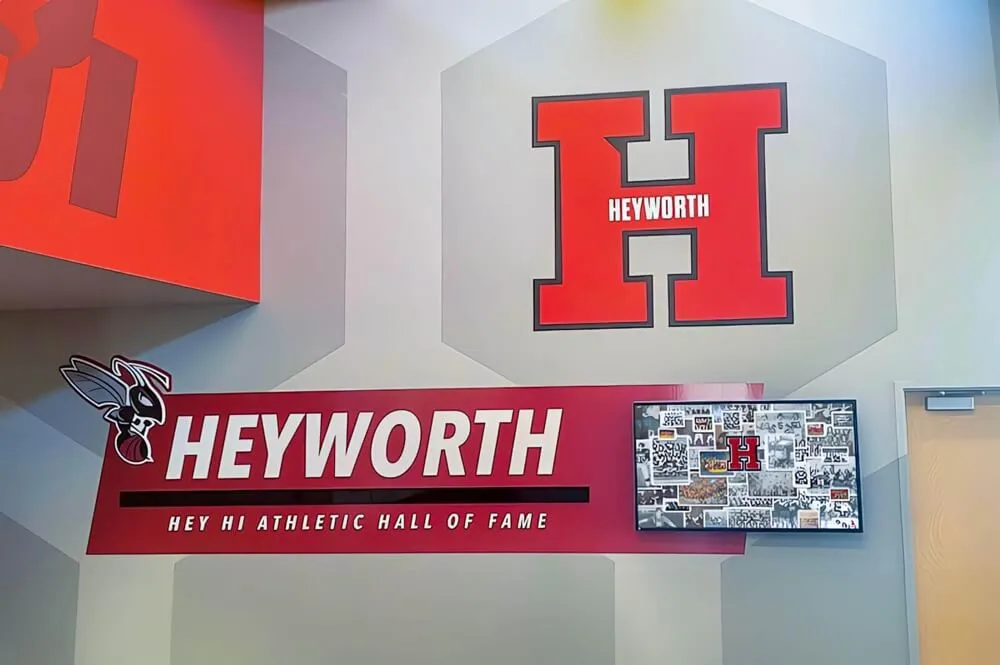
Schools implementing comprehensive recognition programs honor marching band contributions alongside athletic achievements. Digital displays documenting band excellence, performer profiles, historical photos, and award recognition demonstrate institutional appreciation for musical programs supporting school spirit and community engagement.
Resources on spirit week ideas and activities demonstrate how integrated programs maximize student engagement across activities.
Building and Sustaining Band Programs
Strong marching band programs require systematic development and sustained support. Essential elements include qualified music directors with marching band expertise, adequate instrumentation ensuring complete ensemble coverage, sufficient budget for maintenance, music, and travel, dedicated practice facilities enabling productive rehearsals, administrative support recognizing program value, and community engagement building audience and financial backing.
Band director quality significantly impacts program success. Effective directors possess musical expertise, teaching skill, organizational capability, and interpersonal intelligence building student motivation and program culture. These individuals serve simultaneously as educators, administrators, counselors, and community ambassadors—demanding roles requiring diverse capabilities and substantial commitment.
Instrumentation represents ongoing financial challenge. Quality instruments cost thousands of dollars requiring periodic replacement. Effective programs implement instrument donation programs accepting alumni gifts, corporate sponsorships engaging local businesses, booster club fundraising mobilizing parent support, and budget allocations from general school funds.
Facility access affects program quality dramatically. Bands rehearsing in inadequate spaces or competing with multiple programs for limited facilities struggle achieving performance standards possible with dedicated, acoustically appropriate rehearsal areas and accessible instrument storage.
Recognizing Musical Achievement Alongside Athletic Success
Traditional trophy cases emphasize athletic achievement while overlooking parallel excellence in marching band, concert band, and other musical programs. This imbalance contradicts educational missions valuing diverse excellence forms and sends problematic messages about relative program worth.
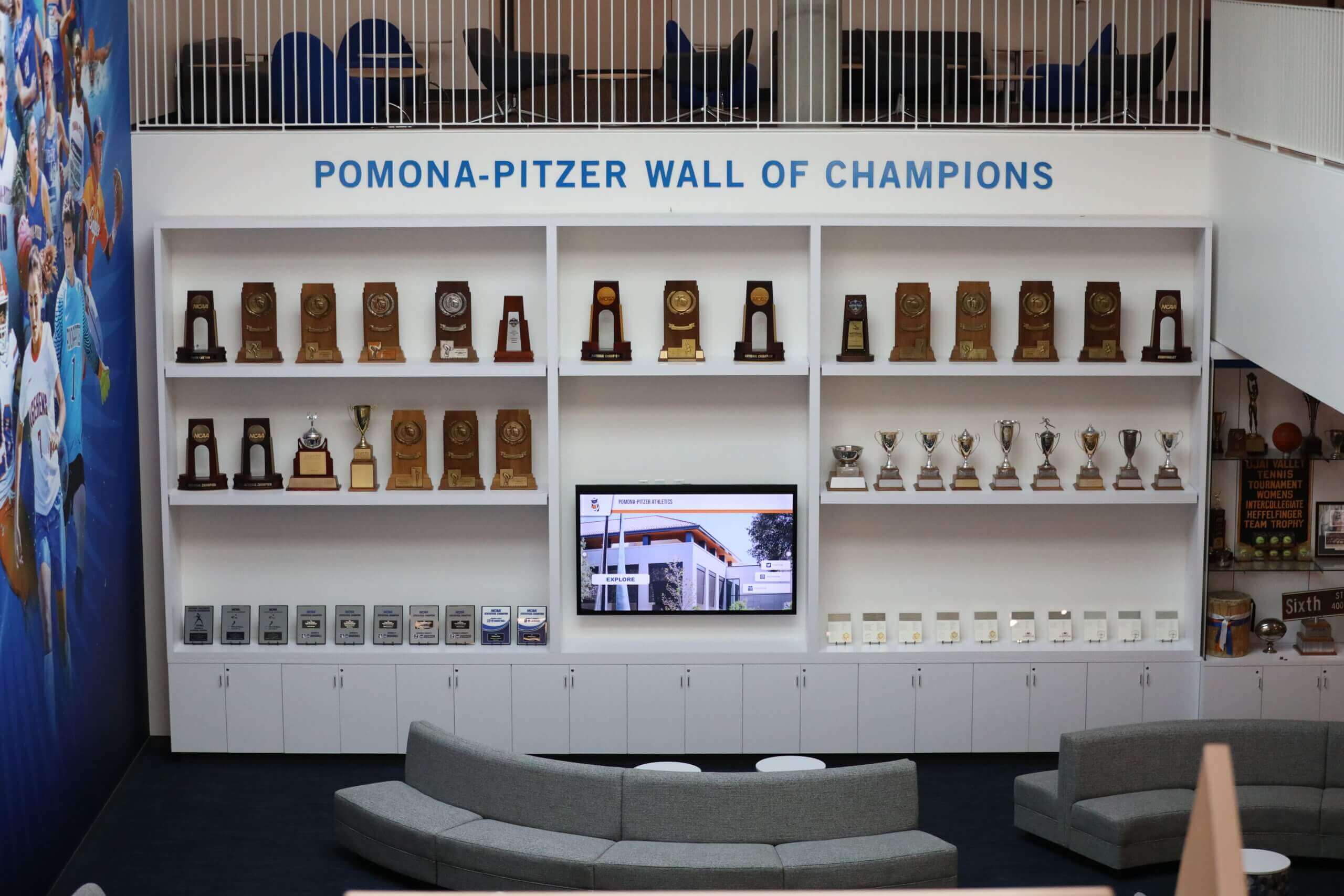
Digital recognition systems eliminate space constraints forcing prioritization between athletic and musical accomplishments. Schools can comprehensively celebrate marching band championships, individual musician honors, distinguished alumni musicians, historical program achievements, and performance excellence across all musical disciplines without competing for limited display space.
Equitable recognition benefits entire school communities. Band students feel valued for contributions supporting broader institutional success. Athletic programs benefit from strong band partnership enhancing competitive atmosphere. Overall school culture strengthens when diverse talents receive appropriate acknowledgment demonstrating institutional commitment to comprehensive excellence.
Effective recognition includes marching band competition results at local, regional, and national levels, individual musician achievements like all-state selection or solo competition honors, distinguished alumni who pursued professional music careers or maintained significant musical involvement, historical program milestones documenting evolution and growth, and performance archives preserving memorable concerts, halftime shows, and special events.
Student Sections and Fight Song Participation
Student engagement transforms fight songs from performance pieces into participatory traditions building school spirit.
Organizing Effective Student Sections
Student sections create concentrated enthusiasm amplifying fight song impact and overall game atmosphere. Effective organization requires designated leadership providing coordination and accountability, clear behavior expectations maintaining appropriate conduct, strategic positioning maximizing visibility and acoustic impact, and consistent communication building anticipation and participation.
Student section leaders—often seniors with sustained involvement—serve as valuable intermediaries between administration and peer groups. These students develop and teach fight song choreography, coordinate theme nights and special activities, maintain behavior standards preventing inappropriate conduct, and communicate with athletic directors and activity coordinators.
Leadership development through student section roles provides valuable experience students apply in future contexts. Coordinating large groups, managing logistics, navigating administrative relationships, and solving problems in real-time develop capabilities relevant to careers and civic engagement throughout life.
Physical positioning affects student section effectiveness. Schools locate student sections near team benches or end zones where vocal support most impacts players. Elevated seating improves visibility creating stronger visual presence. Concentrated grouping rather than dispersed seating amplifies acoustic volume and enables synchronized choreography.
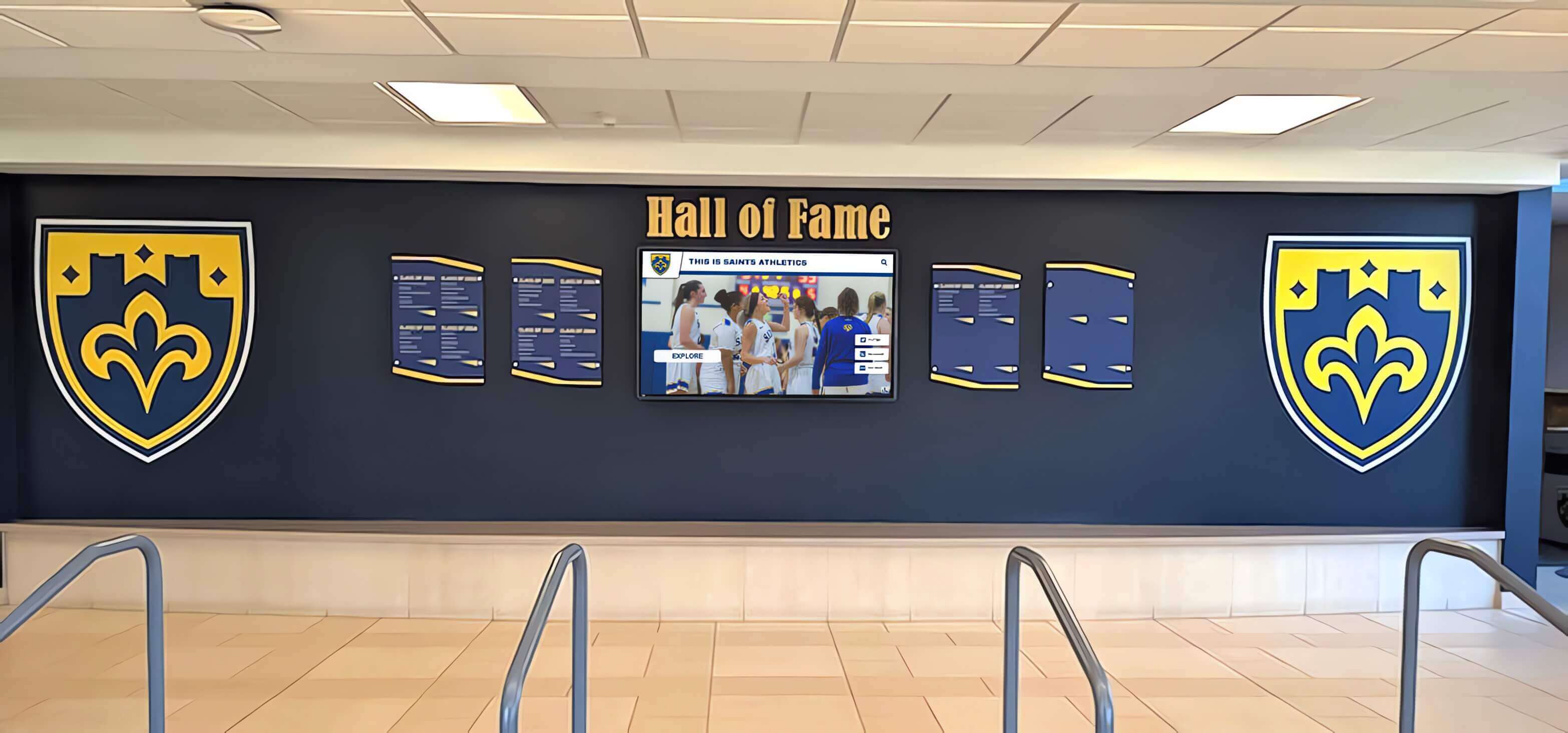
Communication strategies maintain student section participation across seasons and throughout games. Social media groups share information about theme nights, special activities, and schedule changes. Text reminder systems alert students about game times and special events. Recognition programs highlighting most spirited students or classes incentivize sustained engagement.
Teaching Fight Songs to New Students
Fight song transmission across generations requires systematic education ensuring new students master traditions. Effective approaches include freshman orientation sessions introducing school anthem, music class integration teaching proper performance, pep rally demonstrations modeling expected participation, upperclassman mentoring transmitting informal knowledge, and printed resources providing lyrics and background.
Some schools create digital resources students access via smartphones—fight song recordings with scrolling lyrics enabling practice, video demonstrations showing associated choreography, historical context explaining tradition significance, and frequently asked questions addressing common uncertainties.
Explicit instruction prevents the common pattern where only upperclassmen know fight songs completely while younger students participate marginally. When schools systematically teach fight songs, full student body participation increases dramatically enhancing tradition strength and cross-grade social integration.
Resources on homecoming ideas and traditions demonstrate comprehensive spirit programming strategies.
Managing Inappropriate Content and Behavior
Student sections occasionally develop problematic traditions including inappropriate language, offensive gestures, or disrespectful behavior toward opponents. Addressing these issues requires balancing energetic school spirit with behavioral expectations reflecting educational values.
Proactive prevention proves more effective than reactive punishment. Clear advance communication establishes expectations and consequences. Adult supervision provides immediate intervention when problems emerge. Positive alternative activities channel enthusiasm appropriately. Student leadership buy-in creates peer accountability more powerful than administrative enforcement alone.
When problematic traditions exist, elimination requires sustained effort and inevitably faces student resistance. Successful approaches acknowledge legitimate desire for spirited support while redirecting toward appropriate expression. Involving student leaders in designing alternatives builds ownership of solutions. Explaining rationale connecting behavior standards to broader educational mission and community representation helps students understand restrictions as reasonable rather than arbitrary.
Some schools implement reward systems recognizing positive student section behavior. Schools with exemplary conduct receive recognition, privileges, or small rewards. This positive reinforcement often proves more effective than purely punitive approaches emphasizing prohibition.
Alumni Engagement Through Musical Tradition
Fight songs provide unique alumni engagement opportunities based on shared emotional memories and cultural touchstones.
Fight Songs as Alumni Connection Points
Alumni relationships with alma mater often center on emotional associations rather than rational cost-benefit analysis. Fight songs tap directly into these emotional connections triggering powerful nostalgia and institutional affinity.

Alumni events strategically incorporating fight songs build engagement and strengthen community bonds. Performances at reunion gatherings, incorporation into fundraising events, inclusion in alumni communication content, and social media campaigns encouraging alumni performances create sustained touchpoints maintaining institutional relationships.
Many schools now invite alumni to submit video recordings performing fight songs from current locations worldwide. These compilations shared via social media generate emotional responses while demonstrating geographic reach of alumni networks. The tradition simultaneity—alumni across continents singing same anthem—creates virtual community transcending physical distance.
Digital platforms enable innovative alumni engagement around fight song traditions. Schools can create online archives documenting fight song history and evolution, oral history projects capturing alumni memories and stories, virtual choir performances combining recordings from multiple contributors, and educational content explaining tradition significance for alumni who never fully engaged during school years.
Some institutions host “fight song learning” sessions during alumni weekend for graduates who attended before traditions were established or who never participated actively as students. These sessions acknowledge that not all alumni share equal fight song knowledge while providing opportunities for inclusion in community traditions.
Multi-Generational Tradition Sharing
Fight songs uniquely enable multi-generational family participation around shared school traditions. Parents who attended same schools as their children experience genuine commonality rarely available across developmental stages and generational gaps.
Schools maximize this opportunity by creating explicit multi-generational engagement moments. Parent-student performances at back-to-school events, family sections at athletic events where multiple generations attend together, legacy recognition programs acknowledging multi-generation families, and social media campaigns showcasing family tradition sharing all strengthen community bonds while providing students with expanded adult relationships beyond immediate family.
When grandparents, parents, and current students sing fight songs together, they participate in living tradition spanning decades. These experiences communicate powerful messages about institutional permanence, cultural continuity, and family legacy—concepts increasingly rare in rapidly changing contemporary society.
Digital Recognition of Musical Traditions
Modern technology enables schools to preserve and celebrate fight song heritage more comprehensively than ever possible through traditional methods.
Multimedia Documentation and Archives
Digital platforms accommodate rich multimedia content documenting complete fight song traditions. Elements include original sheet music and historical arrangements showing musical evolution, audio recordings from different eras demonstrating performance style changes, video documentation of performances capturing visual and acoustic traditions, lyric variations showing textual evolution, and historical context explaining tradition origins and significance.

This documentation serves multiple purposes. Current students access information enriching their participation understanding. Alumni explore historical materials triggering memories and maintaining institutional connections. Researchers studying American educational culture find primary source materials. Future generations inherit comprehensive tradition documentation preventing knowledge loss through staff transitions and community change.
Many schools lack systematic fight song documentation. Original composers are forgotten. Early recordings disappeared. Lyric evolution proceeded without documentation. Digital recognition initiatives provide motivation and framework for recovering these historical fragments before remaining institutional memory vanishes completely.
Effective documentation requires systematic effort. Schools should interview long-serving music directors, band alumni, and community members who remember fight song history. Digitize physical artifacts including scores, programs, photos, and newspaper clippings. Record contemporary performances creating baselines for future comparison. Compile lyric variations and associated stories explaining different versions.
Resources on preserving school history digitally provide implementation frameworks for comprehensive archiving programs.
Interactive Displays in School Facilities
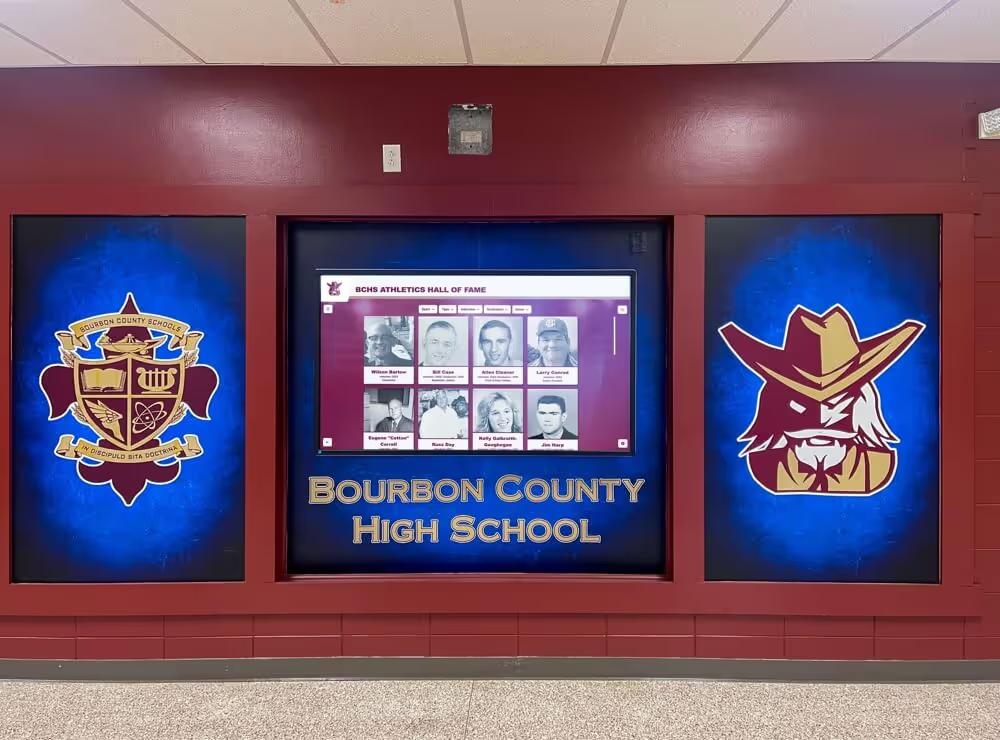
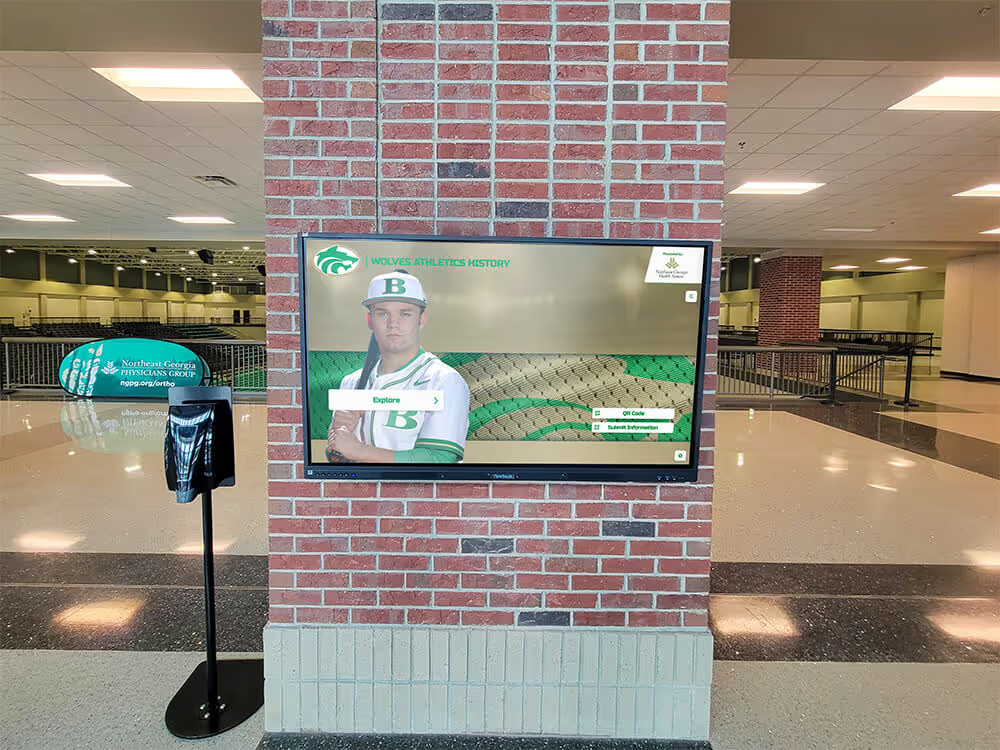
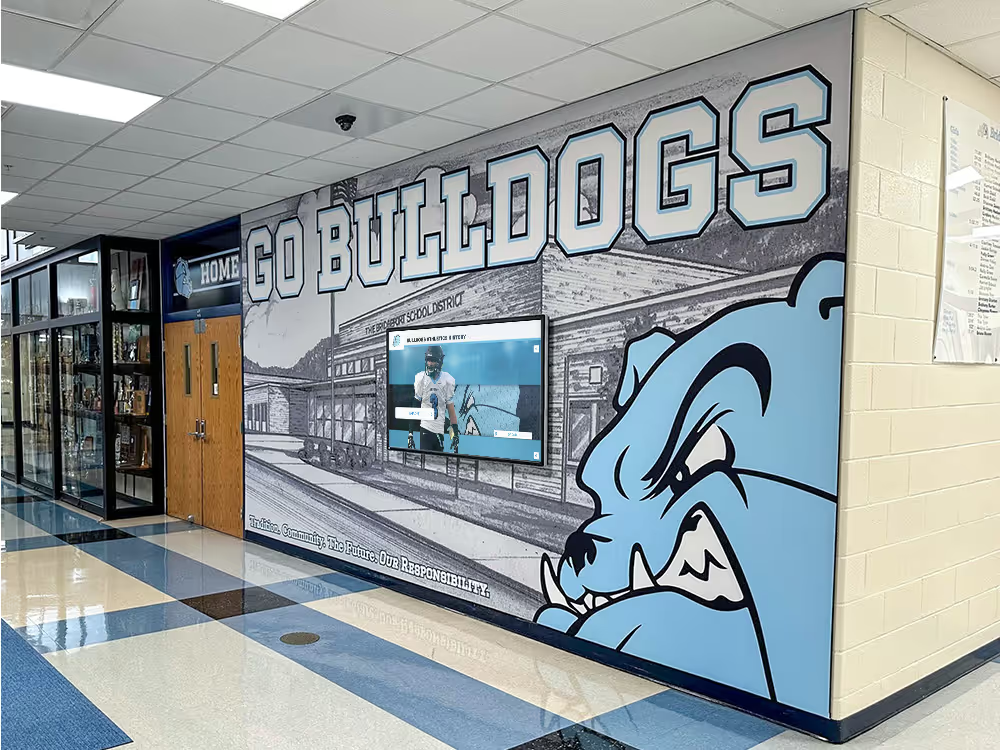
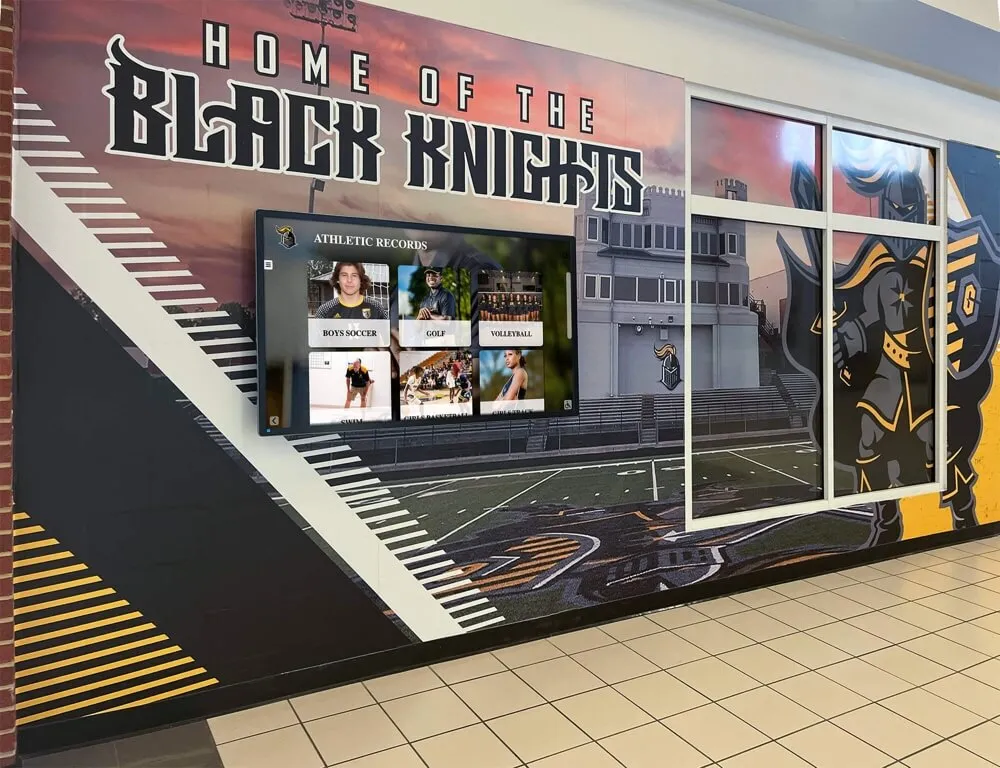
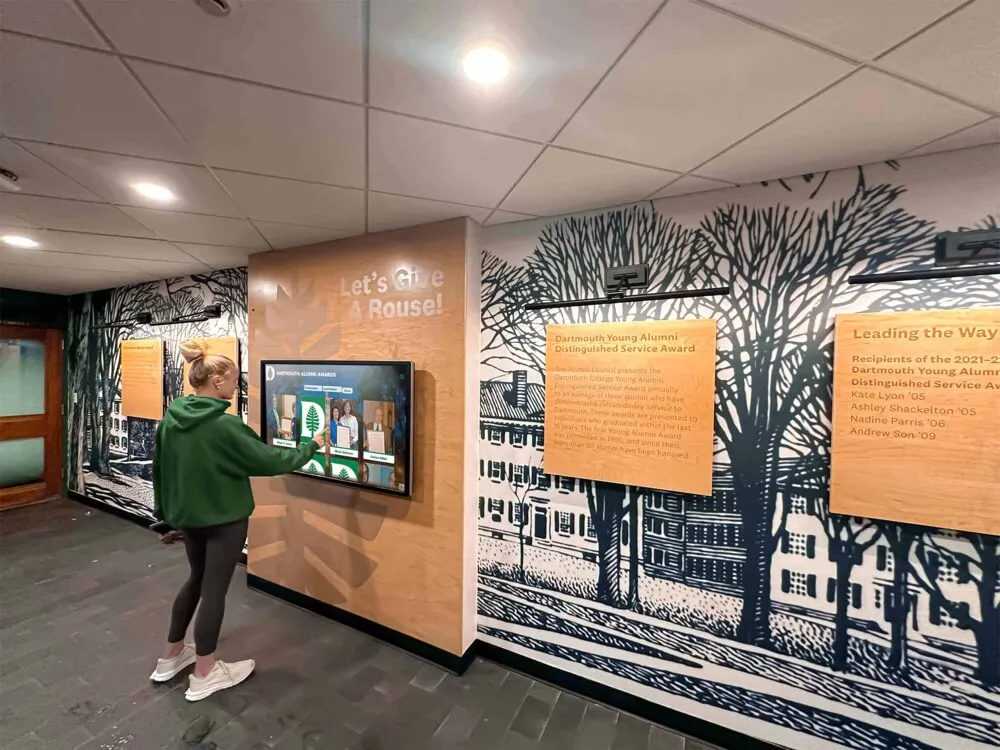
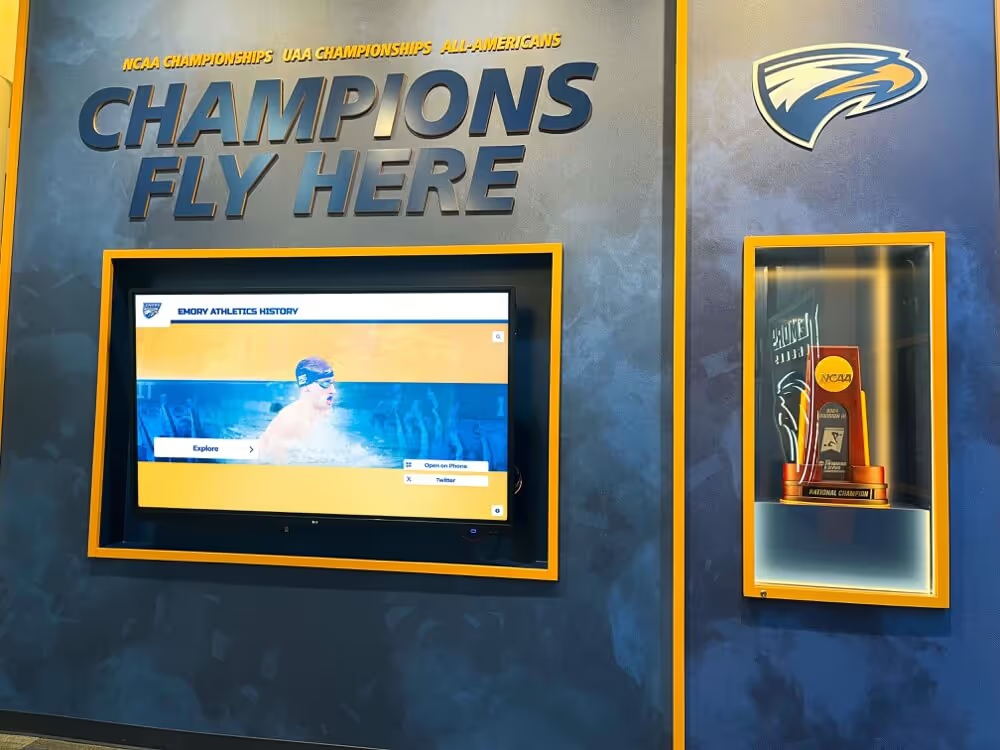
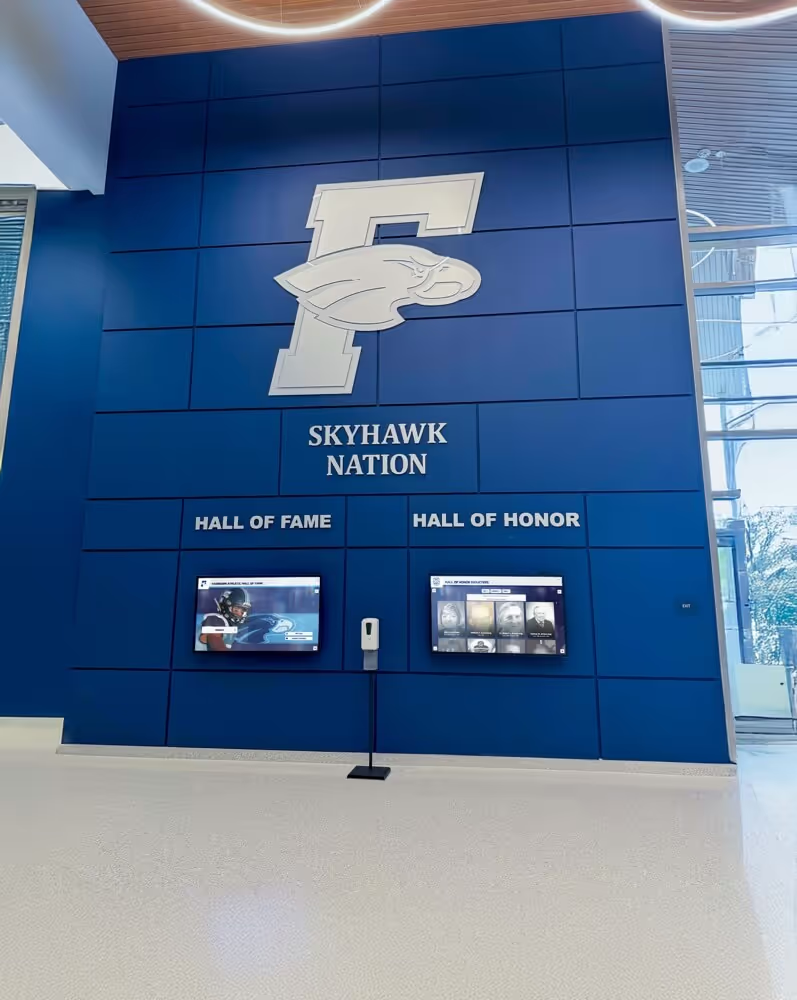
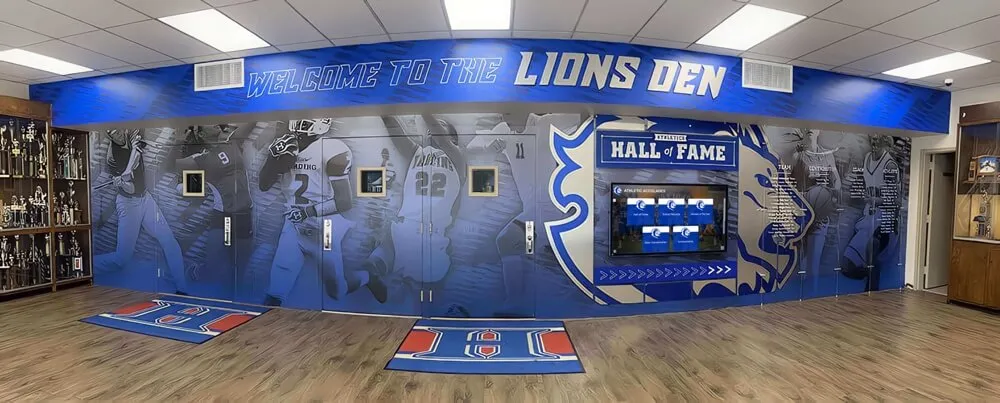
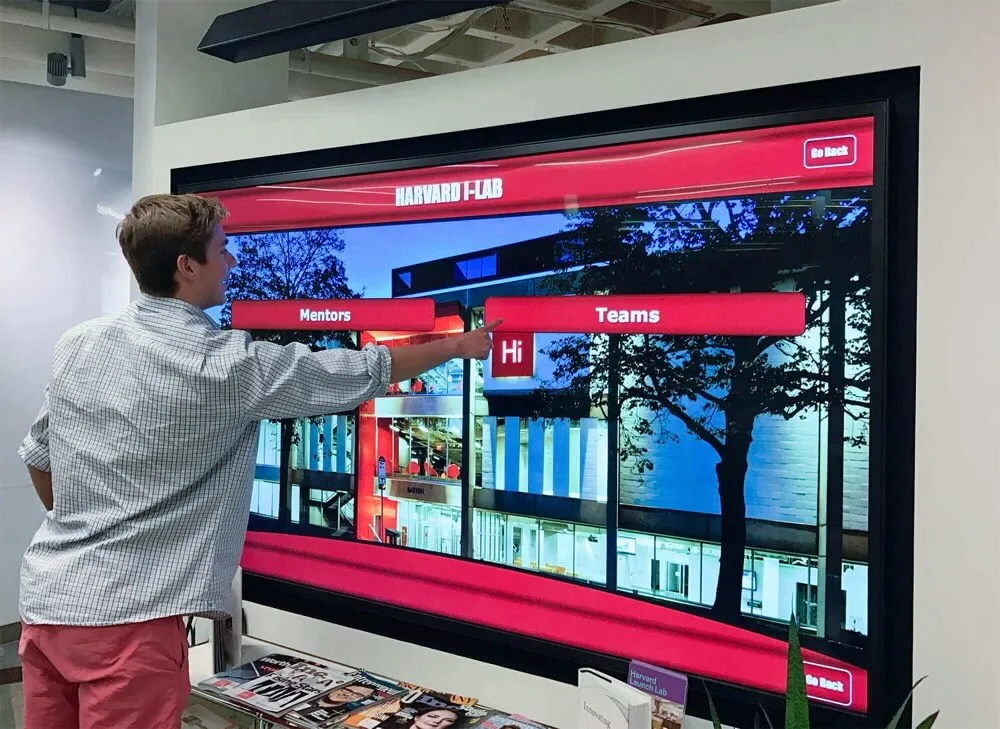
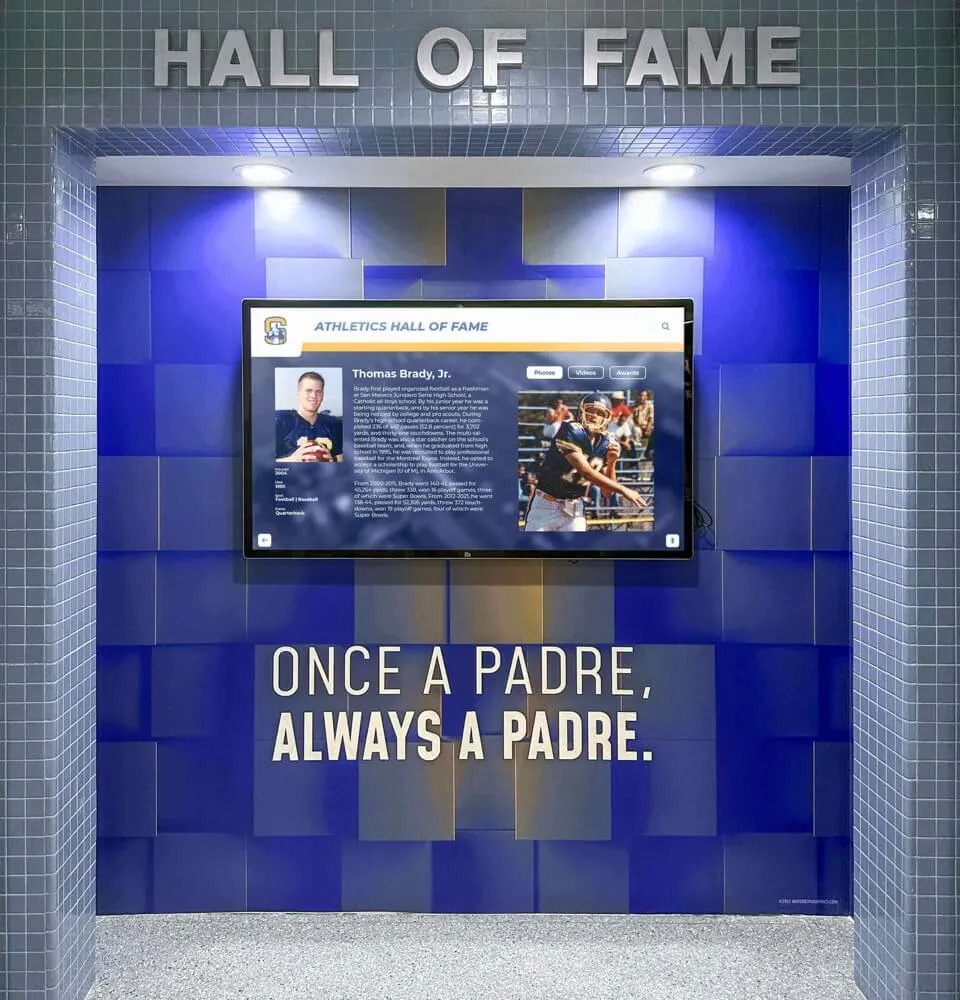
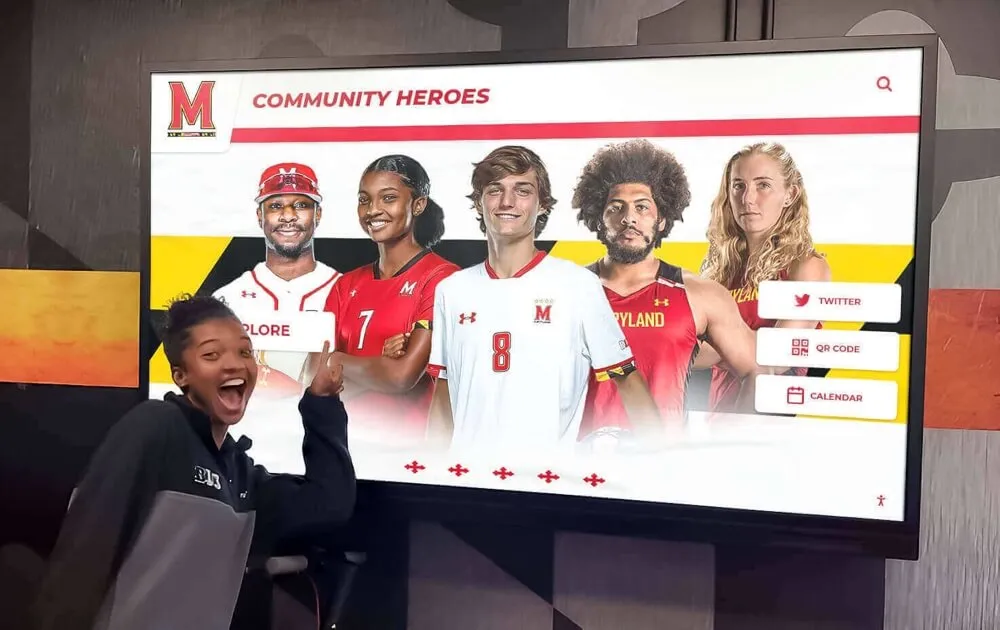
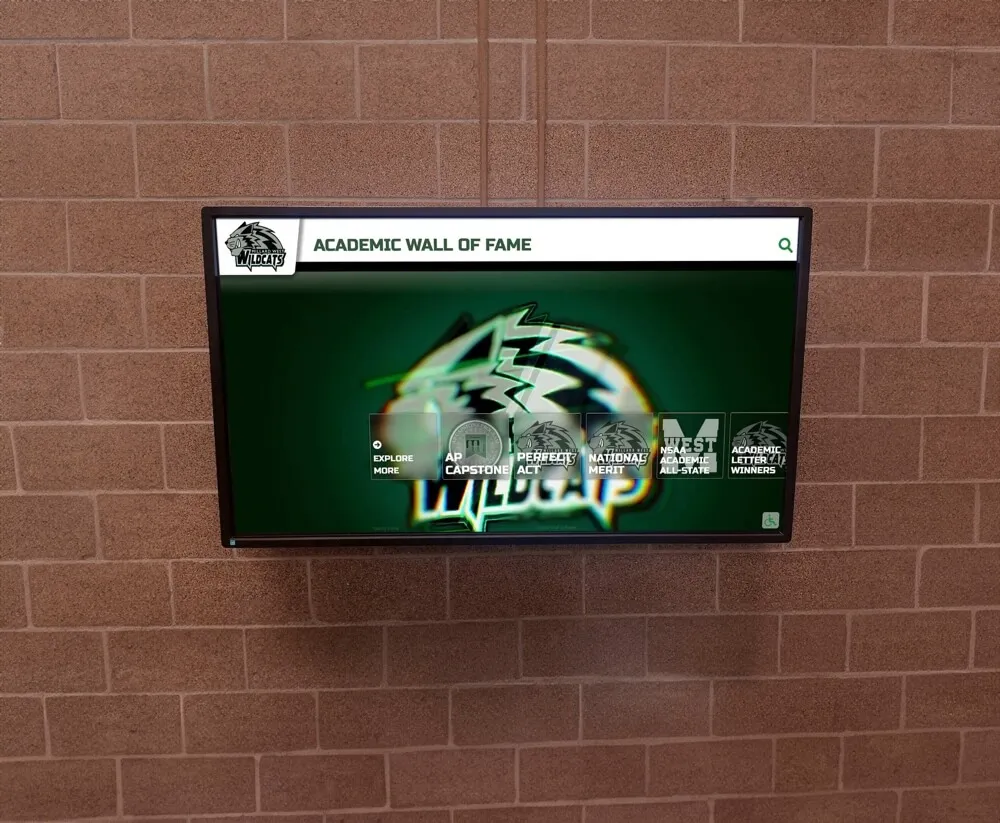
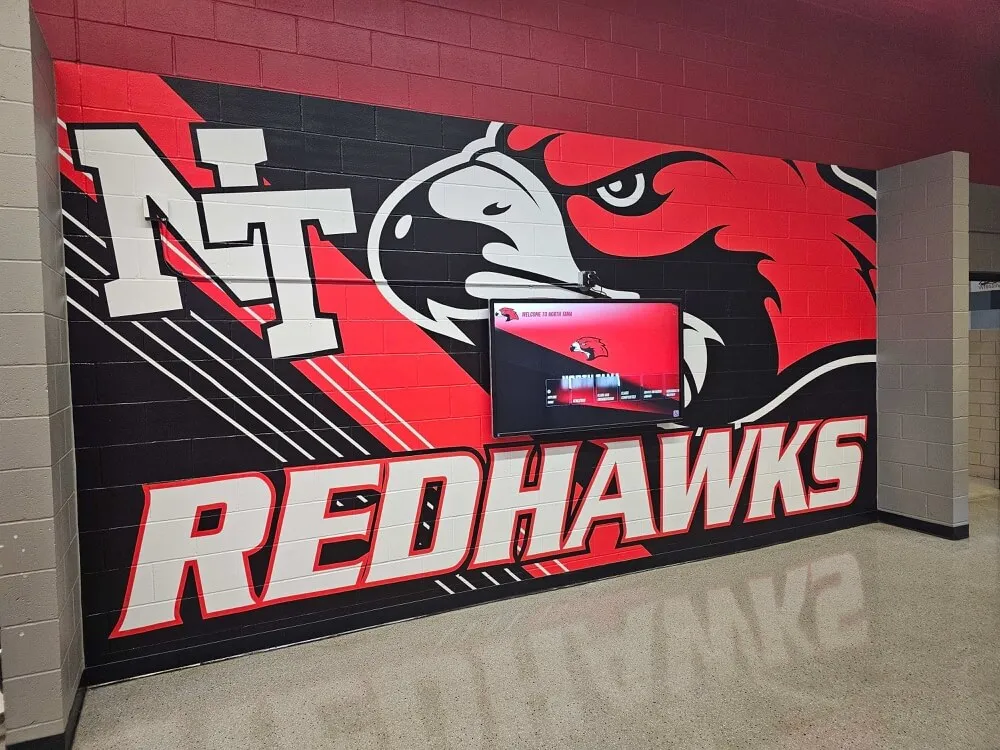
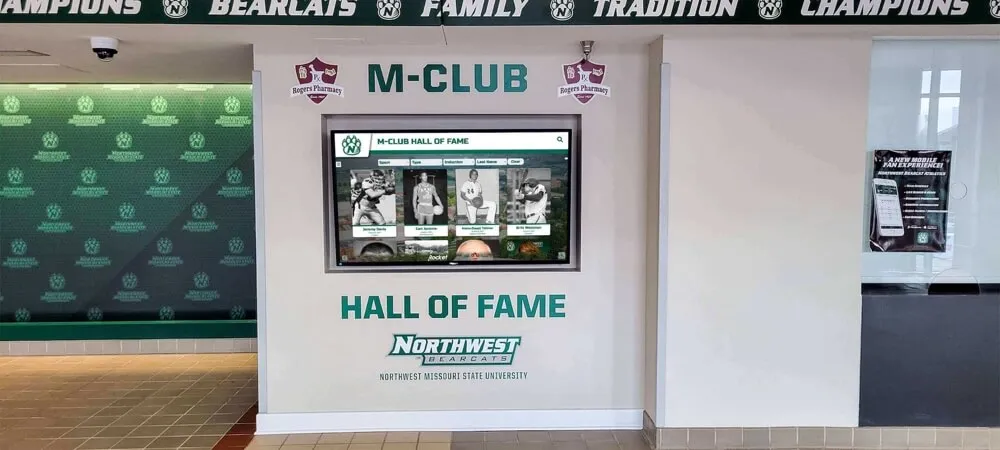
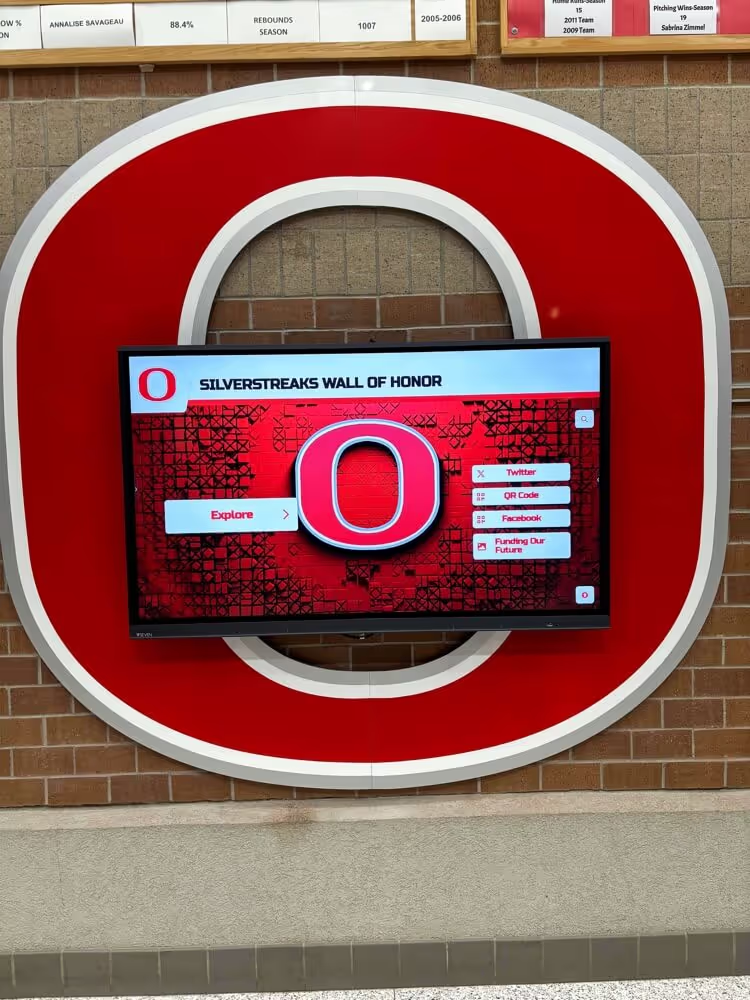
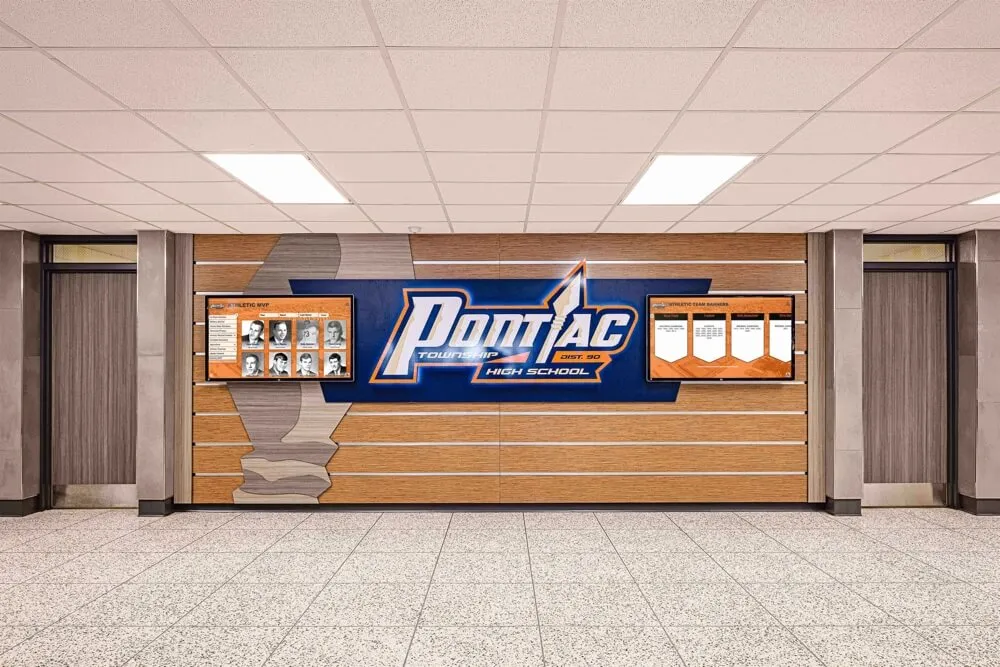
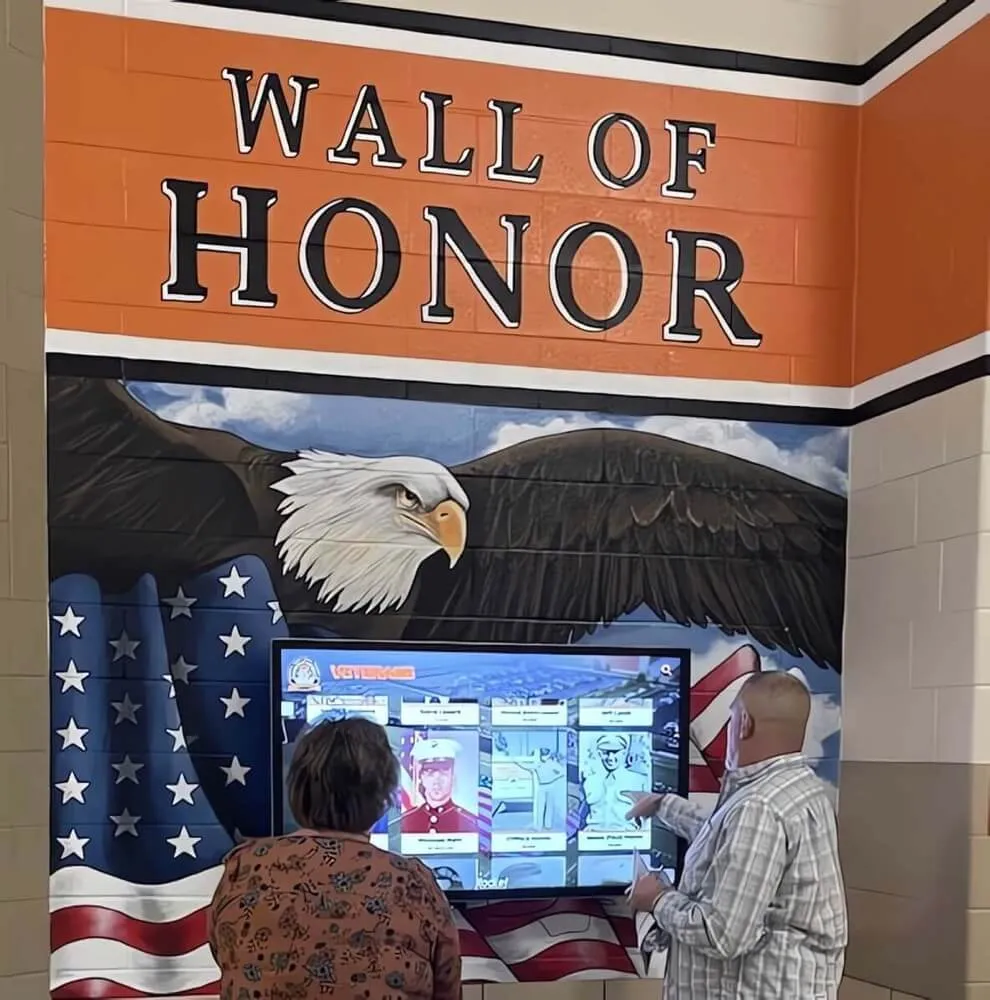
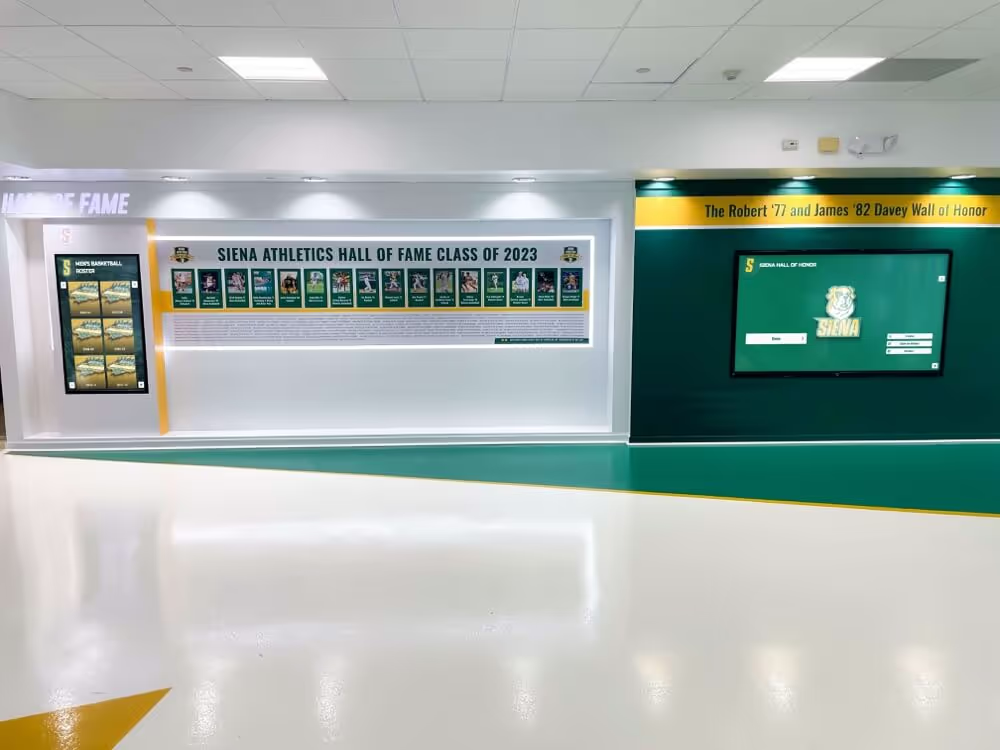
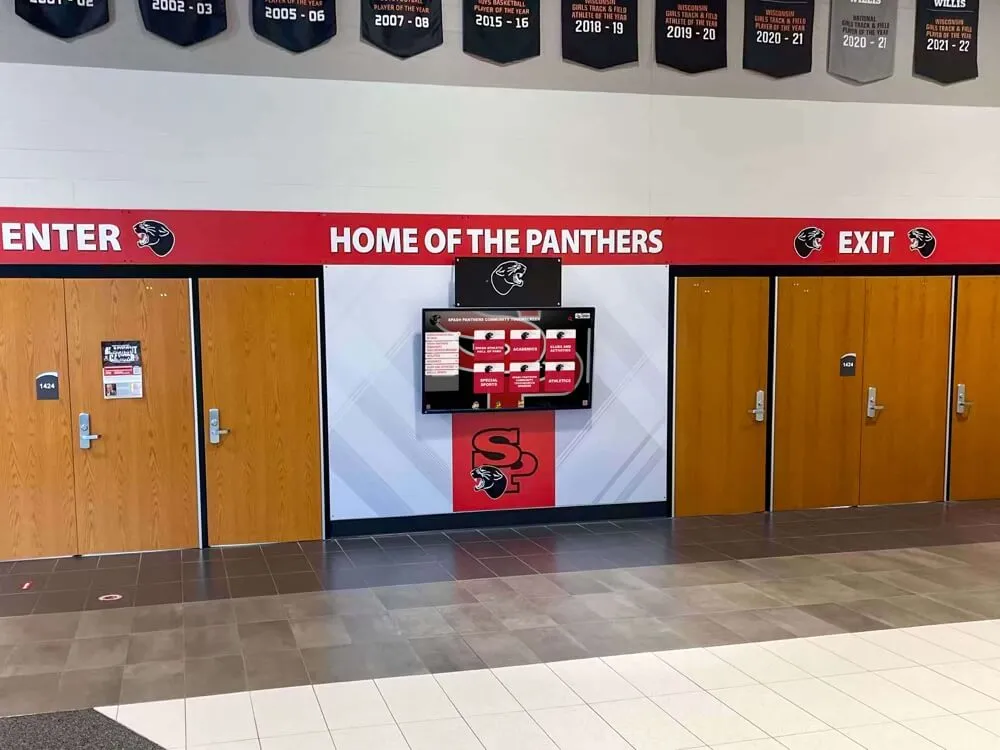
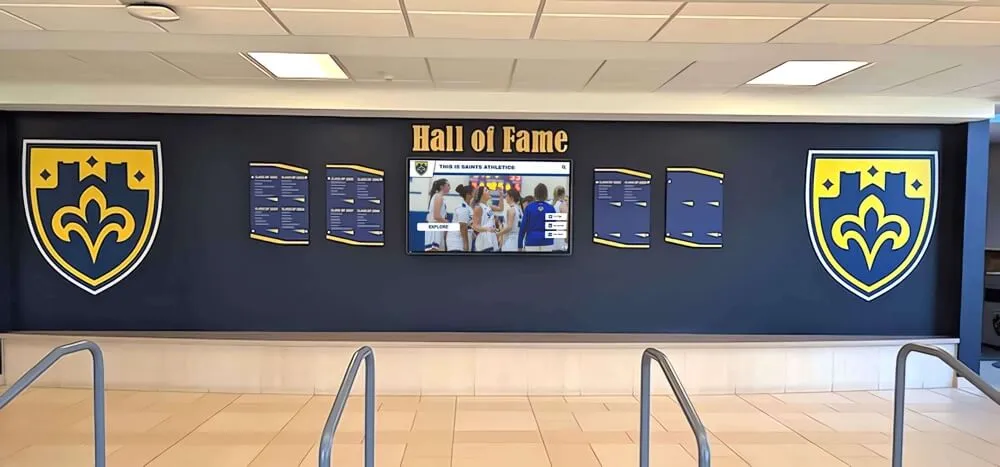
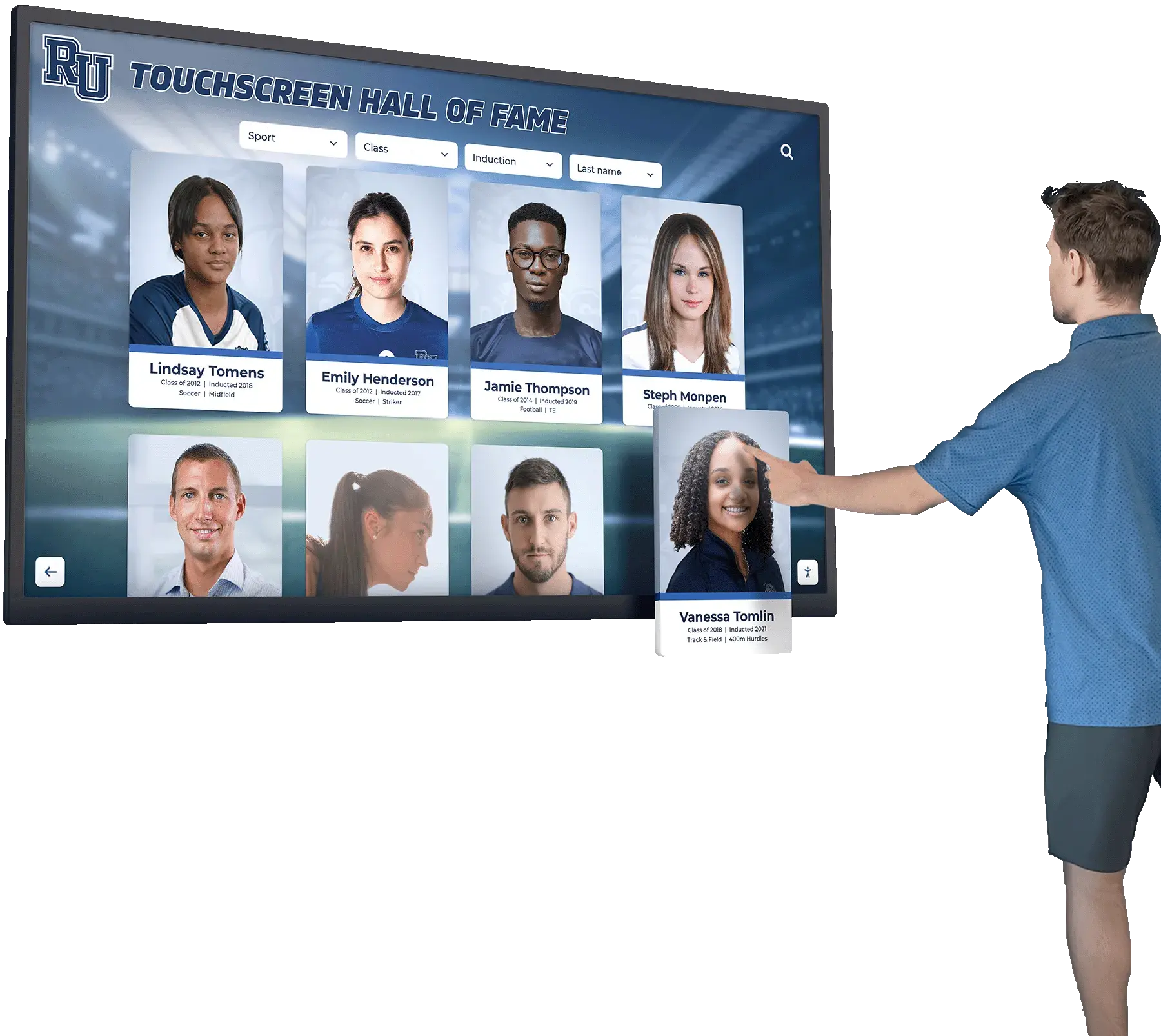
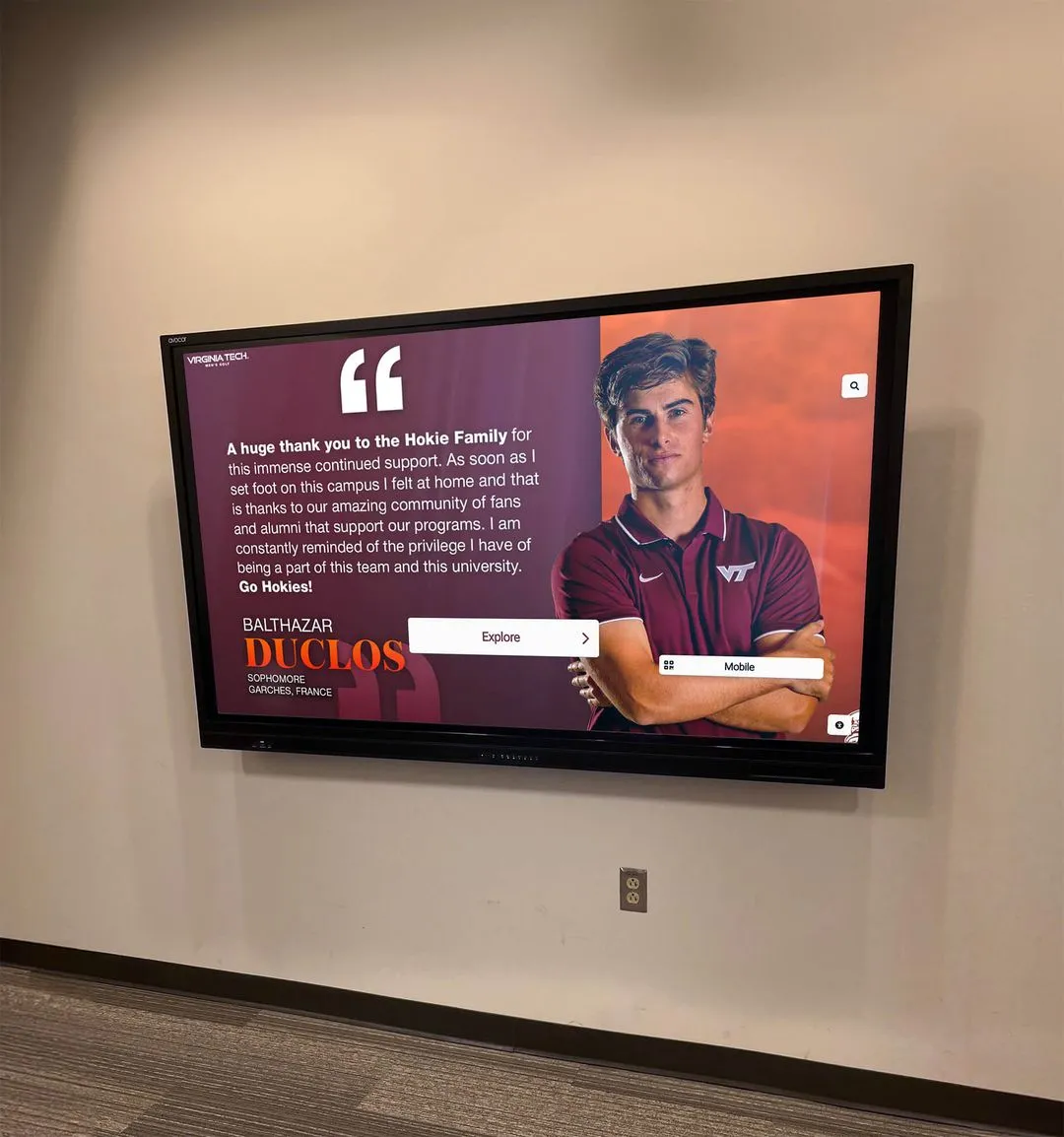
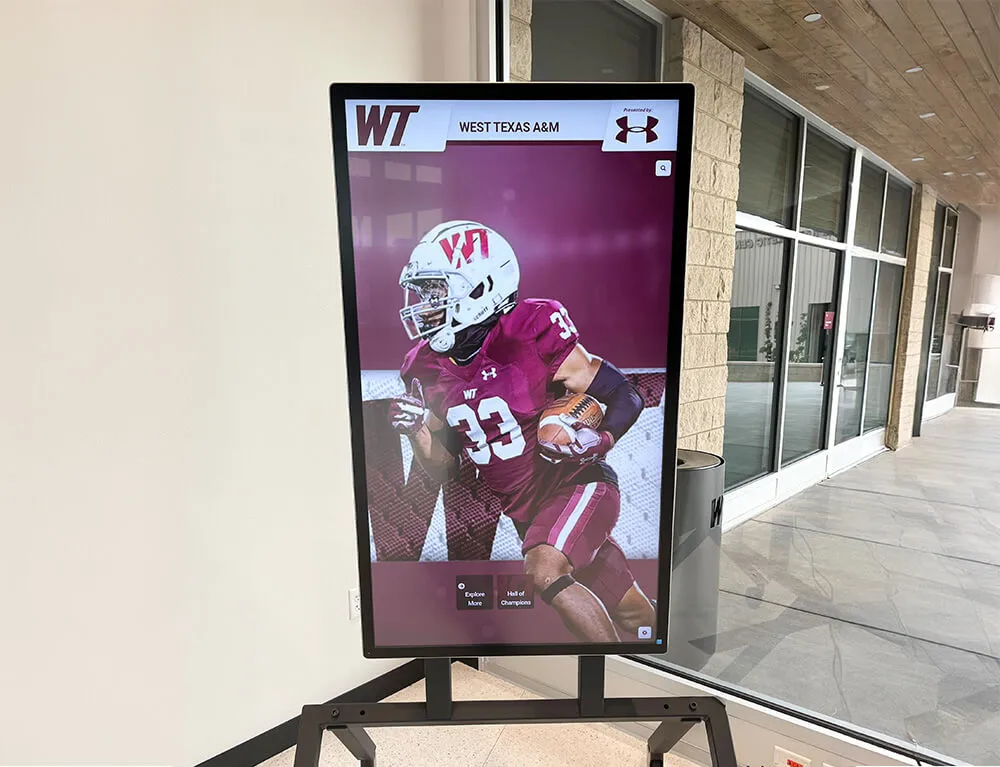
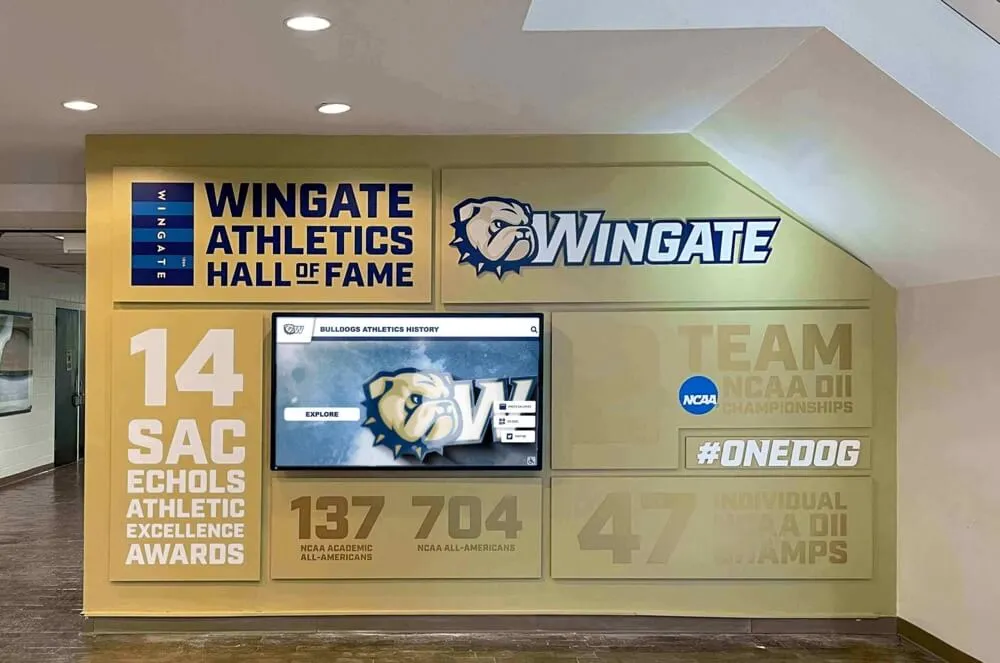
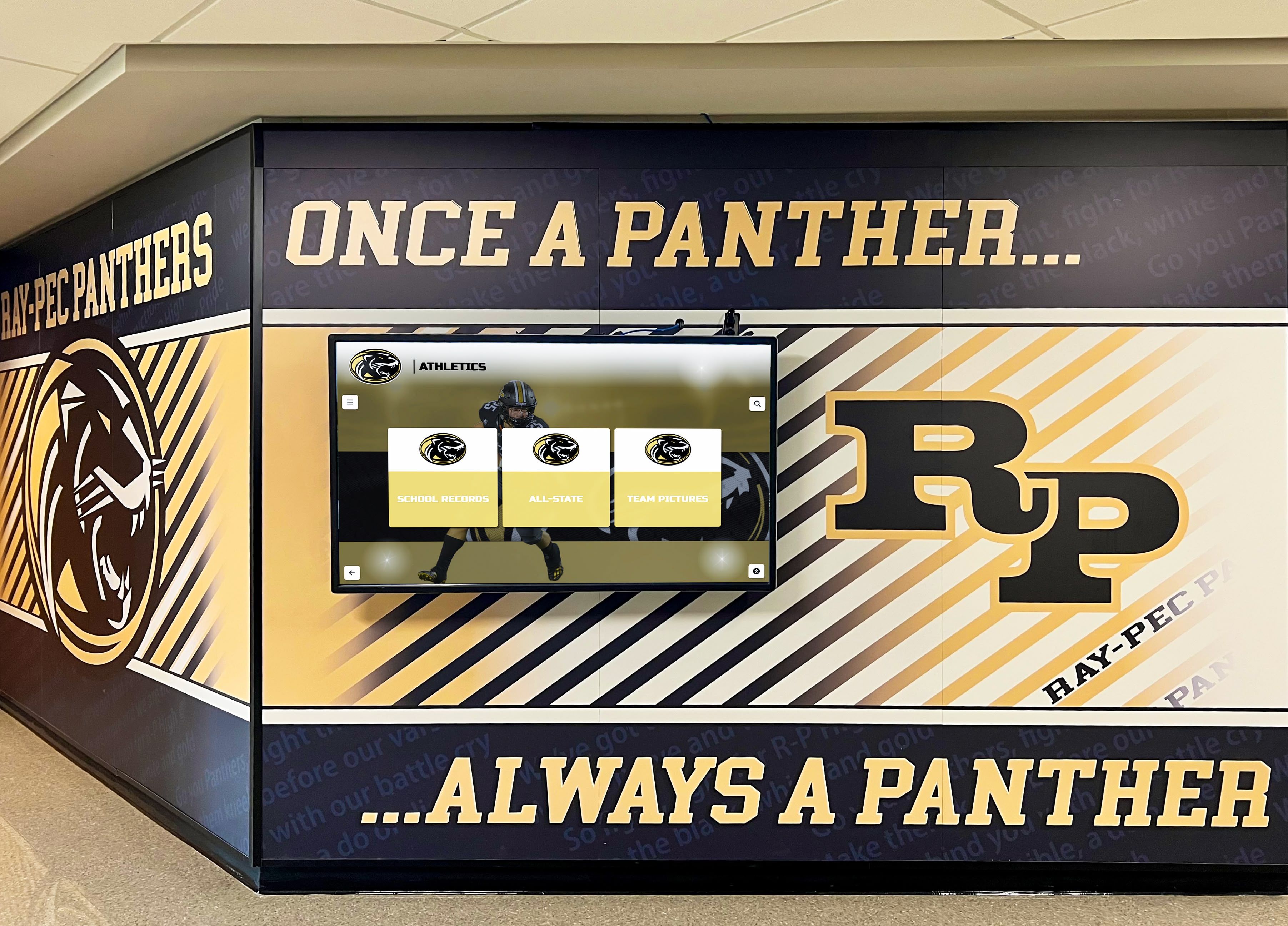
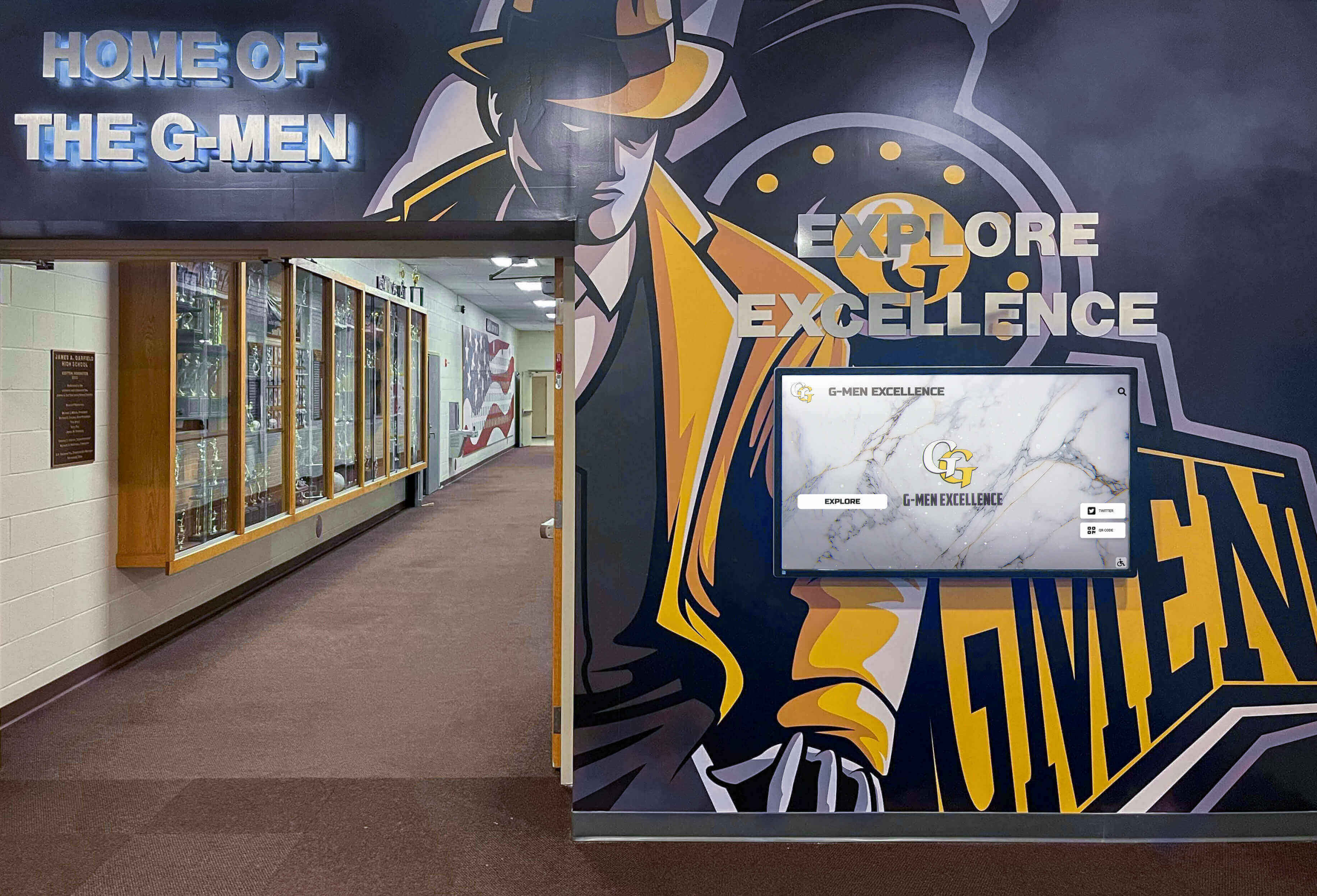
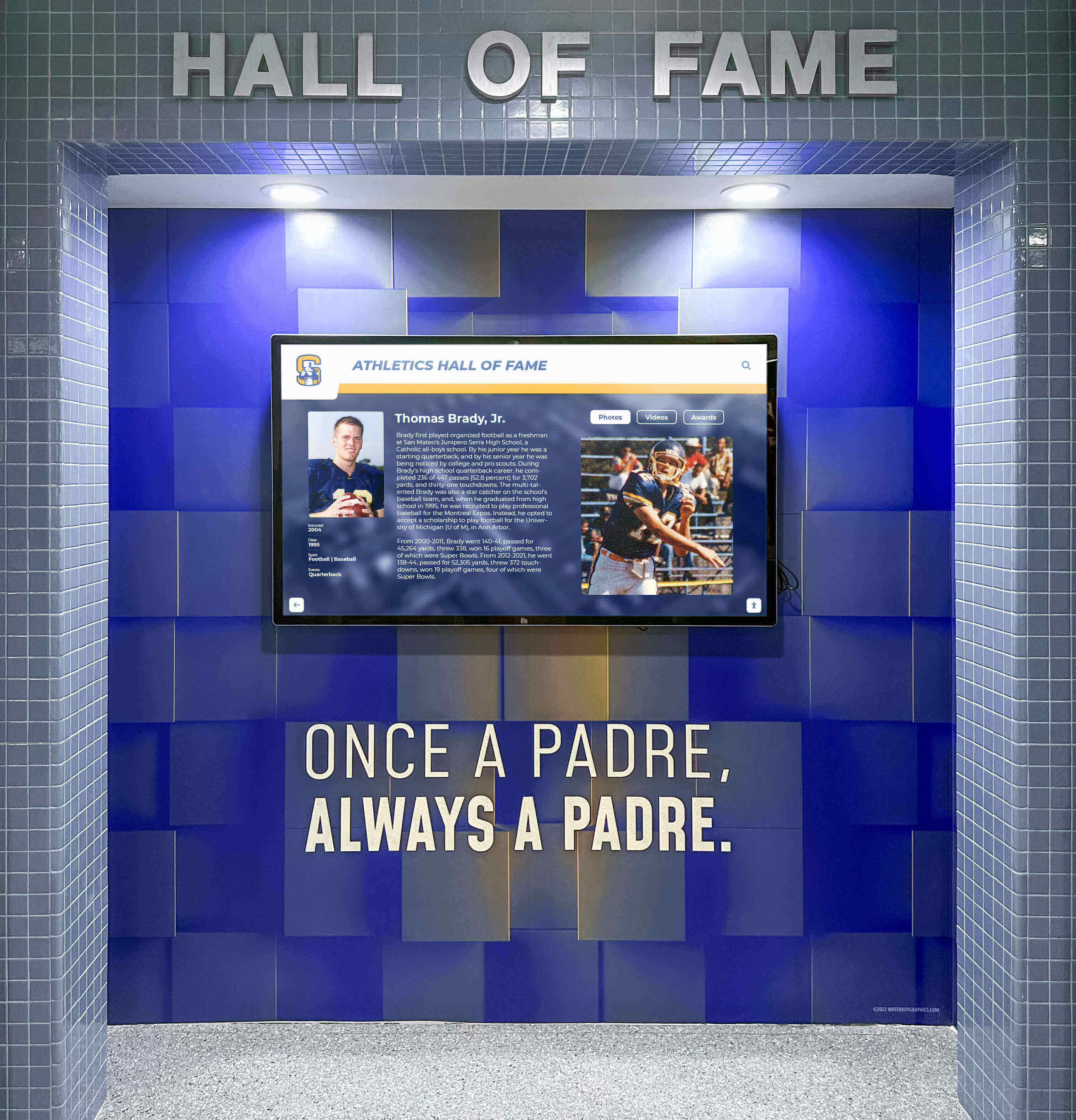
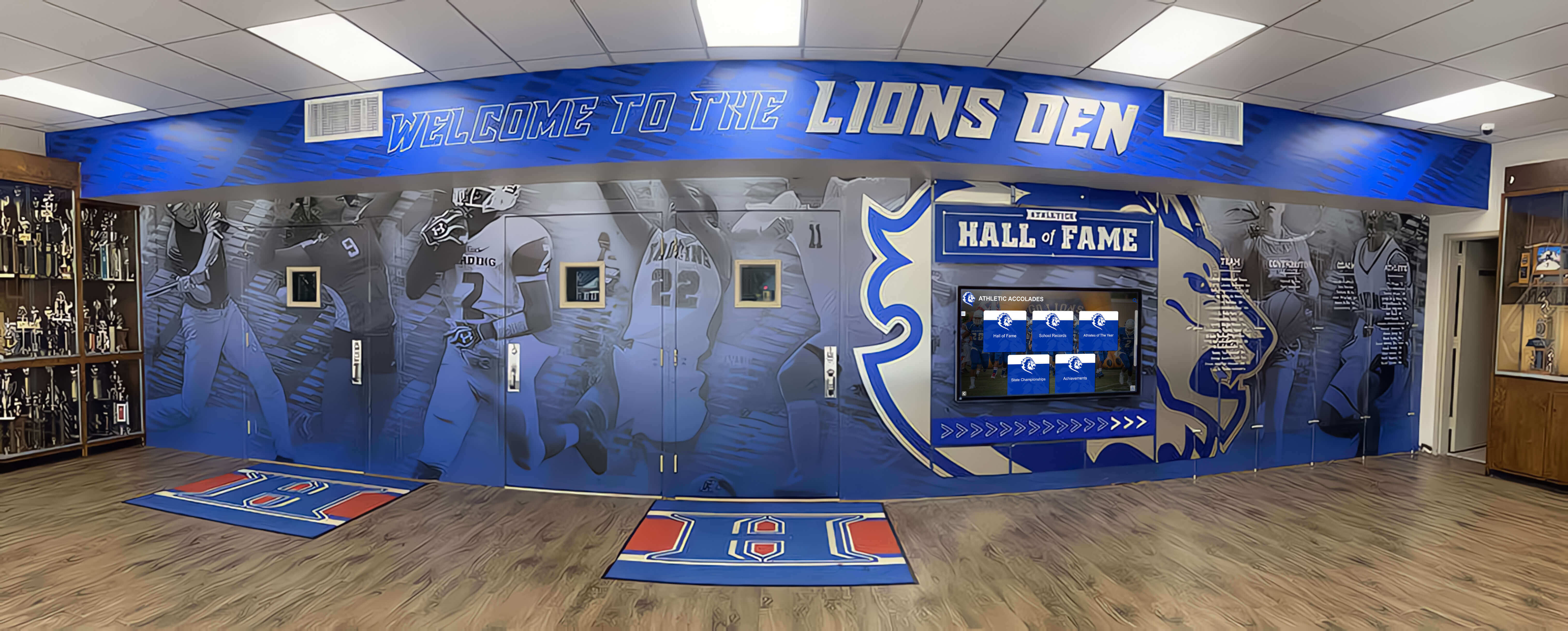
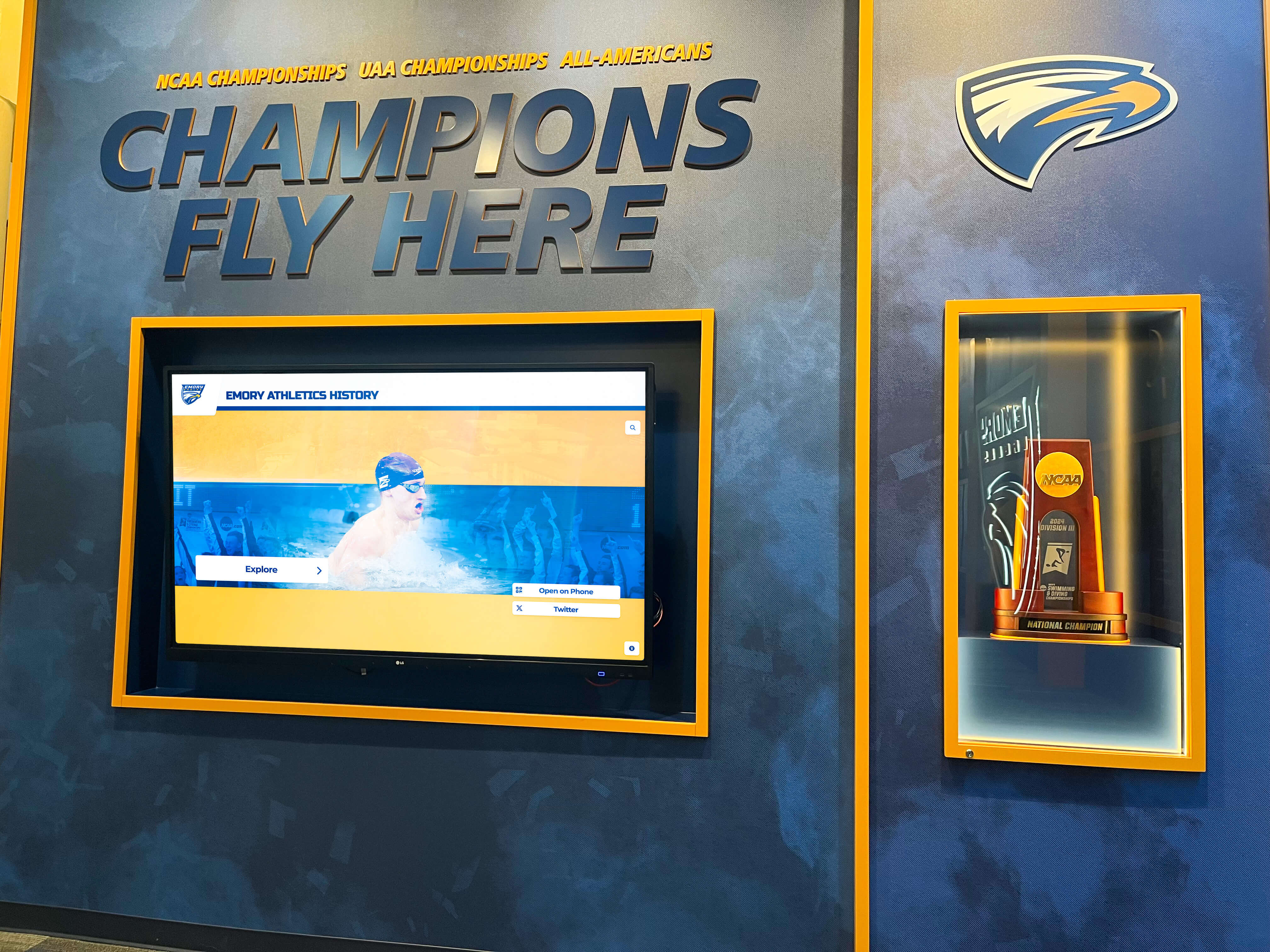
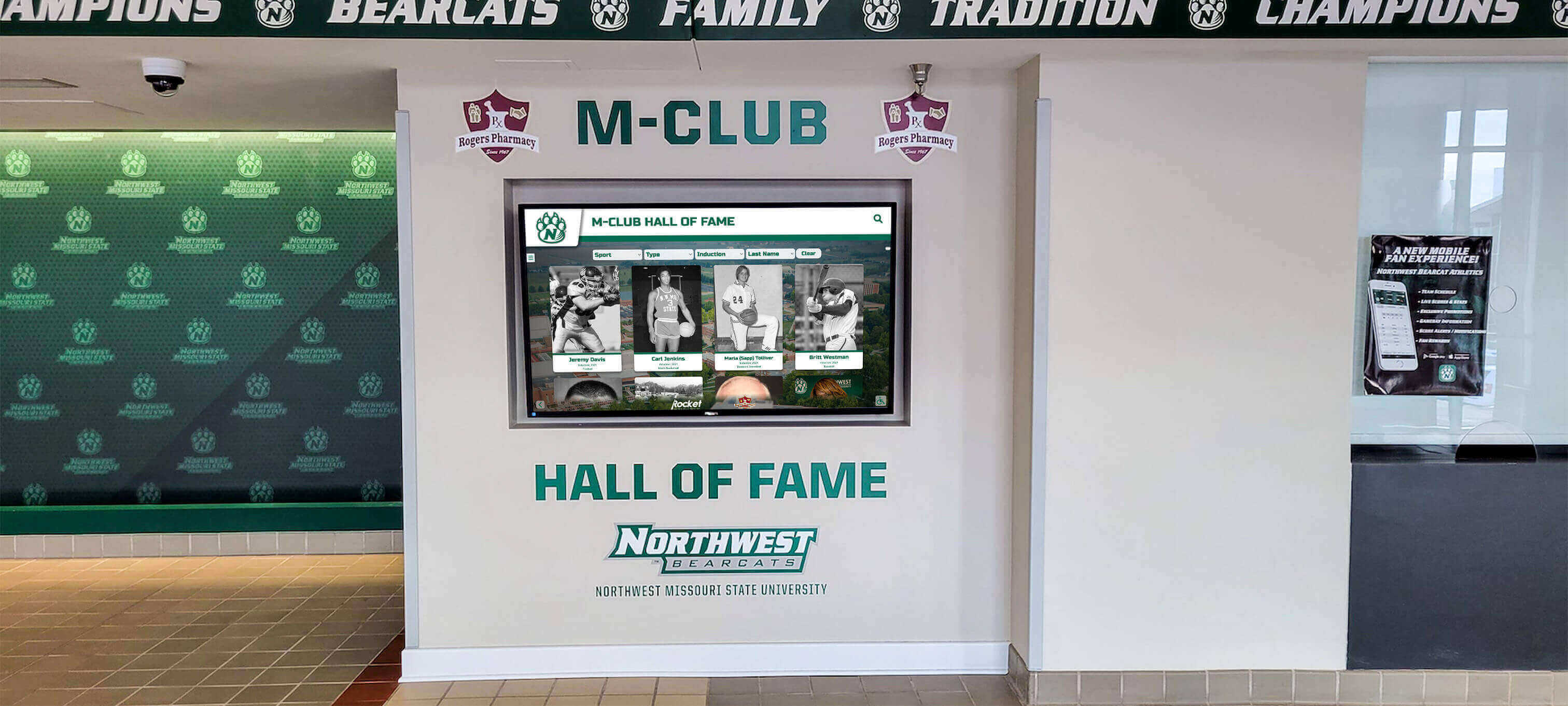
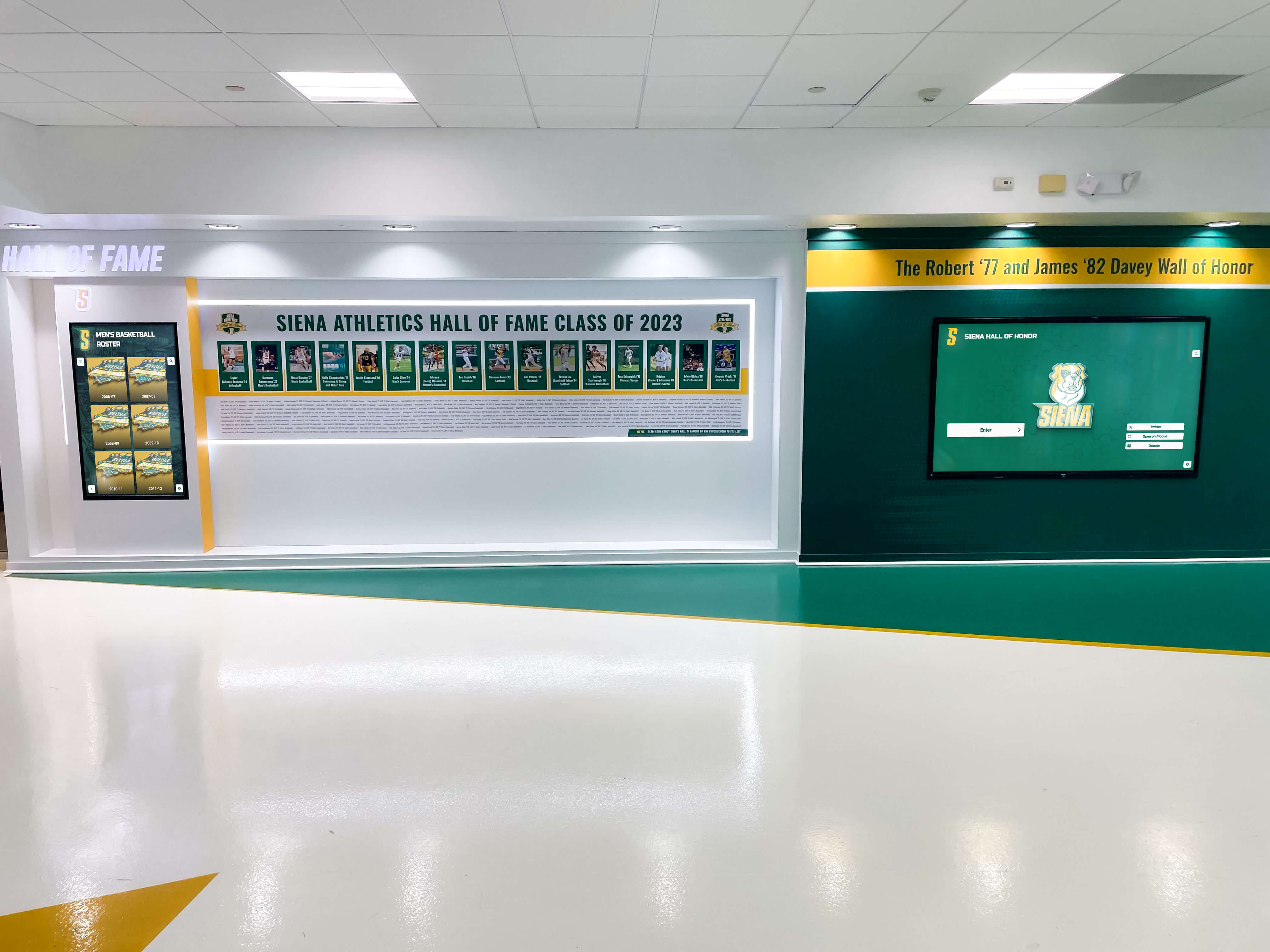
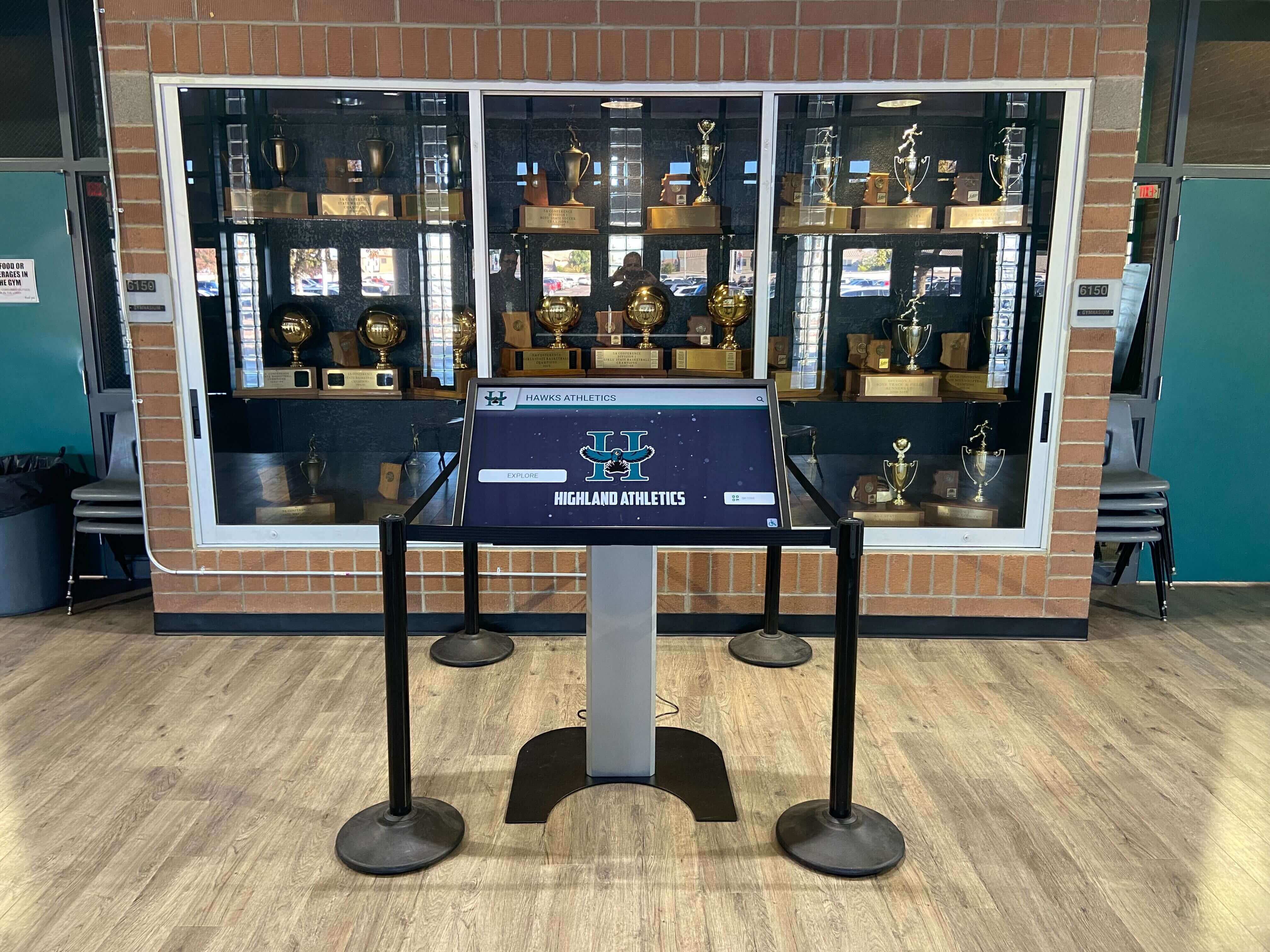
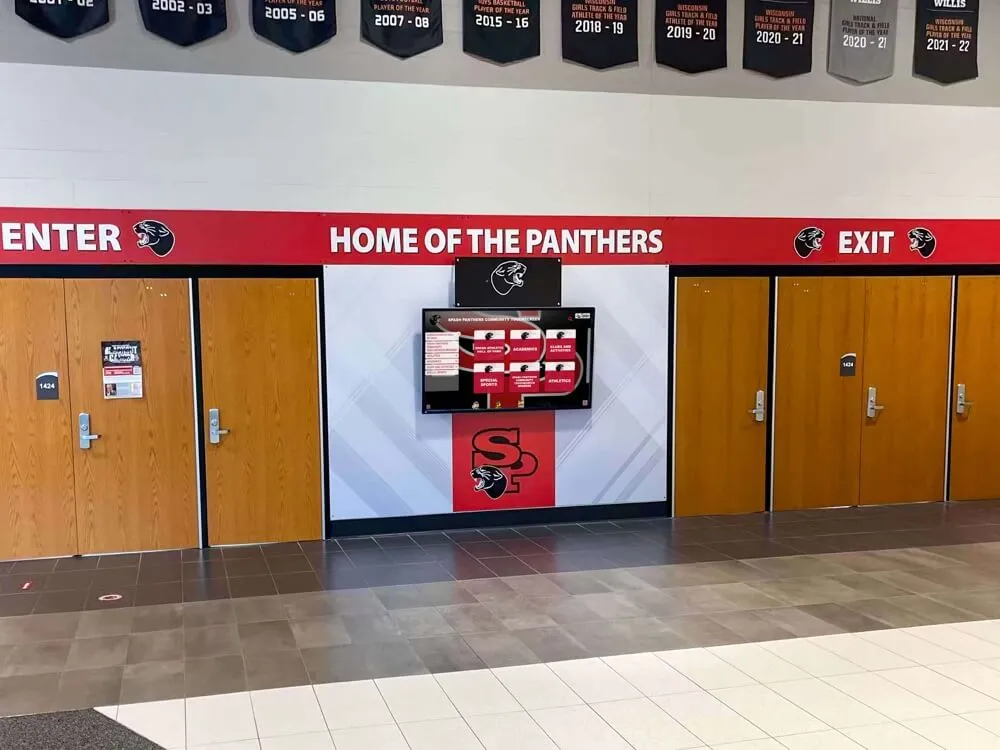
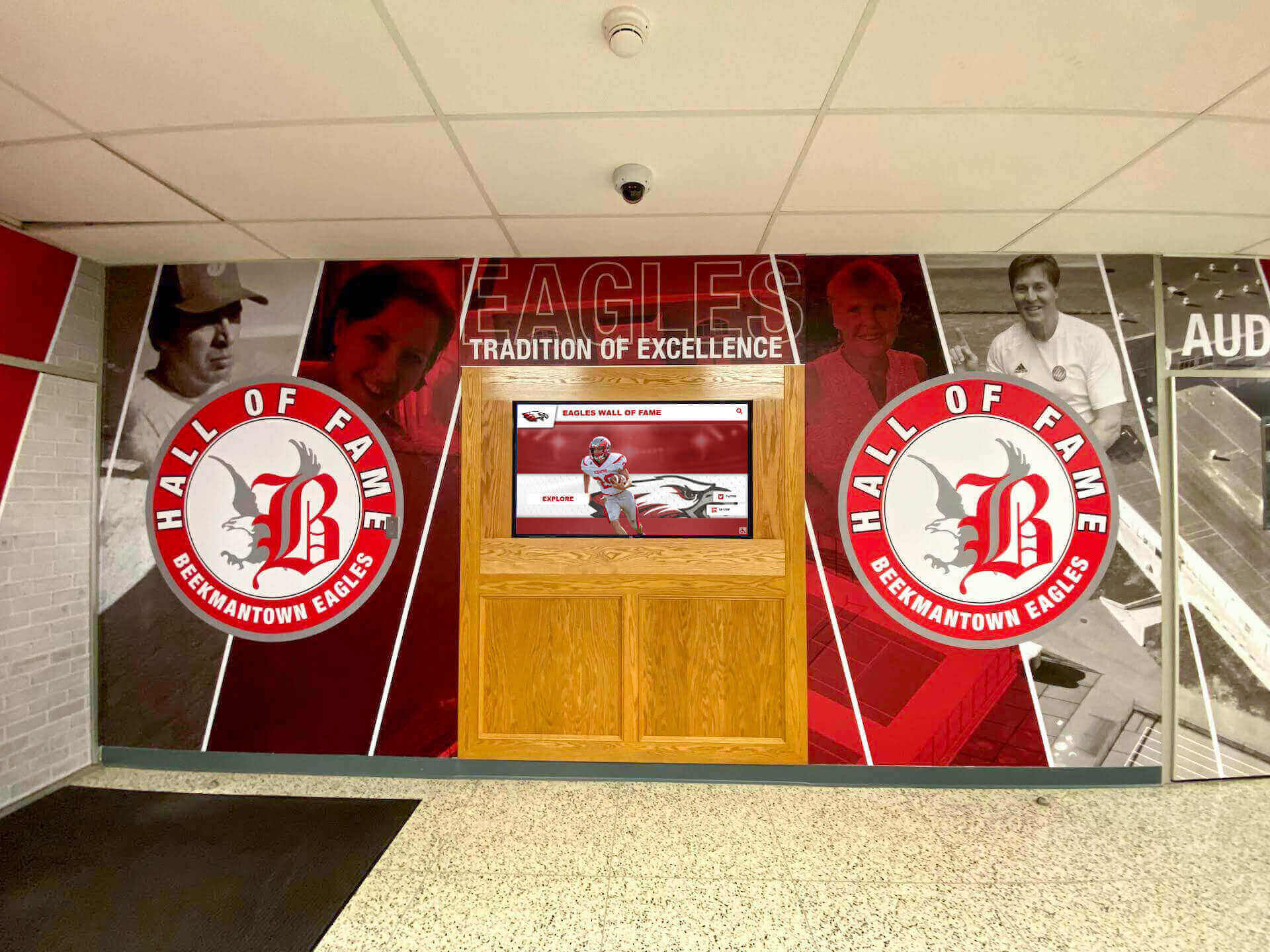
Interactive touchscreen displays installed in prominent school locations create engaging fight song recognition accessible to students, staff, visitors, and alumni. These systems can feature audio recordings playable on demand, scrolling lyrics supporting sing-along participation, historical photos and videos documenting tradition evolution, performer profiles recognizing band members and musical leaders, and contextual information explaining tradition significance.
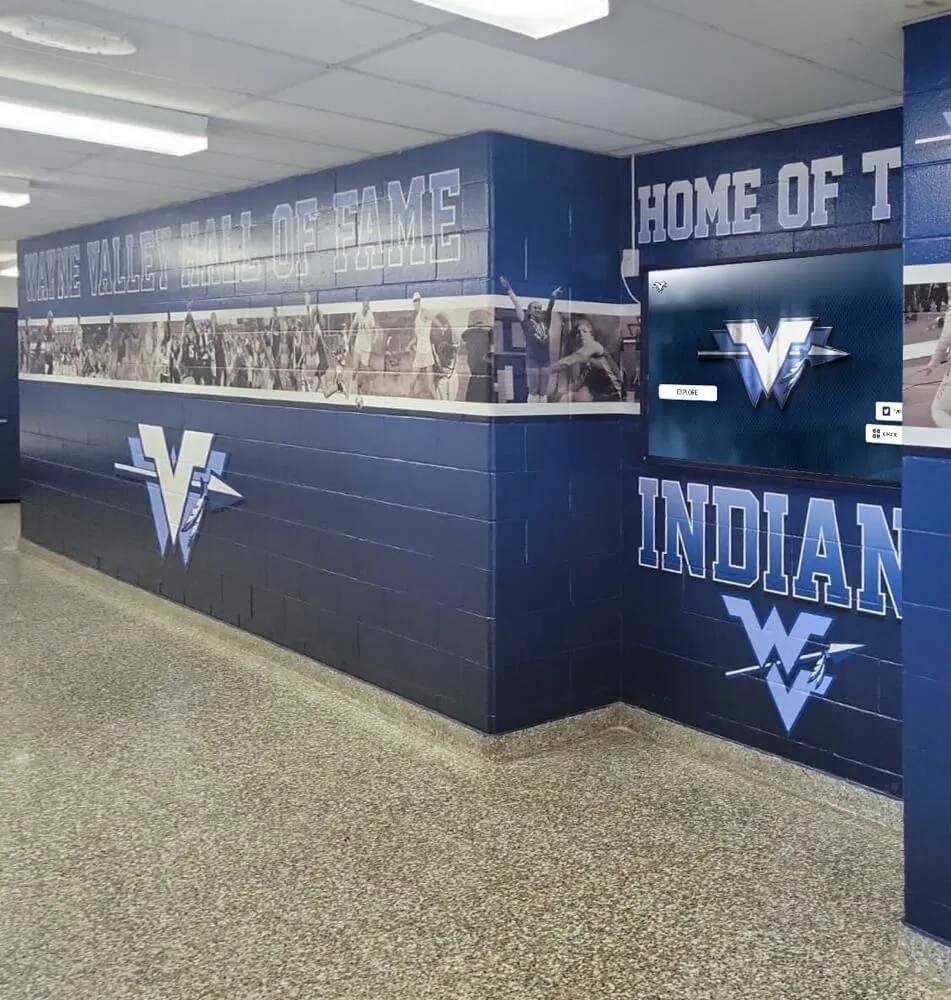
Strategic placement maximizes visibility and engagement. Main entrance lobbies reach all building visitors, athletic facilities connect traditions to competitive contexts, music wings acknowledge program ownership of traditions, and cafeterias capture student attention during high-traffic periods.
Interactive features encourage exploration beyond passive viewing. Users can search performers by name finding individual recognition, filter content by era exploring tradition evolution, compare musical arrangements across decades hearing style changes, and submit personal fight song memories contributing to institutional archives.
Schools implementing touchscreen recognition report enhanced community engagement with traditions. Students stop to explore content they never encountered previously. Alumni visiting schools discover comprehensive documentation of traditions from their eras. Parents learn fight song history enriching their understanding of institutional culture their children experience.
Online Accessibility and Social Sharing
Web-based platforms extend fight song recognition beyond physical facility boundaries enabling global access. Online systems provide unlimited accessibility for remote audiences, searchable databases supporting targeted content discovery, social sharing capabilities amplifying reach organically, mobile optimization ensuring smartphone compatibility, and integration with existing school websites maintaining cohesive digital presence.
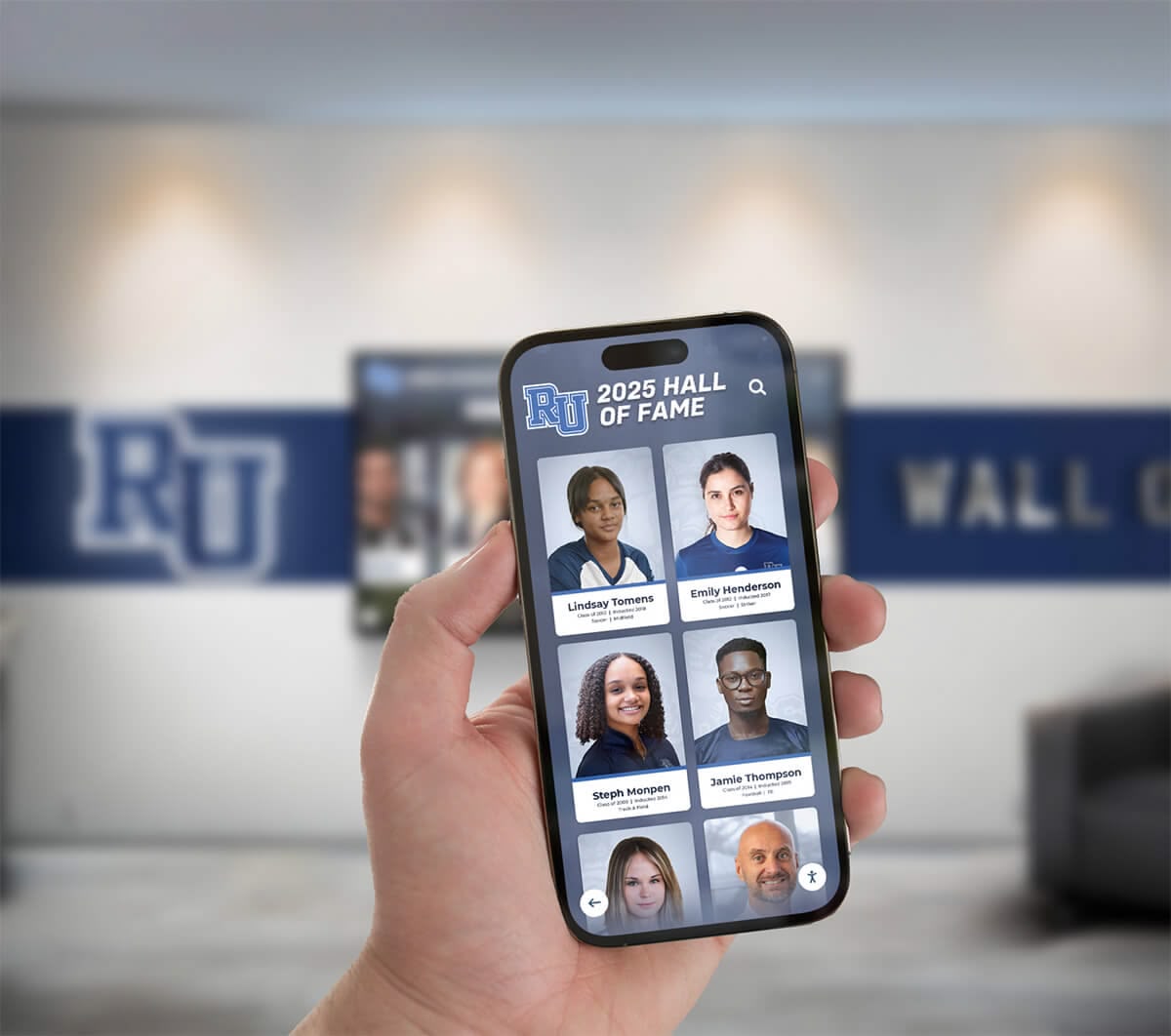
Online accessibility proves particularly valuable for alumni engagement. Graduates living anywhere can access fight song materials anytime, maintaining connections despite geographic distance. Virtual participation through online platforms creates sustained touchpoints supporting long-term institutional relationships and eventual philanthropic support.
Social media integration amplifies organic reach through user sharing. When alumni encounter fight song content online, many share via personal networks reaching extended audiences beyond school communities. These shares generate emotional responses, trigger conversations, and sometimes lead to media coverage extending institutional visibility unexpectedly.
Mobile optimization ensures accessibility matching contemporary usage patterns. Over 70 percent of web traffic originates from smartphones. Recognition platforms must load quickly on mobile connections, display clearly on small screens, and enable easy navigation through touch interfaces. Mobile-first design thinking ensures maximum accessibility for current students who primarily access digital content via phones.
Solutions like Rocket Alumni Solutions provide comprehensive platforms combining physical touchscreen displays and web-based access, enabling schools to preserve fight song traditions through engaging multimedia recognition accessible across all contexts and audiences.
Creating New Fight Song Traditions
Schools without established fight song traditions or seeking to revitalize neglected anthems face distinct challenges requiring systematic approaches balancing innovation with authenticity.
Developing Original Fight Songs
Schools commissioning new fight songs should involve multiple stakeholders ensuring broad ownership and appropriate institutional representation. Effective processes include music director leadership providing expertise and coordination, student input ensuring peer appeal and generational relevance, alumni consultation honoring institutional history and tradition, administrative guidance aligning with educational mission, and community engagement building broad-based support.
Composition approaches vary. Some schools hire professional composers creating polished original works. Others facilitate student-led composition enabling authentic peer ownership. Many combine approaches—professional composers working collaboratively with students and music directors creating joint products balancing excellence with accessibility.
Successful fight songs require extensive testing and revision. Initial drafts undergo multiple rounds of student performance and feedback. Difficult passages are simplified. Memorable sections are emphasized. Lyrical content is refined based on student response and administrative review. This iterative process creates final products simultaneously musically excellent and practically functional for regular student performance.
Formal adoption creates legitimacy and permanence. Schools might hold official dedication ceremonies, incorporate debut performances at major events, distribute professional recordings and printed materials, and implement systematic teaching ensuring transmission to future classes. These actions signal institutional commitment supporting tradition establishment.
Reviving Dormant Fight Song Traditions
Schools with historical fight songs no longer performed actively face different challenges than those creating new traditions. Revival requires historical research documenting original tradition, stakeholder education building understanding and support, strategic reintroduction creating performance opportunities, and sustained commitment preventing re-emergence of neglect.
Historical research involves locating original scores or recordings, interviewing alumni who remember active tradition periods, reviewing archived newspaper articles and school publications, examining yearbook photos showing performance contexts, and consulting music program records documenting tradition history.
Stakeholder education explains why tradition revival matters. Connecting fight songs to broader institutional identity, demonstrating measurable benefits of strong traditions, showcasing successful revival examples from peer institutions, and addressing anticipated objections builds support for revival initiatives.
Reintroduction strategy significantly affects revival success. Starting with enthusiastic subgroups rather than demanding universal immediate participation builds momentum gradually. Connecting revival to major institutional events like anniversary celebrations provides natural launching points. Acknowledging that revival takes time prevents premature discouragement. Celebrating incremental progress maintains motivation.
Sustained commitment prevents tradition relapse. Incorporating fight songs into regular performance contexts, teaching systematically to new students, maintaining visible recognition of tradition importance, and designating responsibility for tradition stewardship all support long-term tradition vitality.
Resources on academic and athletic recognition programs demonstrate comprehensive approaches to building institutional culture.
Balancing Innovation and Tradition
Schools navigating tension between traditional fight songs and contemporary musical preferences face delicate balance. Pure traditionalism risks alienating students who find dated musical styles unengaging. Excessive innovation abandons authentic tradition creating disconnection from institutional heritage.
Successful approaches often involve complementary strategies rather than choosing exclusively between tradition and innovation. Schools might maintain traditional fight song for official purposes while creating contemporary arrangements for different contexts, preserve original lyrics while updating musical styles, develop new songs for specific sports or occasions while protecting primary institutional anthem, or create medleys combining traditional and contemporary elements.
Student involvement in any innovation process builds ownership essential for sustained tradition vitality. When students participate in adapting or creating musical traditions, they invest personally in outcomes rather than passively receiving imposed institutional decisions. This ownership dramatically increases likelihood of enthusiastic participation and tradition longevity.
Fight Songs and School Spirit Measurement
Schools increasingly seek measurable outcomes demonstrating return on investment for spirit programs including fight song traditions.
Quantifiable Spirit Program Indicators
While school spirit resists pure quantification, schools can track indicators suggesting tradition strength and community engagement. Relevant metrics include student section attendance rates at athletic events, survey data on student satisfaction and institutional pride, social media engagement around tradition content, alumni participation at school events, fundraising success rates particularly from alumni, and community attendance at school functions.
Digital platforms enable data collection impossible with traditional recognition methods. Schools can measure online fight song content views and engagement, geographic distribution of digital content access, search patterns revealing interest in traditions, social sharing metrics showing organic content amplification, and return visitor rates indicating sustained engagement.
These metrics provide administrators with evidence supporting continued investment in spirit programs. Demonstrating measurable community engagement around traditions helps justify resource allocation during budget discussions. Quantifiable data also enables program improvement by identifying effective practices and revealing areas needing attention.
Connecting Spirit Programs to Educational Outcomes
Educational administrators prioritize programs demonstrating contribution to core learning objectives. Schools articulating connections between fight song traditions and educational outcomes build stronger institutional support.
Research links school spirit and student engagement to measurable benefits including improved attendance rates, enhanced academic performance, reduced behavioral problems, increased graduation rates, and stronger post-secondary educational attainment. While proving direct causation proves difficult, correlation between engaged school culture and positive educational outcomes appears consistently across research literature.
Fight songs specifically contribute by building inclusive community transcending typical peer group divisions, providing meaningful participation opportunities for students across academic abilities, creating multi-generational connections supporting youth development, developing leadership skills through student section coordination, and establishing institutional affinity supporting long-term educational support.
Schools documenting these connections position spirit programs including fight song traditions as educational investments rather than peripheral activities. This framing improves resource allocation and institutional prioritization.
Implementation Guide for Schools
Schools seeking to strengthen fight song traditions can follow systematic approaches balancing quick wins with sustained culture development.
Phase 1: Assessment and Documentation (Months 1-3)
Initial implementation focuses on understanding current state and building foundations. Key activities include interviewing music directors and long-serving staff about tradition history, surveying students about fight song knowledge and engagement, consulting alumni about historical tradition participation, reviewing archival materials documenting fight song evolution, and identifying gaps in current tradition knowledge and documentation.
This assessment reveals opportunities and challenges informing subsequent phases. Schools may discover strong traditions suffering only from lack of systematic student education. Others find dormant traditions requiring deliberate revival. Some identify complete absence of fight song culture necessitating new tradition creation.
Documentation work begins immediately. Schools should digitize any existing recordings, photographs, or printed materials before deterioration causes permanent loss. Conducting oral history interviews with alumni while memories remain accessible prevents valuable institutional knowledge from disappearing.
Phase 2: Education and Engagement (Months 4-9)
Building on assessment findings, schools implement systematic education ensuring student fight song proficiency. Approaches include freshman orientation sessions introducing school anthem, music class integration providing formal instruction, pep rally demonstrations modeling expected participation, social media content sharing recordings and lyrics, and print materials distributing to all students and families.
Student leadership development supports peer-driven engagement. Schools identify enthusiastic students willing to lead student section activities, provide training on coordination and behavior management, grant appropriate autonomy enabling authentic student ownership, and recognize leadership contributions publicly.
Physical and digital infrastructure improvements enhance tradition visibility. Installing audio systems enabling high-quality fight song playback, creating visual displays showcasing tradition history, implementing digital signage rotating through spirit content, and establishing social media channels dedicated to school traditions all increase tradition prominence within school culture.
Resources on senior night ideas and recognition programs demonstrate comprehensive student engagement strategies.
Phase 3: Recognition and Reinforcement (Months 10-18)
Sustained tradition strength requires ongoing recognition reinforcing importance and celebrating participation. Schools should implement comprehensive digital recognition of marching band achievements, create multimedia archives preserving tradition history, feature fight song content prominently at major school events, recognize student leaders who promote tradition participation, and engage alumni through tradition-centered communication.
Continuous improvement based on engagement data optimizes tradition effectiveness. Schools track participation rates identifying successful practices and problem areas, gather student feedback informing program adjustments, monitor social media engagement revealing content resonance, and celebrate incremental improvements maintaining momentum.
Ongoing: Sustained Tradition Stewardship
Fight song traditions require permanent institutional commitment preventing gradual neglect during leadership transitions or competing priority pressures. Sustainable approaches include designating specific staff responsibility for tradition oversight, incorporating tradition teaching into formal curricula, maintaining visible recognition of tradition importance, budgeting resources supporting tradition programs, and evaluating tradition engagement regularly.
Schools treating fight songs as valuable institutional assets deserving protection and investment create traditions genuinely serving educational missions while building communities where students, staff, alumni, and families connect through shared musical heritage transcending individual school experiences.
Conclusion: Songs That Build Communities
Fight songs represent far more than pre-game entertainment. These musical traditions embody institutional identity, connect generations through shared cultural experience, provide inclusive participation opportunities across diverse student populations, and create emotional anchors supporting lifelong institutional affinity.
Schools with strong fight song traditions demonstrate measurably enhanced student engagement, improved school climate, stronger alumni relationships, and elevated community support. These outcomes reflect fight songs’ unique capacity to create genuine community around shared purpose and collective identity—increasingly rare in fragmented contemporary society.
Modern digital recognition platforms enable schools to preserve and celebrate fight song heritage comprehensively. Multimedia documentation captures tradition history before institutional memory disappears. Interactive displays make traditions accessible and engaging for current students. Online platforms extend tradition participation to alumni worldwide. Analytics demonstrate tradition impact supporting continued institutional investment.
Whether schools maintain century-old anthems or develop new traditions for contemporary contexts, systematic attention to fight song traditions pays dividends across multiple dimensions. Students experience meaningful participation in authentic community rituals. Alumni maintain emotional connections supporting long-term institutional engagement. Communities recognize schools as cultural centers preserving local heritage and building shared identity.
The sounds of student sections singing school anthems, marching bands performing at halftime, and multi-generational families sharing fight songs together represent education serving purposes beyond academics alone. These moments build human connections, preserve cultural heritage, and create communities where individuals experience belonging to purposes greater than themselves.
Schools strengthening fight song traditions invest in institutional culture supporting broader educational missions while creating experiences students carry throughout life. Long after graduation dates are forgotten and specific coursework fades from memory, alumni remember standing in student sections singing school anthems with peers who became lifelong friends. These memories represent education’s highest achievements—forming character, building community, and preparing youth for meaningful participation in larger society.
Ready to preserve and celebrate your school’s musical traditions? Digital recognition solutions purpose-built for educational institutions enable comprehensive tradition documentation through multimedia content, engaging displays creating interactive tradition exploration, unlimited capacity accommodating complete institutional histories, global accessibility extending tradition participation worldwide, and sustainable management requiring minimal ongoing administrative burden.
Your school’s fight song represents generations of students, countless memorable moments, and community identity worth preserving and celebrating. Modern recognition technology ensures these traditions receive honor reflecting their true significance while inspiring current students to maintain musical excellence building institutional culture for decades to come.
Schedule a demo to discover how comprehensive digital recognition can honor your school’s fight song tradition while strengthening community engagement, preserving institutional history, and building school spirit that inspires excellence across all programs for generations to come.