



As the school year draws to a close, high schools across the nation prepare for one of education’s most meaningful traditions: end of year awards ceremonies. These events represent culminating celebrations honoring students who demonstrated excellence, growth, character, and achievement across academic disciplines, athletic programs, extracurricular activities, and community service. Yet planning comprehensive award programs that authentically recognize diverse accomplishments while engaging modern student audiences requires systematic approaches balancing tradition with contemporary recognition methods.
End of year awards serve purposes far beyond simply acknowledging top performers. Thoughtfully designed recognition programs create final impressions shaping how students remember their educational experience, inspire younger students observing peers honored for varied achievement types, communicate institutional values through visible celebration of specific accomplishments, build school culture where excellence across multiple dimensions receives appropriate acknowledgment, and preserve institutional memory documenting each year’s outstanding contributors.
Modern Recognition for End of Year Excellence
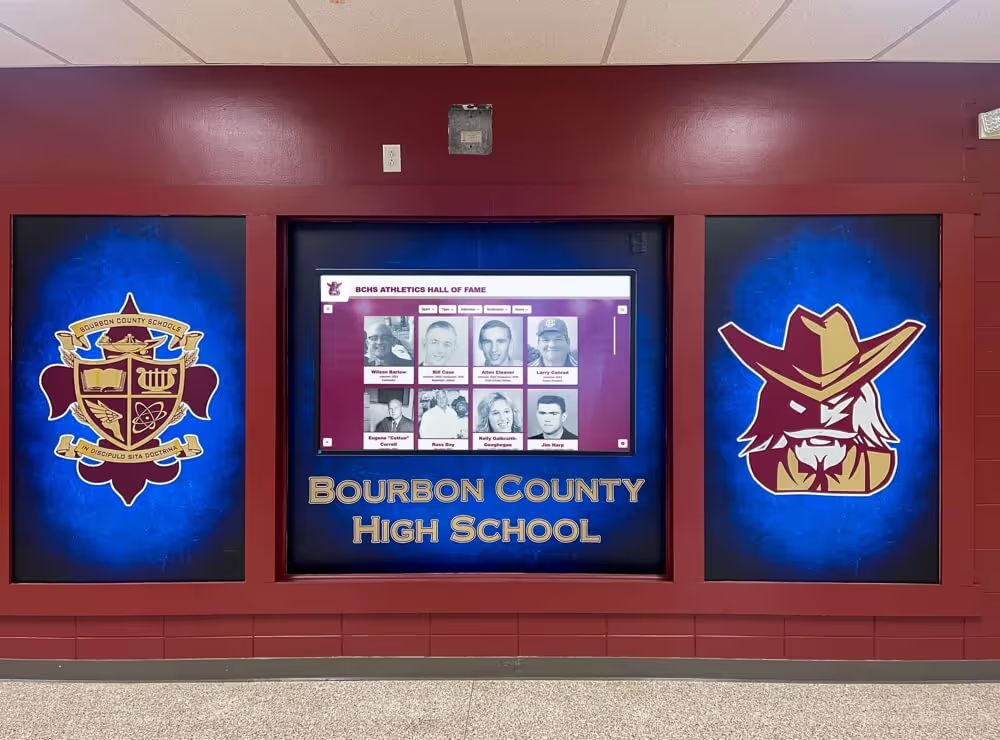
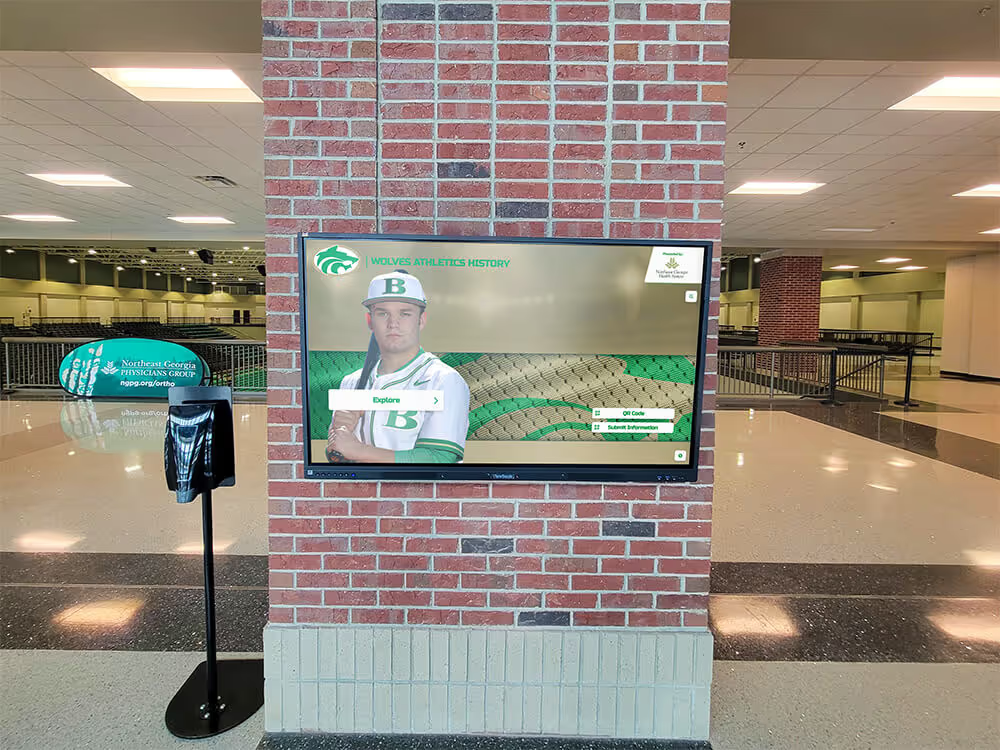
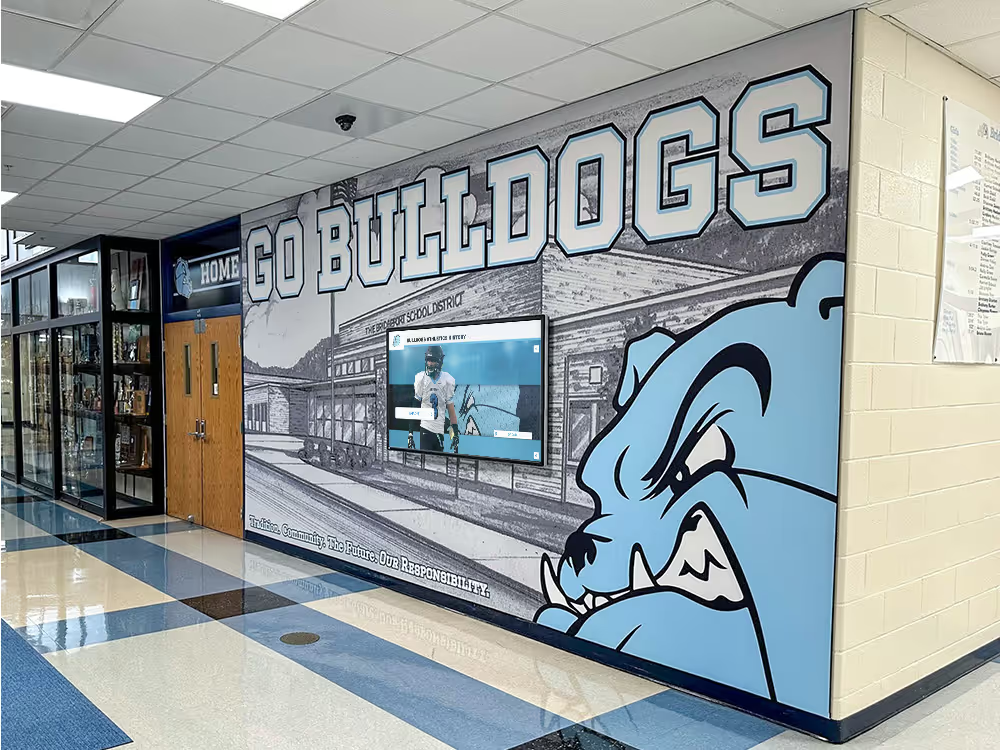
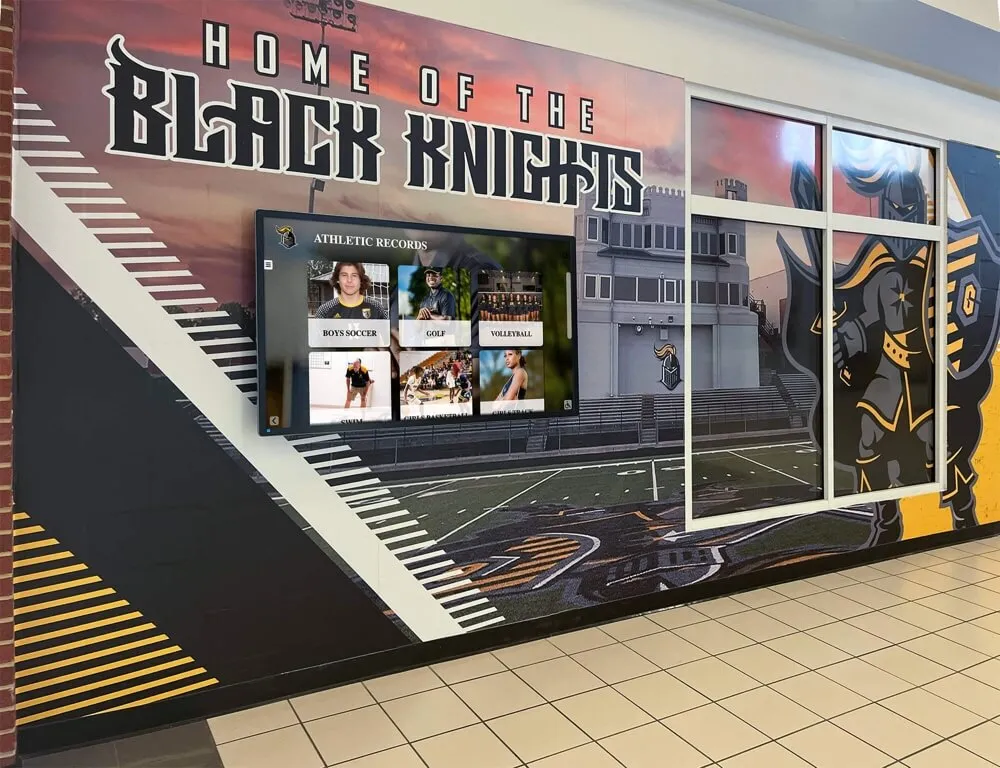
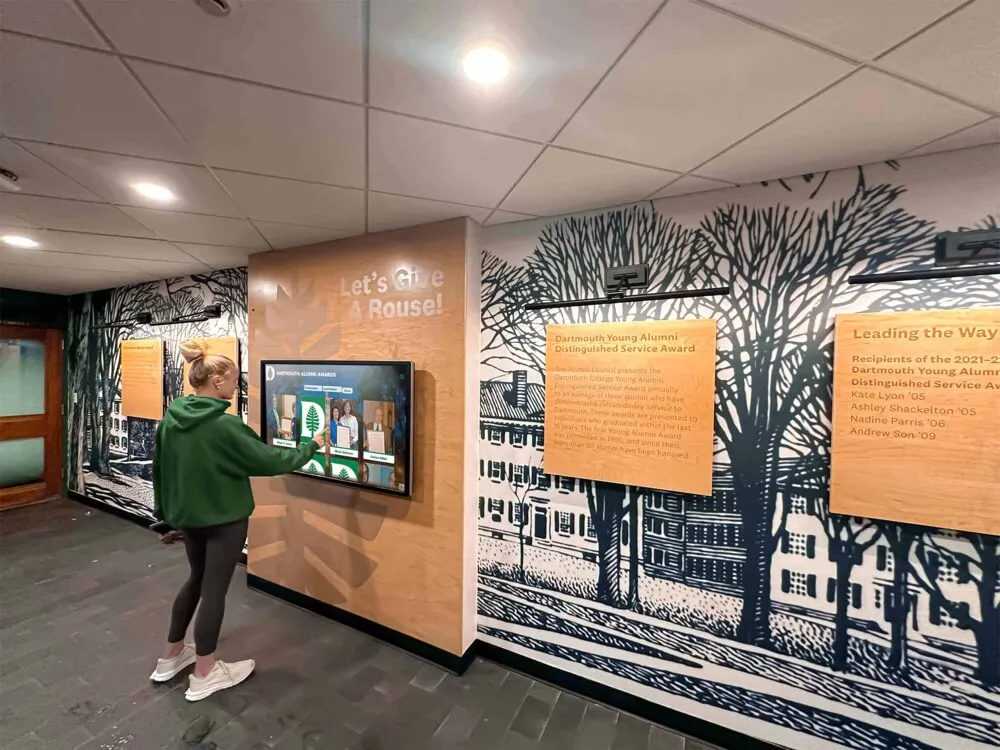
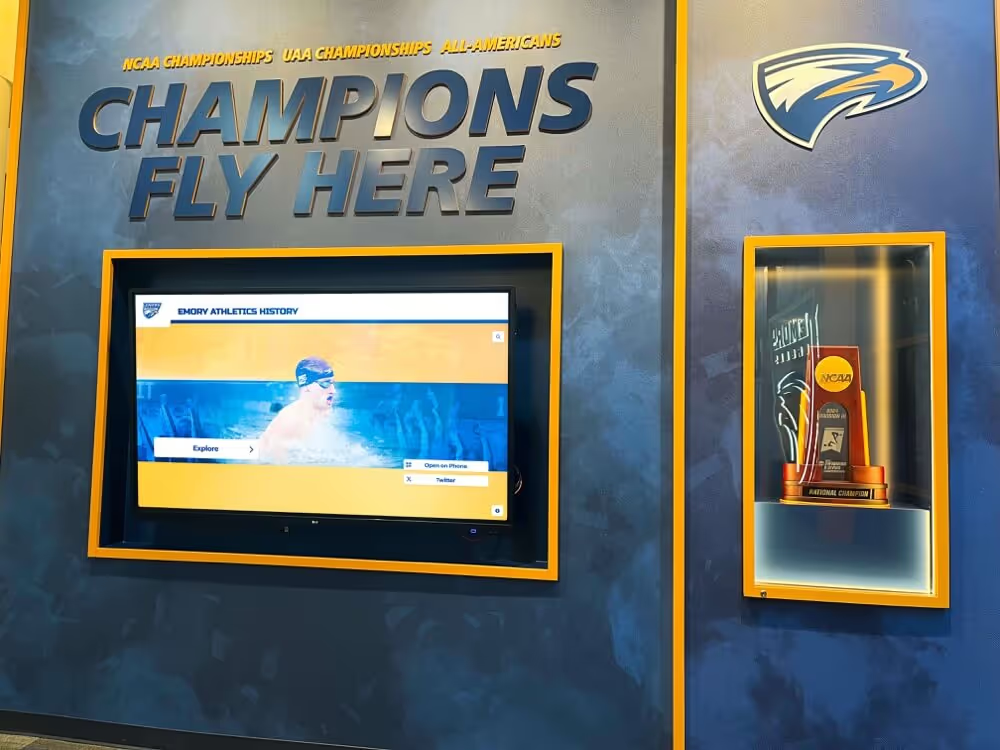
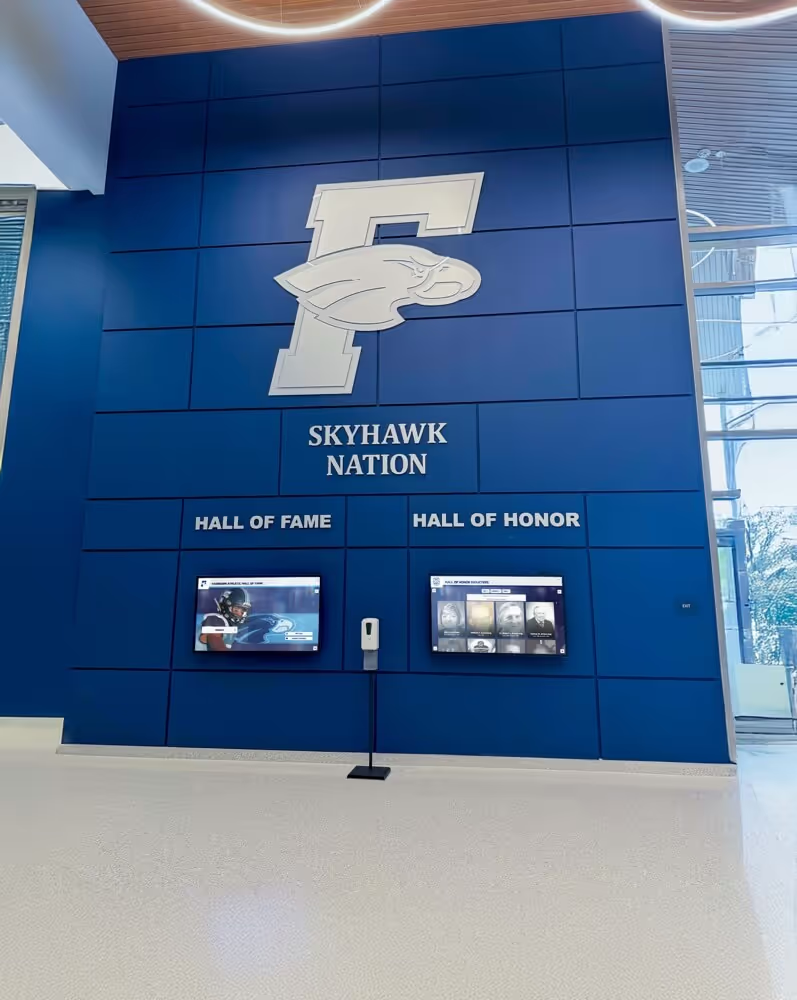
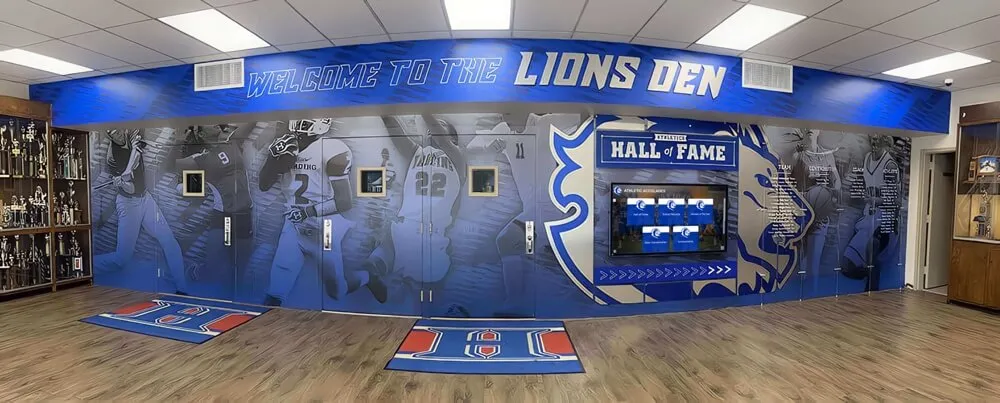
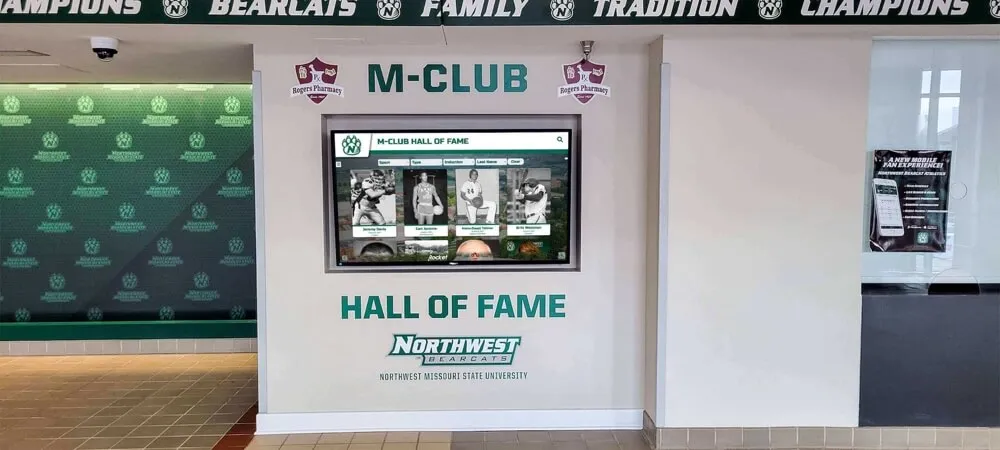
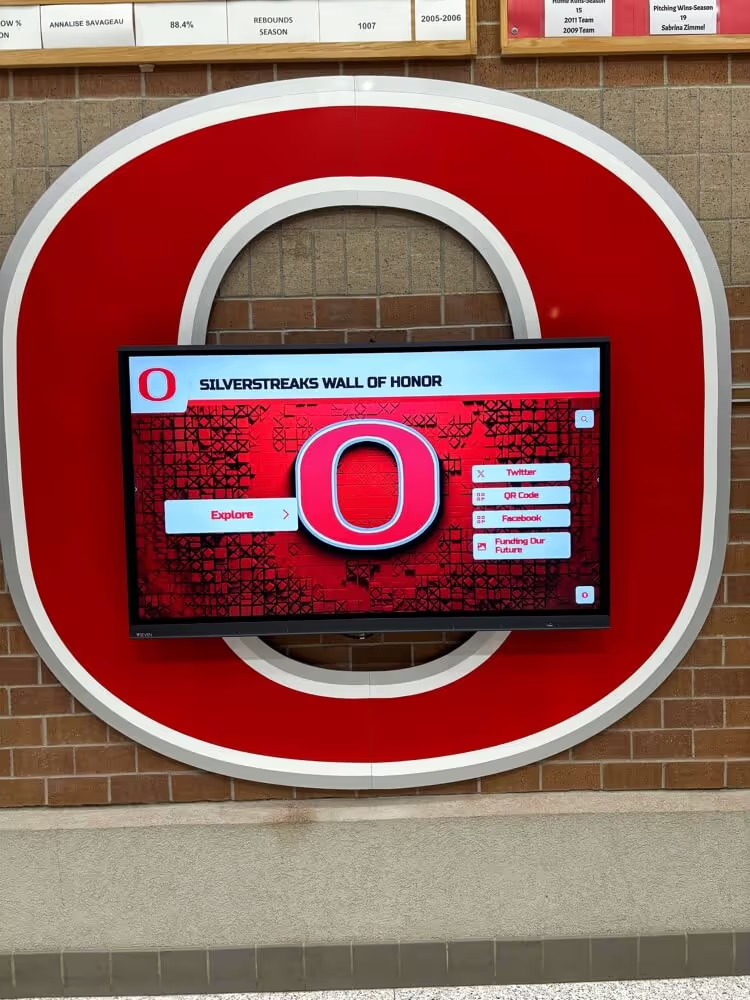
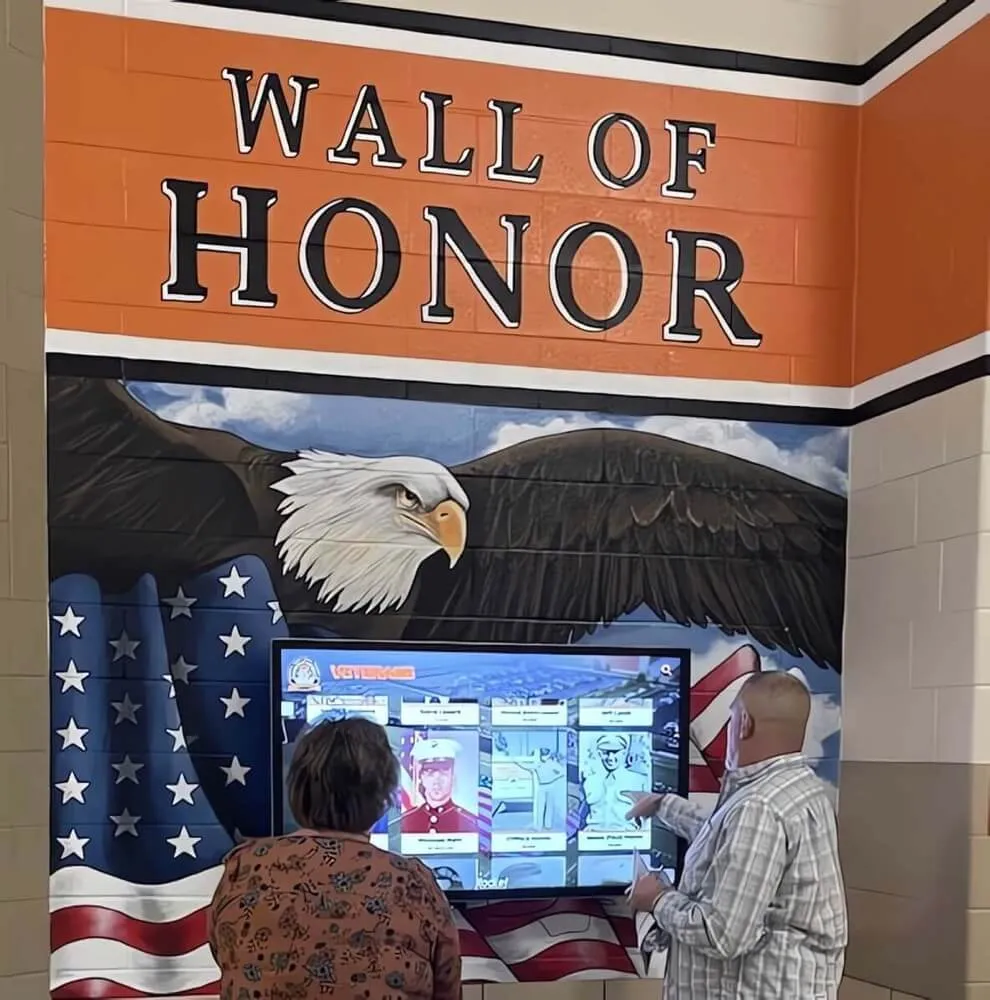
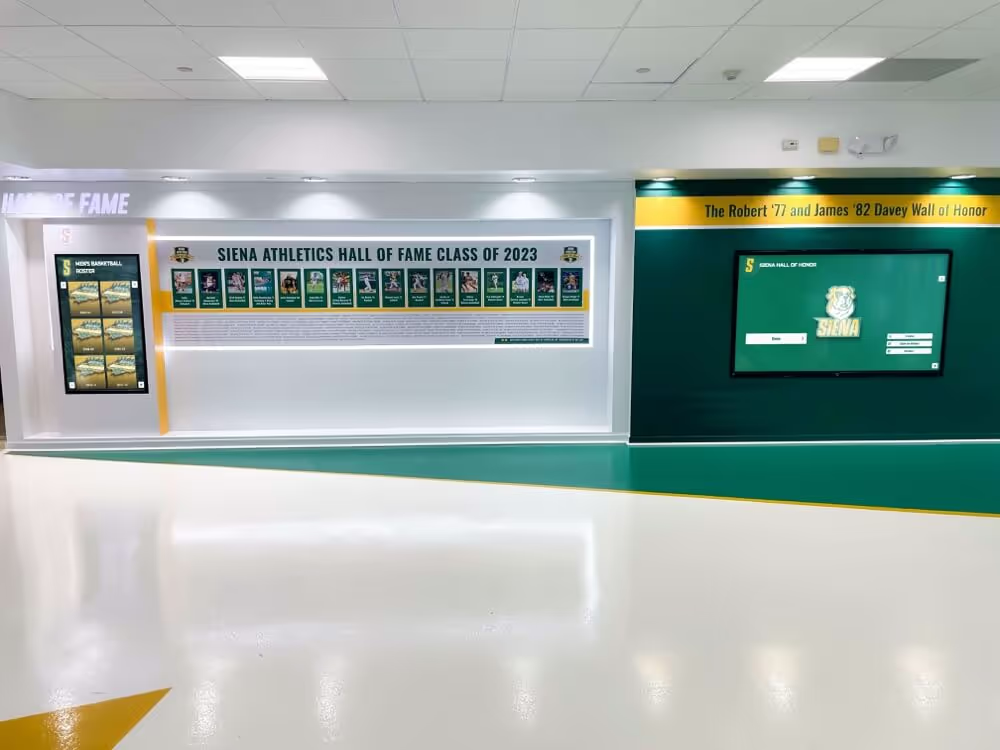
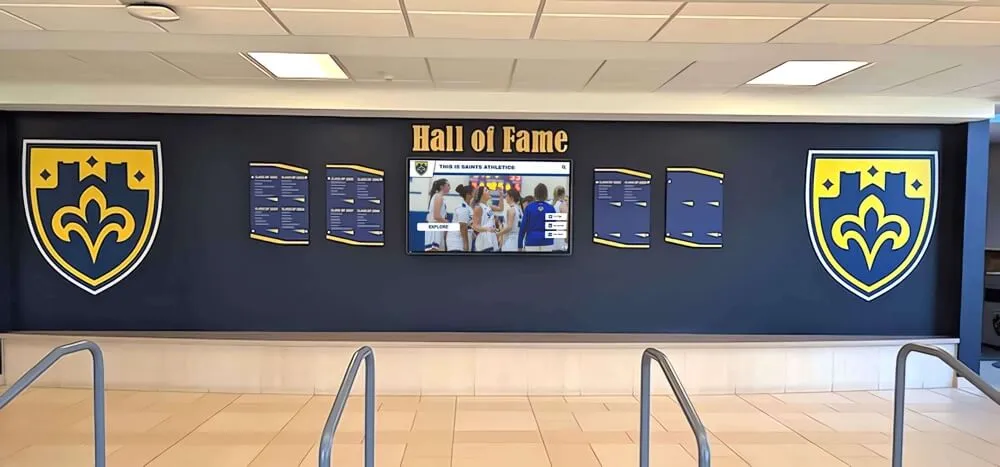
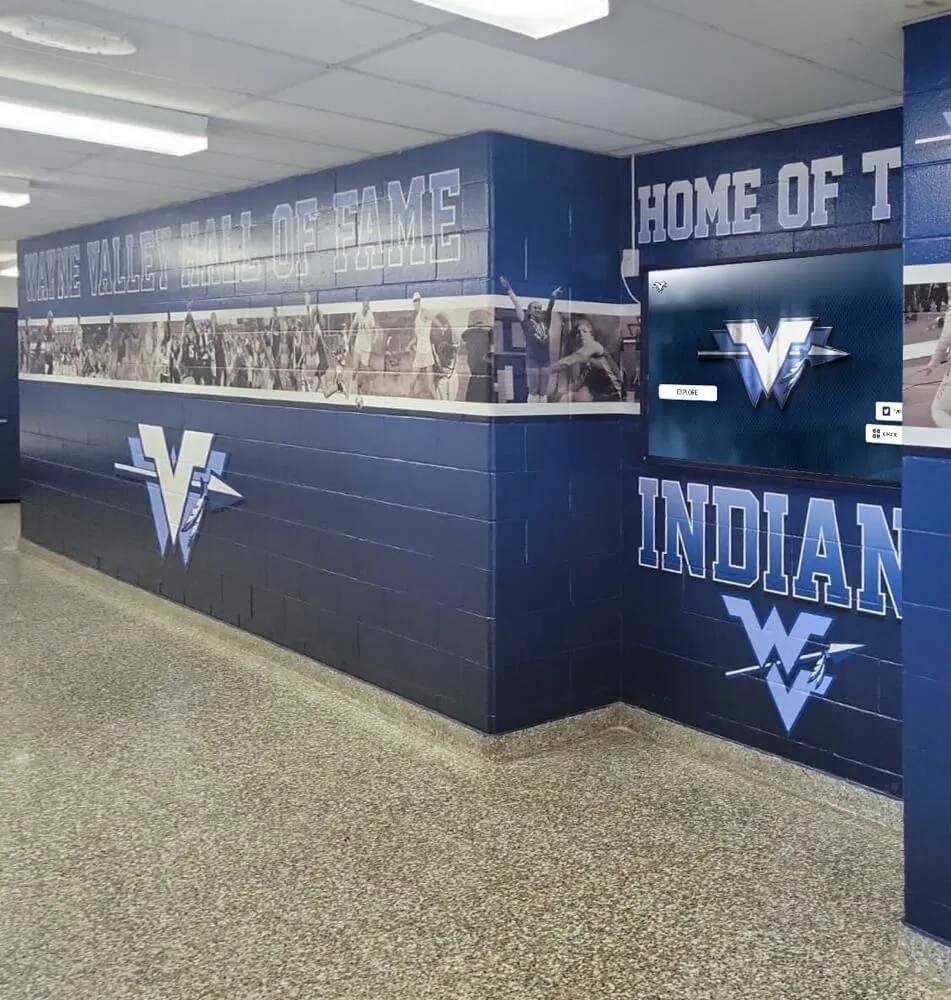
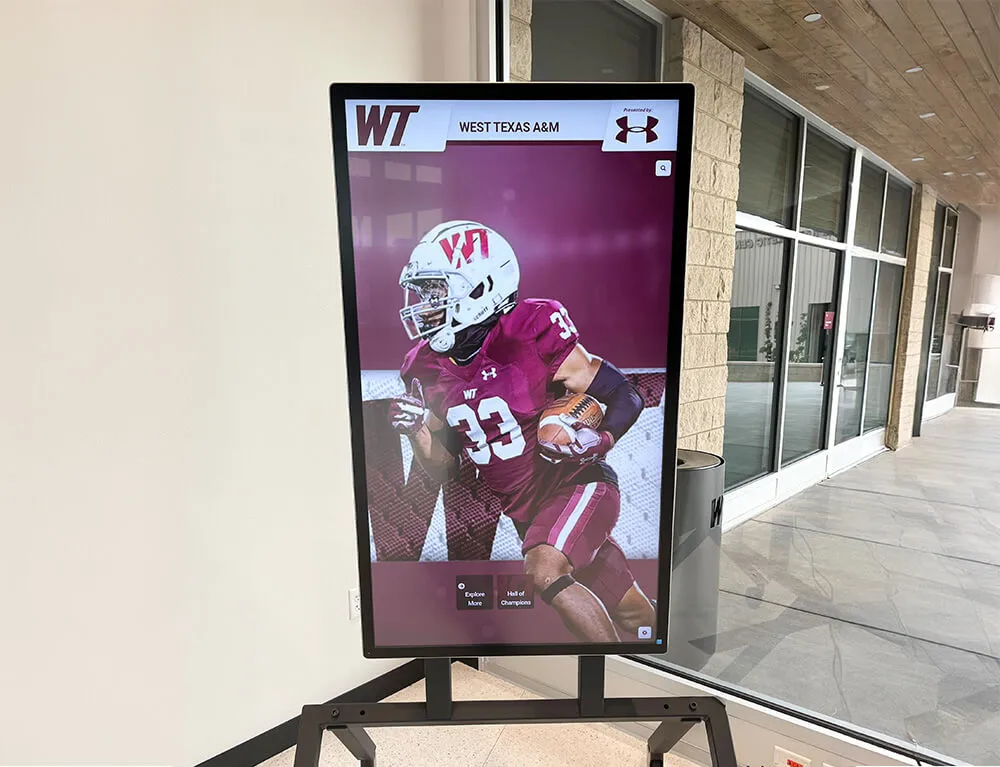
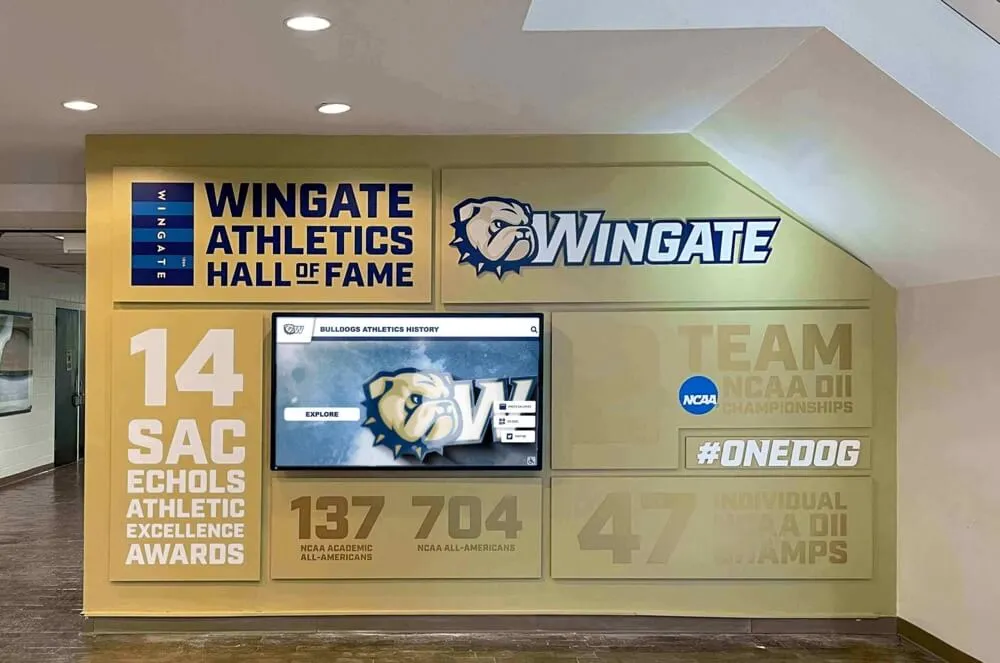
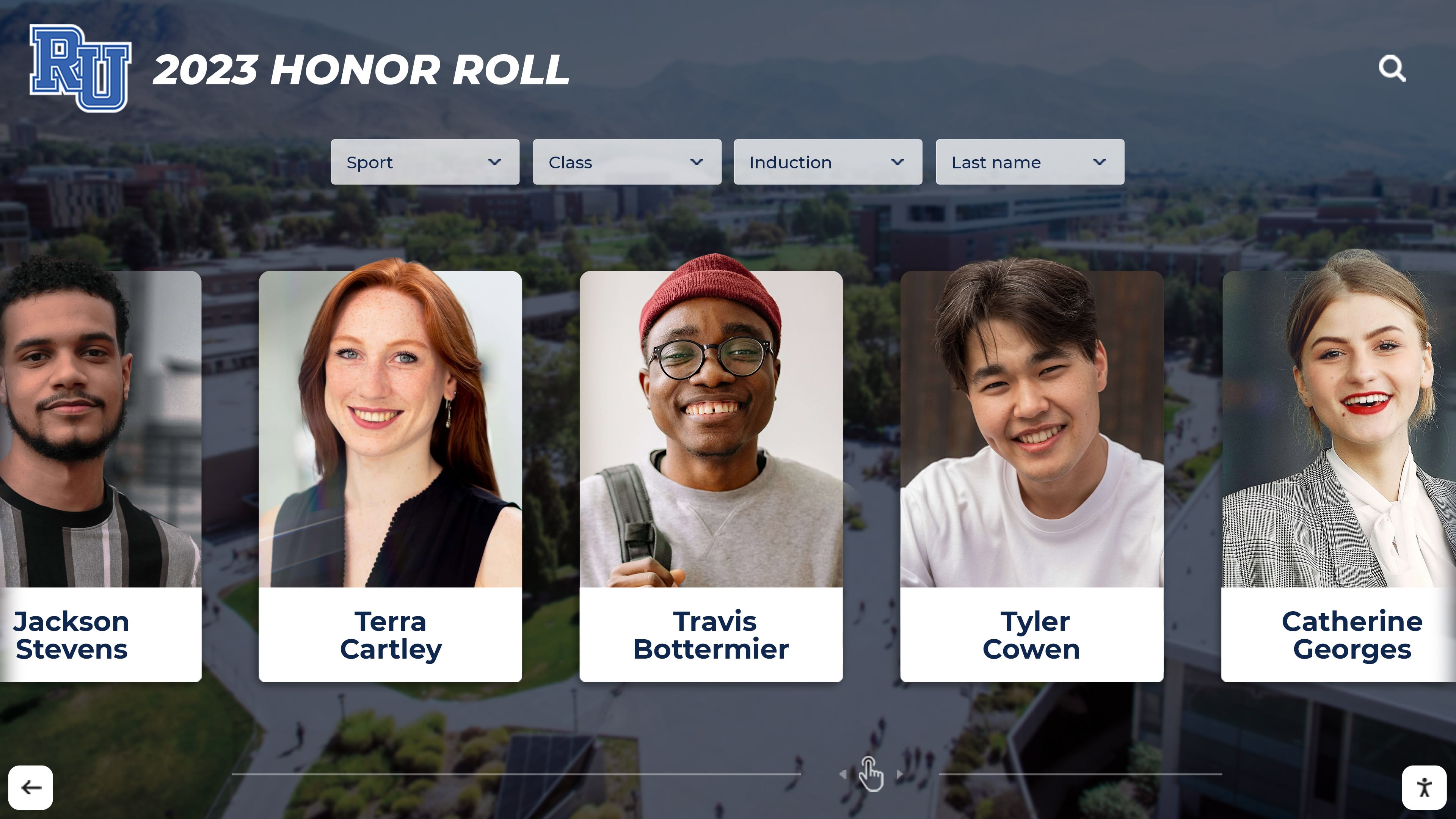
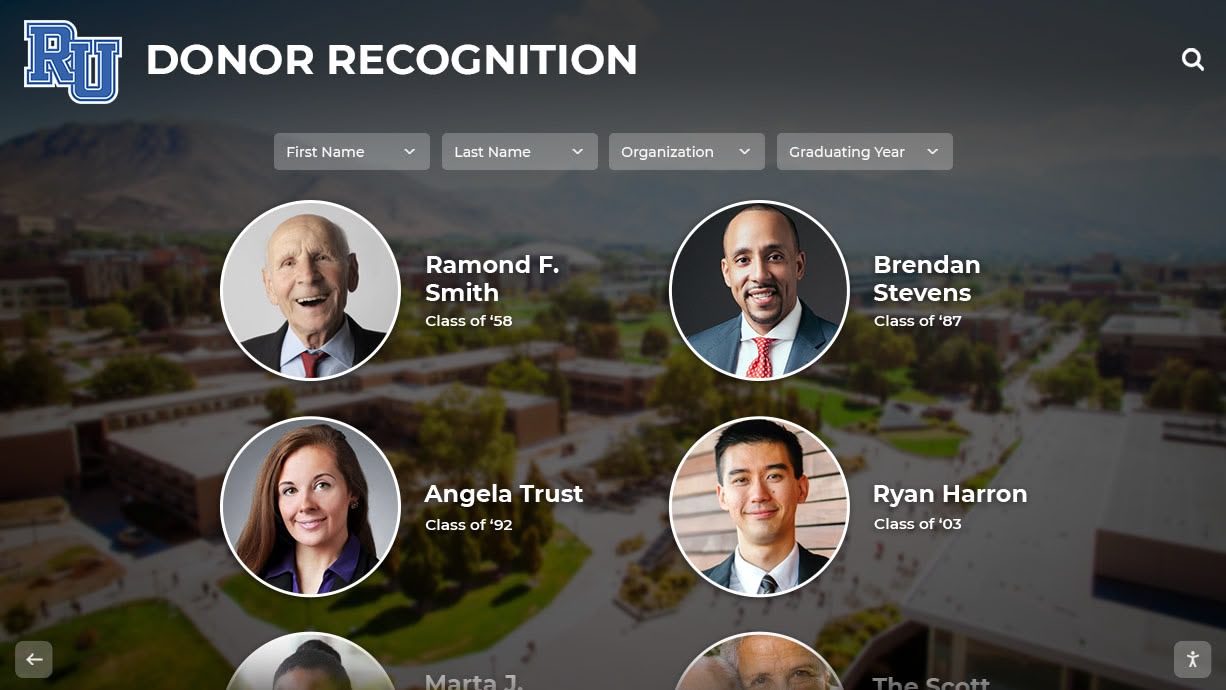
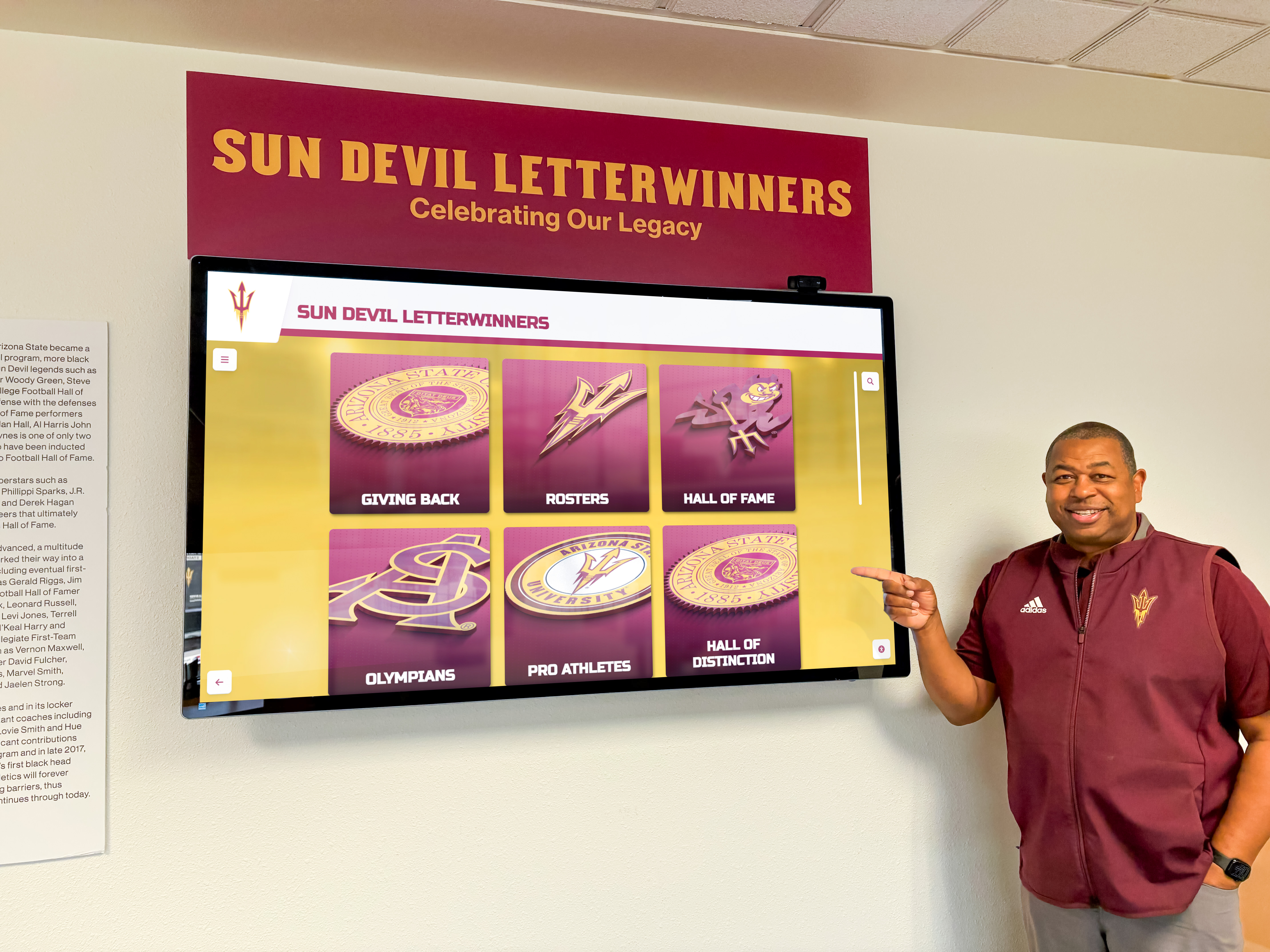
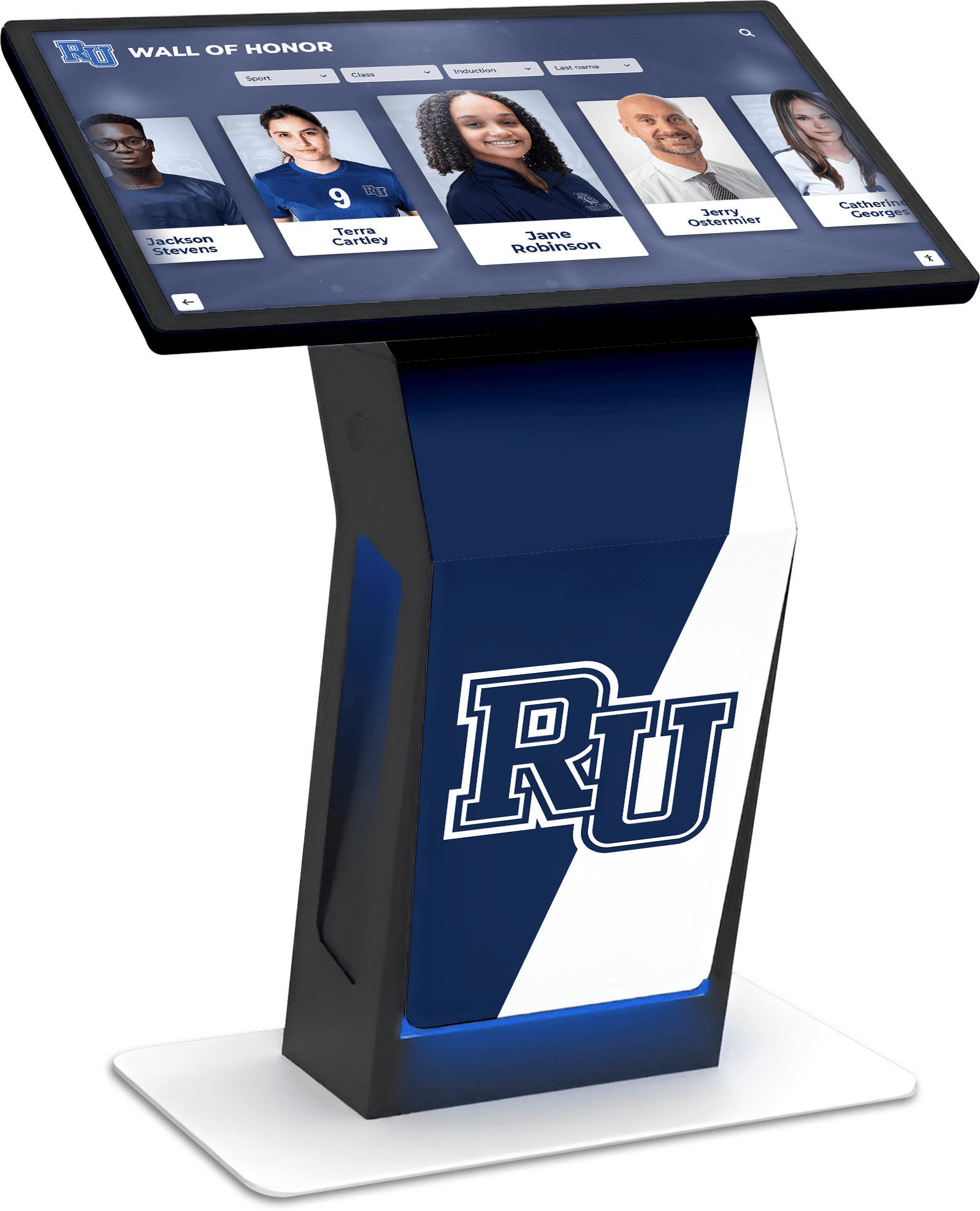
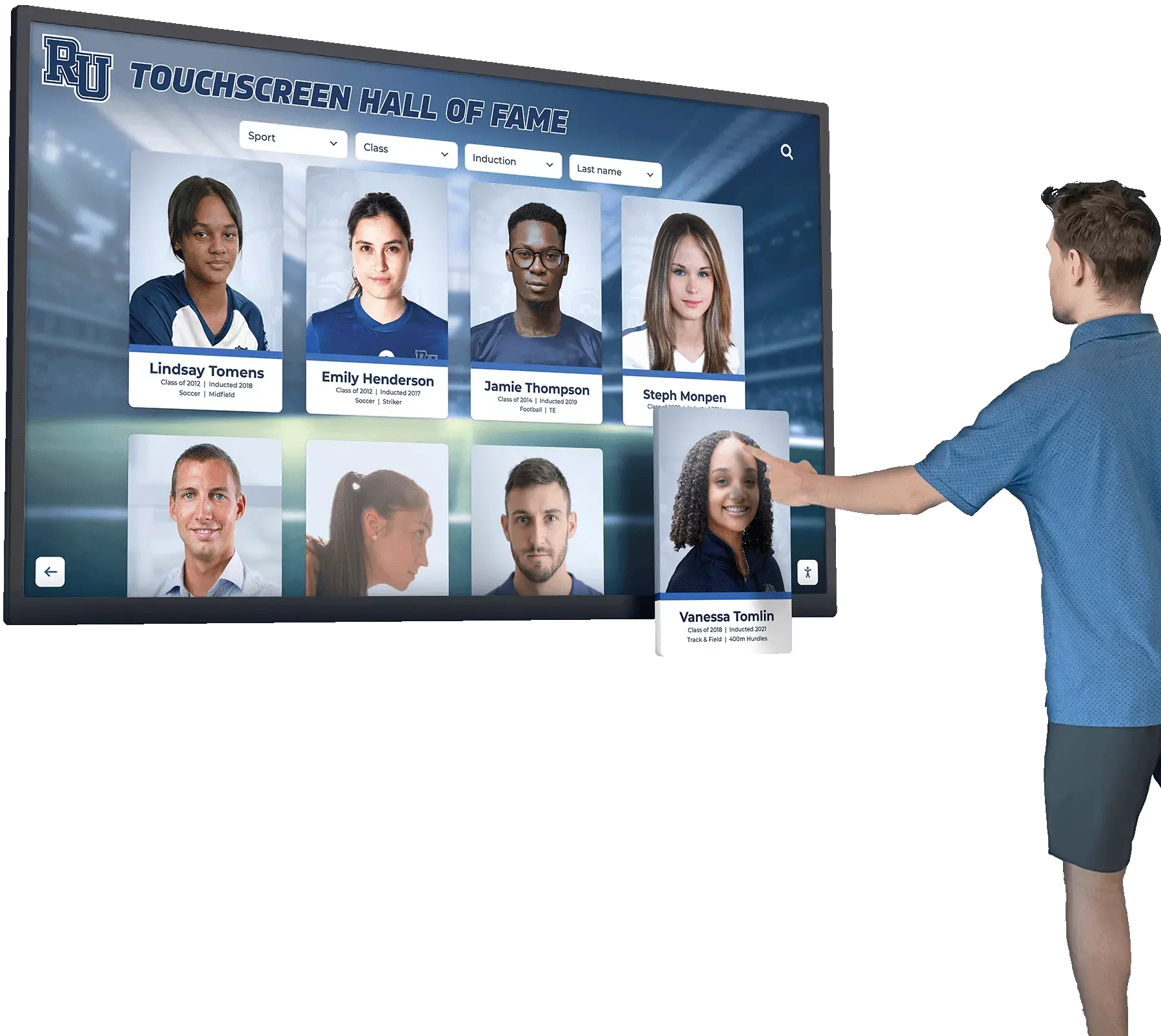
Traditional award ceremonies featuring paper certificates and brief stage acknowledgment fail to create lasting impact or engage contemporary student audiences effectively. Modern digital recognition solutions transform how schools celebrate year-end achievements by combining memorable ceremony experiences with permanent interactive displays ensuring recognition extends far beyond single events. Solutions like Rocket Alumni Solutions provide comprehensive platforms enabling schools to showcase unlimited award recipients through engaging displays featuring detailed achievement profiles, searchable databases, and multimedia content that keeps recognition visible, accessible, and inspiring throughout entire school communities year-round.
Understanding End of Year Award Categories
Comprehensive recognition programs celebrate multiple dimensions of student excellence rather than narrow definitions focusing exclusively on grades or athletic performance.
Academic Excellence Awards
Academic awards acknowledge intellectual achievement, scholarly dedication, and classroom excellence across subject areas and performance levels.
Departmental Subject Awards
Subject-specific recognition celebrates students demonstrating exceptional performance within individual academic disciplines. These awards typically honor the highest-achieving student in each course or department:
- Mathematics Excellence: Recognition for exceptional performance in algebra, geometry, calculus, statistics, and advanced mathematics courses
- Science Achievement: Awards for outstanding work in biology, chemistry, physics, environmental science, and integrated science programs
- English and Literature: Honors for superior writing ability, literary analysis, reading comprehension, and communication skills
- Social Studies and History: Recognition for exceptional historical knowledge, civic understanding, geography, and social science achievement
- Foreign Language Proficiency: Awards acknowledging linguistic accomplishment in Spanish, French, German, Chinese, Latin, and other world languages
- Fine Arts Academic Excellence: Recognition for art history knowledge, music theory mastery, and performing arts scholarship
- Career and Technical Education: Awards for excellence in business, technology, healthcare, engineering, and vocational program academics
Cumulative Academic Honors
Beyond individual course recognition, cumulative awards acknowledge sustained excellence across entire high school careers:
- Valedictorian and Salutatorian: Traditional recognition for students achieving highest and second-highest cumulative grade point averages
- Top Ten Percent Recognition: Acknowledging students finishing within the top decile of graduating classes
- Honor Graduate Distinction: Recognition for students maintaining specified GPA thresholds throughout high school
- Academic All-American: Awards combining athletic participation with strong academic performance (typically 3.5+ GPA)
- National Honor Society Recognition: Acknowledgment of NHS membership demonstrating scholarship, service, leadership, and character
Advanced Academic Achievement
Recognition for students pursuing rigorous coursework and demonstrating college readiness:
- AP Scholar Awards: College Board’s AP Scholar designations based on AP examination performance across multiple subjects
- IB Diploma Recognition: Acknowledgment for completing full International Baccalaureate Diploma programs
- Dual Enrollment Achievement: Awards for students successfully completing college coursework during high school
- Academic Challenge Recognition: Honors for students maintaining rigorous course loads combining multiple AP, IB, honors, and advanced classes
According to the National Association of Secondary School Principals, students receiving academic recognition demonstrate higher college enrollment rates and improved first-year college performance compared to peers with similar capabilities but without formal recognition experiences.
Athletic and Physical Education Awards
Athletic recognition celebrates competitive excellence, sportsmanship, dedication, and physical achievement across sports programs.
Sport-Specific Awards
Individual sport recognition acknowledging exceptional performance within each athletic program:
- Most Valuable Player: Recognition for athletes providing greatest overall contribution to team success
- Team Captain Leadership: Awards honoring athletes selected by coaches and peers for leadership roles
- Offensive/Defensive Player Awards: Recognition for specialized excellence in specific game aspects
- Most Improved Athlete: Acknowledging players demonstrating greatest skill development across seasons
- Sportsmanship Awards: Honoring athletes exemplifying fair play, respect, and character during competition
- Coaches’ Awards: Special recognition determined by coaching staff for unique contributions or characteristics
Cross-Program Athletic Recognition
Awards acknowledging achievement extending beyond individual sports:
- Scholar-Athlete Recognition: Honoring students combining athletic participation with academic excellence
- Multi-Sport Athlete Awards: Celebrating students participating in multiple athletic programs demonstrating versatility
- Athletic Letter Recognition: Traditional varsity letter awards acknowledging sustained program participation
- Record-Breaking Performance: Special recognition for athletes establishing new school, conference, or state records
- All-Conference and All-State Selection: Celebrating athletes receiving external recognition from athletic conferences and state associations
- Team Championship Recognition: Acknowledging athletes contributing to conference, regional, or state championship teams
Physical Education Excellence
Recognition extending to non-competitive physical achievement:
- Physical Fitness Achievement: Awards for students demonstrating exceptional fitness levels or improvement
- Lifetime Sports Participation: Recognition for students engaging consistently in physical education programs
- Recreation Leadership: Honors for students serving as peer mentors or recreation program leaders
Digital platforms enable schools to showcase comprehensive athletic achievement records permanently rather than limiting recognition to single ceremony announcements quickly forgotten.
Character and Leadership Awards
Character recognition celebrates personal qualities, ethical behavior, and leadership contributions that educational institutions fundamentally exist to develop.
Service and Community Engagement
Awards acknowledging students who contributed time, talent, and energy serving others:
- Community Service Recognition: Honoring students accumulating exceptional service hours supporting community organizations
- Service Learning Excellence: Celebrating students connecting classroom learning with meaningful community service projects
- Volunteer Leadership Awards: Recognition for students organizing service initiatives and inspiring peer participation
- Social Justice Advocacy: Awards for students working toward equity, inclusion, and positive social change
- Environmental Stewardship: Honors for students leading sustainability initiatives and environmental protection efforts
Leadership Development Recognition
Awards celebrating students who inspired, organized, and influenced positive school culture:
- Student Government Leadership: Recognition for elected student leaders serving school communities effectively
- Club President Excellence: Awards for students leading student organizations with distinction
- Peer Mentorship Recognition: Honoring students serving as tutors, mentors, or peer supports
- Initiative and Innovation Awards: Celebrating students who identified problems and created solutions benefiting school communities
- Positive Influence Recognition: Awards for students whose character and example inspired peers toward better choices
Character and Values Awards
Recognition for students exemplifying core institutional values:
- Integrity Awards: Honoring students demonstrating exceptional honesty, trustworthiness, and ethical behavior
- Respect and Kindness Recognition: Celebrating students treating all community members with dignity and compassion
- Perseverance Awards: Acknowledging students overcoming significant obstacles through determination and resilience
- School Spirit Recognition: Awards for students demonstrating extraordinary enthusiasm and institutional pride
- Christian/Faith Leadership: For religious schools, recognition of students exemplifying faith values and spiritual leadership
Many schools find that character recognition programs generate broader student engagement than academic or athletic awards alone, creating inclusive cultures where varied students experience meaningful acknowledgment.
Fine Arts and Creative Excellence
Recognition for students demonstrating exceptional talent and dedication across artistic disciplines.
Performing Arts Recognition
Awards celebrating achievement in music, theater, and dance:
- Outstanding Musician Awards: Recognition by instrument section or ensemble (band, orchestra, choir)
- Music Scholarship and Theory Excellence: Academic achievement in music theory, history, and composition
- Theater Performance Awards: Recognition for exceptional acting, technical theater, or production contributions
- All-State Music Selection: Celebrating students earning competitive all-state ensemble positions
- Dance Excellence: Awards for outstanding performance, choreography, or technique in dance programs
- Arts Leadership: Recognition for students leading performing arts organizations or mentoring younger performers
Visual Arts Achievement
Recognition for students excelling in visual and applied arts:
- Outstanding Artist Awards: Recognition across media including painting, drawing, sculpture, ceramics, and photography
- Portfolio Excellence: Awards for students creating comprehensive artistic bodies of work
- Art Competition Success: Celebrating students earning recognition in regional, state, or national art competitions
- Digital Arts Innovation: Recognition for exceptional work in graphic design, digital illustration, or multimedia arts
- Craftsmanship Awards: Honors for technical skill and attention to detail in artistic production
Creative Writing and Publication
Awards acknowledging literary achievement:
- Creative Writing Excellence: Recognition for exceptional poetry, fiction, or creative nonfiction
- Journalism Awards: Honors for outstanding work in school newspapers, yearbooks, or broadcast programs
- Publication Recognition: Celebrating students whose work appeared in literary magazines or writing competitions
Special Recognition and Unique Awards
Beyond standard categories, special awards acknowledge distinctive achievements and circumstances worthy of celebration.
Improvement and Growth Recognition
Awards celebrating development rather than absolute achievement:
- Most Improved Student Awards: Department-level recognition for students demonstrating greatest academic growth
- Academic Comeback Awards: Acknowledgment for students who rebuilt academic standing after significant struggles
- Personal Growth Recognition: Honors for students overcoming personal challenges while maintaining school engagement
Senior Class Special Awards
Recognition unique to graduating seniors:
- Senior Legacy Awards: Honoring seniors whose four-year contributions left lasting positive impacts
- Class Gift Recognition: Celebrating seniors who organized meaningful class gift projects
- Alumni Spirit Awards: Recognition for seniors embodying school values and expected to remain engaged alumni
- Renaissance Recognition: Awards for well-rounded seniors excelling across academics, athletics, arts, and service
Faculty-Designated Special Recognition
Awards determined by staff acknowledging unique student contributions:
- Principal’s Award: Special recognition determined by school leadership for exceptional overall achievement or character
- Faculty Recognition: Awards where entire faculty votes to honor outstanding students
- Unsung Hero Awards: Celebrating students whose quiet consistent contributions often go unnoticed
- Against All Odds Recognition: Honors for students achieving success despite significant personal circumstances
Perfect Attendance and Punctuality
When implemented sensitively considering health and family circumstances:
- Perfect Attendance Recognition: Acknowledging students maintaining full attendance throughout school years
- Punctuality Awards: Recognition for students consistently arriving prepared and on time
Resources on elementary school recognition programs provide frameworks for age-appropriate recognition applicable across grade levels.
Planning Comprehensive Award Programs
Effective end of year recognition requires systematic planning beginning months before ceremonies ensuring inclusive programs celebrating diverse achievement.
Establishing Selection Criteria and Processes
Clear transparent criteria ensure fairness while maintaining meaningful standards:
Objective Criteria Development
Where possible, establish quantitative metrics reducing subjectivity:
- Academic Awards: GPA thresholds, course grades, standardized test scores, advanced coursework completion
- Athletic Recognition: Statistics (points, rebounds, goals, times), coach evaluations, participation records
- Service Awards: Documented volunteer hours, project descriptions, recommendation letters
- Attendance Recognition: Verified attendance records with clear absence definitions
Subjective Evaluation Frameworks
For awards requiring judgment, create structured rubrics:
- Define specific characteristics or behaviors warranting recognition
- Establish evaluation criteria applied consistently across candidates
- Utilize committee-based selection reducing single-evaluator bias
- Document decision reasoning creating accountability and enabling improvement
Nomination and Selection Timelines
Establish clear deadlines enabling thorough consideration:
- Announce award categories and criteria 6-8 weeks before ceremonies
- Set nomination deadlines 4-6 weeks before events allowing teacher consultation
- Provide 2-3 weeks for selection committees reviewing nominations
- Confirm winners 2 weeks before ceremonies enabling proper planning
Creating Inclusive Recognition Systems
Ensure award programs celebrate diverse students rather than repeatedly honoring identical top performers:
Distribution Analysis
Monitor recognition patterns tracking percentage of students receiving some form of acknowledgment, distribution across demographic groups ensuring equity, grade level representation appropriate to award types, and concentration patterns identifying whether few students receive multiple awards while most receive none.
Multiple Pathway Creation
Develop varied award categories enabling different students to experience recognition:
- Combine absolute achievement recognition (valedictorian) with improvement awards (most improved)
- Include process awards (perseverance) alongside outcome recognition (championship)
- Balance competitive selection (MVP) with participation acknowledgment (letter awards)
- Create subject-specific awards ensuring varied academic talents receive recognition
Tiered Recognition Approaches
Implement multilevel systems acknowledging different achievement degrees:
- Honor multiple students per category rather than single recipients when appropriate
- Create honorable mention recognition alongside top awards
- Establish department-level awards supplementing school-wide recognition
- Recognize grade-level achievement in addition to overall school honors
Ceremony Planning and Format Development
Memorable ceremonies balance formality with engagement while respecting audience time constraints:
Event Structure and Timing
Design ceremonies maintaining audience engagement throughout:
- Limit total ceremony length to 90-120 minutes preventing attention loss
- Organize awards in logical categories grouping related recognition
- Alternate award types (academic, athletic, character) maintaining variety
- Include 2-3 brief inspirational speeches or performances providing meaningful breaks
- Close with significant honors (valedictorian, major scholarships) creating strong conclusions
Presentation Methods
Consider format variations beyond traditional stage walks:
- Individual Presentations: Each recipient walks across stage receiving certificates and handshakes—traditional but time-consuming
- Group Recognition: Call groups of related award recipients simultaneously reducing ceremony length
- Video Montages: Create engaging multimedia presentations featuring winner photos, achievements, and brief video clips
- Spotlight Recognition: Highlight select major awards with stage presentation while displaying other honorees on screens
- Reception Formats: Consider informal gatherings where families congratulate winners rather than formal seated ceremonies
Family and Community Engagement
Create inclusive experiences welcoming families into celebrations:
- Schedule ceremonies at times enabling working family attendance (evenings, weekends)
- Provide advance notice allowing families to plan attendance and invite extended relatives
- Designate photography areas where families can capture ceremony memories
- Offer reception components enabling personal congratulations and informal celebration
- Live stream or record ceremonies for remote family access
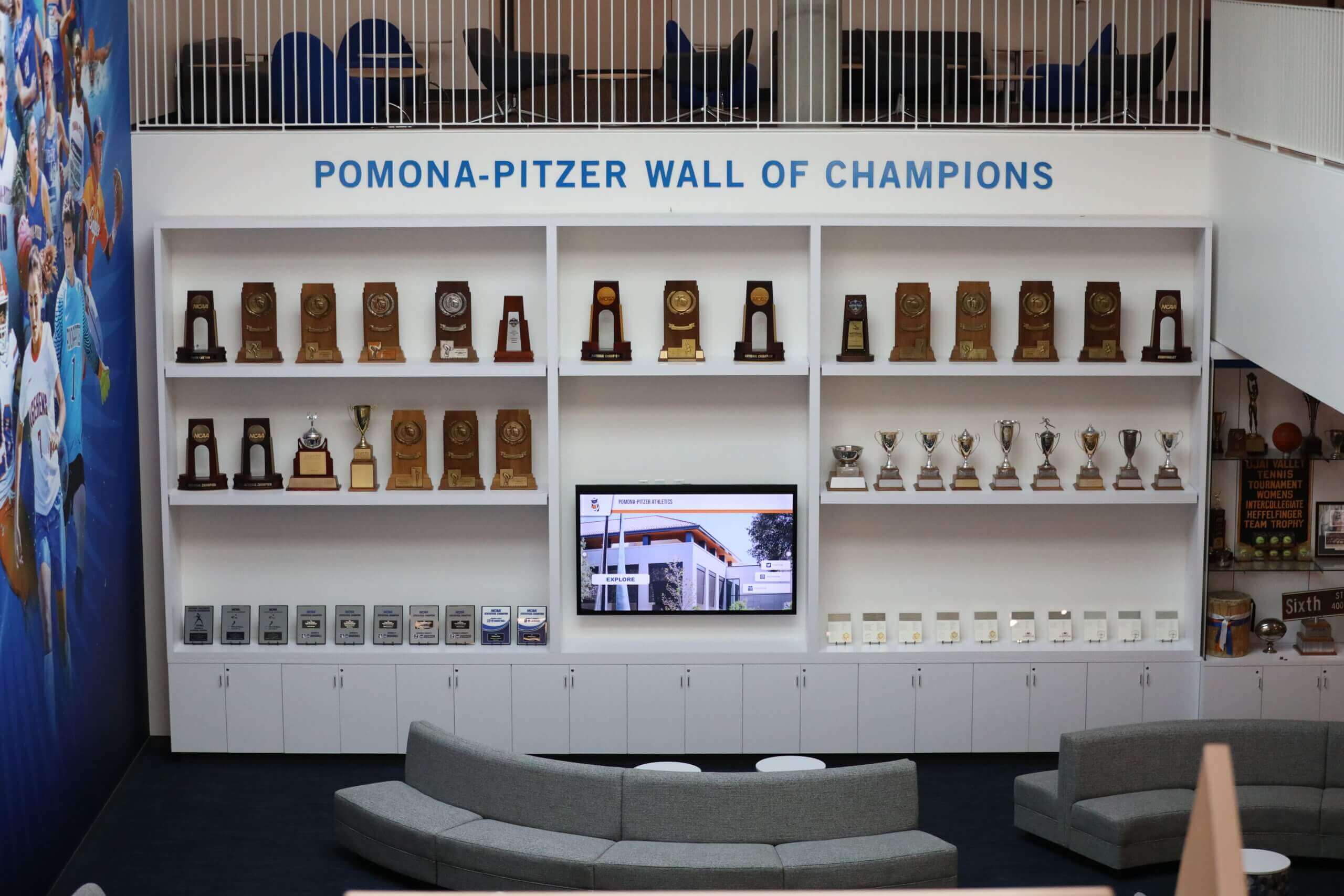
Comprehensive digital trophy case solutions extend recognition beyond ceremonies by creating permanent displays families can revisit and share.
Modernizing End of Year Recognition with Digital Solutions
Traditional recognition through paper certificates and brief ceremony acknowledgment creates limitations that digital technology eliminates while providing substantially enhanced engagement.
Interactive Digital Recognition Displays
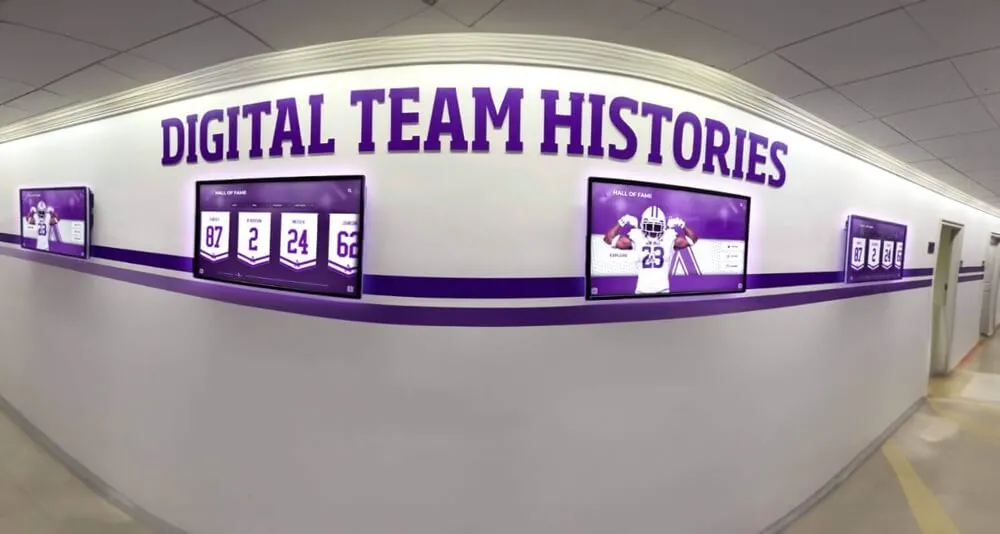
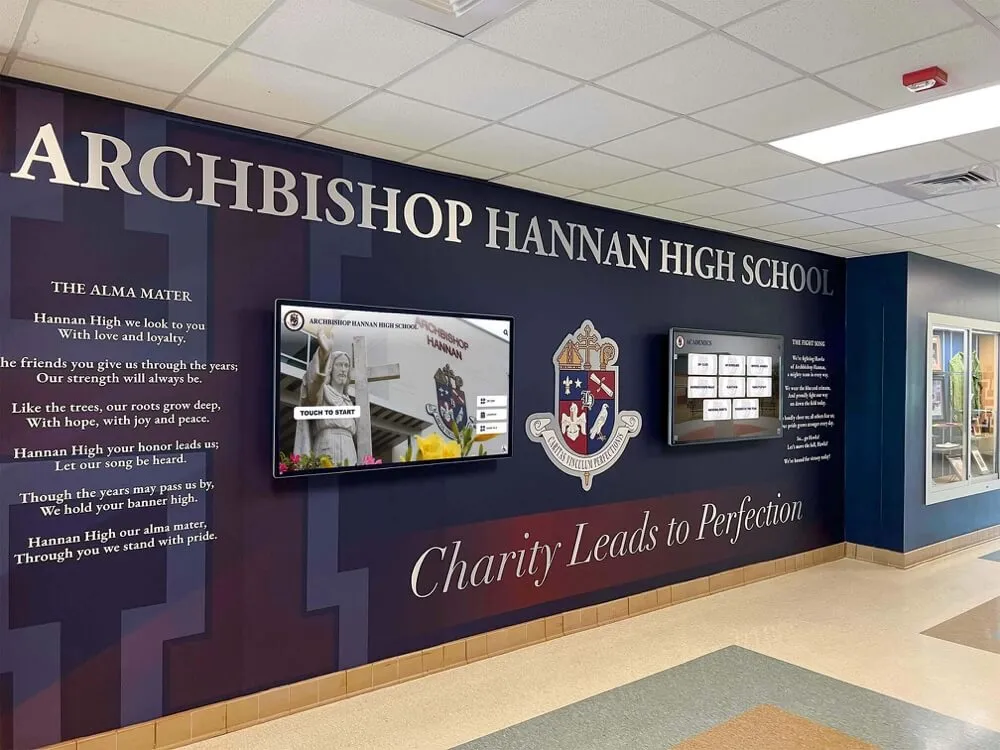
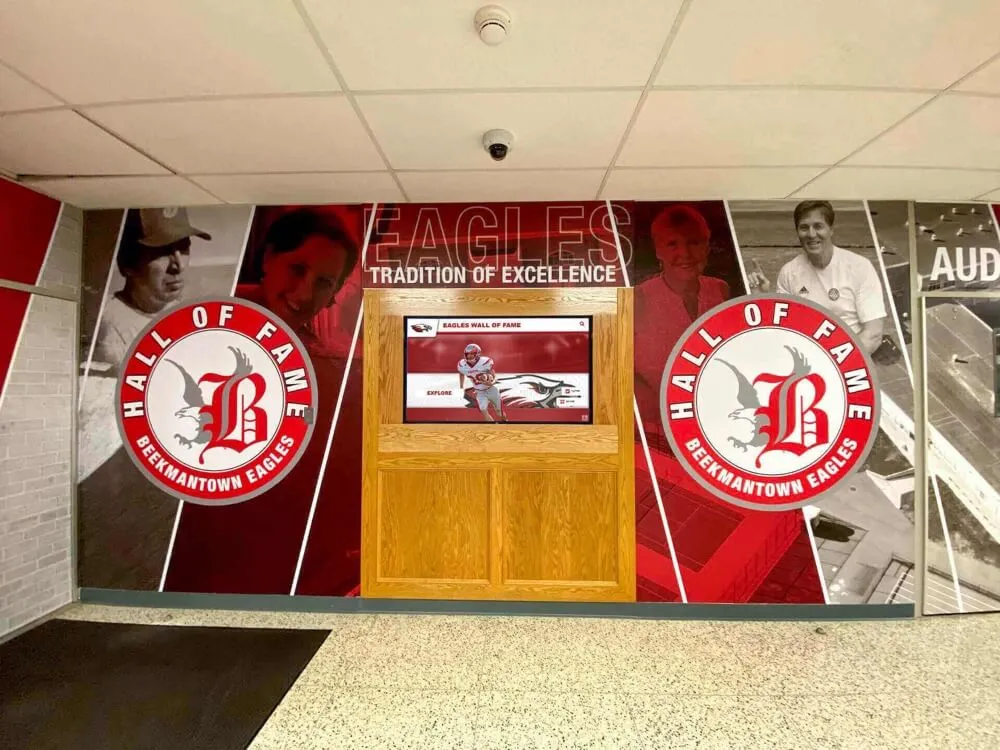
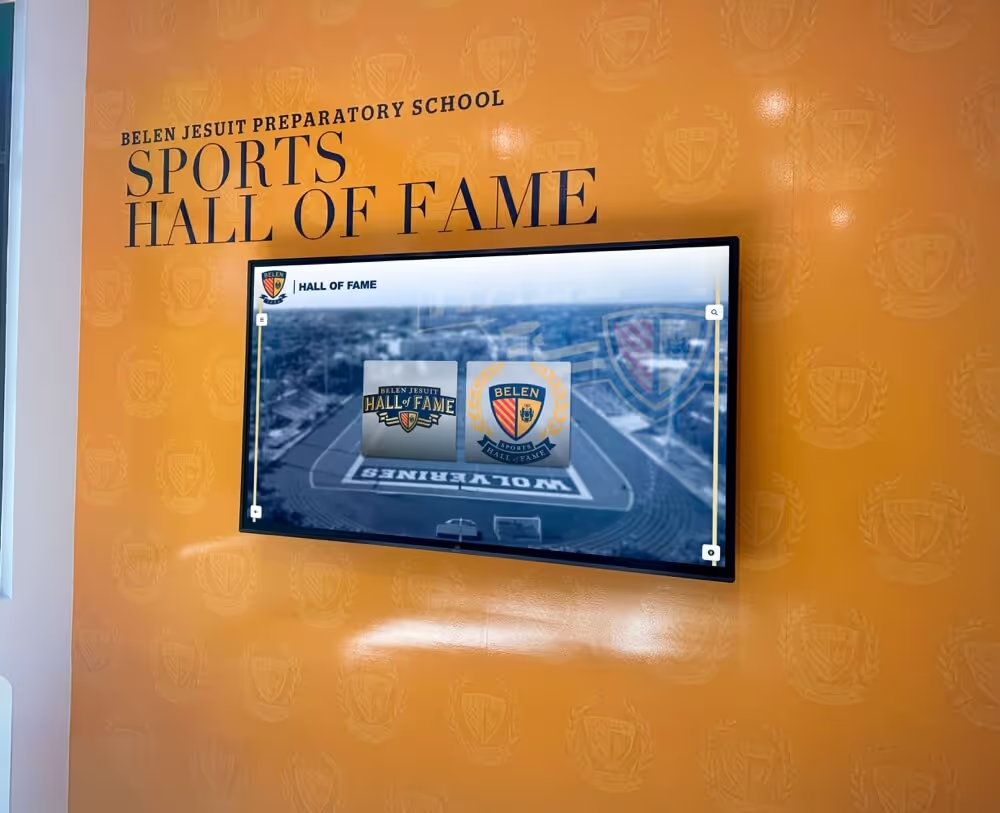
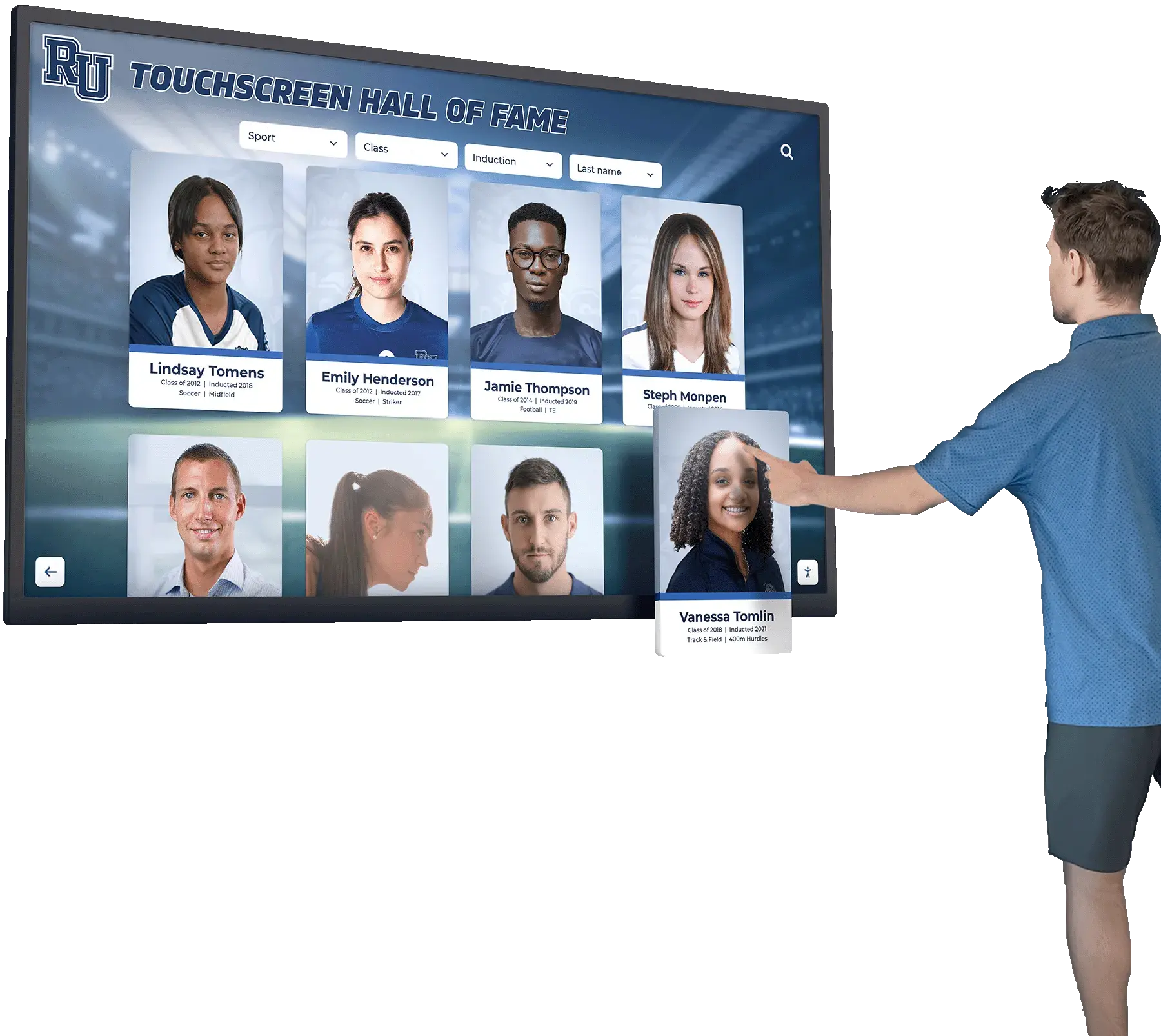
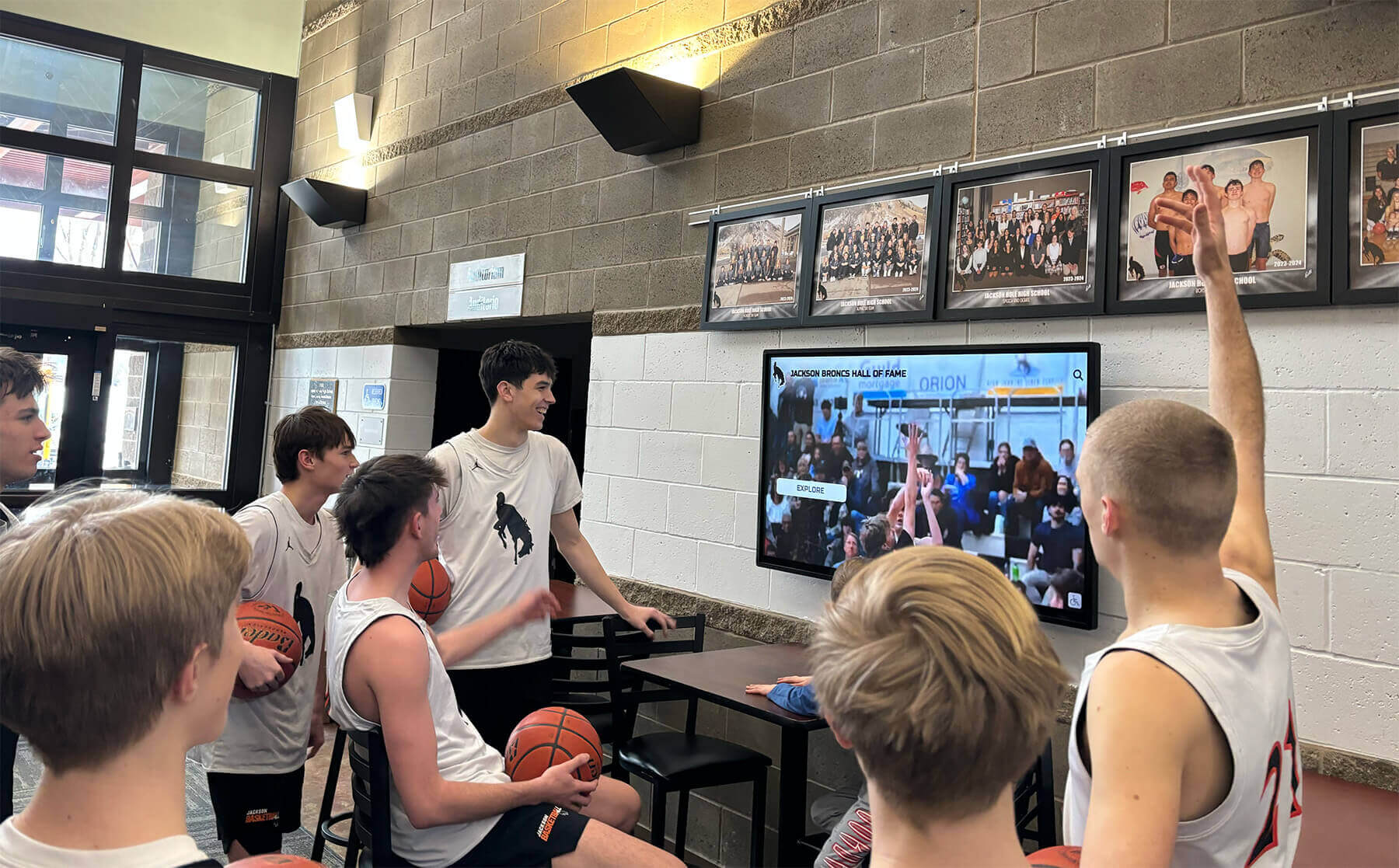
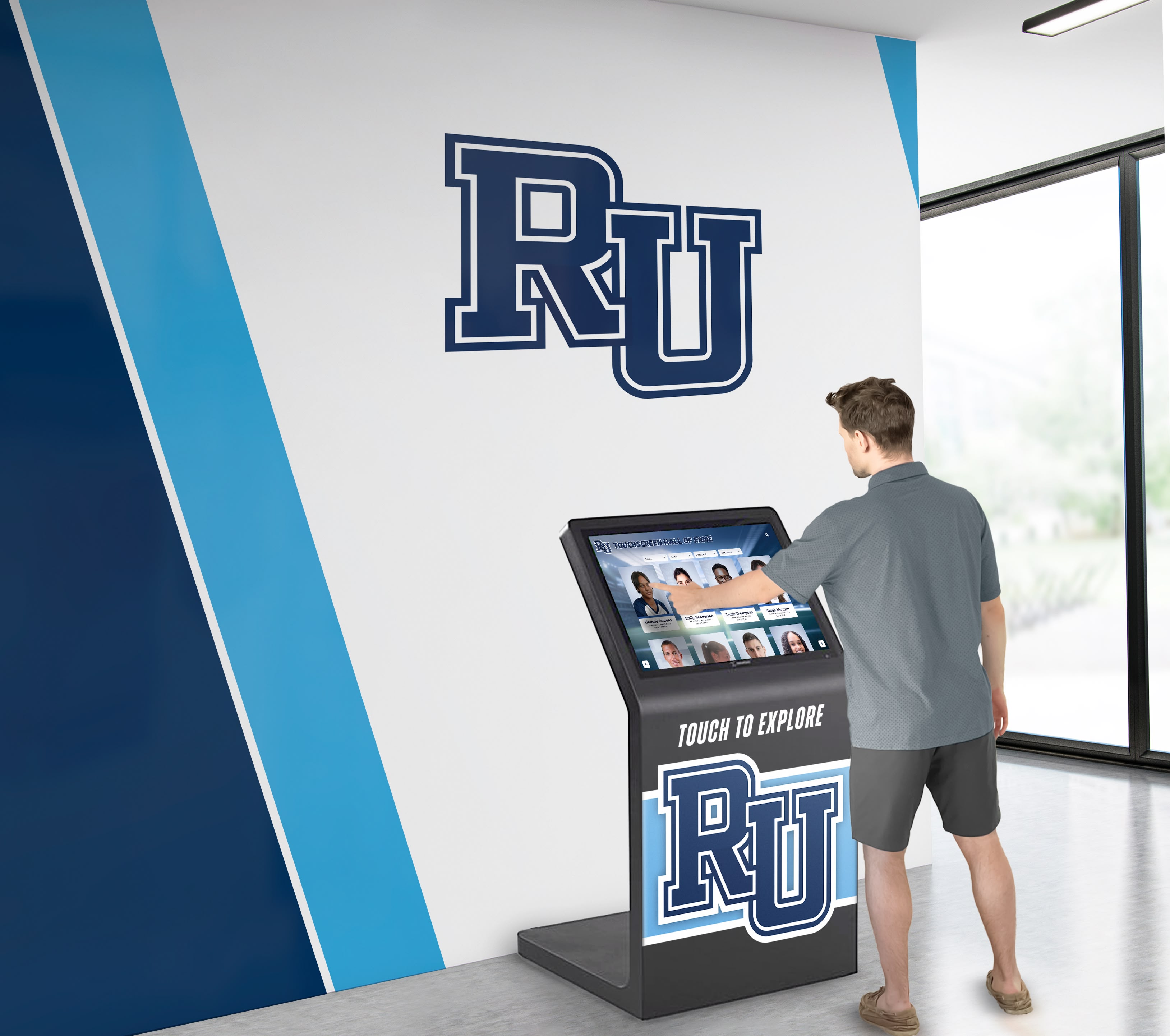
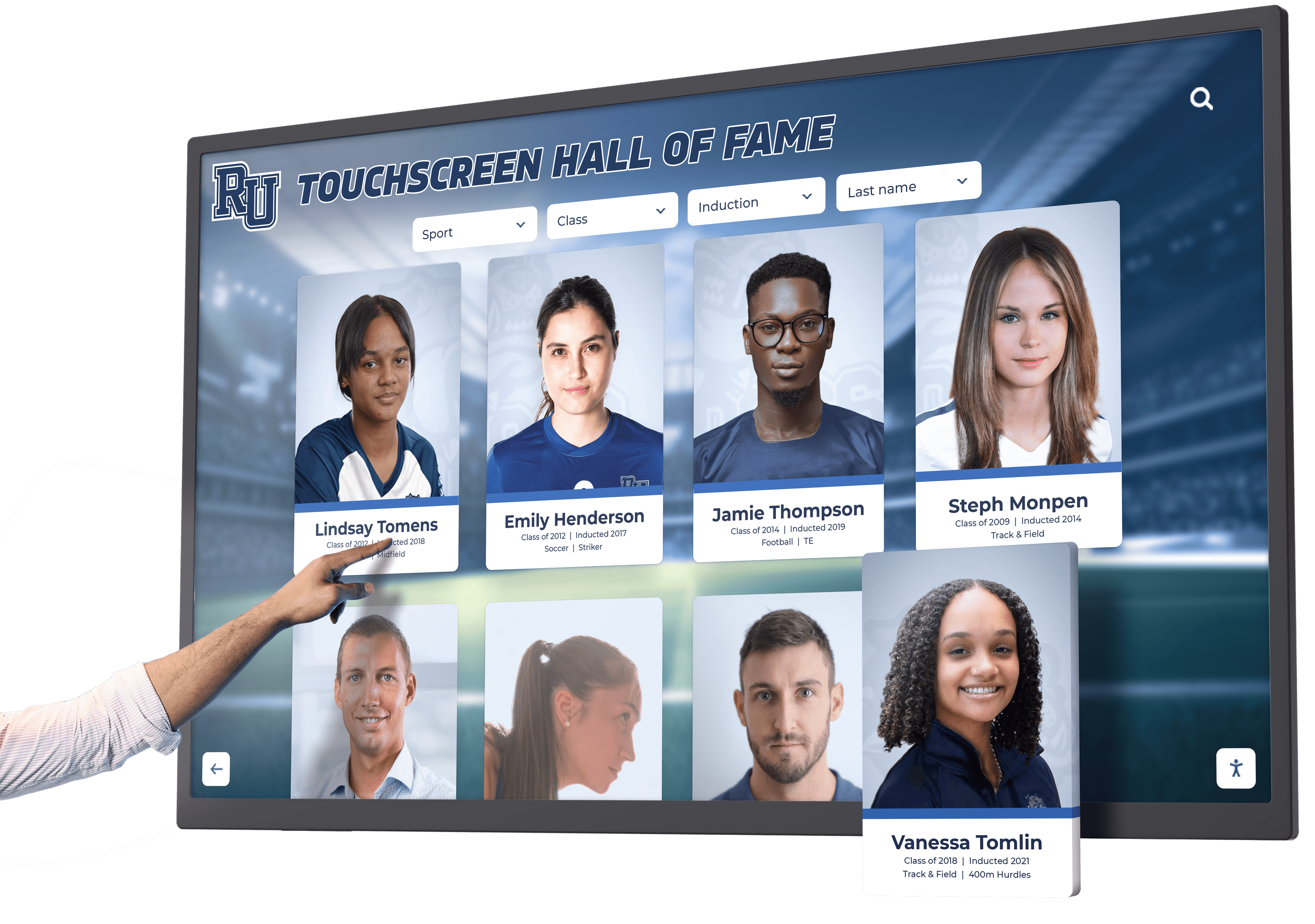
Touchscreen recognition platforms transform how schools celebrate year-end achievements by creating engaging exploratory experiences generating far higher impact than static traditional displays.
Key Digital Recognition Advantages
Modern platforms address fundamental limitations of traditional approaches:
- Unlimited Capacity: Digital systems accommodate comprehensive recognition for unlimited award recipients without physical space constraints forcing selective acknowledgment
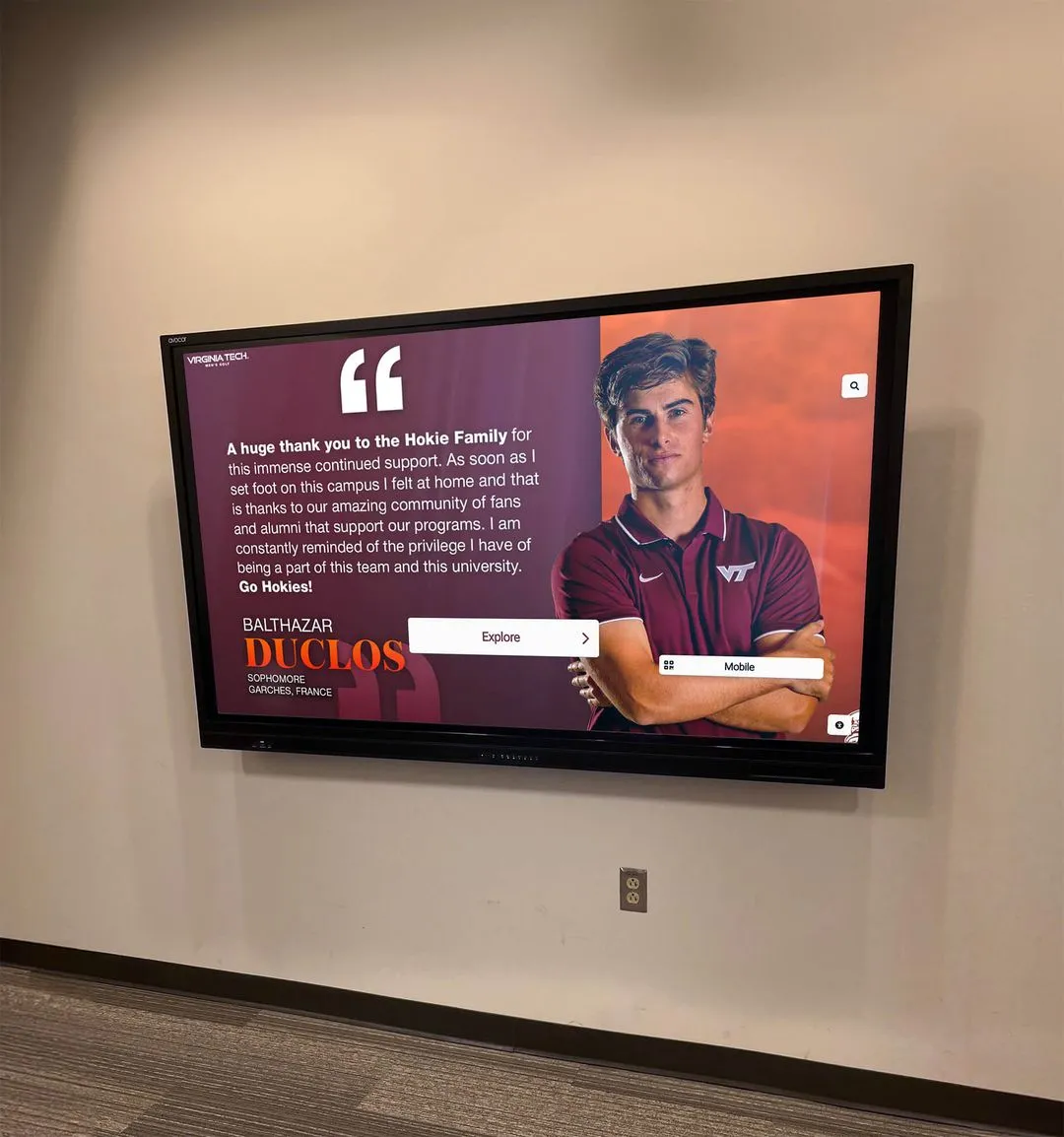
- Rich Multimedia Content: High-resolution photographs, detailed achievement narratives, video highlights, and searchable databases impossible with physical displays
- Permanent Accessibility: Complete award history remaining accessible indefinitely rather than being replaced annually or stored away
- Real-Time Updates: New recognition added immediately without waiting for physical production
- Universal Access: Web-based platforms enabling families worldwide to explore recognition rather than requiring on-campus visits
- Social Sharing: Students can distribute recognition through personal social networks dramatically amplifying acknowledgment reach
- Engagement Analytics: Comprehensive data tracking who interacts with recognition and how visitors explore content
Strategic Display Placement
Recognition impact depends on placement ensuring regular visibility:
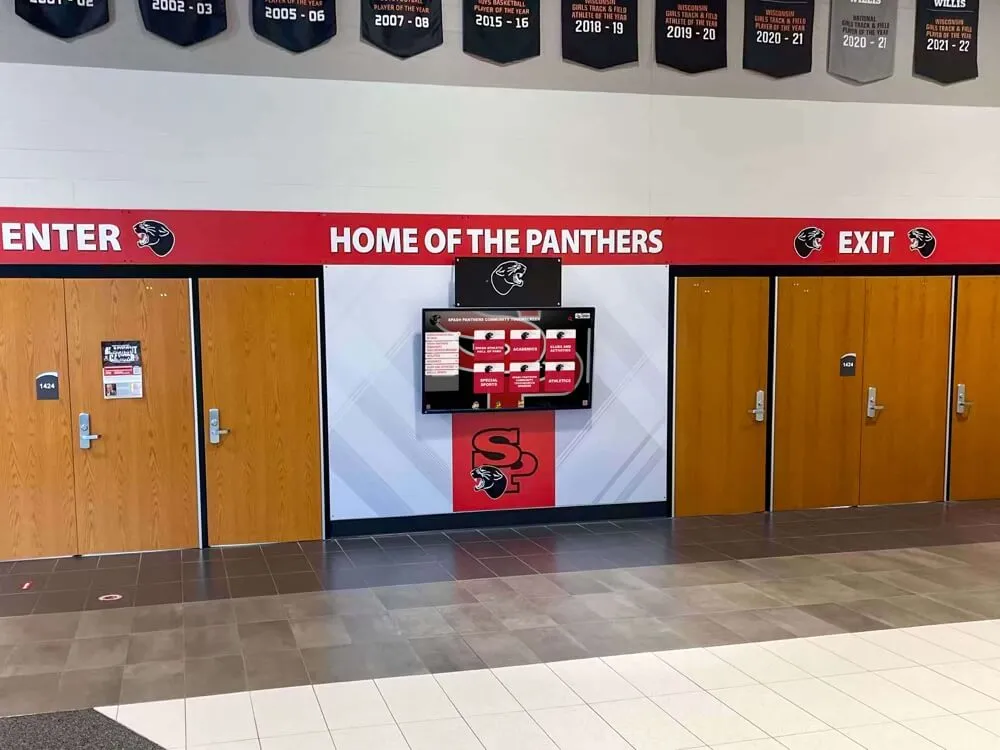
- Main School Entrances: Entry locations capturing all daily student traffic and visitor attention
- Cafeteria and Commons: High-traffic gathering spaces providing extended viewing opportunities
- Media Center and Libraries: Natural locations where students already congregate for academic purposes
- Athletic Facilities: Lobbies and locker rooms where athletes and families spend time
- Administrative Areas: Reception spaces frequented by prospective families and community members
Multiple distributed displays throughout facilities often prove more effective than single concentrated installations, ensuring recognition maintains high visibility across entire campus.
Web-Based Recognition Extending Global Impact
Physical displays serve on-campus audiences effectively, but web platforms extend acknowledgment to global communities:
Essential Web Platform Features
- Mobile Responsiveness: Recognition displaying effectively across smartphones, tablets, and desktop computers
- Powerful Search: Name search, graduation year filtering, award category organization enabling efficient discovery
- Permanent Archives: Complete historical recognition remaining online indefinitely preserving institutional memory
- Media Integration: Photo galleries, video content, and multimedia storytelling bringing achievements to life
- Social Integration: One-click sharing to Facebook, LinkedIn, Instagram enabling personal distribution
- Analytics Tracking: Comprehensive engagement data showing recognition reach and impact
Research on digital recognition wall benefits demonstrates that schools implementing modern platforms report substantially higher family engagement and student motivation compared to traditional recognition approaches.
Content Management for Sustainable Programs
The most sophisticated technology proves useless if staff cannot easily manage updates:
User-Friendly Management Features
- Template-Based Creation: Pre-designed award profile templates requiring only information filling
- Bulk Import Tools: Efficient methods adding multiple recipients simultaneously rather than tedious individual entry
- Drag-and-Drop Media: Simple photo and video upload without complex technical requirements
- Preview Capabilities: See exactly how content appears before publishing
- Workflow Approvals: Multi-step review processes ensuring quality control when appropriate
- Role-Based Permissions: Appropriate access control allowing multiple staff secure contribution
When content management feels intuitive, staff actually maintain recognition currency rather than allowing displays to become outdated due to update burden.
Award Ceremony Best Practices and Considerations
Beyond award selection and technology, ceremony execution significantly affects recognition program impact and memorability.
Communication and Preparation
Effective communication ensures smooth ceremonies and appropriate family participation:
Winner Notification
Inform award recipients privately before public ceremonies:
- Provide 1-2 weeks advance notice enabling preparation and family planning
- Communicate clearly whether attendance is required or optional
- Explain ceremony format, dress expectations, and logistics
- Request pronunciation guides for names ensuring respectful acknowledgment
- Gather biographical information for program booklets or announcements
Family Communication
Ensure families understand ceremony significance and logistics:
- Send ceremony invitations 3-4 weeks in advance specifying date, time, location
- Explain award significance and selection criteria validating recognition importance
- Provide parking information, facility maps, and accessibility details
- Communicate photography policies balancing family desires with ceremony flow
- Offer ticket requirements if venue capacity necessitates limited attendance
Creating Meaningful Recognition Moments
Ceremony quality affects whether recognition feels genuinely meaningful or perfunctory:
Personal Acknowledgment Elements
Transform brief name announcements into meaningful recognition:
- Share specific achievement details rather than just award titles
- Include brief anecdotes or teacher nominations explaining why recipients earned recognition
- Highlight unique circumstances or obstacles overcome during achievement
- Connect individual recognition to broader institutional values and mission
- Provide adequate applause time validating achievement significance
Visual Documentation
Create lasting memories beyond ceremony moments:
- Professional photography capturing recipient moments and family celebrations
- Video recording enabling absent family members to experience ceremonies
- Photo galleries published online extending recognition visibility
- Individual recipient portraits usable in yearbooks, displays, and future recognition
- Social media posts celebrating award recipients appropriate to privacy policies
Physical Recognition Elements
Balance digital innovation with tangible acknowledgment:
- Quality certificates or plaques recipients can display permanently
- Medals, cords, or stoles for major achievements worn during graduation
- Physical awards connecting recipients to recognition traditions
- Personalized elements (engraving, custom details) demonstrating individual value
- Supplementary materials explaining award history and previous recipients
Post-Ceremony Recognition Extension
Recognition impact need not end when ceremonies conclude:
Ongoing Visibility Strategies
- Add all award recipients to permanent digital recognition displays immediately after ceremonies
- Feature award winners in newsletters, social media, and regular communications
- Create hallway displays showcasing award recipients with photos and achievement details
- Include recognition in college recommendation letters amplifying achievement impact
- Establish alumni connections tracking award recipient future success stories
Resources on student achievement recognition provide comprehensive frameworks for creating lasting recognition programs.
Special Considerations for Senior Awards and Scholarships
Senior recognition carries additional significance as graduating students transition to next life chapters:
Senior-Specific Award Categories
Recognition acknowledging culminating high school achievements:
Four-Year Achievement Recognition
Awards celebrating sustained excellence across entire high school careers rather than single-year performance provide powerful acknowledgment of consistent commitment and growth.
College Scholarship Announcements
Scholarship recognition serves multiple purposes beyond honoring individual recipients. Publicizing scholarship awards demonstrates to younger students that academic excellence creates genuine opportunities and financial rewards. Visible examples of peers earning substantial scholarship support proves particularly motivational for students from families with limited college financial resources—showing that academic achievement creates real pathways to college access regardless of family circumstances.
Include scholarship sponsoring organizations acknowledging community generosity, award amounts when appropriate and not privacy-sensitive, destination colleges creating excitement about future pathways, intended majors demonstrating career aspirations, and academic criteria that earned recognition showing younger students specific goals to pursue.
Senior Legacy and Service Recognition
Four-year high school experiences provide unique opportunities for sustained contributions deserving special acknowledgment. Senior legacy awards honor students whose cumulative impact shaped school culture, established new programs or traditions, mentored younger students creating positive influence, or demonstrated exemplary character consistently across years.
Coordinating Awards with Graduation Ceremonies
Balance end-of-year award ceremonies with graduation events:
Separate Award Ceremonies
Many schools conduct distinct award ceremonies 1-2 weeks before graduation, enabling focused recognition without competing with graduation’s ceremonial significance. Separate events allow extended time acknowledging varied achievements, facilitate intimate gatherings where achievement details receive appropriate attention, and enable underclassmen attendance providing motivational examples.
Integrated Graduation Recognition
Some schools incorporate major awards within graduation ceremonies themselves, creating unified celebrations acknowledging both completion and excellence. Integration works best when award recognition remains focused on most significant honors rather than attempting comprehensive acknowledgment that extends ceremony length beyond audience tolerance.
Scholarship and Award Documentation
Create formal documentation supporting future opportunities:
- Maintain comprehensive records of all awards earned by students
- Provide official award documentation usable in college applications and scholarship competitions
- Create digital portfolios compiling recognition throughout high school careers
- Establish systems enabling college counselors to accurately describe awards in recommendation letters
- Preserve historical records documenting institutional award traditions and previous recipients
Digital platforms like Rocket Alumni Solutions provide comprehensive documentation systems automatically creating searchable archives preserving complete award history accessible to students, families, and future school administrators.
Measuring Award Program Effectiveness and Impact
Systematic assessment demonstrates program value while identifying improvement opportunities:
Quantitative Engagement Metrics
Digital recognition platforms provide data revealing how communities engage with award recognition:
- Recognition Reach: Total students receiving some form of year-end acknowledgment
- Distribution Equity: Recognition patterns across demographic groups, grade levels, and programs
- Family Engagement: Ceremony attendance rates and digital platform access statistics
- Digital Interaction: Website visits, search patterns, and social sharing frequency
- Long-Term Access: Alumni returning to explore their own historical recognition
Baseline measurements establish benchmarks for tracking improvement over time.
Qualitative Impact Assessment
Beyond numbers, gather feedback revealing recognition program influence:
Stakeholder Perspectives
- Student Surveys: Exploring whether recognition feels meaningful, fair, and motivating
- Family Feedback: Assessing ceremony quality and appreciation for acknowledgment
- Teacher Input: Observing whether awards influence student motivation and behavior
- Alumni Reflections: Retrospective assessment of how recognition affected school experience
Cultural Indicators
Monitor whether enhanced recognition correlates with improved school climate, increased student engagement in award-eligible activities, stronger institutional pride and spirit, improved community perceptions of academic and activity programs, and enhanced alumni connection to institutional traditions.
According to educational research, schools implementing comprehensive recognition programs report measurable improvements in student motivation, achievement-seeking behavior, and overall school culture compared to institutions with minimal or inconsistent recognition approaches.
Overcoming Common Award Program Challenges
Even well-designed programs encounter predictable obstacles requiring proactive solutions:
Challenge: Recognition Feels Exclusive Rather Than Motivating
When identical students receive multiple awards year after year while most students never experience recognition, programs inadvertently discourage broader populations.
Solutions: Create multiple diverse award categories enabling varied students to experience acknowledgment. Implement limits on total awards individual students can receive in specific categories, distributing recognition more broadly. Add improvement and growth categories explicitly accessible to students at various starting points. Monitor distribution patterns regularly and proactively create categories addressing gaps.
Challenge: Ceremony Length Becomes Unmanageable
As award categories expand ensuring inclusivity, ceremony length risks exceeding audience tolerance.
Solutions: Consider multiple specialized ceremonies (academic night, athletic banquet, fine arts celebration) rather than single comprehensive events attempting complete recognition. Implement tiered presentation where major awards receive stage recognition while other honorees appear in video montages or display recognition. Utilize group recognition calling related award recipients simultaneously. Publish comprehensive award lists through digital platforms enabling detailed recognition without ceremony time constraints.
Challenge: Budget Constraints Limit Recognition Quality
Schools face competing financial demands limiting resources available for award programs.
Solutions: Digital recognition platforms reduce per-recipient costs compared to individual plaques or trophies by enabling unlimited recognition through single technology investments. Seek community sponsors supporting award programs through naming opportunities or categorical sponsorship. Implement tiered physical recognition where major awards receive premium physical elements while other recognition emphasizes digital permanence. Utilize student-created certificates and materials reducing production costs while increasing personal meaning.
Challenge: Maintaining Recognition Currency and Accuracy
Award information requires verification ensuring accuracy while managing privacy appropriately.
Solutions: Establish clear data collection workflows immediately when award decisions finalize. Designate specific staff responsible for recognition content management with protected time for updates. Implement review processes catching errors before publication. Utilize content management systems enabling easy corrections when issues arise. Maintain transparent privacy policies addressing family preferences and concerns.
Resources on keeping digital recognition current provide detailed frameworks for sustainable recognition program management.
Future Trends in High School Recognition
Understanding emerging trends helps schools make forward-looking investments remaining effective and relevant:
Competency-Based Recognition
As education evolves toward competency-based models emphasizing mastery demonstration, recognition increasingly acknowledges specific competency attainment—critical thinking, research methodology, collaborative problem-solving, quantitative reasoning—beyond traditional subject grades. Competency recognition provides more meaningful achievement signals to colleges and employers compared to GPA alone.
Integration with Digital Credentials
Educational institutions increasingly implement comprehensive digital credential systems where students accumulate verifiable achievement records across school years creating portable portfolios documenting accomplishments. These systems connect recognition to college applications and employment by providing standardized verifiable achievement documentation admissions officers and employers can authenticate easily.
Personalized Recognition Experiences
Artificial intelligence enables personalized recognition experiences adapting content based on viewer interests. Family members accessing award recognition might see detailed achievement narratives and photos. Younger students exploring recognition might receive information about pathways to earning similar awards themselves. College representatives might access achievement documentation formatted for application processes.
Social Impact and Community Benefit Recognition
Emerging award categories increasingly celebrate students addressing social challenges, demonstrating civic engagement, and creating positive community impact rather than only acknowledging traditional academic and athletic excellence. This evolution reflects broader societal emphasis on purpose-driven achievement and social responsibility.
Creating Award Programs That Inspire Excellence
Effective end of year recognition programs share fundamental characteristics distinguishing truly motivational systems from token acknowledgment generating minimal lasting impact.
Comprehensive programs celebrate diverse achievement types beyond narrow definitions, implement clear transparent criteria applied consistently ensuring fairness perceptions, utilize engaging presentation formats resonating with contemporary students and families, provide meaningful preservation through modern platforms ensuring lasting recognition, deliver authentic acknowledgment with specific accomplishment details rather than generic praise, create inclusive approaches where varied students see realistic pathways to recognition, maintain strong connections to institutional values and educational missions, generate active family and community engagement in celebrations, demonstrate continuous improvement based on evidence and feedback, and sustain institutional commitment across leadership changes.
When schools invest in comprehensive recognition programs thoughtfully designed and effectively implemented, the dividends prove substantial. Enhanced student motivation toward achievement and excellence increases. School climate and culture of excellence improves measurably. Family engagement and institutional pride strengthens. Academic and program reputation attracts prospective students. Alumni connection to institutional traditions deepens. Most importantly, students develop positive identities understanding their contributions and growth matter to caring adults and supportive communities.
Ready to transform how your school celebrates end of year excellence? Solutions like Rocket Alumni Solutions provide purpose-built recognition platforms designed specifically for educational institutions, offering intuitive content management requiring no technical expertise, engaging interactive displays creating memorable recognition experiences, unlimited capacity accommodating comprehensive award programs without space constraints, proven approaches helping schools build excellence cultures, and ongoing support ensuring successful implementation and sustained program success.
Your students achieve remarkable accomplishments throughout school years across academic disciplines, athletic programs, artistic endeavors, character development, and community service. Modern recognition programs ensure these achievements receive celebration that inspires continued excellence, honors diverse talents appropriately, validates effort and persistence, creates lasting institutional pride, and builds school communities where all students feel valued for their contributions and motivated to pursue their highest potential.
End of year awards represent far more than ceremonies and certificates—they’re fundamental tools for shaping school culture, motivating student achievement, and communicating institutional values. When recognition celebrates diverse excellence, employs engaging technology, maintains meaningful standards while creating accessible pathways, and operates sustainably across time, schools create environments where achievement flourishes and every student’s journey receives the acknowledgment it genuinely deserves.
Book a demo to discover how modern recognition solutions can transform your school’s end of year award program into a comprehensive celebration inspiring excellence throughout your entire community.