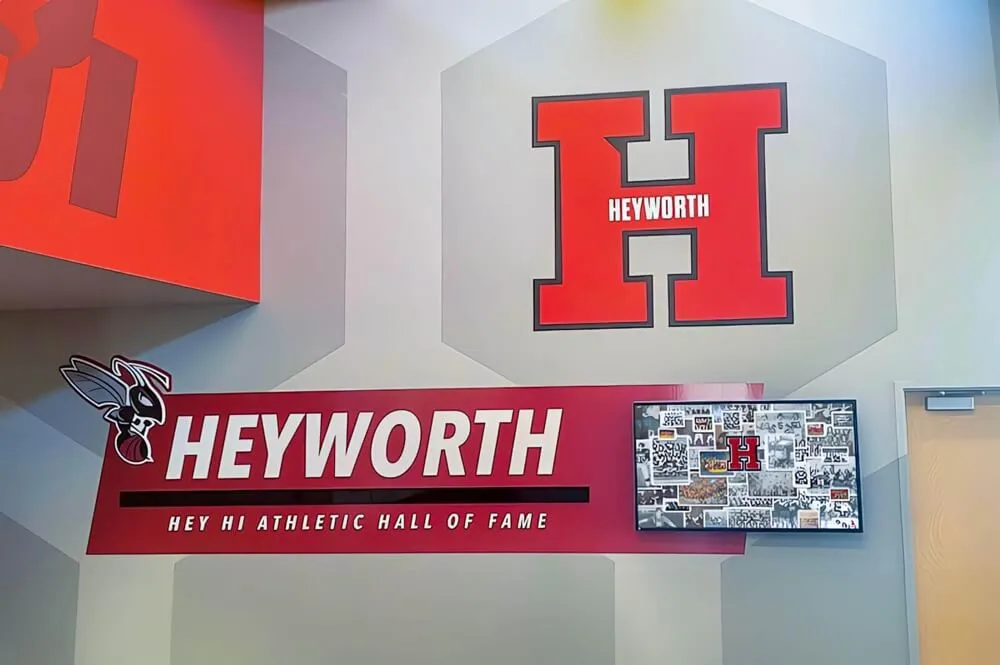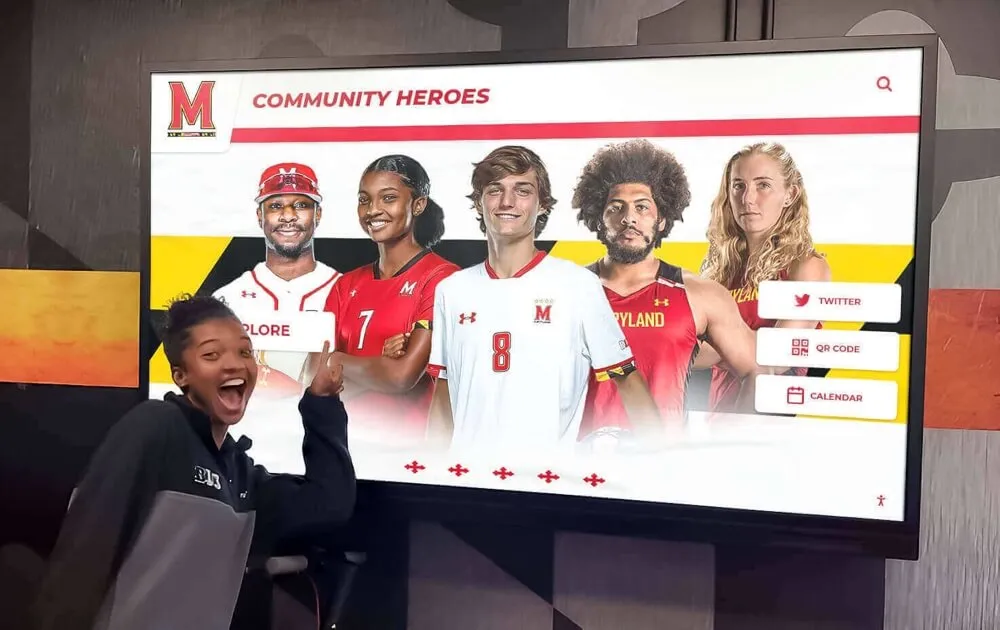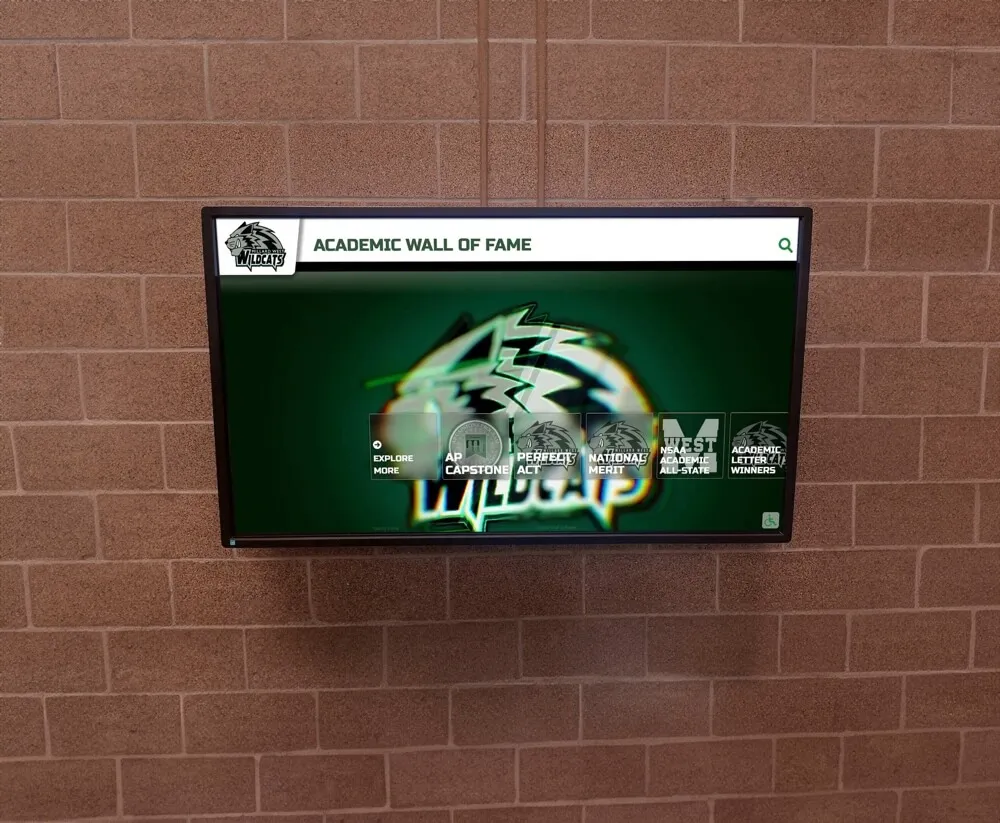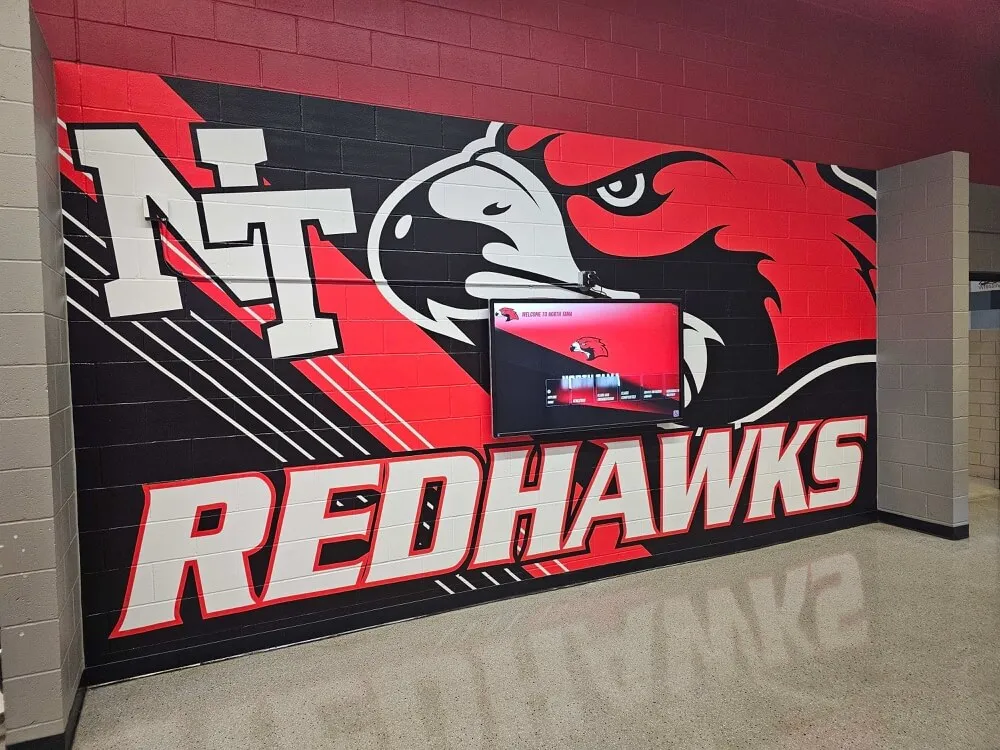




High school awards programs serve as cornerstone recognition systems celebrating student achievements across athletics, academics, service, leadership, and countless specialized categories that together define comprehensive school excellence. These annual ceremonies—whether intimate department gatherings or elaborate all-school productions—create formative moments for students, validating years of dedication while establishing institutional values about what achievements matter most. The challenge facing athletic directors, principals, student council advisors, and awards committee chairs involves designing recognition systems that honor diverse accomplishments equitably, maintain meaningful standards without becoming participation trophy exercises, accommodate evolving achievement categories reflecting contemporary student experiences, and preserve award histories that inspire future classes while acknowledging past recipients.
Schools accumulate decades of award winners across expanding categories—making permanent recognition increasingly complex. Traditional approaches like engraved plaques, trophy cases, and printed programs create space limitations, require expensive annual updates, and offer no searchability for historical recipients. How do schools honor the 1985 Athlete of the Year alongside this year’s winner? What systems accommodate new award categories without physical space constraints? How can recognition displays remain current, comprehensive, and professionally presented without consuming administrative resources through constant manual updates?
Modern Recognition for Award Recipients
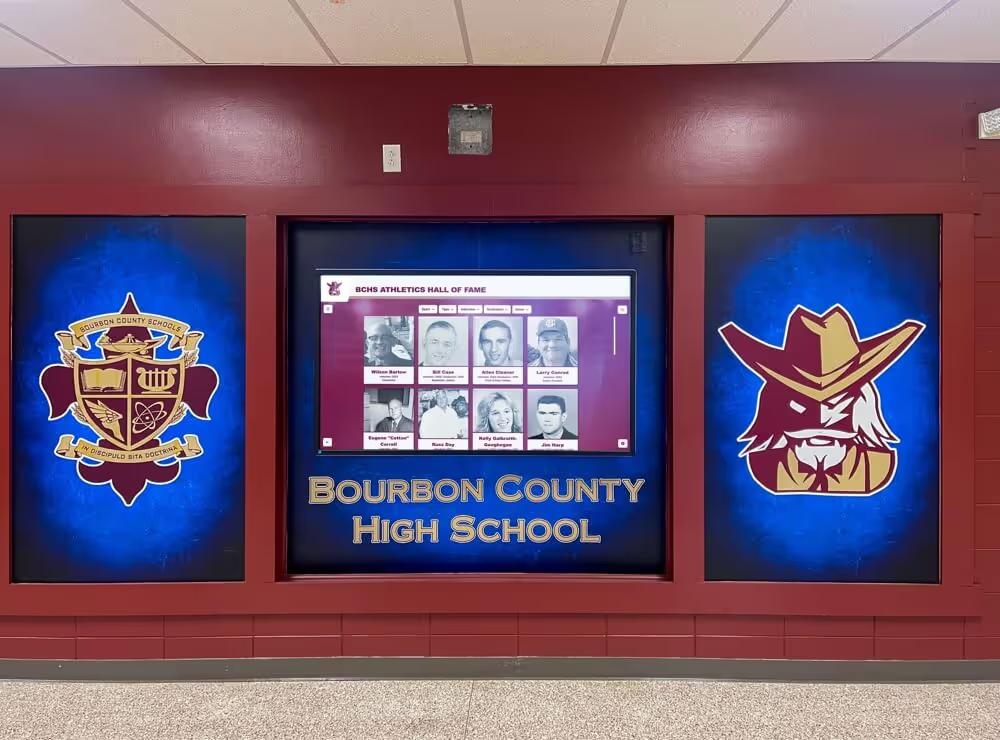
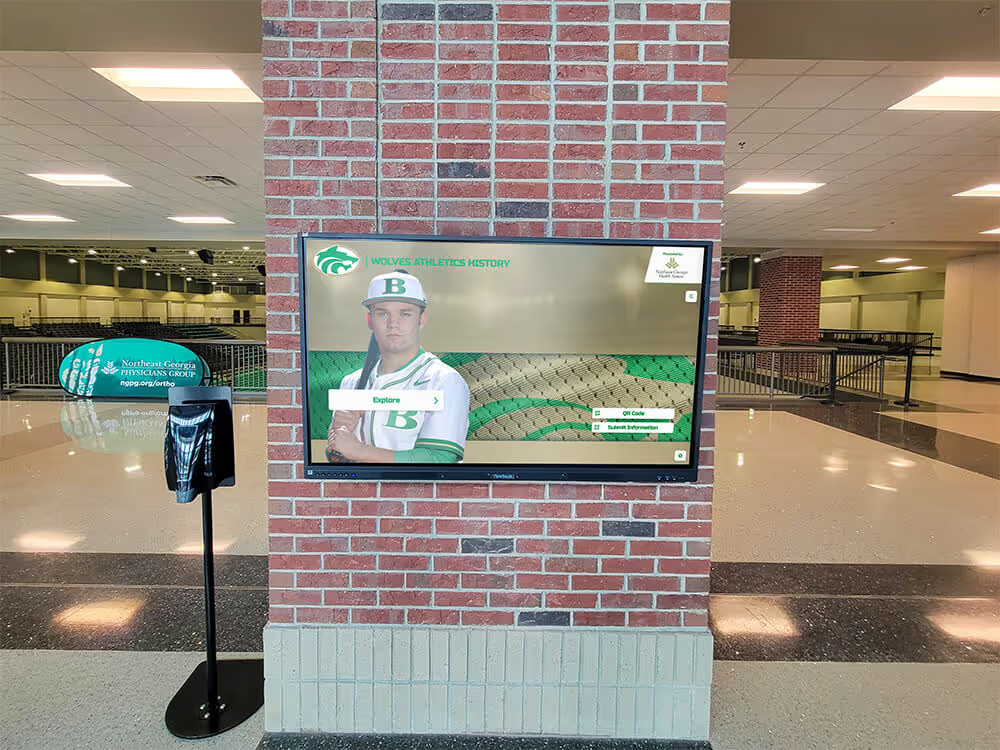
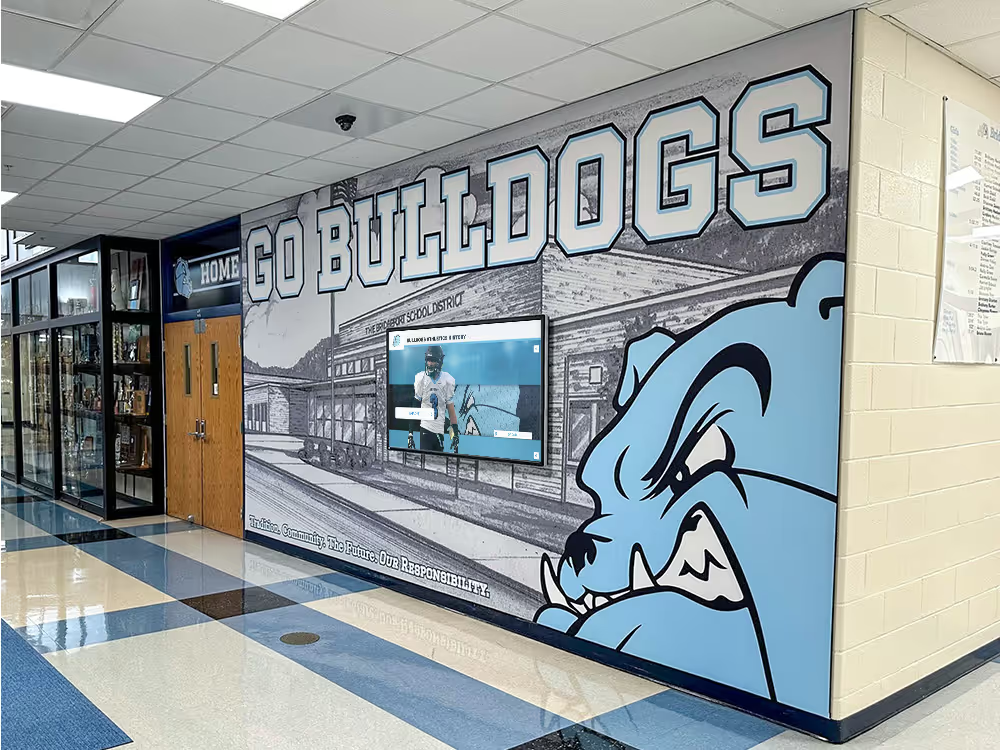
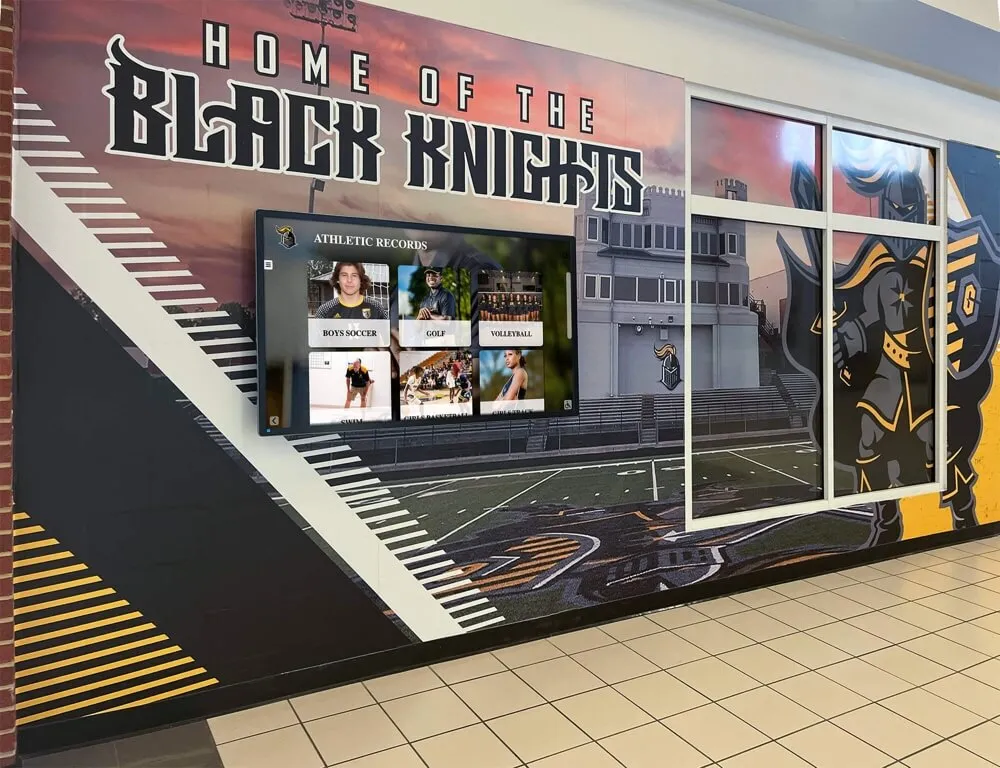
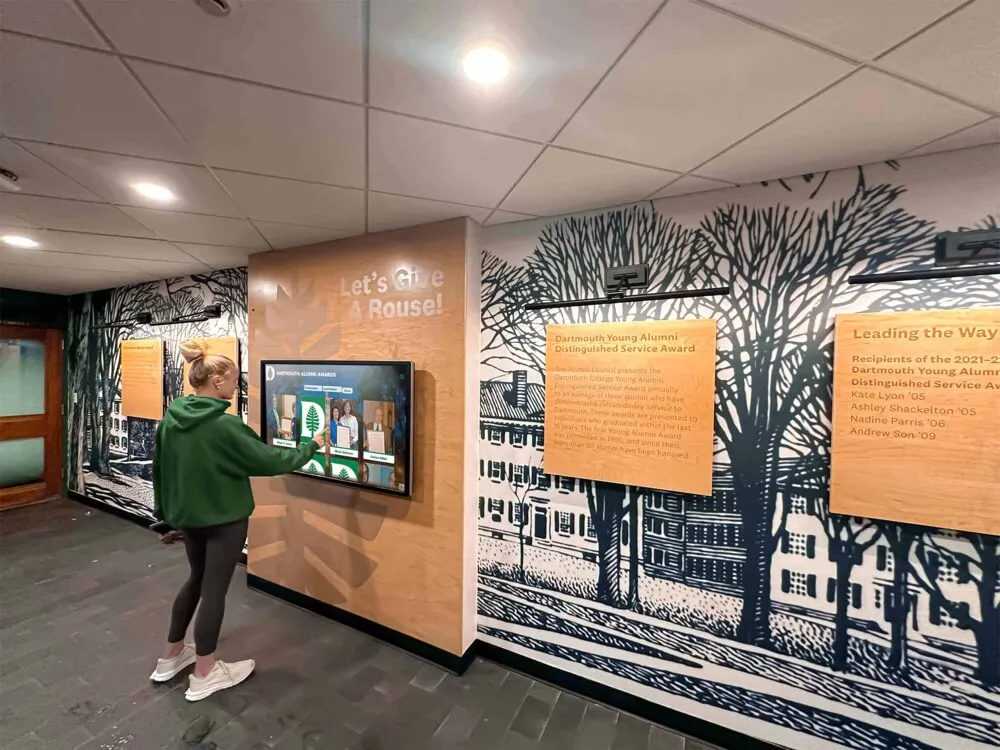
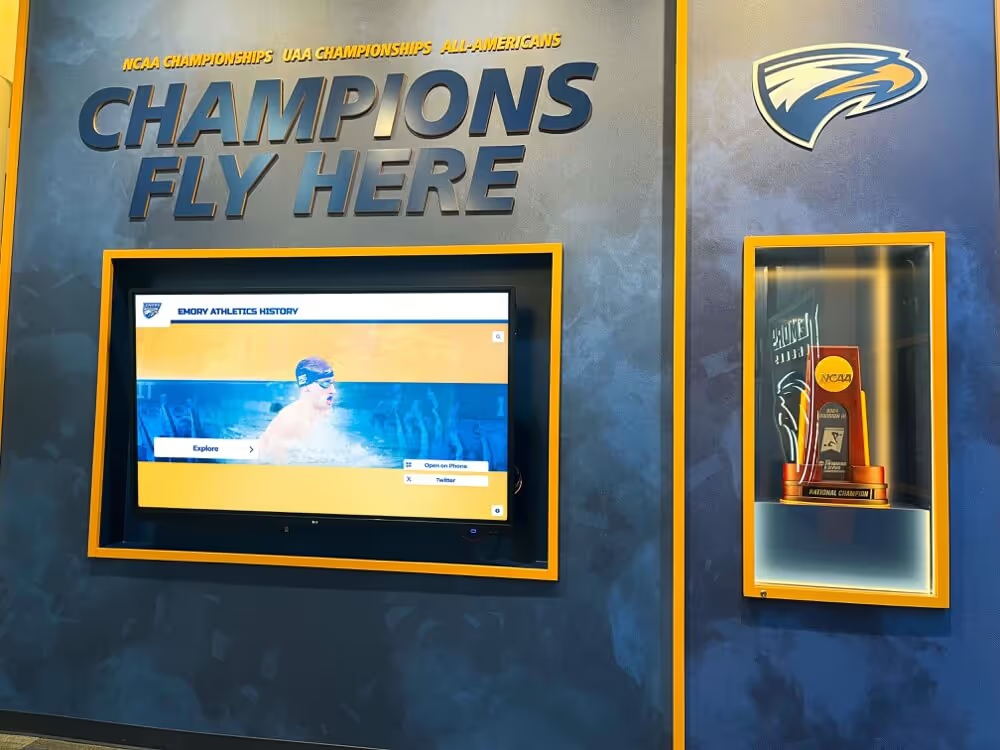
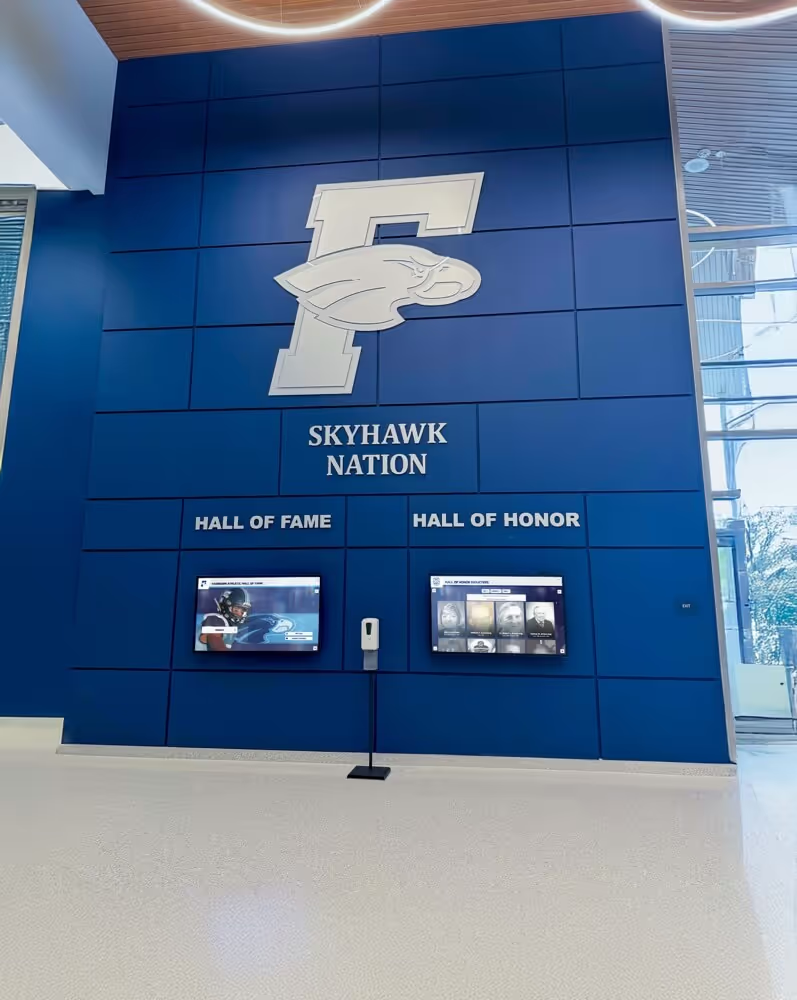
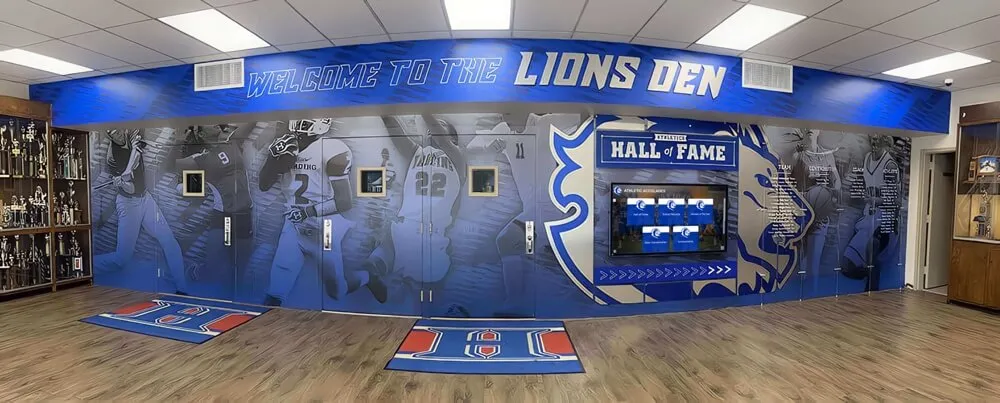
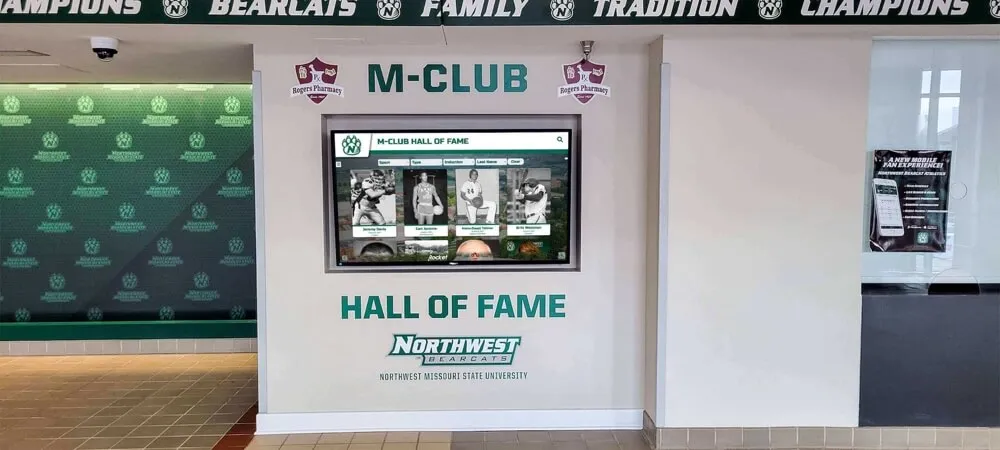
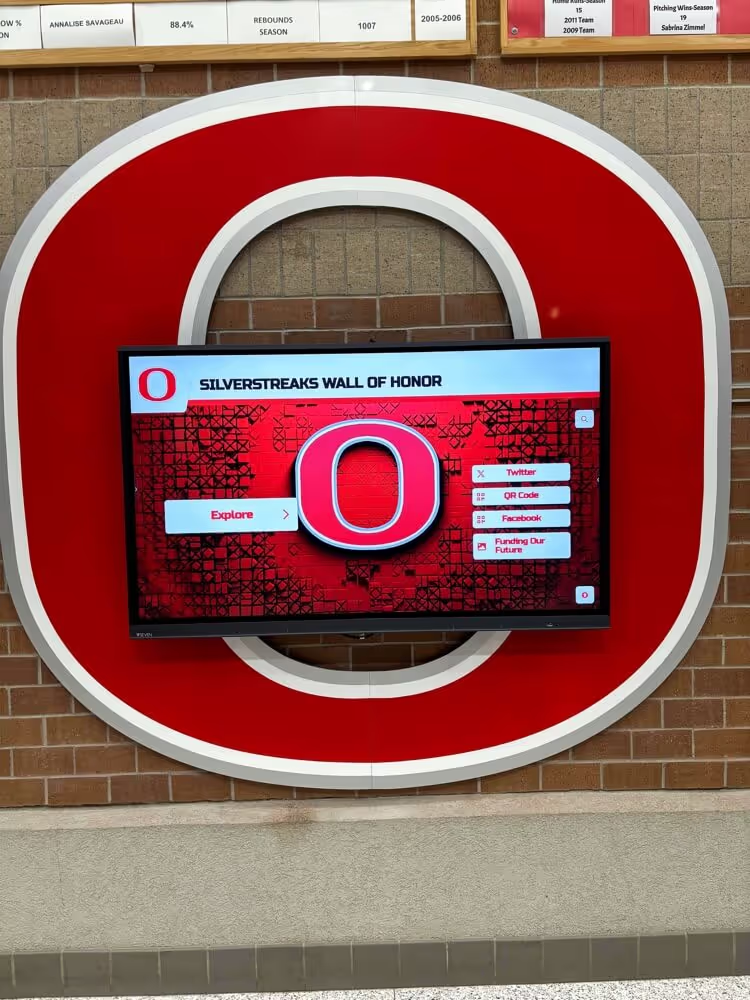
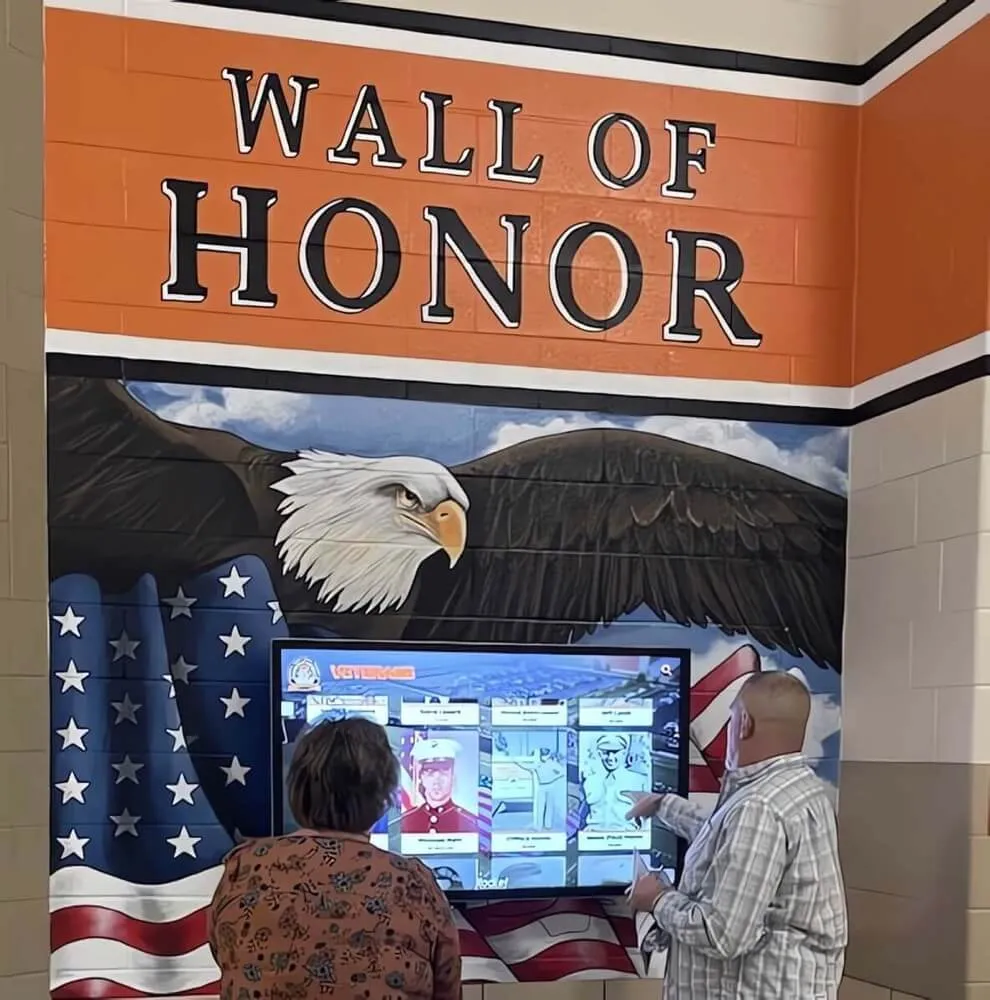
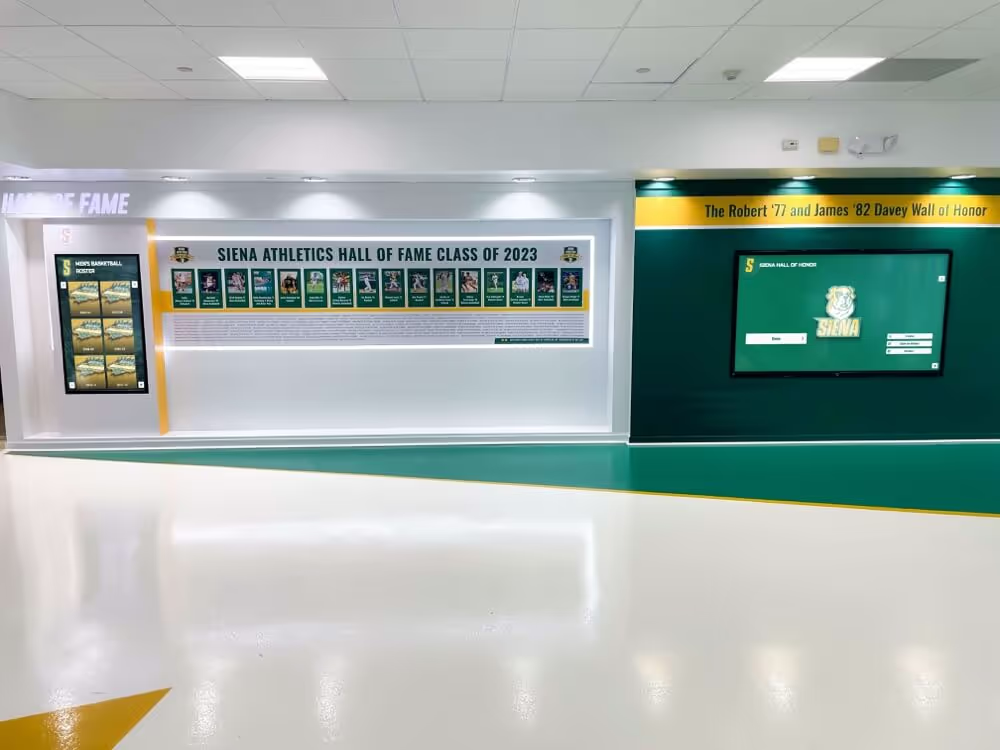
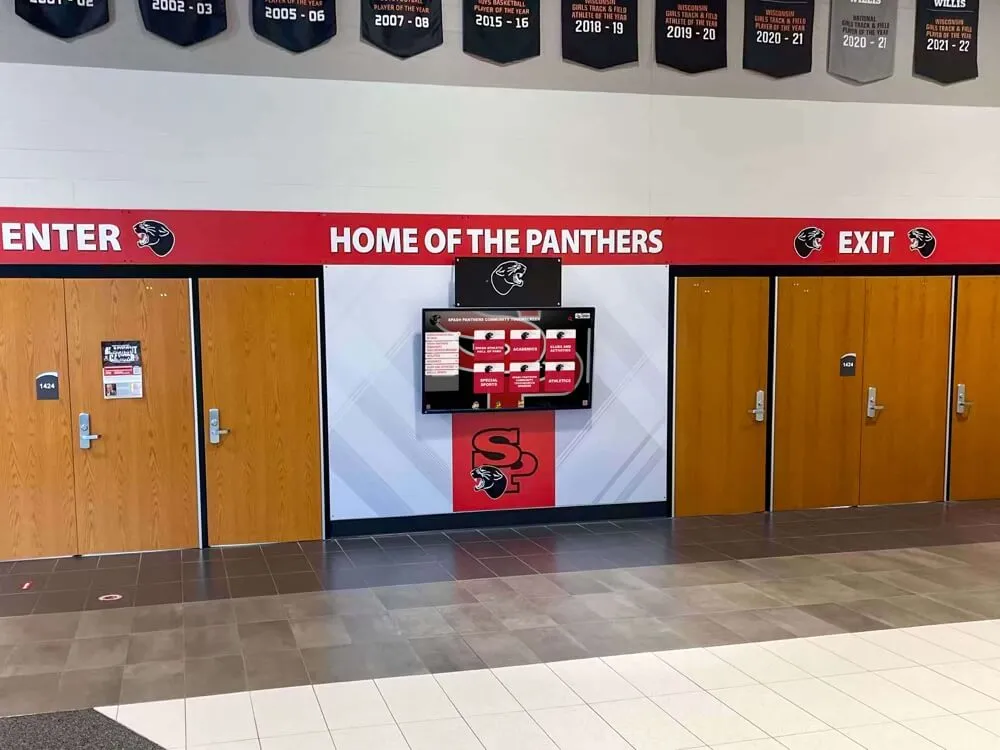
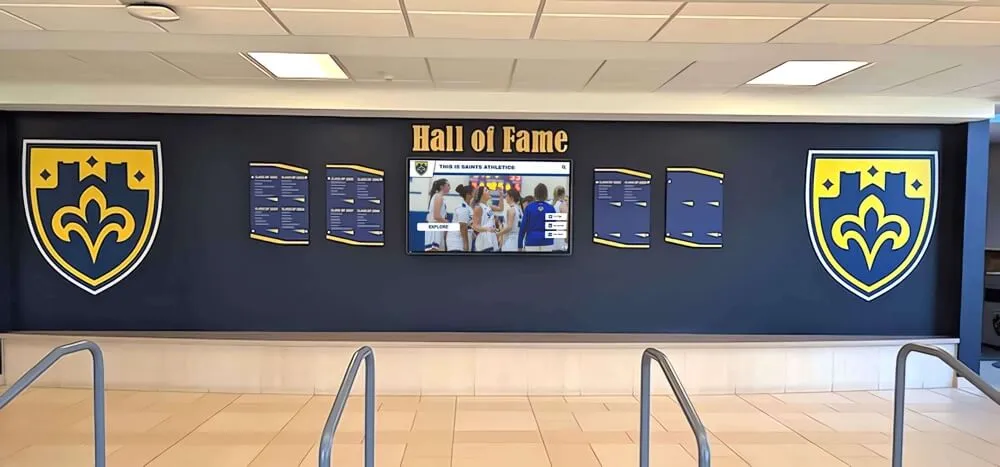
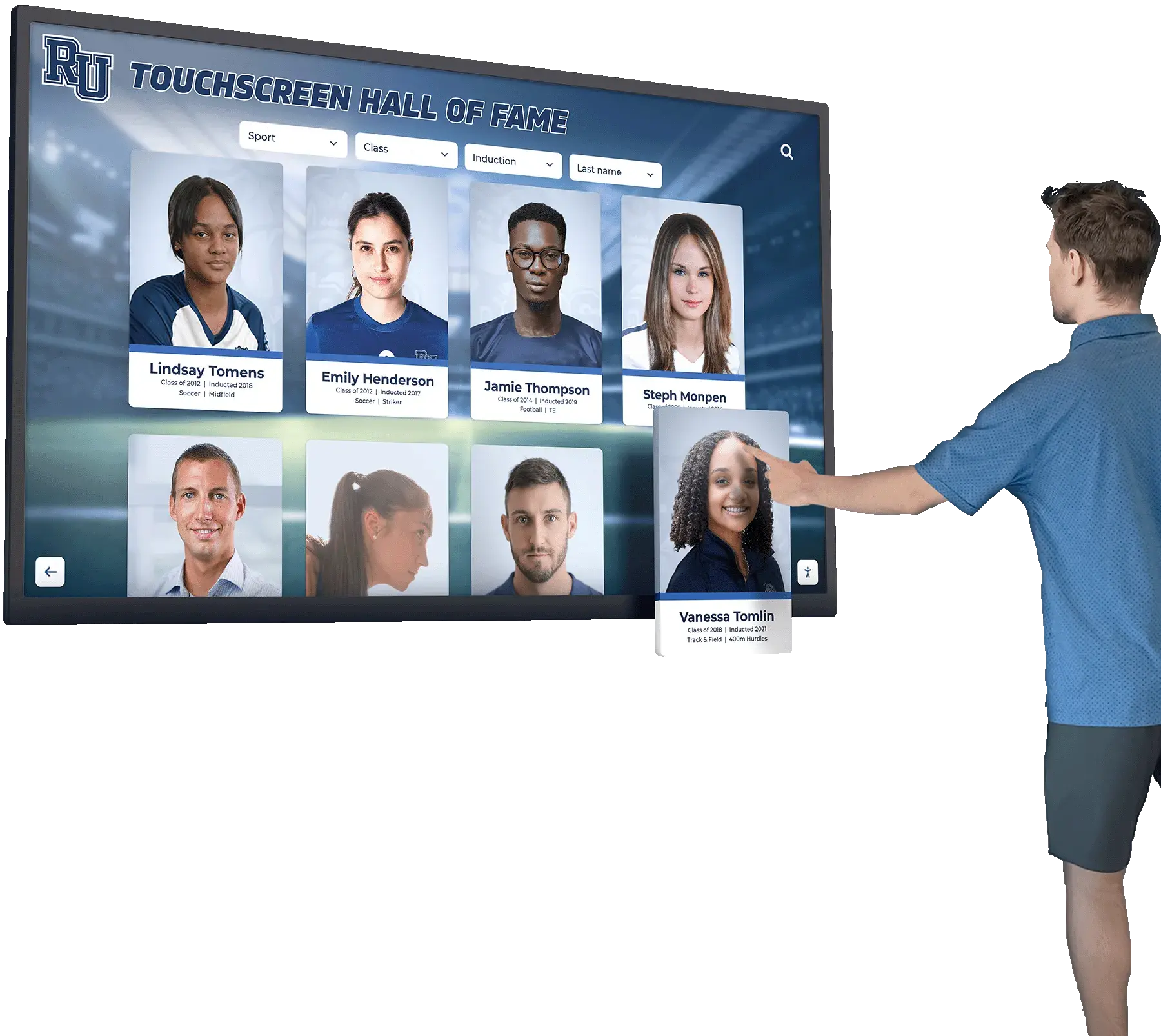
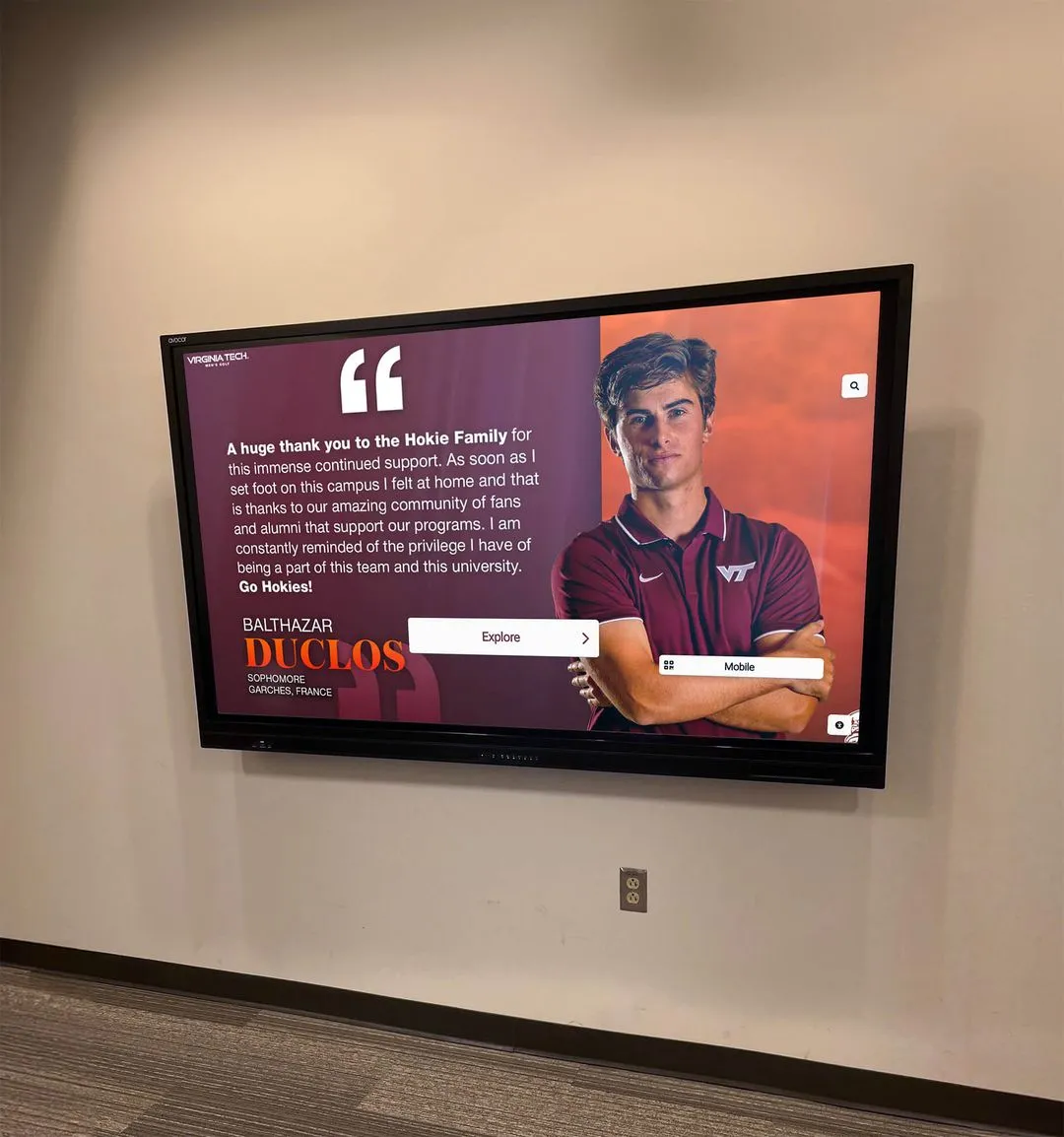
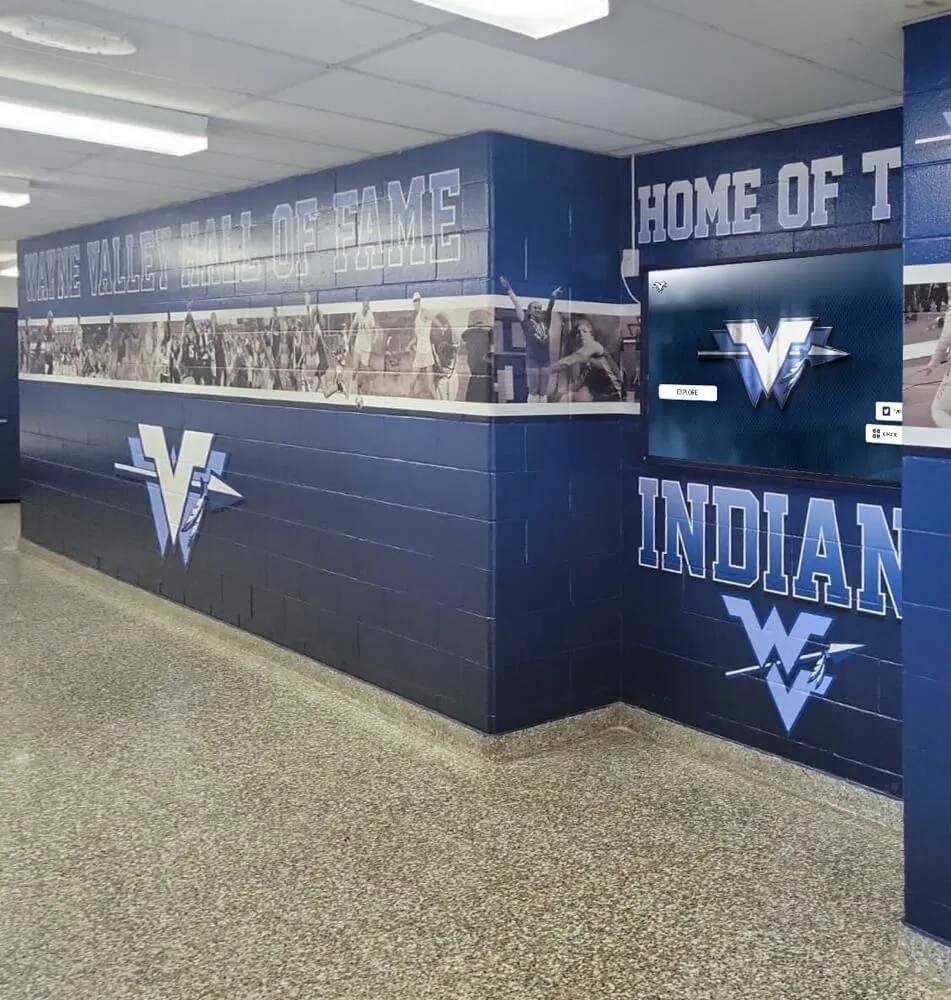
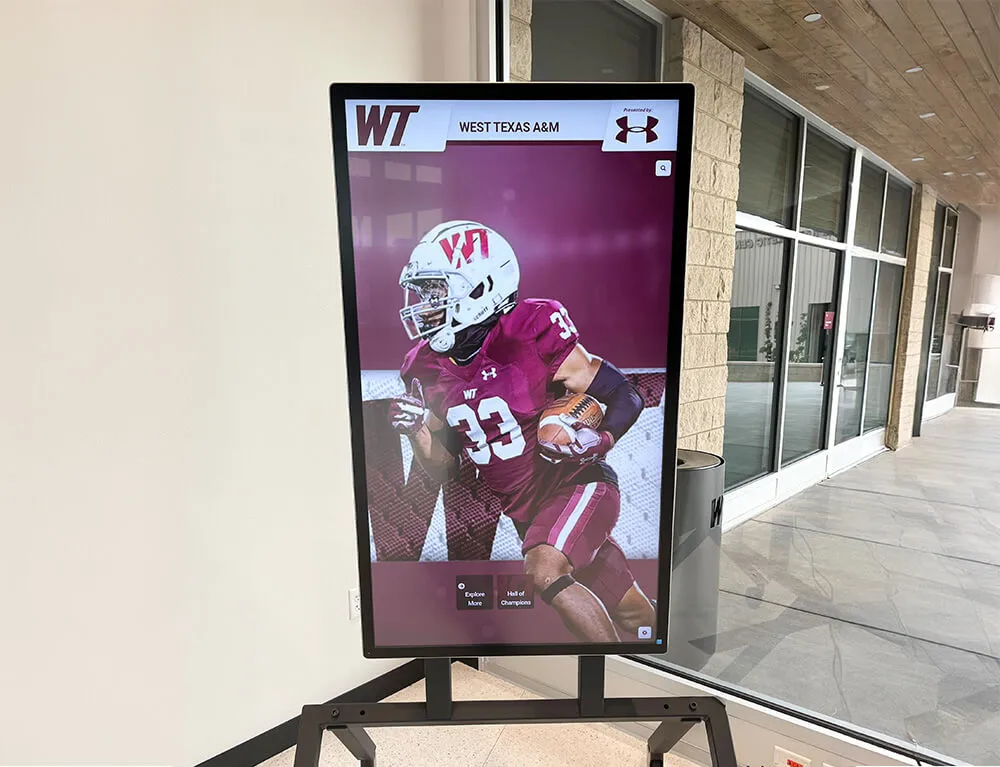
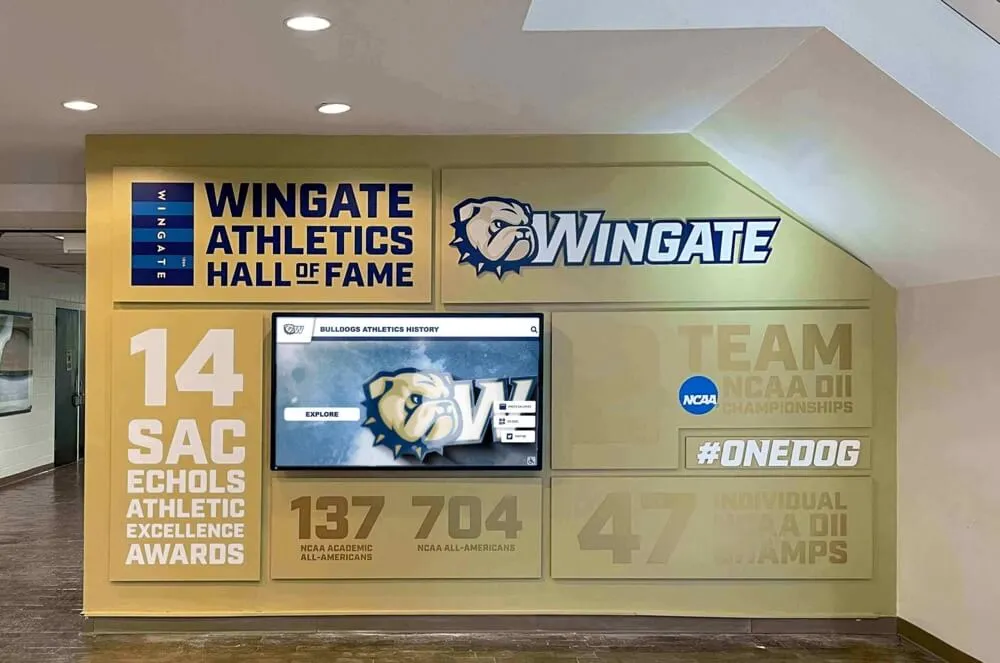
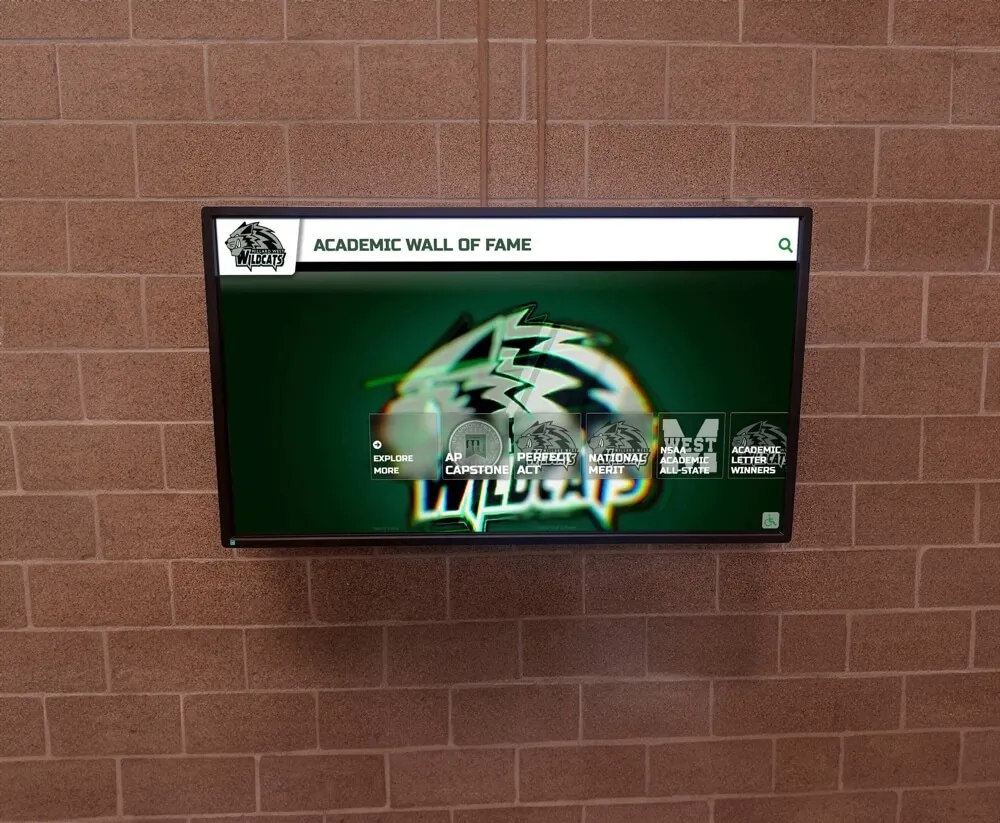
High schools present hundreds of awards annually across multiple departments and categories. Traditional recognition methods—printed programs, banquet slideshows, hallway plaques—capture moments but lack permanence and searchability. Digital awards display systems solve these challenges by providing unlimited capacity for all award categories and historical recipients, automatic organization by year, category, and department, searchable databases letting students find specific awards or recipients, multimedia capability including recipient photos and achievement details, and instant remote updates eliminating printing costs and physical space constraints. Solutions like Rocket Alumni Solutions enable schools to permanently honor every award recipient while maintaining professional displays that celebrate achievement history and inspire current students toward recognition.
Athletic Awards: Celebrating Sports Excellence
Athletic departments present awards recognizing individual performance, team contributions, sportsmanship, and program dedication across numerous sports and achievement dimensions.
Individual Sport Performance Awards
These awards honor exceptional athletic performance within specific sports based on objective and subjective achievement measures.
Sport-Specific MVP Awards
Most Valuable Player awards represent the highest individual honor in each sport:
- Football MVP: Recognizing the player contributing most significantly to team success across offense, defense, or special teams
- Basketball MVP (Boys and Girls): Honoring the player demonstrating exceptional skill, leadership, and game impact
- Soccer MVP: Celebrating the player combining technical skill, tactical awareness, and competitive excellence
- Volleyball MVP: Recognizing exceptional performance across serving, setting, hitting, and defensive contributions
- Baseball/Softball MVP: Honoring players excelling both offensively and defensively throughout seasons
- Track and Field MVP: Celebrating multi-event excellence and scoring contributions across meets
- Wrestling MVP: Recognizing match wins, tournament placements, and competitive achievement
- Swimming and Diving MVP: Honoring individual event victories and relay contributions
- Cross Country MVP: Celebrating consistent top-team finishes and championship performances
- Tennis MVP: Recognizing singles and doubles excellence across season competition
- Golf MVP: Honoring low-score consistency and tournament performance
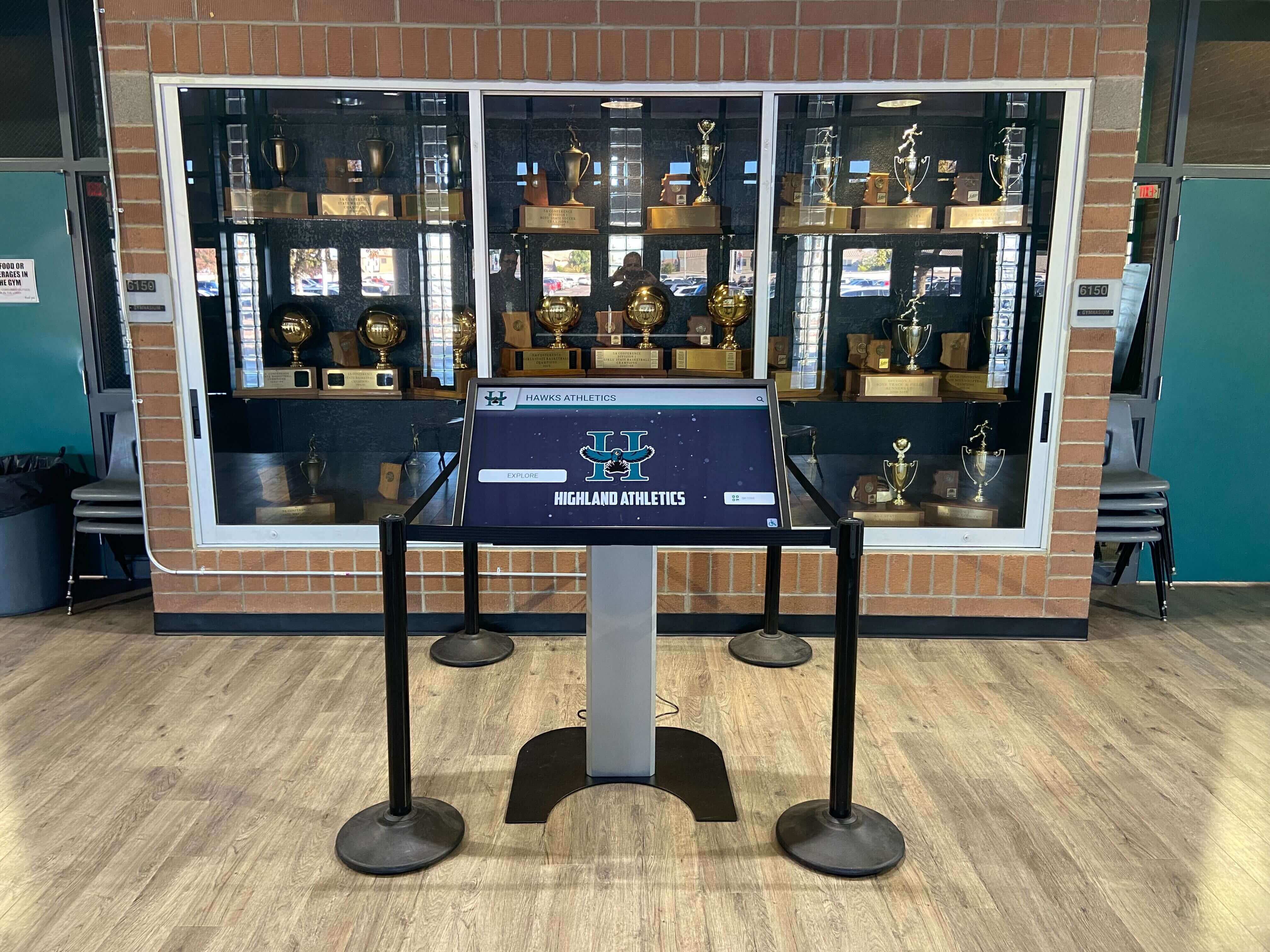
MVP selections typically involve coaching staff evaluation considering statistics, game impact, leadership qualities, practice dedication, and contribution to team culture. Clear selection criteria documented in award descriptions help maintain consistency across seasons and coaches.
Offensive and Defensive Player Awards
Team sports often separate offensive and defensive excellence recognition:
- Offensive Player of the Year: Honoring scoring leaders, playmakers, and athletes driving offensive production
- Defensive Player of the Year: Recognizing shutdown defenders, tackles leaders, and players preventing opponent success
- Lineman Awards (Football): Celebrating often-overlooked position groups critical to team success
- Goalkeeper Awards (Soccer/Hockey): Honoring exceptional performance in specialized defensive positions
Position-specific awards ensure recognition extends beyond high-visibility scoring positions to athletes contributing in all roles.
Statistical Achievement Awards
Objective performance metrics create quantifiable recognition categories:
- Leading Scorer Award: Honoring athletes with highest point totals across seasons
- Leading Rebounder (Basketball): Recognizing board dominance and possession control
- Batting Champion (Baseball/Softball): Celebrating highest batting averages
- Strikeout Leader (Baseball/Softball): Honoring pitching dominance
- Rushing Leader (Football): Recognizing ground game excellence
- Passing Leader (Football): Celebrating quarterback performance
- Assists Leader: Honoring playmaking abilities across multiple sports
Statistical awards provide objective recognition while complementing subjective achievement honors.
Resources on school award ceremony planning help athletic departments design comprehensive recognition programs celebrating diverse achievements.
Team Contribution and Character Awards
Athletic awards extend beyond performance statistics to recognize character, dedication, and team-first qualities.
Most Improved Player Awards
These honors celebrate growth, work ethic, and development throughout seasons:
- Most Improved Athlete: Recognizing the player showing greatest skill development and performance improvement
- Breakout Performer: Honoring athletes exceeding expectations and establishing new performance levels
- Comeback Player: Celebrating athletes overcoming injuries or adversity to return stronger
Most improved awards particularly motivate younger or developing athletes by validating progress rather than only rewarding established excellence. Detailed guidance on most improved award criteria helps maintain meaningful selection standards.
Sportsmanship and Character Awards
These honors recognize athletes embodying desired values beyond competitive achievement:
- Sportsmanship Award: Celebrating athletes demonstrating exceptional respect for opponents, officials, and game integrity
- Captain’s Award: Honoring team-selected leaders recognized by peers for leadership and character
- Coaches Award: Recognizing athletes coaches identify as exemplifying program values
- Heart and Hustle Award: Celebrating maximum effort, competitive spirit, and never-quit attitudes
- Team First Award: Honoring athletes prioritizing team success over individual recognition
Character awards communicate that schools value not just winning but how athletes compete and contribute to team culture.
Special Team Recognition
Beyond individual honors, team-level awards celebrate collective achievements:
- Championship Team Recognition: Honoring conference, district, regional, or state championship teams
- Undefeated Season Recognition: Celebrating perfect competitive records
- Record-Breaking Team Awards: Recognizing teams establishing new program or state records
- Academic All-Team Honors: Celebrating teams achieving collective GPA thresholds
Team awards foster collective identity and shared accomplishment reinforcing that individual excellence serves team goals.
Multi-Sport and Overall Athletic Achievement
Some athletic awards transcend individual sports, recognizing comprehensive athletic achievement.
Athlete of the Year Awards
The highest overall athletic honor celebrates exceptional multi-sport achievement:
- Male Athlete of the Year: Recognizing the male student-athlete with most outstanding overall athletic achievement
- Female Athlete of the Year: Honoring the female student-athlete demonstrating exceptional multi-sport excellence
- Multi-Sport Athlete Award: Celebrating athletes competing in three or more sports
- Four-Year Varsity Athlete: Recognizing students earning varsity letters all four high school years
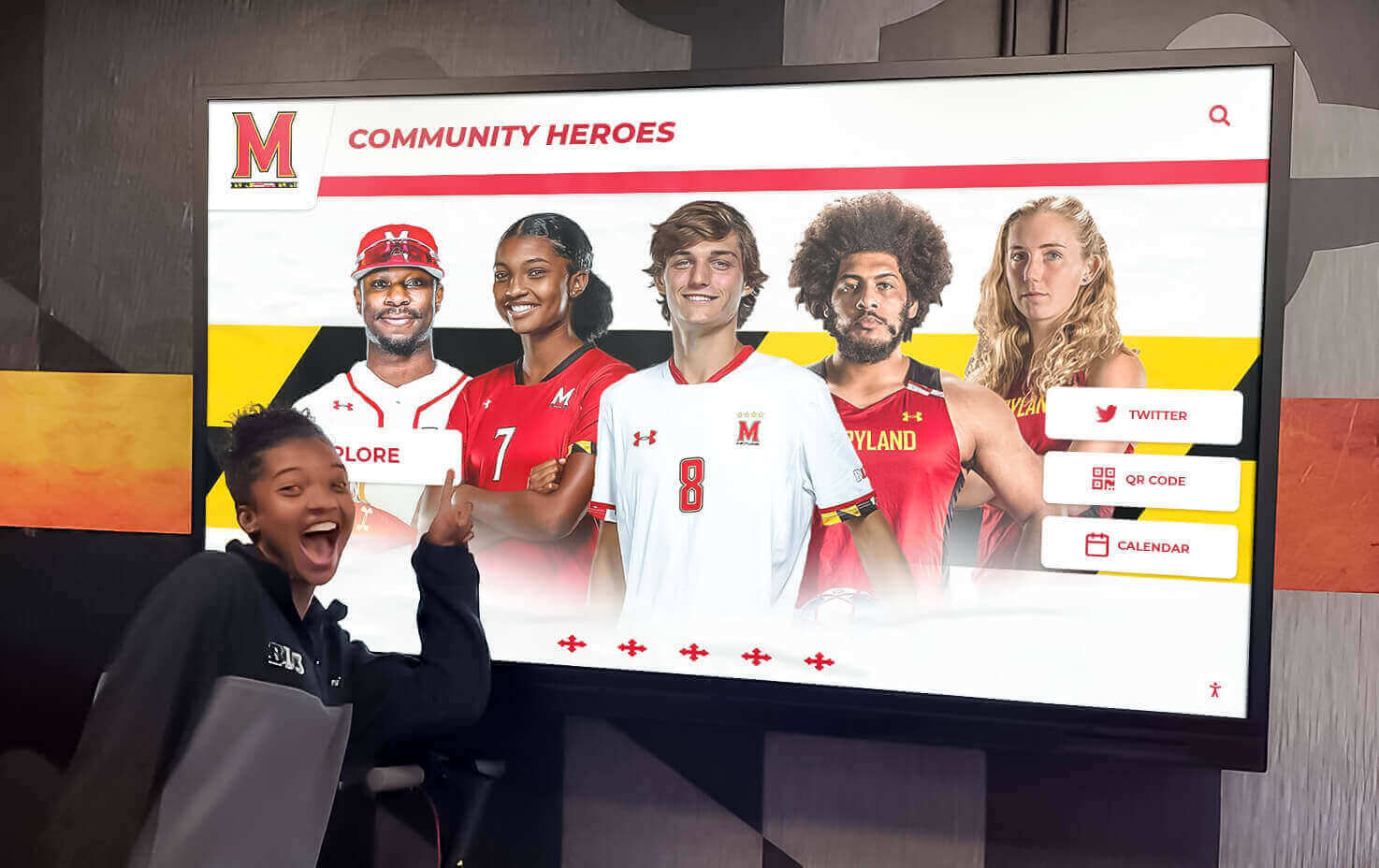
Athlete of the Year selections typically require multi-sport participation, preventing single-sport specialists from dominating recognition while encouraging year-round athletic involvement.
Varsity Letter Awards and Chenille Recognition
Traditional letter awards maintain significance as fundamental athletic recognition:
- First-Time Varsity Letter Winners: Celebrating athletes earning initial varsity recognition
- Multi-Year Letter Winners: Honoring sustained varsity-level performance across seasons
- Four-Year Letter Winners: Recognizing the highest level of sustained athletic participation
- Chenille Letter Jackets: Traditional varsity jacket awards symbolizing athletic achievement
Many schools maintain formal varsity letterman award displays preserving recognition of these traditional honors while modernizing display systems.
Academic Awards: Honoring Scholarly Excellence
Academic recognition programs celebrate intellectual achievement, subject mastery, academic improvement, and sustained scholarly excellence across disciplines.
Subject-Specific Academic Excellence Awards
Departmental awards recognize top performers in individual academic disciplines.
Core Subject Awards
Traditional academic departments present top student honors:
- English Excellence Award: Recognizing exceptional writing, literature analysis, and communication skills
- Mathematics Achievement Award: Honoring mathematical reasoning, problem-solving excellence, and computational skill
- Science Excellence Award: Celebrating scientific inquiry, laboratory skill, and research contributions
- Social Studies Achievement Award: Recognizing historical knowledge, civic understanding, and analytical thinking
- World Language Proficiency Award: Honoring advanced language skills and cultural competency
- Physical Education Excellence: Celebrating fitness achievement, sports skill development, and wellness knowledge
Subject awards typically recognize highest GPAs within departments, though some honor specific achievements like research projects or competition results.
Specialized and Elective Department Awards
Beyond core academics, specialized departments develop recognition categories:
- Fine Arts Excellence: Honoring achievement in visual arts, music, theater, or comprehensive arts participation
- Music Department Awards: Recognizing instrumental, vocal, and music theory achievement
- Technology and Computer Science Awards: Celebrating programming skill, digital design, and technical excellence
- Business Education Achievement: Honoring entrepreneurship, accounting, marketing, and business skill development
- Career and Technical Education Awards: Recognizing excellence in vocational programs and technical skill mastery
- Journalism and Publications Awards: Celebrating student media contributions and writing excellence
Specialized department awards ensure recognition extends beyond traditional academic subjects to value diverse student talents and career preparations.

Overall Academic Achievement Recognition
Comprehensive academic awards honor sustained excellence across all subjects and grade levels.
Grade Point Average Honors
GPA-based recognition creates objective achievement categories:
- Valedictorian: Recognizing the graduating senior with highest cumulative GPA
- Salutatorian: Honoring the second-highest GPA in graduating classes
- Top Ten Percent Recognition: Celebrating all students finishing in class top 10%
- Honor Roll Recognition (Multiple Tiers): Recognizing various GPA thresholds (4.0, 3.5, 3.0)
- Principal’s List: Honoring highest academic achievement thresholds
- Perfect 4.0 GPA Awards: Celebrating sustained academic perfection
Schools must establish clear GPA calculation policies—weighted versus unweighted, which courses count, rounding policies—ensuring fair and consistent recognition. Resources on honor roll digital recognition systems help schools modernize traditional academic honor displays.
Academic Improvement Awards
Growth-focused recognition celebrates progress rather than only absolute achievement:
- Most Improved Student Award: Recognizing students showing greatest GPA improvement
- Academic Comeback Award: Honoring students overcoming academic struggles
- Grade-Level Improvement Recognition: Celebrating year-over-year growth
Improvement awards particularly motivate students not competing for highest GPA recognition by validating their progress and development.
Perfect Attendance Academic Achievement
Combining attendance with academics creates hybrid recognition categories:
- Perfect Attendance with Honor Roll: Celebrating students maintaining both attendance and academic standards
- Four-Year Perfect Attendance: Recognizing exceptional attendance consistency across high school careers
Standardized Testing and College Readiness Awards
External assessment achievement generates objective recognition opportunities.
ACT and SAT Achievement Recognition
Standardized test performance creates measurable academic honors:
- ACT Score of 30+ Recognition: Celebrating scores placing students in top achievement percentiles
- ACT Score of 35+ Recognition: Honoring exceptional near-perfect scores
- Perfect ACT/SAT Score Awards: Recognizing the rare achievement of perfect standardized test scores
- SAT Score Excellence Awards: Celebrating various achievement thresholds
Schools developing highest ACT scores showcase displays create permanent recognition of testing excellence while motivating future students.
Advanced Placement and Dual Credit Achievement
Rigorous coursework completion merits specific recognition:
- AP Scholar Awards: Recognizing students earning qualifying scores on multiple AP examinations
- AP Scholar with Distinction: Honoring exceptional performance across numerous AP tests
- Dual Credit Achievement Award: Celebrating students completing significant college credit during high school
- International Baccalaureate Diploma Recognition: Honoring IB program completion with distinction
National Honor Society and Academic Organizations
Membership in selective academic organizations represents achievement meriting formal recognition.
Honor Society Inductions
Formal induction into academic honor societies creates milestone recognition moments:
- National Honor Society Inductees: Recognizing students meeting scholarship, leadership, service, and character standards
- Beta Club Members: Honoring academic achievement and service commitment
- Subject-Specific Honor Societies: Celebrating membership in Spanish, French, Science, Math, English honor societies
- International Thespian Society: Recognizing theater arts achievement and dedication
Schools often hold formal National Honor Society induction ceremonies as significant recognition events celebrating student achievement.
Service and Leadership Awards: Celebrating Community Contribution
Beyond athletics and academics, service and leadership awards recognize students contributing to schools and broader communities.
Community Service Recognition
Service awards honor students dedicating time and talent to improving communities.
Volunteer Hour Achievement Awards
Quantifiable service hours create objective recognition categories:
- 100+ Service Hours Award: Recognizing significant community service commitment
- 250+ Service Hours Award: Celebrating exceptional volunteer dedication
- 500+ Service Hours Award: Honoring extraordinary sustained service throughout high school
- Senior Service Award: Recognizing graduating seniors with outstanding service records
- Community Service Scholar: Celebrating students combining academic excellence with service commitment
Schools must establish service hour verification systems ensuring accurate tracking and preventing inflated claims.
Service Organization Leadership
Leadership within service organizations merits specific recognition:
- Key Club Service Award: Honoring exceptional contributions to school Key Club chapters
- Interact/Rotary Club Recognition: Celebrating Rotary-affiliated service participation
- Student Council Service Award: Recognizing council members’ service contributions beyond leadership roles
- Habitat for Humanity Youth Leadership: Honoring sustained construction service participation
Special Service Project Awards
Individual service initiatives create recognition opportunities:
- Service Project Leadership Award: Celebrating students initiating and leading significant service projects
- Community Impact Award: Recognizing measurable positive community change through student service
- Mission Trip Participation: Honoring students participating in service-oriented travel experiences
Leadership Awards Across Contexts
Leadership recognition extends beyond service contexts to celebrate influence across school environments.
Student Government and Class Officer Recognition
Elected leadership positions merit formal acknowledgment:
- Student Body President: Recognizing the highest elected student leadership position
- Student Council Officers: Honoring president, vice president, secretary, treasurer roles
- Class Officers: Celebrating grade-level leadership across all four years
- Homecoming Court Recognition: Acknowledging peer-selected homecoming court traditions
Club and Organization Leadership Awards
Leadership within co-curricular activities creates diverse recognition categories:
- Club President Awards: Recognizing students leading academic, service, or special interest clubs
- DECA/FBLA Leadership: Honoring business organization leadership
- FFA Chapter Officer Recognition: Celebrating agricultural education leadership
- Drama Club Leadership: Recognizing theater production leadership contributions
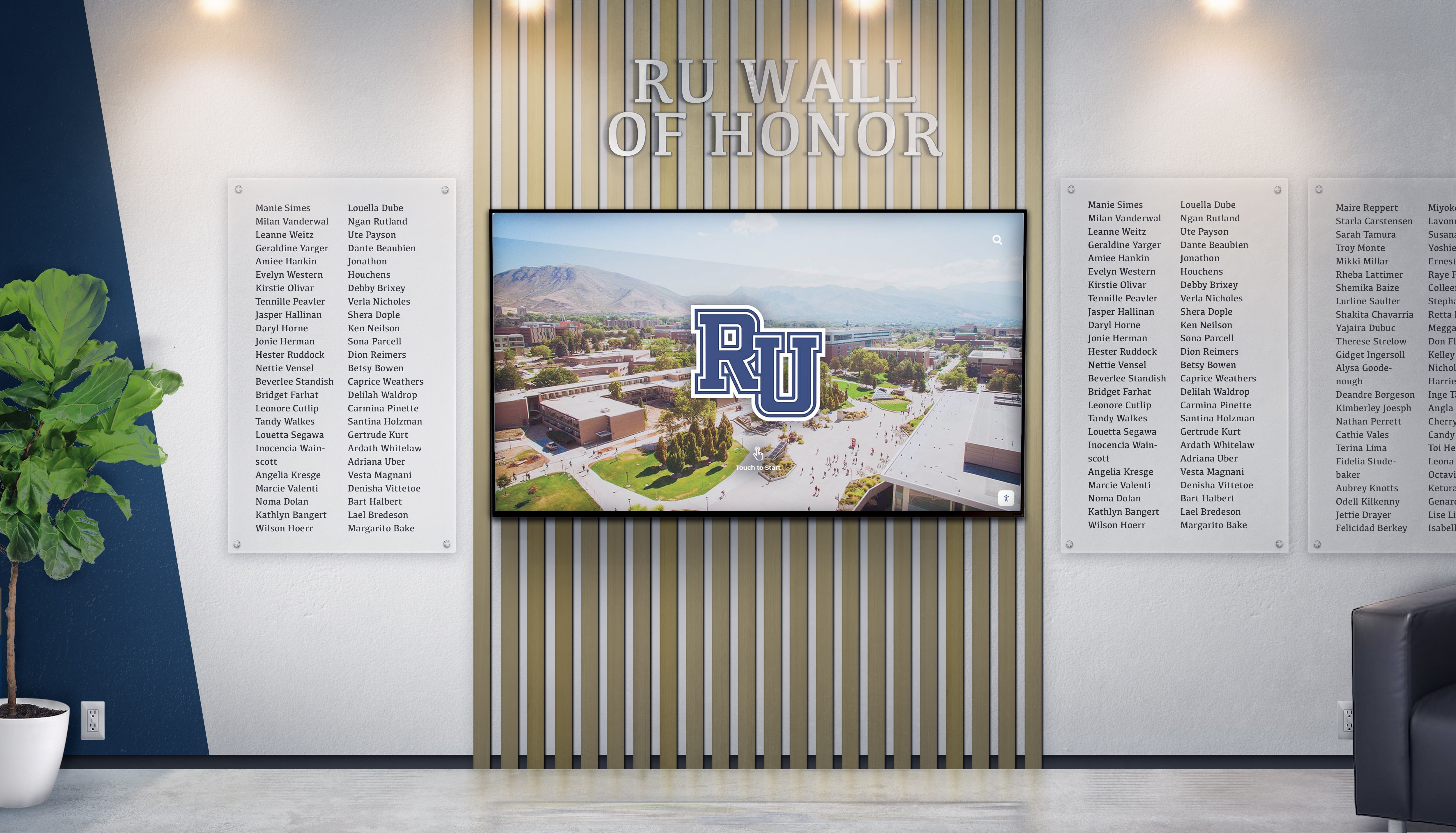
Understanding FFA creed history and competitive programs helps schools appropriately recognize agricultural education achievements.
Peer-Selected Leadership Recognition
Student-chosen awards carry unique significance:
- Student-Selected Leader Award: Recognizing students peers identify as most influential leaders
- Class Favorite Recognition: Celebrating peer-acknowledged student impact
- Spirit Award: Honoring students embodying school spirit and enthusiasm
- Friend to All Award: Recognizing inclusive students building bridges across social groups
Peer-selected awards validate influence among classmates rather than only adult-recognized achievement.
Special Recognition Categories
Beyond structured athletic, academic, and service categories, special awards honor unique achievements and contributions.
Arts and Performance Awards
Creative achievement merits comprehensive recognition across multiple disciplines.
Visual Arts Excellence
Art department awards celebrate creative achievement:
- Outstanding Visual Artist Award: Recognizing exceptional artistic skill and creative vision
- Scholastic Art Awards Recognition: Honoring students earning regional or national Scholastic Art distinctions
- Senior Art Portfolio Award: Celebrating comprehensive four-year artistic development
- AP Art Achievement: Recognizing exceptional AP Art portfolio scores
Performing Arts Recognition
Theater, music, and performance create diverse award opportunities:
- All-State Music Recognition: Honoring students selected for competitive state music ensembles
- Solo and Ensemble Competition Awards: Celebrating individual and small-group performance excellence
- Outstanding Thespian Award: Recognizing exceptional theater arts contribution and performance
- Musical Theater Triple Threat Award: Honoring students excelling in singing, dancing, and acting
- Technical Theater Excellence: Celebrating backstage contributions to productions
Resources on planning digital theatre playbills help schools modernize performing arts recognition.
Career and Technical Education Awards
Vocational and technical programs deserve recognition equal to traditional academics.
Technical Skill Certifications
Industry certifications earned during high school merit formal recognition:
- Welding Certification Award: Recognizing professional-level welding credential achievement
- Automotive Technology Certification: Honoring ASE or manufacturer certification completion
- Healthcare Career Certification: Celebrating CNA, EMT, or medical assistant certification
- IT and Networking Certifications: Recognizing CompTIA, Cisco, or Microsoft certification achievement
- Construction and Trades Certifications: Honoring OSHA, NCCER, or trade-specific credentials
Competition and Skills Contest Recognition
SkillsUSA, DECA, FBLA, and similar competitions create achievement opportunities:
- State Competition Medalists: Recognizing top finishers in state career skills competitions
- National Competition Qualifiers: Celebrating students advancing to national-level competition
- Business Competition Awards: Honoring DECA/FBLA competitive achievement
- Agricultural Competition Recognition: Celebrating FFA judging team and competition success
Character and Values-Based Awards
Some schools establish awards specifically recognizing character traits and personal qualities.
Core Values Recognition
Character-focused awards communicate institutional priorities:
- Integrity Award: Recognizing students consistently demonstrating honesty and ethical behavior
- Perseverance Award: Honoring students overcoming significant obstacles or adversity
- Citizenship Award: Celebrating exemplary school and community citizenship
- Courage Award: Recognizing students showing exceptional bravery in various contexts
- Servant Leadership Award: Honoring leaders who prioritize serving others
Faculty-Selected Special Recognition
Teacher and staff-selected awards often recognize qualities beyond measurable achievement:
- Teacher’s Choice Award: Recognizing students individual teachers identify as most impactful
- Staff Appreciation Award: Celebrating students showing exceptional respect and kindness to staff
- Unsung Hero Award: Honoring students making significant contributions without seeking recognition
- Positive Influence Award: Recognizing students creating positive school culture through daily actions
Senior Class Special Awards
Graduating seniors often receive unique recognition categories.
Senior Superlatives and Class Recognition
Traditional senior awards celebrate personality and predicted futures:
- Most Likely to Succeed: Predicting future achievement across various domains
- Best All-Around Senior: Recognizing well-rounded excellence across multiple areas
- Senior Scholar-Athlete: Celebrating combined academic and athletic achievement
- Renaissance Student: Honoring diverse talents and comprehensive involvement
Schools developing senior superlative ideas can expand recognition beyond traditional categories.
School Spirit and Tradition Awards
Spirit-focused recognition celebrates school culture contributions:
- Ultimate School Spirit Award: Recognizing students demonstrating exceptional enthusiasm and pride
- Superfan Recognition: Celebrating students supporting all sports and activities consistently
- Tradition Keeper Award: Honoring students preserving and promoting school traditions
- Class Unity Award: Recognizing students fostering grade-level cohesion and community
Planning Effective Awards Programs
Comprehensive awards programs require thoughtful planning balancing inclusive recognition with meaningful achievement standards.
Establishing Clear Selection Criteria
Award credibility depends on transparent, consistent selection standards.
Objective Versus Subjective Criteria
Different awards require different selection approaches:
Objective Awards rely on measurable achievement—GPAs, test scores, statistics, hours logged. These awards require clear threshold definitions and accurate data tracking but offer fairness through quantifiable standards.
Subjective Awards depend on judgment—character assessment, leadership evaluation, impact determination. These awards require documented selection rubrics, diverse selection committees preventing individual bias, and clear nomination processes ensuring qualified candidates receive consideration.
Balanced programs include both objective and subjective categories recognizing that some achievements resist quantification while others demand measurable standards.
Documentation and Transparency
Selection integrity requires documented processes:
- Published Criteria: Making award requirements publicly available before selection processes
- Selection Committee Composition: Establishing who selects recipients and requiring diverse perspectives
- Nomination Procedures: Creating clear pathways for student nomination or self-nomination
- Appeal Processes: Providing mechanisms for questioning selections when appropriate
- Historical Records: Maintaining comprehensive recipient records establishing precedent and consistency
Transparent processes prevent favoritism perceptions and ensure students understand achievement pathways toward recognition.
Balancing Inclusive Recognition With Achievement Standards
Awards programs walk fine lines between celebrating diverse students and maintaining meaningful standards.
Participation Recognition Versus Achievement Awards
Schools must distinguish between participation acknowledgment and competitive achievement:
Participation Recognition celebrates involvement—sports participation certificates, club membership acknowledgment, activity letters. These recognitions encourage broad engagement without requiring exceptional performance.
Achievement Awards require excellence—MVP honors, academic medals, leadership recognition. These awards maintain selective standards ensuring recognition retains meaning and motivational power.
Programs risk devaluing achievement awards by over-expanding categories until most students receive some recognition. Conversely, overly restrictive programs exclude deserving students and discourage participation. Balance requires thoughtful category development ensuring both inclusive participation recognition and selective achievement honors coexist.
Creating Diverse Award Categories
Comprehensive programs recognize diverse talents:
- Multiple Intelligence Recognition: Honoring athletic, academic, artistic, social, and practical intelligences through varied categories
- Different Achievement Pathways: Creating awards accessible to different student populations
- Growth and Excellence: Balancing improvement awards with absolute achievement recognition
- Individual and Team: Recognizing both solo accomplishment and collaborative success
Diverse categories ensure recognition extends beyond traditional high achievers to validate varied student contributions and talents.
Awards Ceremony Planning and Execution
Recognition events transform award announcements into memorable celebration moments.
Ceremony Format Decisions
Schools choose among various recognition approaches:
All-School Awards Assemblies bring entire student bodies together for comprehensive recognition. These large-scale events celebrate achievement publicly, foster school-wide culture valuing excellence, and create significant moments for recipients. However, they consume significant time, challenge attention management with long programs, and may embarrass students uncomfortable with public recognition.
Department-Specific Award Events allow athletic banquets, academic department ceremonies, and specialized recognition programs. These focused events provide appropriate depth for specific achievement areas, create intimate settings for detailed recognition, and allow customized formats matching department cultures. Resources on athletic banquet planning help schools design effective sport recognition events.
Senior Awards Night concentrates recognition on graduating students during dedicated senior-focused ceremonies preceding graduation.
Hybrid Approaches combine elements—presenting major awards at assemblies while handling category-specific recognition through department events.
Virtual and Digital Recognition provides alternatives to traditional live ceremonies through video announcements, social media recognition, and digital display updates.
Format selection should reflect school size, award volume, facility constraints, and institutional culture around recognition.
Program Design and Pacing
Successful ceremonies require careful planning:
- Time Management: Limiting ceremony length preventing audience fatigue (typically 60-90 minutes maximum)
- Presentation Order: Sequencing awards logically by category or ascending importance
- Student Involvement: Incorporating student presenters, performers, and emcees
- Multimedia Elements: Using video tributes, photo slideshows, and achievement highlights
- Recognition Keepsakes: Providing physical awards—certificates, medals, trophies, plaques—for recipients
Well-paced programs celebrate students appropriately while respecting audience attention spans.
Displaying and Preserving Award Recognition
Beyond ceremony moments, schools face challenges preserving award history and maintaining ongoing recognition visibility.
Traditional Award Display Limitations
Conventional recognition methods create increasing challenges as award categories and historical recipients accumulate.
Physical Space Constraints
Trophy cases, hallway plaques, and wall displays consume limited space:
- Capacity Limitations: Fixed display spaces accommodate only finite awards before overcrowding
- Ongoing Additions: Annual award recipients require continuous space most schools lack
- Visibility Challenges: Crowded displays reduce individual award visibility and impact
- Maintenance Requirements: Physical displays require cleaning, updating, and occasional replacement
Schools eventually face difficult decisions about which awards and recipients merit permanent display space.
Update and Maintenance Challenges
Traditional displays require ongoing administrative work:
- Annual Updates: Adding current year recipients demands regular manual effort
- Engraving Costs: Traditional plaques require expensive professional engraving services
- Design Consistency: Maintaining visual coherence across displays added over decades
- Damage and Deterioration: Physical awards fade, tarnish, or sustain damage requiring replacement
These limitations often result in incomplete recognition where only recent or most prestigious awards receive ongoing display attention.
Modern Digital Award Display Solutions
Digital recognition systems address traditional limitations while expanding award program capabilities.
Unlimited Recognition Capacity
Digital displays eliminate space constraints:
- Comprehensive Historical Records: Displaying every award recipient from all years across all categories
- Searchable Databases: Allowing students, families, and visitors to find specific awards or recipients
- Organized Categories: Systematically organizing awards by type, year, department, or recipient
- Scalable Systems: Accommodating growing award programs without physical expansion
Digital systems ensure no deserving recipient loses recognition due to space limitations.
Easy Updates and Maintenance
Remote digital management simplifies award program administration:
- Instant Updates: Adding current award recipients immediately without engraving delays
- Error Corrections: Fixing mistakes easily rather than replacing physical plaques
- Consistent Professional Appearance: Maintaining uniform design quality across all awards and years
- No Physical Maintenance: Eliminating cleaning, polishing, or physical repair requirements
Administrative time savings allow focus on award program substance rather than display logistics.
Enhanced Recognition Features
Digital systems provide capabilities impossible with traditional displays:
- Recipient Photos: Including student images alongside award recognition
- Achievement Details: Providing context about award criteria and recipient accomplishments
- Multiple Award Recognition: Showing students receiving multiple awards across categories
- Historical Comparisons: Displaying award evolution and recipient trends across decades
- Interactive Exploration: Allowing users to browse awards by various filters and categories
These features create richer recognition experiences than static traditional displays permit.
Integration With Comprehensive Recognition Systems
Digital award displays complement broader school recognition infrastructure:
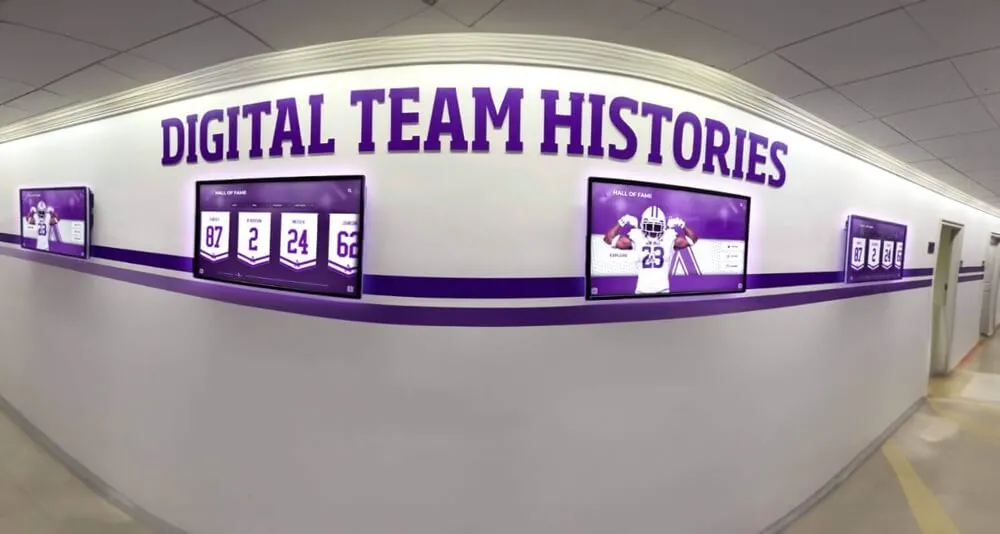
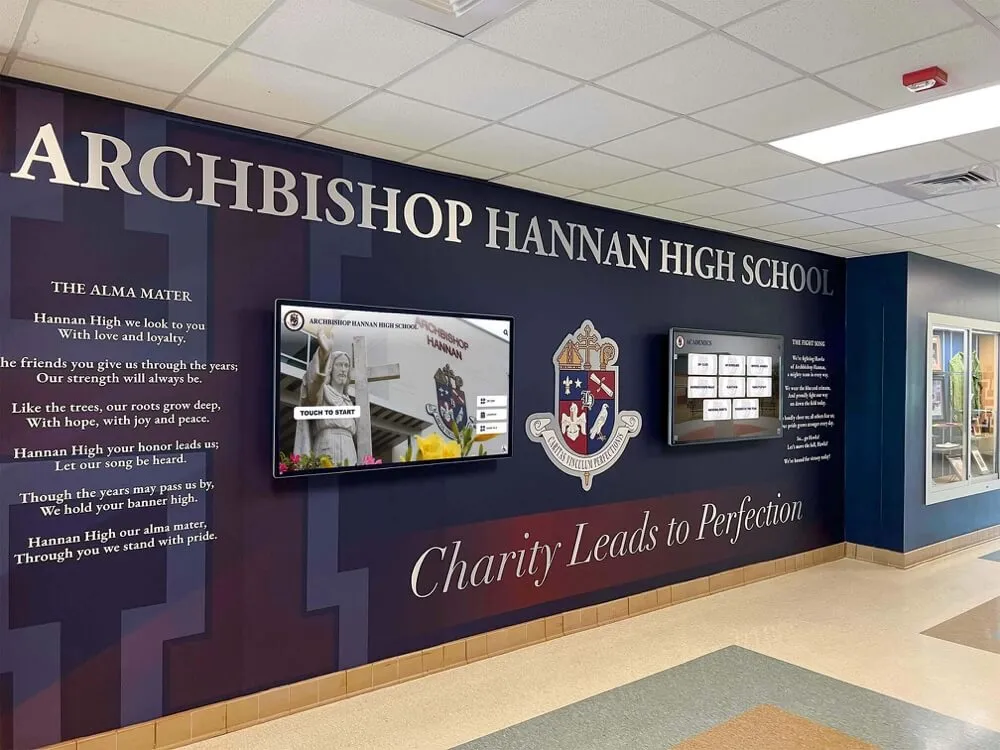
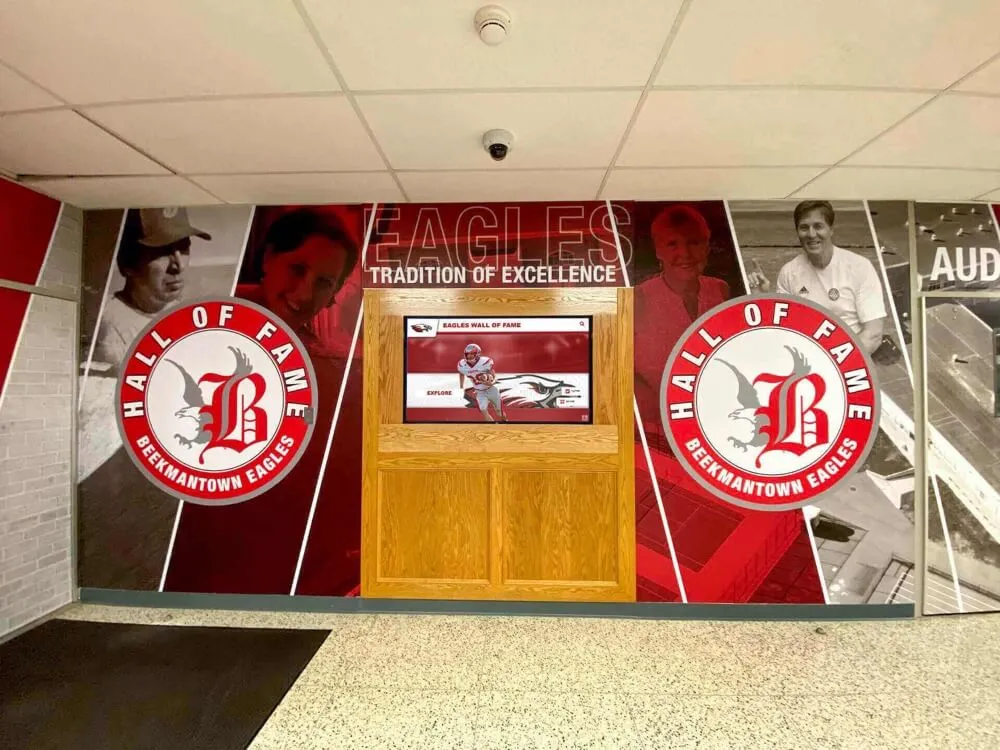
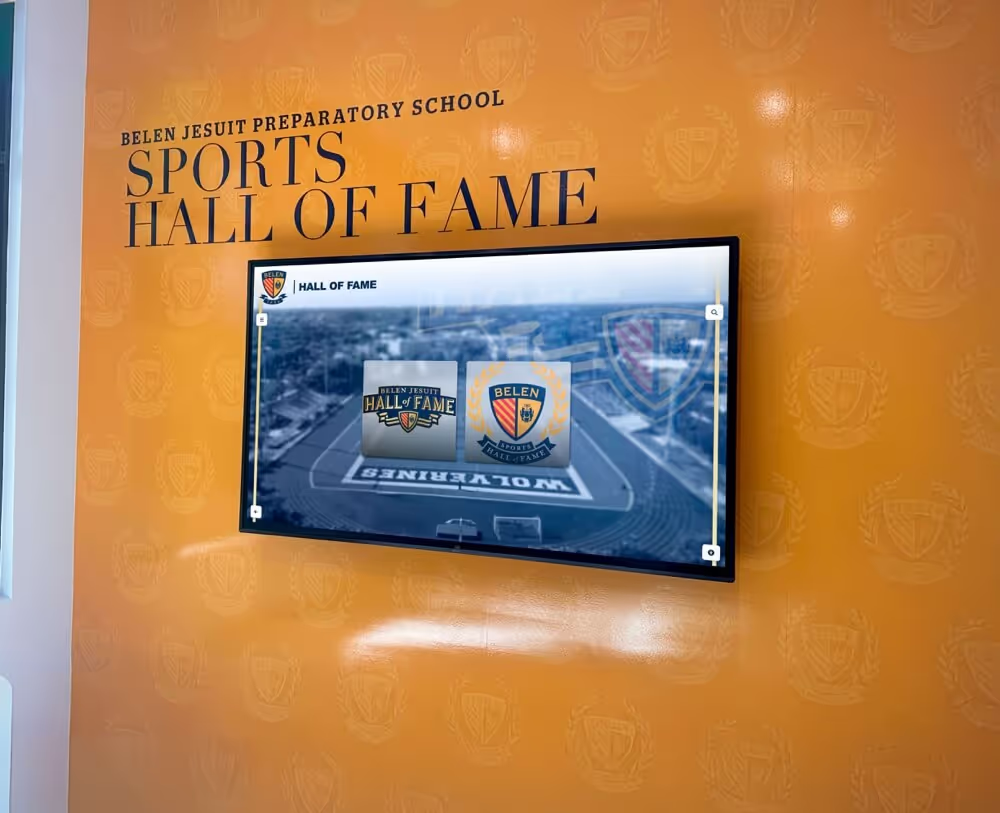
Schools implementing digital walls of fame discover these systems naturally incorporate award recognition alongside hall of fame inductees, record holders, and achievement milestones—creating unified recognition ecosystems.
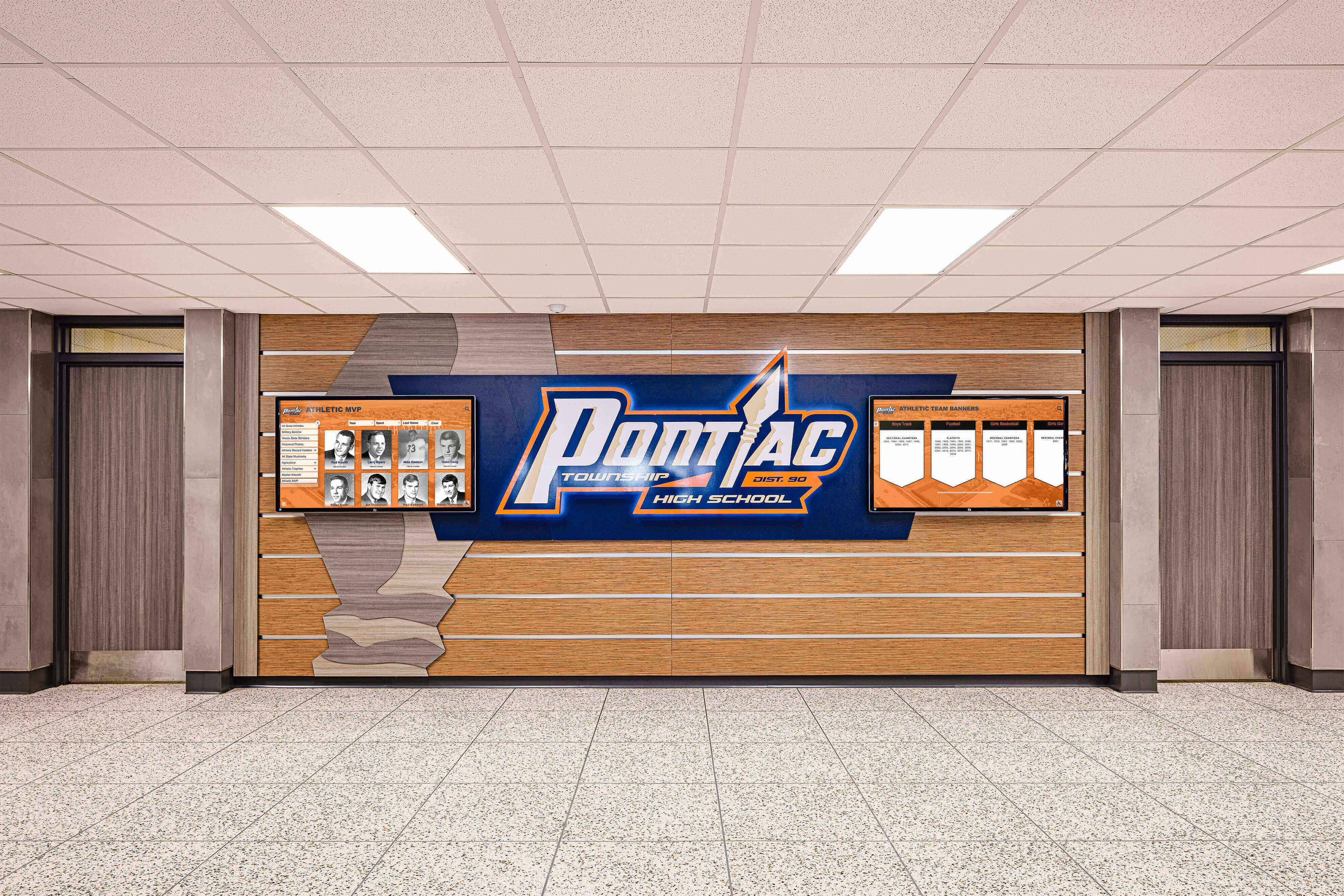
Modern solutions like Rocket Alumni Solutions provide touchscreen display systems specifically designed for comprehensive school recognition programs. These digital platforms honor athletic awards, academic achievements, service recognition, and specialized categories through professional interfaces accessible to students, families, and visitors—preserving institutional achievement history while inspiring current students toward recognition.
Conclusion: Building Meaningful Recognition Cultures
Effective high school awards programs do more than acknowledge individual achievements—they communicate institutional values, inspire student growth, create belonging, and preserve school history. The 50+ award categories explored here represent starting frameworks rather than comprehensive catalogs. Each school should develop recognition systems reflecting unique community values, student populations, and achievement priorities.
The most meaningful awards programs share common characteristics: transparent selection criteria maintaining credibility, diverse recognition categories celebrating varied talents, appropriate balance between inclusive participation and selective achievement standards, memorable presentation ceremonies honoring recipients appropriately, and permanent recognition systems preserving award history across decades.
As schools expand award categories and accumulate historical recipients, digital recognition systems provide sustainable solutions maintaining comprehensive displays without physical space limitations. These modern approaches ensure every deserving student receives permanent recognition while creating professional displays that inspire future classes toward achievement across athletics, academics, service, leadership, and countless specialized categories defining comprehensive school excellence.