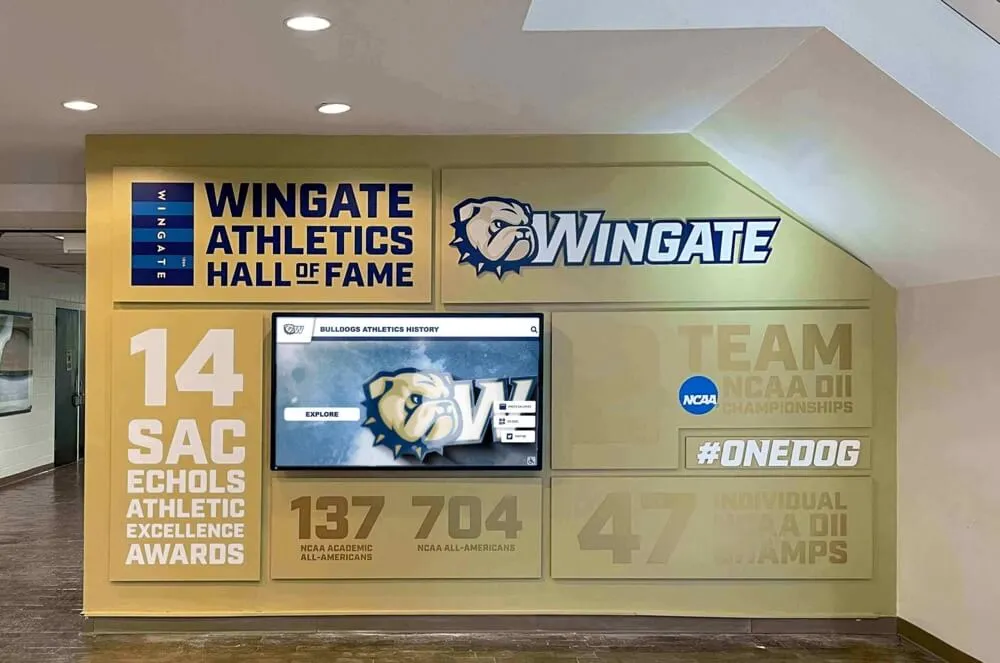




Athletic records represent the pinnacle of performance at any high school—benchmarks that define excellence, inspire future generations, and preserve institutional pride across decades. Yet most schools struggle with fundamental challenges: incomplete record documentation from earlier eras, inconsistent tracking systems across different sports, limited display space for growing achievement lists, and cumbersome update processes whenever records fall. These obstacles mean many deserving athletes never receive appropriate recognition, historical achievements fade from institutional memory, and current students lack visible examples of what excellence looks like in their programs.
Schools that implement comprehensive record management systems solve these problems while transforming how their communities engage with athletic excellence. Effective systems track every meaningful performance metric across all sports, preserve complete historical context including previous record holders, display achievements in accessible formats that inspire rather than gather dust, and enable instant updates when new records emerge. When done well, athletic record keeping becomes more than administrative documentation—it becomes a living tribute to excellence that connects generations of athletes while motivating current competitors to chase history.
Why High School Athletic Records Matter
Athletic records serve multiple critical purposes within high school programs: they establish clear performance benchmarks that define program excellence, inspire current athletes by showing what's possible within their programs, preserve institutional history honoring athletes across multiple generations, build school pride connecting communities to competitive achievement, and create recruiting advantages demonstrating program quality to prospective student-athletes. Modern digital platforms like Rocket Alumni Solutions enable schools to maintain comprehensive record systems that automatically update, preserve unlimited historical data, and display achievements in engaging formats accessible to students, alumni, and communities.
The Complete Scope: What Athletic Records to Track
Comprehensive athletic record systems extend far beyond simple “fastest time” or “most points” documentation—they capture the full spectrum of achievement that defines program excellence across all competitive dimensions.
Sport-Specific Performance Records
Each sport features unique performance metrics that deserve tracking and celebration when athletes reach exceptional levels.
Track and Field Records: Track programs generate extensive record opportunities across dozens of events. Schools should track individual event records for every standard distance (100m, 200m, 400m, 800m, 1600m, 3200m), field event bests in shot put, discus, javelin, long jump, triple jump, high jump, and pole vault, relay team records for 4x100m, 4x200m, 4x400m, and 4x800m configurations, and meet records for conference championships, invitationals, and state competitions.
Beyond raw times and distances, comprehensive systems also document progression records showing improvement from freshman to senior year, multi-event records for athletes excelling across multiple disciplines, and team scoring records for championship meets.
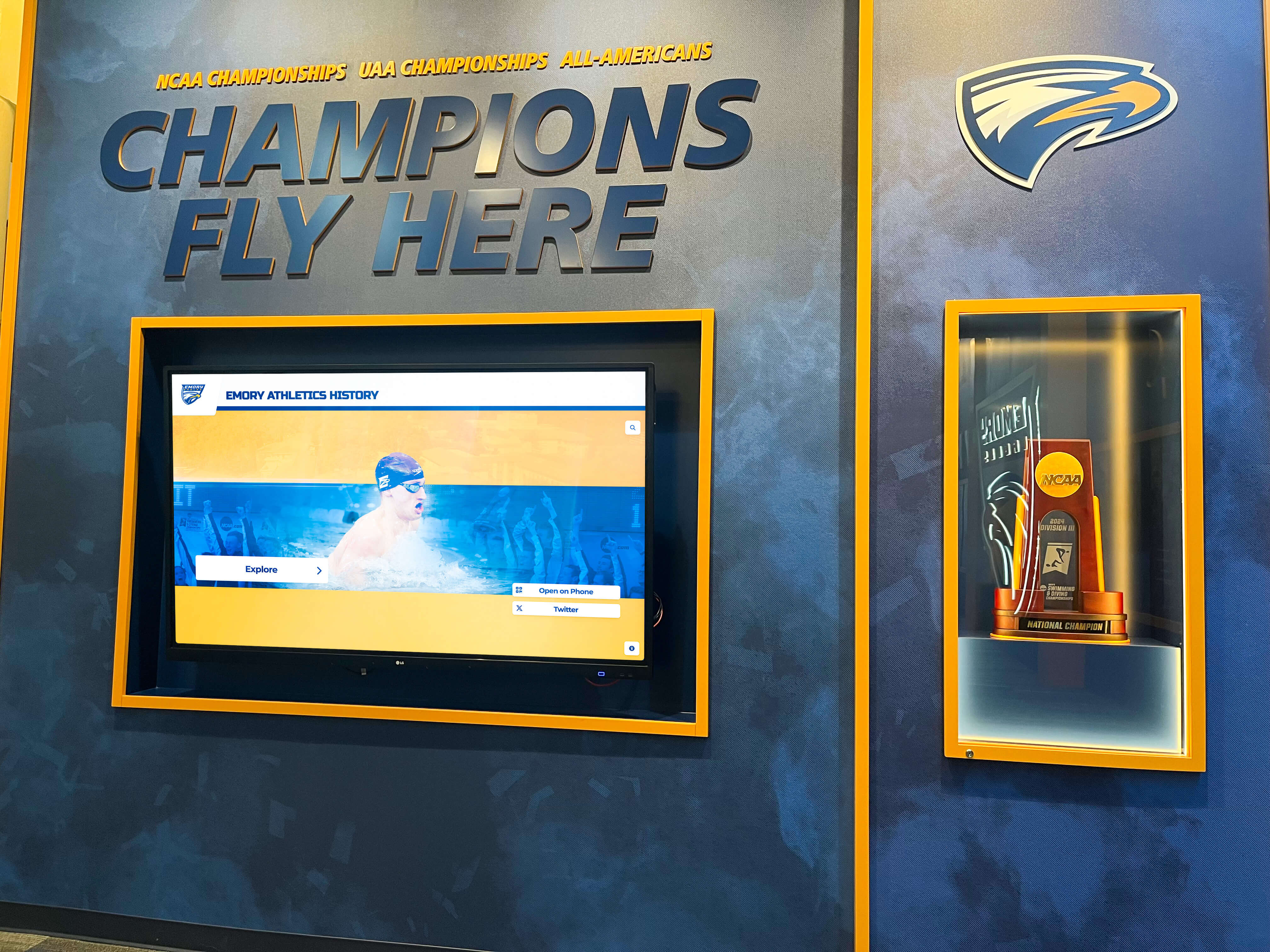
Swimming and Diving Records: Aquatic programs track individual event records across all standard distances and strokes (freestyle, backstroke, breaststroke, butterfly, individual medley), relay records for various team configurations, diving scores for 1-meter and 3-meter competition, and splits documentation showing quarter and half-distance paces that help athletes understand pacing strategies.
Schools with pools often track records both for “home pool” conditions and overall program records regardless of location, since pool depth, lane configuration, and environmental factors can significantly impact performance comparisons across venues.
Team Sport Statistical Records: Basketball, football, soccer, volleyball, and other team sports generate both individual performance records and team achievement benchmarks. Individual records include career and season totals for points scored, assists, rebounds (basketball), rushing yards, passing yards, touchdowns (football), goals, assists, saves (soccer), kills, blocks, digs (volleyball), and various defensive statistics.
Team records encompass season win totals, winning streaks, championship runs, and season-long statistical achievements like fewest points allowed or highest team scoring average. Resources on sport end-of-year awards demonstrate how statistical achievement tracking supports comprehensive recognition programs.
Strength and Conditioning Benchmarks: Weight room records increasingly receive recognition as programs emphasize athletic development. Common tracked lifts include squat, bench press, deadlift, power clean, and snatch maxes, both as absolute weights and pound-for-pound ratios accounting for bodyweight differences.
Progressive tracking showing improvement over training cycles helps document development culture beyond just final numbers. Some programs also track fitness testing results including vertical jump height, 40-yard dash times, pro agility shuttle times, and conditioning benchmarks specific to individual sports.
Academic and Character Recognition
Athletic excellence extends beyond physical performance—comprehensive systems also recognize academic achievement and leadership within athletic contexts.
Academic All-Conference and All-State: Student-athletes maintaining high academic standards while competing deserve recognition alongside pure athletic achievement. Many conferences and state associations designate academic all-conference and all-state honors for athletes meeting GPA thresholds while participating in varsity sports.
Tracking these achievements over time demonstrates program commitment to developing complete student-athletes rather than single-dimension performers. Schools can showcase the correlation between athletic and academic excellence, often finding that top athletic performers also excel academically.
Team Leadership and Sportsmanship Awards: Not every meaningful achievement appears on a stopwatch or scoreboard. Many programs recognize team captains, most valuable players, most improved athletes, and sportsmanship award recipients. While these selections may be subjective, documenting them across years preserves recognition for athletes who exemplified program values even if they didn’t set statistical records.
Approaches to athletic awards categories explore comprehensive frameworks for celebrating diverse forms of excellence.
Post-Secondary Athletic Success: Tracking which athletes continue competing at college levels provides valuable program quality indicators. Documentation should include athletes receiving college athletic scholarships (full and partial), walk-on athletes making collegiate rosters, and athletes competing at various NCAA divisions, NAIA, and junior college levels.
This tracking demonstrates program effectiveness in developing athletes beyond high school competition while providing inspiring examples for current athletes considering collegiate opportunities.
Establishing Effective Record Tracking Systems
Creating reliable, comprehensive record documentation requires systematic approaches that ensure accuracy, consistency, and accessibility across years and coaching changes.
Centralized Record Documentation
Scattered record keeping across multiple coaches’ personal files, outdated physical record boards, and informal institutional memory creates inevitable gaps and inconsistencies. Centralized systems solve these problems.
Digital Record Databases: Modern athletic departments should maintain digital databases serving as definitive sources for all program records. Effective databases include athlete names, graduation years, and sport(s), specific record categories and performance metrics, dates when records were achieved, locations where records occurred, previous record holders and their marks, and supporting documentation like meet results or game statistics.
Cloud-based platforms ensure records remain accessible regardless of staff turnover, technology failures, or physical facility changes. Multiple authorized staff members should have access to prevent single-point-of-failure scenarios where one coach’s departure means lost historical knowledge.
Documentation Standards: Consistency in how records are documented ensures comparability across eras and prevents disputes about legitimate records. Standards should specify required verification (official meet results, game statistics from verified sources), measurement precision (hand-timed vs. fully automatic timing for track, official game statistics vs. unofficial tallies), and qualifying conditions (practice performances vs. competition results, relay configurations, weight class specifications).
Clear documentation standards also address edge cases like performances achieved at non-standard venues, records set before current tracking systems existed, and how to handle performances achieved under different rule sets if sport regulations have changed over decades.
Verification and Validation Processes
Athletic records require verification ensuring accuracy and legitimacy—false records undermine entire system credibility.
Primary Source Verification: All records should trace to verifiable primary sources rather than relying on memory or hearsay. For track and field, swimming, and cross country, official meet results from timing companies or host schools provide verification. Team sports require game statistics from official scorebooks, newspaper coverage, or state association records.
When establishing records for earlier eras lacking digital documentation, schools should accept multiple forms of corroborating evidence: newspaper articles from local coverage, archived program notes or media guides, yearbook documentation, and consistent accounts from multiple reliable sources.
Ongoing Review Processes: As new records emerge, athletic directors or designated record keepers should verify performances before official recognition. This includes confirming timing systems met standards (fully automatic vs. hand-timed), ensuring performances occurred under legal conditions (wind readings for sprint and jump events, proper relay exchange zones), and validating that performances meet sport-specific rule requirements.
Annual record reviews ensure databases remain current and accurate, incorporating newly achieved records while verifying that historical records still reflect best available documentation.
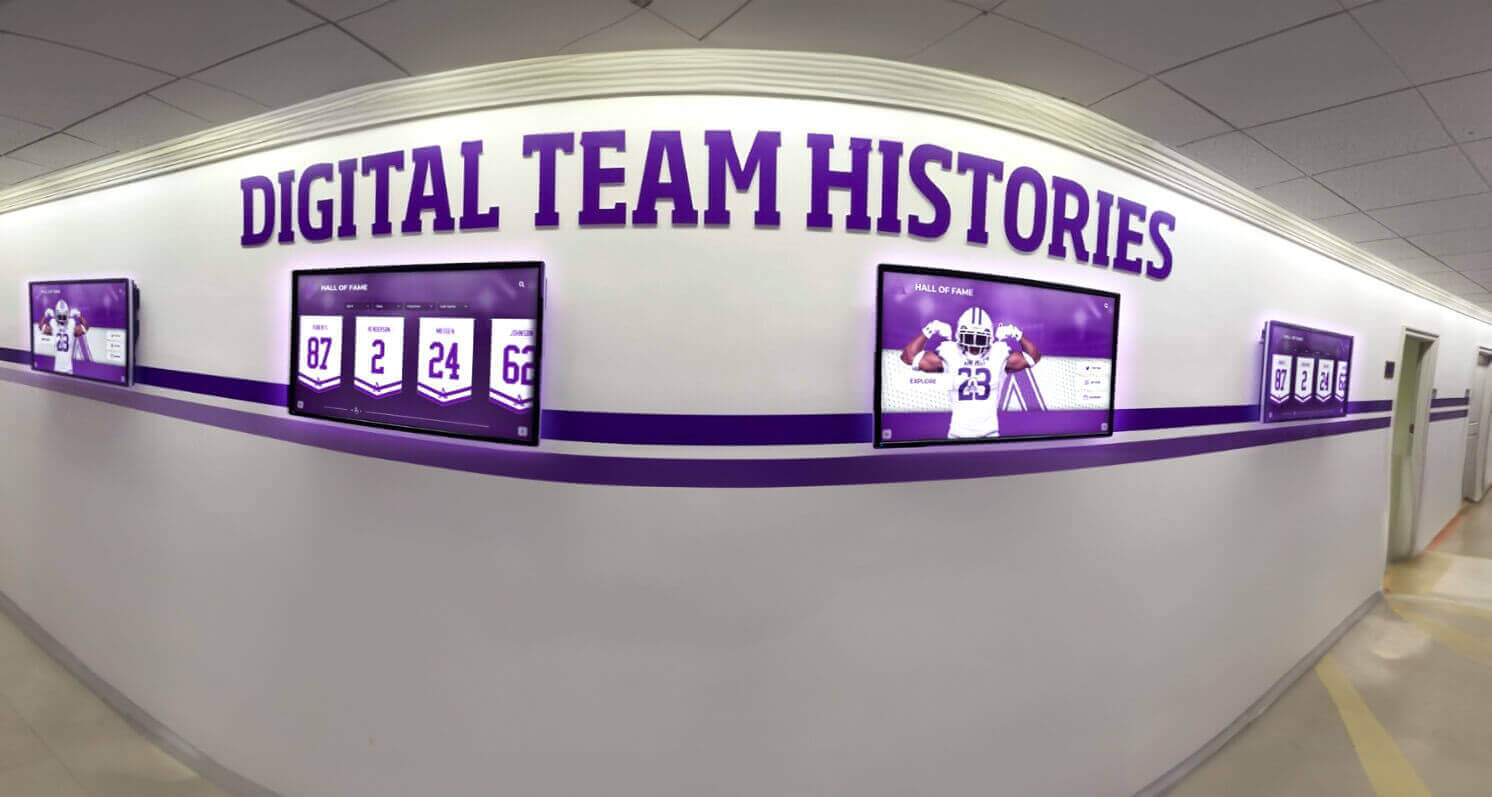
Cross-Sport and Historical Standardization
Maintaining records across multiple sports and many years requires standardization addressing unique challenges each dimension creates.
Handling Evolution in Timing and Measurement Technology: Athletic measurement technology has evolved dramatically, particularly in track and field where fully automatic timing (FAT) has replaced hand-timing. FAT times typically run 0.24 seconds slower than hand-times for the same performance, making direct comparisons between eras problematic.
Schools should maintain separate record categories for different timing methods or apply accepted conversion formulas when comparing across timing eras. Similar considerations apply to swimming (touchpad vs. manual timing), field events (electronic vs. manual distance measurement), and other sports where measurement precision has improved over decades.
Addressing Rule Changes Across Eras: Many sports have experienced significant rule changes affecting performance comparisons. Basketball introduced the three-point line. Football has modified overtime rules, scoring systems, and season lengths. Track has changed hurdle heights and starting block regulations.
When rule changes substantially affect performance potential, schools may choose to maintain era-specific record categories or note rule contexts when displaying records so current athletes understand historical achievement contexts.
Multi-Class and Combined Program Records: Schools with multiple competitive classifications (varsity, junior varsity, freshman teams) or those that have consolidated with other schools face questions about record hierarchy. Clear policies should specify whether records track across all competitive levels or maintain separate varsity records, how consolidation affects record attribution, and whether co-ed participation in traditionally single-gender sports requires separate record categories.
Modern Display Options: From Traditional to Digital
How schools display athletic records significantly impacts their motivational value, accessibility, and long-term maintenance requirements.
Traditional Physical Record Boards
Physical record boards have served schools for generations, offering tangible presence and traditional aesthetic appeal with important limitations to consider.
Permanent Wall-Mounted Boards: Traditional engraved or vinyl-lettered record boards mounted in gyms, pools, or athletic facilities provide constant visibility for athletes training in those spaces. Well-designed boards create impressive visual statements celebrating program excellence.
However, permanent boards face fundamental constraints: limited space restricts how many records can display, updates require professional engraving or vinyl work creating expense and delay, mistakes become permanent or require costly correction, and format rigidity prevents expanding categories as programs evolve.
Most significantly, physical boards cannot accommodate the complete scope of achievable records—schools must choose which accomplishments receive limited display space and which remain documented only in filing cabinets or digital archives.
Rotating Display Cases: Some schools use glass display cases with changeable placards allowing easier updates than permanent engraved boards. This approach offers more flexibility for seasonal sports rotation and easier correction of errors.
Yet rotating displays still constrain total recognition capacity, require manual updating whenever records fall, and depend on staff remembering to make changes—meaning record boards often become outdated, undermining their credibility and motivational impact.
Digital Record Board Solutions
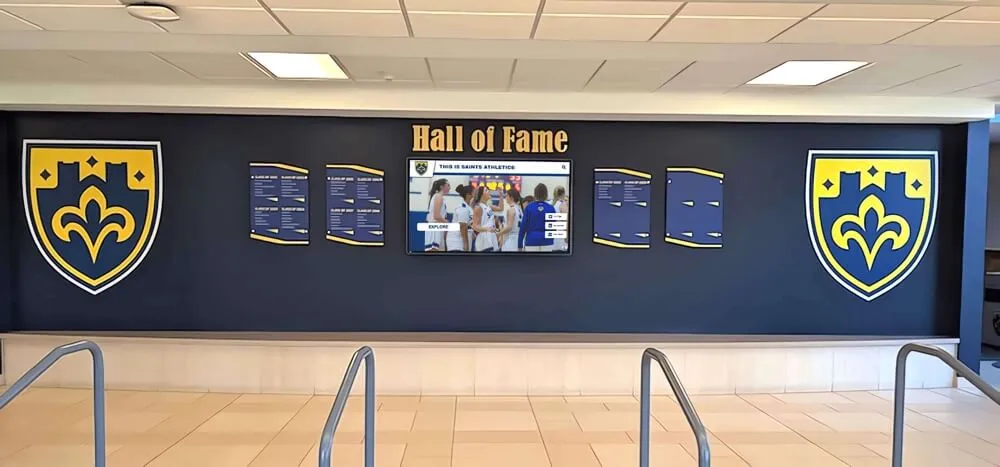
Digital platforms eliminate capacity constraints while offering engagement features and update efficiency impossible with physical displays.
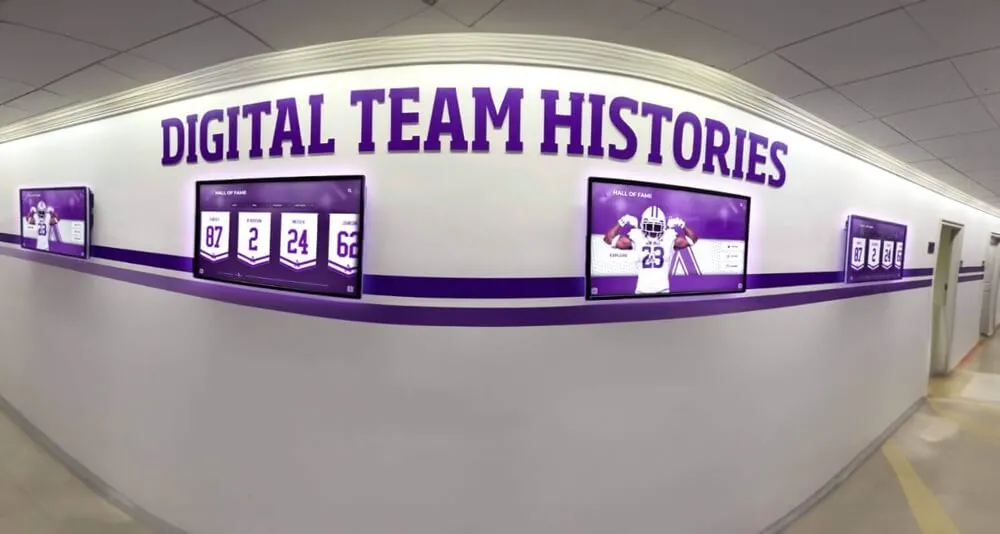
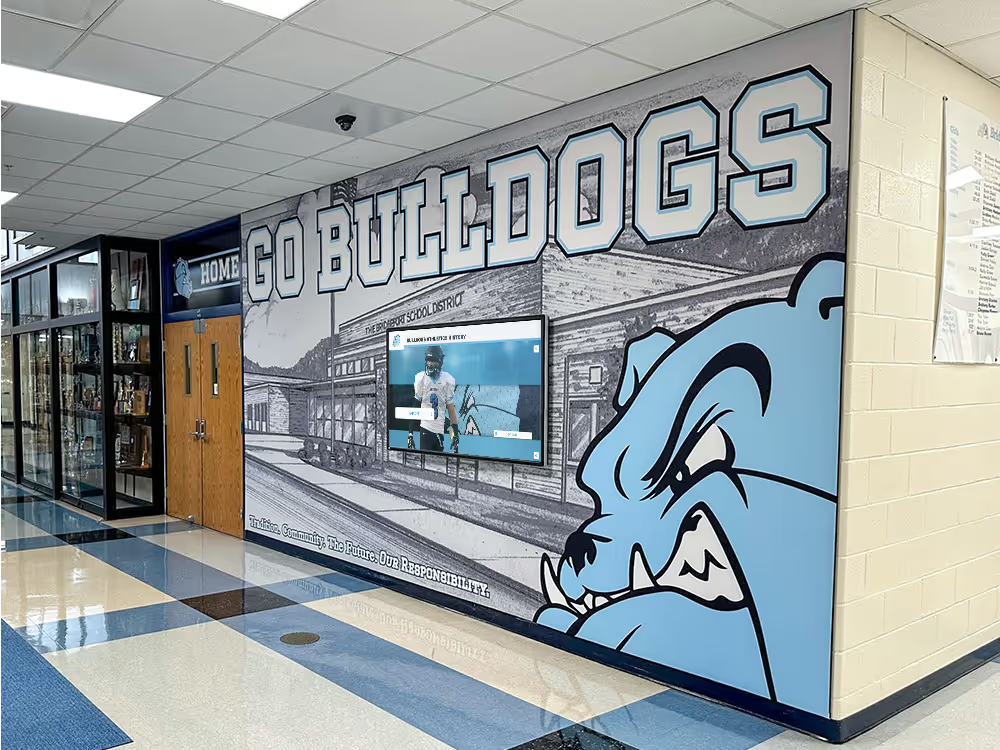
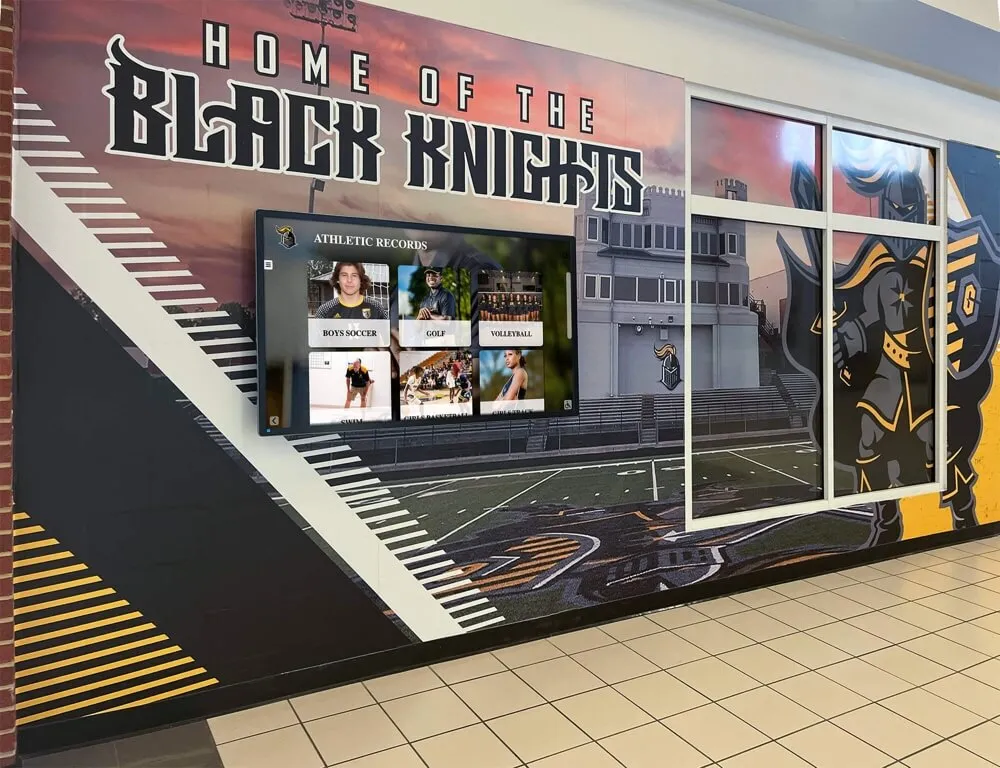
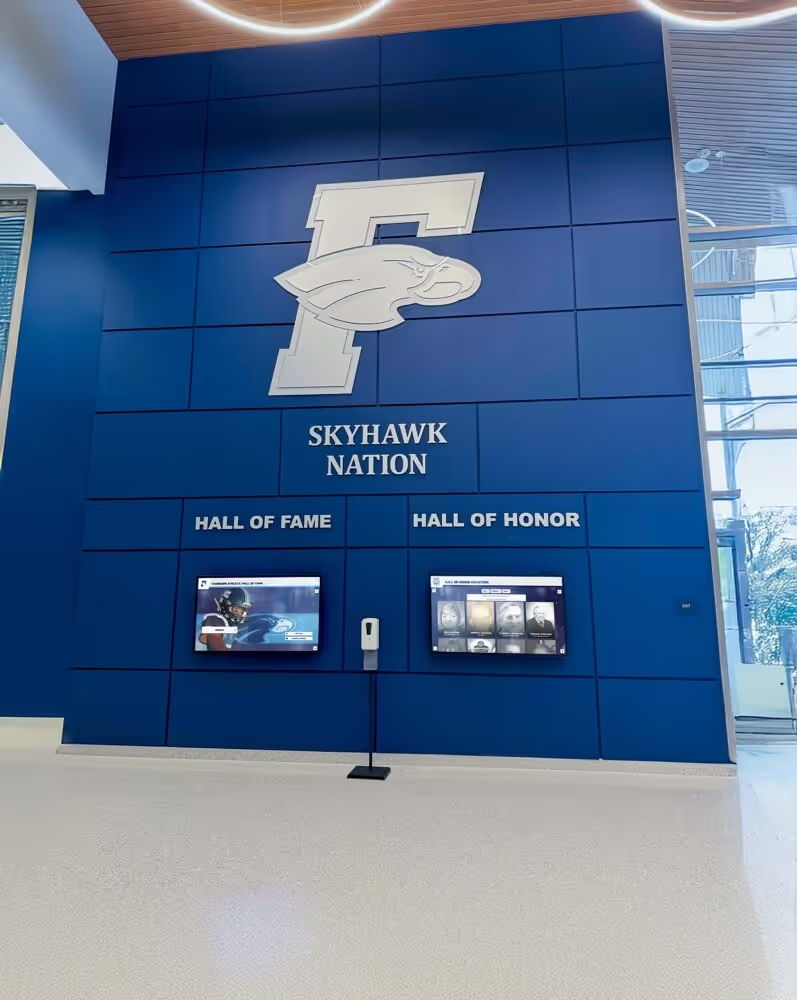
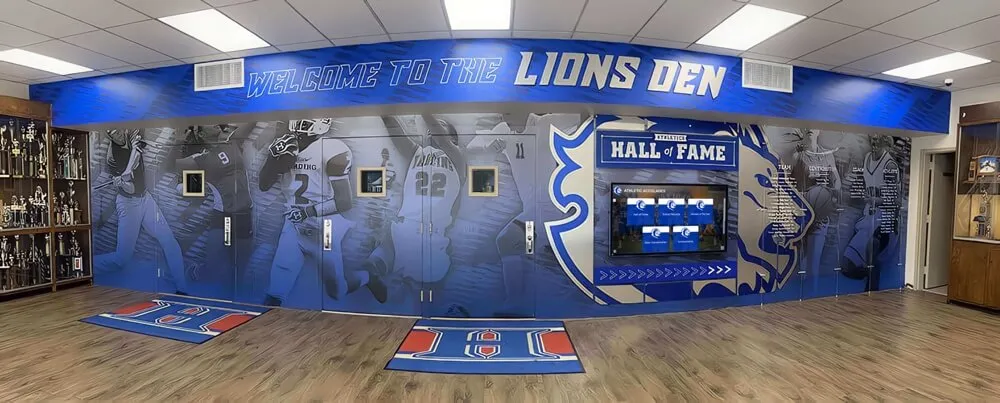
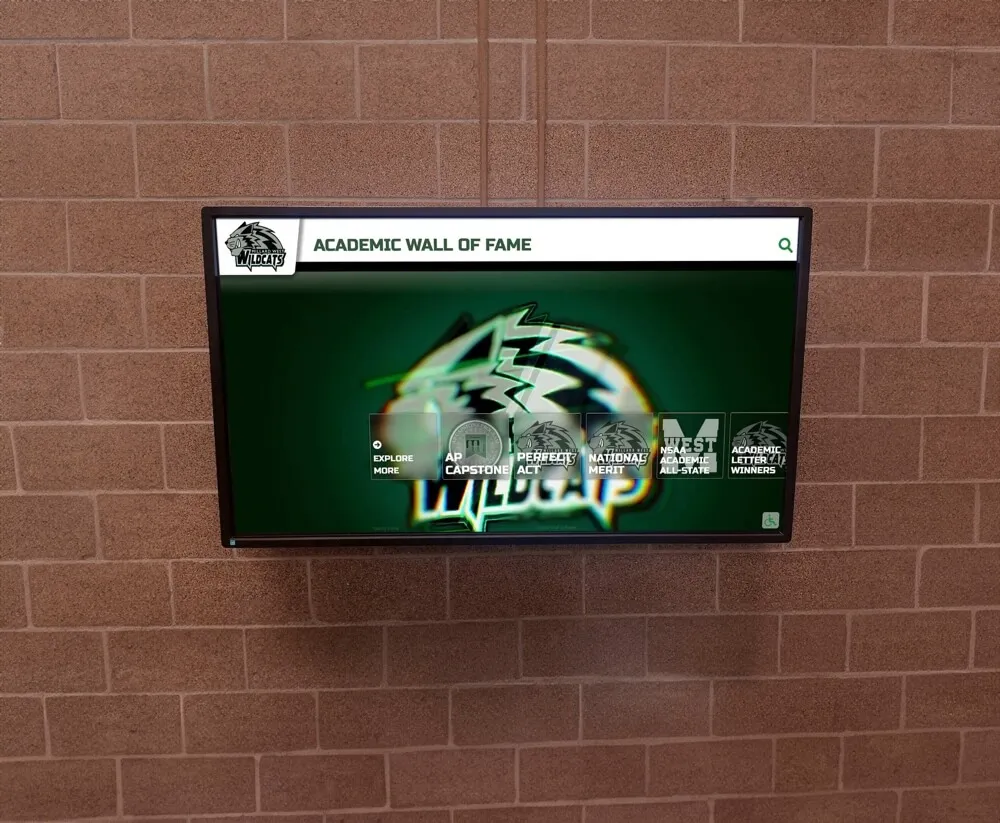
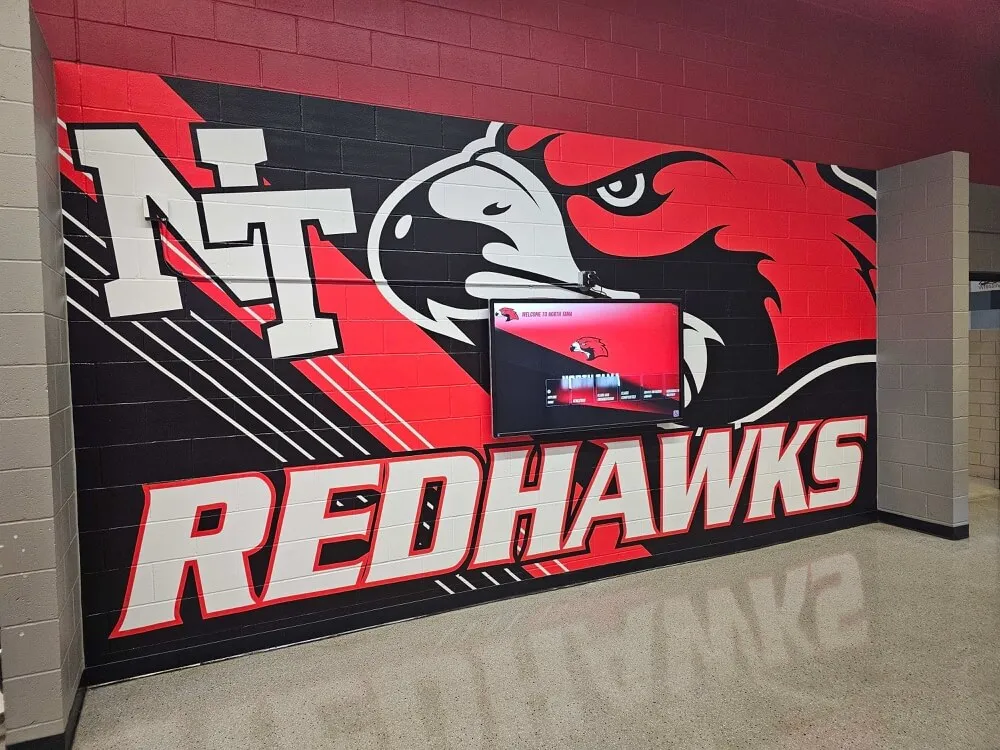
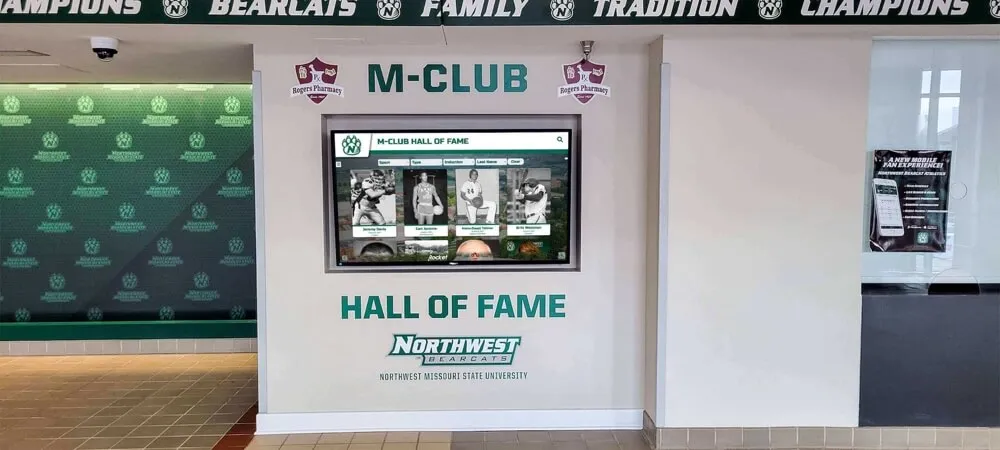
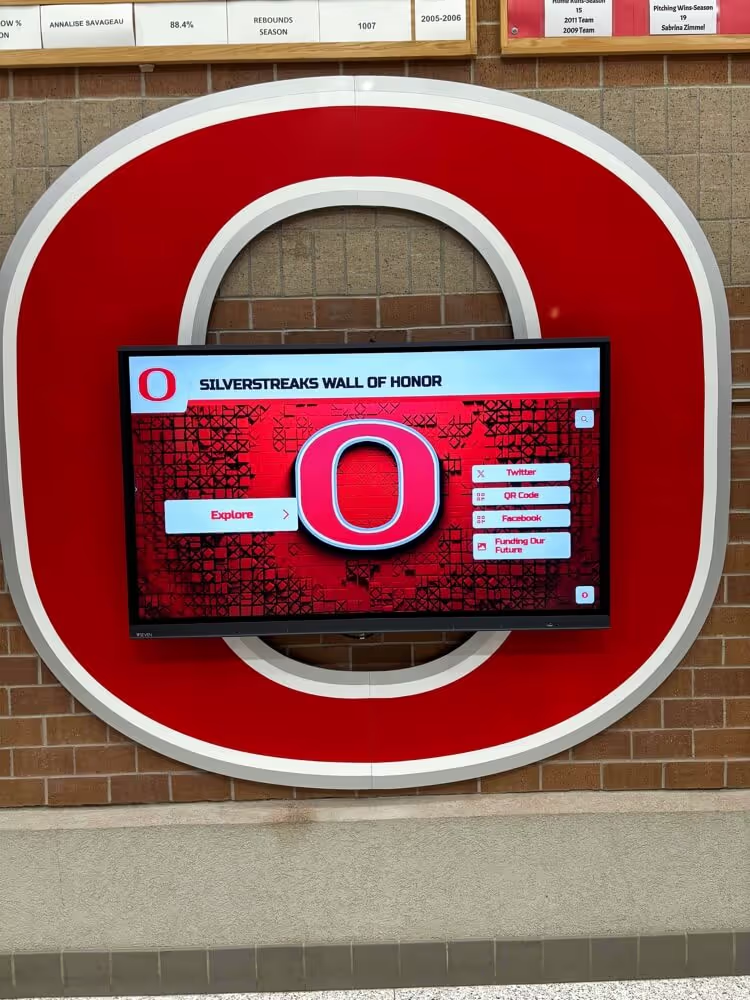
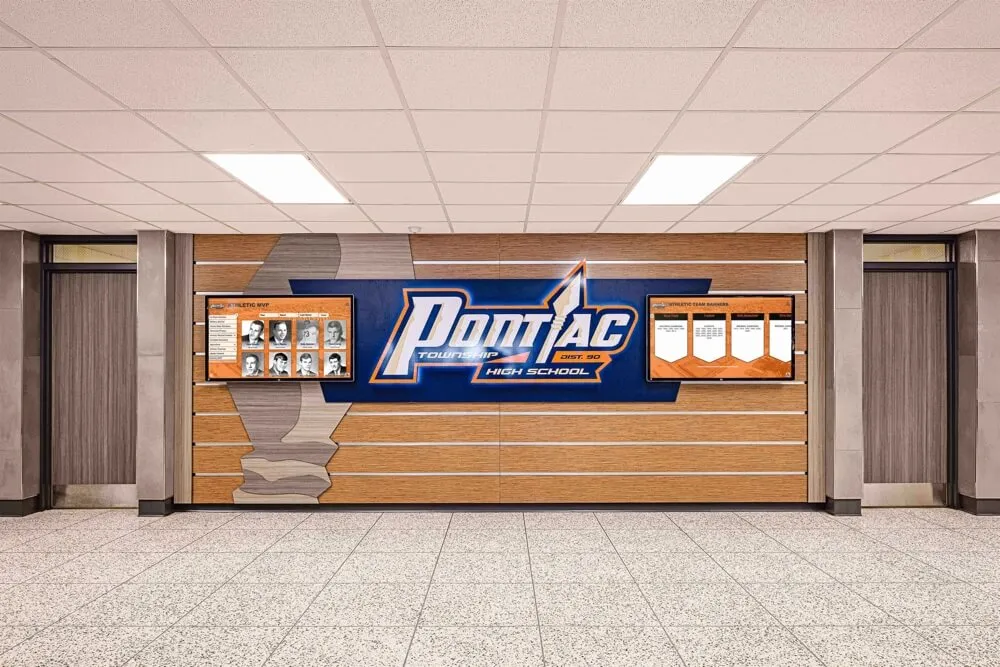
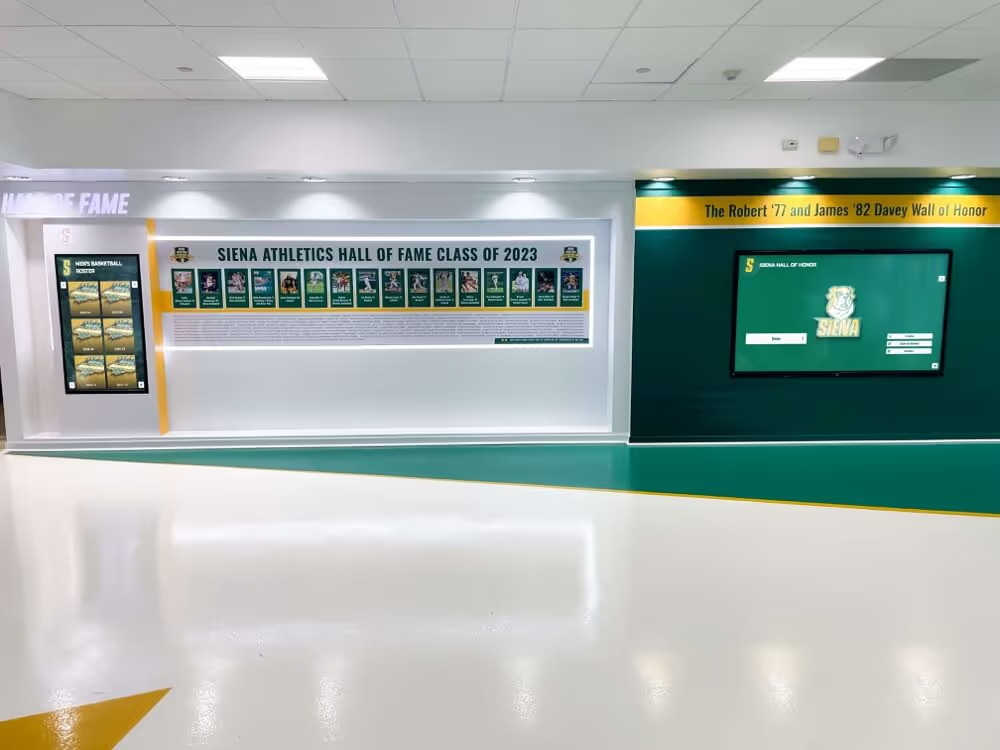
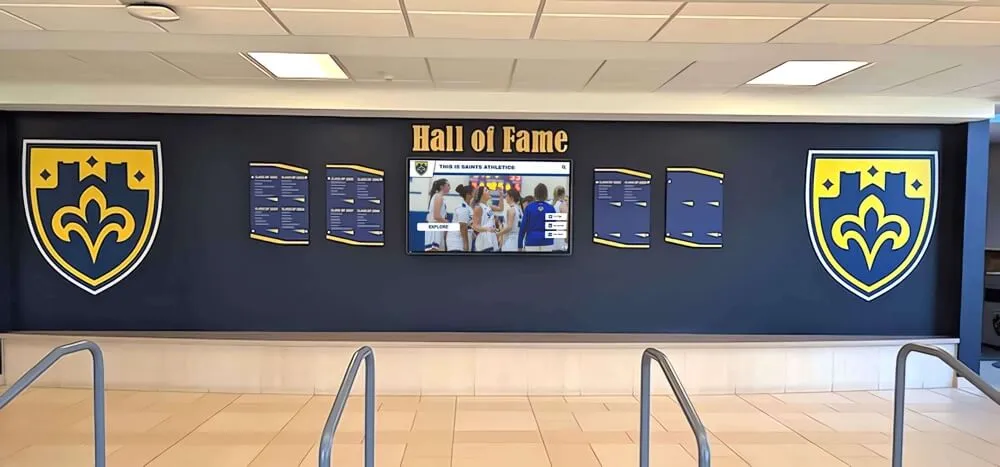
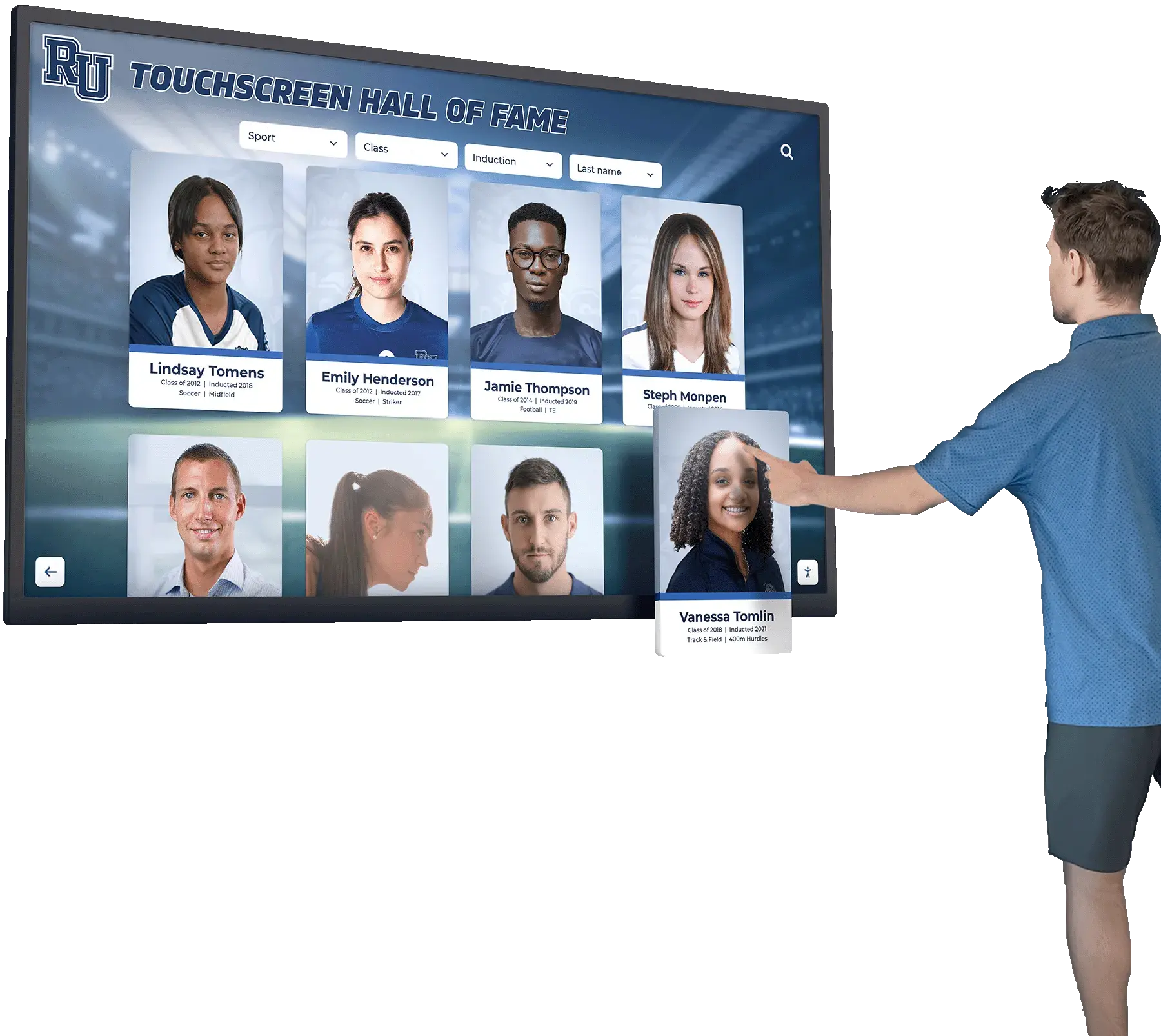
Unlimited Recognition Capacity: Digital record boards can showcase comprehensive records across all sports, all performance categories, and unlimited historical depth. Instead of choosing which 20-30 records display on limited wall space, schools can maintain complete record documentation for every sport category.
This unlimited capacity means every record holder receives recognition regardless of when their achievement occurred or how many others have set records since. Athletes from decades past remain visible alongside current record holders, preserving institutional history rather than erasing it as new achievements emerge.
Instant Update Capability: When records fall, authorized staff can update digital displays within minutes from any internet-connected device. Athletic directors log into cloud-based platforms, enter new record details with photos and context, and publish changes appearing immediately on connected displays.
This eliminates the weeks or months required for traditional board updates while ensuring record recognition happens while achievement excitement remains high. Friday night records can receive complete recognition by Saturday morning when athletes, families, and communities still focus on the accomplishment.
Automatic Ranking and Comparison Features: Advanced digital platforms can automatically rank performances, showing not just current record holders but also second through tenth best performances. This expanded recognition motivates athletes approaching but not yet at record levels while documenting deep performance history.
Digital systems can also display progression tracking showing how records have improved over decades, historical timelines placing records in program history context, and comparative rankings showing how school records compare to conference, state, or national standards.
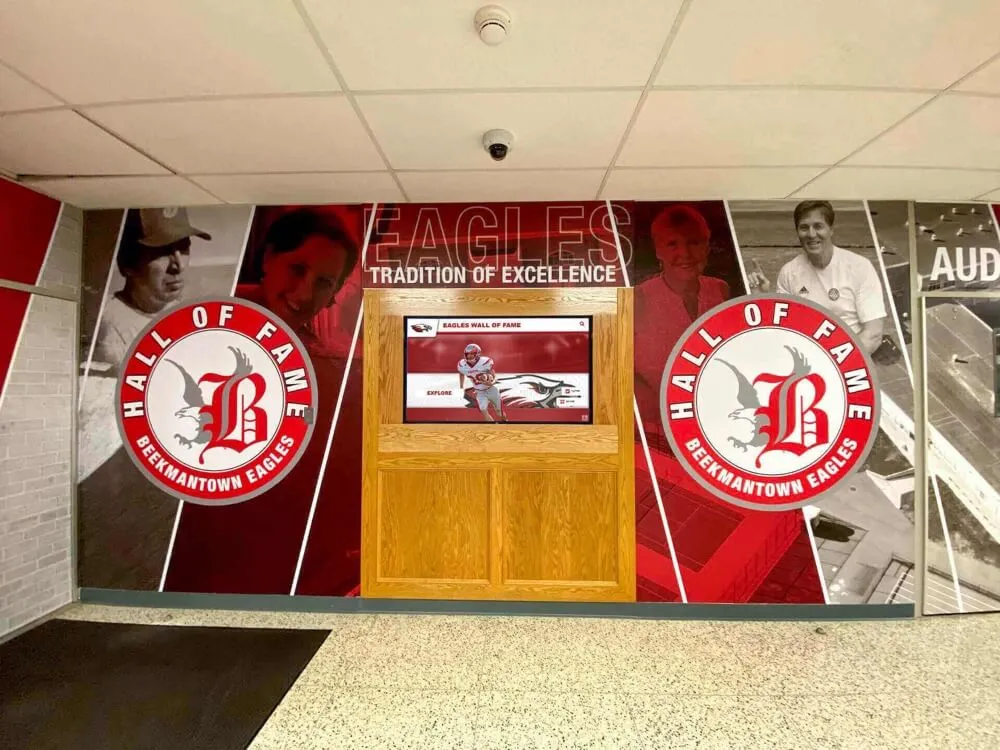
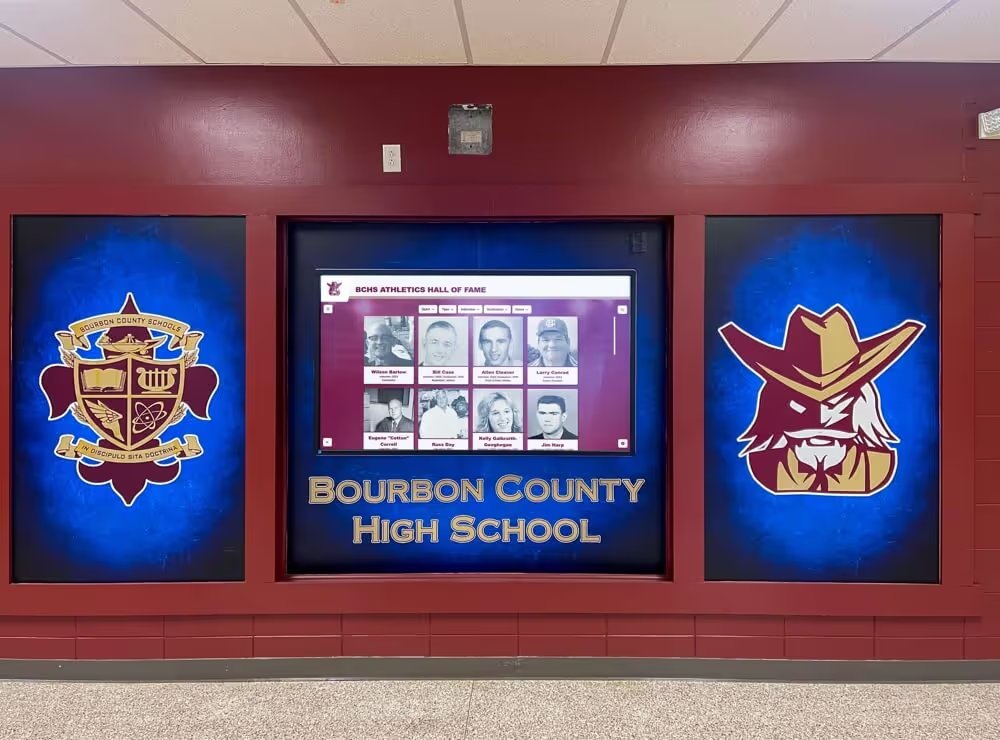
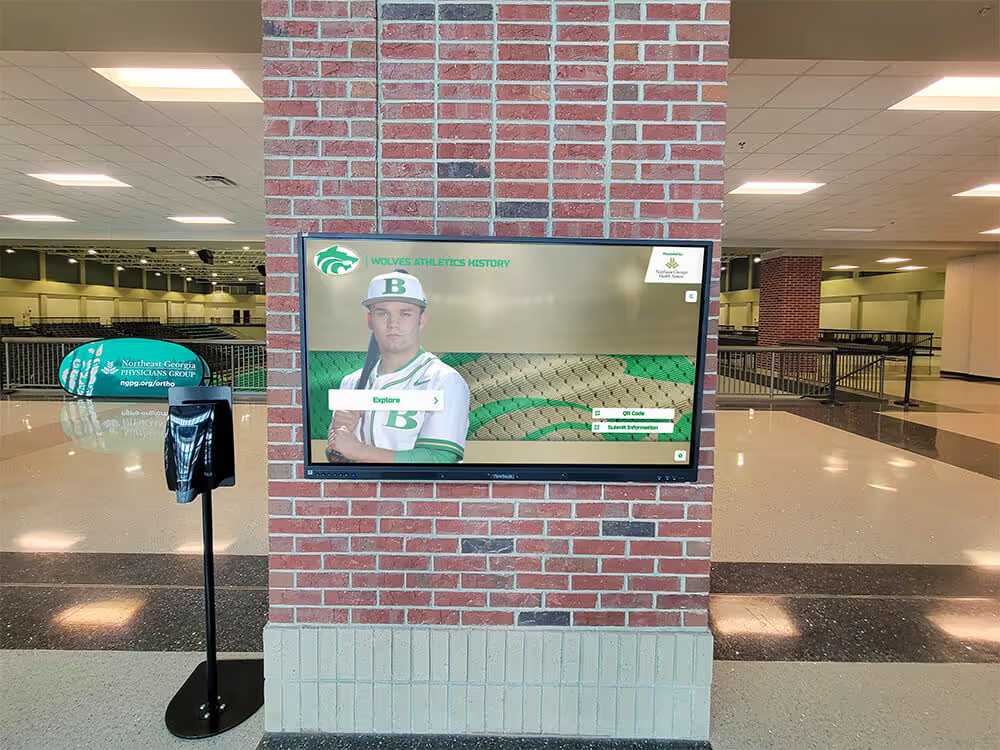
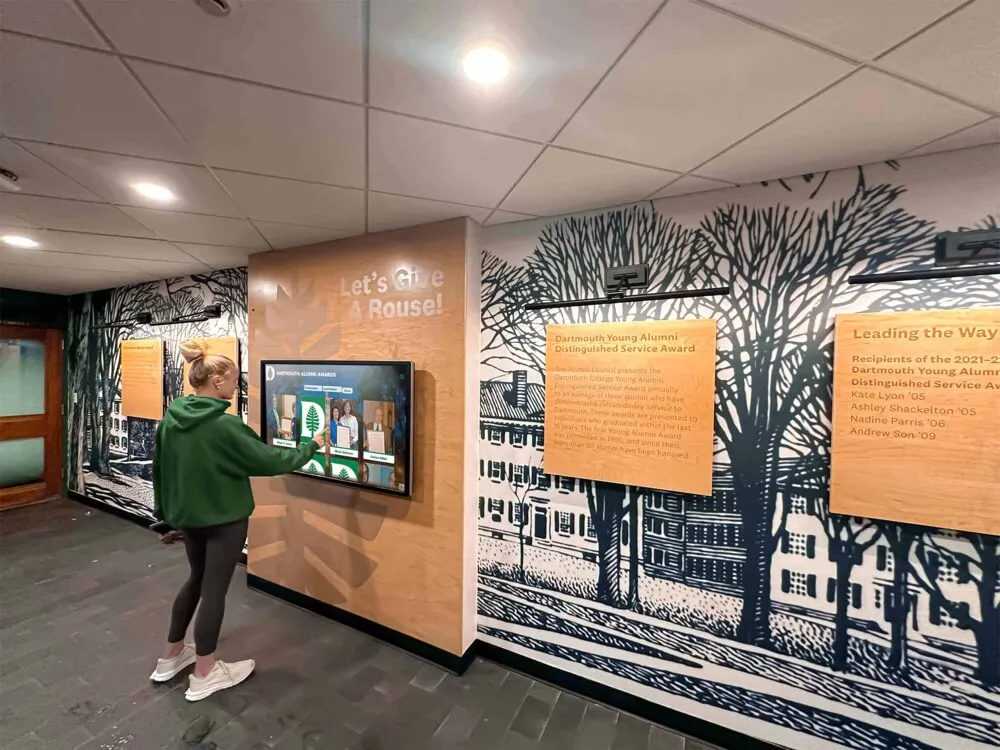
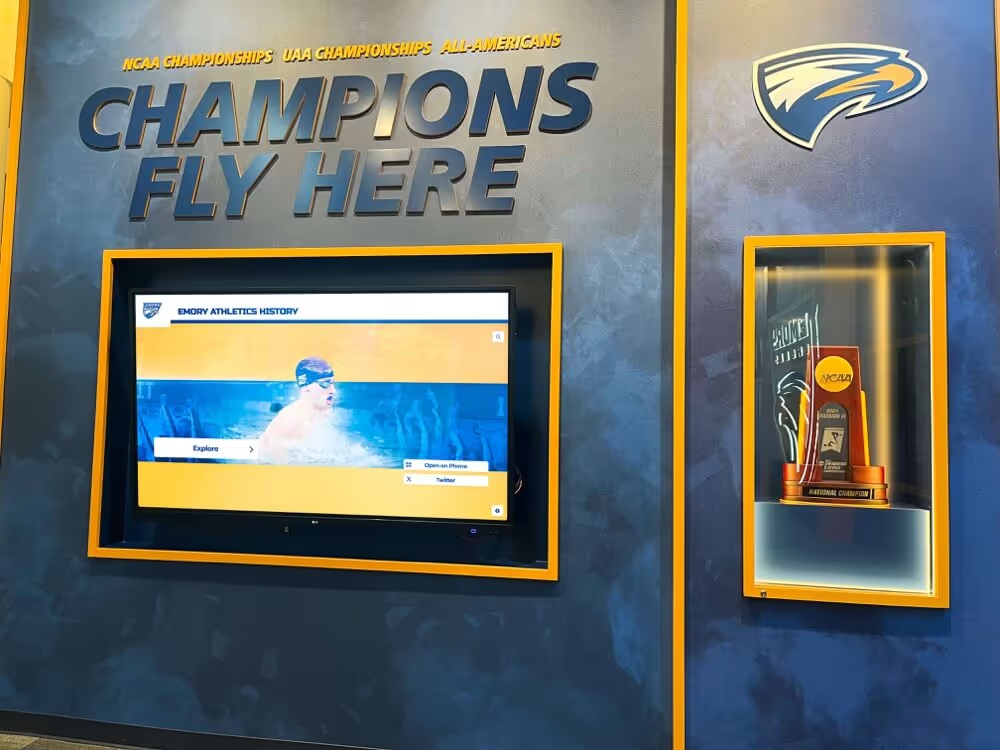
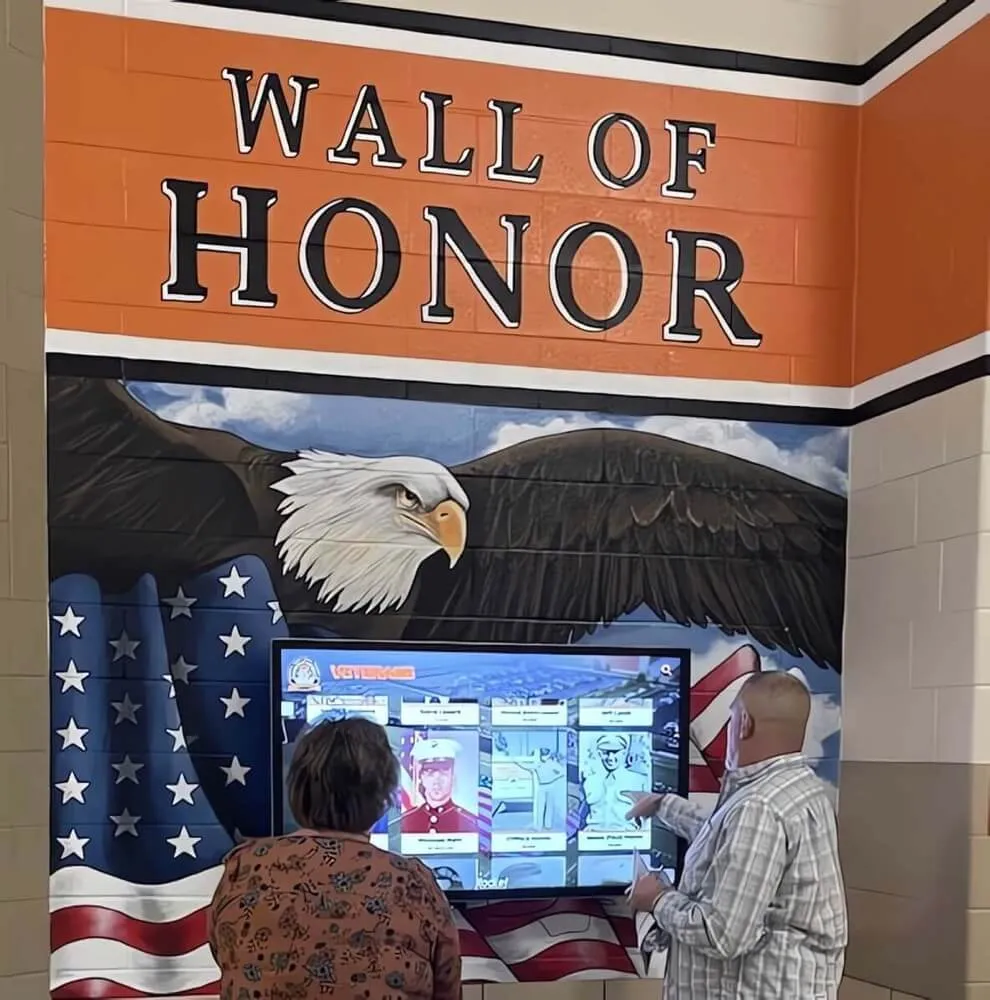
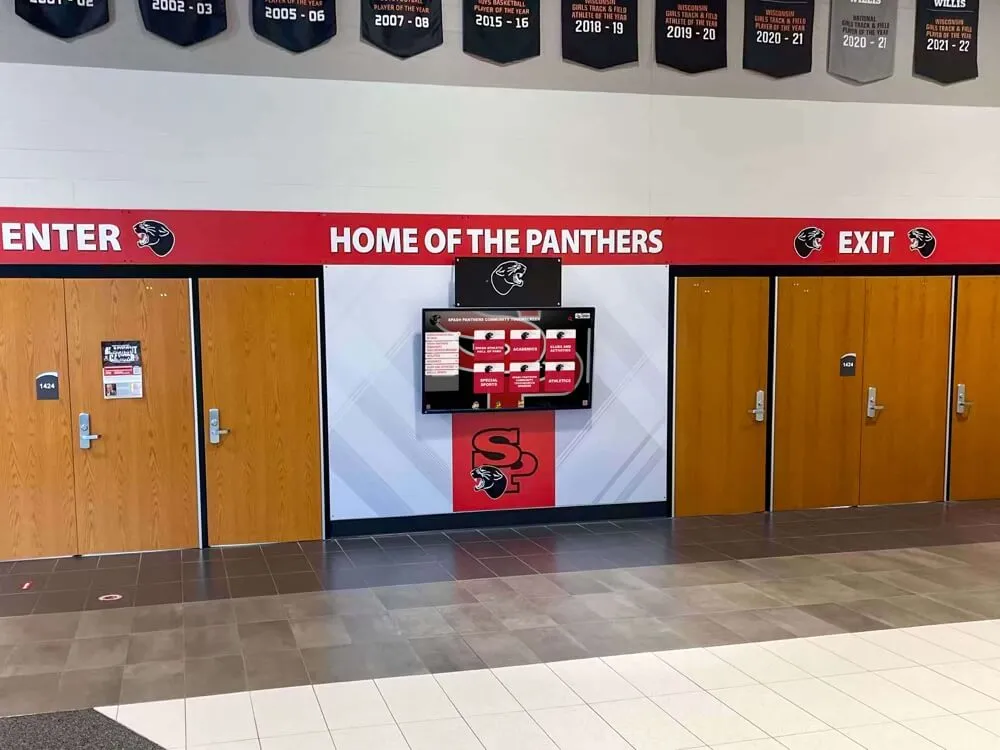
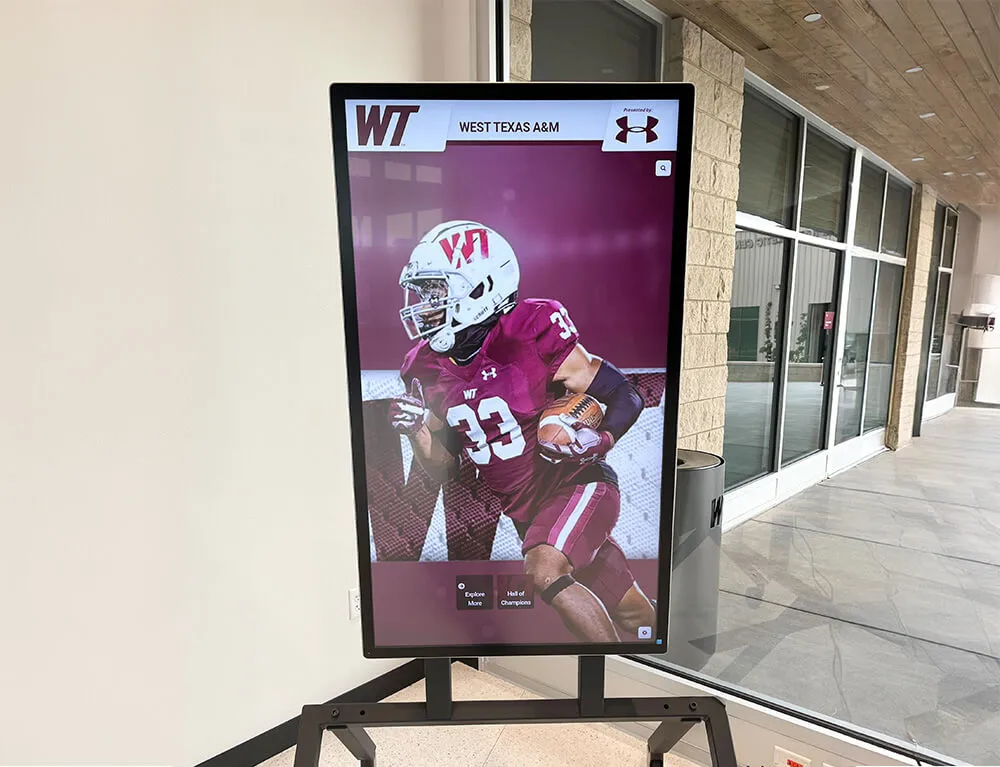
Comprehensive guides to digital touchscreen athletic building displays explore implementation strategies for modern record board technology.
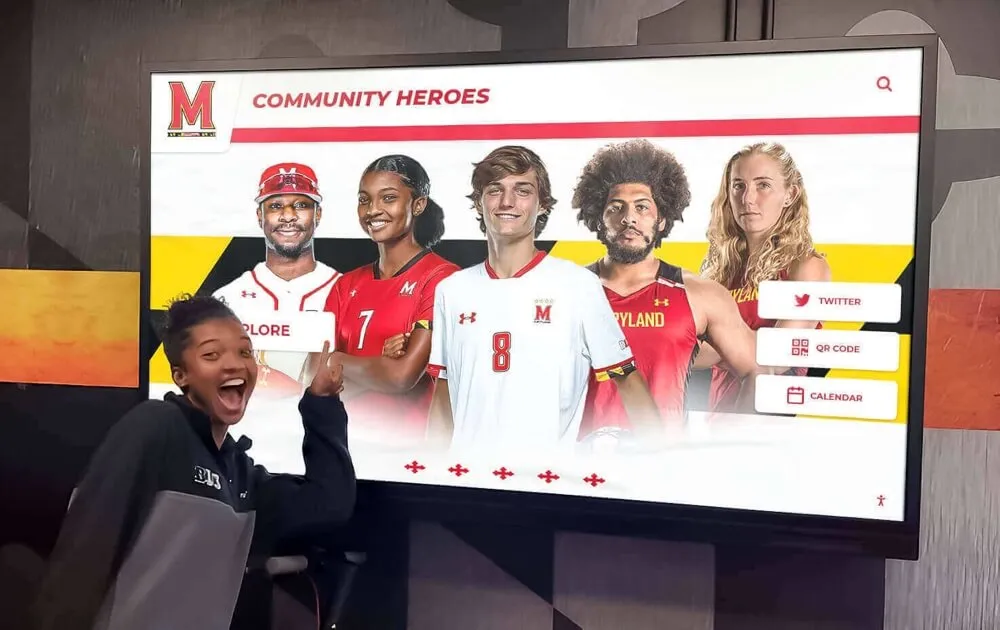
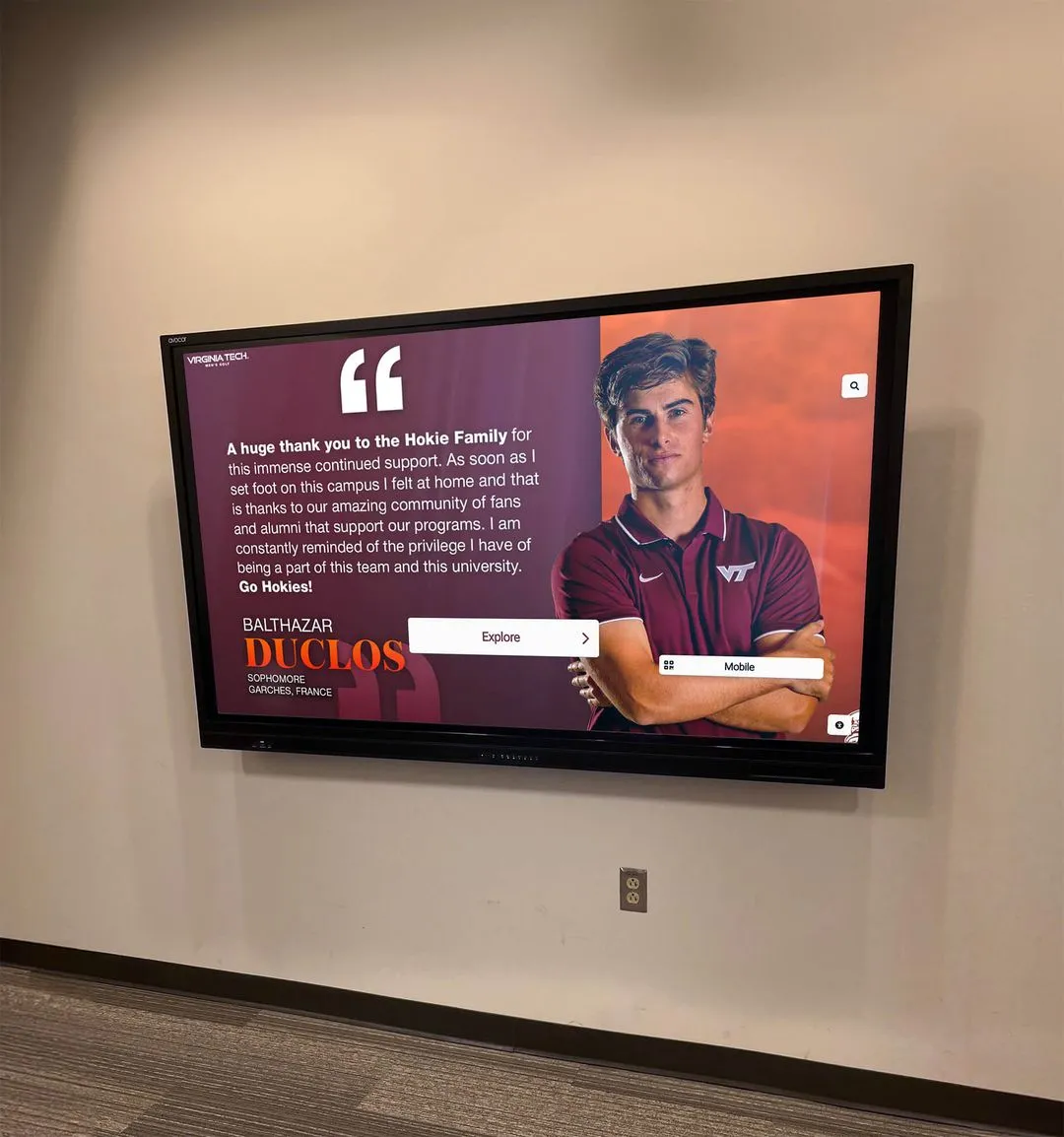
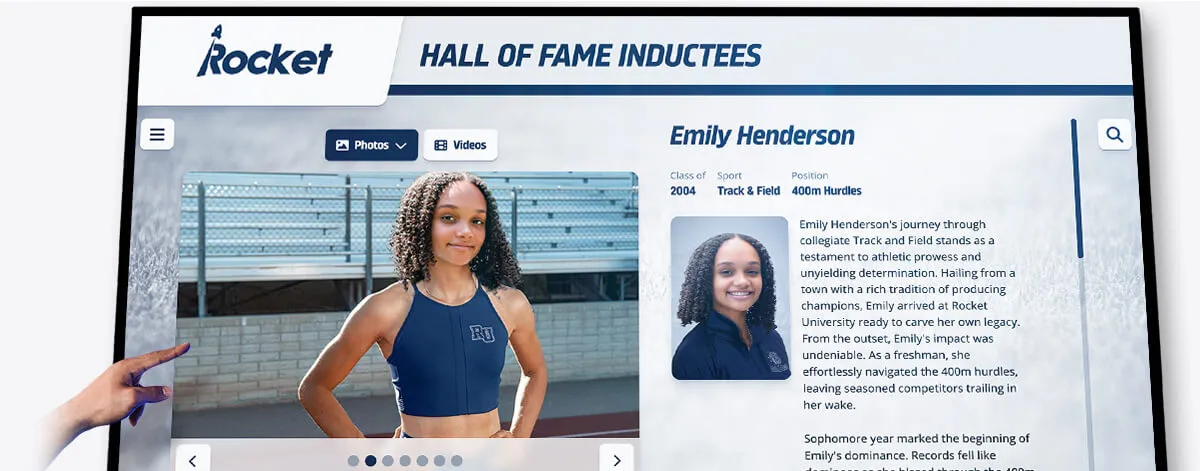
Enhanced Engagement Through Multimedia: Digital platforms support rich multimedia storytelling impossible with traditional boards. Record displays can include athlete photos from record-setting performances, video clips of record achievements, athlete quotes about their performances, coaching commentary providing context, and links to complete meet results or game statistics.
This multimedia depth creates engagement far exceeding simple name-and-number listings, helping current athletes understand the effort and excellence record-setting performances require.
Hybrid Approaches Combining Traditional and Digital
Many schools implement hybrid strategies maintaining traditional aesthetic elements while gaining digital system benefits.
Complementary Display Systems: Schools might install digital displays for comprehensive, current record tracking while preserving traditional engraved boards honoring historical milestones or championship achievements. This approach respects tradition while gaining modern functionality.
Digital systems handle frequently changing content like current season leaders, recent record performances, and detailed athlete profiles. Traditional elements provide permanence for select landmark achievements like championship seasons, retired numbers, or hall of fame recognition.
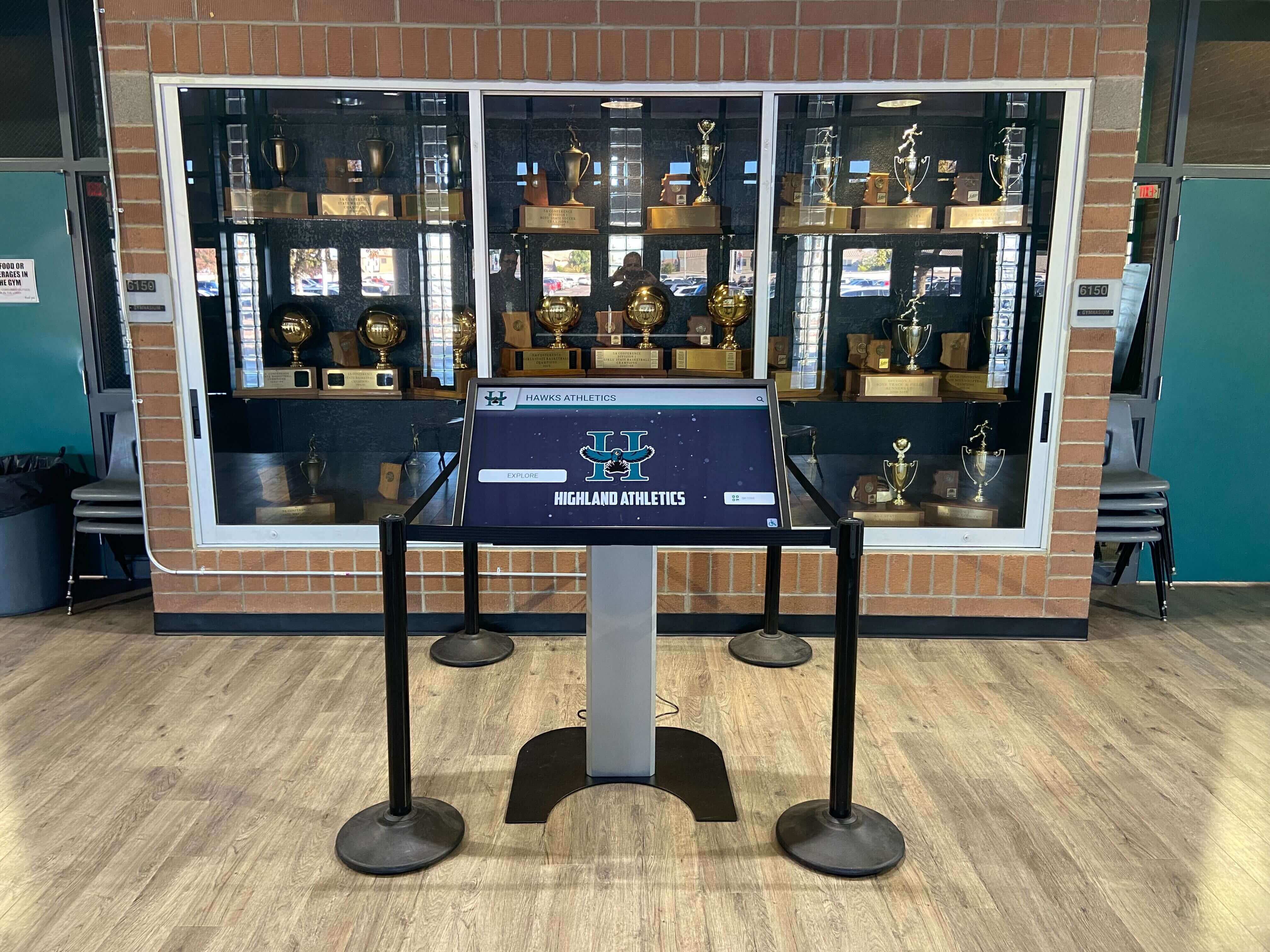
Digital Enhancement of Physical Spaces: QR codes placed near traditional trophy cases or record boards can link to digital platforms with expanded content. Athletes, alumni, and visitors viewing physical displays can scan codes accessing complete athlete profiles, video content, historical context, and related achievements on their personal devices.
This approach extends recognition reach beyond physical display limitations while maintaining traditional facility aesthetics some communities prefer.

Updating Records: Processes and Best Practices
Systematic update processes ensure record systems remain current, accurate, and valuable rather than becoming outdated relics undermining their credibility.
Establishing Clear Update Responsibilities
Successful record maintenance requires designated ownership preventing diffusion of responsibility where everyone assumes someone else handles updates.
Designated Record Keeper Role: Schools should assign specific staff members—typically athletic directors, assistant athletic directors, or athletic administrative assistants—as official record keepers responsible for maintaining documentation, verifying new records, updating display systems, and ensuring historical accuracy.
Written position descriptions should explicitly include record keeping responsibilities preventing these duties from becoming informal add-ons that receive insufficient attention during busy seasons.
Sport-Specific Coach Responsibilities: While centralized record keeping ensures consistency, individual coaches should report potential records from their programs to designated keepers. Coach responsibilities include identifying performances potentially setting records, providing verification documentation from official results, submitting athlete information (names, years, relevant details), and confirming accuracy of posted records for their sports.
Clear communication protocols between coaches and central record keepers ensure new achievements receive timely recognition while maintaining verification standards.
Seasonal Review Cycles: Rather than relying solely on ad-hoc reporting as records occur, schools should implement systematic seasonal reviews. At each sport season’s conclusion, designated record keepers should review complete season results identifying any record performances, verify records against official sources, update central databases and public displays, and communicate recognition to record-setting athletes and families.
This systematic approach prevents records from being overlooked during busy competition seasons when coaches focus on current competitions rather than administrative documentation.
Communication and Recognition Protocols
New records deserve celebration extending beyond simply updating database entries—effective recognition amplifies motivational impact while honoring achievement.
Immediate Athlete Recognition: When records fall, schools should promptly recognize athletes through direct communication to athletes and families congratulating achievement, social media posts sharing accomplishment with school communities, announcements during school assemblies or athletic events, and media releases to local newspapers and sports coverage outlets.
This immediate recognition ensures athletes receive appropriate acknowledgment while excitement remains high and community attention focuses on the performance.
Public Display Updates: Digital record boards should receive updates within 24-48 hours of record performances, displaying new records prominently with athlete photos and performance details. Even with traditional physical boards requiring longer update timelines, schools should post temporary recognition (printed signs, announcements) until permanent updates can be completed.
Delayed recognition diminishes impact—records broken in September but not reflected on display boards until November send messages that achievements don’t matter enough for timely acknowledgment.
Historical Context Communication: When new records emerge, recognition should include appropriate historical context honoring previous record holders. Announcements might note how long the previous record stood, who held it previously, and how the new performance compares to program history.
This context honors all athletes in program history rather than treating new records as erasing previous excellence. Strategies for showcasing student achievement demonstrate comprehensive recognition approaches respecting current and historical accomplishment.
Handling Special Circumstances and Edge Cases
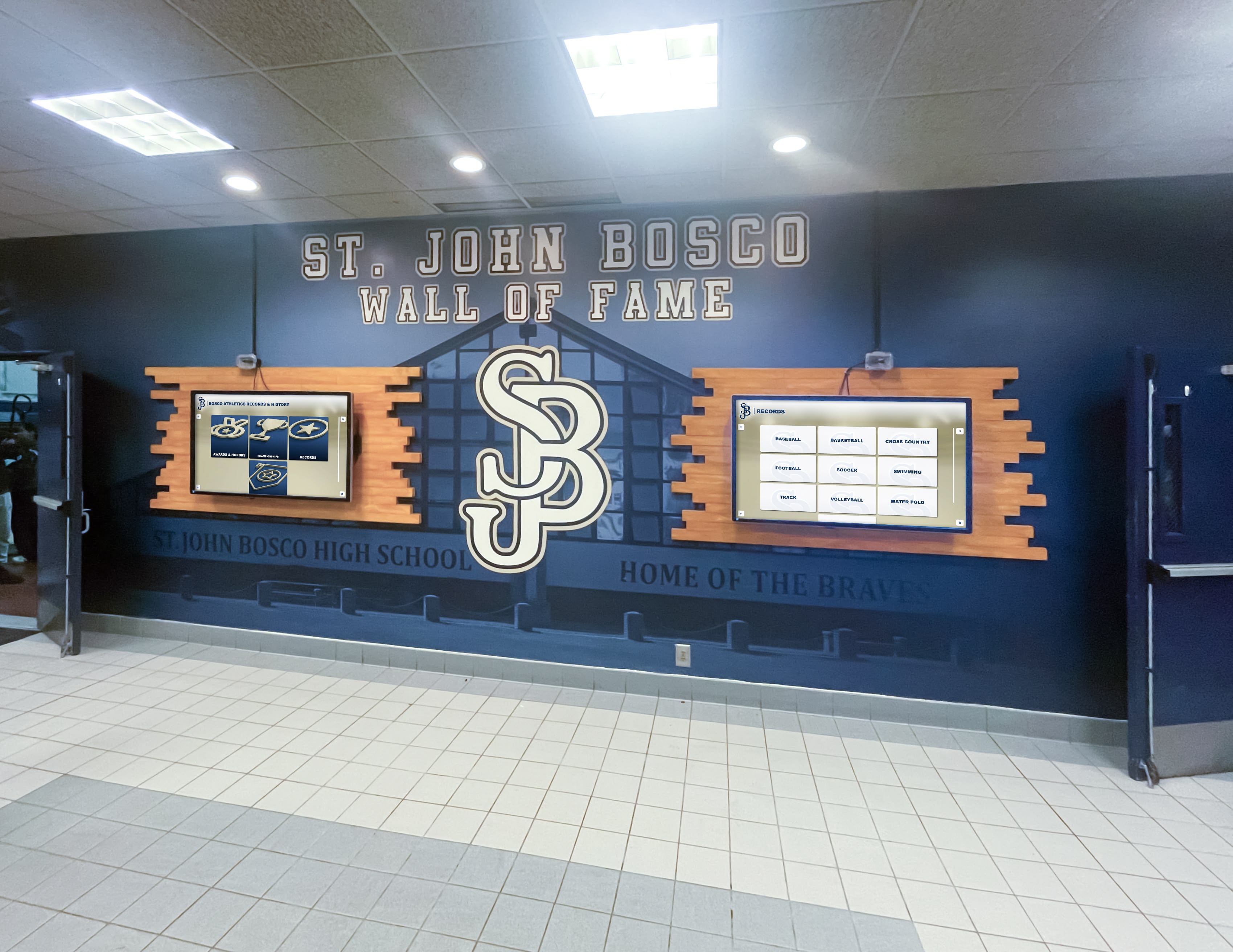
Athletic record keeping inevitably encounters unusual situations requiring thoughtful policies addressing fairly.
Records by Transfer Athletes: When athletes transfer between schools and set records at their new schools, policies should clarify whether transferred athletes qualify for school records on the same basis as athletes who attended all four years. Some schools maintain separate record categories; others apply consistent standards regardless of enrollment timeline.
Whatever approach schools choose, clear written policies prevent disputes and ensure consistent treatment across sports and situations.
Combined or Cooperative Team Records: Schools participating in combined programs with other schools for certain sports face questions about record attribution. Policies should specify whether records in combined programs count for all participating schools, only the host school, or receive separate designation noting combined team context.
Relay and Team Records: Relay records and team scoring records require special consideration since they involve multiple athletes. Documentation should recognize all team members who contributed to relay records, note when relay team members later compete individually at other schools, and preserve recognition for all contributors even as team composition changes.
Performance Under Varying Conditions: Some sports face conditions significantly affecting performance comparisons—wind readings in track sprints and jumps, pool depth in swimming, field conditions in outdoor sports. Clear policies should specify whether records require legal conditions (wind-legal for track) or simply document all top performances with condition notation.
Preserving Athletic History Across Decades
Long-term record preservation ensures schools maintain institutional memory beyond current staff knowledge and physical display limitations.
Digital Archiving and Backup Systems
Athletic records represent institutional assets deserving protection equivalent to other important school documentation.
Redundant Digital Storage: Record databases should exist in multiple secure locations preventing loss from technology failures, facility damage, or staff transitions. Cloud-based platforms automatically provide geographic redundancy and regular backups.
Schools maintaining local database files should implement regular backup schedules storing copies on separate systems and maintaining periodic offline backups on external drives stored securely in separate locations from primary systems.
Documentation Scanning and Digitization: Historical records often exist only in physical formats—old meet results, newspaper clippings, program notes, yearbook pages. Schools should systematically digitize these materials creating permanent digital archives that won’t deteriorate like physical paper.
Digitization projects might include scanning archived meet results and game statistics, photographing historical record boards before updates, preserving newspaper coverage of notable performances, and capturing oral history from longtime coaches and administrators before institutional knowledge is lost to retirements.
Connecting Historical and Current Athletes
Preserved athletic history creates opportunities connecting current athletes to program legacy in ways that inspire performance and build school culture.
Alumni Engagement Through Record Recognition: Current record holders often feel proud seeing their achievements recognized years or decades later. Digital platforms enable schools to reconnect with alumni when current athletes challenge long-standing records, invite former record holders to attend meets or games when records might fall, feature alumni reflections on their record-setting performances, and create mentoring connections between historical and current athletes.
These connections build community while demonstrating that athletic excellence receives lasting recognition rather than temporary acknowledgment quickly forgotten.
Historical Perspective for Current Athletes: Understanding program history helps current athletes appreciate their place in institutional legacy. Record systems should display not just current records but also historical progressions showing how records have improved over decades, notable eras when programs experienced exceptional success, and context about athletes who continued competing at higher levels.
This perspective helps athletes understand that they’re part of ongoing stories rather than isolated performers, potentially increasing motivation to contribute to program legacies they’ll become part of permanently.
Approaches to digital history archives demonstrate comprehensive strategies for preserving and presenting institutional athletic heritage.
Implementation Roadmap: Building Comprehensive Record Systems
Schools seeking to improve athletic record documentation and display should follow systematic implementation processes addressing current gaps while building toward comprehensive solutions.
Assessment and Planning Phase
Effective implementation begins with honest assessment of current state and clear definition of desired outcomes.
Current State Documentation: Athletic directors should inventory existing record keeping including what records currently exist, where records are documented (digital databases, physical boards, coach files), accuracy and completeness of existing records, verification documentation available for current records, and gaps in historical coverage.
This assessment identifies immediate priorities and prevents overlooking existing valuable documentation that should be incorporated into improved systems.
Stakeholder Input: Successful systems require input from multiple perspectives including coaches identifying sport-specific needs, administrative staff understanding maintenance realities, athletes describing what makes records meaningful and motivating, alumni sharing historical knowledge about undocumented achievements, and facilities staff addressing installation and maintenance considerations.
Broad input ensures final systems serve multiple purposes rather than addressing only narrow technical requirements.
Goal Definition and Prioritization: Schools should define specific objectives such as documenting comprehensive records across all sports, implementing accessible display systems, establishing sustainable update processes, and preserving historical achievements currently at risk of being lost.
Clear priorities guide decisions when budget constraints or timeline pressures require sequencing implementation rather than addressing everything simultaneously.
System Selection and Implementation
With assessment complete and goals defined, schools can select specific solutions and execute implementation plans.
Technology Platform Selection: For digital record systems, schools should evaluate platforms based on sport-specific record categories and templates, ease of use for non-technical staff making updates, display options and customization flexibility, cloud-based access and automatic backup capabilities, integration with existing school systems, vendor support and training resources, and total cost of ownership including hardware, software, and ongoing fees.
Resources comparing interactive touchscreen kiosk software options help schools evaluate platforms systematically.
Historical Data Migration: Implementing new systems requires migrating existing records into new platforms. This process should include verifying accuracy of existing documented records, researching and documenting previously unrecorded achievements, scanning supporting documentation for digital archiving, and standardizing data formats for consistency.
Data migration often represents the most time-intensive implementation phase but creates foundation for long-term system value.
Staff Training and Process Documentation: Even excellent technology fails without trained staff and clear processes. Implementation should include comprehensive training for all staff maintaining records, written procedures documenting update processes, backup plans for staff absences and turnover, and scheduled refresher training ensuring procedures remain current.
Process documentation prevents single-point-of-failure scenarios where only one person knows how systems work.
Launch and Ongoing Optimization
Implementation doesn’t end with initial system deployment—ongoing refinement ensures systems continue serving school needs as programs evolve.
Phased Rollout Strategies: Rather than attempting to launch comprehensive systems across all sports simultaneously, many schools implement phased approaches beginning with high-priority sports or specific categories, expanding gradually as staff develop proficiency, incorporating lessons learned from initial implementation, and eventually covering complete scope systematically.
Phased approaches reduce initial overwhelm while building momentum through early successes.
Feedback Collection and Iteration: After initial implementation, schools should systematically collect feedback from coaches using systems, athletes viewing displays, administrative staff maintaining records, and alumni engaging with historical content.
This feedback identifies refinement opportunities like additional record categories worth tracking, display improvements enhancing engagement, process modifications reducing maintenance burden, and historical gaps deserving research and documentation.
Regular System Reviews: Annual reviews ensure systems remain current and effective by assessing accuracy and completeness of record databases, evaluating display effectiveness and engagement, reviewing update process efficiency, identifying technology upgrades or improvements, and planning historical digitization projects.
Systematic review prevents gradual degradation where initially effective systems slowly become outdated through benign neglect.
Start Building Your Athletic Legacy Today
High school athletic records represent more than statistical documentation—they tell stories of dedication, excellence, and achievement spanning generations. Schools implementing comprehensive record tracking, engaging display systems, and systematic update processes transform these stories from forgotten history into living inspiration that motivates current athletes, honors past excellence, and builds lasting community pride.
Modern digital record board solutions eliminate the capacity constraints, update delays, and accessibility limitations that have traditionally prevented schools from fully recognizing athletic achievement. Platforms designed specifically for educational athletics provide the specialized features, sport-specific templates, and intuitive interfaces that make comprehensive record management practical for schools of any size.
Schedule a live demo with Rocket Alumni Solutions to explore how digital record board technology can preserve your school’s athletic legacy while inspiring the next generation of record-breaking performances. See firsthand how unlimited recognition capacity, instant updates, automatic ranking features, and engaging multimedia displays transform athletic record keeping from administrative burden into powerful recognition tool that serves your entire school community.