




High school athletic director positions represent one of the most challenging and rewarding career paths in educational athletics. These roles combine sports management, educational leadership, budget oversight, facility coordination, compliance monitoring, and community relations into a single position that shapes the athletic experience for hundreds of student-athletes. For coaches, teachers, and sports professionals seeking to expand their impact beyond a single team or season, athletic director jobs offer the opportunity to build comprehensive programs that serve entire school communities.
The path to becoming a high school athletic director requires deliberate career planning, strategic credential development, and progressive leadership experience that demonstrates readiness for the position’s diverse demands. Whether you’re a teacher considering administrative advancement, a coach contemplating career progression, or a sports management graduate planning your trajectory, understanding the qualifications, responsibilities, and career steps positions you to pursue these competitive roles successfully.
This comprehensive guide examines high school athletic director jobs from multiple angles: the specific qualifications and certifications schools require, realistic salary expectations across different school sizes and regions, day-to-day responsibilities that define the role, proven career paths that lead to athletic director positions, and practical strategies for making yourself a compelling candidate when opportunities arise.
Why Athletic Director Roles Are More Demanding Than Ever
Today’s high school athletic directors face unprecedented complexity compared to previous generations. Beyond traditional responsibilities like scheduling games and ordering equipment, modern ADs navigate Title IX compliance requirements, concussion protocols and liability concerns, mental health awareness and student-athlete wellness, digital communication and social media management, fundraising and budget constraints, facility safety and ADA accessibility, and increasingly sophisticated technology systems for everything from scheduling to recognition displays.
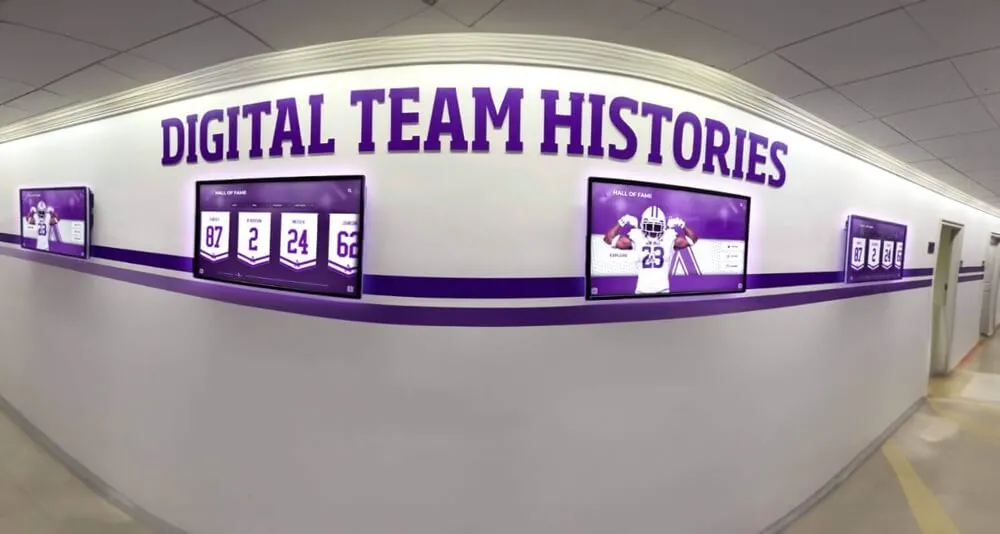
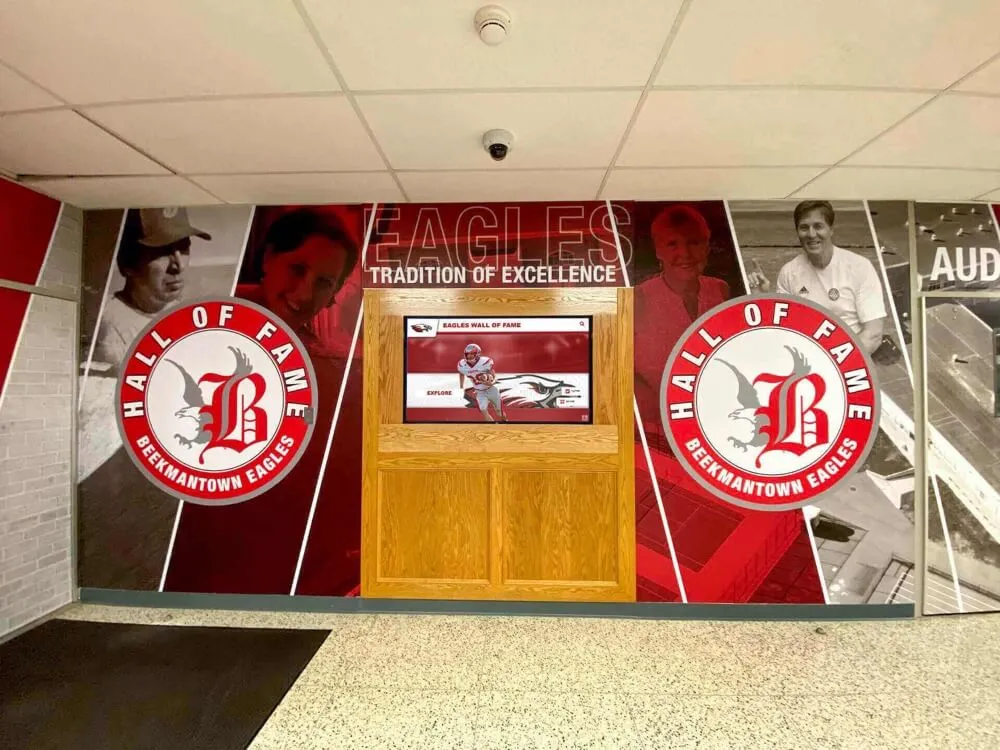
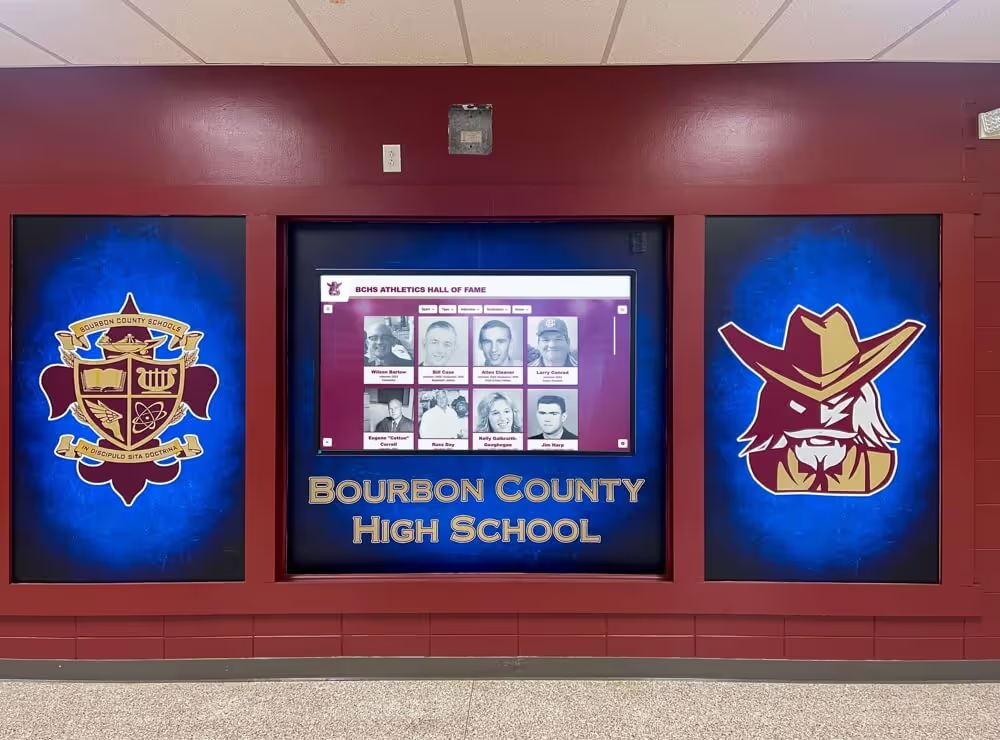
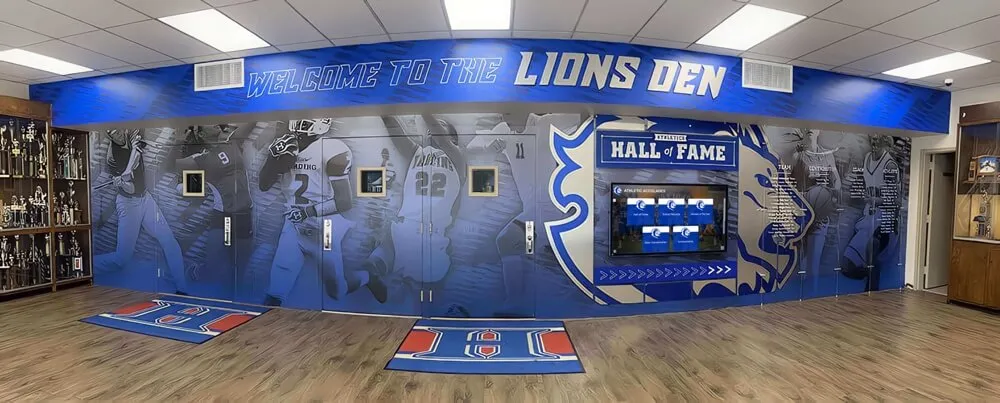
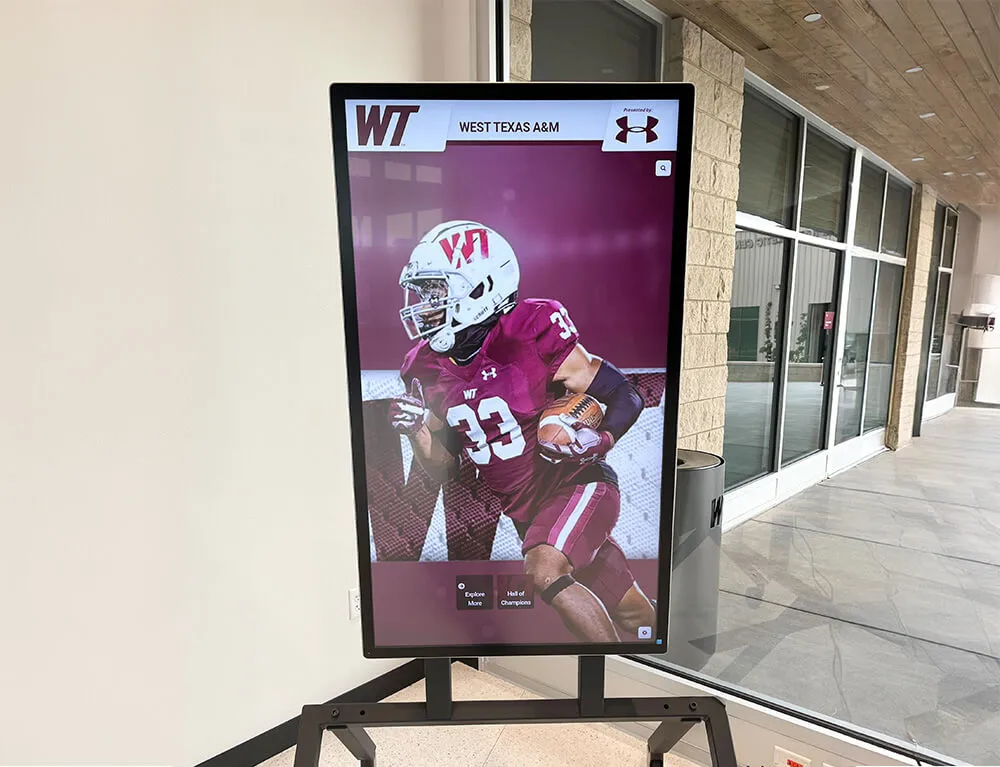
Schools increasingly rely on modern solutions to manage athletic recognition and reduce administrative burden. Digital platforms like Rocket Alumni Solutions allow athletic directors to maintain comprehensive record boards and achievement displays without the manual updates and space limitations of traditional trophy cases, freeing time for higher-priority administrative responsibilities.
What Does a High School Athletic Director Actually Do?
Before exploring how to become an athletic director, understanding the full scope of responsibilities helps prospective candidates assess whether this career path aligns with their skills, interests, and professional goals.
Core Administrative Responsibilities
Athletic directors serve as the chief operating officers of school athletic departments, managing multiple programs simultaneously while ensuring compliance, safety, and educational alignment.

Program Oversight and Scheduling
The most visible AD responsibility involves coordinating schedules across all sports programs. This includes arranging competitions with other schools while avoiding conflicts between multiple sports, securing officials for every home contest, coordinating transportation for away competitions, managing facility usage across sports that share venues, scheduling practice times that balance facility access fairly, and planning seasonal calendars that comply with state association rules.
For larger schools with 20+ sports programs, this scheduling complexity becomes a full-time job in itself. According to the National Interscholastic Athletic Administrators Association, ADs typically manage between 15-30 different sports programs depending on school size and offerings.
Budget Management and Financial Oversight
Athletic directors develop and manage department budgets that can range from $50,000 at small schools to over $1 million at large programs. Financial responsibilities include allocating resources equitably across all sports, tracking expenditures against approved budgets, approving purchases and reimbursements, managing ticket revenue and gate receipts, overseeing fundraising activities and booster club coordination, negotiating contracts with vendors and service providers, and preparing financial reports for administration and school boards.
Budget constraints force difficult prioritization decisions. When resources can’t fund every request, athletic directors must balance safety requirements, competitive needs, equity concerns, and educational priorities while maintaining positive relationships with coaches who advocate for their programs.
Hiring, Supervision, and Staff Development
Athletic directors recruit, hire, evaluate, and support coaching staff across all sports. This includes posting coaching positions and recruiting candidates, conducting interviews and checking references, recommending hires to administration, establishing performance expectations and evaluation criteria, providing mentorship and professional development, addressing coaching performance issues, and making difficult decisions about non-renewal when necessary.
Building a strong coaching staff determines program quality more than any other factor. The best athletic directors recruit coaches who understand that education and character development matter more than winning records, then support those coaches with resources, training, and recognition that helps them succeed.

Compliance, Safety, and Risk Management
Modern athletic directors dedicate substantial time to compliance and safety responsibilities that protect both student-athletes and the school from liability.
Athletic Eligibility Management
State athletic associations impose strict eligibility requirements that athletic directors must enforce. This includes verifying academic eligibility each grading period, tracking physical examinations and medical clearances, monitoring transfer students for eligibility restrictions, ensuring participation in required online education (concussion awareness, sudden cardiac arrest, etc.), maintaining accurate rosters and participation records, and investigating eligibility questions or violations.
Eligibility mistakes can forfeit victories, trigger penalties, or disqualify teams from playoffs. Athletic directors implement systems ensuring no athlete participates without proper clearance, even when coaches pressure them to bend rules for key players.
Facility Safety and Maintenance Coordination
While facilities departments handle maintenance, athletic directors identify needs, prioritize repairs, and ensure venues meet safety standards. Responsibilities include conducting regular safety inspections of fields, courts, and equipment, coordinating facility improvements and upgrades, ensuring ADA compliance for spectator access, maintaining emergency action plans for each venue, managing keys, locks, and security systems, and coordinating usage schedules with maintenance staff.
Facility issues create significant AD headaches. A poorly drained field might require canceling games on short notice. A malfunctioning scoreboard affects game operations. Outdated lighting systems limit practice schedules. Athletic directors continuously advocate for facility investments while working within maintenance budgets and competing priorities.
Risk Management and Emergency Preparedness
Student-athlete safety represents the athletic director’s highest priority. This includes ensuring AED devices are accessible and functional at all venues, maintaining emergency medical supplies and first aid kits, training staff in emergency response procedures, coordinating with athletic trainers or medical personnel, investigating injuries and implementing prevention strategies, managing concussion protocols and return-to-play decisions, and maintaining appropriate insurance coverage.
When emergencies occur, athletic directors coordinate responses, communicate with families, investigate contributing factors, and implement corrective measures preventing future incidents. These high-stakes situations require calm decision-making under pressure.
Communication, Community Relations, and Program Promotion
Athletic directors serve as the public face of athletic programs, managing relationships with diverse stakeholder groups.
Parent Communication and Conflict Resolution
Parents invest emotionally in their children’s athletic experiences, leading to questions, concerns, and occasionally conflicts requiring diplomatic resolution. Athletic directors handle complaints about playing time or coaching decisions, explain eligibility rules or participation requirements, mediate conflicts between parents and coaches, communicate schedule changes or important information, and establish clear communication protocols that set expectations.
The best athletic directors create communication systems that keep parents informed proactively, reducing reactive complaints. They also establish clear chain-of-command protocols so parents understand when to approach coaches versus when issues require AD involvement.

Recognition and Achievement Celebration
Athletic directors oversee programs recognizing student-athlete achievements, which builds program culture while celebrating success. This includes organizing end-of-season awards ceremonies and sports banquets, maintaining record boards and achievement displays, coordinating all-conference and all-state recognition, submitting students for academic awards and scholarships, and promoting accomplishments through school communications.
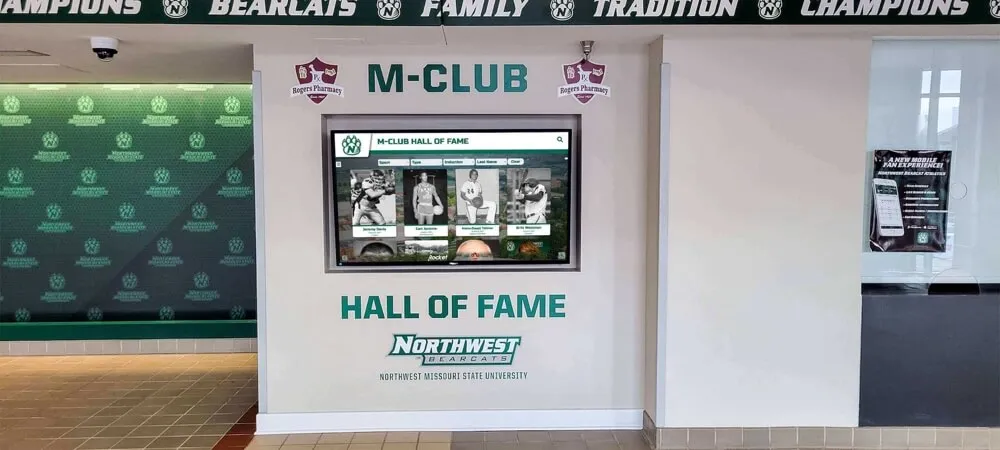
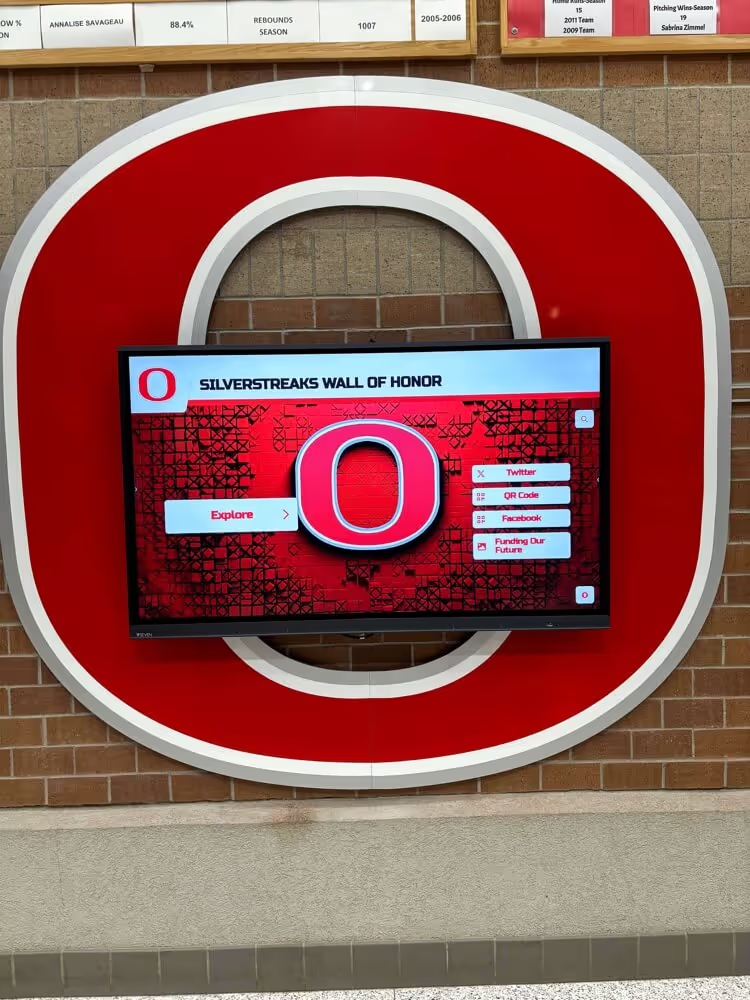
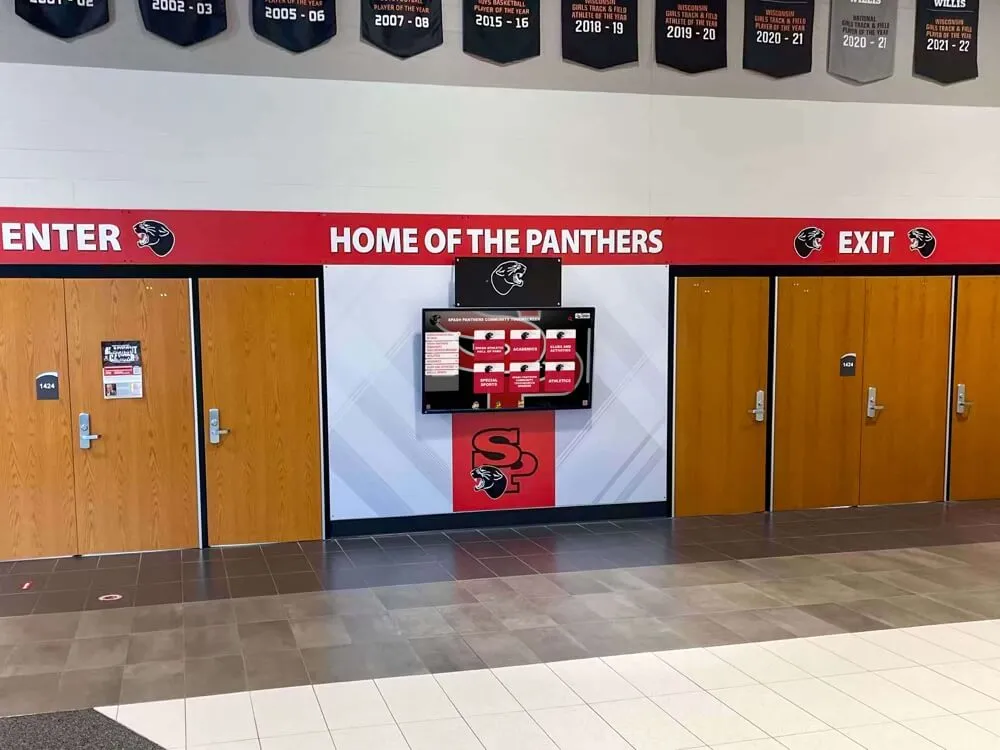
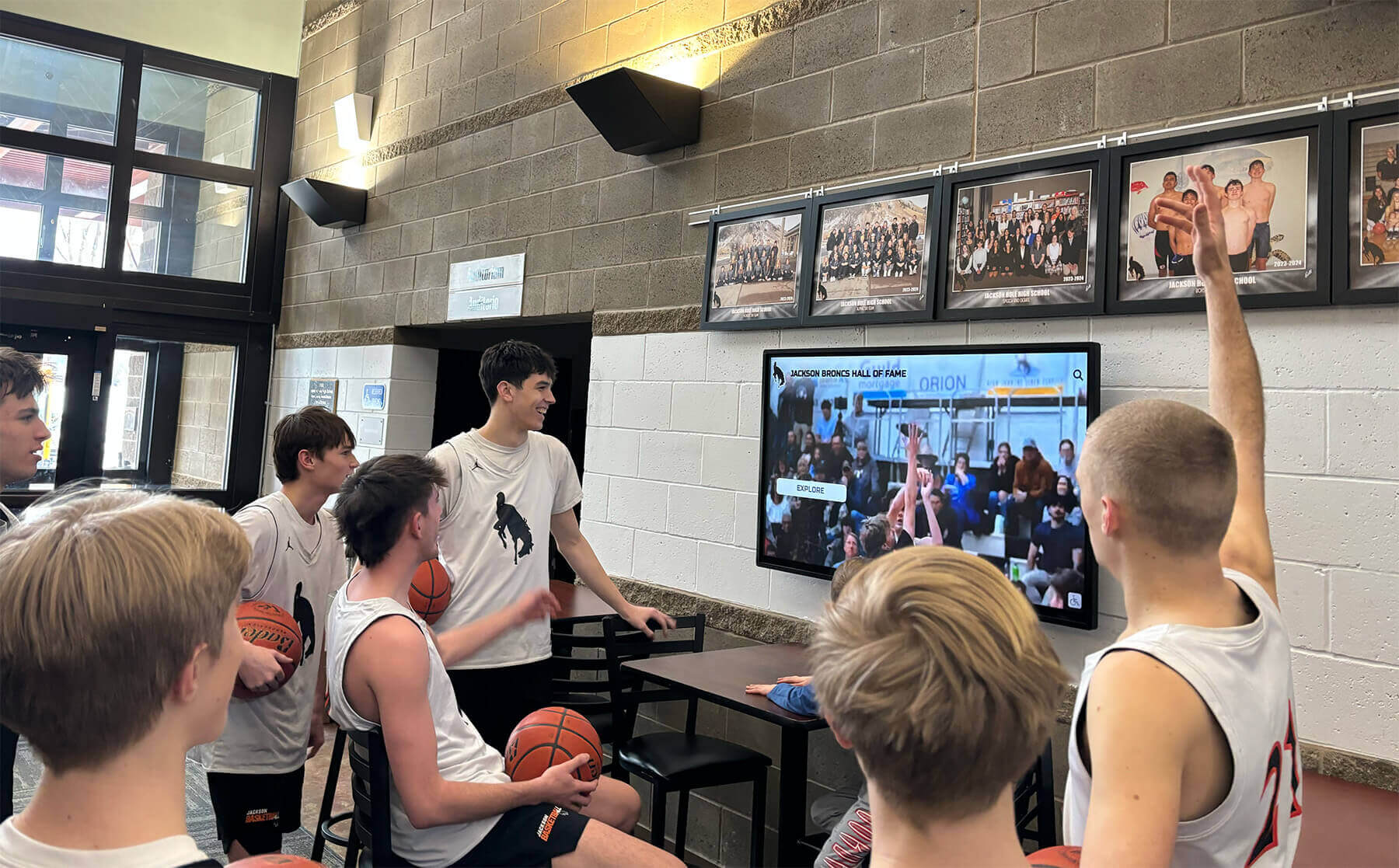
Many athletic directors now implement digital recognition systems that can automatically update when records fall and provide space for unlimited achievements without physical constraints. These systems ensure recognition remains current and accessible rather than being limited by wall space or manual update requirements.
Media Relations and Program Promotion
Promoting athletic programs builds community support, generates attendance revenue, and creates positive culture. Athletic directors update school websites and social media with scores and highlights, coordinate with local media for coverage, manage livestreaming or broadcast partnerships, promote upcoming competitions and special events, and share student-athlete academic and athletic achievements.
Strong promotion creates community pride that translates to better attendance, increased booster support, and improved program reputation that helps with coaching recruitment.
Required Qualifications and Certifications
High school athletic director positions require specific educational credentials, certifications, and experience that demonstrate readiness for the role’s demands.
Educational Requirements
Bachelor’s Degree (Minimum)
All high school athletic director positions require at minimum a bachelor’s degree. Most schools prefer or require education-related degrees including bachelor’s in education with teaching certification, bachelor’s in physical education, kinesiology, or exercise science, bachelor’s in sports management or athletic administration, or other degrees combined with teaching certification.
Some states require athletic directors to hold teaching licenses even when not actively teaching classes, as most ADs work within educational settings where administrative credentials require teaching backgrounds.
Master’s Degree (Increasingly Preferred)
While not universally required, master’s degrees increasingly appear in athletic director job postings, particularly at larger schools and competitive districts. Relevant graduate degrees include Master of Education (M.Ed.) in Educational Leadership or Administration, Master of Science in Sports Administration or Athletic Administration, Master of Business Administration (MBA) with sports management focus, or master’s degrees in Physical Education or Kinesiology.
Graduate programs specifically focused on athletic administration provide targeted preparation covering budgeting, compliance, facility management, risk management, and other AD-specific competencies. Many programs offer online or evening options allowing teachers and coaches to complete degrees while continuing full-time work.

Professional Certifications
State Athletic Administrator License
Many states require athletic directors to hold specific athletic administrator licenses or endorsements. Requirements vary significantly by state but typically include completed coursework in athletic administration (often 12-18 credit hours), minimum years of coaching or teaching experience, and passing scores on state examinations.
Check your state’s department of education or high school athletic association website for specific credential requirements. Some states allow initial AD appointments on provisional licenses while candidates complete coursework, but most require full licensure within a specified timeframe.
NIAAA Certification Programs
The National Interscholastic Athletic Administrators Association offers a comprehensive certification pathway that many schools value even in states without mandatory requirements. The NIAAA certification track includes:
- Leadership Training Course (LTC): Week-long foundational program covering all aspects of athletic administration
- Certified Athletic Administrator (CAA): Entry-level certification requiring LTC completion plus additional coursework
- Registered Athletic Administrator (RAA): Mid-level certification demonstrating advanced competency
- Certified Master Athletic Administrator (CMAA): Highest level requiring extensive experience and professional development
These certifications provide standardized knowledge while demonstrating commitment to professional excellence. According to NIAAA data, certified athletic directors report higher confidence levels and better job performance compared to non-certified peers.
Additional Relevant Certifications
Beyond athletic administration credentials, athletic directors benefit from certifications in first aid, CPR, and AED operation (often required), concussion recognition and management protocols, sudden cardiac arrest awareness, facility management or operations, budgeting and financial management, and Title IX compliance and equity requirements.
Many of these certifications require periodic renewal, ensuring athletic directors maintain current knowledge as best practices evolve.
Experience Requirements
Coaching Experience
Most athletic director positions require significant coaching experience, typically 3-5 years minimum. Coaching provides essential perspective on program operations, athlete development, competition management, and the challenges coaches face. Schools prefer candidates with head coaching experience rather than only assistant positions, coaching across multiple sports demonstrating versatility, experience at the high school level specifically, documented successful programs and competitive results, and positive relationships with student-athletes and families.
Coaching experience proves you understand athletic programs from the ground level, which builds credibility when making administrative decisions affecting coaches and teams.
Teaching Experience
Many schools require or strongly prefer teaching experience, particularly when athletic directors hold teaching responsibilities alongside administrative duties. Teaching experience demonstrates classroom management skills that translate to administrative settings, understanding of educational environments and student development, credibility with teaching colleagues who intersect with athletics, and commitment to education as the primary mission.
In smaller schools where athletic directors also teach classes, teaching experience becomes essential rather than simply preferred.
Administrative or Leadership Experience
Schools hiring athletic directors seek evidence of progressive leadership responsibility. This might include serving as assistant athletic director, department chair or program coordinator roles, committee leadership within schools or districts, or conference/league leadership positions.
Any experience demonstrating your ability to manage budgets, supervise staff, coordinate complex logistics, and handle high-stakes decisions strengthens your candidacy.
Career Path: How to Become a High School Athletic Director
Athletic director positions rarely go to external candidates without significant educational athletics experience. The typical path involves strategic career progression that builds the required credentials and demonstrates leadership capacity.
Step 1: Begin with Coaching
Most athletic directors start as coaches, which provides essential foundational knowledge and perspective. Focus on head coaching positions rather than remaining an assistant indefinitely, coaching multiple sports if possible to demonstrate versatility, building programs with measurable success indicators, developing strong relationships across the athletic department, and volunteering for leadership opportunities (conference committees, tournament hosting, etc.).
During coaching years, observe your athletic director’s work, ask questions, and offer to help with administrative tasks. This provides informal mentorship while demonstrating interest in administrative advancement.
Step 2: Build Educational Credentials
While coaching, begin systematic credential development. Obtain your master’s degree in athletic administration or educational leadership if you hold only a bachelor’s degree, complete state-required athletic administrator licensure programs, pursue NIAAA certification starting with LTC and progressing toward CAA, attend conferences and professional development opportunities, and join professional organizations like NIAAA to build networks.
Many successful athletic directors complete graduate programs over 2-3 years while coaching full-time, then pursue NIAAA certifications during summers or professional development days.
Step 3: Seek Assistant Athletic Director Roles
Assistant athletic director positions provide direct AD experience while limiting some of the highest-stakes responsibilities. These roles might focus on specific areas like scheduling, compliance, facility coordination, or supporting certain sports. When assisting, demonstrate reliability and competence, offer solutions rather than just identifying problems, build relationships across the department, learn the administrative systems and processes, and identify opportunities to improve operations.
Strong performance as assistant athletic director positions you as the logical successor when the head AD position opens or provides experience launching your candidacy at other schools.
Step 4: Apply Strategically
When ready to pursue head athletic director positions, apply strategically rather than sending applications broadly. Target schools where your background aligns with their program size and needs, prepare thoroughly for interviews demonstrating knowledge of their programs, develop clear visions for how you’d lead their athletic department, emphasize educational priorities alongside competitive success, and highlight specific systems or improvements you’d implement.
Many athletic directors land first AD positions at smaller schools, then progress to larger districts as their experience grows.
Alternative Entry Points
While coaching provides the most common pathway, alternative entry points exist. Teachers without coaching backgrounds might become assistant ADs overseeing academic eligibility or compliance, facility directors might transition into athletic administration roles, and sports management graduates might start in assistant positions building experience toward AD roles.
Regardless of entry point, schools prefer candidates who understand athletic programs from experience rather than only from academic preparation.
Salary Expectations and Compensation
High school athletic director salaries vary significantly based on school size, geographic location, and whether the position is full-time administrative or combined with teaching responsibilities.
National Salary Averages
According to 2025-2026 data from the Bureau of Labor Statistics and salary surveys from NIAAA, high school athletic director salaries generally range as follows:
Small Schools (Under 500 Students)
- Range: $45,000-$65,000 annually
- Often combined with teaching responsibilities
- Limited support staff requiring AD to handle most tasks personally
- Lower budget oversight responsibilities
Medium Schools (500-1,500 Students)
- Range: $60,000-$85,000 annually
- May be full-time administrative or teaching with significant AD release time
- Some assistant AD or administrative support
- Moderate athletic budget management
Large Schools (Over 1,500 Students)
- Range: $75,000-$110,000+ annually
- Full-time administrative positions without teaching responsibilities
- Assistant ADs and support staff
- Significant budget oversight (often $500,000+)
Private Schools
Private school athletic director salaries vary even more widely depending on school resources, with elite private schools sometimes exceeding public school compensation significantly.
Geographic Variations
Location substantially impacts athletic director compensation. States with higher costs of living and stronger educational funding typically offer higher salaries. States like California, New York, Massachusetts, New Jersey, and Illinois generally exceed national averages, while states in the Southeast and Mountain West regions typically fall below national averages.
Suburban districts near major metropolitan areas often provide the highest compensation compared to rural districts or urban schools with limited tax bases.
Additional Compensation and Benefits
Beyond base salary, athletic director compensation packages may include stipends for additional responsibilities (tournament hosting, conference leadership), performance bonuses tied to program success or fundraising, vehicle allowances or provided vehicles for travel between facilities, technology allowances for phones and devices, extended year contracts (ADs often work beyond teacher contracts), and full benefits packages including retirement, health insurance, and paid time off.
Some athletic directors supplement income through summer camps, clinics, or consulting work, though many school districts restrict outside employment during contract periods.

Job Market Outlook and Growth Opportunities
The job market for high school athletic directors remains relatively stable with moderate competition for desirable positions.
Current Demand Factors
Several factors influence athletic director job availability including retirement of long-tenured ADs hired in previous generations, increasing complexity requiring more specialized administrative expertise, growing athletic offerings and fall high school sports expanding programs, and Title IX requirements necessitating sophisticated compliance management.
However, budget constraints sometimes lead districts to combine AD duties with teaching or other administrative roles rather than maintaining standalone positions, particularly in smaller districts.
Career Advancement Beyond High School
Athletic directors can advance beyond high school roles into district athletic director positions overseeing multiple schools, college athletic administration roles (typically requiring additional experience and credentials), state athletic association positions, conference or league administration, consulting or professional development roles, and private sector positions in sports management or facility operations.
Many athletic directors find the high school level ideal for work-life balance compared to college positions requiring extensive travel and evening/weekend commitments. Others use high school experience as a stepping stone toward higher-profile positions.
Professional Development and Staying Current
Successful athletic directors commit to continuous learning as athletic administration evolves. This includes attending annual athletic director conferences and professional development, maintaining NIAAA certifications through continuing education, participating in state athletic association training programs, networking with peer ADs through professional organizations, reading industry publications and staying current with rule changes, and embracing technology solutions that improve administrative efficiency.
The athletic directors who thrive invest in learning throughout their careers rather than relying on knowledge from initial certification alone.
Key Skills for Athletic Director Success
Beyond formal qualifications, certain skills separate exceptional athletic directors from those who simply manage routine operations.
Organizational and Time Management Skills
Athletic directors juggle dozens of simultaneous responsibilities requiring sophisticated organizational systems. Successful ADs maintain detailed calendars and task management systems, prioritize urgent versus important tasks effectively, delegate appropriately to assistant ADs and support staff, anticipate problems before they become crises, and manage time despite constant interruptions and emergencies.
Poor organizational skills create chaos: missed deadlines, scheduling conflicts, compliance violations, and general dysfunction that undermines program quality.
Communication and Interpersonal Skills
Athletic directors communicate constantly with diverse audiences requiring different approaches. This includes diplomacy when handling parent complaints or coaching conflicts, clarity when explaining rules and policies, persuasiveness when advocating for resources or program needs, empathy when supporting student-athletes or coaches through challenges, and assertiveness when enforcing standards or making difficult decisions.
Strong communicators build trust across stakeholder groups, while poor communicators generate unnecessary conflicts.
Problem-Solving and Decision-Making Under Pressure
Athletic emergencies require rapid, sound decisions with incomplete information. Athletic directors must assess situations quickly and identify core issues, generate viable options and evaluate trade-offs, make decisive calls even when perfect solutions don’t exist, take responsibility for decisions without deflecting blame, and learn from outcomes to improve future decision-making.
Coaches, parents, and student-athletes respect athletic directors who demonstrate calm competence during crises rather than panicking or avoiding responsibility.
Budget Management and Financial Acumen
Resource constraints require strategic budget management maximizing program impact. Successful athletic directors understand basic accounting and financial reporting, negotiate contracts securing favorable terms and pricing, identify cost-saving opportunities without compromising quality or safety, develop diverse revenue streams beyond school funding alone, and justify budget requests with data supporting needs.
Athletic directors uncomfortable with financial management struggle to sustain programs when resources tighten.
Technology Adoption and Innovation
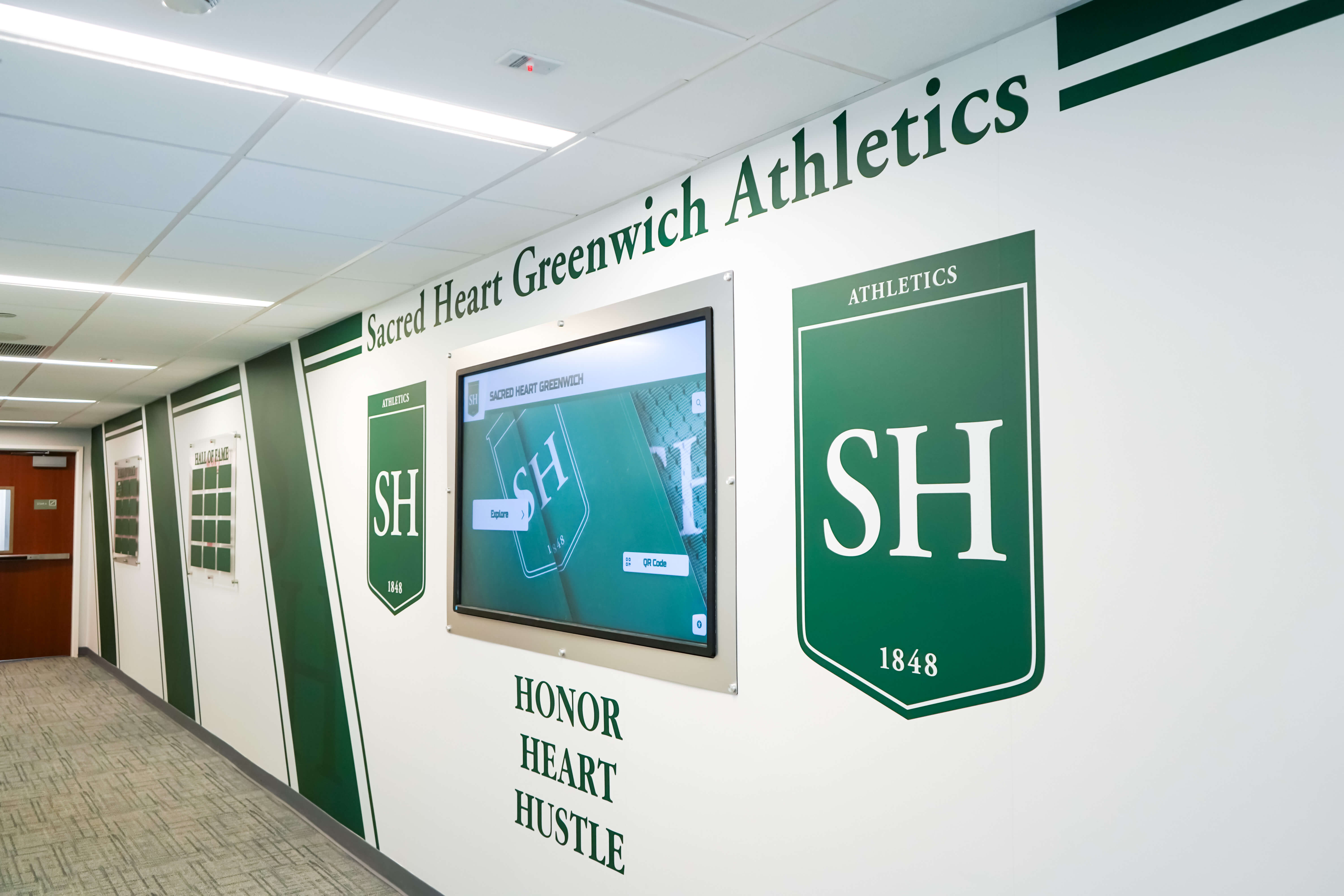
Modern athletic administration increasingly relies on technology. Forward-thinking athletic directors evaluate and implement scheduling software improving efficiency, utilize communication platforms keeping stakeholders informed, adopt financial management systems improving transparency, leverage social media building program awareness and community engagement, and embrace recognition technology like digital display systems that reduce administrative burden while improving accessibility.
Athletic directors resistant to technology miss opportunities to work smarter and provide better experiences for student-athletes, coaches, and communities.
Making Yourself a Compelling Candidate
When athletic director positions open, often 20-50+ candidates apply for competitive positions. Differentiating yourself requires strategic preparation beyond minimum qualifications.
Build a Portfolio of Leadership Evidence
Develop documentation demonstrating your leadership capacity and accomplishments including program outcomes and improvements you led as a coach or teacher, administrative projects you coordinated successfully, budget experience with specific dollar amounts managed, examples of problems you solved or innovations you implemented, and letters of recommendation from supervisors, colleagues, and community members.
This evidence transforms generic claims into specific proof points that persuade hiring committees.
Network Within the Athletic Administration Community
Many athletic director positions fill through professional networks before public postings generate applications. Build connections by joining NIAAA and state athletic administrator associations, attending conferences and professional development events, volunteering for conference committees or tournament hosting, staying in touch with graduate program classmates and instructors, and connecting with established athletic directors through informational interviews.
These relationships provide mentorship, inside information about upcoming openings, and references that strengthen your candidacy.
Gain Experience with Modern Tools and Technology
Schools increasingly seek athletic directors comfortable with contemporary tools. Gain experience with scheduling software systems commonly used in your state, financial management and budgeting platforms, communication tools for mass messaging to teams and families, social media management for program promotion, and recognition technology including digital display systems that replace traditional trophy cases.
Demonstrating technological competence reassures hiring committees that you’ll manage modern administrative demands effectively.
Develop a Clear Administrative Philosophy
During interviews, committees assess whether candidates have thoughtful perspectives on athletic leadership. Develop clear positions on educational priorities within competitive athletics, equity and inclusion across all programs, coach development and support systems, parent and community engagement approaches, and student-athlete welfare and character development.
Candidates who articulate coherent philosophies appear more prepared than those who provide generic responses or haven’t considered these fundamental questions.
Understand Budget Realities and Creative Solutions
Schools appreciate candidates who understand tight budget athletics realities and offer creative approaches. Demonstrate knowledge of fundraising strategies beyond traditional approaches, technology solutions reducing long-term costs while improving programs, partnership opportunities with community organizations, and recognition systems that minimize recurring expenses.
For example, digital recognition displays eliminate the ongoing costs of trophy purchases and plaque updates while providing more comprehensive and accessible achievement documentation. These solutions demonstrate strategic thinking that extends limited resources.
Challenges and Rewards of Athletic Director Roles
Before pursuing athletic director positions, consider both the significant challenges and meaningful rewards these roles provide.
Common Challenges
Time Demands and Work-Life Balance
Athletic directors work well beyond standard school hours. Evening competitions, weekend tournaments, high school fundraiser events, emergency situations, and seasonal demands create unpredictable schedules difficult to balance with family commitments. Many athletic directors report working 50-60+ hour weeks during peak seasons.
Managing Competing Interests and Conflicts
Athletic directors constantly navigate conflicting priorities including coaches advocating aggressively for their programs, parents demanding more playing time or opportunities for their children, administrators requiring budget cuts without service reductions, community members expecting winning programs across all sports, and personal values sometimes conflicting with external pressures.
Balancing these tensions requires diplomatic skills and emotional resilience.
Limited Control Over Coaching Quality
Athletic directors inherit coaching staffs with varying competencies. Removing ineffective coaches proves difficult due to employment contracts, personnel processes, coaching shortages, and community relationships. This means athletic directors often manage problems they can’t quickly resolve.
Resource Constraints
Most athletic directors work with insufficient resources relative to their program needs. Requests consistently exceed available funding, forcing difficult prioritization decisions that disappoint coaches, athletes, and families regardless of the decision. Creative problem-solving helps but can’t fully compensate for inadequate budgets.
Meaningful Rewards
Broad Program Impact
Unlike coaching roles limited to one team per season, athletic directors shape experiences for hundreds of student-athletes across all sports programs. Decisions, policies, and leadership influence entire athletic departments, multiplying your impact on young people’s development.
Leadership Influence
Athletic directors build cultures defining how programs operate—whether athletics exists primarily for winning or for education, whether equity matters or established sports receive preferential treatment, whether recognition celebrates academic achievement alongside athletic success, and whether student-athlete welfare takes priority over adult interests.
Strong athletic directors create cultures that persist long after they leave, affecting generations of student-athletes.
Professional Recognition and Relationships
Athletic directors build relationships with coaches, student-athletes, families, officials, colleagues at other schools, and community members. These relationships prove professionally and personally rewarding, particularly when former athletes return years later expressing gratitude for programs that shaped their development.
Variety and Problem-Solving
No two days look identical for athletic directors. The constant variety, problems requiring creative solutions, and need to adapt to unexpected situations appeal to administrators who prefer dynamic environments over routine predictability.
Technology and Innovation in Athletic Administration
The athletic director role evolves as technology changes how programs operate and how information reaches stakeholders.
Digital Recognition and Achievement Display
Traditional trophy cases and static plaques no longer provide the only options for recognizing athletic achievement. Digital display systems now allow athletic departments to showcase comprehensive records across all sports without space limitations, update automatically when records fall, highlight current competitions and upcoming events, feature athlete profiles with photos and statistics, and display content accessible via QR codes for alumni research.
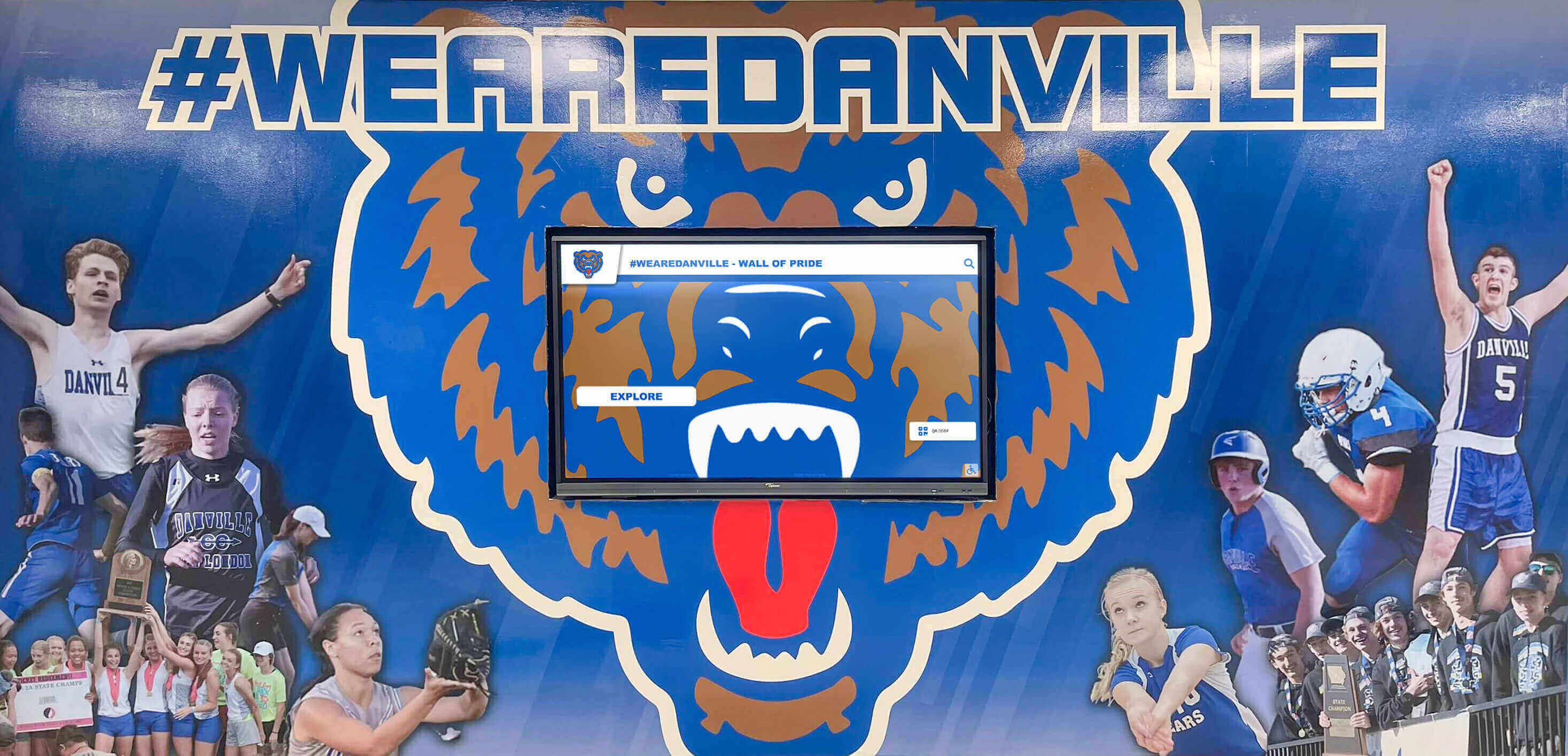
Solutions like Rocket Alumni Solutions provide athletic directors with recognition systems that reduce administrative burden—no more ordering plaques, updating vinyl lettering, or explaining why wall space ran out. Instead, unlimited digital space ensures every achievement receives appropriate recognition while freeing athletic directors to focus on higher priorities.
These systems also improve community engagement. Visitors can explore decades of athletic history, current athletes see role models from previous eras, and alumni reconnecting with schools can research their achievements through searchable digital archives.
Scheduling and Communication Platforms
Modern scheduling software automates much of the complex coordination athletic directors previously managed manually. These platforms handle schedule creation with automatic conflict checking, facility usage coordination across programs, transportation logistics and bus scheduling, official assignment and payment processing, and mass communication when schedules change.
Integration with school websites and mobile apps keeps families informed automatically rather than requiring athletic directors to manually update multiple platforms.
Livestreaming and Digital Engagement
Athletic departments increasingly provide livestreaming capabilities allowing family members unable to attend competitions to watch remotely. This technology expands engagement while generating potential revenue through subscription or pay-per-view models.
Social media platforms enable athletic directors to promote programs, celebrate achievements, build school pride, and maintain connections with alumni in ways impossible before digital communication.
Finding and Applying for Athletic Director Jobs
When ready to pursue athletic director positions, strategic job searching increases your chances of finding the right opportunity.
Where to Find Job Postings
Athletic director positions appear in several locations including state education department job boards, district websites and human resources pages, national platforms like K12JobSpot and SchoolSpring, athletic association job boards, and professional networks through NIAAA state affiliates.
Many positions post during spring months (March-May) for fall start dates, though openings occur throughout the year as athletic directors retire or transition to other roles.
Application Materials That Stand Out
Competitive applications require compelling cover letters tailored specifically to each position referencing the school’s programs, challenges, and opportunities, comprehensive resumes highlighting leadership progression and specific accomplishments, credential documentation including copies of licenses and certifications, letters of recommendation from supervisors who can speak to your administrative capacity, and portfolios demonstrating innovations, improvements, or programs you developed.
Generic applications rarely succeed for competitive positions. Investing time researching schools and crafting tailored materials substantially improves candidacy strength.
Interview Preparation
Athletic director interviews typically involve panels including administrators, current athletic department staff, school board members, and sometimes community representatives. Prepare by researching the school’s athletic programs thoroughly, developing specific ideas for improvements or innovations, preparing questions demonstrating thoughtful interest in the position, practicing responses to common questions about philosophy, challenges, and scenarios, and identifying evidence from your experience supporting each major qualification.
Many schools require multiple interview rounds with increasingly specific questions assessing depth of knowledge and administrative readiness.
Long-Term Success as an Athletic Director
Landing an athletic director position represents the beginning rather than the culmination of your development. Long-term success requires continuous growth and adaptation.
First Year Priorities
New athletic directors should focus initial months on learning before implementing major changes including meeting with every coach individually, understanding existing systems and why they developed, identifying quick wins providing early credibility, building relationships with key stakeholders, and observing full seasonal cycles before redesigning processes.
Athletic directors who immediately implement sweeping changes without understanding context often create resistance undermining their effectiveness.
Building Sustainable Systems
Rather than personally managing every detail, effective athletic directors develop systems that function when they’re not directly involved including clear policies and procedures documented accessibly, delegation structures empowering assistant ADs and coordinators, communication protocols reducing email volume and interruptions, technology tools automating routine administrative tasks, and recognition programs like digital displays requiring minimal ongoing management.
Systems create sustainability while preventing burnout from attempting to personally handle everything.
Maintaining Professional Growth
Athletic administration evolves continuously. Staying current requires regular conference attendance and professional development, reading industry publications and research, participating in peer networks sharing best practices, pursuing advanced certifications demonstrating expertise, and periodically reassessing whether your programs reflect contemporary best practices.
The athletic directors respected most by colleagues commit to learning throughout their careers.
Taking Your Next Step Toward Athletic Director Roles
If you’re considering pursuing high school athletic director positions, assess where you currently stand on the preparation pathway and identify specific next steps moving you closer to this career goal.
For coaches currently building foundational experience, focus on obtaining head coaching positions that demonstrate leadership capacity, seeking opportunities to assist your current athletic director with administrative tasks, beginning graduate coursework if you hold only a bachelor’s degree, and developing relationships with athletic directors who can provide mentorship.
For teachers without coaching backgrounds interested in athletic administration, consider assistant AD positions focusing on academic eligibility or compliance, coaching opportunities allowing you to understand programs from within, coursework in athletic administration building specialized knowledge, and volunteer roles with athletic department responsibilities.
For current assistant athletic directors preparing for head AD roles, pursue NIAAA certification advancing toward CAA or CMAA credentials, take ownership of specific administrative functions demonstrating competence, build relationships at other schools creating networks supporting future job searches, and develop clear administrative philosophies preparing you for interview questions.
For sports management graduates planning career trajectories, gain entry-level experience in athletic departments even in non-AD roles, consider graduate programs specifically in athletic administration, pursue coaching opportunities providing operational perspective, and seek mentorship from practicing athletic directors.
Regardless of your current position, the path to athletic director roles requires deliberate preparation. Each coaching season, completed credential, leadership opportunity, and relationship built positions you more competitively when positions open.
Conclusion: Building Athletic Programs That Matter
High school athletic director jobs represent one of the most challenging and impactful roles in educational athletics. These positions combine diverse responsibilities—from budget management and compliance oversight to coaching development and community relations—into multifaceted roles demanding broad expertise and exceptional leadership.
For educators passionate about athletics and committed to student development, athletic director positions provide opportunities to shape comprehensive programs affecting hundreds of young people annually. The challenges are real: time demands, resource constraints, competing priorities, and high-stakes decisions requiring sound judgment. But the rewards prove equally substantial: building cultures that prioritize education alongside competition, recognizing achievements that students carry throughout their lives, supporting coaches who develop character alongside athletic skills, and creating traditions connecting generations of student-athletes.
The path to athletic director roles requires strategic preparation. Building coaching experience, obtaining necessary credentials and certifications, seeking progressive leadership opportunities, and developing administrative competencies positions you to compete successfully when positions open. Schools seek candidates who combine athletic knowledge with administrative expertise, who understand both the competitive and educational dimensions of interscholastic athletics, and who demonstrate capacity to lead complex programs serving diverse stakeholders.
As you build toward athletic director roles, remember that technology increasingly supports administrative efficiency and program quality. Modern athletic directors leverage scheduling systems, communication platforms, and digital recognition solutions that reduce administrative burden while improving experiences for athletes, coaches, and communities. Embracing these tools distinguishes forward-thinking leaders who maximize limited resources strategically.
For those currently serving as athletic directors, continuous improvement and adaptation ensure long-term success. The athletic administration landscape evolves constantly—new compliance requirements, emerging technologies, changing community expectations, and evolving best practices require commitment to professional development throughout your career. The athletic directors who thrive remain students of their profession, learning from peers, attending conferences, pursuing advanced credentials, and embracing innovations that improve programs.
Whether you’re currently coaching and considering administrative advancement, teaching and interested in athletic leadership, or serving in assistant roles preparing for head athletic director positions, understand that the pathway requires patience, strategic planning, and persistent development of required qualifications. Each step along this journey—every coaching season, completed credential, leadership opportunity, and relationship built—positions you more competitively when athletic director opportunities arise.
Ready to explore how modern technology can support your athletic program with comprehensive achievement recognition that doesn’t consume administrative time? Discover how Rocket Alumni Solutions helps athletic directors maintain unlimited digital record boards that update automatically, showcase achievements accessibly, and free administrators to focus on higher priorities than manually updating trophy cases.