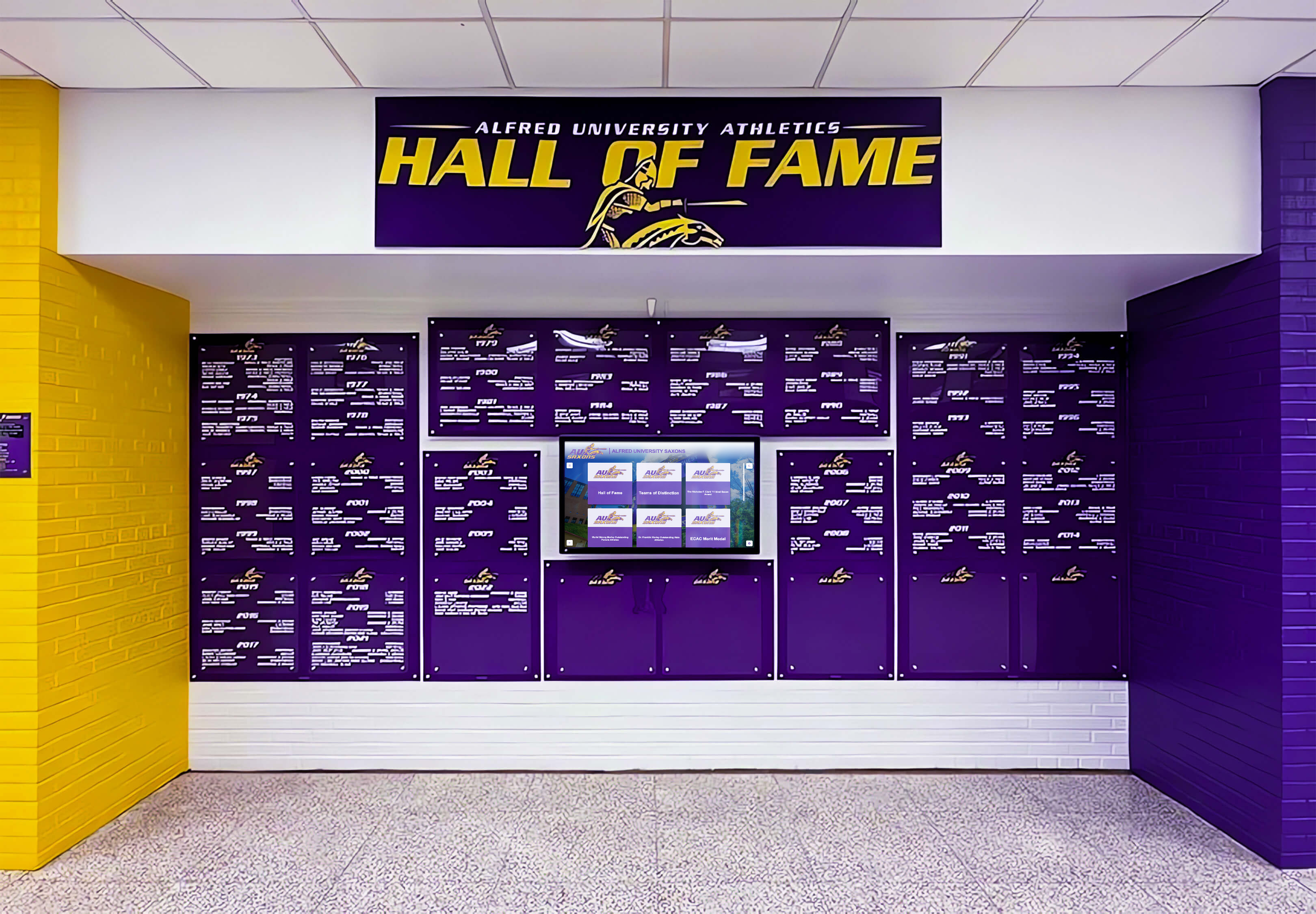




Schools face two distinct challenges when managing halls of fame: creating selection criteria that honor excellence fairly, and displaying that recognition in ways that inspire current students while engaging alumni. The selection process requires balancing inclusive celebration with meaningful standards. The display challenge involves preserving complete institutional history when physical space remains limited. Together, these elements determine whether hall of fame programs build genuine tradition or create controversy and disappointment.
Athletic directors and school administrators establishing or refining hall of fame programs need clear frameworks for making induction decisions and presenting recognition effectively. Who qualifies for consideration? What achievements merit induction? How do committees evaluate subjective factors like leadership and character alongside objective statistics? Once inducted, how should recognition display in facilities with limited wall space? Traditional plaques face capacity constraints that force removing earlier honorees or halting new inductions—neither option satisfies stakeholders invested in comprehensive recognition.
Modern Solutions for Selection and Display
Schools need systematic approaches addressing both selection fairness and display capacity. Clear published criteria—covering eligibility windows, achievement thresholds, and evaluation methods—create transparency that builds community trust. Digital recognition platforms solve display limitations by providing unlimited capacity for inductees, rich multimedia profiles, instant updates, and global accessibility. Solutions like Rocket Alumni Solutions combine intuitive content management with engaging interactive displays specifically designed for educational institutions, enabling schools to honor every deserving individual without physical space constraints while maintaining rigorous selection standards that preserve hall of fame significance.
Understanding Hall of Fame Selection Criteria
Credible hall of fame programs start with transparent criteria applied consistently across candidates, sports, and time periods.
Establishing Basic Eligibility Requirements
Clear eligibility standards prevent confusion and ensure systematic evaluation before detailed committee assessment.
Waiting Period Standards
Most halls of fame require minimum time between athletic participation and eligibility consideration. Common approaches include:
- Five-year minimum: Allows initial perspective separating genuine excellence from temporary success influenced by exceptional surrounding talent
- Ten-year requirement: Provides evidence that achievements represented sustained excellence rather than brief competitive advantage
- Fifteen to twenty-five years for veteran categories: Creates special recognition for historical figures whose contributions might otherwise fade from institutional memory
- Immediate eligibility for deceased athletes: Enables timely recognition when careers end tragically before normal waiting periods elapse
Waiting periods serve important functions. They permit evaluation of whether high school athletic success translated into continued excellence at college or professional levels. They provide emotional distance enabling objective assessment separate from recent personal connections. They ensure recognition celebrates sustained excellence rather than momentary achievement during favorable circumstances.
Participant Category Definitions
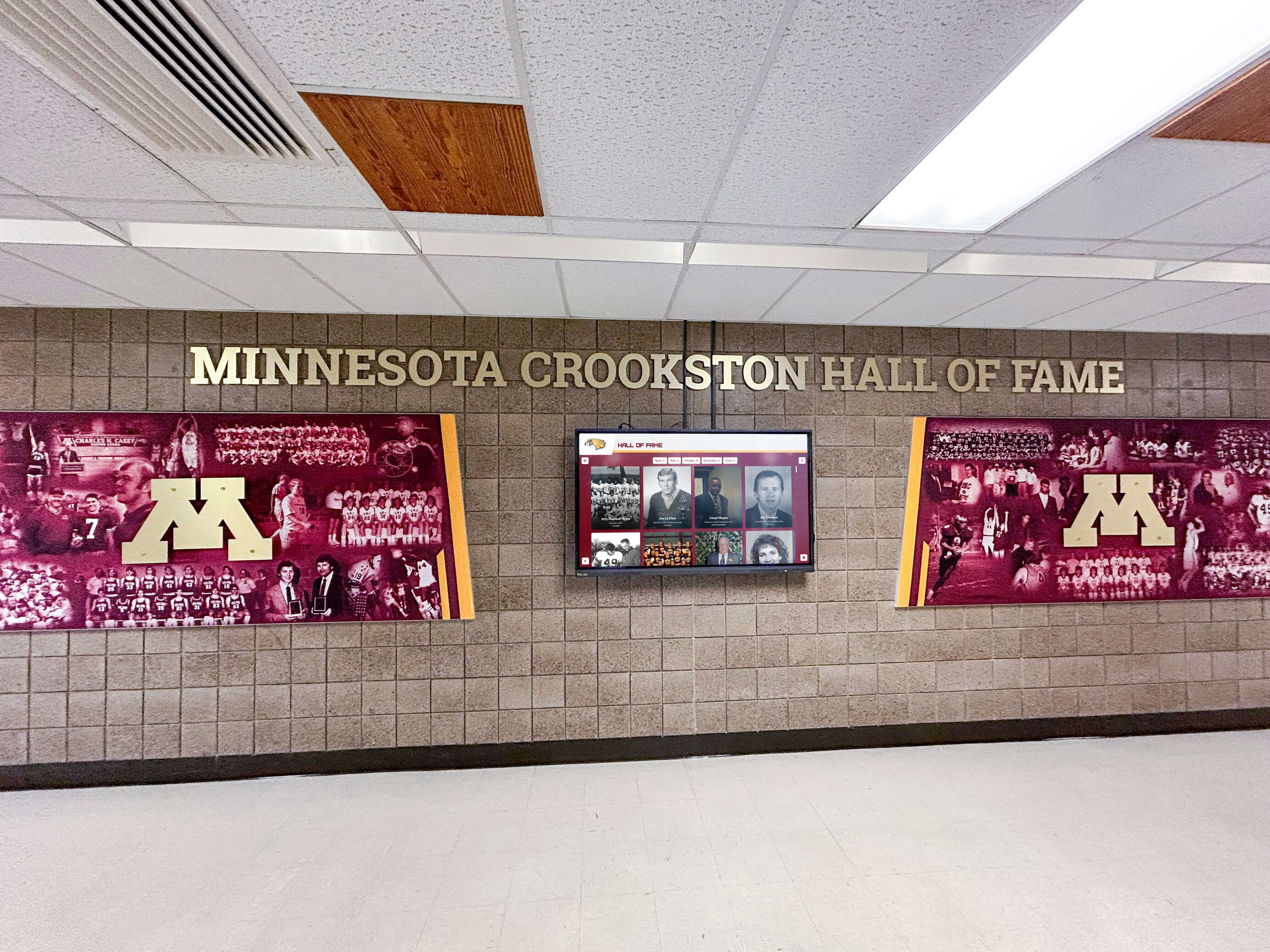
Comprehensive programs recognize multiple contributor types beyond individual athletes. Typical categories include:
- Individual Athletes: Former student-athletes who competed in interscholastic or intercollegiate programs
- Team Recognition: Historic teams achieving exceptional collective success worthy of group acknowledgment
- Coaches and Staff: Athletic directors, head coaches, assistants, and trainers whose leadership shaped program development
- Contributors and Supporters: Administrators, boosters, donors, and community members whose efforts enabled athletic excellence
- Special Categories: Officials, media supporters, facility builders, or others deserving unique recognition
Category definitions shape hall of fame character. Programs exclusively recognizing athletes create narrow institutional memory focusing on competitive results. Those including coaches, contributors, and supporters build broader appreciation for comprehensive effort enabling success.
Defining Achievement Standards
Quantifiable thresholds create objective baselines reducing selection subjectivity while maintaining meaningful standards.
Athletic Performance Benchmarks
Clear performance markers establish what constitutes hall of fame-worthy achievement:
- Championship Participation: State championship appearances or victories, conference championships, regional or district titles
- Individual Honors: All-state selection in any sport, all-conference recognition, all-American designation
- Record-Breaking Performance: School records in individual events, statistical categories, or team achievements
- Post-Secondary Competition: Athletes competing at college level, particularly NCAA Division I, II, or III programs
- Professional Achievement: Reaching professional competition in any capacity or level
- National Recognition: Participation in national tournaments, invitational events, Olympic development programs, or national representative teams
Standards should acknowledge competitive context appropriately. Small rural schools competing in lower classifications face different landscapes than large suburban programs in highest divisions. Fair criteria recognize accomplishment within relevant competitive environments rather than applying uniform standards across vastly different circumstances.
Resources on establishing athletic hall of fame criteria provide frameworks for developing comprehensive evaluation systems.

Character and Leadership Considerations
Athletic excellence alone proves insufficient for complete evaluation. Character components ensure recognition celebrates individuals representing institutional values:
- Sportsmanship Standards: Demonstration of fair play, respect for opponents, ethical conduct during competition
- Academic Performance: Maintained eligibility requirements and represented balanced student-athlete identity
- Leadership Contributions: Team captaincy, mentorship of younger athletes, positive influence on program culture
- Post-Athletic Citizenship: Alumni engagement, program support, positive community representation
- Institutional Values Alignment: Behavior reflecting well on athletic programs and educational institutions
Some programs establish character requirements as absolute disqualifying standards regardless of athletic achievement. Others weight character as significant factor within holistic evaluation. Administrative clarity prevents controversy when selection involves candidates combining exceptional athletic performance with behavioral concerns.
Creating Balanced Multi-Sport Recognition
Fair hall of fame programs ensure equitable representation across all sports rather than concentrating recognition in high-profile programs.
Sport-Specific Considerations
Different sports present unique evaluation challenges requiring thoughtful approaches:
Team Sports Recognition: Basketball, football, soccer, volleyball, and baseball programs often generate most inductee nominations due to visibility and participation numbers. Systematic approaches prevent these sports from dominating recognition while ensuring their genuine stars receive appropriate acknowledgment.
Individual Sports Evaluation: Track and field, swimming, wrestling, golf, and tennis athletes compete primarily as individuals within team structures. Clear standards acknowledge both individual achievement and team contribution appropriately.
Lower-Profile Sports: Sports with smaller participation or community following—like cross country, gymnastics, lacrosse, or tennis—deserve equivalent recognition standards reflecting their competitive reality rather than public visibility.
Title IX Considerations: Gender equity requirements extend to recognition programs. Monitoring induction patterns across men’s and women’s sports ensures balanced acknowledgment preventing unintended bias toward traditionally emphasized programs.
Many successful programs implement sport-specific nomination quotas or rotation systems guaranteeing all sports receive regular recognition consideration preventing any program from dominating selections indefinitely.
Implementing Selection and Nomination Processes
Systematic processes ensure fair evaluation while building community investment in hall of fame programs.
Structuring Nomination Systems
Clear accessible nomination processes encourage appropriate participation while managing submission volume effectively.
Open vs. Committee-Based Nominations
Programs choose between democratic open systems or selective committee approaches:
Open Nomination Systems allow any stakeholder—alumni, students, parents, coaches, community members—to submit applications. Open systems demonstrate inclusivity, surface worthy candidates committee members might overlook, engage broader communities, and create transparency reducing insider favoritism perceptions. However, they generate higher administrative workload, require public education about criteria, and may produce unqualified nominations consuming review time.
Committee-Only Nomination restricts authority to designated members with institutional knowledge ensuring basic standards. Committee systems reduce burden, ensure thorough vetting, and maintain quality control. Critics argue they create insider control reducing transparency.
Hybrid approaches work well: open nomination with eligibility pre-screening where staff verify basic criteria before forwarding nominations to selection committees. This combines inclusivity with efficiency.
Nomination Application Requirements
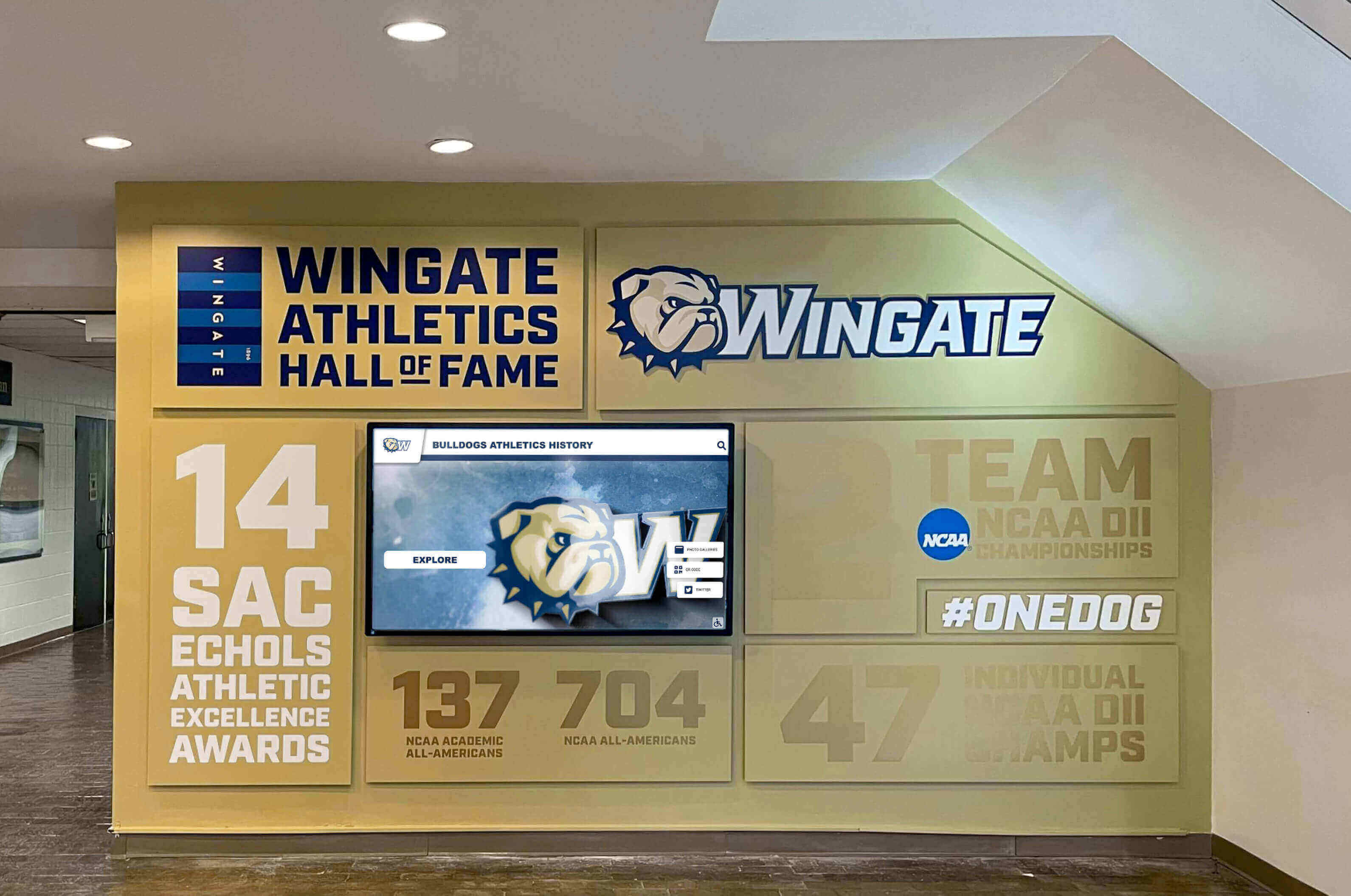
Standardized applications ensure consistent evaluation information:
- Candidate Biographical Information: Full name, years of attendance, graduation year, current contact information
- Athletic Participation Details: Sports played, years active, positions, significant statistics or achievements
- Achievement Documentation: Championships won, records held, honors received, all-conference or all-state selections
- Impact Narrative: Written statement explaining why candidate merits hall of fame recognition
- Supporting Materials: Photos, news clippings, statistics sheets, video links, or other documentation
- Nominator Information: Name, relationship to candidate, contact details demonstrating nomination legitimacy
Clear submission deadlines with adequate windows balance giving nominators sufficient time against preventing year-round rolling submissions creating unsustainable burden.
Establishing Selection Committee Structure
Committee composition and procedures significantly affect credibility and decision quality.
Balanced Committee Representation
Effective committees include diverse perspectives while maintaining workable size:
- Athletic Department Leadership: Athletic directors provide institutional knowledge and program context
- Coaching Staff Representatives: Current coaches understand competitive standards and excellence markers
- Alumni Members: Former athletes offer peer perspective and historical program knowledge
- Community Representatives: Local supporters provide external viewpoint and credibility
- Administrative Participation: Principals or board members ensure institutional value alignment
- Student-Athlete Input: Current athlete participation connects recognition to contemporary culture
Committee size typically ranges from seven to fifteen members—large enough for diverse perspectives but manageable for substantive discussion. Staggered terms ensure continuity while enabling regular refreshment bringing new viewpoints.
Conflict of Interest Management
Clear recusal policies maintain selection integrity:
- Committee members abstain from voting on relatives, former teammates, or significant personal relationships
- Professional relationships like former coaches evaluating players receive explicit policy guidance
- Recent graduates or family members of current staff typically ineligible for committee service
- Documentation of recusals creates transparency and accountability
Frameworks for creating alumni hall of fame programs demonstrate systematic approaches to committee development and governance.
Evaluation and Scoring Methods
Structured frameworks reduce subjectivity in candidate assessment:
Some programs implement quantitative scoring where committee members independently rate candidates across criteria—athletic achievement (40%), character and sportsmanship (20%), leadership (20%), post-athletic contributions (10%), historical significance (10%)—with aggregate scores determining recommendations. Others prefer holistic discussion without numerical ratings, believing excellence resists pure quantification.
Both approaches prove effective when applied consistently. Quantitative systems provide perceived objectivity and documentation. Holistic processes enable nuanced consideration of unique circumstances difficult to capture numerically.
Determining Induction Volume and Timing
Administrative decisions about class size and ceremony scheduling shape program character and sustainability.
Annual Induction Class Sizes
Programs choose between fixed quotas or flexible classes:
- Fixed Annual Numbers: Induct specific amounts yearly (commonly three to six individuals) ensuring consistent rhythm
- Variable Classes: Induct all candidates meeting thresholds regardless of number, avoiding artificial limitations
- Inaugural Large Classes: Launch programs with substantial initial classes creating immediate critical mass
- Periodic Inductions: Some schools conduct ceremonies every two to three years rather than annually
Fixed quotas provide predictable planning and prevent years without inductees. Variable approaches avoid excluding deserving candidates to meet caps or inducting marginally qualified individuals to reach minimums.
Ceremony Timing Strategies
Strategic scheduling affects attendance and visibility:
- Homecoming Weekend Integration: Capitalizes on alumni return and festive atmosphere maximizing attendance
- Athletic Banquet Combination: Integrates with existing recognition events reducing standalone burden
- Spring Culmination Events: Concludes school year celebrating excellence across programs
- Standalone Fall Ceremonies: Provides dedicated focus distinct from other activities
Integration with existing events improves efficiency but may dilute significance. Standalone ceremonies create special emphasis but require additional planning and risk lower attendance without other attractions.
Guidance on athletic wall of honor programs demonstrates effective recognition event planning and execution.
Digital Display Implementation for Hall of Fame Recognition
Display systems transform selection decisions into visible recognition inspiring current students while preserving institutional memory.
Understanding Traditional Display Limitations
Conventional physical displays face constraints that eventually undermine even well-conceived hall of fame programs.
Physical Display Challenges
Traditional plaques and trophy cases present multiple difficulties:
- Finite Space Capacity: Wall area eventually fills completely requiring difficult decisions about removing earlier inductees or halting new recognition
- Update Complexity: Adding new honorees requires physical production, shipping, and installation creating delays and costs
- Limited Information Depth: Space constraints permit only names, years, and minimal achievement details
- Static Presentation: No capacity for photos, videos, statistics, or rich biographical storytelling
- Single-Location Access: Physical displays exist only at specific facilities inaccessible to distant alumni
- Maintenance Requirements: Physical materials fade, tarnish, or sustain damage requiring cleaning or replacement
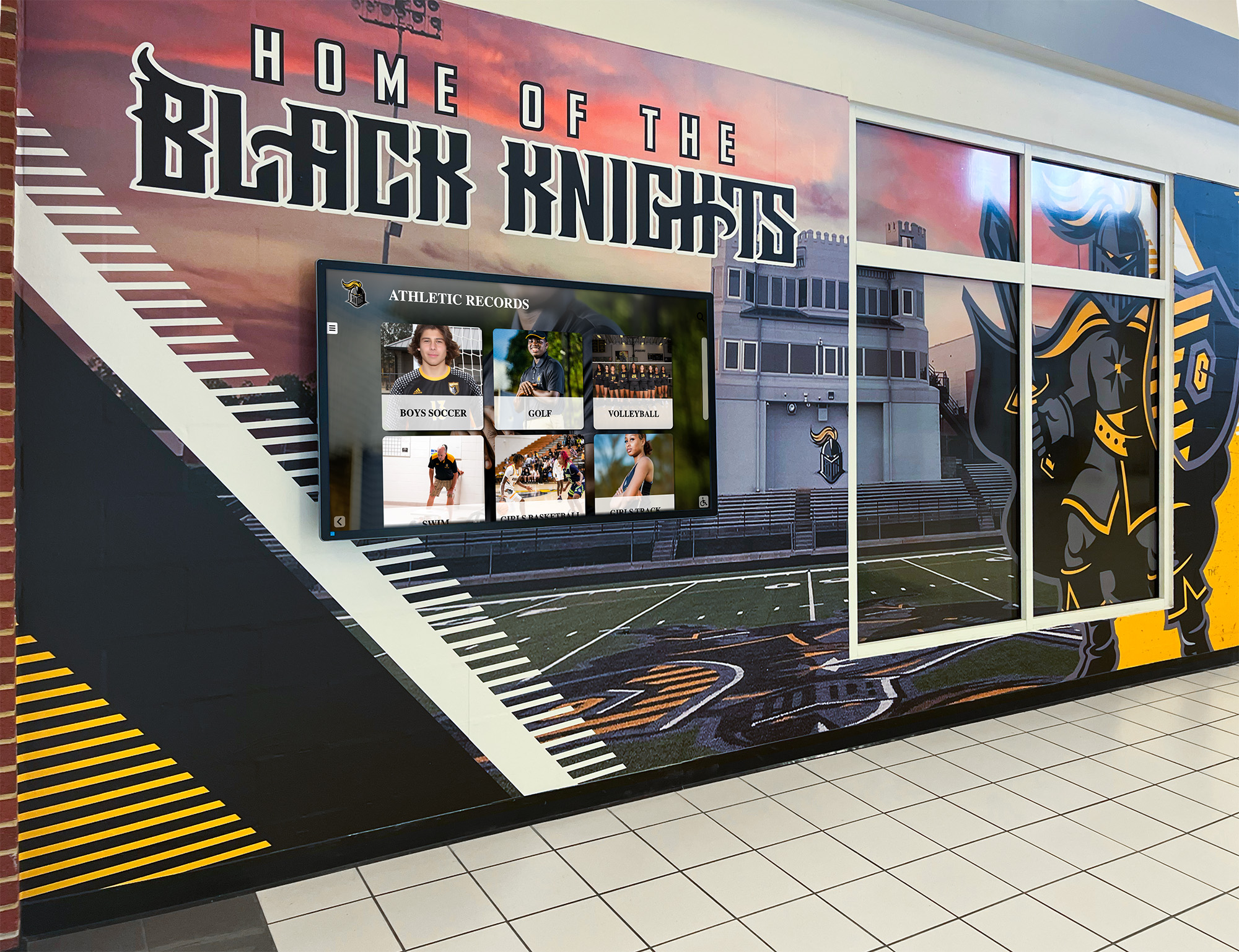
Many schools discover physical display limitations only after halls of fame operate for years. Initial installations accommodate early inductee classes comfortably, but annual additions gradually consume available space. Eventually, institutions face choosing between removing historical recognition or discontinuing new inductions—both options frustrate stakeholders invested in comprehensive acknowledgment.
Advantages of Digital Recognition Platforms
Modern interactive systems eliminate traditional constraints while providing substantially enhanced capabilities.
Unlimited Capacity and Scalability
Digital platforms accommodate unlimited inductees without physical space limitations. Schools can recognize comprehensive excellence across all sports, eras, and contributor categories without selective restriction forced by wall capacity. New inductees receive equal visual prominence regardless of when they joined rather than diminishing placement as displays fill.
This unlimited capacity transforms recognition strategy from scarcity-driven prioritization to comprehensive celebration. Every championship team receives acknowledgment. Every all-state athlete gains recognition. Every distinguished coach earns honor. Physical space constraints no longer dictate whose excellence gets celebrated and whose contributions disappear into storage.
Rich Multimedia Content Integration
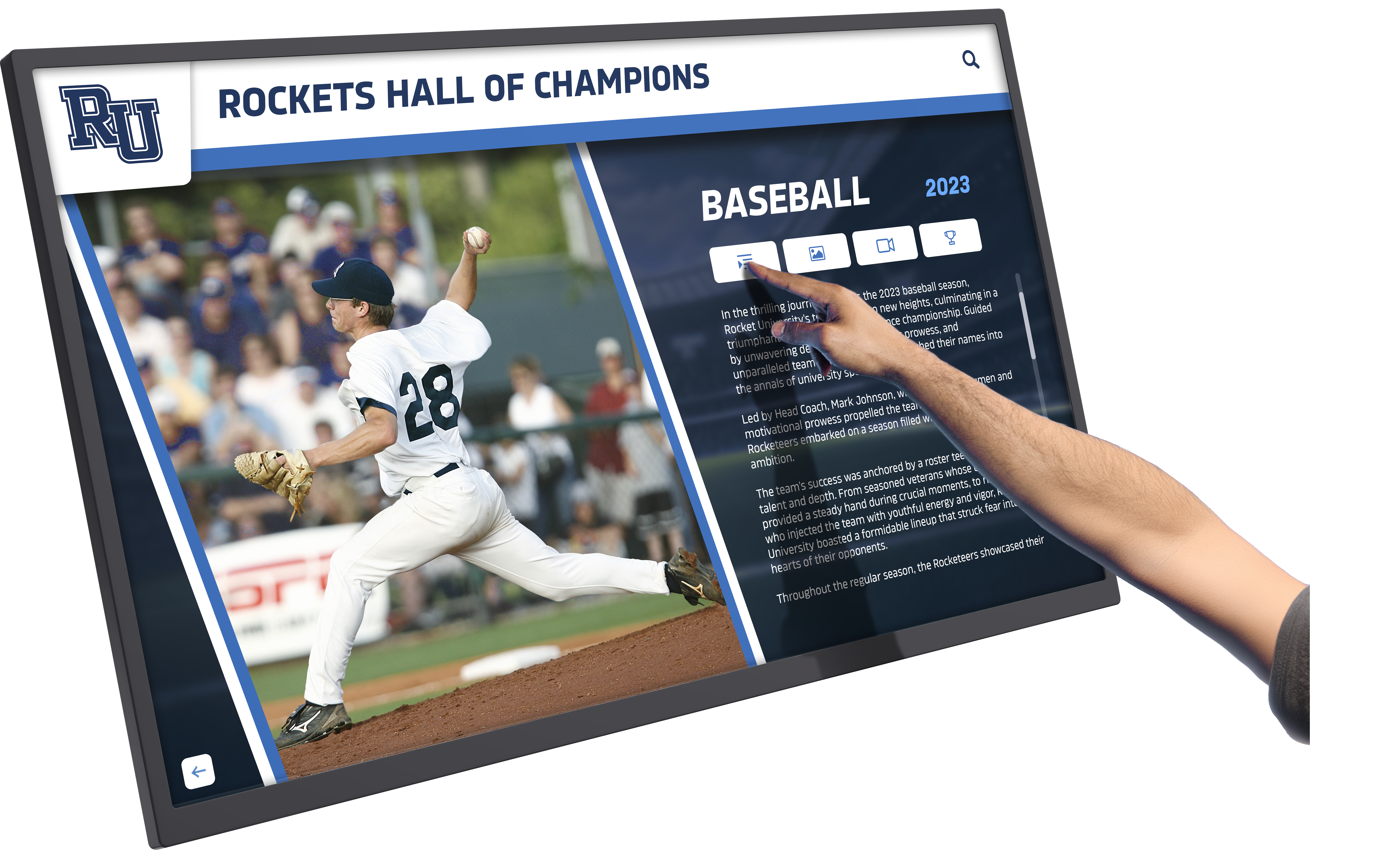
Digital systems display comprehensive achievement documentation impossible with traditional plaques:
- High-Resolution Photography: Multiple images from athletic careers, championship moments, and current life
- Video Integration: Historic game footage, record-breaking performances, induction ceremony speeches, contemporary interviews
- Detailed Statistics: Complete career statistics, achievement timelines, record progression, team context
- Biographical Narratives: Comprehensive stories about athletic journeys, obstacles overcome, post-athletic accomplishments
- Interactive Timelines: Visual representations showing career progression and historical program context
Multimedia storytelling creates emotional connection and deeper appreciation impossible with static name plaques. Visitors spend minutes exploring individual profiles rather than seconds scanning lists, building genuine understanding of inductee significance.
Resources on implementing digital hall of fame displays provide technical implementation guidance for educational institutions.
Instant Remote Content Updates
Administrators update recognition from any location without facility access or installation requirements. Content modifications, error corrections, and new inductee additions happen in minutes rather than requiring vendor scheduling and physical installation delays.
Cloud-based platforms enable:
- Adding new inductees immediately following induction ceremonies
- Correcting errors or updating information as soon as discovered
- Enhancing profiles with newly discovered photos or information
- Modifying organization or navigation based on user feedback
- Updating biographical information as inductees achieve post-athletic milestones
This update capability eliminates frustrating delays between achievement acknowledgment and physical recognition. Traditional systems requiring engraved plaque production mean recognition might lag weeks or months behind ceremonies. Digital systems honor excellence immediately while excitement remains high.
Global Accessibility Through Web Platforms
Modern recognition extends beyond physical displays through web access ensuring alumni anywhere can explore achievements:
- 24/7 Worldwide Access: Alumni residing anywhere explore complete hall of fame anytime from any device
- Social Sharing Features: Inductees share recognition with family, friends, and professional networks
- Search Functionality: Find specific athletes, sports, years, or achievements instantly
- Mobile Responsiveness: Optimal viewing across smartphones, tablets, and computers
- Permanent Profile URLs: Direct links to specific inductee profiles enable targeted sharing
Web accessibility fundamentally expands recognition reach. Physical displays serve primarily those visiting campus. Digital platforms engage global audiences including distant alumni, prospective students, media representatives, college recruiters, and community members unable to visit facilities regularly.
Comprehensive Analytics and Insights
Digital systems provide engagement data impossible with physical displays:
- Track which inductees receive most exploration revealing community interests
- Monitor access patterns showing peak engagement times and traffic sources
- Measure geographic reach demonstrating recognition extending beyond local communities
- Identify search terms helping optimize content discoverability
- Document cumulative engagement demonstrating program value to administrators
Analytics inform continuous improvement. Discovering certain sports receive limited attention might prompt enhanced documentation or improved navigation. Understanding popular content guides similar profile development. Data-driven recognition management ensures systematic enhancement based on actual usage rather than assumptions.
Implementing Hybrid Recognition Approaches
Many successful programs combine selective traditional elements with comprehensive digital capacity.
Complementary Physical and Digital Systems
Hybrid strategies balance tradition with technology:
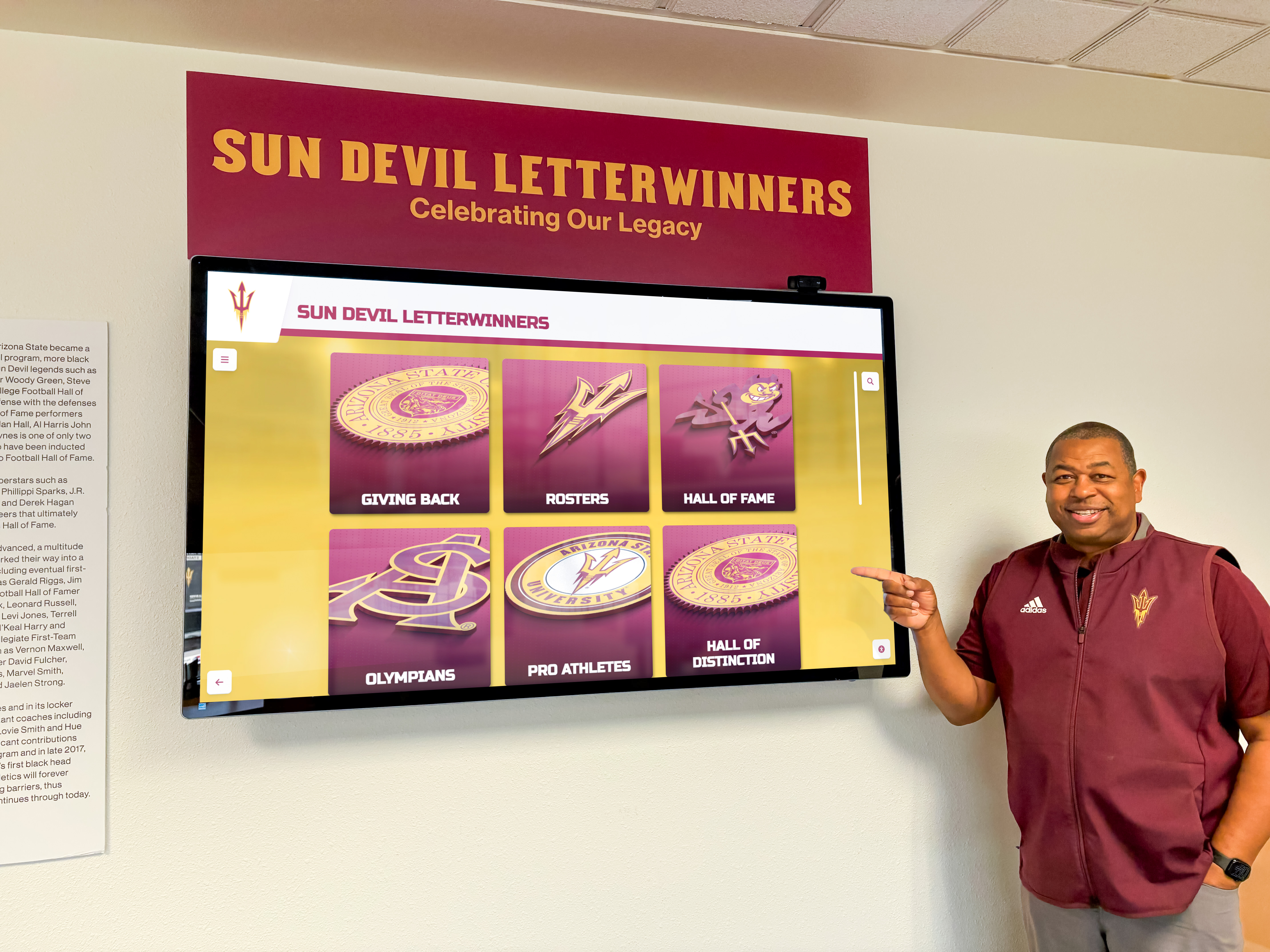
- Physical Entry Markers: Wall plaques listing recent inductee names providing tangible presence and visual impact
- Digital Comprehensive Archives: Touchscreens or web platforms providing unlimited historical recognition capacity
- QR Code Integration: Physical displays include codes linking to detailed digital profiles with expanded information
- Strategic Placement: Physical markers in high-visibility locations directing attention to digital content exploration
- Ceremonial Elements: Physical awards presented during induction ceremonies; digital platforms for ongoing visibility
This combined approach satisfies traditionalists valuing physical recognition while delivering modern engagement and management capabilities solving capacity limitations.
Frameworks for school trophy case modernization demonstrate effective hybrid implementation strategies.
Creating Engaging Digital Hall of Fame Content
Effective digital recognition requires systematic content development maintaining quality and consistency across inductees.
Developing Comprehensive Inductee Profiles
Rich detailed profiles create engaging recognition worth exploring rather than simple lists.
Essential Profile Components
Complete inductee recognition includes:
- Biographical Information: Full name, graduation year, sports participated, years active, positions played
- Athletic Achievements: Championships won, records held, honors received, significant statistical accomplishments
- Career Statistics: Sport-specific performance data providing quantitative achievement context
- Leadership and Character: Team captaincy, sportsmanship recognition, academic achievement, community involvement
- Post-Athletic Information: College athletics, professional sports, career accomplishments, current activities
- Multimedia Assets: Action photos, team photos, ceremony images, video highlights when available
Consistency across profiles ensures professional presentation while acknowledging that documentation depth varies based on era and available information.
Historical Research and Documentation
Building complete records for inductees whose careers ended decades ago requires systematic research:
- School Archives: Athletic department records, yearbooks, newspaper clippings, statistical compilations
- Alumni Outreach: Direct contact with inductees gathering firsthand accounts and personal photos
- Local Media Research: Historical newspaper archives documenting games, achievements, and recognition
- Oral History Projects: Interviews with teammates, coaches, and contemporaries providing context
- Conference and State Records: Association archives documenting official honors and championships
Many schools discover incomplete records forcing acknowledgment that comprehensive documentation proves impossible for all historical athletes. Honest recognition of what is documented versus unknown demonstrates integrity while honoring inductees appropriately.
Organizing Content for Intuitive Exploration
Structure affects whether visitors explore recognition deeply or scan superficially.
Navigation and Categorization
Effective organization enables multiple discovery pathways:
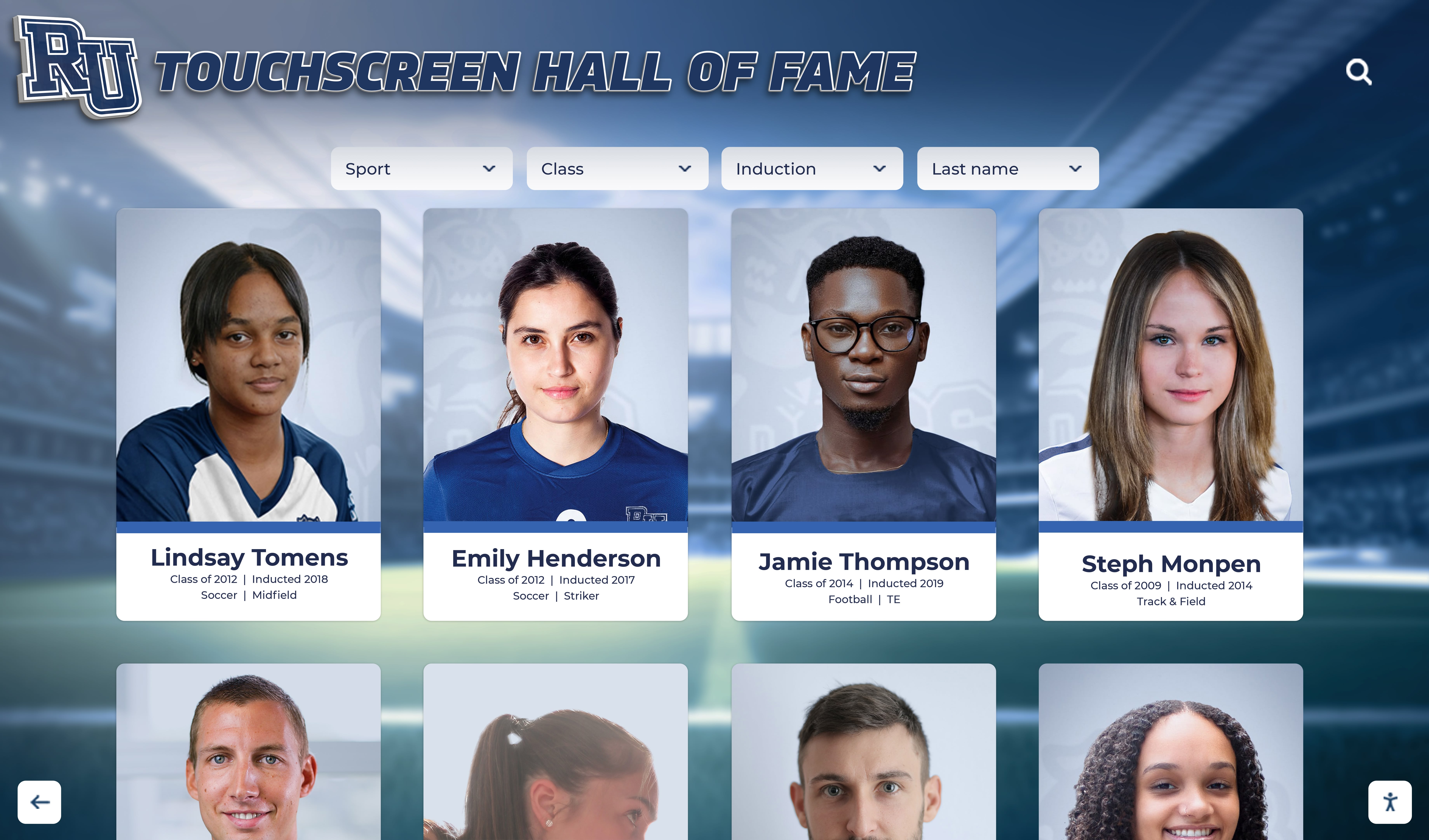
- Sport-Specific Sections: Browse all football, basketball, track, or other sport inductees
- Year-Based Organization: Explore by graduation year, decade, or participation era
- Achievement Type Filtering: View state champions, record holders, or specific honor recipients
- Alphabetical Listings: Traditional surname sorting for known-name searches
- Featured Content Rotation: Home screens highlighting diverse achievements ensuring varied visibility
Multiple navigation options accommodate different user goals. Alumni seeking themselves need name search. Current athletes exploring sport traditions want sport-specific browsing. Historical researchers prefer chronological organization.
Search Functionality Requirements
Robust search enables finding specific recognition quickly:
- Text search accepting names, sports, years, achievements, or coaches
- Auto-complete suggestions guiding proper spelling and name formats
- Partial name matching accommodating maiden names or nicknames
- Results filtering by sport, decade, or category refining large result sets
- Recent search memory enabling quick return to previous explorations
Poor search frustrates users unable to locate specific inductees. Excellent search creates satisfying discovery experiences encouraging extended exploration.
Resources on recognition program best practices offer content development frameworks applicable to hall of fame implementations.
Sustaining Hall of Fame Programs Over Time
Long-term success requires systematic ongoing management beyond initial establishment.
Administrative Responsibility and Oversight
Clear accountability ensures programs maintain momentum across years and leadership transitions.
Designated Role Assignment
Effective programs identify specific individuals responsible for hall of fame management:
- Primary Administrator: Single person (often athletic director) with ultimate accountability for program operation
- Selection Committee Coordinator: Manages nomination process, schedules meetings, maintains documentation
- Content Manager: Responsible for display updates, profile development, accuracy verification
- Ceremony Coordinator: Plans annual induction events including logistics, programs, and execution
Role clarity prevents diffused responsibility where everyone assumes someone else handles tasks, resulting in neglect undermining program credibility.
Annual Operating Calendar
Systematic scheduling ensures consistent operation:
- Summer/Early Fall: Nomination period opens, applications collected, eligibility verified
- Mid-Fall: Selection committee reviews candidates, deliberates, makes induction recommendations
- Late Fall/Early Winter: Inductee notification, ceremony planning, content profile development
- Winter/Spring: Induction ceremony execution, display updates, documentation archiving
Regular cycles create institutional routines reducing likelihood of programs losing momentum during transitions or busy periods.
Content Maintenance and Enhancement
Recognition relevance requires ongoing attention keeping information current and accurate.
Profile Updates and Corrections
Dynamic content management includes:
- Adding newly available photos or historical documentation as discovered
- Correcting errors identified by inductees, alumni, or researchers
- Updating biographical information as inductees achieve post-athletic milestones
- Enhancing profiles with video content or multimedia when produced
- Verifying statistical accuracy against authoritative sources
Digital platforms enable continuous improvement impossible with static physical plaques. Recognition quality increases over time rather than deteriorating as materials age.
Historical Expansion Projects
Systematic efforts gradually build comprehensive recognition:
- Focus research on specific decades, sports, or achievement types filling documentation gaps
- Engage alumni to contribute photos, memories, and achievement verification
- Digitize historical yearbooks, programs, and media coverage creating searchable archives
- Conduct oral history interviews capturing firsthand accounts before knowledge is lost
- Partner with local historical societies or libraries accessing archived materials
These ongoing projects transform incomplete initial launches into increasingly comprehensive institutional athletic histories preserving legacy permanently.
Measuring Hall of Fame Program Impact
Assessment demonstrates value while identifying improvement opportunities.
Engagement Metrics and Analytics
Digital platforms provide data illuminating program effectiveness:
- Total Interactions: Overall usage volume and time spent exploring recognition
- Popular Content: Most-viewed inductees, sports, or eras revealing audience interests
- Access Patterns: Peak usage times, traffic sources, and visitor demographics
- Search Behavior: Common queries showing how users seek specific information
- Geographic Reach: Visitor locations demonstrating recognition extending beyond local community
Analytics guide enhancement decisions. Limited engagement with certain sports might prompt improved navigation or richer content. High international access demonstrates global alumni connection maintenance.
Stakeholder Feedback Collection
Qualitative input complements quantitative data:
- User surveys assessing satisfaction with selection processes and display systems
- Inductee feedback about ceremony experiences and ongoing recognition visibility
- Alumni input during reunions or events about program significance
- Student perspectives on recognition impact and accessibility
- Community member observations about program credibility and transparency
Systematic feedback gathering combined with usage analytics creates comprehensive understanding enabling data-informed program refinement.
Program Benefit Documentation
Demonstrating broader institutional value builds administrative support:
- Alumni Engagement: Measure attendance at induction ceremonies, social media sharing, website traffic
- Current Athlete Impact: Survey athletes about recognition awareness and motivational influence
- Recruitment Benefits: Document prospective student-athlete responses to hall of fame during campus visits
- Fundraising Connections: Track donor engagement patterns among inductees and ceremony attendees
- Media Coverage: Compile press mentions and community awareness indicators
Documented benefits justify program investment while identifying opportunities for expanded impact across institutional priorities.
Building Recognition That Inspires Excellence
Effective hall of fame programs transcend simple honor lists becoming cultural forces shaping athletic identity and student motivation.
The most successful initiatives share core characteristics: transparent selection criteria applied consistently ensuring fairness and credibility, systematic processes managing nominations and evaluation efficiently, engaging displays making recognition visible and accessible to diverse audiences, sustainable administrative structures ensuring continuity across leadership changes, balanced acknowledgment celebrating diverse sports and contributor types equitably, rich content documenting athletic achievements and personal character comprehensively, and strong integration with overall program culture and institutional values.
When schools invest systematically in hall of fame development, benefits extend far beyond individual inductee recognition. Current athletes witness concrete excellence examples creating motivation toward high achievement. Alumni maintain emotional connections supporting ongoing engagement and advancement. Communities develop pride in institutional traditions and accomplishments. Athletic department culture strengthens around shared values of excellence, character, and service. Institutional memory preserves competitive history that otherwise disappears as decades pass without systematic documentation.
Modern digital recognition platforms enable comprehensive celebration that traditional physical displays cannot match. Unlimited capacity ensures every deserving individual receives acknowledgment without forced choices between recognizing new excellence or preserving historical honor. Rich multimedia content creates engaging storytelling that static plaques never achieve. Instant updates eliminate delays between selection and display. Global web accessibility connects distant alumni maintaining lifelong institutional bonds.
Your athletic programs have produced generations of talented student-athletes, dedicated coaches, and passionate supporters whose contributions shaped countless lives and built institutional traditions worth preserving permanently. Clear selection criteria ensure fair recognition processes earning community trust. Digital display systems provide capacity, engagement, and accessibility that physical limitations prevented historically.
Schools ready to establish new hall of fame programs or modernize existing recognition can explore purpose-built platforms specifically designed for educational athletic departments. These solutions combine intuitive content management requiring no technical expertise, professional multimedia presentations engaging diverse audiences, unlimited inductee capacity eliminating space constraints, instant remote updates reducing administrative burden, comprehensive web accessibility extending recognition globally, and reliable ongoing support ensuring long-term program sustainability.
Book a demo to discover how modern hall of fame platforms transform recognition from limited physical displays into comprehensive digital celebrations honoring every achievement, inspiring current athletes, preserving institutional history, and building athletic traditions that strengthen your entire school community for generations to come.































