



Graduation ceremonies represent culminating moments in students’ educational journeys—celebrations marking years of hard work, growth, and achievement. Whether planning high school commencement exercises for hundreds of graduates or smaller ceremonies for alternative programs, the pressure to create meaningful experiences that honor students while engaging families and communities can feel overwhelming. Schools invest countless hours coordinating logistics, managing expectations, and ensuring every detail contributes to memorable ceremonies that graduates will treasure for decades.
This comprehensive guide walks administrators, event coordinators, and planning committees through the complete graduation ceremony planning process. From establishing planning timelines and selecting appropriate venues to designing meaningful recognition programs and leveraging modern technology for lasting impact, these proven strategies help schools create commencement events worthy of the milestone they celebrate.
Why Graduation Ceremony Planning Demands Strategic Attention
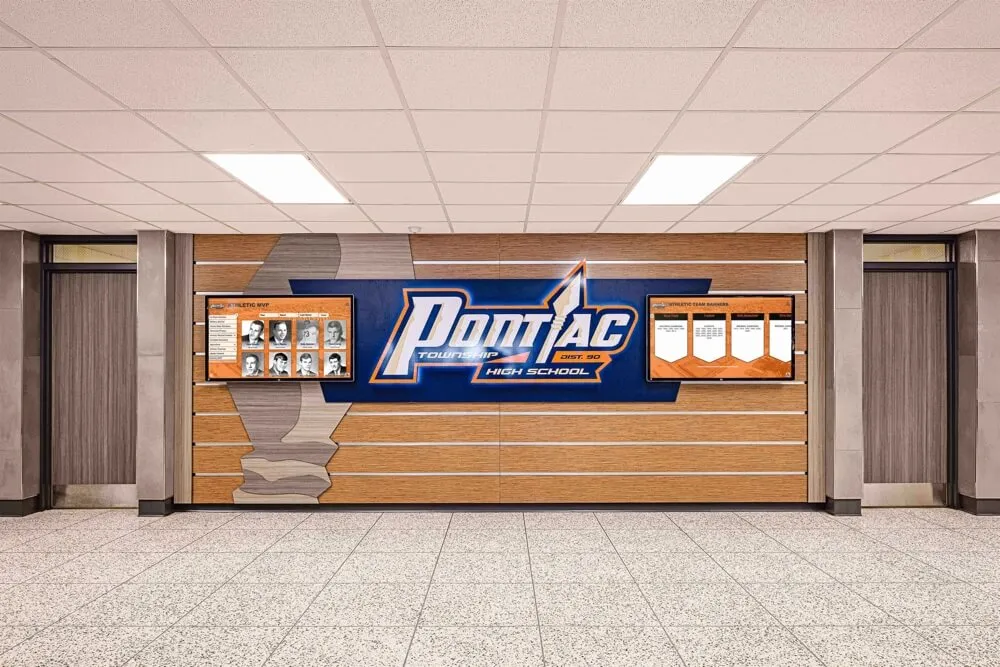
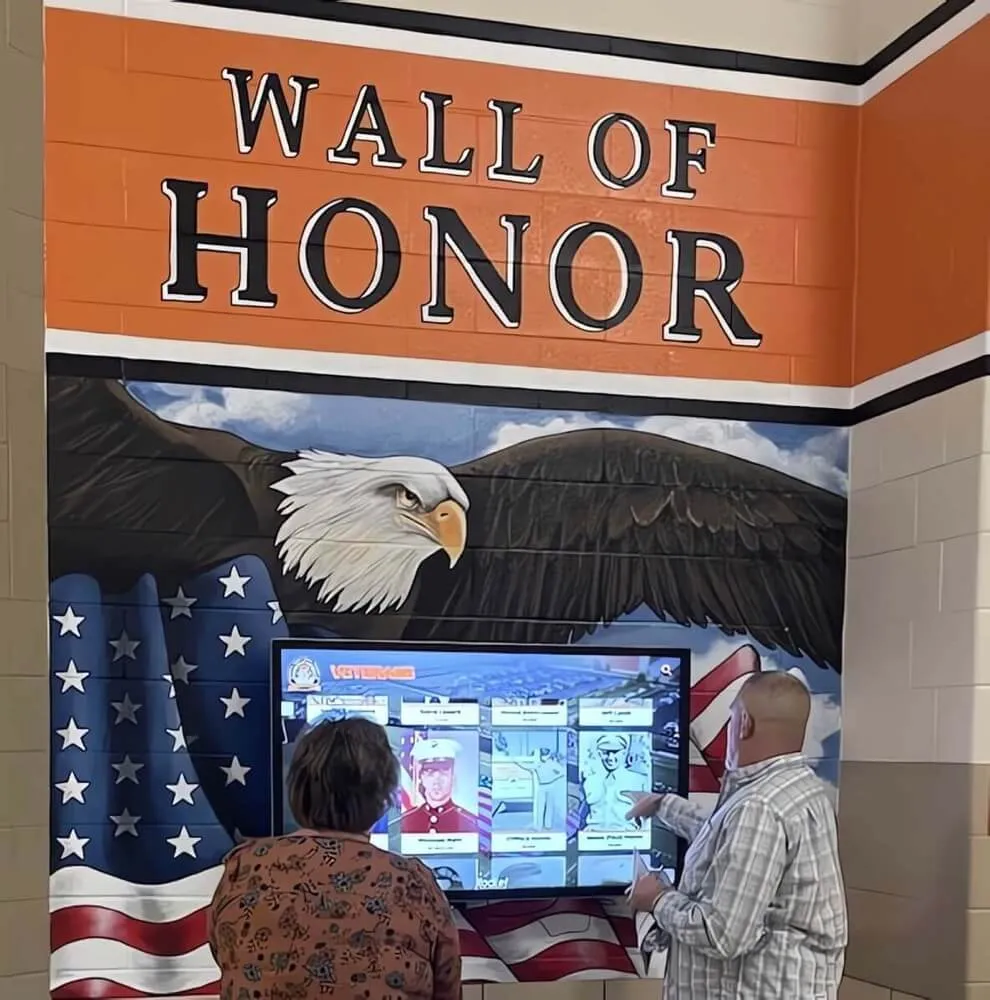
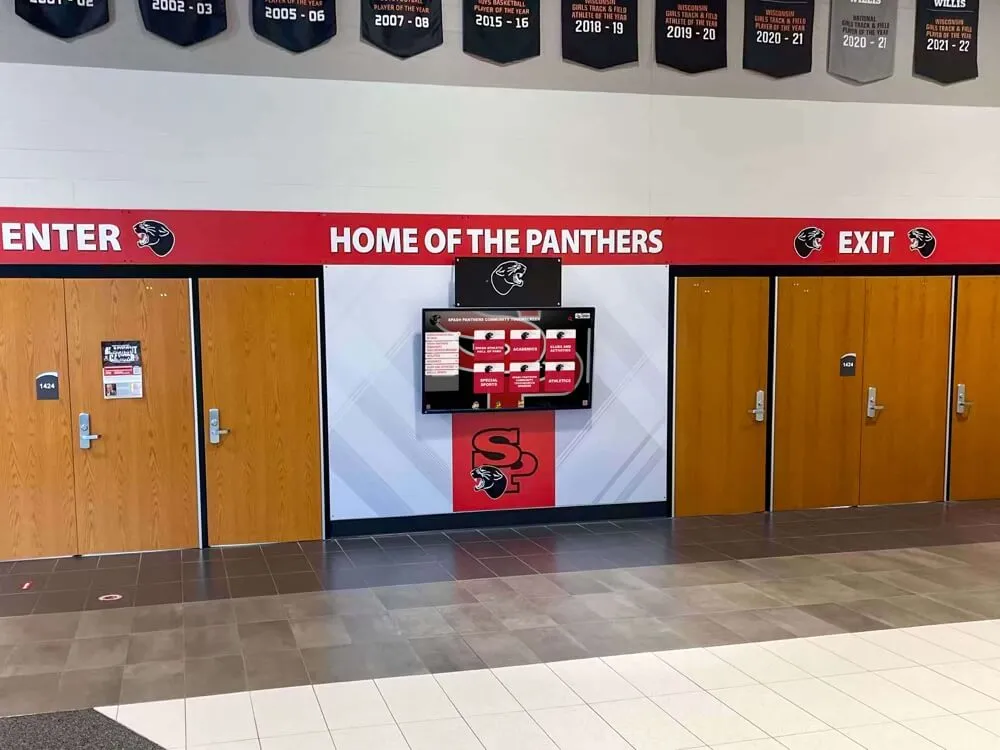
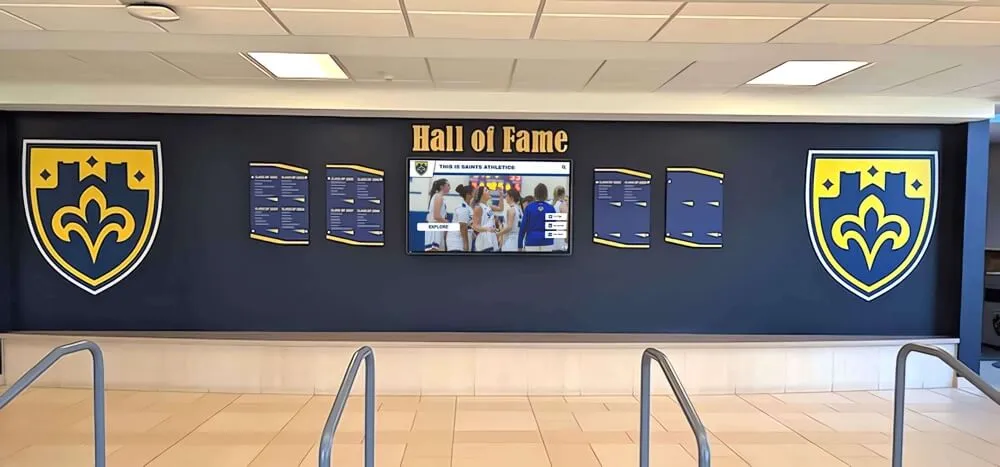
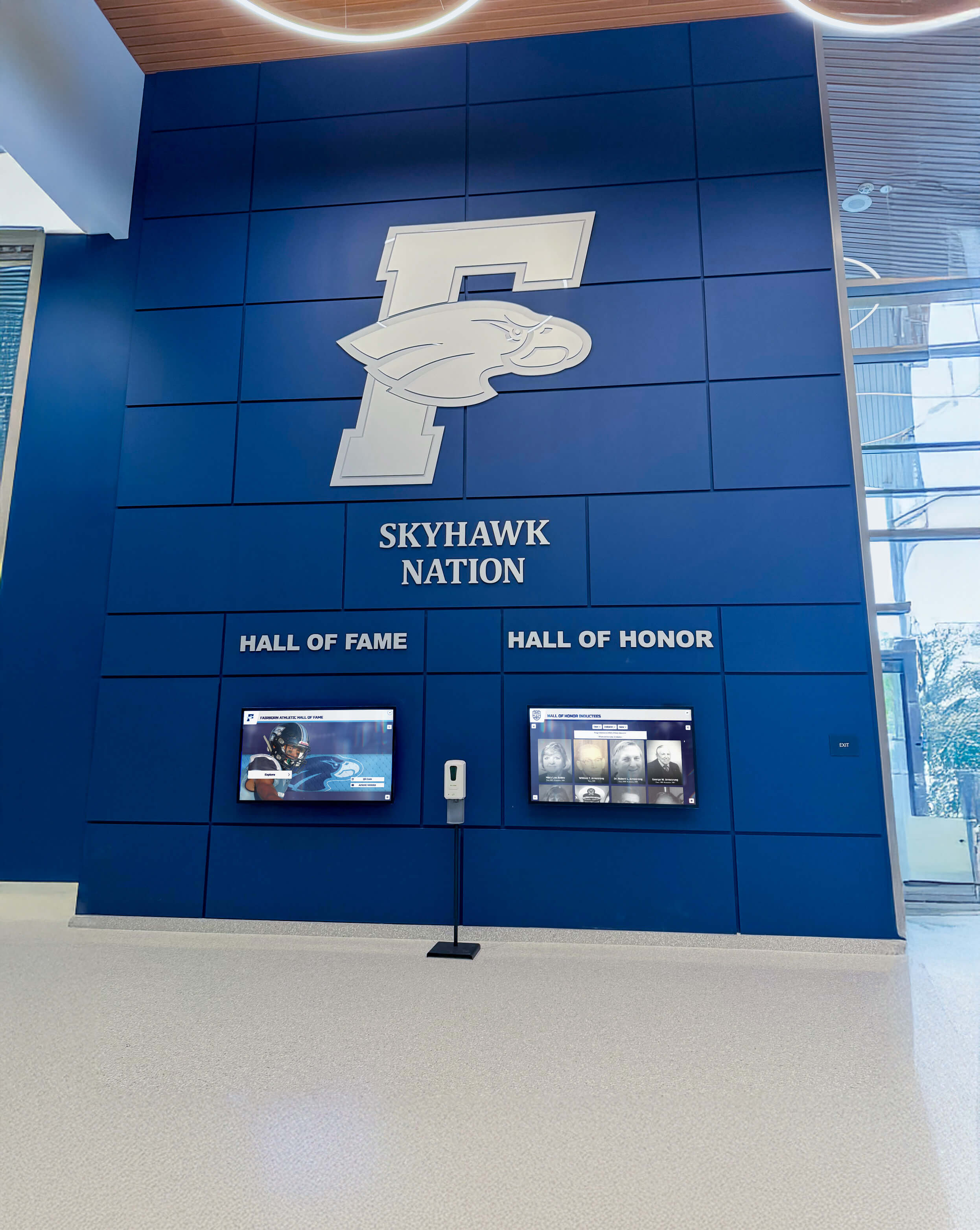
Graduation ceremonies serve purposes extending far beyond credential distribution. These formal celebrations publicly validate student achievement, provide closure on significant educational chapters, strengthen connections between schools and communities, and create powerful memories that shape how graduates remember their educational experiences. Well-executed ceremonies demonstrate institutional commitment to honoring every graduate while establishing traditions that define school culture for generations. Solutions like Rocket Alumni Solutions enable schools to extend graduation recognition beyond single ceremony moments, creating permanent digital displays that celebrate graduating classes while building institutional memory connecting past, present, and future students.
Establishing Your Planning Timeline
Successful graduation ceremonies require systematic planning beginning months before commencement dates. Starting early prevents last-minute scrambling while ensuring thoughtful attention to details that transform ordinary events into memorable celebrations.
6-8 Months Before Graduation
Form Planning Committee: Establish a graduation planning team including administrators, faculty representatives, student services staff, facilities personnel, and potentially parent or student representatives. Assign clear responsibilities for venue coordination, program development, budget management, vendor relationships, communications, and day-of execution.
Set Date and Time: Confirm graduation date and time, considering conflicts with standardized testing, religious holidays, other school events, community celebrations, and competing graduations at nearby schools. Evening ceremonies often accommodate working families better than daytime events, though weather considerations may influence outdoor ceremony timing.
Determine Budget: Establish comprehensive budget accounting for venue rental, stage and seating rentals, audio-visual equipment, printed programs, graduation regalia, recognition materials, photography services, security, and contingency funds. Identify funding sources including school budgets, senior class funds, ticket sales if applicable, sponsorships, or fundraising proceeds.
Select Venue: Book ceremony venue considering graduate numbers plus guest allocations per student, accessibility requirements, weather protection, parking availability, audio-visual capabilities, stage configuration options, and symbolic significance to your school community. Many schools alternate between gymnasiums, performing arts centers, outdoor stadiums, or off-campus venues depending on class size and resource availability.
4-5 Months Before Graduation
Design Ceremony Structure: Outline complete ceremony program including processional music and choreography, welcome remarks, invocation if appropriate, introduction of dignitaries, student speeches, keynote address, special recognitions or awards, diploma presentation, class song or ceremonial elements, recessional, and estimated duration for each segment.
Select and Confirm Speakers: Identify and secure commitments from ceremony speakers including principal or superintendent, student valedictorian and salutatorian speakers, school board representatives, and keynote speakers if inviting external guests. Provide speaking guidelines regarding time limits, appropriate content, and audience composition.
Order Graduation Regalia and Materials: Purchase or rent caps, gowns, and tassels for graduates. Order diplomas, diploma covers, honor cords for special recognitions, commemorative programs, and any ceremonial items like graduation stoles representing academic or extracurricular achievements. Allow sufficient time for customization, production, and delivery.
Plan Student Recognition Strategy: Determine how graduates will be recognized individually—reading names only, including honors designations, sharing future plans, or providing brief biographical information. Decide organization approach such as alphabetical order, academic standing, or program groupings. Consider implementing comprehensive student recognition displays that extend beyond brief ceremony mentions.
2-3 Months Before Graduation
Finalize Ceremony Program: Complete detailed program content including graduate names with accurate spellings, special recognition recipients, speaker biographies, ceremony order, acknowledgments, and any historical information or inspirational messaging. Design program layout balancing professionalism with readability and school branding.
Coordinate Rehearsal Logistics: Schedule graduation rehearsal date, time, and location. Communicate attendance expectations to graduates and participating staff. Plan rehearsal agenda covering processional/recessional practice, seating assignments, stage procedures for diploma receipt, behavioral expectations, and ceremony timing.
Arrange Photography and Videography: Contract professional photography services for ceremony coverage, individual graduate photos, and family photo opportunities. Arrange video recording or livestreaming capabilities for family members unable to attend. Establish protocols for family photography during ceremony to minimize disruptions.
Communicate with Families: Send comprehensive graduation information to families including ceremony date, time, and location with directions and parking information; guest ticket policies and distribution if capacity limited; graduate dress code and regalia pickup details; ceremony protocols and behavioral expectations; photography policies; and accessibility accommodations available.
4-6 Weeks Before Graduation
Confirm Vendor Arrangements: Reconfirm all contracted services including venue reservation, audio-visual equipment rental, photography and videography, security personnel if required, and any catering for pre-ceremony receptions or post-ceremony celebrations.
Finalize Speaker Preparations: Collect speech drafts or outlines from all speakers ensuring appropriate content and length. Conduct practice sessions with student speakers providing coaching on delivery, pacing, and microphone technique. Prepare speaker introductions and biographical information for ceremony program.
Arrange Security and Crowd Management: Coordinate security plans including staff assignments for entry screening, crowd control, emergency procedures, and parking management. Brief security personnel on ceremony protocols, VIP handling, and communication systems.
Print Programs and Materials: Finalize program design incorporating all accurate information, proofread meticulously, and submit for printing with sufficient quantities for graduates, families, staff, and archives. Order any additional printed materials like ceremony posters, directional signage, or commemorative items.
1-2 Weeks Before Graduation
Conduct Graduation Rehearsal: Execute comprehensive rehearsal with all graduates and participating staff. Practice processional and recessional formations and timing, verify accurate name pronunciation for every graduate, review stage procedures and diploma presentation logistics, establish seating arrangements and stage positions, clarify behavioral expectations and ceremony etiquette, and address graduate questions or concerns.
Prepare Venue: Coordinate with facilities staff or venue management regarding setup schedule, seating configuration and placement, stage construction and decoration, sound system testing and microphone placement, lighting adjustments, screen or projection setup if needed, signage placement for parking and building navigation, and accessibility accommodations.
Distribute Regalia: Organize cap and gown distribution to graduates, verify sizing and completeness, provide care instructions and ceremony preparation guidance, distribute honor cords or special recognition items, and collect any rental deposits or fees.
Final Communications: Send ceremony reminders to families with parking and arrival time recommendations, weather contingency plans if outdoor ceremony, photography policy reminders, and post-ceremony celebration information if applicable.
Designing Meaningful Ceremony Programs
The structure, pacing, and content of graduation ceremonies significantly influence how meaningful graduates and families find the experience. Thoughtful program design balances tradition with personalization, maintains appropriate pacing, and ensures every graduate feels genuinely honored.
Ceremony Length Considerations
Graduation ceremonies should typically last 90-120 minutes for classes of 100-300 students. Longer ceremonies result in restless audiences, graduate disengagement, and diminished impact of important moments. Shorter ceremonies may feel rushed or insufficiently ceremonial for such significant milestones.
Carefully time each program element during rehearsal and build buffer time for transitions, unexpected applause, or technical adjustments. Remember that diploma presentation typically consumes the largest time block—allowing 10-15 seconds per graduate means 100 graduates require 17-25 minutes just for name reading and credential distribution.
Processional and Recessional
The entrance and exit of graduating students create powerful visual moments setting ceremony tone and providing memorable family photo opportunities.
Processional Considerations:
- Traditional “Pomp and Circumstance” versus contemporary or culturally significant music
- Alphabetical order versus program groups or random arrangement
- Faculty processional leading graduates or following class entry
- Multiple entrance points creating visual interest versus single-file traditional entrance
- Seating arrangement on stage or floor level
- Timing coordination between music, graduate entry, and opening remarks
Recessional Approaches:
- Celebratory exit with upbeat music after ceremony concludes
- Graduates exiting to designated areas for family reunification
- Photo opportunity stations graduates pass through
- Class formation for group photo before dispersing
- Faculty forming honor corridor graduates walk through
Student Participation and Voice
Including meaningful student participation enhances ceremony relevance while giving graduates agency in their own celebration.
Student Speakers: Select 2-4 student speakers representing diverse perspectives and experiences. Provide guidance emphasizing positive messages, appropriate humor, gratitude, reflection on shared experiences, and forward-looking perspectives rather than inside jokes or negative commentary. Balance academic achievement speakers with representatives of other excellence dimensions like leadership, service, or perseverance.
Class Officers or Representatives: Feature class officers welcoming families, thanking faculty and staff, or presenting symbolic class gifts. These brief leadership moments validate students who served their class while personalizing ceremonies.
Musical or Artistic Performances: Consider including student musical performances, poetry readings, or video compilations. These creative elements showcase graduate talents while breaking up speech-heavy programs.
Class Song or Tradition: Incorporate class-selected songs, ceremonial traditions, or symbolic moments that graduates helped design. Student ownership of ceremony elements creates authentic investment and memorable uniqueness.
Faculty and Administration Recognition
Graduation ceremonies provide opportunities for institutional leaders to honor graduate achievement while offering final guidance and inspiration.
Principal or Superintendent Address: The school leader’s speech should balance celebration of accomplishments with acknowledgment of challenges overcome, gratitude to families and educators, and encouraging vision for graduates’ futures. Effective addresses often reference specific class achievements, acknowledge current events or context affecting this graduating class, and avoid generic platitudes in favor of authentic, specific messaging.
Faculty Recognition: Consider acknowledging long-serving faculty members who taught many graduates, retiring staff members whose final class is graduating, or departments that significantly impacted the class. Brief recognition validates educator contributions without overtaking graduate focus.
Board or District Leadership Remarks: Short welcome or congratulatory remarks from school board members or district leadership demonstrate institutional support while maintaining appropriate ceremonial formality.
Understanding how schools develop comprehensive academic recognition programs helps inform graduation ceremony planning, ensuring commencement celebrations align with year-round acknowledgment systems.
Diploma Presentation and Individual Graduate Recognition
The moment each graduate crosses the stage represents the ceremony’s emotional and symbolic core. This segment requires careful choreography balancing individual recognition with efficient movement.
Presentation Flow and Logistics
Stage Configuration: Design stage layout with clear traffic patterns—graduates enter one side, walk to center for diploma receipt and photos, exit opposite side. Avoid congestion points or confusion about direction.
Name Reading Protocol: Assign name reading to someone with clear speaking voice who knows graduates well. Provide phonetic spellings for names requiring pronunciation guidance. Establish consistent pacing allowing each name to register with audience before reading next graduate.
Diploma Distribution: Determine who physically presents diplomas—principal, superintendent, school board members, or rotating dignitaries. Coordinate efficient handshakes or brief congratulations without creating bottlenecks.
Photo Opportunities: Designate official photographer position for consistent diploma presentation photos. Establish protocol for professional photography timing—typically capturing handshake moment. Communicate to families when they can take photos to prevent stage crowding or ceremony disruptions.
Special Recognition and Honors
Academic Honors Designation: Decide how to recognize honor graduates—special cord colors, verbal recognition as names read, or separate honor recognition segment. Common approaches include:
- Reading honors designation with each graduate’s name (cum laude, magna cum laude, summa cum laude)
- Having honor graduates wear distinctive cords or stoles
- Separate ceremony segment recognizing all honor students
- Printed program indication without verbal announcement
Scholarship and Award Recognition: Determine whether to announce major scholarships or awards during ceremony or handle separately at awards programs. If including scholarship recognition, group announcements to avoid excessive length while ensuring major distinctions receive appropriate attention.
Special Achievement Acknowledgment: Consider recognizing outstanding individual achievements like state championships, national recognition, or extraordinary service without creating competitive hierarchy among graduates.
Venue Selection and Technical Considerations
Choosing appropriate venues and managing technical requirements significantly influences ceremony success and guest experience.
Indoor Versus Outdoor Venues
Indoor Venue Advantages:
- Weather protection ensuring ceremony proceeds regardless of conditions
- Controlled temperature and environment
- Superior sound system quality and control
- Professional lighting capabilities
- Accessible facilities and ADA compliance
- Year-round availability
Outdoor Venue Benefits:
- Often greater capacity accommodating unlimited guests
- Natural setting creating memorable atmosphere
- Symbolic significance of campus locations
- Reduced venue rental costs
- Better ventilation and COVID-safety considerations
Most schools benefit from indoor venues with guaranteed capacity or securing indoor backup options for planned outdoor ceremonies to avoid weather-related complications.
Audio-Visual Requirements
Sound Systems: Ensure venues provide or permit installation of:
- Wireless microphones for speakers and graduate name reading
- Adequate speaker coverage throughout space
- Music playback capability for processional and recessional
- Testing time before ceremony for volume and clarity adjustments
Visual Elements: Coordinate video needs including:
- Screens for displaying graduate names, photos, or ceremony program
- Video tribute playback capability
- Livestreaming equipment for remote viewing
- Recording equipment for archival and family purchase
Lighting: Evaluate lighting adequacy for:
- Stage visibility for photos
- Audience safety and comfort
- Dramatic effect for processional and recessional
- Video recording quality
Accessibility and Accommodation
Graduation ceremonies must accommodate diverse accessibility needs:
- Wheelchair-accessible seating with good sight lines
- Accessible stage access for graduates with mobility limitations
- Assistive listening devices for hearing-impaired guests
- ASL interpreters if requested
- Accessible parking proximity
- Accessible restroom facilities
- Clear wayfinding and signage
Planning award ceremony programs shares many logistical considerations with graduation planning, and schools can apply similar accessibility and venue selection principles across multiple recognition events.
Managing Capacity Limitations and Guest Policies
Large graduating classes and venue capacity constraints create challenging situations requiring careful policy development and clear communication.
Ticket Allocation Strategies
Equal Base Allocation: Provide each graduate identical ticket quantity (commonly 4-8 tickets depending on venue capacity). This ensures equity while managing total attendance.
Waitlist System: Establish waitlist procedures for graduates needing additional tickets beyond base allocation. Redistribute unclaimed or returned tickets through waitlist to accommodate larger families without penalizing graduates who need fewer tickets.
No Ticket Policy: If venue capacity permits, eliminate ticket restrictions entirely. This family-friendly approach prevents complications but requires venues accommodating very large crowds.
Separate Overflow Viewing: Set up overflow areas with livestream viewing for guests beyond venue capacity. Provide comfortable viewing experience with refreshments and graduation program access.
Communication and Enforcement
Communicate ticket policies early and clearly:
- Announce policies at year beginning, not shortly before graduation
- Explain capacity limitations and rationale honestly
- Provide ticket distribution timeline and procedures
- Clarify whether tickets are transferable
- Outline consequences for policy violations
Enforce policies consistently and equitably while showing compassion for difficult family situations requiring exception considerations.
Creating Lasting Impact Through Recognition Technology
Traditional graduation ceremonies create powerful single-day experiences, but modern recognition technology enables schools to extend celebration and preserve graduate memories permanently.
Digital Yearbooks and Memory Preservation
Comprehensive digital yearbook platforms enable schools to preserve graduating class memories in formats that remain accessible and engaging for decades. These systems allow schools to maintain graduate photos, achievement summaries, ceremony footage, and class narratives in searchable digital archives that graduates and families can access long after physical yearbooks become lost or damaged.
Digital preservation particularly benefits schools seeking to:
- Reduce printed yearbook costs while improving content access
- Include multimedia content like video messages or ceremony highlights
- Enable graduates to revisit memories easily regardless of location
- Update content as graduates achieve post-graduation milestones
- Integrate graduation content with broader alumni engagement platforms
Permanent Graduating Class Displays
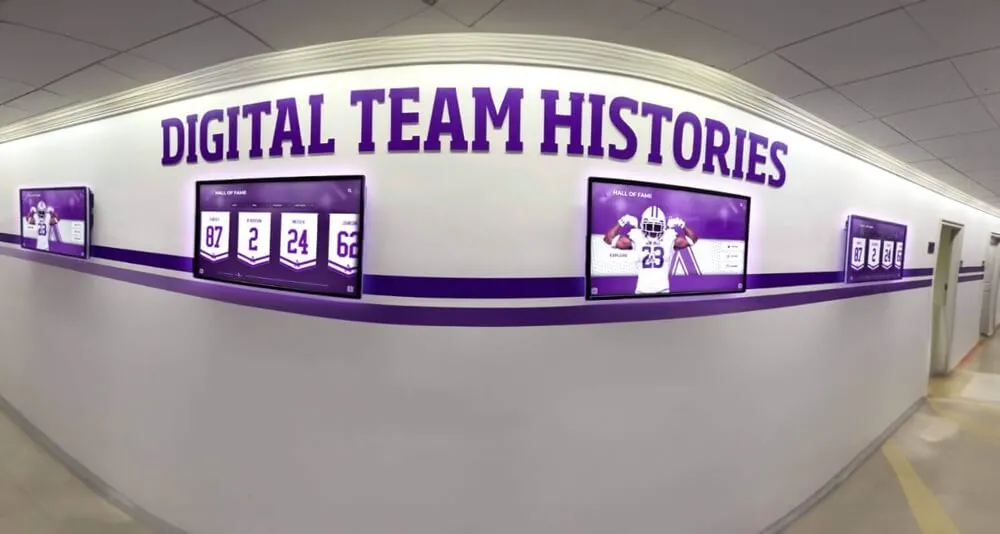
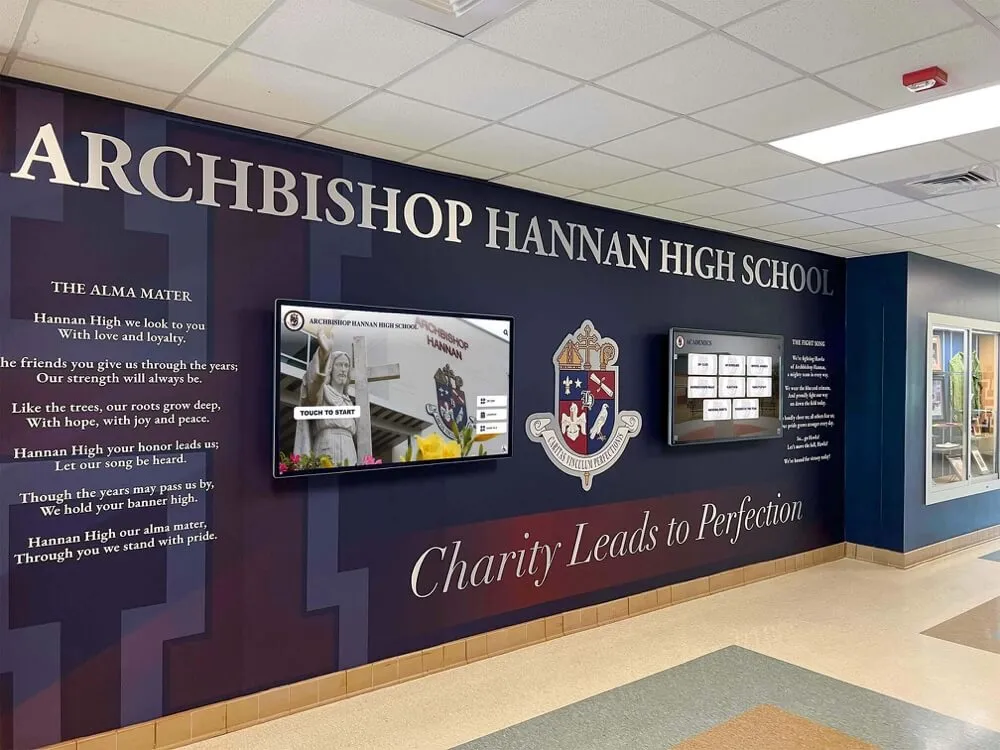
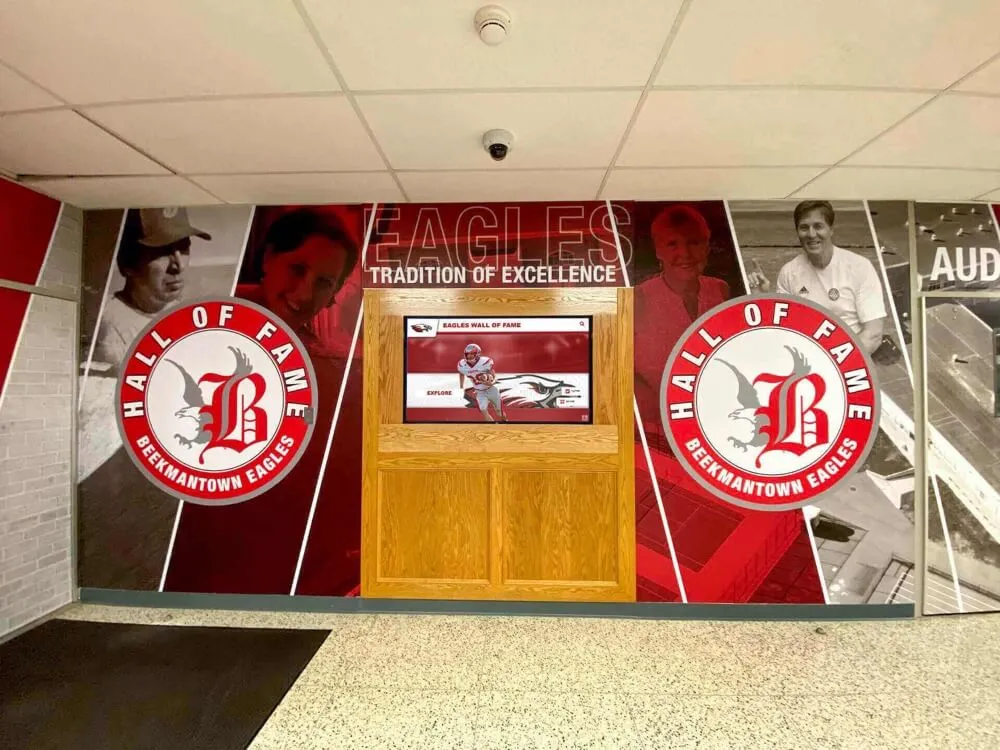
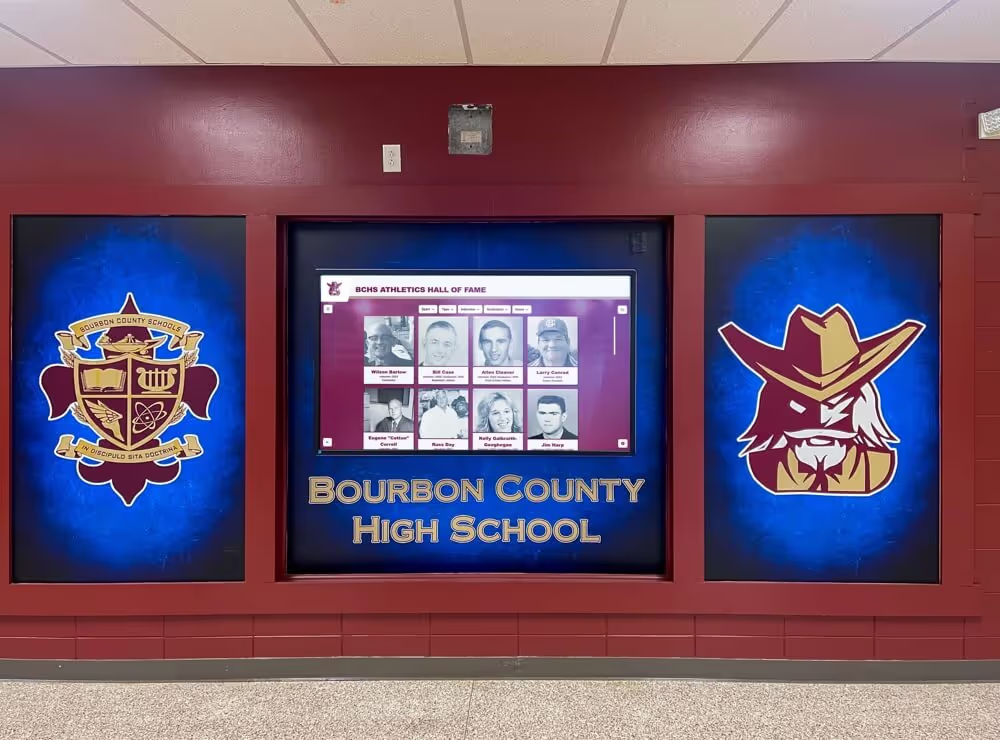
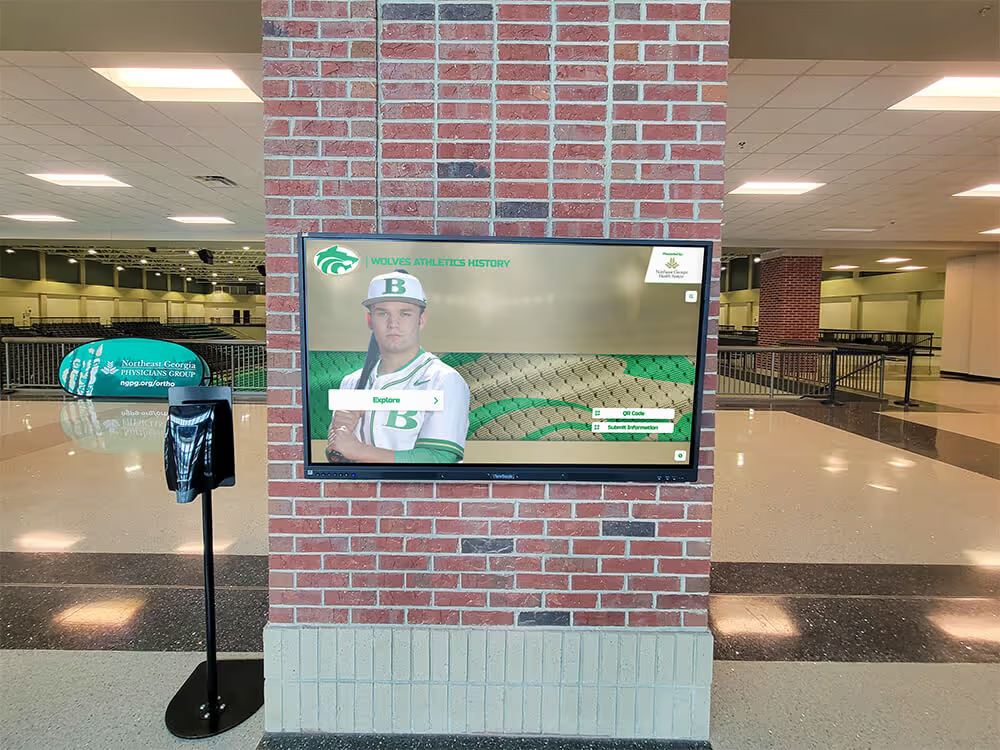
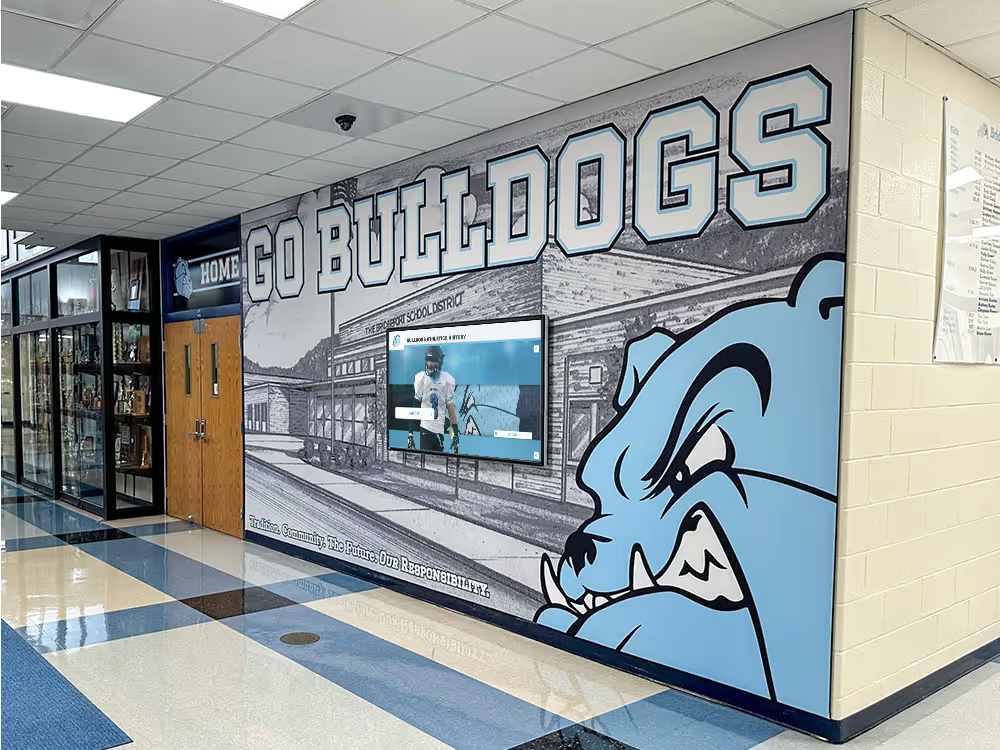
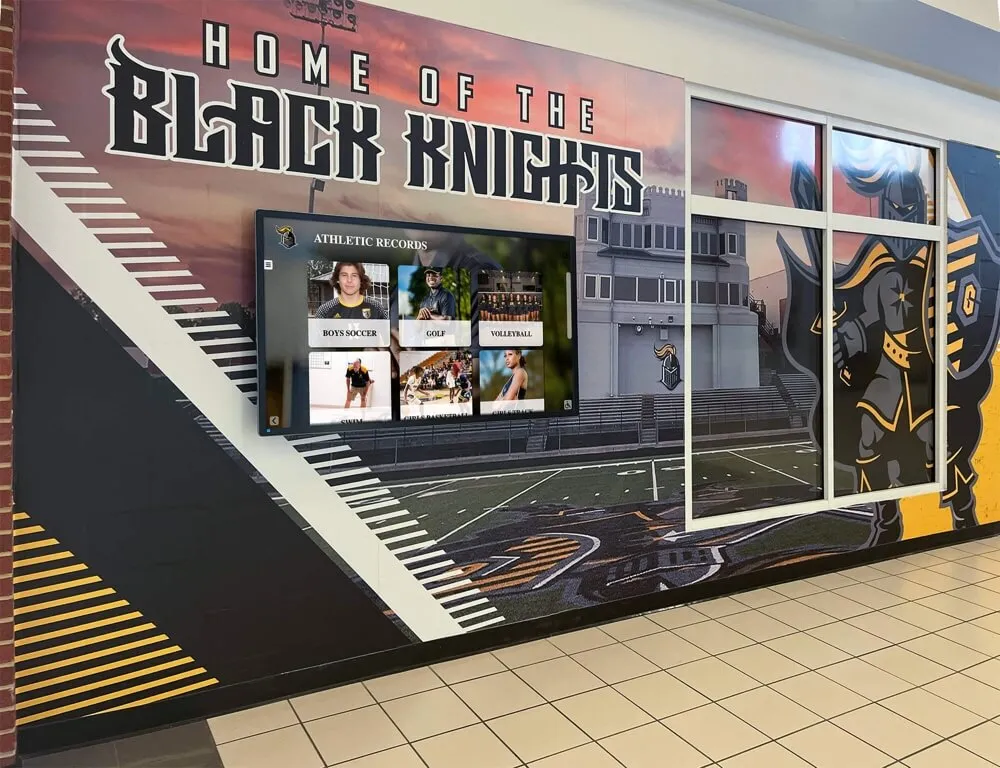
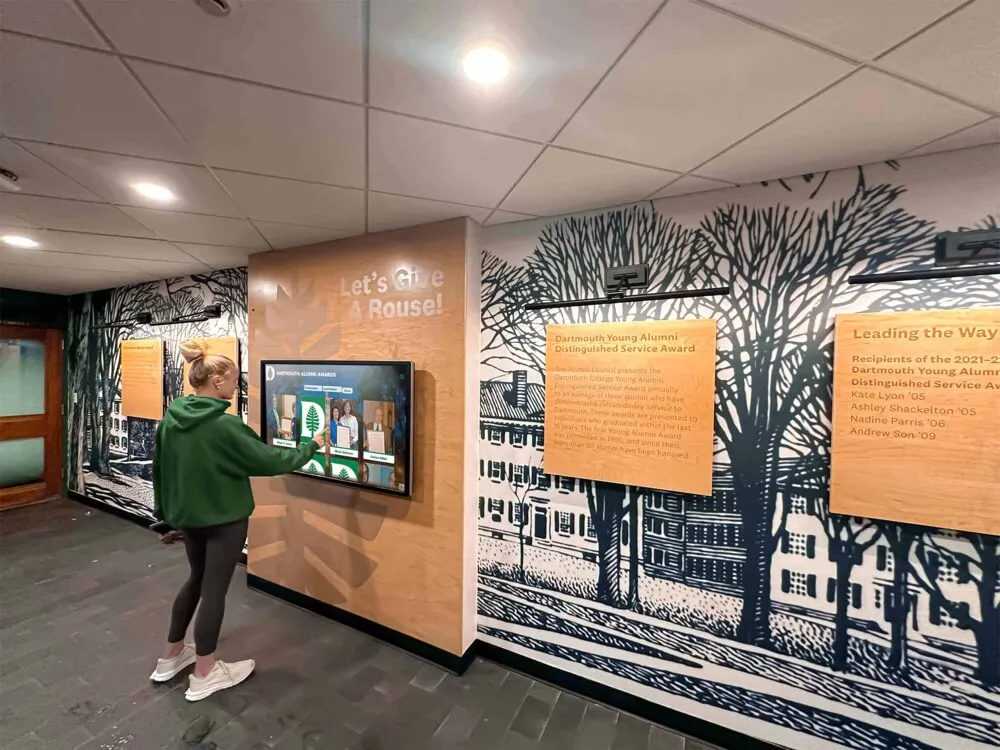
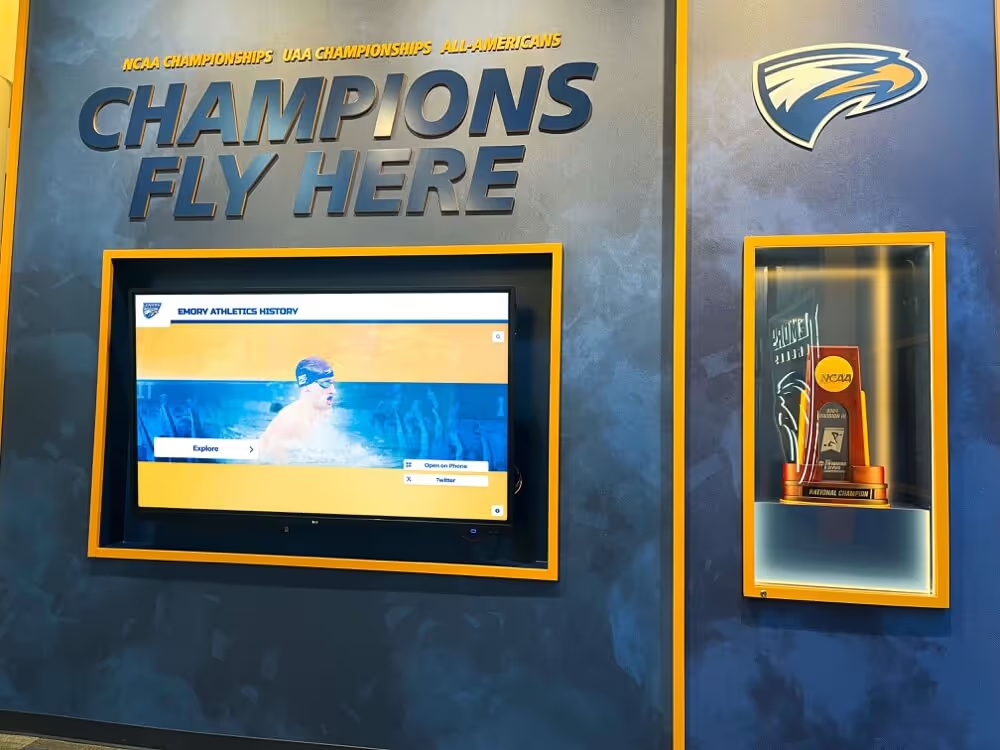
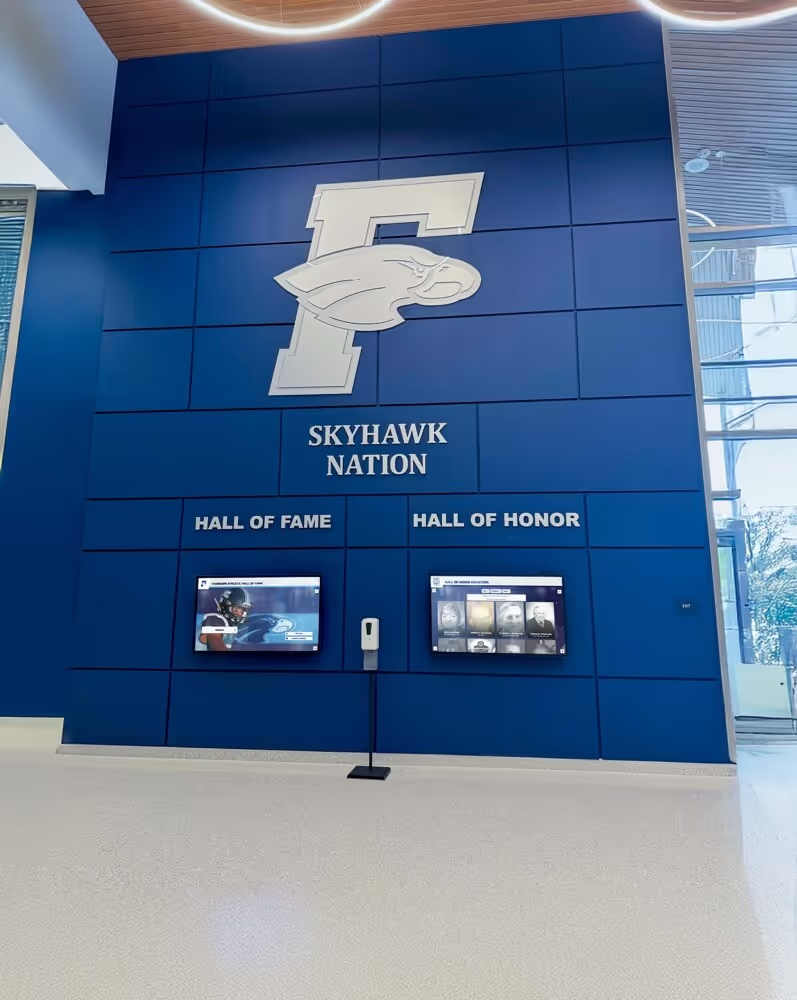
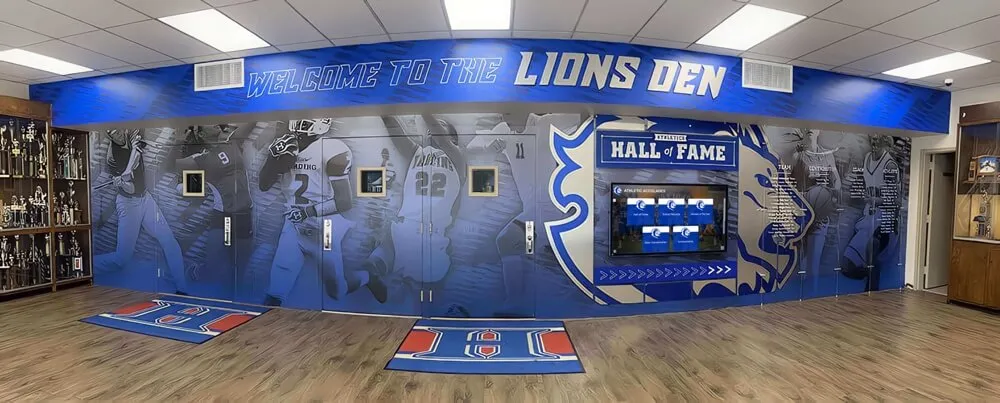
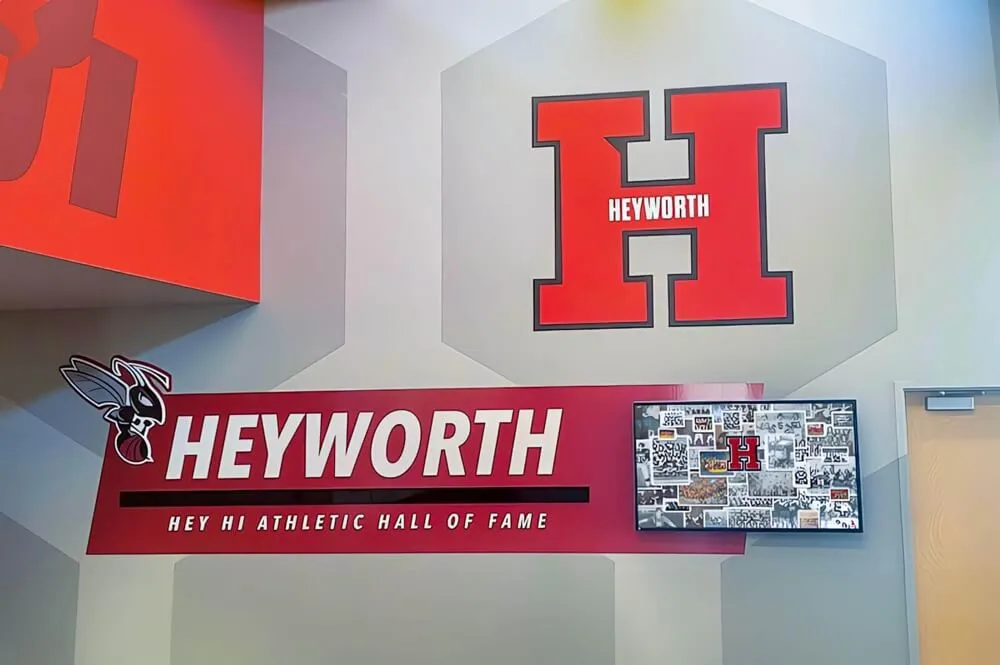
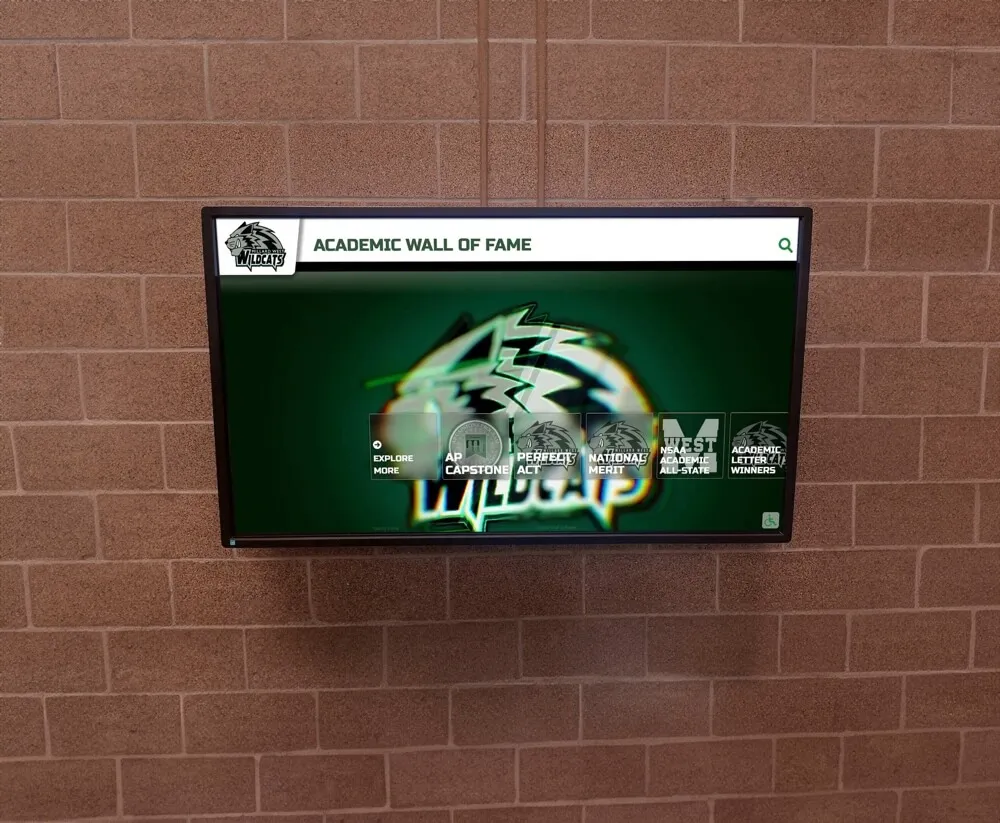
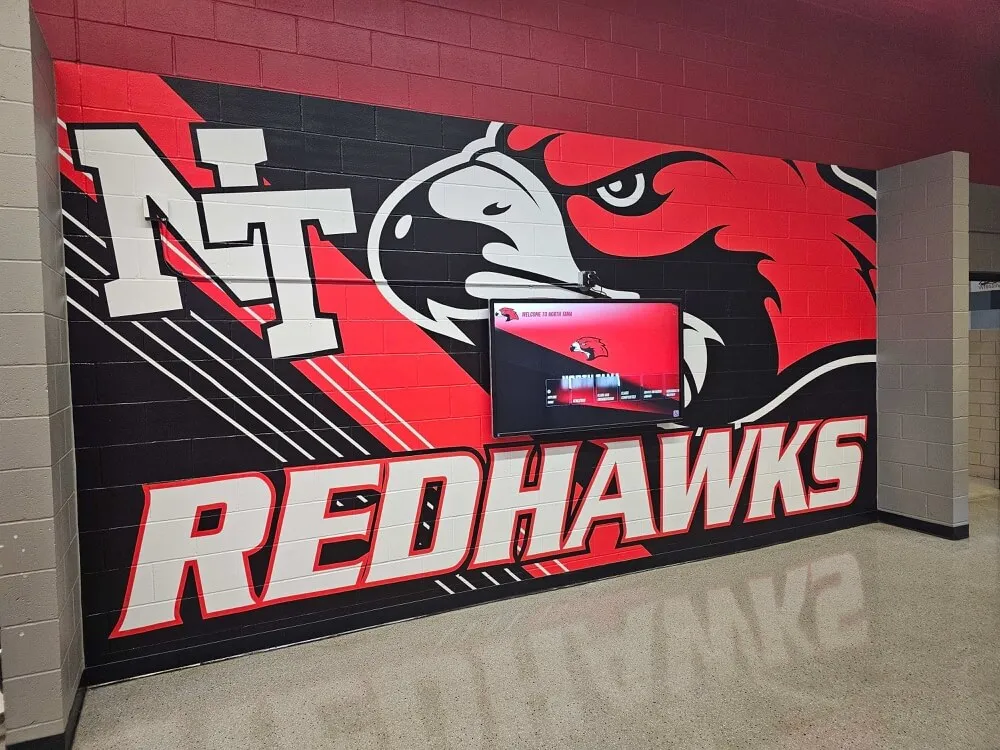
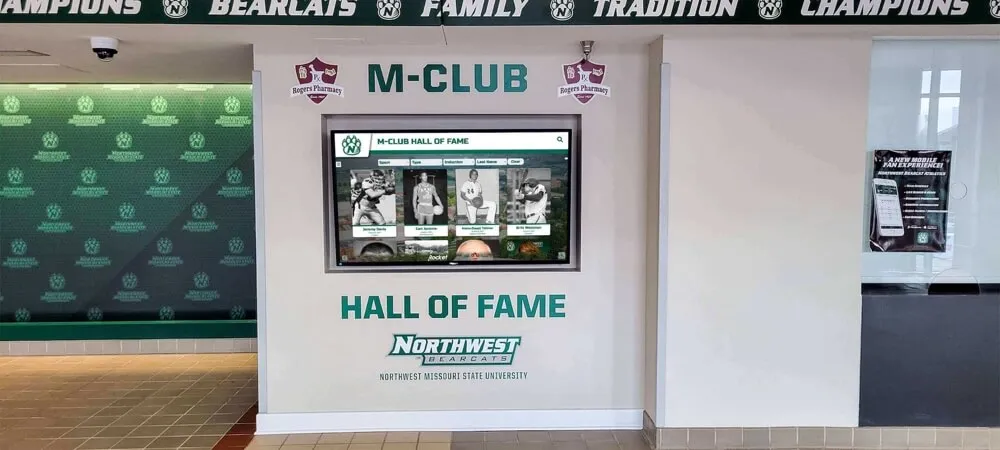
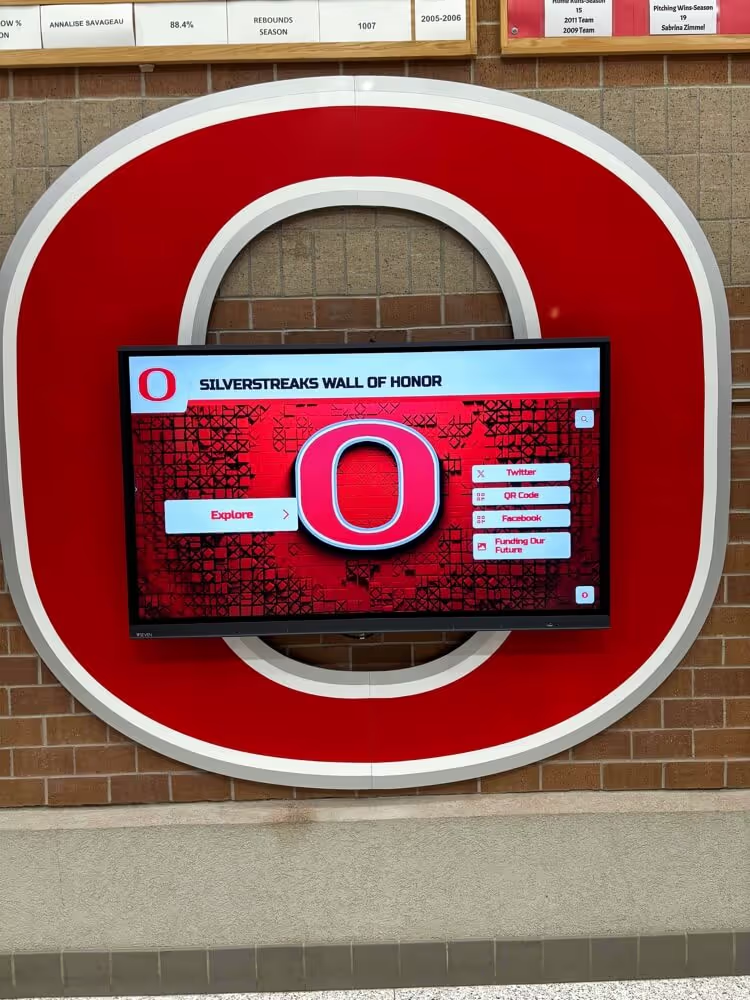
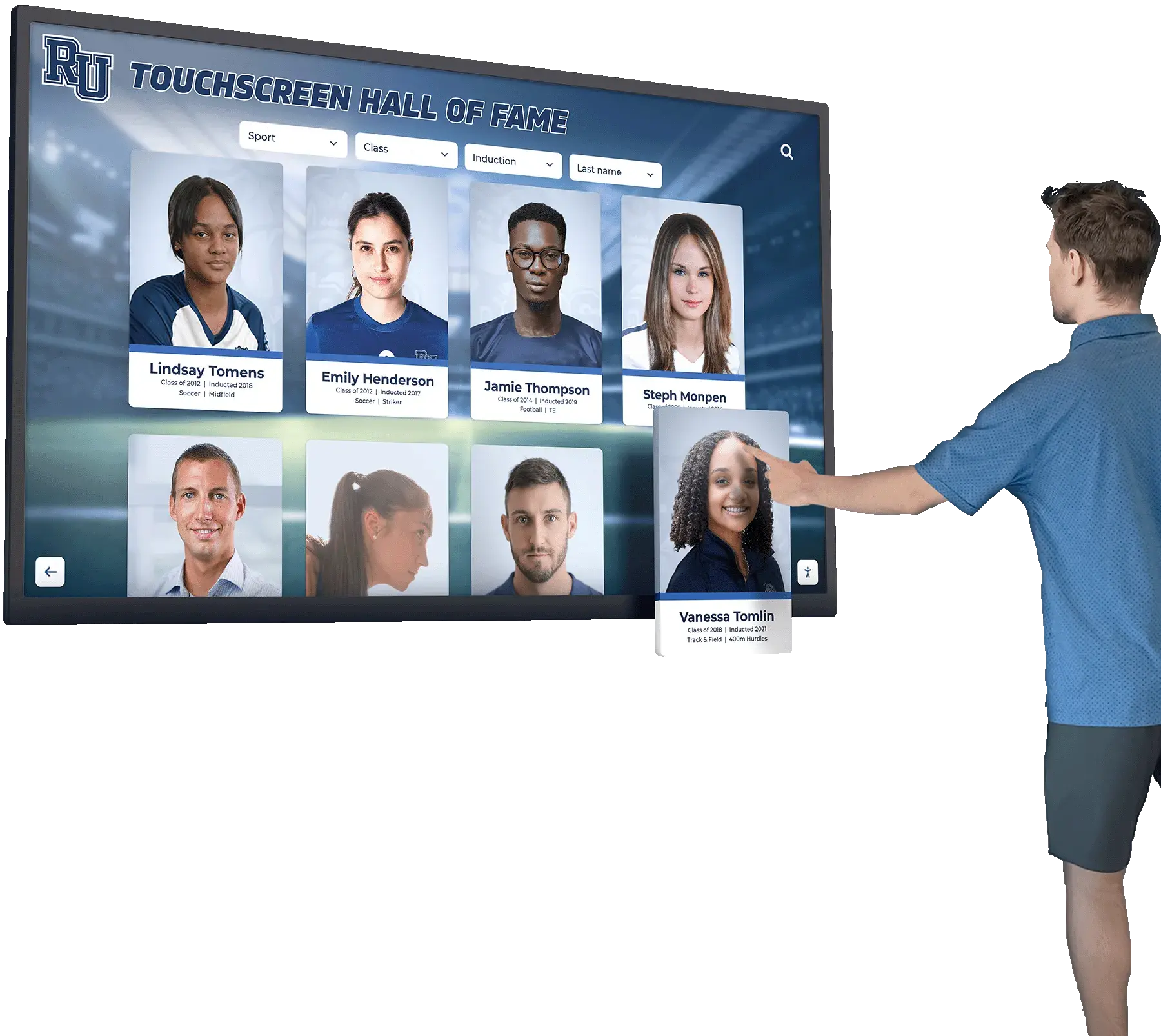
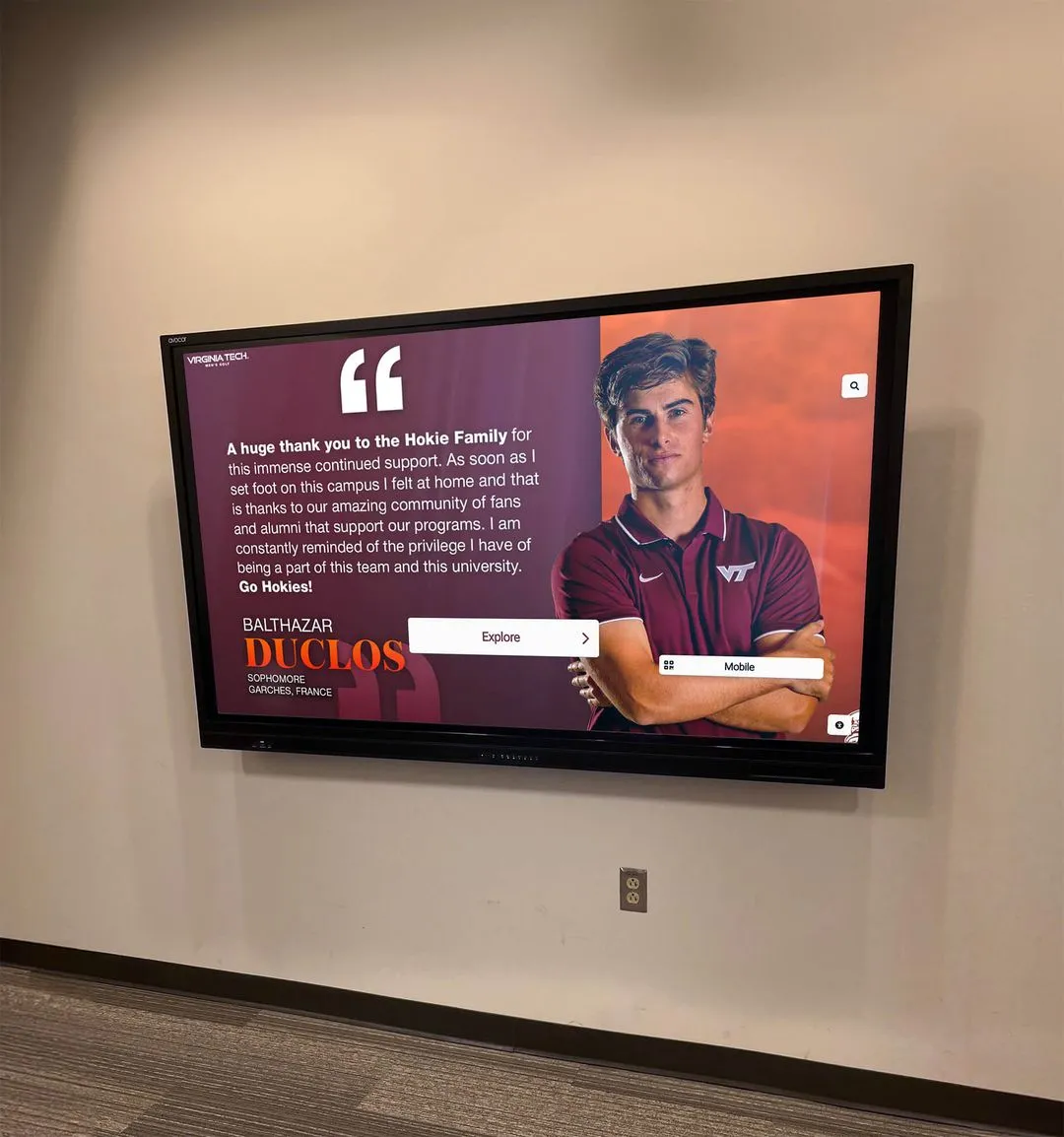
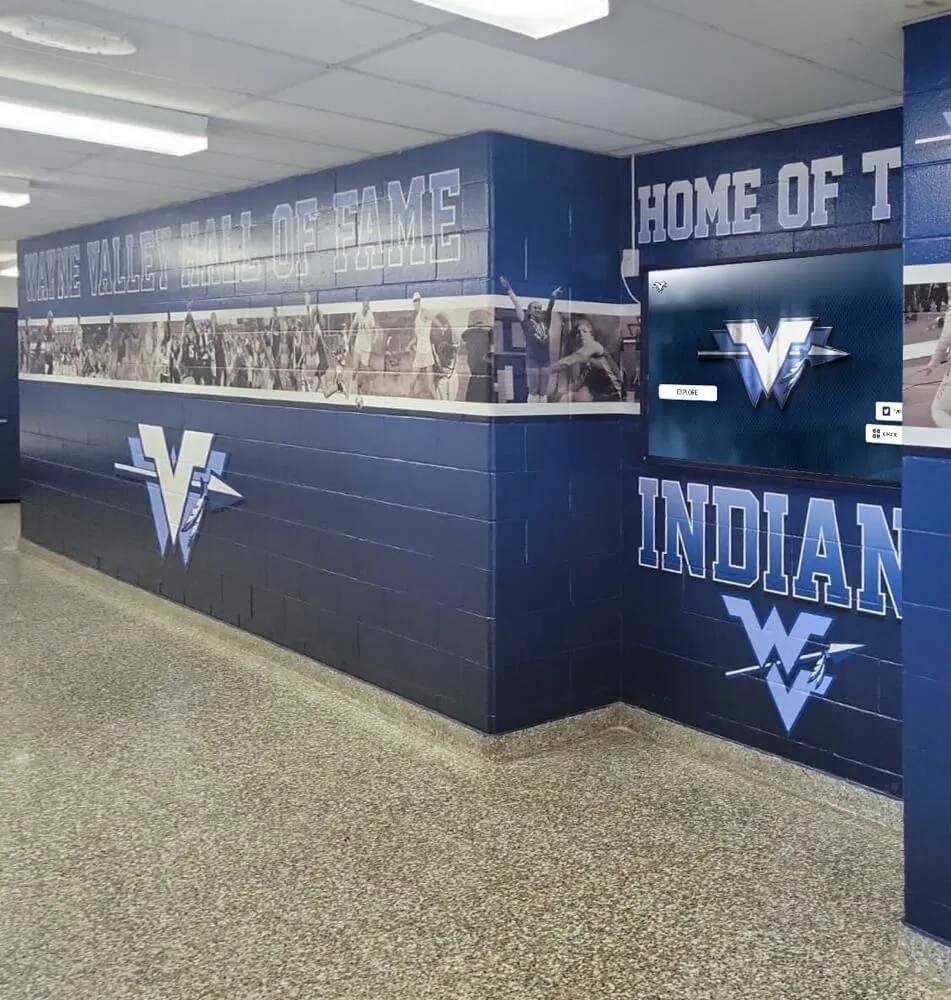
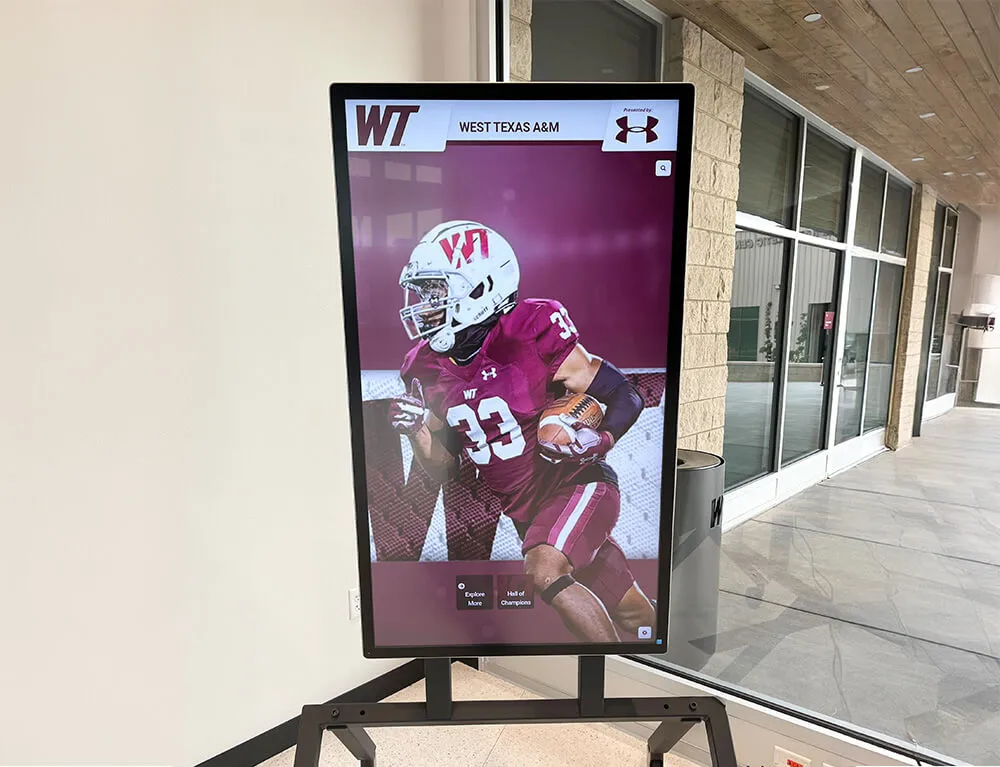
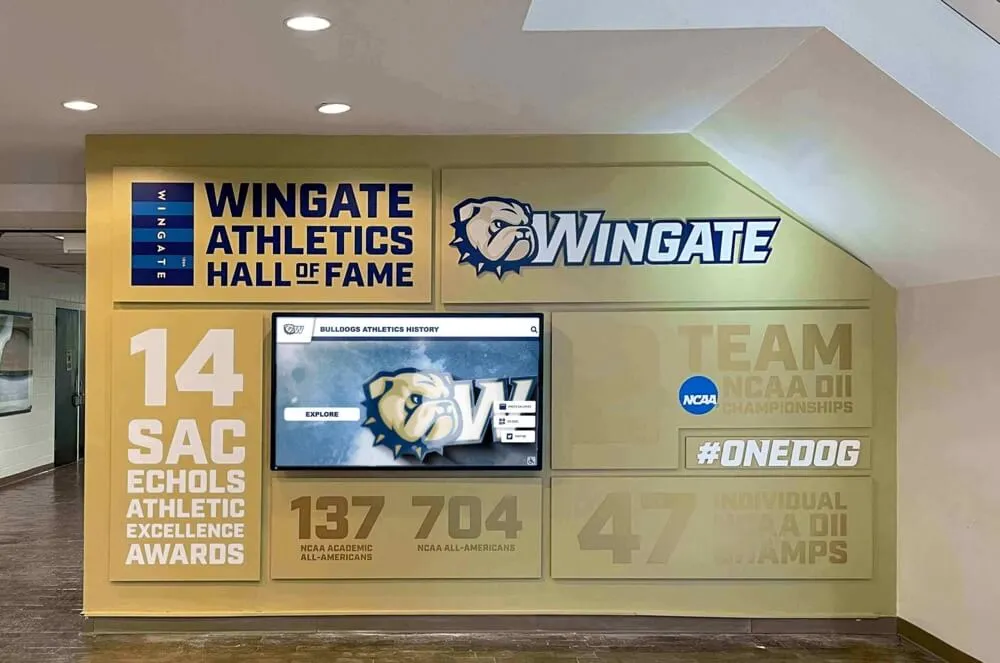
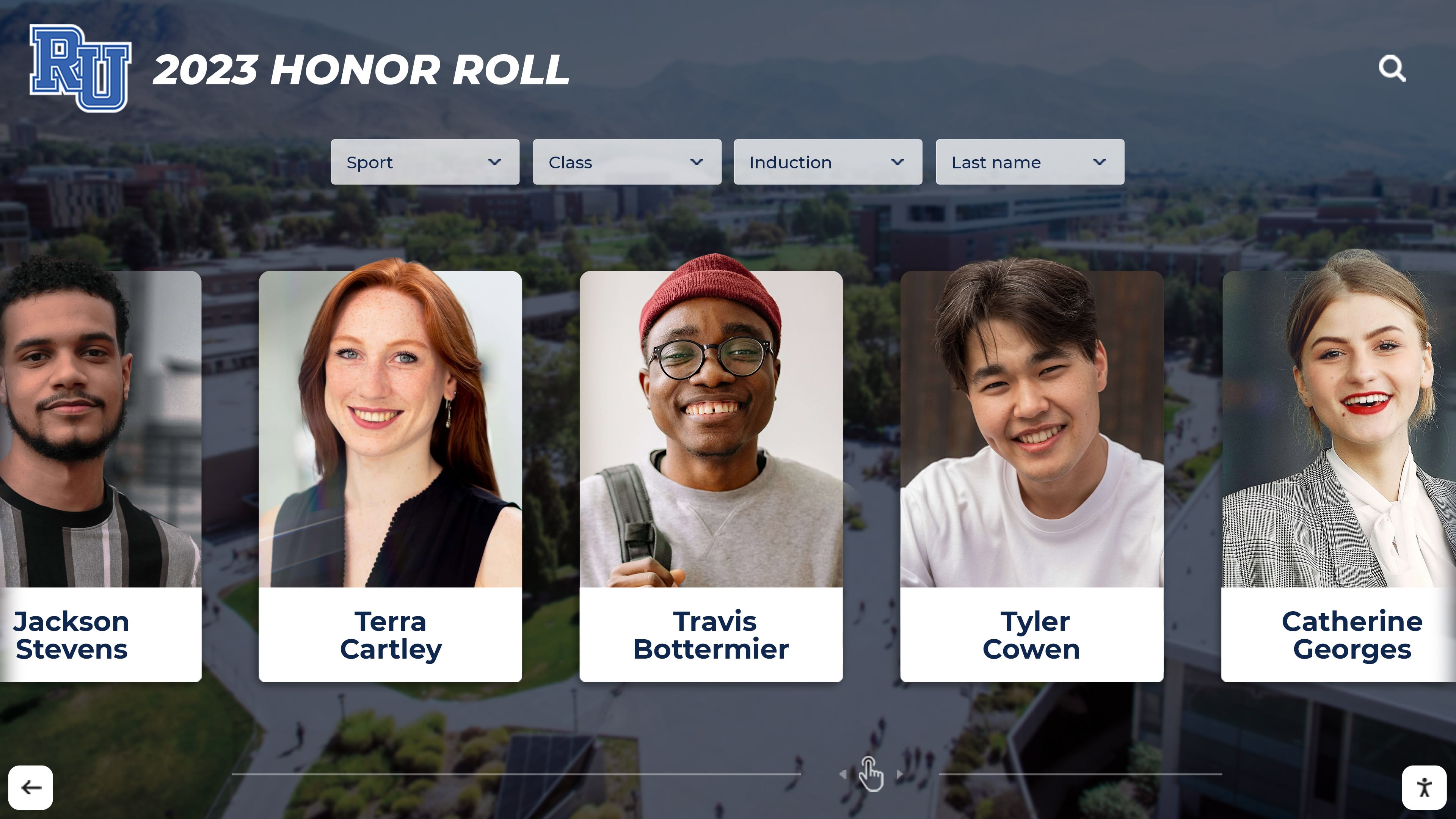
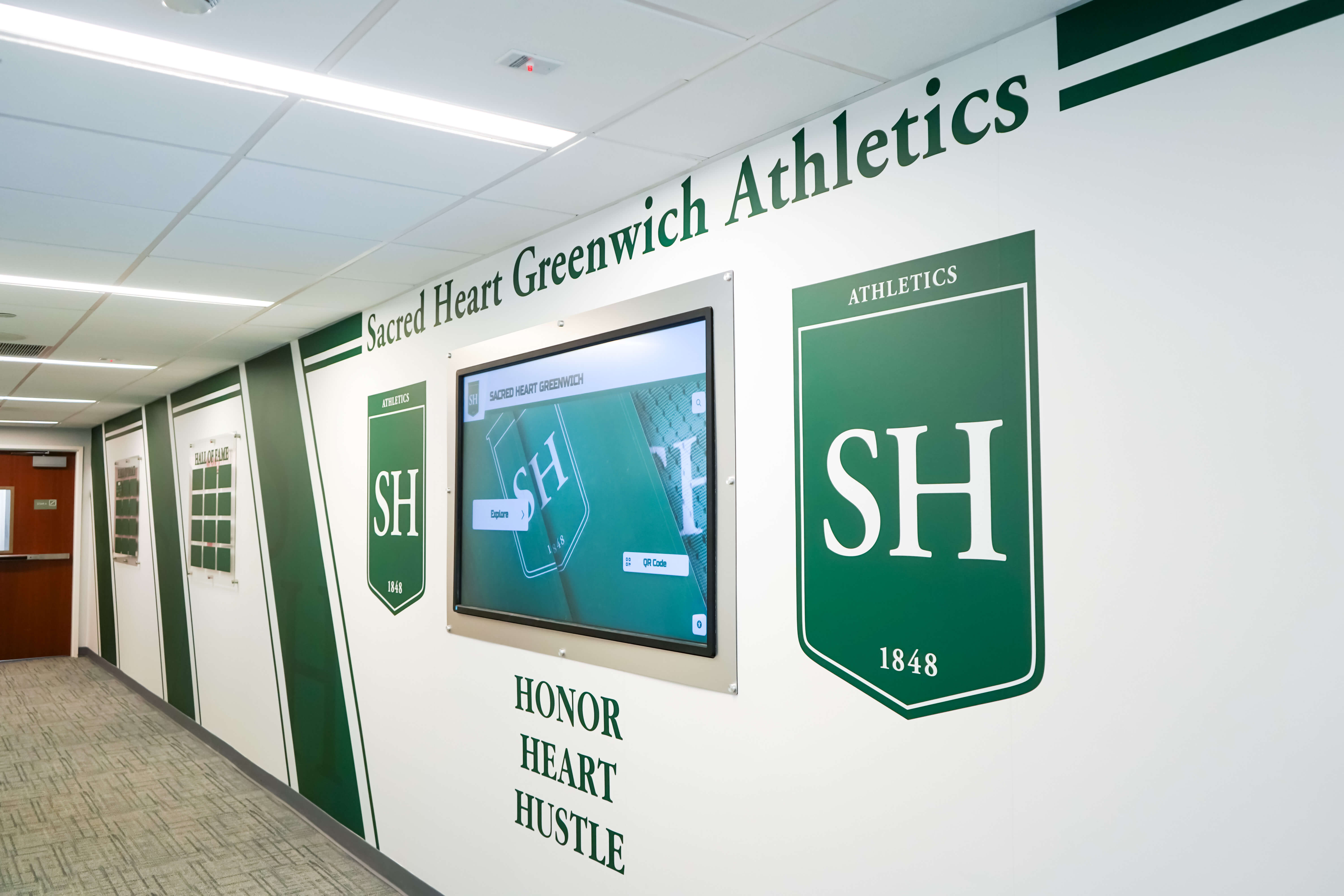
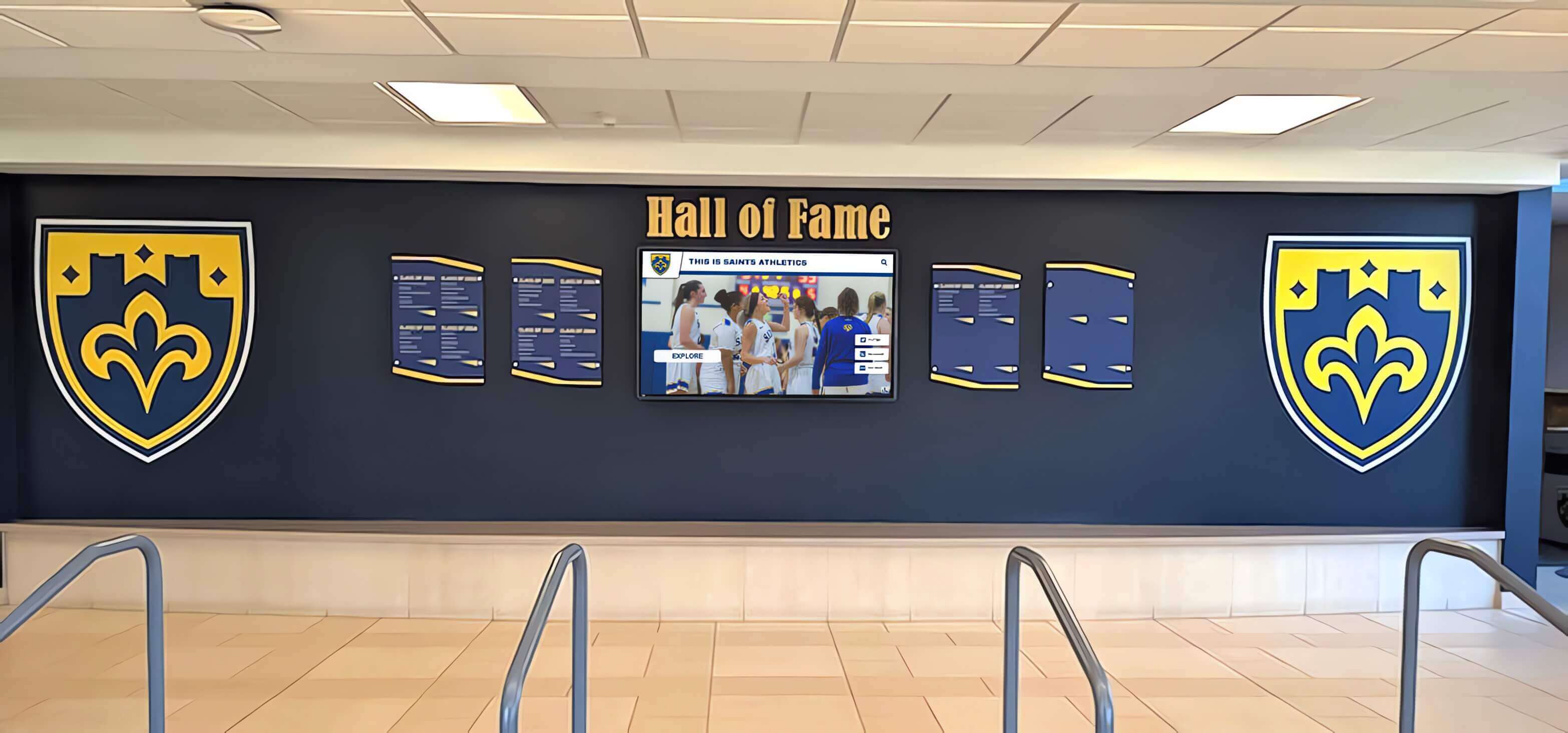
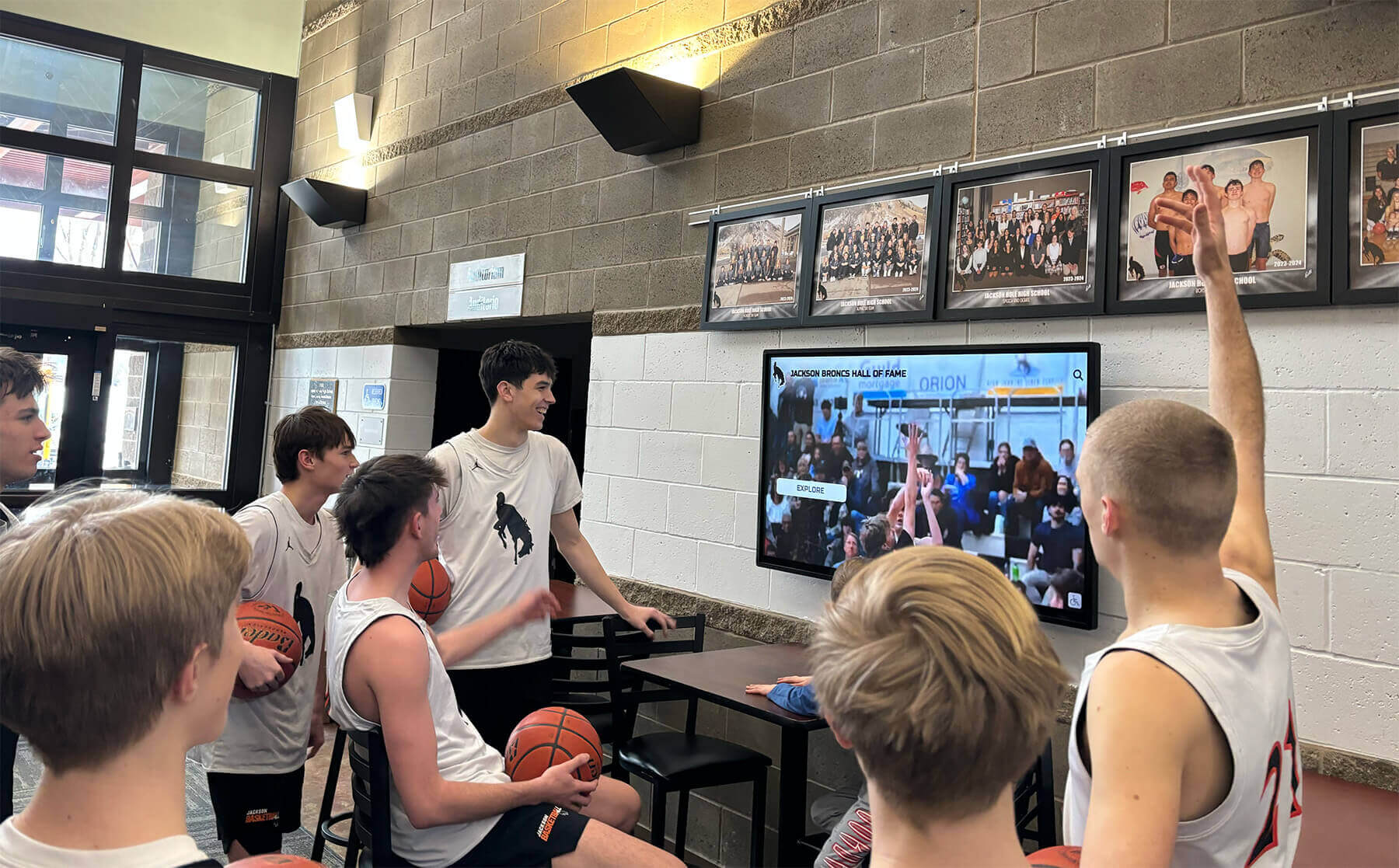
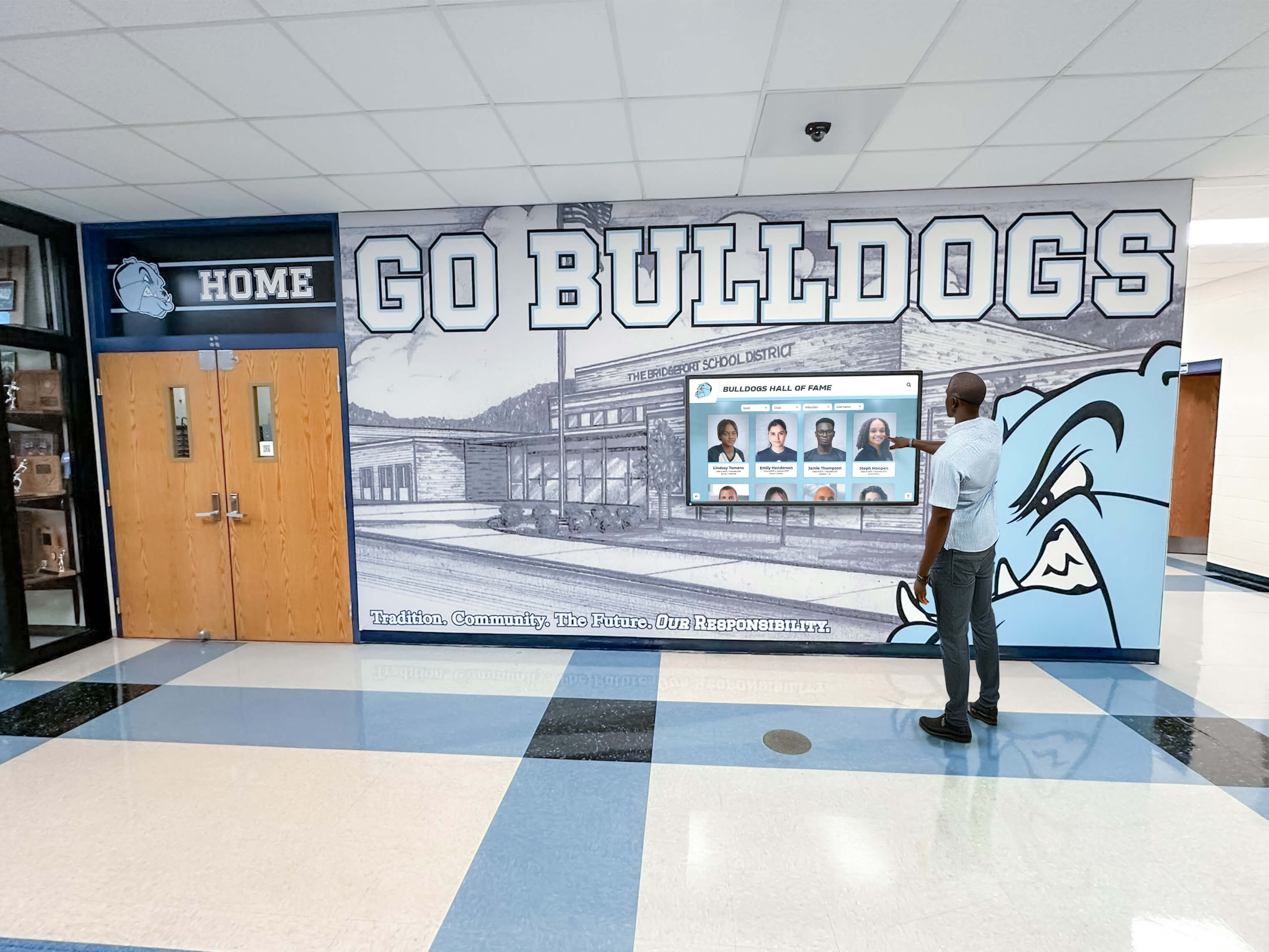
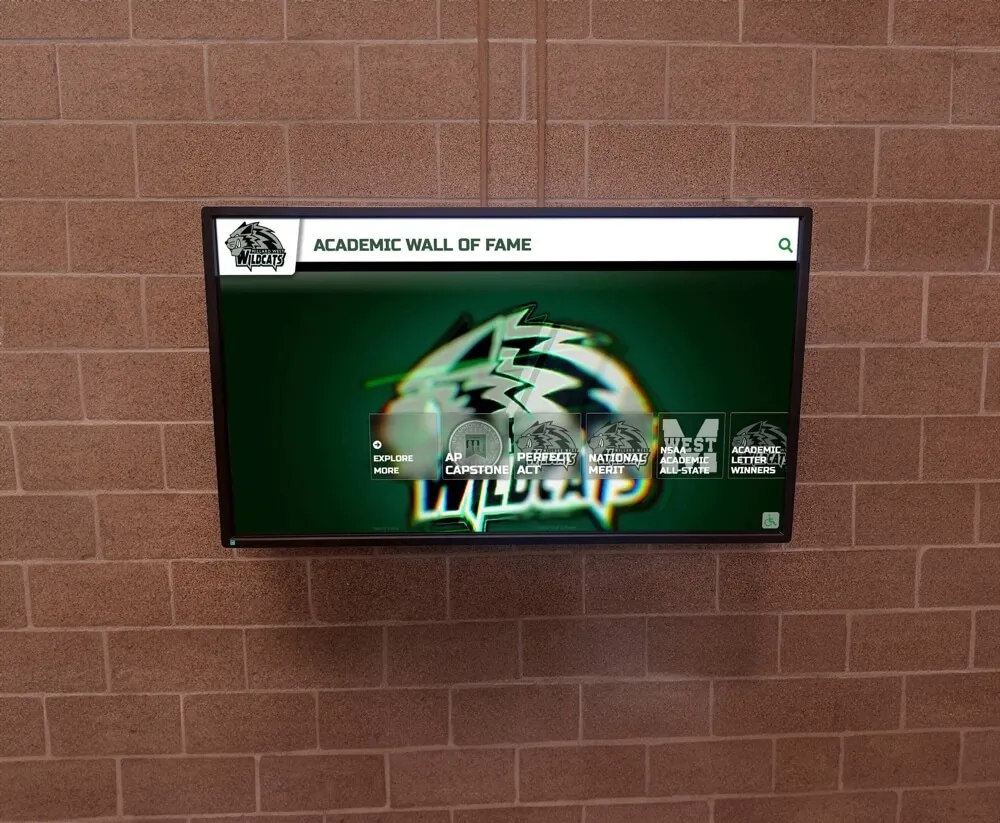
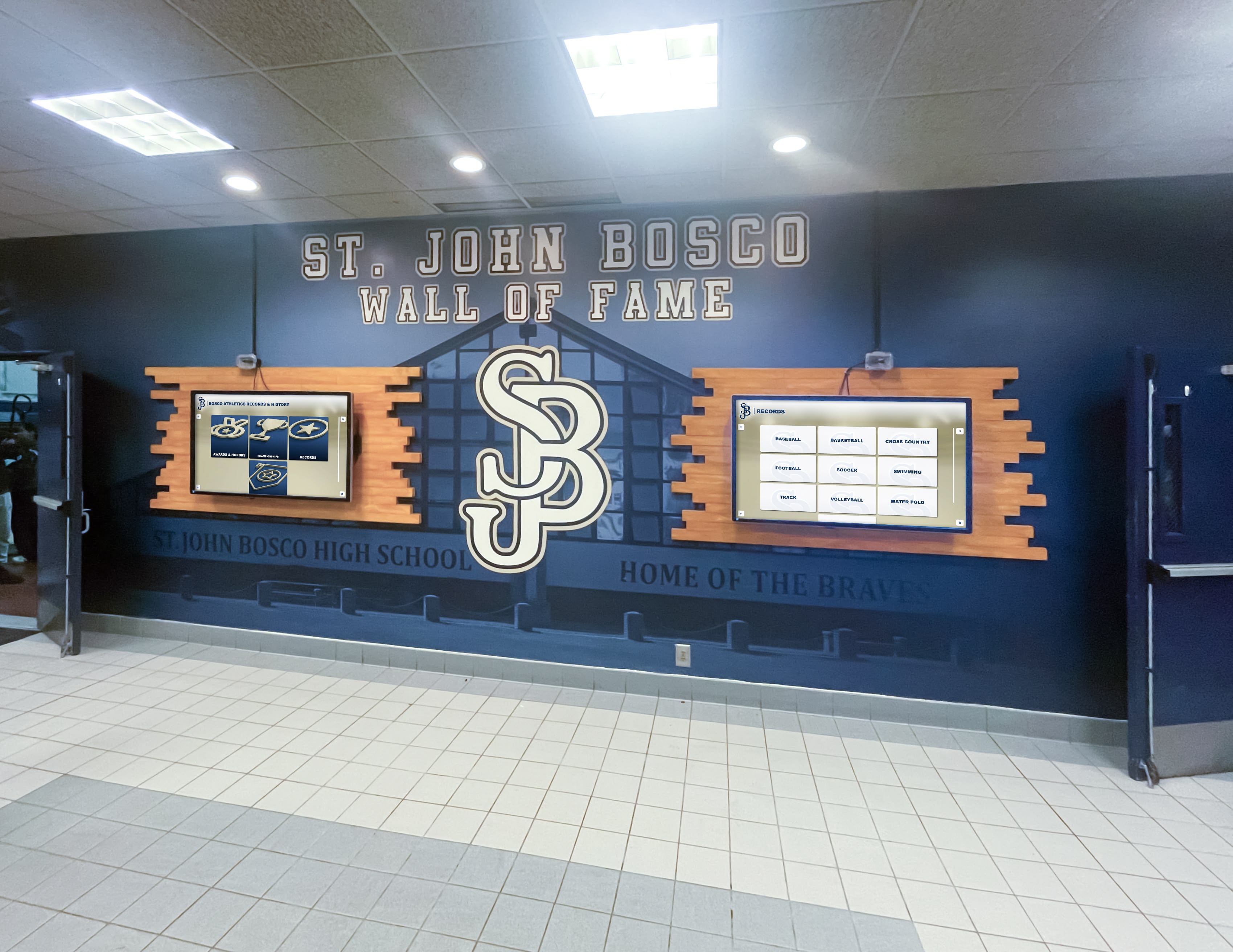
Schools increasingly implement permanent digital recognition systems celebrating graduating classes as ongoing parts of institutional history. Interactive touchscreen displays installed in school lobbies, commons areas, or dedicated recognition spaces enable visitors to explore graduating classes from recent years or decades past.
These permanent installations serve multiple purposes:
Current Student Inspiration: Students see themselves as part of ongoing institutional story and can visualize their future graduation recognition.
Alumni Connection: Graduates returning to campus can locate their class information, see which classmates achieved notable accomplishments, and reconnect with memories.
Community Engagement: Families visiting school during events can explore graduating classes from past decades, perhaps finding their own graduation information or connecting their family’s multi-generational school relationship.
Institutional Pride: Comprehensive graduating class recognition demonstrates that schools value and remember every student who completed their educational journey there.
Solutions like Rocket Alumni Solutions specialize in permanent digital recognition systems, offering schools turnkey platforms that transform graduation recognition from fleeting ceremony moments into lasting digital legacy. These systems provide:
- Unlimited storage for graduating class information and photos
- Professional design templates requiring minimal technical expertise
- Cloud-based management enabling content updates from any device
- Interactive touchscreen interfaces engaging visitors in exploration
- Integration with existing school websites and digital ecosystems
- Flexible display options from lobby kiosks to wall-mounted screens
Schools implementing permanent digital recognition report benefits including increased alumni engagement, enhanced current student school pride, recruitment advantages demonstrating institutional commitment, and fundraising opportunities as alumni contribute to support schools maintaining their connection.
Addressing Common Graduation Planning Challenges
Even experienced planning committees encounter challenges requiring creative problem-solving and flexible approaches.
Weather Contingency Planning
Outdoor ceremonies require detailed weather contingency plans:
- Establish weather decision timeline and communication protocol
- Secure indoor backup venue with comparable capacity
- Prepare to execute rapid setup changes if weather shifts
- Communicate contingency plans to graduates and families in advance
- Have alternative rehearsal plans if weather affects practice
- Consider tent or covered seating rentals for partial weather protection
Student Behavior Management
Graduation ceremonies can bring behavior challenges requiring proactive management:
- Communicate behavioral expectations clearly during rehearsal
- Assign faculty strategically throughout graduate seating areas
- Establish consequences for policy violations like missing rehearsal
- Prohibit items that may cause disruption (air horns, beach balls, confetti cannons)
- Balance dignity with understanding that celebration may include enthusiasm
Family Enthusiasm Management
Well-meaning families sometimes disrupt ceremonies through excessive celebration:
- Communicate expectation of holding applause until all graduates recognized
- Request families save vocal celebration for after ceremony
- Provide clear reasoning—excessive noise prevents other families from hearing their graduate’s name
- Acknowledge cultural celebration norms while maintaining ceremony flow
- Consider compromise approaches like brief pause every 25-50 graduates for applause
Addressing Academic Standing Issues
Schools face difficult decisions regarding whether students not meeting graduation requirements should participate in ceremonies:
Participation Permission Approaches:
- Allow all completing seniors to participate regardless of final credential receipt timing
- Restrict ceremony participation to students receiving actual diplomas
- Include provisionally graduating students with summer school or credit recovery requirements
Whatever policy schools adopt, communicate clearly and early, apply consistently, and balance accountability with recognition that public exclusion causes lasting harm to student-school relationships.
Last-Minute Graduate or Family Emergencies
Inevitably, some graduates face emergency situations preventing ceremony participation:
- Develop protocols for diploma distribution to absent graduates
- Allow family representatives to accept diplomas if graduate cannot attend
- Record ceremony for graduates missing due to emergency
- Consider makeup photo opportunities for absent graduates
- Show compassion and flexibility while maintaining ceremony integrity
Post-Ceremony Considerations and Follow-Up
Thoughtful post-graduation activities extend celebration while ensuring proper closure and documentation.
Post-Ceremony Celebrations
Many schools organize structured activities following ceremonies:
- Reception with refreshments allowing family socializing
- Photo opportunity stations with props and backdrops
- Graduate gathering time for final celebration together
- Distribution of yearbooks or commemorative items
- Alumni association membership recruitment
These activities should be optional rather than mandatory, well-organized to prevent chaos, and clearly communicated regarding timing and location.
Photography and Video Distribution
Within two weeks after graduation, provide families with:
- Access to professional ceremony photographs
- Video recording or livestream archive
- Individual diploma presentation photos
- Class photos or group images
Digital delivery through cloud storage, password-protected websites, or direct download links ensures efficient distribution while protecting graduate privacy.
Recognition and Gratitude
Following graduation, acknowledge key contributors:
- Thank speakers and guest participants
- Recognize planning committee members and volunteers
- Communicate gratitude to families for partnership
- Acknowledge facilities, technical, and support staff
- Send appreciation to community organizations providing support
Transition Support
Graduation begins transition rather than ending school responsibility:
- Share college enrollment information and resources
- Connect graduates with alumni networks
- Provide gap year or workforce transition guidance
- Ensure special education transition planning completion
- Maintain open communication channels for post-graduation questions
Process Documentation and Improvement
After ceremony completion, document:
- Successful elements worth repeating
- Challenges encountered and resolution approaches
- Budget actuals versus projections
- Suggested improvements for future planning
- Contact information for reliable vendors and partners
This institutional knowledge ensures graduation planning improves continuously rather than starting fresh each year.
Building School Spirit Through Recognition
Graduation ceremonies contribute to broader school spirit development when schools frame commencement as continuation of year-round achievement celebration rather than isolated annual event. Schools that maintain visible recognition of past graduating classes through permanent displays, regularly engage alumni in current school activities, celebrate graduation traditions that connect current students with alumni, and position graduation as aspirational goal for current students create stronger institutional cultures where achievement is valued and celebrated consistently.
The most effective schools integrate graduation planning into comprehensive alumni recognition programs ensuring that commencement represents not an ending but the beginning of lifelong connection between graduates and their schools.
Comprehensive Planning Checklist
Use this detailed checklist to guide graduation planning and track completion:
6-8 Months Before:
- Form graduation planning committee with assigned roles
- Confirm graduation date and time
- Establish comprehensive budget
- Select and book venue
- Begin speaker identification process
4-5 Months Before:
- Design complete ceremony program structure
- Select and confirm all speakers
- Order graduation regalia and diplomas
- Plan individual graduate recognition approach
- Begin communications with graduates and families
2-3 Months Before:
- Finalize and design ceremony program content
- Schedule graduation rehearsal
- Contract photography and videography services
- Send comprehensive graduation information to families
- Order program printing and materials
4-6 Weeks Before:
- Confirm all vendor arrangements
- Collect and review speaker materials
- Coordinate security and crowd management
- Submit programs for printing
- Plan venue setup details
1-2 Weeks Before:
- Conduct comprehensive graduation rehearsal
- Prepare venue with seating and stage setup
- Distribute caps and gowns to graduates
- Send final ceremony reminders to families
- Test all audio-visual equipment
Week of Graduation:
- Conduct final ceremony walkthrough
- Brief all staff and volunteers on assignments
- Verify name pronunciation for all graduates
- Prepare emergency contact protocols
- Confirm weather contingency if outdoor ceremony
Day of Graduation:
- Arrive early for final setup verification
- Check in graduates and distribute programs
- Brief speakers and participants on timing
- Execute ceremony according to plan
- Facilitate post-ceremony celebrations
- Document ceremony through photos and video
After Graduation:
- Send thank you communications to contributors
- Distribute ceremony photos and videos to families
- Document successes and improvement opportunities
- Update permanent recognition displays with graduating class
- Begin preliminary planning for next year’s graduation
Conclusion: Creating Ceremonies Worth Remembering
Graduation ceremonies represent significant investments of time, energy, and resources—investments that pay dividends through lasting positive memories, strengthened school-community relationships, and powerful demonstrations of institutional values. Schools that approach graduation planning strategically, beginning early and attending thoughtfully to details that transform ordinary events into memorable celebrations, create experiences that graduates treasure for lifetimes.
The most successful graduations balance tradition with innovation, honor individual graduates while celebrating collective achievement, maintain ceremony dignity while embracing authentic celebration, and extend beyond single events to build lasting recognition systems connecting graduating classes to their schools permanently.
As educational institutions evolve and student needs change, graduation ceremonies must adapt while preserving the timeless significance of this milestone moment. By following systematic planning processes, designing ceremonies resonating with contemporary students while honoring traditional elements, addressing logistical challenges proactively, and leveraging modern technology to extend recognition beyond ceremony day, schools create commencement experiences worthy of the achievements they celebrate.
For schools seeking to transform how they honor graduating classes, consider how permanent digital recognition solutions can extend celebration beyond ceremony moments and build lasting connections between graduates and school communities. Explore recognition solutions that enable schools to celebrate every graduating class in perpetuity, creating interactive displays that preserve memories, inspire current students, and demonstrate institutional commitment to honoring achievement for generations to come.
Graduation planning done thoughtfully creates more than single memorable days—it builds traditions defining school culture, establishes standards for how institutions value student achievement, and creates emotional connections that last lifetimes. Invest the planning energy these ceremonies deserve, and you’ll create experiences that graduates remember not just as endings, but as powerful celebrations launching them toward their futures with confidence, pride, and enduring connection to the schools that prepared them for success.