



Golf programs at high schools, colleges, and universities develop remarkable athletes whose achievements on the course bring honor to their institutions for decades. Distinguished golf alumni represent programs at the highest competitive levels—conference champions, all-Americans, NCAA qualifiers, professional golfers, teaching professionals, and individuals who have elevated golf through coaching, administration, or ambassadorship long after their competitive years concluded.
Yet many athletic programs struggle to recognize golf alumni appropriately. Team sports dominate recognition spaces with championship banners and crowded trophy cases while individual sport excellence—particularly in programs like golf where team championships may be rare but individual distinction is common—receives inadequate visibility. Golf alumni who earned all-conference honors, qualified for national championships, or went on to professional careers often find their achievements unacknowledged in athletic facilities that prioritize higher-profile sports.
This recognition gap sends unintended messages about which sports matter and whose achievements deserve institutional celebration. It also represents missed opportunities to inspire current golfers, strengthen alumni connections, preserve program history, and demonstrate commitment to comprehensive athletic excellence across all sports regardless of spectator attendance or revenue generation.
Why Golf Alumni Recognition Matters
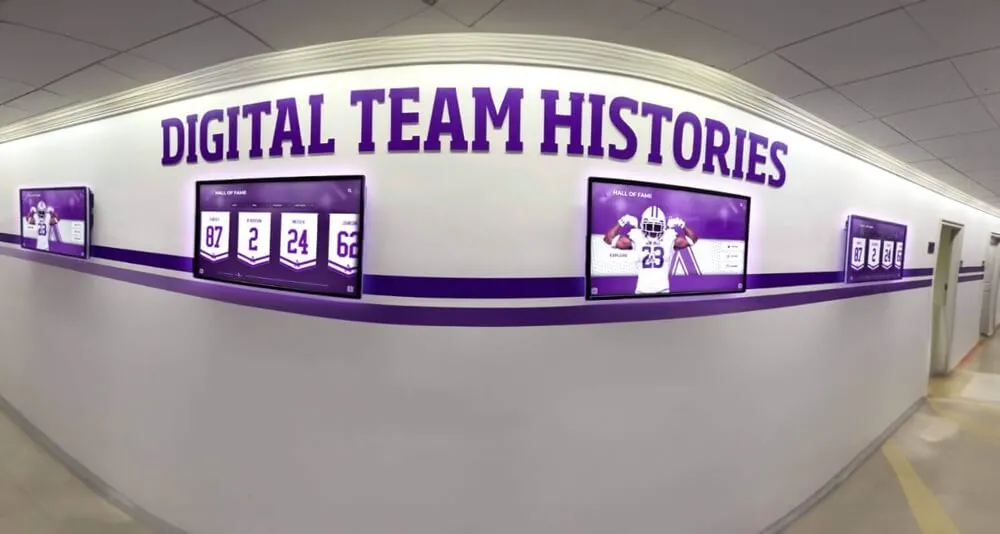
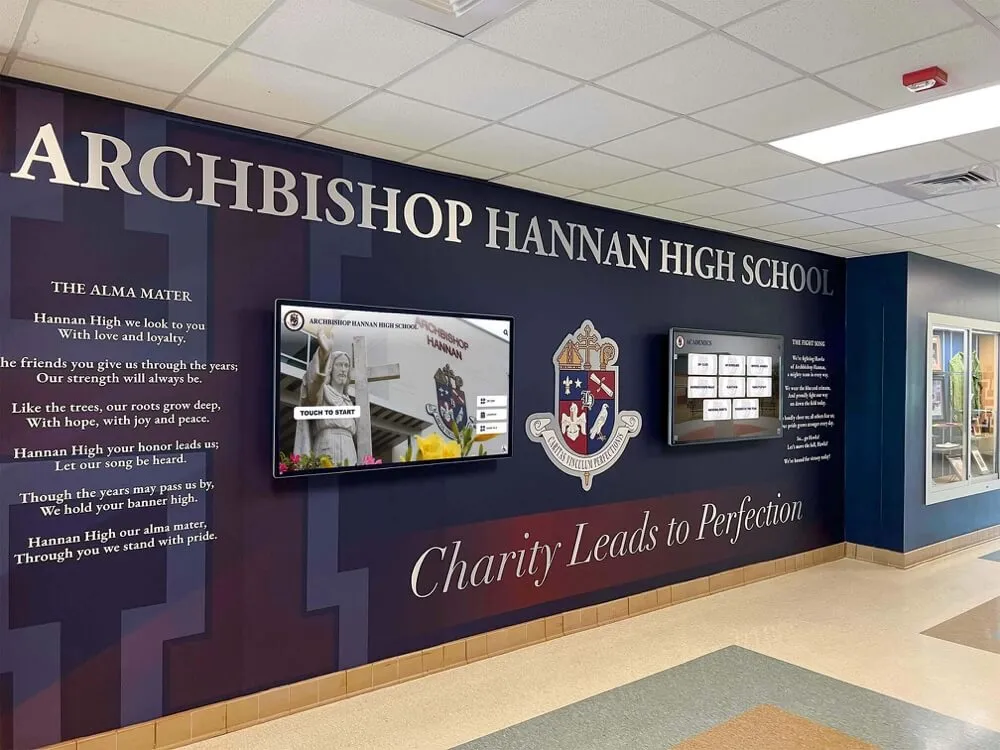
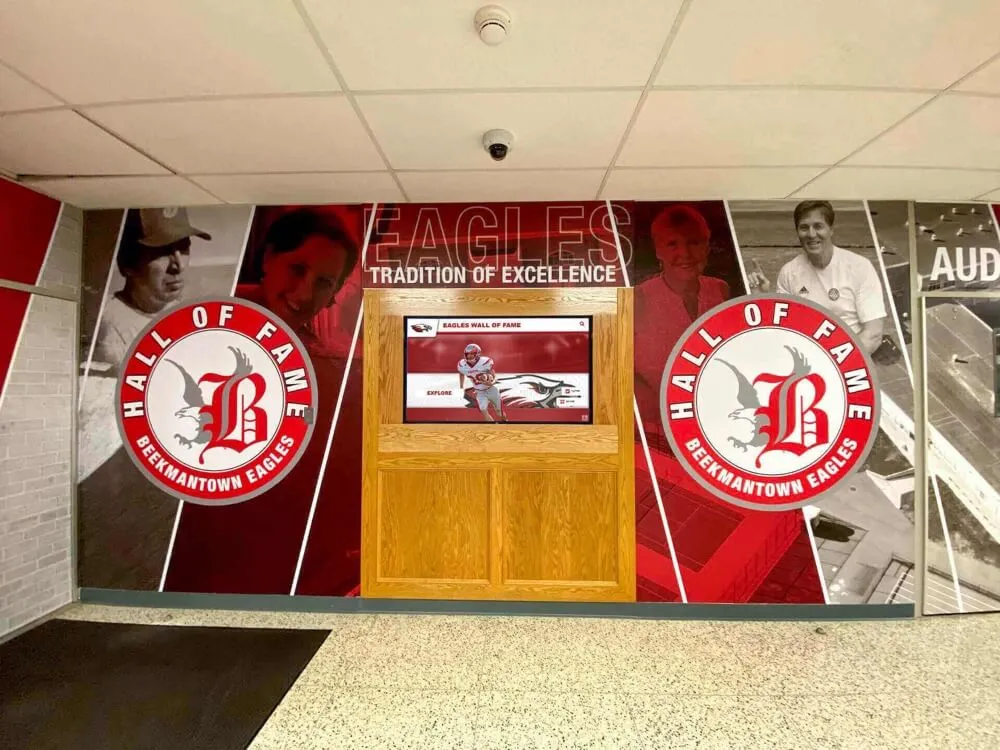
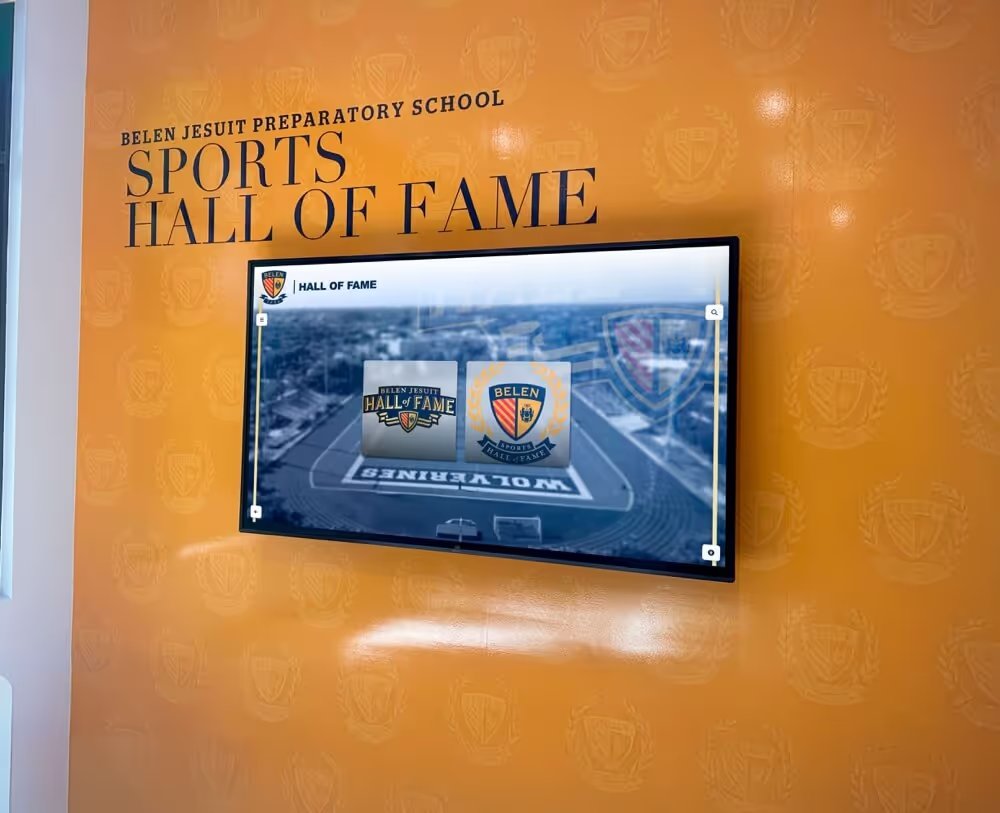
Golf programs produce elite athletes who compete individually while representing their schools and teams. Distinguished golfers demonstrate dedication, mental toughness, and technical excellence that make them ideal role models for current student-athletes. Proper recognition celebrates these achievements while creating visual program histories that demonstrate sustained excellence. Digital recognition solutions like Rocket Alumni Solutions enable golf programs to honor every distinguished alum with professional displays that remain easily updatable as new achievements occur, tournament results are finalized, and alumni accomplish new milestones worthy of institutional celebration.
Understanding Distinguished Golf Alumni Recognition
Before implementing recognition systems, golf programs benefit from defining what constitutes distinguished status and which achievements merit formal institutional acknowledgment beyond basic team roster documentation.
Defining Distinguished Golf Alumni Status
Golf program recognition typically encompasses multiple achievement categories reflecting the sport’s individual and team dimensions:
Competitive Achievement Recognition: Distinguished golfers commonly include conference champions who won individual titles, all-conference selections earning recognition through performance, national championship qualifiers representing schools at highest levels, tournament champions winning significant collegiate or scholastic events, low scorer honors for season or career achievements, and school record holders establishing performance benchmarks that endure across generations.
These competitive distinctions provide objective criteria ensuring recognition credibility while celebrating measurable excellence achieved during collegiate or scholastic careers.
Post-Collegiate Achievement: Many programs extend recognition to alumni who achieved distinction after graduation including professional tour players competing at PGA, LPGA, Champions, or regional tours, college and high school coaches building successful programs, club professionals serving golf communities as teaching and management professionals, golf administrators leading organizations and associations, and golf course architects or industry leaders advancing the sport through varied professional pathways.
Post-collegiate recognition demonstrates that program impact extends beyond competition years while honoring alumni who continue elevating golf through their careers.
Program Contribution and Leadership: Some distinguished alumni merit recognition through sustained program support rather than exclusively competitive achievement—longtime volunteer coaches providing decades of service, significant donors funding facilities or scholarships, program ambassadors recruiting prospects or enhancing reputation, and leadership exemplifying program values regardless of competitive accolades.
This category ensures recognition systems honor diverse forms of contribution while acknowledging that program success depends on communities extending beyond just the most accomplished competitors.
Character and Sportsmanship Recognition: Golf’s unique emphasis on honor, integrity, and self-governance makes character recognition particularly appropriate. Alumni who demonstrated exceptional sportsmanship, maintained academic excellence while competing, or exemplified program values deserve acknowledgment alongside those with superior competitive records.
Understanding alumni recognition program structures helps golf programs establish comprehensive frameworks celebrating achievement across these multiple dimensions rather than limiting recognition to narrow competitive criteria alone.
The Unique Challenges of Golf Program Recognition
Golf programs face specific recognition challenges that require thoughtful solutions:
Individual vs. Team Achievement Balance: Golf features both individual competition and team scoring, creating recognition complexity. A golfer might earn all-conference honors individually while their team finishes mid-pack in conference standings. Conversely, a team might win championships with balanced depth where no individual earned top honors. Recognition systems should celebrate both dimensions appropriately.
Limited Physical Artifacts: Unlike basketball or football where jerseys, helmets, and equipment create compelling display elements, golf has fewer distinctive physical artifacts. Recognition typically relies on photographs, scorecards, tournament programs, and statistical documentation rather than uniform displays.
Extended Competitive Seasons: Golf seasons span fall and spring semesters with offseason tournaments, making achievement tracking more complex than single-season sports. Recognition should account for entire competitive years rather than just conference championship results.
Longevity of Competitive Careers: Golf alumni often compete collegiately or scholastically, then continue amateur competition, teach professionally, or compete on various tours for decades. Recognition systems benefit from flexibility enabling updates as alumni achieve new milestones long after graduation.
Creating Comprehensive Golf Alumni Recognition Displays
Effective recognition combines appropriate selection criteria with engaging display formats that honor distinguished golfers while making program history accessible to current athletes, prospective recruits, alumni, and broader communities.
Traditional Physical Recognition Approaches
Conventional recognition methods remain popular in many programs, offering tangible displays that communicate lasting honor:
Plaque Walls and Honor Boards: Individual plaques featuring distinguished golfers create permanent displays acknowledging achievement. Effective plaques typically include golfer name and graduation year, competitive honors and achievements, significant tournament results, statistical highlights, and post-collegiate accomplishments if applicable.
Professional engraving ensures quality befitting the honor while consistent formatting creates cohesive visual presentation rather than haphazard appearance undermining recognition significance.
Location Considerations: Golf recognition benefits from strategic placement in facilities where golfers, families, recruits, and alumni encounter displays regularly. Effective locations include golf training facilities or practice areas, athletic department corridors with high foot traffic, clubhouse or alumni gathering spaces, and main athletic building entrances where all sports receive visibility.
Placement near golf-specific spaces ensures current team members interact with recognition daily while mixed-sport locations demonstrate golf’s equality with other athletic programs.

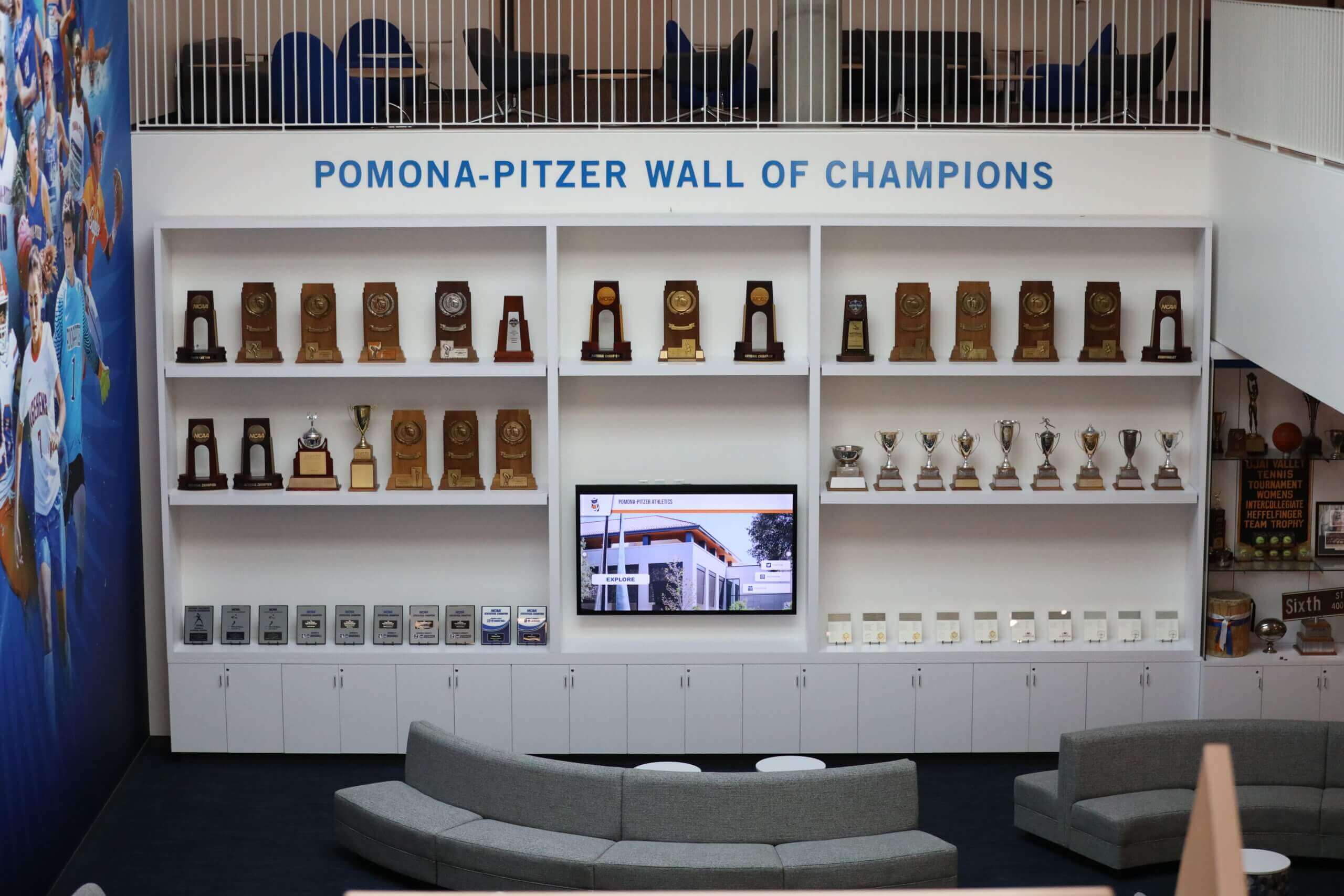
Trophy and Memorabilia Cases: Glass-enclosed displays showcasing tournament trophies, commemorative items, historic scorecards, and golf artifacts create visual interest while preserving program history tangibly. Rotating displays can feature different eras, teams, or individuals periodically, maintaining freshness while accommodating more content than permanent display space allows.
Consider including historic photographs, tournament programs, newspaper clippings, and other documentation providing context about achievements and era when they occurred.
Championship and Achievement Banners: Programs with conference championships, national championship appearances, or notable tournament victories often display banners alongside team sport championships. Including individual achievement banners—all-Americans, conference medalists, or record holders—ensures individual excellence receives visibility equal to team accomplishments.
Modern Digital Recognition Systems
Digital platforms address traditional format limitations while providing capabilities that enhance golf program recognition significantly:
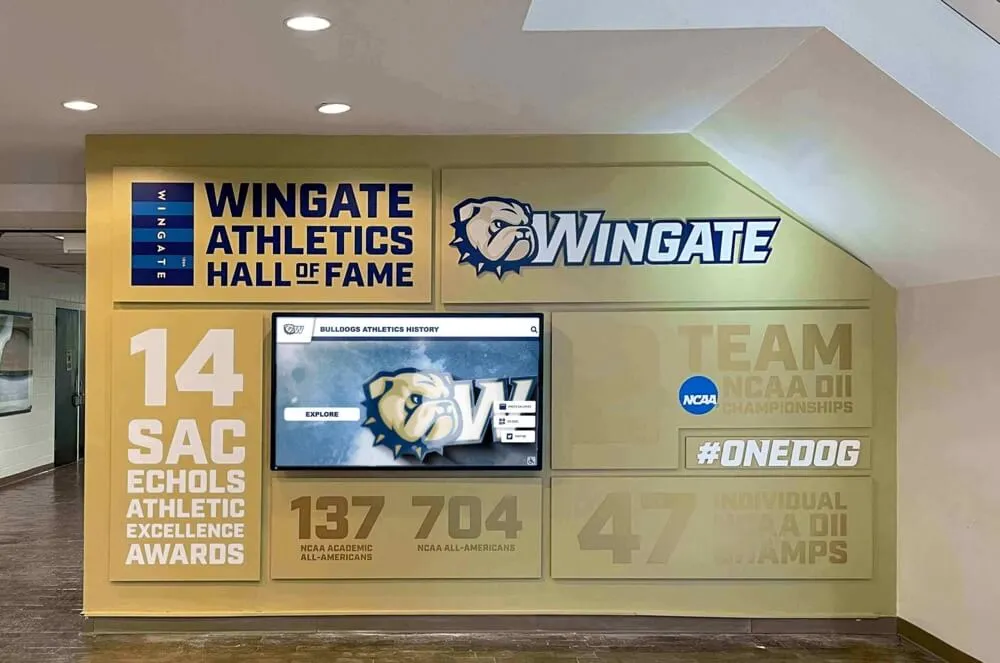
Unlimited Recognition Capacity: Perhaps the greatest advantage of digital recognition displays is unlimited capacity enabling programs to recognize every distinguished golfer across decades without space constraints forcing difficult prioritization decisions.
A program with 50 years of history might have 150+ alumni meriting recognition—impossible to accommodate on physical plaque walls but easily managed in digital systems where adding honorees requires only content updates rather than physical construction.
Rich Statistical and Performance Documentation: Digital displays accommodate comprehensive statistical records including season-by-season scoring averages, tournament-by-tournament results, head-to-head records against conference opponents, par-by-par course management analysis, and career progression showing improvement trajectories.
This depth transforms recognition from simple name listings into compelling profiles demonstrating achievement context and helping audiences understand what made honorees distinguished.
Video and Multimedia Integration: Digital platforms support video highlights of tournament performances, interview content capturing alumni reflections, swing analysis showcasing technical excellence, and photo galleries documenting careers from freshman year through graduation and beyond.
Multimedia capabilities create engaging experiences particularly valuable for golf where video effectively communicates skill nuances that statistics alone cannot convey.

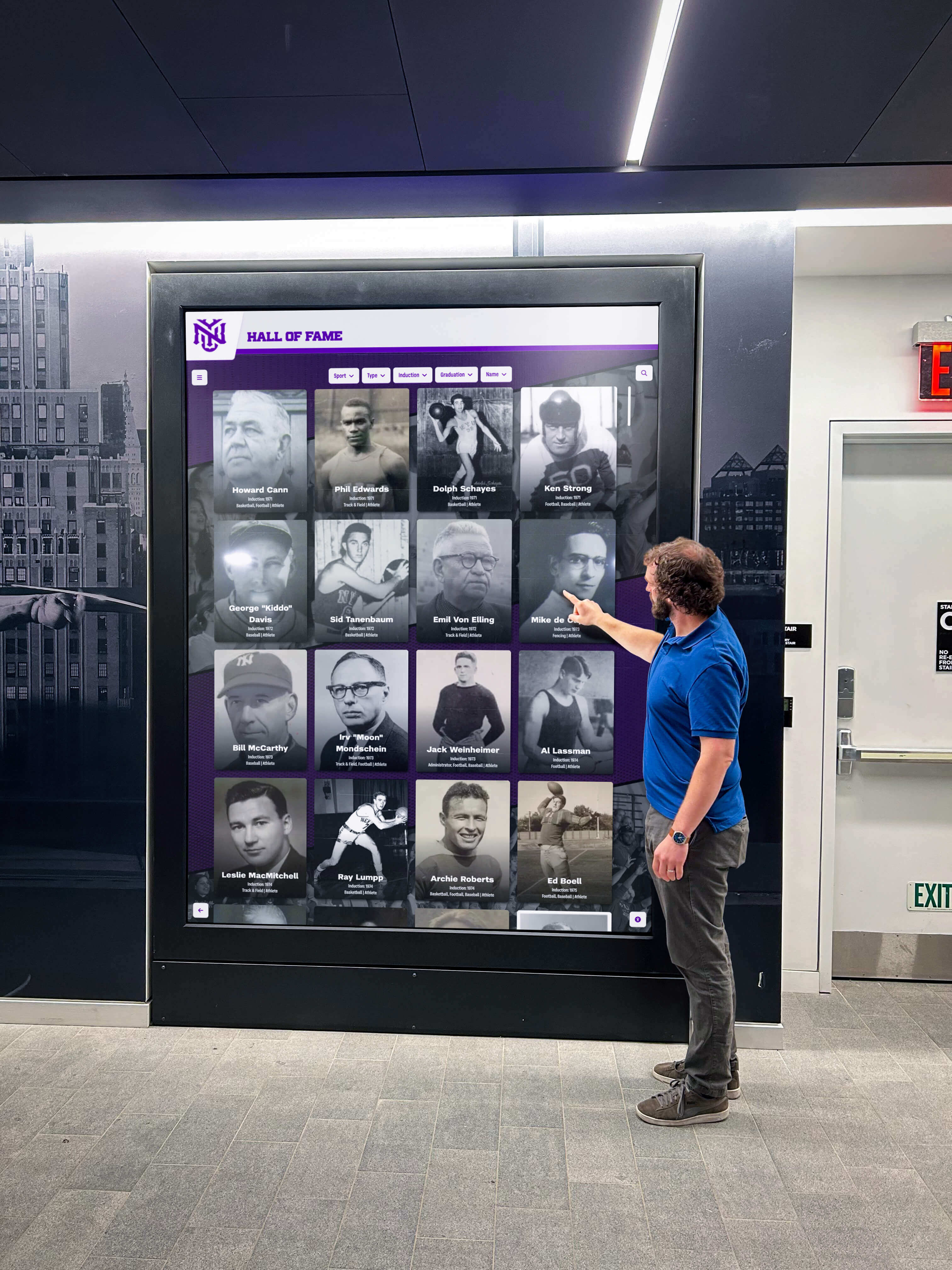
Search and Discovery Features: Interactive systems enable users to search by name, graduation decade, achievement type, or tournament result—creating personalized exploration experiences. Current golfers can discover alumni who competed at similar skill levels or faced comparable challenges. Recruits can explore program history understanding competitive standards and achievement expectations.
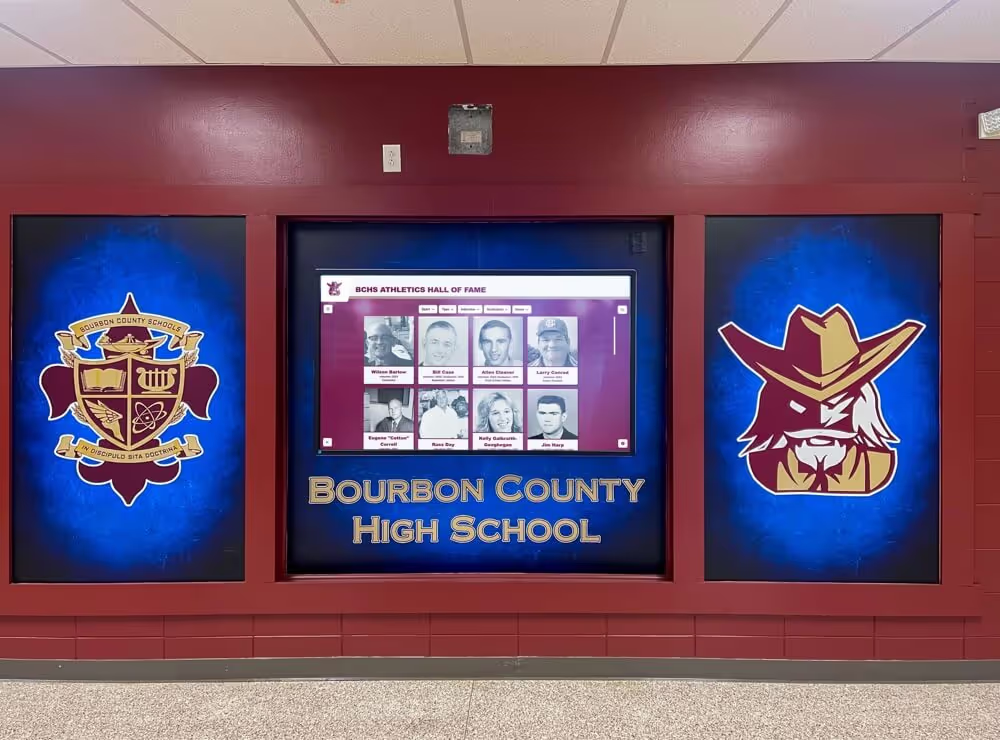
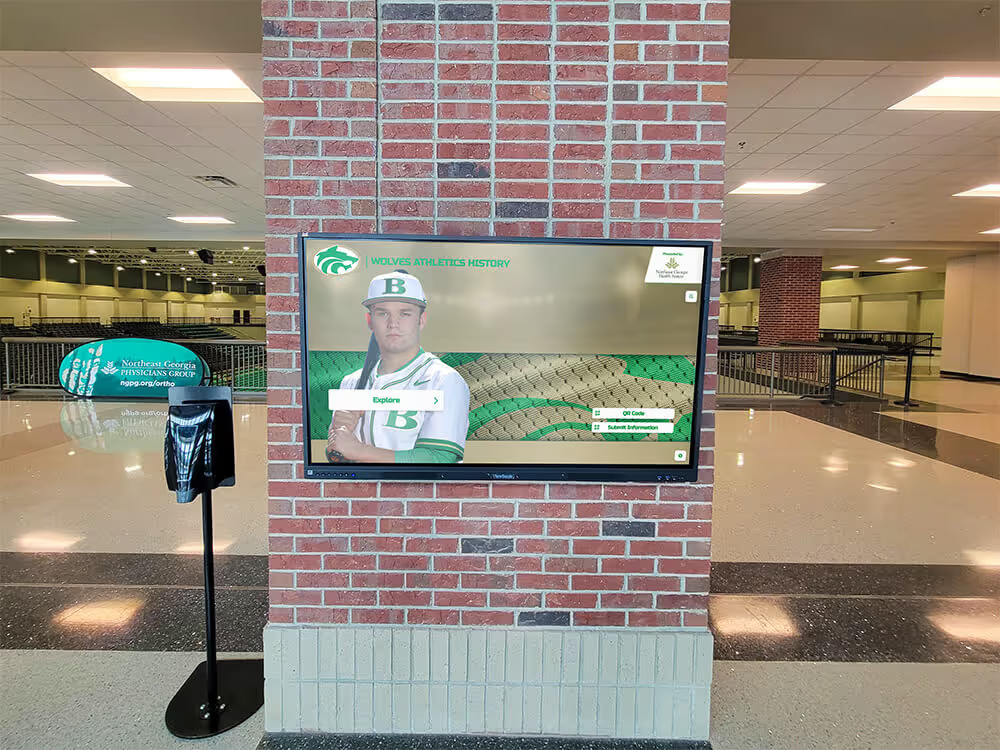
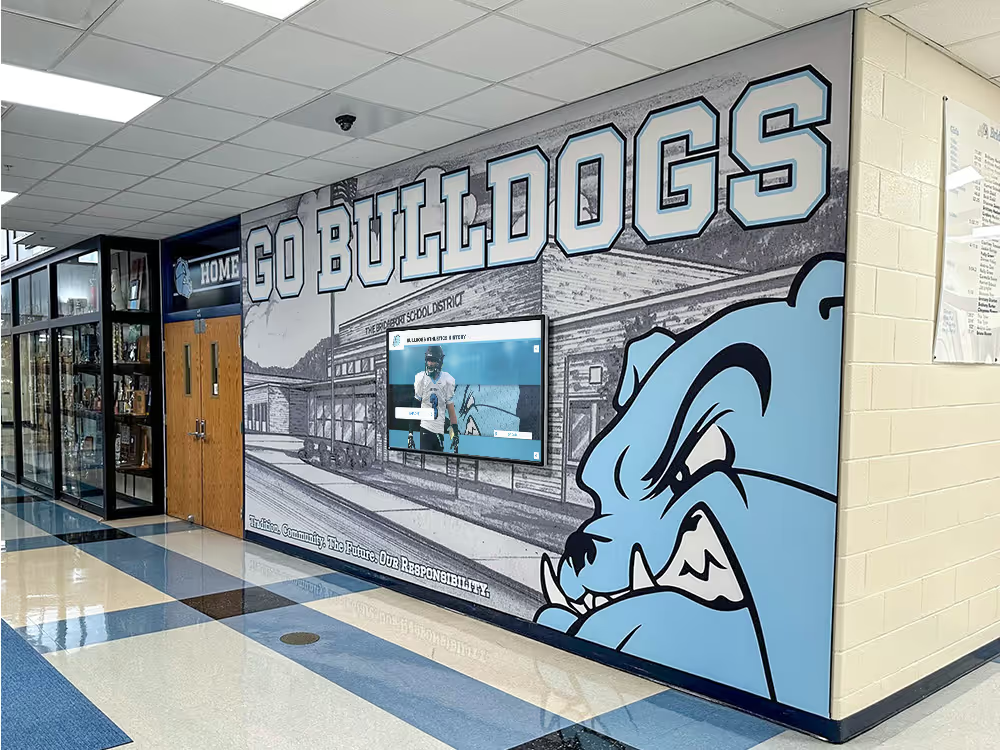
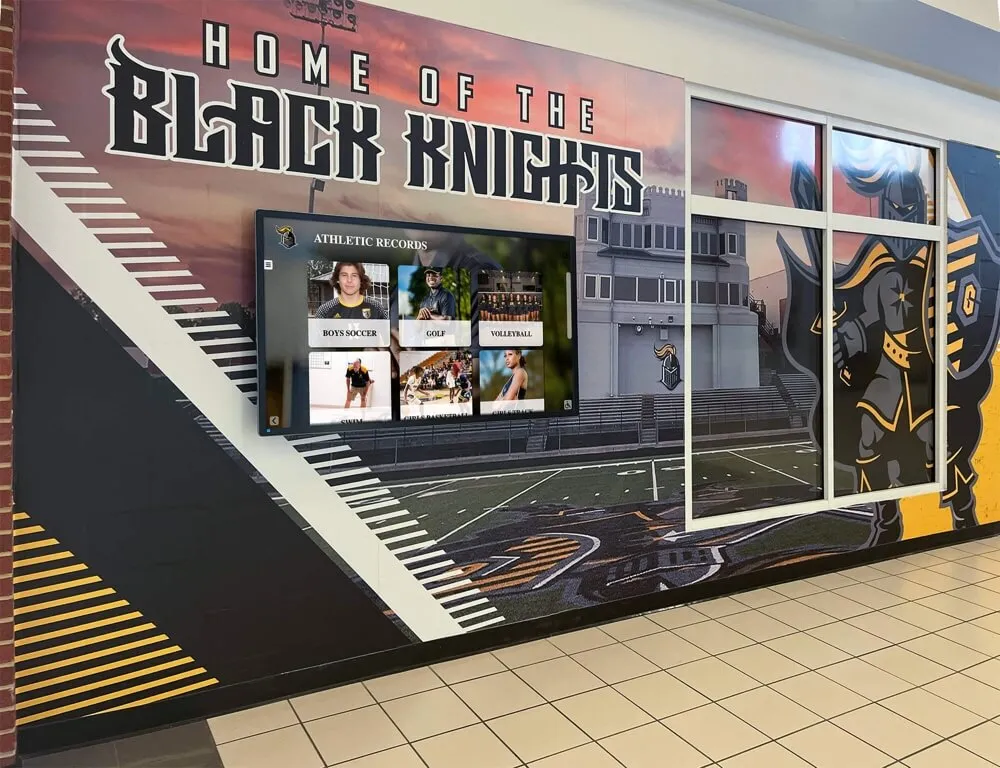
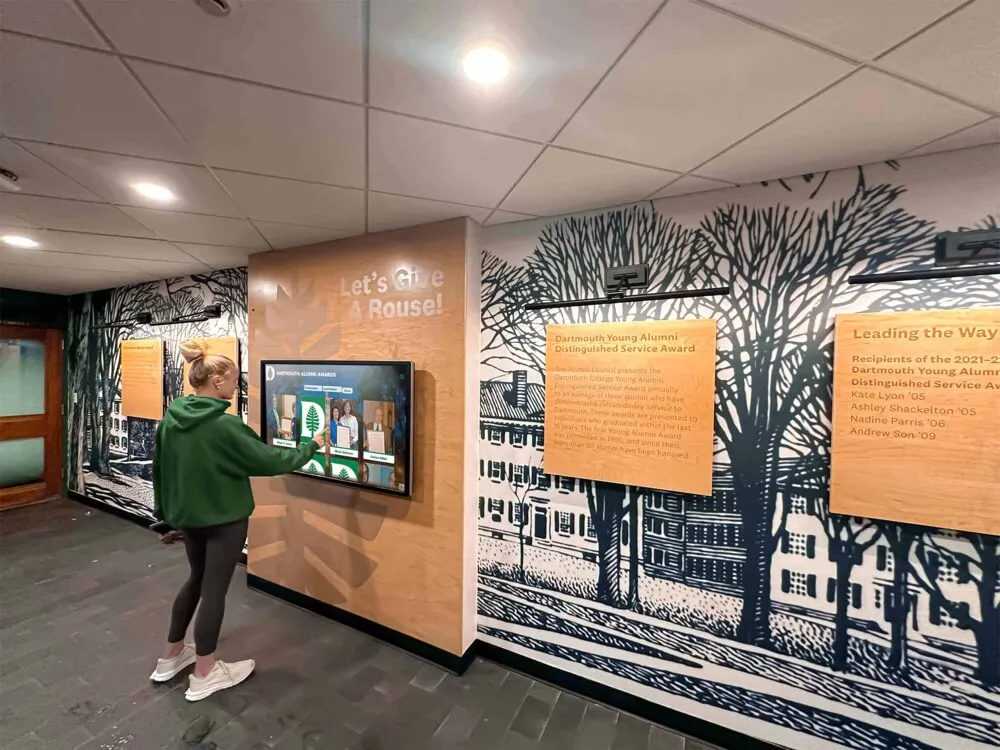
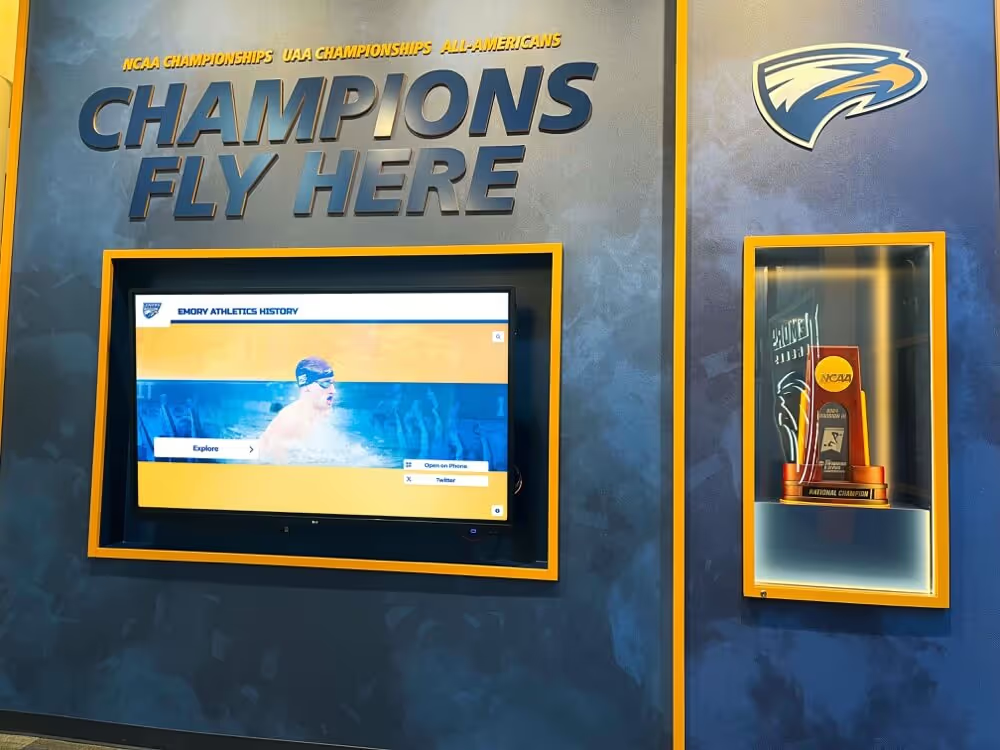
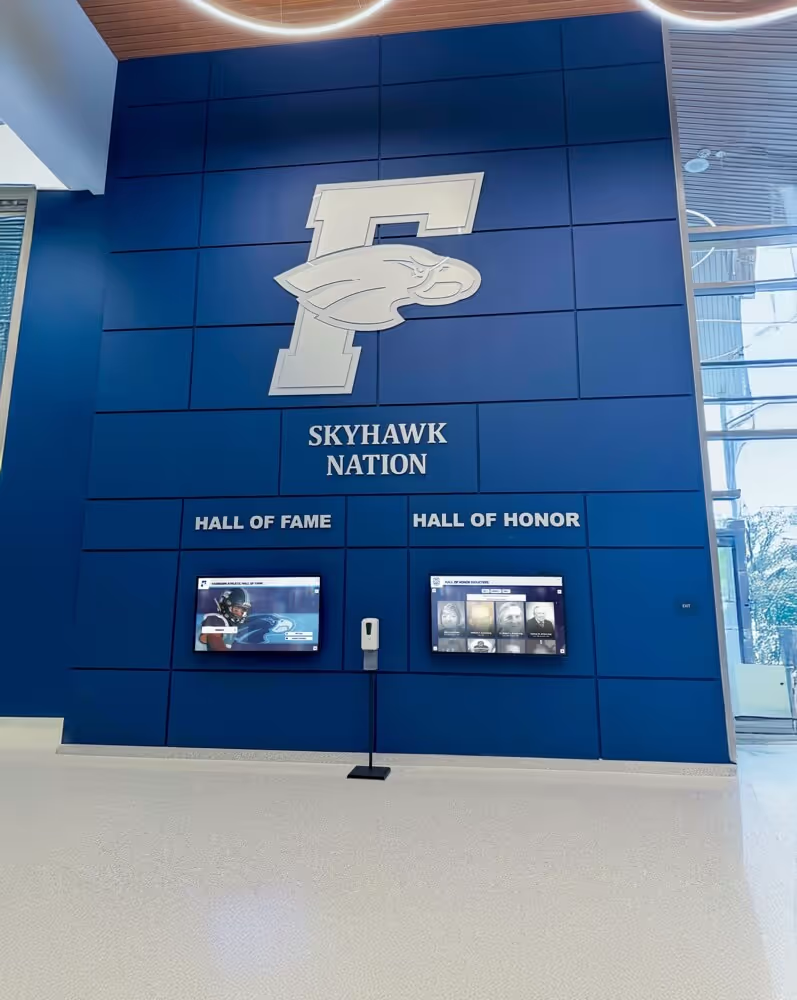
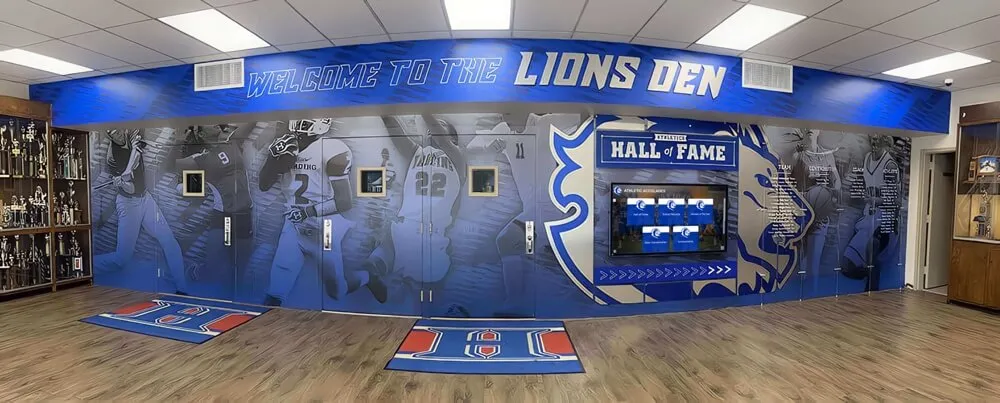
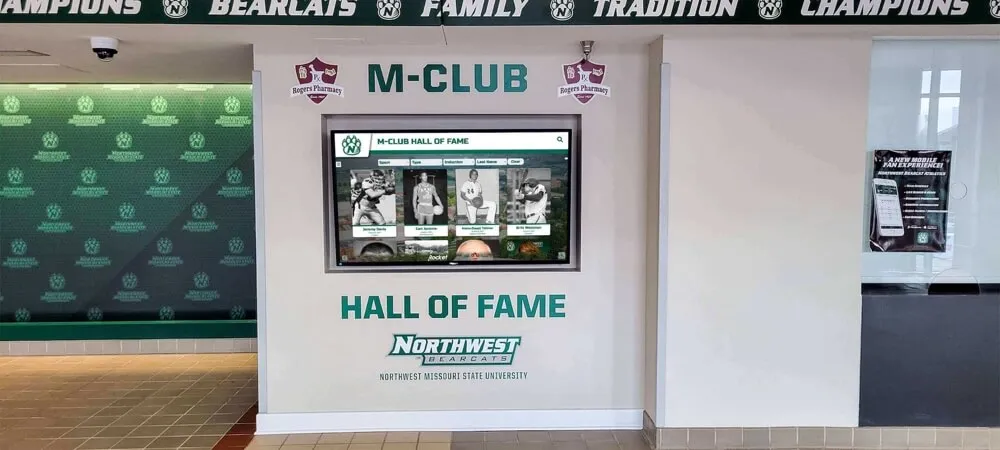
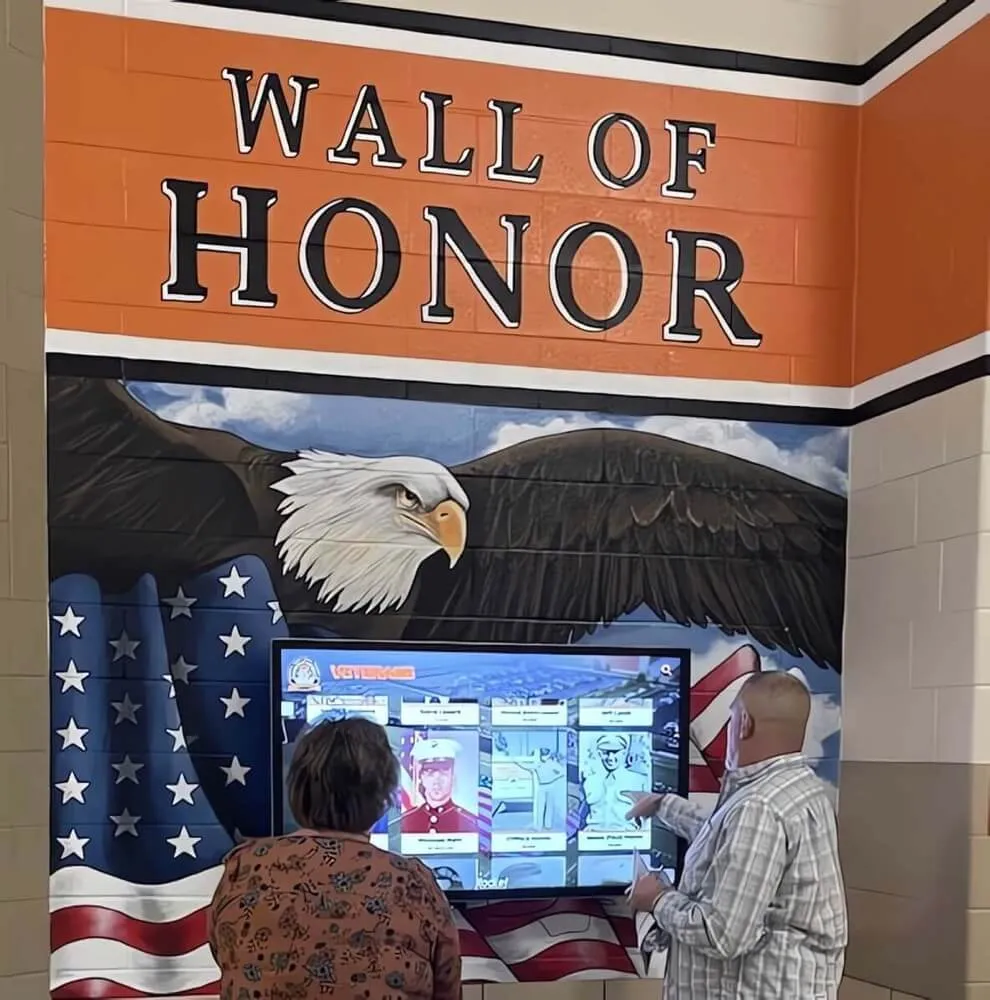
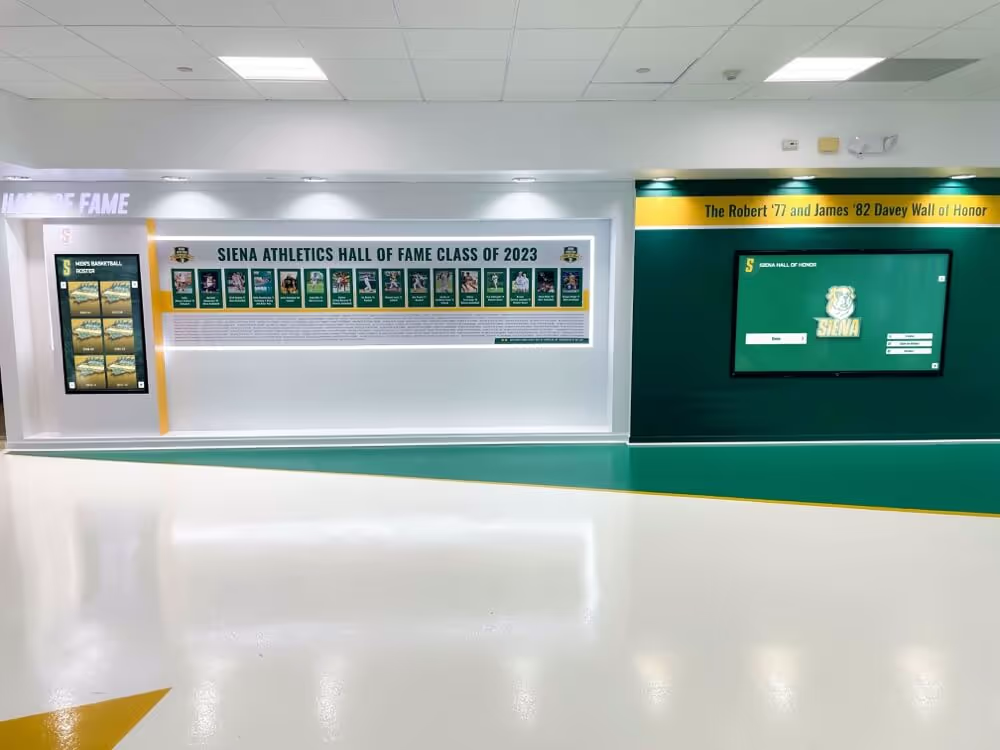
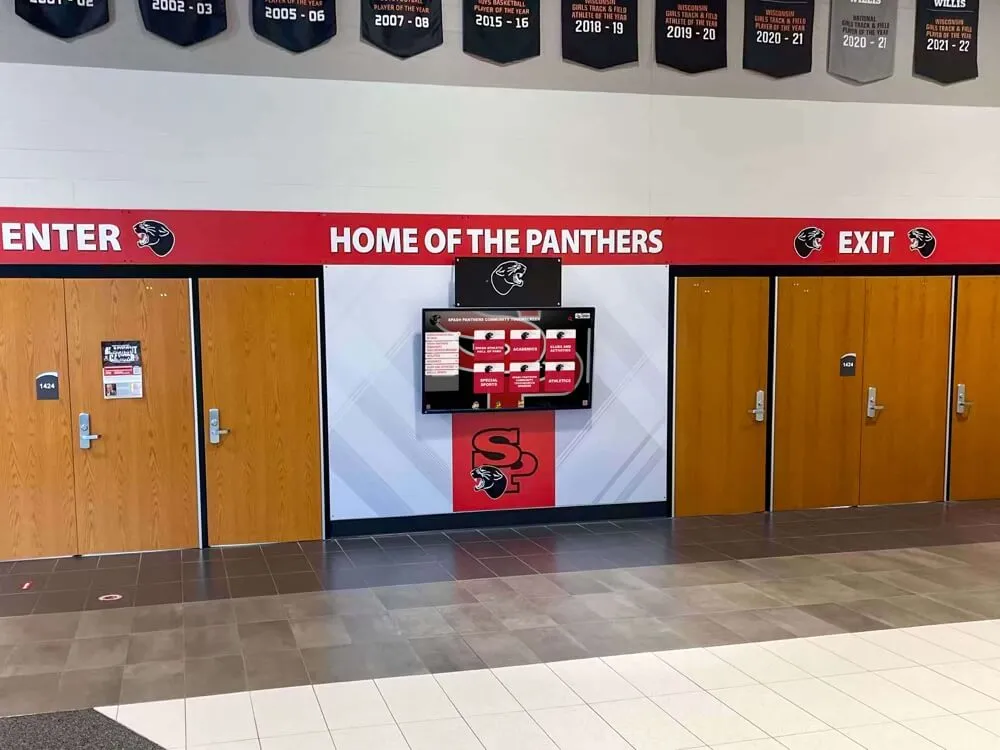
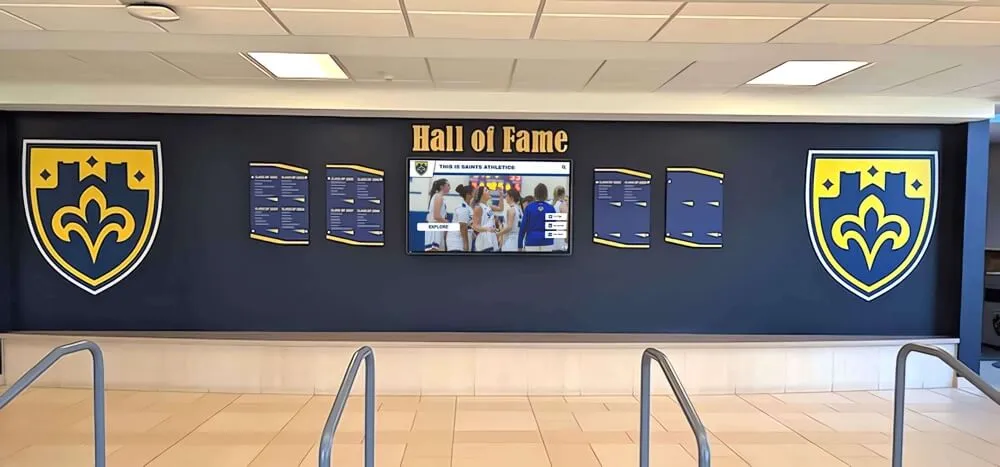
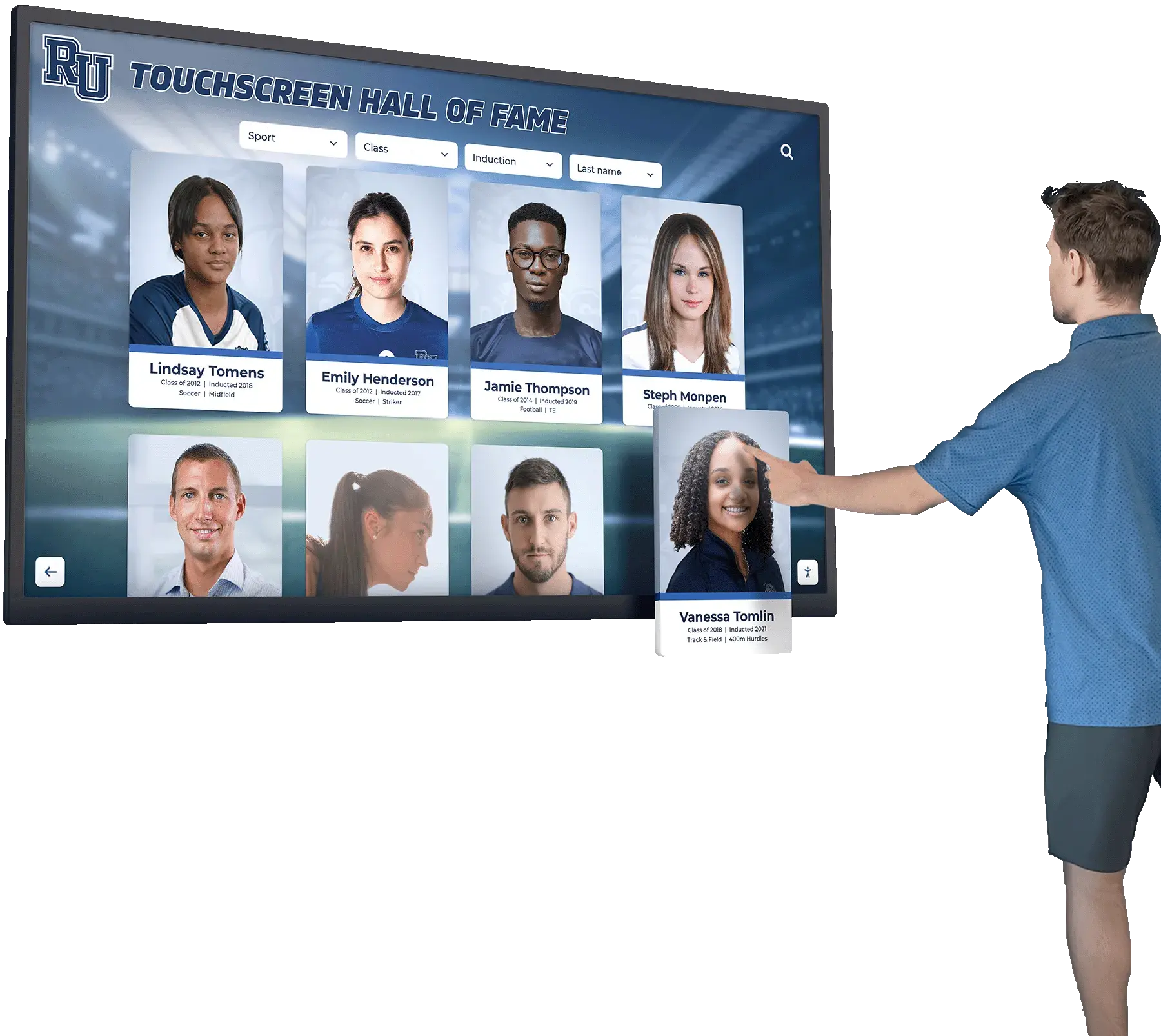
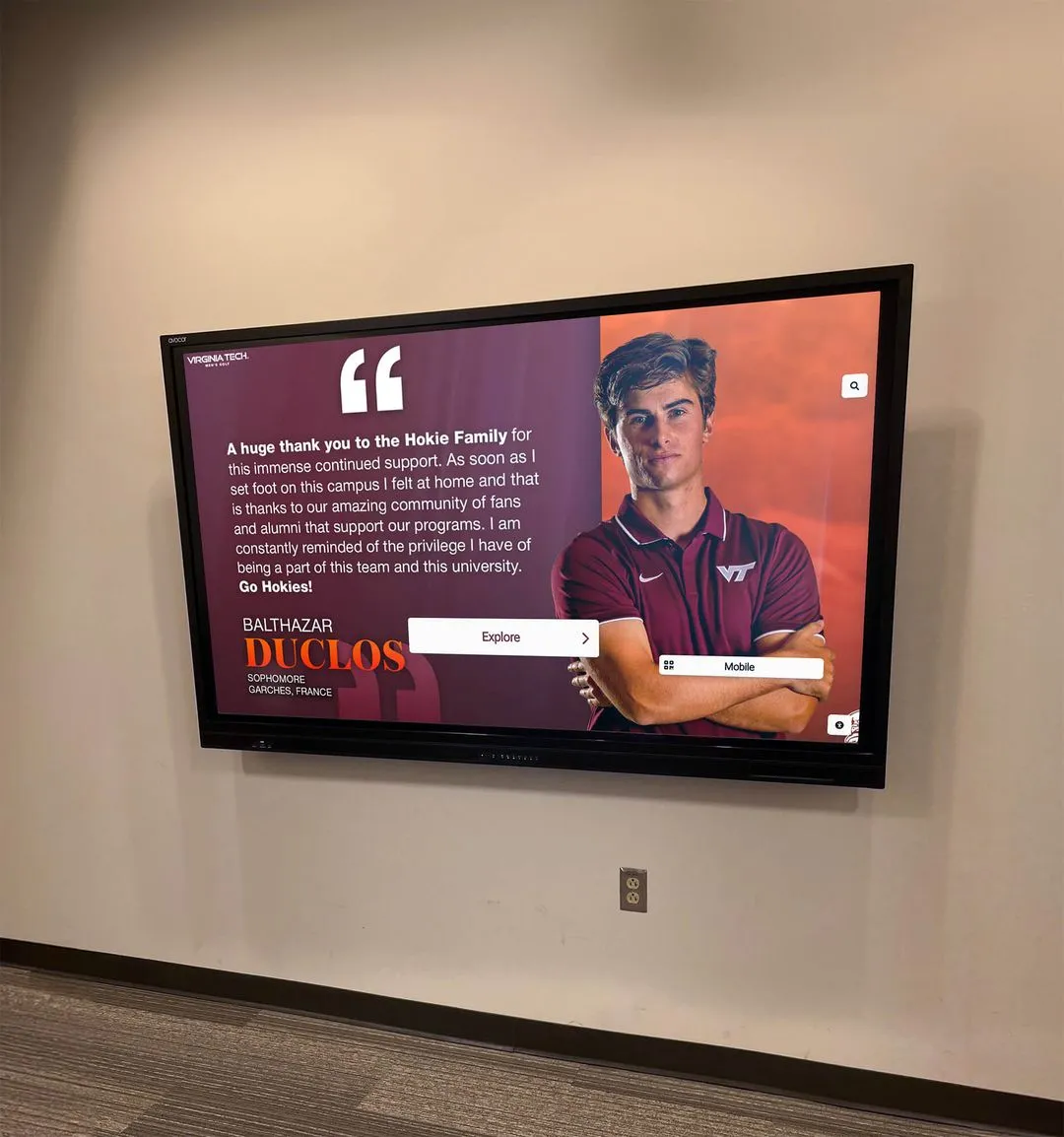
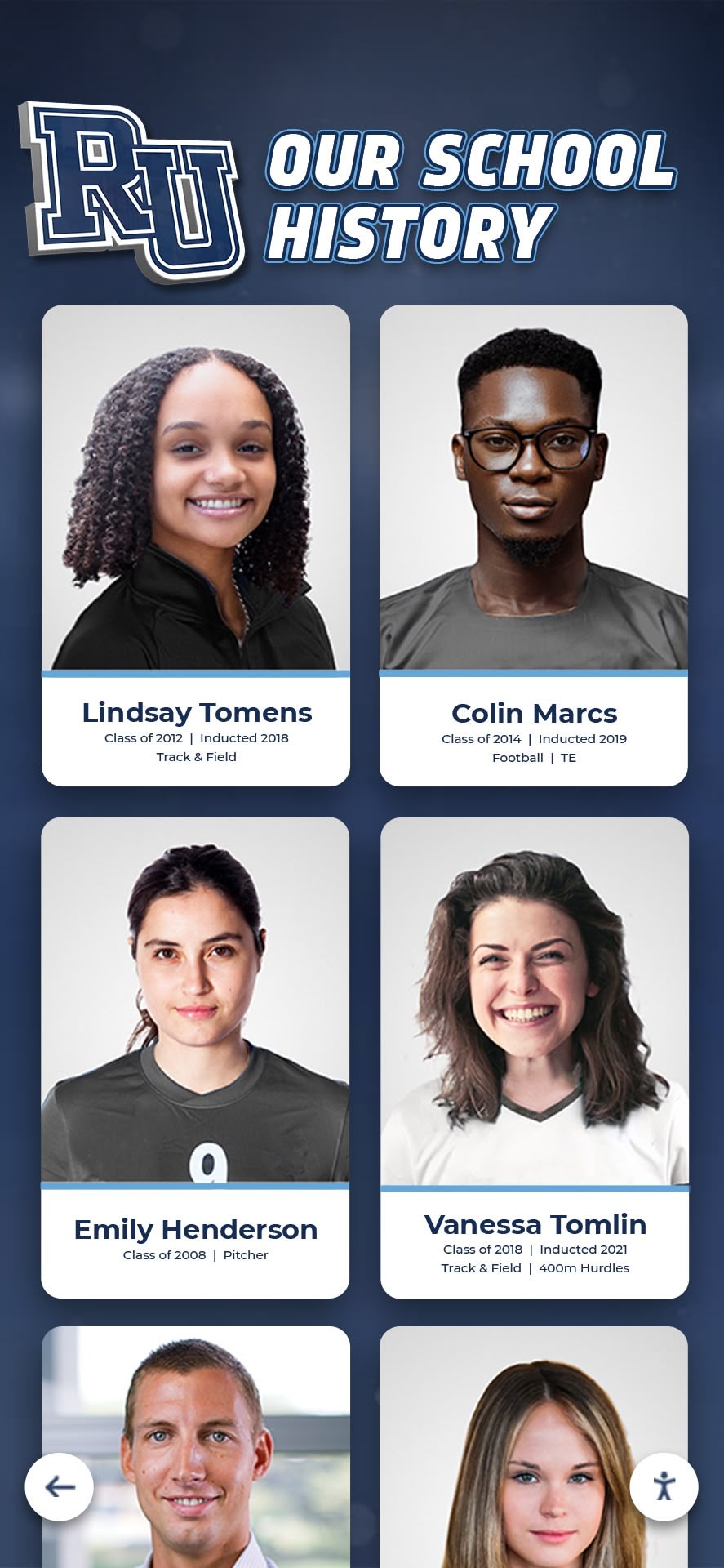
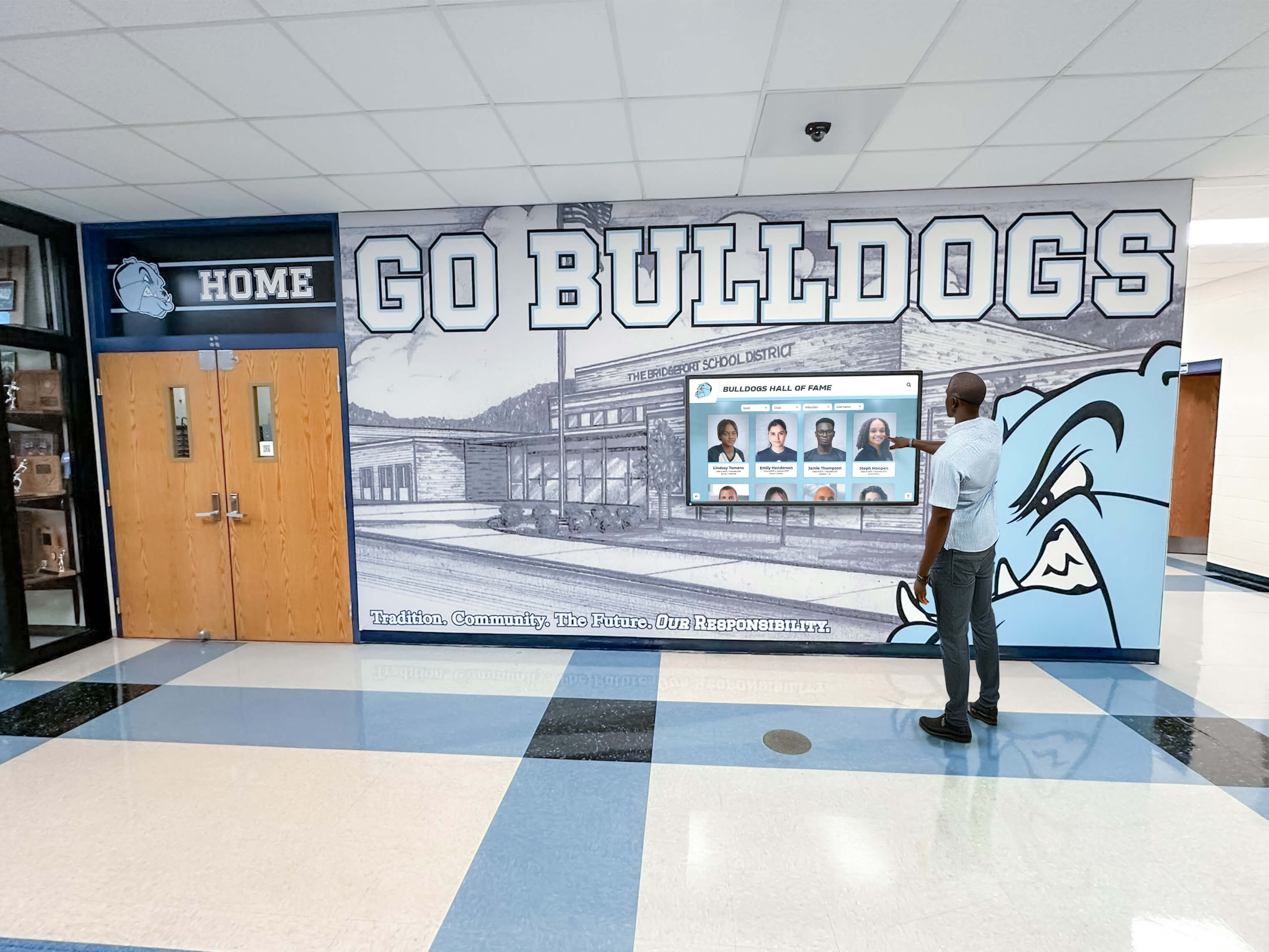
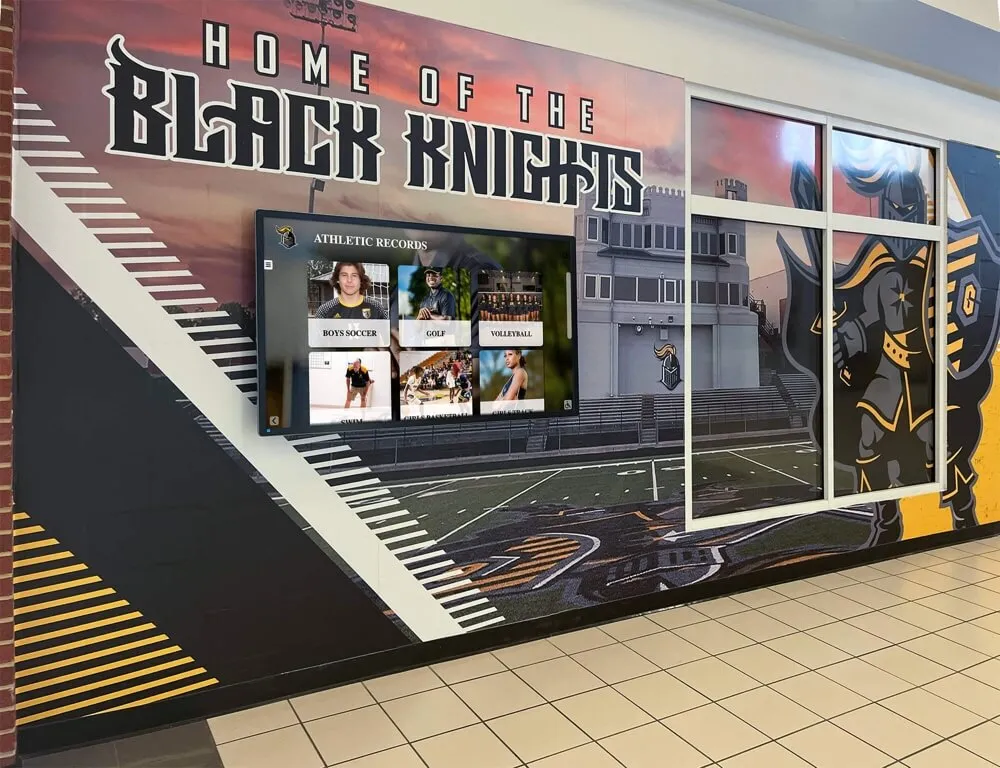
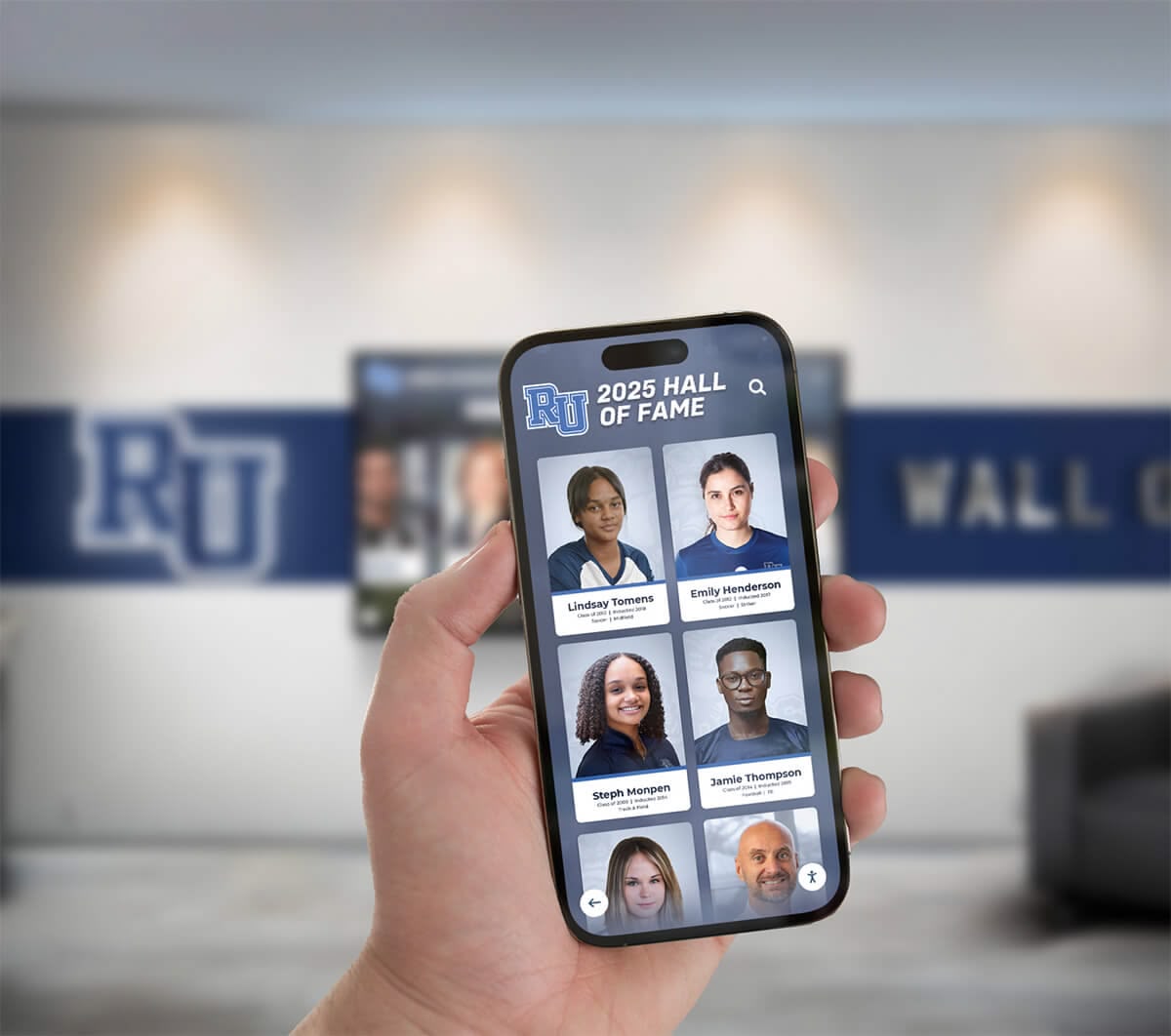
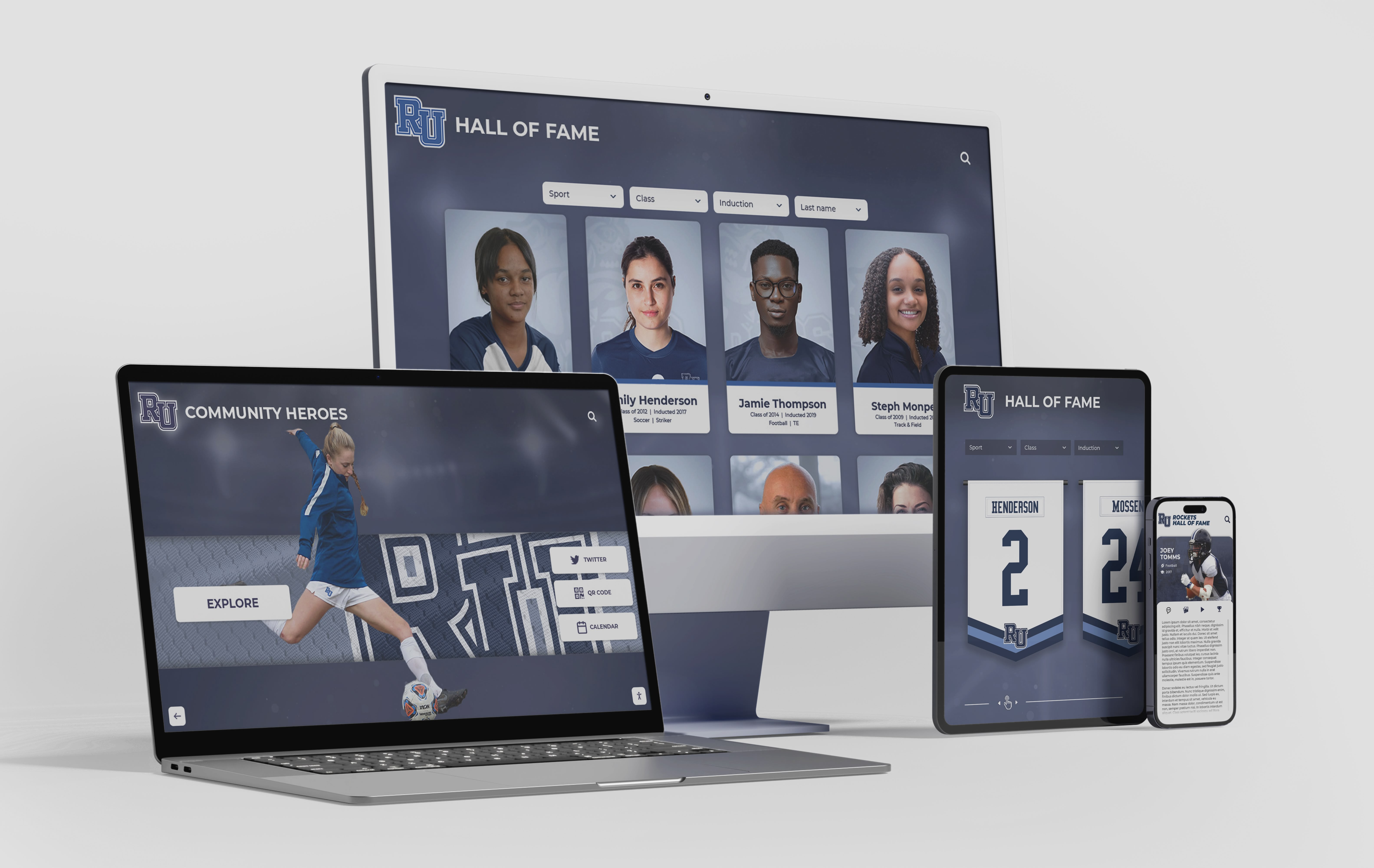
Solutions like Rocket Alumni Solutions provide purpose-built platforms designed specifically for athletic recognition including comprehensive golf program capabilities. These systems combine intuitive content management enabling coaches or administrators to update recognition easily, professional presentation formats reflecting institutional quality, unlimited capacity honoring every deserving alum, and remote web accessibility extending recognition reach beyond physical facilities.
Integration with Current Team Information: Digital displays can feature current roster information, season schedules, real-time tournament results, and team statistics alongside historical recognition—creating comprehensive golf program information hubs rather than limiting displays to historical content alone.
This integration makes recognition displays more relevant to current teams while demonstrating how today’s golfers are building upon legacies established by distinguished alumni they’re learning about through recognition content.
Hybrid Recognition Strategies
Many successful programs implement combined approaches leveraging both traditional and digital strengths:
Maintain traditional plaques or trophy cases for most recent distinguished alumni or highest honors while implementing digital systems providing historical depth, multimedia content, and unlimited capacity. This balanced approach satisfies stakeholders valuing tangible recognition while embracing digital capabilities addressing space constraints and engagement expectations.
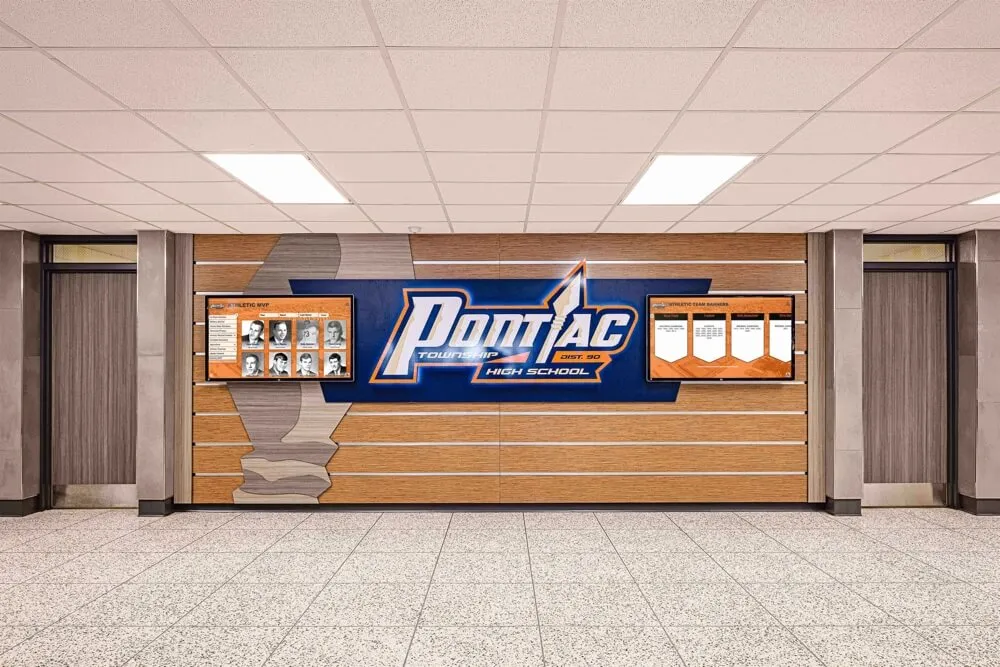
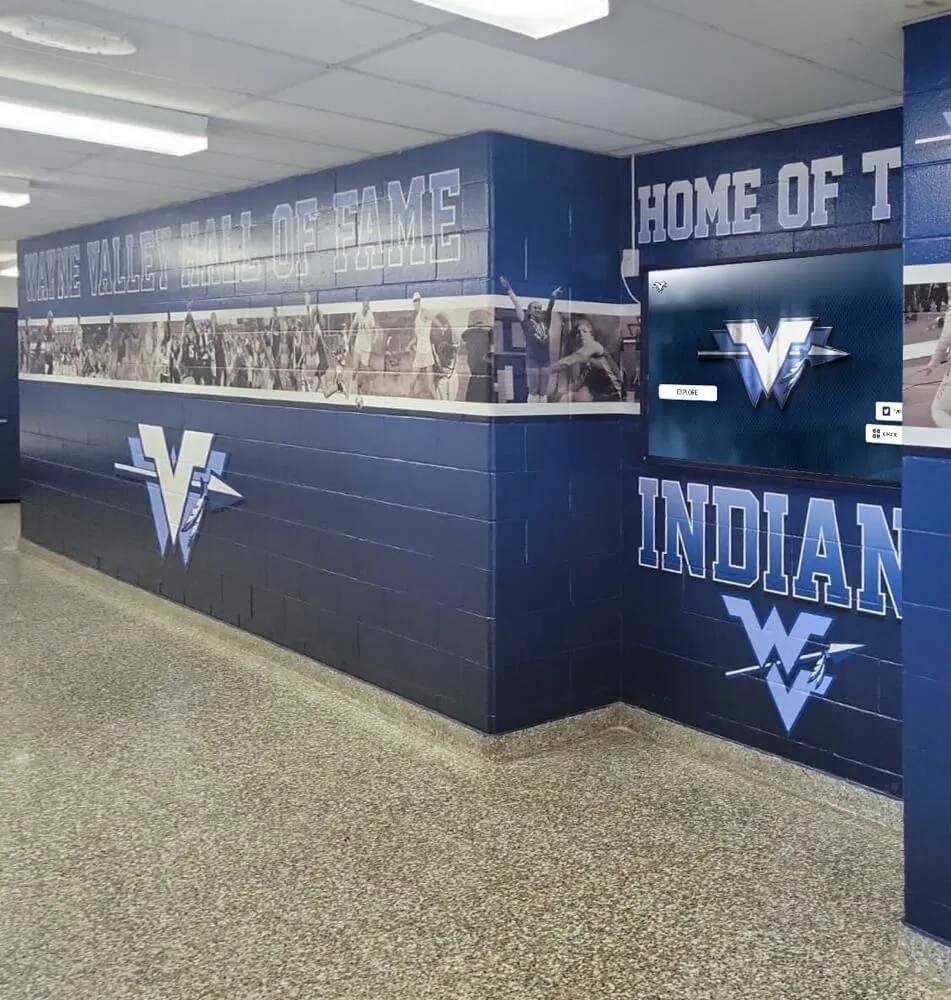
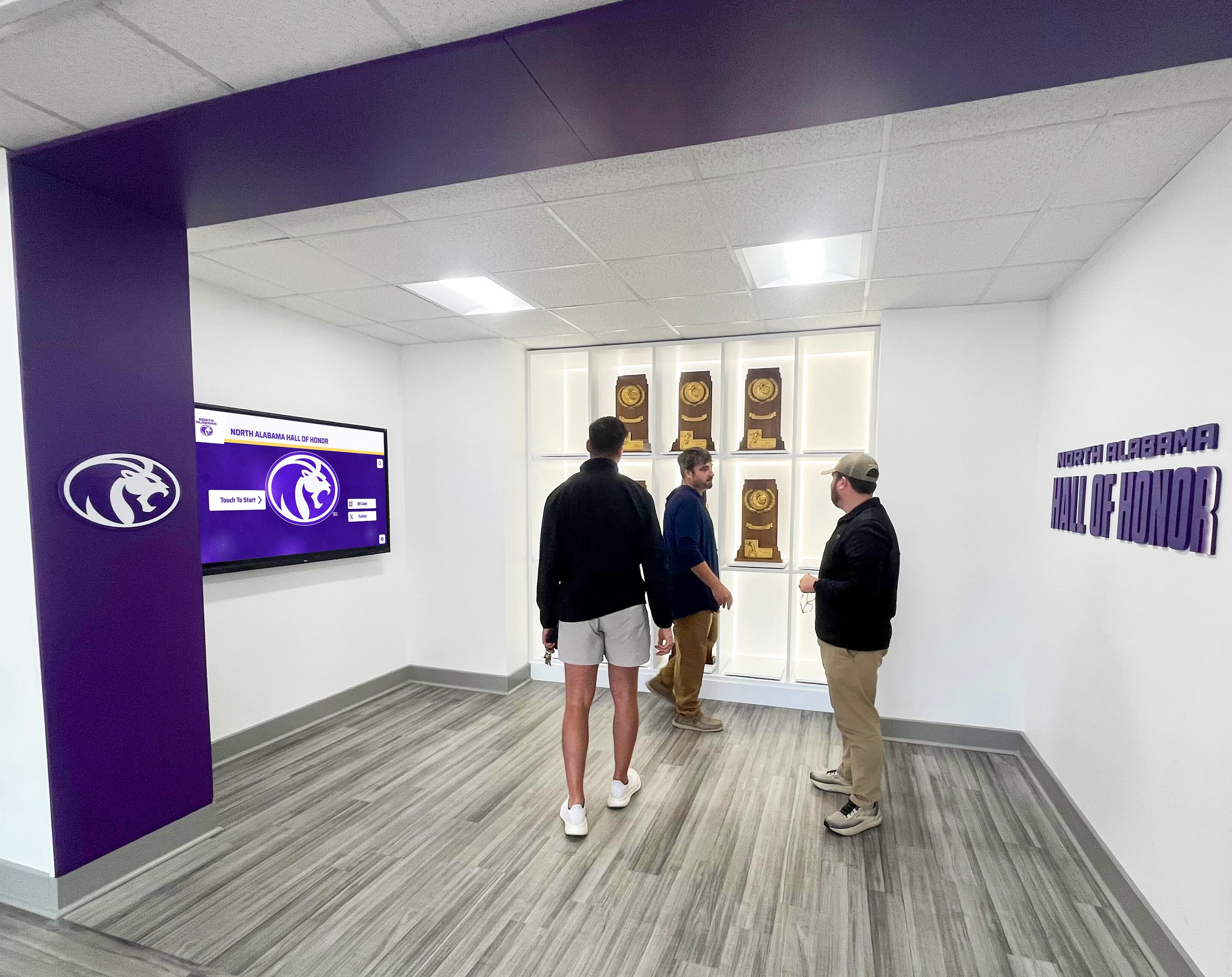
Consider positioning digital displays adjacent to traditional recognition creating seamless transitions where physical elements provide gravitas and permanence while interactive screens enable deep exploration of individual stories, complete statistical records, and program history that physical displays cannot accommodate.
Selection Processes for Distinguished Golf Alumni Recognition
Credible recognition programs require transparent selection ensuring fair, defensible decisions that maintain standards while appropriately celebrating diverse forms of golf achievement.
Establishing Clear Recognition Criteria
Written eligibility standards prevent confusion while maintaining program integrity:
Performance-Based Thresholds: Objective criteria create transparent recognition standards. Common thresholds include all-conference honors (first team, second team), conference championship tournament top-10 finishes, regional or national championship qualification, season or career scoring average benchmarks, tournament championship victories, and school record establishment.
These quantifiable standards enable consistent application across different eras and coaching regimes while ensuring recognition maintains prestige through meaningful achievement requirements.
Time-Based Eligibility: Most programs establish minimum time since graduation (commonly 5-10 years for distinguished alumni recognition, 3-5 years for young alumni honors) ensuring sufficient perspective on career trajectories and post-collegiate accomplishments.
Immediate post-graduation recognition might honor competitive achievement while more selective distinguished alumni recognition requires longer timeframes demonstrating sustained impact or notable post-collegiate accomplishment.
Nomination and Selection Process: Transparent procedures strengthen program credibility. Typical processes include open nomination periods where coaches, alumni, and community members propose candidates, selection committees reviewing nominations against published criteria, voting thresholds ensuring consensus (commonly 75% committee approval), and decision communication explaining outcomes to nominators and nominees appropriately.
Document processes ensuring consistency across selection cycles while providing accountability that decisions reflect genuine merit rather than favoritism or recency bias favoring recent graduates over historical achievers.
Annual Recognition Cycles vs. Continuous Addition: Some programs conduct annual distinguished alumni selections with formal induction ceremonies creating special recognition events. Others implement continuous recognition adding qualified alumni as they meet criteria or are discovered through historical research.
Both approaches work effectively—formal cycles create anticipation and ceremony while continuous recognition ensures deserving alumni receive acknowledgment without artificial delays waiting for annual selection windows.
Balancing Historical and Contemporary Recognition
Golf programs with long histories face challenges ensuring equitable recognition across different eras:
Historical Research Requirements: Recognizing alumni from decades past requires significant research compiling results from yearbooks, newspaper archives, athletic department records, and alumni interviews. Incomplete records from earlier eras may lack statistical detail available for recent graduates.
Rather than allowing missing data to prevent historical recognition, programs can acknowledge achievement based on available documentation while noting when complete statistical records are unavailable. “Conference champion, 1978 season” provides meaningful recognition even without complete stroke-by-stroke tournament documentation.
Era-Appropriate Achievement Context: Golf has evolved dramatically—course difficulty, equipment technology, competitive depth, and opportunity structures differ substantially across decades. Recognition should acknowledge achievement within appropriate era context rather than applying contemporary standards retroactively.
A conference champion from the 1960s merits recognition equal to recent conference champions even when absolute scoring averages differ due to equipment and conditioning advances. Achievement relative to era peers matters more than cross-era comparisons.
Ensuring Gender Equity: Programs should implement equivalent recognition standards across men’s and women’s golf ensuring equal honor for comparable achievement regardless of team gender. When women’s programs are newer with fewer decades of history, recognition criteria should remain equivalent even when total recognized alumni numbers initially differ due to program age rather than achievement standards.
Understanding comprehensive athletic recognition approaches helps ensure golf programs implement equitable selection processes honoring excellence consistently across genders, eras, and achievement categories.
Content Development for Distinguished Golf Alumni Profiles
Recognition impact depends not just on selection rigor but on content quality ensuring honorees receive meaningful acknowledgment while audiences understand achievement significance.
Gathering Comprehensive Biographical Information
Compelling profiles require thorough information collection:
Direct Alumni Outreach: Personal questionnaires or interviews with recognized alumni yield authentic, detailed information. Request competitive achievement summaries with specific tournament results, memorable moments and favorite memories from competitive careers, post-collegiate golf involvement including teaching, competing, or volunteer contributions, career highlights beyond golf, and advice for current golfers building their own competitive careers.
When alumni participate in content development, recognition feels more personal while ensuring factual accuracy. Many golf alumni eagerly share stories and advice when invited to contribute to institutional recognition honoring their achievements.
Statistical and Result Documentation: Compile complete competitive records including season-by-season scoring averages, tournament results with placements and scores, all-conference or all-region selections, championship qualification results, and school records or milestones achieved.
Statistical depth helps audiences understand achievement magnitude while providing objective documentation supporting recognition decisions.
Photographic Documentation: High-quality action photographs from competitive years provide visual engagement. Sources include athletic department archives, yearbook scanning and digitization, alumni personal collections, and commissioned photography of trophies, certificates, or memorabilia when action photos are unavailable.
For historical recognition where photographs may be limited, any available images provide value—yearbook portraits, team photographs, or tournament documentation serve recognition purposes even when professional action photography doesn’t exist.
Third-Party Perspectives: Coaches, teammates, and competitors can provide valuable observations about what made recognized alumni distinguished beyond simple result documentation. Brief quotes describing work ethic, leadership, mental toughness, or memorable performances add authenticity and dimension to profiles.
Writing Engaging Profile Content
Consistent voice maintains professionalism while creating accessible, inspiring content:
Achievement Contextualization: Help audiences understand achievement significance through relevant context. “Won three conference tournaments while maintaining a 72.8 stroke average—the second-lowest in program history” communicates more meaning than “conference tournament champion.”
Comparisons to program records, conference standards during competitive era, and post-collegiate accomplishment provide context making achievements understandable to audiences who may not closely follow competitive golf.
Personal Story Integration: Include elements helping current golfers see themselves in alumni stories—challenges overcome, turning points in competitive development, memorable rounds or tournaments, unexpected opportunities, or formative experiences connecting back to program culture.
These personal dimensions make distinguished alumni relatable rather than intimidatingly distant figures whose achievements feel unattainable.
Career Journey Documentation: For alumni who continued in golf professionally, document career progression from collegiate competition through teaching, touring, coaching, or industry careers. These journeys demonstrate diverse pathways to golf careers while showing how collegiate programs prepared alumni for professional success.
Academic Excellence Integration: Many distinguished golf alumni excel academically while competing. Including academic honors, degree information, graduate education, or career achievements outside golf presents honored individuals as complete student-athletes rather than exclusively emphasizing athletic performance.
Resources on creating effective alumni recognition content provide frameworks for developing profiles that honor achievement appropriately while inspiring audiences through compelling storytelling rather than dry statistical listings.
Integrating Golf Alumni Recognition with Program Development
Strategic recognition delivers maximum value when integrated with broader program objectives rather than operating as isolated displays:
Recruiting and Program Marketing
Visible recognition influences both prospective golfer recruitment and program reputation:
Prospect Family Impressions: Families evaluating golf programs form impressions based on visible evidence of program quality and alumni success. Comprehensive distinguished alumni recognition demonstrates sustained excellence, individual development capability, competitive achievement culture, and institutional commitment to honoring golf excellence.
Recruits touring facilities and encountering impressive recognition displays understand they’re evaluating programs with meaningful traditions and achievement standards rather than programs where golf is an afterthought receiving minimal institutional support.
Competitive Positioning: In recruiting competitions against peer programs, recognition communicates program quality tangibly. Demonstrating decades of conference champions, all-conference selections, and post-collegiate success stories positions programs as serious competitive opportunities rather than recreational golf offerings.
Social Media and Digital Marketing: Recognition content provides authentic, compelling material for program social media and recruiting communications. Feature distinguished alumni regularly, share alumni career updates, celebrate achievement anniversaries, or highlight historical program moments creating ongoing engagement while demonstrating program tradition to prospective recruits following social channels.
Current Team Inspiration and Culture Building
Recognition shapes program culture and motivates current golfers:
Daily Inspiration: When current golfers practice and compete in facilities featuring distinguished alumni recognition, they understand that excellence receives lasting acknowledgment. This visibility influences aspiration levels, training commitment, and performance standards.
Coaches can reference specific alumni achievements during training—“Sarah shot 68 here in the conference championship 10 years ago, which is still the program record for this course”—connecting current competitions to program history while making recognition relevant to daily competitive preparation.
Mentorship Connections: Recognized alumni represent ideal mentors given demonstrated achievement and institutional commitment. Create formal connections between distinguished alumni and current golfers through structured mentorship programs, annual alumni-student golf outings, virtual Q&A sessions with professional touring alumni, and career exploration conversations with teaching professionals and industry leaders.
These relationships transform recognition from passive viewing into active engagement opportunities supporting student-athlete development.
Standard Setting: Recognition communicates achievement expectations and program standards. When facilities showcase decades of all-conference selections and conference champions, current golfers understand that these honors represent normal program achievements rather than exceptional rarities.
This standard-setting influences program culture establishing excellence as expected rather than surprising outcome.
Understanding how to build sustained team culture demonstrates how recognition programs contribute to creating program identities that persist across coaching changes and roster turnover.
Special Considerations for Different Program Types
Recognition approaches should reflect program context, competitive level, and institutional characteristics:
High School Golf Recognition
Secondary school programs face unique considerations:
Young Alumni Achievement: High school recognition often emphasizes relatively recent alumni celebrating early college competitive success, teaching professional certifications, amateur championship achievements, and community golf leadership occurring within 10-20 years of graduation.
This shorter timeframe maintains relevance for current students who can relate to relatively recent graduates while honoring achievement appropriate to career stages.
Local Community Connection: Many distinguished high school golf alumni remain in local communities teaching at area courses, competing in regional amateur events, or supporting local junior golf programs. Recognition honoring these local contributions resonates powerfully with students considering their own futures and relationship with home communities.
Academic-Athletic Balance: High school recognition should emphasize academic excellence alongside competitive achievement. Include information about college destinations, academic scholarships, and post-college careers demonstrating that golf prepared alumni for comprehensive life success beyond just athletic accomplishment.
College and University Golf Recognition
Higher education institutions maintain more complex programs:
Conference and National Championship Context: College recognition naturally emphasizes conference championships, NCAA regional and national championship qualification, all-American honors, and academic all-American selections reflecting higher competitive levels and national competitive structure.
Include specific tournament results, stroke averages relative to competitive field strength, and head-to-head performance against nationally-ranked opponents providing context about achievement at elite collegiate competitive levels.
Professional Career Tracking: College golf programs more commonly produce professional tour competitors, college coaches, and industry leaders. Recognition should track and celebrate these post-collegiate accomplishments including PGA/LPGA tour status and results, college coaching positions and team achievements, teaching professional certifications and club positions, and golf industry leadership roles.
Many programs maintain ongoing relationships with professional alumni creating opportunities for current student-athletes to learn from graduates competing or working professionally.
Division-Specific Standards: Recognition criteria should reflect competitive division—Division I programs competing for national championships establish different achievement thresholds than Division III programs where conference and regional excellence represent highest achievements.
Rather than applying Division I standards universally, programs should celebrate distinction relative to their competitive context ensuring recognition maintains appropriate prestige within specific divisional structures.
Leveraging Recognition for Alumni Engagement and Fundraising
Recognition programs strengthen institutional connections creating foundations for sustained engagement and philanthropic support:
Induction Ceremonies and Recognition Events
Formal recognition events create meaningful touchpoints:
Annual Induction Ceremonies: Programs implementing formal distinguished alumni selection often conduct annual recognition events coinciding with homecoming, alumni weekends, or golf tournaments. These ceremonies provide natural opportunities for honored alumni to return to campus while creating special occasions celebrating golf program excellence.
Include brief biographical presentations, acceptance speeches or remarks from inductees, photo opportunities with current team members, and reception times enabling alumni networking and program connection.
Golf Tournament Integration: Many institutions host annual alumni golf events providing perfect settings for recognition activities. Conduct induction ceremonies during tournament banquets, feature distinguished alumni in tournament programs, or organize alumni-student golf pairings creating mentorship connections.

Tournament integration maximizes attendance efficiency while surrounding recognition with golf activity reinforcing program identity and competitive tradition.
Virtual Recognition: For alumni unable to attend in-person events, provide virtual participation options through live-streaming ceremonies, pre-recorded video presentations featuring inductees, and digital recognition launches making new profiles accessible immediately to global alumni networks.
Virtual elements extend recognition reach far beyond physical ceremony attendance while demonstrating institutional commitment to inclusive celebration regardless of geographic constraints.
Fundraising and Philanthropic Support
Recognition strengthens fundraising efforts:
Cultivation and Stewardship: Distinguished alumni recognition identifies accomplished, engaged individuals representing prime prospects for program support. Following recognition with appropriate cultivation conversations often converts gratitude into philanthropic commitment funding facilities, scholarships, or operational support.
Many honored alumni feel inspired to support programs that recognized their achievements, viewing contributions as investments in future generations of golfers building upon legacies they helped establish.
Named Recognition Opportunities: Recognition displays themselves create naming opportunities—sponsors can fund distinguished alumni program endowments, underwrite specific recognition categories, or support display installations creating sustainable funding models for recognition program operations.
Legacy Building: Recognition programs appealing to alumni interested in leaving lasting program legacies demonstrate how contributions enable future generations of golfers to compete, succeed, and receive their own recognition continuing institutional traditions spanning decades.
Understanding effective donor recognition strategies applicable to athletic program fundraising demonstrates how recognition, cultivation, and stewardship work together supporting comprehensive advancement outcomes.
Maintaining and Updating Golf Alumni Recognition Programs
Successful recognition requires ongoing attention ensuring displays remain current, accurate, and relevant:
Regular Content Updates
Seasonal Addition Processes: Establish systematic procedures for adding newly qualified distinguished alumni each season including performance monitoring during competitive seasons, eligibility evaluation as seasons conclude, nomination solicitation from coaches and community, selection committee reviews following published criteria, and timely recognition announcement and content development.
Regular updates ensure recognition remains connected to current programs rather than becoming historical artifacts gradually losing relevance to contemporary teams.
Alumni Milestone Tracking: Monitor and update recognized alumni profiles as they achieve new milestones—professional tour achievements, college coaching accomplishments, teaching professional certifications, or industry leadership positions. These updates demonstrate ongoing institutional interest in alumni success while keeping recognition content current rather than frozen at graduation.
Accuracy Verification: Periodically audit recognition content for factual errors including tournament result accuracy, proper spelling of names and locations, correct year and achievement designations, and functioning links in digital systems. Errors damage credibility and disrespect honored alumni who deserve accurate representation.
Expanding Recognition Categories
Over time, many programs expand recognition celebrating additional achievement:
Hall of Fame vs. Honor Roll: Some programs distinguish between highest honor hall of fame induction and broader honor roll recognition celebrating significant achievement not meeting highest distinction thresholds. This two-tier structure enables broader recognition while maintaining exclusive prestige for truly exceptional careers.
Specialized Achievement Recognition: Beyond general distinguished alumni status, consider specialized categories including single-season achievement recognition, career milestone celebrations, team championship roster recognition, and coaching or contribution honors for individuals advancing programs through service rather than just competitive achievement.
Academic Excellence Integration: Programs might implement academic all-American recognition celebrating combined athletic and academic excellence, honor comprehensive student-athlete achievement balancing competition with classroom performance.
Resources on comprehensive athletic recognition programs demonstrate frameworks applicable to golf programs seeking to expand recognition beyond competitive achievement alone.
Conclusion: Building Golf Program Legacy Through Distinguished Alumni Recognition
Golf team distinguished alumni recognition serves programs most effectively when transcending simple display creation to become strategic initiatives strengthening program identity, inspiring current competitors, honoring individual excellence, and preserving institutional history documenting achievement across generations. The most impactful programs combine rigorous selection maintaining recognition prestige, compelling content bringing achievements to life through statistics and storytelling, accessible displays reaching diverse audiences, and integrated operations connecting recognition with recruiting, team culture development, alumni engagement, and advancement priorities.
Traditional recognition approaches—plaques, trophy cases, and championship banners—maintain value for programs favoring tangible permanence and stakeholder preferences for physical displays. These conventional formats convey gravitas and formality appropriate for distinguished achievement while creating impressive installations in golf training facilities and athletic department corridors.
Modern digital recognition systems overcome space constraints limiting physical displays, enable rich multimedia storytelling impossible with static plaques, provide unlimited capacity accommodating comprehensive recognition across decades, deliver real-time updates maintaining currency as alumni achieve new milestones, extend recognition globally through web accessibility, and generate engagement insights informing continuous improvement.
Many programs find hybrid approaches most effective—maintaining traditional recognition elements for highest honors or most recent inductees while implementing digital systems providing expanded capacity, multimedia content, and comprehensive historical documentation. This balanced strategy honors tradition while embracing innovation addressing practical constraints and contemporary engagement expectations.
Beyond technology choices, recognition program success depends on operational excellence ensuring sustainable processes, consistent quality, transparent selection maintaining credibility, compelling content honoring achievement appropriately, strategic integration with program development priorities, and continuous assessment informing improvement. Programs executed with attention to these dimensions create lasting value justifying continued investment while serving multiple institutional priorities simultaneously.
For golf programs ready to honor distinguished alumni while building team culture and preserving program history, modern recognition solutions provide proven approaches delivering measurable impact. Whether implementing comprehensive digital platforms enhancing existing programs or launching new recognition initiatives, the strategies and frameworks explored throughout this guide offer practical starting points for creating acknowledgment systems celebrating golf excellence while advancing program missions and strengthening communities connected through shared competitive experiences.
Golf distinguished alumni represent decades of individual dedication, competitive excellence, and institutional representation at the highest levels. Recognition programs should reflect this significance through comprehensive systems ensuring every deserving golfer receives acknowledgment befitting their achievements, competitive journeys become accessible inspiration for current teams, and program legacies built across generations remain preserved and celebrated appropriately.
Ready to transform golf alumni recognition at your institution? Explore how digital recognition solutions enable comprehensive celebration of every distinguished golfer while creating engaging experiences that inspire current teams, strengthen alumni connections, and demonstrate program quality through decades of competitive excellence documented accessibly for current and future generations.