



When graduates cross the stage wearing gold honor cords draped over their gowns, they display visible proof of exceptional achievement earned through years of dedicated academic work. These metallic cords catch light as students receive diplomas, signaling to families, educators, and communities that the wearer met demanding standards that set them apart from their graduating class. Yet many students, parents, and even some educators remain uncertain about what specific accomplishments gold cords represent and how students qualify to wear them.
This comprehensive guide explains what gold cords mean at graduation ceremonies, the various academic honors they can signify, how students earn the right to wear them, and why schools increasingly recognize these achievements through permanent digital displays that preserve and celebrate academic excellence long after graduation day ends.
What Gold Graduation Cords Represent
Gold honor cords most commonly signify exceptional academic achievement, typically awarded to students who maintained high grade point averages, earned membership in honor societies, or achieved specific scholarly milestones. The exact meaning varies by institution, but gold consistently represents academic excellence across high schools, colleges, and universities. Schools that implement comprehensive recognition programs—including solutions like Rocket Alumni Solutions' digital displays—ensure these achievements receive lasting acknowledgment that extends beyond the brief moments graduates wear their cords.
Common Meanings of Gold Honor Cords at Graduation
Gold cords carry different specific meanings depending on the institution, level of education, and honor society affiliation. Understanding these variations helps students, families, and educators accurately interpret what these cords represent.
High School Gold Cord Meanings
In high school settings, gold cords most frequently indicate membership in the National Honor Society (NHS), one of the most recognized academic organizations in American secondary education. Students who maintain GPAs above 3.5 or 3.7 (requirements vary by chapter), demonstrate leadership, participate in service activities, and exhibit strong character qualify for NHS membership and the accompanying gold cord.
Some high schools award gold cords to students achieving specific GPA thresholds independent of honor society membership. Common standards include:
- Summa Cum Laude: Typically 3.9-4.0 GPA or higher
- Magna Cum Laude: Usually 3.7-3.89 GPA range
- Cum Laude: Generally 3.5-3.69 GPA range
Schools may assign different cord colors to these distinction levels, but gold frequently represents the highest academic category. Other institutions use gold cords for valedictorians, salutatorians, or students graduating in the top percentage of their class.
College and University Gold Cord Significance
At the collegiate level, gold cords often signify Latin honors similar to high school distinctions but calculated across four years of university coursework. Requirements are typically more stringent, with Summa Cum Laude frequently requiring GPAs above 3.9 and Magna Cum Laude starting around 3.7.
Academic honor societies specific to various disciplines also award gold cords to their members:
- Phi Beta Kappa: The nation’s oldest and most prestigious academic honor society awards membership to top liberal arts students
- Golden Key International Honour Society: Recognizes students ranking in the top 15% of their class
- Alpha Lambda Delta: First-year honor society for students achieving 3.5 GPAs or higher in their initial college semester
Professional and discipline-specific honor societies across fields from engineering to education often select gold as their official cord color, making it one of the most commonly seen honor cords at college graduation ceremonies.

Special Program and Scholarship Gold Cords
Beyond GPA-based honors and honor society membership, gold cords can represent:
- Academic scholarship recipients: Students receiving merit-based scholarships from their institution or external organizations
- Departmental honors: Students completing honors programs within specific academic departments
- Research distinction: Undergraduates who completed significant research projects or theses
- Leadership programs: Students who participated in competitive academic leadership initiatives
Schools should clearly communicate their specific cord color meanings to students and families well before graduation to avoid confusion and ensure graduates understand what their cords represent.
How Students Earn Gold Honor Cords
The path to earning gold honor cords requires sustained academic excellence maintained across multiple semesters or years. Understanding these requirements helps students set appropriate goals and track their progress toward earning this recognition.
Grade Point Average Requirements
GPA remains the most common criterion for gold cord eligibility. Schools typically establish clear numerical thresholds, though exact requirements vary significantly:
High School Standards:
- Cumulative GPA calculated across all four years
- Minimum thresholds ranging from 3.5 to 3.9 depending on distinction level
- Some schools weight honors and AP courses differently, creating weighted vs. unweighted GPA calculations
- Requirements often include maintaining the threshold through the final semester
College Standards:
- Cumulative GPA across all undergraduate coursework
- Higher thresholds than high school, typically 3.7-4.0 for gold cord eligibility
- Some institutions calculate honors eligibility using only grades in major coursework
- Transfer credits may or may not factor into honors calculations
Students should verify their institution’s specific GPA calculation method, as variations in how schools handle weighted courses, pass/fail classes, or transfer credits can significantly impact eligibility.

Honor Society Membership Requirements
Honor societies evaluate candidates using criteria extending beyond grades alone. National Honor Society selection, for example, considers four pillars:
Scholarship: Minimum GPA requirement (typically 3.5 or higher on a 4.0 scale)
Service: Documented community service hours and sustained commitment to helping others
Leadership: Demonstrated leadership in school activities, community organizations, or extracurricular programs
Character: Positive discipline record, ethical behavior, and respect for school values
Students apply or receive nominations for honor society consideration, submit documentation of their qualifications, and undergo evaluation by faculty selection committees. Meeting GPA requirements alone doesn’t guarantee acceptance—candidates must demonstrate excellence across all evaluation criteria.
Collegiate honor societies follow similar multi-factor evaluation processes, often adding requirements such as:
- Minimum credit hours completed
- Enrollment status (full-time vs. part-time)
- Academic major or field of study restrictions
- Additional fees for membership and regalia
Maintaining Eligibility Through Senior Year
Many students mistakenly believe that achieving honor cord eligibility early guarantees they’ll wear the cord at graduation. Most institutions require students to maintain qualifying standards through their final semester:
- Continued GPA maintenance: Significant grade drops in final courses can result in losing honor cord eligibility
- Completion of all degree requirements: Students who fail to complete graduation requirements forfeit their honor cords regardless of GPA
- Disciplinary standards: Academic integrity violations or serious disciplinary issues can disqualify otherwise eligible students
Schools typically calculate final honors eligibility after spring semester grades post, meaning students learn their final status just before graduation ceremonies.
The History and Significance of Honor Cords
Honor cords originated in European academic traditions dating back centuries, when universities used various regalia elements to distinguish scholars who achieved different levels of academic excellence. American institutions adopted these practices in the late 19th and early 20th centuries, gradually standardizing cord colors and meanings.

The tradition serves multiple purposes beyond simple decoration:
Public Recognition: Visible achievement markers allow families to immediately identify graduates who excelled academically, creating public acknowledgment of sustained scholarly effort.
Motivation: The prospect of earning honor cords motivates students to maintain high academic standards throughout their educational careers.
Institutional Pride: Schools demonstrate their commitment to academic excellence by formally recognizing high-achieving students, enhancing the institution’s academic reputation.
Lasting Memory: Physical honor cords become tangible keepsakes that graduates preserve for years, serving as permanent reminders of their academic accomplishments.
Modern institutions increasingly supplement these traditional recognition methods with digital recognition displays that preserve honor cord recipient names, achievements, and photographs indefinitely, ensuring recognition extends far beyond graduation day.
Understanding All Graduation Cord Colors
While gold cords specifically signify academic honors, graduation ceremonies feature numerous cord colors representing different achievements, affiliations, and honors. Understanding the broader spectrum of cord meanings provides context for gold cord significance.
Academic Achievement Cords
- Gold: Academic honors, honor societies, high GPA
- White: Humanities honors, specific academic departments
- Royal Blue: Philosophy, political science honors
- Light Blue: Education majors, teaching programs
- Pink: Music honors, fine arts achievement
- Purple: Law honors, specific honor societies
Activity and Organization Cords
- Red: Journalism, communications, theater programs
- Green: Medical fields, environmental programs
- Orange: Engineering programs
- Brown: Business programs
- Silver: Community service, volunteer hours
Many schools assign unique meanings to less common colors or color combinations, and some institutions allow students to wear multiple cords simultaneously if they qualified for various honors. The result can be visually striking—some graduates wear three, four, or even more cords representing their diverse achievements.
This proliferation of recognition methods creates challenges for schools trying to appropriately honor all qualifying students. Digital recognition solutions provide unlimited space to showcase every student’s complete achievement profile without the physical limitations of wearable regalia.

How Schools Can Better Recognize Honor Cord Recipients
Traditional honor cord programs effectively acknowledge achievement during graduation ceremonies, but many schools now seek ways to provide more comprehensive, lasting recognition that extends beyond the brief moments graduates walk across the stage.
Permanent Digital Recognition Displays
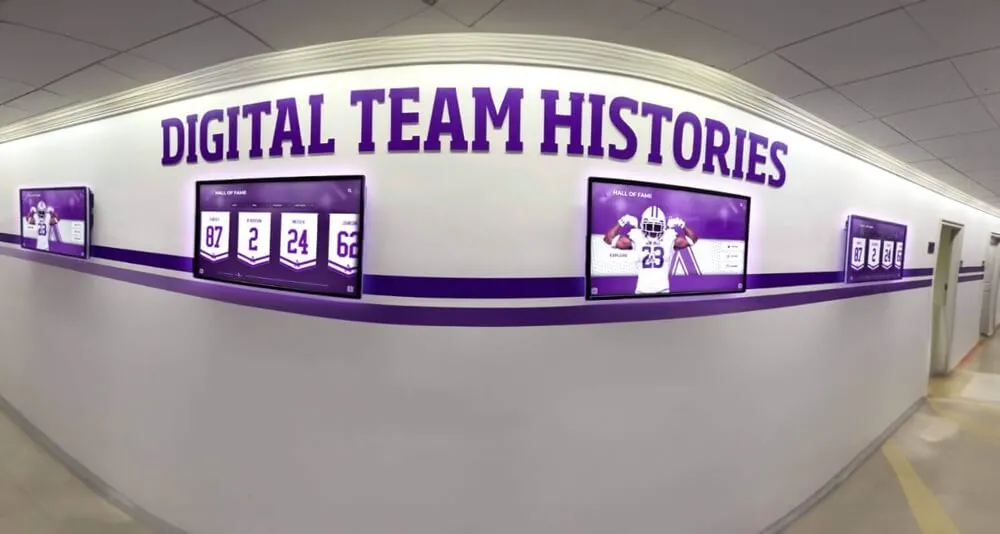
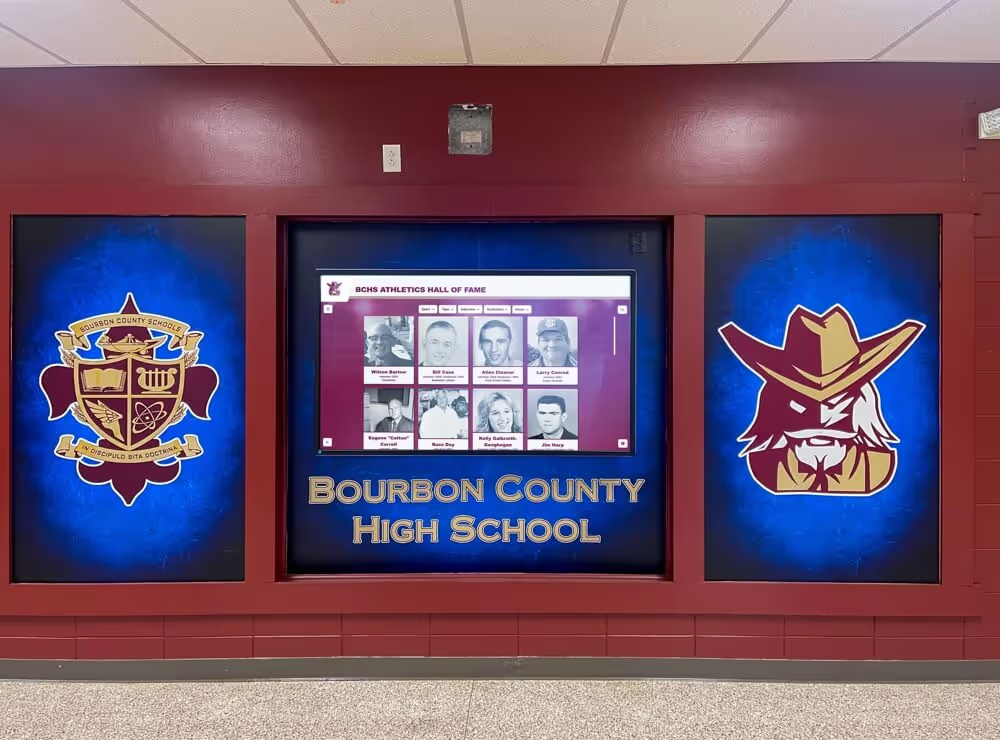
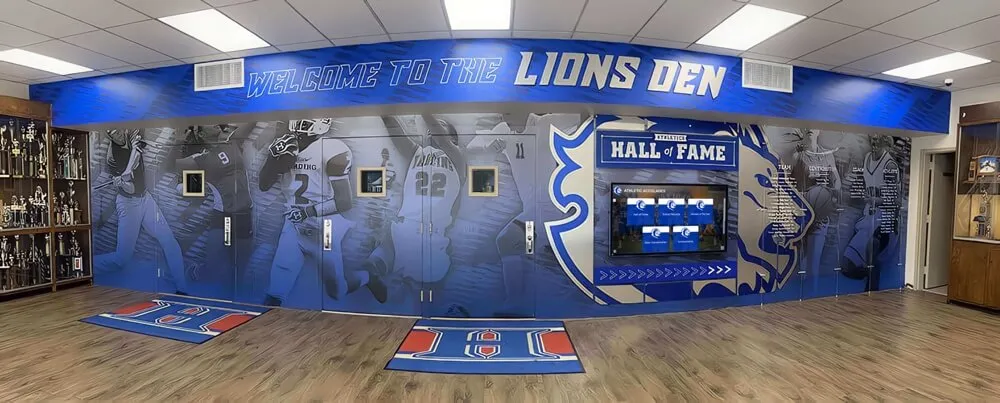
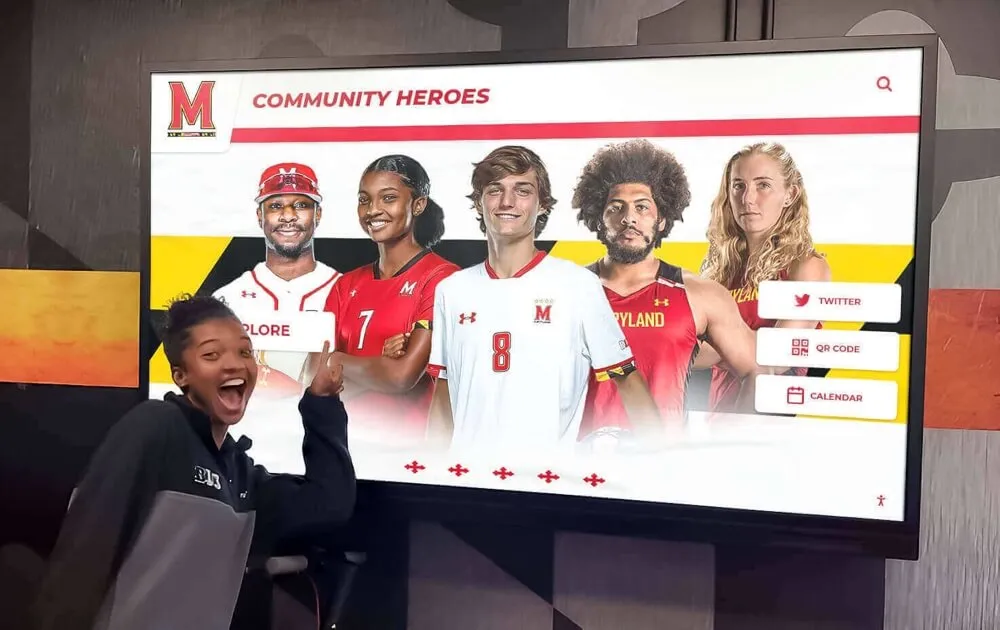
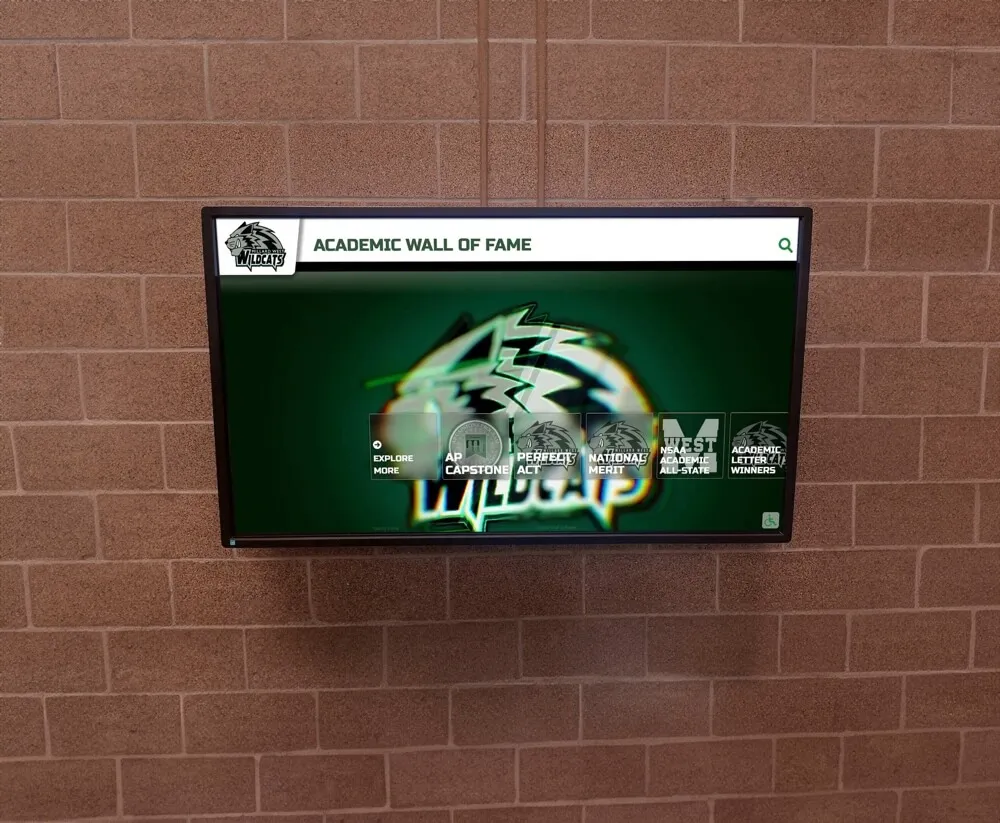
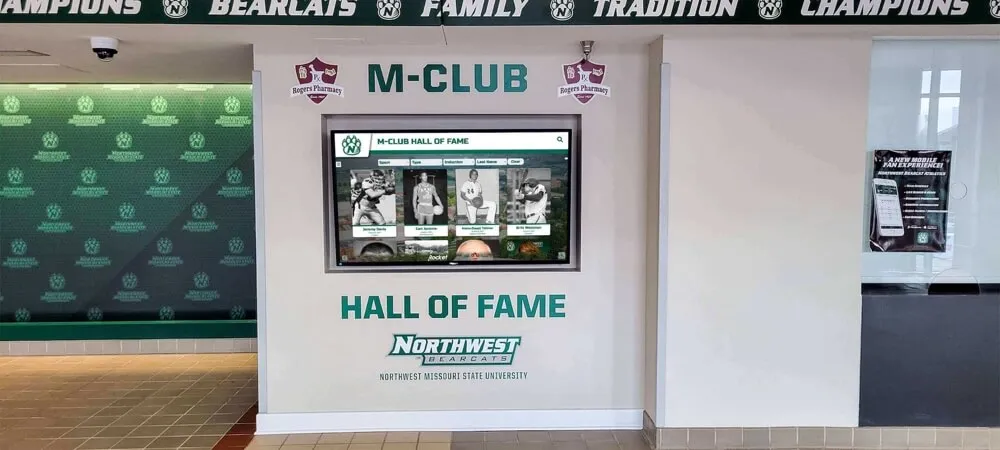
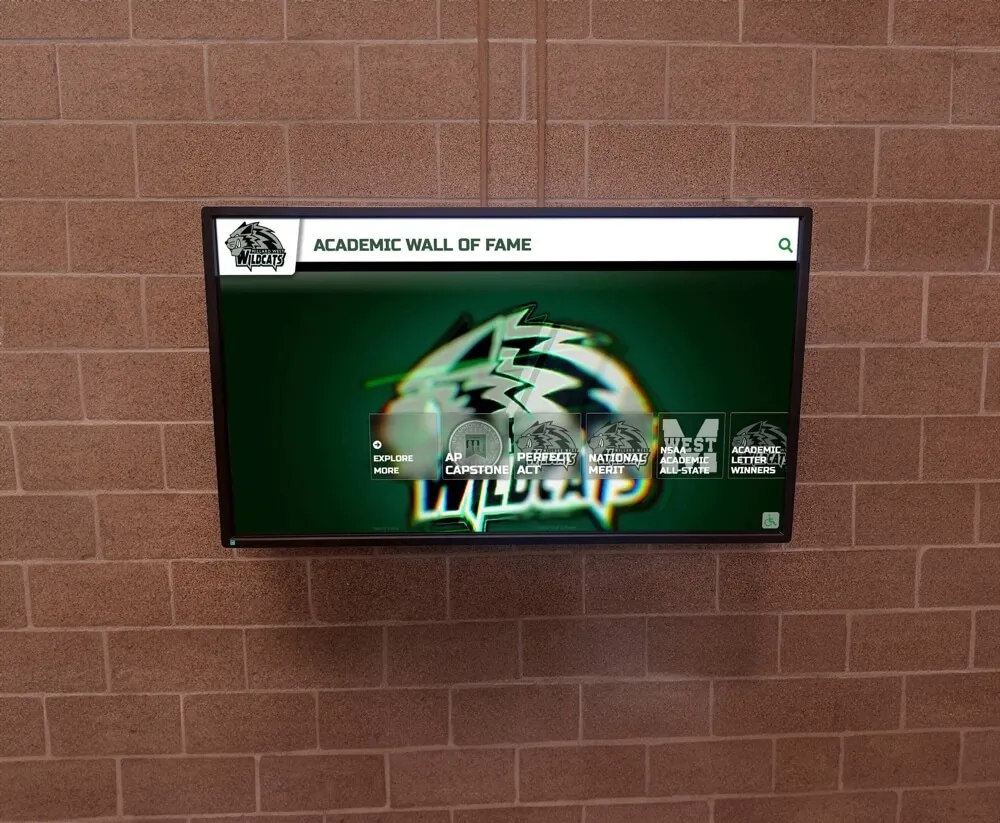
Progressive schools implement digital recognition systems that permanently preserve honor cord recipient information in high-traffic areas where students, families, and visitors regularly interact with the displays:
Comprehensive Achievement Profiles: Digital platforms allow schools to showcase not just names but complete profiles including:
- Specific honors earned
- GPA achievements
- Honor society affiliations
- Special awards and recognitions
- Student photographs
- Graduation year and class information
Searchable Databases: Interactive displays enable visitors to search for specific students, browse by graduation year, filter by honor type, or explore complete honor roll histories dating back decades.
Automatic Updates: Schools can continuously update digital systems with each new graduating class, creating permanent institutional records of academic excellence that span generations.
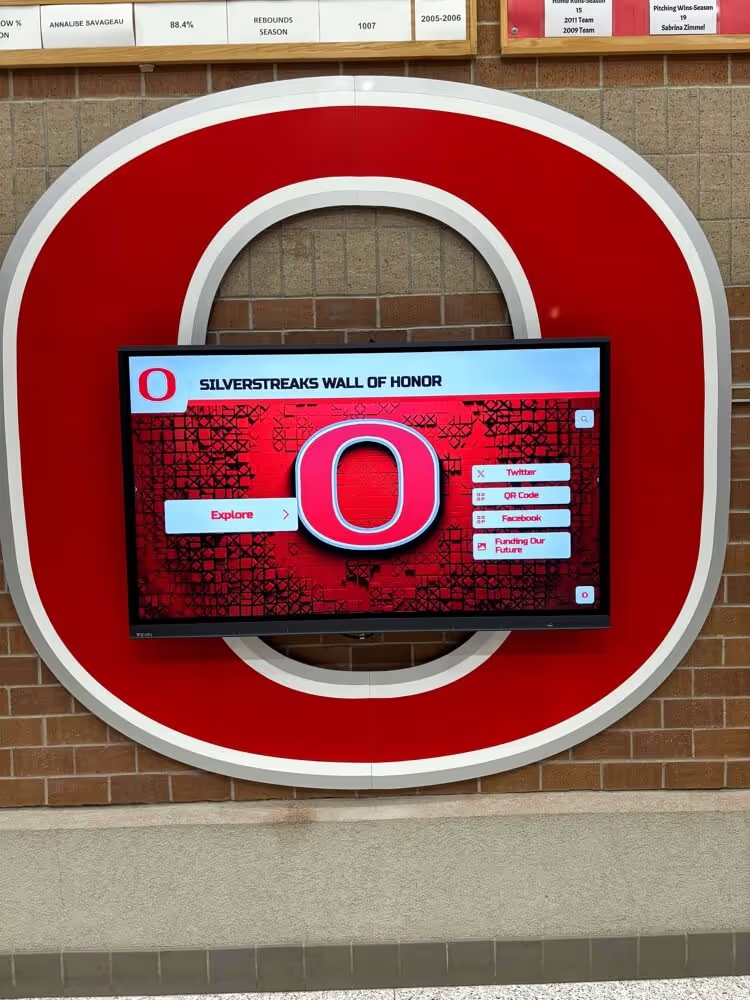
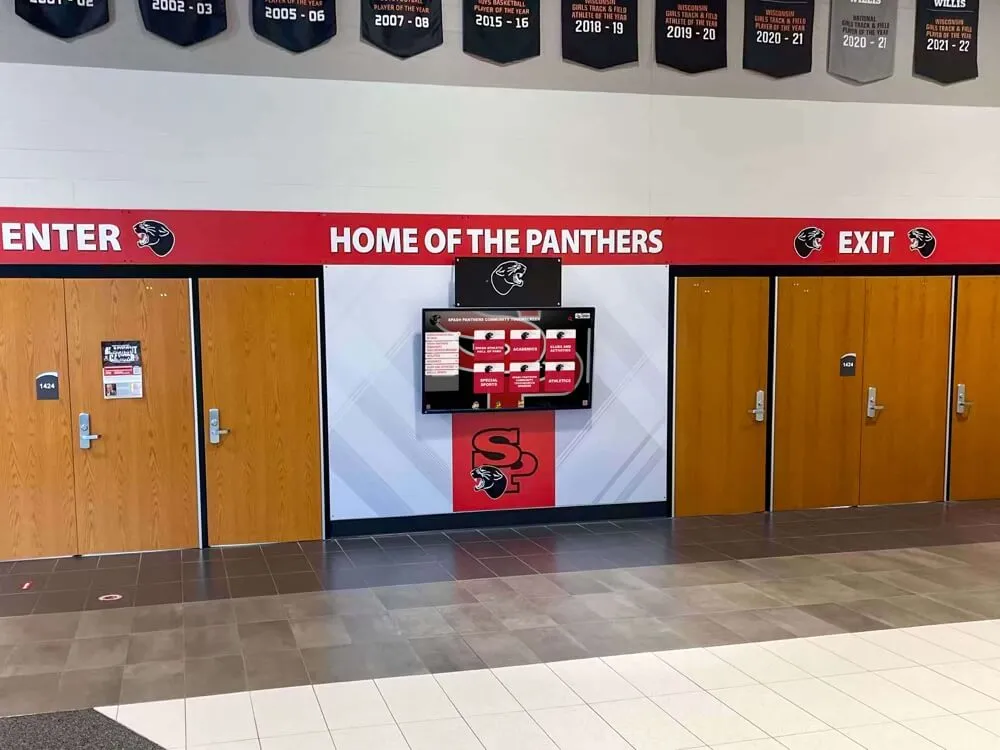
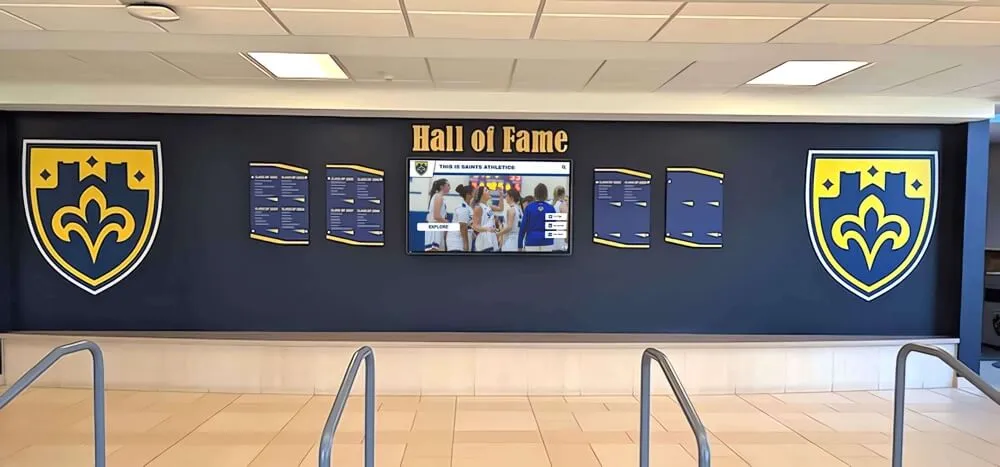
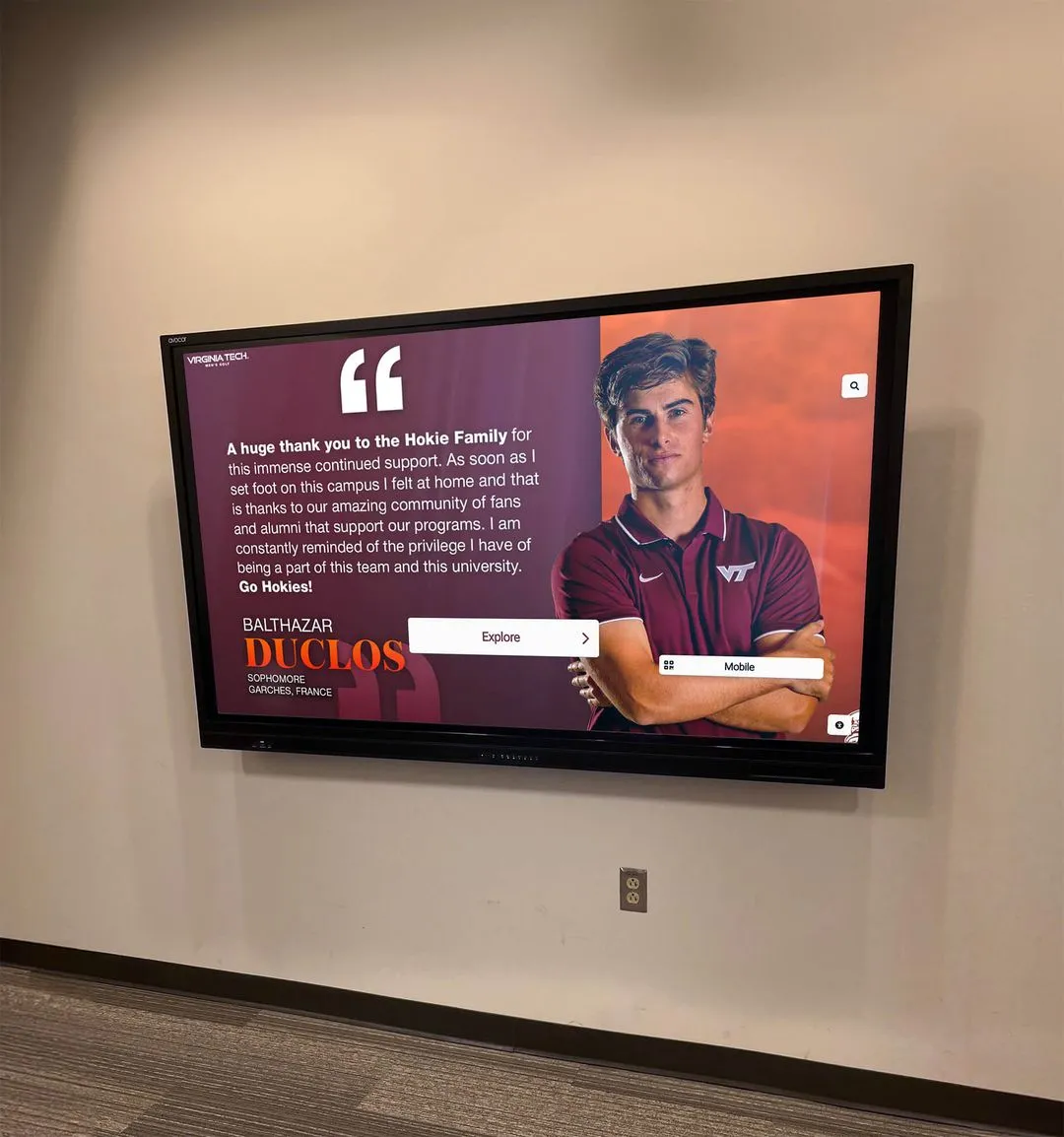
Solutions like Rocket Alumni Solutions’ digital record boards transform static recognition into dynamic, engaging experiences that appropriately honor the sustained effort students invested in earning their gold cords.
Pre-Graduation Recognition Events
Many institutions host special ceremonies or events specifically honoring students who will wear gold cords at graduation:
Honor Society Induction Ceremonies: Formal events where students receive honor society membership certificates, pins, and cords before graduation
Academic Awards Night: Evening programs recognizing various academic achievements, scholarship recipients, and honor cord earners
Department Honors Receptions: Discipline-specific gatherings celebrating students graduating with departmental honors
These supplemental events provide more intimate settings for recognition and allow schools to explain the specific significance of different honors—information that often gets lost in the busy atmosphere of large graduation ceremonies.
Published Honor Roll Lists
Schools traditionally publish honor graduate lists in:
- Graduation programs distributed at ceremonies
- School newspapers and websites
- Community newspapers and local media
- Alumni publications and communications
Digital publication expands these traditional methods by enabling schools to maintain permanent online honor rolls that remain accessible indefinitely rather than existing only in printed programs that eventually get discarded or lost.
Social Media and Digital Communications
Contemporary schools leverage digital communication channels to recognize honor cord recipients:
- Individual student spotlights on school social media
- Video compilations celebrating honor graduates
- Digital newsletters featuring honor society inductees
- Website galleries showcasing academic achievement
These modern recognition methods reach broader audiences including extended family members, community supporters, and future students who might be motivated by seeing the achievements current students have earned.

Common Questions About Gold Graduation Cords
Can Students Wear Multiple Cords?
Most schools allow students to wear multiple cords if they qualified for different honors. A student might wear a gold cord for National Honor Society membership alongside a separate cord for community service hours or departmental honors. Some graduates wear four or more cords representing their diverse accomplishments.
However, institutions should establish clear policies about maximum cords allowed or which honors take precedence if limitations exist. Extremely large numbers of cords can become unwieldy and detract from ceremony professionalism.
Do All Schools Use the Same Cord Color Meanings?
No universal standard governs graduation cord colors. While gold commonly represents academic honors across many institutions, schools independently determine their cord color systems. Students should verify their specific school’s cord meanings rather than assuming standard interpretations apply.
This variation makes it essential that schools clearly communicate their cord policies and provide written documentation of what each color represents at their institution.
Where Do Students Get Their Honor Cords?
Distribution methods vary by school:
- Honor society programs: Organizations like National Honor Society typically provide cords directly to qualified members
- School bookstores: Some institutions sell cords to eligible students through campus stores
- Graduation regalia providers: Schools may include qualifying students’ cords with their cap and gown packages
- Academic affairs offices: Colleges often distribute cords through registrar or academic affairs departments after verifying eligibility
Students concerned about obtaining their cords should contact their school’s guidance office or registrar several weeks before graduation to understand the specific distribution process.
What Should Graduates Do With Honor Cords After Graduation?
Most graduates preserve their honor cords as meaningful keepsakes representing years of academic dedication. Common options include:
- Display in shadow boxes with other graduation memorabilia
- Store with diplomas and academic certificates
- Include in memory books or scrapbooks
- Pass down to family members as heirlooms
Some honor society members eventually donate their cords back to their schools for future ceremonies, though this practice is less common than preserving cords personally.
The Future of Academic Recognition
Traditional honor cords remain valuable recognition tools, but forward-thinking schools increasingly recognize their limitations. Cords only appear during brief graduation ceremonies, communicate minimal information about specific achievements, and provide no lasting institutional record of who earned them.
Modern academic recognition systems integrate traditional practices with digital innovation, creating comprehensive programs that honor students both at graduation and throughout their lives. Interactive digital displays positioned in school lobbies, libraries, and common areas allow current students to see the academic standards previous graduates achieved, while alumni returning to campus can locate their own names and relive their accomplishments.
These systems ensure that the exceptional effort students invested in earning gold honor cords receives recognition proportional to the achievement. Rather than being acknowledged for a few hours during graduation, honor cord recipients appear in permanent institutional records accessible to future generations of students, teachers, and community members.

Schools implementing comprehensive recognition programs report multiple benefits beyond simply honoring graduates:
Increased Student Motivation: Current students who regularly see previous honor recipients displayed prominently throughout campus buildings develop clearer academic goals and stronger motivation to earn similar recognition.
Enhanced School Culture: Institutions that visibly celebrate academic achievement create cultures where scholarly excellence receives appropriate value and respect alongside athletic and extracurricular accomplishments.
Stronger Alumni Connections: Graduates who see their achievements permanently preserved and publicly displayed maintain stronger emotional connections to their schools, increasing alumni engagement and support.
Improved Recruitment: Prospective students and their families notice schools’ commitment to recognizing achievement, viewing comprehensive honor systems as indicators of institutions that genuinely value and support student success.
Digital recognition platforms like those from Rocket Alumni Solutions make implementing these comprehensive programs practical even for schools with limited staff or budget resources. Cloud-based systems require minimal technical expertise to maintain while providing professional-quality displays that appropriately honor student achievement.
Conclusion: Making Honor Cords Meaningful
Gold honor cords represent significant academic achievement earned through sustained excellence maintained across years of demanding coursework. Whether signifying National Honor Society membership, Latin honors distinction, or exceptional GPA achievement, these visible markers acknowledge dedication, intelligence, and scholarly commitment that deserve genuine celebration.
Schools that implement thoughtful recognition programs—combining traditional practices like honor cords with modern digital displays that permanently preserve and showcase achievement—create cultures where academic excellence receives appropriate acknowledgment. These comprehensive approaches ensure that students who earned the right to wear gold cords at graduation continue receiving recognition for their accomplishments throughout their lives and that future generations can see the standard of excellence their schools have maintained.
For students working toward earning gold honor cords, the goal provides worthy motivation. The sustained effort required to maintain qualifying GPAs, demonstrate leadership and service, and meet honor society standards builds valuable academic habits that serve students well beyond graduation. And for the students who ultimately earn these honors, the gold cord they wear represents far more than decorative regalia—it symbolizes years of dedication to intellectual growth and academic achievement that will influence their educational and professional trajectories for decades to come.
Ready to create a comprehensive recognition program that celebrates honor cord recipients and all student achievements? Discover how Rocket Alumni Solutions’ digital recognition displays can transform how your school honors academic excellence, creating lasting recognition that extends far beyond graduation day.