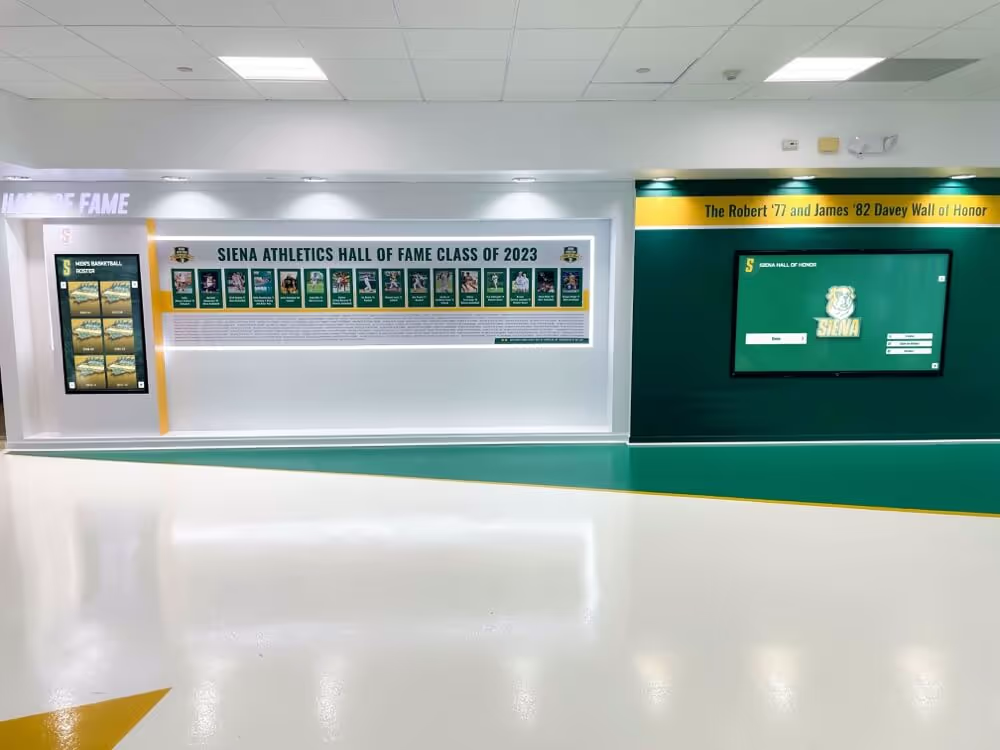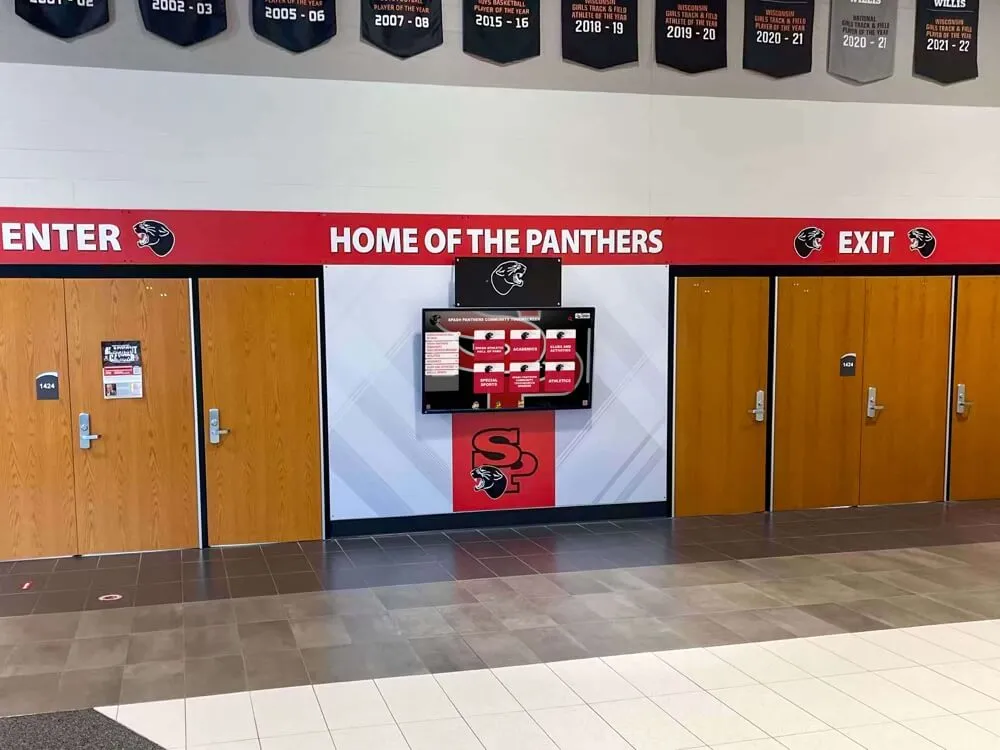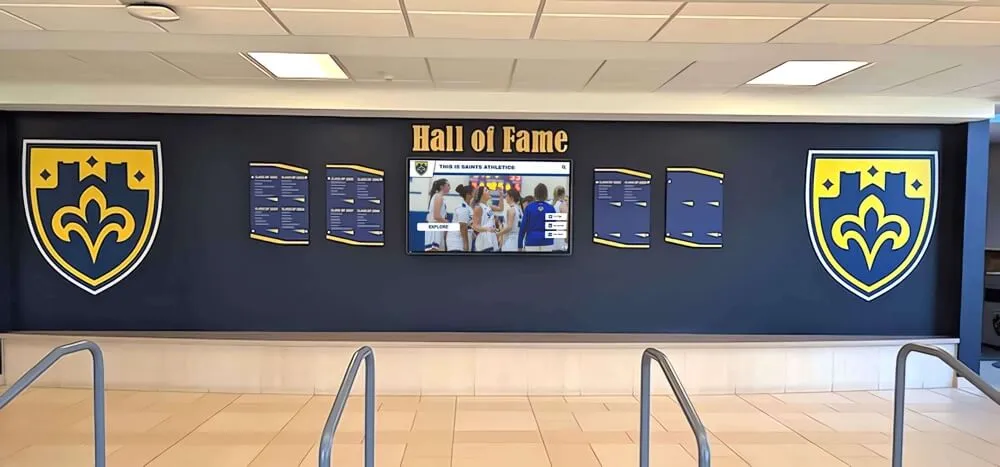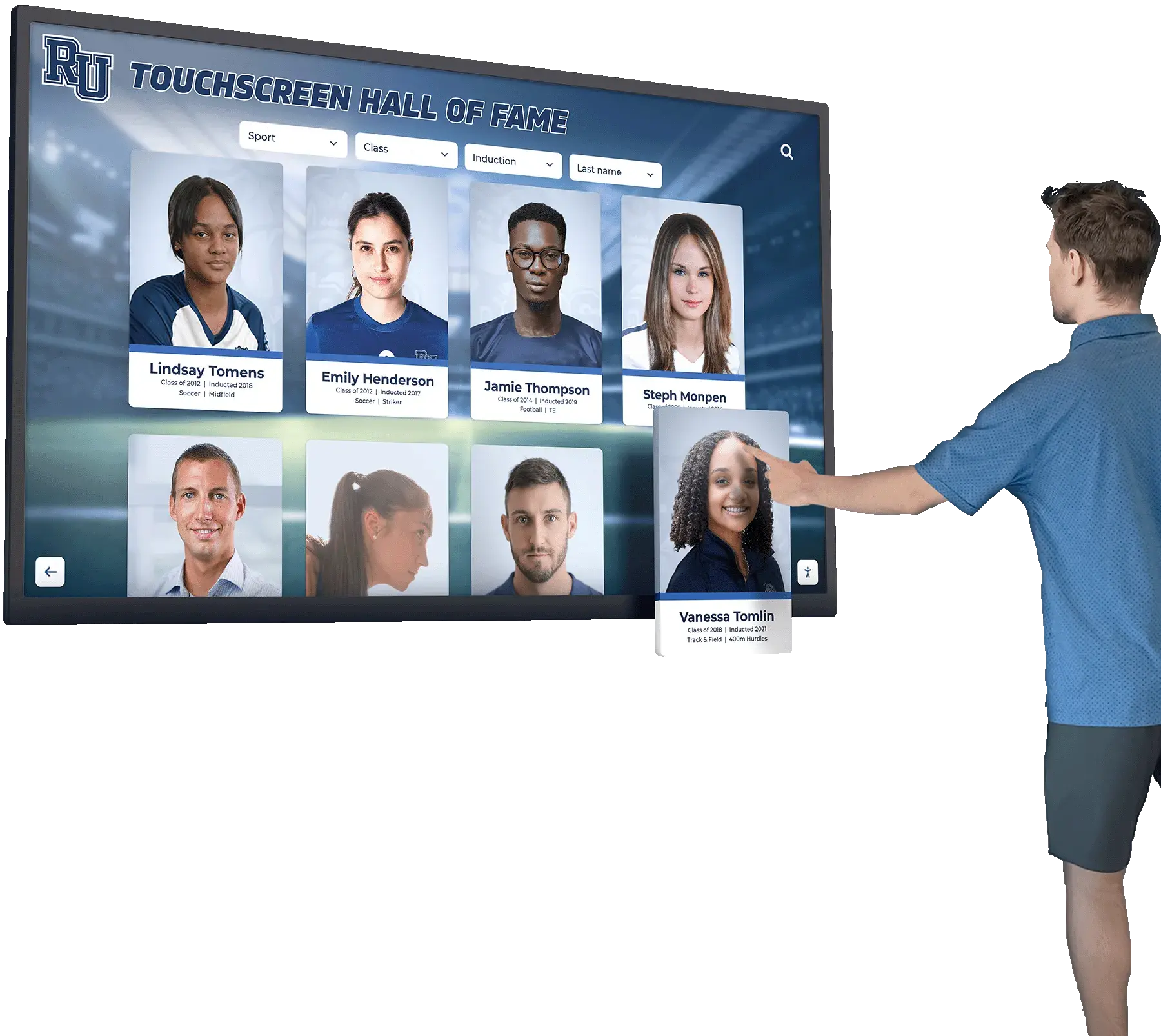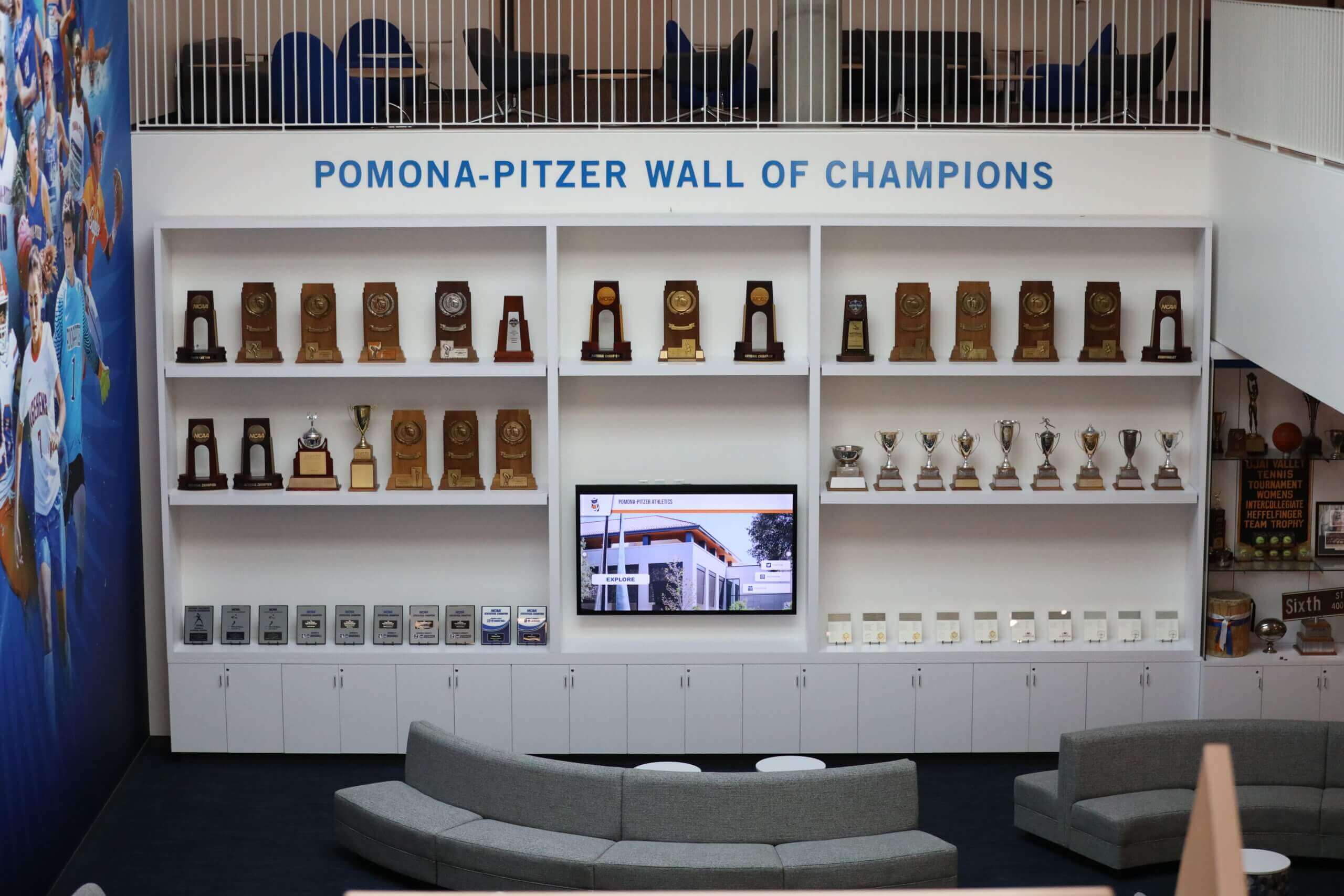




Signed baseball and softball gloves represent more than sports equipment—they embody career-defining moments, championship victories, and the athletic excellence that defines program legacies. A well-worn glove that made the game-saving catch in the state championship final, autographed by every team member, deserves preservation that honors its significance. Yet many schools and athletic programs struggle to display these meaningful artifacts effectively, leaving autographed gloves stored in closets, deteriorating in unsuitable conditions, or displayed without proper protection from UV damage, dust accumulation, and handling wear.
The right glove display case transforms these legacy items into focal points of athletic recognition—preserving autographs, protecting leather from environmental damage, and creating professional presentations that inspire current athletes through visible connections to program history. Whether showcasing a single record-setter’s autographed glove, creating a rotation display featuring gloves from multiple championship teams, or integrating physical memorabilia with digital achievement records, proper display case selection and installation ensures these artifacts remain preserved and accessible for generations.
Why Proper Glove Display Matters
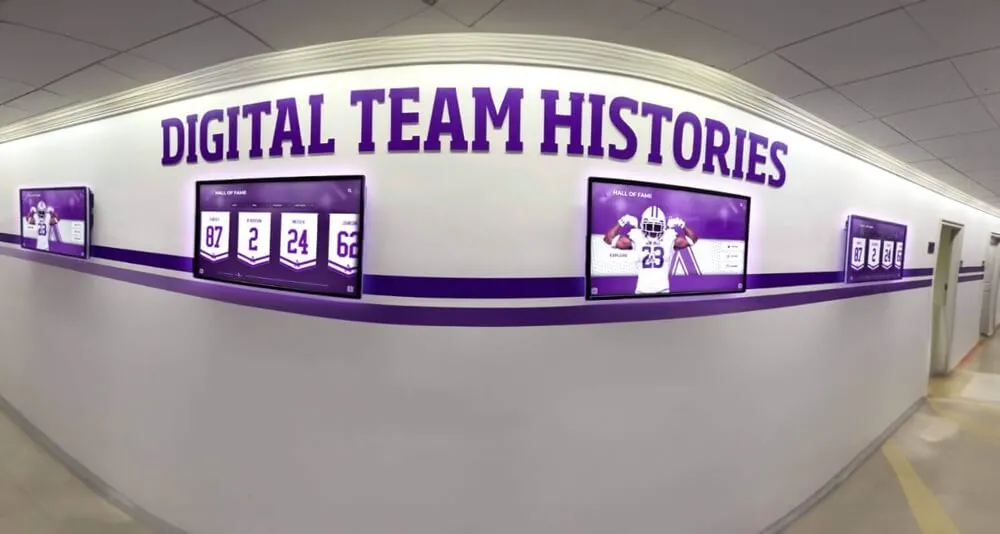
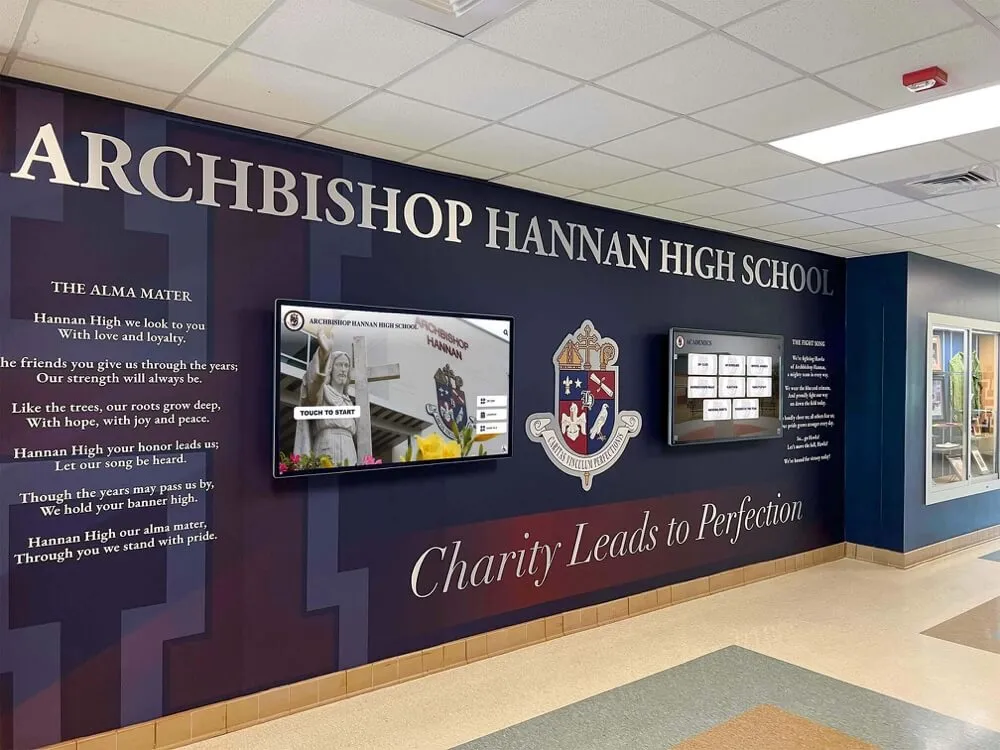
Signed baseball and softball gloves deteriorate rapidly without proper protection—autographs fade from UV exposure, leather dries and cracks, and dust accumulation obscures signatures. Professional glove display cases provide UV-filtered acrylic, climate-controlled environments, and secure mounting that preserves these artifacts while making them accessible for recognition and inspiration. Programs can pair physical glove displays with digital record boards from Rocket Alumni Solutions to tell complete stories—the glove alongside comprehensive player statistics, team histories, and championship documentation that provides full context for displayed artifacts.
Understanding Glove Display Case Types
Different glove display case designs serve specific preservation needs, display contexts, and aesthetic preferences for baseball and softball memorabilia.
Wall-Mounted Display Cases
Wall-mounted glove display cases provide space-efficient solutions ideal for hallways, athletic department offices, and high-traffic areas where floor space limitations prevent freestanding displays.
Design Characteristics: Most wall-mounted cases feature shallow depth profiles (4-8 inches from wall) with front-opening acrylic panels enabling glove installation and occasional cleaning. Mounting brackets attach securely to wall studs using appropriate hardware rated for display weight plus safety margin—critical for installations in areas where displays hang above foot traffic.
Standard wall-mounted glove cases accommodate single gloves with optional nameplate areas for engraved recognition plaques. Larger wall cases can display multiple gloves arranged in athletic timelines, championship progressions, or position-specific groupings showing how different positions utilize specialized glove designs.
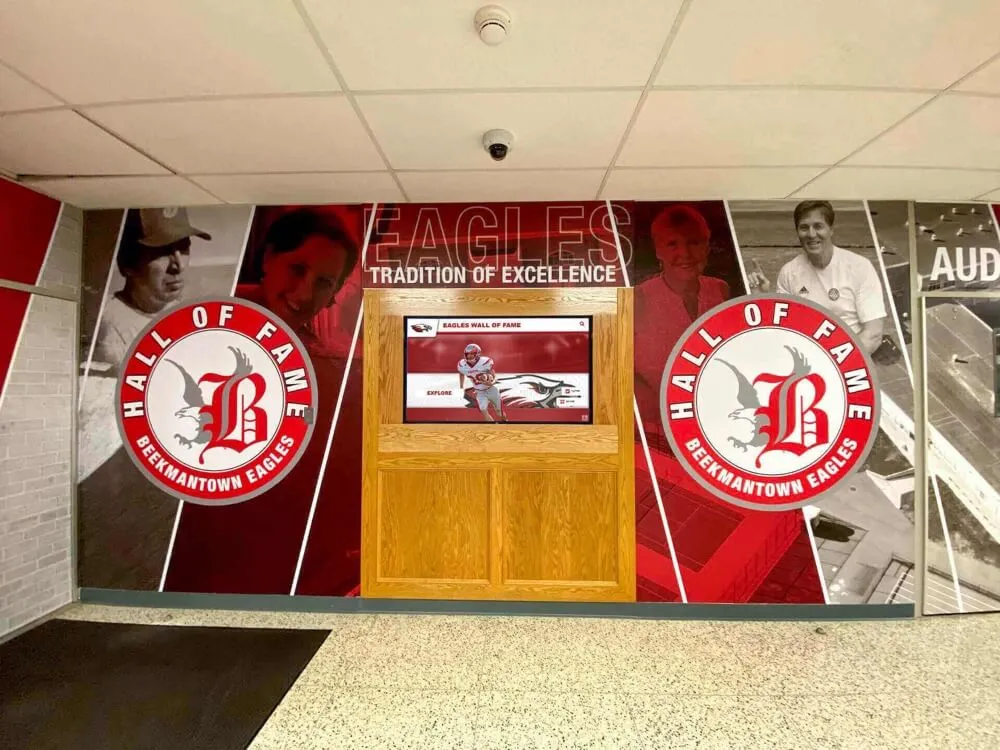
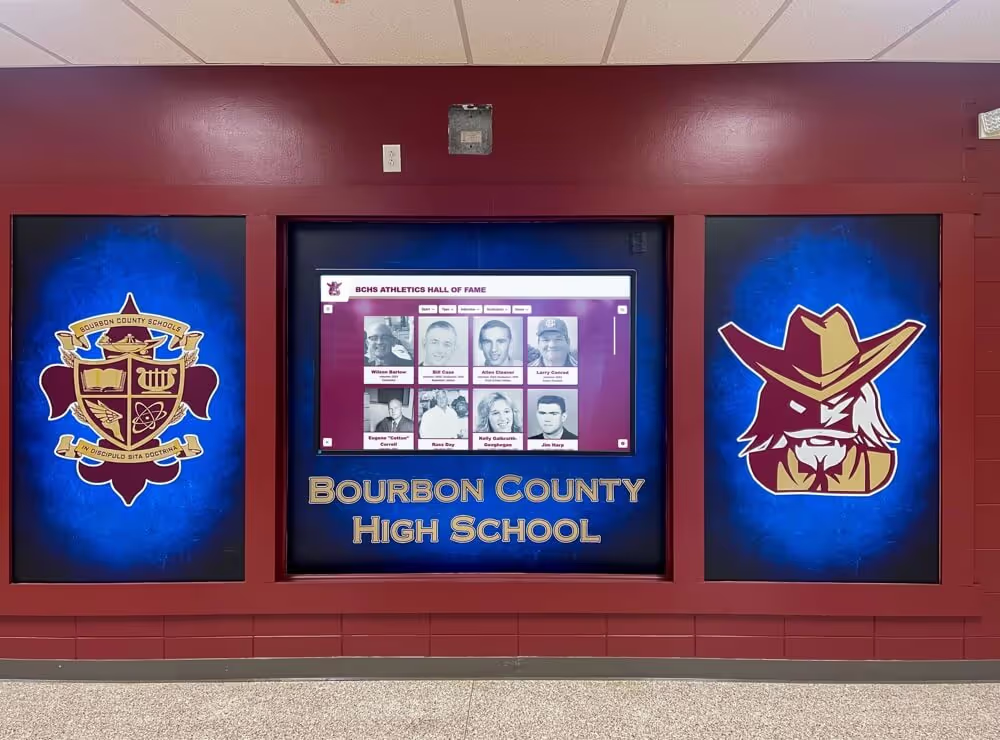
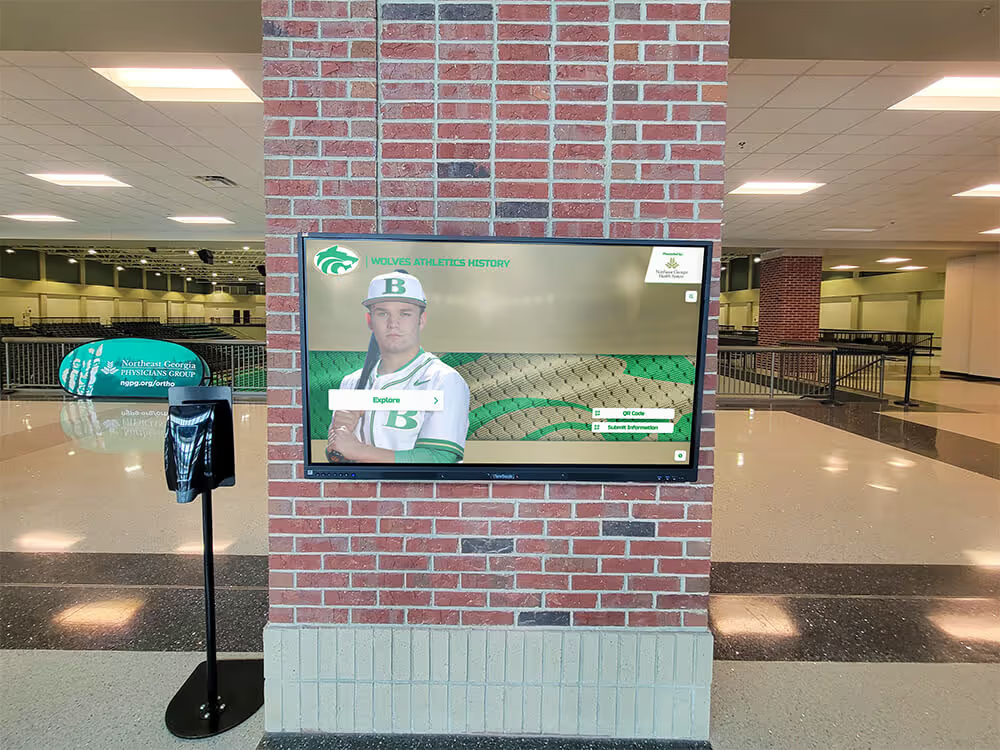
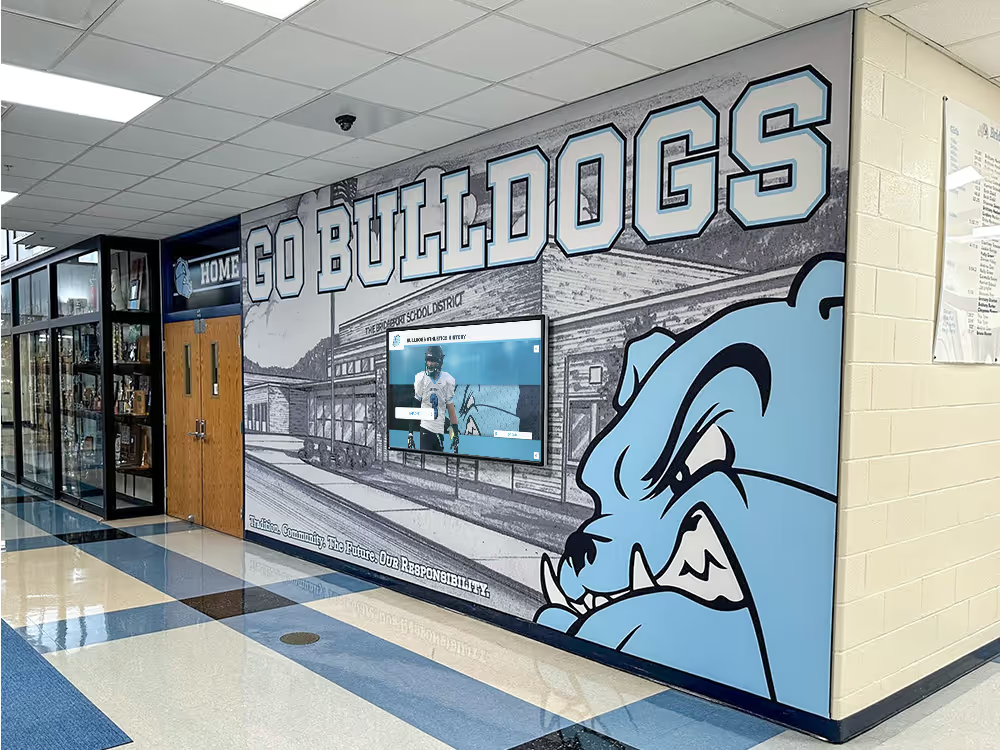
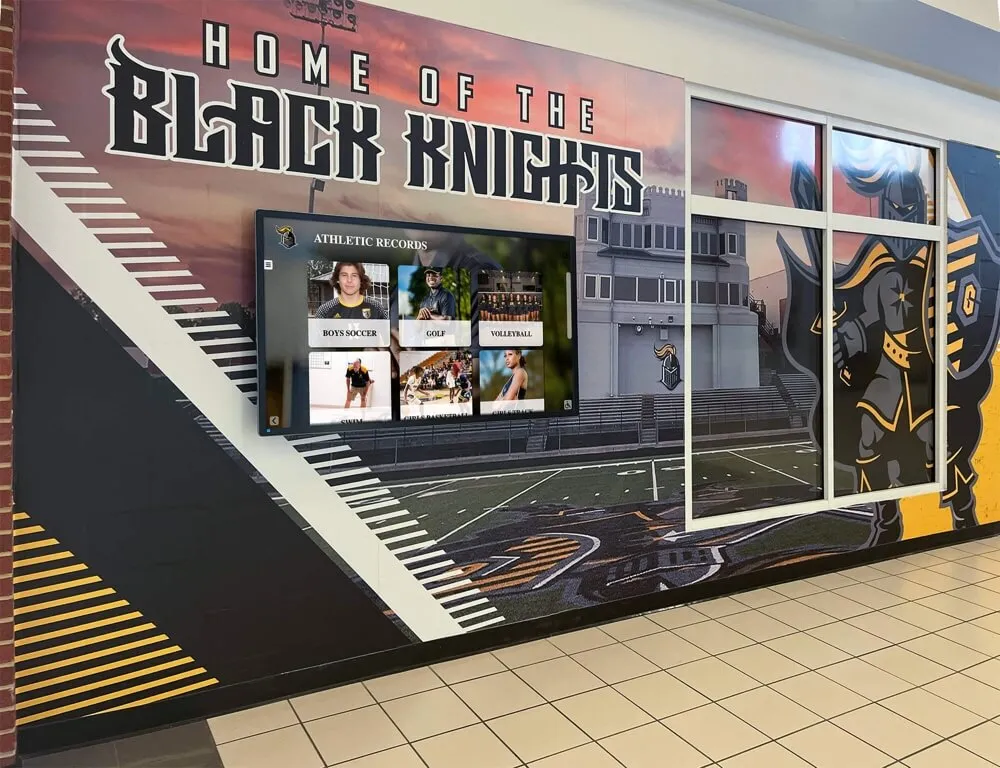
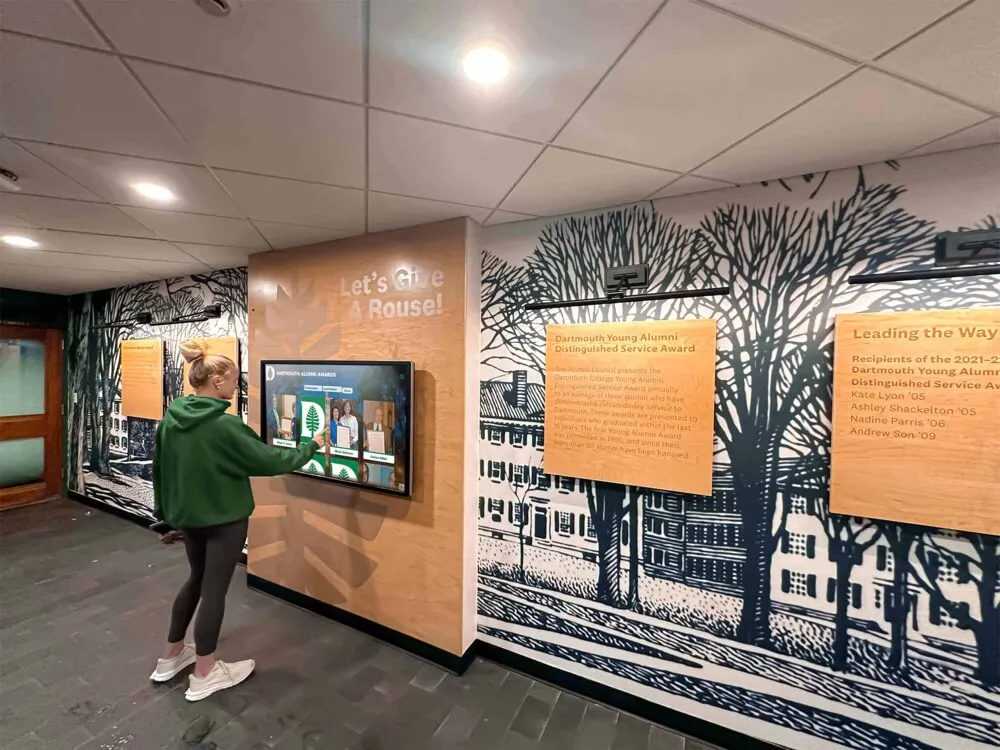
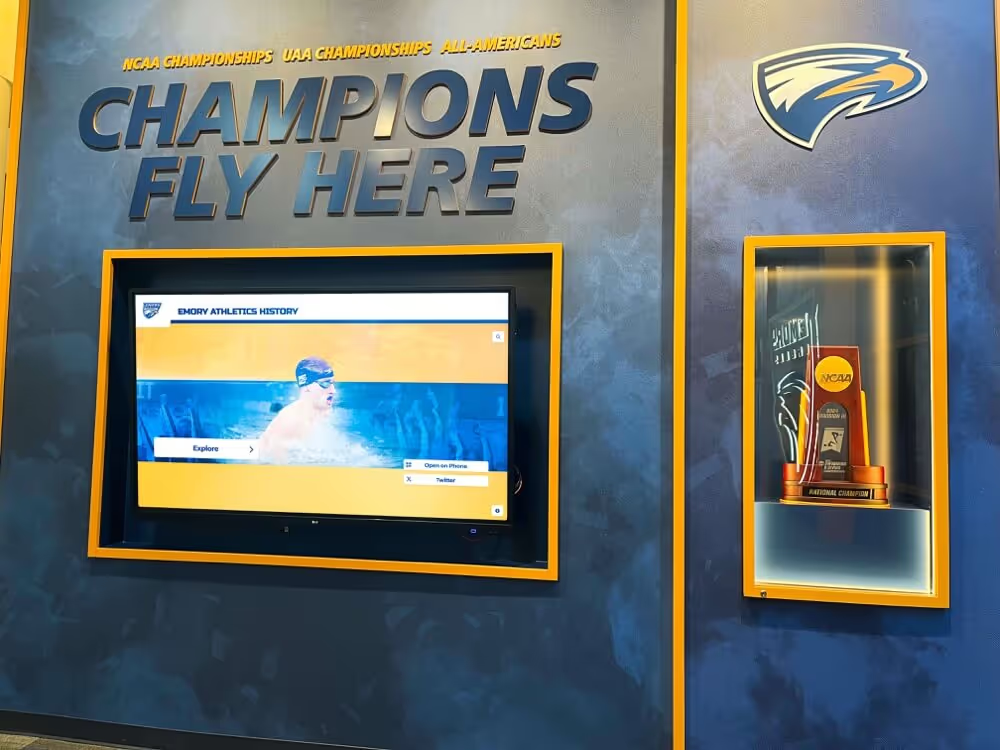
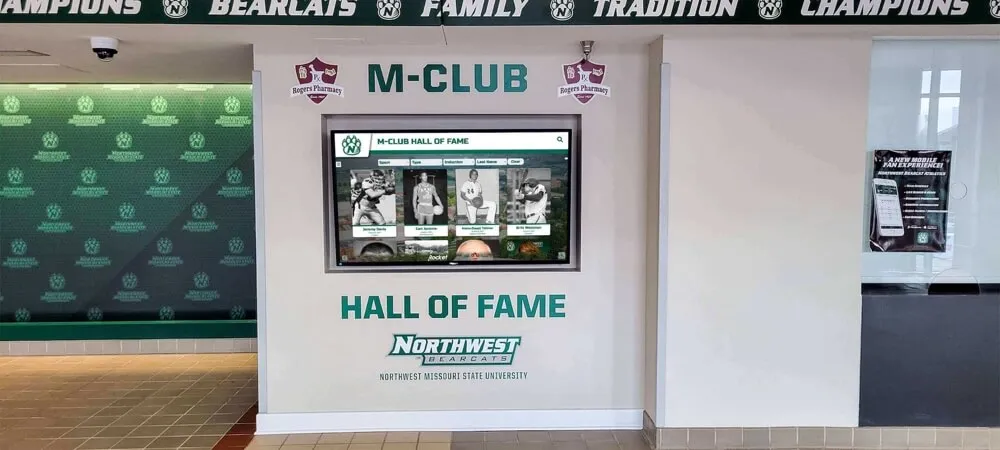
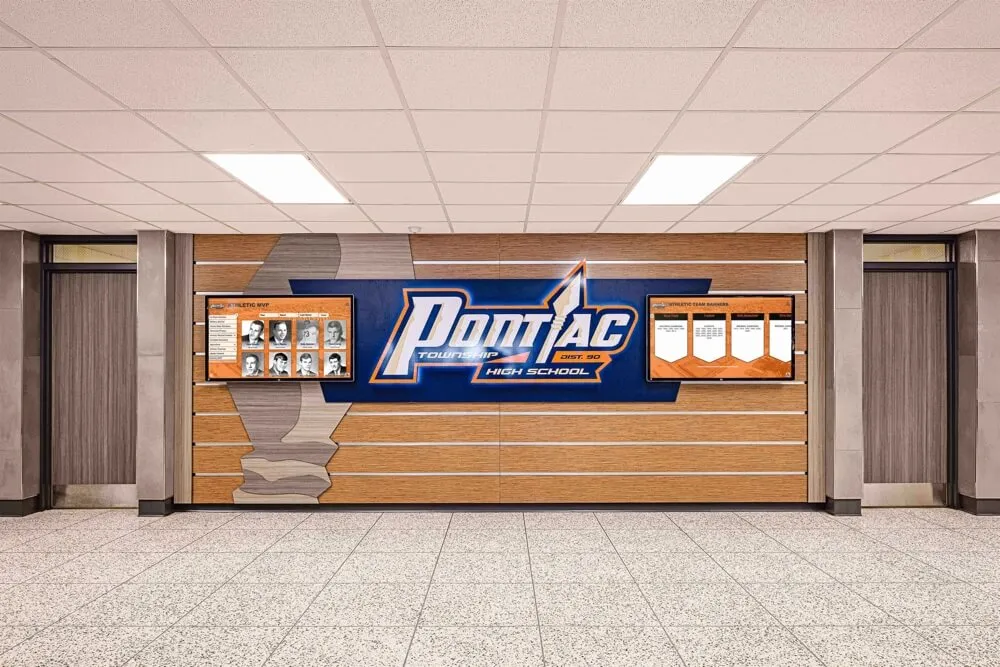
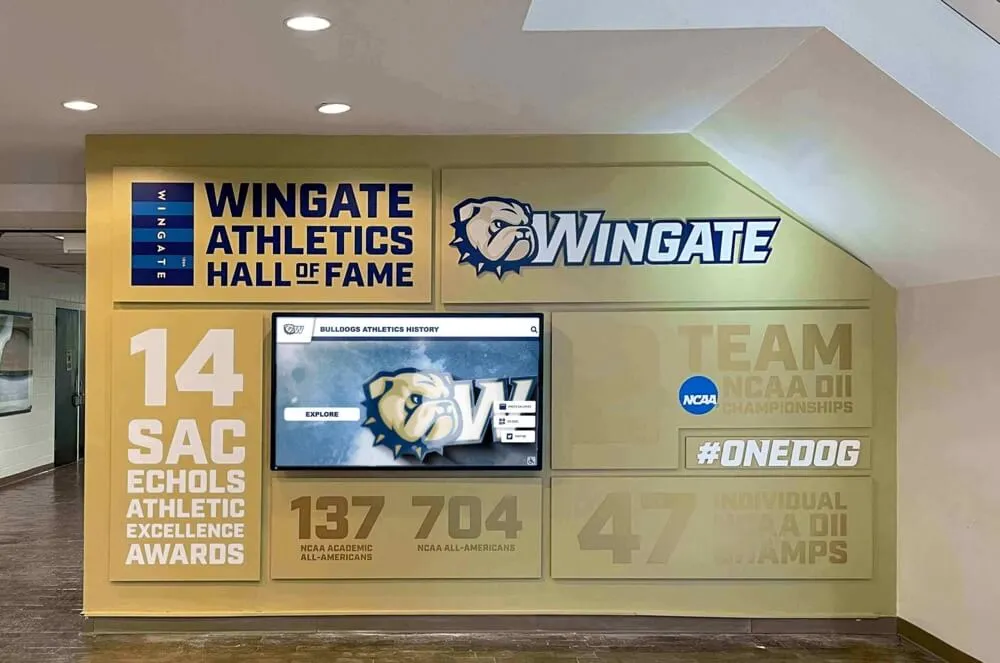
Installation Considerations: Wall-mounted cases require careful positioning considering sight lines from typical viewing angles, lighting conditions preventing glare on acrylic panels, and coordination with surrounding recognition elements. Programs often position wall-mounted glove cases adjacent to digital trophy displays creating integrated physical and digital recognition zones.
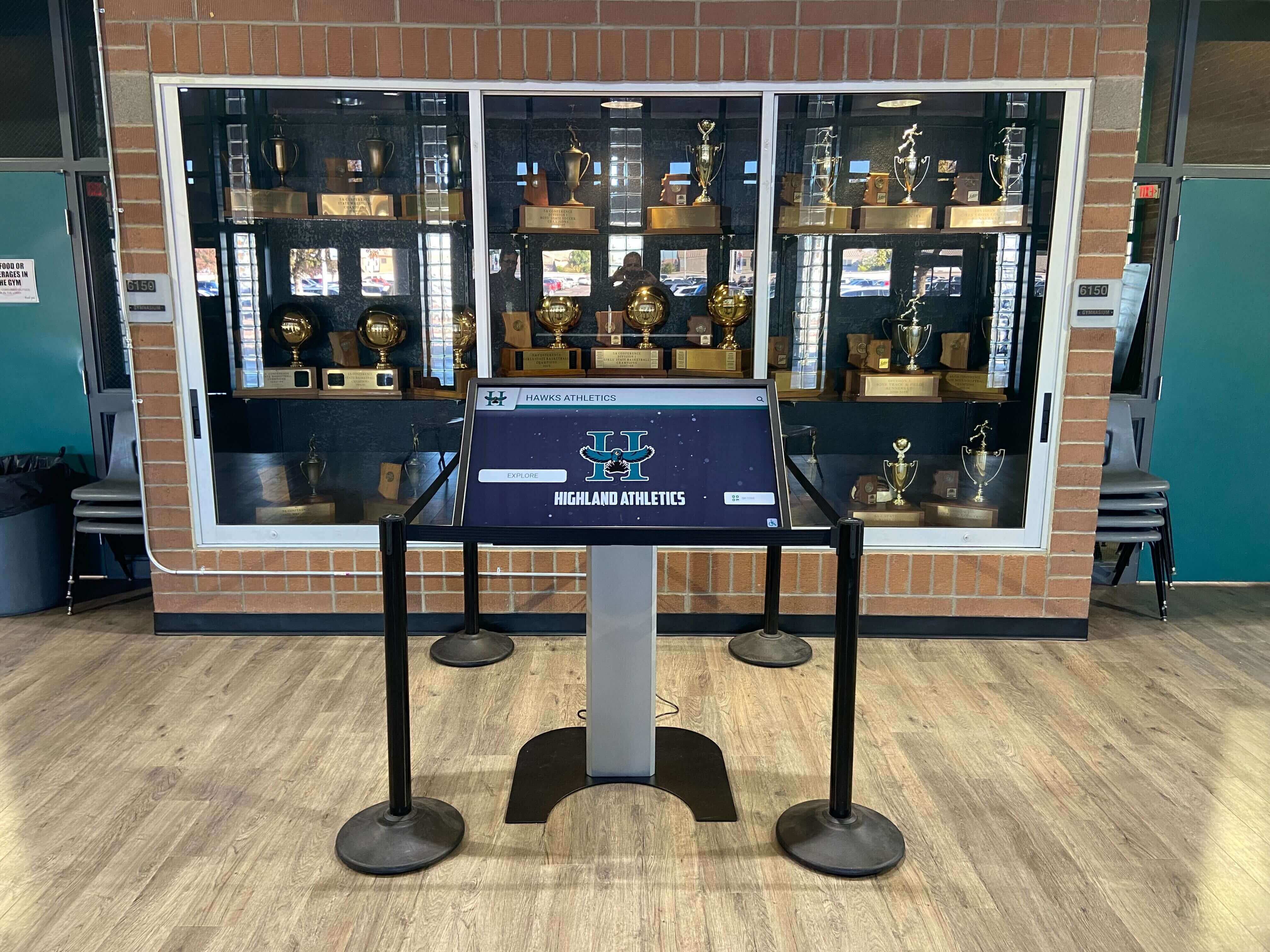
Proper height positioning matters significantly—mounting glove cases at 48-60 inches center height ensures comfortable viewing for both adults and students while preventing displays from appearing either inaccessible (too high) or unimportant (too low).
Freestanding Pedestal Cases
Freestanding pedestal glove display cases create focal point presentations ideal for trophy rooms, athletic halls of fame, and dedicated recognition spaces where displays deserve prominent positioning.
Structural Features: Pedestal cases typically feature substantial bases providing stability, display columns elevating gloves to optimal viewing height, and top-accessed or front-panel openings for artifact installation. Higher-end pedestal cases include rotating platforms enabling 360-degree viewing—particularly valuable for gloves with signatures on multiple surfaces or decorative back-panel detailing.
These cases work exceptionally well for individual record-holder recognition, displaying the glove from a program’s all-time leader in career putouts, a pitcher’s glove from a perfect game, or the catcher’s mitt that made the final out of a state championship game. The isolated presentation emphasizes artifact significance while the substantial footprint commands attention.
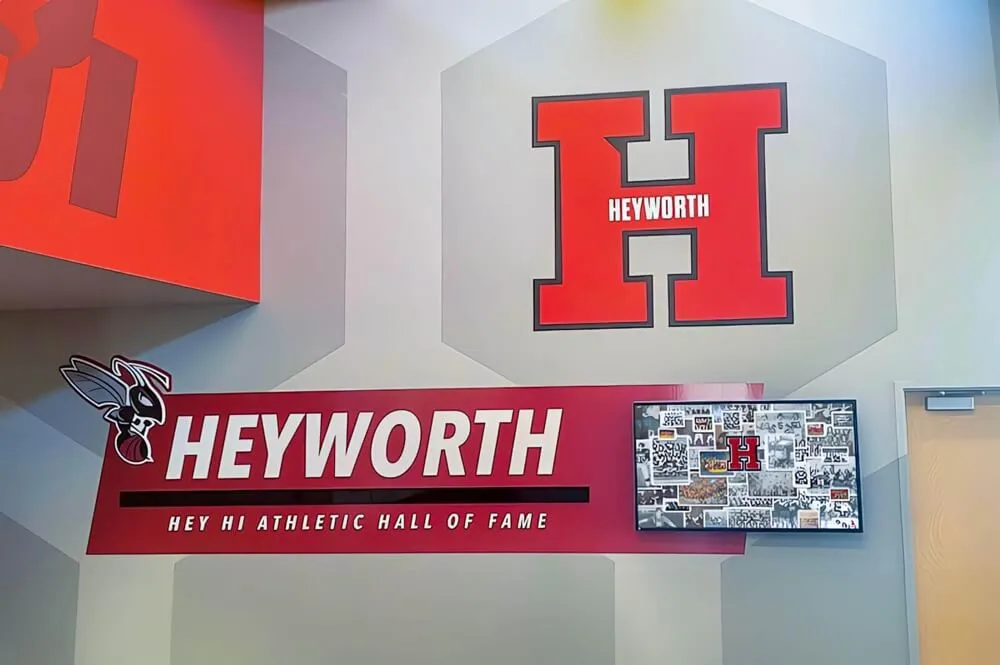
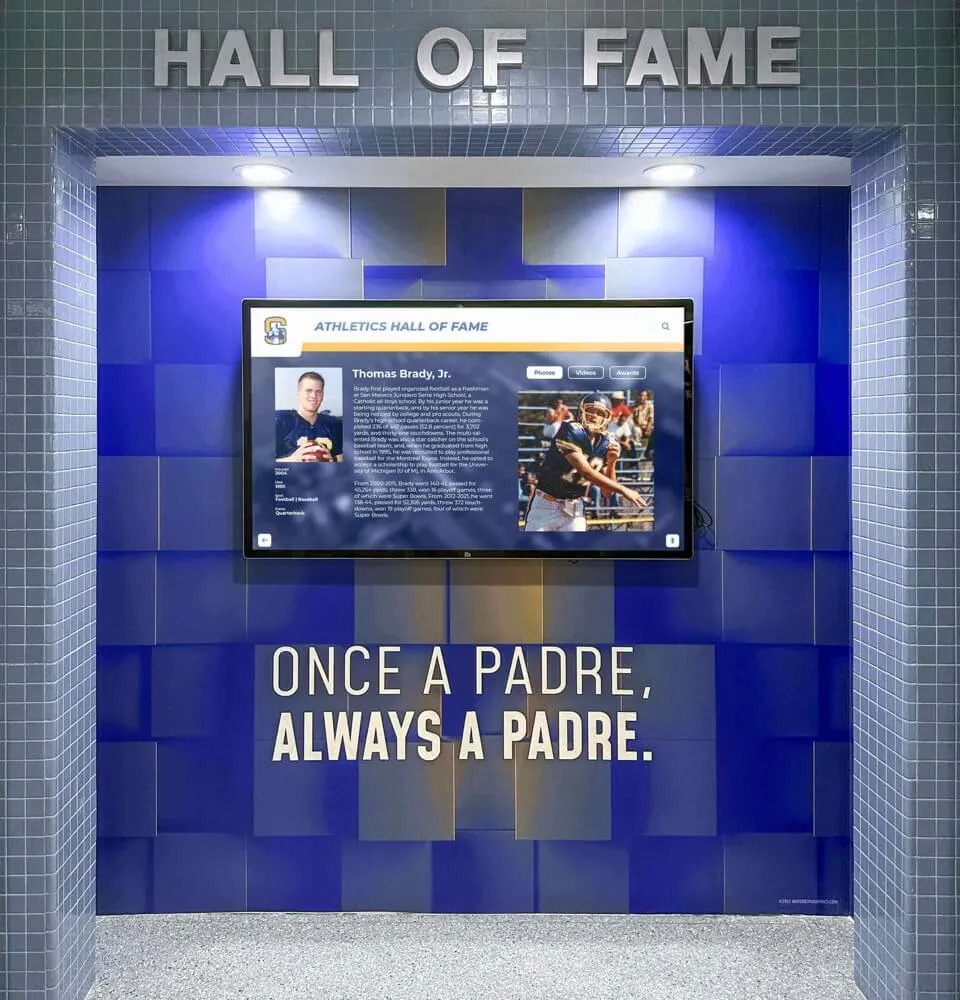
Display Integration: Freestanding cases work best when positioned within comprehensive recognition environments rather than standing alone. Programs might place a pedestal-mounted glove case adjacent to digital hall of fame displays showing the athlete’s complete statistics, team achievements, and career progression—the physical glove providing tangible connection to the digitally documented excellence.
Desktop and Countertop Cases
Compact desktop glove display cases offer flexible solutions for coaches’ offices, athletic department reception areas, and smaller recognition spaces where full wall-mounted or pedestal installations exceed available space.
Size and Portability: Desktop cases typically feature 12-18 inch footprints accommodating single gloves with compact presentation profiles. Many include felt or suede-lined bases preventing surface scratching while anti-slip materials keep cases stable. The smaller scale makes these cases ideal for recruiting office displays where coaches can showcase program heritage to prospective student-athletes during individual meetings.
Portability represents a key advantage—desktop cases can move between locations for special events, alumni gatherings, or temporary exhibitions without requiring installation modifications. Programs might rotate different championship gloves through desktop displays, providing fresh recognition while maintaining comprehensive preservation.
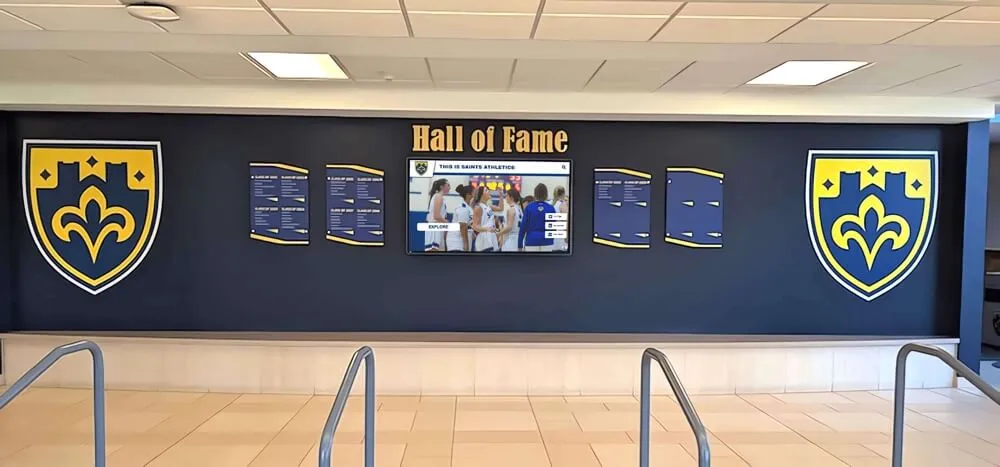
Context Presentation: Desktop cases work best when accompanied by contextual information explaining displayed glove significance. Small engraved plates, printed cards, or nearby digital displays provide the achievement background necessary for meaningful recognition. Approaches to comprehensive athletic recognition systems demonstrate how physical artifacts gain impact when connected to broader achievement documentation.
Essential Display Case Features for Glove Preservation
Effective glove display cases incorporate specific features protecting signed memorabilia from environmental damage while maintaining presentation quality.
UV Protection and Acrylic Quality
Ultraviolet light represents the primary threat to autograph longevity and leather preservation—UV exposure fades ink signatures, degrades leather oils, and causes irreversible discoloration.
UV-Filtering Requirements: Quality glove display cases utilize UV-filtering acrylic rated to block 98-99% of harmful ultraviolet radiation. This protection extends autograph life dramatically—unprotected signatures in direct sunlight might fade noticeably within months, while properly filtered cases preserve signatures for decades.
Standard clear acrylic provides minimal UV protection, making specification verification critical when selecting display cases. Manufacturers should explicitly state UV-filtering ratings—look for designations like “Museum Quality UV Protection” or specific filtration percentages. Cases marketed as “clear acrylic” without UV specifications likely lack adequate protection for long-term preservation.
Acrylic Clarity and Thickness: Beyond UV filtering, acrylic quality affects display aesthetics and structural integrity. Premium cases use optical-grade acrylic with minimal distortion providing clear views of displayed gloves and signatures. Thickness matters too—3/16-inch minimum (with 1/4-inch preferred) provides necessary rigidity preventing panel flexing that can compromise seal integrity.
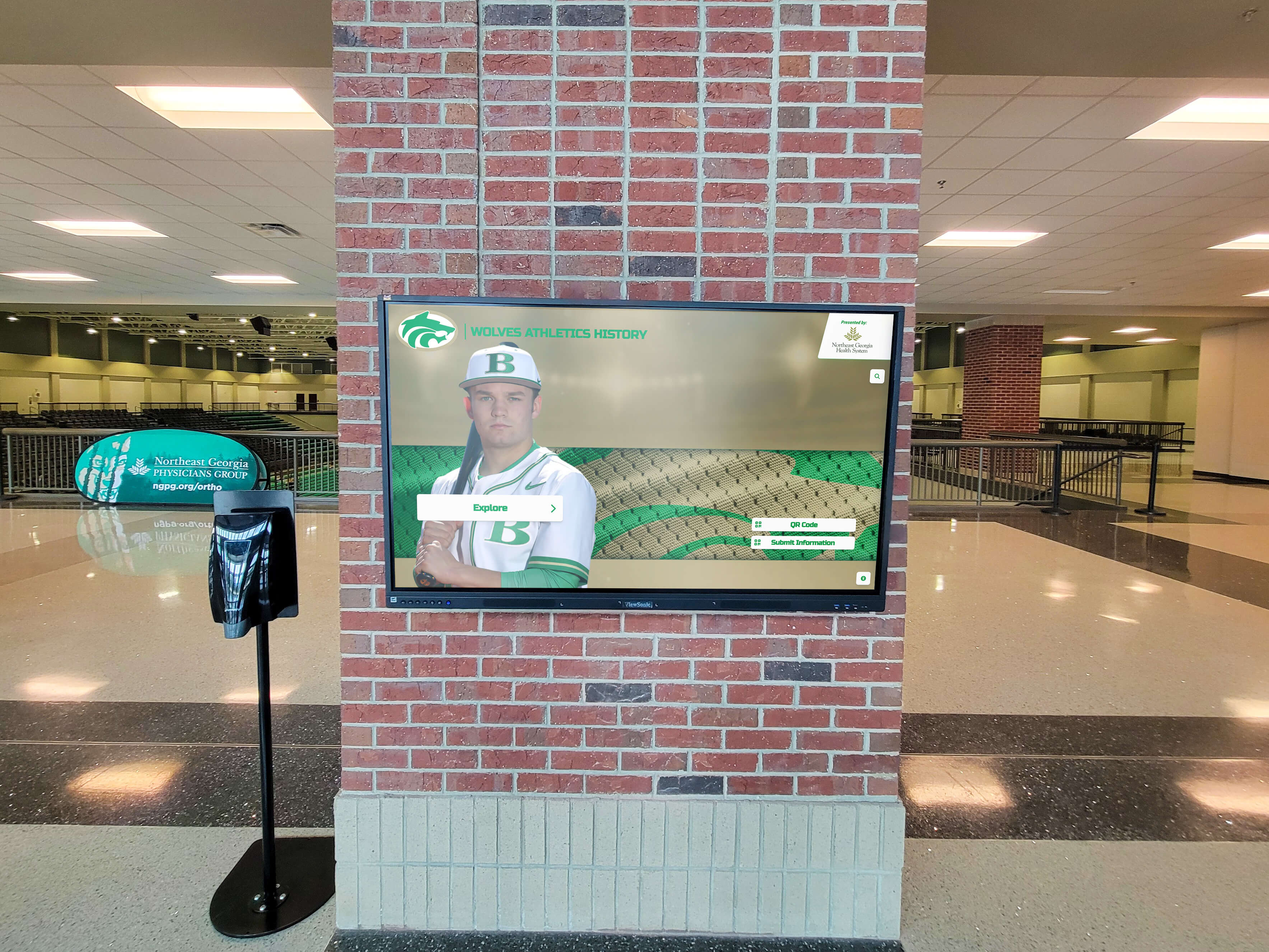
Scratch-resistant coatings extend acrylic lifespan by protecting against cleaning damage and incidental contact. Over years of display, even careful maintenance can create fine scratches on unprotected acrylic—coated panels maintain clarity longer.
Internal Mounting and Positioning Systems
How gloves position within cases affects both presentation quality and long-term preservation—improper mounting can stress leather, obscure signatures, or create awkward viewing angles.
Mounting Methods: Professional glove displays utilize invisible mounting systems supporting gloves without visible hardware detracting from presentation. Common approaches include clear acrylic internal supports shaped to glove contours, museum-quality mounting putty providing removable adhesion, adjustable armature systems with padded contact points, and custom-formed cradles matching specific glove dimensions.
The mounting system should distribute glove weight across multiple contact points rather than stressing single areas. Finger supports prevent glove fingers from drooping or distorting over time. Palm supports maintain glove shape without creating pressure points that might crack dried leather.
Signature Visibility Optimization: Autographed gloves typically feature signatures on pocket areas, palms, or finger backs—mounting must ensure primary signature zones remain clearly visible from typical viewing angles. Adjustable mounting systems allow precise positioning that accounts for signature locations, ensuring the most important autographs receive prominent presentation.
For gloves signed by multiple team members, mounting angle becomes particularly critical—slight rotations can make the difference between all signatures being readable or some being obscured. Understanding how to build comprehensive recognition displays helps programs plan glove positioning within broader achievement contexts.
Environmental Sealing and Climate Control
While cases needn’t be hermetically sealed, effective environmental protection prevents dust accumulation, moisture fluctuation, and pollutant exposure that degrades leather and fades signatures.
Seal Quality: Quality display cases feature gasket sealing or precision-fitted panels minimizing air exchange with external environments. This doesn’t mean airtight enclosures—some air exchange actually benefits leather preservation by preventing moisture buildup—but controlled exchange through filtered paths rather than open gaps.
Dust represents a persistent problem in unsealed cases. Fine particles settle on glove surfaces, accumulate in lacing, and require periodic cleaning that risks signature damage. Well-sealed cases might require internal cleaning only once every few years rather than quarterly maintenance.
Humidity Considerations: Leather preserves best at stable humidity levels around 40-50% relative humidity—too dry causes cracking, too humid promotes mold growth. While full climate control systems exceed most display case budgets, passive humidity buffers (silica gel packets designed for display cases) help moderate fluctuations in environments with significant seasonal variation.
For programs in extremely dry climates or areas with pronounced seasonal humidity swings, investing in display cases with built-in humidity monitoring systems ensures early detection of conditions that might threaten glove preservation. Strategies for preserving school athletic history include environmental monitoring practices applicable to glove display preservation.
Selecting and Preparing Gloves for Display
Not every signed glove makes an ideal display candidate—selection and preparation directly impact both presentation quality and preservation success.
Identifying Display-Worthy Gloves
Programs typically accumulate multiple signed gloves over time—choosing which deserve dedicated display case presentation requires evaluating athletic significance, signature value, and physical condition.
Athletic Significance: The best display candidates connect to specific program achievements that current students and alumni will recognize and appreciate. Championship gloves (state titles, conference championships, tournament victories), record-holder equipment (career putout leaders, perfect game gloves, no-hitter mitts), and legacy items from distinguished alumni who achieved professional success create natural display choices.
Significance also comes from collective meaning—the glove rotation from an undefeated season where multiple players used the same position glove across different games might tell more compelling stories than individual items.
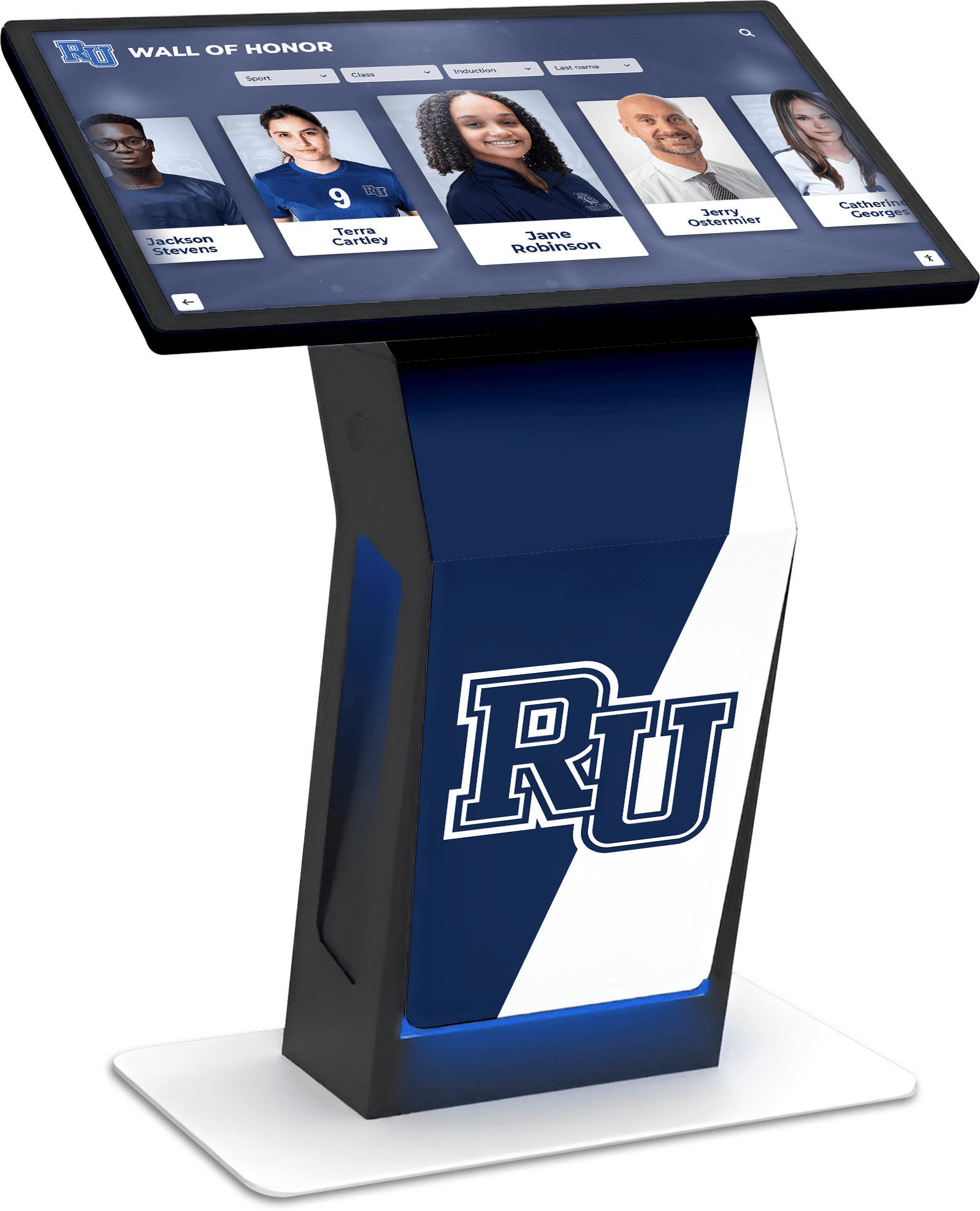
Signature Quality and Documentation: Display gloves should feature clear, legible signatures from identifiable individuals—ideally with accompanying documentation verifying signature authenticity and context. Team-signed gloves work particularly well when signature locations spread across glove surfaces rather than all clustering in single areas where overlapping autographs become difficult to distinguish.
Documentation matters more than many programs realize. A glove signed by a state championship team gains significantly more recognition value when displayed alongside digital achievement documentation showing team roster, season records, championship game details, and player profiles—the physical artifact and digital context amplifying each other.
Cleaning and Preservation Before Display
Gloves require appropriate cleaning and preservation treatment before case installation—premature enclosure of improperly prepared artifacts can accelerate rather than prevent deterioration.
Gentle Cleaning Protocols: Game-used gloves typically carry dirt, grass stains, and general field debris that should be removed before display installation. Gentle cleaning using soft-bristle brushes removes loose dirt without spreading stains or damaging leather. Slightly dampened microfiber cloths can address persistent surface soil, but water contact should remain minimal—excessive moisture damages leather and risks signature bleeding.
Avoid commercial leather cleaners unless specifically tested on non-signature areas first—many cleaners contain solvents or conditioners that cause ink bleeding, signature fading, or discoloration. When in doubt, consult professional sports memorabilia preservation specialists rather than attempting aggressive cleaning that might cause irreversible damage.
Leather Conditioning Decisions: Whether to condition leather before display installation creates debate among preservation specialists. Light conditioning with preservation-grade leather treatments can prevent cracking and maintain suppleness, but conditioner application near signatures risks ink damage. Best practice involves applying minimal conditioner only to non-signature areas of particularly dry gloves, allowing complete absorption and drying before case installation.
For valuable autographed gloves, professional preservation assessment might justify the expense—specialists can evaluate leather condition, recommend appropriate treatment, and execute cleaning and conditioning that balances preservation with signature safety.
Creating Context Labels and Plates
Physical glove displays gain significance through accompanying information explaining artifact importance—context transforms curiosity into meaningful recognition.
Information to Include: Effective display labels identify the athlete or team, specify the achievement context (championship year, record broken, significant game), note signature details (who signed, when, why), and connect to broader program history. Without this context, displays become puzzles—viewers see an old glove but don’t understand why it matters.
Engraved plates provide permanent professional presentation, but printed labels allow easier updates and corrections. Many programs use combination approaches—permanent engraved plates for primary information (athlete name, achievement, year) with supplementary printed cards providing extended context.
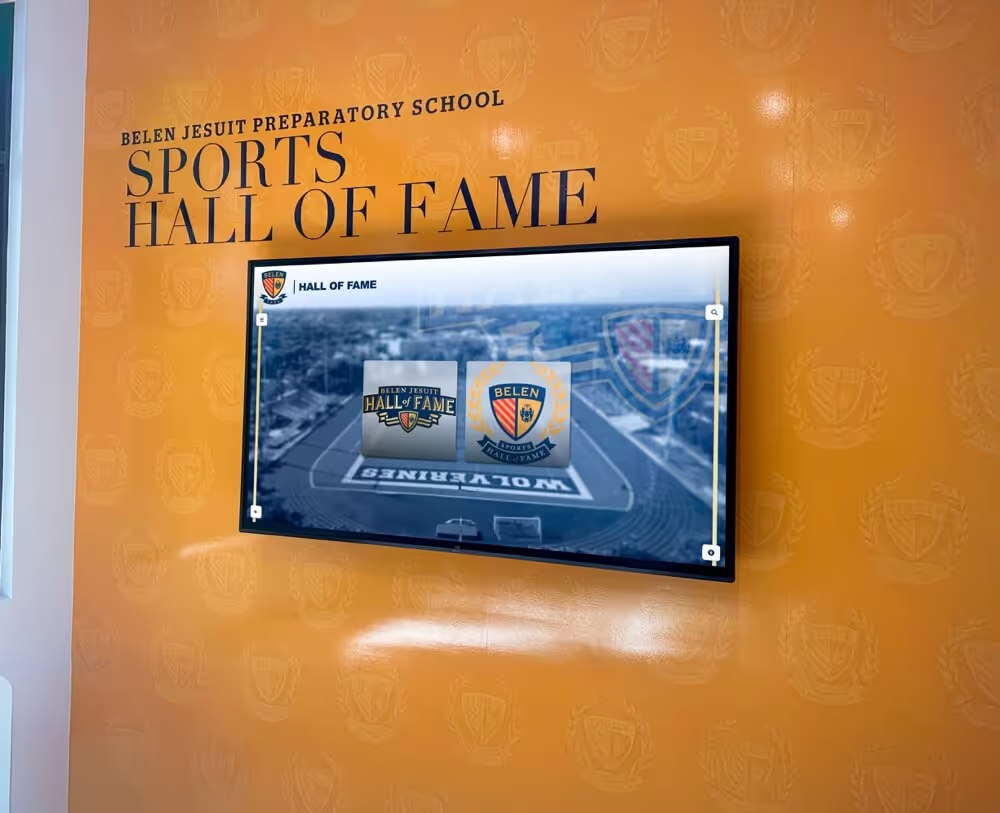
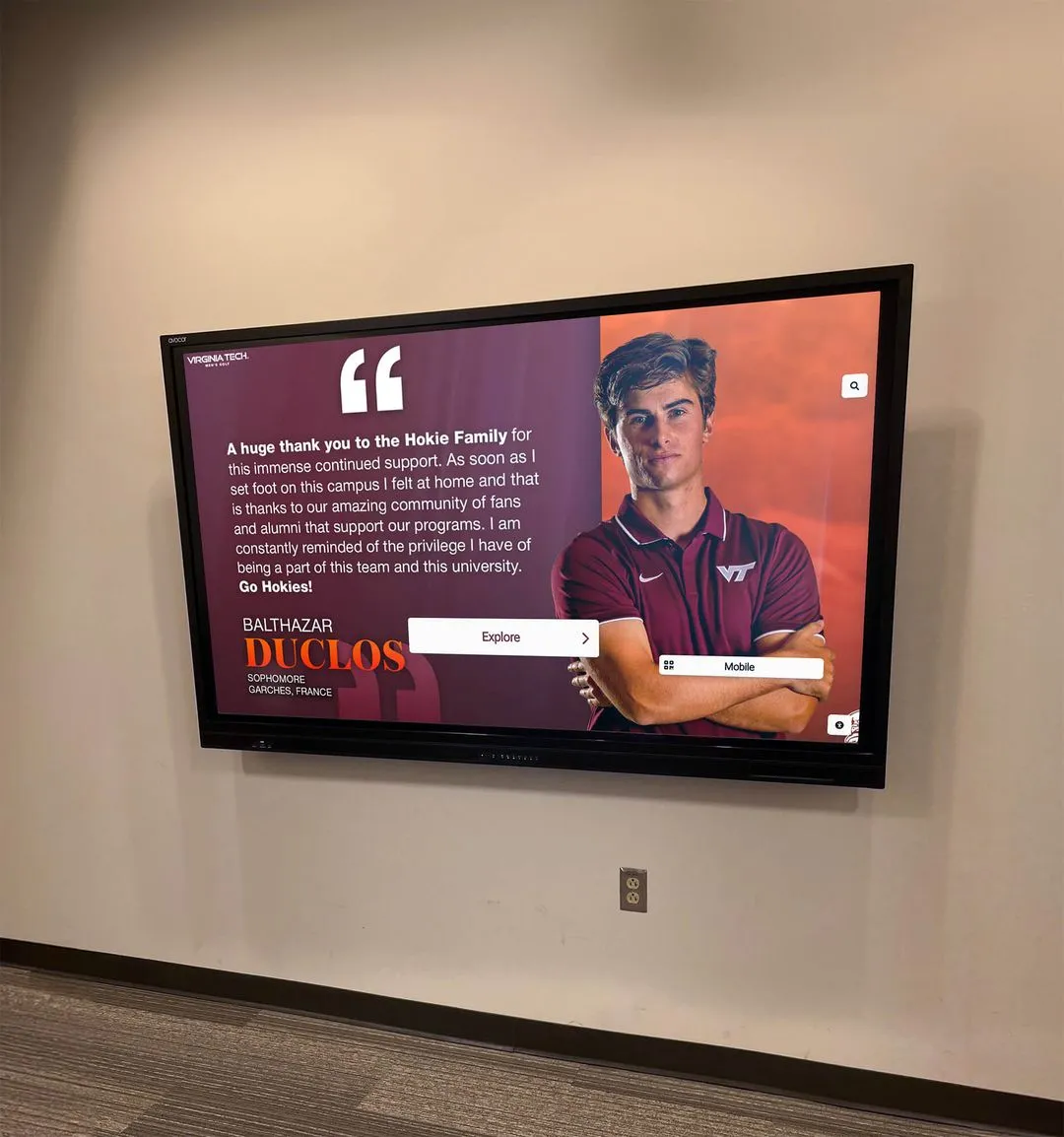
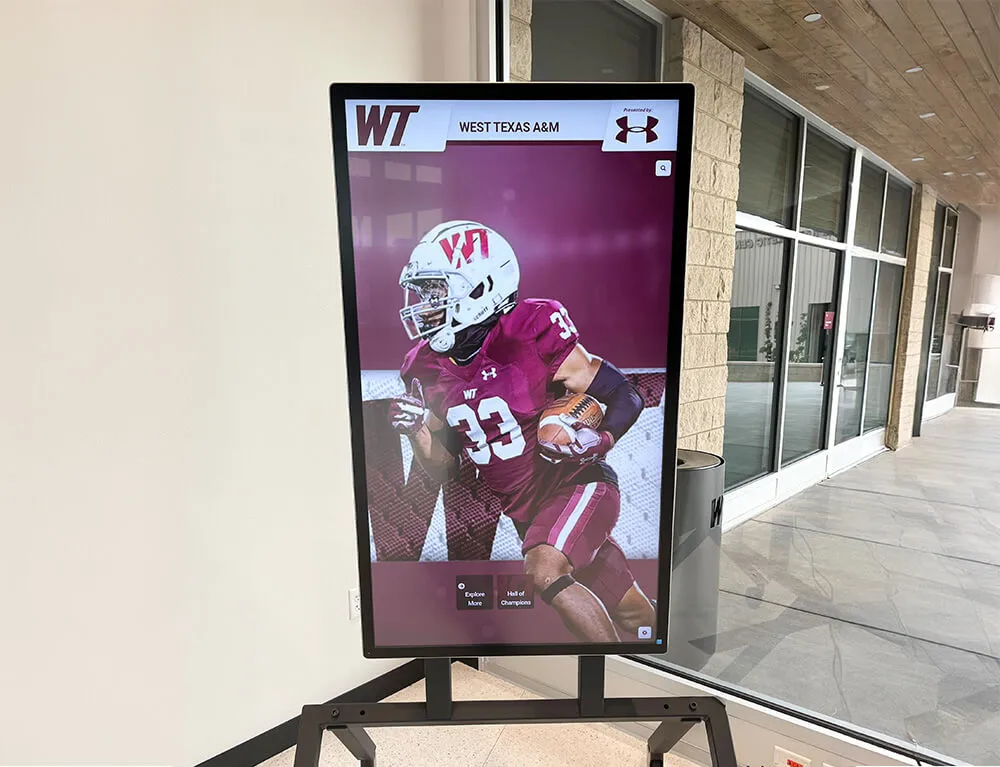
Digital Context Integration: Physical labels provide limited space for comprehensive storytelling—integrating glove displays with digital recognition platforms enables much richer context presentation. Programs might position displayed gloves near touchscreen recognition displays showing full player profiles, career statistics, game footage, and championship documentation—the glove serving as tangible connection point to digitally preserved complete stories.
QR codes placed near glove displays can link to online recognition pages providing extended context, photo galleries, and video content that static labels cannot accommodate. This hybrid approach maximizes both the emotional impact of physical artifacts and the comprehensive documentation enabled by digital platforms.
Display Location and Lighting Strategies
Where and how programs display glove cases dramatically affects both preservation outcomes and recognition impact.
Optimal Display Locations
Strategic positioning ensures glove displays receive appropriate visibility while avoiding environmental conditions that accelerate deterioration.
High-Traffic Recognition Zones: Glove displays create maximum impact in locations where students, athletes, families, and alumni naturally gather—athletic facility lobbies, main gymnasium entrances, hallway display corridors, and trophy room focal walls. These high-visibility positions ensure displays contribute to daily school culture rather than becoming forgotten exhibits in isolated areas.
However, high-traffic locations require careful environmental assessment. Areas with direct sunlight exposure (even with UV-filtered cases), excessive temperature fluctuation (near exterior doors in extreme climates), or above-average humidity (near pool facilities) create preservation challenges that might outweigh visibility benefits.
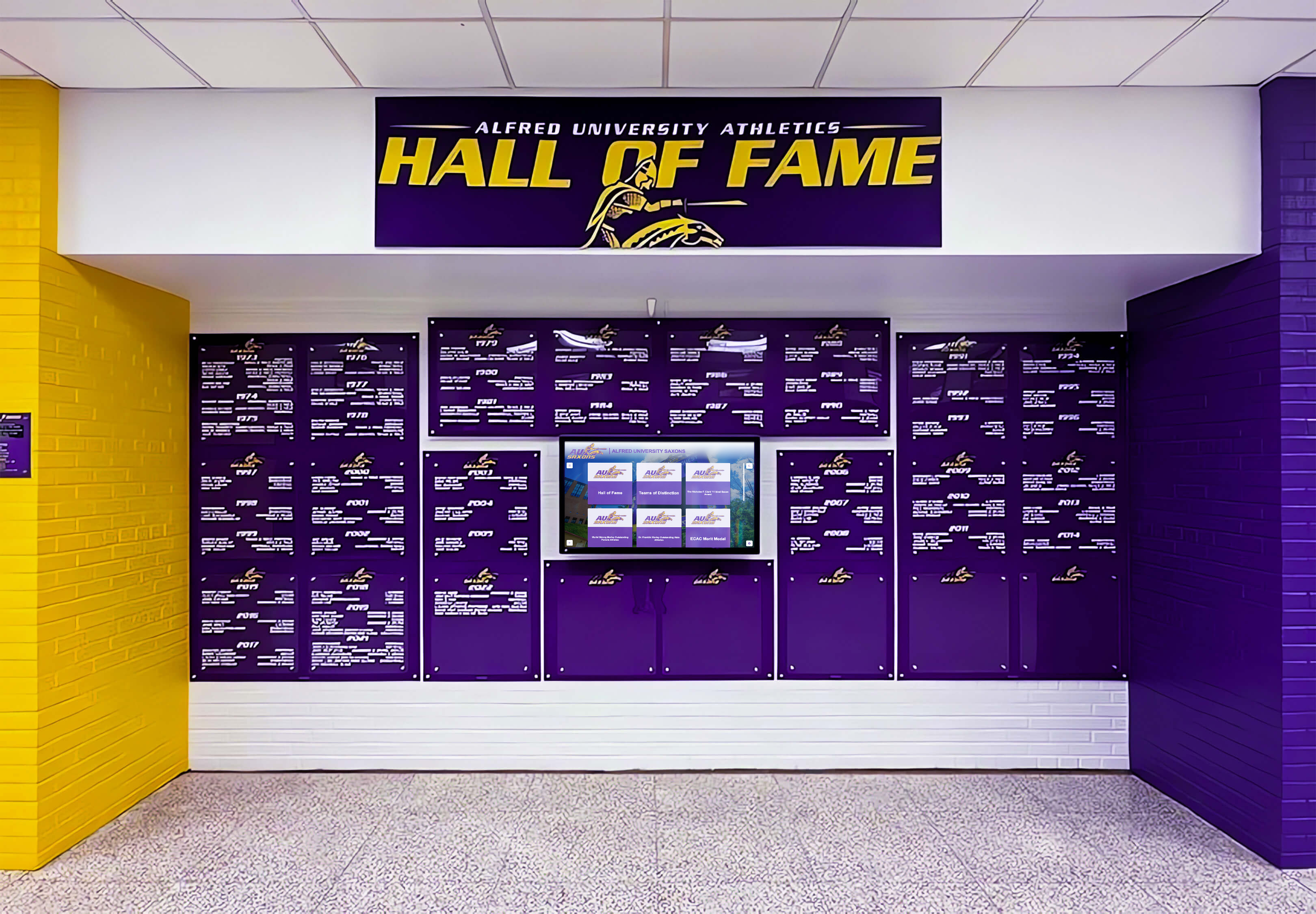
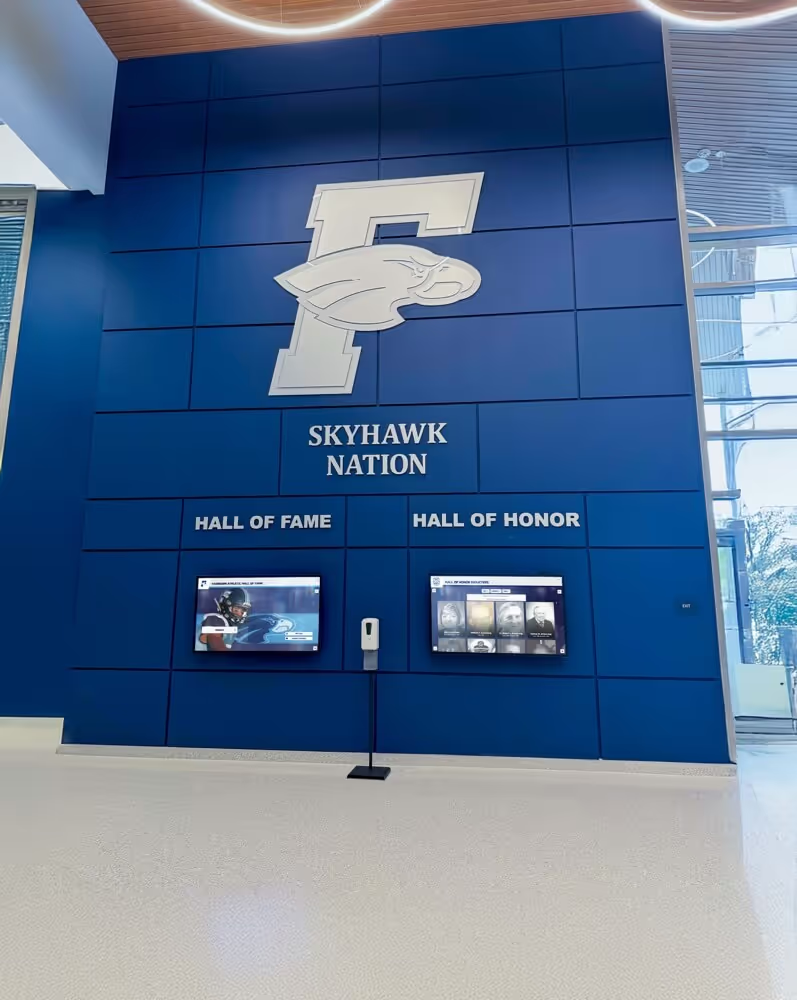
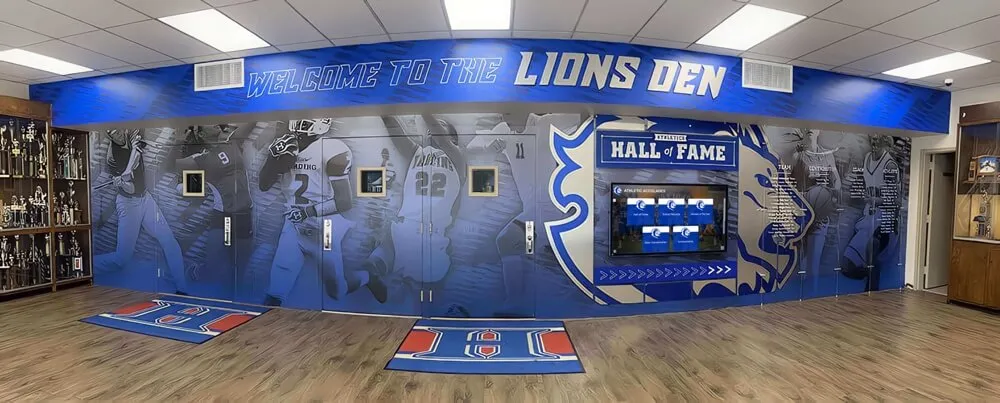
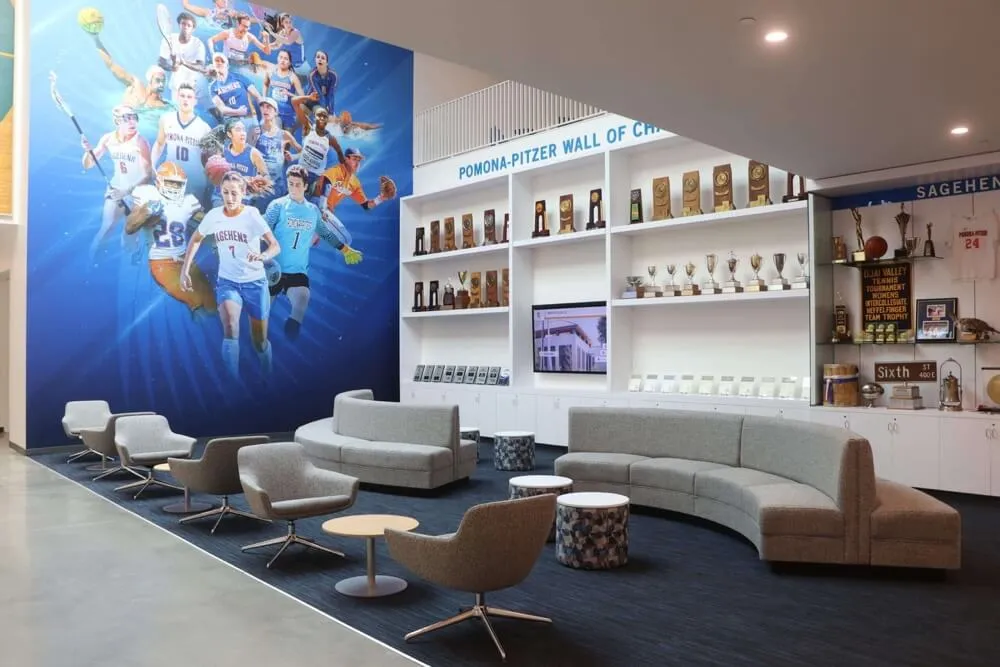
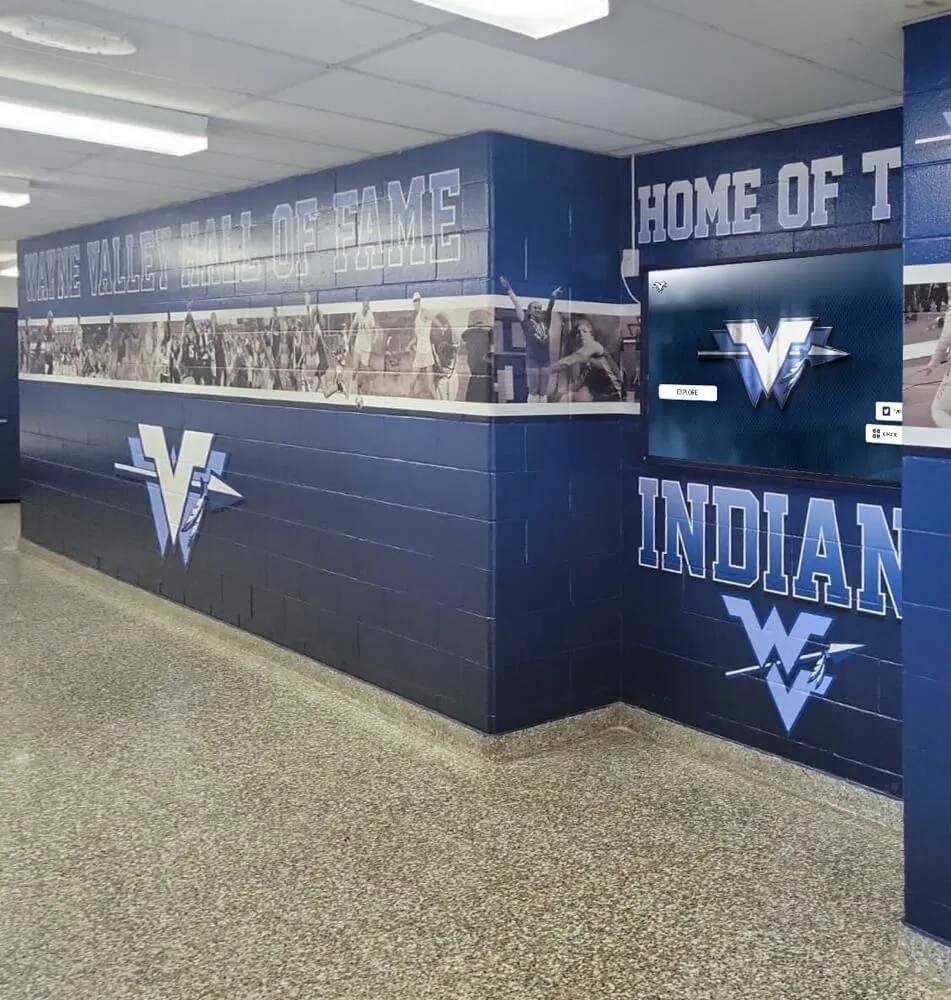
Integration with Broader Recognition: Isolated glove displays rarely achieve their full recognition potential—positioning cases within comprehensive athletic achievement zones creates contexts where individual artifacts contribute to larger program excellence narratives. Programs might create dedicated baseball/softball recognition corridors featuring multiple recognition elements including glove displays, championship banners, team photos, and interactive digital records.
This integrated approach enables thematic organization—grouping gloves by era, position, or achievement type alongside contextual displays explaining program history and evolution. Visitors can explore complete program stories rather than viewing disconnected artifacts.
Lighting Considerations for Case Displays
Proper lighting enhances presentation quality while avoiding exposure levels that damage displayed gloves and fade signatures.
Intensity and Heat Management: While adequate illumination helps viewers appreciate glove details and read signatures, excessive light intensity accelerates deterioration. LED lighting systems provide ideal solutions—delivering sufficient illumination for clear viewing while generating minimal heat and offering precise control over intensity and color temperature.
Avoid halogen or incandescent spot lighting directed at glove displays—heat output from these sources can elevate case internal temperatures, accelerating leather drying and potentially damaging signatures. Even within properly UV-filtered cases, excessive heat creates preservation problems.
Direction and Glare Prevention: Lighting angle significantly affects both visibility and presentation quality. Optimal lighting illuminates gloves without creating hot spots or glare on case acrylic panels that obscure signatures or distort viewing. Angled lighting from above or sides typically works better than direct front lighting that reflects off protective panels.
For wall-mounted cases, track lighting or adjustable fixtures allow precise positioning that accounts for specific viewing angles and signature locations. Testing lighting from actual viewing positions during installation ensures final configurations provide clear visibility without glare interference.
Ambient vs. Dedicated Lighting: In areas with controlled ambient lighting (dedicated trophy rooms, enclosed display corridors), general illumination might provide sufficient visibility without requiring dedicated case lighting. However, high-traffic hallways with variable natural light often benefit from dedicated case illumination ensuring consistent visibility regardless of time of day or weather conditions.
Motion-activated case lighting provides excellent compromise solutions—conserving energy and reducing light exposure during unoccupied periods while ensuring displays illuminate when viewers approach.
Integrating Physical Glove Displays with Digital Recognition
The most effective recognition systems combine physical artifact displays with digital platforms that provide comprehensive achievement documentation and context.
Creating Hybrid Recognition Environments
Physical glove displays and digital recognition platforms complement rather than compete with each other—each format provides unique benefits that together create more impactful recognition than either approach alone.
Physical Artifacts as Entry Points: Displayed gloves create tangible connections to program history that engage viewers emotionally in ways digital displays cannot replicate. Seeing the actual leather that made championship plays, touching (through protective acrylic) equipment used by program legends, and connecting physically with athletic heritage creates powerful recognition experiences.
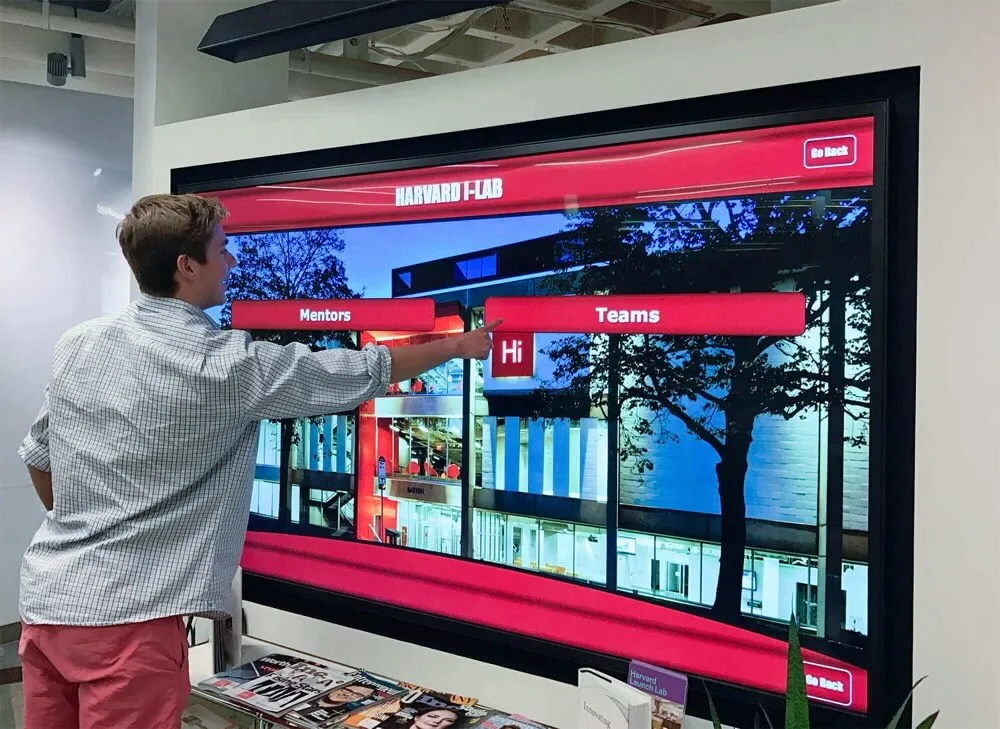
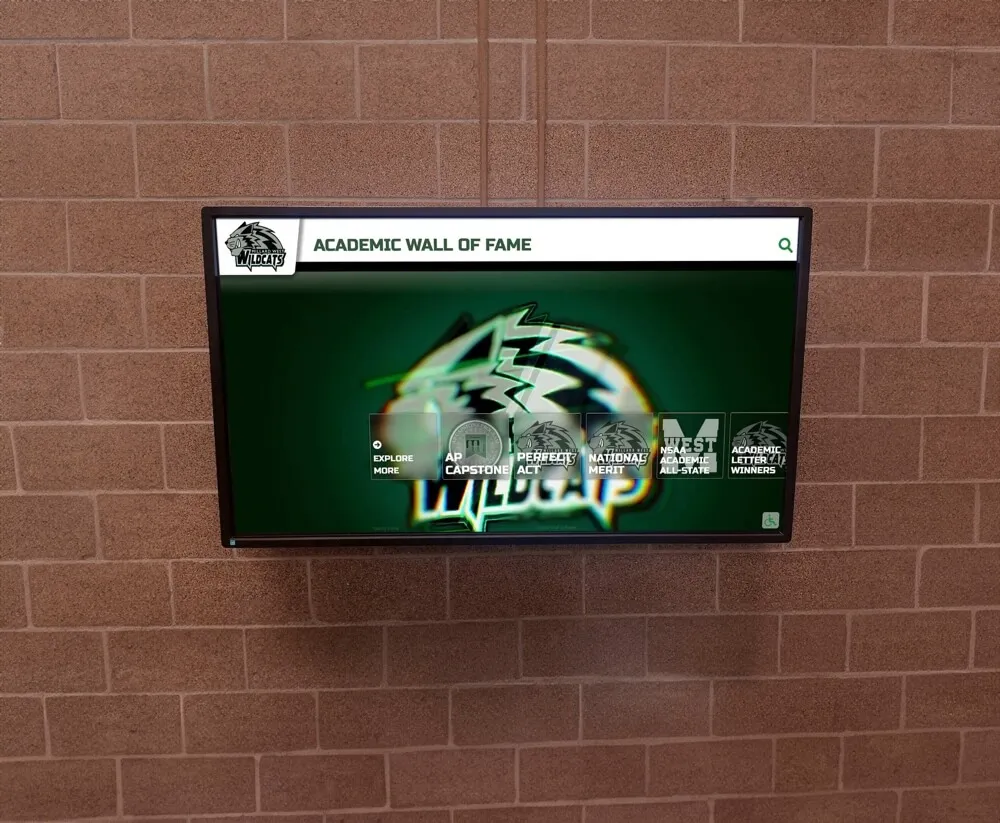
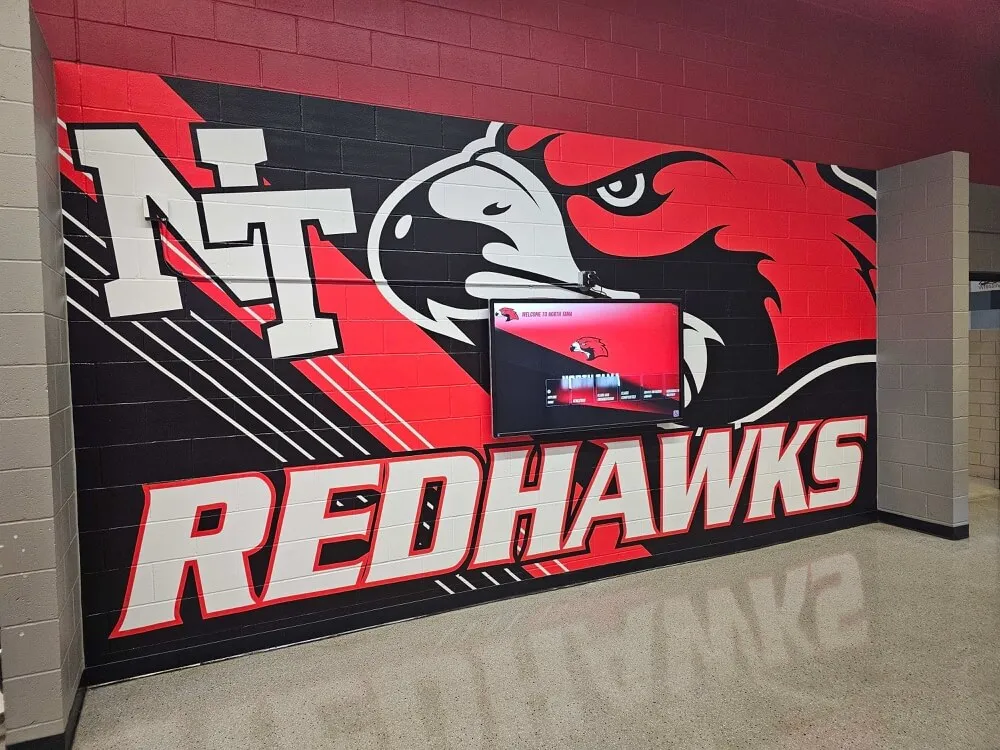
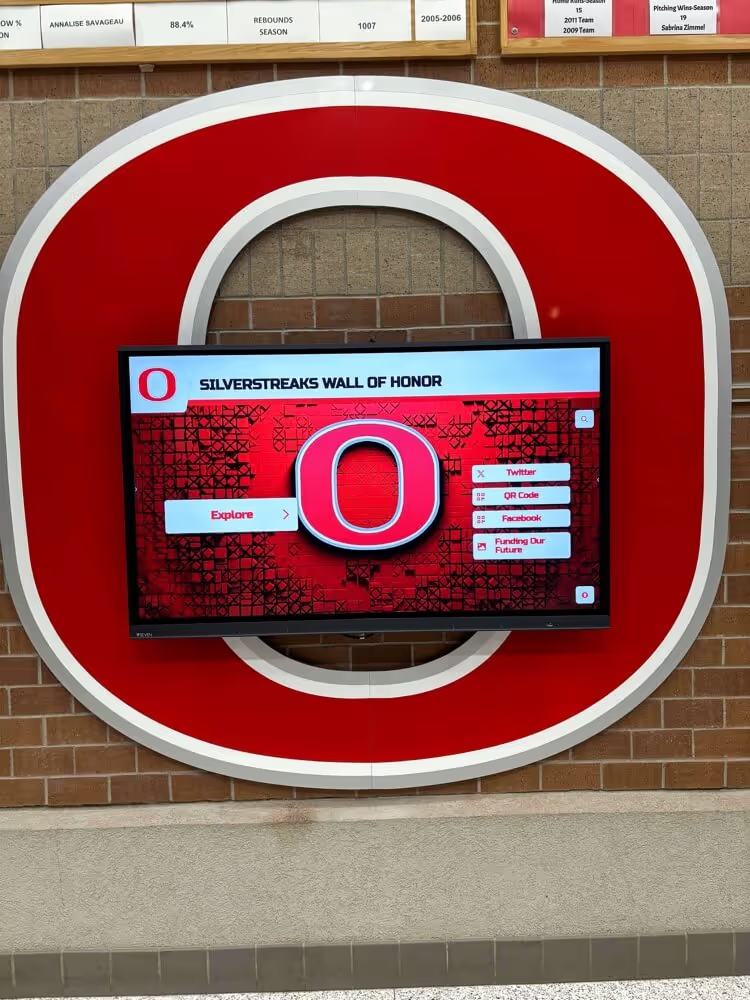
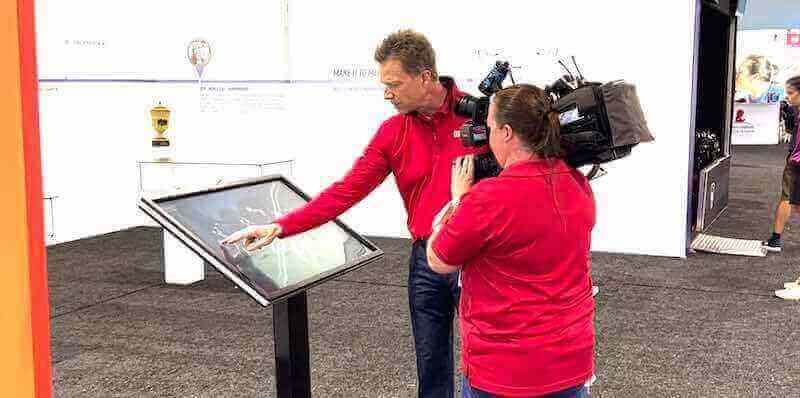
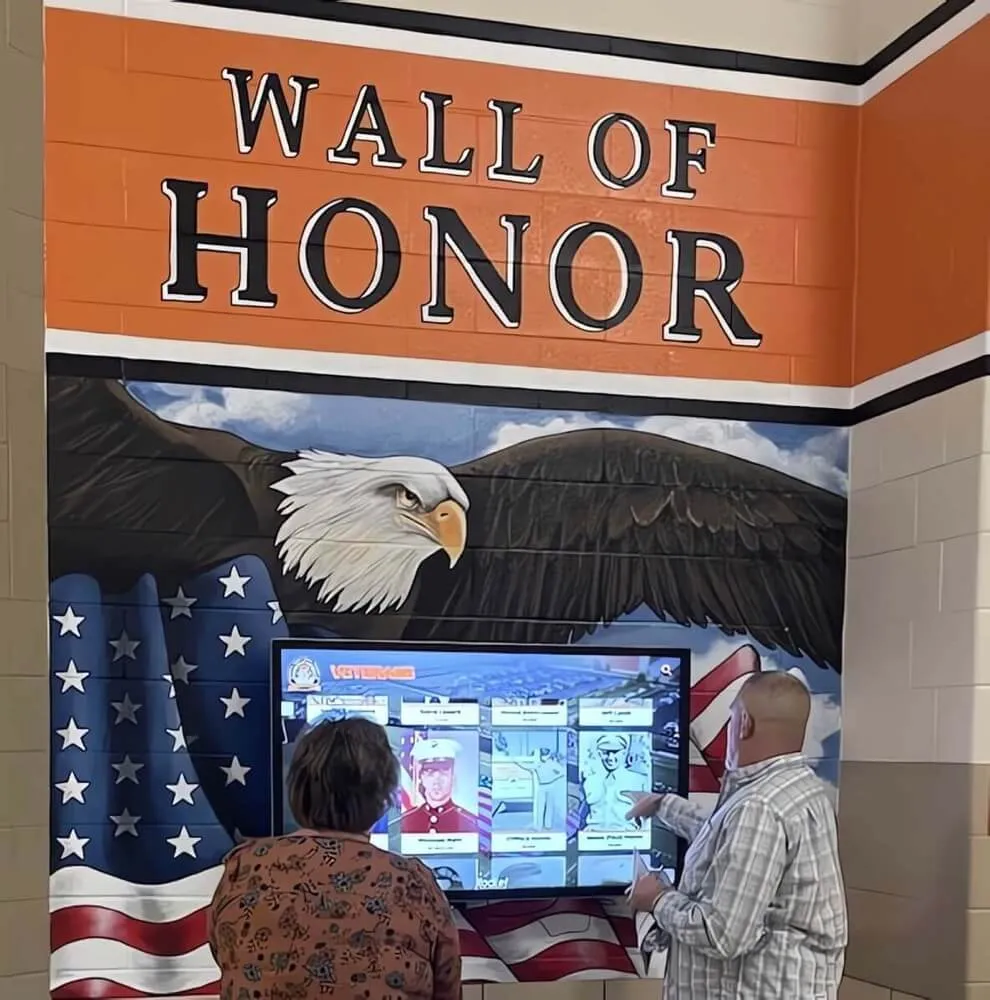
Programs can leverage this emotional engagement by positioning glove displays as entry points to deeper digital exploration. A championship glove display might include signage directing viewers to nearby interactive touchscreen displays where they can access complete team rosters, season statistics, championship game recaps, and video highlights—the physical glove sparking interest that digital platforms satisfy with comprehensive information.
Digital Context for Physical Displays: While glove displays provide tangible connections, digital platforms deliver the contextual information necessary for meaningful understanding. Most viewers seeing a displayed glove wonder: Who used this? What achievement does it represent? What made this player or team special? How does this connect to current program standing?
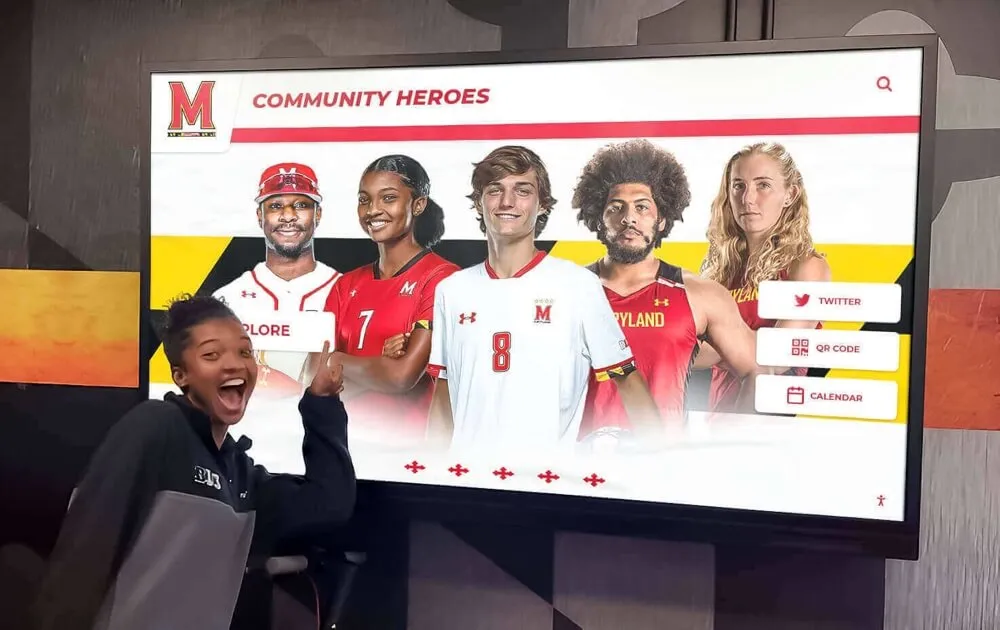
Digital recognition platforms answer these questions comprehensively. Interactive displays can showcase the glove owner’s complete statistics, compare their achievements to program records, show progression through career milestones, and place individual excellence within team and program contexts. This comprehensive documentation transforms glove displays from interesting artifacts into meaningful recognition experiences.
Rotating Displays and Content Updates
Static glove displays risk becoming invisible to regular viewers who pass daily—rotation strategies and content updates maintain engagement while showcasing broader collections.
Physical Rotation Schedules: Programs with multiple display-worthy gloves can implement rotation schedules ensuring diverse representation over time. Quarterly rotations might feature different championship seasons, position spotlights highlighting catcher’s mitts then transitioning to outfield gloves, or era progressions showing program evolution through equipment changes.
Rotation creates practical preservation benefits too—limiting individual glove display duration reduces cumulative light exposure and provides opportunities for periodic condition assessment and maintenance.
Digital Content Evolution: While physical gloves remain relatively static between rotations, digital recognition platforms enable continuous content expansion. Programs can regularly add newly digitized historical photos, upload recent game footage, incorporate alumni interview recordings, and publish anniversary recognition pieces—keeping digital content fresh while physical displays provide stable anchors.
Understanding approaches to managing digital athletic archives helps programs plan sustainable content update workflows that maintain recognition platform vitality without overwhelming available staff time.
QR Code Integration and Extended Content
QR codes bridge physical glove displays and digital content platforms, enabling viewers to access comprehensive information using personal devices.
Implementation Strategies: Small QR code labels placed adjacent to glove display cases can link directly to online recognition pages featuring the displayed athlete or team. Viewers scan codes using smartphones, immediately accessing complete profiles, career statistics, photo galleries, and video content that physical displays cannot accommodate.
This approach works particularly well for recruiting contexts—prospective student-athletes touring facilities can scan codes and immediately access detailed program history, achievement documentation, and alumni success stories demonstrating program excellence. The immediacy and depth create much stronger impressions than static displays alone.
Content Destination Options: QR codes can link to various digital destinations depending on program infrastructure. Schools with dedicated athletic website sections might link to team history pages. Programs using comprehensive digital recognition platforms can link directly to athlete profiles within hall of fame systems. Even simple Google Drive folders containing scanned photos and documents provide accessible extended content.
The key is ensuring linked content remains current and accessible—broken links or outdated information create negative impressions that undermine recognition efforts.
Maintenance and Long-Term Preservation
Proper ongoing maintenance ensures displayed gloves remain preserved and presentable over decades rather than deteriorating despite protective enclosure.
Regular Inspection and Cleaning Schedules
Even within sealed display cases, gloves require periodic inspection ensuring preservation conditions remain appropriate and no deterioration has begun.
Inspection Frequency: Quarterly inspections provide reasonable balance between thorough monitoring and practical staff time constraints. During inspections, examine signature clarity for any fading, assess leather condition for cracking or discoloration, check for dust accumulation suggesting seal degradation, verify mounting integrity ensuring gloves haven’t shifted, and confirm acrylic panels remain clear without scratching or clouding.
Document inspection findings—simple photo records enable year-over-year comparison revealing gradual changes that might otherwise go unnoticed. Significant deterioration indicators warrant immediate professional preservation assessment rather than waiting for next scheduled inspection.
Case Cleaning Protocols: Acrylic panel cleaning requires appropriate techniques preventing scratch damage while maintaining clarity. Microfiber cloths specifically designed for acrylic surfaces work best. Avoid paper towels, regular cloths, or any abrasive materials that create fine scratches. Use only cleaning solutions approved for acrylic—many household cleaners contain ammonia or other chemicals that damage acrylic coatings.
Interior cleaning frequency depends on seal quality and environmental conditions but typically requires attention only annually or semi-annually for well-sealed cases. When accessing interiors, use compressed air to remove dust before wiping surfaces, avoiding spreading particles that might scratch acrylic or glove leather.
Addressing Common Preservation Issues
Despite proper case selection and installation, preservation challenges sometimes emerge requiring intervention.
Signature Fading: If autographs show fading despite UV protection, assess whether lighting intensity exceeds recommended levels or if cases actually provide claimed UV filtration. Replacement with properly rated UV-filtering acrylic might be necessary. For valuable gloves showing significant fading, professional preservation specialists can sometimes restore signatures using archival-quality materials matching original ink characteristics.
Leather Deterioration: Cracks, discoloration, or excessive drying suggest humidity levels outside optimal ranges. Installing passive humidity buffers or relocating displays to more suitable environments addresses root causes. For gloves showing deterioration, leather preservation specialists can execute stabilization treatments preventing further damage.
Mounting Failures: If internal mounting systems fail allowing gloves to sag or shift, case opening and remounting becomes necessary. This provides opportunity to reassess mounting approaches—failures often indicate inadequate support distribution or materials inappropriate for long-term use.
Understanding comprehensive approaches to athletic achievement preservation helps programs maintain both physical glove displays and supporting digital documentation systems.
Documentation and Provenance Records
Maintaining thorough documentation about displayed gloves ensures institutional knowledge persists beyond staff changes and provides authentication supporting artifact value.
Essential Documentation: Comprehensive glove records should include acquisition details (how program obtained glove, from whom, when), achievement context (specific game, season, record, or accomplishment), signature documentation (who signed, dates, circumstances), provenance chain (ownership history from original use through current display), and condition reports (initial assessment plus ongoing inspection findings).
Digital documentation systems make this information easily accessible and searchable. Programs might maintain spreadsheets, database records, or dedicated collections management software tracking all displayed artifacts including glove cases.
Photographic Records: Regular photography documenting glove condition, signature clarity, and overall presentation quality creates visual timeline of artifact states. These records prove invaluable for insurance purposes, preservation decisions, and authentication if questions arise about display item legitimacy or condition history.
Strategic Display Planning for Baseball and Softball Programs
Comprehensive glove display integration within broader program recognition strategies maximizes both preservation outcomes and motivational impact.
Building Glove Display Progression
Rather than displaying isolated individual gloves, strategic programs create progression displays showing program evolution, position specialization, or achievement timelines.
Era Progression Displays: Multiple glove cases arranged chronologically can showcase program development—equipment from founding seasons, championship eras, modern excellence periods. This progression demonstrates sustained excellence rather than isolated achievements while showing how equipment itself has evolved alongside program success.
Visual progression creates natural storytelling that engages viewers more effectively than random arrangement. Coupling physical progression displays with digital team history platforms provides comprehensive documentation spanning decades or even century of program heritage.
Position-Specific Collections: Displaying gloves from record-holders at each defensive position creates comprehensive defensive excellence recognition while educating viewers about position-specific equipment differences. This approach works particularly well for softball programs where position specialization and equipment variation create distinct visual presentation.
Position collections enable comparison and competition—current catchers can see the glove used by the program’s all-time leader in putouts or throwing out base stealers, creating tangible goal visualization more powerful than purely statistical records.
Connecting Gloves to Record Board Systems
Glove displays gain maximum recognition impact when integrated with comprehensive digital record board systems that document achievements, preserve statistics, and enable ongoing content updates.
Record-Holder Recognition: Programs using digital record board systems can position physical glove displays adjacent to touchscreens showing complete record-holder profiles. A displayed glove from the career putout leader appears alongside digital documentation showing season-by-season progression, comparison to other record-holders, and video footage of signature defensive plays.
This integration transforms glove displays from static artifacts into interactive recognition experiences—physical gloves spark emotional connection while digital systems provide comprehensive achievement documentation satisfying viewer curiosity and inspiring current athletes through detailed examples of excellence.
Championship Team Integration: Team-signed gloves from championship seasons gain enhanced recognition value when displayed within comprehensive championship documentation environments. Physical gloves appear alongside digital displays showing complete rosters, season statistics, tournament brackets, championship game recaps, and celebration photos—the glove serving as centerpiece within much broader achievement celebration.
Modern recognition systems enable this integration naturally. Solutions like Rocket Alumni Solutions provide platforms specifically designed for comprehensive athletic recognition, combining unlimited digital capacity for detailed documentation with installation flexibility supporting integration with physical artifact displays like glove cases.
Seasonal Displays and Special Recognition Events
Glove display rotation aligned with athletic seasons, alumni events, and special recognition occasions maintains display vitality while highlighting relevant achievements.
Season-Aligned Rotation: During baseball and softball seasons, rotating displays to feature current sport achievements maintains relevance and motivates active athletes. Displaying gloves from previous championship teams at the current sport’s peak competitive period creates natural connections between past excellence and present opportunity.
Off-season periods provide opportunities for different recognition focuses—perhaps featuring alumni gloves from professional players during summer months when those athletes might return to campus, or highlighting coaching staff memorabilia during recruiting periods when prospective athletes and families visit facilities.
Event-Specific Installations: Alumni reunions, hall of fame induction ceremonies, and championship anniversary celebrations create natural occasions for special glove displays. Temporary installations featuring gloves from honored classes, inducted athletes, or anniversary teams add personalization that makes events more meaningful for attendees.
Event displays often generate renewed interest in permanent recognition systems. Alumni seeing comprehensive glove preservation and digital achievement documentation frequently become recognition program supporters, contributing artifacts, funding display enhancements, or volunteering digitization assistance for historical materials. Resources on planning meaningful athletic recognition events demonstrate how physical displays contribute to recognition event success.
Budgeting and Procurement for Glove Display Cases
Understanding cost factors and procurement options helps programs make informed decisions balancing quality, preservation needs, and budget constraints.
Display Case Cost Factors
Glove display case prices vary dramatically based on size, features, materials, and customization—understanding cost drivers enables better budgeting and value assessment.
Basic Cases: Entry-level glove display cases start around $150-300 for simple desktop or small wall-mounted units with clear acrylic panels and basic construction. These typically lack UV protection, feature minimal sealing, and use standard mounting approaches. While budget-friendly, they provide limited preservation value for valuable autographed gloves deserving long-term protection.
Mid-Range Professional Cases: Quality display cases with UV-filtering acrylic, proper environmental sealing, professional mounting systems, and custom sizing typically cost $400-800 for single-glove wall-mounted or pedestal installations. These provide appropriate protection for most school athletic glove displays, balancing preservation features with reasonable costs.
Premium Custom Installations: Elaborate custom cases with advanced features—built-in lighting, humidity control systems, rotating platforms, museum-quality materials, and architectural integration—can exceed $1,500-3,000 per installation. These make sense for extremely valuable artifacts or flagship recognition installations where displays serve broader facility branding purposes.
Procurement Options and Sources
Various suppliers offer glove display cases with different specialization levels, customization capabilities, and service approaches.
Sports Memorabilia Suppliers: Companies specializing in sports memorabilia displays understand specific preservation needs for autographed equipment and typically offer appropriate UV protection and mounting systems. They provide good balance of quality and cost for standard installations.
Museum Display Specialists: Professional museum display fabricators create premium cases with exceptional preservation features but typically command higher prices. These sources make sense for irreplaceable artifacts or flagship installations where preservation takes absolute priority.
Custom Fabrication: Local cabinet makers or display fabricators can create custom cases matching specific architectural contexts or unusual glove sizes. While custom fabrication provides design flexibility, ensure fabricators understand UV protection requirements and proper preservation techniques—cabinet-making skills don’t automatically translate to memorabilia preservation knowledge.
Integrating Costs with Digital Recognition Investments
Programs planning comprehensive recognition systems should budget holistically, considering how physical glove display investments relate to digital platform costs and broader recognition goals.
Balanced Investment Approach: While individual premium glove cases might cost $500-1,000, comprehensive digital recognition platforms enabling unlimited athlete profiles, complete team histories, and extensive multimedia documentation typically cost $3,000-8,000 for initial installation with ongoing subscription fees for content management and platform updates.
This cost comparison reveals strategic opportunities—rather than installing a dozen expensive individual glove cases, programs might display a few carefully selected gloves in quality cases while investing more substantially in digital platforms that can document hundreds of athletes and teams comprehensively. The combination provides both tangible artifacts and complete documentation at reasonable total cost.
Funding Strategies: Many programs fund recognition investments through dedicated campaigns, alumni donations, or memorial contributions. Glove display cases work particularly well as memorial recognition opportunities—families can sponsor display cases honoring deceased athletes, creating permanent tribute combining physical artifact preservation with digital documentation of complete athletic careers.
Recognition funding often benefits from comprehensive proposals demonstrating complete vision rather than piecemeal requests. Showing how glove displays will integrate with digital recognition platforms creates stronger cases for support than requesting isolated case purchases without broader context.
Future-Proofing Glove Display Investments
Strategic planning ensures glove display installations remain relevant and functional for decades despite changing technologies, aesthetic preferences, and recognition approaches.
Flexibility and Adaptability
Recognition needs evolve—today’s championship glove displays might eventually share space with different artifacts or integrate with new digital platforms not yet imagined.
Modular Installation Approaches: Where possible, select mounting systems and case designs allowing reconfiguration without major renovation. Wall-mounted track systems can accommodate display repositioning. Freestanding cases can relocate as facility use evolves. Flexible approaches prevent displays from becoming permanent obstacles when recognition needs change.
Technology Integration Capacity: Even if current budgets don’t support integrated lighting, digital labels, or interactive elements, selecting cases with infrastructure supporting future additions ensures eventual enhancements don’t require complete replacement. Cases with internal electrical channels, mounting provisions for future displays, or dimensional capacity for technology additions provide valuable future flexibility.
Maintaining Donor and Stakeholder Support
Long-term recognition success requires ongoing community engagement—displays must continue inspiring donors, motivating athletes, and supporting program goals.
Regular Content Updates: While physical glove displays might remain relatively static, surrounding context and digital integration require regular updates maintaining contemporary relevance. Adding recently inducted alumni to digital displays, updating achievement comparisons as new records fall, and incorporating fresh multimedia content ensures recognition systems feel current rather than historical artifacts themselves.
Visible Impact Demonstration: Documenting recognition program impact helps maintain stakeholder support. Usage analytics from digital platforms (how many people access athlete profiles, which achievements generate most interest), recruitment feedback (do displays influence prospective student-athletes), and alumni engagement (do displays generate reunion attendance, giving) demonstrate value justifying continued investment.
Programs should share impact data with donors, administrators, and alumni—making recognition program success visible encourages continued support and positions recognition as institutional priority rather than discretionary expense.
Conclusion: Preserving Legacy Through Professional Display
Signed baseball and softball gloves represent irreplaceable connections to athletic excellence—championship moments, record-breaking performances, and athlete legacies that define program heritage. Proper glove display cases protect these artifacts from deterioration while creating professional presentations that inspire current athletes and preserve program history for future generations.
Effective glove display requires balancing preservation science with recognition strategy—selecting appropriate case types with UV protection and environmental sealing, preparing gloves properly before installation, positioning displays in locations maximizing visibility while avoiding harsh environmental conditions, and integrating physical artifacts with digital platforms that provide comprehensive achievement context.
The most successful programs view glove displays not as isolated artifacts but as elements within comprehensive recognition systems combining tangible heritage items with unlimited digital documentation capacity. When a championship glove appears alongside complete team statistics, season recaps, and multimedia content accessible through interactive displays, recognition becomes exponentially more meaningful than either physical or digital approaches achieve alone.
Programs ready to create professional glove display installations integrated with comprehensive digital recognition platforms should explore solutions designed specifically for athletic achievement celebration. Rocket Alumni Solutions provides touchscreen recognition systems that complement physical glove displays perfectly—combining unlimited digital capacity for athlete profiles and achievement documentation with installation flexibility supporting integration with display cases, trophy installations, and memorial recognition elements. Together, physical glove preservation and comprehensive digital platforms create recognition environments that honor athletic excellence completely while inspiring future generations through visible, accessible connections to program heritage.