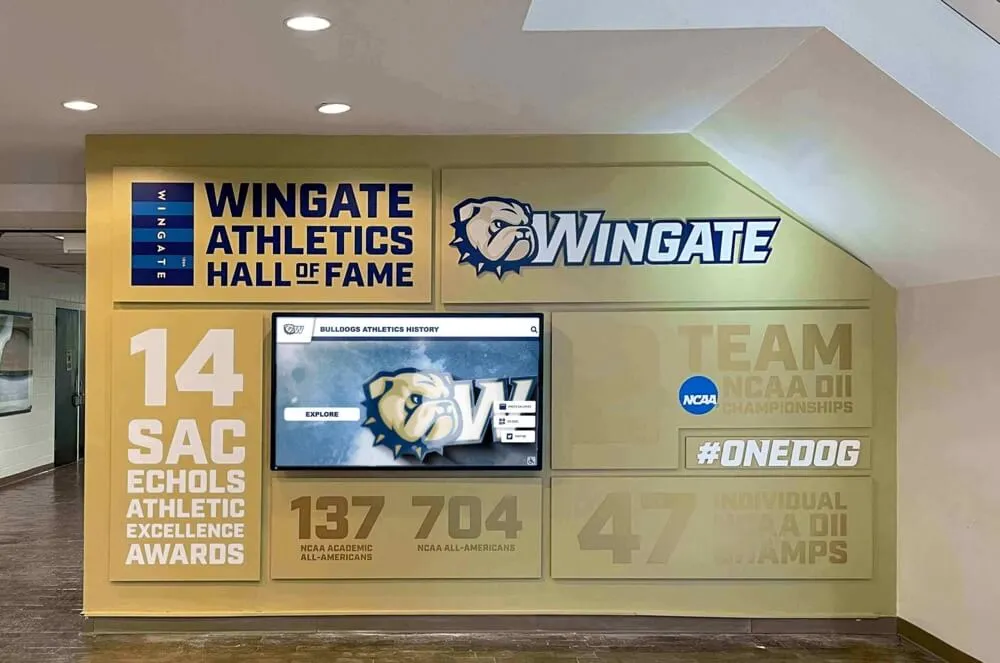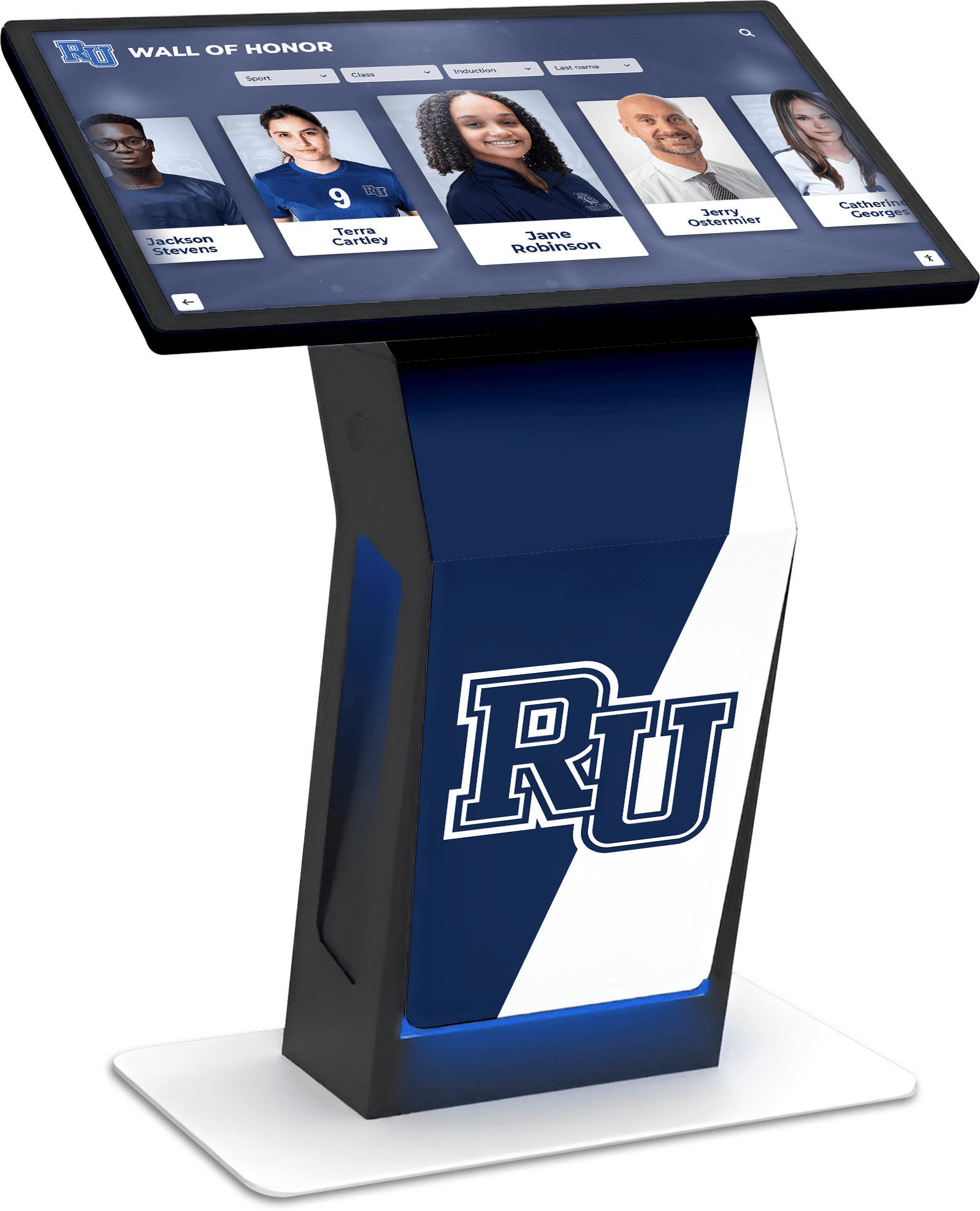




Schools, universities, and nonprofits invest tremendous energy into Giving Tuesday campaigns—launching social media blitzes, crafting compelling emails, and mobilizing volunteers to maximize this critical 24-hour fundraising opportunity. Yet many organizations overlook a powerful strategy that extends Giving Tuesday impact far beyond a single day: creating centralized digital donor recognition pages that showcase every contributor while serving as year-round engagement hubs driving continued generosity, volunteer recruitment, and community connection.
Traditional approaches treat donor recognition as an afterthought—buried email thank-yous, static PDF lists, or expensive physical plaques that fill wall space without inspiring ongoing engagement. Meanwhile, research consistently demonstrates that recognized donors give 39% more frequently and contribute 32% larger subsequent gifts than those whose generosity receives minimal acknowledgment. The gap between recognition potential and typical practice represents enormous missed opportunity for organizations seeking sustainable support beyond annual campaign cycles.
Why Giving Tuesday Donor Pages Matter for Sustainable Fundraising
Giving Tuesday donor pages transform single-day campaigns into year-round stewardship infrastructure by creating centralized digital recognition hubs that celebrate every contributor, demonstrate transparent impact, inspire peer giving through social proof, and maintain donor engagement long after campaign deadlines pass. Solutions like Rocket Alumni Solutions provide purpose-built platforms specifically designed for comprehensive donor recognition, combining unlimited capacity with compelling storytelling capabilities that traditional static approaches simply cannot match while integrating seamlessly with existing giving platforms.
Understanding the Strategic Value of Giving Tuesday Donor Recognition
Giving Tuesday represents the global generosity movement occurring annually on the Tuesday following Thanksgiving, mobilizing millions of supporters worldwide to contribute to causes they care about. For educational institutions and nonprofits, this concentrated giving day generates significant donation volume—but also creates strategic opportunities to build lasting donor relationships extending far beyond November campaign windows.
The Giving Tuesday Momentum Challenge
Organizations typically experience predictable Giving Tuesday patterns: campaign buildup generates excitement and urgency during the final week of November, the 24-hour giving period produces concentrated donation activity and social media engagement, immediate aftermath brings thank-you communications and preliminary results sharing, but then engagement drops precipitously as organizations shift focus to year-end appeals and holiday breaks, leaving new donors with minimal touchpoints for months.

This engagement cliff represents critical missed opportunity. According to research on donor retention patterns, organizations lose 60-70% of first-time donors who never make second gifts—primarily because initial enthusiasm fades without continued relationship cultivation. New donors who receive meaningful recognition and ongoing engagement communications demonstrate 45-55% higher second-gift rates compared to those receiving only transactional acknowledgment, while donors who can revisit their recognition profiles show 3-4 times higher likelihood of exploring volunteer opportunities and attending organizational events.
The strategic challenge becomes clear: how do organizations capture Giving Tuesday momentum while building sustainable donor relationships that generate ongoing value beyond single campaign participation? Digital donor pages provide the infrastructure converting campaign spikes into lasting engagement foundations.
The Central Hub Advantage for School and Nonprofit Fundraising
Rather than treating donor recognition as isolated acknowledgment activity, leading organizations create comprehensive digital donor pages serving as centralized engagement hubs that connect multiple organizational touchpoints including campaign contribution showcases displaying every Giving Tuesday donor regardless of gift size, integration touchpoints linking recognition pages with giving platforms so donors immediately see their acknowledgment, impact documentation demonstrating exactly how collective contributions funded specific programs or initiatives, social proof mechanisms highlighting peer donors and community participation breadth, and volunteer recruitment pathways converting donor goodwill into ongoing service relationships.
This hub approach transforms recognition from passive acknowledgment into active engagement infrastructure. When athletic directors, development officers, and advancement teams create digital donor walls that centralize recognition alongside impact stories and engagement opportunities, they build stewardship systems serving organizational missions across multiple fundraising cycles rather than merely checking acknowledgment boxes for individual campaigns.
For schools specifically, centralized donor pages create unique advantages connecting various constituencies—alumni maintaining connection to institutions that shaped their lives, parents supporting current student programs and facilities, community members investing in local educational excellence, faculty and staff demonstrating internal commitment through personal giving, and local businesses building brand visibility while supporting community institutions. Digital platforms accommodate this constituent diversity through flexible categorization and powerful search functionality impossible with traditional physical recognition approaches.
Core Components of Effective Giving Tuesday Donor Pages
Exceptional Giving Tuesday donor recognition pages share specific characteristics ensuring they serve both immediate acknowledgment needs and long-term stewardship objectives effectively across years of organizational growth and evolving fundraising priorities.
Comprehensive Contributor Inclusion Regardless of Gift Size
The most effective donor pages operate on foundational principles of inclusive recognition: every donor matters, every gift advances mission, and every contributor deserves genuine appreciation regardless of financial capacity. This inclusive approach drives multiple strategic benefits simultaneously.

When organizations showcase all Giving Tuesday donors—from students contributing $5 through major benefactors making transformational gifts—they create powerful social proof demonstrating that generous support represents normative community behavior rather than exceptional rarity limited to wealthy benefactors. New donors see themselves as valued community members rather than minor participants, increasing identification with organizational missions and likelihood of continued engagement over time.
Comprehensive inclusion also addresses practical realities that many fundraising leaders face: Giving Tuesday campaigns succeed through broad participation and viral social sharing rather than depending exclusively on major gift solicitation. When donors see their $25 or $50 contributions acknowledged alongside larger gifts, they feel genuinely valued and become more likely to share recognition with personal networks, introducing organizational missions to hundreds of potential new supporters who trust peer recommendations far more than traditional institutional marketing.
Tiered Recognition Within Inclusive Frameworks: Effective donor pages balance inclusive acknowledgment with appropriate differentiation recognizing larger commitment levels. Common tiered structures for Giving Tuesday campaigns include leadership circle recognition for gifts above $1,000 demonstrating exceptional generosity, patron level acknowledgment for contributions $500-$999 representing significant support, supporter recognition for gifts $100-$499 showing strong community commitment, and contributor acknowledgment for all gifts under $100 ensuring every participant receives genuine appreciation.
Visual distinction between tiers through enhanced profile depth, featured placement, or exclusive content like video testimonials acknowledges generosity magnitude while maintaining dignity and genuine appreciation across all giving levels—critical balance reflecting organizational values around inclusive community and democratic participation.
Real-Time Integration with Giving Platforms and Automatic Updates
Technical integration capabilities separate exceptional donor pages from basic acknowledgment systems. The most effective implementations connect directly with online giving platforms, CRM systems, and donor databases to enable seamless recognition workflows without creating unsustainable manual workload.
Automated Recognition Publishing: Advanced systems enable configurations where new Giving Tuesday donations trigger automatic profile creation pulling contributor information from giving platform data, donors receive immediate email confirmation including direct links to their recognition pages, profiles go live within minutes rather than requiring weeks of manual processing, and organizations maintain campaign momentum through real-time social proof as donor counts visibly increase throughout giving day.
This automation proves particularly valuable during high-volume campaign periods when advancement staff manage hundreds or thousands of contributions within concentrated timeframes. Manual recognition approaches create inevitable delays—donors wait weeks or months for acknowledgment while initial giving motivation fades. Real-time recognition capitalizes on peak donor enthusiasm, encouraging social sharing and peer recruitment while emotional connection remains strongest.
Integration with Popular Giving Platforms: Leading donor page solutions provide documented integration capabilities with widely-used fundraising platforms including direct connections to major giving systems used by schools and nonprofits, webhook configurations triggering recognition updates when new donations process, API connections enabling bidirectional data flow between giving platforms and recognition systems, and embedded recognition widgets displaying donor acknowledgment directly within campaign pages creating seamless donor experiences.
For organizations seeking comprehensive integrated solutions, platforms like Rocket Alumni Solutions provide purpose-built systems specifically designed for educational institutions and nonprofits, combining intuitive recognition capabilities with flexible integration options accommodating diverse technology ecosystems.
Compelling Impact Documentation and Transparent Stewardship Reporting
Recognition value depends fundamentally on connecting donor generosity to tangible outcomes rather than simply listing contributor names. The most effective Giving Tuesday donor pages explicitly demonstrate how collective campaign support advanced specific organizational priorities and created measurable community impact.
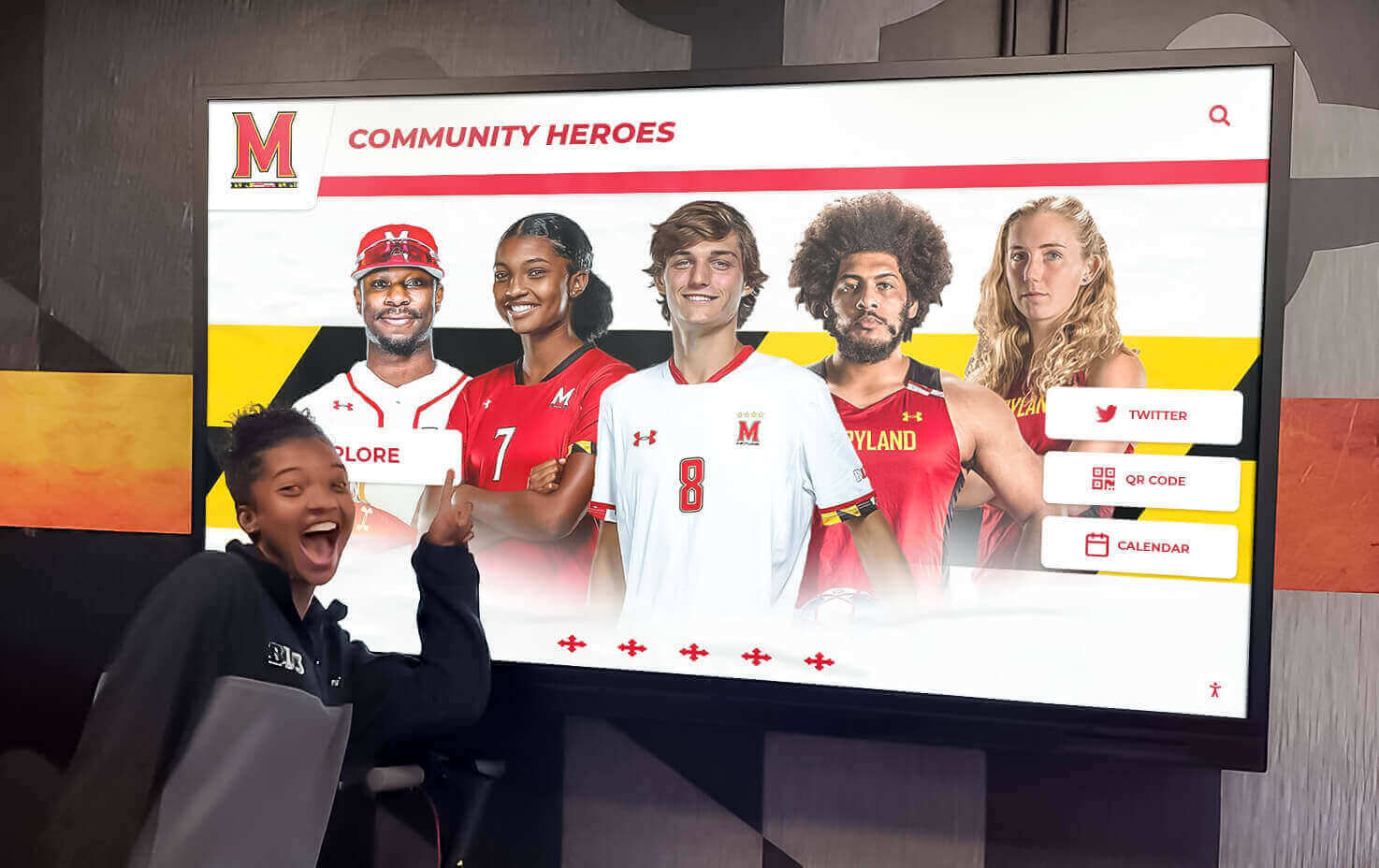
Campaign Goal Tracking and Progress Visualization: Real-time campaign dashboards create transparency and excitement during active giving periods while providing lasting documentation of collective achievement. Effective implementations showcase total funds raised updating automatically as contributions arrive, participation metrics highlighting donor counts and community engagement breadth, goal progress bars or thermometers celebrating collective advancement toward campaign targets, milestone celebrations marking achievement of interim targets like “$25,000 raised” or “500 donors participating”, and specific program funding demonstrations showing exactly how campaign proceeds support designated priorities.
Interactive tracking allows community members to explore how collective donations advanced specific campaign objectives—perhaps displaying scholarship fundraising separately from athletic facility goals and academic program support. This granularity helps prospective donors understand exactly where their potential gifts fit within comprehensive campaigns while demonstrating organizational accountability and stewardship transparency that builds confidence in leadership and financial management.
Individual and Collective Impact Stories: Beyond aggregate campaign metrics, compelling donor pages connect contributions to human impact through tangible outcome documentation. Effective approaches include student testimonials from scholarship recipients describing how Giving Tuesday support enabled educational access, program beneficiary stories explaining how funded initiatives changed lives or created opportunities, facility improvement documentation showing tangible campus enhancements donor support created, community service metrics quantifying expanded outreach or increased populations served, and comparative analysis demonstrating year-over-year growth in campaign participation and organizational capacity.
When supporters see exactly how their $100 contribution combined with 500 peer gifts funded a complete scholarship or understand precisely which athletic equipment purchases their donations enabled, abstract generosity becomes concrete impact justifying continued faithful investment while inspiring others witnessing transparent accountability.
Social Sharing Capabilities and Viral Engagement Features
Modern Giving Tuesday campaigns succeed through social amplification—donors broadcasting their participation across personal networks creates exponentially greater reach than organizational marketing alone. Effective donor pages facilitate this organic advocacy through intentional social sharing features.
Shareable Recognition Profiles: Leading implementations enable recognized donors to easily broadcast their participation through one-click sharing to Facebook, Twitter, Instagram, and LinkedIn platforms, pre-populated social posts including recognition screenshots and compelling campaign language, customizable messages allowing donors to add personal testimony about why they give, tagged content connecting posts to organizational social accounts for visibility and engagement, and embedded donation links enabling peer giving directly from social shares creating viral fundraising loops.
Organizations report that recognized donors with robust social sharing capabilities introduce campaign missions to 50-200 new prospects annually through personal networks who trust peer recommendations significantly more than traditional institutional advertising. When donors proudly share their recognition and personal giving motivations with friends, family, and professional networks, they implicitly endorse organizations while demonstrating social proof that encourages peer participation in future campaigns.
Peer Discovery and Community Connection: Beyond external social sharing, internal discovery features help donors find and connect with fellow supporters through searchable donor directories enabling discovery by name, class year, location, or affiliation, giving level or campaign category filtering allowing exploration of peer donors at similar commitment levels, shared interest connections highlighting fellow supporters of specific programs or initiatives, and related profile suggestions encouraging extended exploration beyond initial searches.
These discovery features prove particularly valuable for alumni campaigns where supporters enjoy finding classmates, teammates, or fellow organization members maintaining connections through continued giving. Community discovery transforms individual giving decisions into collective participation experiences that strengthen institutional bonds while creating belonging through shared values and philanthropic commitment.
Strategic Implementation: Building Your Giving Tuesday Donor Page System
Successful donor page implementations result from systematic planning addressing content strategy, technology selection, integration architecture, and ongoing management ensuring sustainable recognition systems serving organizations faithfully across multiple campaign cycles and leadership transitions.
Phase 1: Pre-Campaign Planning and Technology Selection
Begin comprehensive planning 8-12 weeks before Giving Tuesday campaigns to ensure adequate time for technology implementation, content development, integration testing, and staff training without creating rushed deployments that compromise quality or functionality.
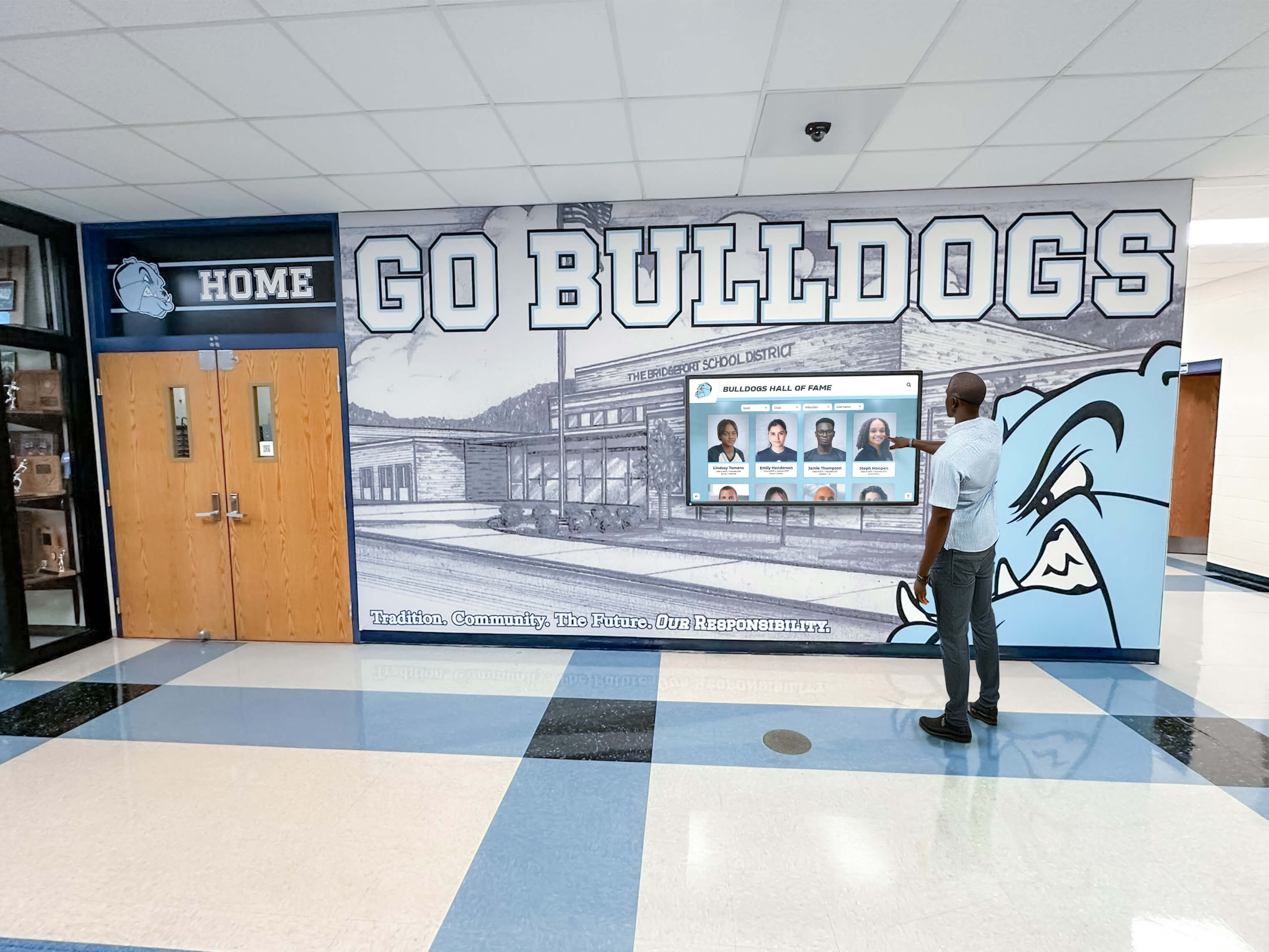
Platform Evaluation and Selection: Assess donor page solutions against weighted criteria including integration capabilities with existing giving platforms and CRM systems avoiding manual data entry, content management ease for non-technical advancement staff without requiring IT expertise for routine updates, real-time update functionality supporting live campaign recognition during high-volume giving periods, social sharing features enabling donor amplification and peer recruitment, mobile optimization ensuring excellent experiences across all devices from smartphones through lobby displays, and total cost of ownership including licensing, support, hosting, and infrastructure over multi-year planning horizons.
For schools and educational institutions specifically, look for platforms offering relevant features including class year and reunion campaign capabilities enabling cohort-specific recognition and engagement, athletic team and program designation supporting sports fundraising initiatives common in educational contexts, parent and grandparent donor categorization accommodating family giving patterns, and alumni directory integration connecting recognition systems with existing constituent databases.
Integration Architecture Planning: Document technical requirements and integration workflows including data flow mapping from giving platforms through recognition systems, authentication and security requirements protecting donor privacy and sensitive information, API availability and webhook configurations enabling automated updates, testing environment needs for quality assurance before production deployment, and backup procedures ensuring data integrity and system reliability during high-traffic campaign periods.
Work closely with IT teams or technology vendors to establish realistic implementation timelines accounting for integration complexity, testing requirements, and inevitable troubleshooting. Rushed integrations create risk of system failures during critical campaign periods—far better to implement simple manual workflows initially while planning more sophisticated automation for subsequent campaigns than attempting overly ambitious integration projects on compressed timelines.
Phase 2: Content Strategy and Recognition Framework Development
Content planning determines whether donor pages deliver genuine stewardship value or become ignored organizational features failing to inspire engagement despite good intentions and significant investment.
Recognition Criteria and Inclusion Standards: Establish clear, transparent standards for Giving Tuesday donor page inclusion including minimum gift thresholds (if any) for recognition eligibility, anonymous giving options for donors preferring privacy despite public recognition opportunities, corporate matching gift attribution determining whether recognition credits employers or employees, recurring gift treatment establishing how monthly or installment commitments receive acknowledgment, and memorial or tribute gift policies addressing recognition for contributions honoring loved ones.
Most organizations implementing Giving Tuesday donor pages adopt fully inclusive approaches recognizing every contributor regardless of gift size—reflecting campaign goals around broad participation and community engagement rather than major gift dependence. Inclusive recognition maximizes social proof demonstrating widespread support while encouraging donors at all capacity levels to participate without concern about minimum thresholds or comparative gift evaluation.
Profile Content Elements and Donor Information Collection: Determine what information donor profiles will display and how organizations will collect required content including standard fields like donor names, locations, affiliations, and giving levels, optional biographical information such as graduation years, program interests, or volunteer involvement, personal testimonials or giving motivations captured through post-donation surveys or follow-up communications, photos or avatars creating visual interest and personal connection, and program designation details explaining which initiatives or priorities gifts support.
Balance desire for rich compelling profiles against practical realities that extensive content collection creates donor friction and staff workload. Many successful implementations launch with basic name and gift level acknowledgment while systematically enriching profiles over time as donors provide additional information through ongoing relationship cultivation rather than requiring extensive data entry during initial campaign participation.
Phase 3: Launch Promotion and Donor Communication Strategy
Even exceptional donor pages serve no purpose if target audiences remain unaware of their existence or fail to understand recognition value. Strategic promotion ensures maximum visibility and engagement from day one.
Pre-Campaign Awareness Building: Generate anticipation and understanding before Giving Tuesday arrives through advance communications explaining new recognition approach and encouraging participation, preview content showing sample donor profiles and platform functionality, social media teasers highlighting recognition benefits and community visibility, ambassador recruitment enlisting enthusiastic donors to promote campaigns within personal networks, and FAQ development addressing common questions about recognition, privacy, and gift processing.
Campaign Day Promotion and Real-Time Engagement: Maximize recognition visibility during peak giving periods through live updates sharing donor counts and campaign progress across social platforms, featured donor spotlights highlighting diverse contributors and personal giving motivations, milestone celebrations marking achievement of interim goals like “100 donors reached” or “$10,000 raised”, real-time recognition notifications encouraging donors to view and share their profiles, and peer challenge campaigns creating friendly competition between class years, athletic teams, or organizational cohorts.
Many organizations discover that real-time campaign dashboards visible in high-traffic physical locations—displayed on lobby screens, in student centers, or at athletic facilities—create buzz and peer recruitment impossible through digital-only promotion. When students, parents, and community members physically see donor counts climbing throughout Giving Tuesday, social proof mechanisms trigger participation from fence-sitters previously hesitant about contributing.
Post-Campaign Sustained Engagement: Extend recognition value beyond immediate campaign conclusion through thank-you communications including direct links to donor recognition pages, impact reports documenting collective achievement and demonstrating how contributions funded specific priorities, periodic updates sharing ongoing program developments and outcomes Giving Tuesday gifts enabled, anniversary recognition celebrating one-year milestones of initial Giving Tuesday participation, and engagement opportunities converting financial donors into volunteer participants or event attendees.
The most successful implementations treat Giving Tuesday donor pages as living year-round resources rather than campaign-specific artifacts, continually refreshing content with impact updates and using recognition as foundation for broader relationship cultivation across multiple touchpoints and engagement opportunities.
Creative Applications Beyond Basic Donor Listing
Organizations discovering donor page flexibility find innovative applications extending recognition impact significantly beyond straightforward name displays while serving broader advancement objectives and institutional priorities.
Integrated Volunteer Recruitment and Service Opportunity Showcases
Leading schools and nonprofits recognize that financial contributions represent just one form of support—volunteer service, mentorship participation, and advocacy often create equal or greater value than monetary gifts alone. Progressive donor page implementations integrate volunteer recruitment directly within recognition systems.
Service Opportunity Integration: Connect donor recognition with volunteer needs through profiles highlighting donors who also serve as volunteers or mentors demonstrating multi-dimensional engagement, embedded service opportunity listings relevant to donor interests and program designations, one-click volunteer interest forms allowing donors to express availability and preferences, impact documentation showing volunteer hour contributions alongside financial gifts, and community service challenges encouraging donors to expand involvement beyond financial support.
This integration creates natural pathways converting financial donors into more deeply engaged community members while honoring the reality that many supporters possess limited financial capacity but substantial time availability and professional expertise valuable for organizational missions. Schools particularly benefit from approaches celebrating both giving and service, reflecting educational values around holistic engagement and reciprocal community relationships.
Multi-Campaign Recognition and Comprehensive Giving History Tracking
While Giving Tuesday generates concentrated annual attention, many donors maintain relationships across multiple campaigns and giving opportunities throughout years of organizational connection. Advanced donor page implementations accommodate this complexity through comprehensive giving history documentation.
Lifetime Giving Profiles: Expand beyond single-campaign recognition to showcase cumulative donor relationships including lifetime giving totals aggregating all contributions across multiple campaigns and years, campaign participation history documenting Giving Tuesday involvement alongside annual fund, capital campaigns, and special initiatives, giving society recognition celebrating milestone achievement levels like “$5,000 lifetime giving” or “10-year consecutive donor”, and progression visualization showing giving growth and deepening commitment over time.
This comprehensive approach serves multiple strategic purposes: it honors longtime faithful supporters demonstrating sustained commitment beyond single campaign moments, creates aspirational pathways encouraging progressive giving growth as donors see themselves advancing toward higher recognition tiers, and facilitates major gift cultivation by documenting existing relationship depth and philanthropic capacity demonstrated through giving patterns over time.
Integration with Physical Recognition Displays and Hybrid Approaches
Many organizations—particularly schools with significant campus foot traffic and tradition-conscious stakeholders—discover that combining digital donor pages with physical lobby displays creates powerful hybrid recognition systems delivering advantages neither approach achieves independently.
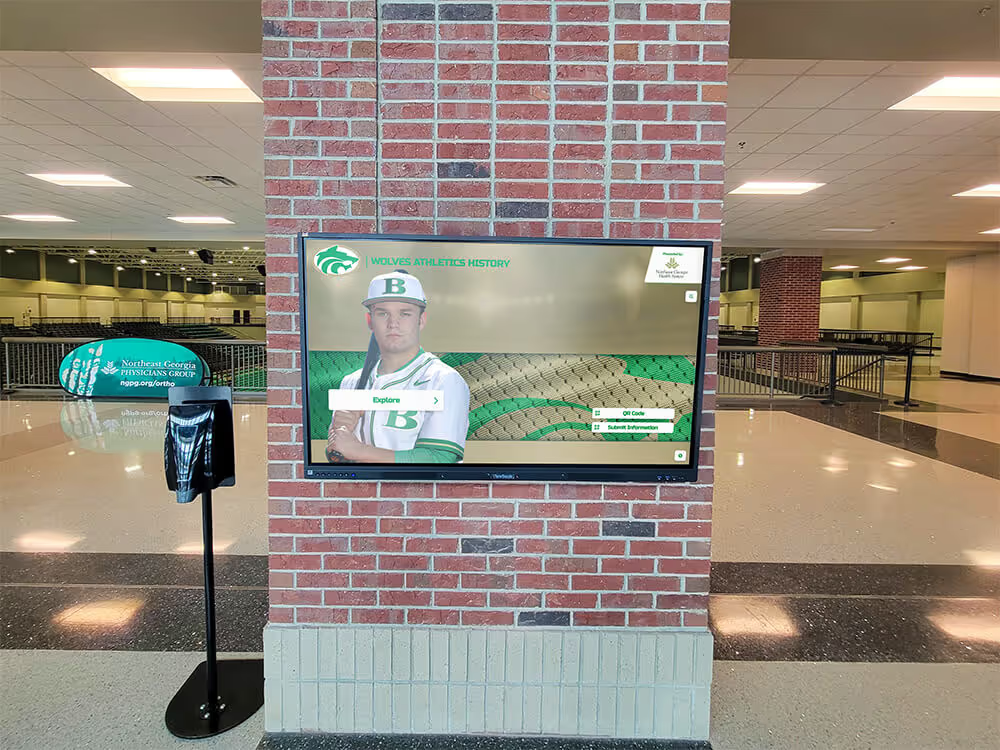
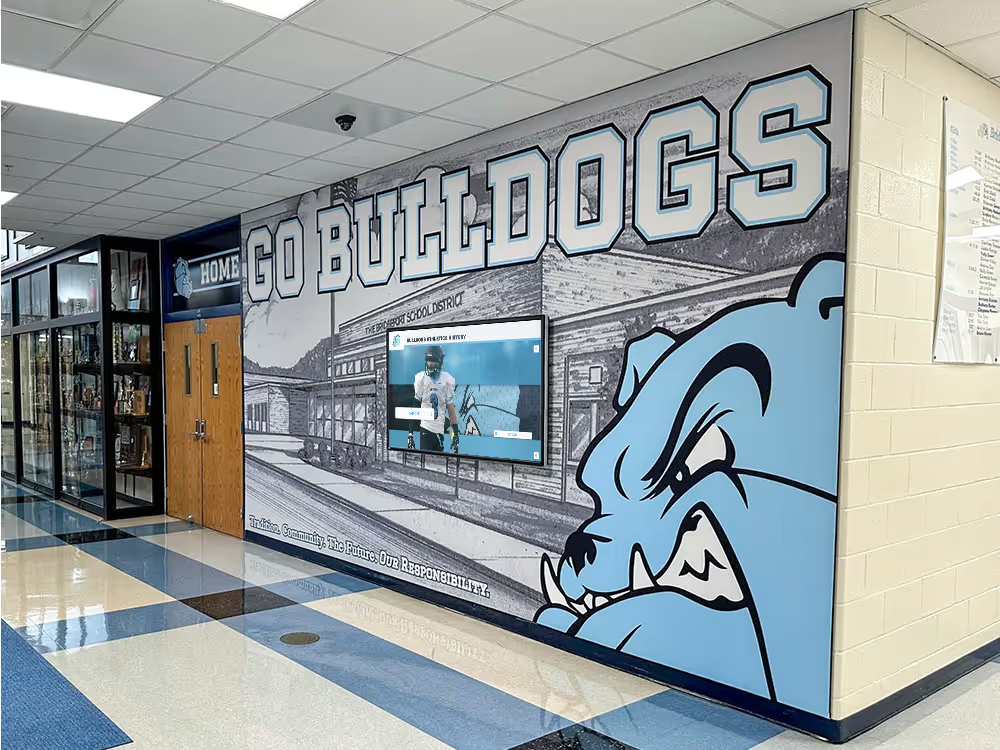
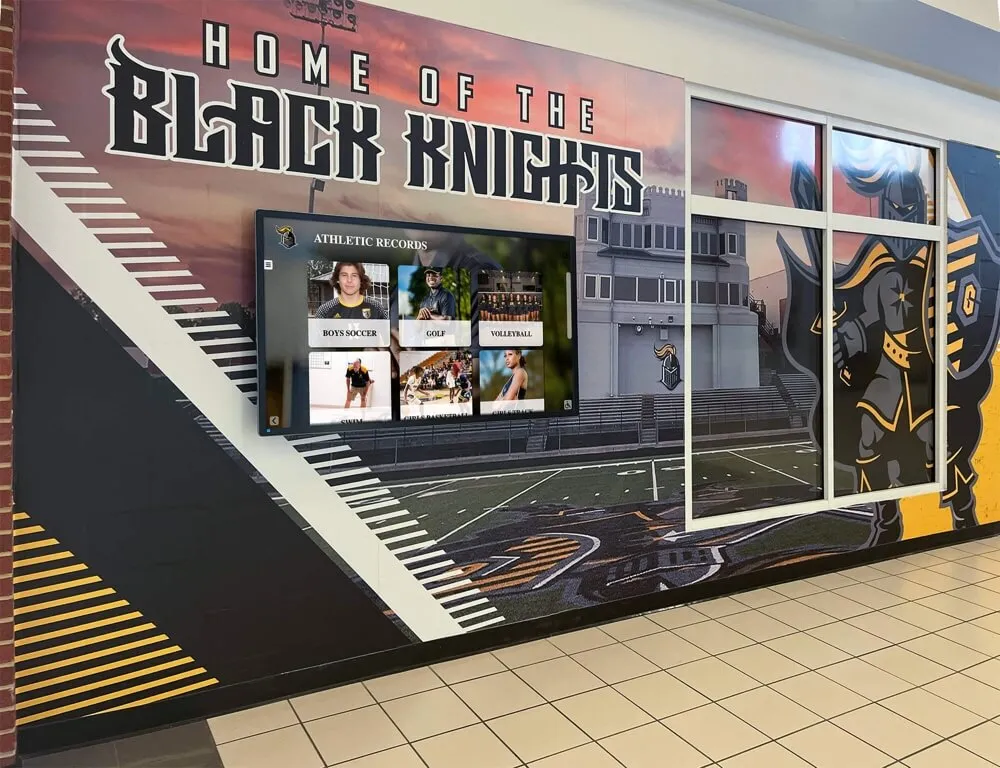
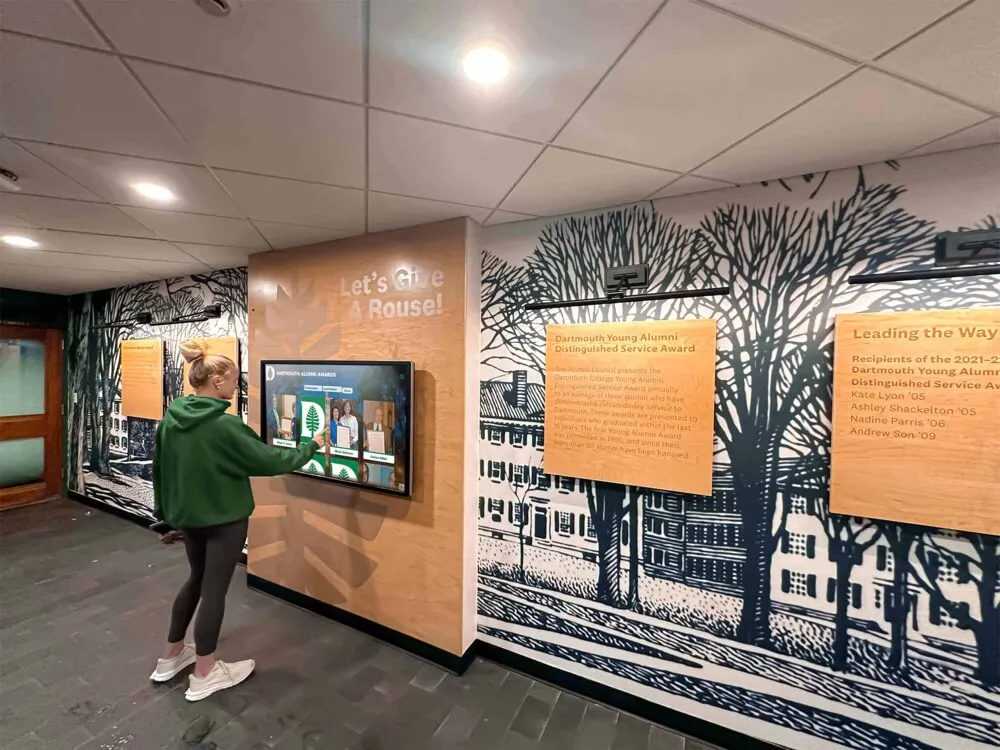
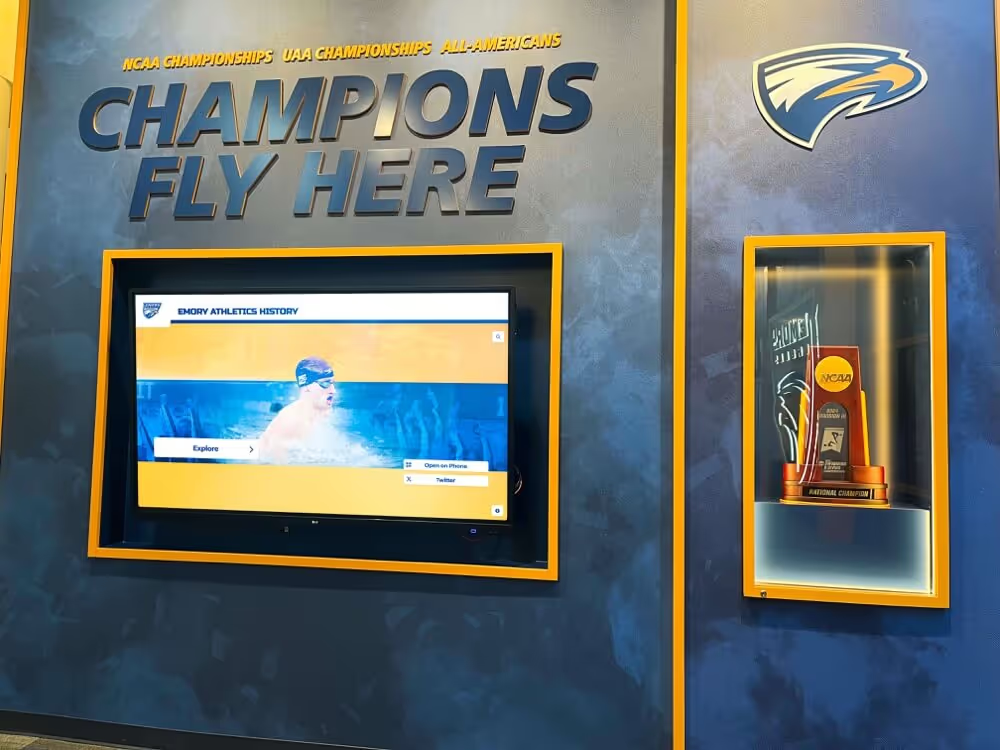
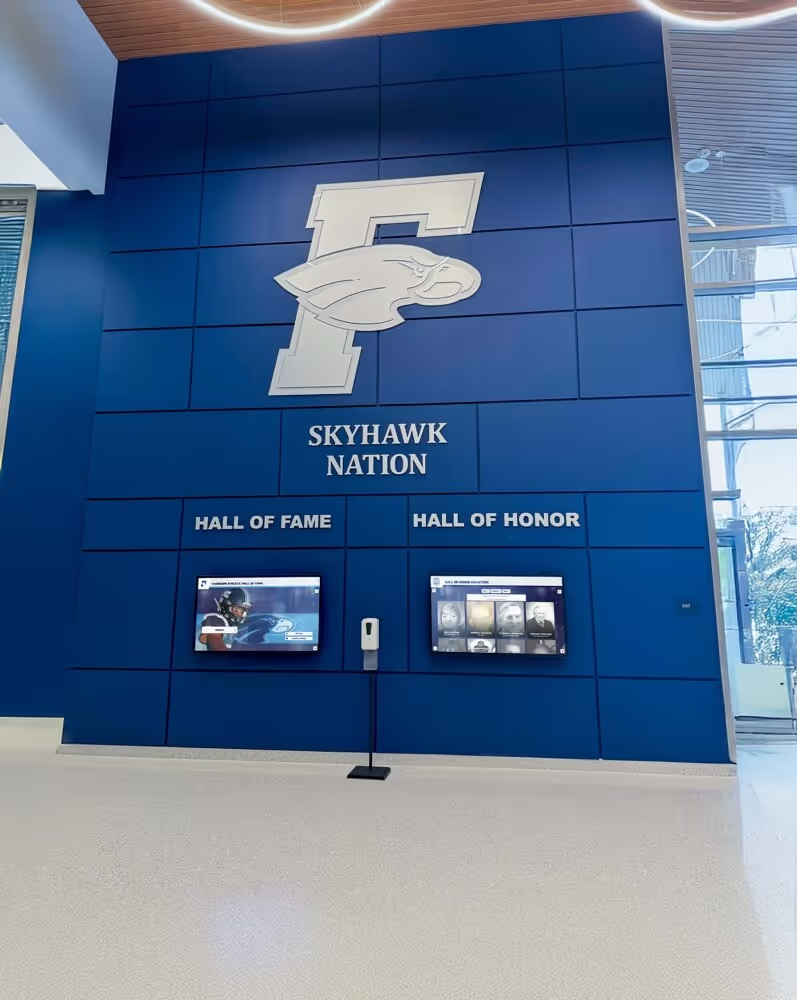
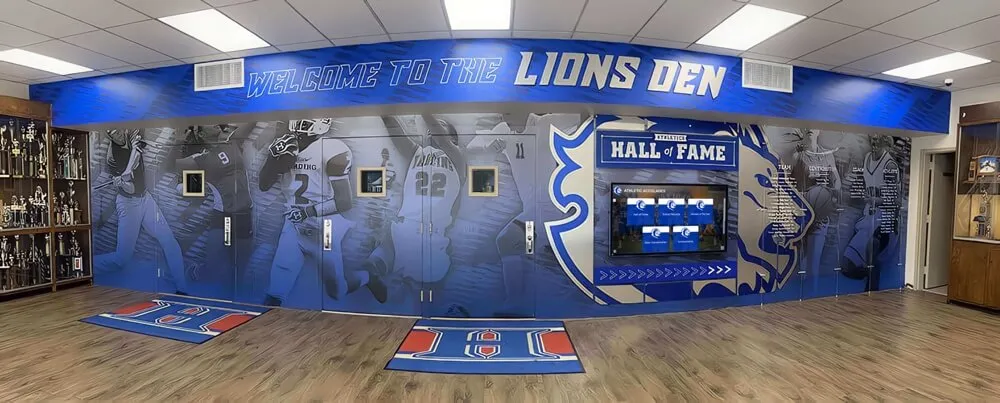
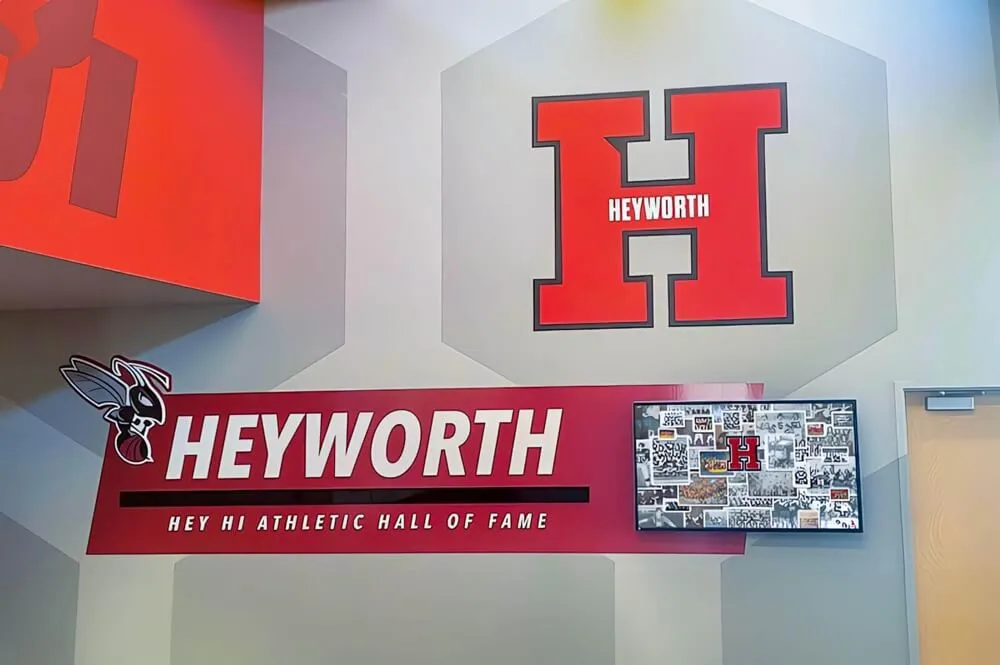
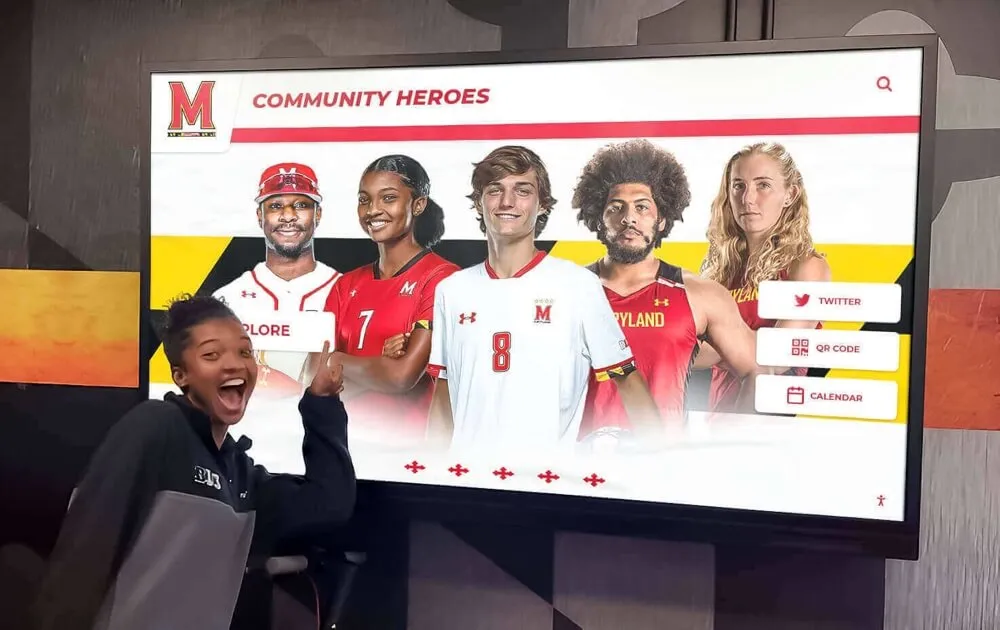
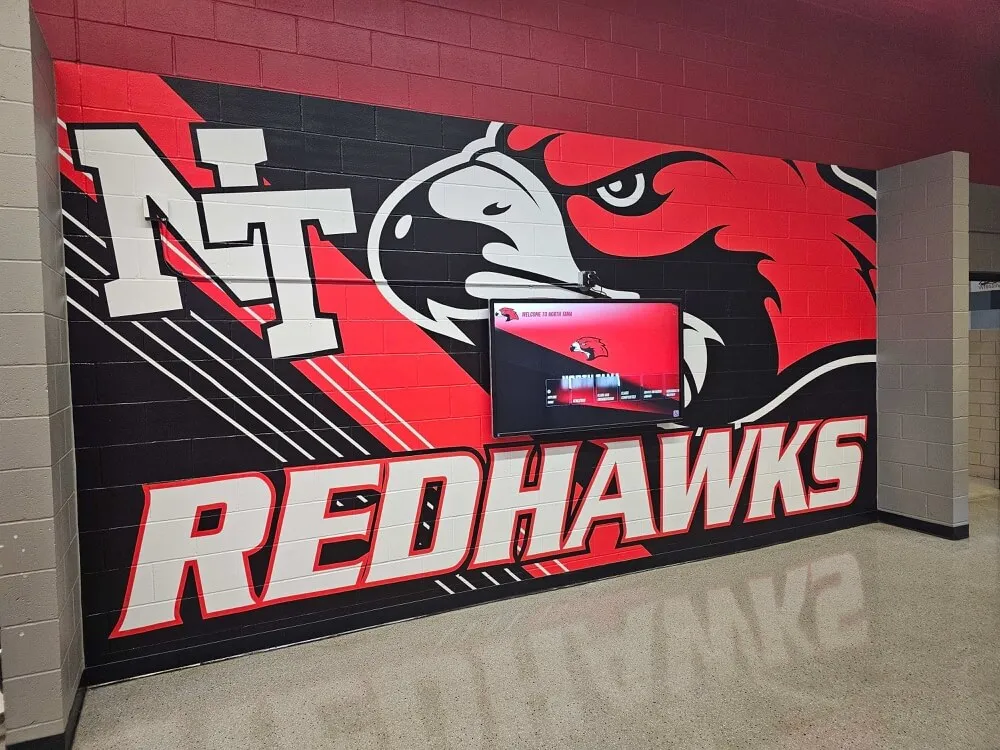
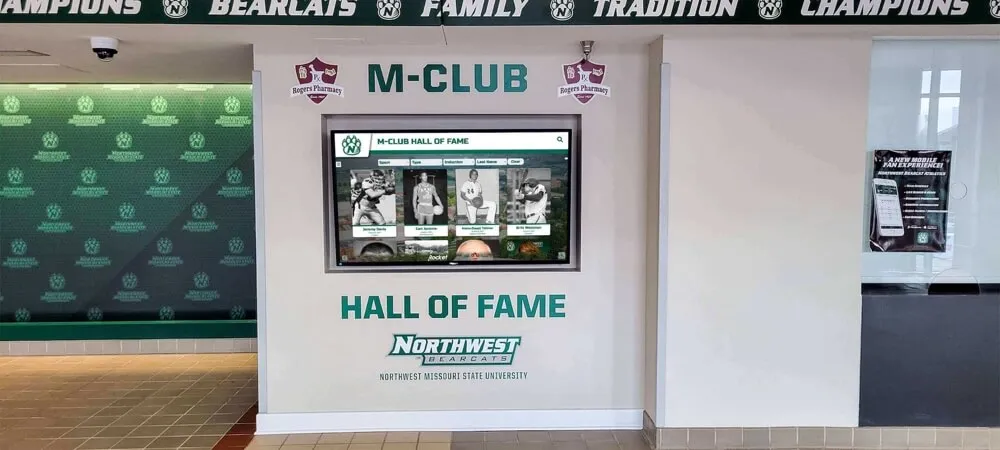
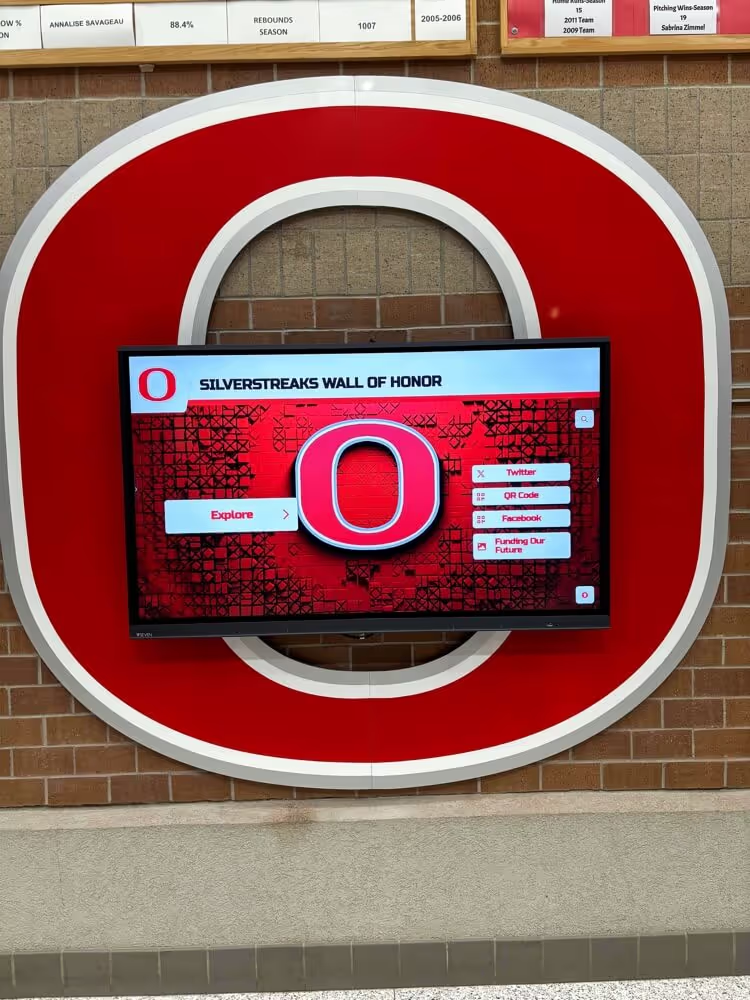
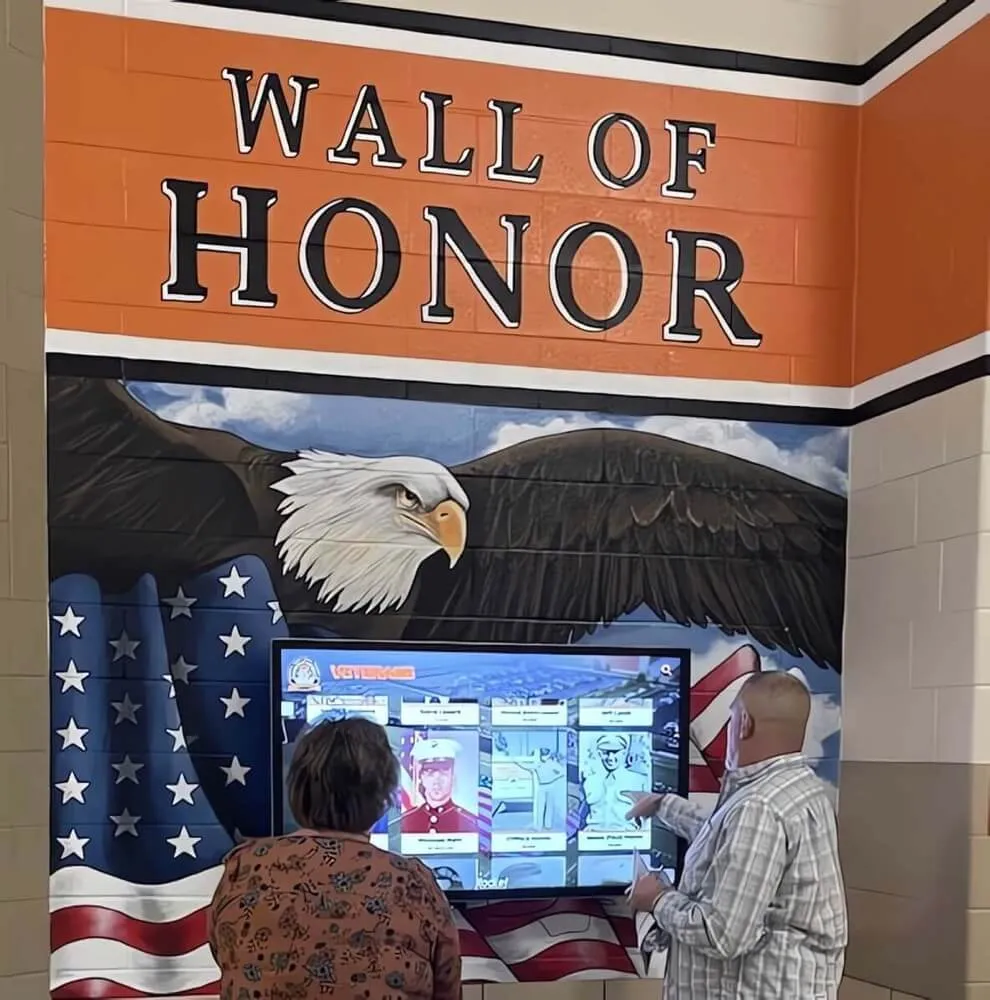
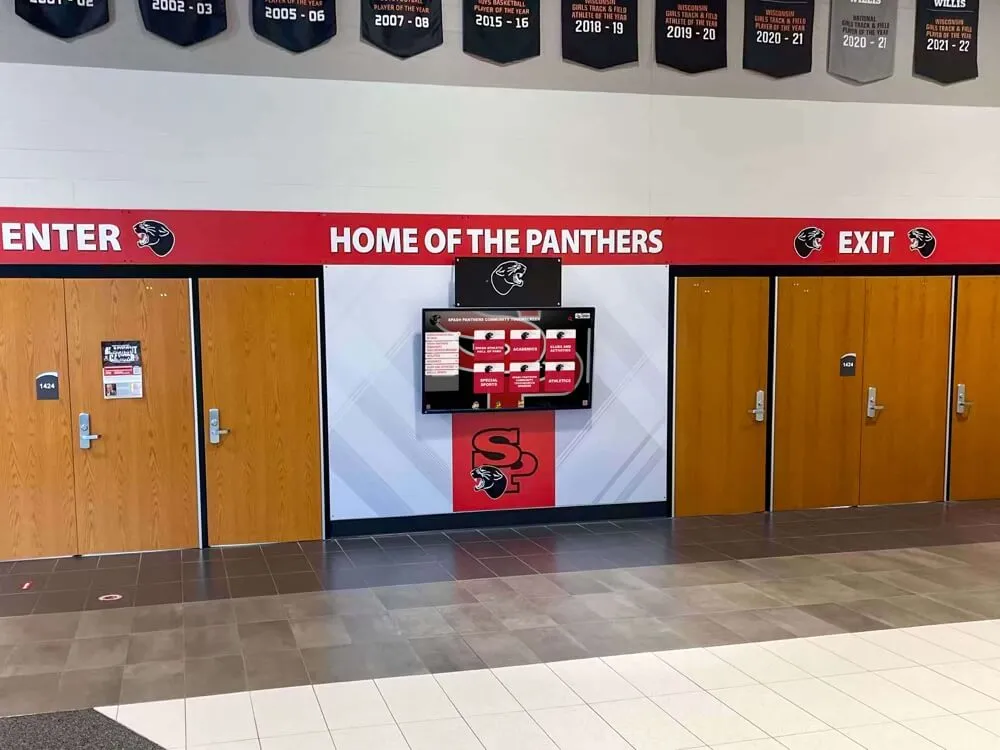
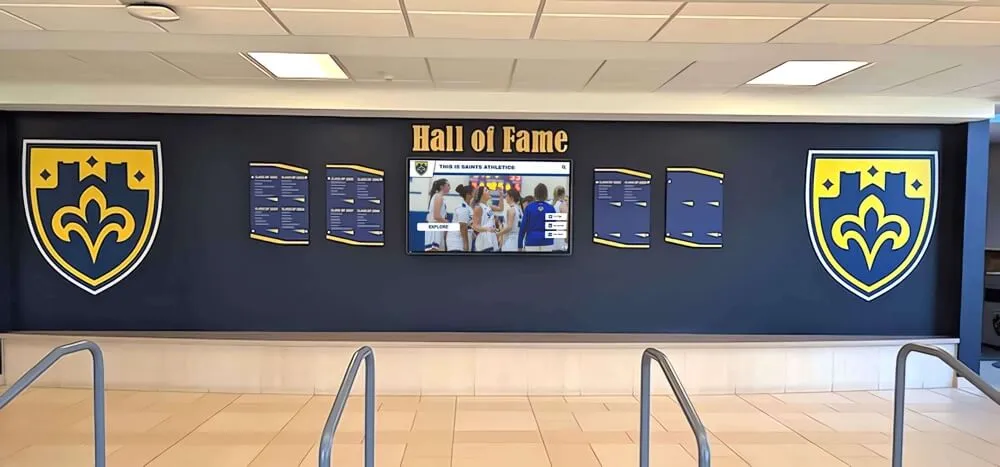
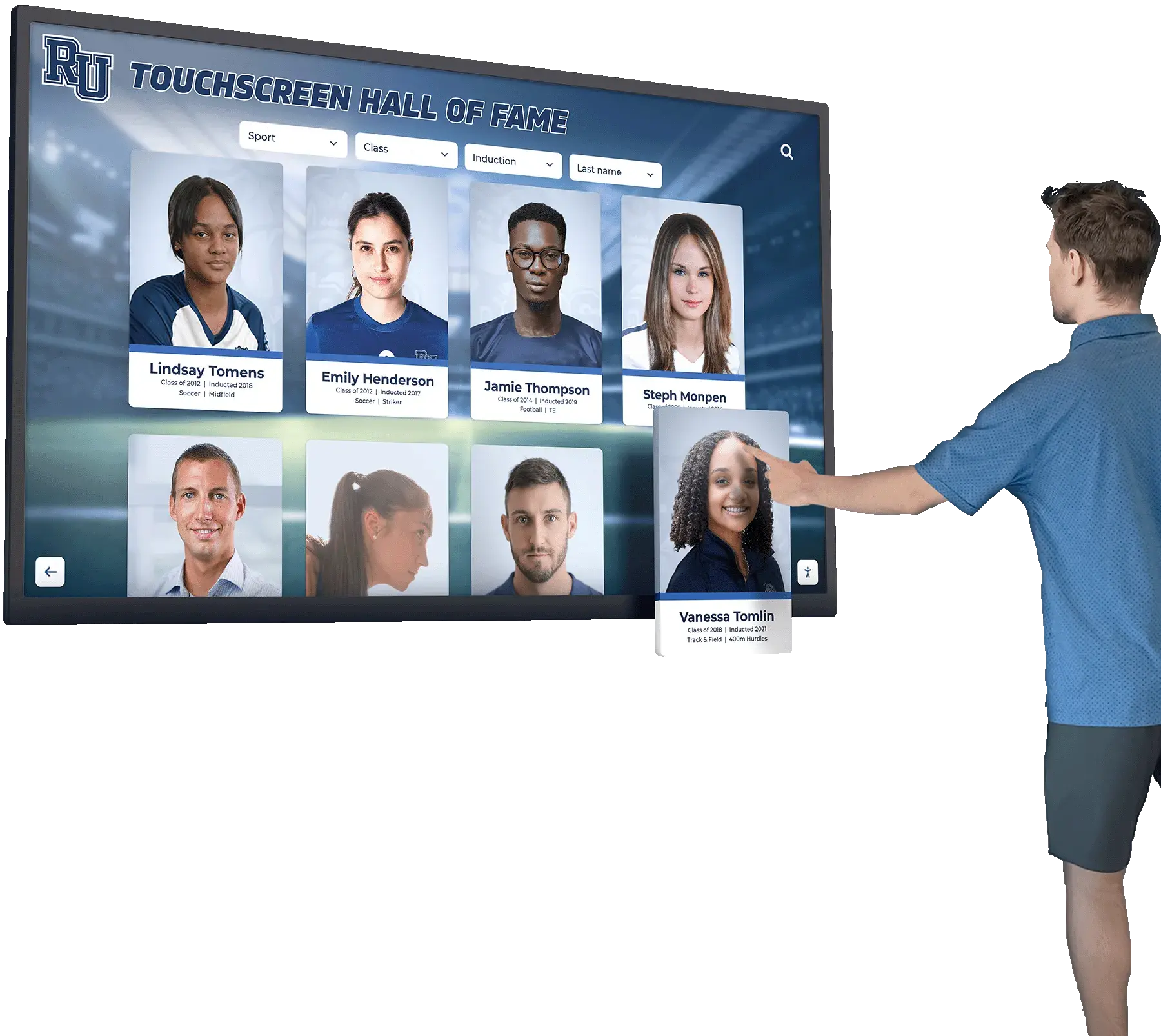
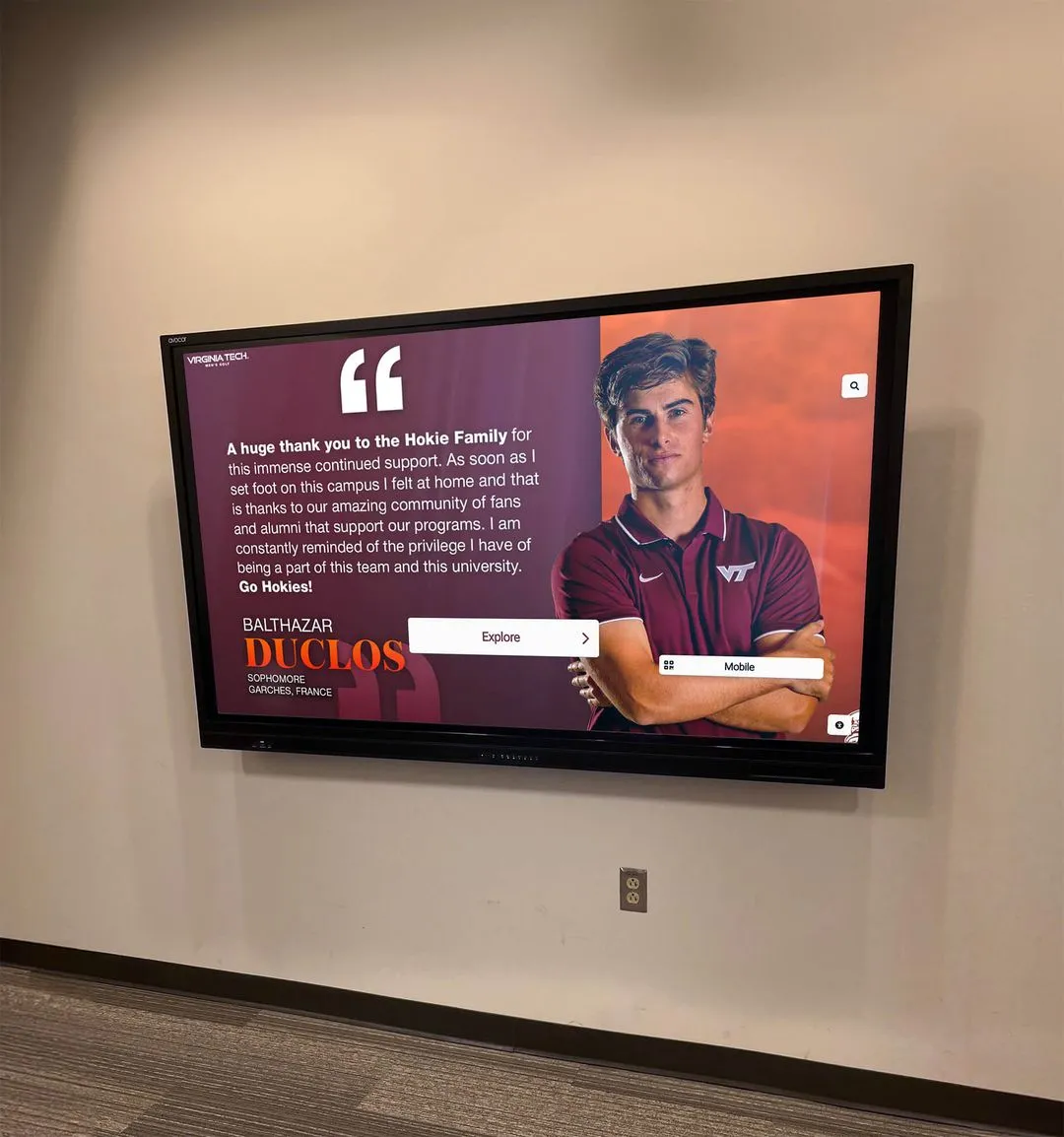
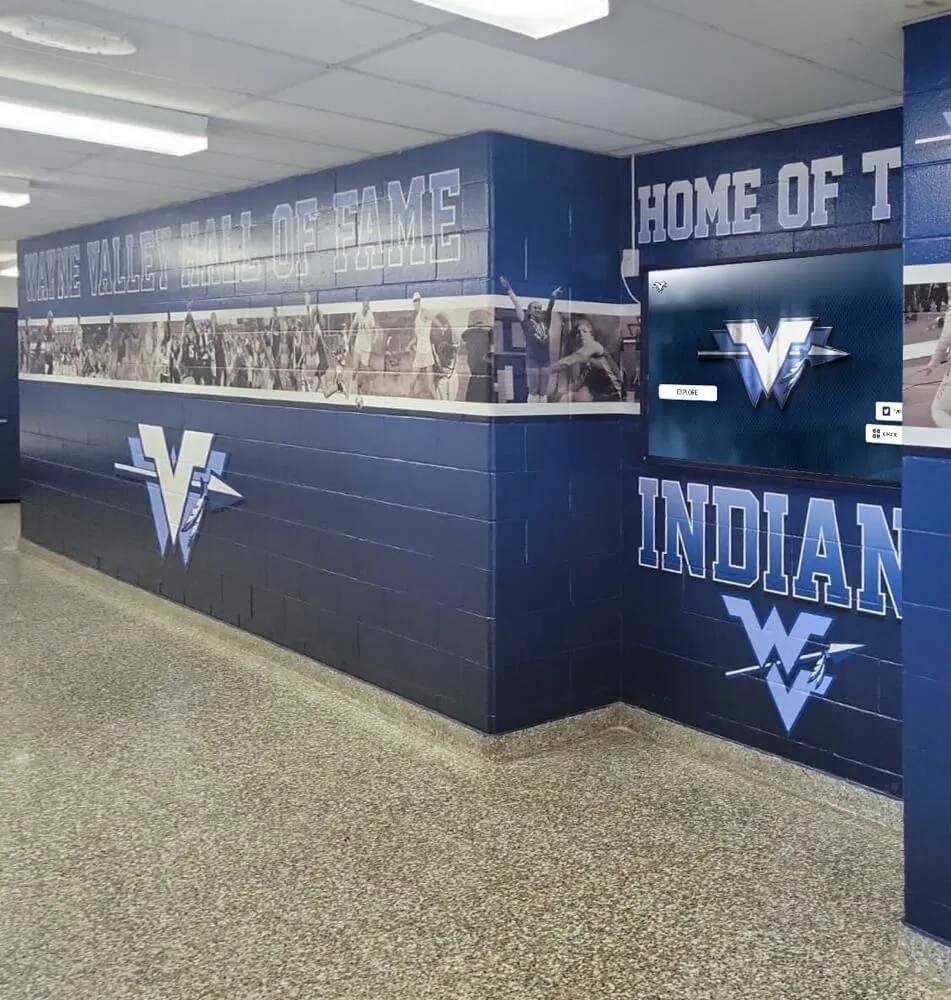
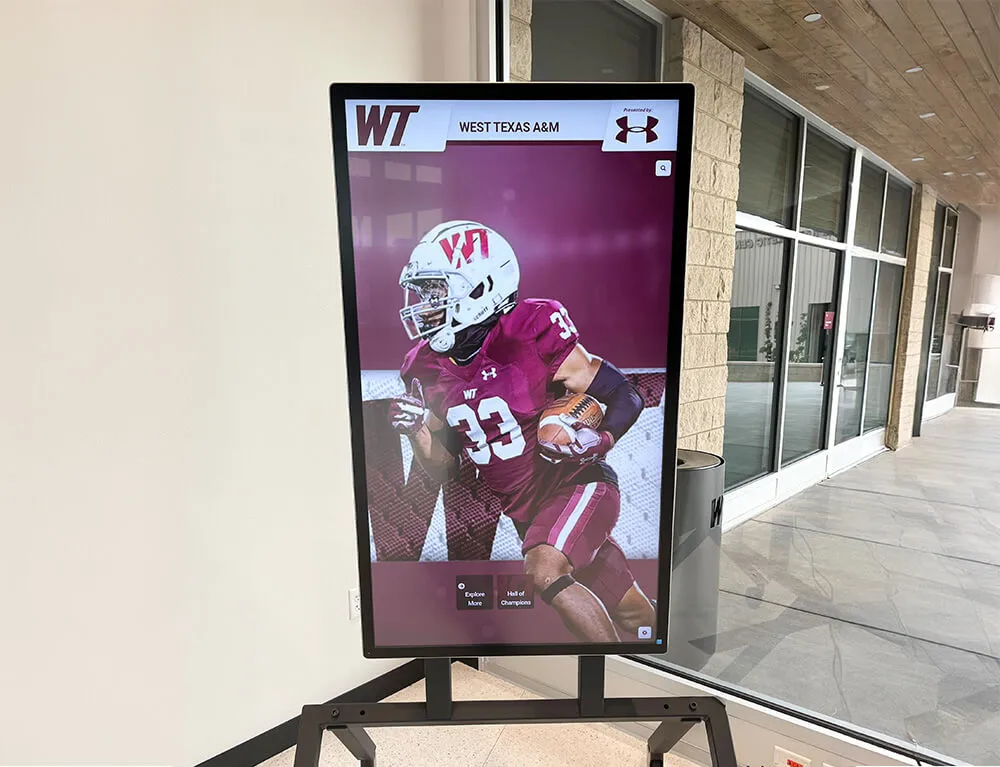
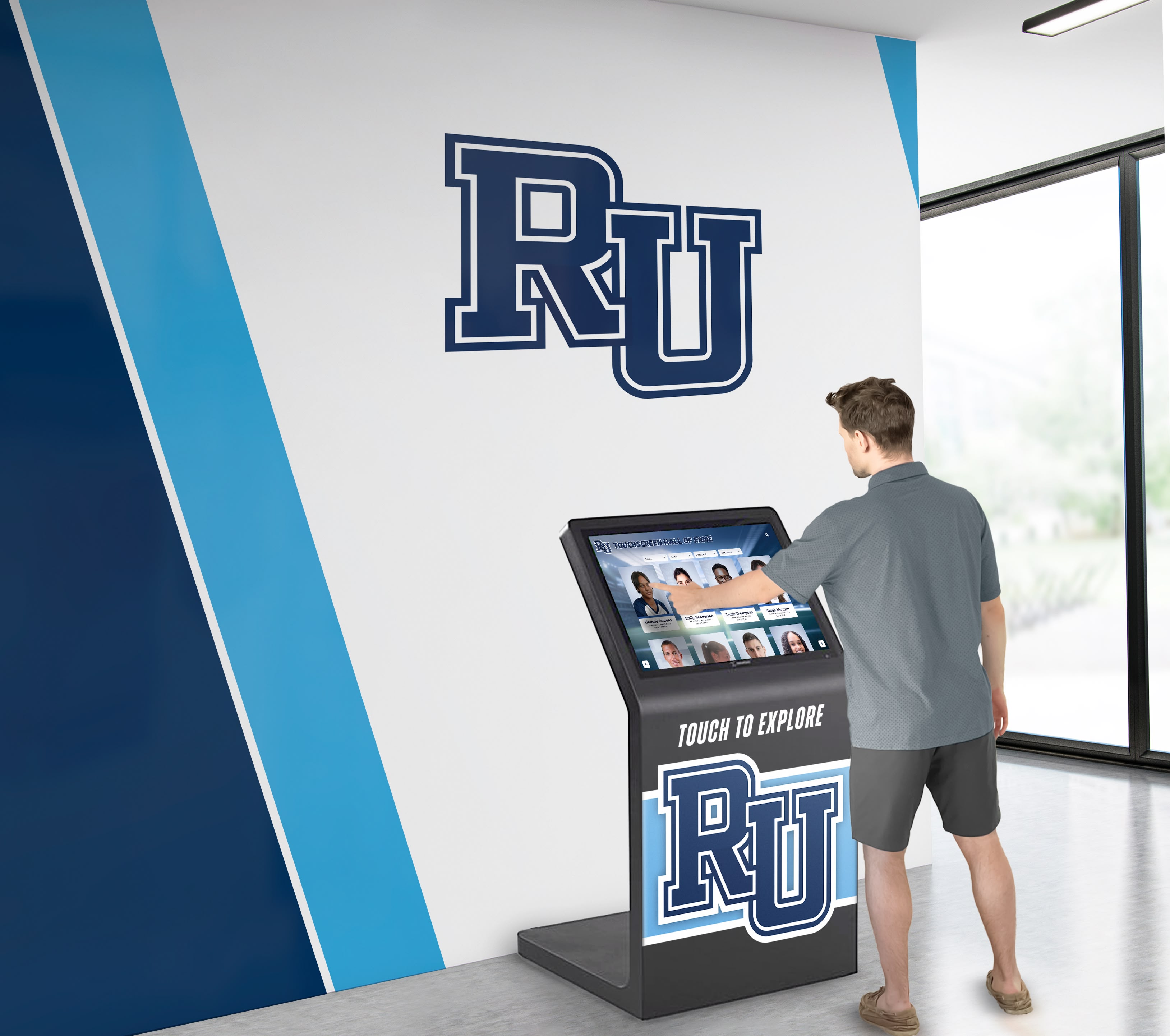
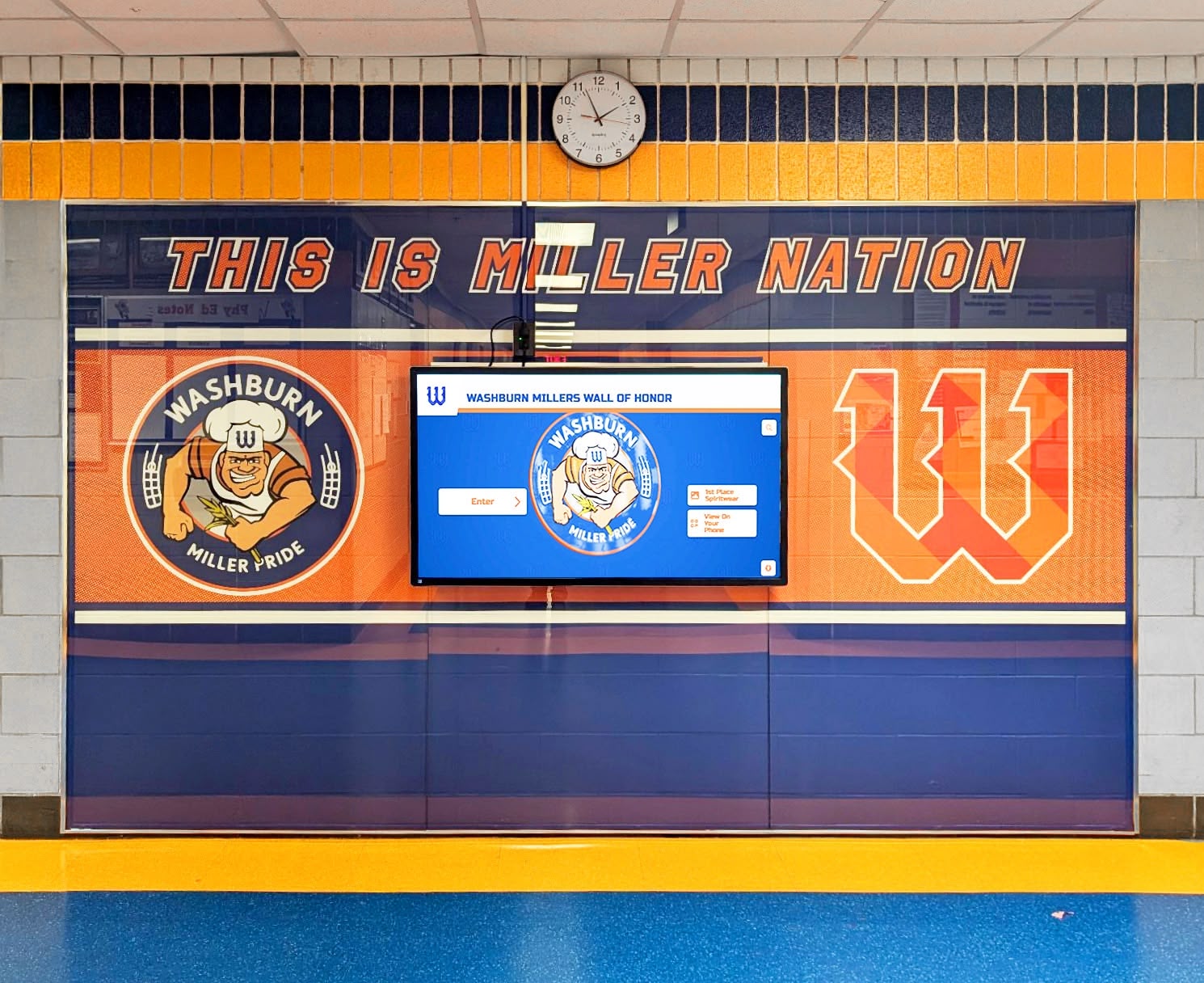
Physical-Digital Integration Strategies: Effective hybrid implementations include large-format touchscreen displays in high-traffic locations running donor page interfaces for physical exploration, QR code bridges on physical plaques or signage linking to expanded digital profiles with multimedia content, coordinated branding and design language ensuring cohesive recognition experiences across platforms, and strategic content distribution placing highest-tier donors in both physical and digital recognition while using digital platforms for comprehensive inclusive acknowledgment.
This balanced approach honors institutional traditions and stakeholder preferences for physical presence while solving practical limitations through unlimited digital capacity, addresses diverse audience expectations across generational cohorts with different technology comfort levels, and maximizes recognition visibility through multiple touchpoints increasing likelihood supporters encounter their acknowledgment.
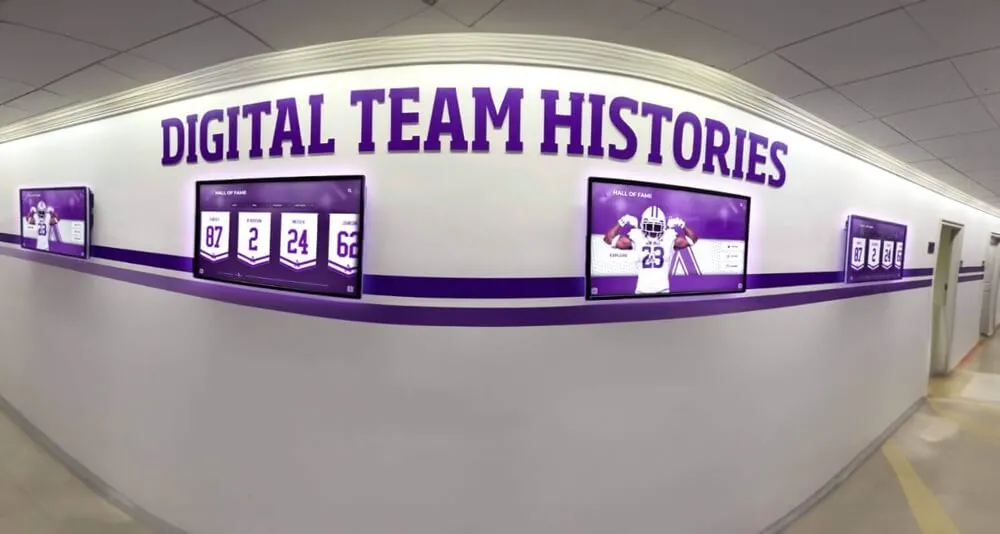
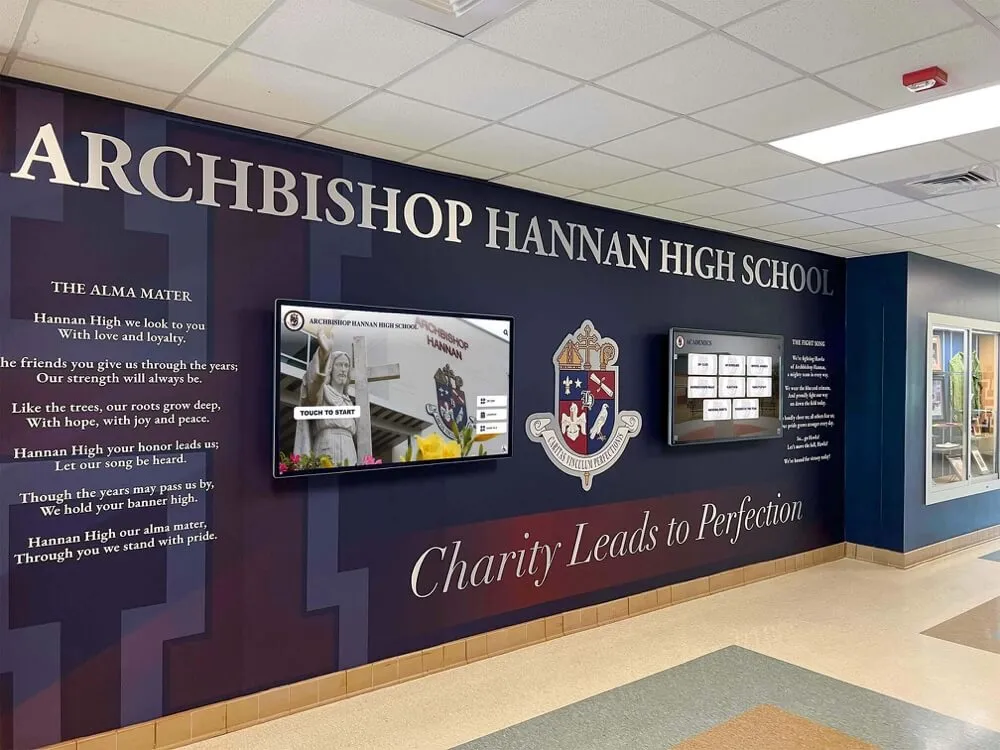
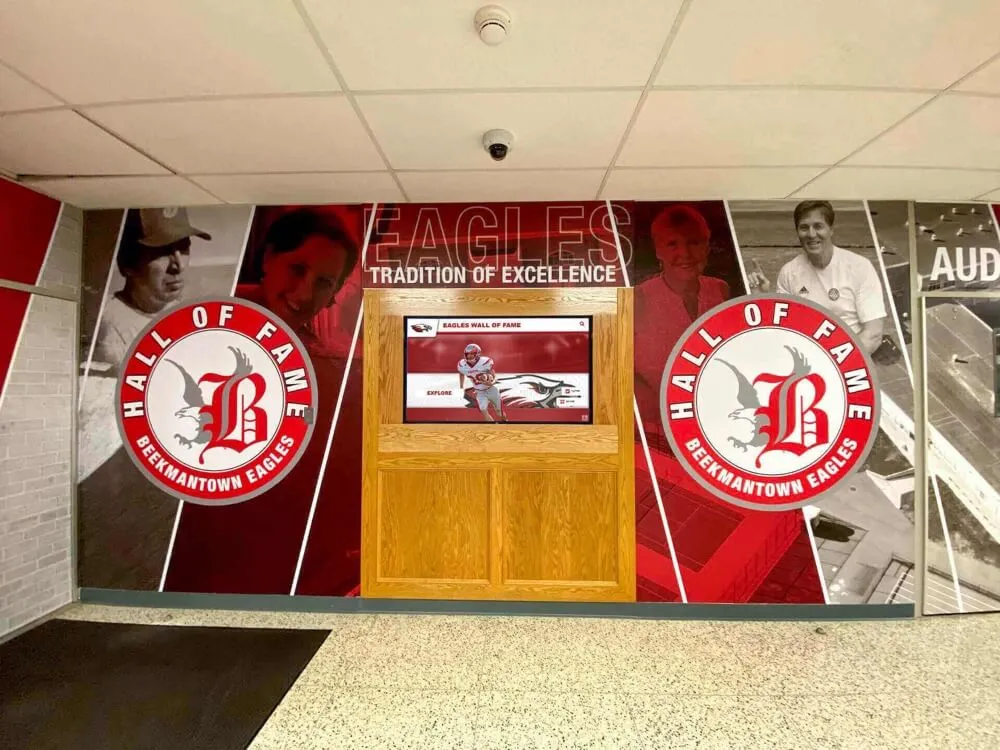
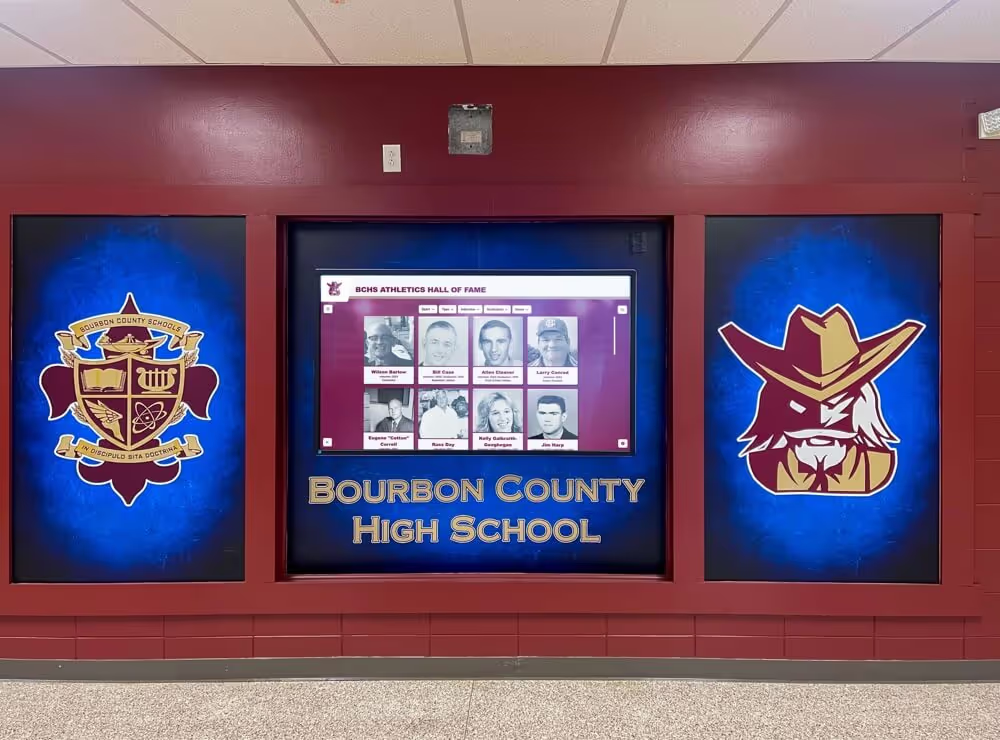
Resources on touchscreen recognition displays provide implementation guidance for organizations exploring physical-digital integration options that complement web-based donor page platforms while creating compelling lobby experiences showcasing institutional gratitude and donor support breadth.
Overcoming Common Implementation Challenges
Organizations implementing Giving Tuesday donor pages encounter predictable obstacles that tested approaches address effectively through strategic planning and systematic problem-solving.
Limited Technical Resources and Integration Complexity
Many schools and nonprofits lack dedicated IT staff or advancement technology specialists, creating concerns about implementation complexity and ongoing system management requirements exceeding organizational capacity.
Solution Approaches:
- Select user-friendly platforms prioritizing intuitive interfaces that non-technical staff can manage without specialized training or ongoing IT support
- Pursue phased integration strategies beginning with manual CSV upload workflows while systematically building more sophisticated automation as resources and expertise develop
- Leverage vendor implementation support and training ensuring advancement teams feel confident managing systems independently after initial deployment
- Document standard operating procedures for common tasks like adding new donors, updating profiles, or troubleshooting basic issues creating sustainable knowledge base surviving staff transitions
- Explore partnership opportunities with technology volunteers or pro-bono consultants often available through corporate giving programs or professional networks

Donor Privacy Concerns and Recognition Preference Management
Some supporters prefer privacy despite generous giving, creating tension between public recognition goals and respect for individual preferences around visibility and acknowledgment.
Best Practices for Privacy Management:
- Provide clear opt-out mechanisms during donation processes allowing donors to decline public recognition
- Honor privacy preferences completely without suggesting that anonymity disappoints organizational expectations
- Offer tiered privacy options including complete anonymity, acknowledgment with location but no full name, or recognition using initials rather than complete identification
- Communicate privacy policies transparently explaining exactly how donor information will be used and displayed
- Establish review processes allowing donors to preview and approve profiles before public visibility
Organizations demonstrating genuine respect for privacy preferences build trust encouraging larger gifts and estate provisions from supporters valuing confidentiality—often discovering that thoughtful privacy accommodation actually increases overall giving by honoring diverse donor motivations and comfort levels around public acknowledgment.
Maintaining Engagement and Content Freshness After Campaign Conclusion
Initial Giving Tuesday excitement often fades without intentional strategies maintaining donor page relevance and community interest beyond November campaign windows.
Sustained Engagement Strategies:
- Establish quarterly content update schedules adding impact stories, program developments, and outcome documentation demonstrating how Giving Tuesday gifts continue creating value
- Implement featured donor rotation highlighting different contributors monthly through homepage placements or social media spotlights
- Leverage event-based promotion creating periodic engagement spikes around homecoming, reunions, athletic contests, or graduation ceremonies
- Use anniversary recognition celebrating one-year, five-year, or decade milestones of initial Giving Tuesday participation
- Integrate donor pages with ongoing programs like giving societies, volunteer initiatives, or alumni engagement activities creating natural touchpoints beyond single campaigns
The most successful implementations adopt continuous improvement mindsets rather than “set and forget” approaches, treating donor pages as living recognition infrastructure requiring ongoing attention and enhancement rather than static campaign artifacts created once and abandoned.
Measuring Success: Key Performance Indicators for Donor Page Programs
Systematic evaluation ensures donor page investments deliver measurable value advancing organizational priorities rather than merely consuming resources without producing tangible advancement outcomes.
Immediate Campaign Performance Metrics
During active Giving Tuesday periods, monitor real-time indicators revealing campaign momentum and recognition system effectiveness including total donor participation counts compared to prior year baselines, average gift sizes and overall funds raised through campaign efforts, social share volumes and viral reach measuring organic amplification through donor networks, recognition page traffic and engagement time revealing how donors interact with acknowledgment, and conversion rates tracking what percentage of page visitors become campaign contributors.
Significant increases in donor participation breadth (even if average gift sizes decline) often indicate that inclusive recognition approaches successfully inspire broader community engagement rather than depending exclusively on major gift concentration. Many schools discover that 300 donors averaging $100 creates more sustainable long-term value than 50 donors averaging $600—both because retention rates improve with inclusive participation and because broader engagement provides larger prospect pools for future major gift cultivation.
Long-Term Retention and Donor Development Outcomes
Beyond immediate campaign results, assess how donor page investments affect ongoing relationship quality and advancement capacity including first-to-second gift retention rates comparing donors receiving robust recognition versus minimal acknowledgment, average time between consecutive gifts revealing whether recognition accelerates giving frequency, donor lifetime value calculations measuring total contribution over multi-year relationships, volunteer conversion rates tracking financial donors who become service participants, and major gift pipeline development monitoring how initial Giving Tuesday donors progress toward leadership giving levels.
Research consistently demonstrates that recognized donors demonstrate 35-45% higher second-gift rates, 25-30% shorter intervals between consecutive contributions, and 3-4 times higher likelihood of volunteering or attending events compared to minimally acknowledged peers. Organizations discovering these patterns recognize donor pages as strategic infrastructure investments generating compounding returns across multiple years rather than merely campaign-specific acknowledgment expenses.
Qualitative Feedback and Stakeholder Satisfaction
Complement quantitative metrics with qualitative insights revealing how stakeholders perceive and value recognition systems through periodic donor surveys assessing satisfaction with acknowledgment experiences and desired enhancements, focus groups exploring specific questions about recognition preferences across demographic segments, social media sentiment analysis monitoring how donors discuss and share recognition experiences, staff feedback from advancement teams using systems for cultivation conversations and stewardship reporting, and leadership assessment of recognition alignment with institutional values and strategic priorities.
Balanced evaluation combining quantitative performance data with qualitative stakeholder insights provides comprehensive understanding enabling data-informed optimization while remaining grounded in mission advancement and relationship building rather than merely pursuing metric improvement disconnected from authentic stewardship objectives.
The Future of Giving Tuesday Recognition: Emerging Trends and Capabilities
Donor recognition technology and fundraising practices continue evolving with emerging capabilities promising enhanced engagement, expanded applications, and deeper supporter relationships through innovation and strategic creativity.
Artificial Intelligence and Personalized Donor Experiences
AI integration will enable sophisticated features improving discovery, content development, and individualized engagement including intelligent donor matching connecting contributors with shared interests or common affiliations, automated impact reporting generating personalized stewardship communications based on individual giving patterns, natural language search supporting conversational queries beyond keyword matching, predictive analytics identifying donors ready for upgrade conversations or at risk of attrition, and content generation assistance helping advancement teams efficiently create compelling profile narratives and impact documentation.
Blockchain Verification and Transparent Impact Tracking
Emerging technologies may enable unprecedented transparency connecting individual contributions to specific outcomes through distributed ledger systems documenting exactly how donations funded particular programs, smart contracts automatically triggering recognition updates when donation milestones occur, verified impact credentials providing cryptographically authenticated documentation of giving and outcomes, and decentralized donor networks creating peer-to-peer fundraising ecosystems complementing institutional campaigns.
While still largely experimental in nonprofit contexts, blockchain applications represent logical extensions of transparency and accountability values driving effective donor stewardship—potentially transforming how organizations document and communicate philanthropic impact to increasingly skeptical supporters demanding verifiable evidence of mission effectiveness.
Comprehensive Recognition Integration Across Organizational Systems
Leading institutions will expand recognition beyond isolated donor pages to comprehensive community documentation including volunteer service appreciation celebrating non-financial contributions alongside giving, employee recognition programs honoring internal support and workplace giving participation, student achievement showcases connecting beneficiary success stories with donor generosity enabling opportunities, and community partner acknowledgment thanking collaborative organizations advancing shared missions creating complete ecosystem mapping of organizational relationships and interdependencies.
This holistic approach positions donor recognition as component of broader relationship documentation systems capturing full richness of community connections rather than treating financial contributions as isolated from other forms of engagement, support, and mutual benefit characterizing healthy institutional ecosystems.
Conclusion: Building Sustainable Fundraising Through Strategic Recognition
Giving Tuesday donor pages represent strategic investments in sustainable advancement infrastructure that extends single-day campaign impact into year-round engagement and relationship cultivation. Whether organizations choose simple web-based directories, sophisticated interactive platforms, or hybrid approaches combining digital and physical recognition, the core objective remains constant: honoring individual generosity while strengthening collective philanthropic culture that sustains organizational missions across seasons and generations.
The most successful Giving Tuesday recognition programs share common characteristics including comprehensive inclusive coverage ensuring appropriate acknowledgment across all giving levels from modest first-time donors through transformational benefactors, real-time integration capabilities connecting recognition seamlessly with giving platforms for immediate donor gratification, compelling impact documentation demonstrating tangible outcomes collective generosity enables, robust social sharing features facilitating viral amplification through donor networks, ongoing content enhancement maintaining relevance and engagement beyond campaign conclusion, and strategic measurement frameworks ensuring recognition investments deliver measurable advancement outcomes.
For schools, colleges, and nonprofits beginning new recognition programs or modernizing existing systems, specialized platforms like Rocket Alumni Solutions provide purpose-built solutions designed specifically for educational and mission-driven contexts. These comprehensive systems combine intuitive content management that non-technical advancement staff can update easily, professional presentation templates ensuring consistent quality across thousands of donor profiles, powerful discovery tools helping community members find relevant content and connect with shared values, flexible integration capabilities accommodating diverse technology ecosystems, and reliable vendor support ensuring recognition programs achieve stewardship objectives without overwhelming limited organizational resources.
Beyond immediate Giving Tuesday acknowledgment purposes, effective donor pages create lasting organizational benefits including strengthening donor retention through meaningful appreciation encouraging continued giving patterns, accelerating major gift cultivation with compelling recognition demonstrations during prospect conversations, inspiring broader community participation through successful donor role models and peer social proof, building philanthropic culture normalizing generous support as expected community practice, enhancing transparency demonstrating tangible impacts and responsible stewardship, and creating year-round engagement infrastructure connecting financial contributors with volunteer opportunities and ongoing institutional life.
Every Giving Tuesday donor deserves recognition honoring their contributions appropriately while demonstrating genuine organizational gratitude. Every school and nonprofit deserves comprehensive tools celebrating philanthropy while engaging contemporary supporters effectively across communication preferences and technological expectations. Strategic Giving Tuesday donor pages—whether simple directories or sophisticated interactive platforms—make these aspirations achievable for organizations committed to stewardship excellence while building lasting relationships that sustain missions across generations.
Ready to transform your Giving Tuesday campaign from single-day fundraising sprint into year-round engagement infrastructure? Explore how Rocket Alumni Solutions delivers comprehensive recognition platforms designed specifically for schools and nonprofits seeking to honor donors without space limitations, complex technology management, or prohibitive costs. Create centralized donor pages that showcase every contributor, demonstrate transparent impact, and drive continued giving while building community connections that advance your mission for years to come.