



Fundraising galas represent high-stakes opportunities where organizations invest substantial resources to connect with major donors, celebrate support, and inspire future giving. These signature events combine elegant atmospheres, compelling storytelling, and strategic donor engagement to generate revenue while building long-term relationships. Yet many organizations struggle to create galas that achieve financial goals while delivering memorable experiences that strengthen donor commitment beyond a single evening.
The most successful fundraising galas in 2026 move beyond transactional fundraising to create celebration experiences that honor existing supporters, demonstrate organizational impact clearly, and provide natural opportunities for increased giving without uncomfortable pressure. Organizations implementing strategic gala approaches report not just event-night revenue increases, but sustained growth in donor retention, major gift commitments, and volunteer engagement that extends impact far beyond immediate fundraising totals.
Strategic Gala Planning Creates Lasting Donor Connections
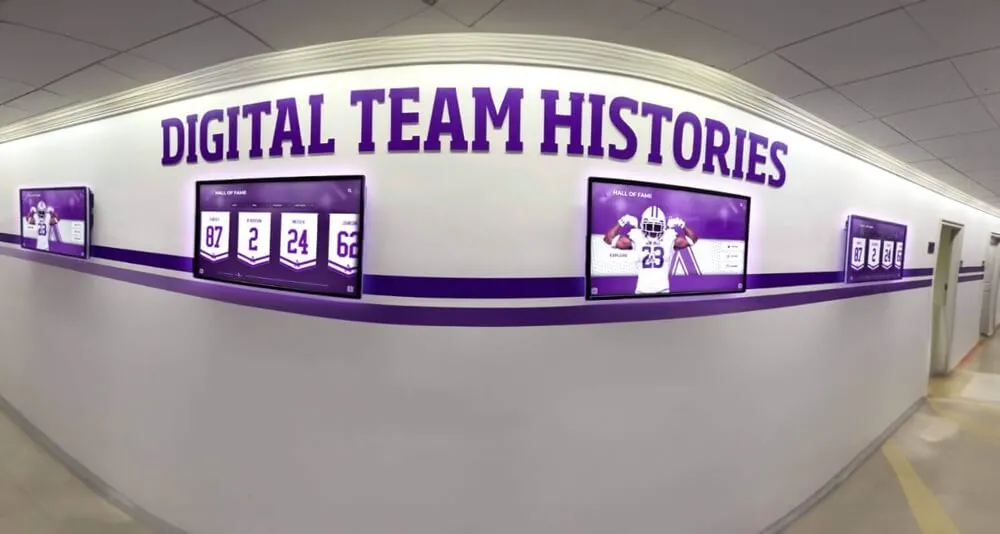
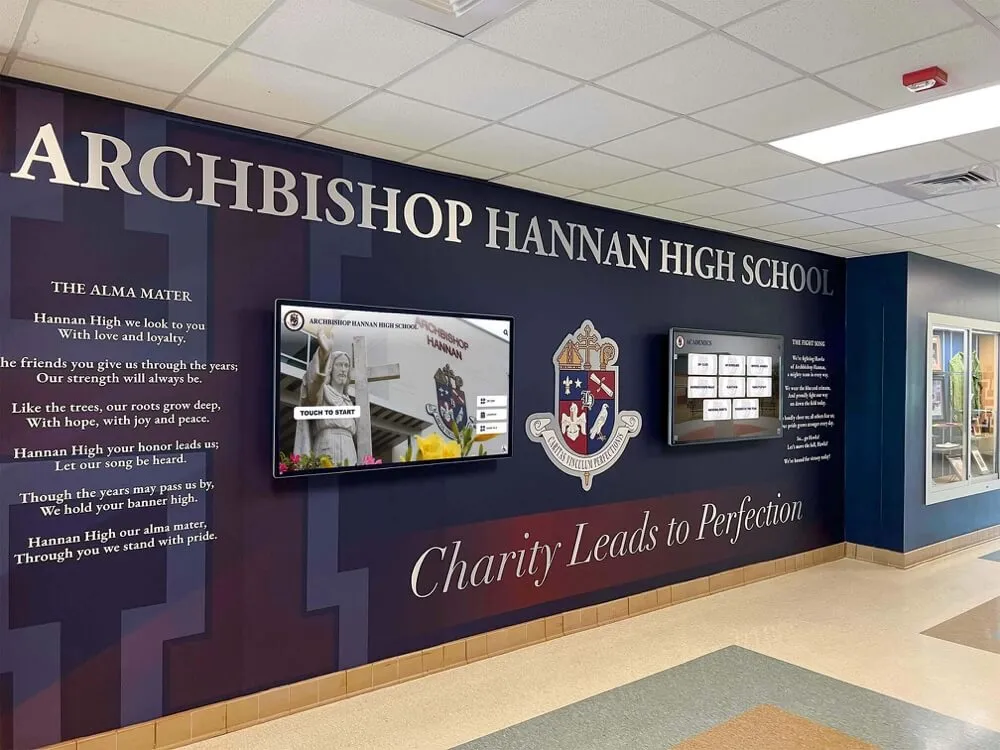
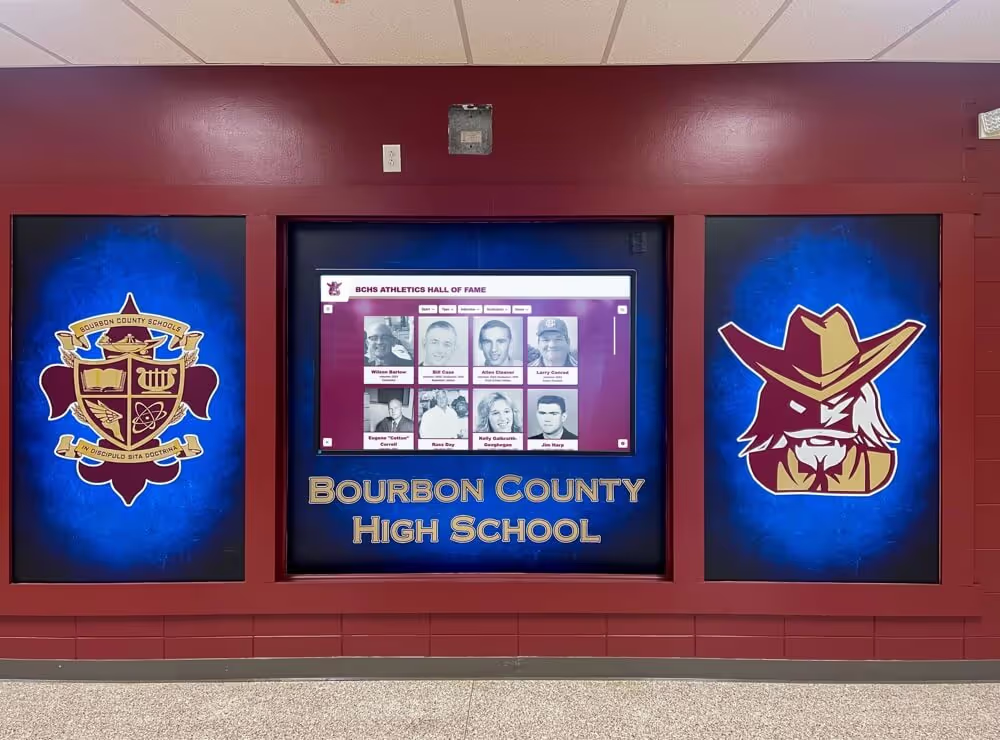
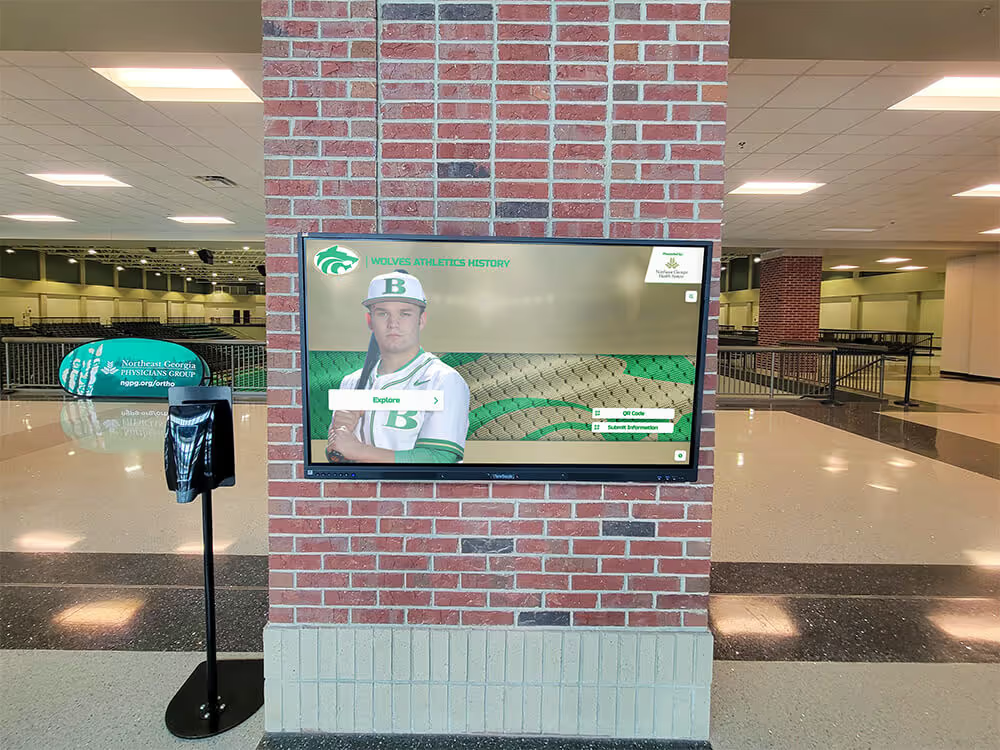
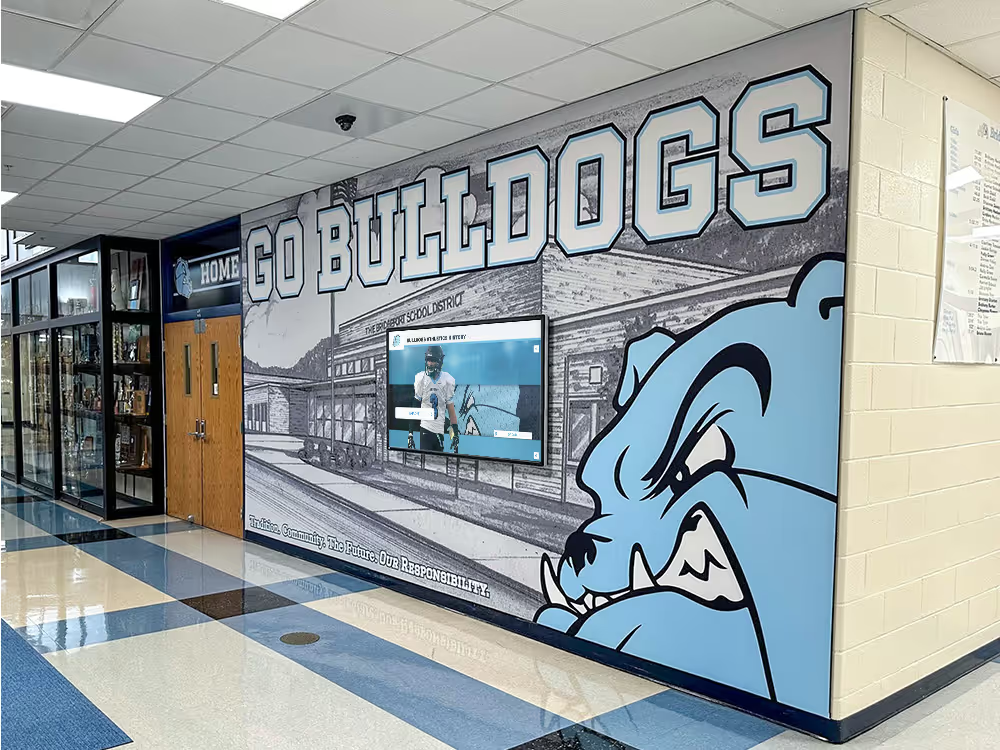
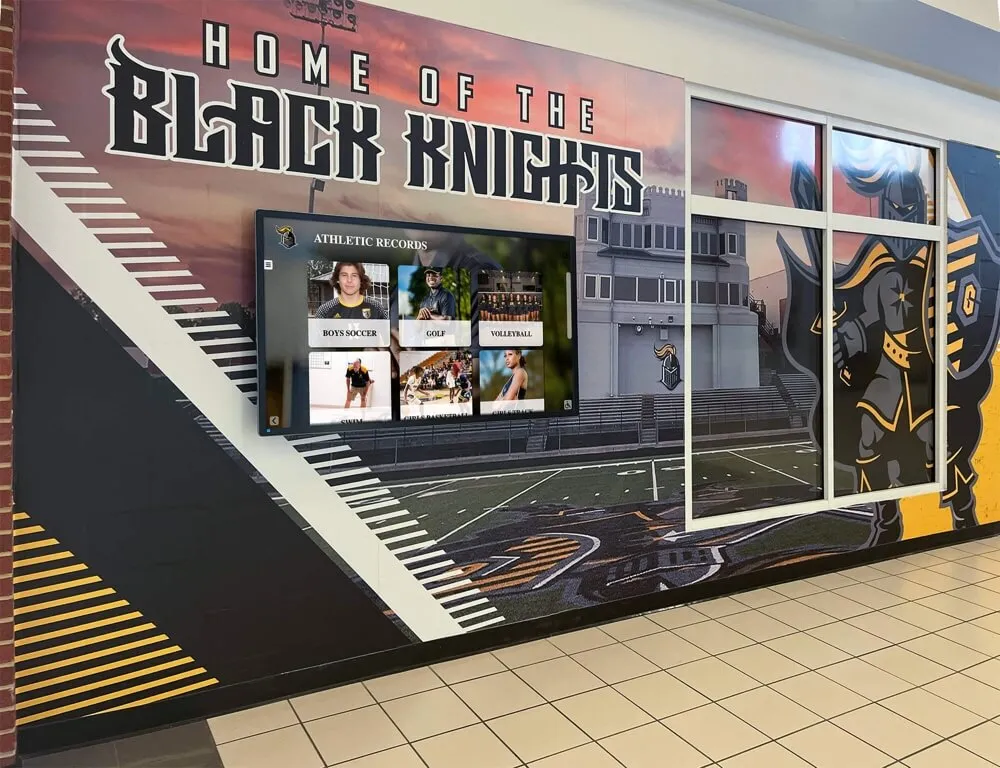
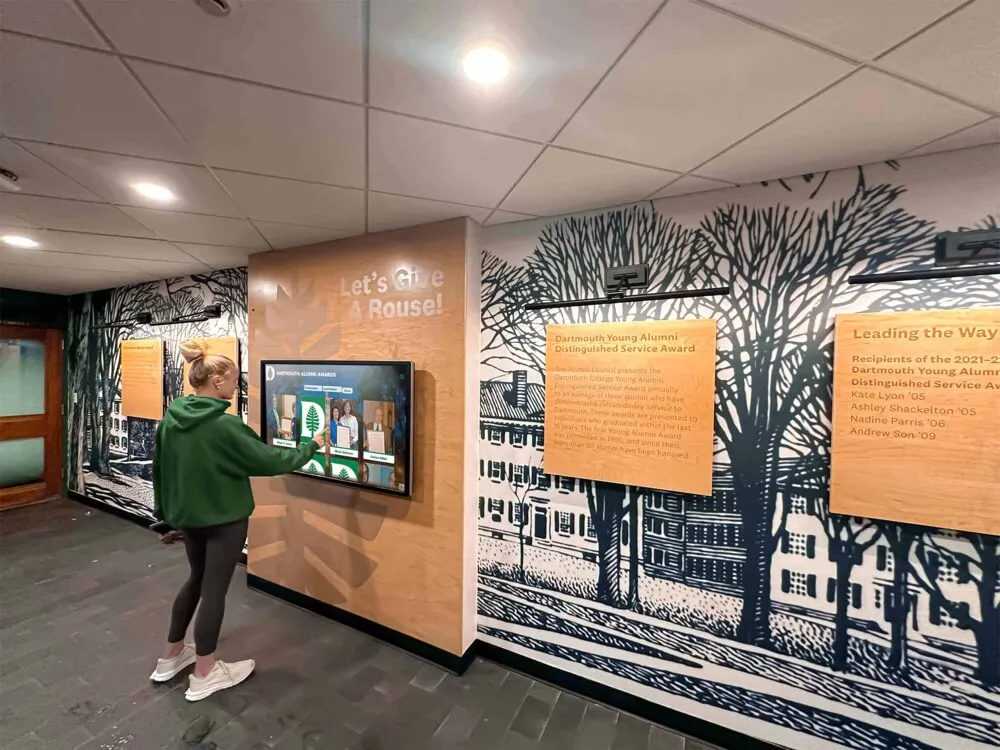
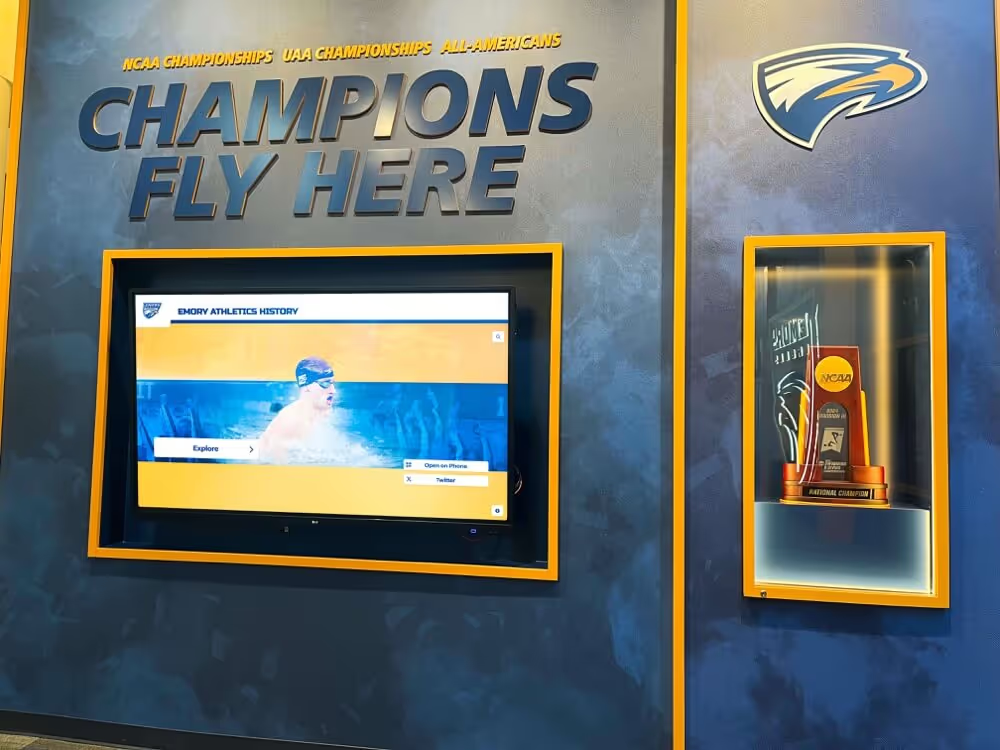
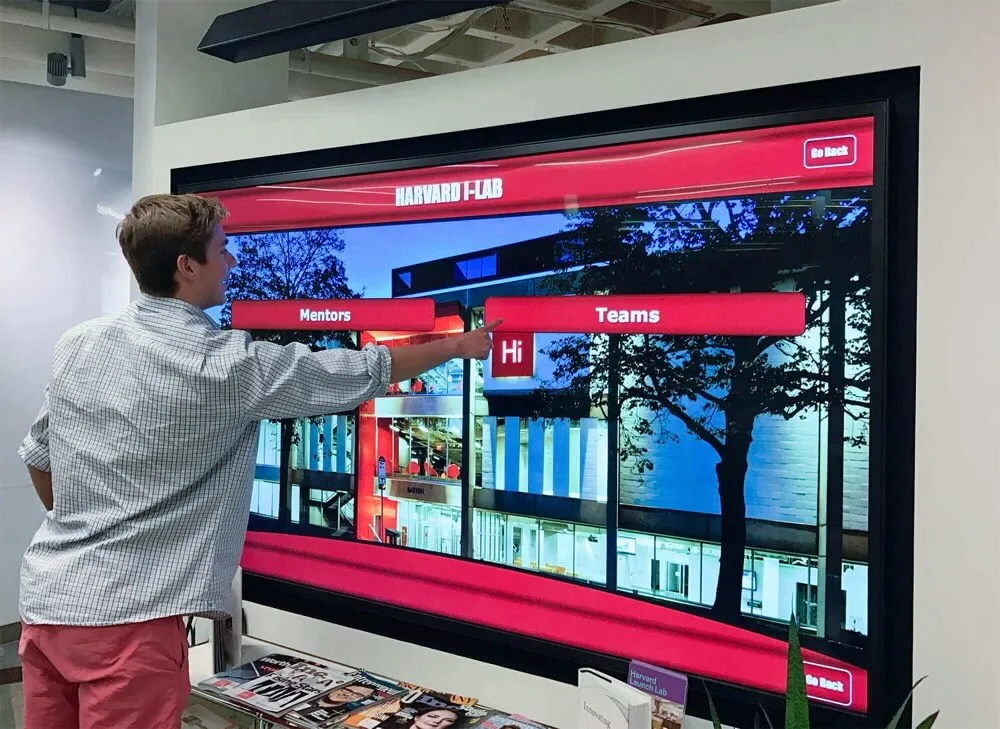
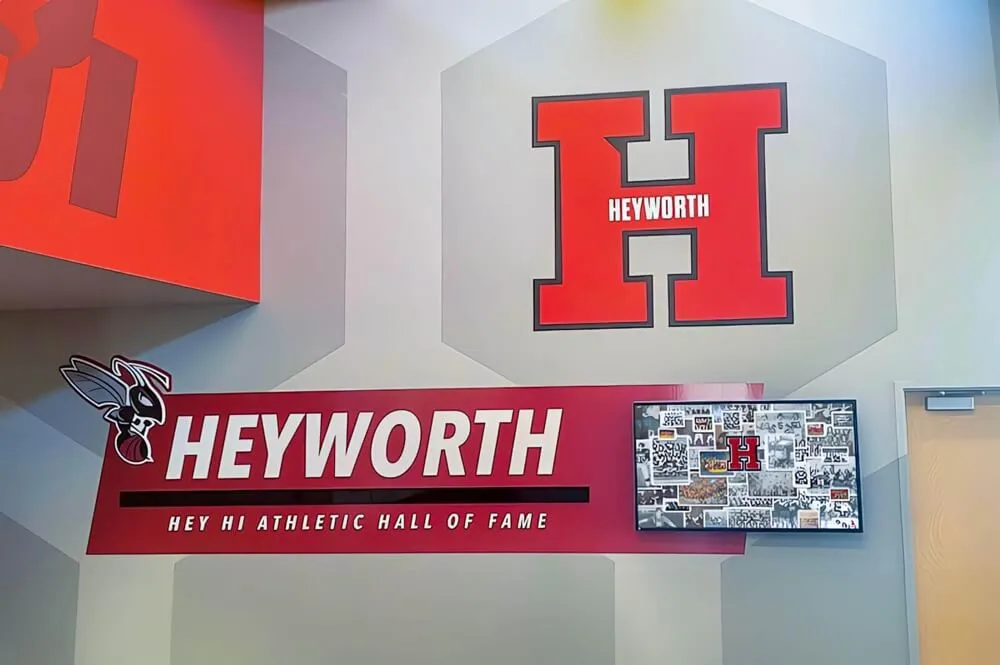
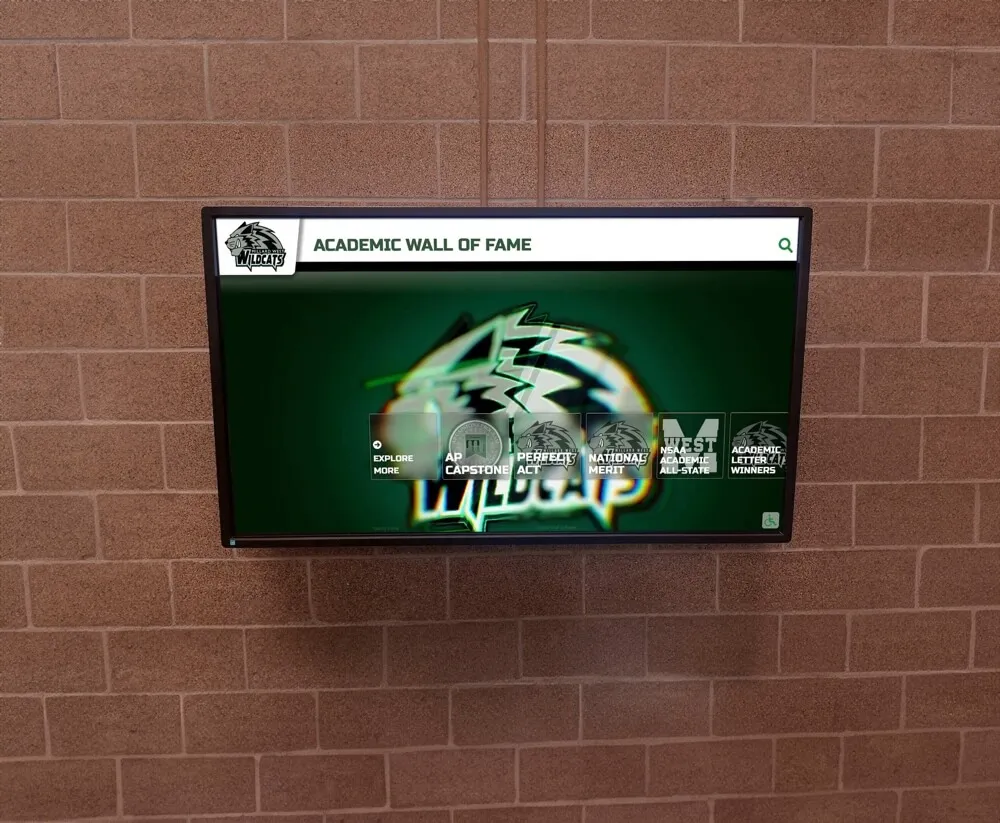
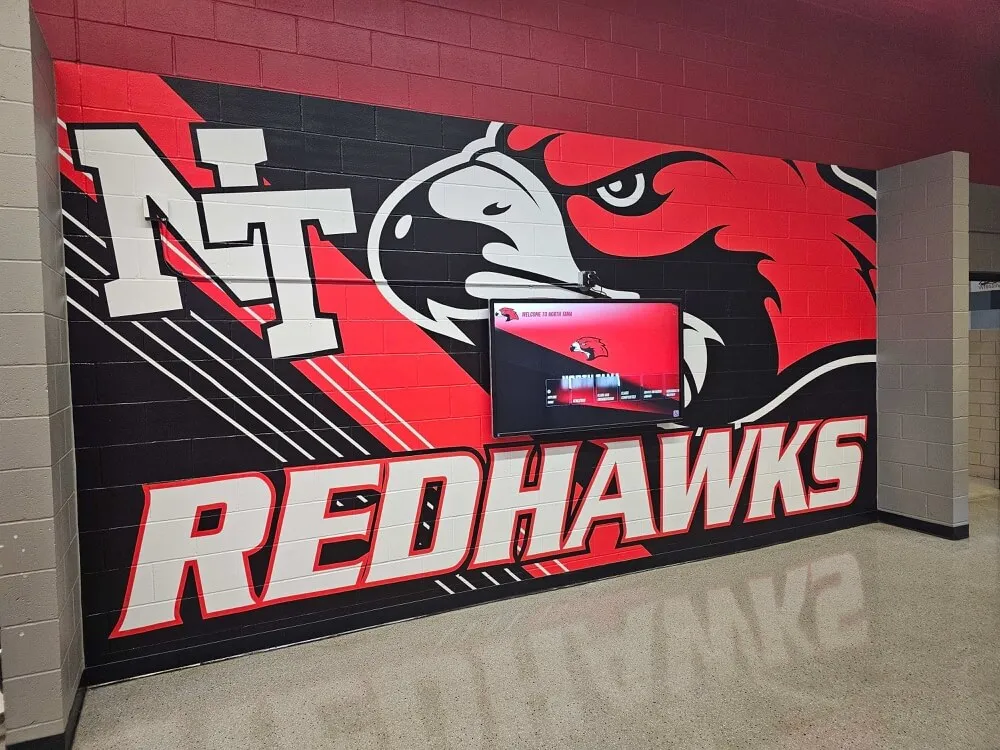
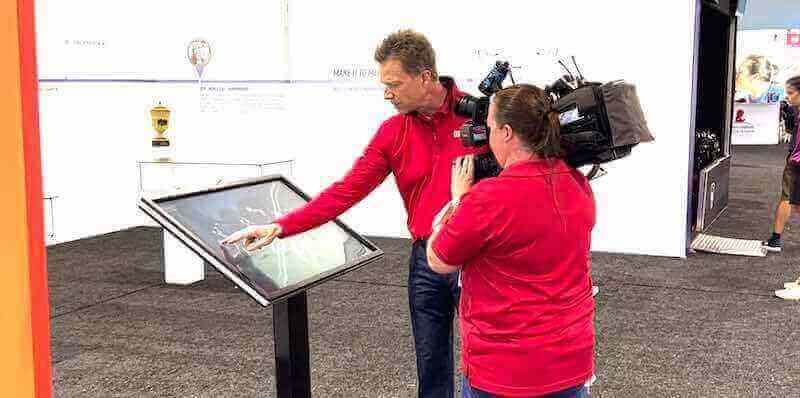
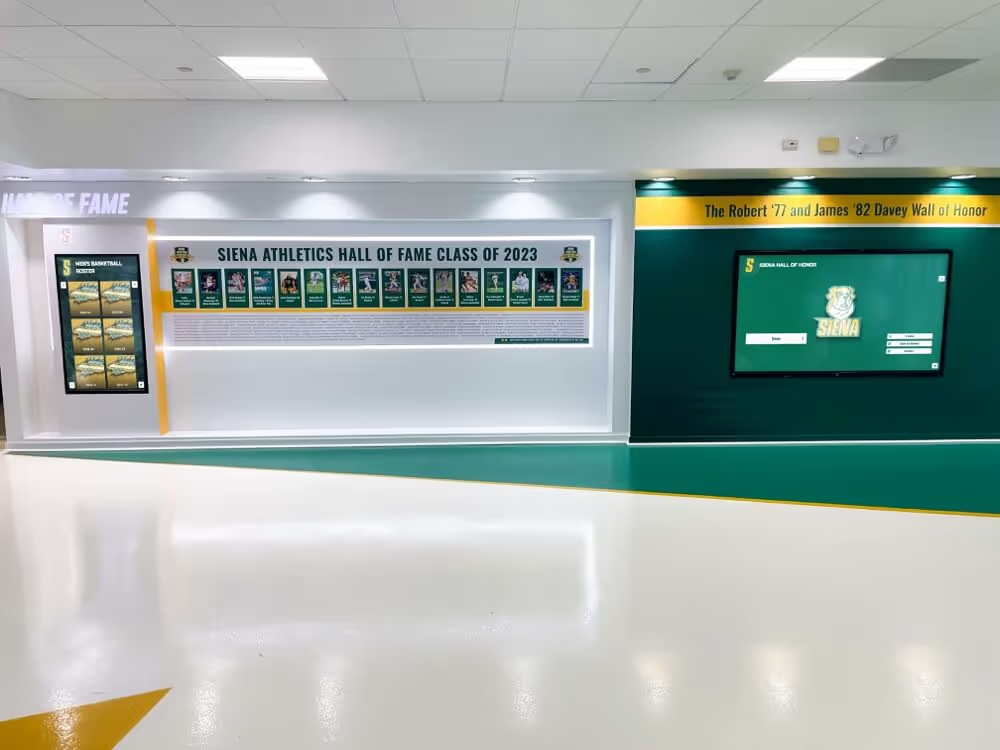
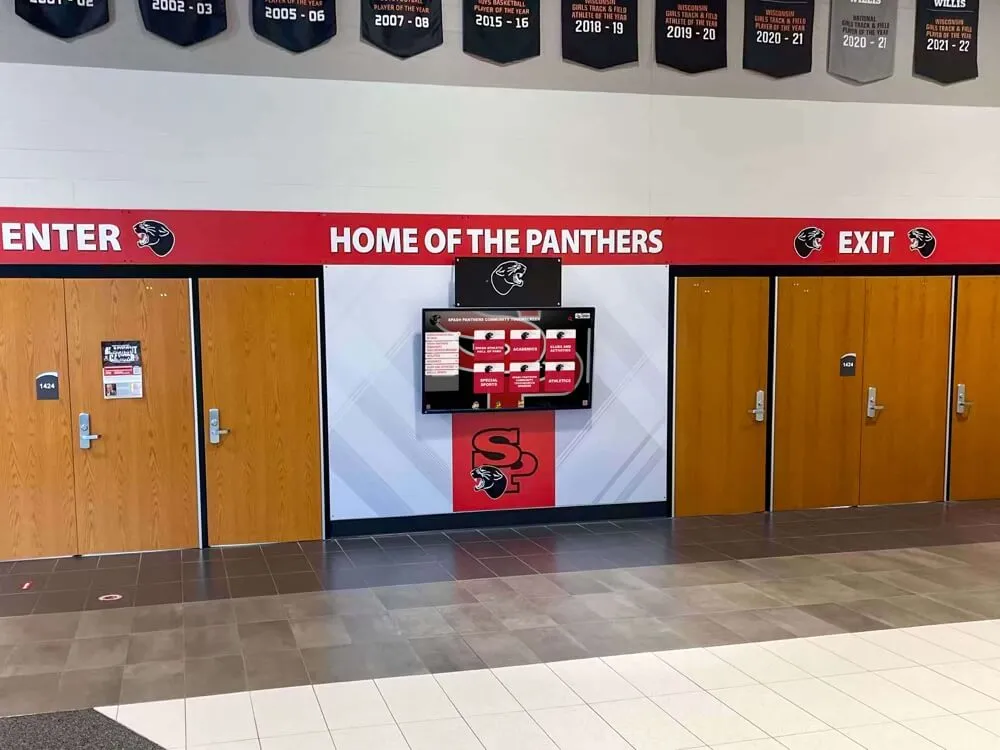
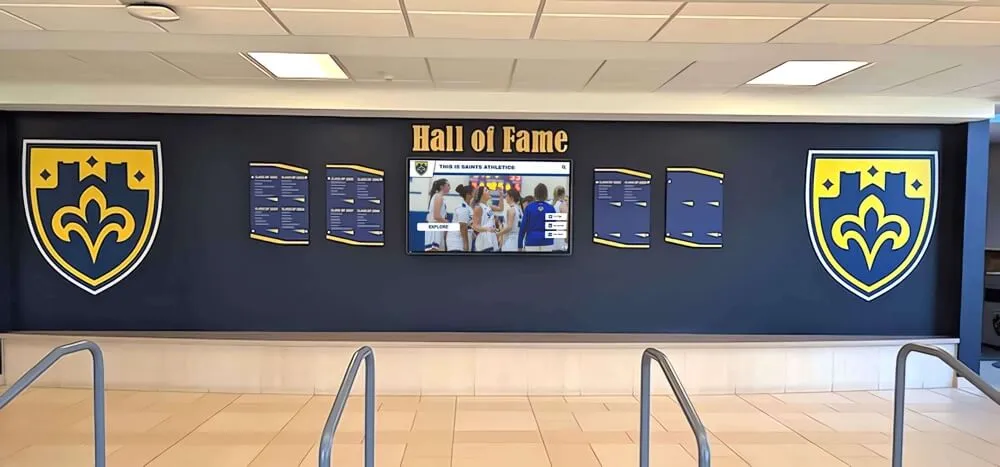
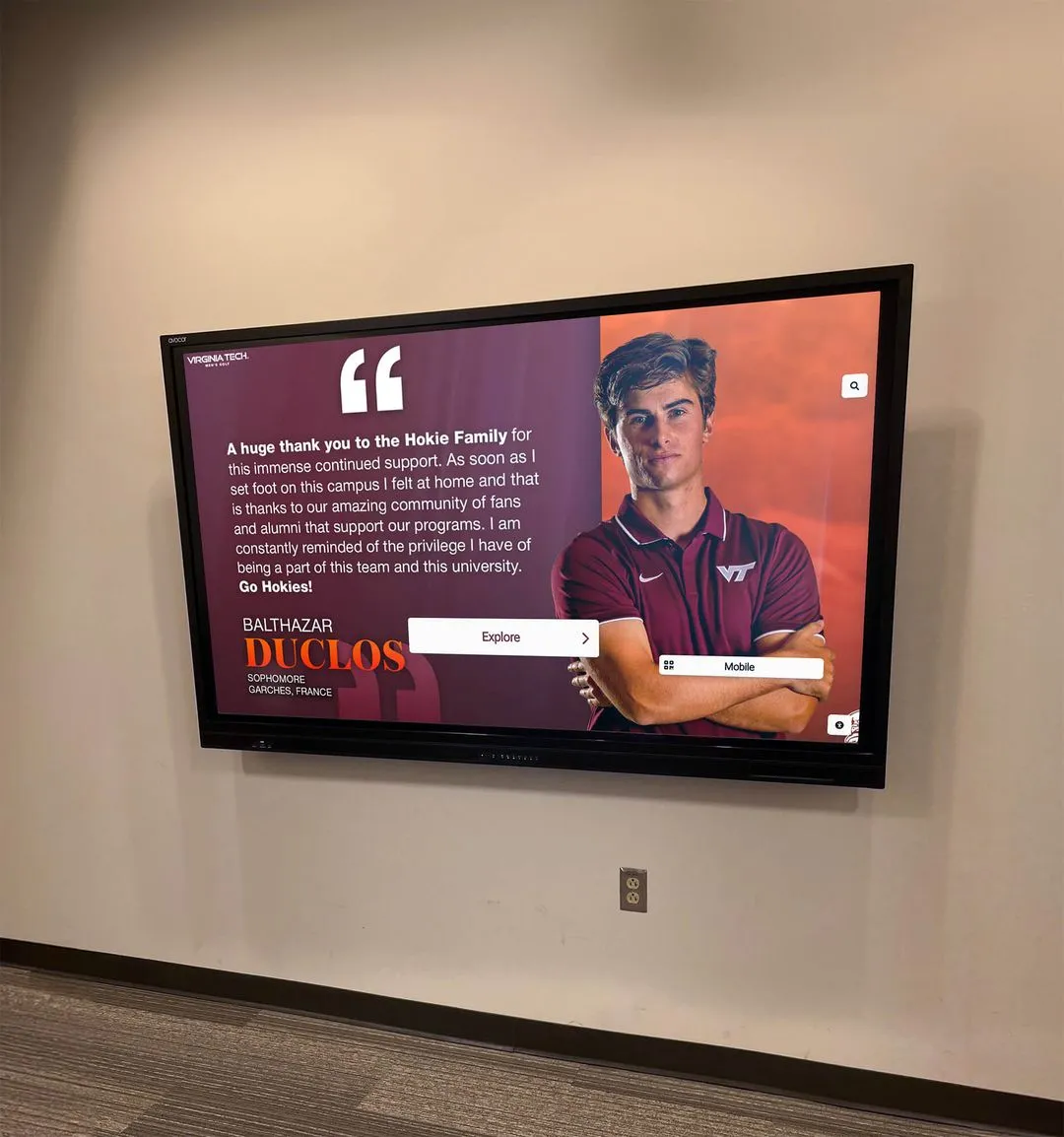
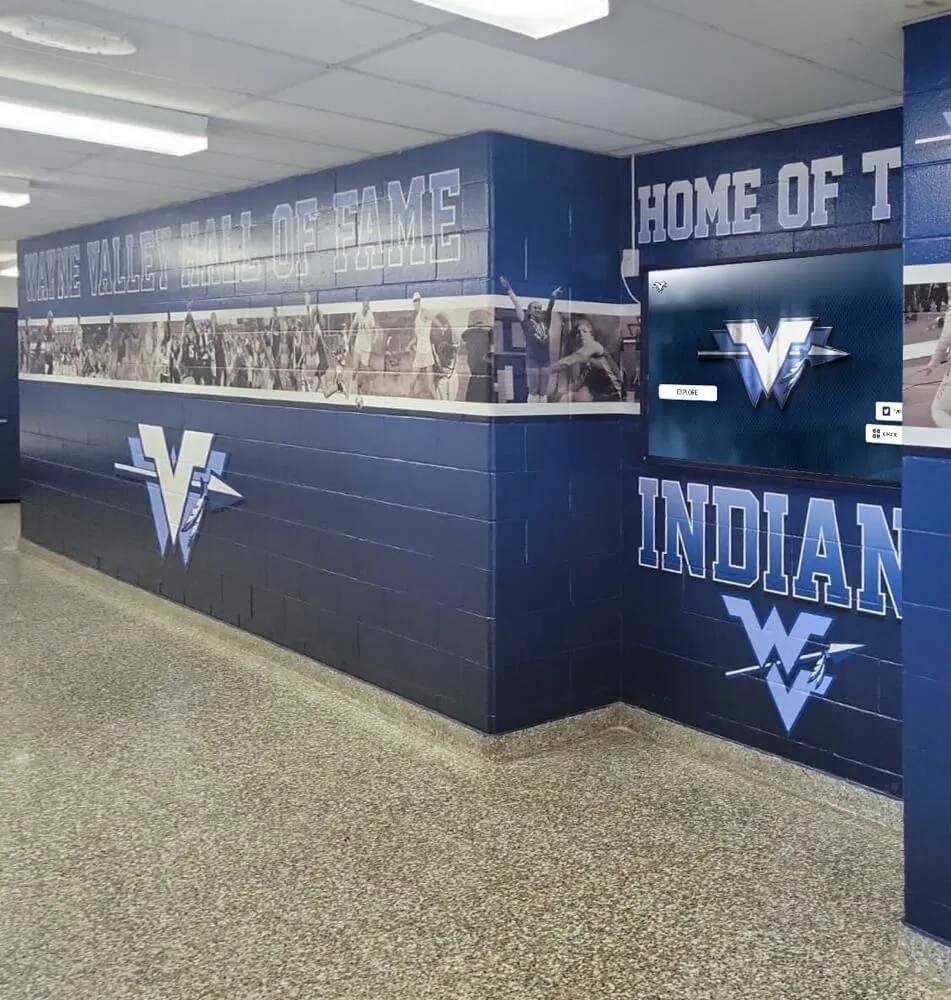
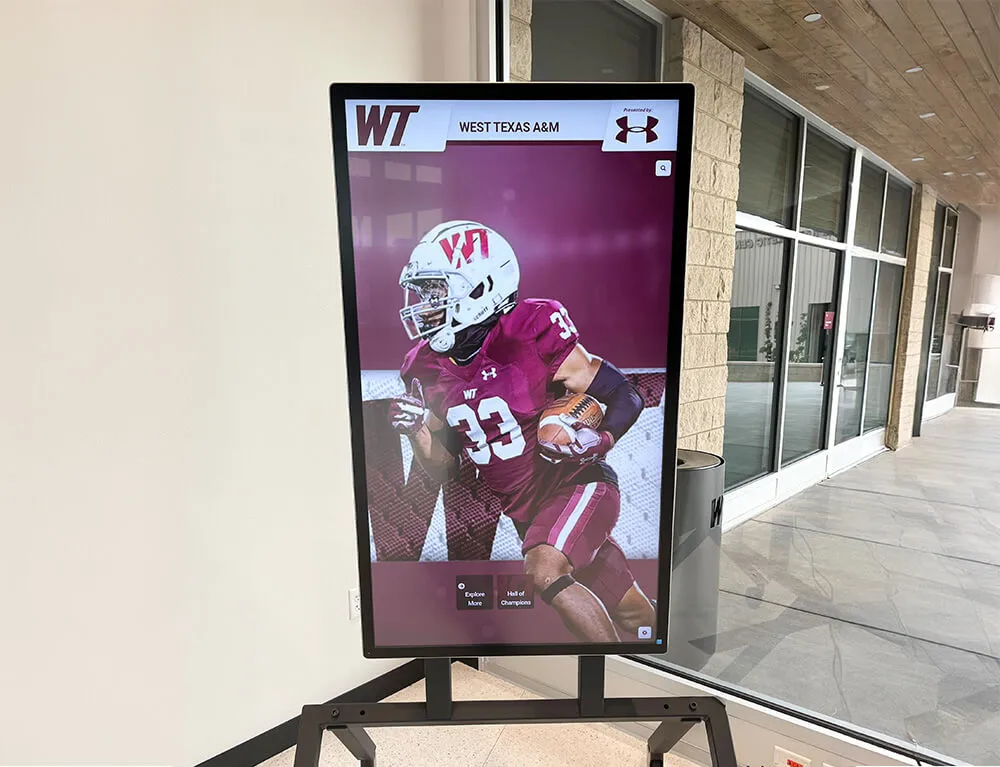
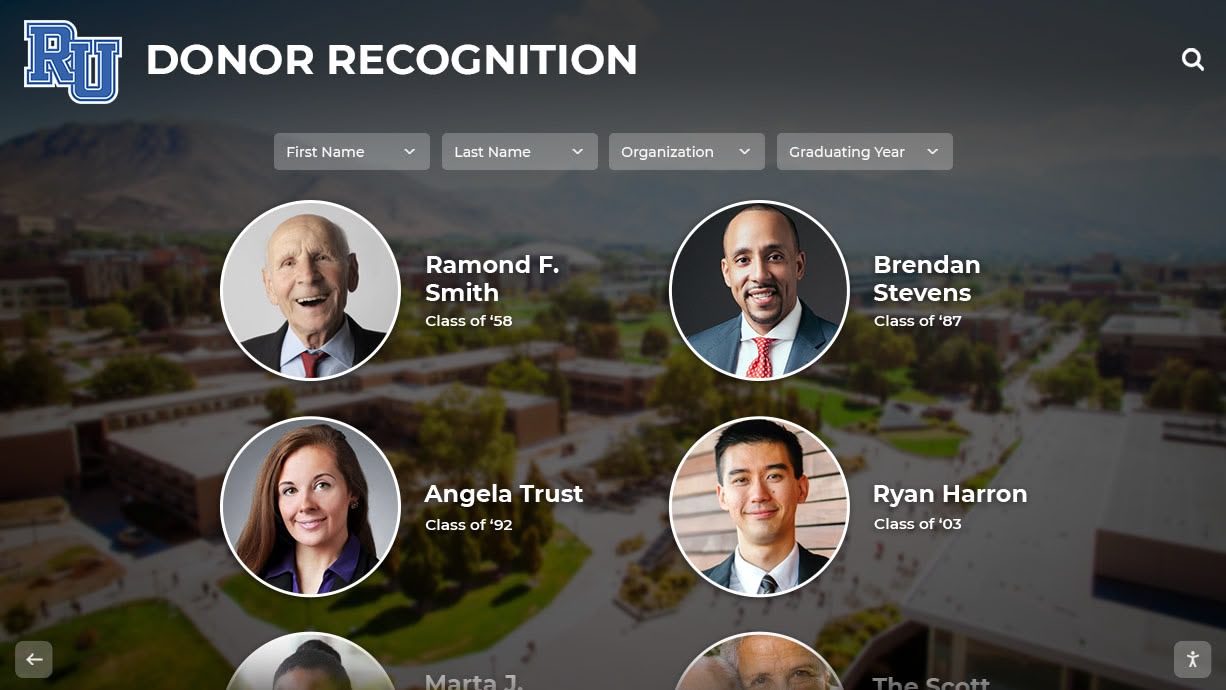
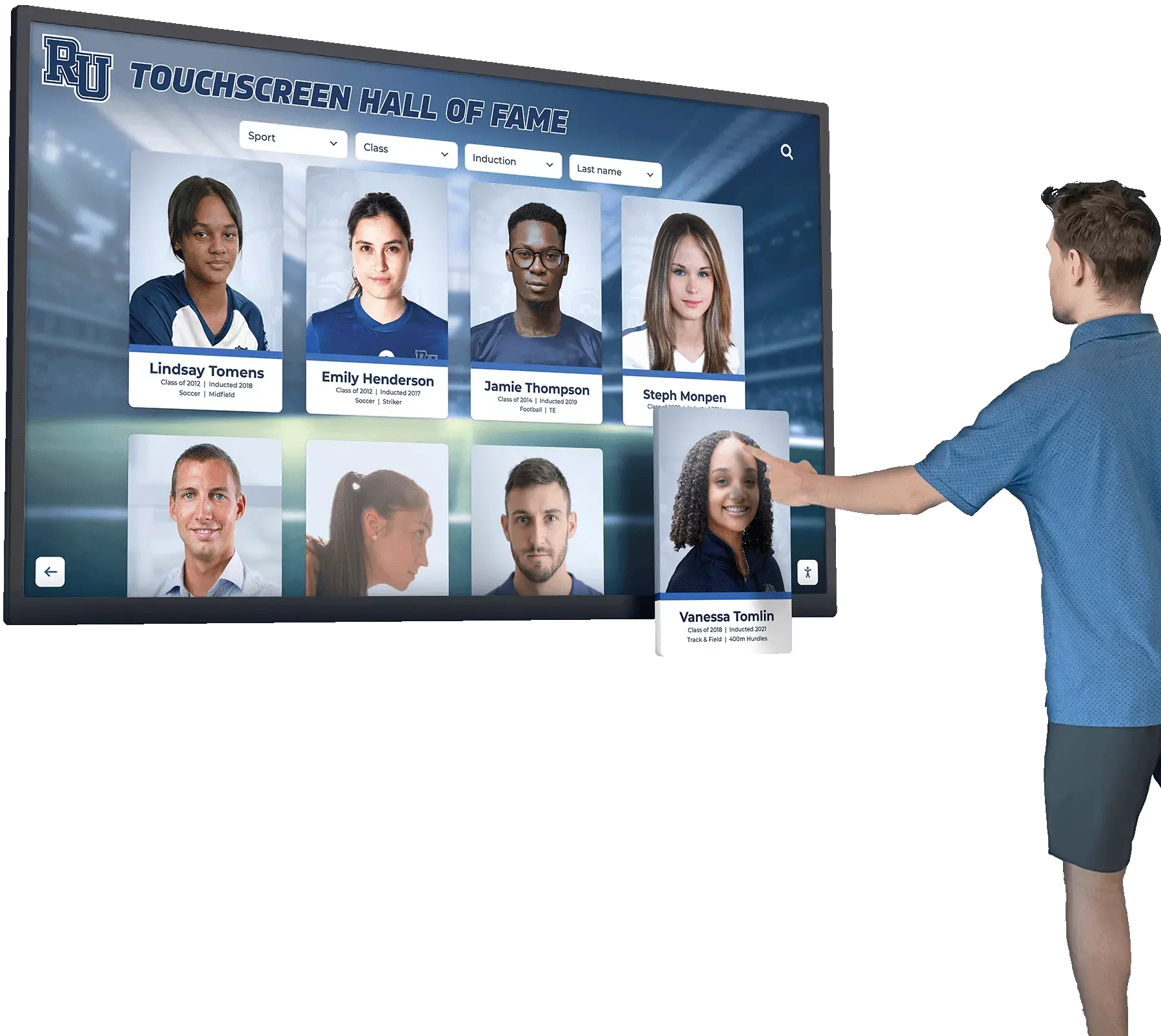
Effective fundraising galas balance celebration with fundraising, honoring supporters while advancing organizational missions through strategic appeals and engagement opportunities. The best events create environments where donors feel genuinely appreciated, understand impact clearly, and find natural pathways to increased involvement. Modern donor recognition technologies like digital recognition displays enhance gala experiences by showcasing donor impact visibly while providing lasting recognition that extends appreciation beyond event dates.
Understanding What Makes Fundraising Galas Successful
Before diving into specific ideas and tactics, understanding the fundamental characteristics distinguishing successful galas from disappointing events provides essential context that should inform every planning decision.
Clear Purpose Alignment Creates Focus
The most effective galas maintain clear purpose focus throughout planning and execution. Organizations must decide whether their primary goal emphasizes:
Revenue Generation: Events focused primarily on maximizing net income through ticket sales, sponsorships, auctions, and direct appeals where every element gets evaluated against revenue potential.
Donor Cultivation: Galas designed primarily to deepen relationships with major donor prospects where the investment focuses on experience quality and meaningful engagement rather than immediate return maximization.
Community Celebration: Events emphasizing broad community engagement, volunteer appreciation, and organizational visibility where fundraising remains important but secondary to relationship building and awareness generation.
Campaign Launches: Galas serving as public kickoff events for capital campaigns or major initiatives where the evening establishes momentum and secures leadership commitments launching broader fundraising efforts.
Confusion about primary purpose undermines gala effectiveness. Events trying to simultaneously maximize immediate revenue, cultivate major prospects requiring intimate attention, celebrate broad volunteer bases, and launch complex campaigns rarely excel at any objective. Clarity enables focused planning where every decision—venue selection, program design, fundraising approach, guest list composition—aligns with stated purpose.
Attendee Experience Drives Long-Term Results
While immediate fundraising totals receive primary attention, long-term gala success depends heavily on attendee experience quality determining whether guests become repeat supporters, increase giving levels, and advocate for organizations within their networks.
Experience Quality Factors:
Respect for Time: Programs starting and ending on schedule demonstrate respect for busy supporters. Events running significantly over expected duration create negative impressions regardless of other quality factors.
Clear Communication: Guests should always understand what’s happening, why it matters, and what comes next. Confusion about program flow, unclear giving instructions, or uncertainty about expectations creates discomfort undermining engagement.
Appropriate Atmosphere: Event formality, entertainment choices, and program tone should match audience expectations and organizational culture. Mismatches create dissonance where supporters question whether organizations understand their preferences and values.
Mission Connection: Every program element should reinforce why the organization matters and how support creates meaningful impact. Events feeling disconnected from organizational purpose miss opportunities to deepen supporter commitment.
Recognition and Appreciation: Donors attend partially to receive acknowledgment for their support. Events failing to honor contributions appropriately or making supporters feel like ATM machines rather than valued partners damage relationships regardless of immediate fundraising success.
Organizations tracking long-term donor retention, repeat attendance rates, and giving progression from gala attendees gain valuable insights about whether events truly succeed at building sustainable support or simply extract one-time contributions from supporters who don’t return.
Budget Realism Prevents Disappointment
Gala planning requires honest budget assessment balancing investment against expected return. Many organizations underestimate true event costs, leading to disappointing net revenue despite successful-appearing evenings.
Complete Cost Accounting:
Venue and Catering: Often the largest expense categories including space rental, food, beverages, service charges, and gratuities typically accounting for 40-60% of total event budgets.
Entertainment and Program: Speakers, performers, audiovisual production, program printing, and presentation materials creating the evening’s experience and emotional impact.
Marketing and Communications: Invitations, reminder communications, registration systems, promotional materials, and advertising creating awareness and driving attendance.
Fundraising Elements: Auction item procurement, catalog production, payment processing systems, and fundraising technology enabling revenue generation beyond ticket sales.
Staffing and Operations: Staff time for planning and execution, volunteer coordination, event day support, and post-event follow-up representing substantial organizational investment often undervalued in budget calculations.
Recognition and Stewardship: Thank you gifts, event-day materials, post-event acknowledgments, and donor recognition elements demonstrating appreciation and encouraging continued support.
Many experienced development professionals recommend budgeting for total costs reaching 50-60% of gross revenue for typical galas, meaning organizations must raise approximately $2 to net $1. Events with lower expense ratios often deliver less compelling experiences that undermine long-term donor development objectives.
Strategic Theme Development and Program Design
Compelling event themes and thoughtful program design transform generic fundraisers into memorable experiences that resonate with supporters and communicate organizational impact effectively.
Choosing Themes That Connect Mission to Experience
Effective themes bridge organizational mission and gala experience, helping supporters understand why their presence and contributions matter while creating cohesive atmospheres that elevate events beyond basic fundraising dinners.
Mission-Aligned Theme Approaches:
Impact Storytelling Themes: Focus on specific populations served, programs delivered, or outcomes achieved. Examples include “Building Futures” for education organizations, “Healing Hope” for healthcare nonprofits, or “Protecting Tomorrow” for environmental groups connecting celebration to tangible results.
Milestone Celebration Themes: Mark organizational anniversaries, campaign achievements, or historical significance. Themes like “50 Years of Service,” “Million Meals Milestone,” or “Completing the Vision” provide natural celebration focus while looking forward to future impact.
Vision and Aspiration Themes: Emphasize organizational dreams and goals inspiring supporters to join transformational journeys. Approaches like “Imagine the Possibilities,” “Beyond Boundaries,” or “Creating Tomorrow” paint compelling pictures of what donor investment enables.
Community Connection Themes: Highlight supporter roles as partners and change agents. Themes such as “Our Community, Our Impact” or “Together We Rise” position donors as essential collaborators rather than outside funders.
Seasonal or Location-Based Themes: Leverage timing or venue characteristics creating natural atmospheric elements. Spring garden themes, harvest celebrations, or venue-specific concepts like nautical themes for waterfront locations provide built-in decor and menu inspiration.
Avoid themes feeling disconnected from organizational work or requiring extensive explanation. If guests don’t immediately understand how “A Night in Paris” relates to your local food bank’s mission, the theme creates confusion rather than clarity about why their support matters.
Program Pacing and Emotional Arc
Successful galas take guests on emotional journeys with intentional pacing building toward fundraising appeals and leaving supporters feeling inspired rather than depleted.
Strategic Program Flow:
Warm Welcome (15-20 minutes): Cocktail reception enabling social connection, sponsor recognition viewing, and silent auction browsing creating relaxed atmosphere before formal program begins.
Mission Connection (5-10 minutes): Opening remarks establishing evening purpose, thanking attendance, and introducing organizational leader or mission champion establishing credibility and building emotional investment.
Celebration and Recognition (10-15 minutes): Honor major donors, volunteers, or community champions demonstrating appreciation for support and modeling giving behavior for other attendees through peer recognition.
Impact Storytelling (10-15 minutes): Share compelling beneficiary stories, program results, or transformation narratives making abstract missions tangible through specific examples creating emotional connection to organizational work.
Vision Casting (5-10 minutes): Describe organizational goals, growth plans, or campaign objectives painting picture of what supporter investment enables creating context for fundraising appeals.
Fundraising Appeal (10-15 minutes): Make clear, specific ask outlining giving levels, impact descriptions, and commitment mechanisms enabling guests to respond immediately to inspiration.
Gratitude and Send-Off (5 minutes): Thank guests for participation, acknowledge commitments, and provide clear next steps closing evening positively while reinforcing appreciation.
Total formal program time should typically remain under 90 minutes including dinner service. Longer programs risk losing audience attention and creating negative impressions regardless of content quality. Strategic planners identify program elements requiring inclusion versus nice additions that should be cut when timing becomes tight.
Entertainment and Atmosphere Creation
Entertainment choices significantly impact guest experience and fundraising effectiveness by either enhancing mission connection or distracting from organizational purpose depending on selection and integration quality.
Entertainment Selection Principles:
Mission Alignment: Choose entertainment connecting to organizational work rather than generic options unrelated to cause. Youth orchestras for education nonprofits, patient performances for healthcare organizations, or conservation photography for environmental groups reinforce why support matters.
Audience Appropriateness: Match entertainment to guest demographics, cultural expectations, and giving capacity. Major donor events warrant different entertainment investments than broad community celebrations with modest ticket prices.
Program Integration: Position entertainment as program elements rather than disconnected performances. Brief performers speaking about how organizational programs impacted their development transforms entertainment into storytelling vehicles rather than mere diversions.
Fundraising Enhancement: Consider whether entertainment choices support or undermine fundraising objectives. Extremely loud bands preventing conversation during social hours reduce networking and relationship building opportunities central to donor cultivation.
Budget Proportionality: Entertainment spending should remain appropriate to overall budgets and expected returns. Investing 20-30% of total budget in celebrity performers makes sense for large-scale galas targeting substantial major gifts but proves unsustainable for modest community events.
Organizations effectively using entertainment integrate performances strategically throughout evenings rather than positioning entertainment as separate segments disconnected from mission and fundraising objectives.
Comprehensive Fundraising Strategy Development
Successful galas generate revenue through multiple coordinated channels rather than relying exclusively on ticket sales or single fundraising approaches.
Ticket and Sponsorship Structure
Strategic ticket and sponsorship offerings create multiple entry points enabling diverse supporter participation while maximizing revenue from those with greater capacity.
Tiered Ticket Approaches:
Individual Tickets: Base admission priced to cover direct per-person costs plus contribution margin typically ranging from $150-$500 depending on market, organizational profile, and experience quality.
Couple Packages: Paired admission with modest discount encouraging joint attendance while simplifying registration and table composition management.
Table Purchases: Eight or ten-seat tables priced at premium over individual ticket totals incentivizing group purchases while ensuring cohesive table composition and simplifying seating logistics.
VIP Experiences: Premium ticket levels including additional access like pre-event receptions, exclusive tours, preferred seating, or special recognition justifying substantially higher price points typically ranging from $1,000-$5,000.
Young Professional Options: Reduced-price tickets for emerging donors enabling early relationship building and pipeline development while introducing next-generation supporters to organizational events.
Sponsorship Package Design:
Title and Presenting Sponsors: Highest visibility packages typically $25,000-$100,000+ including naming rights, premium table locations, extensive recognition, and exclusive engagement opportunities with organizational leadership.
Level Sponsors: Tiered packages at $10,000, $5,000, and $2,500 providing increasingly exclusive benefits while enabling multiple sponsors at each level creating revenue scale.
Category Sponsors: Specific program element sponsorships like cocktail reception, entertainment, or auction supporting discrete evening components appealing to businesses seeking targeted visibility.
Table Sponsorships: Packages providing complete table with specific seating including organization representatives creating natural networking while supporting attendance.
In-Kind Sponsorships: Non-cash contributions like venue donations, catering, printing, or technology services reducing direct costs while enabling recognition of business supporters.
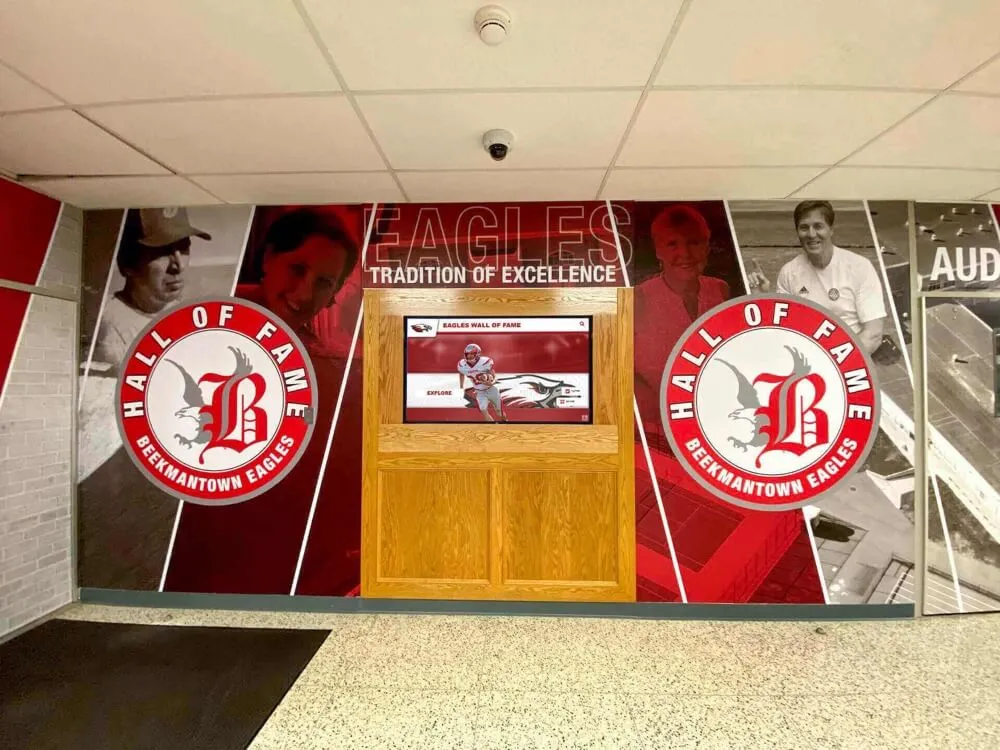
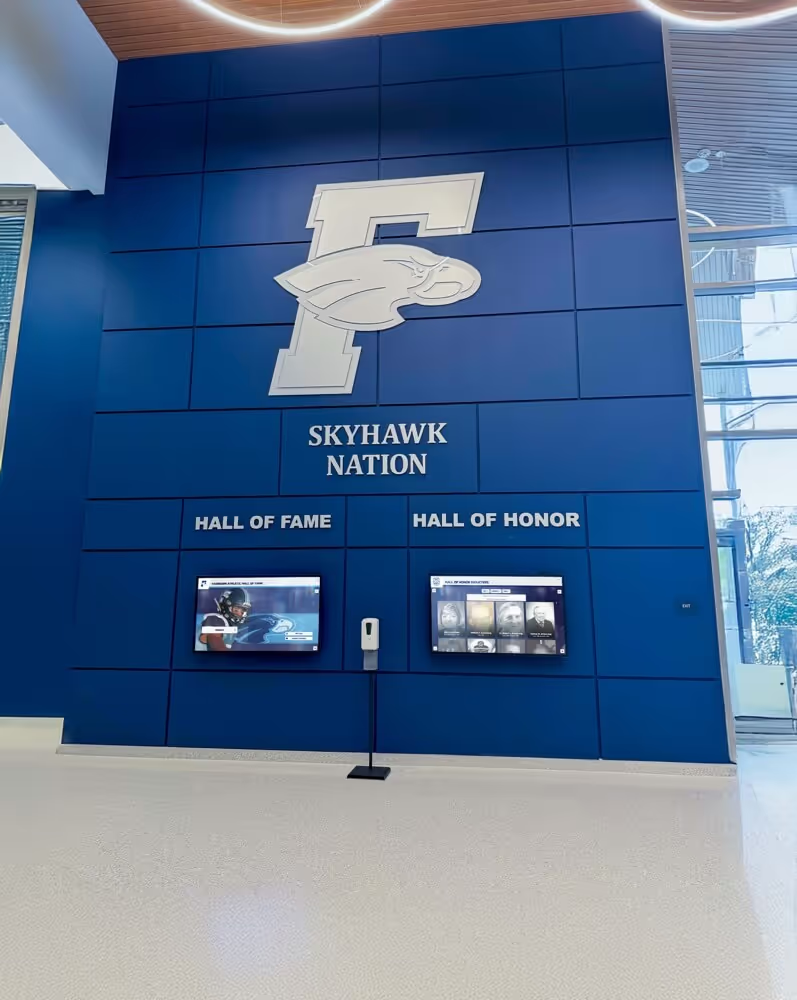
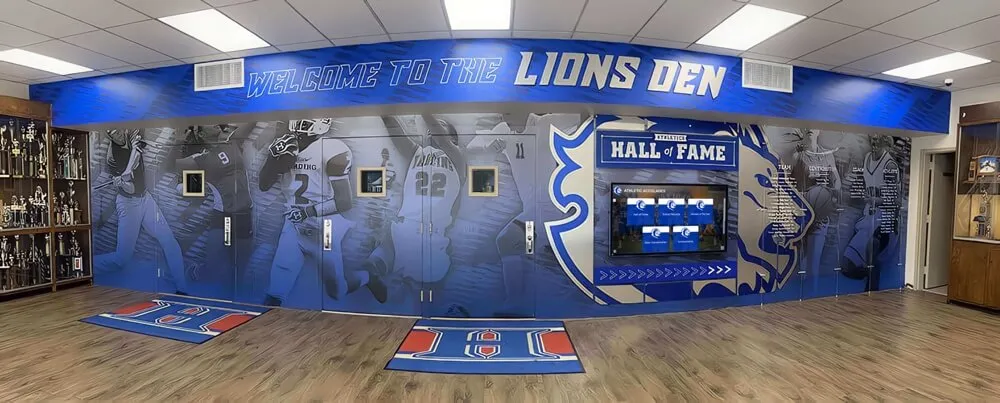
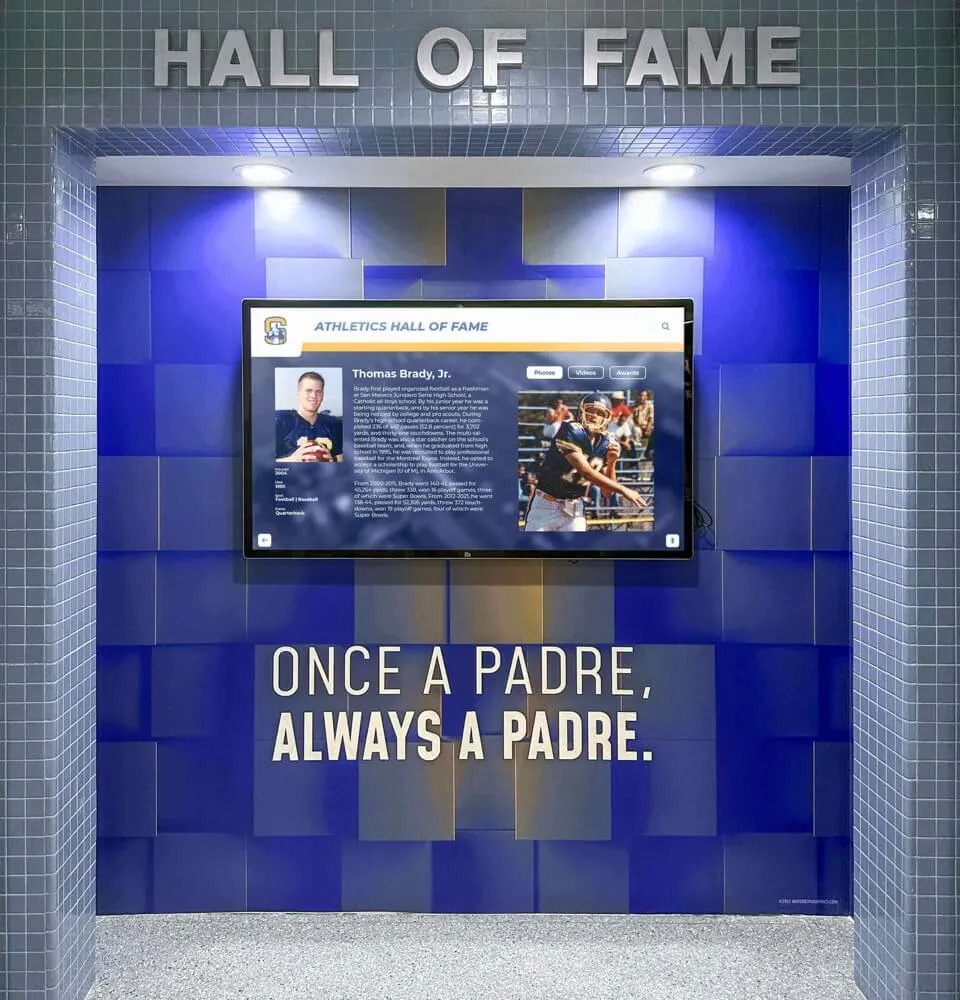
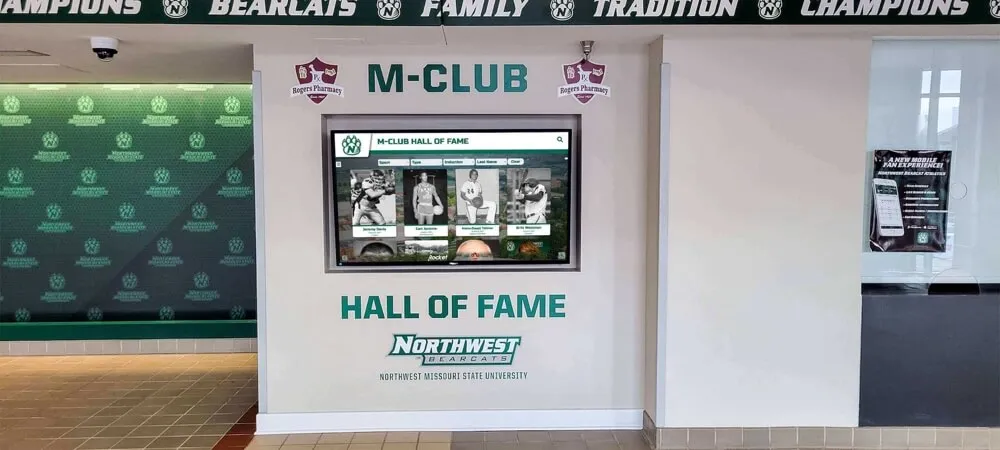
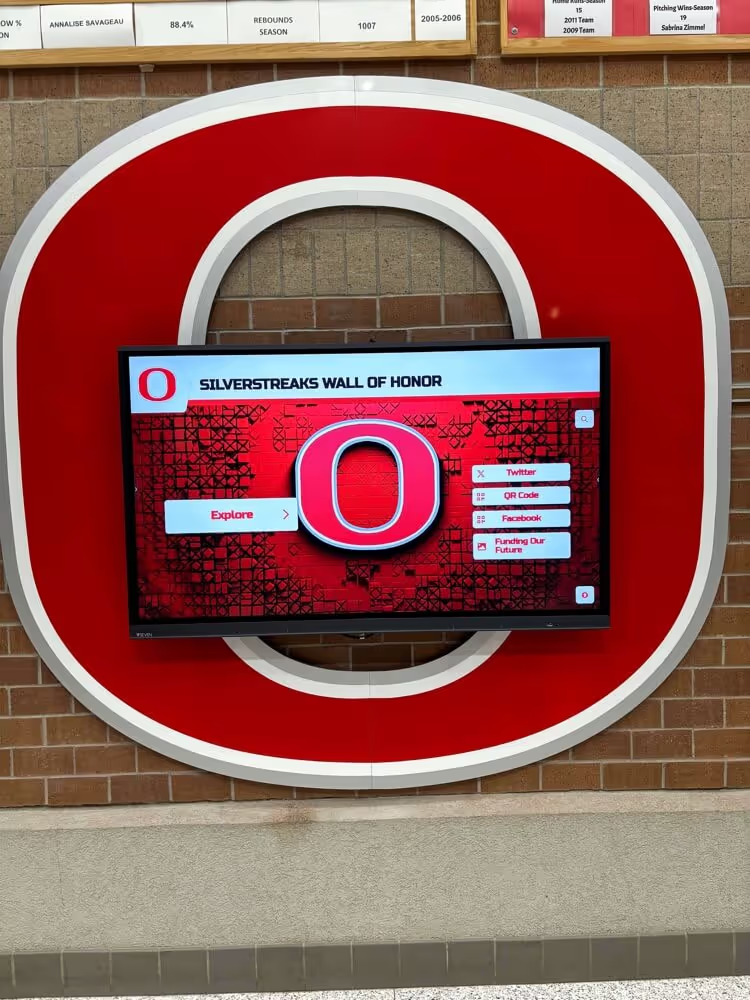
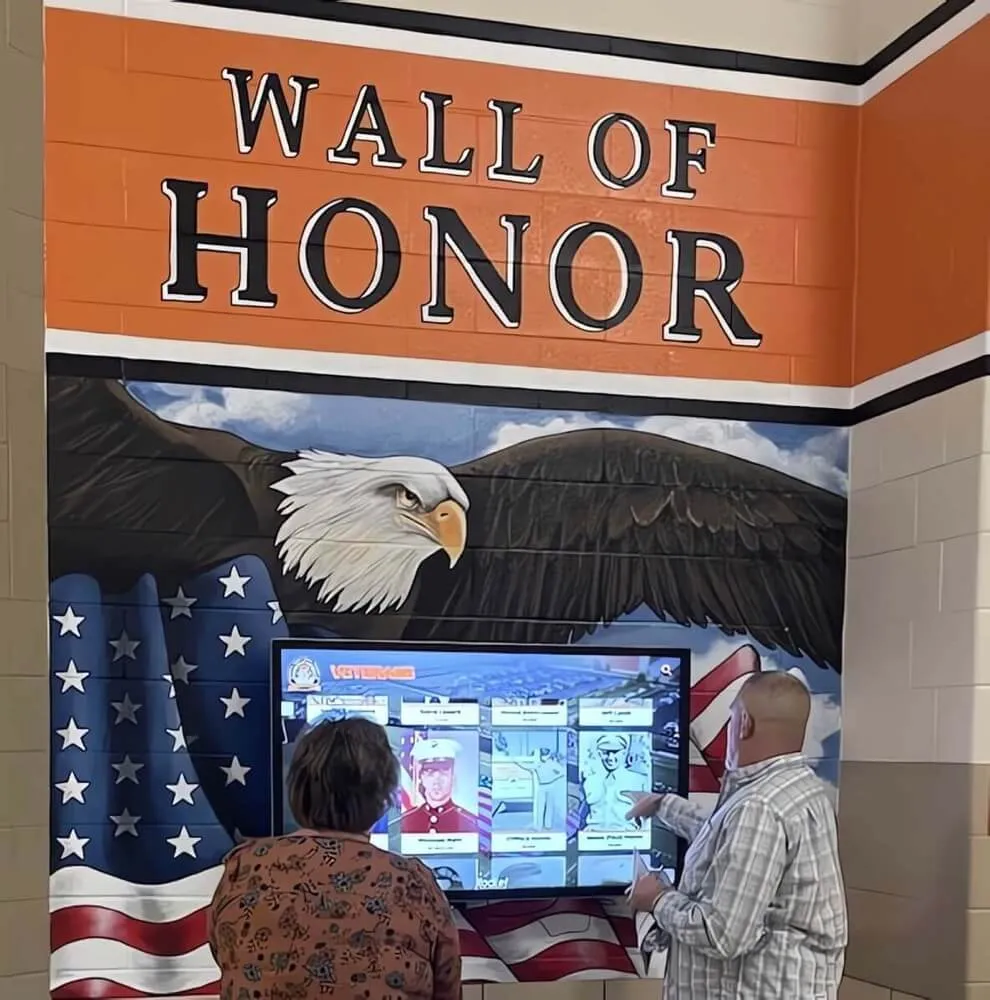
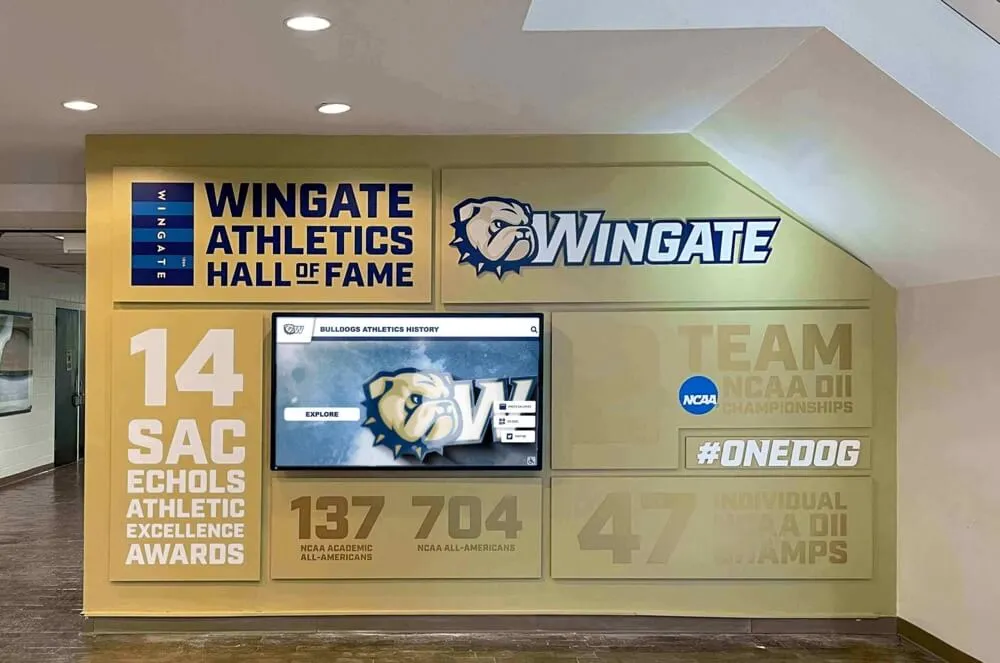
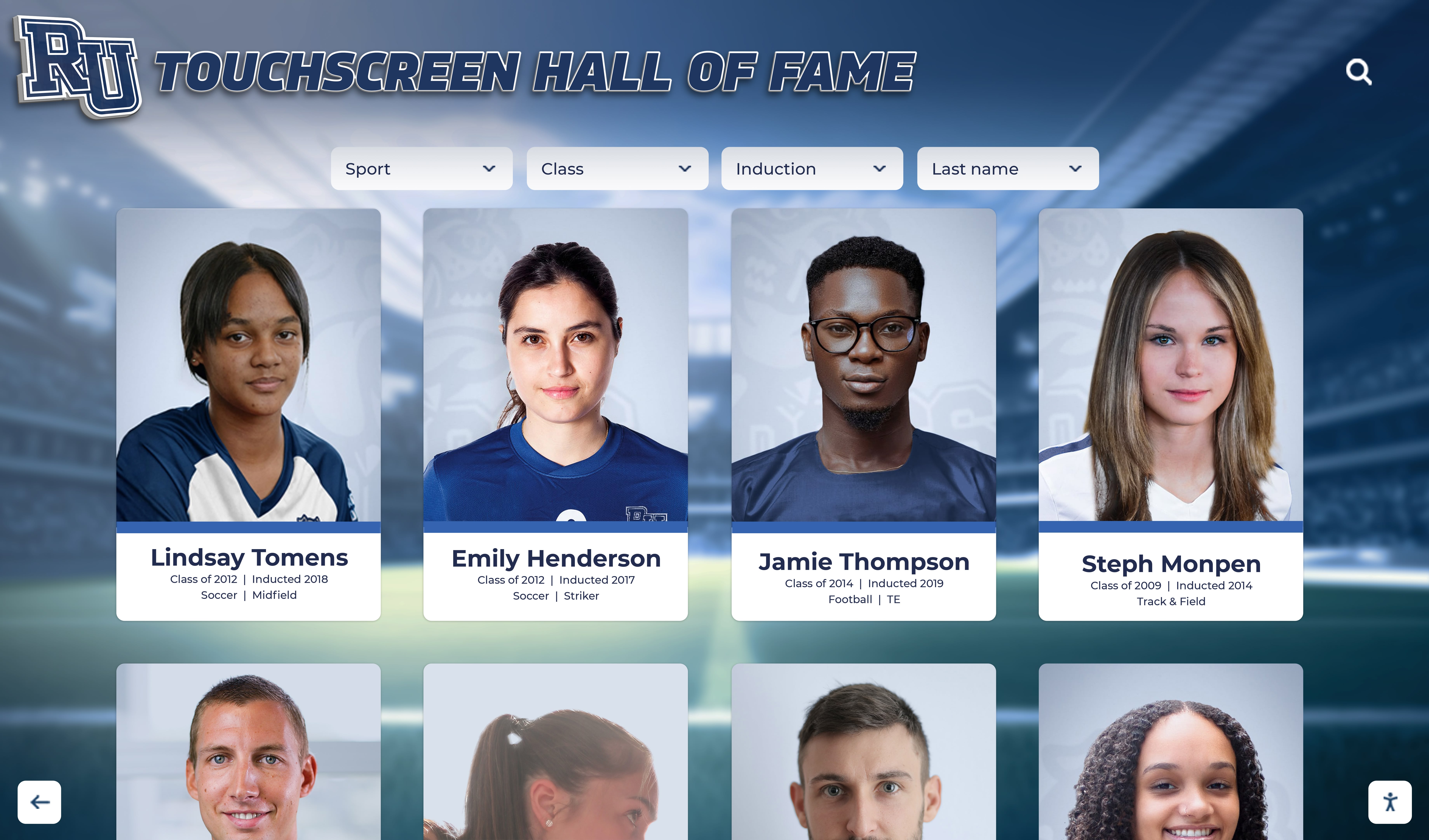
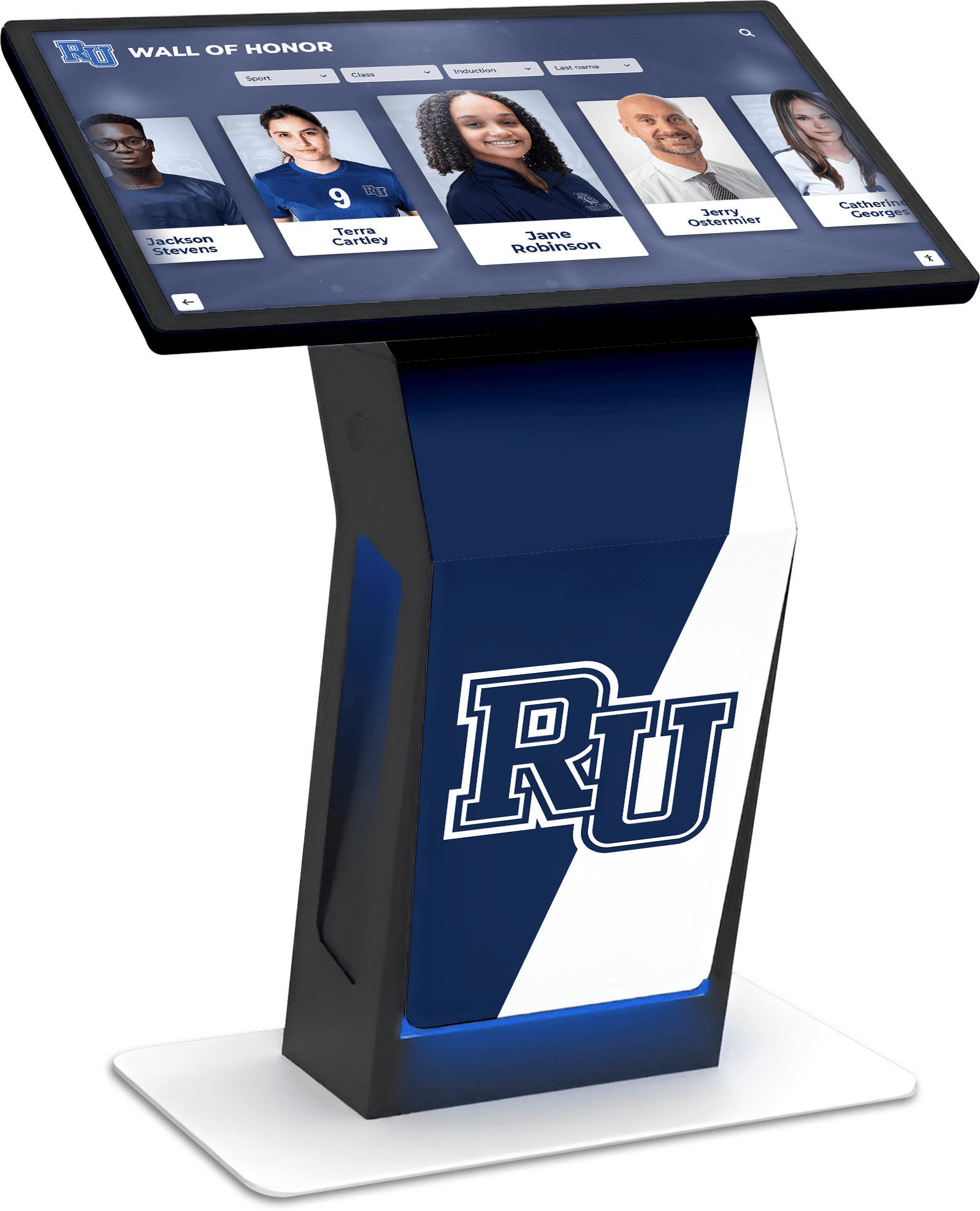
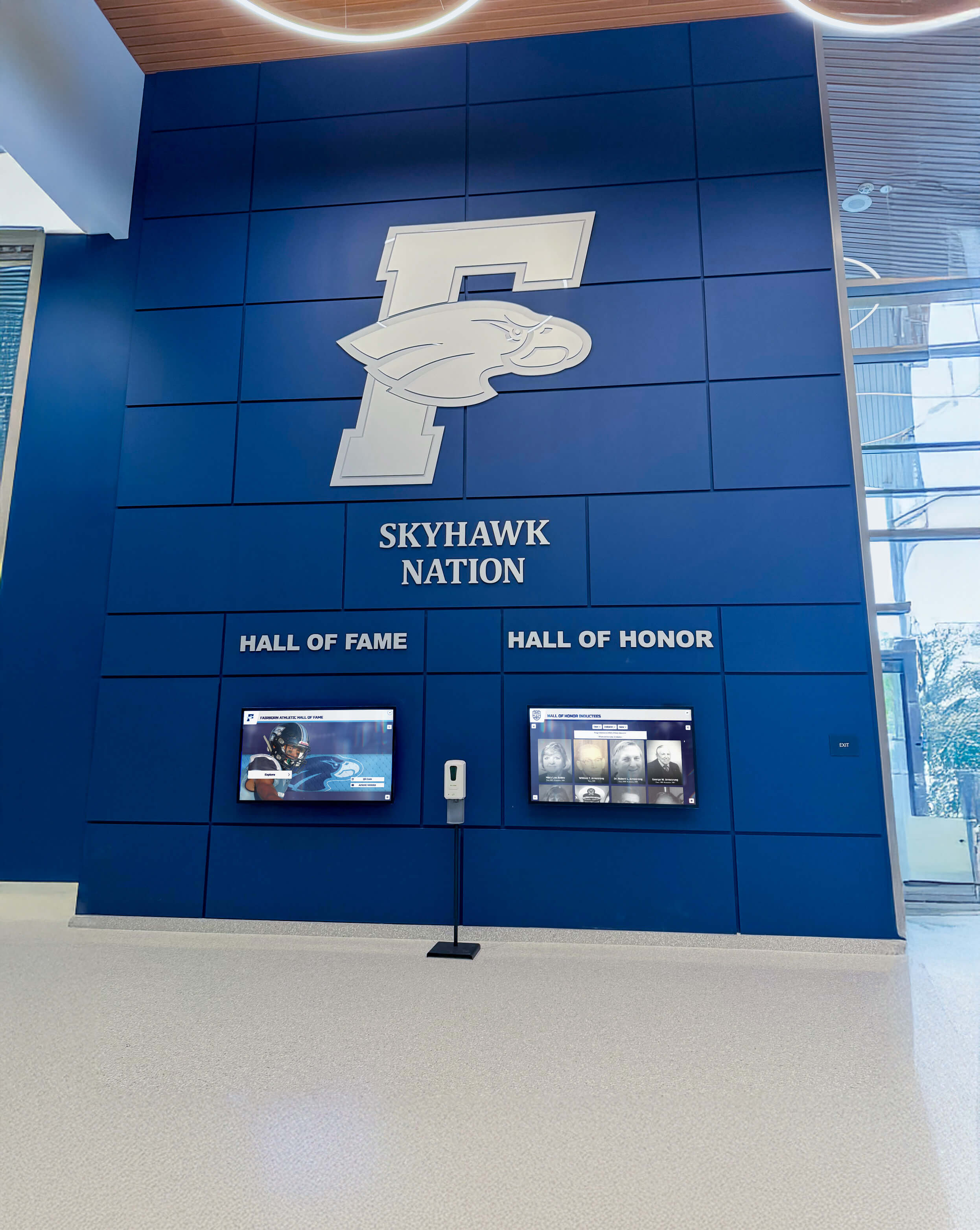
Build recognition of sponsors and major donors through solutions like digital donor walls that showcase support prominently during events while providing permanent recognition extending appreciation beyond single evenings.
Live Auction Implementation
Well-executed live auctions generate substantial revenue while creating exciting program moments when items, pacing, and audience match appropriately.
High-Value Item Selection:
Unique Experiences: One-of-a-kind opportunities impossible to purchase commercially like private dinners with organizational leaders, exclusive facility tours, or special access experiences leveraging organizational connections and assets.
Luxury Packages: High-end travel, hospitality, or experience packages with clear retail values providing aspirational items appealing to attendees with significant discretionary resources.
Mission-Connected Items: Auction lots directly relating to organizational work like naming rights, program sponsorships, or specific project funding creating direct connection between purchase and impact.
Local Premium Offerings: Restaurant experiences, sporting event packages, or entertainment opportunities featuring premium regional options avoiding generic items available through standard channels.
Most successful live auctions feature 6-10 items maximum with estimated values starting around $1,000 and increasing to $10,000+ for final lots. Excessive item numbers dilute bidder attention and extend program length undermining entertainment value and fundraising effectiveness.
Professional auctioneers typically increase revenue 15-30% over volunteer or staff-led auctions through skilled bidding encouragement, entertainment value, and strategic pacing justifying fees of 10-15% of gross auction revenue or flat rates of $1,500-$3,000.
Fund-a-Need Direct Appeals
Direct giving appeals focusing on specific program needs or funding goals often generate more revenue than auctions while creating clear impact connections and enabling broad participation across giving levels.
Effective Appeal Structures:
Specific Project Focus: Describe concrete needs with clear costs like “$25,000 completes the new community center kitchen” or “$50,000 provides scholarships for 25 students” helping donors visualize exactly what their gifts enable rather than making abstract general operating appeals.
Tiered Giving Levels: Outline specific commitment amounts from $100 to $25,000+ with impact descriptions at each level enabling participation across financial capacity spectrum while encouraging stretch gifts from those able to provide major support.
Challenge or Matching Elements: Leverage leadership gifts as matching incentives doubling donor impact and creating urgency driving immediate commitments. Phrases like “The Johnson Family will match every dollar up to $50,000 given tonight” powerfully motivate contribution decisions.
Recognition Integration: Acknowledge commitments immediately through applause, standing recognition at giving levels, or digital display showcase creating social validation rewarding participation and modeling giving behavior encouraging others.
Multiple Response Methods: Enable immediate commitments through mobile giving, pledge cards, electronic tablets at tables, or traditional verbal pledges with clear follow-up processes ensuring smooth fulfillment reducing commitment friction.
Organizations implementing effective fund-a-need appeals often generate 30-50% of total gala revenue through these direct giving opportunities compared to 20-30% from auctions, making strategic appeals the most important revenue element for many events.
Silent Auction Optimization
Silent auctions provide additional revenue streams while creating social activity during cocktail hours, though they require careful management balancing revenue potential against operational complexity.
Silent Auction Best Practices:
Item Volume Management: Feature 30-60 items maximum preventing overwhelming selection while ensuring adequate variety across price points typically ranging from $50 to $2,000.
Strategic Clustering: Group similar items by category or value range simplifying browsing and creating natural progression from modest to premium lots encouraging exploration.
Clear Display and Bidding: Provide professional item presentation with high-quality photos, complete descriptions, value statements, and bidding instructions eliminating confusion and encouraging participation.
Technology Integration: Implement mobile bidding platforms enabling remote participation from any location in venue, automatic outbid notifications maintaining engagement, and seamless checkout simplifying payment collection and item retrieval.
Timing Optimization: Close auctions strategically during cocktail hour or early program maintaining energy while ensuring adequate bidding time but avoiding extended closings disrupting program flow.
Item Procurement: Build auction through strategic solicitations targeting appropriate businesses and individuals, emphasizing tax benefits, marketing value, and community support positioning requests as partnership opportunities rather than pure donations.
Mobile bidding technology typically increases auction revenue 15-25% over paper-based approaches while reducing staffing requirements and improving guest experience through convenient participation from tables rather than crowding around display tables.
Creative Engagement and Experience Elements
Beyond core fundraising mechanics, innovative engagement elements create memorable experiences that differentiate events while deepening supporter connection to organizational missions.
Mission Moment Storytelling
Powerful beneficiary stories, impact testimonials, or program demonstrations transform abstract missions into tangible realities that inspire giving while avoiding exploitative or manipulative approaches that undermine credibility.
Storytelling Approaches:
Direct Beneficiary Testimonials: Invite program participants to share personal experiences explaining how organizational support changed their circumstances, overcame challenges, or enabled achievement of goals demonstrating real impact through authentic voices.
Video Storytelling: Produce short documentary-style pieces showcasing programs, highlighting specific outcomes, or following beneficiary journeys creating professional narrative impact without requiring in-person presentations from potentially uncomfortable participants.
Staff and Volunteer Perspectives: Feature frontline program staff or long-serving volunteers explaining why their work matters, what they witness daily, and how donor support enables effective service delivery providing insider perspectives donors rarely access.
Comparative Impact Demonstrations: Use tangible examples or visual aids making abstract impact concrete—displaying actual textbooks purchased, showing before/after images of restored spaces, or demonstrating equipment funded by contributions connecting donations to specific outcomes.
Data-Driven Results: Present compelling statistics, outcome measurements, or program growth metrics demonstrating organizational effectiveness and scaling impact made possible through supporter investment positioning giving as strategic investment in proven models.
Most effective storytelling maintains 3-5 minute durations providing sufficient detail creating emotional connection without extending length that loses audience attention or overshadows other program elements.
Interactive Technology Integration
Modern galas leverage technology enhancing engagement, streamlining operations, and providing instant recognition creating contemporary experiences appealing to donors across generations.
Technology Enhancement Opportunities:
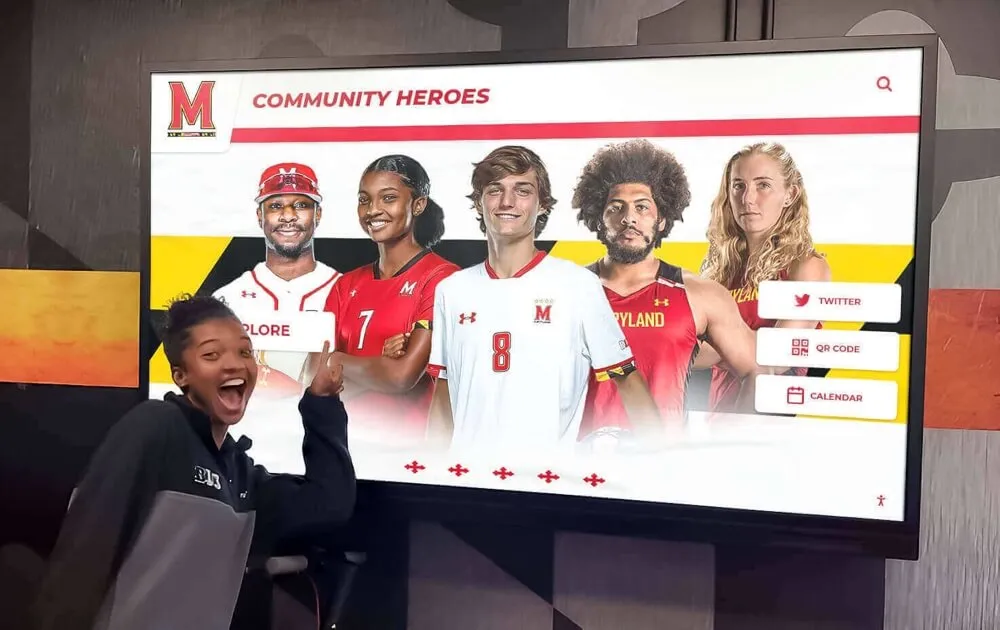
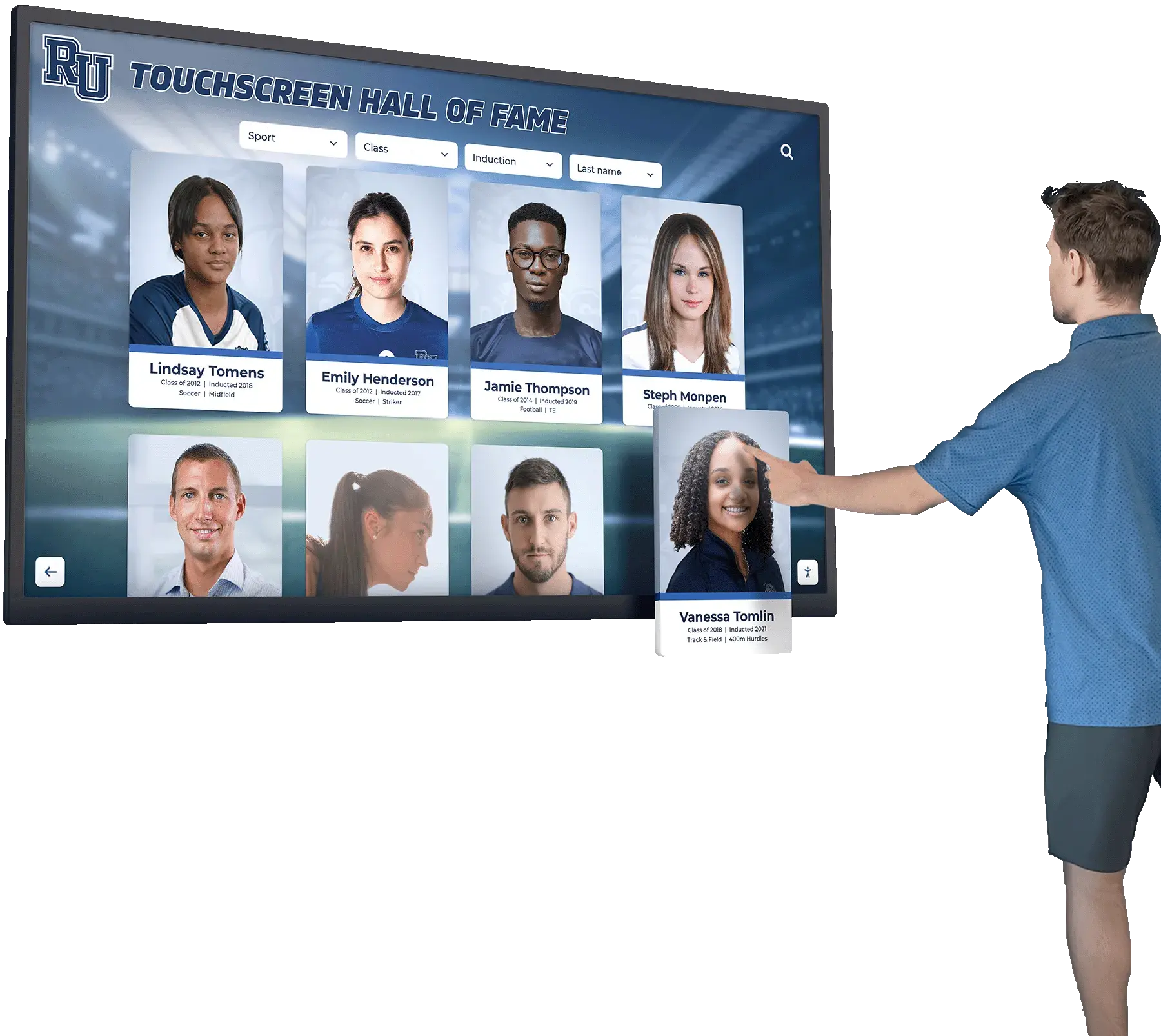
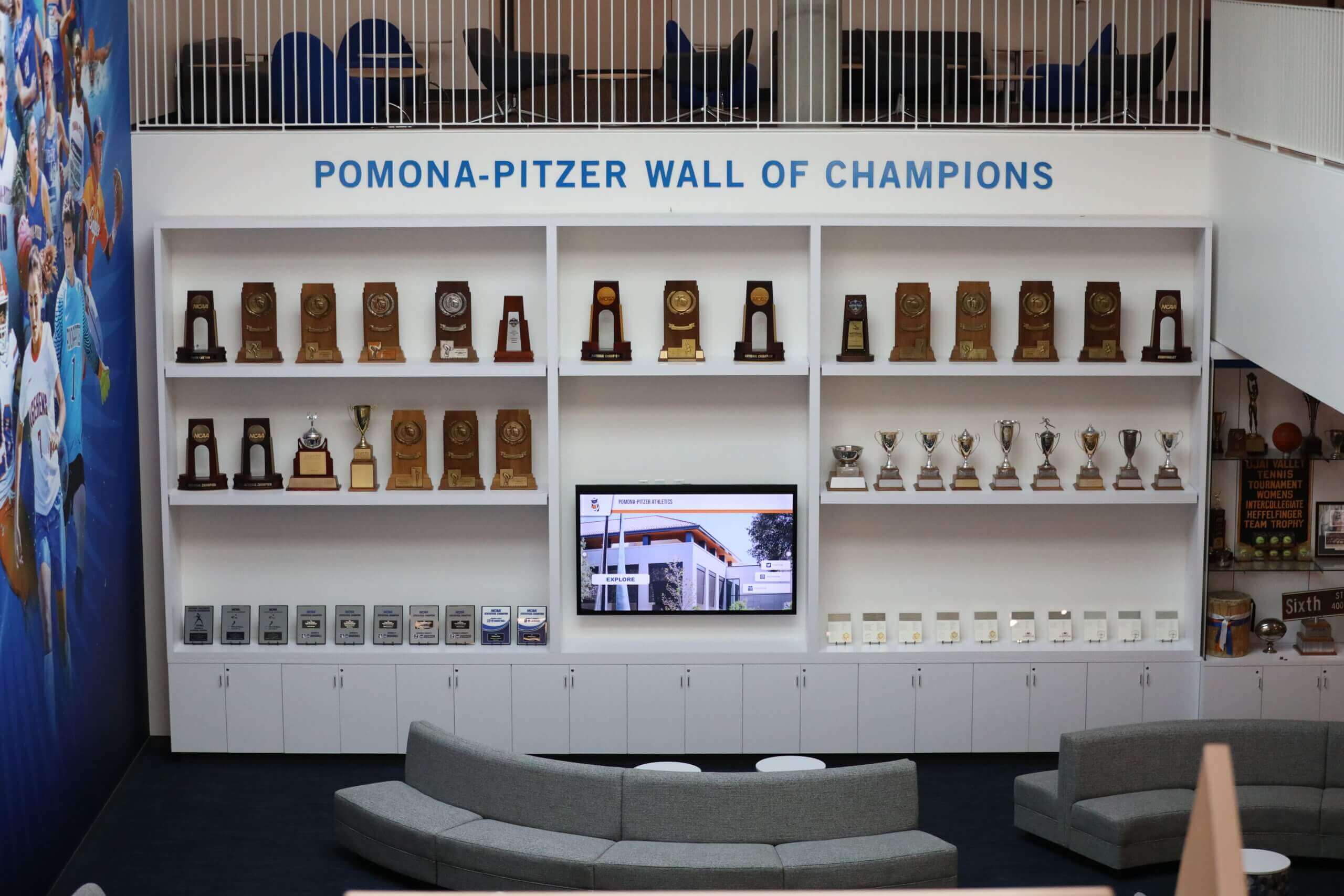
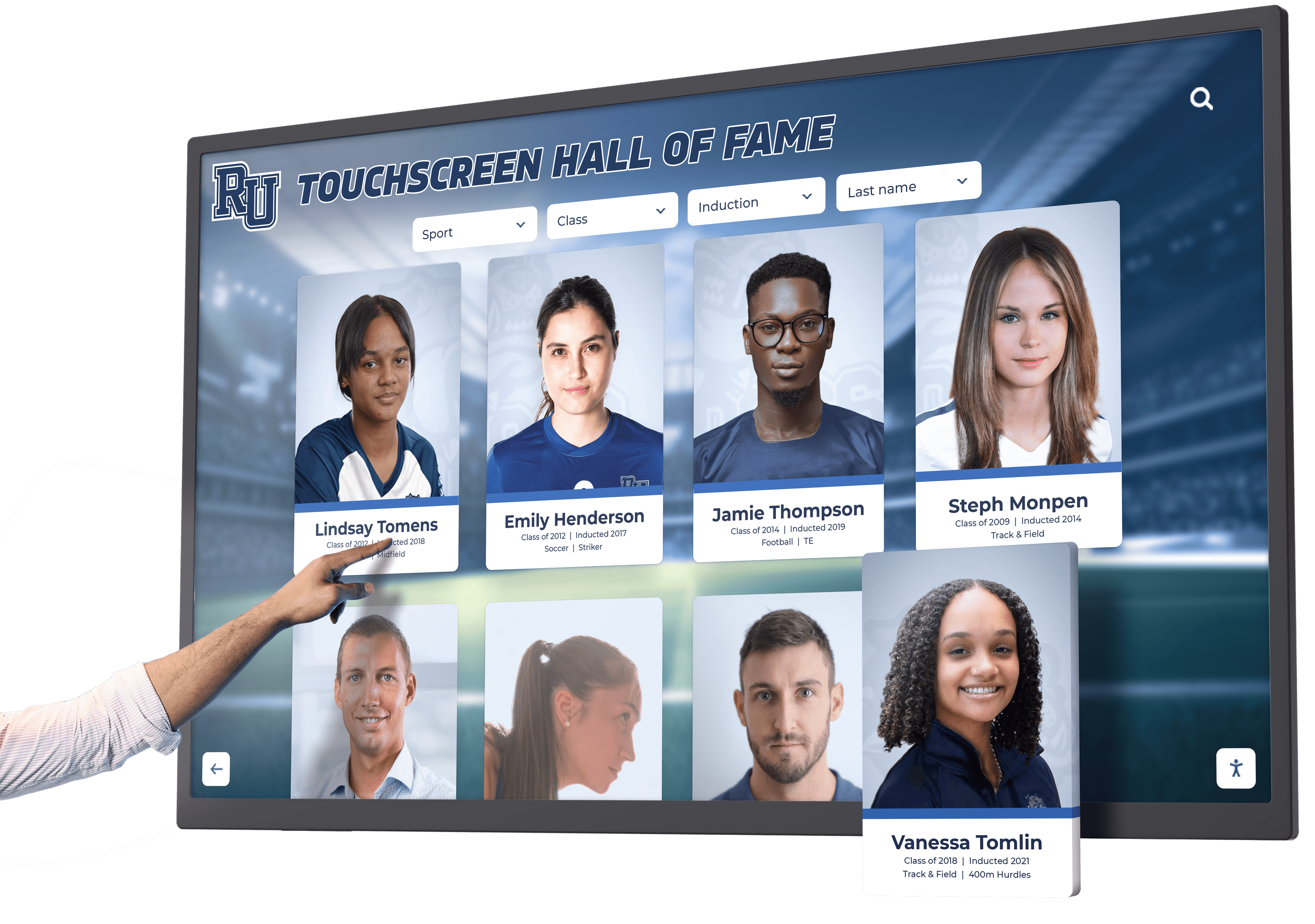
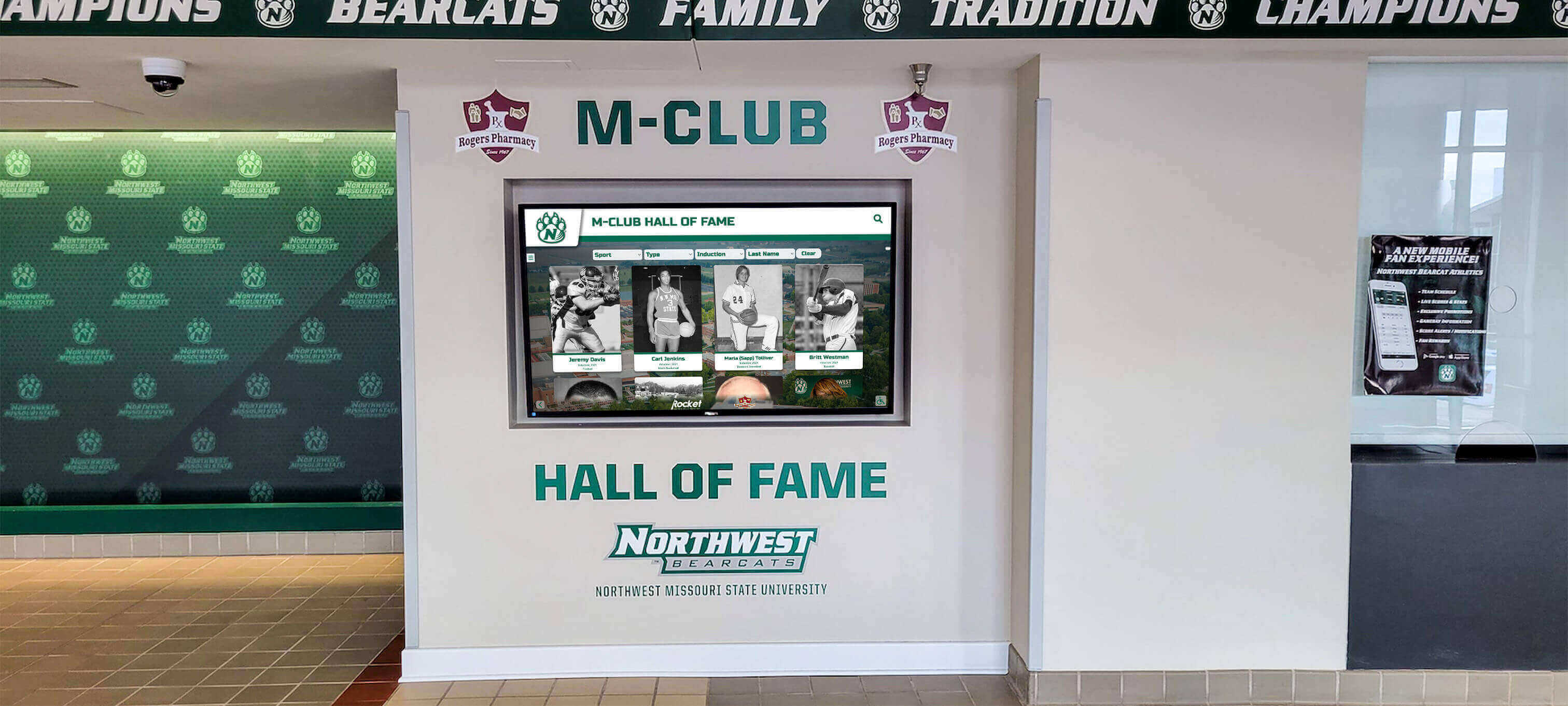
Digital Display Recognition: Showcase major donors, event sponsors, and campaign leaders through professional digital displays providing prominent visual recognition during events while enabling easy updates and eliminating production costs of printed materials. Solutions like interactive recognition displays create engaging visual elements while honoring supporter contributions.
Real-Time Giving Displays: Project cumulative fundraising totals throughout evenings showing live updates as commitments occur creating momentum and excitement while demonstrating immediate impact of collective generosity.
Social Media Integration: Feature live social media feeds displaying attendee posts, encourage hashtag use amplifying event visibility, and enable virtual participation from supporters unable to attend creating broader engagement than physical attendance alone.
Mobile Bidding and Giving: Implement comprehensive mobile platforms supporting silent auction participation, fund-a-need contributions, and instant pledge commitments from smartphones eliminating friction in giving processes and enabling spontaneous generosity.
Registration and Check-In: Deploy technology-enabled registration with rapid check-in, instant name badge printing, table assignment communication, and attendee data capture streamlining arrival processes and improving first impressions.
Photo and Video Capture: Create photo opportunities with digital sharing capabilities, produce same-day highlight videos, and enable instant social sharing extending event reach while creating shareable content supporting post-event stewardship and future promotion.
Technology should enhance rather than complicate experiences. Organizations implementing new technology should conduct thorough testing, provide clear instructions, and ensure adequate technical support preventing technology failures creating negative impressions that overshadow intended benefits.
Unique Experience Elements
Distinctive touches create differentiation and memorability helping galas stand apart from generic fundraising dinners while reinforcing organizational identity and mission.
Differentiation Strategies:
Venue Selection: Choose distinctive locations reflecting organizational character like outdoor garden settings for environmental groups, historic buildings for preservation organizations, or program facility venues enabling donors to experience spaces their support creates or maintains.
Culinary Innovation: Feature mission-connected menus showcasing ingredients from programs served by food banks, highlighting cuisines from communities supported by international development organizations, or presenting offerings from culinary training programs demonstrating program quality directly.
Participatory Elements: Include hands-on activities, product assembly experiences, or creative contributions enabling donors to directly engage with organizational work rather than simply observing from distance—packing meals, creating artwork for program participants, or assembling supply kits for distribution.
VIP Access Opportunities: Provide exclusive experiences unavailable to general public like facility tours showing restricted areas, private receptions with leadership or celebrity supporters, or behind-the-scenes access demonstrating program operations creating special value for major donors.
Sustainable and Mission-Consistent Practices: Demonstrate organizational values through event execution using locally-sourced catering, implementing zero-waste programs, ensuring accessibility for all guests, or incorporating environmental sustainability practices throughout showing that events embody rather than contradict stated missions.
These distinctive elements should amplify rather than distract from core fundraising objectives. Every unique element must justify its cost and complexity through enhanced guest experience, improved mission connection, or increased revenue generation.
Donor Recognition and Stewardship Integration
Strategic recognition during events provides immediate gratitude while establishing foundations for ongoing stewardship that sustains and grows donor relationships beyond single evenings.
Event-Day Recognition Approaches
Timely acknowledgment during galas demonstrates appreciation while modeling giving behavior that encourages additional support from other attendees.
Recognition Execution Methods:
Program Listing: Include sponsor and major donor names in printed or digital programs with tiered presentation reflecting giving levels showing appreciation systematically while communicating organizational gratitude broadly.
Public Acknowledgment: Verbally recognize key supporters, sponsors, and volunteers during programs with appropriate detail avoiding excessive length but ensuring adequate acknowledgment of significant contributions.
Visual Prominence: Display sponsor logos, major donor names, and campaign leaders prominently through digital displays, projected images, or professional signage creating constant visual reinforcement throughout venues.
Table Placement: Provide premier seating for top supporters near program stages, in sightlines during presentations, or in high-traffic areas reflecting status while enabling personal interaction with organizational leadership and honored guests.
Special Access: Grant major donors exclusive opportunities like leadership receptions, facility tours, or private briefings acknowledging their partnership levels while providing additional value justifying premium support.
Recognition Gifts: Present acknowledgment items to significant supporters ranging from elegant appreciation tokens to substantial recognition pieces depending on giving levels creating tangible gratitude reminders extending beyond event nights.
Recognition should feel genuine rather than transactional. Avoid excessive focus on donor names consuming program time that compromises mission storytelling and emotional engagement that ultimately drive increased support.
Permanent Recognition Integration
While event-day acknowledgment matters, lasting recognition through permanent displays creates enduring gratitude that maintains donor engagement and demonstrates institutional appreciation over years rather than single nights.
Permanent Recognition Strategies:
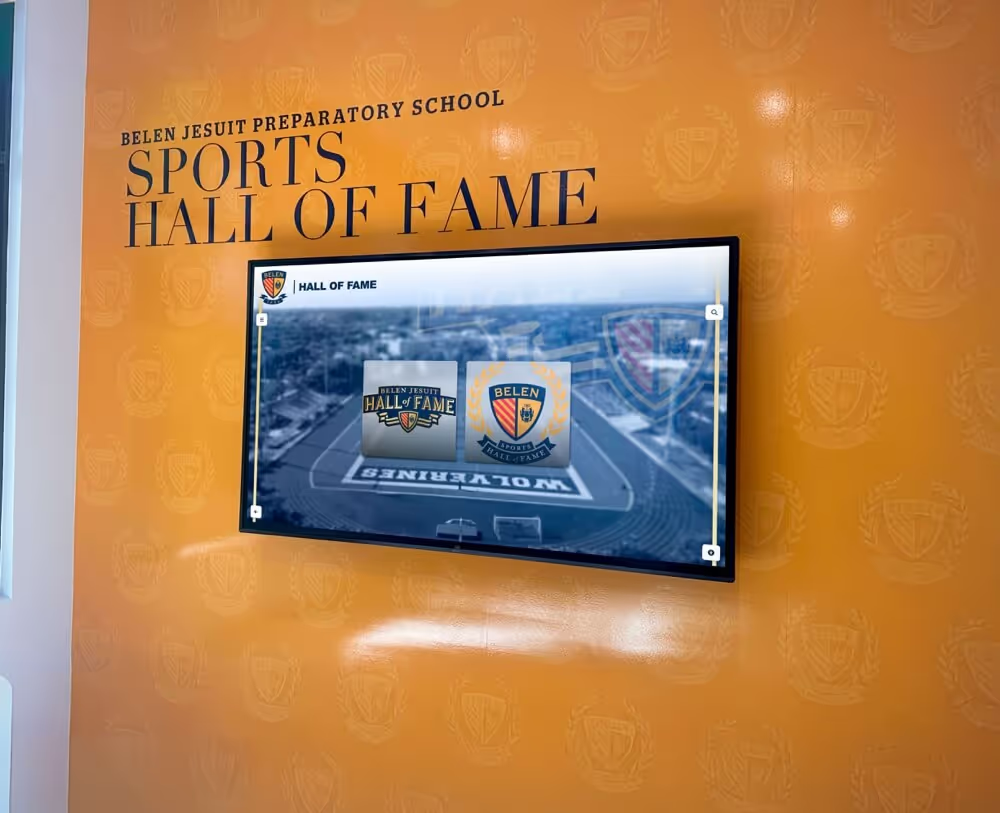
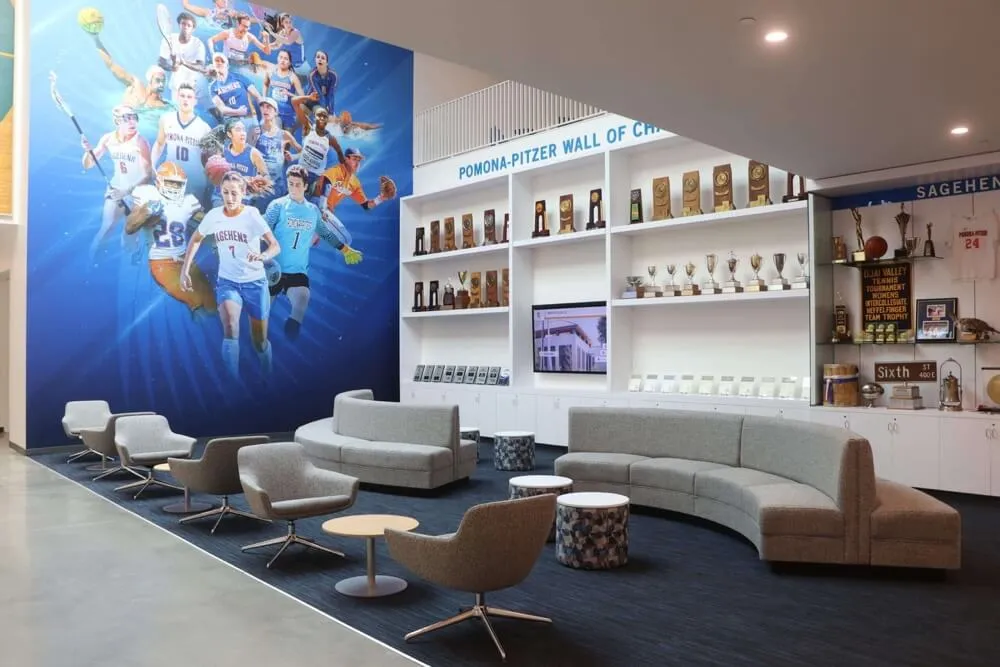
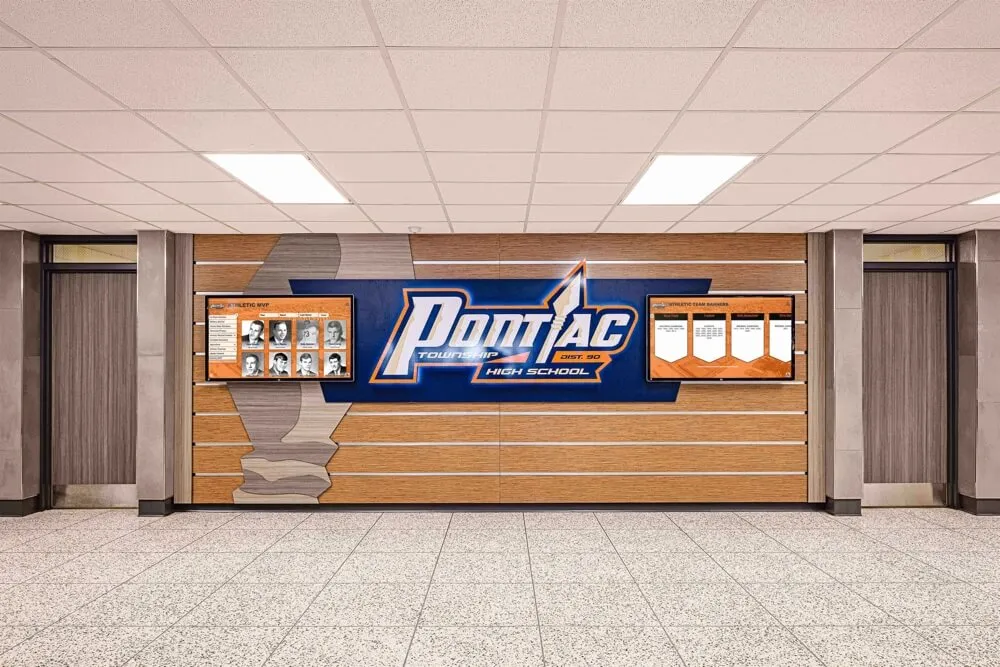
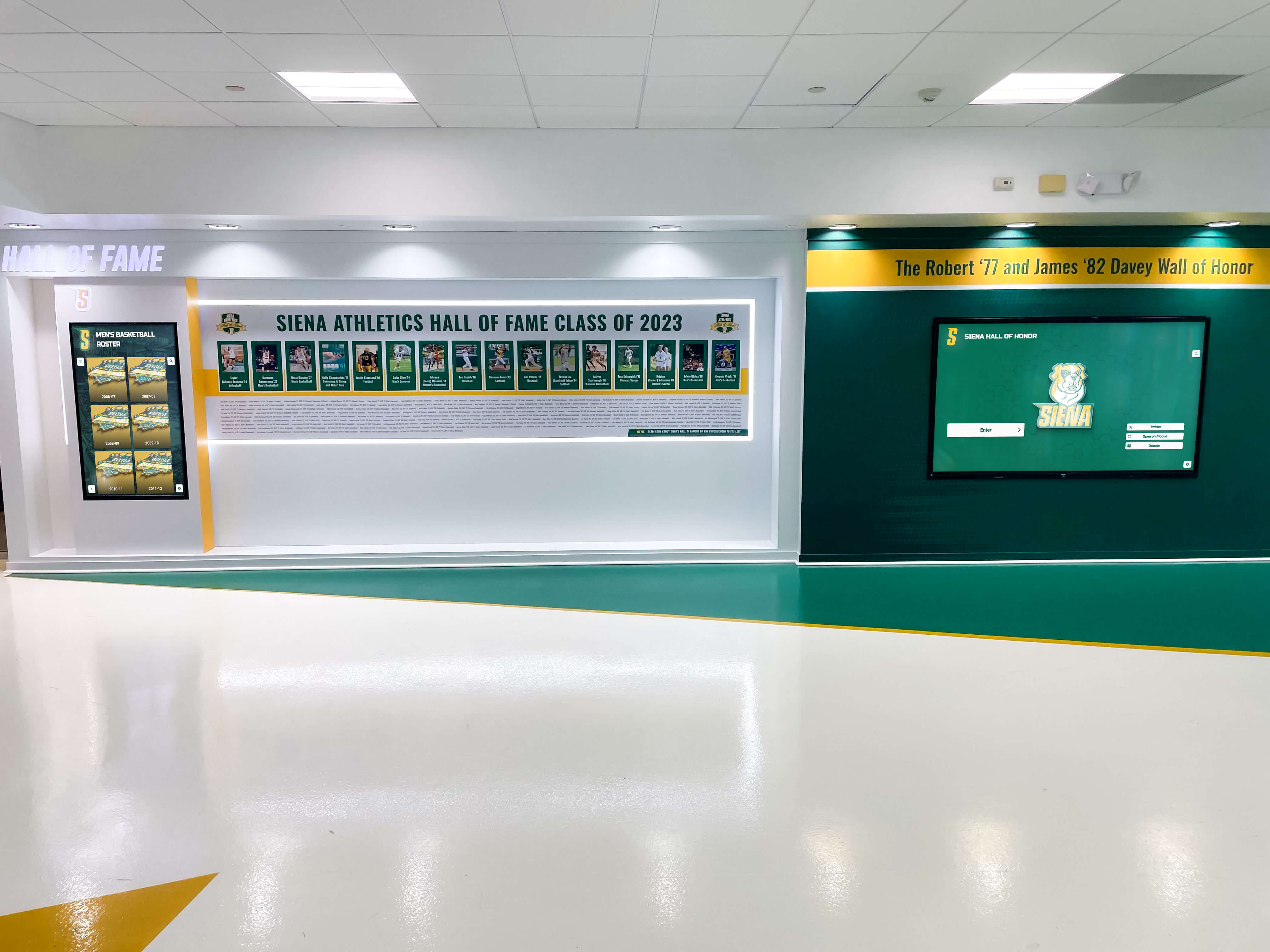
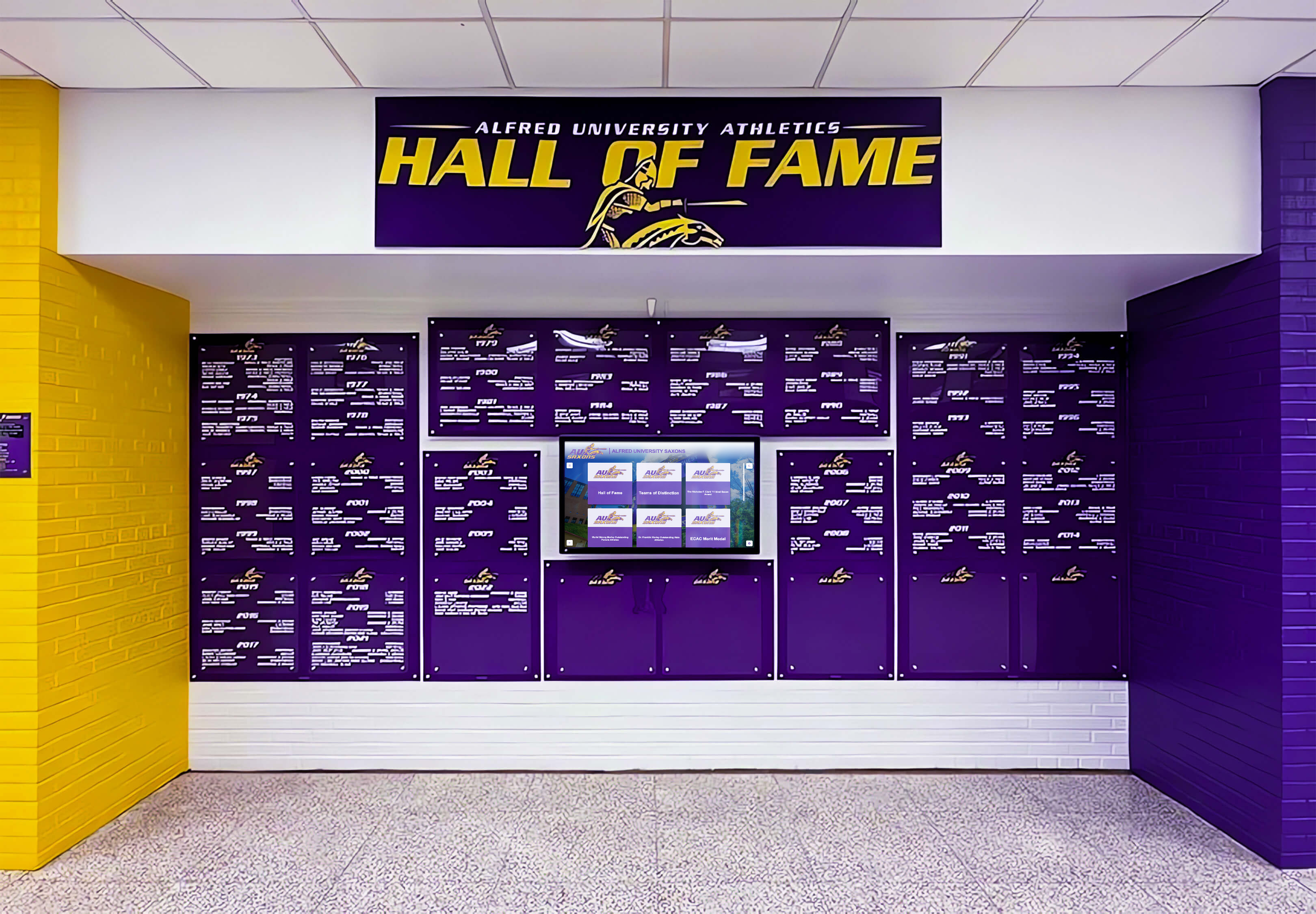
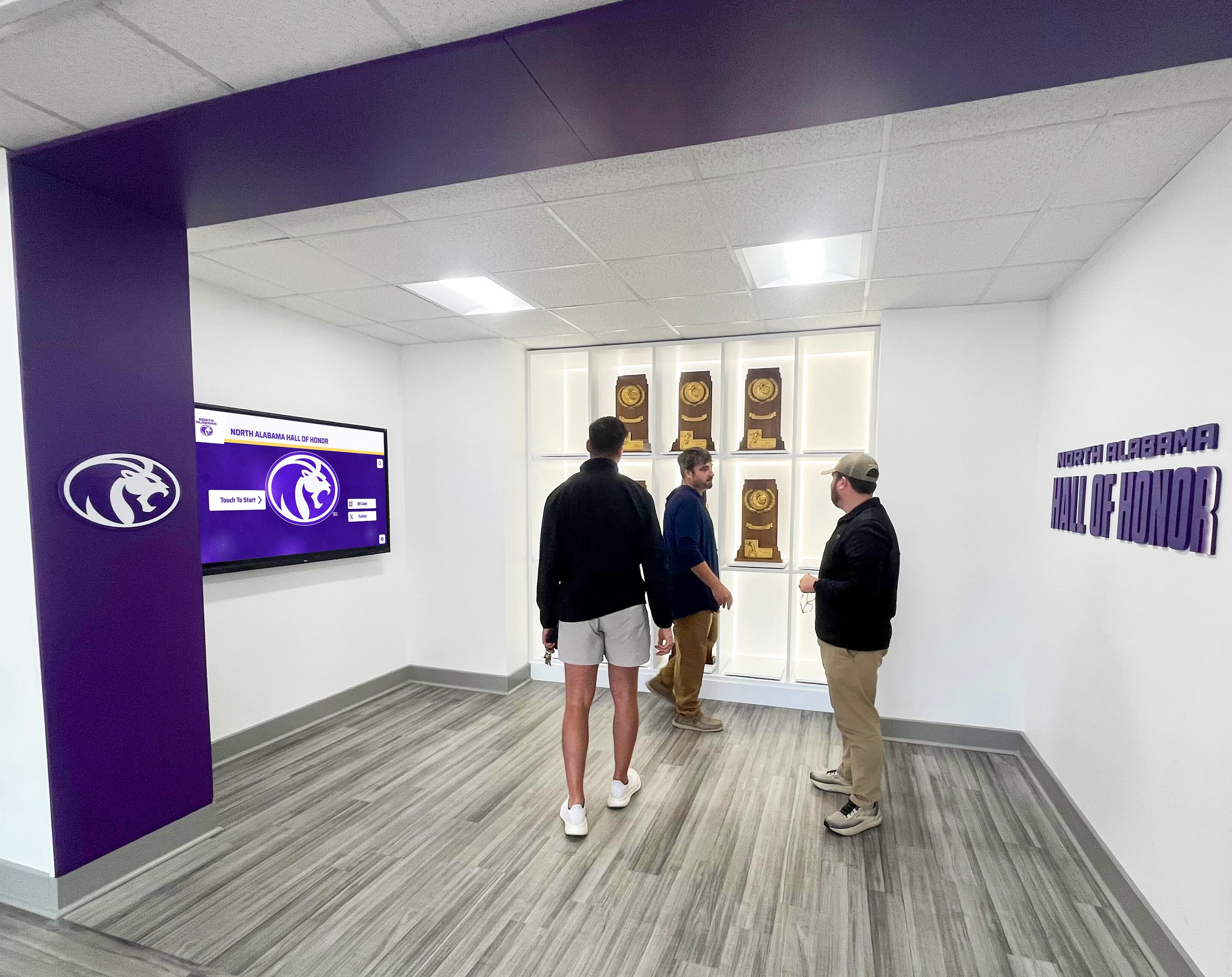
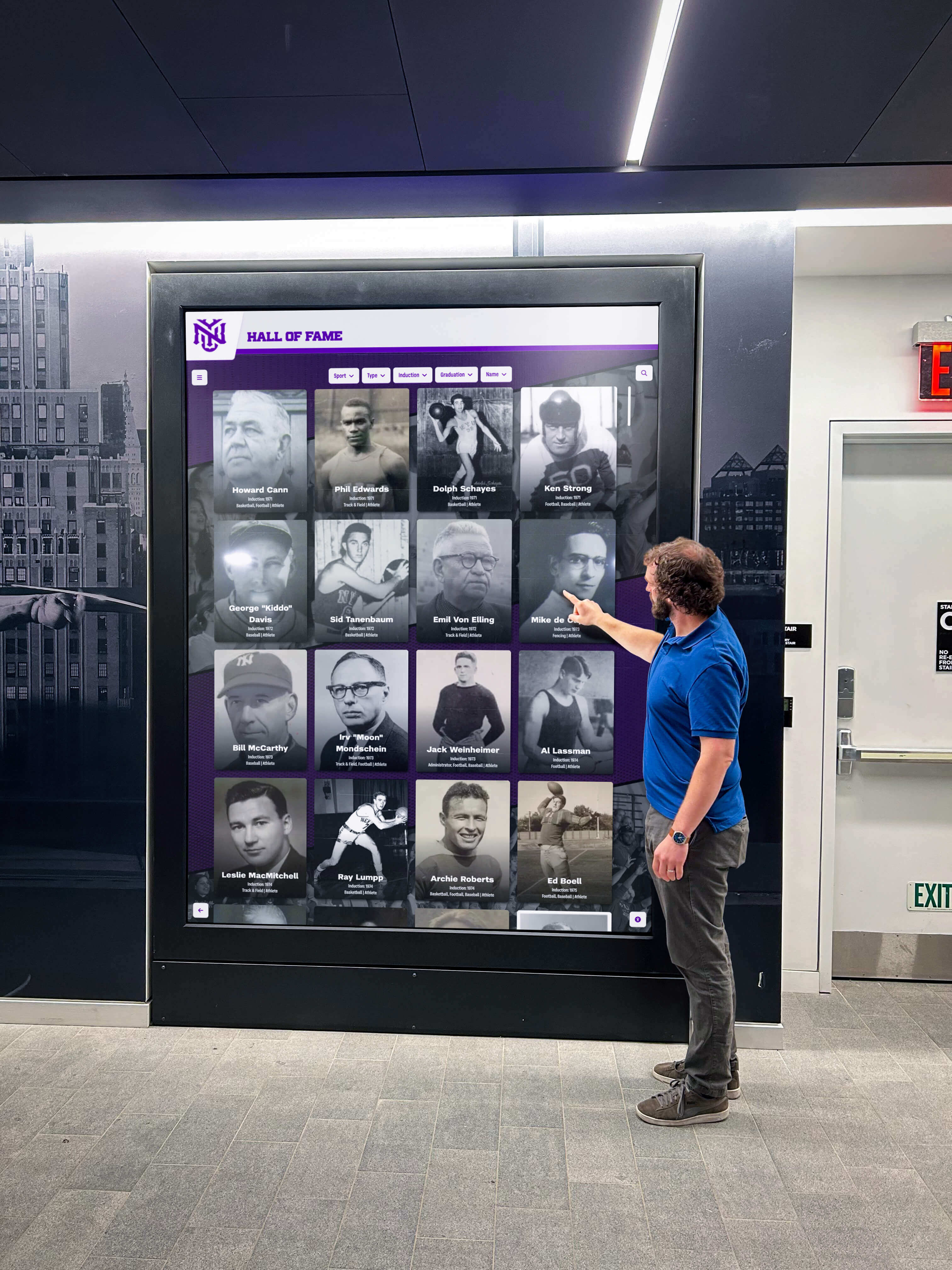
Digital Donor Walls: Implement comprehensive digital recognition systems showcasing supporters perpetually in organizational facilities providing ongoing visibility honoring contributions while enabling regular updates as giving relationships grow. Modern solutions like digital donor recognition displays offer elegant permanent recognition that grows with donor relationships.
Named Spaces and Programs: Provide naming opportunities for facility spaces, program components, or service elements creating lasting association between donor generosity and organizational impact visible to all who interact with named elements over decades.
Honor Rolls and Society Recognition: Establish giving societies at various levels with permanent recognition through digital displays, annual reports, websites, and facilities creating aspirational peer groups motivating continued support and giving growth.
Campaign Displays: Create dedicated recognition for capital campaign donors, major initiative supporters, or special project contributors showcasing transformational gifts that enabled significant organizational advancement.
Legacy Recognition: Honor planned giving commitments, estate gifts, and long-term supporters through special permanent displays distinguishing sustained commitment from transactional annual giving.
Organizations planning major galas should consider unveiling new recognition displays during events creating excitement while demonstrating how supporter investments receive lasting acknowledgment rather than temporary event-night mentions. The unveiling becomes a memorable moment showing that organizational gratitude extends far beyond fundraising evenings.
Post-Event Stewardship
Gala relationships require careful post-event cultivation converting event attendance and giving into sustained engagement that grows over time through systematic stewardship.
Follow-Up Best Practices:
Immediate Acknowledgment: Send thank you communications within 48-72 hours while event memories remain fresh expressing sincere gratitude for attendance and contributions before moving to detailed impact reporting.
Contribution Receipts: Provide proper gift acknowledgment documentation meeting IRS requirements while reinforcing impact descriptions and expressing appreciation formally establishing legal gift records.
Impact Reporting: Follow up within 30-60 days describing how gala funds will support specific programs, sharing early implementation progress, or highlighting outcomes enabled by collective generosity demonstrating that contributions create tangible results.
Personal Outreach: Make individual phone calls or personal visits to major donors providing direct appreciation from executive leadership reinforcing importance of their support and building relationships extending beyond transactional interactions.
Ongoing Engagement: Invite gala donors to additional cultivation events, program site visits, or volunteer opportunities deepening relationships and demonstrating multiple ways to support organizational missions beyond annual check writing.
Next-Year Planning: Begin early communication about upcoming galas securing save-the-date commitments, renewing sponsorships, and discussing increased involvement converting single-year attendees into committed multi-year supporters.
Effective stewardship transforms event attendees into institutional advocates. Organizations tracking donor retention, giving progression, and engagement patterns from gala attendees gain insights about whether events build lasting relationships or represent one-time extraction opportunities that rarely convert into sustained support.
Budget Development and Financial Management
Successful gala execution requires disciplined financial management balancing investment in quality experiences against revenue goals while tracking all costs that impact net proceeds.
Comprehensive Budget Building
Thorough budgets account for all expense categories preventing surprises that undermine projected net revenue and creating clear financial goals guiding planning decisions.
Complete Expense Categories:
Facility Costs: Venue rental, setup and breakdown fees, security requirements, parking arrangements, and insurance creating the physical setting for events.
Food and Beverage: Per-person catering costs, bar services, specialty dietary accommodations, service charges typically 20-22%, and gratuities for staff usually 18-22% of food costs representing largest single expense category for most galas.
Program and Production: Audiovisual equipment and technical support, stage and lighting design, entertainment fees, program printing and materials, signage and decor, and multimedia production creating experience quality and program effectiveness.
Fundraising Technology: Mobile bidding platform fees typically $500-$2,000, payment processing costs usually 2.5-3.5% of transactions, auction management tools, and giving platform subscriptions enabling revenue generation.
Marketing and Communications: Invitation design and printing or digital production, postage and mailing services, advertising and promotional materials, registration website or platform fees, and photography/videography documenting events and supporting future promotion.
Recognition and Stewardship: Thank you gifts for honorees or major donors, recognition materials during events, post-event acknowledgment items, and appreciation communications continuing relationship building.
Administrative and Operational: Staff time for planning, execution, and follow-up typically representing substantial investment often undervalued in budget calculations, volunteer management and support, event insurance coverage, and contingency reserves for unexpected costs typically 5-10% of total budget.
Organizations should develop budgets showing both gross revenue goals and anticipated net proceeds with expense ratios typically targeting 40-50% of gross revenue for efficient events, though luxury galas targeting very high-capacity donors may justify higher expense ratios investing in exceptional experiences that generate substantial major gifts.
Revenue Projection and Target Setting
Realistic revenue forecasting prevents disappointment while creating clear goals that motivate planning teams and guide fundraising strategy development.
Revenue Stream Projections:
Ticket Sales: Estimate based on historical attendance, guest capacity limits, and realistic sales projections accounting for comped tickets, no-shows typically 5-10%, and potential shortfalls from optimistic targets.
Sponsorships: Project based on committed sponsors, realistic prospects in pipeline, and historical success rates converting sponsorship asks into actual commitments typically 30-50% for cold prospects.
Live Auction: Estimate conservatively based on item values, expected bidder numbers, and historical per-person auction spending at similar events typically ranging from $50-$150 per attendee.
Fund-a-Need Appeal: Project based on guest capacity, average giving amounts from historical appeals typically $100-$200 per attendee, and participation rates usually 40-60% of guests making commitments during appeals.
Silent Auction: Calculate based on item values, realistic bidding expectations typically achieving 60-80% of retail values for quality items, and historical attendance patterns during cocktail hours.
Underwriting and Major Gifts: Include philanthropic contributions solicited specifically for events from donors covering costs enabling all ticket revenue to benefit programs directly.
Conservative projections prevent overconfidence and budgeting based on unrealistic income expectations. Organizations should identify revenue targets representing minimum acceptable performance, realistic expected performance, and ambitious stretch goals guiding planning decisions and evaluating success afterward.
Expense Negotiation and Cost Control
Strategic vendor negotiation and careful cost management protect net revenue without compromising experience quality that drives donor satisfaction and long-term support.
Cost Management Strategies:
Venue Negotiation: Explore reduced rental fees in exchange for food and beverage minimums, negotiate complimentary services like audiovisual equipment or coat check, request waived setup charges, and consider less popular event dates offering lower rates.
In-Kind Sponsorships: Solicit donated services for catering, printing, flowers, entertainment, or photography converting expense items into sponsorship opportunities that reduce direct costs while providing valuable recognition to business supporters.
Vendor Partnerships: Build relationships with quality vendors across multiple years enabling preferential pricing, flexibility on terms, and priority service in exchange for consistent business and prominent recognition at events.
Volunteer Utilization: Deploy volunteers appropriately for tasks like setup, registration, auction item display, and breakdown reducing staffing costs while engaging supporters meaningfully, though maintaining professional service for guest-facing roles warranting paid expertise.
Strategic Timing: Schedule events during less competitive seasons avoiding conflicts with other major community events while potentially accessing lower venue rates and better vendor availability during slower business periods.
Technology Efficiency: Implement digital invitations and communications, mobile bidding reducing auction staffing, online registration streamlining data collection, and automated follow-up systems increasing operational efficiency while reducing costs.
Cost consciousness should never compromise fundamental experience quality that affects donor perceptions and long-term relationships. Reduce expenses strategically in areas invisible to guests rather than cutting elements that diminish experience quality undermining event objectives.
Timeline and Planning Workflow
Successful gala execution requires systematic planning starting well in advance of events following structured timelines ensuring adequate preparation across all critical elements.
Long-Range Planning (6-12 Months Before)
Early planning establishes foundations enabling effective execution as event dates approach.
Initial Planning Activities:
Date Selection: Choose event dates considering community calendars, competing events, organizational program timing, venue availability, and key supporter schedules maximizing attendance potential while avoiding known conflicts.
Goal Setting: Establish clear objectives for revenue targets, attendance goals, donor cultivation priorities, and mission communication outcomes providing measurable success criteria guiding planning decisions.
Committee Formation: Recruit planning committee members, advisory board participants, and volunteer leadership representing diverse perspectives and networks while distributing workload across multiple individuals preventing volunteer burnout.
Venue Booking: Secure appropriate venues requiring long lead times for premium locations, negotiate contracts including cancellation terms and deposit schedules, and confirm technical capabilities supporting program requirements.
Budget Development: Create comprehensive preliminary budgets including all expense categories, realistic revenue projections, and target net proceeds establishing financial frameworks constraining and guiding planning decisions.
Theme Conceptualization: Develop event themes, program concepts, and storytelling approaches aligning with organizational missions while creating distinctive experiences differentiating events from generic fundraising dinners.
Organizations hosting annual galas often begin preliminary planning for subsequent years immediately after events while experiences remain fresh and before planning teams disperse, establishing continuity that improves execution quality over time.
Mid-Range Planning (3-6 Months Before)
As event dates approach, planning intensifies across operational, fundraising, and communications work streams.
Mid-Range Activities:
Sponsorship Sales: Launch sponsorship solicitations beginning with prior-year sponsors seeking renewals before approaching new prospects, creating proposal packages with clear benefits, and tracking prospects through systematic follow-up.
Auction Development: Solicit auction items from businesses and individuals targeting appropriate values for audience, secure unique experience packages leveraging organizational connections, and develop item descriptions highlighting appeal and value.
Guest Invitations: Develop comprehensive guest lists including prior attendees, major donors, prospects, board members, and community leaders, clean databases ensuring accurate contact information, and prepare segmented invitation strategies for different audience tiers.
Entertainment Booking: Contract performers, speakers, or program participants, confirm technical requirements, coordinate program integration ensuring mission alignment, and finalize payment terms and rider requirements.
Program Development: Draft complete program flows with timing, create speaking notes and presentation materials, develop fundraising appeal strategies and giving level structures, and identify storytelling opportunities and participants.
Marketing and Communications: Design and produce invitations, create event websites with registration capabilities, develop social media promotion strategies, and coordinate advertising or publicity campaigns generating awareness and driving ticket sales.
Organizations should conduct mid-planning checkpoints evaluating progress against timelines, identifying gaps or delays requiring attention, and adjusting plans responding to changing circumstances or new information affecting execution approaches.
Final Preparation (1-3 Months Before)
Final weeks before events require intensive coordination ensuring operational readiness across all event elements.
Final Planning Activities:
Ticket Sales Push: Implement final sales campaigns targeting prospect lists, leverage committee member networks for last-minute sales, coordinate early-bird incentives encouraging advance purchases, and confirm attendance through reminder communications.
Logistics Finalization: Confirm final attendee counts with caterers, create seating charts optimizing table composition, finalize volunteer assignments, coordinate vendor schedules and deliveries, and develop minute-by-minute run-of-show timelines.
Technology Testing: Conduct thorough testing of mobile bidding platforms, payment processing systems, presentation technology, and recognition displays preventing technical failures during events that create negative impressions.
Recognition Preparation: Finalize sponsor recognition placements in programs and signage, prepare donor acknowledgment materials for event distribution, create volunteer thank you elements, and confirm any award presentations or special recognitions.
Staff and Volunteer Training: Brief all team members on roles and responsibilities, practice program presentations and auction execution, review contingency plans for common issues, and ensure everyone understands event objectives and their contributions to success.
Final Communication: Send final confirmation communications to attendees with timing, location, parking, and program overview information, confirm sponsor expectations and recognition placements, and provide last-minute reminders driving attendance and excitement.
Experienced planners conduct full rehearsals one week before events, testing technology, practicing program flow, and identifying any remaining gaps requiring attention before guests arrive ensuring smooth execution preventing amateurish problems undermining carefully-planned events.
Post-Event Analysis and Continuous Improvement
Gala success extends beyond event nights into systematic evaluation processes that identify lessons informing future improvements while building on strengths that made events successful.
Comprehensive Performance Analysis
Thorough post-event assessment examines financial results, attendee experience, operational execution, and donor engagement outcomes comparing performance against established goals.
Analysis Categories:
Financial Performance Review: Compare actual revenue and expenses against budgets, calculate net proceeds and expense ratios, analyze revenue by source identifying most and least productive fundraising elements, and evaluate return on investment for major expense categories.
Attendance and Participation Analysis: Review final attendance versus projections, examine ticket sales by category and timing, assess auction participation rates and bidding patterns, and evaluate fund-a-need response and giving levels.
Attendee Experience Assessment: Survey guests gathering feedback about program quality, timing, venue, food, entertainment, and overall satisfaction, identify highlights and problems through qualitative responses, and compare satisfaction across guest segments like new versus repeat attendees.
Operational Execution Evaluation: Debrief staff and volunteers about planning process, event-day operations, and challenges encountered, document what worked well and should continue, and identify problems requiring solutions before next events.
Donor Engagement Impact: Track major gift commitments secured at events, monitor donor retention and repeat attendance patterns, measure giving progression among attendees compared to non-attendees, and evaluate whether events strengthen relationships beyond immediate fundraising.
Organizations should conduct formal debrief meetings within two weeks of events while experiences remain fresh, gathering diverse perspectives from staff, volunteers, committee members, and attendees ensuring comprehensive understanding of successes and failures that inform future planning.
Documentation and Knowledge Management
Systematic documentation captures institutional knowledge preventing loss of expertise when staff or volunteers transition while creating resources improving efficiency for subsequent events.
Documentation Priorities:
Vendor Relationships: Maintain complete contact information, contract details, performance notes, and recommendations for future use creating vendor databases supporting rapid planning for subsequent years.
Planning Timelines: Document actual timelines showing when activities occurred, identifying where schedules succeeded or required adjustment, and developing recommended timeline templates improving future planning efficiency.
Best Practices: Record successful approaches, effective scripts or communication templates, proven fundraising techniques, and engagement strategies that worked well creating organizational playbooks codifying experience across events.
Financial Records: Preserve detailed budgets, actual income and expense reports, gift receipts and donor records, and audit documentation meeting legal requirements while supporting historical analysis and future projections.
Lessons Learned: Compile problems encountered, solutions implemented, ideas for future improvements, and suggestions from staff, volunteers, and attendees creating continuous improvement resources preventing repeated mistakes across years.
Organizations treating galas as one-time events rather than annual programs often lose institutional knowledge requiring substantial reinvention each year. Systematic documentation combined with consistent planning leadership creates efficiency improving execution while reducing planning burden over time through accumulated experience.
Strategic Evolution and Innovation
While consistency provides value, the most successful gala programs evolve thoughtfully based on performance data, changing donor expectations, and emerging best practices keeping events fresh while maintaining core strengths.
Evolution Opportunities:
Technology Adoption: Explore emerging tools enhancing engagement, streamlining operations, or improving recognition like advanced digital recognition systems that provide sophisticated donor acknowledgment during and beyond events.
Program Innovation: Introduce new storytelling approaches, engagement elements, or fundraising techniques informed by industry best practices, successful peer organization examples, or creative brainstorming avoiding stagnation that makes events feel repetitive.
Audience Development: Expand guest composition strategies through young professional programs, diverse community engagement, or geographic expansion growing donor bases while maintaining core supporter relationships.
Revenue Diversification: Test new fundraising approaches supplementing or replacing less productive existing elements, optimize giving level structures responding to donor capacity, and explore virtual participation options extending engagement beyond physical attendance.
Efficiency Improvements: Streamline planning processes eliminating unnecessary complexity, leverage technology reducing manual work, and refine vendor relationships improving cost-effectiveness without compromising quality.
Changes should reflect strategic intention based on data and feedback rather than arbitrary alterations seeking novelty for its own sake. Successful evolution maintains elements working well while thoughtfully improving aspects performing below expectations or opportunities to enhance results through evidence-based adjustments.
Creating Galas That Build Lasting Support
Fundraising galas represent significant organizational investments requiring substantial resources, countless volunteer hours, and intensive staff effort. When executed strategically, these events justify investments by generating immediate revenue, cultivating major donor relationships, and creating celebration experiences that honor supporters while inspiring continued commitment to organizational missions.
The most successful galas in 2026 balance elegant experiences with authentic mission connection, create multiple giving opportunities enabling diverse participation, honor existing supporters through thoughtful recognition while welcoming new donors into organizational families, leverage technology enhancing engagement without overwhelming traditional supporters, and maintain focus on relationship building that extends impact far beyond event nights.
Strategic gala planning begins with clear purpose definition guiding every subsequent decision. Organizations knowing whether they prioritize immediate revenue maximization, major donor cultivation, community celebration, or campaign launching can align all planning elements—venue selection, program design, fundraising approaches, guest composition—creating coherent experiences achieving intended objectives rather than scattered efforts trying to accomplish too much simultaneously.
Effective galas tell compelling stories making missions tangible through beneficiary experiences, program demonstrations, and impact data that help supporters understand why their contributions matter. They provide clear opportunities for increased support through well-structured appeals, auction participation, and major gift conversations creating natural pathways to generosity without uncomfortable pressure that undermines relationships. And they honor supporters through sincere acknowledgment, professional recognition, and ongoing stewardship demonstrating that gratitude extends far beyond fundraising requests.
Modern technology platforms enhance gala experiences substantially by enabling sophisticated donor recognition through digital displays showcasing support prominently, streamlining fundraising through mobile bidding and giving tools reducing friction, improving operations through efficient registration and communication systems, and extending impact through social media integration and virtual participation options.
Ready to elevate your fundraising gala with professional donor recognition that creates lasting impressions? Digital recognition solutions purpose-built for events and permanent installations provide elegant platforms honoring supporters visibly during galas while ensuring year-round acknowledgment that sustains relationships long after events conclude. Solutions like Rocket Alumni Solutions offer sophisticated recognition systems that transform how organizations celebrate supporters while providing permanent displays that grow with donor relationships.
Fundraising galas work best when they transcend transactional fundraising to become genuine celebrations of partnership between organizations and supporters. When events honor existing relationships, welcome new supporters authentically, demonstrate impact clearly, and provide natural opportunities for increased engagement, they build sustainable support networks that strengthen missions for years following any single event evening. Every gala represents an opportunity not just to raise funds, but to deepen relationships that transform one-time donors into lifelong advocates whose commitment sustains organizational impact across decades.