



Football field dimensions follow precise standards that seem simple at first glance—120 yards long, 53⅓ yards wide—yet the complete specifications encompass dozens of measurements governing playing surfaces, safety zones, marking patterns, and equipment positioning that athletic directors, facilities managers, and field planners must understand thoroughly. Whether planning new field construction, renovating existing facilities, evaluating multi-purpose field configurations, or simply understanding the game’s spatial requirements, comprehensive knowledge of football field dimensions ensures compliance with governing body standards while optimizing player safety and competitive fairness.
Athletic administrators face practical dimension questions throughout facility planning cycles: Do high school fields match college specifications exactly? How much additional space beyond boundary lines should we plan for safety? What dimensional variations exist between different governing bodies? How do we accommodate both football and soccer on shared surfaces? What marking specifications must striping crews follow for compliance? Understanding these measurements prevents costly errors during construction while ensuring fields meet competitive standards for scheduled games and championship hosting eligibility.
Showcasing Football Excellence Beyond Field Lines
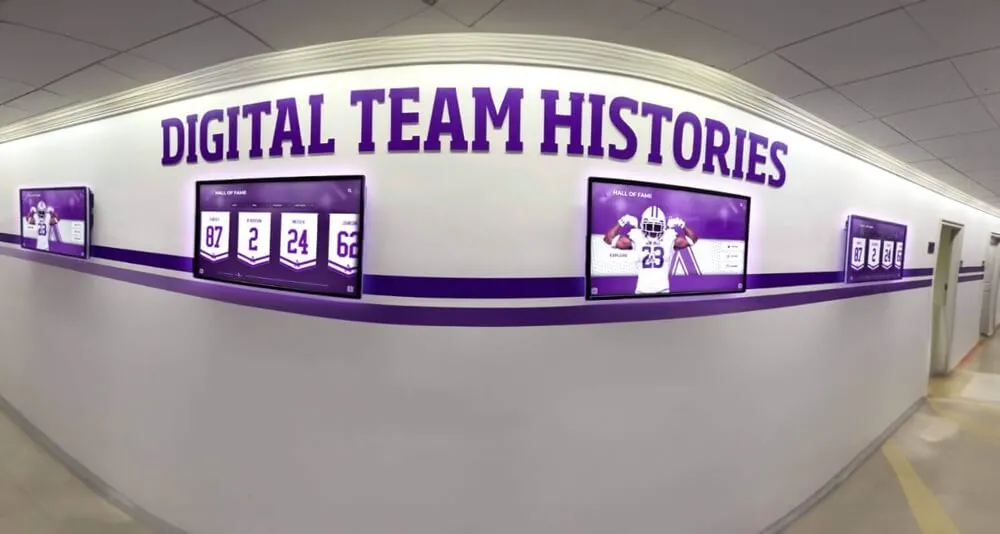
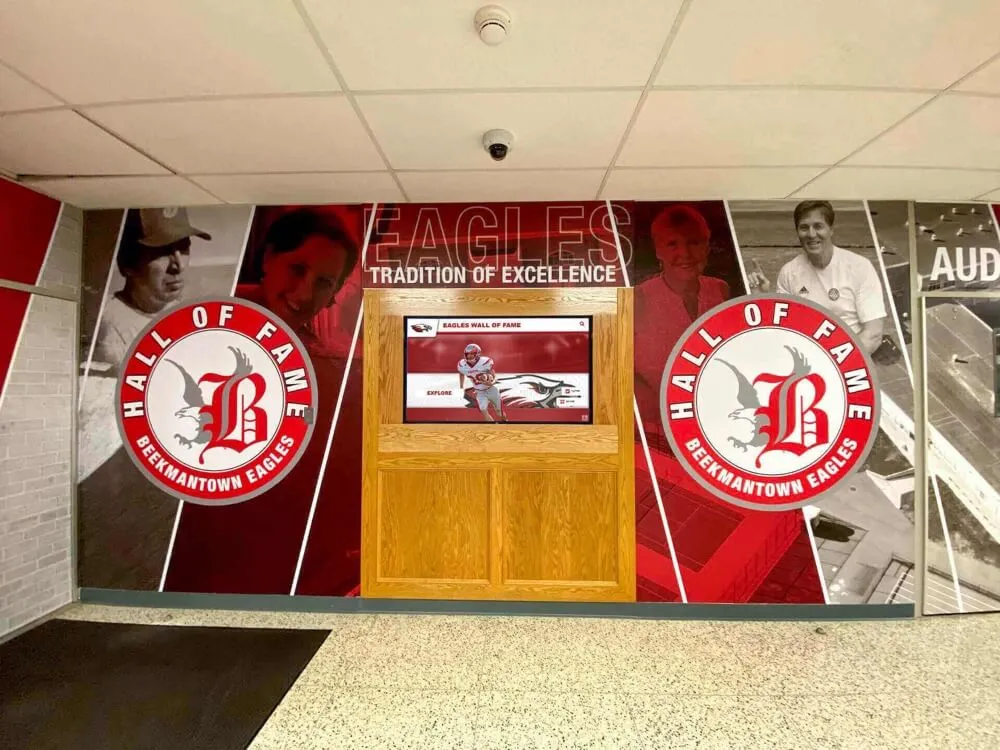
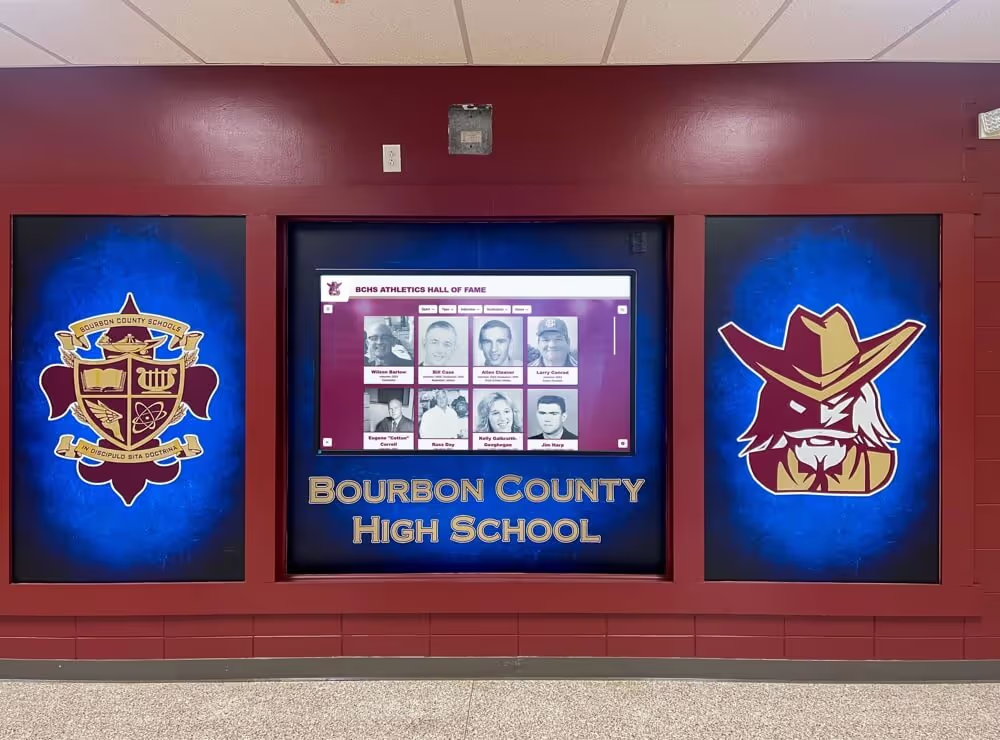
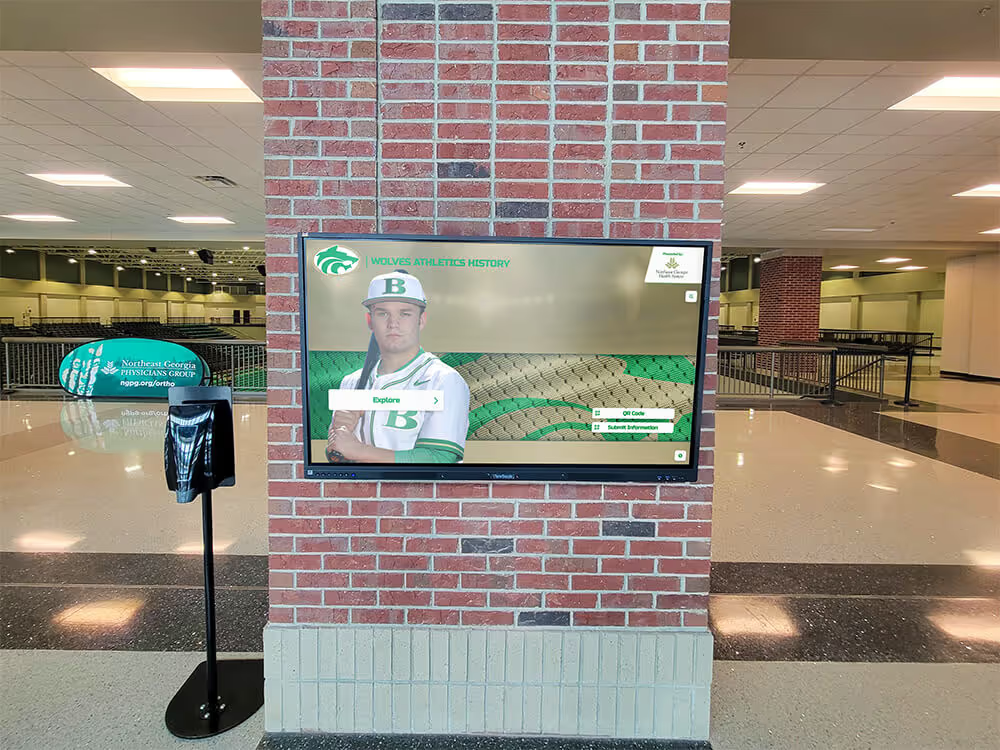
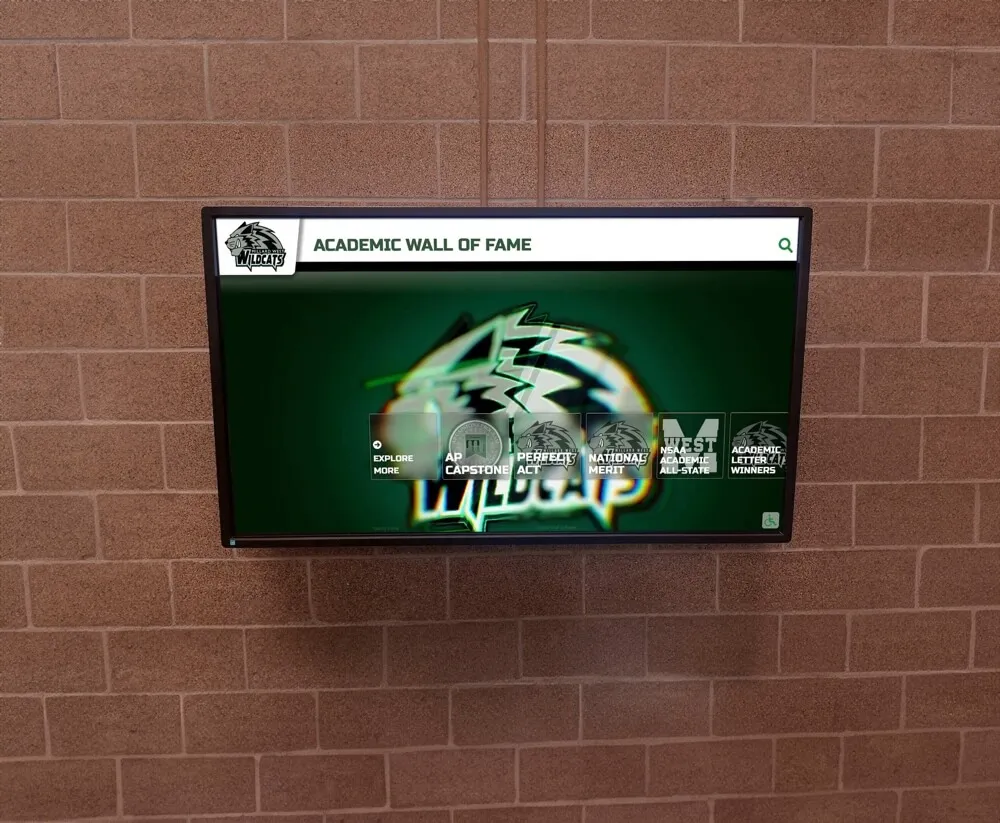
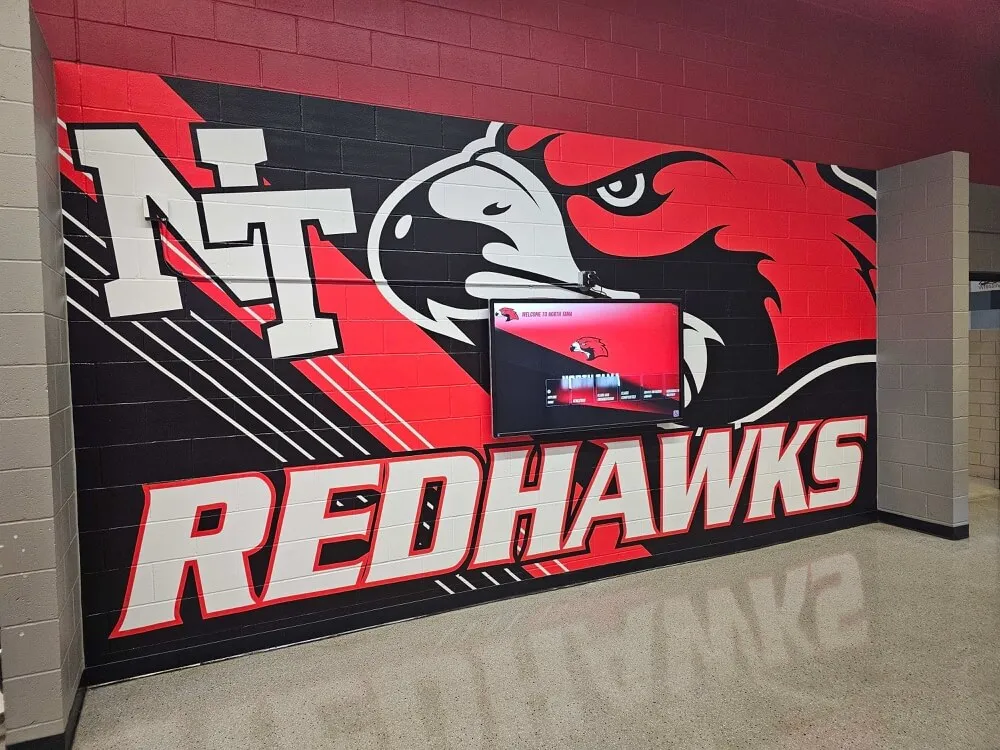
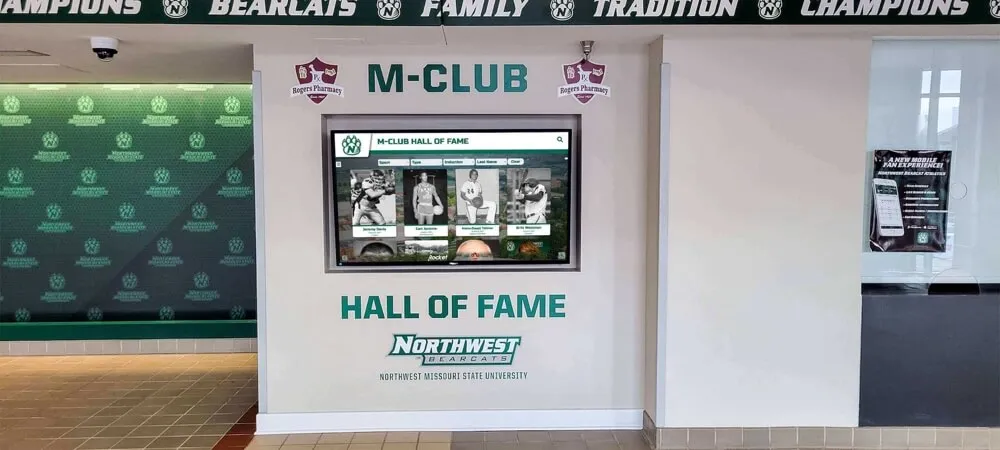
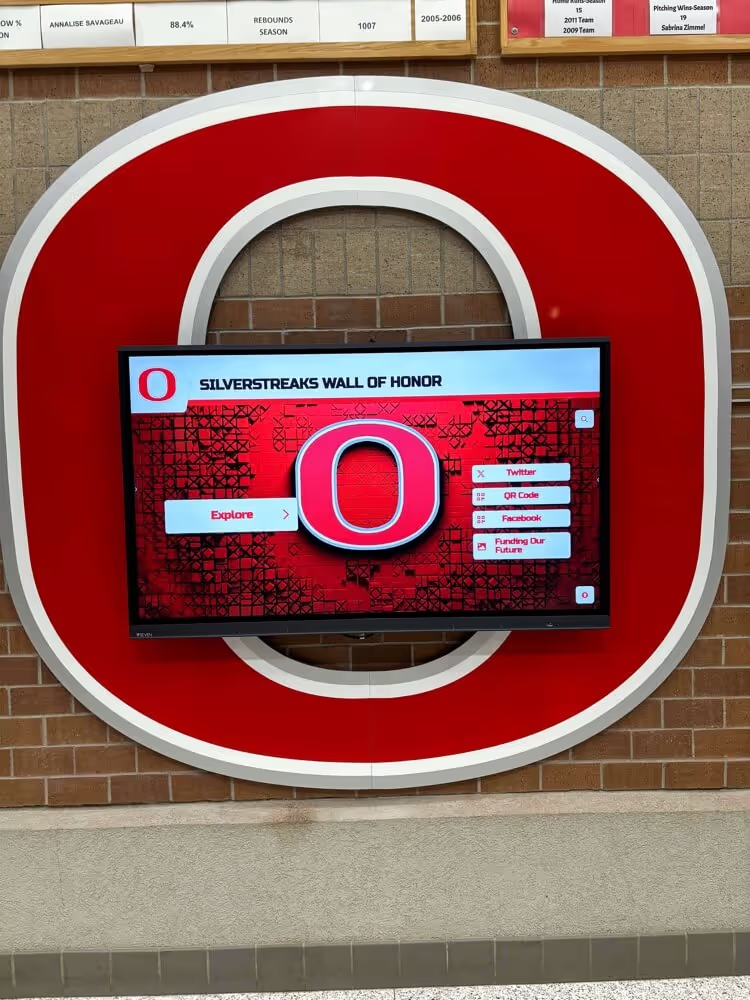
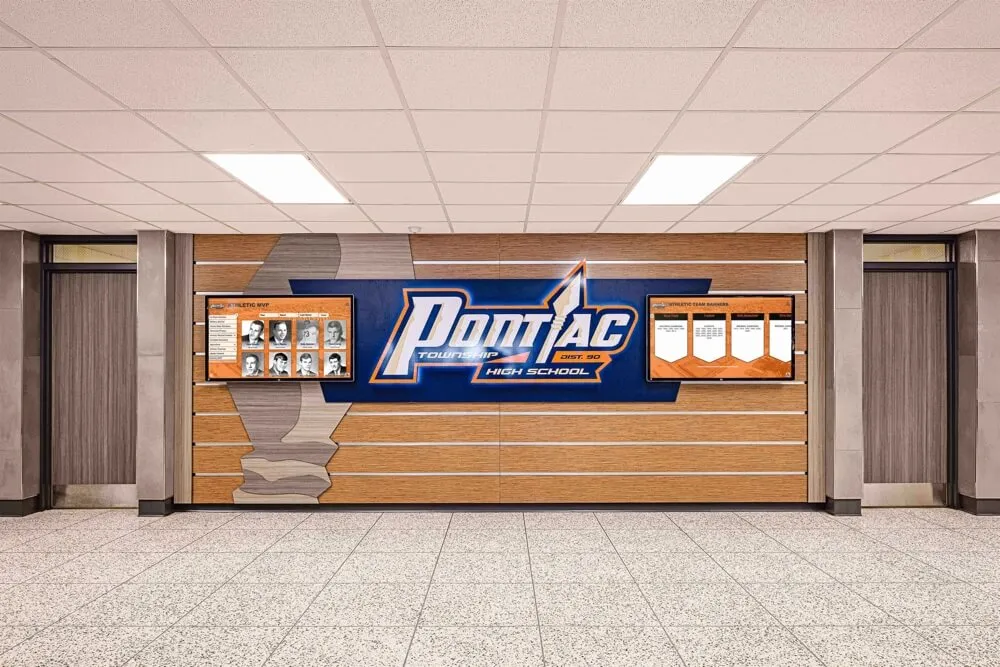
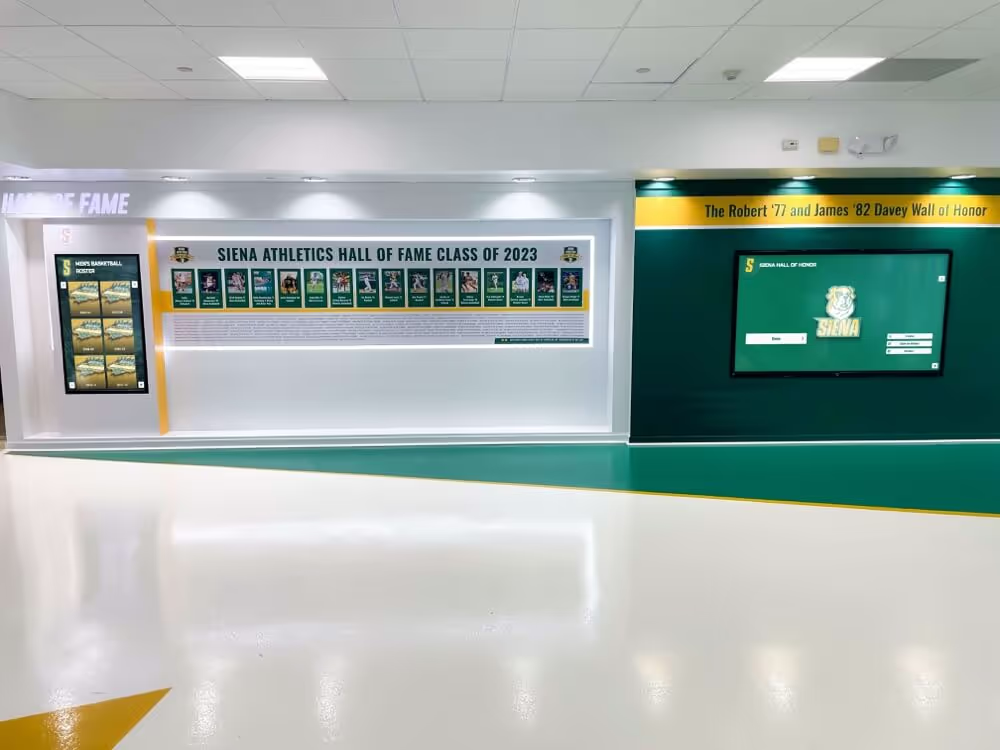
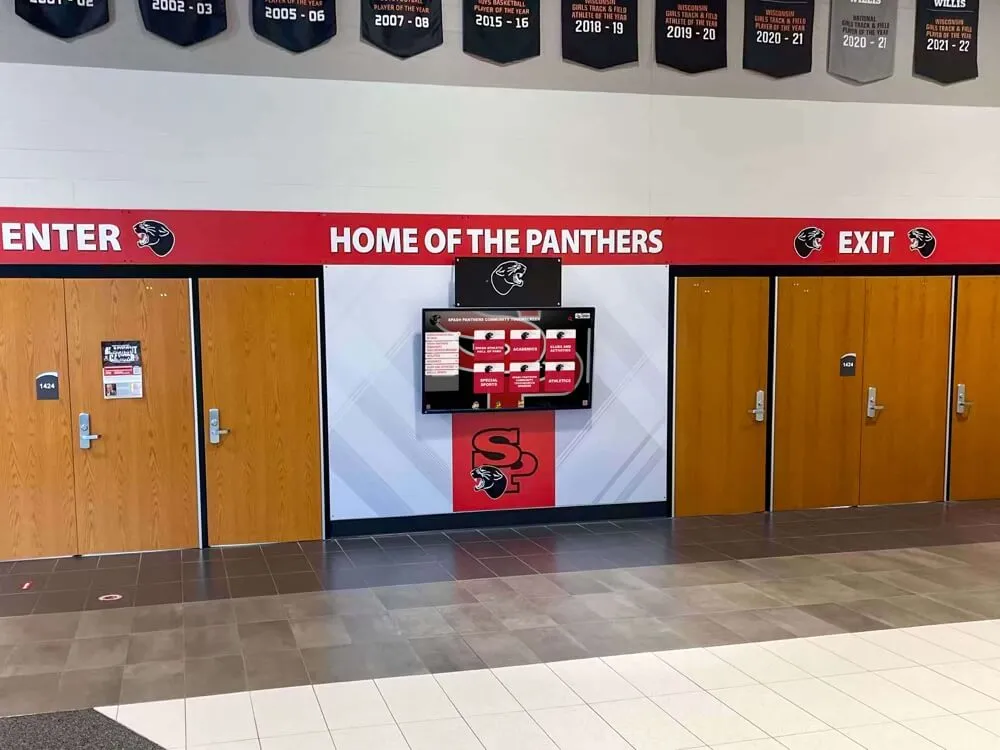
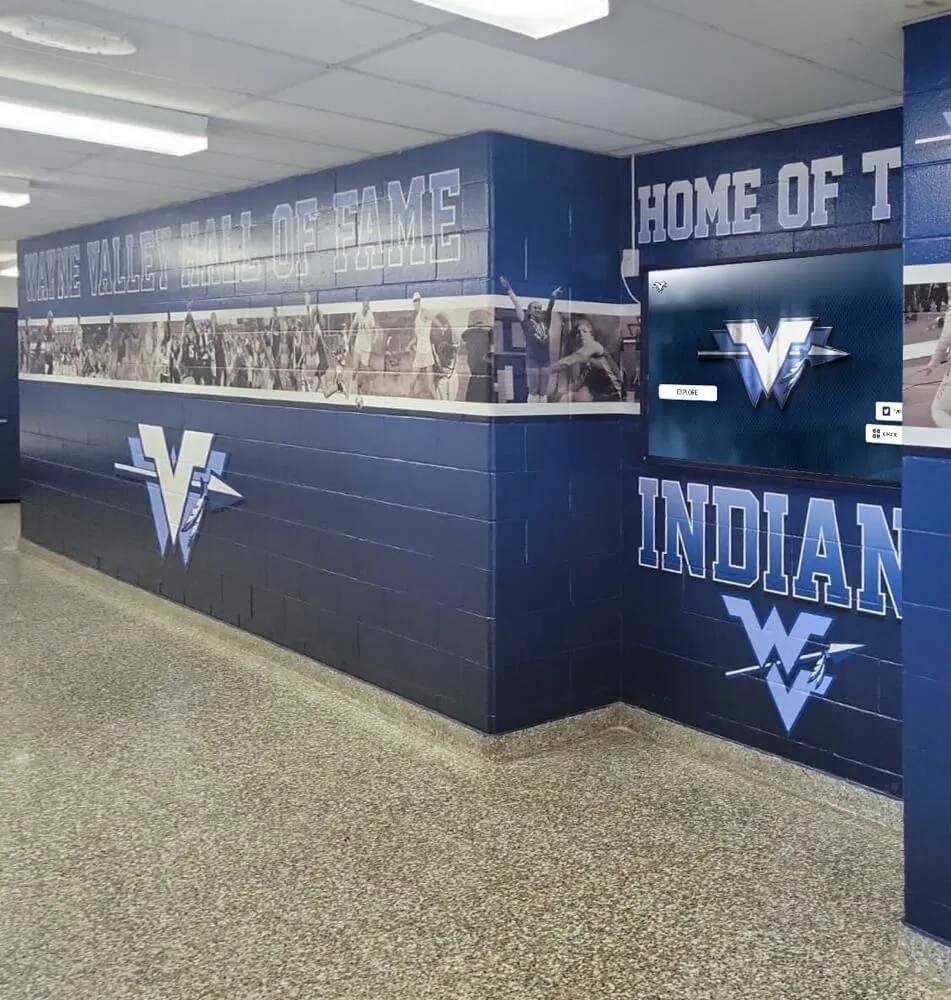
While football fields provide the stage for athletic competition, comprehensive programs require systems recognizing achievements earned between those precisely measured boundaries. Modern digital recognition displays transform facility lobbies, fieldhouses, and athletic corridors into celebration spaces documenting statistical records, championship seasons, individual milestones, and program history impossible to capture through static plaques or painted boards. Solutions like Rocket Alumni Solutions enable athletic departments to showcase rushing records, passing milestones, defensive achievements, and team championships through interactive displays that automatically update, preserve unlimited history, and create engaging recognition experiences celebrating football excellence across generations.
Standard Football Field Dimensions Overview
Football fields maintained consistent core dimensions across competitive levels while incorporating specific variations affecting gameplay, safety requirements, and facility planning considerations.
Basic Field Playing Surface Measurements
The fundamental football field dimensions that define the playing area remain remarkably consistent whether measuring high school, college, or professional facilities:
Length Specifications
Every regulation football field measures exactly 120 yards (360 feet) from the back of one end zone to the back of the opposite end zone. This total length consists of the 100-yard playing field plus two 10-yard end zones. The playing field itself stretches precisely 100 yards between goal lines, divided into 20 five-yard segments marked with visible yard lines creating the distinctive grid pattern defining football’s visual identity.
The 100-yard playing length has remained unchanged since football’s early standardization, providing the fundamental dimension around which all strategy, play design, and field position concepts revolve. First downs require 10-yard advances. Punt coverage teams calculate hang time against distance. Red zone offenses operate within the final 20 yards. These strategic elements all depend on precise field length consistency.
Width Requirements
Field width varies between competitive levels, creating one of the most significant dimensional differences affecting gameplay:
- NFL Fields: Exactly 53⅓ yards wide (160 feet), providing the narrowest playing surface among major football levels
- College and High School Fields: Also 53⅓ yards wide (160 feet), matching NFL specifications for width despite other rule differences
- Canadian Football: 65 yards wide (195 feet), significantly wider than American football at all levels
The 53⅓-yard width—an unusual measurement appearing nowhere else in athletics—originated from converting the original 160-foot specification to yards, resulting in the fractional yard dimension that persists across American football today. This width creates sideline-to-sideline dimensions affecting passing concepts, run game strategies, and defensive coverage schemes while establishing how much lateral space offenses must manage.
End Zone Dimensions
End zones occupy the scoring areas beyond each goal line, measuring exactly 10 yards deep (30 feet) from goal line to end line at all competitive levels in American football. The 10-yard end zone depth provides sufficient space for receivers completing catches near boundaries, officials positioning for goal line plays, and safety zones beyond the end line before fixed barriers or out-of-bounds areas begin.
End zone width matches the field width—53⅓ yards—creating rectangular scoring areas measuring 10 yards by 53⅓ yards (30 feet by 160 feet). Within end zones, teams typically display school names, mascots, or logos through painted graphics or artificial turf designs creating distinctive visual identities while maintaining required surface flatness and player safety.
Critical Field Markings and Line Specifications
Beyond basic field dimensions, precise marking patterns provide the visual framework enabling gameplay, officiating, and strategic decision-making.
Yard Line Markings
The 100-yard playing field features yard lines marked at five-yard intervals from goal line to goal line. Every 10 yards—the 10, 20, 30, 40, and 50-yard lines—receives emphasized marking with wider lines and large numerals indicating distance to the nearest goal line. These numerals must be positioned exactly 12 yards from the sidelines facing in both directions, ensuring visibility for television audiences and stadium spectators.
The 50-yard line marks midfield, the only line identified with “50” rather than distance to a goal. Yard lines between the five-yard markers remain unmarked on the field surface itself but are indicated through shorter marks called “hash marks” extending from the sideline numbers toward the field center.

Hash Mark Positioning
Hash marks—the short lines marking each one-yard increment across the field—serve critical gameplay functions by establishing where officials spot the ball for each play. Hash mark positioning varies significantly between competitive levels, creating one of the most strategically important dimensional differences:
NFL Hash Marks: Positioned 70 feet, 9 inches (23 yards, 1 foot, 9 inches) from each sideline, placed relatively close together creating a narrower spacing of 18 feet, 6 inches between hash marks. This tight spacing limits sideline-to-sideline field variation, affecting offensive formations and defensive alignments by reducing the “wide side” advantage.
College Hash Marks: Positioned exactly 60 feet from each sideline (20 yards), creating a spacing of 40 feet between the hash marks. This wider spacing compared to NFL fields creates more significant field width variation, affecting play calling based on hash mark position and creating distinct “wide side” and “short side” strategic considerations.
High School Hash Marks: Positioned at the widest spacing—53 feet, 4 inches from each sideline, creating hash marks that align precisely with the width of college and NFL goal posts. High school hash spacing measures 53 feet, 4 inches between marks, providing the most dramatic field width variation affecting offensive and defensive schemes.
These hash mark variations significantly impact strategy. College and especially high school offenses gain substantial advantages attacking the “wide side” when the ball sits on a hash mark. NFL’s tighter hash spacing reduces this advantage, creating more uniform field balance regardless of ball placement. Programs tracking offensive success rates often find hash mark statistics revealing strategic tendencies worthy of recognition through digital display systems showcasing formation effectiveness and play-calling analytics.
Sideline and Boundary Markings
Solid sideline boundaries run the entire 120-yard field length, marked with continuous lines exactly four inches wide. These boundaries establish in-bounds versus out-of-bounds areas critical for determining completed catches, runner advancement, and penalty enforcement. Beyond the sidelines, team areas, coaching boxes, and restricted zones follow specific dimensional requirements varying by level and facility configuration.
The “coaches’ box” extends from the 32-yard line to the 32-yard line on the opposite side of the 50, providing the area where coaches may stand during games. Media areas, chain crew positions, and team benches all follow dimensional specifications ensuring organized sideline management without interfering with gameplay or sightlines.
High School Football Field Specifications
High school football fields follow National Federation of State High School Associations (NFHS) specifications that closely mirror college and professional dimensions while accommodating practical facility and budget considerations affecting secondary school athletics.
NFHS Field Dimension Requirements
High school football employs the standard 120-yard length (100-yard playing field plus two 10-yard end zones) and 53⅓-yard width matching higher competitive levels. This dimensional consistency allows high school players to develop on fields matching the surfaces they’ll encounter progressing to college programs.
Hash marks positioned 53 feet, 4 inches from sidelines create the widest spacing at any competitive level, encouraging offensive diversity and making defensive coverage more challenging when attacking the wide side of the field. Goal posts match college specifications with 18 feet, 6 inches between uprights.

High School Field Safety and Space Considerations
Beyond playing surface dimensions, high school facilities must provide adequate safety zones and operational spaces:
Safety Border Requirements
NFHS recommends maintaining clear safety borders beyond all boundary lines. Ideal specifications include:
- Six feet minimum beyond sidelines before any fixed obstacles, benches, or barriers
- Ten feet minimum beyond end lines providing cushion space beyond end zones
- Thirty feet optimal beyond end lines when space permits, especially behind goal posts
These safety zones protect players pursuing plays near boundaries, prevent collisions with equipment or spectators, and provide operational space for chains crews, officials, photographers, and sideline personnel. Schools planning new facilities or renovating existing fields should maximize safety zones within available land parcels.
Multi-Purpose Field Considerations
Many high schools operate multi-purpose fields accommodating both football and soccer due to space and budget constraints. These shared surfaces require careful dimensional planning:
Football fields require 120 yards length by 53⅓ yards width (360 feet by 160 feet). Soccer fields accommodate various dimensions with FIFA recommendations ranging from 100-130 yards length by 50-100 yards width, creating reasonable overlap potential. Optimal configurations position soccer fields lengthwise on football fields, using football sidelines as soccer touchlines when dimensions align appropriately.
Marking systems for multi-purpose fields employ different line colors—typically white for football, yellow or blue for soccer—ensuring clarity during competition. Permanent football yard lines with seasonal soccer markings represent the most common approach, with soccer lines painted or chalked for fall seasons when both sports operate simultaneously.
Schools implementing comprehensive athletic recognition programs often celebrate achievements across multiple sports using the same facility. Modern touchscreen systems enable showcasing football statistical leaders alongside soccer scorers, cross country performers, and track athletes who all utilize the same athletic complex at different seasons.
High School Goal Post Specifications
High school football goal posts follow specific dimensional requirements:
- Crossbar Height: Exactly 10 feet above the playing surface
- Upright Separation: 23 feet, 4 inches between the insides of the uprights (matching college specifications prior to 1991 rule changes)
- Upright Height: Minimum 20 feet above the crossbar, though many schools install taller uprights for aesthetic or practical reasons
- Post Positioning: Centered on the end line at the back of each 10-yard end zone
High school football employs wider goal posts than college and NFL levels, making field goal and extra point attempts comparatively easier while reflecting developmental nature of secondary school competition. The 23-foot, 4-inch width provides more forgiving targets for developing kickers while maintaining sufficient challenge for competitive play.
College Football Field Dimensions
NCAA football fields adhere to specifications detailed in the NCAA Football Rules and Interpretations, creating standardized playing environments across hundreds of college programs from Division I powerhouses through Division III schools.
NCAA Field Measurement Standards
College football fields match the universal 120-yard length comprising a 100-yard playing field plus two 10-yard end zones. Width specifications match NFL and high school standards at exactly 53⅓ yards (160 feet), ensuring consistent field dimensions across competitive levels.
The primary dimensional distinction separating college from other levels lies in hash mark positioning. College hash marks sit 60 feet from each sideline (20 yards), positioned between the tighter NFL spacing and wider high school placement. This spacing creates 40 feet between hash marks, providing meaningful field balance variation based on ball placement while avoiding the extreme width differential characteristic of high school fields.
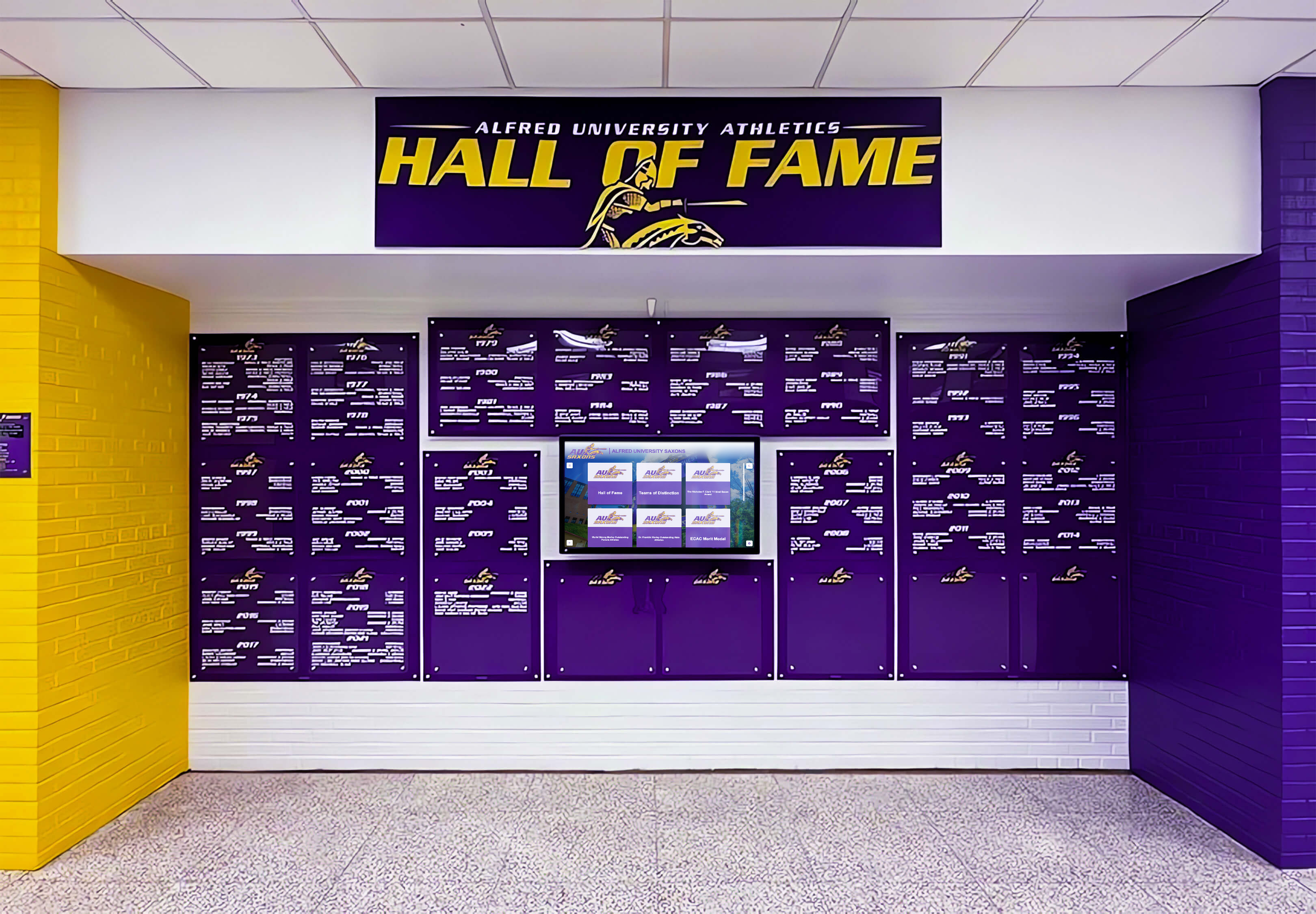
College programs competing at the highest levels often document field achievements through comprehensive statistical tracking worthy of prominent recognition. Digital hall of fame platforms enable celebrating conference champions, bowl game appearances, individual award winners, and statistical record holders through engaging displays that preserve program history across coaching changes and roster transitions.
College Field Marking Requirements
NCAA specifications mandate precise marking patterns ensuring uniformity across college football venues:
Yard Lines and Numerals: Five-yard intervals receive bold marking with four-inch-wide lines. Ten-yard lines feature large numerals positioned 12 yards from sidelines, with numbers measuring nine feet in height. The 50-yard line often incorporates school logos, conference emblems, or special event designations within NCAA guidelines.
Team Areas and Coaching Boxes: NCAA rules define team area positioning, restricting players and coaches to specific zones during competition. Team boxes extend from the 25-yard line to the 25-yard line on the opposite side of the 50, bounded by a border six feet from the sideline. Coaches may move throughout this area during games, while players must remain seated except when entering play.
Safety Markings: White six-foot borders around the entire field perimeter indicate recommended clear zones. Many college stadiums exceed these minimums, particularly at major programs where photography crews, television equipment, and sideline personnel require extensive operational space.
College Goal Post Specifications
NCAA football narrowed goal posts in 1991, creating dimensions distinguishing college from high school:
- Crossbar Height: 10 feet above the playing surface
- Upright Separation: 18 feet, 6 inches between the insides of uprights (narrower than high school’s 23 feet, 4 inches)
- Upright Height: Minimum 30 feet above the crossbar (taller than high school minimums)
- Post Positioning: Centered on the end line
The 18-foot, 6-inch width creates more challenging kicking targets than high school football while matching current NFL specifications following professional football’s 1991 adoption of college goal post dimensions. This standardization between college and NFL levels eases kicking specialists’ transition to professional competition.
College Field Surface Standards
NCAA facilities employ both natural grass and artificial turf surfaces, with specific performance standards governing artificial surfaces:
Natural Grass Requirements: Fields must provide uniform, well-maintained playing surfaces free from hazardous irregularities, holes, or depressions. Grass height typically ranges from 0.5 to 2.0 inches depending on grass variety and climate conditions. Proper drainage preventing standing water and soft spots remains critical for player safety and competition quality.
Artificial Turf Standards: Modern synthetic surfaces must meet performance standards for impact attenuation, skin abrasion resistance, and rotational resistance. NCAA evaluates turf systems through third-party testing ensuring surfaces provide appropriate force reduction protecting players from impact injuries while maintaining traction preventing slips without creating dangerous catch points causing knee or ankle injuries.
College programs transitioning from natural grass to artificial turf or renovating aging synthetic surfaces should evaluate not only playing performance but also how new surfaces affect field aesthetics and recognition opportunities. Modern turf systems accommodate detailed logo work, memorial tributes, and commemorative elements celebrating program achievements similar to how award ceremonies recognize seasonal excellence.
NFL Football Field Specifications
National Football League fields follow precise standards detailed in NFL rulebooks, creating consistent playing environments across all professional venues from historic outdoor stadiums to modern climate-controlled domes.
NFL Field Dimensions and Markings
Professional football fields maintain the standard 120-yard length and 53⅓-yard width universal across American football. NFL fields distinguish themselves primarily through hash mark positioning and marking precision:
Hash Mark Specifications: NFL hash marks position 70 feet, 9 inches from each sideline, creating the tightest spacing of any competitive level with just 18 feet, 6 inches between hash marks. This narrow spacing minimizes field width variation regardless of ball placement, creating more uniform strategic conditions than college or high school football where wide side advantages prove more pronounced.
The tight hash spacing reflects NFL’s emphasis on balanced competition removing environmental advantages unrelated to team quality. Professional teams must execute effectively whether the ball sits on a hash mark or in the field center, reducing the strategic variation characteristic of amateur levels.
Marking Precision: Professional fields employ exacting marking standards with laser-measured alignment, professional-grade paint systems, and detailed quality control ensuring television-ready appearance. Yard line numbers measure exactly nine feet tall, positioned precisely 12 yards from sidelines. Hash marks measure exactly two feet in length, positioned with surveying precision ensuring exact one-yard spacing.
NFL Goal Post Requirements
Professional goal posts match college specifications following the 1991 standardization:
- Crossbar Height: 10 feet above the playing surface
- Upright Separation: 18 feet, 6 inches between uprights
- Upright Height: Minimum 35 feet above the crossbar (tallest of any level, ensuring even long-distance field goals pass below upright tops)
- Post Positioning: Centered on the end line
- Post Construction: Bright yellow or orange color for visibility, with ribbon or target panels aiding kicker alignment
NFL stadiums often employ advanced goal post padding systems protecting players from collisions during end zone plays while maintaining required structural specifications.
NFL Surface and Safety Standards
Professional facilities maintain the highest surface quality and safety standards in football:
Surface Requirements: Whether natural grass or synthetic turf, NFL surfaces undergo rigorous testing and maintenance ensuring optimal playing conditions. Natural grass fields employ sophisticated drainage systems, specialized grass varieties, heating systems in cold-weather cities, and year-round maintenance programs. Artificial surfaces must meet stringent performance standards updated regularly as turf technology evolves.
Safety Zone Minimums: NFL stadiums provide extensive clear zones beyond boundaries:
- Minimum six feet beyond sidelines in all areas
- Extended zones in team bench areas and near camera positions
- Substantial space beyond end lines accommodating goal post padding and safety clearance
- Padded surfaces covering all fixed obstacles within safety zones
Professional facilities’ extensive safety zones reflect both player protection priorities and operational requirements for media, medical personnel, and support staff requiring sideline access during games.

Indoor Football Field Dimensions and Adaptations
Indoor football facilities—whether training bubbles, practice facilities, or stadium domes—must adapt standard field dimensions to enclosed environments while maintaining playability and safety.
Indoor Practice Facility Dimensions
Full-size indoor practice facilities require massive structures accommodating complete football field dimensions plus operational space:
Minimum Building Dimensions: Housing a full 120-yard by 53⅓-yard field requires structures measuring at least 400 feet long by 200 feet wide, providing the 120-yard field (360 feet) plus minimal 20-foot borders on ends and sides. Many facilities exceed these minimums, particularly length-wise, accommodating 130-yard or 140-yard surfaces enabling full punt coverage work without players approaching walls.
Height Requirements: Indoor football structures need minimum 65-foot ceiling heights accommodating punts, kickoffs, and field goal attempts without interference. Many facilities employ 70-80 foot ceilings providing comfortable clearance for even the highest kicks while avoiding the echo and sound issues characteristic of excessively tall spaces.
Surface Considerations: Indoor practice facilities predominantly employ artificial turf due to climate control requirements and year-round use patterns making natural grass impractical. Turf selection balances durability for daily practice use against performance characteristics matching outdoor game surfaces.
Arena Football Dimensional Variations
Arena football—played in hockey or basketball arenas—employs dramatically reduced field dimensions adapting the game to indoor venue constraints:
- Field Length: 50 yards goal line to goal line (compared to 100 yards in outdoor football)
- Field Width: Approximately 28 yards (compared to 53⅓ yards standard)
- End Zones: 8 yards deep (compared to 10 yards outdoor)
These compressed dimensions create radically different gameplay emphasizing passing, quick scoring, and up-tempo offense while accommodating existing arena facilities without requiring purpose-built structures. While arena football operates under separate rules and organizations from mainstream football, the dimensional adaptations illustrate how core football concepts transfer to constrained spaces when facilities dictate modifications.
Football Field Planning and Construction Considerations
Athletic directors, facilities planners, and school administrators evaluating new football field construction or existing field renovation must address dimensional and planning factors extending beyond basic playing surface measurements.
Site Selection and Land Requirements
Football field construction requires substantial land parcels accommodating not just playing surfaces but comprehensive athletic complexes:
Minimum Land Area: A regulation football field requires approximately 1.32 acres for the playing surface alone (120 yards by 53⅓ yards). However, comprehensive facility planning should budget 3-5 acres minimum accommodating:
- Regulation playing field with proper dimensions
- Safety zones beyond all boundaries (minimum 6 feet, optimal 15-30 feet)
- Spectator areas, press boxes, and stadium seating
- Team facilities, locker rooms, and storage
- Concession areas, restrooms, and ticket facilities
- Parking for teams, officials, spectators, and media
- Practice areas or warm-up spaces
- Access roads and emergency vehicle access
Schools with constrained land must prioritize safety zones and operational spaces over expanded amenities, ensuring core field dimensions and player protection receive adequate space before adding spectator or convenience features.
Orientation Considerations: Field orientation affects player experience and competition quality. North-south field alignment minimizes sun exposure advantages, preventing one team from consistently facing direct sunlight during afternoon games. East-west orientations create sun disadvantages alternating between teams as games progress, though this becomes less critical for evening games under artificial lighting.
Site topography influences construction complexity and costs. Level sites minimize grading and drainage work. Sloped parcels require extensive earthwork creating level playing surfaces with proper drainage grades. School districts evaluating multiple potential sites should incorporate topography assessment early in planning, as grading costs can dramatically impact project budgets.
Field Surface Selection
Natural grass versus artificial turf represents the most significant surface decision affecting construction costs, maintenance requirements, and long-term facility management:
Natural Grass Advantages and Considerations
Natural grass provides traditional playing surfaces preferred by many coaches and athletes for aesthetics and performance characteristics:
- Lower initial installation costs compared to artificial turf
- More forgiving surface reducing some injury risks
- Traditional appearance and playing experience
- Environmental benefits including oxygen production and heat reduction
However, natural grass requires substantial ongoing maintenance including mowing, fertilizing, aerating, overseeding, irrigation, and pest management. Grass surfaces endure limited use before requiring recovery time, constraining field availability for practices, multiple teams, and multi-sport use. Climate significantly affects grass viability, with northern regions facing winter dormancy and southern areas managing heat stress.
Artificial Turf Benefits and Trade-offs
Modern synthetic turf systems offer advantages for high-use facilities:
- Unlimited usage without recovery periods enabling multiple teams, sports, and activities
- Minimal maintenance beyond periodic grooming and infill management
- Consistent playability regardless of weather conditions
- Long-term cost efficiency despite higher initial investment (10-12 year lifespan)
- Year-round availability including winter and rainy seasons
Turf systems require substantial initial investment—typically $500,000 to $1,000,000+ for complete field installations including base preparation, drainage, and synthetic surface. Modern turf technologies have dramatically improved from early-generation systems, with current products providing enhanced safety, performance, and aesthetics approaching natural grass appearance.
Schools should evaluate surface selection based on climate, usage patterns, budget resources, and program priorities. Single-sport programs in favorable climates may prefer natural grass. Multi-sport facilities in challenging climates typically benefit from artificial turf’s durability and availability.
Drainage and Infrastructure Requirements
Proper field drainage represents critical infrastructure affecting playability, safety, and surface longevity regardless of grass or turf selection:
Drainage System Design: Football fields require crown or slope drainage directing water from the field center toward sidelines, or end-to-end slopes directing water toward end zones. Minimum 1-2% grade provides adequate drainage without creating noticeable playing surface slope. Subsurface drainage systems with perforated pipes, gravel layers, and engineered drainage courses prevent standing water and soil saturation.
Irrigation Infrastructure: Natural grass fields require comprehensive irrigation systems with sprinkler coverage ensuring uniform watering across the entire playing surface. Modern systems employ computer-controlled zones, weather sensors, and efficient sprinkler heads minimizing water consumption while maintaining grass health. Even artificial turf installations benefit from irrigation capacity enabling surface cooling in extreme heat and dust control.
Lighting Electrical Service: Friday night football and evening practices require field lighting systems drawing substantial electrical power. Athletic facility electrical service must accommodate lighting loads, press box requirements, scoreboard operations, and concession facility power needs. Planning adequate electrical infrastructure during initial construction prevents expensive retrofitting later.
Accessibility and ADA Compliance
Modern athletic facilities must provide accessibility ensuring all community members can enjoy football programs regardless of physical limitations:
Spectator Accessibility: Stadiums must incorporate wheelchair-accessible seating areas distributed throughout spectator sections, providing sight lines comparable to standard seating. Accessible routes from parking areas through ticketing, concessions, and restrooms to seating locations must avoid stairs, steep slopes, or barriers.
Team Facility Accessibility: Locker rooms, training facilities, and coaching areas should incorporate accessible design even though athletes typically don’t require accommodations, ensuring facilities welcome all participants, staff, and visitors.
Recognition System Accessibility: Athletic programs documenting achievements and celebrating excellence through facility displays must ensure accessibility for all audiences. Traditional painted boards or high-mounted plaques create barriers for wheelchair users and visitors with visual limitations. Digital recognition platforms provide accessible alternatives through touchscreen interfaces positioned at appropriate heights, text-to-speech functionality for visual accessibility, and web-based access enabling remote engagement for community members unable to visit facilities in person.
Measuring and Maintaining Field Dimensions
Establishing accurate field dimensions during construction represents just the beginning of ongoing maintenance ensuring fields remain compliant with specifications throughout their service lives.
Professional Field Layout and Surveying
Initial field layout requires precision ensuring accurate placement of all boundary lines, hash marks, goal lines, and yard markings:
Surveying and Staking: Professional surveying establishes exact field corners, centerline reference points, and critical alignment markers providing reference points for all field markings. Laser transits and GPS surveying equipment ensure positioning accuracy within tolerances measured in inches across 360-foot field lengths.
Marking Paint Application: Athletic field striping requires specialized equipment and techniques creating crisp, straight lines meeting width specifications. Professional striping crews employ wheeled marking machines, templates for numerals and logos, and quick-drying paint systems formulated for natural grass or synthetic turf adhesion.
Permanent Reference Marks: Many facilities install permanent underground reference markers—typically small metal pins or concrete markers—positioned at field corners, goal line intersections, or midfield points. These permanent references survive paint fading or turf replacement, enabling accurate field re-marking when seasonal painting or surface renovations require re-establishing field lines.
Seasonal Maintenance and Re-marking
Football field markings require regular maintenance throughout seasons, particularly for natural grass surfaces where paint fades from wear, weather, and grass growth:
Weekly Touch-up Requirements: Active game fields typically require weekly marking maintenance refreshing faded lines, repainting worn areas receiving concentrated traffic, and ensuring all required markings remain visible. Hash marks and yard lines in high-traffic areas between tackles may need touch-up every few days during heavy use periods.
Weather Considerations: Rain accelerates paint fading while creating challenging application conditions. Snow requires temporary marking with materials distinguishable from white snow cover. Many northern programs employ colored marking materials—orange or blue instead of traditional white—for late-season games in snow conditions.
Multi-Sport Remarking: Fields accommodating multiple sports require seasonal remarking switching between football and soccer layouts, adding or removing sport-specific lines, and managing visual clarity when overlapping markings create confusion. Schools should establish clear marking standards, use distinct colors for different sports, and schedule remarking during transition periods between seasons.
Measurement Verification
Periodic verification ensures fields maintain dimensional accuracy despite years of marking, maintenance, and surface wear:
Athletic directors should schedule professional measurement verification every 3-5 years for grass fields and at turf replacement for synthetic surfaces. Verification checks critical dimensions including field length and width, hash mark spacing from sidelines, goal line positions, and end zone depths. Discrepancies discovered during verification enable corrective action preventing competition issues or hosting eligibility problems.
Championships, playoff games, and facility certifications may require documented field measurement verification confirming compliance with governing body standards. Maintaining measurement records throughout field lifespans provides evidence of maintenance standards and dimensional compliance when questions arise.

Showcasing Football Excellence Through Modern Recognition Systems
Football field dimensions provide the physical stage where athletes earn achievements deserving permanent recognition extending beyond individual seasons. While properly measured and maintained fields enable fair competition, comprehensive athletic programs require systems preserving the excellence demonstrated within those precise boundaries.
Traditional recognition approaches using static plaques, painted boards, or vinyl banners create limitations familiar to athletic directors across all levels—finite display space forcing selective recognition, manual update requirements consuming staff time, inability to showcase multimedia content like game highlights or career statistics, and accessibility barriers preventing broad community engagement with program history. Outstanding careers reducing to name-and-year plaques fail to capture the complete stories worthy of preservation.
Modern digital recognition platforms transform how schools celebrate football excellence by providing unlimited capacity for statistical records, instant remote updates eliminating manual repainting, rich multimedia player profiles incorporating photos and achievements, searchable databases enabling fans to explore program history, and web accessibility creating engagement opportunities extending far beyond facility visitors. These systems preserve rushing records, passing milestones, defensive achievements, championship seasons, and individual honors through engaging displays that automatically update as current athletes chase existing marks.
Solutions purpose-built for educational athletic programs deliver intuitive management requiring no technical expertise, professional design templates reflecting school identity, multi-sport versatility recognizing excellence across comprehensive athletic departments, and sustainable long-term platforms avoiding the replacement cycles characteristic of physical displays. Schools implementing comprehensive recognition strategies create facility experiences celebrating athletic tradition while inspiring current athletes pursuing their place in program history.
Understanding Field Dimension Variations for Special Circumstances
While standard football field dimensions remain remarkably consistent, certain circumstances require dimensional adaptations or special considerations:
Youth and Youth Development Field Modifications
Youth football programs serving elementary and middle school athletes sometimes employ reduced field dimensions matching player development stages:
Shortened Field Options: Youth leagues may use 80-yard or 60-yard playing fields instead of regulation 100 yards, reducing the physical demands on younger athletes while maintaining proportional gameplay. These shortened fields typically retain standard widths, adjusting only playing field length while maintaining 10-yard end zones.
Simplified Marking: Youth fields may employ basic five-yard line markings without detailed hash mark systems or yard line numbers, reducing maintenance requirements while providing sufficient visual references for youth-level competition.
Schools operating youth programs should clearly mark developmental fields as non-regulation to avoid confusion with varsity-level facilities while maintaining safety standards and basic dimensional consistency preparing athletes for eventual regulation field transition.
International Football Field Considerations
American football played internationally generally adopts U.S. field dimension standards to maintain game consistency and enable international competition. However, facility constraints in countries without established football infrastructure sometimes necessitate adaptations:
Metric conversions create minor complications—120 yards converts to 109.73 meters, creating precision challenges when working in metric measurement systems. International facilities often round to 110 meters (120.3 yards), creating negligible gameplay differences while simplifying metric construction specifications.
Schools hosting international teams or participating in global competitions should verify visiting team field expectations, confirming whether metric approximations prove acceptable or whether precise imperial measurements matter for competition legitimacy.
Historic and Specialty Venue Adaptations
Some historic stadiums or specialty venues employ dimensional variations due to construction-era standards or facility constraints:
Older facilities occasionally feature slightly non-standard dimensions reflecting construction before rigid standardization or structural limitations preventing exact specification compliance. Modern major facilities universally meet current standards, but historic venues grandfathered under previous rules may retain minor variations. Championship games and major competitions require certified regulation dimensions, potentially making some historic venues ineligible for hosting despite otherwise adequate facilities.
Connecting Field Dimensions to Program Excellence
Understanding football field dimensions extends beyond memorizing measurements—it represents fundamental knowledge enabling athletic directors to plan facilities, ensure competitive compliance, optimize multi-sport configurations, and create environments where athletes achieve excellence worthy of permanent recognition.
Programs investing in proper field construction, maintenance, and measurement create competitive advantages through superior playing surfaces, hosting eligibility for championships, and facility pride attracting prospective athletes. These same programs should extend similar investment to preserving and celebrating the achievements earned on those precisely measured fields.
Schools transitioning from painted record boards or static plaques to comprehensive digital recognition systems discover enhanced community engagement, simplified record maintenance, unlimited historical preservation, and powerful recruitment tools showcasing program tradition to prospective athletes and families. Modern digital platforms create facility experiences celebrating athletic excellence while maintaining the professional standards athletic departments demand.
Athletic administrators evaluating recognition solutions for football programs—or comprehensive systems serving all sports—should consider platforms offering unlimited record capacity, automatic ranking and updating, professional templates requiring no design expertise, multimedia support for photos and achievements, web accessibility extending engagement beyond facility visitors, and sustainable long-term systems avoiding replacement cycles every few years. Purpose-built solutions designed specifically for educational athletic programs deliver immediate value while scaling across entire athletic departments.
Preserve Football Excellence With Digital Recognition
Transform how your program celebrates rushing records, passing milestones, championship seasons, and individual achievements with modern recognition displays that automatically update, preserve unlimited history, and inspire current athletes pursuing greatness.
Schedule Your Digital Record Board DemoFootball field dimensions may appear simple—120 yards by 53⅓ yards—but the complete specifications governing playing surfaces, marking patterns, safety zones, and equipment positioning require detailed knowledge ensuring facilities meet competitive standards while providing safe, fair environments where athletes pursue excellence. Whether planning new construction, maintaining existing facilities, or simply understanding the game’s spatial requirements, athletic administrators benefit from comprehensive dimensional knowledge supporting decision-making across facility management responsibilities.
Fields meeting precise dimensional specifications create stages for achievement. Recognition systems preserving those achievements complete the circle, documenting excellence for current inspiration and future generations. Together, properly planned facilities and comprehensive recognition platforms build athletic program traditions worthy of the communities they serve.