



Field houses represent the most versatile investment athletic programs can make—combining practice spaces, competition venues, training facilities, locker rooms, offices, and community gathering areas into single comprehensive structures serving multiple sports year-round regardless of weather. Unlike single-sport facilities or outdoor fields limited by seasons and climate, properly designed field houses deliver decades of daily utility supporting basketball, volleyball, wrestling, track, weight training, team meetings, physical education classes, community events, and emergency shelter functions.
Athletic directors planning new construction or major renovations face interconnected decisions affecting facility value for generations: How much space should different functions receive? What ceiling heights, surface materials, and lighting systems optimize multi-sport flexibility? Where do team spaces, spectator areas, and storage fit within budgets and footprints? How do recognition systems preserve program history and inspire excellence without consuming valuable functional space? What construction approaches balance initial costs against long-term operational efficiency?
Planning Recognition Systems During Field House Design
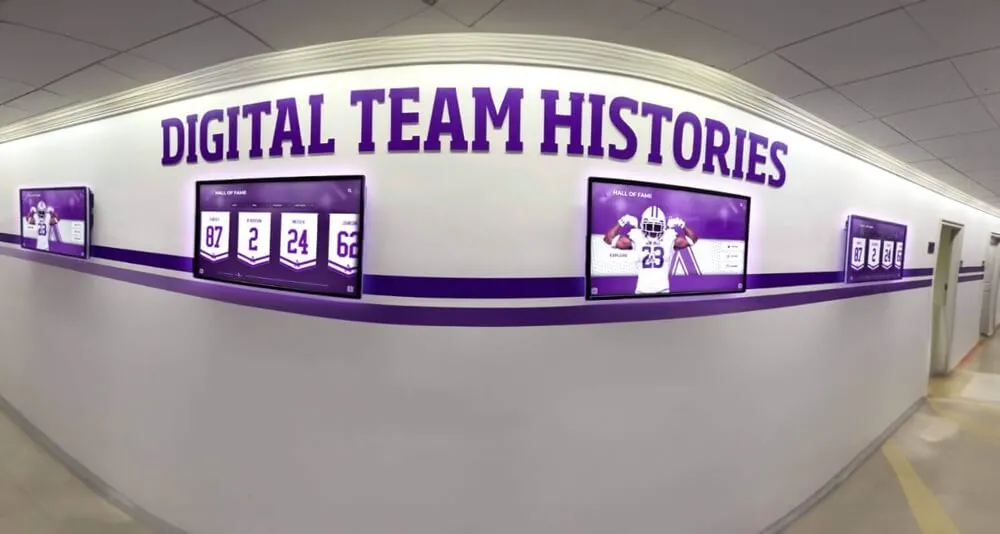
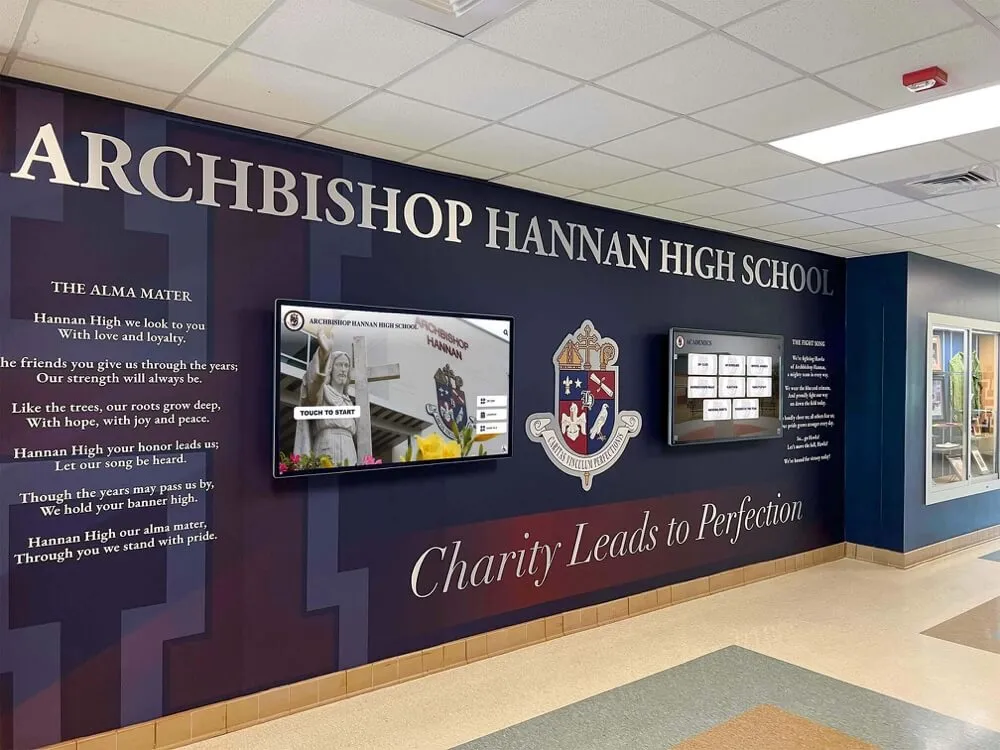
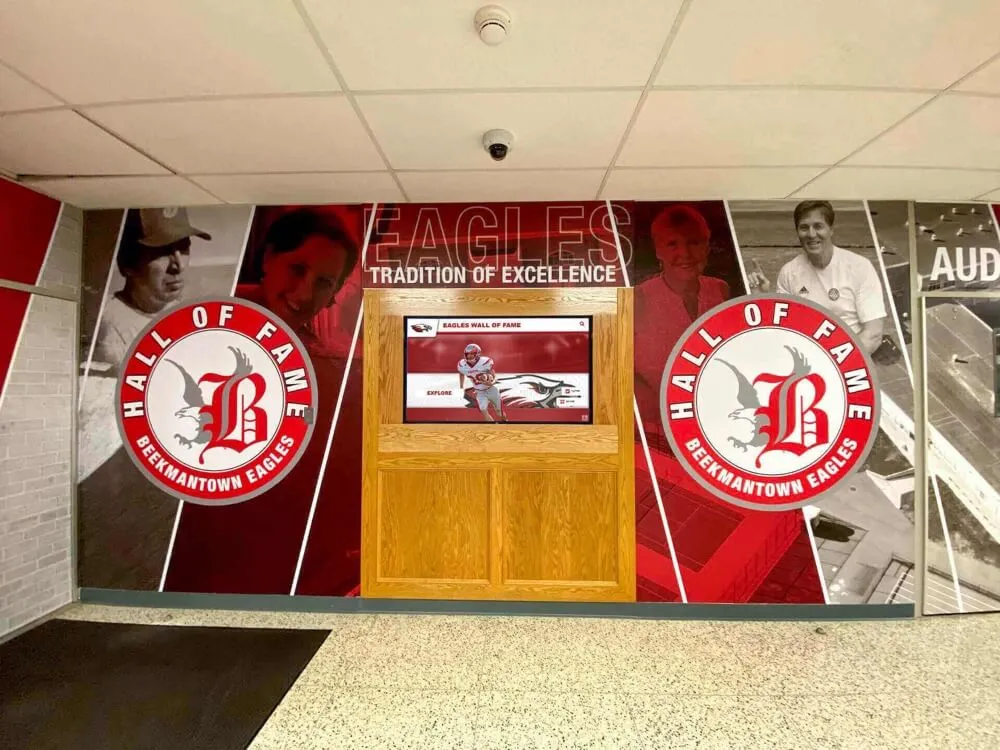
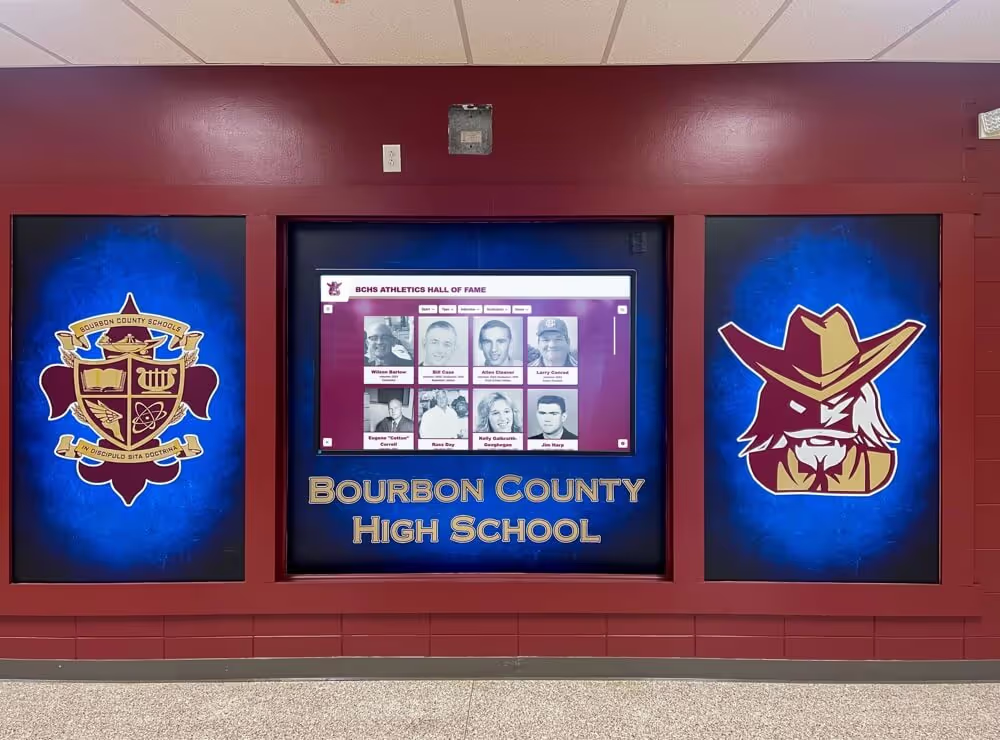
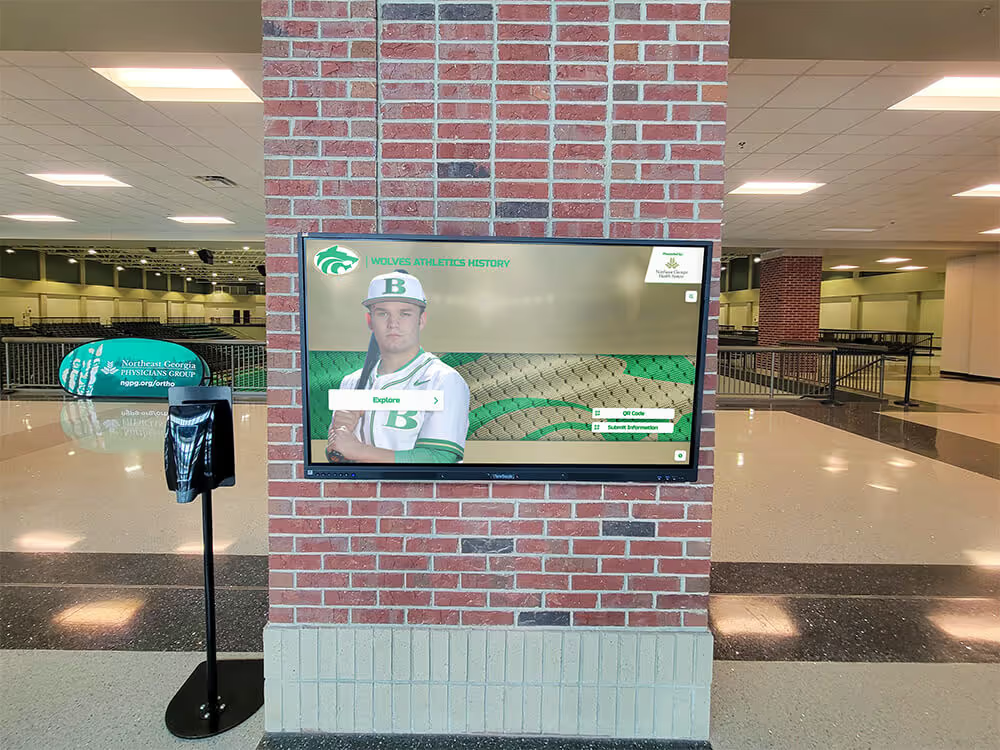
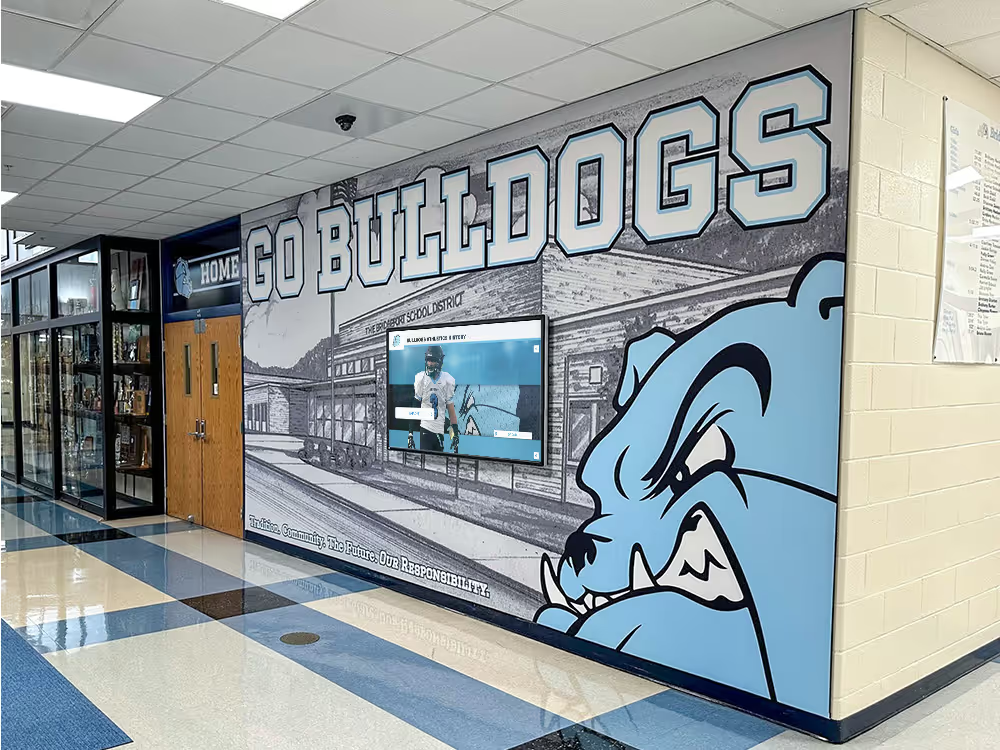
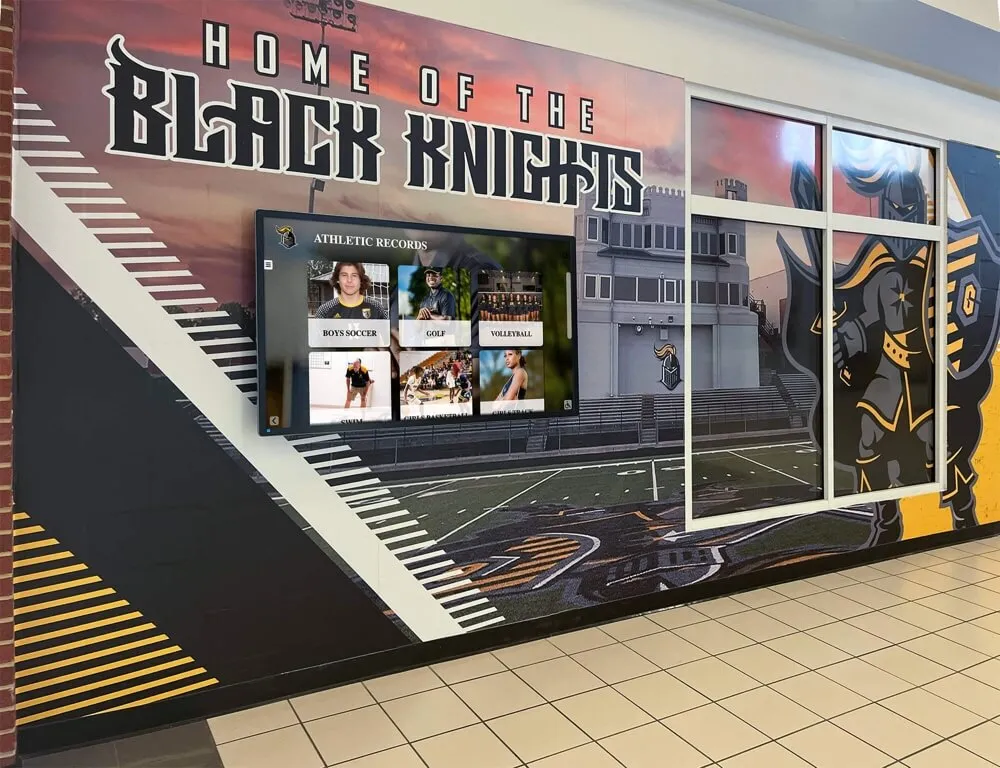
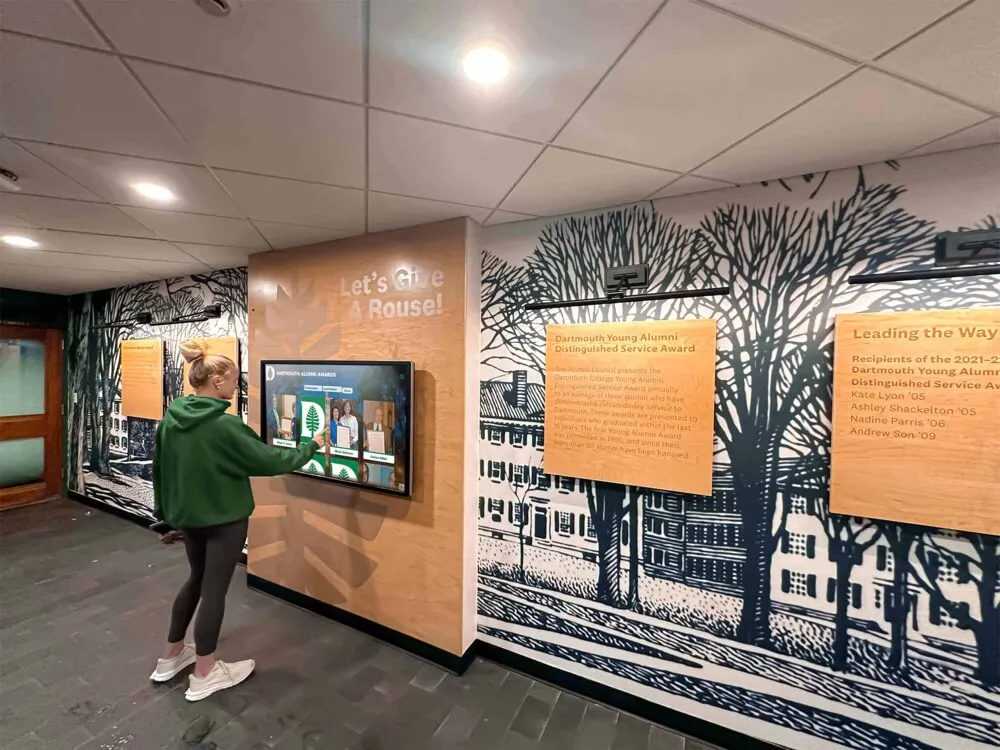
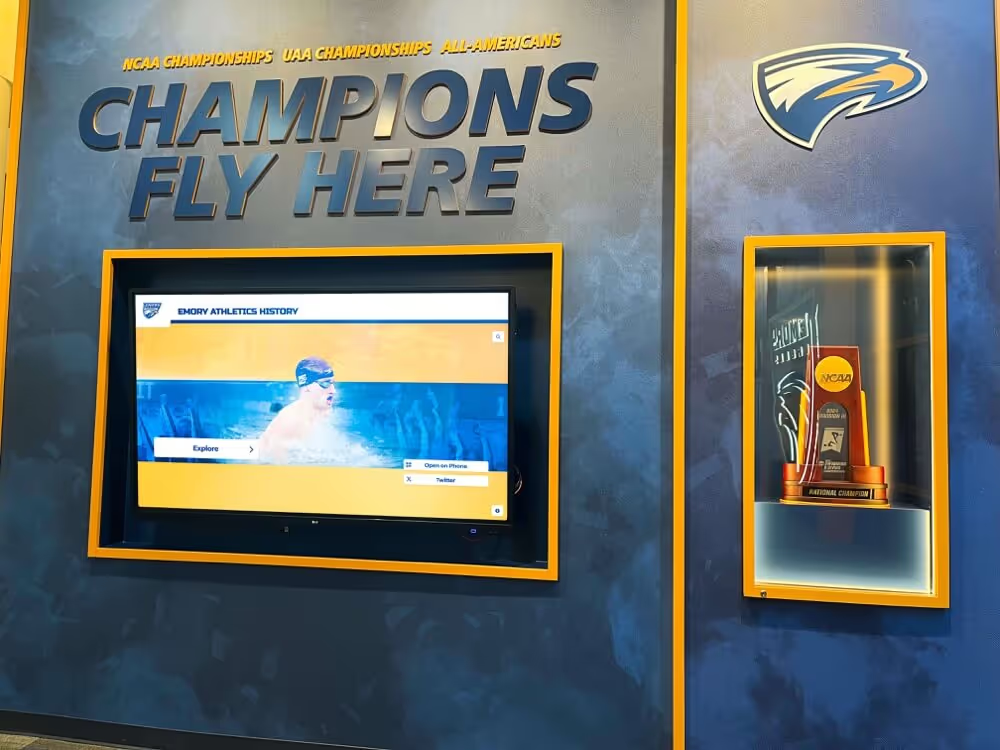
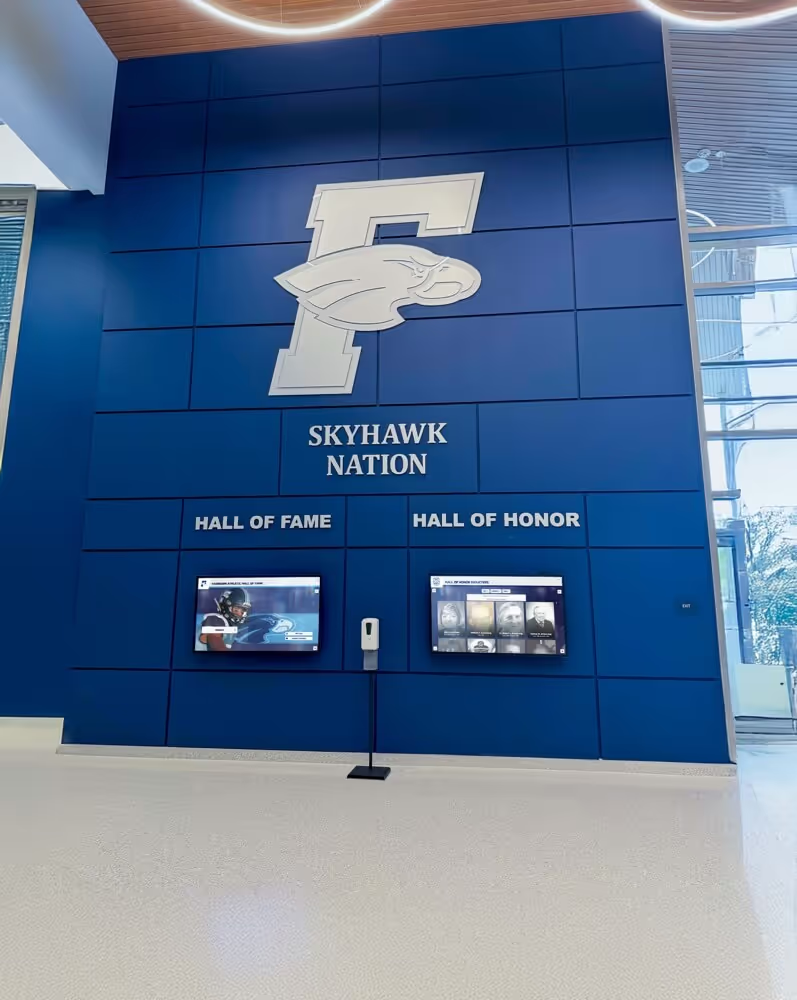
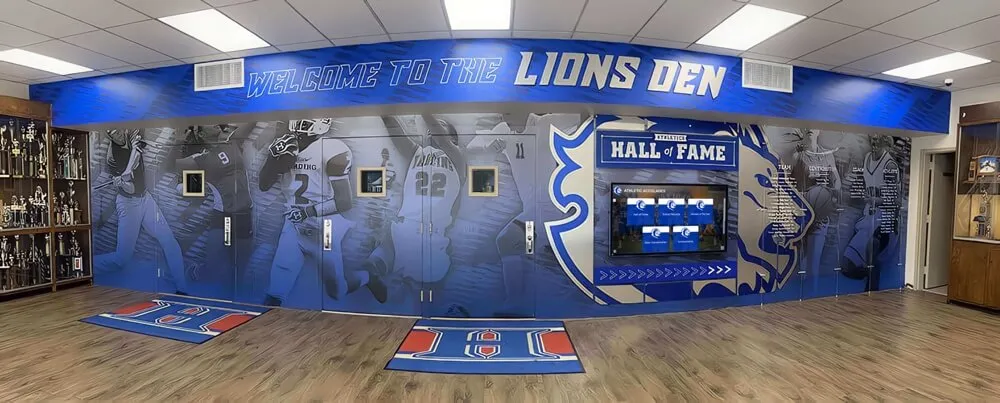
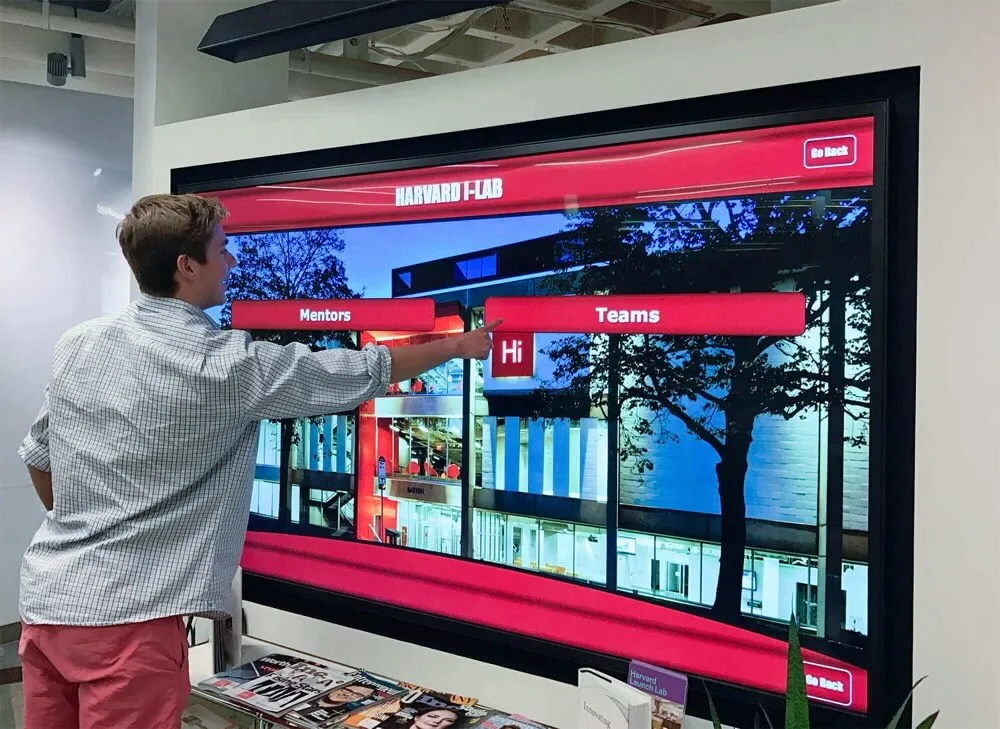
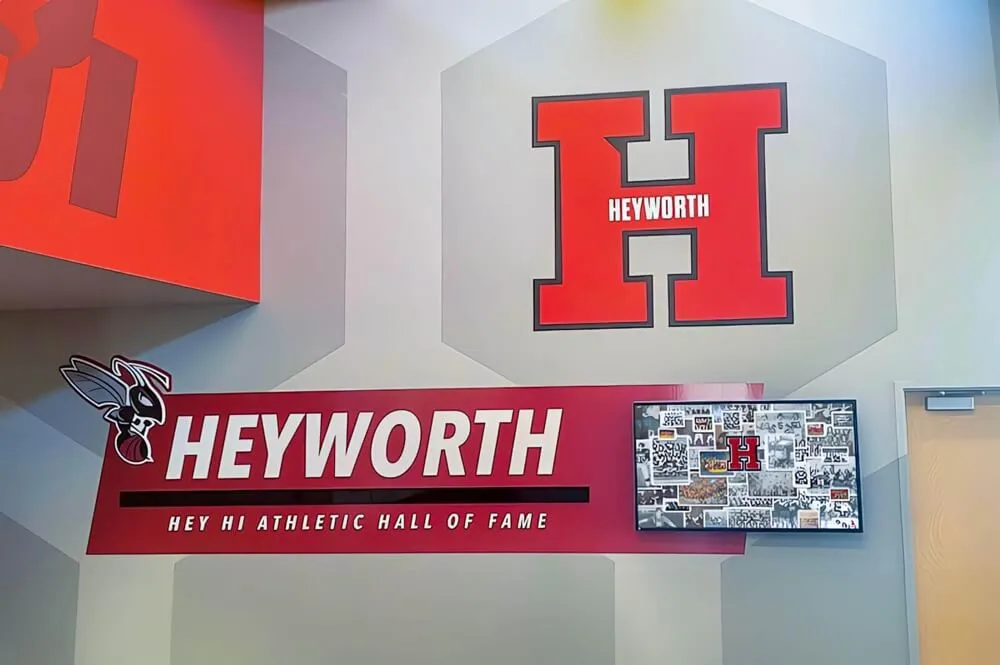
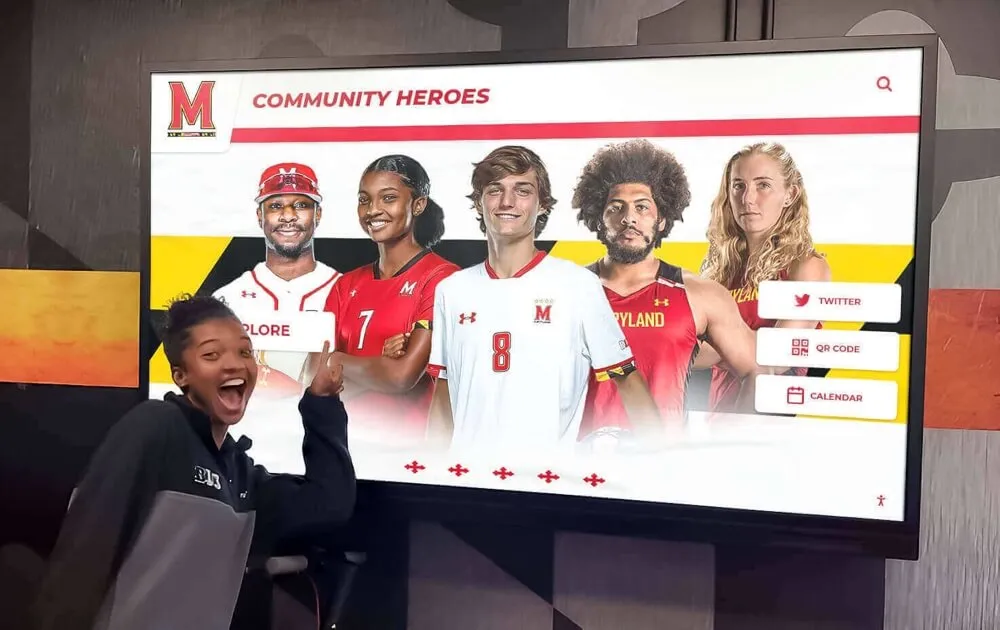
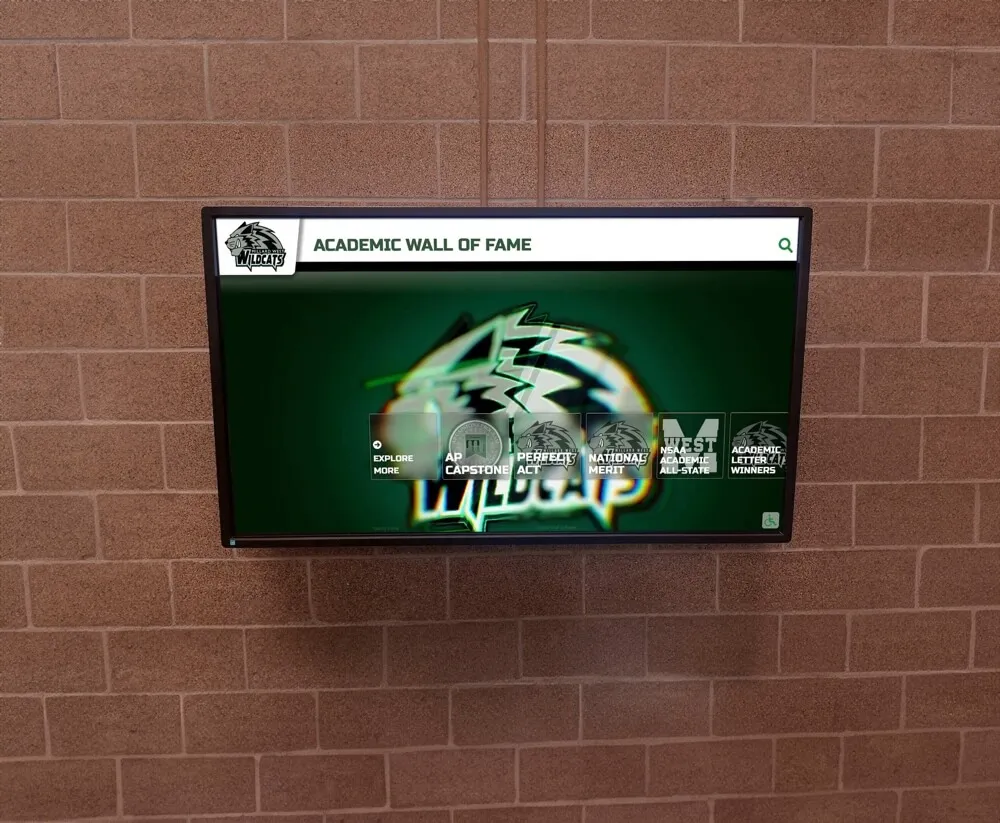
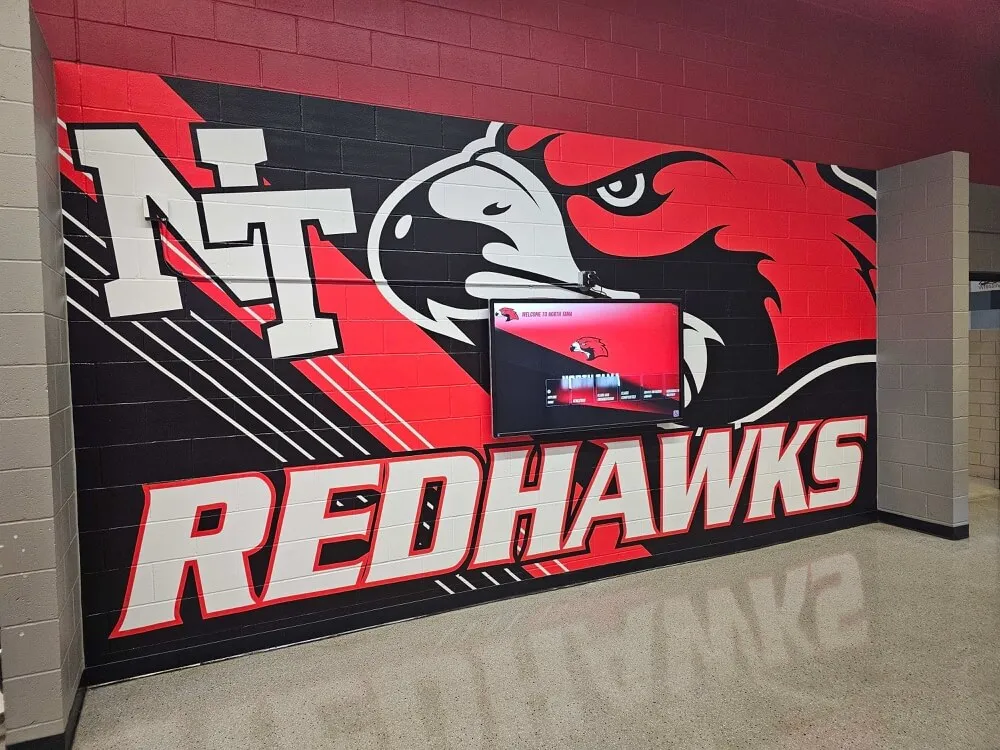
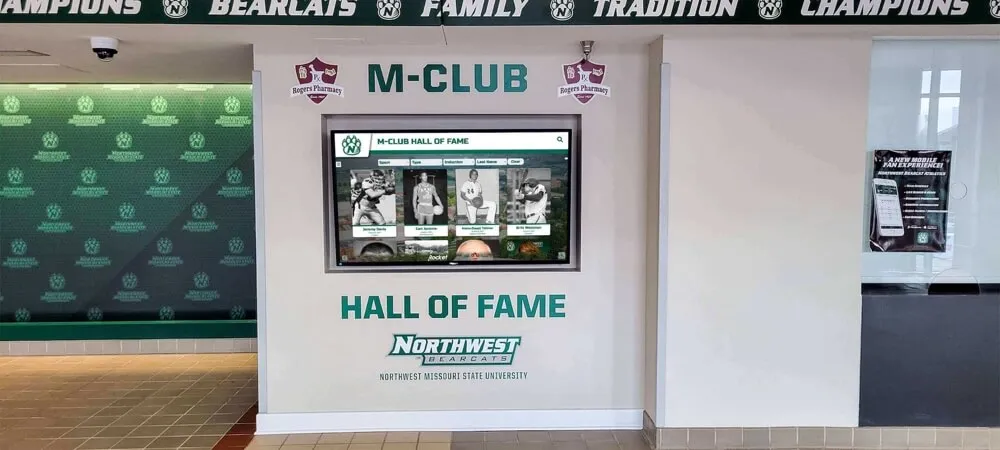
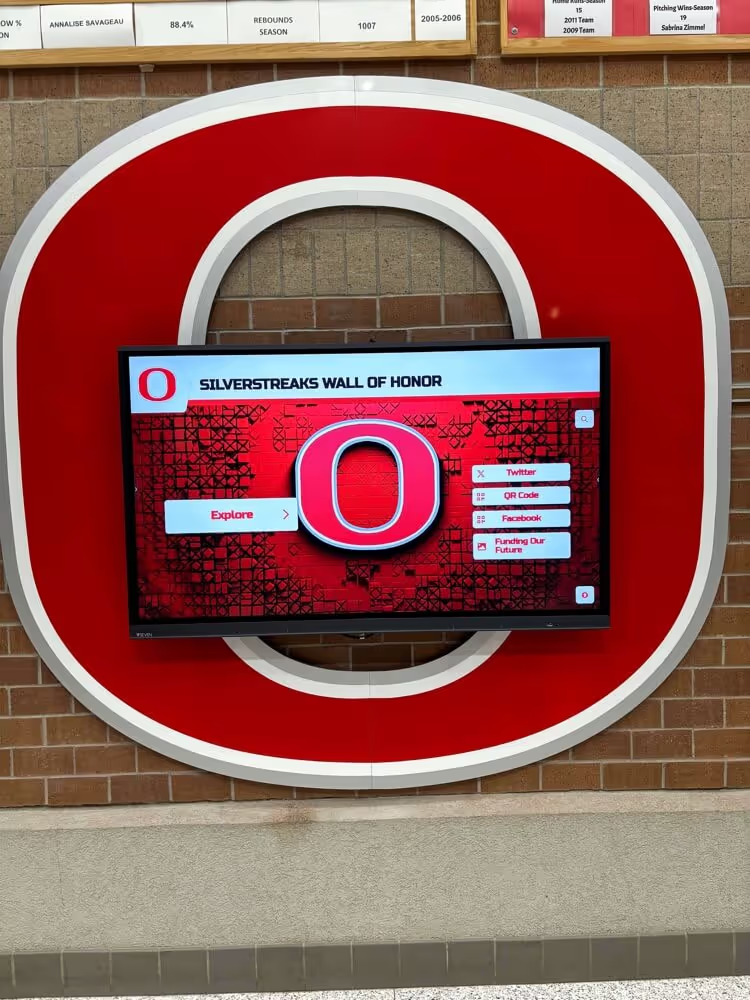
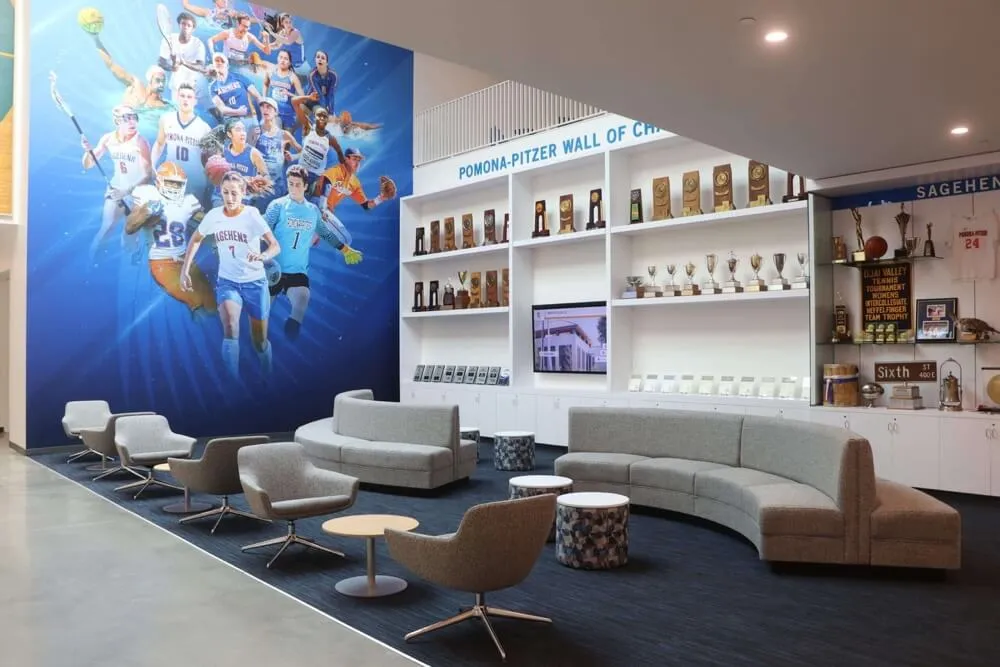
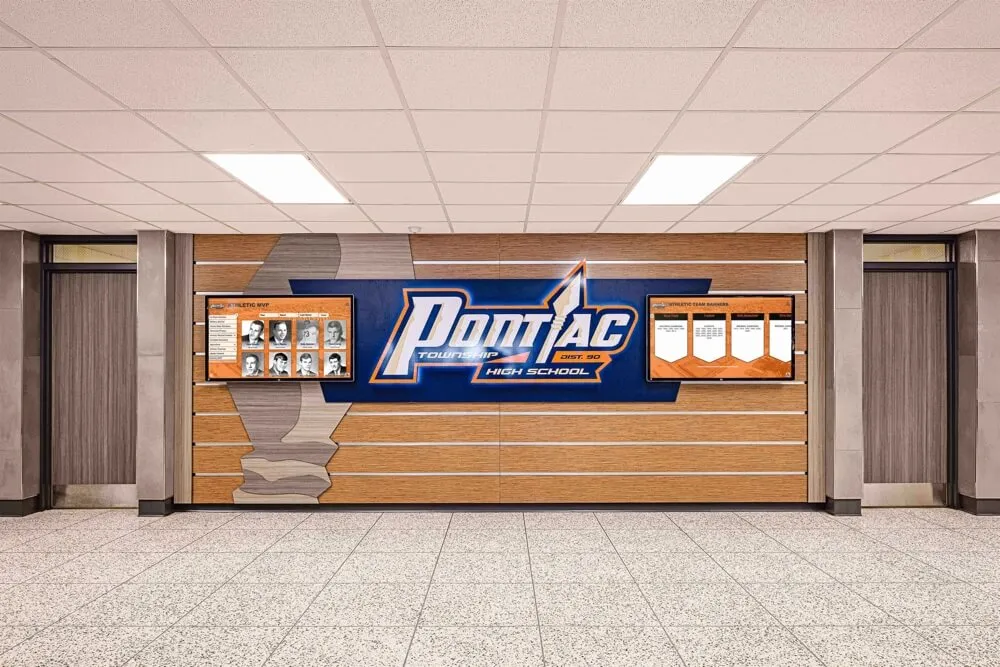
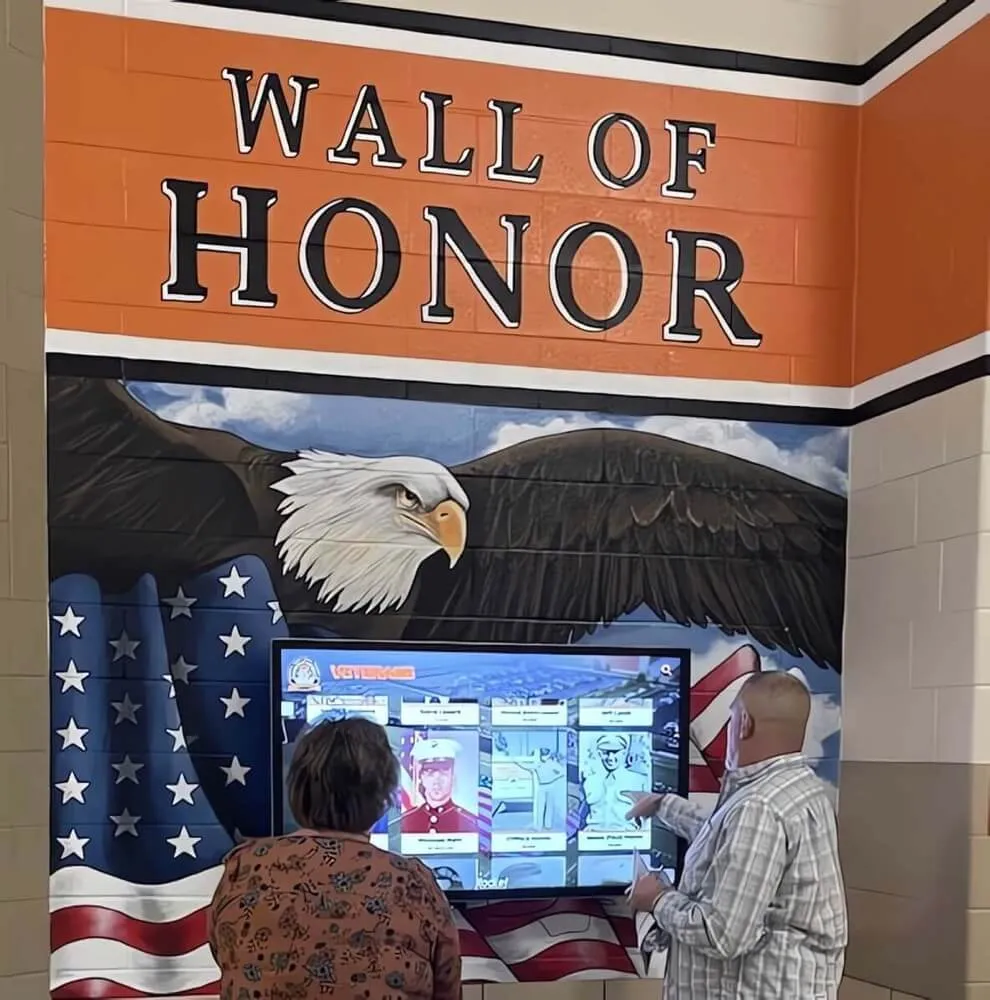
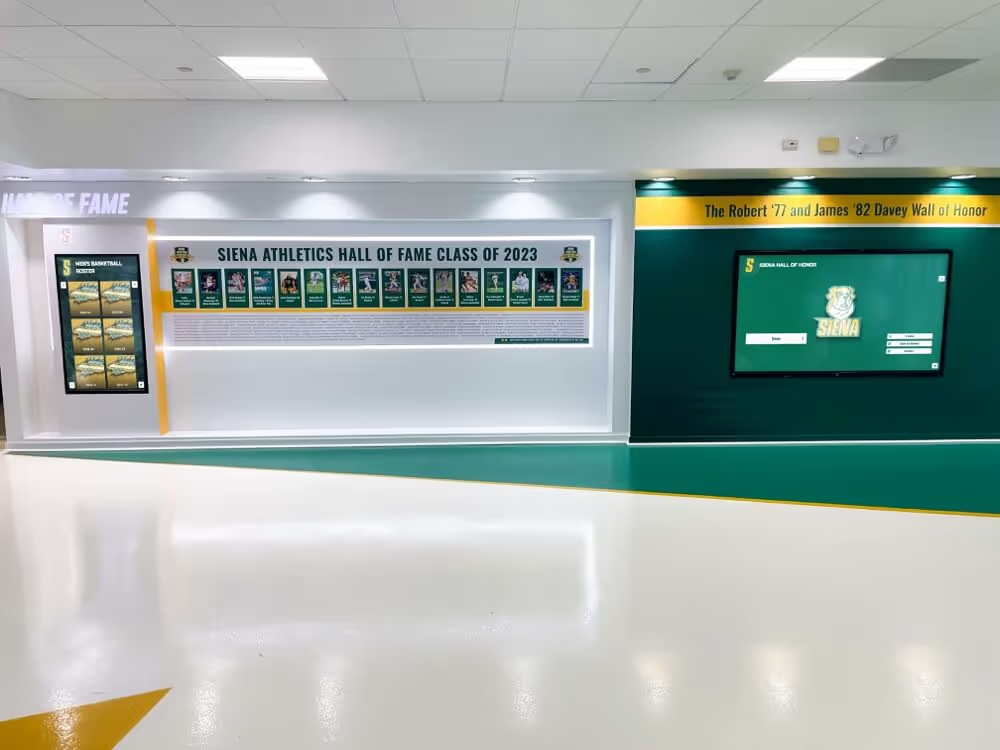
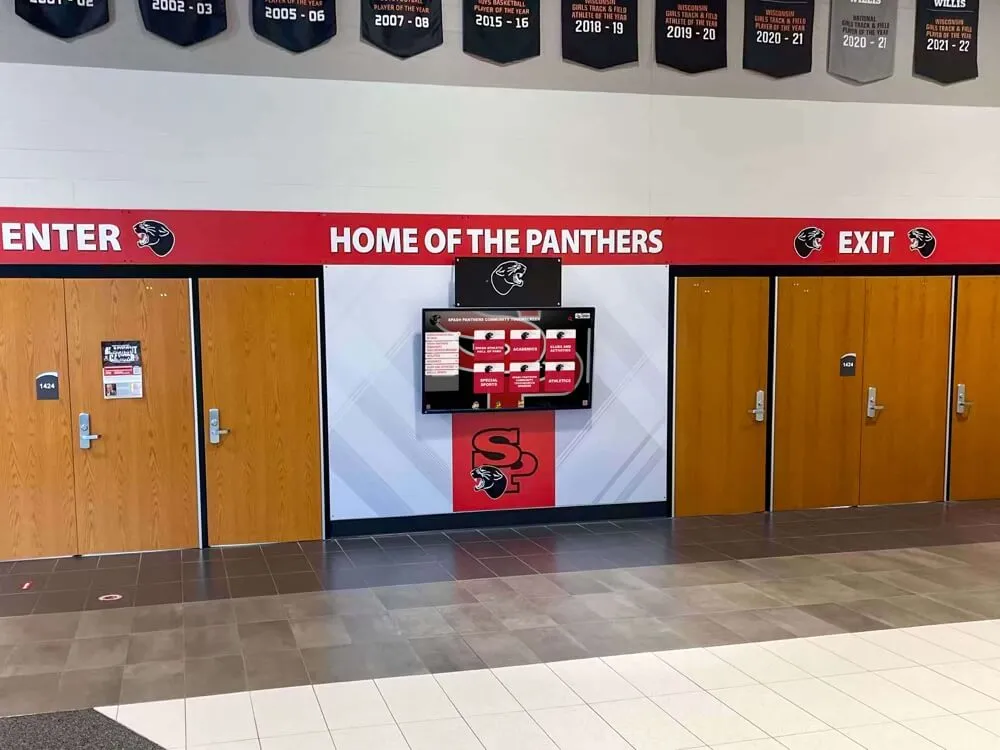
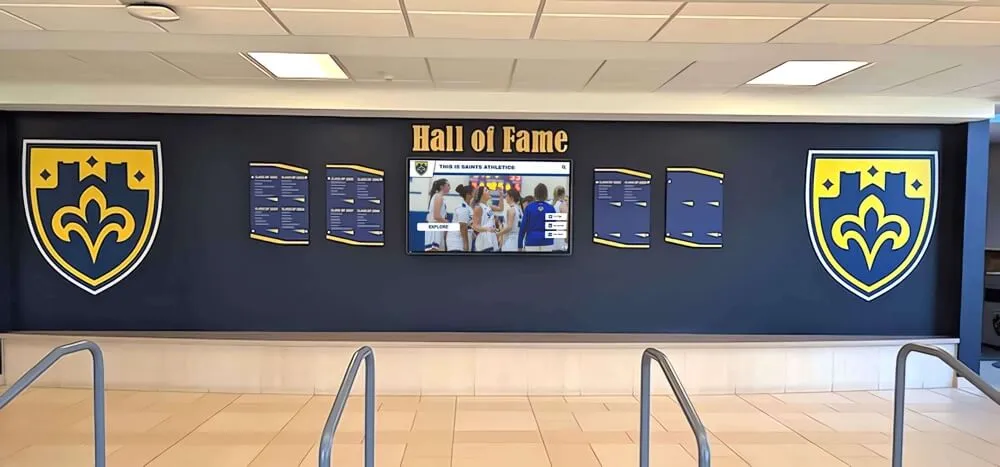
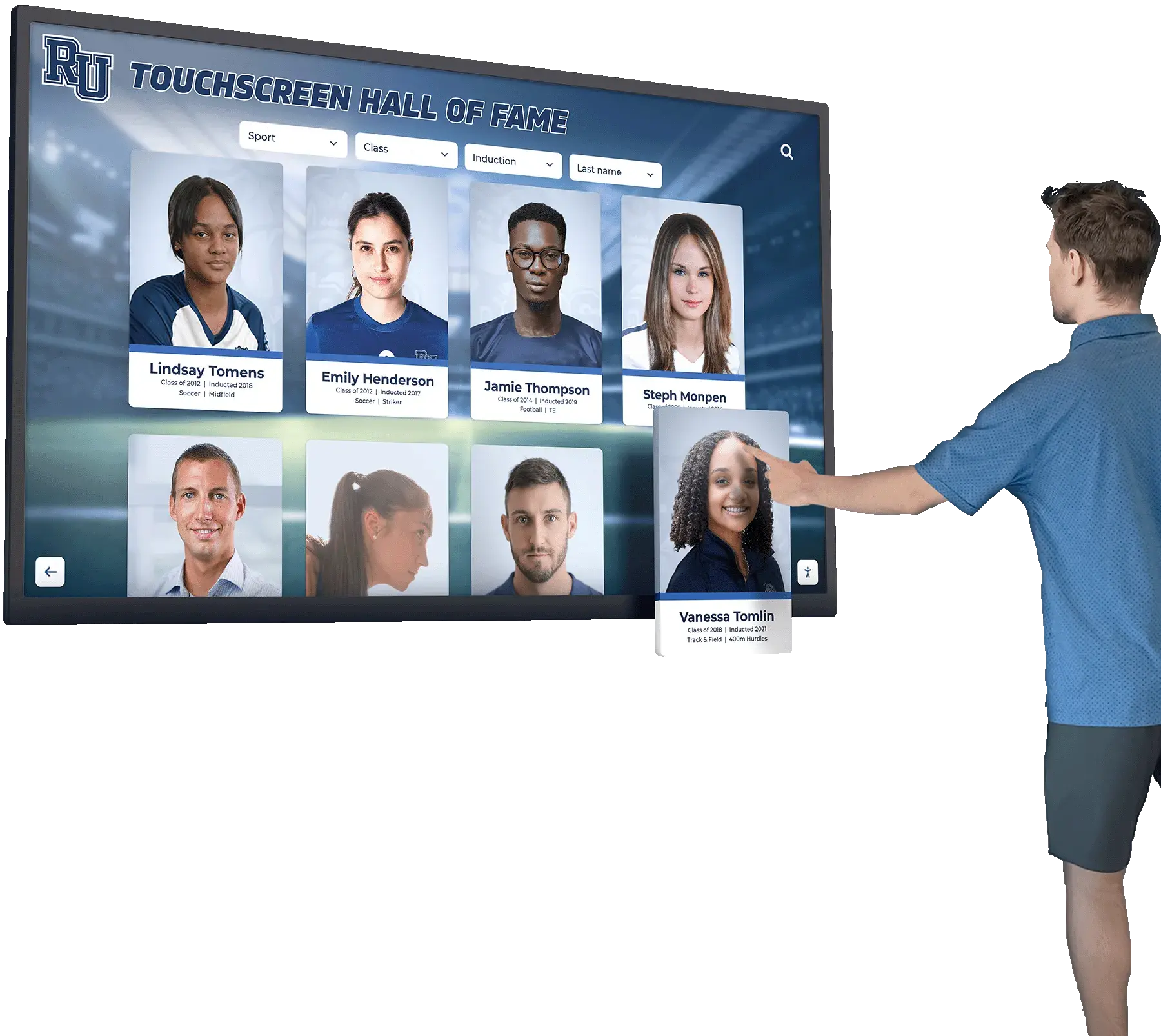
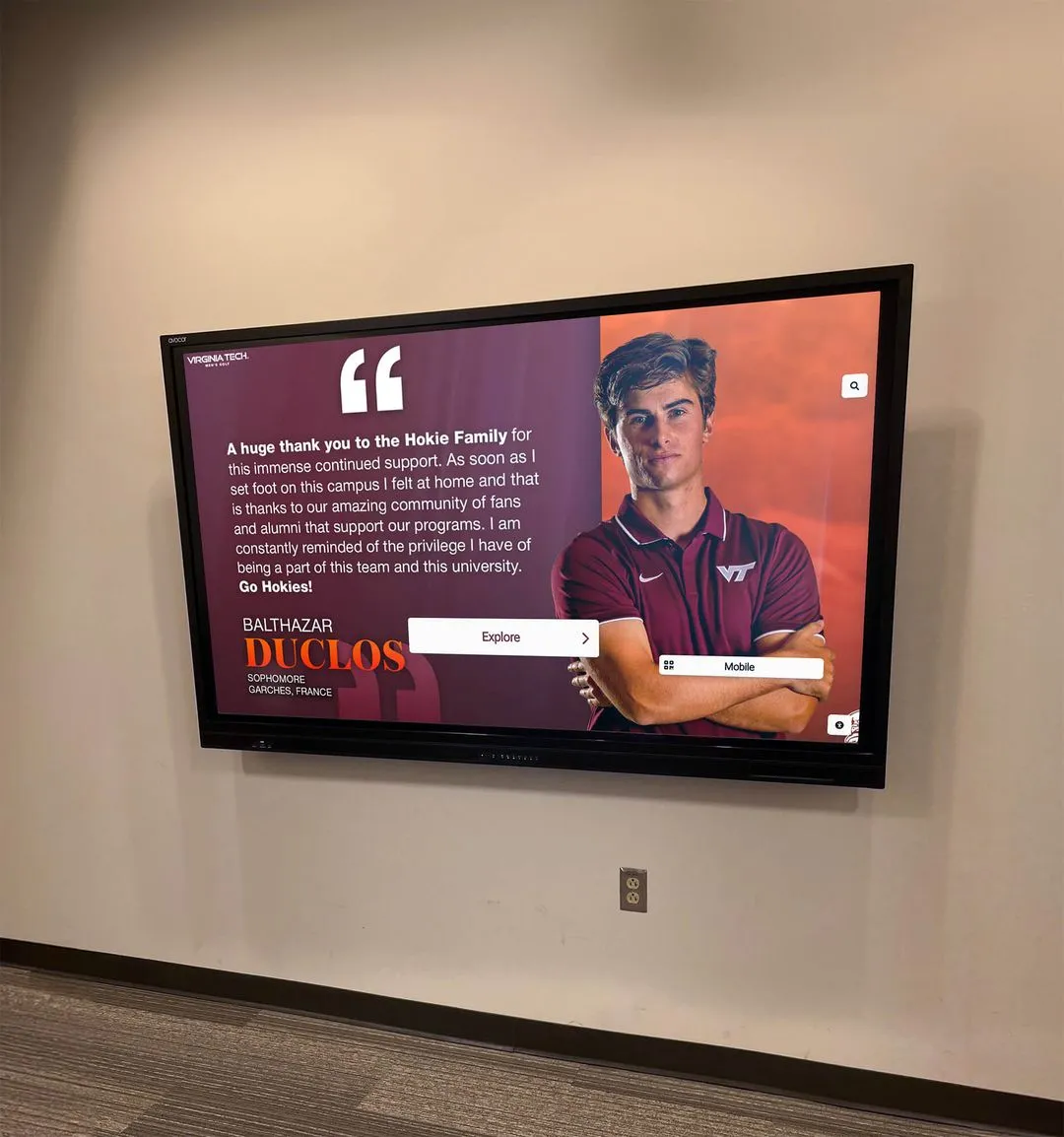
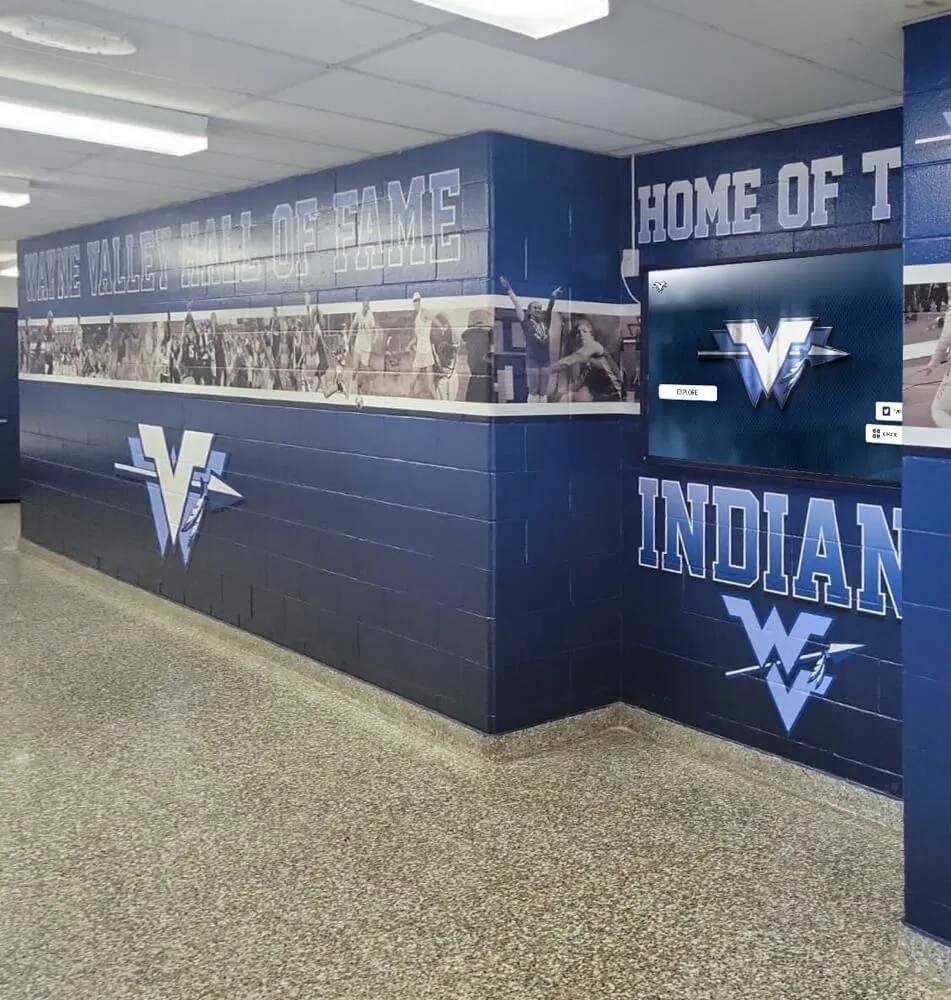
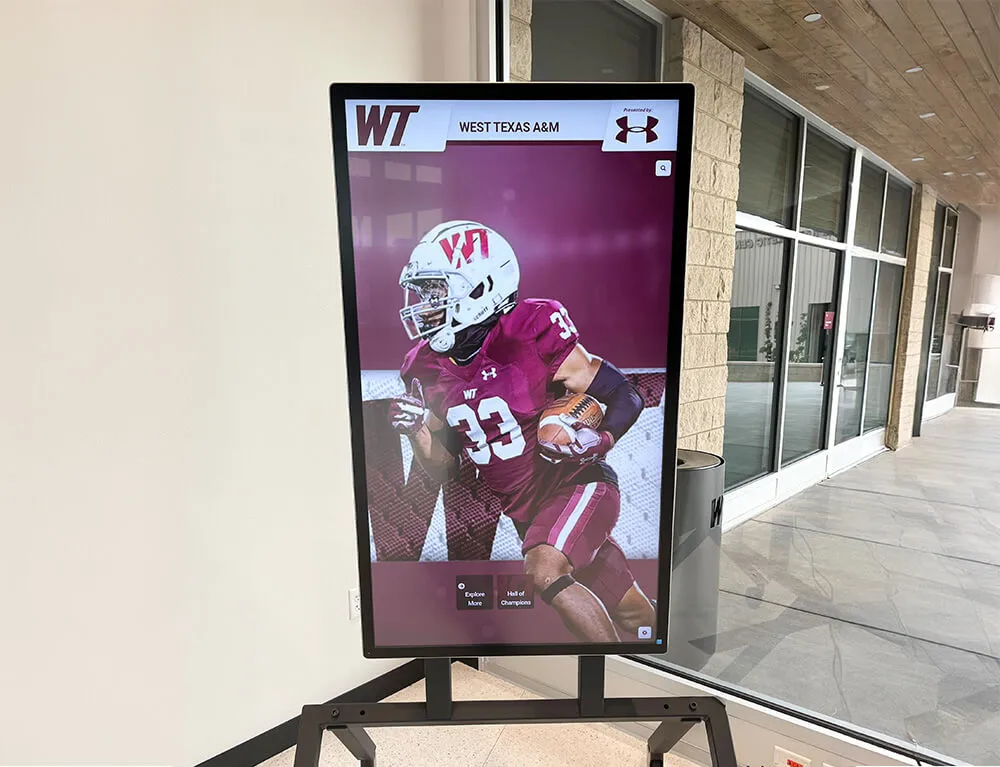
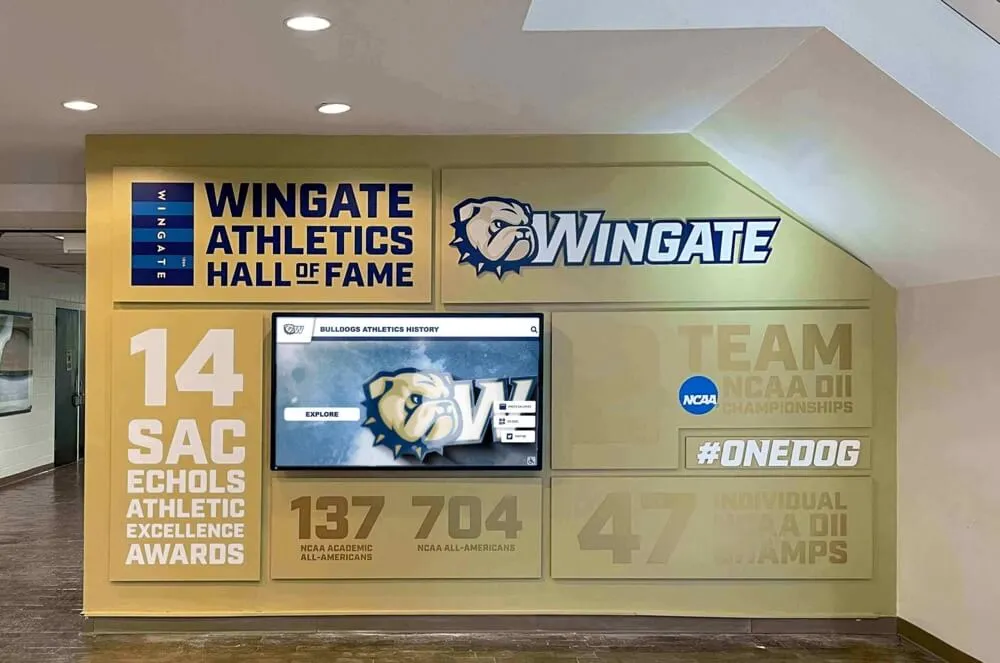
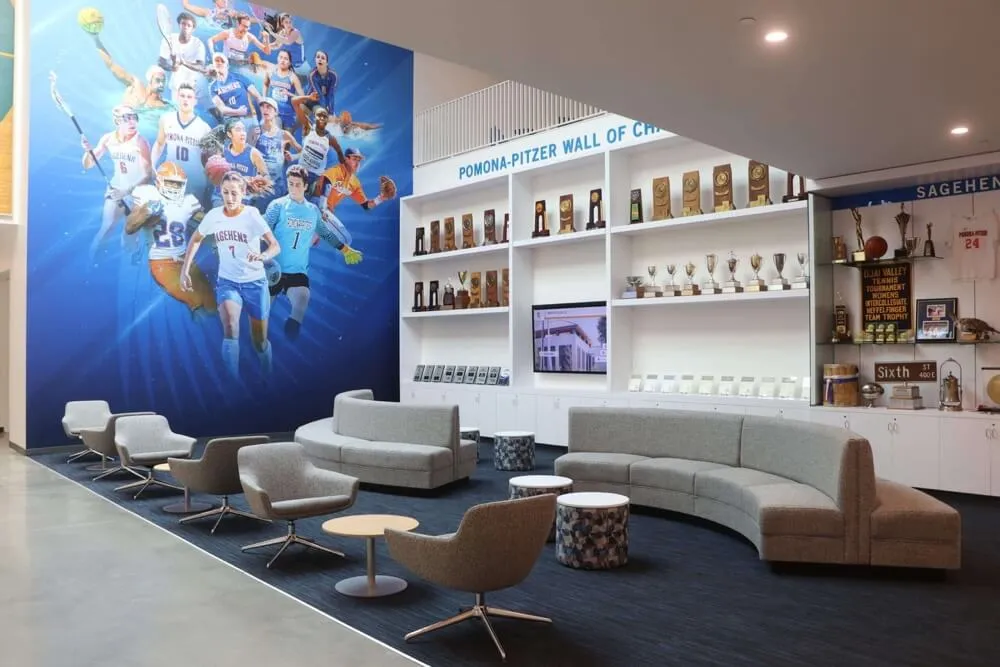
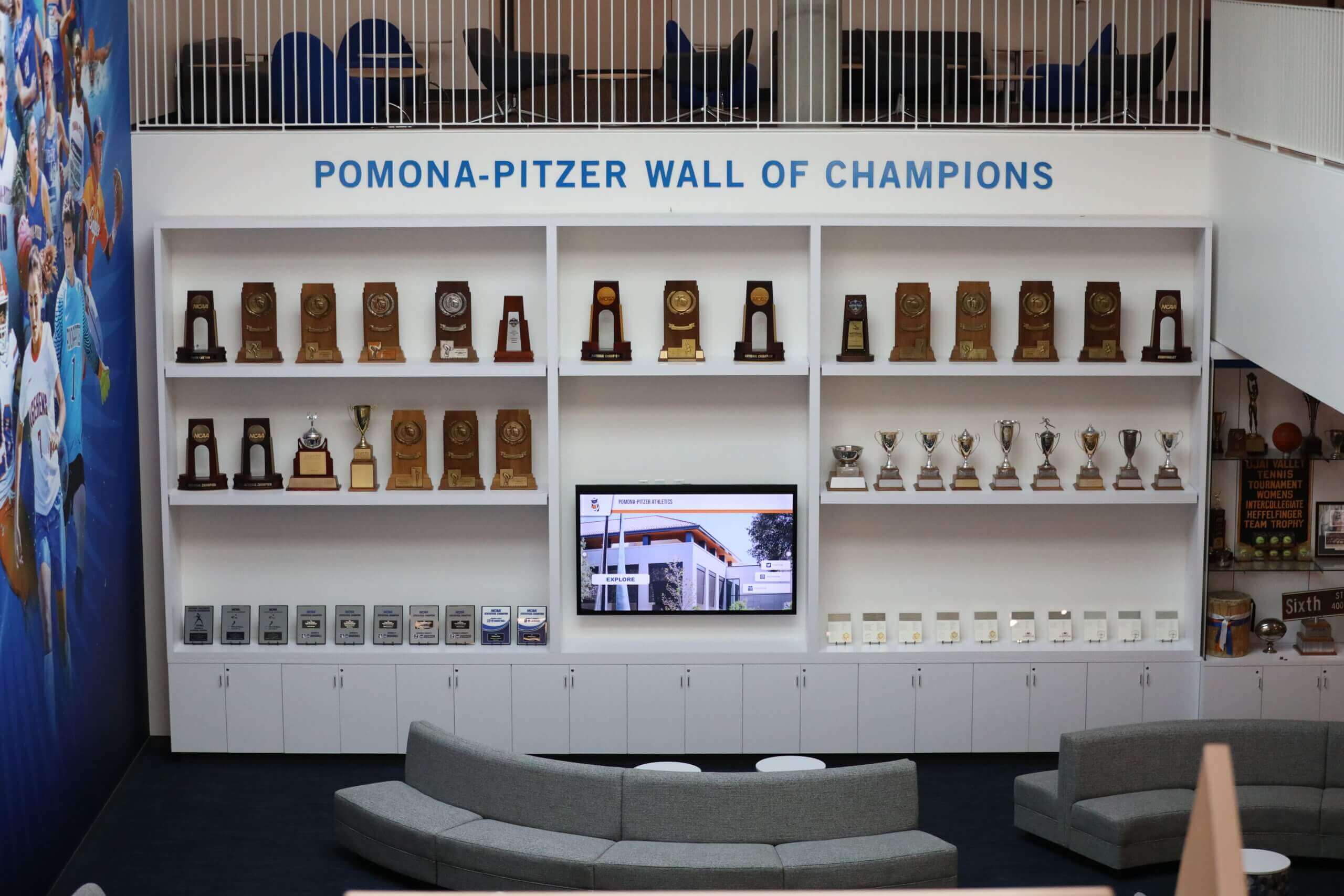
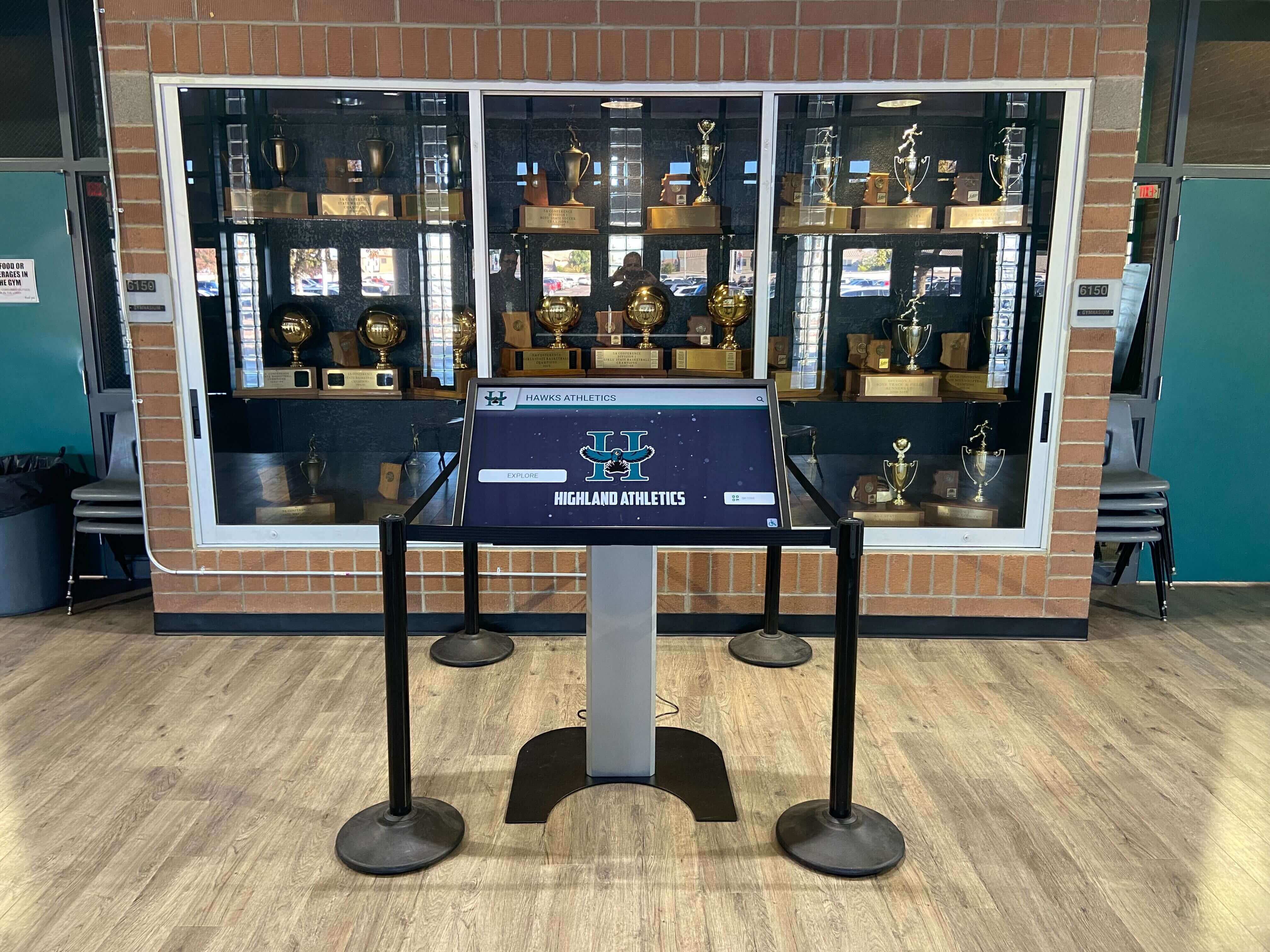
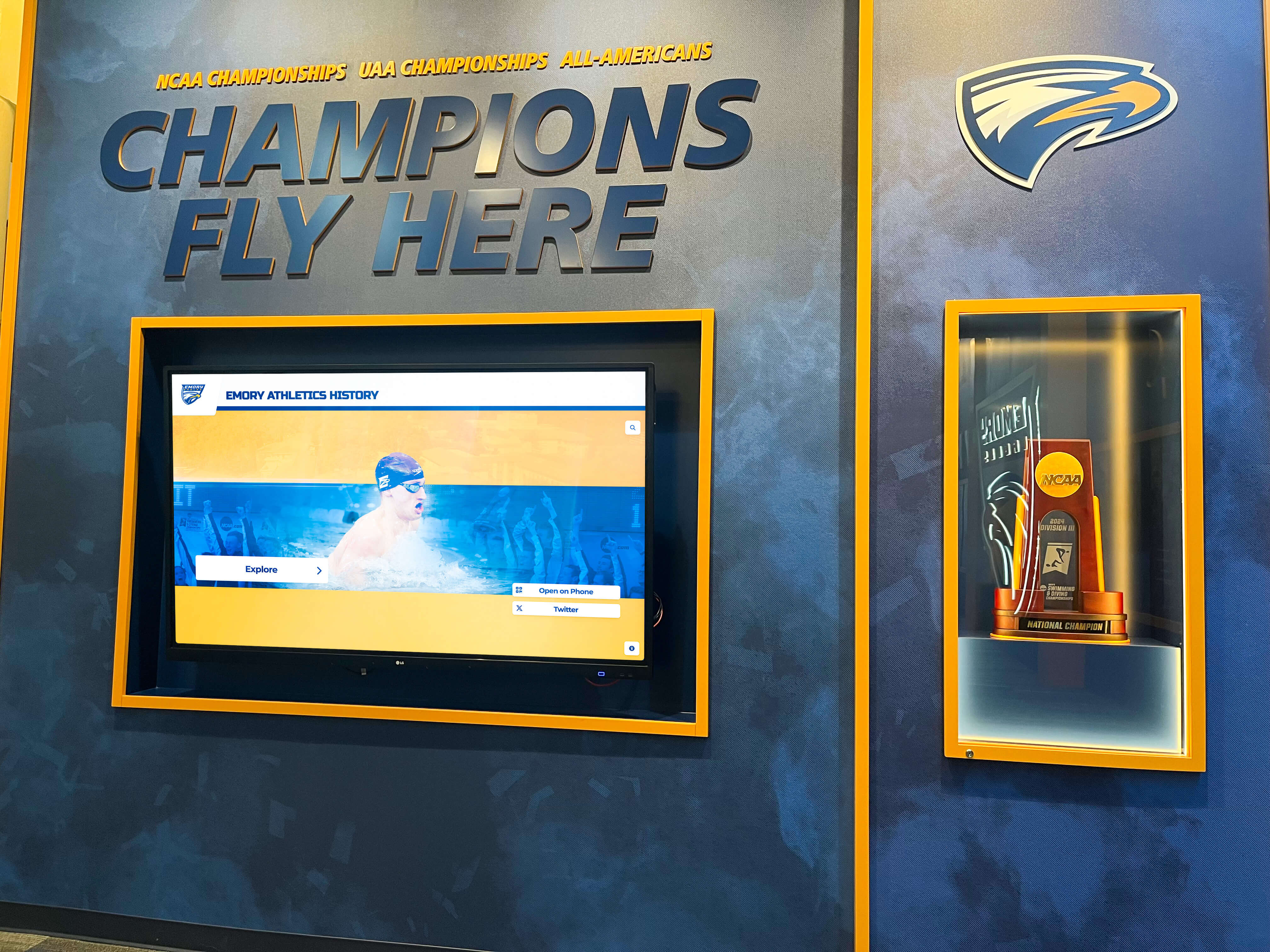
Field houses create natural opportunities for athletic recognition displays—entrance lobbies, circulation hallways, and spectator concourses where teams, visitors, and community members experience program history. Traditional approaches using trophy cases and plaques consume premium square footage, require ongoing manual updates, and reach capacity limitations forcing difficult decisions about which achievements receive visibility. Digital athletic record boards and recognition displays solve these planning challenges by maximizing wall space efficiency, eliminating manual update requirements, providing unlimited capacity for all records and achievements, enabling remote content management, and creating engaging interactive experiences that strengthen facility impact. Solutions like Rocket Alumni Solutions integrate seamlessly into field house architectural plans, working with design teams to specify appropriate locations, power requirements, mounting systems, and ADA compliance ensuring recognition displays enhance rather than complicate facility functionality.
Understanding Field House Programming and Purpose
Effective field house design begins with systematic analysis of how facilities will actually be used—translating programmatic needs into architectural requirements that shape floor plans, structural systems, and budgets.
Multi-Sport Flexibility Requirements
Field houses earn their value through adaptability serving diverse athletic and community functions throughout calendar years.
Primary Athletic Functions
Most field houses accommodate multiple sports through flexible open floor plans:
Court Sports: Basketball, volleyball, and badminton require clear ceiling heights (typically 24-28 feet minimum), resilient surface systems, wall protection, and scoring equipment mounting. Standard high school basketball court dimensions (84’ x 50’) with minimum 10-foot clearances create baseline floor area requirements around 104’ x 70’ before adding spectator, circulation, or additional court space.
Indoor Track and Field: Six-lane 200-meter tracks with field event areas require significantly larger footprints—roughly 200’ x 300’ minimum. Many field houses prioritize track programs given climate benefits in northern regions where outdoor seasons are compressed by weather.
Wrestling: Competition and practice spaces need 42’ x 42’ mat areas with surrounding safety zones, appropriate subflooring providing shock absorption, and ceiling clearances sufficient for throws and lifts. Wrestling rooms benefit from dedicated temperature control given intense physical exertion and weight management considerations.
Strength and Conditioning: Modern programs require dedicated weight room facilities with platforms for Olympic lifting, power racks, cardio equipment, and adequate floor loading capacity. Strength facilities ranging from 2,000-5,000 square feet serve different program sizes and training philosophies.
Non-Athletic Community Uses
Field houses designed exclusively for athletics miss opportunities for broader community value and facility utilization:
- Physical Education Classes: Public schools typically use field houses for daily PE instruction requiring programming flexibility around competitive athletic schedules
- Community Recreation: Evening and weekend availability for youth programs, adult leagues, and open recreation increases community investment and support
- Event Hosting: Graduation ceremonies, community meetings, emergency shelter, and special events leverage expensive facilities beyond pure athletic purposes
- Tournament Revenue: Hosting district, regional, or state competitions generates revenue while showcasing programs and facilities
Programming decisions about primary versus secondary uses shape fundamental design choices—single large open spaces maximize flexibility while dedicated spaces optimize specific functions at the expense of adaptability.
Space Allocation and Sizing Decisions
Translating programmatic needs into actual square footage determines facility scale, construction costs, and operational success.
Core Activity Spaces
Different facility components compete for limited budgets and footprints:
Main Competition Floor: Varies dramatically based on sport priorities. Basketball-focused facilities might include three full courts (approximately 30,000 square feet). Track-centered designs require substantially larger footprints (60,000+ square feet) to accommodate 200-meter tracks with field event areas. Single-court facilities with minimal spectator areas might total 15,000-20,000 square feet.
Practice and Training Areas: Dedicated practice spaces beyond main competition floors allow simultaneous activities—teams practicing while competitions occur, strength training during court sports, skill development alongside team practices. Practice gyms ranging from 8,000-15,000 square feet provide this flexibility.
Locker and Team Spaces: Competitive programs require team locker rooms, coaches’ offices, meeting rooms, equipment storage, and athletic training facilities. Allocating 15-20% of total facility square footage to team support spaces ensures adequate functionality.
Spectator Accommodations
Seating capacity decisions significantly affect costs and space utilization:
Retractable Bleacher Systems provide flexible capacity—extended for games and events, retracted to maximize practice floor space. Common capacities range from 500-2,000 seats depending on program size and community population. Bleacher systems with proper structural support, guardrails, and ADA accessibility cost $100-200 per seat installed.
Fixed Seating Areas reduce per-seat costs but permanently consume floor space. Schools balancing practice needs against spectator requirements typically favor retractable systems despite higher initial investment.
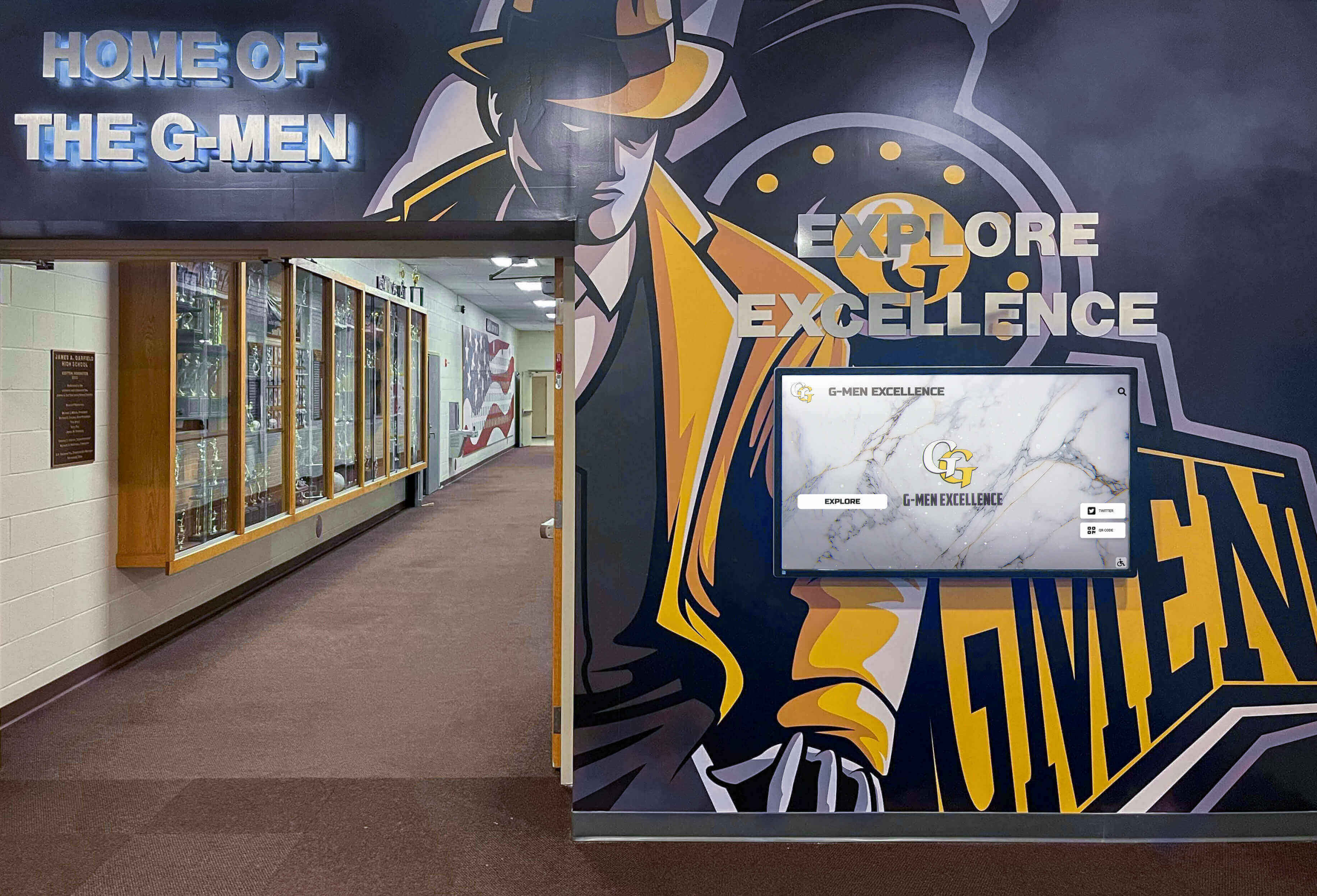
Concourse and Lobby Areas require adequate space for crowd circulation during events without feeling cavernous during daily use. Entrance lobbies also serve as ideal locations for digital recognition displays showcasing program history and facility donors.
Resources on athletic facility recognition systems provide frameworks for integrating acknowledgment programs into facility design.
Critical Design Elements for Multi-Purpose Field Houses
Technical design decisions about building systems, materials, and construction approaches determine whether field houses deliver promised versatility or create ongoing operational frustrations.
Structural and Building Systems
Foundation and structural choices enable or constrain facility functionality for decades.
Clear Span Construction
Field houses require column-free interior spaces allowing flexible floor layouts without obstructions. Common structural approaches include:
Steel Frame Systems: Pre-engineered metal buildings offer cost-effective clear spans up to 150-200 feet with relatively quick construction timelines. These systems work well for practice facilities though some schools prefer more traditional aesthetic treatments for high-profile competition venues.
Laminated Wood Beams: Glulam or mass timber construction creates warm architectural character while achieving necessary spans. Wood systems typically cost 10-20% more than steel but offer superior aesthetics valued in community-facing facilities.
Concrete and Masonry Construction: Traditional construction provides superior durability, better acoustics, and easier integration with existing campus buildings but requires longer construction schedules and higher budgets.
Ceiling Height Considerations
Different sports require specific minimum clearances:
- Basketball and Volleyball: 24-foot minimum clearance, 28+ feet preferred for competitive play
- Indoor Track Field Events: 30-40 feet for pole vault, high jump, and throwing events
- General Recreation: 20-22 feet adequate for most activities
Compromising ceiling heights to reduce costs creates permanent limitations eliminating certain sports or competition hosting capabilities.
Flooring Systems and Surfaces
Surface selection dramatically affects sport performance, injury rates, maintenance costs, and long-term durability:
Multi-Purpose Synthetic Surfaces: Rubberized or polyurethane sport floors provide cushioning for basketball and volleyball while accommodating indoor track use. Quality systems cost $8-15 per square foot installed with 15-20 year lifespans under proper maintenance.
Hardwood Court Floors: Maple basketball courts offer superior performance and traditional aesthetics at $10-20 per square foot. Hardwood requires more maintenance and climate control but delivers preferred playing surfaces for competitive programs.
Specialized Track Surfaces: Dedicated indoor track facilities use polyurethane surfaces optimized for running performance and spike resistance. Track surfaces range from $15-25 per square foot depending on specifications and performance characteristics.
Convertible Floor Systems: Some facilities install removable court floors over synthetic surfaces enabling sport-specific optimization. These systems add costs and operational complexity but maximize performance across different sports.
Environmental Control and Comfort
HVAC design significantly affects both construction budgets and operational costs over facility lifespans.
Climate Control Challenges
Large open volumes create heating and cooling challenges:
High-Volume Heating: Field houses in cold climates face substantial heating costs given large air volumes and ceiling heights. Radiant floor systems, destratification fans, and high-efficiency unit heaters address these challenges. Expect heating systems to represent 8-12% of construction budgets.
Ventilation Requirements: Athletic facilities require substantial air exchanges removing moisture, odors, and maintaining air quality. Designing HVAC systems for actual occupancy loads rather than building volumes reduces oversizing and operational waste.
Humidity Management: Indoor track facilities particularly require dehumidification preventing condensation on cold surfaces and maintaining appropriate conditions for athletic performance. Humidity control systems add 15-20% to HVAC costs but prove essential for facility longevity.
Natural Lighting and Daylighting
Balancing natural light against energy costs and glare control:
Clerestory Windows: Upper wall windows and skylights reduce daytime lighting costs, improve user experience, and support sustainable design goals. However, they require careful design preventing direct sunlight glare affecting competition surfaces and vision sports.
LED Sports Lighting: Modern LED systems deliver superior light quality, instant control, reduced energy consumption, and minimal maintenance compared to traditional metal halide systems. LED conversion reduces lighting energy costs 50-70% while improving on-court visibility.
Supporting Spaces and Functional Areas
Field house value extends beyond main competition floors into supporting spaces enabling effective program operations.
Team and Athlete Facilities
Adequate team spaces separate functional facilities from inadequate ones:
Locker Room Design
Team locker facilities require careful planning balancing capacity, security, and comfort:
- Team Locker Rooms: Most facilities provide 2-4 dedicated team rooms accommodating 25-30 athletes each with individual lockers, benches, and drying areas
- Visiting Team Facilities: Competition venues require adequate visitor spaces meeting league or association standards
- Universal Design Considerations: Gender-neutral changing areas and family restrooms accommodate diverse programs and community users
- Shower and Restroom Facilities: Adequate shower capacity (1 fixture per 8-10 locker spaces) with privacy options and vandal-resistant fixtures
Athletic Training Rooms
Modern programs require professional athletic training facilities including treatment tables, ice/heat therapy equipment, taping stations, rehabilitation areas, and secure medication storage. Training rooms should be centrally located with easy access from practice and competition areas while maintaining HIPAA-compliant privacy.
Weight and Strength Facilities
Properly equipped strength facilities require:
- Adequate Floor Loading: Minimum 150 pounds per square foot, 300+ pounds for Olympic lifting platforms
- Ceiling Heights: 12-14 feet minimum for Olympic lifts and safety
- Power Requirements: Substantial electrical service for cardio equipment, sound systems, and displays
- Ventilation: Enhanced air exchange rates given intense physical exertion
- Recognition Displays: Digital record boards tracking strength milestones, personal records, and team achievements
Administrative and Operations Areas
Behind-the-scenes spaces enable effective facility management:
Coaching and Staff Offices
Athletic directors, head coaches, and assistant coaches require appropriate workspace with:
- Private Office Space: Head coaches typically receive individual offices (100-120 square feet)
- Shared Assistant Spaces: Open or semi-private work areas for assistant coaches
- Meeting Rooms: Team meeting spaces with AV equipment, seating for 30-40, and tactical planning tools
- Secure Storage: Equipment, uniforms, and confidential materials require lockable storage
Equipment and Storage
Adequate storage prevents operational frustrations:
- Athletic Equipment: Basketballs, volleyballs, nets, cones, training equipment require organized accessible storage
- Maintenance Equipment: Floor cleaning machines, maintenance supplies, and custodial equipment need dedicated spaces
- Seasonal Storage: Bleacher padding, championship banners, and seasonal decorations require out-of-the-way storage not consuming premium space
Concessions and Hospitality
Revenue-generating facilities require proper infrastructure:
- Concession Stands: Commercial kitchen equipment, refrigeration, point-of-sale systems, and health department compliance
- Officials’ Rooms: Competition venues require dedicated spaces for referees and game officials
- Press and Media Areas: Elevated press boxes or media areas for game coverage and statistics
Technology Integration and Recognition Systems
Modern field houses incorporate technology infrastructure supporting operations, engagement, and recognition beyond basic building systems.
Digital Recognition and Display Integration
Recognition systems planned during initial construction integrate more effectively than retrofit installations:
Strategic Display Locations
Optimal placement maximizes visibility and impact:
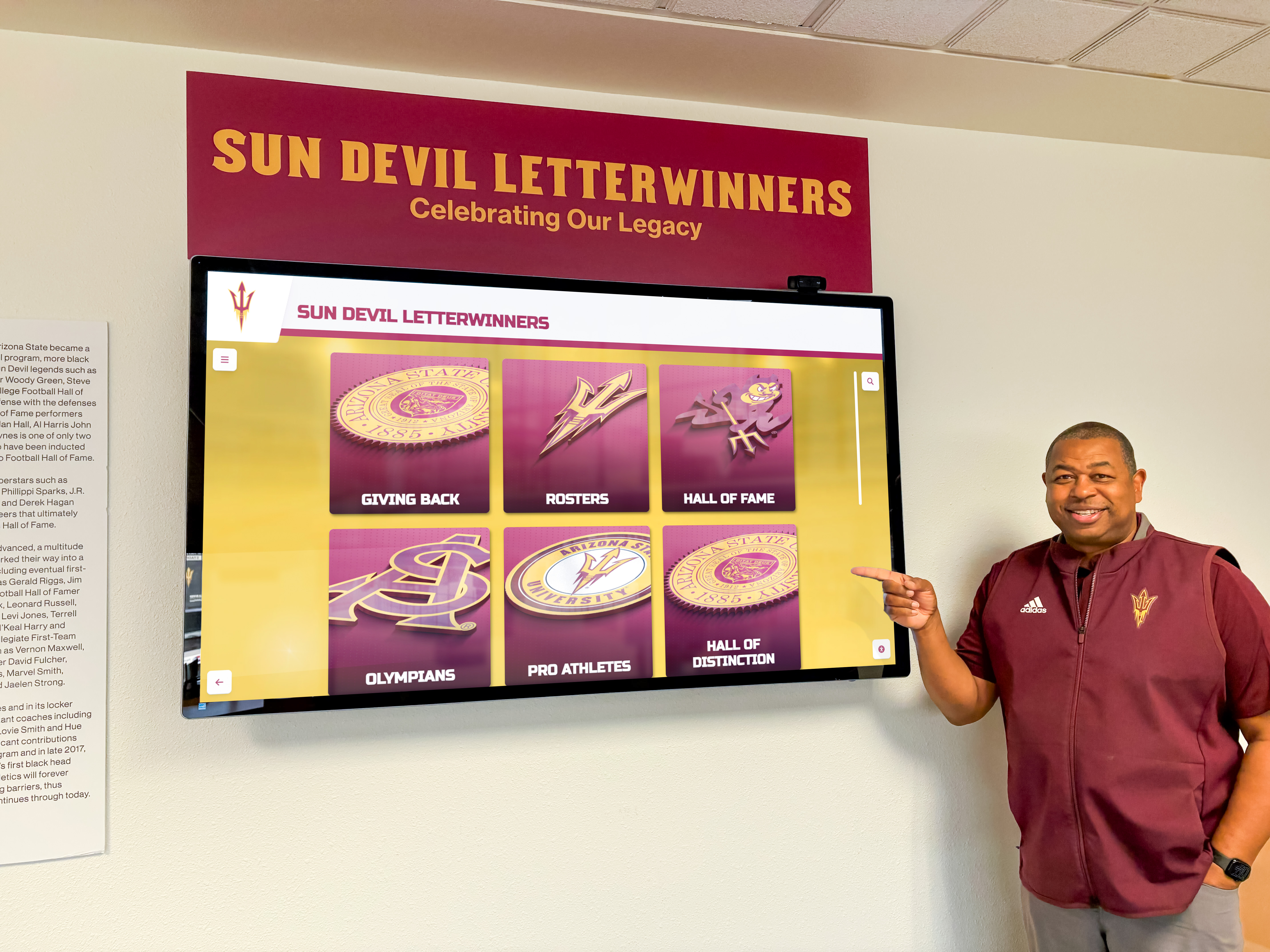
- Main Entry Lobbies: First impressions featuring program history, hall of fame inductees, and major achievements
- Circulation Hallways: Connecting areas between courts, locker rooms, and spectator areas showcase team histories and records
- Concourse Areas: Spectator circulation zones during events enable community engagement with program heritage
- Training Facilities: Weight room displays featuring strength records and personal bests motivate daily improvement
Infrastructure Planning Requirements
Proper planning during construction prevents expensive retrofits:
- Electrical Service: Dedicated circuits with appropriate voltage and surge protection
- Structural Mounting: Backing plates, reinforcement, or specialized mounting systems integrated during framing
- Network Connectivity: Ethernet or reliable wireless infrastructure enabling remote content management
- ADA Compliance: Height placement, reach ranges, and accessible navigation meeting accessibility standards
Resources on interactive recognition systems explain technology specifications and planning considerations.
Operational Technology Systems
Beyond recognition displays, field houses benefit from integrated operational technology:
Scoreboard and Timing Systems
Competition facilities require appropriate scoring displays, shot clocks, timing systems, and control equipment. Budget $15,000-50,000 depending on display size, features, and sport-specific requirements.
Audio-Visual Infrastructure
Sound systems, video displays, and multimedia capabilities support competitions, assemblies, and community events. Modern systems include distributed audio, multiple video input sources, and wireless control enabling diverse programming.
Security and Access Control
Large facilities require systematic security including:
- Video Surveillance: Cameras covering entries, parking, and high-value areas
- Access Control Systems: Electronic locks, card readers, or biometric systems managing after-hours access
- Intrusion Detection: Alarm systems protecting equipment and facility when unstaffed
Construction Costs and Budget Planning
Understanding realistic cost expectations prevents underfunding that compromises quality or leaves facilities incomplete.
Typical Cost Ranges and Variables
Field house construction costs vary dramatically based on size, location, finishes, and functional requirements:
Basic Cost Parameters
Industry benchmarks provide planning starting points:
- Basic Field House Construction: $200-300 per square foot for steel frame buildings with standard finishes
- Mid-Range Facilities: $300-450 per square foot adding architectural character, better finishes, and enhanced systems
- High-End Competition Venues: $450-600+ per square foot for signature architectural designs, premium materials, and comprehensive amenities
Cost drivers affecting where projects fall within these ranges include:
- Geographic Location: Urban construction costs significantly exceed rural areas; regional labor and material costs vary substantially
- Site Conditions: Level, accessible sites with utilities cost far less than challenging sites requiring extensive preparation
- Building Size: Larger facilities achieve better per-square-foot efficiency spreading fixed costs across more area
- Structural Systems: Column-free spans, height requirements, and long-span roof structures increase structural costs
- Finish Quality: Architectural treatments, materials selection, and attention to detail separate basic from premium facilities
Major Cost Components
Understanding where budgets go helps prioritization:
- Site Work and Foundation: 10-15% for site preparation, utilities, parking, and foundation systems
- Building Structure and Envelope: 35-40% for framing, roofing, exterior walls, and weatherproofing
- Mechanical Systems: 15-20% for HVAC, plumbing, and fire protection
- Electrical and Technology: 8-12% for power distribution, lighting, and low-voltage systems
- Interior Finishes: 10-15% for flooring, walls, ceilings, and fixtures
- Specialized Systems: 5-10% for scoreboards, bleachers, and sport-specific equipment
- Soft Costs: 10-15% for design fees, permits, testing, and project management
Funding Strategies and Financial Planning
Multi-million-dollar field house projects require sophisticated funding approaches:
Capital Funding Sources
Most projects combine multiple funding streams:
- Bond Issues: School districts typically finance major construction through voter-approved bonds amortized over 20-30 years
- State Grants: Many states provide matching funds for school construction projects meeting specified criteria
- Booster and Donor Contributions: Athletic booster organizations and major donors fund portions of projects through capital campaigns
- Naming Rights: Facility or space naming opportunities generate significant contributions from local businesses or alumni
- Multi-Use Justifications: Combining athletic and academic purposes (physical education, community use) strengthens funding support
Recognition and Donor Acknowledgment
Capital campaigns require systematic donor recognition—digital donor walls provide flexible long-term acknowledgment systems supporting ongoing fundraising while honoring contributors appropriately.
Operational Cost Planning
Construction budgets represent only initial investment—operational costs continue throughout facility lifespans:
- Utilities: Large buildings in climate-controlled environments require substantial ongoing energy expenditures
- Maintenance and Custodial: Daily cleaning, surface maintenance, and preventive care require dedicated staff resources
- Equipment Replacement: Flooring, bleachers, and specialized systems require periodic renewal every 15-20 years
- Technology Updates: Scoreboards, displays, and digital recognition systems benefit from periodic upgrades maintaining contemporary functionality
Long-Term Management and Operations
Field houses planned carefully require thoughtful ongoing management maximizing return on substantial investments.
Scheduling and Utilization Optimization
Effective scheduling balances competing demands for limited facility time:
Priority Systems and Allocation
Systematic approaches prevent conflicts while ensuring equitable access:
- Priority Hierarchies: Varsity sports typically receive first scheduling priority followed by junior varsity, physical education, community programs, and special events
- Season-Based Allocation: Winter sports (basketball, wrestling, indoor track) receive primary access during competitive seasons while other programs use facilities during off-seasons
- Dedicated Time Blocks: Some programs benefit from consistent weekly schedules rather than varying daily arrangements
- Facility Management Software: Professional scheduling systems prevent conflicts, track utilization, and document rental arrangements
Revenue Generation Through Rentals
Community rentals offset operational costs:
- Youth Programs and Leagues: Evening and weekend rentals to youth organizations generate steady revenue streams
- Adult Recreation: Community basketball leagues, volleyball clubs, and fitness programs represent reliable customer bases
- Tournament Hosting: District, regional, and state competitions generate substantial short-term revenue while showcasing facilities
- Special Events: Graduations, trade shows, and community gatherings leverage facilities beyond athletics
Preventive Maintenance and Lifecycle Planning
Systematic maintenance protects investments and ensures safe functional environments:
Daily and Routine Maintenance
Regular care prevents small issues from becoming major problems:
- Surface Care: Daily sweeping, periodic deep cleaning, and prompt attention to spills protect flooring investments
- Equipment Inspections: Regular checks of bleachers, scoreboards, hoists, and mechanical systems identify developing problems
- HVAC Filter Changes: Monthly filter replacement maintains air quality and system efficiency
- Damage Documentation: Prompt repairs prevent deterioration and demonstrate stewardship to communities
Lifecycle Replacement Planning
Major building components require renewal at predictable intervals:
- Flooring Systems: 15-25 years depending on quality, use intensity, and maintenance
- Roofing: 20-30 years for properly installed systems with routine maintenance
- HVAC Equipment: 15-20 years for major mechanical systems
- Lighting and Electrical: 20-30 years though LED conversions may occur sooner driven by energy savings
- Recognition Displays: Technology refresh every 7-10 years maintains contemporary functionality and engagement
Making Field Houses Work for Your Program
Well-planned field houses deliver value across multiple dimensions simultaneously—serving competitive athletics, physical education, community needs, and institutional recognition effectively.
Successful facilities begin with honest assessment of actual needs rather than aspirational wish lists. Programs must balance desires for impressive signature facilities against realistic budgets, operational capacities, and long-term maintenance requirements. The most effective field houses optimize multi-purpose flexibility rather than pursuing single-sport perfection—creating adaptable spaces serving diverse functions throughout calendar years rather than sitting idle during off-seasons.
Recognition and history preservation should be planned during initial design rather than treated as afterthoughts. Digital recognition systems integrated architecturally create powerful connections between past achievements and current athletes—honoring tradition while inspiring excellence. These systems occupy minimal physical space while providing unlimited capacity for records, achievements, and program history that strengthen facility impact and community engagement.
Integrate Recognition Systems Into Your Field House Planning
Whether planning new construction or renovating existing facilities, digital athletic record boards and recognition displays maximize the impact of your investment while preserving program history for generations. Schedule a consultation with Rocket Alumni Solutions to explore how recognition technology integrates into your field house architectural plans, supporting your program's excellence while celebrating the athletes who make it possible.
Field house design and planning requires balancing competing priorities within constrained budgets and timelines. The most successful projects maintain focus on core purposes—creating versatile, durable facilities serving programs and communities effectively for decades—while incorporating thoughtful details that elevate user experiences and strengthen institutional identity. Recognition systems celebrating athletic excellence, donor generosity, and program history transform functional buildings into inspirational environments connecting past achievements with future aspirations.