



Field day represents one of the most anticipated events on the school calendar—a celebration of athleticism, teamwork, and pure fun that brings entire school communities together. Whether you’re planning field day for elementary students experiencing their first team competitions or high school seniors participating in their final school-wide celebration, selecting the right mix of games and activities determines whether your event creates lasting memories or falls flat.
Effective field day planning requires balancing competitive activities with inclusive games that accommodate varying skill levels, managing logistics across multiple stations, and creating an atmosphere where every student feels successful regardless of athletic ability. This comprehensive guide presents 50+ field day games and relay ideas organized by age appropriateness, skill requirements, and setup complexity, giving physical education teachers, event coordinators, and administrators a complete activity toolkit for memorable school celebrations.
Why Strategic Field Day Planning Matters
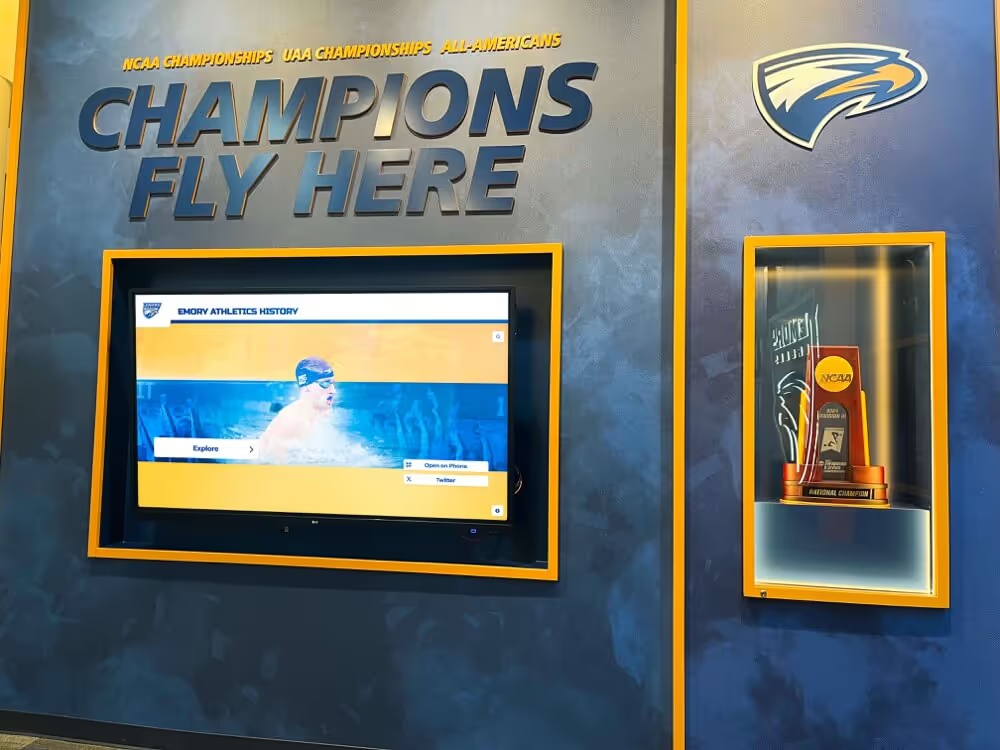
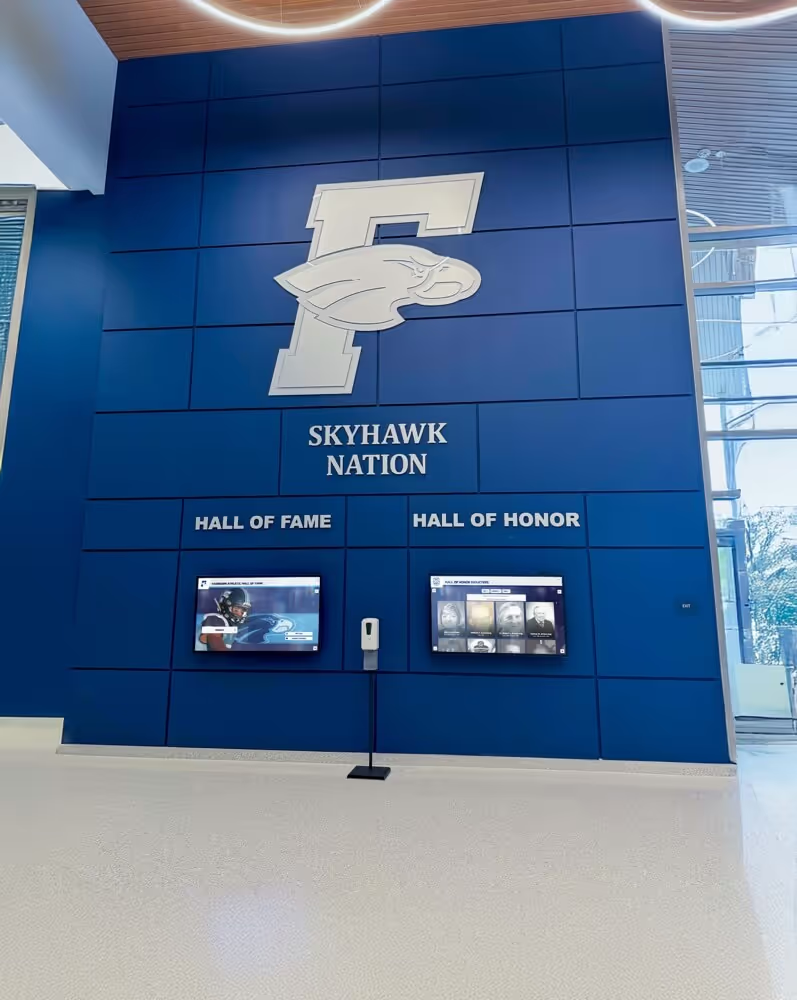
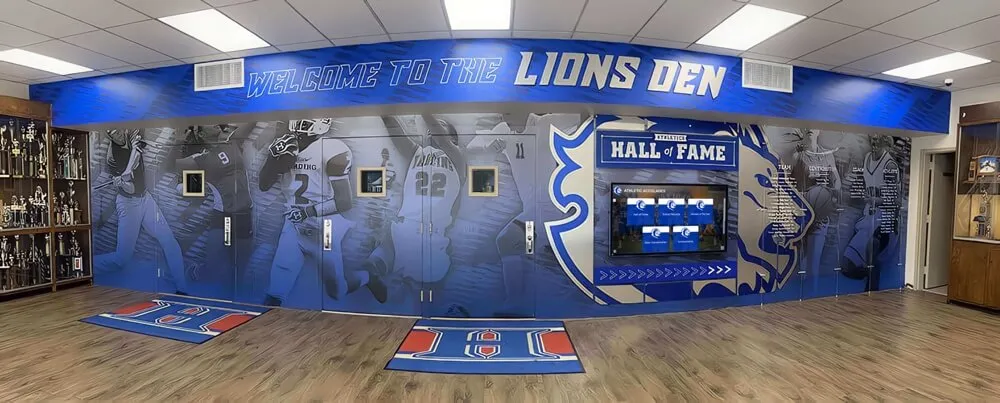
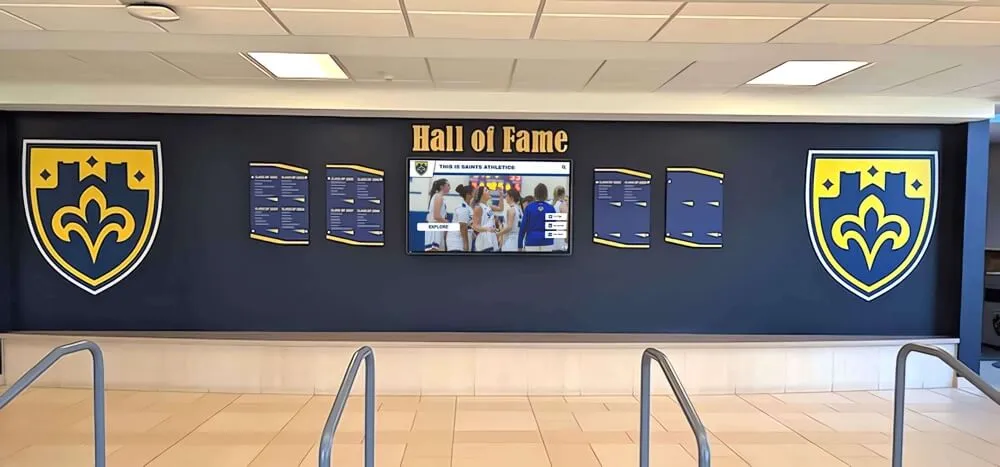
Well-designed field day events accomplish multiple educational objectives simultaneously. These celebrations build school community, develop teamwork skills, encourage physical activity, and create positive associations with athletics that influence lifetime fitness habits. Thoughtful game selection ensures every student finds activities where they can contribute and succeed, building confidence and demonstrating that physical education encompasses far more than traditional competitive sports. Digital recognition systems allow schools to celebrate field day achievements year-round, highlighting winning teams, individual accomplishments, and memorable moments through interactive displays that keep school traditions alive beyond the event day itself.
Planning Considerations for Successful Field Day Events
Before diving into specific games, understanding fundamental planning principles ensures your field day runs smoothly and achieves your educational objectives.
Age-Appropriate Activity Selection
Field day games should match developmental stages and physical capabilities of participating students. Elementary students thrive with simple rules, quick rotations, and activities emphasizing participation over complex strategy. Middle school students appreciate more challenging competitions that incorporate skill development while high school field days often feature traditional track and field events mixed with novelty competitions that encourage full participation from students of all athletic backgrounds.
Consider creating different activity tracks for different grade levels rather than forcing all ages to participate in identical events. This targeted approach maximizes engagement while preventing safety issues that arise when younger students attempt activities designed for older participants.
Station Rotation and Timing
Efficient field day logistics depend on clear rotation schedules that move groups through activity stations without excessive downtime. Most successful field day formats allocate 12-15 minutes per station—enough time for setup, participation, and cleanup before rotating to the next activity.
Calculate the total number of participants, divide them into manageable groups of 15-25 students, and ensure you have sufficient activity stations so no group waits idle for extended periods. Creating one or two extra backup stations provides flexibility when activities run longer than scheduled or weather forces last-minute adjustments.
Equipment and Volunteer Management
Successful field days require substantial equipment and adult supervision at every station. Create detailed equipment lists for each activity station at least two weeks before your event, allowing time to purchase missing items or arrange borrowing from other schools or community organizations.
Recruit volunteers—parents, community members, high school students, or staff—to manage each station. Provide written instructions explaining activity rules, scoring methods, safety considerations, and troubleshooting common issues. Brief all volunteers together before field day begins, clarifying rotation timing, emergency procedures, and how to handle disputes or safety concerns.
Understanding how schools manage student recognition programs helps coordinators extend field day celebrations beyond the event itself, creating year-round acknowledgment of athletic participation and achievement.
Classic Relay Races
Relay races form the foundation of most field day events, combining speed, teamwork, and the thrill of head-to-head competition. These activities work across all age groups with minor modifications.
1. Traditional Sprint Relay
Setup: Mark a 50-100 yard course with clear starting and finishing lines. Teams of 4-6 runners line up in designated lanes.
Execution: First runners sprint to the turnaround point and return to tag the next teammate. Continue until all team members complete their leg. First team with all runners finished wins.
Variations: Add obstacles like cones to weave through, require specific movements like skipping or galloping instead of running, or create longer courses for older students.
2. Baton Pass Relay
Setup: Traditional track relay format with 100-meter legs and designated exchange zones.
Execution: Runners pass a baton within marked exchange zones. Dropped batons must be picked up within the zone. Teams are disqualified for exchanges outside designated areas.
Teaching Opportunity: This activity develops coordination and communication as athletes practice smooth handoffs at speed, skills that transfer to many team sports.
3. Water Cup Relay
Setup: Place two buckets 30 yards apart for each team. Fill the starting bucket with water and provide plastic cups.
Execution: First runner fills cup from the starting bucket, carries it to the empty bucket, pours any remaining water, returns to tag the next runner. Continue until the starting bucket is empty. Team with the most water transferred wins.
Variations: Require runners to balance cups on heads, use smaller cups to increase difficulty, or add obstacles along the running path.
4. Potato Sack Race
Setup: Provide burlap sacks, pillowcases, or commercial hop sacks for each team member. Mark a 25-yard course.
Execution: Runners step into sacks, hold them up around their waist, and hop to the finish line before returning to tag the next teammate.
Safety Note: Ensure the running surface is level and free of tripping hazards. Position adult spotters along the course to assist students who fall.
5. Three-Legged Relay
Setup: Partners stand side-by-side and tie their inside legs together with bandanas or Velcro straps. Mark a 30-yard course.
Execution: Tied pairs race to the turnaround point and return to tag the next pair on their team. First team with all pairs finishing wins.
Skill Development: This race requires coordination, communication, and synchronized movement between partners, building cooperation skills.
6. Wheelbarrow Relay
Setup: Partners form wheelbarrow position with one student holding the walker’s ankles while the walker supports their weight on their hands. Create a 25-yard course.
Execution: Wheelbarrow pairs race to the turnaround point where they switch positions and return. First team completing the course wins.
Modifications: For younger students, shorten the distance or allow the walker to use their knees instead of just hands.
7. Piggyback Relay
Setup: Partners of similar size match up. Mark a 20-30 yard course depending on student age and strength.
Execution: One partner carries the other piggyback-style to the turnaround point, switches rider and carrier roles, and returns to tag the next pair.
Safety Requirements: Match partners by size and weight. Establish clear rules about safe carrying technique and require riders to release immediately if carriers show signs of difficulty.
8. Dizzy Bat Relay
Setup: Place a baseball bat at the starting line for each team. Mark a turnaround point 20 yards away.
Execution: First runner places forehead on the bat (standing upright on ground) and circles it 10 times, becomes dizzy, then runs to the turnaround point and returns to tag the next teammate.
Entertainment Value: The unpredictable dizzy running patterns make this one of the most entertaining spectator events at field day.
9. Balloon Balance Relay
Setup: Provide inflated balloons and flat objects like paper plates or hardcover books. Mark a 30-yard course.
Execution: Runners balance a balloon on their plate or book while walking/jogging to the turnaround point and returning. If the balloon falls, runners must stop, retrieve it, return to where it fell, and continue. No hands allowed during the race.
Variations: Require runners to balance the balloon on their head, between knees while hopping, or on an outstretched palm.
10. Dress-Up Relay
Setup: Create costume boxes containing oversized shirts, pants, hats, shoes, and accessories. Place one box at the starting line and one at the turnaround point 25 yards away.
Execution: First runner puts on all costume pieces, races to the turnaround point, removes all items and places them in the second box, returns to tag the next runner who dresses from the second box and returns everything to the starting box.
Crowd Appeal: The visual comedy of students struggling into oversized clothing makes this a field day highlight.
Team Coordination Games
These activities emphasize cooperation over individual performance, requiring groups to work together toward common goals.
11. Human Knot
Setup: Groups of 6-8 students stand in tight circles. Everyone reaches across to grab hands with two different people across the circle.
Execution: Without releasing hands, groups must untangle themselves into a circle. First team successfully untangled wins.
Learning Value: This puzzle requires problem-solving, communication, patience, and willingness to try multiple approaches when initial strategies fail.
12. Tarp Flip Challenge
Setup: Teams of 8-12 students stand on a tarp or large blanket.
Execution: Without anyone stepping off the tarp or touching the ground, teams must flip the tarp completely over. First team to accomplish this wins.
Strategy: Success requires planning, coordinated movement, and creative problem-solving as teams figure out weight distribution and sequencing.
13. All Aboard
Setup: Create a small designated area using gym mats, hula hoops, or marked boundaries. Start with generous space then progressively reduce the area size.
Execution: Entire teams must fit within the designated boundary simultaneously for 10 seconds. After each successful round, reduce the available space. Last team to successfully fit in the smallest area wins.
Inclusion Benefit: This activity allows students of all sizes and abilities to contribute as teams figure out creative arrangements and support systems.
14. Caterpillar Race
Setup: Teams line up single file, each person holding the ankles of the person in front of them. Mark a 25-yard course.
Execution: Entire teams walk forward together maintaining ankle holds. If the chain breaks, teams must stop, reconnect, and continue. First intact caterpillar to cross the finish line wins.
Coordination Requirement: This race demands synchronized movement and communication about pacing so stronger students don’t pull the chain apart.
15. Hula Hoop Pass
Setup: Teams form circles holding hands. Place a hula hoop over one pair of connected hands.
Execution: Without releasing hand holds, teams pass the hoop completely around the circle. Time each team’s completion or run multiple teams simultaneously in elimination rounds.
Variations: Add multiple hoops traveling in opposite directions, require teams to pass the hoop while walking in circle formation, or blindfold random team members to increase difficulty.
Schools implementing recognition displays for spring athletics can extend field day celebrations by showcasing winning teams, individual achievements, and memorable moments through permanent digital installations.
16. Beach Ball Balance
Setup: Provide one large beach ball per team. Teams stand in circles.
Execution: Teams keep the beach ball airborne using only heads, elbows, and knees—no hands allowed. Time how long each team maintains control or count consecutive hits before the ball touches the ground.
Scalability: Increase difficulty by requiring specific body parts for each hit, adding multiple balls simultaneously, or reducing the allowable play area.
17. Bucket Brigade
Setup: Teams form lines between two buckets placed 30 feet apart. Provide one small container per team member.
Execution: Fill the starting bucket with water. Teams pass water down the line using only the small containers. At the end, the final person pours water into the finishing bucket. Team transferring the most water in the time limit wins.
Variations: Increase spacing between team members, use progressively smaller containers, or require specific passing patterns like over-under alternating.
18. Minefield Navigation
Setup: Create an obstacle course using cones, hula hoops, and other equipment. One team member guides while others are blindfolded.
Execution: Blindfolded teammates must navigate through the “minefield” following only verbal directions from the sighted guide. If team members touch obstacles, they return to start. First team with all members through the course wins.
Communication Skills: This activity develops clear communication, active listening, and trust as teams figure out effective direction-giving strategies.
19. Group Jump Rope
Setup: Provide long jump ropes (12-15 feet) and designate two rope turners per team.
Execution: Challenge teams to get as many people jumping simultaneously as possible, or count total consecutive jumps without missing. Teams can build up gradually, adding one jumper at a time.
Achievement Tracking: Record best attempts and challenge teams to improve their records throughout field day or across multiple years.
20. Parachute Games
Setup: Use a large play parachute with handles around the perimeter.
Execution: Multiple parachute games work for field day:
- Popcorn: Place foam balls on the parachute and make them “pop” through wave motion
- Cat and Mouse: One student crawls under while another runs on top trying to tag them
- Mushroom: Lift high together, pull down and sit on edges to create an enclosed space
- Merry-Go-Round: Walk or run in circles while holding the parachute taut
Inclusive Nature: Parachute activities engage students of all abilities and create beautiful visual elements for field day photos.
Skill-Based Competition Stations
These activities test specific athletic skills while allowing students to compete individually or in small groups.
21. Frisbee Golf
Setup: Create a 6-9 hole course using hula hoops, cones, or baskets as targets placed at varying distances (20-50 feet).
Execution: Students throw Frisbees attempting to hit targets in the fewest throws possible. Assign par values to each hole based on difficulty.
Scoring: Track individual scores or team totals. Consider different skill divisions so beginners compete separately from experienced players.
22. Ladder Golf
Setup: Set up commercial ladder golf targets or create DIY versions using PVC pipe. Mark throwing lines at 10-15 feet.
Execution: Players toss bolas (two balls connected by string) attempting to wrap them around ladder rungs. Assign point values to different rungs (top = 3, middle = 2, bottom = 1).
Team Format: Play as cumulative team scores or individual competitions with the highest scorers from each team advancing to finals.
23. Cornhole Tournament
Setup: Position cornhole boards 15-20 feet apart depending on age group. Provide bean bags in different colors.
Execution: Players alternate throws attempting to land bags on the board (1 point) or through the hole (3 points). First to 21 points wins or highest score after a set number of rounds.
Tournament Structure: Run single-elimination brackets, round-robin pools, or cumulative team scoring depending on available time and participation numbers.
24. Target Throw Accuracy
Setup: Create throwing targets using hula hoops hung at different heights, large cardboard boxes with holes cut out, or painted target circles on walls or fences.
Execution: Students throw bean bags, foam balls, or tennis balls attempting to hit targets. Assign point values based on difficulty—higher targets or smaller openings worth more points.
Adaptations: Vary throwing distances for different age groups or skill levels. Allow each student multiple attempts and count their best throws.
25. Speed Bounce
Setup: Place a low hurdle, foam beam, or line on the ground. Set a timer for 30-60 seconds.
Execution: Students jump side-to-side over the obstacle as many times as possible within the time limit. Count total jumps.
Safety Considerations: Use soft obstacles that won’t cause injury if contacted during jumps. Ensure adequate space around the station to prevent collisions.
26. Medicine Ball Chest Pass
Setup: Mark a starting line and distance markers at 10, 15, 20, and 25 feet. Use age-appropriate medicine balls (2-6 pounds).
Execution: Students perform chest passes attempting to throw the medicine ball as far as possible while maintaining proper form. Measure distances and record best attempts.
Form Teaching: Use this station to teach proper pushing motion and follow-through rather than just maximum distance.
27. Standing Long Jump
Setup: Create a jumping pit using a gym mat or mark a grassy area with distance indicators every six inches.
Execution: Students stand at the starting line and jump as far forward as possible using a two-foot takeoff and landing. Measure from the starting line to the nearest landing point.
Competition Options: Run as individual competitions, combine jumps for team totals, or create age/gender divisions.
28. Football Throw Accuracy
Setup: Position throwing targets (hula hoops, buckets, or marked ground areas) at various distances (10-30 yards) and assign point values.
Execution: Students throw footballs attempting to hit targets. Count points from successful throws or track accuracy percentages.
Modifications: Use foam footballs for younger students, vary distances based on age, or allow practice throws before scored attempts.
29. Soccer Dribble Relay
Setup: Create a weaving course using cones spaced 6-8 feet apart. Mark starting and finishing lines.
Execution: Students dribble soccer balls through the cone course maintaining control. Time each attempt or run as relays with teams racing simultaneously.
Skill Emphasis: Focus on control and accuracy rather than pure speed, penalizing missed cones or balls kicked out of bounds.
30. Basketball Shooting Contest
Setup: Use multiple basketball hoops at different heights if available. Designate shooting spots and assign point values.
Execution: Students attempt shots from different locations—layups, free throws, three-pointers. Award points based on shot difficulty and track individual or team totals.
Inclusive Modification: Allow younger students to use lower hoops or shoot from closer distances while older students face more challenging requirements.
Novelty and Entertainment Games
These creative activities prioritize fun and laughter while still developing physical skills and teamwork.
31. Egg Toss
Setup: Provide hard-boiled eggs (safer) or raw eggs (messier but more exciting). Partners start standing close together.
Execution: Partners toss the egg back and forth. After each successful catch, both take one step backward, increasing the distance. Last pair with an intact egg wins.
Cleanup Planning: If using raw eggs, designate a grass area far from building entrances and have cleanup supplies ready.
32. Water Balloon Toss
Setup: Fill hundreds of water balloons before field day (recruit volunteers for this time-consuming task). Partners start close together.
Execution: Identical to egg toss but using water balloons. Partners separate after each successful catch. Expect wet, laughing students.
Weather Consideration: This activity works best on hot days when getting wet feels refreshing rather than uncomfortable.
33. Tug of War
Setup: Use a thick rope (40-50 feet minimum) with a center marker and two lines marked 10 feet from center. Teams of equal size line up on opposite ends.
Execution: On signal, teams pull attempting to bring the center marker across their designated line. Winning team pulls the opposing team completely across.
Safety Rules: Require proper grip (no wrapping rope around hands or bodies), prohibit sudden releases, and ensure pulling surfaces provide adequate traction without causing injuries.
34. Sponge Relay Race
Setup: Fill buckets with water at the starting line. Place empty buckets 20 yards away. Provide large sponges.
Execution: Runners soak sponges in full buckets, carry them overhead to empty buckets, squeeze out water, and return to tag the next runner. Team transferring the most water wins.
Mess Factor: Expect very wet students. Schedule this activity late in field day or on particularly hot days.
35. Limbo Contest
Setup: Use a limbo pole or long stick supported at adjustable heights. Play music to set the atmosphere.
Execution: Students pass under the pole without touching it or touching the ground with their hands. After each round, lower the pole slightly. Last person successfully passing under wins.
Flexibility Showcase: This classic party game highlights flexibility and body control while creating entertaining spectator moments.
36. Hula Hoop Contest
Setup: Provide hula hoops in various sizes to accommodate different student sizes.
Execution: Students start hula hooping simultaneously. Last person maintaining their hoop rotation wins. Run multiple heats and a championship round.
Variations: Challenge students to hoop while walking, hooping on arms or legs, or using multiple hoops simultaneously.
37. Bubble Blowing Competition
Setup: Provide bubble solution and wands. Designate a measurement area protected from wind.
Execution: Students attempt to blow the largest bubble without it popping. Measure bubble diameter or circumference for official results.
Low-Pressure Activity: This works well as a low-intensity station between more strenuous activities, giving students active recovery time.
38. Silly Olympics
Setup: Create absurd competitions like:
- Farthest paper airplane throw
- Most jumping jacks in one minute
- Longest handstand hold
- Fastest crab walk
- Best animal impression
Execution: Rotate students through multiple silly challenges, tracking top performers in each category.
Spirit Emphasis: These ridiculous contests reduce pressure on less athletic students while creating hilarious moments everyone enjoys.
39. Frozen T-Shirt Race
Setup: Soak t-shirts in water, fold them, freeze solid days before field day. Provide one frozen shirt per team.
Execution: Teams work together to thaw and unfold their frozen shirt, then successfully put it on a designated team member. First team with someone wearing the fully unfolded shirt wins.
Weather Dependent: This activity works best on hot days. In cooler weather, frozen shirts may not thaw quickly enough to create exciting competition.
40. Pie Eating Contest
Setup: Provide whipped cream pies (shaving cream looks similar but tastes terrible) or pudding cups. No hands allowed.
Execution: Contestants race to eat/finish their pie using only their faces. First person to completely empty their plate wins.
Cleanup Requirement: Have wet wipes, towels, and handwashing stations immediately available. Consider having contestants wear large garbage bags as bibs.
Resources about recognition programs for school events demonstrate how schools can celebrate field day participants and winners throughout the year using digital displays.
Partner and Small Group Challenges
These activities work well with 2-4 participants competing together, making them ideal for stations accommodating smaller groups.
41. Crab Soccer
Setup: Create a small soccer field using cones. Provide a large playground ball. Teams of 3-5 players per side.
Execution: All players maintain crab-walk position (hands and feet on ground, stomach facing up) throughout the game. Players kick the ball attempting to score goals. No standing or sitting allowed.
Physical Demand: This activity provides an intense core and leg workout while creating awkward, entertaining gameplay.
42. Scooter Board Relay
Setup: Provide gym scooters and designate a 30-yard course. Teams line up at the starting line.
Execution: Students sit on scooters and propel themselves to the turnaround point using only their hands/arms (feet can’t touch ground). Return and tag the next teammate.
Safety Requirements: Ensure fingers stay on top of scooters (not underneath where they can get pinched). Use scooters with handles or handholds when possible.
43. Tennis Ball Transfer
Setup: Place two buckets 15 feet apart. Fill one bucket with tennis balls. Provide only spoons as transfer tools.
Execution: Students transport tennis balls from the full bucket to the empty bucket using only spoons balanced in their mouths (hands behind back). Team transferring the most balls within the time limit wins.
Difficulty Factor: This seemingly simple task becomes challenging and hilarious as students struggle to balance balls on spoons without using hands.
44. Kickball Target
Setup: Position large targets (cardboard boxes, hula hoops on ground, marked circles) at various distances. Use kickballs or playground balls.
Execution: Students kick balls attempting to hit targets. Assign point values based on distance and target size.
Progressive Difficulty: Start with close, large targets to build confidence before attempting longer distance or smaller targets.
45. Capture the Flag
Setup: Divide the field into two territories. Place flags at opposite ends. Create designated jail areas.
Execution: Teams attempt to capture the opposing team’s flag and return it to their territory without being tagged. Tagged players go to jail until freed by teammates.
Time Management: Run abbreviated 10-minute games instead of traditional extended matches to maintain field day schedule.
46. Dodgeball Variations
Setup: Create court boundaries using cones. Divide students into teams. Provide foam balls.
Execution: Multiple variations work for field day:
- Doctor Dodgeball: Each team designates a doctor who can revive eliminated players
- King Pin: Each team protects a bowling pin; first team with their pin knocked over loses
- Jail Break: Eliminated players can return if a teammate catches a ball
Safety Standards: Use only soft foam balls, enforce no headshots rules, and ensure adequate spacing for safe play.
47. Steal the Bacon
Setup: Two teams line up facing each other 30 feet apart. Place an object (ball, cone, or beanbag) midway between teams. Assign each player a number.
Execution: Call out a number. Those players race to grab the object and return to their line without being tagged by the opponent. Successfully returning earns a point; getting tagged gives the point to the opposing team.
Engagement: This classic game keeps all students alert since any number might be called at any moment.
48. Kickball Golf
Setup: Create a course with 6-9 targets (hula hoops, cones, or buckets) placed at varying distances and difficulty levels.
Execution: Students kick soccer balls or kickballs attempting to hit targets in the fewest kicks possible. Track individual scores or combine for team totals.
Course Design: Mix short easy targets with longer challenging ones to accommodate different skill levels.
49. Spikeball Tournament
Setup: Set up commercial Spikeball sets. Create small courts with adequate spacing between them.
Execution: Teams of two play games to 15 points (or 7 points for faster field day pace). Run round-robin or bracket tournaments depending on time.
Skill Development: This rapidly growing sport develops hand-eye coordination, teamwork, and strategic thinking.
50. Ultimate Frisbee Mini Games
Setup: Create shortened fields using cones. Teams of 5-7 players per side. Provide multiple Frisbees.
Execution: Play abbreviated 10-minute games. Score by completing passes to teammates in the end zone. No running while holding the Frisbee.
Sportsmanship Emphasis: Ultimate Frisbee’s self-officiated tradition creates excellent opportunities to discuss integrity, honesty, and fair play.
51. Obstacle Course Challenge
Setup: Design a comprehensive obstacle course incorporating multiple elements: crawling under barriers, jumping over hurdles, weaving through cones, balancing on beams, and completing exercises like burpees or jumping jacks at checkpoints.
Execution: Time individual runs or run relay-style with teams. Assess time penalties for missed obstacles or incomplete challenges.
Customization: Adjust difficulty based on age groups, creating separate courses or modifying obstacles for different skill levels.
Field Day Recognition and Celebration
Beyond the activities themselves, creating meaningful recognition for field day participants enhances the event’s impact and creates lasting memories.
Digital Achievement Tracking
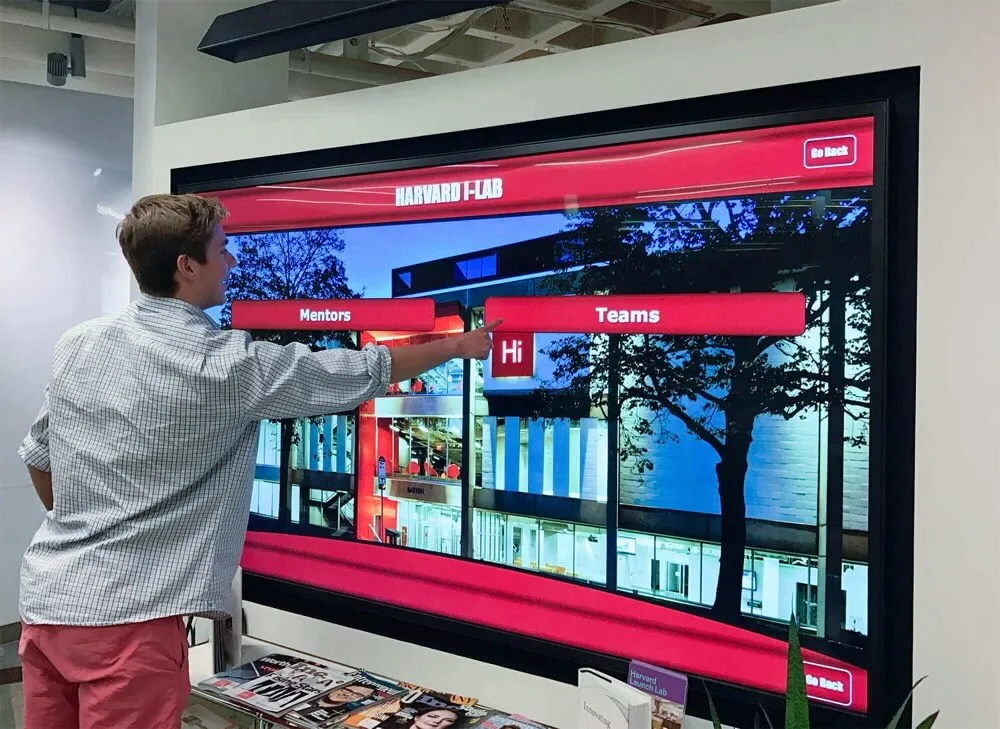
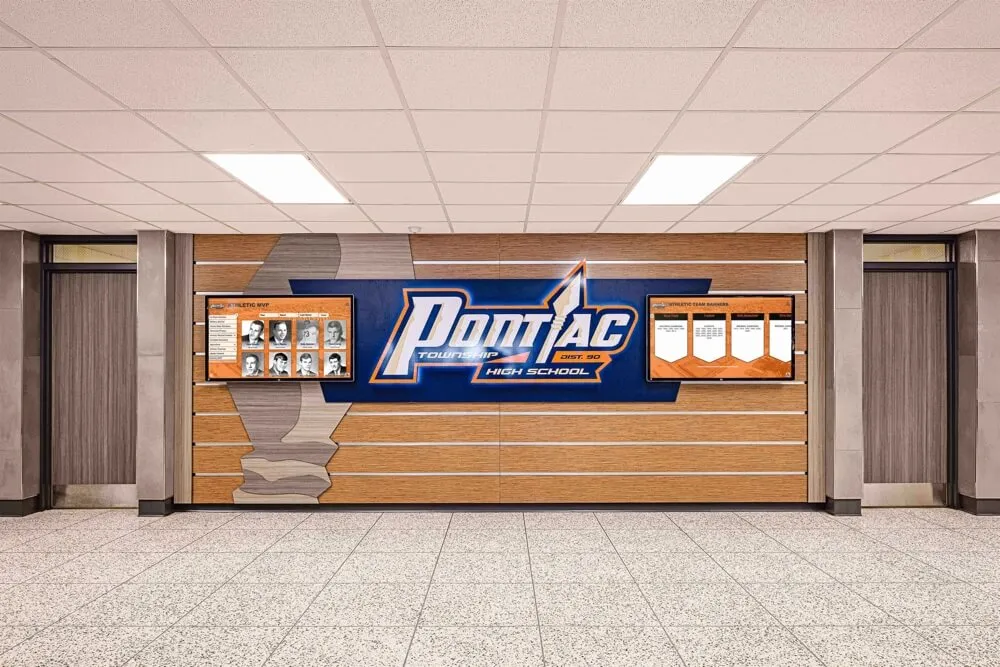
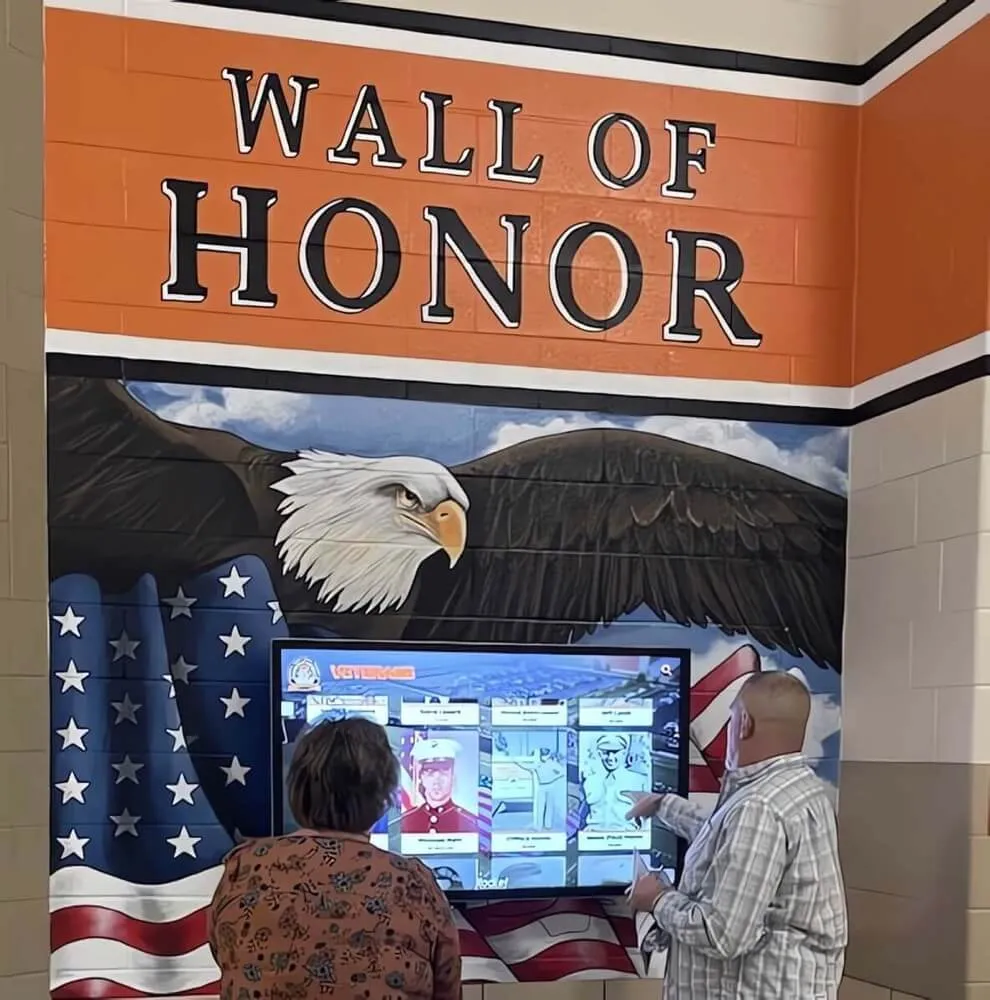
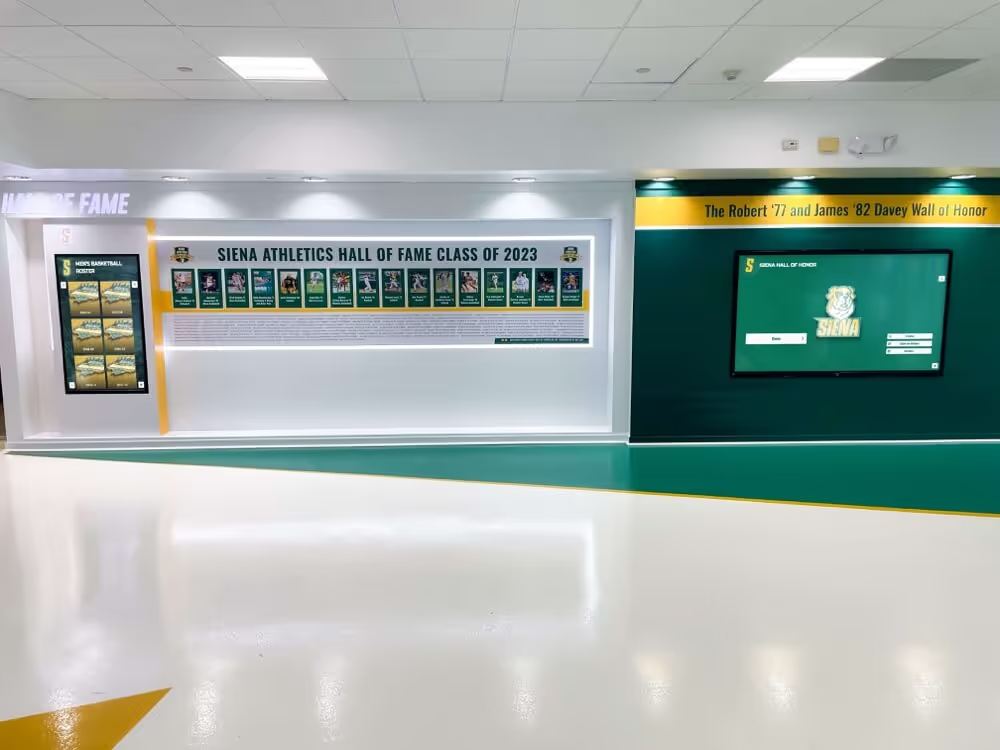
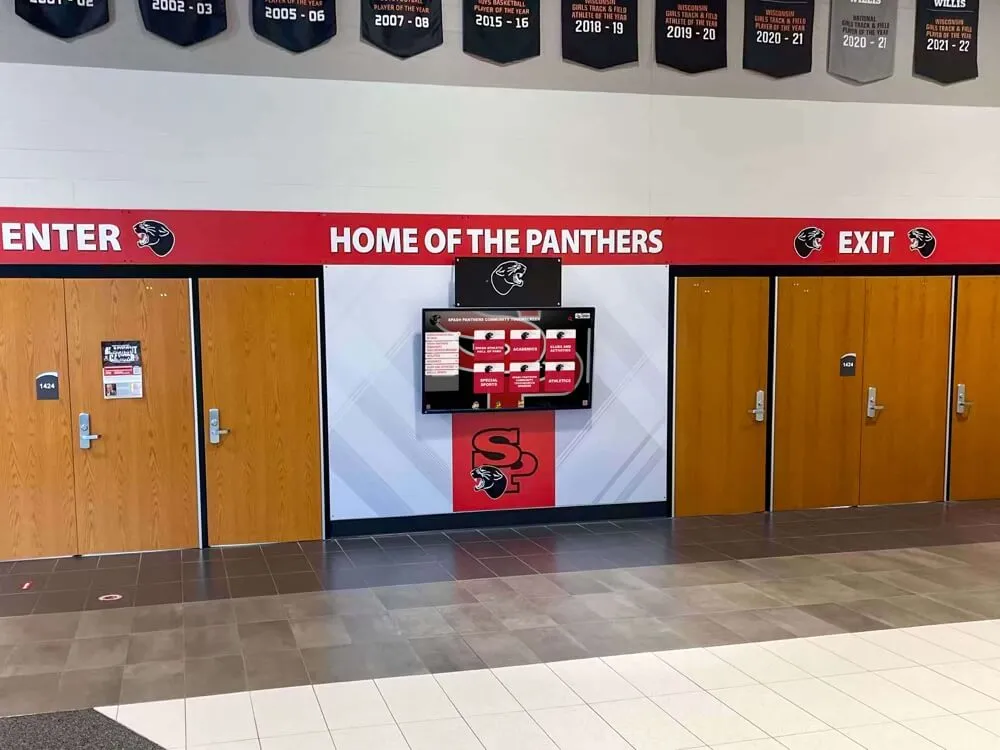
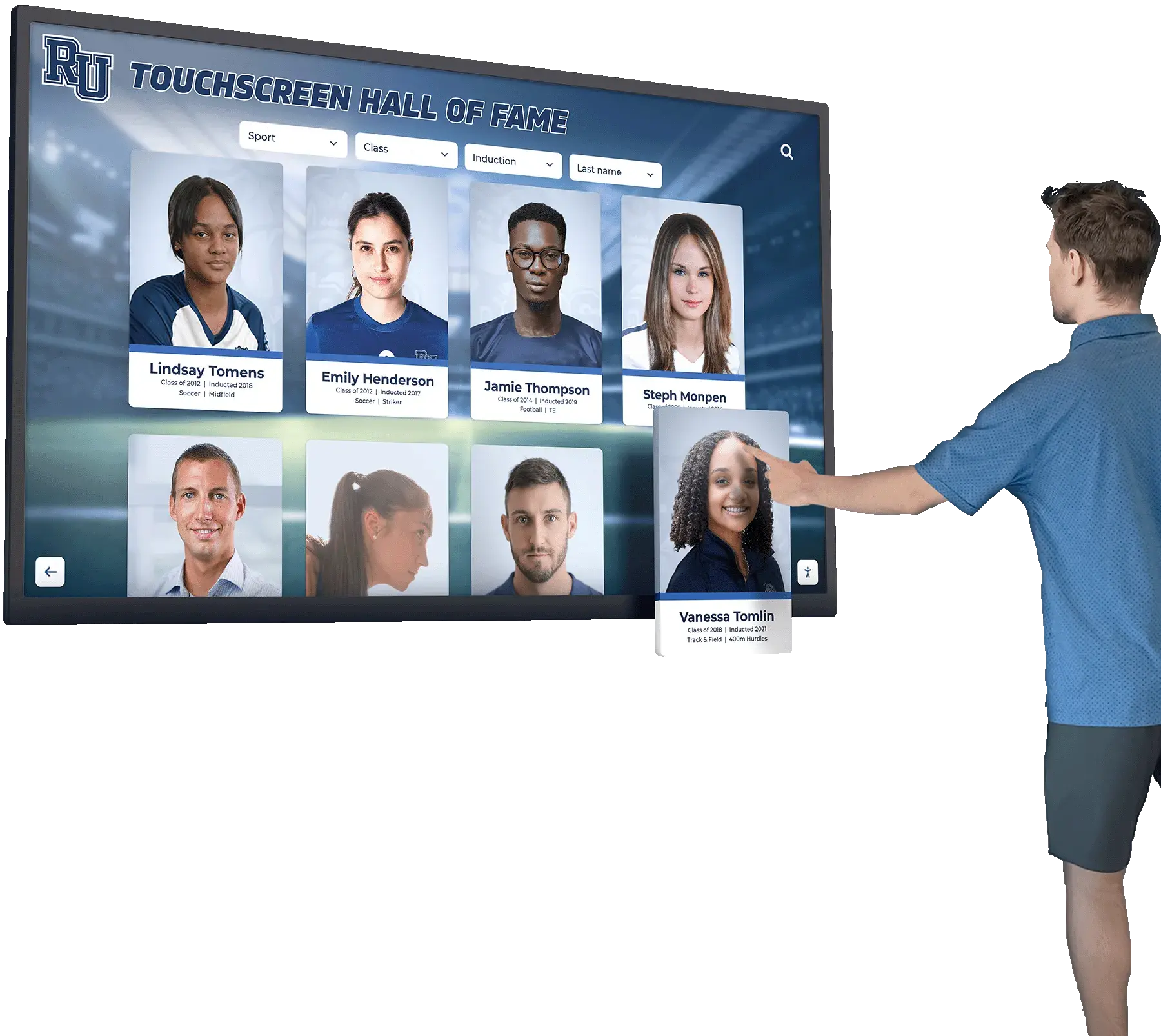
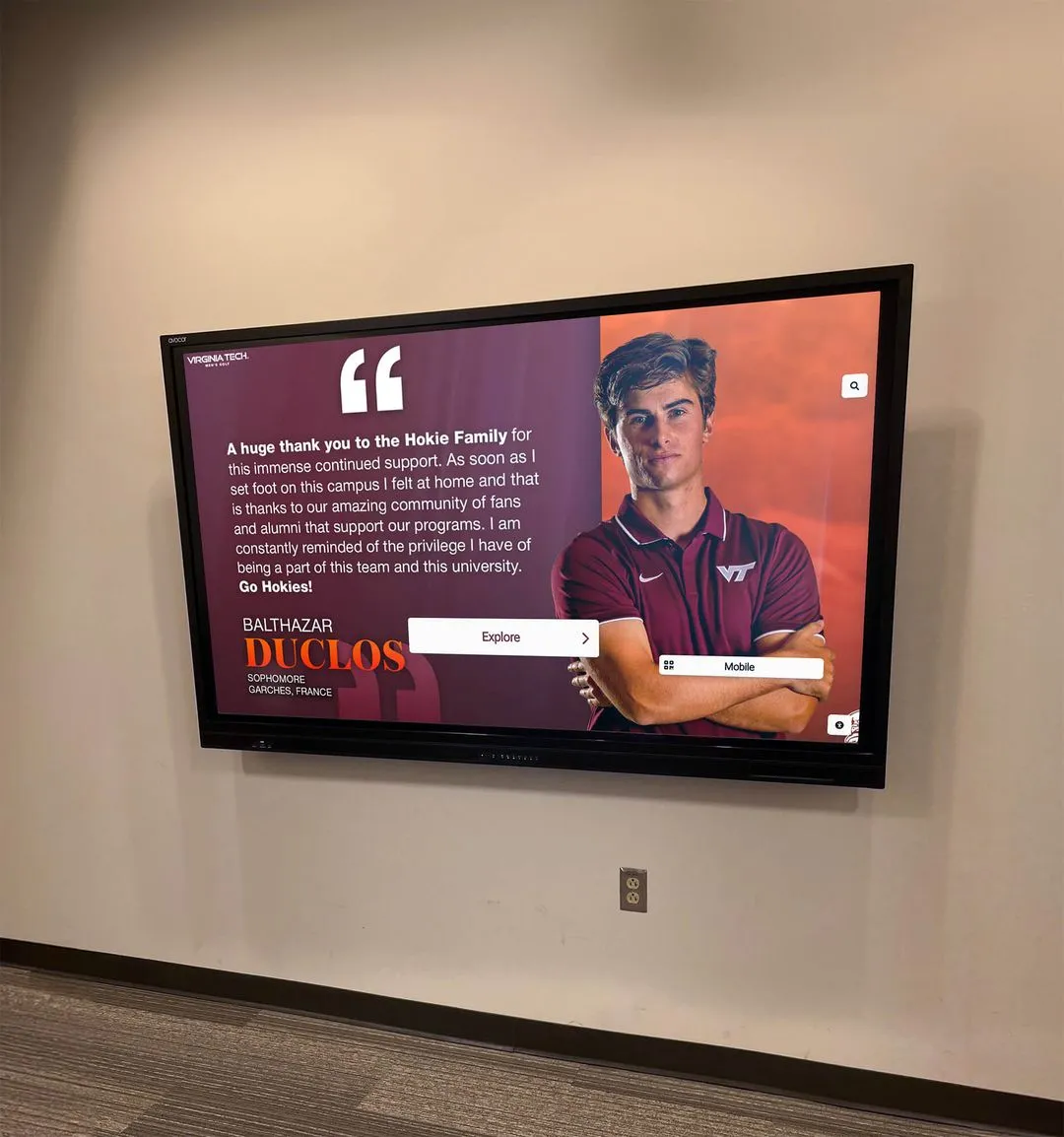
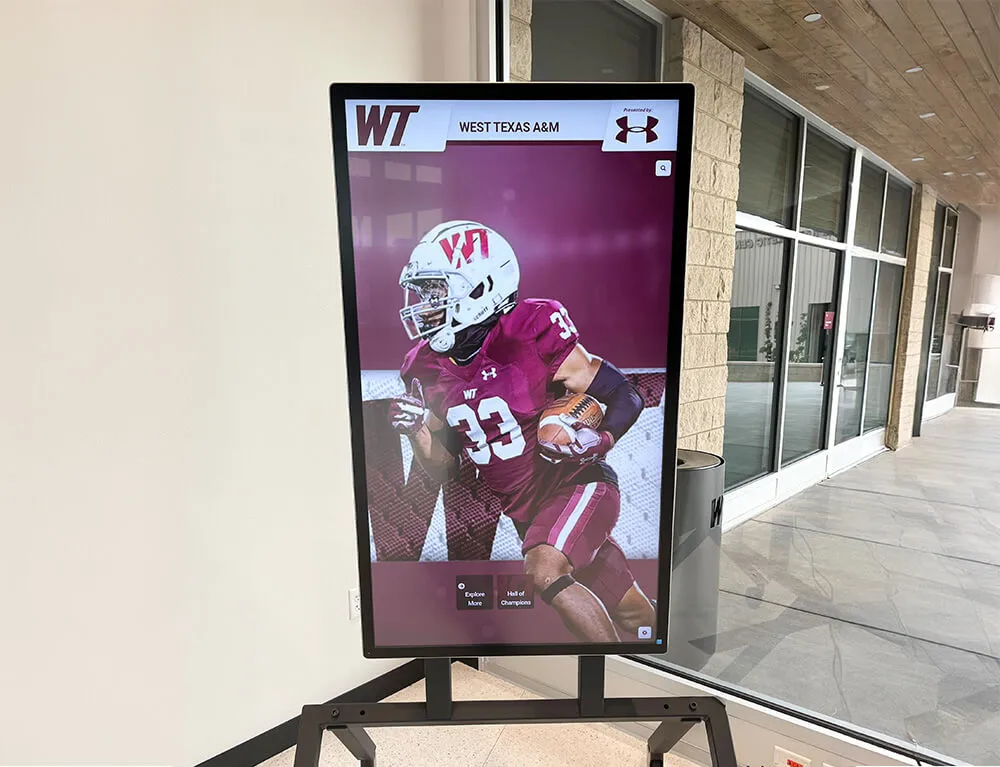
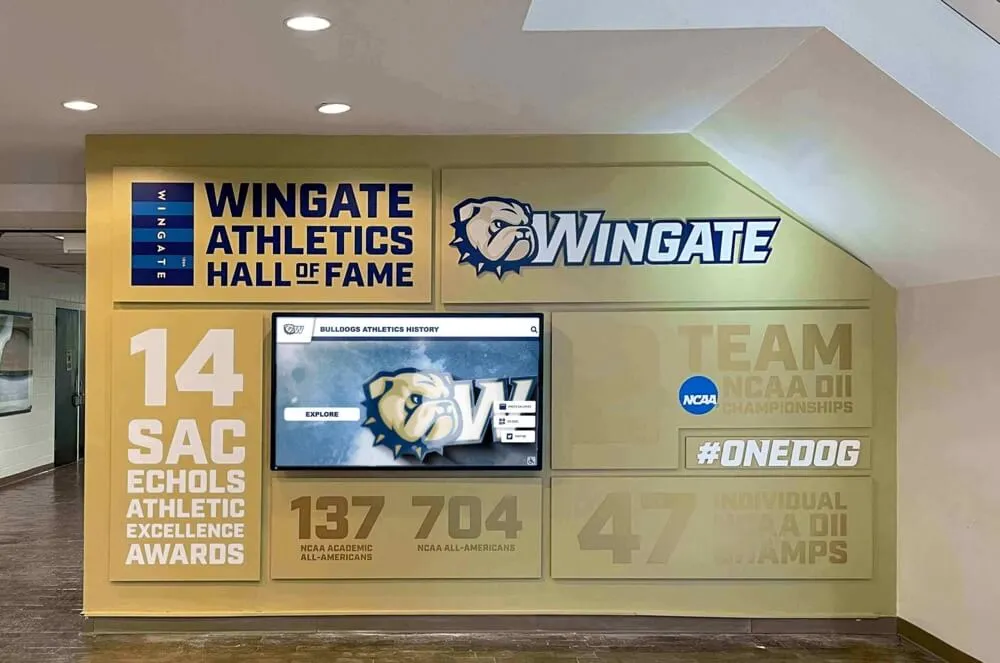
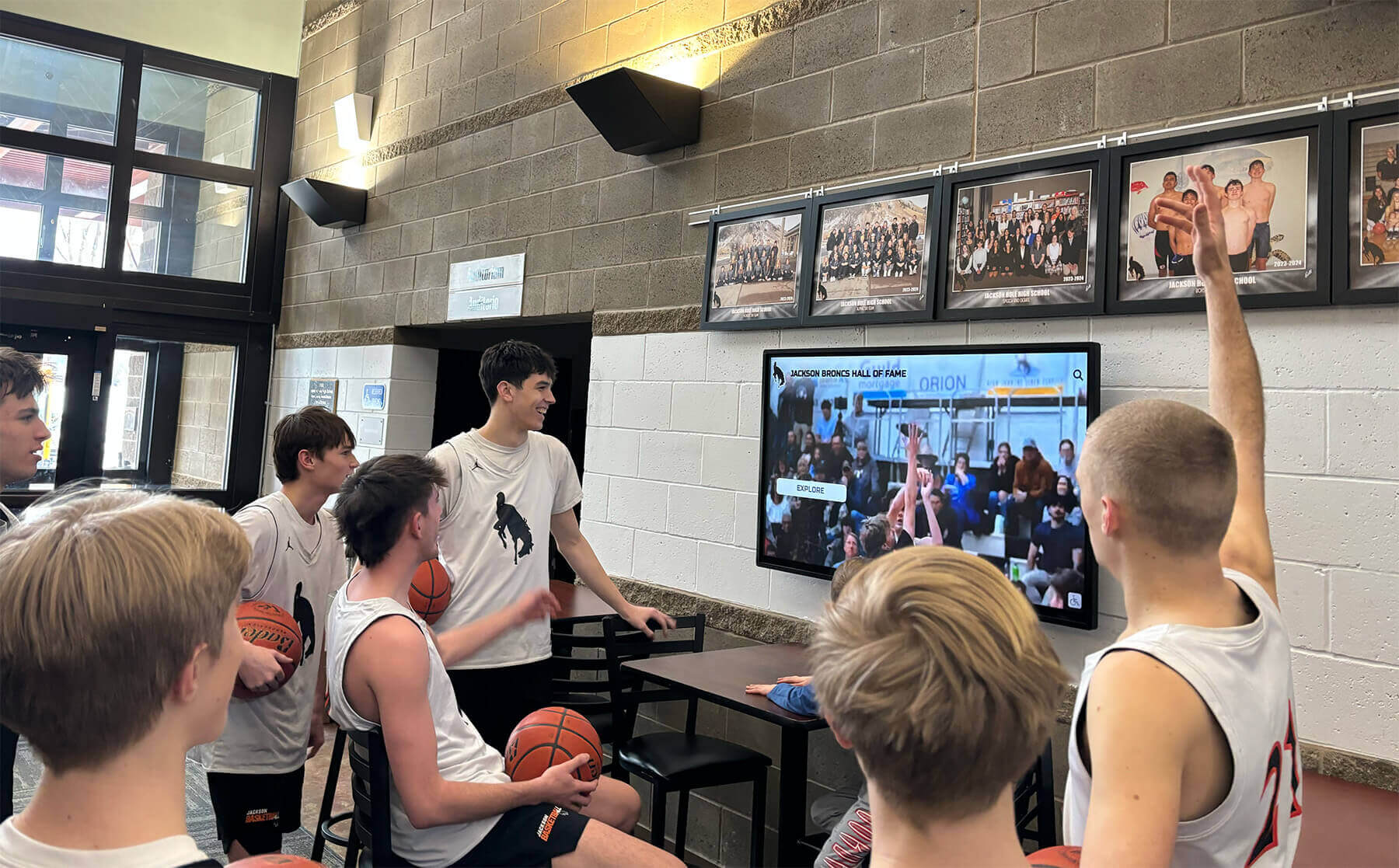
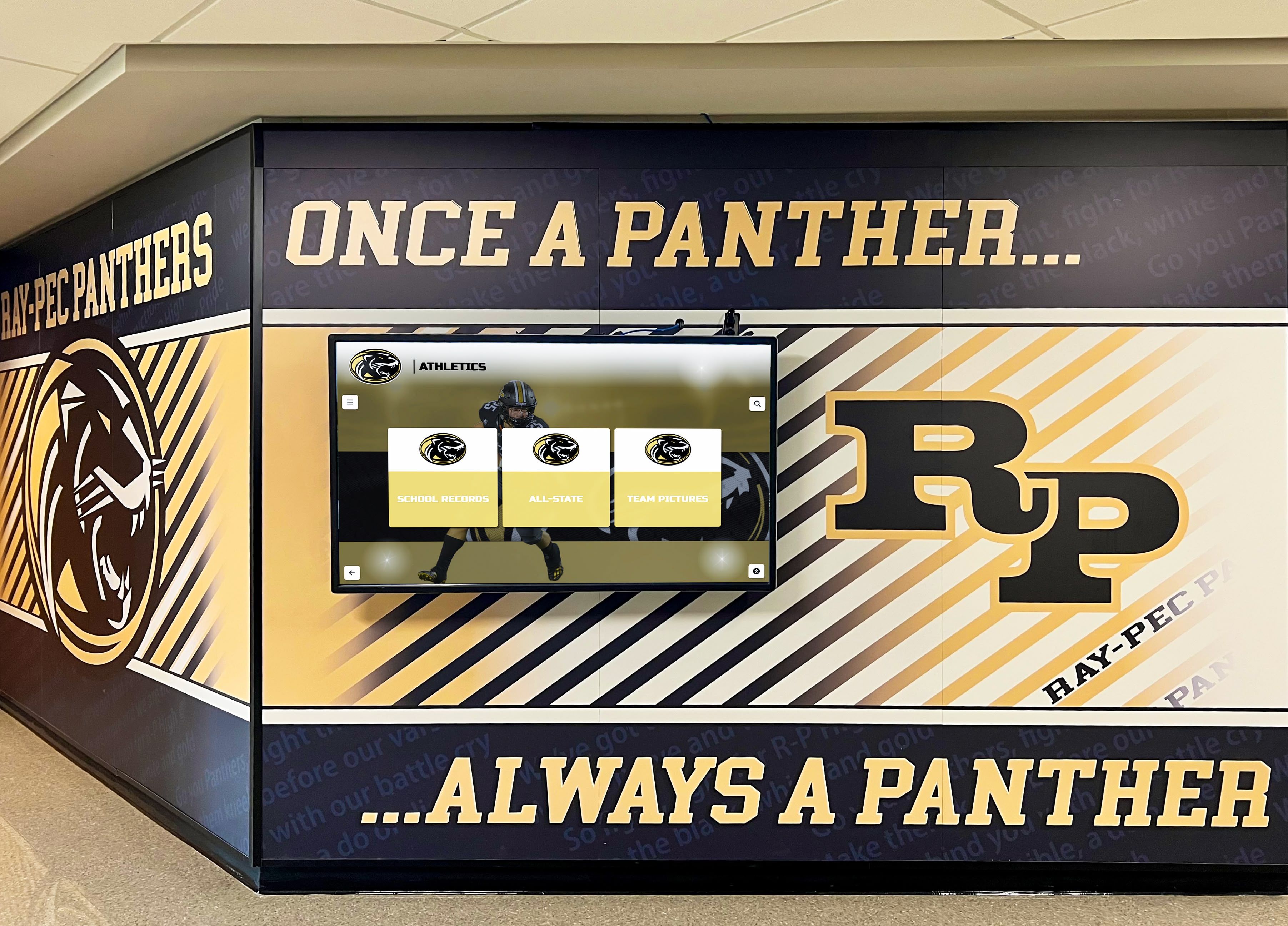
Modern schools increasingly document field day results using digital platforms that preserve achievements year over year. Interactive touchscreen displays installed in gymnasiums or common areas can showcase field day records, highlight winning teams, and feature photos from memorable competitions.
These recognition systems allow schools to maintain field day traditions, track performance trends, and celebrate participation in ways that motivate students throughout the year rather than limiting recognition to the event day itself.
Participation Awards and Certificates
Create inclusive recognition systems that honor participation alongside competitive achievement:
- Participation certificates for all students who complete field day
- Team spirit awards recognizing groups demonstrating exceptional sportsmanship
- Improvement recognition for students who better their previous year’s performance
- Activity champion certificates for winners of individual competitions
- Overall team trophies or plaques for highest cumulative scores
Understanding approaches to athletic recognition helps schools develop comprehensive systems that celebrate field day alongside other student achievements.
Photo Documentation and Memory Preservation
Assign student volunteers, parents, or staff to photograph field day activities throughout the event. Use these images to:
- Create year-end slideshows or videos
- Populate school website galleries and social media
- Design hallway displays featuring field day highlights
- Develop digital recognition displays showing student participation
- Build historical archives documenting school traditions
Schools implementing digital recognition solutions can incorporate field day content into interactive displays that engage students, families, and visitors while celebrating school culture and traditions.
Record Keeping and Tradition Building
Establish field day records in each activity category and display them prominently:
- Create physical or digital record boards showing top performances
- Challenge students to break previous records
- Maintain multi-year statistics showing participation trends
- Develop traditions around milestone achievements
This historical perspective transforms field day from an isolated event into an ongoing tradition where students connect their experiences to past participants and future classes.
Schools exploring innovative recognition approaches find that celebrating events like field day alongside academic and athletic achievements creates comprehensive school cultures that value diverse student contributions.
Logistics and Safety Considerations
Successful field day execution depends on addressing practical considerations that ensure student safety and smooth operations.
Weather Contingency Planning
Develop backup plans for various weather scenarios:
- Heat: Schedule water breaks every 20-30 minutes, provide shaded rest areas, modify or eliminate the most strenuous activities, and monitor students for heat-related illness symptoms
- Rain: Identify indoor alternatives for each outdoor activity or establish clear postponement/cancellation criteria communicated to families in advance
- Wind: Modify or eliminate activities involving lightweight objects (balloons, bubbles, parachutes) that become unmanageable in strong winds
Medical Preparedness
Ensure appropriate medical support:
- Position trained staff (nurses, athletic trainers, or certified first responders) on-site throughout the event
- Stock first aid stations with bandages, ice, sunscreen, and other common supplies
- Maintain clear communication systems (radios or phones) connecting all activity stations to medical personnel
- Establish protocols for handling injuries, contacting parents, and documenting incidents
Inclusion and Accessibility
Design field day so all students can participate meaningfully:
- Modify activities for students with physical disabilities or health conditions
- Create alternative activities or participation roles for students unable to perform certain tasks
- Avoid elimination-style games that sideline students early
- Emphasize participation and effort alongside competitive achievement
- Ensure activity instructions accommodate different learning styles and language backgrounds
Schools developing inclusive recognition programs understand that celebrating diverse student contributions creates cultures where everyone feels valued.
Equipment Safety and Maintenance
Inspect all equipment before field day:
- Test jumping ropes, parachutes, and fabric items for tears or weak spots
- Check balls for proper inflation
- Ensure all boundaries and obstacles are clearly visible and securely positioned
- Remove tripping hazards from activity areas
- Position stations with adequate spacing to prevent cross-activity collisions
Creating Memorable Field Day Traditions
Transform field day from a single event into an anticipated annual tradition through thoughtful cultural elements.
Theme Development
Create annual themes that add creativity and excitement:
- Olympic Games: Organize activities around summer or winter Olympic sports
- Around the World: Design stations representing different countries or cultures
- Superhero Day: Encourage costume elements while completing “superhero training” activities
- Decades Day: Each grade represents a different decade with themed music and dress
Opening and Closing Ceremonies
Bookend field day with memorable ceremonies:
- Opening: Parade of classes carrying handmade flags or banners, principal or superintendent welcome remarks, student-led pledge or school song, motivational speeches from athletic leaders
- Closing: Awards presentations, photo opportunities, whole-school cheer or celebration, remarks highlighting sportsmanship examples observed throughout the day
Student Leadership Opportunities
Involve older students in field day planning and execution:
- Train high school students to manage activity stations
- Recruit middle schoolers to serve as team leaders or guides for elementary participants
- Create student planning committees that provide input on activity selection and event design
- Develop peer mentorship where older students support younger participants
Resources about student leadership recognition demonstrate how schools can celebrate students who contribute to school culture through service and leadership.
Soundtrack Selection
Music enhances field day atmosphere and energy:
- Create playlists of upbeat, age-appropriate music played between activities
- Select specific songs for different moments (opening ceremony, awards, transitions)
- Allow student input on music selection to increase engagement
- Use music timing to signal rotation periods (when music stops, move to next station)
Evaluating and Improving Field Day
After your event concludes, gather feedback to continuously improve future field days.
Student Feedback Collection
Survey participants about their experiences:
- Which activities did they enjoy most and least?
- Did they feel they had opportunities to succeed regardless of athletic ability?
- What new activities would they like to see added?
- Were instructions clear and stations well-managed?
- Did they feel safe throughout all activities?
Staff and Volunteer Debriefing
Meet with adults who managed stations and provided support:
- Which activities ran smoothly versus those with logistical challenges?
- Were time allocations appropriate for each activity?
- Did any activities create safety concerns?
- Were equipment quantities adequate?
- What would they change about their station for future events?
Data Analysis
Review quantitative information:
- Participation rates across different activities
- Injury or incident reports
- Equipment damage or loss
- Timeline adherence (did rotations stay on schedule?)
- Budget performance (did expenses align with projections?)
Use these insights to refine your field day planning for subsequent years, creating a continuous improvement cycle that makes each event better than the last.
Building Year-Round Engagement Around Field Day
Extend field day’s impact beyond a single day through ongoing engagement strategies.
Pre-Event Preparation
Build anticipation in the weeks before field day:
- Display countdown timers in hallways or classrooms
- Share daily field day facts or trivia during announcements
- Post throwback photos from previous field days
- Conduct practice sessions for specific activities during PE classes
- Create team names, colors, or mascots that build group identity
Post-Event Continuation
Maintain momentum after field day concludes:
- Share photo galleries and videos through school communication channels
- Feature field day highlights in newsletters or local media
- Update digital recognition displays with results and memorable moments
- Reference field day achievements during other school celebrations
- Use field day experiences as teaching examples in academic classes
Learning from comprehensive recognition approaches helps schools create cultures where field day participation becomes part of broader narratives celebrating student engagement and school community.
Skills Development Integration
Connect field day activities to ongoing physical education curriculum:
- Practice specific skills needed for field day activities throughout the year
- Use field day performances to assess student development in various physical competencies
- Create personal improvement goals based on previous field day results
- Incorporate popular field day activities into regular PE rotations
This integration transforms field day from an isolated event into a culminating celebration of skills students develop consistently throughout the academic year.
Final Thoughts on Field Day Success
Effective field day events balance competitive elements with inclusive participation, creating environments where students of all athletic abilities find activities where they can contribute and succeed. The 50+ games and activities presented in this guide provide comprehensive options accommodating different age groups, skill levels, space constraints, and equipment availability.
Remember that field day success isn’t measured solely by who wins competitions or which class accumulates the most points. The most successful field days create lasting positive memories, build school community, demonstrate that physical activity can be joyful regardless of athletic prowess, and establish traditions that students anticipate year after year.
By thoughtfully selecting activities, planning logistics carefully, emphasizing safety and inclusion, and creating meaningful recognition systems that extend beyond the event day itself, you design field day experiences that accomplish important educational objectives while giving students memories they’ll cherish long after graduation.
Ready to create lasting recognition for your field day traditions and achievements? Discover how digital recognition displays from Rocket Alumni Solutions can help your school celebrate field day winners, preserve event photos and memories, and showcase the vibrant traditions that make your school community special. Schedule a demonstration to see how interactive touchscreen technology creates engaging displays that honor student participation and achievement year-round.