



Career and technical education organizations like Future Business Leaders of America (FBLA) and Future Farmers of America (FFA) represent some of the most impactful student programs preparing young people for professional success. Students earning degrees, awards, and competition placements through these organizations demonstrate real-world skills, professional development, and career readiness that employers and colleges value highly. Yet many schools struggle to give these achievements the visibility and permanence they deserve—leaving FBLA regional winners, FFA American Degree recipients, and career competition champions with minimal recognition compared to athletic or purely academic honors.
Modern recognition approaches transform how schools celebrate career and technical education excellence. Digital record boards, interactive displays, and comprehensive award systems ensure FBLA state officers, FFA chapter presidents, and CTE competition winners receive acknowledgment matching the significance of their accomplishments. This guide explores proven strategies for implementing FBLA and FFA recognition programs that honor individual achievement, strengthen program recruitment, build community pride, and preserve career education legacies for future generations.
Why FBLA & FFA Recognition Matters
FBLA and FFA represent two of the nation's largest career and technical student organizations, with FBLA serving over 200,000 members across business and leadership pathways and FFA engaging more than 760,000 students in agricultural education. Students earning recognition through these organizations—whether state officer positions, competitive event placements, or degree achievements—demonstrate career readiness skills that directly predict professional success. Schools implementing comprehensive recognition for these achievements communicate that career preparation matters as much as traditional academics, creating cultures where vocational excellence receives appropriate celebration alongside college-prep pathways.
Understanding FBLA & FFA Achievement Systems
Before implementing recognition programs, schools benefit from understanding the achievement structures within FBLA and FFA that merit celebration and permanent display.
FBLA Recognition Categories
Future Business Leaders of America provides structured pathways for business education achievement spanning local chapter participation through national-level recognition.
FBLA-PBL Competitive Events: Students compete in 70+ business-related events across categories including accounting, business law, computer applications, economics, entrepreneurship, marketing, management decision making, public speaking, and business plan development. Competition progresses through local, regional, state, and national levels—with state and national placements representing exceptional achievement deserving permanent recognition.
According to FBLA-PBL, competitive event participation develops workplace-ready skills in communication, critical thinking, problem-solving, and professional presentation that employers specifically seek in entry-level candidates. Students placing at state competitions have distinguished themselves among thousands of participants demonstrating measurable business competency.
Leadership Positions: Chapter officers (president, vice president, secretary, treasurer), regional and state officers, and national officer teams represent significant leadership achievement. These positions require applications, interviews, peer selection, and demonstrated commitment to business education advocacy. Officer service develops professional skills while representing schools and chapters at conferences, community events, and business partnerships.
FBLA Degrees and Awards: FBLA recognizes member achievement through structured degree programs including Future Business Leader Award (entry-level recognition for new members), Business Achievement Awards (recognizing specific skill development and community service hours), and Outstanding Member Awards honoring sustained chapter contribution and leadership.
American Enterprise Project: Students conducting original business research, creating business plans, or developing entrepreneurial ventures through FBLA’s structured project guidelines earn recognition for applied business knowledge extending beyond classroom academics.
FFA Recognition Categories
Future Farmers of America (now National FFA Organization) implements comprehensive achievement systems celebrating agricultural education, leadership development, and hands-on career preparation.
FFA Degree System: FFA’s tiered degree structure provides clear achievement pathways from beginning membership through elite national recognition:
- Discovery FFA Degree: Entry-level recognition for middle school participants exploring agricultural education
- Greenhand FFA Degree: First high school degree recognizing foundational agricultural knowledge and FFA participation
- Chapter FFA Degree: Chapter-level recognition requiring demonstrated agricultural skills, leadership, and earnings from Supervised Agricultural Experience (SAE) projects
- State FFA Degree: Elite state-level honor requiring extensive SAE hours, leadership positions, community service, and demonstrated agricultural career commitment—representing top 2% of state membership
- American FFA Degree: Highest FFA honor awarded to approximately 1% of members nationally, requiring exceptional SAE achievement, leadership, scholarship, and sustained agricultural education excellence
State and American FFA Degrees represent achievement comparable to academic valedictorian status and deserve equivalent recognition visibility. According to National FFA Organization research, American Degree recipients demonstrate significantly higher college completion rates and career success metrics compared to general populations.

Career Development Events (CDEs): FFA sponsors 25+ team and individual competitions testing applied agricultural skills including agricultural mechanics, livestock evaluation, nursery/landscape, agricultural sales, dairy cattle evaluation, floriculture, veterinary science, and parliamentary procedure. State and national competition placements demonstrate real-world agricultural competency that directly predicts career readiness.
Proficiency Awards: FFA Proficiency Awards recognize outstanding Supervised Agricultural Experience (SAE) achievement in specific agricultural career areas. Students document SAE projects involving agricultural production, agricultural mechanics, agricultural services, or agricultural processing—with proficiency awards at state and national levels honoring exceptional entrepreneurship and career preparation.
Leadership Positions: Chapter officers, state officer teams, and national officer positions require rigorous application processes, interviews, and member elections. FFA officer service develops public speaking, event management, agricultural advocacy, and professional networking skills while representing agricultural education at state fairs, legislative events, and industry conferences.
Resources on career and technical education program recognition provide frameworks for celebrating diverse vocational achievement alongside traditional academic and athletic recognition.
The Recognition Gap in Career & Technical Education
Walk through most high schools and a troubling pattern emerges: trophy cases overflow with athletic championships, academic honor rolls occupy prominent wall space, yet career and technical education achievements receive minimal permanent recognition. FBLA state officers lack equivalent visibility to student council presidents. FFA American Degree recipients—representing truly elite achievement—receive brief announcements while athletic all-state selections get permanent plaques.
Space Constraints Limit CTE Recognition
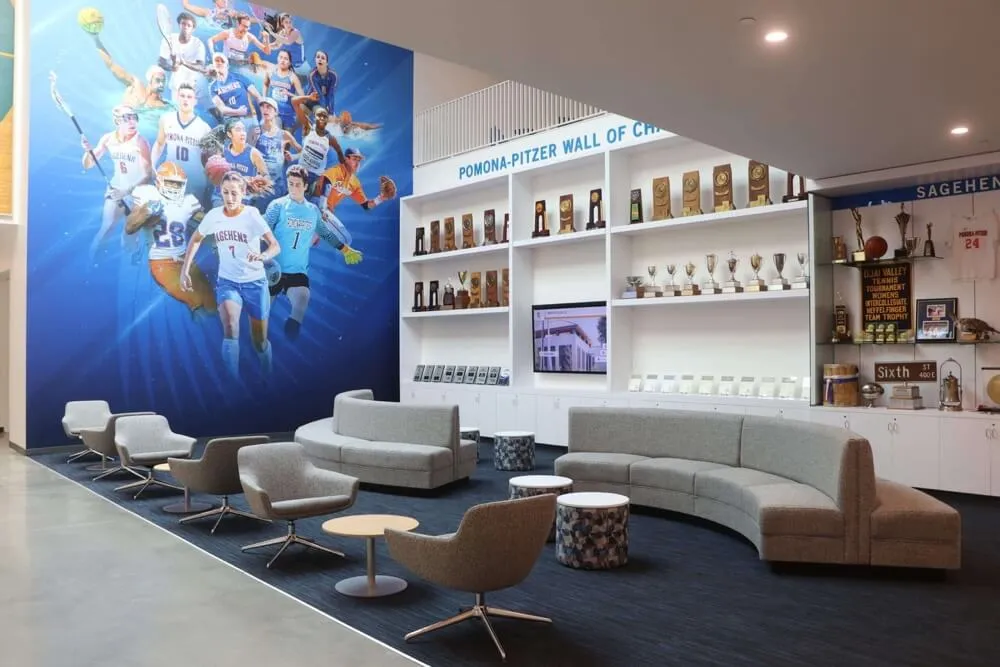
Traditional recognition approaches require physical space that many schools simply don’t allocate to career and technical programs. Athletic trophy cases occupy prime gymnasium locations. Academic honor rolls fill main hallway bulletin boards. By the time schools consider CTE recognition, remaining space consists of back hallways, vocational wing corridors, or no allocation at all.
This physical space hierarchy sends powerful unintended messages about which student achievements schools truly value. When prospective students and families tour facilities and see extensive athletic recognition, prominent academic displays, but minimal CTE visibility, they naturally draw conclusions about program prestige and institutional priorities.
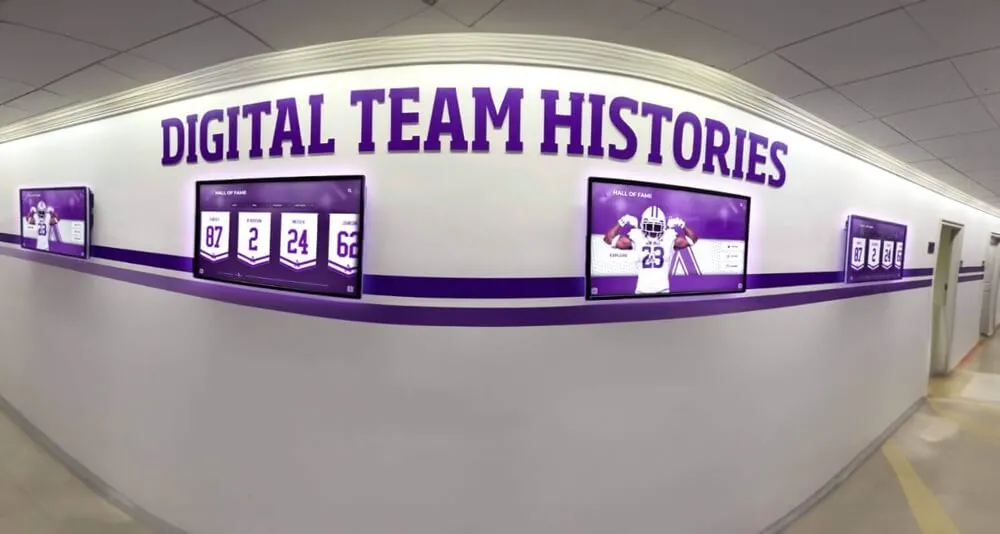
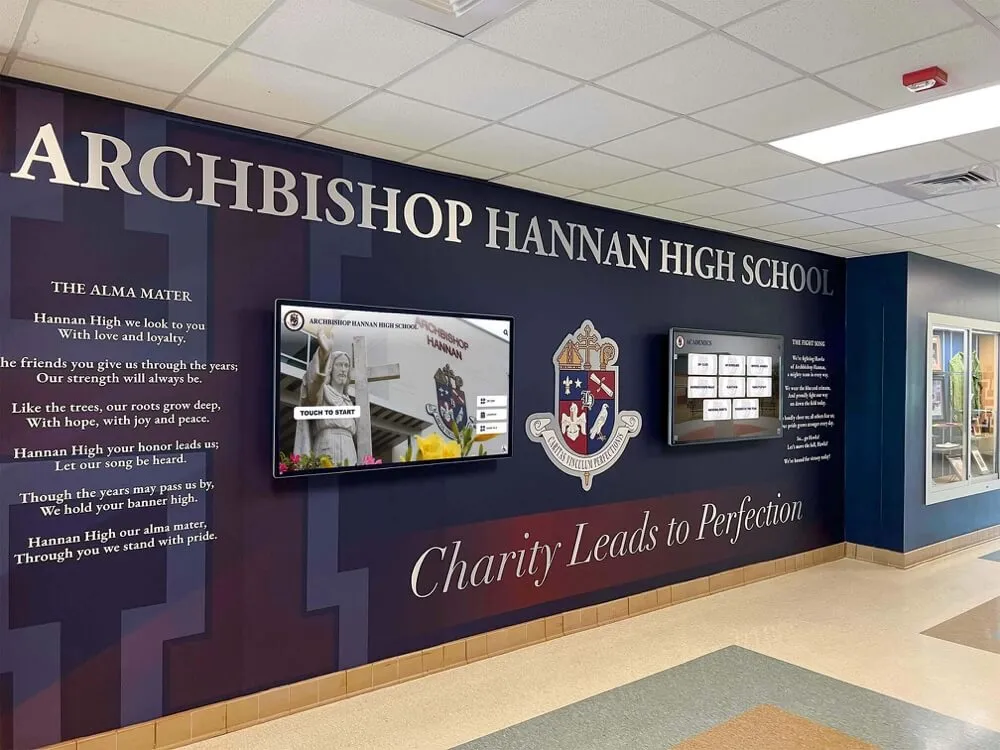
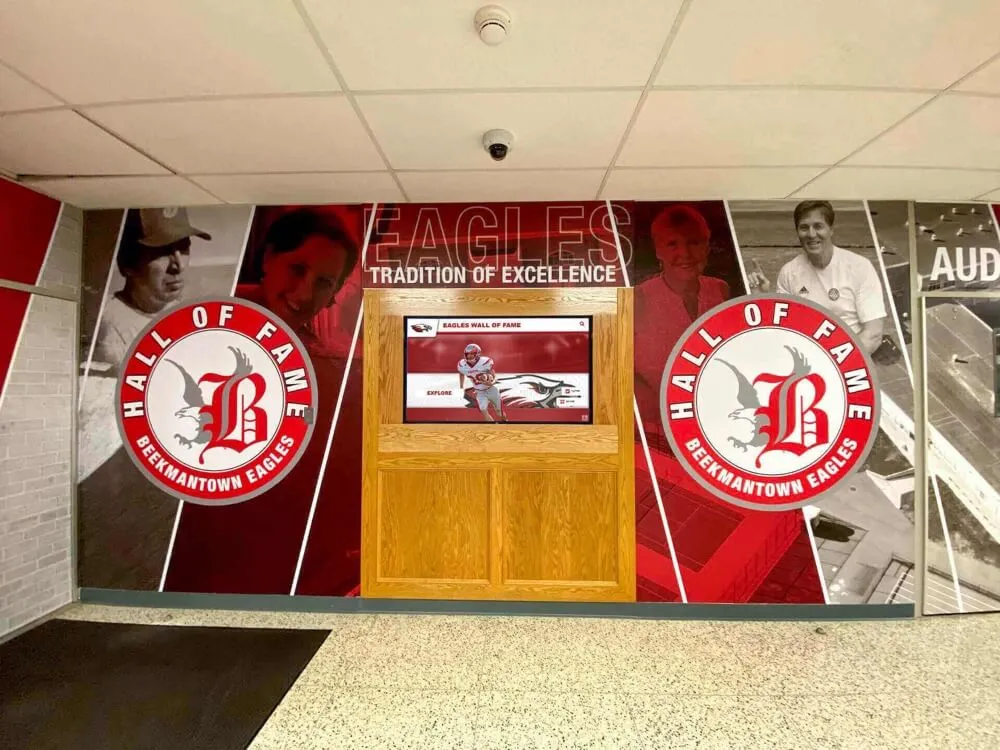
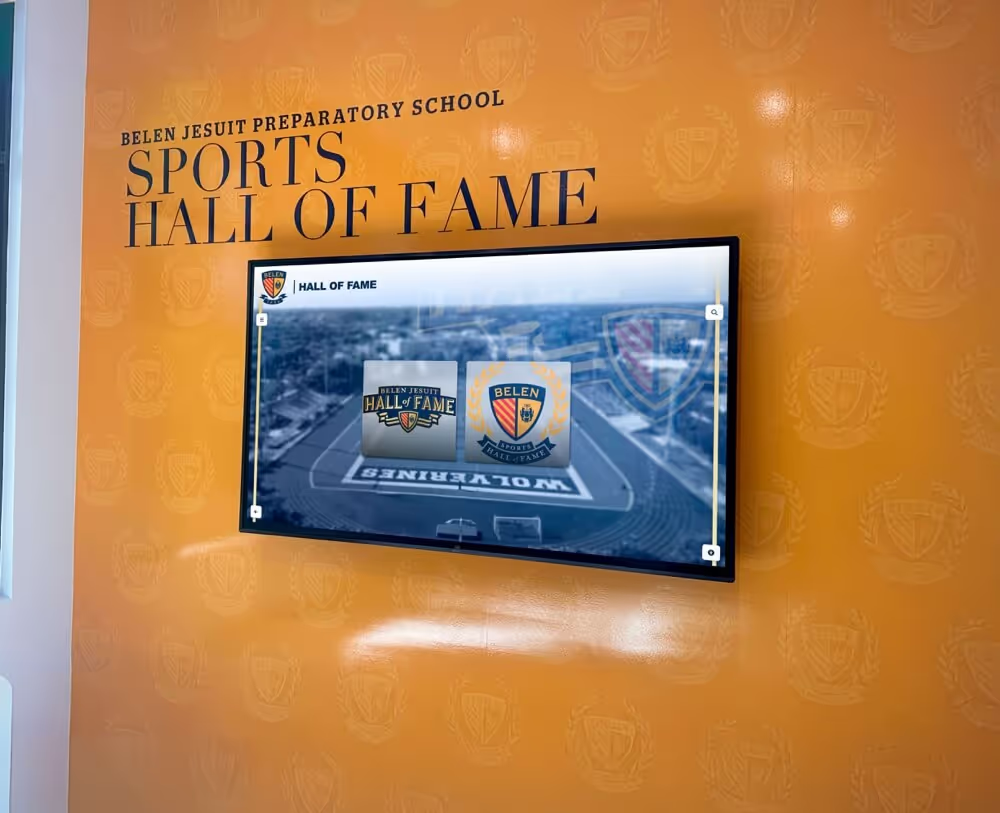
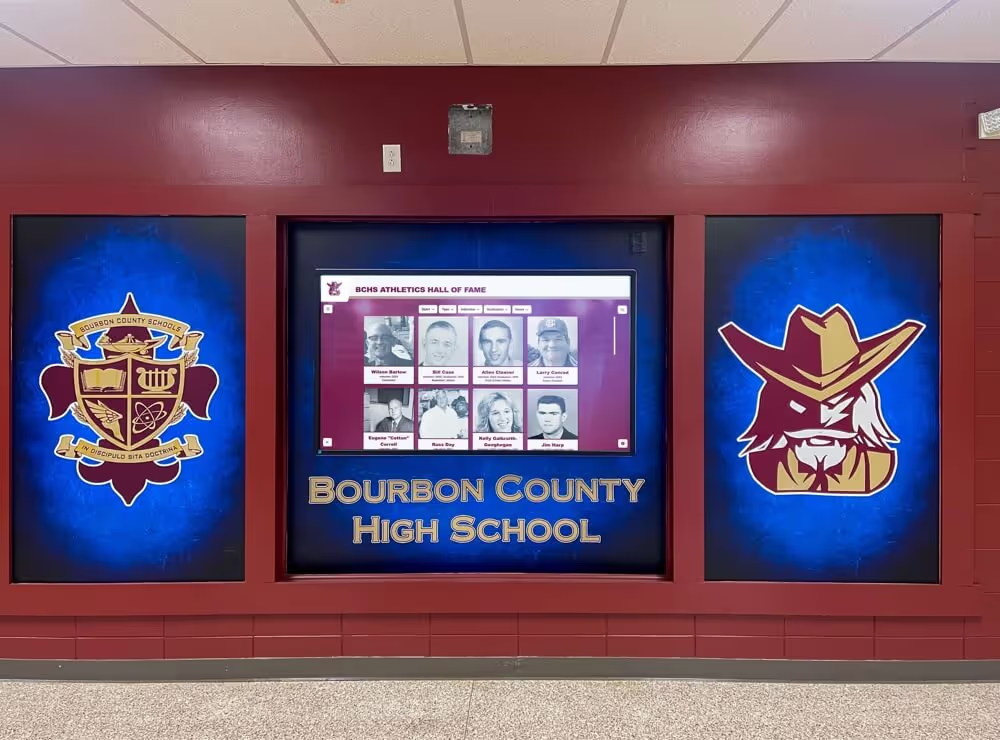
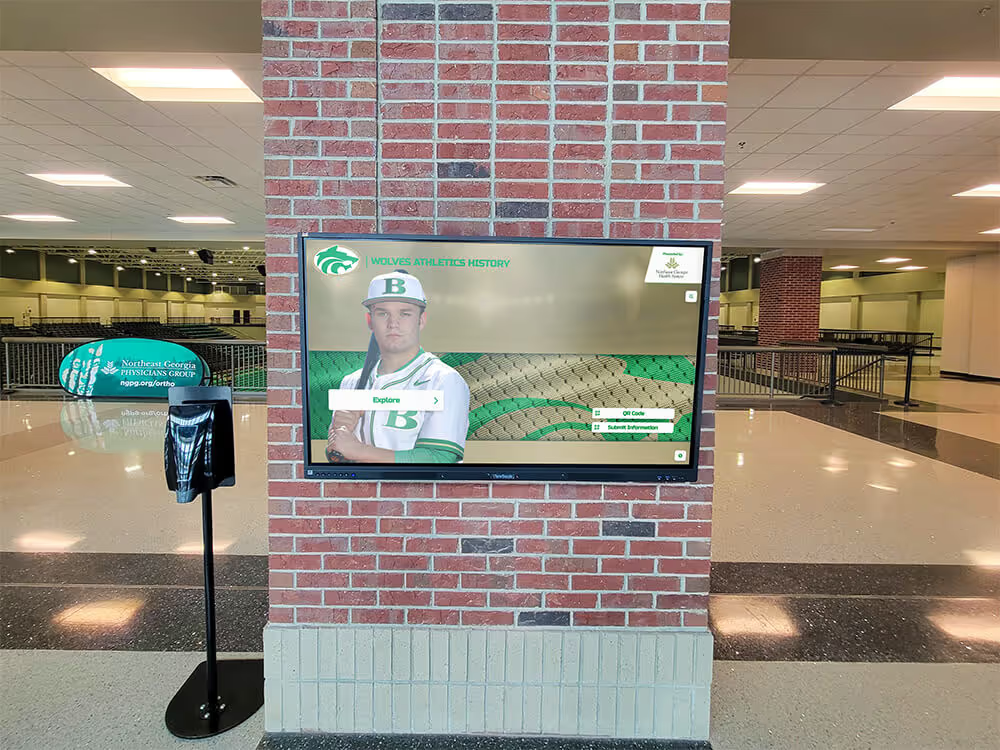
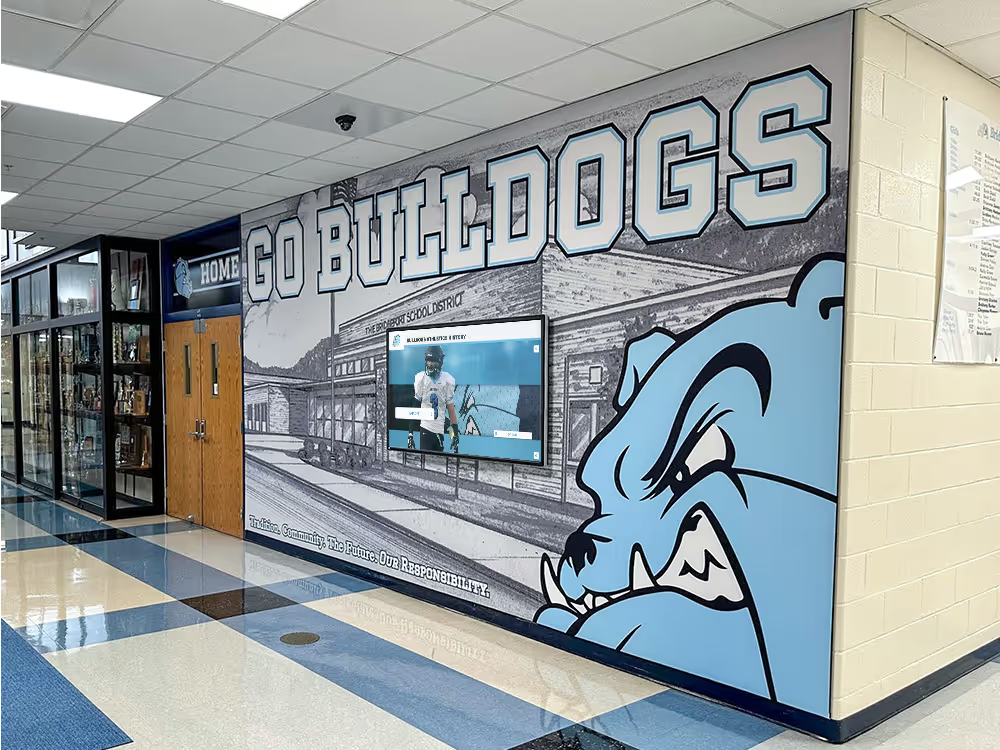
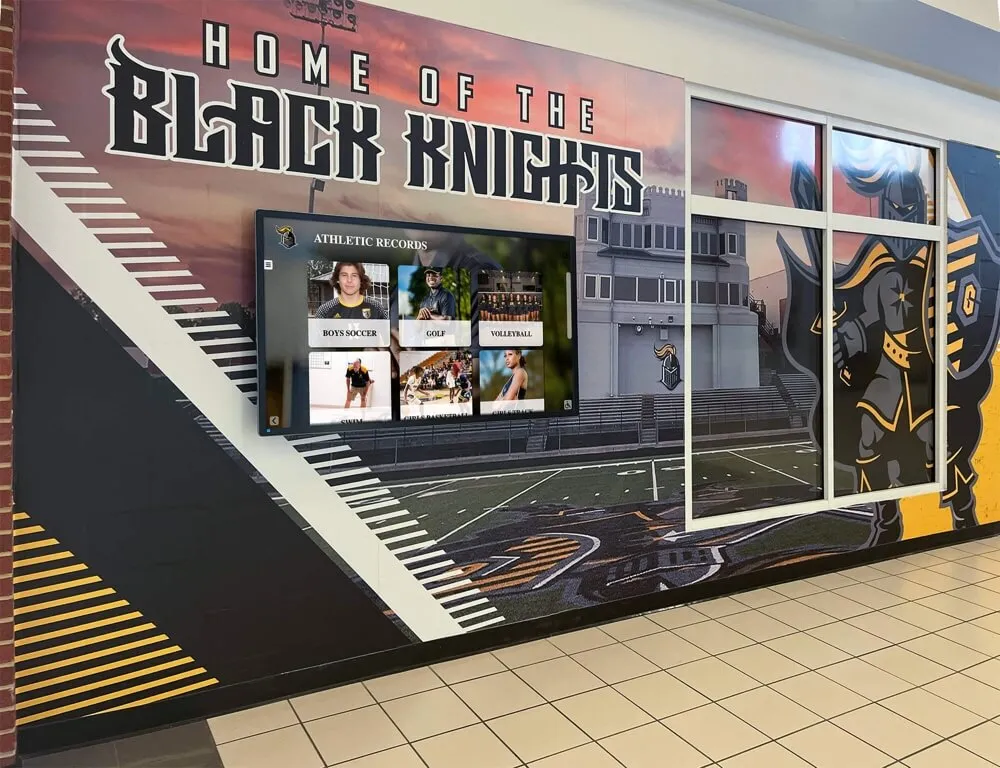
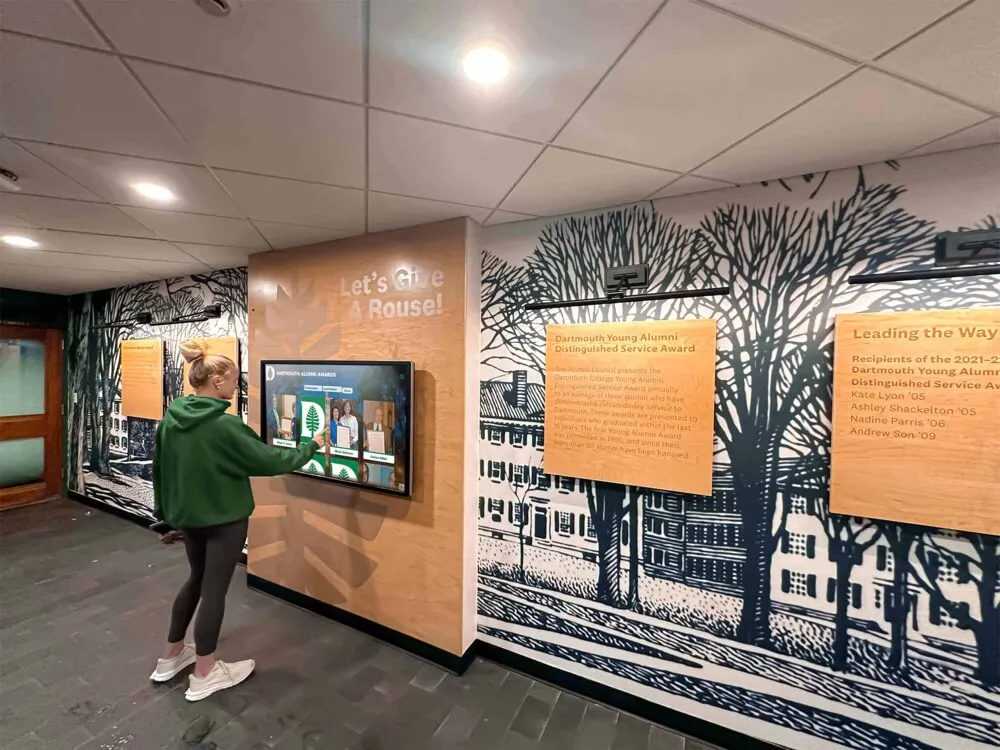
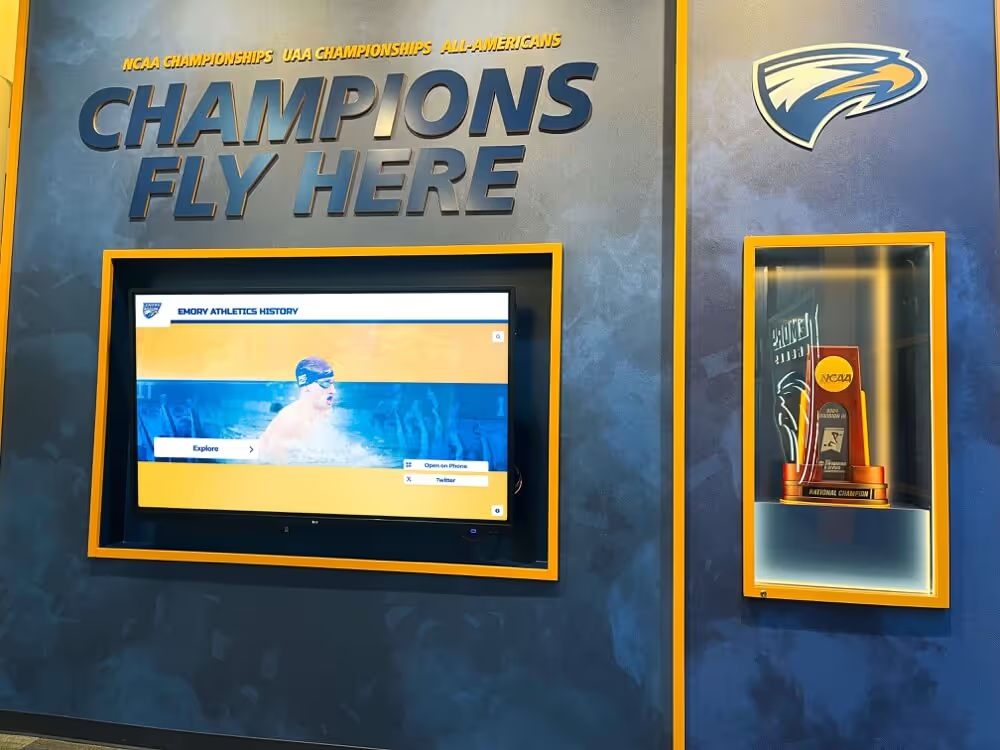
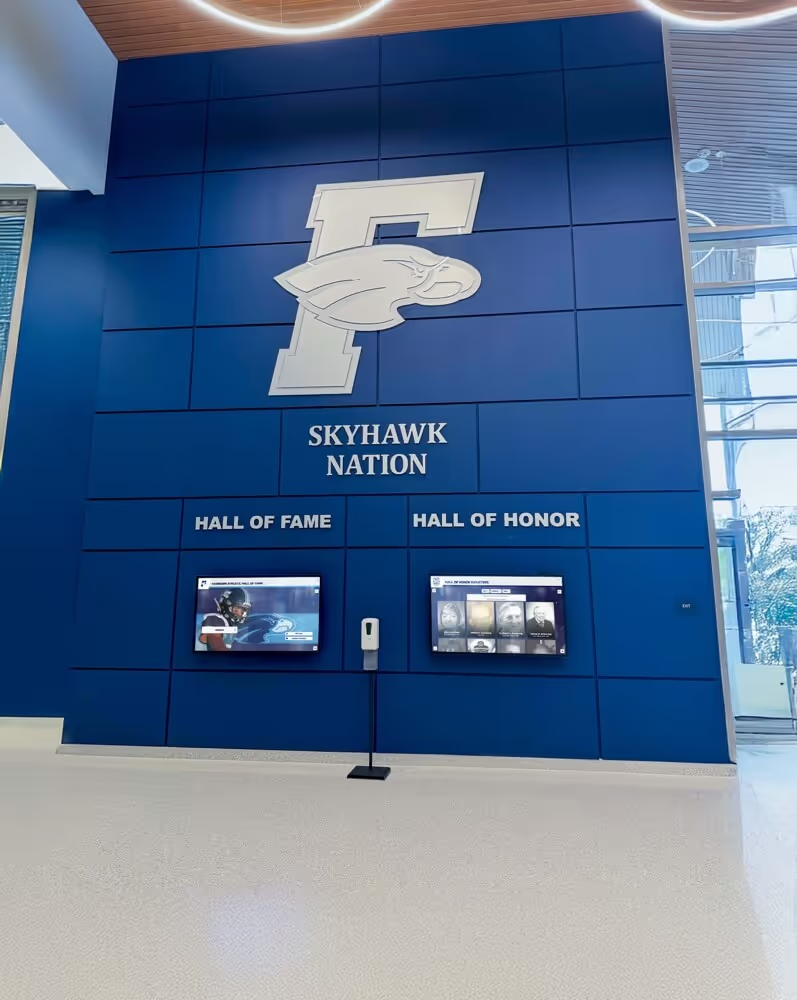
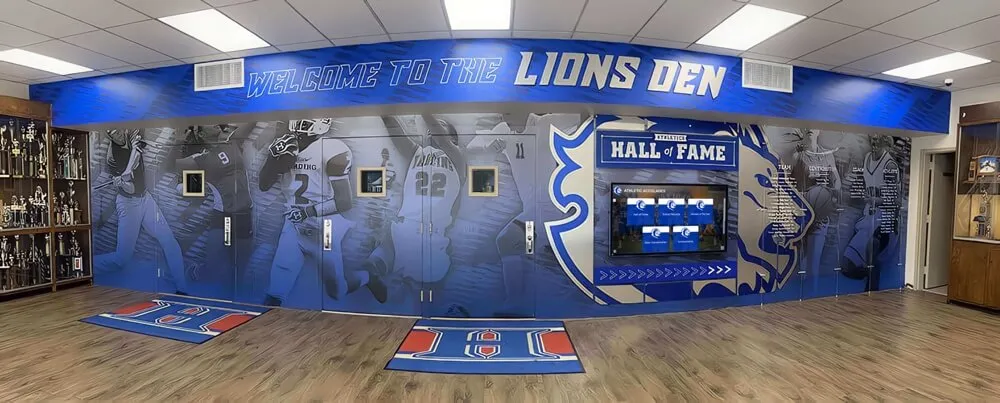
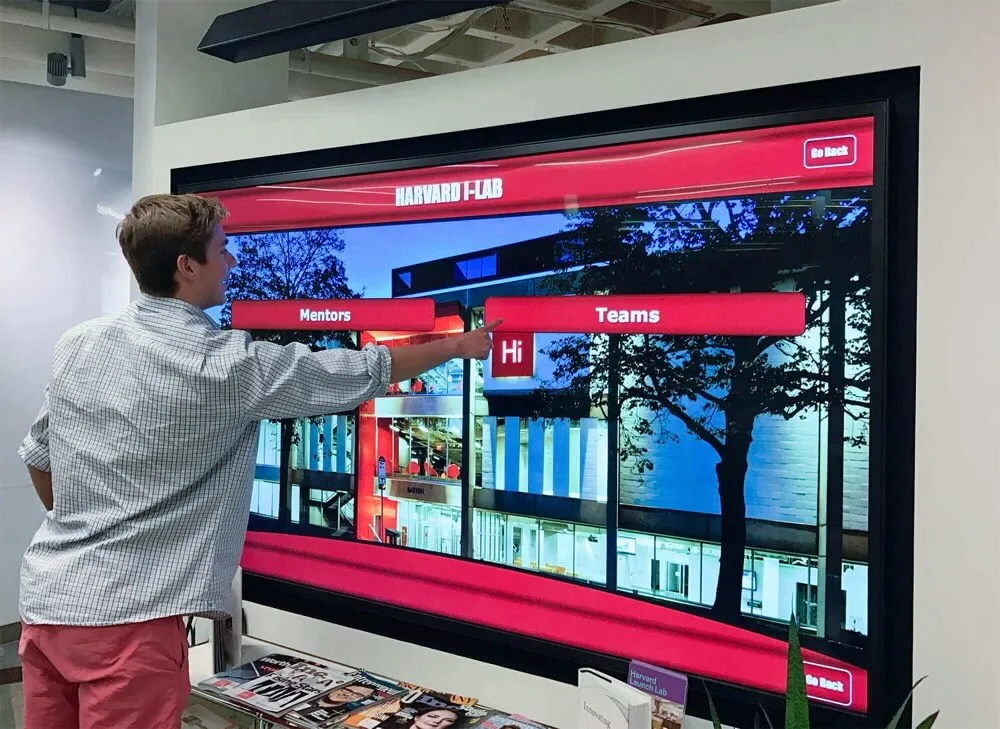
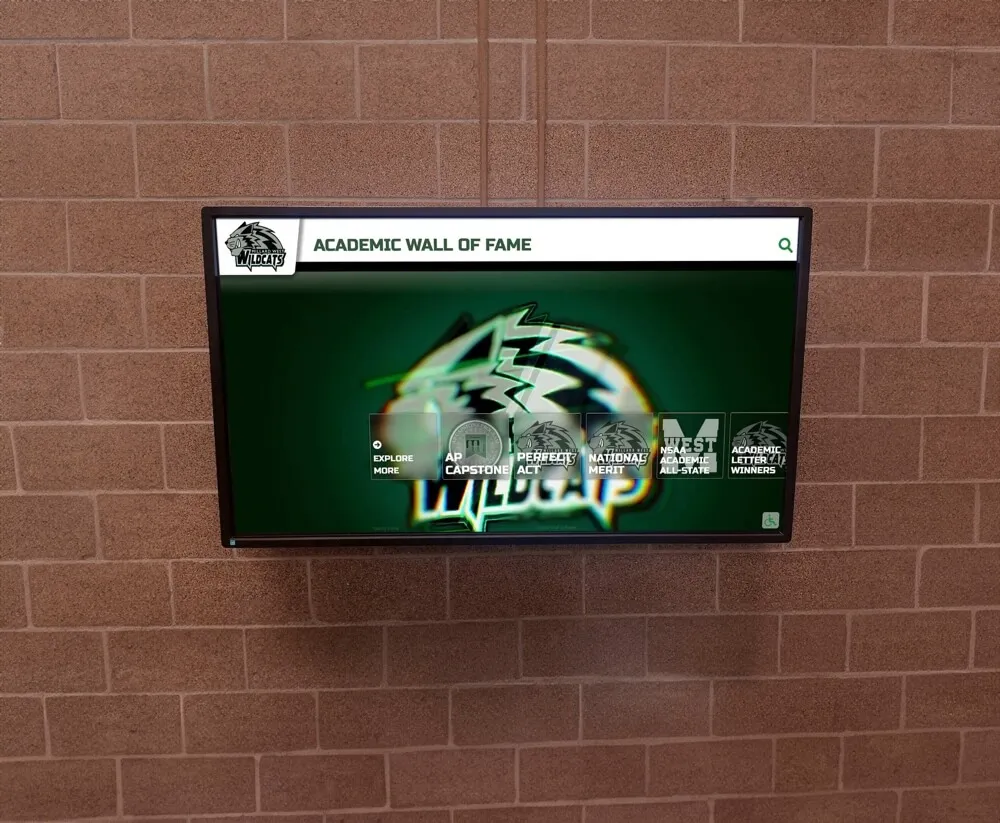
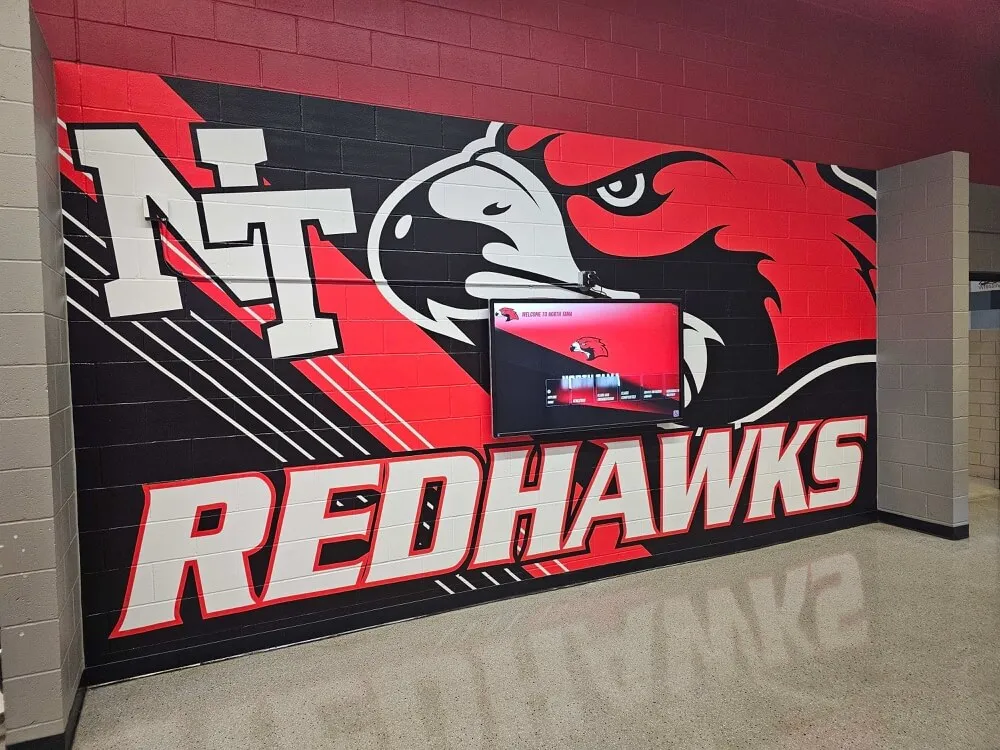
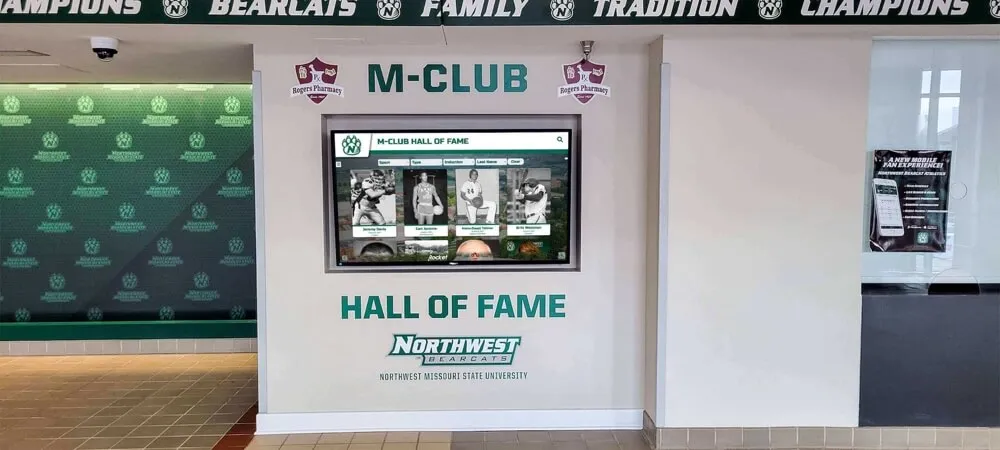
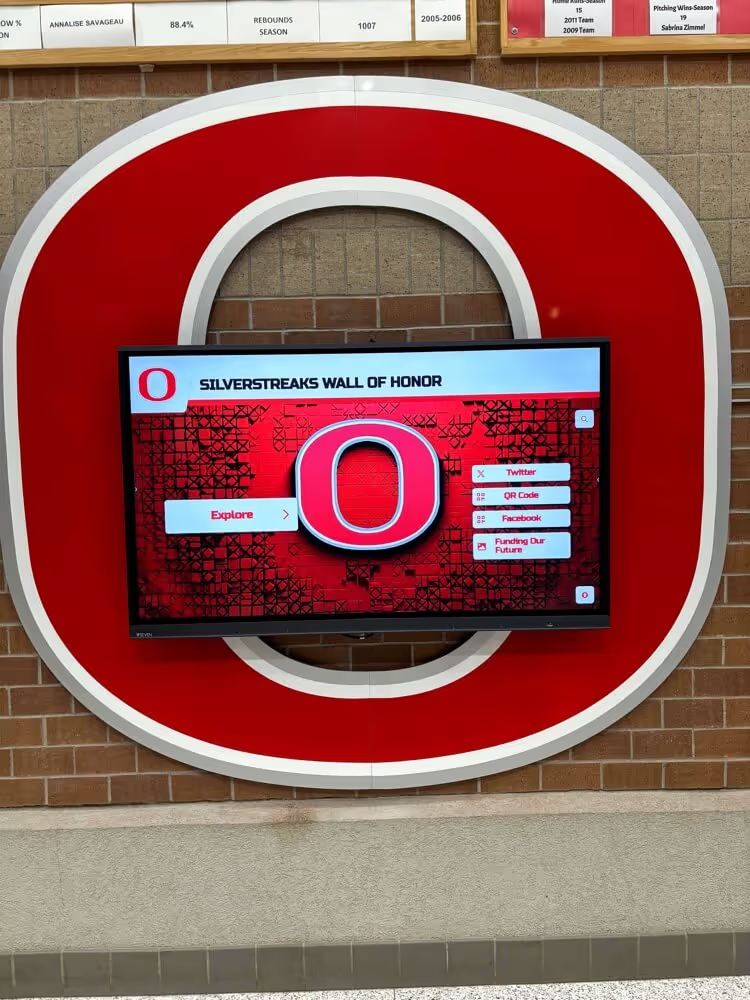
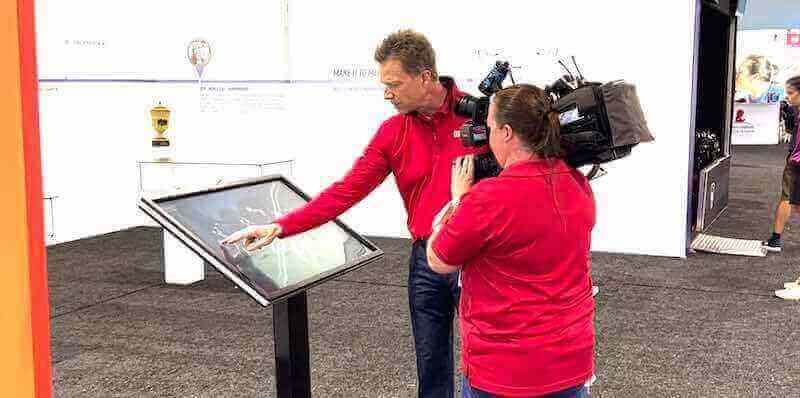
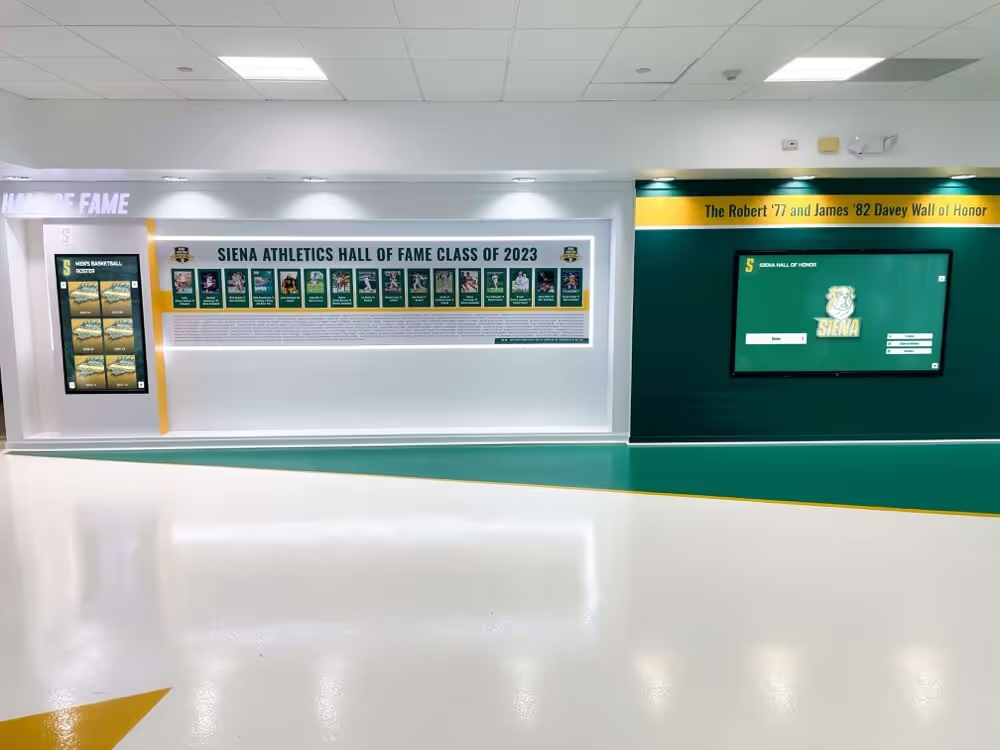
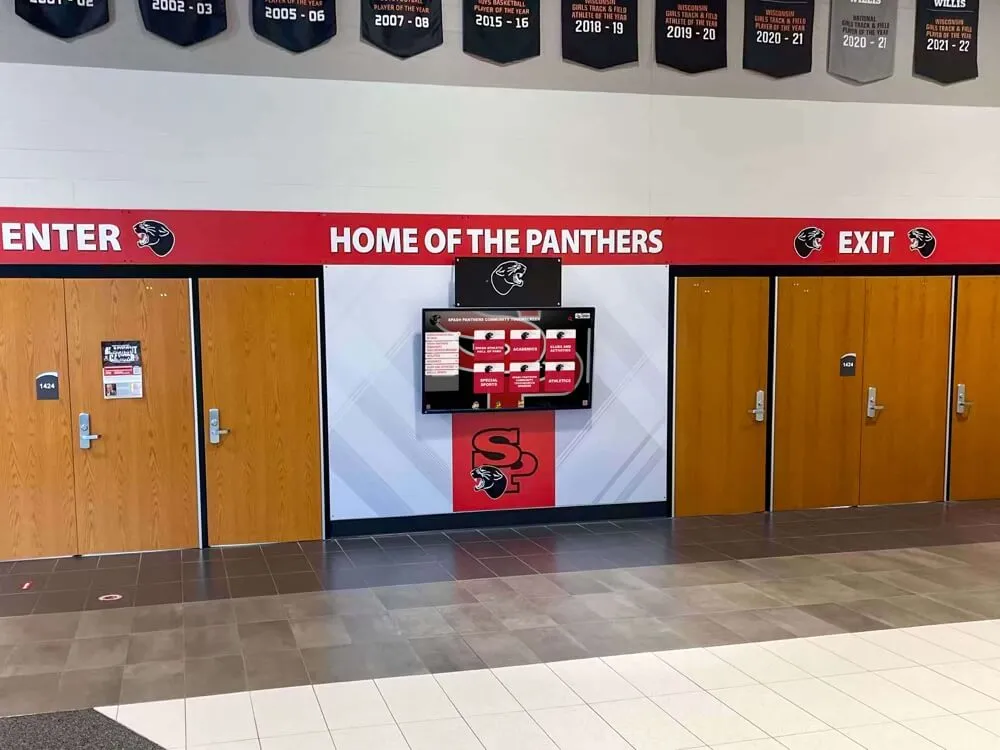
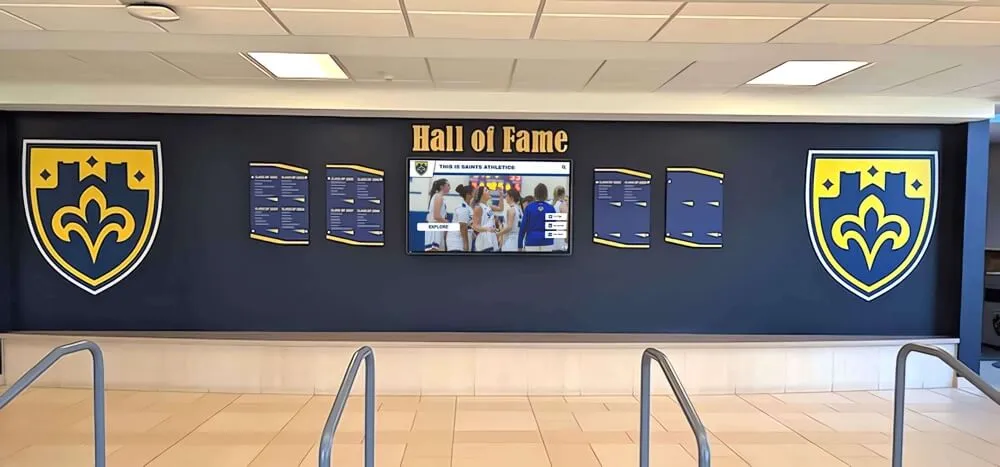
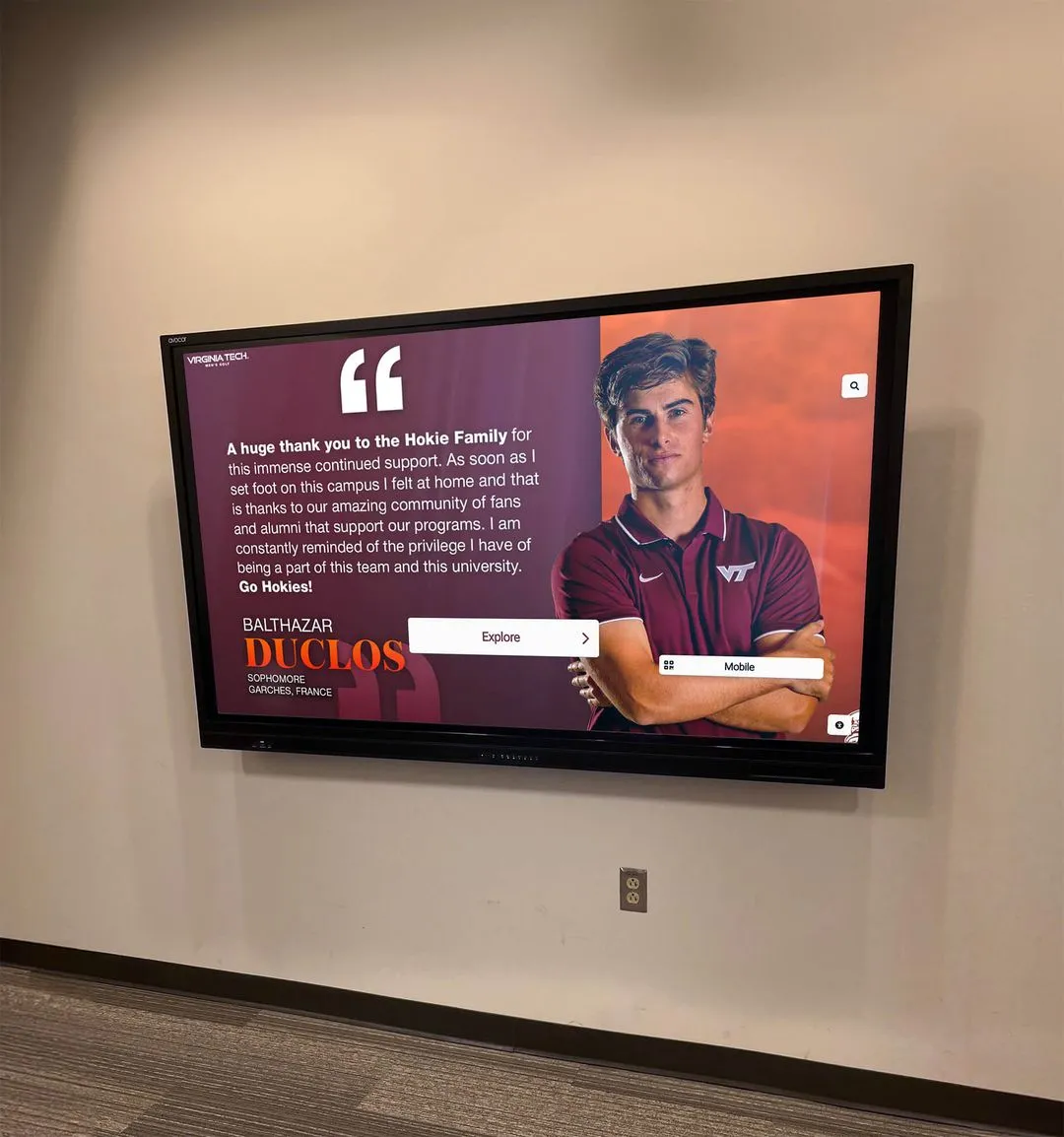
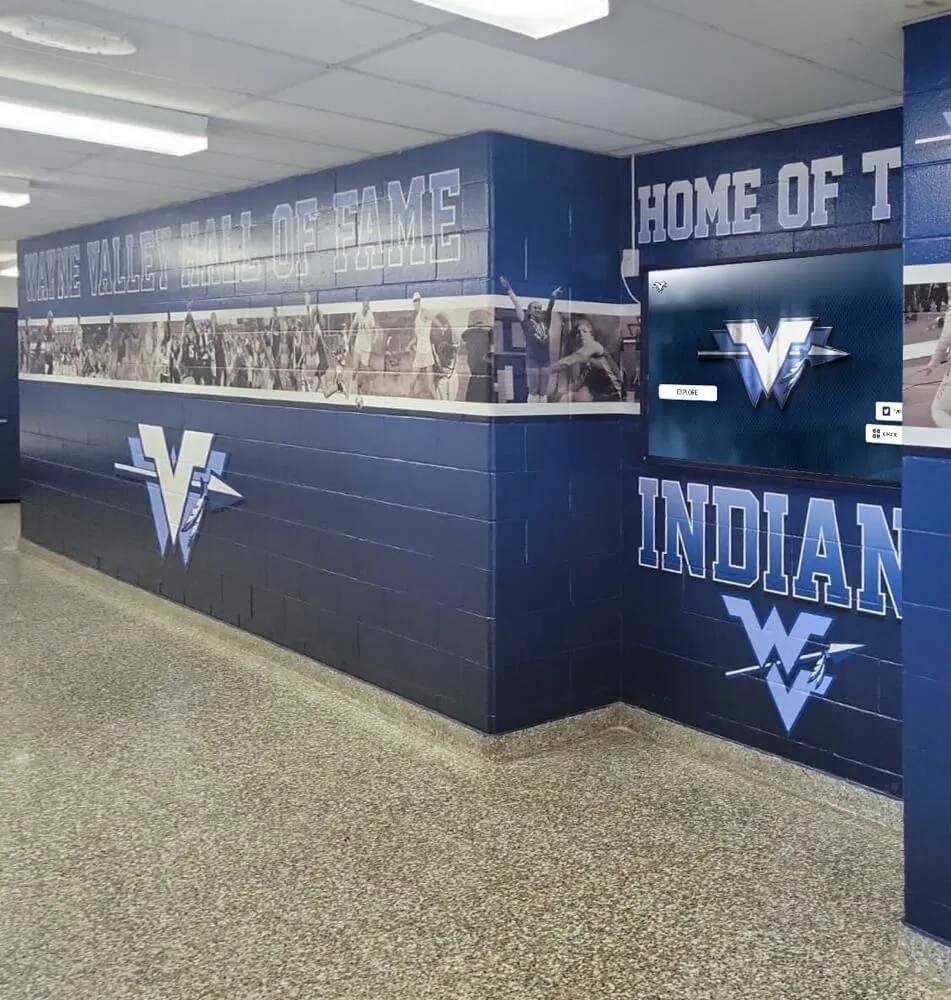
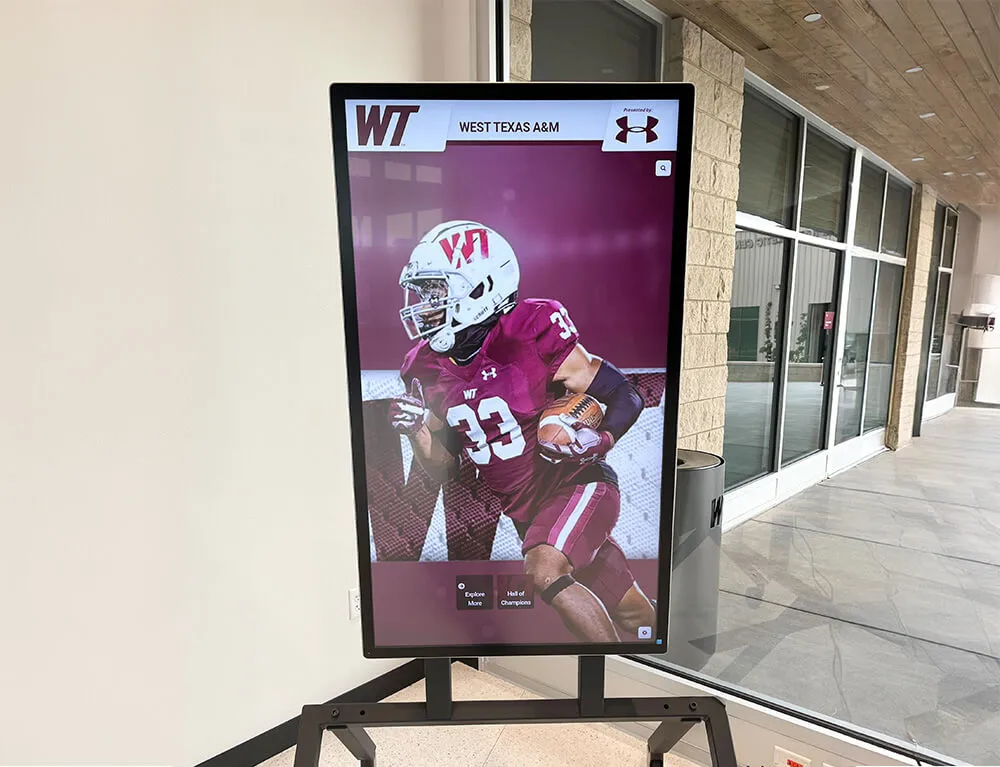
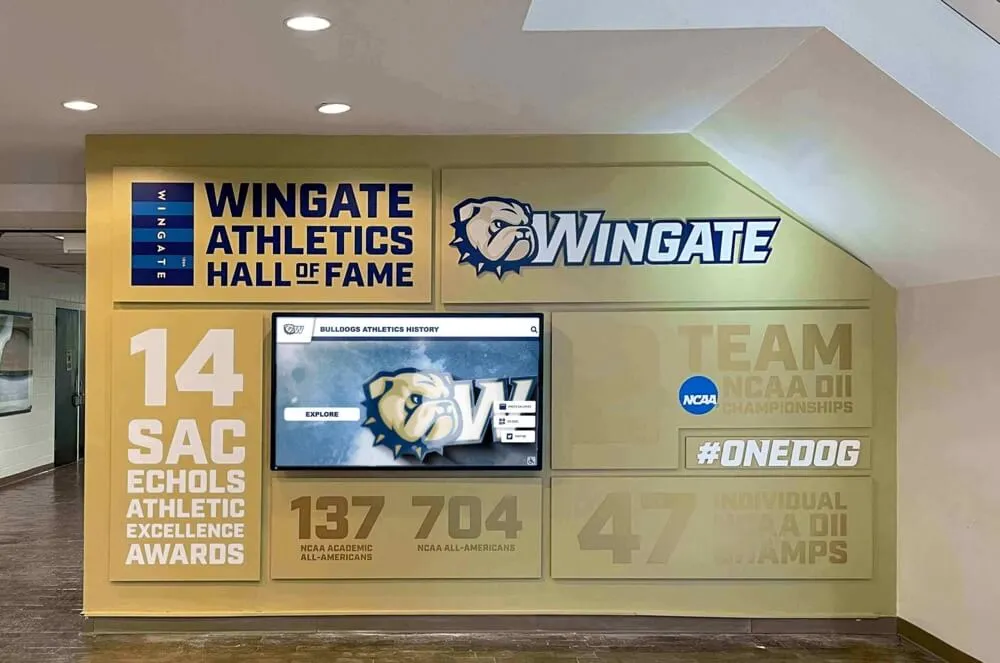
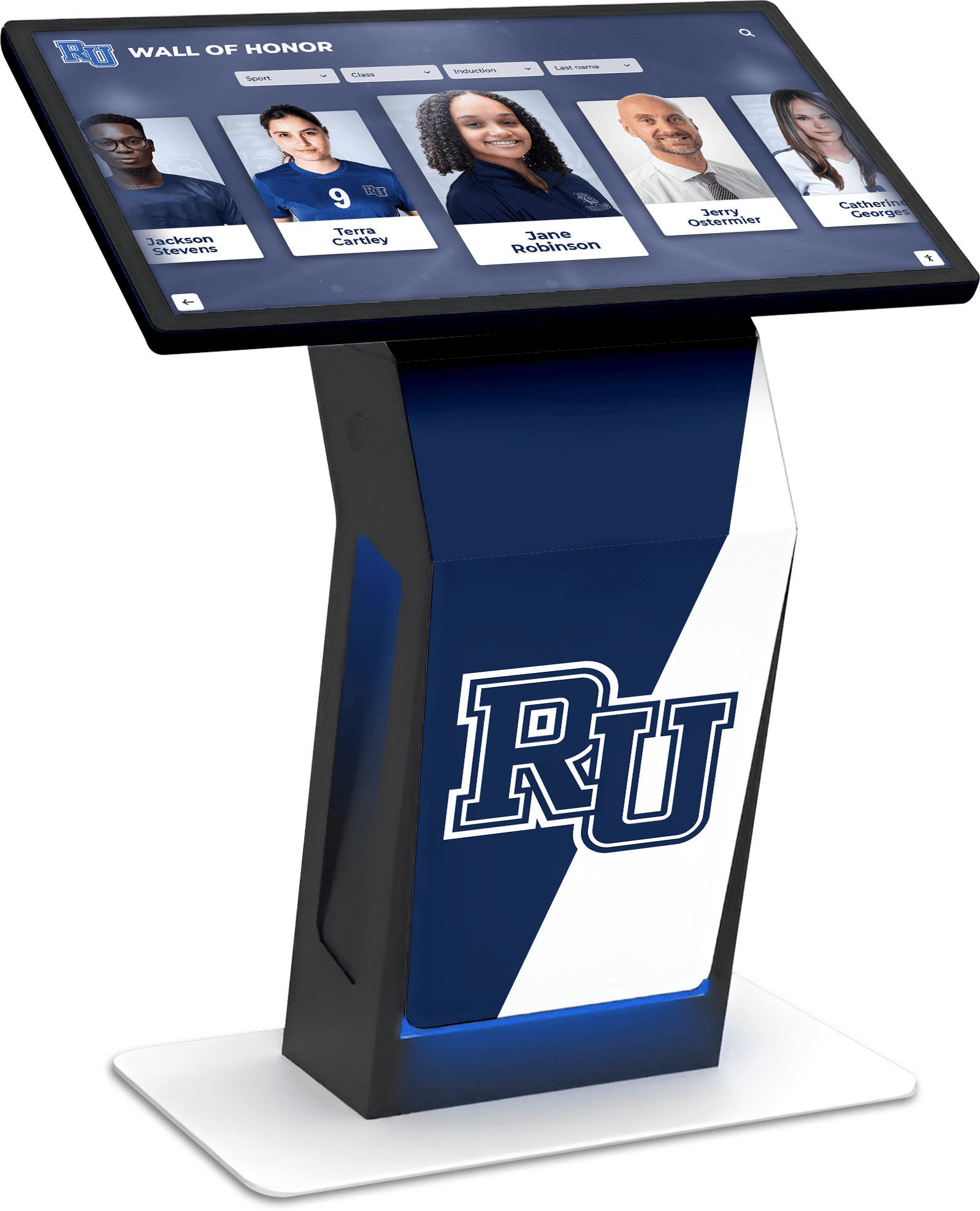
Digital recognition systems eliminate these space constraints entirely. A single 55-inch touchscreen can showcase comprehensive profiles for hundreds of FBLA competitors, FFA degree recipients, skills competition winners, and CTE program graduates—content requiring dozens of traditional displays. Unlimited digital capacity enables schools to recognize every worthy achievement without space-driven prioritization that undervalues vocational excellence.
Traditional Methods Don’t Engage Digital-Native Students
Contemporary students grew up with interactive technology, social media platforms, and rich multimedia experiences. Recognition through printed certificates stored in offices or static bulletin boards feels outdated and disconnected from how students naturally engage with information.
Static recognition also becomes immediately outdated. Printed lists reflecting last year’s FBLA competitors remain unchanged as new achievements occur. Traditional plaques require months for production and installation, delaying recognition and diminishing motivational impact when celebration comes long after accomplishments occur.

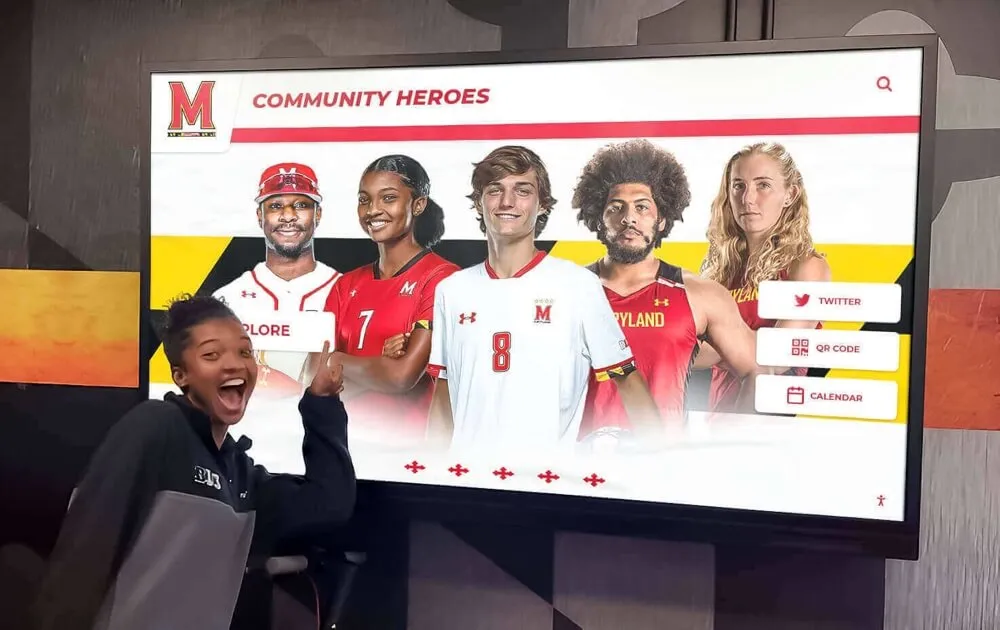
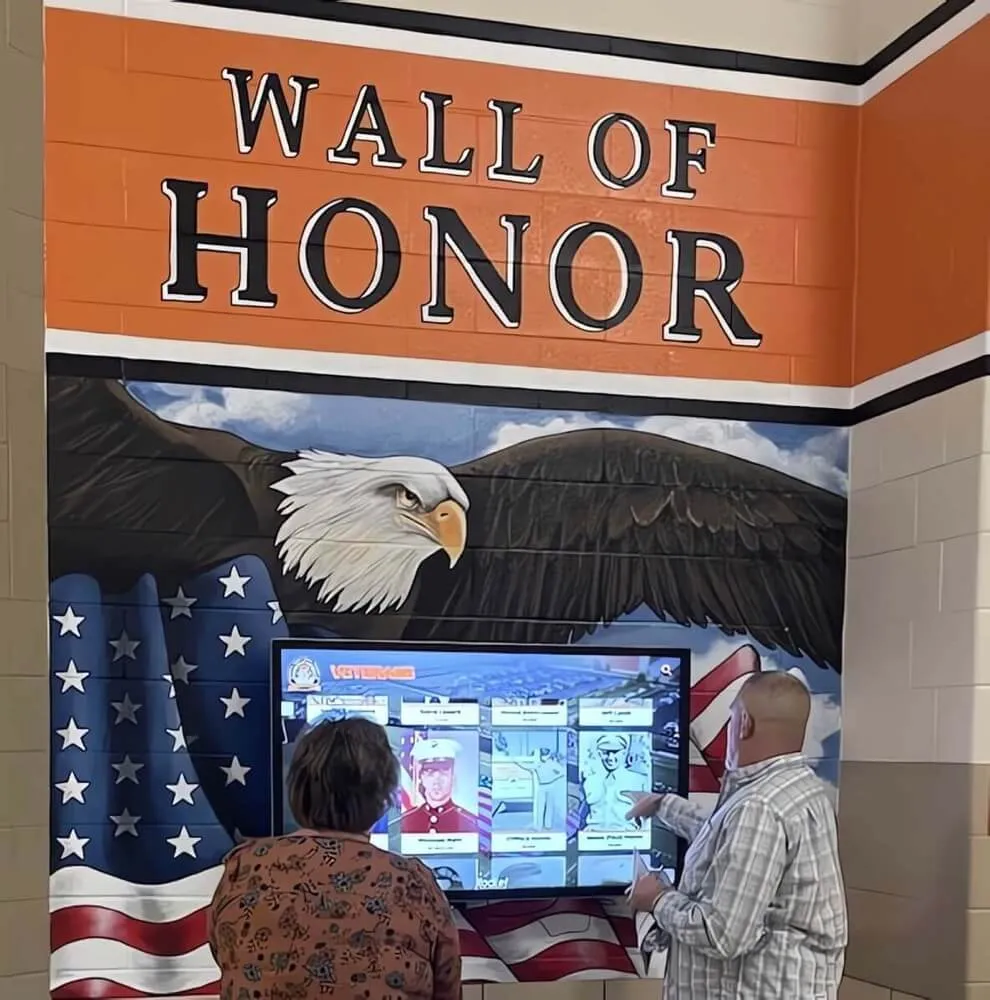
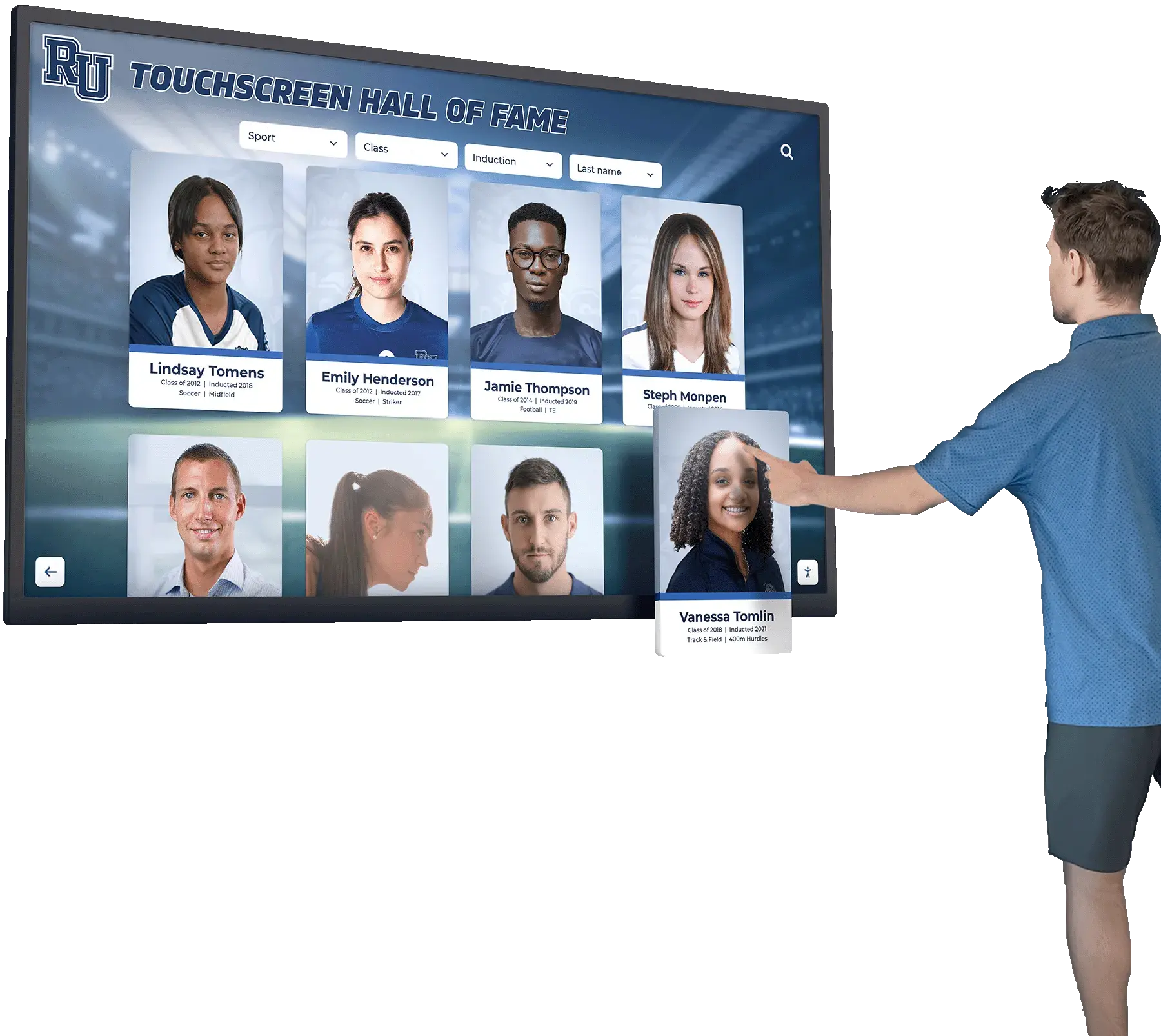
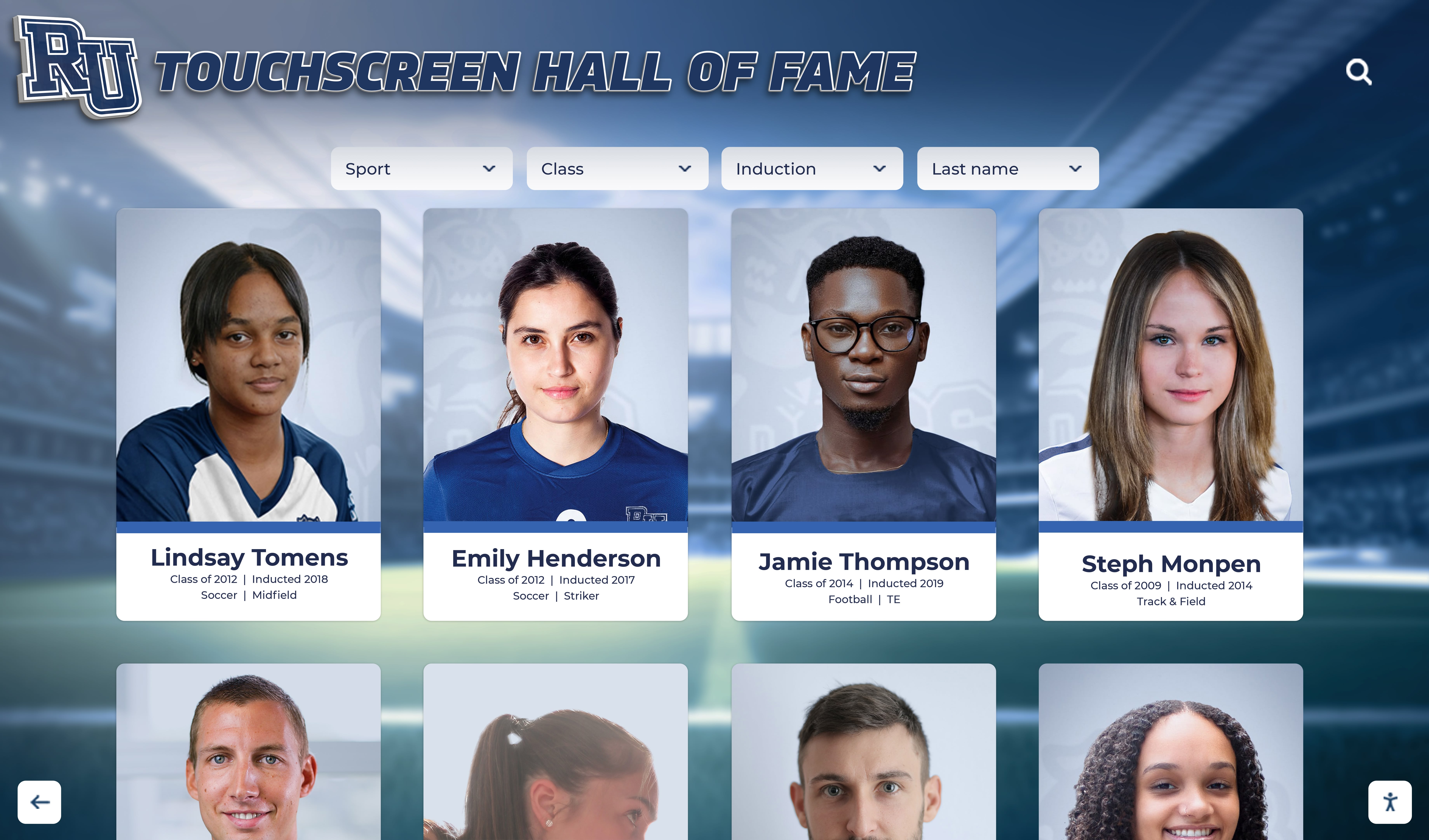
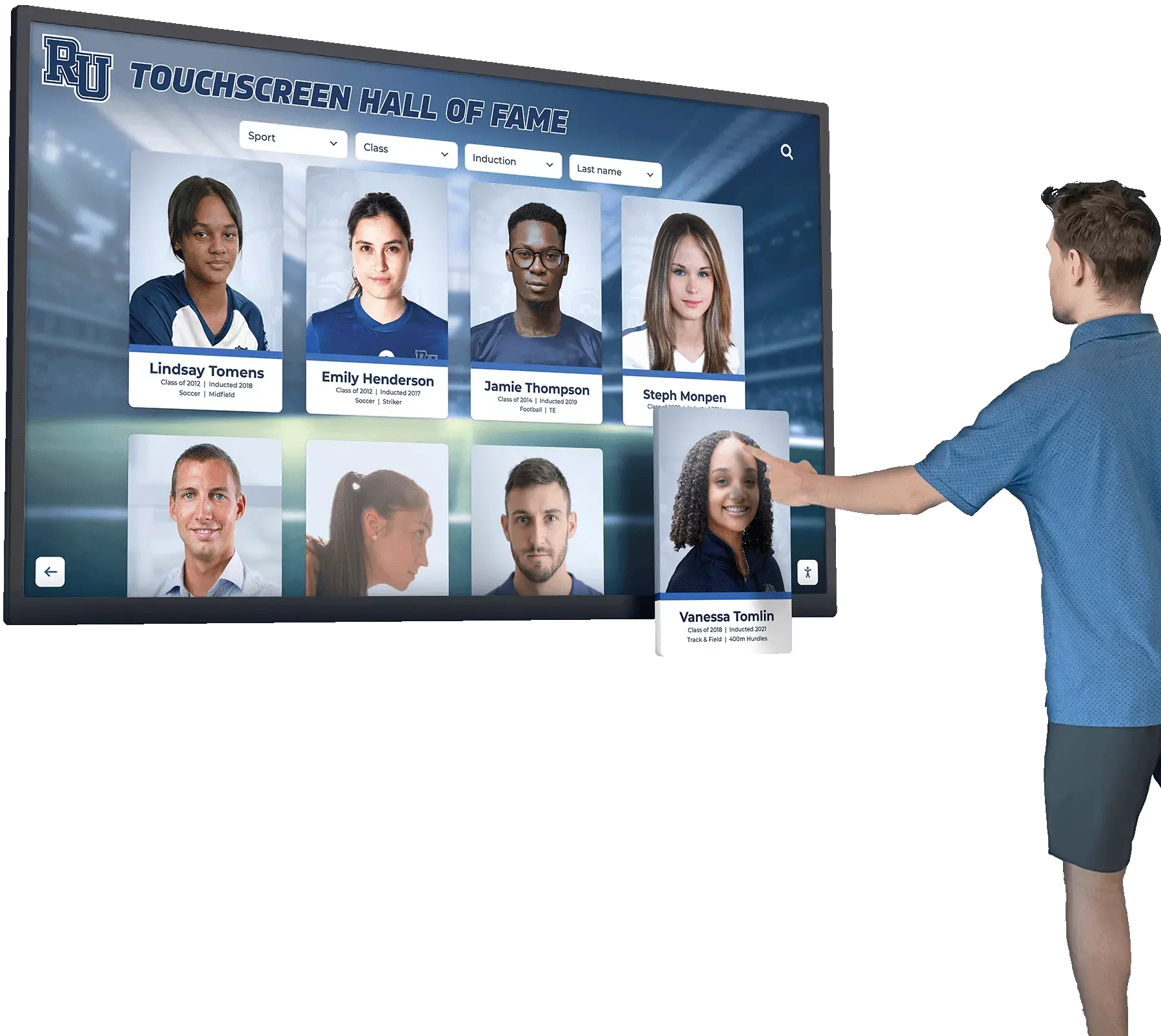
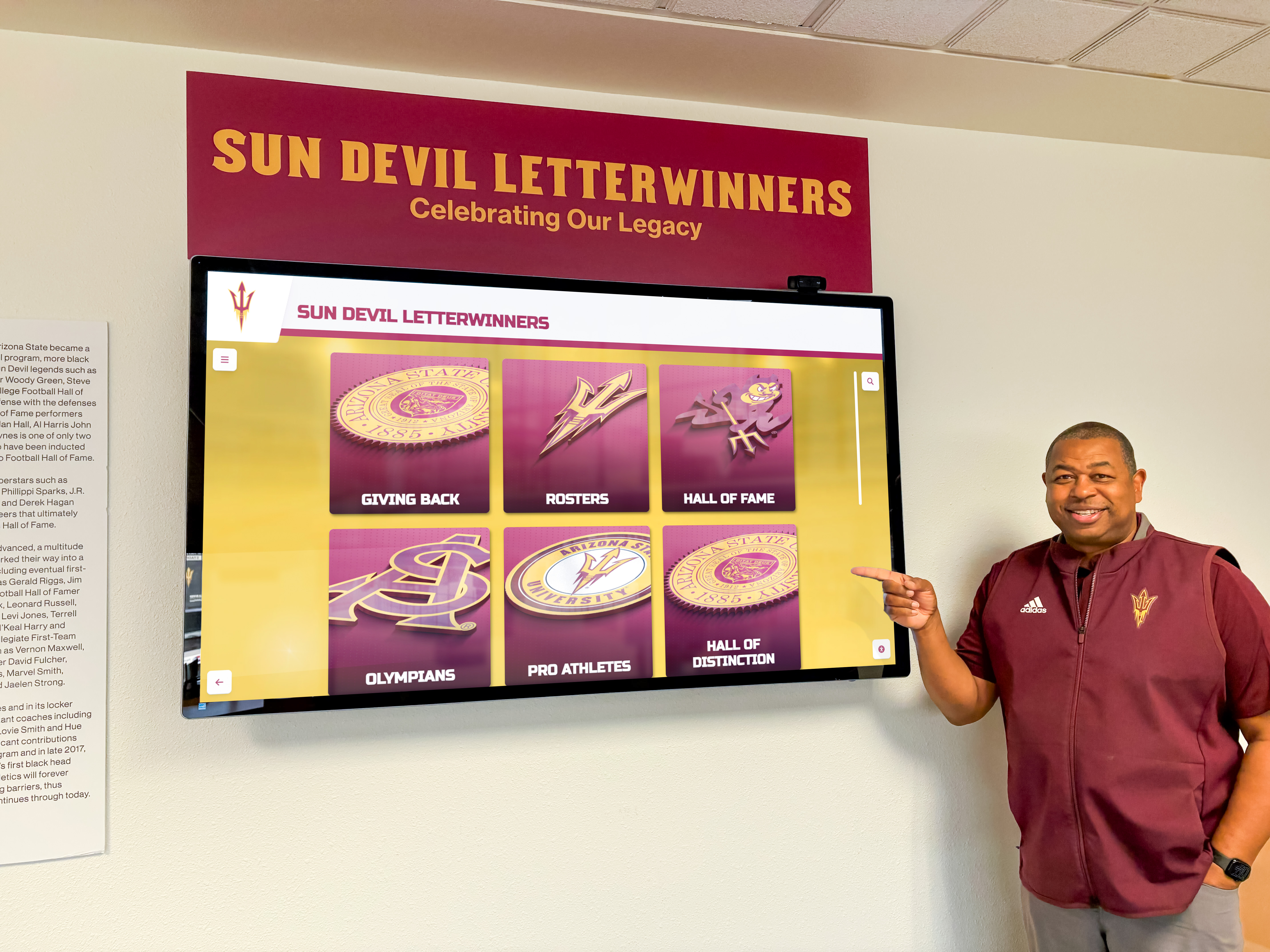
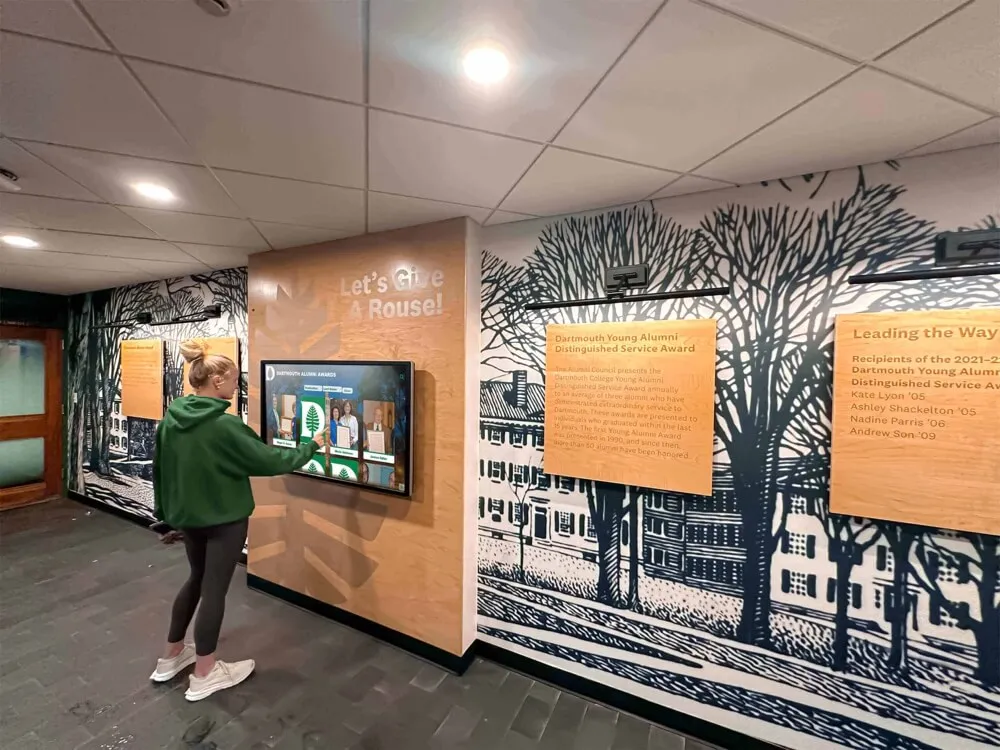
Interactive digital platforms create engaging recognition experiences matching contemporary communication patterns. Touchscreen displays allow students to explore achievements, search for classmates, filter by organization or competition category, and discover detailed profiles—transforming passive viewing into active exploration generating genuine engagement.
Solutions like Rocket Alumni Solutions provide purpose-built recognition platforms designed specifically for educational institutions, combining physical touchscreen displays for high-visibility campus locations with web accessibility ensuring students, families, and community members can explore achievements regardless of location.
Recognition Program Implementation Strategies
Successful FBLA and FFA recognition requires systematic planning addressing both technical implementation and cultural integration ensuring programs achieve intended impact.
Comprehensive Achievement Documentation
Begin by conducting thorough inventory of recognition-worthy achievements across your career and technical education programs.
Historical Achievement Research: Many schools discover incomplete records of past FBLA and FFA achievements requiring systematic historical research including yearbook reviews documenting competitions and degree recipients, advisor file reviews containing certificates and award documentation, former member interviews preserving institutional memory, and state organization records providing competition results and degree lists.
Historical research often takes longer than anticipated—plan accordingly and consider engaging student volunteers, parent supporters, or professional research services for substantial projects. Starting with recent decades while gradually expanding historical coverage enables phased implementation spreading work across multiple terms.
Ongoing Achievement Tracking: Establish systematic processes for documenting current achievements as they occur including competition result tracking for all local, regional, state, and national events, degree achievement documentation as students earn Greenhand through American Degrees, leadership position records documenting officers and their service years, and proficiency award tracking recording SAE achievements and recognition levels.
Designate specific staff responsible for achievement documentation—typically CTE coordinators, FBLA advisors, and FFA advisors who already engage with students and organizations. Provide simple documentation forms collecting essential information: student name and graduation year, specific achievement details, competition placements or degree levels, photographs, and brief achievement descriptions providing context.
Strategic Display Placement
Recognition program effectiveness depends substantially on display location and visibility decisions.
High-Traffic CTE Locations: Placing recognition displays in career and technical education classrooms, labs, and corridors ensures students actually pursuing these pathways regularly encounter recognition. Business classroom entrances, agricultural education facilities, career center offices, and CTE commons areas provide natural homes for FBLA and FFA displays where target audiences spend significant time.
Main School Entrances: While CTE-specific locations serve program members, main entrance displays communicate institutional commitment to career education as equal priority alongside academics and athletics. Entry lobby placement ensures visiting families, community members, and prospective students recognize that your school values vocational excellence, strengthening CTE recruitment and prestige.
Counseling Office Areas: Counseling offices where students discuss career planning, college applications, and post-graduation pathways benefit from visible FBLA and FFA recognition. When counselors meet with students exploring career options, adjacent recognition displays provide concrete local examples of students successfully pursuing business and agricultural pathways, making career education feel accessible and achievable.
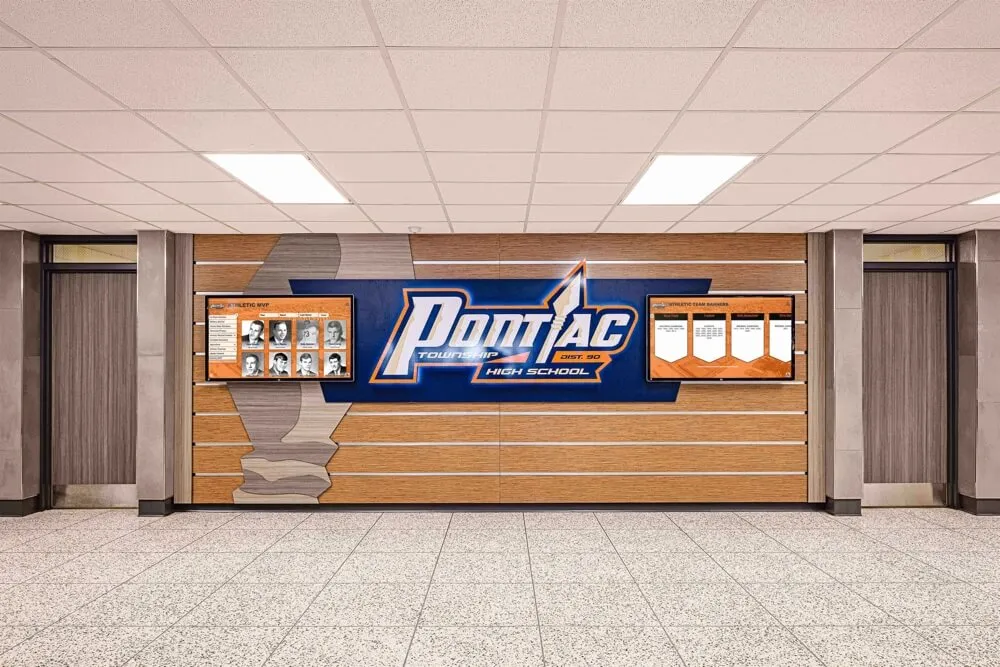
Dual Placement Strategy: Many successful programs implement dual recognition—comprehensive interactive displays in CTE facilities providing detailed achievement information, complemented by highlight displays in main school areas featuring recent achievements and state/national recognition. This balanced approach serves both deep program engagement and broad institutional visibility.
Traditional vs. Digital Recognition Approaches
Schools face decisions about implementing traditional physical displays, modern digital systems, or hybrid approaches combining both methods.
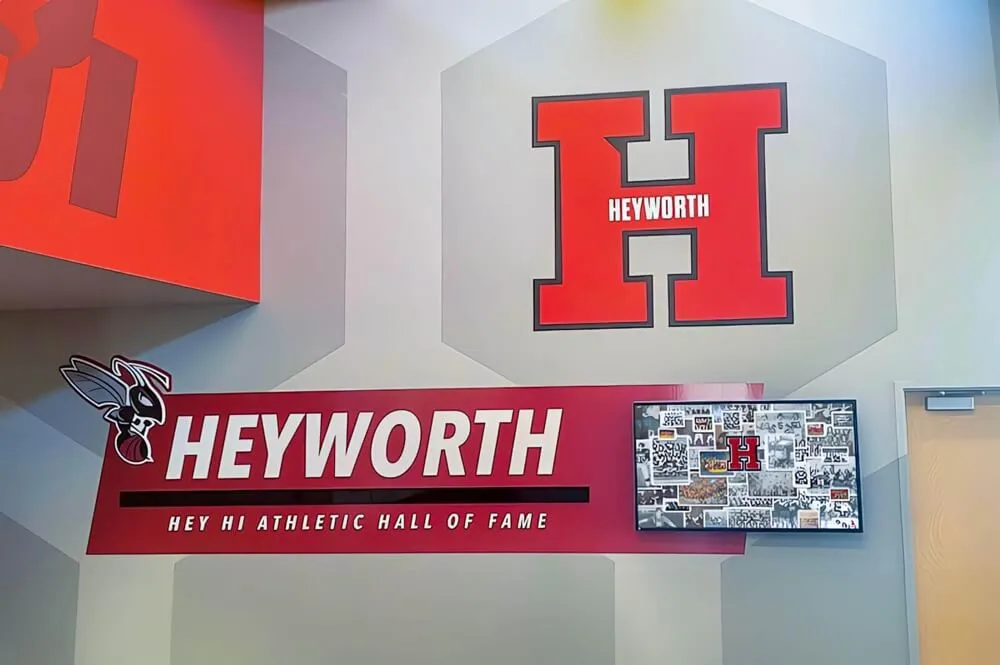
Traditional Plaque Systems: Physical plaques provide tangible recognition many students and families value. Dedicated FBLA and FFA recognition walls featuring engraved plates for degree recipients, state officers, and national qualifiers create impressive displays communicating program tradition and sustained excellence. Traditional approaches work well for schools with available wall space, limited budgets for technology investment, strong traditions around physical recognition, and members who value tangible commemorations.
Traditional display costs typically include $3,000-$8,000 for initial wall design and installation with ongoing costs of $50-$150 per plaque as students earn recognition. Physical displays require no technical maintenance but offer limited capacity and update flexibility.
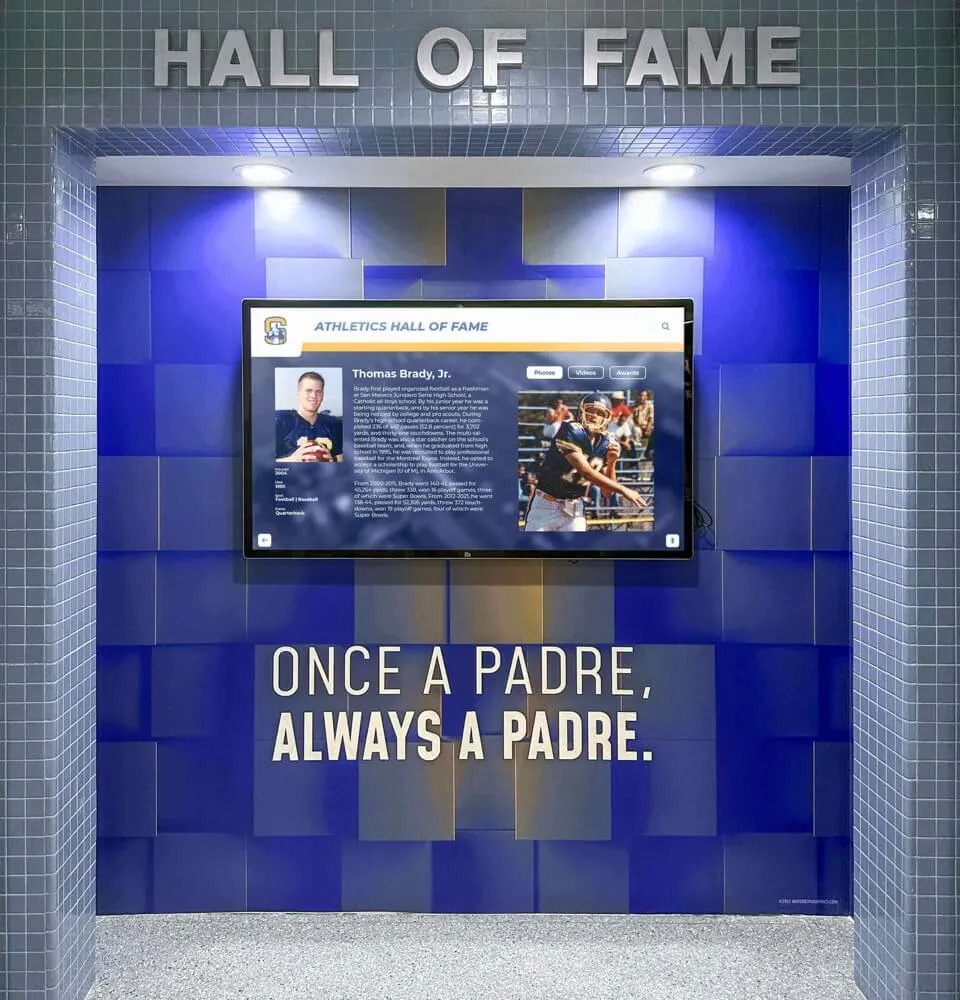
Digital Recognition Systems: Interactive touchscreen displays and web-based platforms provide capabilities traditional approaches cannot match including unlimited recognition capacity accommodating comprehensive historical and current achievements, rich multimedia profiles featuring photographs, achievement details, video content, and searchable databases, immediate updates enabling same-day recognition when achievements occur, and engagement analytics showing which achievements generate interest and how visitors explore content.
Digital recognition displays require higher initial investment of $10,000-$25,000 including hardware, software, content development, and installation, with annual licensing fees of $1,500-$4,000 for cloud-based platforms and content management.
Digital systems prove particularly effective for large FBLA and FFA programs generating numerous achievements annually, schools seeking to preserve extensive historical recognition, programs wanting immediate recognition capabilities, and institutions prioritizing engaging interactive experiences matching contemporary student expectations.
Hybrid Approaches: Many schools implement balanced strategies combining traditional and digital elements including traditional plaques for American FFA Degree recipients and FBLA national qualifiers (highest honors), digital systems for comprehensive achievement databases and historical preservation, traditional trophy case displays complemented by touchscreen detailed information, and physical degree recognition complemented by online member profiles.
Hybrid approaches honor traditions while embracing modern capabilities enhancing recognition depth and accessibility without eliminating valued physical commemoration.
Content Development for Comprehensive Recognition
Effective recognition extends beyond simple name lists to telling complete stories about student achievements and career development.
Rich Achievement Profiles
Move beyond basic listings to comprehensive profiles celebrating individual student accomplishments.
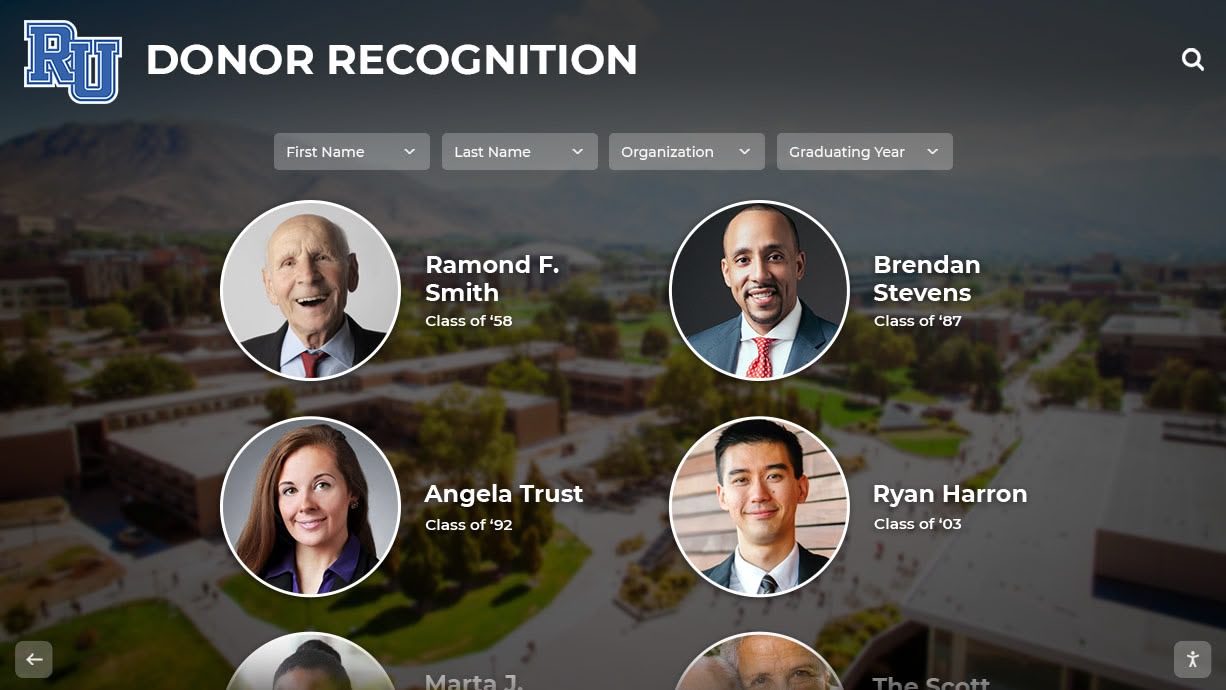
Essential Profile Elements: Well-developed recognition profiles include high-quality student photographs creating visual connection and recognition, specific achievement details (competition placements, degree levels, officer positions), year of achievement and graduation year providing historical context, achievement descriptions explaining significance and requirements, and career pathway information connecting recognition to students’ professional aspirations.
Competition Context: For FBLA competitive event recognition and FFA Career Development Events, provide context helping audiences understand achievement significance. Specify competition level (regional, state, national), placement specifics (1st place, top 10, qualifier), number of competitors or teams (placed 3rd among 50 teams), and describe event requirements (prepared a comprehensive business plan, demonstrated advanced livestock evaluation skills).
Rich context transforms generic “State Competition Winner” into meaningful stories: “Placed 2nd in Accounting II at FBLA State Leadership Conference among 45 competitors, demonstrating advanced financial analysis and reporting capabilities.”
SAE and Project Documentation: FFA Proficiency Awards and FBLA American Enterprise Projects involve substantial student work deserving detailed recognition. Include project descriptions, outcomes and achievements, skills demonstrated, and business or agricultural impact (revenue generated, animals raised, business partnerships developed).
Documentation showcasing real-world career preparation demonstrates CTE program value to families, employers, and community stakeholders while providing younger students concrete examples of achievable projects.
Multi-Year Achievement Tracking
Many students earn multiple recognitions across their FBLA or FFA membership, with comprehensive tracking revealing sustained excellence and growth.
Progressive Achievement Recognition: Document student journeys from entry-level participation through advanced achievement including degree progression (Greenhand → Chapter → State → American), leadership progression (member → committee chair → chapter officer → state officer), competition advancement (local → regional → state → national), and skill development across multiple competitive events or proficiency areas.
Progressive tracking honors not just peak achievements but sustained commitment, continuous improvement, and career development across multiple years—patterns predicting long-term professional success.
Multi-Organization Achievement: Many accomplished students participate in multiple career organizations—earning FBLA recognition while also succeeding in DECA, SkillsUSA, or FFA. Comprehensive profiles should document cross-program achievement celebrating well-rounded career preparation spanning business, marketing, agricultural, and technical pathways.
Students earning state recognition in multiple organizations represent exceptional versatility deserving special acknowledgment that highlights comprehensive career readiness.
Integration with Broader School Recognition
FBLA and FFA recognition proves most effective when integrated within comprehensive systems celebrating diverse student achievement rather than isolated in separate career education silos.
Parallel Recognition Across Achievement Domains
Schools should provide equivalent recognition visibility across athletics, academics, and career education domains.
Visible Equity: When athletic all-state athletes receive prominent trophy case recognition, FBLA national qualifiers and FFA American Degree recipients deserve equivalent visibility and display quality. When academic honor roll occupies main hallway displays, FBLA officer teams and FFA chapter leadership merit comparable prominent placement.
Visible recognition equity communicates that schools genuinely value diverse forms of excellence rather than defaulting to athletic and academic priorities while treating career education as secondary programming. Comprehensive student recognition approaches emphasize balanced celebration across all achievement categories.
Shared Recognition Platforms: Rather than maintaining separate isolated displays for athletics, academics, and career education, consider unified recognition platforms celebrating all student achievement. Single interactive systems allowing visitors to explore athletic records, academic honors, FBLA competitions, FFA degrees, and arts achievements communicate holistic student development and inclusive excellence values.
Unified approaches prove particularly effective in digital recognition systems where unlimited capacity accommodates comprehensive achievement across all domains without competition for limited physical space.
Career Outcome Connections
Extending recognition beyond high school achievements to document career outcomes demonstrates long-term program impact and provides motivation for current students.
Post-Secondary Success Tracking: When possible, document what FBLA and FFA alumni accomplish after graduation including college destinations and majors, career pathways and employers, continued career organization involvement, entrepreneurial ventures and business ownership, and industry leadership positions achieved.
Following alumni outcomes requires ongoing relationship maintenance but provides powerful evidence of program effectiveness. When current FFA members see that previous American Degree recipients now manage successful agricultural operations, work as agricultural engineers, or lead cooperative extension services, they understand that FFA achievement predicts genuine career success.
Professional Testimonials: Alumni willing to share reflections on how FBLA or FFA participation influenced their careers provide compelling content for recognition displays. Brief testimonials describing skill development, network connections, or professional opportunities resulting from competitive events, degree programs, or officer service demonstrate tangible career impact beyond certificates and plaques.
According to National FFA Organization research, 94% of FFA alumni report that their involvement significantly influenced their career success, with specific skill development in public speaking, leadership, time management, and professional networking directly transferring to workplace performance.
Leveraging Recognition for Program Growth
Strategic recognition supports broader program development objectives beyond simply honoring current members.
Recruitment and Enrollment
Visible recognition influences prospective member decisions about joining FBLA or FFA programs.
Eighth Grade Recruitment: When middle school students visit high schools and see impressive FBLA and FFA recognition displays featuring peers earning state degrees, competing nationally, and serving as officers, career education becomes aspirational rather than stigmatized vocational tracking. Visible success examples demonstrate that “smart kids” pursue CTE pathways and earn recognition equivalent to honors students.
Family Perception Management: Comprehensive recognition addressing parental concerns about vocational education prestige and career outcomes. When touring families see walls of FFA American Degree recipients now attending universities or FBLA national competitors earning business scholarships, they understand CTE programs as rigorous college and career preparation rather than non-academic alternatives.
Recognition displays should strategically include information about college destinations, scholarships earned, and career opportunities accessed through FBLA and FFA participation—directly addressing college-focused family priorities.
Community Partnership Development
Recognition creates opportunities for engaging business and agricultural community partnerships supporting programs.
Employer Connections: Local businesses and agricultural operations seeing impressive FBLA and FFA recognition often become program supporters. Companies recognize that students earning state degrees or competition placements possess workplace-ready skills making them valuable employees or interns. Recognition displays can include employer sponsor acknowledgment when businesses support programs financially or through job opportunities.
Alumni Engagement: FBLA and FFA alumni seeing their own recognition preserved decades later often become enthusiastic program supporters and donors. Recognition maintaining connections generates financial support, mentorship opportunities, guest speaker participation, and job shadowing access that strengthen current program quality.
Resources on engaging alumni through recognition explore strategies for maintaining connections that translate to ongoing program support across generations.
Career Education Advocacy
Visible recognition becomes advocacy tool demonstrating CTE program value to administrators, school boards, and policymakers.
Quantified Impact: Recognition systems generate data demonstrating program reach and achievement volume. Schools can report specific metrics including number of state degrees earned annually, national competition qualifiers, officer leadership positions, and accumulated achievement across program history. These numbers provide concrete evidence of program impact when advocating for resources, staffing, or facility improvements.
Legislative Relationships: State FFA and FBLA organizations often engage with legislators regarding career education funding and policy. Schools with impressive recognition systems showcasing constituent student achievement provide legislators tangible examples of program effectiveness justifying continued support and investment.
When legislators visit schools and see walls of students earning American FFA Degrees or FBLA national recognition, they witness constituent student success that validates agriculture and business education appropriations.
Addressing Implementation Challenges
Schools implementing FBLA and FFA recognition programs commonly encounter specific obstacles requiring proactive strategies.
Limited Budget Resources
Career and technical education programs often face budget constraints limiting recognition investment capacity.
Phased Implementation: Begin with priority recognition—perhaps most recent five years or highest-level achievements like American Degrees and national competition placements—expanding systematically as resources permit. Phased approaches make initial investment manageable while establishing programs justifying future funding.
Grant Opportunities: Numerous grant programs support career and technical education enhancement including Perkins Career and Technical Education Act grants, state CTE improvement grants, business education foundation grants specifically supporting FBLA programs, and agricultural education grants supporting FFA programs.
CTE coordinators and advisors should systematically pursue grant opportunities specifically mentioning student recognition, achievement celebration, and program promotion as fundable activities aligned with career education goals.
Community Fundraising: FBLA and FFA programs often have strong community connections that can be leveraged for recognition funding including alumni contributions from former members, business sponsor partnerships with recognition acknowledgment, agricultural industry support from companies benefiting from FFA training, and booster club fundraising specifically for recognition enhancement.
Many former FBLA and FFA members enthusiastically support recognition programs that will honor their own achievements, viewing contributions as investments in personal legacy preservation.
Advisor Time Constraints
Content development and recognition system maintenance require time from already-busy CTE teachers and program advisors.
Student Leadership Integration: Engage FBLA and FFA officer teams in recognition content development as leadership projects. Officers can photograph members, collect achievement information, write profile descriptions, and manage ongoing updates—developing professional skills while assuming meaningful program responsibility.
Recognition management provides authentic leadership experience in project management, communication, documentation, and organizational systems that directly supports officer development while reducing advisor burden.
Simplified Content Management: Choose recognition platforms offering intuitive interfaces allowing non-technical staff to efficiently manage updates. Template-based profile creation, drag-and-drop media upload, bulk import tools, and preview capabilities ensure content management feels straightforward rather than becoming overwhelming administrative burden that undermines program sustainability.
When recognition updates take five minutes rather than hours, advisors actually maintain currency rather than allowing displays to become outdated due to update friction.
Maintaining Recognition Currency
Recognition that lags months behind current achievements loses motivational impact and undermines program credibility.
Automated Achievement Feeds: When available, establish data connections between state FBLA and FFA organization databases and recognition systems enabling automated achievement updates. Some digital recognition platforms can pull competition results and degree conferrals directly from organization records, dramatically reducing manual update requirements.
Regular Update Schedules: Establish predictable update cadences preventing recognition delays including monthly updates during active school year adding recent competition and achievement results, annual comprehensive updates following state conventions and national conferences, and quarterly reviews ensuring accuracy and completeness.
Clear schedules with designated responsibility prevent recognition staleness that communicates programs don’t value achievements enough to maintain current celebration.
Measuring Recognition Program Success
Systematic assessment demonstrates program value while identifying improvement opportunities.
Quantitative Metrics
Track measurable indicators of recognition program reach and engagement.
Recognition Completeness: Monitor percentage of verified FBLA and FFA achievements included in displays, profile completeness (photographs, achievement details, descriptions), historical coverage depth across decades, and recognition gap identification (missing years, incomplete categories).
Program Growth Indicators: Assess whether recognition correlates with program development including FBLA and FFA membership trends, competition participation rates, degree program enrollment, officer position applicants, and community partnership growth.
While direct causation proves difficult to establish, schools often observe increased program participation and prestige following comprehensive recognition implementation.
Digital Engagement Analytics: For digital recognition systems, track total display interactions, unique visitor counts, average session duration, most-viewed achievements and profiles, search behavior patterns, and social media sharing frequency.
Analytics reveal which content resonates most strongly, informing ongoing content development priorities and demonstrating recognition value through quantified engagement evidence.
Qualitative Feedback
Beyond numbers, gather stakeholder perspectives revealing recognition program influence and satisfaction.
Student Perceptions: Conduct focus groups or surveys with FBLA and FFA members exploring whether recognition feels meaningful and appropriate, if displays influence program participation motivation, whether visibility matches athletic and academic recognition, and if current students aspire to achievements they see recognized.
Student input ensures recognition programs resonate with intended primary audience rather than reflecting only adult preferences that may not match student values.
Family Satisfaction: Gather parent and family feedback about recognition visibility and quality, communication about student achievements, ceremony and celebration approaches, and perceived program prestige and value.
Family perspectives influence student enrollment decisions and program support, making satisfaction assessment strategically important for program growth and sustainability.
Community Partner Input: Consult business and agricultural community partners about whether recognition demonstrates program quality and graduate preparation, if displays strengthen their program support motivation, and if they would recommend graduates based on achievement visibility.
Partner perspectives reveal whether recognition effectively communicates program value beyond school community to career pathway stakeholders.
Creating Recognition Programs That Build Career Readiness Culture
Effective FBLA and FFA recognition programs share fundamental characteristics distinguishing truly impactful systems from token acknowledgment generating minimal results.
Successful recognition celebrates comprehensive achievement across competitive events, degrees, leadership, and applied projects rather than narrow categories. Programs provide equivalent visibility to career education achievements as athletic and academic recognition, communicating institutional values through visible priorities. Effective systems maintain recognition currency through timely updates following achievements rather than months-delayed recognition undermining motivational impact.

Quality recognition includes rich achievement context explaining significance and requirements rather than simple name lists without meaningful information. Programs integrate with broader school recognition systems celebrating diverse excellence rather than isolated career education silos. Sustainable approaches distribute content management across advisors, officers, and staff preventing single-person dependencies that disrupt programs during transitions.
When schools invest in comprehensive FBLA and FFA recognition thoughtfully designed and effectively implemented, dividends prove substantial: enhanced program recruitment and member retention, improved family and community perceptions of career education value, stronger business and agricultural partnerships supporting programs, greater student motivation and achievement-seeking behavior, increased advisor satisfaction and program pride, and most importantly students developing positive career identities understanding their professional development matters to supportive school communities celebrating their accomplishments.
Ready to transform how your school celebrates career and technical education excellence? Digital recognition solutions provide purpose-built platforms designed specifically for comprehensive student achievement celebration across athletics, academics, and career pathways. Schedule a Zoom demo to explore how interactive displays, intuitive content management, unlimited achievement capacity, and proven approaches help schools build inclusive excellence cultures where career education receives the recognition that inspires continued participation and professional development.
Your FBLA and FFA students achieve remarkable career readiness accomplishments through competitive events demonstrating real-world business and agricultural skills, degree programs requiring sustained excellence and applied learning, leadership positions developing professional capabilities, and entrepreneurial projects creating tangible economic value. Modern recognition programs ensure these achievements receive celebration that validates career education importance, honors diverse talents and pathways, motivates current and future members, strengthens program reputation and support, and preserves individual legacies contributing to your school’s career education tradition.
Career and technical education recognition represents far more than certificates and announcements—it’s fundamental for shaping school culture around inclusive definitions of excellence, preparing students for workplace success, and building community support for programs developing America’s future business leaders, agricultural professionals, and skilled workforce. When recognition celebrates FBLA and FFA achievement with visibility and quality matching athletic and academic honors, schools create environments where career preparation flourishes and every student’s professional development journey receives the acknowledgment it deserves.