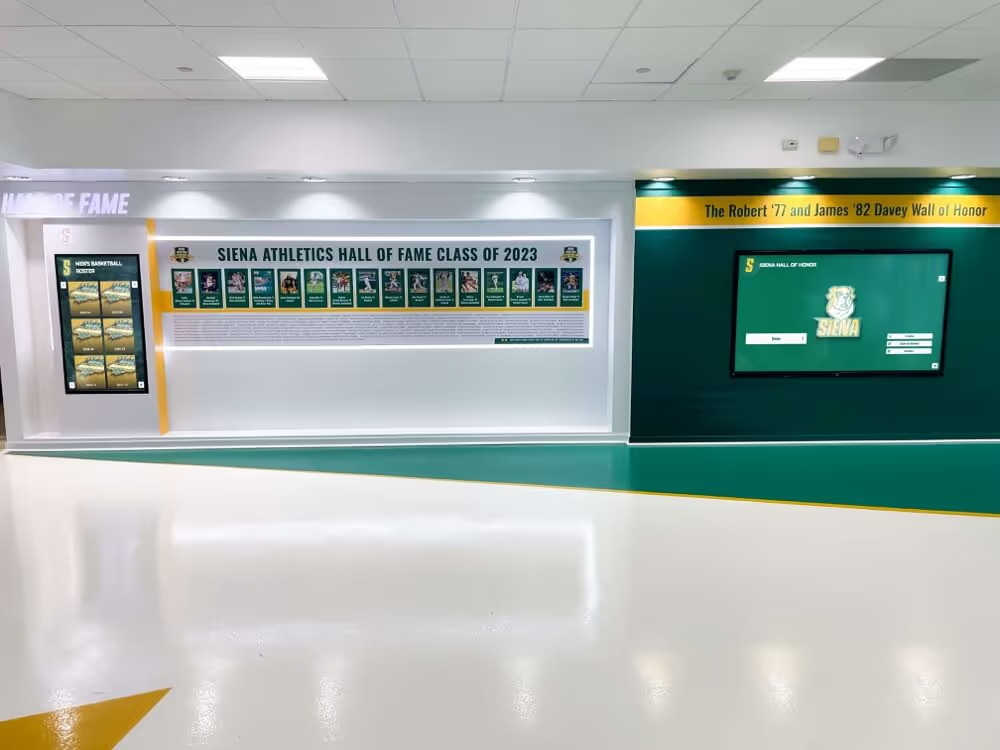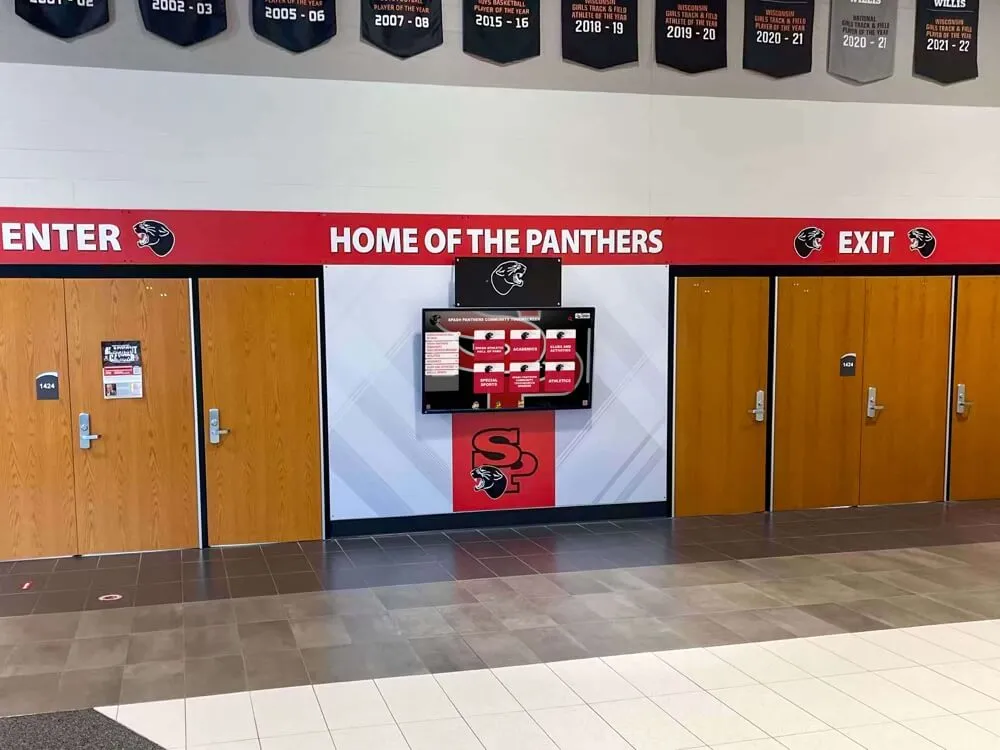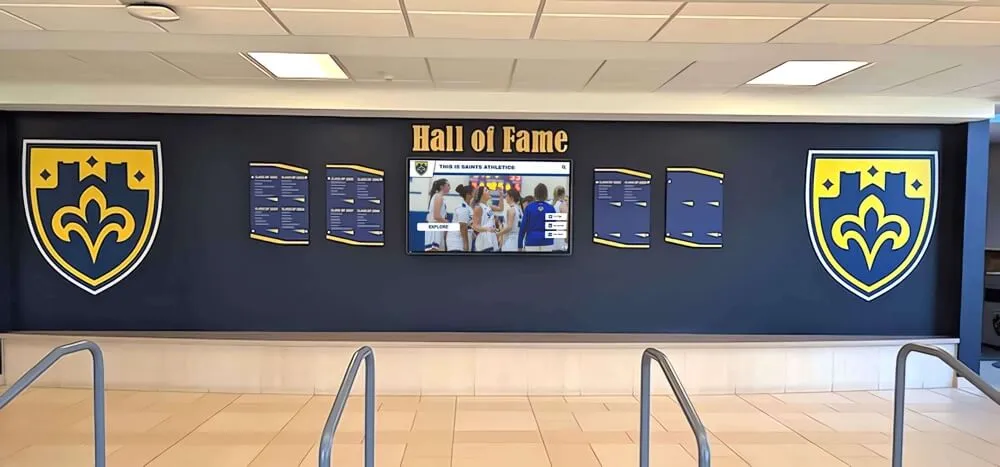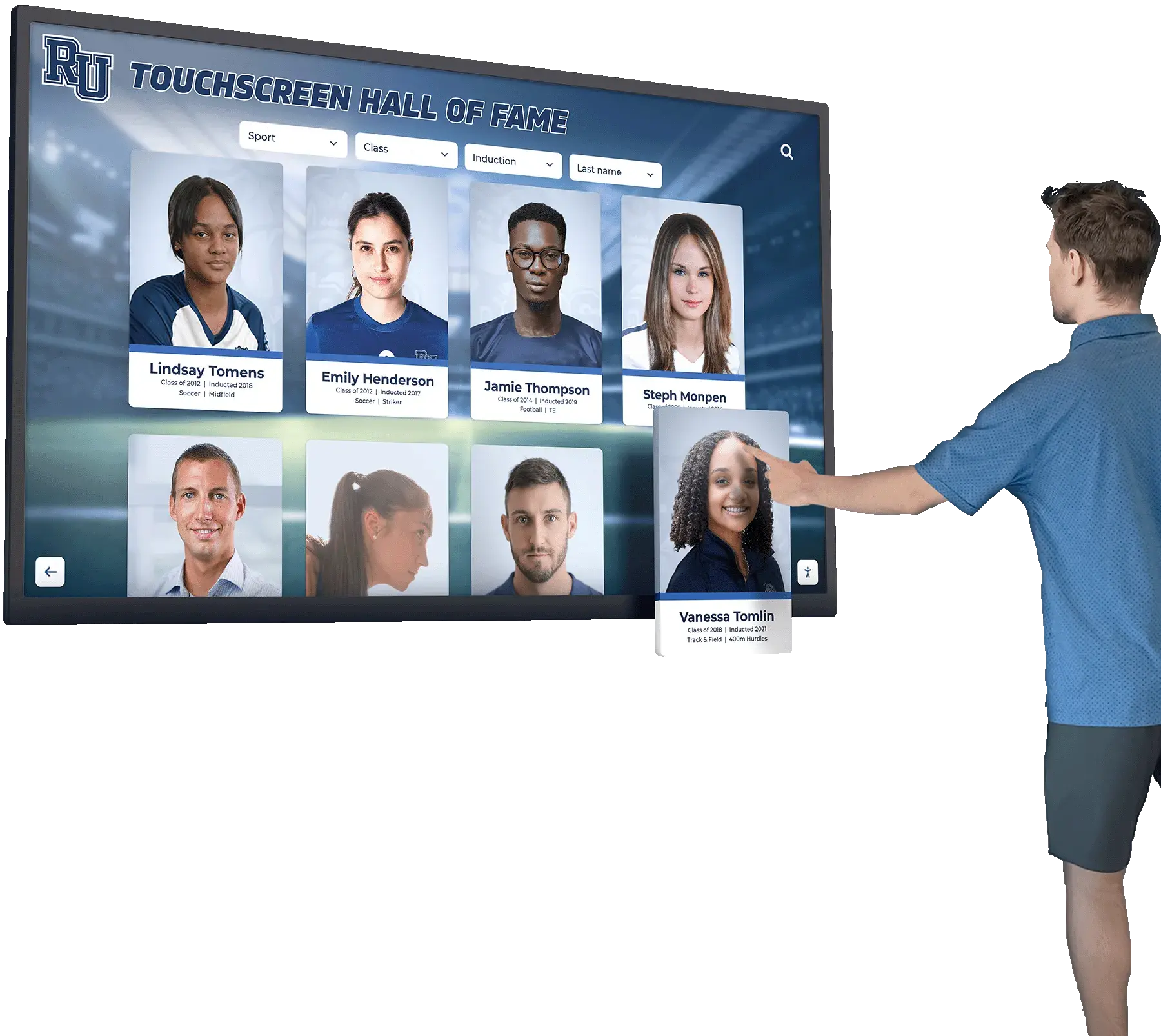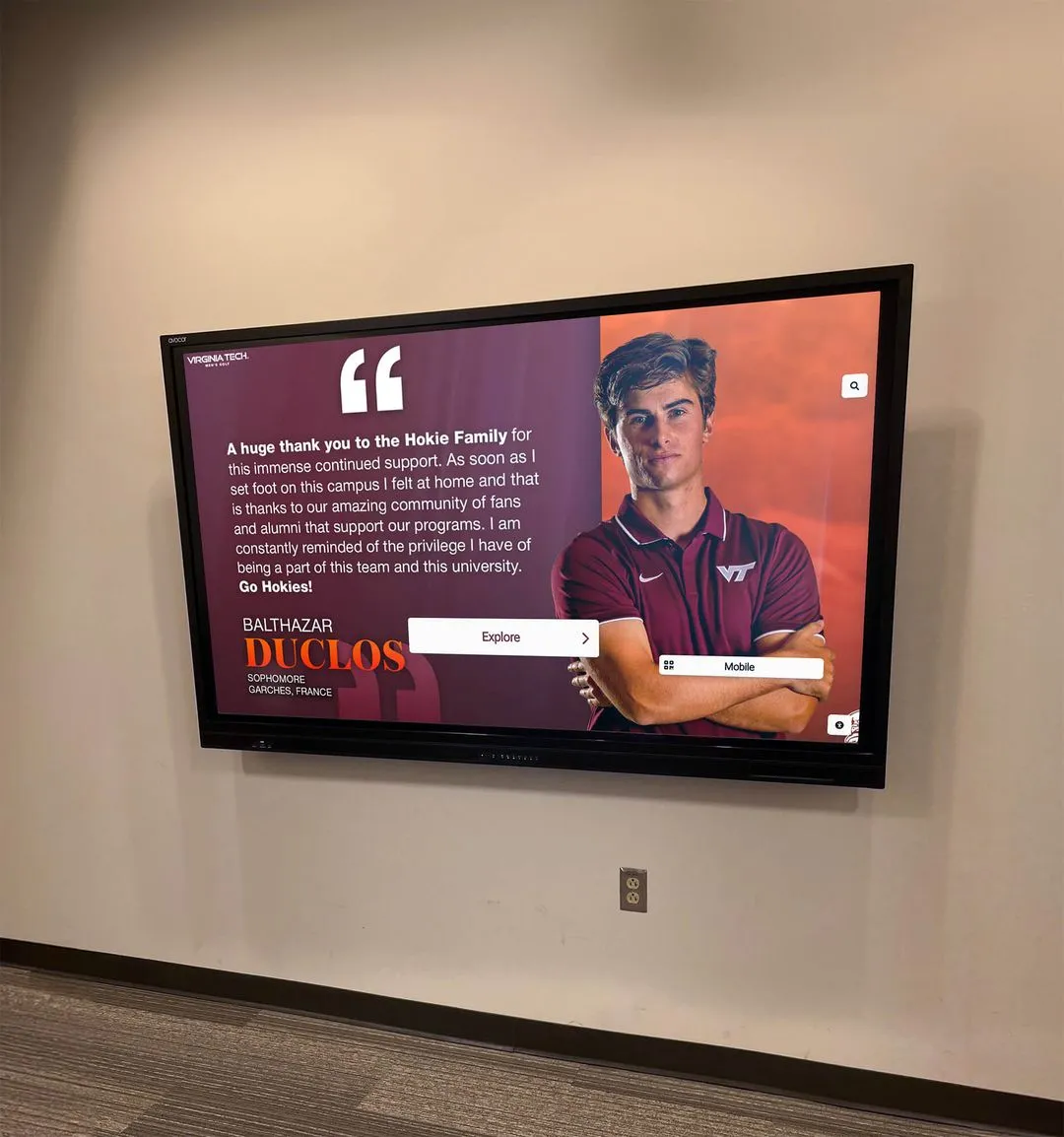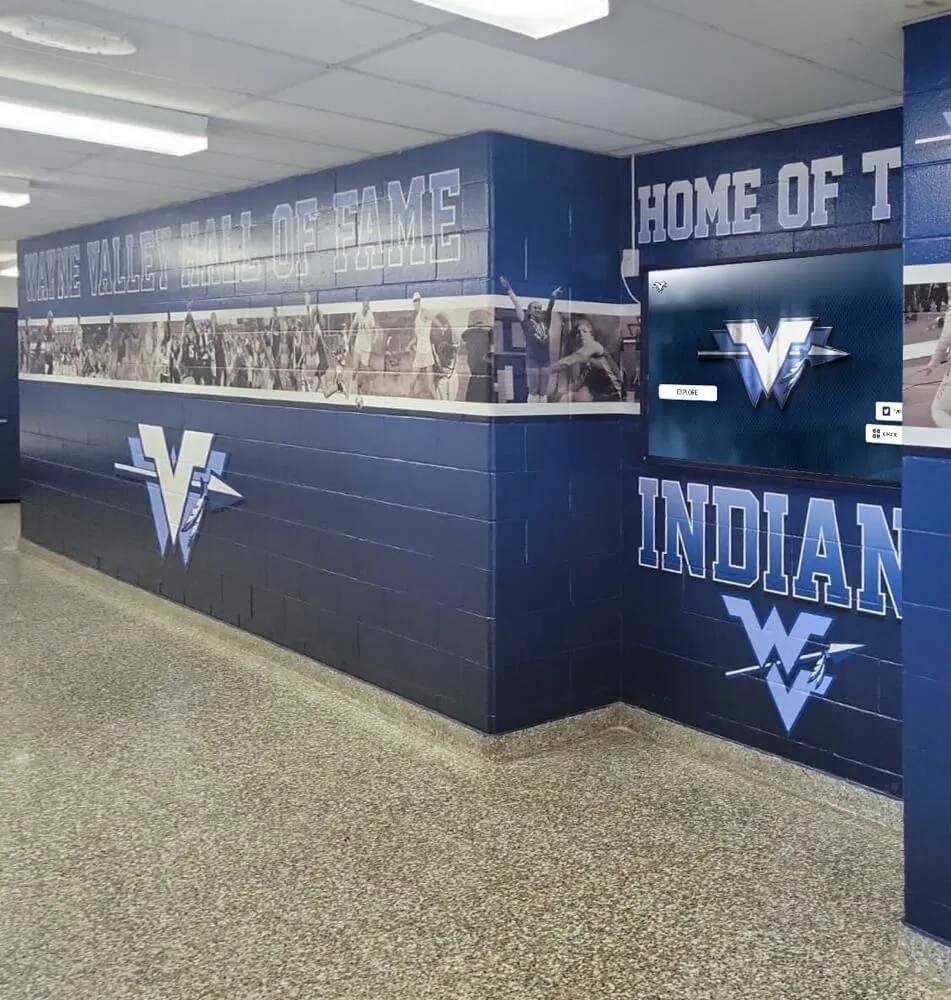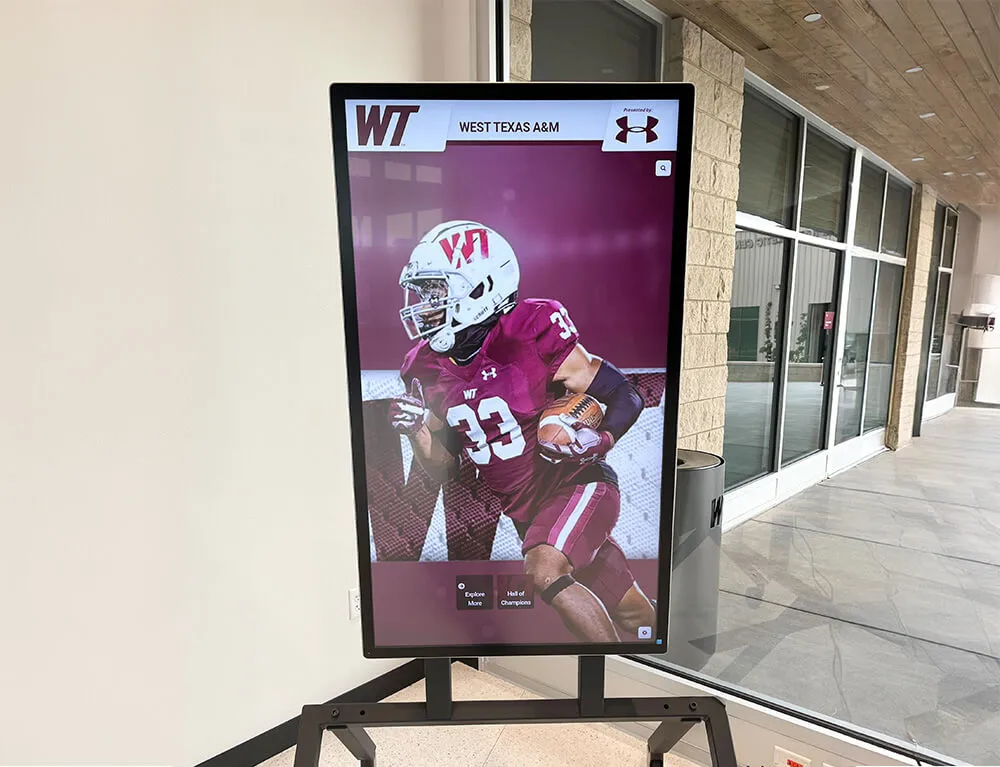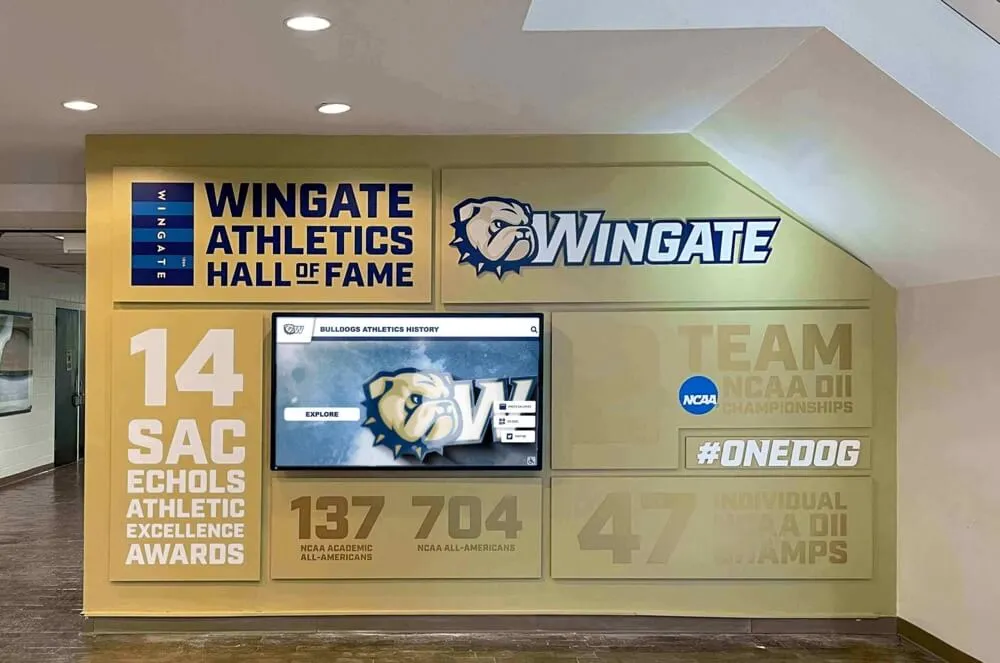




Every year, thousands of high school students across America participate in Future Business Leaders of America (FBLA) competitive events, earning awards that demonstrate business acumen, leadership capability, and career readiness. These students compete in accounting challenges, marketing presentations, business management simulations, and dozens of other events requiring months of preparation and sophisticated skill demonstration. Yet despite representing some of the most career-relevant achievements students can earn—directly applicable to college majors and professional success—FBLA awards often receive minimal recognition compared to athletic championships or even purely academic honors.
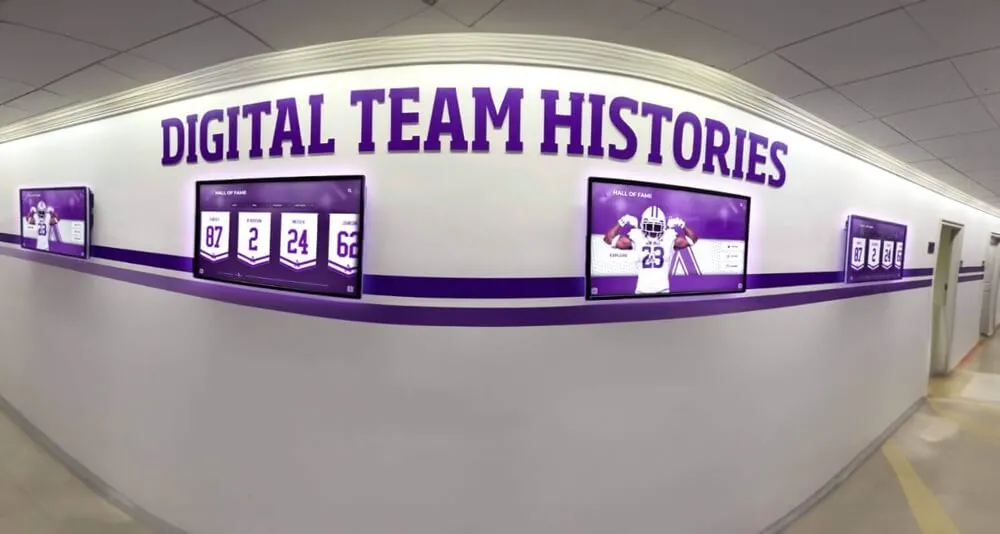
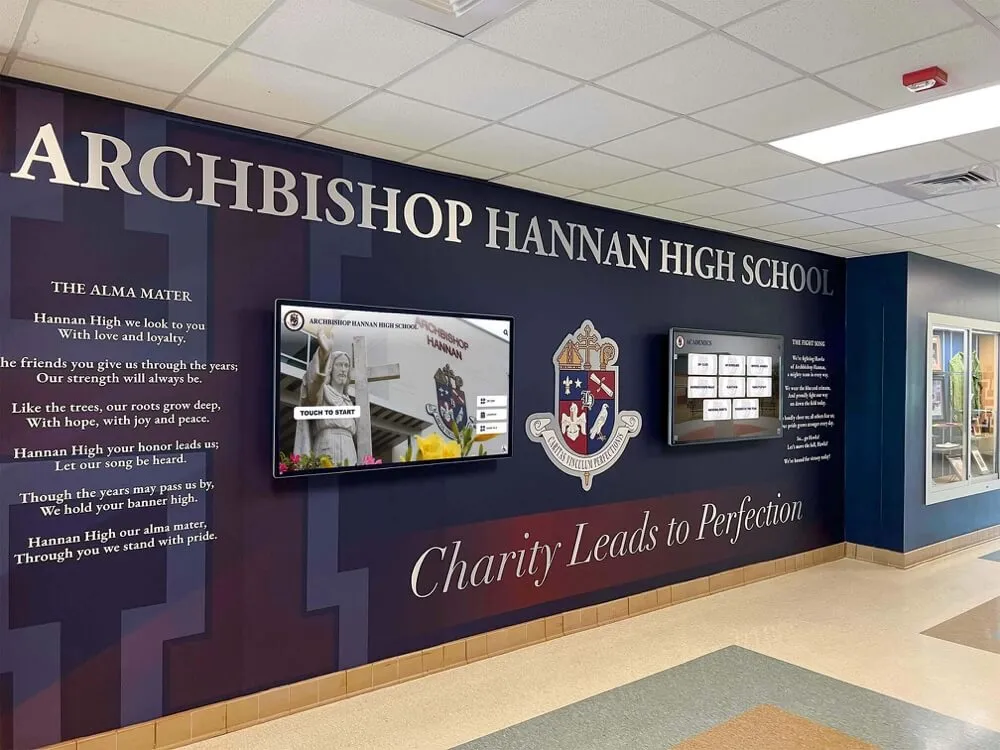
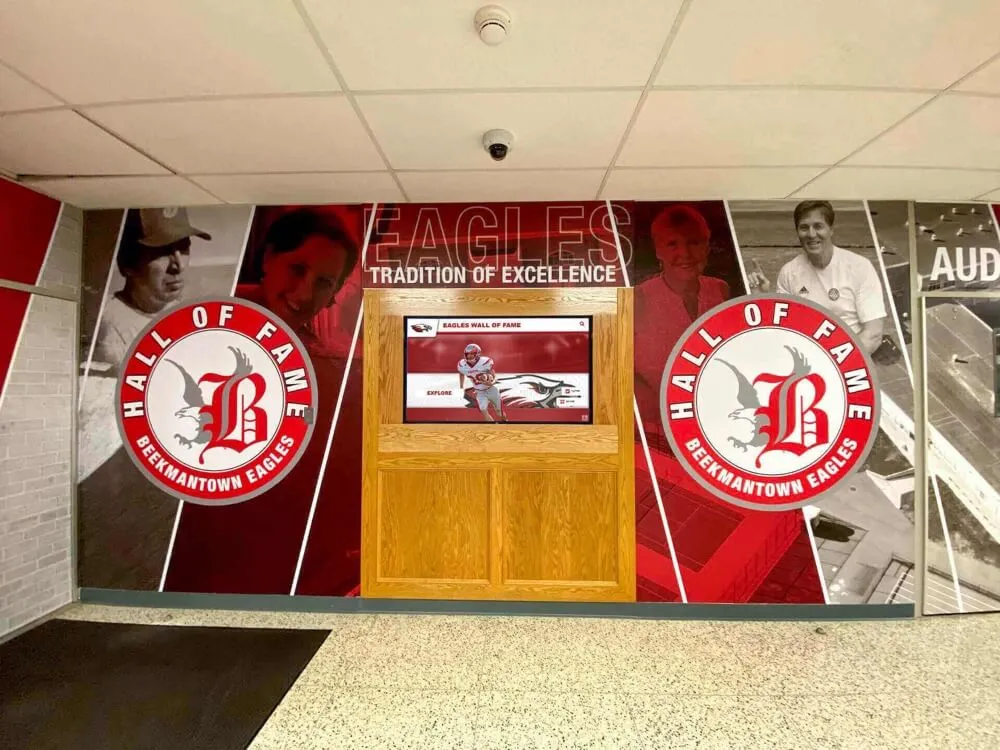
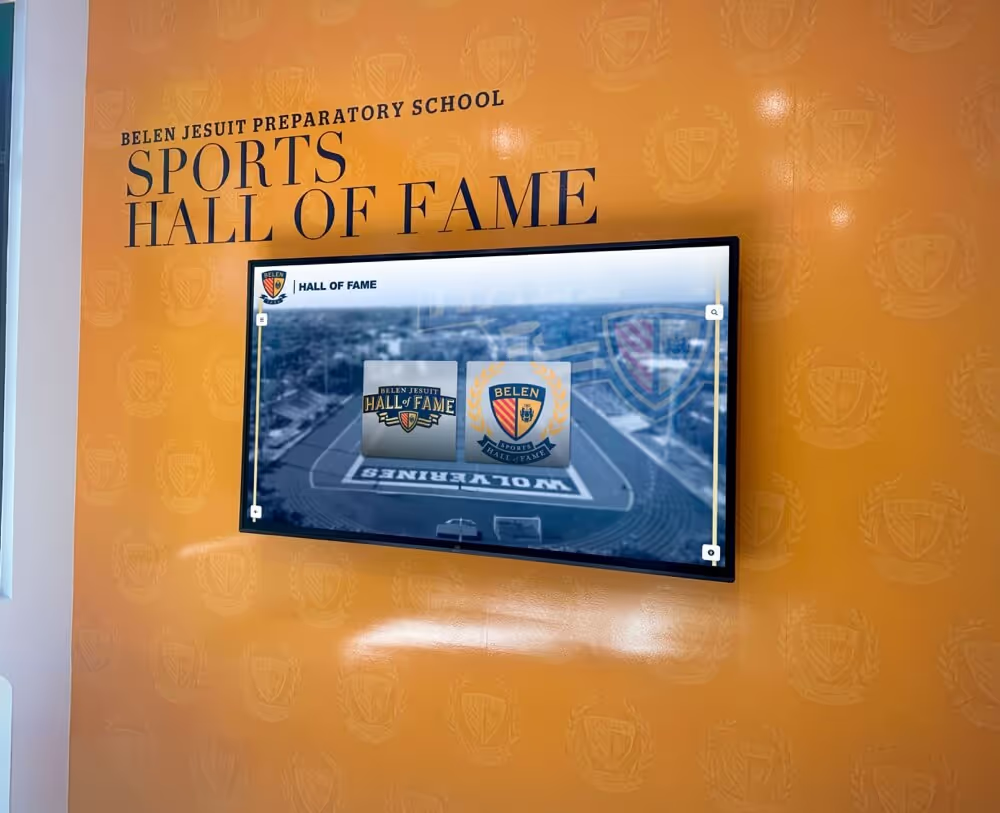
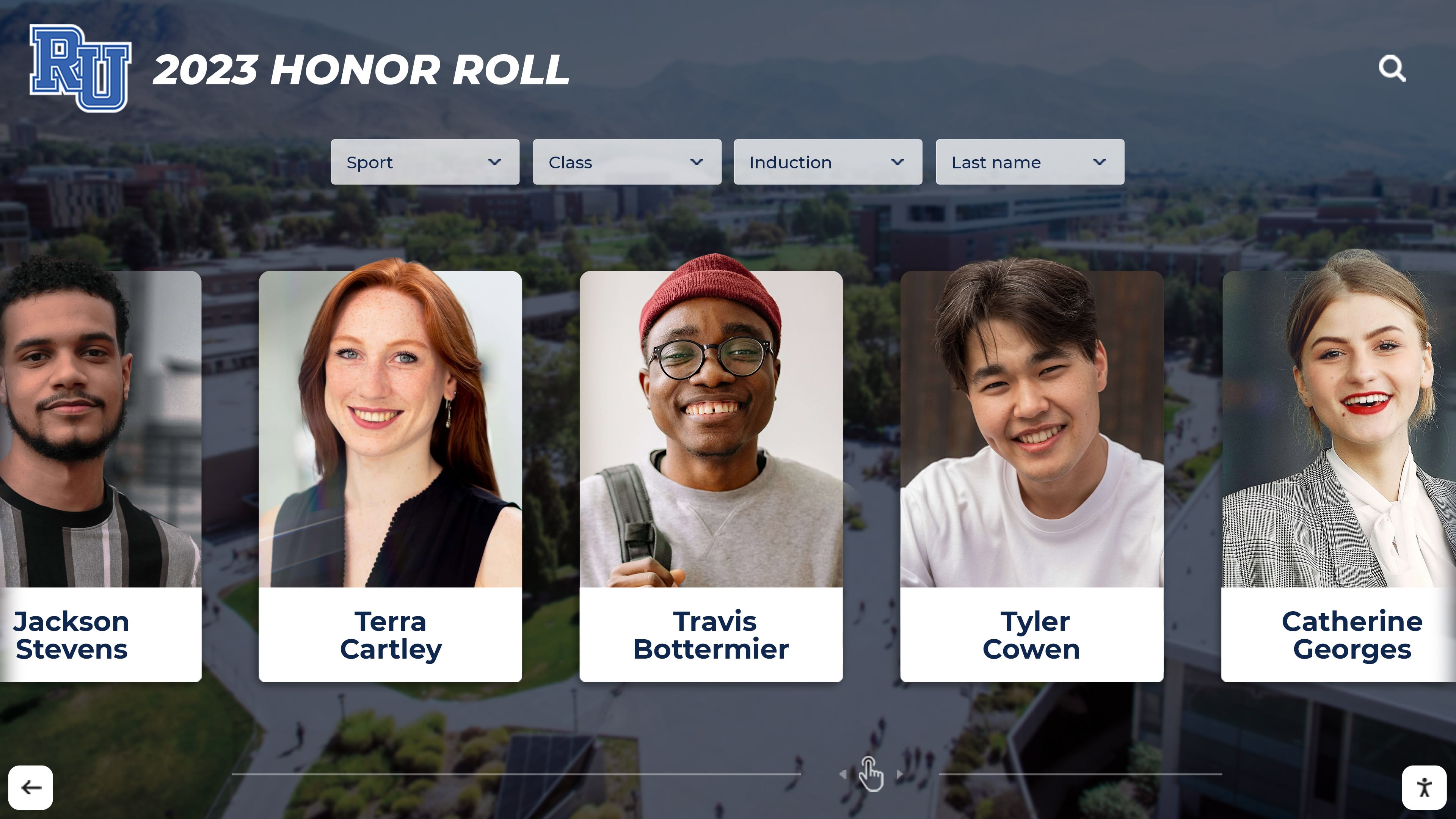
FBLA awards digital recognition transforms how schools celebrate business and career-technical achievement by creating engaging, permanent, and accessible displays that honor competitive excellence while demonstrating commitment to career preparation. Unlike brief assembly announcements or paper certificates stored in folders, modern digital recognition systems showcase comprehensive achievement profiles, preserve institutional CTE program history, and create inspirational experiences that strengthen career-readiness culture throughout school communities.
The challenge lies in giving FBLA accomplishments the visibility they deserve. According to FBLA’s official website, the organization serves over 200,000 members annually through competitive events testing real-world business skills, yet many schools treat these achievements as afterthoughts—announcing winners briefly, distributing certificates, then moving on without lasting acknowledgment. This recognition gap sends unintended messages about which achievements truly matter and which career pathways deserve celebration.
Why FBLA Awards Recognition Matters for Career-Ready Schools
Future Business Leaders of America competitions prepare students for business careers through authentic skill demonstration in accounting, finance, marketing, management, entrepreneurship, and technology. Modern digital recognition solutions enable schools to celebrate FBLA excellence with prominence equal to athletic achievements, creating visible inspiration that motivates younger students while honoring the dedication required to earn these prestigious business and leadership awards.
Understanding FBLA: America’s Premier Business Student Organization
Before implementing effective recognition programs, schools must understand what FBLA represents and why its awards deserve prominent acknowledgment alongside traditional academic and athletic recognition.
The FBLA Mission and Educational Impact
Future Business Leaders of America was founded in 1940 and has since become the largest career-technical student organization in the world. The organization serves middle school, high school, college, and professional members through a comprehensive network focused on business education, leadership development, and career preparation. For high school students specifically, FBLA provides structured pathways to develop business skills, explore career options, and demonstrate competency through rigorous competitive events.
The organization’s mission extends beyond competition—FBLA develops future business leaders through experiential learning opportunities that build skills employers actually seek. Members participate in conferences, workshops, community service projects, and networking events connecting them to business professionals, college programs, and career pathways. However, competitive events represent FBLA’s most visible component and most quantifiable achievement measure, making them natural focal points for school recognition programs.
FBLA Competitive Event Categories and Career Alignment
FBLA competitive events fall into three main categories—individual events, team events, and chapter awards—covering comprehensive business knowledge and practical skill demonstration across dozens of specific competitions.
According to the FBLA High School Competitive Events program, competitions span critical business domains including accounting fundamentals and advanced accounting, business calculations and financial analysis, marketing strategies and sales presentations, management decision-making and organizational behavior, computer applications and cybersecurity, entrepreneurship and innovation, economics and business law, and public speaking and business communication.
The competitive event structure mirrors real professional challenges rather than abstract academic exercises. Students don’t just take tests about business concepts—they analyze case studies, present solutions to judges who are business professionals, create marketing campaigns, develop business plans, demonstrate software proficiency, and solve authentic business problems under time constraints matching professional expectations.
What FBLA Award Winners Have Actually Achieved
Understanding the effort and skill development behind FBLA awards helps schools craft appropriate recognition that honors complete achievement rather than treating competition success as simple extracurricular participation.
Sustained Skill Development: Unlike single-event competitions, FBLA success typically requires months of dedicated preparation. Students preparing for accounting competitions spend countless hours mastering complex principles beyond standard coursework. Marketing presentation teams research industries, develop comprehensive campaigns, create professional materials, and practice delivery until polished. This sustained commitment deserves recognition equal to athletic season dedication or advanced coursework completion.
Real-World Skill Demonstration: FBLA competitions assess authentic capabilities directly transferable to college business programs and professional careers. A student placing in Computer Applications demonstrates verifiable software proficiency employers value. Entrepreneurship competitors prove they can develop viable business concepts, conduct market research, create financial projections, and pitch ideas persuasively—skills directly applicable to startup ventures or corporate innovation roles.
Competitive Excellence Under Pressure: Advancing through local, regional, and state competitions to reach the National Leadership Conference represents genuine achievement. According to ICEVONLINE’s FBLA overview, students compete against thousands of peers, with only top performers advancing to national competition. Success requires not just knowledge but composure, professionalism, and performance consistency under competitive pressure—characteristics defining effective business professionals.
Professional Readiness Validation: FBLA award winners demonstrate college and career readiness through objective measures. These students have proven they can meet deadlines, present professionally, work in teams, solve complex problems, and compete effectively—all skills employers consistently identify as crucial for workplace success yet often missing from traditional academic programs.
Understanding these deeper dimensions helps schools develop recognition programs that honor complete achievement FBLA awards represent, not merely participation in business club activities. Resources on celebrating academic excellence through digital displays provide frameworks applicable to career-technical recognition programs.
The CTE Recognition Gap: Why Business Competition Excellence Goes Uncelebrated
Despite their significance and career relevance, FBLA achievements frequently receive minimal recognition compared to athletic accomplishments or traditional academic honors. Understanding why this recognition gap exists helps schools address systemic barriers preventing appropriate acknowledgment.
Career-Technical Education’s Visibility Challenge
Career and Technical Education (CTE) programs—including FBLA, DECA, SkillsUSA, FFA, and other career-focused organizations—often struggle for recognition parity despite producing measurably career-ready graduates. Traditional school culture historically emphasized academic achievement and athletic excellence while treating career preparation as vocational education for students not pursuing college paths. This outdated perception persists despite modern reality: most CTE participants pursue postsecondary education, CTE skills directly apply to high-demand careers, and business education prepares students for virtually every professional field.
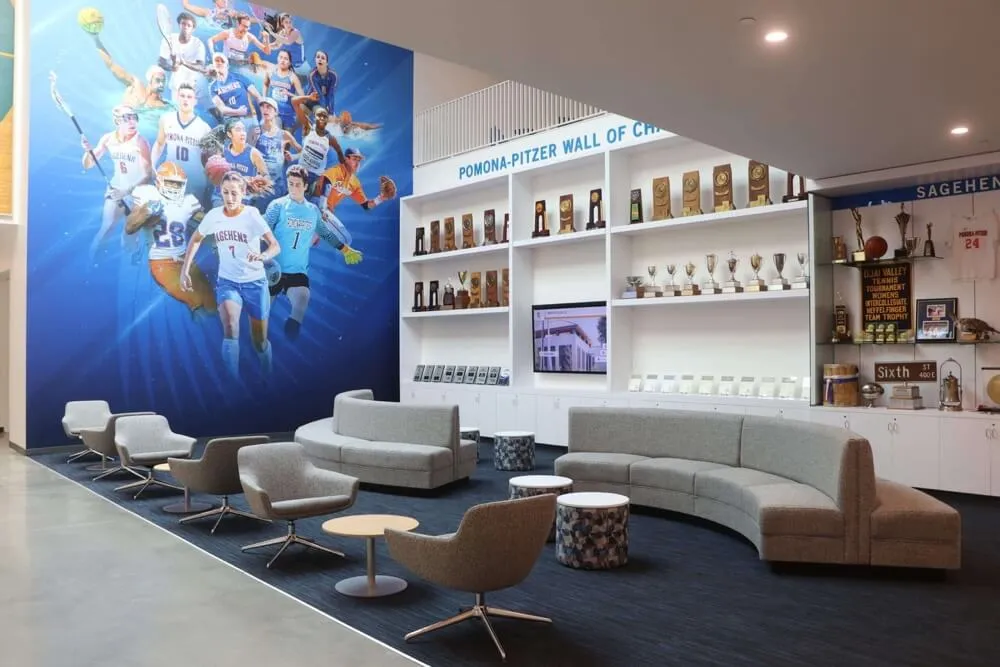
Walk through most high schools and an uncomfortable disparity becomes apparent: athletic trophy cases overflow with decades of championships while FBLA state winners receive paper certificates and brief announcements forgotten within days. This recognition imbalance sends powerful unintended messages about institutional values—suggesting athletic performance and traditional academics matter far more than career readiness and business skills despite rhetoric about preparing students for successful futures.
Space constraints compound the problem. Traditional recognition methods require physical wall space for plaques, trophy cases for awards, and prominent locations for permanent displays. Athletic programs, established for decades with strong booster support, occupy prime recognition real estate. CTE programs, often newer or without equivalent parent fundraising infrastructure, struggle to secure comparable space even when their students achieve remarkable accomplishments deserving equal celebration.
Recognition Timing and Program Participation Cycles
FBLA competitive events follow challenging timelines that complicate timely recognition. Local competitions occur in fall, regional and state competitions span winter and spring, and the National Leadership Conference happens in late June or early July. This means peak achievements often occur when schools are concluding academic years or already in summer break, causing recognition to feel delayed and disconnected from effort.
State-level winners might receive acknowledgment in spring, but national competitors often achieve success after graduation ceremonies and even after many students and families have disconnected from school activities for summer. By fall when schools resume full operation, FBLA achievements feel like old news competing with current academic year priorities for attention and recognition resources.
According to educational research on business education programs, timely recognition significantly impacts student motivation to pursue challenging CTE pathways. When recognition feels delayed or minimal, students rationally conclude that business competition achievement matters less than activities receiving immediate, prominent acknowledgment—even when FBLA success may prove more relevant to their future careers than activities receiving greater celebration.
Limited Understanding of Achievement Significance
Many educators, administrators, and community members lack familiarity with FBLA competitions and what achievement represents. Unlike widely understood activities where achievement significance seems self-evident, FBLA awards often require explanation. What does “placing third in Business Financial Plan at State Leadership Conference” actually mean? How difficult is that accomplishment? What skills did it demonstrate?
This knowledge gap means FBLA achievements often receive generic acknowledgment—“congratulations on your success”—rather than specific recognition conveying genuine understanding of accomplishment difficulty and significance. When audiences don’t understand what students achieved, recognition feels hollow and fails to inspire younger students who might pursue similar pathways if they understood opportunities available through business education programs.
Modern digital recognition solutions for CTE programs address this challenge through rich contextual content explaining competition categories, achievement levels, and career connections—transforming recognition from simple name lists into educational resources demonstrating career-technical program value and impact.
Comprehensive FBLA Recognition: Categories and Achievement Levels
Effective recognition programs celebrate multiple dimensions of FBLA excellence rather than narrow focus on only national-level competitive event winners.
Competitive Event Recognition Across All Levels
FBLA competitive events begin at the local chapter level, progress through regional competitions, advance to state leadership conferences, and culminate at the National Leadership Conference for top performers. Comprehensive recognition should acknowledge achievement at multiple levels rather than creating all-or-nothing systems where only national competitors receive acknowledgment.
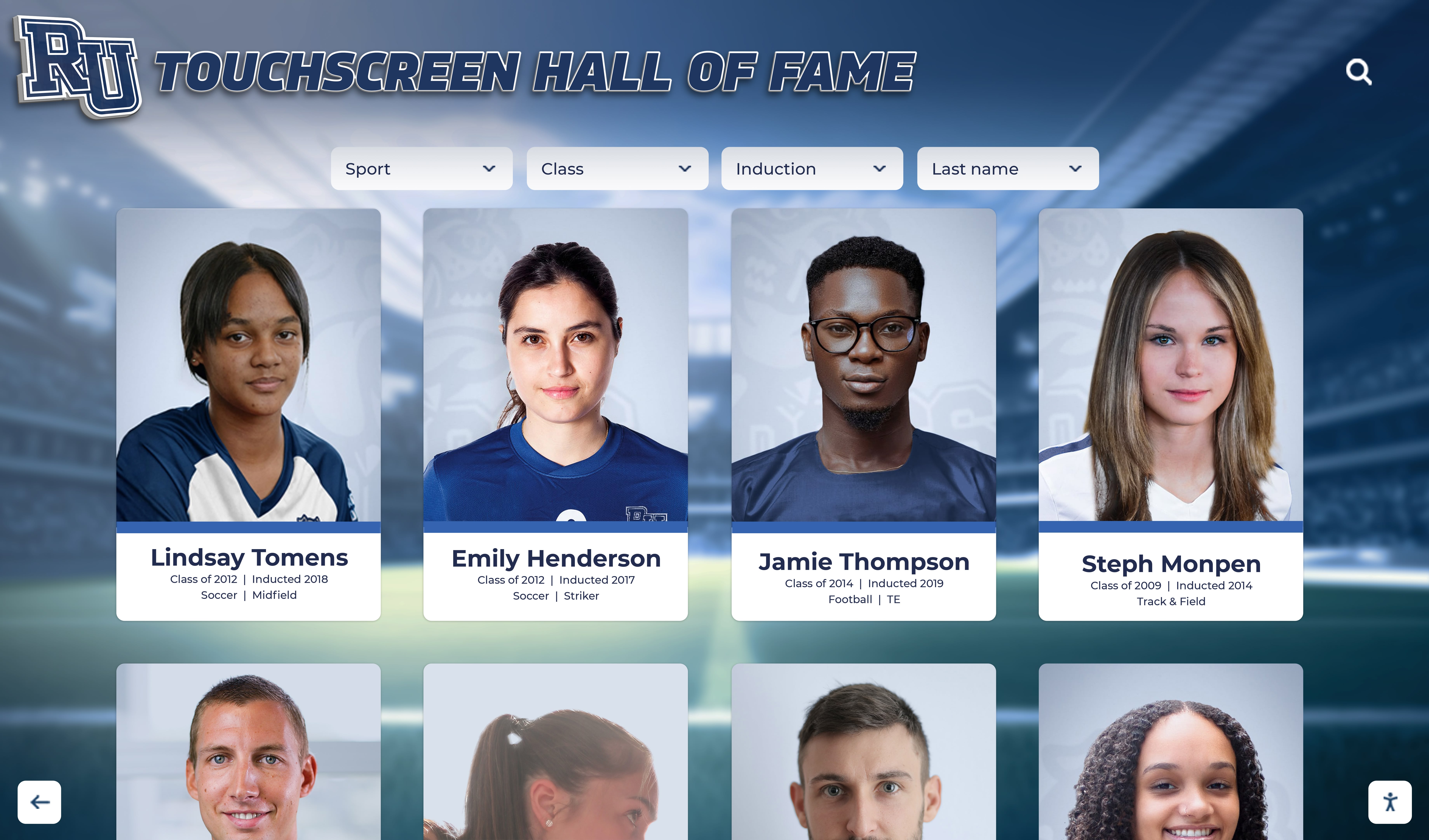
Local and Regional Competition Success: Students placing in local or regional competitions demonstrate genuine business skill development and competitive dedication even if they don’t advance to state or national levels. These achievements deserve recognition, particularly for programs building culture where business competition participation becomes valued rather than niche activity only top students pursue.
State Leadership Conference Achievement: Placing at state-level competitions represents remarkable accomplishment. Depending on state size and program strength, students competing at state conferences face dozens or hundreds of competitors. Any placement—particularly top-ten finishes—validates exceptional business knowledge and skill demonstration deserving prominent recognition.
National Leadership Conference Excellence: Advancing to nationals represents elite achievement. According to FBLA competitive event guidelines, only top state performers qualify for national competition, making NLC participants a select group. Any national participant deserves recognition, while national finalists and champions achieve distinction warranting celebration equal to any athletic championship or academic honor schools typically celebrate prominently.
Business Achievement Awards Program Recognition
Beyond competitive events, FBLA’s Business Achievement Awards (BAA) program provides individual achievement pathways for members seeking to develop business skills, leadership capabilities, and community connections through structured progression.
The BAA program includes four levels—Contributor Award (Level One) introducing FBLA fundamentals through 1-2 hour commitment, Leader Award (Level Two) developing leadership foundations through 4-6 hour commitment, Advocate Award (Level Three) enabling skill specialization and deeper development, and Capstone Award (Level Four) requiring comprehensive project completion solving real-world problems with competitive review opportunities at the National Leadership Conference.
Each level represents genuine achievement deserving recognition. Students earning Capstone Awards particularly demonstrate exceptional initiative, sustained commitment, and sophisticated project completion comparable to senior thesis work or independent study projects that typically receive academic recognition. Schools should celebrate BAA progression, not just competitive event success, ensuring recognition acknowledges varied achievement pathways rather than single narrow definition of excellence.
Community Service and Chapter Leadership Recognition
FBLA emphasizes community engagement through structured community service award programs recognizing members based on cumulative service hours. Students contributing significant service hours through FBLA-sponsored projects demonstrate values-based leadership and community commitment deserving recognition alongside competitive achievement.
Chapter officer positions—president, vice president, secretary, treasurer, and committee chairs—provide leadership development opportunities requiring organizational skills, meeting facilitation, event planning, and member coordination. Students serving in these roles develop professional capabilities directly applicable to workplace leadership positions and should receive recognition for leadership service that enables chapter success even if they don’t compete individually in events.
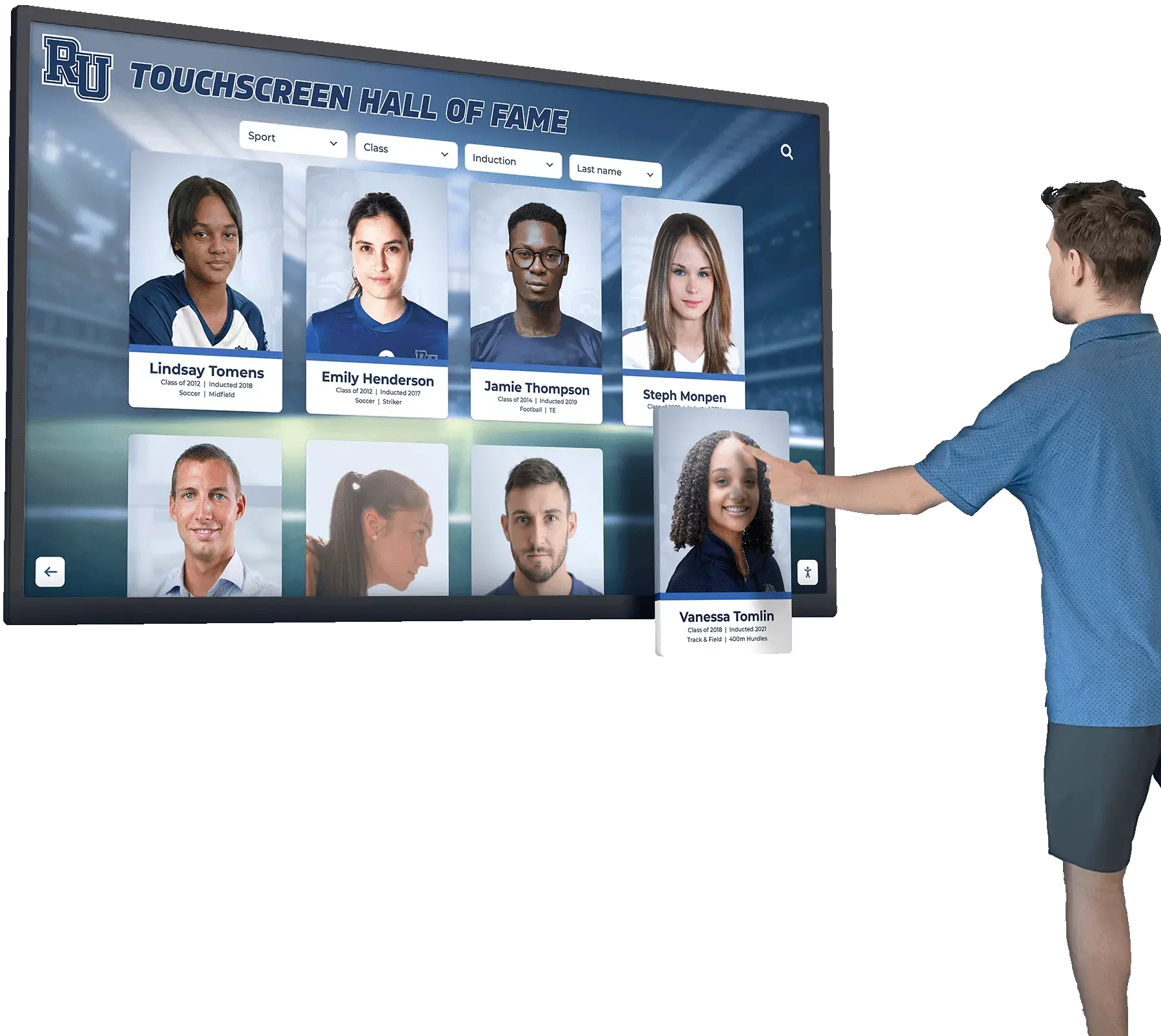
Outstanding chapter recognition through awards like the Hollis and Kitty Guy Award celebrates collective achievement and program excellence. When local chapters earn distinction at state or national levels, entire member rosters deserve acknowledgment for contributing to collaborative success demonstrating what organized, goal-oriented business teams can accomplish.
Scholarship and Professional Recognition
FBLA members earn substantial scholarships through organizational opportunities including National Leadership Conference scholarships supporting conference attendance, Distinguished Business Leader scholarships recognizing outstanding member activity and involvement, and third-party scholarships from corporations and foundations specifically supporting FBLA participants. These scholarship outcomes represent tangible validation that business skill development creates real opportunities and financial rewards.
Students earning FBLA-related scholarships deserve recognition showing younger members that business education participation translates into concrete financial benefits supporting college access and career preparation. This practical outcome demonstration proves particularly motivating for students from families with limited college financial resources seeking evidence that career-technical programs create genuine economic opportunities.
Implementing Modern FBLA Digital Recognition Programs
Effective recognition requires systematic planning addressing program design, technology selection, content development, and sustainable management ensuring programs remain current and impactful across years.
Defining Recognition Program Scope and Standards
Clear parameters ensure recognition programs maintain focus while managing community expectations and staff workload.
Inclusion Criteria Development: Determine which FBLA achievements your program will recognize. Comprehensive approaches might acknowledge competitive event state qualifiers, regional finalists, national participants, state and national award winners, Business Achievement Award completers at all levels, community service award earners, chapter officers and committee leaders, and FBLA scholarship recipients.
Some schools implement tiered recognition systems providing different visibility levels based on achievement magnitude—prominent featured profiles for national competitors and state champions, standard profiles for state participants and regional winners, and list-based acknowledgment for local competitors and program participants. This approach manages workload while ensuring highest achievements receive proportional prominence.
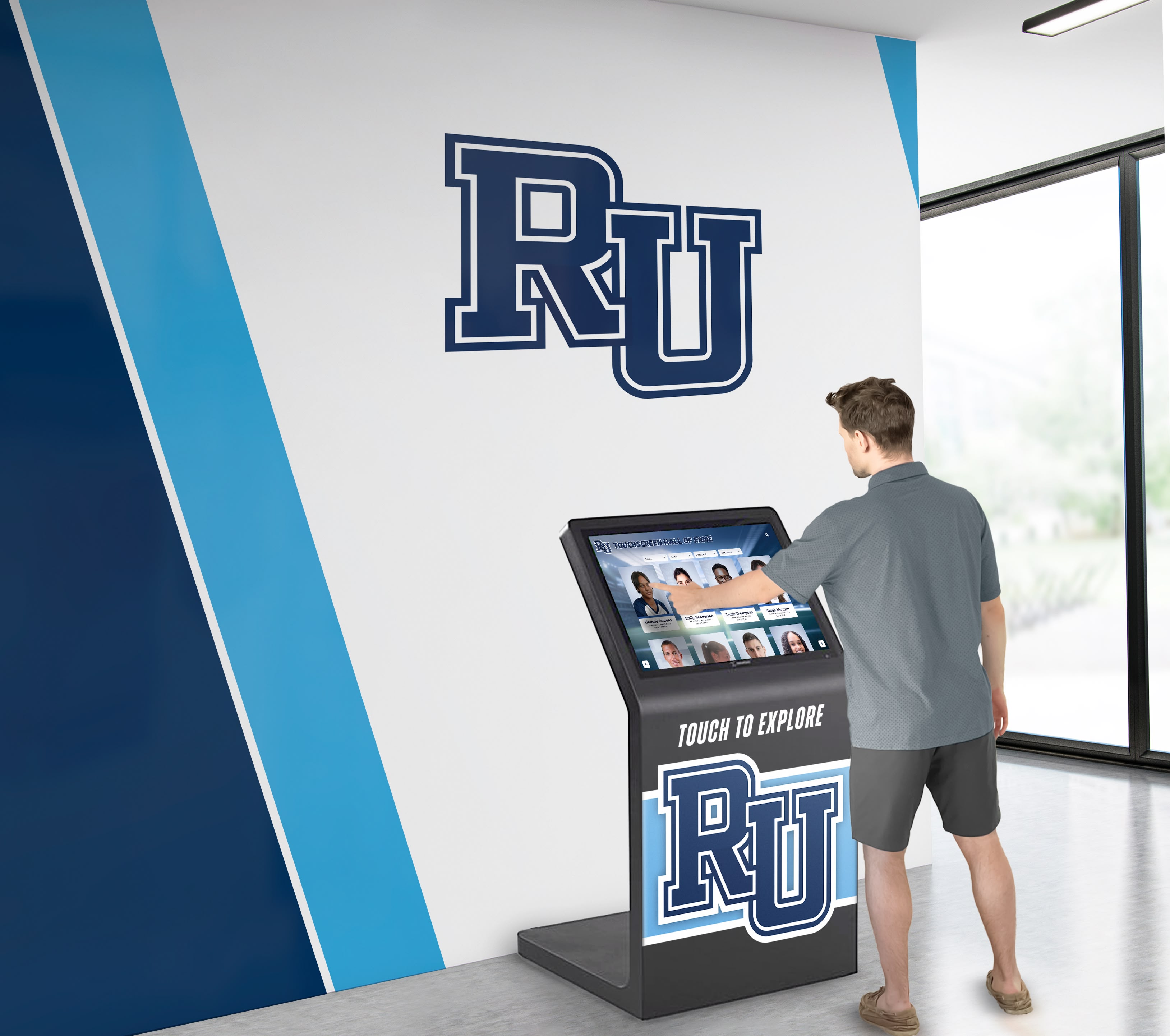
Multi-Year Documentation Strategy: Decide whether to recognize only current-year achievers or build comprehensive historical archives documenting years of FBLA program success. Historical documentation creates powerful institutional memory demonstrating program growth, enables alumni connection, and validates sustained commitment to business education excellence across time.
Many schools implement phased approaches beginning with current recognition, then systematically adding previous years during summer when other demands are lighter. This phased implementation enables manageable progress without overwhelming staff while building archives capturing institutional CTE program history. Resources on implementing digital recognition for career-technical programs provide detailed planning frameworks.
Technology Platform Selection for Career-Technical Recognition
Choosing appropriate technology fundamentally shapes what recognition programs can accomplish and how effectively they serve students and school communities.
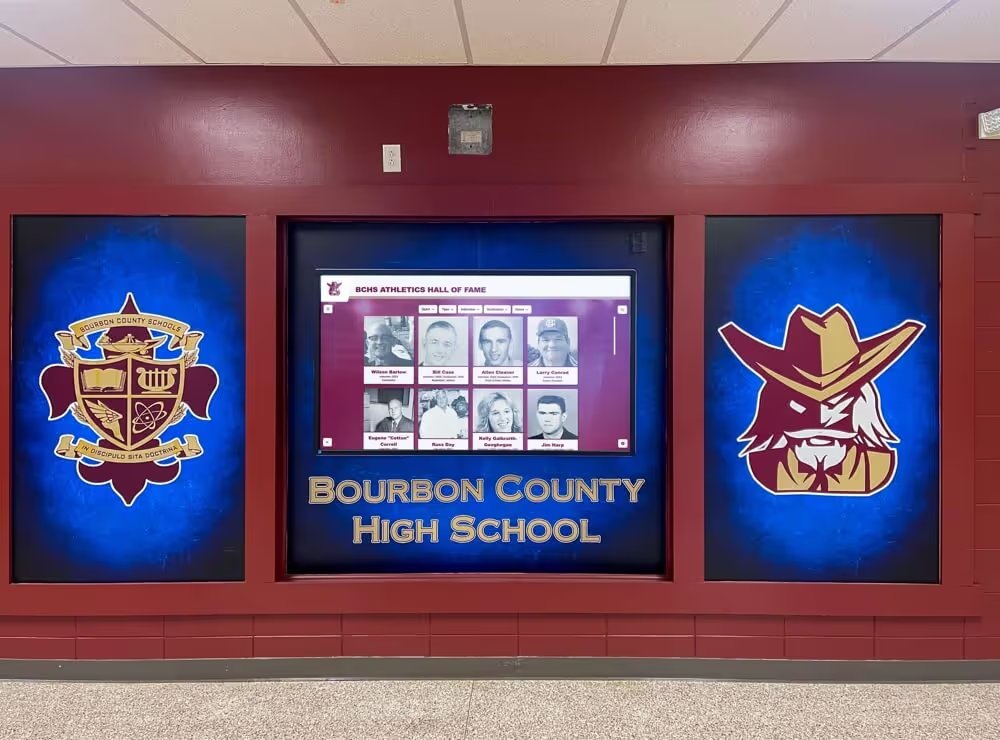
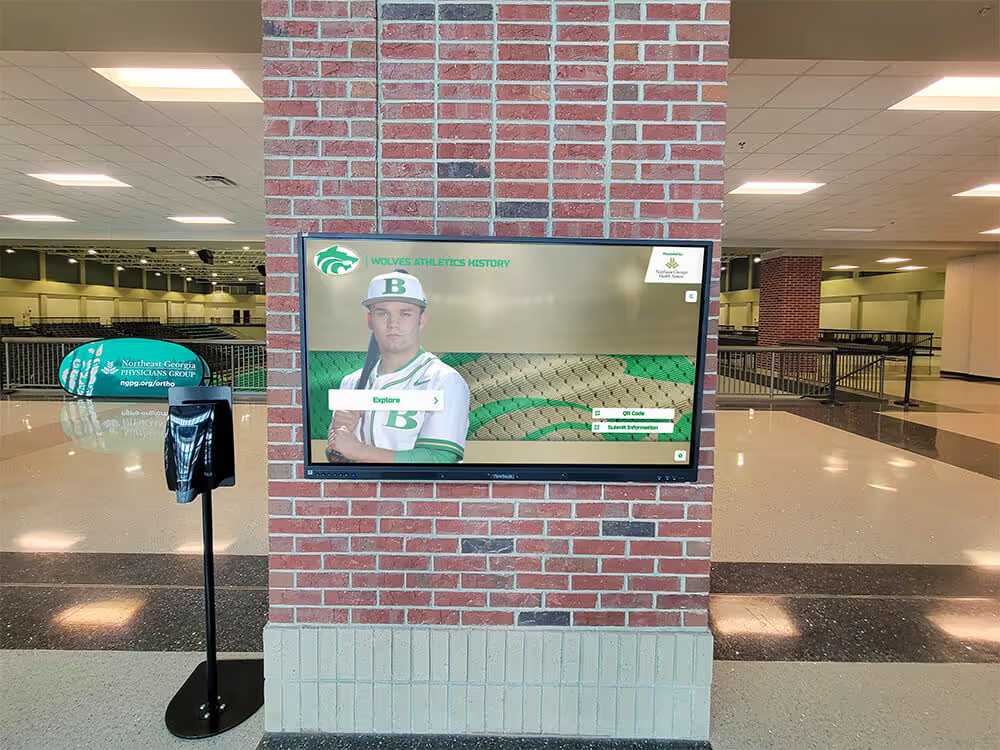
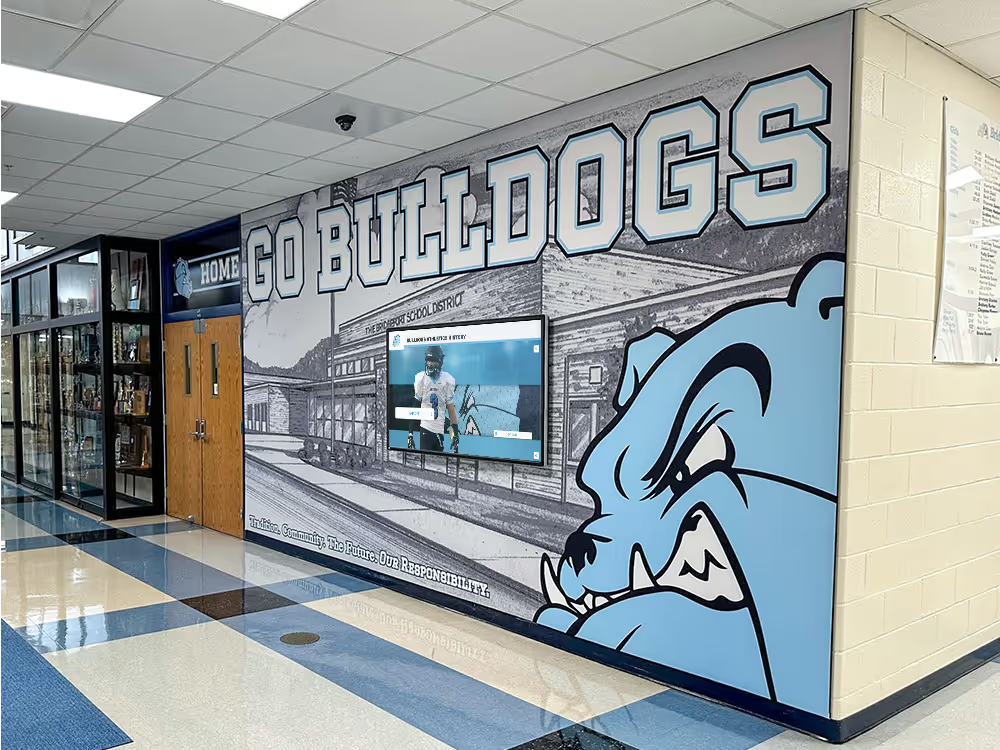
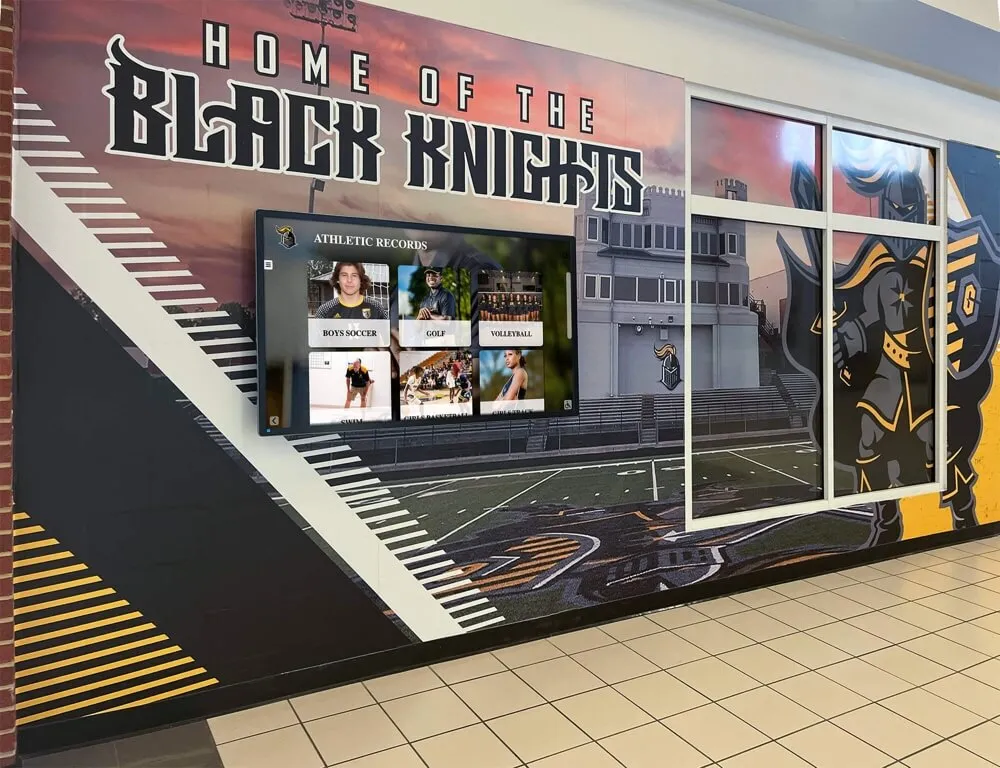
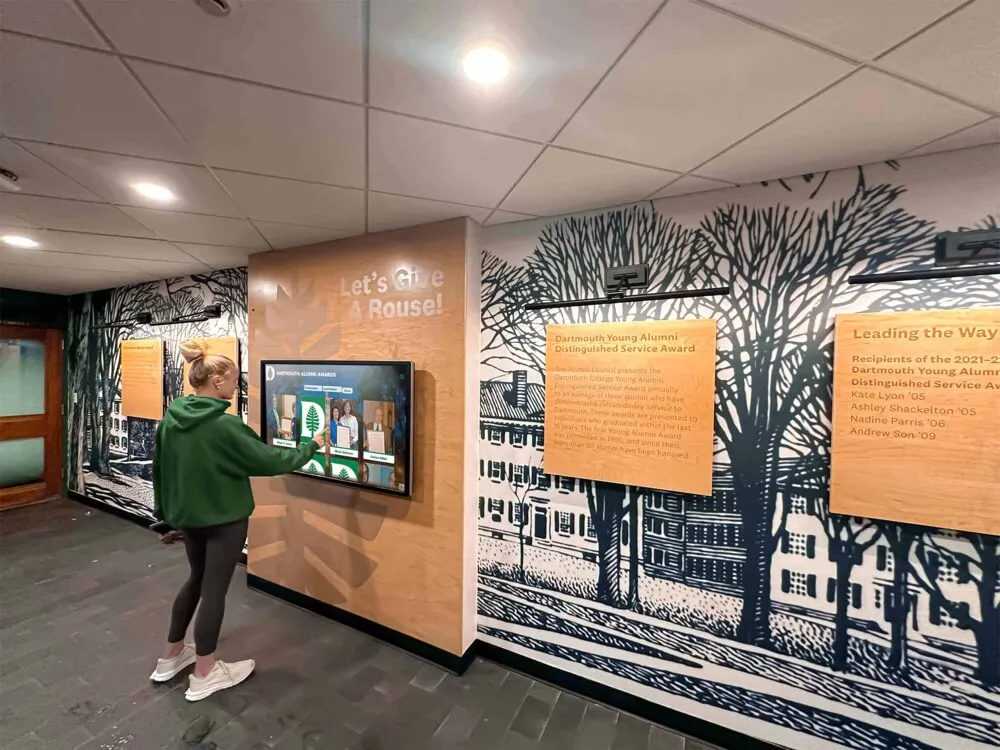
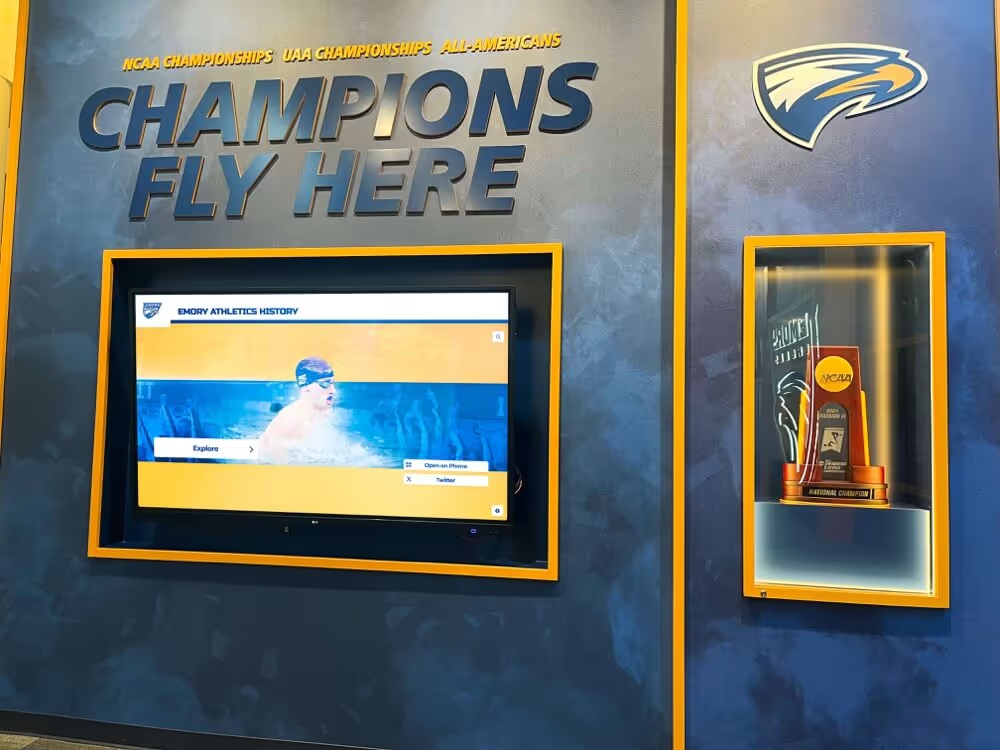
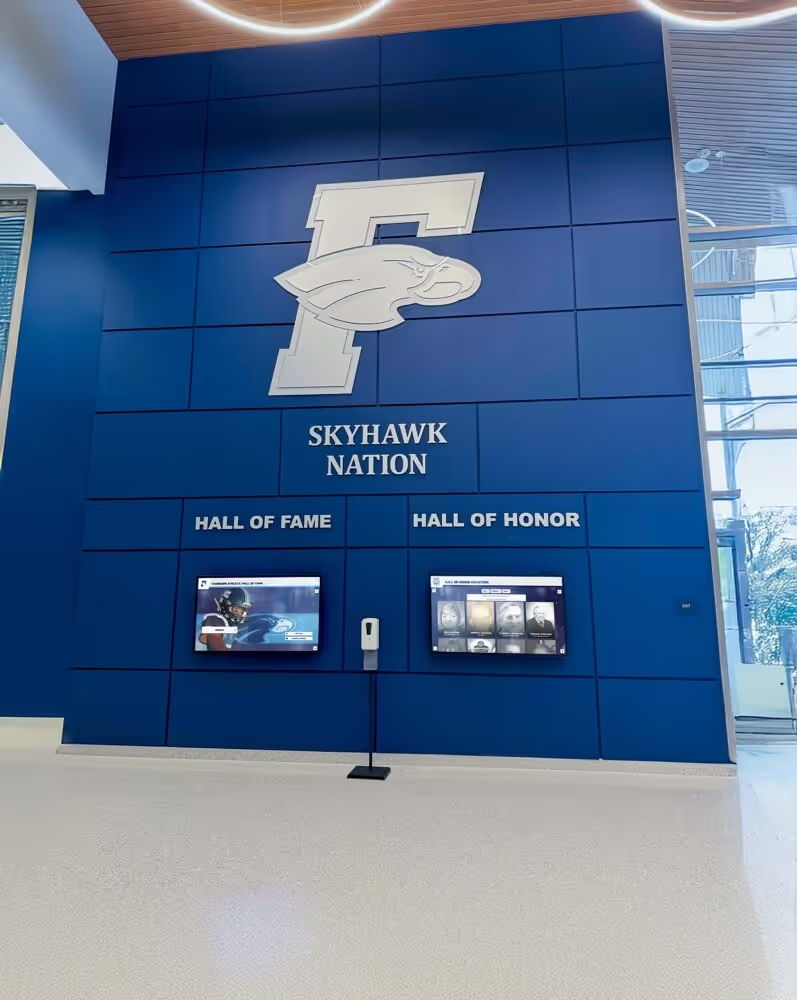
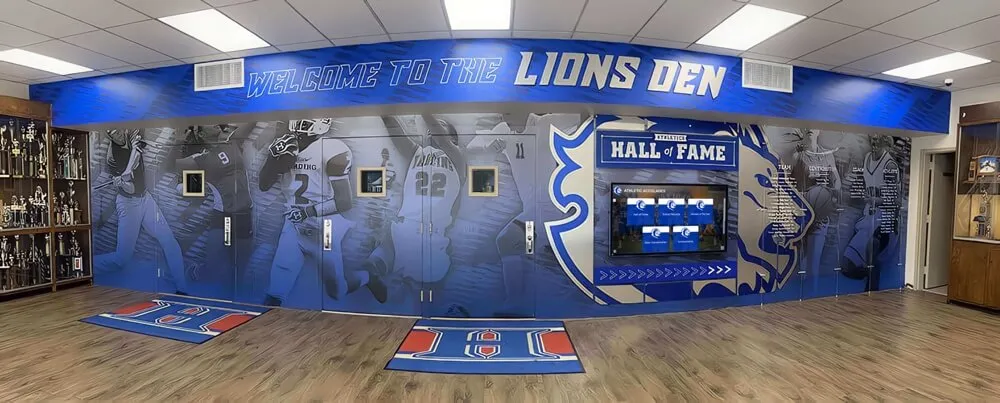
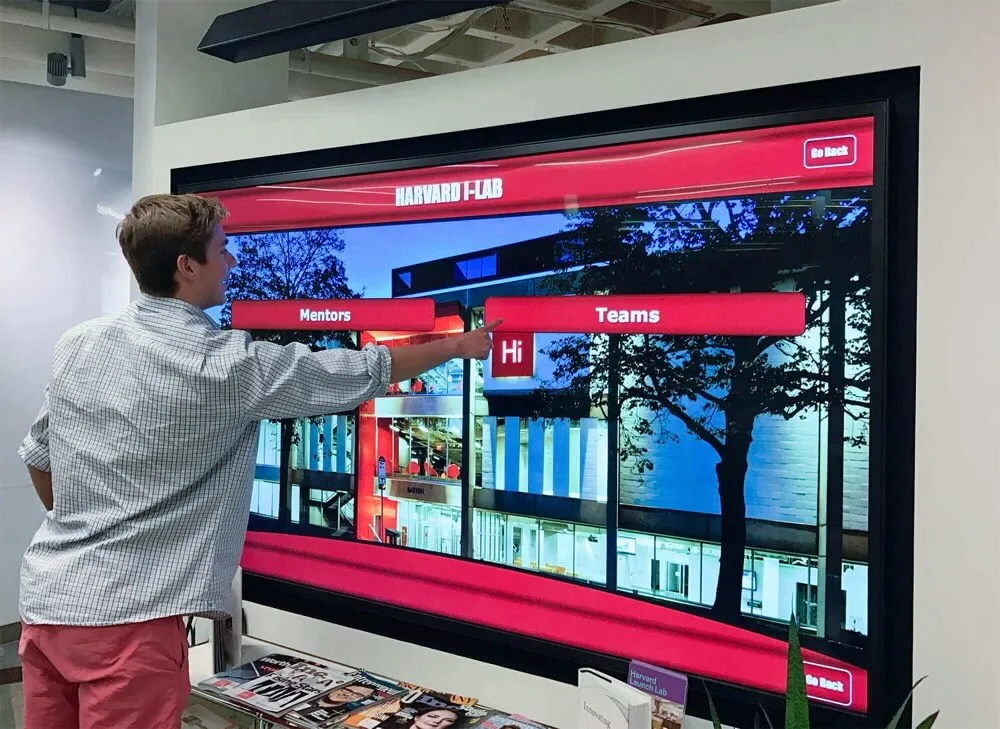
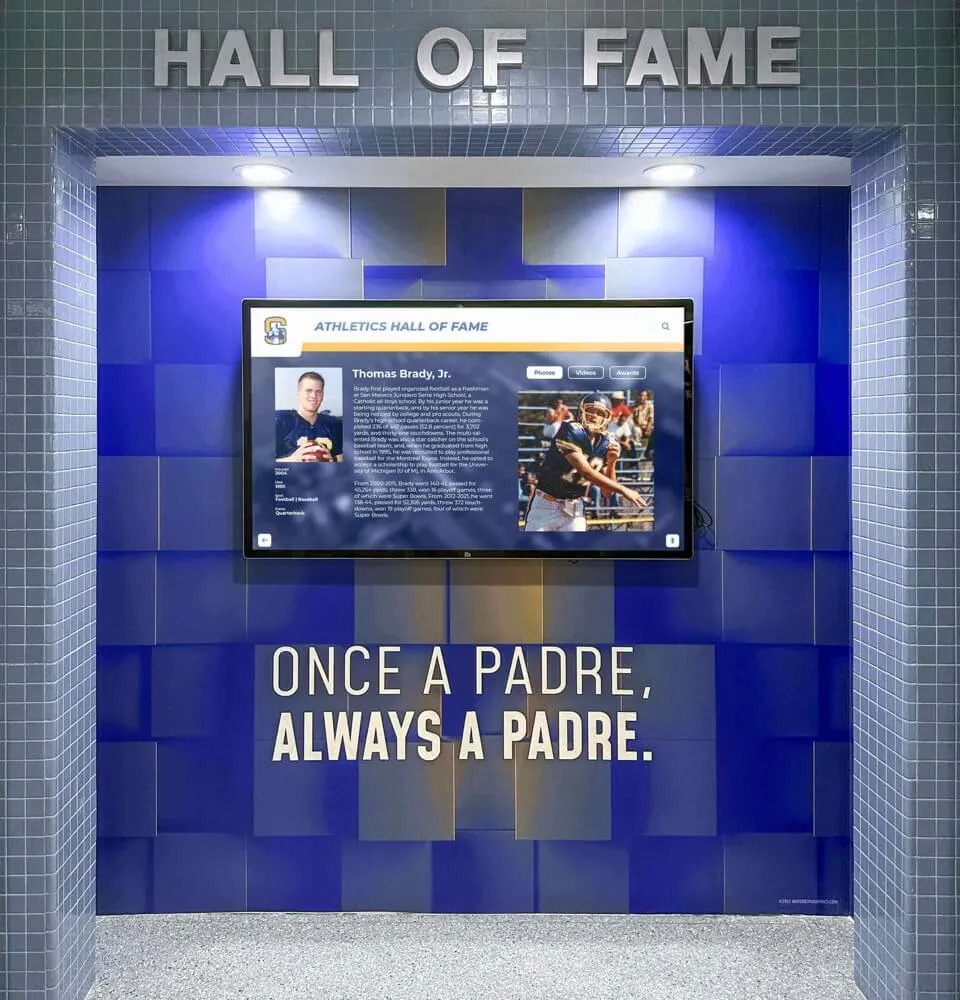
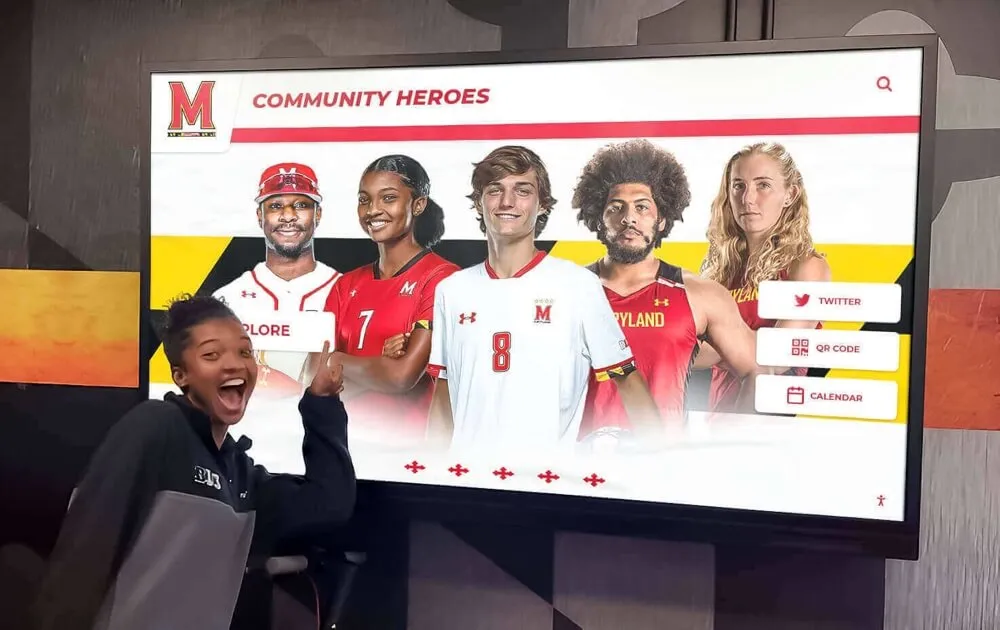
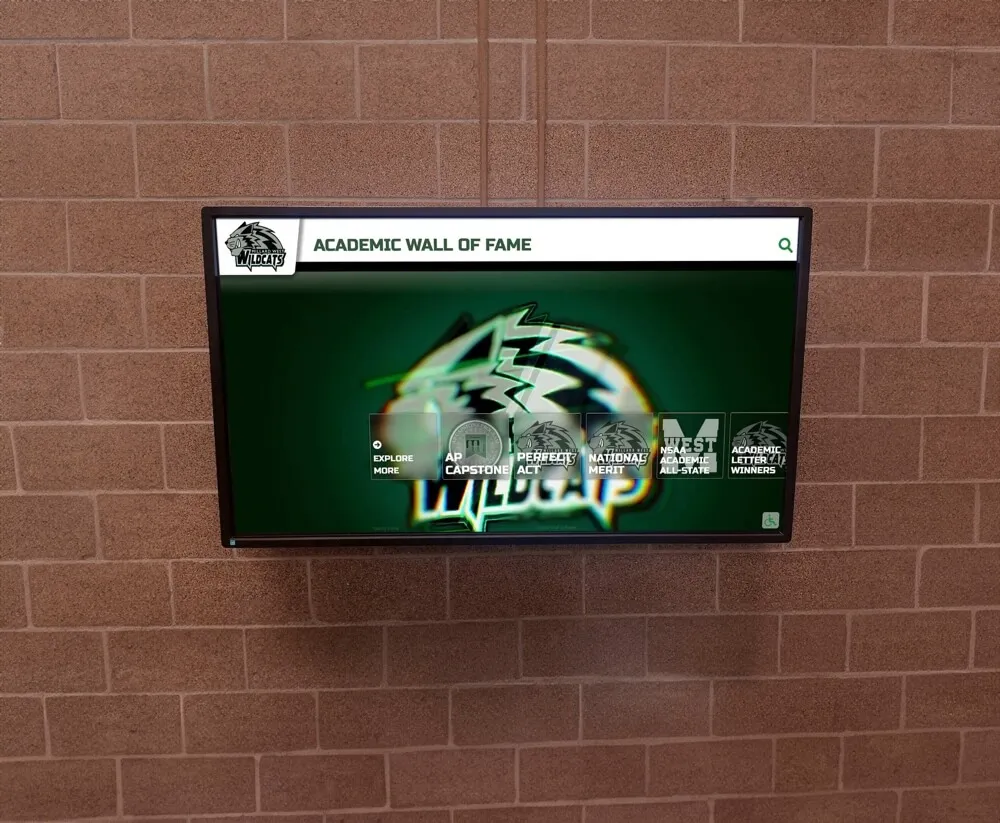
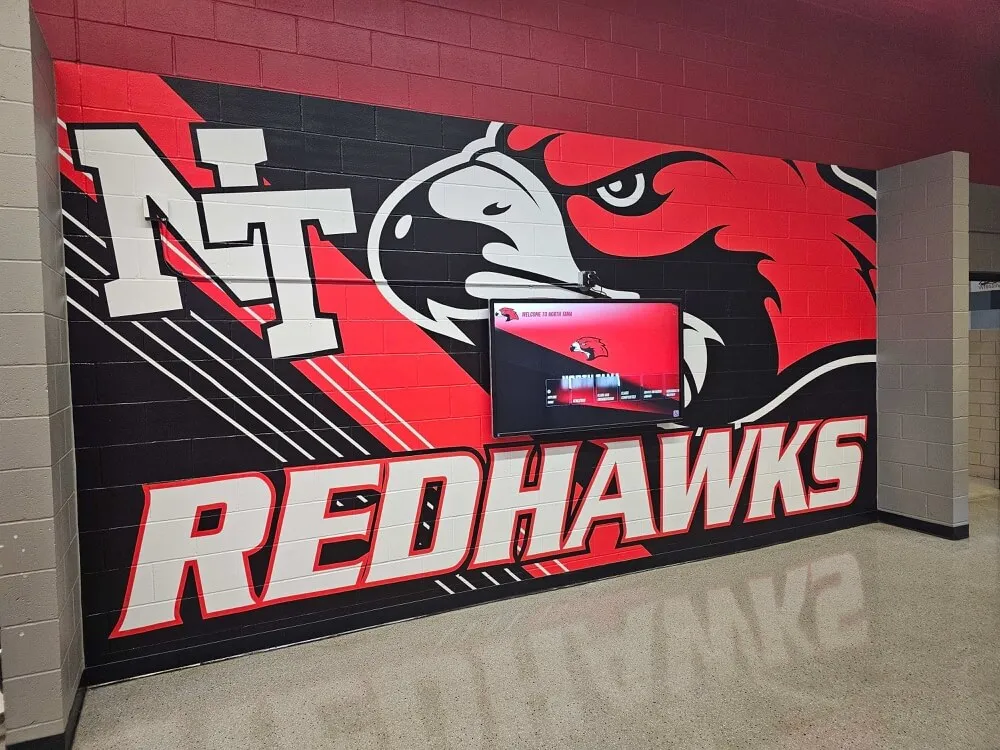
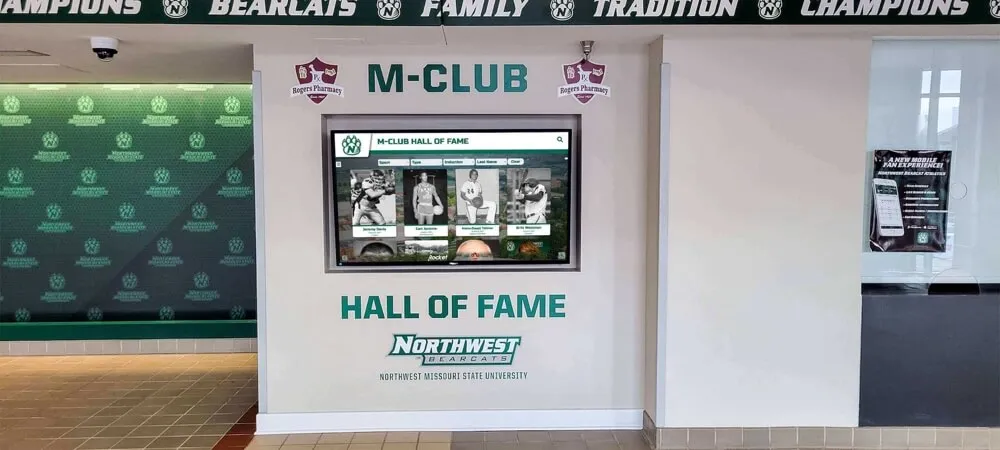
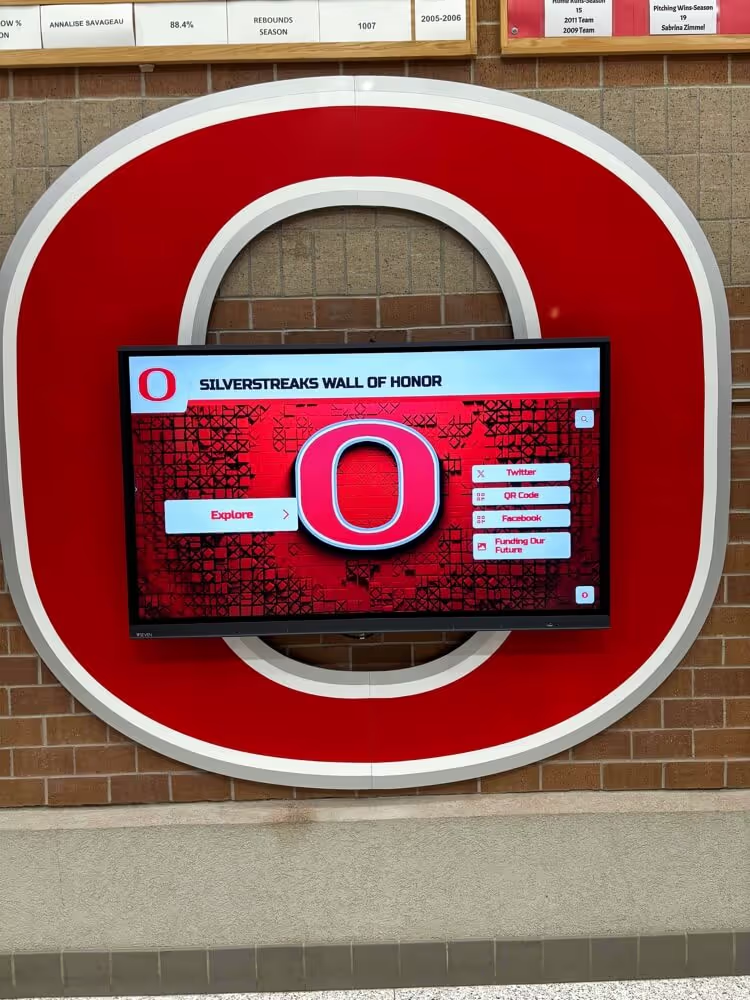
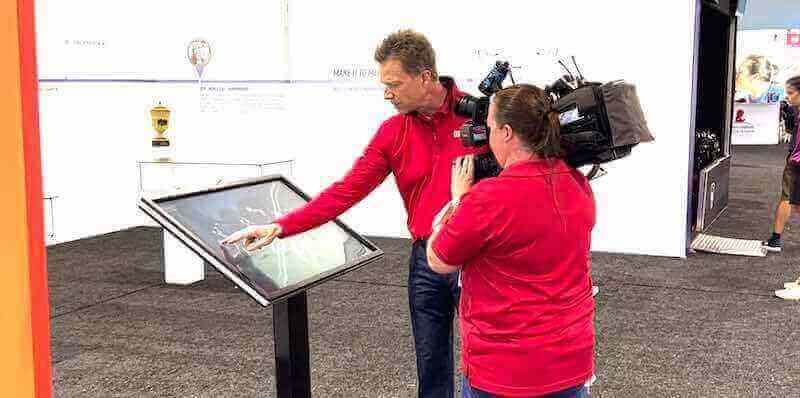
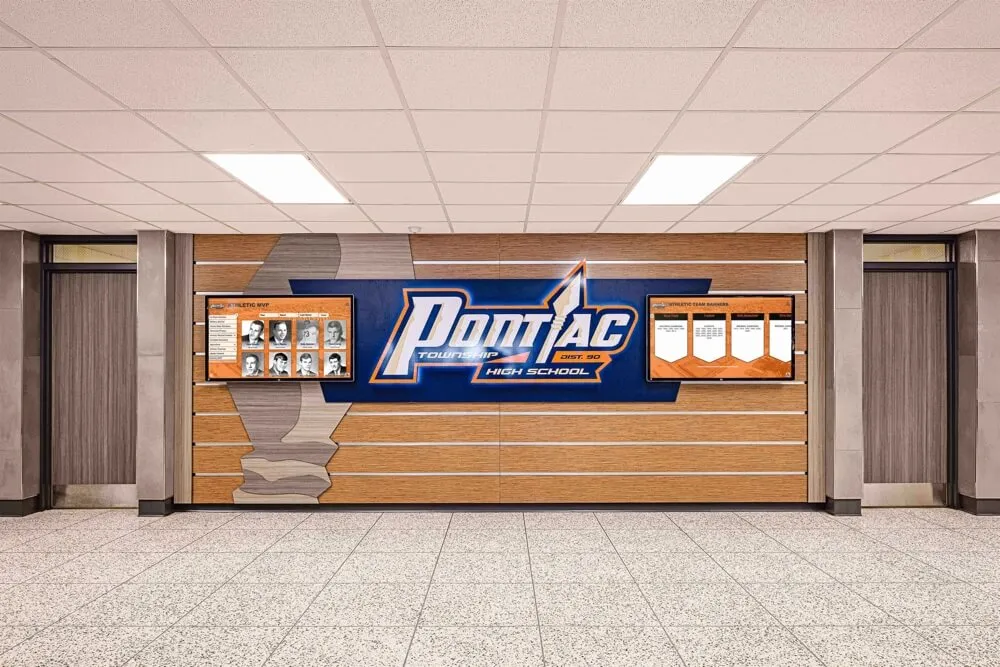
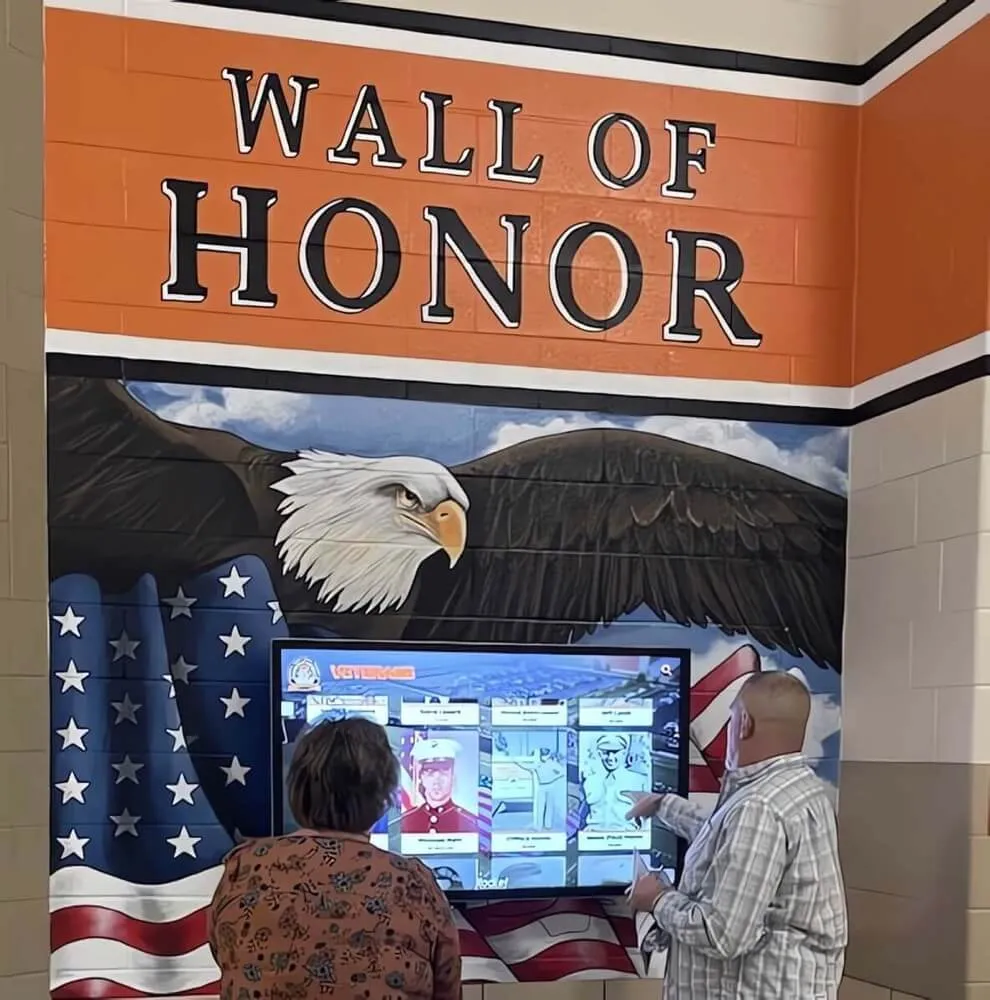
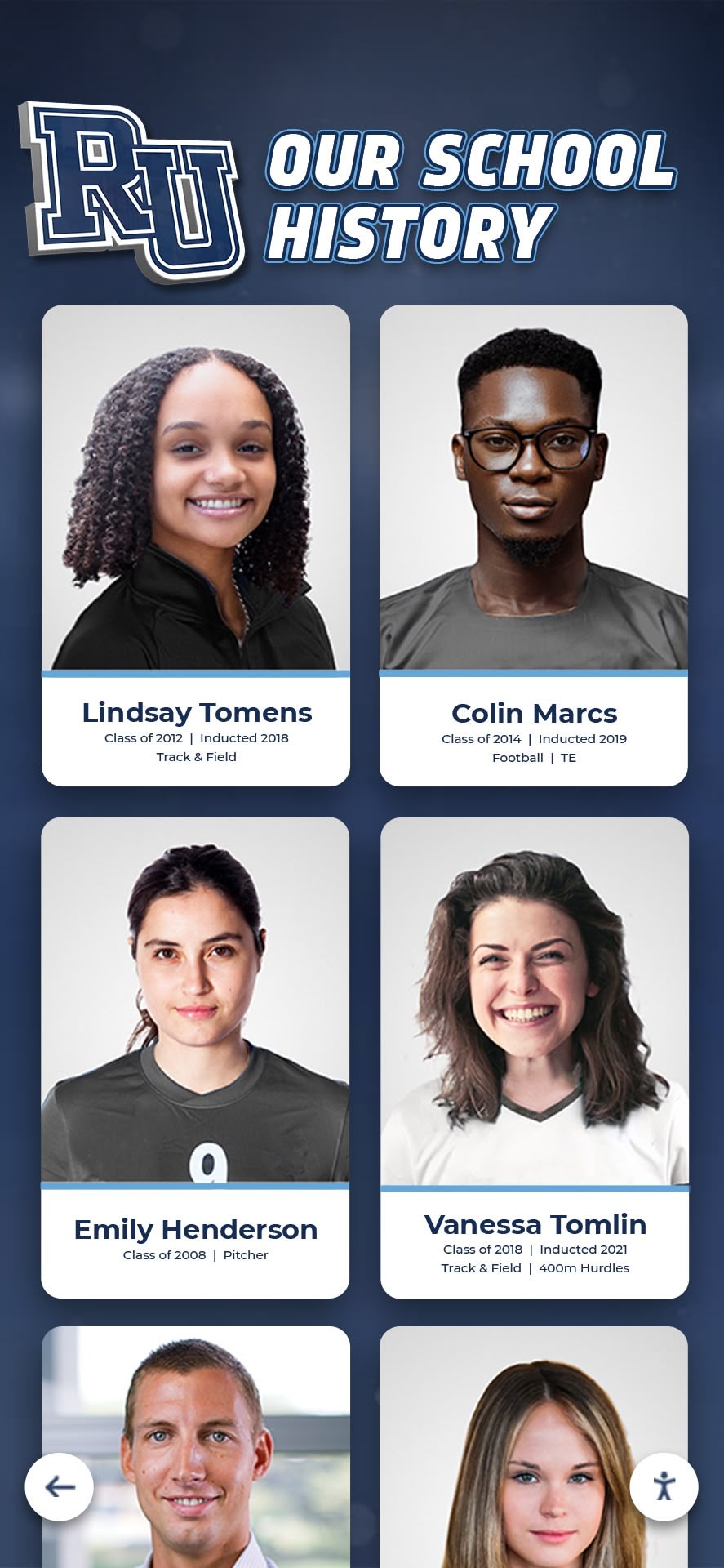

Interactive Digital Display Implementation: Commercial-grade touchscreen displays ranging from 43 to 86 inches provide engaging recognition experiences in high-traffic school locations. Purpose-built recognition platforms designed specifically for educational institutions offer substantial advantages over generic digital signage requiring custom development.
Optimal placement locations for FBLA recognition include main school entrances where students, staff, and visitors pass daily, CTE wings or business education classrooms where students focus on career preparation, career counseling areas providing extended viewing during college and career planning discussions, and cafeterias or student commons offering casual exploration opportunities during breaks.
Multiple distributed displays often prove more effective than single installations, ensuring CTE recognition maintains visibility throughout campus rather than isolated in specific areas. This distributed approach also enables thematic organization—displays near career counseling might emphasize college major connections and career pathways while business classroom displays might focus on competition categories and skill development.
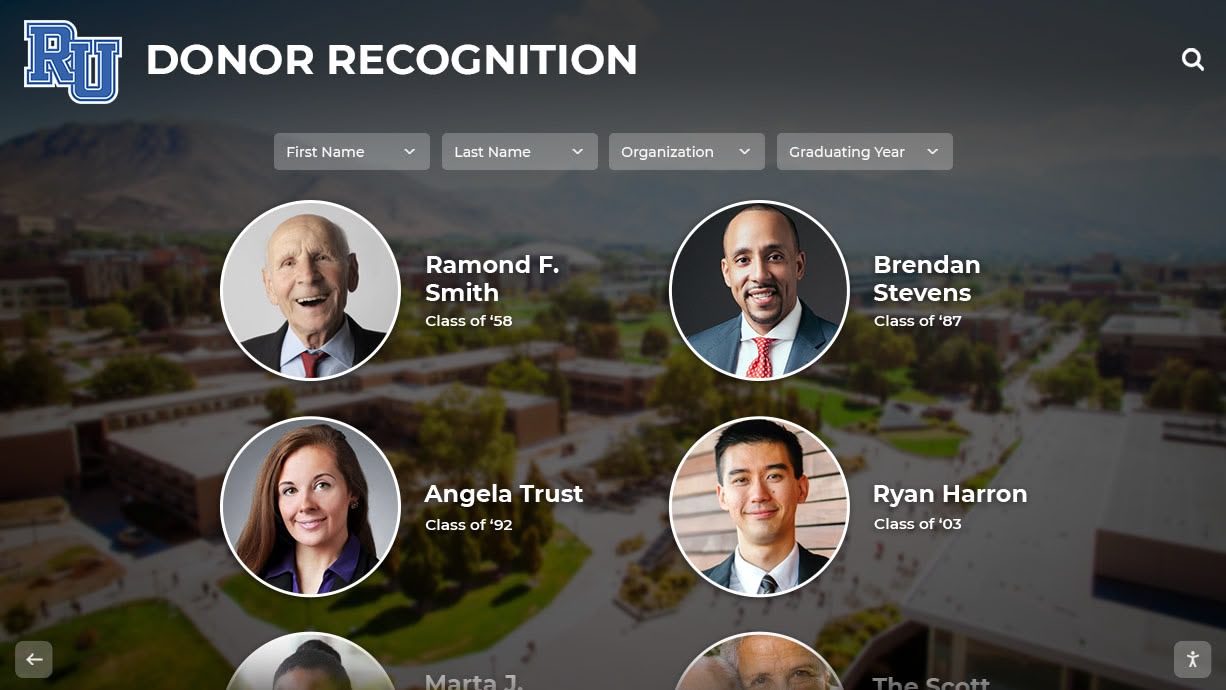
Web-Based Recognition Extending Global Access: Physical displays serve on-campus audiences effectively, but web-based platforms extend recognition to families, alumni, business partners, college admissions representatives, and scholarship committees. Online accessibility proves particularly valuable for FBLA recognition since families want to share business competition achievements with extended networks, students include recognition in college applications and scholarship submissions emphasizing career readiness, business partners sponsoring programs appreciate visible evidence of program impact, and alumni returning to visit can explore current program strength.
Essential web platform features include mobile-responsive design displaying effectively across devices, powerful search enabling discovery by name, year, competition category, or achievement level, social media integration allowing one-click sharing to LinkedIn and other professional networks, permanent accessibility keeping recognition online indefinitely, and connection to broader chapter information providing context about FBLA program offerings and participation opportunities.
Integrated Recognition Solutions: The most effective programs combine touchscreen displays for high-visibility campus experiences with web-accessible portals extending recognition globally. Solutions like Rocket Alumni Solutions provide comprehensive platforms specifically designed for educational recognition including career-technical programs, offering both physical displays and web accessibility through unified content management requiring no technical expertise.
Content Development: Bringing FBLA Recognition to Life
Rich content transforms simple acknowledgment into meaningful celebration that inspires and educates school communities about business education value.
Essential Profile Elements for FBLA Award Recognition: Comprehensive FBLA achievement profiles should include student name and graduation year, high-resolution photograph creating visual connection, specific competitive event category and competition level, placement or award level clearly identifying achievement, competition year for historical context, additional FBLA achievements showing sustained involvement, and student statement about FBLA experience, business interests, or competition preparation insights.
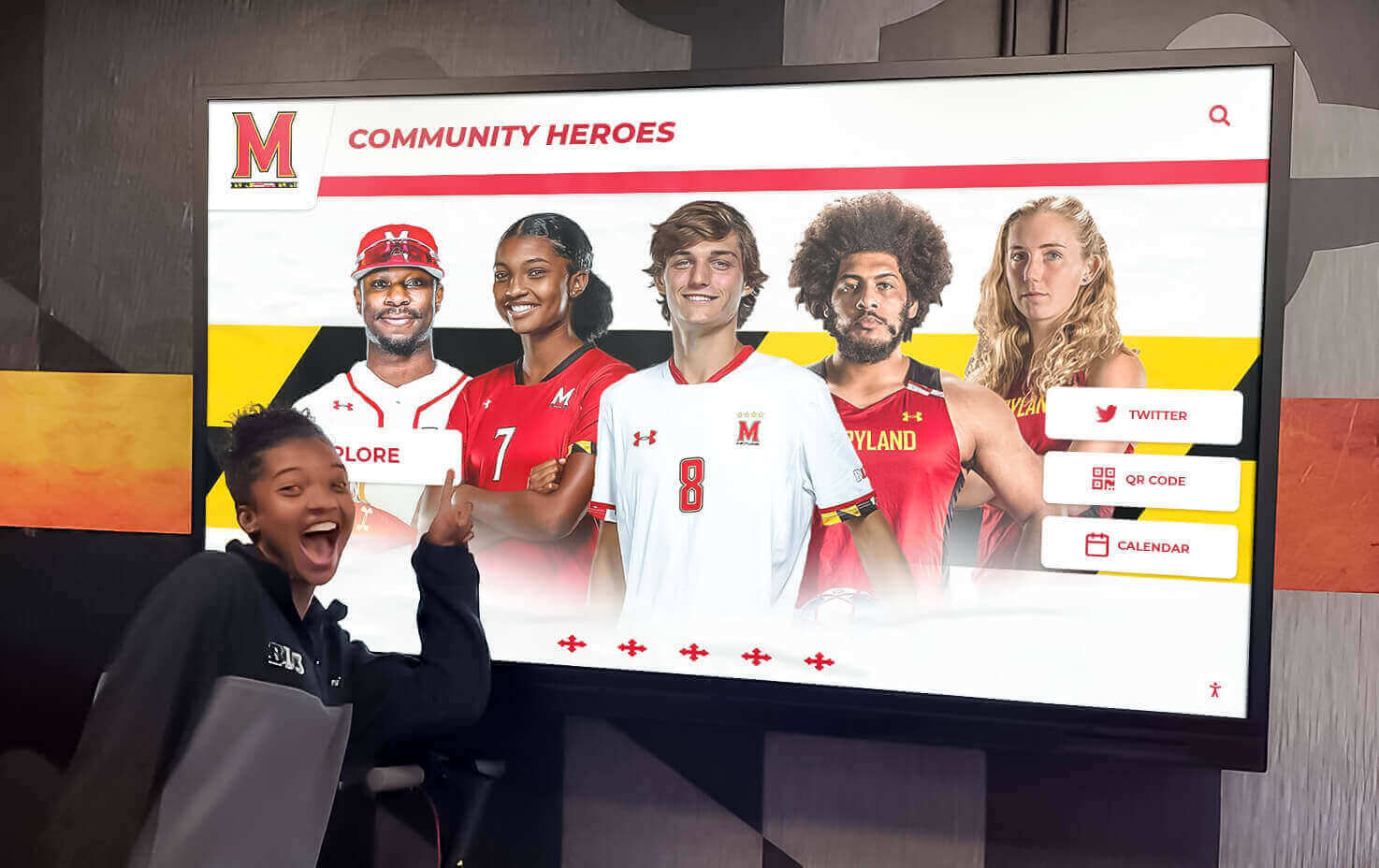
Additional valuable content elements include intended college major and career interests connecting FBLA achievement to future plans, scholarship information if business competition success contributed to awards, advisor or teacher nominations highlighting specific strengths or growth, co-curricular activities showing well-rounded development, and career aspirations demonstrating how business education connects to professional goals.
Competition Context and Educational Value: Beyond individual profiles, effective recognition explains what different competitive events involve and what skills they assess. For example, a profile for an Accounting I competitor might briefly explain that this event tests mastery of fundamental accounting principles including financial statements, journal entries, and basic analysis—helping audiences understand achievement significance rather than just seeing an unfamiliar competition name.
This contextual information serves dual purposes: honoring achieved students by helping audiences understand accomplishment difficulty and significance, and educating younger students about FBLA opportunities by demystifying competitions and demonstrating accessible pathways to business skill development and recognition.
Visual Design Reflecting Professional Business Context: Unlike purely academic or athletic recognition, FBLA displays benefit from visual design elements reflecting professional business environments. Clean, professional layouts, business-appropriate color schemes, and design aesthetics matching corporate presentations rather than casual educational displays help position business education as serious career preparation deserving equivalent respect to traditional academic programs.
Resources on creating professional digital recognition displays for career-technical organizations provide design frameworks emphasizing professional presentation quality that elevates CTE program perception.
Strategic Launch and Sustainable Management
Successful recognition initiatives require thoughtful launch strategies and sustainable management ensuring programs remain current and effective across years.
Building Awareness and Creating Launch Momentum: Strategic launch timing coordinated with natural school cycles—ideally fall after summer National Leadership Conference or spring after state competitions when achievement feels current. Visible promotion through multiple channels including school websites, social media, FBLA chapter meetings, business department communications, parent newsletters, and school assemblies builds awareness and engagement.
Dedicated launch events or recognition ceremonies celebrating inaugural display implementation create memorable moments while demonstrating institutional commitment to business education excellence. Student involvement showcasing displays and encouraging peer exploration generates authentic peer-to-peer motivation more powerful than adult directives. Family communication explaining program purpose, inviting engagement, and providing web access information ensures recognition reaches beyond school walls to broader communities.
Efficient Update Processes and Content Workflows: Recognition programs require ongoing attention maintaining currency and accuracy. Establish annual or seasonal update cycles aligned with competition schedules, designated staff responsibility—typically FBLA advisors, CTE coordinators, or career counseling staff—with clear accountability, efficient workflows streamlining data collection and profile creation through standardized forms or templates, quality control processes ensuring consistency and accuracy before publication, and documented procedures enabling continuity across personnel transitions.
Most successful implementations assign FBLA recognition management to chapter advisors who already maintain competition records and relationship with achieving students. Providing dedicated time allocation through reduced teaching loads or stipend support ensures recognition receives appropriate priority rather than becoming overlooked additional duty competing with primary teaching responsibilities.
Impact Measurement and Value Demonstration: Systematic assessment demonstrates program effectiveness while identifying improvement opportunities. Key metrics include engagement analytics tracking touchscreen interactions and web visits, FBLA chapter enrollment trends comparing pre- and post-implementation periods, business course enrollment patterns examining whether recognition visibility affects student interest, family and student satisfaction through surveys or focus groups, community and business partner feedback about program perception, and scholarship outcomes for FBLA participants.
Quarterly reviews identify successful content types, peak engagement periods, and popular features worth expanding while revealing underutilized components requiring optimization or promotion adjustments. These insights enable continuous improvement ensuring programs evolve based on evidence rather than assumptions.
Creating Comprehensive Career-Technical Recognition Ecosystems
While FBLA recognition represents an important component of career-technical acknowledgment, the most effective programs integrate business education achievement into broader CTE recognition ecosystems celebrating diverse career preparation pathways.
Connecting FBLA to Complementary CTE Programs
Position FBLA recognition within comprehensive frameworks acknowledging varied career-technical accomplishments across business education, DECA marketing, SkillsUSA technical skills, FFA agricultural education, HOSA healthcare, TSA technology, and other career-focused student organizations. Integrated displays connecting related achievements provide complete pictures of school career preparation commitment while reducing redundant recognition system development.
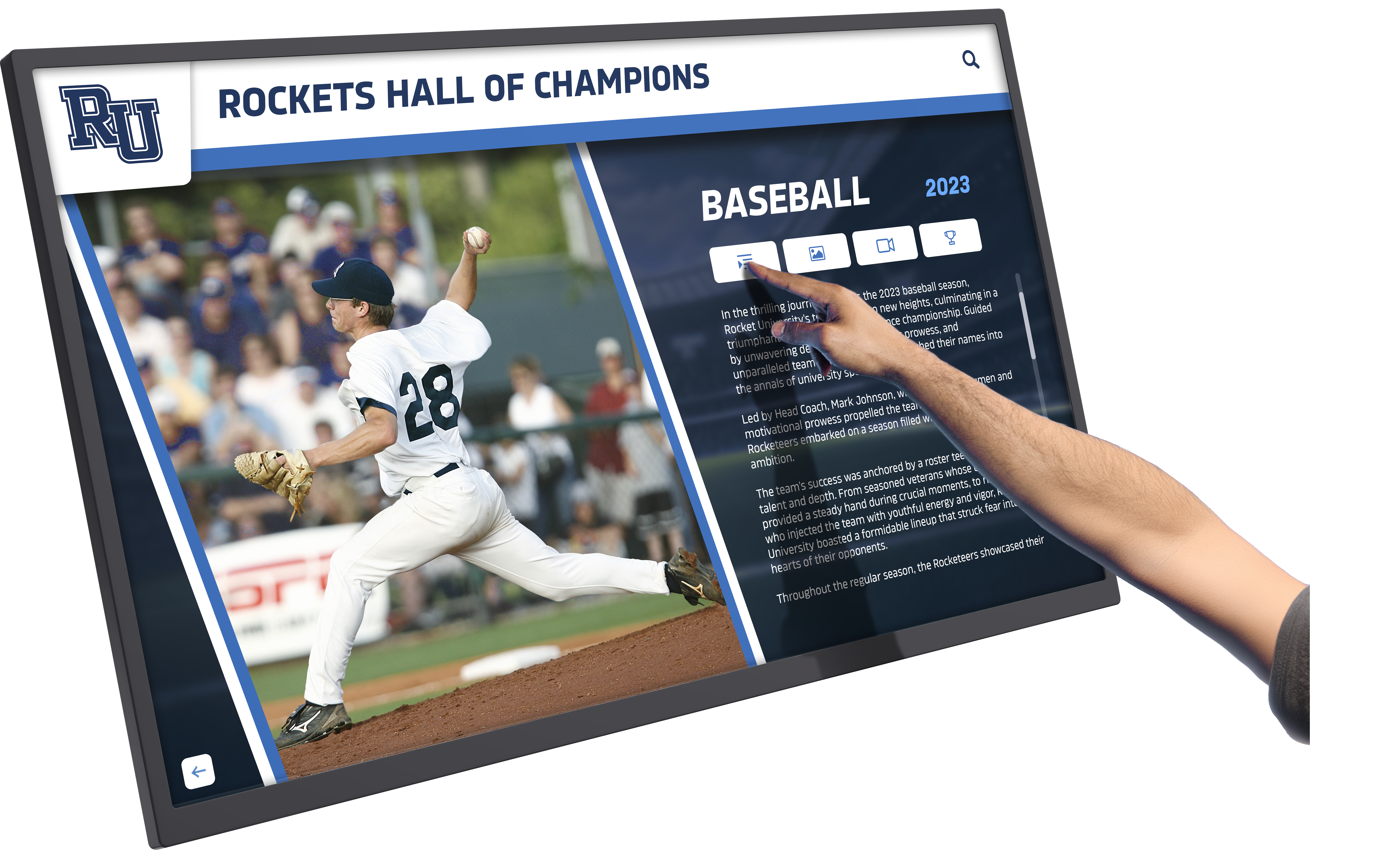
Dual Credit and Industry Certification Recognition: Many FBLA students simultaneously pursue dual credit business courses earning college credit and industry certifications validating professional capabilities. Integrated recognition showing how competitive achievement, coursework completion, certification earning, and career preparation interconnect demonstrates comprehensive career readiness rather than isolated program participation.
Work-Based Learning and Internship Acknowledgment: Students combining FBLA participation with business internships, job shadowing, or mentorship programs demonstrate initiative and real-world career exploration. Recognition connecting classroom learning, competitive achievement, and professional experience creates complete narratives about student career development journeys.
Resources on comprehensive CTE program recognition strategies help schools develop integrated approaches honoring business education alongside complementary career preparation pathways without creating fragmented recognition systems competing for attention and resources.
Balancing Academic, Athletic, and Career-Technical Recognition
One persistent challenge concerns disparity between prominent athletic recognition and minimal career-technical acknowledgment. Addressing this imbalance requires intentional strategy and institutional commitment.
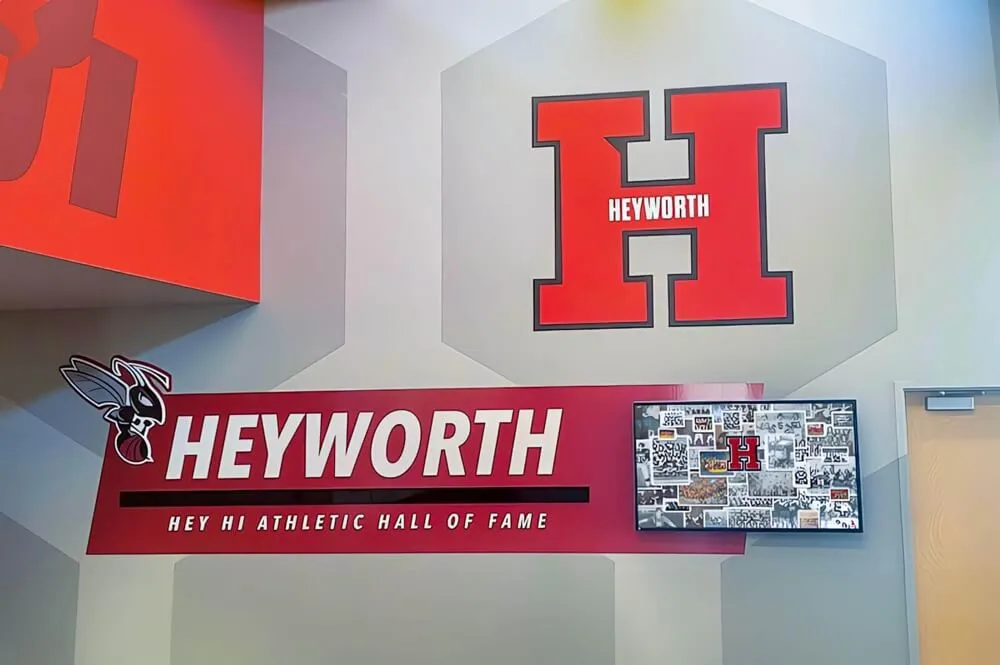
Recognition Space Equity: Audit current recognition space allocation. If athletic achievements occupy multiple trophy cases and wall displays while FBLA winners receive brief announcements and paper certificates, the message about institutional priorities contradicts stated commitment to career readiness regardless of mission statement language. Ensure FBLA recognition receives placement and visibility proportional to its significance for student futures—at minimum equal to athletic recognition.
Visual Quality and Professional Presentation: Athletic recognition often features professional designs funded by booster organizations and community donations. Career-technical recognition should meet equivalent standards. Digital platforms enable professional presentation quality regardless of budget limitations since content exists in software rather than expensive physical materials requiring ongoing replacement and updating.
Administrative Priority and Cultural Messaging: Regular principal communications highlighting FBLA achievers, assembly time dedicated to business competition recognition equal to athletic celebrations, website homepage features spotlighting career-technical excellence, school board presentations emphasizing CTE program outcomes, and community partner engagement around business education all signal genuine institutional priorities beyond physical displays.
According to research on balanced recognition programs, schools demonstrating visible commitment to multiple excellence forms—academic, athletic, artistic, and career-technical—report stronger overall student engagement and achievement across all domains compared to institutions with narrow recognition focused on limited achievement types.
Inspiring Future Business Leaders: Recognition as Recruitment Tool
Beyond acknowledging past achievement, effective recognition programs inspire future accomplishment by demonstrating pathways, demystifying opportunities, and creating aspirational goals students can visualize achieving.
Making Business Education Pathways Visible and Accessible
Many students, particularly those from families without business backgrounds or professional office environments, lack clear understanding of business career opportunities and how to prepare for them. Recognition displays can address these knowledge gaps while demonstrating that business education welcomes diverse students rather than requiring specific backgrounds or predetermined career interests.
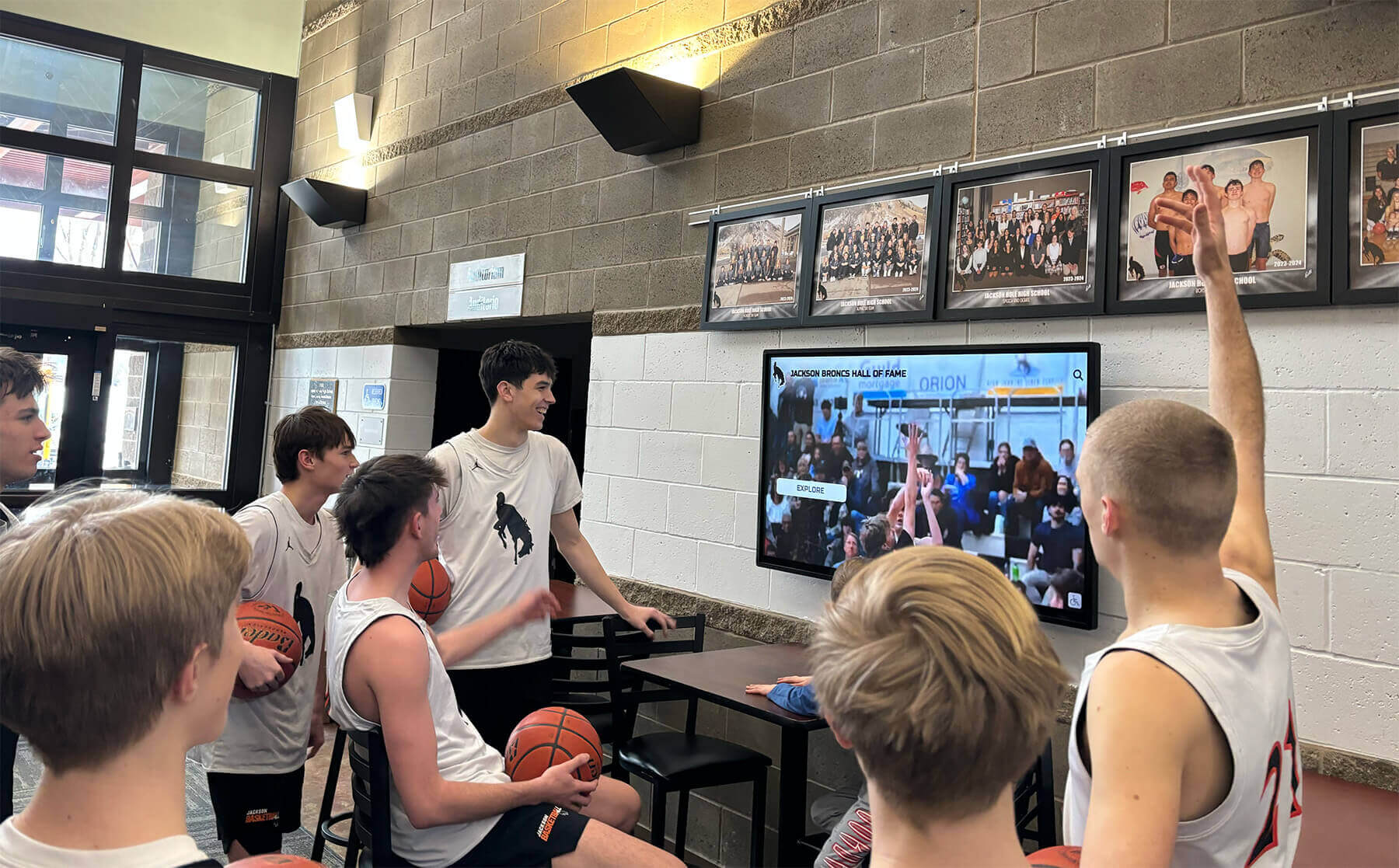
Competition Category Exploration: Beyond listing event names, effective displays explain what different FBLA competitions involve, typical skills they assess, how students prepare, connections to college business majors, and related career pathways. This contextual information helps students discover interests they didn’t know existed and identify competitions matching their strengths and aspirations.
Diverse Success Representation: Feature FBLA award winners from varied backgrounds, academic profiles, and career interests demonstrating that business education success isn’t limited to specific demographics or predetermined student profiles. When students see peers similar to themselves succeeding in FBLA, abstract possibilities transform into concrete aspirations they can envision pursuing.
Peer Advice and Mentorship: Include quotes and advice from recent FBLA achievers offering practical guidance about getting started, balancing competition preparation with other commitments, overcoming challenges, and maximizing program benefits. Peer advice often resonates more powerfully than adult encouragement since students trust those who recently faced identical challenges and succeeded.
Connecting Business Education to Career Success
Help students understand concrete benefits that FBLA participation and business skill development bring beyond competition trophies and recognition.
College Admission and Major Preparation: FBLA participation and competitive achievement strengthen college applications, particularly for students pursuing business, economics, entrepreneurship, marketing, accounting, and management majors. Recognition profiles might include where FBLA achievers gained college admission, scholarship amounts earned partly through demonstrated business capabilities, and reflections on how competitive preparation provided advantage in business program coursework.
Professional Skill Development: Business competitions develop capabilities employers consistently identify as crucial: analytical thinking, professional presentation, teamwork and collaboration, deadline management, problem-solving under pressure, and professional communication. Recognition emphasizing these transferable skills helps students understand that FBLA benefits extend far beyond business careers into virtually every professional field requiring these foundational capabilities.
Networking and Professional Connections: FBLA participation connects students to business professionals serving as competition judges, conference speakers, and mentorship program volunteers. These professional relationships provide valuable guidance, reference opportunities, and potential internship or employment connections. Recognition highlighting these networking benefits demonstrates that FBLA membership creates access to professional communities accelerating career development.
According to career-technical education research, students who see clear connections between current programs and future opportunities demonstrate significantly higher engagement and program completion rates compared to peers who view career-technical programs as isolated school activities disconnected from genuine career pathways.
Overcoming Common FBLA Recognition Implementation Challenges
Even well-designed recognition programs encounter predictable obstacles. Proactive strategies address these challenges before they undermine program success.
Challenge: Limited FBLA Advisor Time and Competing Demands
Business education teachers serving as FBLA advisors face overwhelming demands balancing teaching responsibilities, competition coordination, conference planning, fundraising, member recruitment, and now recognition content management—all typically without released time or additional compensation beyond minimal stipends.
Solutions: Choose technology platforms with intuitive interfaces dramatically reducing management burden through template systems, bulk import capabilities, and streamlined workflows. When content updates require just 15-20 minutes rather than hours of complex technical work, advisors can maintain currency despite competing demands.
Engage student officers in content collection and basic profile drafting under advisor supervision. Chapter secretaries or public relations officers can gather achievement data, collect photographs, and draft initial profiles requiring only final advisor review before publication. This approach develops student leadership while distributing workload practically. Consider recruiting parent volunteers with business backgrounds assisting with data entry, photo editing, or content formatting under advisor direction.
Challenge: Explaining Achievement Significance to Broader Audiences
Unlike widely understood competitions where success meaning seems self-evident, FBLA achievements often require explanation to audiences unfamiliar with business education programs.
Solutions: Include rich contextual content within recognition displays explaining competition categories, what they assess, difficulty levels, and career relevance. Brief descriptions—just 2-3 sentences—transform unfamiliar competition names into understandable achievements audiences can appreciate appropriately.
Create supplementary educational content—brief videos, infographics, or print materials—available near displays or through QR codes explaining FBLA program scope, competitive event structure, and business skill development opportunities. This educational approach serves dual purposes: helping audiences understand recognized achievements and recruiting future participants by demystifying program access and expectations.
Challenge: Connecting Business Education to School Mission and Values
Some schools struggle articulating how FBLA recognition aligns with institutional missions emphasizing traditional academics, particularly when business education historically carried vocational connotations suggesting alternative pathways for students not pursuing college.
Solutions: Frame business education and FBLA achievement through contemporary career readiness language emphasizing college preparation, professional skill development, and versatile capability building applicable across careers and disciplines. Emphasize that business skills—analytical thinking, data-based decision-making, professional communication, financial literacy, ethical reasoning—represent foundational capabilities all educated individuals need regardless of specific career paths.
Highlight alumni success stories showing how FBLA participation prepared graduates for varied careers including traditional business roles, but also medicine, law, engineering, education, entrepreneurship, nonprofit leadership, and other fields where business capabilities enhanced professional effectiveness. This broader framing positions business education as universal preparation rather than narrow vocational training.
Connect FBLA recognition to institutional values around innovation, leadership, community engagement, and excellence. Business competitions require innovative thinking, achievement demonstrates leadership capability, community service awards validate engagement commitment, and competitive success represents measurable excellence—directly aligning with values most schools explicitly champion.
Measuring FBLA Recognition Program Success and Impact
Systematic assessment demonstrates program effectiveness while identifying improvement opportunities ensuring recognition initiatives achieve intended goals and justify resource investment.
Quantitative Program Metrics
Digital recognition platforms provide comprehensive analytics revealing engagement patterns and program reach.
Key Performance Indicators: Track unique visitor counts showing individuals engaging with recognition, session duration measuring average exploration time (benchmark: 3-7 minutes indicating genuine interest), profile views and search patterns revealing which achievements generate greatest interest, social sharing frequency tracking distribution beyond direct viewers particularly on professional networks like LinkedIn, and return visitor rates demonstrating sustained engagement rather than one-time viewing.
Baseline measurements following initial implementation establish benchmarks for tracking trends. Quarterly reviews identify successful content types, underutilized features requiring optimization, and changing patterns suggesting program refinements or enhanced promotion.
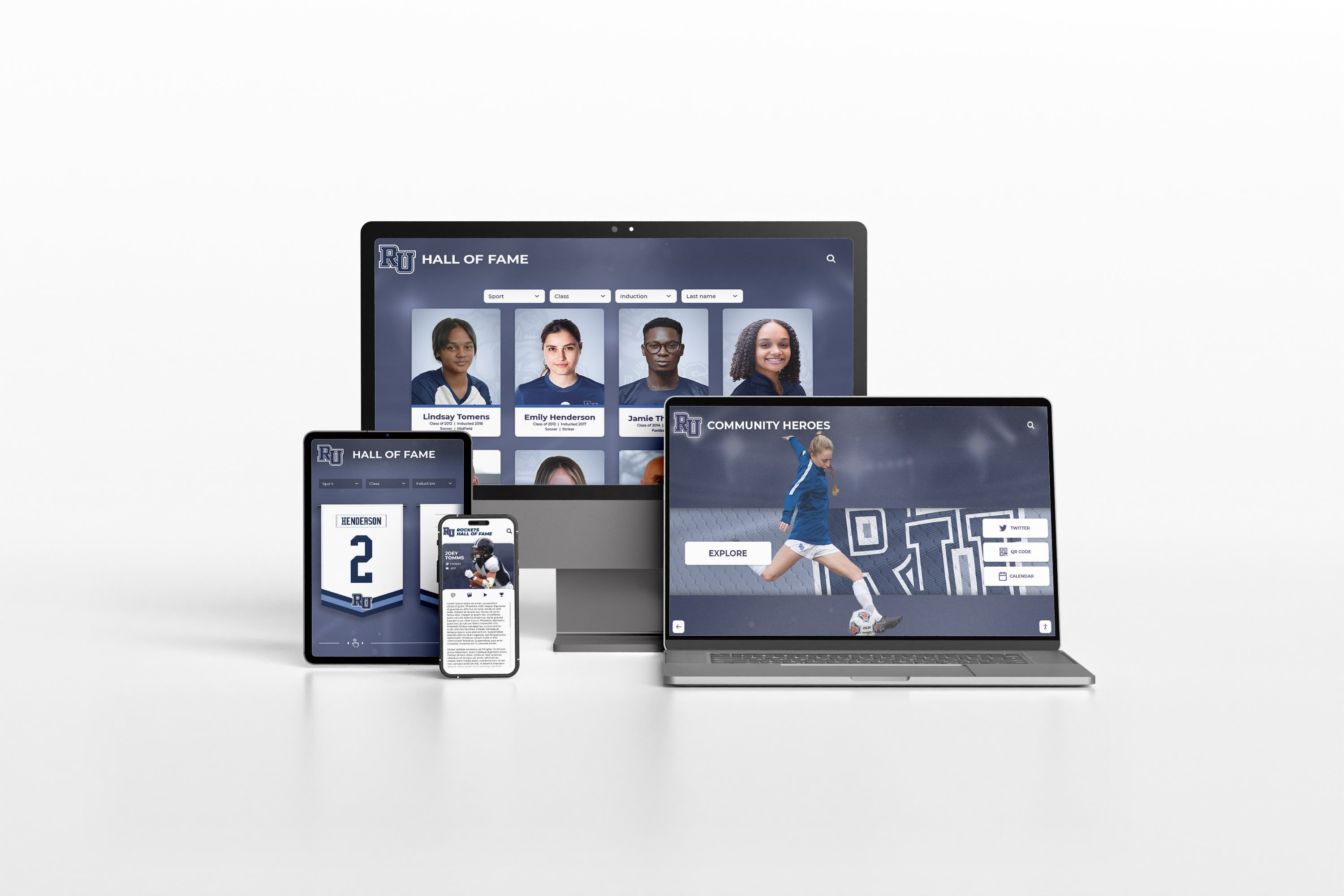
Program Growth and Participation Indicators
Monitor whether FBLA program metrics show improvement following enhanced recognition implementation, potentially reflecting inspirational impact.
Potential Impact Indicators: Track FBLA chapter membership trends comparing enrollment before and after recognition launch, competitive event participation rates examining whether recognition visibility increases student willingness to compete, business course enrollment patterns identifying whether recognition affects student interest in business education pathways, achievement distribution breadth measuring whether recognition inspires students beyond traditional high-achievers to pursue FBLA participation, and scholarship outcomes tracking whether recognition raises awareness of business education scholarship opportunities.
While direct causation proves difficult to establish definitively given multiple factors influencing student choices, careful analysis examining correlations while acknowledging confounding variables provides reasonable impact assessment. According to educational research, visible recognition of achievement correlates with increased student motivation to pursue similar accomplishments, particularly when recognition demonstrates clear pathways and peer success rather than seeming like exclusive club for predetermined elite students.
Stakeholder Satisfaction and Perception
Beyond quantitative metrics, gather qualitative feedback revealing how recognition influences school culture and community perception.
Stakeholder Perspectives: Collect student feedback through surveys or focus groups exploring whether recognition feels meaningful and motivating to FBLA members, whether business education now feels more valued compared to pre-implementation, and whether displays inspire interest among non-members. Gather parent reactions to career-technical recognition visibility and quality. Seek business teacher and advisor input about cultural impact and student motivation changes. Request business partner and community stakeholder feedback about school career readiness commitment perception. Survey business education program alumni about recognition meaning and influence on their engagement.
Regular feedback collection—annually for comprehensive assessments, quarterly for brief pulse checks—ensures programs remain responsive to stakeholder needs rather than operating based on assumptions that may not match actual experiences and perceptions.
Future Trends in Career-Technical Recognition Technology
Understanding emerging trends helps schools make forward-looking recognition investments remaining relevant and effective for years.
Integration with Digital Credentials and Career Portfolios
Educational institutions and employers increasingly adopt comprehensive digital credential systems where students accumulate verifiable achievement records creating portable career portfolios. FBLA recognition will integrate with these systems, ensuring business competition achievements become part of comprehensive skill documentation students share throughout college applications and professional careers.
This integration creates permanent, verifiable records replacing paper certificates easily lost or difficult to authenticate. Employers and college admissions officers can verify FBLA achievements instantly rather than relying on self-reported information, increasing credential value and recognition significance.
Enhanced Personalization Through Artificial Intelligence
Advanced platforms will incorporate AI capabilities creating more engaging, personalized experiences including natural language search enabling conversational queries like “show me marketing competition winners who attended business schools in the Midwest,” intelligent content recommendations suggesting profiles based on viewing patterns and visitor interests, automated biographical narrative generation from structured data reducing manual content creation burden, and predictive analytics identifying students likely to benefit from FBLA recruitment based on academic patterns and demonstrated business interests.
AI-powered features will reduce staff burden while creating richer, more personalized recognition experiences automatically adapting to individual viewer interests and exploration patterns.
Virtual Reality Career Exploration Integration
Emerging technologies will enable innovative recognition experiences connecting FBLA achievements to career exploration through virtual reality experiences letting students explore business environments and career pathways, augmented reality features connecting physical recognition displays to digital content through smartphone cameras, and immersive storytelling platforms creating documentary-style features highlighting remarkable achievement journeys and their inspirational lessons about career preparation pathways.
These advanced capabilities will transform recognition from static acknowledgment into rich, interactive experiences that emotionally engage audiences while demonstrating tangible connections between high school business education programs and successful professional careers.
Conclusion: Honoring Future Business Leaders Through Modern Recognition
FBLA awards represent more than business competition success—they celebrate career readiness, professional skill development, leadership capability, and foundation for business achievement spanning college and professional careers. These accomplishments deserve recognition equal in prominence, quality, and permanence to athletic championships, academic honors, or any other form of student excellence schools traditionally celebrate.
Modern FBLA awards digital recognition transforms how schools honor business education achievement by creating engaging, accessible, and permanent displays that inspire current students while appropriately acknowledging distinguished competitors and program participants. Unlike traditional approaches limited by space constraints, delayed acknowledgment, or minimal visibility, digital recognition provides unlimited capacity for comprehensive achievement celebration, immediate updates maintaining currency and relevance, rich multimedia storytelling bringing accomplishments to life, and global accessibility ensuring every FBLA achiever receives recognition befitting their dedication and skill development.
For schools beginning new recognition programs or enhancing existing approaches, purpose-built platforms designed specifically for educational institutions provide comprehensive capabilities without requiring technical expertise. Solutions like Rocket Alumni Solutions deliver turnkey systems combining powerful technology, professional implementation support, and ongoing platform management ensuring programs succeed from launch through years of sustainable operation celebrating career-technical excellence.
The most successful FBLA recognition programs share common characteristics: comprehensive coverage including competitive events, Business Achievement Awards, community service recognition, and leadership acknowledgment; prominent placement ensuring high visibility throughout school facilities; rich content bringing achievements to life through photographs, competition context, and career connection explanations; timely updates maintaining currency aligned with competition cycles; integration with broader career-technical recognition ecosystems celebrating diverse preparation pathways; measurable impact on program enrollment and student motivation; sustainable operations through efficient workflows and appropriate staffing; and demonstrated value justifying continued institutional investment and administrative support.
Beyond immediate recognition purposes, effective programs create lasting benefits including increased FBLA chapter enrollment as younger students see clear pathways and peer success, enhanced school pride in career preparation and business education excellence, stronger relationships between skill development and career opportunity, improved college admission outcomes for students demonstrating career readiness, balanced recognition equity addressing academic-athletic-CTE disparities, preserved institutional memory documenting career-technical program heritage and impact, strengthened partnerships with business community seeing tangible evidence of program quality, and cultural shift valuing career preparation and professional skill development alongside traditional academic achievement.
Every FBLA award winner represents hundreds of hours dedicated to business skill development, professional capability demonstration, and career exploration deserving acknowledgment equal to achievements schools traditionally celebrate prominently. Modern digital recognition makes these aspirations achievable for schools genuinely committed to preparing students for successful careers through comprehensive business education programs.
Ready to implement comprehensive FBLA recognition at your school? Explore how Rocket Alumni Solutions provides purpose-built platforms designed specifically for educational recognition including career-technical programs, enabling schools to honor business education excellence without space limitations, technical complexity, or sustainability concerns—ensuring your future business leaders receive the lasting acknowledgment their achievements deserve while inspiring the next generation of career-ready students.