



Family reunions create opportunities to strengthen bonds across generations, celebrate shared heritage, and build memories that connect distant relatives who might otherwise lose touch. Yet many families struggle to organize gatherings that truly engage attendees beyond basic socializing—events often devolve into fragmented conversations between small groups while others stand awkwardly on the periphery. The challenge extends beyond logistics: exceptional family reunions require thoughtful planning that balances diverse age groups, accommodates varying budgets, honors family history meaningfully, and creates inclusive environments where every generation feels valued rather than just tolerating activities designed primarily for specific demographics.
The most successful family reunions transform obligation-driven attendance into genuine anticipation by combining meaningful recognition of family heritage with engaging activities, transparent communication, and environments encouraging authentic connection across age and geographic divides. These gatherings become cherished traditions families prioritize rather than sporadic events that happen inconsistently when motivated organizers step forward but disappear when enthusiasm wanes.
Why Strategic Family Reunion Planning Creates Lasting Impact
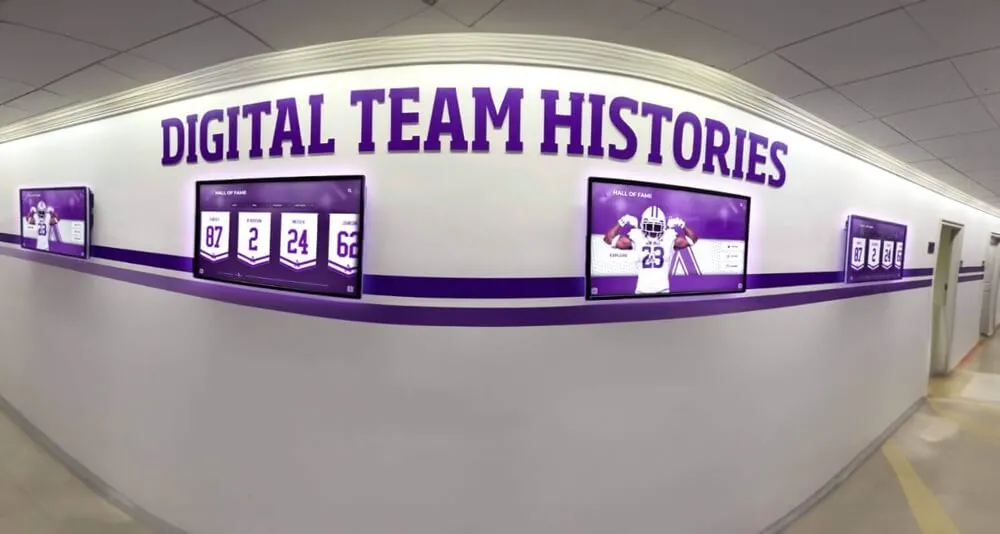
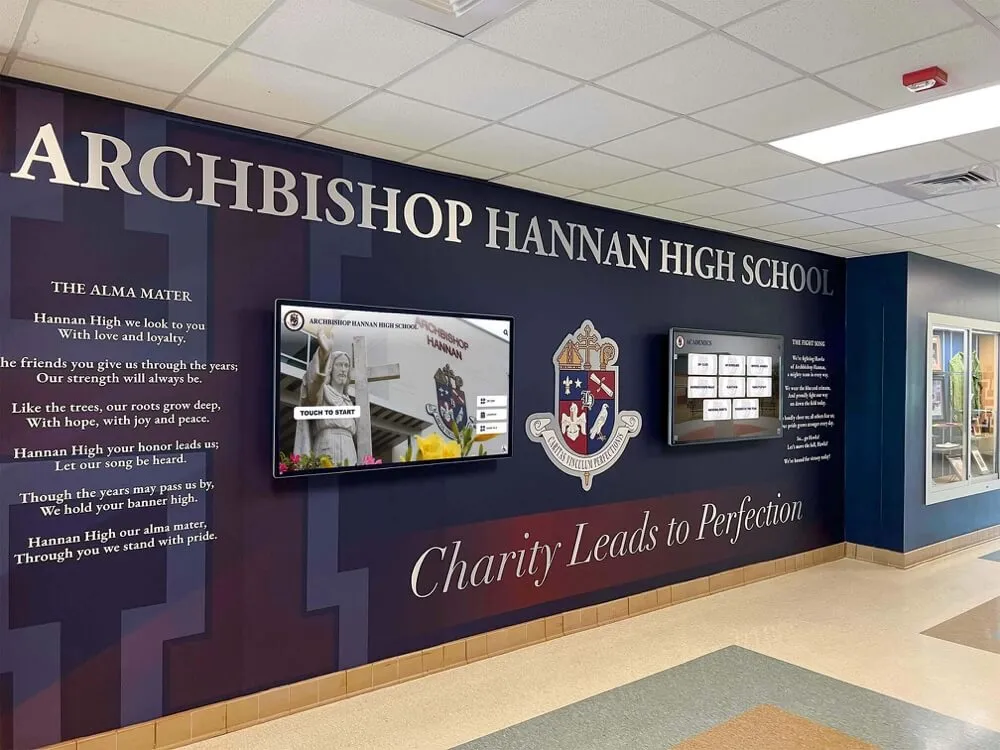
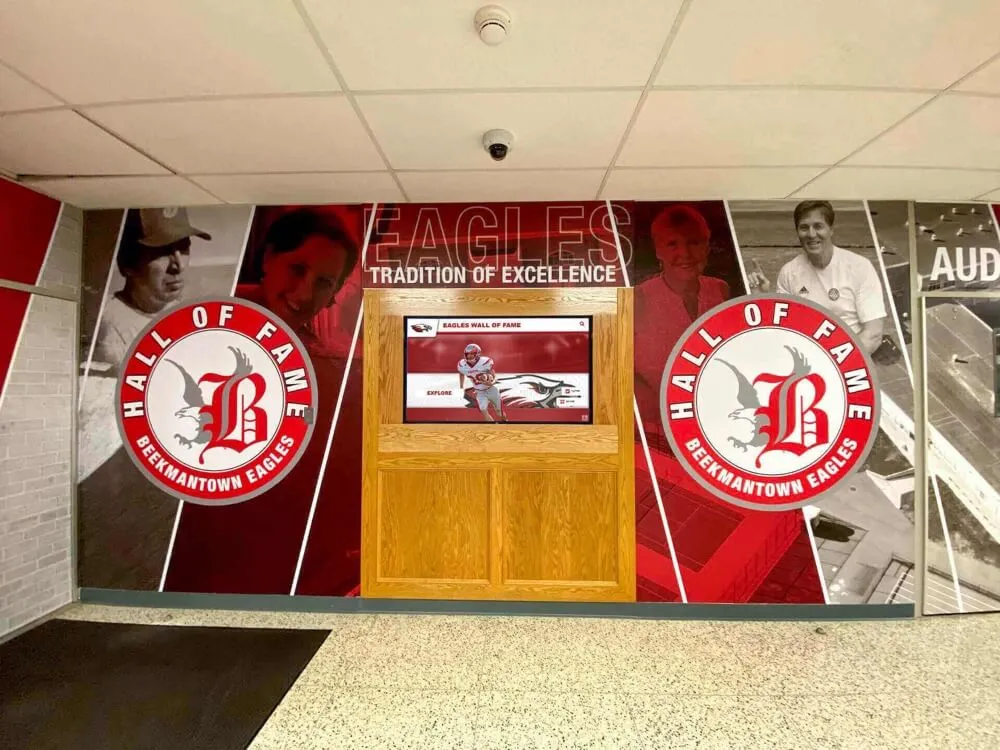
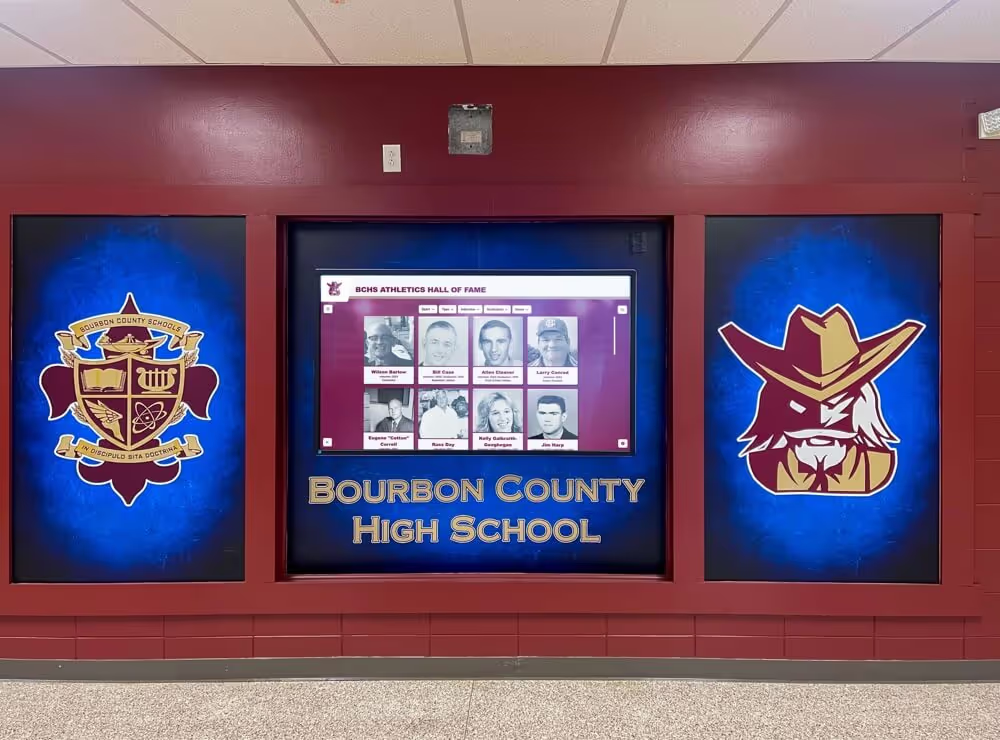
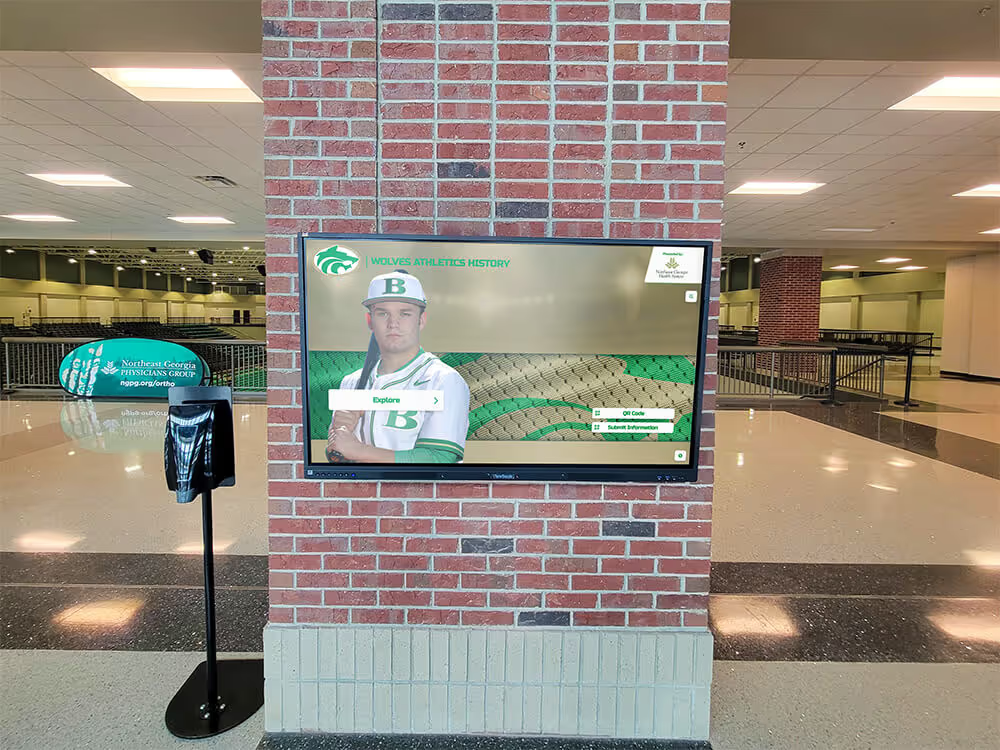
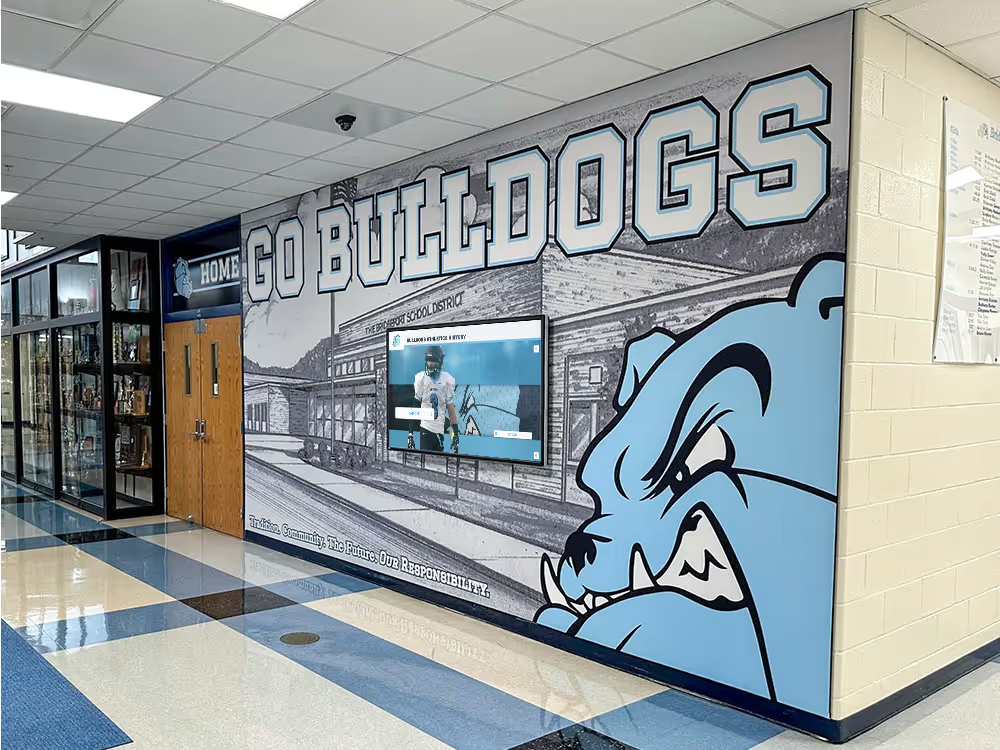
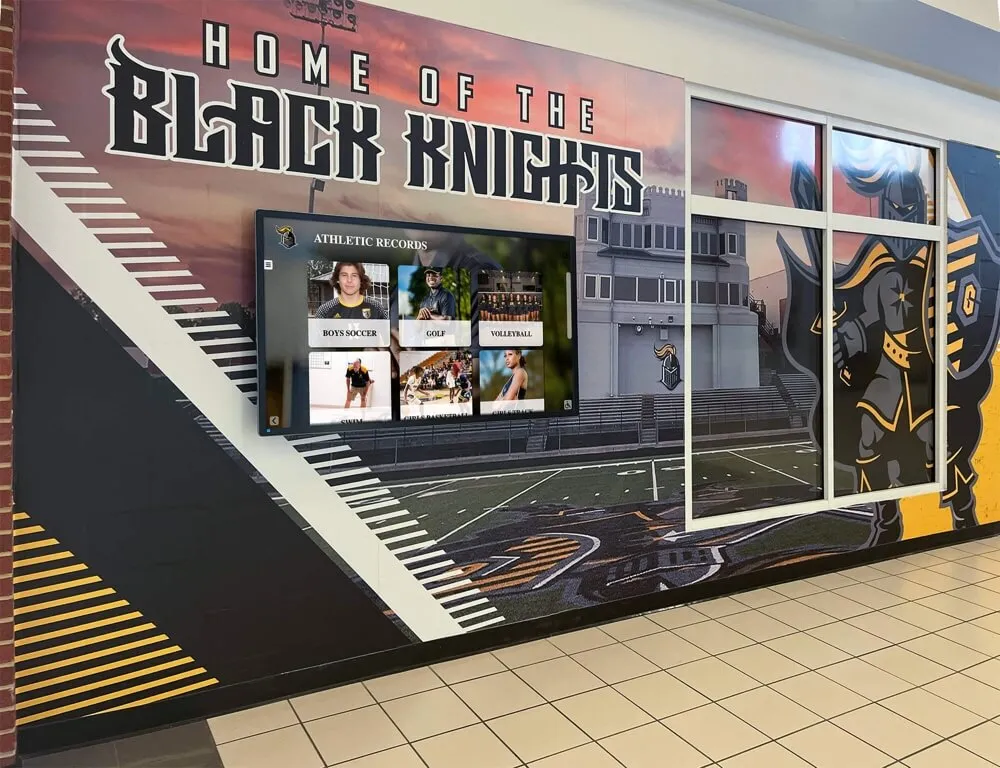
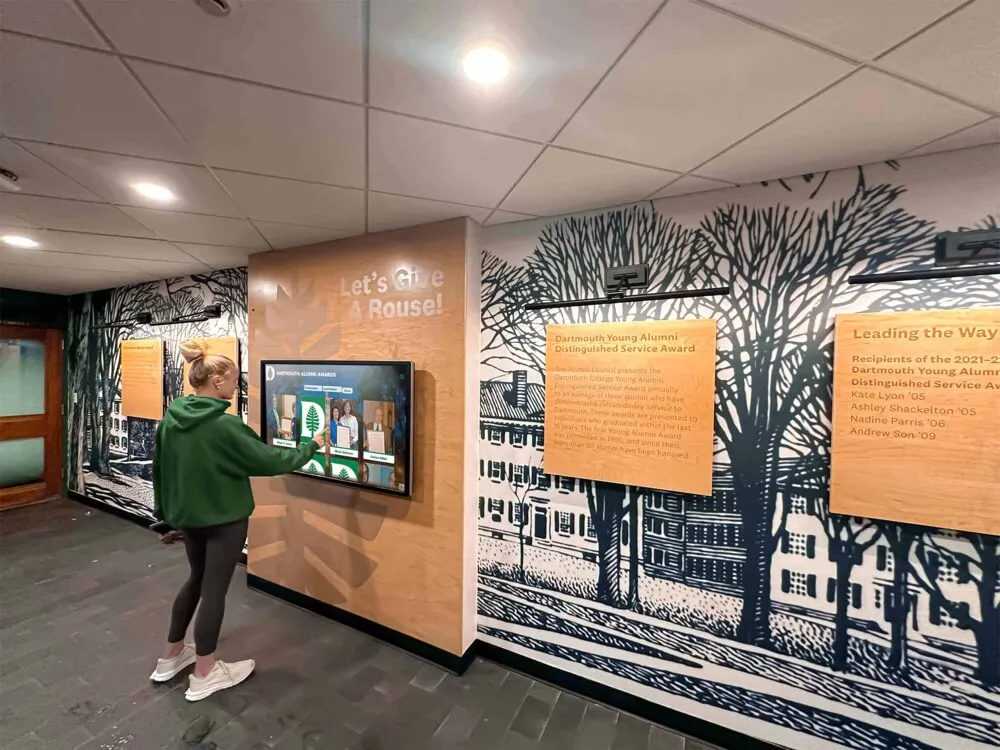
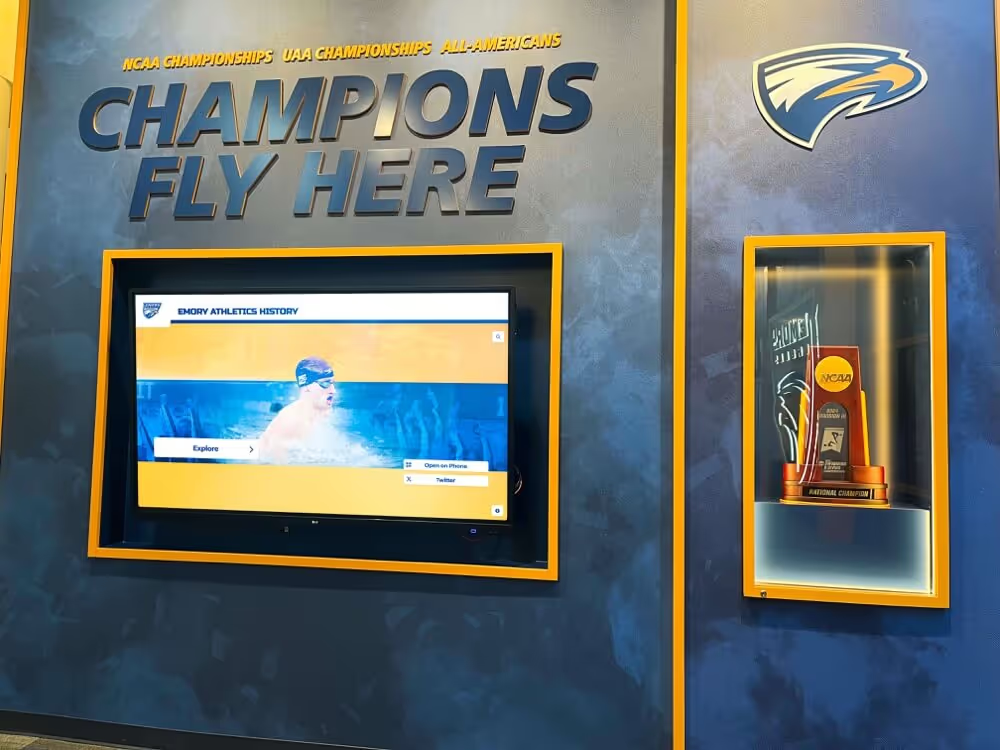
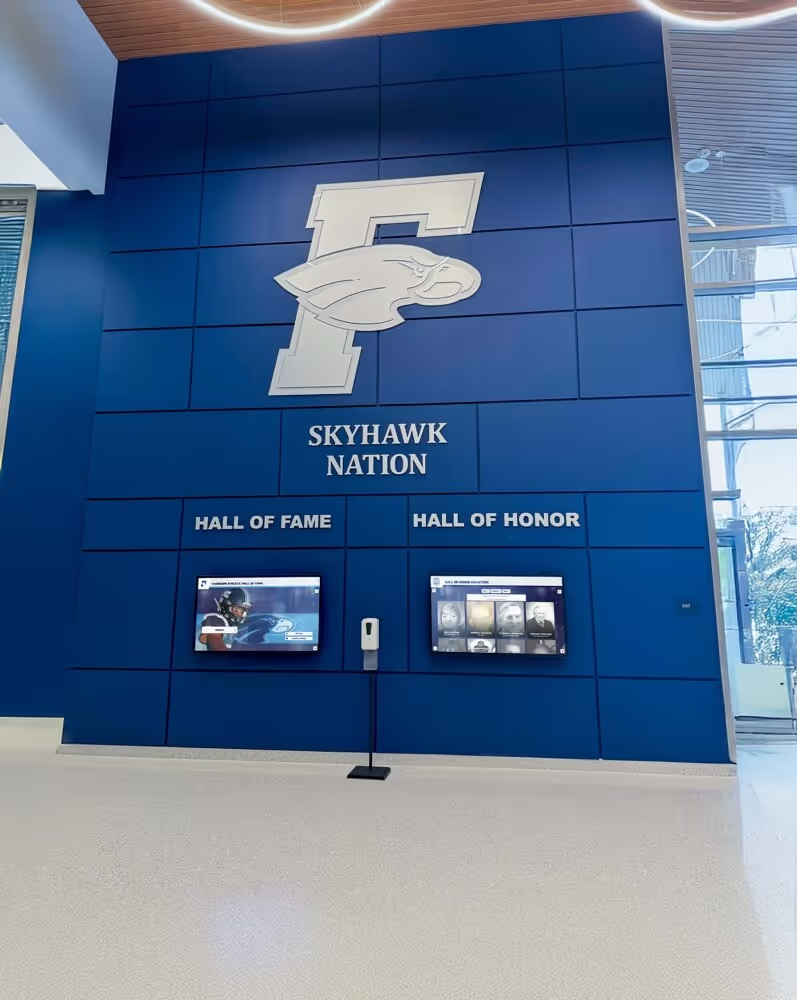
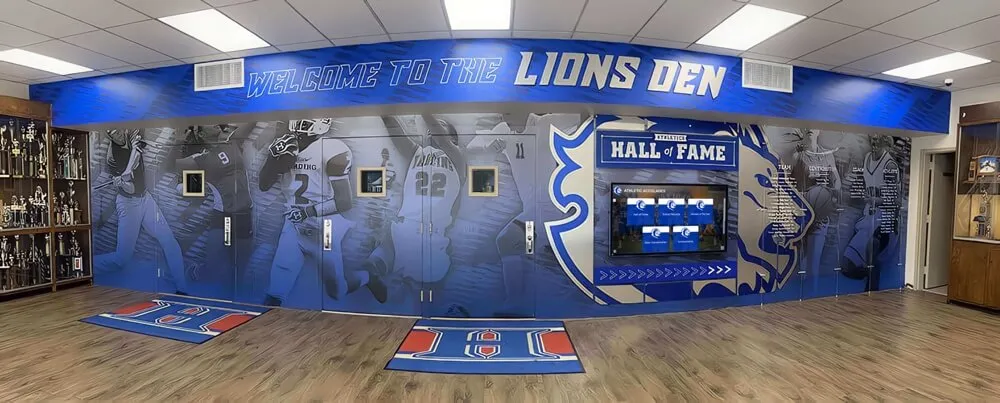
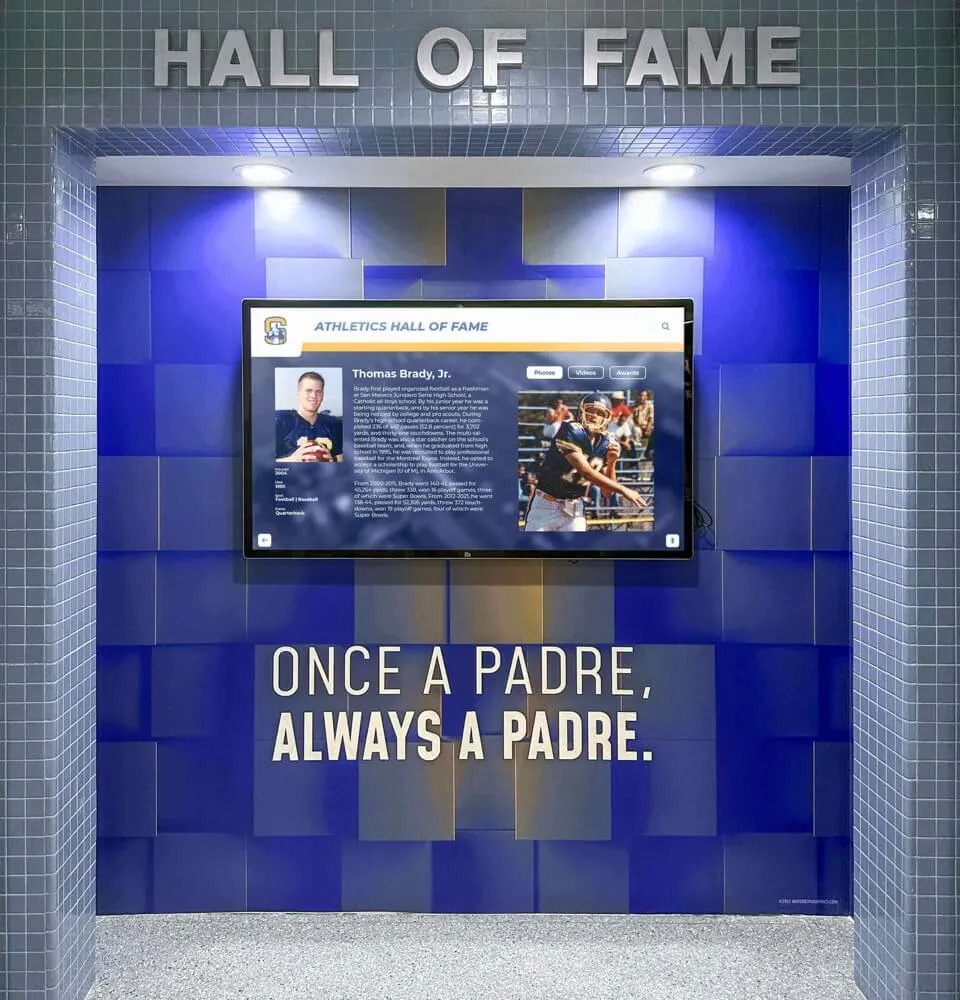
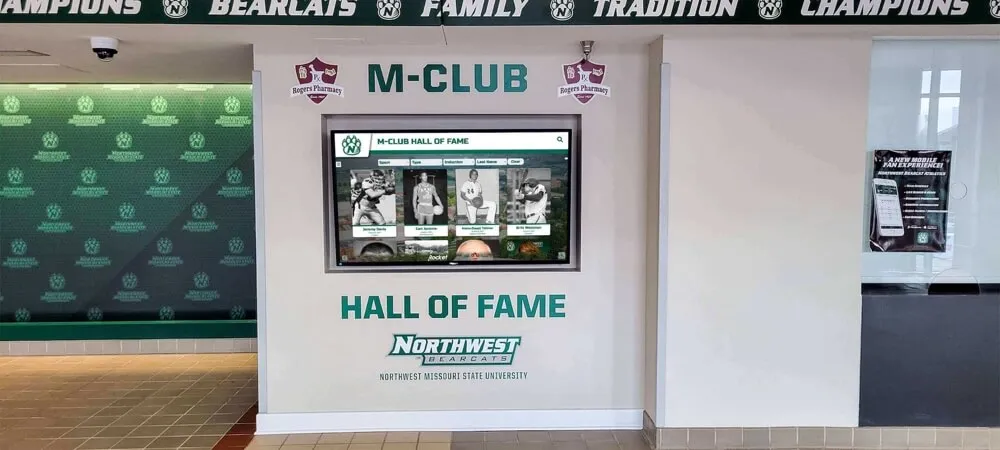
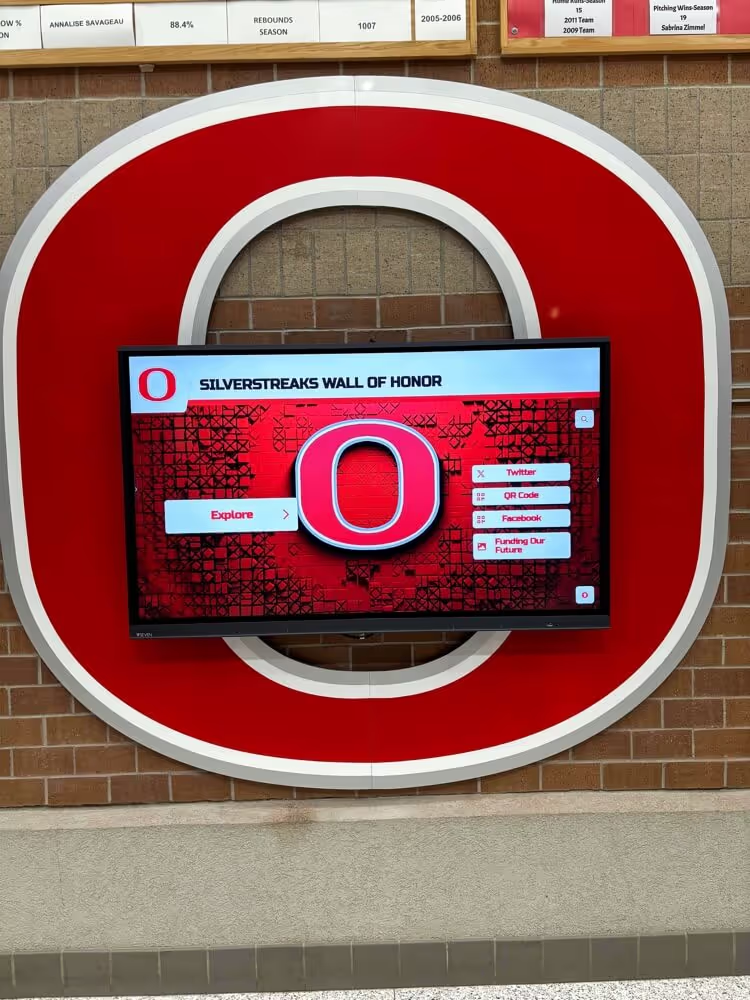
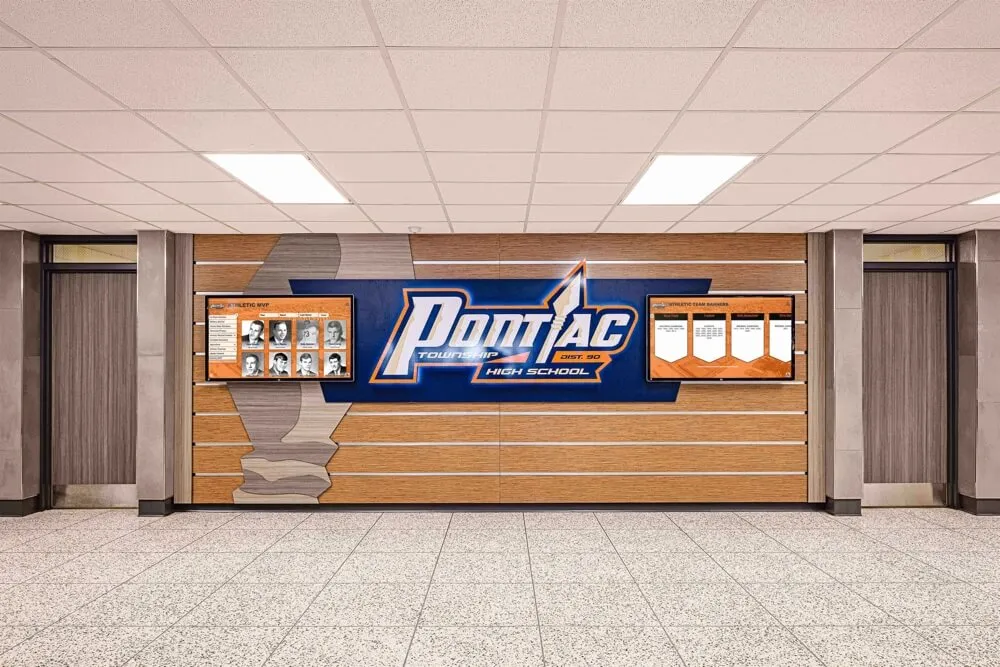
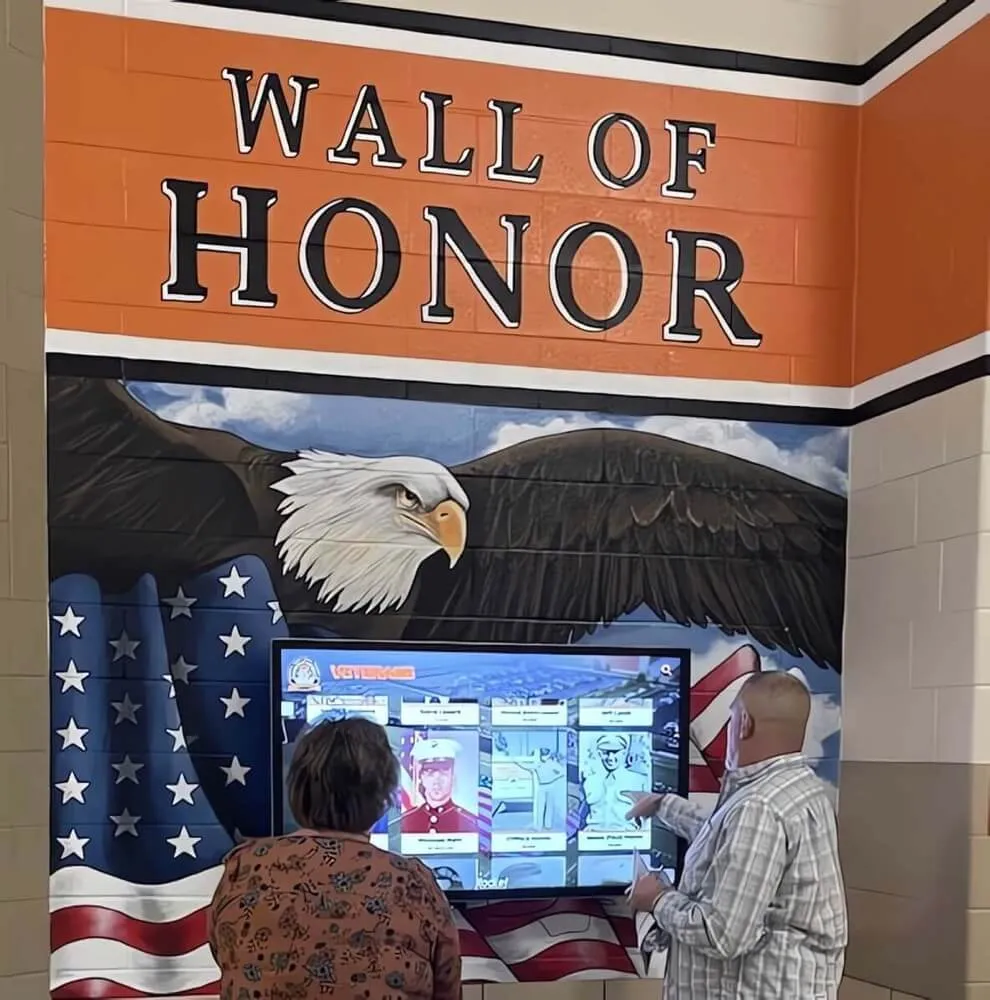
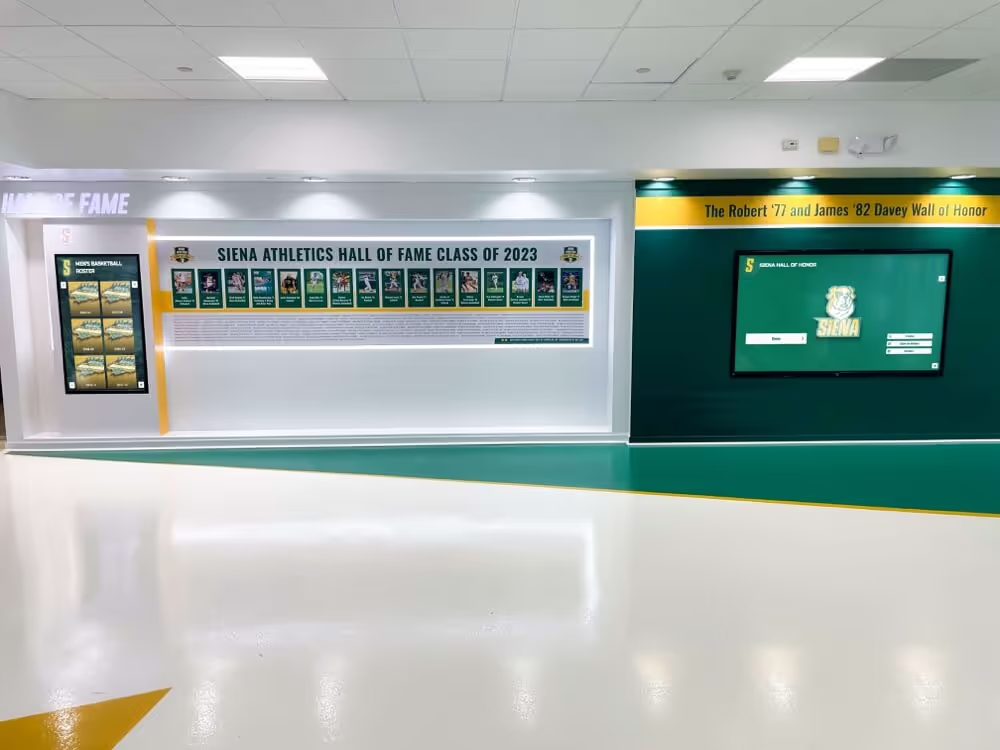
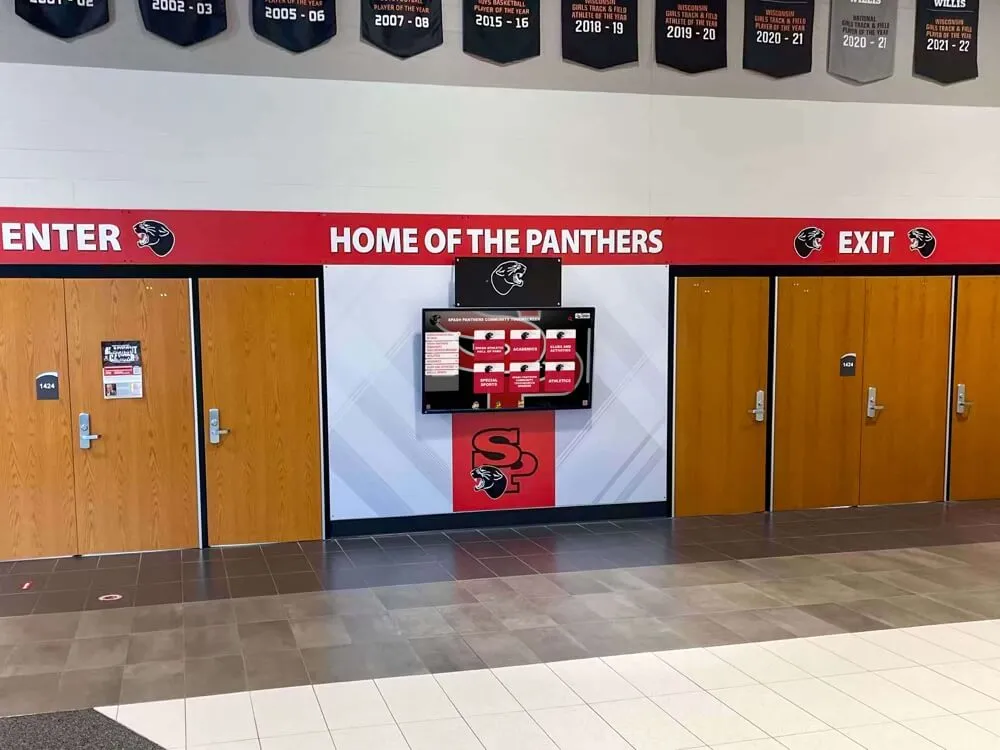
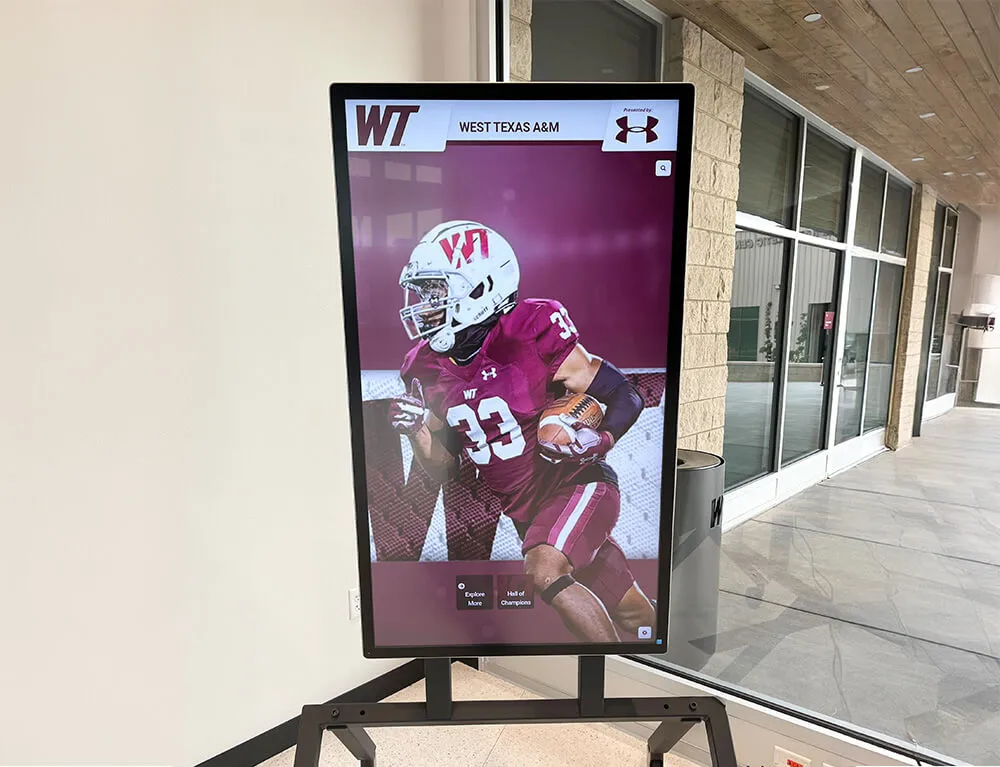
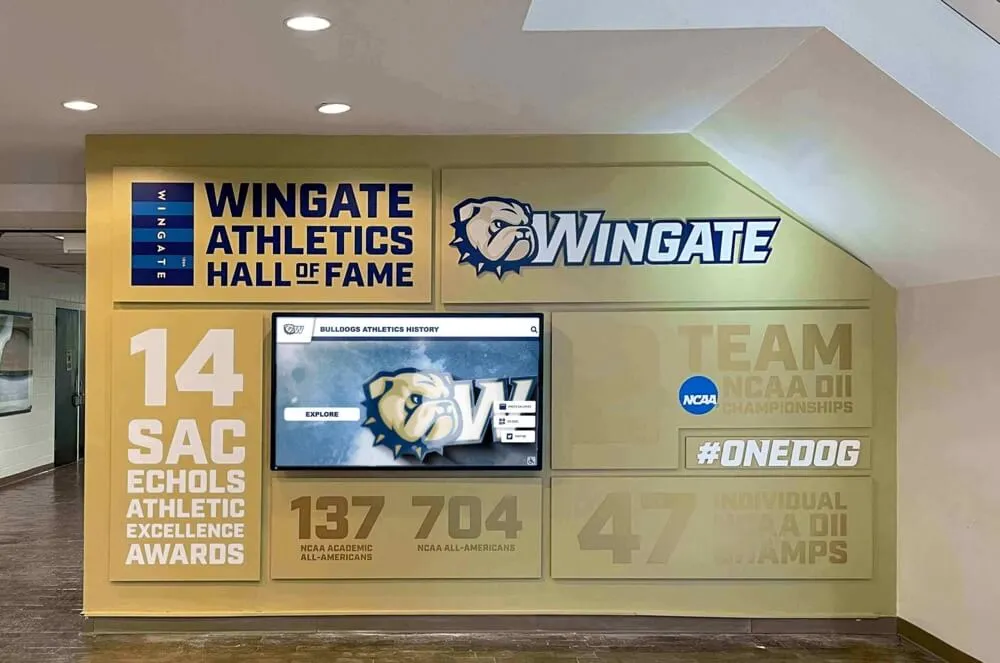
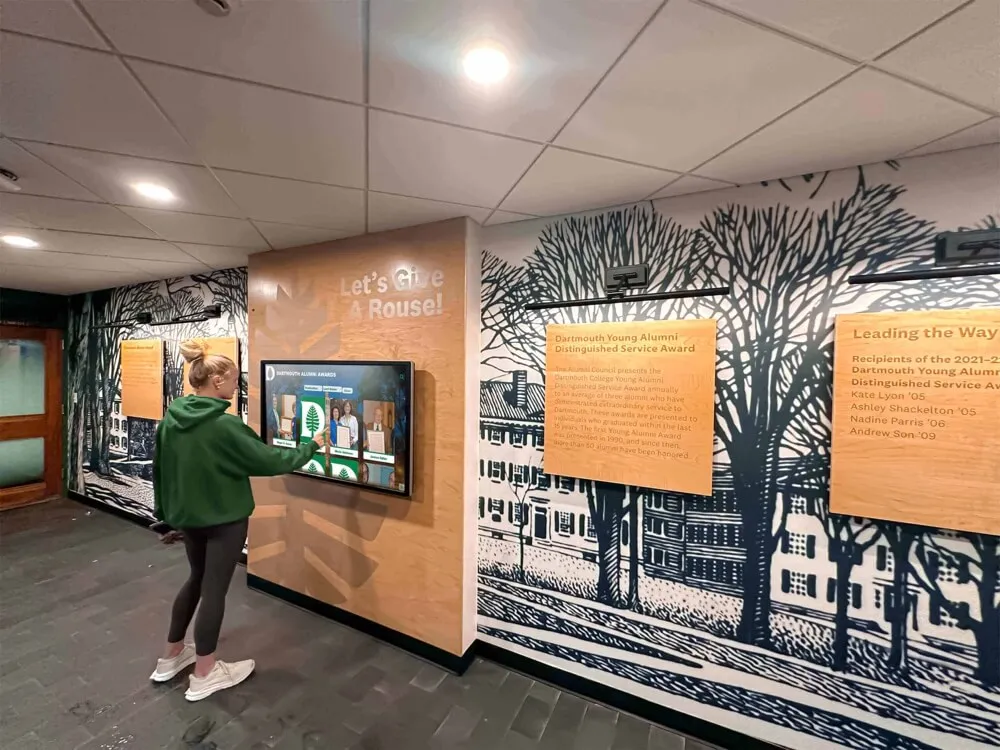
Well-organized family reunions deliver benefits extending far beyond single gatherings—they preserve family history for younger generations, create support networks spanning geographic distances, establish traditions connecting extended families, and demonstrate values of togetherness and heritage that shape family identity. Modern solutions like digital recognition displays help families showcase heritage through interactive family trees, photo collections documenting multiple generations, and storytelling platforms enabling relatives to share memories and experiences that preserve family narratives for future generations.
Understanding the Foundations of Successful Family Reunions
Before diving into logistics and specific activities, understanding what distinguishes memorable reunions from forgettable gatherings helps planning committees make strategic decisions maximizing engagement while minimizing stress that often overwhelms well-intentioned organizers.
Defining Clear Reunion Objectives
Different families approach reunions with varying goals—clarifying primary objectives shapes all subsequent planning decisions and ensures activities align with what your family values most.
Preserving Family Heritage: Many reunions prioritize documenting family history, sharing stories from older generations, creating genealogical resources, and ensuring younger family members understand their heritage. Heritage-focused reunions benefit from structured storytelling sessions, family tree presentations, historical photo collections, and recorded interviews capturing elders’ memories before they’re lost.
Strengthening Current Relationships: Other families focus primarily on building contemporary connections between cousins, enabling children to form bonds with extended family, and creating support networks that function beyond reunion events. Connection-focused gatherings emphasize activities facilitating interaction—group games, collaborative projects, shared meals encouraging conversation, and informal time for relationships to develop organically.
Celebrating Milestones and Achievements: Some reunions center on recognizing family accomplishments—graduations, career achievements, military service, community contributions, or personal milestones like milestone birthdays or anniversaries. Celebration-focused events incorporate recognition ceremonies, tribute presentations, and displays honoring individual and collective achievements that inspire younger generations.
Multi-Generational Fun and Recreation: Families with strong recreational traditions often prioritize shared activities—sports competitions, outdoor adventures, talent shows, or collaborative service projects creating new memories together. Activity-focused reunions require careful planning ensuring diverse age groups all find engaging options rather than forcing everyone into activities suitable only for specific demographics.
Most successful reunions combine multiple objectives rather than pursuing single-focus approaches that exclude significant family segments. The key is identifying primary goals while incorporating elements addressing diverse interests and values within extended family networks.
Building an Effective Planning Committee
Solo organizers quickly become overwhelmed by reunion planning demands—effective committees distribute workload while ensuring diverse perspectives shape decisions that impact all family members.
Diverse Generational Representation: Include committee members from different age groups ensuring activities appeal across generations rather than favoring preferences of whichever demographic dominates planning. Younger members bring technology skills and contemporary activity ideas; middle-aged members often have organizational experience and resources; elder members provide historical knowledge and connections to extended family branches that might otherwise get overlooked.
Geographic Distribution: If your family spans multiple regions, include representatives from various locations who understand local family populations and can coordinate regional outreach ensuring comprehensive communication rather than inadvertently excluding branches that live far from reunion locations or dominant family population centers.
Clear Role Assignments: Distribute specific responsibilities—venue coordination, activity planning, communications, budget management, historical documentation, technology coordination—ensuring accountability while preventing duplication or gaps where critical tasks get neglected because everyone assumes someone else handles them.
Regular Communication Protocols: Establish consistent meeting schedules, shared planning documents, and communication channels keeping all committee members informed. Tools like shared spreadsheets, messaging groups, or project management platforms enable coordination across distances and busy schedules that make synchronous meetings challenging for geographically dispersed planning teams.
Understanding how organizations approach event planning and recognition provides frameworks applicable to family gatherings where similar organizational principles apply regardless of whether events serve institutional or family purposes.
Strategic Venue Selection for Family Gatherings
Physical location profoundly impacts reunion success through its influence on attendance, activity possibilities, cost structure, and overall atmosphere that either enables or constrains your reunion vision.
Evaluating Venue Types and Their Tradeoffs
Different venue categories offer distinct advantages and limitations that matter differently depending on family size, budget, geographic distribution, and activity preferences.
Private Home or Family Property: Hosting reunions at family homes or inherited properties creates intimate, meaningful settings with deep family connections while eliminating rental costs. Home venues work best for smaller families (under 50), casual gatherings, and families with members offering suitable properties with adequate space, parking, and facilities. Limitations include constrained capacity, bathroom availability, parking challenges, setup burden falling heavily on hosts, and potential family dynamics complications if some members feel excluded from home-based hosting opportunities.
Public Parks and Recreation Areas: Parks offer affordable outdoor options with playground equipment for children, picnic facilities, open spaces for games and activities, and natural settings that accommodate large groups comfortably. Park reunions suit families with many children, active recreational traditions, and limited budgets. Consider weather contingency plans, parking availability, restroom facilities, reservation requirements, and whether parks allow alcohol if that matters for adult attendees preferring cocktails with socializing.
Hotels and Conference Centers: Full-service venues provide comprehensive amenities—meeting spaces, overnight accommodations, catering services, audio-visual equipment, and professional event coordination reducing planning burden. Hotels particularly benefit geographically dispersed families where many attendees travel from distances requiring lodging, elderly family members needing accessible facilities, and reunions incorporating formal programming. Costs run significantly higher than alternative venues, but all-inclusive packages may prove worthwhile for families prioritizing convenience and professional service quality.
Community Centers and Rental Halls: Dedicated event facilities offer middle-ground options between expensive hotels and basic park shelters—indoor climate control, adequate capacity for medium-to-large families, kitchen facilities enabling potluck or catered meals, and affordable rental rates. Community centers work well for families seeking indoor comfort without hotel expenses, groups needing accessible facilities for elderly or disabled members, and reunions occurring during unpredictable weather seasons making outdoor venues risky.
Retreat Centers and Camp Facilities: Multi-day reunions benefit from retreat centers offering overnight accommodations, meal service, recreational facilities, and programming spaces all on single properties. Retreat venues create immersive experiences enabling extended time together, work particularly well for families with strong traditions of multi-day gatherings, and offer cost-effective per-person pricing compared to hotels. Consider whether rustic cabin accommodations suit your family—some members may resist basic facilities lacking private bathrooms or air conditioning that hotels provide.
Heritage or Historical Sites: Families with connections to specific geographic origins might host reunions at locations meaningful to family history—ancestral homesteads, churches where generations worshipped, cemeteries where ancestors rest, or communities where families established roots. Heritage venues create powerful emotional connections while providing educational opportunities for younger generations learning family history. Combine historical site visits with separate event spaces for meals and activities if sites lack adequate facilities for full gathering needs.
Location Selection Considerations
Beyond venue type, geographic location decisions significantly impact attendance and overall reunion success.
Centralized versus Rotating Locations: Some families establish permanent reunion locations in ancestral home regions maintaining consistency and simplifying planning. Others rotate between locations ensuring different family branches share hosting responsibilities and travel burdens rather than always requiring the same relatives to travel farthest. Rotation approaches work well for geographically dispersed families; centralized locations suit families with strong geographic identity or convenient central locations minimizing travel for most members.
Accessibility for Elderly and Disabled Family Members: Ensure venues provide adequate parking near entrances, accessible restrooms, climate control protecting against temperature extremes, seating for those unable to stand extended periods, and accommodations for mobility devices. Thoughtful accessibility planning ensures the eldest generation can fully participate rather than staying home because venues present physical barriers preventing comfortable attendance.
Travel Logistics and Regional Appeal: Consider proximity to airports for far-traveling relatives, whether locations offer appealing tourism opportunities encouraging attendance, local accommodation availability for families needing lodging, and overall convenience that either supports or suppresses participation depending on how burdensome attendance becomes.
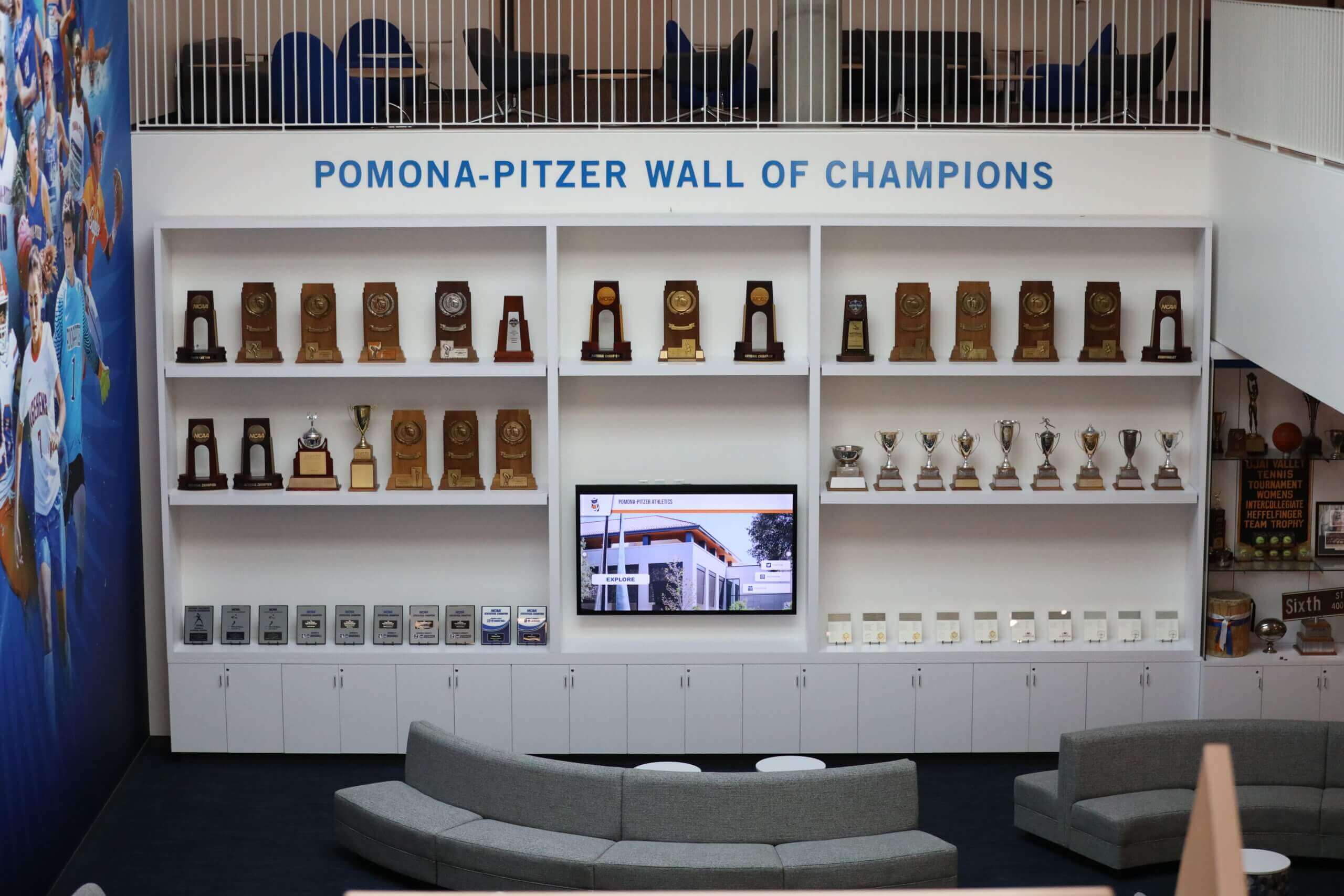
Resources on recognition display design and displaying heritage and history offer insights applicable to family gatherings where visual storytelling through photos and artifacts enhances connection to shared heritage.
Comprehensive Family Reunion Planning Timeline
Systematic planning prevents last-minute stress while ensuring thorough preparation addressing the countless details that collectively determine reunion success.
12 to 9 Months Before the Reunion
Early planning creates options and flexibility that disappear when organizers wait until few months remain before intended gathering dates.
Form Planning Committee: Recruit diverse volunteers representing different family branches, generations, and geographic regions. Establish communication protocols, meeting schedules, and shared document systems enabling effective coordination despite geographic separation and busy schedules.
Determine Dates and General Location: Select dates avoiding major holidays when families have existing commitments, consider school calendars if many families include school-age children, account for regional weather patterns if planning outdoor activities, and identify general geographic areas (specific venues come later) enabling family members to mark calendars and begin travel planning.
Create Preliminary Budget: Estimate costs for venue rentals, food service, activities, decorations, materials for heritage displays or activities, technology needs, and contingency reserves. Determine whether charging attendance fees, soliciting voluntary contributions, or using alternative funding approaches like family member sponsorships or shared potluck models.
Establish Communication Channels: Create reunion-specific email lists, social media groups, shared websites, or communication platforms reaching all family members. Begin collecting current contact information ensuring promotional materials reach everyone rather than only easily located relatives while distant cousins never hear about planning efforts.
Research and Tour Potential Venues: Visit multiple locations comparing costs, capacity, amenities, accessibility, and overall suitability. Book popular venues early—quality locations fill quickly, especially for summer and holiday weekends when families typically schedule reunions.
9 to 6 Months Before the Reunion
Mid-stage planning transitions from general framework to specific details that transform concepts into actionable plans.
Finalize and Book Venue: Complete venue contracts locking dates, understanding cancellation policies, clarifying what’s included versus additional costs, and confirming setup assistance or restrictions affecting your plans.
Plan Activities and Programming: Develop specific schedules balancing structured activities with free time, ensuring options for diverse age groups, identifying supplies or equipment needed, and recruiting volunteers facilitating specific activities requiring leadership.
Begin Heritage Documentation Projects: Start collecting family photos, documents, and stories that will feature in displays or presentations. Interview older family members recording memories before they’re lost, research genealogical information, and organize materials into shareable formats.
Launch Initial Promotional Campaign: Send save-the-date notifications with basic information enabling families to plan travel and request time off work. Create excitement through teasers about activities, share progress updates maintaining engagement, and encourage family members to share information within their immediate families ensuring children and spouses know about plans.
Secure Catering or Plan Food Service: Book caterers for full-service venues, coordinate potluck contributions ensuring diverse dishes and avoiding too many desserts with insufficient main courses, or plan family cooking approaches if preparing meals collectively as reunion activities themselves.
6 to 3 Months Before the Reunion
Later-stage planning addresses details requiring specific information like attendance counts while intensifying promotional efforts encouraging registration and commitment.
Open Registration and Collect RSVPs: Launch registration systems (online platforms for tech-savvy families, paper forms for traditionalists, or phone-based RSVP options for elderly relatives uncomfortable with digital tools). Collect attendee counts, dietary restrictions, t-shirt sizes if ordering reunion apparel, activity preferences, and accommodation needs.
Order Supplies and Materials: Purchase or create name tags, reunion t-shirts or apparel, activity supplies, decorations, signage, and any materials needed for heritage displays or recognition programs. Allow adequate production time—custom items require weeks, and rush orders cost significantly more.
Finalize Activity Plans: Confirm entertainment (DJs, musicians, speakers), reserve equipment rentals (bounce houses, sports equipment, audio-visual gear), secure permits if required for park activities or special events, and prepare detailed schedules distributing to committee members responsible for specific program elements.
Create Heritage Displays: Assemble photo collections, family trees, historical documents, and memorabilia into physical displays or digital presentations. Consider solutions like interactive digital displays that enable families to showcase extensive photo collections, genealogical information, and stories in engaging, explorable formats that static poster boards cannot match.
Confirm Catering Numbers: Submit final attendance counts to caterers within required deadlines, accounting for last-minute cancellations by slightly over-ordering, confirming dietary accommodation arrangements, and understanding setup timing and service expectations.
Final Weeks Before the Reunion
Last-minute preparations address remaining details while maintaining communication momentum encouraging attendance and building anticipation.
Send Final Reminders: Distribute detailed information packets including exact venue addresses with parking instructions, arrival times, what to bring, dress code if applicable, weather contingency plans, contact numbers for day-of questions, and schedules so attendees can plan around specific activities they prioritize.
Prepare Registration Materials: Create welcome packets, name tags, schedules, activity instructions, family directory sharing contact information (with privacy permissions), and any materials attendees need for specific activities or ice-breakers facilitating connection across family branches that may not know each other well.
Conduct Setup Planning: Coordinate volunteer setup crews, prepare decoration materials, test audio-visual equipment and digital displays, arrange furniture or tables, post signage directing attendees, and stage supplies needed throughout events in easily accessible locations enabling quick access when activities require specific materials.
Confirm All Vendors and Volunteers: Final confirmations with caterers, entertainers, venue coordinators, and volunteer leads ensuring everyone knows timing, responsibilities, and contact information for coordination. Build in buffer time—everything takes longer than anticipated, and flexibility prevents cascading delays when setup takes longer than planned.
Understanding how organizations approach celebration and recognition events provides proven frameworks applicable to family gatherings where similar planning principles ensure successful outcomes regardless of whether honoring athletes or relatives.
Engaging Activities That Bring Families Together
Activities determine whether reunions create memorable shared experiences or devolve into fragmented socializing where attendees struggle to connect meaningfully across generational and social divides.
Ice-Breakers and Connection Activities
Structured activities that facilitate introduction and conversation prove especially valuable for extended families where many relatives have never met or barely know each other.
Family Trivia Games: Create quizzes testing knowledge about family history, famous relatives, shared memories, or inside jokes only family members would understand. Include questions spanning different eras ensuring all generations can contribute answers rather than focusing solely on ancient history that younger members never experienced. Team-based formats encourage collaboration across age groups while competitive elements generate energy and engagement.
Name Tag Enhancements: Move beyond basic name tags by adding conversation starters—“Ask me about my recent trip to…” or “I’m passionate about…” or “My favorite family memory is…”. Enhanced tags provide natural entry points for conversations while helping relatives discover shared interests creating genuine connection beyond superficial small talk about weather or generic “what do you do?” exchanges.
Family Bingo: Create bingo cards featuring characteristics relatives might have—“served in military,” “speaks multiple languages,” “has twins,” “lived abroad,” “plays musical instrument,” “graduated from family’s ancestral university.” Players circulate asking relatives about characteristics, marking squares when they find matches, encouraging interaction while helping family members learn interesting facts about each other they might never discover through random conversation.
Speed Meeting Rotations: Organize structured conversation rotations where small groups (4-6 people) mix for brief periods before rotating to new groups ensuring everyone meets diverse family branches rather than clustering with immediate relatives they already know well. Provide conversation prompts if needed: “Share your favorite childhood family memory” or “What’s the most important lesson you learned from an older family member?”
Multi-Generational Activity Ideas
Successful reunions provide activities engaging diverse age groups simultaneously rather than segregating into adult socializing while children get relegated to separate “kids’ activities” that isolate rather than connect generations.
Collaborative Art Projects: Set up large canvas murals, quilt squares, or ceramic tile painting where family members of all ages contribute pieces assembling into collaborative artwork displayed at future reunions. Collaborative projects create tangible legacies while providing low-pressure activities accommodating varying artistic abilities and attention spans that span energetic toddlers through elderly great-grandparents with limited mobility.
Family Talent Shows: Invite relatives to perform musical pieces, comedy routines, dramatic readings, dance performances, or other talents showcasing diverse abilities. Talent shows celebrate individual gifts while entertaining entire families through varied performances. Encourage collaborative acts—grandparents performing with grandchildren, family bands, or group presentations celebrating shared talents running through multiple generations.
Outdoor Games and Sports: Organize activities accommodating varied fitness levels—softball games with flexible rules, relay races with age-appropriate distances, scavenger hunts combining physical exploration with problem-solving, or recreational activities like cornhole, bocce ball, or croquet that even less-athletic family members can enjoy. Emphasize fun over competition, ensuring activities remain inclusive rather than showcasing athletic prowess in ways that make less-capable members feel inadequate.
Cooking or Recipe Sharing: Prepare family traditional foods together, enabling elder generations to teach younger members ancestral recipes while preserving culinary heritage. Food preparation creates natural conversation opportunities while hands-on collaboration builds tangible connections through shared work. Compile family recipe books including stories behind dishes, creating keepsakes preserving not just ingredients but cultural traditions and memories associated with specific foods.
Service Projects: Organize group volunteer activities—assembling care packages, beautifying public spaces, supporting local charities, or creating items for community organizations. Shared service demonstrates family values while creating meaningful bonds through purposeful work rather than solely focusing on self-centered entertainment. Service projects teach younger generations about contribution and compassion while honoring elder members’ frequent desire for meaningful impact beyond recreational socializing.
Resources on event engagement strategies and presenting family history offer approaches applicable to reunion planning where similar engagement principles create memorable experiences regardless of whether serving educational institutions or family networks.
Heritage Preservation and Storytelling
Activities that document and celebrate family history create meaningful experiences while preserving narratives that might otherwise be lost when elder generations pass away.
Story Circle Recordings: Facilitate structured storytelling sessions where older family members share memories while younger members record audio or video capturing stories for posterity. Prompt specific memories—“Tell us about your childhood home,” “Describe your wedding day,” “What was your parents’ immigration experience like?"—ensuring broad coverage of family history rather than random reminiscing that might miss significant narratives.
Living Family Tree Presentations: Create visual family trees showing relationships across generations, then present with storytelling about specific individuals and their roles in family history. Digital family tree tools enable interactive exploration where relatives can see how they connect to distant cousins, discover shared ancestors, and understand their place within broader family lineage that younger generations often don’t fully grasp.
Photo Collection and Digitization: Set up scanning stations where family members bring old photos for digitization, creating preservation copies while compiling comprehensive family photo archives. Encourage attendees to label photos identifying people, dates, locations, and contexts before that information gets lost. Digital archives enable broad sharing across family networks while protecting originals from damage or loss that analog photo collections risk.
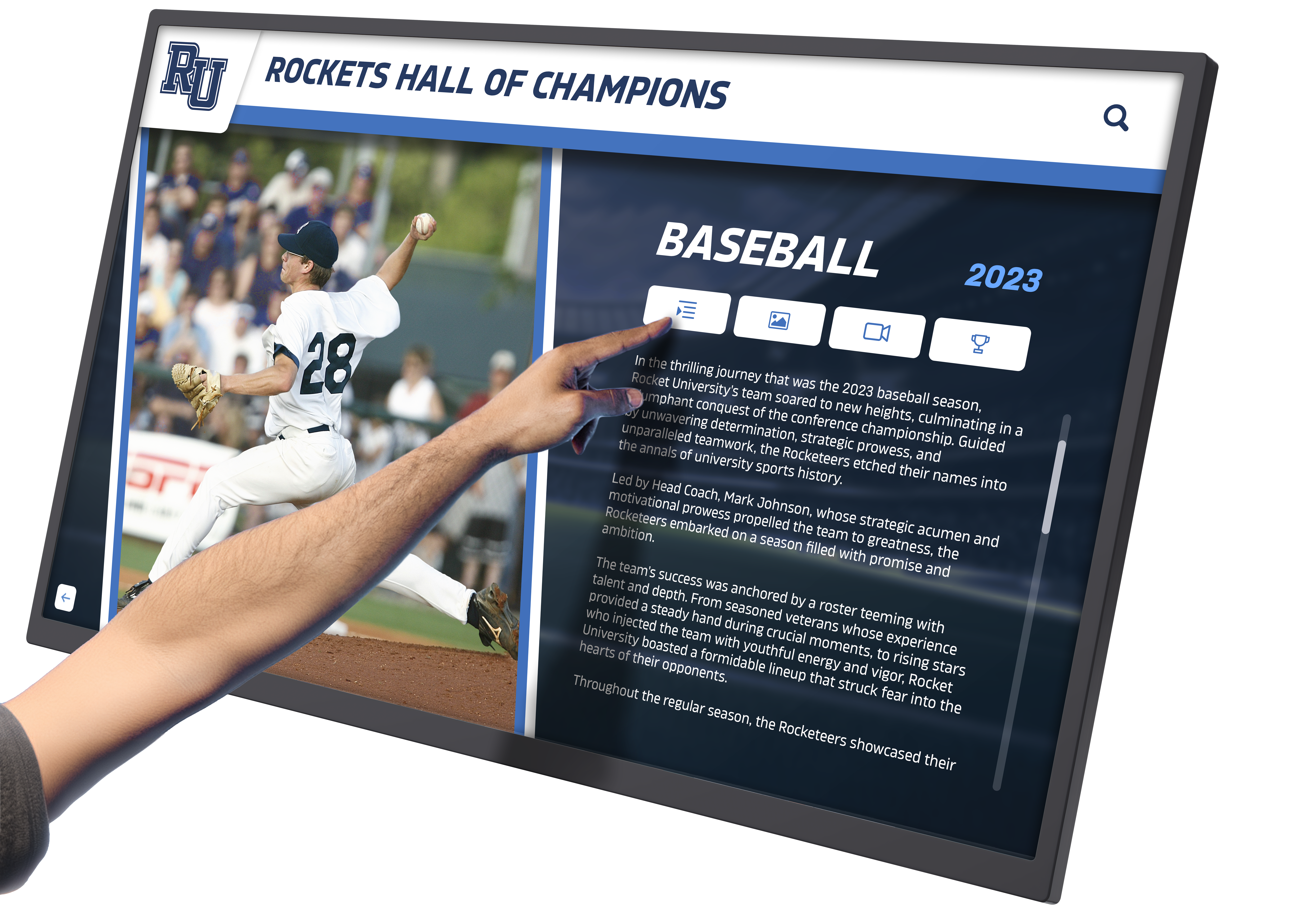
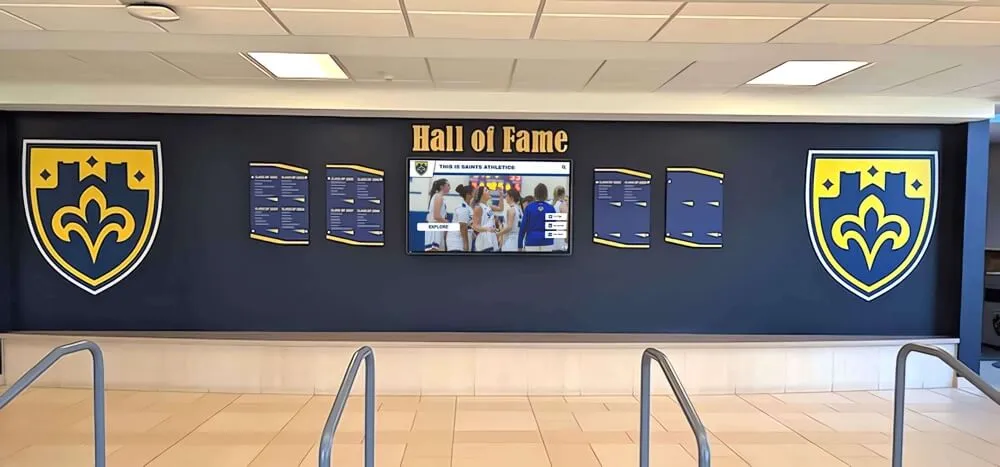
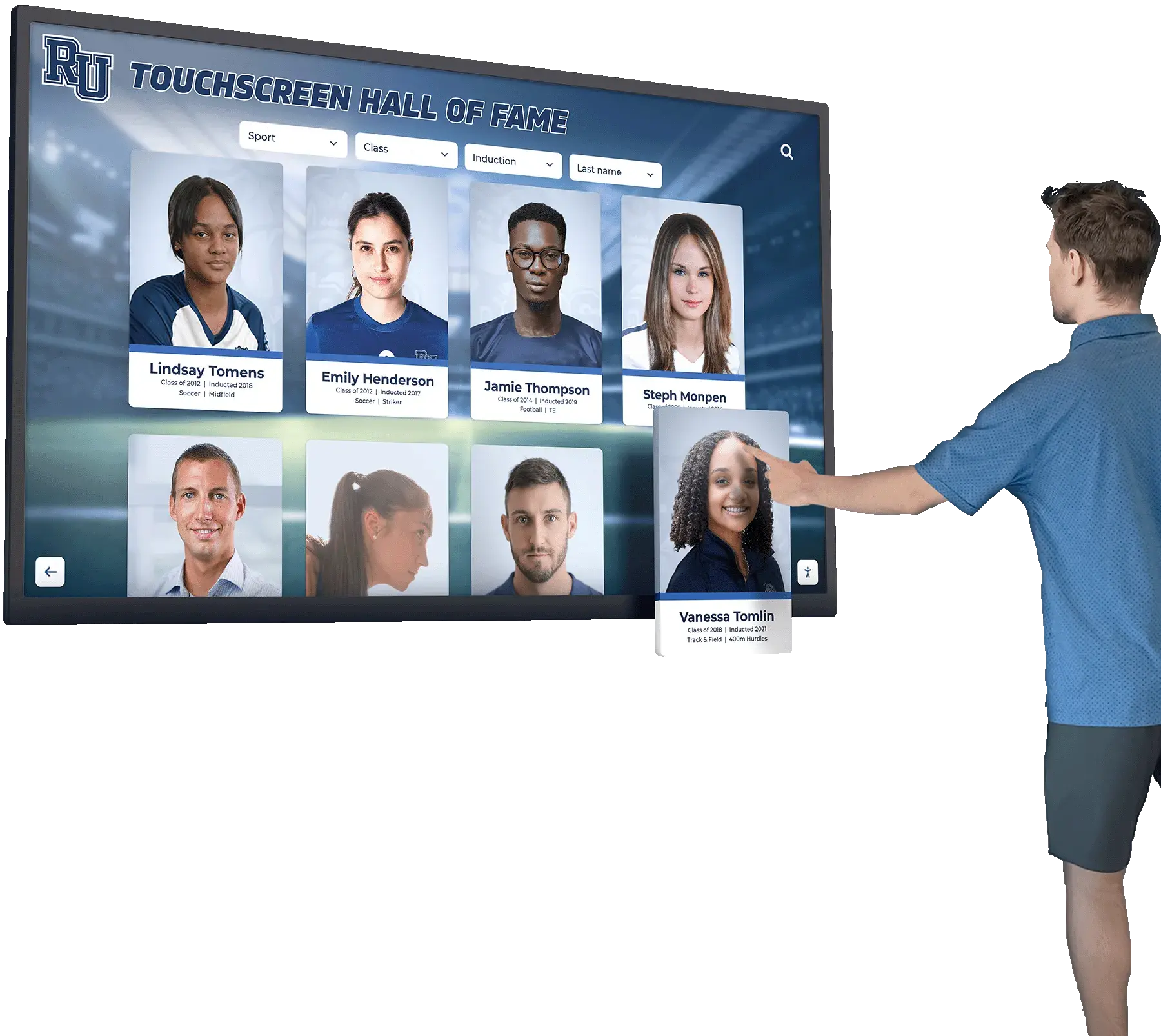
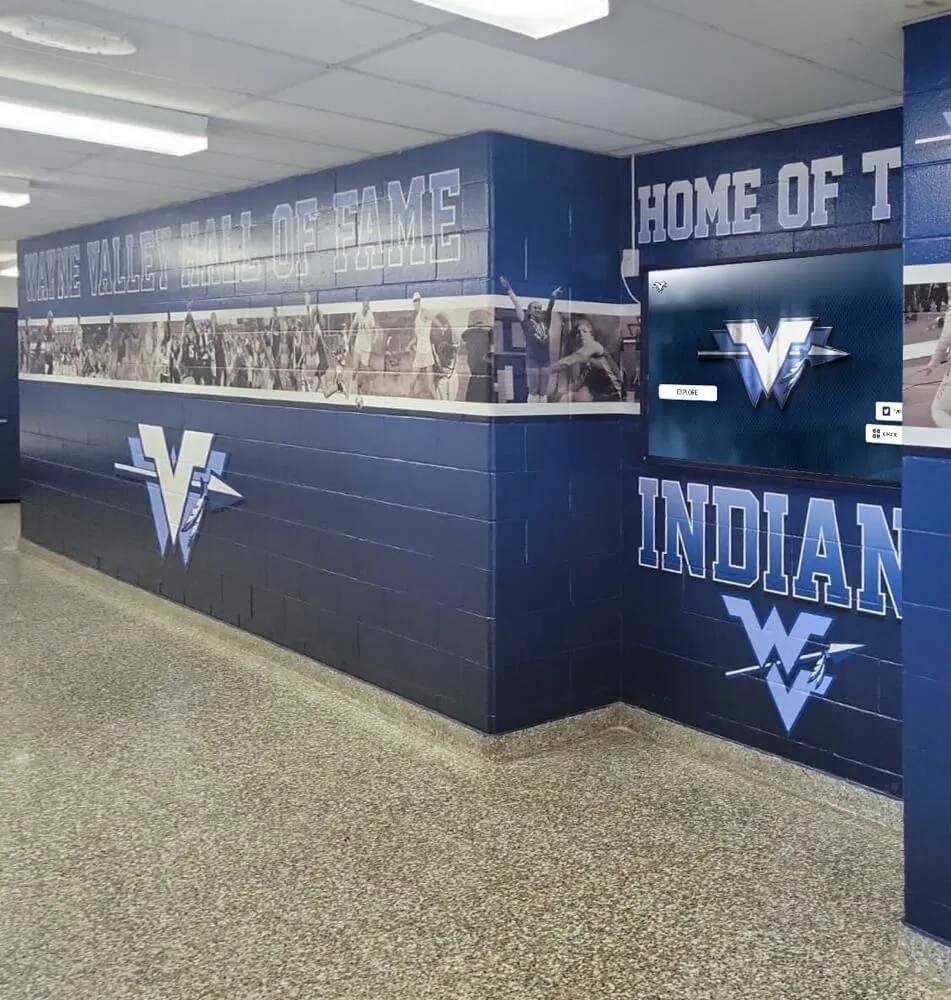
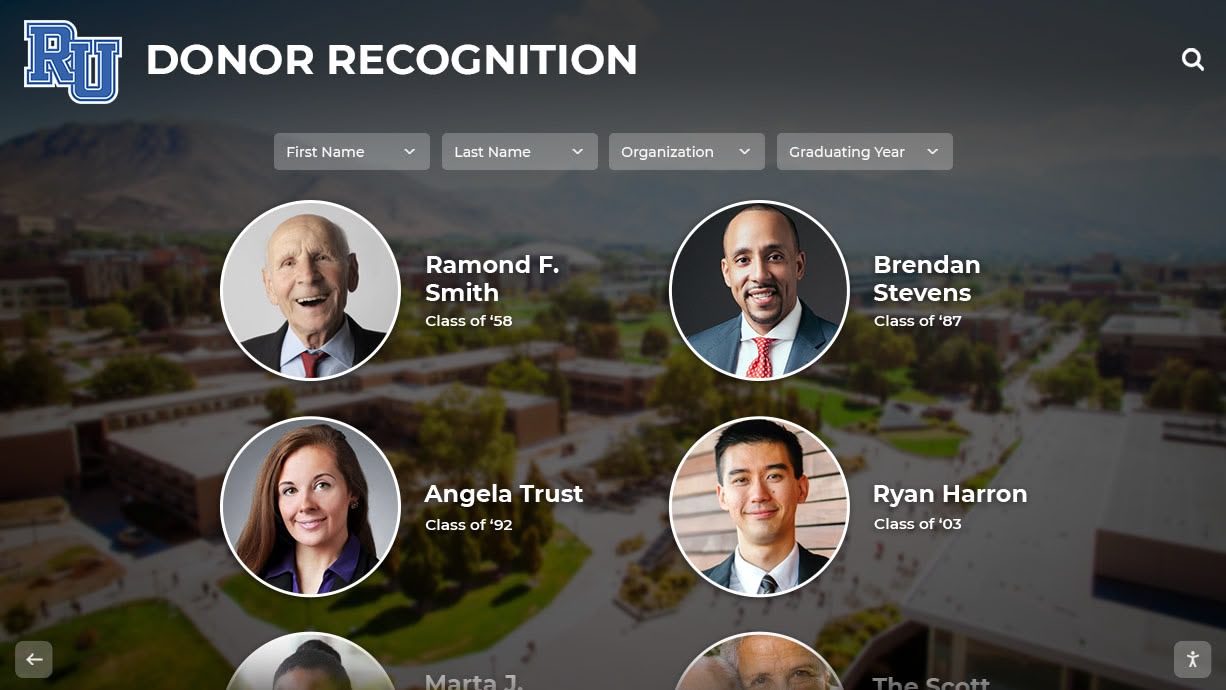
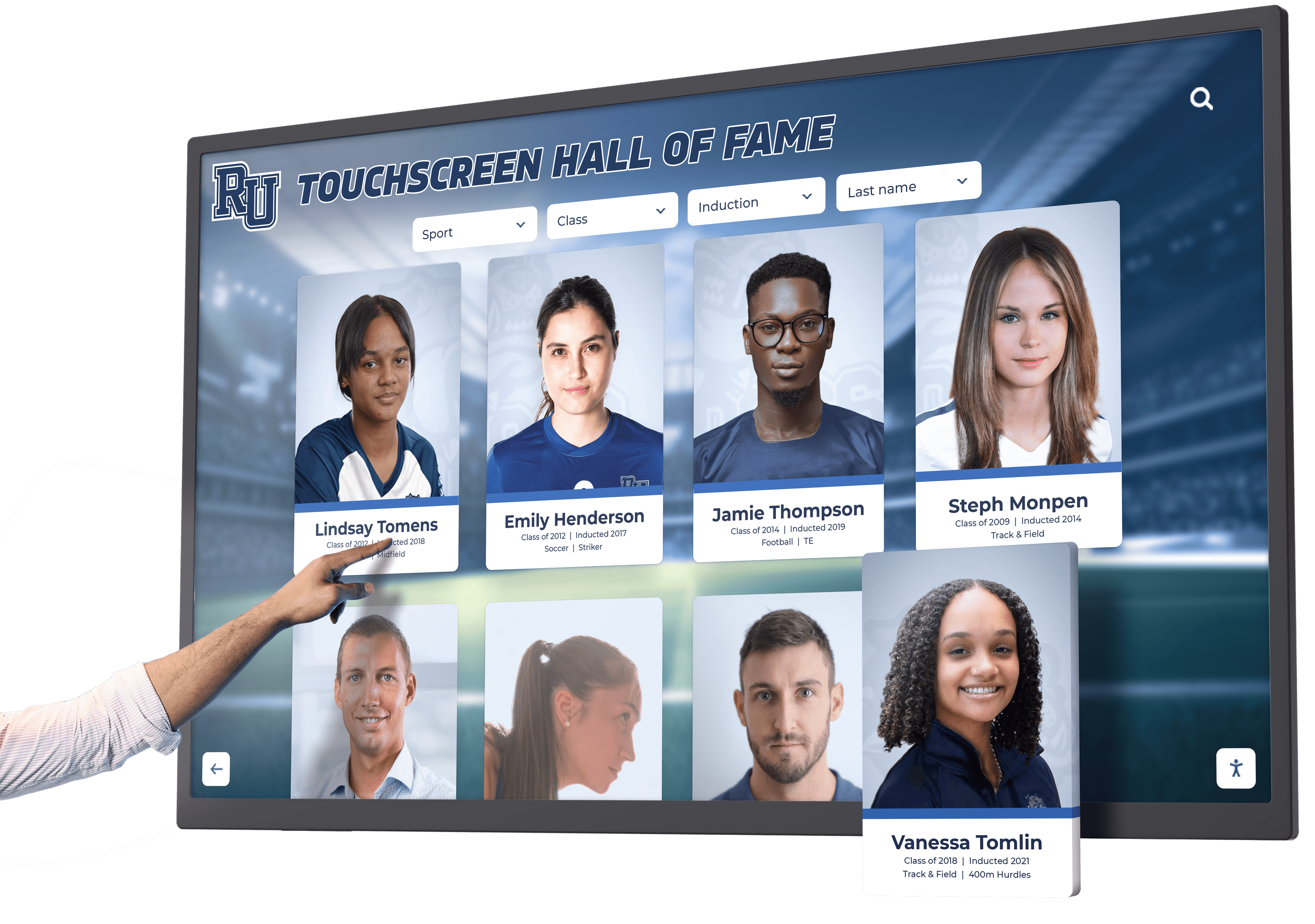
Heritage Display Exploration: Create comprehensive displays featuring family photos, heirlooms, documents, genealogical charts, and artifacts representing family history. Modern digital recognition systems enable showcasing extensive collections that physical poster boards cannot accommodate—photo galleries spanning decades, video interviews with elder relatives, scanned historical documents, and interactive timelines documenting family evolution through generations. Solutions like Rocket Alumni Solutions provide platforms originally designed for educational institutions that adapt well to family reunion contexts where similar needs for recognition, storytelling, and heritage preservation exist.
Timeline Creation: Develop visual timelines documenting major family milestones—births, marriages, deaths, relocations, career achievements, military service, immigration journeys, or historical events that shaped family experiences. Timelines provide context helping younger generations understand family history within broader historical frameworks while revealing patterns—service traditions, educational achievements, or vocational paths running through multiple generations.
Budget Planning and Cost Management
Financial planning significantly impacts reunion success through its influence on attendance, activity possibilities, and overall stress levels that either enable enjoyable planning or create conflict and resentment within planning committees and broader families.
Establishing Realistic Reunion Budgets
Thorough cost estimation prevents both pricing events beyond affordability and running into financial shortfalls requiring last-minute fundraising or expense-cutting that diminishes reunion quality.
Comprehensive Expense Categories: Account for all costs including venue rentals, catering or food service, activity supplies and equipment, entertainment costs, decorations and signage, heritage display materials or technology, name tags and printed materials, insurance if required, technology costs for registration platforms or digital displays, contingency reserves for unexpected expenses, and administrative costs like postage or communication platform subscriptions.
Per-Person Cost Analysis: Calculate individual costs based on realistic attendance projections—neither overly optimistic assumptions creating financial risk when fewer people attend than anticipated, nor pessimistic estimates resulting in excessive per-person charges that suppress participation. Consider whether charging flat rates, sliding scales based on age (children priced lower than adults), or per-family pricing that accommodates varying household sizes without penalizing larger families.
Transparent Cost Communication: Clearly explain what fees cover, what expenses individuals bear separately (travel, lodging, optional activities), and how pricing was determined. Transparency builds trust while enabling families to make informed attendance decisions based on accurate financial information rather than discovering unexpected costs creating frustration and resentment.
Alternative Funding Models
Creative approaches reduce individual costs while enabling enhanced reunions that attendance fees alone cannot support.
Potluck and Shared Meal Models: Coordinate contributions where families bring specific dishes rather than relying solely on catered meals, dramatically reducing per-person costs while often providing more diverse food reflecting family culinary traditions. Organize potlucks carefully ensuring balanced meals—assign categories preventing fifteen desserts with only two main courses.
Voluntary Contribution Approaches: Rather than mandatory fees potentially excluding relatives with financial constraints, invite voluntary contributions enabling participation regardless of ability to pay. Communicate suggested amounts providing guidance while emphasizing that all relatives welcome regardless of financial contribution. Wealthy family members often contribute generously when optional structures enable discretionary giving rather than fixed fees capping contributions at levels below what they’d willingly provide.
Sponsorship from Successful Family Members: Solicit support from financially successful relatives willing to underwrite portion of reunion costs, providing recognition through displays or acknowledgments honoring their generosity. Sponsorship enables enhanced experiences—better venues, professional entertainment, heritage preservation projects—while recognizing that financial capacity varies widely within extended families where some members enjoy comfortable prosperity while others struggle financially.
Multi-Year Savings Plans: For families establishing regular reunion traditions, create ongoing savings funds where annual small contributions accumulate into larger budgets enabling ambitious reunion plans every 3-5 years rather than expecting families to absorb large one-time costs that prove prohibitive when concentrated into single years.
Understanding approaches to event funding and recognition provides frameworks applicable to family contexts where similar financial planning principles enable successful gatherings regardless of whether serving nonprofit fundraising or family reunion purposes.
Technology Integration for Modern Family Reunions
Strategic technology enhances reunion experiences while expanding participation options for relatives unable to attend physically—particularly valuable for geographically dispersed families where physical gathering challenges increase as families spread across regions or countries.
Communication and Planning Tools
Digital platforms enable effective coordination across distances and busy schedules that complicate traditional meeting-based planning approaches.
Shared Planning Documents: Utilize collaborative spreadsheets, project management tools, or shared document platforms enabling committee members to update plans, track tasks, manage budgets, and coordinate activities regardless of geographic location. Real-time collaboration eliminates endless email threads while ensuring single sources of truth preventing confusion when multiple outdated versions circulate creating contradictory information.
Family Communication Platforms: Establish dedicated social media groups, messaging channels, or family-specific websites centralizing information and enabling ongoing conversation. Modern families span multiple communication preferences—some comfortable with Facebook groups, others preferring text-based messaging apps, traditionalists wanting email updates. Multi-platform approaches acknowledge diversity while ensuring critical information reaches everyone through whatever channels they actually use rather than channels planners assume everyone monitors.
Online Registration Systems: Implement digital registration enabling relatives to RSVP, pay fees if applicable, indicate dietary restrictions, volunteer for specific responsibilities, and share updated contact information through user-friendly forms. Registration platforms provide real-time attendance tracking enabling dynamic planning adjustments based on actual commitments rather than making guesses about likely participation that prove wildly inaccurate when events actually occur.
Virtual Attendance Options: Live-stream portions of reunions enabling distant relatives to participate remotely when physical attendance proves impossible due to distance, health, financial constraints, or scheduling conflicts. Even limited virtual participation—watching key moments, joining via video call for group toasts, exploring digital heritage displays from home—helps maintain connection for relatives who might otherwise feel completely excluded from family gatherings they cannot physically attend.
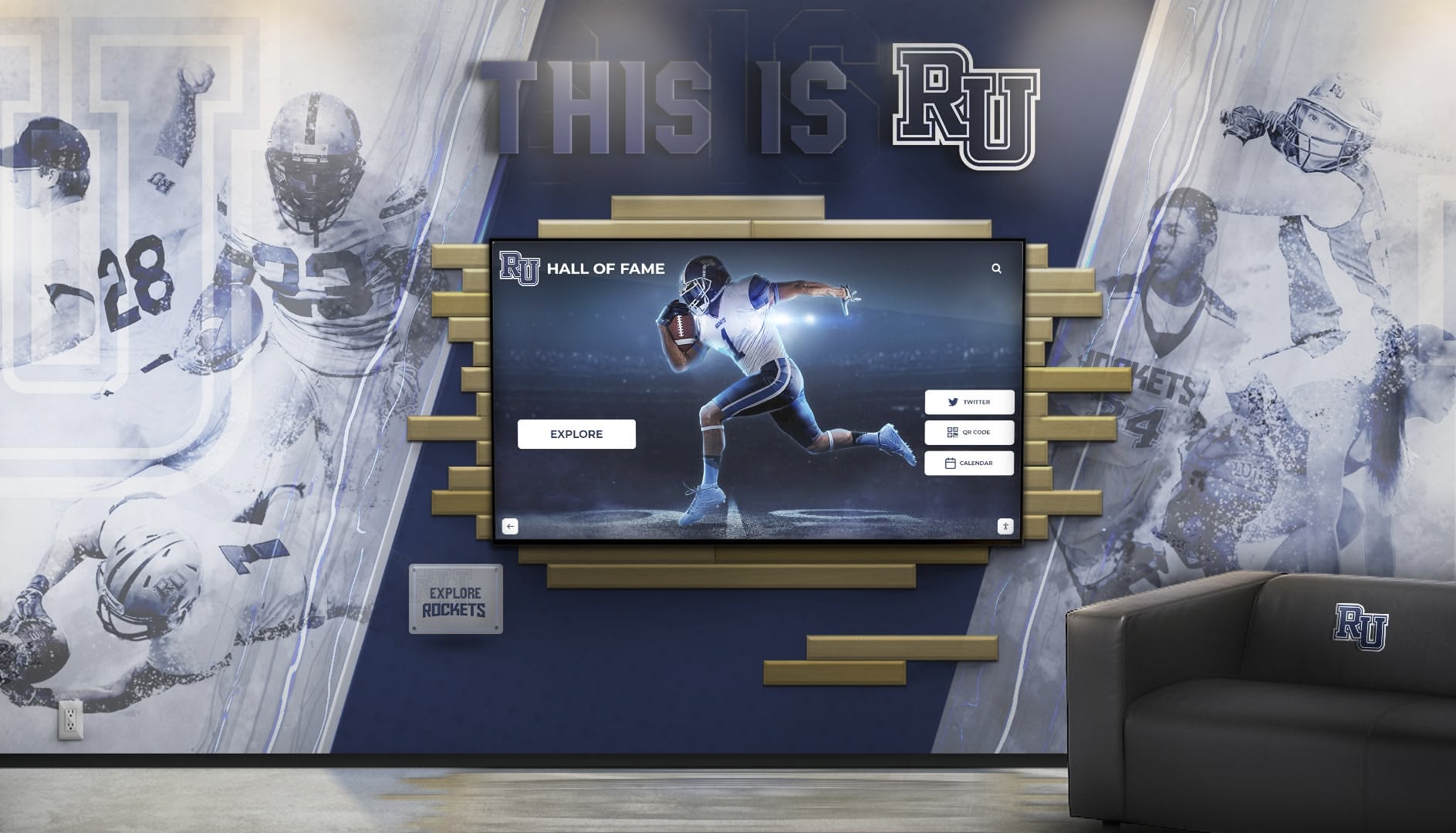
Digital Heritage and Recognition Displays
Modern display technology enables comprehensive family history preservation and presentation that traditional photo boards cannot match.
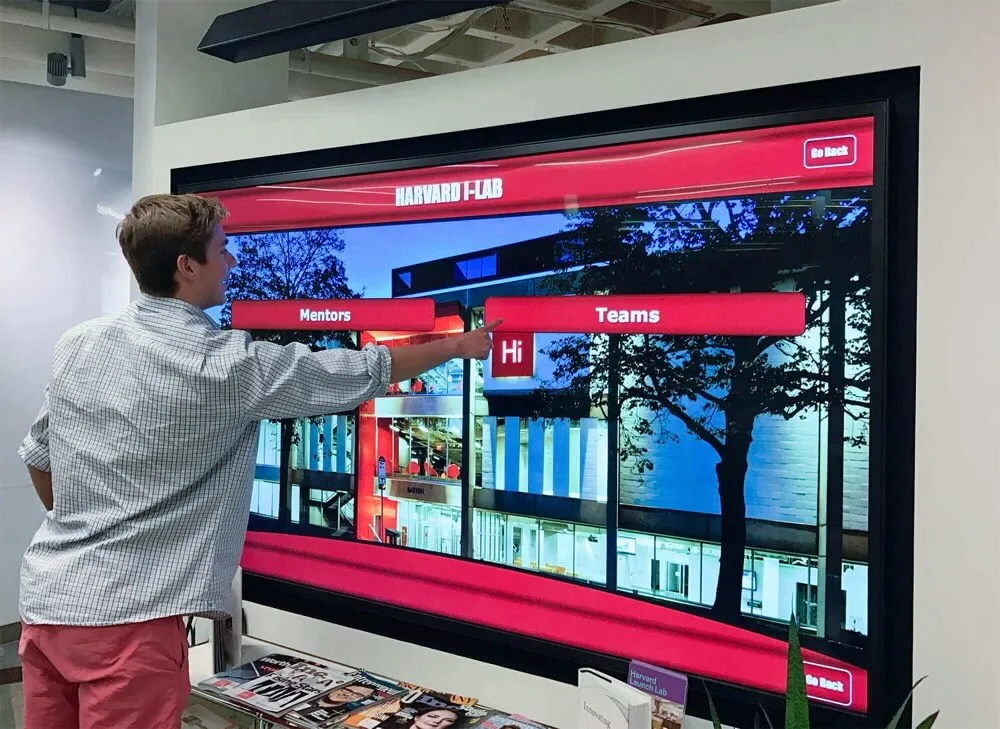
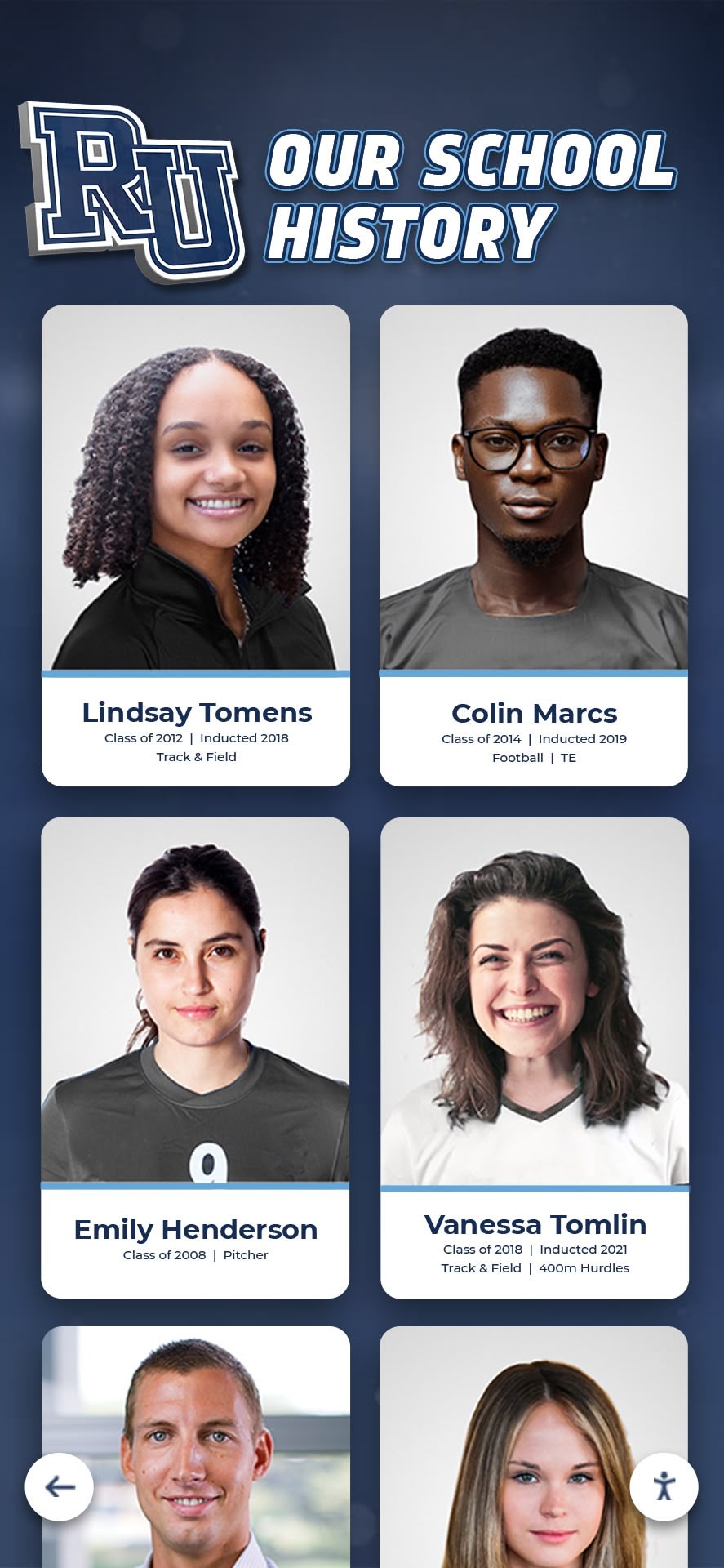
Interactive Photo Collections: Digital displays accommodate thousands of photos organized by era, family branch, or theme, enabling exploration that static poster boards displaying limited selections cannot provide. Relatives can search for specific family members, browse chronologically through generations, or discover photos they’ve never seen—particularly valuable for large extended families where many relatives don’t know each other well and appreciate visual references establishing relationships.
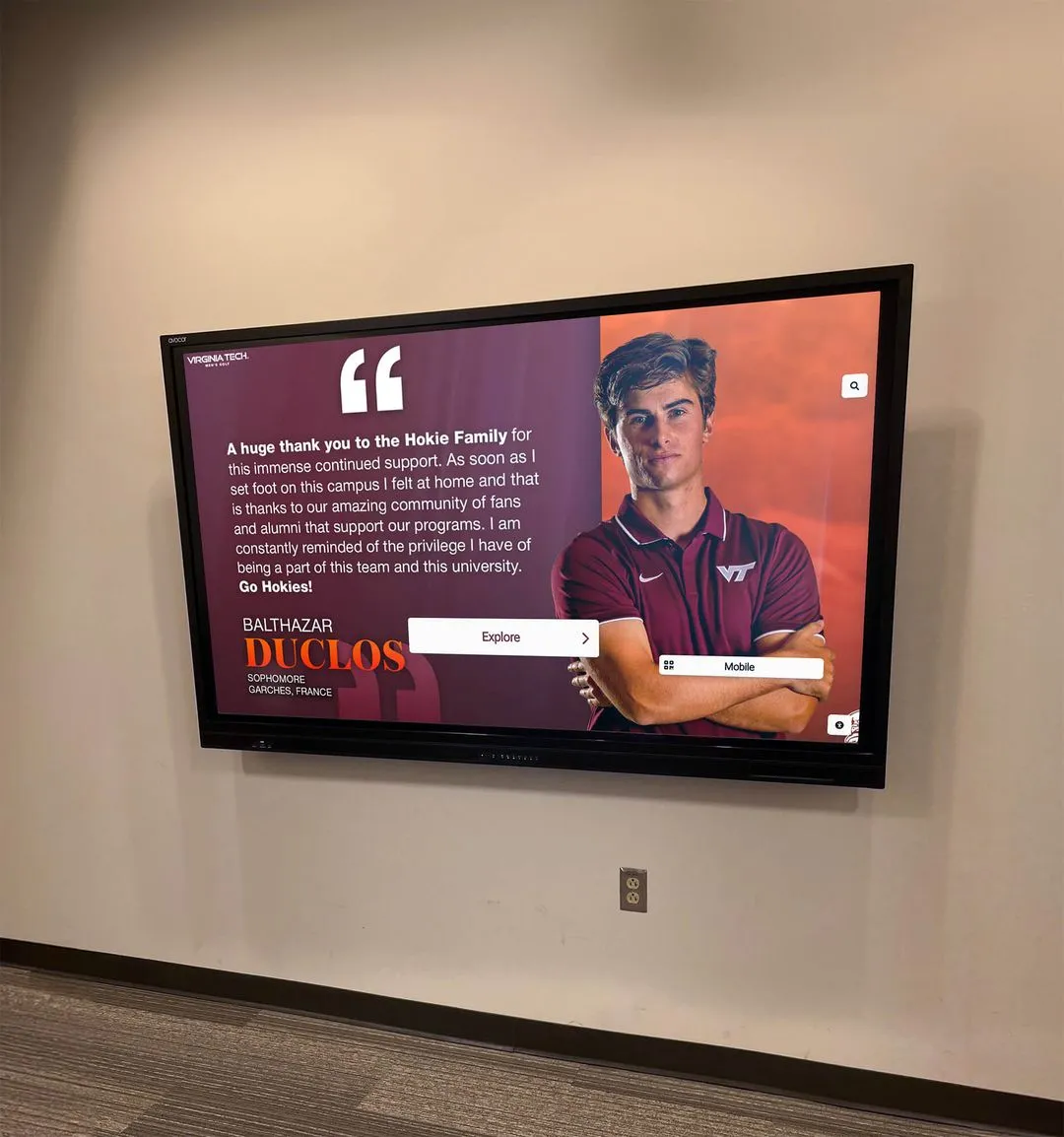
Multimedia Storytelling Capabilities: Rich digital content including video interviews with elder relatives, audio recordings of family stories, scanned historical documents, and detailed biographical information creates engaging heritage experiences impossible with static displays limited to printed photos and basic text labels that provide minimal context or narrative depth.
Genealogical Integration: Connect display content to comprehensive family trees enabling relatives to understand relationships, discover distant cousins, and explore lineage tracing ancestry through multiple generations. Interactive genealogy tools particularly engage younger family members who find visual relationship mapping more accessible than dry genealogical charts listing names without context or compelling presentation.
Accessible from Anywhere: Cloud-based recognition platforms enable family members to explore content before, during, and after physical reunions through web browsers or mobile apps. Remote access ensures relatives unable to attend physically still experience heritage displays while enabling ongoing engagement between reunions rather than limiting family history access to periodic physical gatherings that some members never attend.
Families can implement permanent digital heritage platforms serving ongoing connection between reunion events. Solutions originally designed for schools and organizations—like those from Rocket Alumni Solutions—adapt well to family contexts where similar needs exist for showcasing multiple generations, preserving photo collections, sharing stories, and creating engaging displays that honor heritage while remaining accessible to geographically distributed relatives who never physically gather in single locations.
Resources on interactive display technology and digitizing photo collections offer technical insights applicable to family heritage preservation where similar display approaches create engaging, accessible experiences regardless of whether serving institutional or family purposes.
Managing Family Dynamics and Potential Challenges
Family gatherings inevitably involve navigating complex relationships, longstanding tensions, and diverse personalities that can either enhance or undermine reunion success depending on how thoughtfully planners anticipate and address potential complications.
Addressing Common Reunion Challenges
Proactive planning prevents many issues that otherwise derail gatherings or create lasting resentment within families.
Balancing Diverse Age Group Needs: Successful reunions provide activities engaging everyone from toddlers through great-grandparents rather than favoring specific demographics while others feel bored or excluded. Offer simultaneous options—quiet conversation areas for elders while children play in separate activity zones, structured games bringing generations together, free time enabling people to choose engagement levels comfortable for their energy and interests.
Managing Financial Disparities: Extended families typically include members with vastly different financial circumstances—some affluent, others struggling economically. Pricing approaches acknowledging this reality through sliding scale fees, voluntary contributions, or potluck models prevent excluding relatives who cannot afford expensive tickets while avoiding resentment from those who could comfortably contribute more if asked but weren’t given opportunities to support families needing assistance.
Navigating Family Conflicts: Most families include members with complicated histories—divorces, estrangements, personality conflicts, or political disagreements. While reunions cannot resolve deep-seated issues, thoughtful planning minimizes conflict opportunities through mixed seating preventing adversarial clusters, establishing ground rules prohibiting controversial topics, and creating multiple activity spaces enabling physical separation when necessary without dramatic confrontations ruining events for everyone.
Accommodating Dietary Restrictions: Modern families include members with food allergies, religious dietary laws, vegetarian or vegan preferences, and health-related restrictions requiring careful catering planning. Collect dietary information during registration, ensure clearly labeled food indicating common allergens and ingredients, provide diverse options accommodating varied needs, and communicate with caterers about proper preparation preventing cross-contamination for serious allergies.
Respecting Privacy Boundaries: Some family members actively share personal information and welcome photography; others value privacy and dislike being photographed or having life details discussed publicly. Respect these differences through opt-in directory sharing, asking permission before posting photos on social media, and creating private communication channels for families uncomfortable with public social media groups where information might leak beyond intended family audiences.
Creating Inclusive Environments
Thoughtful inclusion efforts ensure all family members feel welcome regardless of age, ability, background, or relationship status.
Accessibility Planning: Ensure venues accommodate wheelchairs and mobility devices, provide adequate seating for those unable to stand extended periods, offer transportation between parking and gathering areas if distances prove challenging, maintain comfortable temperature control, and consider dietary accommodations for medical conditions requiring specific food preparations.
Welcoming Blended Families: Modern families include step-relations, adopted members, and chosen family who may not share biological connections but remain integral family parts. Inclusive language, heritage displays acknowledging diverse family formations, and recognition approaches celebrating relationship contributions rather than just bloodline connections demonstrate that family means more than genetics alone.
Supporting New Members: In-laws, new partners, or other recent family additions often feel uncomfortable at gatherings where everyone shares history and inside jokes they don’t understand. Facilitate introductions, provide context for family traditions or stories, assign welcoming relatives to befriend newcomers, and avoid excessive “remember when” conversations excluding those who weren’t present for referenced experiences.
Honoring Diverse Beliefs: Extended families typically include members with varied religious practices, political perspectives, and lifestyle choices. Create neutral environments avoiding assumptions about shared values—secular programming that doesn’t alienate non-religious members, optional religious elements for those who want them, and ground rules prohibiting political debates or judgmental commentary about others’ choices that create hostile environments antithetical to reunion purposes.
Understanding approaches to inclusive event planning provides frameworks applicable to family gatherings where similar principles of broad welcome and thoughtful accommodation create positive experiences regardless of whether serving institutional or family contexts.
Post-Reunion Follow-Up and Sustained Connection
Reunion benefits extend beyond single gatherings when families implement thoughtful follow-up maintaining momentum and strengthening relationships formed or renewed during events.
Immediate Post-Event Actions
Strike while engagement remains high immediately after successful reunions, capitalizing on positive energy and fresh memories.
Thank You Communications: Send appreciation messages to all attendees, volunteers, planning committee members, and any sponsors or supporters within one week while reunion experiences remain fresh. Sincere gratitude acknowledges contributions while reinforcing positive associations with family gathering traditions that planning teams hope to continue at future events.
Photo and Memory Sharing: Create comprehensive digital galleries featuring event photos, captured video moments, and collected materials enabling family members to relive experiences, download favorites, and share with immediate family members who didn’t attend. Timely sharing while memories remain fresh generates more engagement than delayed distribution occurring months later when reunion experiences feel distant and emotional connections have faded.
Budget Reconciliation: Complete final expense accounting, provide transparent financial summaries to families if applicable, distribute any surplus according to family decisions (future reunion savings, family scholarship funds, or charitable donations), and document actual costs informing realistic budgets for future gatherings based on real data rather than estimates that proved inaccurate.
Survey Feedback Collection: Solicit honest input about what worked well, what needs improvement, preferred timing for future reunions, activity ideas, and general satisfaction. Anonymous surveys often generate more candid feedback than open feedback requests where respondents hesitate to criticize planning efforts. Feedback demonstrates continuous improvement commitment while providing valuable insights for future planning committees.
Building Year-Round Connection
The most successful families recognize reunions represent pieces of broader relationship strategies rather than isolated events separated by years of silence.
Regular Communication: Establish ongoing touchpoints through quarterly newsletters sharing family updates, birthdays and anniversaries, achievements worth celebrating, or interesting articles and resources relevant to family interests. Consistent communication maintains awareness and connection between physical gatherings while keeping families informed about what’s happening in extended family branches they might otherwise lose complete touch with.
Regional Gatherings: Organize smaller local meetups for family members living in specific geographic areas—city-based happy hours, regional picnics, or informal gatherings requiring less planning and travel than major reunions. Local events enable more frequent connection while building momentum for major milestone reunions that occur less often due to their greater complexity and cost.
Digital Community Platforms: Maintain active online spaces where family members share updates, celebrate milestones, request advice or support, and maintain ongoing dialogue. Whether through social media groups, family websites, or messaging platforms, digital communities enable connection transcending geographic distances that would otherwise result in complete disconnection between relatives living far apart.
Collaborative Family Projects: Engage families in shared initiatives between reunions—compiling family history books, creating memorial funds honoring deceased relatives, establishing scholarship programs supporting younger generation education, or organizing volunteer activities reflecting shared family values. Purposeful projects provide meaningful work bringing families together around shared goals extending beyond social entertainment alone.
Permanent Heritage Displays: For families able to invest in lasting infrastructure, permanent digital recognition platforms enable year-round access to family photos, stories, genealogical information, and historical content. Cloud-based systems accessible via web browsers let relatives explore family heritage anytime rather than limiting access to physical reunion displays they might experience only once or never see if unable to attend specific gatherings. These platforms maintain engagement while providing centralized repositories preventing photo and story loss as elder generations pass away and physical materials deteriorate or get discarded.
Understanding recognition display approaches and digital information sharing provides technical frameworks applicable to family heritage preservation where similar systems serve ongoing engagement needs regardless of whether supporting educational institutions or extended family networks.
Conclusion: Creating Family Reunions That Strengthen Bonds
Exceptional family reunions require thoughtful planning extending beyond logistics to encompass meaningful heritage preservation, engaging multi-generational activities, inclusive environments welcoming diverse family members, and follow-up strategies transforming single events into sustained connection across geographic distances and busy modern lives that otherwise erode extended family relationships.
The most successful gatherings balance nostalgia with forward-looking celebration, honor family history while creating new shared memories, leverage appropriate technology enhancing rather than overwhelming experiences, and accommodate diverse needs ensuring all relatives feel welcomed regardless of age, ability, financial circumstances, or relationship to family traditions that may feel more meaningful to some branches than others.
Whether organizing intimate gatherings for small family circles or managing complex logistics for sprawling extended families spanning multiple states or countries, core principles remain consistent: respect attendees’ time and investment through exceptional organization, celebrate shared heritage while acknowledging individual family branches’ unique identities, facilitate authentic connection through structured activities rather than assuming relationships develop through pure proximity, and invest in heritage preservation ensuring younger generations understand their roots and appreciate the journeys that shaped their existence.
Families implementing permanent digital heritage platforms gain resources serving both reunion events and ongoing connection between gatherings. Solutions like Rocket Alumni Solutions—originally designed for schools showcasing alumni achievements—adapt effectively to family contexts where similar needs exist for presenting multiple generations, preserving extensive photo collections, enabling story sharing, and creating accessible displays that relatives can explore remotely when physical gathering proves impossible. Purpose-built recognition platforms provide comprehensive capabilities including unlimited profile capacity accommodating large extended families, intuitive search enabling discovery of specific relatives, multimedia integration supporting photos and videos, and cloud-based access ensuring availability regardless of geographic location or device type.
Every family deserves reunions creating lasting memories while strengthening bonds that sustain support networks across life’s challenges and joys. Every generation benefits from understanding their heritage and maintaining connections with extended family providing identity, belonging, and relationships enriching lives beyond immediate household circles. Thoughtful reunion planning incorporating the strategies explored throughout this comprehensive guide makes exceptional gatherings achievable for families committed to honoring shared history while building connections sustaining communities across generations, geographic distances, and life circumstances that might otherwise erode relationships forged through blood, marriage, or chosen family bonds worth celebrating throughout life’s journey.
Ready to create a lasting family heritage display that connects relatives across generations and geography? Explore how digital recognition solutions help families preserve their stories, showcase their history, and maintain meaningful connections year-round beyond single reunion events.