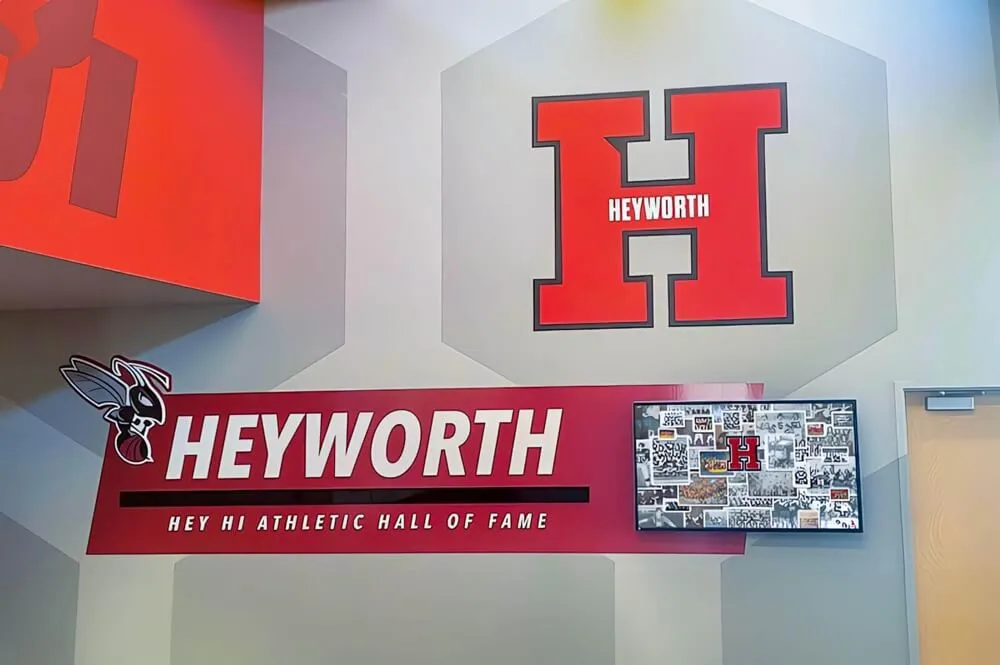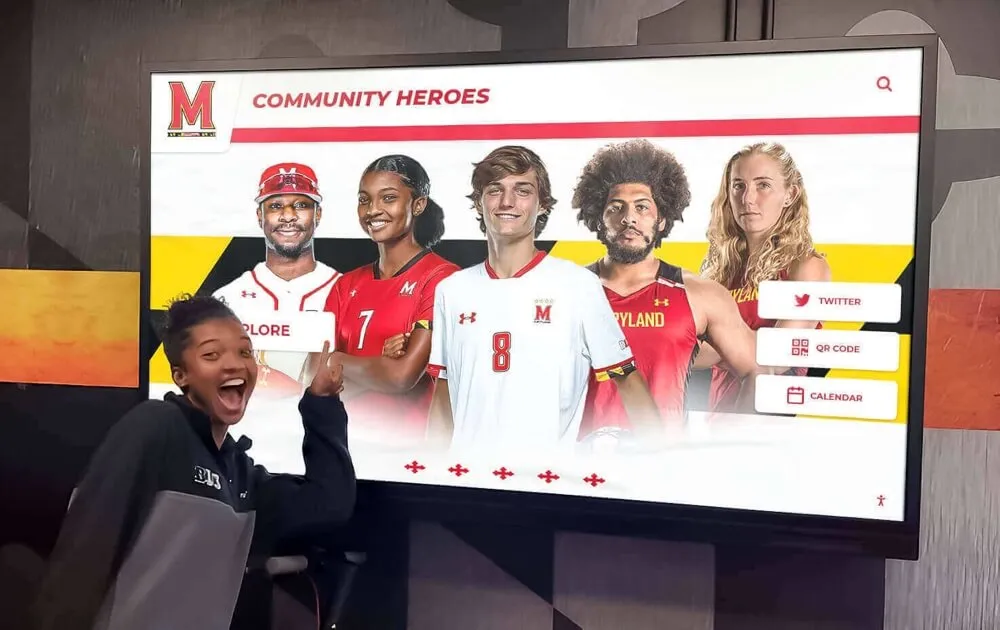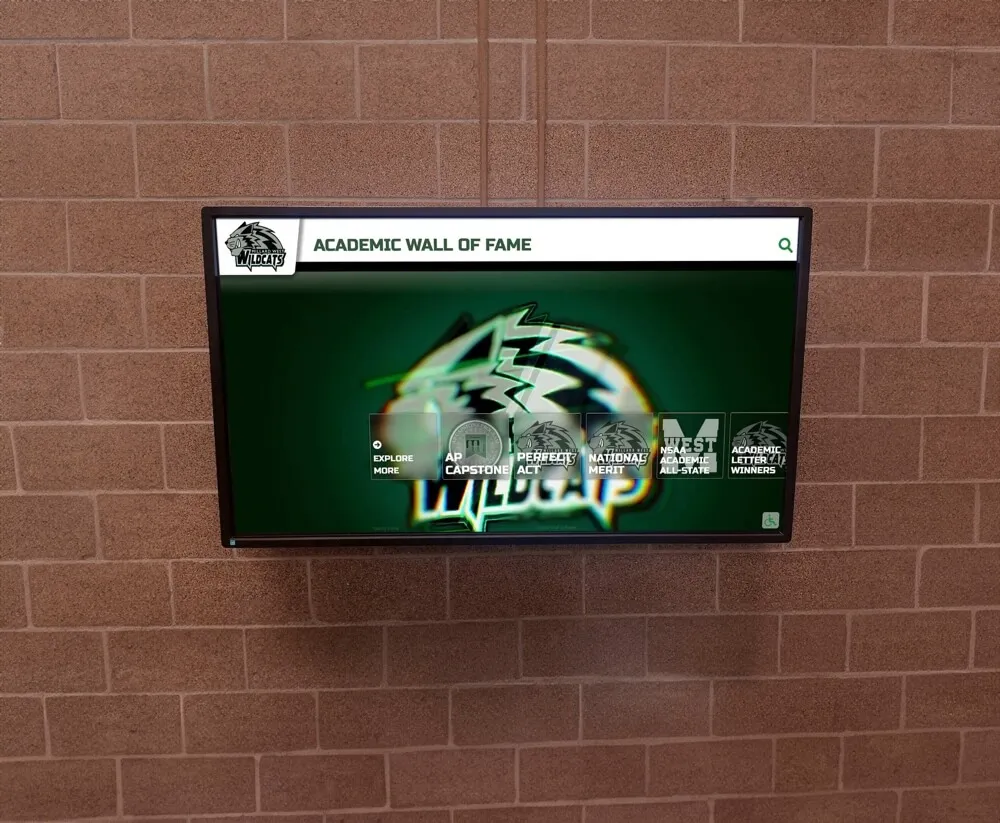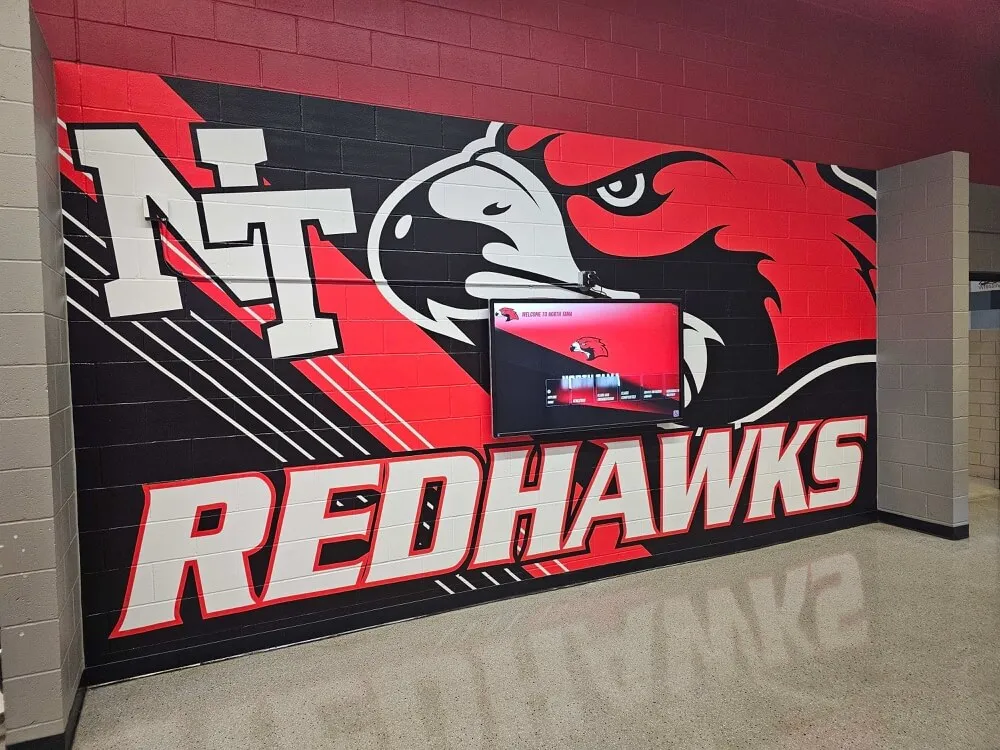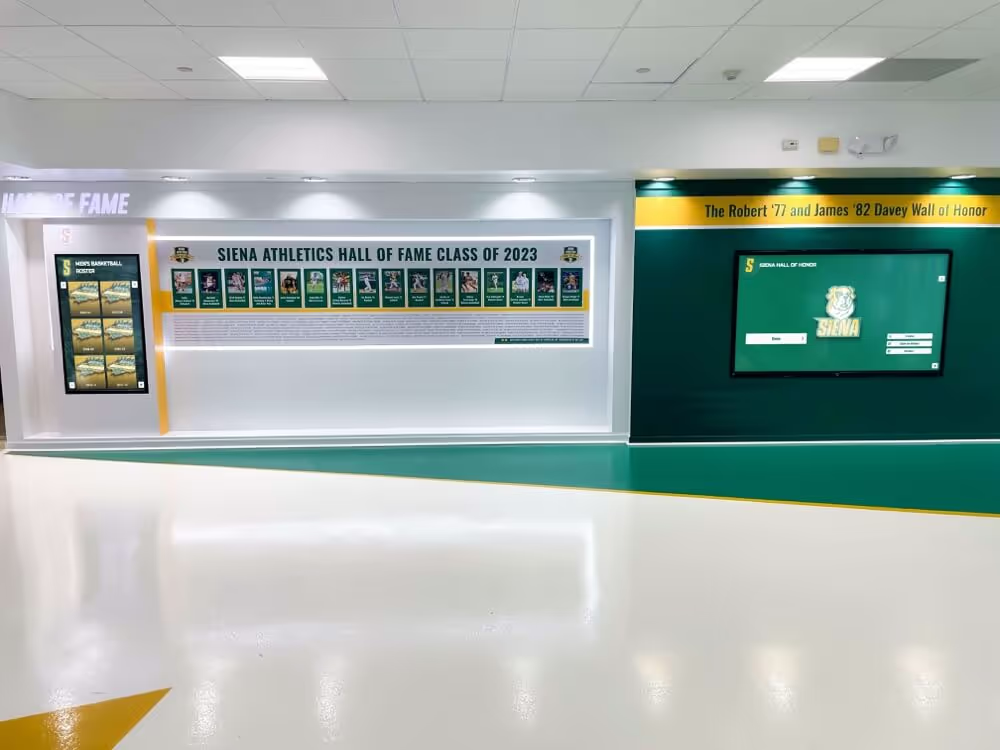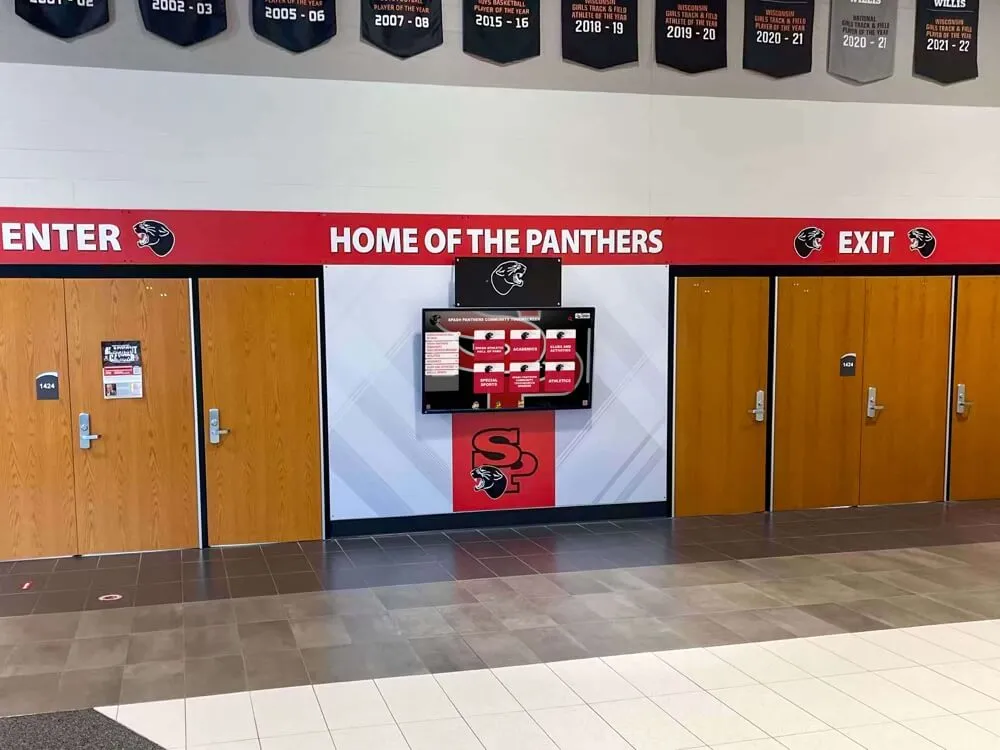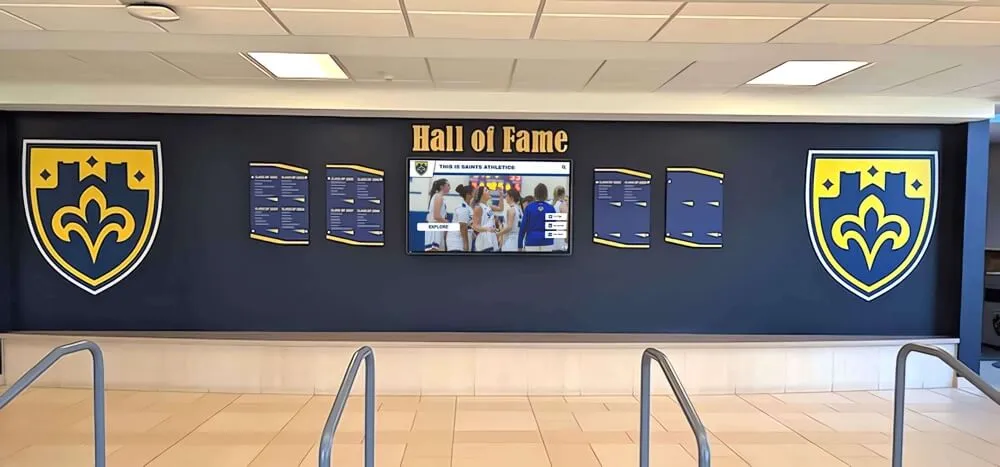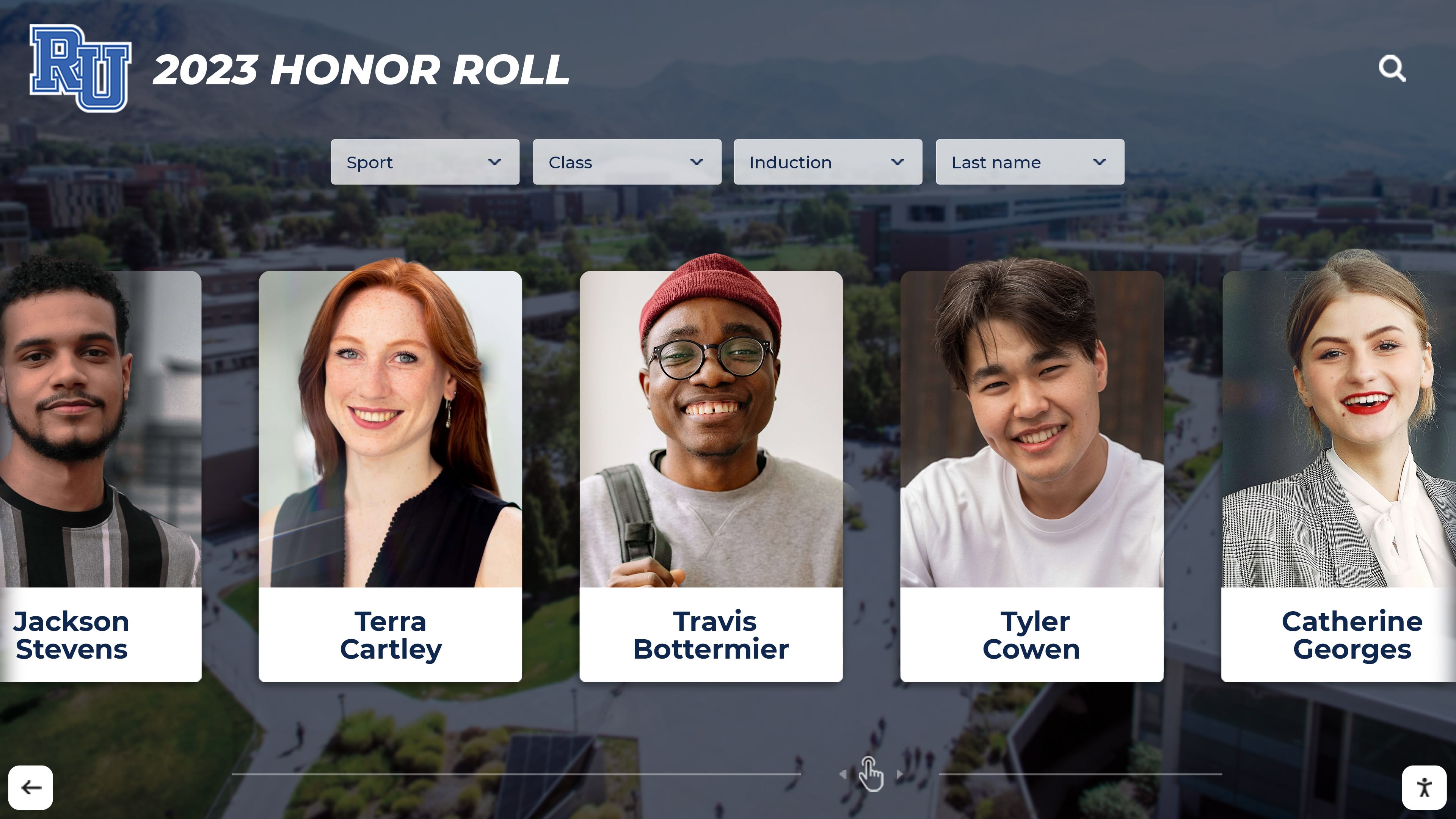




Every semester ends with the same challenge for schools across the nation: hundreds of honor roll recipients deserve meaningful recognition, yet traditional vinyl boards max out at 50 names, outdated bulletin boards come down after two weeks, and paper certificates disappear into desk drawers never to be seen again. Athletic records fill trophy cases and gymnasium walls with decades of achievements on permanent display, while academic excellence—arguably the institution’s core mission—receives temporary acknowledgment before being erased to make room for the next semester’s list.
This imbalance sends unintended signals about what schools value while missing powerful opportunities to motivate continued excellence and build lasting institutional pride around scholarly achievement. When honor roll recognition disappears after weeks, schools lose momentum inspiring younger students, fail to preserve academic heritage for alumni engagement, and struggle to demonstrate academic program quality to prospective families evaluating institutions.
Intent: demonstrate
Why End of Semester Honor Roll Recognition Demands Better Solutions
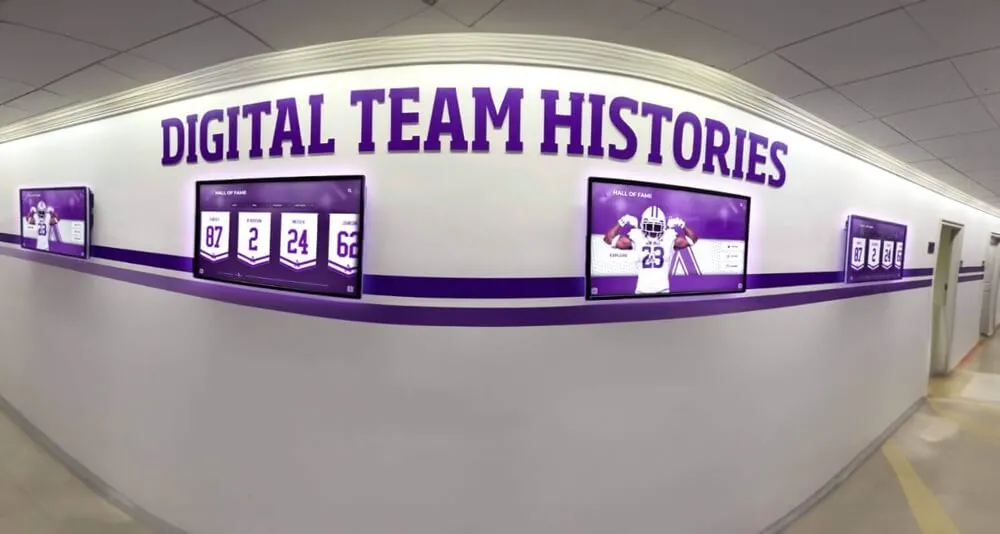
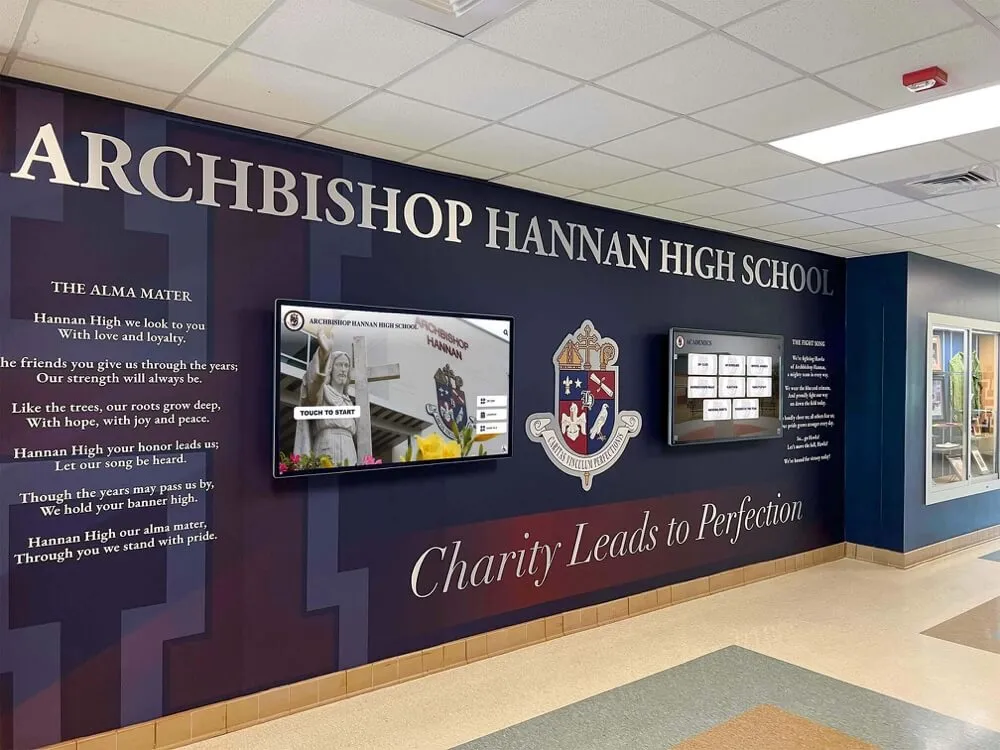
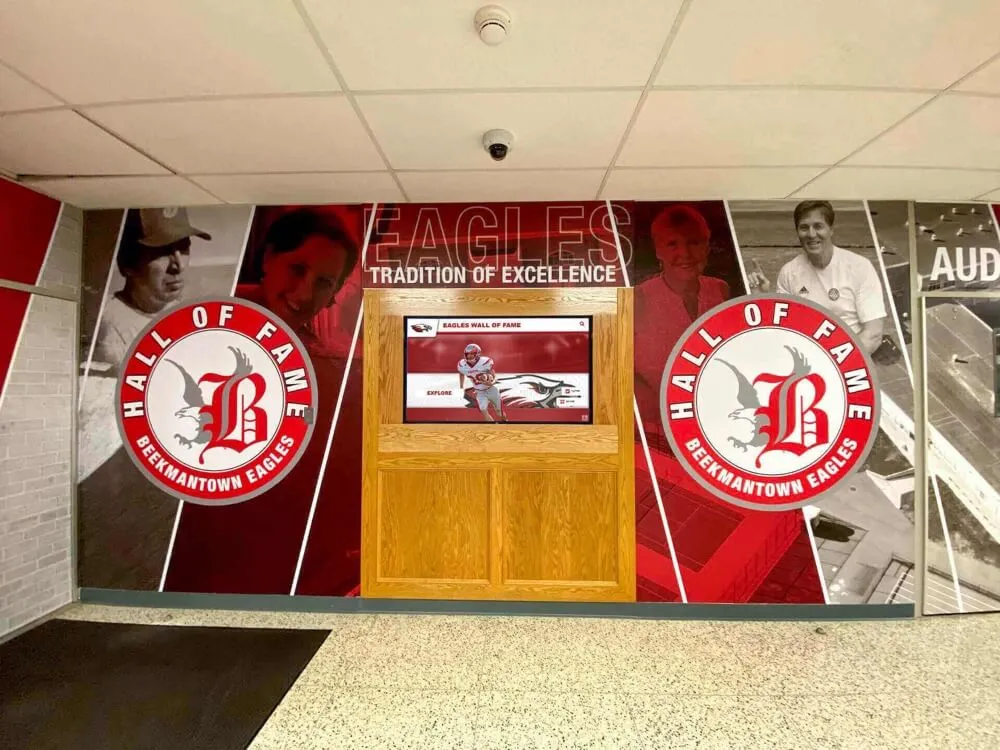
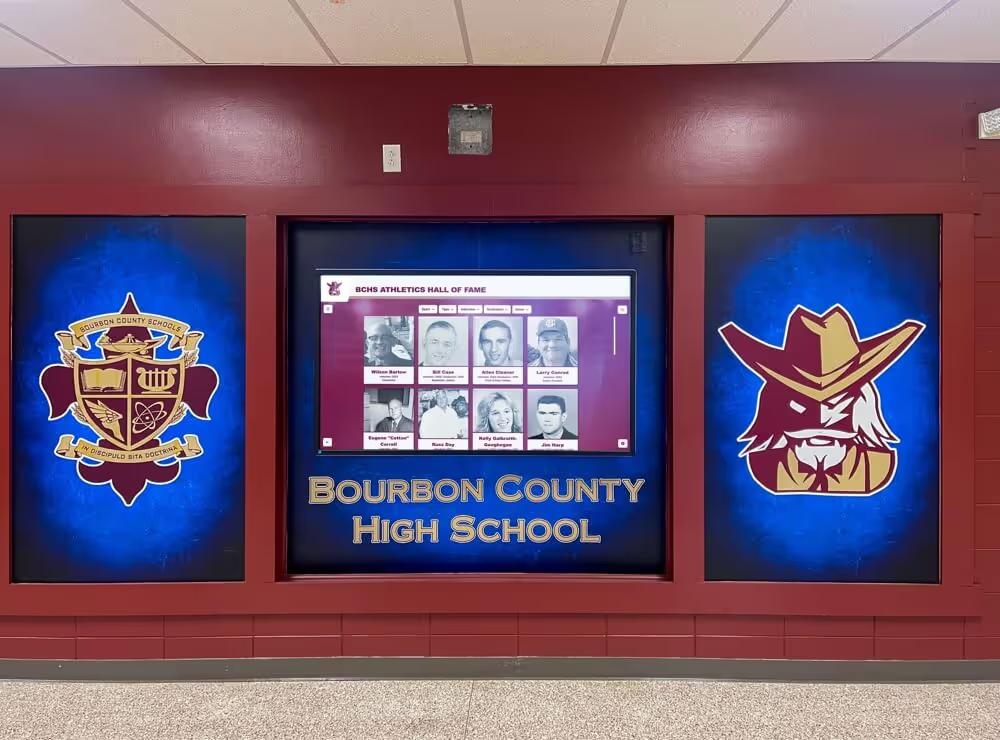
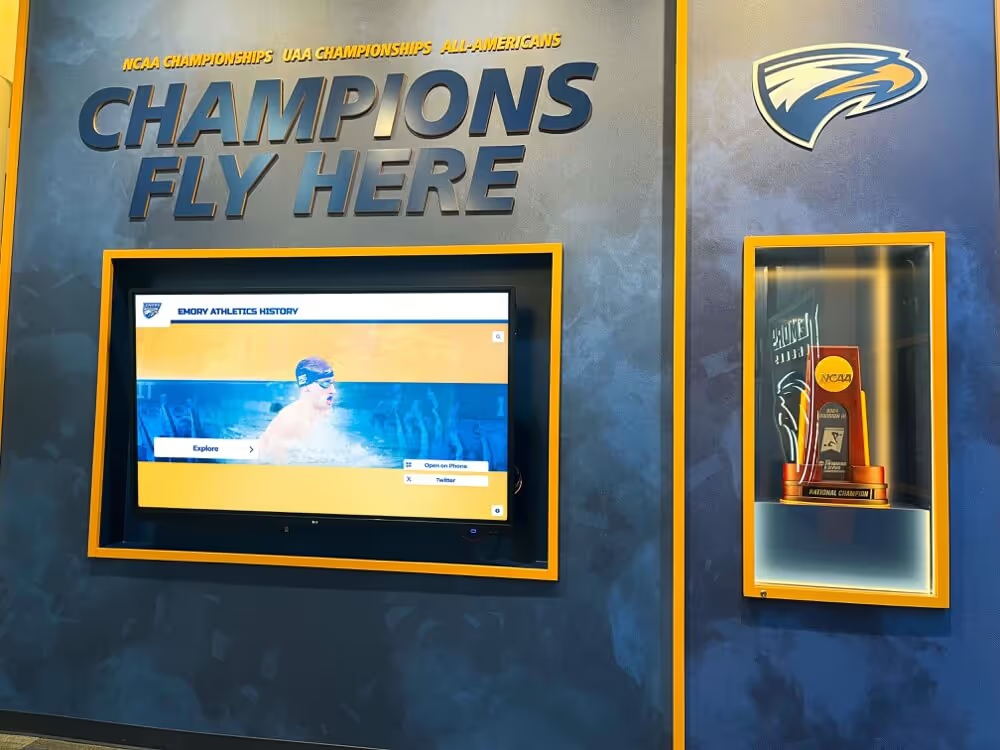
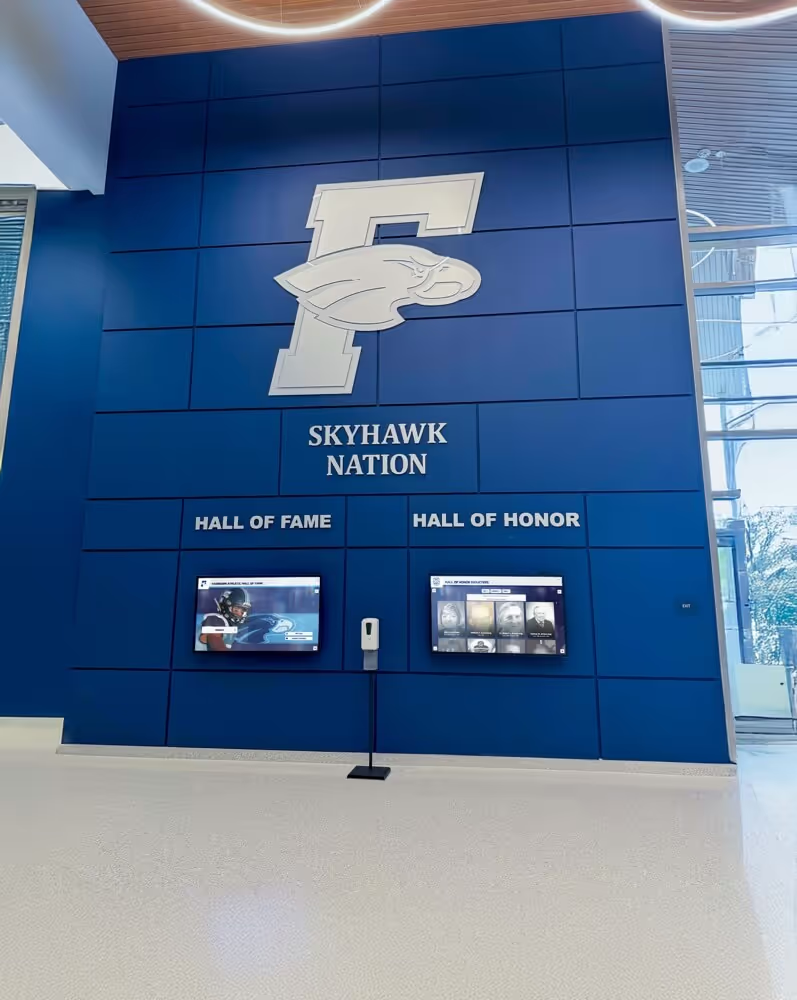
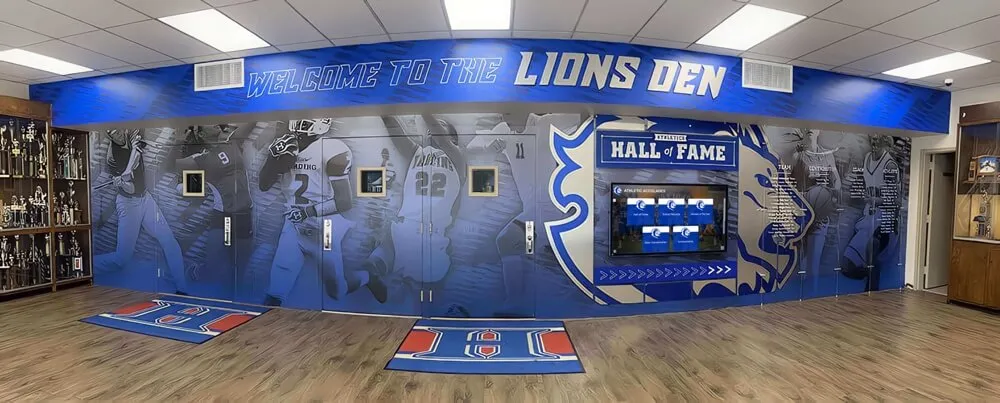
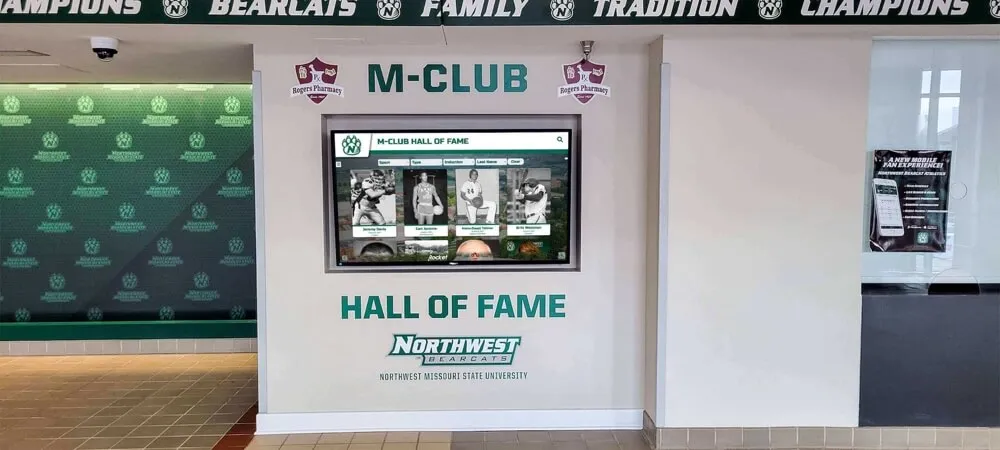
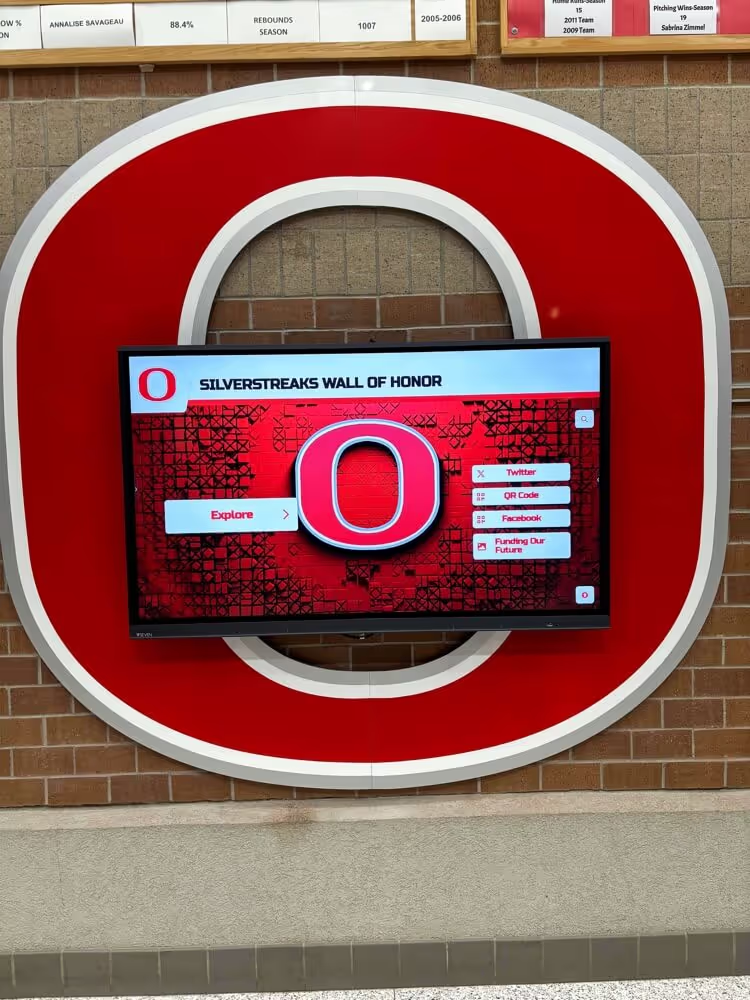
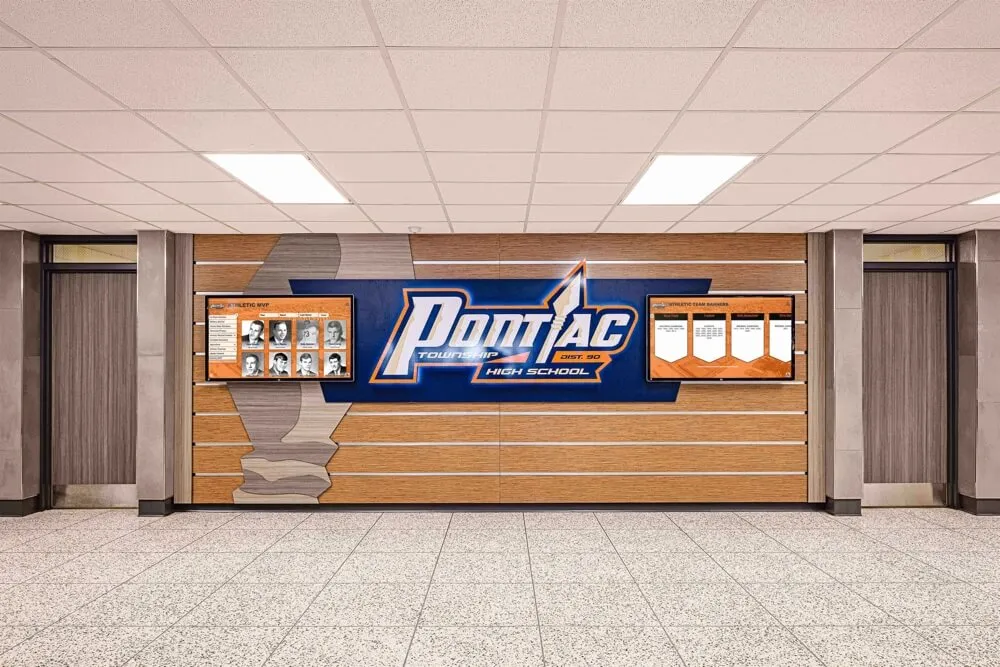
Traditional recognition methods force impossible choices: showcase only top achievers while ignoring standard honor roll students, rotate displays erasing previous semesters' accomplishments, or provide minimal acknowledgment that feels token rather than meaningful. Modern digital record board solutions eliminate these constraints through auto-ranking displays that update instantly, unlimited capacity showcasing every honor roll recipient across years, and ADA-compliant interactive platforms ensuring accessibility. Solutions like Rocket Alumni Solutions provide purpose-built recognition systems specifically designed for educational institutions, enabling schools to celebrate academic excellence with visibility and permanence matching athletic recognition while requiring minutes rather than hours for semester updates.
The Recognition Crisis: Why Honor Roll Achievement Gets Shortchanged
Walk through most high schools during award season and you’ll notice an immediate pattern. Athletic achievements dominate visible space—championship banners line gymnasium walls, trophy cases overflow with decades of accomplishments, digital scoreboards display real-time statistics, and record boards showcase top performers across generations. Yet academic honor roll recognition typically occupies minimal space: a rotating bulletin board displaying only current semester recipients, temporary posters removed after brief visibility, or no lasting recognition beyond brief assembly announcements and paper certificates.
Space Constraints Create Impossible Choices
Traditional recognition approaches demand physical wall space that schools simply don’t have available in prominent locations. A successful academic program might recognize 200-400 honor roll recipients annually across multiple marking periods, grade levels, and achievement tiers (highest honors, honors, honorable mention). Creating permanent plaque-based recognition for this volume would require extensive wall areas most institutions cannot allocate to academic displays—forcing administrators into difficult decisions about whose accomplishments deserve visibility.
The Update Time Burden
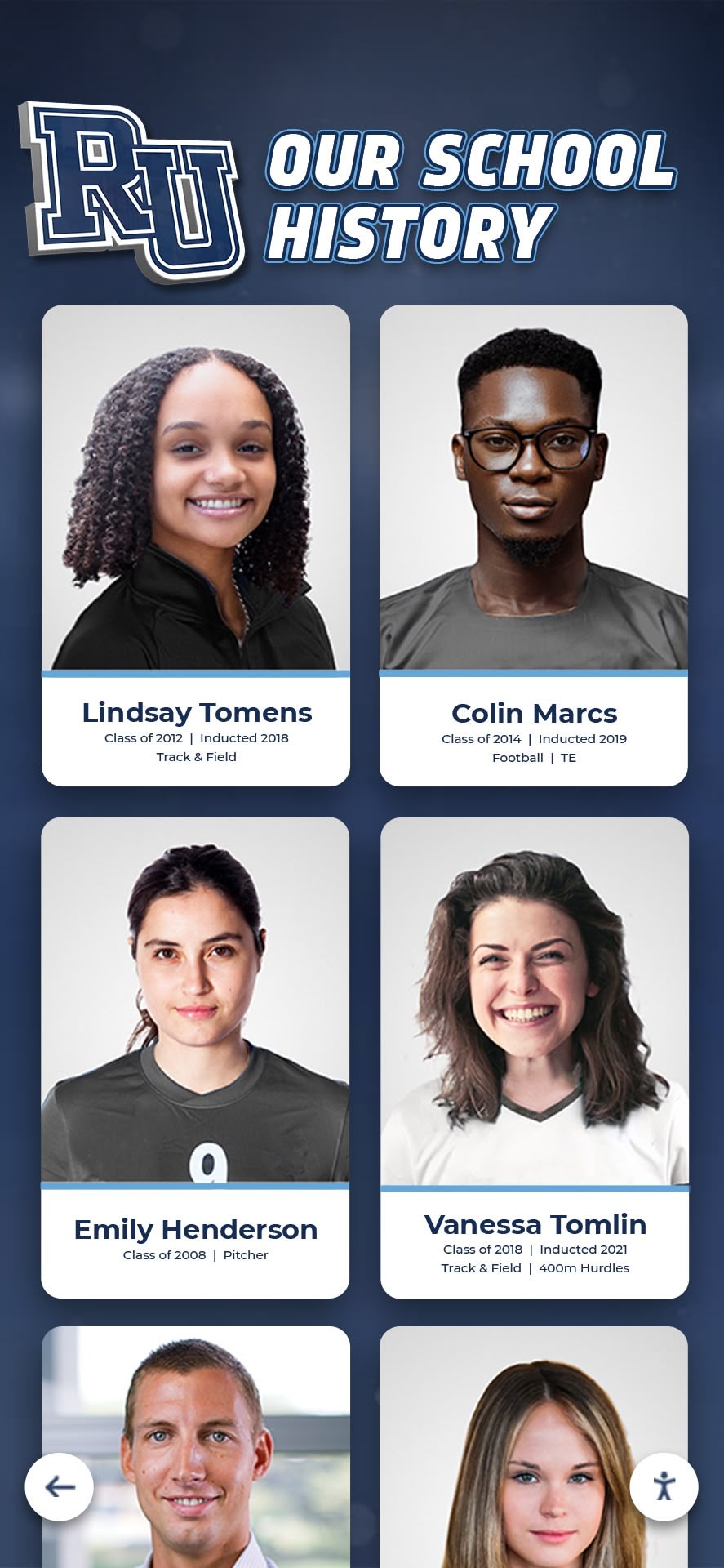
Even schools maintaining honor roll bulletin boards face overwhelming manual update challenges. After each semester concludes, staff must compile final grade reports, verify GPA calculations, determine honor roll eligibility across hundreds of students, design and print new display materials, physically update bulletin boards removing previous recognition, and repeat this entire process multiple times annually. According to internal time studies at schools deploying digital recognition systems, traditional honor roll display updates consume 8-12 staff hours per semester—time educational professionals should spend on direct student support rather than manual display maintenance.
Recognition Currency Problems
Manual update burdens create significant delays between achievement and acknowledgment. Students complete semesters in May and December, but honor roll recognition often doesn’t appear until 4-6 weeks later after grade finalization, eligibility verification, and display production. This timing gap substantially weakens motivational impact—educational psychology research on reinforcement timing shows recognition delivered immediately after achievement generates far stronger behavioral influence than identical acknowledgment delayed by weeks or months.
Volume Limitations Force Exclusionary Recognition
Traditional display constraints force schools into tiered recognition approaches that exclude many deserving students:
Only Recognizing Highest Achievers: Some schools limit honor roll displays to highest honors recipients (typically 3.8+ GPA) while students earning 3.5-3.79 GPAs receive no visible acknowledgment beyond paper certificates. This approach manages space constraints but creates environments where consistent strong academic performance goes unrecognized unless students achieve exceptional levels.
Rotating Recognition That Erases History: Schools attempting comprehensive recognition often rotate displays showing only current semester honor roll, removing previous terms’ recipients to make space for new achievers. While this enables broader recognition than highest-only approaches, it treats academic achievement as temporary rather than building cumulative institutional memory preserving honor roll heritage.
Grade-Level Limitations: Physical space constraints sometimes force schools to recognize honor roll recipients from select grade levels—perhaps only juniors and seniors—while younger students performing equally well receive no visibility despite meeting identical achievement standards.
Traditional Methods Fail to Engage Contemporary Students
Static printed lists and unchanging bulletin boards suffer fundamental engagement limitations in environments where students interact with dynamic technology throughout daily life:
The Static Display Problem: Bulletin boards become visual background noise after initial posting. Students notice new displays briefly, then displays fade into environmental background receiving minimal sustained attention. Paper certificates get filed away rarely viewed again. Printed honor roll lists provide only basic information—student names and perhaps GPA levels—offering nothing bringing achievements to life or creating emotional connection that inspires continued excellence.
Missing Context and Inspiration: Traditional honor roll recognition provides minimal detail about what achievements represent, specific behaviors or study strategies leading to success, student reflections on academic journeys, or connections between current honor roll recognition and future educational or career opportunities. Younger students observing simple name lists gain little understanding of pathways to earning recognition themselves.
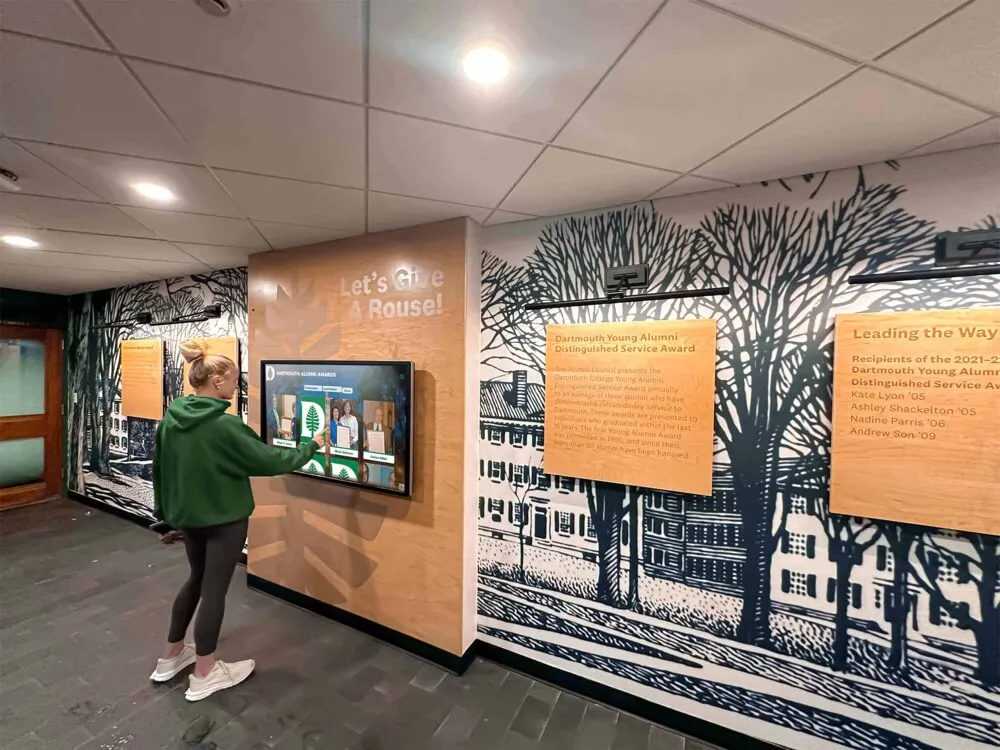
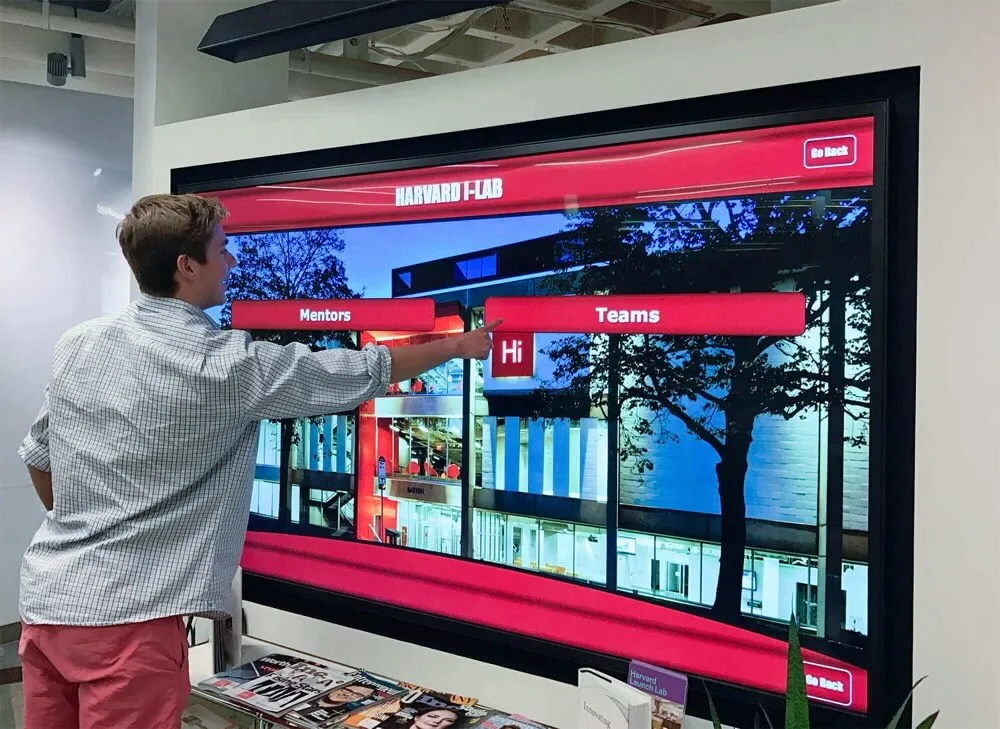
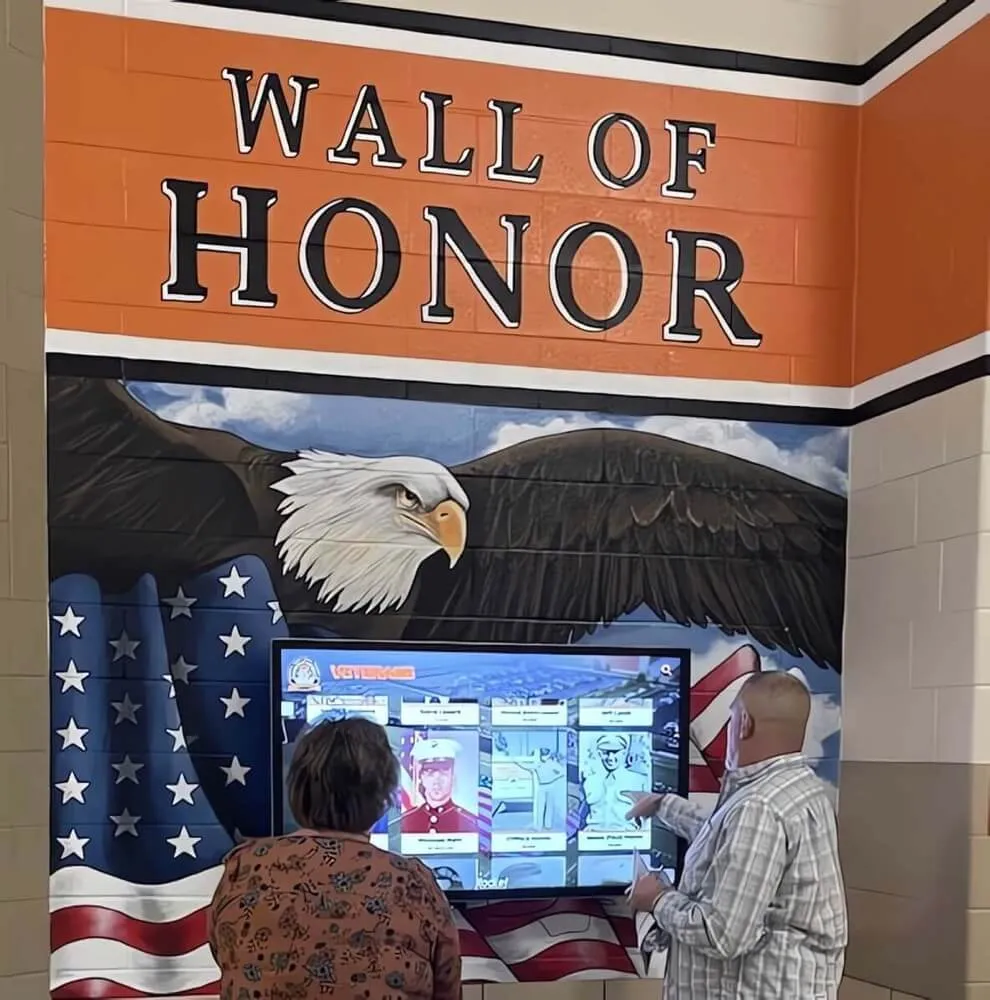
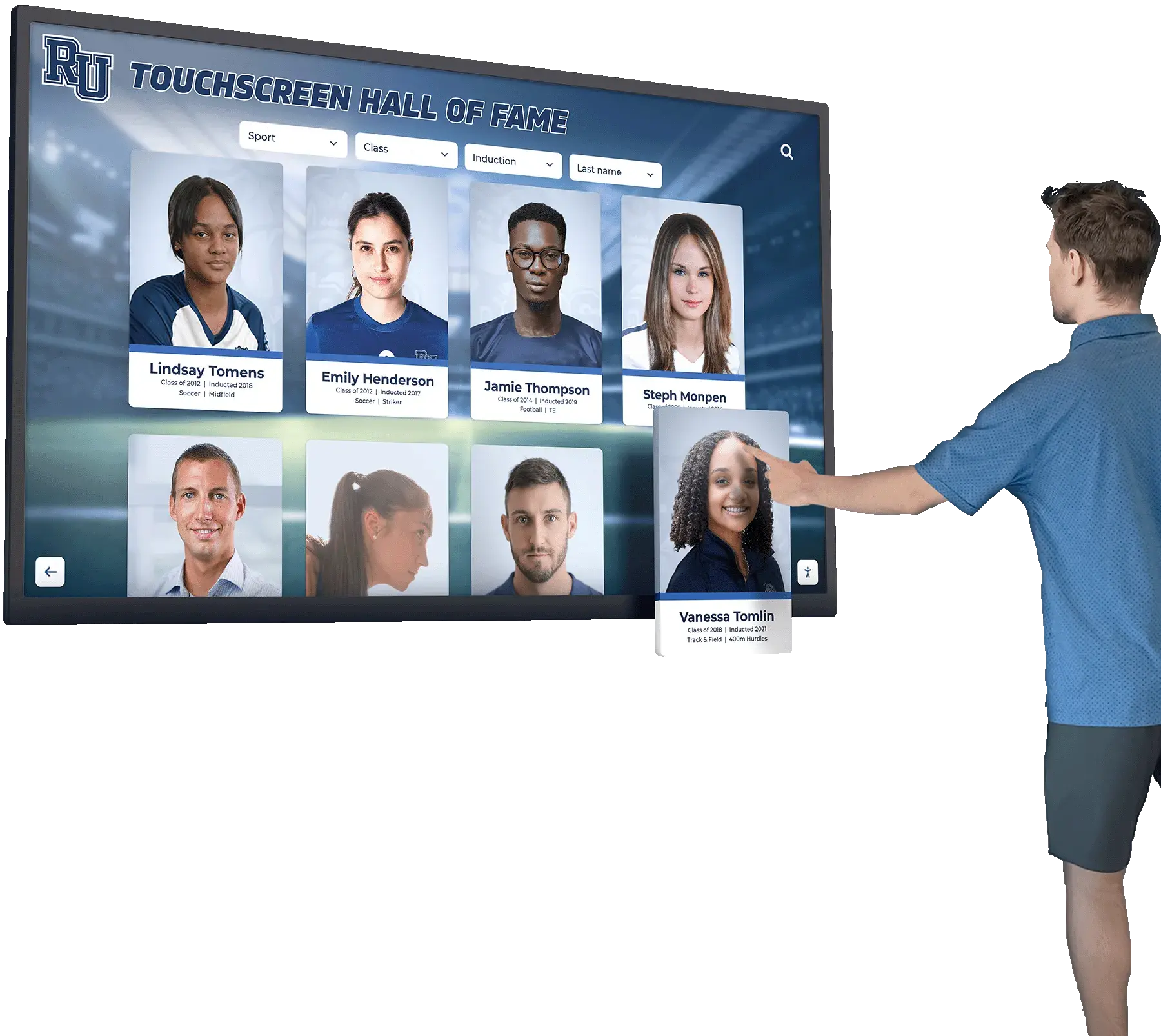
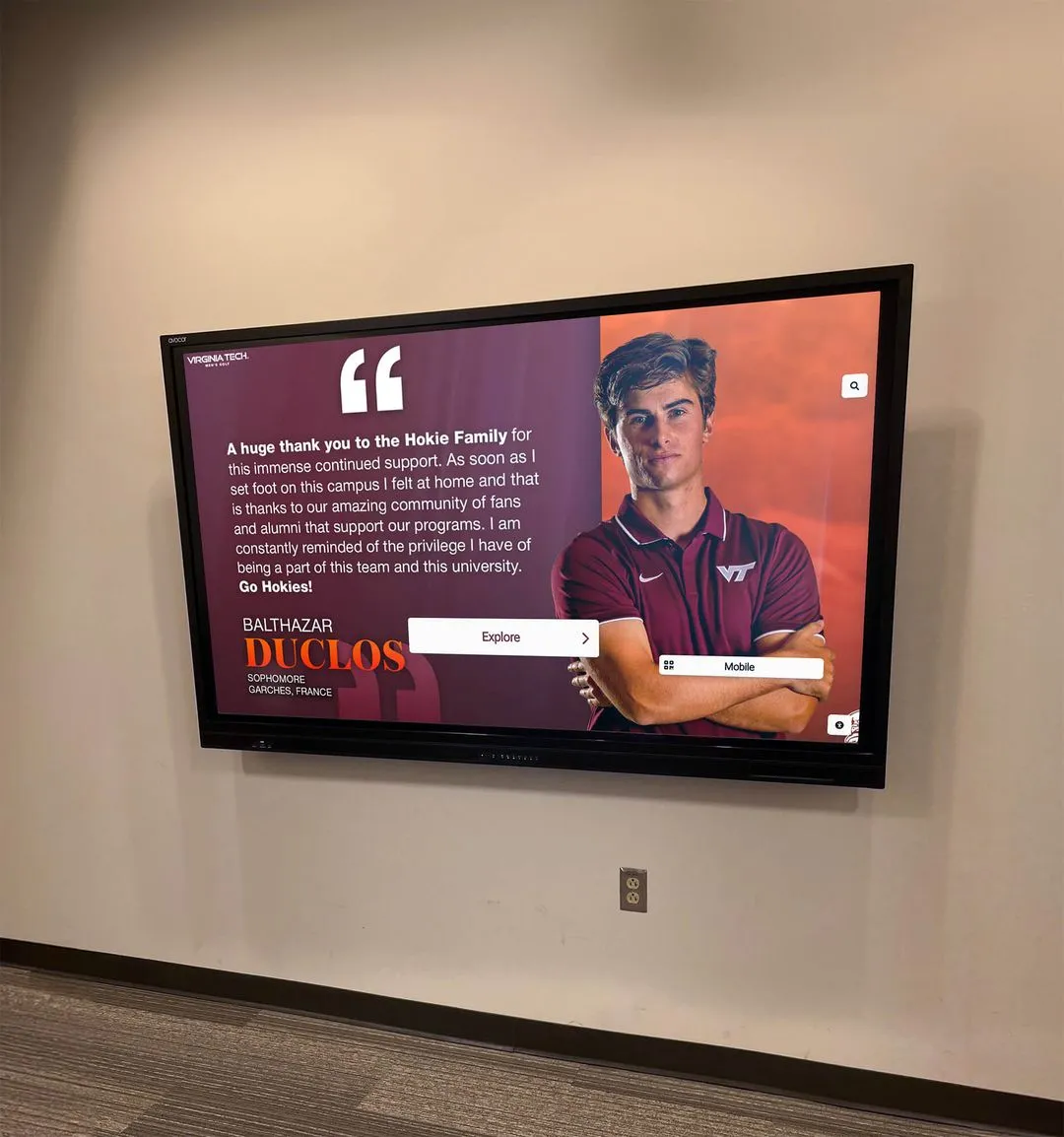
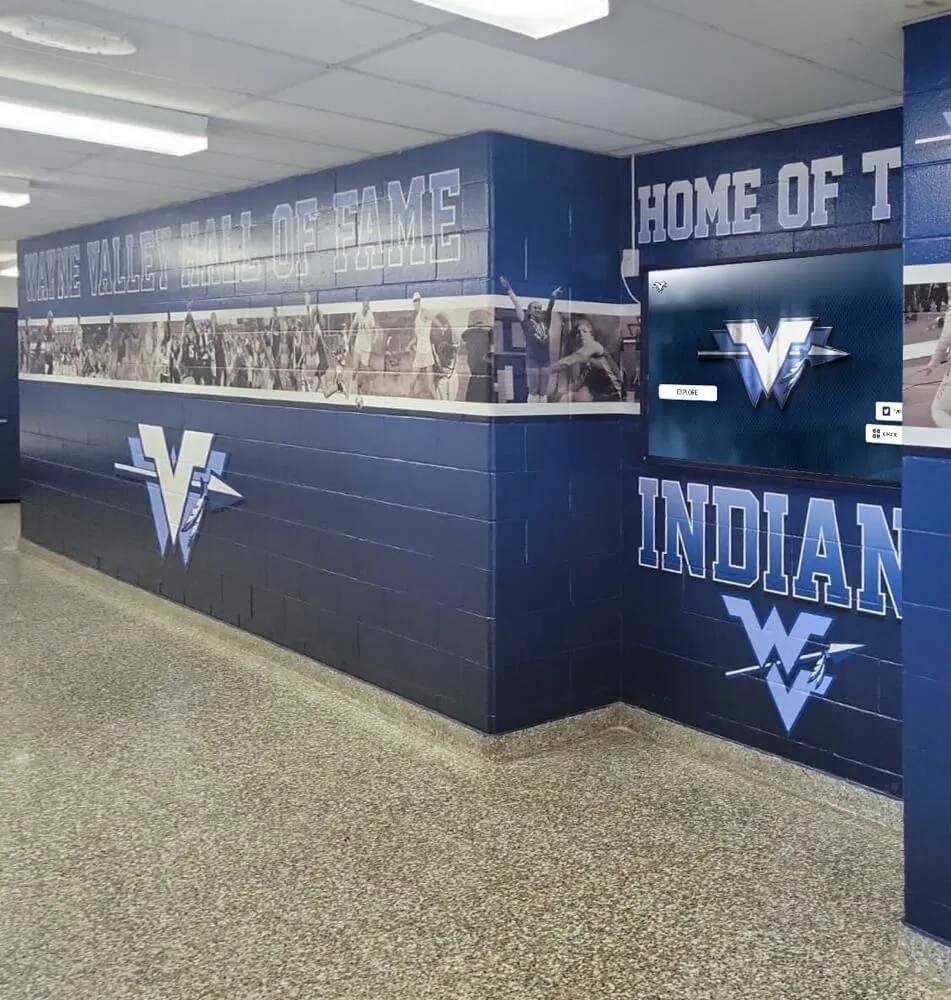
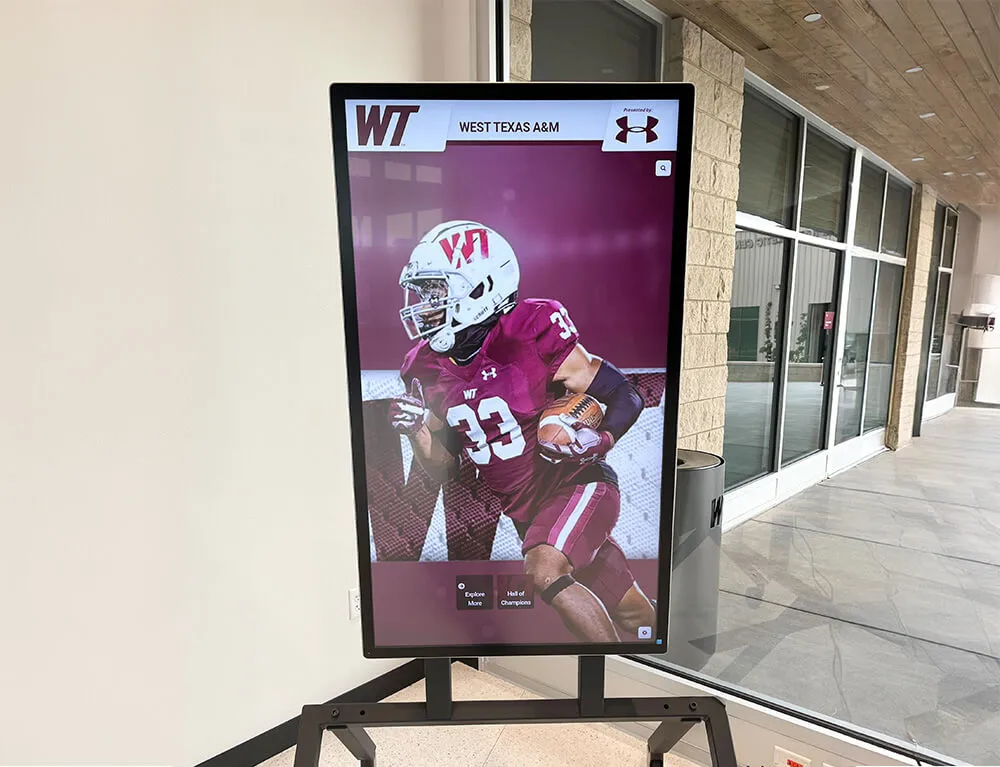
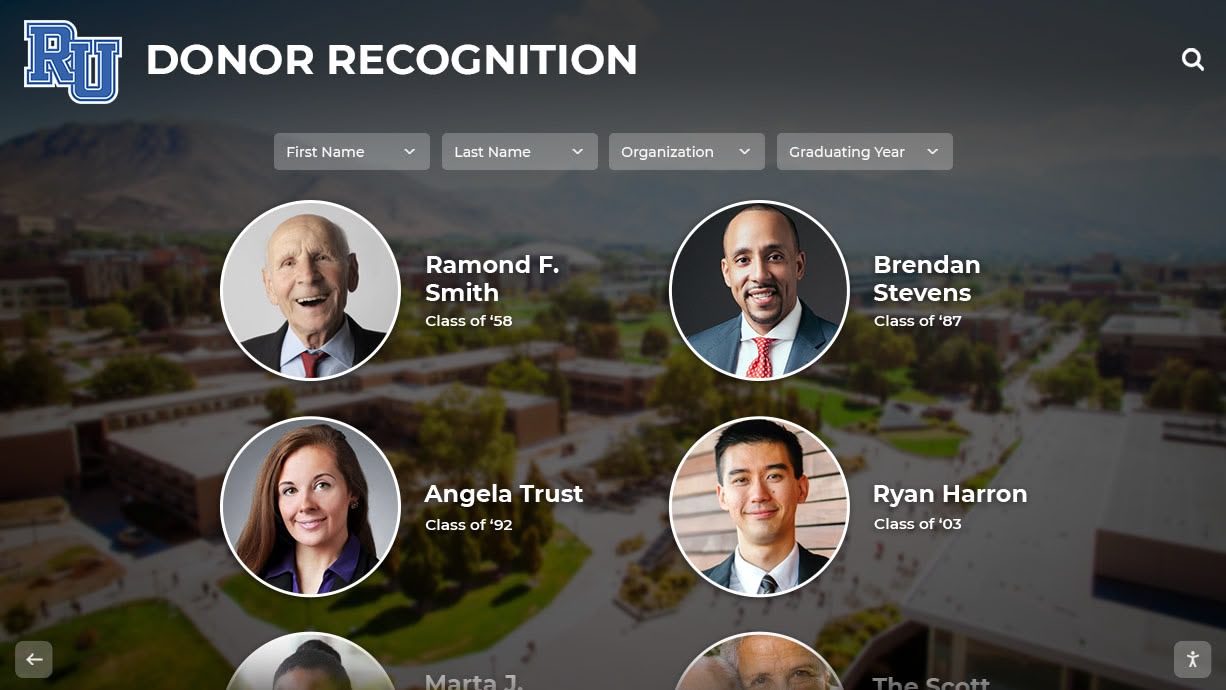
Interactive digital displays for academic recognition create engaging experiences where students explore detailed profiles, discover study strategies and academic pathways, search for classmates and understand their journeys, and build connections between honor roll achievement and future success that motivate goal-setting and sustained effort.
Digital Record Board Solutions Transform Honor Roll Recognition
Purpose-built digital record board platforms eliminate traditional recognition constraints through technology specifically designed for educational achievement display:
Auto-Ranking Eliminates Manual Update Burdens
Digital record board systems auto-rank and update honor roll displays instantly when new data uploads, reordering recipients automatically by GPA, achievement level, or alphabetical listing without manual intervention. Schools maintaining comprehensive honor roll records across years can update semester recognition in under 5 minutes:
- Export honor roll data from student information systems (typically CSV format including student names, IDs, GPAs, and achievement levels)
- Upload files through cloud-based content management systems accessible from any internet-connected device
- System automatically processes data, creates or updates student profiles, ranks recipients by configured criteria, and publishes updated recognition immediately visible on all connected displays
This streamlined workflow reduces semester update time from 8-12 hours of manual work to under 5 minutes of data upload—enabling recognition to appear within days of semester conclusion rather than weeks later, eliminating staff frustration with repetitive manual tasks, and ensuring honor roll displays maintain perfect currency automatically updating as new data becomes available.
Unlimited Capacity Showcases Every Honor Roll Recipient
Digital platforms accommodate unlimited honor roll recipients across all achievement levels and semesters without physical space constraints:
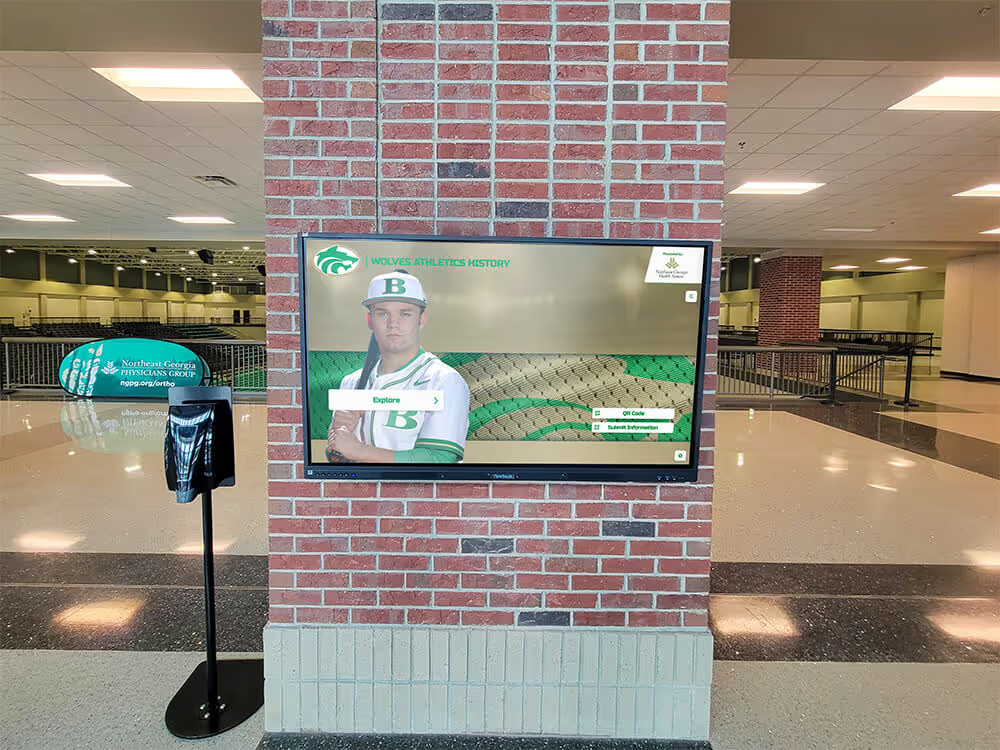
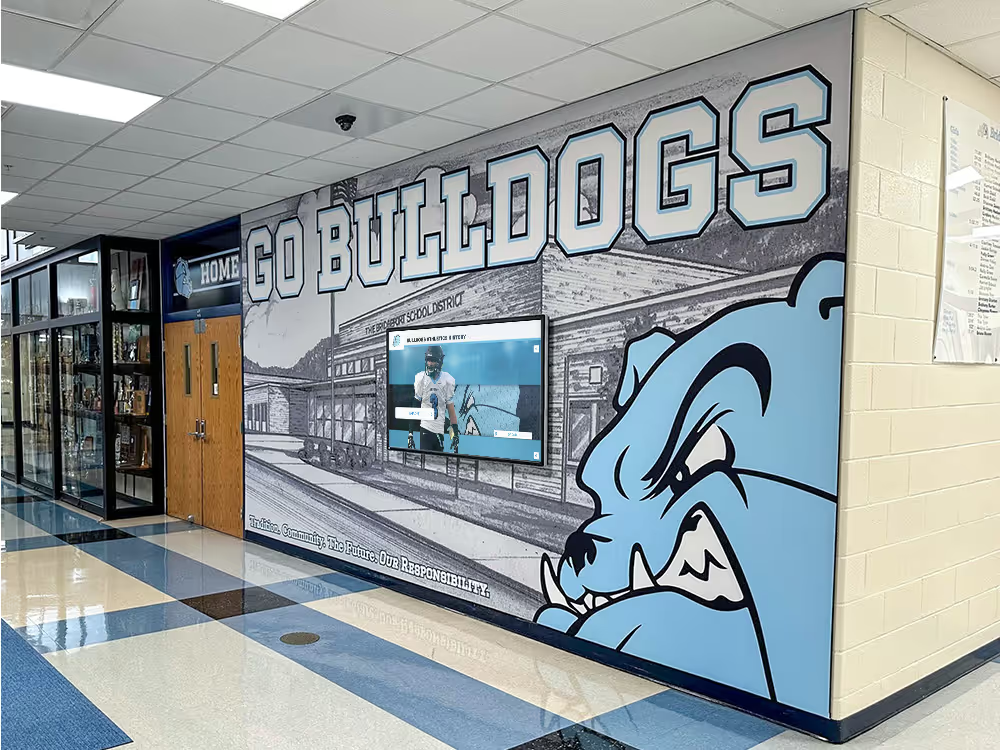
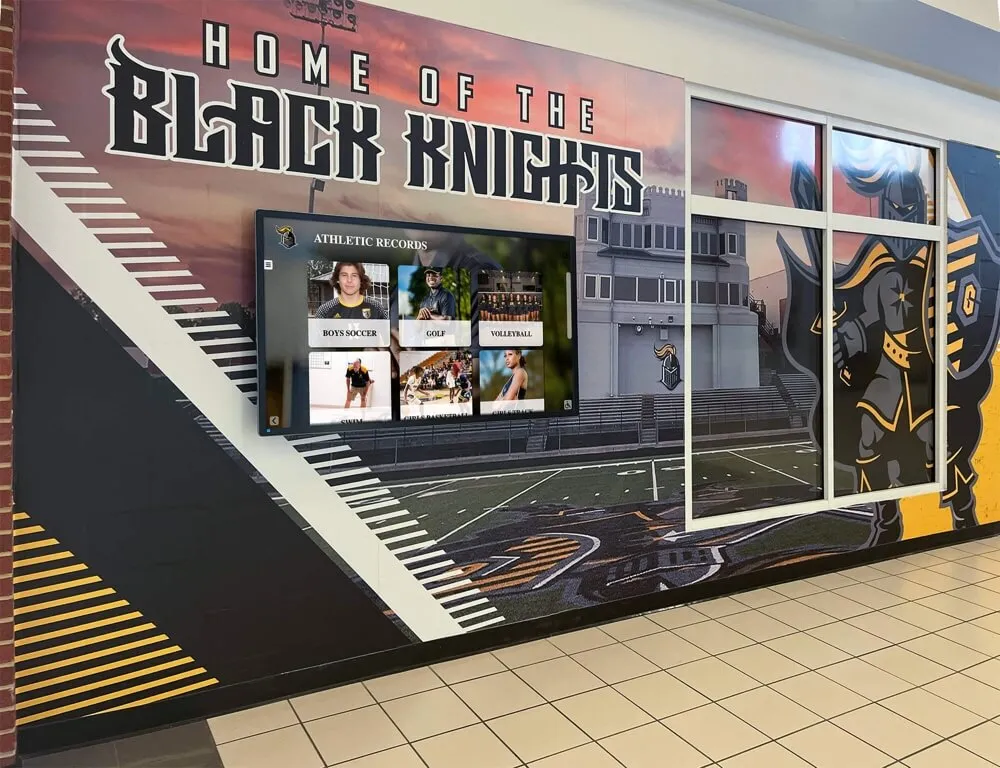
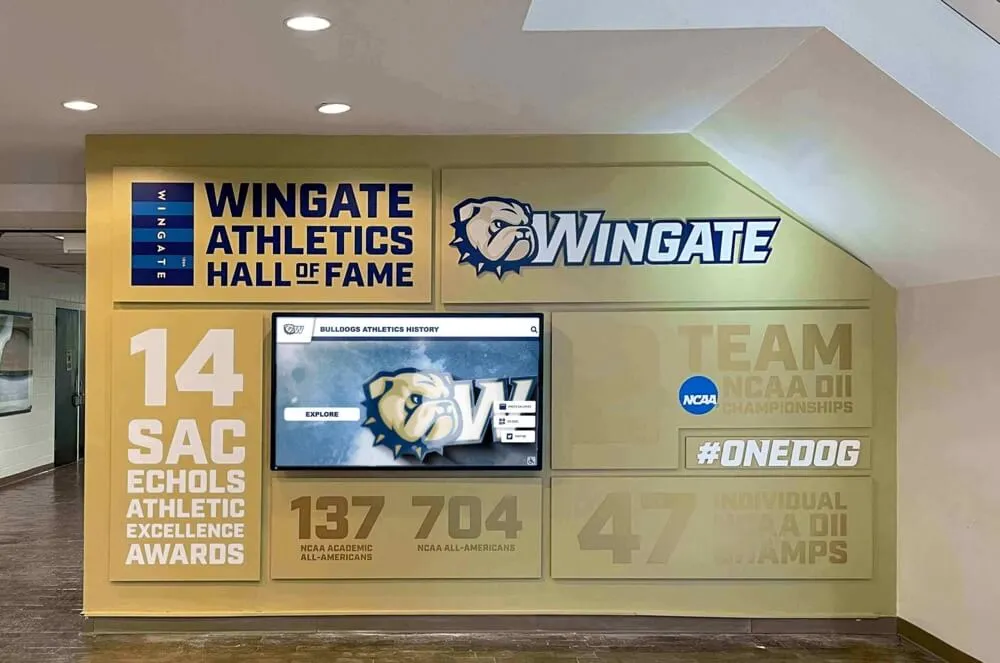

Comprehensive Historical Archives: Schools can showcase decades of honor roll achievement building institutional academic heritage. A single 55-inch touchscreen display running digital record board software accommodates comprehensive profiles for 10,000+ honor roll recipients—effectively unlimited capacity ensuring no student ever gets excluded due to space limitations.
Multi-Tier Recognition: Digital systems enable schools to recognize all honor roll levels—highest honors, honors, and honorable mention—ensuring students across achievement spectrums receive acknowledgment for consistent strong academic performance rather than limiting recognition to exceptional performers only.
Subject-Specific and Specialized Recognition: Beyond traditional GPA-based honor roll, digital platforms accommodate specialized recognition categories including subject-specific honor roll (mathematics honor roll, language arts honor roll, STEM honor roll), improvement honor roll acknowledging significant GPA growth, citizenship honor roll combining academics with character, and attendance honor roll when implemented sensitively.
Rich Multimedia Content Brings Recognition to Life
Digital record boards transform simple name lists into engaging profiles creating emotional connection and inspiration:
High-Resolution Student Photography: Professional photos create immediate personal connection with honor roll recipients. Visual recognition proves substantially more engaging than text-only lists—students exploring touchscreen displays spend average 4-6 minutes engaging with content when profiles include quality photography versus under 1 minute with text-only displays according to platform analytics.
Detailed Achievement Narratives: Comprehensive profiles include cumulative honor roll statistics showing sustained achievement across semesters, specific achievement levels and GPA details, student reflections on study strategies and academic goals, extracurricular involvement demonstrating well-rounded achievement, and future aspirations showing pathways honor roll excellence creates.
Searchable Databases: Interactive displays enable students, families, and visitors to search honor roll archives by student name discovering specific recipients, achievement level filtering for highest honors or specialized recognition, graduation year browsing historical honor roll recipients, and semester filtering exploring specific marking period recognition.

ADA Compliance Ensures Universal Accessibility
Digital record board platforms meet ADA compliance requirements ensuring honor roll recognition remains accessible to all community members:
Screen Reader Compatibility: Properly structured digital platforms work seamlessly with screen reader software enabling visually impaired students and visitors to explore honor roll recognition through audio interfaces describing achievement details, student profiles, and navigation options.
Adjustable Text Sizing: Interactive displays allow users to increase text size ensuring comfortable reading for individuals with visual impairments or older visitors requiring larger fonts for easy comprehension.
High-Contrast Display Modes: Alternative color schemes provide high-contrast viewing options improving readability for individuals with various visual processing challenges.
Touch-Target Sizing: Interactive elements sized according to ADA guidelines ensure comfortable navigation for users with limited dexterity or motor control challenges requiring larger touch targets than standard mobile interfaces.
Resources on comprehensive academic recognition programs provide frameworks for developing accessible honor roll systems meeting universal design principles.
Strategic Implementation: Building Sustainable Honor Roll Recognition
Effective digital record board deployment requires systematic approaches addressing program design, content development, display placement, and ongoing management:
Defining Recognition Scope and Eligibility Standards
Clear parameters ensure honor roll programs maintain focus while managing community expectations:
GPA Thresholds and Achievement Tiers: Establish transparent criteria determining which students receive honor roll recognition at each level. Common structures include highest honors requiring 3.8-4.0 GPA (95-100%), honors requiring 3.5-3.79 GPA (90-94%), and honorable mention for 3.0-3.49 GPA (85-89%). Document these standards clearly in student handbooks, school websites, and orientation materials ensuring students and families understand expectations from school entry.
Course Inclusion Policies: Determine whether recognition includes only core academic subjects or all courses, how pass/fail courses affect GPA calculations, whether weighted or unweighted GPAs determine eligibility, and how students earning high grades in fewer courses due to special circumstances qualify.
Recognition Frequency: Align honor roll recognition with grading cycles—quarterly (every 9 weeks), semester (every 18 weeks), or trimester (every 12 weeks). More frequent recognition provides additional motivation touchpoints but requires sustained administrative attention. Most schools find semester recognition balances motivational benefits against sustainable management requirements.
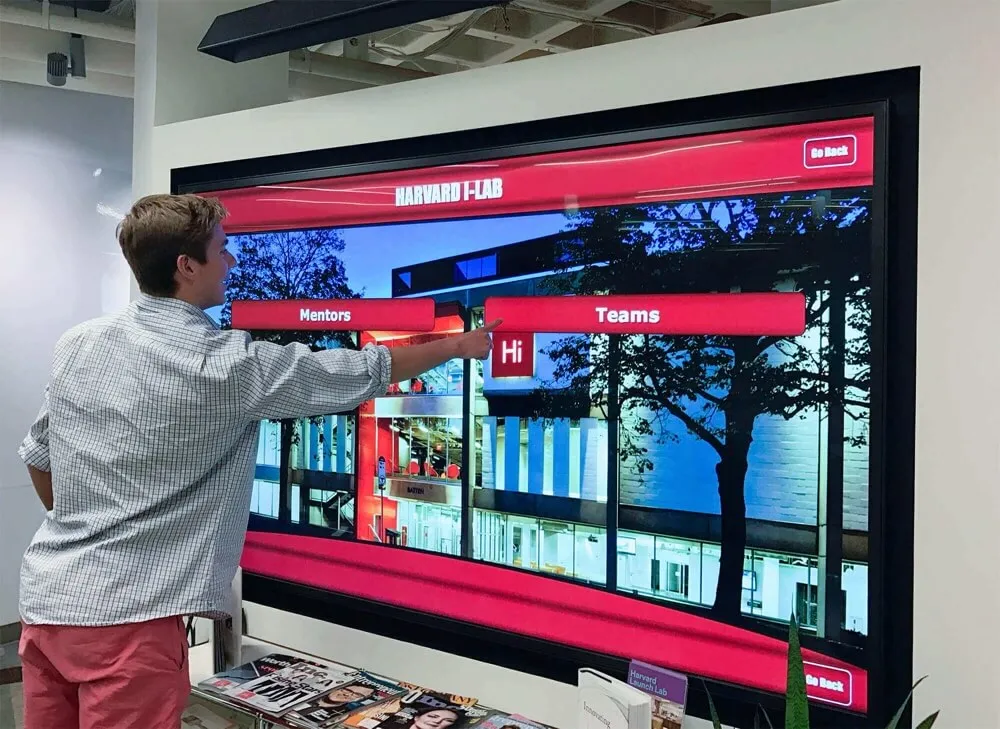
Historical Archive Development: Decide whether to recognize only current honor roll recipients or build comprehensive historical archives. Historical recognition creates powerful institutional memory, enables alumni rediscovery of their own recognition years later, provides longitudinal data showing academic program trends, and creates inspirational examples of sustained excellence. Many schools implement phased approaches beginning with current year recognition then systematically adding previous years during summer months when other demands are lighter.
Strategic Display Placement Maximizing Visibility
Recognition impact depends heavily on placement ensuring honor roll displays receive regular visibility from students, staff, families, and visitors:
High-Traffic Location Selection: Position digital record board displays in main school entrances where all students and staff pass daily, cafeterias and student commons providing extended viewing during breaks, libraries and academic centers where students focus on scholarly activities, counseling office areas where students discuss academic planning, and administrative reception areas frequented by prospective families.
Multiple Distributed Displays: Rather than single concentrated installations, multiple distributed displays throughout facilities often prove more effective ensuring honor roll recognition maintains visibility across entire campus. A school might deploy interactive displays in main entrance (serving visitors and prospective families), library (reinforcing academic focus), and cafeteria (ensuring daily student exposure).
Complementary Static Displays: Digital record boards serve as primary interactive recognition while complementary static displays extend visibility. Large-format screens in common areas can display rotating honor roll highlights, photo slideshows celebrating current semester recipients, or leaderboards showing highest achievers—creating ambient awareness while interactive displays provide detailed exploration.
Strategic placement guidance from digital display experts helps schools optimize recognition visibility and engagement.
Content Development: Creating Engaging Honor Roll Profiles
Rich content transforms simple acknowledgment into meaningful celebration:
Essential Profile Components: Comprehensive honor roll recipient profiles should include student name and graduation year, high-quality current photograph, specific honor roll level clearly identifying achievement tier, GPA or grade average when appropriate and privacy-permissive, marking period or semester for recognition, and cumulative honor roll statistics showing sustained achievement.
Enhanced Profile Elements: Additional valuable content includes brief student statements about academic goals or study strategies, favorite subjects and most challenging academic experiences, extracurricular involvement showing well-rounded achievement, future aspirations demonstrating pathways honor roll excellence creates, and teacher nominations highlighting specific strengths.
Efficient Content Collection: Streamlined gathering approaches include end-of-semester surveys distributed to honor roll recipients collecting biographical information, photo collection during school picture days or dedicated recognition photography sessions, brief interviews with highest achievers producing quotes and advice, and student-written reflections about academic experiences.
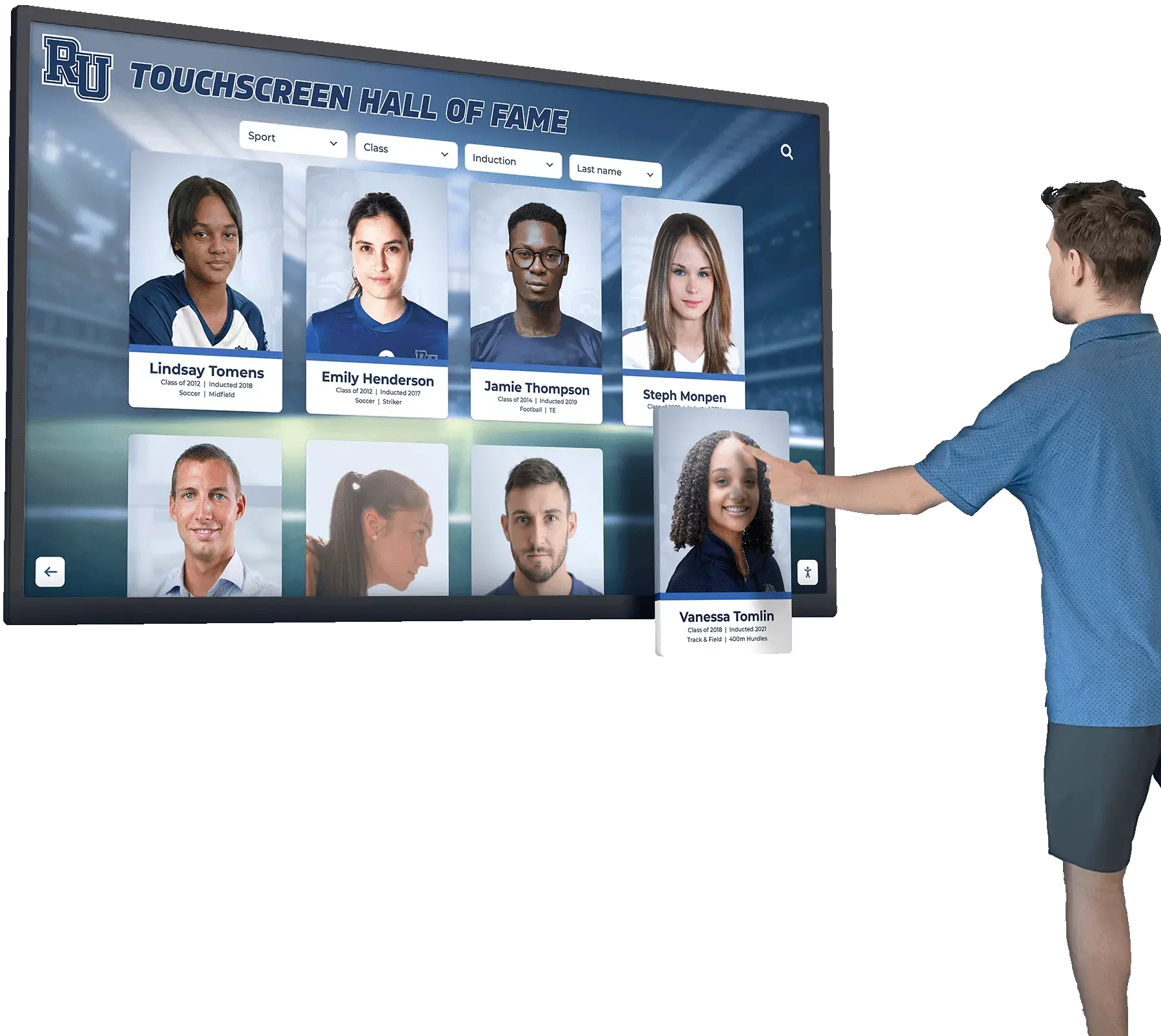
Privacy Considerations: Balance recognition benefits against privacy through opt-out mechanisms for families preferring privacy, limiting personally identifiable information beyond names and achievements, securing appropriate permissions through annual photo release forms, and clearly communicating privacy policies. Federal regulations like FERPA allow schools to publicly disclose “directory information” including honors and awards without prior consent, though districts should establish clear policies addressing digital recognition considerations.
Sustainable Management and Operations
Streamlined Administrative Workflows: Establish systematic processes for semester honor roll updates including standardized data export from student information systems, quality control reviews verifying eligibility before publishing, efficient content creation using templates, scheduled updates published on predictable timelines, and designated staff responsibility with adequate time allocation.
Cross-Training and Documentation: Ensure multiple staff members understand system operation preventing program disruption during absences or position transitions. Create detailed documentation including step-by-step guides, video tutorials, and quick reference materials. Hold annual training refreshers ensuring new staff understand processes.
Integration with Ceremonies and Communications: Combine permanent digital recognition with ceremony-based acknowledgment creating comprehensive experiences. Quarterly honor roll ceremonies provide personal acknowledgment moments, photograph ceremonies for inclusion in digital displays, send family notifications when students appear in recognition with direct links to profiles, post social media celebrations, and establish community media partnerships extending visibility.
Resources on semester recognition programs provide detailed operational frameworks.
Measuring Recognition Program Impact and Demonstrating Value
Systematic assessment reveals effectiveness while identifying optimization opportunities:
Quantitative Engagement Analytics
Digital record board platforms provide comprehensive data about how communities interact with honor roll recognition:
Key Performance Indicators: Track unique visitors showing total individuals engaging with displays, session duration measuring average time spent exploring content (benchmark: 3-6 minutes indicating genuine interest), return visitor rates demonstrating sustained engagement, search patterns revealing how visitors discover content, and social sharing frequency tracking distribution beyond direct display visitors.
Participation Analysis: Monitor honor roll achievement patterns including percentage of student body earning recognition, distribution across grade levels and demographics, achievement level distribution, year-over-year participation trends, and sustained achievement rates showing students maintaining honor roll across semesters.
This data demonstrates whether programs reach diverse student populations or concentrate among limited groups, informing equity considerations and potential adjustments ensuring recognition opportunities exist across varied learners.
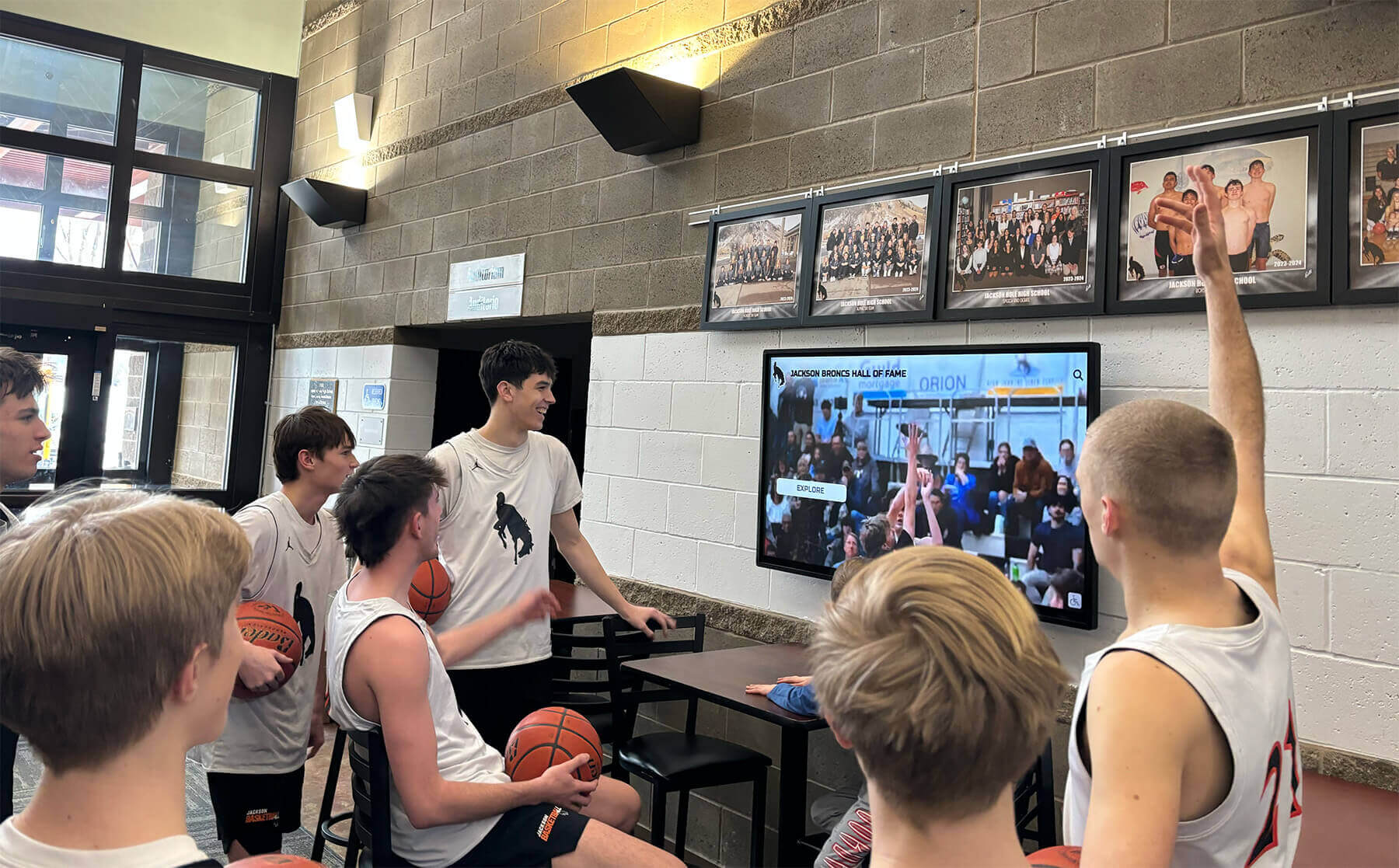
Qualitative Impact Assessment
Beyond metrics, gather stakeholder feedback revealing how recognition influences individuals and culture:
Stakeholder Surveys: Conduct student surveys exploring whether recognition feels meaningful and motivating, family reactions to academic acknowledgment quality, teacher observations about student discussions of honor roll goals, counselor input on whether recognition aids planning conversations, and administrator assessment of cultural impact and community pride.
Academic Outcome Correlation: While direct causation proves difficult to establish, monitor whether performance indicators show improvement following enhanced recognition including honor roll participation rates over time, grade distribution trends, advanced coursework enrollment patterns, standardized test performance trends, and graduation rates for students with consistent honor roll achievement.
Educational research shows visible recognition of academic achievement correlates with increased student motivation to pursue similar accomplishments. Careful analysis examining correlations while acknowledging confounding variables provides reasonable impact assessment demonstrating value to administrators and school boards justifying continued investment.
Real-World Recognition: How Digital Boards Transform Honor Roll Programs
Schools deploying digital record board solutions report transformative impacts on honor roll recognition programs:
From Hours to Minutes: Eliminating Update Burdens
Schools previously spending 8-12 hours per semester on manual honor roll display updates now complete recognition updates in under 5 minutes through streamlined data upload. This efficiency gain enables more frequent recognition updates maintaining perfect currency, eliminates staff frustration with repetitive manual work, frees educational professional time for direct student support, and ensures recognition appears within days of semester conclusion.
From Limited to Unlimited: Comprehensive Recognition Capacity
Digital platforms enable schools to showcase every honor roll recipient across all achievement levels and semesters. Schools that previously recognized only highest honors recipients due to space constraints now acknowledge all honor roll levels creating inclusive cultures where varied students experience validation. Comprehensive historical archives spanning decades preserve institutional academic heritage while enabling alumni to rediscover their own recognition years later.
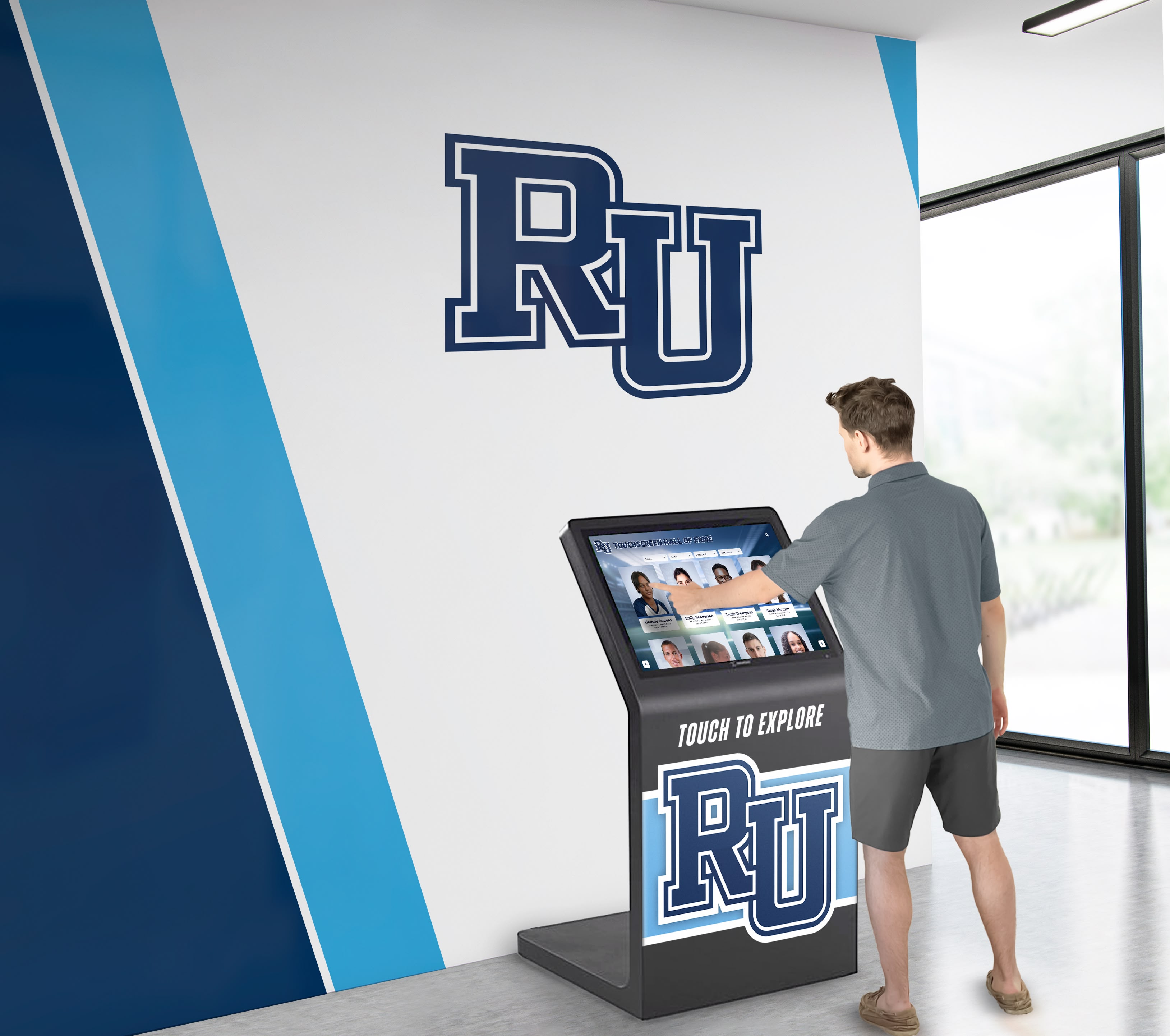
From Static to Engaging: Interactive Recognition That Inspires
Students exploring digital honor roll displays spend average 4-6 minutes engaging with content compared to brief glances at static bulletin boards. Interactive profiles with detailed narratives, study strategy insights, and future aspiration connections create inspiration for younger students while validating honored recipients. Searchable databases enable students to discover classmates’ achievements, track their own cumulative honor roll history, and explore academic heritage building institutional pride.
From Temporary to Permanent: Building Institutional Academic Memory
Digital record boards preserve complete honor roll archives remaining accessible indefinitely rather than being replaced or discarded. This permanence creates lasting institutional memory demonstrating sustained academic excellence, enables alumni engagement reconnecting with their own recognition, provides admissions representatives access to comprehensive achievement documentation, and builds community understanding of school academic culture and values.
Resources on digital academic recognition platforms showcase additional implementation approaches and outcomes.
Creating Recognition Systems That Drive Excellence
Effective honor roll digital record boards share fundamental characteristics distinguishing truly motivational systems from basic acknowledgment:
Comprehensive Coverage: Recognition accommodating all honor roll recipients across achievement levels rather than celebrating only highest performers creates inclusive culture where varied students experience acknowledgment for genuine academic effort and consistent performance.
Prominent Strategic Placement: High-traffic location installation ensures honor roll recognition receives attention comparable to athletic accomplishments rather than relegation to obscure areas few students notice during normal school days.
Immediate Currency: Auto-ranking updates delivered within days of achievement maintain strong connection between effort and acknowledgment maximizing motivational impact rather than delays weakening reinforcement power.
Rich Engaging Content: Detailed multimedia profiles including photography, achievement narratives, and student perspectives create emotional connection and inspiration impossible with simple name lists providing minimal information.
Permanent Accessibility: Complete honor roll archives remaining accessible indefinitely preserve institutional academic heritage while enabling sustained engagement from alumni, families, and prospective students evaluating programs.
Sustained Institutional Commitment: Recognition programs maintaining consistent operation across years demonstrate genuine prioritization of academic excellence rather than enthusiastic launches followed by gradual decline as initial excitement fades and competing priorities emerge.
When schools invest in honor roll recognition through purpose-built digital record board platforms thoughtfully designed and effectively implemented, dividends prove substantial: enhanced student motivation toward academic excellence, improved school climate celebrating intellectual achievement, increased family engagement and institutional pride, stronger academic reputation attracting prospective students, and most importantly—students developing positive academic identities understanding their intellectual growth matters to caring adults and supportive communities.
Ready to transform how your school celebrates end of semester honor roll recipients? Book a demo with Rocket Alumni Solutions to see purpose-built digital record board platforms designed specifically for educational institutions. Schedule a Zoom consultation exploring how auto-ranking displays eliminate manual update burdens, unlimited capacity showcases every honor roll recipient, engaging interactive content inspires continued excellence, ADA-compliant platforms ensure universal accessibility, and proven approaches help schools build cultures where academic achievement receives celebration matching its significance.
Your honor roll recipients achieve remarkable scholarly accomplishments demonstrating dedication, consistency, and intellectual engagement. Modern digital record board solutions ensure these achievements receive acknowledgment that inspires continued excellence, honors diverse academic talents, validates sustained effort and persistence, creates lasting institutional pride, and builds school communities where all students feel valued for their academic contributions and motivated to pursue their highest intellectual potential semester after semester.