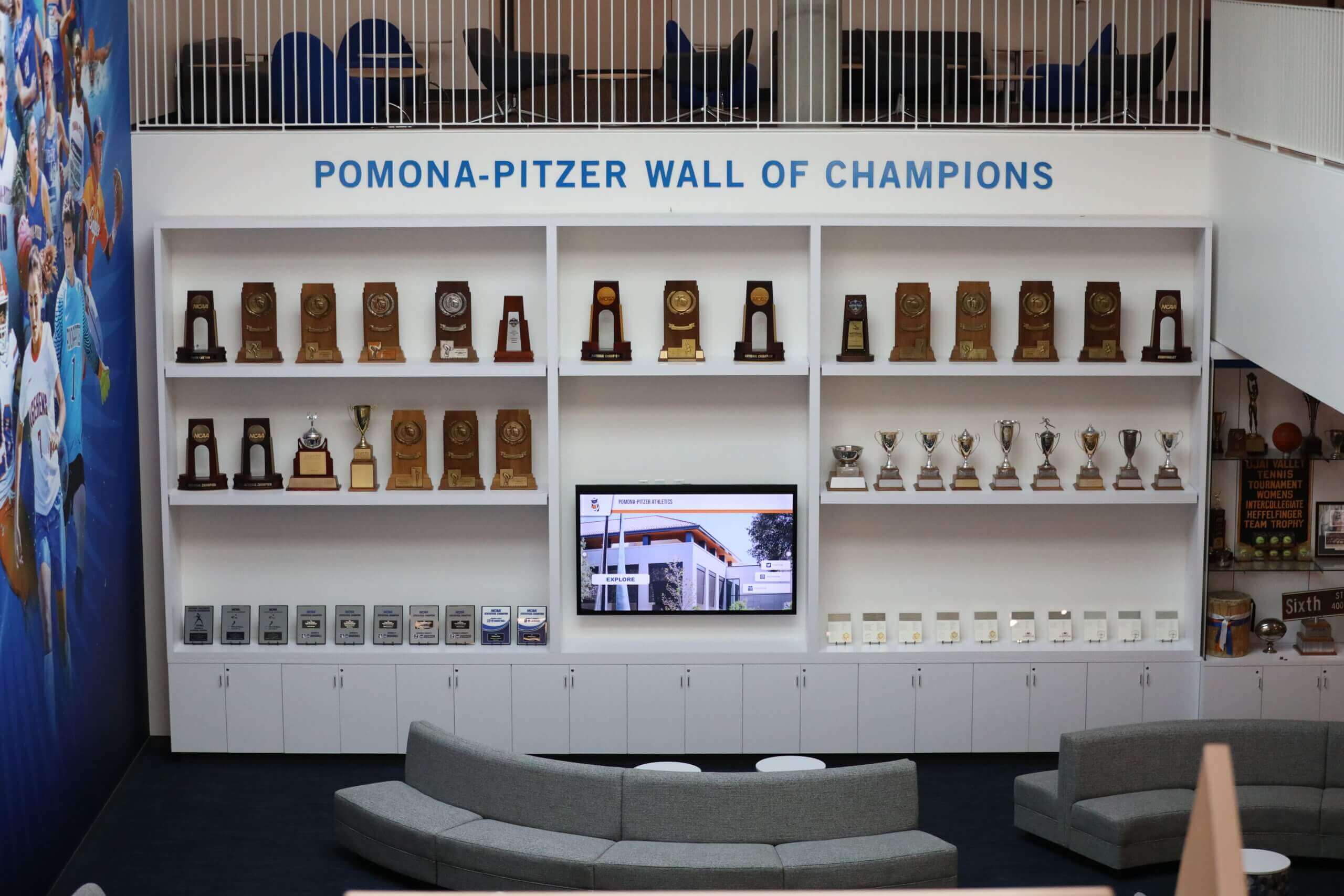




End of year awards represent the pinnacle moment when schools pause to reflect on accomplishments, celebrate growth, and honor students whose dedication, improvement, and character exemplify institutional values. As academic years conclude, recognition ceremonies transform routine acknowledgment into memorable celebrations creating emotional connections between achievement and community celebration. Whether recognizing athletic excellence, academic distinction, artistic talent, leadership development, or character growth, thoughtfully designed end-of-year recognition creates lasting memories while motivating continued effort in years ahead.
The challenge facing schools, athletic departments, and student organizations lies not in whether to recognize achievement but rather how to design award programs celebrating diverse accomplishments through categories resonating with various student populations. Generic “Student of the Year” awards prove insufficient when student bodies demonstrate excellence across academics, athletics, arts, service, leadership, and personal growth. Modern end-of-year recognition demands comprehensive category frameworks ensuring various students experience meaningful acknowledgment for genuine achievements across multiple excellence dimensions.
This comprehensive guide explores creative award category frameworks, effective ceremony planning strategies, meaningful presentation approaches, and modern recognition display solutions transforming how schools celebrate student achievement at year’s conclusion. Whether you’re a principal planning school-wide recognition, an athletic director coordinating sports awards, a teacher organizing classroom celebrations, or a student council member designing peer recognition, this guide provides actionable frameworks for creating memorable end-of-year experiences honoring achievement while building institutional traditions.
Why End-of-Year Recognition Requires Comprehensive Planning
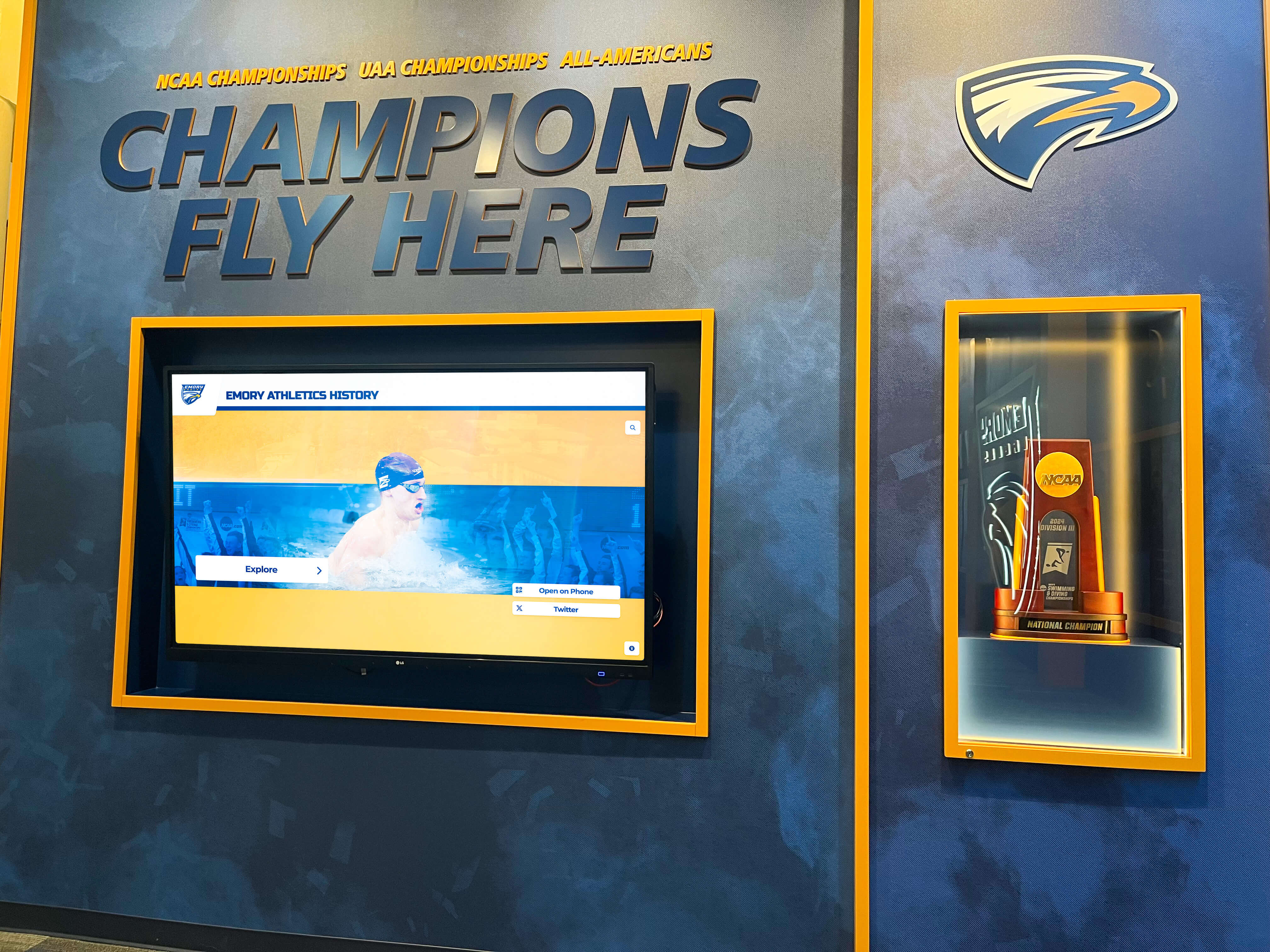
End of year awards culminate months of student effort, representing final institutional statements about what accomplishments matter and whose achievements deserve celebration. Unlike informal mid-year acknowledgment, year-end recognition creates permanent records shaping how students remember their school experience and how communities perceive institutional values. Digital recognition solutions like Rocket Alumni Solutions enable schools to create comprehensive, engaging displays preserving recognition permanently while ensuring award recipients remain celebrated long after ceremonies conclude.
Comprehensive End-of-Year Award Category Framework
Effective recognition programs balance traditional excellence awards with creative categories celebrating diverse achievement types, ensuring various students experience meaningful acknowledgment rather than limiting recognition to identical high performers year after year.
Academic Excellence Awards
Academic recognition anchors most end-of-year programs, acknowledging students demonstrating exceptional scholastic achievement, intellectual curiosity, and dedication to learning excellence.
Academic Award Categories:
1. Valedictorian and Salutatorian Recognition: For graduating classes, formal acknowledgment of students achieving highest and second-highest cumulative grade point averages represents traditional academic pinnacle recognition. Understanding the difference between valedictorian and salutatorian helps schools appropriately honor both positions.
2. Subject-Specific Excellence Awards: Highest achievement in mathematics, science, English language arts, social studies, world languages, computer science, and other core subjects. Subject awards validate students excelling in particular academic areas while acknowledging that students demonstrate uneven strength across disciplines.
3. Honor Roll Recognition: Year-end acknowledgment of students maintaining honor roll status throughout academic year through consistent high performance across subjects. Consider tiered systems—Highest Honors (4.0), High Honors (3.75-3.99), Honors (3.5-3.74)—creating accessible achievement pathways.
4. Academic All-American Recognition: For student-athletes balancing athletic participation with academic excellence, Academic All-American awards celebrate dual commitment to classroom and competition.
5. Advanced Placement Scholar Awards: Students completing multiple AP courses with qualifying exam scores demonstrate exceptional academic rigor commitment. AP Scholar recognition programs formalize acknowledgment of advanced coursework completion.
6. National Honor Society Inductees: Formal recognition of students selected for National Honor Society membership based on scholarship, service, leadership, and character criteria.
7. Perfect Attendance Awards: Year-long attendance acknowledgment for students demonstrating exceptional commitment and reliability, applied thoughtfully with appropriate medical absence accommodations.
8. Most Improved Academic Performance: Recognition celebrating students demonstrating significant grade point average improvement from prior years, validating growth alongside absolute achievement.
9. Dean’s List or Principal’s List: Quarterly or semester recognition aggregated into year-end acknowledgment for students consistently achieving high academic standards throughout the year.
10. Graduation Honors Recognition: Cum laude, magna cum laude, and summa cum laude distinctions for graduating seniors based on cumulative GPA thresholds established by individual institutions.
According to research from the National Association of Secondary School Principals, comprehensive academic recognition celebrating both absolute excellence and measurable improvement creates more inclusive programs than systems acknowledging only top-performing students.
Athletic and Physical Education Awards
Athletic recognition celebrates competitive excellence, skill development, team contribution, and physical achievement across sports programs.
Athletic Award Categories:
11. Varsity Letter Awards: Traditional recognition for athletes meeting participation and performance criteria earning varsity letters in respective sports. First-year letter recipients receive physical letters while subsequent years earn pins or bars.
12. Team MVP Awards: Most valuable player recognition for each sport acknowledging athletes whose performance, leadership, and contribution proved most significant to team success.
13. Coach’s Awards: Discretionary recognition allowing coaches to acknowledge athletes exemplifying team values, demonstrating exceptional work ethic, or contributing significantly beyond statistical measures.
14. All-Conference Recognition: Acknowledgment of athletes selected by conference coaches for all-conference teams based on competitive performance throughout seasons.
15. All-State Athlete Recognition: Celebration of athletes achieving state-level recognition through selection to all-state teams or individual state championship qualification. All-state athlete displays create permanent acknowledgment of this elite achievement level.
16. Record Breakers: Recognition for athletes establishing new school, conference, or state records in their respective sports, permanently linking their names to institutional athletic history.
17. Sportsmanship Awards: Character-focused recognition celebrating athletes demonstrating exceptional sportsmanship, positive attitude, respectful competition, and exemplary conduct representing schools with integrity.
18. Most Improved Athlete: Athletes showing significant skill development, performance improvement, or competitive advancement from season start to conclusion.
19. Rookie of the Year: First-year program participants demonstrating exceptional achievement or contribution despite limited experience.
20. Scholar-Athlete Awards: Recognition combining academic and athletic excellence, typically requiring minimum GPA thresholds alongside varsity participation.
Resources on athletic banquet planning provide comprehensive frameworks for end-of-year sports recognition ceremonies celebrating team and individual achievements.
Arts and Creative Excellence Awards
Creative recognition acknowledges students demonstrating exceptional talent, artistic development, and creative contribution across visual arts, performing arts, music, and creative writing.
Arts Award Categories:
21. Outstanding Visual Artist: Recognition for exceptional achievement in painting, drawing, sculpture, ceramics, photography, digital art, or other visual media.
22. Theater Excellence Awards: Best actor, best actress, best supporting roles, technical excellence, or outstanding contribution to theatrical productions throughout the year.
23. Music Achievement Recognition: Instrumental excellence, vocal performance, music composition, or selection to honor bands, orchestras, or choirs at regional or state levels.
24. All-State Music Recognition: Acknowledgment of students selected through competitive auditions for all-state bands, orchestras, or choirs. All-state musician programs demonstrate commitment to musical excellence warranting formal celebration.
25. Creative Writing Awards: Excellence in poetry, fiction, creative nonfiction, journalism, or publication in literary magazines and student publications.
26. Outstanding Chorus or Band Member: Recognition for students demonstrating exceptional dedication, skill development, or contribution to ensemble excellence.
27. Technical Theater Recognition: Acknowledgment of students excelling in lighting design, sound engineering, set construction, costume design, or stage management supporting performance excellence.
28. Art Show or Festival Recognition: Students whose work was selected for competitive art shows, festivals, or exhibitions beyond school programs.
29. Music Scholarship Recipients: Recognition for students earning music scholarships or acceptance to prestigious music programs for post-secondary study.
30. Drama Department Service Award: Students contributing exceptionally to drama program sustainability through leadership, mentorship, or technical support across multiple productions.
Leadership and Service Awards
Leadership recognition celebrates students who influence peers positively, serve communities generously, and demonstrate commitment extending beyond personal achievement.
Leadership and Service Categories:
31. Student Government Leadership: Recognition for student council officers, class representatives, or student government members demonstrating exceptional leadership, initiative, and service to student bodies.
32. Community Service Hours Recognition: Tiered acknowledgment based on documented volunteer hours—bronze (50+ hours), silver (100+ hours), gold (150+ hours), platinum (200+ hours)—celebrating community contribution commitment.
33. Service Club Leadership: Officers and active members of service-oriented clubs including Key Club, Interact, Builders Club, or school-specific service organizations.
34. Peer Mentorship Excellence: Recognition for students formally or informally mentoring younger students, tutoring peers, or providing academic and social support enhancing others’ school experiences.
35. Social Justice Advocacy: Acknowledgment of students leading initiatives addressing equity, inclusion, social issues, or advocacy campaigns creating positive institutional or community change.
36. Environmental Stewardship Awards: Students leading sustainability initiatives, environmental clubs, recycling programs, or conservation projects demonstrating ecological responsibility.
37. Cultural Leadership Recognition: Students organizing multicultural events, leading affinity groups, promoting cultural awareness, or fostering inclusive school environments.
38. Class Spirit and Participation: Students demonstrating exceptional school spirit through event attendance, participation enthusiasm, or visible support for school activities and traditions.
39. Student Ambassador Awards: Recognition for students representing schools exceptionally to prospective families, community members, or external organizations through tours, presentations, or outreach.
40. Outstanding Club Leadership: Presidents and officers of academic clubs, special interest organizations, or extracurricular groups demonstrating effective leadership advancing organizational missions.
Guidance on school recognition days demonstrates how comprehensive recognition calendars celebrate diverse achievements throughout academic years.
Character and Citizenship Awards
Character recognition emphasizes how students treat others, contribute to school culture, and demonstrate values transcending measurable achievement.
Character Award Categories:
41. Citizenship Award: Students exemplifying positive citizenship through respectful behavior, community contribution, democratic participation, and modeling exemplary conduct.
42. Kindness and Compassion Recognition: Acknowledgment of students consistently demonstrating kindness, empathy, supportiveness, and compassionate treatment of peers and adults.
43. Integrity Awards: Students exhibiting exceptional honesty, ethical behavior, moral courage, and principled decision-making even when facing pressure or difficulty.
44. Perseverance Recognition: Celebration of students overcoming significant challenges, demonstrating resilience through adversity, or persisting despite obstacles that might derail others.
45. Positive Attitude Award: Students maintaining optimistic, encouraging attitudes contributing to positive classroom and school climates regardless of circumstances.
46. Respectful Student Recognition: Acknowledgment of students consistently demonstrating respect toward peers, teachers, staff, and community members through words, actions, and attitudes.
47. Conflict Resolution Excellence: Students who handle disagreements maturely, mediate peer conflicts constructively, or contribute to peaceful school environments.
48. Reliability and Responsibility: Recognition for students demonstrating exceptional reliability, following through on commitments, meeting deadlines consistently, and proving trustworthy.
49. Inclusivity Champion: Students actively including peers who might otherwise be excluded, welcoming new students warmly, or creating belonging for marginalized community members.
50. Faculty Choice Awards: Teacher-nominated recognition allowing faculty to acknowledge students who made particular impact in their classes through effort, character, or positive influence.
Specialized and Creative Award Categories
Beyond traditional categories, creative specialized awards acknowledge unique achievements, emerging interests, and distinctive contributions deserving celebration.
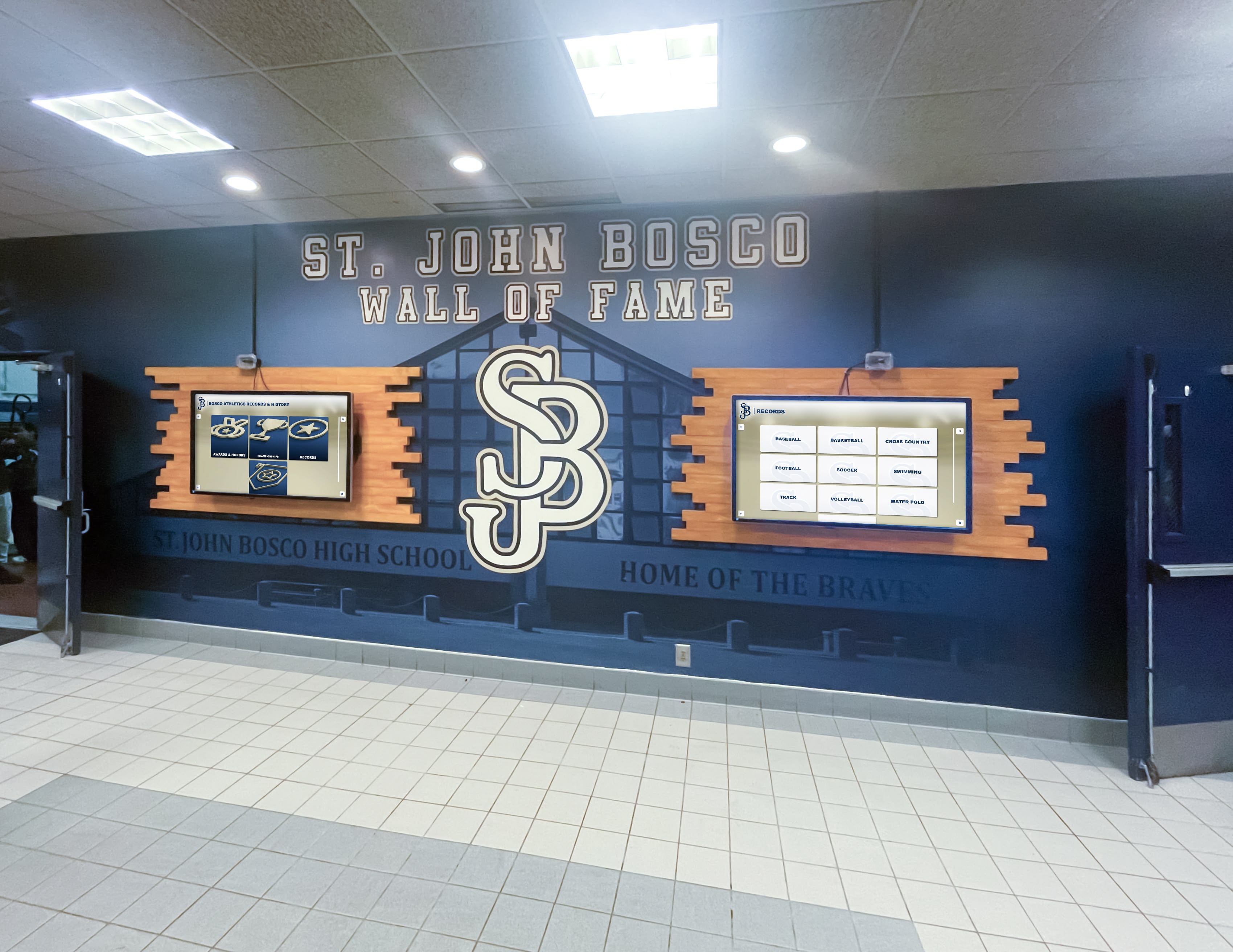
Specialized Award Ideas:
51. Technology and Innovation Excellence: Students demonstrating exceptional achievement in coding, robotics, app development, digital design, or technology-driven problem solving.
52. Entrepreneurship Recognition: Students launching businesses, creating innovative products or services, or demonstrating entrepreneurial thinking and initiative.
53. STEM Competition Achievement: Recognition for students competing successfully in science fairs, math competitions, robotics tournaments, or engineering challenges at regional, state, or national levels.
54. Debate and Forensics Excellence: Achievement in competitive debate, speech competitions, forensics tournaments, or Model UN participation.
55. Journalism and Media Production: Students excelling in student newspaper, yearbook, broadcasting, podcasting, or digital media content creation.
56. Language Proficiency Recognition: Students achieving advanced proficiency in world languages, completing dual-language programs, or earning language certification.
57. Career and Technical Education Excellence: Recognition for students demonstrating exceptional achievement in CTE programs including culinary arts, automotive technology, healthcare, construction, or other vocational pathways.
58. Student Research Recognition: Acknowledgment of students completing significant independent research projects, contributing to academic journals, or presenting at research conferences.
59. Outstanding Senior Project: For schools requiring senior capstone projects, recognition for exceptional project execution demonstrating synthesis of learning, real-world application, and meaningful contribution.
60. Renaissance Award: Acknowledgment of well-rounded students achieving excellence across multiple domains—academics, athletics, arts, leadership—exemplifying balanced achievement.
Information on creative awards for students provides additional category inspiration ensuring comprehensive recognition reaching diverse student populations.
Planning Effective End-of-Year Award Ceremonies
Award category selection represents only the first step—ceremony planning, presentation approach, and recognition delivery dramatically affect whether end-of-year acknowledgment creates meaningful experiences or feels like rushed obligation.
Ceremony Format Considerations
Different ceremony formats suit different institutional cultures, award quantities, audience sizes, and available resources.
Ceremony Format Options:
School-Wide Recognition Assembly: Large-scale events gathering entire student bodies to celebrate collective achievement. These assemblies work well for flagship awards reaching limited numbers while building community-wide celebration culture. Balance recognition time across award types ensuring various student populations receive spotlight moments rather than overwhelming focus on single achievement domain.
Department or Grade-Level Ceremonies: Smaller-scale recognition events organized by academic department, grade level, or program area. English department awards nights, athletics banquets, arts showcases, or grade-specific assemblies create intimate settings enabling more personalized recognition than massive all-school events accommodate.
Classroom-Based Recognition: Individual teachers or advisory groups conducting their own end-of-year celebrations acknowledging student growth, achievement, and contribution within specific classroom communities. This decentralized approach ensures every student receives some acknowledgment in familiar, comfortable settings.
Evening Award Programs: Formal evening events inviting families to celebrate student achievement alongside school communities. Evening programs enable parent attendance impossible during school hours while creating special-occasion atmospheres elevating recognition significance.
Virtual or Hybrid Ceremonies: For schools serving geographically dispersed populations or facing logistical constraints, virtual ceremonies broadcast live or recorded enable family participation regardless of location. Hybrid models combining limited in-person attendance with virtual streaming maximize accessibility.
Progressive Recognition Throughout Final Week: Rather than single ceremonies, distribute recognition across multiple events during final school week—academic awards Monday, athletic recognition Tuesday, arts celebration Wednesday, service acknowledgment Thursday, culminating in comprehensive Friday assembly. Progressive approaches prevent marathon ceremonies while maintaining focus on each achievement domain.
Resources on award ceremony planning provide detailed frameworks for creating memorable recognition events that honor achievement effectively while maintaining audience engagement.
Ceremony Timeline and Logistics
Effective ceremony execution requires detailed planning addressing venue selection, program sequencing, participant coordination, and technical requirements.
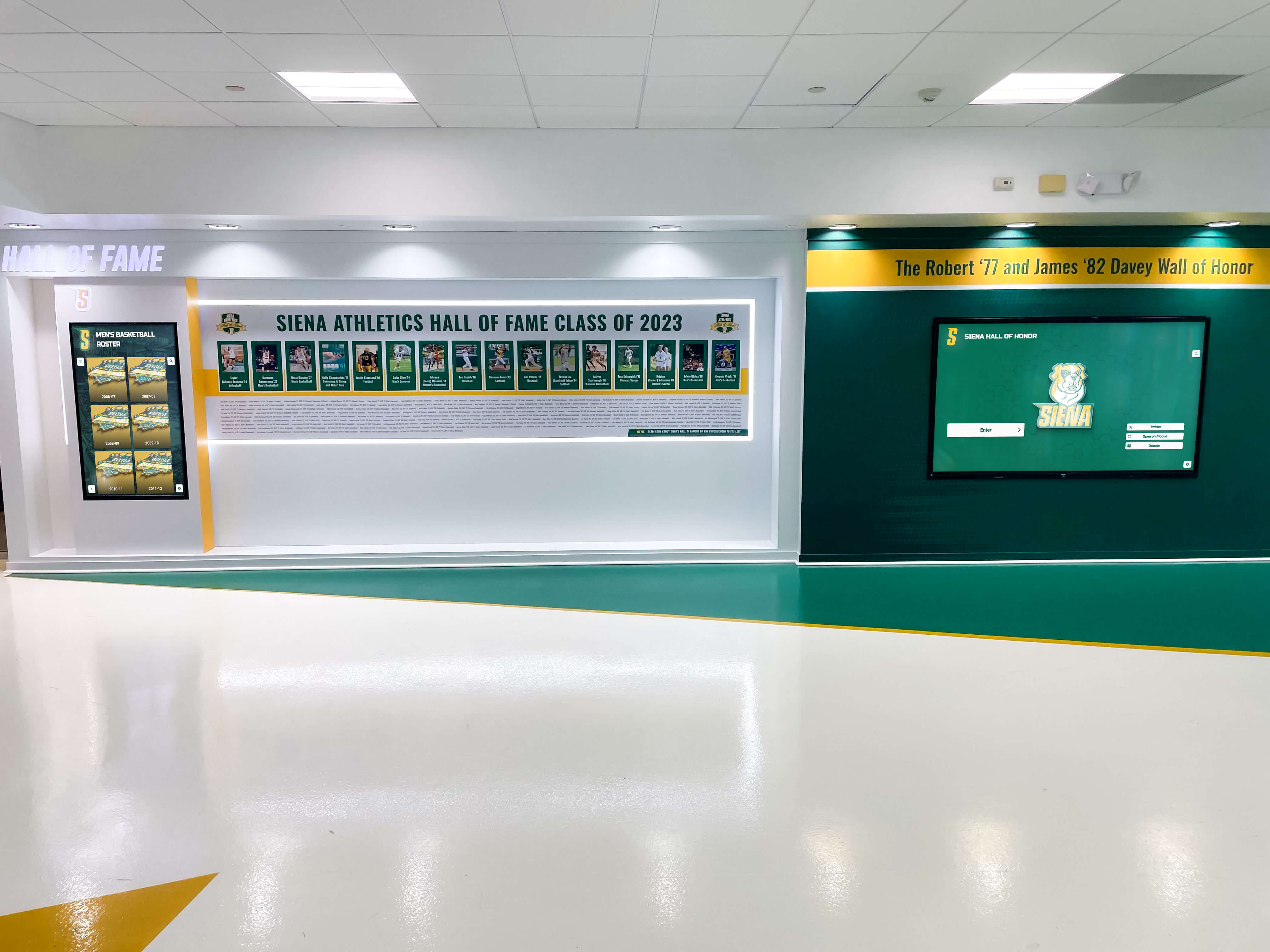
Logistical Planning Elements:
Venue Selection: Choose spaces accommodating expected audiences comfortably with adequate seating, good acoustics, climate control, accessibility features, and appropriate formality level. Gymnasiums work for large assemblies while theaters suit smaller formal programs better. Consider sight line quality ensuring all attendees can see recognition presentations clearly.
Program Length Management: Maintain reasonable ceremony duration preventing audience fatigue. Aim for 60-90 minutes maximum for comprehensive programs, 30-45 minutes for focused recognition. When hundreds of students require acknowledgment, consider progressive distribution across multiple shorter events rather than marathon single ceremonies.
Award Presentation Sequencing: Organize recognition logically—perhaps academic awards first, followed by arts, athletics, leadership, character, and culminating with highest honors. Alternatively, alternate between achievement domains maintaining audience interest through variety rather than extended blocks of similar awards.
Student Name Accuracy: Verify pronunciation of all recipient names prior to ceremonies. Nothing diminishes recognition impact faster than mispronouncing students’ names during their moment of acknowledgment. Create phonetic spelling guides for presenters when names include unfamiliar sounds or language origins.
Recognition Materials Preparation: Print certificates, prepare award plaques or medals, assemble recognition folders, and organize materials for efficient distribution. Having students collect items during ceremonies versus afterwards maintains program flow and prevents conclusion chaos.
Audio-Visual Requirements: Ensure microphone systems, projection screens, presentation computers, and lighting systems function properly with technical staff available addressing issues arising during programs. Test all equipment thoroughly during advance run-throughs.
Photography and Videography: Arrange professional or volunteer photographers capturing recognition moments for school archives, family distribution, and digital display inclusion. Record full ceremonies enabling absent family members to view programs remotely.
Reception or Celebration Elements: Consider whether post-ceremony receptions with refreshments create additional family fellowship opportunities, particularly for evening programs where social gathering complements formal recognition.
Meaningful Award Presentation Approaches
How individual awards get presented dramatically affects recipient experience and recognition significance regardless of ceremony scale.
Presentation Best Practices:
Specific Achievement Detail: When presenting awards, explain specifically what recipients accomplished rather than generic “for excellence.” Detail transforms recognition from empty ritual to meaningful acknowledgment. “Sarah earned the Mathematics Excellence Award through consistent high performance, completion of three AP math courses, and mentoring peers struggling with algebra” carries infinitely more meaning than “Mathematics Excellence Award: Sarah Johnson.”
Student Story Inclusion: Brief anecdotes illustrating why students earned recognition create emotional connection and demonstrate genuine selection thought rather than formulaic acknowledgment. “Marcus demonstrated exceptional perseverance this year, improving his GPA from 2.1 to 3.4 through dedicated effort, attending tutoring sessions three times weekly, and never missing a single assignment despite working 20 hours weekly to support his family.”
Presenter Selection Significance: Match award presenters to recognition types when possible. Teachers present academic awards, coaches deliver athletic recognition, club advisors acknowledge leadership positions, and principals or administrators handle character and citizenship awards. Personal connections between presenters and recipients enhance meaning.
Physical Recognition Quality: Certificate and award quality communicates institutional value placed on recognition. Professional printing, quality paper stock, appropriate framing for major awards, and polished presentation materials demonstrate that recognition matters organizationally rather than representing afterthought obligations.
Photography Opportunities: Allow brief pauses following each award presentation enabling family photograph capture of students receiving recognition, shaking hands with presenters, or displaying certificates. These images become lasting mementos families treasure.
Applause and Celebration: Build appropriate applause moments into programs creating celebratory atmospheres. Consider standing ovations for highest honors or exceptional achievements deserving community-wide acknowledgment.
Information on senior class award displays demonstrates how graduating classes can create lasting recognition of year-end awards through permanent display installations.
Creating Lasting Recognition Beyond Ceremonies
While award ceremonies create meaningful moments, recognition impact extends when achievements remain visible and accessible beyond single events through permanent displays, digital platforms, and institutional archives.
Digital Recognition Display Solutions
Modern technology enables schools to preserve and showcase end-of-year award recipients permanently through interactive digital displays creating ongoing visibility impossible with traditional approaches.
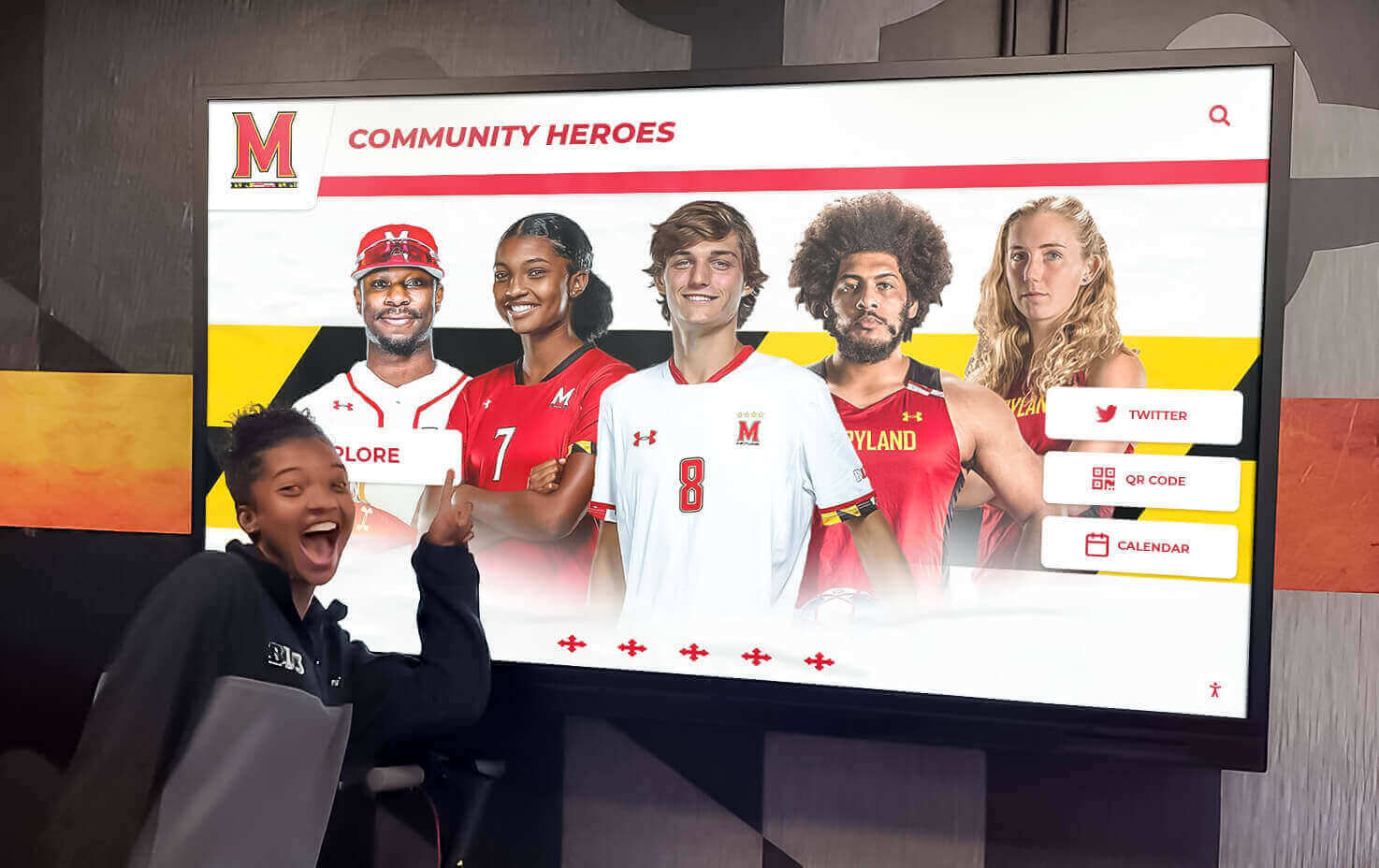
Benefits of Digital End-of-Year Recognition:
Permanent Accessibility: Unlike paper certificates stored in drawers or temporary bulletin boards taken down weeks after ceremonies, digital platforms maintain year-round visibility ensuring award recipients remain celebrated indefinitely. Students, families, alumni, and community members can access recognition displays years or decades after original achievement.
Unlimited Capacity: Physical trophy cases and wall plaques impose space limitations forcing impossible choices about whose recognition deserves display. Digital platforms accommodate unlimited recipients across unlimited categories without physical constraints, enabling truly comprehensive acknowledgment.
Rich Multimedia Storytelling: Beyond simple name lists, digital recognition includes student photographs, achievement details, accomplishment descriptions, video content, personal statements, and searchable databases creating engaging narratives around awards that static lists cannot provide.
Easy Annual Updates: Adding each year’s new recipients requires minutes of content management rather than physical reconstruction, enabling efficient ongoing program maintenance across decades while building cumulative institutional history.
Remote Family Access: Web-based recognition extends beyond physical school locations, enabling grandparents, extended family, relocated alumni, or geographically distant community members to view and celebrate student achievements regardless of location.
Searchable Archives: Comprehensive databases enable searching recipients by name, year, award type, or achievement category, facilitating historical research, alumni reconnection, or institutional tradition documentation.
Engagement Analytics: Digital platforms provide data about recognition display usage, popular content, peak access times, and user engagement patterns informing future recognition strategy and content development.
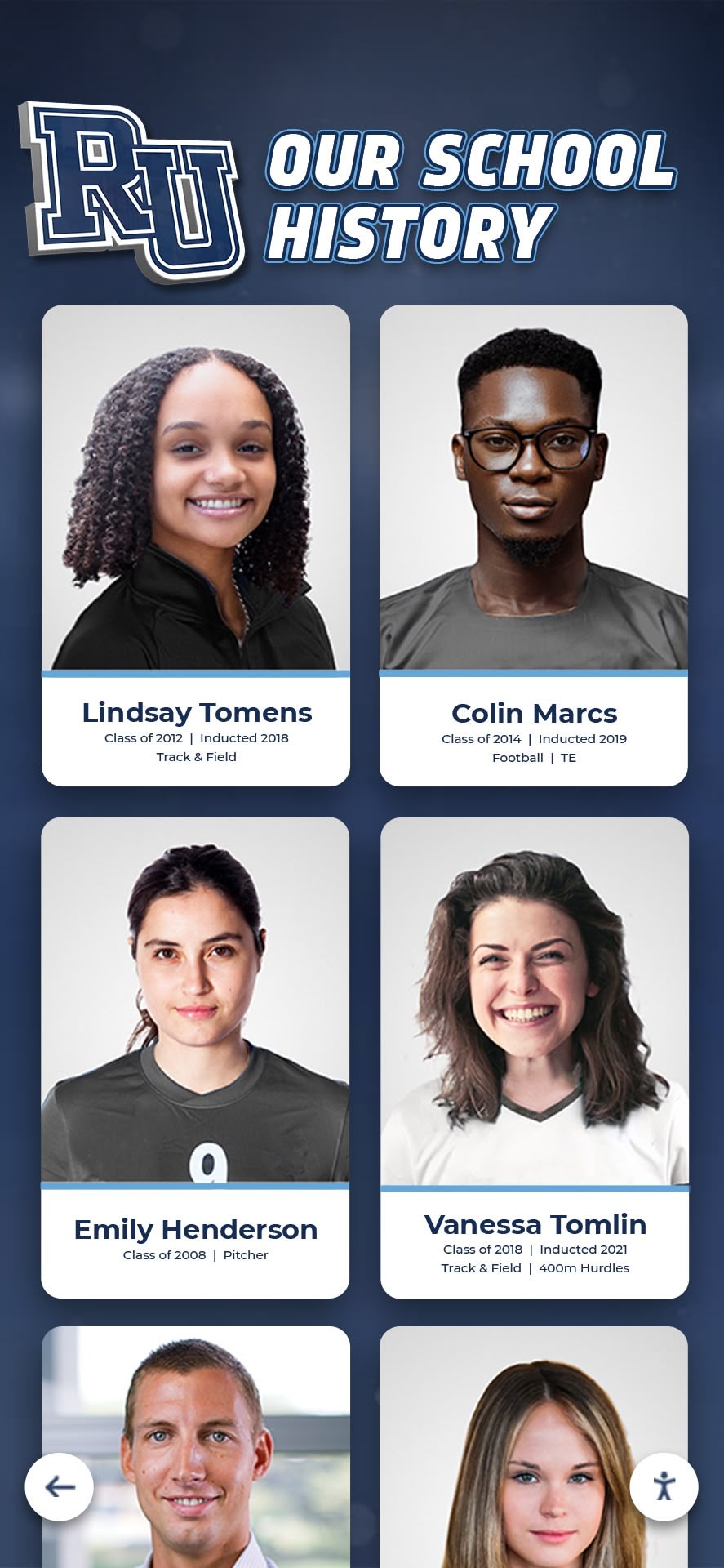
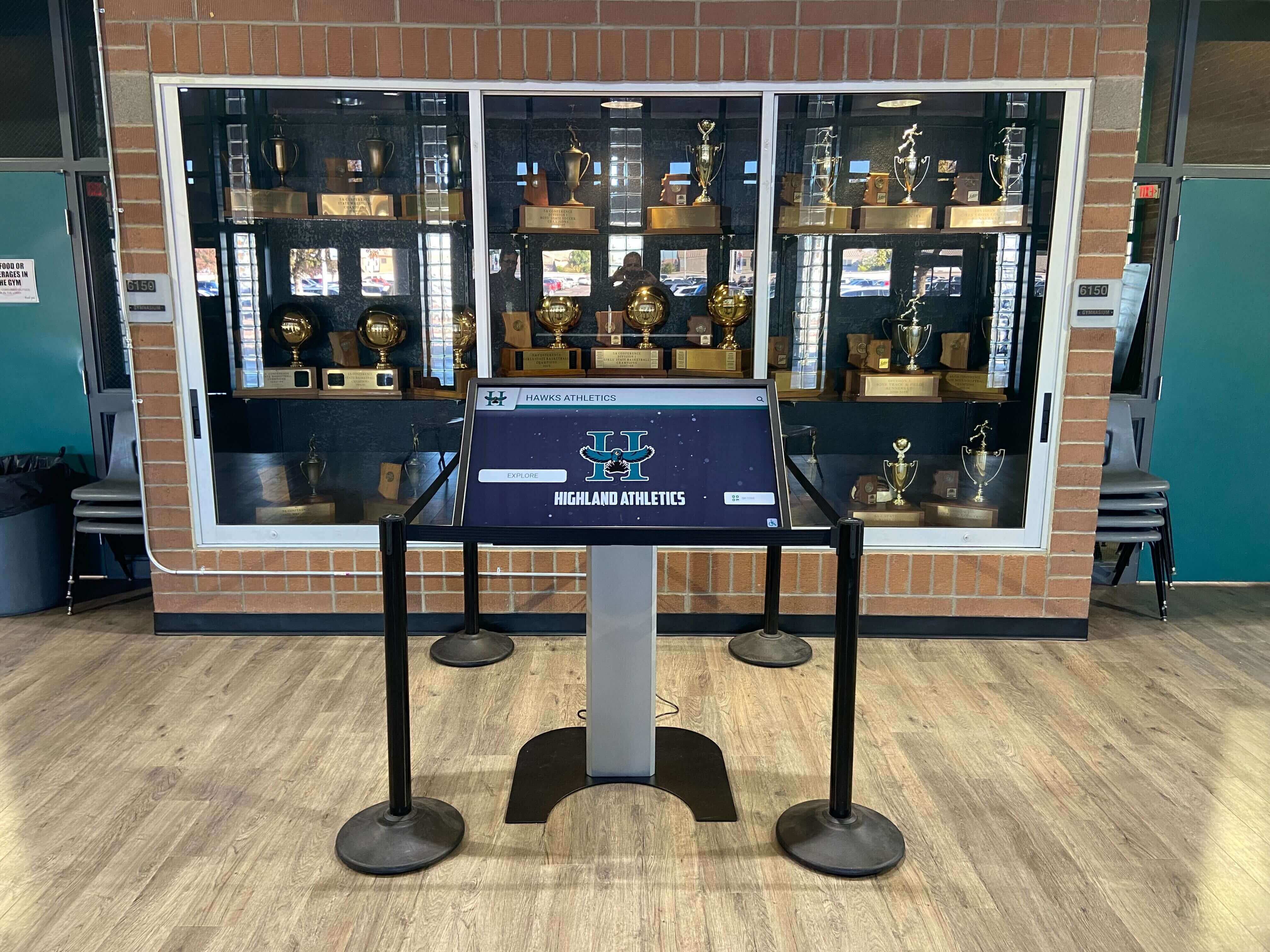
Solutions like Rocket Alumni Solutions provide purpose-built platforms specifically designed for educational recognition, combining touchscreen displays for high-traffic school locations with web accessibility ensuring comprehensive reach. These systems transform end-of-year awards from temporary acknowledgment into permanent institutional celebration creating lasting pride for recipients while building school culture emphasizing achievement celebration across generations.
Strategic Recognition Display Placement
Display location dramatically affects community engagement with end-of-year recognition regardless of whether schools implement physical or digital solutions.
High-Impact Display Locations:
Main School Entrances: Entry locations capture all daily student, family, and visitor traffic while establishing recognition as prominent institutional priority from the moment people arrive on campus.
Commons Areas and Cafeterias: High-congregation spaces where students naturally gather during breaks, lunches, or before/after school create extended viewing opportunities impossible in hallways where traffic flows continuously.
Library and Media Centers: Natural learning environments where students already spend significant time for academic purposes, reinforcing scholarly achievement culture and making recognition readily accessible.
Athletic Facilities: Gymnasiums, field houses, locker rooms, and weight rooms serve as appropriate locations for athletic recognition displays celebrating competitive excellence where athletes train and compete.
Administrative Offices: Main office reception areas prove highly visible to all school visitors including prospective families, community members, district administrators, and guests whose impressions shape external school perception.
Performing Arts Spaces: Theaters, music rooms, and arts studios provide contextually appropriate settings for creative achievement recognition displays acknowledging artistic excellence.
Multiple distributed displays often prove more effective than single concentrated installations, ensuring recognition maintains high visibility across entire campuses rather than limiting acknowledgment to isolated locations most students never visit.
Resources on digital recognition wall implementation provide guidance on successful display installation coordinating recognition systems with broader facility planning.
Inclusive Recognition Ensuring Broad Participation
The most effective end-of-year award programs share a critical characteristic: they celebrate diverse achievement types ensuring various students experience meaningful acknowledgment rather than concentrating recognition on identical high performers year after year.
Balancing Excellence and Inclusion
Tension exists between maintaining recognition credibility through selective criteria versus creating inclusive programs where broader student populations experience acknowledgment. Effective programs achieve both simultaneously through strategic category design.
Inclusion Strategies:
Diverse Category Types: Implement comprehensive frameworks including absolute excellence awards (valedictorian, all-state athletes), comparative recognition (subject awards, team MVPs), improvement acknowledgment (most improved, academic comeback), effort celebration (perseverance, hard worker), character emphasis (citizenship, kindness), and participation validation (club membership, activity involvement). Multiple category types create multiple pathways toward recognition.
Tiered Recognition Levels: Within single achievement domains, establish multiple recognition tiers enabling various students to receive acknowledgment at appropriate levels. Academic recognition might include summa cum laude, magna cum laude, cum laude, honor roll, and honorable mention—creating accessible pathways across performance levels rather than single exclusive threshold.
Grade-Level Appropriate Awards: Design separate recognition programs for different grade levels rather than school-wide competitions where upperclassmen dominate. Freshman awards, sophomore recognition, junior acknowledgment, and senior honors ensure age-appropriate celebration at all levels.
Improvement-Focused Categories: Dedicate substantial recognition to students demonstrating significant growth regardless of absolute achievement level. Most improved academically, dramatic skill development, behavior transformation, or confidence building celebrate progress deserving equal honor as consistent excellence.
Nomination-Based Recognition: Allow broader school community participation through nomination processes where teachers, staff, students, or community members nominate peers for character awards, service recognition, or contribution acknowledgment. Nominations surface deserving students who might not appear through purely metrics-based selection.
Universal Participation Elements: Combine selective honor awards with universal acknowledgment ensuring every student receives some year-end recognition. Perhaps every senior receives personalized superlative designation, every student gets acknowledged for unique strength, or all participants receive activity certificates regardless of competitive outcomes.
Information on employee recognition programs demonstrates comprehensive acknowledgment frameworks that translate effectively to student recognition—celebrating diverse contributions through varied category types.
Monitoring Distribution Equity
Well-intentioned recognition programs sometimes inadvertently create inequitable outcomes through implementation rather than design problems.
Equity Monitoring Practices:
Regular Distribution Analysis: Review award recipient demographics quarterly or annually. Examine whether recognition reaches equitably across racial/ethnic groups, genders, socioeconomic backgrounds, grade levels, and program participation types. Significant disparities signal potential selection bias requiring investigation and correction.
Category Balance Tracking: Monitor whether recognition distribution balances across achievement types or whether certain domains receive disproportionate emphasis. If 75% of recognition focuses on athletics with minimal academic or character acknowledgment, category adjustments create better balance.
Selection Criteria Transparency: Publish clear, objective criteria explaining how each award gets determined. Transparent criteria reduce favoritism perception while enabling all students to understand recognition pathways and work intentionally toward achievable goals.
Multiple Evaluator Input: When selection involves subjective judgment rather than pure metrics, incorporate multiple evaluator perspectives rather than single individuals making decisions. Award committees with diverse representation reduce individual bias impact.
Student Voice Inclusion: Consider incorporating student input into recognition processes through peer nominations, student voting for certain categories, or student representatives participating in selection committees. Student involvement enhances program credibility and uncovers deserving recipients adults might overlook.
Guidance on hall of achievement programs emphasizes systematic selection approaches maintaining recognition credibility while ensuring equitable distribution.
End-of-Year Recognition Best Practices Summary
The most impactful end-of-year award programs share fundamental characteristics distinguishing meaningful recognition from empty ritual: comprehensive category frameworks celebrating diverse achievement types rather than narrow excellence definitions, clear transparent criteria enabling all students to understand pathways toward recognition, timely ceremony planning allowing adequate preparation for quality execution, meaningful presentation approaches explaining specifically what recipients accomplished, permanent recognition preservation extending acknowledgment beyond single ceremonies, strategic display placement ensuring ongoing visibility, equitable distribution monitoring confirming recognition reaches appropriately across student populations, and continuous improvement based on feedback and participation data.
When schools invest in thoughtfully designed end-of-year recognition programs, the benefits prove substantial. Students develop stronger academic identities understanding their capabilities and potential. Achievement motivation increases when students observe peers receiving meaningful acknowledgment for genuine accomplishments. School cultures shift toward celebration and positive reinforcement rather than criticism and correction. Family engagement strengthens through shared celebration of student achievements. Alumni connections deepen when graduates can revisit their own recognition years or decades later. Most importantly, students receive explicit messages about what accomplishments matter institutionally, what values schools prioritize, and what achievements deserve community celebration—lessons influencing behavior and goal-setting throughout educational journeys.
Modern recognition technology enables schools to create comprehensive, engaging end-of-year acknowledgment impossible through traditional approaches limited by physical constraints and temporary visibility. Solutions like Rocket Alumni Solutions provide purpose-built platforms transforming how educational institutions celebrate achievement—combining intuitive content management enabling easy annual updates, unlimited recognition capacity accommodating comprehensive acknowledgment, engaging multimedia displays creating visual interest, permanent accessibility preserving recognition indefinitely, web-based reach extending beyond physical locations, and proven educational appropriateness through deployment across hundreds of schools nationwide. These systems transform end-of-year awards from fleeting ceremonies into lasting institutional celebration building pride, motivation, and tradition across generations.
Your students accomplish remarkable things throughout academic years across classroom learning, athletic competition, creative expression, community service, leadership development, and personal challenges overcome through determination. End-of-year recognition programs designed with comprehensive category frameworks, meaningful ceremony planning, permanent display preservation, and inclusive distribution principles ensure these achievements receive celebration that validates effort, honors excellence, inspires continued growth, builds institutional tradition, and creates lasting memories students carry throughout their lives. The question isn’t whether year-end recognition matters—research definitively confirms its motivational impact—but rather whether your program celebrates achievement comprehensively enough that diverse students experience genuine acknowledgment for authentic accomplishments deserving community celebration.































