



Employee of the month programs represent one of the most visible and enduring workplace recognition strategies, yet many organizations struggle to implement these initiatives in ways that feel genuinely meaningful rather than perfunctory. When executed thoughtfully, monthly employee recognition drives engagement, reinforces desired behaviors, builds positive culture, and demonstrates organizational commitment to valuing contributions. When handled poorly, the same programs breed cynicism, create perceptions of favoritism, or fade into background noise employees ignore entirely.
The challenge isn’t whether to recognize outstanding team members—the value of acknowledgment is well-established through decades of organizational research. The real question organizations face is how to design employee of the month programs that resonate with modern workforces, accommodate diverse work environments, leverage contemporary technology, and deliver recognition that recipients experience as authentic rather than tokenistic.
This comprehensive guide explores creative employee of the month ideas spanning selection criteria, award formats, presentation approaches, and recognition displays that transform routine acknowledgment into meaningful experiences strengthening workplace culture while celebrating individual excellence.
Why Employee of the Month Recognition Still Matters
Despite evolving workplace dynamics, structured monthly recognition remains powerful when implemented effectively. Recognition programs increase employee engagement by 60% according to workplace research, reduce turnover among high performers, reinforce behaviors aligned with organizational values, create peer motivation through visible acknowledgment, and build culture emphasizing achievement and contribution. Modern digital recognition solutions enable organizations to implement comprehensive programs that honor monthly winners while maintaining permanent archives celebrating all recognized employees across years—extending recognition impact far beyond brief announcement moments.
Designing Fair and Transparent Selection Criteria
Recognition credibility depends entirely on selection processes perceived as fair, transparent, and merit-based rather than arbitrary or politically motivated.
Establishing Clear Nomination and Evaluation Standards
Written criteria prevent confusion while ensuring consistent evaluation across different nominators, evaluators, and recognition periods:
Performance-Based Measures: Quantifiable achievements provide objective foundations for recognition decisions. Consider metrics like exceeding performance targets by specific percentages, completing projects ahead of schedule or under budget, achieving quality benchmarks, generating measurable cost savings, or producing exceptional customer satisfaction scores.
Behavioral Criteria: Recognition should reinforce organizational values and desired workplace behaviors. Evaluation frameworks might assess collaboration and teamwork quality, demonstration of company values in daily work, innovation and creative problem-solving, customer service excellence, mentorship and support of colleagues, or positive attitude and workplace culture contribution.
Peer Nomination Processes: Allowing colleagues to nominate teammates increases participation while surfacing contributions managers might overlook. Peer recognition often carries particular weight because team members understand daily work challenges and can identify excellence colleagues demonstrate when leadership isn’t directly observing.
Manager Assessment: Supervisors provide valuable perspectives on performance quality, project impact, and achievement context. Balanced programs incorporate both peer nominations and management evaluation, leveraging complementary viewpoints rather than relying exclusively on either source.
Avoiding Common Selection Pitfalls
Rotation Systems Undermine Credibility: Programs that rotate recognition through departments or ensure everyone eventually receives awards transform meaningful acknowledgment into participation trophies. While inclusive impulses are well-intentioned, recognition must reflect genuine exceptional achievement to maintain value. If every employee receives monthly recognition on predictable schedules, the honor becomes meaningless.
Recency Bias: Selection committees naturally focus on recent achievements while overlooking excellent work from earlier in the month. Structured nomination periods collecting input throughout recognition cycles prevent last-week accomplishments from overshadowing earlier excellence.
Favoritism Perception: When the same individuals win repeatedly, programs risk appearing biased even when selections genuinely reflect superior performance. Consider implementing eligibility rules preventing back-to-back monthly wins, creating quarterly or annual categories alongside monthly recognition, or establishing special achievement awards for consistent high performers separate from monthly programs.
Organizations implementing effective staff recognition programs report higher satisfaction when selection processes balance objectivity with flexibility acknowledging diverse contribution types across different roles and departments.
Creative Recognition Formats Beyond Traditional Plaques
While engraved plaques represent classic employee recognition, contemporary organizations benefit from more creative approaches that resonate with modern workplace cultures and diverse employee preferences.
Experiential Recognition and Privileges
Reserved Parking Spot: Dedicated parking spaces near building entrances for the month provide daily visible recognition while offering practical convenience. Marked signs identifying the spot as reserved for the employee of the month create ongoing visibility throughout the recognition period.
Executive Lunch or Coffee: One-on-one time with senior leadership provides career development value alongside recognition. These informal conversations enable employees to share ideas, gain perspectives on organizational strategy, build relationships, and feel valued beyond their specific role contributions.
Flexible Schedule Options: Additional work-from-home days, flexible start times, or extra personal time off hours acknowledge that many employees value time flexibility as much as monetary rewards. This recognition format particularly resonates with employees managing caregiving responsibilities or pursuing personal development.
Professional Development Opportunities: Conference attendance, training course access, certification exam fees, or professional membership dues investments demonstrate organizational commitment to employee growth while providing career advancement value extending beyond symbolic recognition.
Meaningful Monetary and Tangible Recognition
Gift Cards with Personal Touch: Rather than generic visa cards, select gift cards matching individual interests—restaurant certificates for food enthusiasts, bookstore cards for readers, sporting goods for athletes, or experience gifts aligning with hobbies. Personalization demonstrates that recognition reflects genuine appreciation rather than checkbox completion.
Extra Paid Time Off: Additional vacation days or personal hours provide universally valued recognition addressing the reality that many employees prize time over money. Even modest additions—four extra hours quarterly for monthly winners—create meaningful acknowledgment.
Charitable Donations: Some employees prefer recognition that creates broader impact. Offering options to direct monetary recognition value toward chosen charities honors individual values while celebrating workplace achievement.
Technology Upgrades: New monitors, upgraded keyboards, quality headphones, ergonomic chairs, or desk accessories improve daily work experience while providing lasting reminders of recognition. These practical awards serve dual purposes as appreciation and workplace quality enhancement.
Resources on teacher recognition programs demonstrate how educational institutions implement meaningful staff acknowledgment that translates effectively to corporate environments with appropriate adaptations.
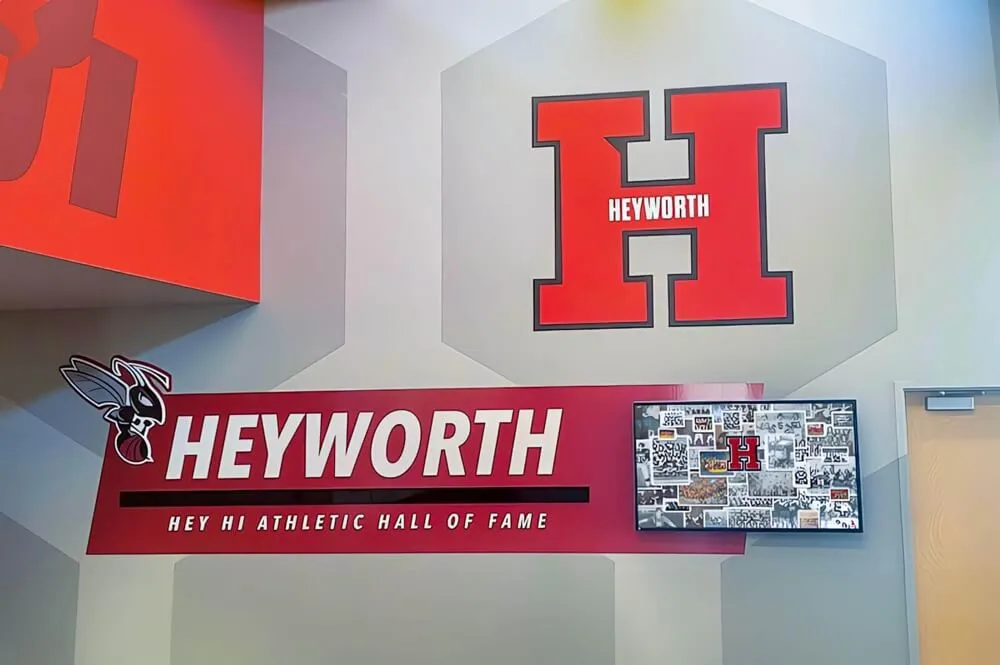
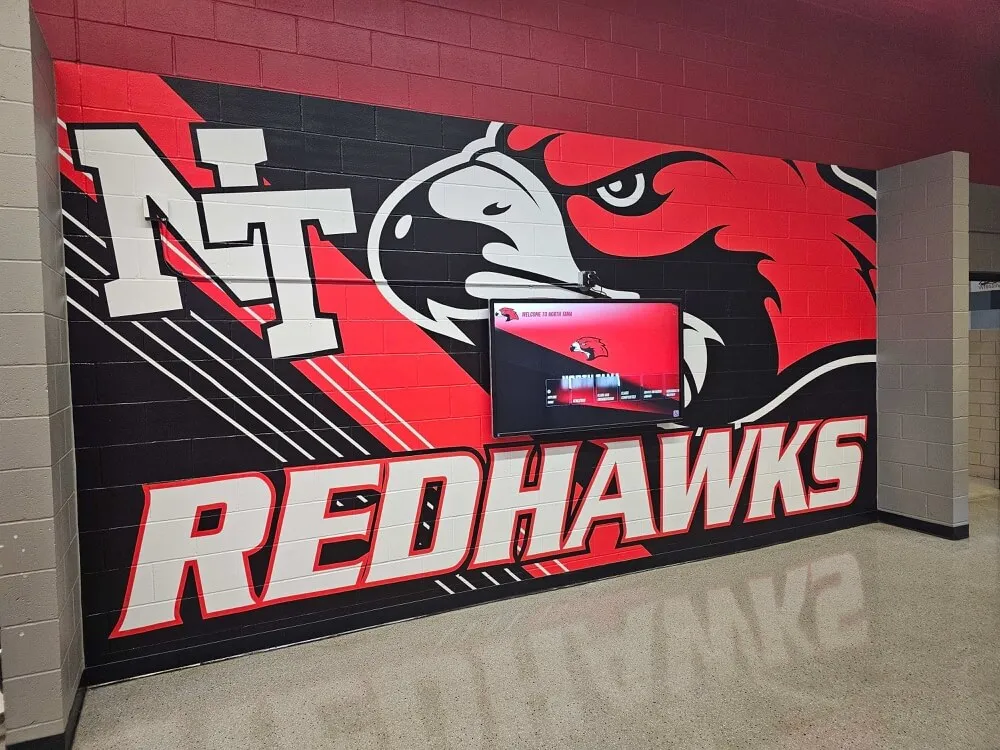
Digital Recognition Displays: Modern Employee Celebration
Technology enables organizations to move beyond static bulletin boards and forgotten plaques, creating dynamic recognition displays that engage workforces while preserving achievement history permanently.
Interactive Digital Recognition Walls
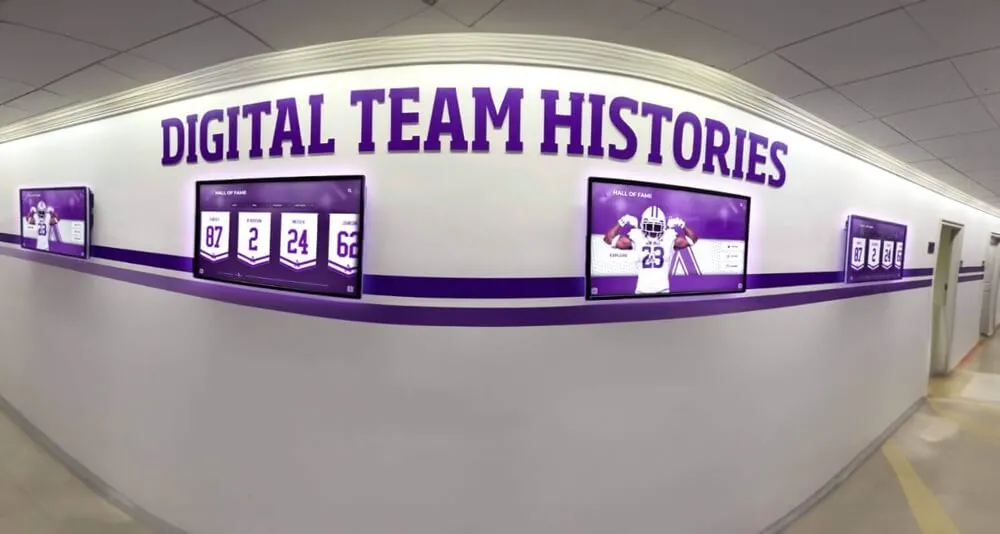
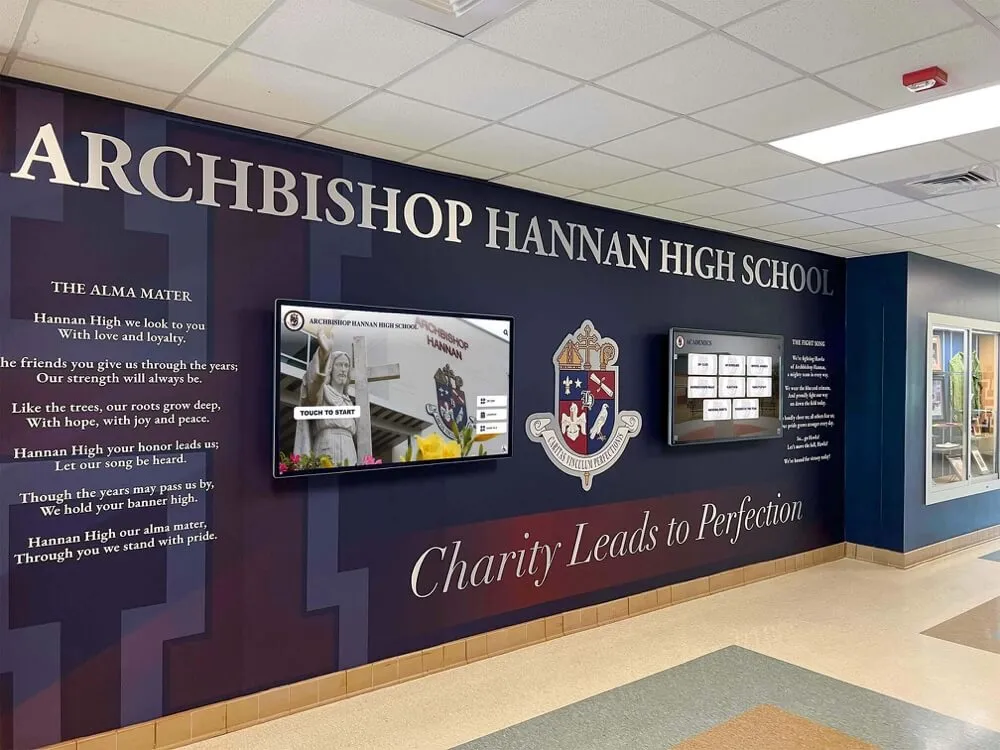
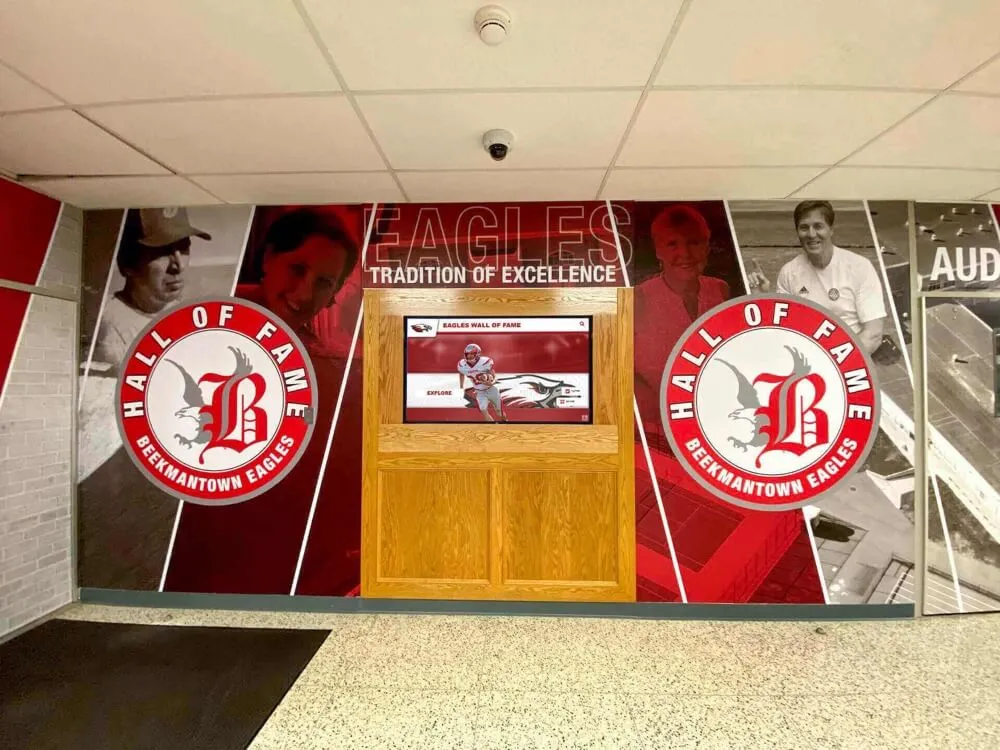
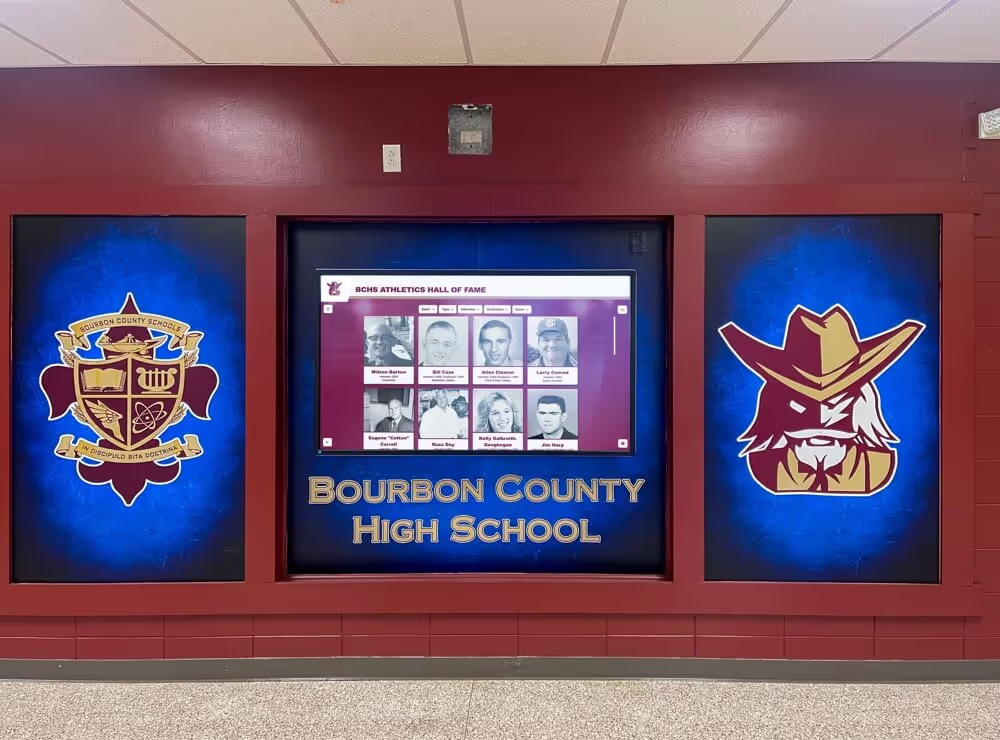
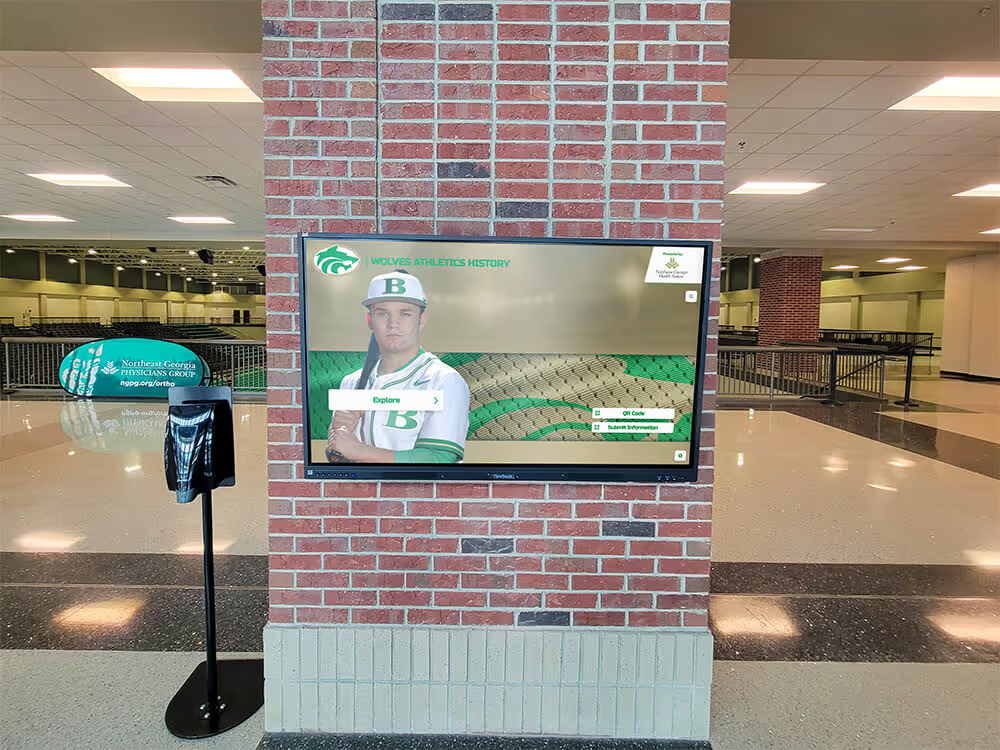
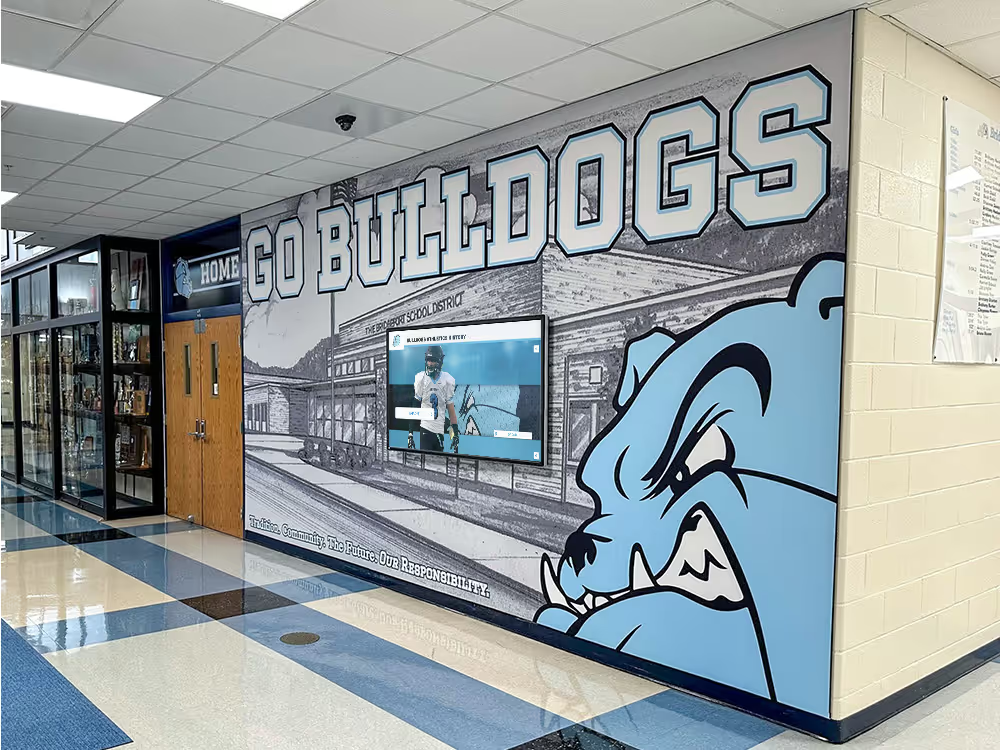
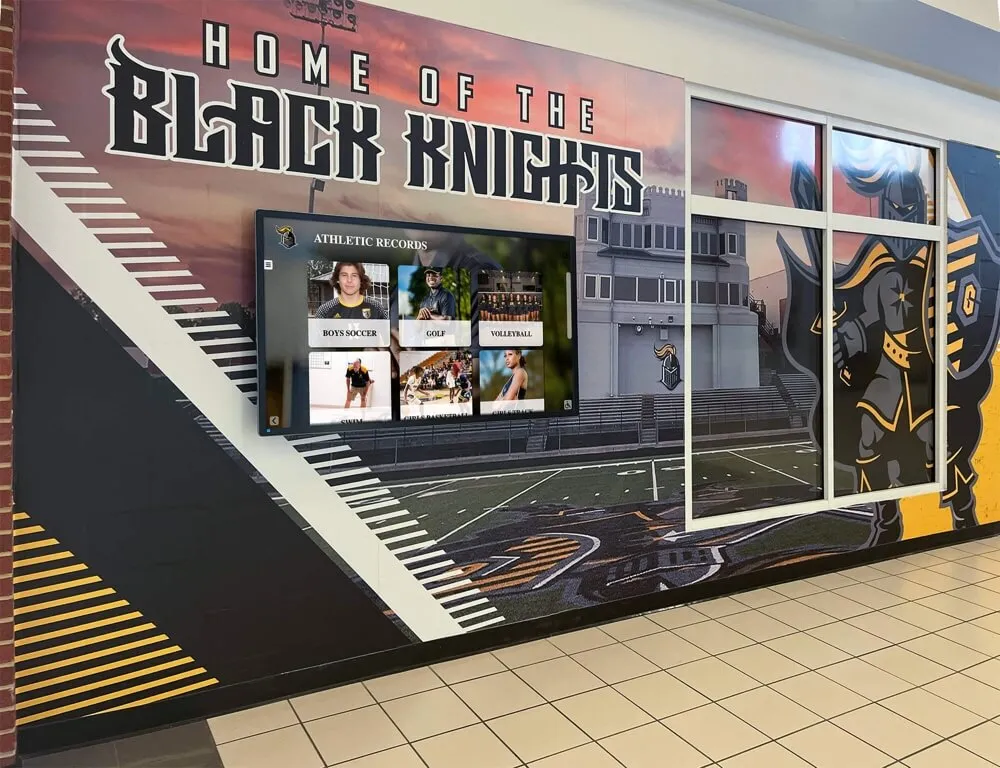
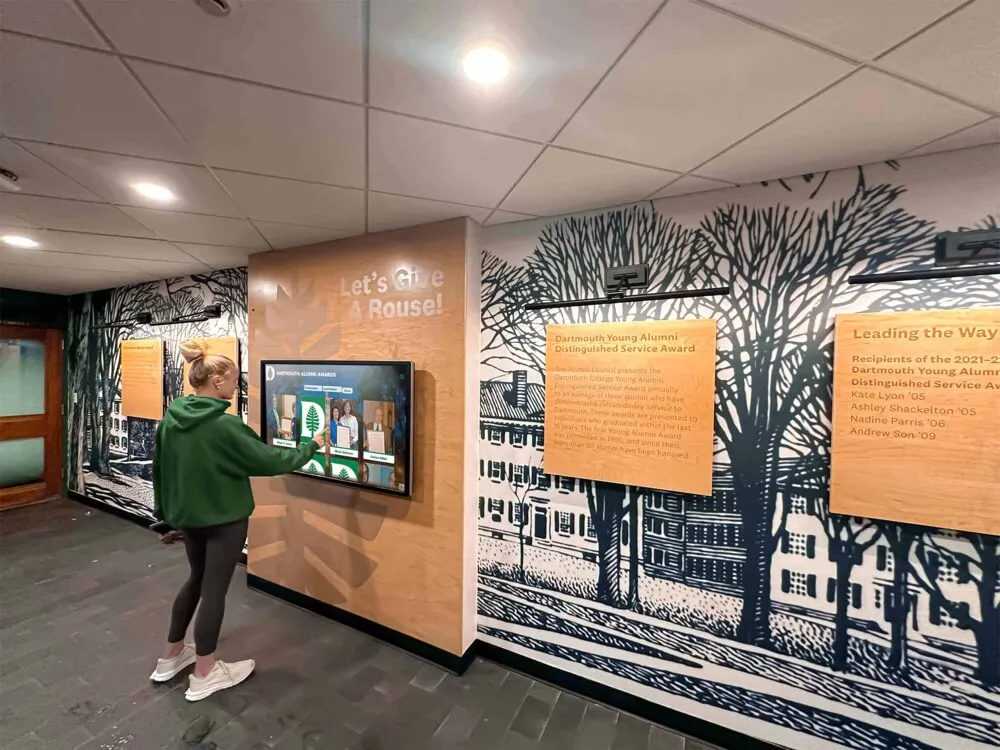
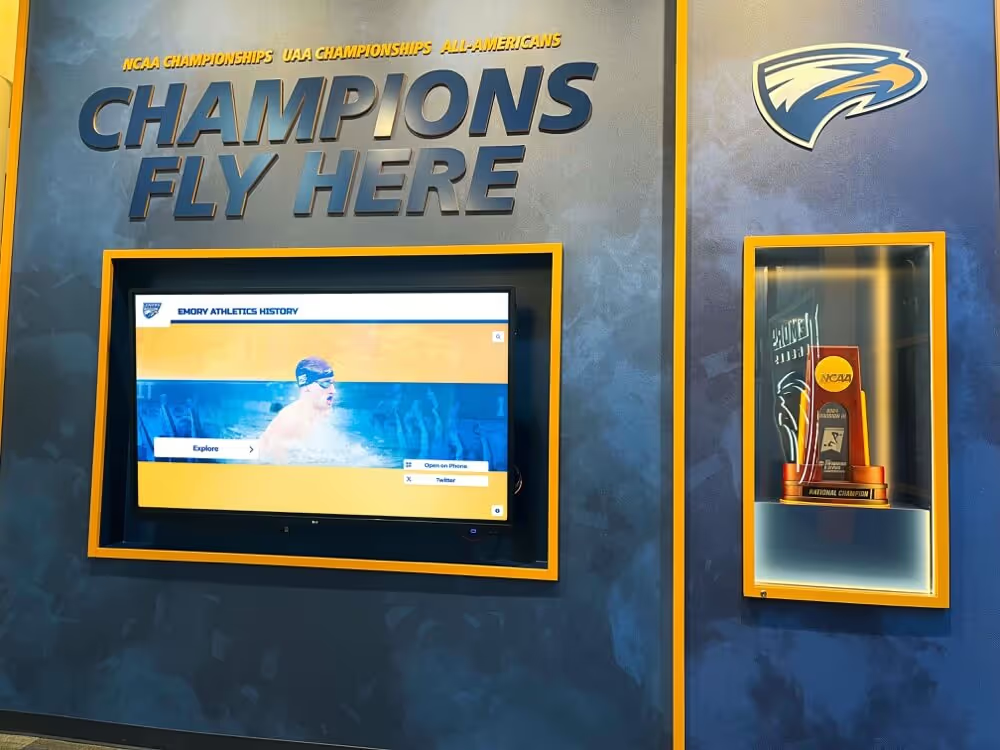
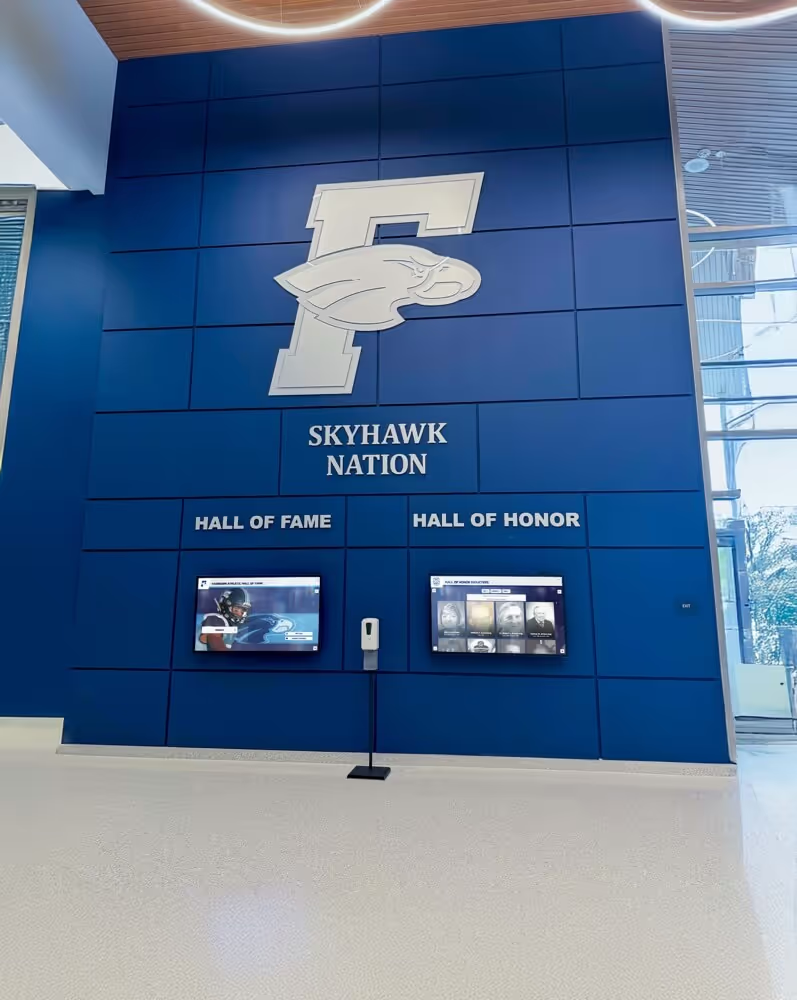
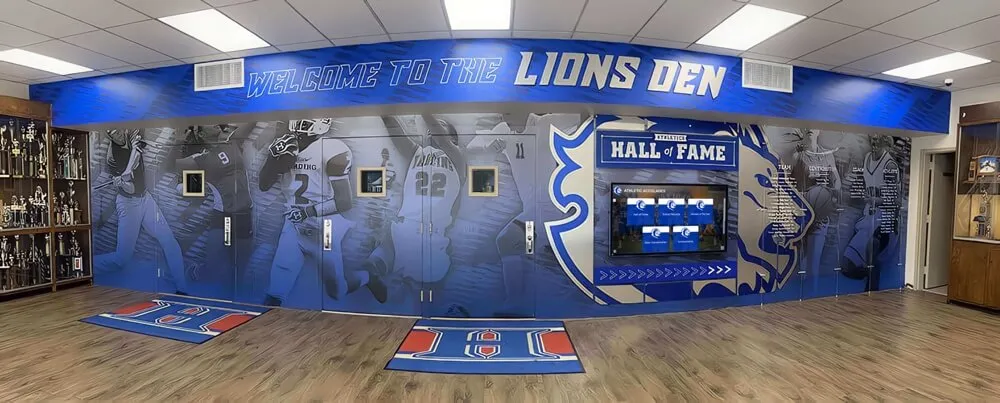
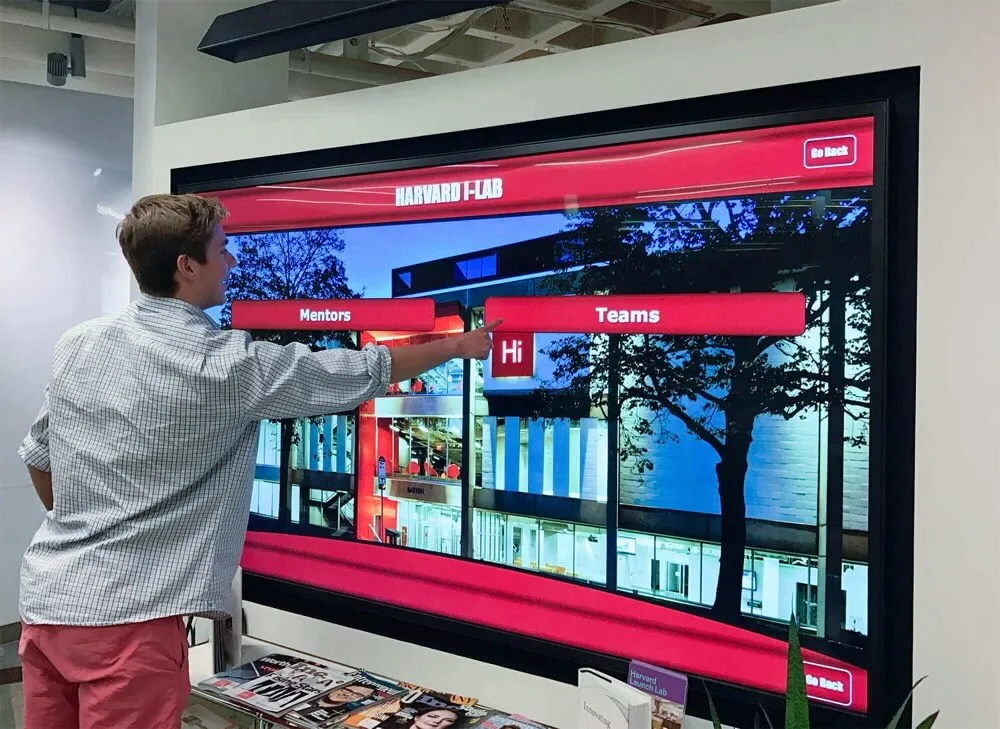
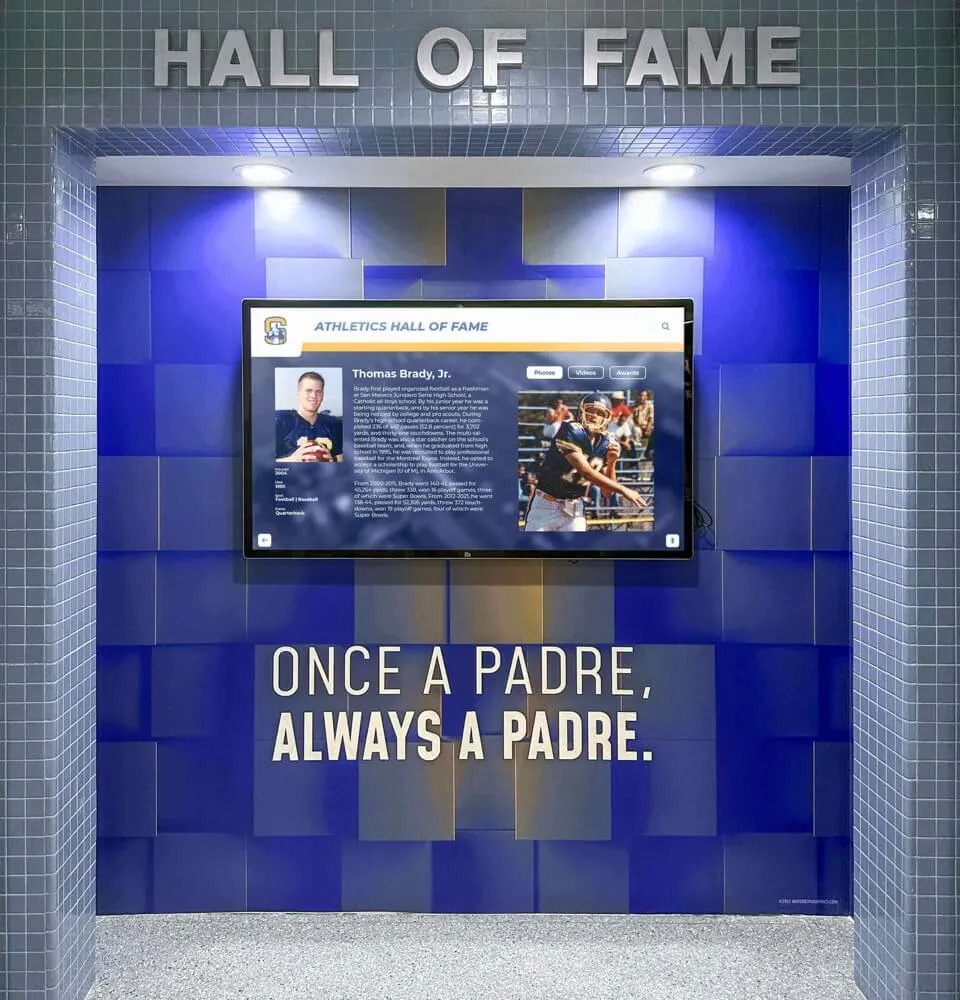
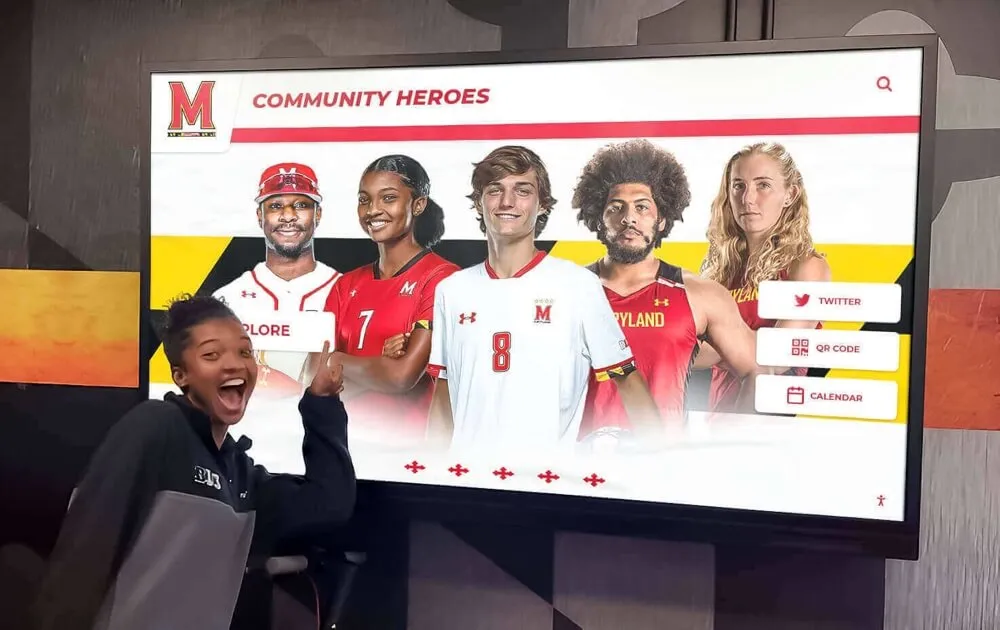
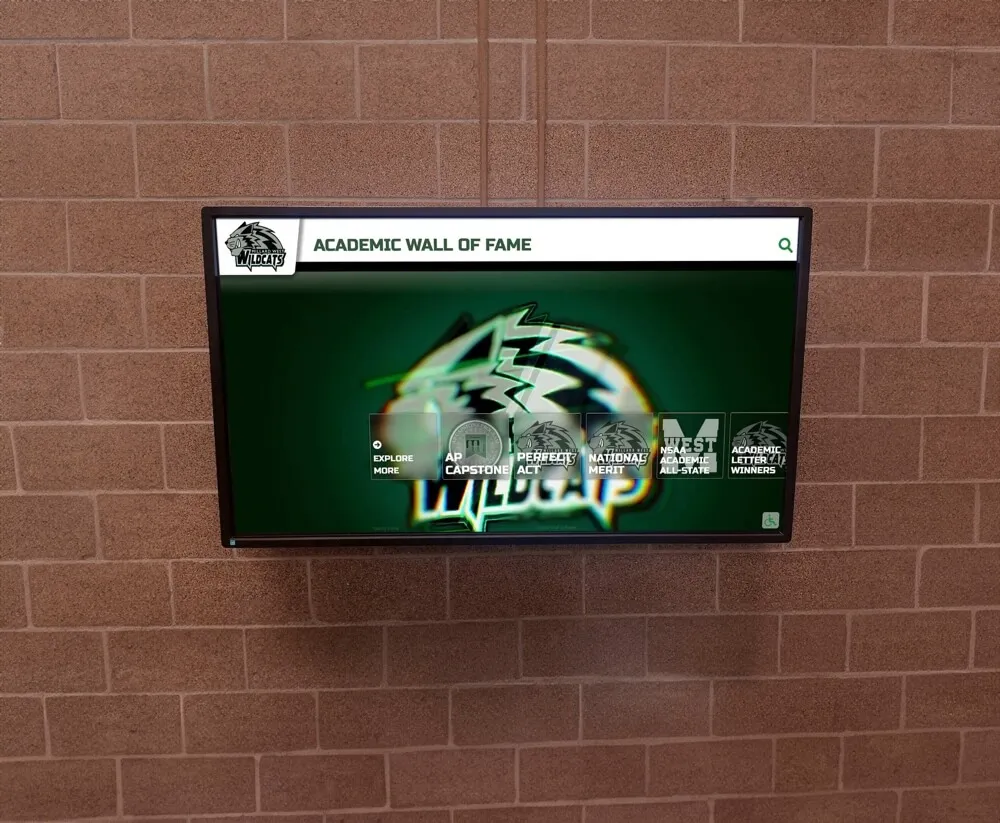
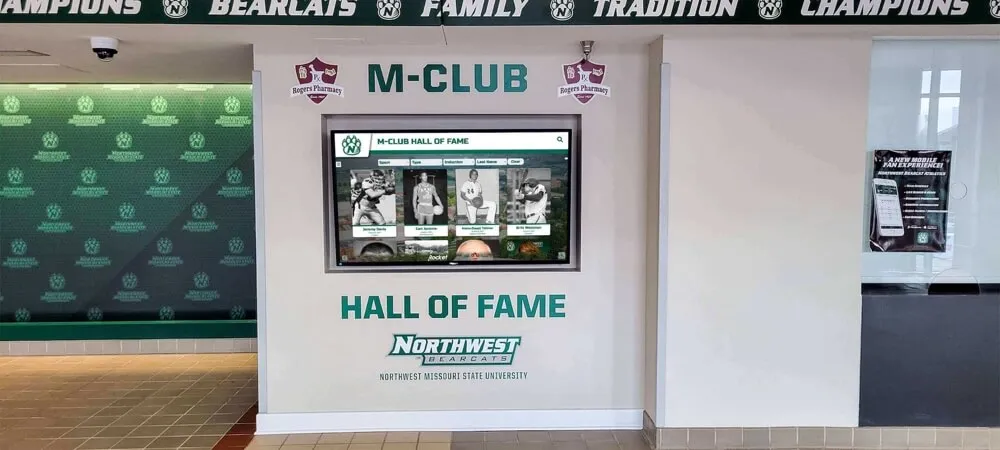
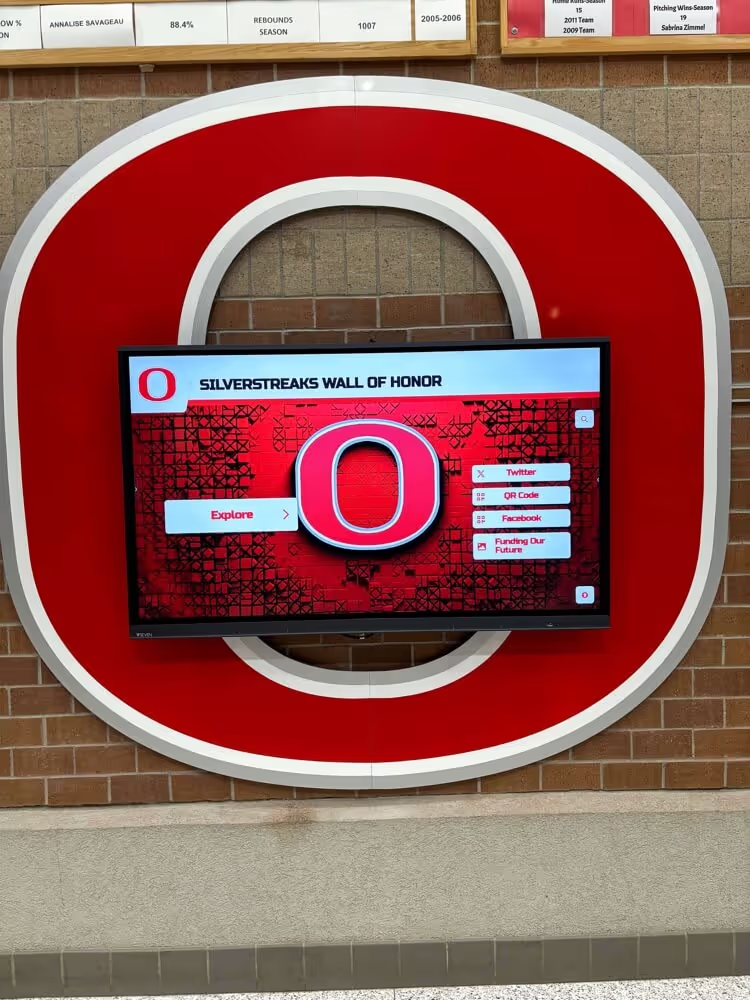
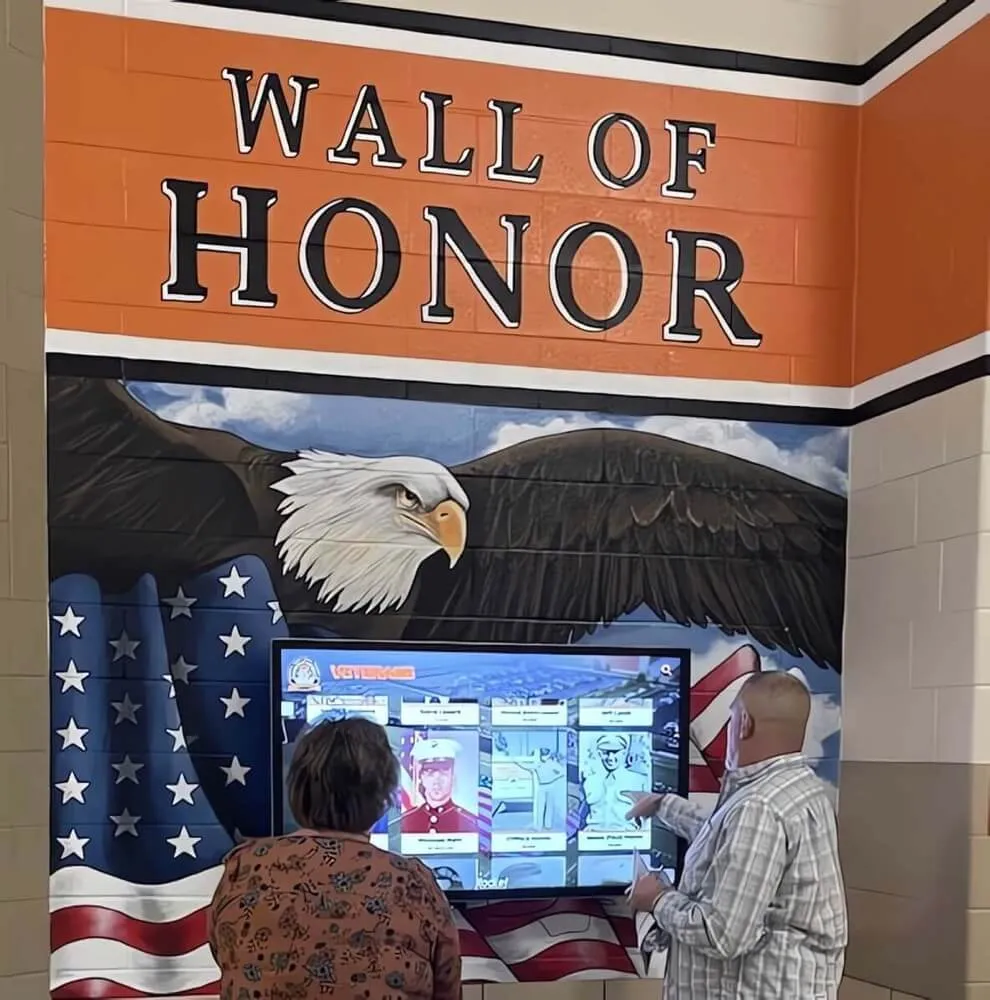
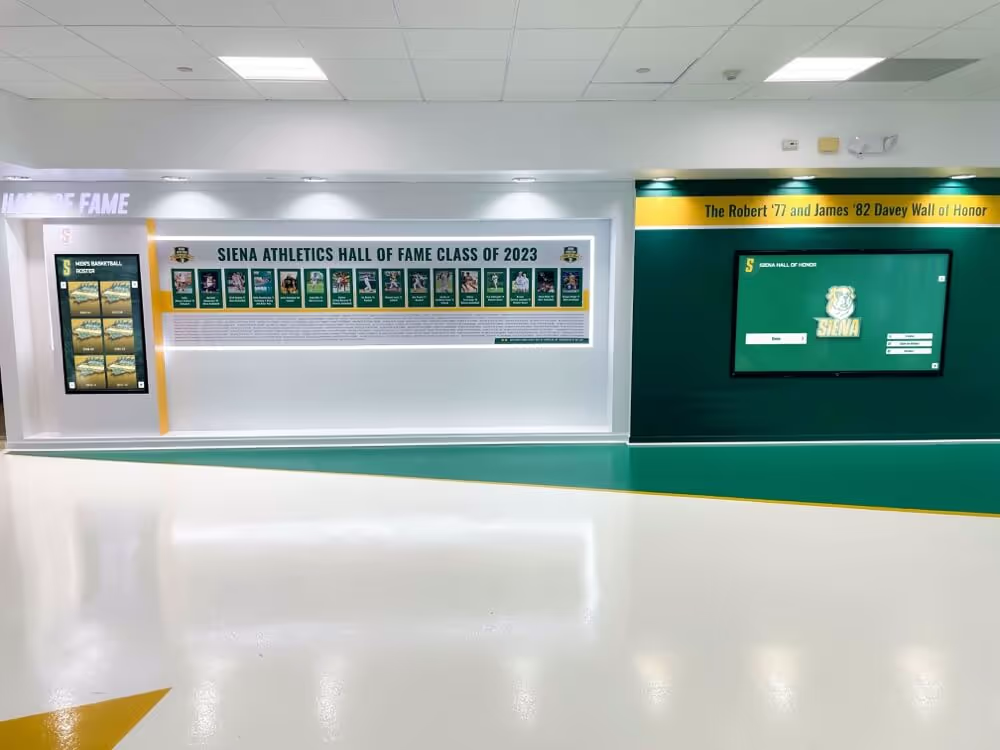
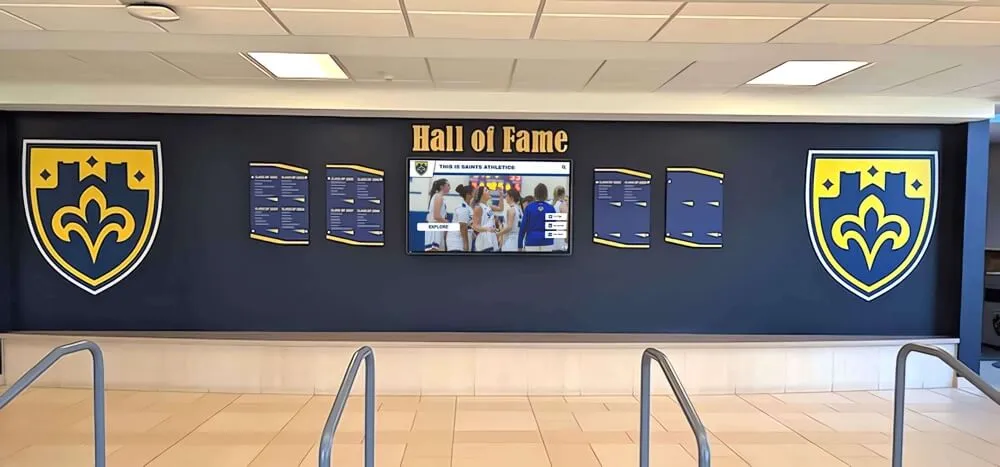
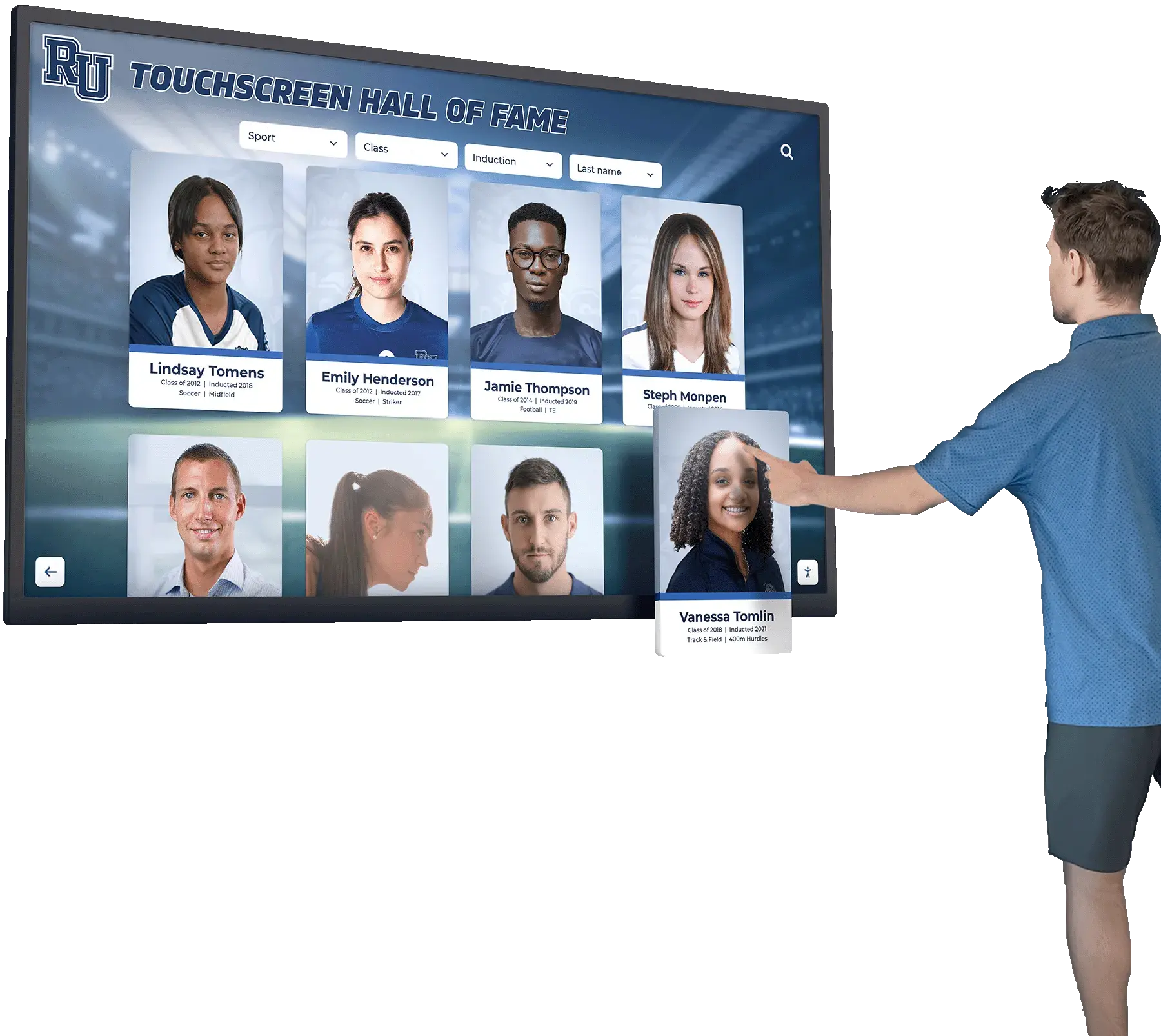
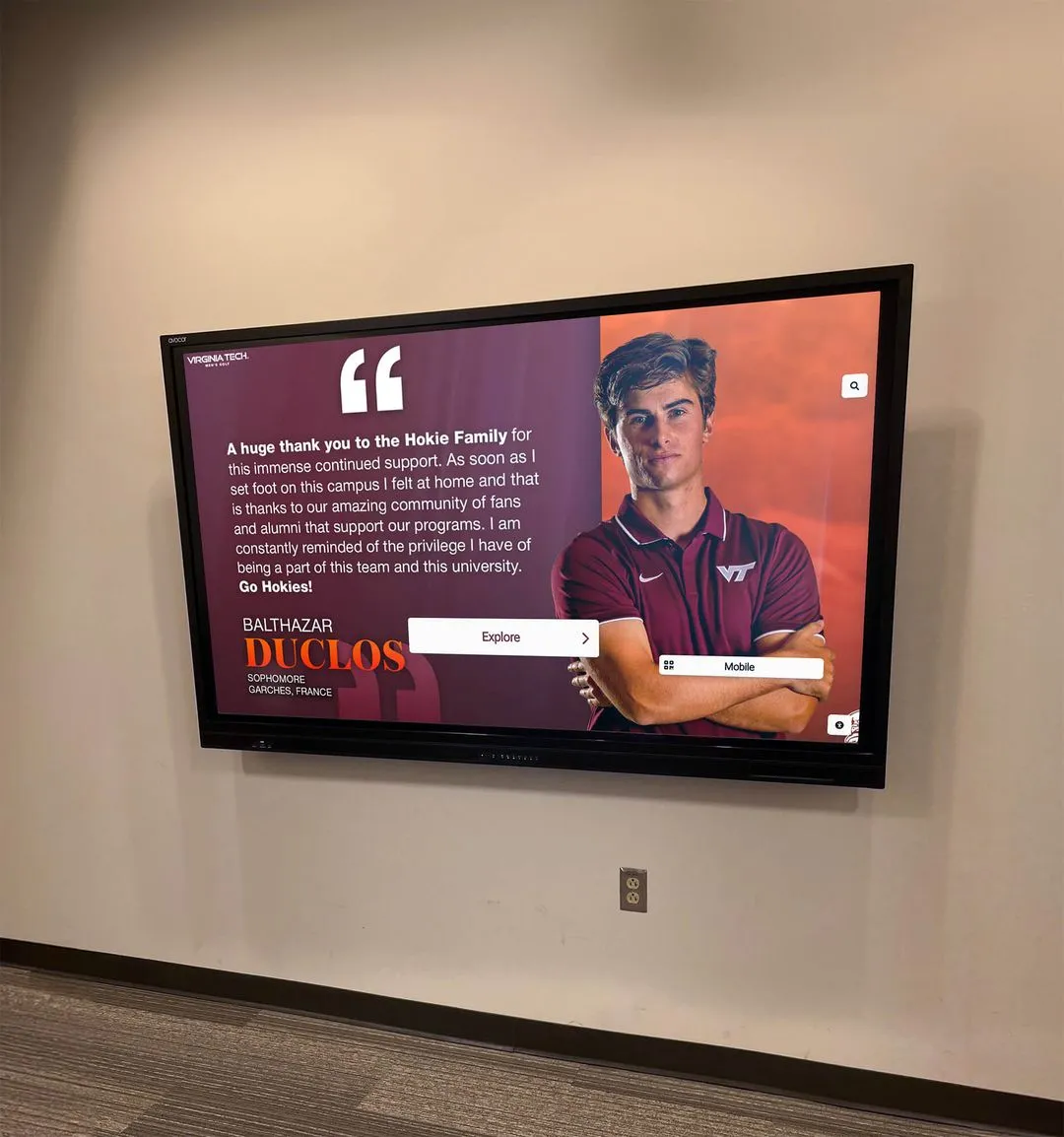
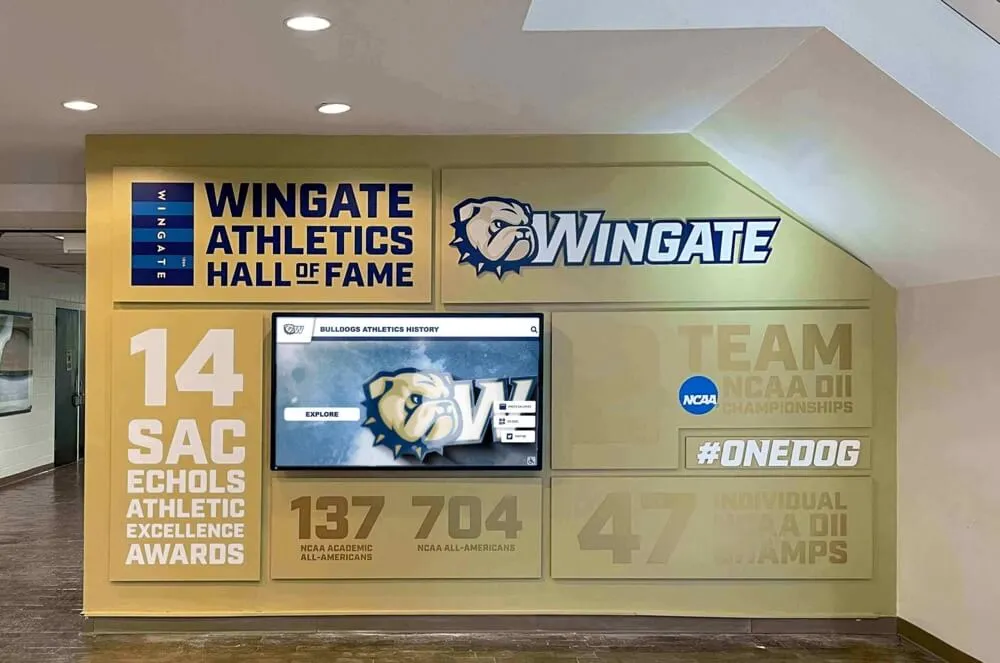
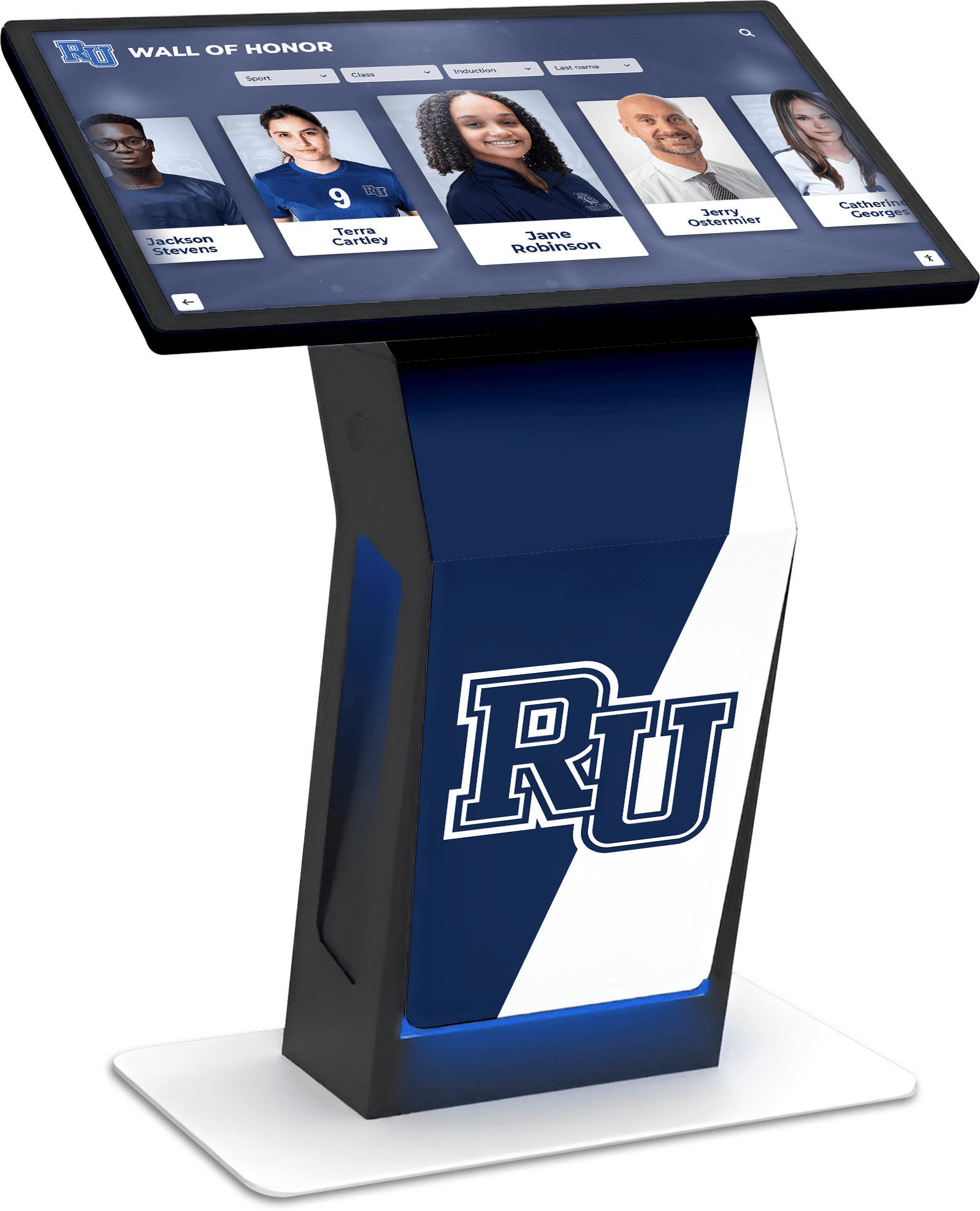
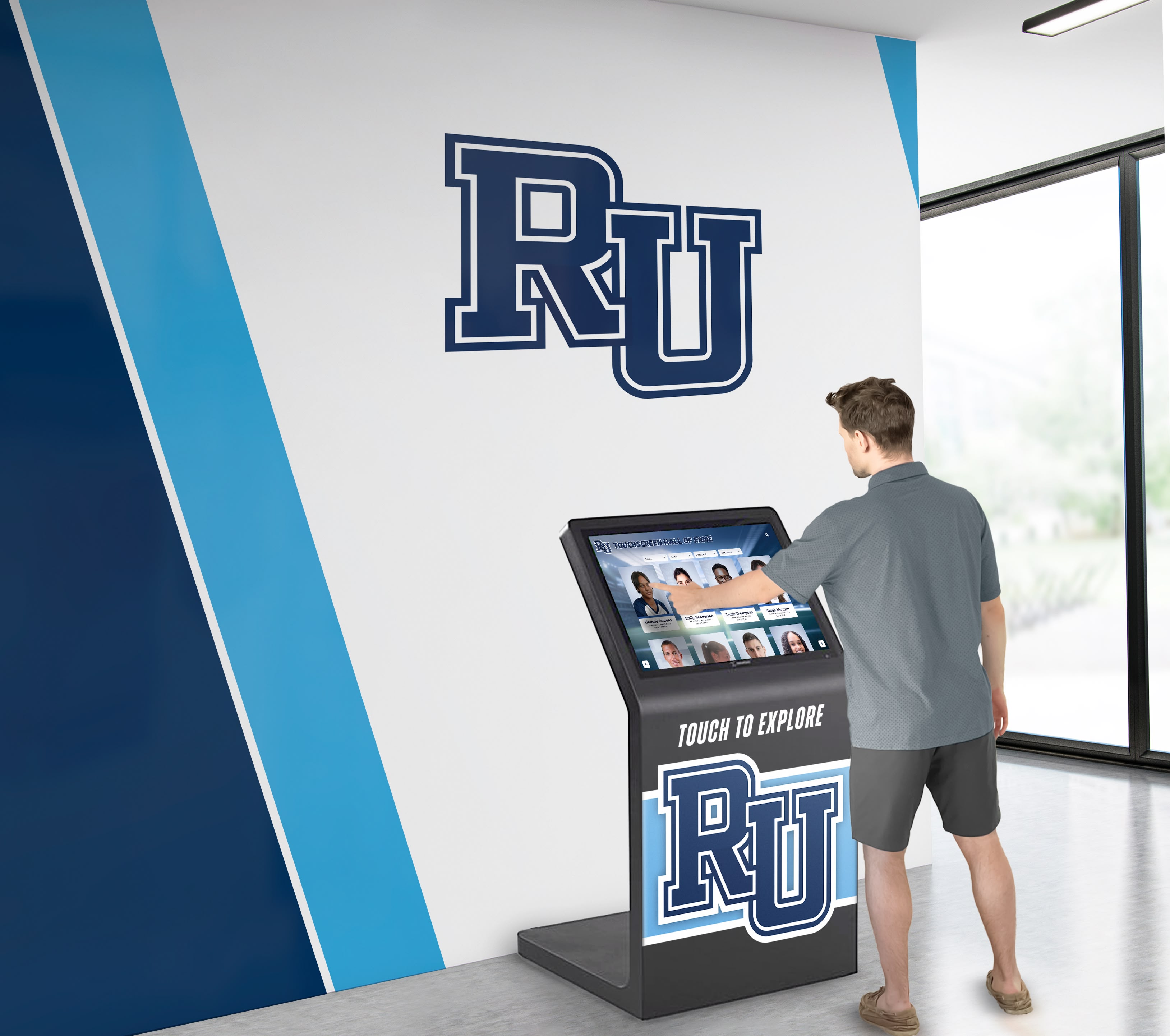
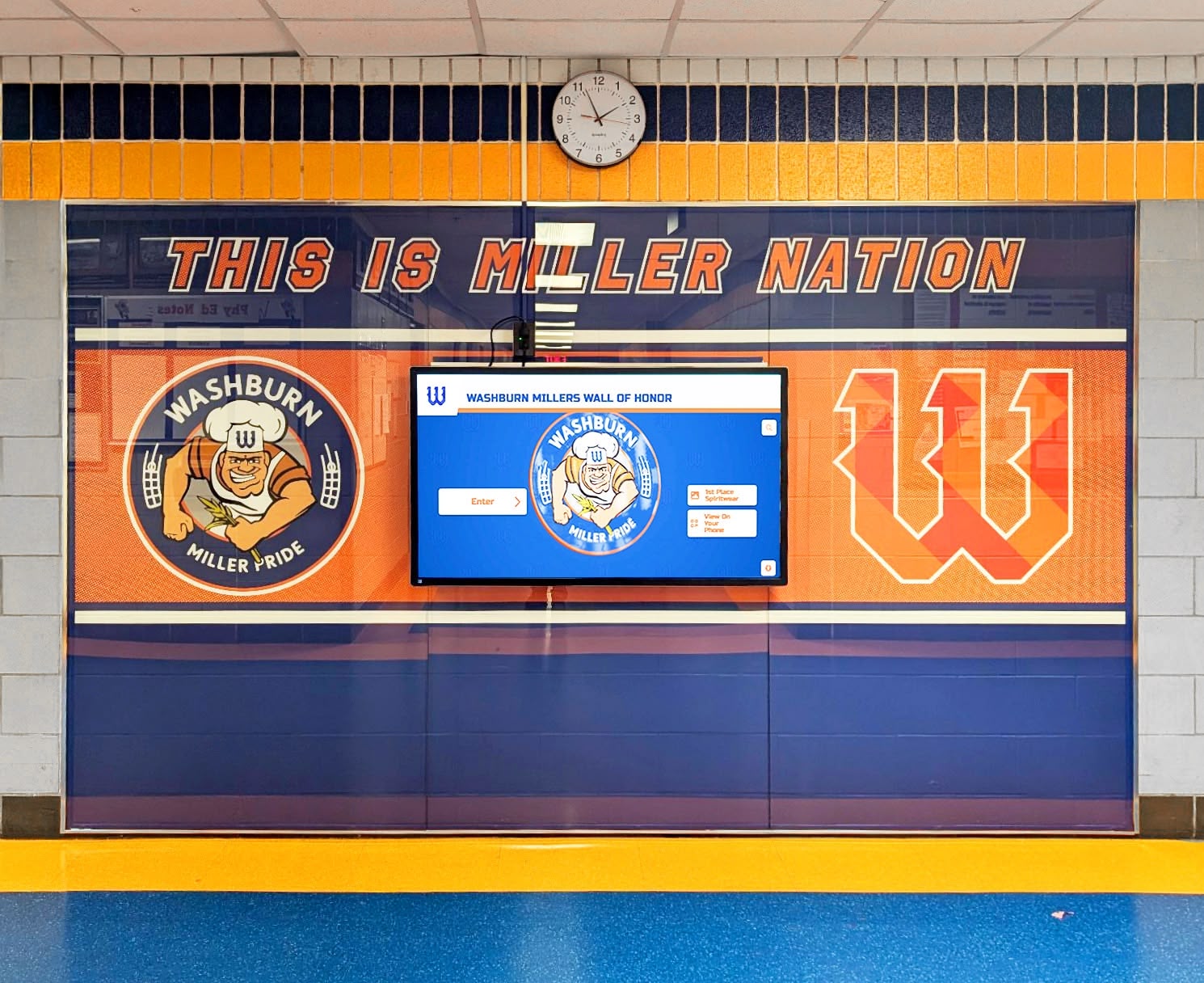
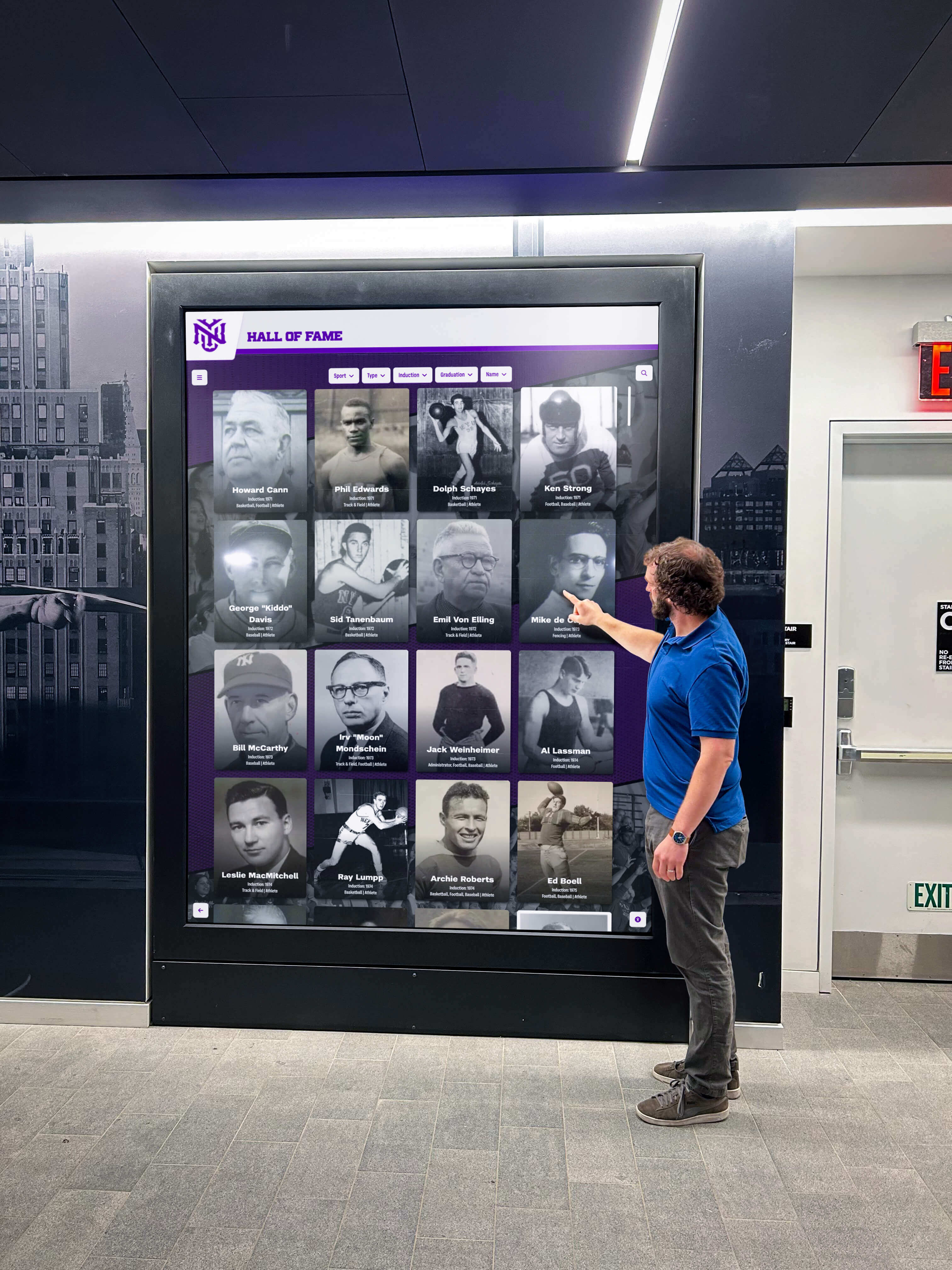
Touchscreen recognition systems transform passive displays into engaging experiences where employees explore colleague achievements, search recognition histories, and discover connections between team members and organizational success stories.
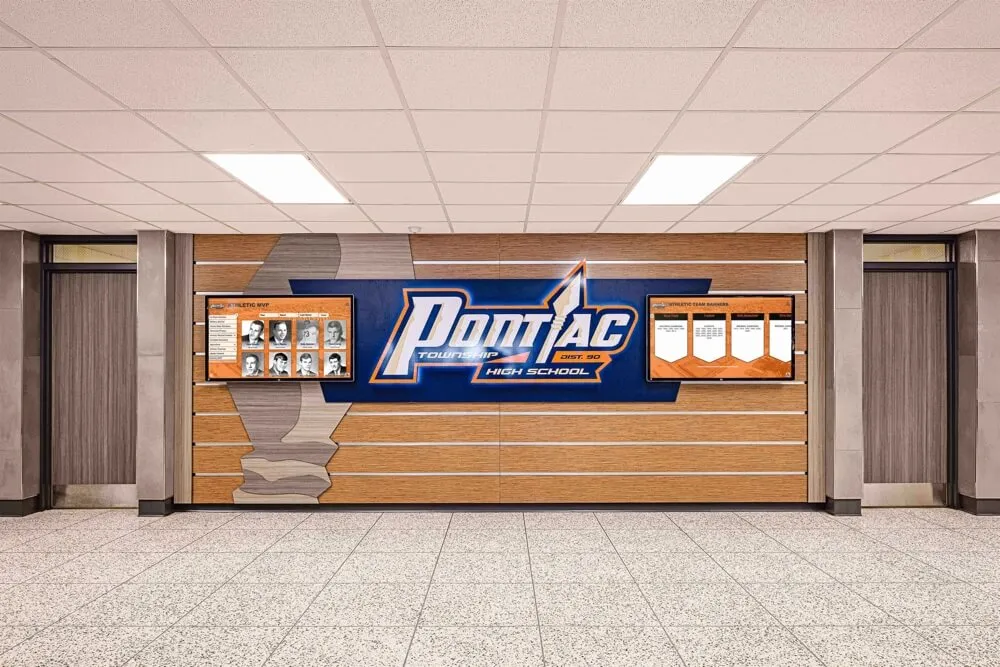
These sophisticated platforms showcase employee photos, achievement descriptions, nomination narratives, video messages from colleagues or leadership, career progression timelines, and comprehensive profiles celebrating contributions extending beyond single monthly achievements. Unlike physical plaques consuming limited wall space, digital systems accommodate unlimited employees across unlimited time periods without physical expansion requirements.
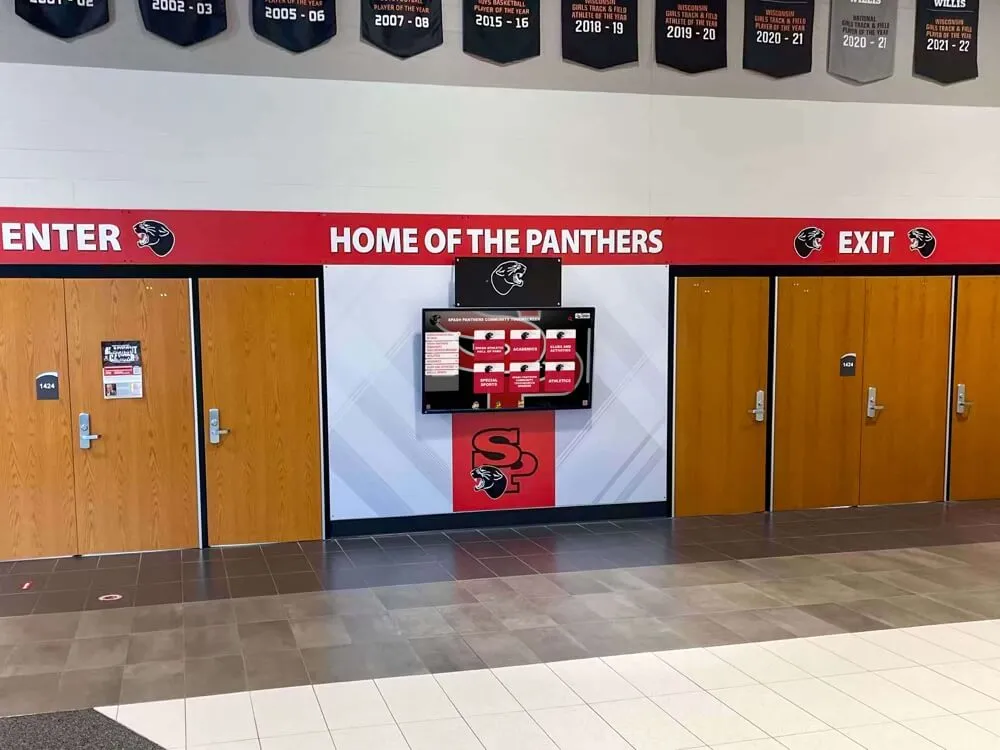
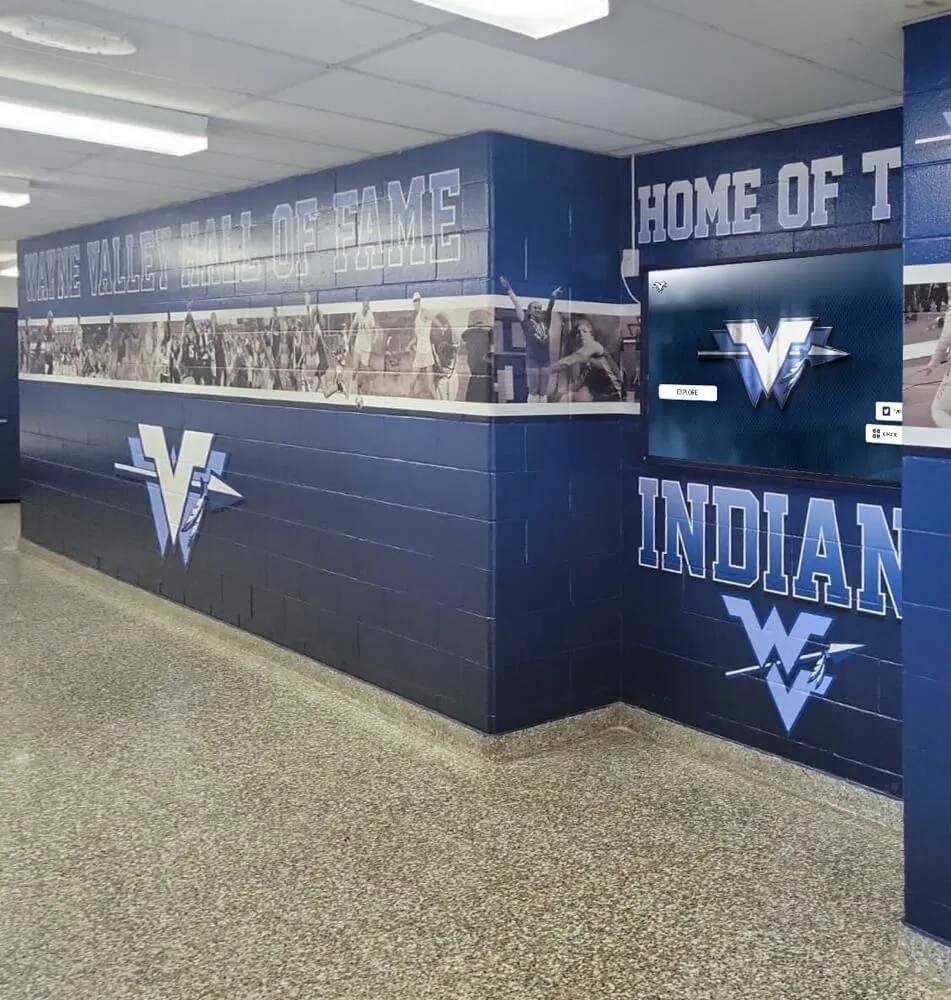
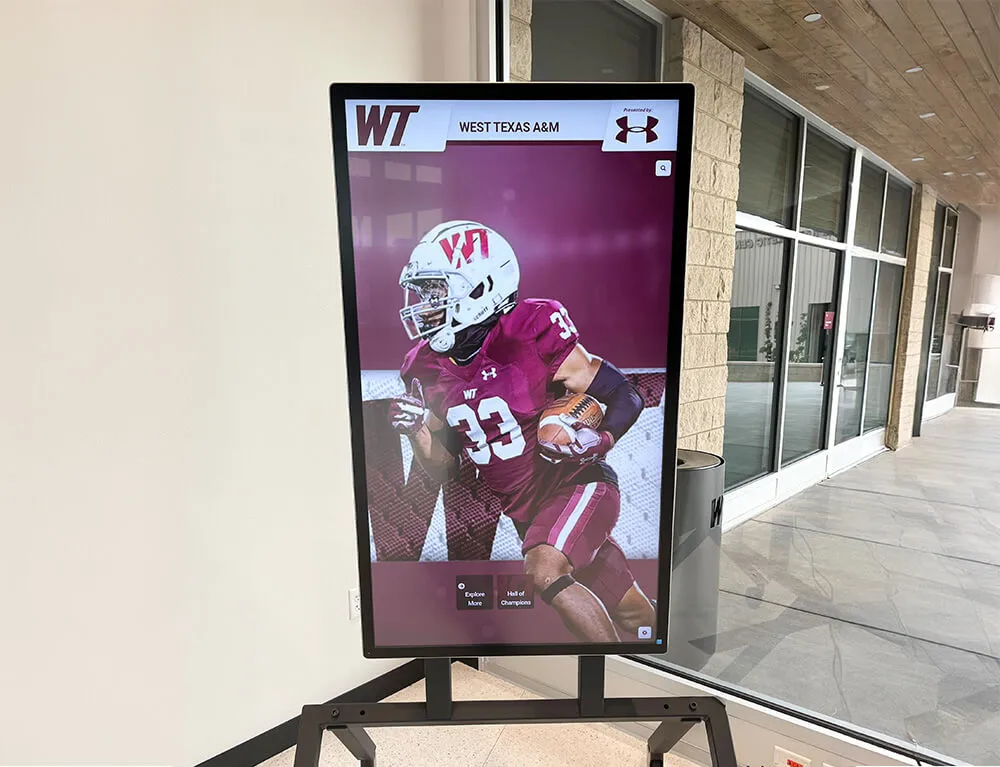
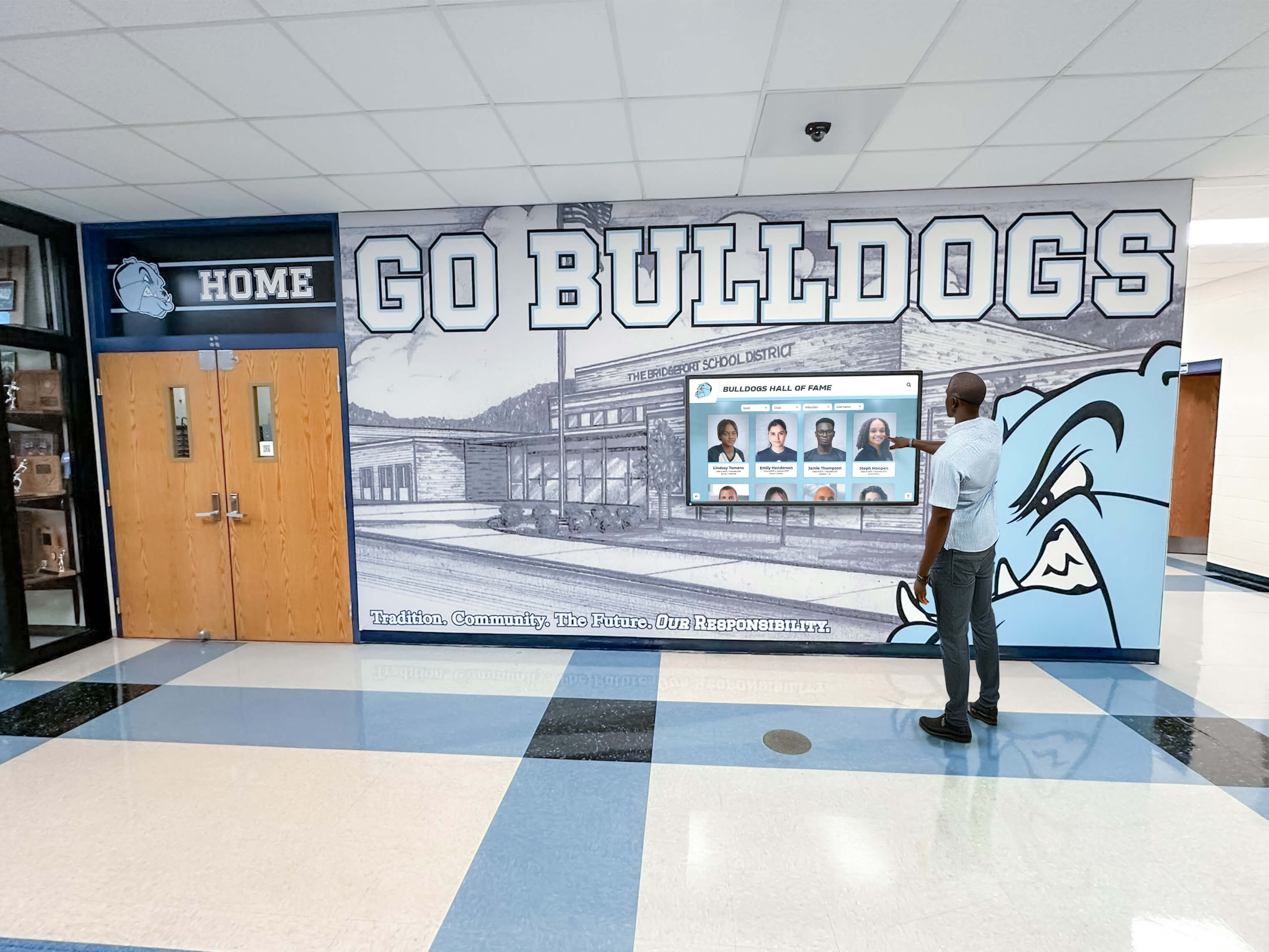
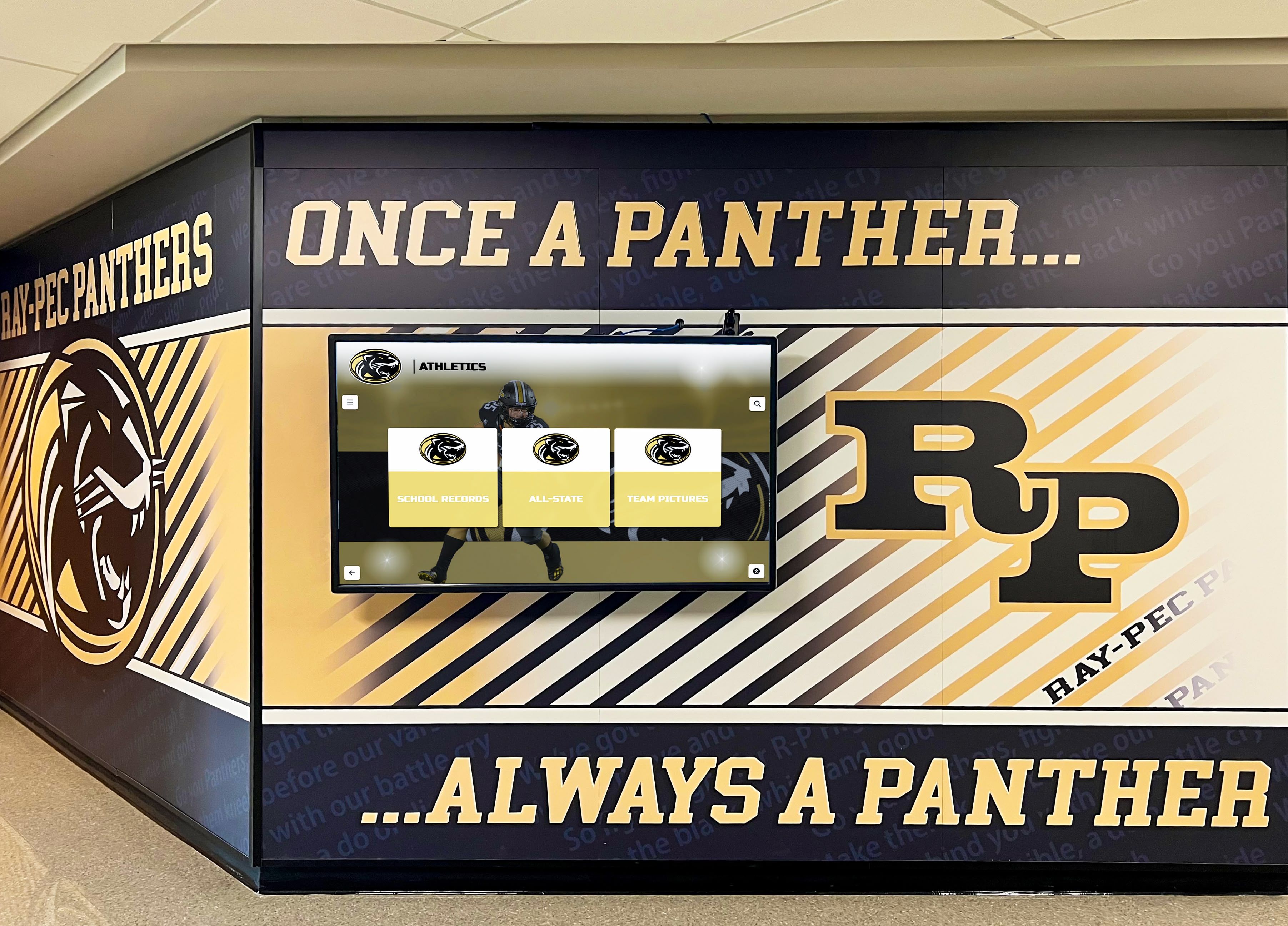
Prominent Placement Strategy: Position displays in high-traffic common areas—lobbies, cafeterias, main hallways, elevator banks—ensuring regular employee, visitor, and client engagement with recognition content. Visibility matters; recognition hidden in unused conference rooms delivers minimal impact regardless of content quality.
Real-Time Updates: Cloud-based management enables instant recognition additions when new monthly winners are selected. Immediate visibility honors recipients while excitement remains high rather than waiting weeks for plaque fabrication or bulletin board updates during next scheduled maintenance.
Remote Accessibility: Web-integrated systems extend recognition beyond physical office locations, enabling remote employees, distributed teams, and family members to explore and celebrate workplace achievements. This accessibility proves particularly valuable for organizations managing hybrid or fully remote workforces where physical displays reach limited audiences.
Solutions like Rocket Alumni Solutions provide purpose-built platforms designed specifically for comprehensive recognition rather than generic digital signage requiring extensive customization. These specialized systems deliver intuitive content management, professional templates, ongoing support, and continuous evolution responding to changing organizational needs.
Social Recognition Integration
Digital displays paired with social platforms amplify recognition reach and impact:
Organizations implementing internal social networks (Slack, Teams, Workplace) can integrate recognition announcements generating congratulations, creating conversations around achievements, and building community celebration. These informal responses often mean as much to recipients as formal recognition itself.
Public-facing recognition through company websites, social media channels, or customer-facing displays demonstrates organizational commitment to employee value while showcasing workplace culture to external audiences including prospective employees, customers, and community stakeholders.
Guidelines on digital hall of fame implementations translate effectively to employee recognition contexts with appropriate adaptations reflecting workplace priorities rather than academic or athletic focus.
Presentation Strategies That Maximize Recognition Impact
How recognition is delivered significantly affects recipient experience and program perception across entire organizations.
Public Acknowledgment Approaches
All-Staff Meeting Presentations: Recognizing monthly winners during company meetings ensures maximum visibility while creating moments where entire organizations pause to celebrate individual excellence. Brief presentations including achievement highlights, manager or peer testimonials, and recipient comments create meaningful ceremonies without excessive time consumption.
Department Team Meetings: For larger organizations, department-level recognition enables more personal acknowledgment while managing time constraints preventing detailed presentations to entire companies. Department presentations allow deeper discussion of specific achievements while maintaining celebration within teams most familiar with recipient contributions.
Video Messages from Leadership: Recorded congratulations from executives demonstrate senior leadership attention and appreciation. These brief videos can accompany email announcements, display on recognition screens, or share through internal communication channels, extending recognition reach while preserving executive statements recipients can revisit.
Private Recognition Options
While public acknowledgment works well for many employees, some individuals prefer private appreciation avoiding spotlight discomfort:
One-on-One Conversations: Personal discussions with managers or executives deliver meaningful recognition for employees uncomfortable with public attention. These private conversations provide opportunities for detailed feedback, career discussion, and personal appreciation often impossible in public settings.
Written Recognition Letters: Formal letters from leadership documenting specific achievements and their organizational impact create permanent records employees can retain throughout careers. Thoughtfully written recognition provides lasting value employees treasure long after public announcements fade from memory.
Small Team Celebrations: Intimate recognition among immediate colleagues balances visibility with comfort for employees preferring acknowledgment from people they work with daily rather than organization-wide audiences.
Effective programs offer recipients choices about recognition format preferences, accommodating diverse comfort levels while ensuring all employees receive meaningful acknowledgment regardless of personality differences.
Building Comprehensive Recognition Ecosystems
Employee of the month programs deliver maximum value when integrated within broader recognition strategies rather than operating as isolated initiatives.
Multi-Tiered Recognition Programs
Monthly, Quarterly, and Annual Awards: Layered recognition provides multiple pathways to acknowledgment. Monthly programs celebrate recent achievements, quarterly awards honor sustained excellence, and annual recognition elevates exceptional multi-month performance to highest distinction levels.
This tiered approach enables frequent recognition maintaining visibility and motivation while preserving special significance for annual awards representing year-long exceptional contribution.
Peer Recognition Systems: Informal programs enabling ongoing colleague appreciation complement formal monthly recognition. Digital platforms, physical appreciation boards, or simple thank-you card programs create cultures of continuous acknowledgment rather than limiting recognition to monthly cycles.
Project-Based Recognition: Specific achievement celebrations beyond monthly programs ensure exceptional project completions, innovation implementations, or problem-solving breakthroughs receive immediate acknowledgment rather than waiting for next monthly selection cycle.
Connecting Recognition to Organizational Values
Recognition programs reinforce culture most effectively when explicitly connecting acknowledged achievements to stated organizational values:
If collaboration represents a core value, recognition narratives should highlight teamwork dimensions of acknowledged achievements. If innovation drives organizational strategy, recognition should celebrate creative problem-solving and process improvements. If customer service defines competitive advantage, exceptional customer experiences should feature prominently in recognition criteria and presentation.
This intentional connection between recognition and values transforms monthly acknowledgment from generic “great work” celebrations into strategic culture-building tools that demonstrate what excellence looks like within specific organizational contexts.
Resources exploring staff recognition implementation provide frameworks applicable across industries with appropriate customization reflecting different workplace contexts and priorities.
Measuring Recognition Program Effectiveness
Understanding program impact enables continuous improvement while demonstrating value justifying continued investment.
Quantitative Impact Metrics
Engagement Survey Results: Track recognition satisfaction in regular employee surveys. Questions might assess whether employees feel adequately recognized, perceive selection processes as fair, believe recognition reflects genuine achievement, and feel motivated by recognition programs. Survey trends reveal program perception changes over time enabling responsive adjustments.
Retention Data: Compare turnover rates between recognized employees and overall populations. Effective recognition correlates with reduced voluntary departures among acknowledged high performers. If recognized employees leave at rates equal to or higher than broader populations, recognition may lack meaningful impact or signal other retention challenges recognition alone cannot address.
Performance Metrics: Analyze whether recognized employees maintain or improve performance following acknowledgment. Recognition should reinforce excellence through validation motivating continued high achievement rather than creating complacency where acknowledged employees relax efforts after receiving awards.
Participation Rates: Monitor nomination submission levels indicating workforce engagement with recognition processes. Declining nominations suggest decreasing investment or growing skepticism about program value and fairness.
Qualitative Program Assessment
Recipient Feedback: Gather detailed input from recognized employees about their experience—what felt meaningful, what seemed perfunctory, whether recognition influenced motivation or workplace satisfaction, and suggestions for improvement.
Cultural Observation: Assess whether recognition celebrations generate genuine enthusiasm or obligatory responses. Authentic excitement indicates valued programs; polite but unenthusiastic reactions suggest declining impact requiring program refresh.
Leadership Perspective: Evaluate manager and executive perceptions of recognition program value. Leadership support proves essential for program sustainability; skeptical executives unlikely to maintain commitment and resources recognition requires.
Budget-Conscious Recognition Strategies
Meaningful employee recognition need not require substantial budgets when organizations invest creativity and genuine appreciation alongside or instead of expensive awards.
Low-Cost High-Impact Recognition Ideas
Handwritten Notes from Leadership: Personal messages from executives or senior managers cost nothing beyond time but deliver disproportionate impact. Thoughtful notes acknowledging specific achievements and their organizational significance create lasting impressions monetary rewards often cannot match.
Public Acknowledgment: Email announcements, meeting recognition, or internal newsletter features require minimal resources while providing valued visibility. Well-crafted public recognition describing achievement impact creates meaningful acknowledgment without physical award costs.
Flexible Scheduling: Allowing recognized employees to adjust work hours, leave early occasionally, or gain additional remote work flexibility delivers valued recognition without direct costs—time flexibility often matters more than monetary awards to employees managing complex personal and professional responsibilities.
Recognition Wall or Board: Physical or digital spaces highlighting monthly winners with photos and achievement descriptions create ongoing visibility without recurring costs. Initial investment in quality displays pays dividends through years of recognition use while building permanent achievement archives.
Scaling Recognition Across Organization Sizes
Small Organizations (Under 50 Employees): Intimate workforces enable personal recognition approaches—all-hands presentations, individual conversations with leadership, team celebrations—that prove challenging at larger scales. Small budgets stretch further when every employee knows every recipient, creating community celebrations requiring minimal formal infrastructure.
Medium Organizations (50-500 Employees): Department-level programs alongside organization-wide recognition balance broad participation with manageable selection complexity. Digital recognition displays become particularly valuable at these scales, providing visibility across dispersed teams while maintaining engagement individual announcements cannot sustain.
Large Organizations (500+ Employees): Complex recognition programs accommodating divisional, regional, functional, and corporate recognition layers require sophisticated infrastructure. Digital platforms managing distributed content, varied selection processes, and multiple recognition tiers become essential tools preventing recognition program breakdown under complexity that manual processes cannot sustain.
Remote Work Recognition Adaptations
Distributed workforces require recognition adaptations ensuring remote employees receive acknowledgment equal to on-site team members while overcoming physical distance challenges.
Virtual Recognition Strategies
Video Announcements and Presentations: Recorded recognition messages from leadership, video compilations of colleague congratulations, or virtual celebration meetings ensure remote employees experience public acknowledgment comparable to in-person presentations. Quality production matters—poor audio, awkward staging, or rushed execution undermines recognition value.
Digital-First Recognition Platforms: Online systems providing equal access regardless of location prevent remote employees from missing recognition opportunities limited to physical displays or on-site celebrations. Web-accessible content enables distributed teams, family members, and colleagues across locations to explore and celebrate achievements together.
Mailed Physical Recognition: Shipping tangible awards to home addresses ensures remote employees receive physical reminders of appreciation rather than purely digital acknowledgment. Personal notes accompanying mailed items add meaningful human touches demonstrating genuine appreciation rather than process completion.
Virtual Coffee or Lunch: Online one-on-one time with leadership substitutes for in-person meetings, providing career development conversations and personal connection opportunities despite geographic distance. Intentional scheduling preventing rushed or distracted conversations demonstrates respect for remote employee time and achievement.
Organizations managing hybrid or fully remote workforces benefit from digital signage solutions accessible across locations while maintaining professional quality and comprehensive functionality supporting sophisticated recognition programs.
Refreshing Stale Recognition Programs
Many organizations inherit legacy employee of the month programs that have lost impact through years of unchanged operation, requiring intentional refresh efforts restoring meaning and engagement.
Signs Your Recognition Needs Revitalization
Declining Nominations: Falling submission levels indicate decreasing workforce investment and growing skepticism about program value, selection fairness, or recognition meaningfulness.
Cynical Reception: When recognition announcements generate eye rolls, sarcastic comments, or apathetic responses rather than congratulations, programs have lost credibility requiring honest assessment and potentially significant redesign.
Predictable Winners: If the same individuals or departments win consistently creating perceptions that recognition outcomes are predetermined, selection processes require transparency improvements and potentially expanded criteria capturing diverse contribution types.
Forgotten Recipients: When employees cannot name recent winners or recognition generates brief attention before disappearing from organizational consciousness, programs lack visibility and impact justifying their continuation.
Recognition Refresh Strategies
Soliciting Workforce Input: Survey employees about recognition preferences, perceived fairness concerns, suggestion for improvement, and preferred acknowledgment formats. Employee participation in redesign increases investment in refreshed programs while surfacing issues leadership may not recognize.
Criteria Transparency Improvements: Publishing detailed selection standards, explaining evaluation processes, sharing nomination guidelines, and communicating selection committee composition addresses fairness concerns while managing expectations about what recognition celebrates.
Format Modernization: Transitioning from outdated bulletin boards and dusty plaque walls to contemporary digital displays, social media integration, video recognition, and accessible online platforms demonstrates organizational commitment to meaningful acknowledgment through updated approaches resonating with current workforces.
Expanded Recognition Types: Adding peer recognition, team awards, value-specific categories, and monthly themes alongside traditional employee of the month programs creates multiple acknowledgment pathways preventing recognition concentration while honoring diverse contribution types.
Guidance on building school pride translates effectively to corporate culture building, with recognition programs serving as foundational elements strengthening organizational identity and employee connection.
Industry-Specific Recognition Adaptations
While recognition principles remain consistent, different industries benefit from customization reflecting unique workplace contexts, employee priorities, and operational realities.
Retail and Service Industry Recognition
Shift-Based Acknowledgment: Monthly recognition risks overlooking excellent performance from employees working non-traditional hours or rotating schedules. Consider shift-specific recognition ensuring overnight, weekend, and variable schedule employees receive acknowledgment alongside standard business hours workers.
Customer Feedback Integration: Direct customer appreciation provides powerful objective validation for service excellence. Incorporating customer survey results, online reviews, comment cards, or social media mentions into selection criteria grounds recognition in external perspectives beyond internal observation.
Public-Facing Displays: Recognition visible to customers demonstrates organizational commitment to employee value while reinforcing quality service messages. Customer-facing acknowledgment also provides additional pride factor for recognized employees whose friends, family, and regular customers see recognition.
Healthcare Recognition
Clinical Excellence and Patient Outcomes: Recognition celebrating documented care quality improvements, patient satisfaction achievements, safety record excellence, or clinical innovation aligns acknowledgment with healthcare’s fundamental mission of exceptional patient care.
Interdisciplinary Recognition: Healthcare delivery depends on coordinated team effort across diverse roles. Recognition programs should honor contributions from all professional levels and specialties—physicians, nurses, technicians, administrative staff, facilities personnel—demonstrating that all roles contribute essentially to patient care excellence.
Peer Nomination Emphasis: Healthcare professionals understand care quality nuances that administrative leaders may miss. Colleague nominations capture excellence demonstrated during patient interactions, crisis responses, or complex case management where formal observation proves difficult.
Manufacturing and Industrial Recognition
Safety Achievement Focus: Workplace safety represents paramount priority in industrial settings. Recognition celebrating accident-free records, safety suggestion implementation, hazard identification, or protocol compliance reinforcement demonstrates organizational commitment to employee wellbeing while encouraging safety-conscious behavior.
Quality and Efficiency Metrics: Production environments generate quantifiable performance data enabling objective recognition based on quality rates, efficiency improvements, waste reduction, or process optimization achievements. Data-driven selection enhances fairness perceptions while celebrating measurable operational excellence.
Team-Based Recognition: Manufacturing success depends on coordinated crew performance rather than purely individual contribution. Consider team recognition alongside individual awards, honoring production lines, shifts, or departments achieving excellence through collective effort.
Legal Considerations in Employee Recognition
While recognition programs seem straightforward, certain legal dimensions deserve attention ensuring programs remain compliant with employment law and organizational policy.
Avoiding Discrimination Concerns
Neutral Criteria: Selection standards must evaluate performance and behavior rather than protected characteristics. Recognition programs applying consistently across all employees regardless of age, gender, race, religion, disability status, or other protected categories prevent discrimination claims while ensuring genuine merit-based selection.
Documentation Standards: Maintaining records explaining recognition decisions provides defensibility if fairness questions arise. Documentation should demonstrate how selected employees met published criteria through specific achievement examples rather than subjective impressions vulnerable to bias allegations.
Equal Access: Ensure all employees can participate in nomination processes and qualify for recognition regardless of role level, department, work schedule, or employment status (full-time, part-time, contract). Recognition programs limiting eligibility to certain employee categories risk creating second-class workforce perceptions undermining culture benefits recognition intends to build.
Tax Implications of Recognition
Cash and Cash-Equivalent Awards: Monetary recognition, gift cards, or high-value tangible awards may constitute taxable compensation requiring tax withholding and payroll reporting. Organizations should consult accounting and legal advisors ensuring appropriate tax treatment of recognition awards meeting IRS thresholds for reportable income.
De Minimis Exception: Small-value tangible recognition—modest gifts, certificates, plaques—may qualify for de minimis treatment exempt from income reporting when values remain minimal. However, frequency, total value, and award types affect tax treatment requiring professional guidance rather than assumptions.
Non-Monetary Recognition: Time off, parking privileges, flexible scheduling, or experiential rewards may carry different tax implications than cash awards. Professional tax guidance ensures organizational compliance while helping structure recognition programs maximizing value to recipients while minimizing tax complexity.
Conclusion: Building Recognition That Creates Lasting Value
Employee of the month programs succeed when they transcend pro forma acknowledgment, becoming meaningful experiences that validate contributions, reinforce desired behaviors, strengthen workplace culture, and demonstrate authentic organizational commitment to valuing the people who drive success. The most effective programs combine transparent selection processes maintaining credibility and fairness perceptions, creative recognition formats resonating with diverse employee preferences and generational differences, visible celebration ensuring organizational awareness and community acknowledgment, and permanent documentation preserving achievement histories beyond brief announcement moments.
Traditional recognition approaches—plaques, certificates, bulletin board photos—maintain value for organizations and employees preferring tangible physical acknowledgment carrying formal gravitas. These conventional formats work well when space permits, budgets sustain ongoing expansion, and workforces demonstrate preference for traditional recognition methods.
Modern digital recognition systems overcome space limitations constraining physical displays, enable rich multimedia storytelling impossible with static plaques, provide unlimited capacity accommodating comprehensive recognition across unlimited time periods, deliver real-time updates maintaining currency, extend recognition globally through web accessibility, and generate analytics informing continuous improvement. Digital platforms particularly benefit organizations managing distributed workforces, seeking to honor broad employee populations, minimizing ongoing maintenance requirements, and creating engaging experiences resonating with contemporary expectations.
Many organizations find hybrid approaches combining physical and digital elements most effective—maintaining traditional recognition satisfying employees valuing tangible acknowledgment while implementing digital systems providing expanded capacity, content richness, and accessibility. This balanced strategy honors conventional preferences while embracing innovation addressing practical constraints and evolving workplace culture.
Beyond display technology, recognition program success depends on operational excellence including sustainable processes surviving leadership transitions, consistent quality maintaining standards, transparent selection preserving credibility, compelling presentation honoring achievements appropriately, strategic integration connecting recognition to broader culture goals, and continuous assessment enabling improvement. Programs executed with attention to these dimensions create lasting value justifying continued investment while serving workplace culture priorities.
Whether implementing comprehensive digital platforms, enhancing existing programs, or launching new recognition initiatives, the strategies and frameworks explored throughout this guide provide practical foundations for creating employee of the month programs that genuinely celebrate achievement while strengthening organizational culture and demonstrating authentic commitment to the people who make success possible.
Ready to transform employee recognition at your organization? Explore how Rocket Alumni Solutions enables comprehensive celebration of outstanding team members through purpose-built digital recognition displays that honor monthly winners while creating engaging, permanent archives documenting employee excellence across years—extending recognition impact far beyond traditional plaques while building workplace culture that values, acknowledges, and celebrates exceptional contribution at every level of your organization.