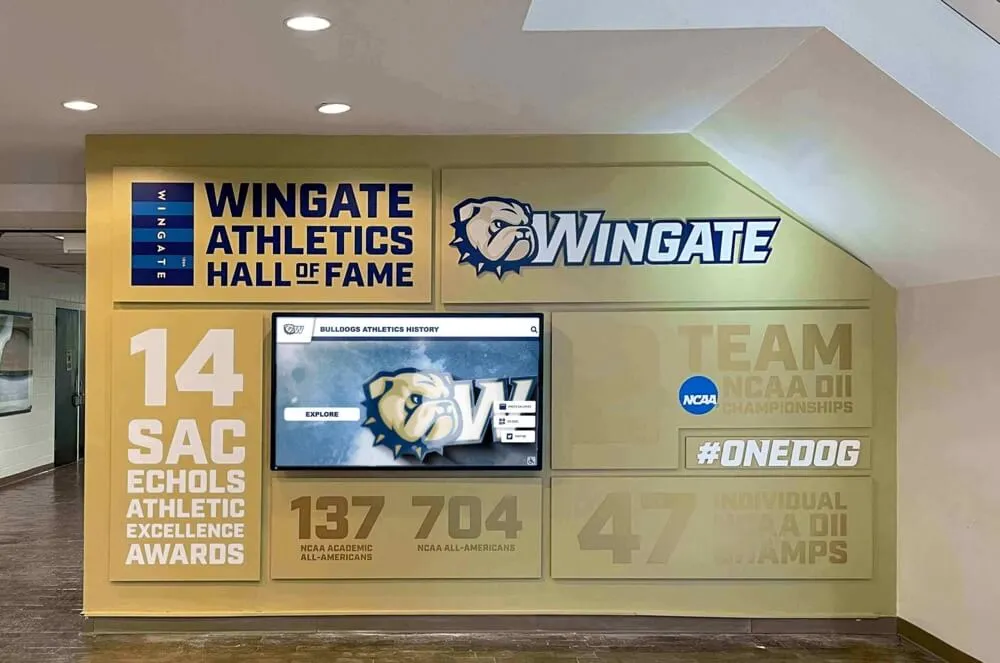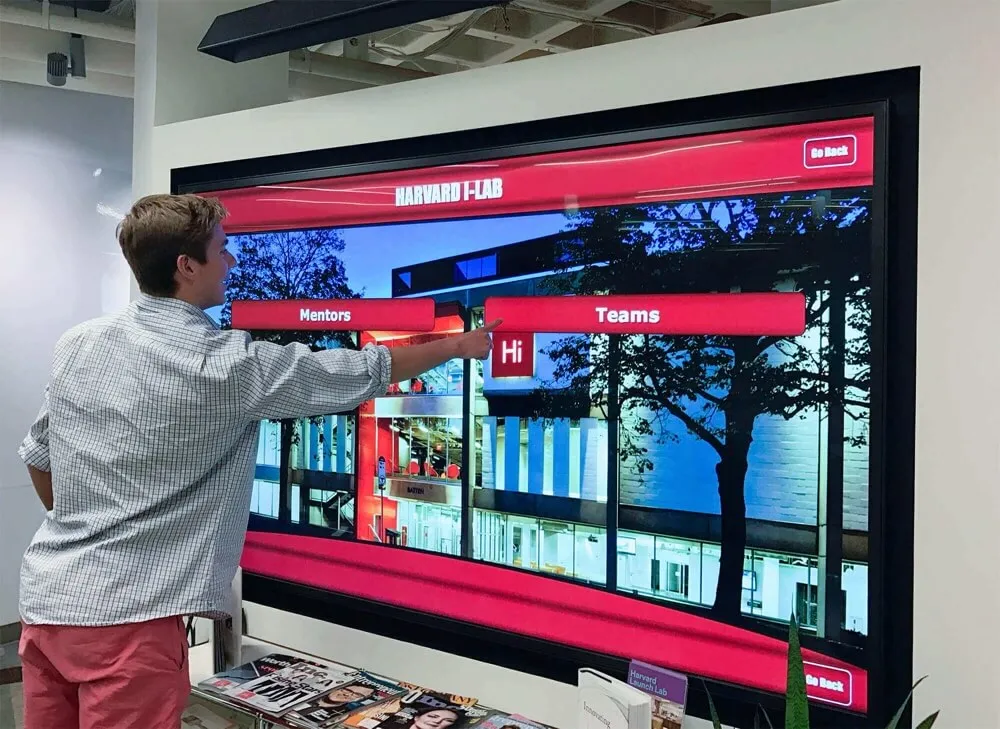




Organizations invest thousands in recruitment, onboarding, and professional development—yet many fail to implement the single most cost-effective retention and motivation strategy available: consistent employee recognition. While companies spend heavily attracting new talent, top performers quietly leave for competitors who demonstrate greater appreciation. Productivity plateaus as capable team members coast without clear pathways to acknowledgment. Workplace culture stagnates when achievement receives only perfunctory acknowledgment through generic emails quickly forgotten.
Employee of the Month programs address these challenges directly by creating systematic recognition that celebrates excellence, inspires performance improvement, strengthens retention, and builds workplace cultures where contribution receives appropriate acknowledgment. Organizations implementing comprehensive recognition displays report measurable improvements: 31% higher retention among top performers, 14% productivity gains across broader teams, enhanced recruitment outcomes, and fundamentally transformed workplace cultures where employees feel genuinely valued rather than interchangeable.
Intent: Demonstrate
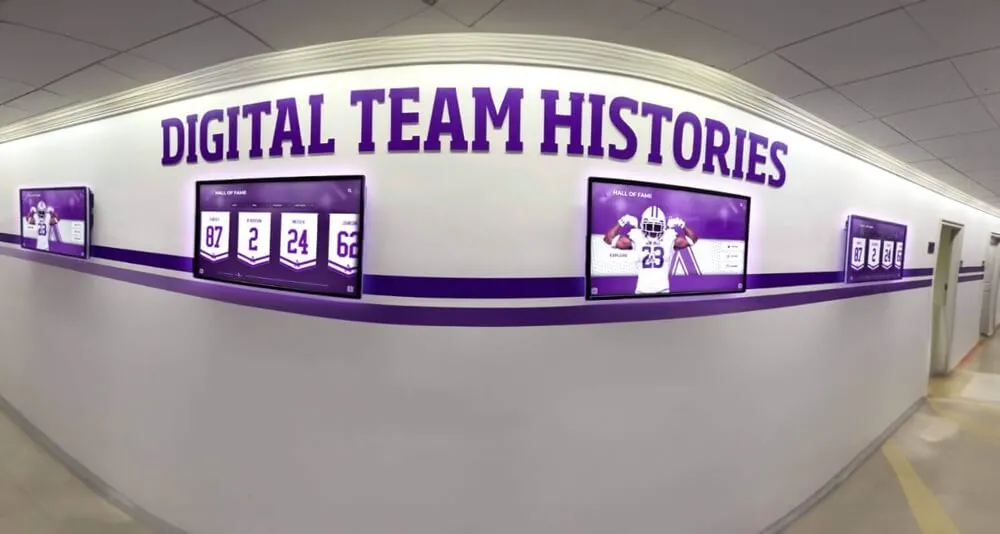
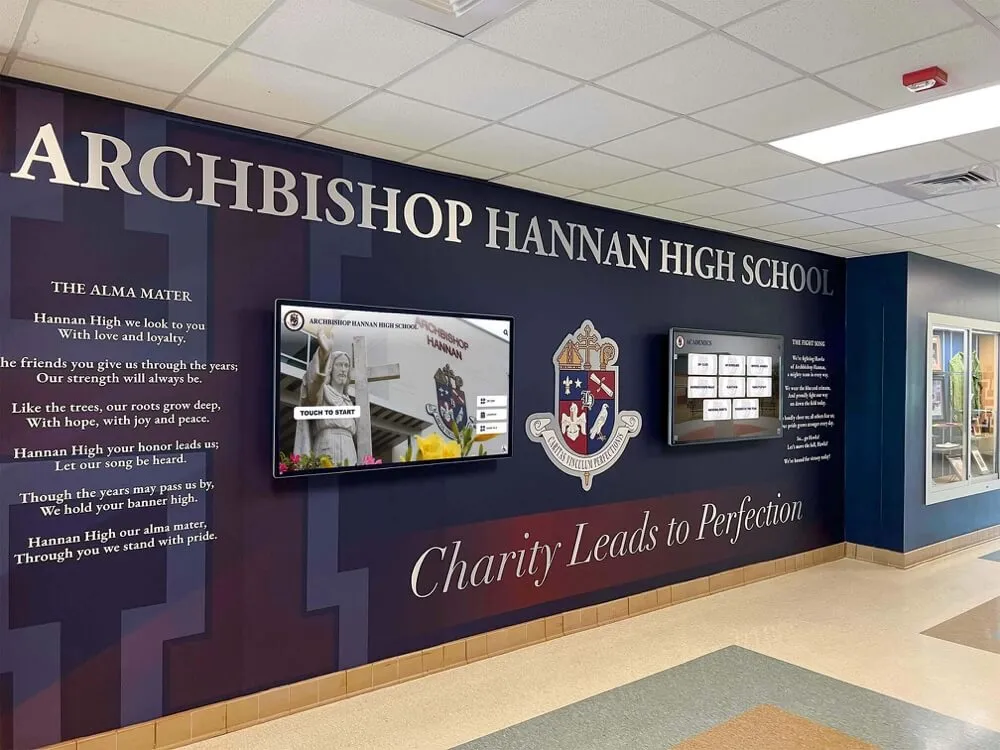
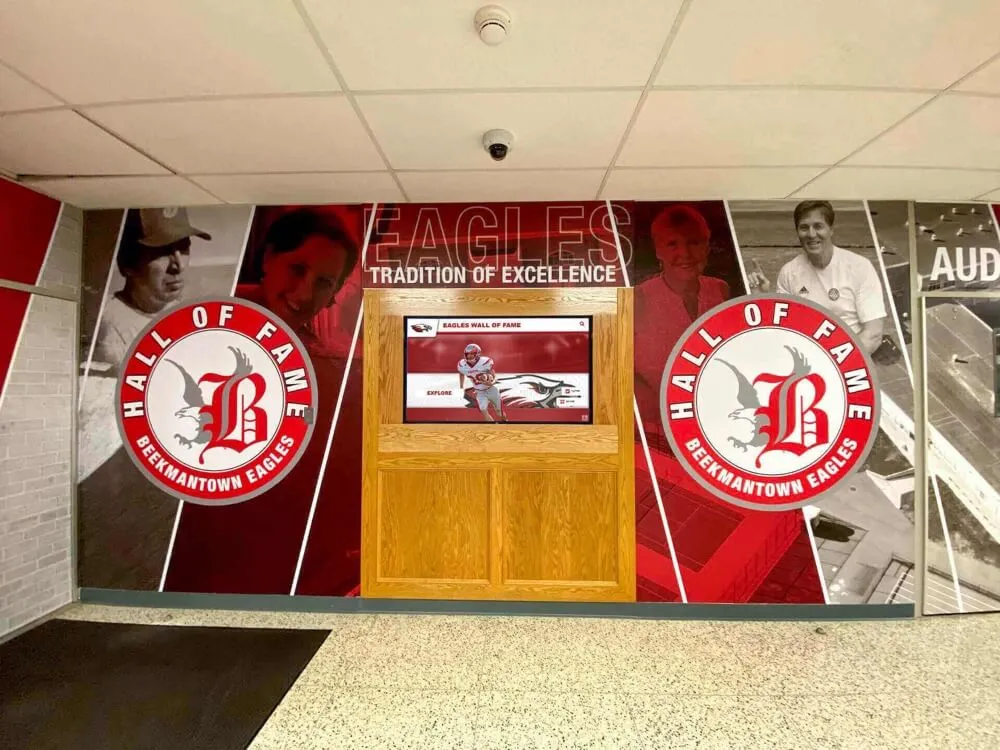
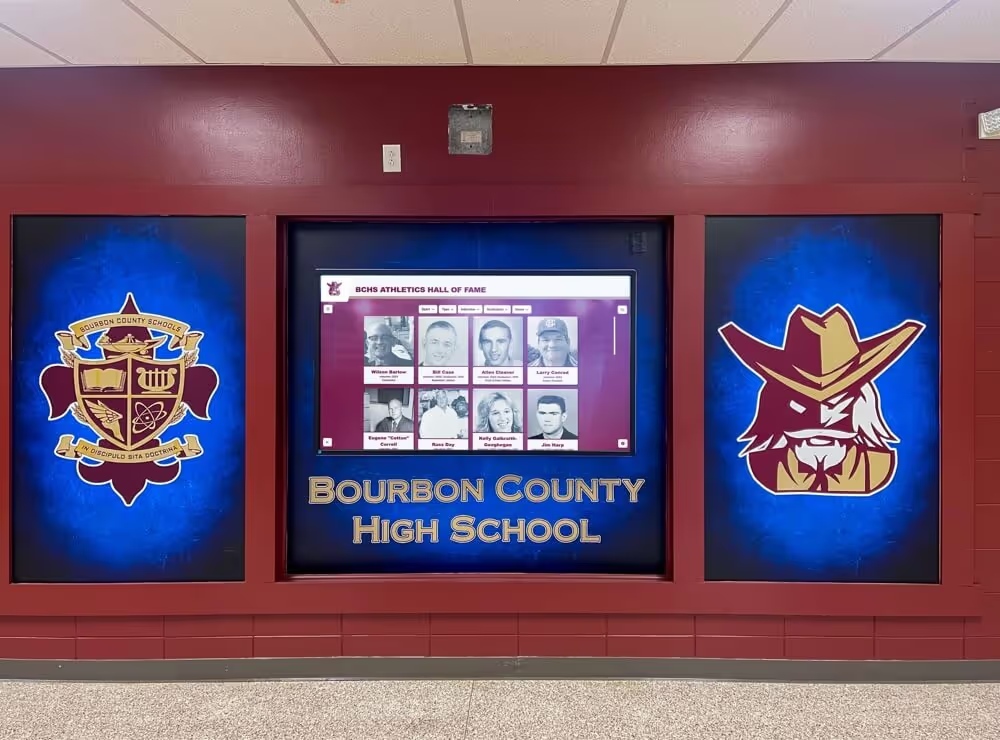
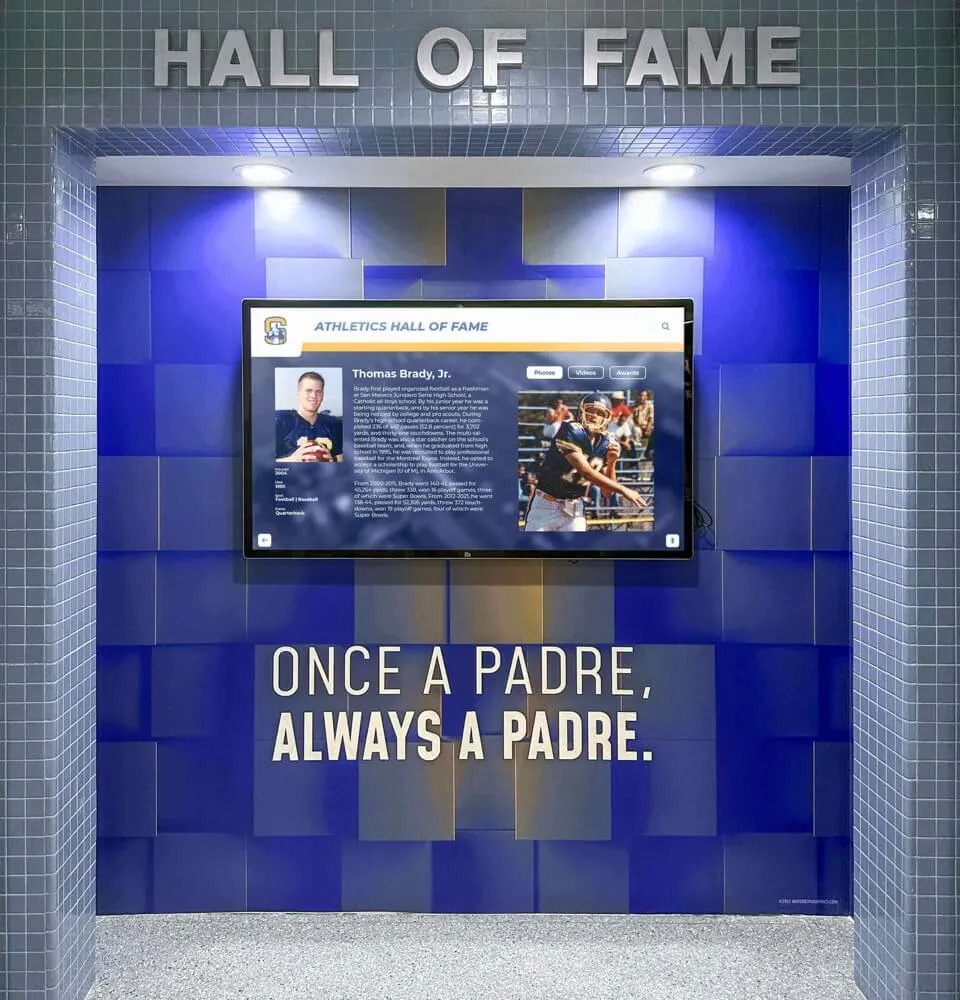
Modern digital record boards eliminate the limitations plaguing traditional employee recognition—update delays, space constraints, and limited visibility. Auto-ranking maintains current achievement leaderboards without manual intervention. Unlimited capacity honors every accomplishment without forcing impossible prioritization choices. Web accessibility extends recognition reach beyond physical office locations to remote teams, families, and prospective recruits. ADA-compliant interfaces ensure universal accessibility. Schedule a Zoom demo to discover how solutions like Rocket Alumni Solutions transform employee recognition from occasional acknowledgment into sustained cultural drivers motivating performance while preserving organizational achievement history permanently.
Why Traditional Employee Recognition Falls Short
Walk through typical corporate office buildings and notice what receives prominent display space: company founding stories, product milestones, perhaps community service initiatives. Employee achievement—the individual excellence actually driving organizational success—often remains invisible beyond HR files and quarterly reviews that few colleagues ever see.
This recognition gap creates measurable consequences affecting retention, motivation, and organizational culture. Top performers feel undervalued when their contributions receive only brief email mentions while other organizational priorities occupy lobby displays. Developing employees lack visible achievement pathways showing how excellence receives acknowledgment. Remote team members miss recognition entirely when programs focus exclusively on headquarters populations. Recruiting suffers when prospective candidates see no evidence of genuine appreciation culture beyond recruiting promises.
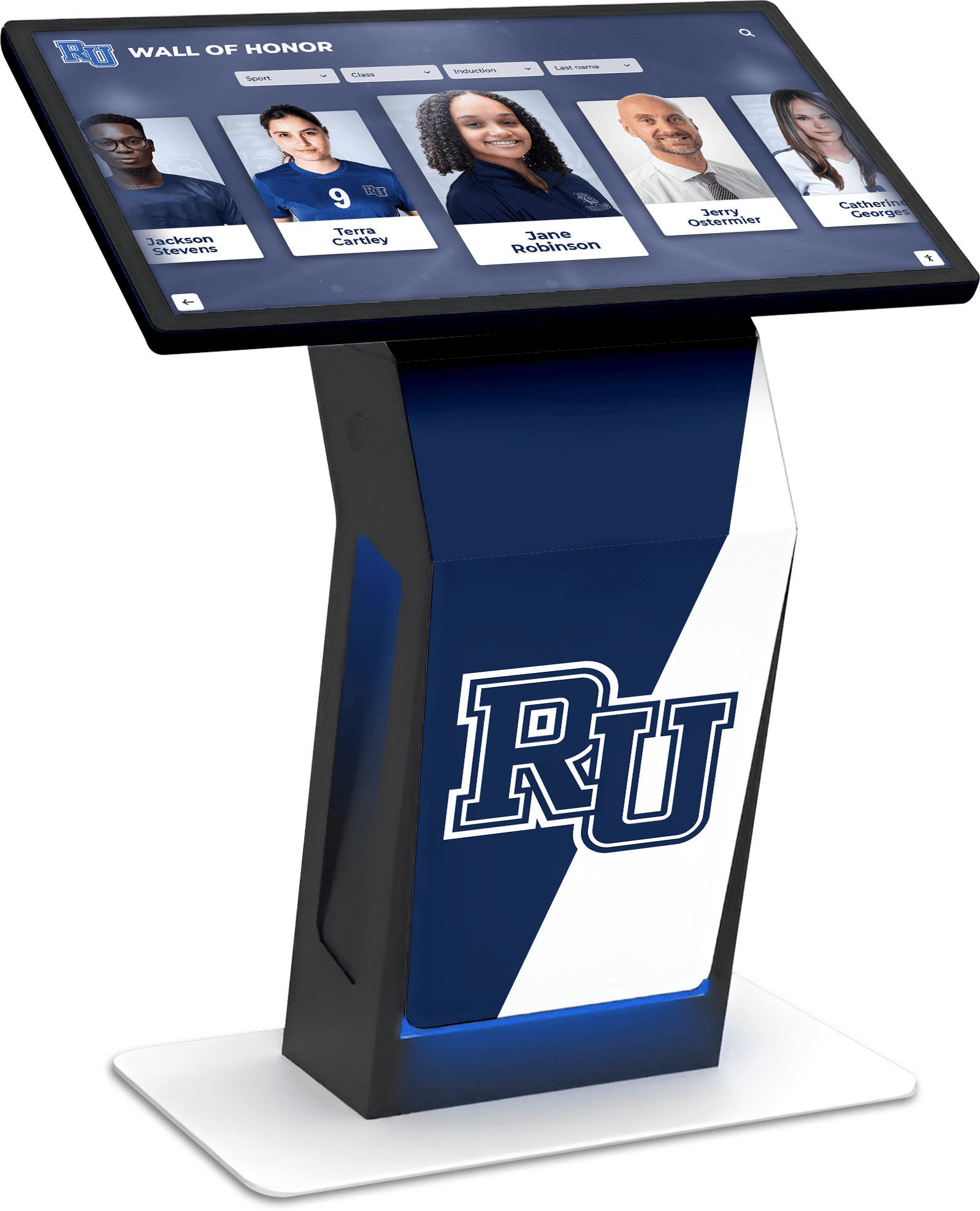
Research from workplace culture specialists consistently demonstrates that recognition represents one of the most powerful drivers of employee engagement, retention, and performance. Yet most organizations implement recognition programs that fail to achieve potential impact because of fundamental design flaws: infrequent acknowledgment creating months-long gaps, narrow criteria recognizing only sales or operational metrics while ignoring support functions, outdated displays undermining program credibility, and limited visibility ensuring recognition reaches minimal audience beyond immediate departments.
The Space Constraint Problem
Traditional employee recognition requires physical space—wall areas for mounted plaques, display cases for awards, bulletin boards for certificates. These space limitations force impossible decisions about which achievements deserve permanent display and whose recognition must be stored away or discarded. When organizations can only accommodate 12 employee plaques but have operated for 20 years, do you remove older honorees to make space for recent winners? Do you crowd displays until they become cluttered and ineffective? Do you simply stop recognizing after space fills?
Physical space constraints also create departmental inequities. Headquarters locations might feature extensive recognition while regional offices and remote workers receive minimal acknowledgment simply because satellite facilities lack dedicated display space. Sales teams working from distributed territories miss recognition opportunities their headquarters colleagues access during daily office visits. Manufacturing floor employees never see recognition displays positioned exclusively in administrative buildings they rarely enter.
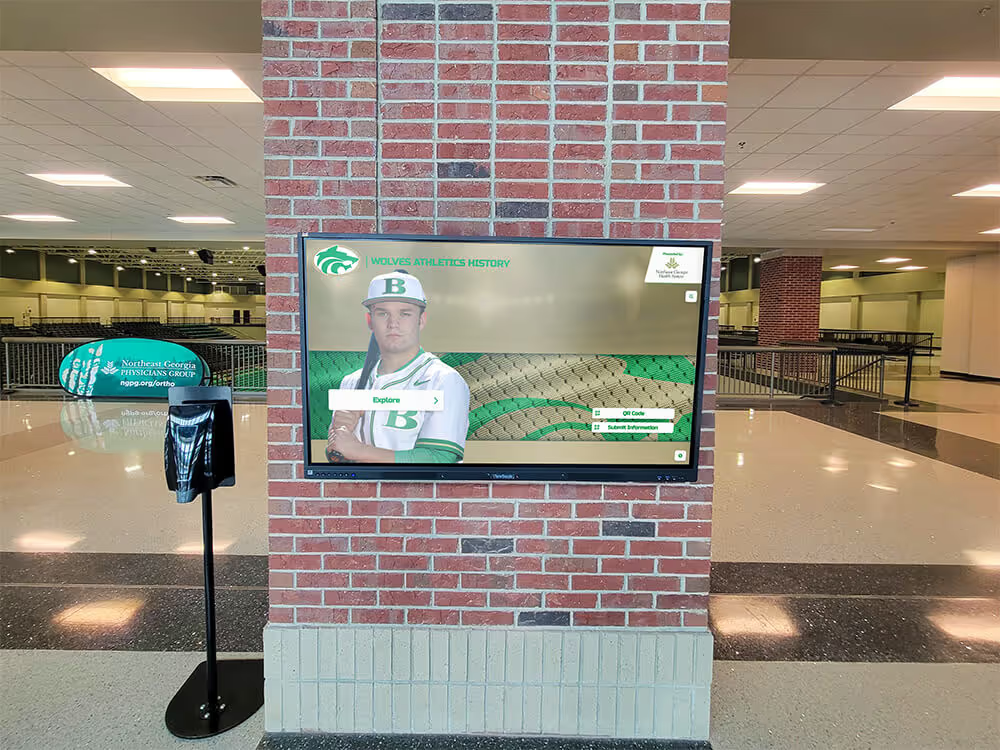
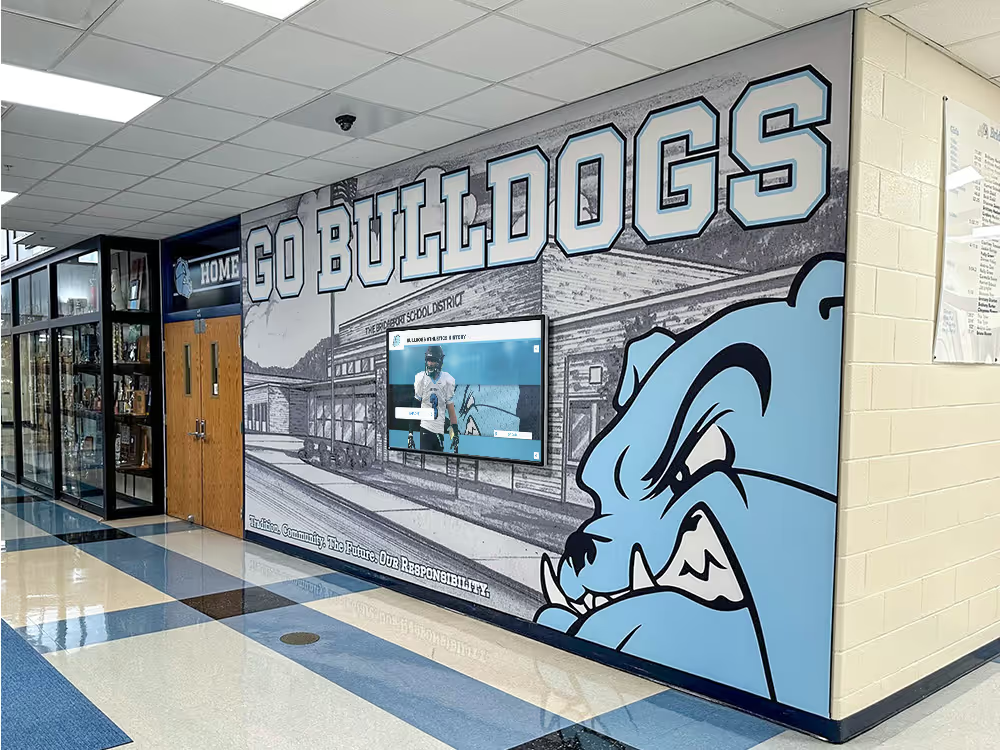
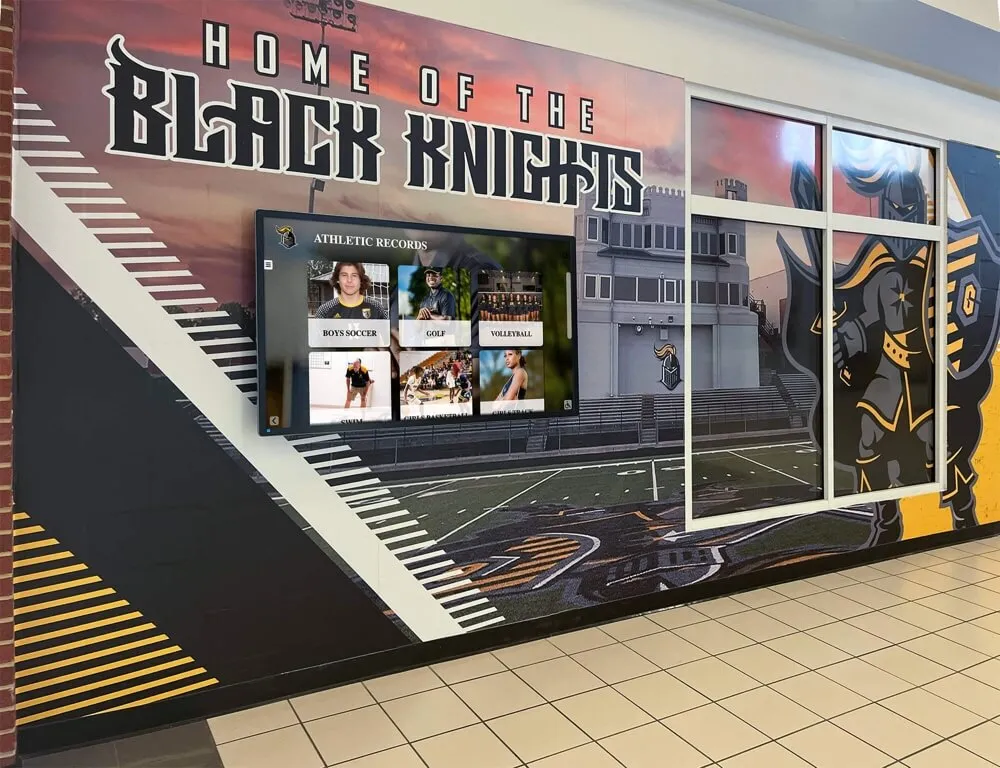
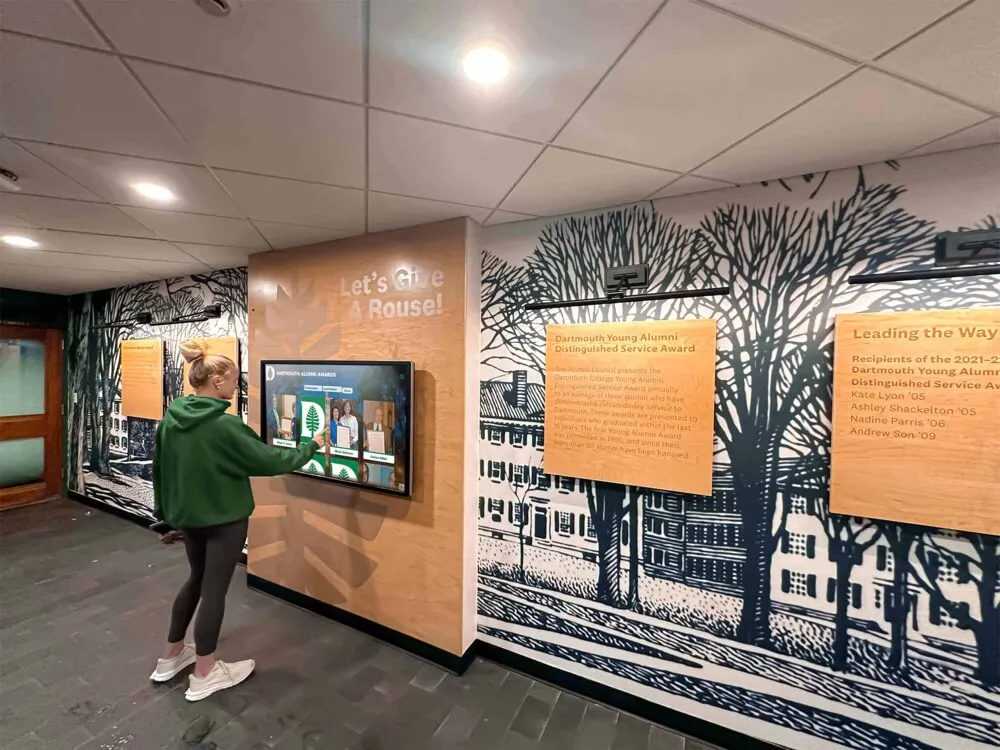
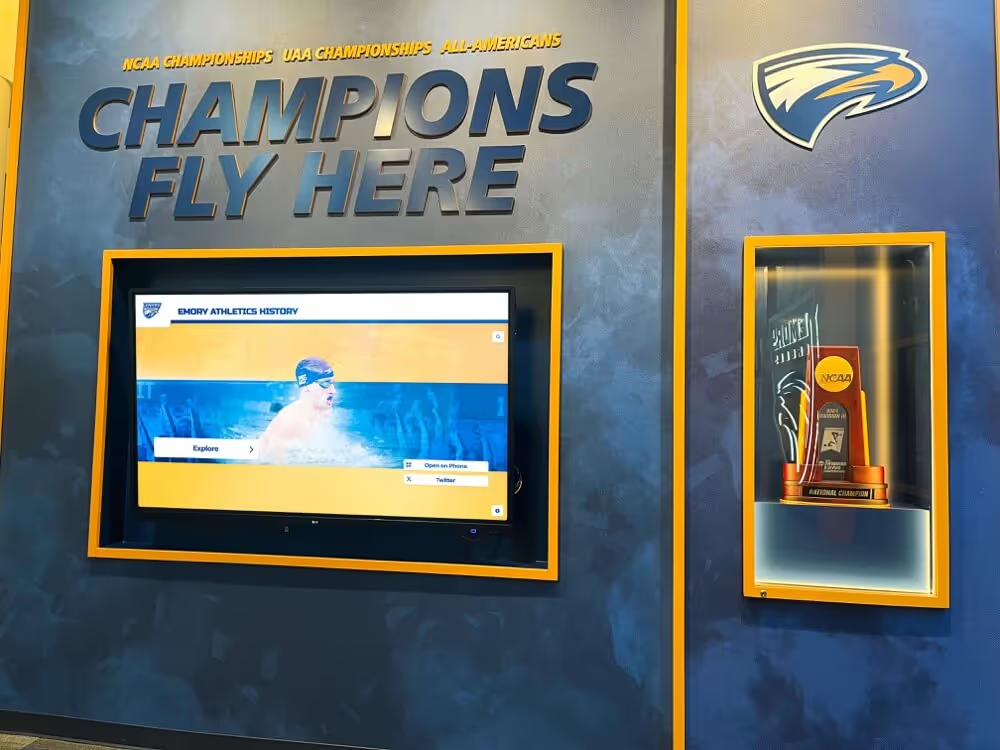
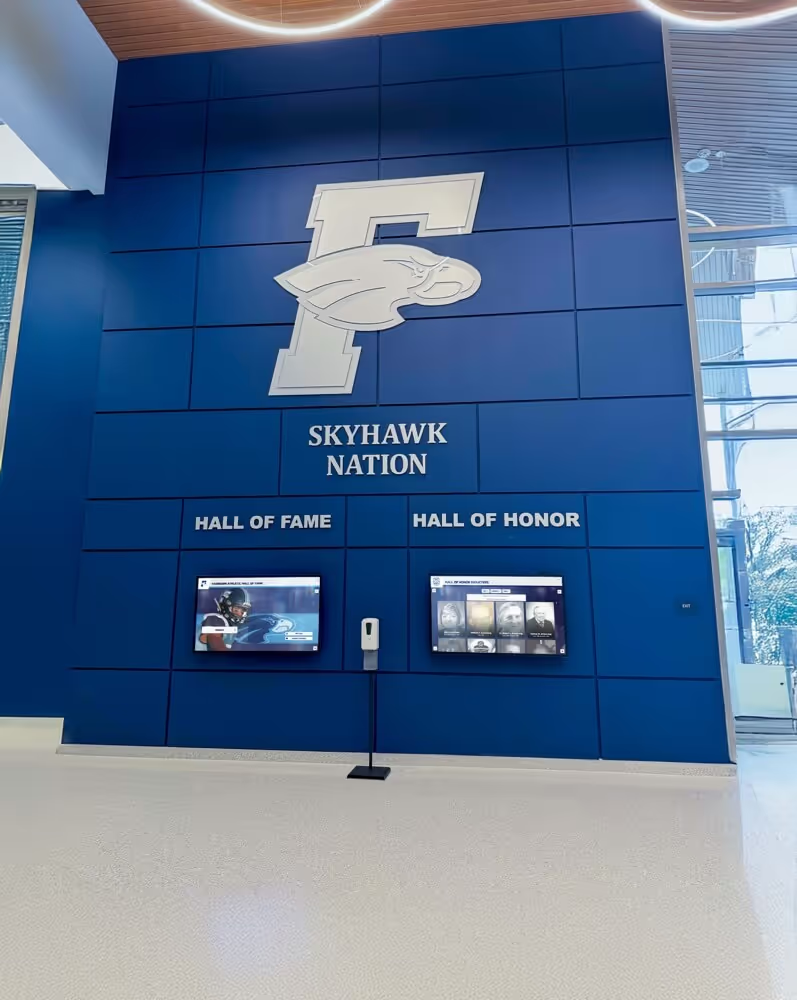
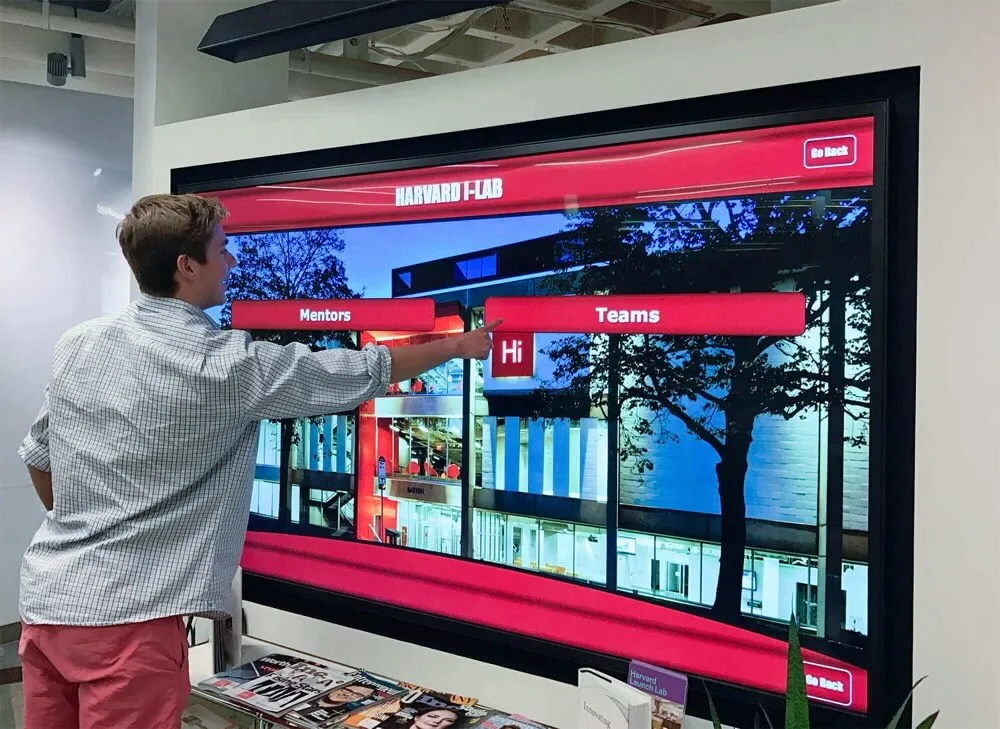
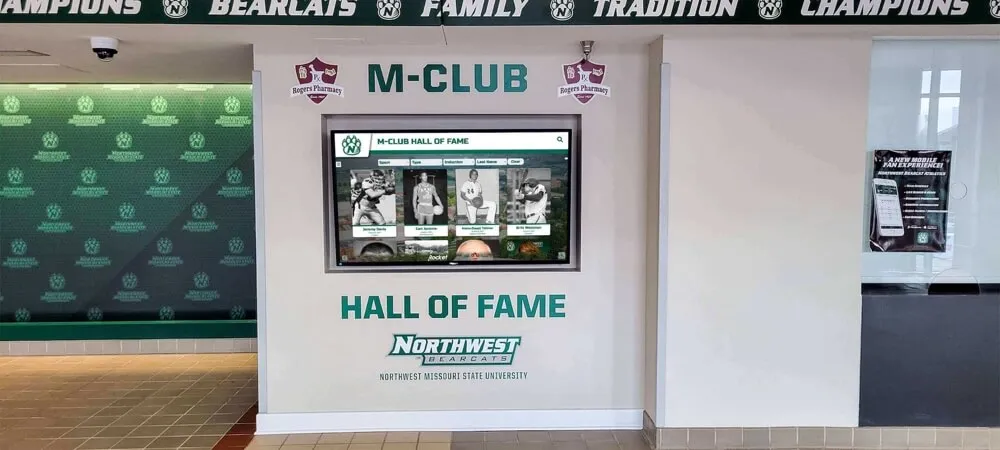
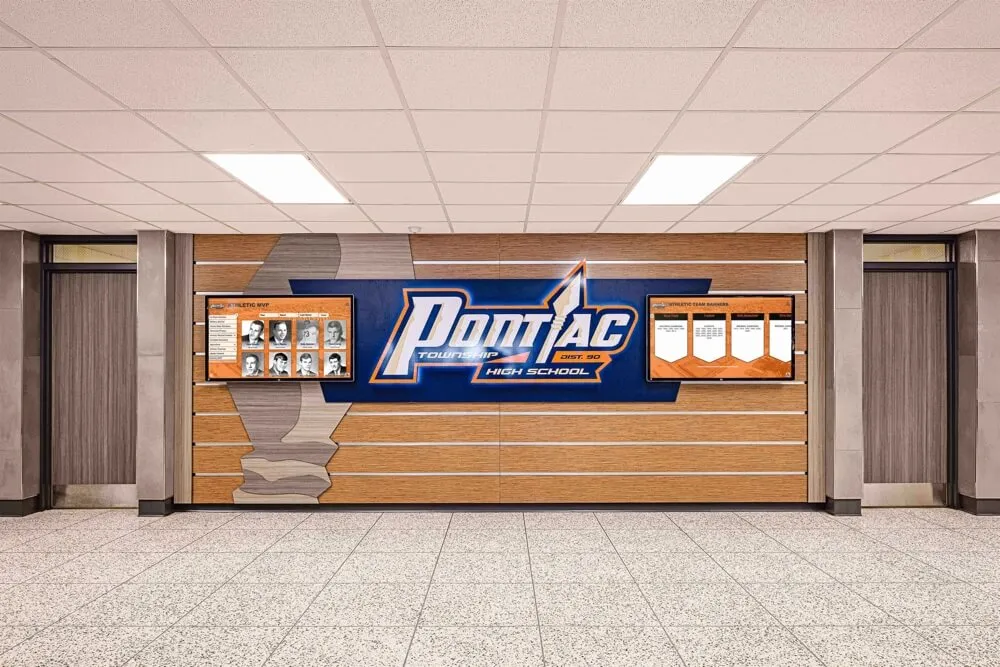
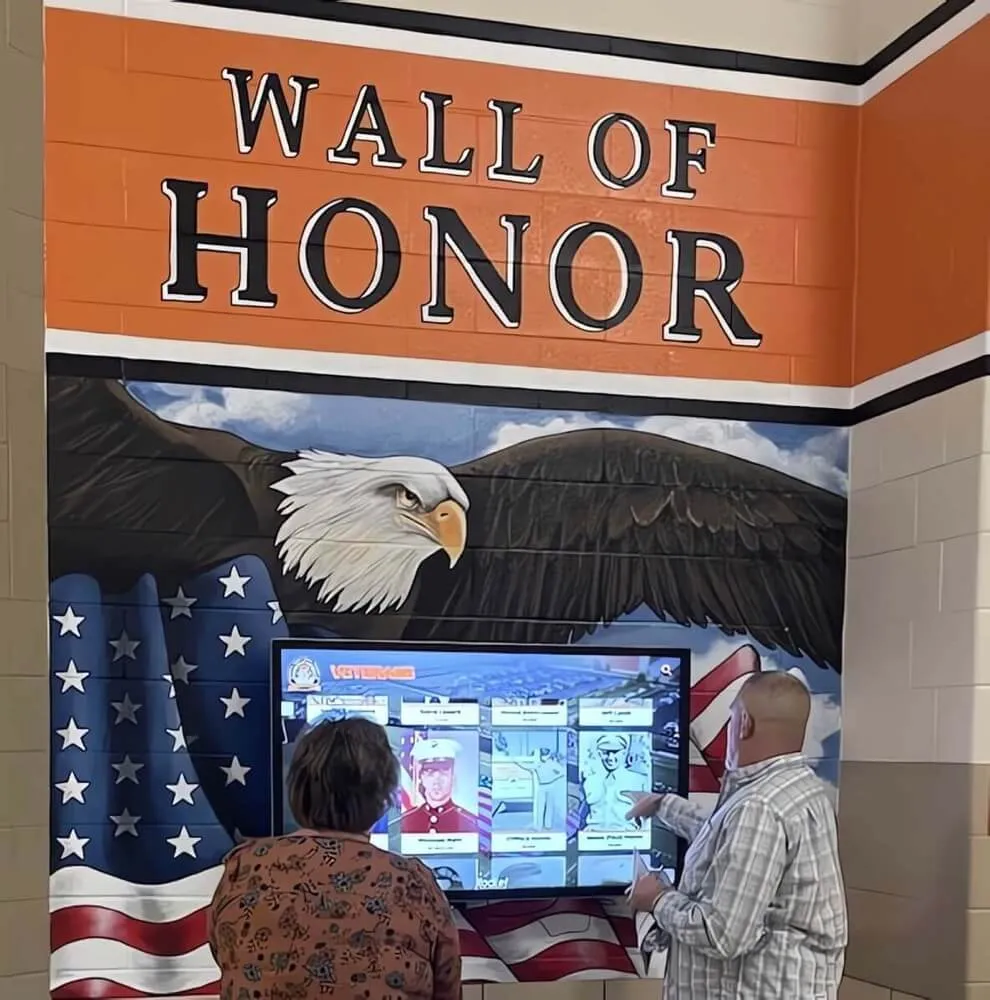
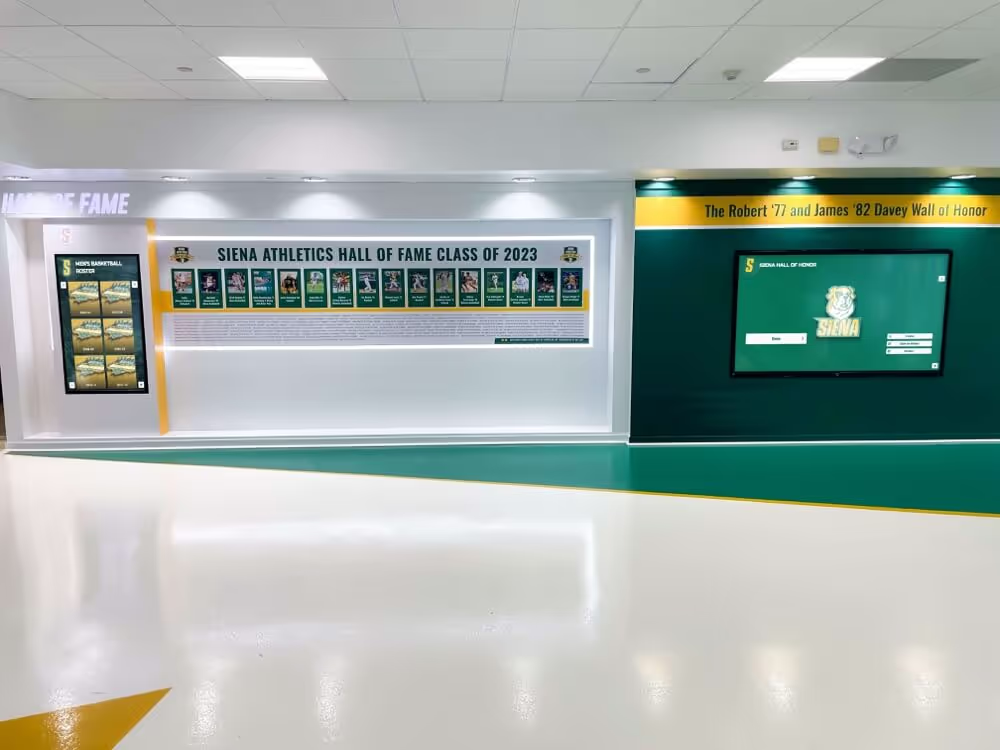
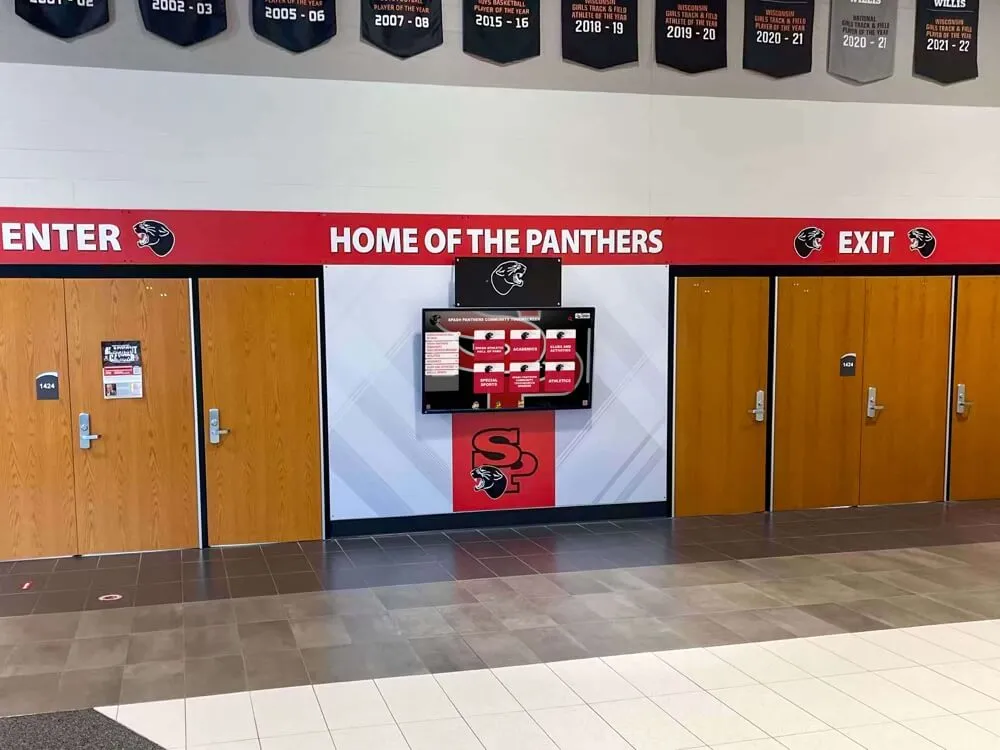
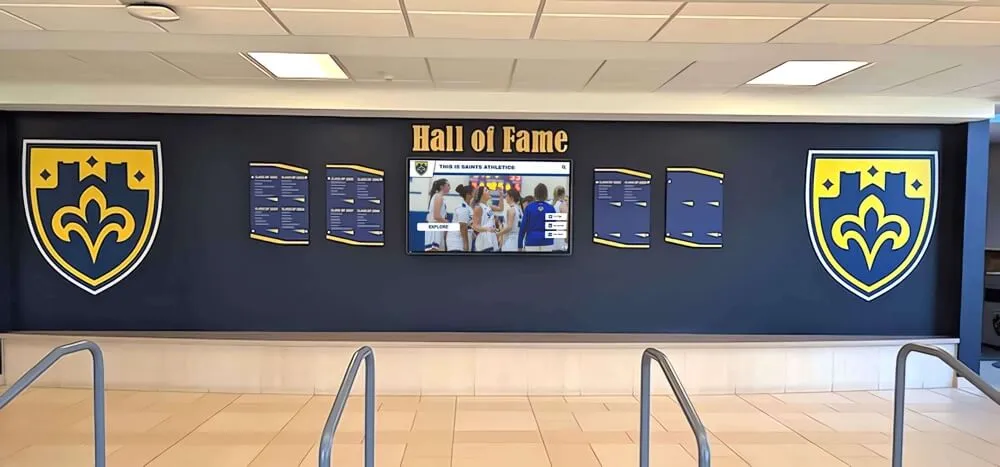
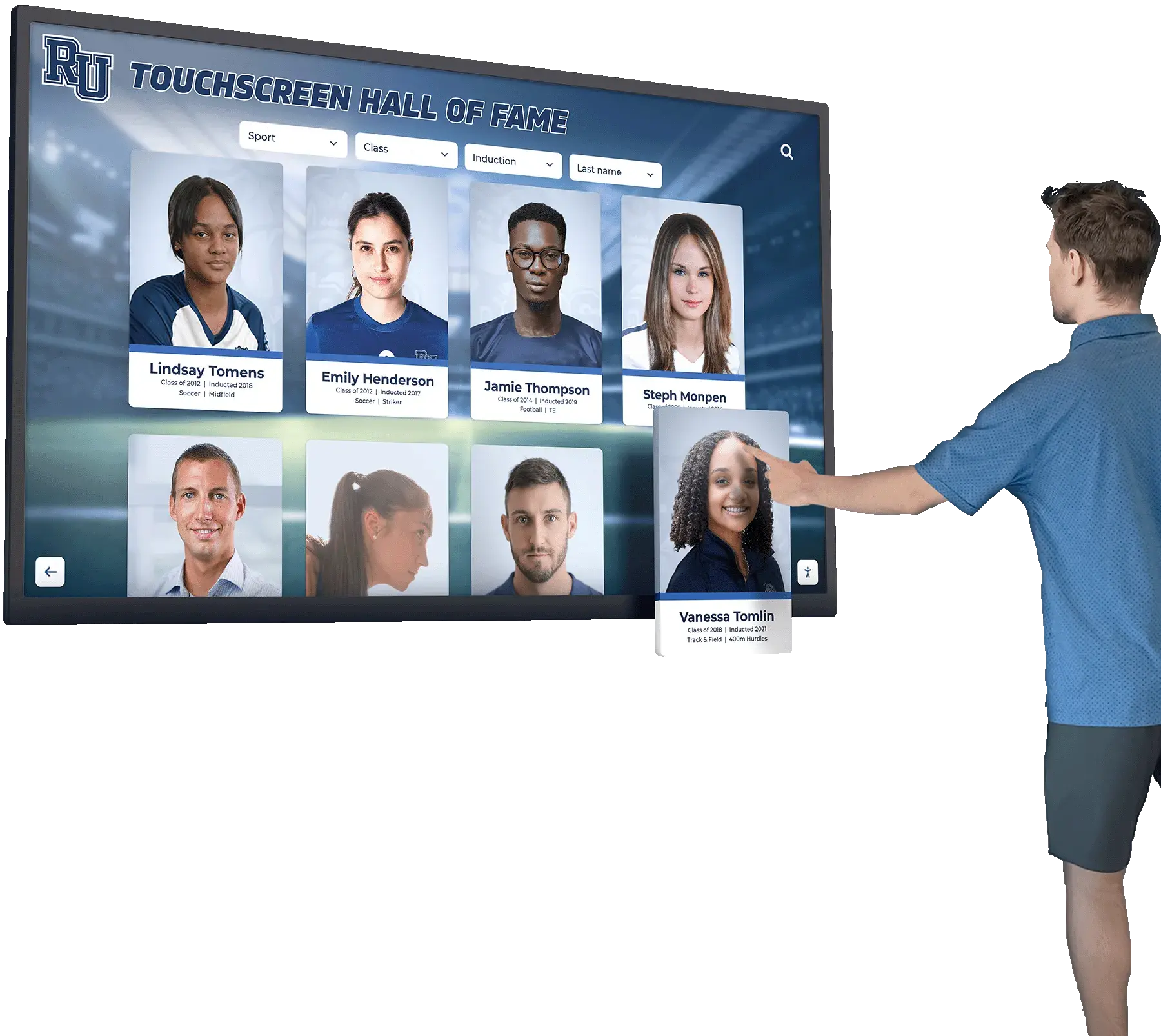
Modern digital recognition platforms eliminate these space constraints entirely. A single 55-inch touchscreen accommodates comprehensive profiles for unlimited employees—content requiring dozens of traditional wall displays to present equivalently. This unlimited digital capacity enables organizations to recognize every worthy achievement without space-driven prioritization that undervalues consistent excellence or forces removal of historical honorees to accommodate current recipients.
Update Delays Diminish Recognition Impact
Traditional recognition methods involve frustrating production timelines delaying acknowledgment for weeks or months after achievements occur. Physical plaques require ordering, engraving, shipping, and installation—processes consuming 4-8 weeks under normal conditions, longer during busy periods or approval bottlenecks. Printed certificates need design, approval, printing, and distribution. Bulletin board updates require content creation, physical posting, and coordination across multiple locations.
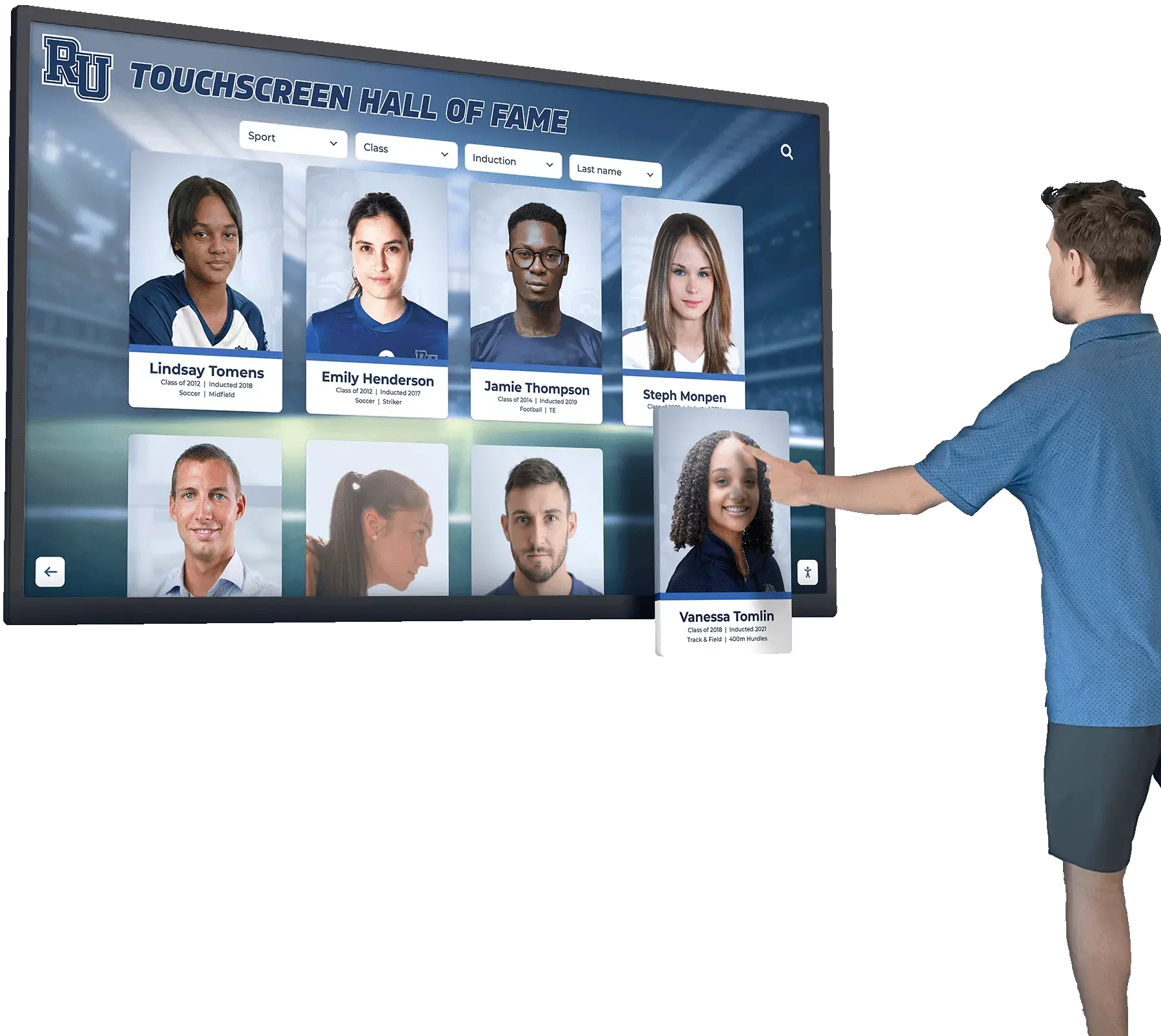
During these delays, recognition momentum fades. Achievement excitement diminishes. The motivational impact of timely acknowledgment evaporates. Delayed recognition also communicates that organizations don’t prioritize employee excellence sufficiently to provide prompt acknowledgment. When someone achieves breakthrough performance in January but receives recognition in April, peers who witnessed the accomplishment have moved on to current priorities. The honoree feels acknowledgment comes too late to matter significantly. The organization misses opportunities to leverage fresh achievement excitement for maximum motivational and cultural impact.
Interactive digital recognition platforms enable immediate updates without production delays or physical installation requirements. New achievements appear on recognition displays within hours of occurrence—while excitement remains fresh, peer awareness stays current, and motivational impact achieves maximum effectiveness. This immediacy transforms recognition from historical acknowledgment into real-time celebration generating substantially stronger engagement and cultural influence.
Organizations implementing modern corporate recognition programs report that digital platforms reduce recognition lag time by 85% compared to traditional plaque-based approaches while dramatically improving program sustainability through simplified management workflows.
Core Principles of Effective Employee of the Month Programs
Successful recognition initiatives across industries and organizational types share fundamental characteristics distinguishing genuinely motivational systems from token acknowledgment generating minimal impact on culture or performance.
Recognition Must Honor Diverse Excellence Forms
Organizations encompass varied roles requiring different capabilities and generating distinct value types. Sales professionals drive revenue. Operations teams ensure delivery excellence. Customer service builds satisfaction and loyalty. Finance maintains fiscal health. Human resources develops talent and culture. Information technology enables productivity through reliable systems. Marketing generates awareness and leads.
Comprehensive employee of the month programs acknowledge this excellence diversity through multiple achievement categories rather than single “employee of the month” designations inevitably skewing toward revenue-generating roles while undervaluing essential support functions. Organizations implementing category-specific recognition report broader engagement, reduced resentment about recognition “unfairness,” and stronger motivation across departments when employees see realistic pathways to acknowledgment aligned with their specific contributions.
Effective Recognition Categories:
- Sales and Revenue Achievement: Top sales performance, new client acquisition, account expansion
- Operational Excellence: Process improvement, efficiency gains, quality metrics, safety records
- Customer Service Excellence: Satisfaction scores, positive feedback, problem resolution, relationship building
- Innovation and Problem-Solving: Creative solutions, process innovations, cost savings, workflow improvements
- Team Leadership and Collaboration: Mentorship, cross-functional partnership, knowledge sharing, cultural contribution
- Project Excellence: On-time delivery, budget adherence, stakeholder satisfaction, technical execution
- Professional Development: Skill acquisition, certification achievement, continuous learning demonstration
- Company Values Demonstration: Embodiment of organizational principles, cultural leadership, ethical excellence
This categorical approach ensures more employees receive recognition while validating that excellence manifests differently across organizational functions and contexts. Rather than competing for single monthly recognition slot, employees pursue acknowledgment within categories reflecting their actual responsibilities and contribution opportunities.
Criteria Must Balance Aspiration and Achievability
Recognition standards significantly affect program motivational effectiveness. Thresholds set impossibly high—recognizing only absolute top performers or requiring unrealistic achievement levels—discourage rather than inspire broader teams who perceive acknowledgment as unattainable regardless of effort. Conversely, indiscriminate recognition lacking meaningful standards devalues genuine accomplishment and fails to inspire excellence pursuit.
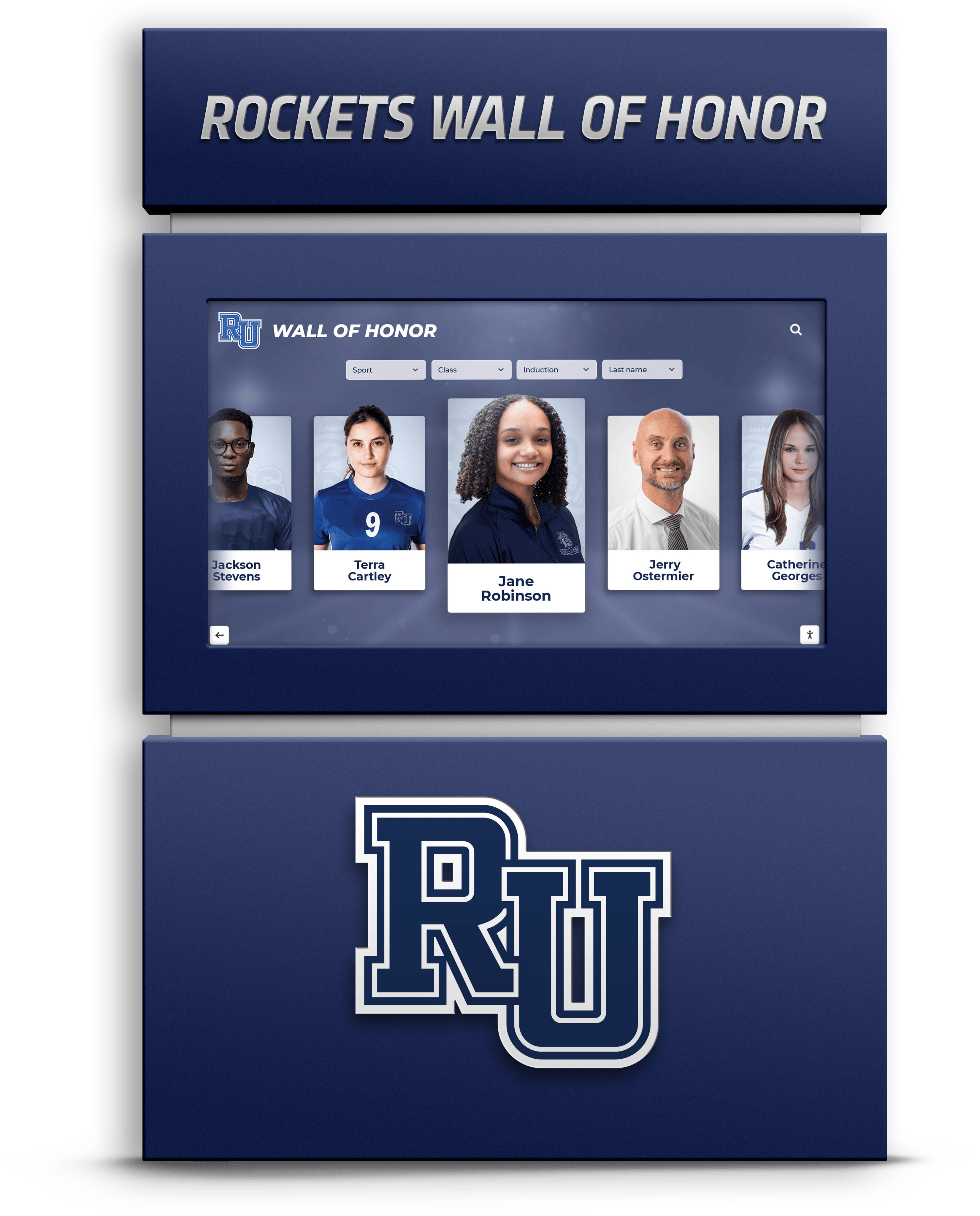
Most effective programs establish clear transparent criteria communicating exactly what achievement levels earn recognition. This transparency eliminates perceptions of favoritism or subjective selection while creating concrete performance targets employees can pursue deliberately. Well-designed criteria balance quantitative metrics with qualitative assessments, acknowledge both results and behaviors, and adapt appropriately across organizational levels recognizing that achievement expectations differ reasonably between entry-level contributors and senior leaders.
Time-based flexibility also enhances recognition accessibility and fairness. Monthly recognition provides frequent acknowledgment opportunities accommodating the reality that different employees peak during different periods based on role characteristics, project timing, seasonal factors, and personal circumstances. Quarterly recognition celebrates sustained excellence across longer time horizons. Annual comprehensive recognition honors career-long contribution. Combining multiple time horizons ensures varied employees experience acknowledgment rather than allowing single measurement periods to determine all recognition.
Visibility Determines Recognition Impact
Recognition’s motivational and cultural effects correlate directly with visibility—how many people actually see acknowledgment and where recognition appears within organizational spaces. Private recognition through email or individual meetings provides personal acknowledgment but misses opportunities for peer celebration, role modeling, and cultural reinforcement through public visibility. Recognition limited to immediate departments fails to build organization-wide appreciation culture or demonstrate company-wide commitment to excellence acknowledgment.
Strategic placement in high-visibility locations dramatically amplifies recognition impact:
- Main Lobby and Reception Areas: Entry locations capture all employee traffic, visitor attention, client impressions, and prospective recruit observations while establishing recognition as prominent institutional priority
- Cafeteria and Break Rooms: Common spaces where employees from all departments converge daily, creating cross-functional awareness of organizational excellence
- Department-Specific Areas: Targeted recognition within team spaces while maintaining broader organizational visibility through distributed displays
- Conference Rooms and Meeting Spaces: Locations where clients, partners, and stakeholders encounter employee excellence evidence during business interactions
- Digital Platforms and Intranets: Web-based accessibility extending recognition reach to remote teams, work-from-home employees, and families unable to visit physical offices
Multiple distributed displays throughout facilities combined with web accessibility often prove more effective than single concentrated installations, ensuring recognition maintains omnipresent visibility across organizations rather than requiring deliberate visits to specific locations that busy employees rarely access during normal workflows.
Similar to how educational institutions implement student of the month recognition programs, successful corporate recognition requires consistent visibility ensuring acknowledgment permeates organizational culture rather than existing as isolated occasional initiative.
Traditional Employee of the Month Ideas
Many organizations successfully implement engaging employee recognition through thoughtfully designed traditional approaches requiring minimal technology investment while creating meaningful acknowledgment that strengthens culture and motivation.
Classic Recognition Wall Displays
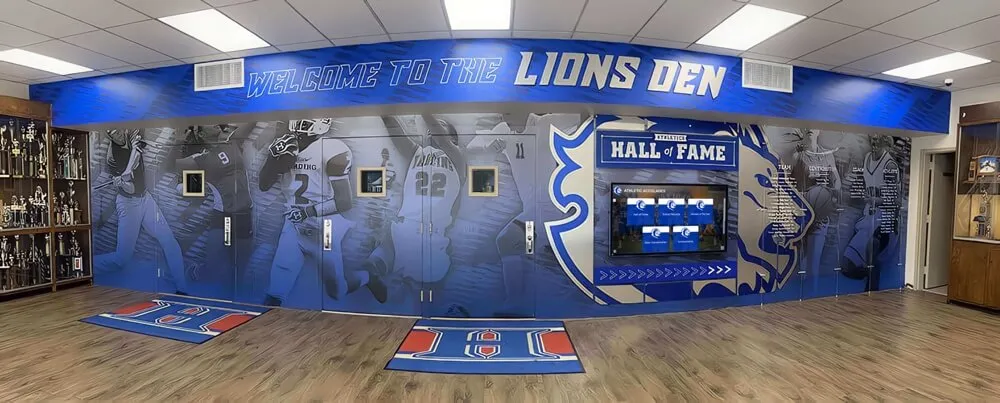
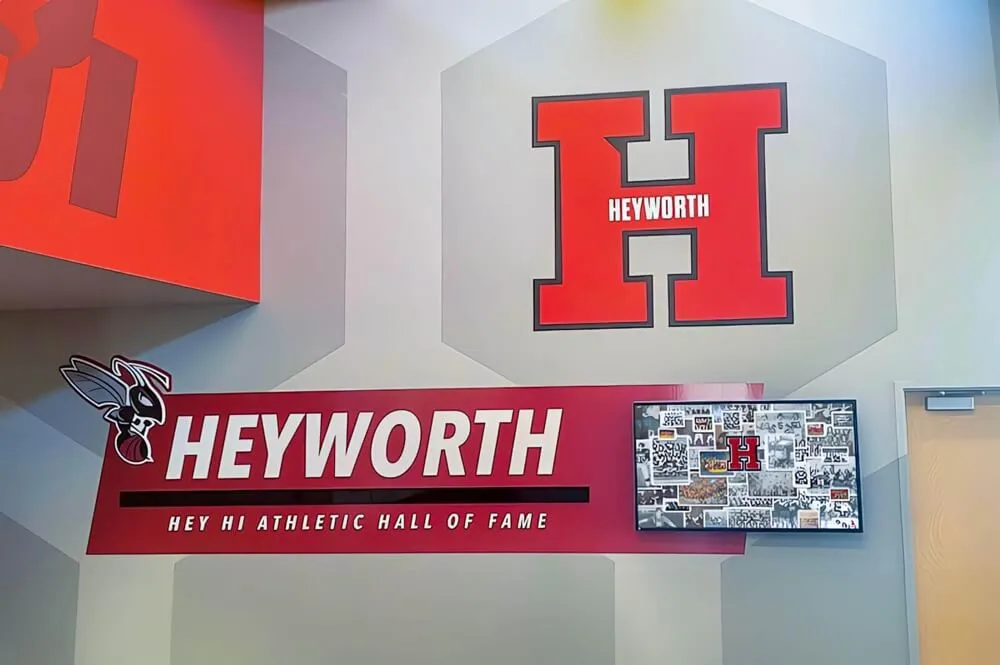
Physical recognition walls featuring employee photos, achievement descriptions, and award dates provide tangible visible acknowledgment that colleagues encounter regularly throughout workdays. Traditional approaches include dedicated wall spaces with professionally designed layouts, rotating displays highlighting current month’s honorees while preserving historical recognition, modular systems allowing ongoing additions without redesigning entire installations, and coordinated designs reinforcing brand identity and organizational values.
Effective traditional recognition walls incorporate high-quality professional photography creating immediate visual connection, specific achievement details beyond generic “Employee of the Month” designation, tenure and department information providing context, brief quotes from honorees about their work or organizational culture, and consistent design themes creating unified professional appearance across months and years.
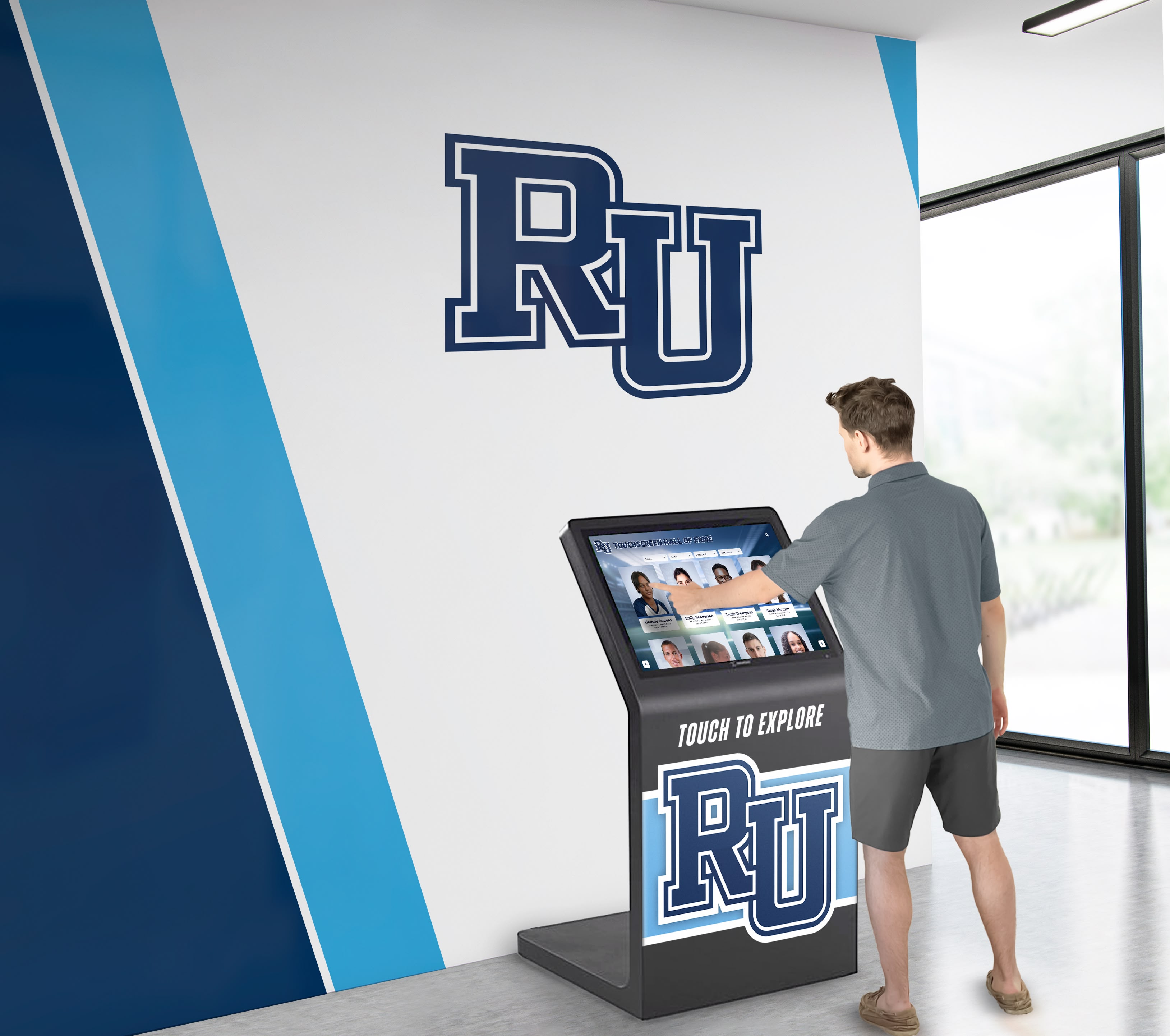
Organizations implementing traditional recognition walls report that physical displays create lasting impressions and daily visibility generating sustained awareness. However, space limitations eventually require difficult decisions about removing older honorees to accommodate new recipients—choices that undermine recognition’s “permanent” nature and can create negative perceptions about organizational commitment to sustained acknowledgment.
Certificate and Award Programs
Formal certificates and physical awards provide tangible mementos employees take home, display in personal workspaces, or share with families. Traditional award approaches include professionally designed certificates suitable for framing, engraved plaques with achievement details and organizational logos, crystal or glass awards for milestone achievements, custom trophies reflecting organizational identity, and certificates accompanied by personalized letters from leadership communicating genuine appreciation.
Well-executed certificate programs balance professional presentation quality with personal customization making each award feel individually meaningful rather than mass-produced generic acknowledgment. Including specific achievement details, personal notes, and leadership signatures transforms certificates from perfunctory documentation into valued recognition artifacts employees genuinely treasure and display proudly.
Public Recognition Ceremonies
Formal acknowledgment during company meetings, department gatherings, or dedicated recognition events creates memorable celebration moments amplifying individual recognition through shared witness and collective celebration. Effective ceremony approaches include monthly all-hands meetings featuring recognition segments, quarterly town halls highlighting accumulated period achievements, annual recognition events celebrating year-long excellence across all categories, surprise announcements during team meetings creating spontaneous celebration, and leadership presentations demonstrating executive-level appreciation for employee contributions.
Ceremony effectiveness depends on thoughtful execution avoiding several common pitfalls. Brief focused recognition prevents ceremony portions from feeling tedious while maintaining appropriate celebration. Genuine specific praise resonates more powerfully than generic platitudes. Allowing honorees to speak briefly about their achievements or thank colleagues creates personal connection. Ensuring consistent recognition timing prevents periods without acknowledgment followed by rushed catch-up ceremonies combining multiple months.
Organizations successfully implementing comprehensive recognition programs celebrating achievement emphasize that ceremony timing matters—immediate public acknowledgment generates substantially stronger impact than delayed recognition occurring weeks or months after achievements.
Tangible Rewards and Benefits
Employee of the month programs often include material benefits beyond symbolic recognition, creating tangible appreciation demonstrating organizational investment in acknowledgment. Common reward approaches include designated premium parking spaces for recognition period, gift cards providing spending flexibility aligned with personal preferences, additional paid time off acknowledging work-life balance importance, cash bonuses directly rewarding excellence through financial recognition, company merchandise like branded jackets or bags creating lasting mementos, professional development opportunities including conference attendance or training investments, lunch with leadership providing access and relationship building opportunities, and choice assignments offering preferred projects or responsibilities.
Effective reward selection balances universal appeal with personalization opportunities, ensuring benefits feel genuinely valuable rather than token gestures employees don’t actually want. Survey employees about reward preferences rather than assuming what acknowledgment forms matter most. Consider offering reward menus allowing honorees to select preferred recognition forms rather than one-size-fits-all approaches that might provide unwanted benefits while missing opportunities to deliver truly valued acknowledgment.
Innovative Digital Employee Recognition Solutions
While traditional recognition approaches serve many organizations effectively, digital recognition displays offer compelling advantages particularly relevant for contemporary workplaces increasingly comfortable with technology interaction and managing distributed teams across multiple locations.
Interactive Digital Recognition Platforms
Purpose-built digital recognition systems transform employee acknowledgment by creating dynamic, easily updated platforms maintaining currency without physical production delays while extending visibility beyond single physical locations to reach entire organizational ecosystems including remote workers, families, and prospective recruits.
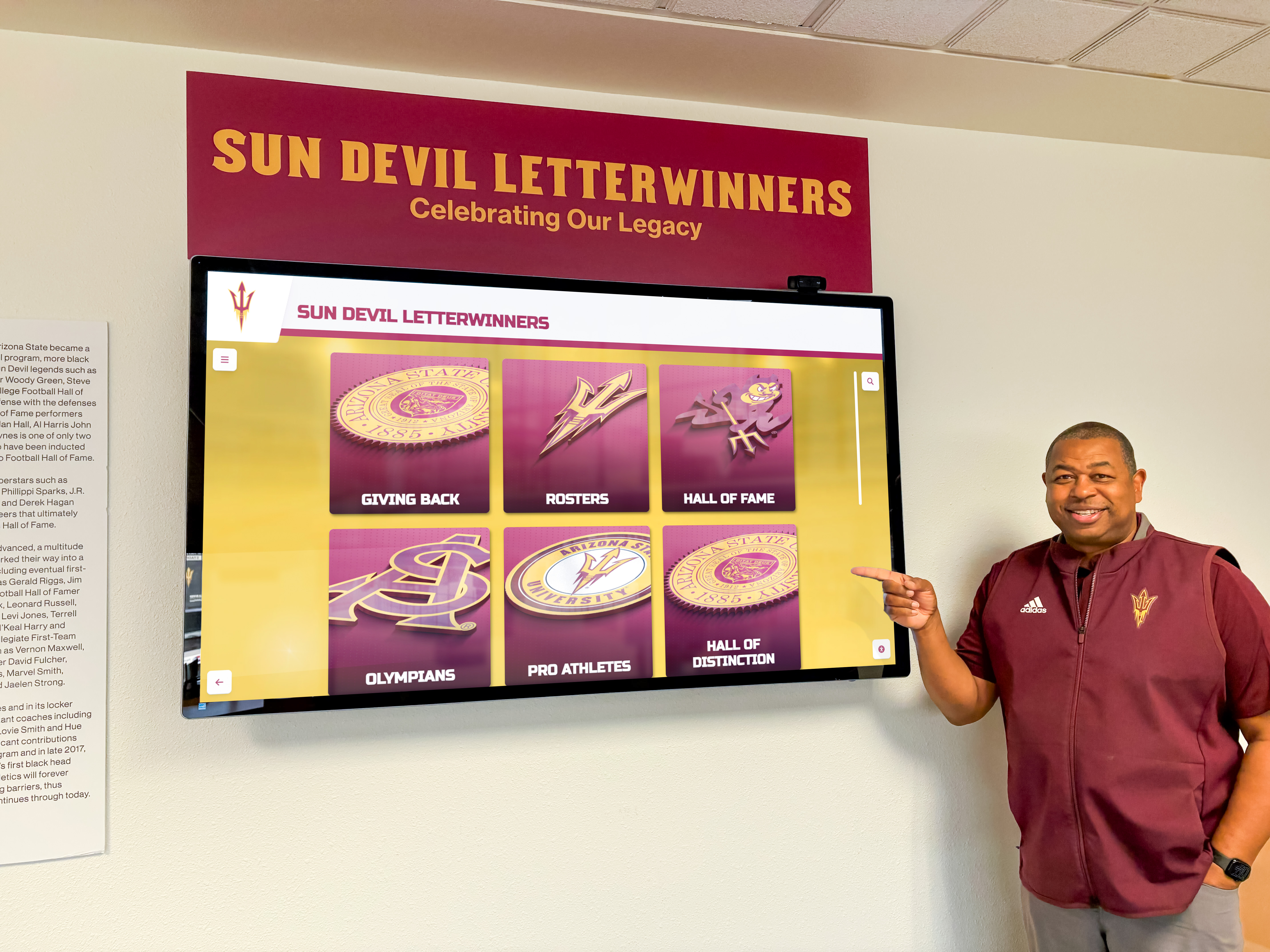
Key Digital Recognition Advantages:
Unlimited Capacity Without Space Constraints: Digital platforms accommodate comprehensive profiles for unlimited employees across unlimited time periods. Organizations can recognize every worthy achievement without space-driven prioritization, preserve complete historical recognition without removing older honorees to accommodate new recipients, and maintain growing recognition archives documenting organizational excellence evolution across decades without requiring expanding physical display space.
Immediate Updates Without Production Delays: New achievements appear on recognition displays within hours rather than weeks. Recognition coordinators update content from any web-connected device without requiring physical access to display locations. Changes synchronize instantly across all distributed displays ensuring consistent current recognition throughout organizations. This immediacy enables real-time acknowledgment while excitement remains fresh and achievement stays top-of-mind across teams.
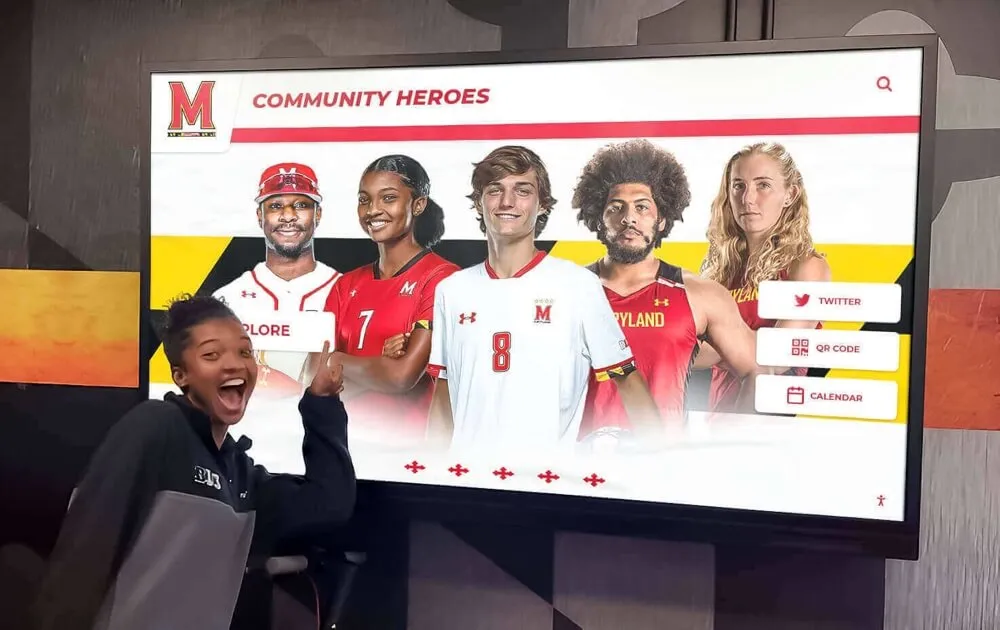
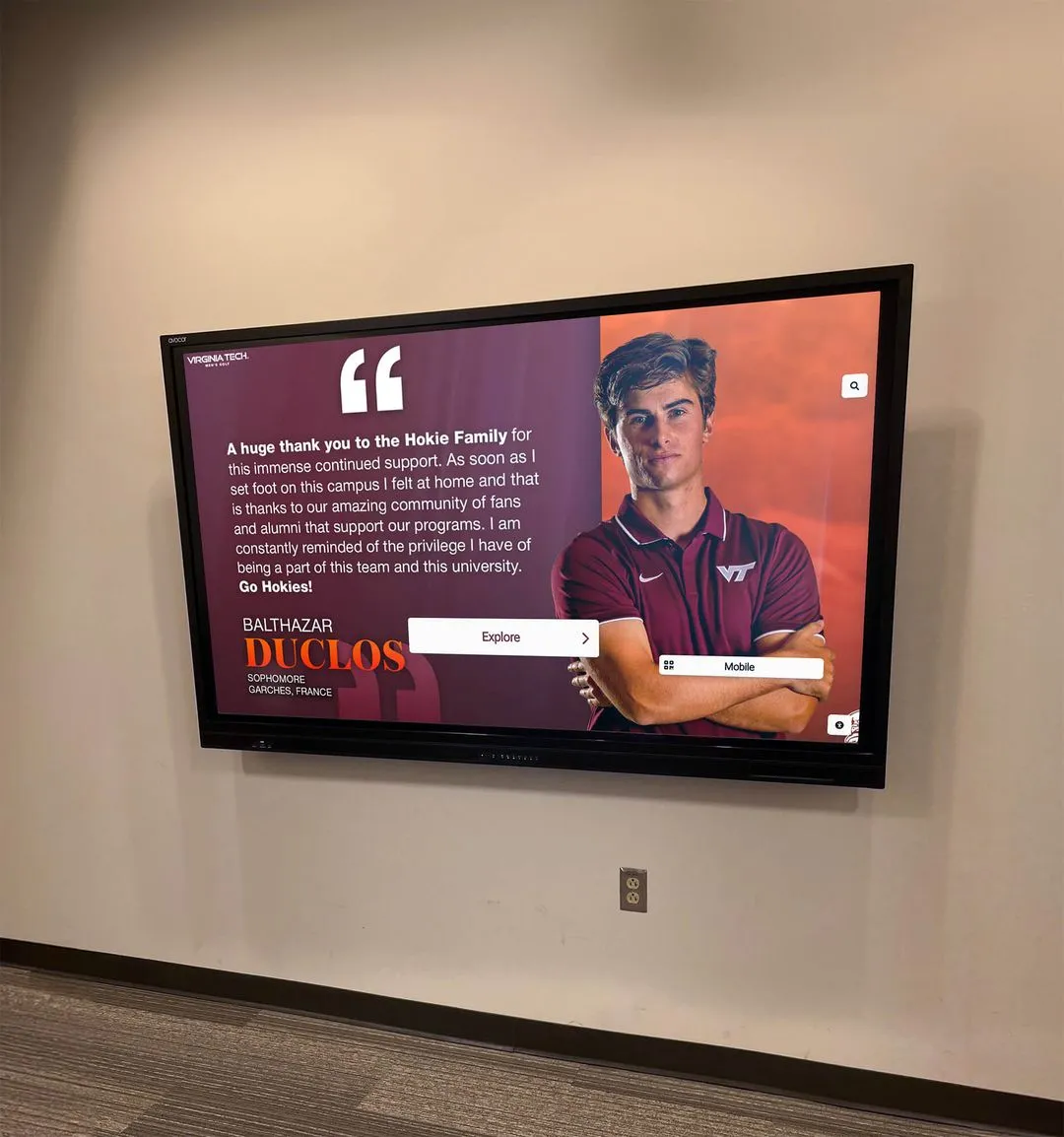
Rich Multimedia Content Impossible with Traditional Displays: Digital systems incorporate high-resolution photography showcasing professional images impossible to display economically through traditional printed approaches, video messages from leadership or colleagues adding personal dimension and emotional resonance, detailed achievement narratives providing comprehensive context beyond brief text limitations of physical plaques, career timeline visualizations showing professional progression and sustained excellence, and searchable content enabling employees to discover specific colleagues, departments, or achievement categories through intuitive exploration.
Web Accessibility Extending Recognition Reach: Modern recognition platforms provide web-based access enabling remote employees to explore recognition from home offices or distributed work locations, family members to view acknowledgment and celebrate with employees remotely, prospective recruits to evaluate organizational culture through concrete recognition evidence rather than recruiting promises, and clients or partners to observe organizational excellence during relationship development conversations.
Analytics Revealing Recognition Engagement: Digital platforms provide comprehensive data showing how employees interact with recognition content including total visitors and unique user counts, session duration revealing genuine engagement depth versus cursory viewing, search patterns indicating how employees discover content, popular achievement categories generating strongest interest, device usage patterns informing mobile optimization priorities, and social sharing frequency quantifying recognition amplification through professional networks.
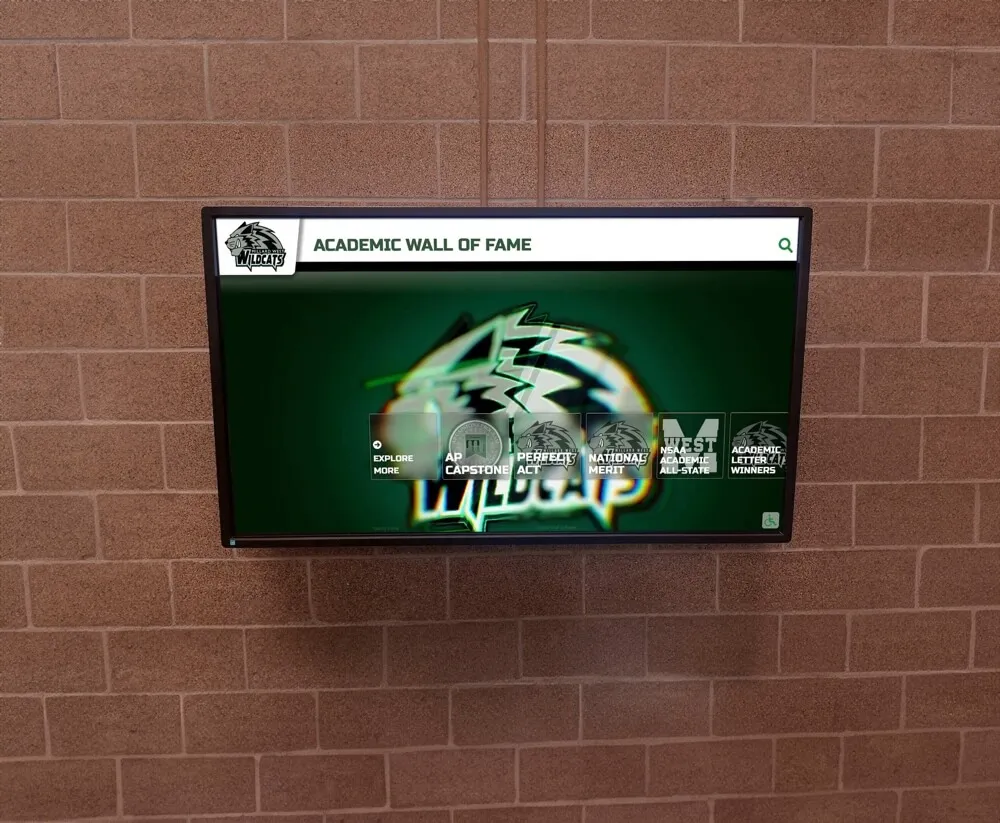
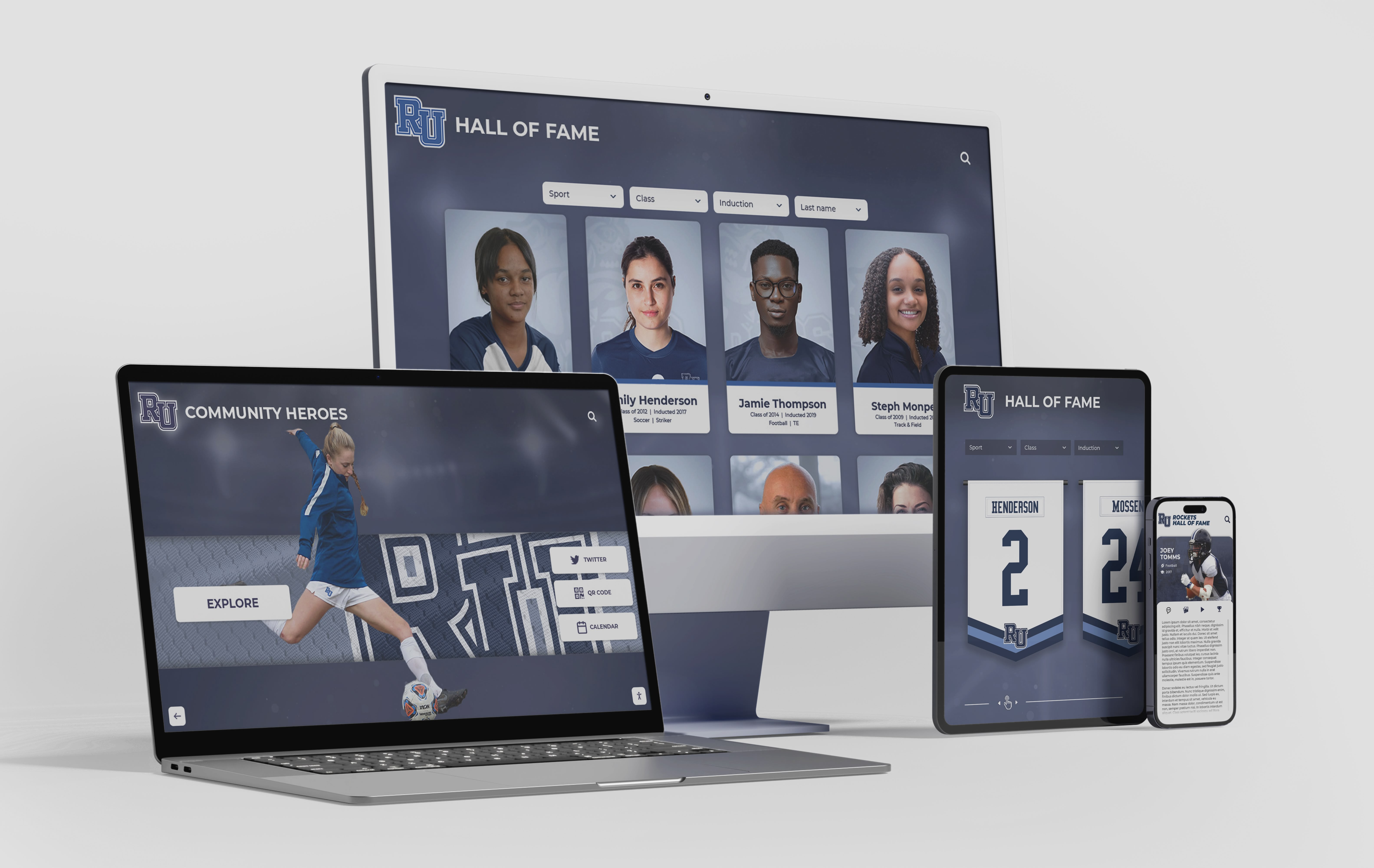
Solutions like Rocket Alumni Solutions provide purpose-built recognition platforms designed specifically for organizational acknowledgment, combining physical touchscreen displays for high-visibility workplace locations with web accessibility ensuring remote teams can participate fully in recognition culture. These integrated systems reduce management burden through intuitive content tools while enabling comprehensive recognition achieving visibility and engagement impossible through traditional approaches.
Strategic Display Placement for Maximum Impact
Recognition display location dramatically affects program visibility and cultural influence. Thoughtful placement decisions should consider daily traffic patterns, target audiences, symbolic messaging about organizational values, and opportunities for extended viewing rather than brief glances during rushed transitions.
High-Impact Placement Strategies:
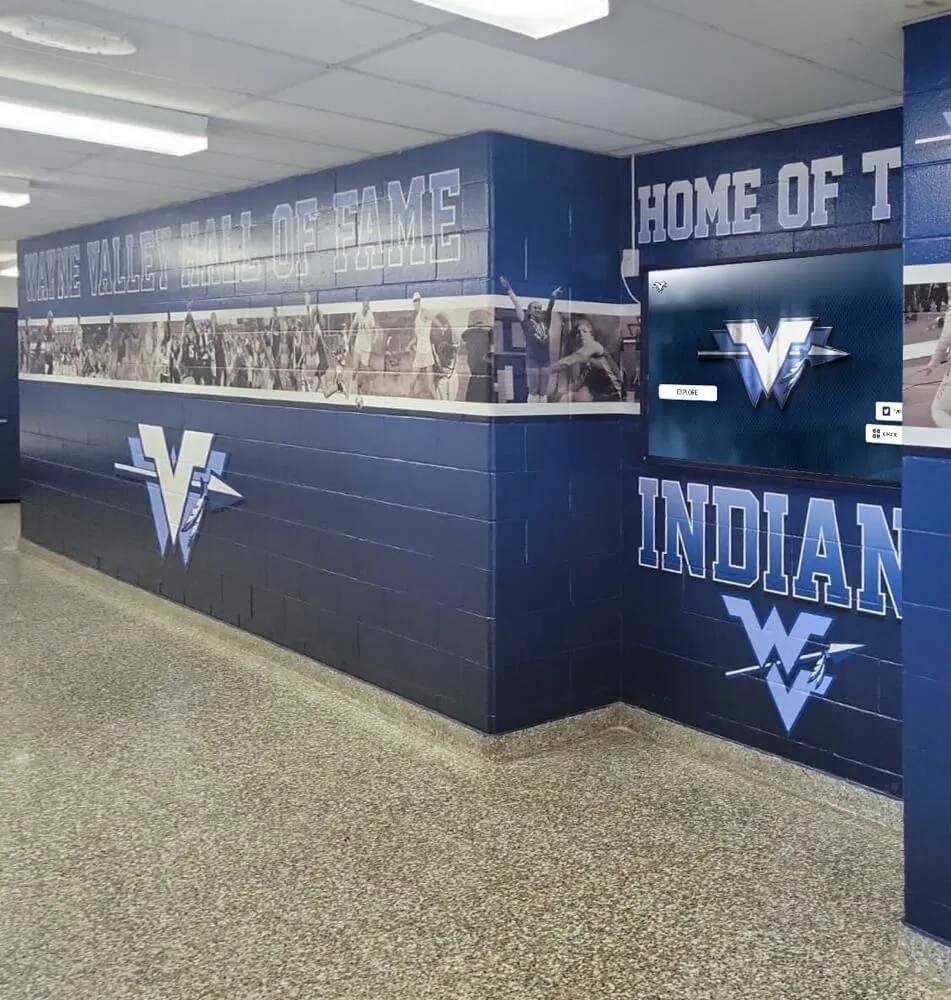
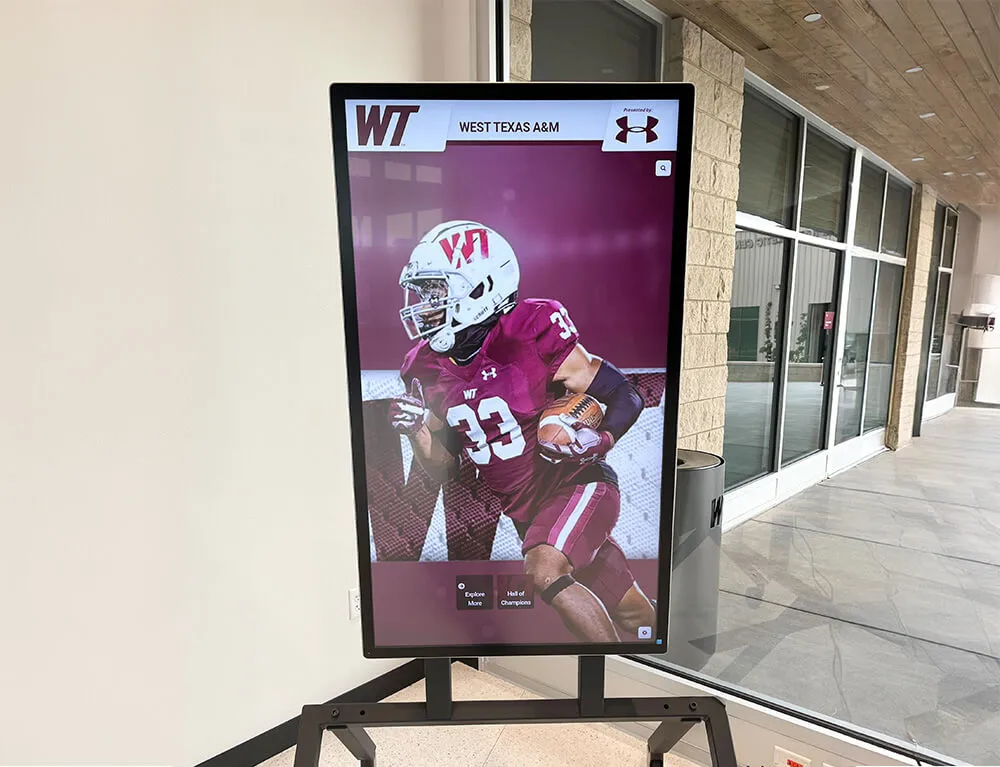
Entry lobbies capture all employee arrival traffic while establishing recognition as immediate organizational priority visible to every team member starting their workday. Reception areas ensure client and visitor exposure, communicating organizational culture and excellence commitment to external stakeholders. Cafeterias and break rooms provide extended viewing opportunities during relaxed meal periods when employees can genuinely explore recognition rather than rushing past displays during time-constrained transitions. Conference rooms and meeting spaces integrate recognition into business conversations, demonstrating organizational commitment during client interactions, partner discussions, and recruit interviews.
Department-specific placements create targeted recognition relevant to immediate teams while maintaining connection to broader organizational excellence. Executive corridors near leadership offices communicate commitment while ensuring senior awareness of recognition program investment and effectiveness. Elevator lobbies in multi-floor facilities capture unavoidable viewing during daily vertical transportation. Parking structure entrances in suburban campuses reach employees at arrival and departure moments when attention can focus on recognition content.
Multiple distributed displays throughout facilities generally prove more effective than single concentrated installations, ensuring recognition maintains omnipresent visibility rather than requiring deliberate visits to specific locations that busy employees rarely access during normal workflows. Organizations implementing distributed displays report 300% higher engagement rates compared to single-location approaches limiting recognition visibility to employees who deliberately seek out acknowledgment areas.
Similar to how organizations implement digital displays for schools to celebrate student achievement, corporate recognition requires strategic placement ensuring acknowledgment permeates organizational culture rather than remaining isolated in single locations.
Content That Brings Employee Excellence to Life
Recognition impact depends substantially on content quality—how comprehensively profiles capture achievements and how effectively presentations engage viewers emotionally and intellectually. Generic name listings with achievement dates provide basic acknowledgment but miss opportunities to create meaningful recognition inspiring and motivating teams while strengthening organizational culture around excellence celebration.
Essential Recognition Profile Elements:
Professional Photography: High-resolution images create immediate visual connection and personal recognition beyond text listings. Action shots showing employees engaged in work activities, candid images capturing personality and enthusiasm, professional headshots maintaining consistent quality standards, and varied photo selections showing different work contexts and environments.
Achievement Specifics: Concrete details explaining what employees accomplished including quantitative metrics demonstrating impact magnitude, challenge context showing difficulty level and significance, approach descriptions illustrating how excellence occurred, results evidence proving positive outcomes, and peer or leadership testimonials validating achievement importance.
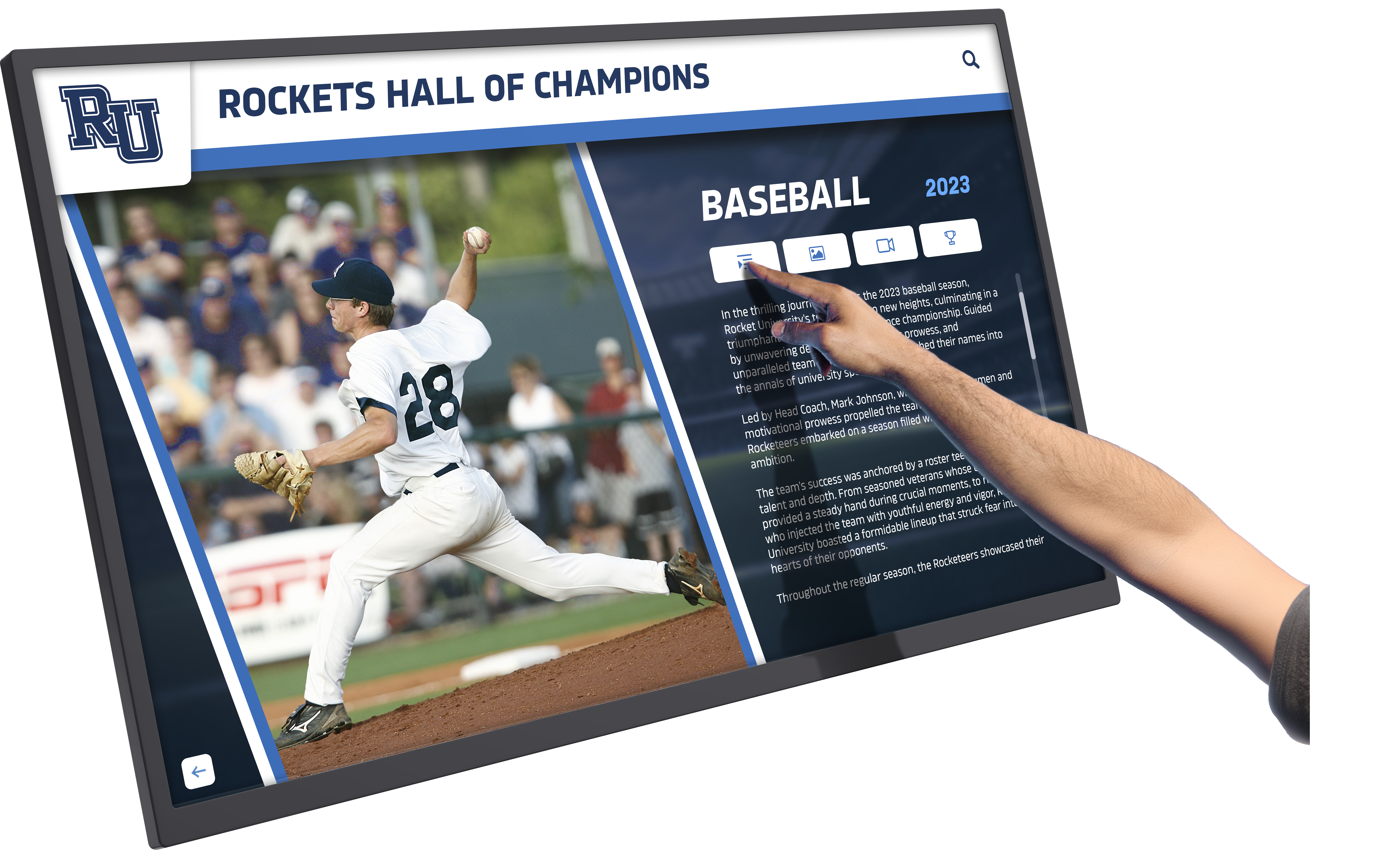
Career Progression Narratives: Timeline showing professional growth from initial role through current position demonstrates advancement pathways for developing employees while acknowledging that recognition recipients built excellence progressively rather than possessing innate gifts beyond ordinary capability. Include hiring date and initial role, key positions and promotions documenting advancement, major project assignments and responsibilities, skills developed and certifications earned, and leadership roles assumed over tenure.
Personal Recognition Philosophy: Brief statements about work approach, organizational culture, success factors, or advice for colleagues pursuing similar excellence. These personal reflections humanize recognition beyond achievement data while providing wisdom and inspiration for developing professionals. Include professional approach and methodology, organizational culture observations and appreciation, advice for colleagues and newer employees, career aspirations and future goals, and acknowledgment of supportive colleagues, mentors, or teams.
Department and Role Context: Explain what recognized employees do, which teams they support, and how their functions contribute to broader organizational success. This context proves particularly valuable for large organizations where employees lack familiarity with all departments and roles, enabling cross-functional appreciation and understanding about diverse contribution types.
Creative Employee of the Month Ideas That Drive Engagement
Beyond basic recognition structures, innovative approaches create memorable acknowledgment experiences generating stronger engagement, cultural impact, and motivational influence while differentiating organizational recognition from generic programs that employees quickly dismiss as perfunctory compliance exercises.
Peer Nomination and Recognition
Employee-driven nomination processes create powerful engagement by enabling colleagues to identify excellence directly rather than relying exclusively on manager assessments that might miss contributions beyond formal reporting relationships. Peer nomination approaches include open nomination systems allowing any employee to recognize any colleague, structured nomination forms gathering specific achievement details and impact evidence, anonymous submission options enabling recognition without potential awkwardness, nomination voting allowing broader teams to validate worthy recognitions, and monthly or quarterly nomination cycles creating regular recognition opportunities.
Peer nomination benefits extend beyond selection methodology. The nomination process itself creates recognition moments when colleagues take time to document appreciation and submit formal acknowledgment. Nominees often value peer recognition more deeply than manager acknowledgment because colleague appreciation validates that excellence registers with those who directly observe daily work and understand achievement difficulty. Organizations report that peer nomination increases engagement with recognition programs substantially while improving fairness perceptions by reducing concerns about manager favoritism or limited visibility into diverse contribution types.
Customer and Client Recognition Integration
External stakeholder acknowledgment adds powerful validation to internal recognition by demonstrating that excellence generates value beyond organizational boundaries. Client recognition approaches include customer satisfaction surveys identifying exceptional service providers, testimonial collection programs gathering specific appreciation examples, client referral tracking highlighting relationship-building excellence, project feedback mechanisms capturing stakeholder satisfaction, and external award nominations submitting employees for industry or community recognition.
Featuring client testimonials within employee recognition profiles adds compelling dimensions impossible through internal acknowledgment alone. When customers directly validate how specific employees created value, solved problems, or exceeded expectations, recognition achieves credibility and impact that internal acknowledgment cannot replicate. This external validation also demonstrates to prospective recruits that organizational excellence generates genuine market impact rather than existing only within internal assessment frameworks disconnected from actual customer experience.
Organizations successfully implementing recognition strategies integrating external validation report that customer-driven recognition generates substantially stronger motivational impact than identical acknowledgment based exclusively on internal metrics or manager assessments.
Values-Based Recognition Categories
Recognition aligned explicitly with organizational values reinforces cultural priorities while acknowledging that excellence manifests through behaviors and approaches beyond quantitative performance metrics. Values-based recognition might include innovation awards celebrating creative problem-solving and continuous improvement, collaboration excellence honoring cross-functional partnership and team contribution, integrity recognition validating ethical decision-making and principled approaches, customer-centricity acknowledgment for service excellence and relationship building, and growth mindset awards celebrating learning orientation and adaptability.
This values-alignment transforms recognition from isolated acknowledgment into cultural reinforcement tool demonstrating concretely what organizational principles mean through real employee examples. Rather than values remaining abstract aspirational statements, recognition shows teams exactly what integrity, innovation, or collaboration look like through specific achievement examples they can emulate. Organizations report that values-based recognition strengthens cultural coherence substantially while providing concrete reference points for employees seeking to understand and demonstrate organizational principles.
Department and Team Recognition
While individual acknowledgment remains important, team recognition celebrates collaborative achievement and collective excellence impossible to attribute to single contributors. Team recognition approaches include department monthly excellence highlighting collective performance, project team acknowledgment for successful delivery, cross-functional collaboration awards honoring partnership across organizational boundaries, innovation team recognition for breakthrough developments, and operational excellence celebrating sustained performance improvements.
Team recognition addresses the reality that most organizational success requires collaborative effort rather than isolated individual excellence. When recognition programs focus exclusively on individual achievement, subtle messages communicate that solo contribution matters more than collaborative partnership—potentially undermining teamwork and knowledge sharing essential for organizational success. Balanced programs combining individual and team recognition communicate that organizations value both personal excellence and collaborative contribution equally.
Milestone and Tenure Recognition
Beyond performance-based acknowledgment, milestone recognition honors sustained organizational commitment through service anniversaries and career achievements. Milestone recognition might include work anniversary acknowledgment at 5, 10, 15, 20+ year intervals, project completion recognition for major initiative delivery, certification and professional development celebration acknowledging skill advancement, promotion and advancement recognition marking career progression, and retirement acknowledgment honoring complete career contributions.
Tenure recognition serves distinct purposes beyond performance acknowledgment. Long-service awards demonstrate organizational loyalty appreciation while recognizing that sustained commitment itself creates value through institutional knowledge, relationship continuity, and cultural stability. Milestone recognition also provides acknowledgment pathways for employees who contribute consistently and professionally without necessarily achieving top-performer status deserving monthly or quarterly recognition, ensuring broader organizational populations experience appreciation rather than limiting acknowledgment to elite performance tier.
Organizations implementing comprehensive recognition programs combining multiple acknowledgment dimensions report stronger engagement across diverse employee populations compared to narrow programs recognizing only top performers or single achievement types.
Implementing Sustainable Employee Recognition Programs
Effective recognition requires systematic planning addressing both technical implementation and cultural integration ensuring programs achieve intended impact while remaining sustainable across leadership transitions and organizational evolution.
Establishing Clear Recognition Criteria and Processes
Program success depends heavily on transparent criteria and processes eliminating perceptions of favoritism, bias, or unclear selection methodology that undermine credibility and motivational effectiveness. Well-designed programs establish written criteria documenting exactly what achievements earn recognition, quantitative thresholds where applicable balanced with qualitative assessments acknowledging behaviors and approaches beyond pure metrics, category-specific standards recognizing that achievement looks different across organizational functions, nomination and selection processes clearly explaining how honorees get identified, and approval workflows defining decision authority and preventing inappropriate recognition or conflict-of-interest situations.
Documentation serves multiple essential purposes beyond simply recording policies. Written criteria enable consistent application across different managers, departments, and time periods preventing recognition from varying dramatically based on who makes decisions or when assessments occur. Transparent processes reduce fairness concerns by allowing employees to understand exactly how recognition works rather than perceiving selection as mysterious or political. Clear standards also enable employees to pursue recognition deliberately by understanding what excellence looks like within their specific roles and contribution contexts.
Building Leadership Commitment and Participation
Recognition programs succeed or fail largely based on leadership engagement—whether executives, senior managers, and department heads demonstrate genuine commitment through active participation or merely provide nominal approval while remaining uninvolved with actual program operation. Strong leadership engagement includes executive visibility at recognition ceremonies and events, leadership messages accompanying recognition announcements and profile publications, manager responsibility for nomination identification and submission, senior participation in selection decisions demonstrating that recognition matters at highest organizational levels, and leadership content contributions like testimonial quotes, achievement validation, or personal messages within recognition profiles.
Leadership participation communicates organizational values more powerfully than policy statements or written values declarations. When employees observe senior leaders taking time to attend recognition events, write personal notes, or provide video messages celebrating achievements, they naturally conclude that excellence matters genuinely rather than representing empty rhetoric disconnected from actual priorities. Conversely, leadership absence from recognition activities signals that acknowledgment represents lower-tier priority despite official statements emphasizing culture and appreciation importance.
Technology Selection and Implementation
Organizations implementing digital recognition should carefully evaluate platform capabilities ensuring selected systems serve actual program needs rather than requiring extensive customization or creating IT dependencies that undermine program sustainability. Essential evaluation criteria include content management intuitiveness enabling non-technical staff to maintain recognition independently, capacity limitations understanding whether systems charge per-profile or provide unlimited recognition, update responsiveness ensuring new achievements appear quickly without technical delays, multimedia support accommodating rich content beyond text and static images, mobile accessibility enabling exploration from smartphones and tablets, search and discovery capabilities helping users find relevant content efficiently, integration potential connecting with existing HR systems or performance platforms, analytics and reporting revealing actual engagement patterns, and ADA compliance ensuring universal accessibility meeting legal requirements.
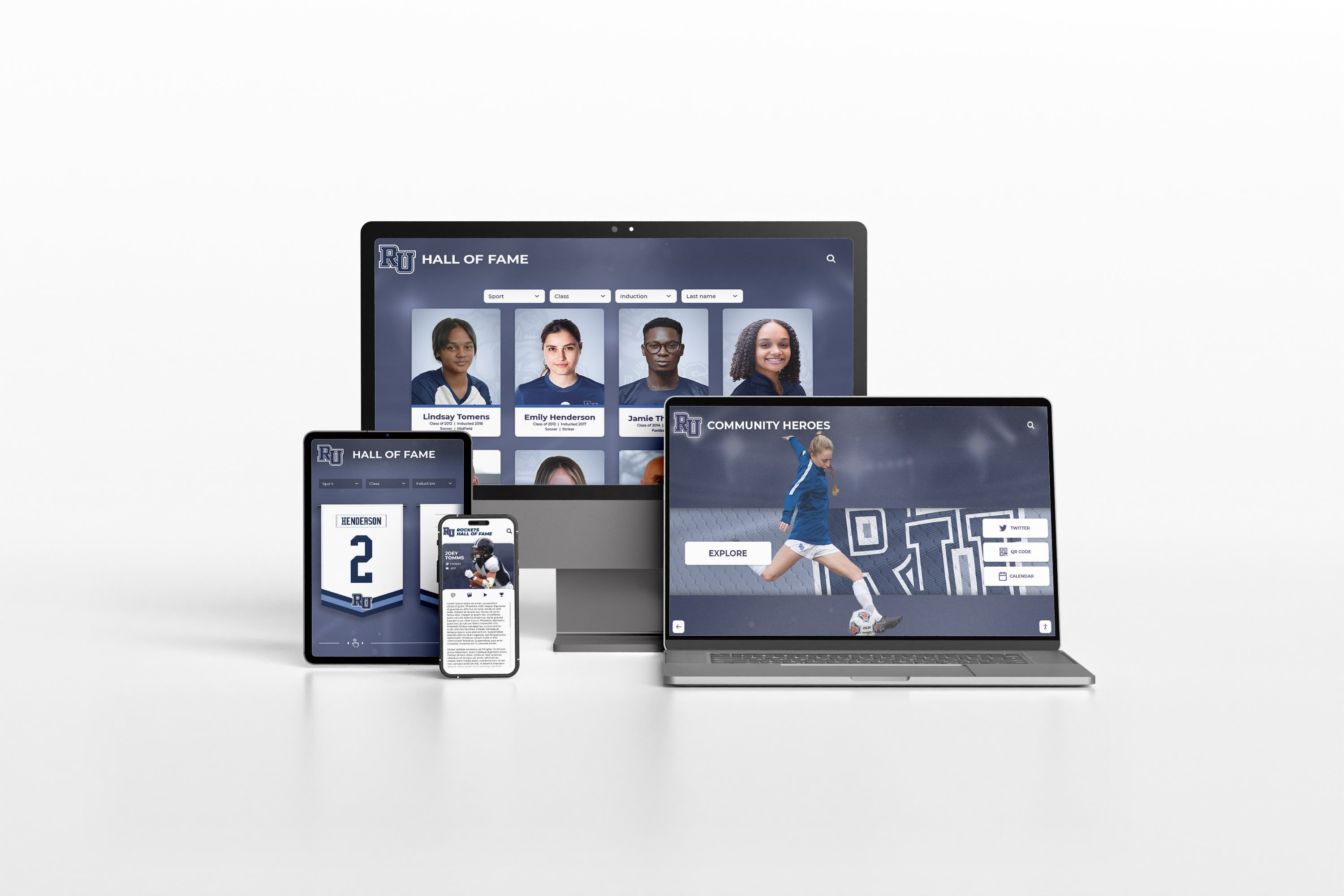
Purpose-built recognition platforms specifically designed for employee acknowledgment generally prove more effective than generic digital signage systems requiring extensive customization. Specialized solutions provide proven templates, intuitive workflows, and features addressing common recognition requirements without forcing organizations to develop custom solutions or maintain complex technical implementations requiring ongoing IT support.
Rocket Alumni Solutions exemplifies purpose-built recognition platforms combining physical touchscreen displays for high-visibility workplace locations with web-based accessibility extending acknowledgment reach to remote teams, families, and recruits while providing intuitive management tools enabling non-technical staff to maintain recognition programs independently without IT dependency.
Launch Strategy Creating Initial Momentum
Recognition program introduction significantly affects long-term success by establishing initial engagement patterns, setting expectation levels, and creating cultural conversations determining whether recognition becomes genuine priority or forgotten initiative that quietly fades after brief initial attention. Effective launch approaches include comprehensive communications explaining program purpose, criteria, and participation methods, initial recognition cohort celebrating multiple worthy employees demonstrating program scope and inclusiveness, leadership messaging emphasizing organizational commitment and encouraging participation, physical display unveiling creating ceremonial moment and generating awareness, and feedback collection gathering initial reactions enabling rapid iteration addressing concerns before they become entrenched perceptions.
Strategic launch timing leverages natural business cycles and organizational moments when attention focuses appropriately on recognition introduction. Annual meetings, quarterly business reviews, new fiscal year beginnings, or significant organizational milestones provide natural recognition program launch opportunities aligning acknowledgment initiative with existing momentum rather than requiring isolated attention competing with other priorities.
Sustainable Program Management Practices
Long-term recognition success requires systematic management approaches preventing programs from degrading into outdated installations undermining credibility while ensuring acknowledgment remains current, relevant, and culturally influential across years and leadership transitions. Sustainable practices include regular update cycles aligned with performance review timing creating predictable recognition cadence, designated staff responsibility with clear accountability preventing recognition from becoming unassigned additional duty competing with other priorities, documented procedures enabling program continuity across personnel transitions, quarterly program reviews assessing effectiveness and identifying improvement opportunities, engagement analytics monitoring demonstrating value and revealing optimization possibilities, and stakeholder feedback collection from recognized employees, broader teams, and leadership ensuring program serves intended purposes effectively.
Regular content auditing identifies outdated information, broken links, quality inconsistencies, or gaps in recognition coverage requiring attention. Profile updates ensure recognized employees’ current roles, responsibilities, and continued achievements remain accurate rather than displaying obsolete information undermining program credibility. Historical content preservation maintains complete organizational recognition archives while ensuring most prominent displays feature current relevant acknowledgment.
Similar to how organizations implement trophy case capacity planning to manage physical recognition constraints, digital program management requires systematic approaches ensuring recognition scales sustainably across growing organizations and accumulating achievement history.
Measuring Employee Recognition Program Effectiveness
Systematic assessment demonstrates program value to leadership stakeholders while identifying improvement opportunities ensuring recognition initiatives achieve intended goals and justify resource investment across fiscal years and organizational changes.
Quantitative Engagement and Business Metrics
Digital recognition platforms provide comprehensive analytics revealing how employees, leadership, and external stakeholders engage with acknowledgment content while tracking broader business outcomes potentially reflecting recognition program influence.
Key Engagement Indicators:
Total unique visitors accessing recognition displays or web platforms establishes baseline engagement revealing how many organizational members actually interact with acknowledgment content. Visit frequency distinguishes one-time viewers from regular users genuinely engaged with recognition culture. Session duration reveals whether users briefly glance at displays versus genuinely exploring achievement details and profiles. Search patterns show how employees discover content, which achievement categories generate interest, and whether users seek specific colleagues or browse broadly. Content engagement metrics identify which individual profiles, achievement types, or recognition categories generate strongest interest informing content priorities. Social sharing frequency quantifies recognition amplification through professional networks and personal sharing. Device distribution reveals whether users primarily access recognition through workplace displays, desktop computers, or mobile devices informing optimization priorities.
Business Outcome Correlations:
Beyond direct engagement metrics, monitor whether broader organizational performance indicators show favorable trends potentially reflecting recognition program motivational impact. Retention rates comparing turnover among recognized employees versus non-recognized peers assess whether acknowledgment influences retention decisions. Performance trends examine whether recognition correlates with sustained or improved results suggesting motivational impact. Recruitment metrics track candidate quality, acceptance rates, and time-to-fill when recognition receives recruiting emphasis. Employee survey results assess engagement, satisfaction, and cultural perceptions before and after recognition implementation. Productivity metrics monitor output per employee revealing whether recognition correlates with performance improvements.
While direct causation proves difficult to establish definitively given multiple variables affecting business outcomes, positive correlations support recognition value arguments justifying continued investment. Research consistently demonstrates that comprehensive recognition programs correlate with retention improvements exceeding 30% among top performers and productivity gains averaging 14% across broader teams.
Qualitative Feedback and Cultural Assessment
Quantitative metrics reveal engagement patterns but don’t fully capture whether recognition achieves intended cultural and emotional impacts. Systematic qualitative feedback collection provides essential insights about program effectiveness beyond measurable engagement statistics.
Recognized Employee Perspectives: Survey honored professionals about recognition meaningfulness exploring whether acknowledgment influenced career satisfaction and retention decisions, whether profiles accurately reflected contributions and felt appropriately comprehensive, what enhancements would strengthen recognition meaningfulness, and how acknowledgment compared to previous recognition experiences. Anonymous feedback enables honest critique helping organizations refine approaches beyond what employees might communicate directly to leadership.
Broader Team Reactions: Gather input from non-recognized employees about whether recognition inspires performance improvement efforts, whether criteria feel fair and achievement pathways seem accessible, whether recognition creates positive motivation versus potential resentment, and what would enhance program inclusiveness while maintaining meaningful standards. These perspectives ensure recognition serves inspirational purpose across entire organizations rather than creating divisiveness between recognized elite and feeling-overlooked majority.
Leadership Observations: Managers and executives provide valuable assessment about recognition’s influence on team dynamics, recruitment conversations where recognition affected candidate decisions, client reactions when recognition appears during facility visits, and cultural evolution toward greater achievement focus and excellence celebration. Leadership perspectives also inform program evolution ensuring acknowledgment aligns with strategic priorities and broader organizational objectives.
Organizations implementing comprehensive semester recognition highlights emphasize that systematic feedback collection proves essential for program refinement and sustained effectiveness across time.
Overcoming Common Recognition Program Challenges
Organizations implementing employee recognition encounter predictable obstacles that experienced approaches address effectively before challenges undermine program success and stakeholder confidence.
Challenge: Maintaining Recognition Currency and Avoiding Update Delays
Recognition appearing months after achievements occur loses motivational impact while creating outdated displays undermining program credibility. Yet many organizations struggle with update burden given competing priorities and limited staff capacity for ongoing content development.
Solutions: Choose user-friendly technology platforms dramatically reducing management burden through intuitive interfaces requiring no technical expertise, template systems streamlining profile creation, bulk import tools enabling efficient multi-person additions, and automated data integrations populating performance metrics without manual entry. When content updates feel quick and straightforward, staff actually maintain currency rather than allowing displays to become outdated through update avoidance.
Establish systematic workflows distributing content gathering across relevant stakeholders rather than burdening single individuals with entire responsibility. Performance management systems export achievement data, recognized employees complete profile questionnaires, managers provide nomination narratives, and HR or communications staff assemble final profiles. This distributed approach prevents bottlenecks while ensuring comprehensive information from most knowledgeable sources.
Challenge: Ensuring Recognition Feels Fair and Accessible
Recognition programs can inadvertently create perceptions of favoritism, bias, or unattainable standards when criteria remain unclear, selection processes appear opaque, or acknowledgment concentrates narrowly among specific departments or employee types.
Solutions: Document transparent criteria explicitly explaining what achievements earn recognition. Quantitative thresholds provide objectivity while qualitative assessments acknowledge excellence beyond pure metrics. Category diversity ensures varied contribution types receive acknowledgment rather than single achievement dimension determining all recognition.
Implement nomination processes enabling managers, peers, and employees themselves to identify worthy achievements rather than relying exclusively on single decision-makers whose visibility limitations might miss excellence occurring beyond immediate observation. Multiple nomination sources reduce favoritism concerns while ensuring broader achievement discovery across organizational complexity.
Regular recognition audits analyze acknowledgment distribution across departments, tenure levels, roles, and demographic groups identifying concerning patterns suggesting bias or unfairness requiring investigation and correction. This proactive monitoring demonstrates commitment to equitable recognition while enabling intervention before perceptions of unfairness undermine program credibility.
Challenge: Engaging Remote and Distributed Teams
Organizations with remote workers, distributed offices, or hybrid workplace models struggle to implement recognition reaching all employees equitably when programs focus exclusively on headquarters populations or require physical presence to experience acknowledgment.
Solutions: Web-accessible recognition platforms enable remote employees to explore acknowledgment from any location ensuring distributed teams participate fully in recognition culture rather than remaining excluded by geographic constraints. Mobile-responsive design accommodates exploration through smartphones and tablets that remote workers use as primary computing devices.
Virtual recognition ceremonies using video conferencing platforms create inclusive events where remote employees participate fully in live acknowledgment moments rather than learning about recognition through impersonal email summaries after events conclude. Recorded ceremony videos extend reach to employees who couldn’t attend live due to time zone differences or scheduling conflicts.
Digital displays distributed across multiple office locations create consistent recognition presence everywhere rather than concentrating acknowledgment exclusively at headquarters facilities. This distributed approach ensures regional office employees, manufacturing locations, and satellite facilities maintain recognition visibility comparable to headquarters populations.
Organizations successfully implementing recognition across distributed teams emphasize that web accessibility and distributed displays prove essential for equitable acknowledgment in contemporary workplace environments.
Challenge: Balancing Individual and Team Recognition
Organizations face inherent tension between celebrating individual excellence driving competitive performance and acknowledging collaborative contribution strengthening team culture and knowledge sharing.
Solutions: Implement parallel recognition tracks explicitly honoring both individual achievement and team collaboration. Individual recognition celebrates personal performance, deal execution, and individual contributions. Team recognition acknowledges collective goals, cross-functional partnership, mentorship contribution, and collaborative culture building. This dual approach communicates that organizations value competitive excellence and supportive teamwork equally rather than positioning individual and team success as competing priorities.
Create collaboration-specific recognition categories including mentorship excellence, knowledge sharing contribution, cross-functional partnership, new hire onboarding support, and team culture building. These categories ensure collaborative behaviors receive explicit acknowledgment rather than only individual metrics determining all recognition.
Feature team achievement prominently within individual profiles. Personal recognition might highlight how employees supported colleague success, contributed to team performance, shared strategies benefiting broader groups, or demonstrated values through collaborative behaviors. This integration shows that individual excellence and team contribution represent complementary dimensions of comprehensive professional success.
Building Workplace Cultures Where Excellence Receives Appropriate Acknowledgment
Effective employee of the month programs—whether traditional physical displays or sophisticated digital platforms—share fundamental characteristics distinguishing genuinely impactful initiatives from perfunctory acknowledgment generating minimal cultural or performance benefit: comprehensive categories celebrating diverse achievement types beyond narrow performance metrics, clear transparent criteria applied consistently ensuring fairness perceptions, engaging presentation formats resonating with contemporary professionals, meaningful content depth capturing complete accomplishment stories, inclusive approaches ensuring varied employees see realistic recognition pathways, strong connections to organizational values and strategic priorities, sustained institutional commitment across leadership transitions and organizational evolution, systematic feedback integration enabling continuous improvement, and active stakeholder engagement amplifying acknowledgment reach beyond recognized individuals alone.
When organizations invest in comprehensive recognition thoughtfully designed and effectively implemented, dividends prove substantial: enhanced motivation and achievement-seeking behavior across teams, improved retention among top performers representing disproportionate organizational value, elevated organizational reputation attracting quality talent, strengthened workplace culture celebrating excellence appropriately, greater family engagement in professional accomplishments, more effective recruitment through tangible culture demonstration, increased knowledge sharing as recognized professionals mentor developing talent, and fundamentally healthier relationships between employees and organizations genuinely appreciating their contributions.
Intent: Buy
Ready to transform employee recognition from occasional acknowledgment into sustained cultural driver motivating performance and strengthening retention? Schedule a Zoom demo to explore how Rocket Alumni Solutions delivers purpose-built digital record board platforms specifically designed for comprehensive employee recognition. Discover how unlimited capacity eliminates space constraints forcing impossible recognition choices. Experience auto-ranking features maintaining current performance leaderboards without manual burden. Explore QR unlock capabilities enabling instant profile updates from any mobile device. Learn how ADA-compliant interfaces ensure universal accessibility while commercial-grade equipment provides reliability across years of continuous operation. See how template-driven content management enables non-technical staff to maintain recognition independently without IT dependency or extensive training requirements.
Your employees drive organizational success, build client relationships sustaining long-term value, innovate solutions advancing competitive advantage, and dedicate careers to excellence deserving recognition matching contribution significance. Modern digital record boards provide comprehensive, engaging, sustainable recognition platforms ensuring every achievement receives appropriate celebration while inspiring continued excellence, preserving organizational history permanently, and building workplace cultures where employees feel genuinely valued for their commitment, contributions, and sustained dedication to organizational success.
Employee recognition represents far more than occasional awards or generic plaques—it’s fundamental tool for shaping organizational culture, strengthening retention, attracting quality talent, and communicating authentic appreciation. When recognition celebrates diverse excellence, employs engaging technology eliminating traditional limitations, maintains meaningful standards while creating accessible achievement pathways, and operates sustainably across time, organizations create environments where excellence flourishes and every professional’s contributions receive the acknowledgment they deserve while driving the organizational success and business sustainability benefiting entire workforces and broader stakeholder communities.