



Elementary schools face unique fundraising challenges that differ dramatically from secondary institutions. Young students lack purchasing power, families juggle multiple school-related financial requests, and age-appropriate activities require careful consideration to ensure safety, engagement, and educational value. Yet these same schools need substantial funding for technology upgrades, playground equipment, library resources, arts programs, and facility improvements that transform learning environments and student experiences.
This comprehensive guide presents elementary school fundraising ideas specifically designed for younger students, their families, and school communities. From classic events reimagined for primary-age children to innovative recognition-based campaigns that honor contributors while teaching philanthropy, these strategies help elementary schools raise necessary funds while building community connections that extend far beyond single transactions.
Why Age-Appropriate Fundraising Matters
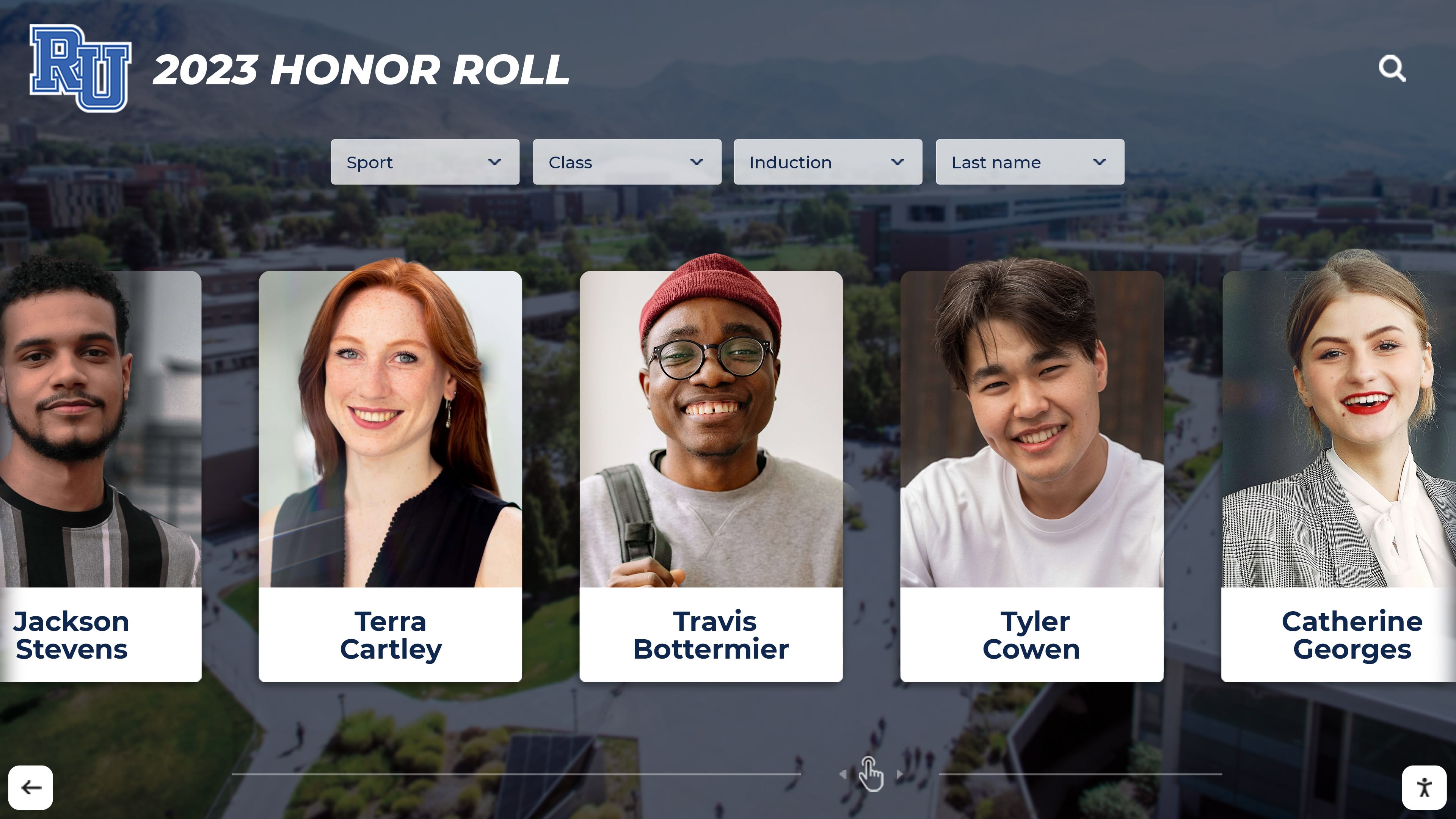
Elementary school fundraising requires different approaches than secondary school campaigns. Young children need activities matching their developmental stages, attention spans, and capabilities. Successful elementary fundraisers balance fun engagement with realistic financial goals while teaching age-appropriate lessons about community support, generosity, and working together toward shared goals. Digital recognition solutions like Rocket Alumni Solutions enable elementary schools to create permanent displays celebrating donors, volunteers, and community supporters—transforming one-time fundraising contributions into lasting recognition that inspires continued giving while teaching students about philanthropy and gratitude.
Traditional Fundraising Events Adapted for Elementary Schools
Time-tested fundraising events remain effective when properly adapted for elementary-age students and their families. These proven approaches generate revenue while creating positive school experiences that strengthen community bonds.
School Fun Runs and Walk-a-Thons
Fun runs rank among the most successful elementary fundraisers, combining physical activity, student participation, and family involvement in age-appropriate formats.
Implementation Strategy: Organize fun runs as celebration events rather than competitive races. Create colorful course routes around school grounds with music stations, theme zones (superhero mile, rainbow stretch, animal kingdom section), and encouragement stations where volunteers cheer participants. Offer multiple distance options allowing kindergarteners to complete shorter routes while fifth graders attempt longer challenges.
Fundraising Structure: Students collect pledges from family members, neighbors, and family friends based on laps completed or flat donations. Provide online pledge collection platforms simplifying the donation process for supporters who may not attend events. Set individual student goals alongside class-level and school-wide targets creating multiple achievement celebrations.
Revenue Potential: Well-organized elementary fun runs typically raise $15,000-$50,000+ depending on school size, community engagement, and planning effectiveness.
Enhancement Opportunities: Add themed elements (color run powder stations, glow-in-the-dark evening events, holiday themes) creating memorable experiences students anticipate annually. Incorporate educational components teaching students about health, fitness, or causes their fundraising supports.
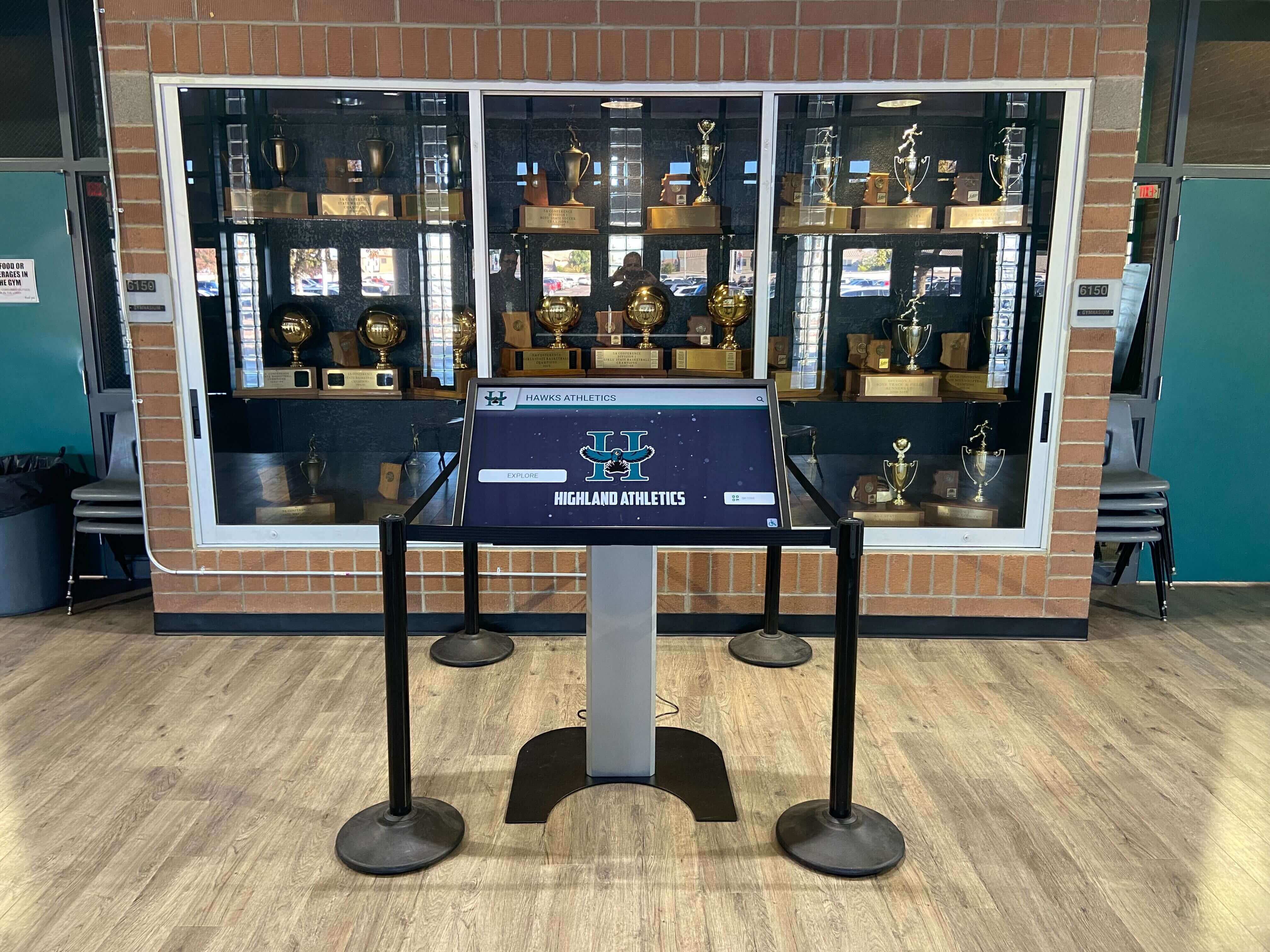
Understanding how donor recognition displays celebrate community supporters helps elementary schools honor contributors while inspiring continued engagement from families and local businesses.
Family Fun Nights and Carnivals
School carnivals and family fun nights create community gathering opportunities while generating funds through multiple revenue streams including admission fees, game tickets, food sales, and prize booths.
Activity Selection for Elementary Ages: Choose age-appropriate carnival games and activities. Younger elementary students enjoy simple games like duck pond, ring toss, bean bag throw, and face painting. Upper elementary students appreciate slightly more challenging activities like balloon pop, basketball shoot, obstacle courses, and guess-the-number contests. Include no-fail options ensuring every child wins something regardless of skill level.
Volunteer Organization: Recruit parent volunteers, high school students from feeder programs, and community members to staff game booths, food stations, and activity areas. Create detailed volunteer schedules with specific role assignments preventing confusion and ensuring adequate coverage throughout events.
Food and Concessions Strategy: Offer family-friendly food options like pizza slices, hot dogs, popcorn, cotton candy, snow cones, and baked goods. Consider partnering with local restaurants for food truck participation where restaurants donate percentages of sales. Set reasonable prices encouraging families to enjoy multiple items without feeling financially burdened.
Ticket Economics: Use ticket systems rather than individual game pricing simplifying transactions and allowing families to prepurchase ticket quantities. Offer ticket packages at slight discounts (10 tickets for $12 instead of individual $1.50 tickets) encouraging higher spending while providing perceived value.
Read-a-Thons and Educational Fundraisers
Read-a-thons align fundraising with educational priorities, encouraging literacy development while generating revenue through reading-based pledge campaigns.
Program Design: Students collect pledges based on books read or minutes spent reading during designated fundraising periods (typically 2-4 weeks). Provide reading logs where students, parents, or teachers verify reading completion. Create grade-appropriate reading goals recognizing that kindergarteners and first graders read differently than fourth and fifth graders.
Incentive Structures: Offer individual reading milestones (read 5 books = small prize, 10 books = medium prize, 20 books = grand prize) alongside collective classroom goals. Balance material incentives with celebration activities like extra recess, special lunch with principal, or class parties earned through reading achievements.
Educational Integration: Coordinate read-a-thons with existing literacy initiatives, reading curriculum, or library programs. Feature visiting authors, book fairs, or reading celebration events coinciding with fundraiser conclusions creating cohesive literacy celebrations.
Pledge Collection: Provide multiple pledge options including flat donations (not tied to books read), per-book pledges with reasonable caps (maximum $50 even if student reads 100 books), or tiered donation structures. Make online pledge collection easily accessible for working parents or geographically distant family members.
Resources on academic recognition programs demonstrate how schools celebrate reading achievements and literacy milestones while building cultures valuing education alongside fundraising.
Product Sales Programs for Elementary Schools
Product-based fundraisers remain popular elementary school strategies when products offer genuine value to purchasers rather than obligating families to buy items they don’t want or need.
Cookie Dough and Food Product Sales
Food fundraisers featuring cookie dough, frozen pizzas, cheesecakes, or specialty food items generate revenue through products families actually use while offering better value than retail alternatives.
Product Selection Considerations: Choose high-quality products from reputable fundraising companies. Research profit margins typically ranging from 40-60% of sales. Read product reviews and request samples ensuring you’re offering items families will genuinely enjoy rather than feeling obligated to purchase.
Sales Period Management: Limit sales periods to 2-3 weeks preventing fundraiser fatigue. Provide clear ordering information, product catalogs, and simple order forms. Offer online ordering options allowing students to share fundraising links with distant relatives or family friends via email and social media.
Safety Guidelines for Elementary Students: Elementary students should never go door-to-door independently. Sales should focus on immediate family, close family friends already known to families, and workplace contacts where parents can facilitate sales. Provide explicit safety guidelines and alternative sales strategies for families uncomfortable with any door-to-door approaches.
Delivery Logistics: Coordinate centralized product delivery dates where families pick up orders at school rather than students managing home delivery. Organize volunteer teams to sort orders by classroom making pickup efficient and error-free.
School Spirit Wear and Merchandise
Spirit wear fundraisers generate revenue while building school identity and community pride through branded clothing and accessories students, families, and staff proudly wear.
Product Range Options: Offer diverse products at various price points including t-shirts ($12-18), hoodies ($25-35), hats ($15-20), water bottles ($10-15), and accessories like lanyards, drawstring bags, or stickers ($5-10). Include youth sizes, adult sizes, and toddler options for younger siblings.
Design Considerations: Create appealing designs that students actually want to wear beyond mandatory school spirit days. Consider student design contests where winning designs appear on products. Offer color options and style choices preventing everyone from having identical items.
Pre-Order vs. Inventory Models: Pre-order approaches eliminate unsold inventory risk but require longer wait times and precise order management. Inventory models allow immediate purchase and try-on opportunities but risk unsold stock. Many schools use hybrid approaches pre-ordering custom items while maintaining inventory of basic items in popular sizes.
Sales Timing: Schedule spirit wear sales strategically at school year beginnings when families purchase back-to-school items, before major school events, or during school celebration weeks maximizing purchase motivation.
Catalog Fundraisers and Gift Items
Traditional catalog fundraisers selling wrapping paper, gifts, home décor, or specialty items continue generating revenue though effectiveness varies significantly based on product quality and community receptiveness.
Vendor Selection: Research fundraising companies thoroughly examining product quality, profit margins (typically 40-50%), and company reputations. Request catalogs and sample products before committing. Read reviews from other schools regarding their experiences with specific vendors.
Realistic Expectation Setting: Catalog fundraisers work better in some communities than others. Affluent communities with generous extended family networks often generate higher per-student sales. Communities already saturated with school fundraising requests may show resistance to additional product sales.
Alternatives to Traditional Catalogs: Consider more focused product offerings like book fairs partnering with Scholastic or similar companies, or single-product campaigns (selling only one high-quality item rather than entire catalogs) simplifying the sales process while reducing overwhelm.
Service-Based and Experience Fundraisers
Service and experience fundraisers create value through memorable experiences, convenient services, or access to special events rather than tangible product sales.
School Photo Fundraisers and Class Composites
Professional photography fundraisers combine services families already purchase with fundraising opportunities benefiting schools.
Partnership Structures: Negotiate agreements with photography companies where schools receive percentages of photo package sales or flat fees per photographed student. Some companies offer additional fundraising opportunities through specialty products like photo buttons, magnets, or digital image collections.
Class Composite Opportunities: Traditional class composite photos—group photographs showing all students in grades, classrooms, or entire schools—create keepsakes families value while generating fundraising revenue. Modern approaches transform composite photos into digital displays families can access online alongside physical prints.
Additional Revenue Opportunities: Offer yearbook sales, special event photography (field days, performances, graduation ceremonies), or retake day options creating multiple purchase opportunities throughout school years.
Restaurant Partnership Nights
Restaurant fundraiser nights generate revenue through partnerships where restaurants donate percentages of sales to schools during designated dining periods.
Restaurant Selection: Partner with family-friendly restaurants offering diverse menu options at reasonable prices. Choose locations with adequate seating capacity for school communities. Consider restaurants already popular with school families maximizing participation likelihood.
Event Promotion: Publicize restaurant nights through multiple channels including school newsletters, email blasts, social media posts, flyers sent home, and morning announcements. Create promotional materials families can share via social media extending reach beyond immediate school communities.
Participation Tracking: Ensure clear systems for tracking which sales benefit schools—special codes, printed flyers presented at ordering, or designated time windows when all sales count toward fundraisers. Communicate tracking requirements clearly preventing families from dining without their purchases counting toward school fundraising.
Frequency Considerations: Schedule restaurant nights monthly or quarterly rather than weekly preventing overuse that could reduce participation. Rotate between different restaurant partners providing variety and reaching families with different dining preferences.
Talent Shows and Performance Events
Student talent shows combine fundraising with opportunities for students to showcase abilities while families enjoy evening entertainment.
Performance Categories: Welcome diverse talents including singing, dancing, instrumental music, comedy, magic tricks, gymnastics demonstrations, or any appropriate performances students want to share. Create inclusive environments where participation matters more than professional-quality performances.
Revenue Generation: Charge modest admission fees ($5-10 per family), sell concessions, and offer optional donation opportunities. Some schools combine talent shows with silent auctions or raffles creating multiple fundraising streams during single events.
Production Considerations: Limit performance lengths (3-5 minutes per act) and total show duration (90 minutes maximum) maintaining audience engagement. Include intermissions providing concession sales opportunities and restroom breaks. Create programs listing all performers creating keepsakes families treasure.
Inclusive Participation Options: Allow group performances helping shy students participate with friends. Consider separate shows for different grade levels if too many students want to participate for single events. Feature teacher or staff performances adding humor and demonstrating that performing requires bravery from everyone.
Direct Donation Campaigns and Giving Days
Modern fundraising increasingly emphasizes direct donation requests rather than product sales, reducing hassle while often generating greater net revenue after accounting for product costs and logistics.
Annual Giving Campaigns and Fund Drives
Annual giving campaigns request direct donations from families, alumni families, community members, and local businesses supporting general school operations or specific initiatives.
Campaign Messaging: Clearly communicate how donations will be used—specific equipment purchases, program funding, facility improvements, or operational support. Transparency builds trust and demonstrates accountability increasing donation likelihood and amounts.
Suggested Giving Levels: Provide tiered donation suggestions ($25, $50, $100, $250, $500+) with explanations of what each level supports ("$50 provides classroom library books for one month," “$100 funds art supplies for one classroom,” “$250 purchases new playground equipment”). Suggestions guide donors toward meaningful amounts while allowing flexibility.
Recognition Strategies: Acknowledge donors appropriately without creating uncomfortable situations for families unable to contribute. Consider recognition tiers (Supporter: $25-99, Partner: $100-249, Champion: $250-499, Leader: $500+) celebrating contributions without specific amounts. Implement donor recognition displays showcasing community supporters in school entryways or common areas.
Online Donation Platforms: Utilize user-friendly online giving platforms accepting credit cards, PayPal, Venmo, or other digital payment methods. Ensure mobile-friendly experiences recognizing most parents access information via smartphones. Provide recurring donation options where supporters contribute monthly amounts throughout school years.
Crowdfunding Specific Projects
Crowdfunding campaigns focus on specific, tangible projects with clear goals, timelines, and outcomes allowing donors to see exactly how their contributions create impact.
Project Selection: Choose compelling projects with visual appeal—new playground equipment, technology carts with tablets, outdoor learning spaces, library renovations, or specialized program equipment. Projects with clear before/after possibilities and student benefit stories resonate most strongly with potential donors.
Campaign Structure: Set specific monetary goals with detailed budget breakdowns. Create campaign timelines (typically 4-8 weeks) providing urgency while allowing adequate fundraising time. Use platforms like DonorsChoose, GoFundMe, or school-specific crowdfunding tools designed for educational fundraising.
Storytelling and Visuals: Share compelling narratives explaining why projects matter and how they’ll impact students. Include photos, videos, and student quotes illustrating needs and anticipated outcomes. Update supporters regularly on fundraising progress and project developments maintaining engagement throughout campaigns.
Donor Engagement: Acknowledge donors promptly with personal thank you messages. Share project completion updates with campaign supporters showing how their contributions created tangible results. Consider student-created thank you notes or videos adding personal touches demonstrating genuine appreciation.
Giving Day Events and Matching Challenges
Concentrated giving day events create momentum through time-limited campaigns, matching gift opportunities, and community-wide participation drives.
Event Structure: Designate specific dates (often 24-hour periods) when school communities focus exclusively on fundraising goals. Create hourly or milestone challenges throughout days maintaining excitement and momentum. Use countdown timers, real-time fundraising trackers, and social media updates creating dynamic participation experiences.
Matching Gift Strategies: Secure lead donors (generous families, local businesses, or community members) who pledge to match donations during specified periods dollar-for-dollar or at other ratios. Matching opportunities significantly increase donation amounts as contributors know their gifts will be doubled.
Communication Cadence: Build anticipation through pre-event communications explaining giving day purposes, goals, and matching opportunities. During events, provide frequent updates celebrating milestones, highlighting participation, and maintaining energy. Follow up post-event with final tallies, thank you messages, and next steps.
Challenge Elements: Create friendly competition between grade levels, classrooms, or groups spurring participation through leaderboards showing which groups have highest participation rates (not necessarily highest amounts). Offer recognition or small prizes for classes achieving 100% family participation regardless of donation sizes.
Corporate Sponsorships and Business Partnerships
Local businesses often support elementary schools through sponsorships, partnerships, and donation programs connecting schools with resources while providing businesses community goodwill and visibility.
Event Sponsorship Opportunities
Schools can offer businesses sponsorship opportunities for major events, programs, or facilities providing recognition in exchange for financial support.
Sponsorship Packages: Create tiered sponsorship levels with clear benefits. Title sponsors ($1,000+) might receive prominent logo placement, verbal recognition at events, and social media acknowledgment. Supporting sponsors ($250-999) receive smaller logo placements and listing in programs. Contributing sponsors ($100-249) receive listing in printed materials.
Appropriate Recognition: Provide professional recognition proportional to support without allowing commercial advertising to dominate school spaces. Consider digital displays showcasing community business supporters in school entryways balancing acknowledgment with maintaining educational environments.
Target Business Types: Focus on family-oriented businesses already invested in communities—pediatric dentists, children’s sports facilities, tutoring centers, family restaurants, bookstores, toy stores, insurance agencies, real estate offices, banks, and professional services with community presence.
Relationship Development: Build genuine relationships with business partners rather than transactional sponsorship requests. Invite business representatives to school events, share impact reports showing how sponsorships benefit students, and maintain year-round communication keeping partners informed and engaged.
Corporate Matching Programs
Many employers offer charitable matching programs doubling or tripling employee donations to qualifying nonprofits including schools and PTAs.
Information Distribution: Educate families about corporate matching programs they might access through employers. Provide clear instructions on submission processes, required documentation, and typical approval timelines. Create templates families can use when submitting matching requests to employers.
Partnership with Major Employers: Identify major local employers where significant numbers of school families work. Develop relationships with human resources or community relations staff learning about their specific matching programs and optimizing school fundraising strategies to align with employer requirements.
Simplified Processes: Offer to provide necessary documentation families need for matching submissions—EIN numbers, nonprofit verification letters, or specific forms employer matching programs require. Removing logistical barriers increases the likelihood families will pursue matching opportunities.
Box Tops and Passive Fundraising Programs
Passive fundraising programs allow schools to earn revenue through everyday family purchases without additional sales efforts or direct financial requests.
Digital Collection Programs: Modern versions of programs like Box Tops have transitioned to digital formats where families scan receipts through smartphone apps automatically crediting schools for qualifying purchases. Promote these programs through regular reminders helping families remember to scan receipts.
School Fundraising Cards: Programs where families use specific credit cards or shop through designated portals with percentages of purchases benefiting schools provide ongoing revenue streams requiring minimal effort after initial enrollment.
Amazon Smile and Online Shopping Programs: Encourage families to designate schools as beneficiaries when shopping through Amazon Smile or similar programs donating percentages of purchases to schools. While individual transaction amounts are small, collective impact over time can generate meaningful revenue.
Realistic Expectations: Passive programs typically generate modest revenue—perhaps $500-$2,000 annually depending on school size and family participation. Position these as supplementary rather than primary fundraising strategies requiring minimal effort but producing limited returns.
Recognition-Based Fundraising Creating Lasting Impact
The most sophisticated elementary school fundraising strategies connect giving with meaningful recognition creating lasting donor acknowledgment while teaching students about philanthropy, gratitude, and community support.
Donor Recognition Walls and Displays
Permanent donor recognition transforms temporary fundraising campaigns into enduring acknowledgment honoring community supporters while inspiring continued giving.
Physical Recognition Displays: Traditional donor walls feature engraved plaques, bricks, or tiles permanently installed in school entryways, courtyards, or common areas. These create tangible legacy opportunities where families, alumni, and community members see their names permanently associated with school support.
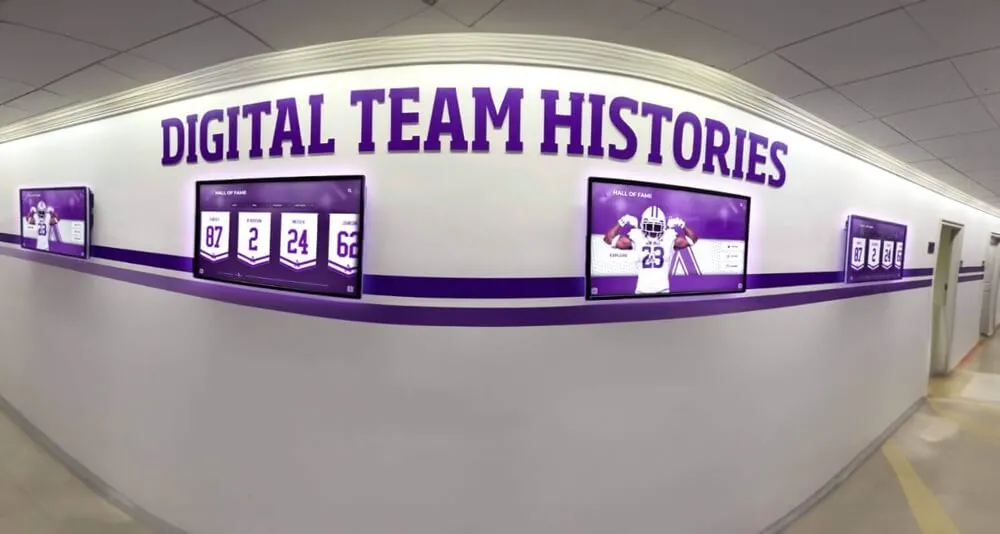
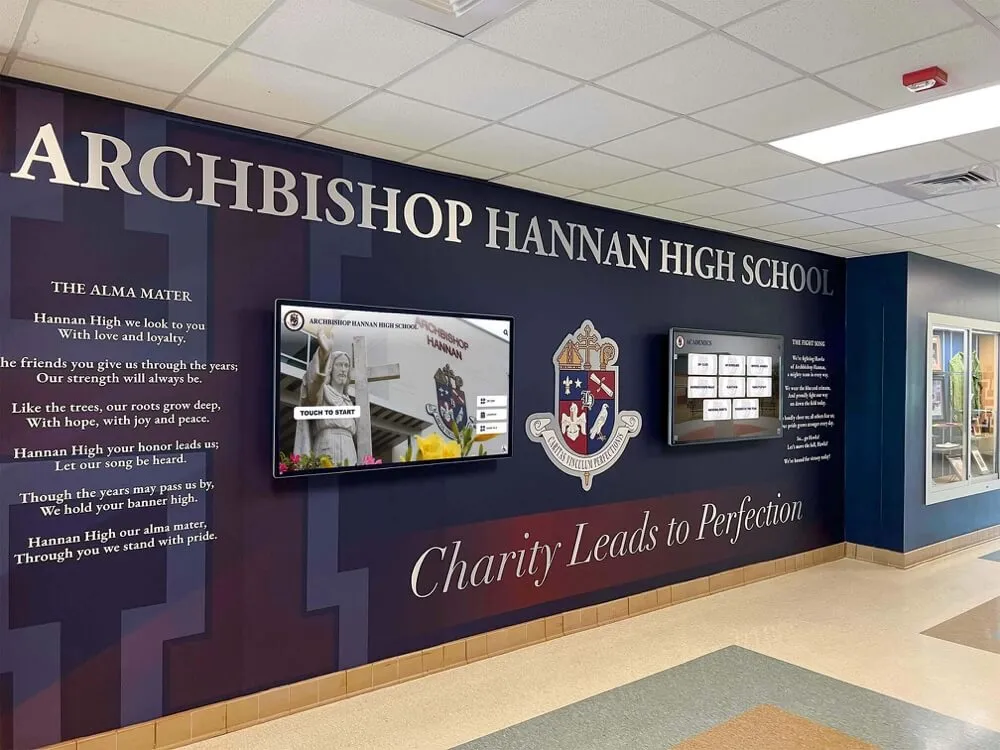
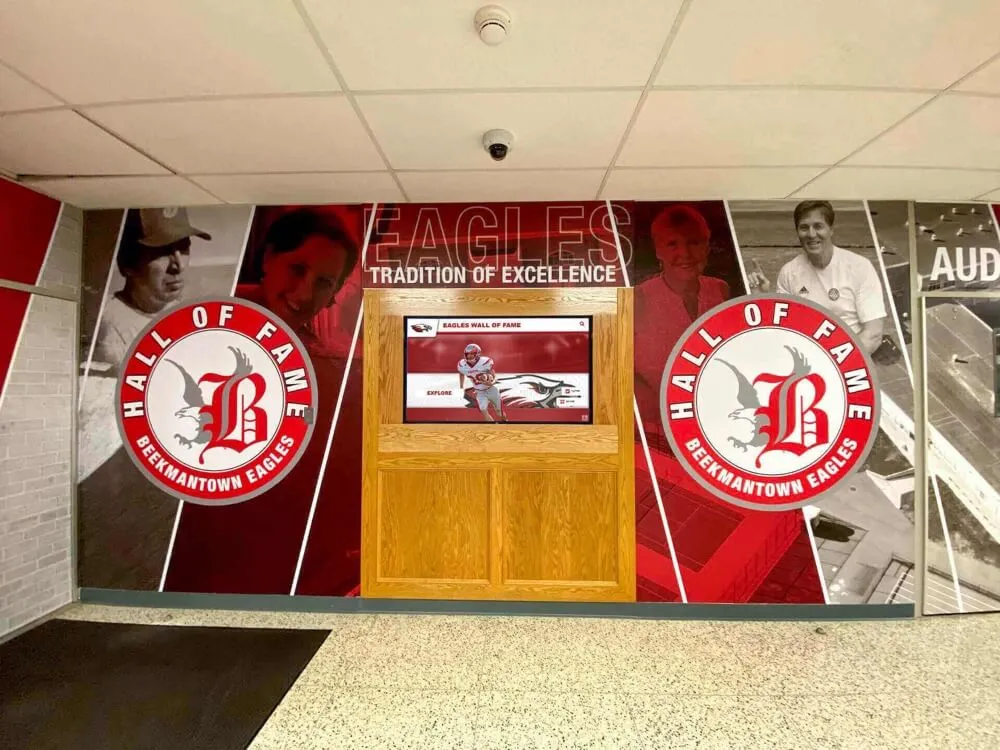
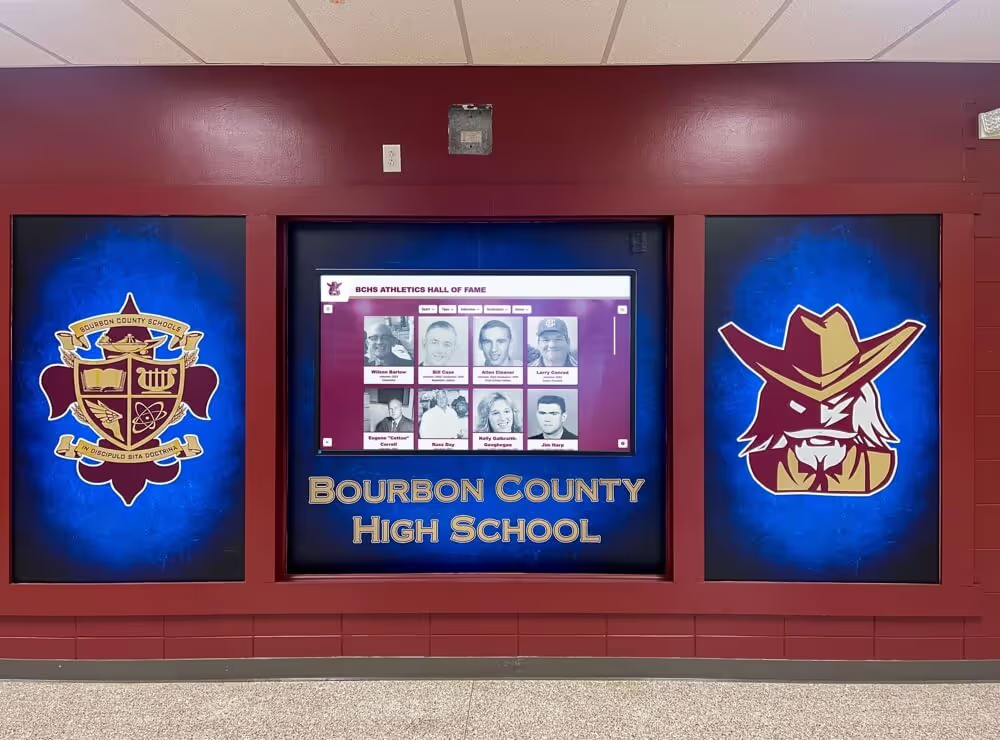
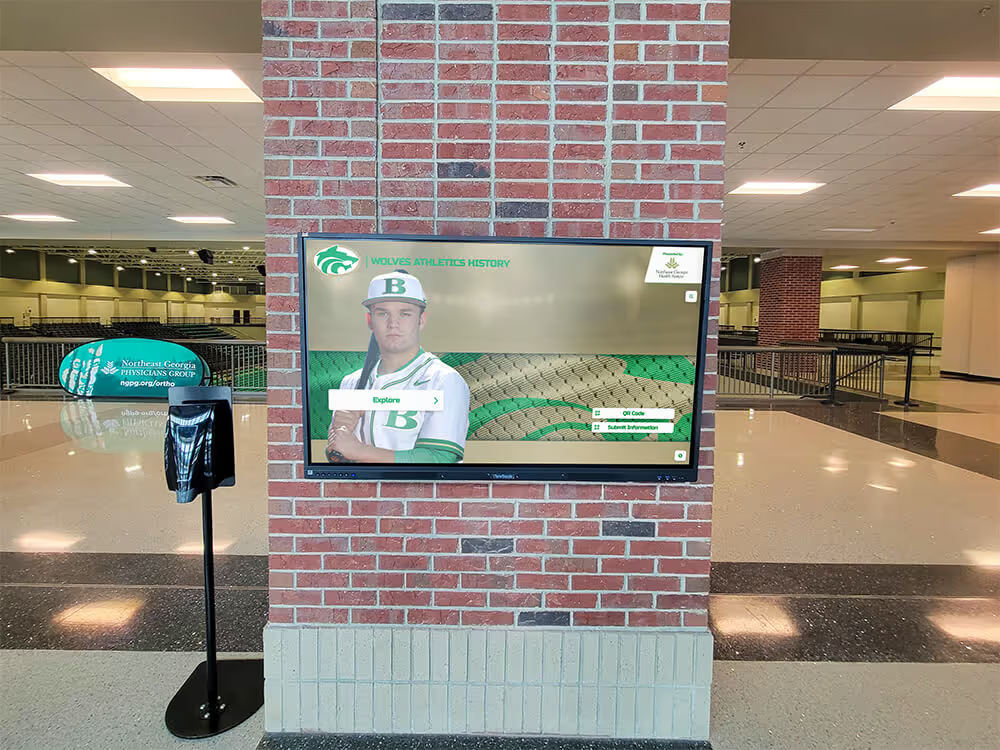
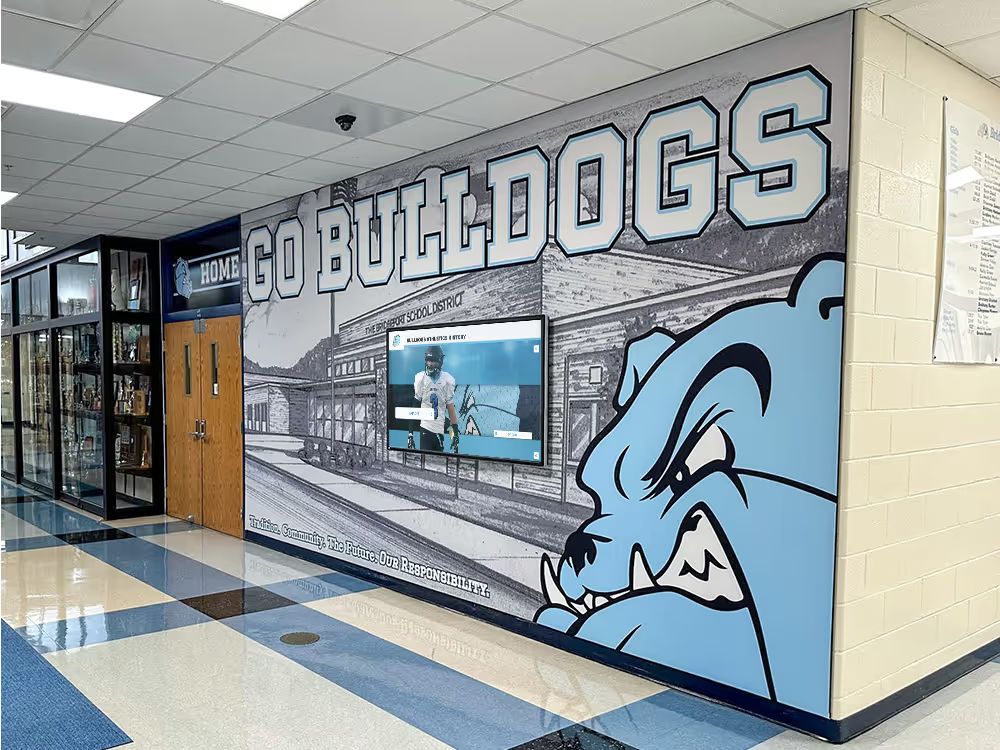
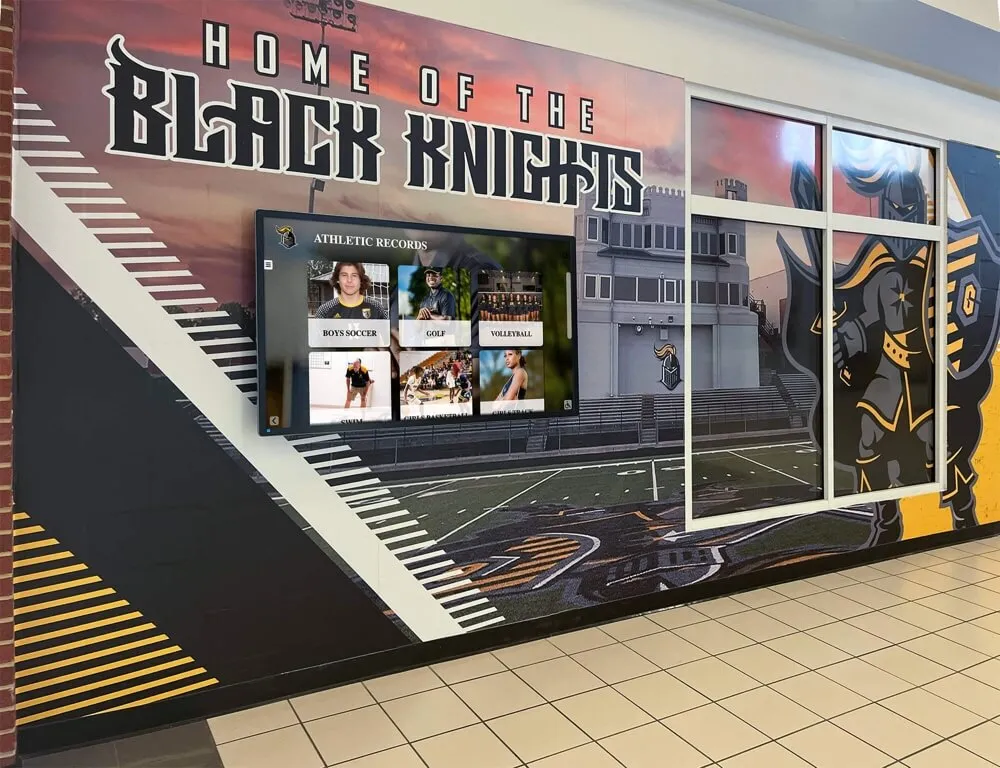
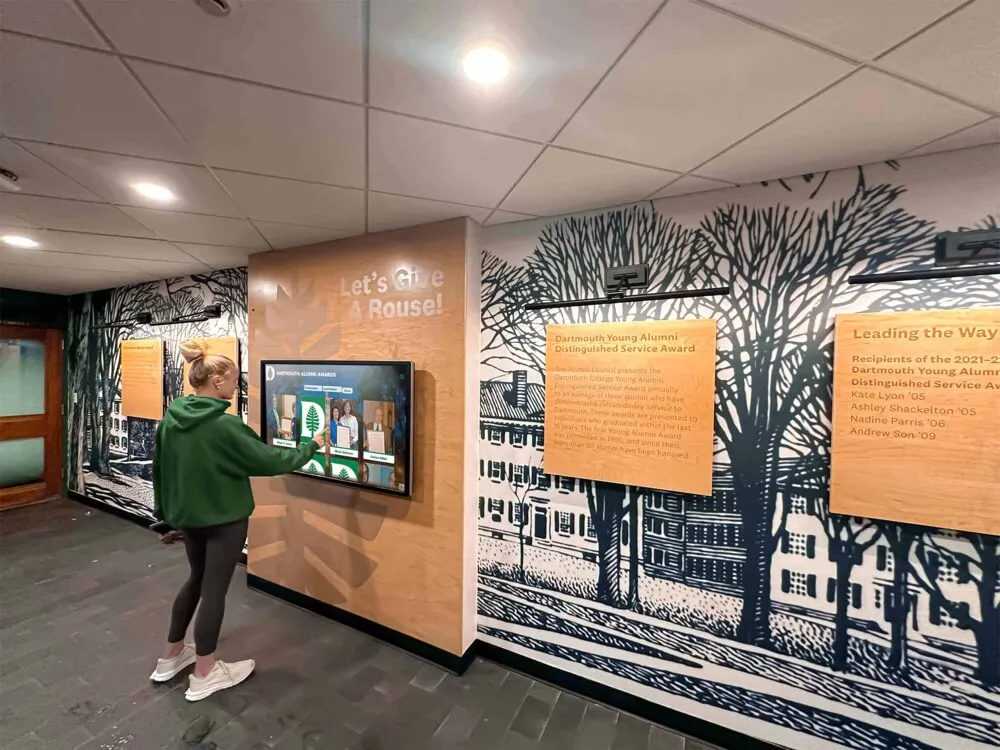
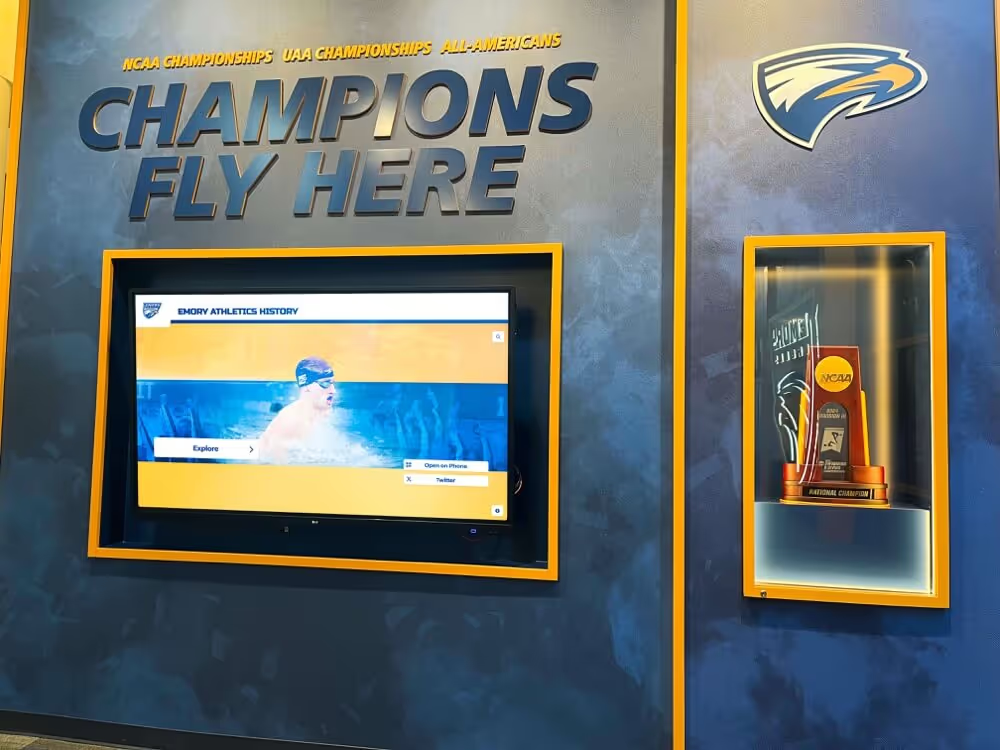
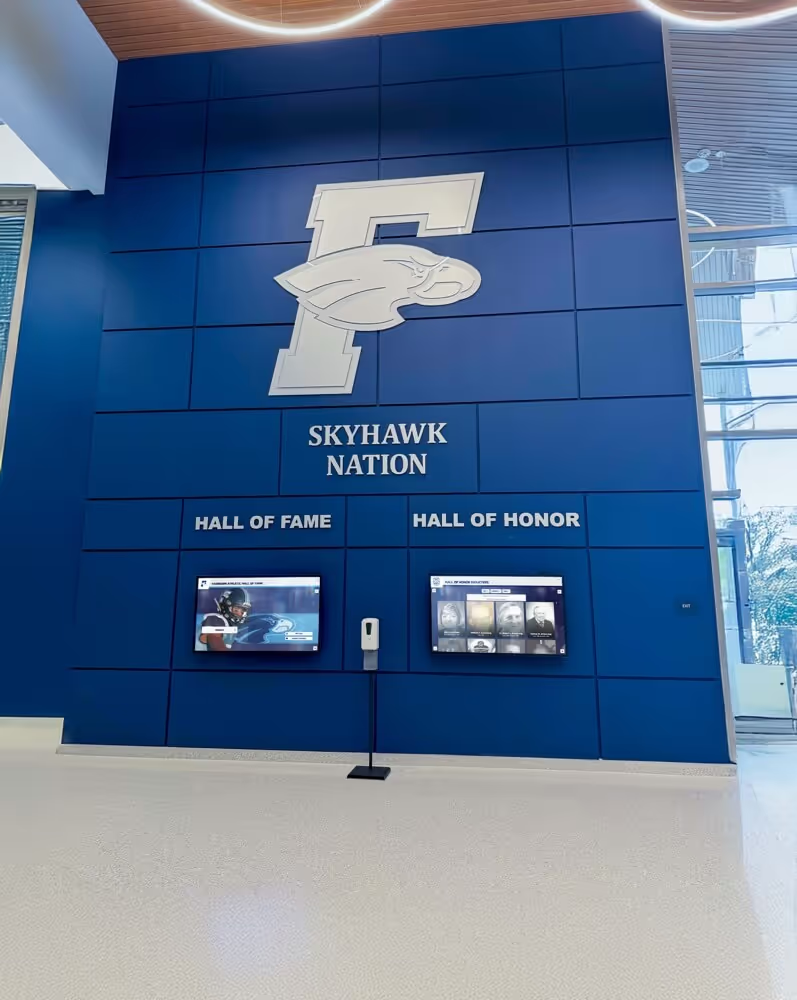
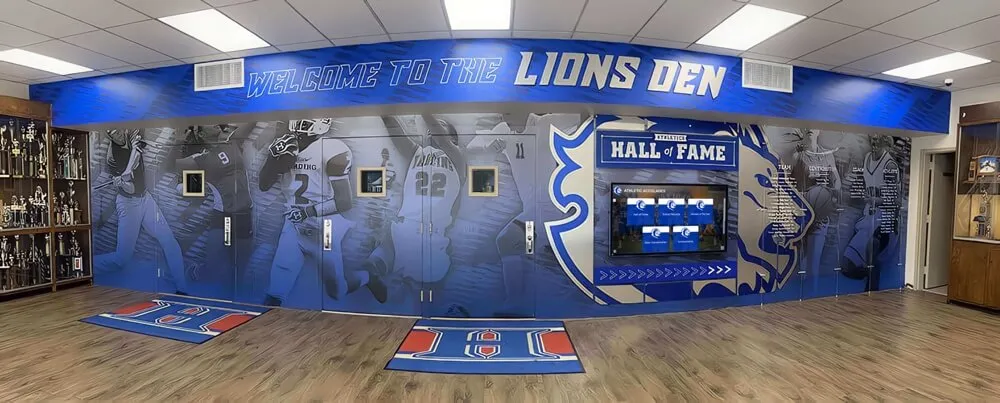
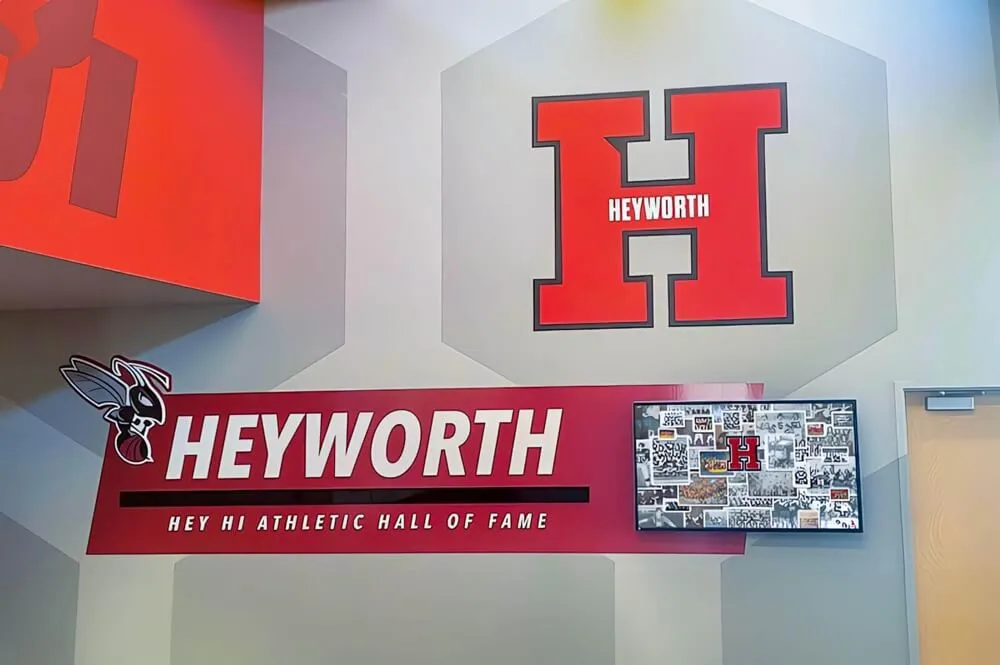
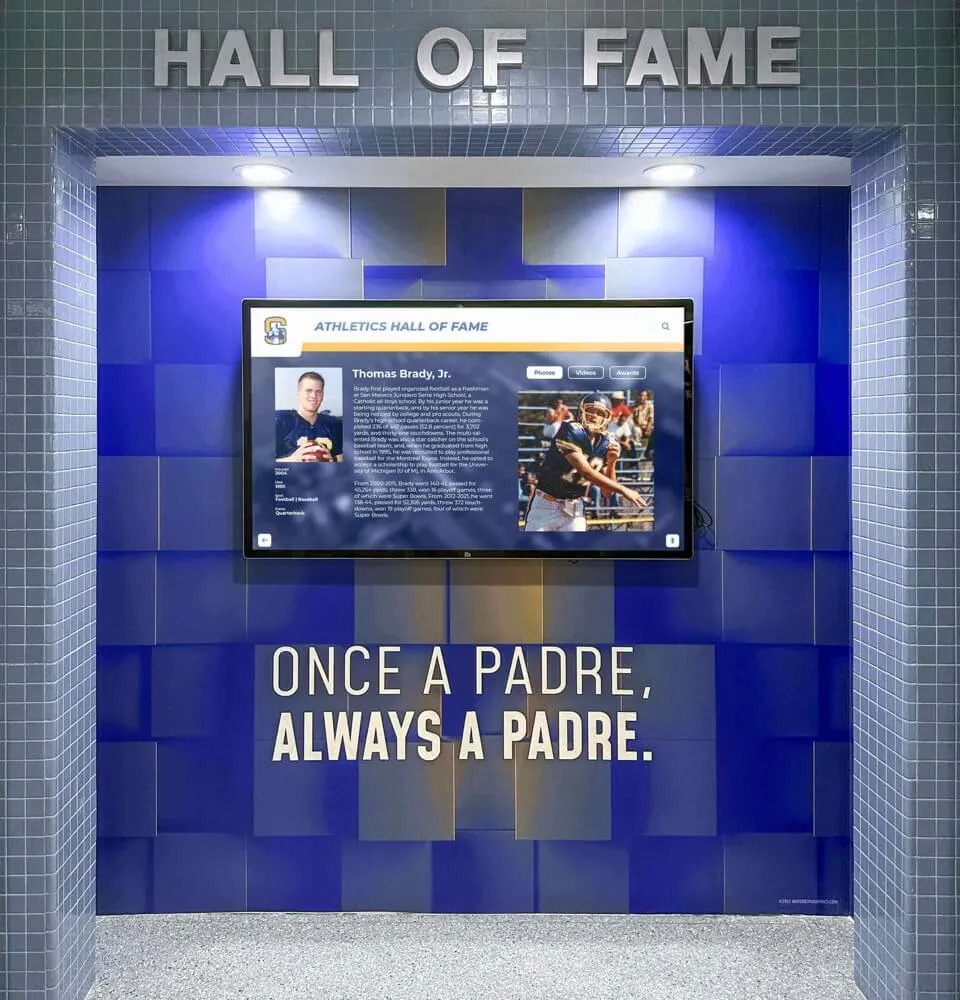
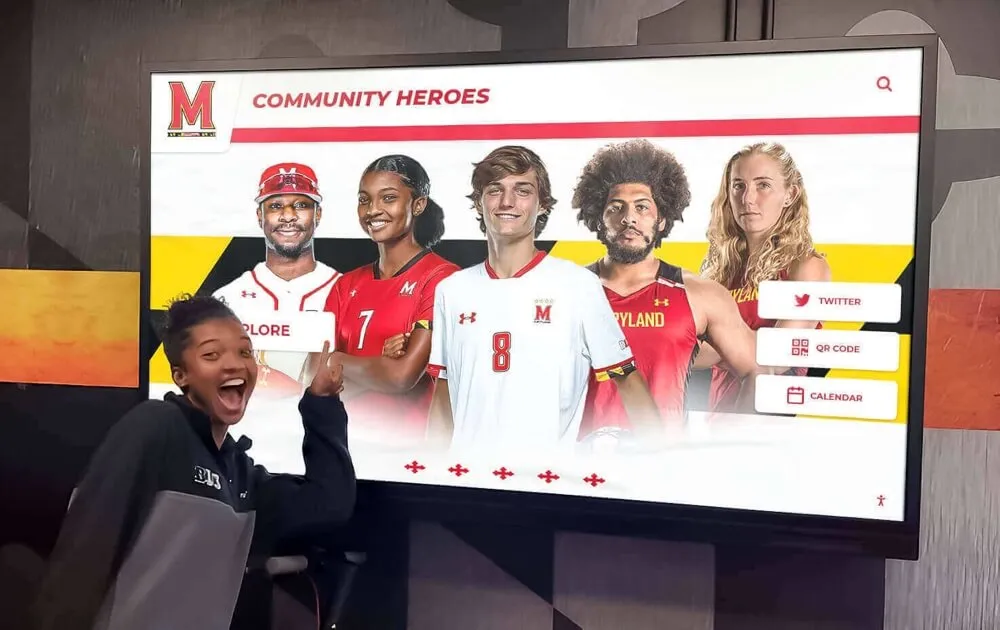
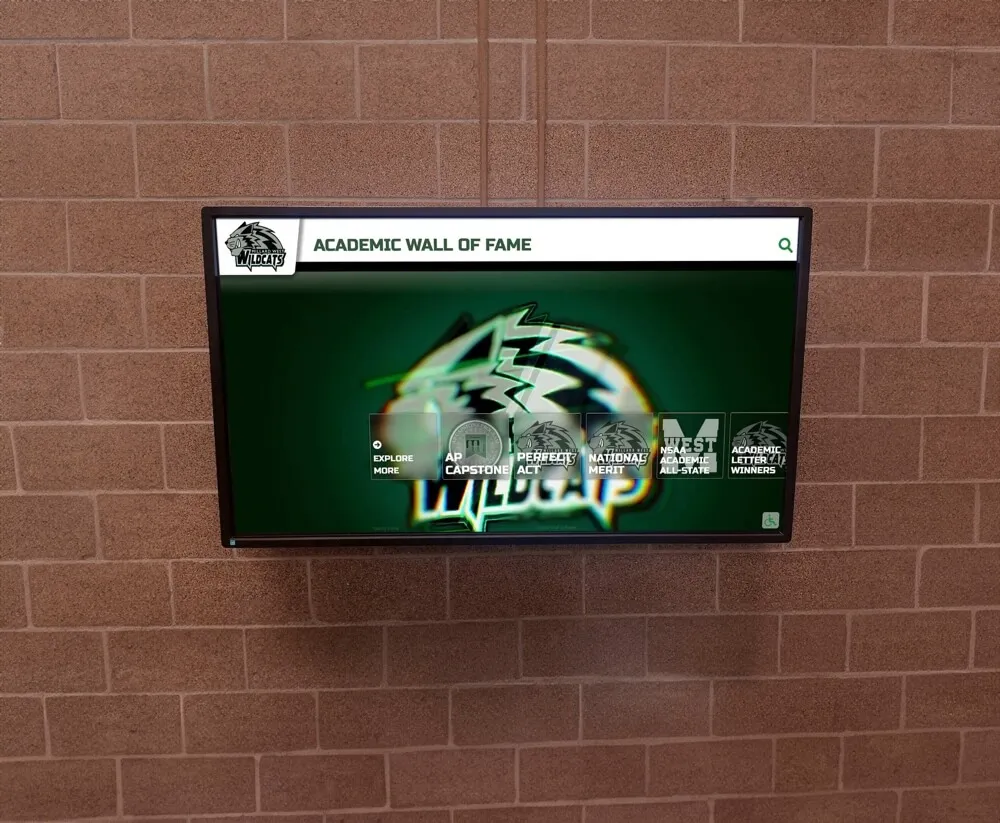
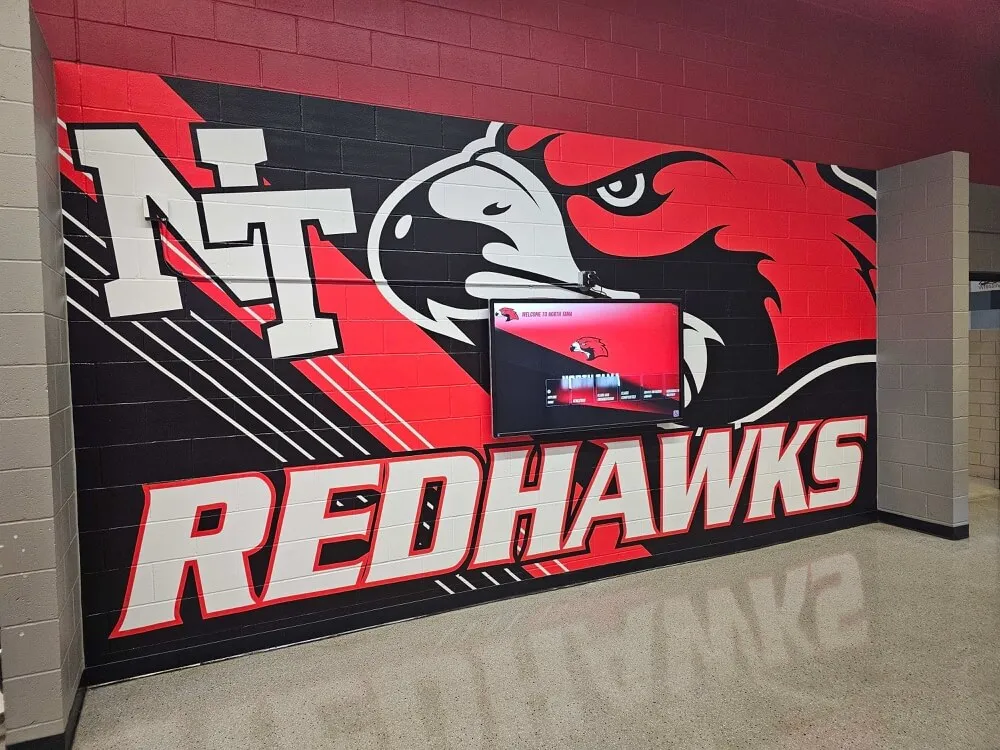
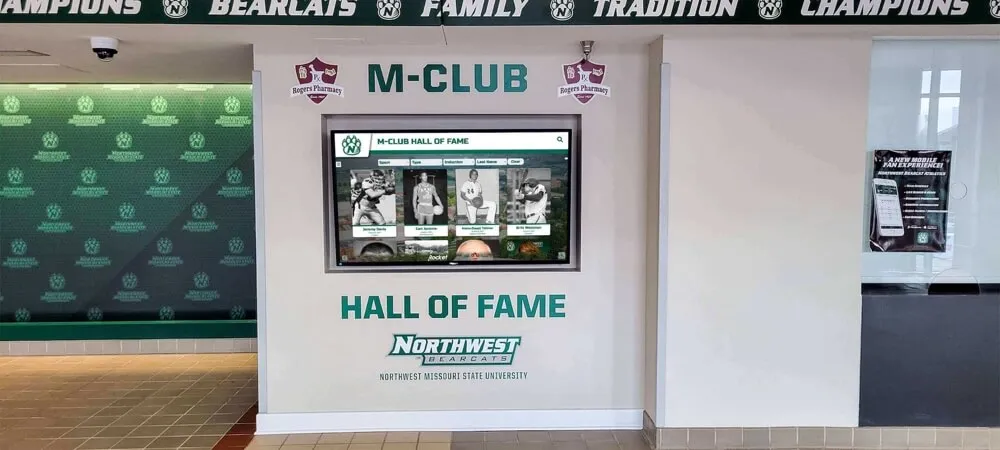
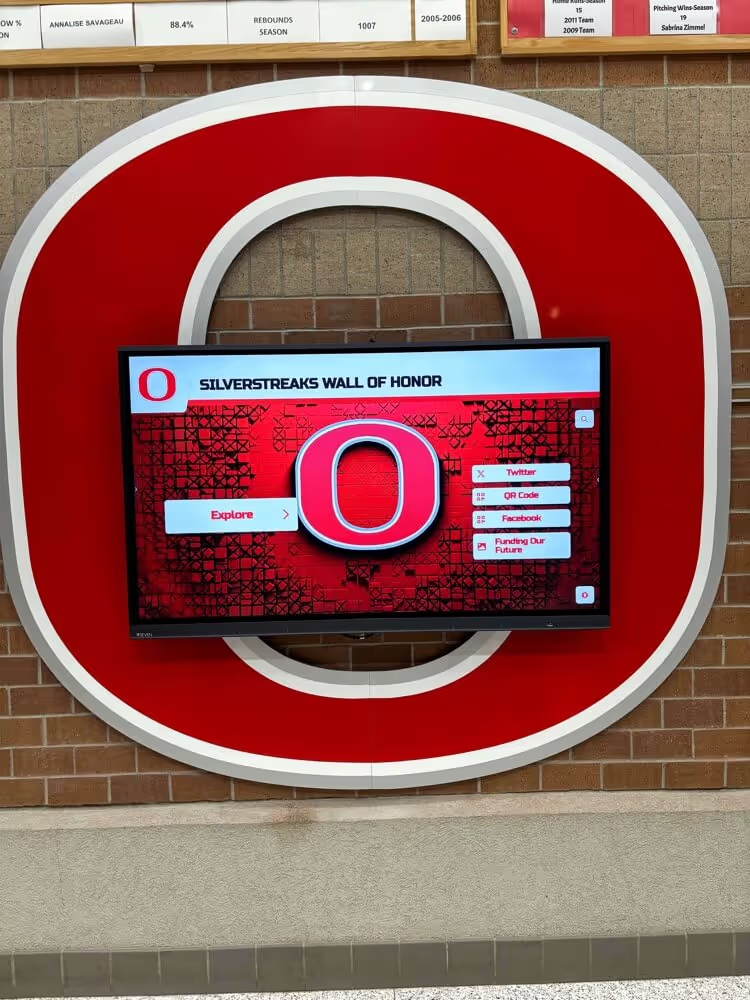
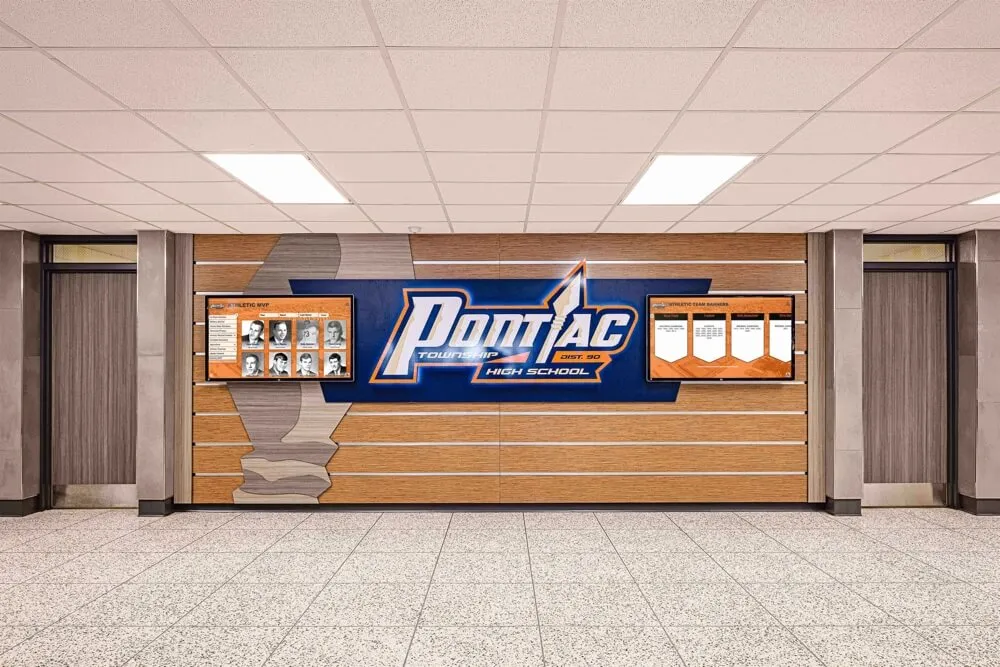
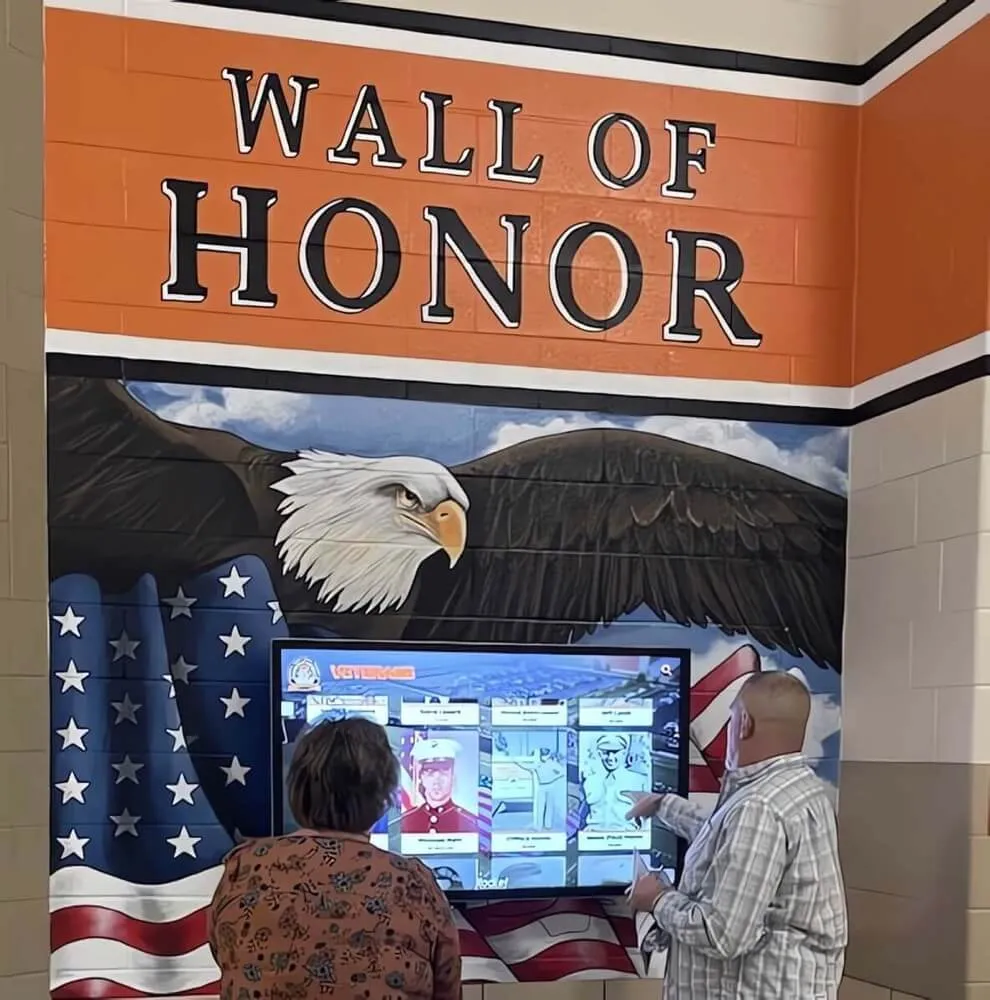
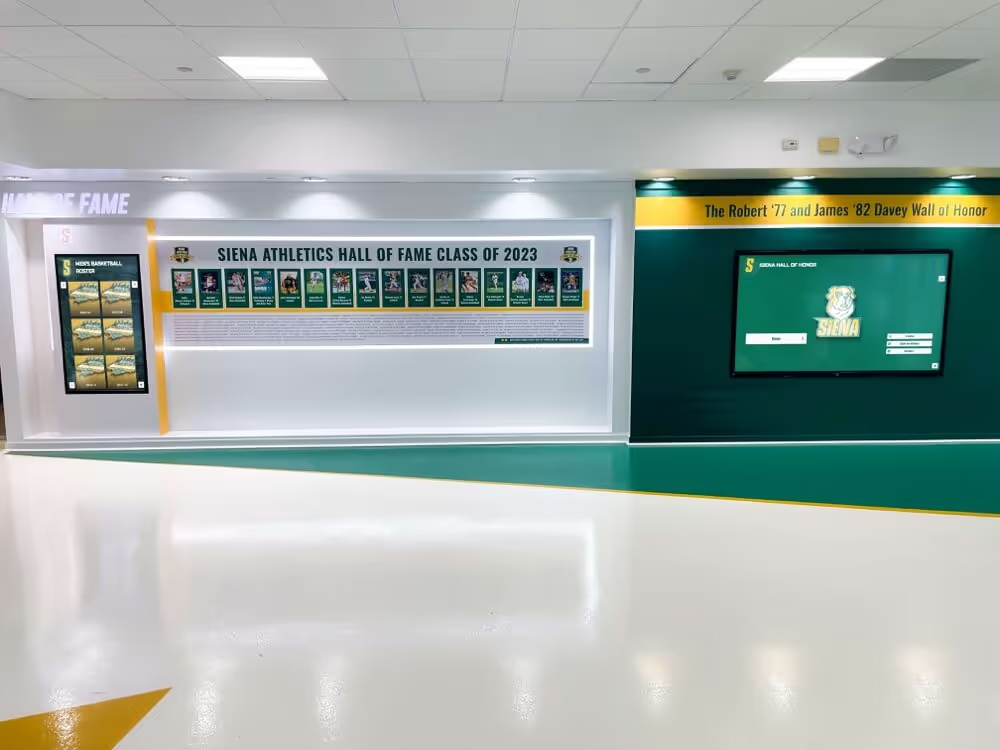
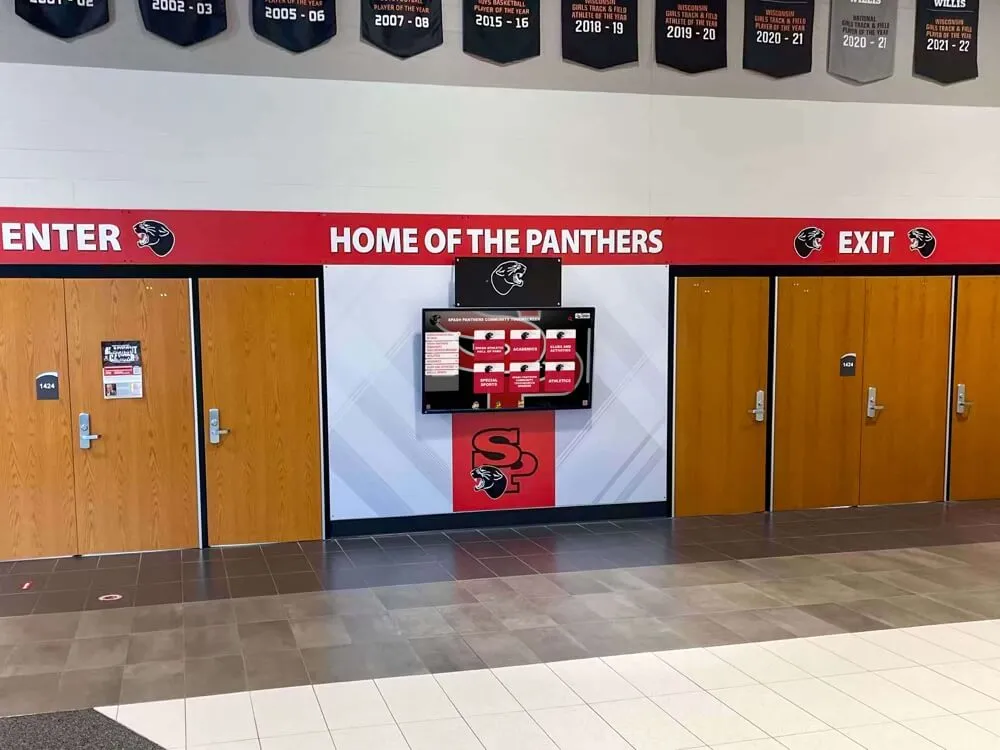
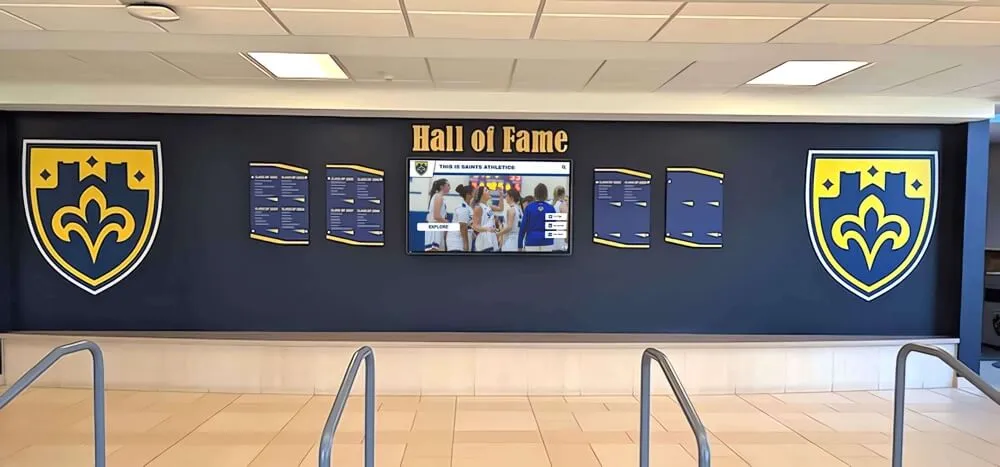
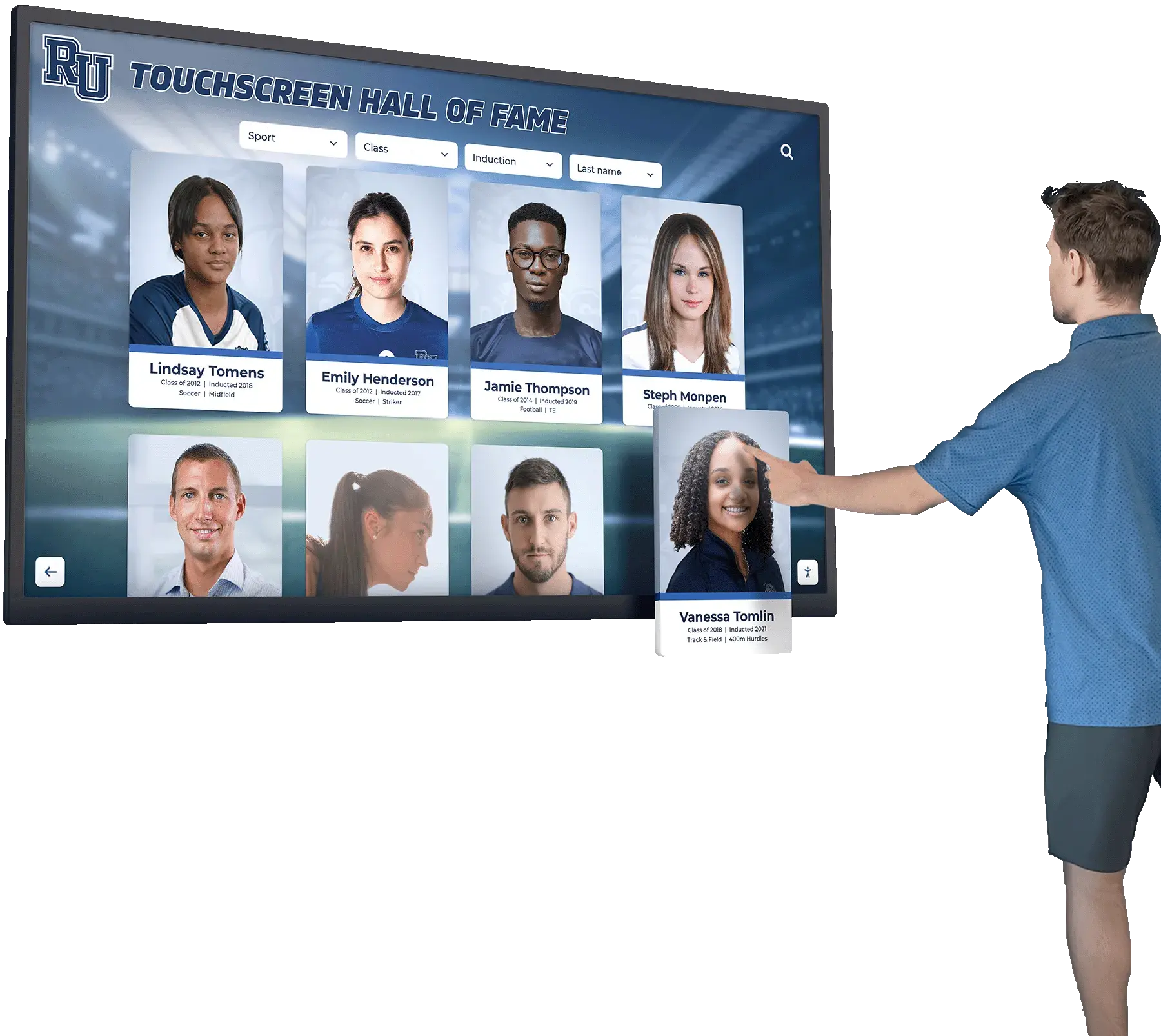
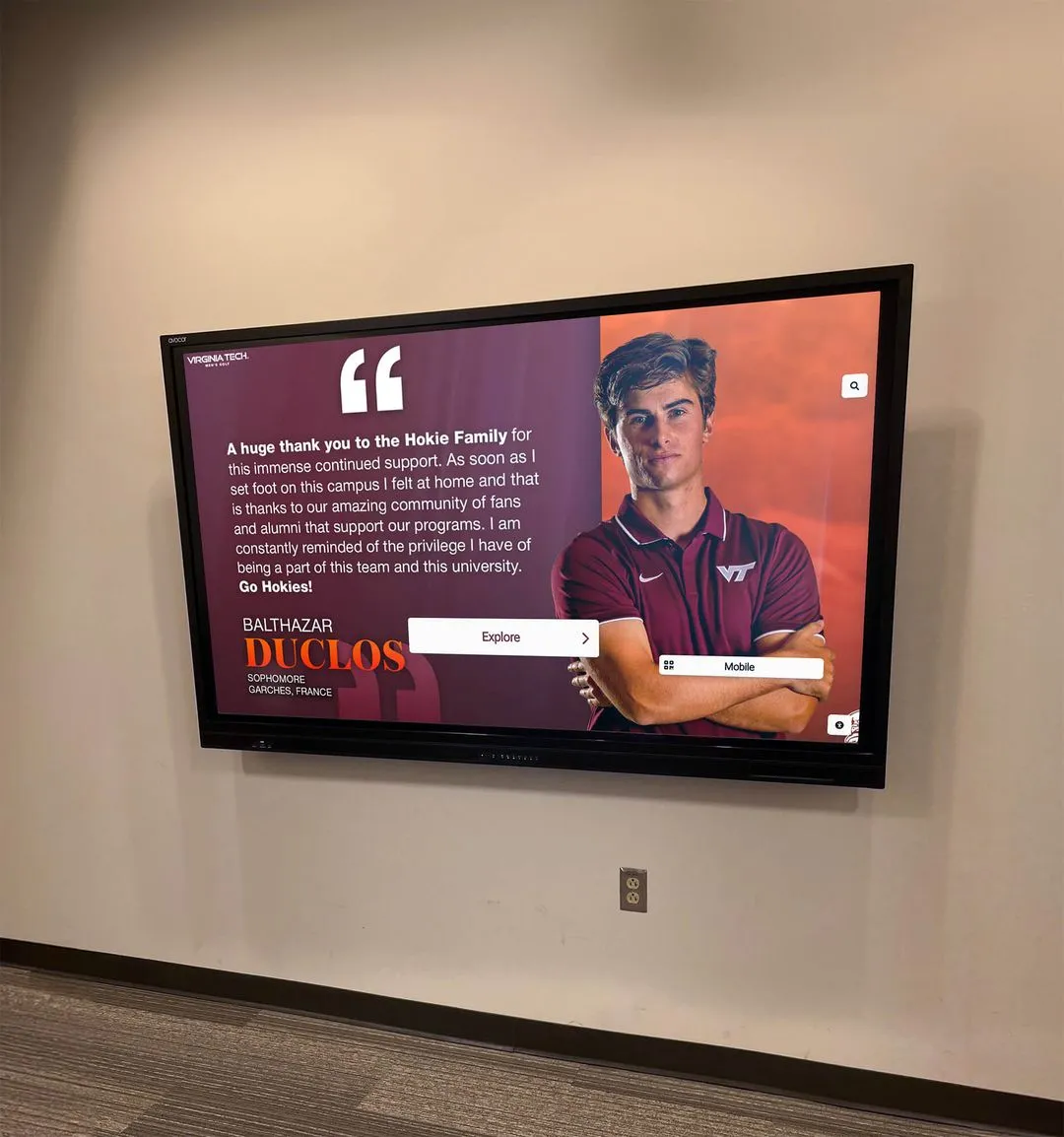
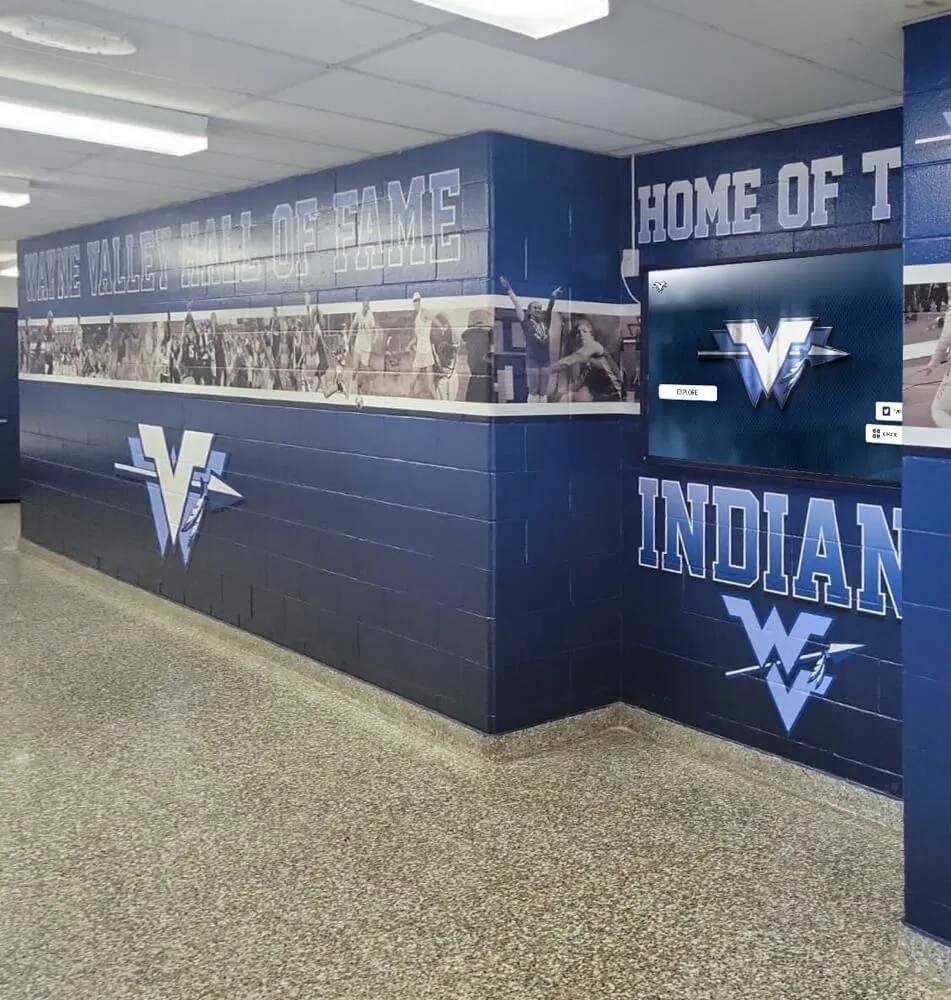
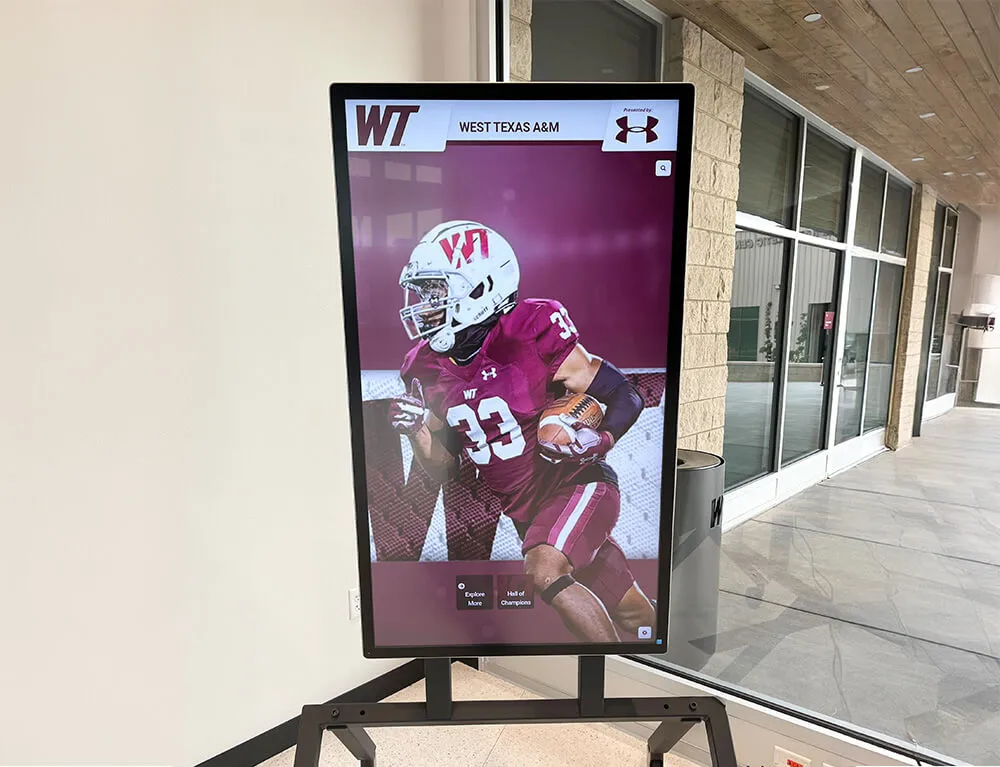
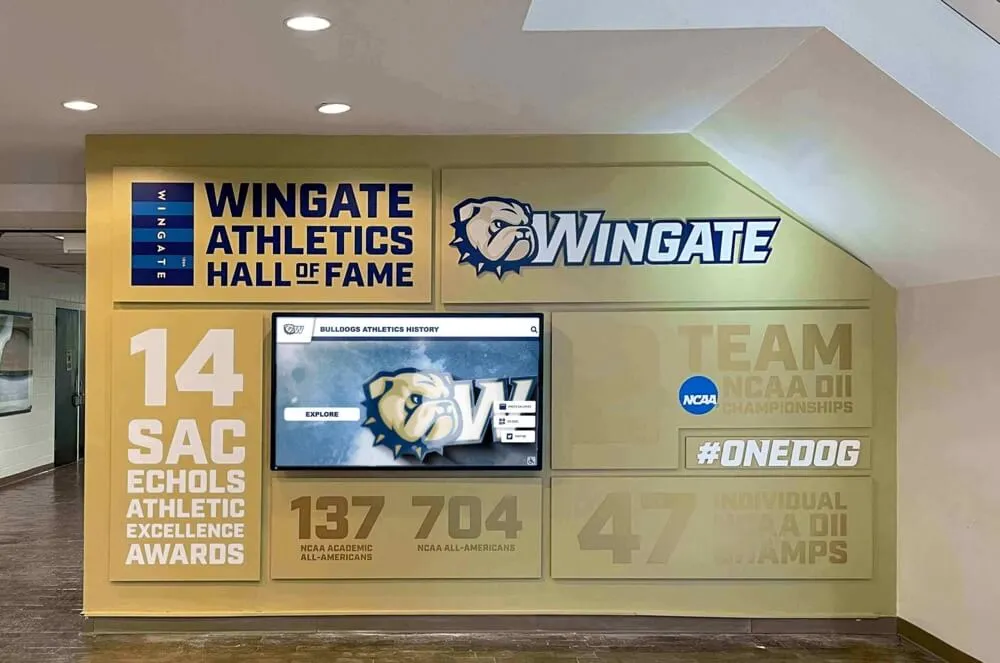
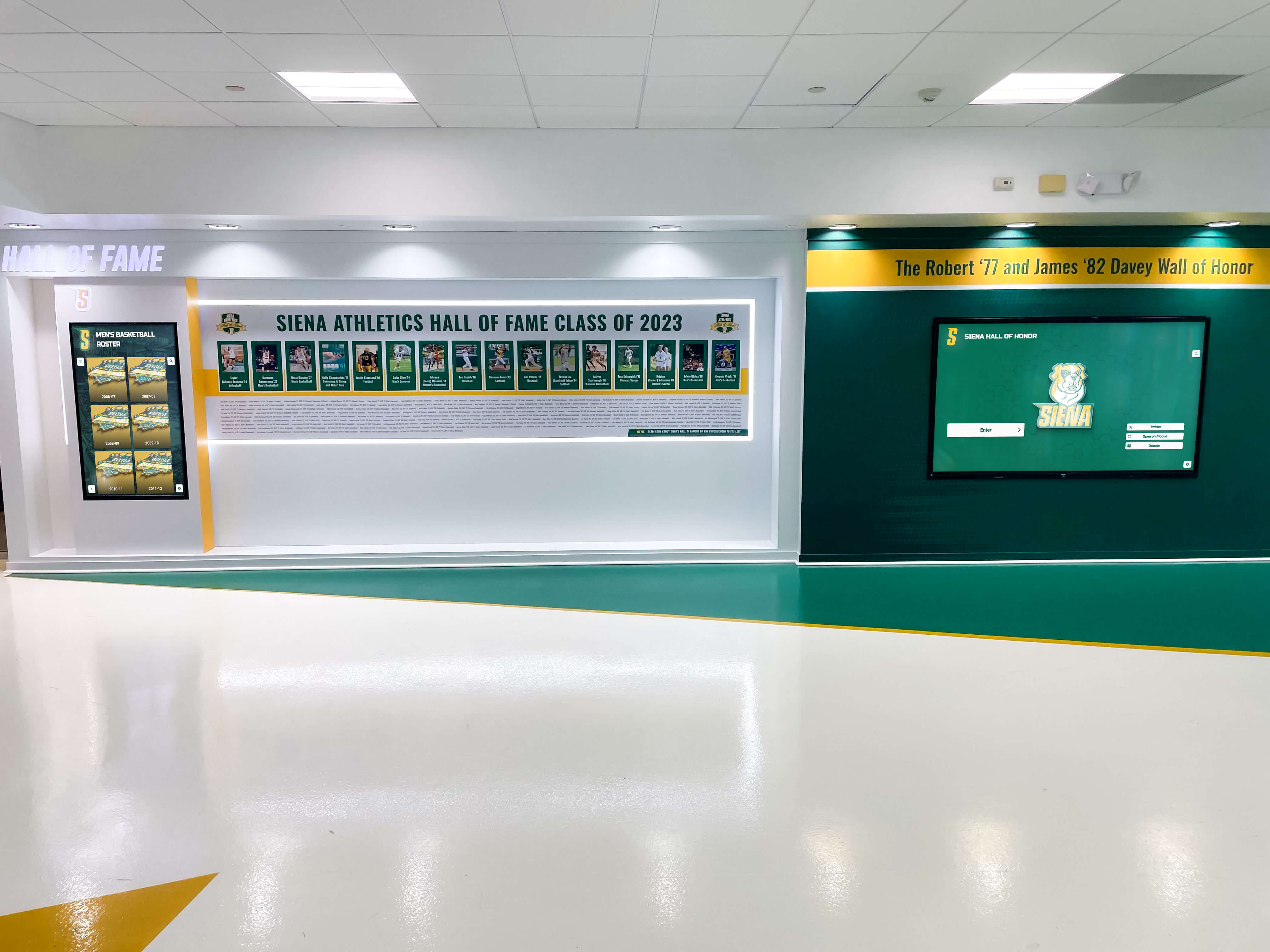
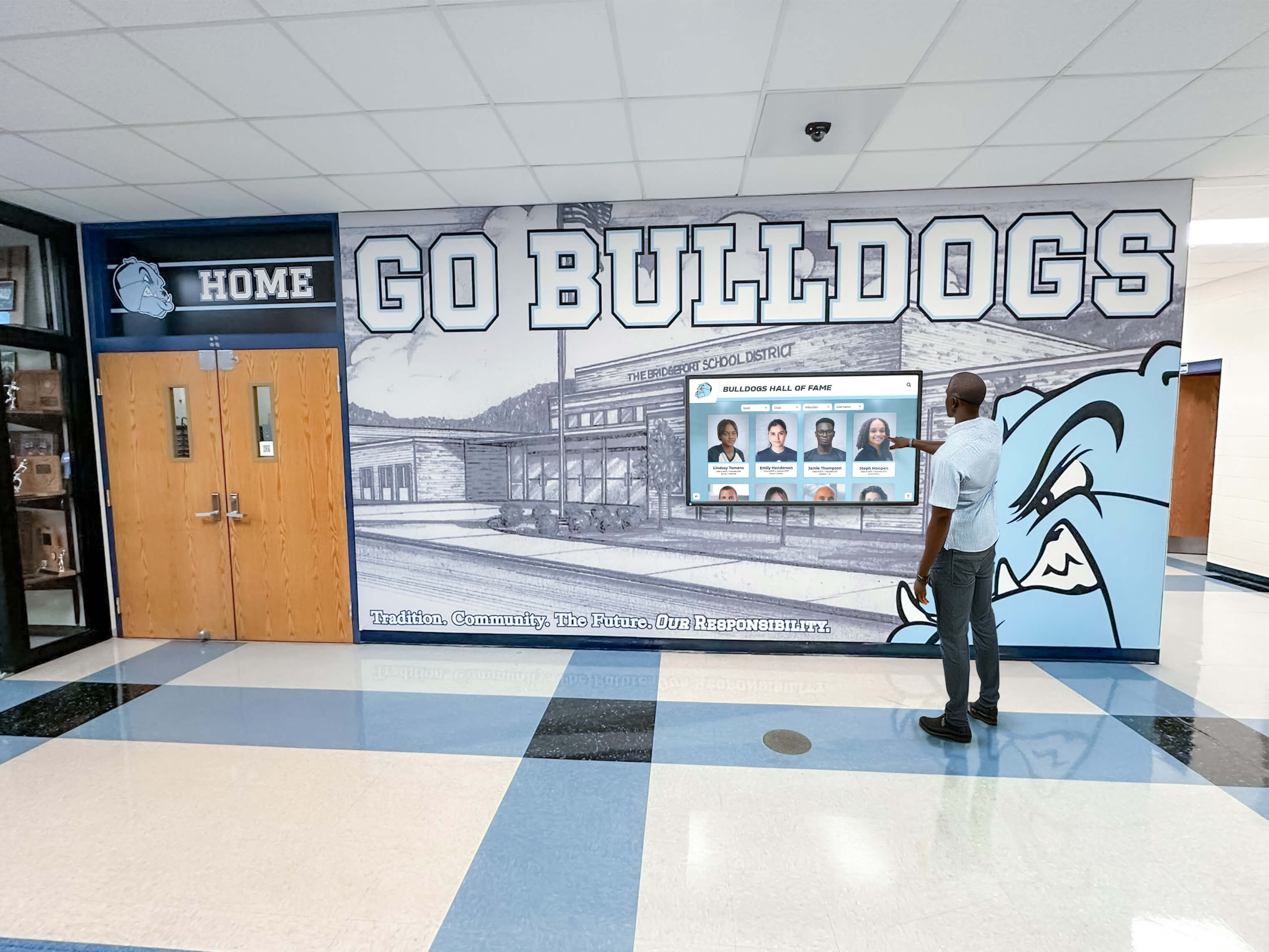
Digital Recognition Solutions: Modern digital donor displays offer dynamic recognition updating easily as new donors contribute, accommodating unlimited names without space constraints, and presenting information through engaging touchscreen interfaces families and visitors can explore. Solutions like Rocket Alumni Solutions enable elementary schools to create sophisticated donor recognition systems celebrating community supporters while maintaining age-appropriate designs and messaging.
Recognition Tiers: Establish clear giving levels with corresponding recognition (Founding Donor: $5,000+, Legacy Donor: $1,000-$4,999, Champion: $500-$999, Supporter: $100-$499, Friend: under $100). Tiered systems encourage larger gifts while ensuring all contributors receive appropriate acknowledgment.
Educational Opportunities: Use donor recognition as teaching tools helping students understand how communities support schools, appreciate generosity, and learn philanthropy principles. Class visits to recognition displays can include discussions about giving, volunteering, and community involvement.
Named Spaces and Legacy Giving
Naming opportunities for classrooms, learning spaces, outdoor areas, or specific facilities create meaningful legacy opportunities for major donors while generating substantial fundraising revenue.
Appropriate Naming Opportunities: Elementary schools can offer naming for libraries, media centers, playgrounds, gardens, outdoor classrooms, STEM labs, art rooms, music rooms, gymnasium spaces, or specific equipment like playground structures or technology carts. Set appropriate minimum gift levels ($10,000-$100,000+ depending on community and space significance).
Recognition Signage: Install attractive, professional signage acknowledging named space donors. Ensure signage maintains appropriate aesthetics fitting educational environments while clearly honoring donors. Consider dedication ceremonies when naming gifts are completed creating celebration moments for donors, students, and school communities.
Endowment and Perpetual Recognition: Encourage naming gifts structured as endowments where principal remains invested and only earnings fund ongoing expenses. This creates perpetual support while justifying permanent naming recognition extending beyond typical donor acknowledgment periods.
Brick Campaigns and Physical Legacy Projects
Brick fundraising campaigns allowing families to purchase engraved bricks for permanent installation in walkways, courtyards, or school entryways remain popular elementary school strategies combining fundraising with legacy creation.
Campaign Structure: Offer engraved bricks at various sizes and price points—standard 4x8 bricks ($100-$150), larger 8x8 bricks ($250-$350), or premium sizes with more engraving space. Provide clear character limits, font options, and engraving guidelines helping families create bricks they’ll treasure.
Installation Locations: Choose high-visibility, high-traffic locations where students, families, and visitors regularly see installed bricks—main entrances, courtyard gathering areas, walkways connecting buildings, or outdoor classroom spaces. Consider locations where bricks create functional improvements alongside recognition opportunities.
Order Management: Partner with reputable brick companies handling engraving, quality control, and delivery. Schedule installation periods allowing multiple orders to be engraved and installed together reducing per-brick costs and logistical complexity.
Marketing Emphasis: Promote brick campaigns as permanent family legacy opportunities where parents, grandparents, or community members create lasting connections to schools. Emphasize that bricks remain as long as schools exist creating multi-generational recognition that children, and eventually their own children, can visit.
Understanding comprehensive approaches to donor recognition in educational settings helps elementary schools design recognition systems that appropriately honor supporters while teaching students valuable lessons about generosity and community engagement.
Planning Successful Elementary School Fundraisers
Regardless of specific fundraising strategies selected, careful planning, clear communication, and thoughtful execution dramatically impact campaign success and net revenue generation.
Setting Realistic Goals and Expectations
Establish clear financial targets based on past fundraising performance, school size, community characteristics, and specific project needs. Unrealistic goals create disappointment while easily achieved targets may leave revenue opportunities unrealized.
Data-Informed Target Setting: Review past fundraising results identifying which strategies generated strongest returns. Consider community economic conditions, competitive fundraising from other organizations students’ families support, and donor fatigue from excessive fundraising requests.
Participation vs. Amount Goals: For elementary schools, participation rates often matter more than individual contribution amounts. Set goals emphasizing broad participation (“80% family participation in annual giving campaign”) alongside revenue targets creating inclusive environments where all families feel they can contribute meaningfully regardless of amounts.
Transparent Goal Communication: Explain clearly what fundraising revenue will support, how goals were determined, and what happens if goals are exceeded or not met. Transparency builds trust and demonstrates fiscal responsibility increasing donor confidence.
Volunteer Recruitment and Management
Elementary school fundraising relies heavily on volunteer support from parents, family members, and community members willing to dedicate time and energy.
Clear Role Definitions: Create specific volunteer position descriptions outlining responsibilities, time commitments, and necessary skills. Clearly defined roles make volunteering less intimidating while helping people identify where they can best contribute.
Diverse Opportunity Levels: Offer volunteer opportunities at various commitment levels—large roles requiring regular attendance and significant hours, medium involvement with specific time-limited tasks, and small contributions people can complete from home or during flexible schedules. Diverse options increase volunteer participation by accommodating different availability and comfort levels.
Volunteer Appreciation: Acknowledge volunteer contributions through thank you notes, volunteer appreciation events, recognition in school communications, or volunteer recognition displays celebrating community members who make fundraising success possible.
Communication Strategies
Effective communication ensures families understand fundraising purposes, know how to participate, receive updates on progress, and feel connected to outcomes.
Multi-Channel Approach: Communicate through diverse channels recognizing families access information differently—email newsletters, text message reminders, social media posts, website updates, printed flyers sent home, morning announcements, and parent meeting discussions. Repetition across multiple channels increases message reach and retention.
Clear, Concise Messaging: Elementary school families juggle numerous commitments and information sources. Ensure fundraising communications are immediately understandable, highlight key information prominently, and provide clear action steps families should take.
Regular Updates: Share fundraising progress throughout campaigns maintaining momentum and engagement. Celebrate milestones, recognize participation, and create transparency around how schools are tracking toward goals. Final outcome communications closing loops and demonstrating accountability build trust for future fundraising efforts.
Post-Fundraiser Follow-Through
What happens after fundraising campaigns conclude significantly impacts future fundraising success and donor relationships.
Prompt Thank You Communications: Acknowledge all contributors quickly with genuine appreciation messages. Personal thank you notes from students carry special impact showing donors how their contributions touched real children.
Impact Reporting: Share how fundraising revenue was used including photos of purchased equipment, renovated spaces, or funded programs. Concrete evidence of impact demonstrates accountability while helping donors feel connected to tangible outcomes their generosity created.
Recognition Implementation: Install donor recognition displays, publish donor lists (with permission), or implement other acknowledgment strategies promised during fundraising campaigns. Fulfilling recognition commitments builds credibility essential for long-term donor relationships.
Teaching Elementary Students About Fundraising and Philanthropy
Elementary school fundraising provides valuable educational opportunities teaching students age-appropriate lessons about community support, generosity, working toward goals, and civic participation.
Age-Appropriate Philanthropy Education
Help students understand why fundraising matters and how their participation contributes to community improvement.
Concrete Explanations: Use tangible examples elementary students can understand—“The money we raise will buy new books for our library so you’ll have more stories to read,” or “Fundraising helps pay for playground equipment so you have fun places to play at recess.” Abstract concepts about operational funding or facility maintenance mean little to young children.
Visible Progress Tracking: Create visual fundraising thermometers, charts, or digital displays showing campaign progress toward goals. Visual representations help elementary students understand collective progress and how individual contributions combine creating larger impact.
Celebrating Participation: Emphasize that participation matters more than amounts raised. Celebrate students who wrote letters to potential donors, shared information with families, or participated in fundraising events regardless of dollar amounts generated. This teaches that contributing effort and trying matters even when resources are limited.
Student Voice in Fund Usage
When age-appropriate, involve students in decisions about how fundraising revenue will be used giving them agency while teaching decision-making and prioritization.
Simplified Choice Options: For younger students, offer simple choice votes between 2-3 options—“Should fundraising money buy new playground equipment or classroom technology?” Upper elementary students might handle more complex decision-making through student council or classroom discussions.
Budget Education: Teach basic budget concepts showing how much different items cost, explaining why some things are possible with current funding while others require additional fundraising. Age-appropriate budget discussions demystify school finances while teaching valuable life skills.
Connection to Goals: Help students understand direct connections between their fundraising participation and outcomes they’ll experience. When students see that their read-a-thon effort resulted in specific new library books they can check out, they learn powerful lessons about collective action and goal achievement.
Measuring Fundraising Effectiveness and ROI
Regular evaluation of fundraising strategies, outcomes, and return on investment ensures schools optimize efforts, focus resources on most effective approaches, and continuously improve results.
Key Metrics to Track
Monitor specific metrics beyond simple gross revenue totals providing fuller pictures of fundraising effectiveness.
Net Revenue: Calculate actual funds retained after subtracting product costs, vendor fees, platform charges, event expenses, and other fundraising costs. Fundraisers generating high gross revenue but substantial expenses may produce less net funding than simpler strategies with lower overhead.
Participation Rates: Track percentage of families participating in each fundraiser. High participation rates indicate broad community engagement and suggest fundraising strategies resonate with school communities. Low participation may signal fundraiser misalignment with community values, excessive fundraising fatigue, or communication failures.
Average Contribution Amounts: Calculate average family contribution per fundraiser type. Understanding which strategies generate higher individual contributions helps schools balance broad participation efforts with major gift cultivation.
Volunteer Hours Required: Document volunteer time each fundraiser requires. Time-intensive fundraisers generating modest revenue may not justify effort compared to simpler strategies producing similar results with less volunteer burden. Volunteer capacity is limited resource schools must allocate strategically.
Donor Retention: For annual giving campaigns, track year-over-year donor retention rates. Retaining existing donors costs less than acquiring new ones and indicates successful donor relationship management.
Evaluation and Adjustment
Use fundraising data informing future strategy decisions, budget allocations, and volunteer recruitment efforts.
Post-Event Debriefs: Conduct thorough reviews after each major fundraiser documenting what worked well, what challenges emerged, what would be done differently, and whether to repeat the fundraiser. Capture institutional knowledge preventing repeated mistakes and preserving successful practices.
Community Feedback: Survey families, volunteers, and participants gathering feedback on fundraising experiences. Understanding community perspectives helps schools design future fundraisers that meet needs while reducing friction points diminishing participation or satisfaction.
Strategic Refinement: Continuously refine fundraising portfolios eliminating underperforming strategies, doubling down on successful approaches, and testing new ideas maintaining innovation while optimizing returns. Most schools benefit from 3-5 major fundraisers annually rather than constant campaign fatigue from excessive fundraising.
Creating Lasting Fundraising Impact Through Recognition
The most successful elementary schools view fundraising not as isolated campaigns but as components of comprehensive community engagement strategies where recognition, relationship building, and mission alignment create sustainable support systems extending far beyond single transactions.
Digital recognition solutions transform how elementary schools acknowledge fundraising supporters, celebrate community generosity, and teach students about philanthropy. Rather than briefly thanking donors through letters or newsletters, permanent recognition displays create enduring appreciation while inspiring continued community support for school initiatives.
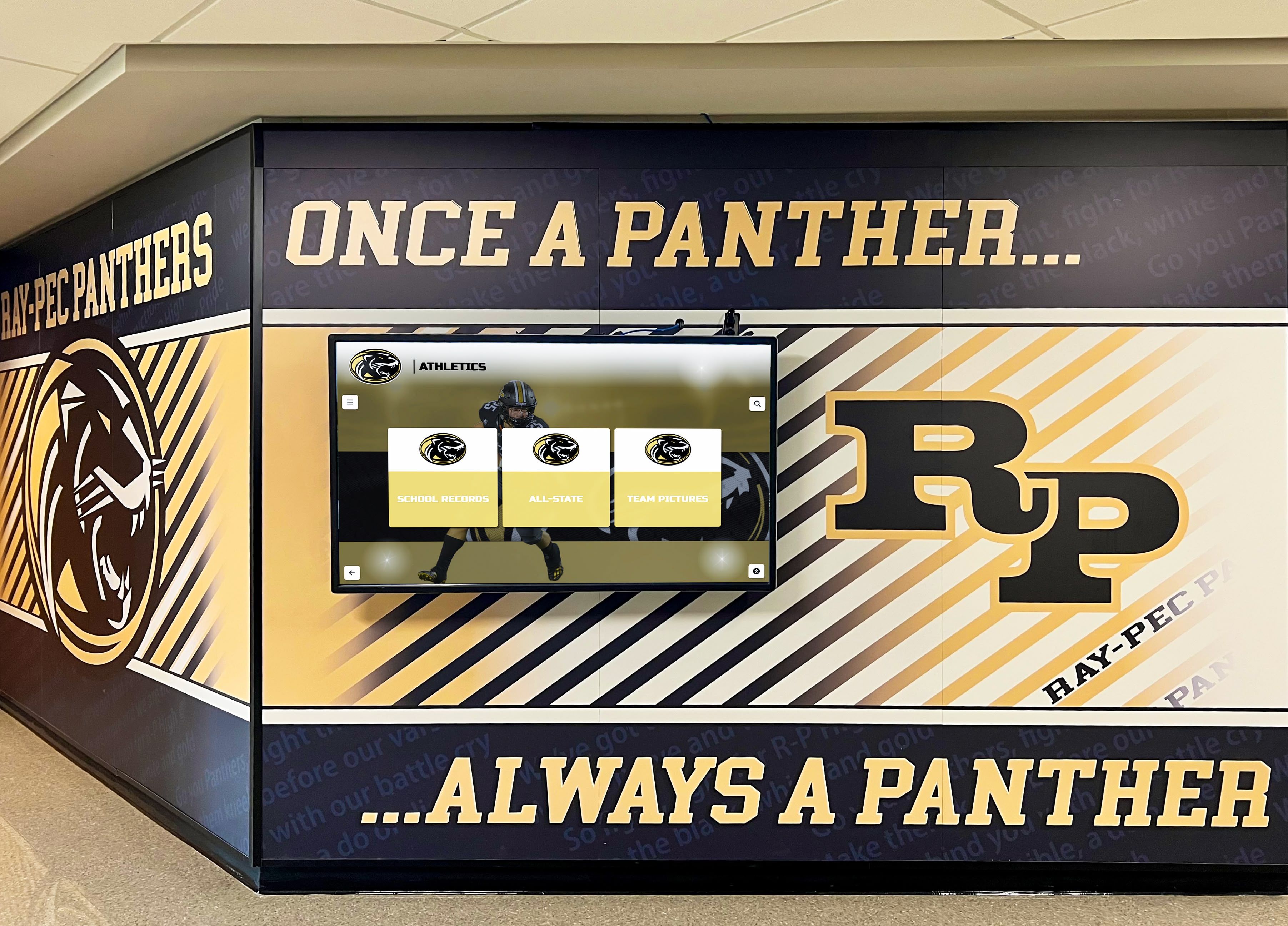
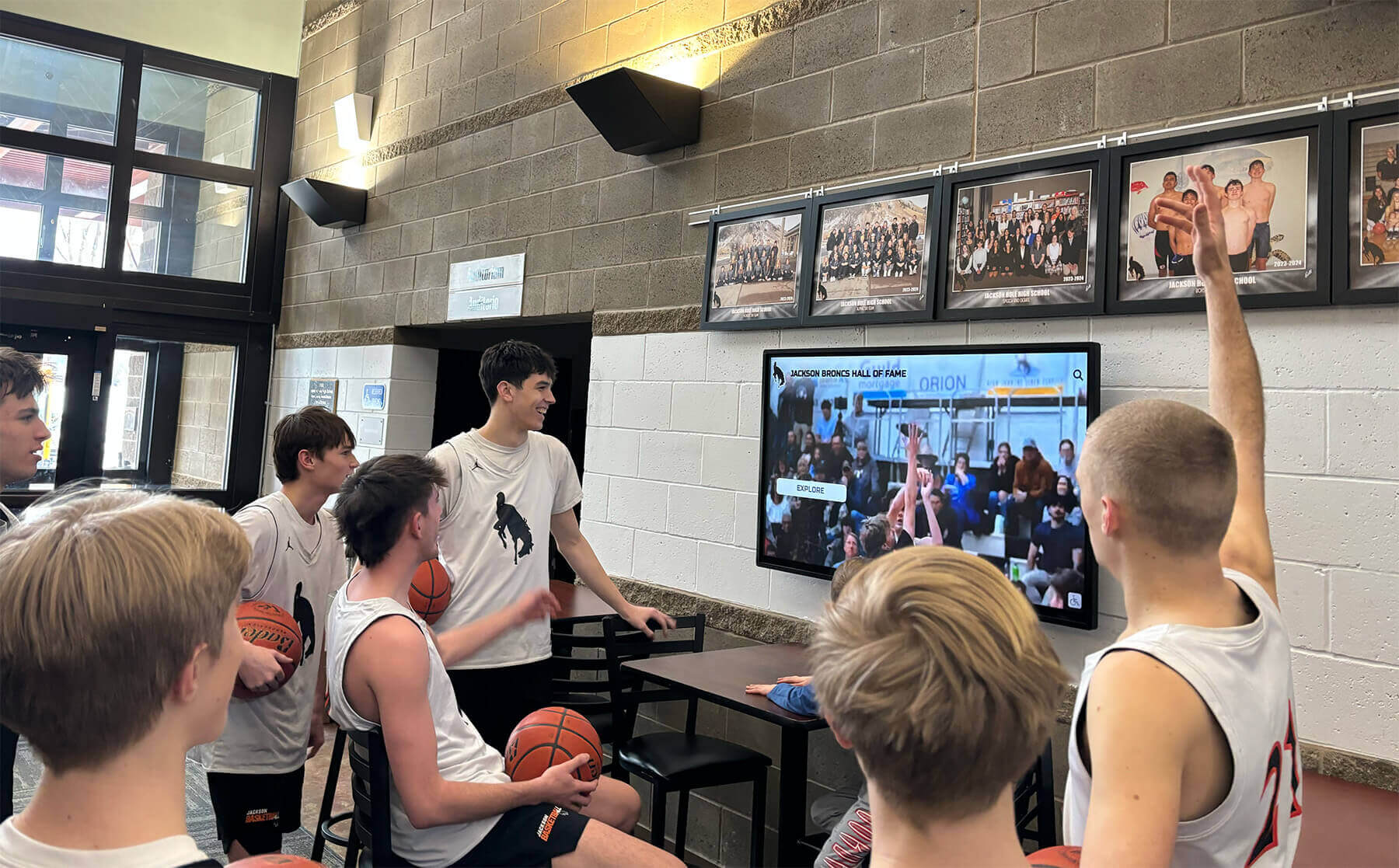
Solutions like Rocket Alumni Solutions enable elementary schools to create sophisticated donor recognition systems accessible through interactive touchscreens in school entryways, lobbies, or common areas. These displays celebrate individual donors, showcase fundraising campaign histories, highlight impact stories demonstrating how contributions improved student experiences, and create permanent acknowledgment honoring everyone from small contributors to major benefactors.
This recognition serves dual purposes—thanking supporters for their generosity while demonstrating to students powerful lessons about community support, collective action, and the generosity enabling schools to provide exceptional educational experiences. When elementary students regularly see donor recognition displays, they learn that schools exist through community commitment and that giving back matters.
Building Sustainable Elementary School Fundraising Programs
Elementary school fundraising works best when approached as ongoing community relationship building rather than periodic financial extraction from reluctant families. Schools that communicate clearly about needs, demonstrate accountability with funds, acknowledge supporters meaningfully, and balance fundraising requests with authentic community engagement create sustainable support systems producing reliable revenue while strengthening school culture and community connections.
The fundraising strategies outlined throughout this guide provide diverse approaches accommodating different school contexts, community characteristics, and organizational capacities. By selecting age-appropriate strategies, planning carefully, engaging families and volunteers effectively, and implementing meaningful donor recognition, elementary schools can raise necessary funds for campus improvements while building the strong community relationships that define excellent elementary education.
Ready to transform how your elementary school recognizes fundraising supporters and celebrates community generosity? Explore how digital recognition solutions create permanent donor acknowledgment inspiring continued giving while teaching students valuable lessons about philanthropy and gratitude.