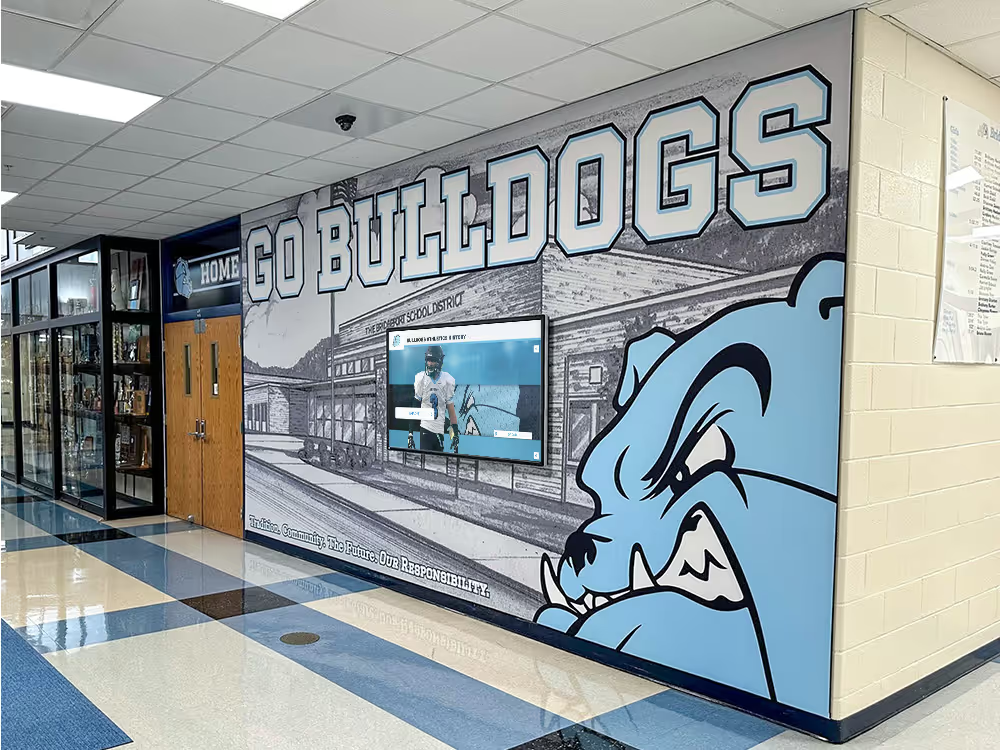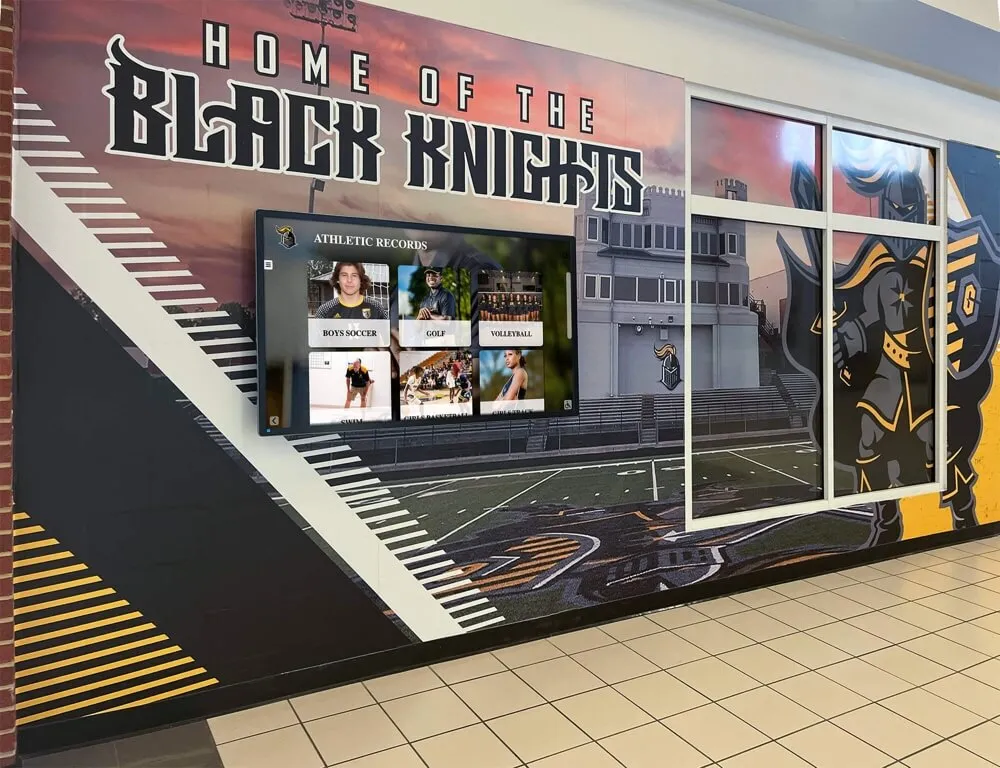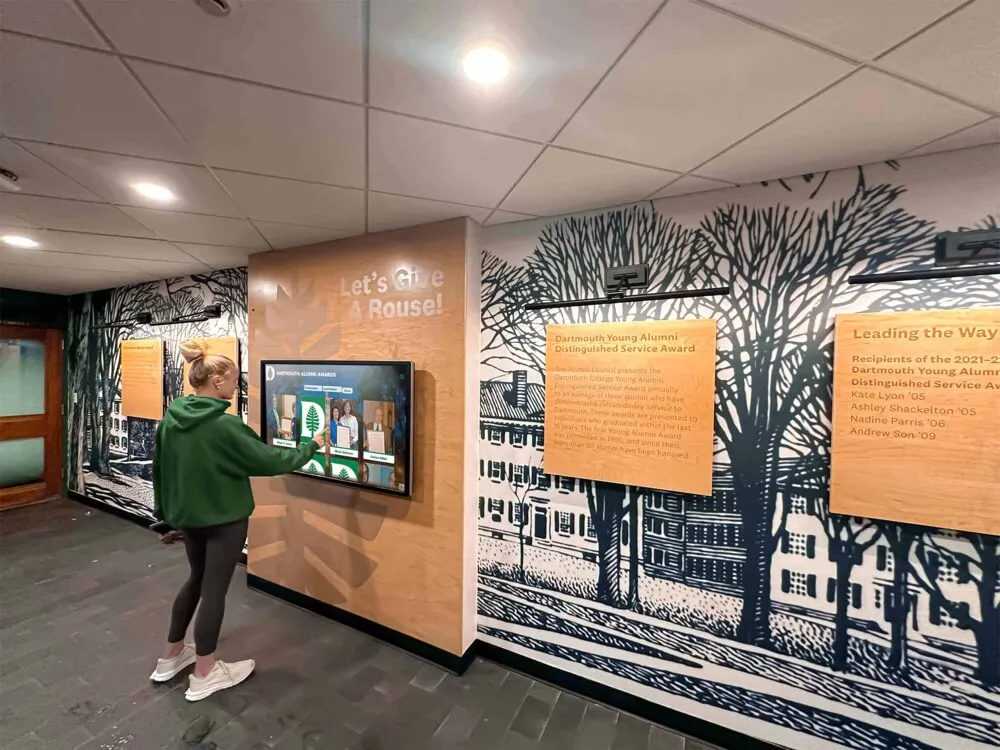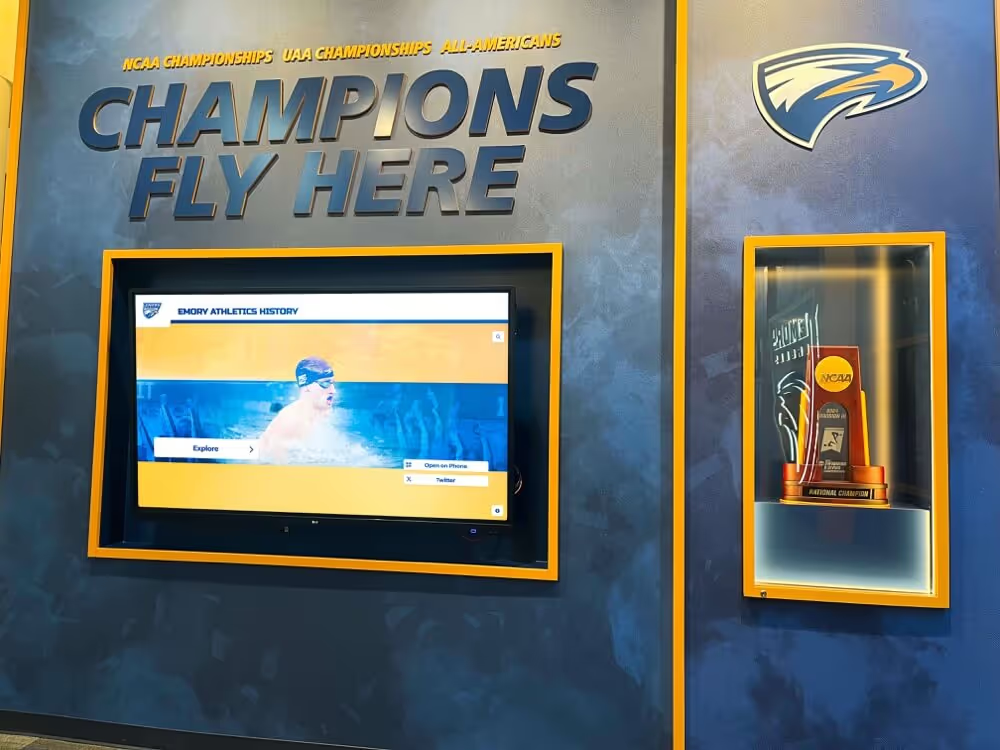




Every athletic director who has ordered a nameplate for an easy change record board knows the sequence: submit the athlete’s name and performance mark to the vendor, wait for the insert to arrive, then swap out the old piece on the board. That routine held up for decades. But programs tracking fifteen or more sports, multi-year record histories, and documented proof requirements are pushing past what an easy change format can handle. This post compares easy change record boards with digital record boards across the four dimensions that determine long-term fit: update workflow, proof requirements, space capacity, and maintenance costs.
Intent: Compare
This guide helps athletic directors and coaches evaluate which record board system best fits their program's size, budget, and growth trajectory. By the end, you'll know exactly where each format excels—and where it breaks down. Schools that need a faster path to a decision can book a live demo with Rocket Alumni Solutions to see a digital record board in action.
What Is an Easy Change Record Board?
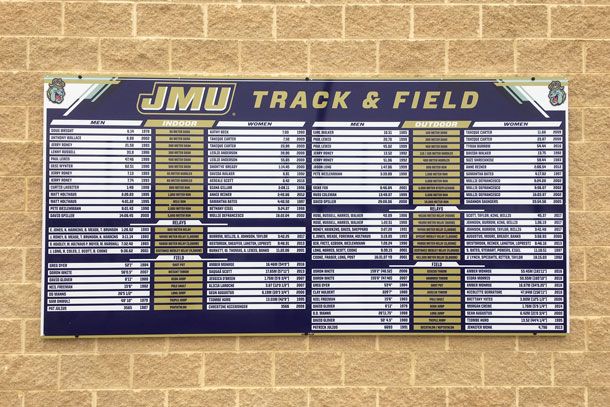
An easy change record board is a physical display system designed so individual name or performance inserts can be removed and replaced without reprinting or repainting the entire board. The most common construction uses grooved acrylic or painted wood panels with sliding letter tracks. Administrators pull out the existing nameplate—typically an engraved acrylic strip or a printed card inserted behind a clear pocket—and drop in a new one.
The design intent is practical: instead of hiring a sign shop to re-etch an entire plaque every time a record falls, the school orders just the new insert. Vendors who specialize in athletic recognition products offer easy change boards in standard configurations for most sports, with separate rows for each record category (season, career, single-game, relay) and labeled slots for name, grade, year, and performance mark.

How the Update Workflow Works
The update sequence for a typical easy change record board follows these steps:
- Athlete breaks a record at a meet, game, or practice
- Coach or athletic director verifies the mark against existing records
- AD submits an order to the board vendor (usually via email or an online form)
- Vendor manufactures the insert—engraved acrylic, printed card, or vinyl-lettered piece
- Insert ships to the school (standard lead time: three to ten business days)
- Staff member removes the old nameplate and installs the new one
That process can take up to two weeks from record date to board update. For programs running year-round across fall, winter, and spring seasons, that lag accumulates into a display that is nearly always slightly out of date.
Where Easy Change Boards Hit Their Limits
Easy change boards are a practical choice for small programs with limited budgets and manageable record volumes. But four structural constraints affect every program that grows beyond its initial footprint.
Space Capacity
Physical boards have fixed row counts. A standard easy change record board for track and field might accommodate the top ten performers in twenty event categories—reasonable at installation. Ten years later, the board is full. The school faces a choice: pull older names off the board, erasing history, or purchase a second board and find wall space to mount it.
Wall space in gymnasiums and field houses is a finite resource competed for by championship banners, team photos, and other recognition displays. Schools that recognize graduates and program alumni comprehensively run into this constraint across every recognition category they track, not just athletics.
Proof Requirements
When a record falls, who verifies it? Manual processes vary widely. Some schools require a signed form from the officiating scorer. Others rely on coach attestation. A few have no formal verification workflow at all, which creates vulnerability to errors and disputes years later.
Easy change boards store the record on the board—not a documentation trail. There is no built-in mechanism for attaching proof to the displayed entry. If a record is ever questioned years later, finding supporting documentation requires searching through paper files or historical meet results.
Multi-Sport Scalability
A complete easy change record board installation for a school offering fifteen varsity sports requires fifteen separate boards—one per sport, sized appropriately for that sport’s record categories. Each board needs individual maintenance, separate vendor relationships for replacement inserts, and its own physical wall footprint.
Basketball recognition programs that track individual stats alongside team records can require multiple boards for one sport alone. Multiply that across a full athletic program and the space and coordination demands become significant.
Time Cost of Updates
Ordering inserts takes staff time: writing the request, tracking vendor lead times, coordinating delivery, and physically installing the piece. For programs breaking records frequently—as often happens during a strong season or when a new class of exceptional athletes comes through—the administrative burden compounds. An easy change board doesn’t eliminate update friction; it just makes individual updates less expensive than a full board replacement.
How Digital Record Boards Work Differently
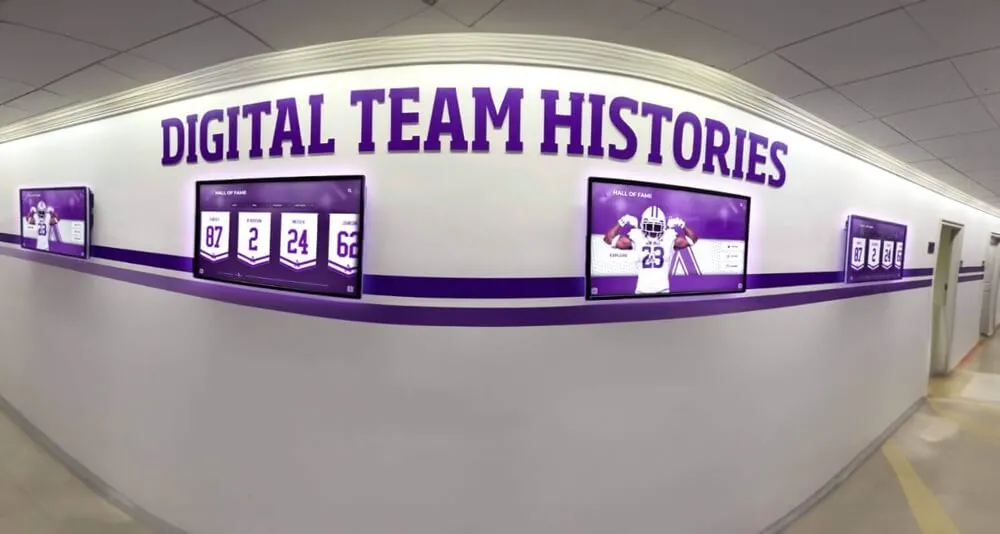
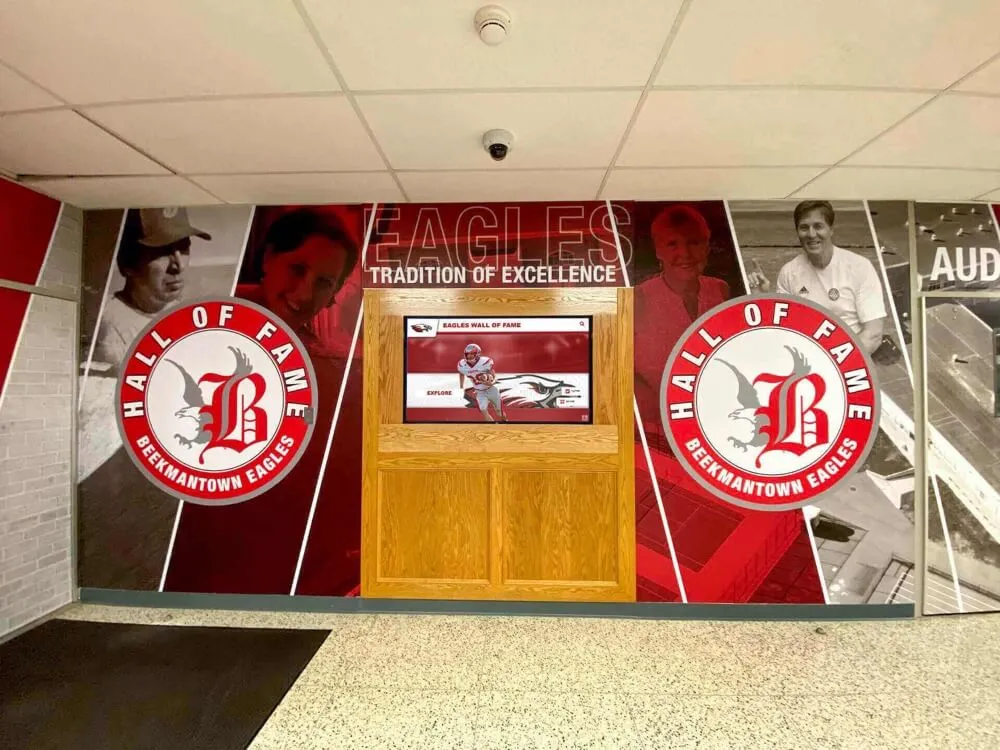
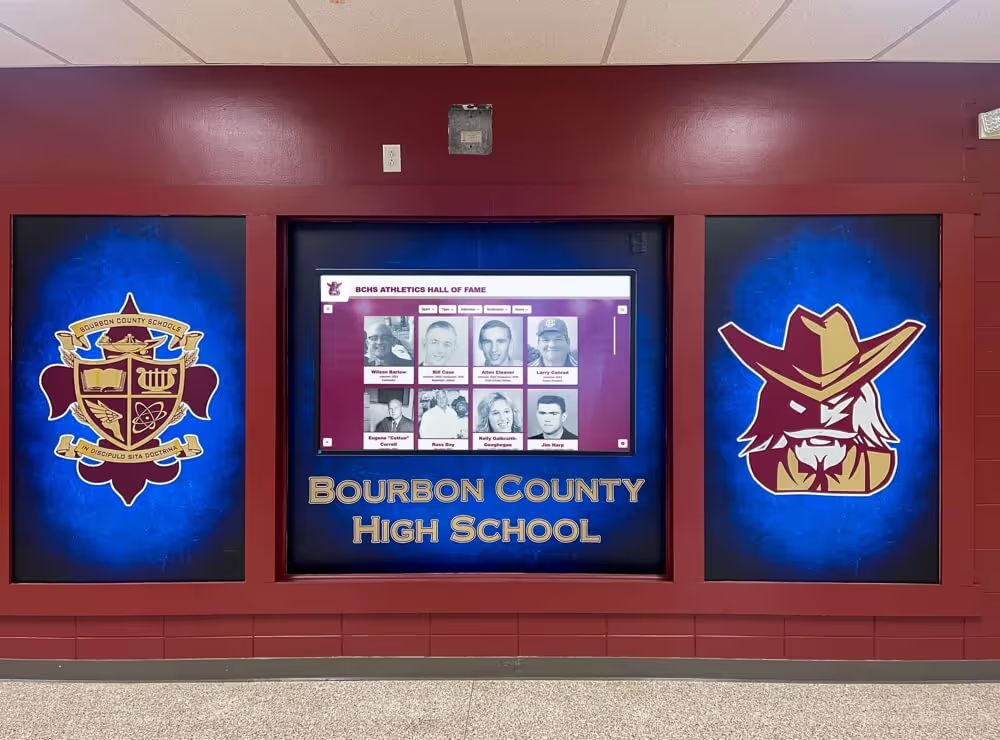
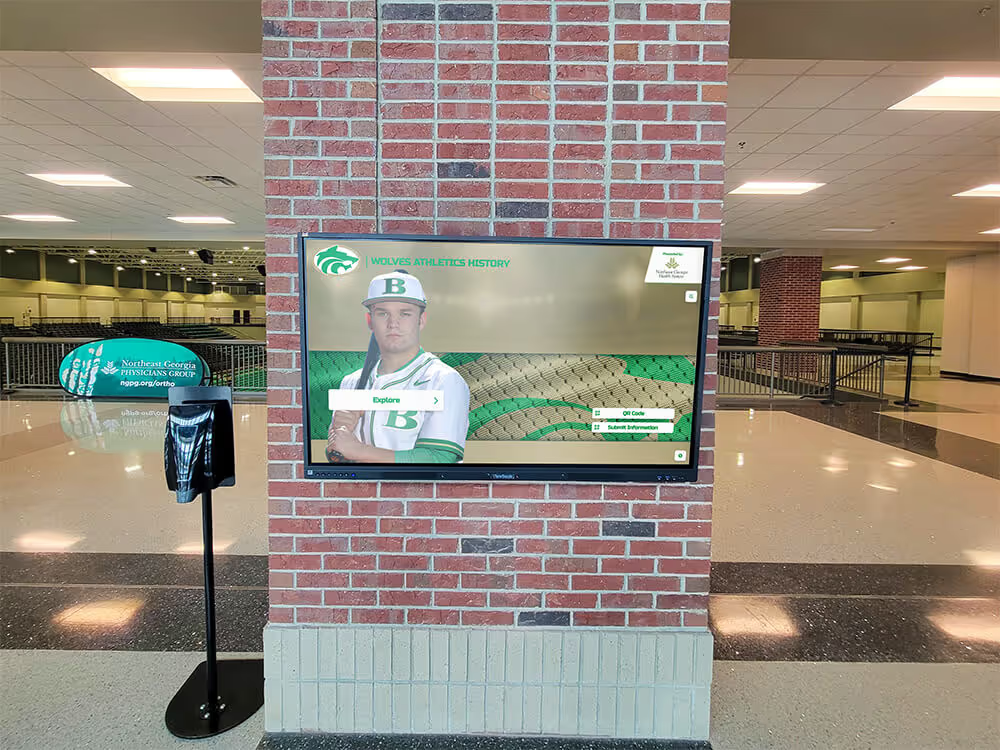
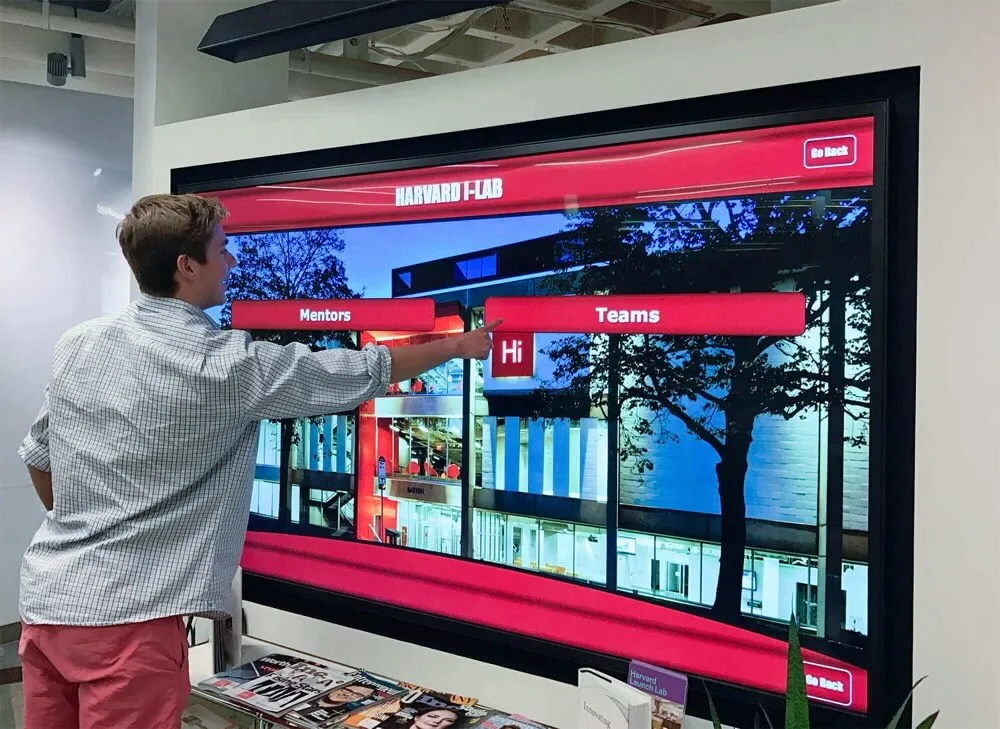
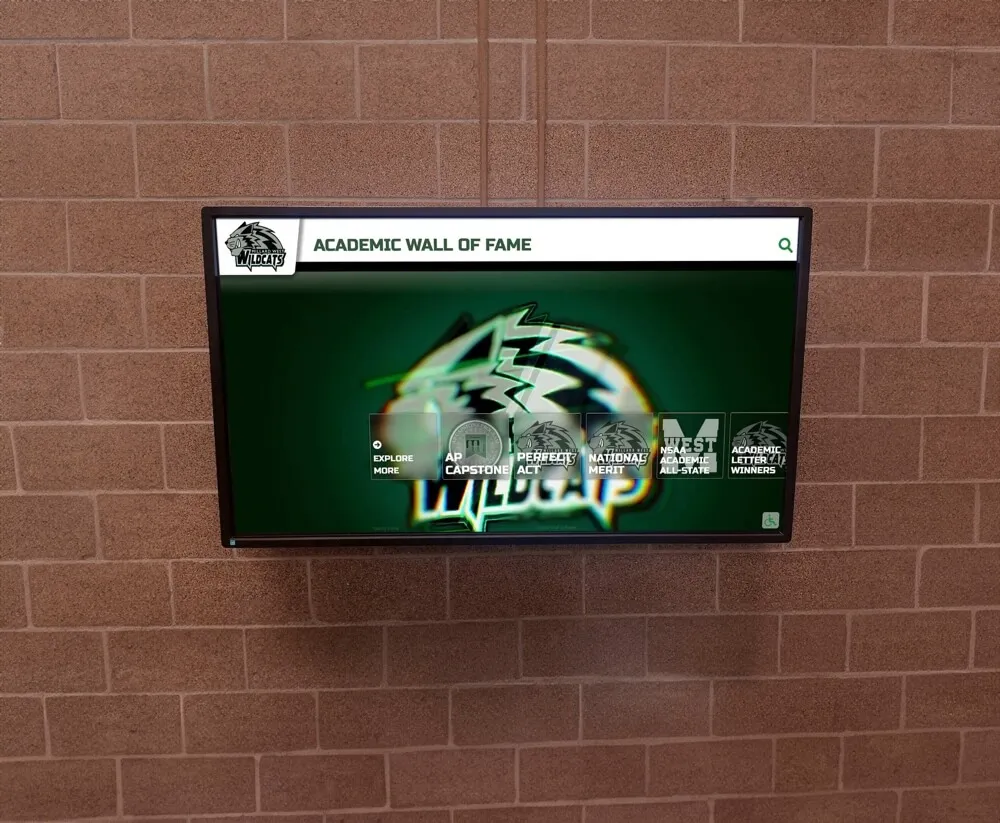
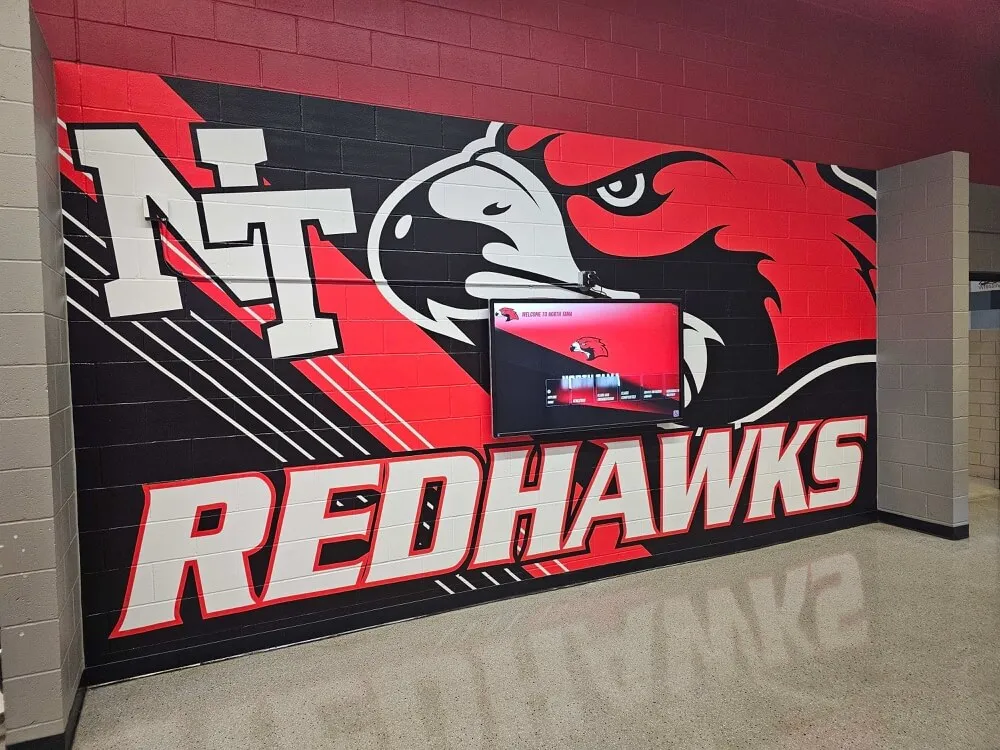
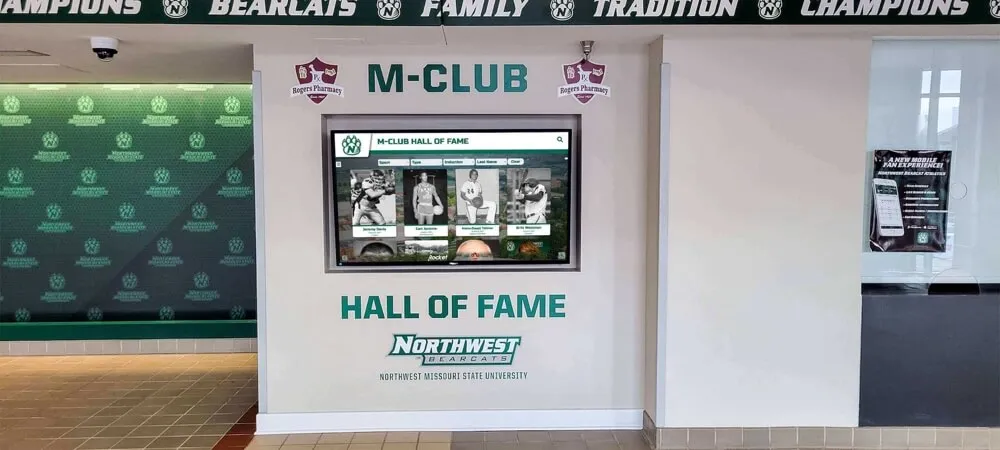
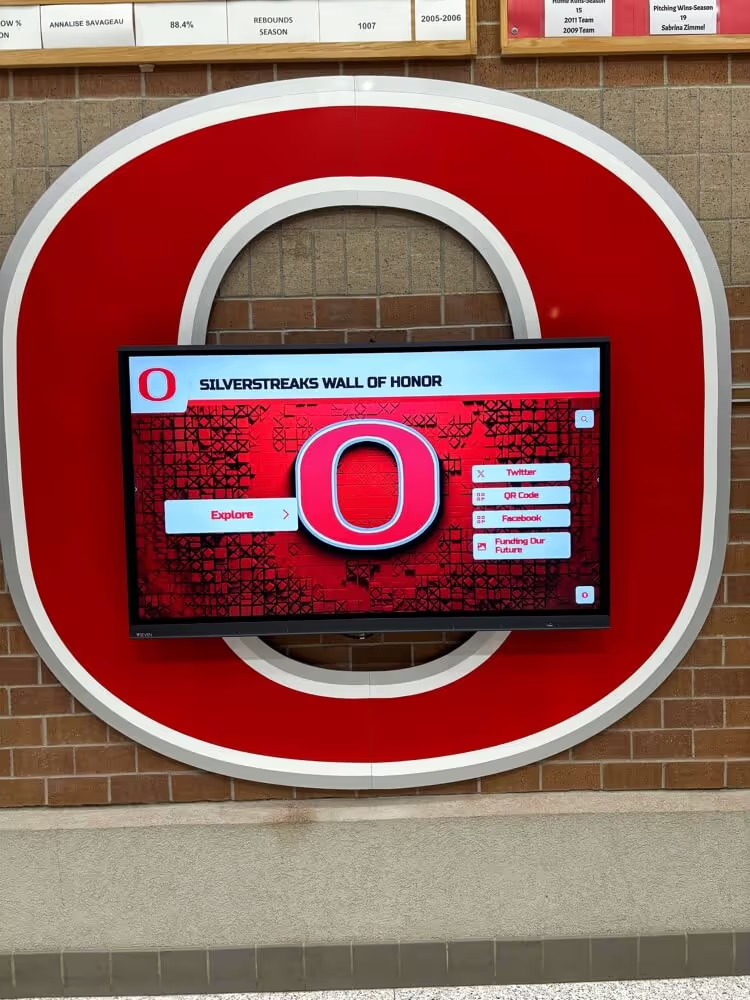
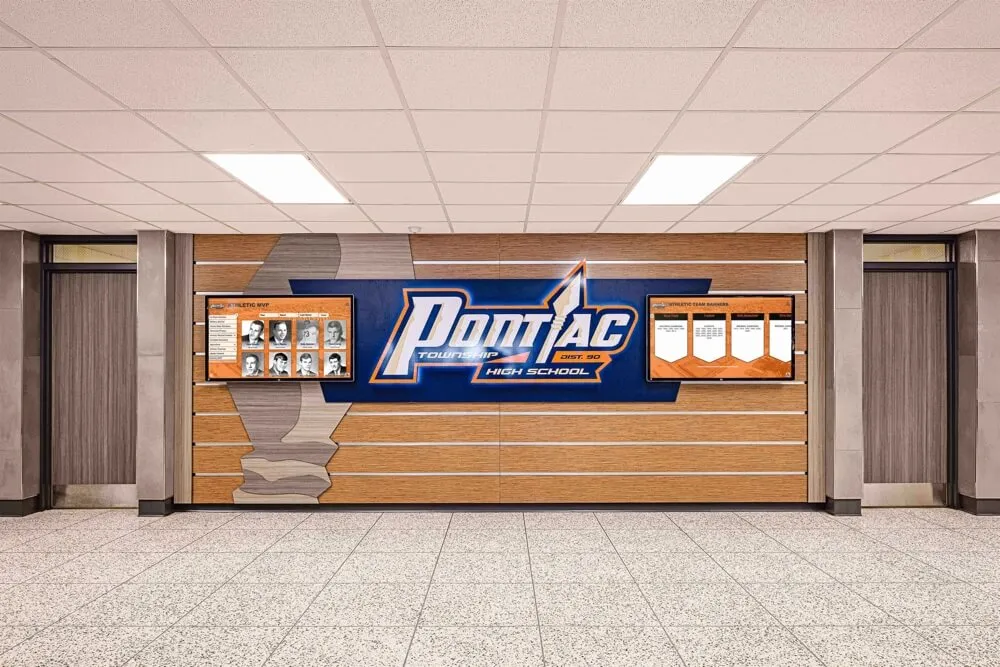
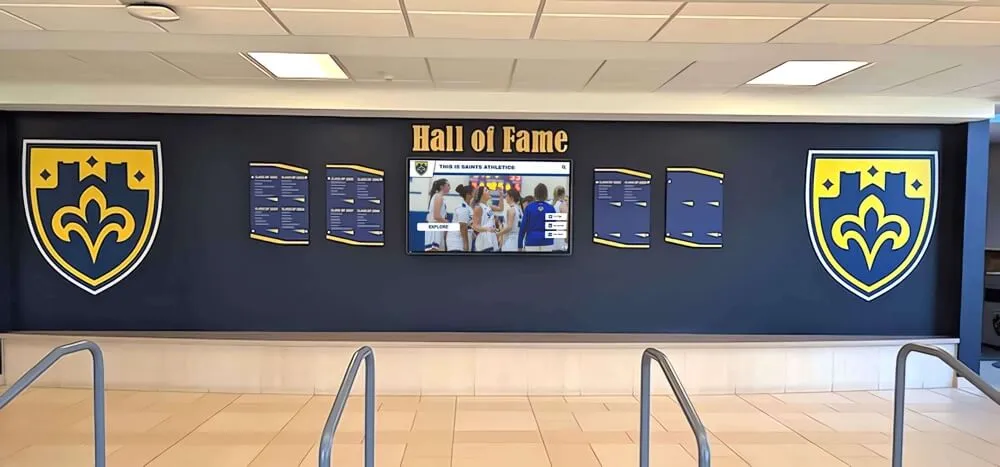
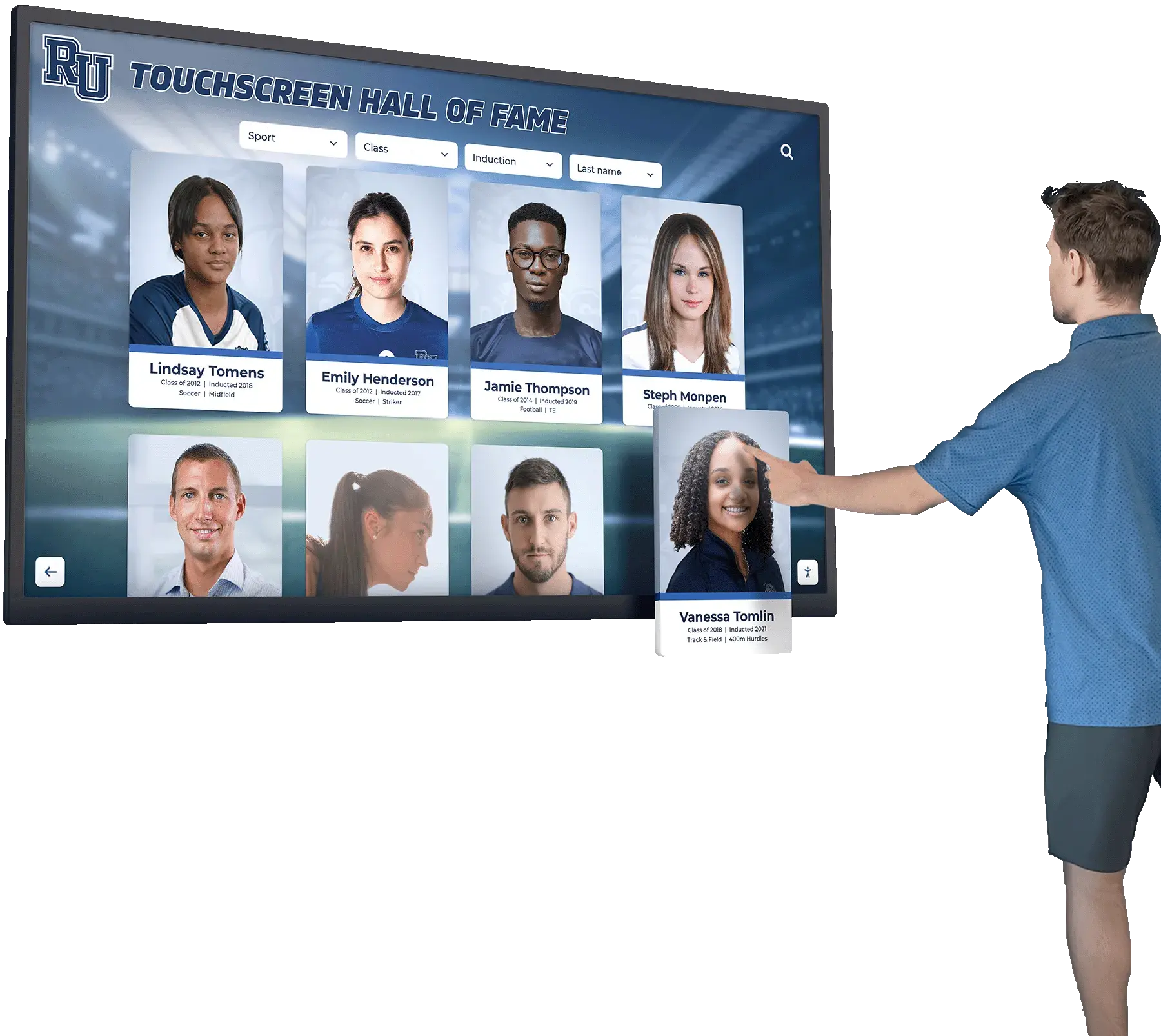
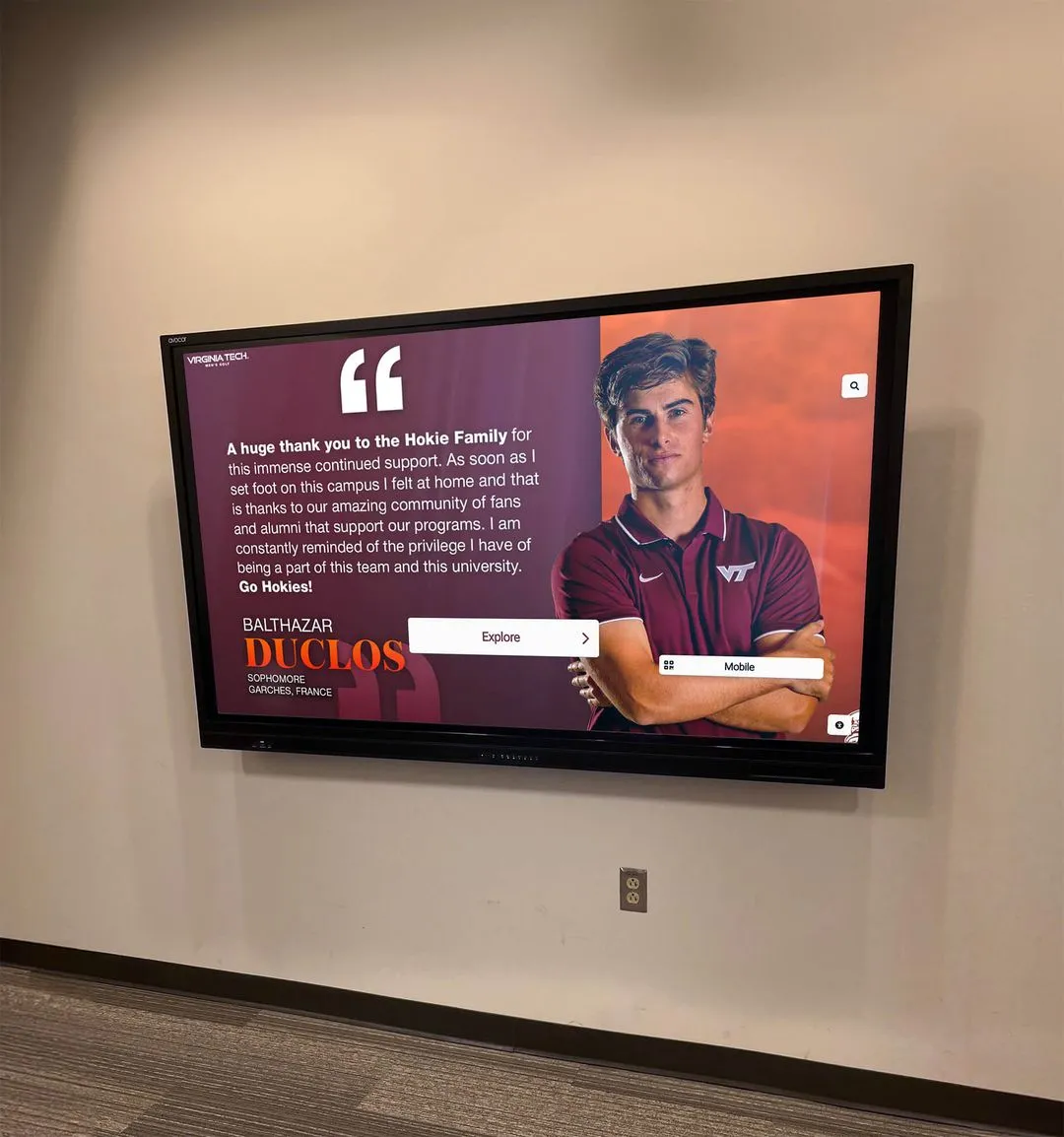
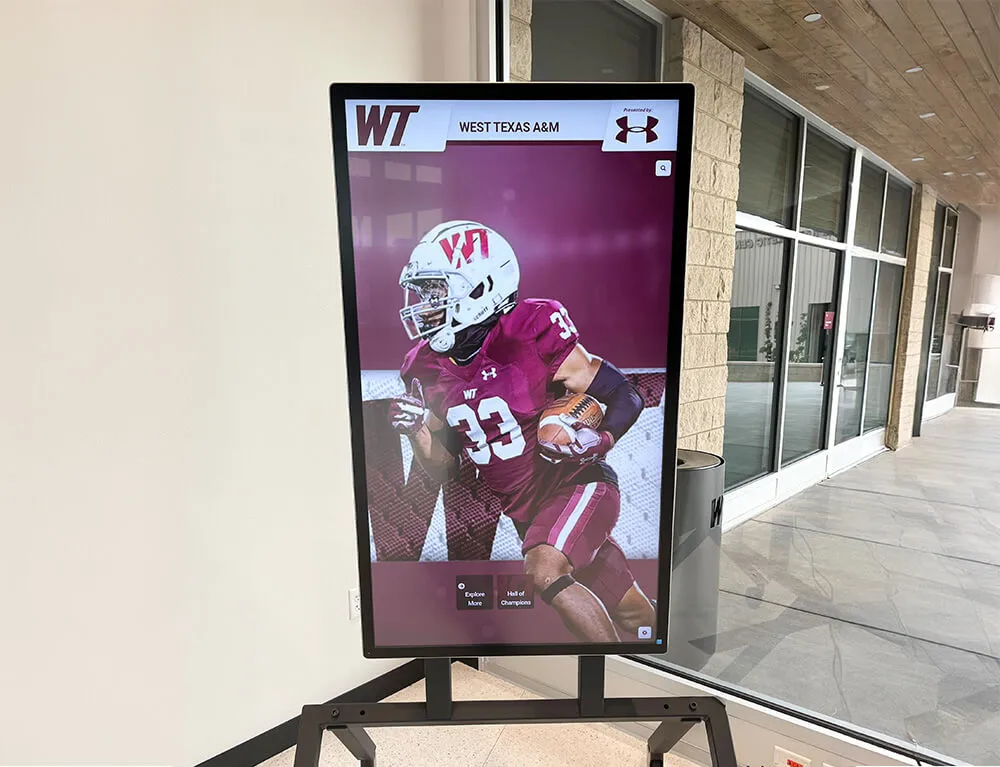
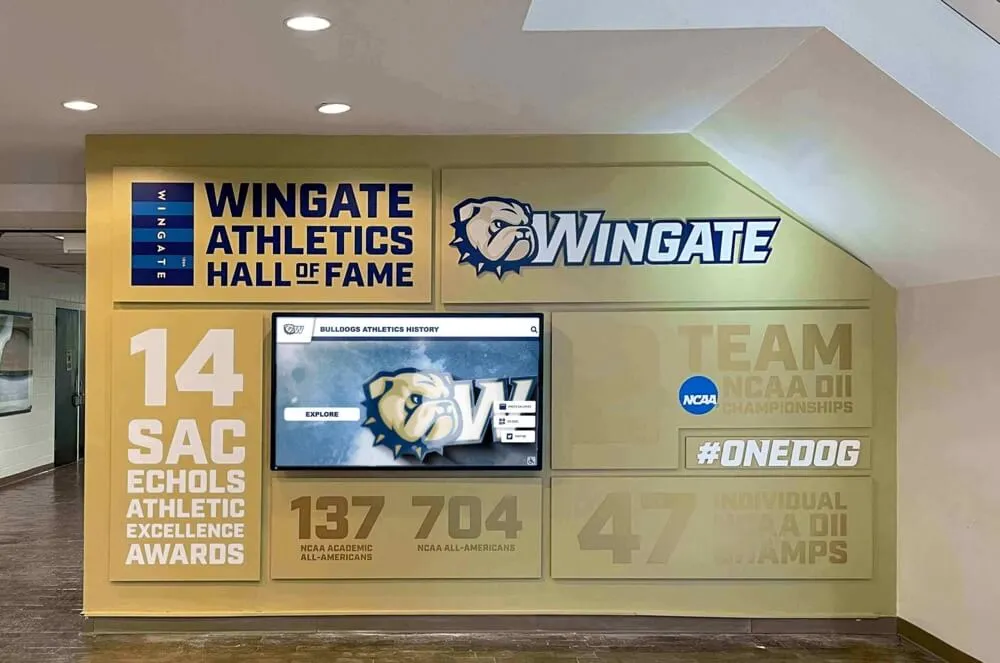
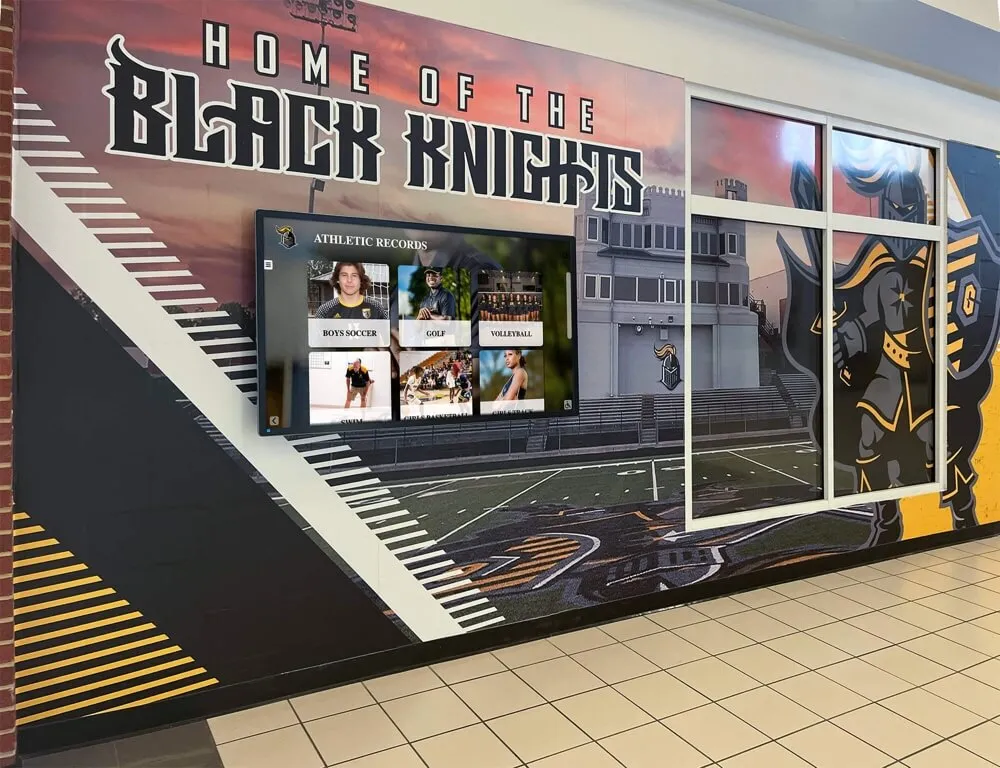
A digital record board replaces the physical insert system with a software platform and a wall-mounted display—touchscreen or standard monitor. Administrative staff log into a browser-based dashboard, enter the new record (name, event, performance, date, and any supporting media), and the board updates immediately.
No vendor order. No shipping wait. No ladder.
Key capabilities that differ from easy change boards:
Auto-ranking: When a new entry is added, the system re-sorts all existing records automatically. The board always shows the correct order without manual resequencing.
Unlimited capacity: Digital systems are not constrained by physical rows. A swimming program can preserve every record holder back to the program’s founding without removing names.
Built-in proof workflow: Administrators upload game sheets, official timing certificates, or meet result files alongside each entry. The documentation lives with the record and is retrievable at any time.
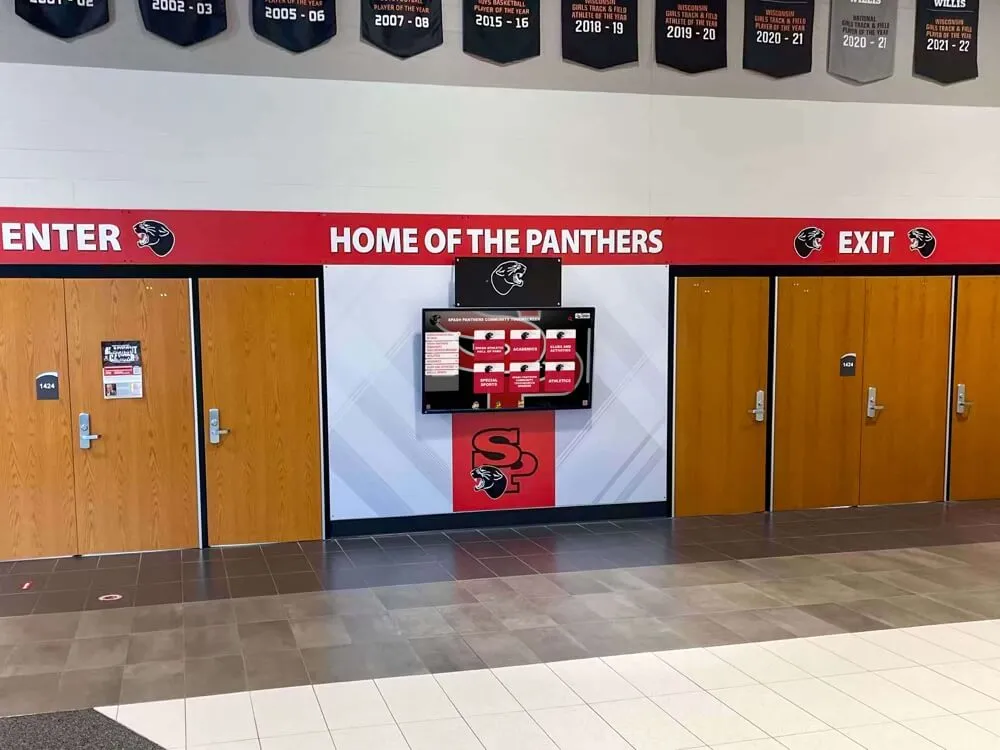
Multi-sport on a single platform: One digital record board system handles all sports, accessible from the same administrator interface and displayable on one or multiple screens across campus.
Remote update access: An AD can enter a new record from a smartphone during a meet and have the board reflect the change before athletes leave the facility.
ADA-compliant design: Digital systems built for school environments meet accessibility standards, including responsive layouts for mobile access and screen-readable displays.
Platforms like Rocket Alumni Solutions also include QR unlock features so athletes and families can browse full record histories on their phones—extending recognition beyond the physical display.
Side-by-Side Comparison Table
| Feature | Easy Change Record Board | Digital Record Board |
|---|---|---|
| Update method | Order and install physical insert | Browser-based entry, updates live |
| Time to update | 3–10 business days plus install | Under 5 minutes |
| Record capacity | Fixed by physical row count | Unlimited entries |
| Multi-sport management | Separate board per sport | Single platform, all sports |
| Proof documentation | Separate paper or digital file | Attached at record entry |
| Historical preservation | Removed when rows fill | All-time history retained |
| ADA compliance | Not inherently compliant | Designed for compliance |
| Auto-ranking | Manual resequencing | Automatic on each new entry |
| Ongoing cost driver | Replacement inserts plus staff labor | Software subscription |
A Scenario: Weight Room Strength Records
Consider a high school strength program that tracks the top ten squat performances across four weight classes. With an easy change record board mounted in the weight room, the update process is predictable: a junior breaks the record in the 180-pound class, the coach submits a new insert order, and about a week later a staff member swaps the nameplate during lunch.
That workflow holds until preseason arrives and five athletes break records in the same week. Five separate insert orders. Five separate arrivals. Five separate installation trips. Meanwhile, the board shows outdated standings for up to two weeks—and athletes checking it during training are seeing inaccurate information.
With a digital record board, the coach enters each new mark as it happens. The board updates in real time. Athletes see accurate standings during the next morning’s session. The coach can upload the verification sheet from the official weigh-in alongside each entry, building a documented audit trail without any additional administrative steps.
This use case also illustrates why programs with strong alumni engagement benefit from digital displays. Athletic alumni mentor programs that bring former athletes back to campus can give visitors an interactive way to explore historical records—not just see who holds the current mark.

Long-Term Maintenance: The Real Cost Picture
Easy change record boards carry ongoing costs that are easy to underestimate at purchase:
- Replacement inserts per broken record (engraving and material costs vary by vendor and method)
- Staff time to process orders, manage deliveries, and physically install pieces
- Full board replacement when backing materials fade, warp, or crack—typically every eight to fifteen years depending on environment
- Additional boards if programs expand beyond original capacity
- Reorders for lost or damaged inserts, which is common in high-traffic facilities
Digital record boards have a different cost structure:
- Hardware: display, mount, and media player (one-time purchase)
- Software subscription: annual or multi-year licensing
- Network requirements: typically minimal, standard Wi-Fi or wired connection
- Hardware maintenance: standard commercial display care
The total cost of ownership over a ten-year period often favors digital systems for mid-to-large programs when staff time is factored in at an hourly rate. Smaller programs with few sports and low record update frequency may find easy change boards cost-effective for longer.
Schools expanding recognition beyond athletics—adding teacher appreciation boards, senior college decision displays, or leadership recognition programs—find the multi-use capability of digital systems spreads the cost across more program areas.
Using Digital Boards for Broader School Recognition
One factor that tips the decision for many athletic directors is versatility. A digital record board can also serve as:
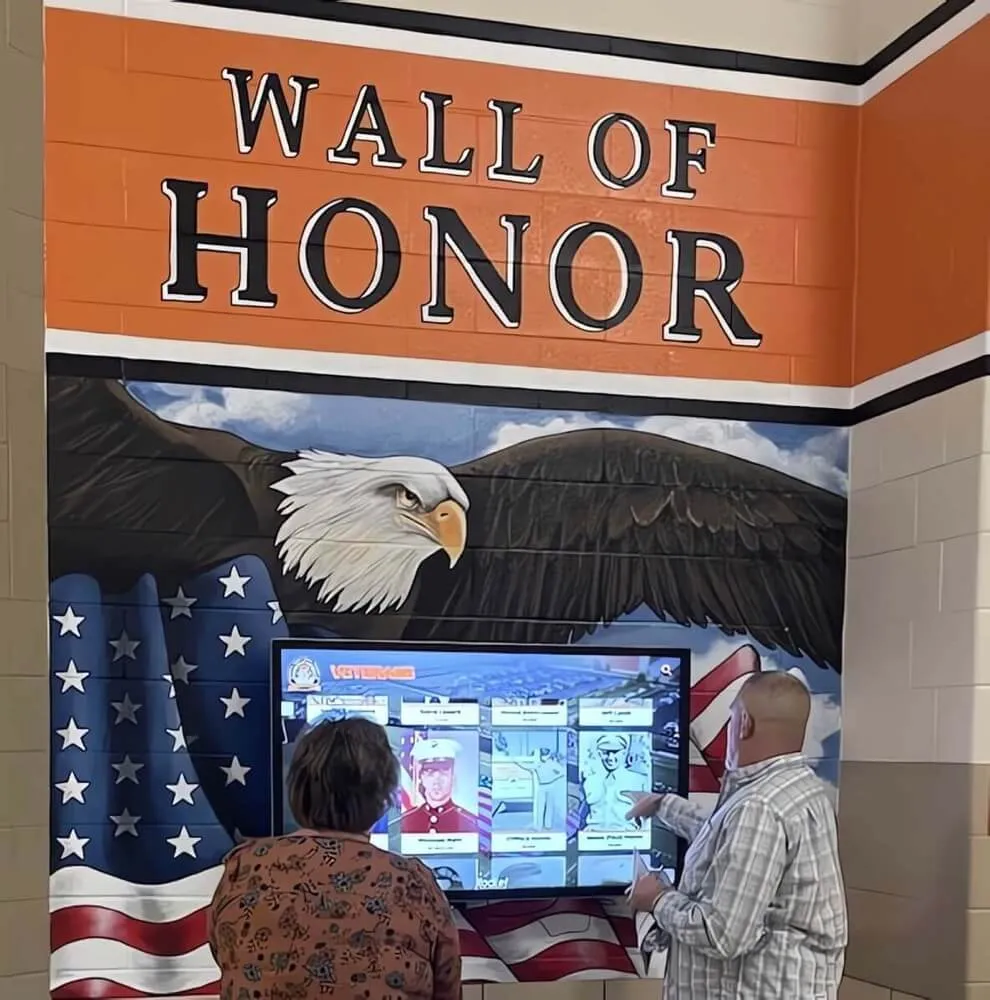
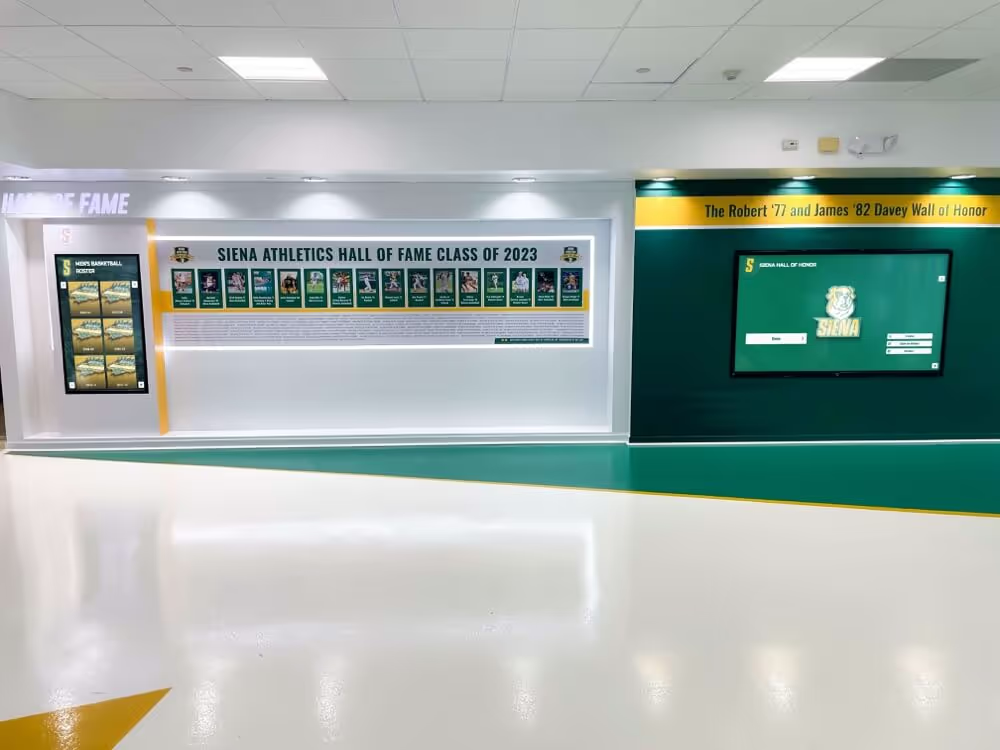
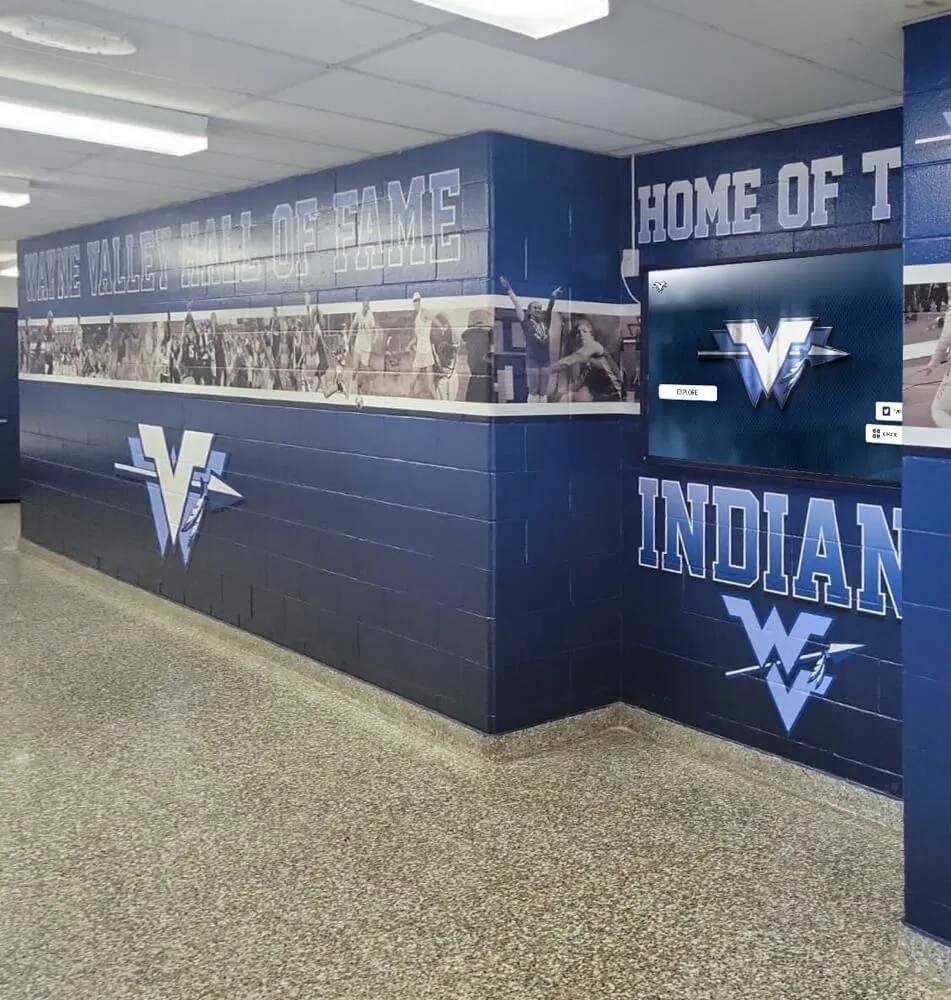
- A digital hall of fame with full athlete profiles, photos, and career highlights
- An academic achievement wall tracking honor roll, GPA milestones, and scholarship recipients
- A display for school events and student milestones
- A recognition platform integrated with social media graphics for sharing achievements online
Easy change record boards serve exactly one function: displaying current record holders. Digital platforms cover that function and scale to serve the full recognition program across departments.
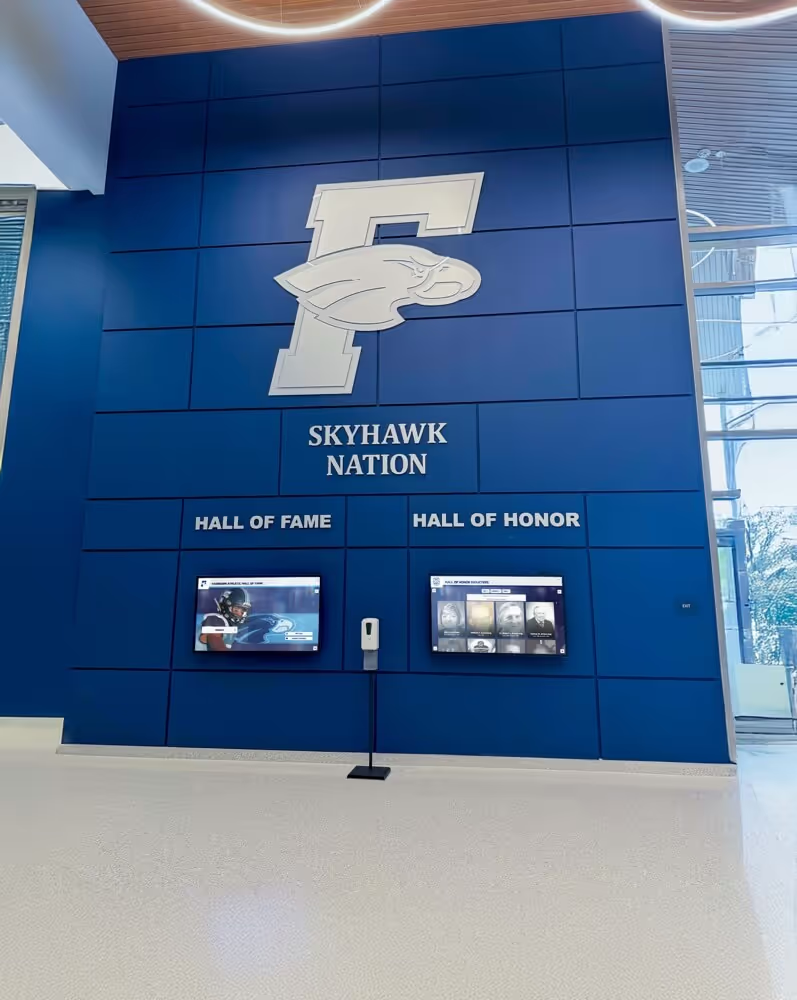
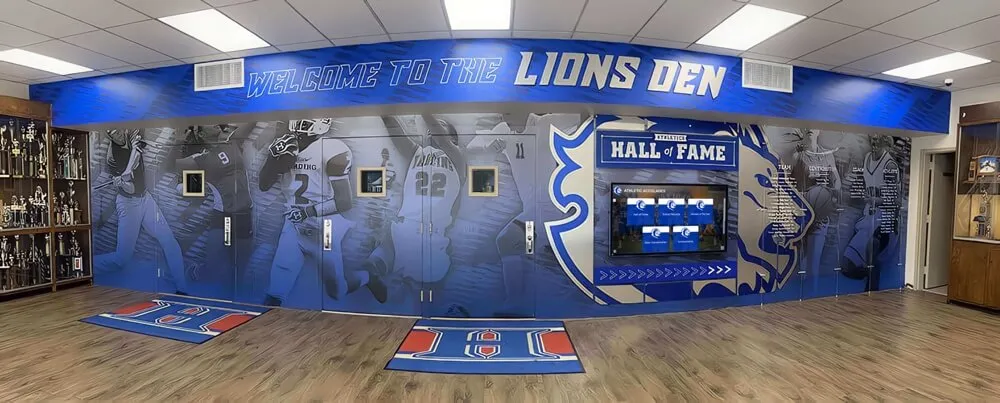
When a school is planning a formal hall of fame induction ceremony and wants a permanent display that integrates with the event, a digital system provides searchable honoree profiles, photo galleries, and video highlights that an easy change board cannot match.
See a Digital Record Board in Action
Rocket Alumni Solutions builds digital record boards for K-12 schools and universities. Schedule a live Zoom demo to see auto-ranking, unlimited records, and the proof upload workflow on a real display.
Book a Digital Record Board DemoQuestions to Ask Before You Decide
These questions clarify which system fits your program:
How many sports do you track? Programs with five or fewer sports may find easy change boards manageable. Programs tracking ten or more sports benefit substantially from a unified digital platform that eliminates per-sport board purchases.
How often do records fall? Programs that break records several times per season need a faster update cycle than easy change boards provide. A digital system eliminates the insert ordering lag entirely.
Do you have space for expansion? If your walls are already at capacity, a digital display consolidates multiple boards into a single footprint without sacrificing any content.
What does your proof process look like? Programs with formal verification requirements—state championship documentation, district athletic standards—benefit from proof upload built into the entry workflow rather than a separate paper trail.
Do you want to preserve full program history? If your program has thirty or more years of records worth preserving, an unlimited-entry digital system prevents the name-removal problem that plagues aging easy change boards with fixed row counts.
Are other staff using the same recognition platform? When multiple departments share a digital platform for recognition—athletics, academics, guidance—the cost per use case drops and the administrative overhead of managing multiple separate systems disappears.
Frequently Asked Questions
Can an easy change record board be converted to a digital system later? Yes. Most schools transition incrementally—keeping existing physical boards while installing a digital display in a more prominent location. Over time, the physical boards are retired as the digital system becomes the primary reference point for records and history.
What does a digital record board installation look like? Rocket Alumni Solutions provides display hardware, mounting hardware, and software configuration. Installation is typically completed in a single visit. The admin dashboard is web-based and requires no software installation on school computers—any staff member with credentials can update records from any device.
Does a digital record board work without an internet connection? Most systems require an internet connection for real-time updates. Some platforms support a local caching mode that keeps the display running if connectivity is temporarily interrupted, then syncs when the connection is restored.
How are records verified before they appear on the board? Verification is administrator-controlled. Entries remain in a draft state until reviewed and approved. The proof upload feature lets staff attach official meet results, game sheets, or signed coach attestations before any entry goes live on the display.
Is a digital record board ADA compliant? Digital record boards designed for school environments—including those from Rocket Alumni Solutions—are built with ADA compliance as a baseline requirement, covering accessible display heights, contrast ratios, and mobile-accessible QR interfaces for visitors who cannot interact with the primary screen.
What happens when a digital record board system is discontinued? Reputable providers export data in standard formats (CSV, JSON) so records are never held captive to a single vendor. Before purchasing any system, confirm the data export policy and portability terms.
Ready to Move Beyond Easy Change?
If your program is outgrowing its current record board—or you're planning a new athletic facility and want to get this right from day one—schedule a Zoom with Rocket Alumni Solutions and see exactly how a digital record board fits your setup.
Schedule a Zoom Demo