



Early National Signing Day in December has transformed how high schools celebrate student-athletes committing to college programs. Established to give football recruits an earlier opportunity to sign National Letters of Intent, this December signing period now represents a significant milestone for athletes, families, and school communities. For athletic directors and coaches, creating meaningful Early National Signing Day celebrations requires thoughtful planning that honors each athlete’s achievement while building program culture and inspiring younger athletes to pursue their own college athletic aspirations.
This comprehensive guide provides high schools with practical strategies for celebrating Early National Signing Day, from ceremony planning and recognition displays to media coverage and long-term commemoration. Whether your school celebrates one signee or dozens, these approaches help create memorable experiences that validate the years of dedication student-athletes invested in reaching this competitive achievement.
Understanding Early National Signing Day's Evolution and Impact
The NCAA established the Early Signing Period in 2017 to provide football recruits an earlier opportunity to finalize college commitments. Since its inception, the December signing window has become the primary signing period for most Division I football recruits, with approximately 75-80% of scholarship athletes signing during the early period rather than waiting until traditional February signing day. This shift fundamentally changed high school celebration timelines, requiring athletic departments to plan recognition events during December rather than mid-year. Beyond football, the early signing period has influenced recruiting across multiple sports, with many athletes in basketball, soccer, and other programs also finalizing commitments before winter break.
Planning Your Early National Signing Day Ceremony
Establish Your Timeline and Format
Early National Signing Day ceremonies require careful scheduling around academic calendars, winter break proximity, and athletic department resources. Most schools schedule ceremonies during the designated early signing period (typically mid-December), choosing between several format options:
Morning Ceremonies: Many high schools conduct signing celebrations during school hours, often in gymnasiums, libraries, or cafeterias. Morning events allow student body attendance, creating peer recognition moments while enabling local media coverage during regular business hours. Consider scheduling 1-2 periods before lunch to maximize student attendance without disrupting full instructional days.
Evening Celebrations: After-school or evening ceremonies accommodate working parents, enable extended family attendance, and provide more time for comprehensive recognition without academic schedule constraints. Evening events often incorporate receptions with refreshments, extended photo opportunities, and informal celebration time.
Individual vs. Group Ceremonies: Determine whether to hold a single group ceremony honoring all Early National Signing Day athletes together or individual sport-specific celebrations. Group ceremonies create broader community recognition and efficient use of resources, while individual ceremonies allow sport-specific focus and customization.
Coordinate with your school’s communications team at least 3-4 weeks in advance to ensure proper promotion, media notification, and internal scheduling alignment.
Create Meaningful Ceremony Elements
Effective Early National Signing Day ceremonies balance formality with personal touches that make each student-athlete feel individually recognized. Essential ceremony components include:
Official Signing Table Setup: Create a professional signing table featuring:
- School tablecloth or covering in school colors
- Name placards identifying each signee
- Official National Letter of Intent documents
- Pens for ceremonial signing
- College apparel, hats, or banners representing commitment institutions
- Professional backdrop for photography (school logos, banners, or branded displays)
Family Recognition: Reserve front-row seating for signees’ families and provide opportunities for family participation:
- Parents flanking athletes during signing moments
- Sibling involvement in photo opportunities
- Grandparents or special mentors acknowledged during introductions
- Family photo time immediately following official ceremony
Coach and Administrator Remarks: Brief speeches from athletic directors, head coaches, or principals contextualizing the achievement and congratulating student-athletes on reaching this competitive milestone. Keep remarks focused (3-5 minutes per speaker) to maintain ceremony energy and ensure adequate time for individual athlete recognition.
Student-Athlete Profiles: Develop comprehensive profiles for each signee that capture:
- Athletic achievements and statistics
- Academic accomplishments and honors
- College choice rationale and program information
- Thank you messages to coaches, teammates, families, and supporters
- Future goals and aspirations
These profiles can be shared verbally during introductions, displayed on screens or printed programs, and preserved in digital recognition displays that celebrate signees long after ceremony day.
Coordinate Media Coverage and Publicity
Early National Signing Day represents significant news for school communities and local media outlets. Maximize positive publicity through strategic media coordination:
Pre-Event Media Relations:
- Send press releases to local newspapers, television stations, and sports media 7-10 days before signing day
- Include athlete names, commitment colleges, sports, and ceremony logistics
- Provide contact information for interview requests
- Share athlete statistics, achievements, and background stories
- Prepare high-resolution athlete photos for publication
Day-of Media Facilitation:
- Designate a media liaison to coordinate coverage logistics
- Reserve media seating or standing areas with clear sightlines
- Schedule interview times that don’t disrupt ceremony flow
- Provide media packets with athlete information, quotes, and statistics
- Coordinate one-on-one athlete interview opportunities after formal ceremony
Social Media Amplification:
- Create ceremony hashtags (#SchoolNameSigningDay2026)
- Live-tweet or post ceremony highlights as they occur
- Share individual athlete commitment announcements across platforms
- Tag commitment colleges to encourage institutional sharing
- Post professional ceremony photos within 24 hours
Local media coverage extends recognition beyond your immediate school community while showcasing your athletic program’s success in developing college-level talent.
Building Long-Term Recognition Systems
Create Permanent Signing Day Displays
While ceremony celebrations provide important immediate recognition, permanent displays ensure your school continuously honors college athletic commitments as part of institutional culture and tradition.
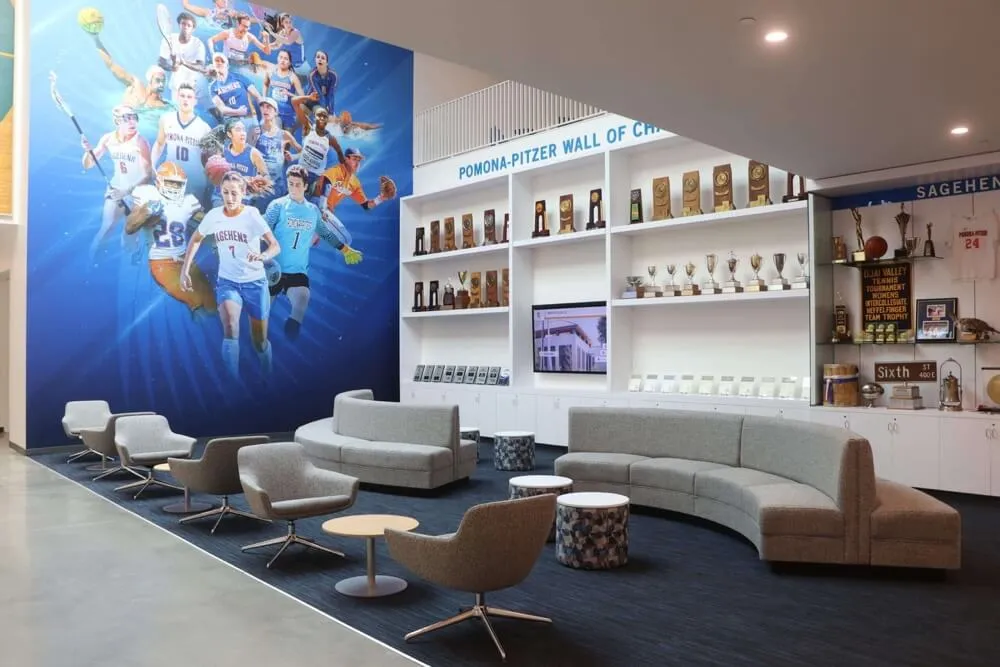
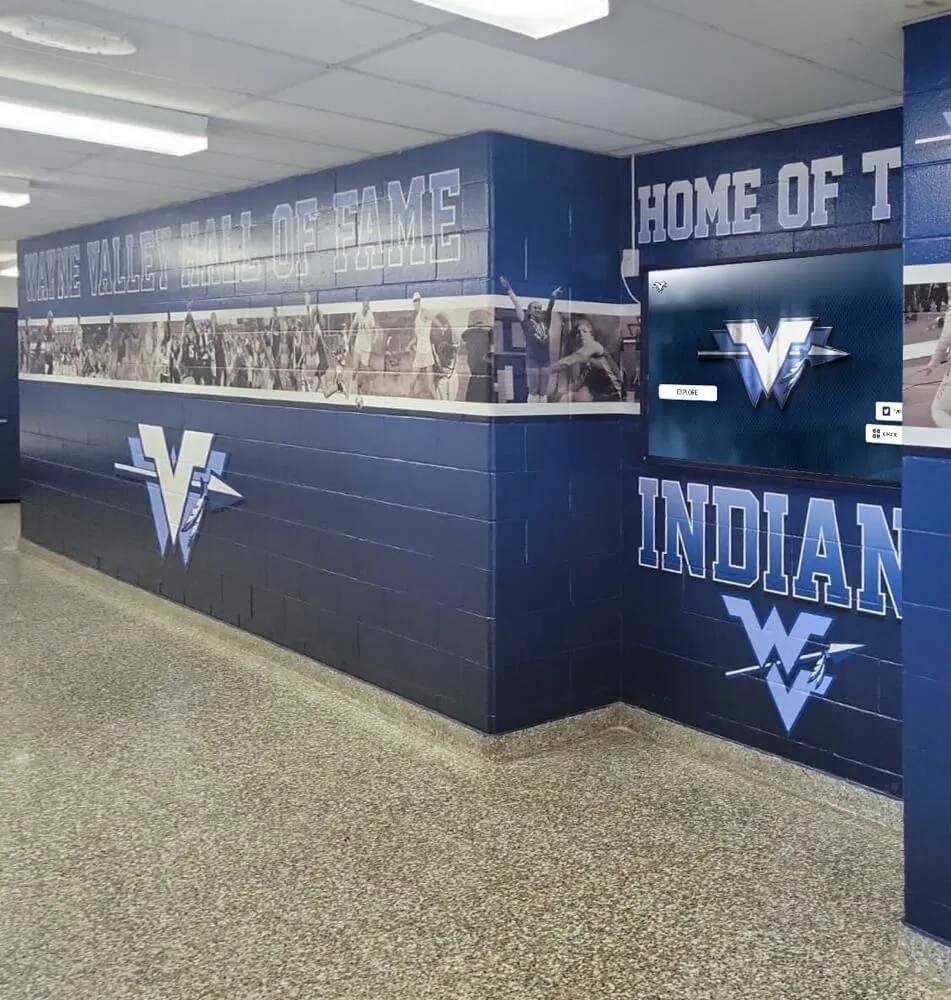
Traditional approaches include dedicated “College Signees” hallway displays, trophy case sections, or gymnasium walls featuring plaques or photos of athletes who earned college athletic opportunities. However, these static solutions face space limitations—eventually running out of room for new signees—and maintenance challenges when information becomes outdated.
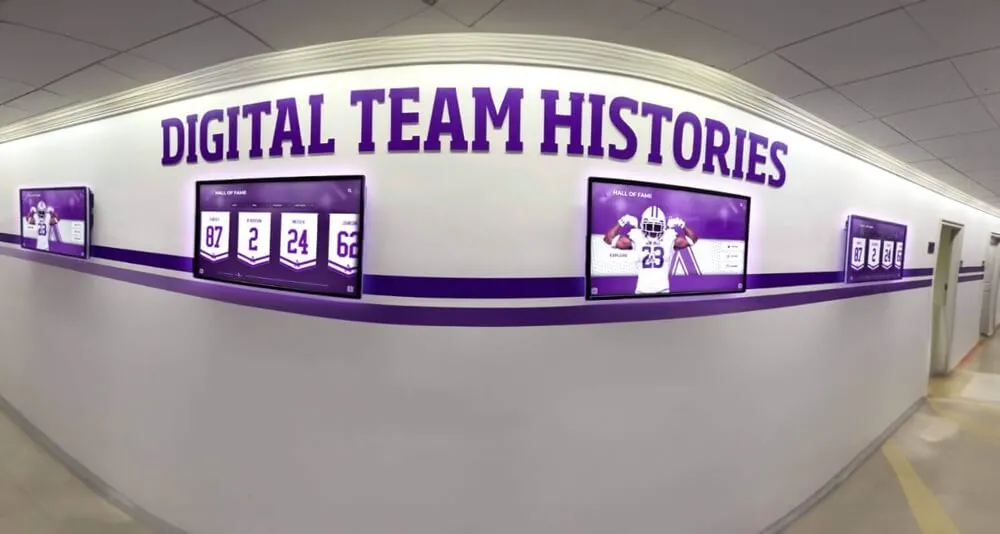
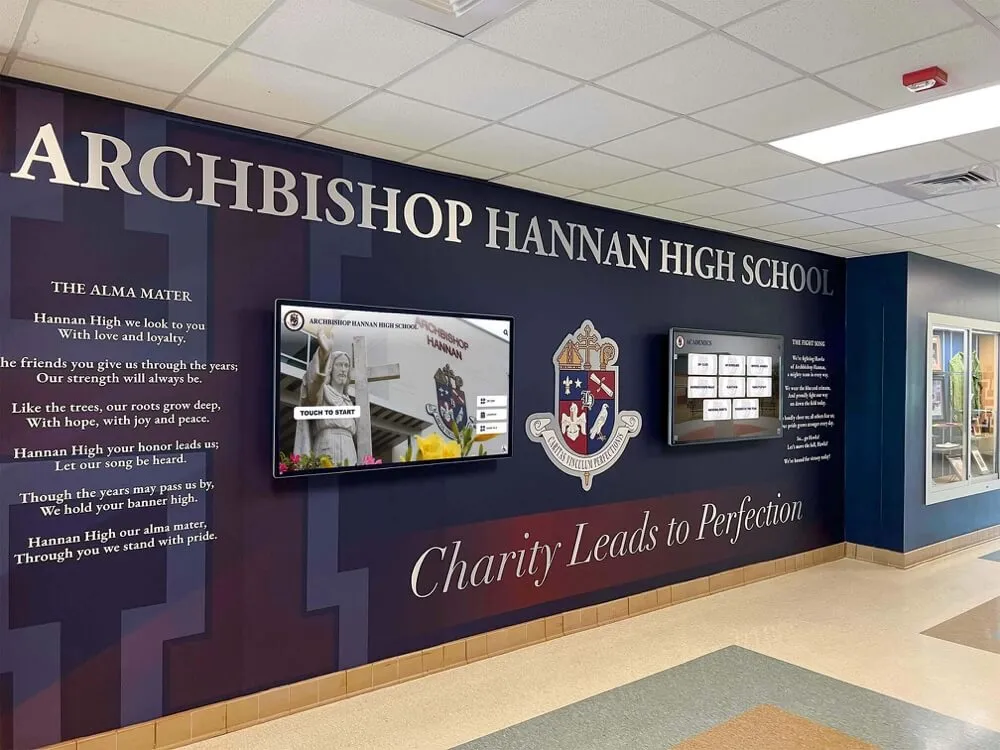
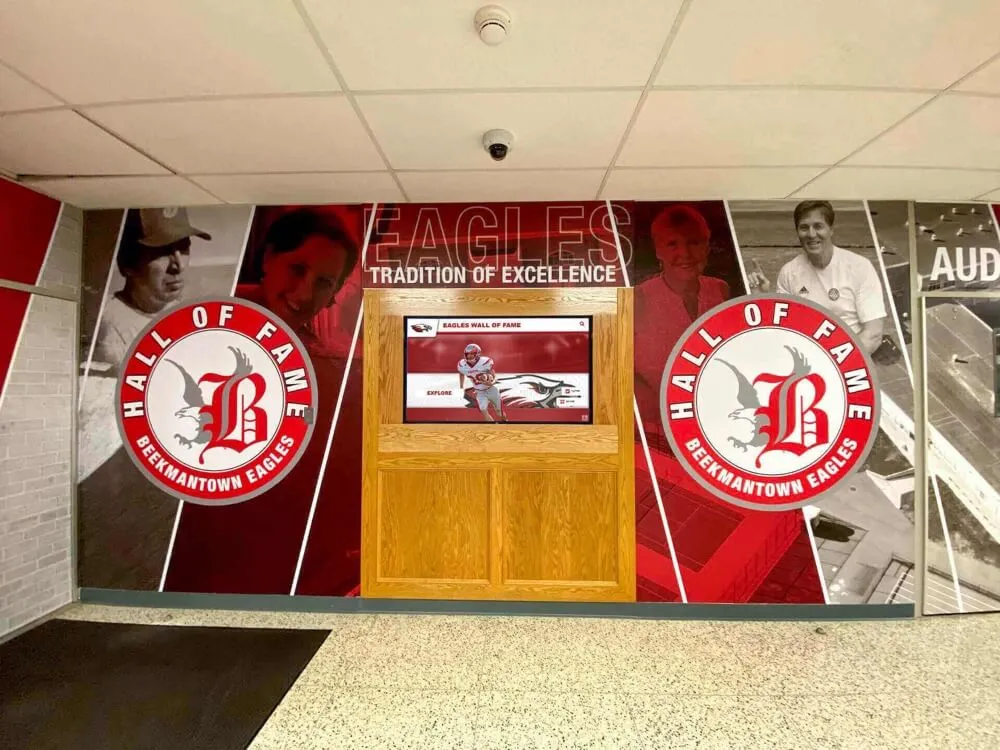
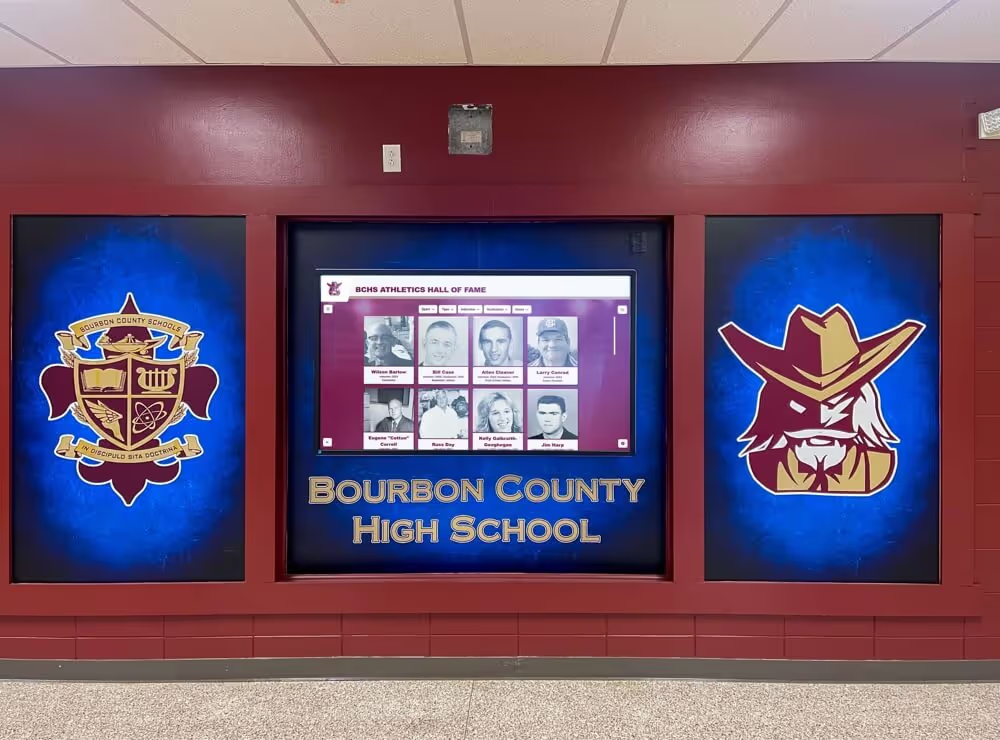
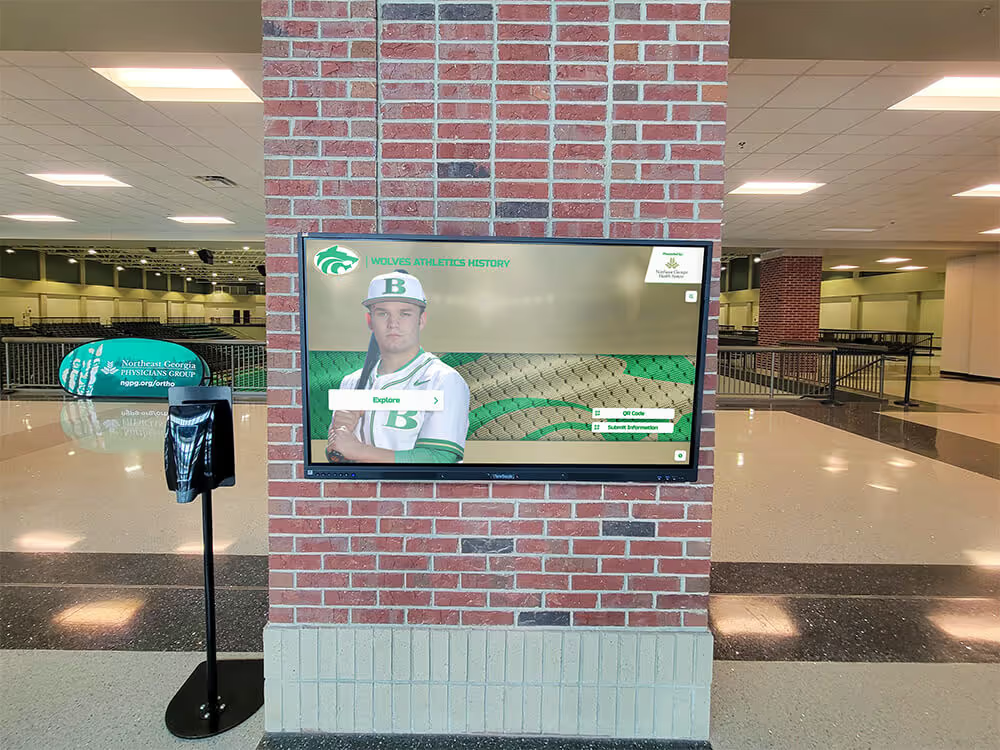
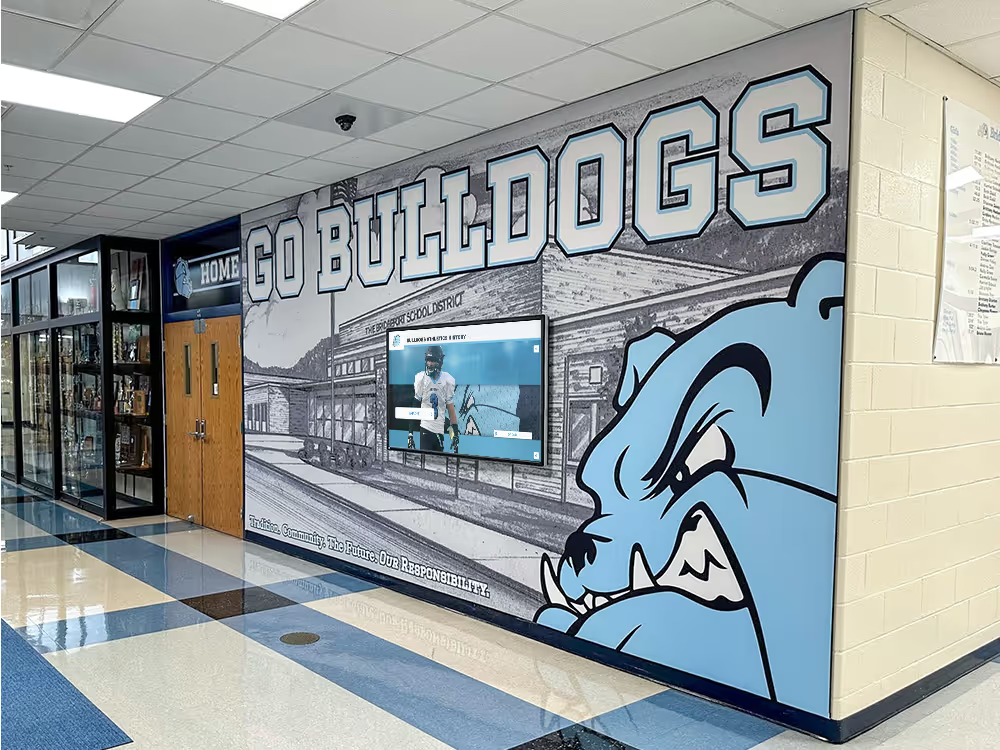
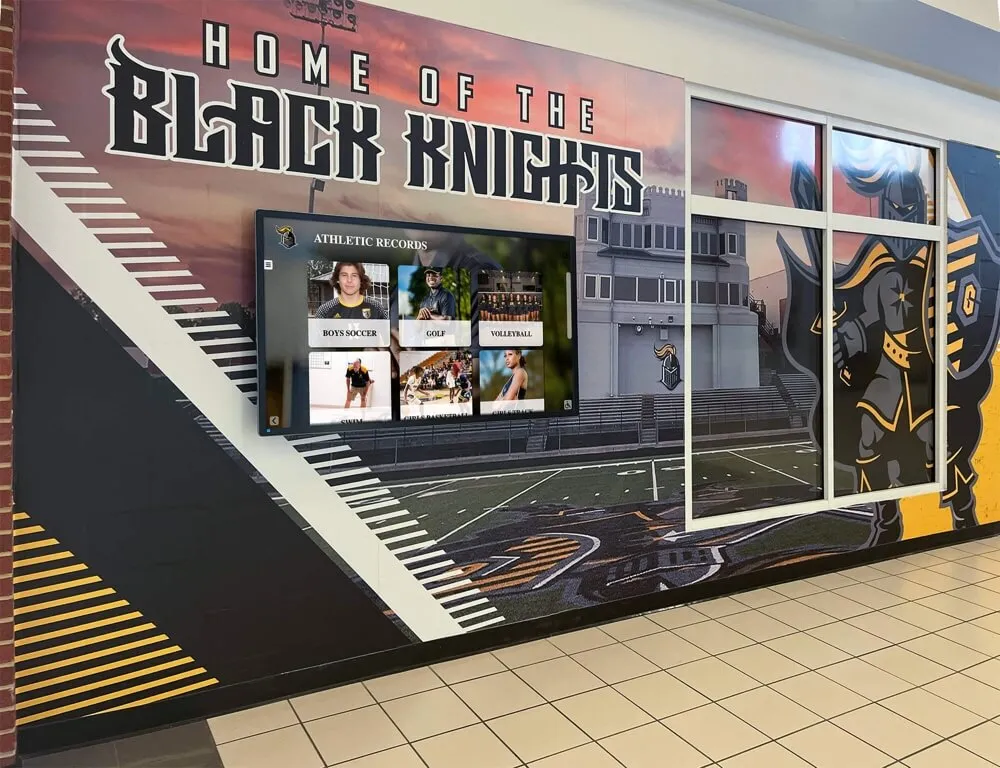
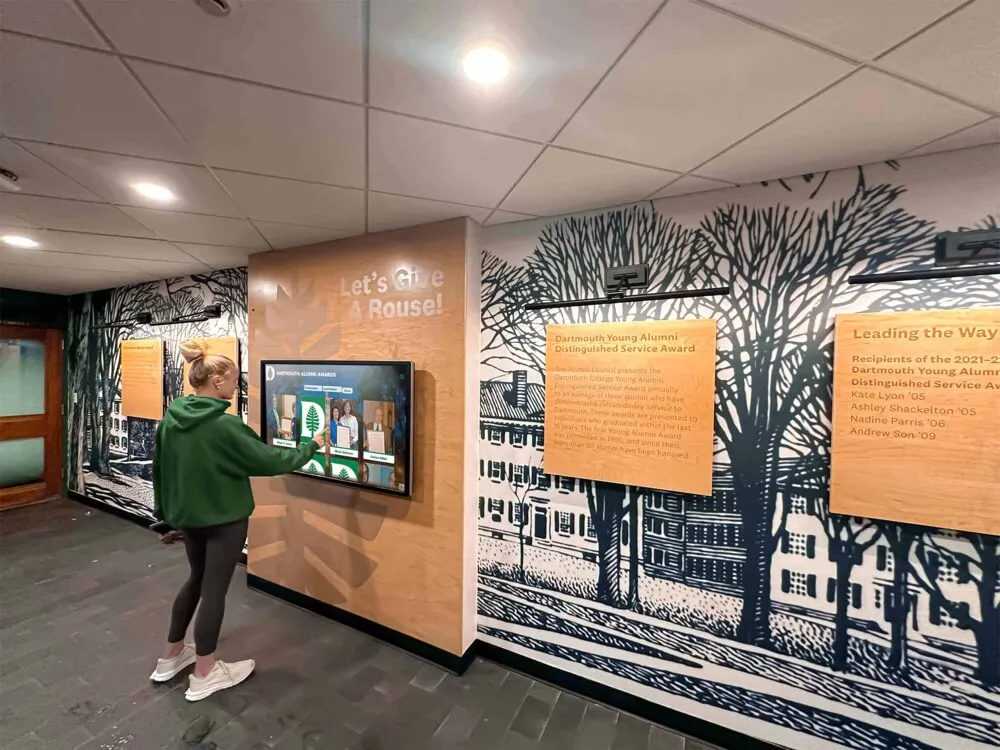
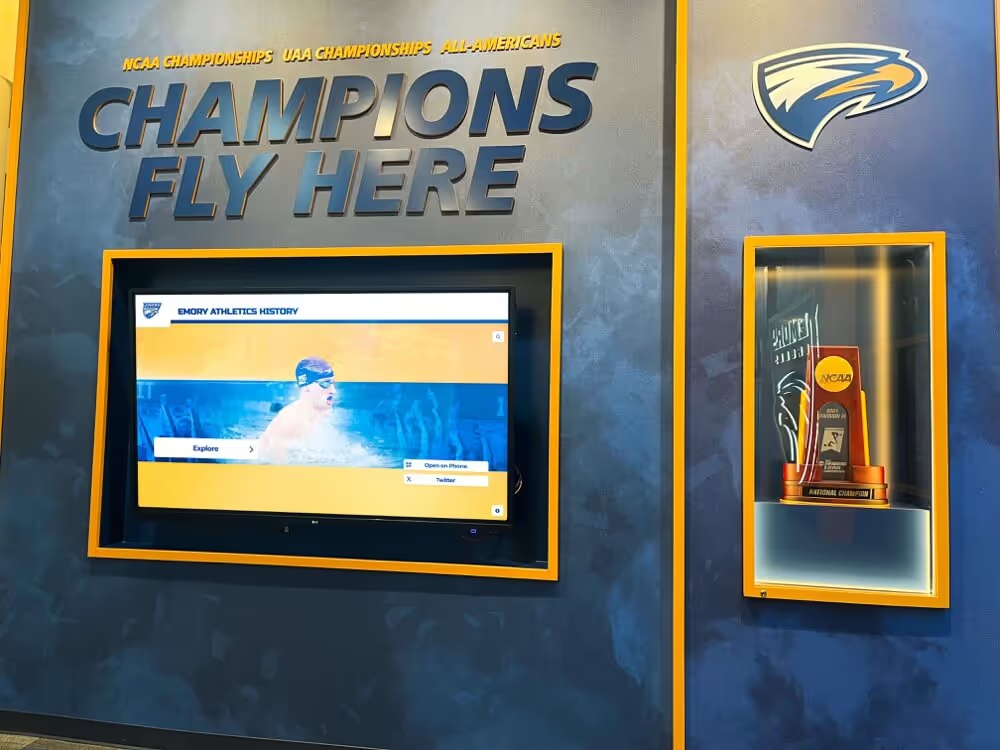
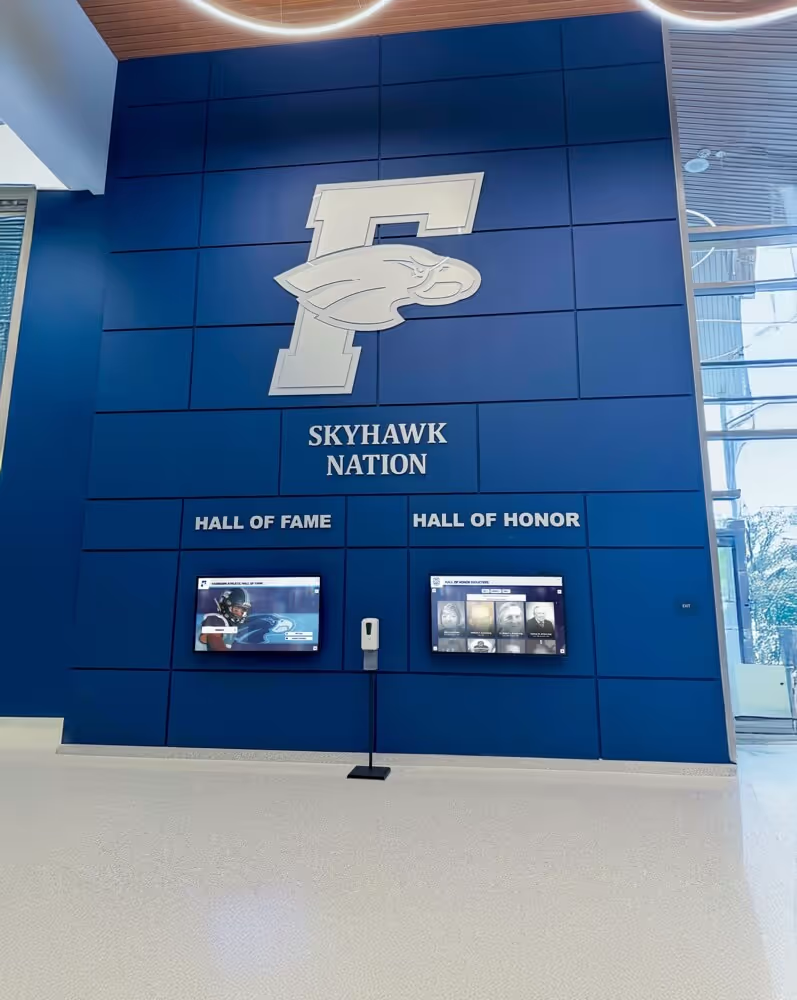
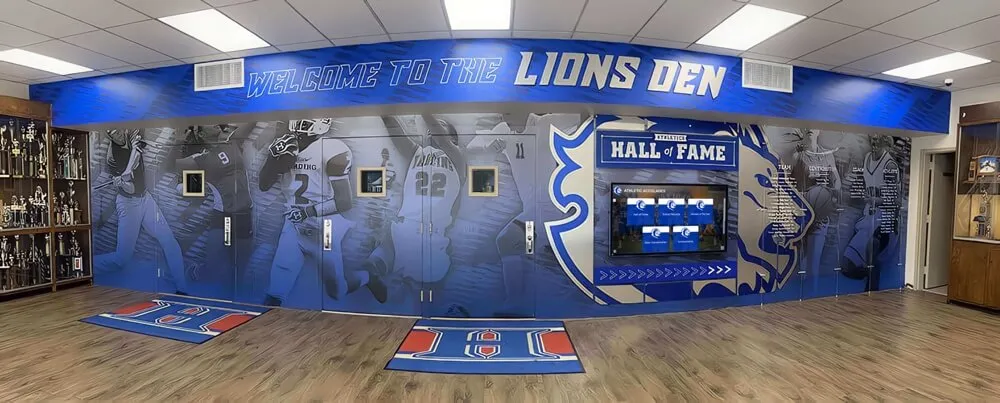
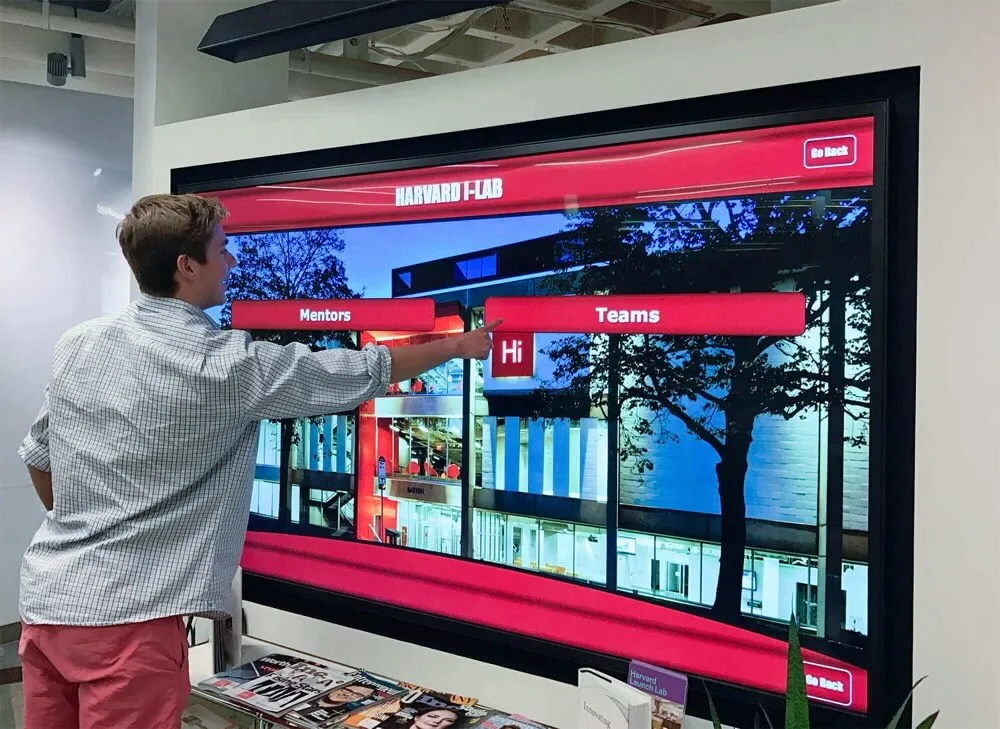
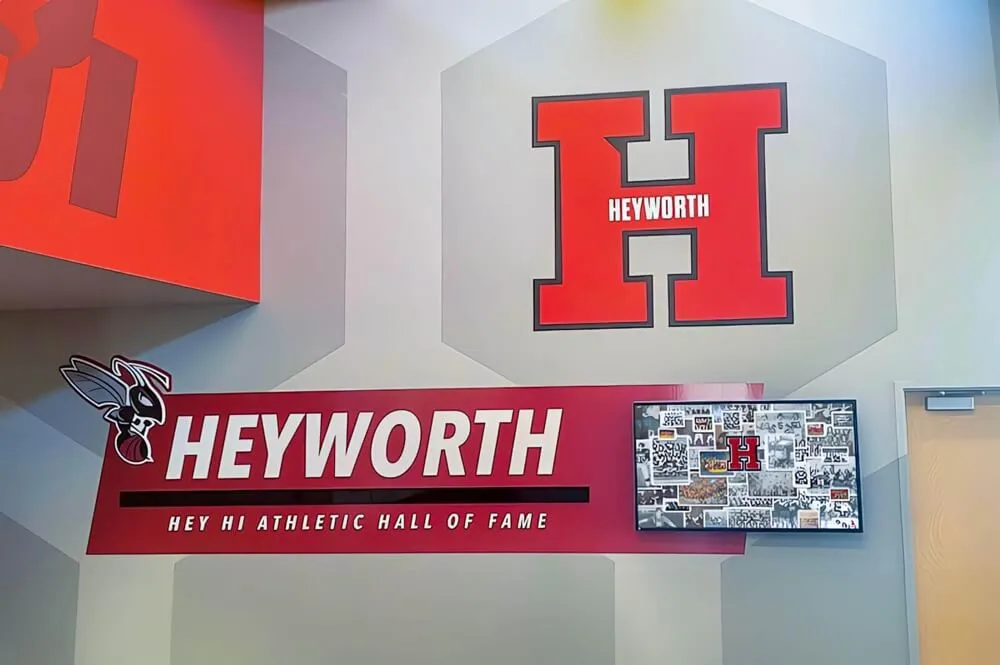
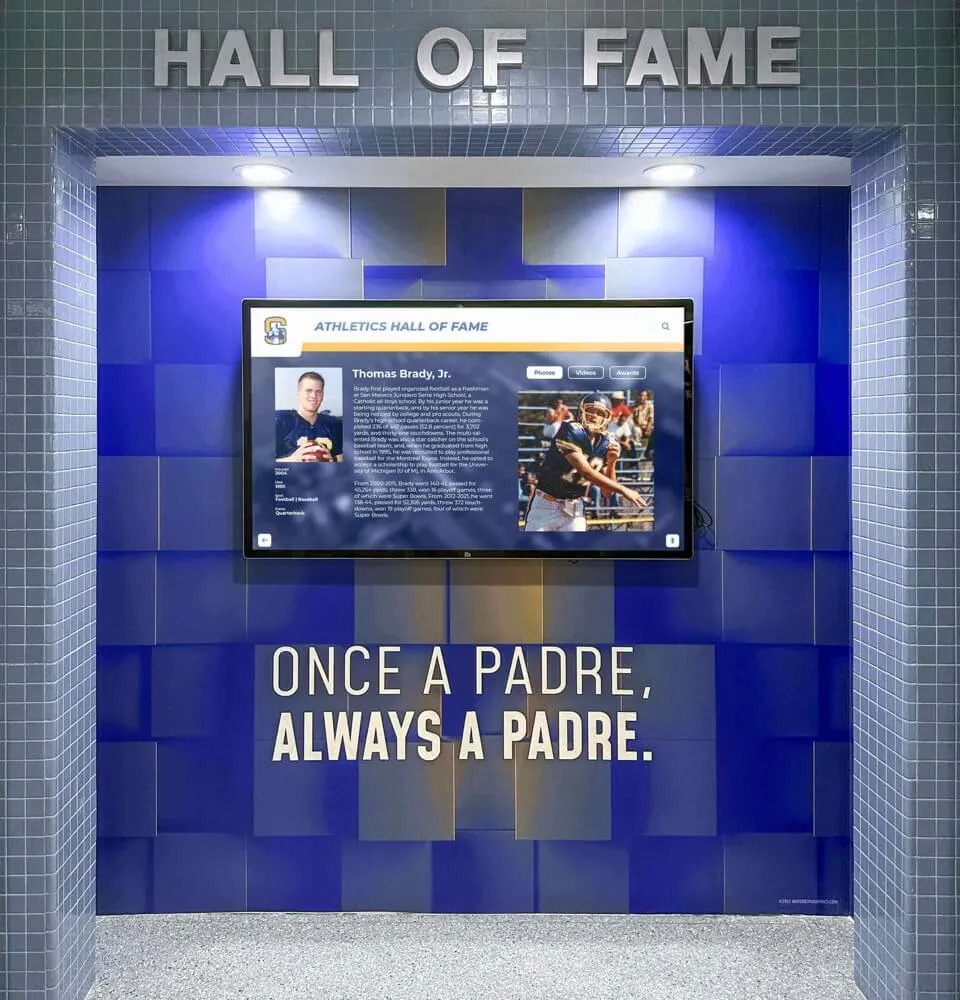
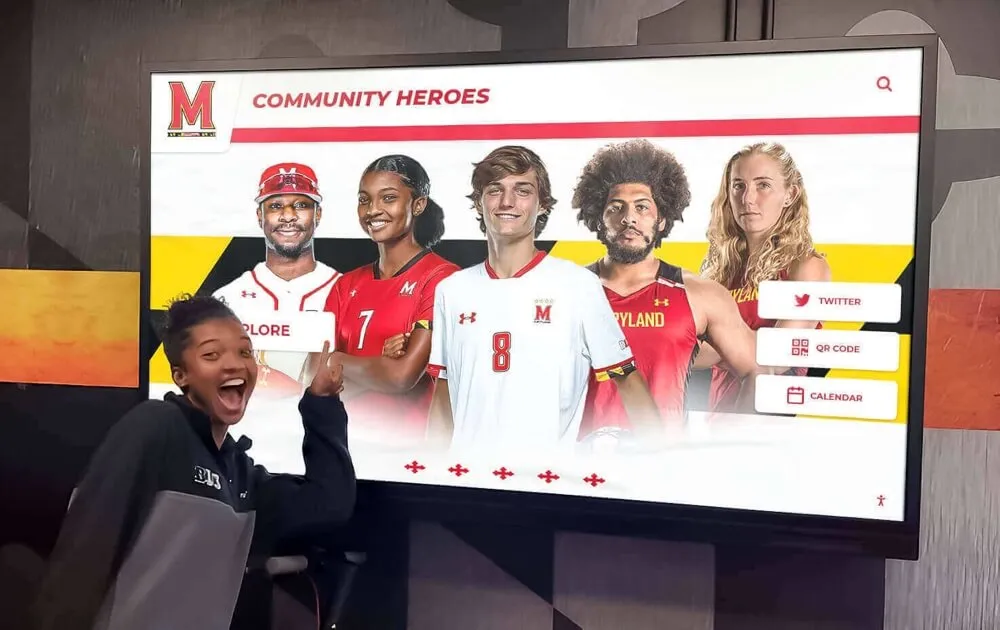
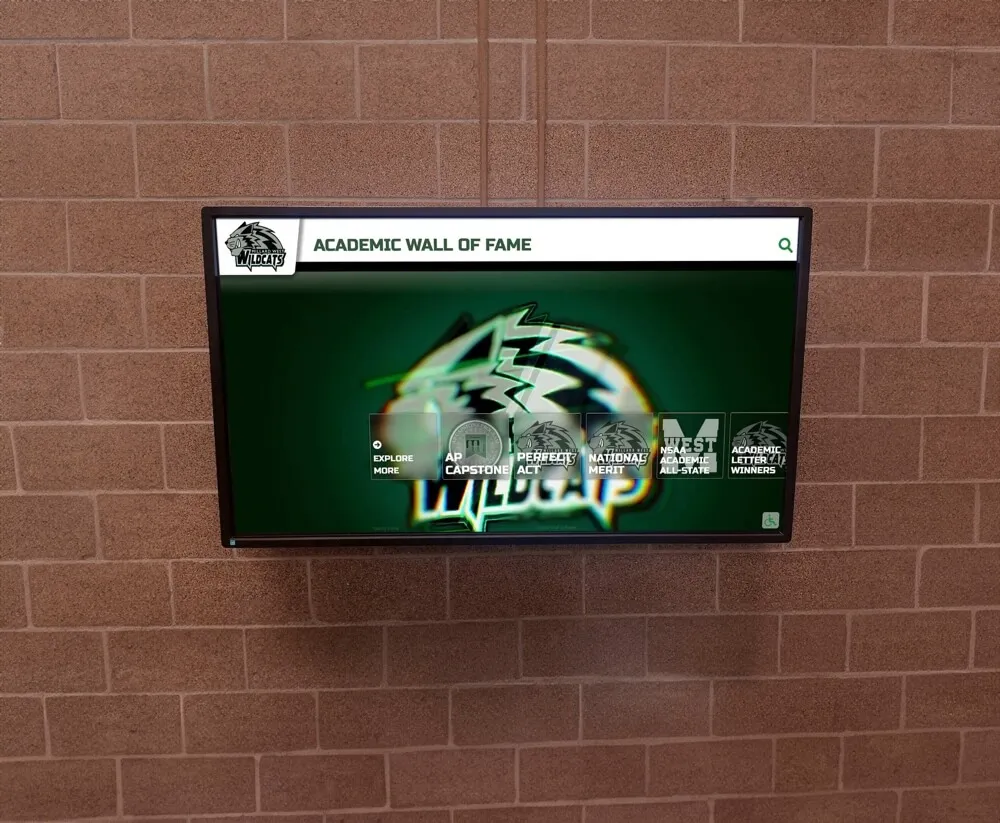
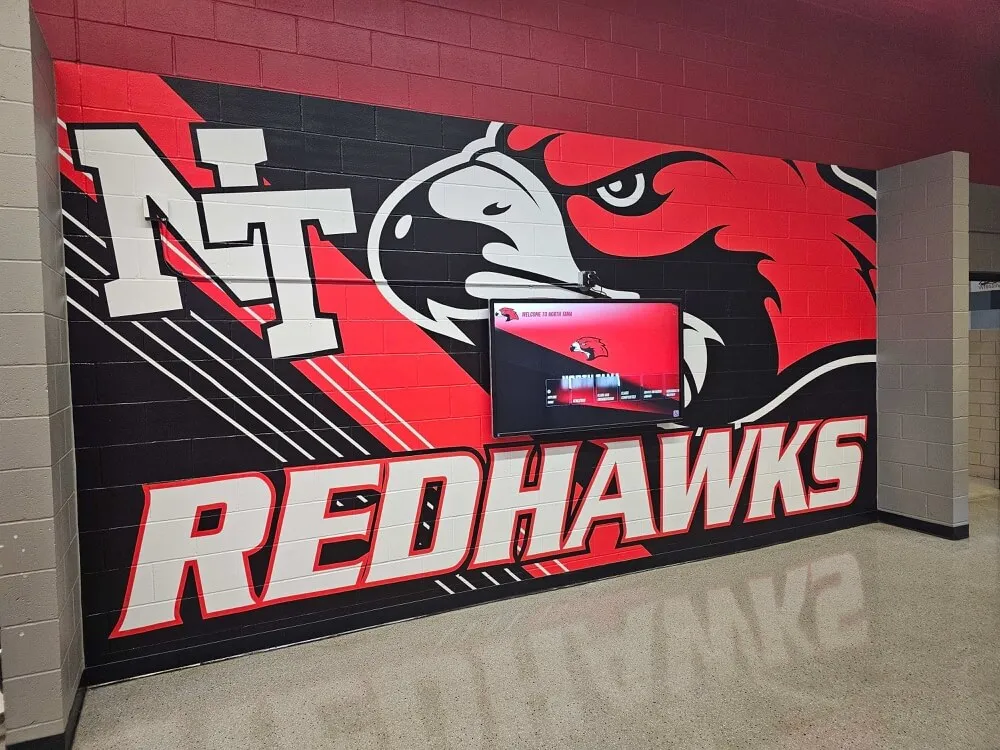
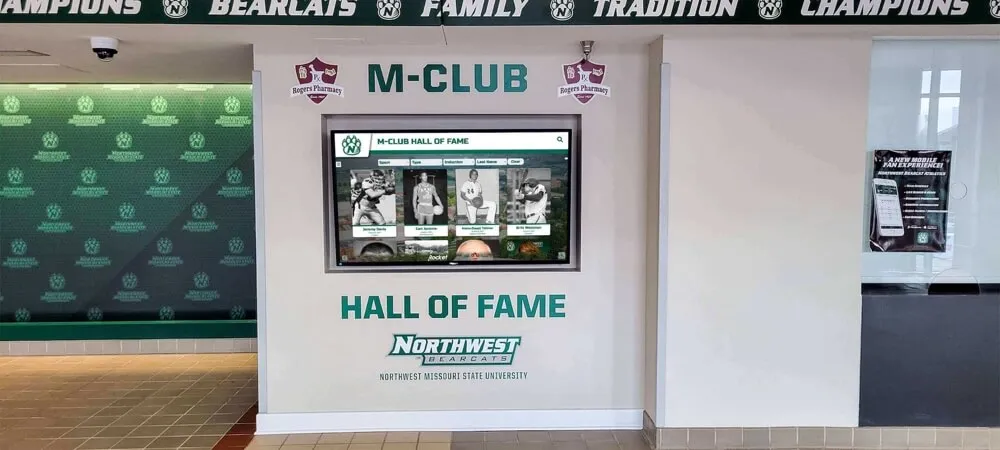
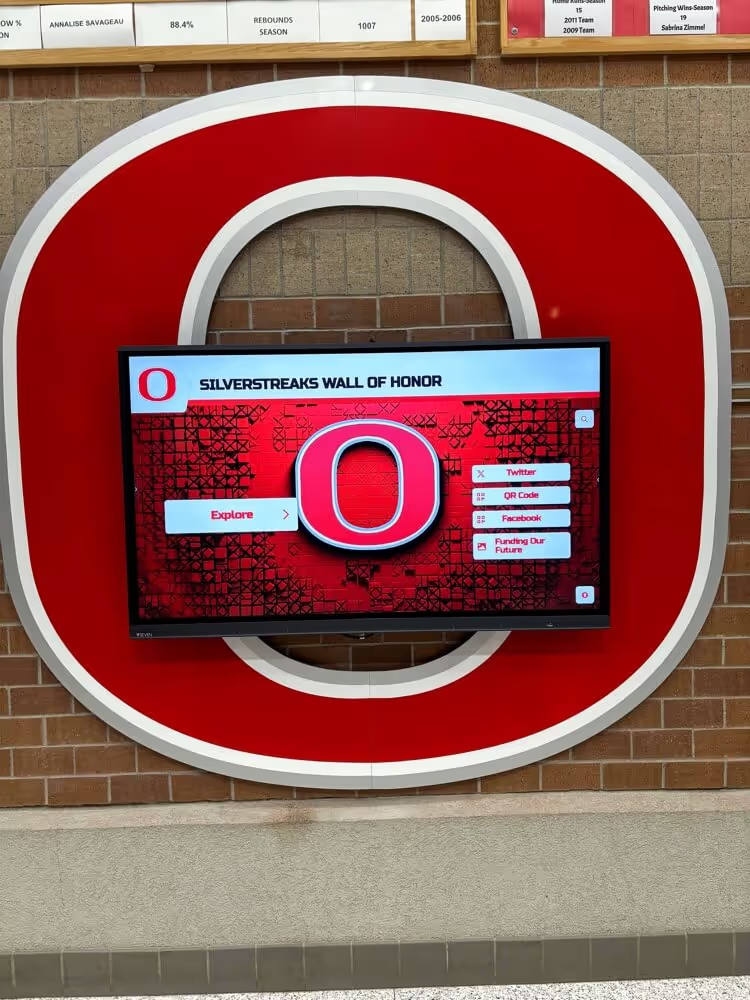
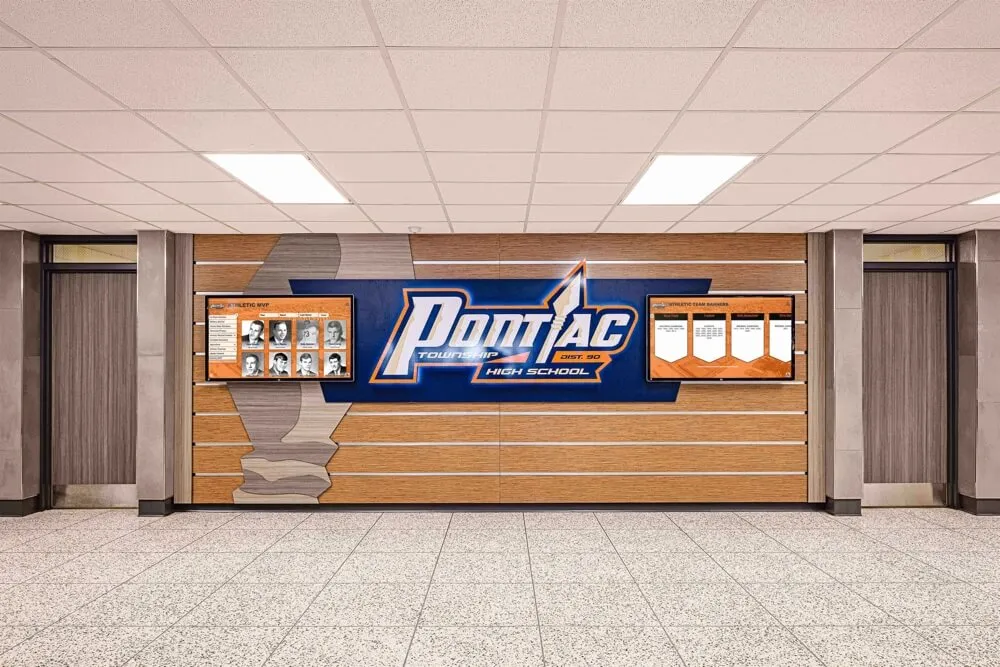
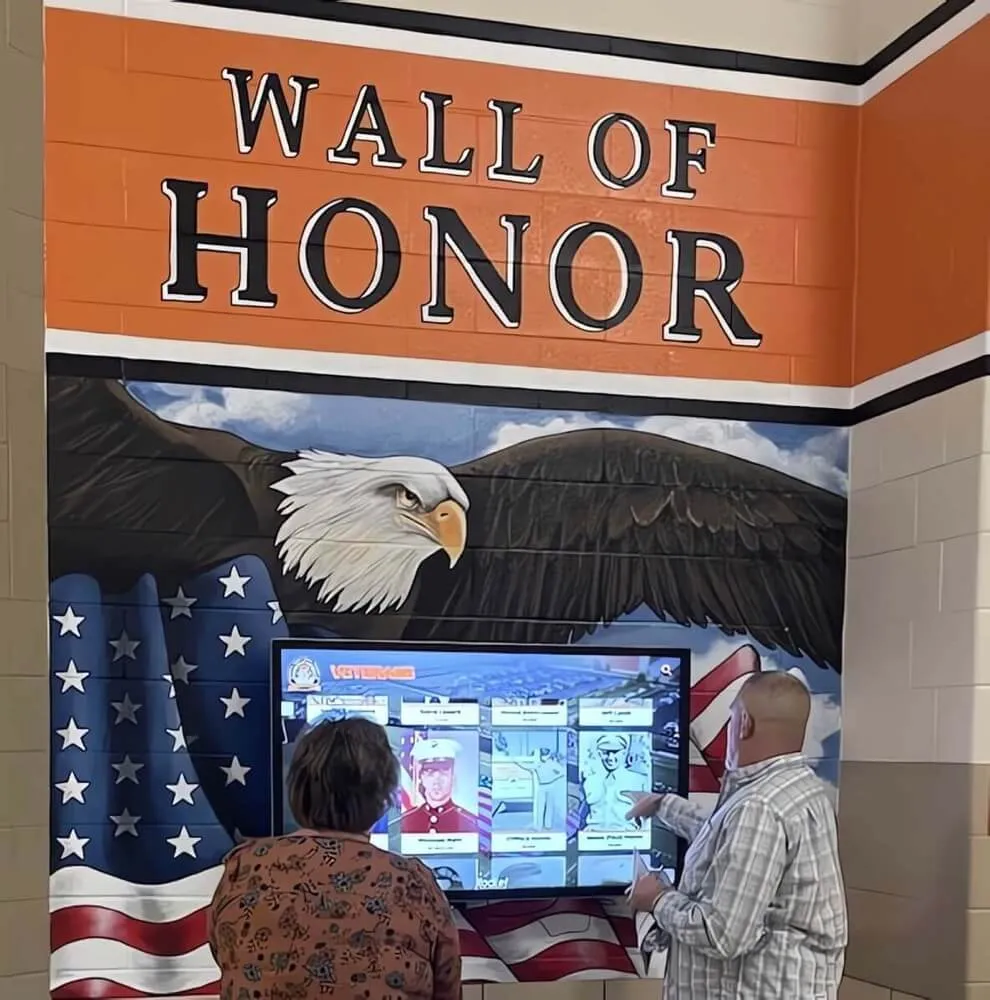
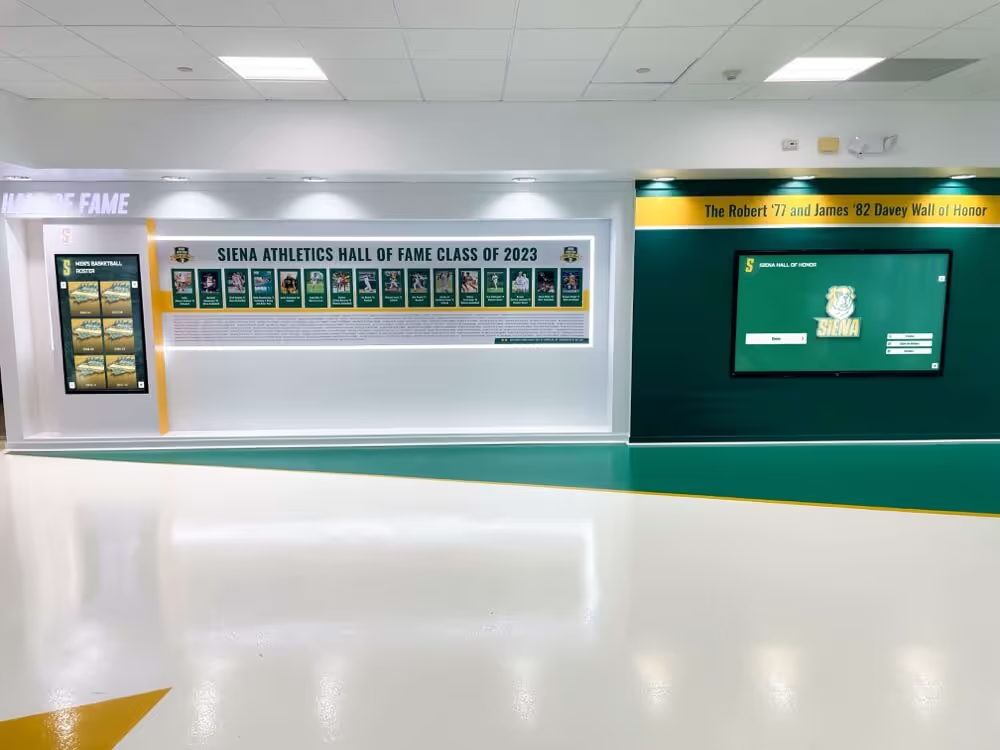
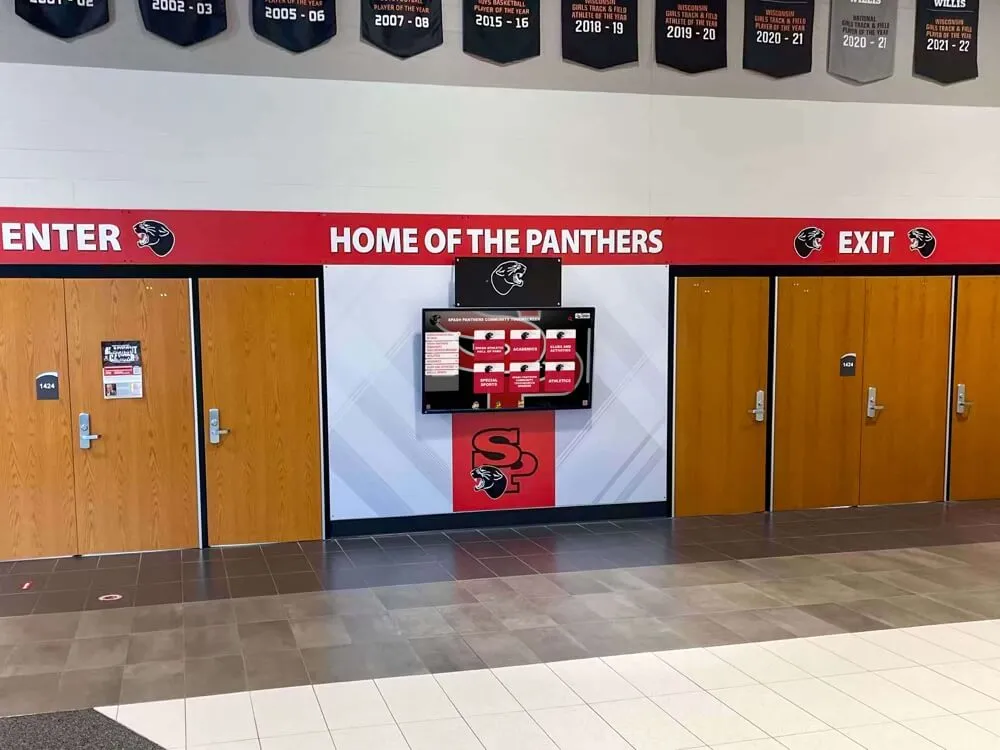
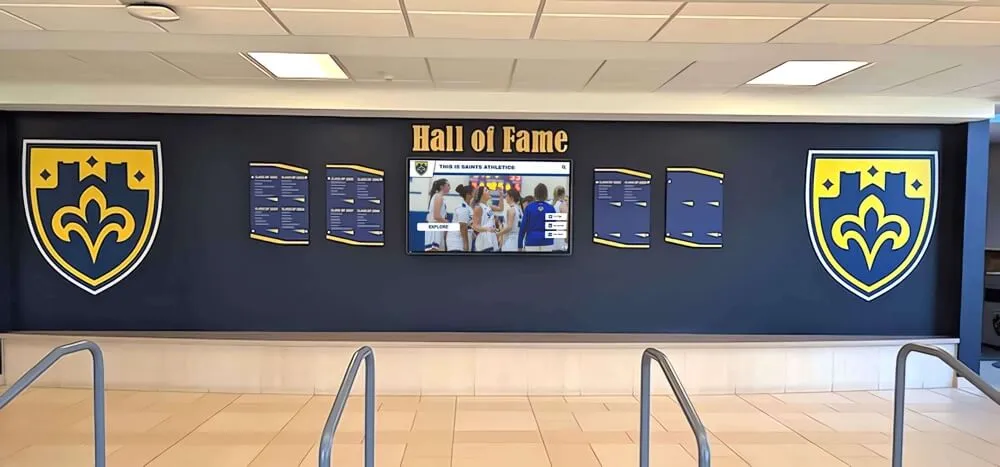
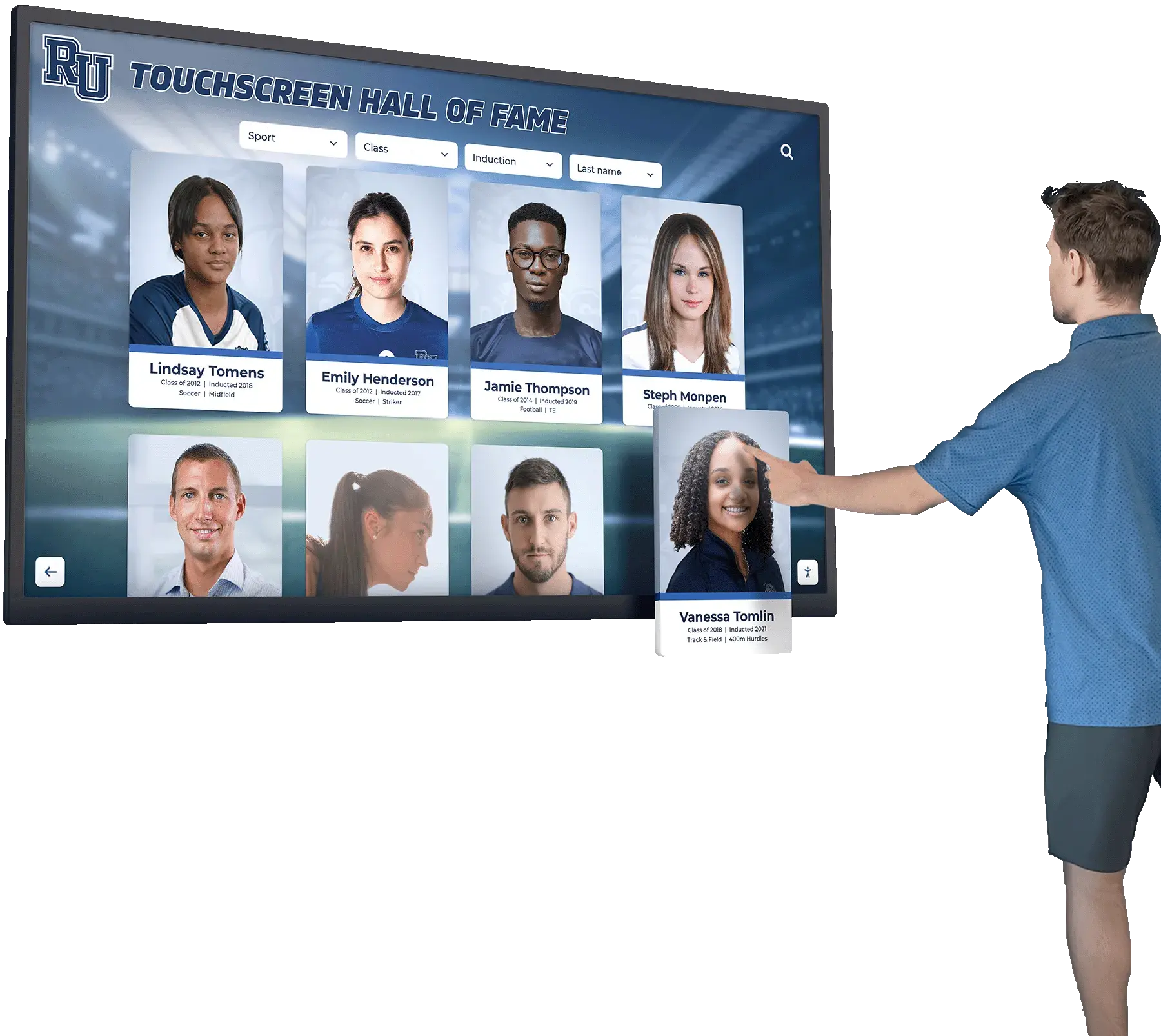
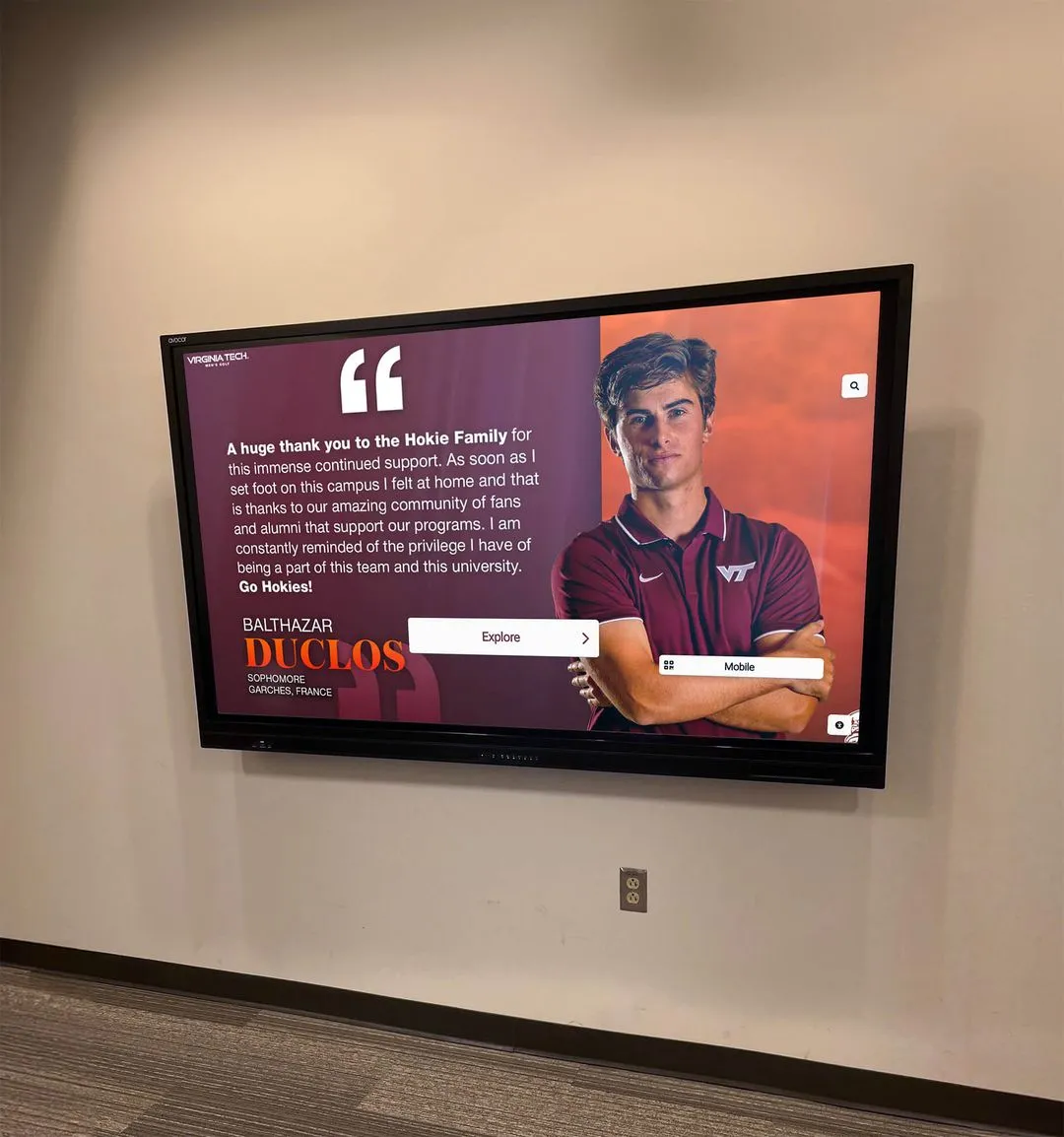
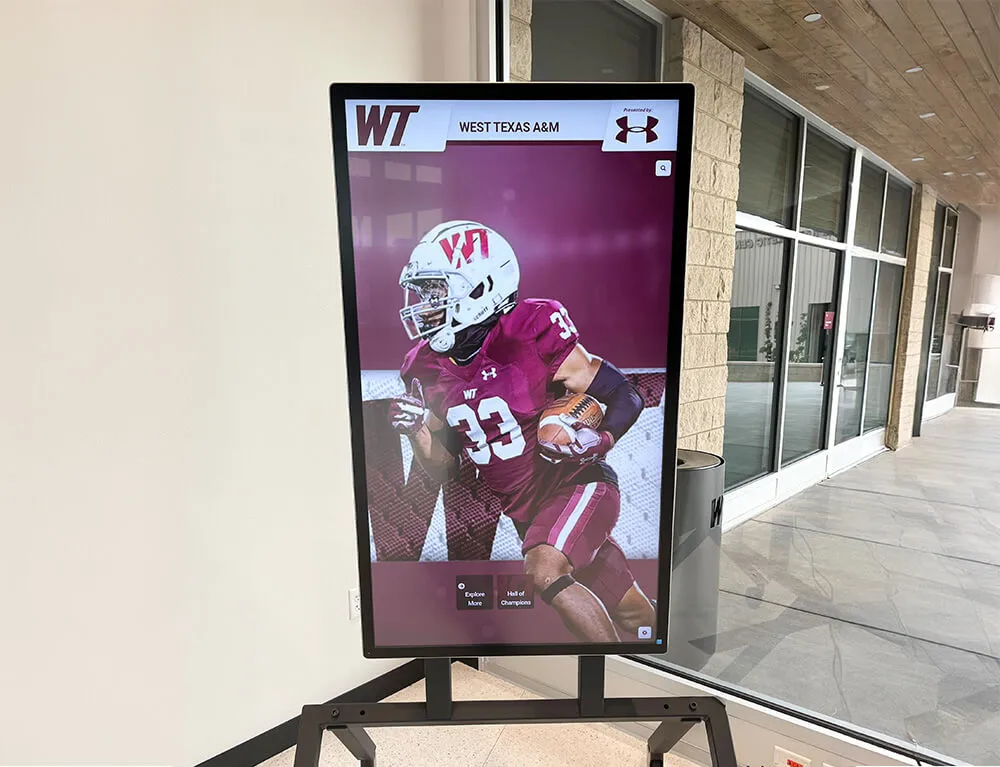
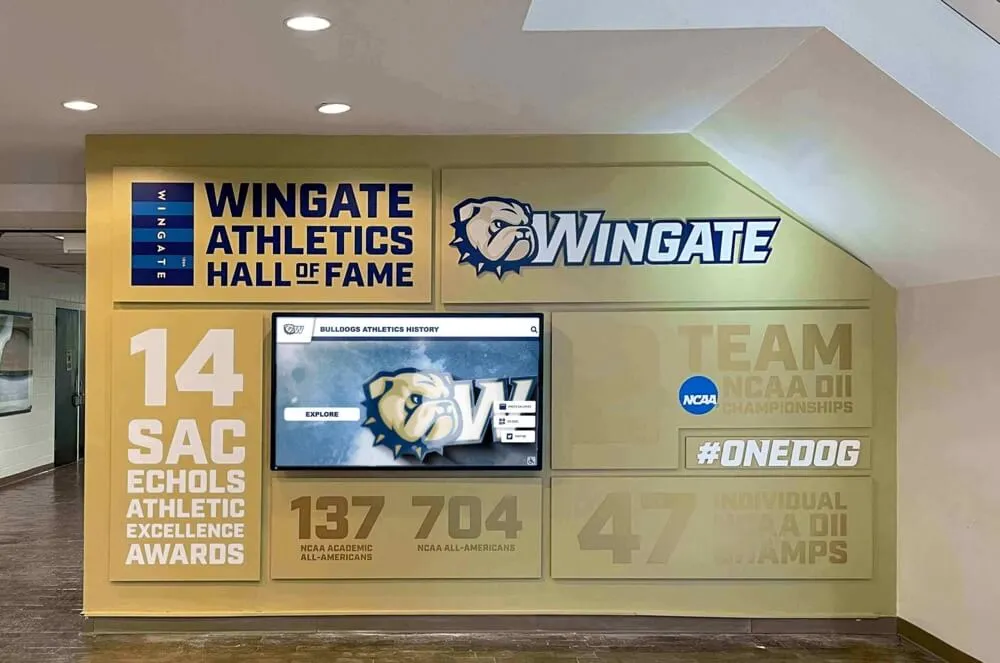
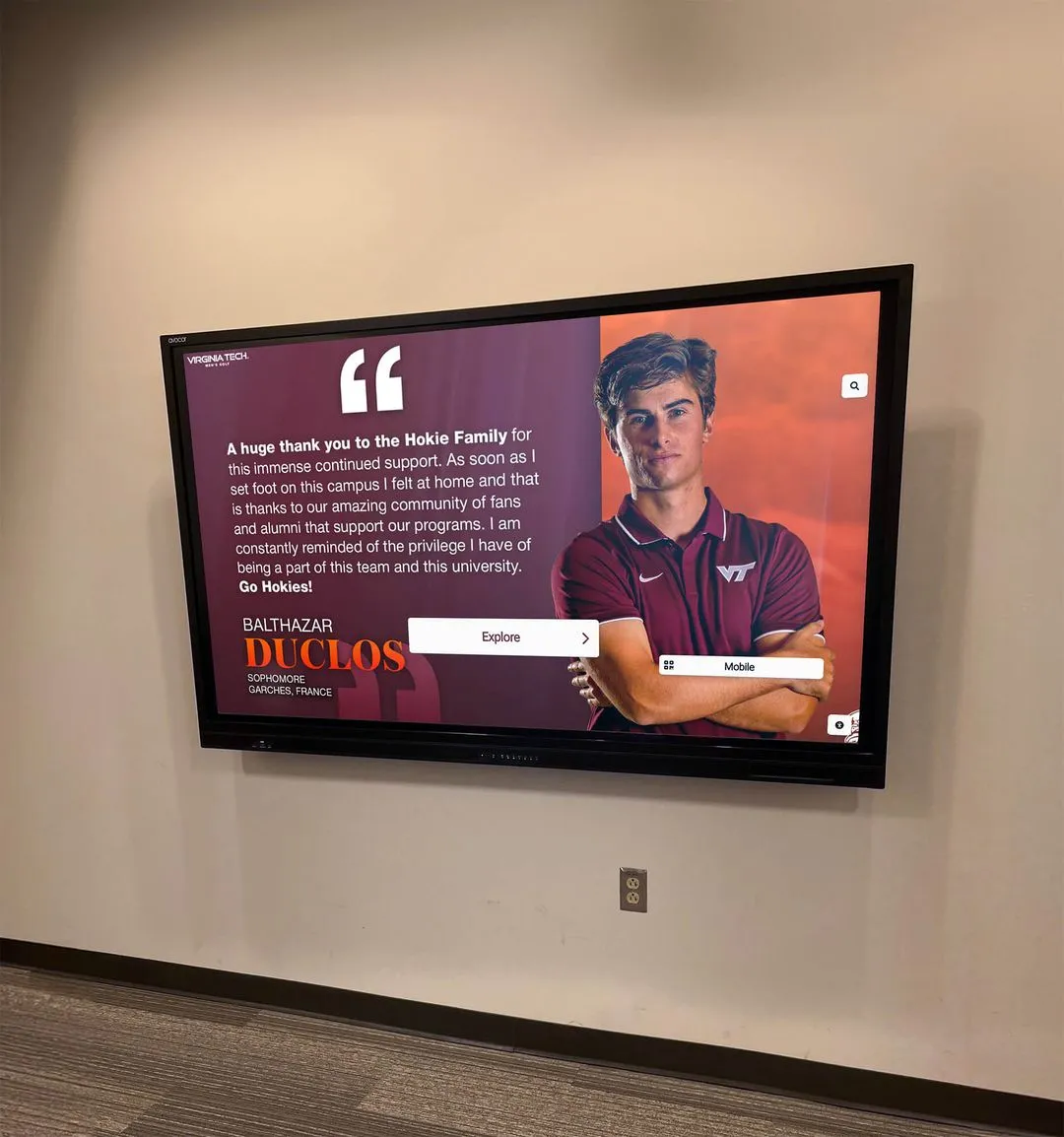
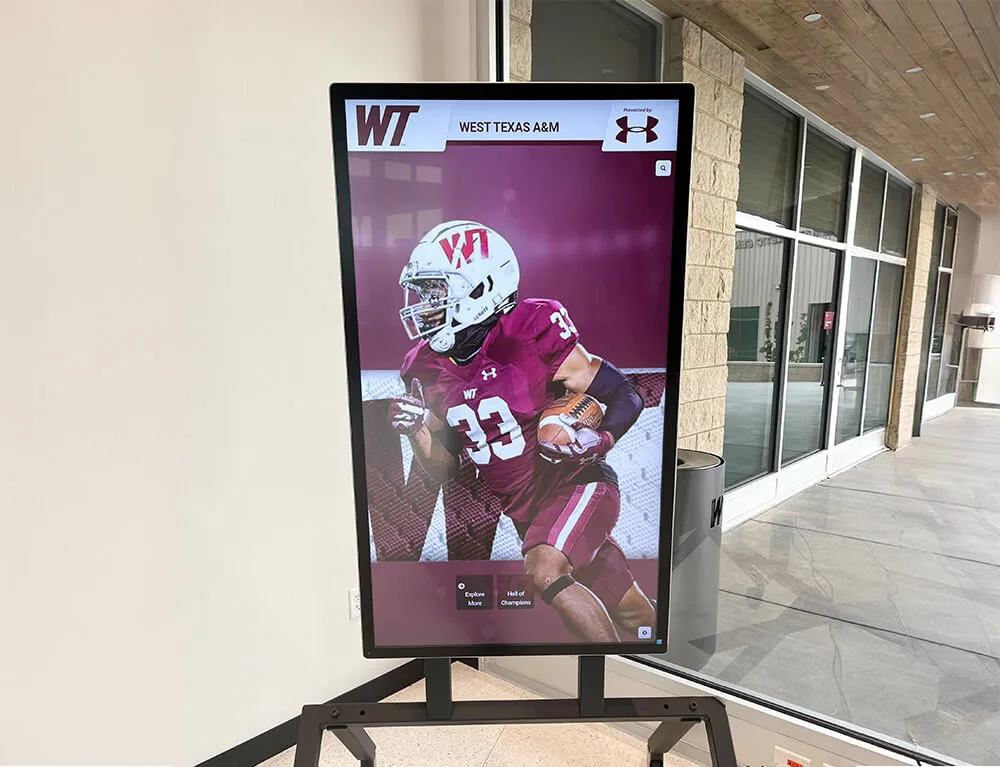
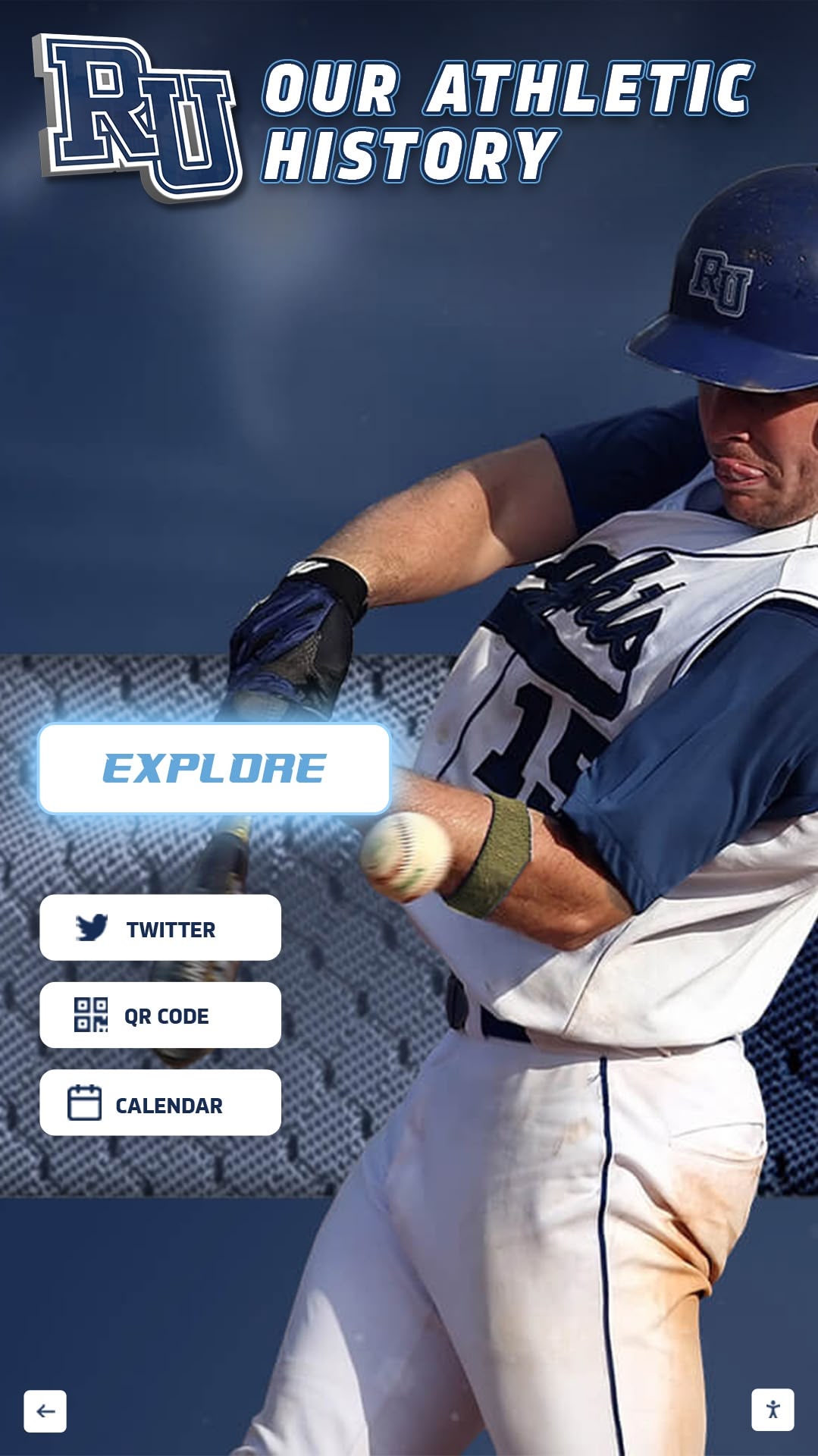
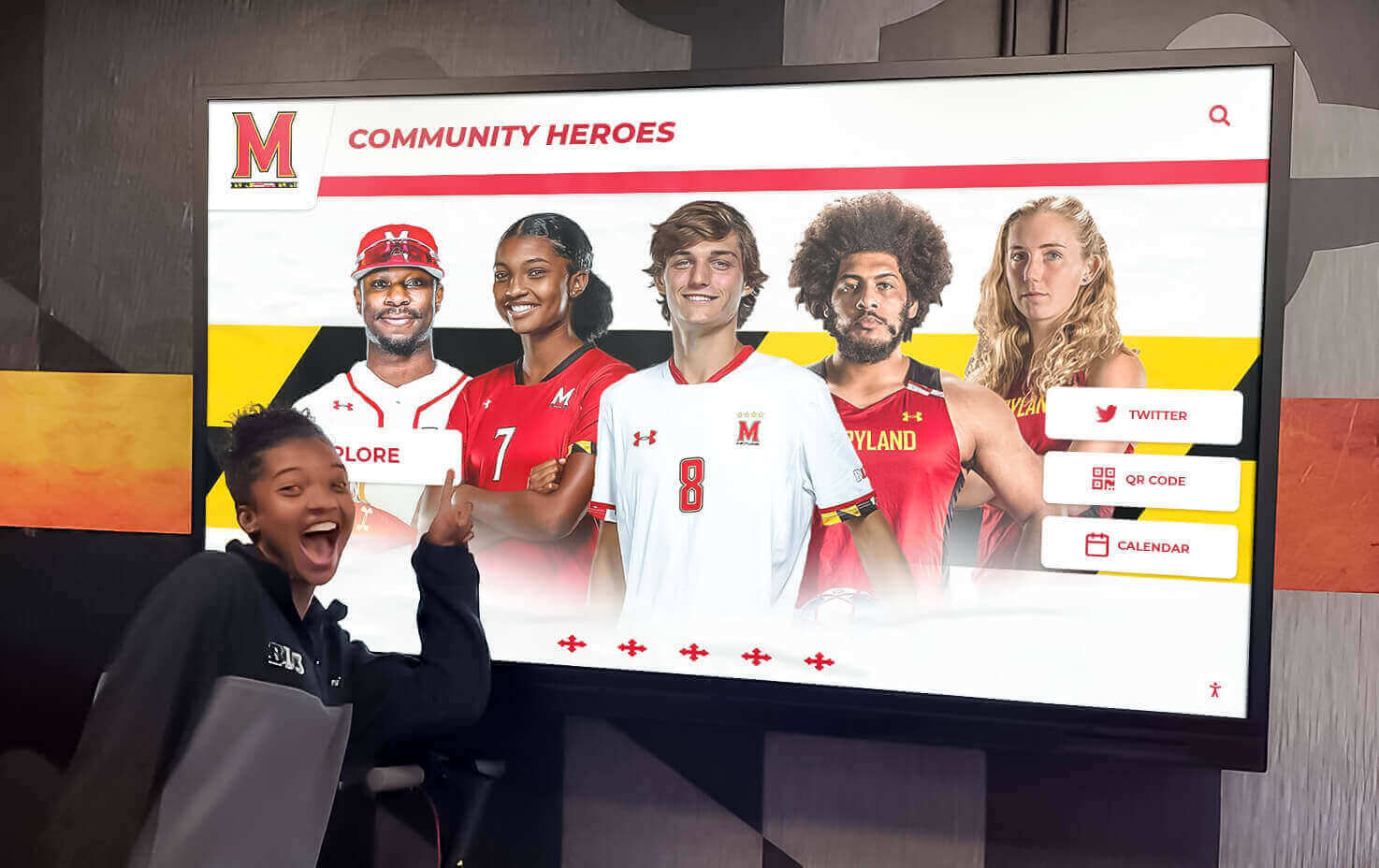
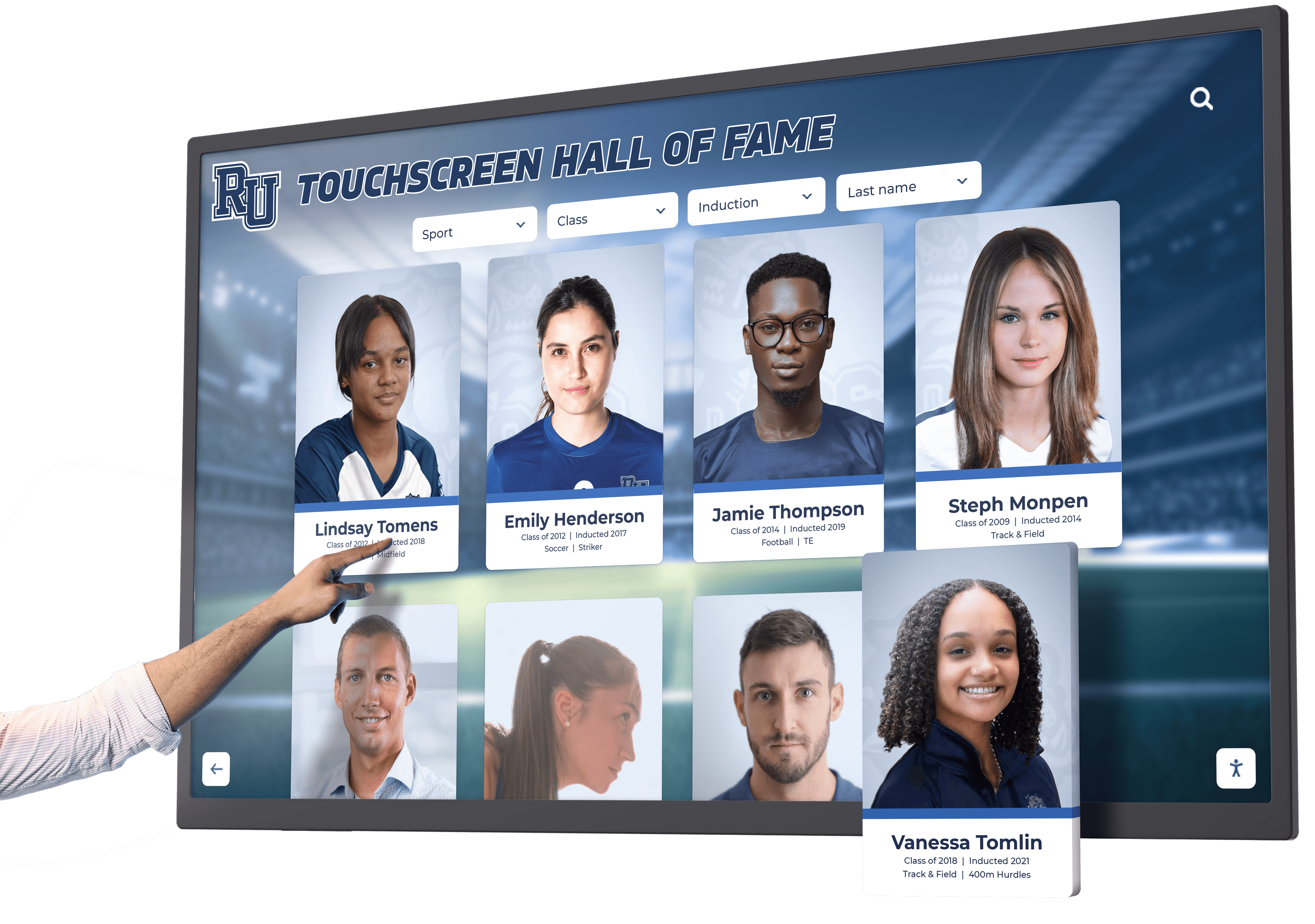
Digital recognition platforms provide scalable alternatives that overcome traditional display constraints. Interactive touchscreen systems allow schools to showcase unlimited signee profiles without physical space restrictions, featuring:
- Comprehensive athlete profiles with photos, statistics, and achievements
- College commitment information with institutional logos and colors
- Search and filter capabilities enabling visitors to find specific athletes or graduation years
- Video content including signing day footage or athlete testimonials
- Automatic updates as new athletes sign each year
- Multi-sport coverage in a single display system
These permanent recognition systems extend the impact of signing day celebrations far beyond the ceremony itself, creating year-round inspiration for younger athletes while demonstrating your program’s track record of developing college-level talent.
Develop College Signee Tracking and Communication
Maintain ongoing relationships with former athletes who signed college commitments by implementing structured tracking and communication systems:
Alumni Athletic Database: Create comprehensive records tracking:
- Current college roster status and playing time
- Academic progress and degree completion
- Post-graduation career paths
- Professional or graduate-level athletic opportunities
- Achievements and honors earned at the collegiate level
Periodic Update Requests: Reach out to college athletes annually (end of each academic year works well) requesting updates on their progress, achievements, and experiences. Share these updates through school communications, digital displays, or alumni recognition platforms that keep their stories connected to your program.
Mentorship Opportunities: Connect current signees with program alumni competing at the college level, creating mentorship relationships that help younger athletes navigate the transition to college athletics. These connections strengthen program culture while providing valuable guidance to student-athletes entering new competitive environments.
Summer Return Recognition: When college athletes return home during summer breaks, invite them to speak with current teams, participate in youth camps, or attend athletic events. These visible connections between your current program and successful alumni reinforce aspirational pathways for younger athletes.
Sustained relationships with college athletes demonstrate that your program’s investment extends beyond high school graduation, building reputation with prospective families evaluating your athletic department.
Creating Inclusive Recognition Approaches
Honor All Commitment Levels
Early National Signing Day ceremonies traditionally focus on Division I scholarship athletes signing National Letters of Intent. However, comprehensive recognition approaches celebrate all levels of college athletic commitment, including:
Division II and III Commitments: Athletes committing to Division II programs or Division III schools (which don’t sign National Letters of Intent but make formal commitments) deserve equal recognition. Many of these athletes will have exceptional college athletic experiences and should be celebrated alongside Division I signees.
NAIA and Junior College Opportunities: Student-athletes committing to NAIA institutions or junior colleges have earned competitive college athletic opportunities worthy of celebration. Junior college athletes especially often face unfair stigma despite many using this pathway strategically to develop skills before transferring to four-year programs.
Preferred Walk-On Positions: Athletes joining college programs without scholarship guarantees but with roster positions secured demonstrate commitment and competitive ability. While these situations differ from scholarship offers, they represent meaningful college athletic opportunities.
Spring Sport Athletes: Early December signing day primarily affects fall sport athletes (especially football) and some winter sport athletes. Spring sport athletes typically commit during later signing periods. Consider holding separate spring signing celebrations or inclusive year-end recognition events that honor all college commitments regardless of signing timeline.
Creating inclusive recognition cultures that celebrate various commitment levels and competition divisions reinforces that the achievement lies in reaching college athletics at any level, not exclusively Division I programs.
Recognize the Support System
Student-athletes rarely reach college commitment milestones independently. Comprehensive Early National Signing Day celebrations acknowledge the extensive support systems enabling athletic development:
Coaching Staff: Recognize head coaches, assistant coaches, and specialized trainers who developed athletes’ skills, created competitive opportunities, and guided recruitment processes. Public acknowledgment during ceremonies reinforces coaching impact while modeling gratitude for current athletes.
Academic Support: Highlight academic advisors, teachers, and tutoring staff who helped athletes maintain eligibility and academic standards necessary for college admission. Many families underestimate how critical academic performance is to athletic recruiting; recognizing academic support staff educates communities about this reality.
Strength and Conditioning Programs: Credit strength coaches and training staff who developed athletes’ physical capabilities, reduced injury risk, and prepared bodies for college-level competition demands.
Youth Program Connections: When applicable, recognize youth league coaches, club program directors, or community organization leaders who provided early athletic development foundations. These acknowledgments strengthen community partnerships while demonstrating your program’s appreciation for pipeline development.
Family Sacrifice: Create ceremony moments explicitly honoring parent sacrifice—financial investments in equipment and training, time spent traveling to competitions, emotional support through injuries and setbacks, and unwavering encouragement throughout athletic journeys. Public recognition of family contribution validates years of commitment while modeling family values for younger athletes and parents.
Support system recognition creates more meaningful ceremonies while building cultural understanding of the collaborative effort required to reach college athletic opportunities.
Maximizing Educational Value for Younger Athletes
Create Aspirational Learning Moments
Early National Signing Day celebrations provide powerful educational opportunities for younger athletes in your program. Maximize learning value through intentional ceremony design:
Underclassmen Attendance: Strongly encourage (or require) younger varsity and junior varsity athletes to attend signing ceremonies. Seeing older teammates celebrated for college commitments creates concrete visualization of what dedication and development can achieve.
Process Transparency: During ceremonies or in related communications, explain the recruiting process steps that led to commitments:
- How athletes identified target schools
- Communication timelines with college coaches
- Official visit experiences
- Academic requirement navigation
- Scholarship negotiation considerations
- Decision-making criteria athletes used
This transparency demystifies recruiting while helping younger athletes and families understand what lies ahead in their own journeys.
Realistic Timeline Education: Help underclassmen understand when different recruiting processes typically begin for their sports. Many families mistakenly believe recruiting doesn’t start until junior or senior year, missing critical early development windows. Use signing day events to educate about sport-specific recruiting timelines.
Academic Eligibility Emphasis: Repeatedly emphasize the non-negotiable importance of academic performance in college recruiting. Share signee GPAs, class ranks, or standardized test scores (with athlete permission) to demonstrate that athletic talent alone rarely secures college opportunities without academic credentials.
Incorporate Signee Testimonials and Advice
Ask signing athletes to share advice with younger teammates, either through brief ceremony speeches, recorded videos, or written reflections. Particularly valuable topics include:
- Skills or training aspects they wish they’d started earlier
- Academic habits that made recruiting easier
- How they managed recruiting pressure and decision-making
- What surprised them about the recruiting process
- Advice on balancing athletics, academics, and social life
- Importance of specific training elements (strength work, skill development, film study)
Peer advice from athletes who recently navigated recruiting resonates more powerfully with underclassmen than similar guidance from coaches or parents. These testimonials create actionable roadmaps while building program culture around continuous improvement.
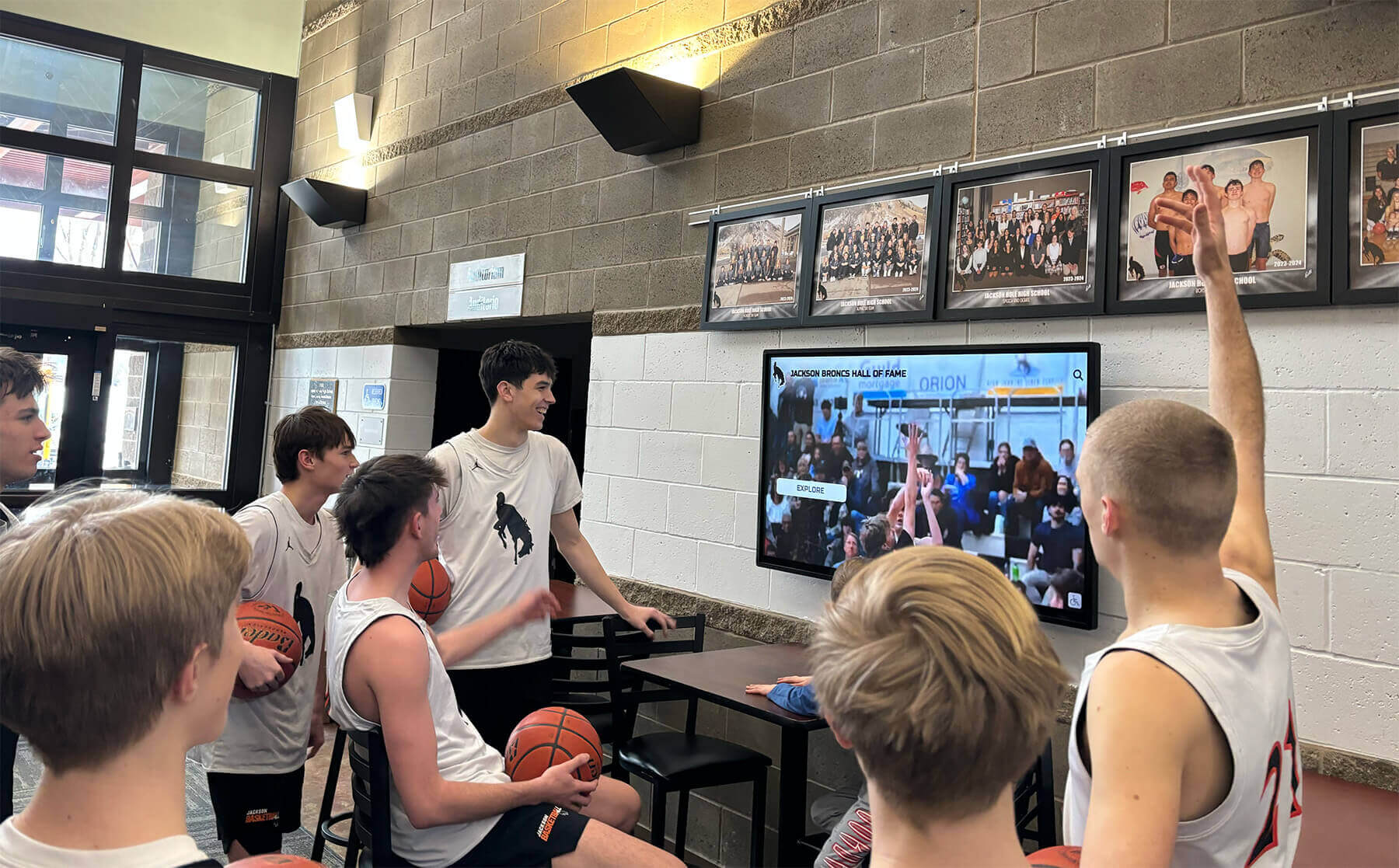
Contemporary digital athletic recognition systems allow schools to preserve these testimonials as permanent resources, with video content accessible through interactive displays where current athletes can access advice from program alumni who successfully navigated college recruiting.
Addressing Common Signing Day Challenges
Managing Multiple Simultaneous Events
High schools with strong athletic programs often face scheduling complexity when multiple athletes sign on the same day:
Consolidated vs. Separate Celebrations: Determine whether logistical and financial constraints require single group ceremonies or whether resources permit sport-specific events. Group ceremonies create efficiency but risk feeling less personal; separate celebrations allow sport-specific atmosphere but require more time and resources.
Equitable Recognition Distribution: When combining multiple signees in single ceremonies, ensure equitable recognition time and attention for each athlete. Avoid situations where high-profile sports or athletes dominate while others receive minimal acknowledgment.
Schedule Coordination: Work with families, athletes, and coaches to find ceremony times accommodating the most attendees. Survey stakeholders rather than unilaterally setting times, demonstrating respect for family schedules.
Navigating Sensitive Situations
Early National Signing Day celebrations occasionally involve sensitive circumstances requiring careful handling:
Athletes Who Don’t Sign: When prominent team members don’t receive signing day offers, avoid creating situations that highlight their absence or make them feel excluded. Consider recognizing other achievements (academic honors, leadership awards, character recognition) during the same timeframe to maintain inclusive culture.
Last-Minute Commitment Changes: Recruiting occasionally involves late changes—offers rescinded, athletes changing commitments, or paperwork complications. Build flexibility into ceremony planning and maintain confidential backup plans if announced signees face unexpected changes.
Family Dynamics: Some athlete families experience divorce, estrangement, or complex relationships requiring sensitive ceremony planning. Have private conversations with athletes about who should be recognized, seated prominently, or involved in ceremony moments. Respect athlete preferences rather than imposing traditional family structure assumptions.
Financial Transparency: Families sometimes misunderstand scholarship details or inadvertently misrepresent financial packages. Avoid publishing specific scholarship dollar amounts or percentages, focusing instead on the opportunity earned rather than financial specifics that may be inaccurate or private.
Extending Signing Day Recognition Year-Round
Build Comprehensive Signee Archives
Transform single-day celebrations into permanent institutional records by creating comprehensive signing day archives:
Digital Photo Libraries: Organize and preserve professional ceremony photos in searchable digital archives tagged with athlete names, years, sports, and commitment colleges. Make these libraries accessible to alumni, current families, and media outlets requesting historical imagery.
Video Documentation: Record ceremony proceedings and create edited highlight videos suitable for:
- School website and social media sharing
- Alumni communications demonstrating program success
- Recruiting materials showing prospective athletes your recognition culture
- Historical archives documenting program tradition
- Individual athlete keepsakes provided to families
Statistical Tracking: Maintain comprehensive records of all college athletic commitments including:
- Total signees by year and sport
- College commitment distribution (which institutions athletes join)
- Division and competition level breakdowns
- Scholarship vs. preferred walk-on ratios
- Academic credentials of signees
- Post-college athletic success rates
This longitudinal data helps evaluate program effectiveness in developing college-level talent while providing compelling recruitment marketing demonstrating your track record.
Integrate Recognition Into Recruitment Messaging
Leverage Early National Signing Day success stories as powerful recruiting tools when communicating with prospective athletes and families:
Facility Displays: Prominently feature college signee recognition in athletic facilities that recruits and their families visit. Digital touchscreen displays showcasing your program’s college placement track record provide tangible evidence of developmental pathways available through your athletic department.
Program Marketing Materials: Incorporate signing day statistics and success stories into team media guides, recruiting presentations, and program overview documents shared with prospective families evaluating your school.
Coach Communication: When recruiting conversations reach discussions about college athletic potential, reference specific recent signees who successfully navigated similar pathways. Concrete examples from athletes with comparable profiles demonstrate realistic achievability rather than abstract possibilities.
Prospective Family Introductions: When appropriate, connect prospective athletes and families with recent signees or their parents. These peer connections provide authentic program insights while allowing families to ask questions they might hesitate raising with coaches.
Strong college placement track records significantly influence prospective family decisions about which programs to join, making signing day recognition systems valuable recruiting assets beyond their immediate celebration purposes.
Celebrating Beyond Football: Multi-Sport Signing Recognition
While Early National Signing Day originated for football, comprehensive recognition approaches celebrate commitments across all athletic programs:
Winter Sport Signing: December signing opportunities increasingly extend beyond football to include basketball, soccer, and other sports with early recruiting timelines. Ensure your December ceremonies include all early-period signees regardless of sport.
Spring Sport Recognition: Student-athletes in spring sports (baseball, softball, lacrosse, track, tennis) typically sign during February National Signing Day or commit later in their senior years. Plan separate spring signing celebrations or year-end recognition events honoring all athletic commitments regardless of timing.
Olympic Sport Visibility: Sports like swimming, wrestling, volleyball, and cross country often receive less community attention than high-profile team sports. Use signing day celebrations to elevate all programs equally, demonstrating institutional commitment to comprehensive athletic excellence rather than football/basketball-centric recognition.
Equity in Resources: Allocate ceremony resources, media attention, and celebration elements equitably across sports regardless of program size or competitive prominence. Equal treatment reinforces that all college athletic achievements merit celebration.
Multi-sport signing day approaches strengthen overall athletic department culture while demonstrating values beyond revenue sport priorities that sometimes dominate athletic recognition.
By implementing comprehensive Early National Signing Day recognition systems—from ceremony planning and media coordination to permanent displays and alumni tracking—high schools create cultures that genuinely celebrate student-athlete achievement while inspiring younger athletes to pursue their own college athletic aspirations. These celebrations represent more than single-day events; they become integral components of athletic program identity and community tradition.
Frequently Asked Questions About Early National Signing Day
When is Early National Signing Day held each year?
Early National Signing Day for football typically occurs in mid-December, with the NCAA designating a specific three-day signing period beginning the third Wednesday in December. The exact dates vary slightly by year, so confirm current year timing through NCAA communications or athletic conference announcements.
Which sports participate in Early National Signing Day?
While originally established for football, the early signing period has expanded to include multiple sports. Football dominates December signing, but basketball, soccer, and certain other sports increasingly use the early signing window. Spring sports (baseball, softball, track, lacrosse) typically sign during the traditional February National Signing Day.
Do all college-bound athletes sign National Letters of Intent?
No. Only student-athletes receiving athletic scholarships from NCAA Division I and Division II institutions sign National Letters of Intent. Division III schools do not offer athletic scholarships and therefore don’t participate in National Letter of Intent signing. NAIA institutions have separate signing processes. Athletes joining college programs without athletic scholarships (preferred walk-ons) don’t sign National Letters of Intent but can still be celebrated for earning roster opportunities.
How can schools celebrate athletes who commit but don’t sign official letters?
High schools should recognize all college athletic commitments regardless of division level or scholarship status. Create inclusive ceremonies honoring Division III commitments, NAIA opportunities, junior college signings, and preferred walk-on positions alongside Division I and II National Letter of Intent signees. The achievement lies in earning college athletic opportunities, not exclusively in scholarship offers.
What should be included in a signing day ceremony?
Effective signing ceremonies include official signing table setups, family recognition moments, administrator and coach remarks, comprehensive student-athlete profiles, photo opportunities, and media coverage coordination. Balance formal elements with personal touches that make each athlete feel individually recognized rather than processed through generic group celebration.
How can schools with limited budgets create meaningful signing day celebrations?
Meaningful recognition doesn’t require expensive production. Focus resources on elements that matter most: dedicated ceremony time, family involvement, peer recognition (student body attendance), and permanent commemoration through photos and records. Digital recognition platforms like Rocket Alumni Solutions provide cost-effective alternatives to expensive custom plaques or trophy case installations, offering unlimited space for celebrating signees through interactive athletic displays that accommodate growing recognition needs without recurring costs.
Building Tradition Through Consistent Celebration
Early National Signing Day celebrations become more meaningful as they evolve from one-time events into established program traditions. Schools investing in consistent, high-quality recognition year after year build reputations as institutions genuinely committed to celebrating student-athlete achievement. This cultural reputation influences prospective family decisions, strengthens alumni connections, and reinforces your athletic department’s values of honoring dedication and accomplishment.
The most successful signing day programs view these celebrations not as administrative obligations but as opportunities to strengthen program culture, inspire younger athletes, engage communities, and preserve institutional history. Whether your school celebrates one signee or dozens, thoughtful ceremony planning, comprehensive recognition systems, and genuine celebration of achievement create lasting positive impact far exceeding the few hours spent in formal ceremony.
Modern digital recognition technology ensures that signing day celebrations extend beyond ceremony moments into permanent institutional memory. Interactive touchscreen displays featuring comprehensive signee profiles, searchable databases of college commitments spanning decades, and engaging multimedia content transform single celebration days into year-round recognition that continues honoring achievements long after students graduate.
By implementing the strategies outlined in this guide—from ceremony planning and media coordination to permanent recognition systems and alumni tracking—athletic directors and coaches create signing day experiences that genuinely honor student-athlete accomplishment while building lasting program tradition. These celebrations demonstrate your athletic department’s commitment to recognizing achievement at all levels, inspiring the next generation of college-bound athletes, and preserving the legacy of every student who earns the competitive distinction of continuing their athletic careers beyond high school.
Ready to create permanent Early National Signing Day recognition that celebrates every athlete who earns college athletic opportunities? Rocket Alumni Solutions provides comprehensive digital recognition platforms featuring interactive touchscreen displays, unlimited athlete profiles, searchable commitment databases, and multimedia content capabilities that transform signing day celebrations into year-round inspiration. Our systems scale effortlessly as your program grows, eliminating space constraints that limit traditional plaque or trophy case recognition approaches. Schedule a free consultation to discover how digital recognition technology can help your school build lasting signing day traditions that honor student-athlete achievement for generations to come.