



Early National Signing Day in December represents one of the most significant moments in high school athletics—the culmination of years of dedication, training, and academic achievement as student-athletes formalize their college commitments. For schools, this day offers a unique opportunity to celebrate these accomplishments, recognize the journey that led to scholarship offers, and create lasting memories that honor not just the athletes but the coaches, families, and programs that supported them. Athletic directors and administrators who plan thoughtful signing day celebrations transform what could be a simple paperwork transaction into a meaningful school-wide event that reinforces athletic culture, builds community pride, and permanently recognizes achievement in ways that inspire future generations.
The December early signing period specifically serves football, basketball, and several other sports, creating concentrated celebration moments when multiple athletes across different programs commit simultaneously. Schools that develop systematic approaches to these celebrations—from formal signing ceremonies and social media announcements to permanent digital recognition displays—maximize the positive impact on current athletes, strengthen recruiting appeal for younger students considering their future athletic paths, and preserve institutional memory of these milestone achievements long after graduation.
Permanent Recognition for Signing Day Excellence
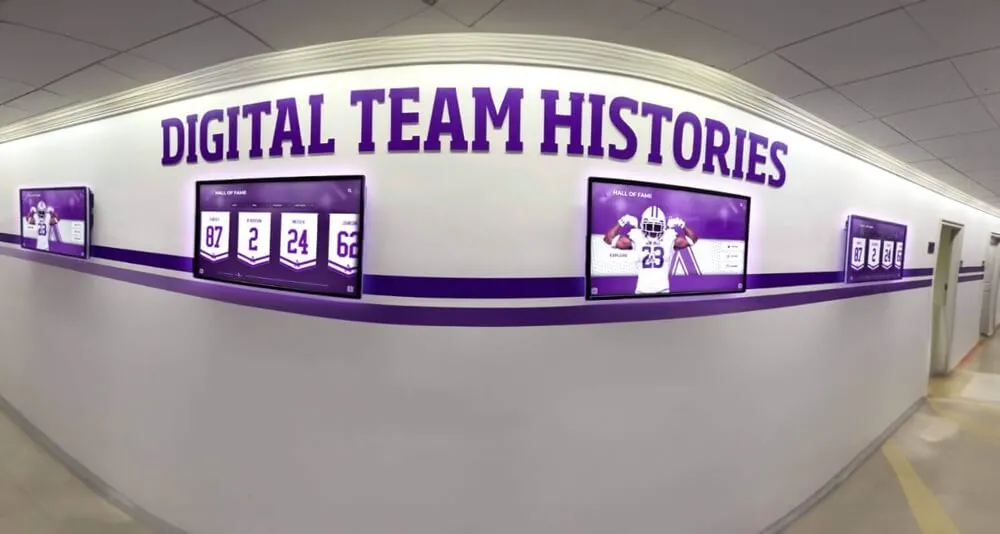
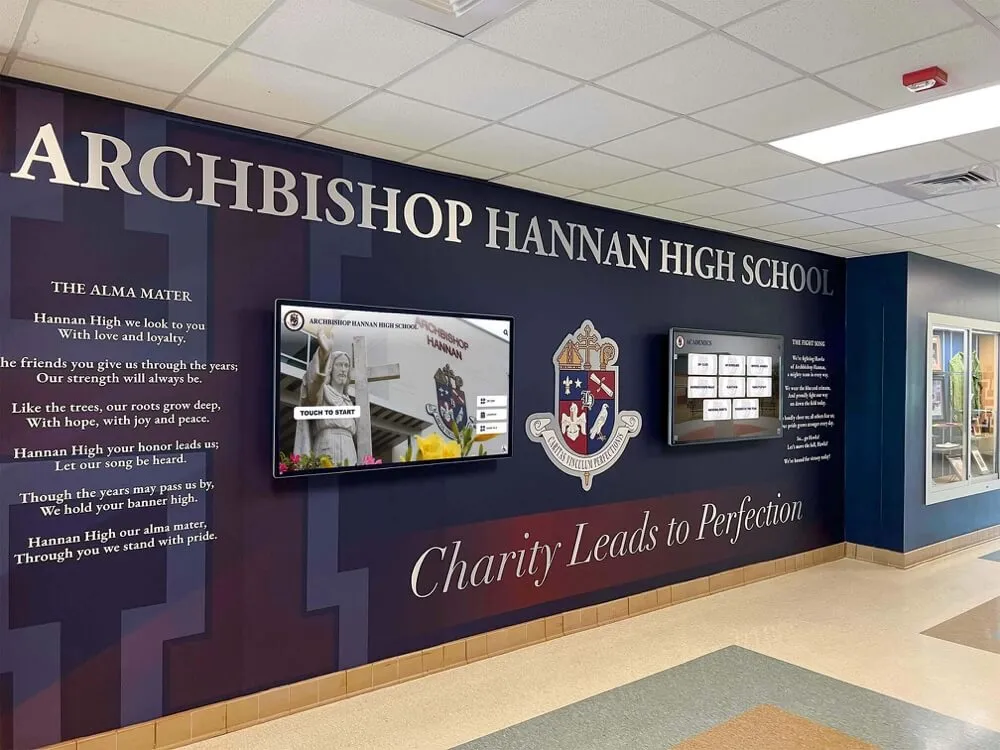
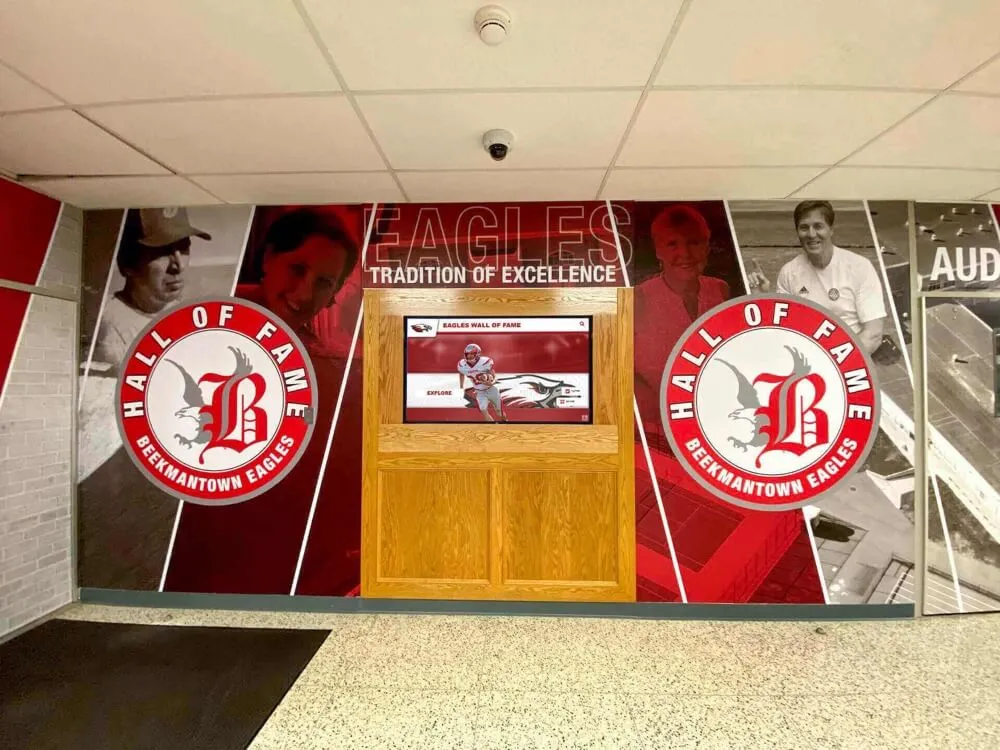
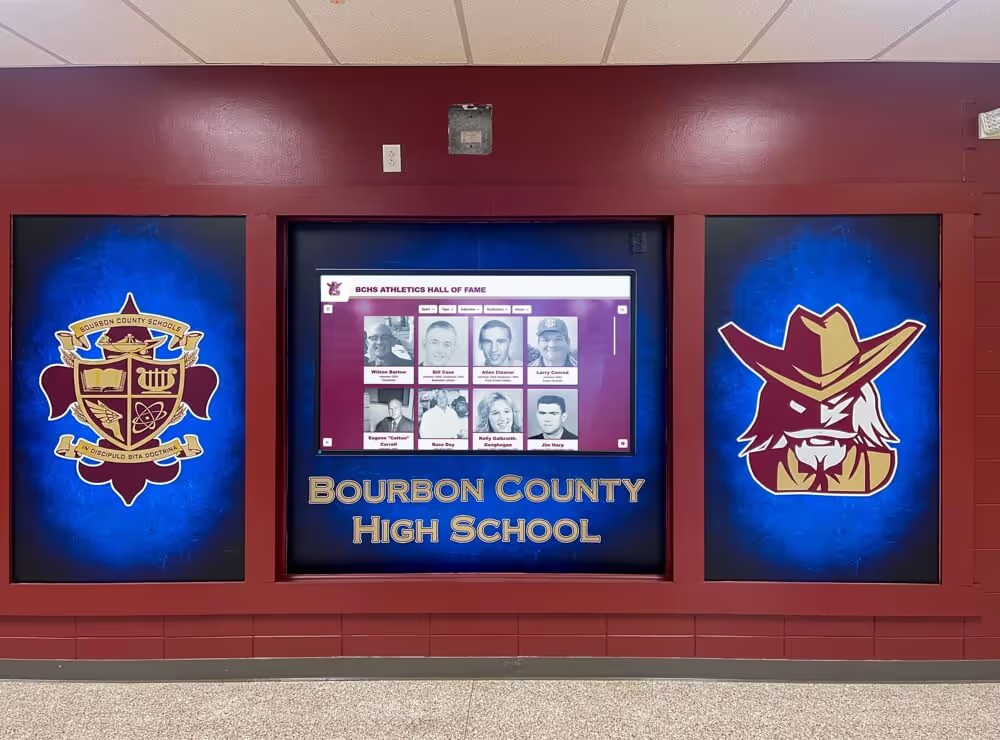
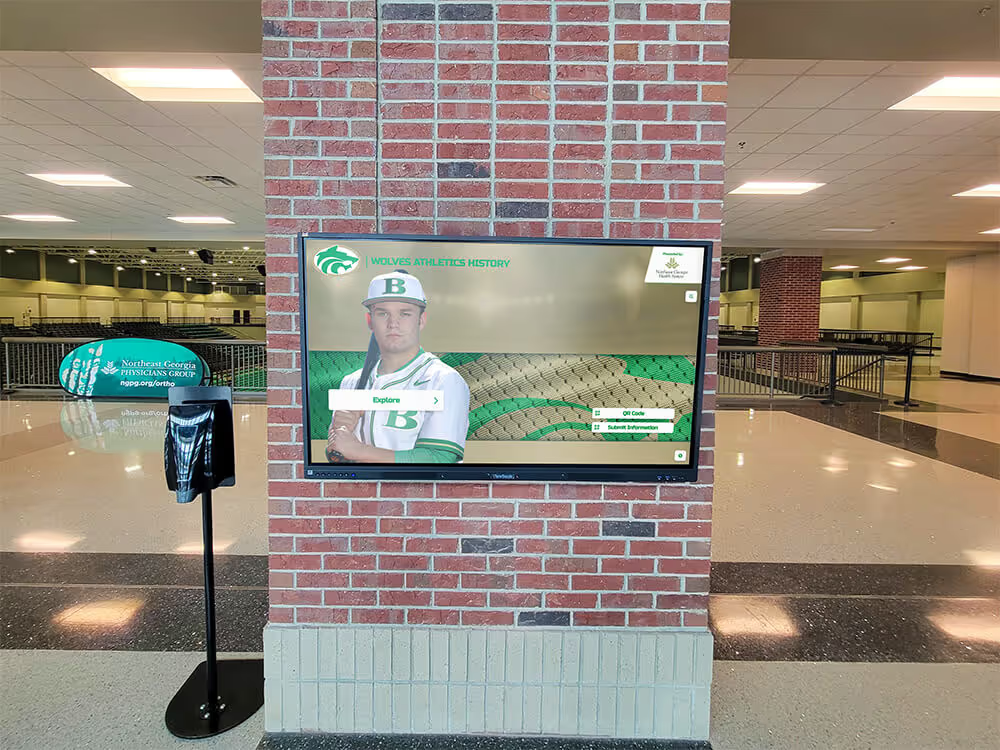
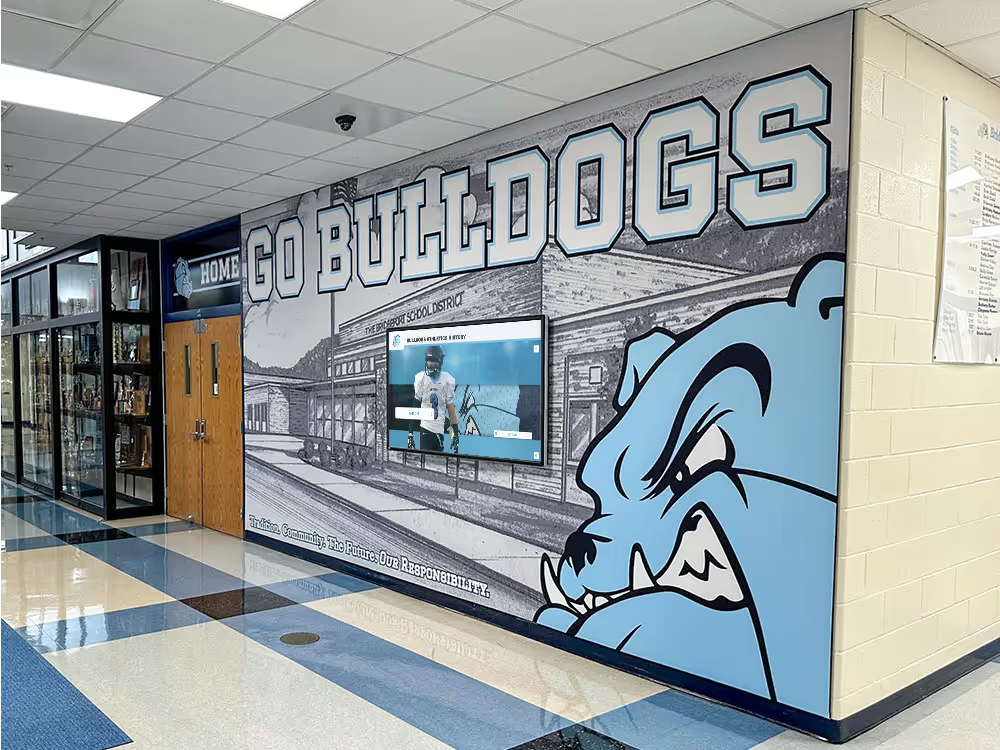
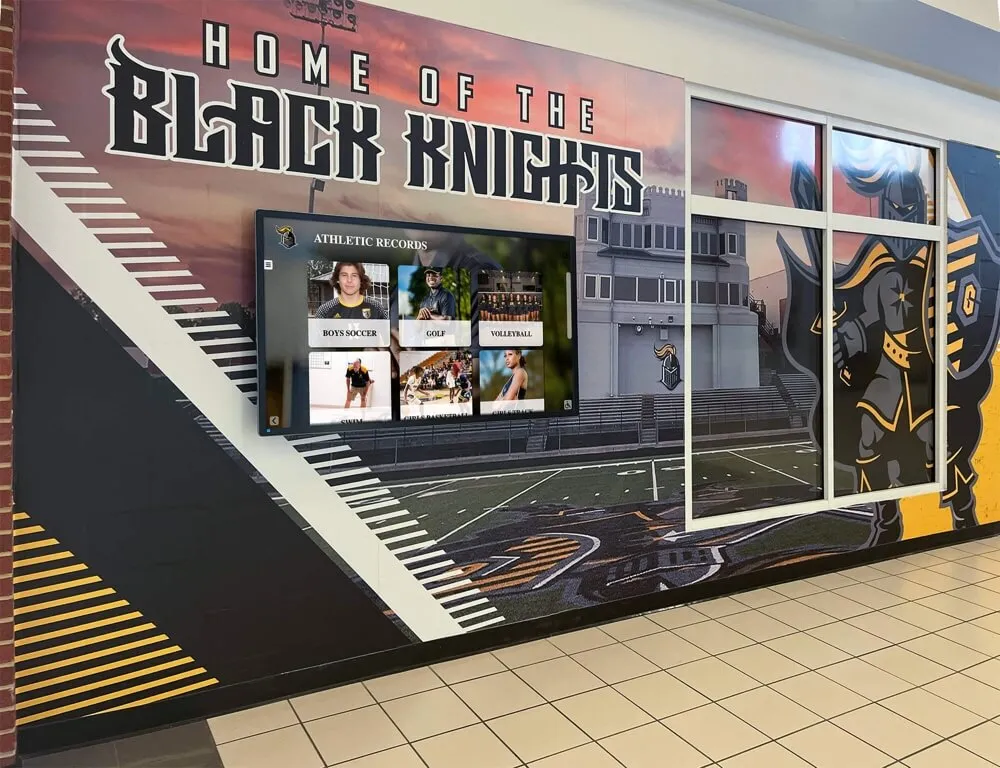
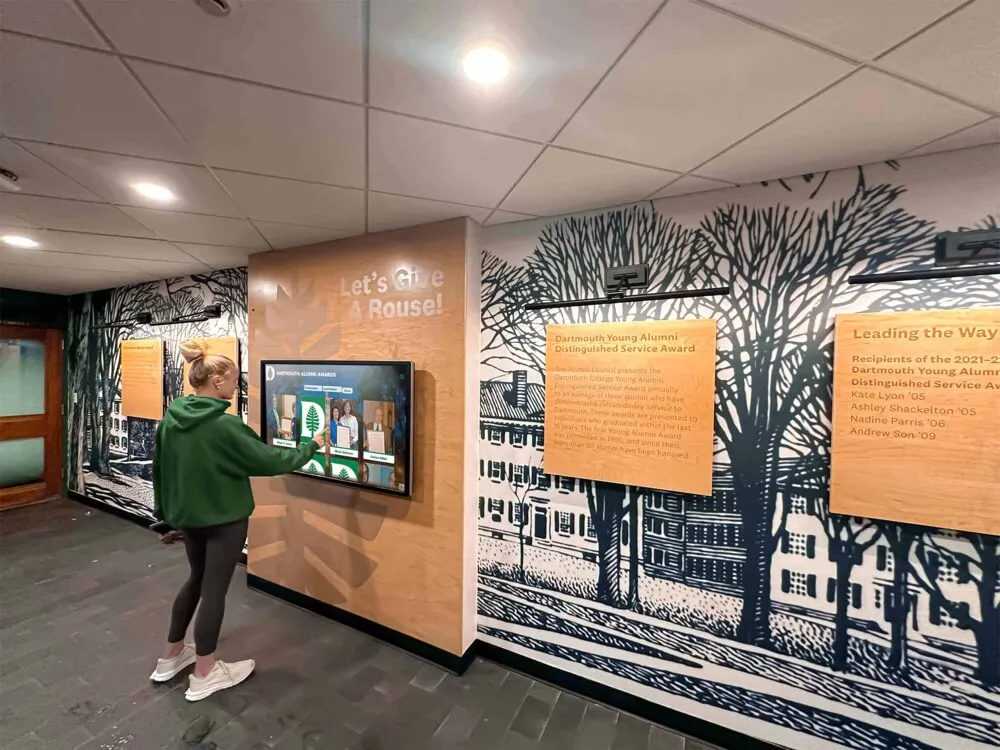
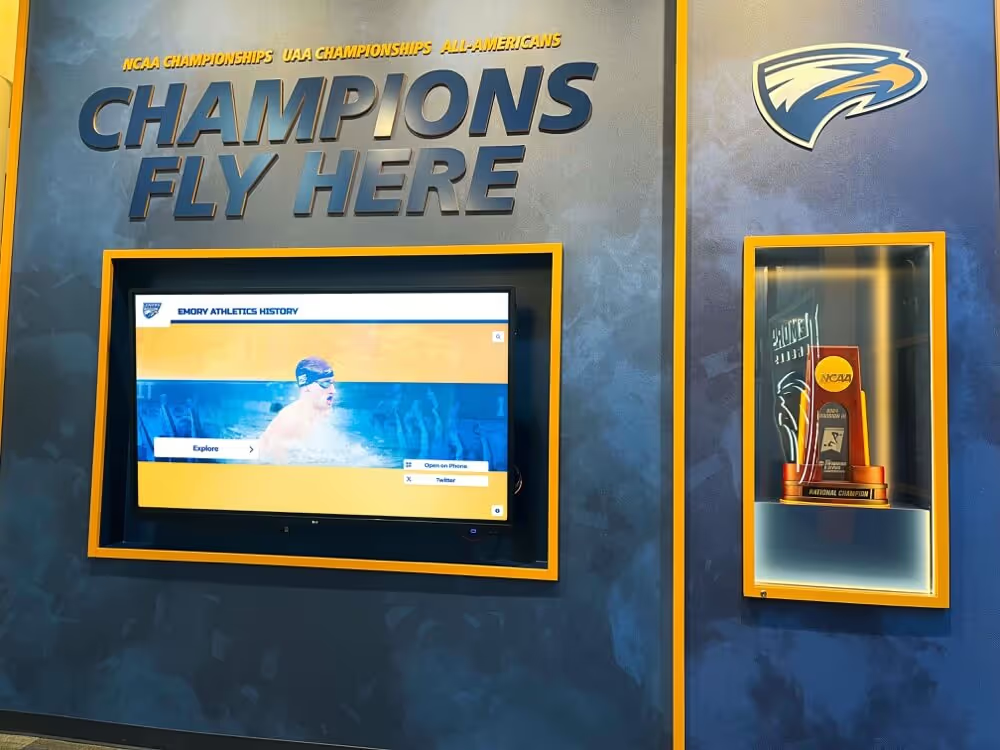
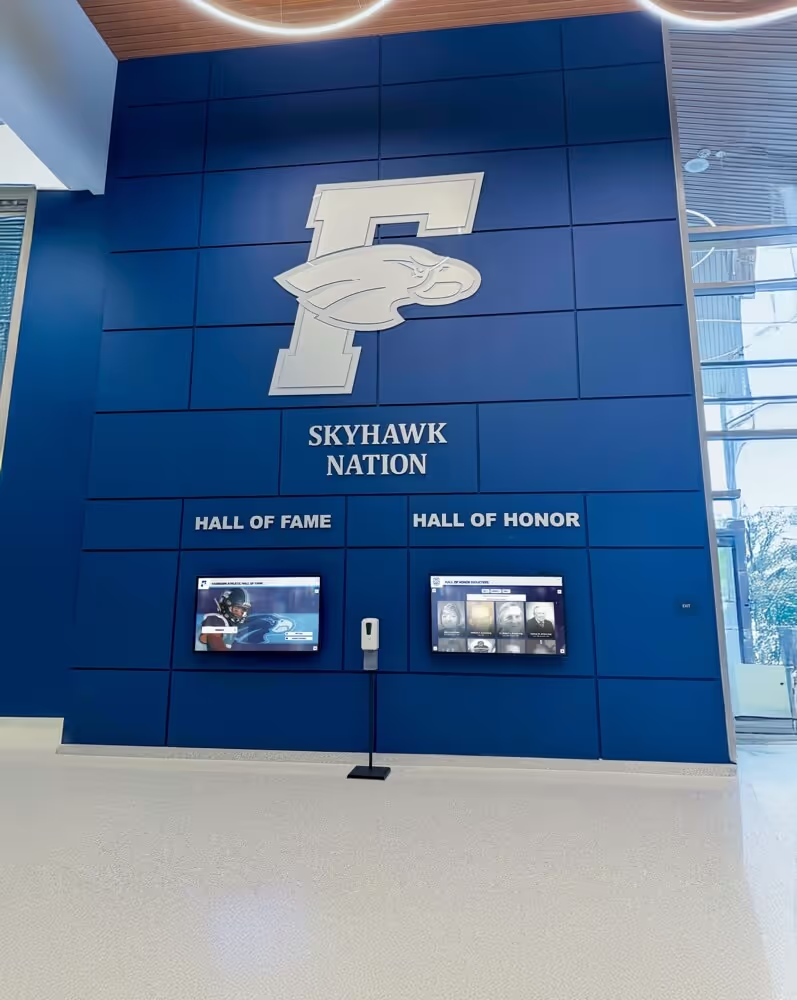
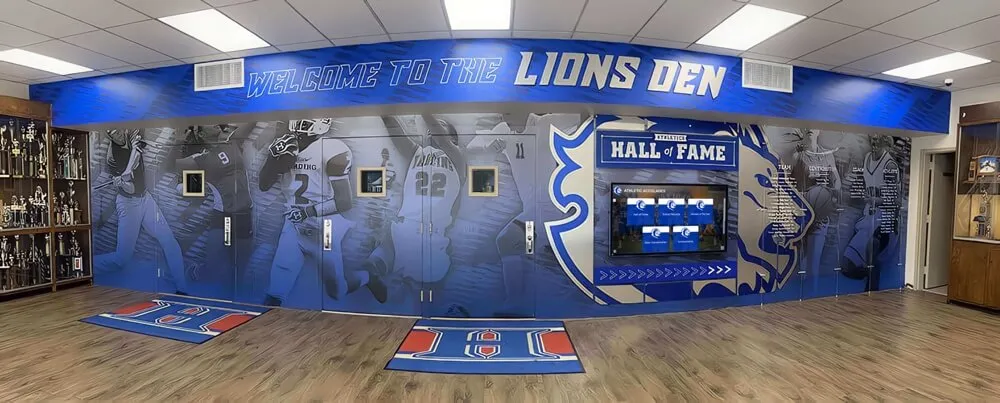
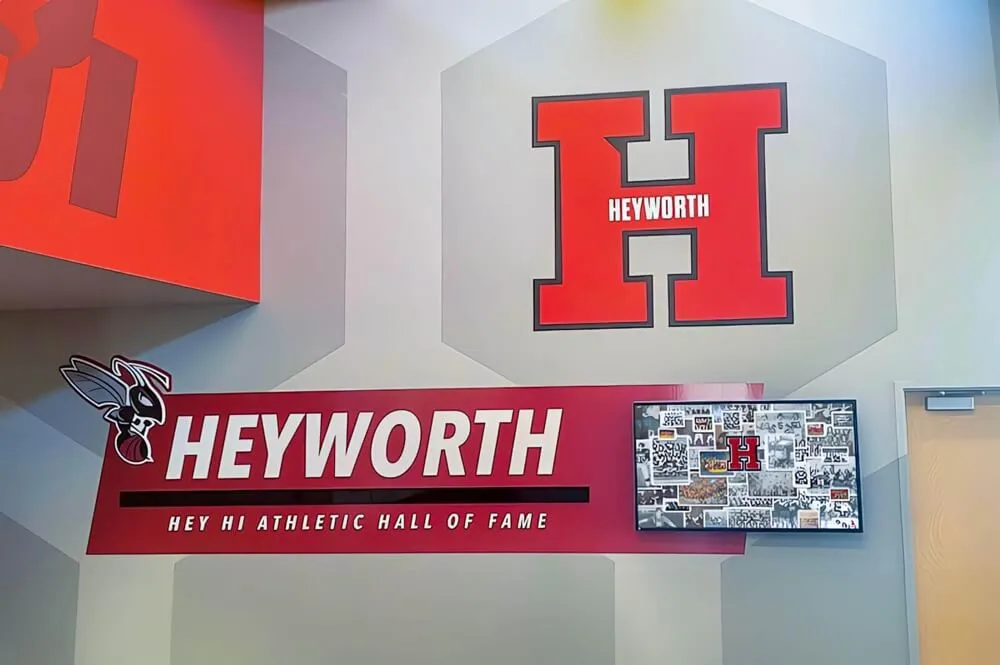
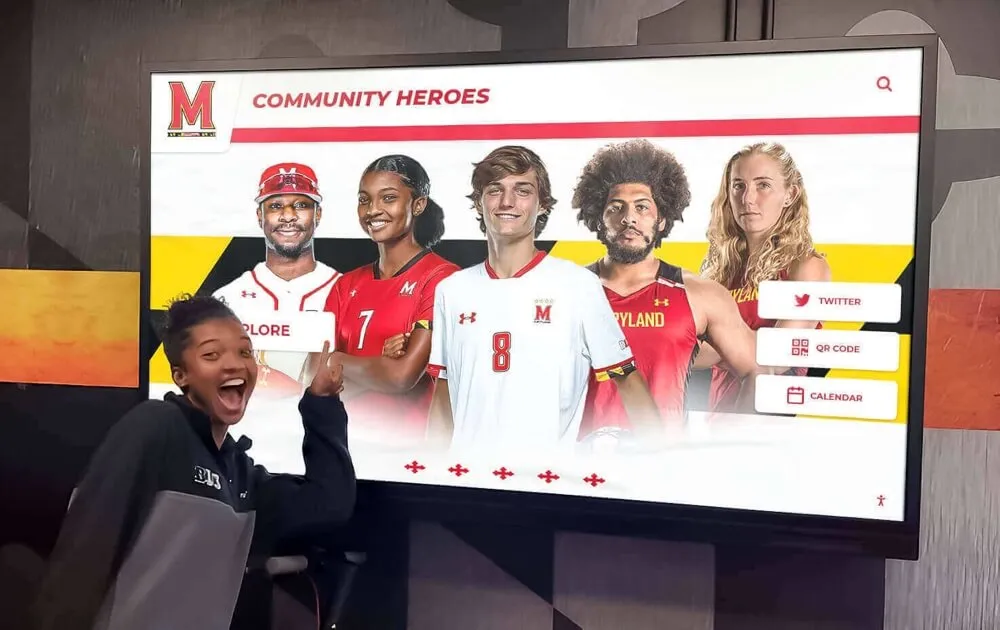
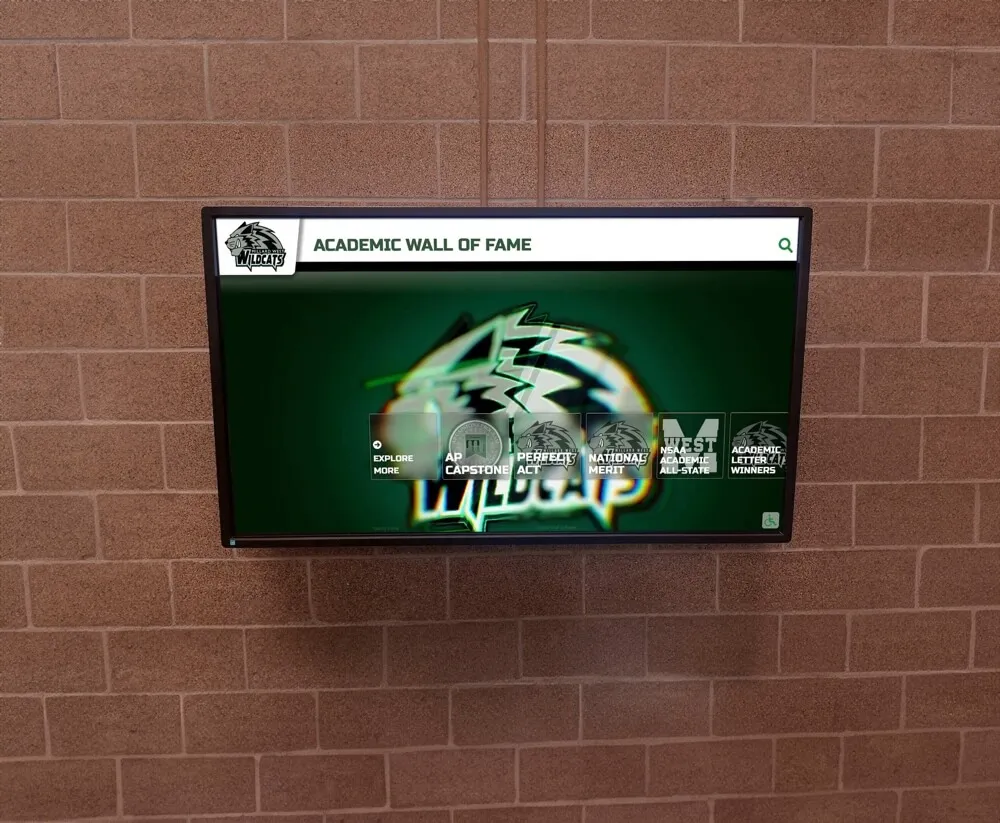
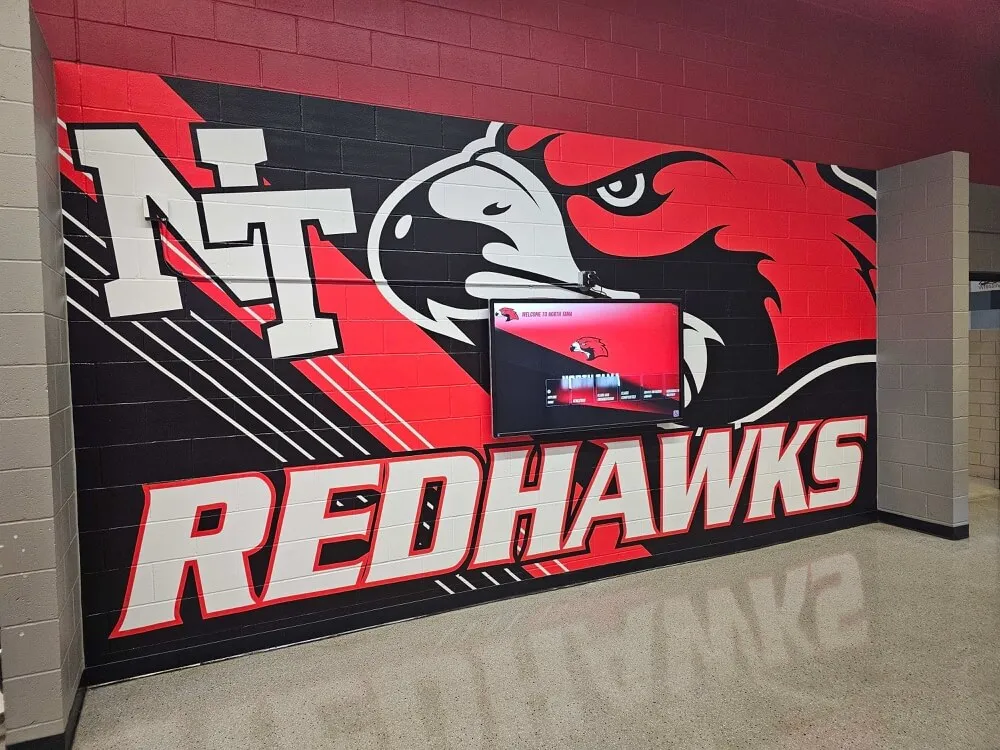
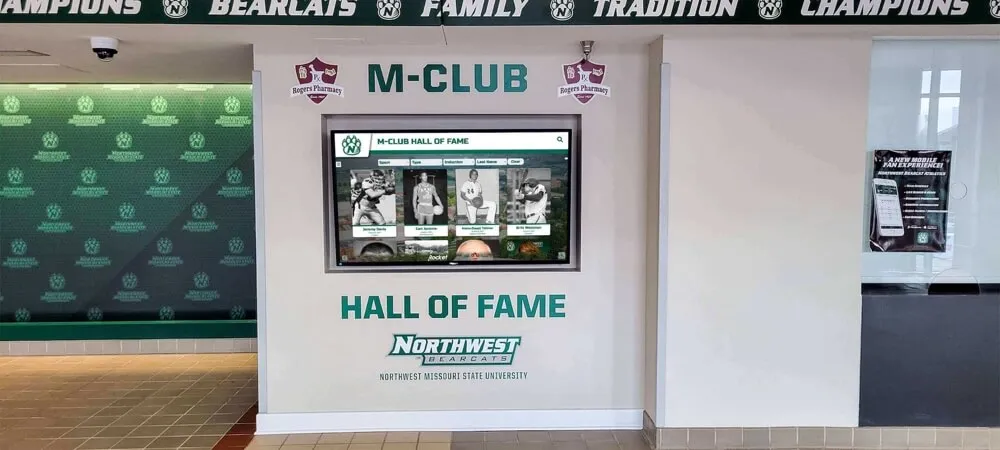
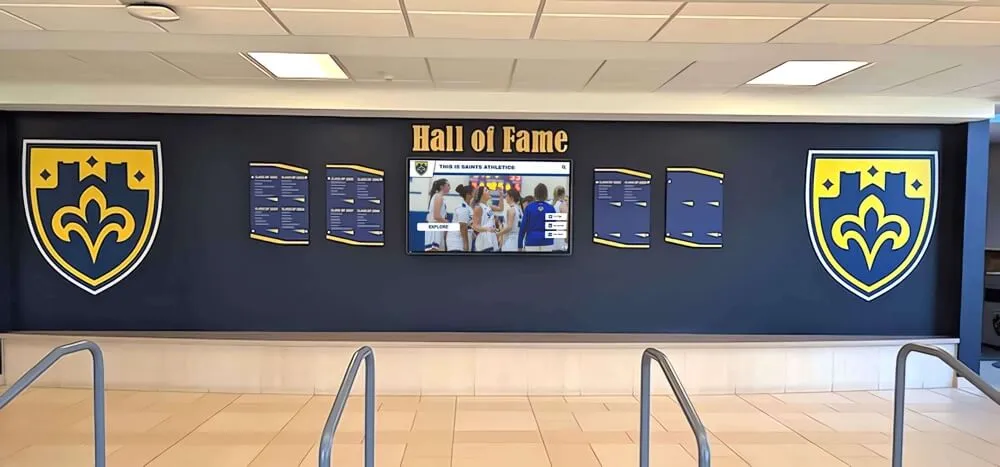
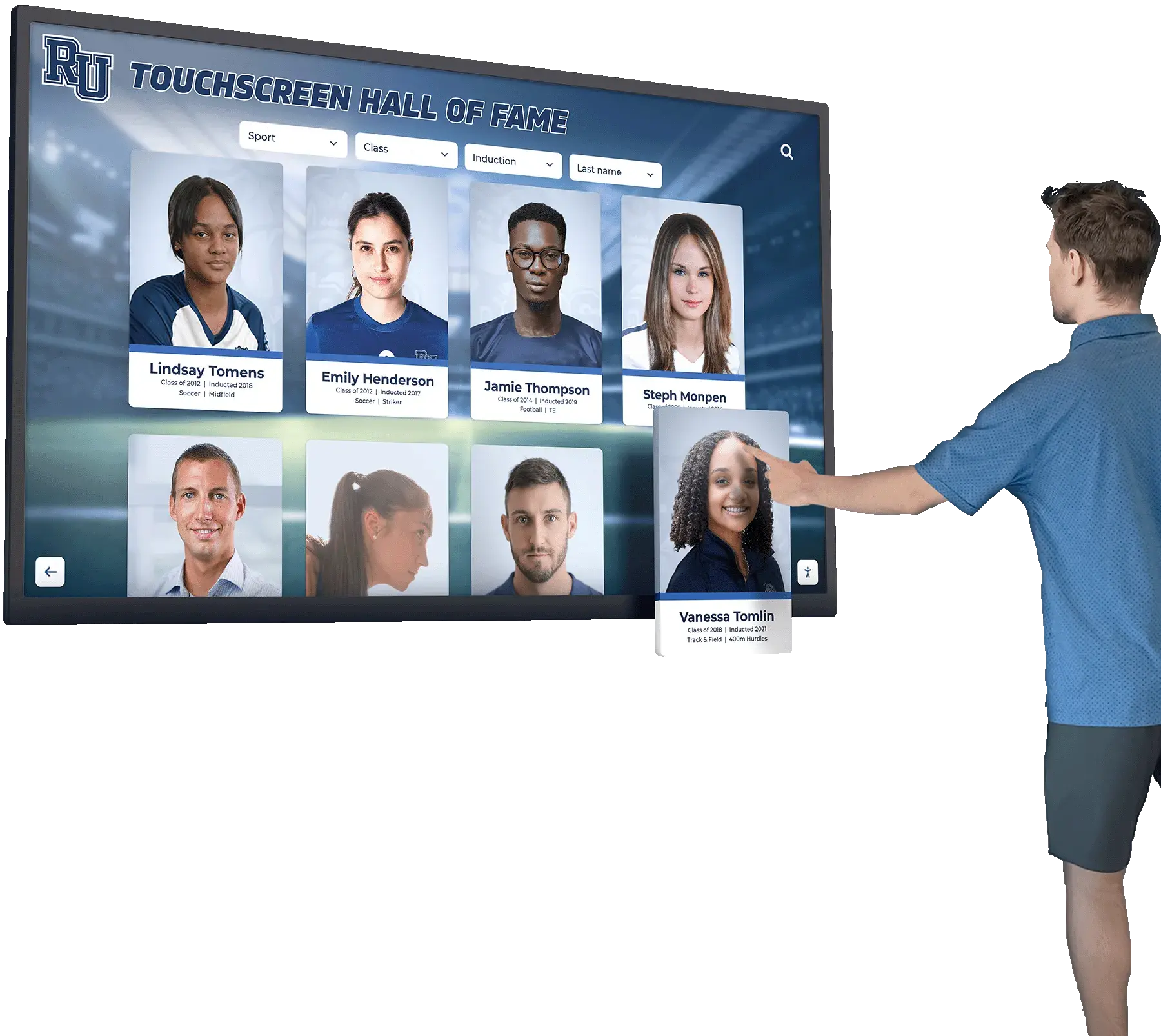
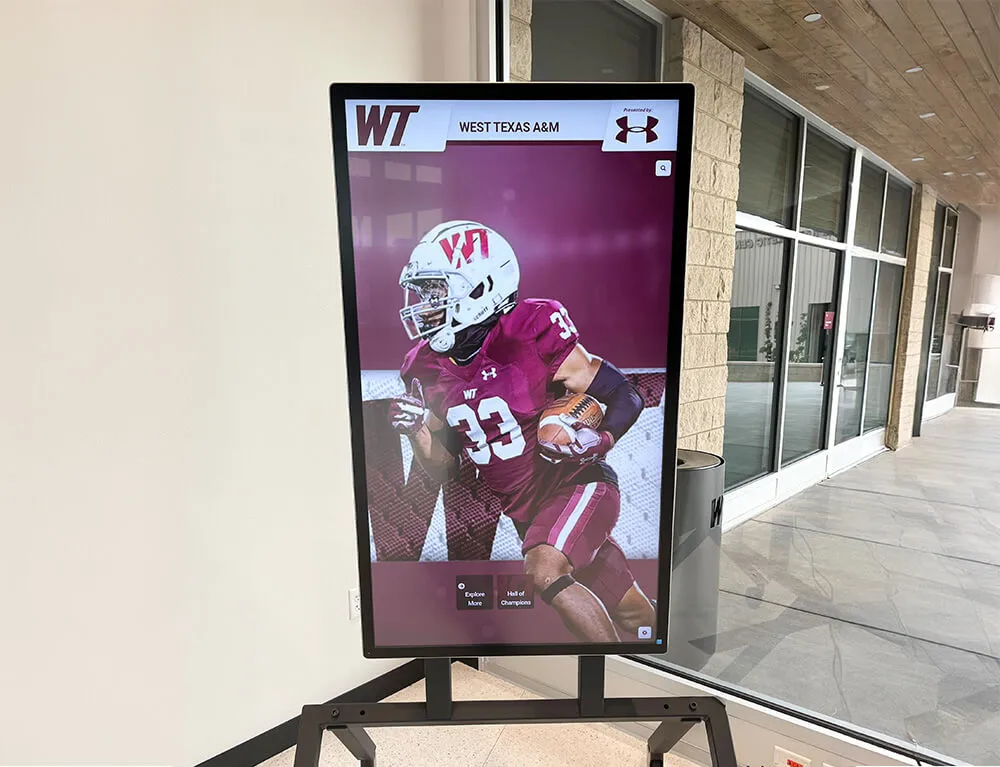
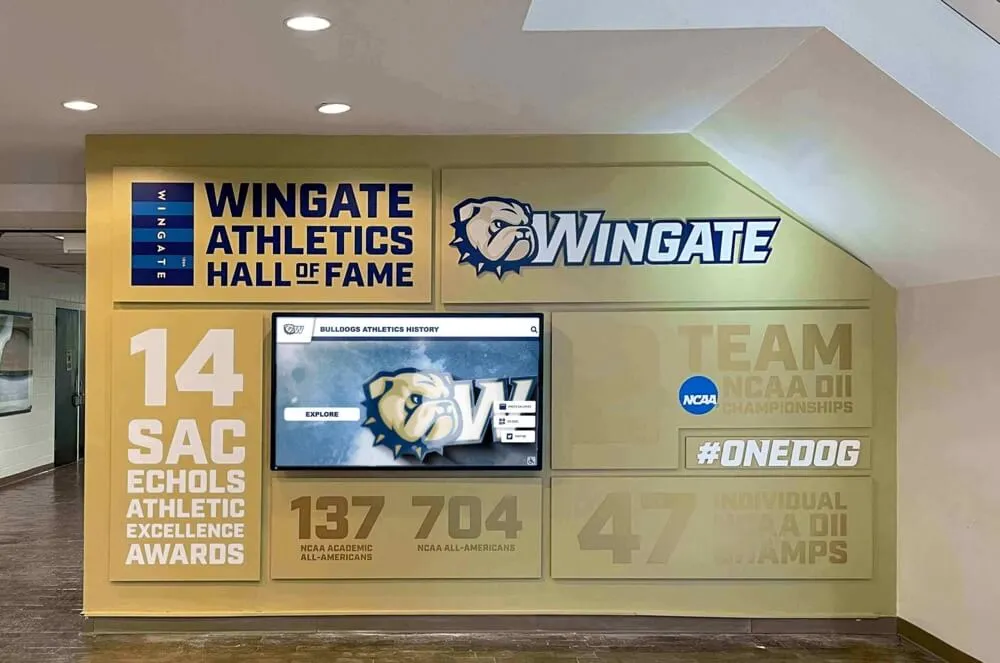
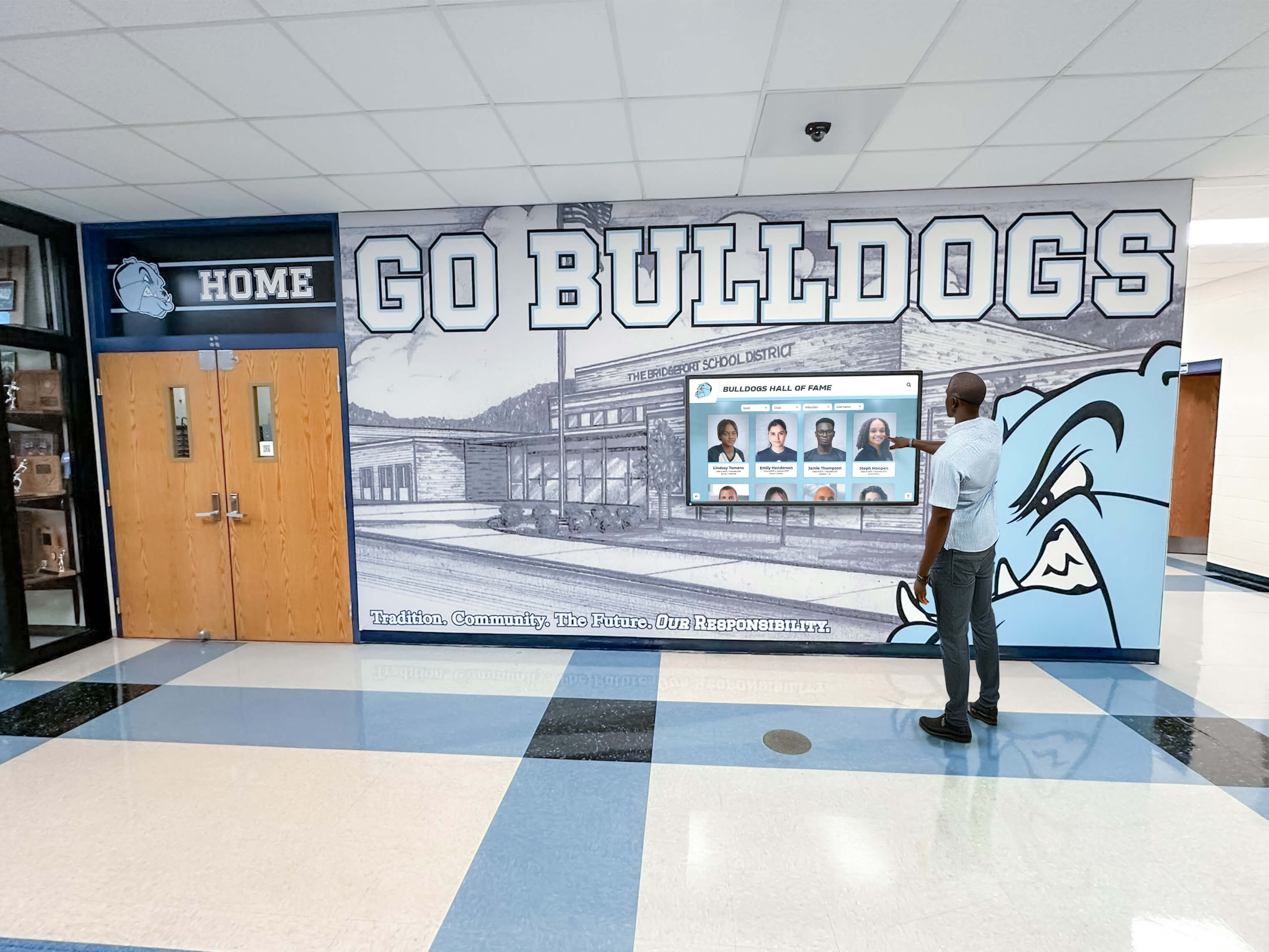
Early National Signing Day celebrations deserve more than temporary recognition—they represent defining moments in student-athlete careers and school athletic history. Digital recognition systems enable schools to permanently showcase college commitments, track signing history across decades, and celebrate athletic achievement alongside academic excellence. Rocket Alumni Solutions provides athletic programs with interactive displays that highlight every signing day commitment, automatically update as athletes achieve college success, and create lasting tributes accessible to alumni, current students, and community members—transforming single-day celebrations into permanent recognition that honors excellence for generations.
Understanding Early National Signing Day vs. Regular Signing Period
The college athletic recruiting landscape includes multiple signing periods throughout the academic year, each serving specific sports and strategic purposes. Understanding these distinctions helps schools plan appropriate celebrations for different athletic programs.
What is Early National Signing Day?
Early National Signing Day falls in December, typically during the second week of the month, and represents the first opportunity for high school seniors in certain sports to sign binding National Letters of Intent (NLI) committing them to collegiate athletic programs.
Sports Included in December Early Signing Period: The early signing period primarily serves football and basketball, though the specific sports eligible vary by division and conference. Football players can sign during a three-day window in mid-December, while basketball players have a longer early signing period. Other sports including soccer, track and field, cross country, swimming, and lacrosse may also participate in December signing depending on NCAA divisional rules.
This early period emerged in response to extended recruiting timelines that created uncertainty for both athletes and programs. By allowing commitments to be finalized months before graduation, early signing provides clarity, reduces recruiting pressure on committed athletes, and enables programs to shift focus to unsigned prospects who require additional attention.
Differences Between Early and Regular Signing Periods
The regular National Signing Day occurs in February for football and in the spring for most other sports, providing a second opportunity for athletes who haven’t committed during the early period.
Strategic Considerations for Athletes: Student-athletes face important decisions about which signing period best serves their interests. Early signing benefits include ending the recruiting process early, securing scholarship commitments before potential coaching changes, reducing stress during senior season competition, and allowing focus on academics and athletics without ongoing recruitment demands.
However, some athletes benefit from waiting until the regular signing period—those still comparing multiple offers, athletes recovering from injuries who want to demonstrate full health, students whose academic situations remain uncertain, or prospects hoping for additional scholarship offers from preferred programs.
Schools supporting student-athletes through these decisions provide guidance while respecting individual circumstances and timelines.
History and Evolution of Early Signing Period
The early signing period for football debuted in 2017 after years of discussion within college athletics about reducing the compressed timeline of traditional National Signing Day in February. Previously, all football prospects signed on a single February day, creating intense pressure, last-minute decision changes, and massive national media coverage focused on one hectic morning.
The December early signing period quickly became the primary signing day, with approximately 80-90% of Division I football recruits now signing during the early period rather than waiting until February. This shift fundamentally changed recruiting dynamics, moved celebration focus to December, and reduced the drama previously associated with traditional February signing day.
Understanding these historical changes helps schools recognize that December signing celebrations have evolved from secondary events into the primary recognition moments deserving comprehensive planning and permanent commemoration.
Planning Memorable December Signing Day Ceremonies
Schools that invest in well-planned signing ceremonies create meaningful experiences that honor student-athletes appropriately while engaging the broader school community in celebrating these achievements.
Setting the Stage: Venue and Logistics
The physical setting for signing ceremonies significantly impacts the event’s tone, accessibility, and memorability.
Venue Selection Considerations: Schools typically choose from several venue options including the school gymnasium enabling large attendance and creating athletic atmosphere, the library or media center providing more intimate settings appropriate for smaller signing groups, cafeterias offering flexible space accommodating various group sizes, or specialized athletic facilities like field houses that reinforce connection to athletic achievement.
The ideal venue balances capacity for expected attendance, technical capabilities for presentations and social media streaming, professional atmosphere appropriate for formal commitment documents, and accessibility for family members, community supporters, and media representatives.
Many successful programs create signature venues or locations associated with their signing day tradition—returning to the same space annually builds recognition and reinforces institutional continuity.
Essential Logistics Components: Beyond venue selection, comprehensive signing ceremonies require thoughtful attention to tables displaying college merchandise, letters of intent, and signing pens, backdrop displays featuring school and college logos creating photo-worthy settings, seating arrangements accommodating athlete families, teammates, and coaches, audio/visual equipment enabling speeches, highlight videos, and announcements, and media accommodation providing space for local press, photographers, and videographers.
Creating detailed run-of-show documents and conducting walkthroughs before the ceremony ensures smooth execution on the actual day when emotions run high and attention focuses on the athletes rather than logistics.
Programs developing comprehensive celebration approaches might explore ideas from resources on championship celebration planning that apply similar recognition principles across different achievement contexts.
Ceremony Program Structure and Flow
Well-structured ceremonies balance formal elements with personal touches, ensuring each athlete receives appropriate recognition while maintaining reasonable event duration.
Effective Program Components: Successful signing ceremonies typically include welcome remarks from athletic director or principal establishing significance, introduction of each signing athlete with biographical highlights, presentation of highlights videos showcasing athletic achievements, formal signing moment with photos captured, remarks from each athlete thanking supporters and explaining choice, recognition of coaches, trainers, and staff who supported development, and closing remarks reinforcing school pride and tradition.
Programs signing multiple athletes often group them by sport or present them individually depending on numbers—five athletes might each receive extended individual recognition, while fifteen athletes might be celebrated in smaller groups to manage total event time.
Involving the School Community: The most impactful signing ceremonies extend beyond athletes and immediate families to engage teammates attending to support fellow athletes, student body representatives or classes attending portions of the ceremony, faculty and staff who taught or mentored the athletes, and younger athletes from feeder programs who see pathways to similar achievement.
This broader engagement transforms signing day from an individual honor into a community celebration that reinforces the value the school places on athletic excellence and educational achievement.
Schools building strong athletic culture might reference approaches discussed in resources on building school pride and recognition culture that extend beyond single events to sustained programs.
Creating Photo-Worthy Moments
Signing day generates significant social media attention and creates lasting memories—intentional planning ensures these moments are captured effectively.
Visual Elements for Memorable Photos: Professional-quality signing day photos require thoughtful staging including backdrop displays featuring school colors, mascots, and college logos, signing tables with college merchandise and branded materials, professional lighting if events occur in typically dim gymnasium spaces, and designated photo spots for formal athlete/family portraits and candid celebration captures.
Many programs create custom backdrops or use retractable banners that can be stored and reused annually, building consistent visual identity for signing day celebrations.
Social Media and Digital Sharing: Modern signing day celebrations extend well beyond the physical ceremony through coordinated social media strategies including live streaming ceremonies for extended family and alumni unable to attend in person, real-time posts celebrating each signing as it happens, professionally produced graphics announcing each commitment, and hashtags enabling community members to follow and engage with celebrations.
Athletic programs with dedicated social media coordinators or student interns often produce high-quality content that rivals college program announcements—reinforcing program professionalism and enhancing recruitment appeal.
Resources like free school social media graphics tools provide schools with accessible platforms for creating professional announcement graphics without requiring expensive design software or specialized expertise.
Permanent Recognition Beyond Ceremony Day
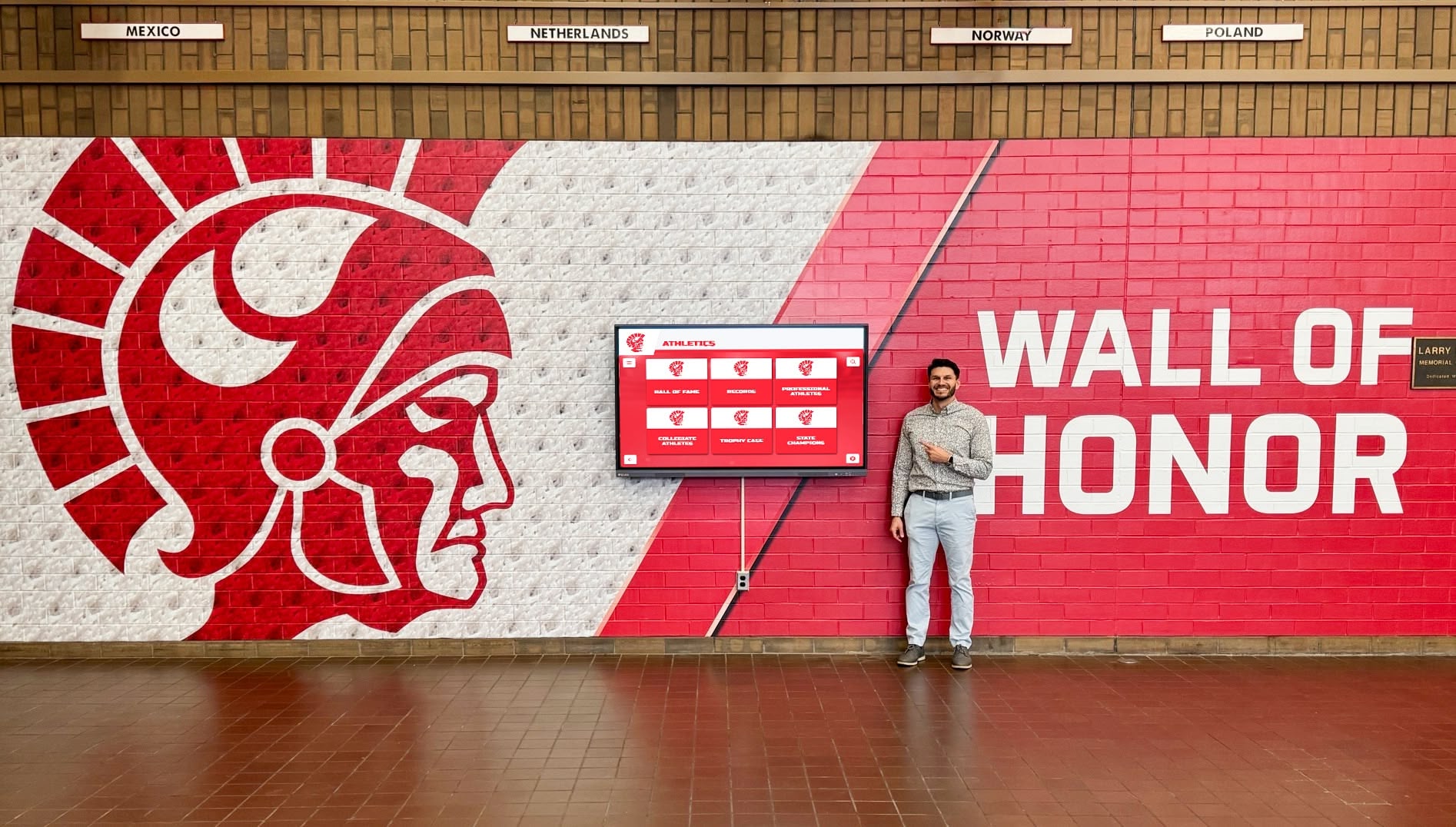
While signing ceremonies create meaningful moments, the most effective schools extend recognition beyond single events through permanent displays that honor these achievements for years and decades to come.
Traditional Recognition Approaches
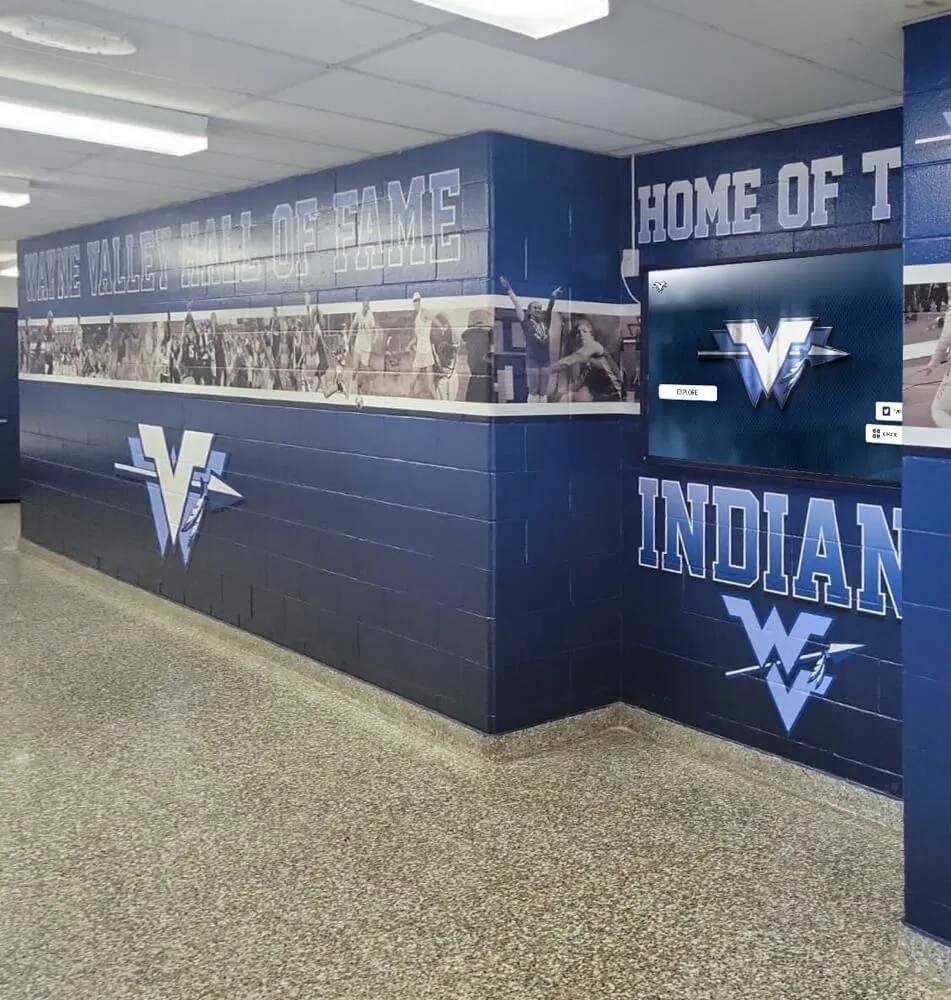
Many schools employ conventional methods to document and celebrate signing day commitments including wall displays with photos and college logos of signing athletes, plaques or nameplates listing committed athletes by year and destination, trophy case sections dedicated to college commitments, and athletic facility murals incorporating signing class recognition.
These traditional approaches provide tangible, visible recognition that reinforces achievement—though they face practical limitations including finite display space forcing difficult decisions about which athletes to feature, static content that cannot be updated when athletes achieve college success, deterioration over time as photos fade and materials age, and lack of context or detailed information about athlete achievements.
Digital Recognition Systems for Unlimited History
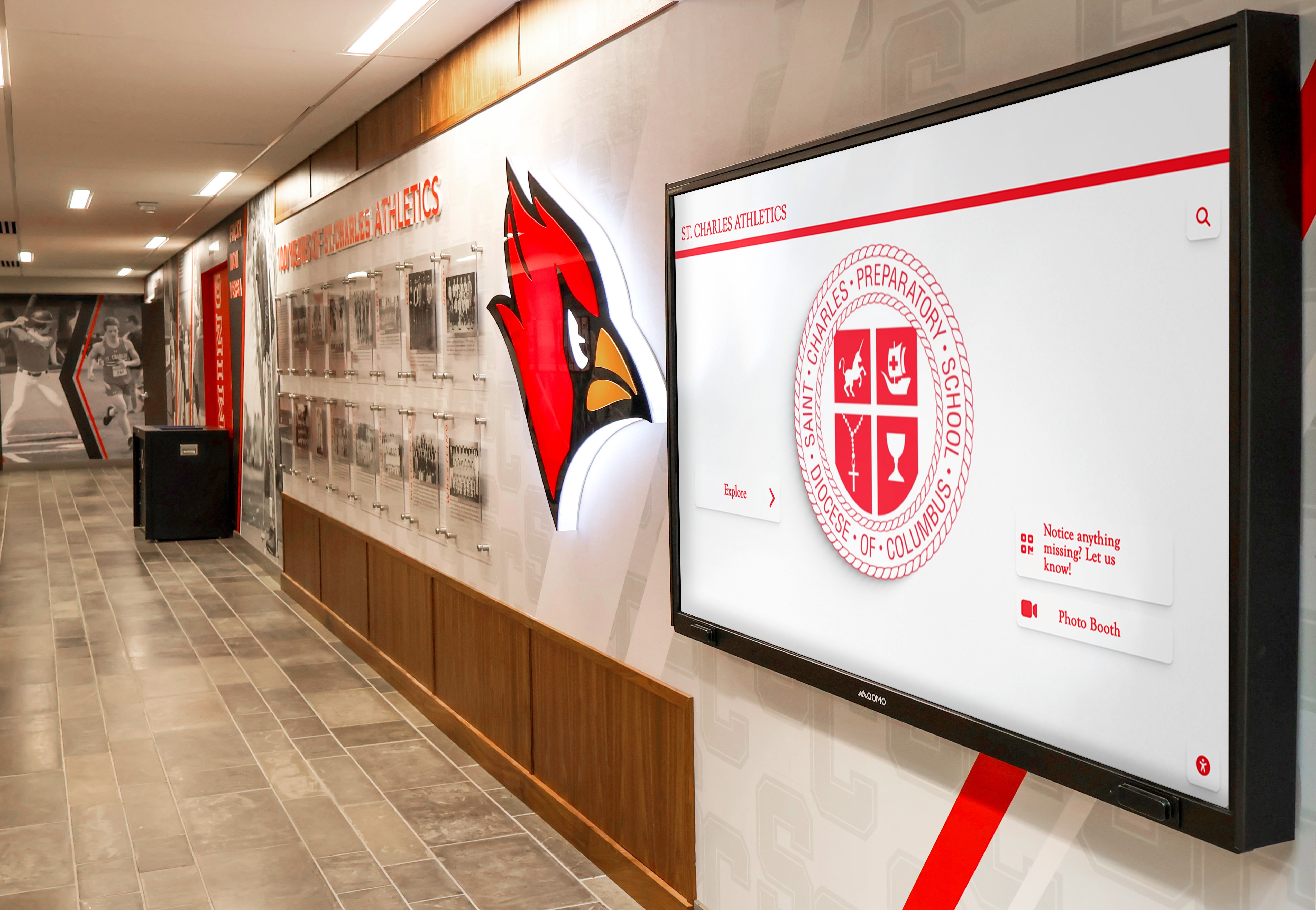
Modern digital display technology addresses these limitations while creating dynamic, comprehensive recognition platforms that grow with program history.
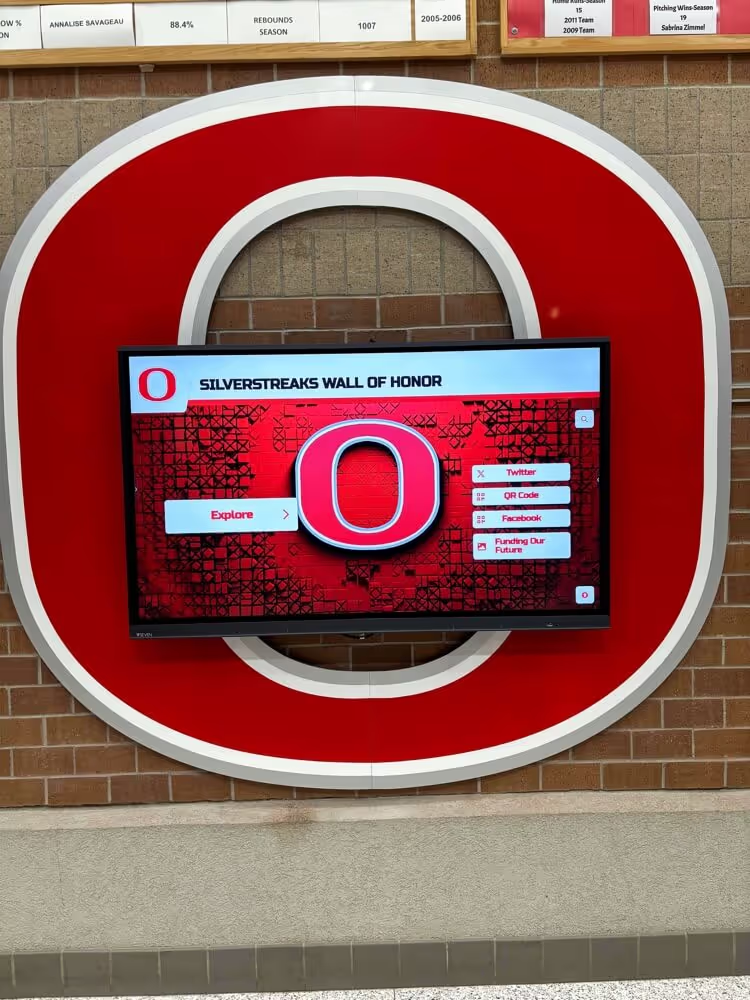
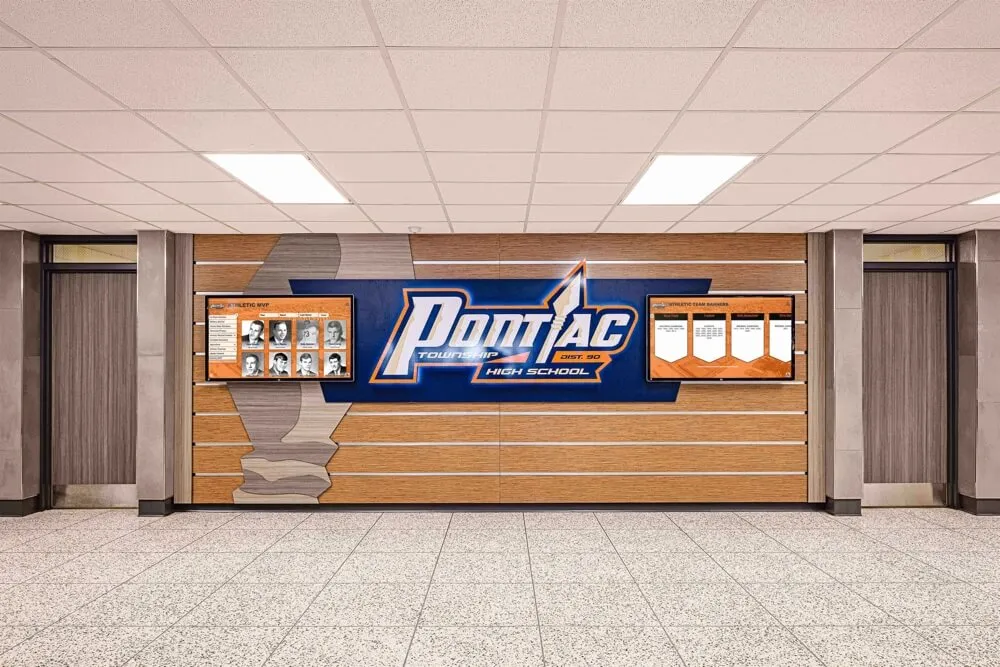
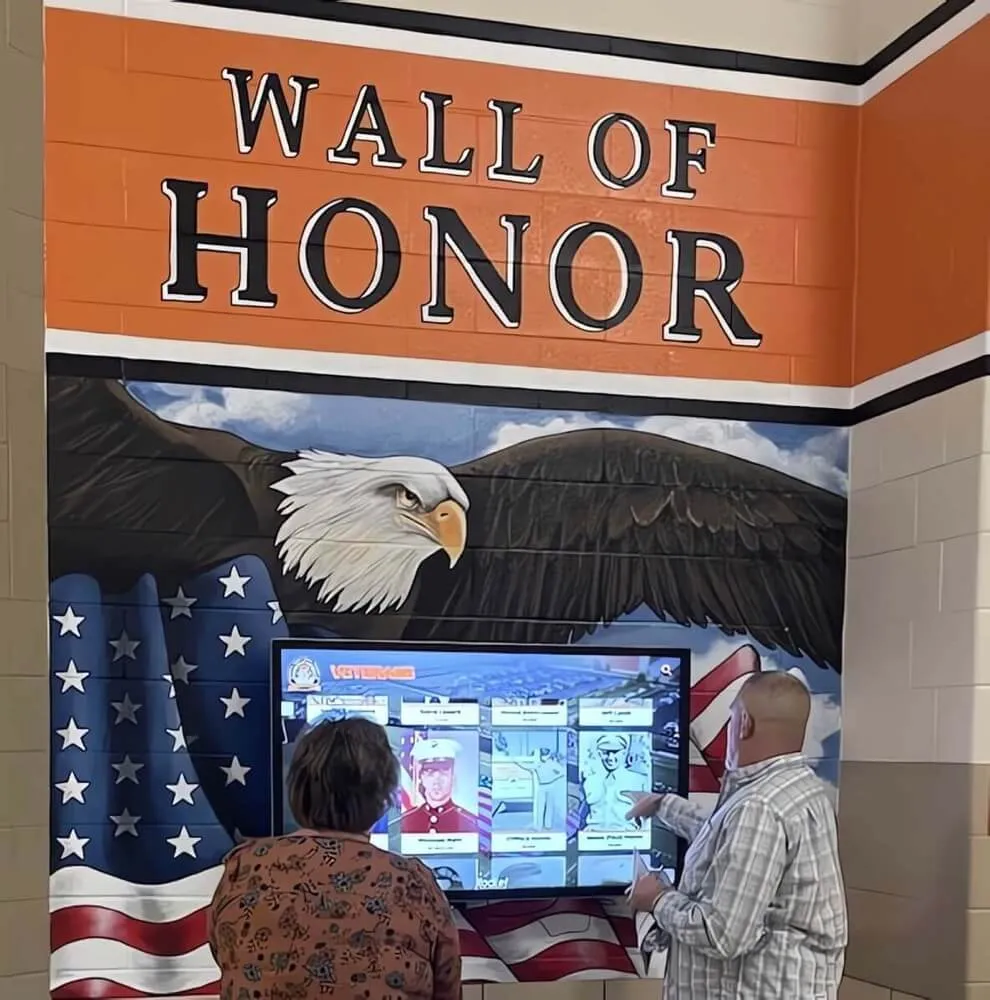
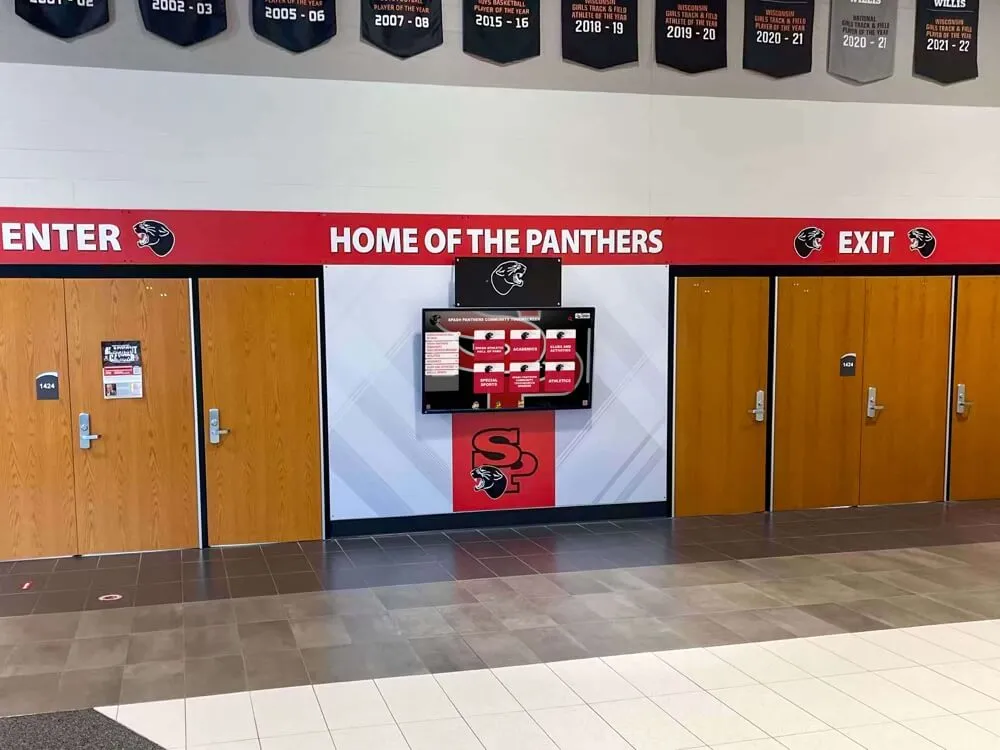
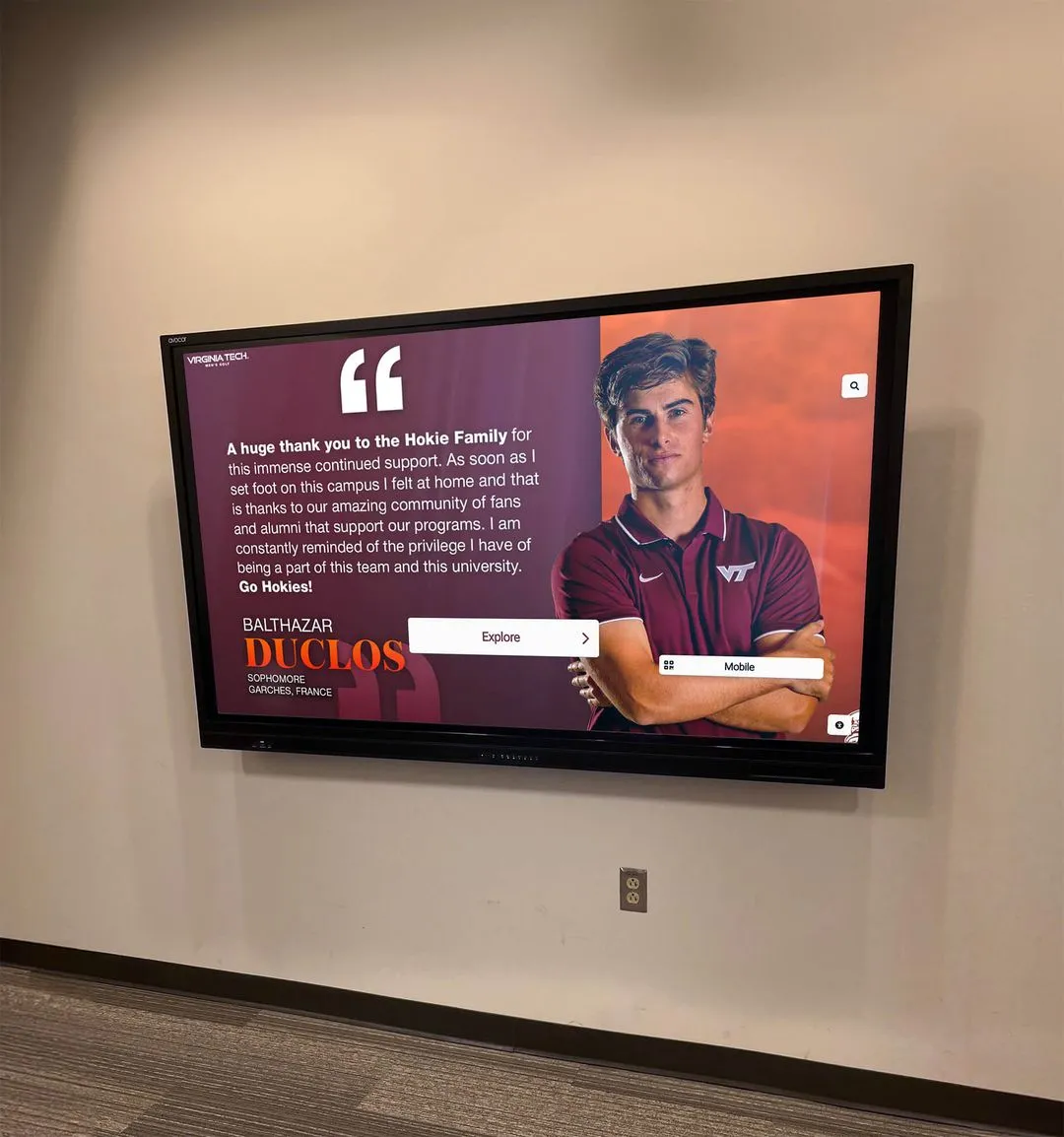
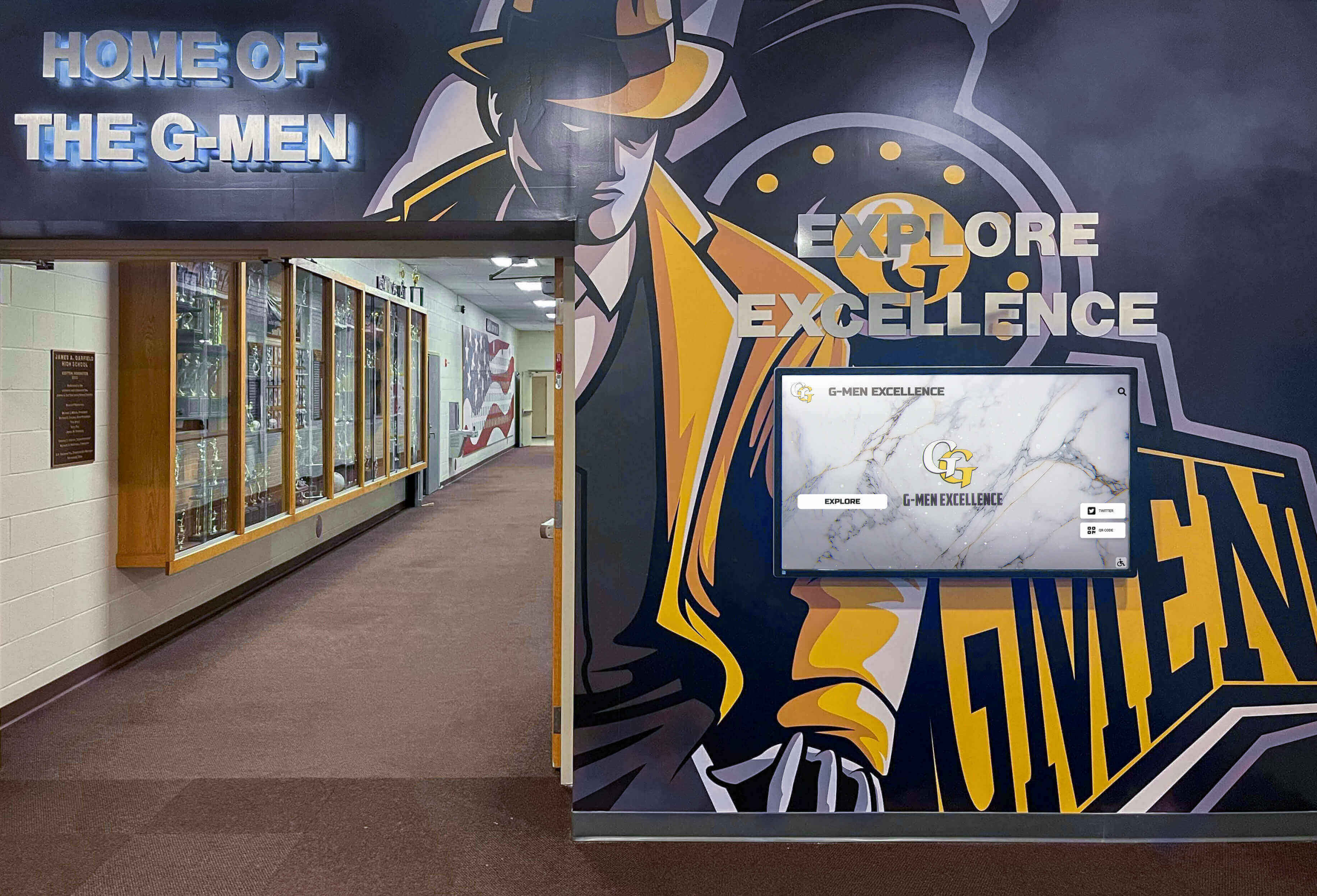
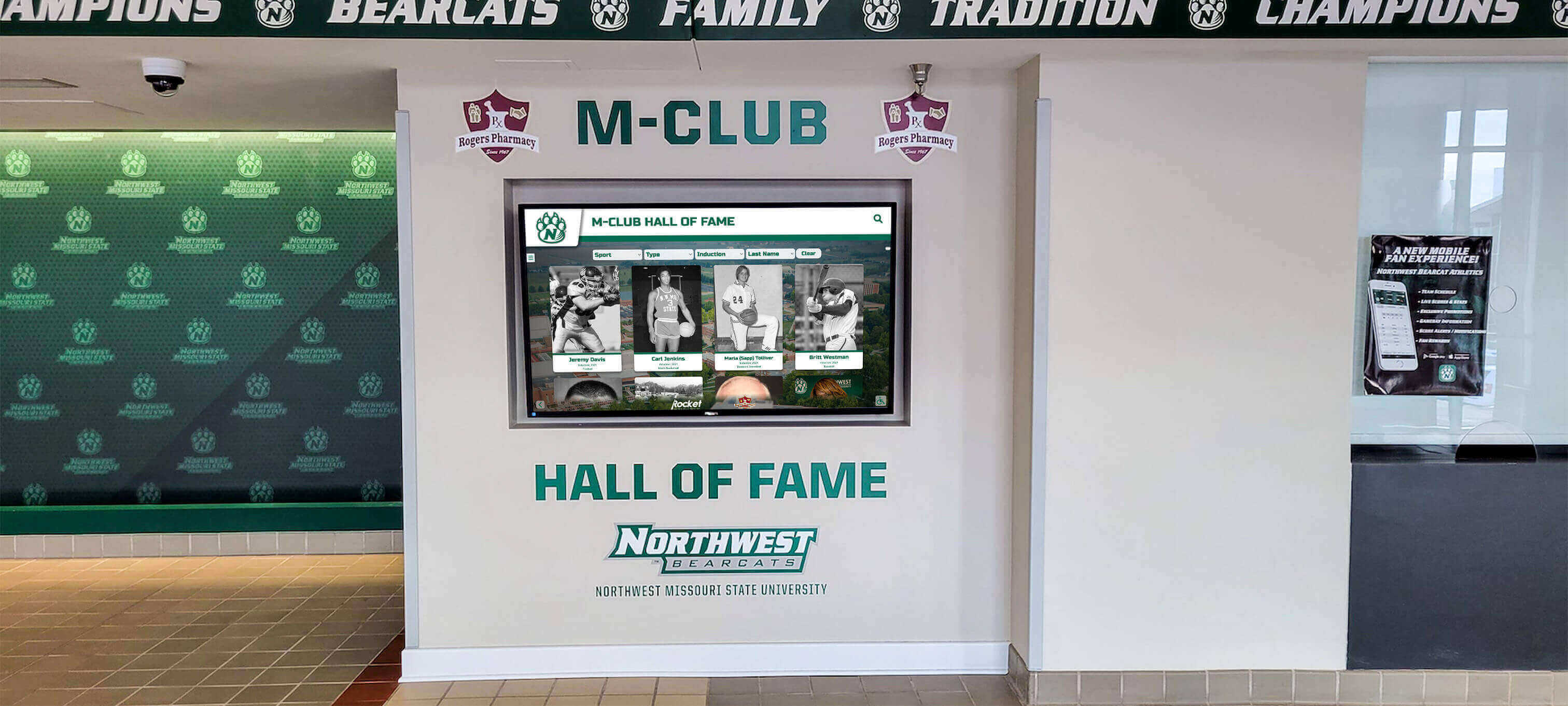
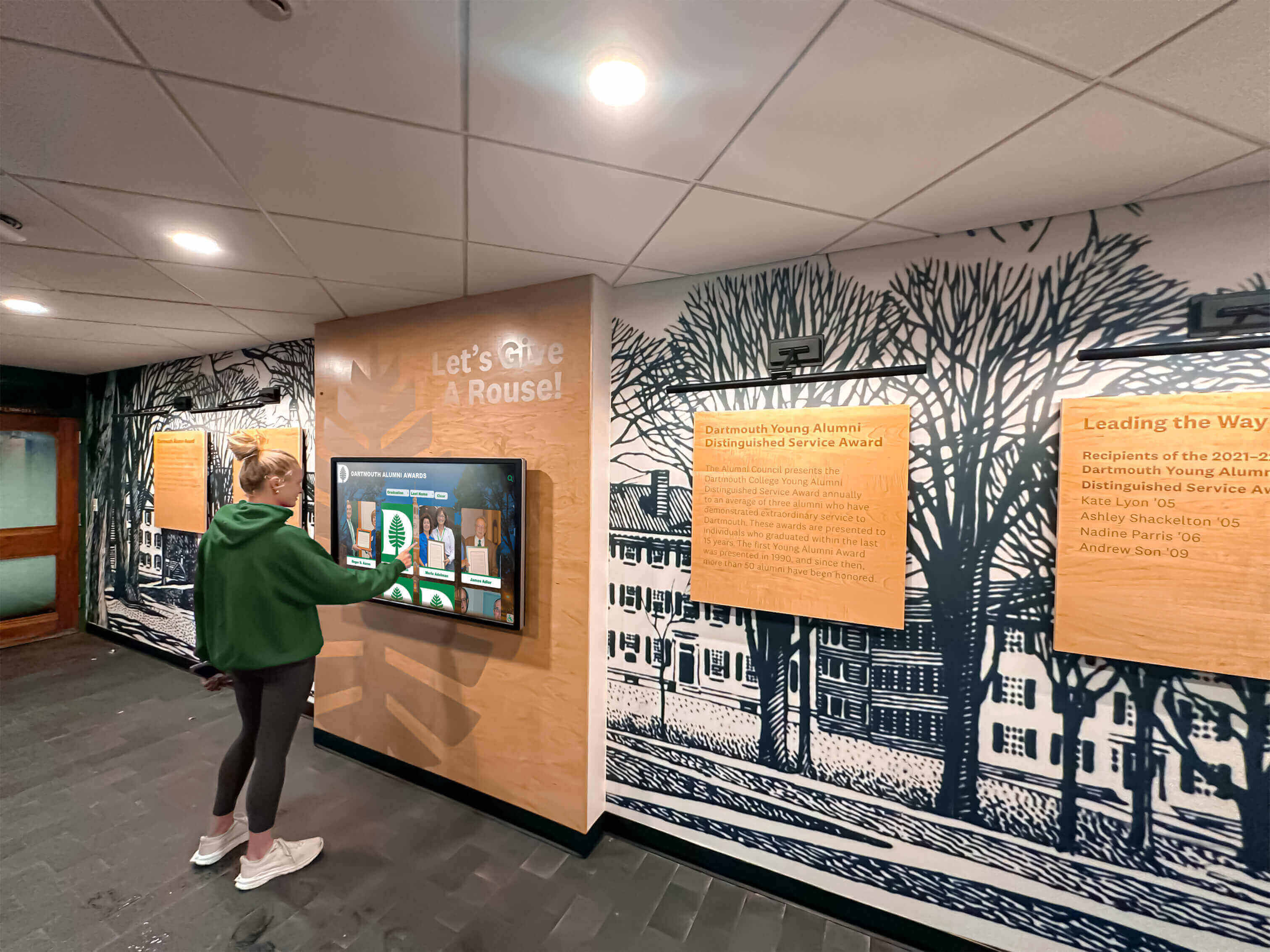
Advantages of Digital Signing Day Recognition: Digital systems transform traditional static displays through unlimited capacity enabling recognition of every signing athlete across all sports and all years, dynamic updates allowing profiles to reflect ongoing college achievements and career developments, rich multimedia content including photos, videos, statistics, and biographical narratives, search and filter capabilities enabling visitors to find specific athletes or signing classes, and accessibility improvements ensuring all community members can engage with recognition content.
Rather than forcing choices about which athletes deserve limited wall space, digital systems operate on abundance—everyone who earned a college commitment receives permanent recognition regardless of sport, division level, or subsequent athletic career trajectory.
Integration with Comprehensive Athletic Recognition: The most effective digital recognition systems don’t treat signing day commitments as isolated achievements but rather integrate them within comprehensive athletic recognition including athletic records and achievements leading to college opportunities, academic honors demonstrating student-athlete success, post-graduation updates tracking college and professional achievements, and coaching histories recognizing the mentors who developed talent.
This integrated approach creates complete narratives showing how high school excellence translates to college opportunity—inspiring younger athletes by demonstrating clear pathways from current programs to collegiate competition.
Programs interested in comprehensive digital recognition might explore how solutions like those from Rocket Alumni Solutions specifically address signing day celebration and ongoing college athlete tracking within single integrated platforms.
Maintaining and Updating Signing Day Records
Recognition systems only maintain value when they’re kept current with accurate, complete information—requiring sustainable administrative processes.
Information Collection Systems: Effective programs establish clear workflows for gathering signing day information including pre-signing surveys collecting athlete information, college details, and intended majors, photo sessions capturing professional headshots and action images, statistical summaries documenting high school athletic achievements, and permission protocols ensuring appropriate rights to use images and information.
Collecting this information proactively during the signing process proves far easier than attempting to reconstruct details months or years later when memories fade and documentation becomes difficult to locate.
Ongoing Update Processes: Beyond initial recognition, comprehensive programs track and celebrate ongoing athlete success through monitoring college rosters and statistics, gathering updates from athletes and families about achievements, celebrating significant milestones like championships or all-conference honors, and updating displays to reflect post-college achievements including professional careers or coaching positions.
This ongoing engagement keeps alumni connected to their high school programs while demonstrating to current athletes that their school’s investment in their success extends beyond graduation.
Schools developing administrative systems for athletic recognition might reference broader frameworks discussed in resources about athletic administrator tools and software that support comprehensive program management.

Supporting Student-Athletes Through the Signing Process
Schools serve student-athletes best not just through celebration but through comprehensive support during the complex college commitment process itself.
Academic Eligibility and NCAA Clearinghouse
Many high school athletes and families focus intensely on athletic recruitment while underestimating the critical importance of academic eligibility requirements that can derail college opportunities regardless of athletic talent.
NCAA Initial Eligibility Standards: Student-athletes planning to compete at NCAA Division I or II schools must meet specific academic requirements including completion of 16 core academic courses in specified subject areas, minimum grade point averages in those core courses, corresponding SAT or ACT scores meeting sliding scale requirements, and registration with the NCAA Eligibility Center before signing and enrollment.
These requirements prove more complex than many families realize, particularly the stipulation that only certain courses count toward core requirements and that GPAs are calculated using only core courses rather than overall transcripts.
Athletic departments that proactively educate athletes and families about these requirements—ideally beginning in freshman year rather than during senior recruitment—prevent devastating situations where athletic scholarships are offered but academic ineligibility prevents enrollment.
NAIA and Junior College Pathways: Not all collegiate athletics flow through NCAA channels—NAIA programs and junior colleges offer important alternatives with different eligibility requirements and valuable opportunities.
NAIA schools maintain separate eligibility standards often more flexible than NCAA requirements, while junior colleges provide pathways for athletes who need additional academic preparation or athletic development before transitioning to four-year programs. Schools serving diverse student populations recognize these alternative pathways as legitimate routes to collegiate athletic success deserving equal recognition and celebration.
Mental Health and Decision-Making Support
The college commitment process creates significant pressure on adolescent athletes navigating major life decisions with long-term consequences—supportive schools recognize these emotional dimensions.
Common Stressors in Recruiting Process: Student-athletes frequently experience pressure to commit before feeling certain about their choice, anxiety about disappointing coaches, families, or communities, fear of making wrong decisions affecting their future, comparison with peers receiving different levels of recruitment attention, and difficulty distinguishing between schools’ sales pitches and realistic assessments.
Schools that acknowledge these pressures and provide appropriate counseling support—whether through school counselors, athletic directors, or external resources—help students make decisions aligned with their genuine interests rather than external pressures.
Programs building comprehensive student-athlete support might reference approaches described in resources about middle school awards and recognition that establish supportive cultures before students reach high-stakes college recruitment decisions.
Life Skills and Transition Preparation
Beyond athletic and academic eligibility, successful college transitions require practical life skills and realistic expectations about the demands of collegiate athletics.
Preparing for College Athletic Demands: High school programs serve athletes well by honestly discussing collegiate athletic realities including significantly increased time commitments to training, competition, and travel, reduced opportunities for outside employment or extensive social activities, pressure to perform at higher competitive levels with scholarship implications, and necessity of balancing athletic demands with challenging academic coursework.
Former athletes often report that the intensity of college athletics exceeded their expectations—high schools that candidly discuss these realities help students make informed decisions and enter college prepared for the challenges ahead.
Financial Literacy for Scholarship Athletes: Athletic scholarships represent significant financial value, yet many students and families lack understanding of scholarship structures including differences between full and partial scholarships, one-year renewable vs. multi-year guaranteed scholarships, academic requirements for maintaining scholarship eligibility, and restrictions on outside employment or endorsement opportunities.
Schools providing basic financial literacy education help families make informed comparisons between scholarship offers and understand long-term financial implications of different options.
Extending Signing Day Recognition Throughout the School
The most effective signing day celebrations extend beyond athletic department events to engage the entire school community in recognizing these achievements.
Assembly and Classroom Recognition
Schools can integrate signing day recognition into broader school activities including special assemblies recognizing all signing athletes schoolwide, morning announcements celebrating each commitment with details, classroom visits where athletes share their journeys with younger students, and academic teacher recognition acknowledging educators who supported athletic academic eligibility.
These extensions ensure that athletic achievement receives appropriate recognition while reinforcing connections between athletics and academics—demonstrating that college opportunities resulted from success in both domains.
Community Engagement and Local Media
Beyond internal school recognition, signing day achievements offer opportunities for positive community engagement including press releases to local newspapers and sports media, invitations to local media for ceremony attendance and interviews, social media campaigns highlighting each athlete and their college destination, and community organization recognition for athletes they’ve supported through youth programs.
Athletic programs that actively promote signing day achievements strengthen community support while enhancing program reputation—benefits that extend to future recruiting and fundraising efforts.
Schools building comprehensive athletic recognition programs might explore concepts discussed in resources about digital storytelling for athletic programs that leverage multiple platforms and formats to celebrate achievement broadly.
Inspiring Younger Athletes
Perhaps the most important audience for signing day recognition consists of younger athletes who see these celebrations and envision their own future opportunities.
Creating Aspirational Pathways: Effective signing day recognition demonstrates to freshmen, sophomores, and even middle school athletes that college athletic opportunities are realistic goals accessible through dedication and appropriate preparation. Seeing older peers they know personally sign college commitments proves far more impactful than abstract discussions about college possibilities.
Programs that intentionally connect younger athletes to the signing process—whether through ceremony attendance, mentorship programs, or digital displays they encounter daily—build aspirational culture that motivates sustained effort and commitment.
Celebrating Diverse Achievement Levels: Schools serve students best by celebrating all college commitments regardless of division level, school prestige, or scholarship amounts. A student earning a partial Division III opportunity worked just as hard as one receiving a full Division I scholarship—their achievement deserves equal recognition and celebration.
This inclusive approach ensures that signing day recognition inspires the full spectrum of athletic talent rather than only elite performers, reinforcing that college athletic participation represents success regardless of specific destination.
Measuring Signing Day Program Success
Schools investing in comprehensive signing day recognition should assess whether these efforts achieve desired outcomes and identify areas for continuous improvement.
Quantitative Success Indicators
Measurable indicators of effective signing day programs include the number of athletes signing college commitments each year, diversity of sports represented among signing athletes, range of college levels and divisions represented, athlete academic eligibility rates and clearinghouse completion, and attendance numbers at signing ceremonies and engagement with digital recognition.
Tracking these metrics over multiple years reveals trends indicating whether programs are growing, stagnating, or declining—information essential for strategic planning and resource allocation decisions.
Qualitative Impact Assessment
Beyond numbers, effective programs assess qualitative impacts through athlete and family satisfaction surveys about signing day experiences, underclassman responses to signing day inspiration and motivation, college coach feedback about program reputation and athlete preparation, and community perception of athletic program quality and professionalism.
These qualitative assessments capture important dimensions that statistics alone cannot measure, providing comprehensive understanding of program effectiveness.
Continuous Improvement Processes
The most successful programs treat signing day recognition as an evolving practice requiring regular reflection and refinement including post-event debriefs identifying what worked well and what needs improvement, comparison with other schools’ signing day approaches and best practices, incorporation of athlete and family feedback into planning for subsequent years, and regular technology and format updates keeping celebrations current and engaging.
This commitment to continuous improvement ensures that signing day recognition remains meaningful, relevant, and effective rather than becoming stale traditions that persist without genuine impact.
Common Signing Day Challenges and Solutions
Even well-planned signing day celebrations encounter predictable challenges—anticipating these issues enables proactive solutions.
Managing Expectations When Few Athletes Sign
Not every school year produces large signing classes—some years may feature only one or two athletes earning college opportunities. Schools sometimes hesitate to hold formal ceremonies for small numbers, yet these athletes deserve recognition regardless of how many peers join them.
Solutions for Small Signing Groups: Effective approaches include combining signing recognition with other athletic awards ceremonies, creating special senior athlete recognition events incorporating signing athletes, using digital and social media recognition that feels substantial even for individual athletes, and ensuring permanent digital recognition that treats all signing athletes equivalently regardless of signing class size.
The permanence and comprehensiveness of digital recognition systems proves particularly valuable in years with small signing classes, ensuring these athletes receive recognition equal to those from larger signing years.
Addressing Disappointment When Recruitment Falls Short
Reality includes athletes who hoped for college opportunities that didn’t materialize—schools must navigate these situations with appropriate sensitivity.
Supporting Unsigned Athletes: Thoughtful approaches include emphasizing club sports and intramural opportunities at colleges, highlighting academic and personal growth achieved through high school athletics, recognizing athletic achievement and contribution even without college continuation, and maintaining inclusive team celebrations that don’t inadvertently exclude unsigned athletes.
Schools that celebrate college commitments while simultaneously honoring all athletes regardless of post-high school plans create healthier, more inclusive athletic cultures.
Handling Late Commitments and Signing Period Changes
Some athletes commit or sign after formal December ceremonies conclude—either during the February regular signing period or even later through late signing opportunities.
Recognition for Non-December Signings: Comprehensive programs ensure that all signing athletes receive appropriate recognition through additional small ceremonies for spring signers, updates to permanent displays immediately upon any signing regardless of timing, inclusion in end-of-year athletic awards events, and equal treatment in digital recognition systems regardless of signing period.
Treating all college commitments as equally worthy of celebration regardless of timing ensures that recognition systems remain fair and inclusive.
Creating Lasting Signing Day Legacy
The ultimate measure of effective signing day recognition is whether these celebrations create lasting impact that extends for years and decades beyond the actual signing moment.
Schools that invest in thoughtful planning, meaningful ceremonies, and permanent recognition systems accomplish multiple strategic objectives including inspiring younger athletes to pursue their own college opportunities, strengthening program reputation and recruiting appeal, building community pride and support for athletics, preserving institutional memory of athletic excellence, and maintaining alumni connections to their high school programs.
Early National Signing Day in December represents just the beginning of college athletic journeys—but for high school programs, these moments offer irreplaceable opportunities to celebrate achievement, reinforce values, and demonstrate commitment to honoring excellence permanently rather than allowing these accomplishments to fade from institutional memory.
Transform Your Signing Day Recognition
High schools committed to celebrating athletic excellence deserve recognition systems that match the significance of college commitments. Digital displays provide unlimited capacity to honor every signing athlete across all sports and all years, dynamic updates tracking ongoing college achievements, and permanent accessibility ensuring these accomplishments inspire future generations. Rocket Alumni Solutions specializes in comprehensive athletic recognition platforms designed specifically for schools—combining signing day celebrations with records, achievements, and complete athletic histories in integrated systems that honor excellence permanently. Schools interested in transforming static recognition into dynamic celebration should schedule a demo to explore how digital recognition elevates signing day celebrations from single-day events into permanent legacies.