



Intent: demonstrate
Advancement directors and nonprofit leaders understand a fundamental fundraising truth: meaningful donor recognition drives retention, accelerates major gifts, and inspires continued generosity. Yet traditional recognition approaches—engraved plaques on finite wall space—create operational headaches that compound annually. Physical walls fill completely within 5-10 years as donor bases expand, forcing difficult exclusion decisions unrelated to contribution significance. Per-donor addition costs of $200-$500 accumulate unpredictably. Static displays become outdated quickly, offering no mechanism for impact storytelling or relationship building beyond basic name acknowledgment. Manual updates require weeks or months through vendor coordination, missing critical windows when prompt recognition matters most for donor psychology.
Meanwhile, research on donor behavior reveals that comprehensive recognition programs deliver measurable advancement outcomes. Organizations implementing meaningful acknowledgment report 40-43% higher donor retention compared to minimally recognized supporters. Properly recognized donors contribute 23-35% larger subsequent gifts and remain engaged 3-4 times longer than unrecognized peers, according to fundraising industry studies tracking stewardship effectiveness across educational institutions, healthcare organizations, and community foundations.
Why Donor Recognition Screens Transform Stewardship Programs
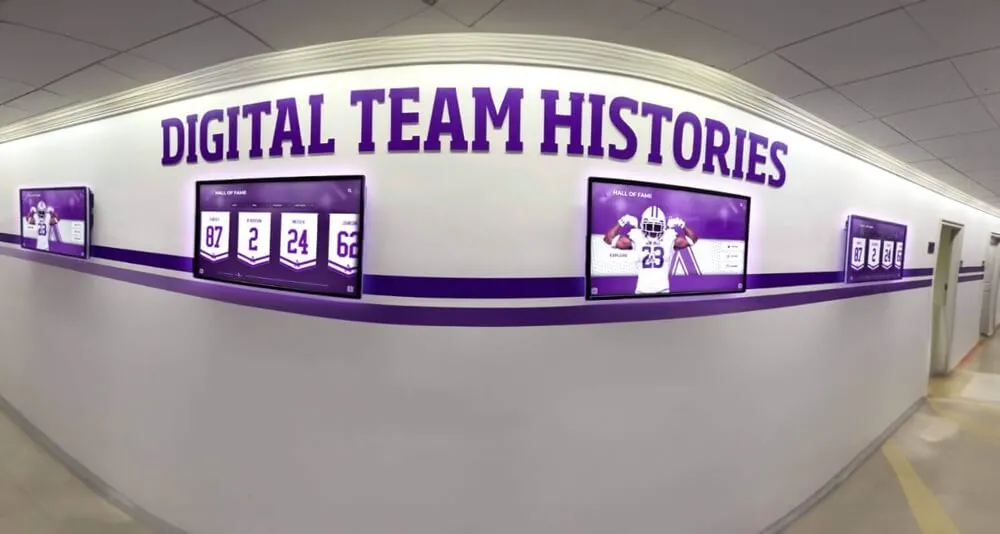
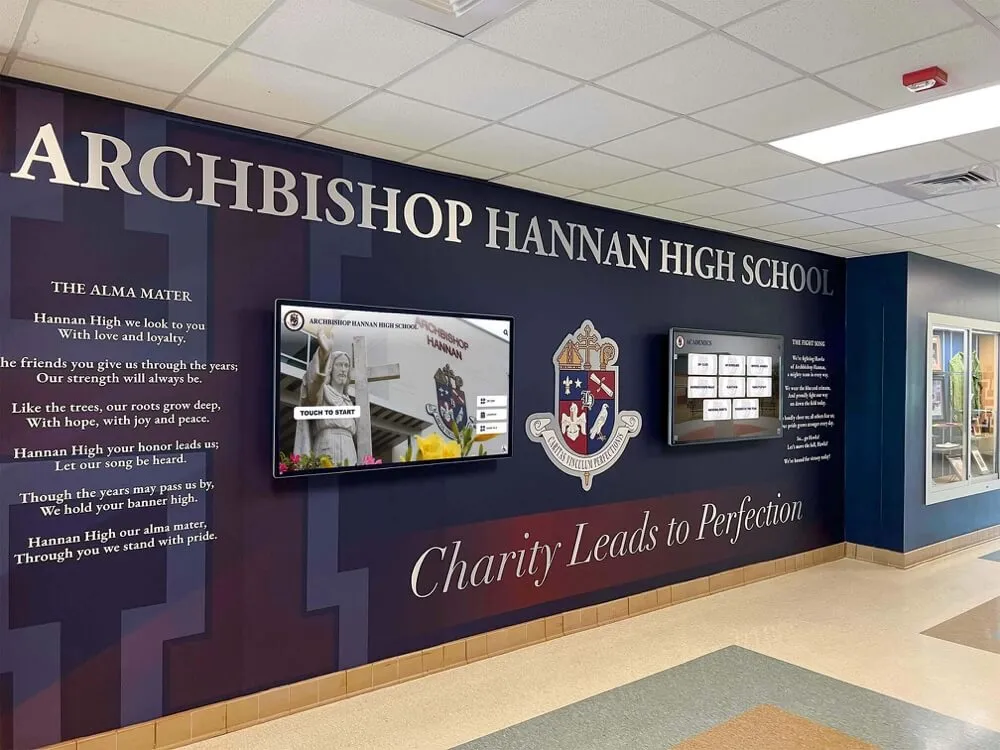
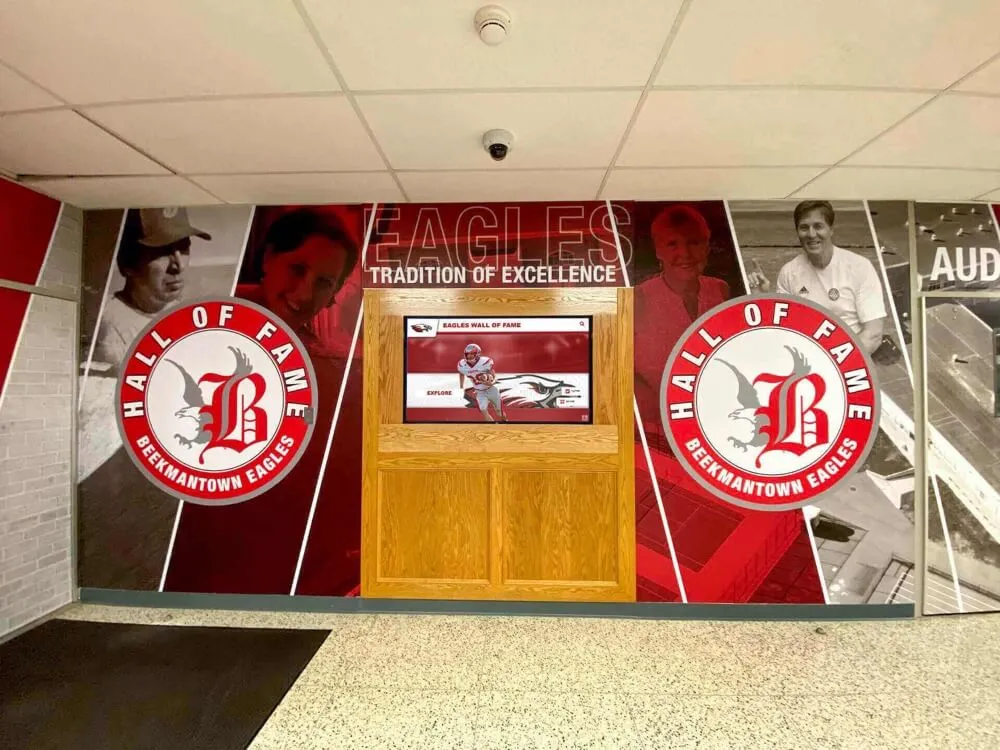
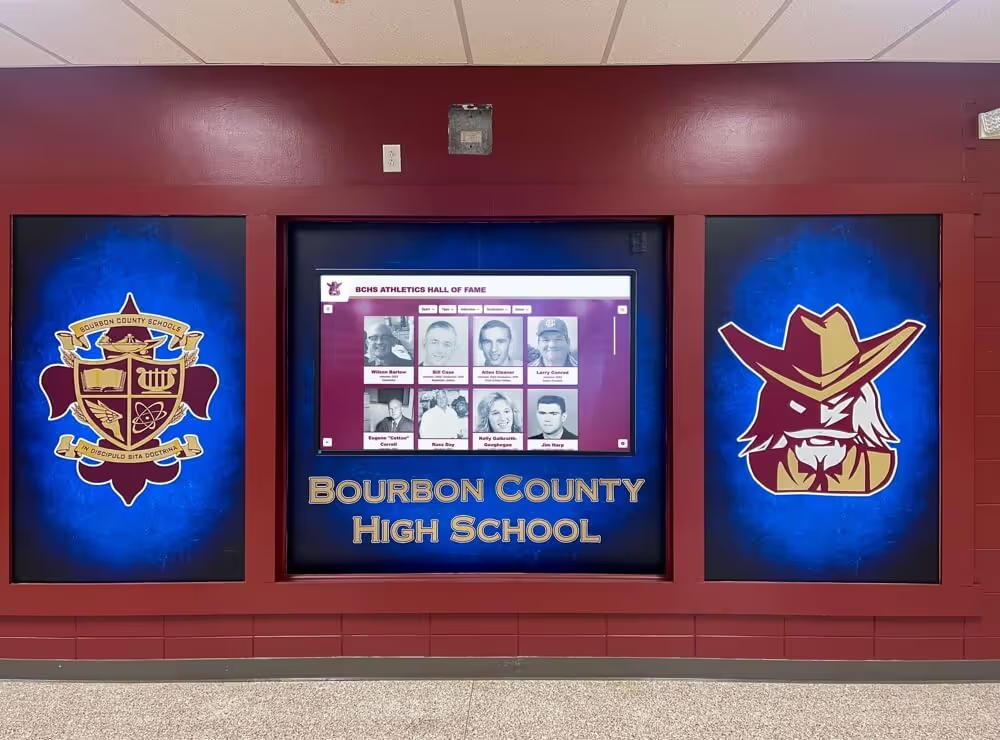
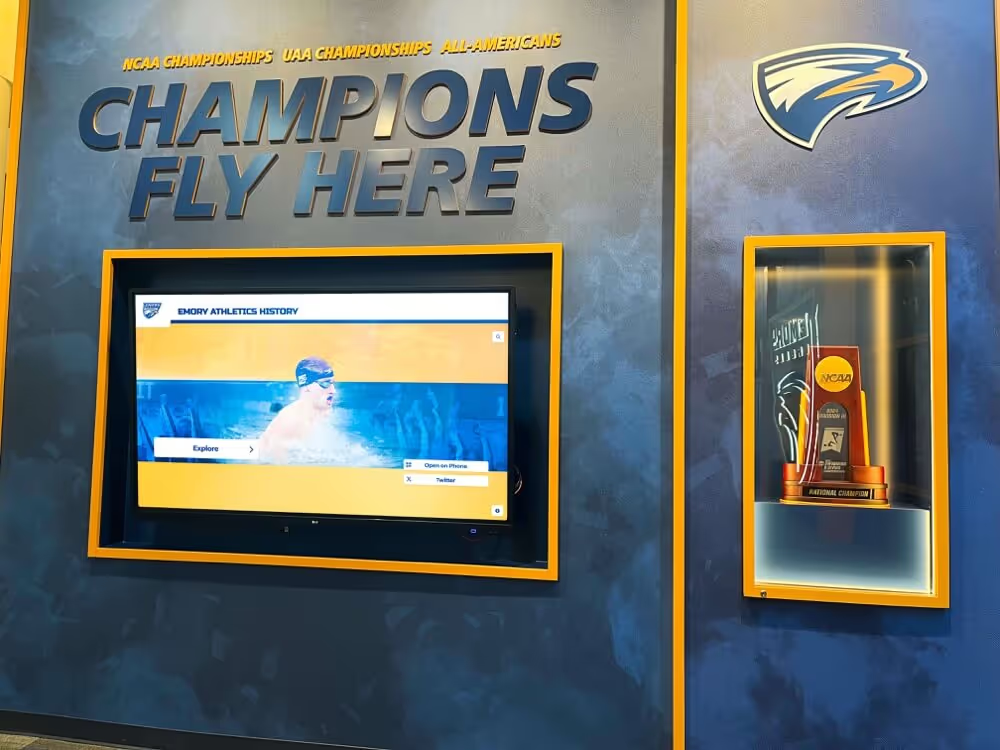
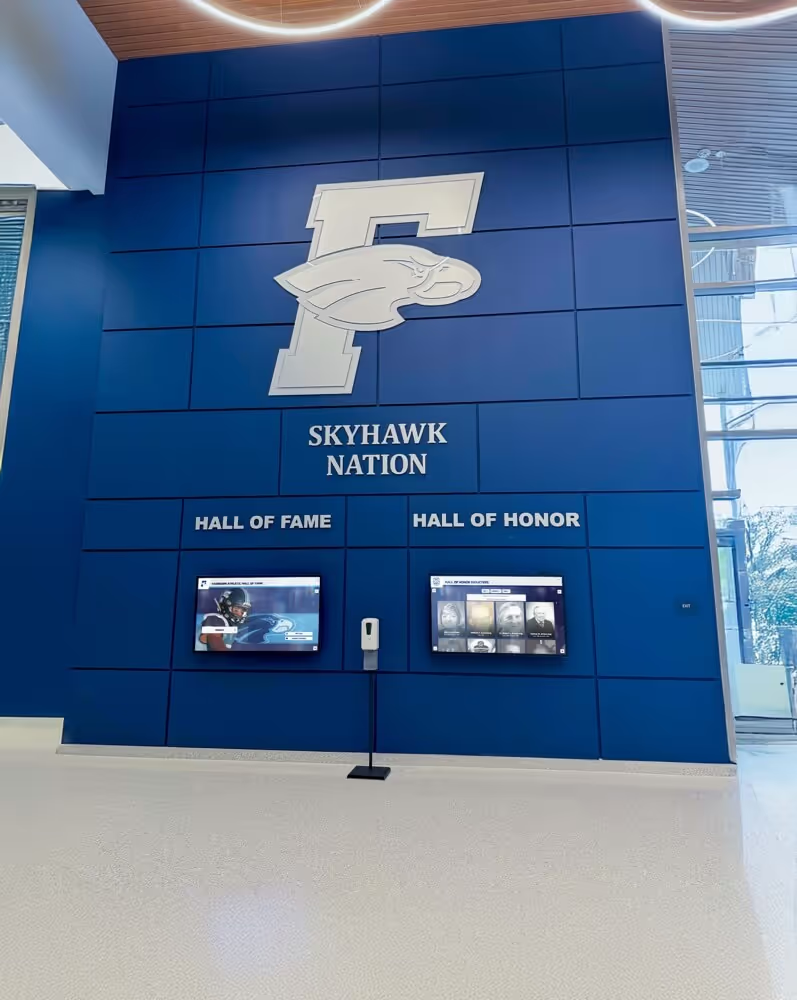
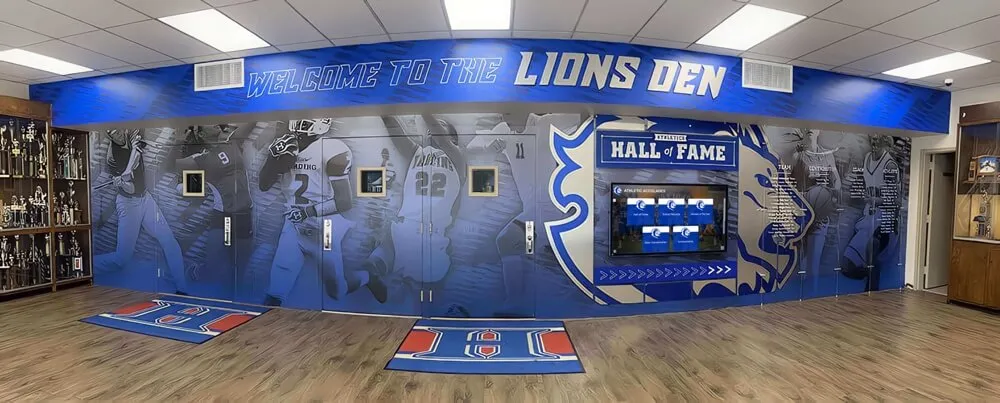
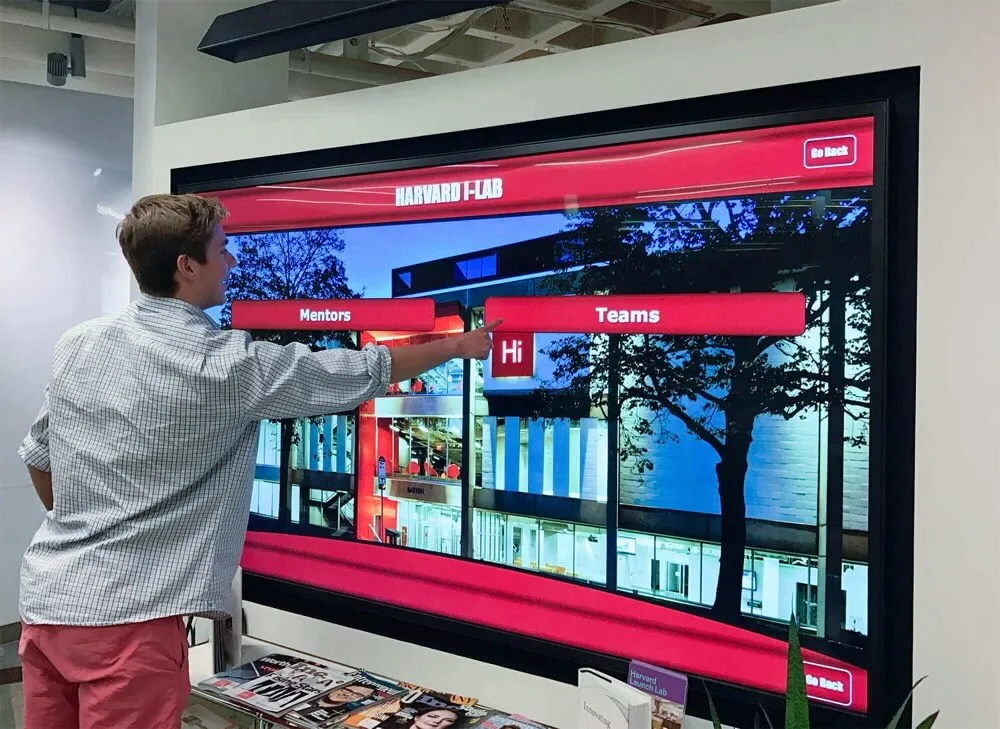
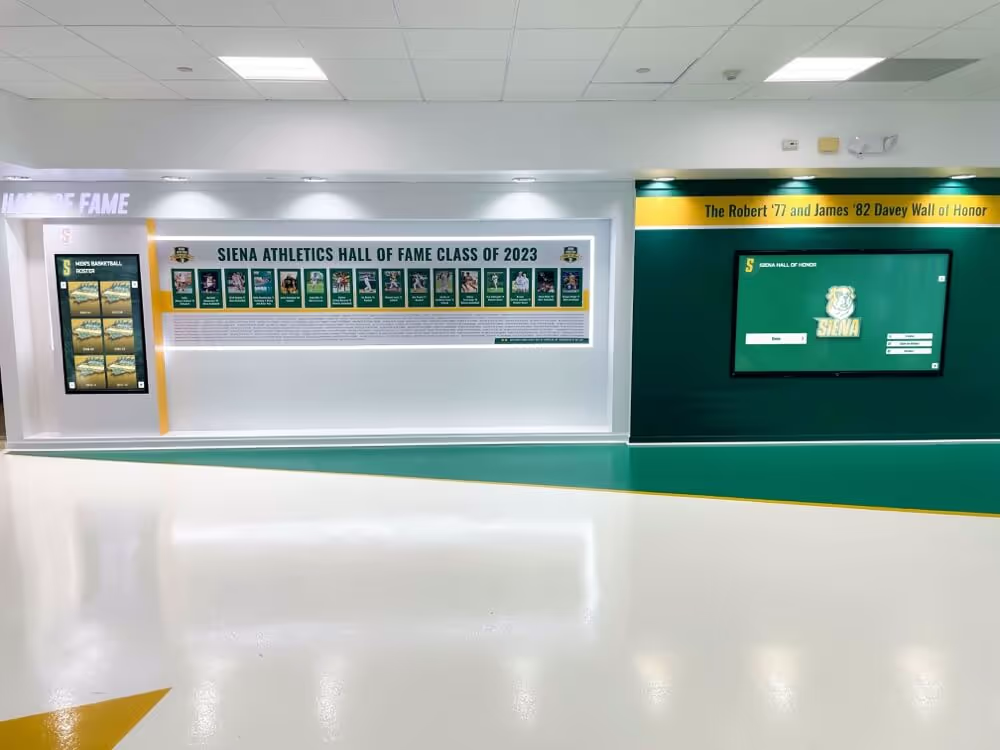
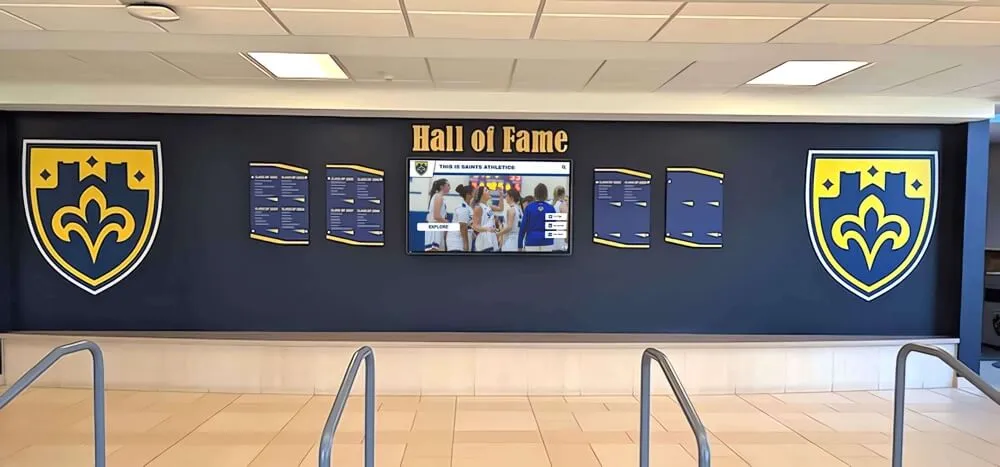
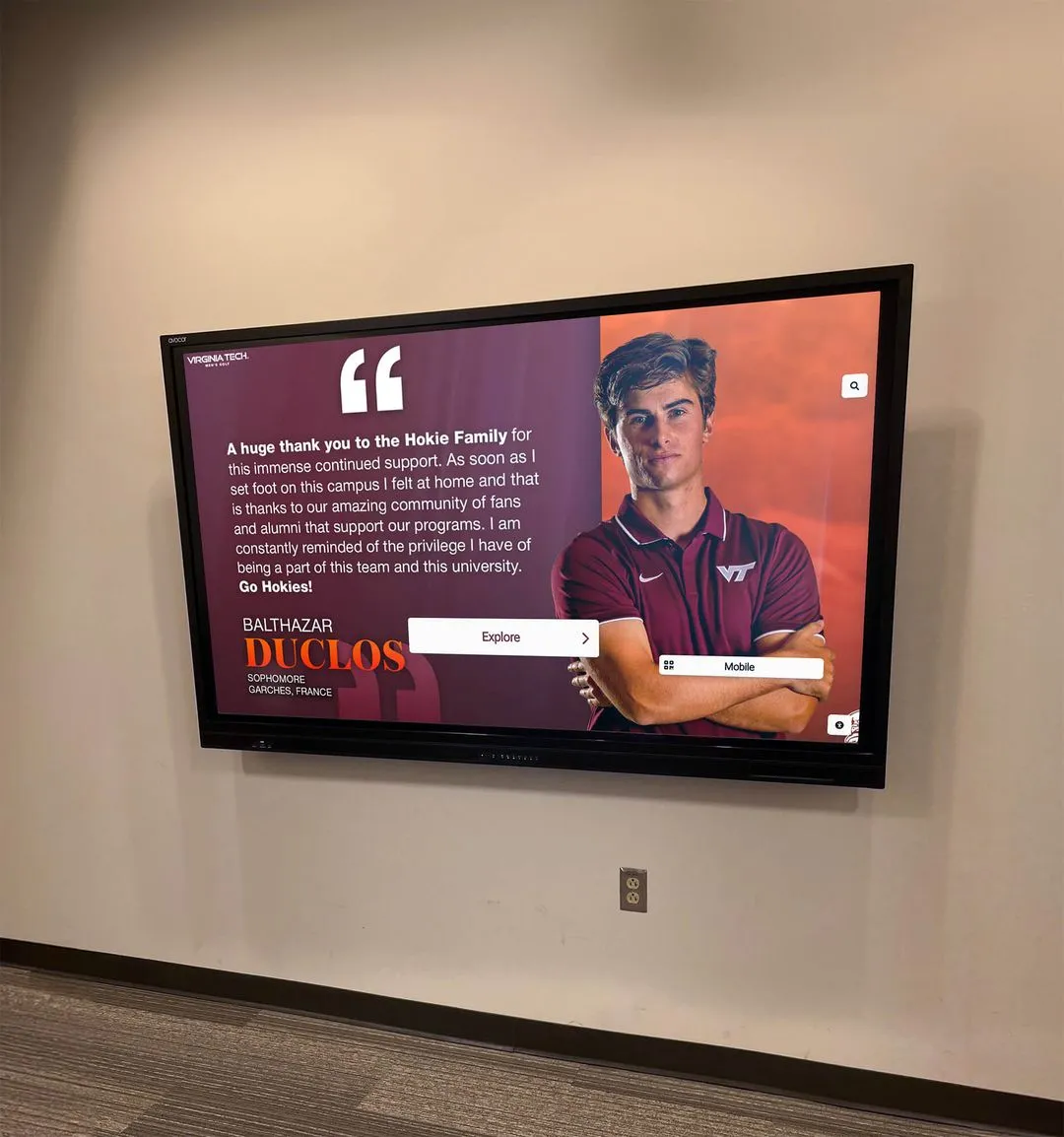
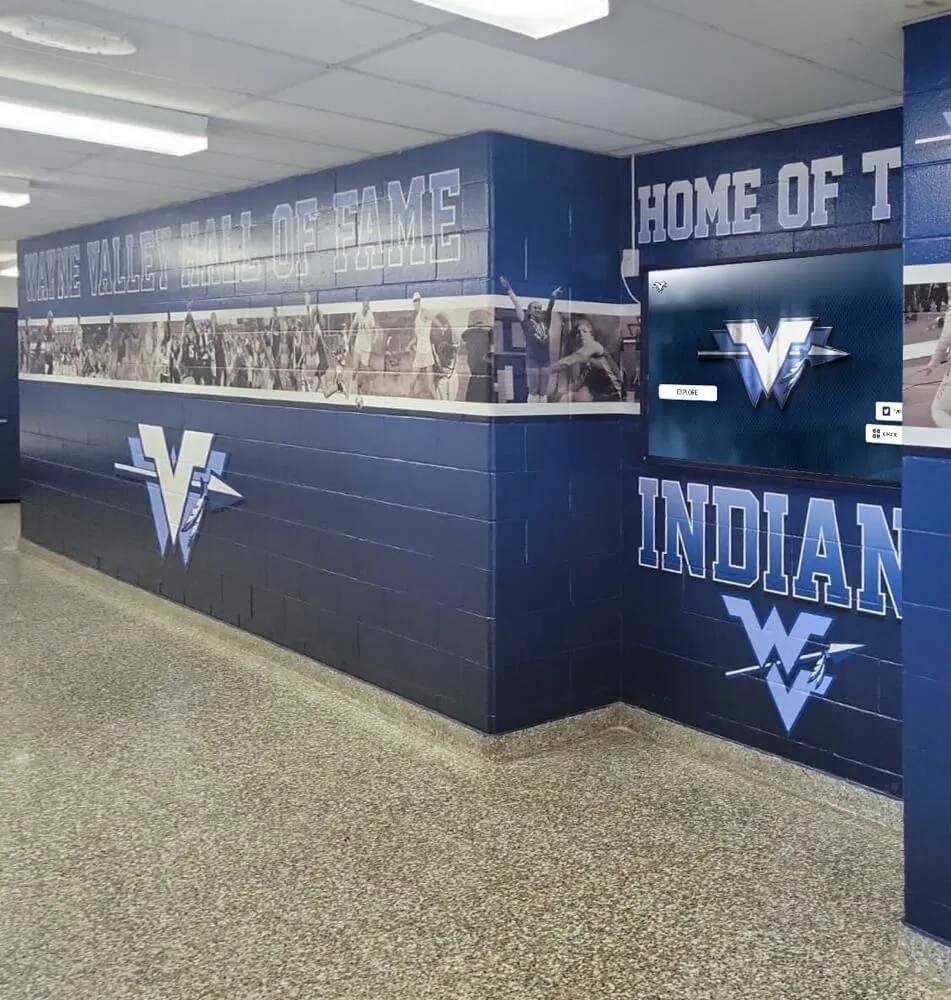
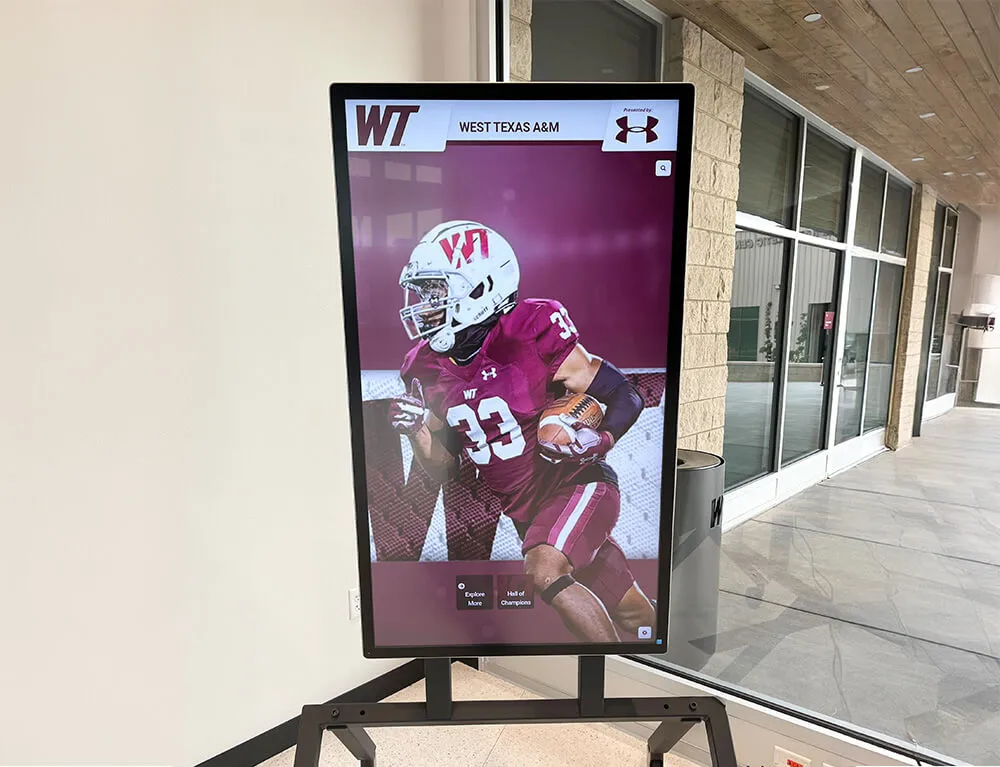
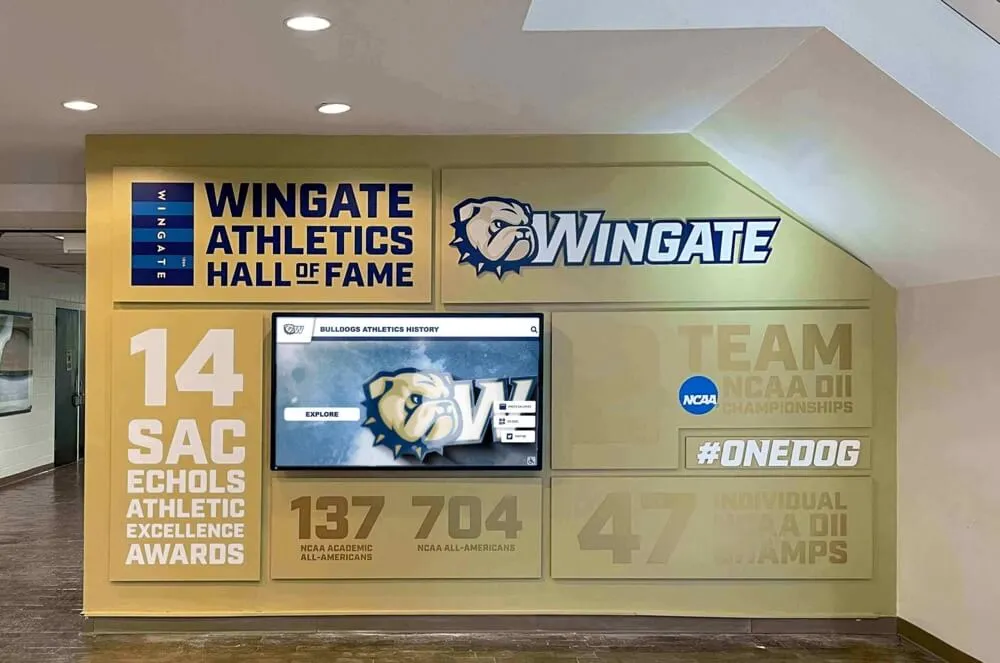
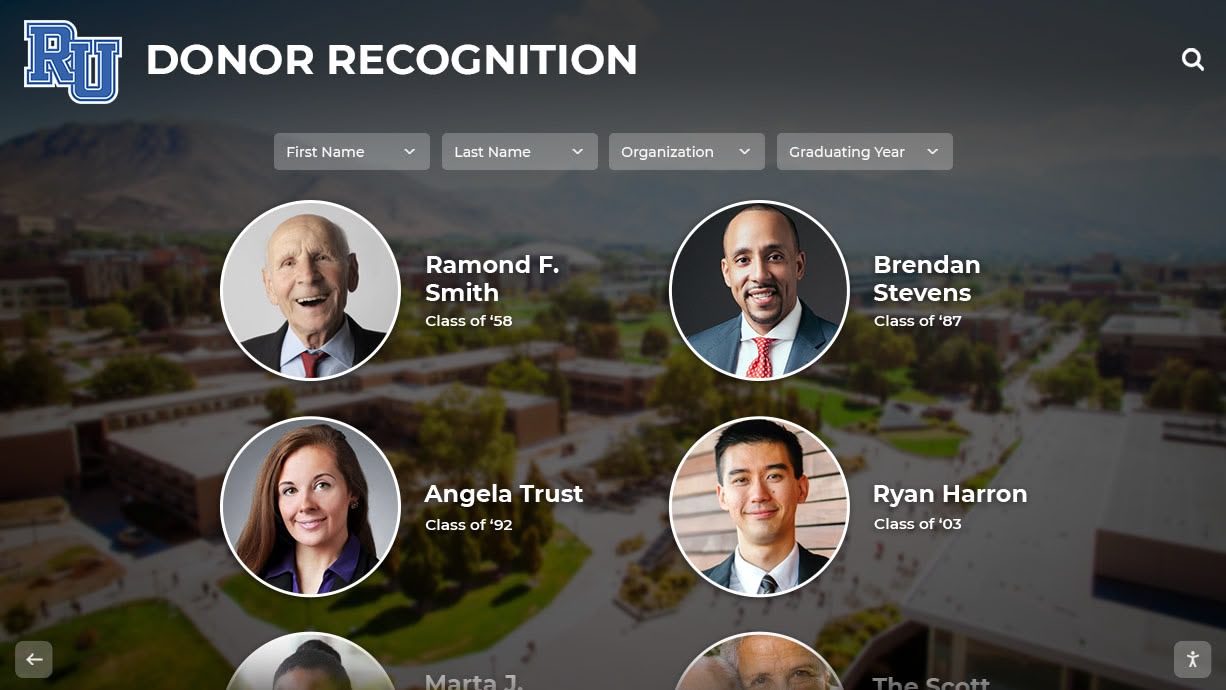
Donor recognition screens—also called digital donor walls or interactive recognition displays—eliminate every limitation of traditional plaques while introducing capabilities impossible with physical installations alone. These commercial-grade touchscreen systems provide unlimited capacity accommodating thousands of donors without space constraints, enable same-day recognition updates strengthening relationships when motivation peaks, support rich multimedia storytelling featuring photos and impact videos, offer powerful search and discovery tools helping visitors find personally relevant content, and generate comprehensive analytics revealing exactly how supporters engage with recognition programs. Solutions like Rocket Alumni Solutions provide purpose-built platforms specifically designed for institutional donor recognition contexts, combining intuitive content management with professional presentation quality traditional displays simply cannot match.
Understanding Donor Recognition Screens: Technology Serving Stewardship Objectives
Donor recognition screens represent cloud-based interactive acknowledgment systems replacing or complementing traditional physical plaques with dynamic touchscreen displays showcasing philanthropic generosity through engaging multimedia presentations. Unlike static engraved walls offering 15-25 word capacity per donor, digital recognition platforms provide comprehensive profiles featuring biographical information describing donor backgrounds and organizational connection histories, personal giving stories explaining motivations and values driving continued generosity, specific program designations their gifts support through annual or major contributions, impact documentation showing tangible outcomes their philanthropy enabled across beneficiaries, high-resolution photos capturing donors during meaningful organizational moments, and video testimonials when contributors consent to recording—creating authentic emotional connection through personal narratives impossible to convey through engraved text alone.
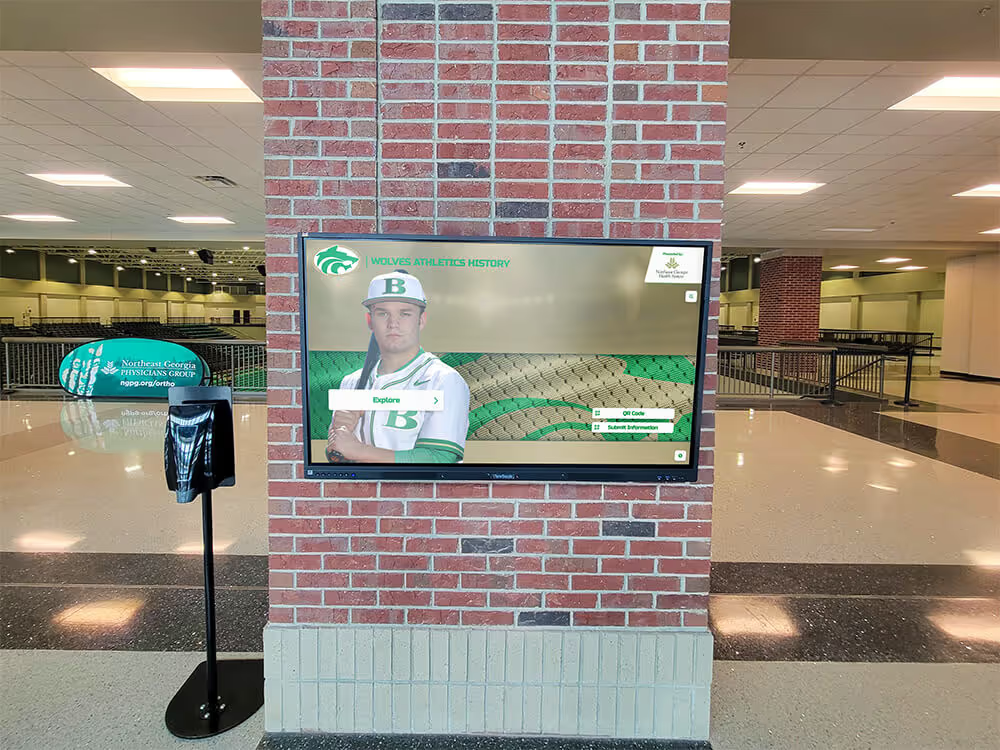
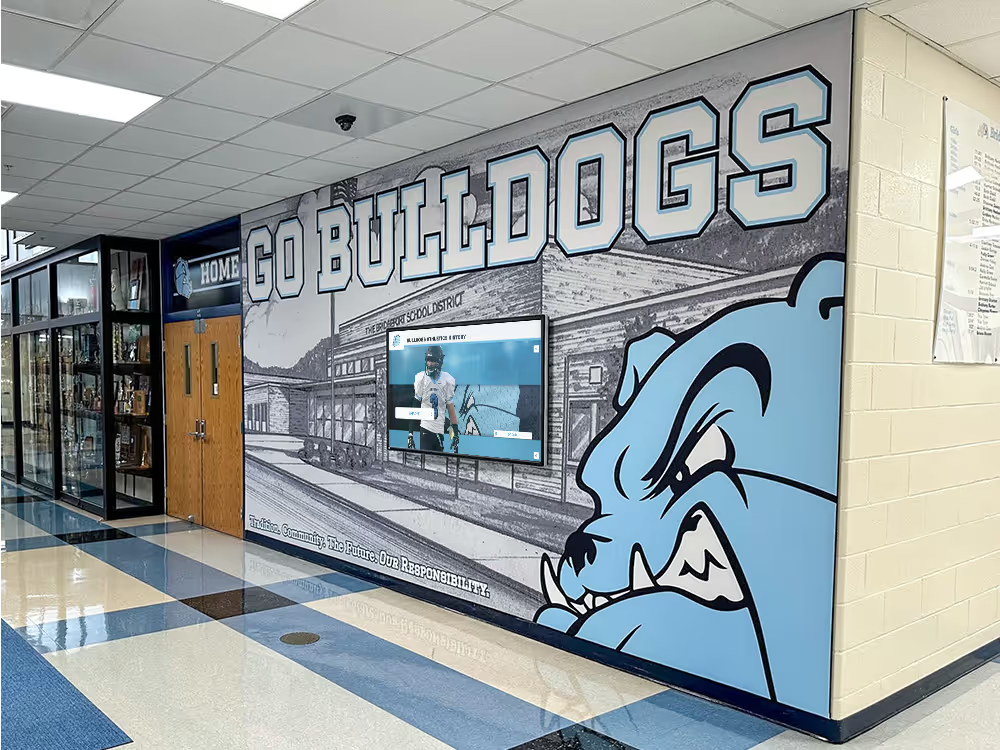
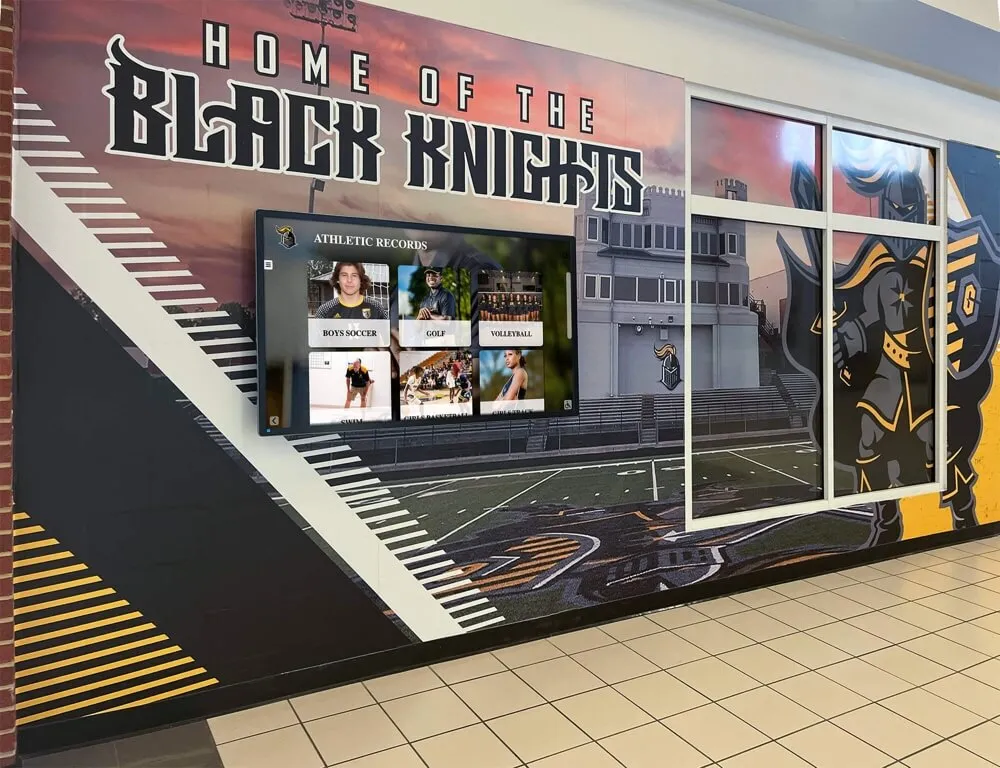
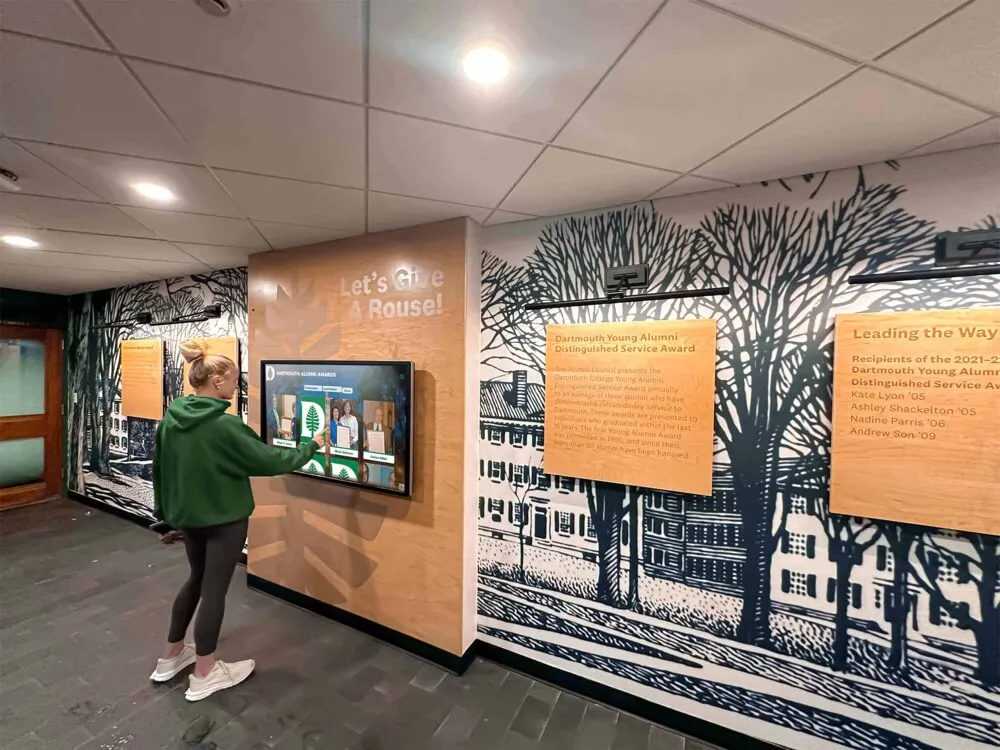
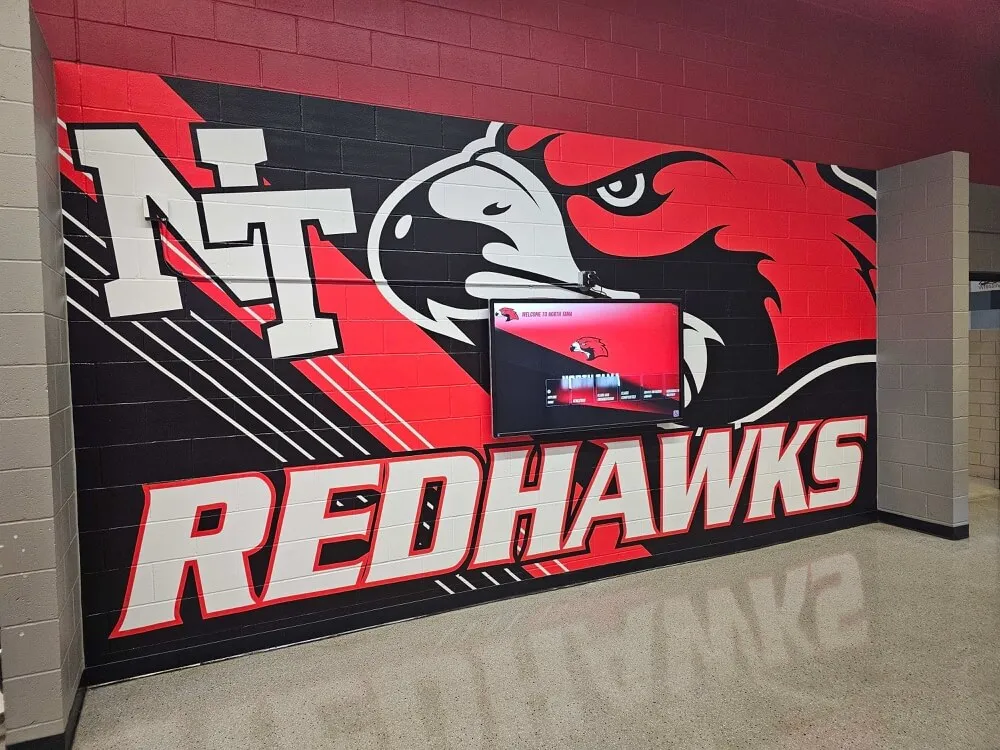
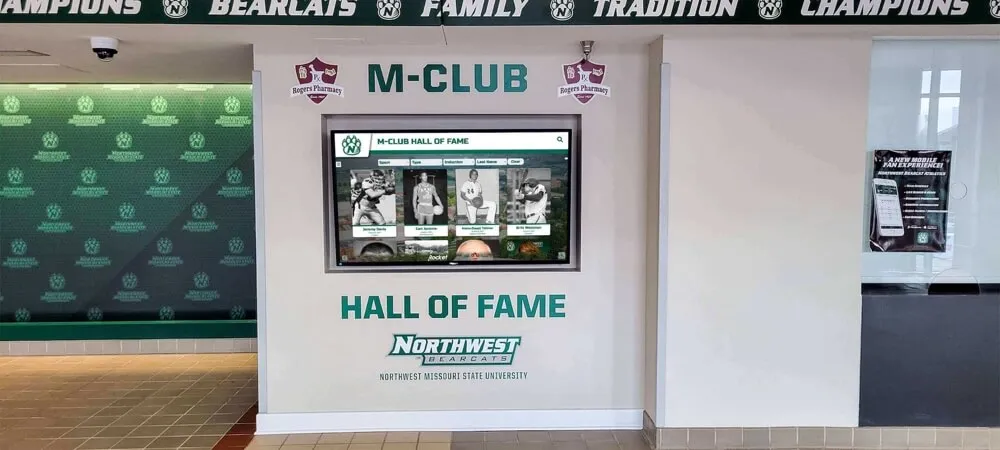
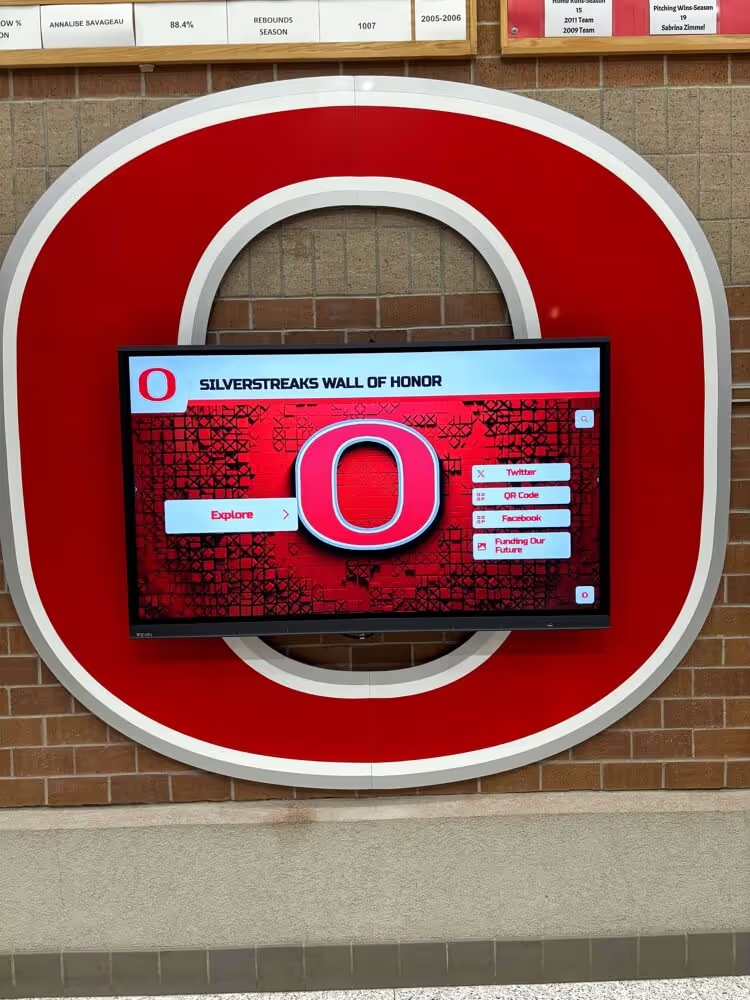
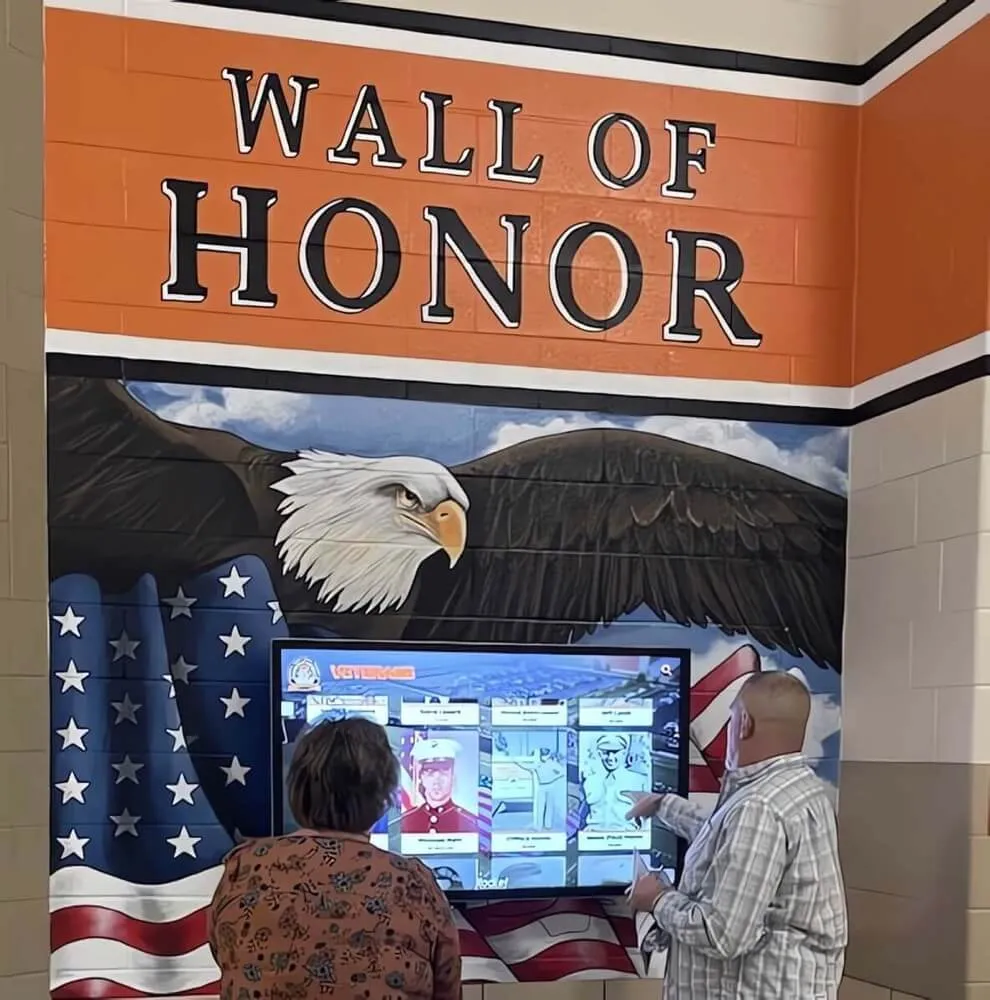
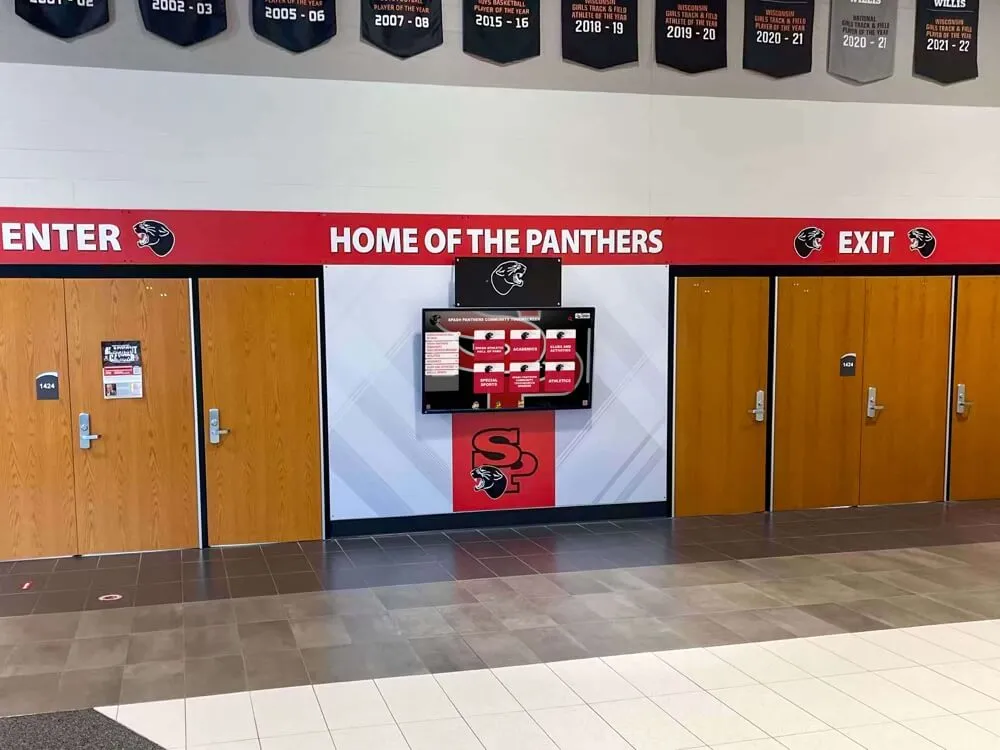
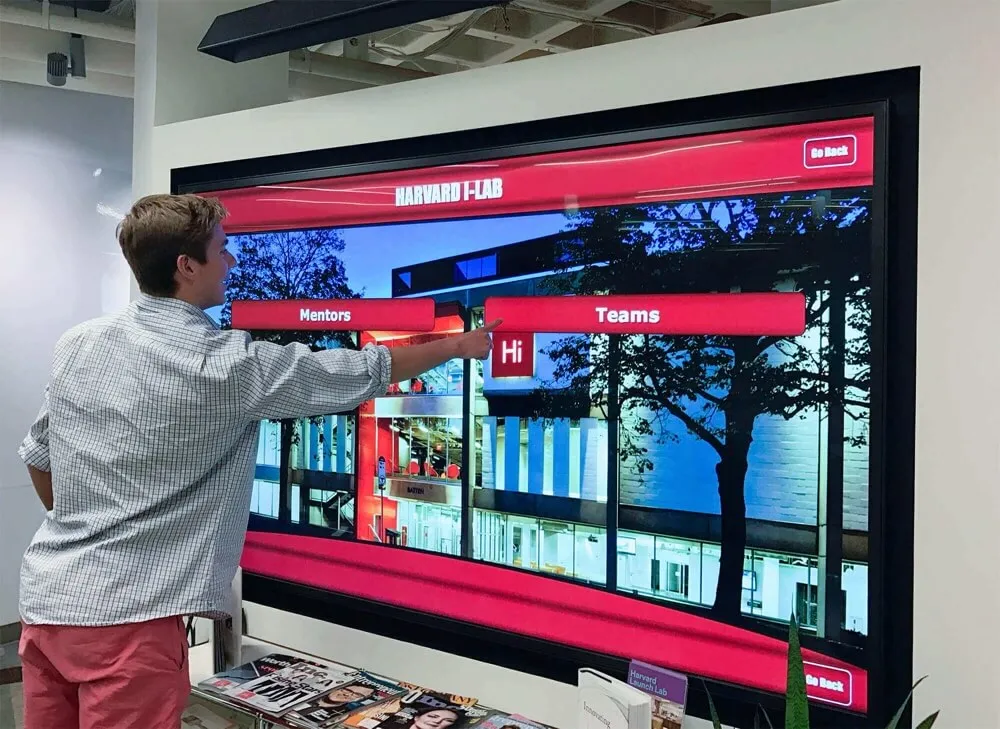
These systems typically consist of commercial-grade touchscreen displays mounted in high-traffic locations like building lobbies, development office reception areas, or event spaces where supporters regularly gather. The displays connect to cloud-based content management platforms enabling advancement staff to update recognition content remotely from any web browser without technical expertise or physical modifications to display infrastructure.
Core Components of Professional Recognition Screen Systems
Comprehensive donor recognition screen implementations integrate several technology layers working seamlessly together:
Commercial Display Hardware: Professional touchscreen monitors rated for continuous 12-16 hour daily operation in public environments, typically ranging from 43 to 75 inches depending on viewing distance, available space, and whether displays serve individual exploration or group viewing. Commercial-grade screens feature minimum 4K resolution ensuring crisp text and photo reproduction at close viewing distances, multi-touch capabilities supporting intuitive gestures familiar from smartphones and tablets, brightness levels of 350-500 nits appropriate for various ambient lighting conditions, anti-glare coatings improving readability in bright spaces, and reliable operational lifespans of 50,000-70,000 hours providing 7-12 years of continuous service before component replacement becomes necessary.
Cloud-Based Management Platform: Web-accessible content management systems enabling authorized advancement staff to add new donor profiles through simple web forms, upload photos with automatic resizing and optimization, organize giving level hierarchies and recognition societies, customize visual design reflecting institutional branding guidelines, schedule featured donor rotation keeping displays fresh, review engagement analytics showing interaction patterns, and publish changes instantly making recognition visible to community members—all without specialized technical knowledge or software installation requirements beyond standard web browsers.
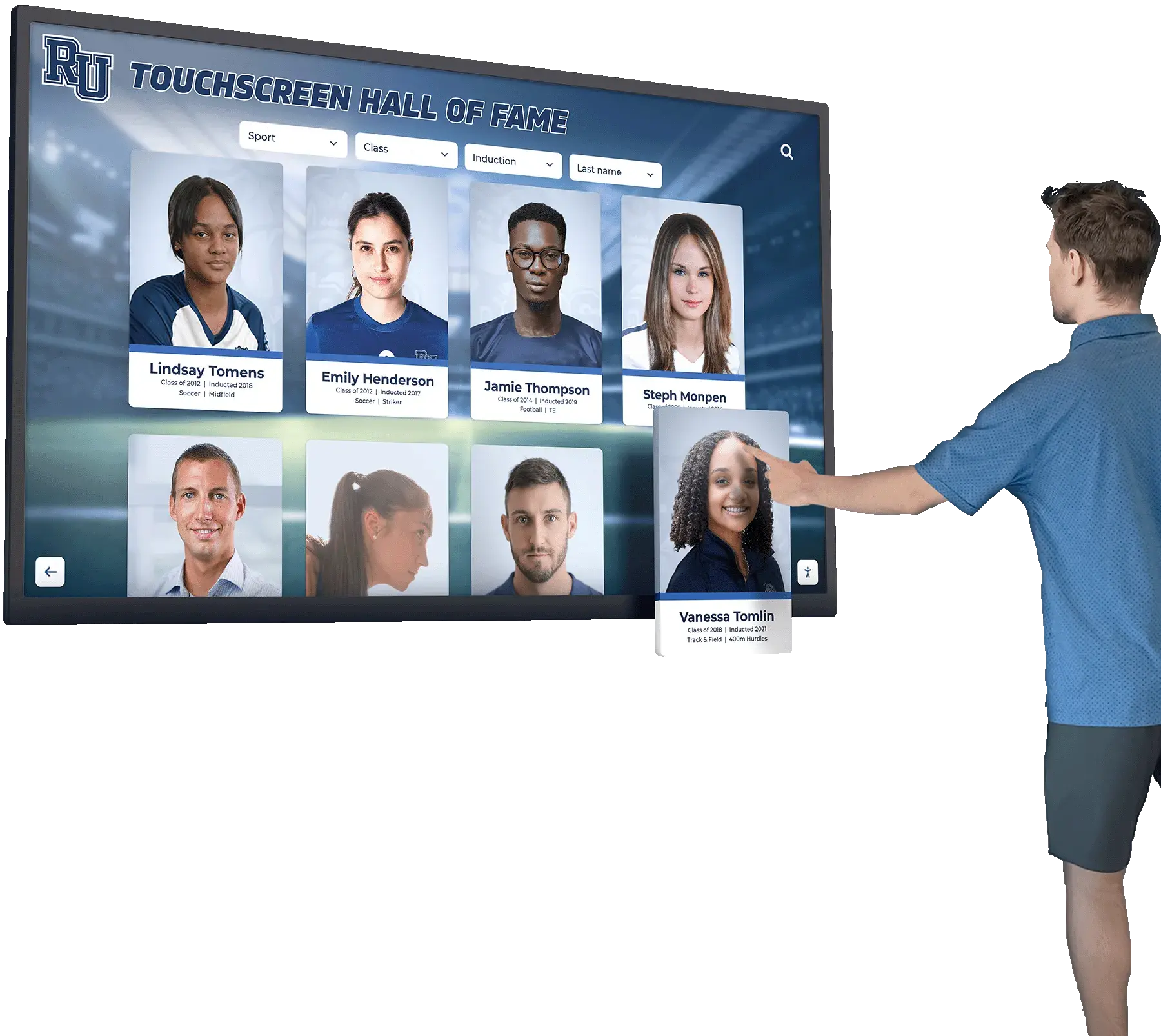
Intuitive User Interface: Professional presentation design incorporating full-text search functionality enabling visitors to locate specific donors instantly by name, graduation year, or affiliation; intuitive browsing structures organized by giving levels, recognition societies, or campaign priorities; related profile suggestions encouraging extended exploration; social sharing capabilities allowing recognized donors to broadcast acknowledgment across personal networks; and accessibility features meeting WCAG standards ensuring usability for visitors with visual impairments or mobility limitations.
Analytics and Engagement Tracking: Comprehensive monitoring revealing program effectiveness through total interaction counts showing overall community engagement, unique visitor identification tracking how many individuals use displays versus total sessions, average session duration indicating whether visitors briefly scan or deeply explore content, most-viewed donor profiles revealing inspiring role models and effective storytelling approaches, popular search terms showing discovery patterns and potential content gaps, and time-based usage patterns revealing peak engagement periods informing promotional scheduling and content update strategies.
Strategic Advantages: Why Organizations Choose Recognition Screens
Forward-thinking institutions adopt donor recognition screens after recognizing that technology-based acknowledgment delivers measurable advantages addressing specific advancement challenges while providing superior long-term return on investment compared to traditional approaches accumulating unpredictable costs as donor bases expand over decades.
Unlimited Recognition Capacity Eliminating Space Constraints
Traditional donor walls face inevitable physical limitations creating difficult decisions when space fills completely after 8-15 years depending on donor growth rates and original wall sizing. Organizations respond by establishing higher recognition thresholds of $5,000 or $10,000 that exclude faithful annual donors contributing $500-$2,500 consistently over decades, restricting acknowledgment to recent contributors while neglecting historical generosity from founding supporters, or undertaking expensive wall expansions costing $20,000-$75,000+ each while merely postponing rather than solving fundamental capacity problems that will recur as organizations continue cultivating new supporters successfully.
Recognition screens eliminate these constraints entirely through unlimited digital capacity accommodating 100 donors or 10,000 supporters equally without additional hardware investment, space requirements, or per-donor addition fees beyond predictable annual software licensing. Whether advancement programs recognize leadership annual fund contributors at $1,000+, capital campaign participants at all levels, or comprehensive donor bases spanning 50 years of institutional history, digital platforms handle growth seamlessly without forced exclusions, escalating costs, or difficult conversations explaining to long-time supporters why their generosity no longer receives visible appreciation due to space limitations completely unrelated to contribution significance or organizational gratitude.
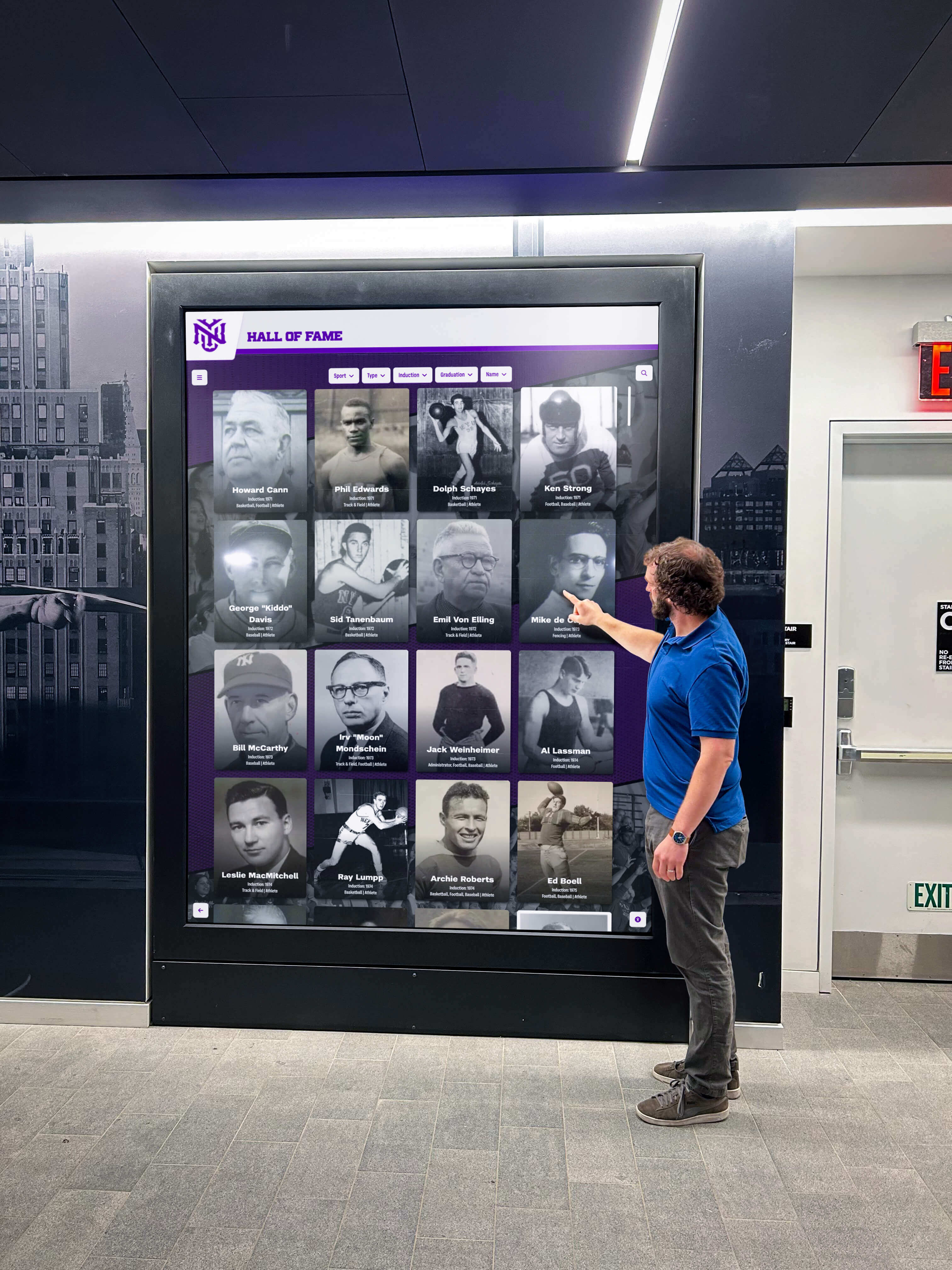
This scalability proves particularly valuable for growing institutions experiencing fundraising success and expanding supporter communities. Rather than viewing recognition program growth as operational problem requiring expensive infrastructure solutions, digital systems transform capacity from limitation into opportunity—enabling organizations to acknowledge every contributor appropriately regardless of giving level while maintaining unified comprehensive recognition programs rather than fragmented approaches creating artificial hierarchies based on available wall space rather than actual generosity or relationship significance.
Immediate Recognition Updates Strengthening Donor Relationships
Research on donor psychology consistently demonstrates that acknowledgment timing dramatically impacts relationship strength and retention likelihood. Donors experiencing immediate meaningful recognition feel genuinely valued during periods when giving motivation peaks and emotional connection remains strongest, while acknowledgment delays of weeks or months allow excitement to fade and competing priorities to diminish organizational attention before recognition arrives creating intended appreciation impact.
Traditional physical recognition imposes frustrating delays inherent to fabrication processes requiring 2-4 week engraving production timeframes, facilities department coordination for installation scheduling amid competing maintenance priorities, and often accumulation of multiple donor additions before undertaking installation projects justifying labor costs and public area disruption. This process frequently extends 6-12 weeks from gift qualification to visible recognition—missing critical windows when prompt acknowledgment matters most for relationship building and retention optimization during peak donor enthusiasm periods.
Donor recognition screens enable updates within hours or days rather than months after gift processing and board approval. Advancement staff access cloud-based management platforms from any internet-connected device at offices or remotely, enter donor information through simple web forms requiring no technical expertise, upload photos provided by contributors or selected from organizational archives, publish profiles immediately making recognition visible to community members visiting physical displays or exploring online donor directories, and send personalized notifications informing newly recognized donors that their generosity now receives visible appreciation they can share proudly with family members, friends, and professional networks.
This immediacy delivers multiple stewardship benefits including strengthening donor confidence that institutional leadership values their support through prompt appropriate acknowledgment demonstrating organizational gratitude authenticity, maintaining giving motivation during peak emotional connection periods before competing life priorities diminish organizational attention and connection intensity, enabling real-time campaign recognition creating momentum as community members witness growing participation inspiring their own contribution decisions, and demonstrating operational excellence through responsiveness that translates to general confidence in organizational capabilities, mission execution effectiveness, and resource stewardship responsibility.
Rich Multimedia Storytelling Creating Emotional Connections
Traditional plaques restrict recognition to minimal text due to physical space and per-character engraving cost constraints—typically donor names, cumulative giving totals or specific gift amounts, and occasionally brief dedication messages of 15-25 words maximum. This limitation prevents meaningful storytelling about why donors give passionately, what their generosity accomplishes tangibly across programs and beneficiaries, how their personal values align with organizational missions, or specific impact their contributions enabled through scholarship support, facility creation, program expansion, or research advancement.
Digital recognition screens remove information capacity constraints entirely, enabling comprehensive donor profiles telling complete stories creating emotional resonance far beyond name listings. Typical profiles include biographical information describing donor backgrounds, professional accomplishments, and decades-long organizational connection histories showing sustained relationship evolution; personal reflections explaining giving motivations, core values driving continued generosity, and hopes for lasting organizational impact serving future beneficiaries; specific programs or strategic initiatives their gifts support through designated restricted contributions or flexible unrestricted annual fund donations; impact documentation showing tangible outcomes their generosity enabled—students educated, patients treated, research breakthroughs achieved, or community services delivered; high-resolution photos capturing donors during meaningful organizational moments, recognition events, or program visits demonstrating personal engagement; and video testimonials when donors consent to recording, providing authentic emotional connection through personal stories impossible to convey compellingly through text alone while serving as powerful social proof inspiring prospective supporters.
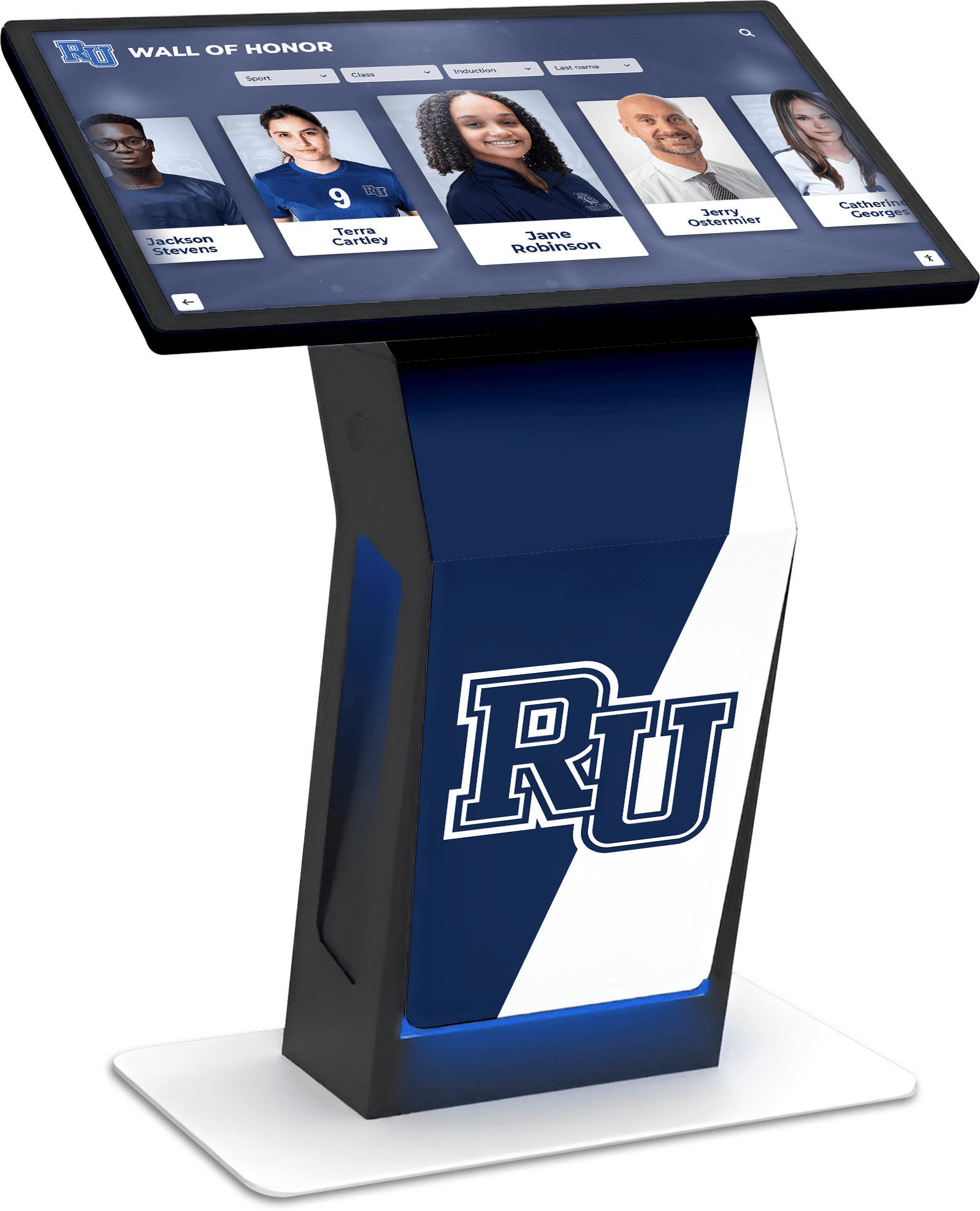
This storytelling depth serves multiple strategic purposes simultaneously. It honors individual donors more meaningfully by celebrating complete philanthropic relationships and personal motivations rather than reducing decades of generosity to simple name entries acknowledging financial transactions without context or appreciation depth. It creates compelling social proof as prospective supporters read peer testimonials explaining giving motivations in authentic donor voices rather than institutional marketing language lacking personal authenticity and emotional resonance. It demonstrates transparent accountability by explicitly connecting philanthropic support to tangible organizational outcomes and measurable mission advancement rather than abstract appeals lacking evidence of effective resource stewardship. It inspires broader community participation as supporters discover multiple entry points for engaging causes they value through diverse giving stories representing various capacity levels, designation preferences, and engagement pathways. And it provides development staff with powerful cultivation tools during prospect meetings, enabling potential major donors to explore peer recognition as tangible visualization of how their leadership commitments would receive appropriate lasting acknowledgment befitting contribution significance.
Organizations implementing comprehensive multimedia storytelling within donor recognition report 35-45% higher retention rates among supporters who regularly engage with impact content compared to donors receiving only basic name acknowledgment without outcome documentation or personal narrative depth, according to advancement research tracking stewardship program effectiveness across educational institutions and community foundations.
Powerful Discovery Tools Enhancing Engagement and Exploration
Static physical donor walls present information in fixed organizational structures typically sorted alphabetically or by giving level tiers. While these arrangements serve basic acknowledgment purposes adequately, they offer minimal discovery capabilities limiting how visitors engage meaningfully with recognition content beyond passive scanning or find personally relevant connections to donors sharing similar interests, values, backgrounds, geographic origins, or organizational involvement patterns.
Donor recognition screens provide sophisticated search and filtering capabilities transforming passive viewing into active exploration encouraging extended engagement through full-text name search enabling visitors to locate specific donors quickly using partial names or approximate spelling; graduation year or class decade filtering for educational institutions helping alumni discover classmates or generational peers from shared eras; giving level and recognition society browsing allowing supporters to explore fellow contributors at similar commitment levels seeing peer examples and aspirational role models; program designation search showing supporters funding specific initiatives visitors particularly value like scholarships, athletics, research, or community outreach; geographic location filtering helping local community members find nearby donors demonstrating regional pride and local investment; chronological timelines organizing donors by gift date or campaign era; and related profile suggestions encouraging extended exploration by connecting donors through shared academic departments, volunteer involvement areas, giving patterns, or biographical similarities.
These discovery capabilities deliver engagement benefits impossible with traditional static approaches including dramatically extended interaction time averaging 4-7 minutes as visitors explore multiple comprehensive profiles rather than briefly scanning static alphabetical lists during 30-60 second passive viewing; personal connection development as supporters discover shared backgrounds, values, or experiences with recognized donors creating emotional bonds and community belonging; inspiration for giving decisions as prospects explore peer donors with similar professional backgrounds, capacity indicators, or personal interests demonstrating that people like them support organizations meaningfully; social sharing opportunities as engaged visitors photograph recognition screens showing specific donor profiles and distribute content across personal networks introducing organizational missions to hundreds of potential new supporters who trust peer recommendations more than institutional marketing; and community building as recognition facilitates donor-to-donor connections and relationship development extending beyond development office coordination or formal stewardship event programming.
Analytics consistently demonstrate that interactive digital recognition generates 30-40% higher engagement rates compared to passive traditional displays, with average session times of 4-7 minutes indicating genuine content exploration driven by personal discovery interest rather than superficial name scanning typical of physical plaque interaction patterns lasting under 90 seconds on average.
Strategic Applications: How Organizations Use Recognition Screens
Forward-thinking institutions discover that donor recognition screen flexibility enables creative applications extending impact significantly beyond straightforward acknowledgment while serving broader advancement objectives and organizational missions across capital campaigns, annual giving programs, and comprehensive stewardship operations.
Comprehensive Giving Society Recognition and Tiered Acknowledgment
Well-designed donor recognition organizes contributors into clear giving level hierarchies acknowledging contribution magnitude appropriately while maintaining genuine appreciation across all support levels from transformational major gifts to consistent faithful annual donations. Recognition screens excel at showcasing these tiered structures through visual design distinguishing recognition levels via color coding, profile layout variations, or enhanced biographical depth; extended multimedia content for higher giving tiers featuring video testimonials, comprehensive impact documentation, or detailed program descriptions; exclusive features like searchable giving histories showing cumulative lifetime contributions or multi-year pledge tracking; and society-specific content areas highlighting giving clubs, annual fund leadership circles, planned gift legacy societies, or capital campaign recognition levels with dedicated discovery pathways and featured donor rotation.
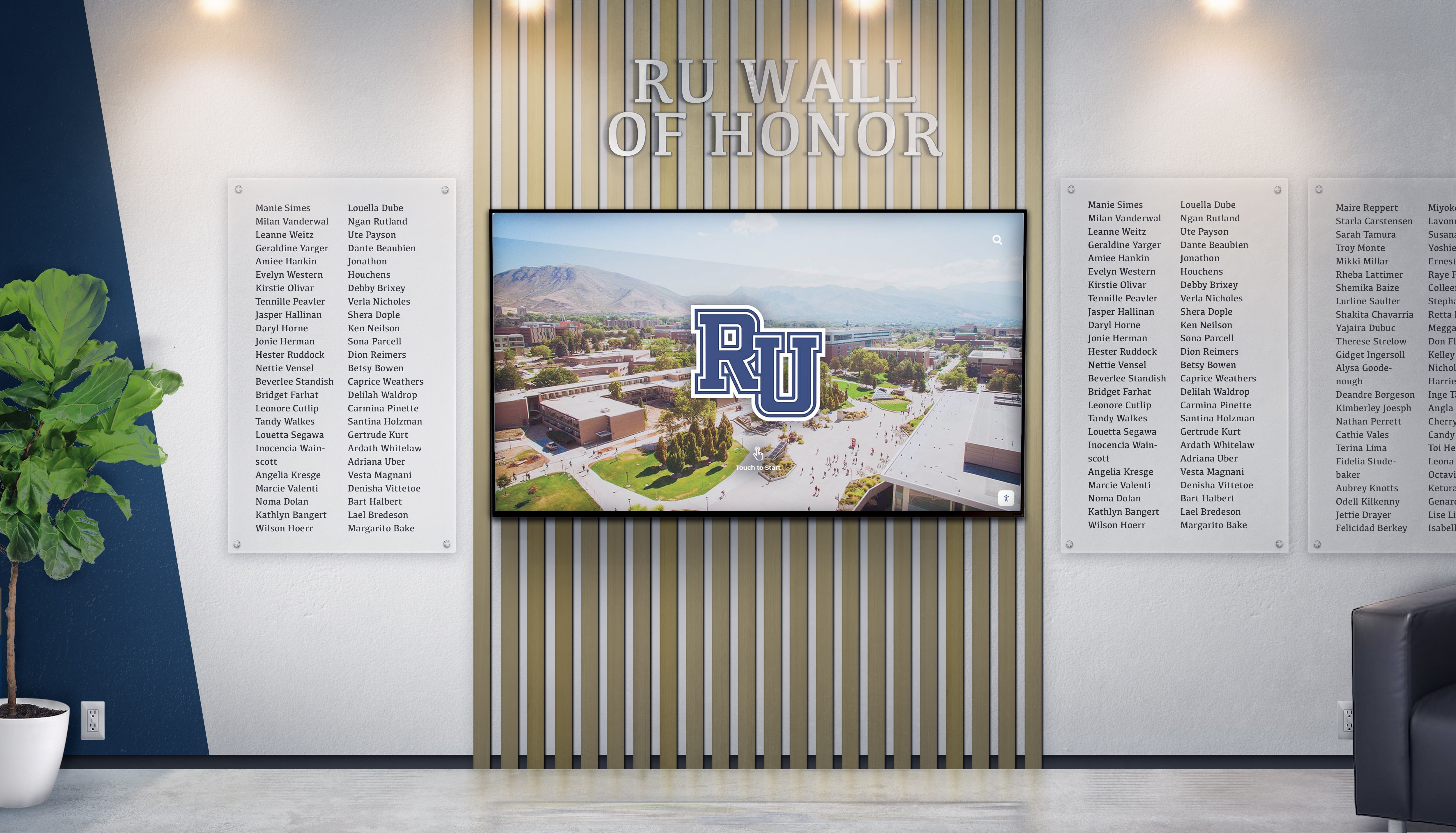
Common recognition tier structures adapted to organizational contexts and average gift capacities typically include:
For Educational Institutions:
- Visionary Circle: $1,000,000+ (transformational gifts enabling signature initiatives, major facilities, or endowment establishment)
- Leadership Society: $250,000-$999,999 (major commitments supporting strategic priorities and multi-year programs)
- Benefactor Level: $100,000-$249,999 (significant gifts funding specific scholarships, facilities, or program expansions)
- Patron Society: $25,000-$99,999 (elevated annual support demonstrating strong institutional commitment)
- Supporter Recognition: $5,000-$24,999 (annual giving leadership and consistent contributors)
- Friends of the Institution: $1,000-$4,999 (reliable supporters maintaining regular giving relationships)
- All Contributors: Recognition for every donor regardless of capacity
For Churches and Faith Communities:
- Cornerstone Partners: $100,000+ (foundational support enabling ministry vision fulfillment and facility development)
- Faithful Stewards: $50,000-$99,999 (sacrificial giving demonstrating exceptional spiritual commitment)
- Ministry Champions: $25,000-$49,999 (leadership support advancing specific ministry initiatives)
- Heritage Society: $10,000-$24,999 (sustained generosity building lasting ministry capacity across generations)
- Faithful Givers: $1,000-$9,999 (regular tithers and committed supporters)
- All Ministry Partners: Acknowledging every contribution as faithful stewardship regardless of amount
These tier structures create aspirational pathways encouraging progressive gift growth over time as donors see clear recognition benefits accompanying increased commitment levels, communicate transparent expectations about acknowledgment approaches simplifying administration through standardized profiles and consistent presentation quality, and maintain dignity and authentic appreciation across all giving levels ensuring every contributor from first-time $100 donors to transformational million-dollar benefactors feels valued appropriately without creating problematic hierarchies diminishing smaller contributions essential to comprehensive annual fund success.
Campaign Progress Tracking and Real-Time Goal Visualization
Active capital campaigns and special fundraising initiatives benefit dramatically from transparent progress tracking creating momentum as community members witness growing participation and goal advancement inspiring their own contribution decisions. Donor recognition screens showcase real-time campaign metrics including current totals updating automatically as new gifts arrive and process through advancement database systems, visual goal progress indicators through animated bars, thermometers, or circular progress displays, milestone celebrations when reaching significant participation thresholds or dollar targets, priority-specific tracking showing separate progress for endowment, facilities, programs, and annual operations enabling donors to see exactly where their contributions advance specific campaign objectives, donor participation counts emphasizing community engagement breadth over wealthy benefactor dependency, and countdown timers building urgency during campaign final phases or giving day initiatives encouraging immediate action before deadlines.
Interactive campaign displays allow visitors to explore how specific donations advance individual campaign priorities enabling strategic giving aligned with personal interests and values while demonstrating comprehensive accountability and stewardship transparency building confidence in organizational leadership and resource management. This granular visibility helps prospective donors understand exactly where their potential gifts fit within broader comprehensive campaigns encompassing multiple priorities, geographical regions, or beneficiary populations while building confidence that institutions manage resources responsibly and achieve stated campaign objectives effectively.
Research indicates that transparent campaign progress visibility increases donor participation rates by 15-25% compared to campaigns lacking visible momentum indicators, as potential supporters experience psychological motivation from joining clearly successful initiatives demonstrating community confidence and achievement trajectory rather than uncertain ventures lacking social proof and participation validation from peer networks.
Memorial and Tribute Recognition Honoring Legacy Gifts
Many significant contributions arrive as memorial gifts honoring deceased loved ones whose memory families preserve through meaningful philanthropy or tribute gifts celebrating living honorees during milestone birthdays, anniversaries, retirements, or achievement recognition occasions. Donor recognition screens accommodate these meaningful giving scenarios through dedicated memorial sections featuring comprehensive biographical tributes to individuals being honored through charitable contributions, curated photo galleries celebrating honoree lives, organizational relationships, and community impact legacy, complete donor listings showing all contributors making gifts in someone’s honor or memory demonstrating collective community appreciation, explicit impact documentation explaining how memorial gifts advance specific causes honorees valued deeply during their lifetimes or professional careers, and messages from families expressing gratitude for memorial support during difficult seasons while explaining honoree values and passions that inspired charitable designations.
Memorial recognition serves particularly important purposes for organizations like hospitals and healthcare systems where significant percentages of major gifts arrive as tribute contributions honoring physicians, celebrating patient recovery milestones, or memorializing loved ones who received compassionate care during medical crises. Digital platforms enable these organizations to honor both donors making memorial gifts and individuals being remembered through comprehensive tribute experiences featuring personal stories, clinical impact documentation, and family testimonials impossible with simple plaque inscriptions offering 15-25 word capacity limitations.
For churches and faith communities, memorial giving often represents substantial portions of annual philanthropic support as families designate contributions toward ministry initiatives deceased members supported faithfully during their lifetimes through regular tithes, volunteer service, or leadership involvement documented through church recognition programs celebrating diverse forms of faithful stewardship beyond financial contributions alone.
Impact Storytelling Connecting Gifts to Tangible Outcomes
Contemporary donors increasingly expect transparent accountability demonstrating how their contributions create measurable outcomes and advance organizational missions effectively rather than merely maintaining institutional operations or covering administrative overhead expenses without clearly documented programmatic impact. Donor recognition screens address this expectation by explicitly connecting individual giving to specific impact metrics and compelling beneficiary stories including scholarship recipients thanking supporters directly through written testimonials or video messages explaining how financial assistance enabled educational access otherwise impossible due to family circumstances, program participants describing how donor support changed their lives fundamentally and created opportunities for personal growth or professional advancement, facility showcase content documenting spaces philanthropic investment created or renovated with before-and-after photos and utilization statistics, research breakthroughs donor funding enabled advancing scientific knowledge or developing innovative solutions addressing critical community challenges, measurable community outcomes achieved through programs donor generosity funds and sustains including lives changed, families supported, or services delivered, and longitudinal tracking showing ongoing impact over multiple years demonstrating lasting legacy donor investments create extending far beyond initial gift deployment periods.
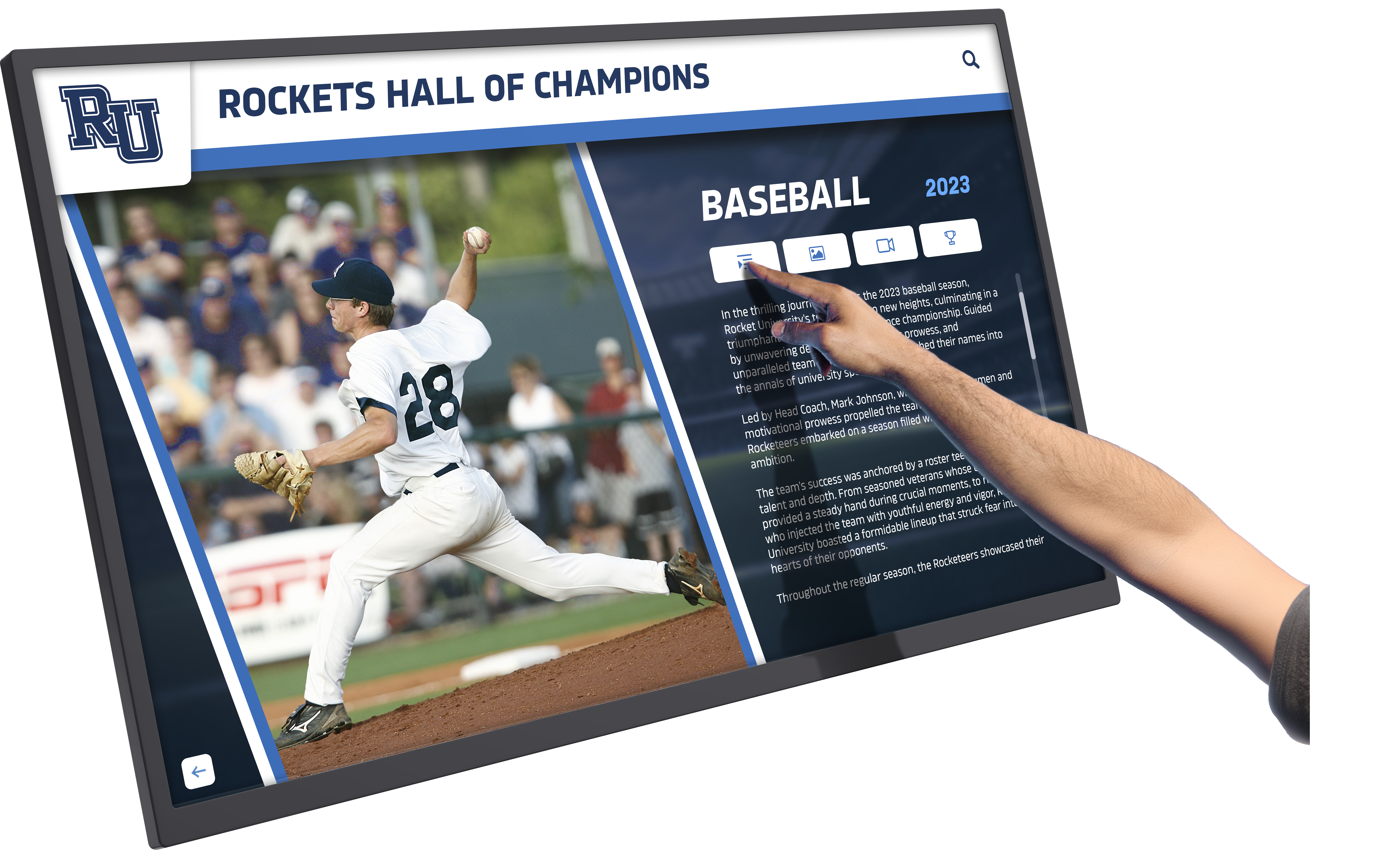
When prospective donors explore recognition content showing explicit connections between philanthropic support and tangible changed lives, abstract fundraising appeals transform into concrete demonstrated impact justifying continued faithful investment while inspiring new supporters witnessing transparent accountability and measurable outcomes that donor relationships enable. This impact integration addresses common donor concerns about whether contributions actually advance stated missions or merely support administrative infrastructure and operational overhead without meaningful programmatic deployment.
Organizations implementing comprehensive impact storytelling within donor recognition report 35-45% higher retention rates among supporters who regularly engage with outcome documentation compared to donors receiving only basic name acknowledgment without impact context linking their specific gifts to organizational achievements and beneficiary transformations, according to advancement research tracking stewardship program effectiveness across educational institutions, healthcare systems, and community foundations managing complex multi-program portfolios.
Virtual Recognition Extensions and Remote Accessibility
Modern supporters increasingly value digital accessibility enabling engagement from anywhere worldwide through smartphones, tablets, or computers rather than requiring physical facility visits for recognition viewing limiting interactions to occasional on-campus events or facility tours. Donor recognition screens extend beyond lobby touchscreens through web portal integration providing online donor directories accessible from any internet-connected device enabling remote exploration of complete recognition content, mobile applications optimized for smartphone and tablet interaction allowing convenient browsing while traveling or during downtime away from organizational facilities, social sharing functionality allowing recognized donors to broadcast acknowledgment screenshots across personal networks creating organic advocacy and peer-to-peer fundraising inspiration as friends and family members discover giving opportunities through trusted peer recommendations, virtual tour integration for prospective major donors unable to visit facilities before making leadership gift decisions enabling remote cultivation meetings showcasing recognition benefits, and email campaign integration featuring individual donor spotlights driving traffic to comprehensive online recognition profiles while celebrating community generosity publicly.
These virtual extensions prove particularly valuable for organizations serving geographically dispersed constituencies including relocated alumni unable to return to educational institution campuses regularly for events or facility visits, remote supporters living distant from organizational headquarters in different states or countries, international connections spanning continents and multiple time zones complicating synchronous engagement programming, and elderly or mobility-limited donors appreciating convenient remote access without travel requirements, parking challenges, or physical navigation difficulties through large campus environments or multi-story facilities.
Analytics reveal that organizations providing both physical touchscreen displays in high-traffic facility locations and robust virtual recognition access through web portals and mobile applications experience 40-60% higher total engagement measured through profile views, search activity, and session duration compared to location-restricted recognition programs offering only physical displays requiring on-site visits, as multiple access channels serve diverse audience preferences and life circumstances while maximizing stewardship program reach across entire donor communities and relationship touch points throughout annual engagement cycles.
Essential Features: What Makes Recognition Screens Effective
Exceptional donor recognition screen systems share specific characteristics ensuring they serve organizational stewardship objectives effectively across decades of program growth and evolving donor relationship strategies while maintaining sustainable management requirements appropriate for advancement staff capacity and technical expertise levels.
Intuitive Content Management for Non-Technical Staff
Recognition program long-term success depends fundamentally on sustainable content management processes enabling advancement professionals to maintain current accurate donor information without overwhelming technical complexity, IT department dependency for routine updates, or vendor service requirements driving unpredictable variable costs. The most effective platforms prioritize user-friendly interfaces through web-based administration requiring only standard browser access without specialized software installation or dedicated workstation configuration, simple web forms for adding donor profiles guiding users through systematic information collection, drag-and-drop photo uploading with automatic file size optimization and image cropping tools, WYSIWYG text editing familiar from word processors eliminating HTML coding or markup language requirements, preview capabilities showing exactly how content appears on public displays before publication preventing embarrassing errors or formatting problems, and bulk import tools enabling efficient initial setup when recognizing hundreds of historical donors simultaneously through CSV file uploads from existing advancement database systems.
Organizations frequently discover that technically complex platforms requiring specialized expertise create recognition program bottlenecks as busy advancement staff postpone updates due to intimidating interfaces, excessive time requirements consuming hours for routine additions, or frustrating workflows demanding IT department assistance for simple donor profile publications. Purpose-built solutions like digital recognition displays designed for fundraising contexts prioritize advancement professional workflows and non-technical user experiences over generic digital signage systems requiring specialized technical knowledge or external vendor services for routine content updates driving unpredictable variable expenses.
Professional Visual Design and Customizable Branding
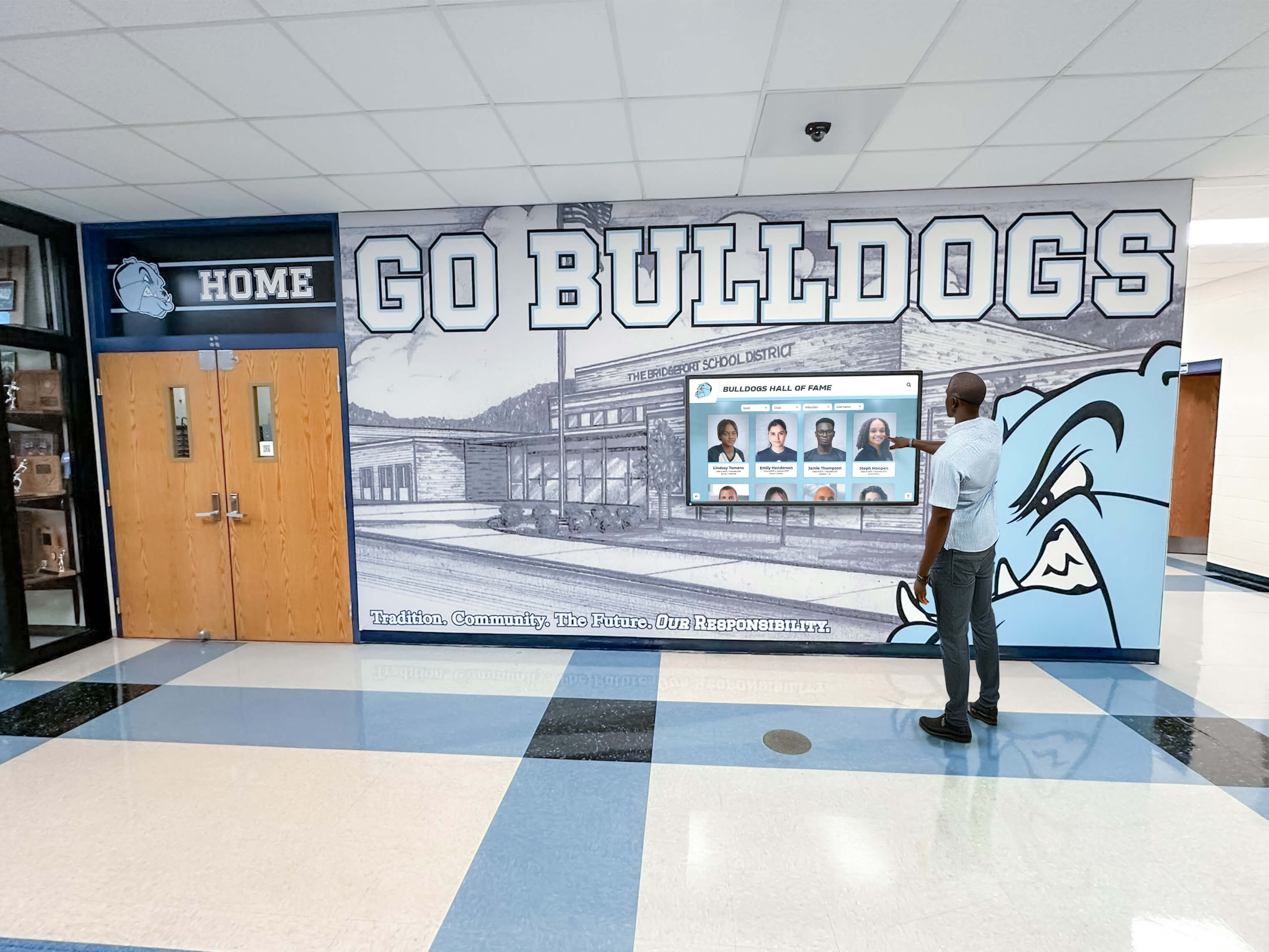
Recognition quality directly reflects organizational professionalism standards and respect for donor generosity warranting appropriate acknowledgment befitting contribution significance. Digital systems should provide polished presentation through high-resolution 4K displays ensuring crisp photo reproduction and readable text even at close viewing distances, professionally designed templates maintaining consistent visual quality across hundreds of individual donor profiles without requiring custom design work for each addition, comprehensive branding customization incorporating organizational colors, logos, typography, and design elements maintaining visual identity consistency across recognition programs and broader institutional communications, responsive layouts adapting seamlessly across different screen sizes from large 75-inch lobby displays to mobile phone screens enabling consistent experiences across access channels, accessibility compliance meeting WCAG 2.1 AA standards ensuring usability for visitors with visual impairments, motor limitations, or cognitive differences, and visual distinction between giving tiers through color coding, layout variations, or enhanced profile depth appropriately acknowledging contribution magnitude without diminishing recognition for smaller but faithful supporters essential to annual fund success.
Organizations seeking turnkey implementations benefit from platforms providing pre-designed professional templates that look polished immediately upon launch while still allowing customization matching specific institutional aesthetics, brand guidelines, and campaign themes. This approach eliminates expensive custom design requirements potentially costing $5,000-$15,000+ while ensuring recognition maintains quality standards befitting donor respect and organizational reputation throughout decades of program operation and continuous content expansion.
Robust Security and Privacy Protection
Donor information sensitivity requires careful security considerations protecting personal data, contribution history records, and private contact information from unauthorized access, data breaches, or public disclosure beyond donor-approved recognition content violating privacy expectations and potentially damaging valuable long-term relationships. Essential security features include role-based access control limiting content management permissions to specifically authorized advancement staff members while preventing broader employee access, secure cloud hosting with enterprise-grade data encryption and geographic redundancy protecting against data loss, compliance with data privacy regulations including GDPR for international supporters and CCPA for California residents, granular privacy controls enabling donors to specify exactly which biographical information appears publicly versus remaining confidential in internal advancement records, comprehensive audit trails documenting all content changes and administrative system access for accountability purposes, and regular security updates addressing emerging threats without requiring organizational IT management or technical intervention.
Privacy-conscious system design respects individual donor preferences around public acknowledgment visibility while maintaining comprehensive internal records supporting relationship management, gift processing, and strategic stewardship planning. Many major donors appreciate public recognition for giving leadership demonstrating community commitment while preferring personal information like home addresses, personal phone numbers, email contacts, or complete cumulative lifetime giving histories remain confidential—systems should accommodate these nuanced privacy preferences through flexible configuration options rather than forcing all-or-nothing public visibility creating discomfort preventing recognition acceptance.
Comprehensive Analytics Revealing Engagement Patterns
Modern recognition programs should generate valuable data revealing community interests, popular content themes, and strategic optimization opportunities informing enhancement decisions based on actual engagement patterns rather than hypothetical assumptions about effectiveness lacking empirical validation. Essential analytics capabilities include total interaction tracking showing overall program reach and community engagement levels over time, unique visitor counts revealing how many distinct individuals use recognition displays versus total session numbers inflated by repeat visitors, average session duration indicating whether community members briefly scan content during passive facility navigation or deeply explore multiple donor profiles demonstrating genuine interest and emotional engagement, most-viewed donor profiles identifying inspiring role models and particularly effective storytelling approaches worthy of replication across additional profiles, popular search terms showing discovery patterns and potential content gaps where community interest exceeds available recognition documentation, geographic usage data for organizations operating multiple facilities or serving dispersed constituencies, time-based patterns revealing peak engagement periods informing optimal promotional timing and featured content scheduling, and content type performance comparing photo galleries, video testimonials, text profiles, and impact documentation revealing which formats resonate most powerfully with specific audience segments.
Organizations using engagement data strategically for continuous program optimization report 25-40% improved recognition effectiveness over 2-3 year periods as systematic enhancements based on actual user behavior patterns enhance content quality, improve intuitive discovery pathways, and align system features with demonstrated audience preferences and engagement drivers rather than hypothetical assumptions about what supporters might value theoretically.
Implementation Roadmap: Planning Your Recognition Screen Program
Successful donor recognition screen programs result from systematic planning addressing technology selection, content development strategy, physical placement optimization, stakeholder engagement, and sustainable ongoing management ensuring stewardship systems serve organizations faithfully across decades of institutional growth and evolving advancement priorities.
Phase 1: Strategic Planning and Needs Assessment (Weeks 1-4)
Begin comprehensive planning by understanding current recognition limitations, identifying specific gaps and strategic opportunities, and defining clear measurable objectives for new or enhanced recognition systems aligned with broader institutional advancement priorities and campaign timelines.
Current State Documentation: Inventory existing recognition approaches and operational limitations including what methods currently acknowledge donors across giving levels, how many supporters receive physical plaque recognition versus digital acknowledgment or no visible appreciation, stakeholder satisfaction with current systems gathered through informal donor feedback and advancement committee perspectives, physical space available for new display installations considering high-traffic locations and architectural visibility, existing technology infrastructure including network connectivity and power availability, and budget parameters for recognition investment from development operating budgets, capital campaign allocations, or potential donor sponsorships positioning recognition infrastructure itself as naming opportunity.
Objective Definition and Success Metrics: Establish clear goals informing all subsequent planning decisions including primary purposes like donor retention improvement, major gift cultivation enhancement, capital campaign momentum building, or transparent accountability demonstration; target audiences encompassing current major donors, prospective leadership supporters, program beneficiaries, or general community members; specific success metrics for program evaluation including retention rate improvements, average gift size increases, engagement analytics targets, or stakeholder satisfaction scores gathered through post-implementation surveys; and timeline requirements related to campaign phases, institutional anniversaries, facility dedications, or strategic planning cycles driving recognition system deployment urgency.
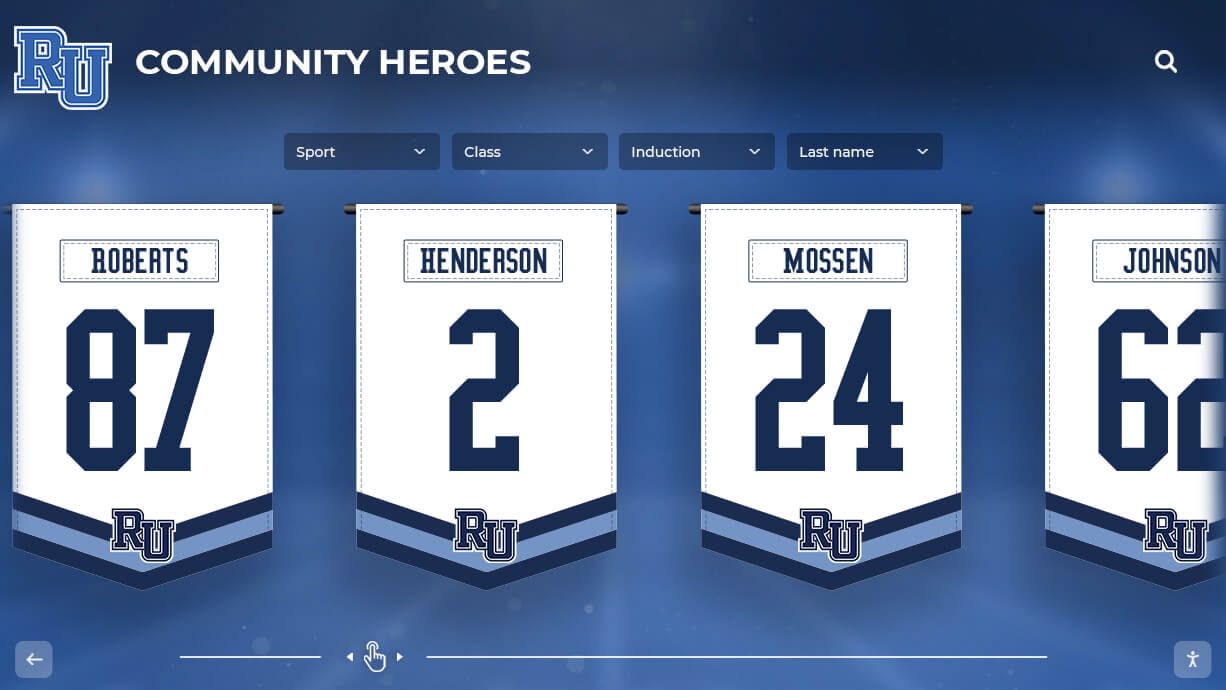
Technology Research and Vendor Evaluation: Assess donor recognition screen solutions against weighted criteria including content management ease for non-technical advancement staff lacking specialized training, user interface intuitiveness ensuring positive experiences for diverse community audiences including elderly supporters and visitors with varying technical comfort, total cost of ownership including hardware, software licensing, training, support, and ongoing management over realistic 10-15 year planning horizons, vendor reputation and implementation track record serving similar organizations with verifiable references from comparable educational institutions or nonprofit organizations, scalability supporting recognition program growth as donor bases expand through successful cultivation over decades, integration capabilities with existing CRM systems like Raiser’s Edge, Blackbaud, or Salesforce avoiding duplicate data entry and manual synchronization, and ongoing vendor commitment demonstrated through regular platform updates, responsive technical support, and clear product roadmaps showing continued investment rather than stagnant products lacking innovation.
Phase 2: Content Strategy and Initial Development (Weeks 5-10)
Content represents the heart of recognition screen programs determining whether acknowledgment resonates emotionally and delivers genuine stewardship value strengthening donor relationships or becomes superficial directory listing providing minimal relational benefit beyond basic name acknowledgment.
Recognition Criteria Establishment: Create transparent standards for recognition inclusion ensuring program credibility and perceived fairness including minimum gift thresholds for different tiers based on organizational budget scale and average donor capacity, cumulative lifetime giving calculations versus single-gift recognition approaches acknowledging sustained relationships over one-time contributions, planned gift commitments and legacy society acknowledgment for estate provisions even before gifts realize, volunteer service and non-monetary contributions deserving recognition alongside financial gifts, memorial gift policies addressing tributes honoring deceased loved ones through charitable contributions, and anonymous donor accommodation for supporters preferring private acknowledgment over public visibility.
Content Collection Workflows: Plan systematic processes for gathering comprehensive donor information including advancement database queries extracting giving histories, biographical details, contact information, and program designation records; personalized outreach requesting expanded biographical narratives, personal photos, and video testimonial participation from recognized contributors through email campaigns or phone conversations; professional photography sessions during donor events, facility tours, or dedicated recognition appointments creating high-quality visual content; program impact documentation connecting specific gifts to measurable outcomes and beneficiary stories; rigorous quality assurance ensuring factual accuracy, appropriate tone, and grammatical correctness across hundreds of profiles; and thorough privacy review confirming explicit donor consent for public acknowledgment and specific biographical detail publication preventing uncomfortable privacy violations damaging relationships.
Phased Development for Sustainability: Rather than attempting complete historical documentation immediately creating overwhelming workload potentially delaying launch indefinitely, strategic phasing enables manageable progress through launching initial displays featuring current major donors and recent significant gifts where information exists readily in advancement records, systematically expanding recognition backward through organizational decades as staff capacity allows and historical research progresses, establishing continuous processes for adding new donors within 1-2 weeks as gifts arrive and qualify for recognition, and creating periodic featured content rotation highlighting specific giving societies, campaign priorities, or historical donor cohorts maintaining fresh displays encouraging repeat community engagement beyond initial novelty periods.
Phase 3: Installation and Technical Implementation (Weeks 11-16)
Execute physical installation and technology configuration ensuring reliable operation, professional presentation quality, and sustainable management processes appropriate for advancement staff capacity and organizational IT support availability.
Physical Placement Strategy: Location selection dramatically affects visibility and community engagement success including high-traffic building lobbies maximizing donor exposure and community awareness, development office reception areas where major gift prospects visit for cultivation meetings enabling recognition demonstration during conversations, common spaces like cafeterias, student centers, or fellowship halls where community members regularly congregate, event spaces used for fundraising galas, donor recognition ceremonies, or campaign milestone celebrations, and strategic architectural features creating focal points drawing community attention and encouraging interactive exploration.
Environmental considerations include appropriate ambient lighting preventing screen glare and ensuring visibility, reliable electrical power and network connectivity with backup systems preventing embarrassing downtime during critical events, comfortable viewing distances accommodating individual profile exploration and small group viewing, accessible positioning meeting ADA requirements at appropriate heights for wheelchair users, and aesthetic integration with existing architecture, institutional design themes, and surrounding recognition elements creating cohesive visual experiences.
Hardware Installation and Configuration: Professional implementation ensures long-term reliability through secure display mounting with integrated cable management maintaining clean professional aesthetics, network connectivity configuration for cloud platform access, content system testing verifying all features function correctly, user acceptance testing with representative stakeholders including advancement staff and board members, and comprehensive staff training on content management processes, routine operation, and basic troubleshooting preventing IT dependency for simple issues.
Content Migration and Launch Preparation: Load initial donor content systematically through bulk profile import using existing database records, photo collection and optimization for web display ensuring fast loading times, biographical content development following organizational templates maintaining consistency, comprehensive quality assurance reviewing factual accuracy and presentation polish, soft launch testing with limited audiences providing feedback before full community rollout, and promotional material preparation including signage, launch event invitations, and communications announcing new recognition capabilities.
Phase 4: Launch, Promotion, and Sustained Engagement (Week 17+)
Systematic launches generate broad awareness, establish positive community engagement patterns, and create sustained momentum for ongoing recognition program success extending beyond initial implementation excitement and novelty periods when community attention naturally wanes without deliberate promotional strategies.
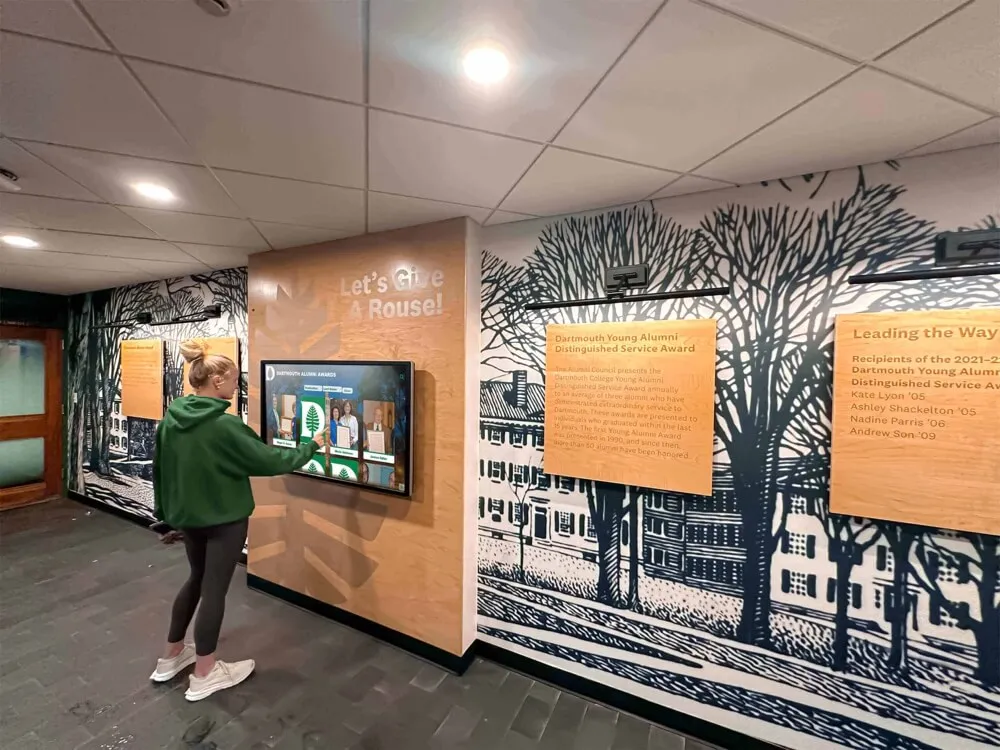
Public Launch Event: Grand opening ceremonies generate awareness and community excitement through formal unveiling events with institutional leadership and recognized donors creating memorable experiences, recognition of inaugural featured donors creating emotional connection and personal investment, interactive demonstration sessions encouraging hands-on exploration and discovery, media engagement for publicity coverage in local newspapers, institutional publications, and social media channels, and celebratory framing connecting recognition to mission advancement and community generosity appreciation rather than technological novelty alone.
Ongoing Promotional Strategies: Recognition requires sustained attention beyond launch including regular communications highlighting newly recognized donors through institutional newsletters, email campaigns, and annual reports; social media featuring individual donor profiles creating shareable content inspiring peer giving; integration with organizational tours and new community member orientations ensuring all visitors discover recognition capabilities; event-based promotion during reunions, homecomings, galas, or campaign milestones when donor attendance peaks; and periodic content refreshes celebrating recognition program milestones like 100th donor addition or $10 million cumulative giving visualized maintaining momentum across years and preventing program stagnation.
Continuous Improvement Processes: Establish routines for systematic program enhancement through monthly analytics review revealing engagement trends, content performance, and user behavior patterns; quarterly content additions maintaining currency and featuring seasonal themes or campaign priorities; annual stakeholder surveys assessing donor satisfaction and gathering enhancement suggestions; and iterative feature improvements based on actual usage patterns and documented community feedback rather than hypothetical assumptions about desired capabilities.
Total Cost of Ownership: Investment and ROI Analysis
Understanding complete financial implications helps organizations make informed recognition technology decisions comparing initial investments against long-term operational costs, traditional approach expenses, and measurable advancement outcomes justifying infrastructure investments as strategic fundraising enablers rather than discretionary spending.
Initial Implementation Investment
Comprehensive donor recognition screen programs typically require $15,000-$45,000 initial investment depending on display quantity, size specifications, installation complexity, and content development scope:
Hardware Components ($8,000-$25,000): Commercial-grade 43-75 inch touchscreen displays ($3,000-$8,000 each), secure mounting systems with cable management ($500-$1,500 per display), network infrastructure including switches and cabling if needed ($1,000-$3,000), and professional installation labor ($1,500-$4,000 depending on location complexity and structural requirements).
Software Platform and Setup ($3,000-$12,000): Initial platform licensing or first-year subscription ($2,000-$6,000), system configuration and branding customization ($1,000-$4,000), integration with existing CRM systems ($500-$2,000), and comprehensive staff training programs ($500-$1,500).
Content Development ($2,000-$8,000): Initial donor research and biographical content writing ($1,000-$4,000), photo collection, digitization, and optimization ($500-$2,000), video production for testimonials if included ($1,000-$3,000), and quality assurance review processes ($500-$1,000).
Many organizations fund implementations through donor sponsorships positioning recognition infrastructure itself as naming opportunity, capital campaign budget allocations recognizing that recognition systems represent legitimate campaign expenses serving stewardship objectives, or multi-year operational budget commitments spreading costs across fiscal years.
Ongoing Annual Operating Costs
Sustainable recognition programs require $3,000-$8,000 annual investment for software licensing, technical support, content updates, and system maintenance:
Software and Support ($2,000-$5,000): Annual platform subscription fees covering hosting, updates, and feature enhancements ($1,500-$4,000) and responsive technical support access ($500-$1,000).
Content Management ($500-$2,000): Staff time for routine donor additions and updates (typically 2-4 hours monthly), periodic content refreshes and featured donor rotation, and annual comprehensive content audits ensuring accuracy.
Hardware Maintenance ($500-$1,000): Occasional display cleaning and maintenance, network connectivity monitoring, and eventual component replacement after 7-12 years of continuous operation.
ROI Through Advancement Outcomes
Strategic recognition investments deliver measurable returns through improved donor retention, increased gift sizes, and accelerated cultivation timelines:
Retention Improvement: Organizations implementing comprehensive recognition report 15-25% higher donor retention rates. For institutions with 1,000 donors averaging $2,500 annually, a 20% retention improvement retains 200 additional donors annually generating $500,000 additional revenue over five years—far exceeding recognition system costs while strengthening long-term relationship pipelines.
Gift Size Growth: Properly recognized donors contribute 23-35% larger subsequent gifts according to fundraising research. For organizations securing 50 major gifts annually averaging $25,000, a 25% average increase generates $312,500 additional revenue annually—justifying recognition investments within a single fiscal year while compounding benefits over decades of sustained higher giving levels.
Cultivation Efficiency: Digital recognition demonstrations during prospect meetings accelerate major gift timelines by 15-30% according to advancement officers using recognition systems as cultivation tools. Shortening average 18-month cultivation cycles by 4-6 months enables development teams to secure more gifts annually while reducing relationship management costs per dollar raised—improving overall advancement operation efficiency measurably.
Organizations seeking comprehensive guidance on fundraising recognition strategies discover that thoughtful stewardship investments deliver measurable advancement outcomes justifying recognition as strategic infrastructure rather than discretionary expense.
Overcoming Common Implementation Challenges
Organizations implementing or managing donor recognition screen programs encounter predictable obstacles that tested approaches address effectively through strategic planning and systematic problem-solving based on lessons learned across hundreds of institutional deployments.
Limited Historical Information and Incomplete Records
Many organizations discover incomplete donor records complicating comprehensive historical recognition efforts and creating frustrating documentation gaps preventing full community acknowledgment.
Solution Approaches: Conduct systematic archive research checking old annual reports, campaign materials, and institutional publications documenting historical giving; launch community outreach requesting biographical information from contemporaries, donor family members, or historical society resources; transparently acknowledge documentation gaps while inviting community assistance filling them through crowdsourcing initiatives; implement phased recognition approaches beginning with well-documented recent donors while expanding historically as research progresses; and start with recognition tiers requiring minimal biographical information while enriching profiles progressively as additional details emerge through ongoing research and outreach efforts.
Budget Constraints and Resource Limitations
Financial and staffing constraints affect implementation scope and timeline for organizations lacking dedicated advancement infrastructure or facing competing strategic priorities demanding limited discretionary budgets.
Solution Approaches: Develop phased investment strategies deploying initial core single-display systems with planned multi-year expansion as budgets allow and recognition benefits demonstrate measurable advancement outcomes; pursue creative funding through donor sponsorships positioning recognition infrastructure itself as naming opportunity generating $15,000-$50,000+ gifts funding complete implementations; leverage volunteer involvement for content research, biographical writing, and historical documentation reducing professional staff time requirements; select platforms prioritizing user-friendliness minimizing IT dependencies and external vendor service expenses; and conduct comprehensive long-term cost analysis demonstrating that digital systems achieve cost parity with cumulative traditional recognition expenses over 10-15 year horizons while providing vastly superior functionality.
Organizations exploring comprehensive donor recognition approaches discover that strategic infrastructure investments deliver measurable advancement outcomes including improved retention, increased gift sizes, and enhanced cultivation efficiency justifying thoughtful budget allocation as essential fundraising infrastructure rather than discretionary technology spending lacking clear ROI documentation.
Maintaining Long-Term Engagement and Fresh Content
Initial launch excitement often fades without strategic attention to sustained relevance and regular content updates maintaining community interest beyond implementation novelty periods when recognition naturally attracts high initial engagement.
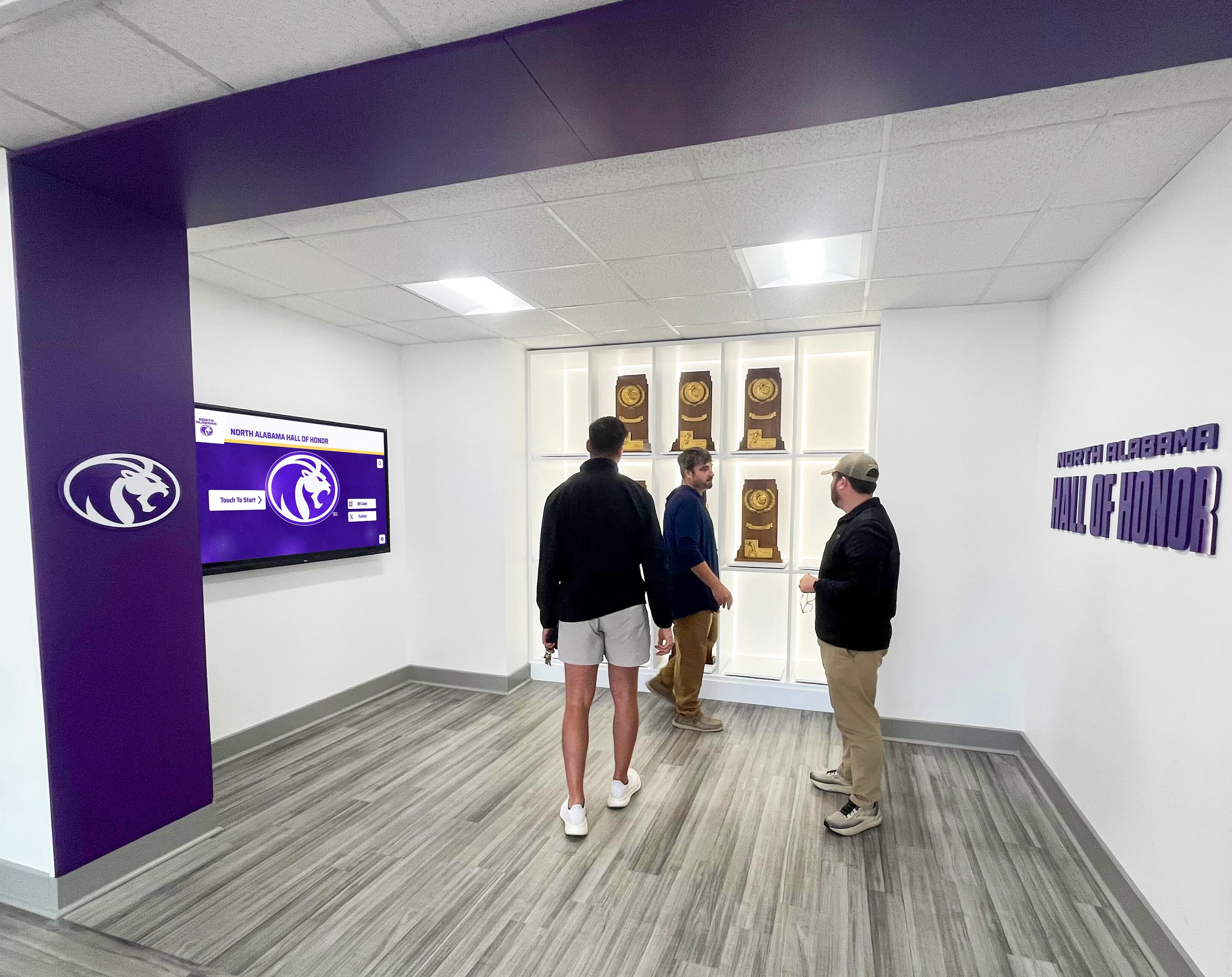
Solution Approaches: Establish regular content addition schedules providing reasons for repeat community visits beyond initial curiosity; implement featured donor rotation keeping displays fresh between major content expansions; leverage event-based promotion creating engagement spikes around homecomings, galas, or campaign milestones when donor attendance peaks; integrate recognition with ongoing advancement programs like giving society events, volunteer initiatives, or beneficiary celebrations; use analytics-informed optimization based on actual usage patterns revealing popular content and discovery pathways; and adopt continuous improvement mindset rather than “set and forget” implementation treating recognition as living program requiring sustained attention similar to social media or website management.
Privacy Concerns and Donor Preferences
Balancing public acknowledgment’s stewardship benefits with appropriate respect for individual donor preferences around visibility and personal information sharing requires thoughtful policy development and flexible system capabilities.
Solution Approaches: Always ask explicitly about recognition preferences before assuming donors want public acknowledgment or biographical detail publication; offer privacy options at all giving levels including major gifts where public visibility assumptions often prove incorrect; respect anonymity completely protecting donor identity as specifically requested without pressure or disappointment messaging; provide alternative private recognition through exclusive stewardship events, personalized leadership communications, and one-on-one relationship cultivation for supporters preferring private acknowledgment; document preferences carefully in donor records ensuring future staff honor commitments preventing embarrassing violations; and never suggest that public recognition represents requirement or expectation diminishing gift value without visibility agreement.
The Future of Donor Recognition Screen Technology
Recognition technology continues evolving with emerging capabilities promising enhanced engagement, expanded applications, and deeper donor relationships through innovation while maintaining core stewardship principles around authentic gratitude and meaningful appreciation beyond transactional acknowledgment.
Artificial Intelligence and Personalization
AI integration will enable sophisticated recognition features including intelligent profile recommendations based on visitor browsing patterns and interest signals, automated content updates from public sources and organizational database synchronization, natural language search supporting conversational queries like “show donors supporting scholarships”, personalized recognition experiences adapting to individual user giving histories when authenticated, and predictive analytics identifying donors at attrition risk or demonstrating upgrade readiness signals warranting proactive cultivation outreach.
Enhanced Accessibility and Extended Reach
Modern recognition extends beyond physical displays through mobile companion apps providing recognition access and impact updates anywhere on iOS and Android devices, virtual reality creating immersive recognition experiences for distant supporters unable to visit facilities regularly, voice interaction enabling hands-free exploration for accessibility and convenient automobile or home assistant integration, and augmented reality overlaying digital recognition onto physical organizational environments through smartphone cameras blending traditional and digital approaches seamlessly.
Comprehensive Institutional Recognition Integration
Leading organizations expand recognition beyond donors to comprehensive community documentation celebrating diverse contributions including volunteer service appreciation honoring non-financial contributions, employee recognition programs acknowledging staff achievements and tenure milestones, community partner acknowledgment thanking collaborative organizations, and beneficiary storytelling centering program recipients alongside supporter recognition creating complete impact narratives demonstrating how philanthropic investment transforms lives tangibly.
Integration with broader institutional recognition systems creates unified platforms celebrating diverse forms of organizational contribution and community engagement while maintaining appropriate distinction between philanthropic support and other valuable relationships serving different strategic purposes.
Measuring Recognition Program Effectiveness
Strategic organizations track recognition impact through quantitative metrics and qualitative feedback informing continuous improvement and demonstrating program value to leadership, board members, and donors themselves.
Key Performance Indicators
Monitor recognition success through donor retention rates comparing year-over-year retention percentages segmented by recognition status and giving levels, average gift size tracking subsequent contribution amounts from recognized versus unrecognized donors, engagement analytics measuring total interactions, unique visitors, session duration, and popular content, major gift pipeline velocity assessing whether prospects move through cultivation stages faster when recognition serves as cultivation tool, and donor satisfaction scores gathered through annual surveys or post-gift acknowledgment feedback requests.
Engagement Analytics Deep Dive
Comprehensive usage analysis reveals program effectiveness and optimization opportunities through total interaction counts showing overall community engagement levels and growth trends, unique visitor identification tracking distinct individuals using displays versus inflated total session numbers, average session duration indicating whether visitors briefly scan content or deeply explore multiple profiles demonstrating genuine interest, most-viewed donor profiles identifying inspiring role models and particularly effective storytelling approaches worthy of replication, popular search terms revealing discovery patterns and potential content gaps where community interest exceeds available documentation, time-based patterns showing peak engagement periods informing promotional timing and featured content scheduling, and content type performance comparing photos, videos, and text profiles revealing which formats resonate most powerfully.
Qualitative Feedback Collection
Systematically gather donor perceptions through annual surveys asking recognized donors about acknowledgment meaningfulness and relationship impact, focus groups with donor constituency segments exploring recognition program strengths and enhancement opportunities, informal conversations during stewardship events noting spontaneous donor comments about recognition experiences, development officer debriefs following prospect meetings incorporating recognition demonstrations, and board member perspectives on recognition quality and institutional representation during facility tours and community interactions.
Conclusion: Transform Donor Recognition for Lasting Stewardship Impact
Donor recognition screens represent far more than technological upgrades to traditional plaques—they constitute strategic advancement infrastructure addressing fundamental stewardship challenges while creating engagement opportunities impossible through physical recognition alone. Organizations across sectors discover that thoughtful recognition screen implementations deliver measurable outcomes including dramatically improved donor retention rates with 40-43% higher retention compared to minimally recognized peers, substantially increased gift sizes with properly acknowledged supporters contributing 23-35% larger subsequent gifts, accelerated major gift cultivation as compelling recognition demonstrations shorten timelines 15-30%, broader community participation inspired by visible social proof normalizing generous support, enhanced fundraising transparency building confidence through explicit impact documentation connecting contributions to tangible outcomes, and sustained donor relationships converting one-time contributors into lifelong advocates maintaining organizational support across decades.
The most successful donor recognition screen programs share essential characteristics including unlimited recognition capacity accommodating growth without space constraints or escalating per-donor costs, immediate update capabilities enabling timely acknowledgment strengthening relationships when motivation peaks, rich multimedia storytelling creating emotional connection through comprehensive biographical content and impact documentation, intuitive discovery tools helping diverse audiences find personally relevant content efficiently through powerful search and filtering, comprehensive analytics revealing engagement patterns informing continuous optimization based on actual user behavior, and sustainable management processes appropriate for advancement staff capacity without overwhelming technical complexity or IT dependency.
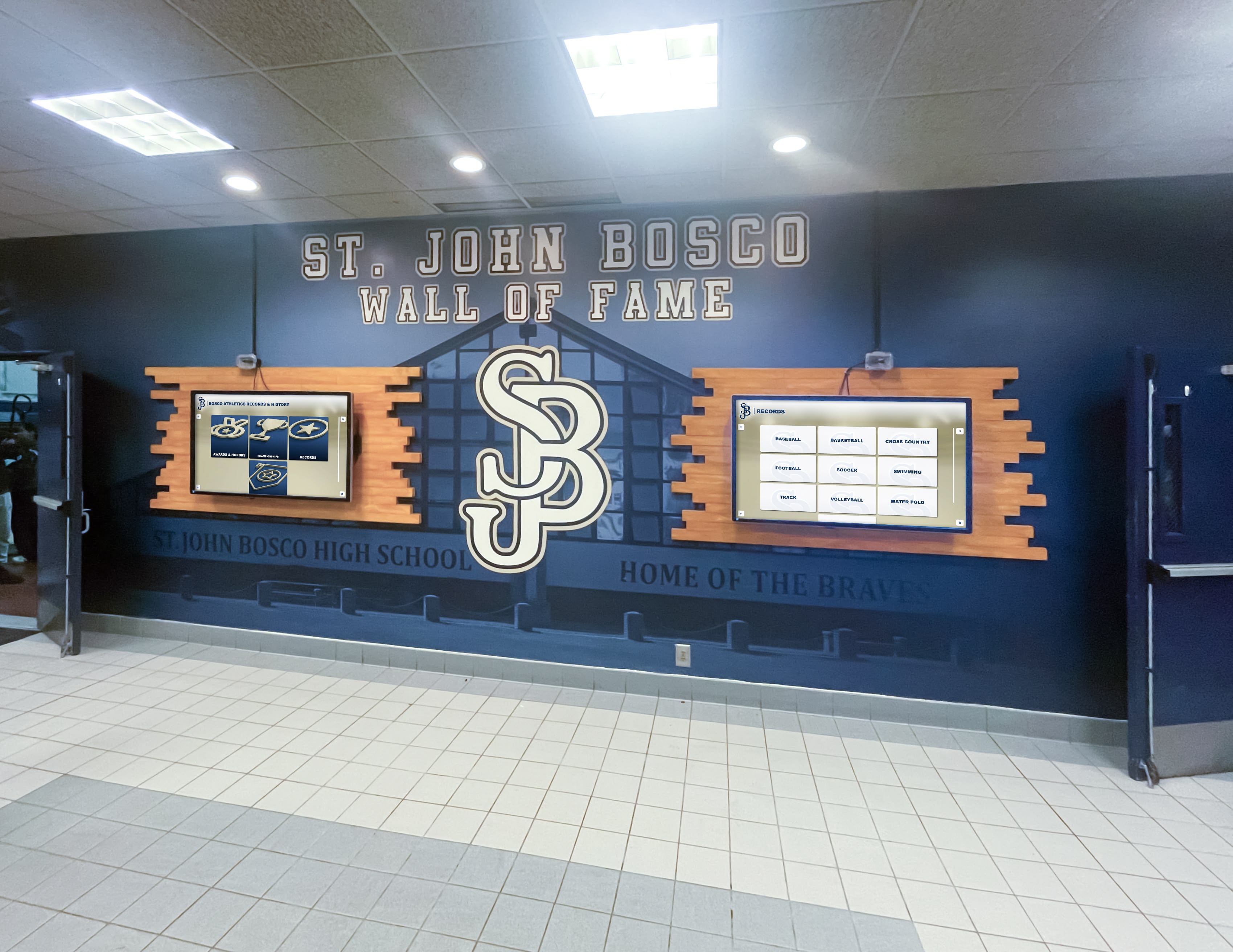
For organizations beginning new recognition programs or modernizing existing systems limited by space constraints, update delays, or minimal information capacity, purpose-built platforms like Rocket Alumni Solutions provide comprehensive solutions designed specifically for institutional donor stewardship contexts. These systems combine professional presentation quality befitting institutional standards and donor respect, intuitive content management enabling non-technical advancement staff to maintain current accurate information without IT dependency, powerful engagement features serving diverse stakeholder preferences and discovery patterns, reliable vendor support ensuring recognition achieves stewardship objectives sustainably across decades, and proven track records serving educational institutions, nonprofits, healthcare organizations, and faith communities advancing missions through strengthened donor relationships and sustainable philanthropic support.
Strategic donor recognition screens transform acknowledgment from administrative obligation into powerful stewardship tool celebrating generosity authentically while strengthening collective philanthropic culture sustaining organizational missions across generations. Every generous donor deserves recognition honoring their contributions appropriately regardless of gift size or giving history. Every organization deserves comprehensive recognition capabilities celebrating philanthropy without space limitations, prohibitive costs, or technical complexity preventing advancement staff from maintaining sustainable programs serving donors faithfully and organizational missions effectively.
Ready to create donor recognition that celebrates generosity while strengthening retention, accelerating major gifts, and building lasting supporter relationships? Book a demo to explore how comprehensive digital recognition platforms address every limitation of traditional approaches while providing capabilities serving contemporary stewardship objectives across educational institutions, nonprofits, churches, healthcare organizations, and mission-driven communities committed to honoring donors meaningfully.